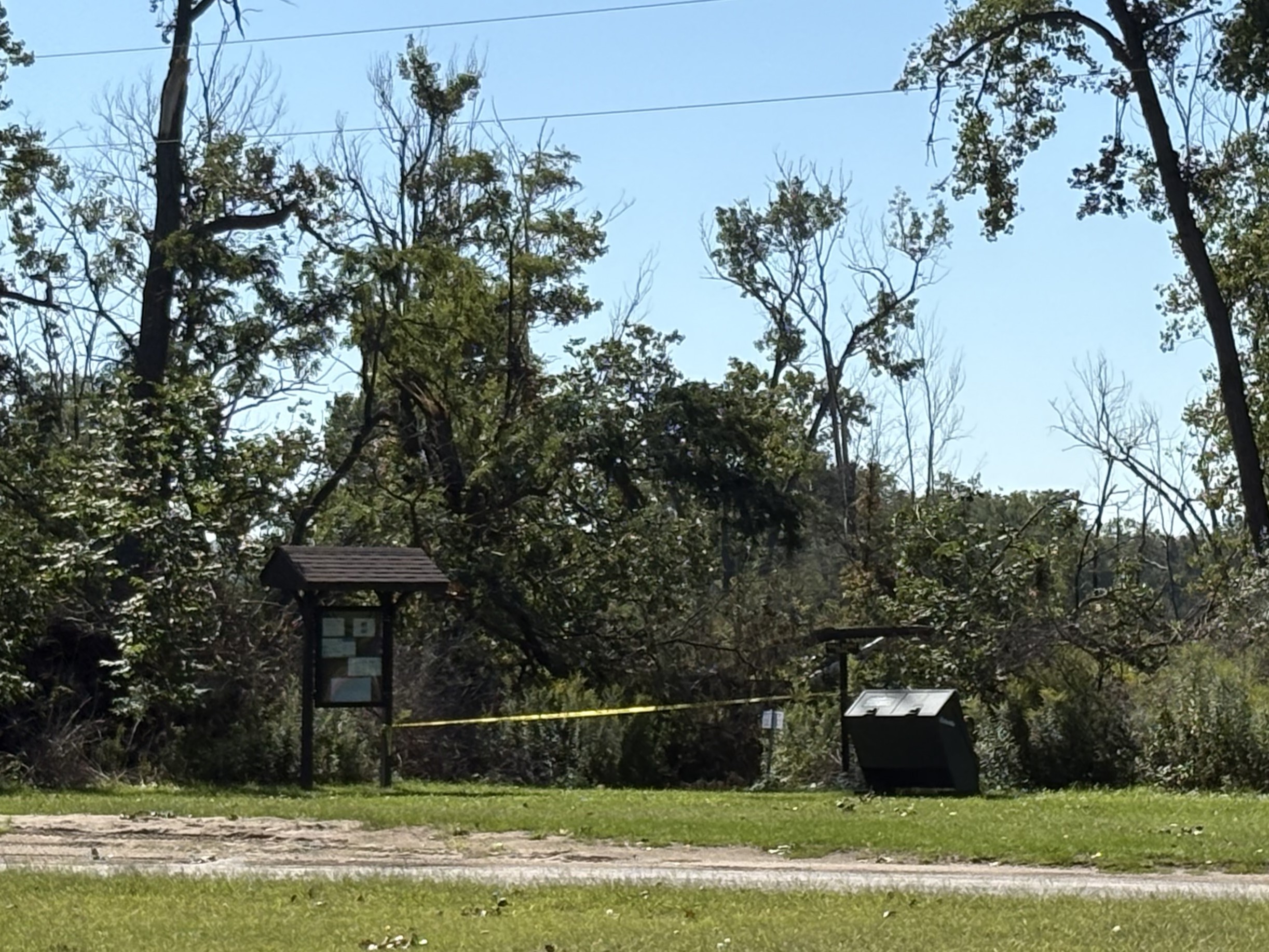
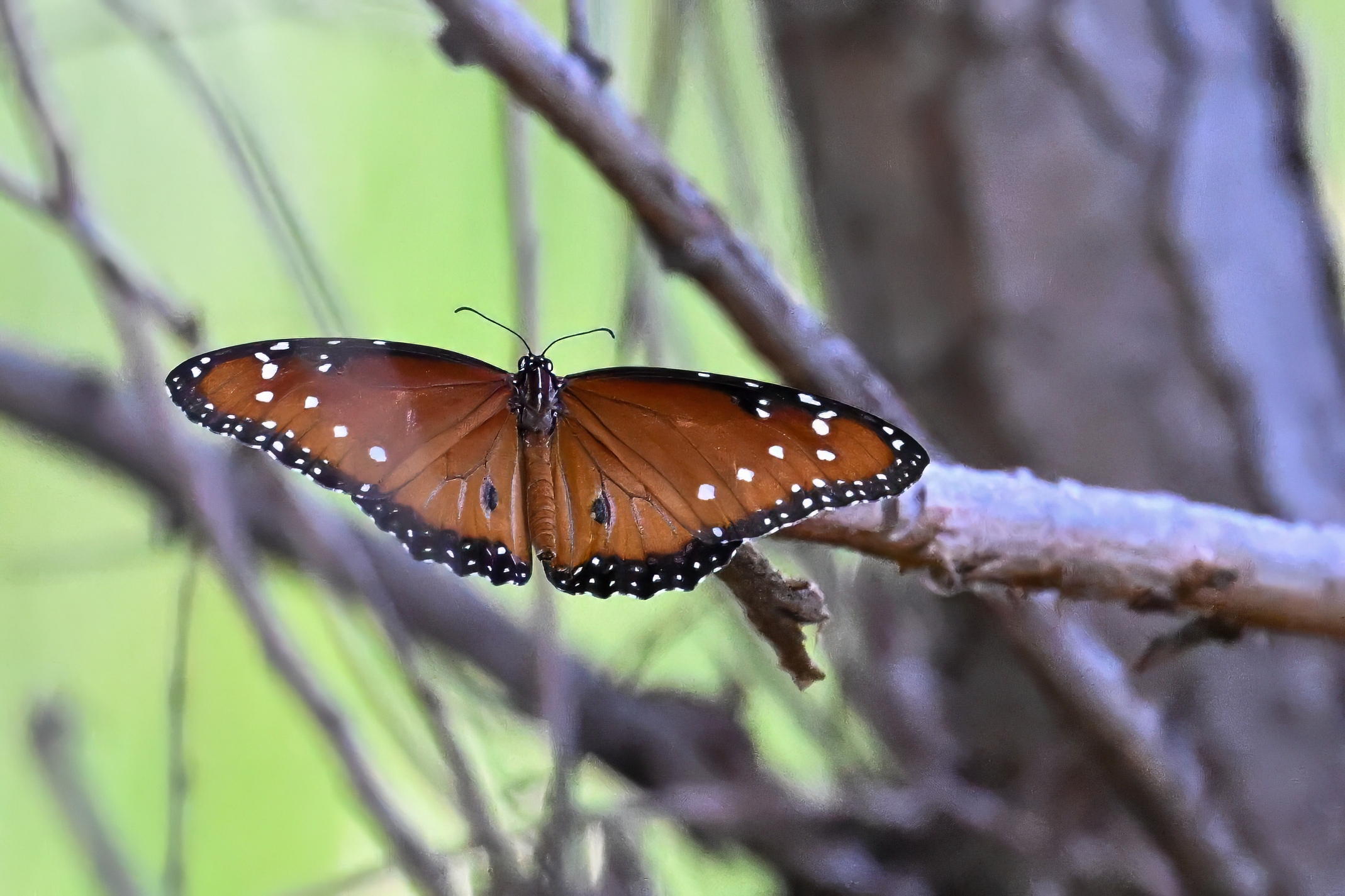
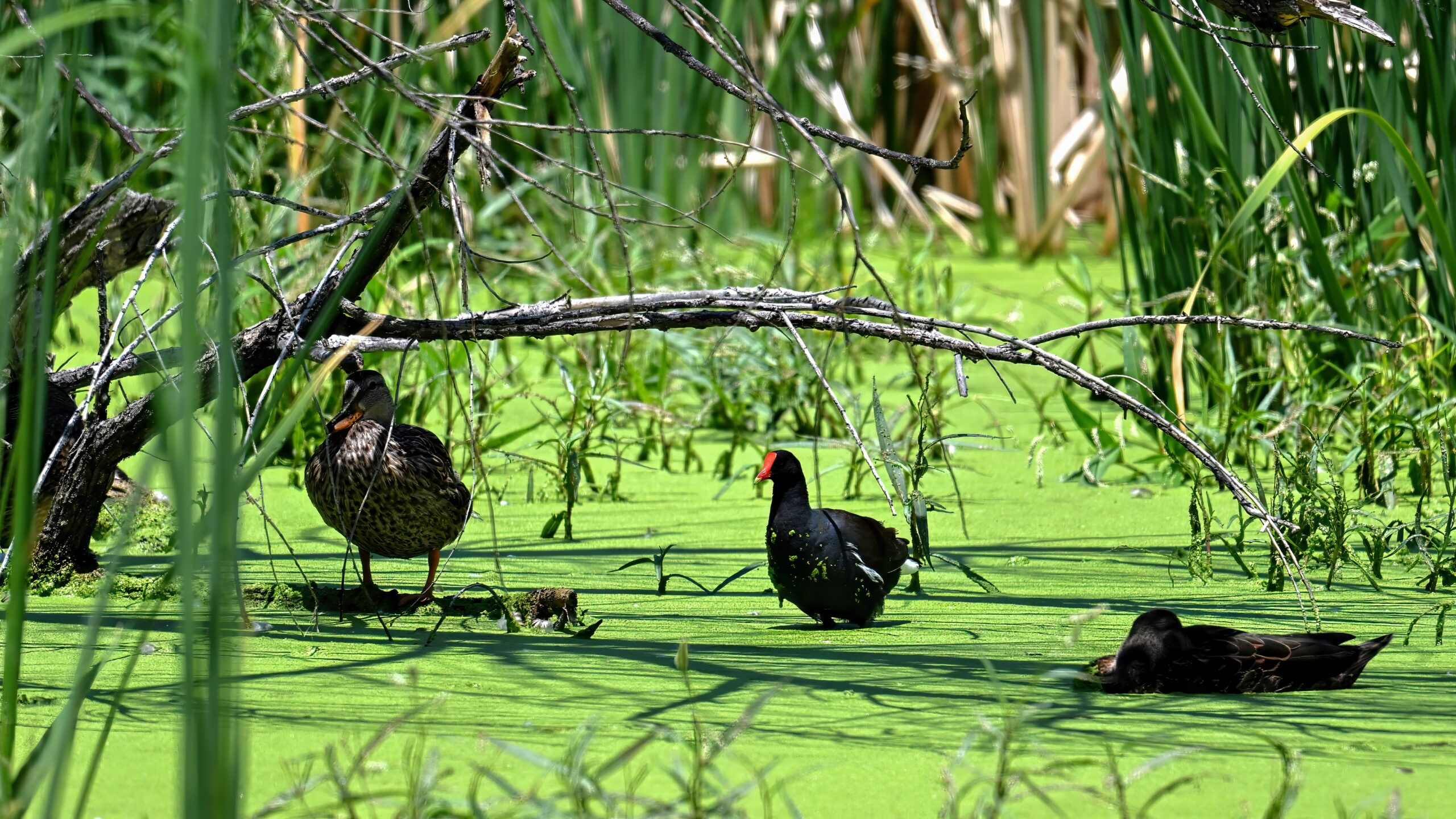
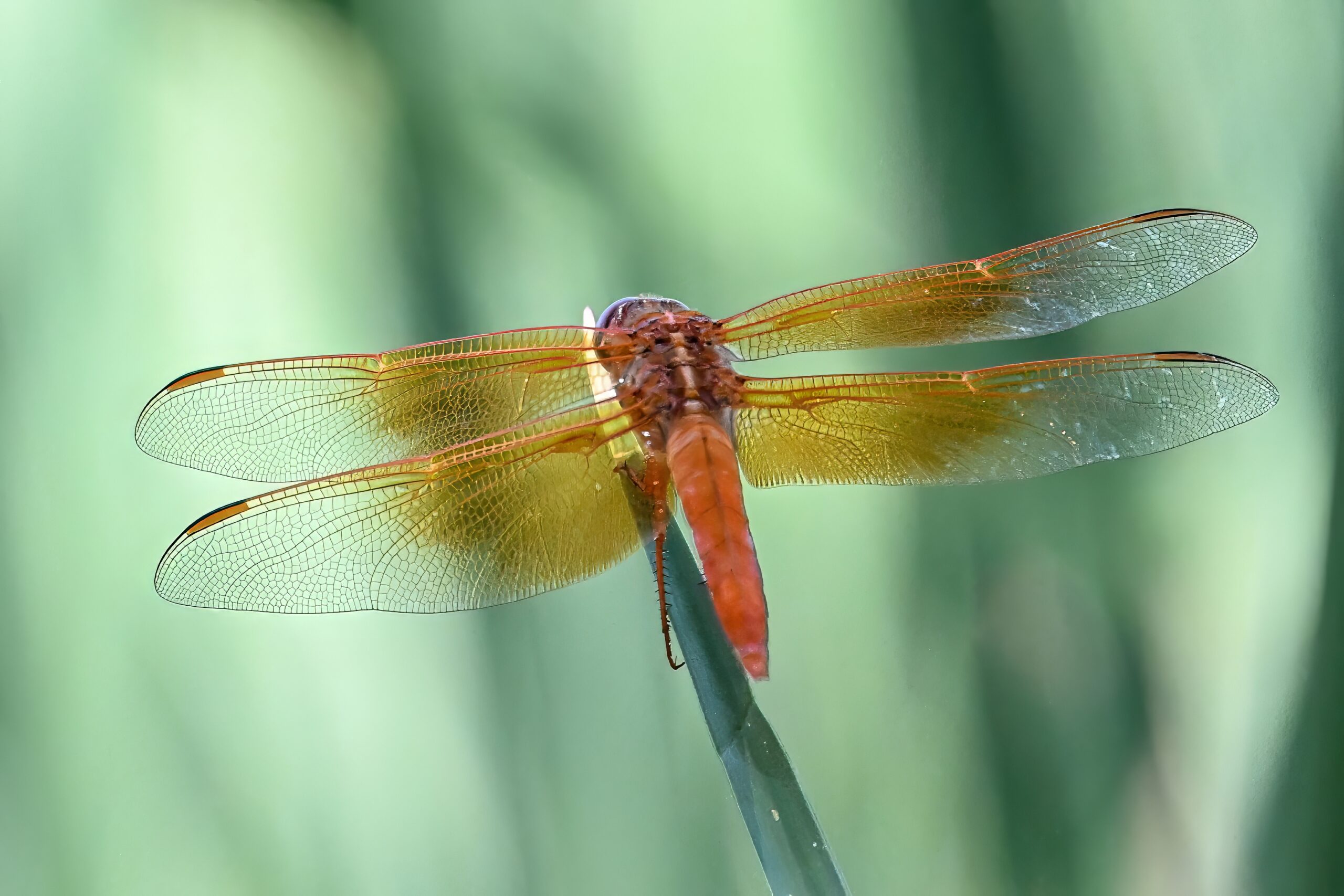
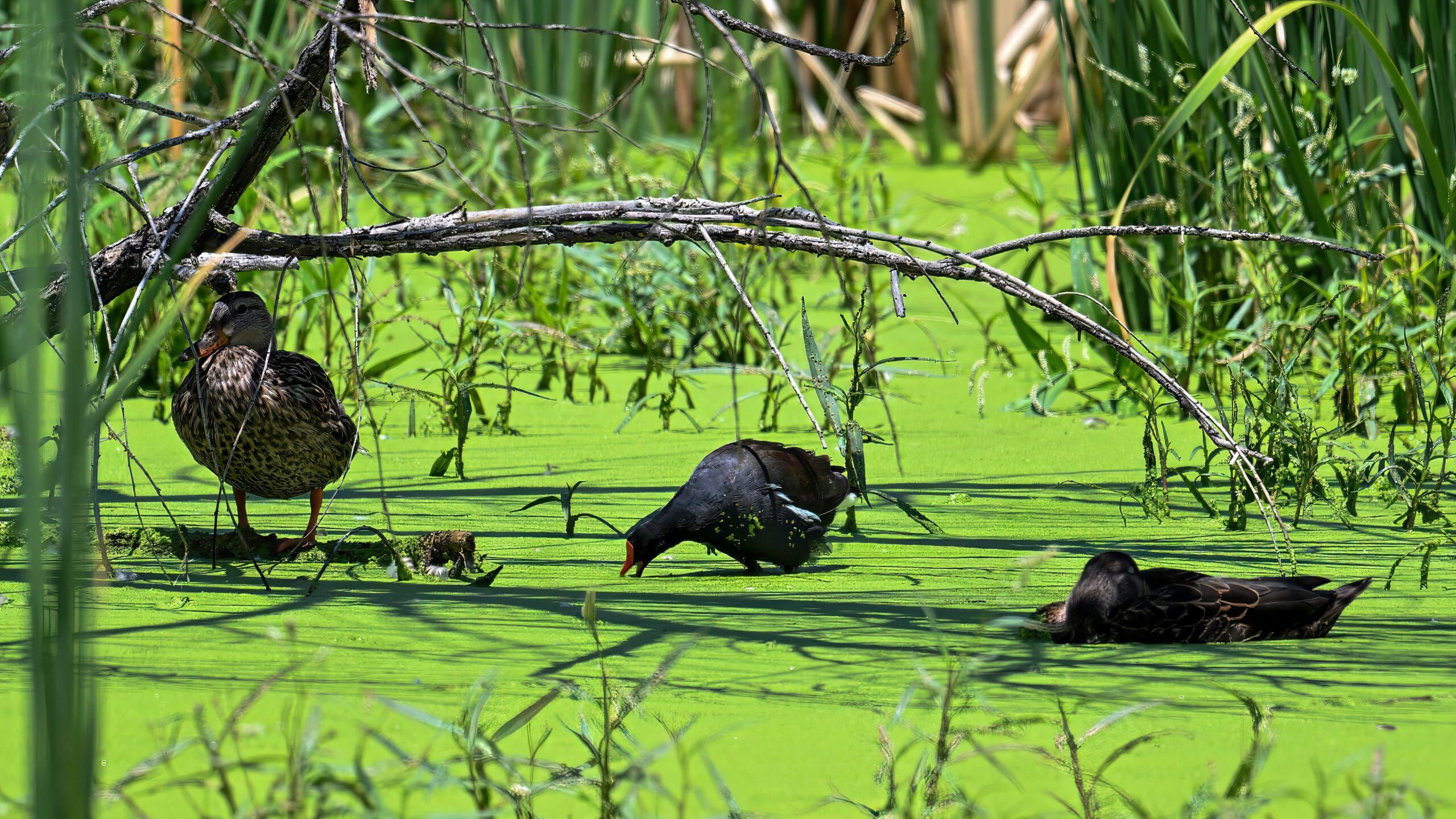
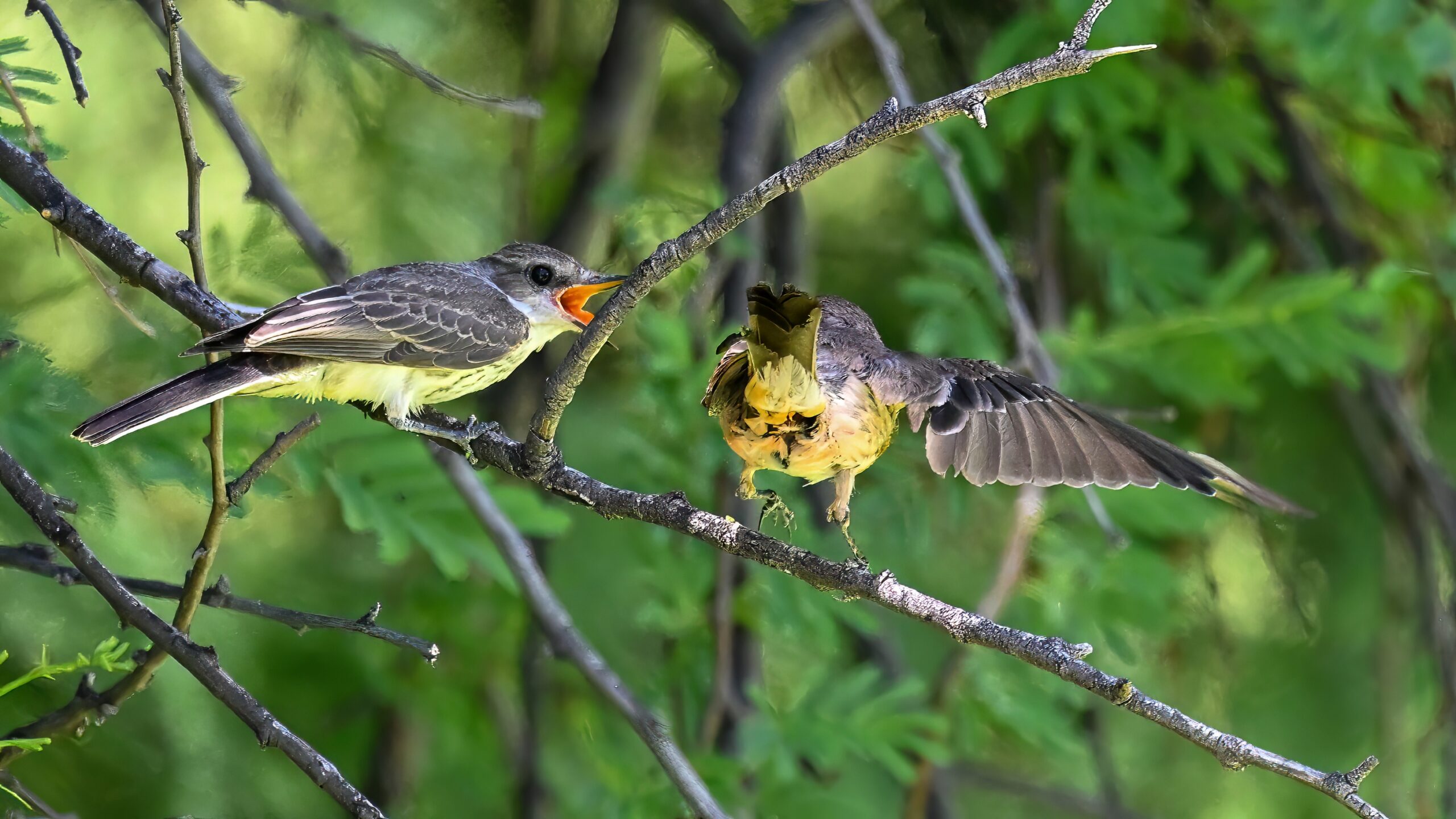
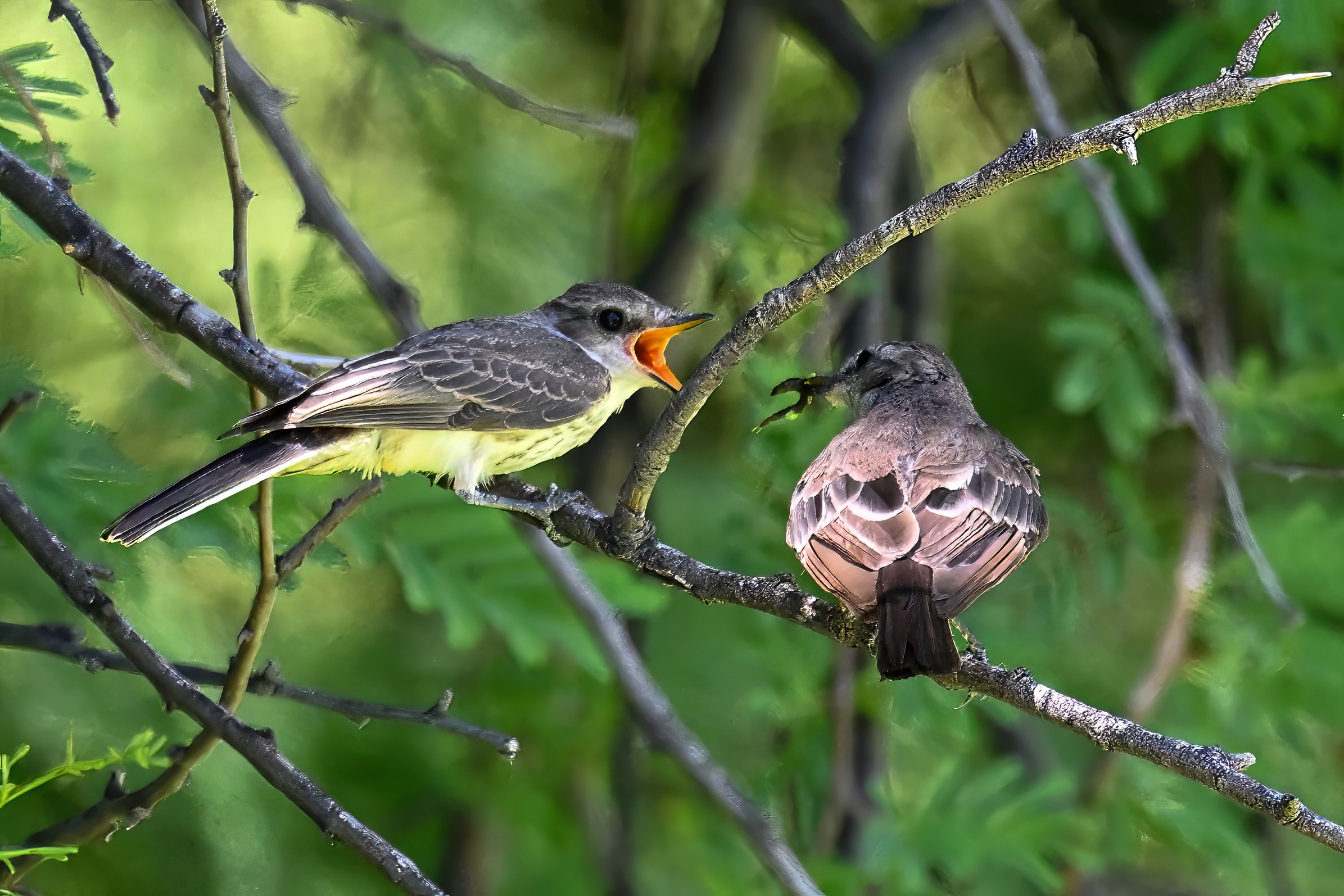
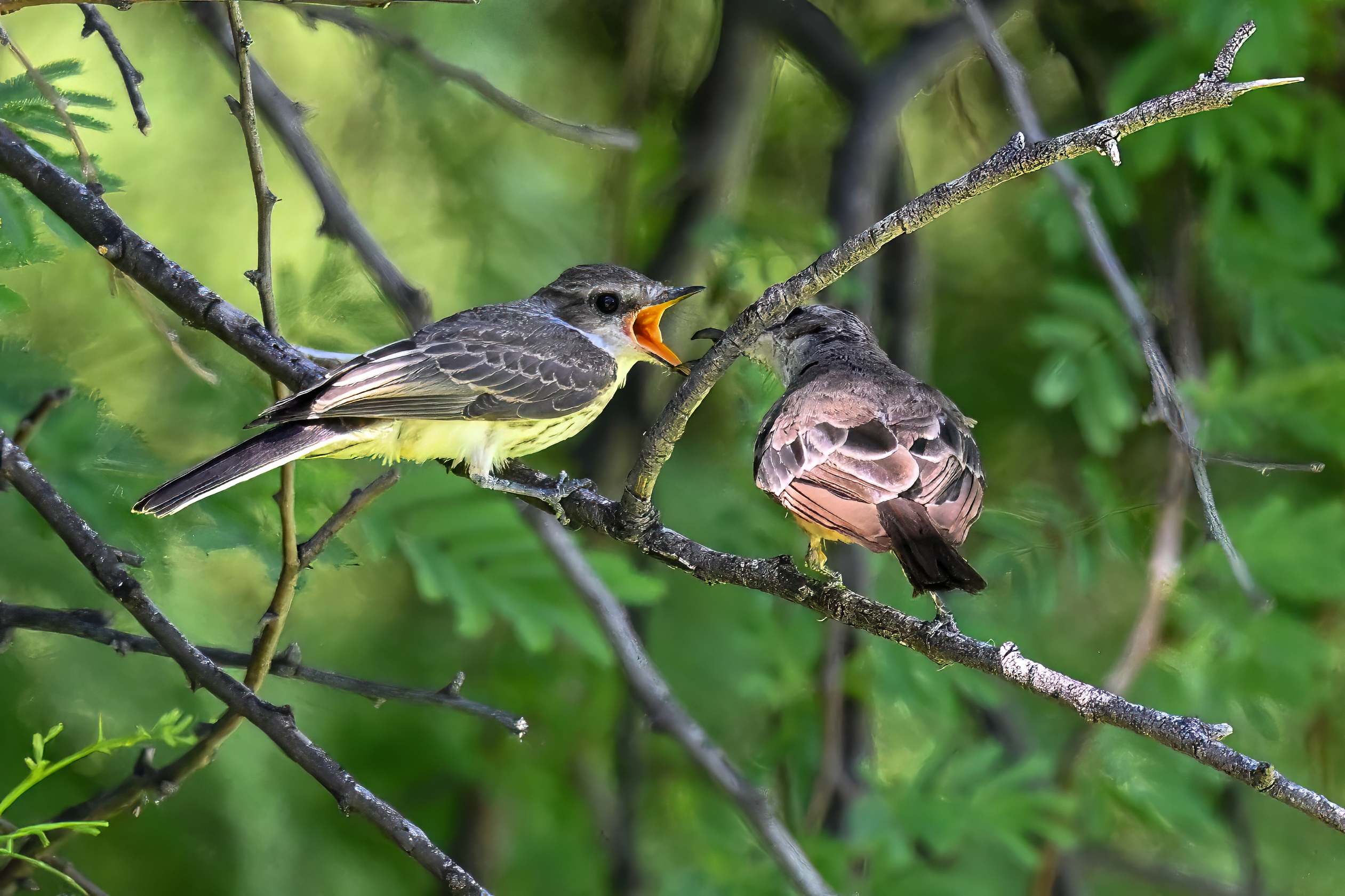
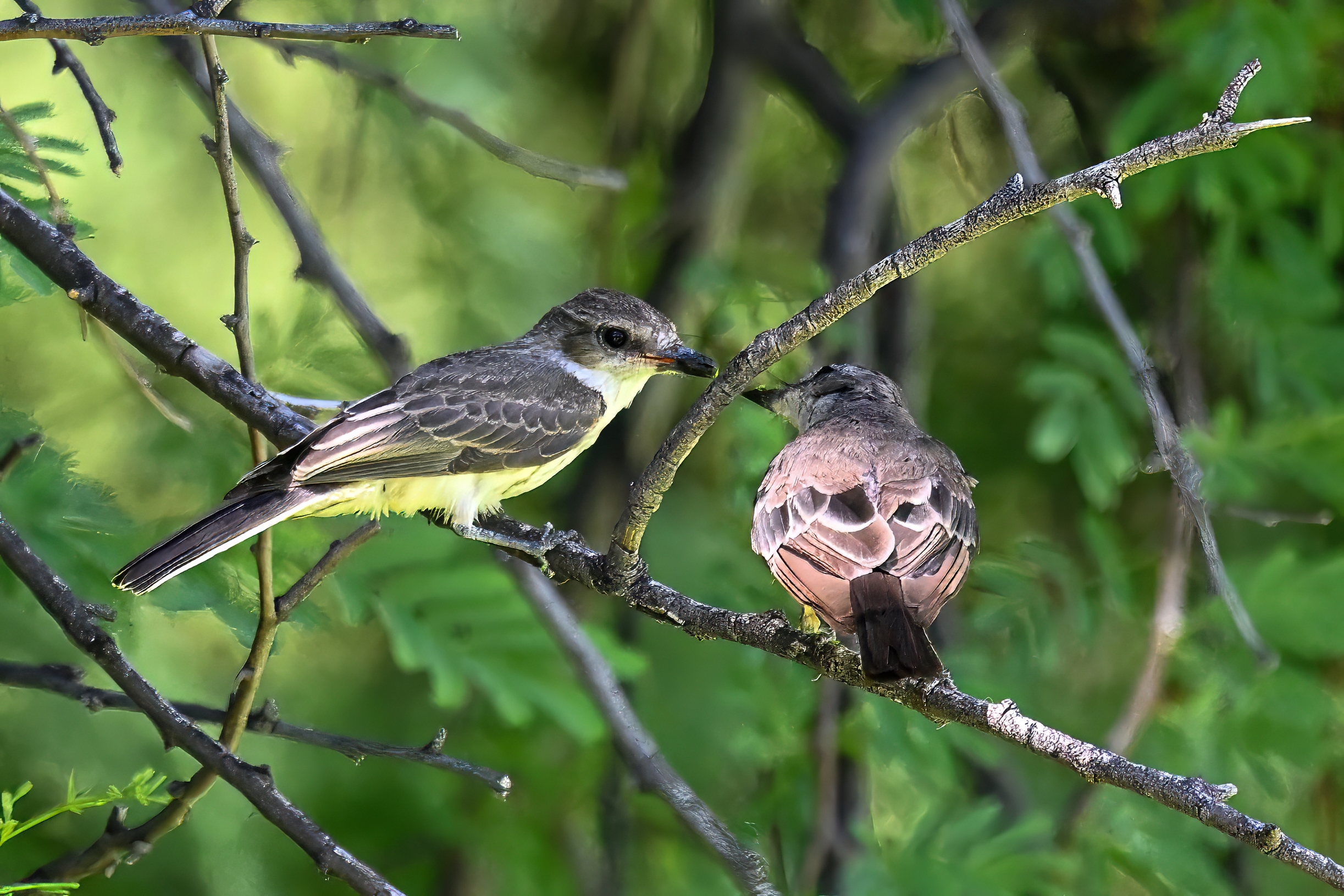
After being closed several days due to storm damage, Presque Isle State Parkreopened yesterday morning, with conditions back to normal except continued interior/hiking trail closures. Storm damage (downed trees) was noticeable but highly localized; overall, the park looked pretty good.
Gull Point Trail trailhead – closed
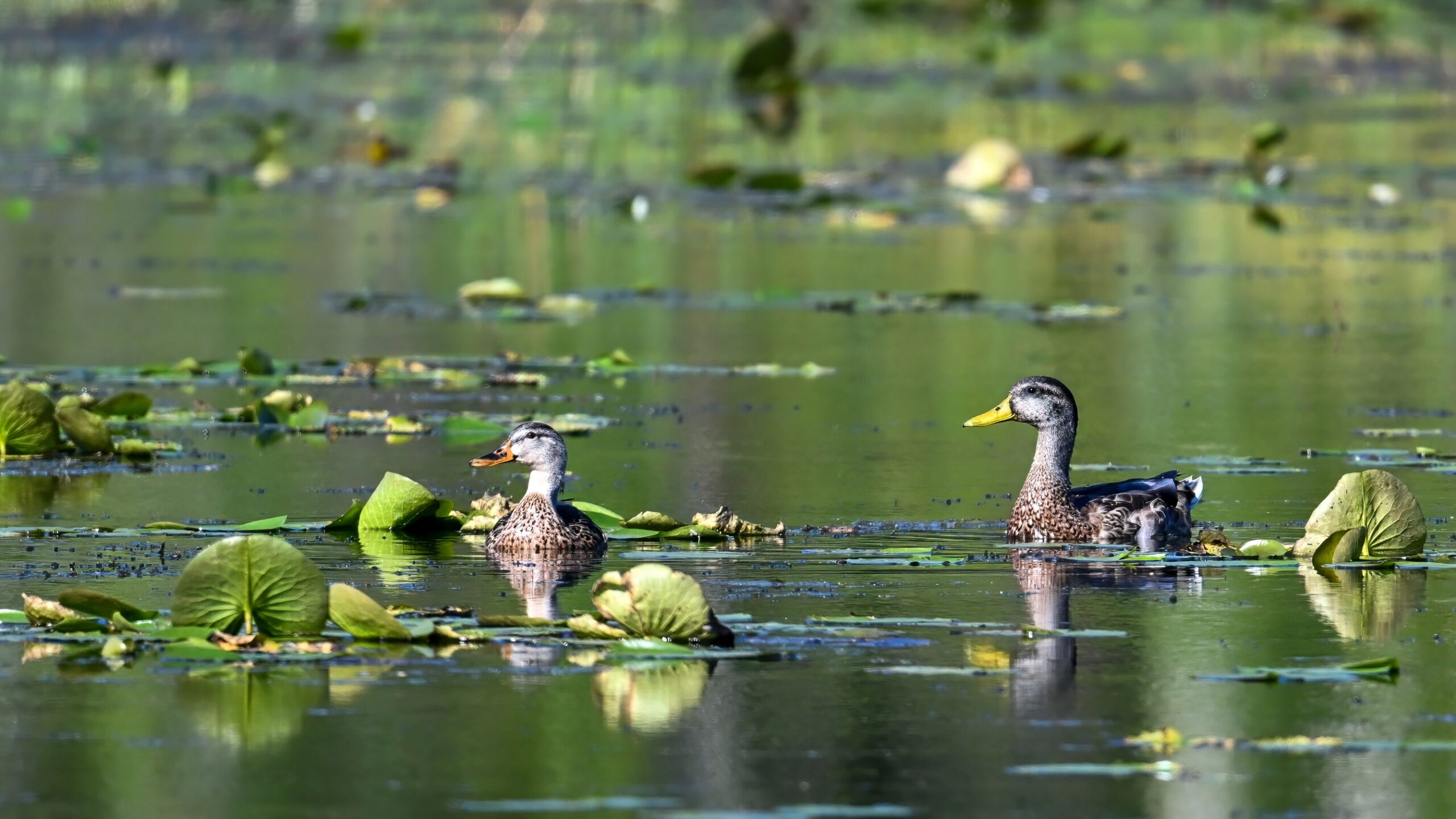
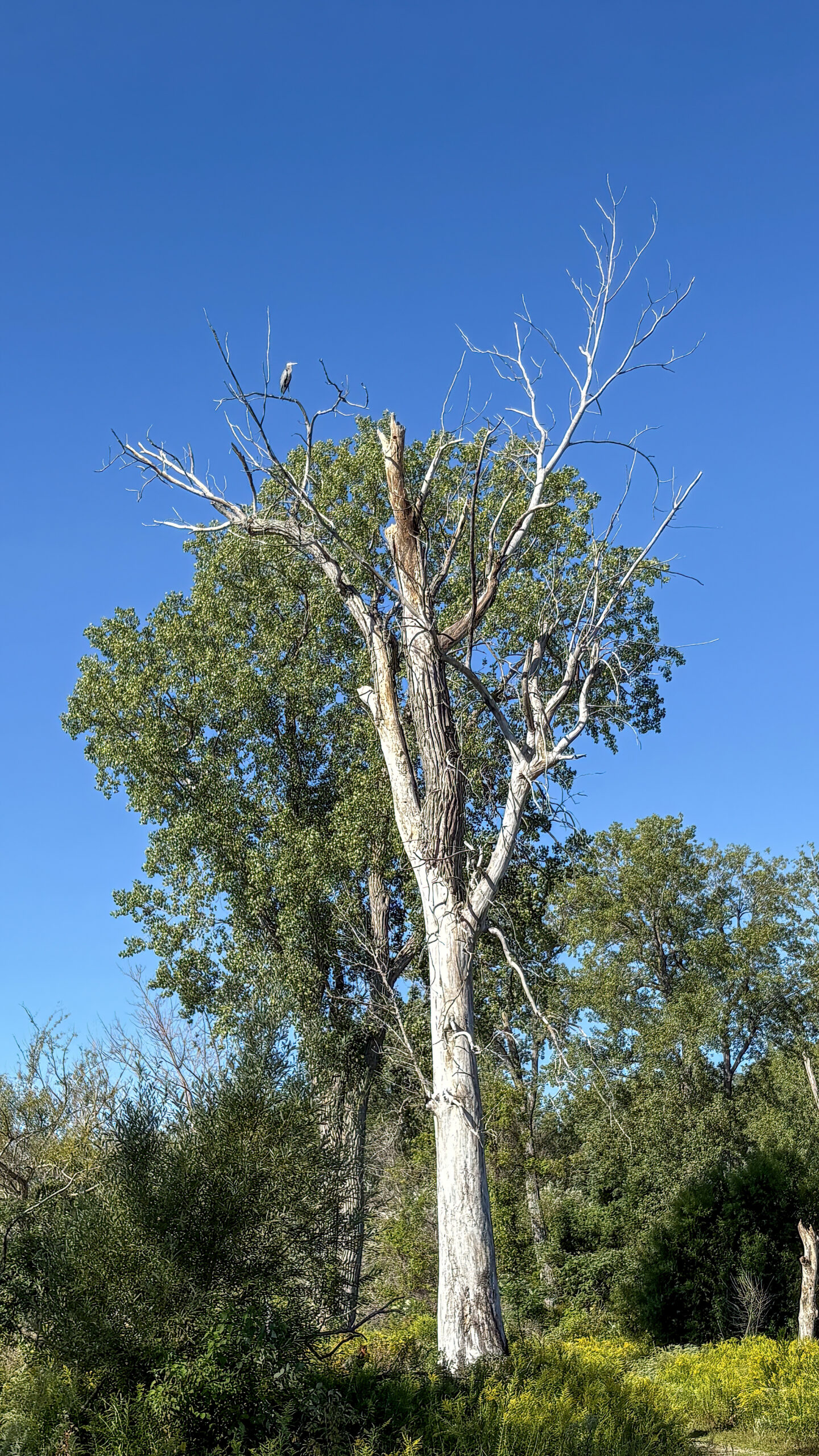
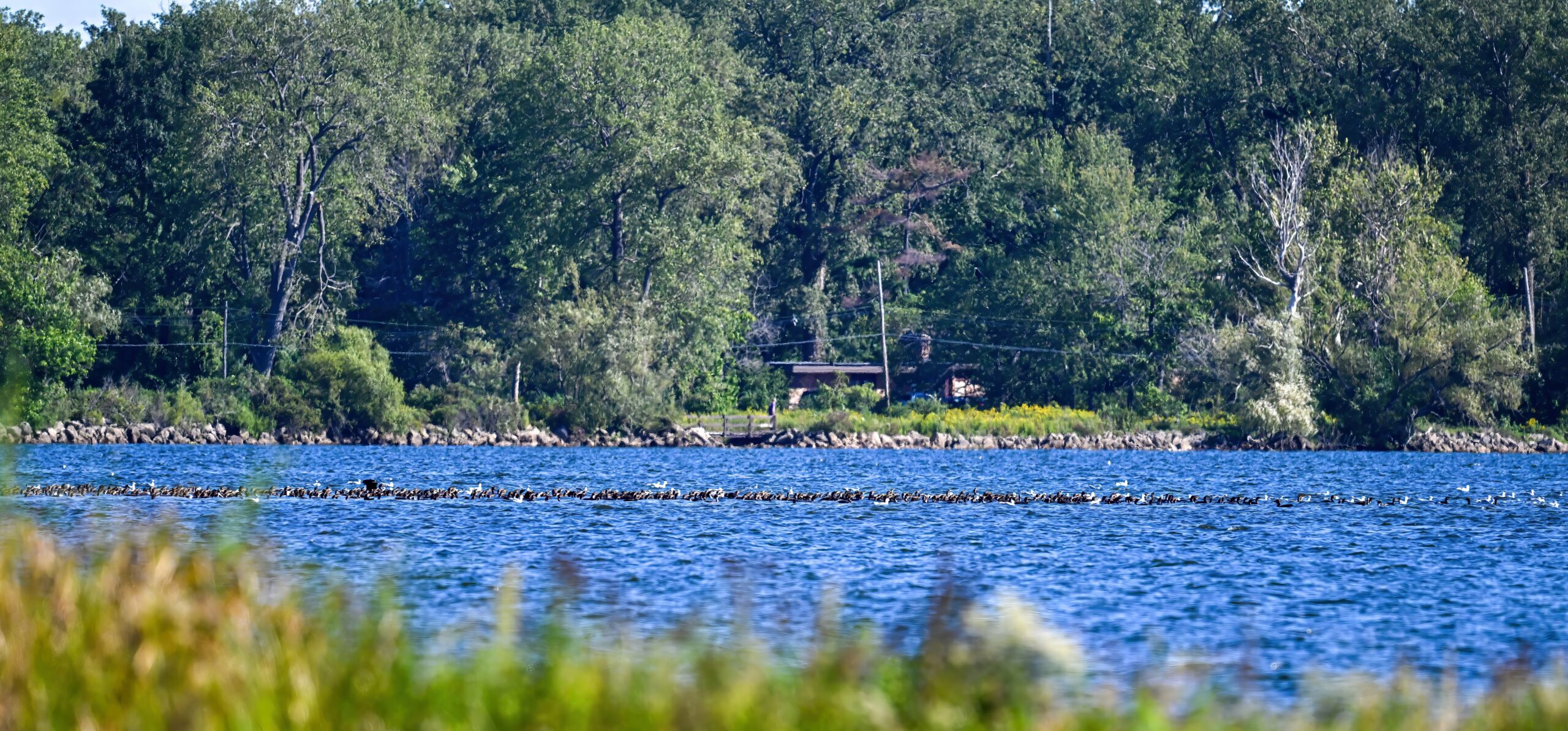
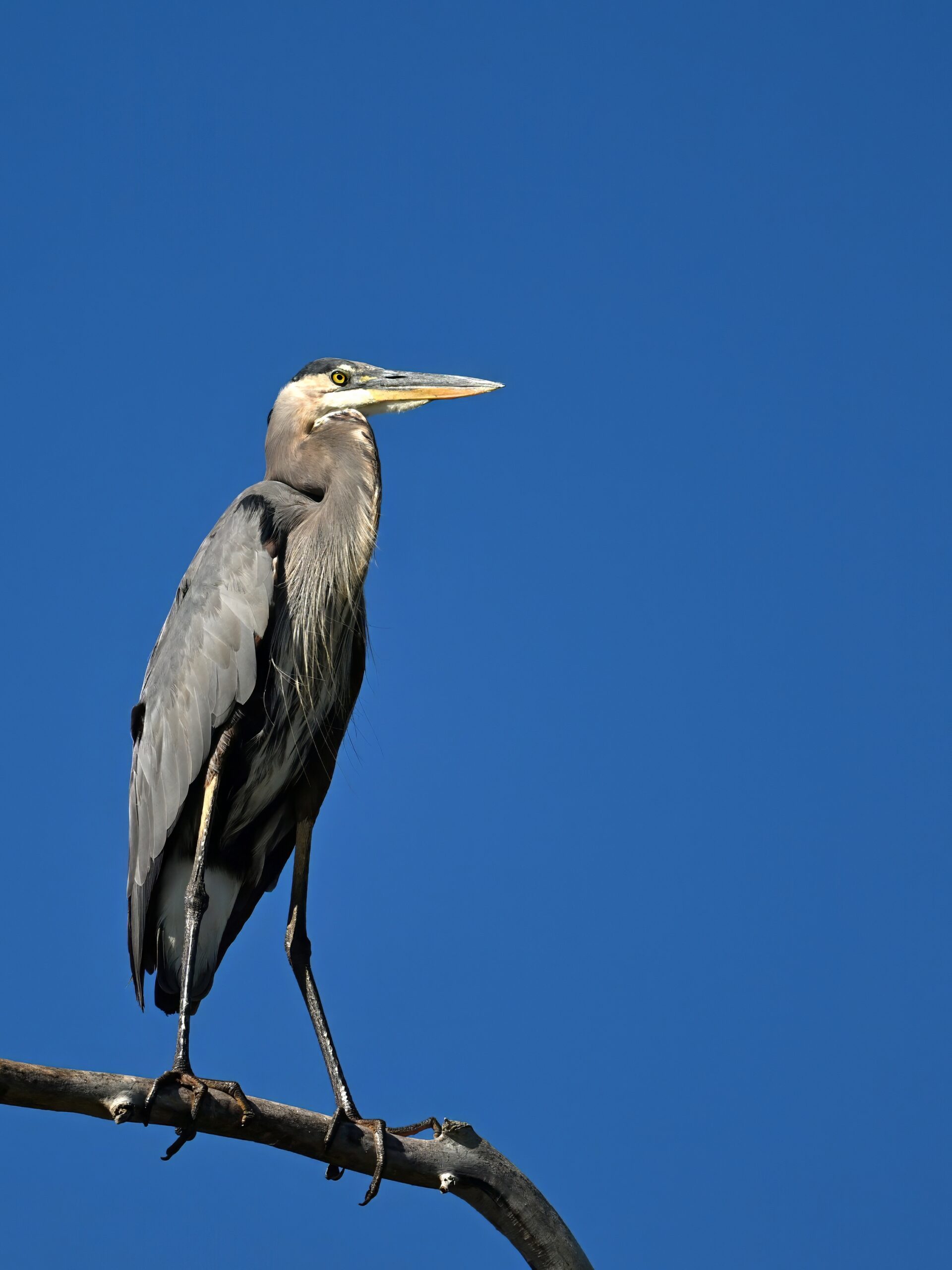
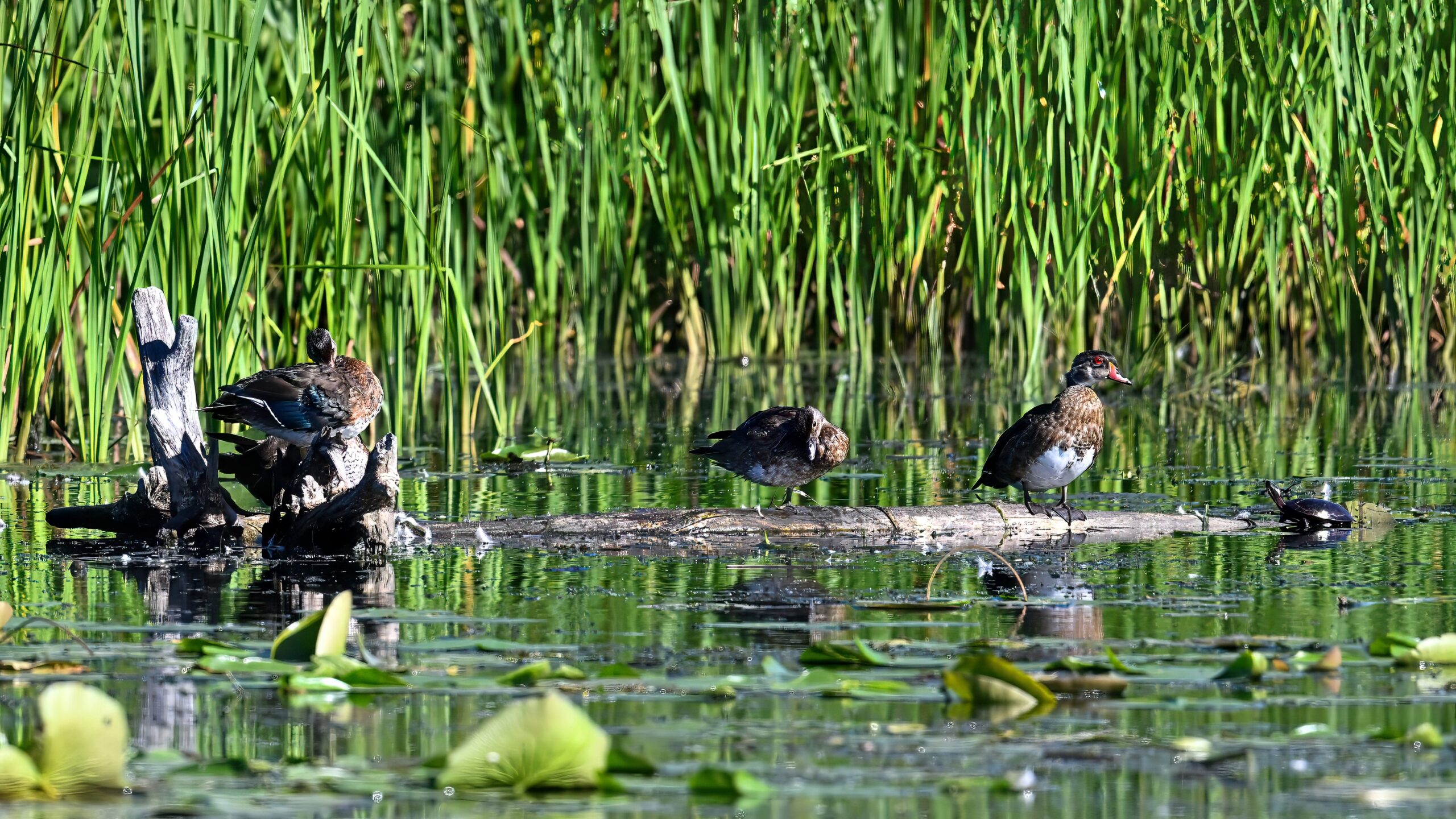
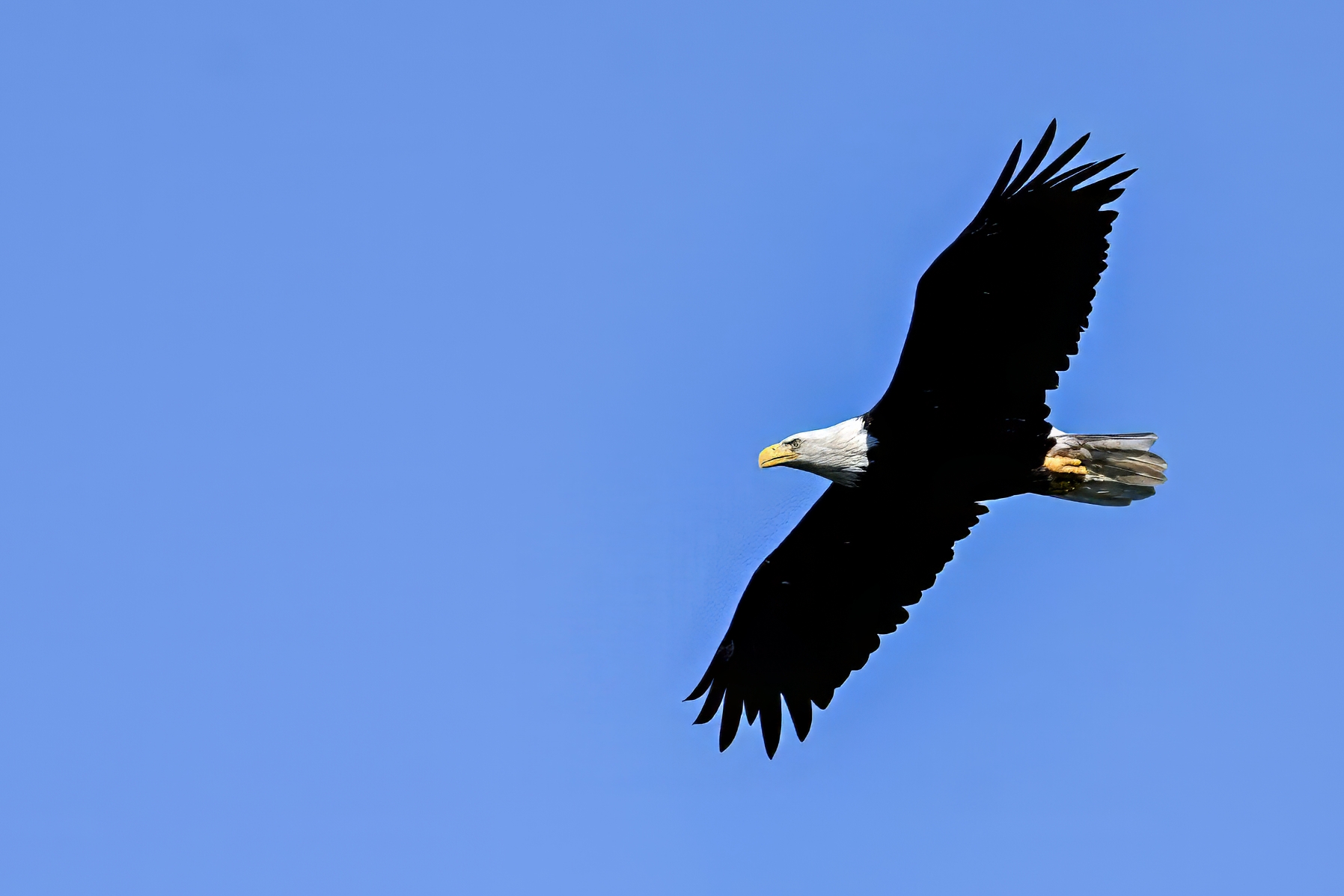
Birding hotspots like Beach 11 and Leo’s Landing were open; Gull Point was accessible via the beach trail. Whether a coincidence or the result of bad weather last week, bird activity was low. Following shots are from Leo’s Landing:
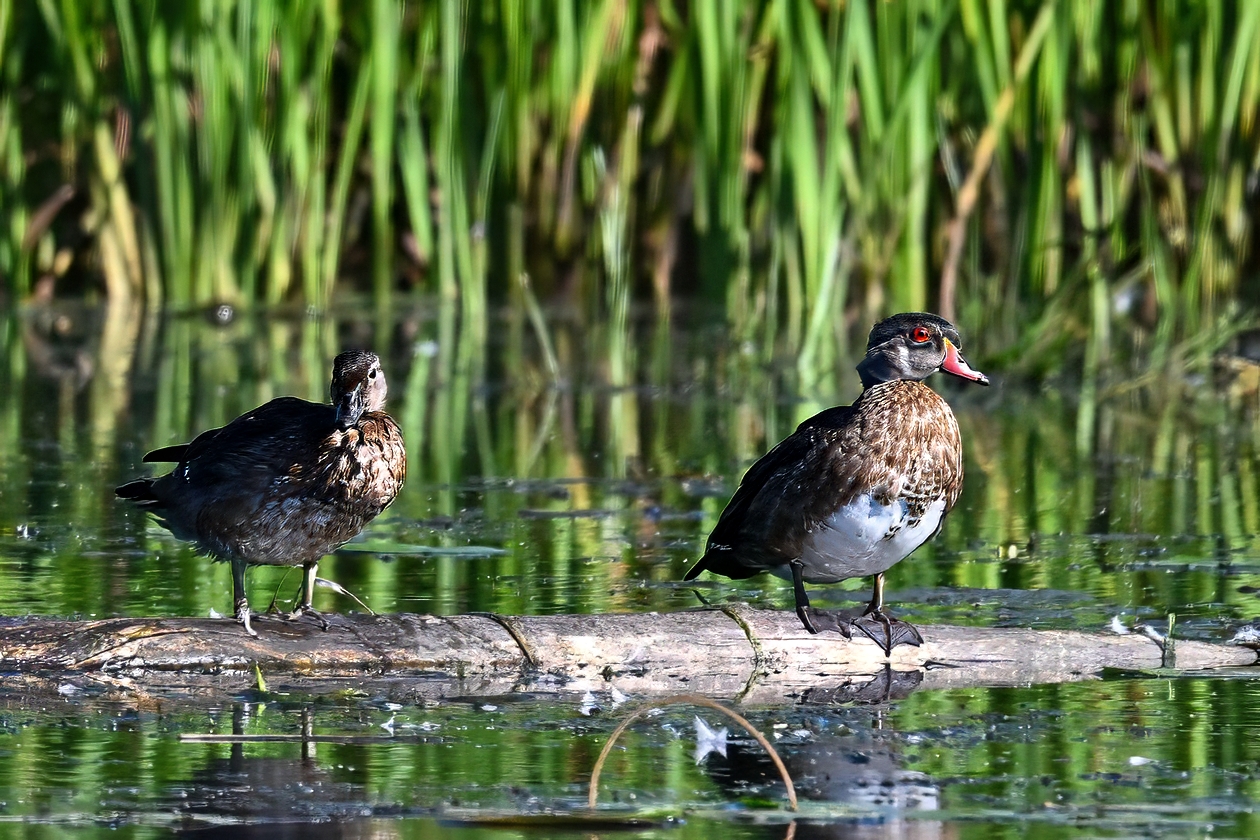
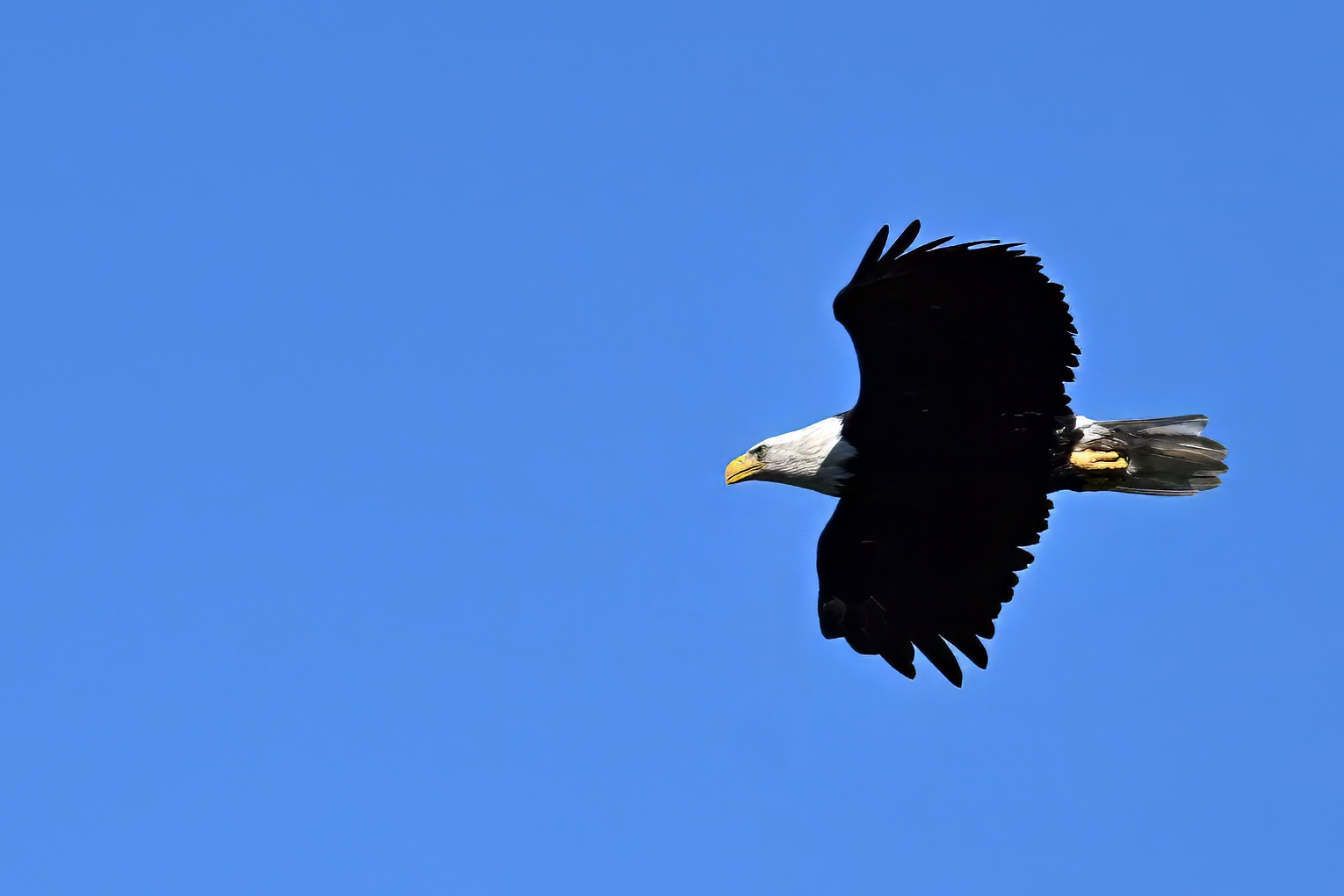
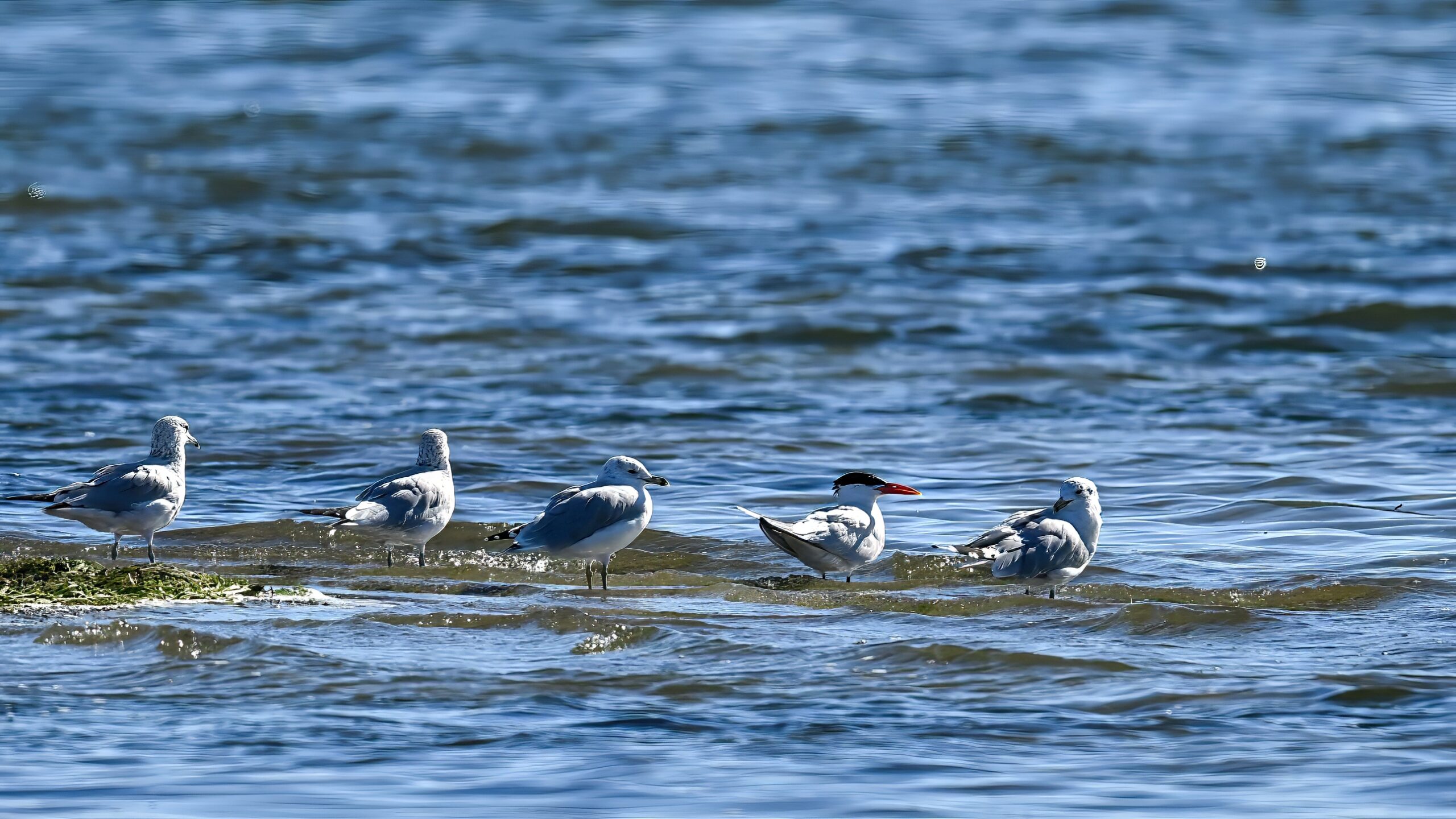
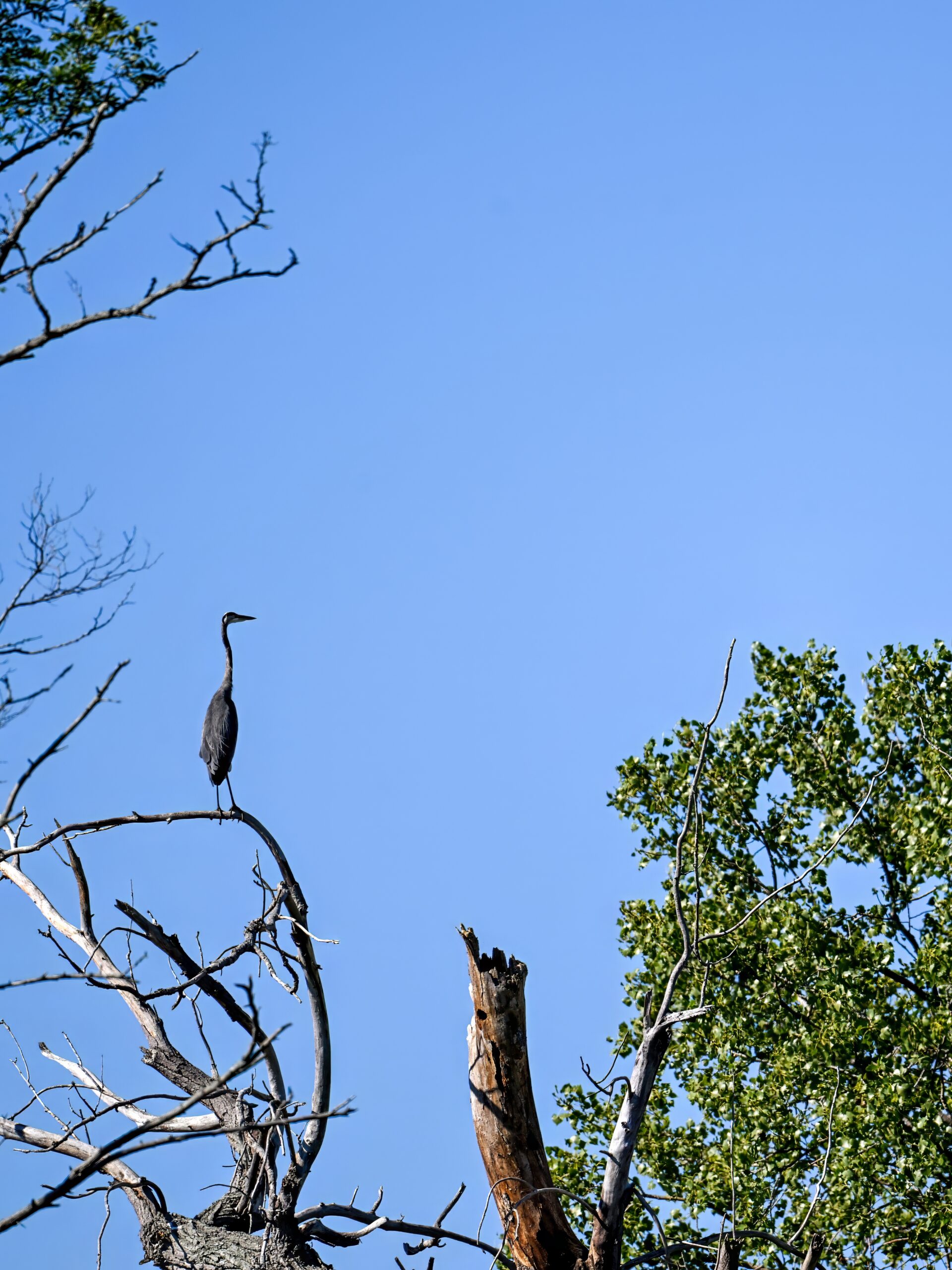
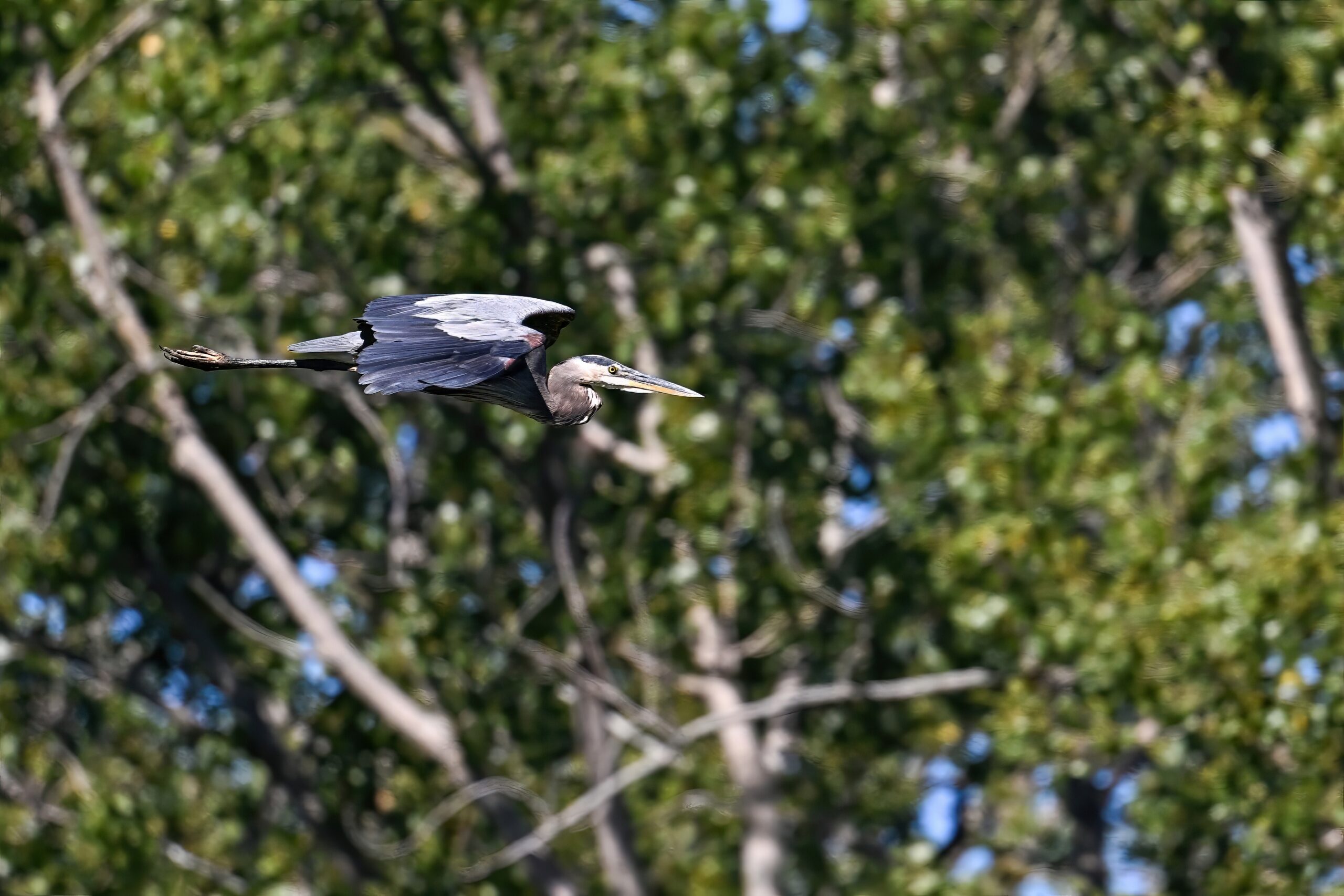
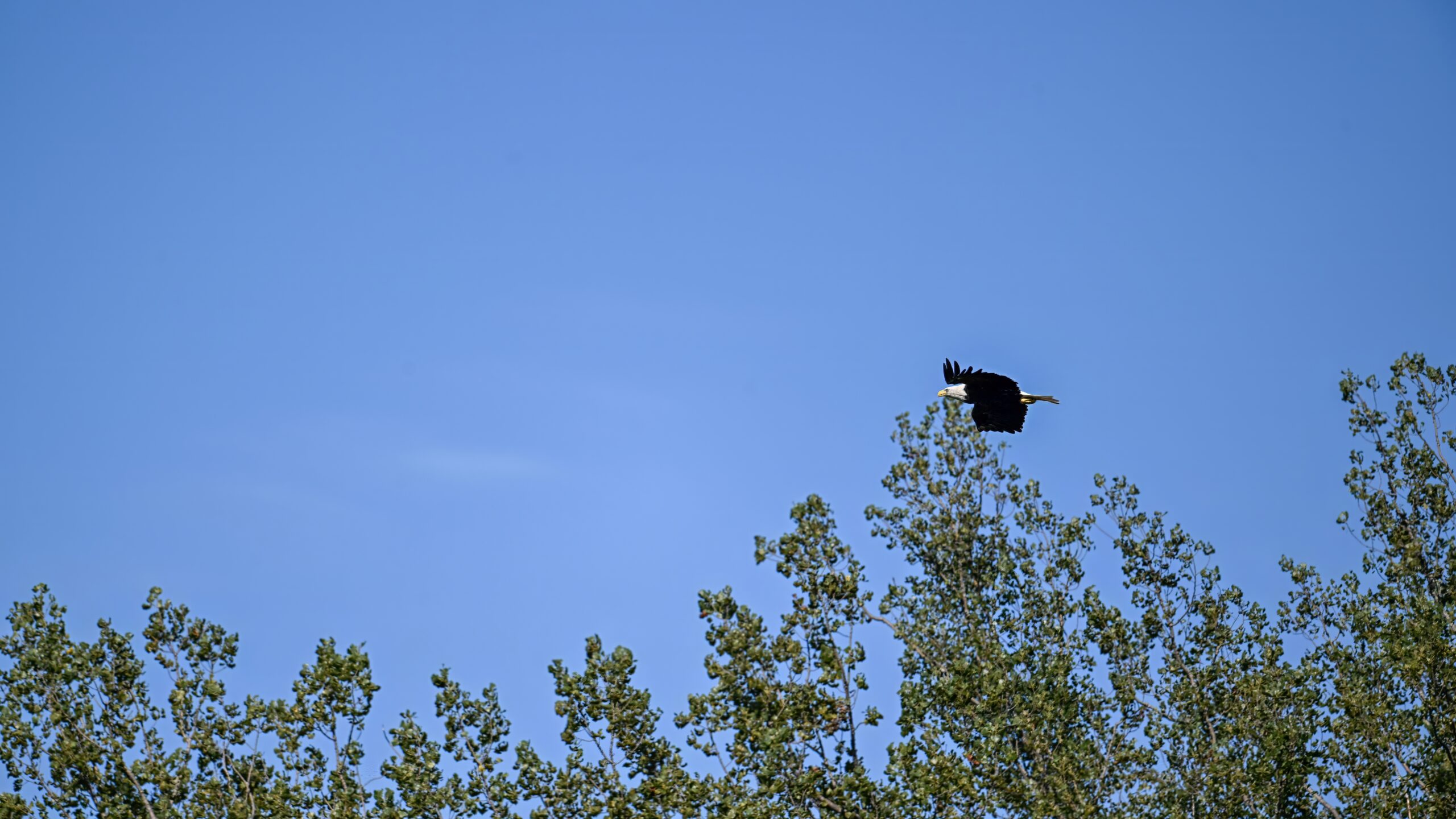
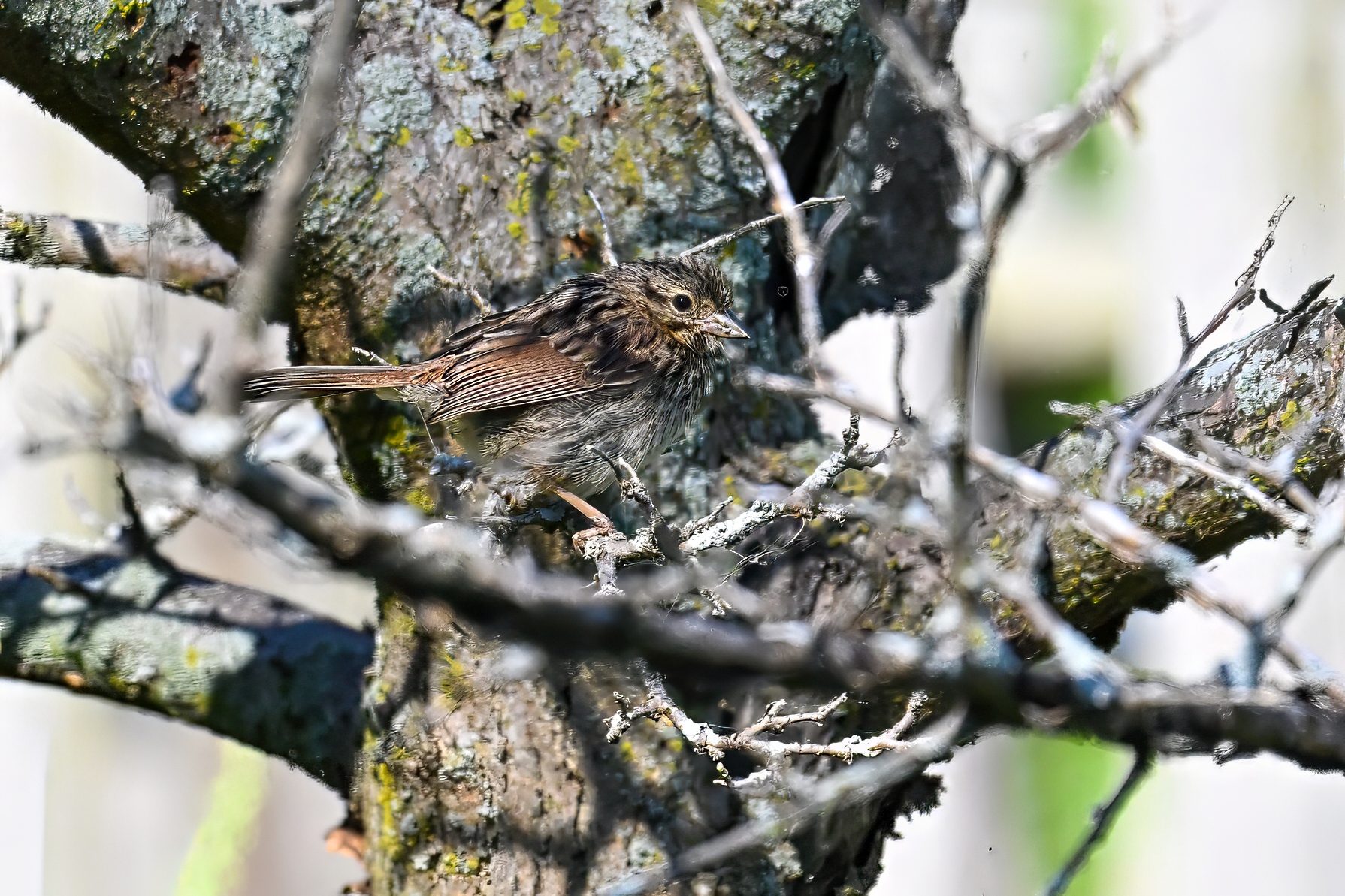
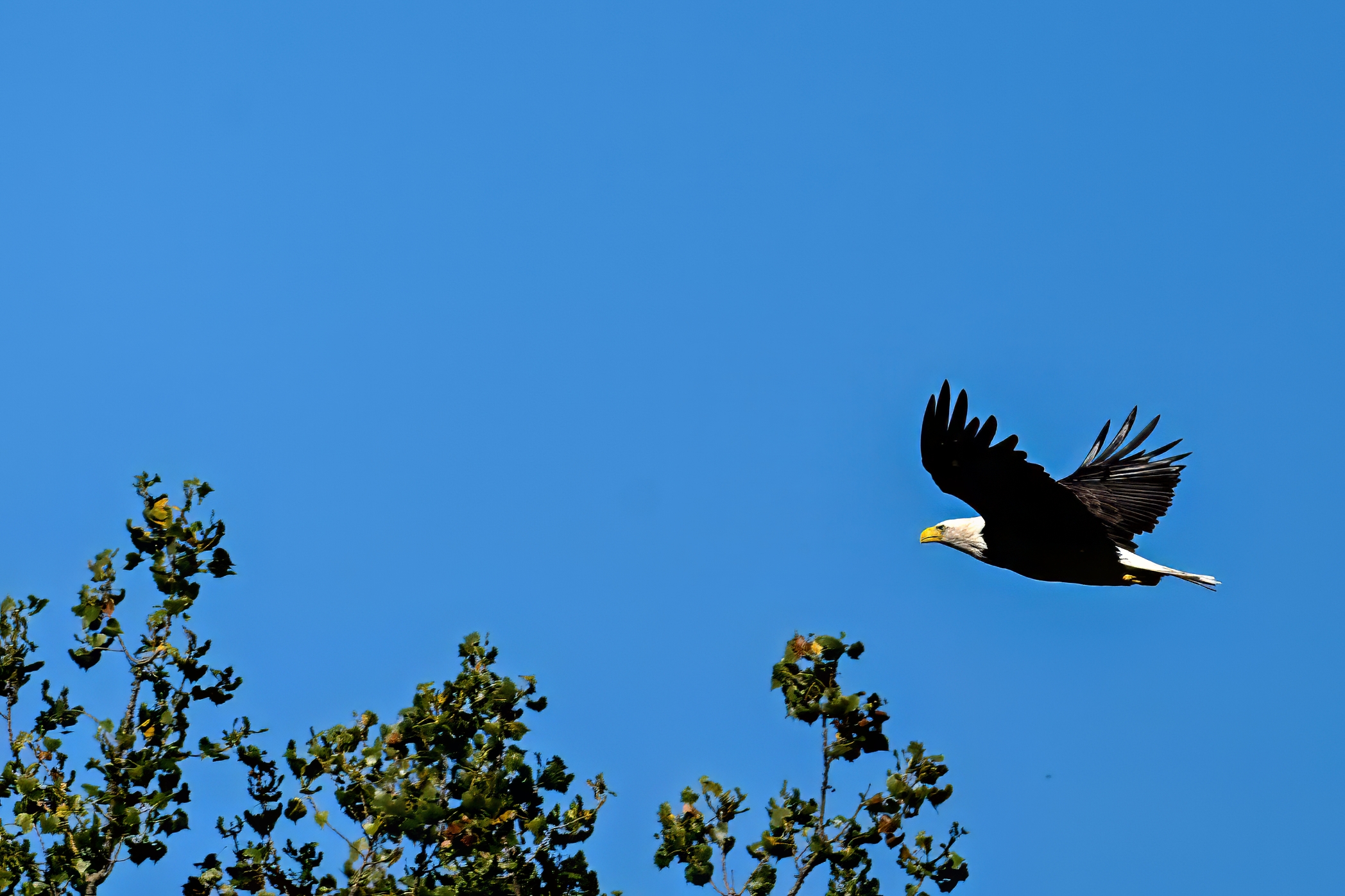
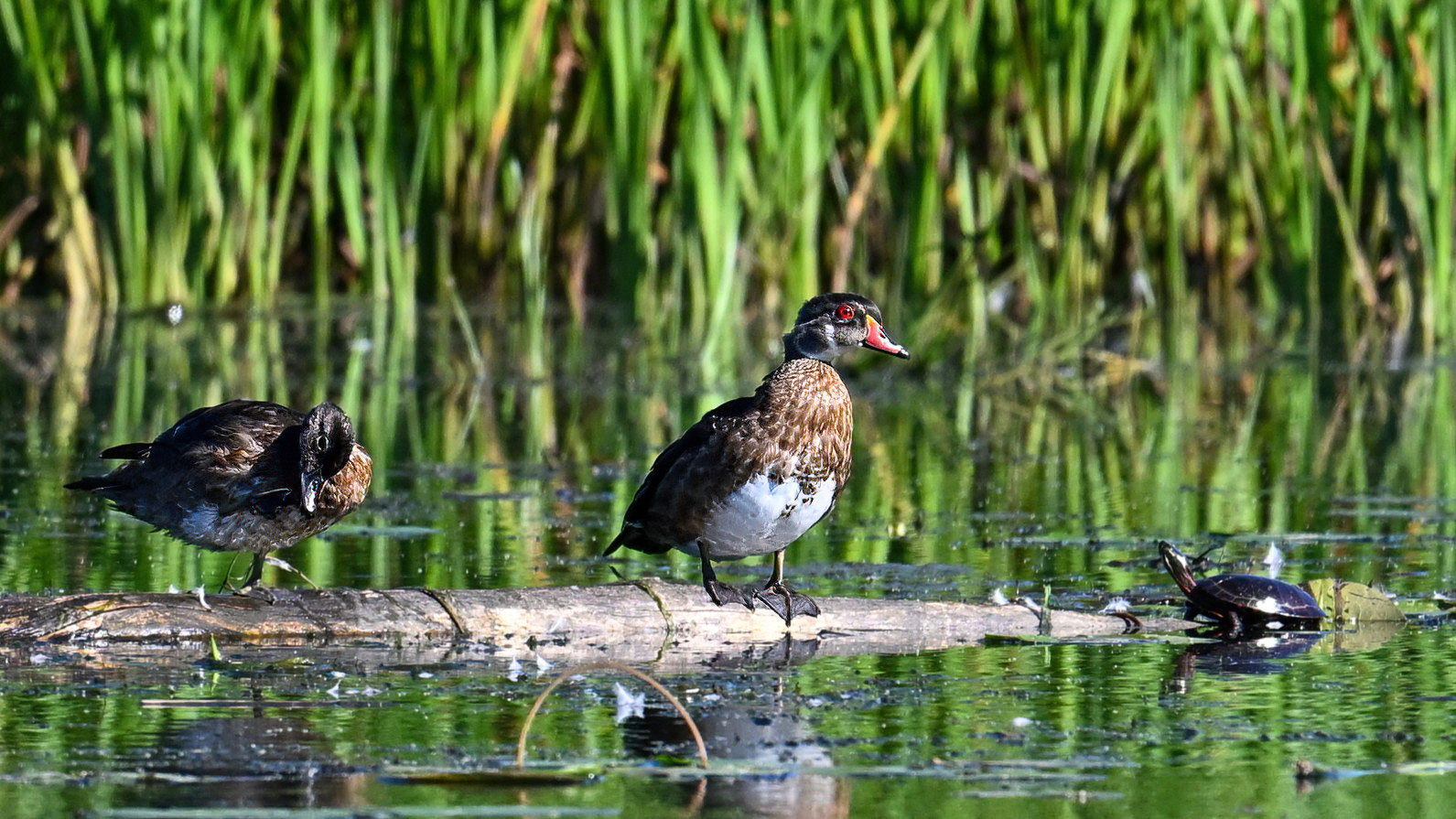
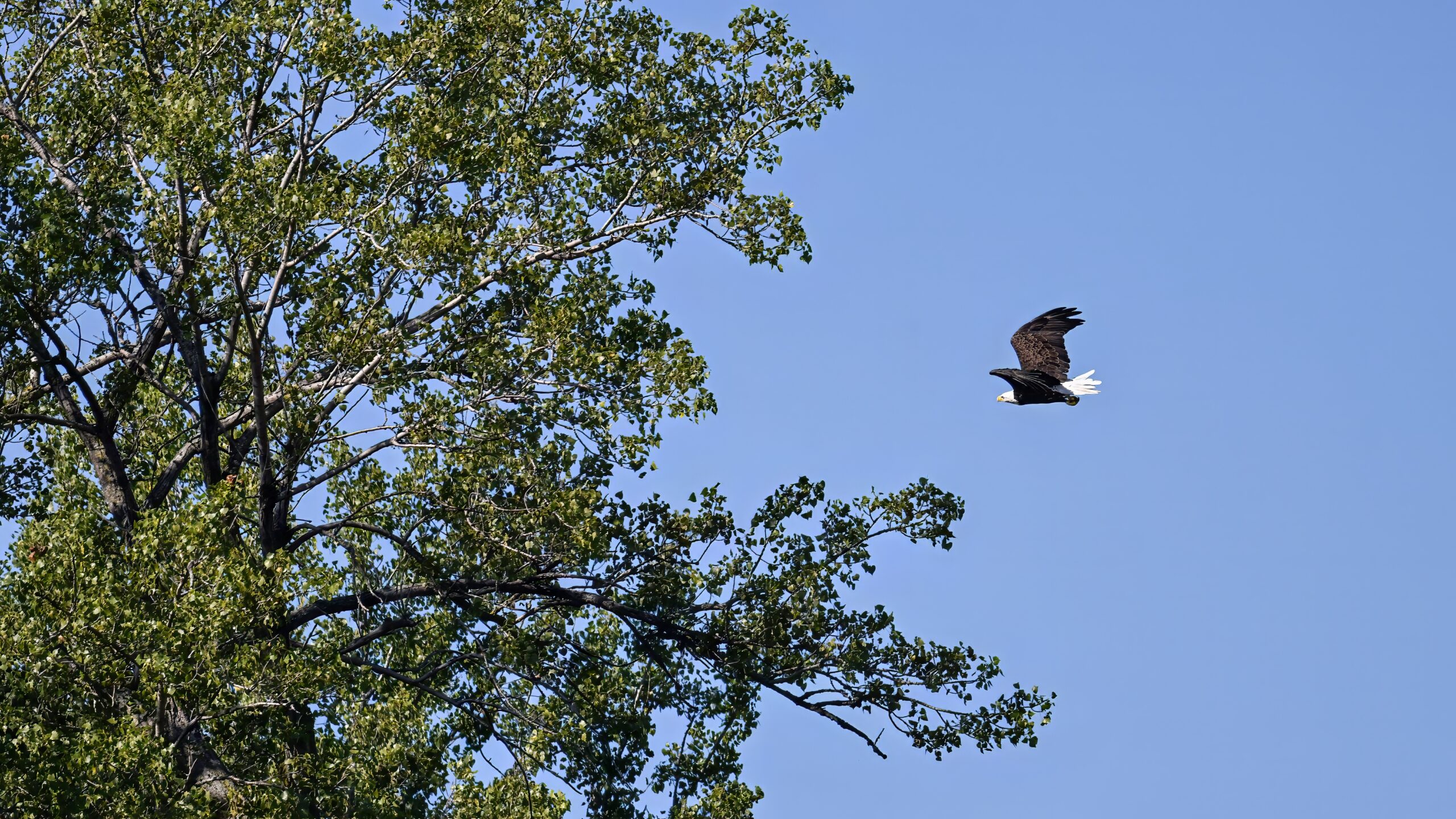
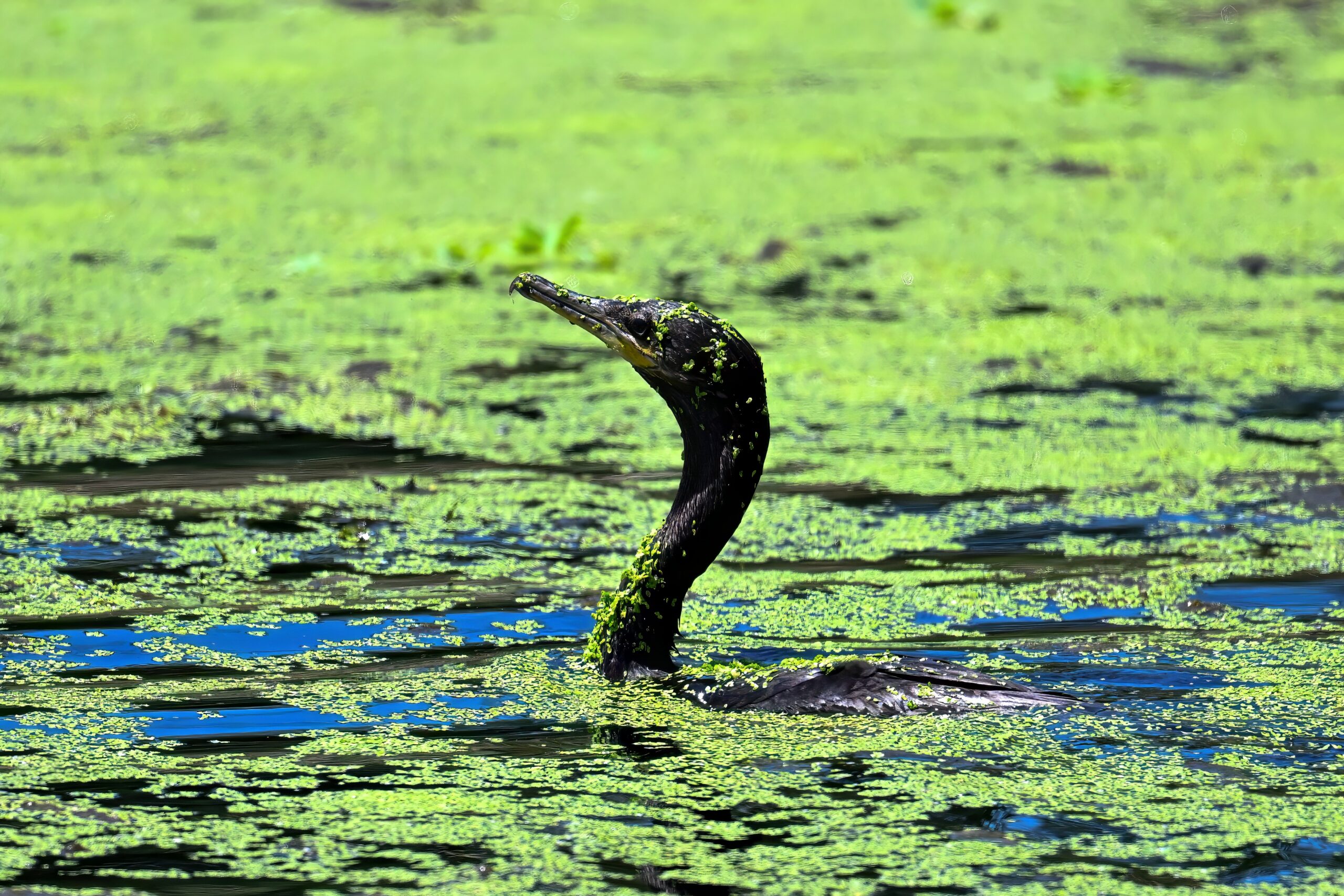
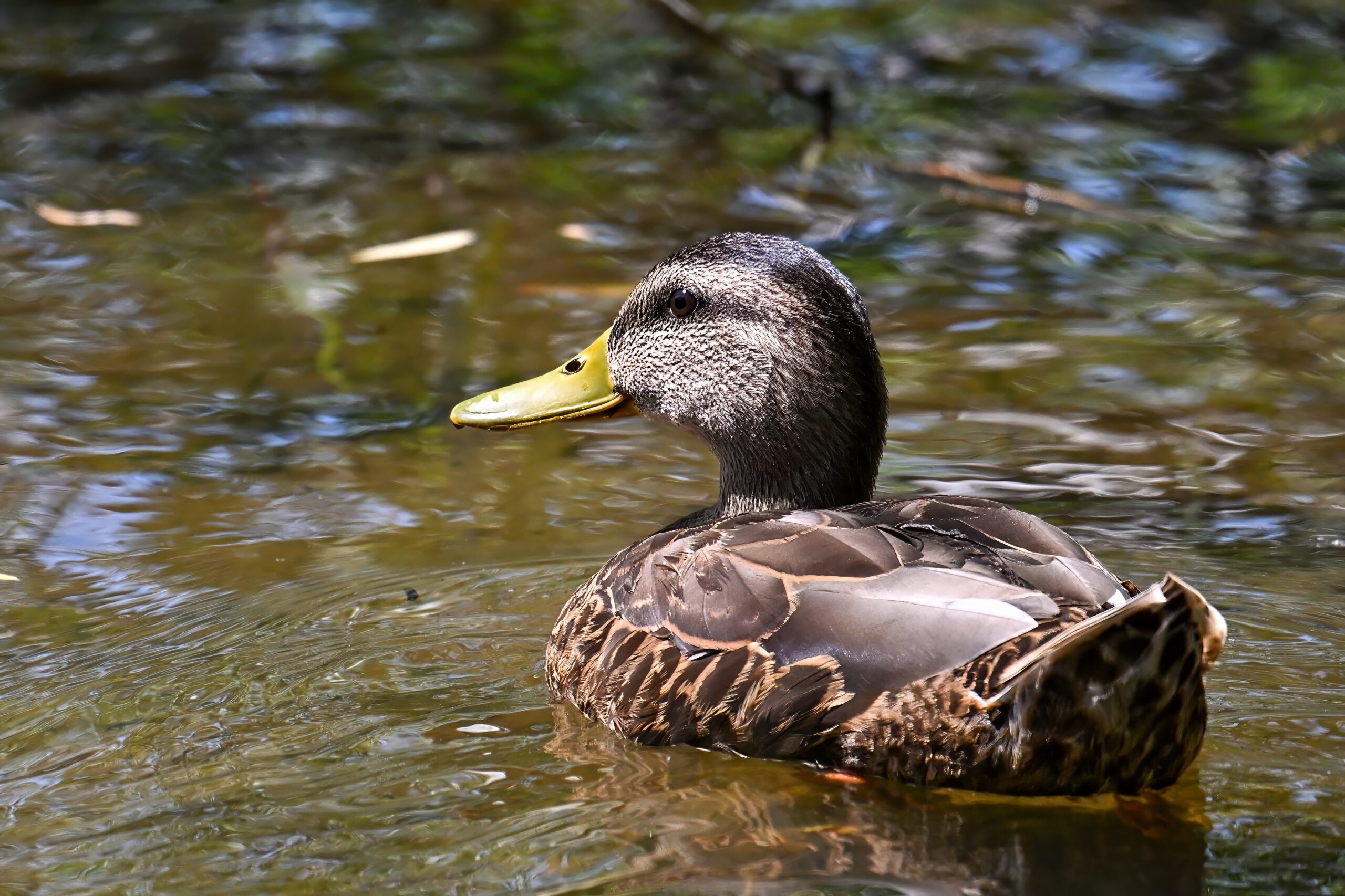
Mallards (female – left; male eclipse plumage – right)Great Blue HeronDouble-crested CormorantsGBH IIWood DucksBald EagleWood Ducks IIBald Eagle IIRing-billed Gulls & Caspian Tern (2nd from right)GBH IIIGBHIFBald Eagle IIISong SparrowBald Eagle IVWood Ducks IIIBald Eagle V
Coming soon, Gull Point, etc. Also, lots more Arizona!
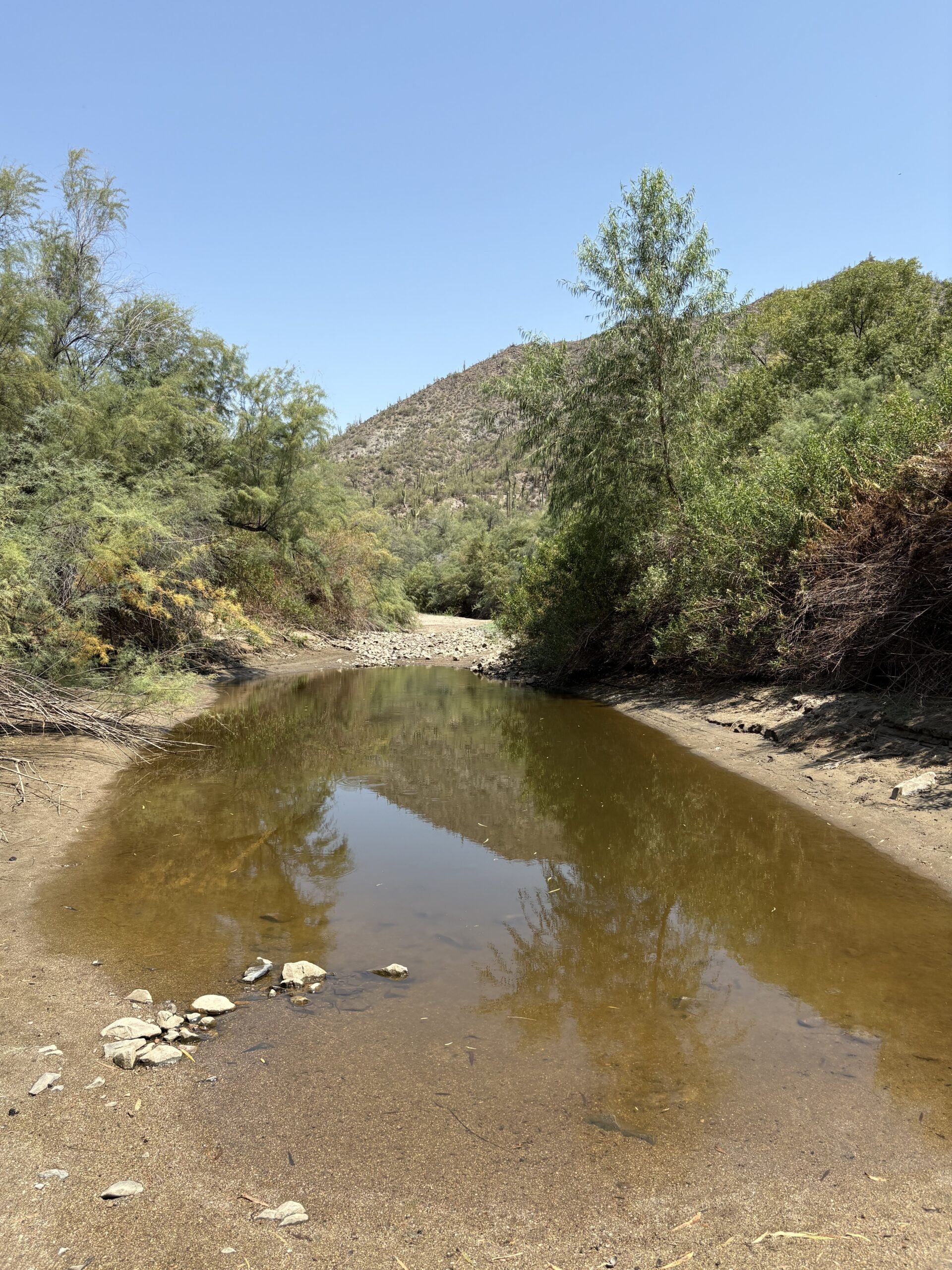
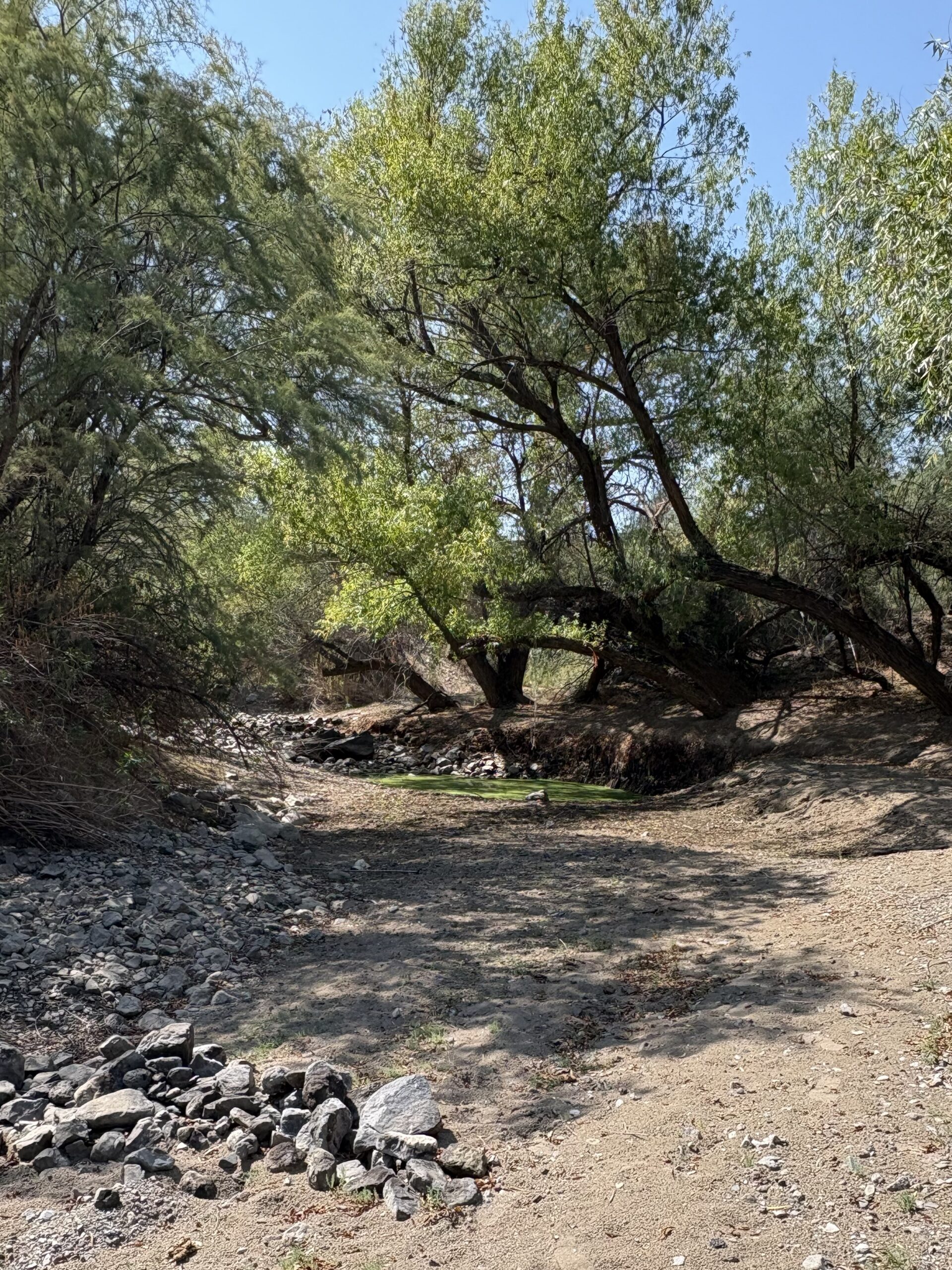
Just outside the town of Winkleman, Arizona (north of Tucson, south of Globe), the highway travels along the Gila River, an interesting riparian corridor with at least a couple primitive campgrounds/birding hot spots including Christmas Recreation Area and The Shores Recreation Area. Currently, due to regional drought conditions, the river is mostly dry:
Residual pool @ Gila River
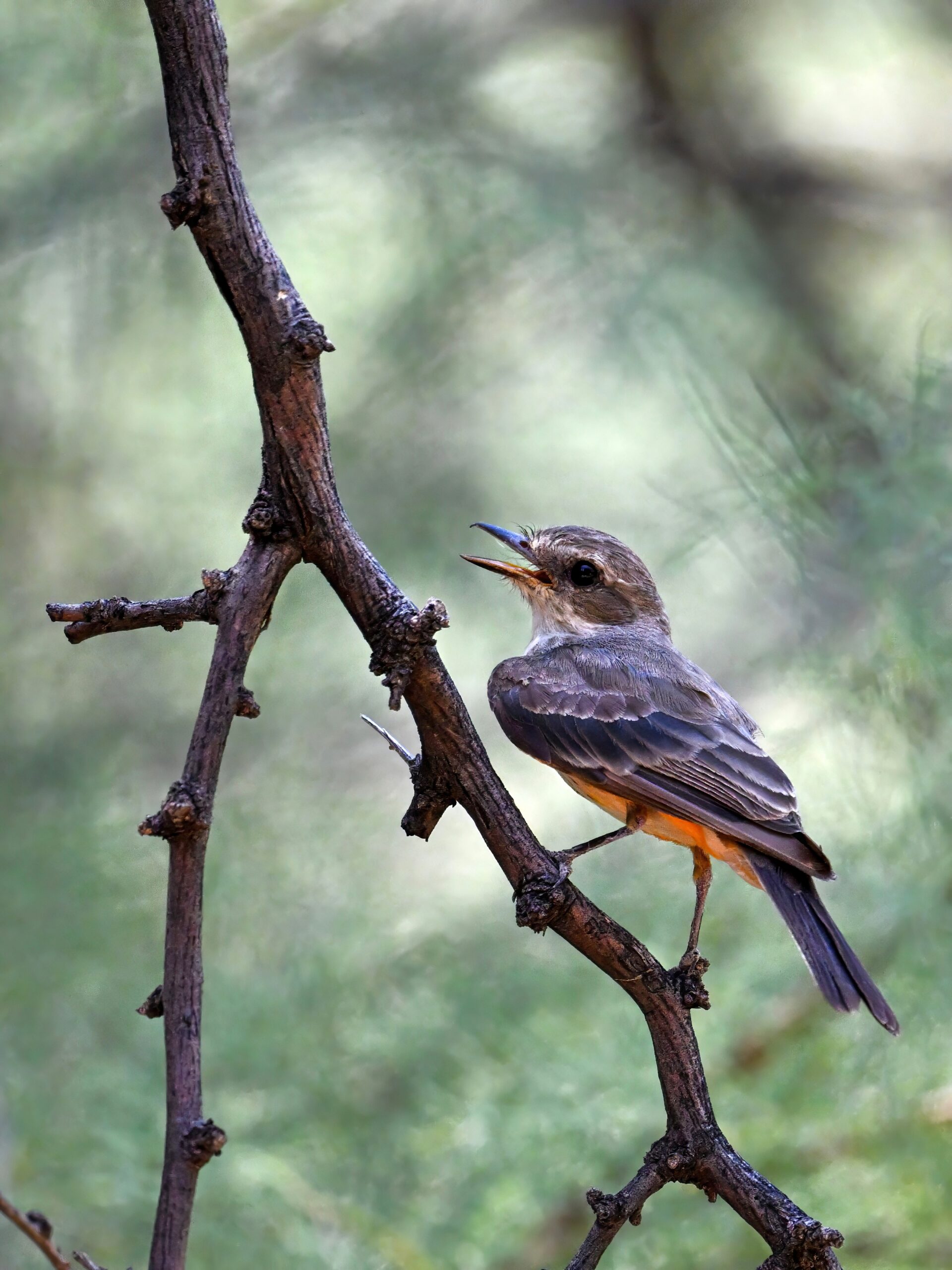
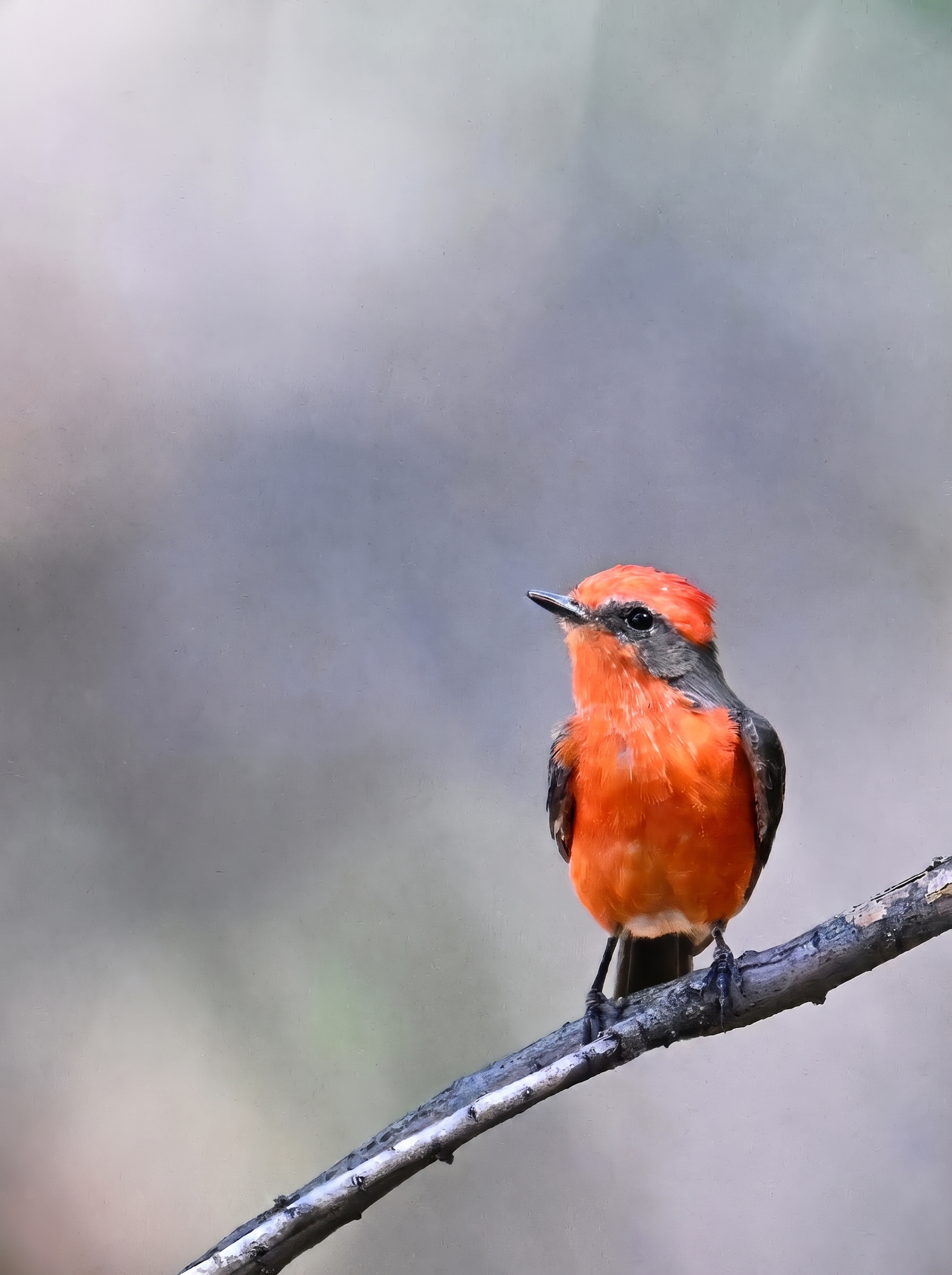
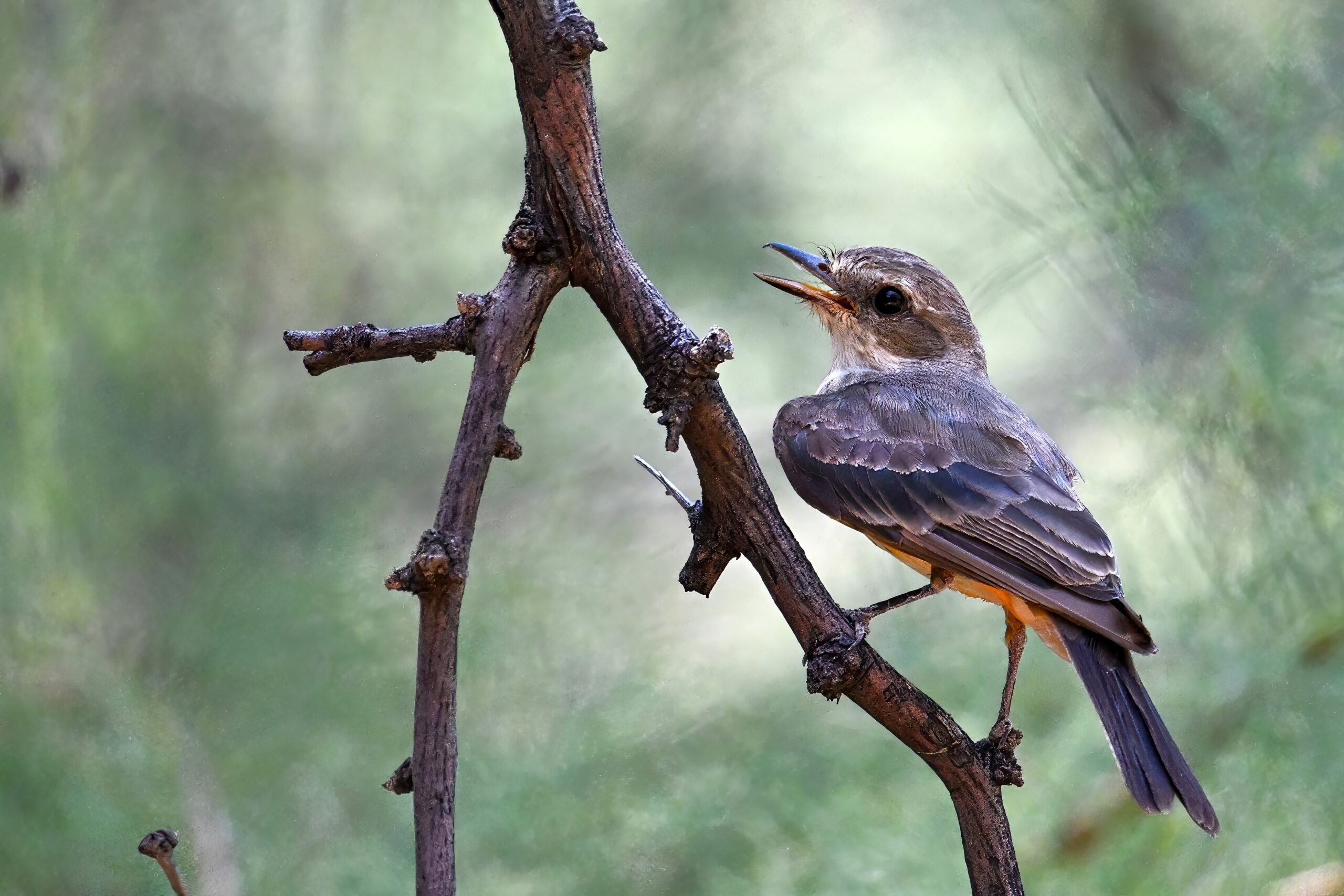
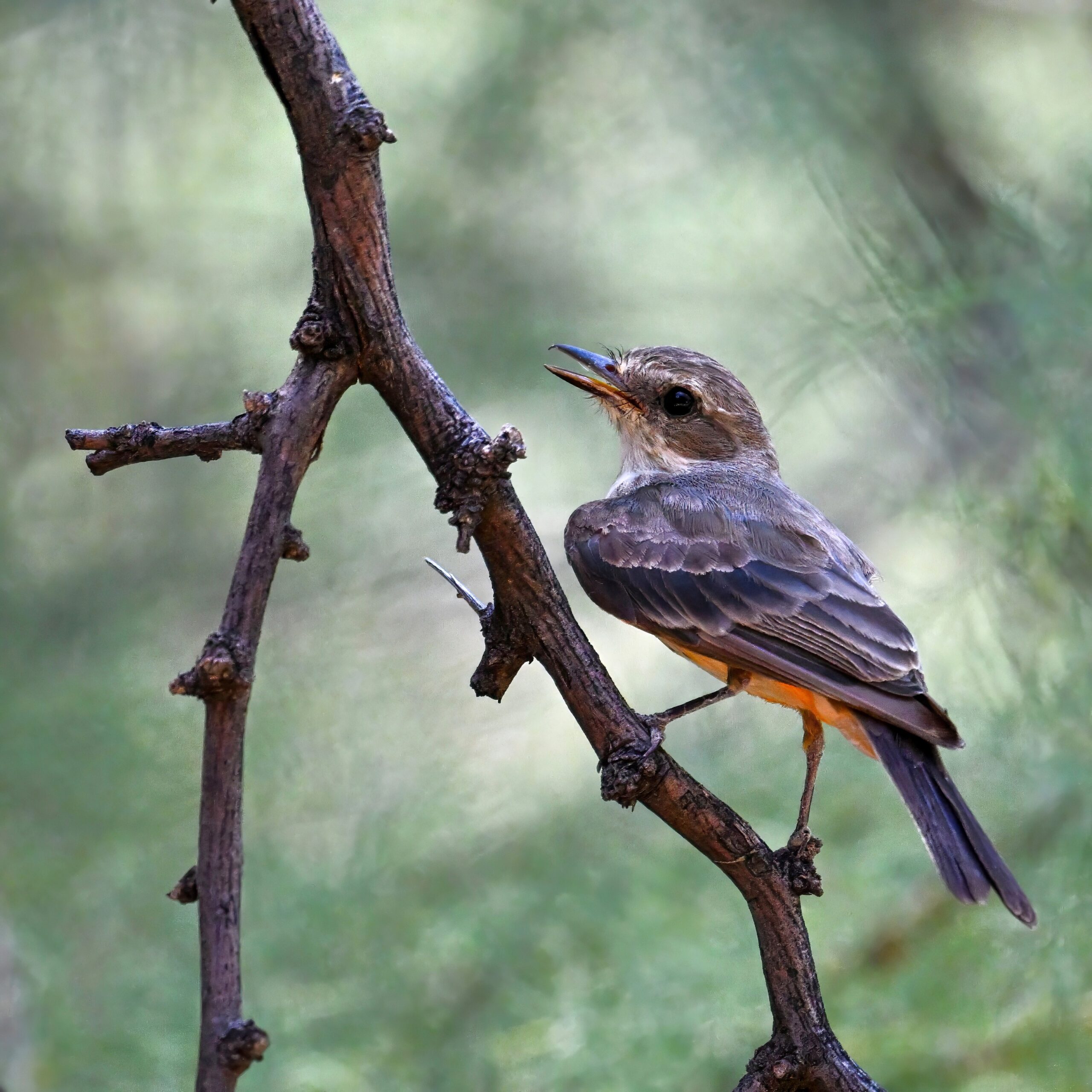
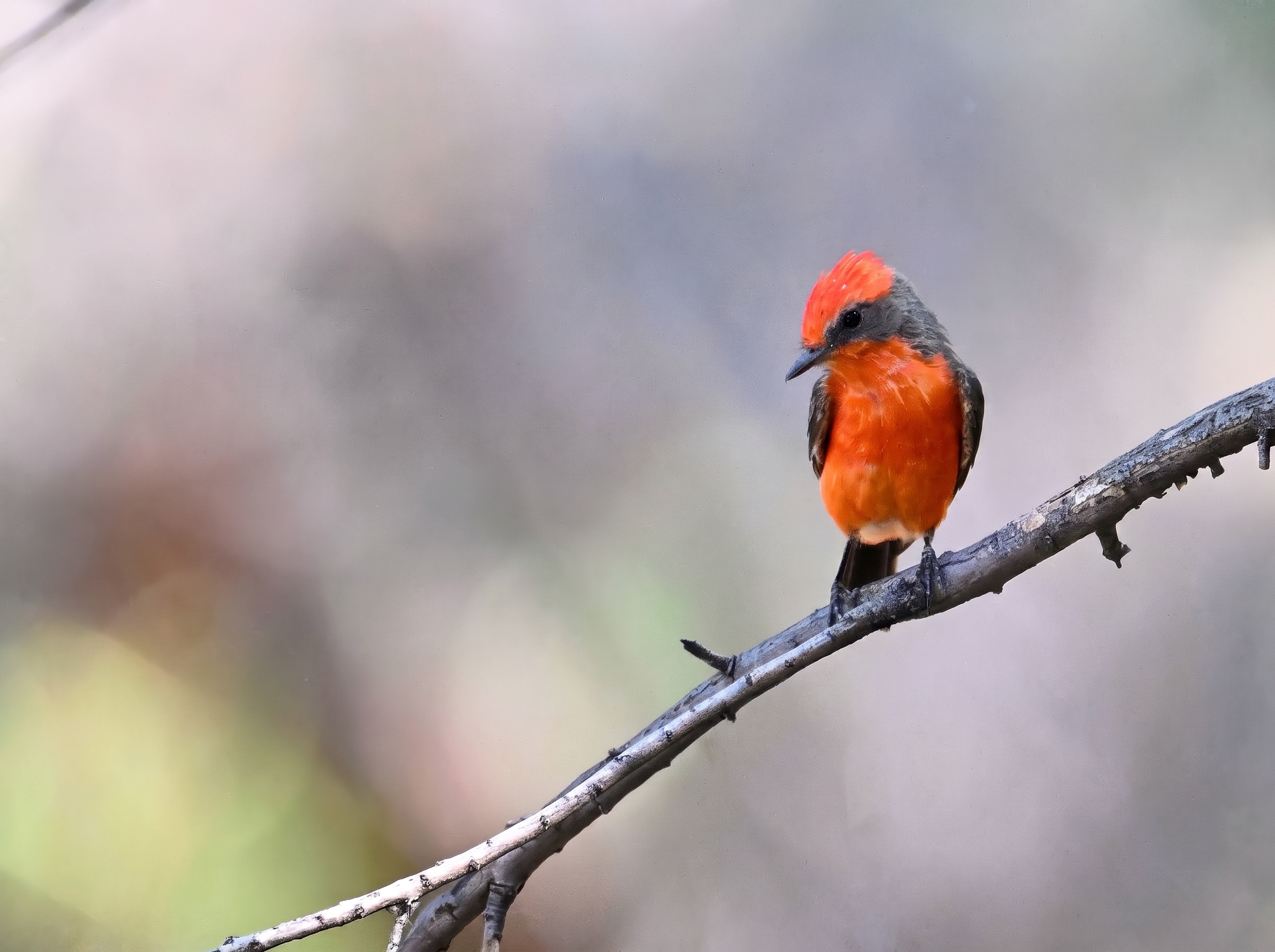
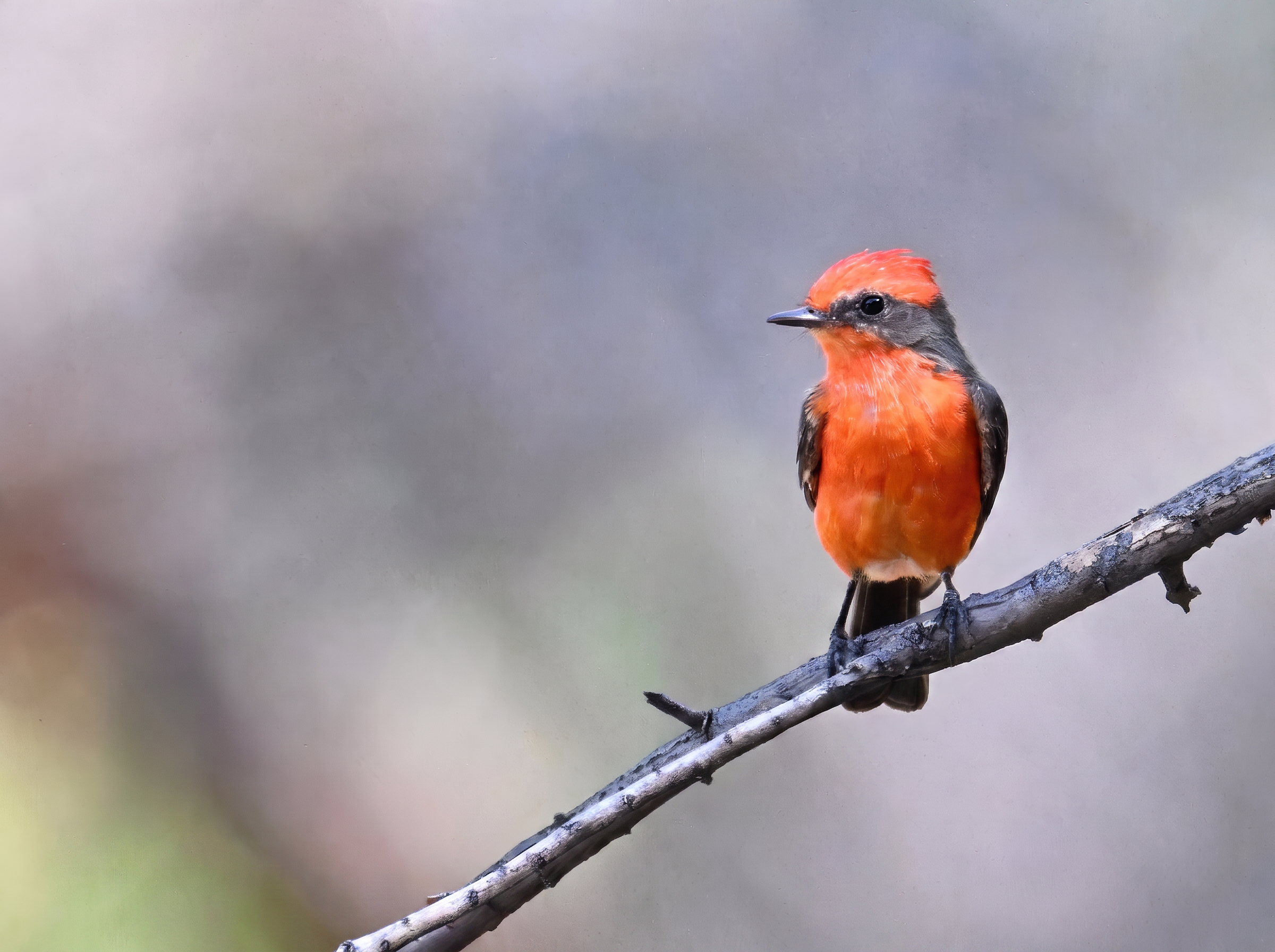
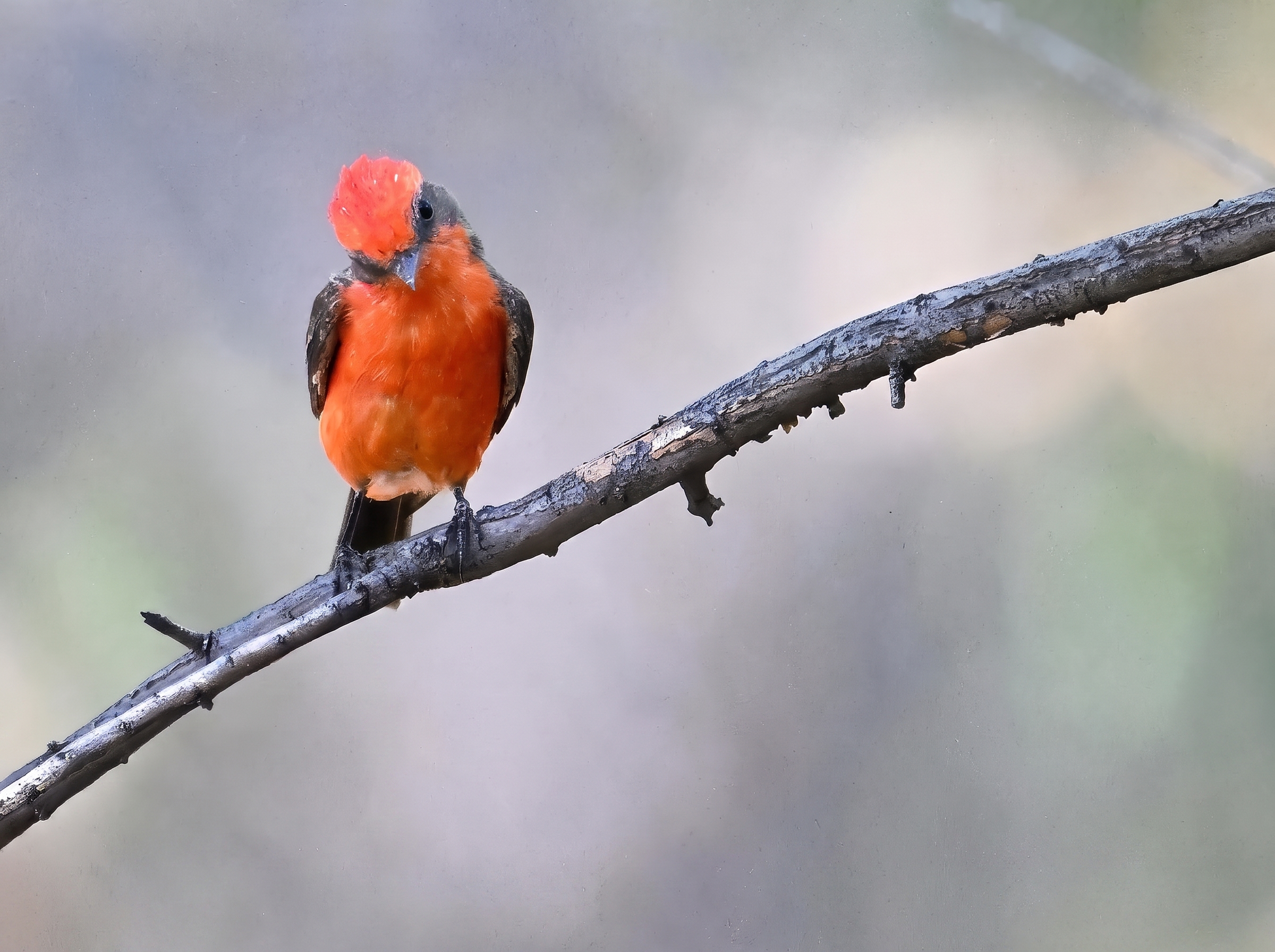
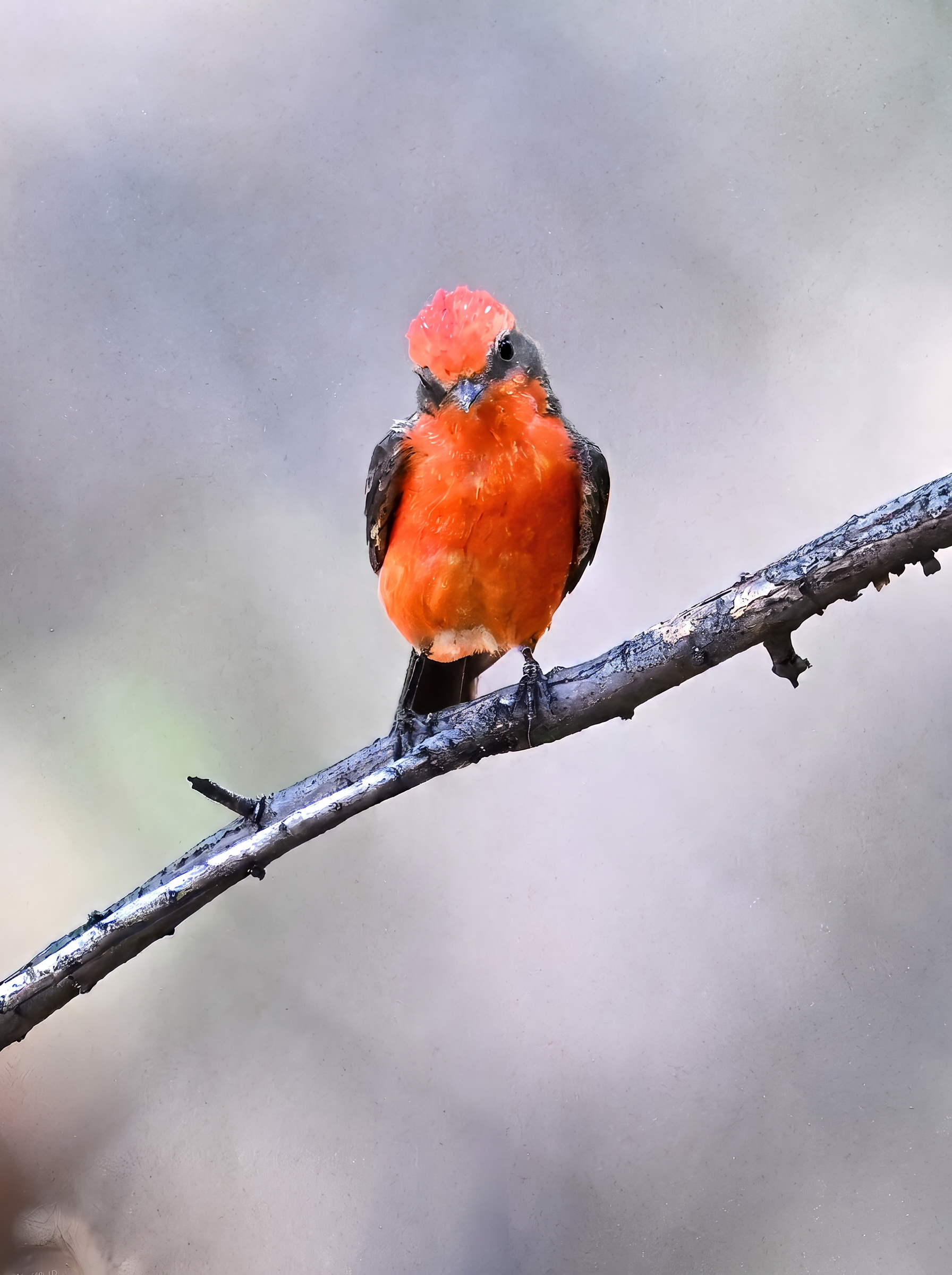
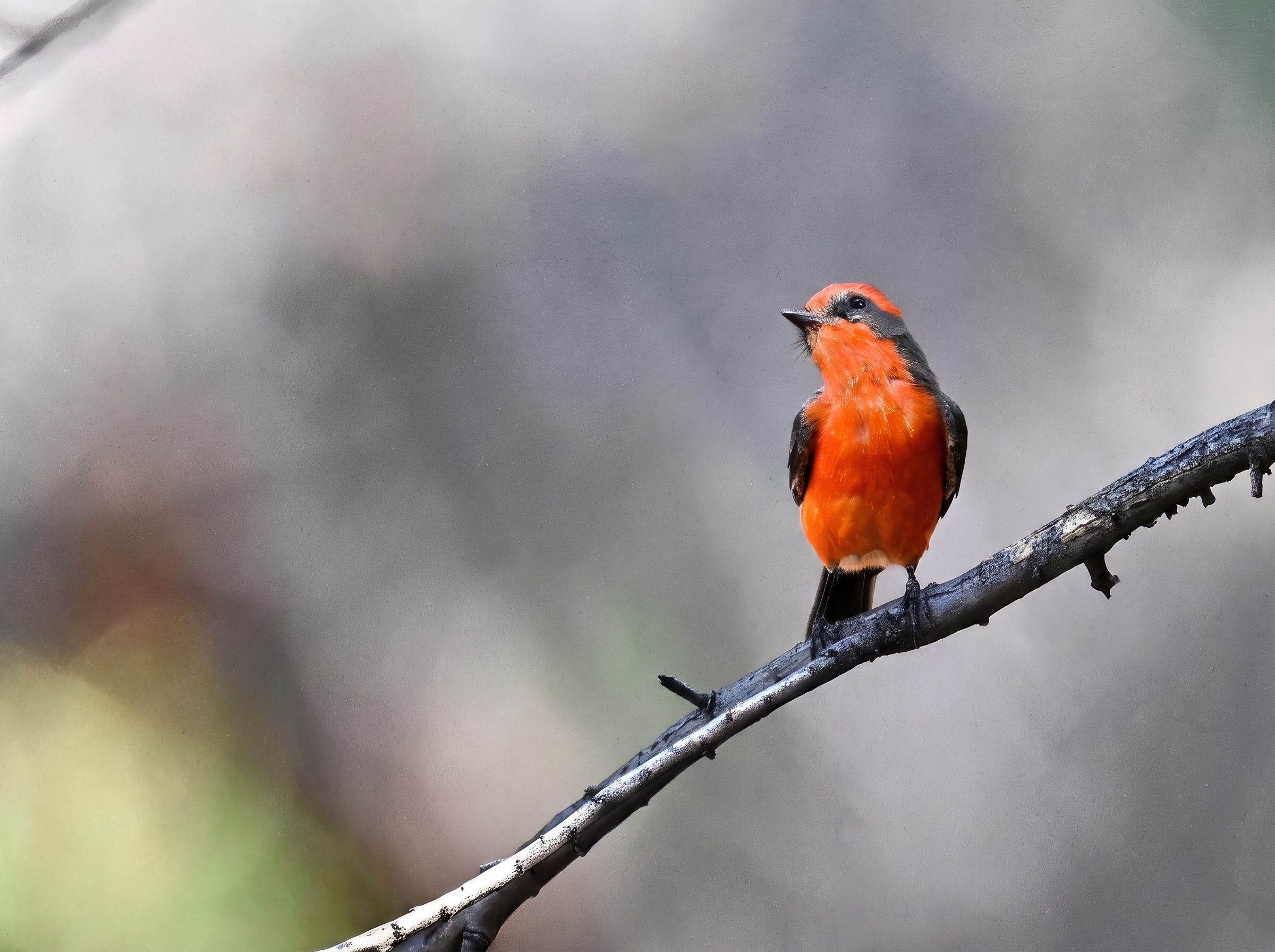
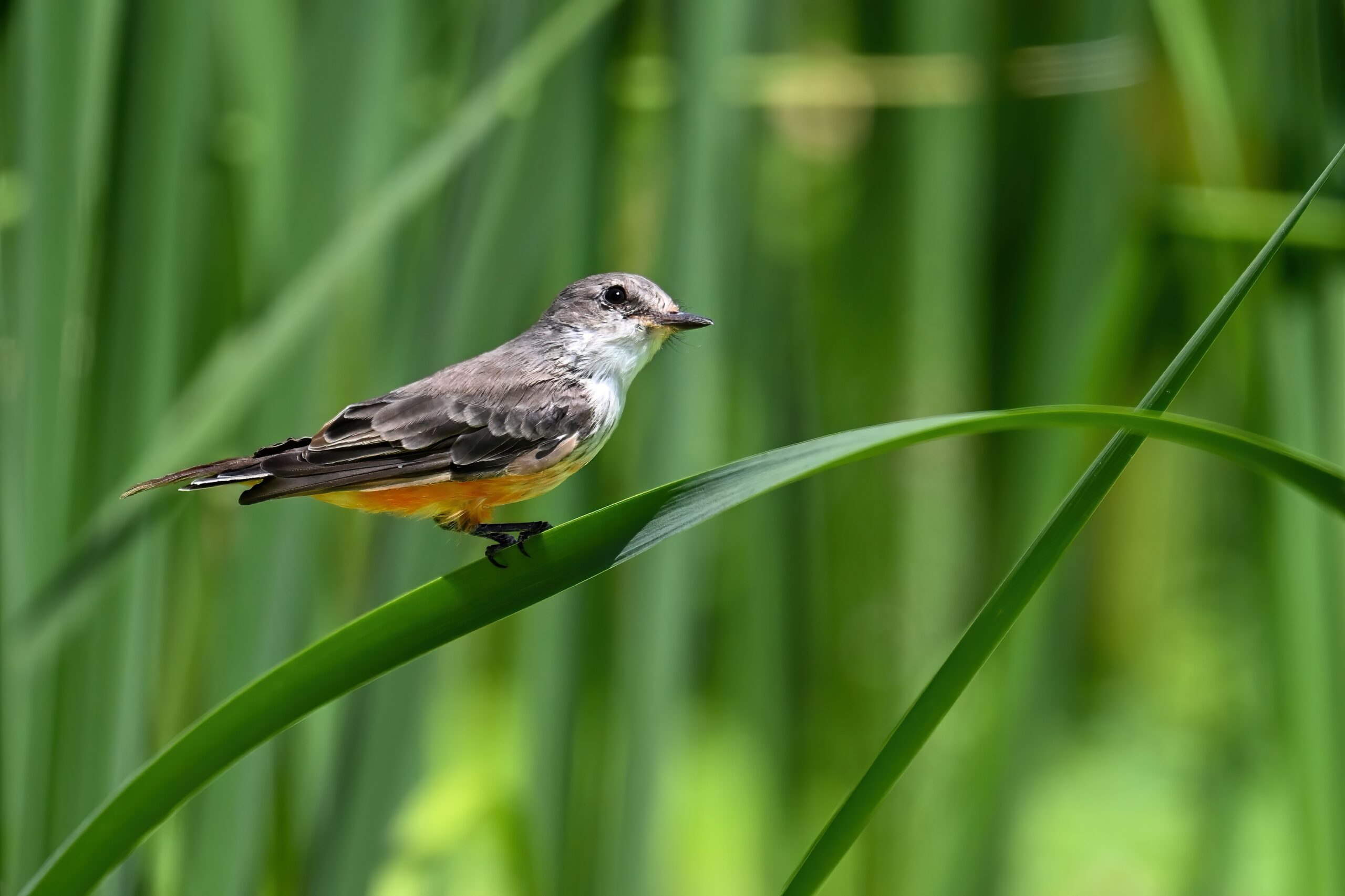
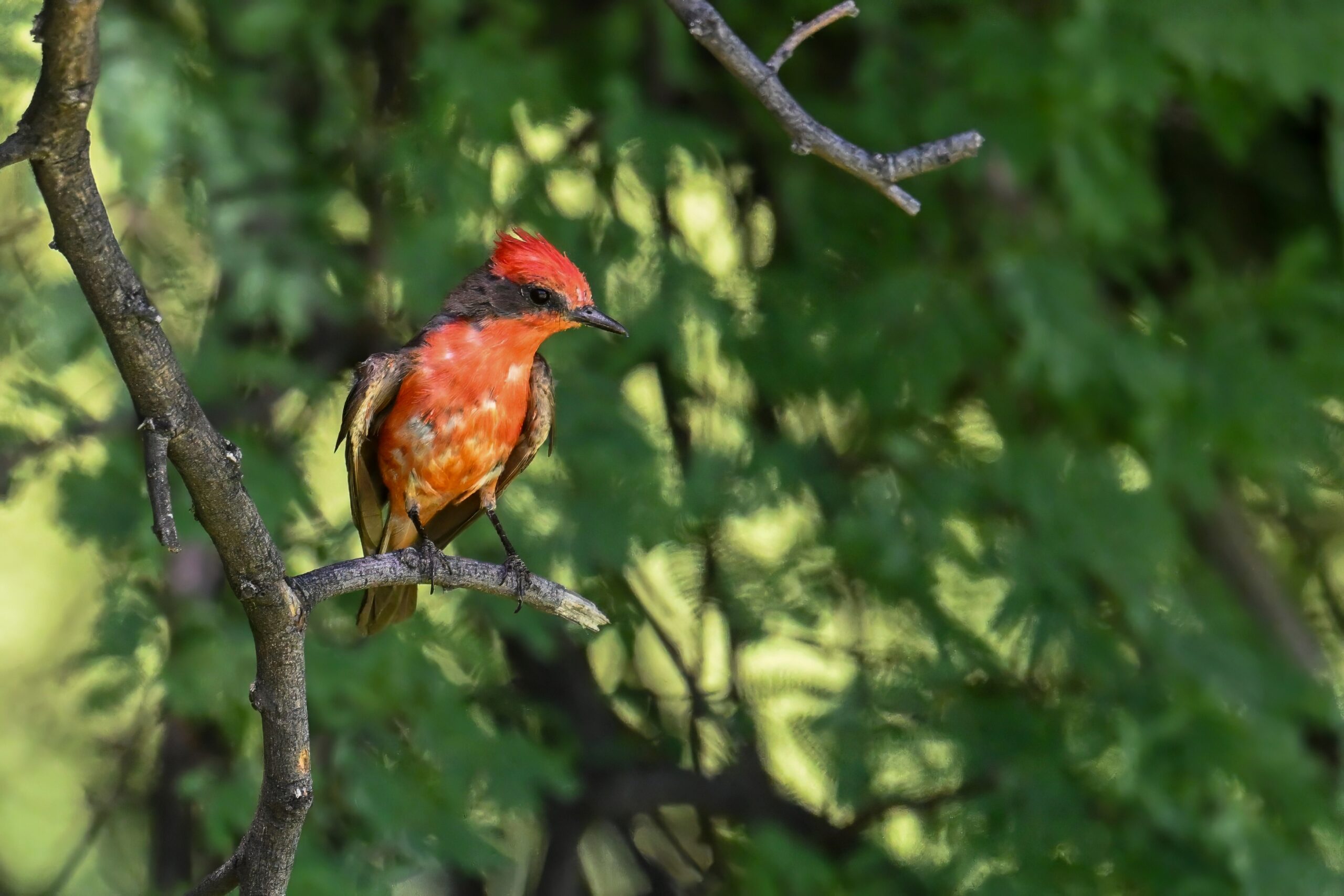
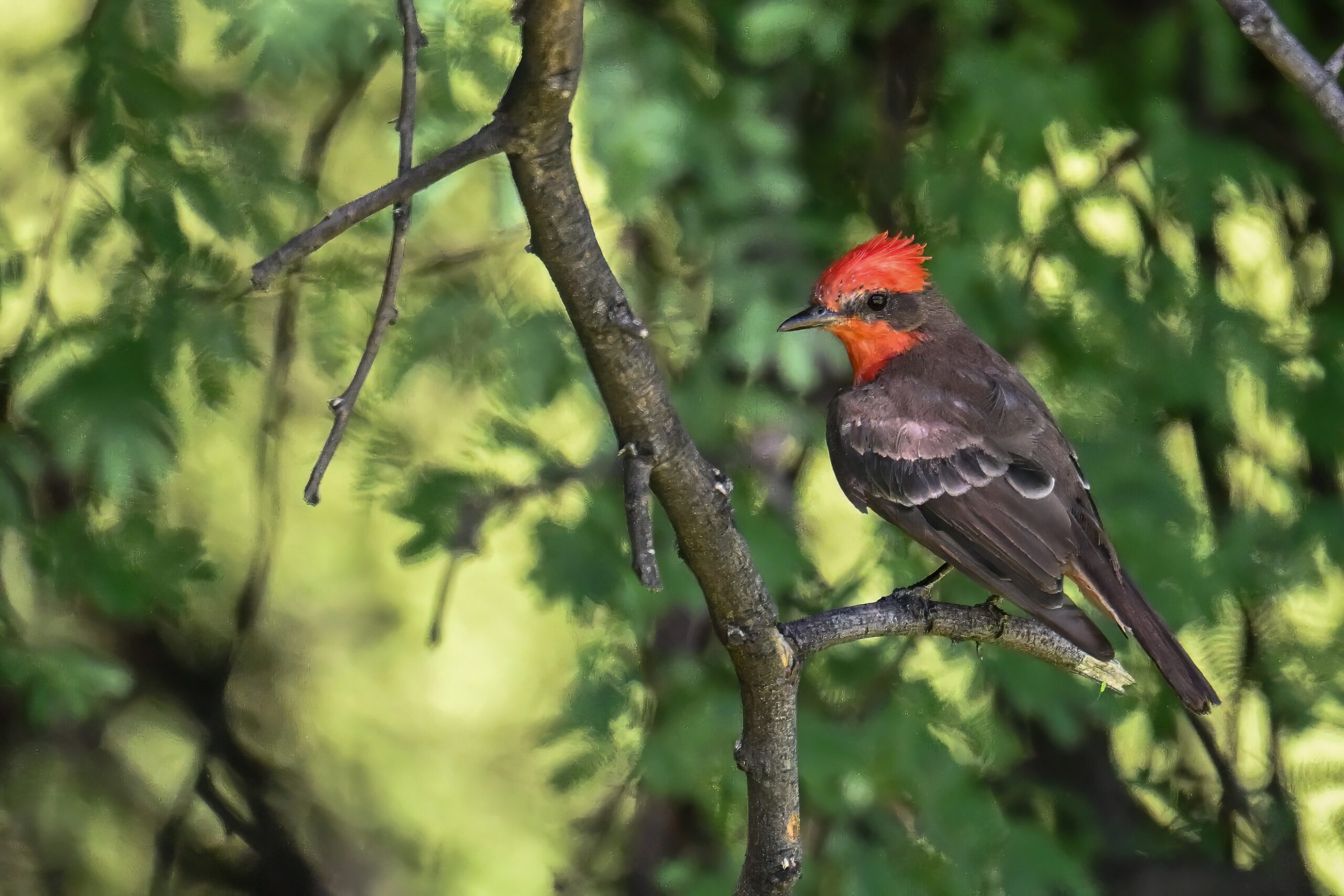
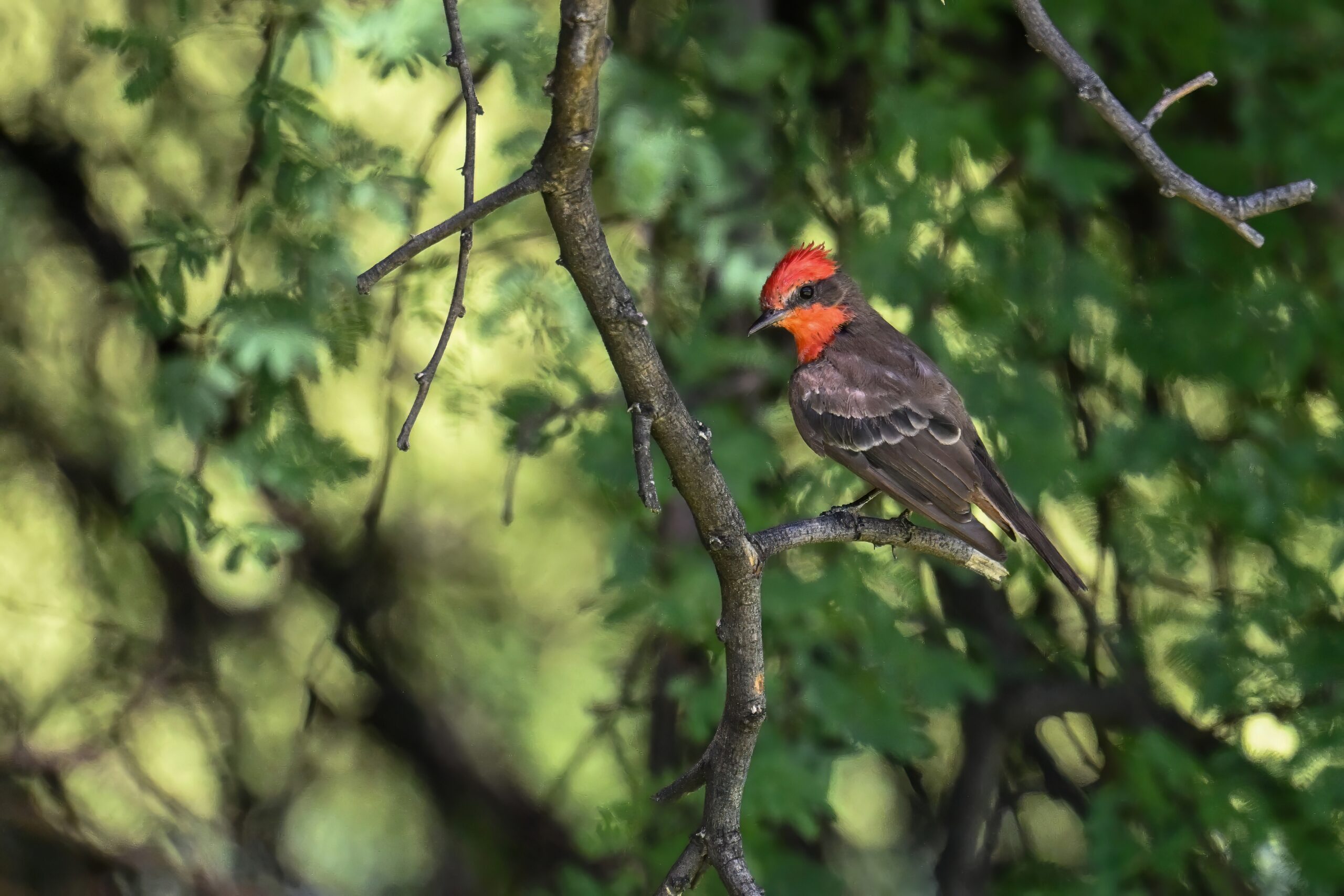
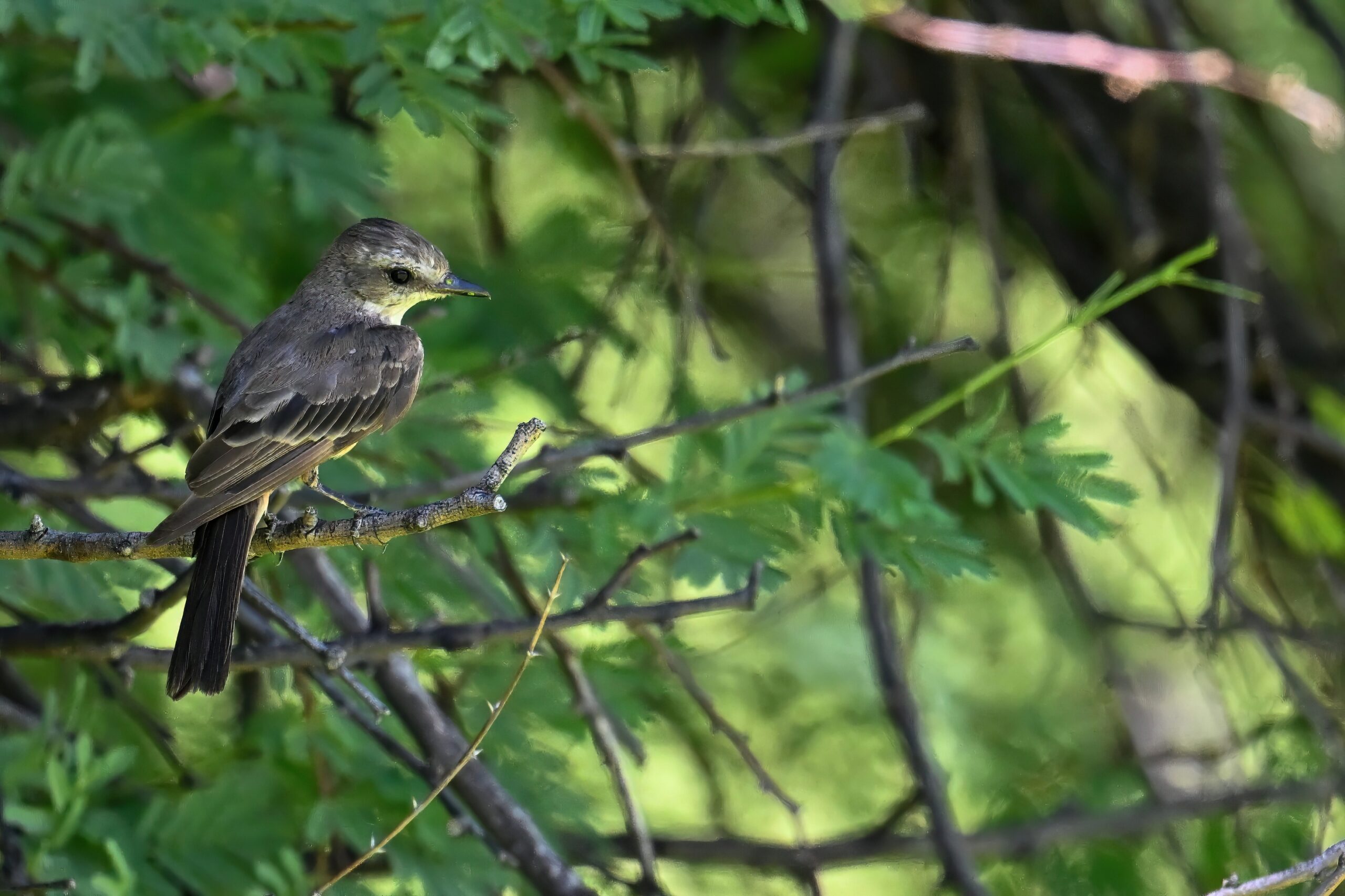
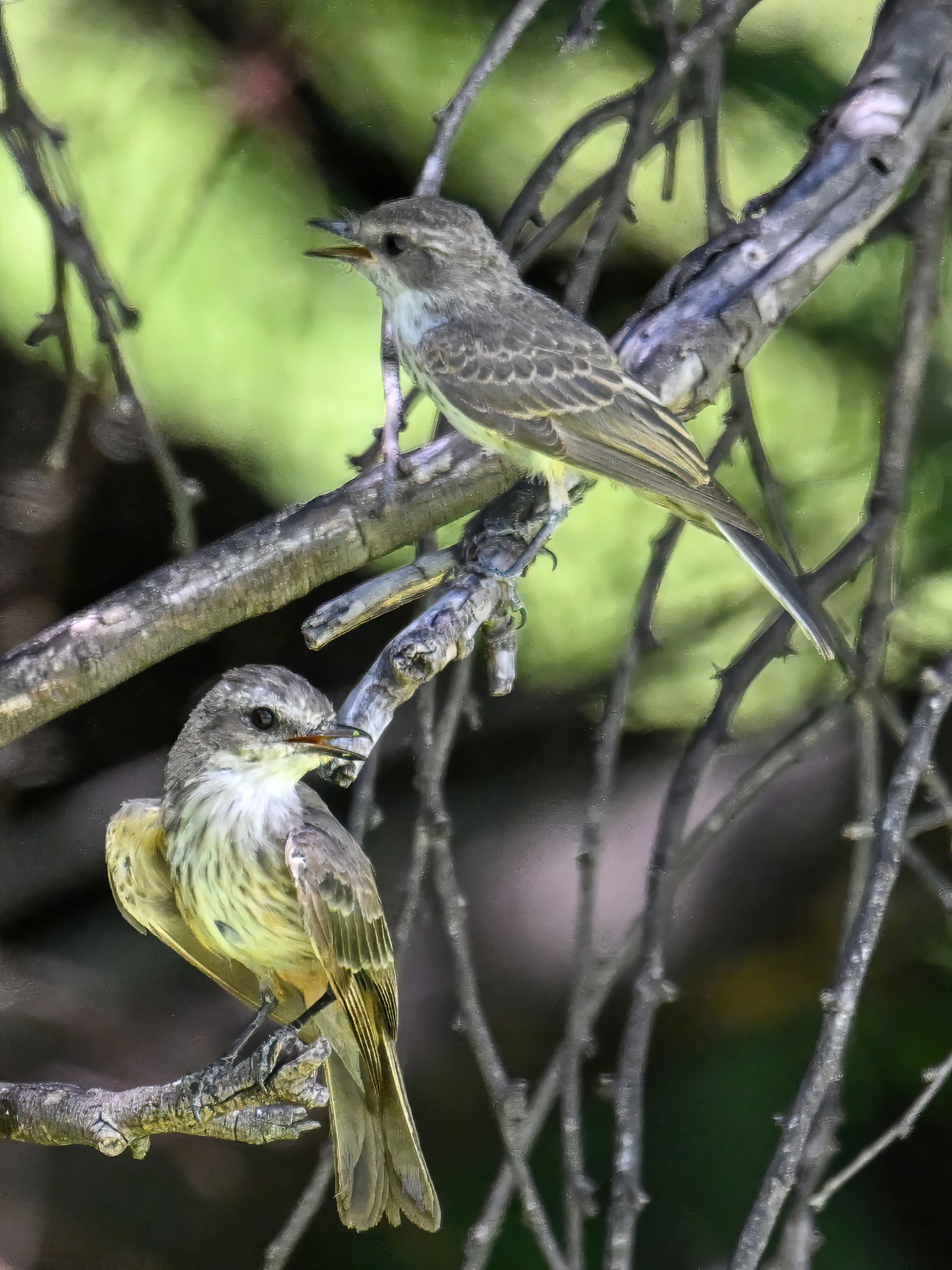
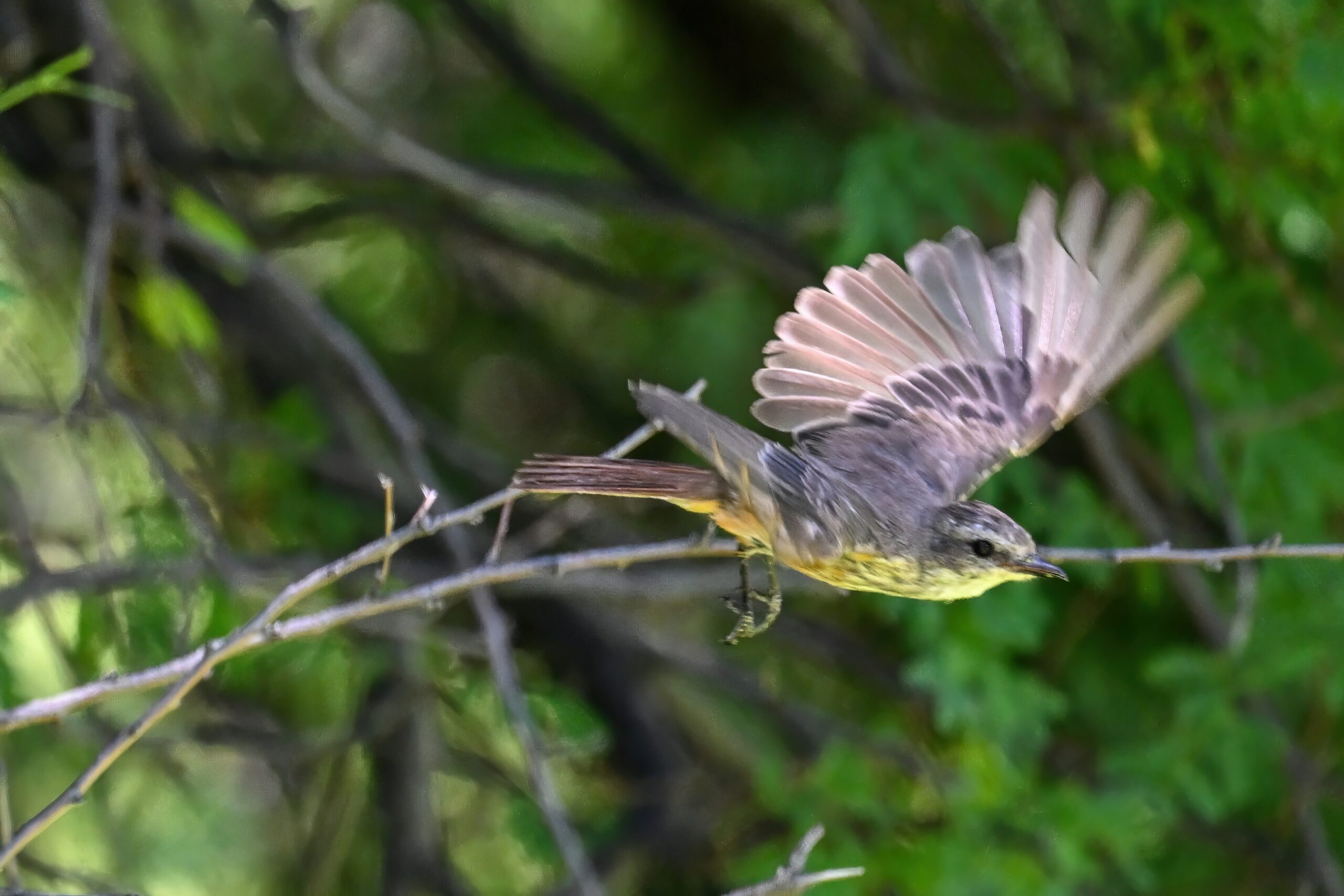
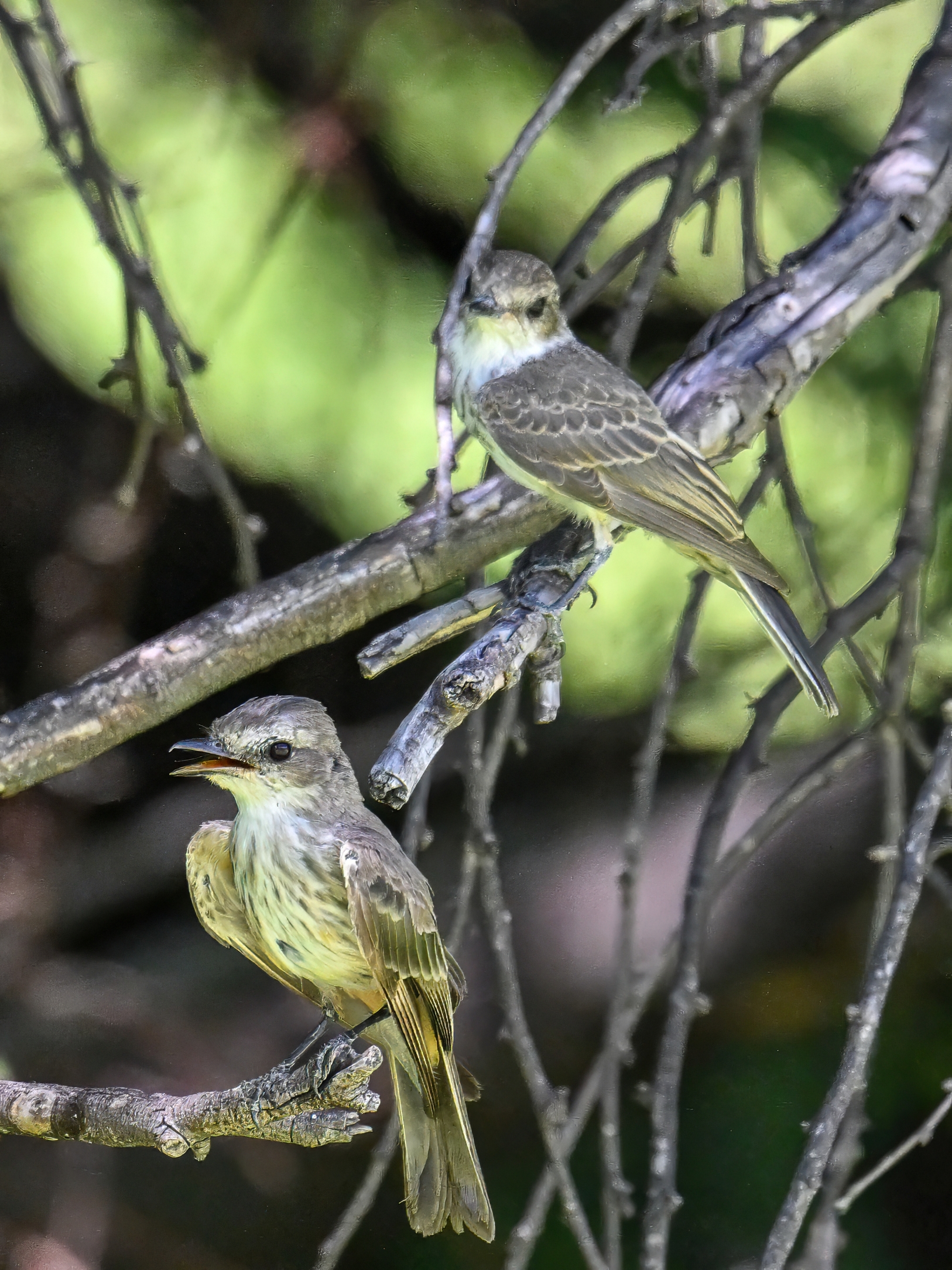
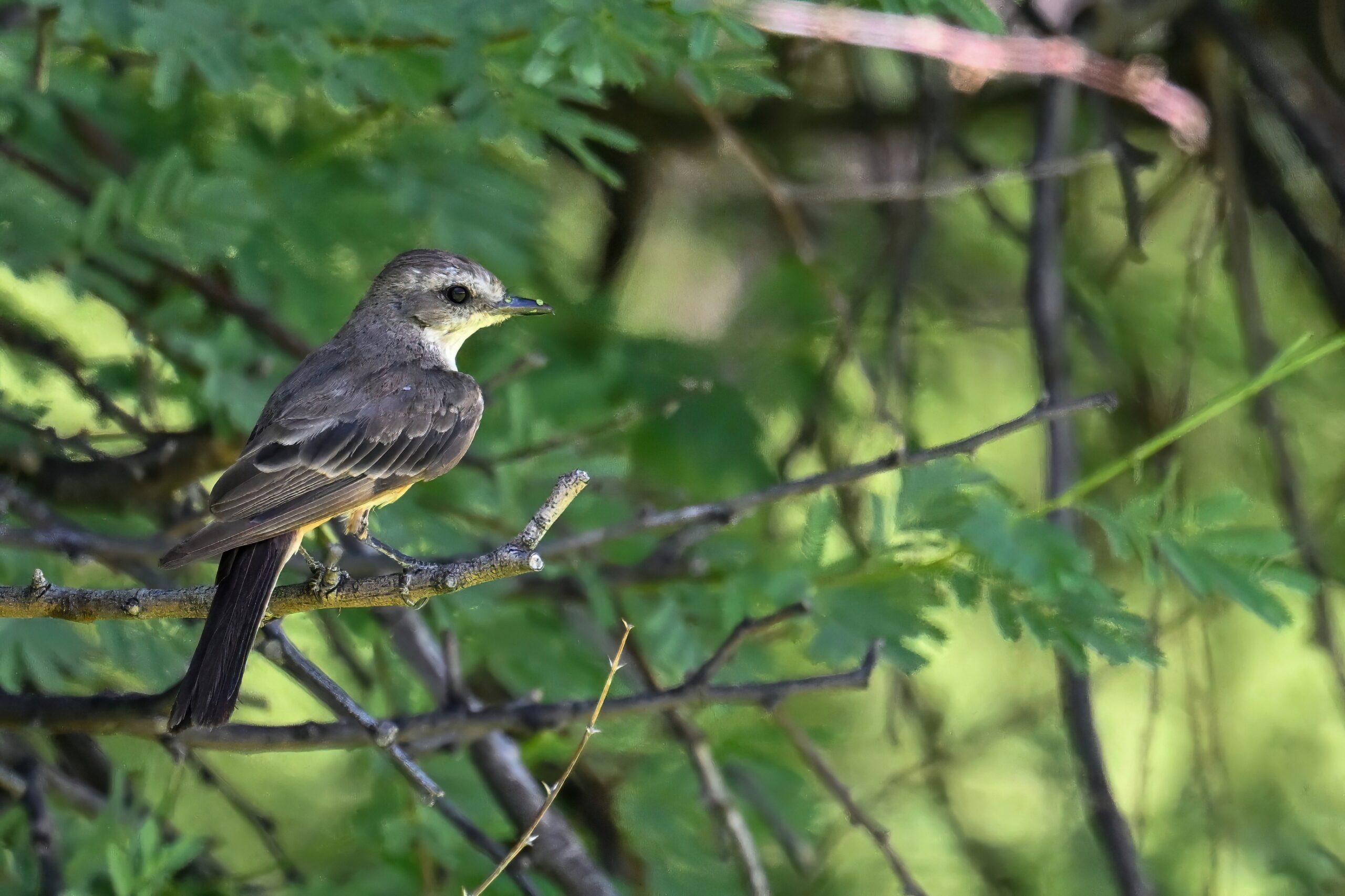
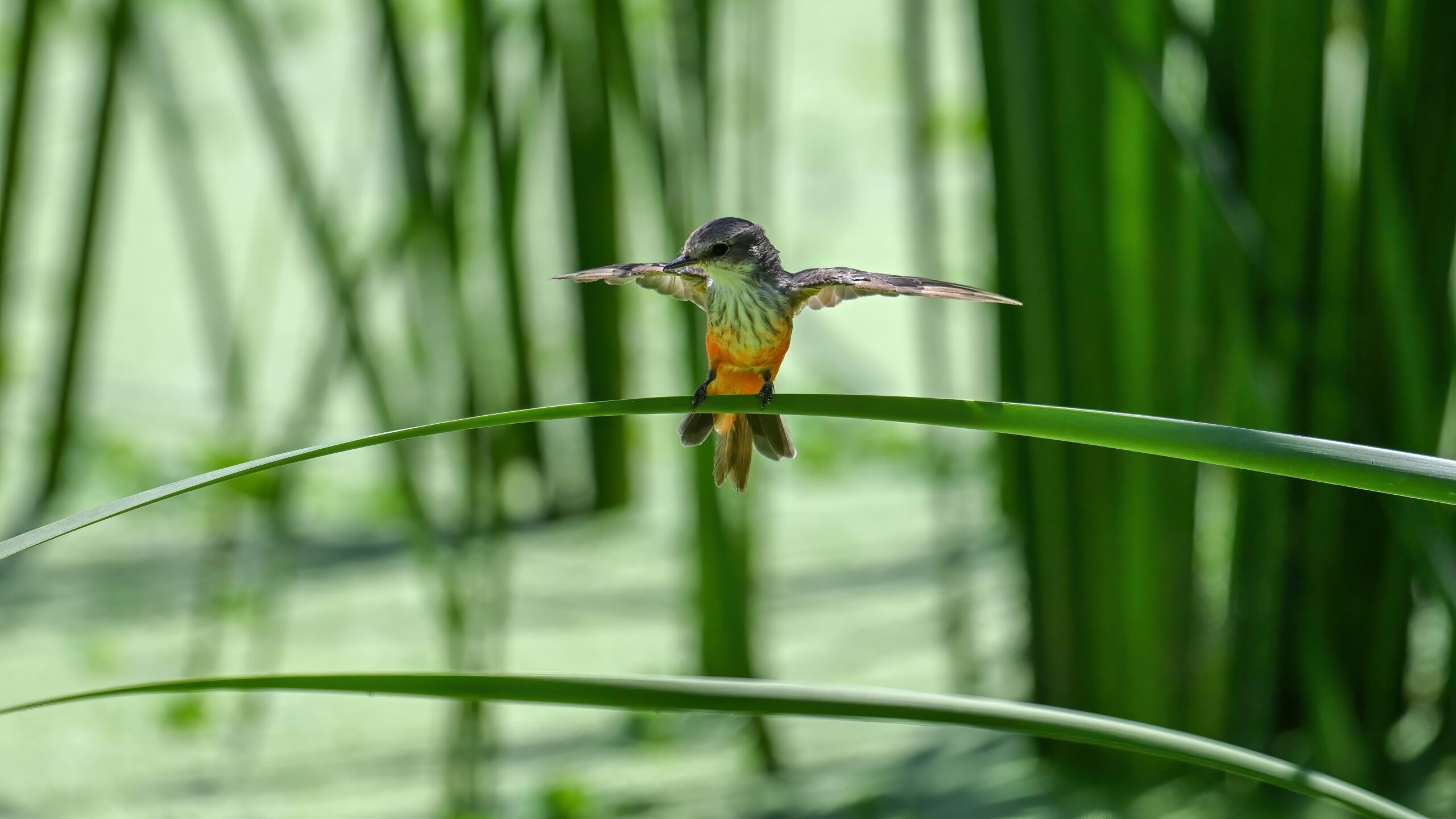
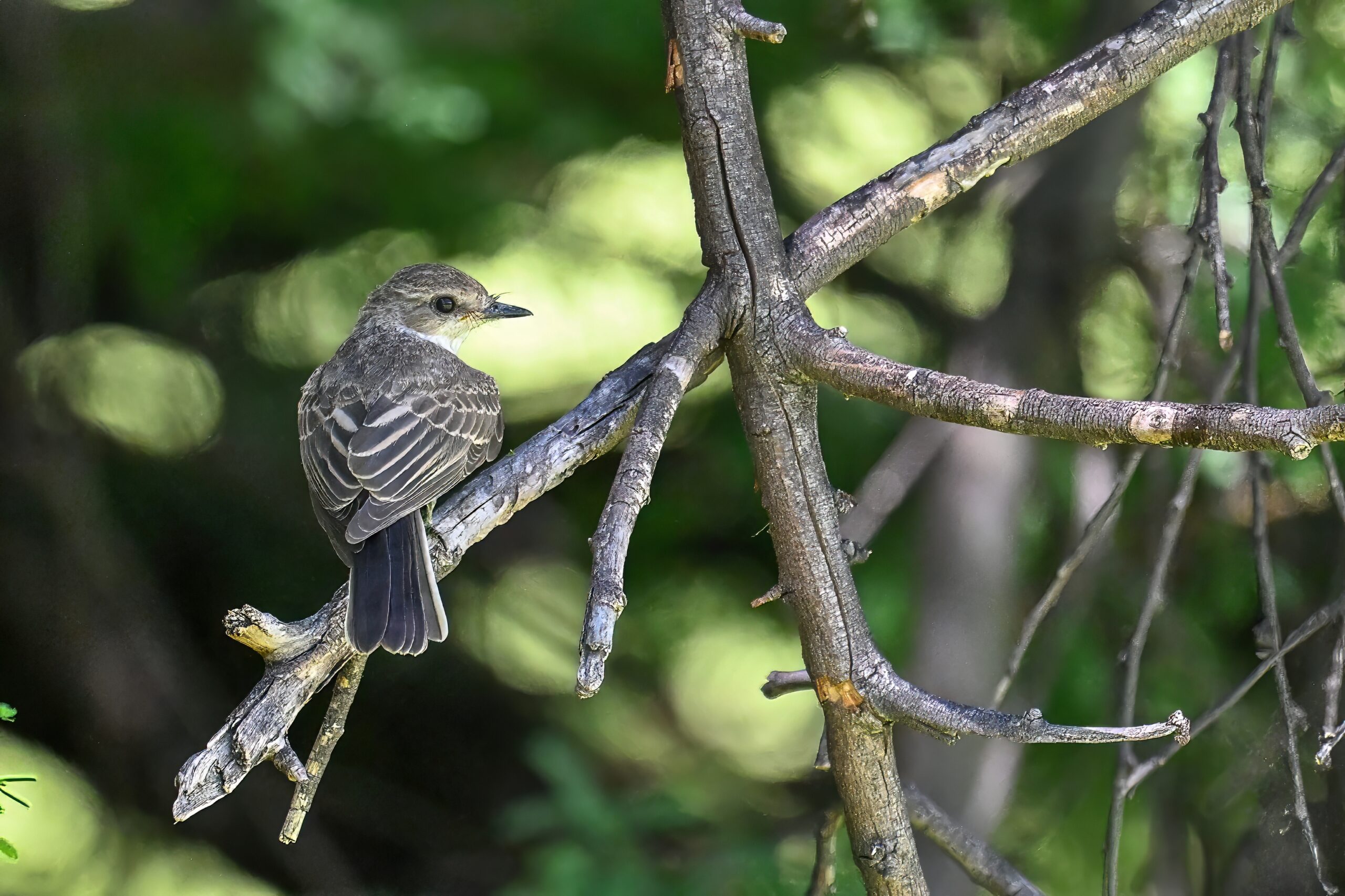
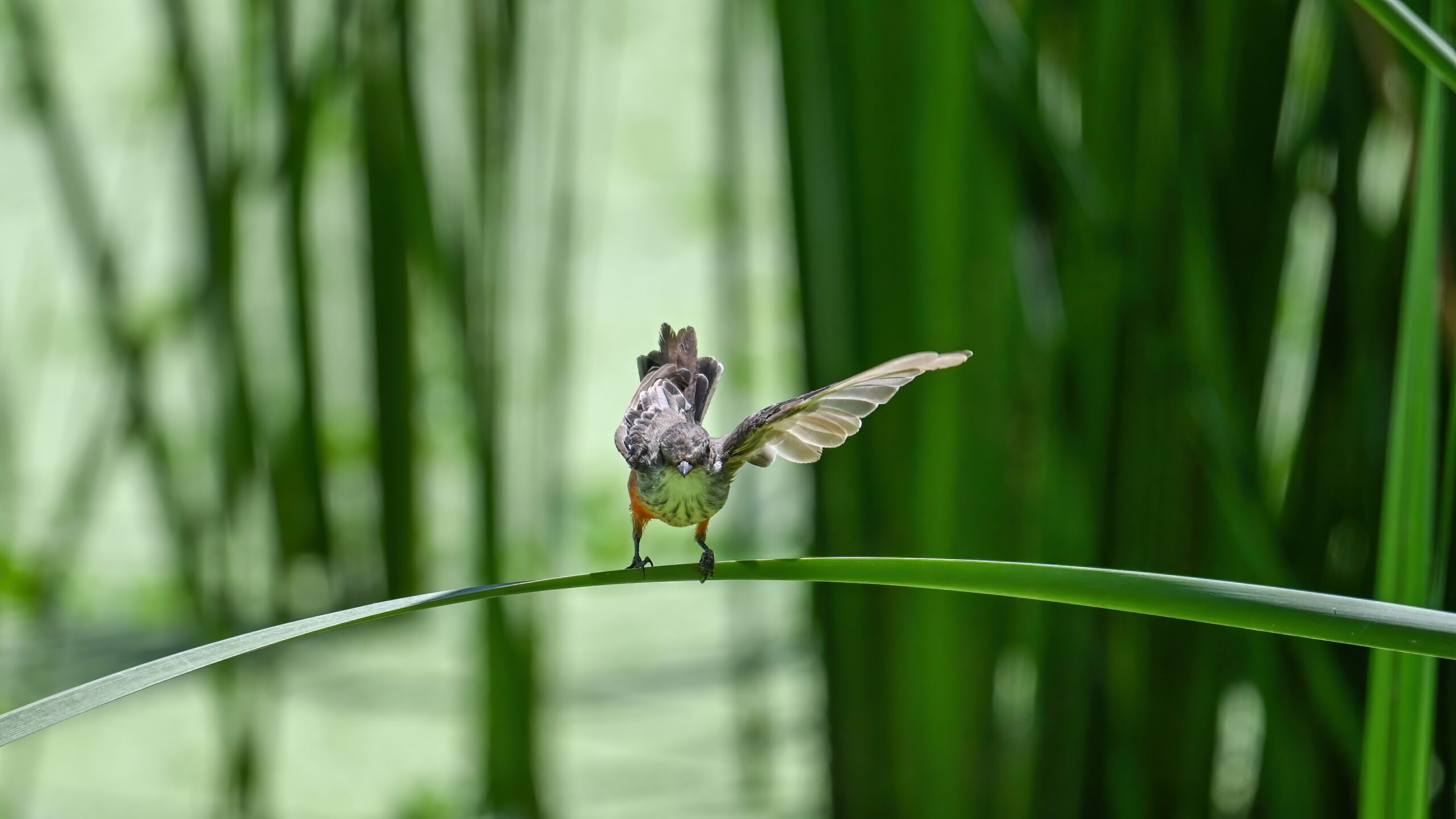
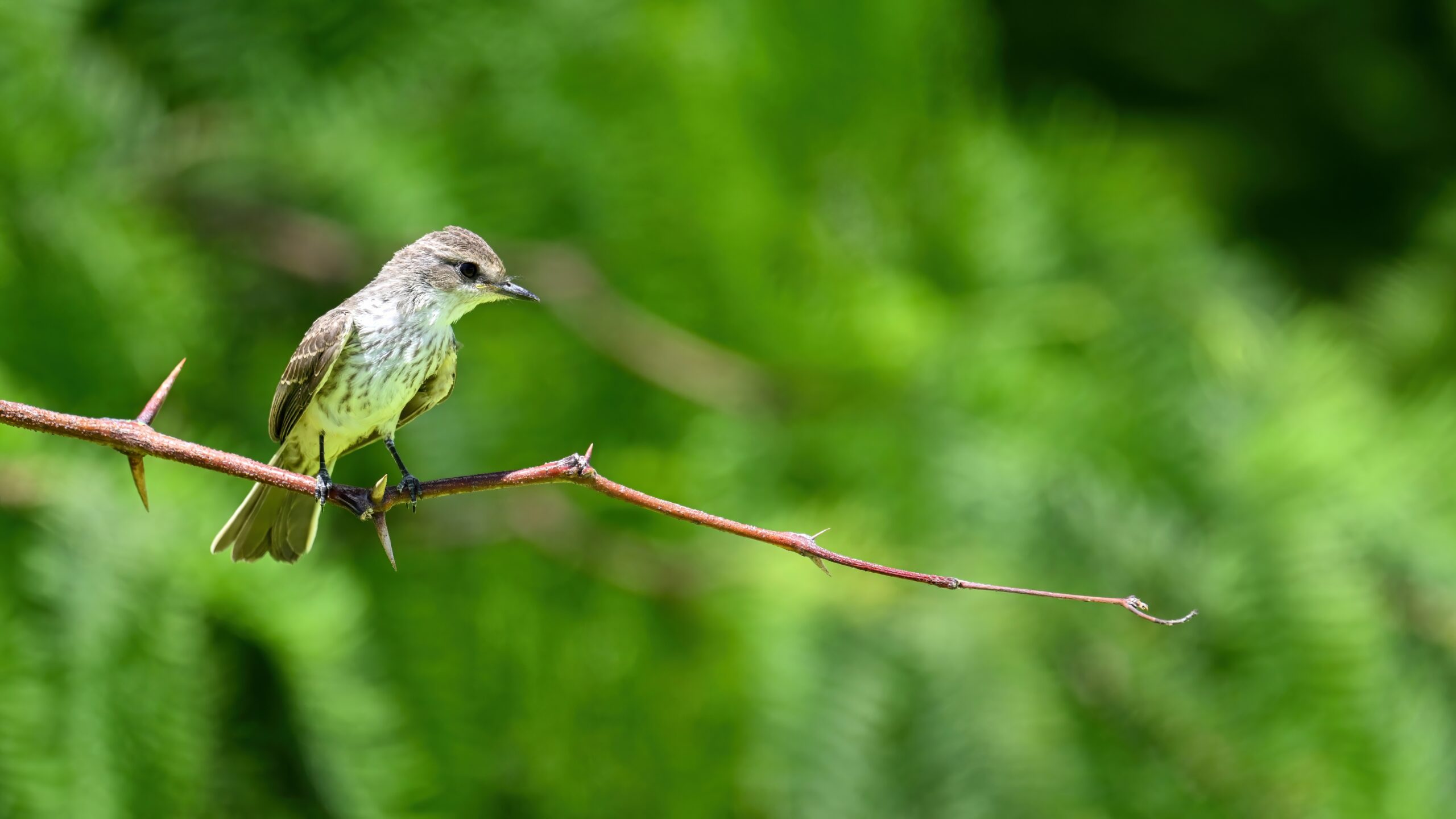
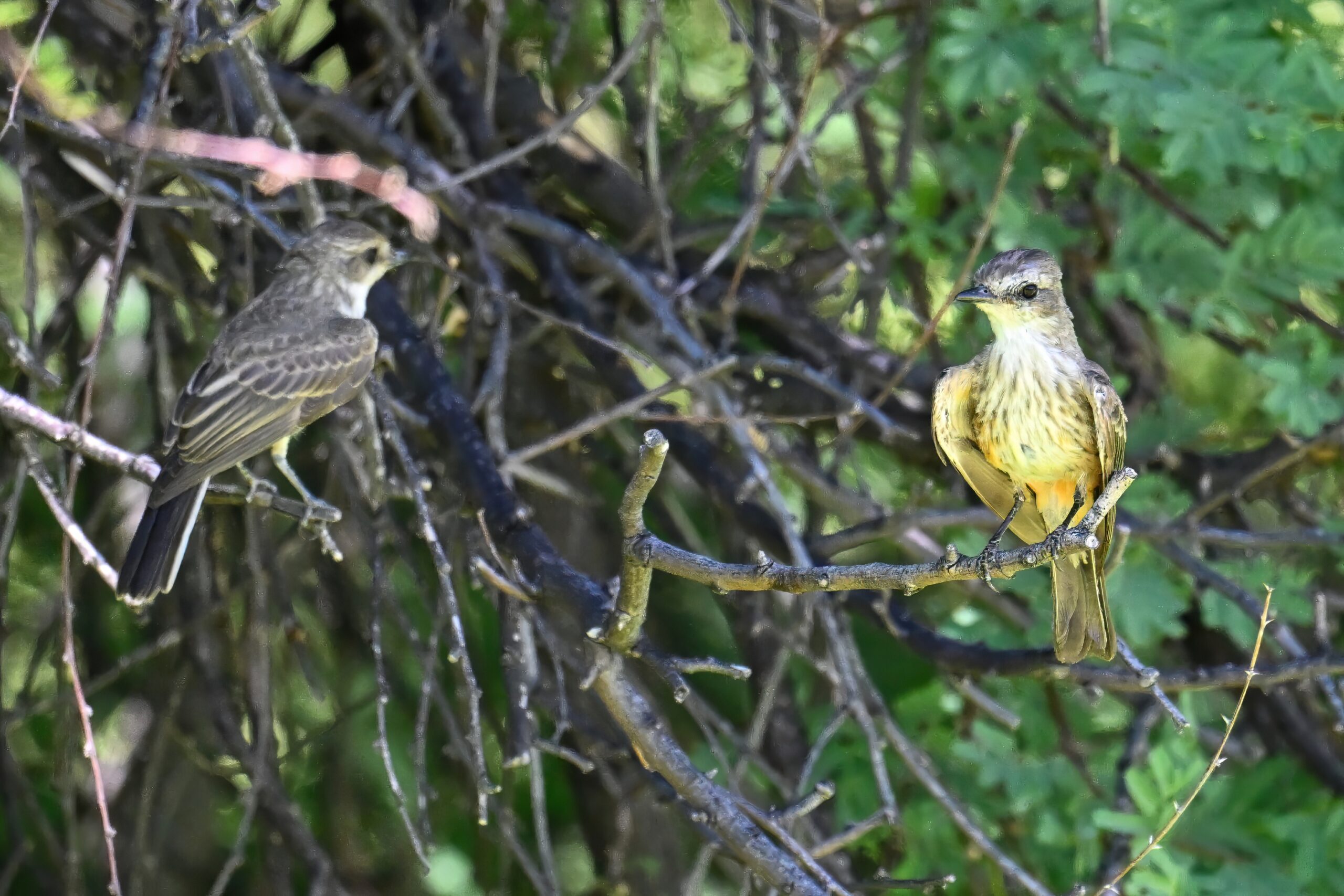
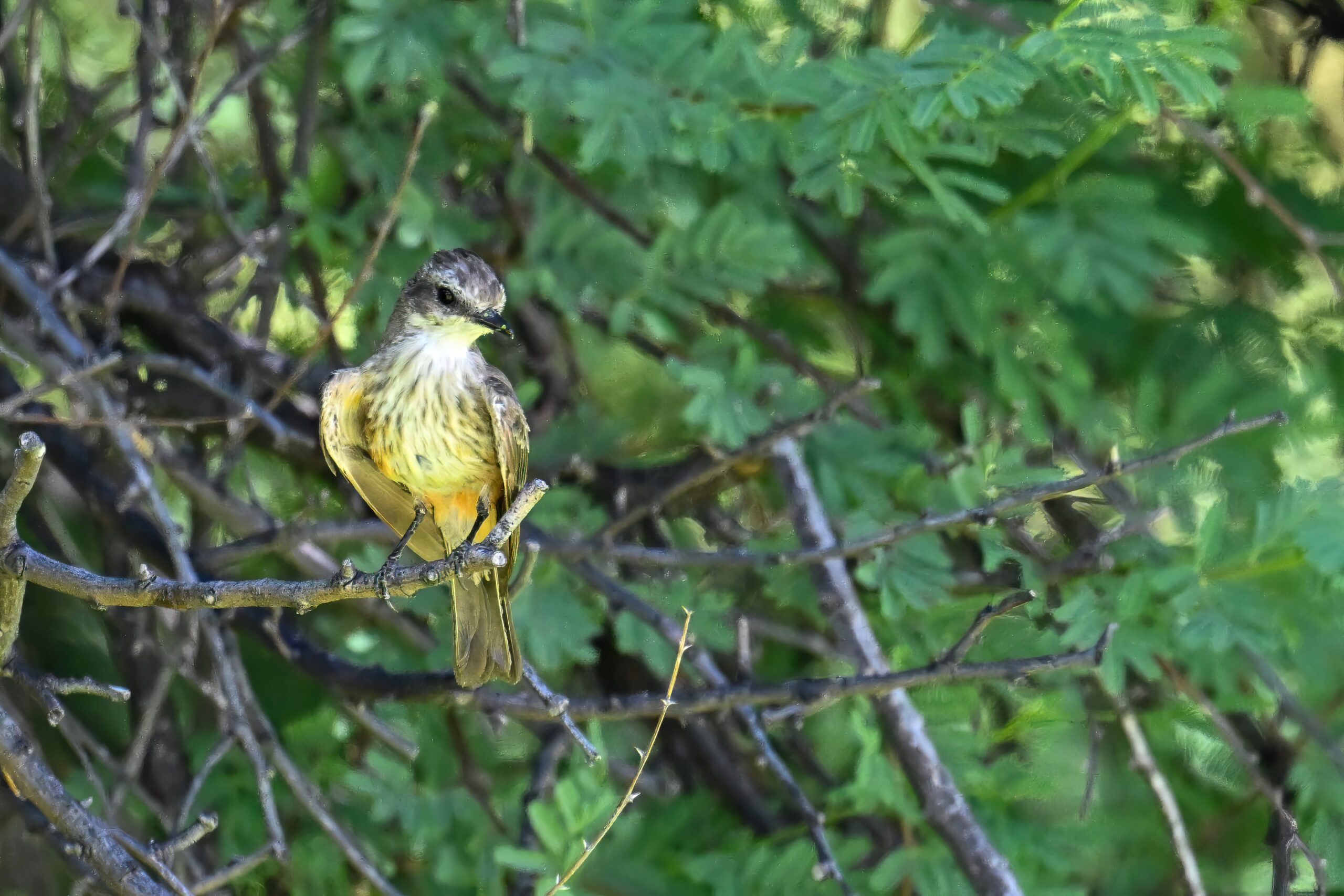
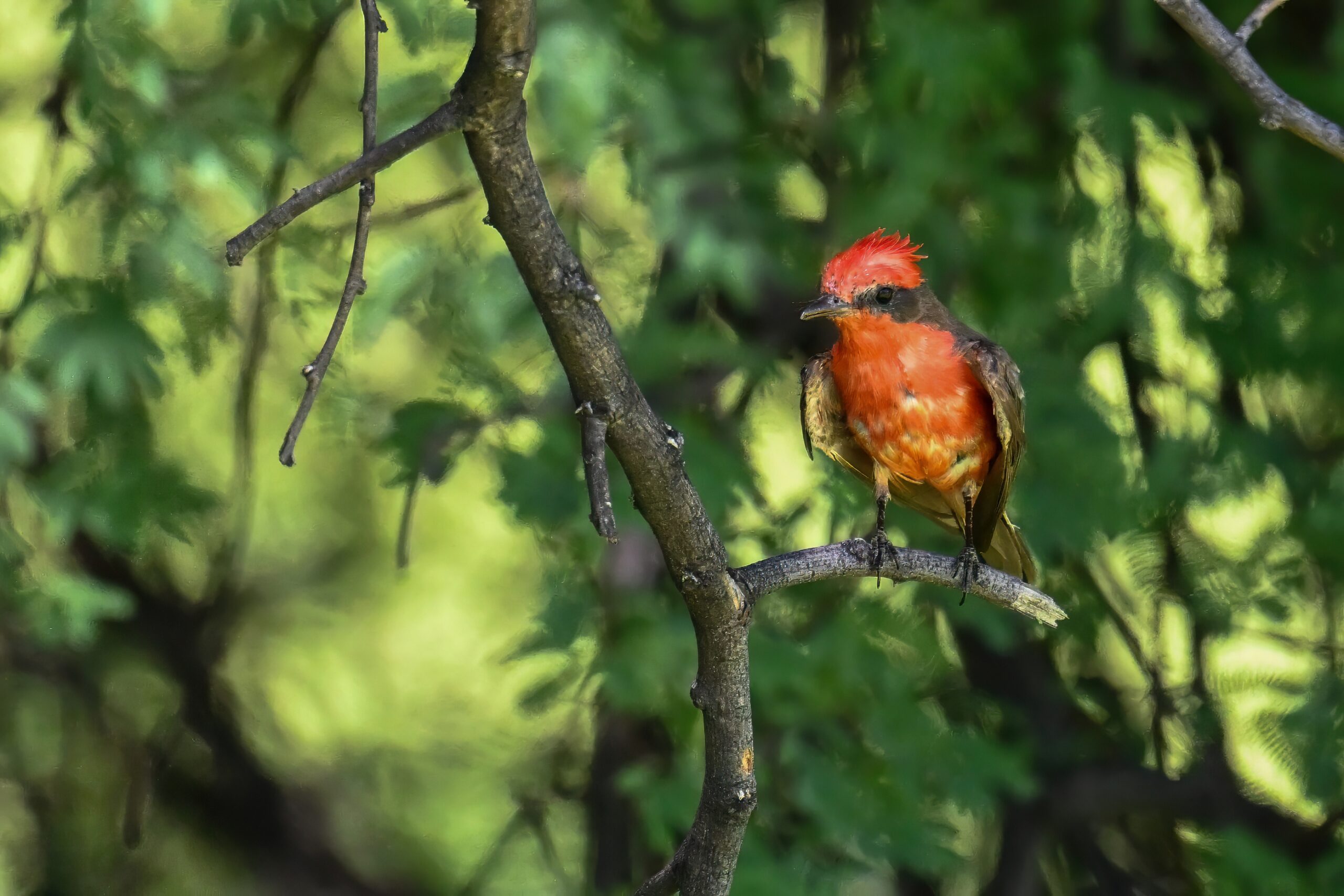
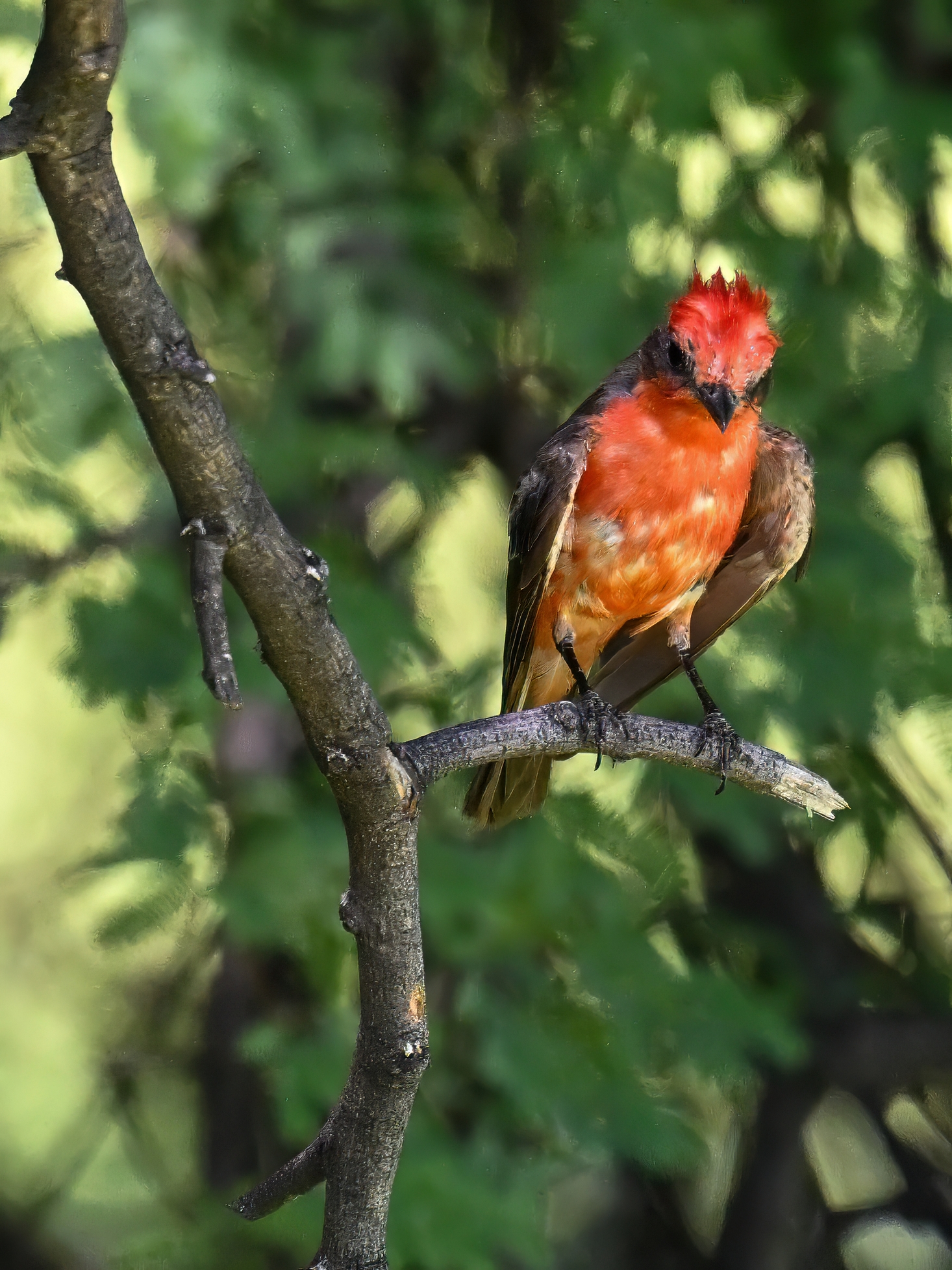
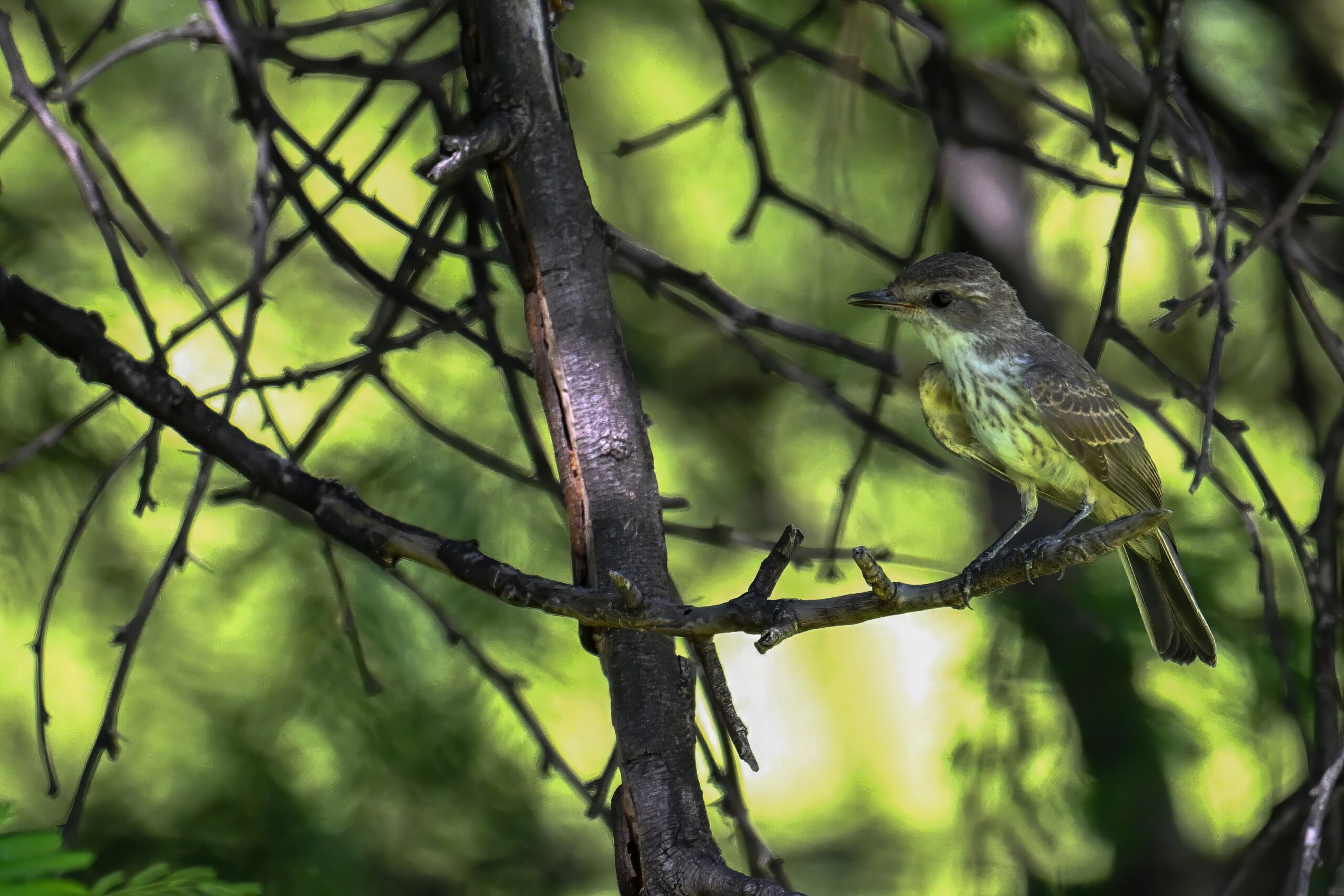
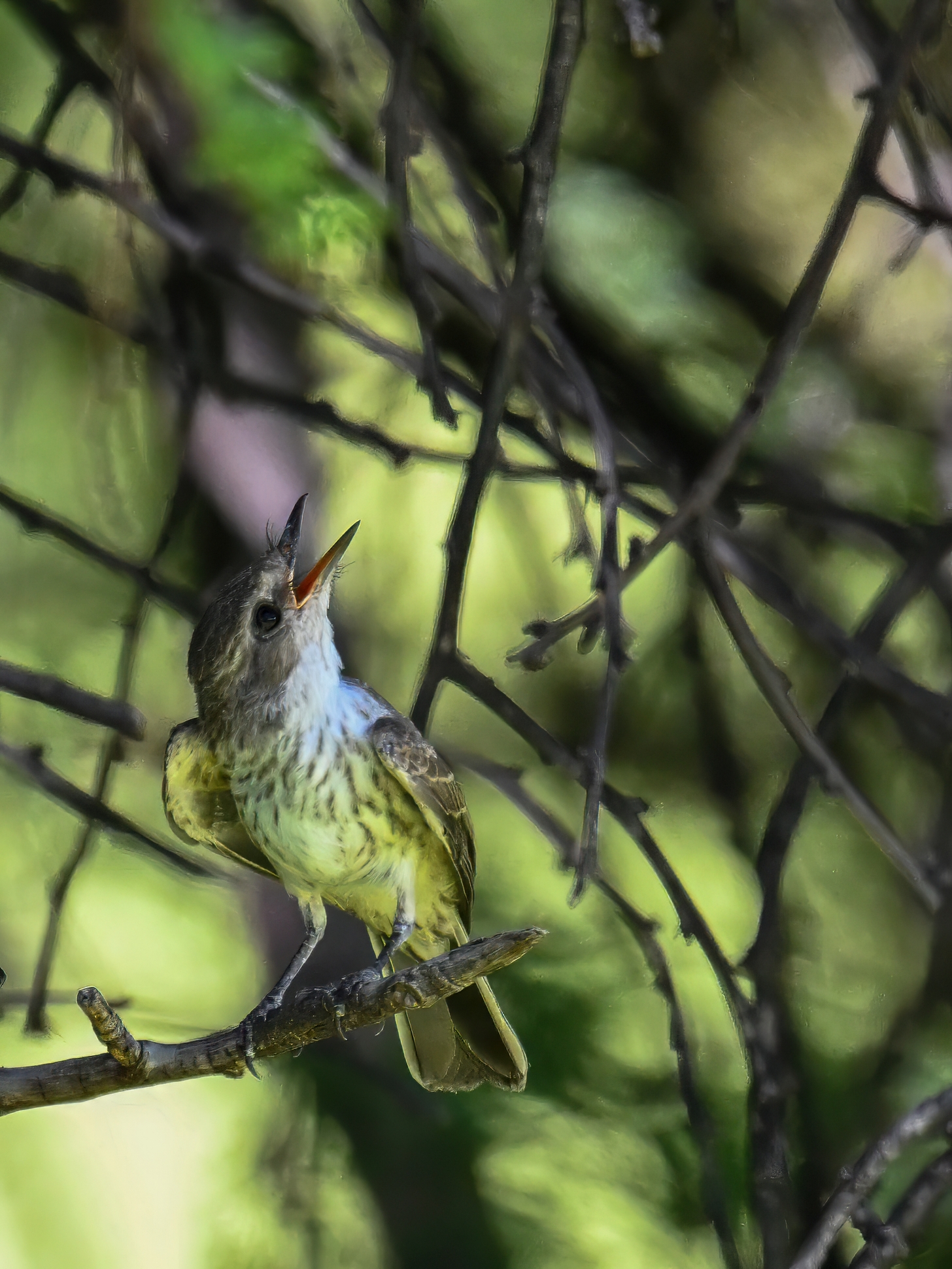
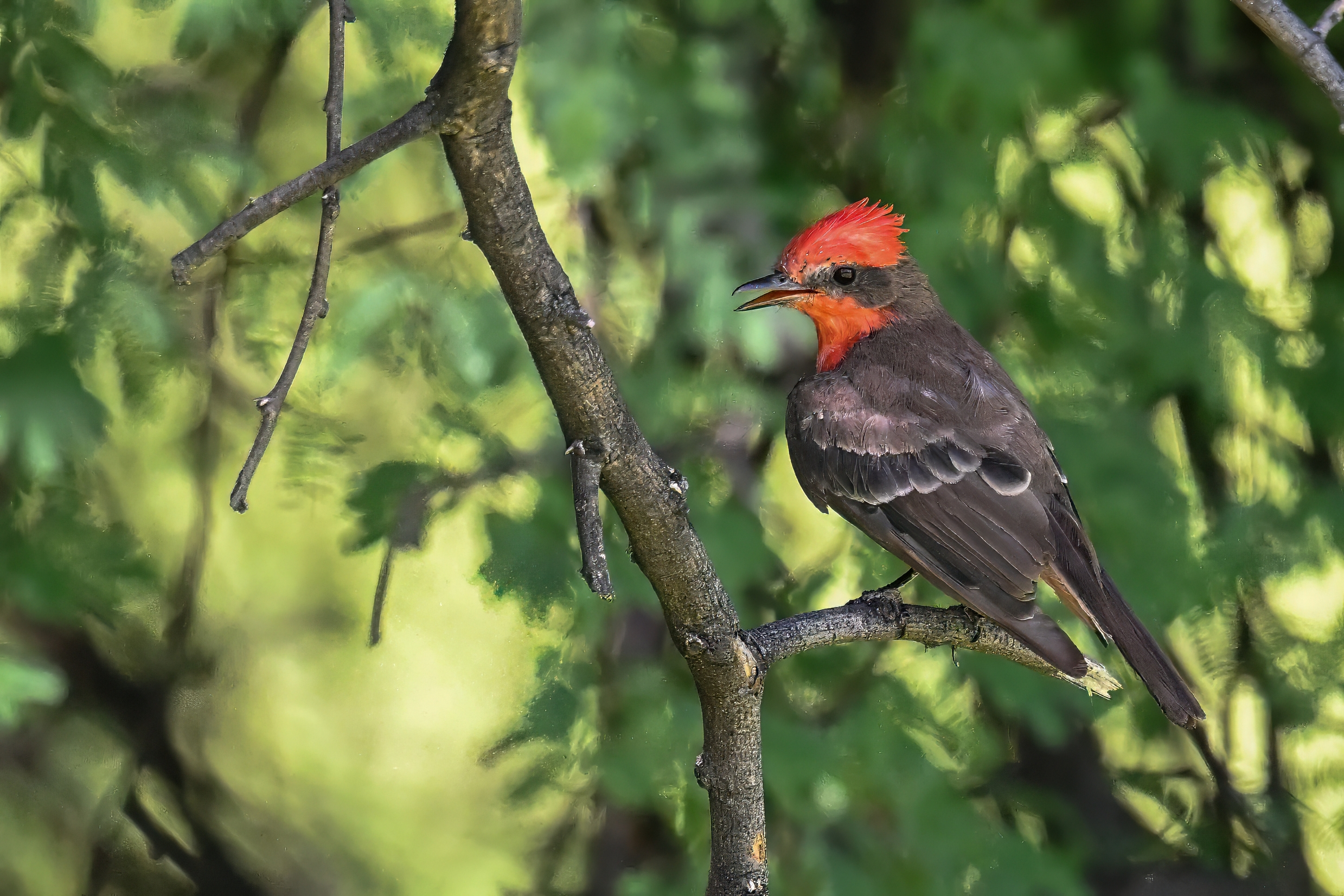
Great spots for Vermilion Flycatcher:
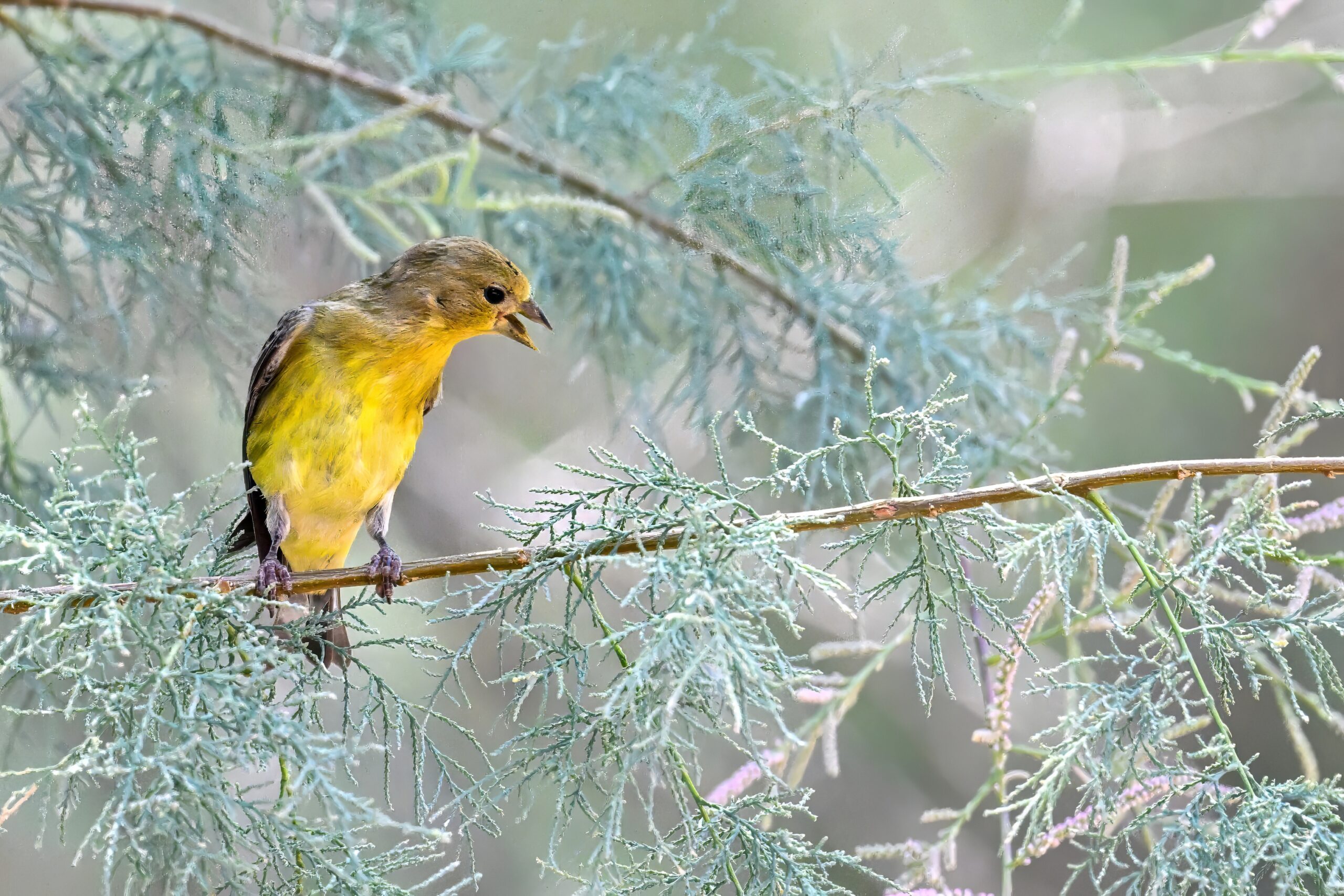
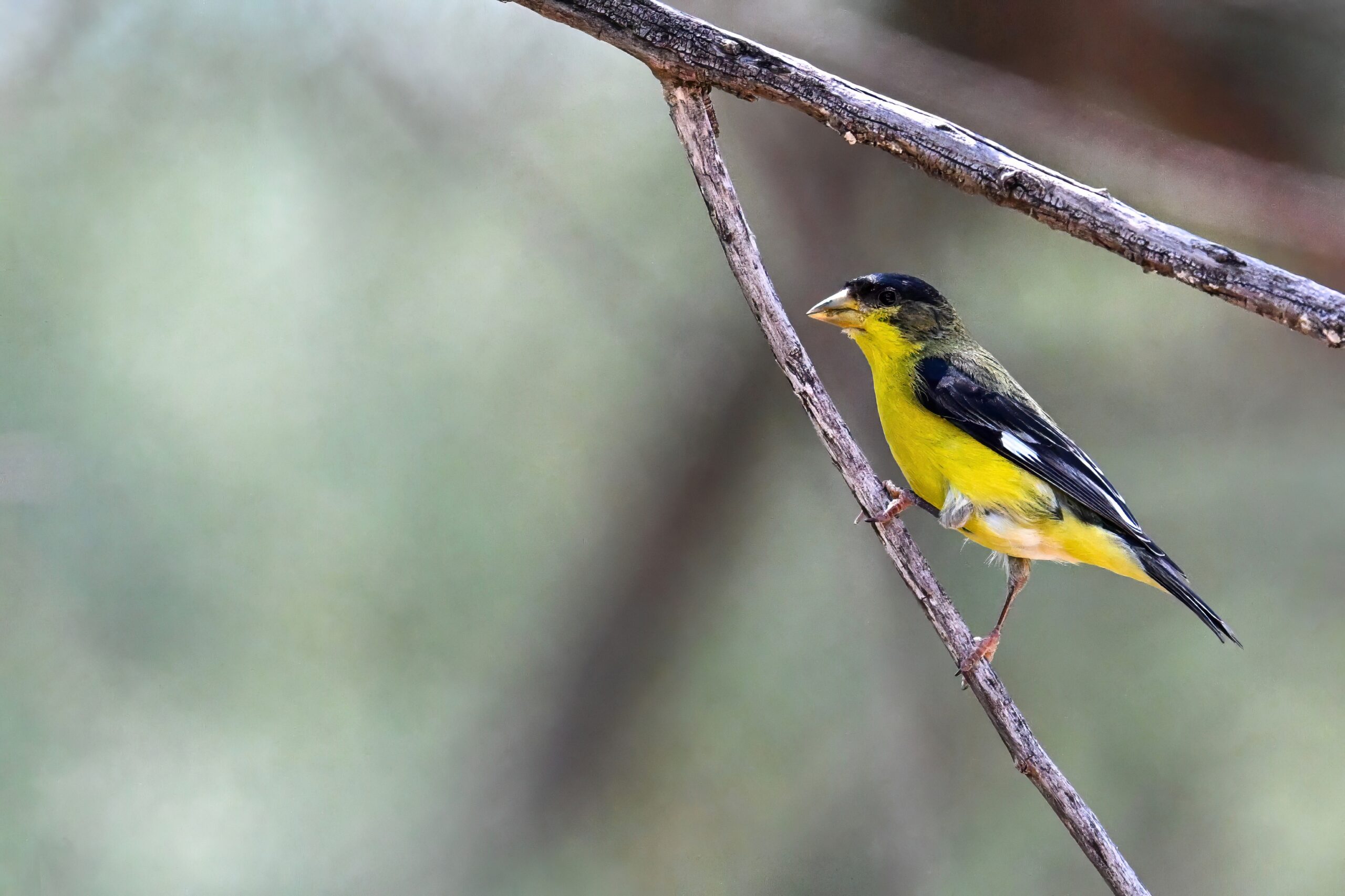
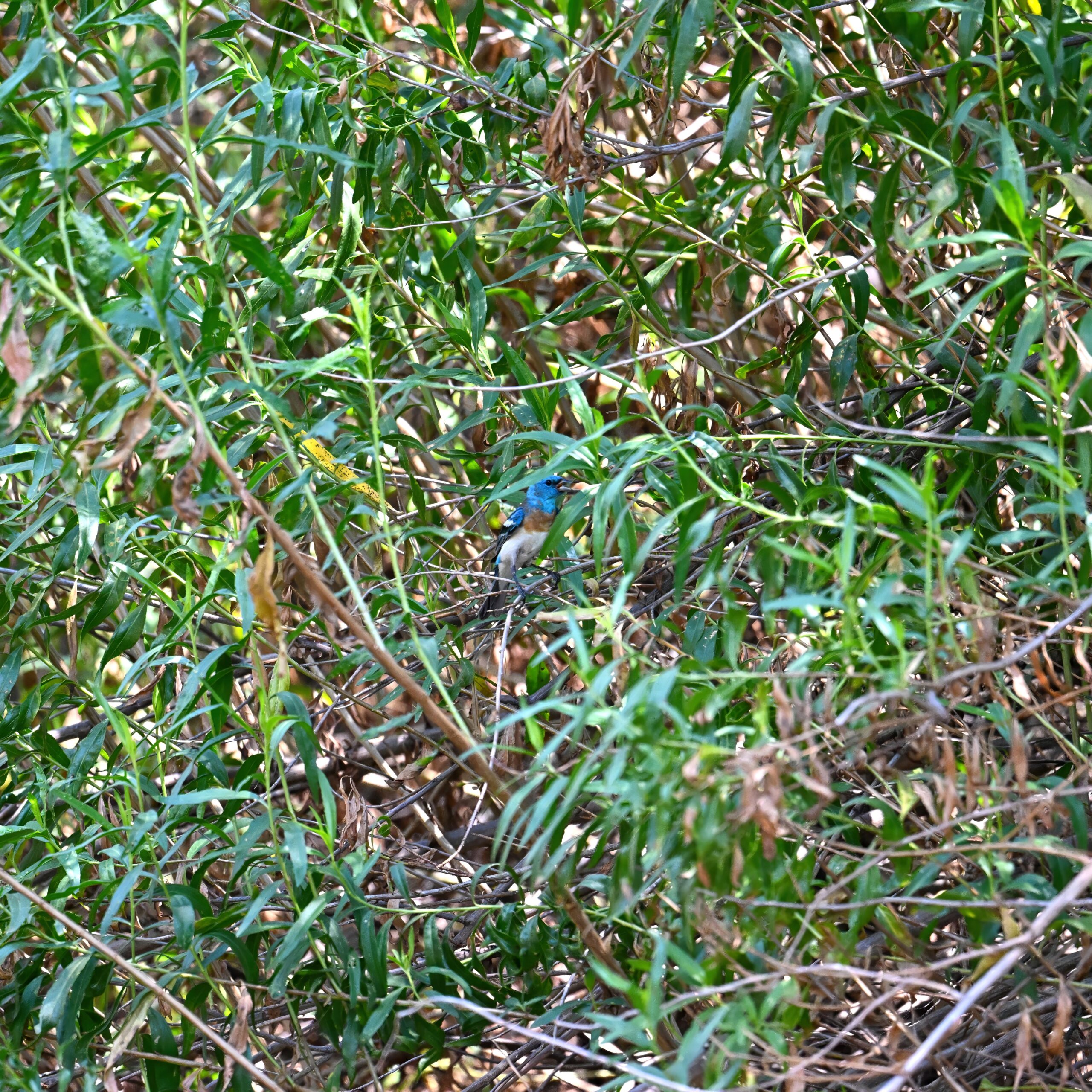
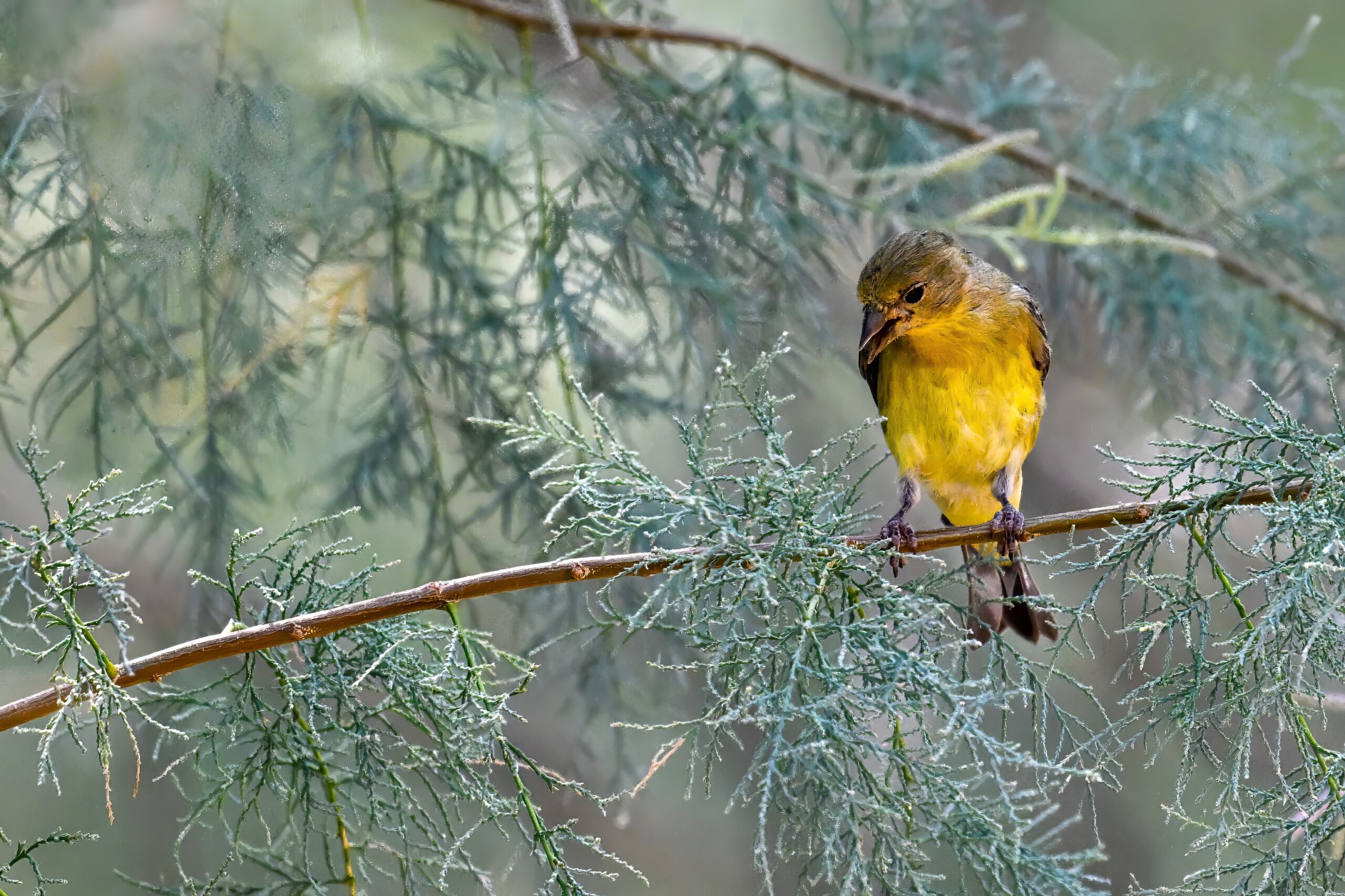
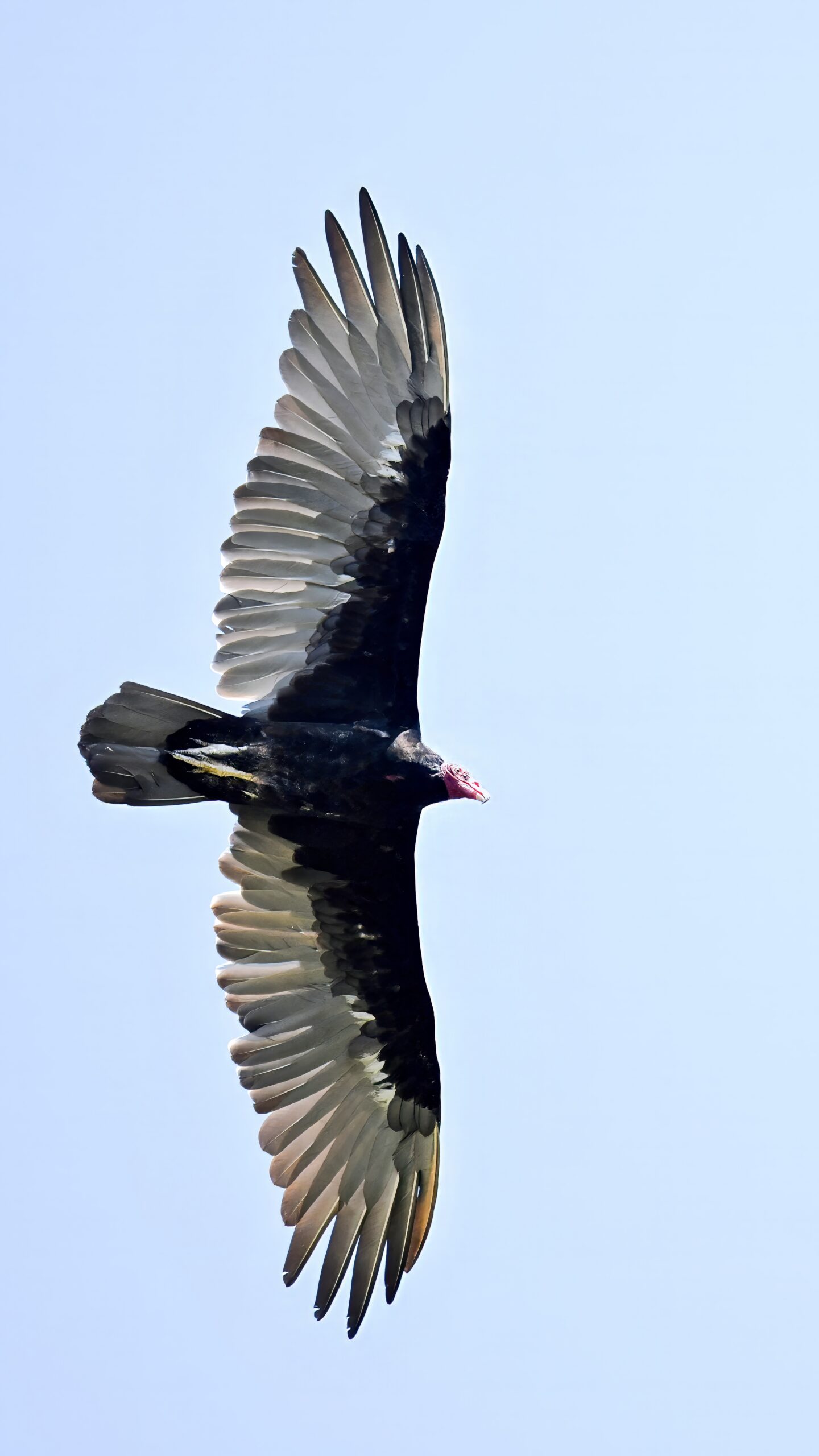
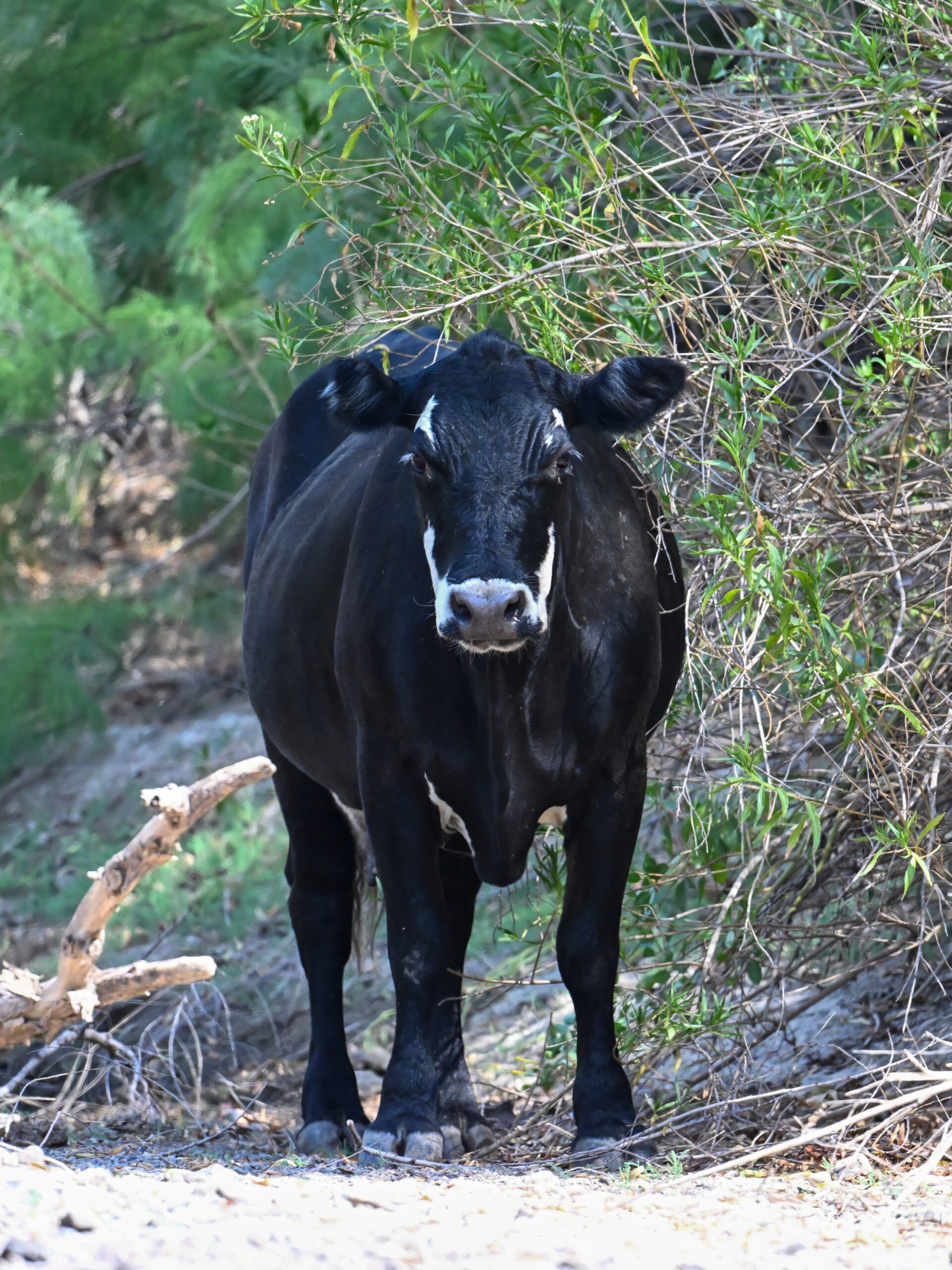
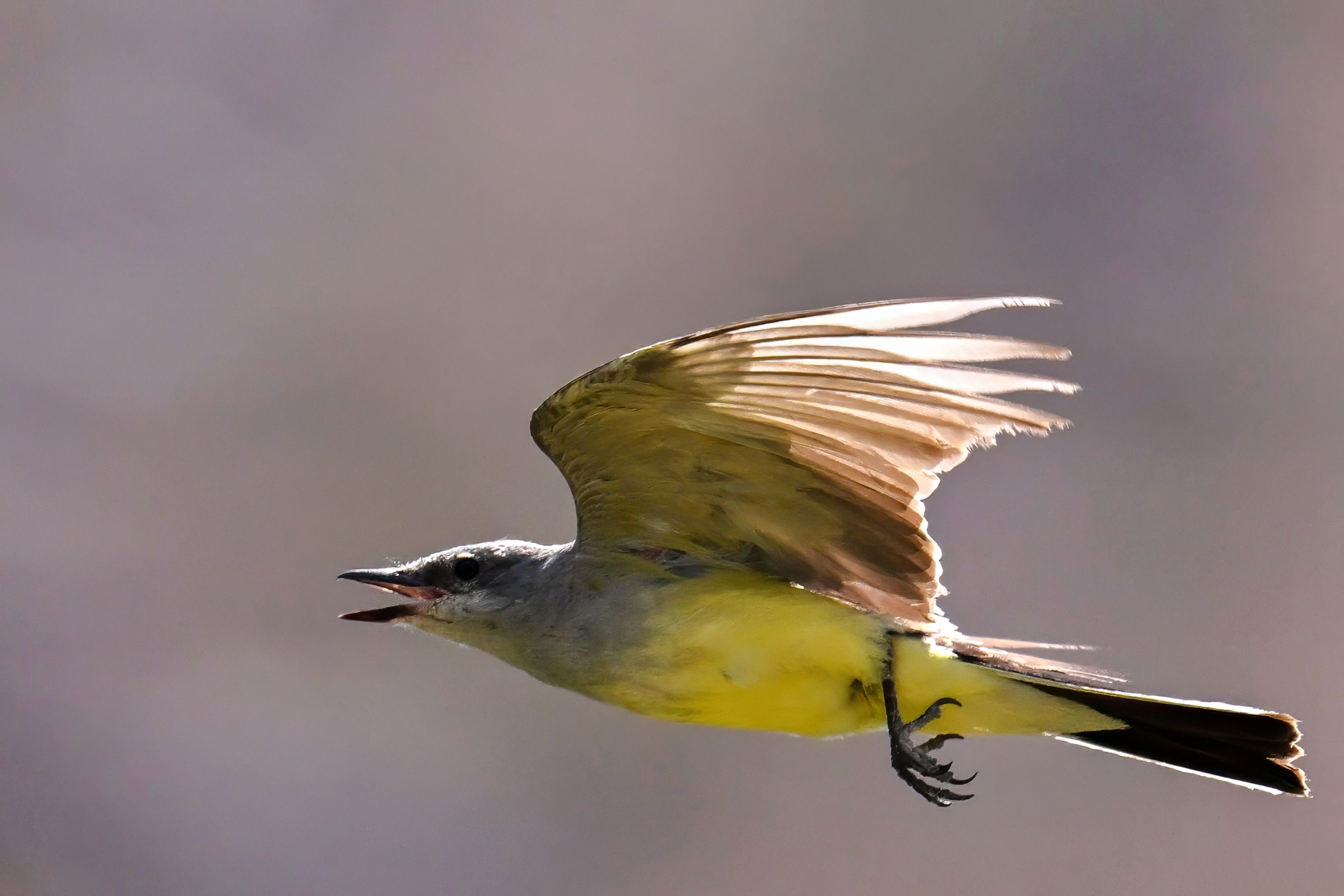
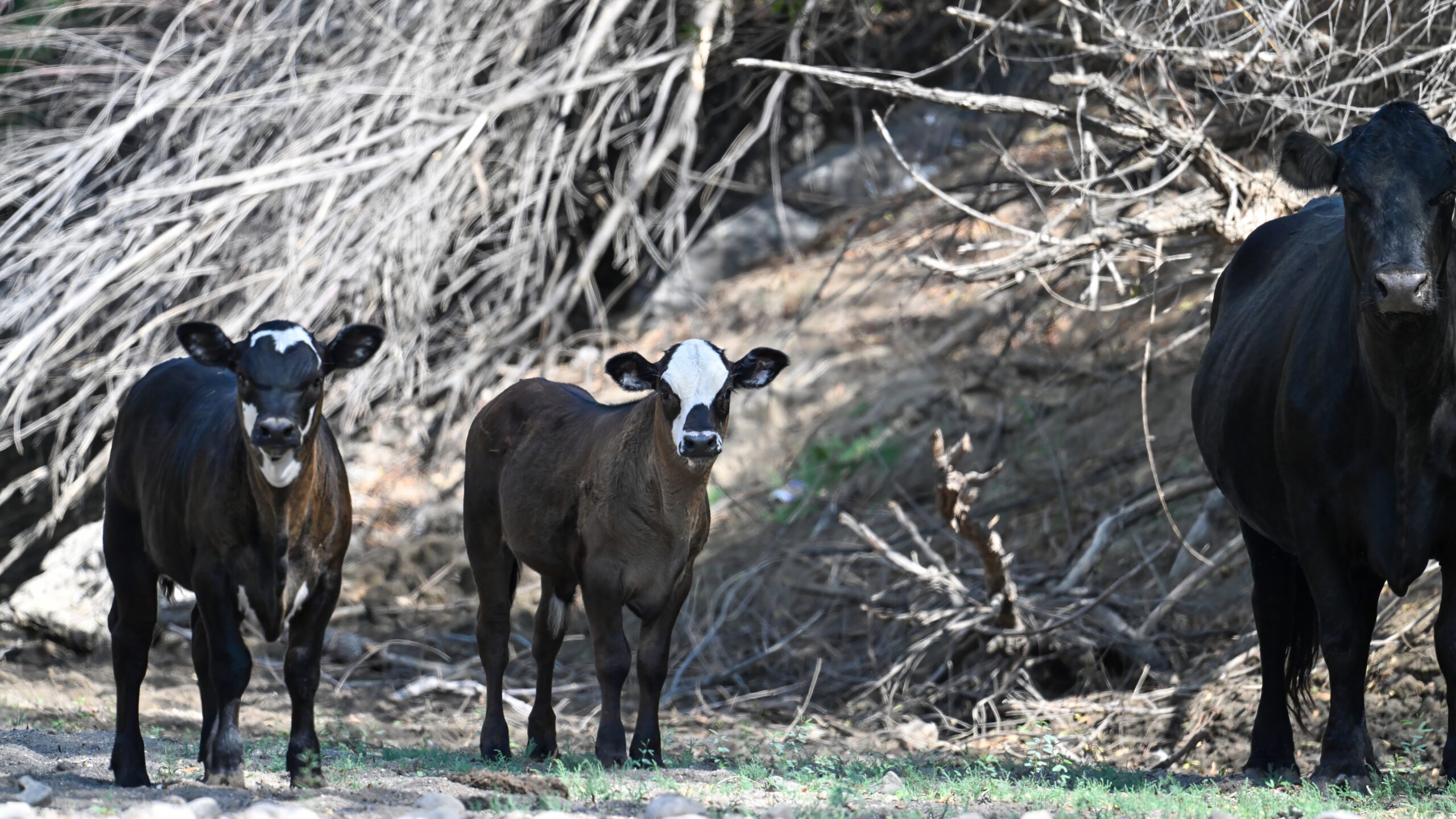
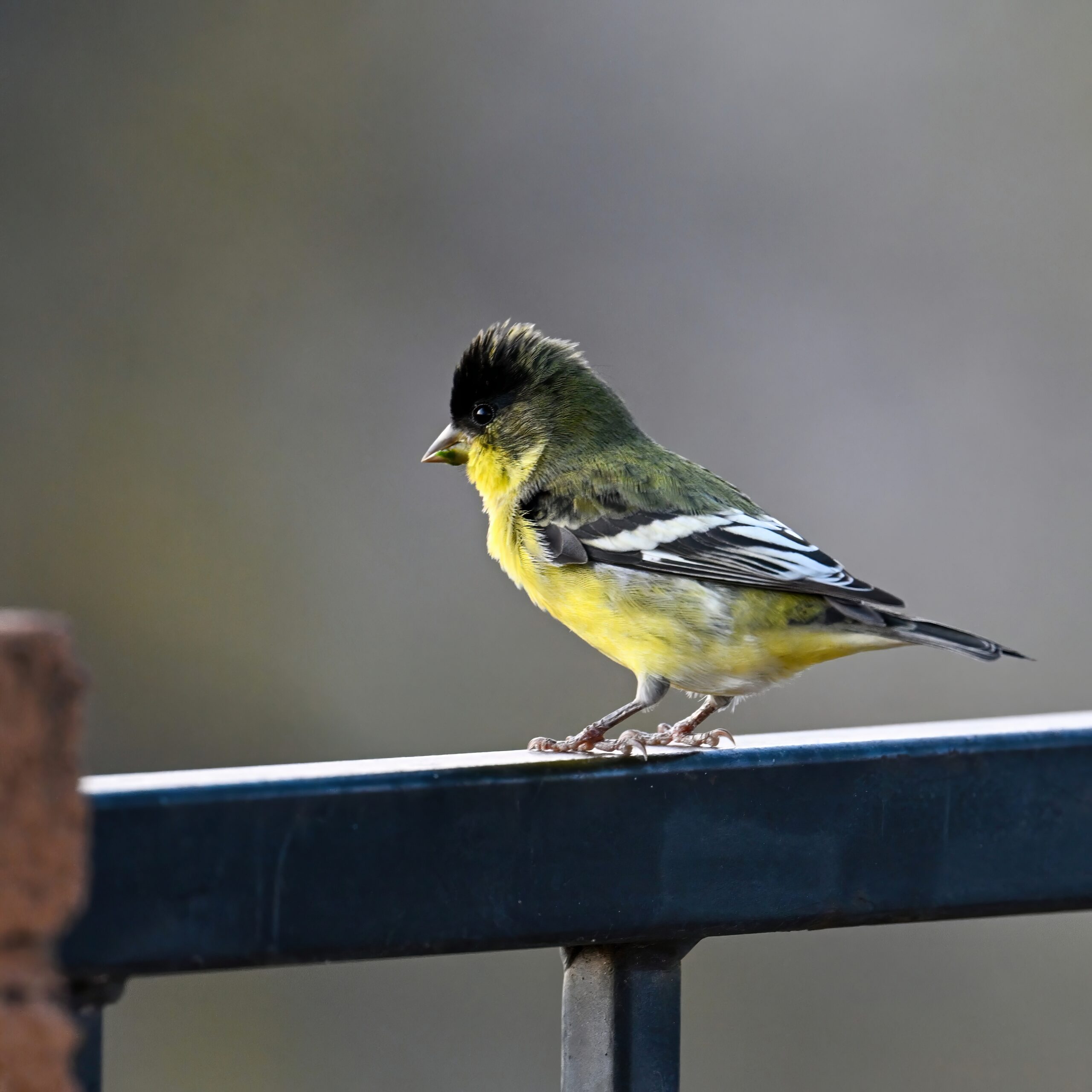
Lesser GoldfinchGila River riverbed w/ residual poolGoldfinch IIMale Lazuli BuntingGoldfinch IIITurkey VultureFree range cowWestern KingbirdFree range cows
In Erie Co., PA news, Presque Isle State Park remained closed yesterday due to extensive storm damage, but was slated to reopen today for the U.S. Labor Day holiday.
In Presque Isle news, the park was closed yesterday due to downed trees and power lines from recent/localized thunderstorms. Hopefully things are back to normal for the rest of the U.S. holiday weekend.
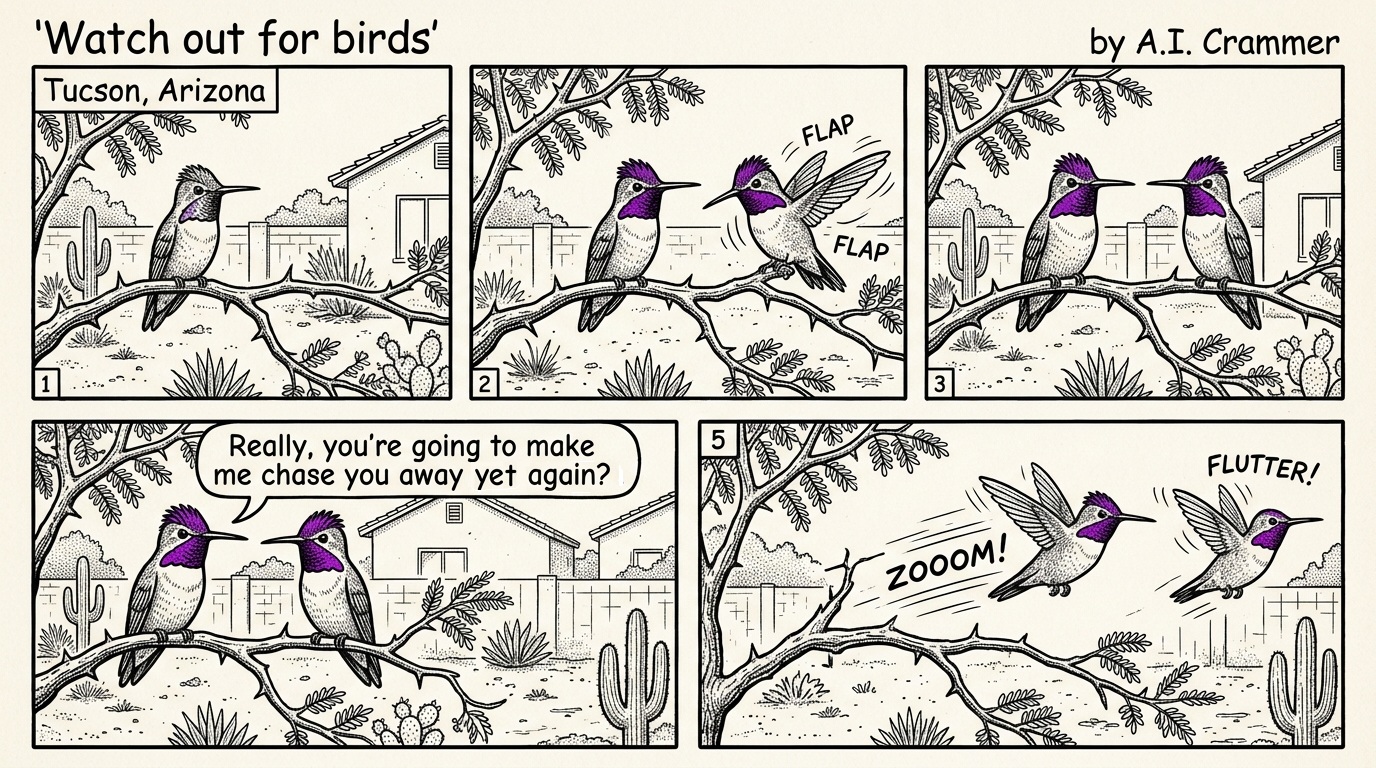
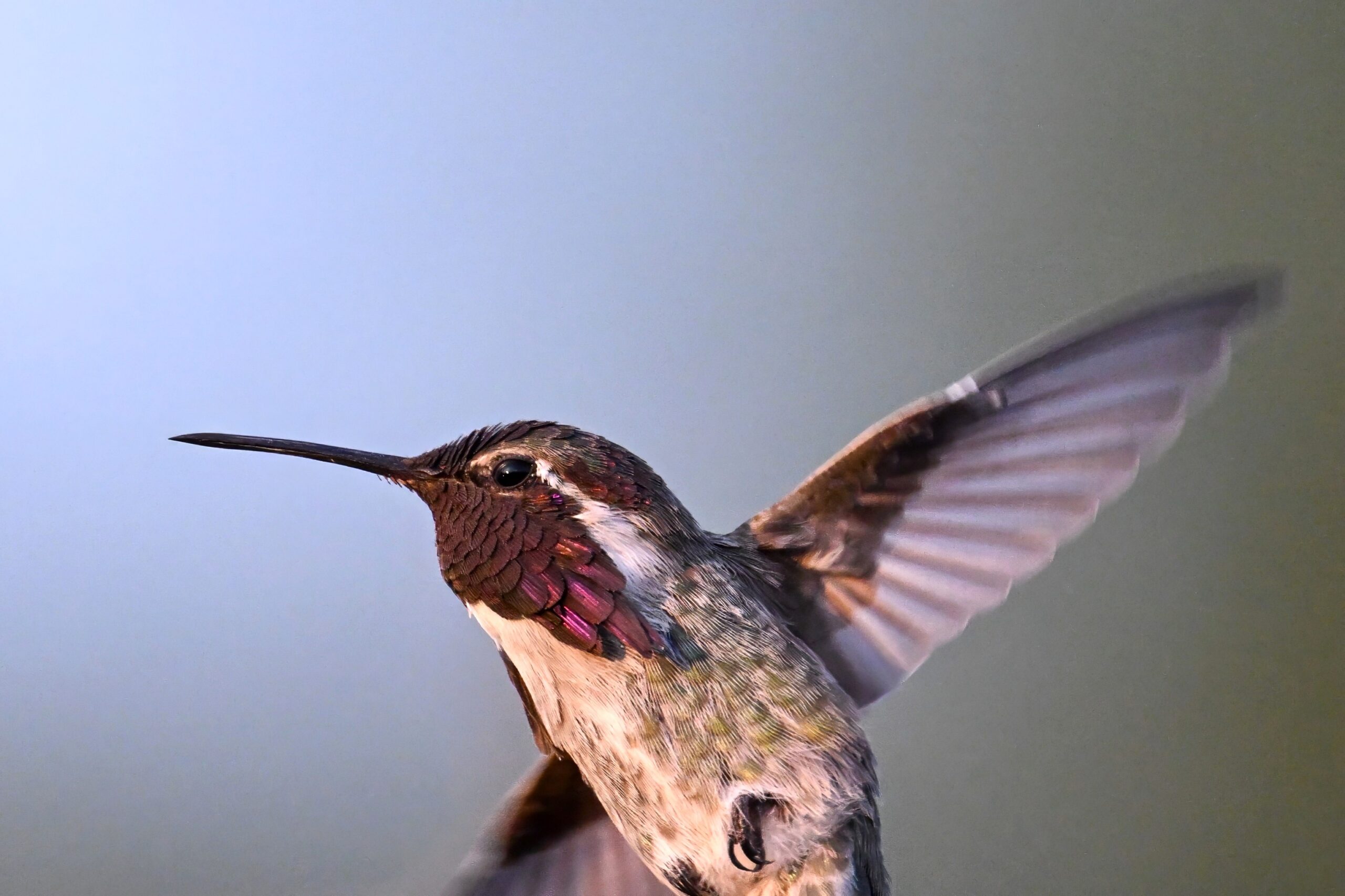
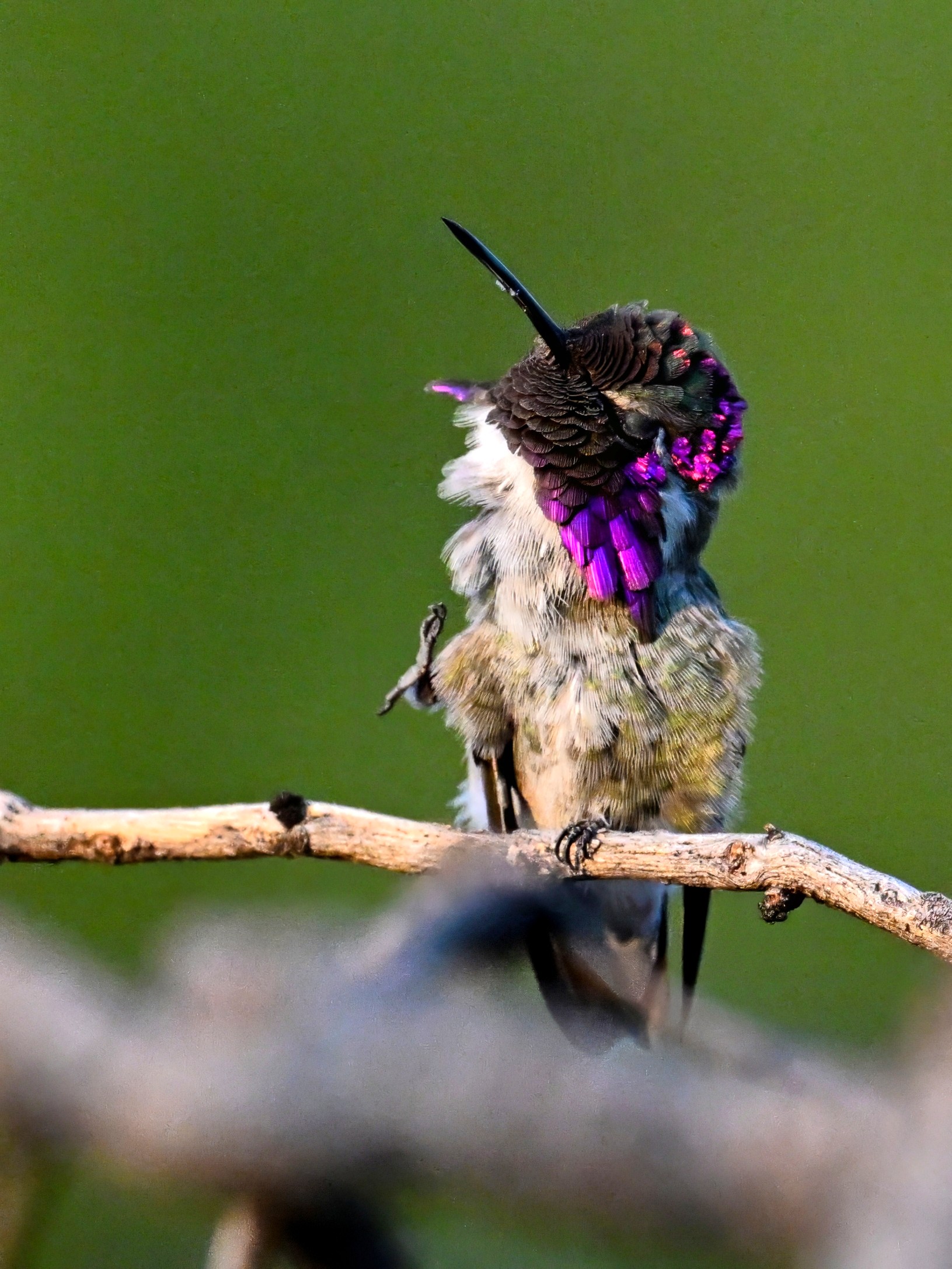
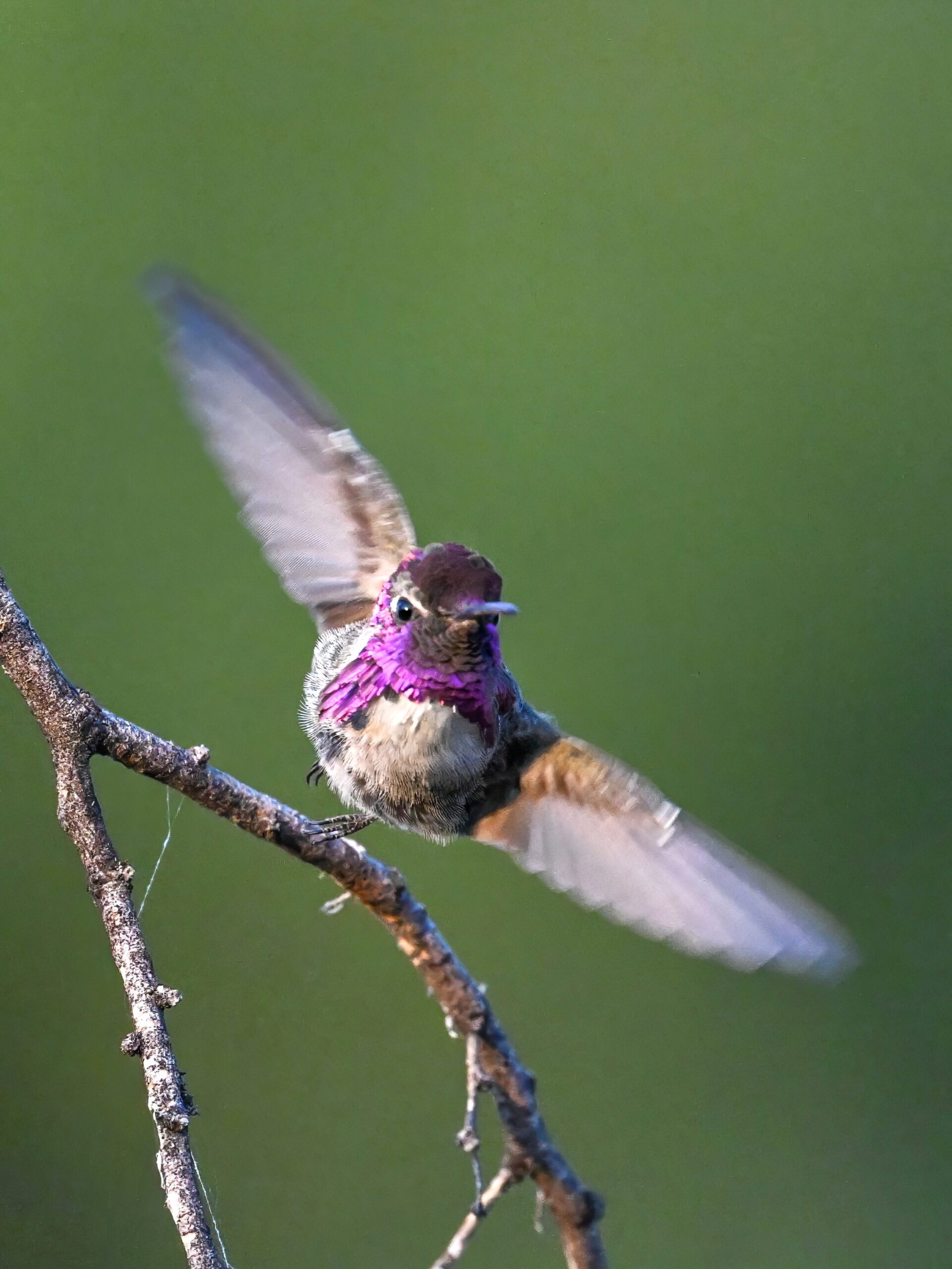
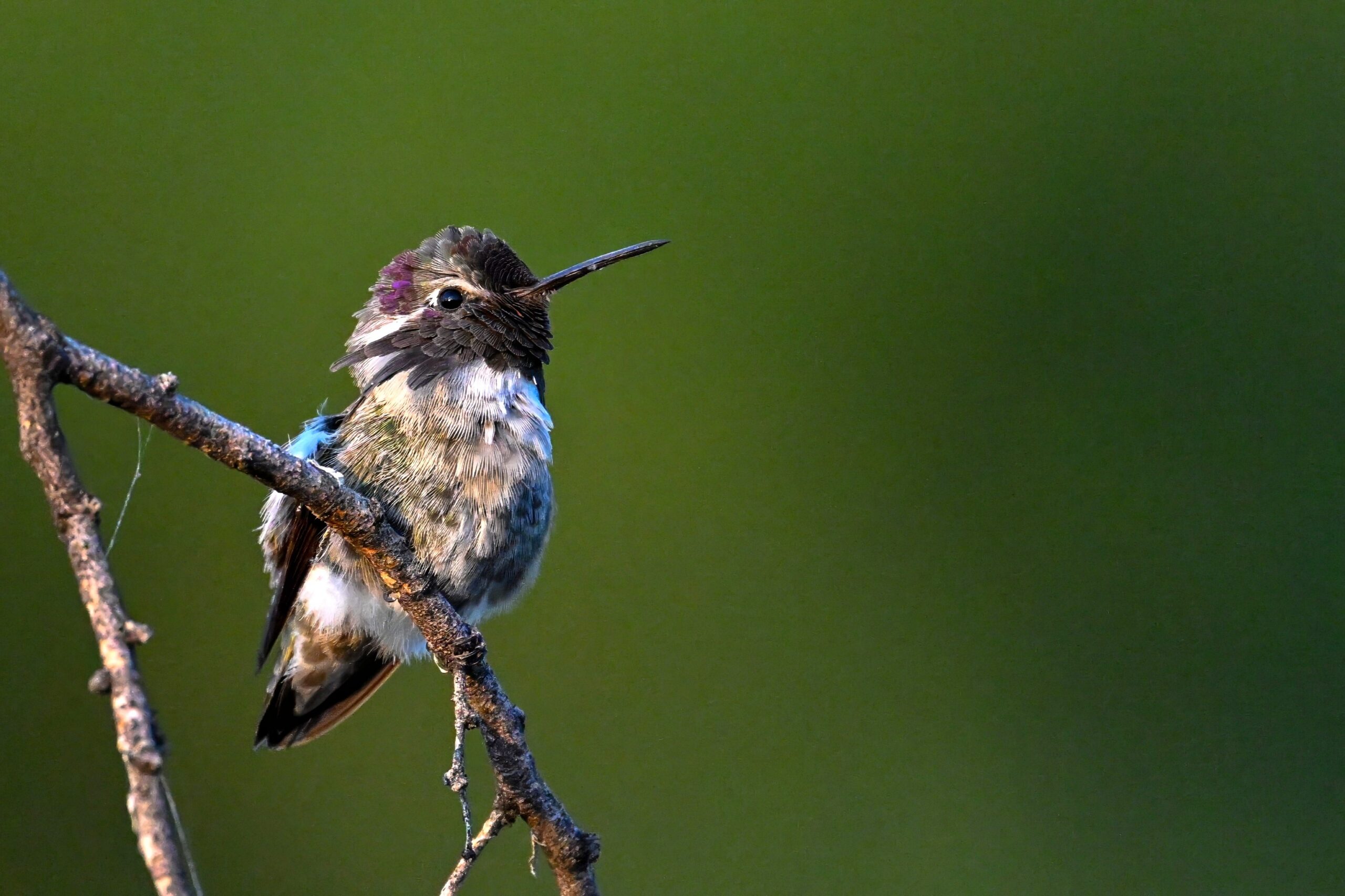
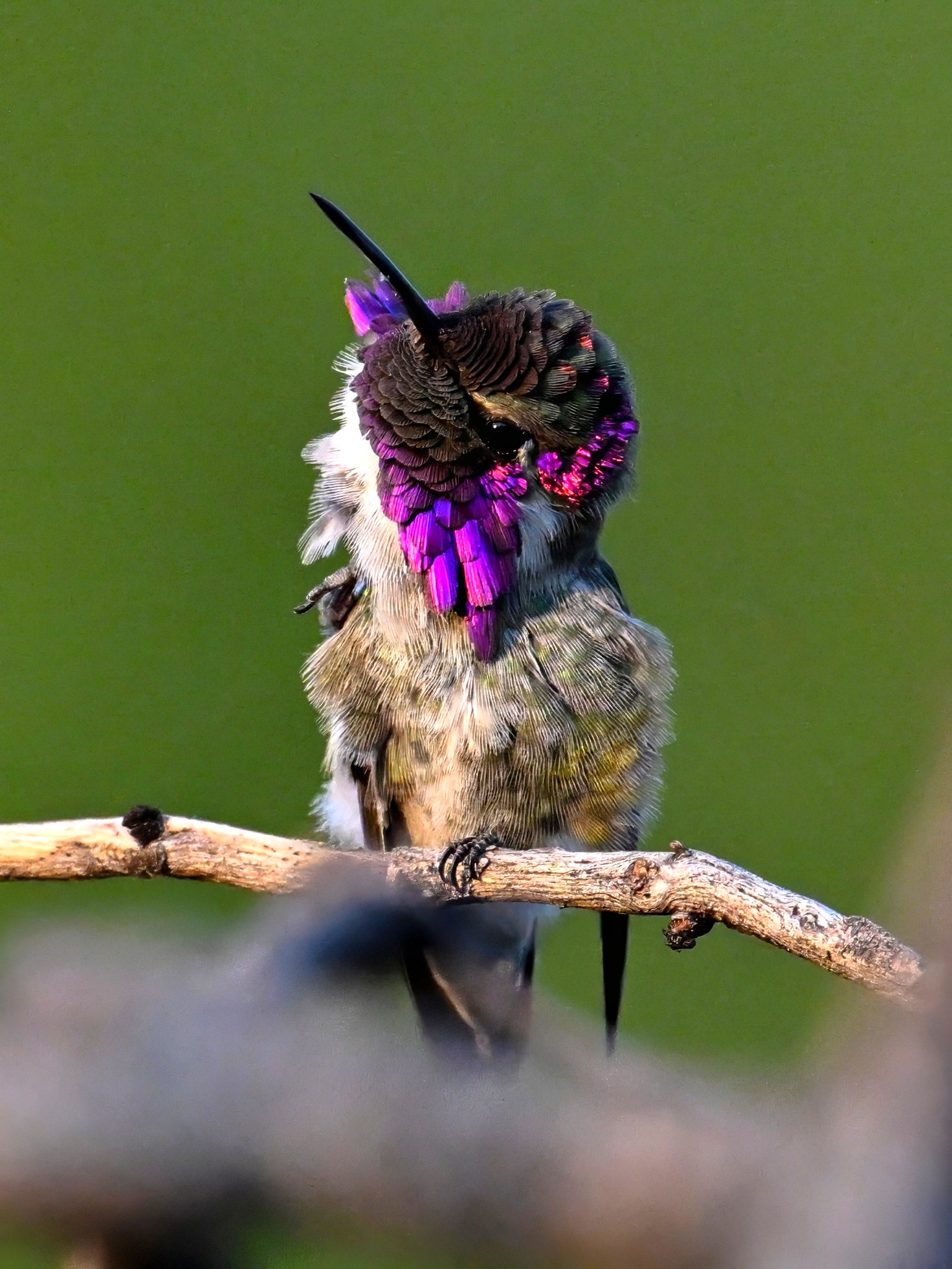
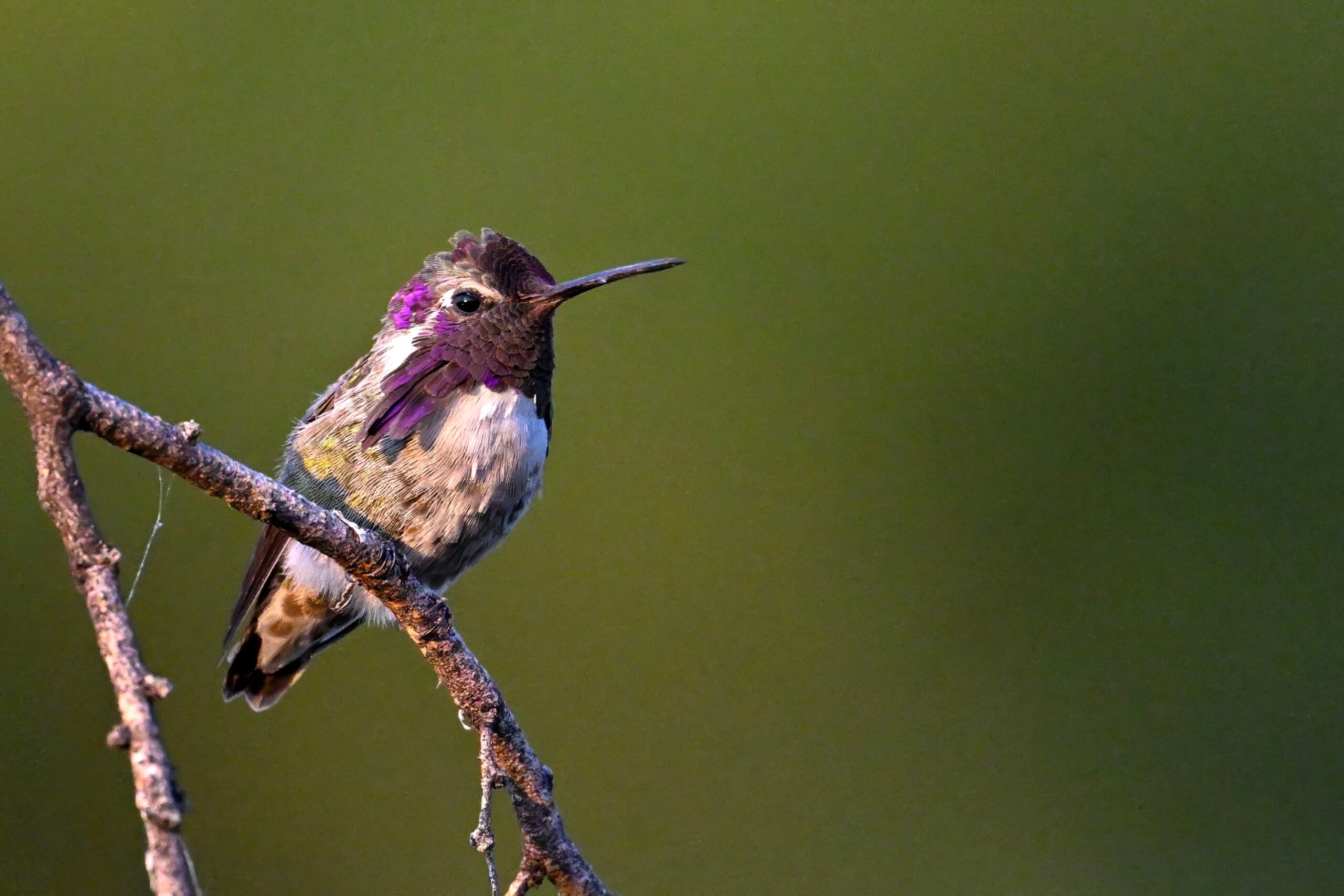
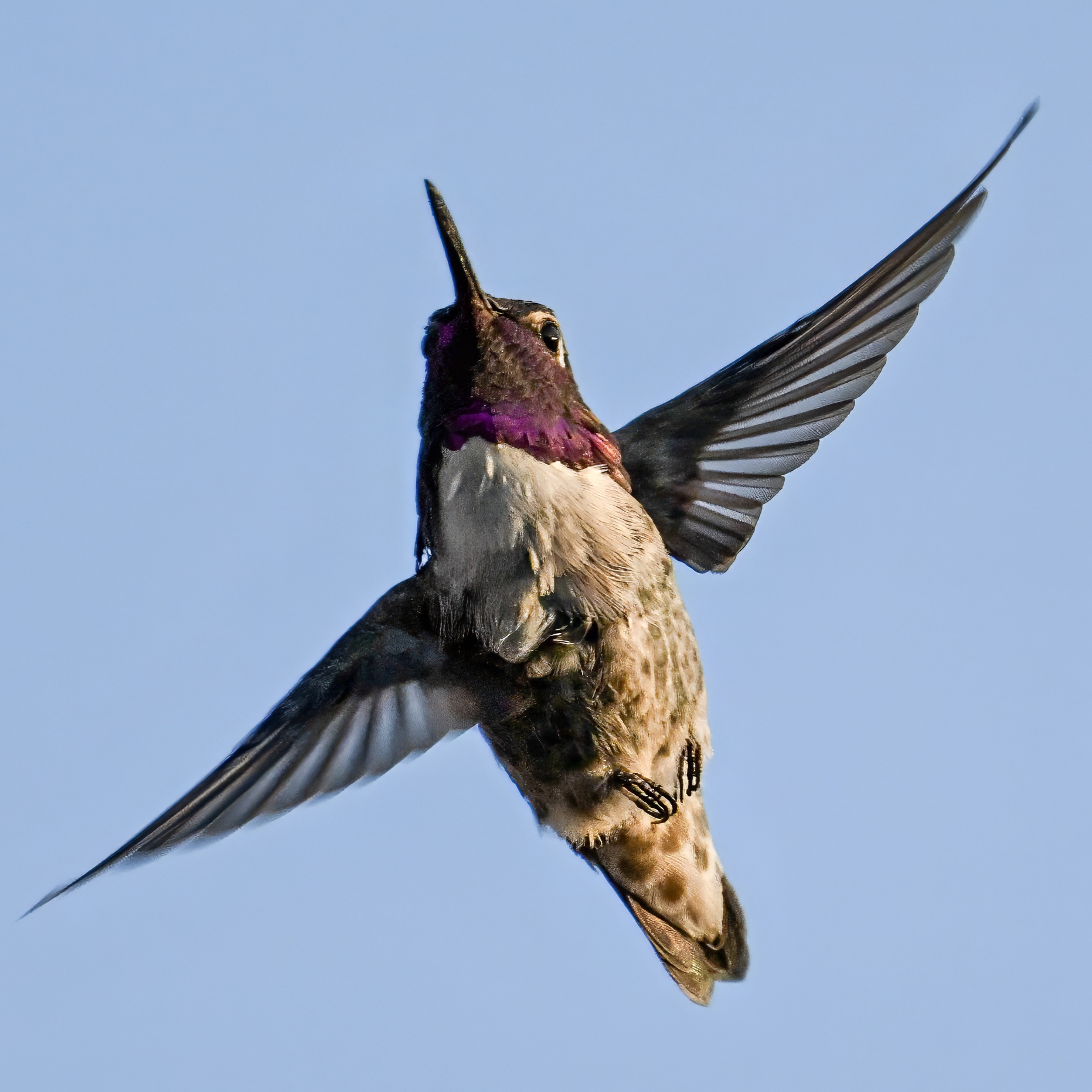
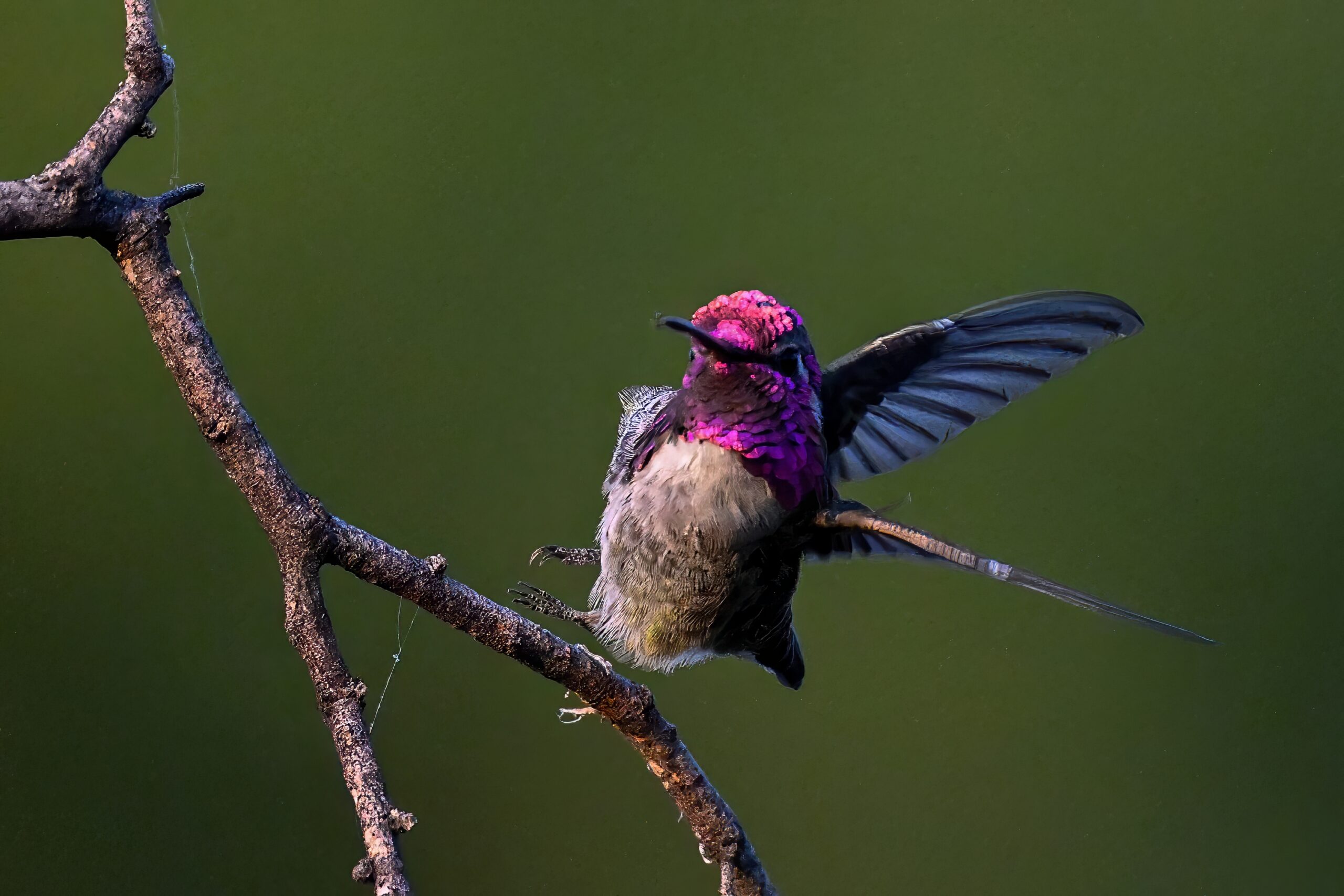
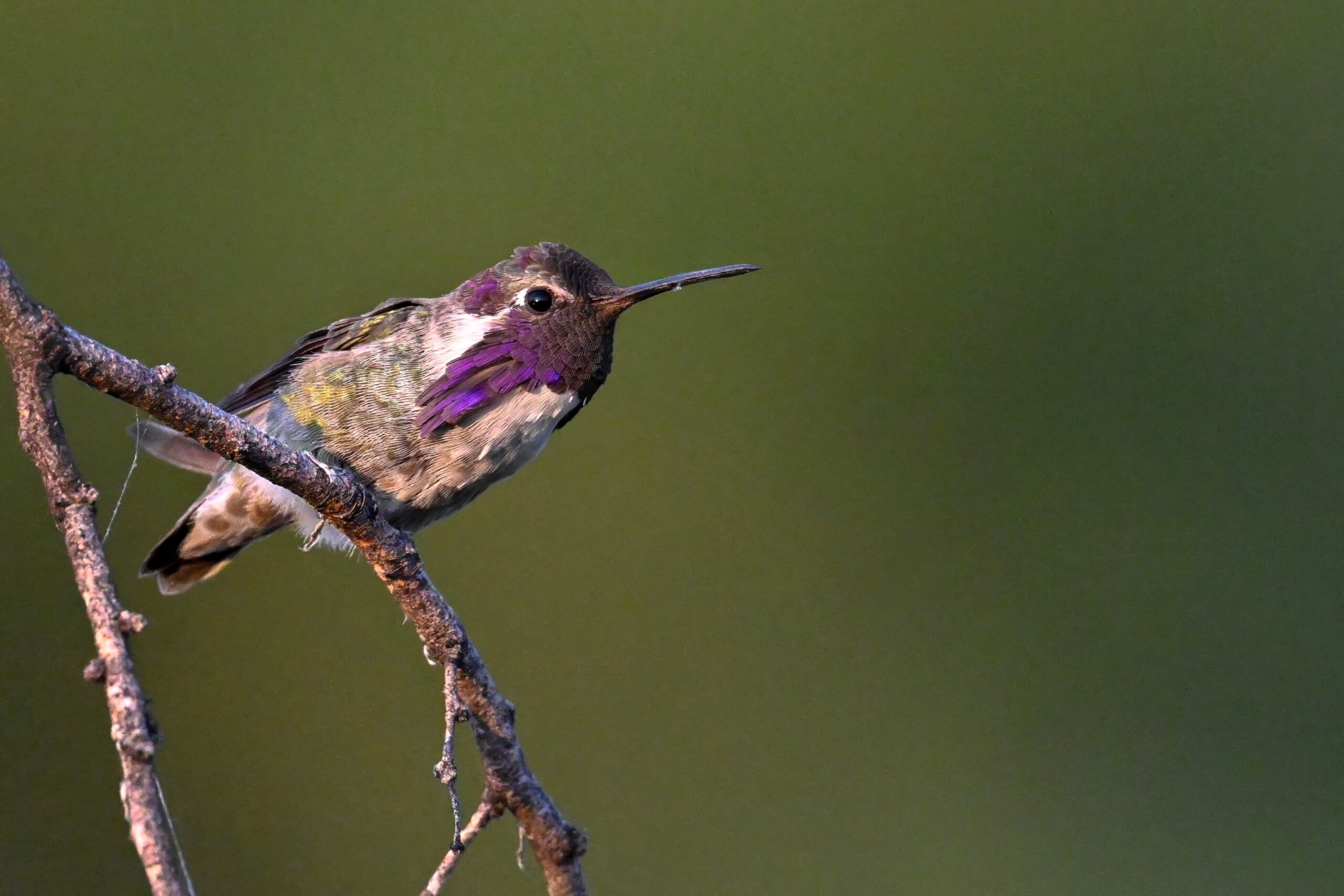
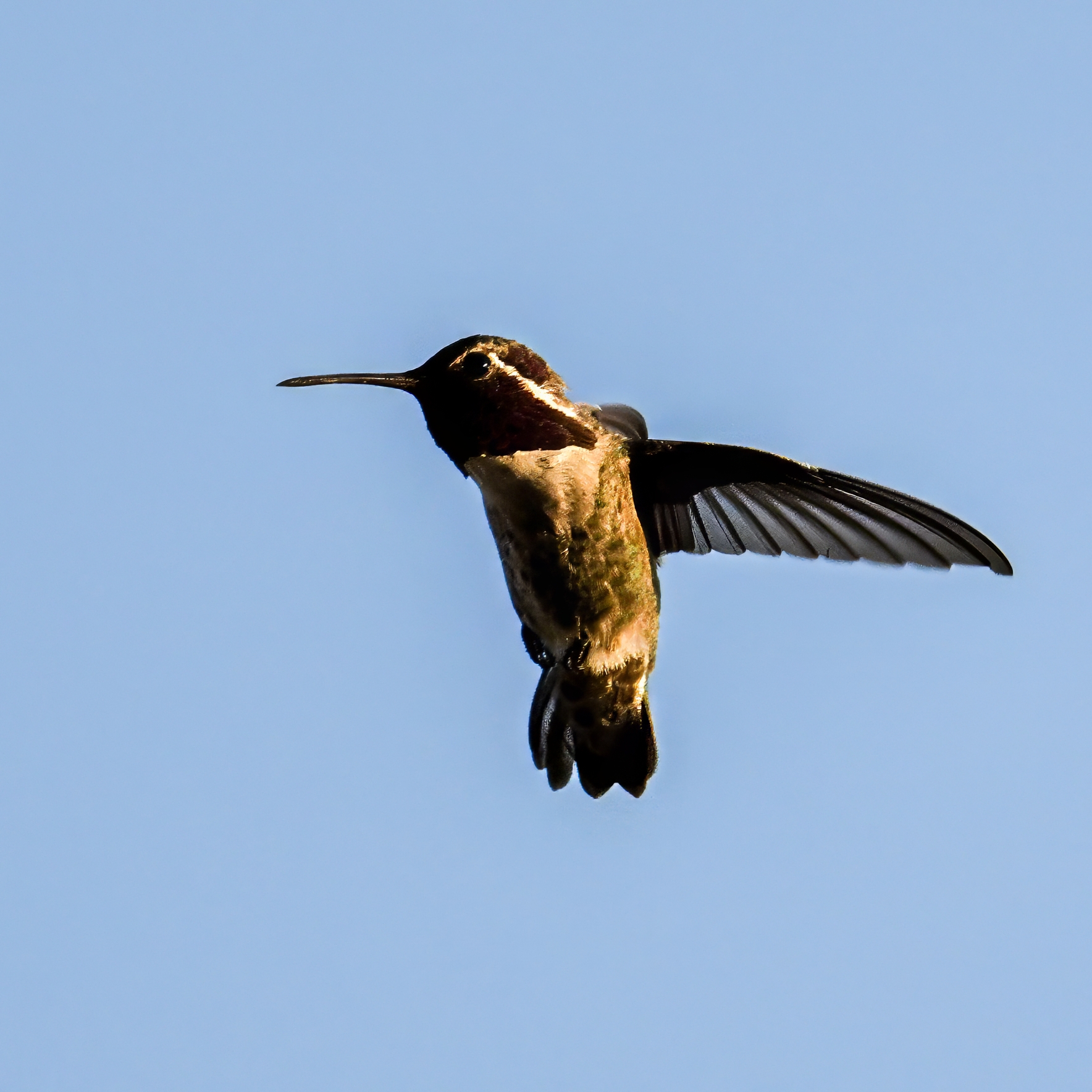
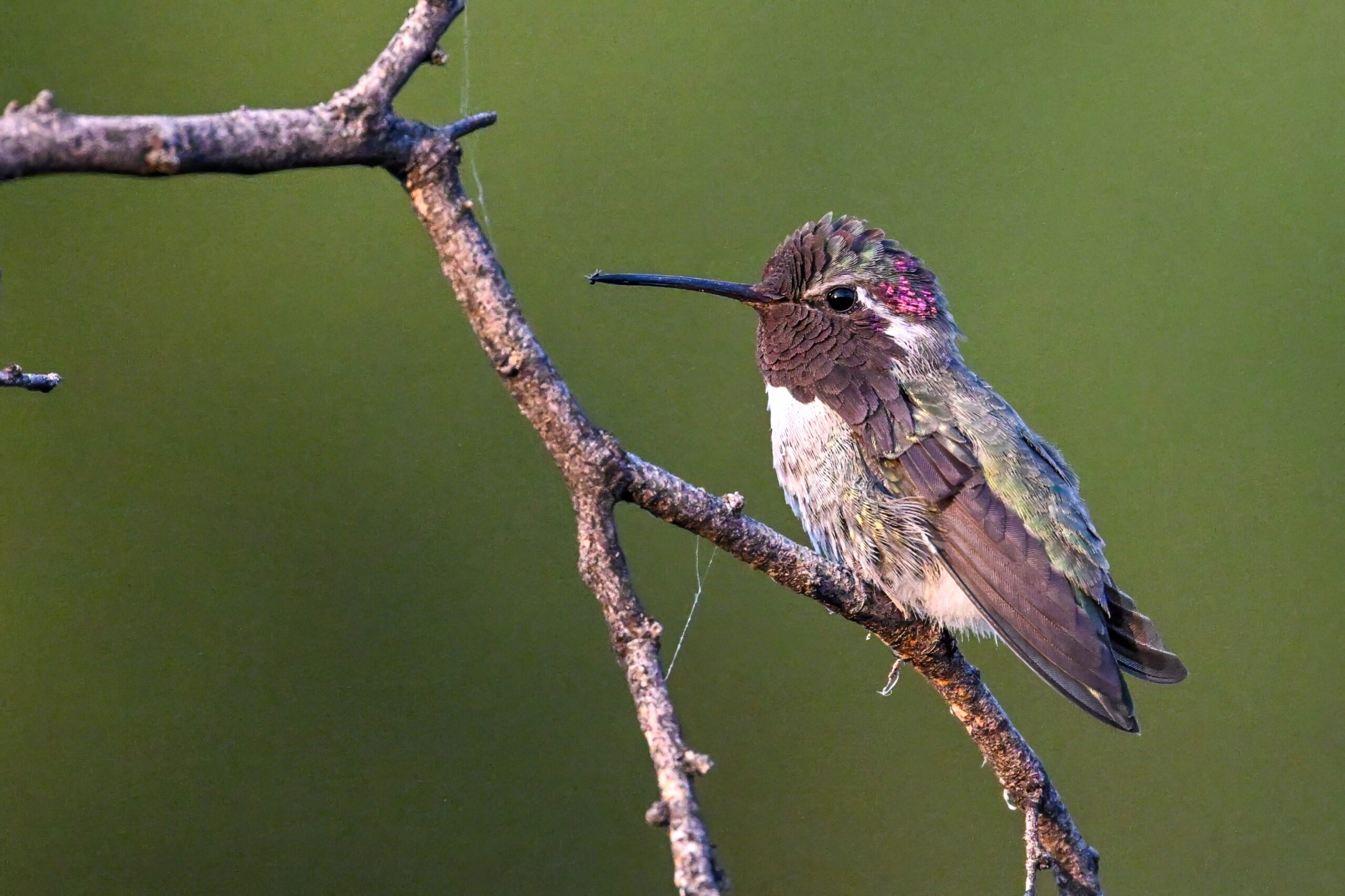
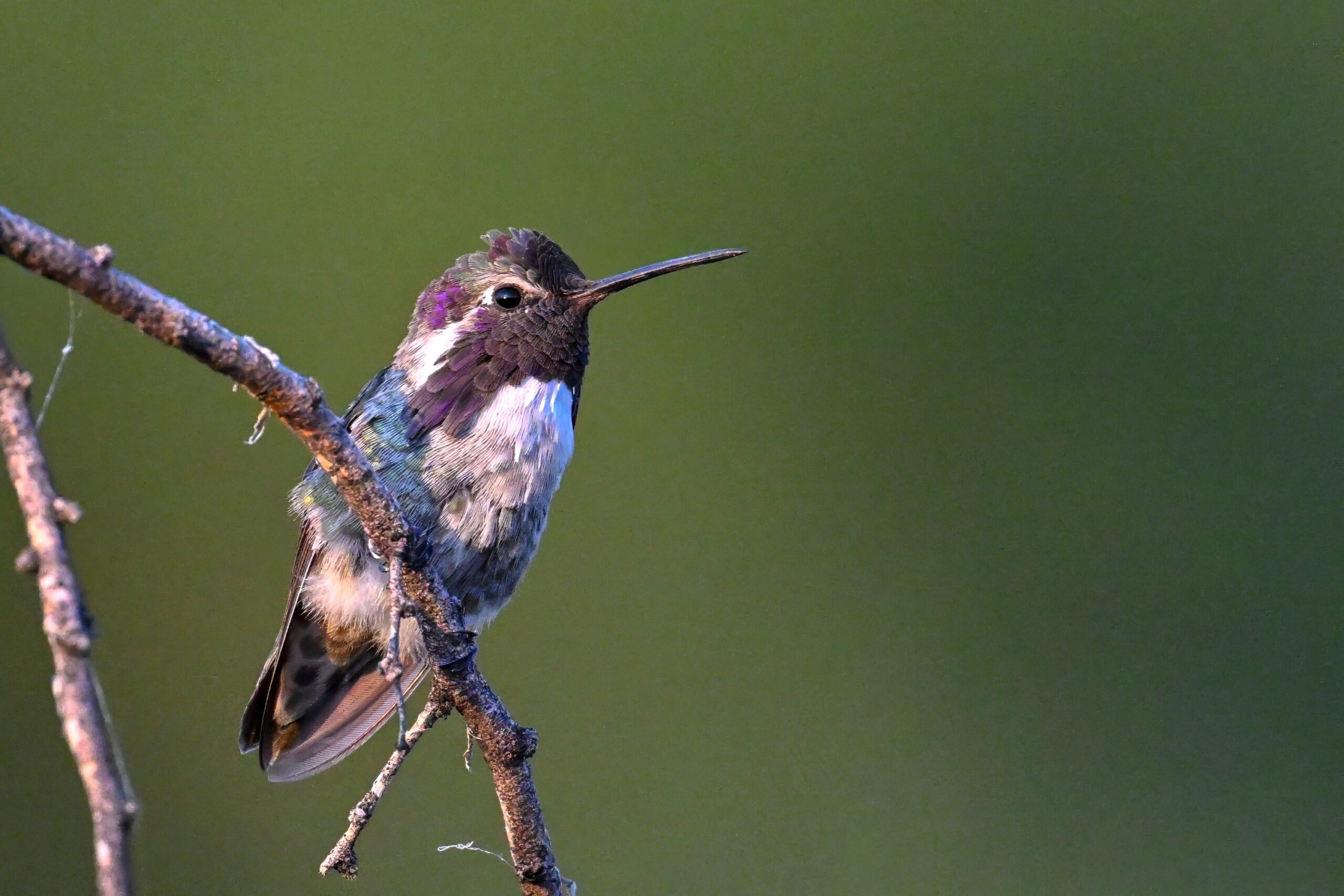
In today’s post, more bird content from outside BIRDS HQ in Casas Adobes, Arizona, featuring male Purple Shooting Star:
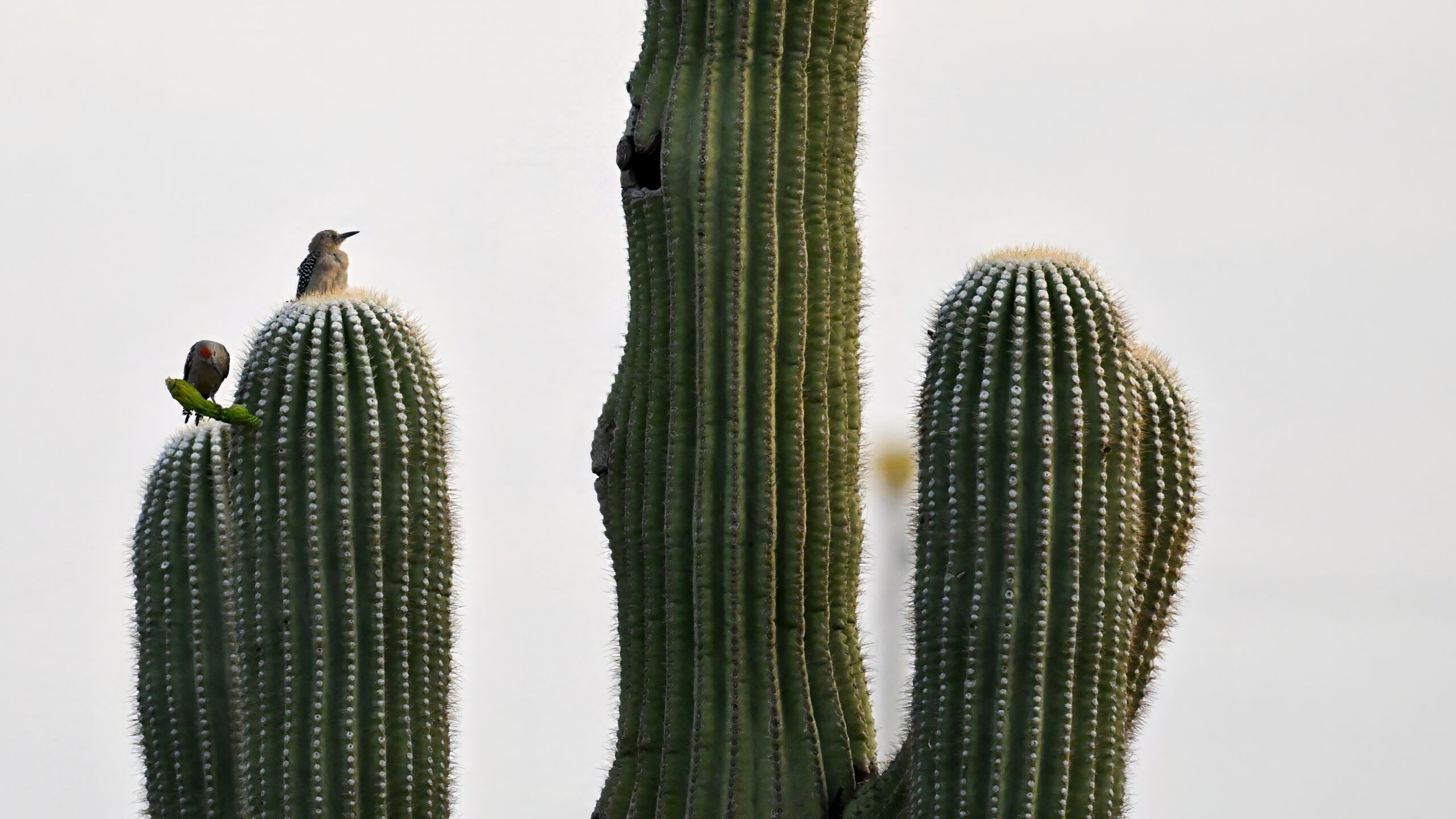
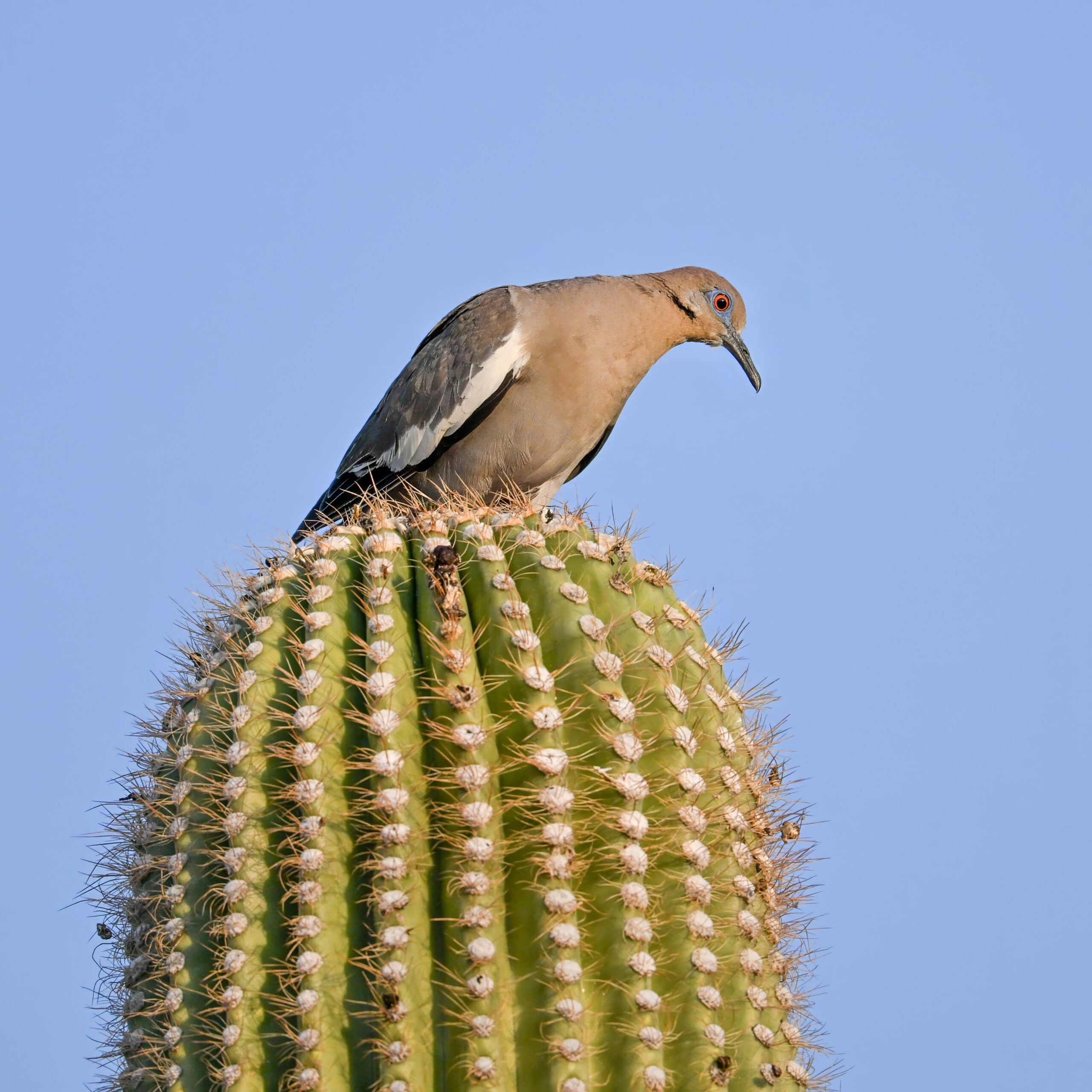
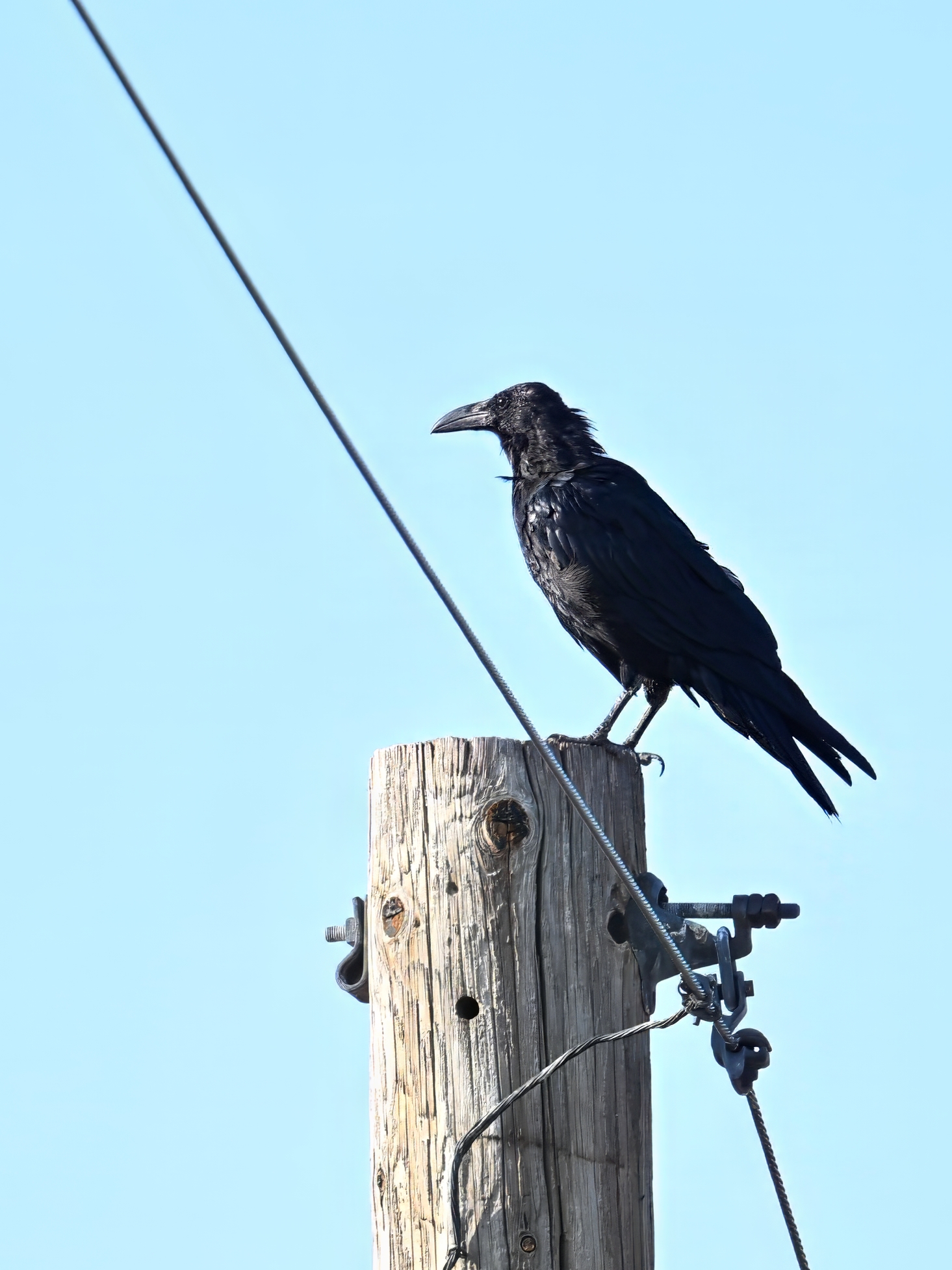
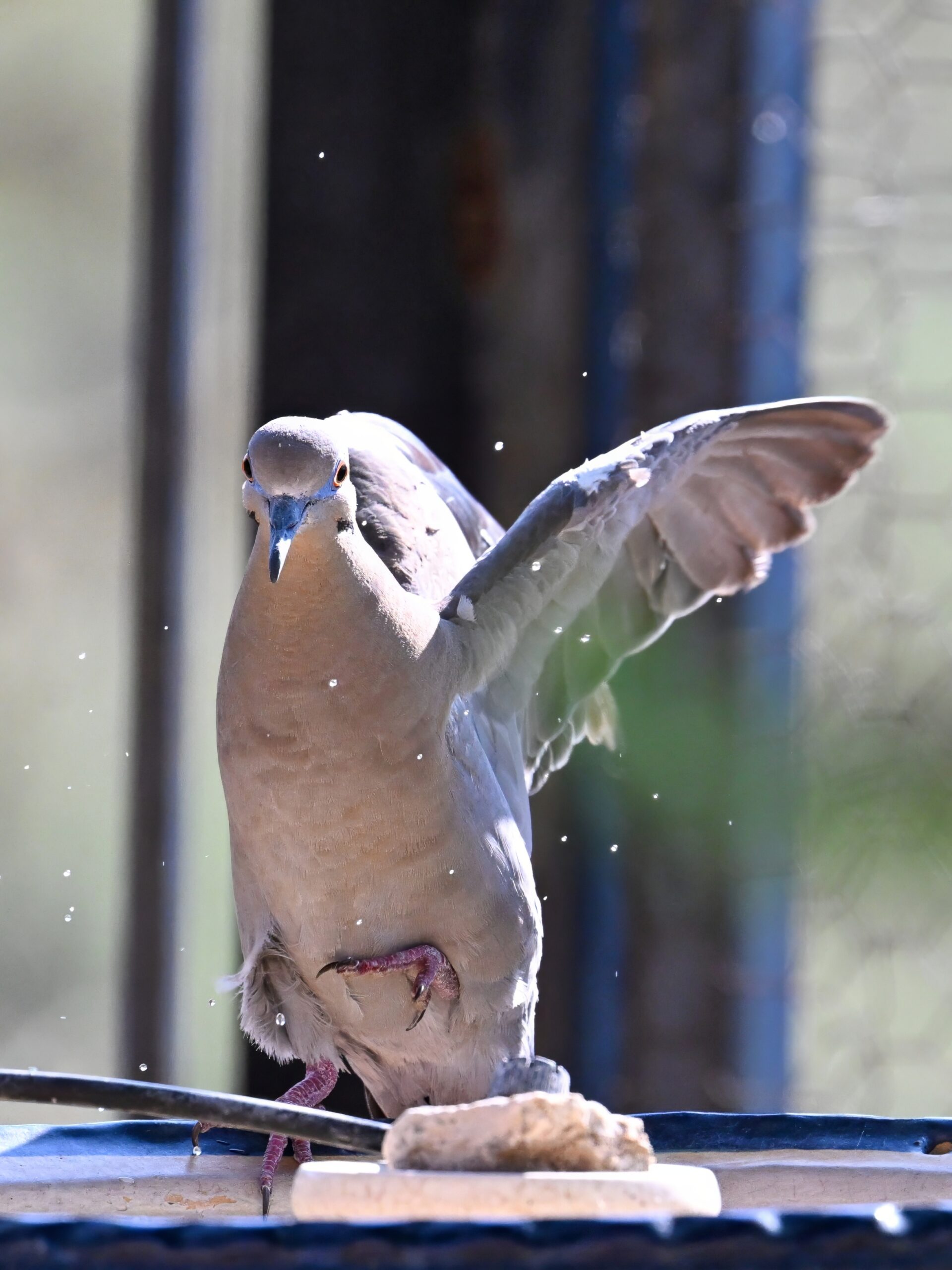
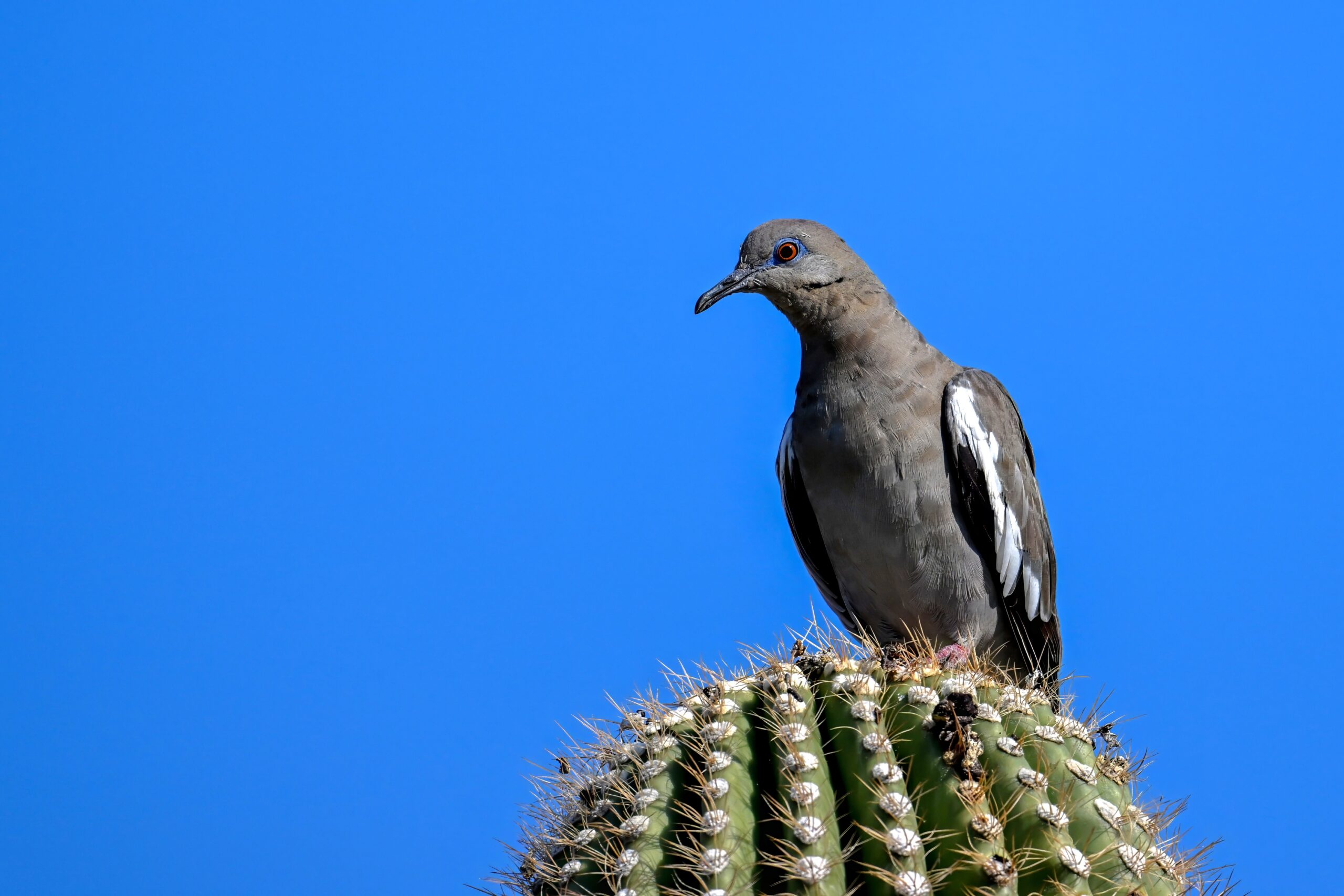
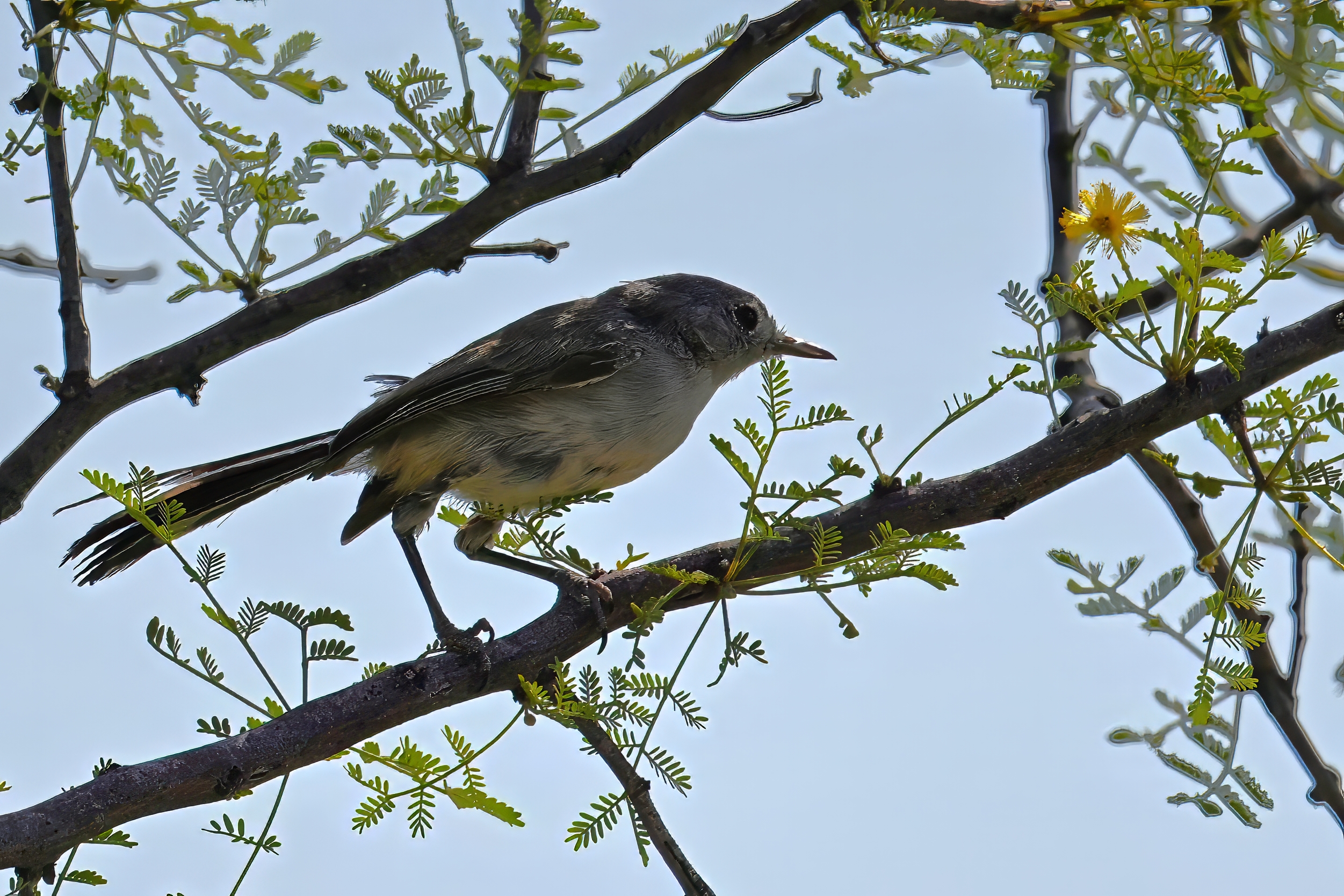
Male Lesser GoldfinchLadderback WoodpeckerGila WoodpeckersWhite-winged DoveCommon RavenMourning Dove (?) in bird bathWhite-winged Dove IIBlack-tailed Gnatcatcher
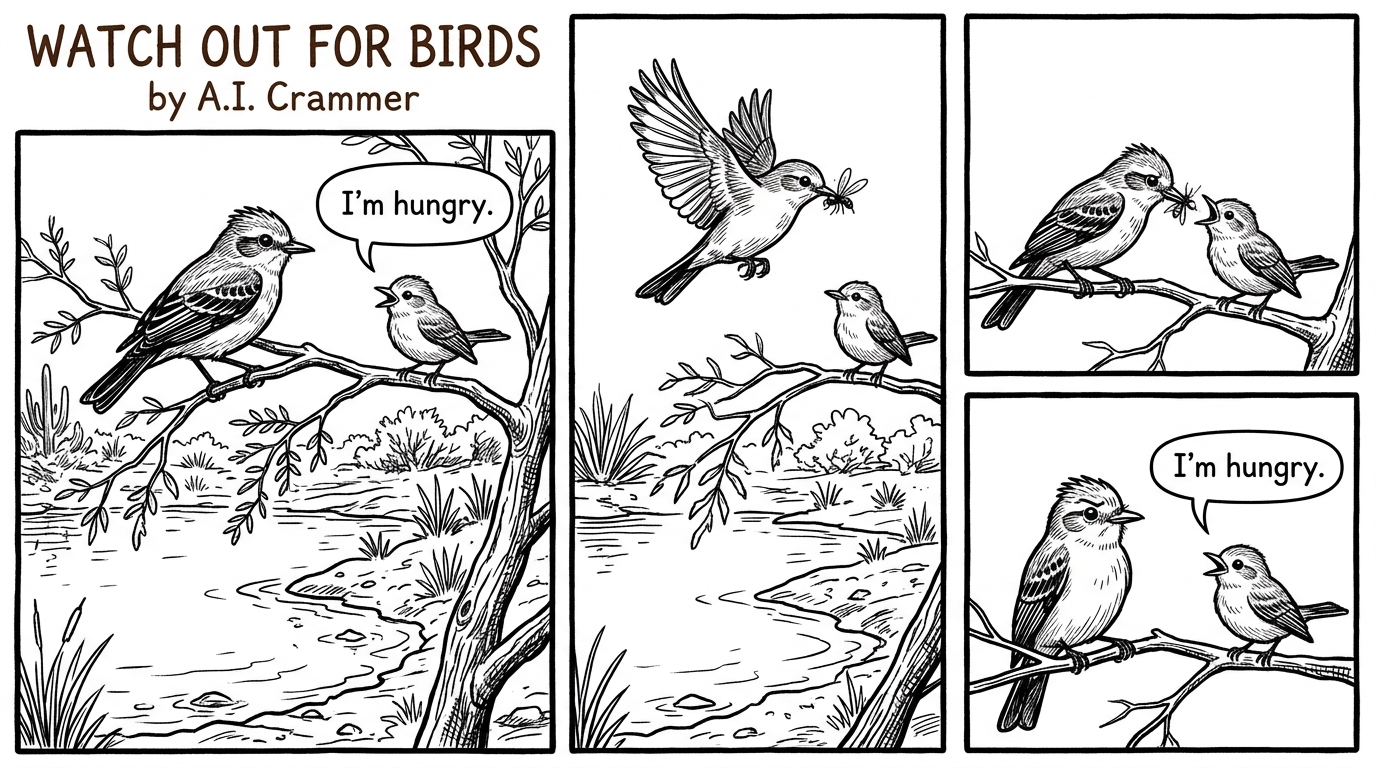
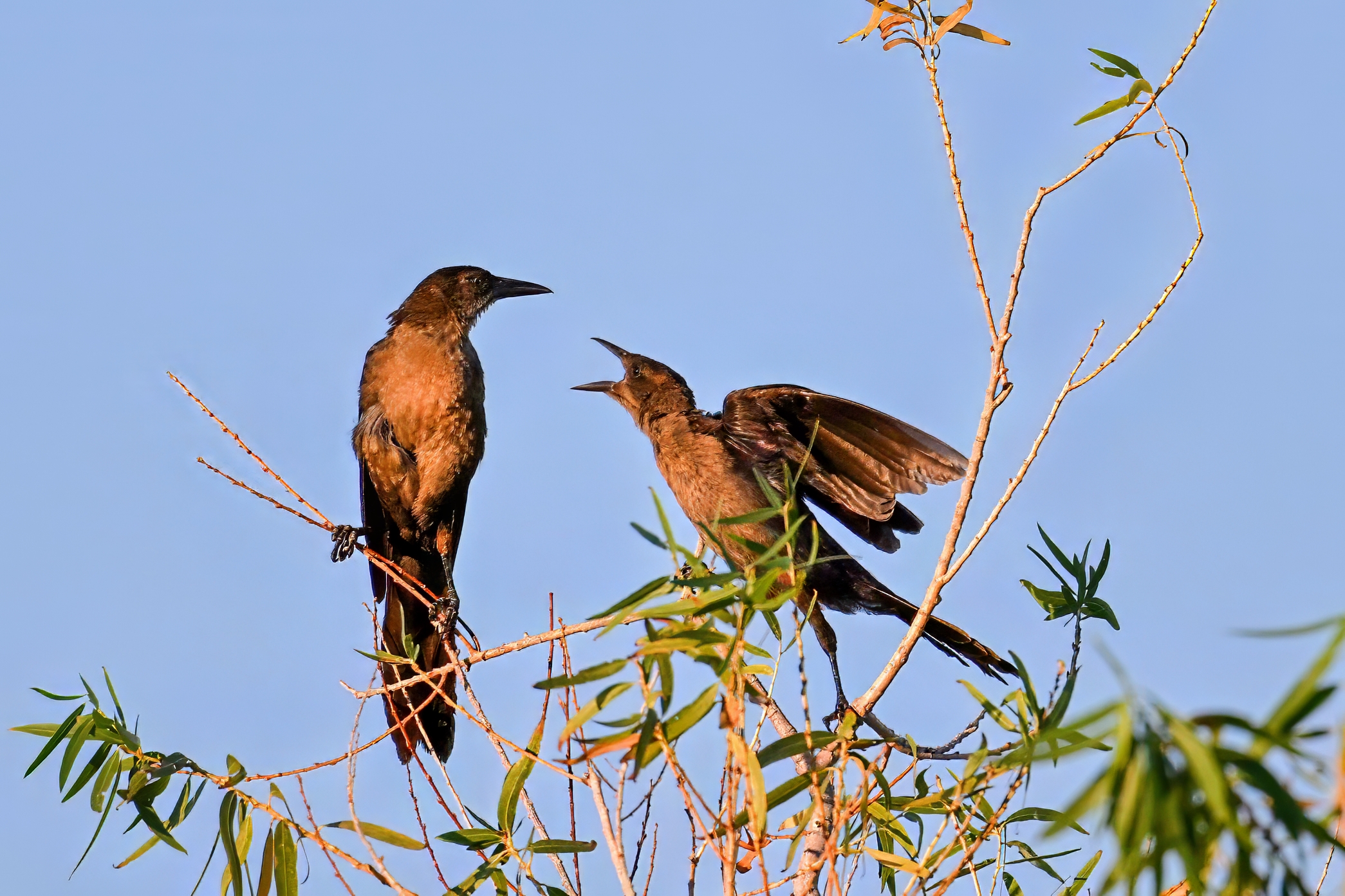
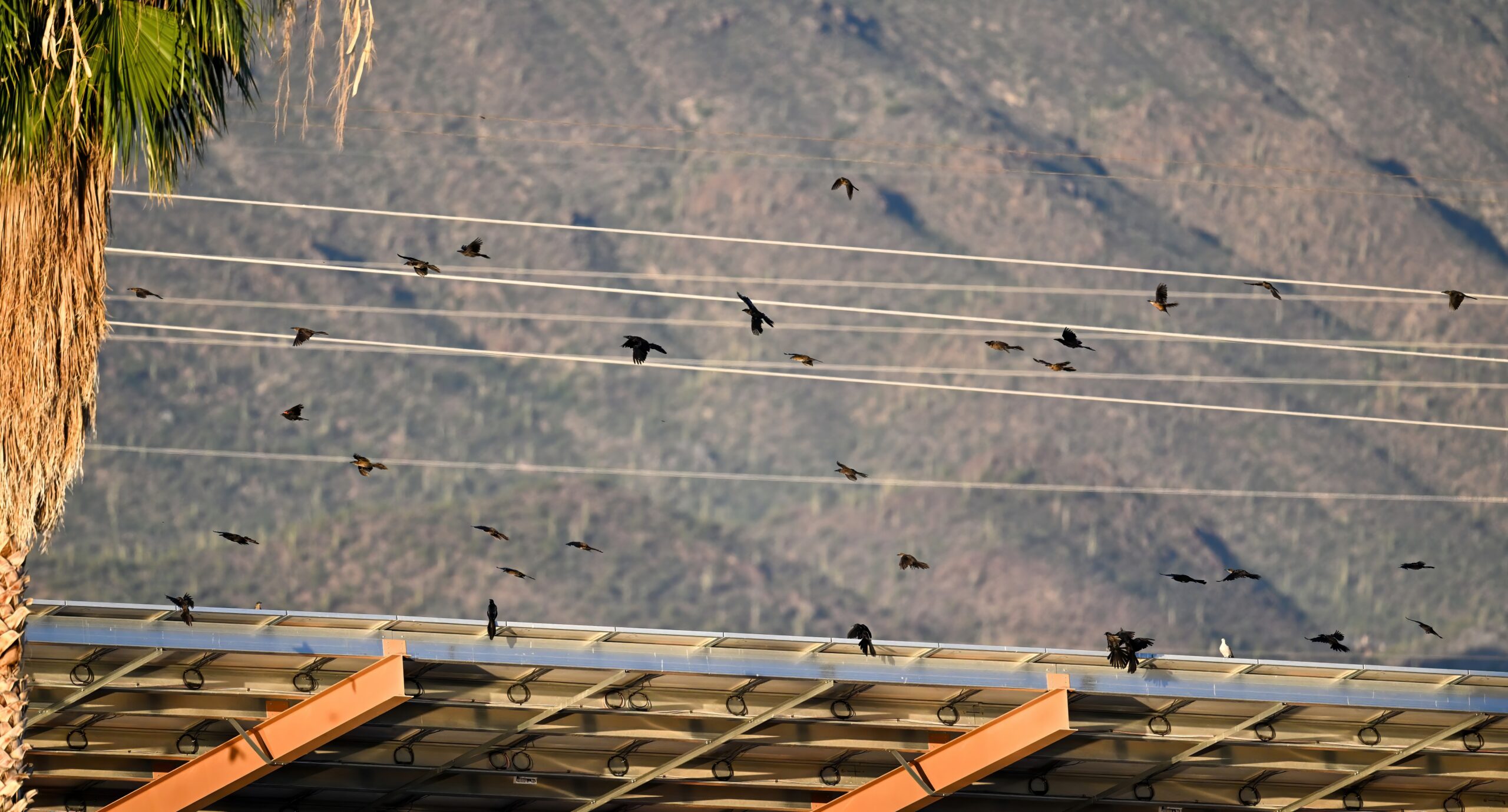
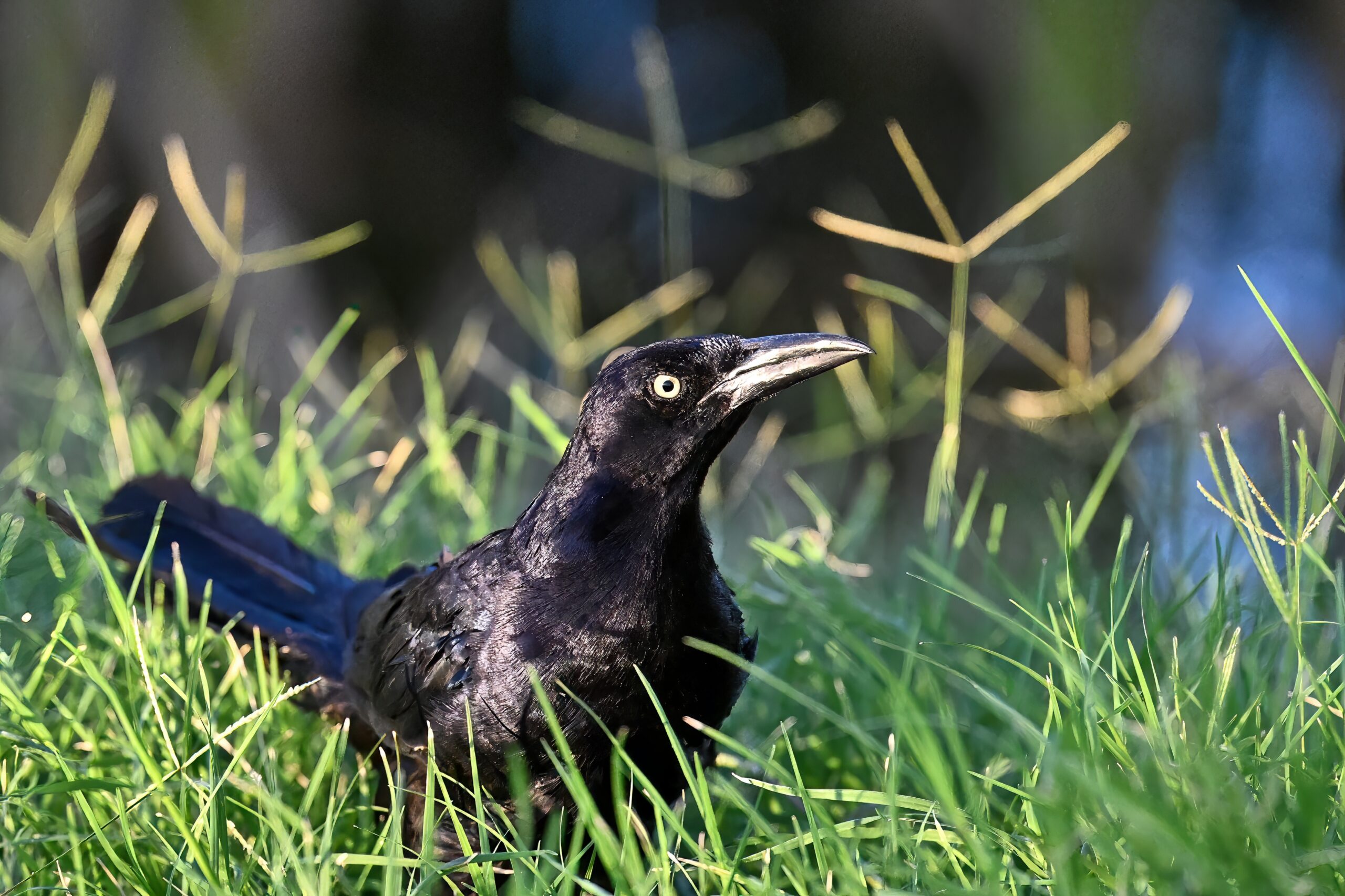
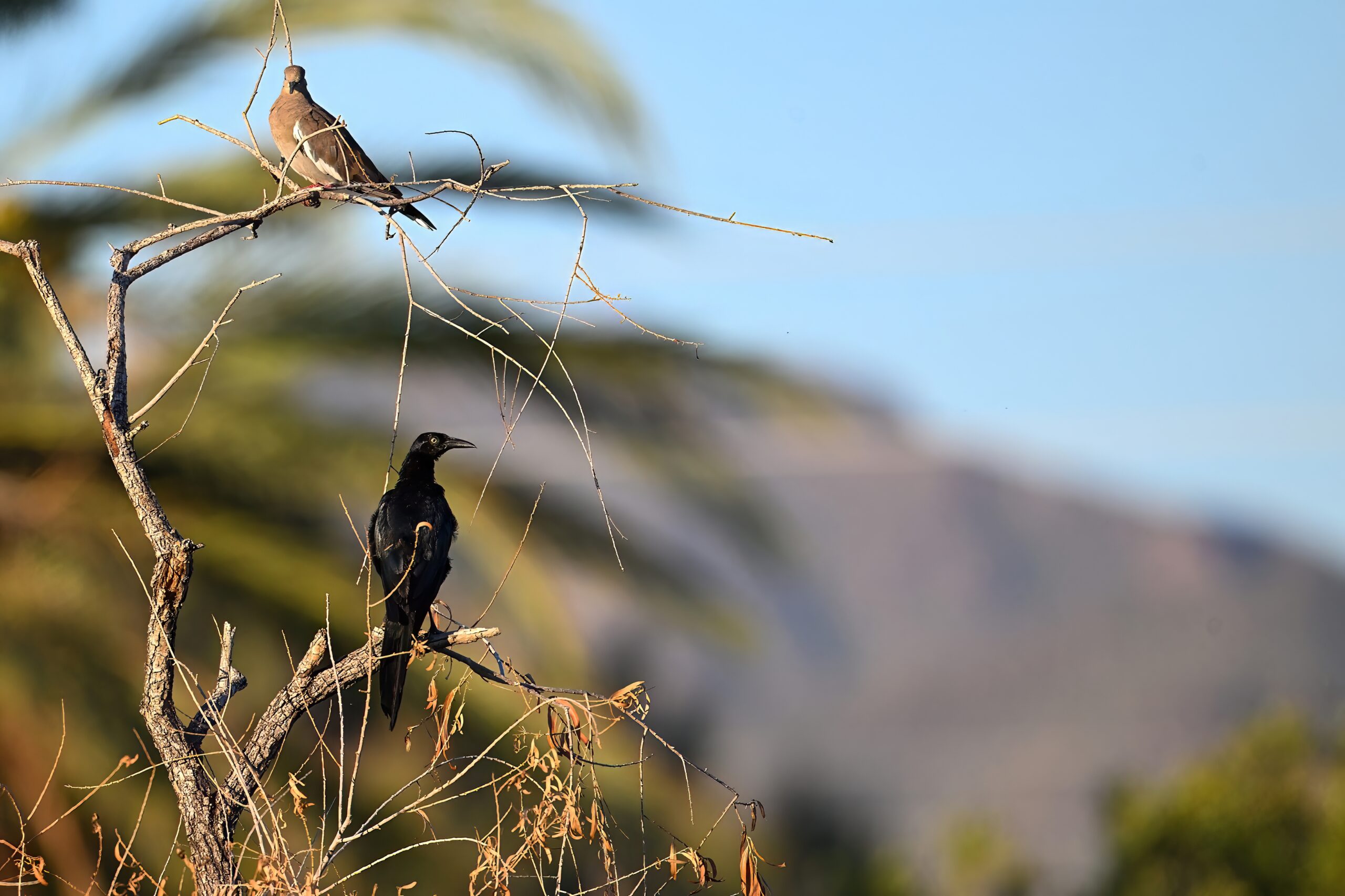
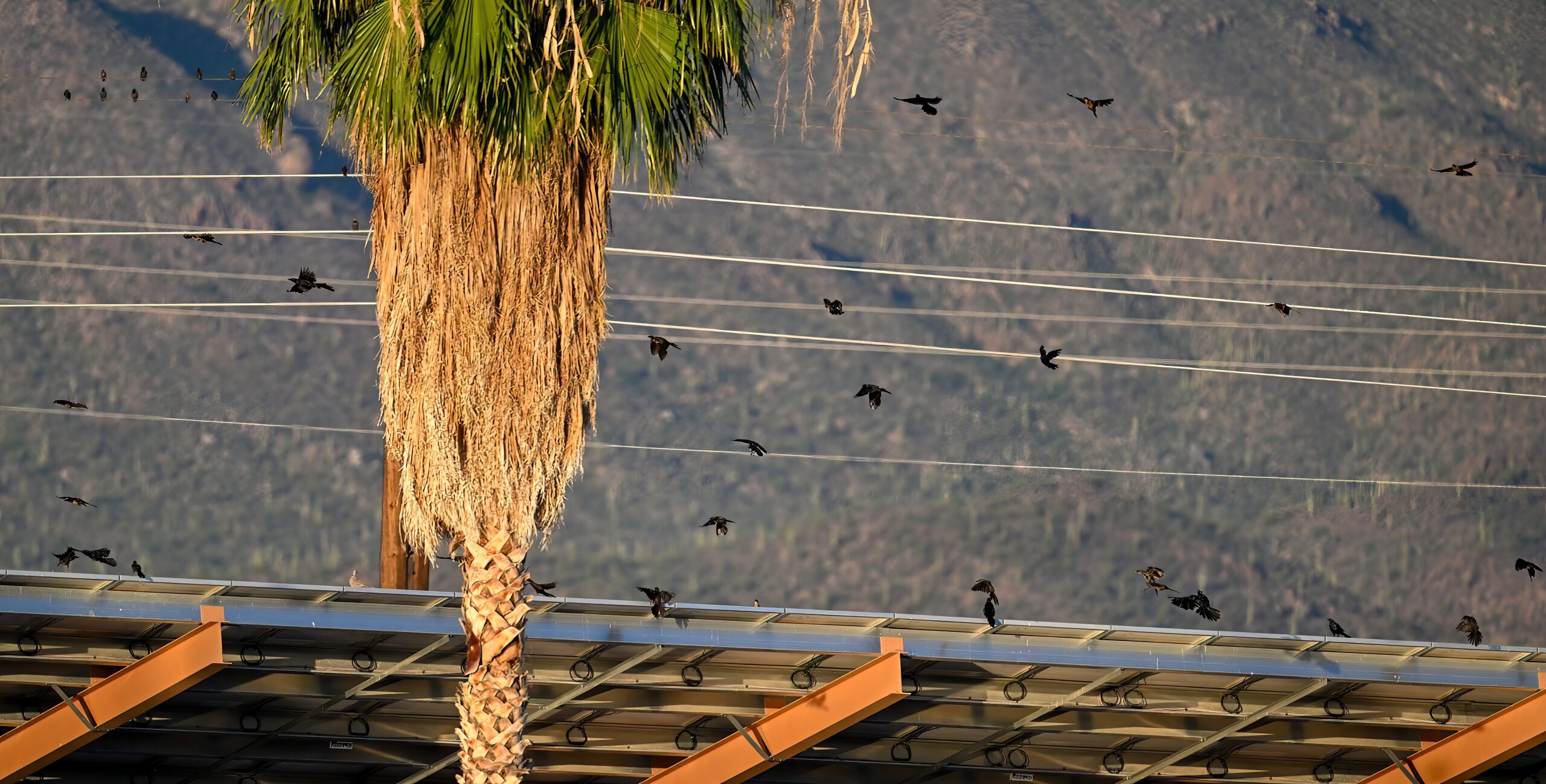
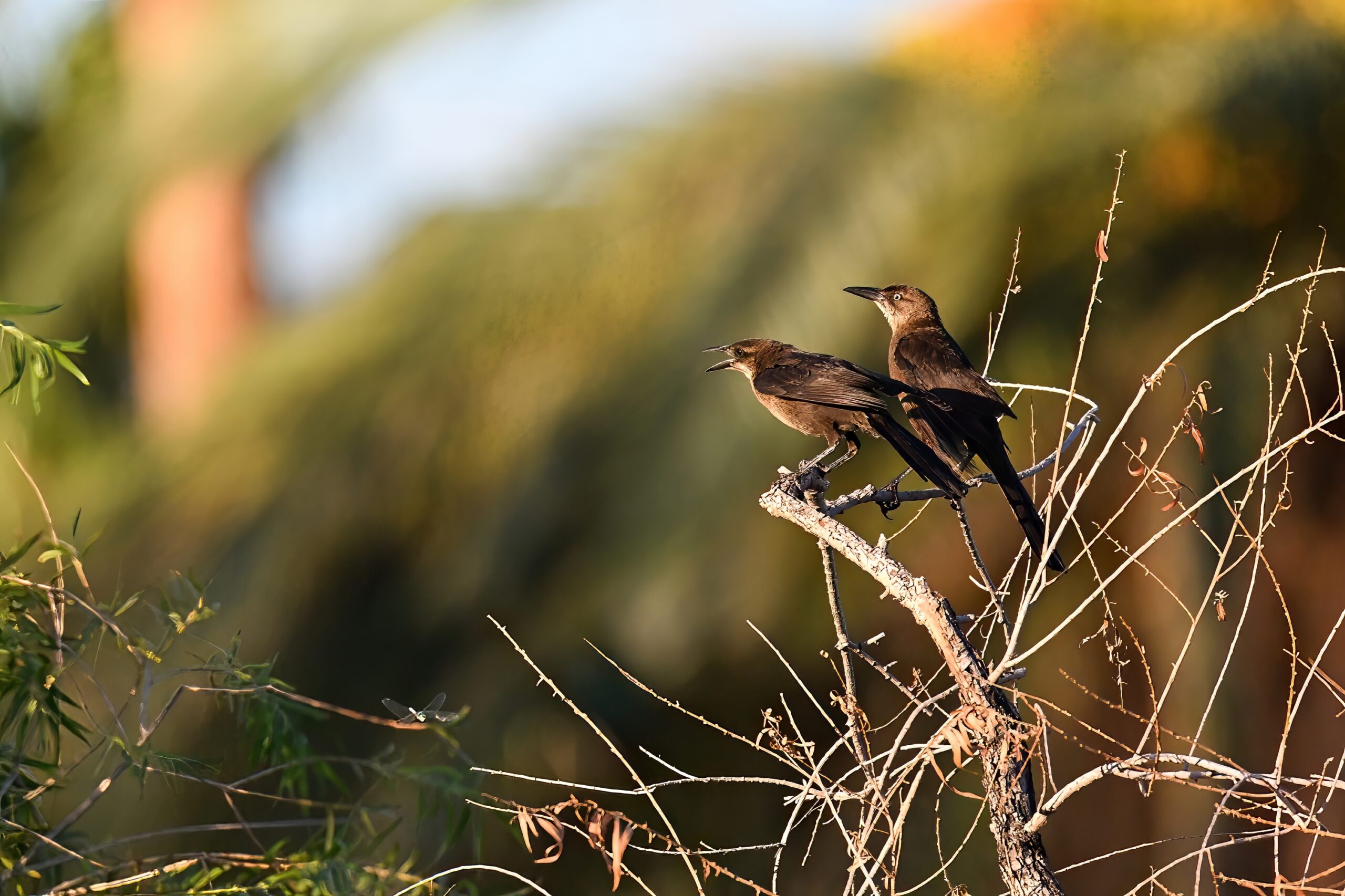
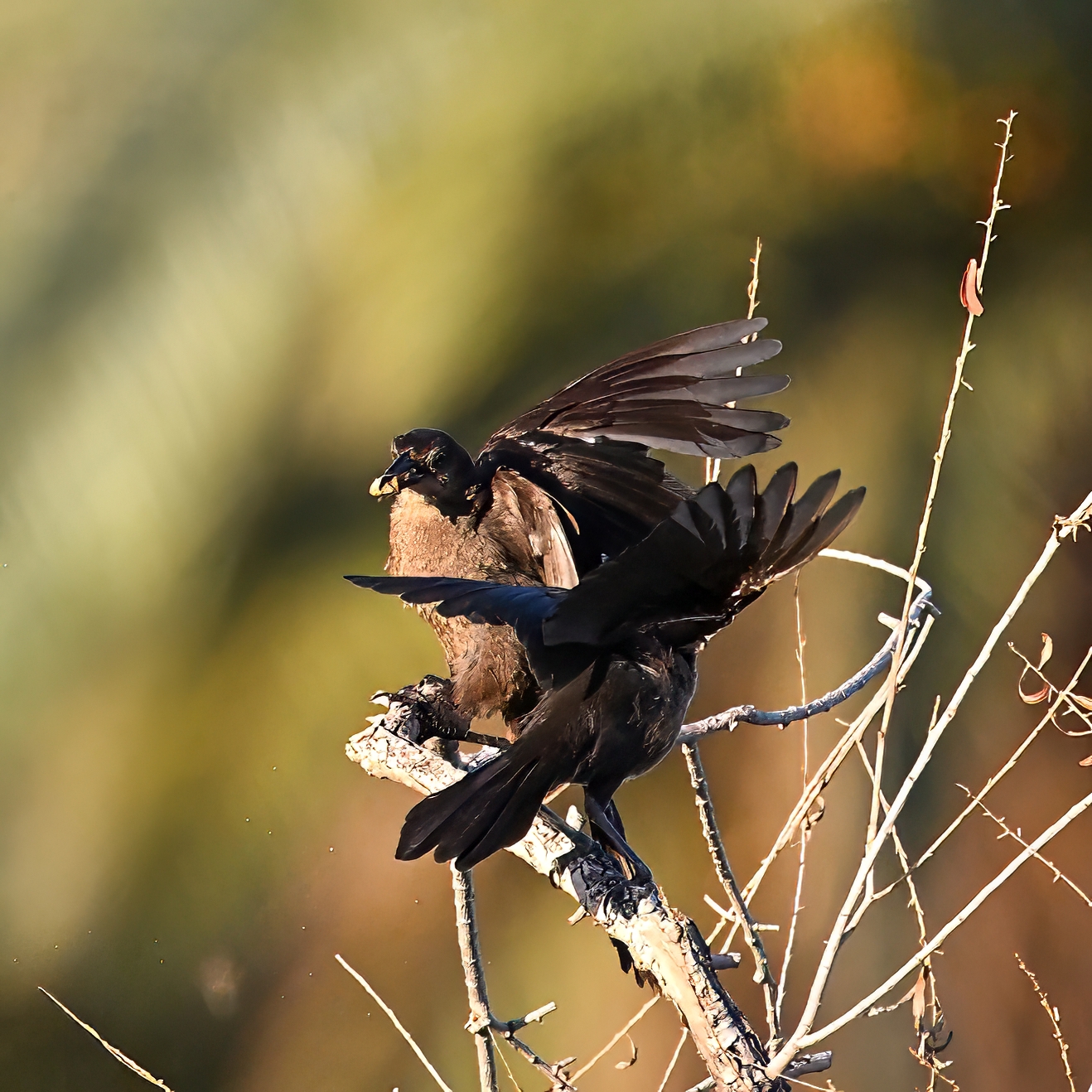
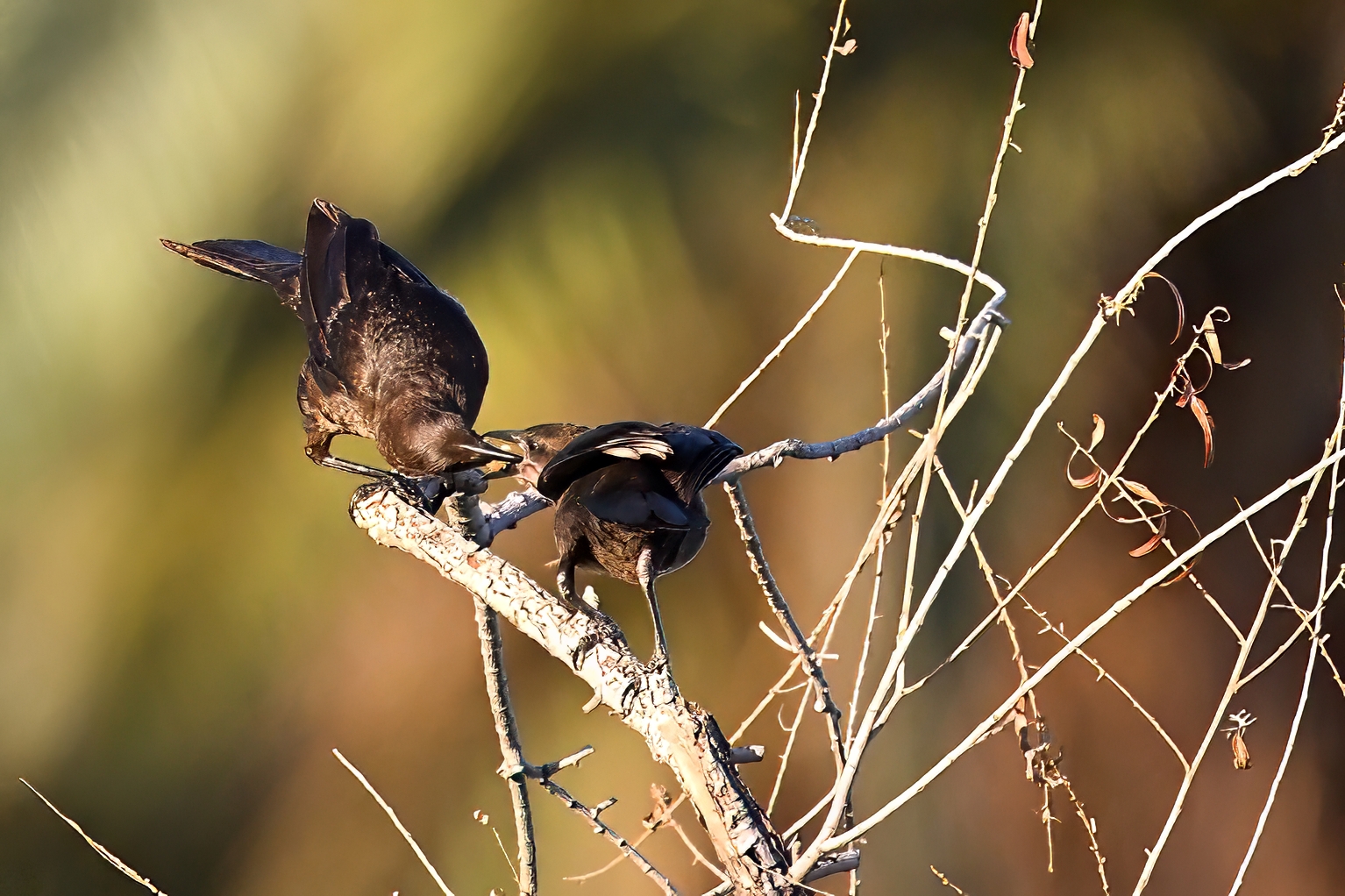
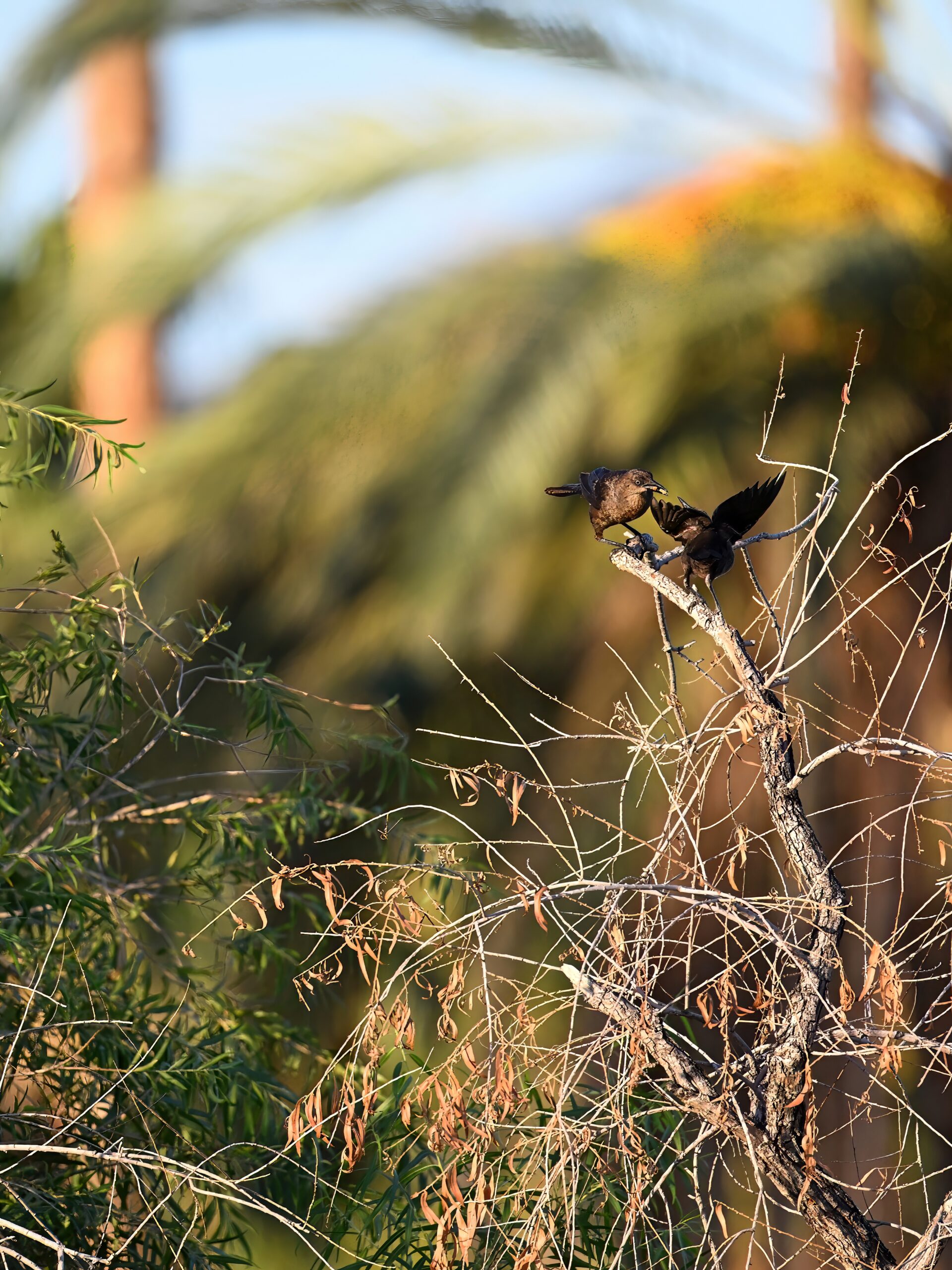
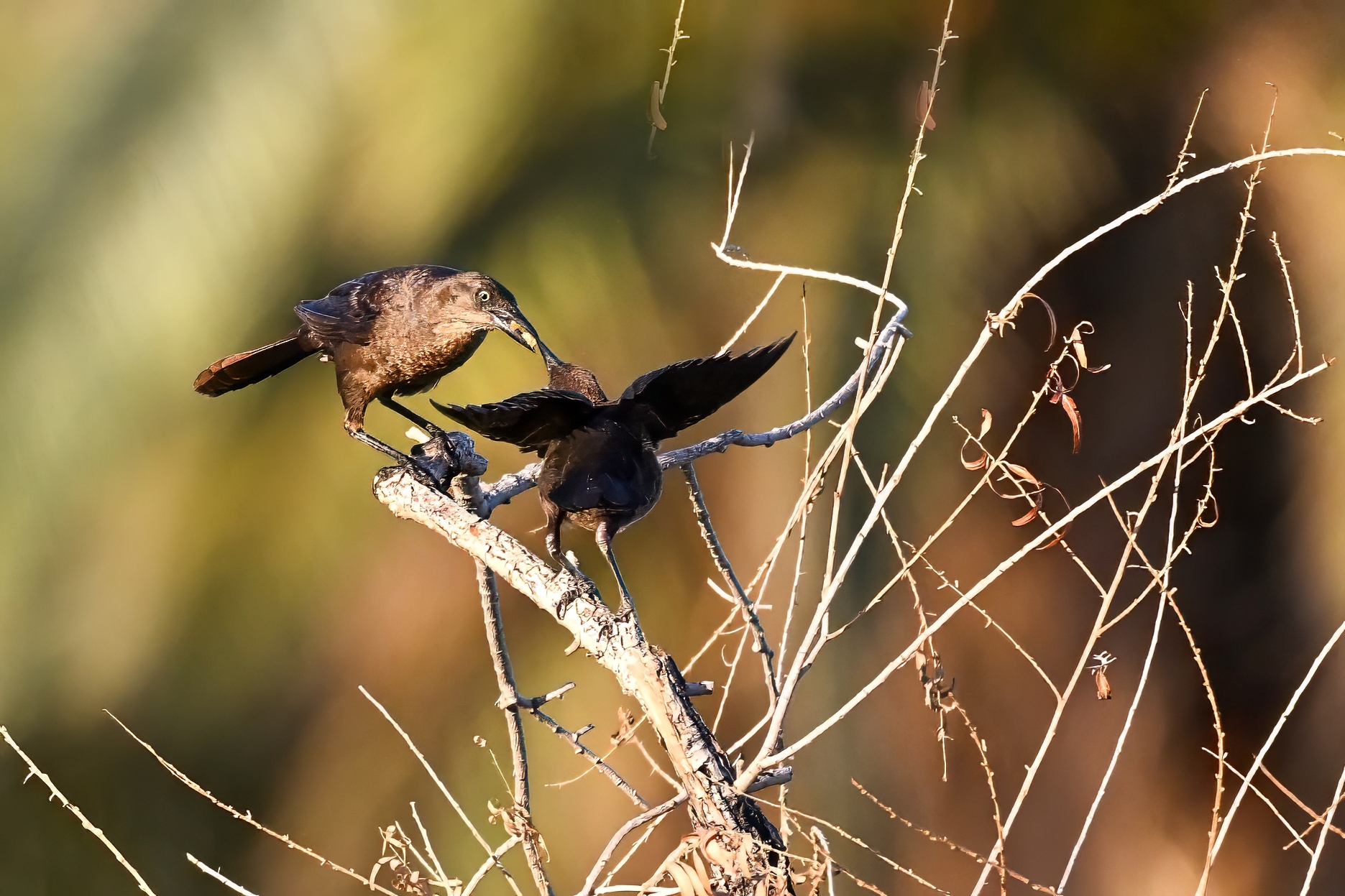
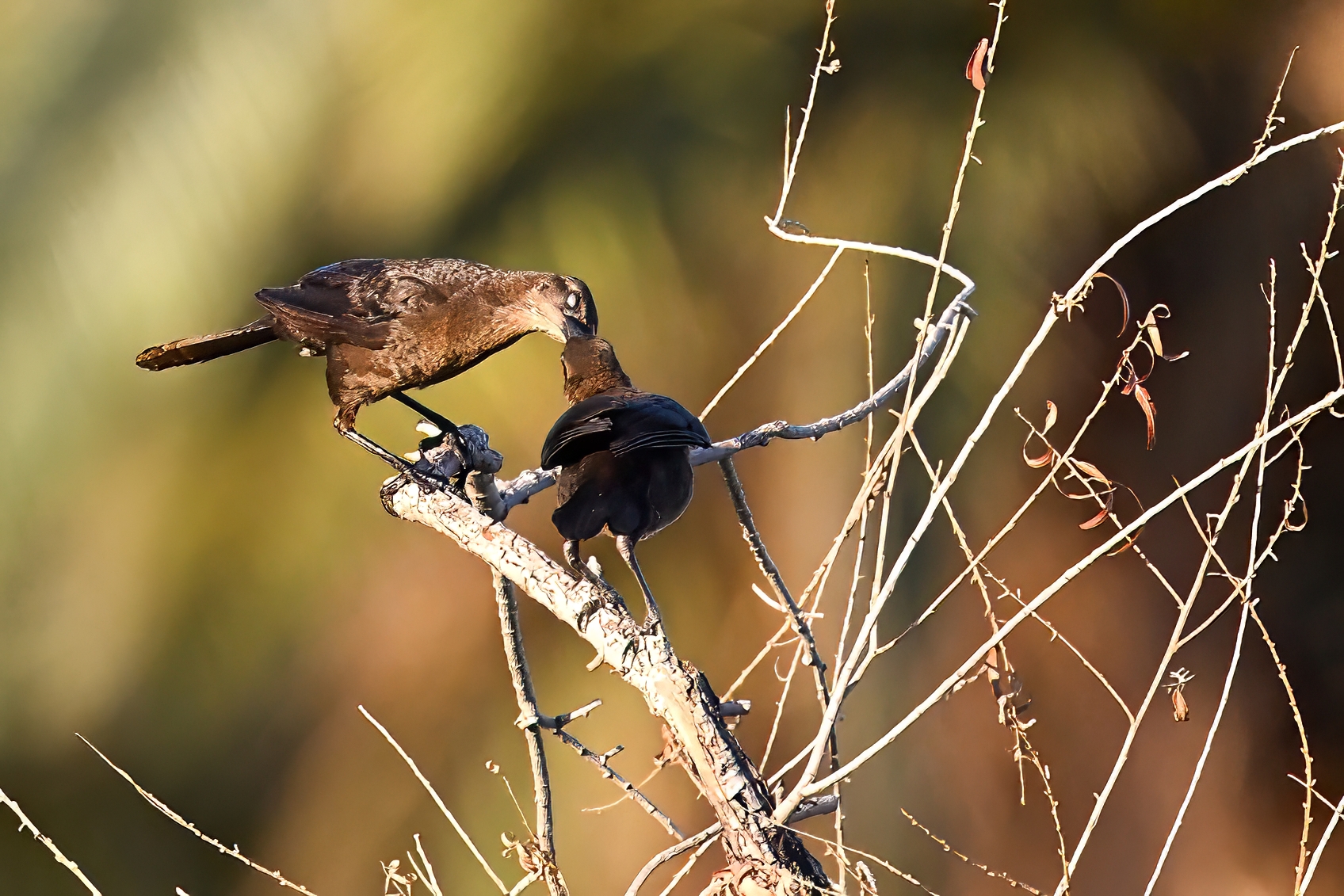
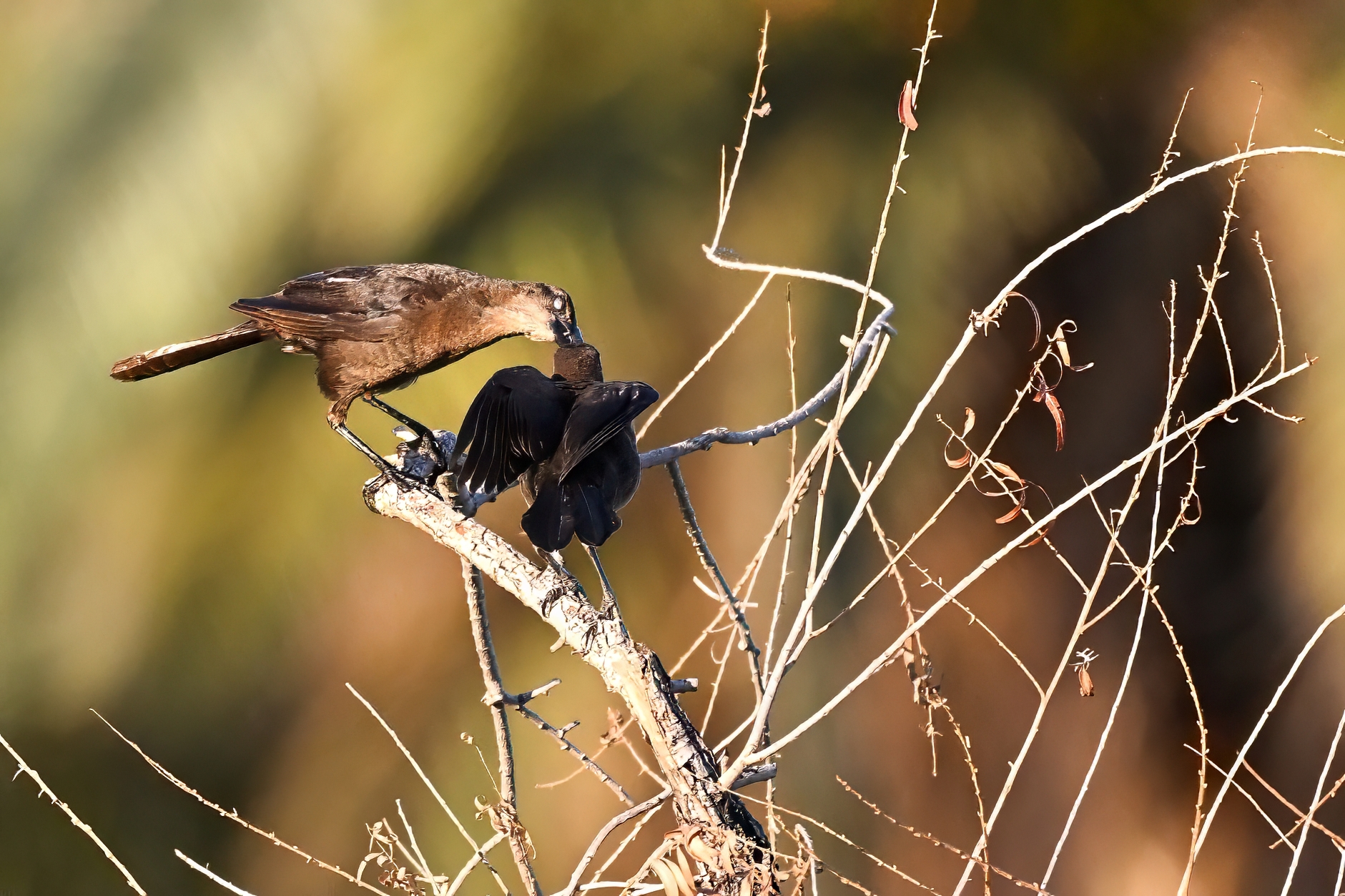
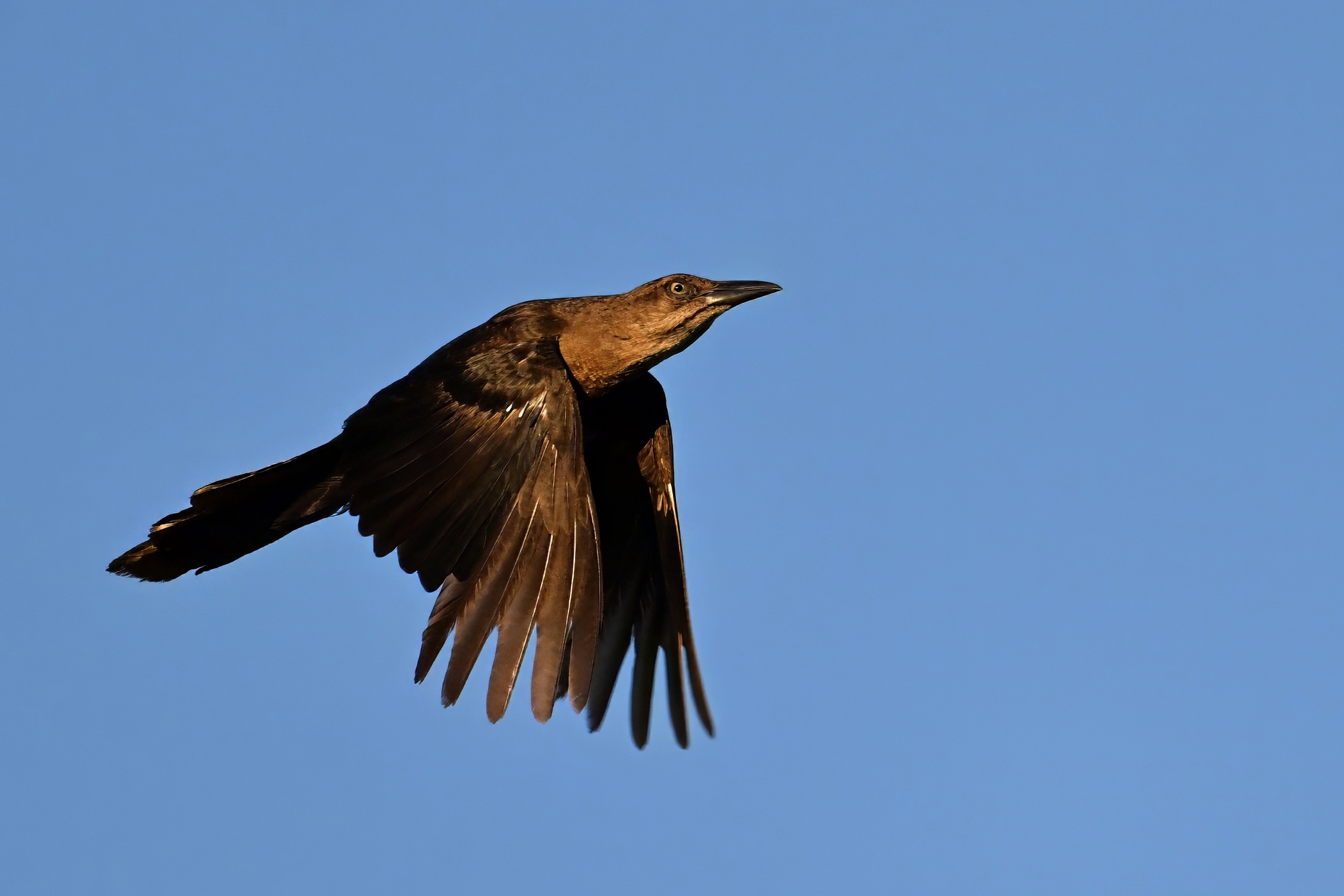
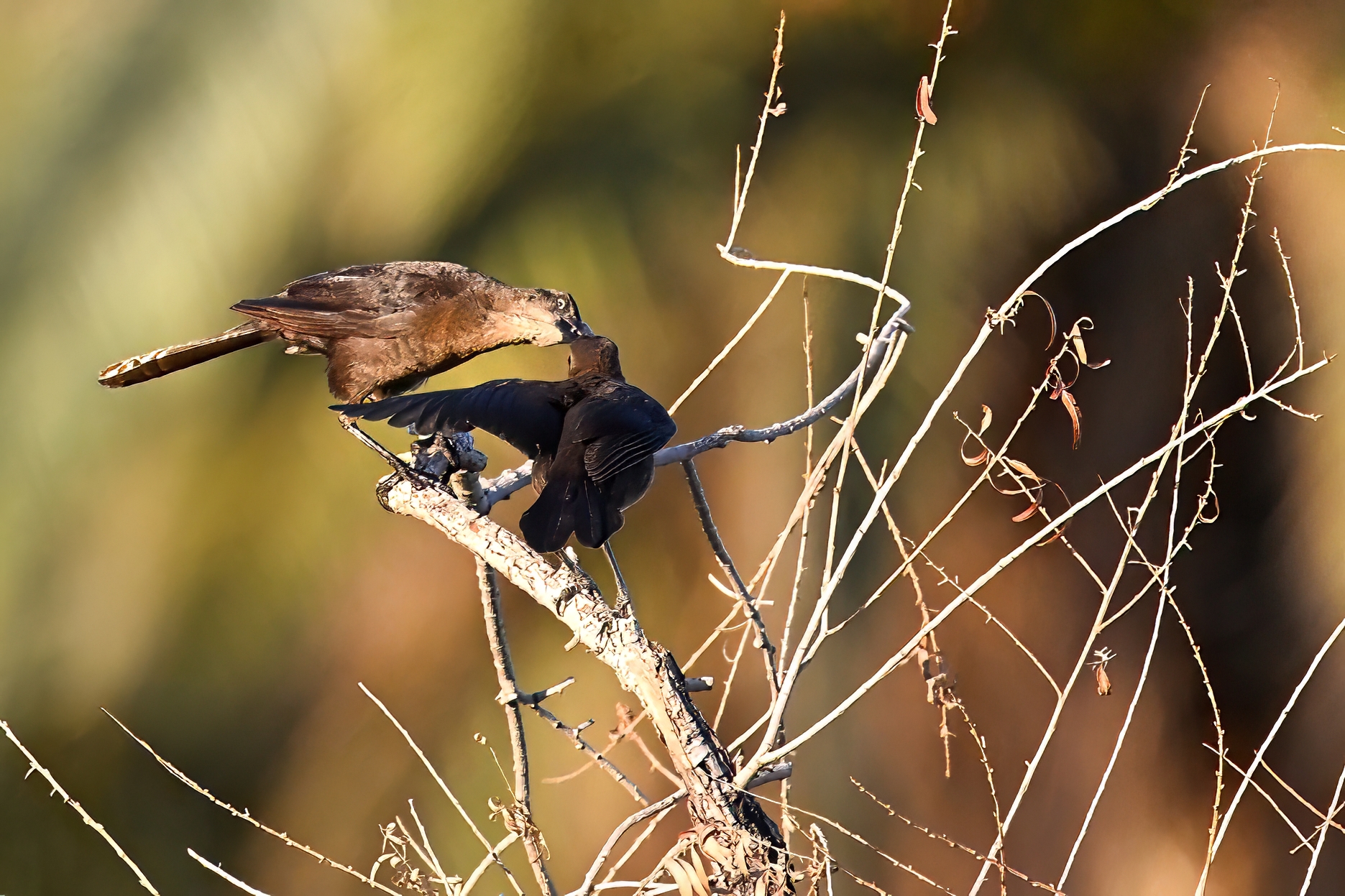
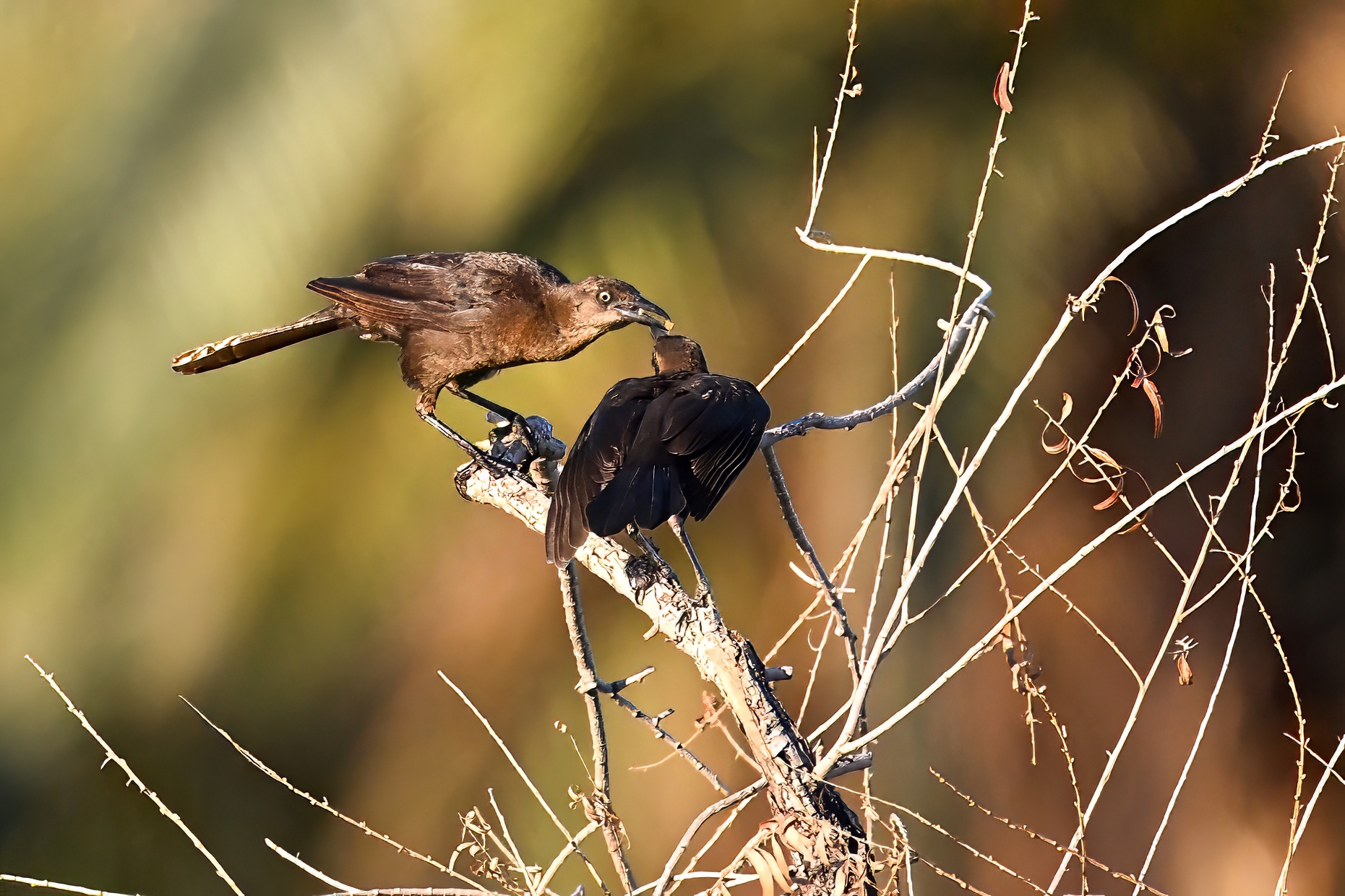
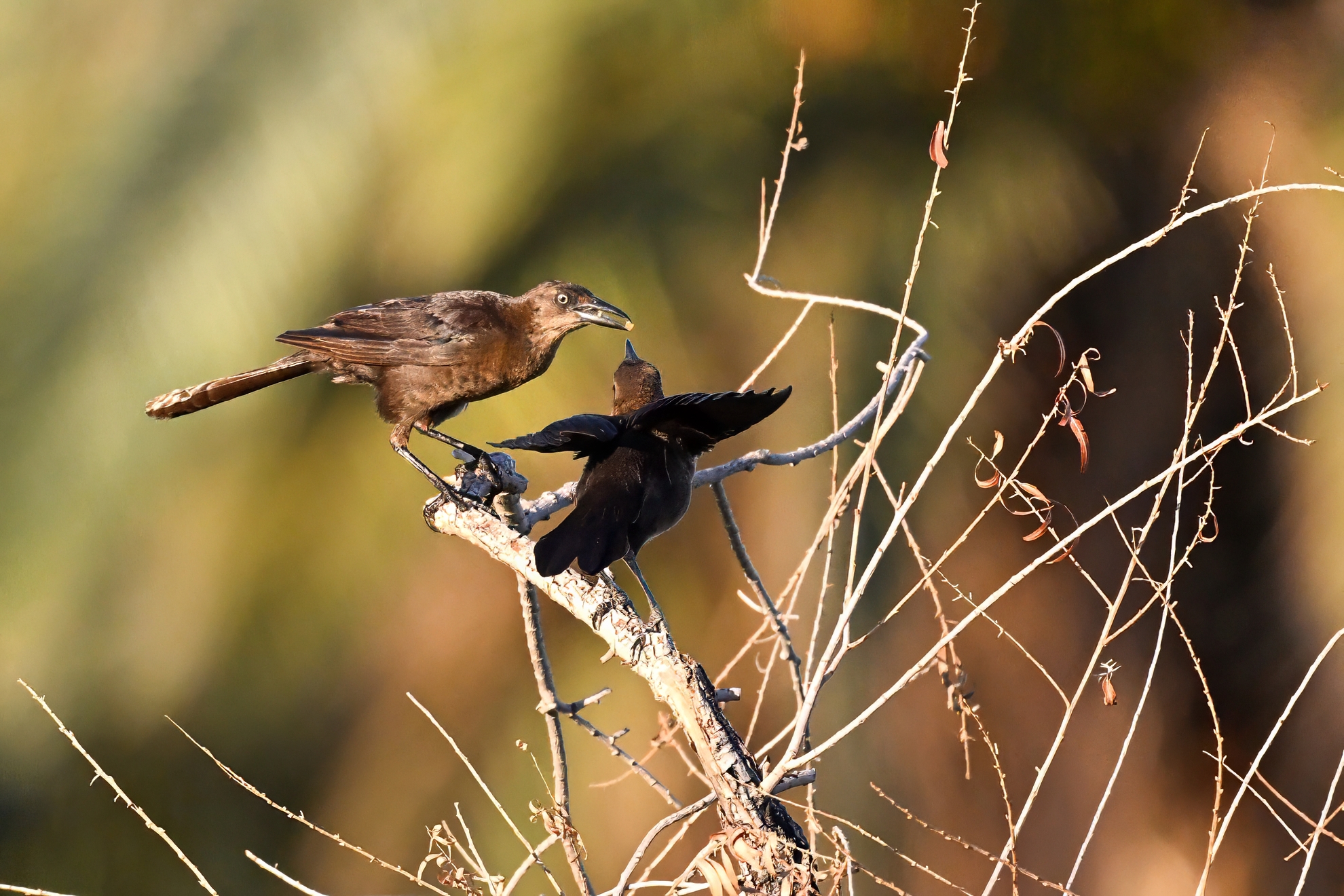
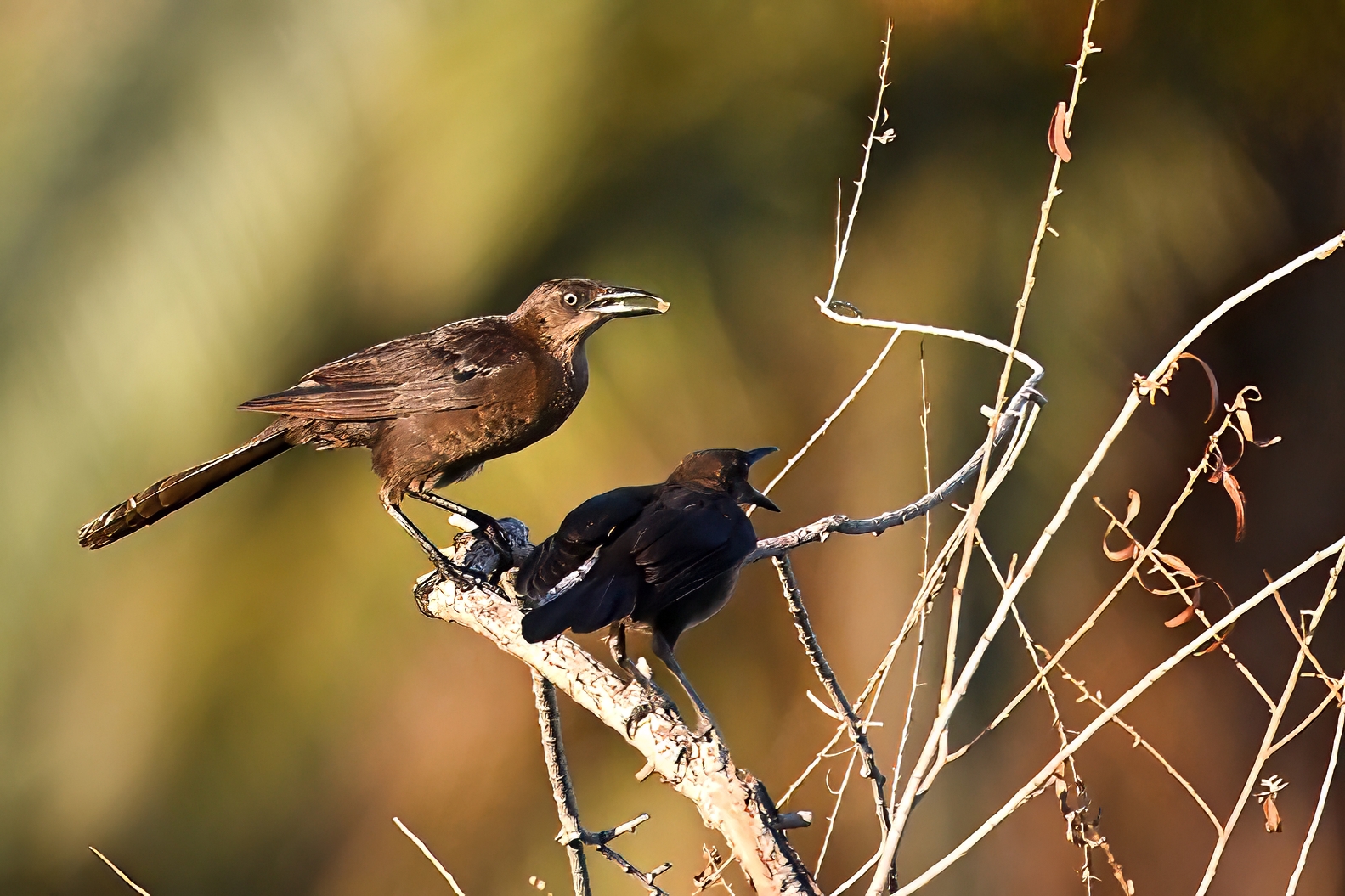
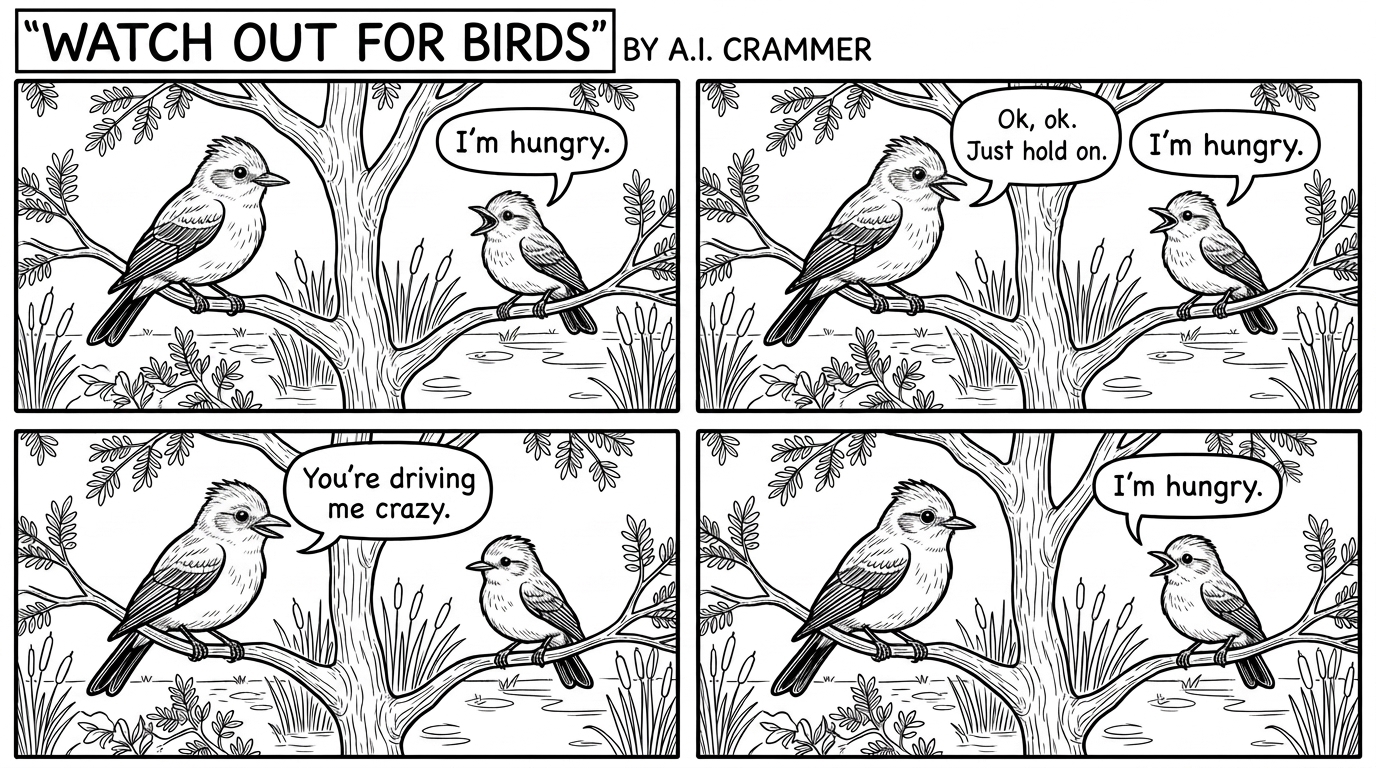
In today’s post, it’s more hungry birds, this time Great-tailed Grackles at Danny Lopez Park in Tucson, Arizona. (Tucson birding hint: seemingly every Great-tailed Grackle in Pima Co. lives at Danny Lopez Park.)
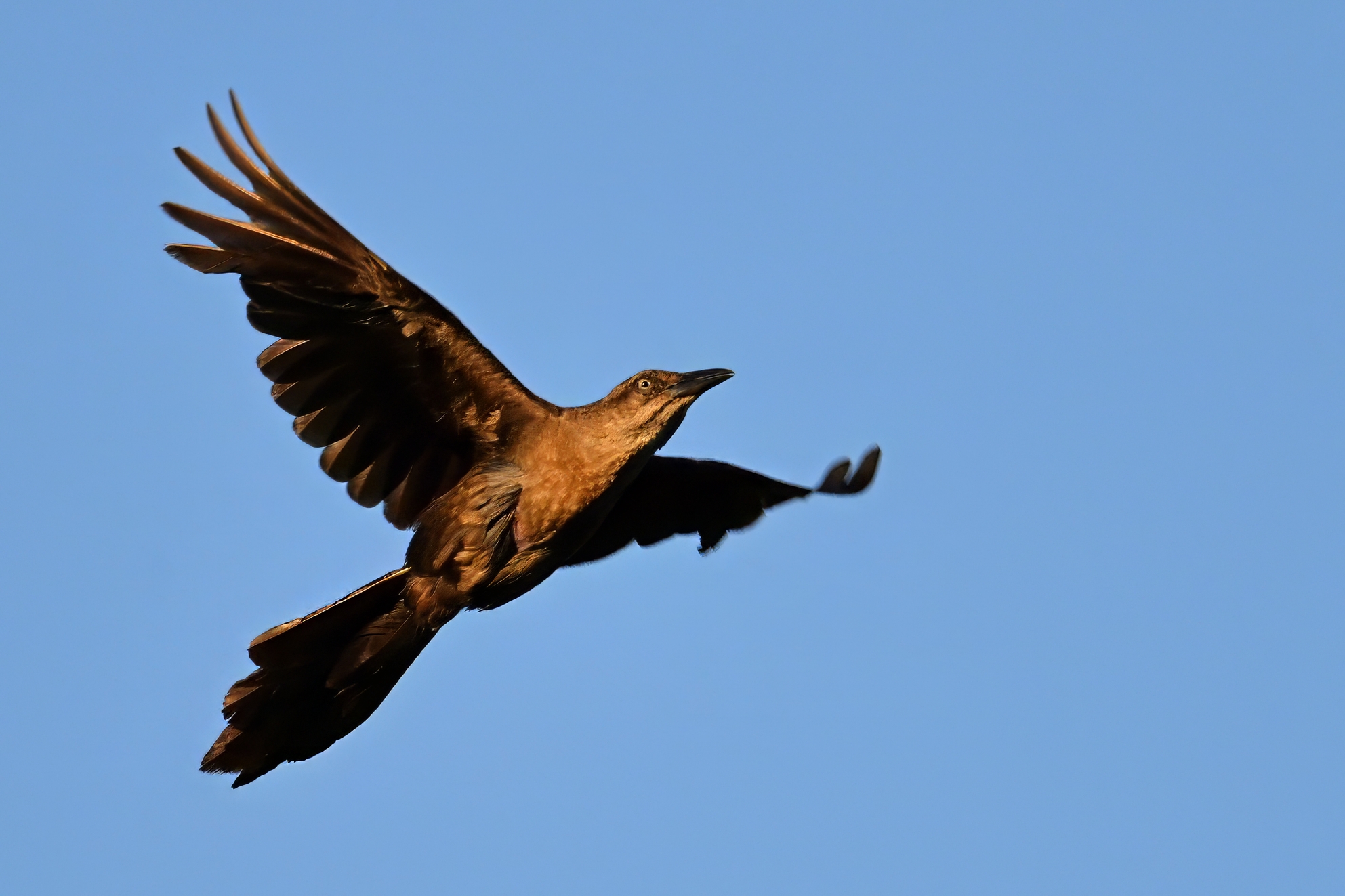
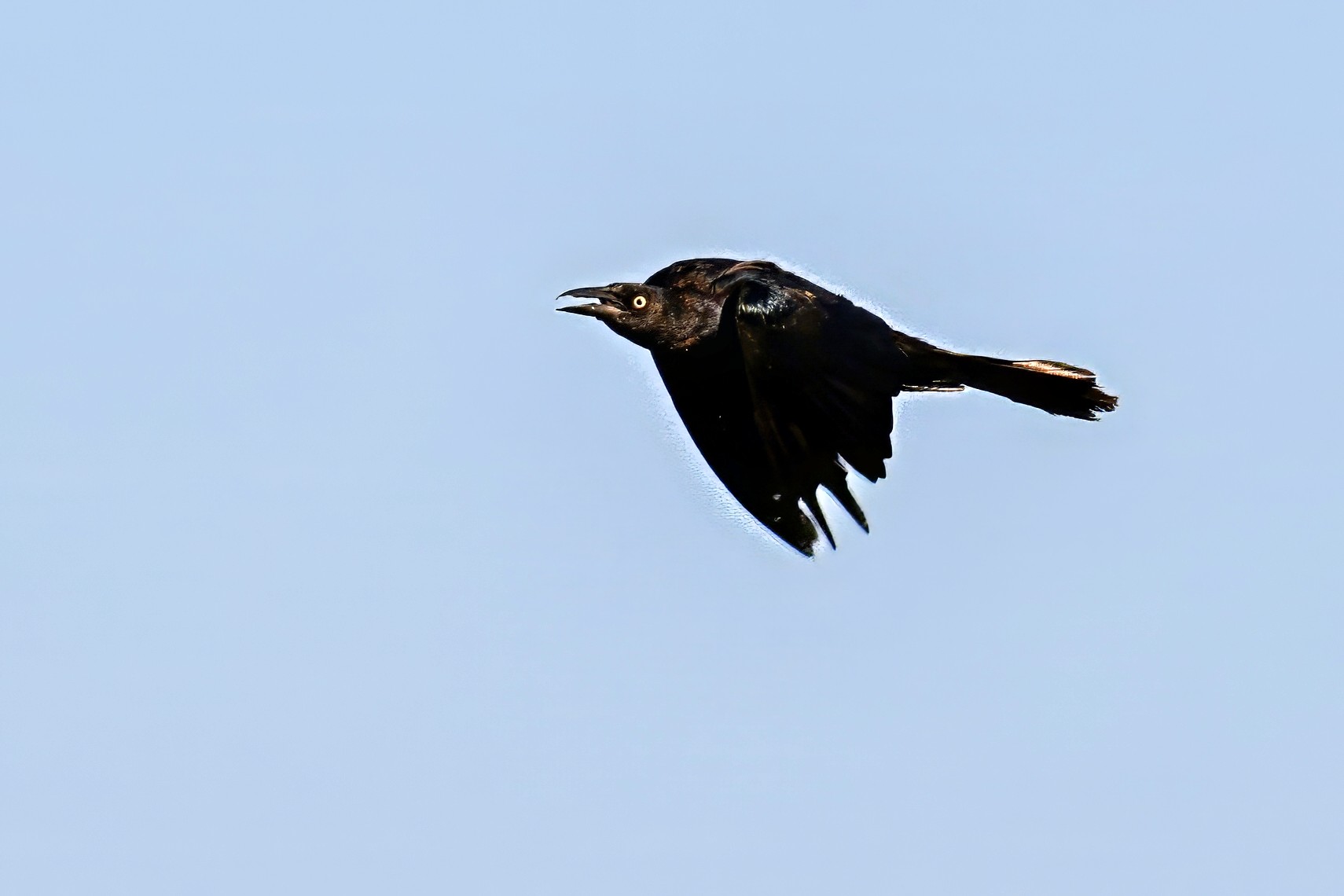
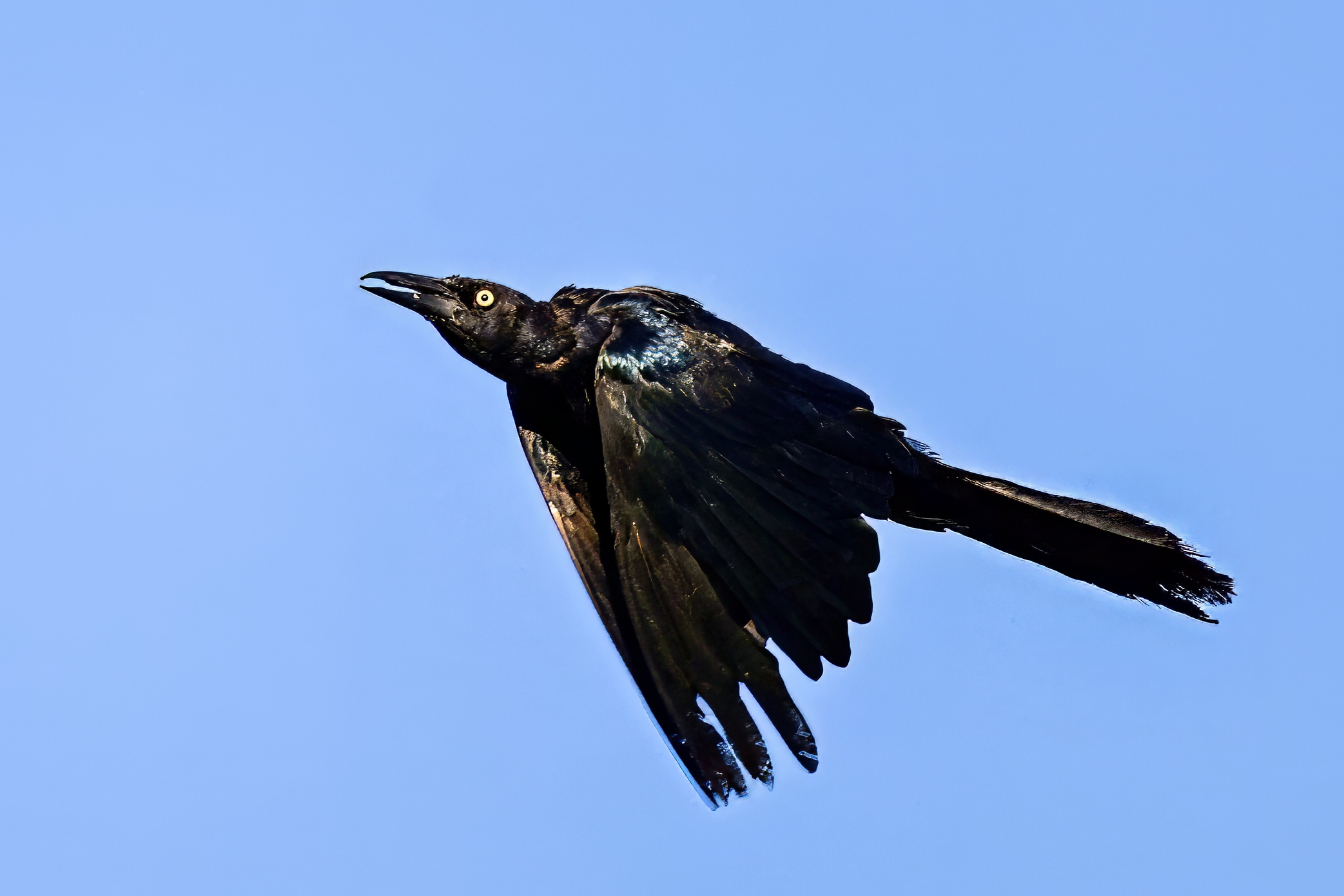
Female (l) & immature (r) Great-tailed GrackleLots of grackles, etc. in flightMale Great-tailed GrackleWhite-winged Dove (top) & male Great-tailed GrackleMore GIF
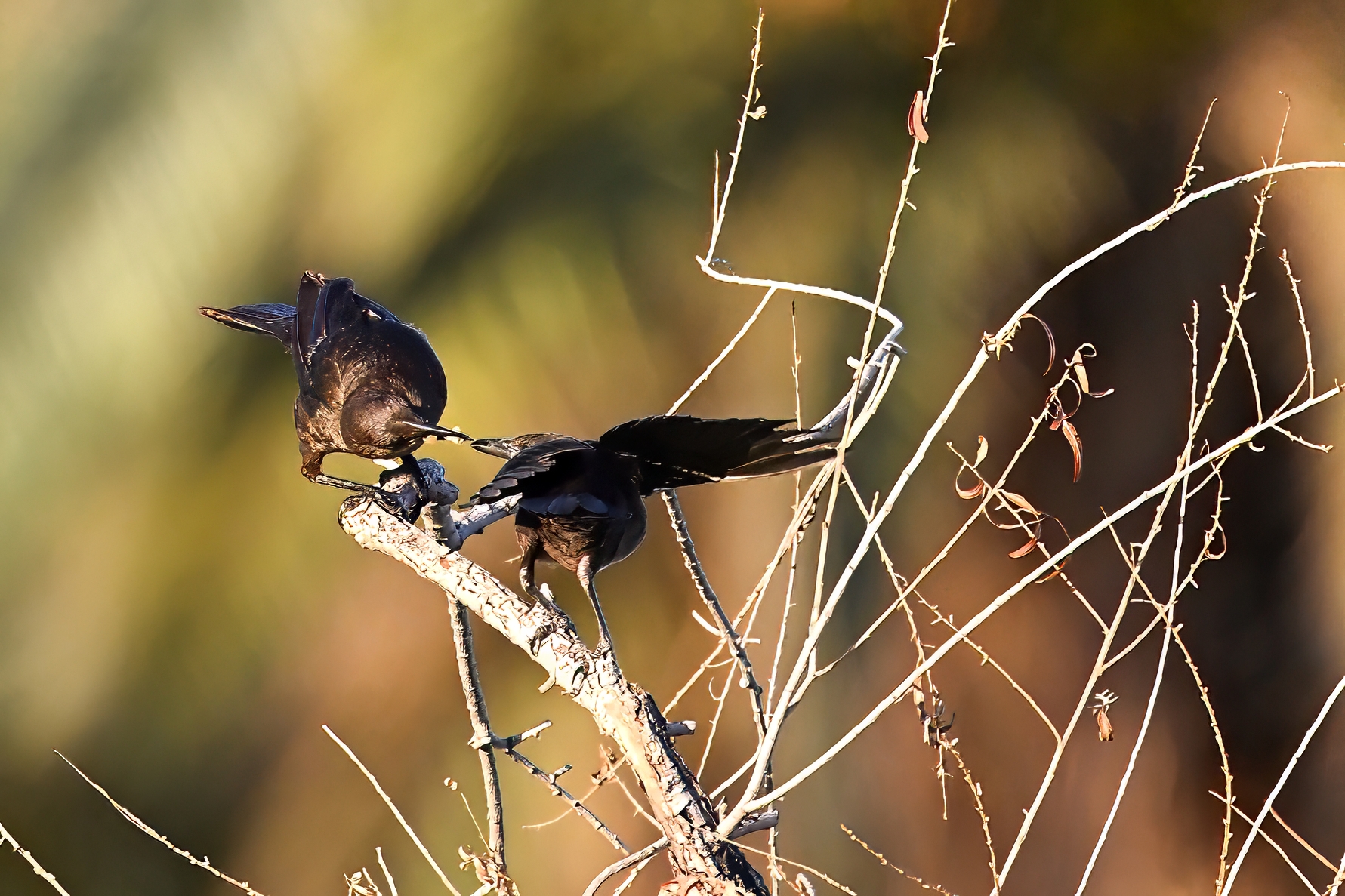
Lengthy sequence of feeding behavior, + female GIF:
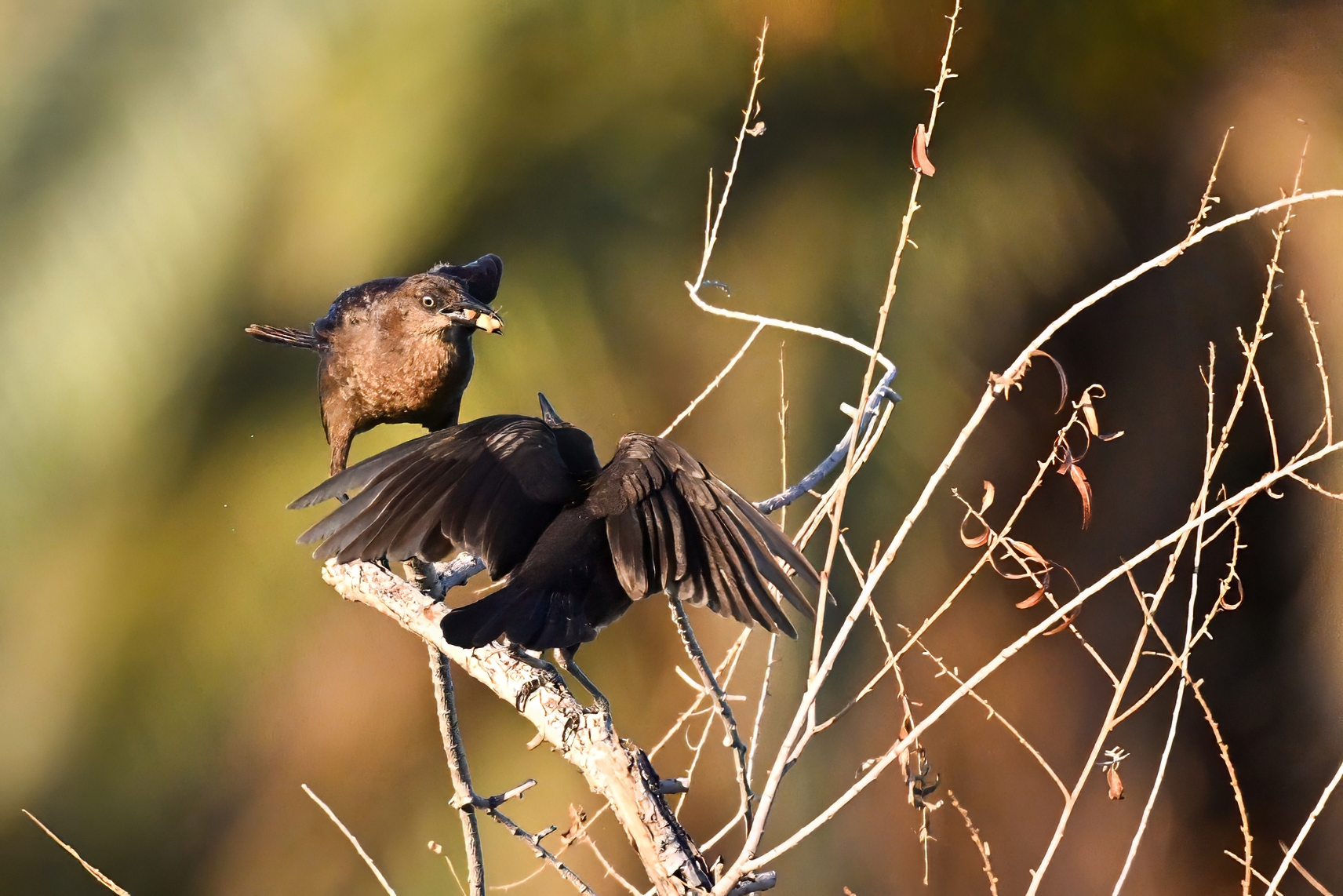
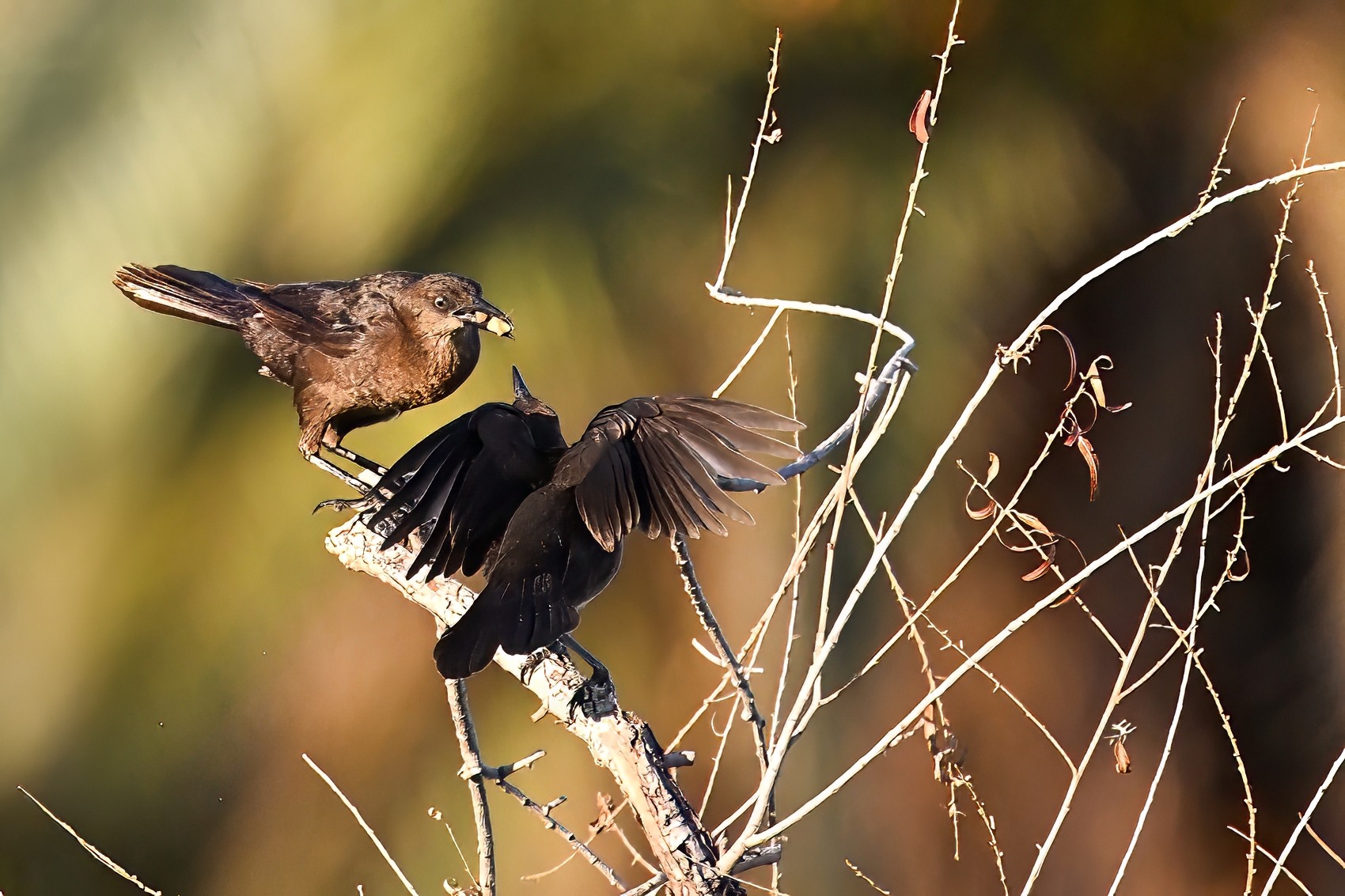
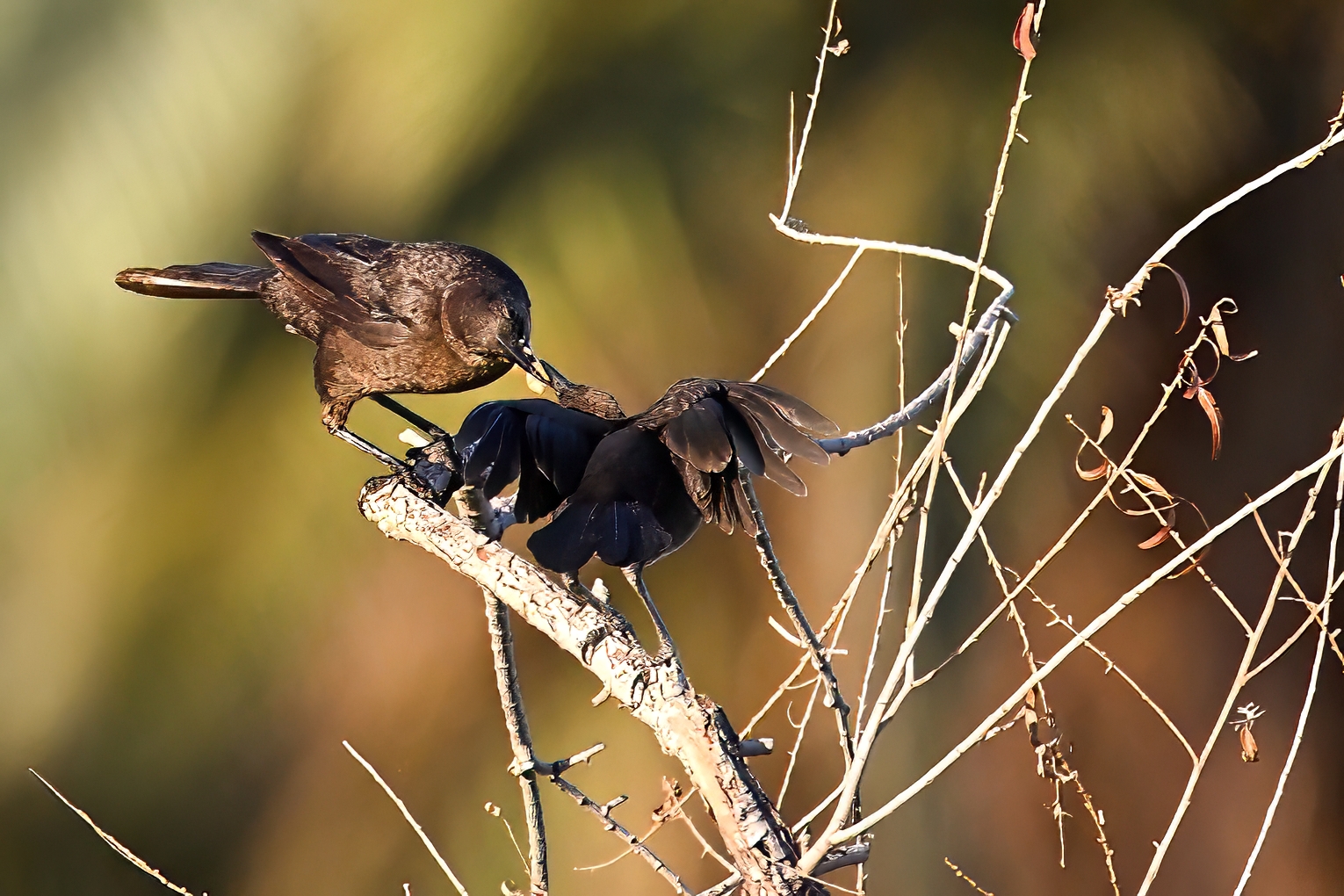
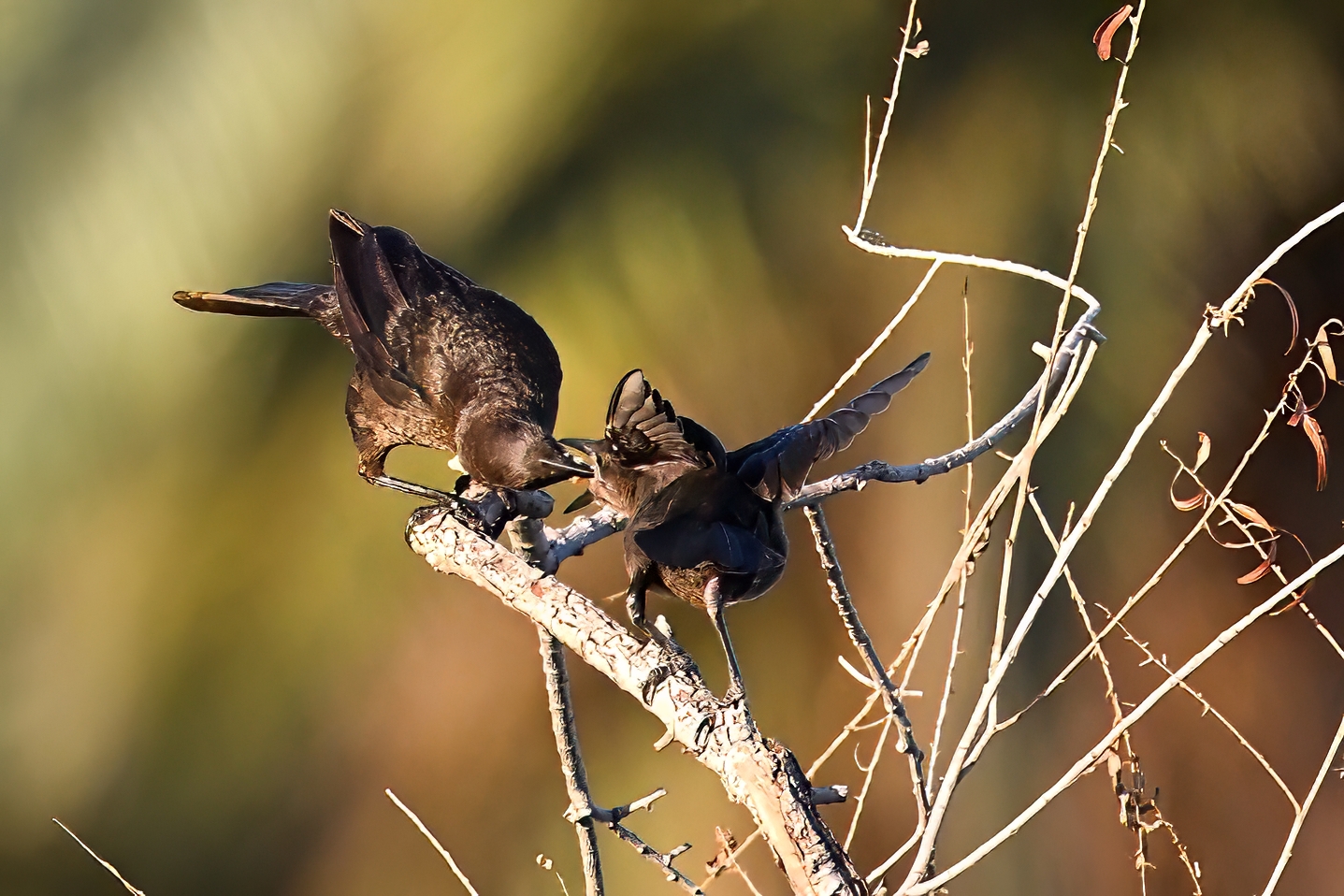
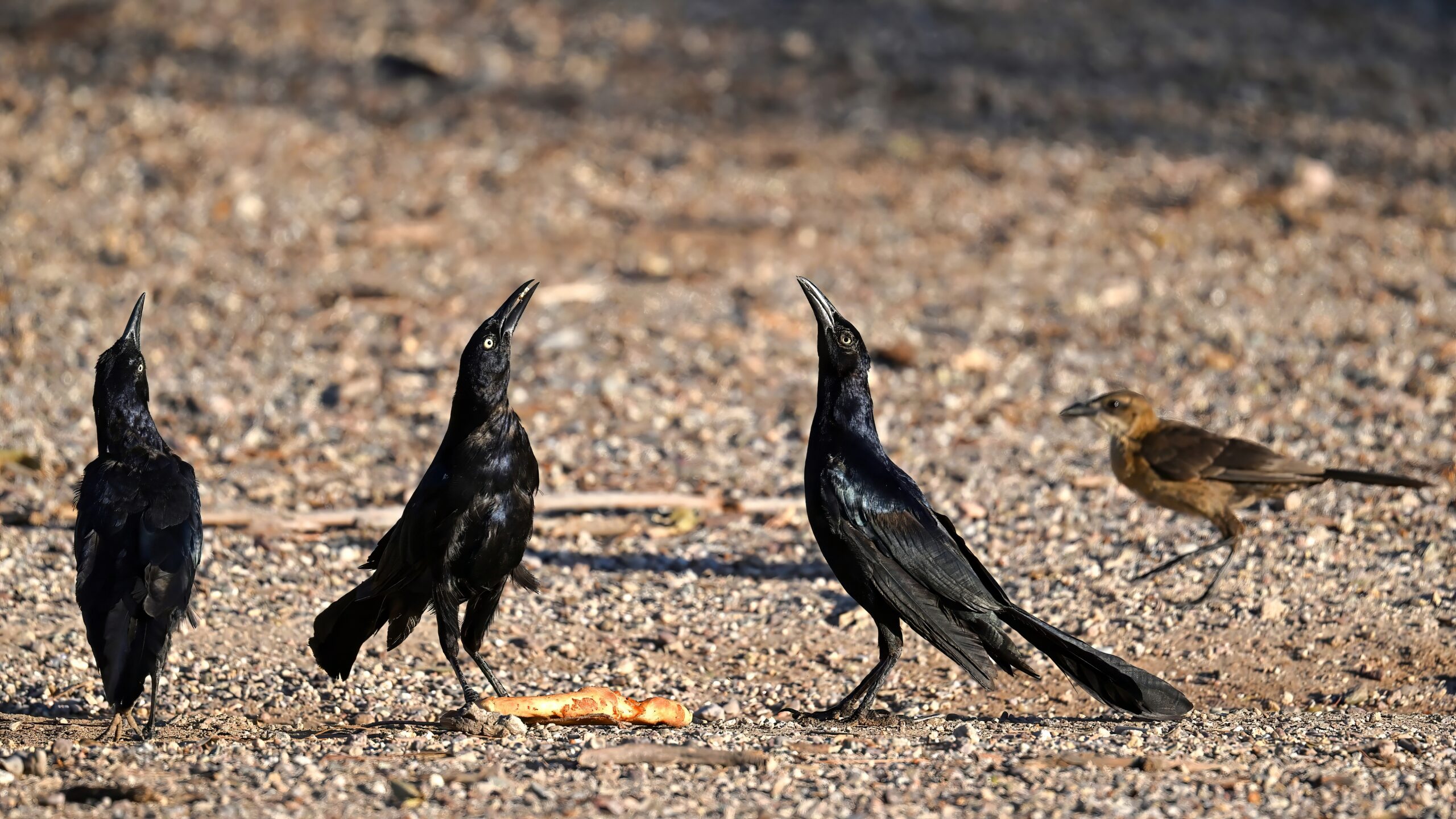
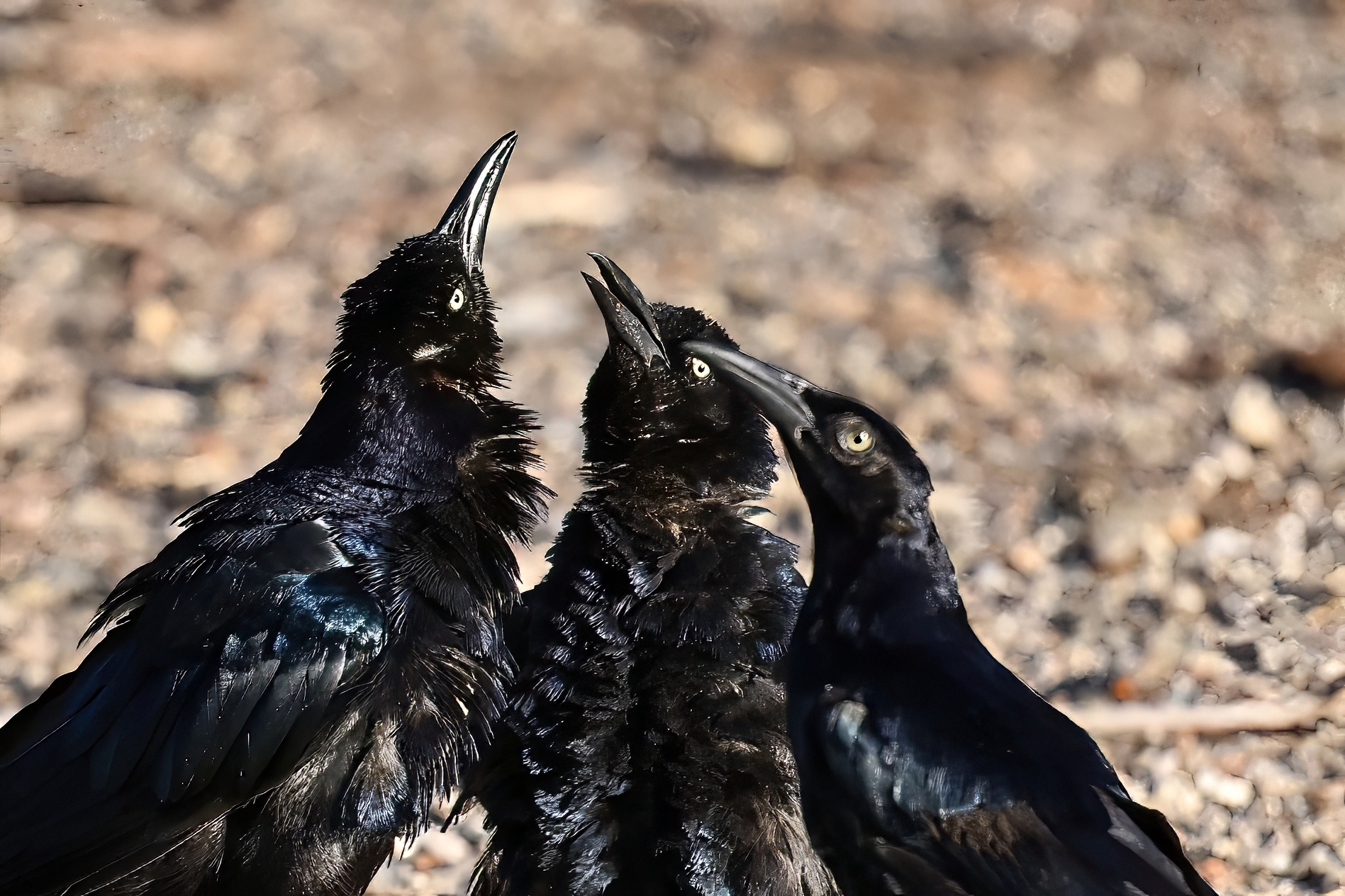
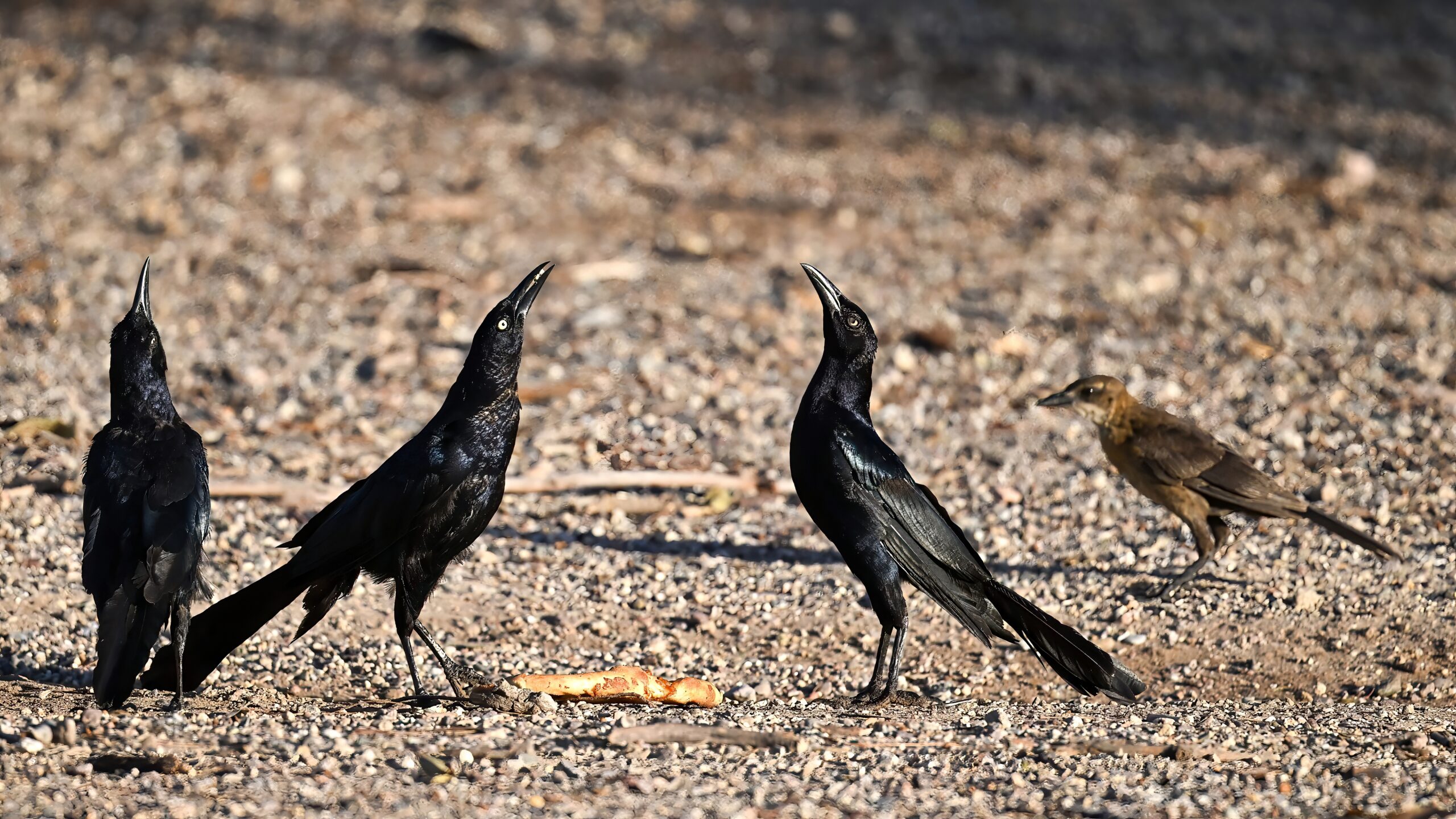
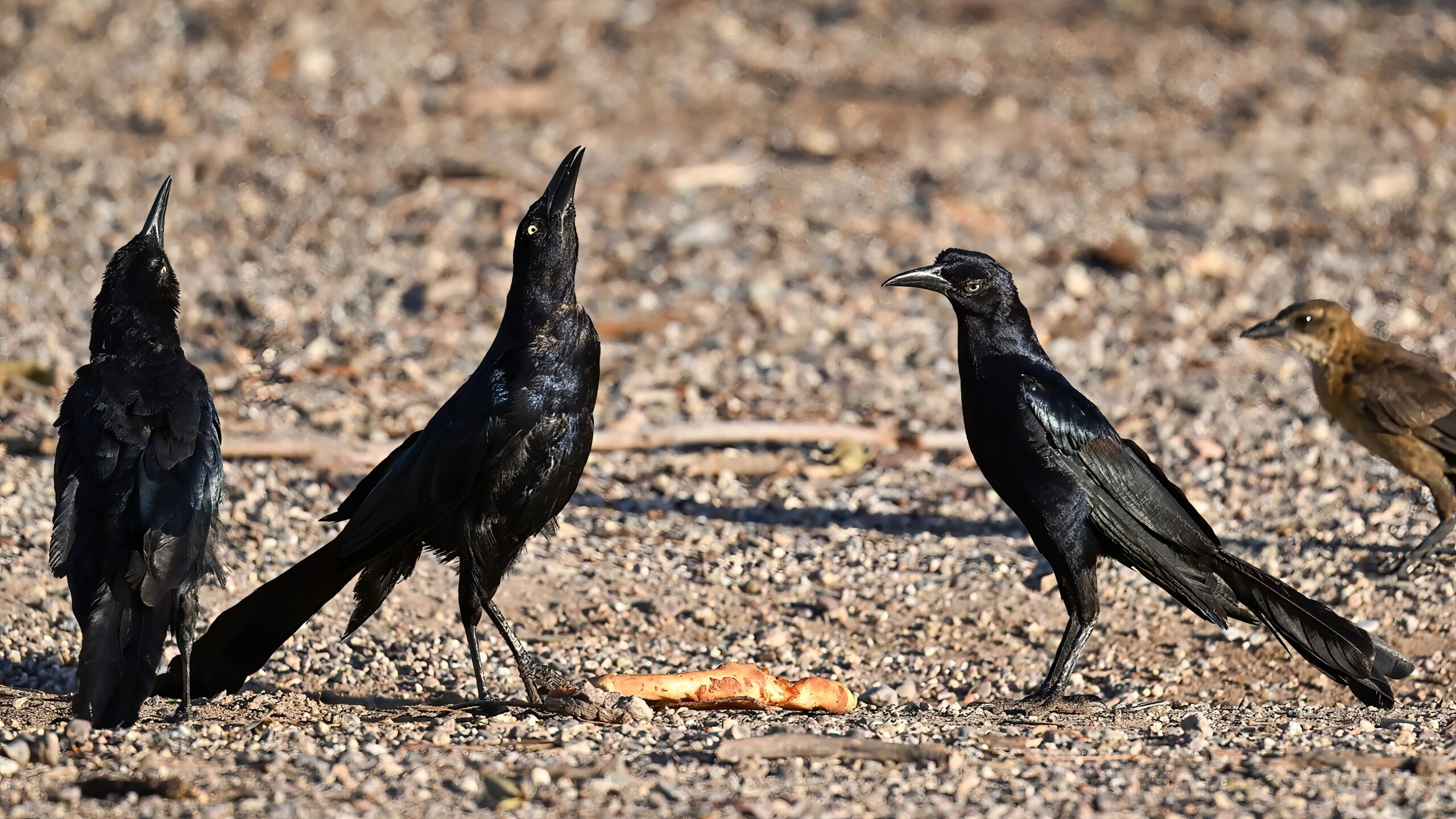
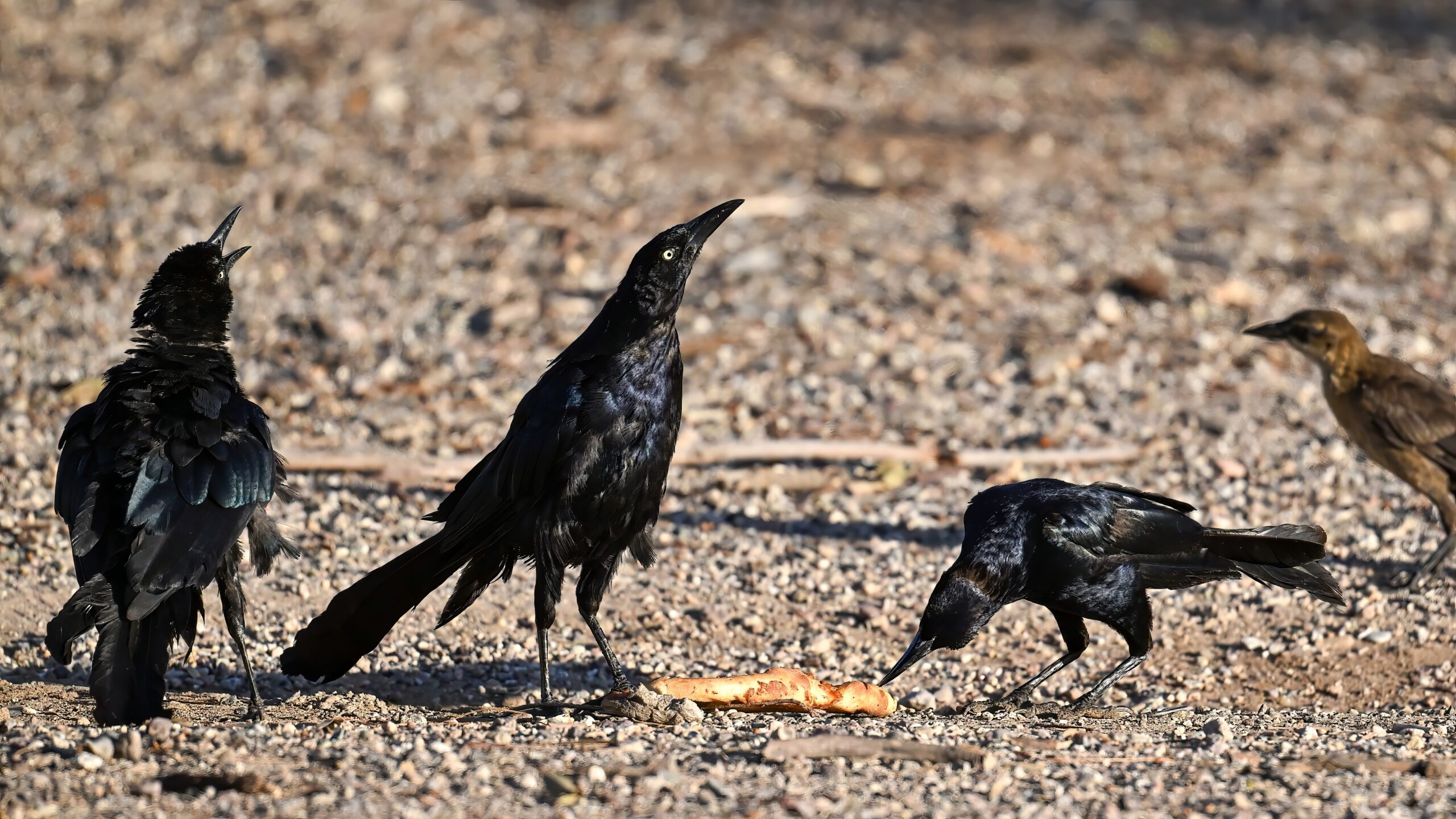
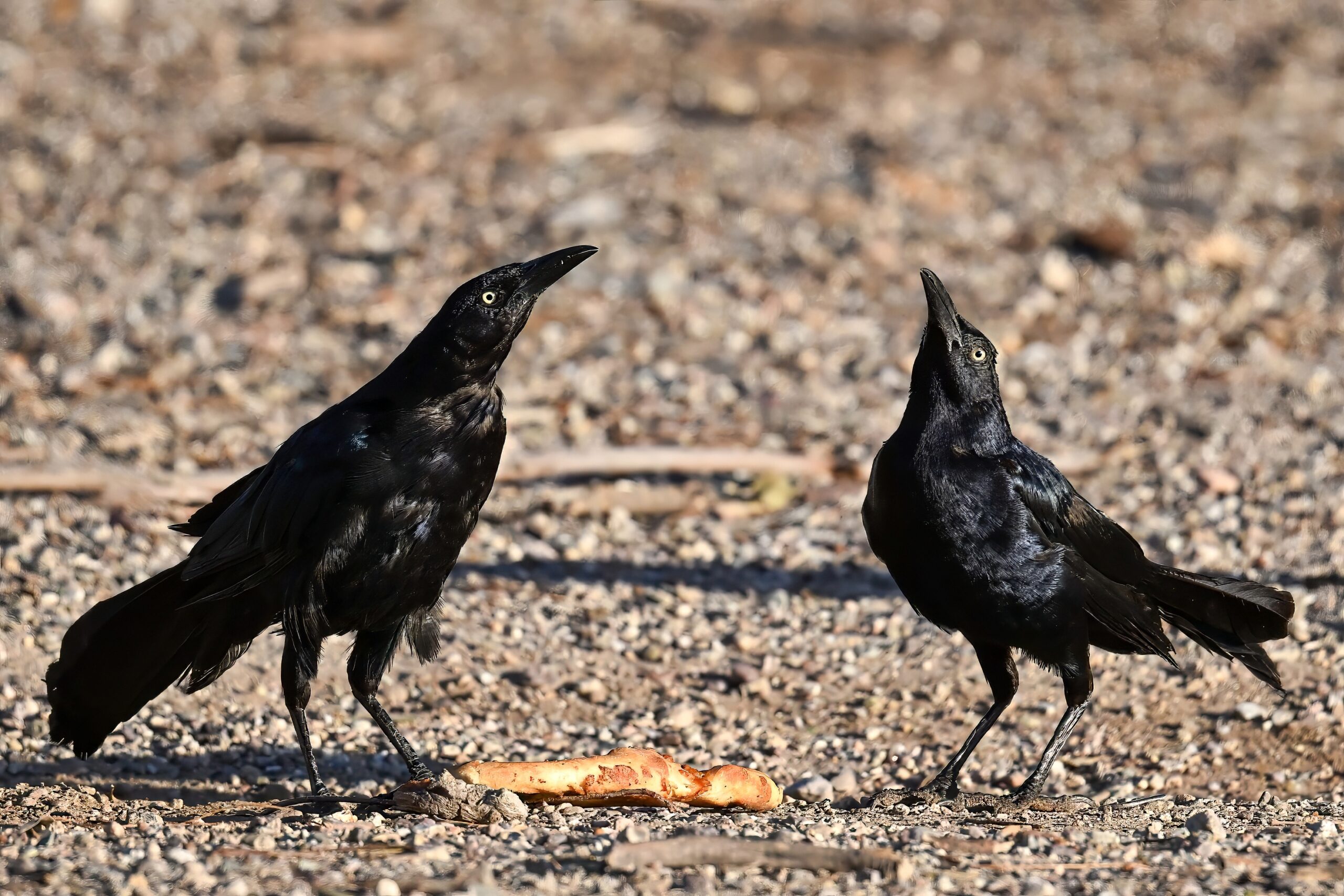
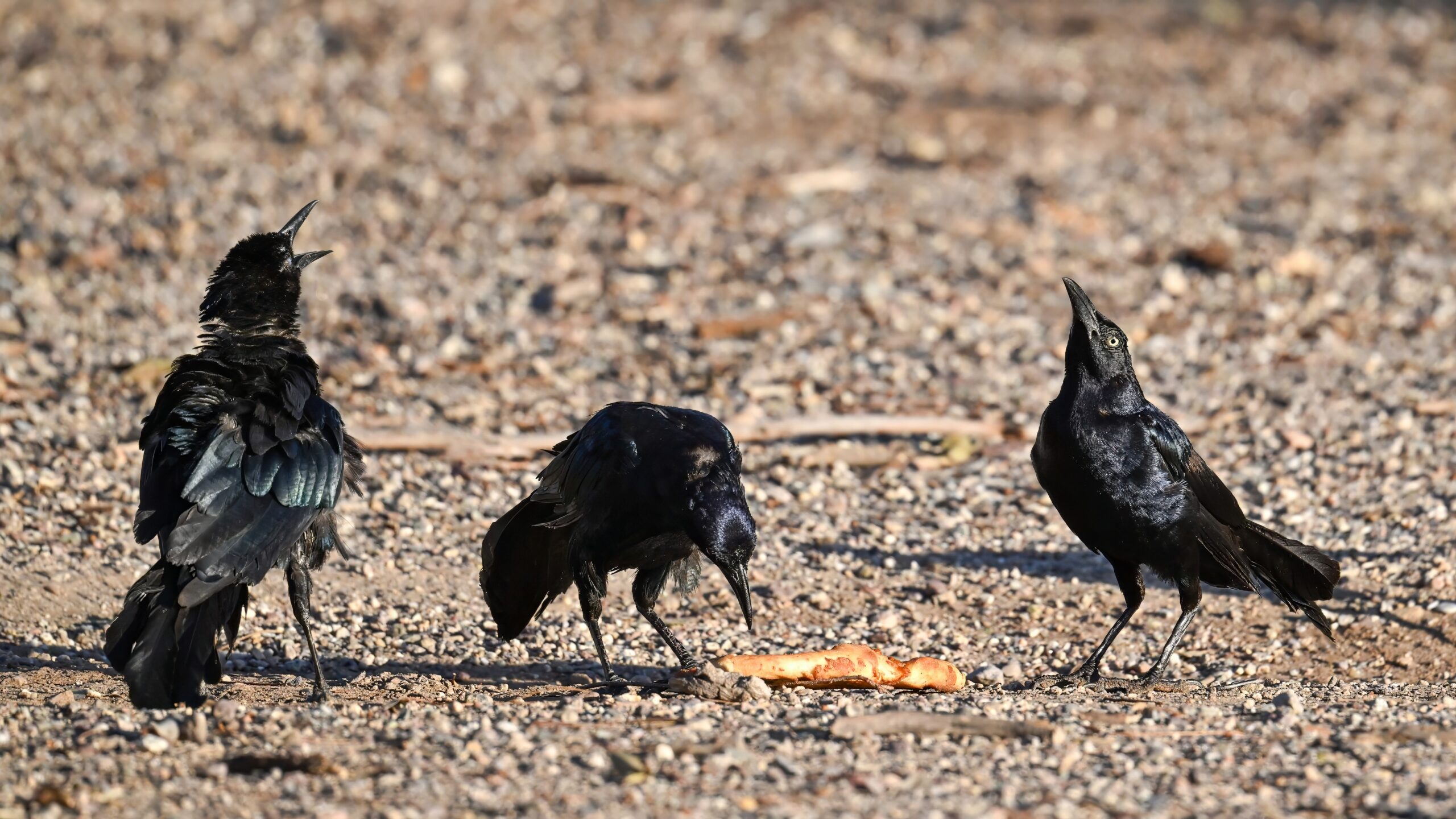
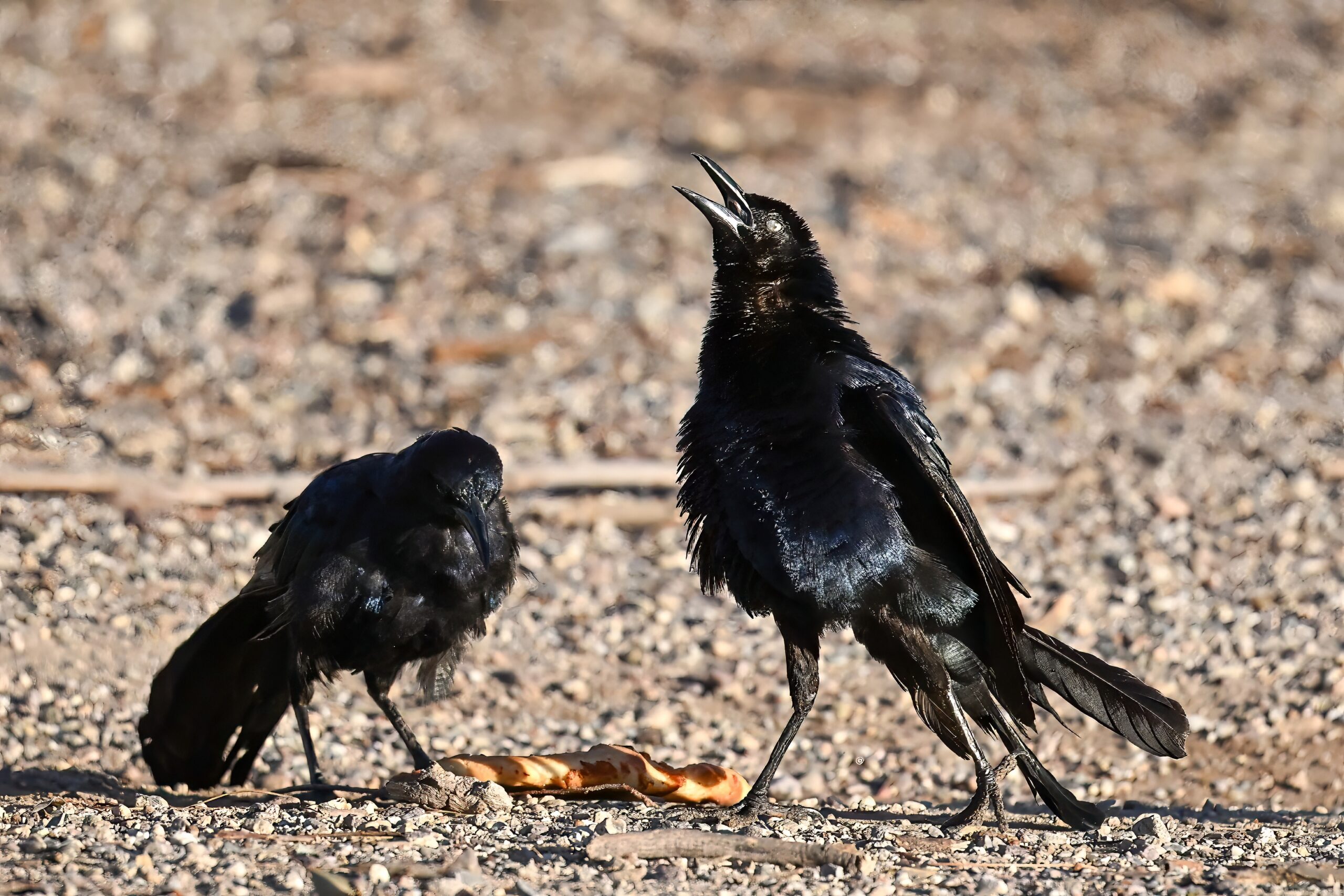
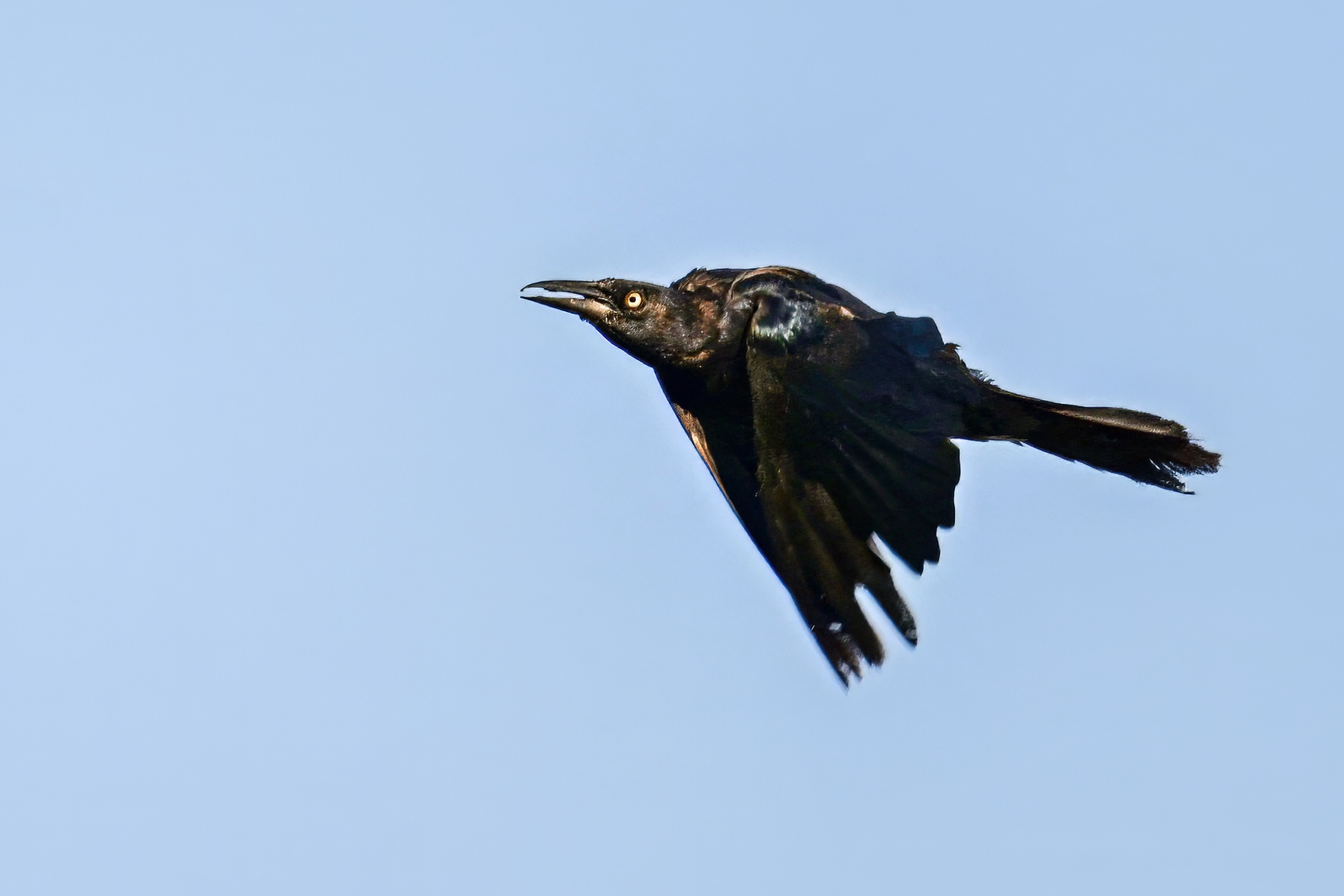
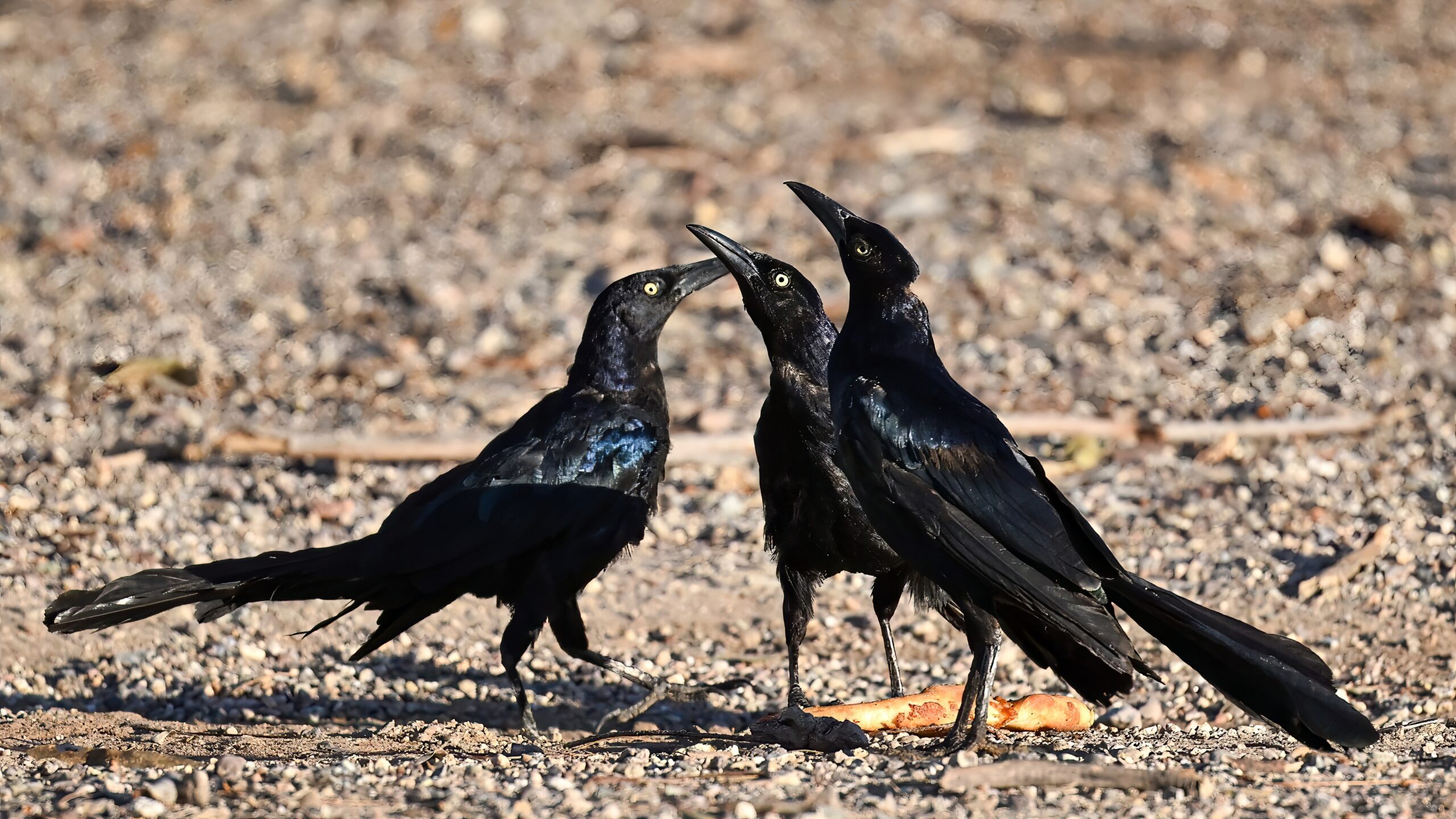
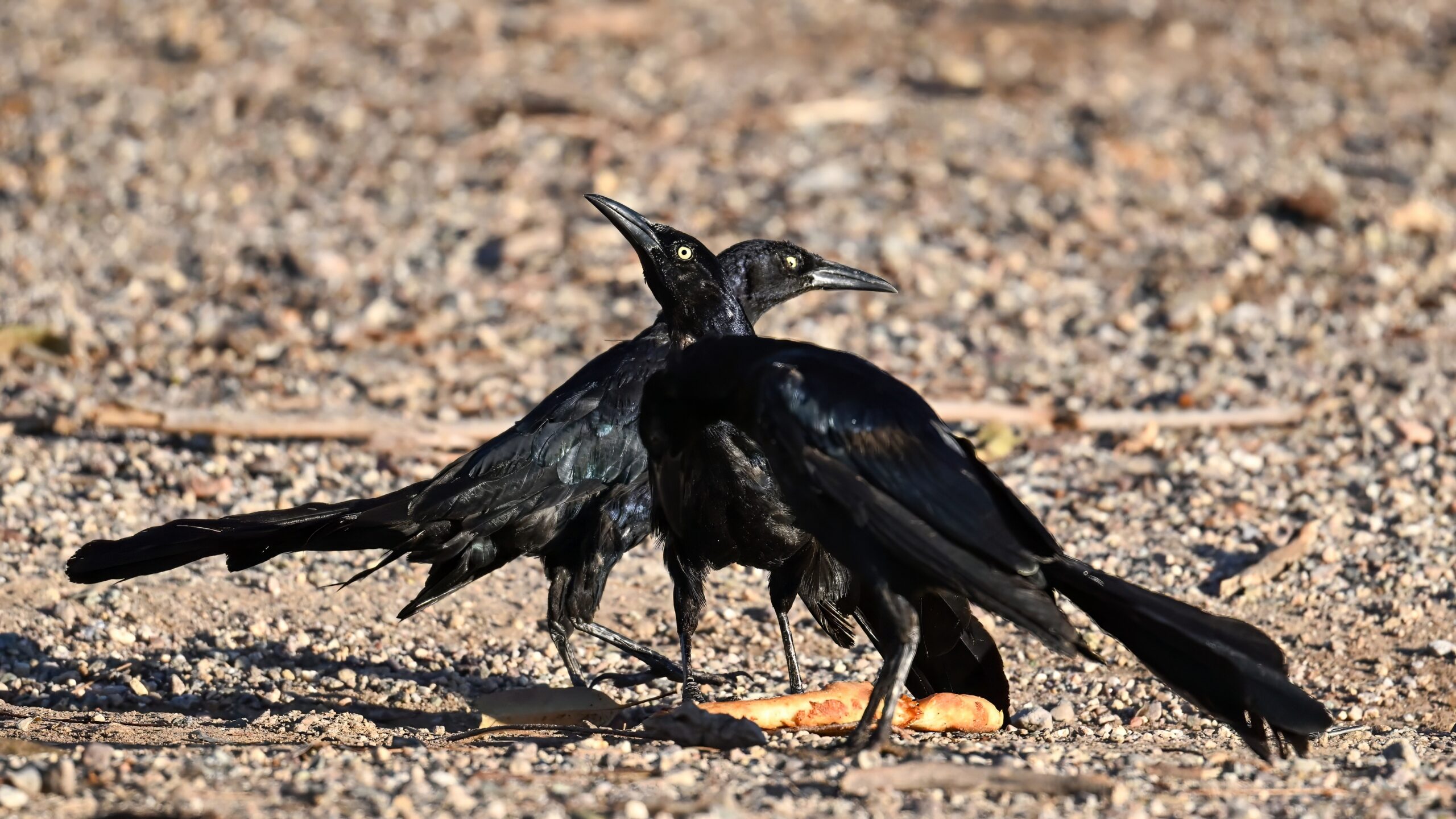
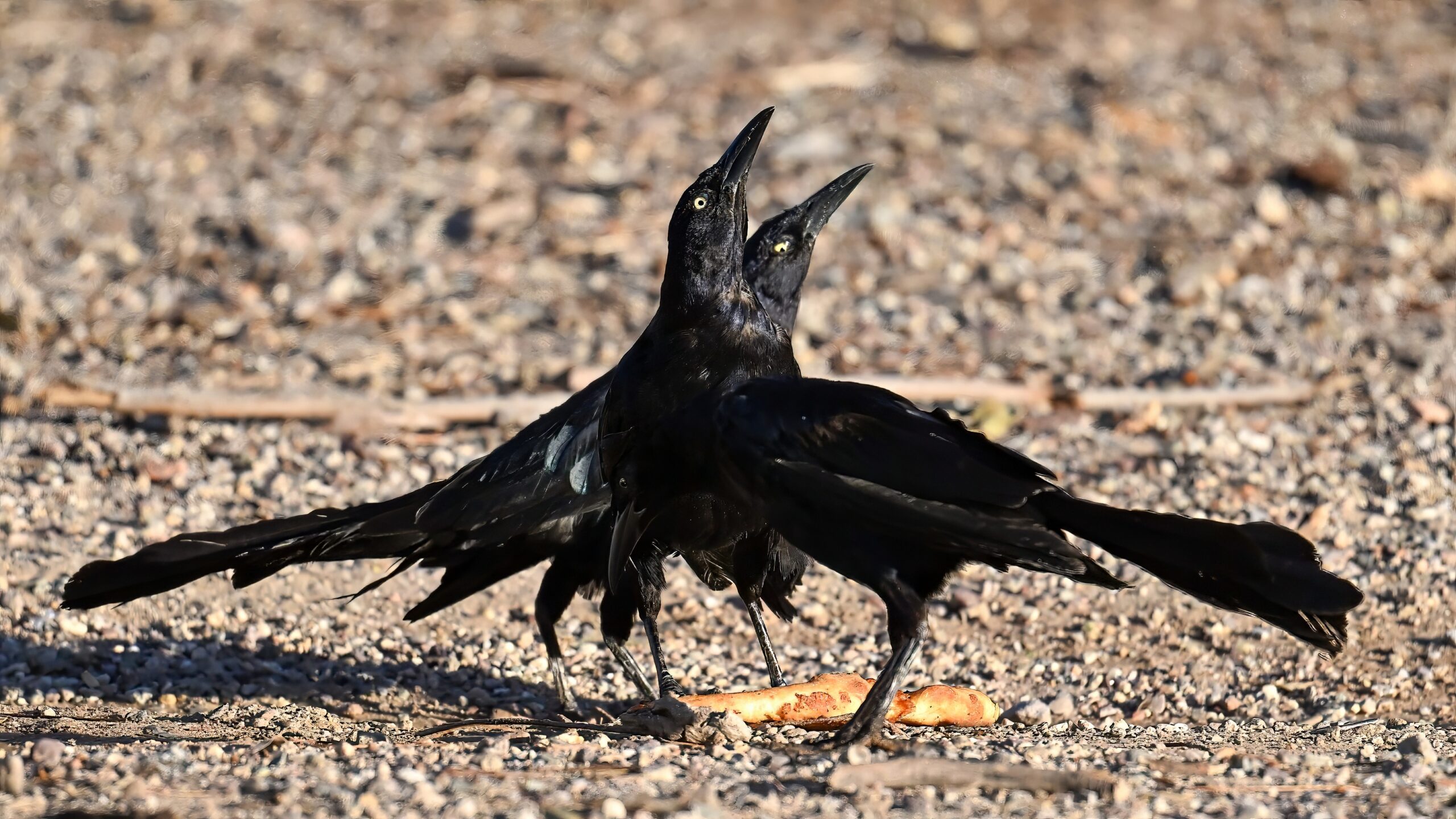
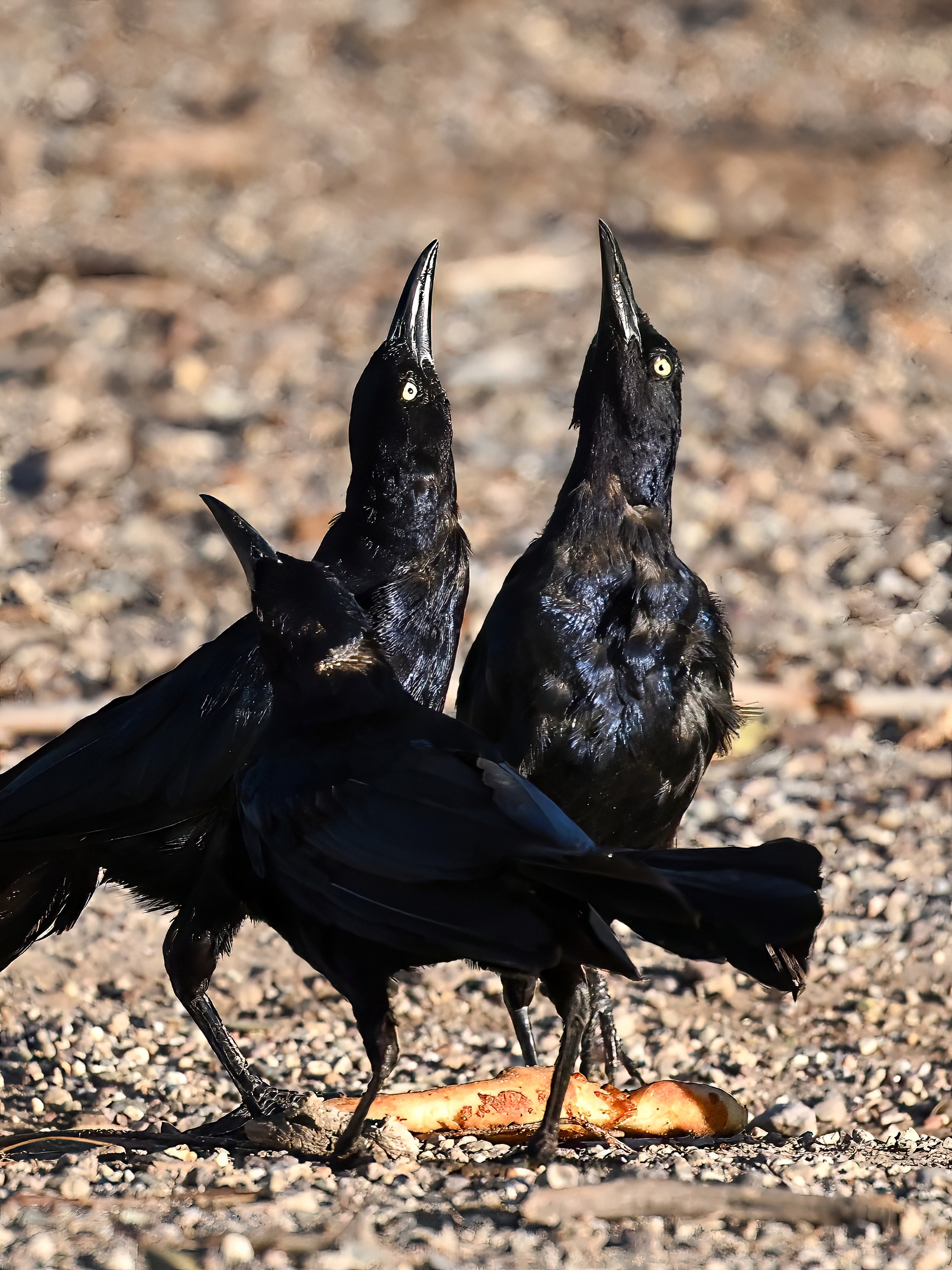
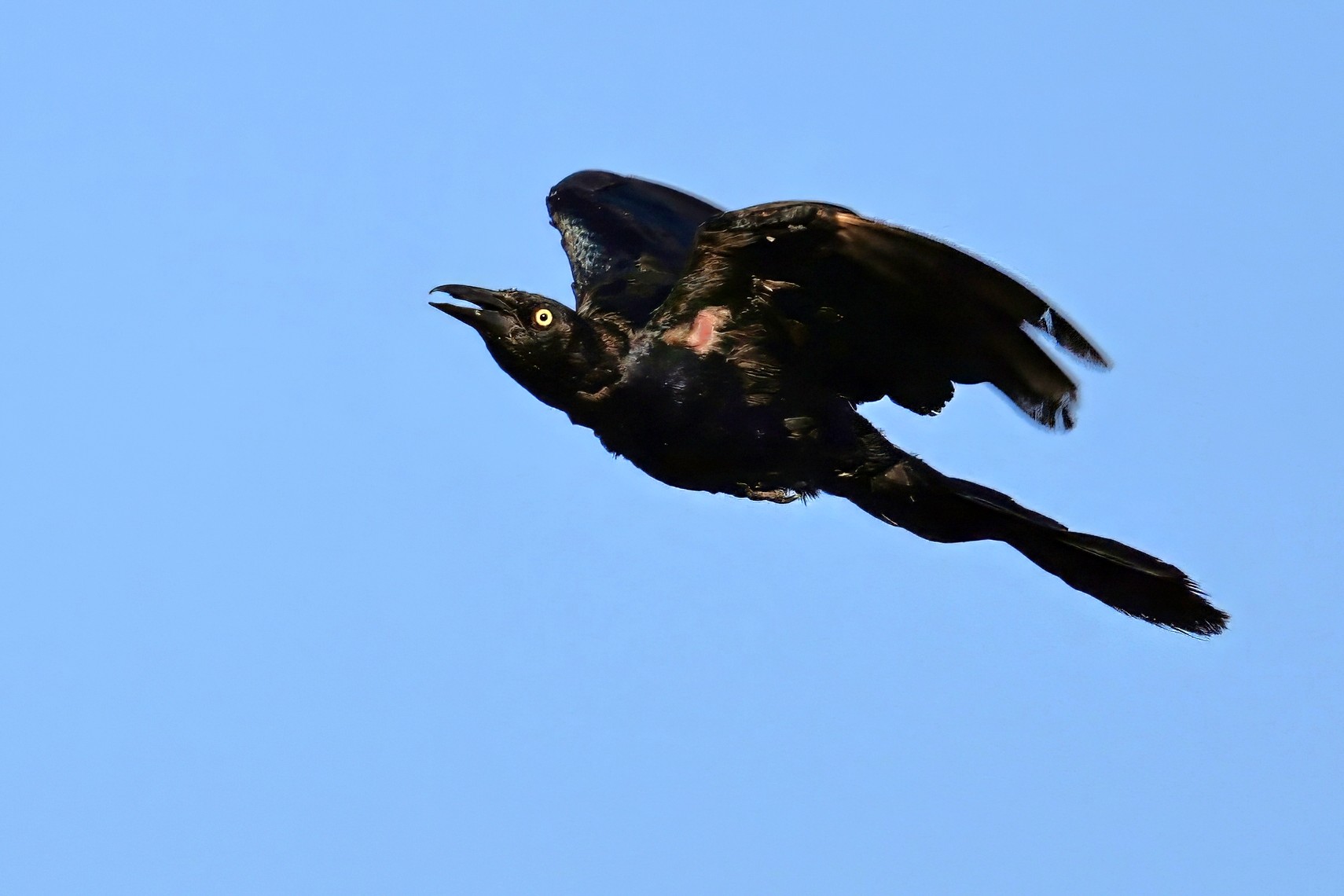
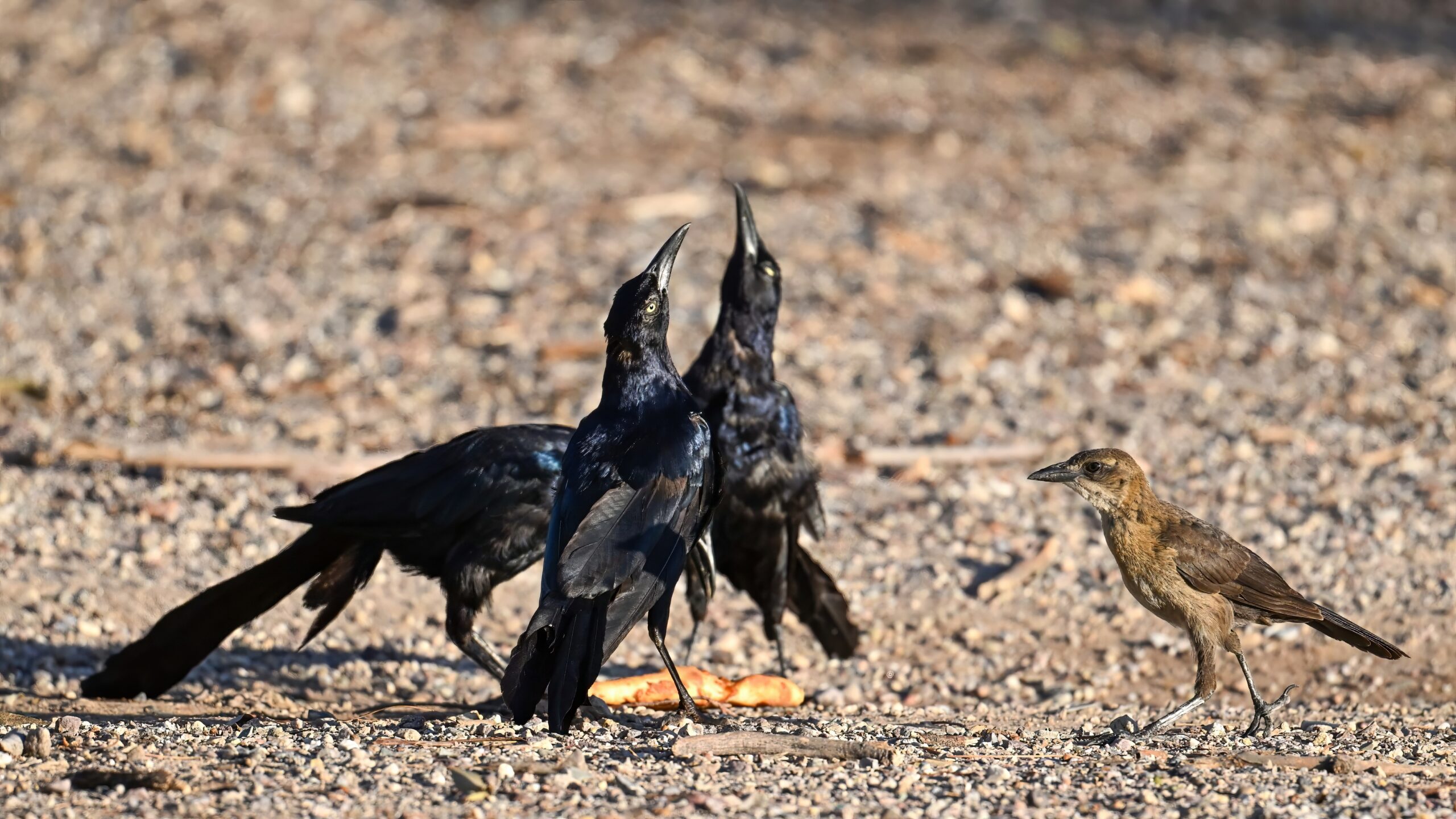
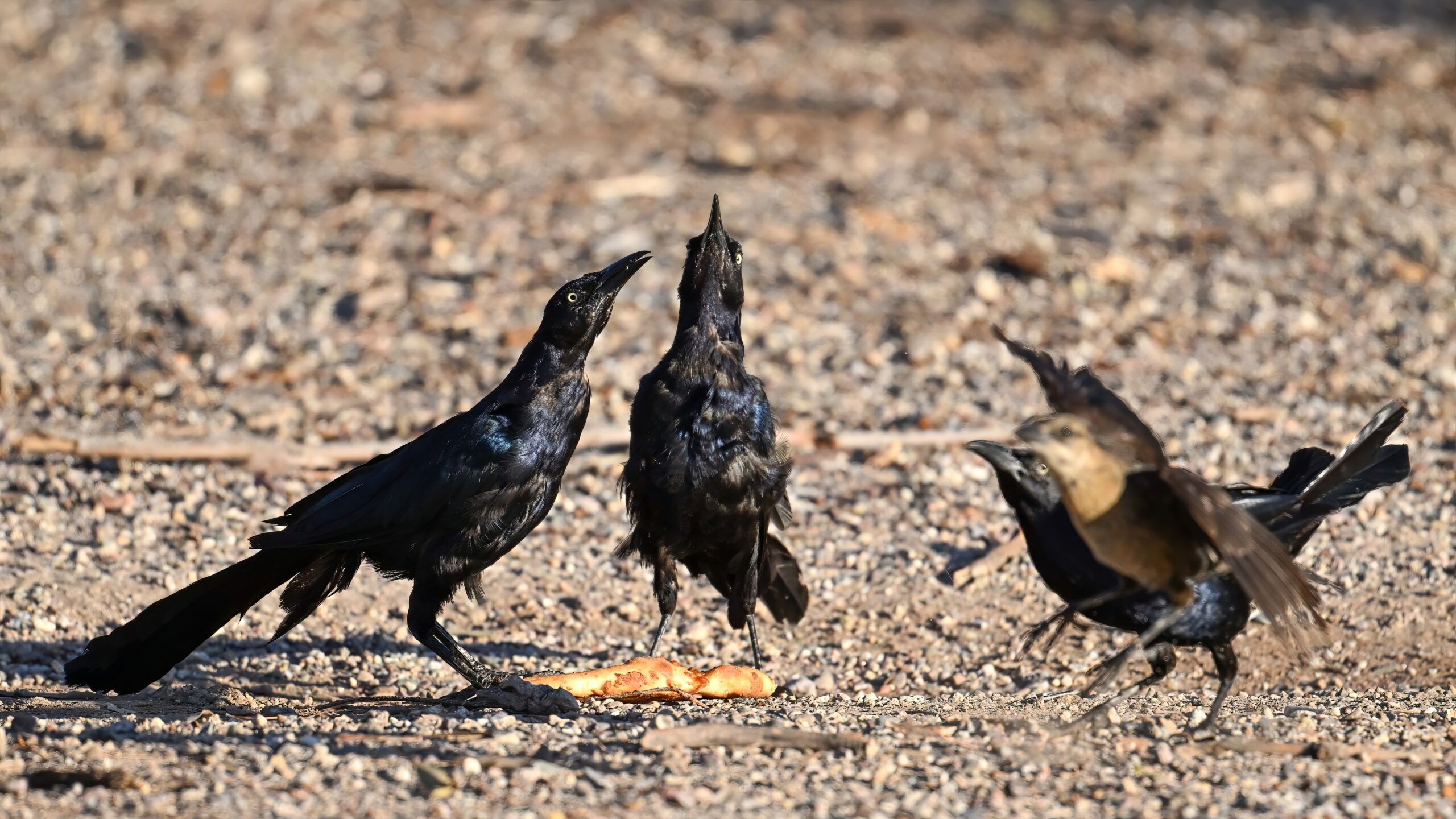
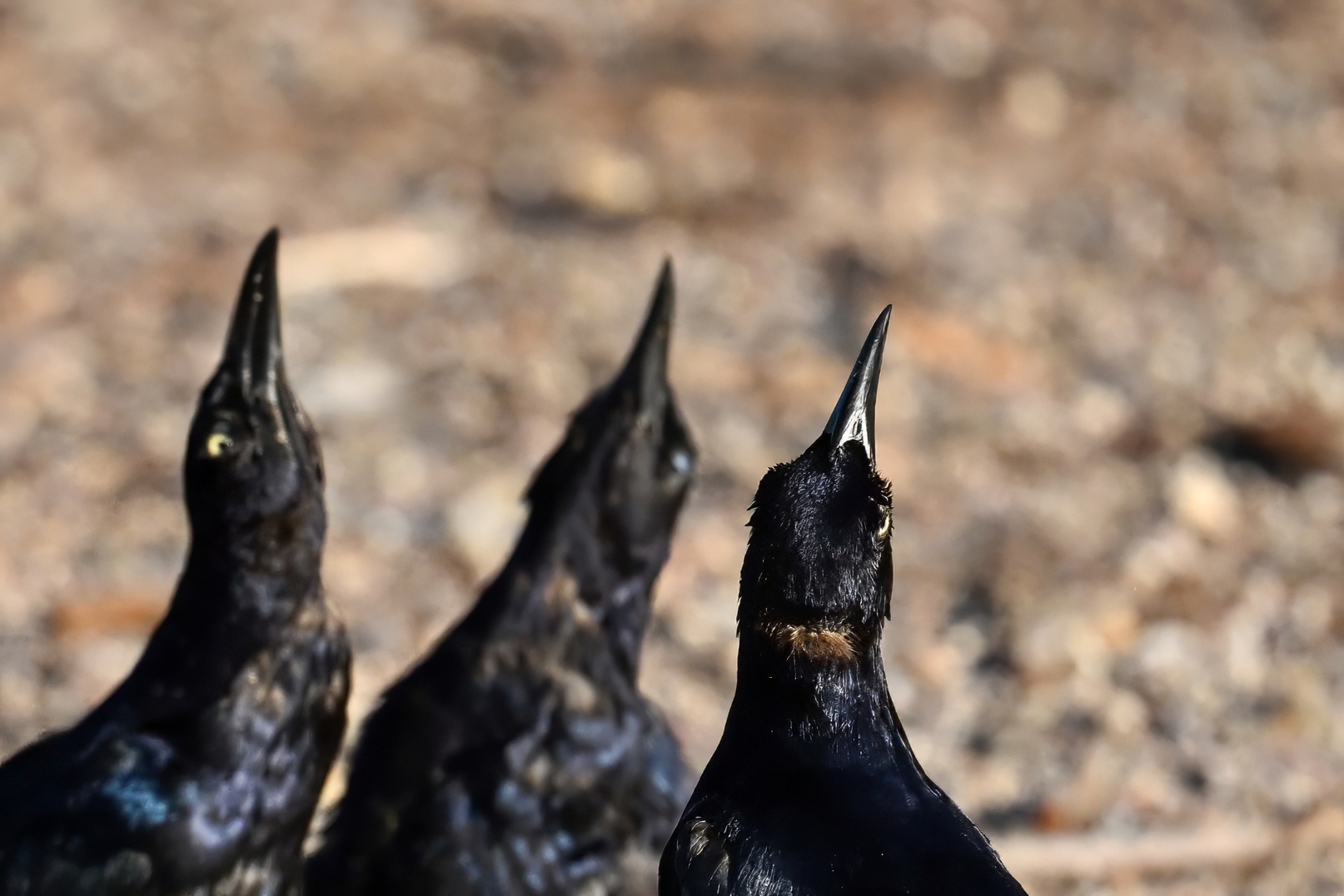
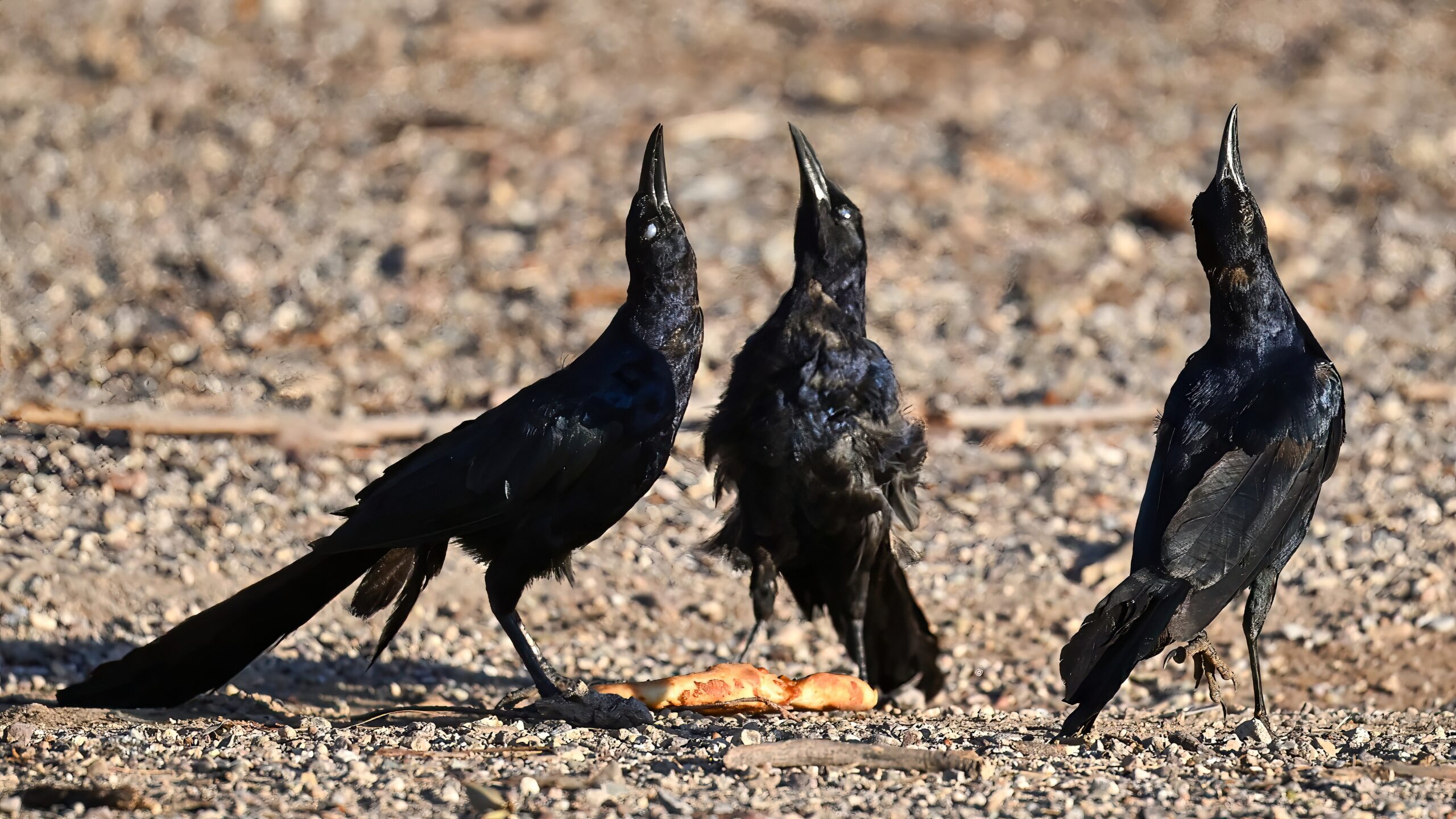
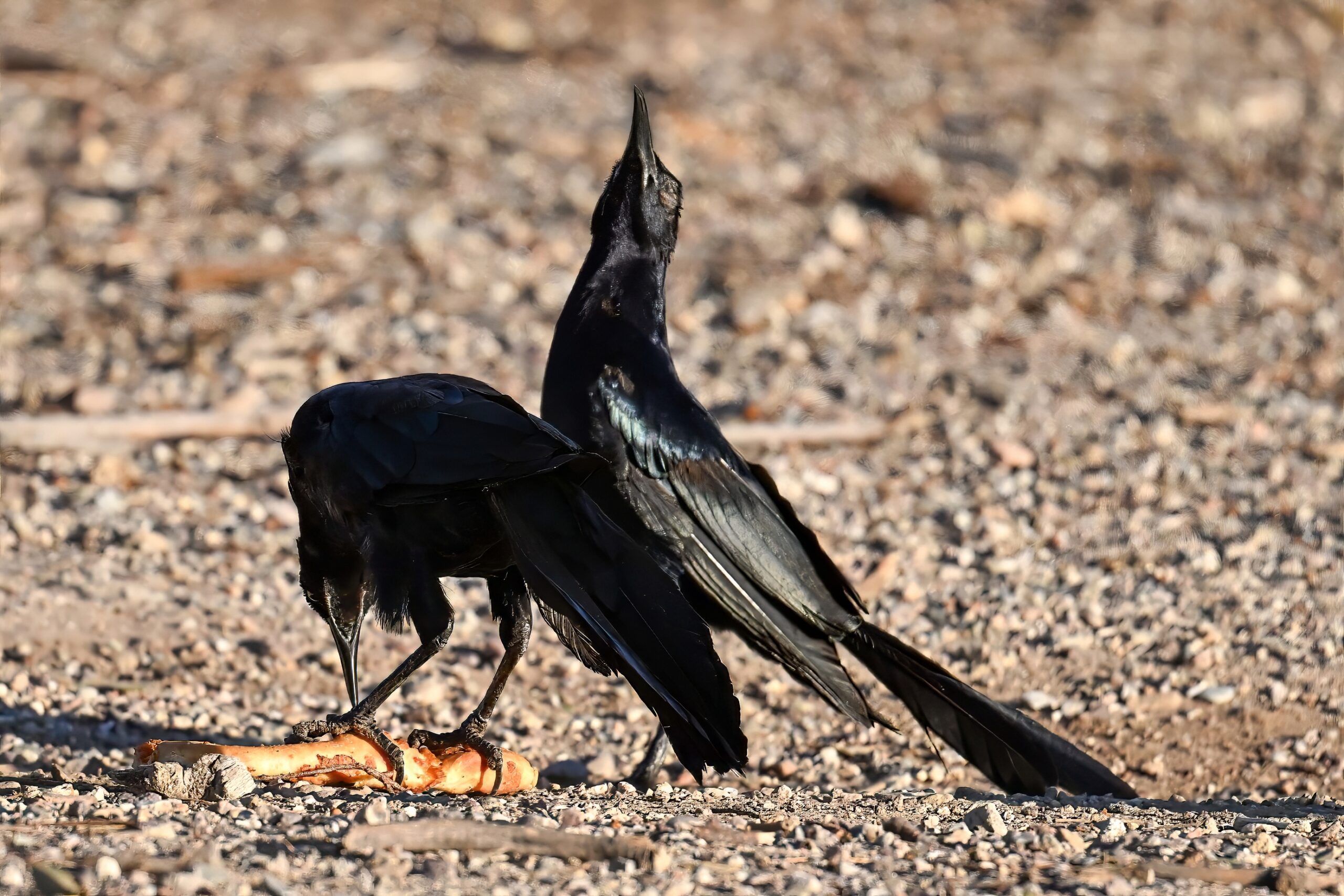
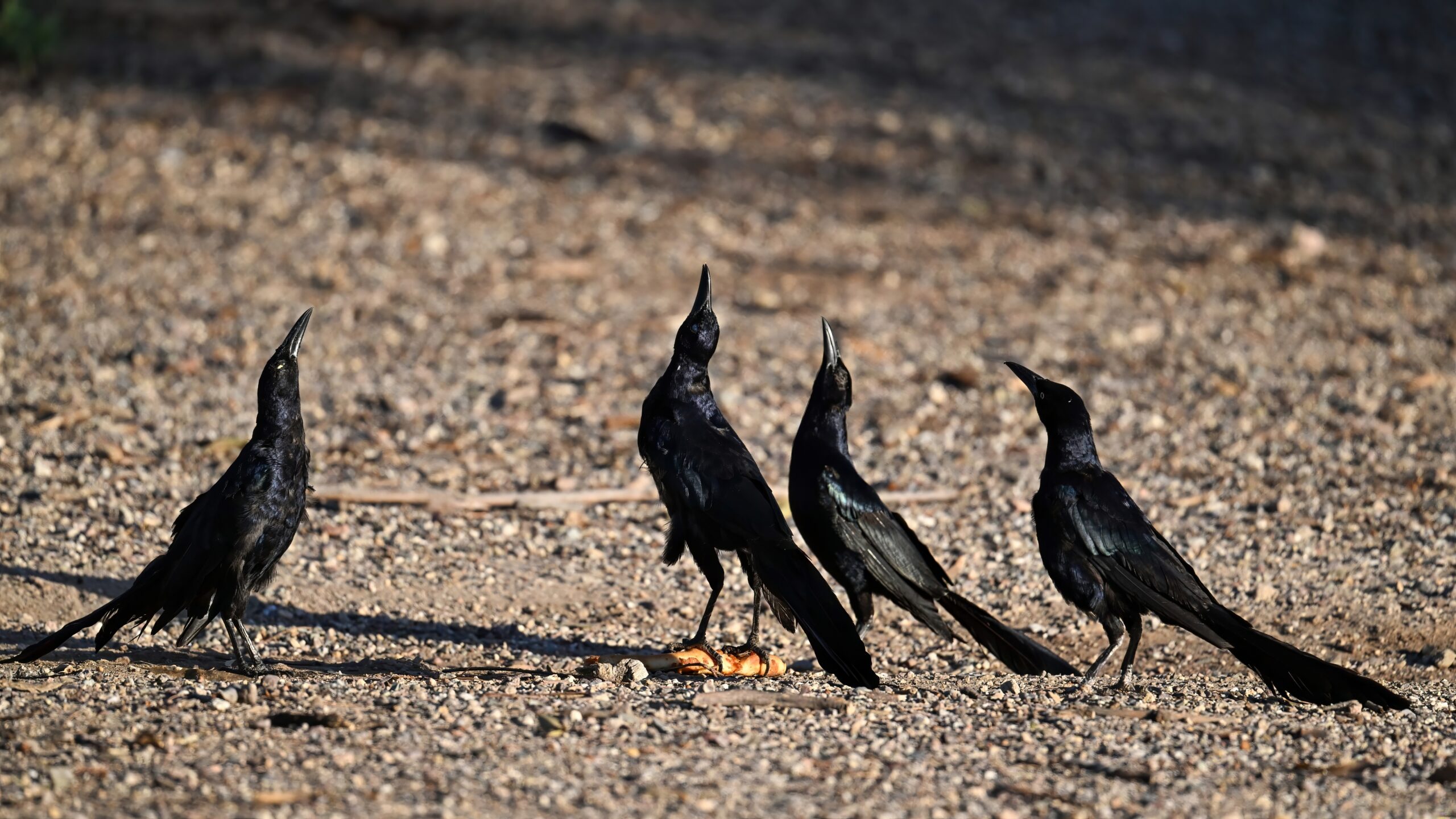
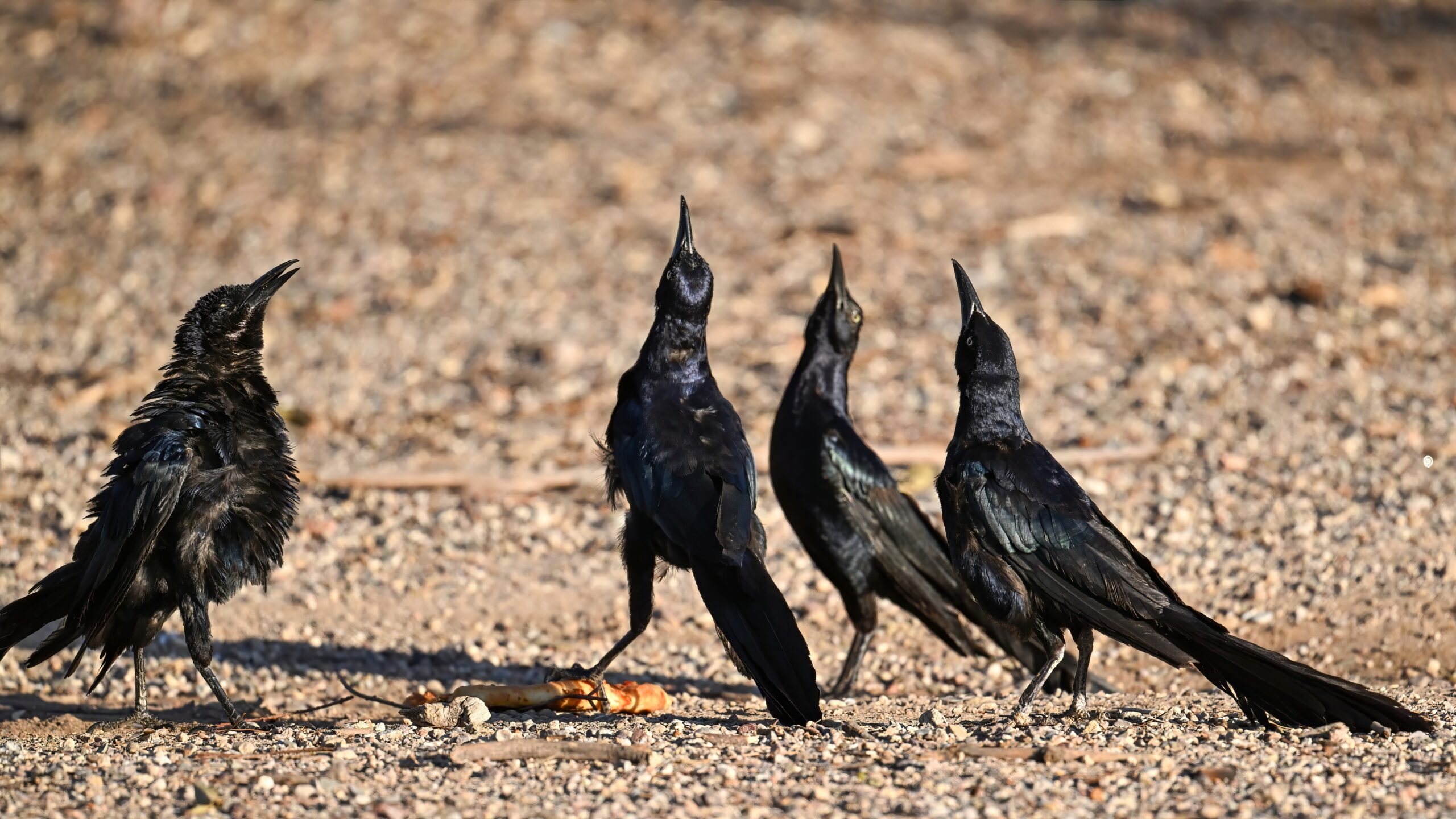
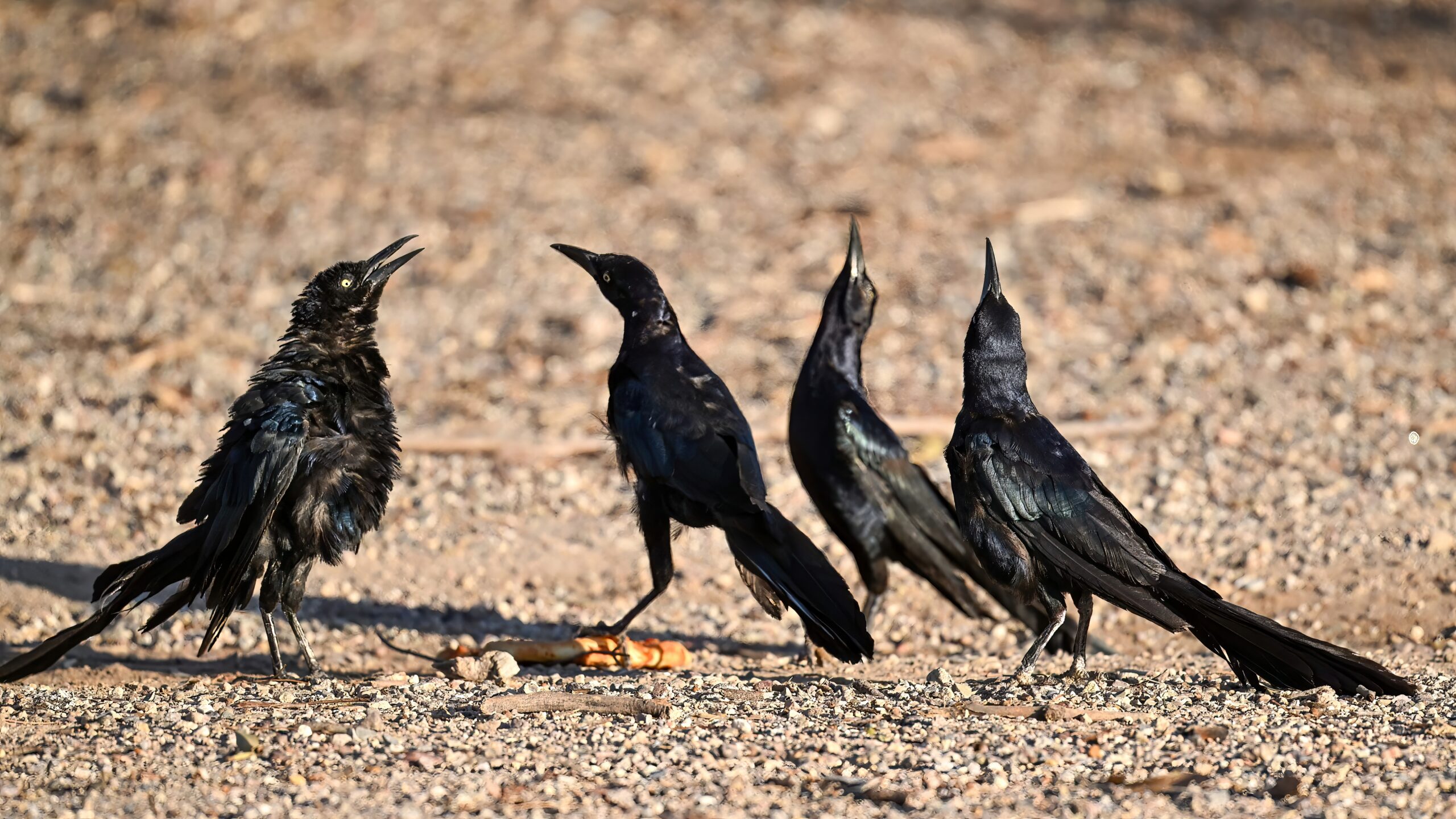
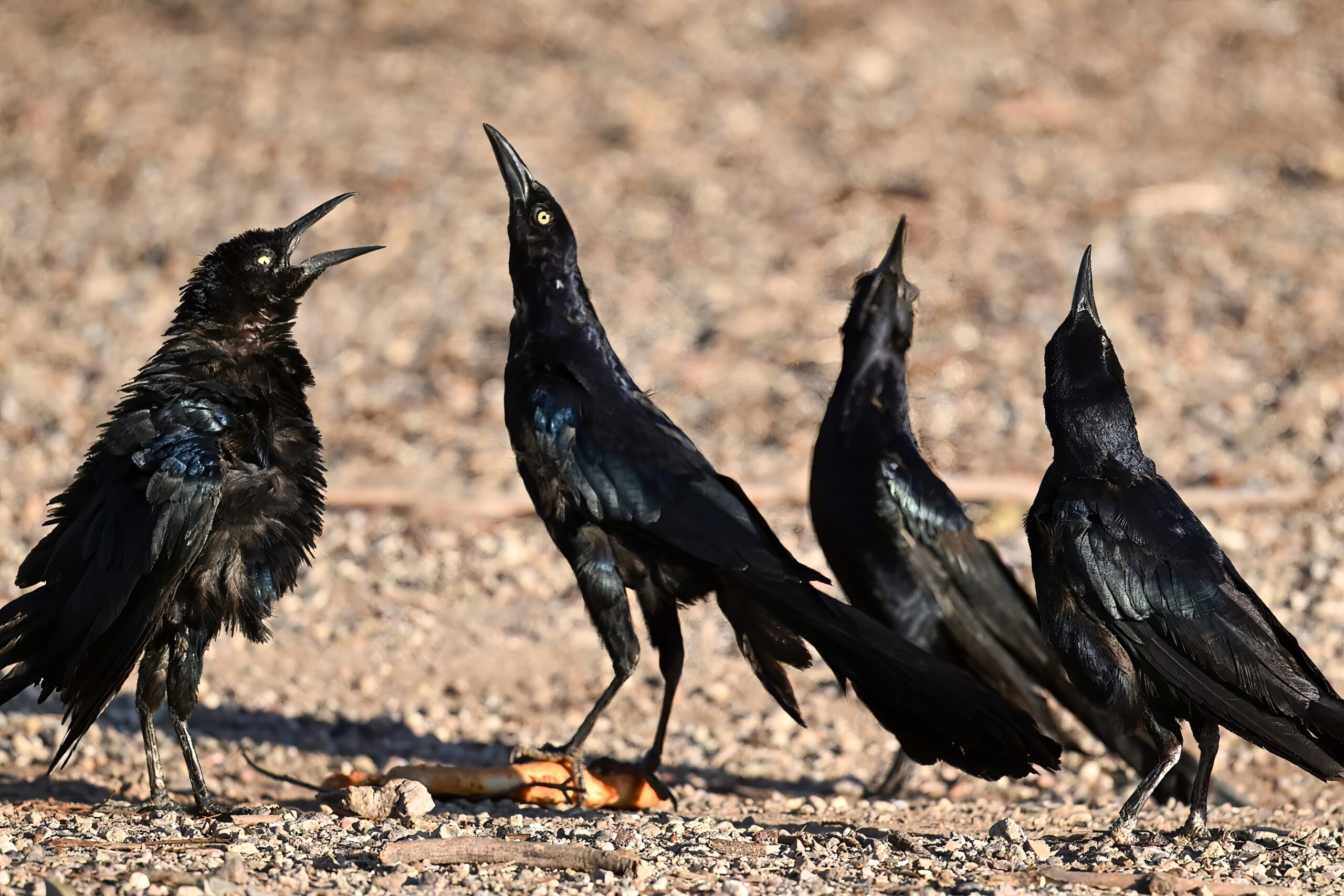
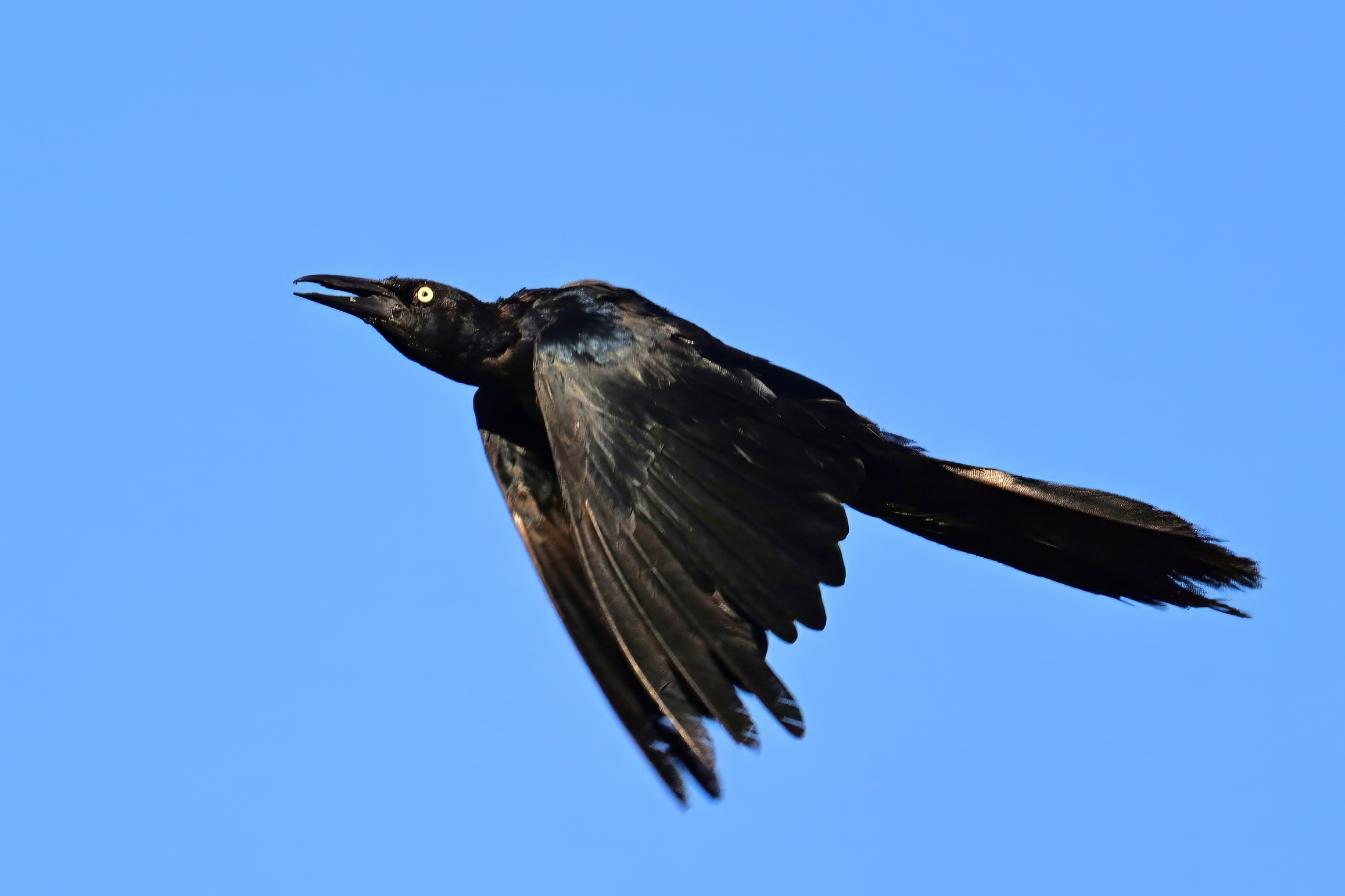
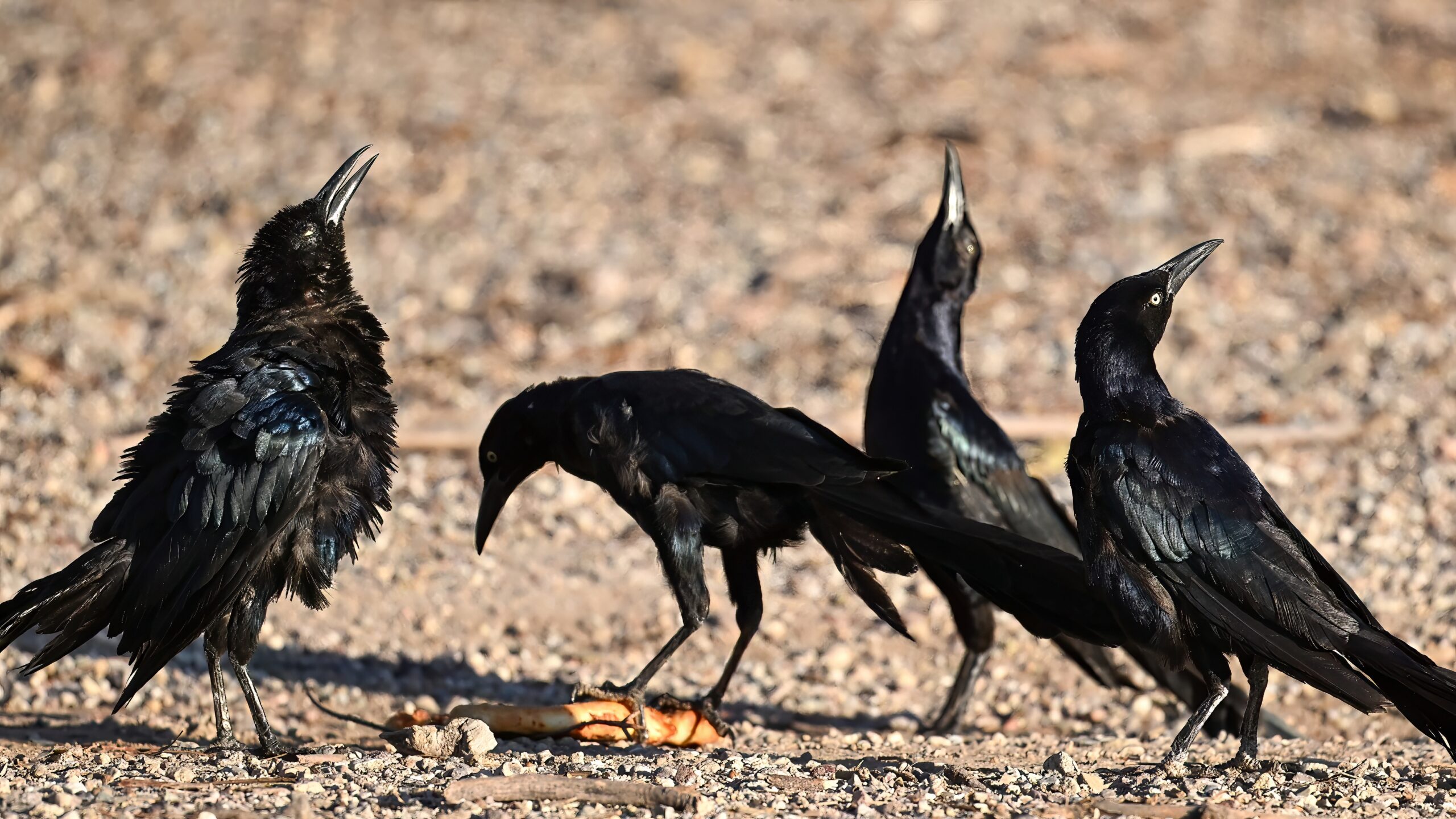
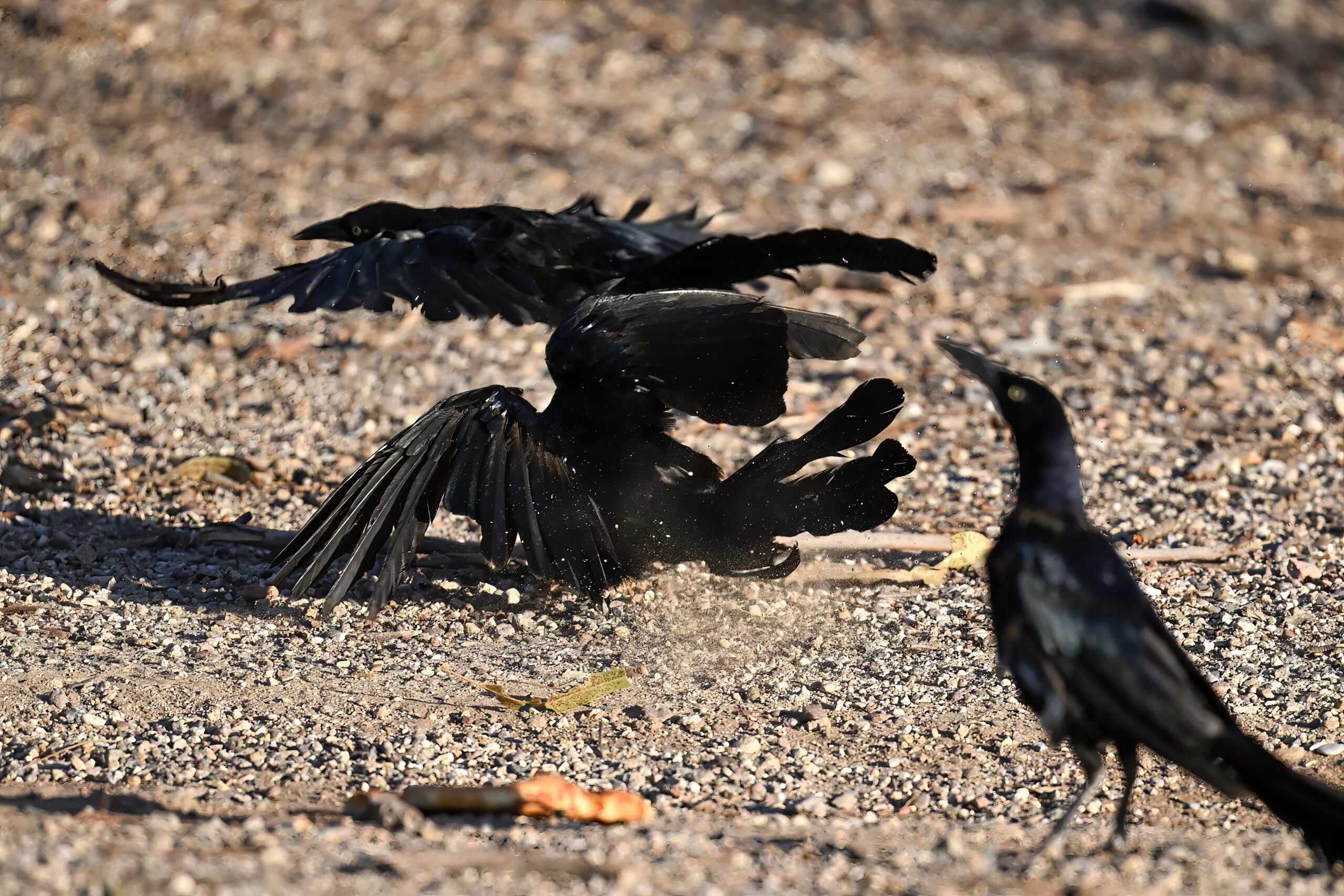
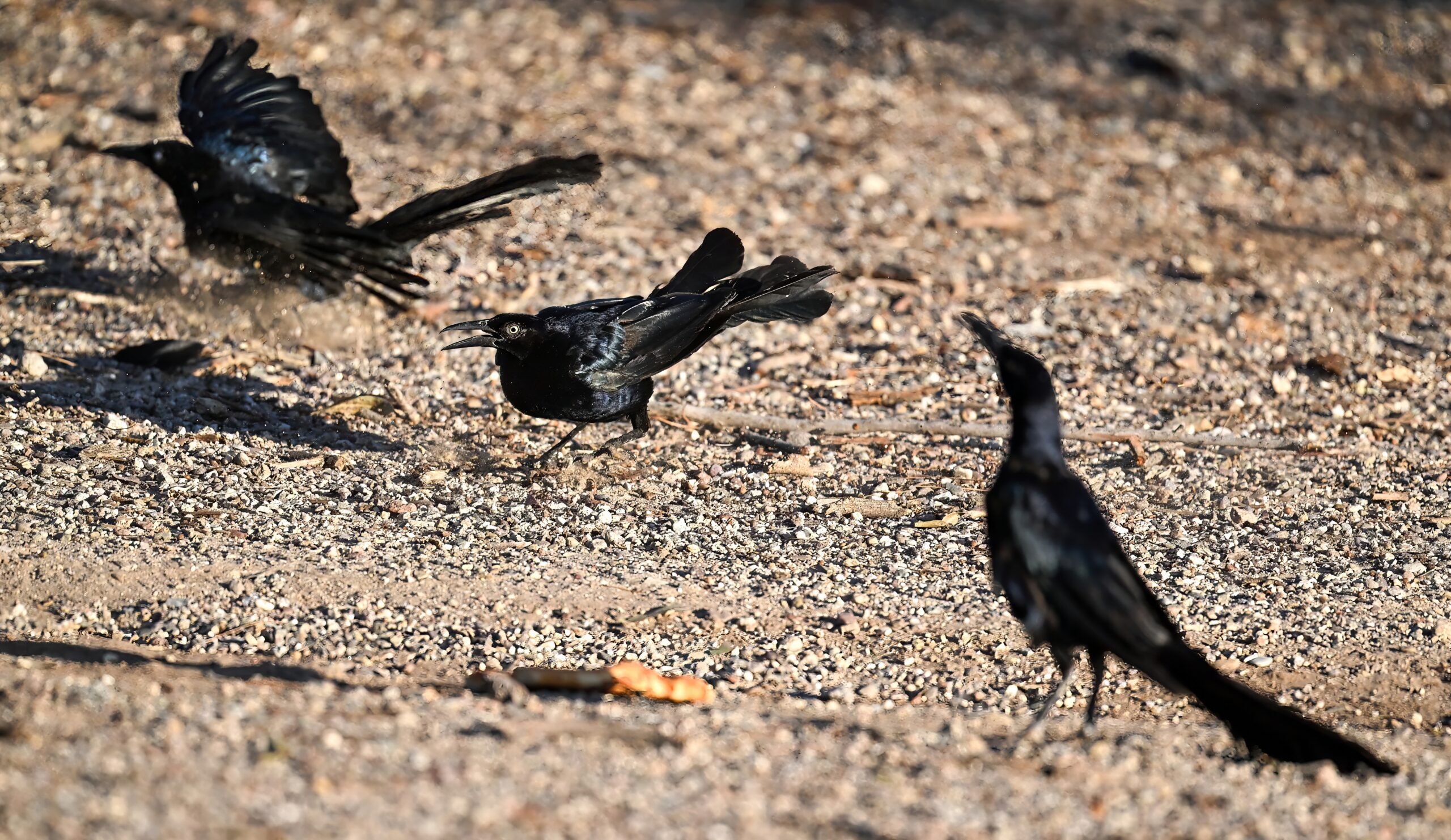
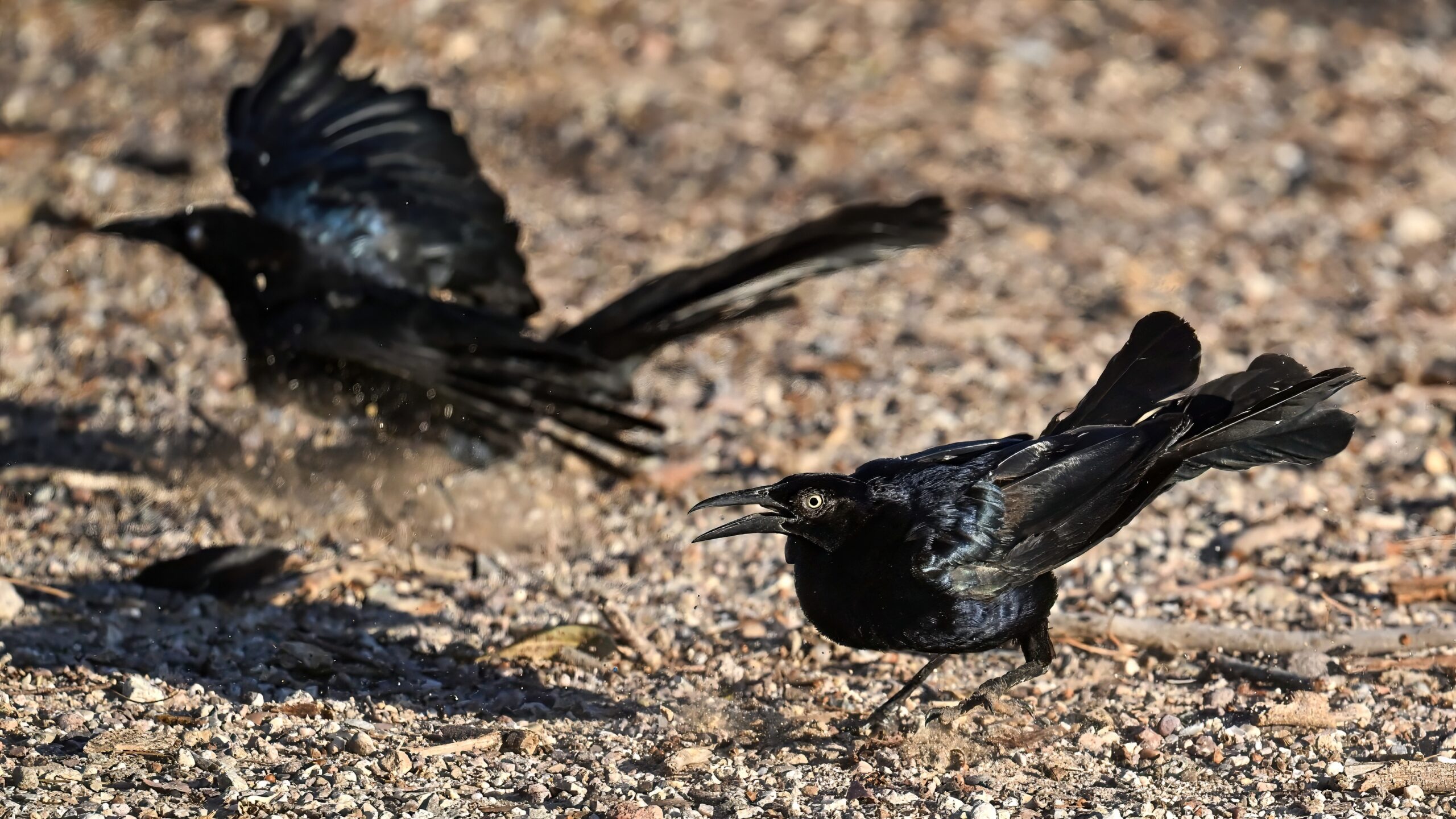
Today on BirdingPI.com, male Great-tailed Grackles at Danny Lopez Park (formerly Columbus Park, outside Tucson, Arizona) exhibiting fascinating posturing behavior over a pizza crust. Also, a few shots of GIF (grackle in flight).
3x male Great-tailed Grackle (left) + immature Grackle (right)
One thing for sure, the immature Great-tailed Grackle (on right) was out of luck for getting the crust:
Things led to an eventual scuffle, followed by one absconding with the prize:
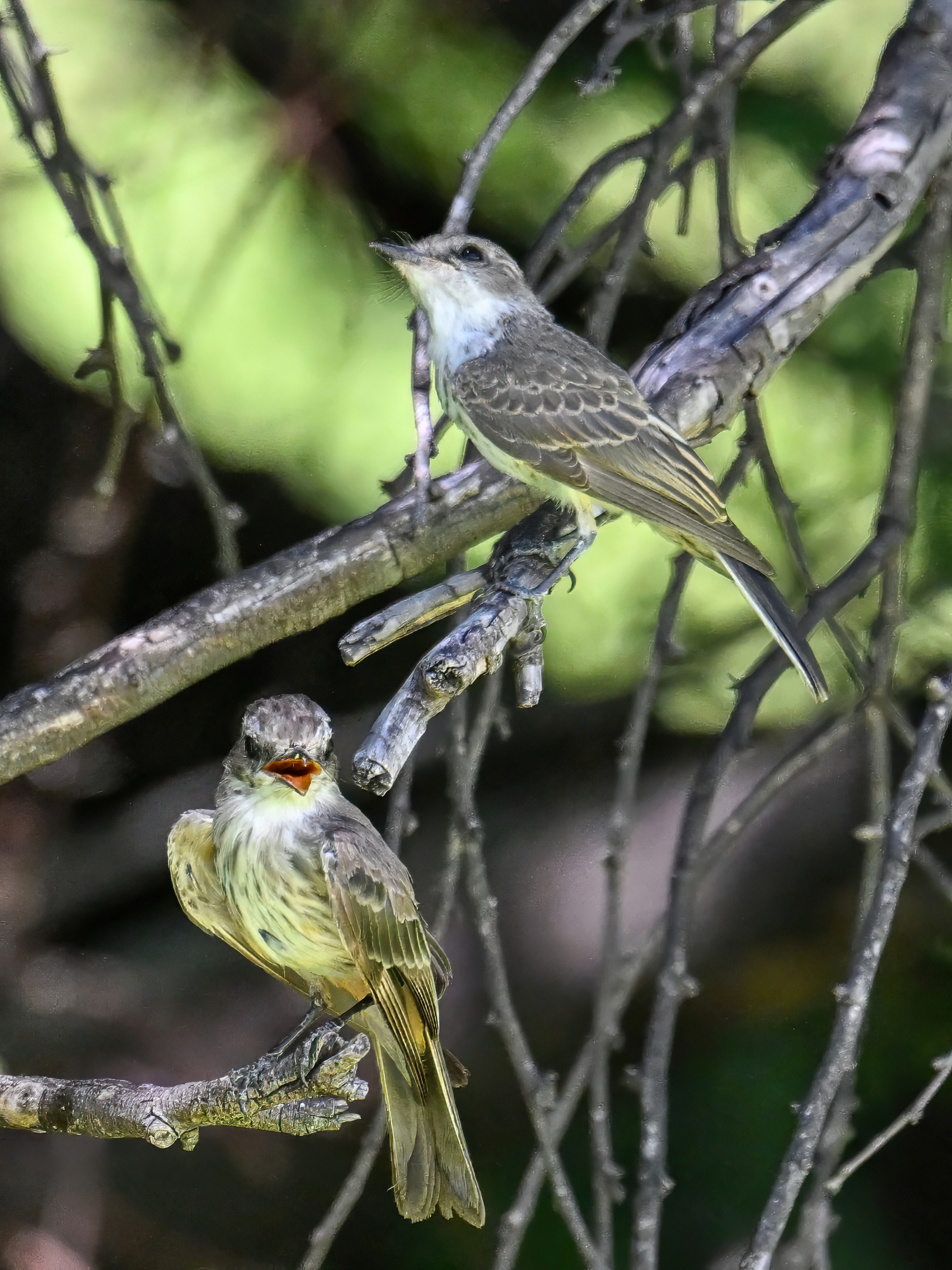
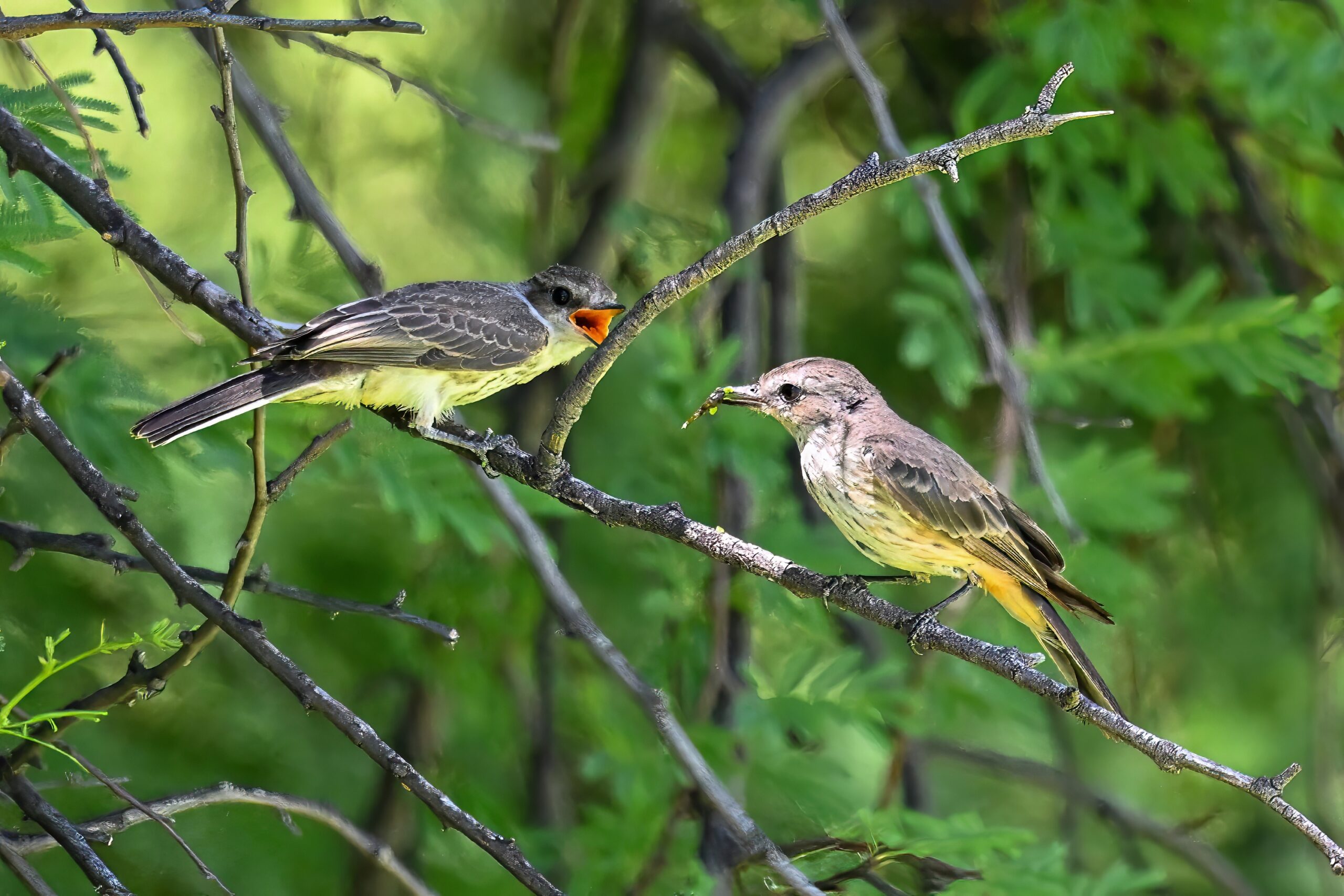
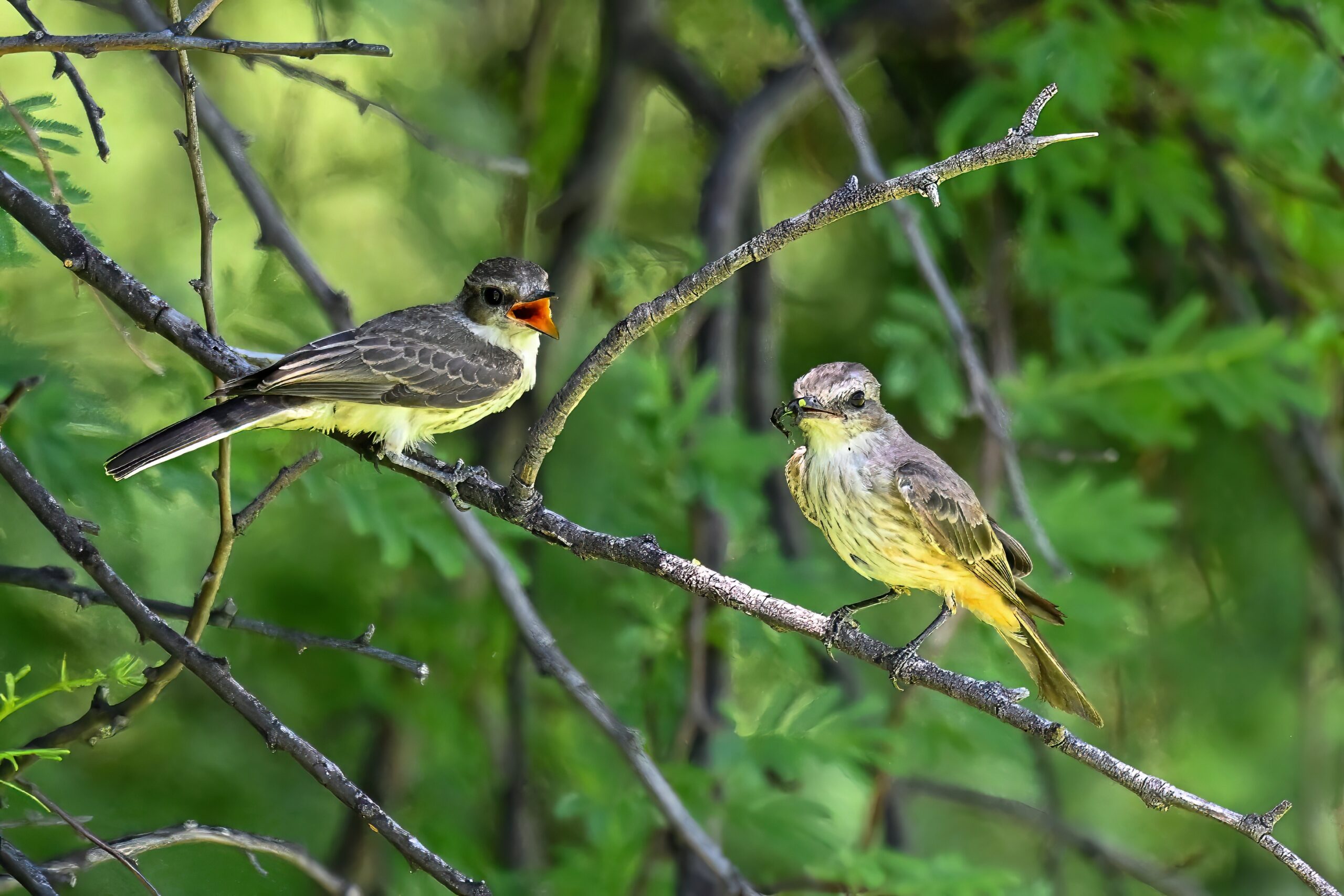
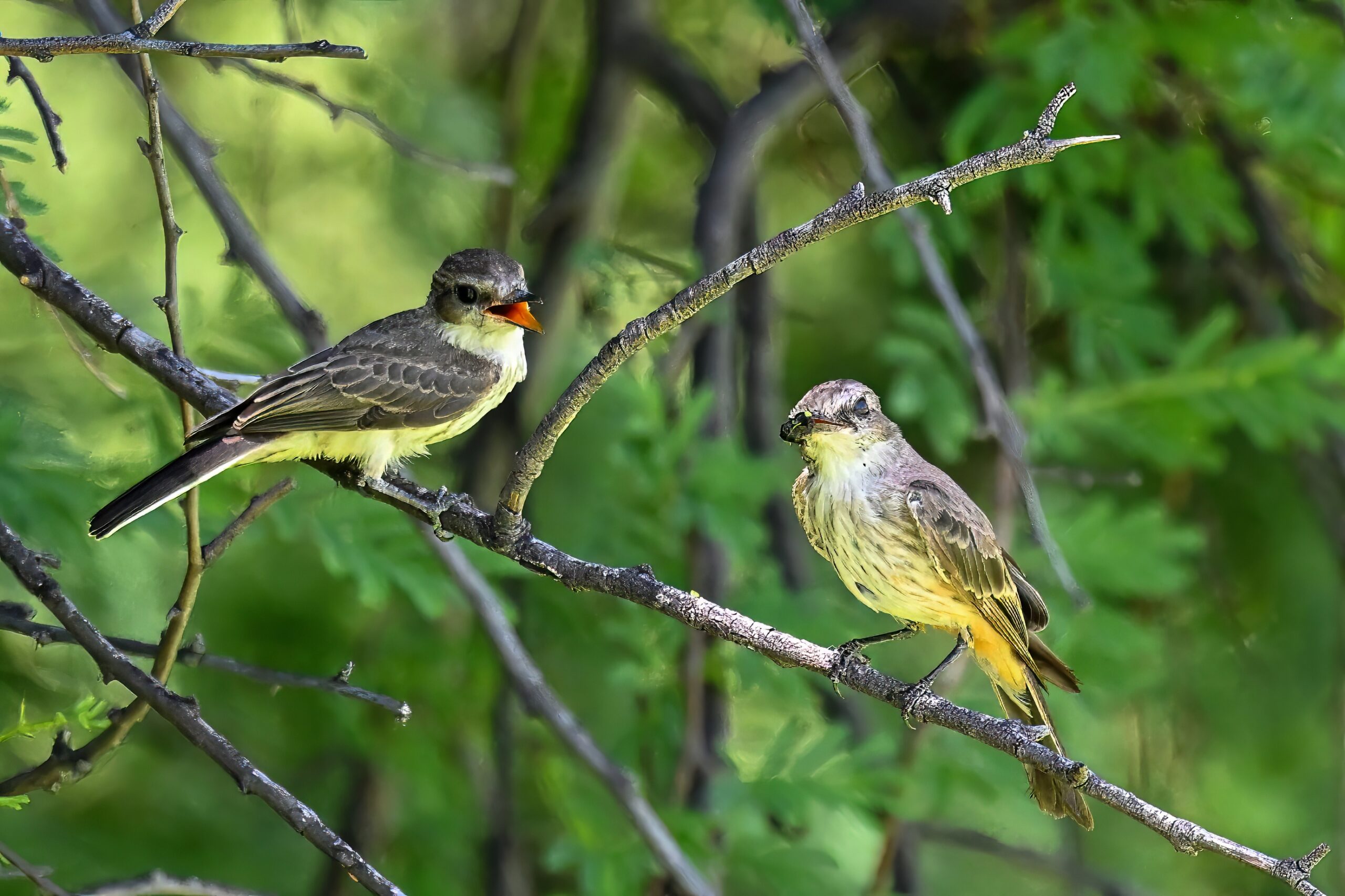
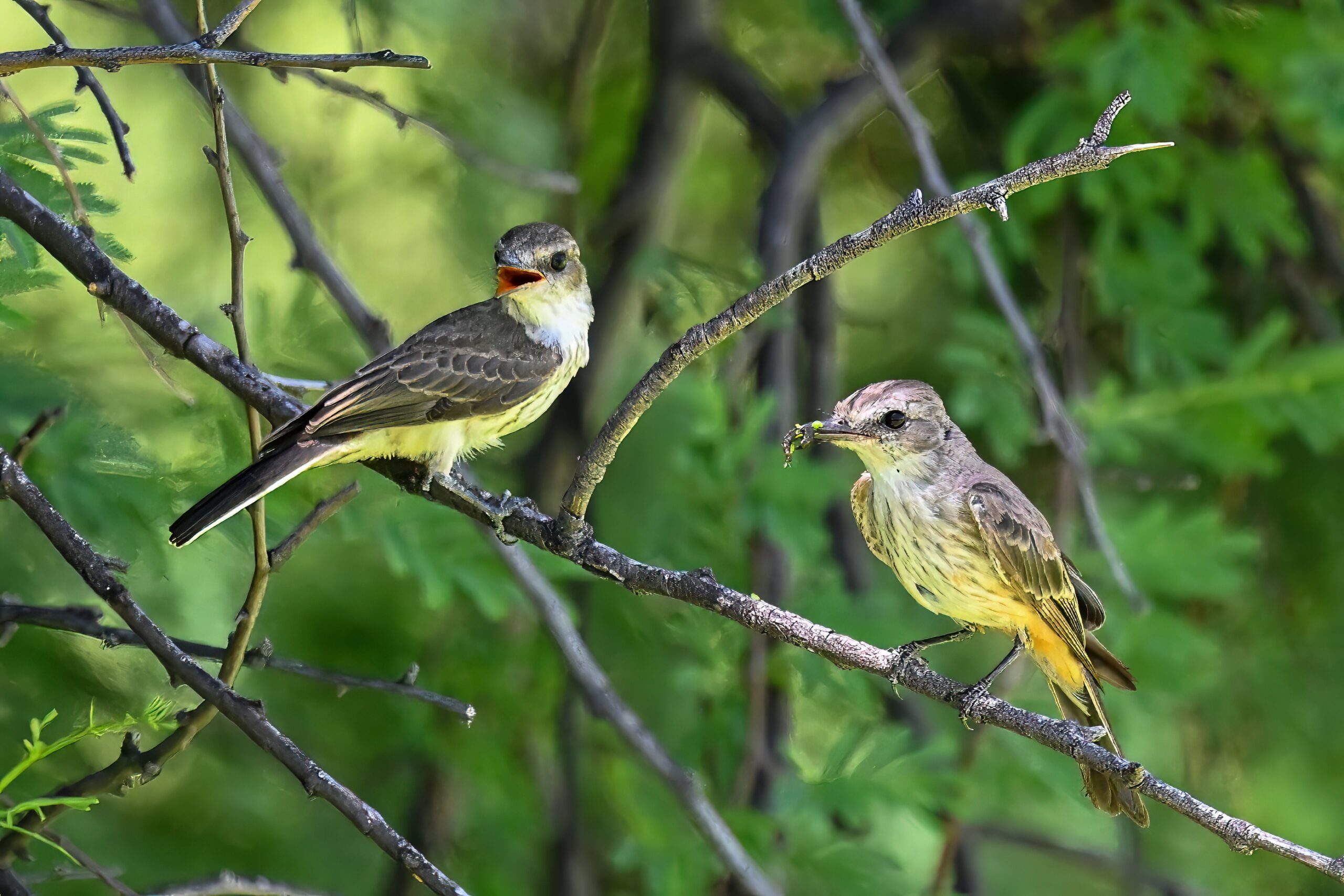
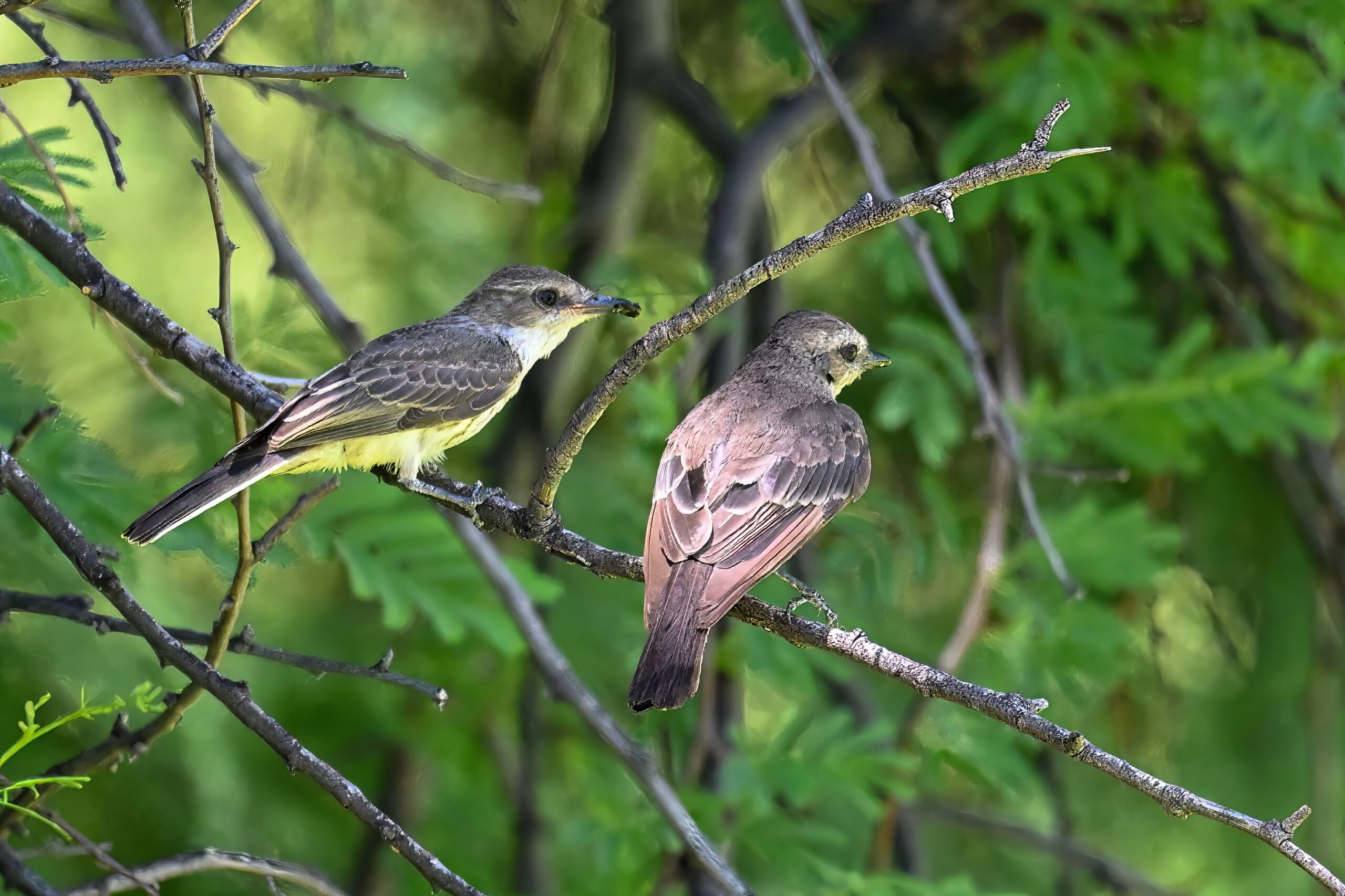
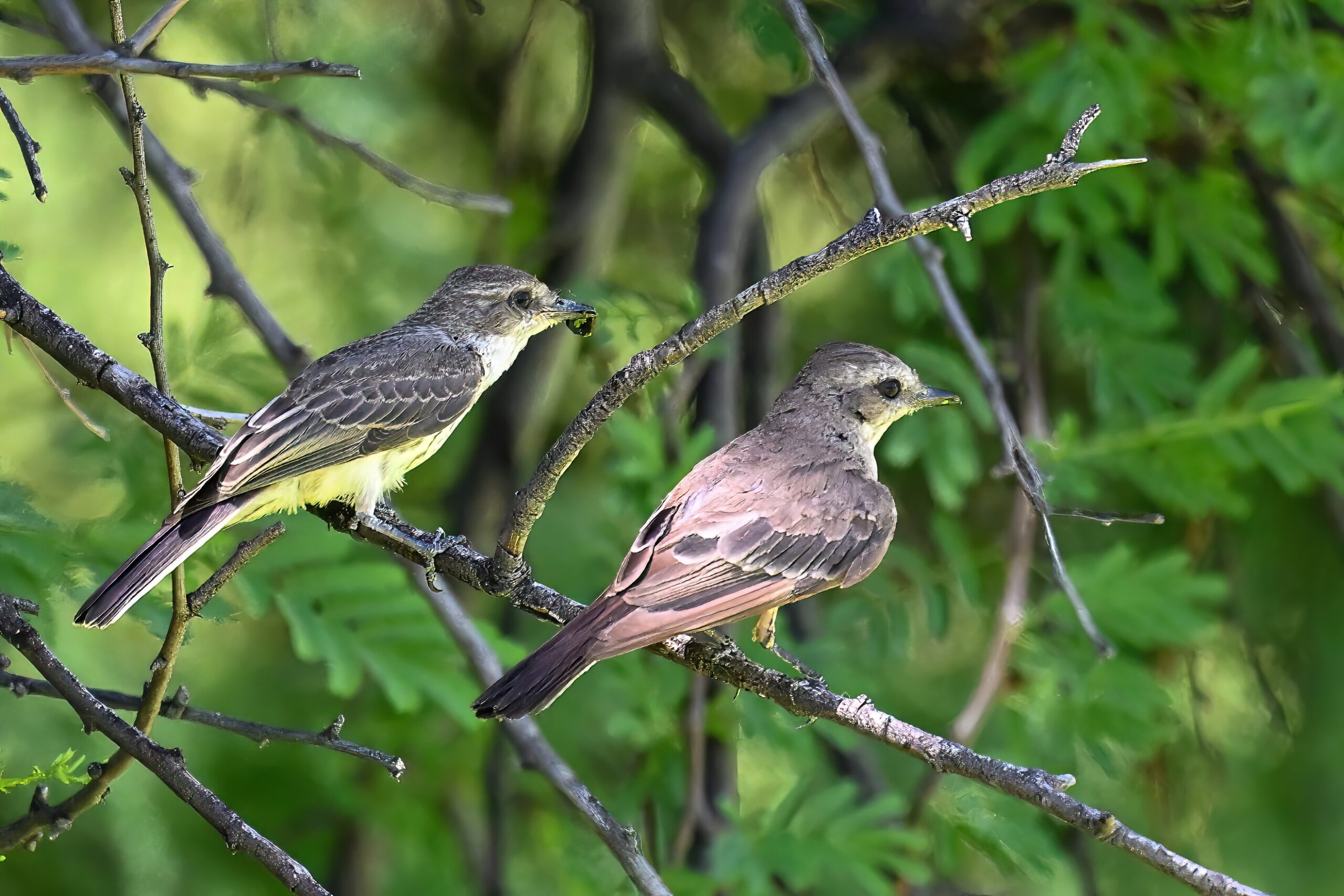
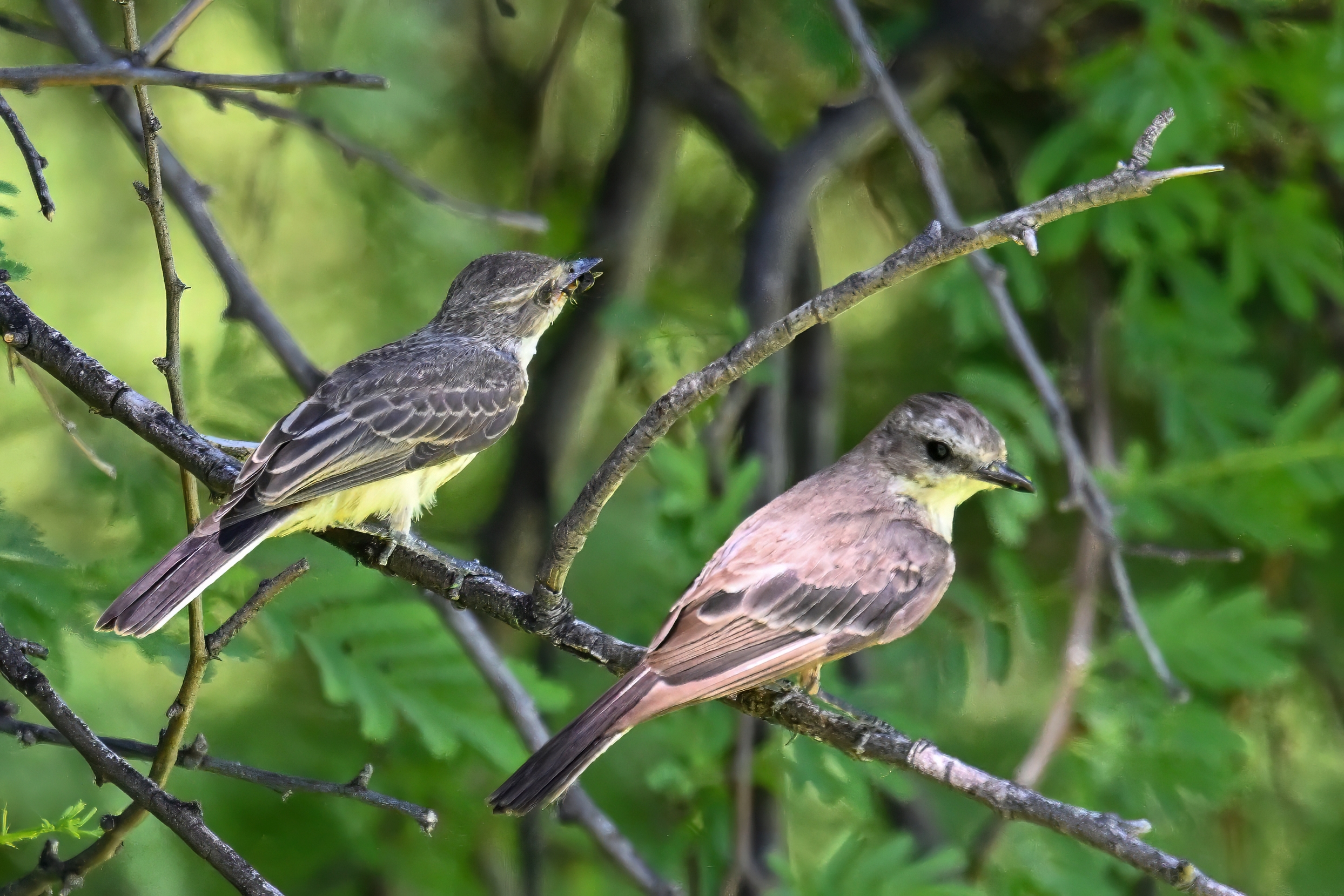
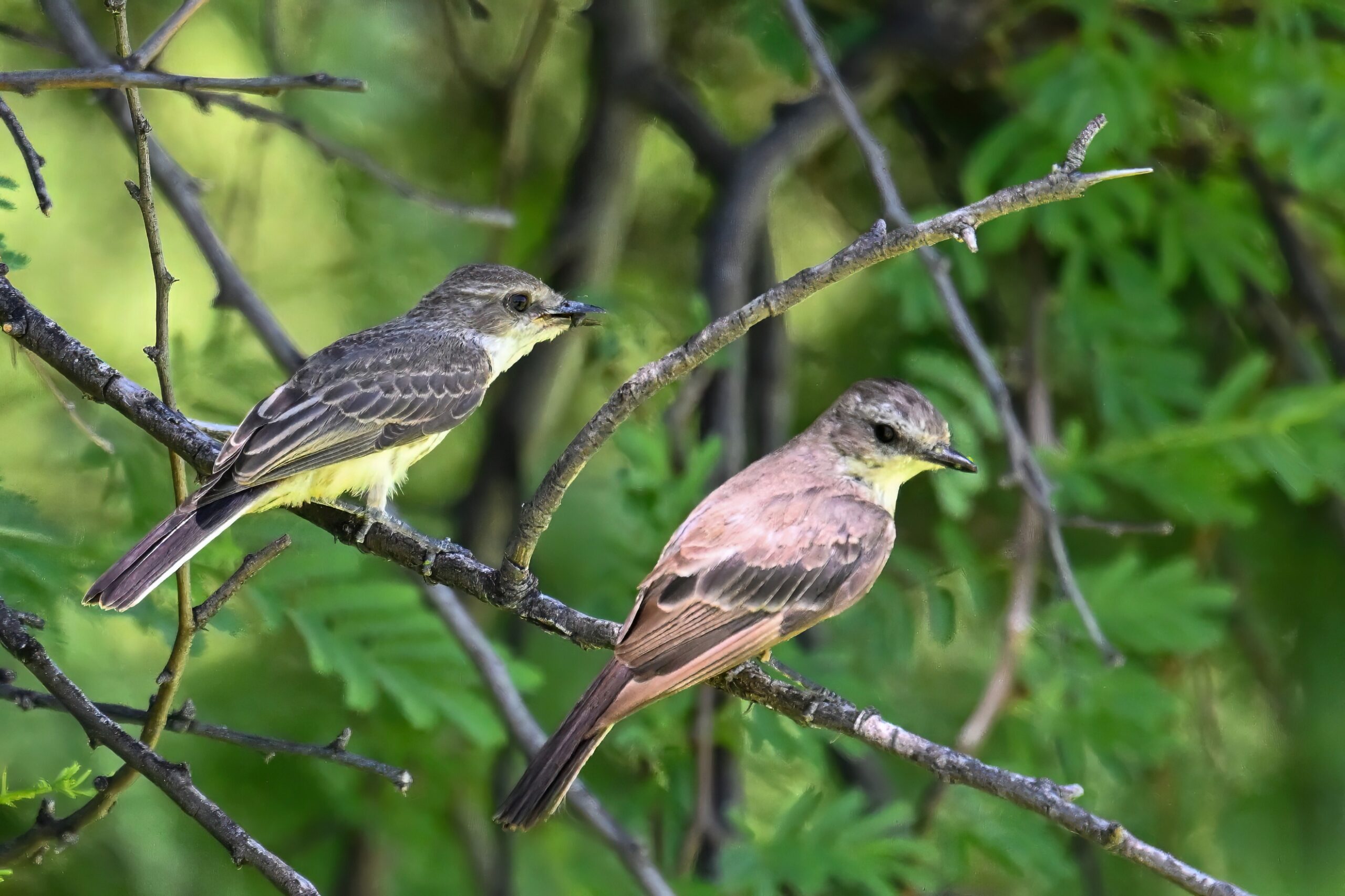
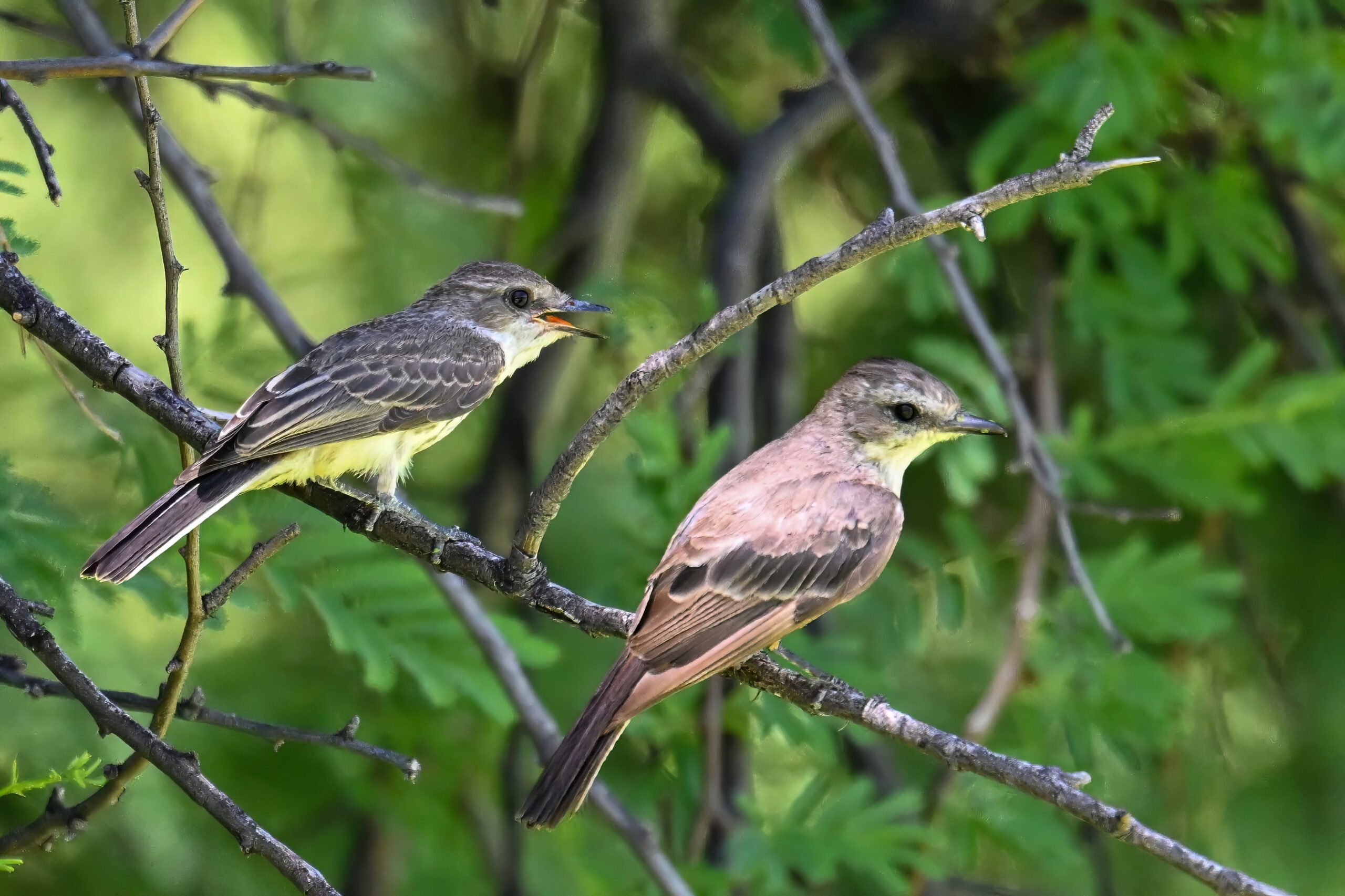
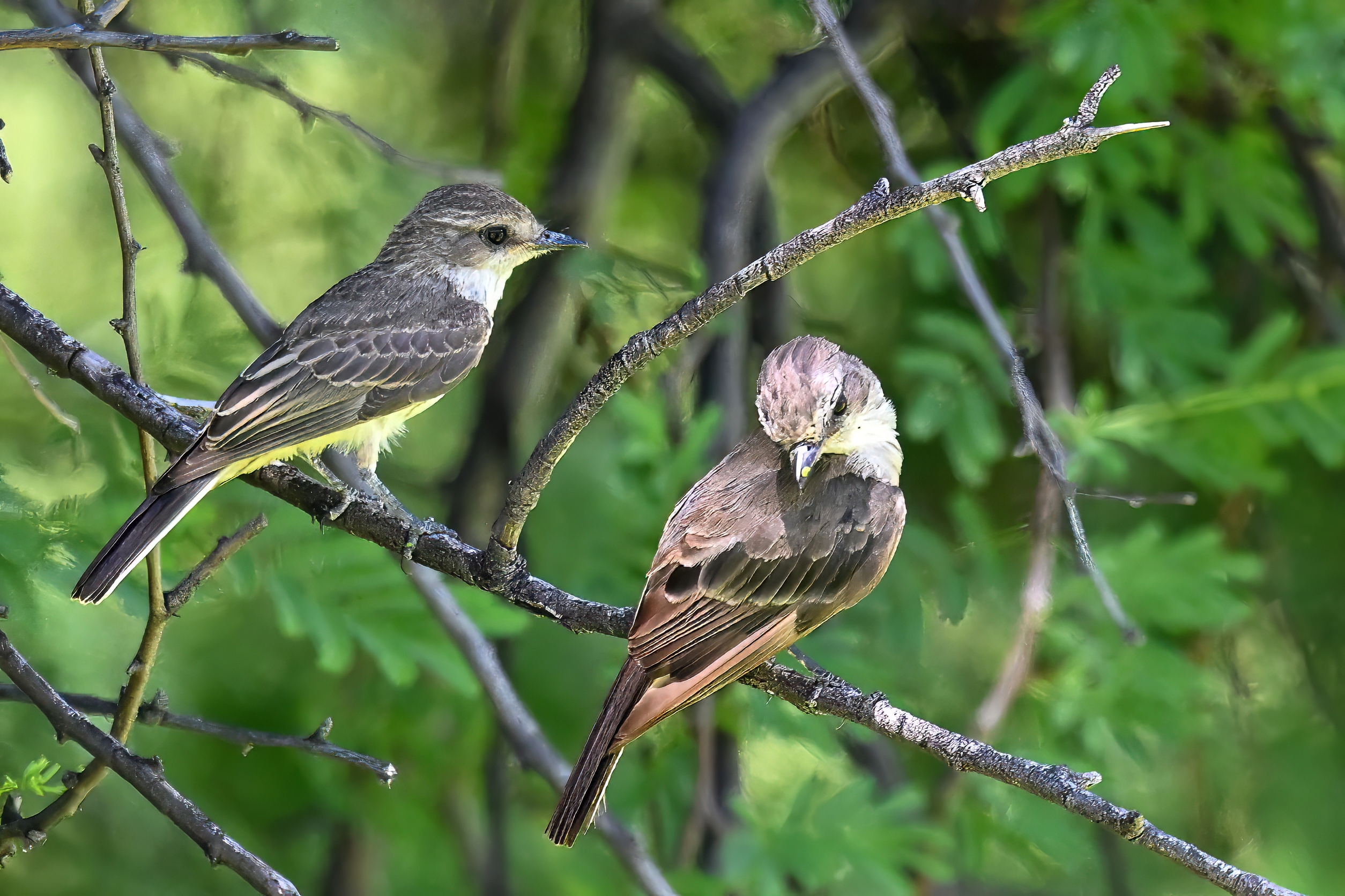
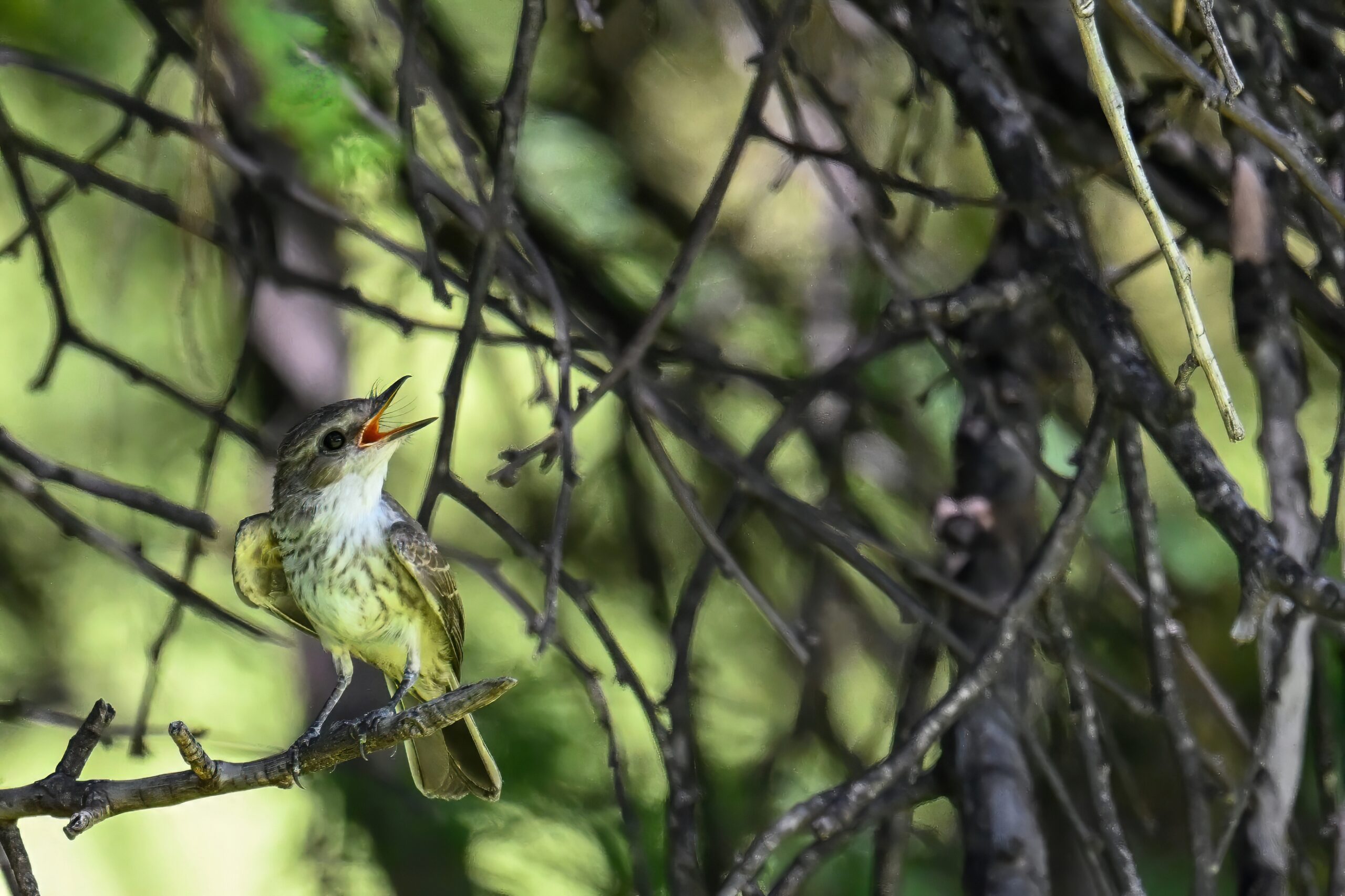
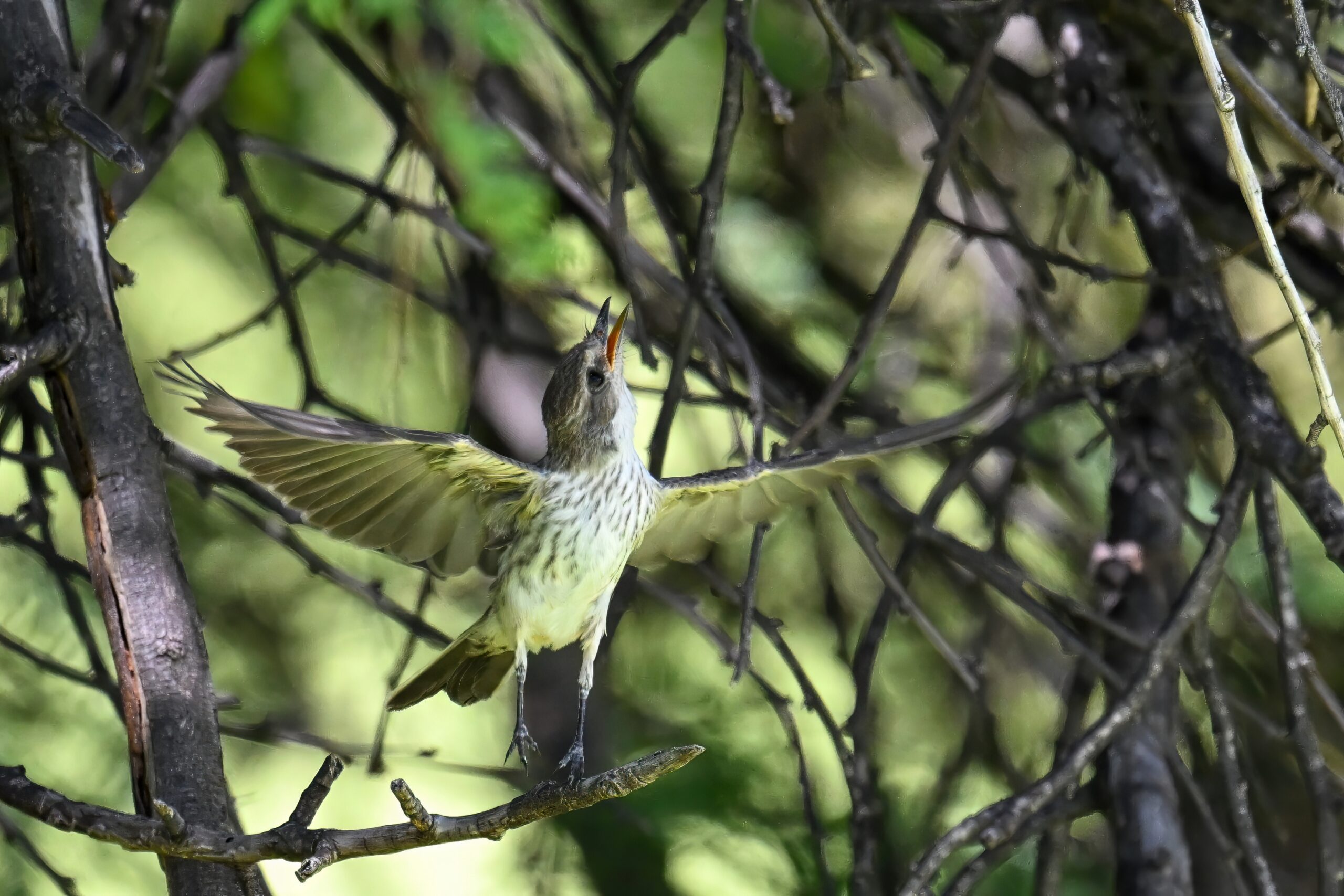
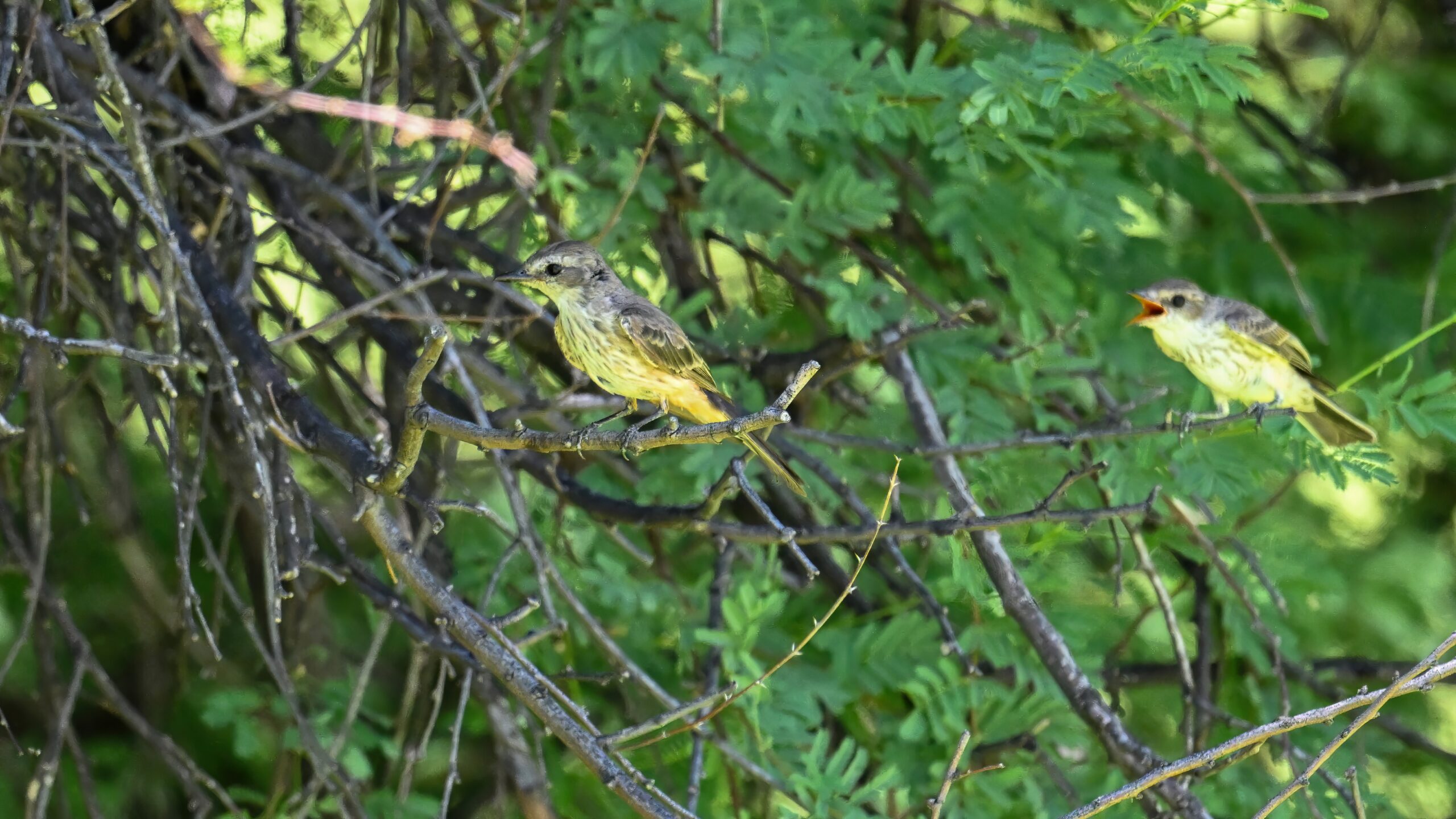
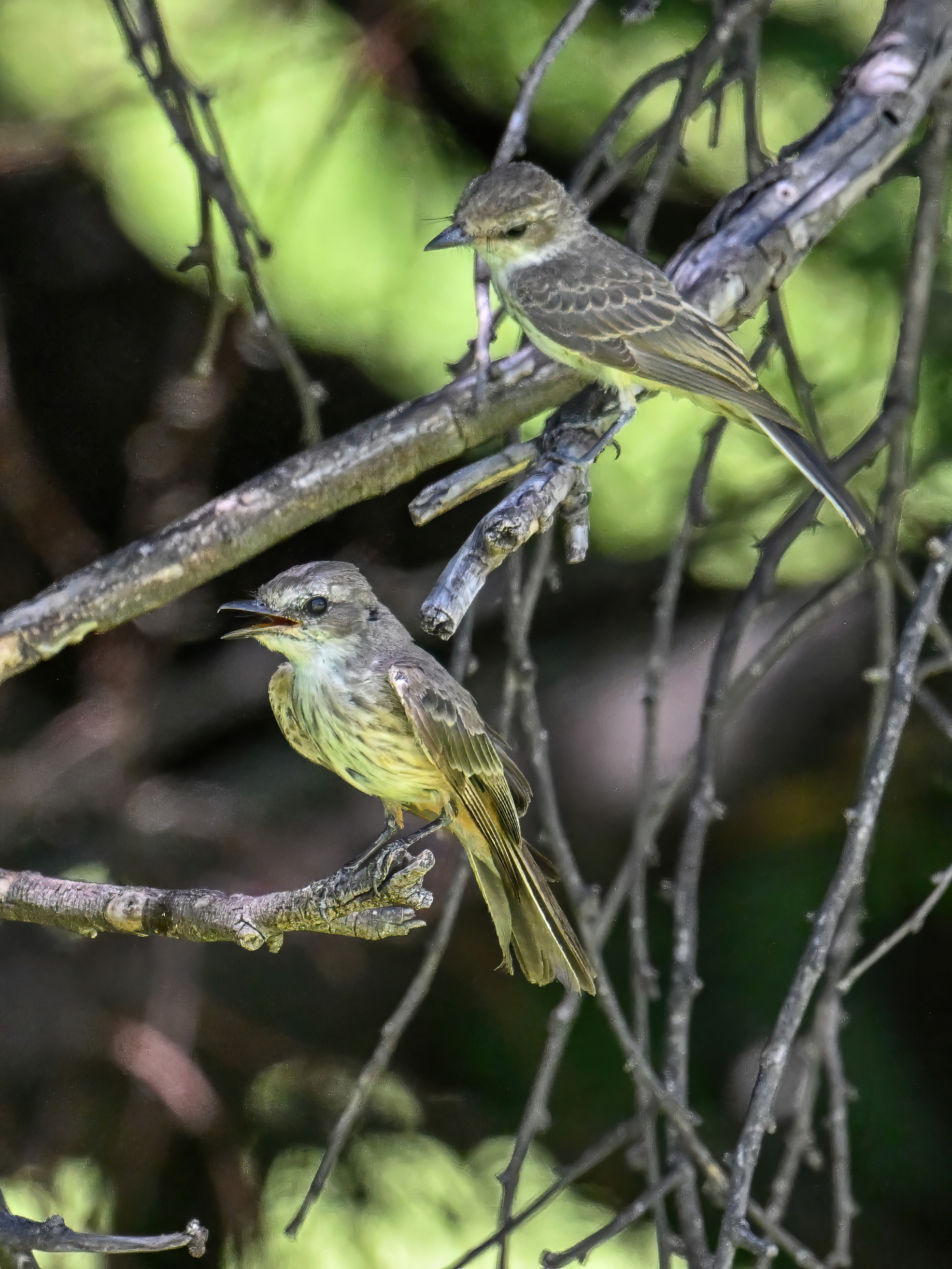
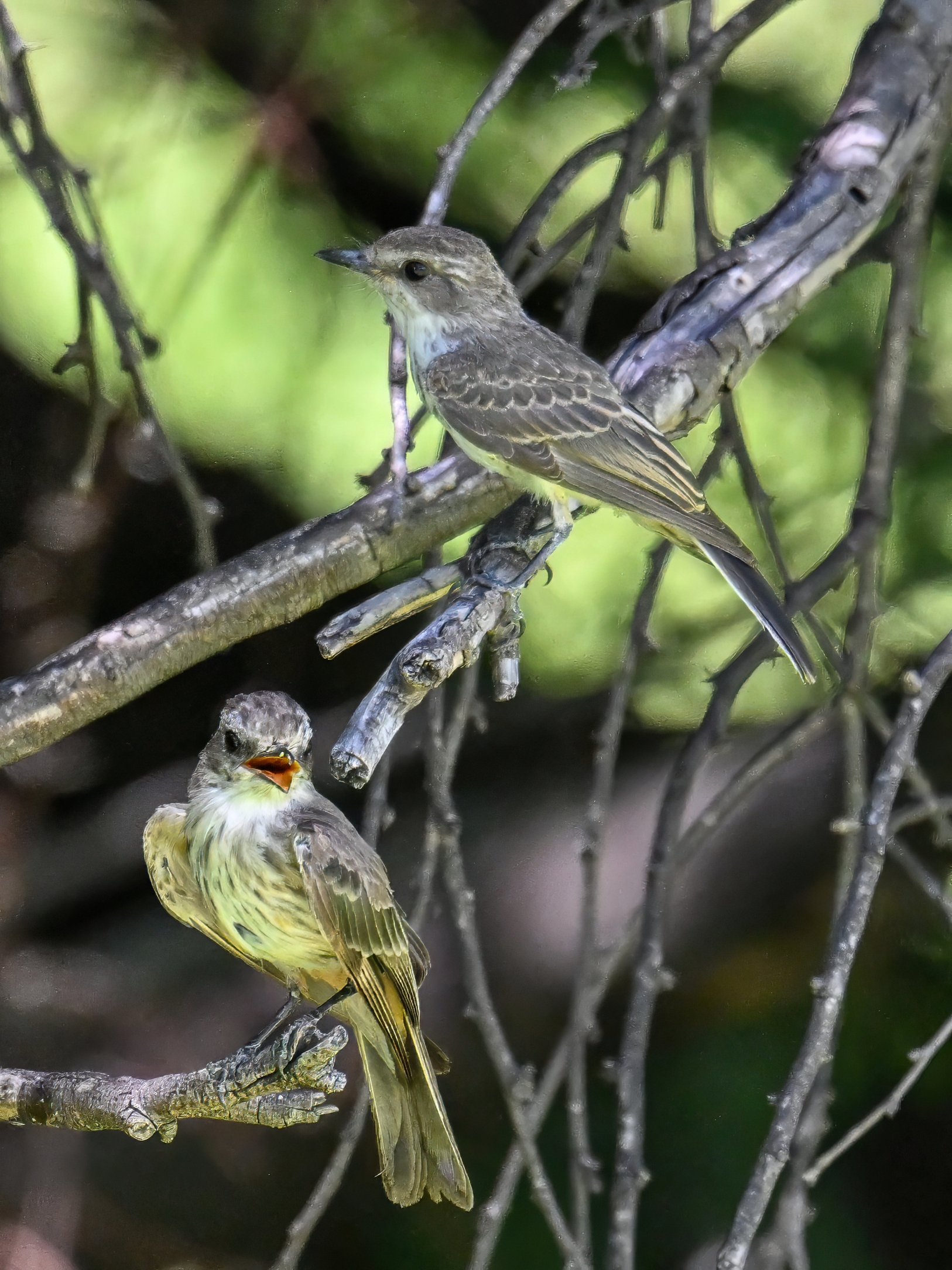
First thing to do when visiting the Tucson, Arizona area is a stop at Sweetwater Wetlands on the northwest side of town by the freeway. (Number of other birders present on a summer weekday afternoon (@ approx. 100 deg F + high humidity) = zero.) Great Vermilion Flycatcher activity, as with this female and immature exhibiting feeding behavior:
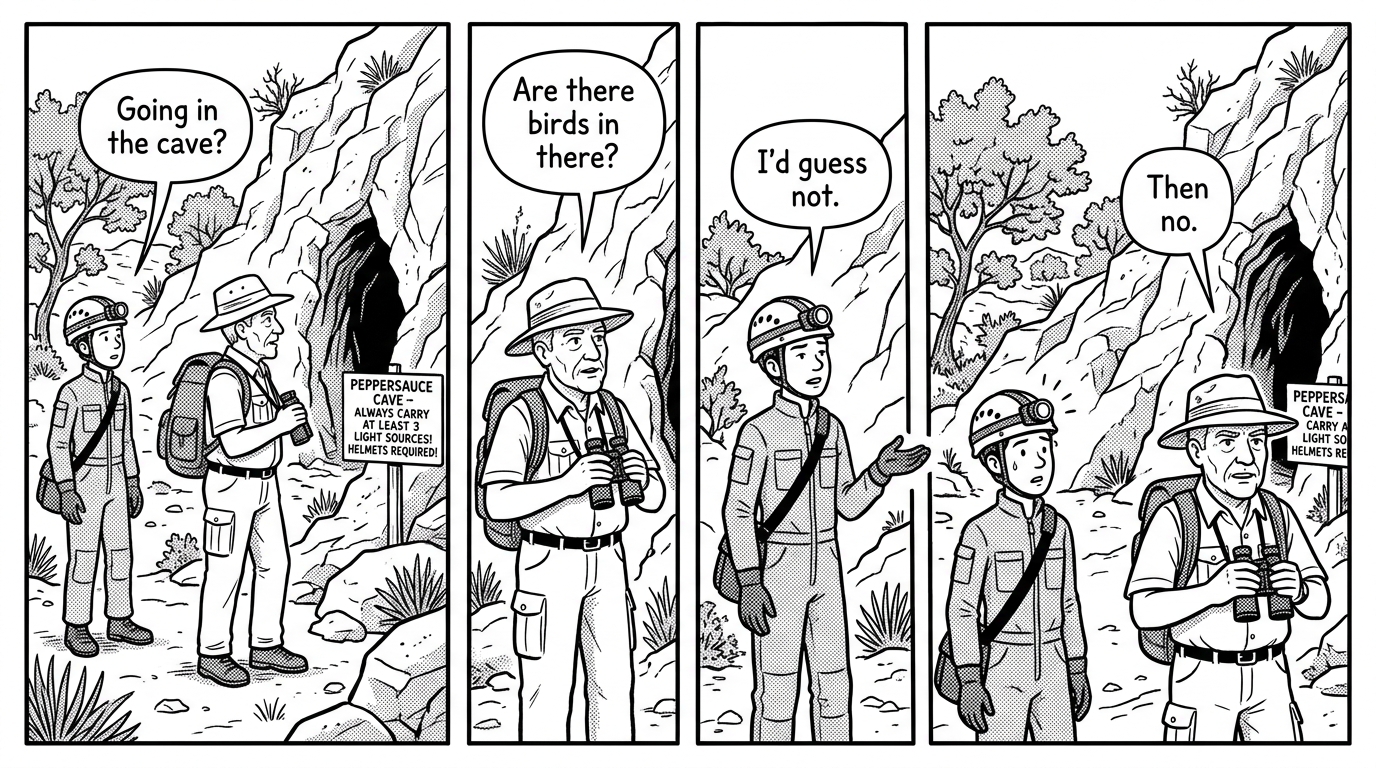
It’s part 2 of Peppersauce Canyon and vicinity (south of Oracle, Arizona, on the northeast side of the Santa Catalina Mountains outside Tucson), featuring “not birds:”
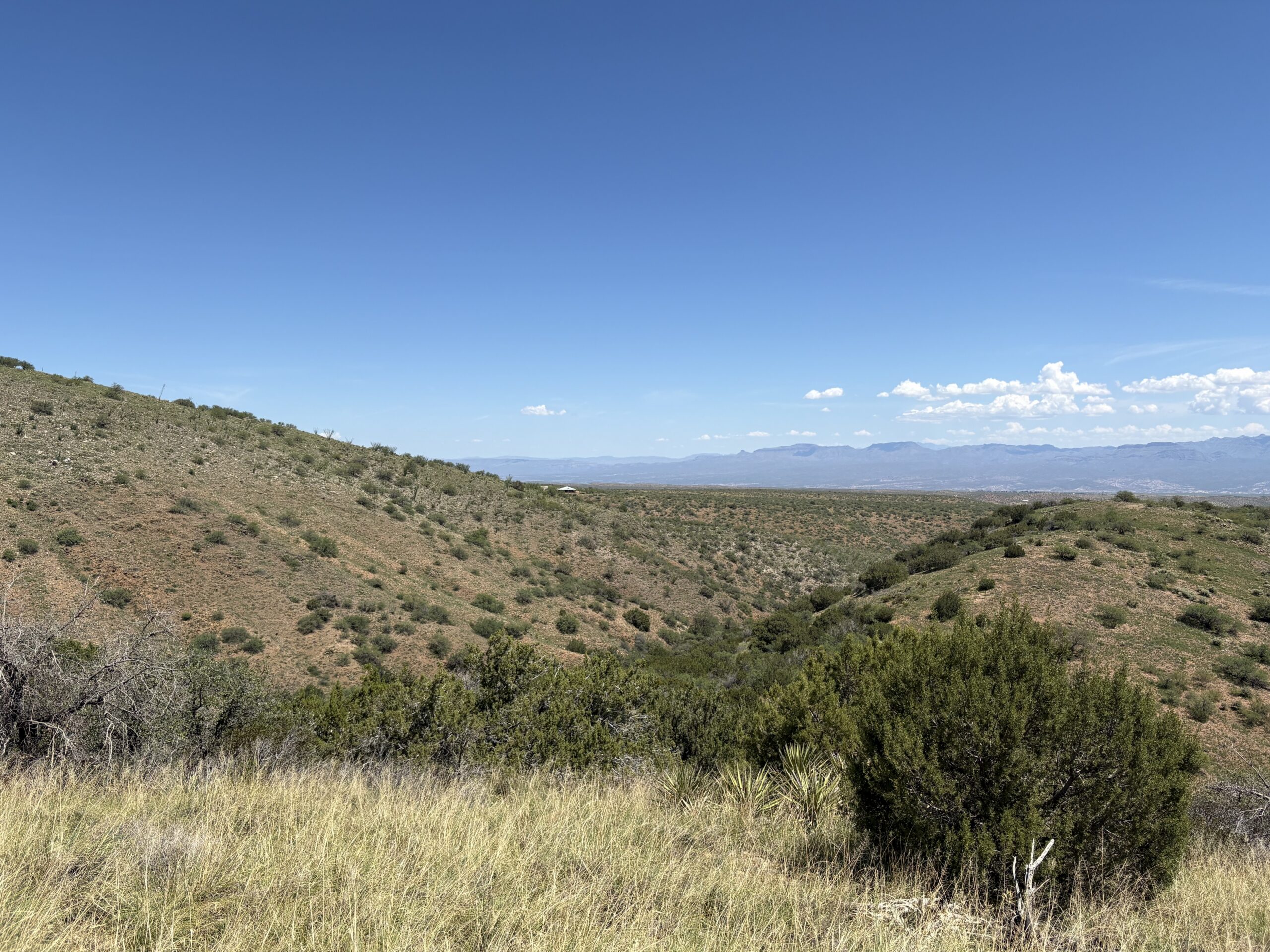
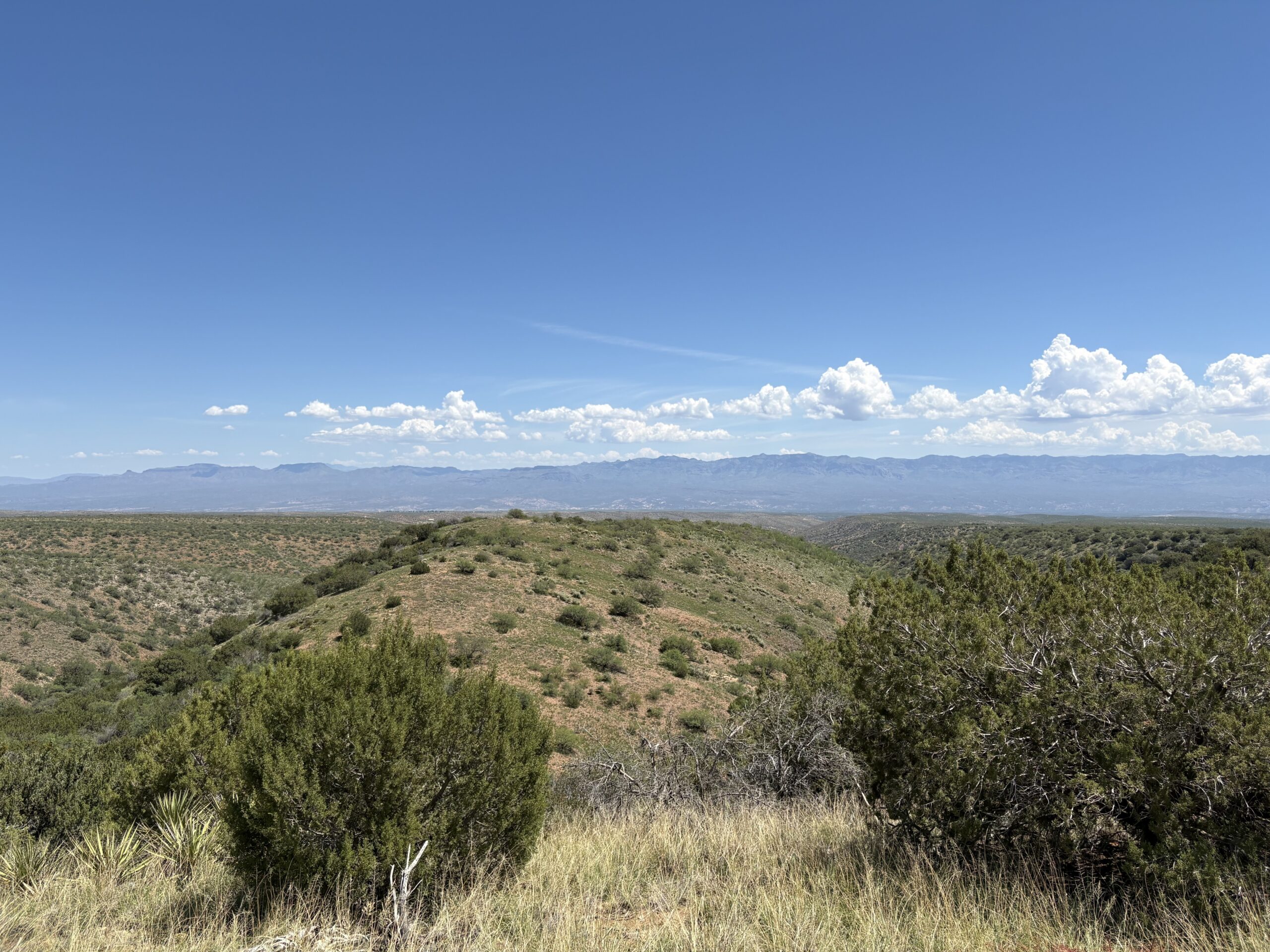
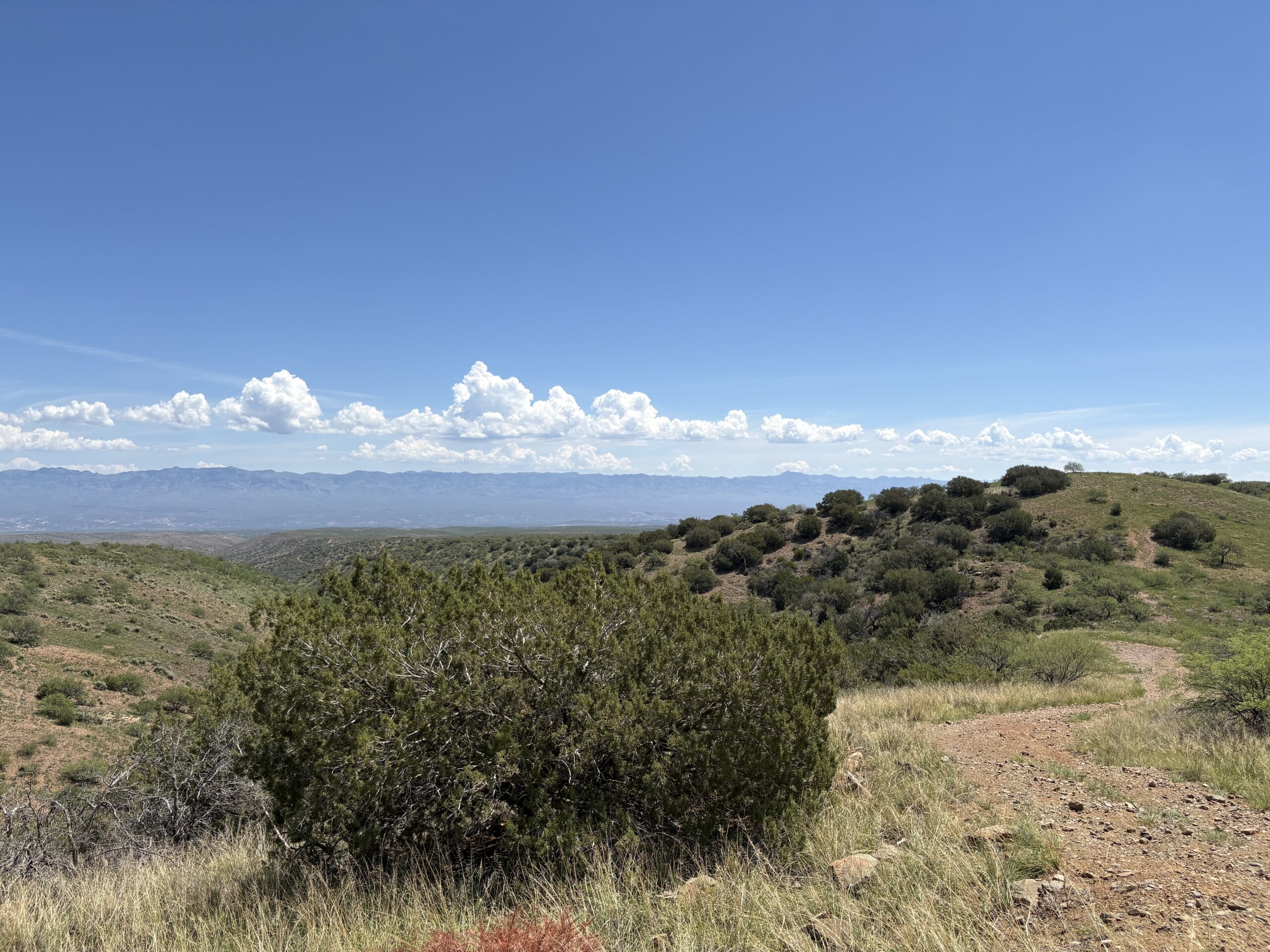
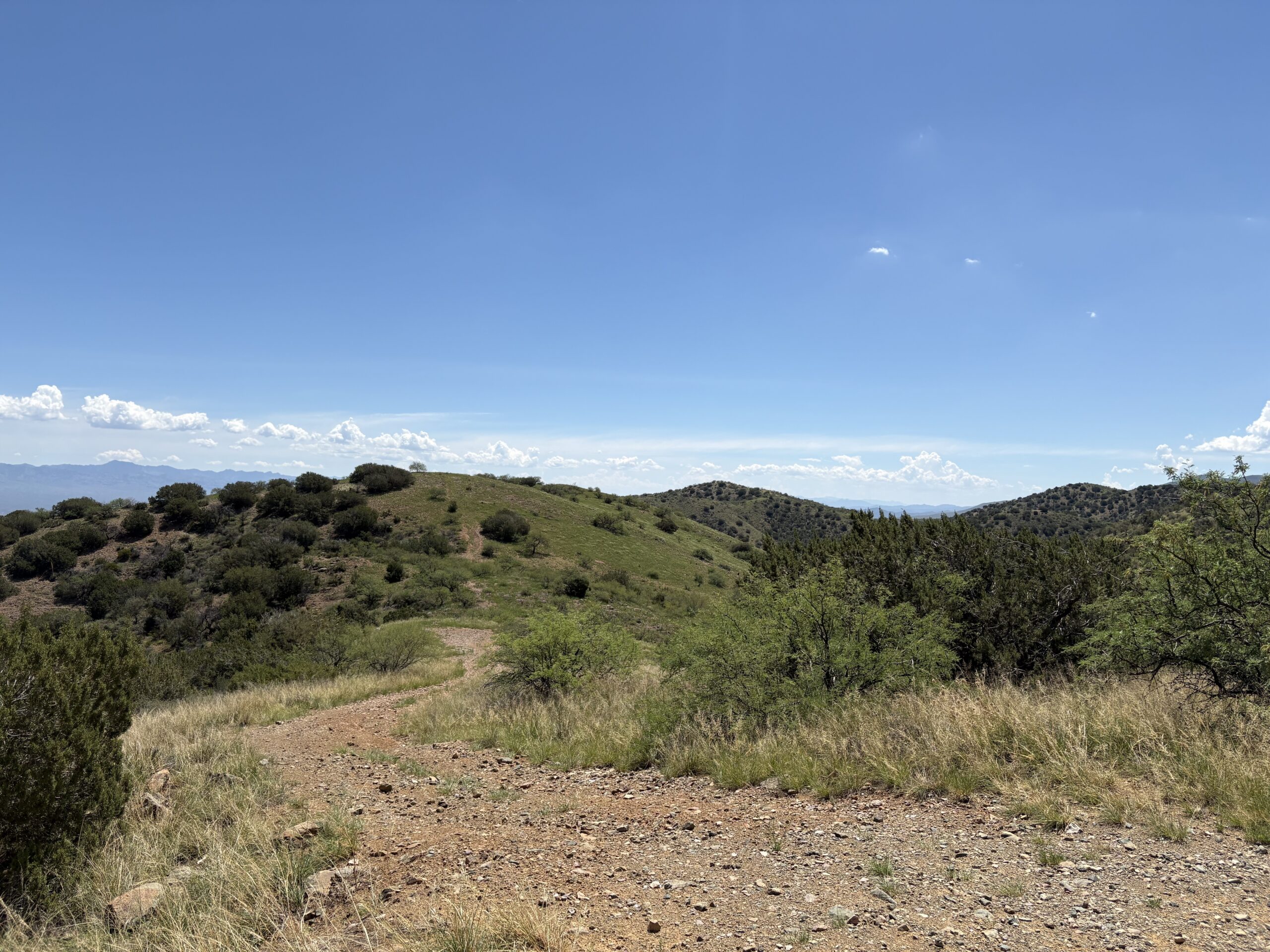
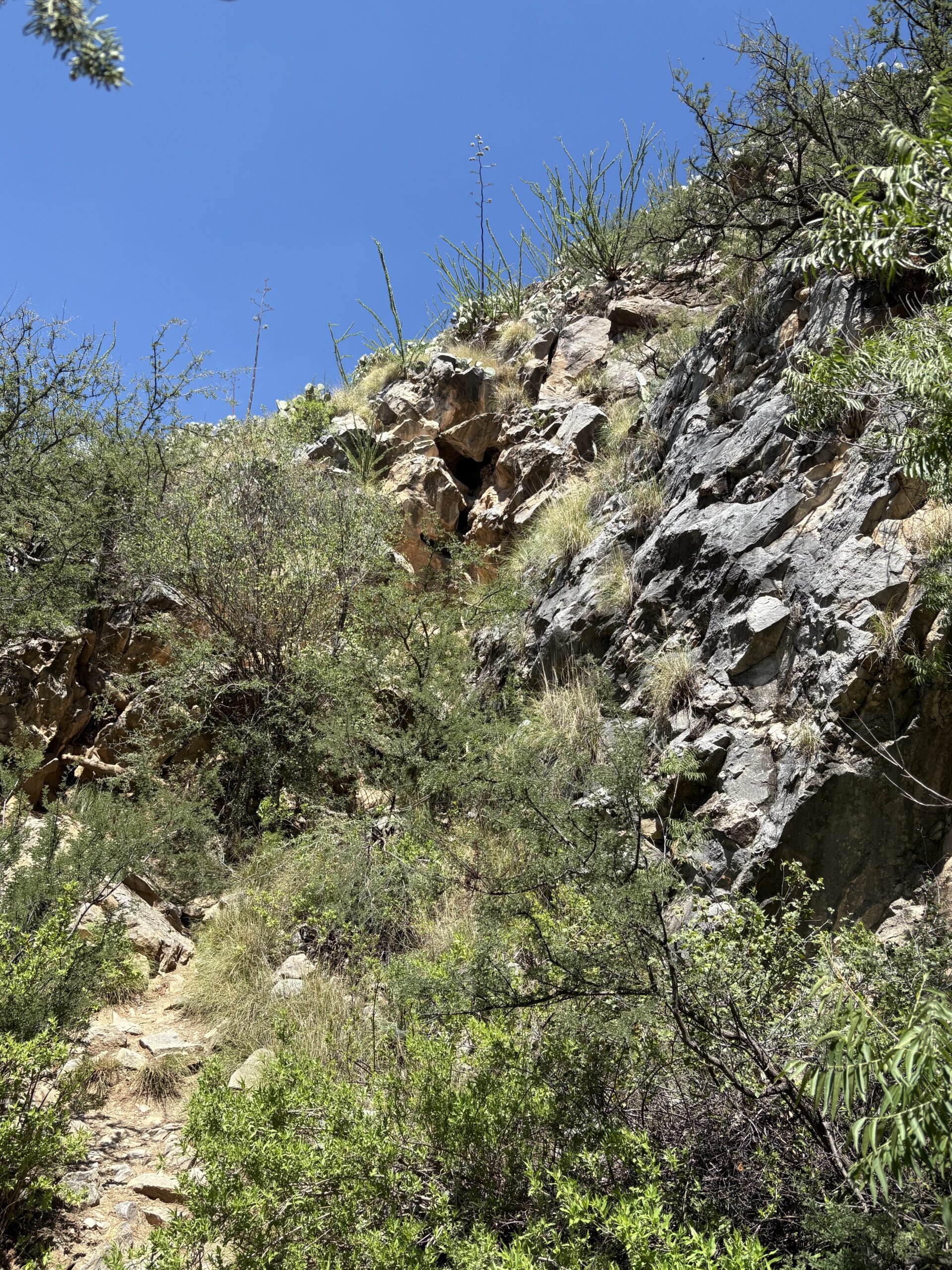
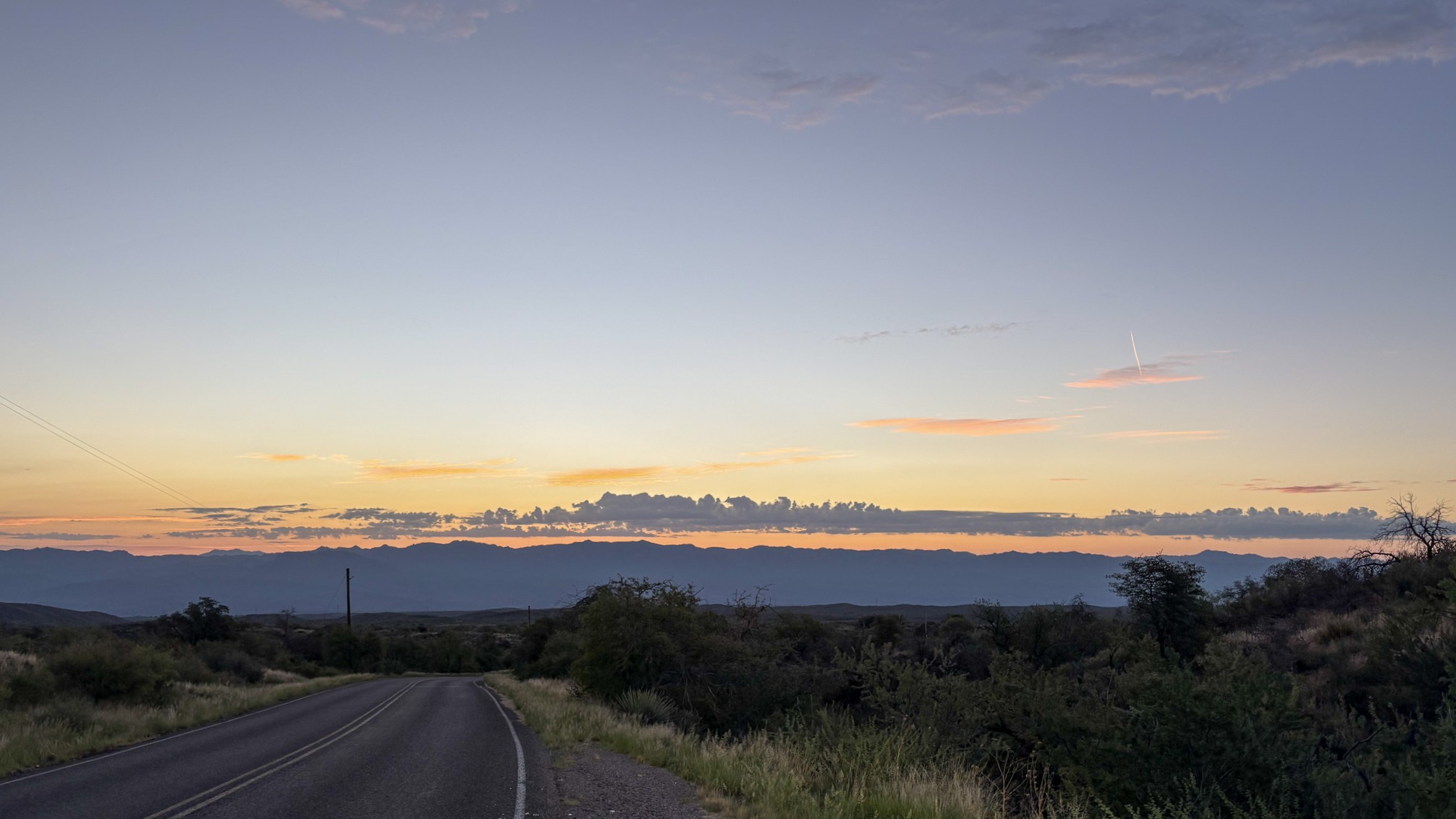
After a nice outing in the canyon, it was time for a short drive up the Mt. Lemmon road as far as local spelunking hotspot Peppersauce Cave. (Road conditions past Peppersauce Canyon/campground: horrible. Recommend SUV/OHV only.) From above and south of the canyon, lovely views to the east of San Pedro Valley:
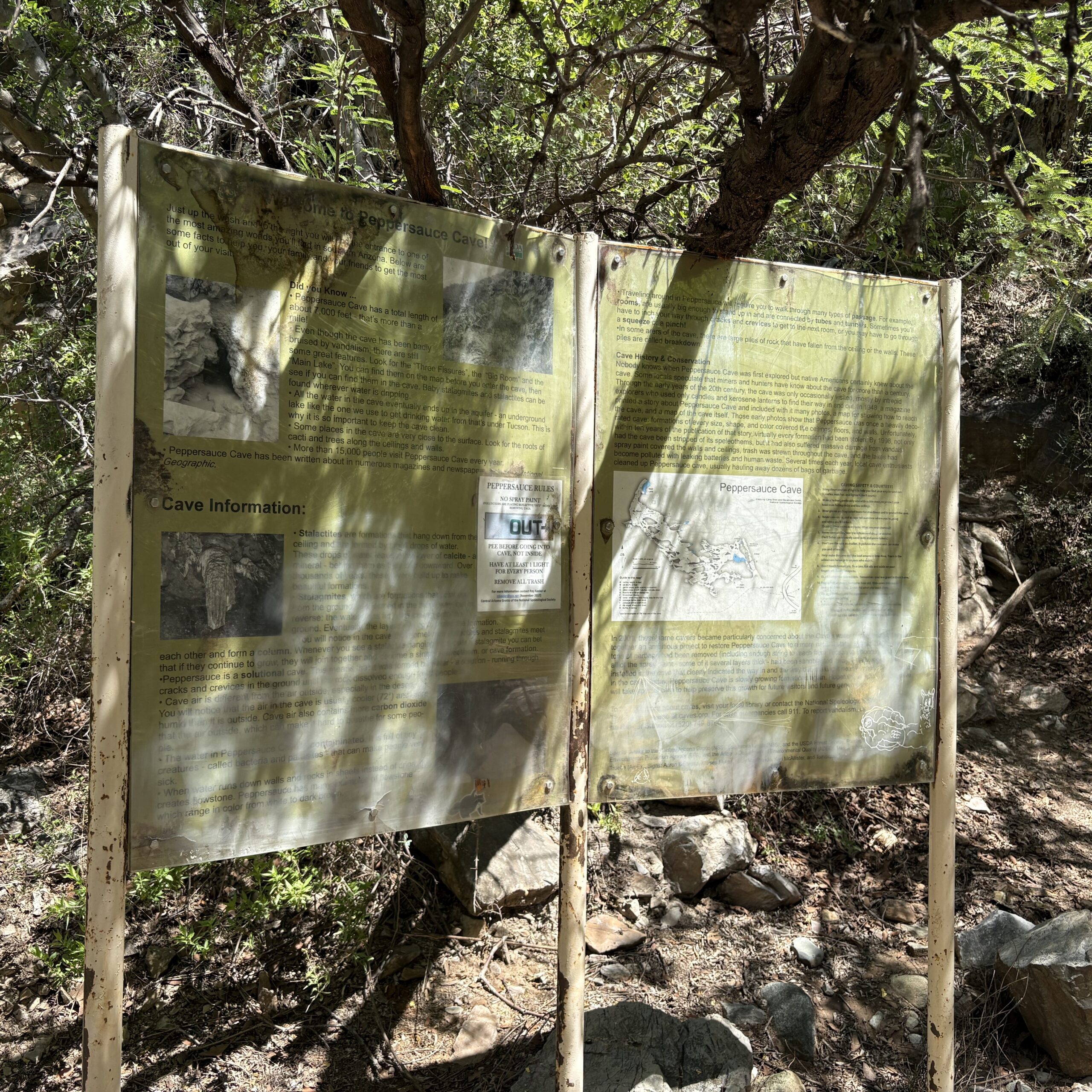
Peppersauce Cave is located a short distance up a small side ravine about 2.2 miles past the campground/canyon, with enough room for parking along the side of the road. Head down into the ravine then upstream for thirty meters or so to the interpretive sign:
Unfortunately, BirdingPI.com’s insurance policy does not allow staff members to engage in dangerous activities like cave exploration. Still, an interesting place to visit. (If you intend to enter the cave, be sure to bring several light sources as per recommendations.)
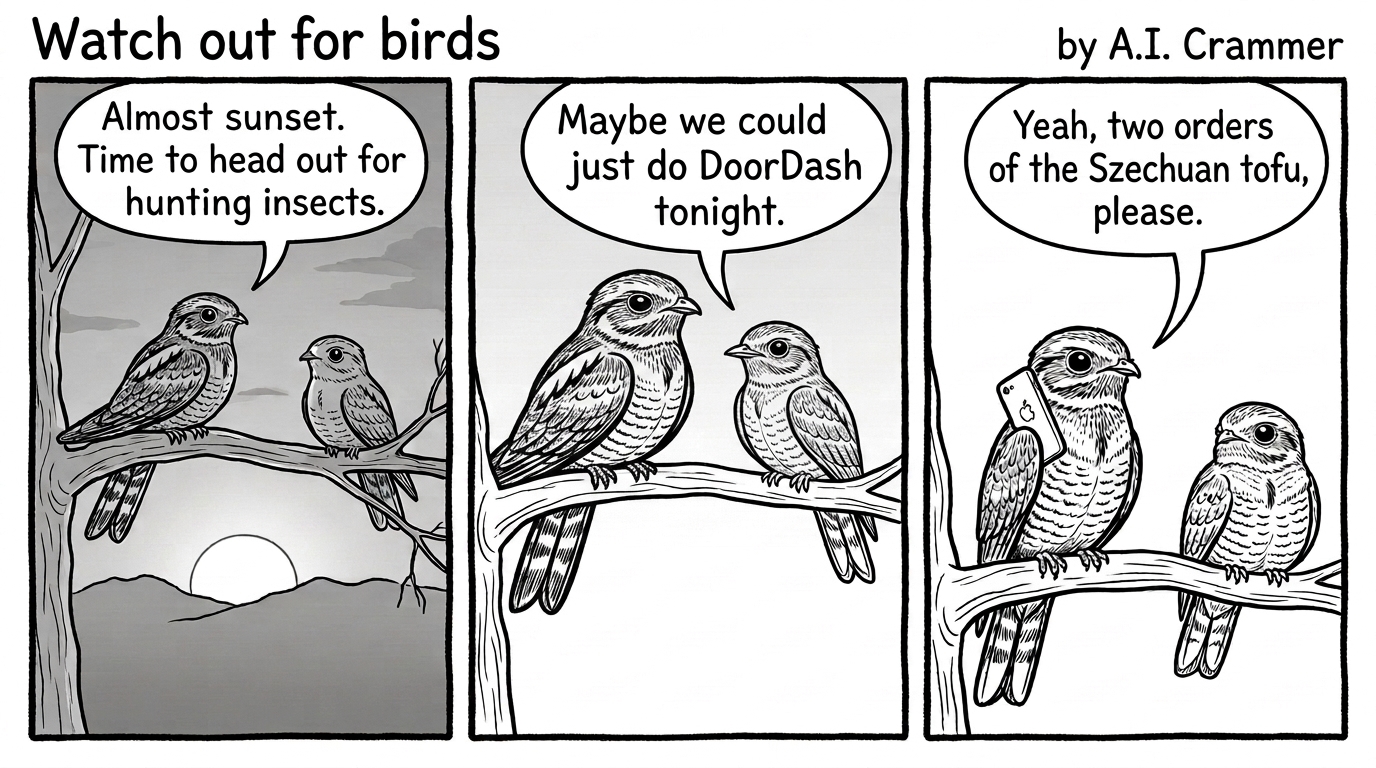
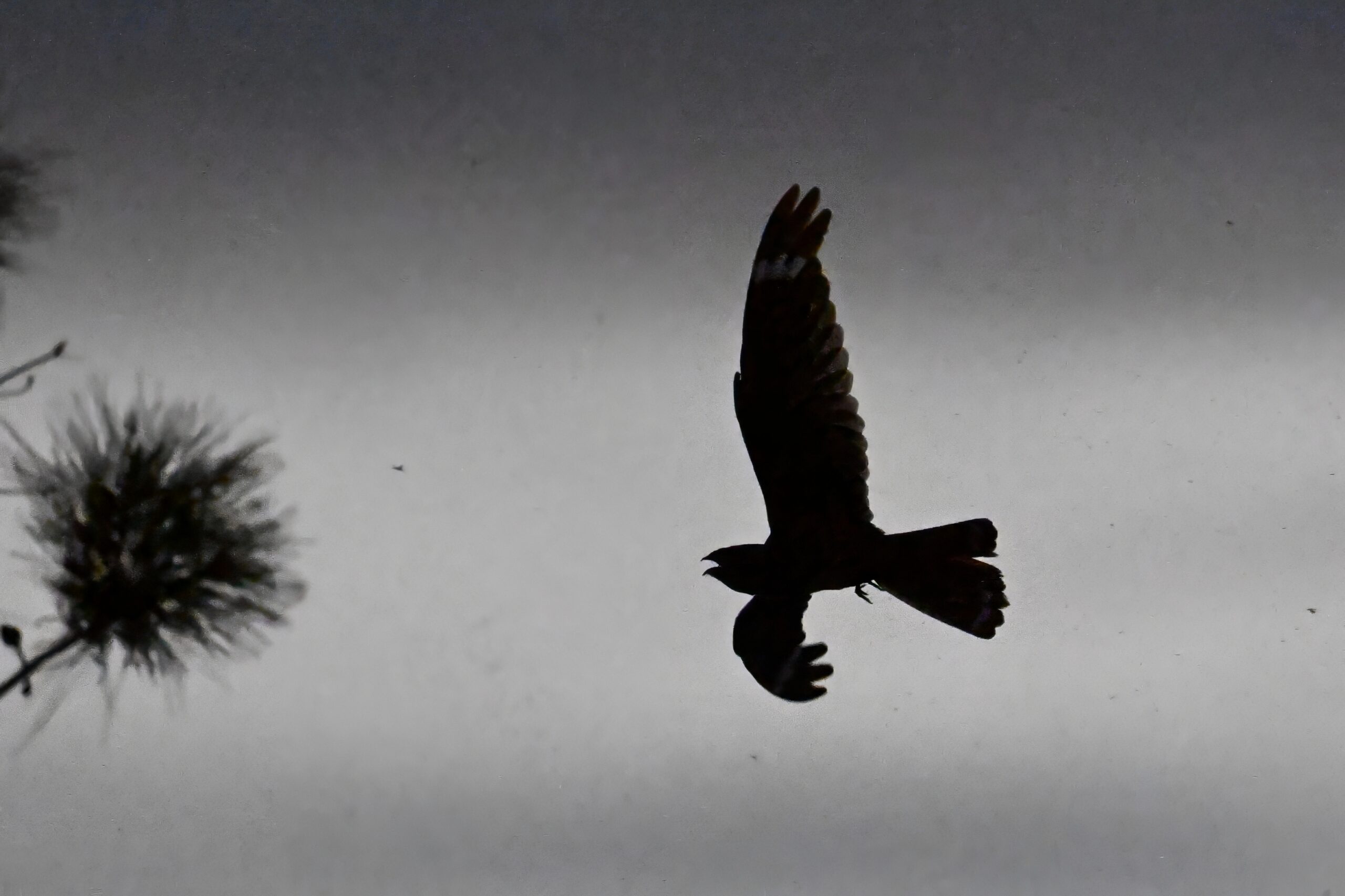
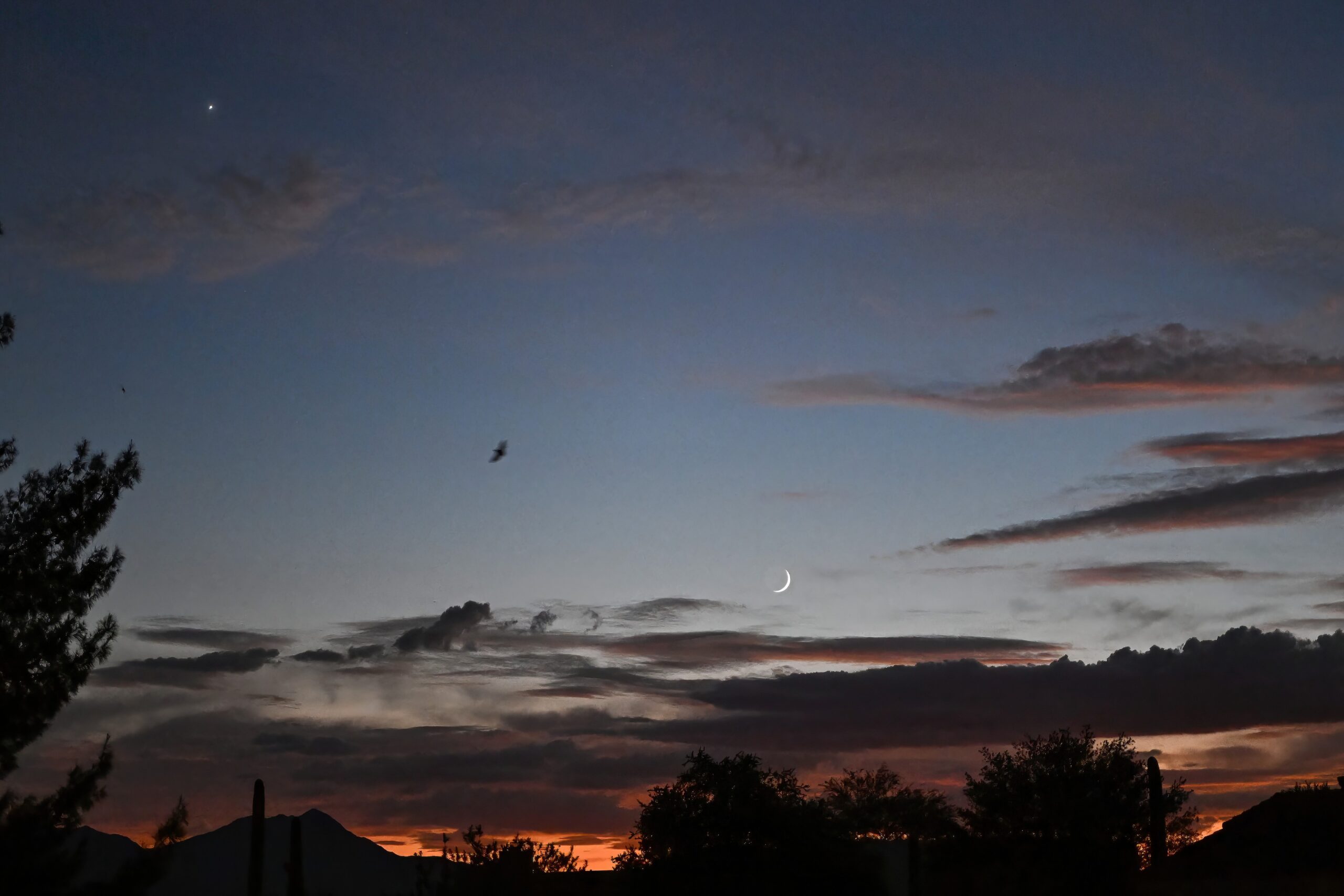
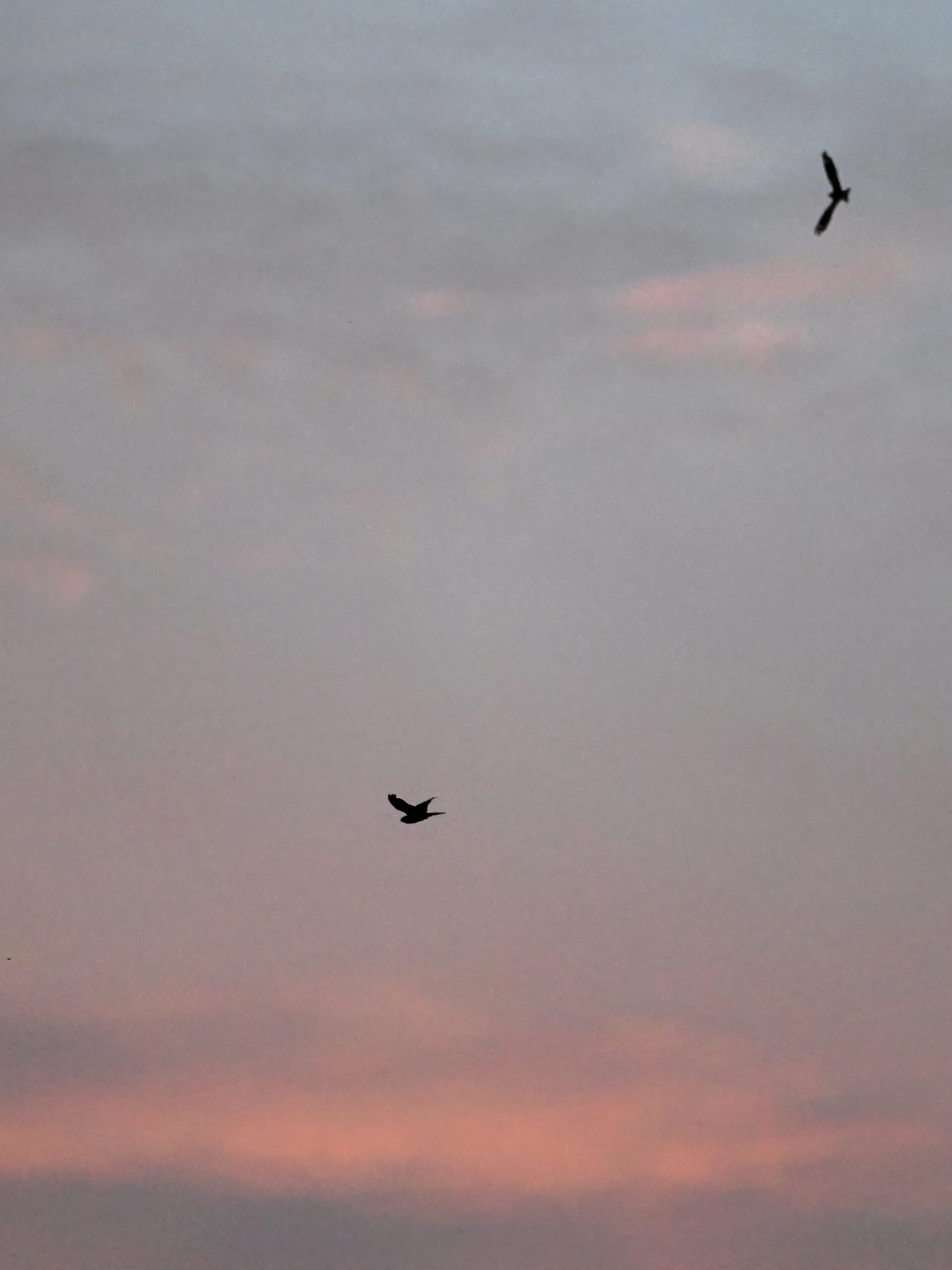
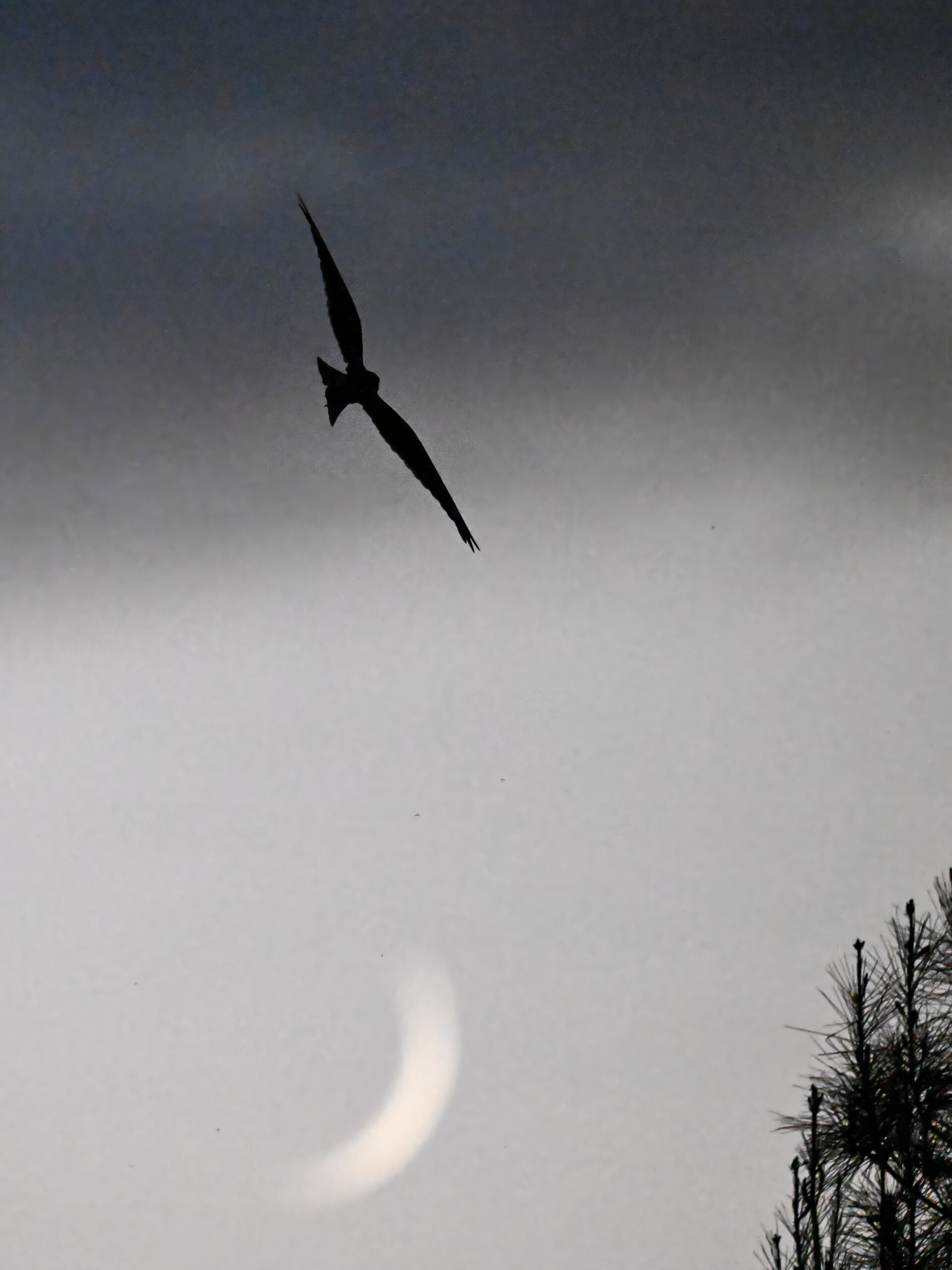
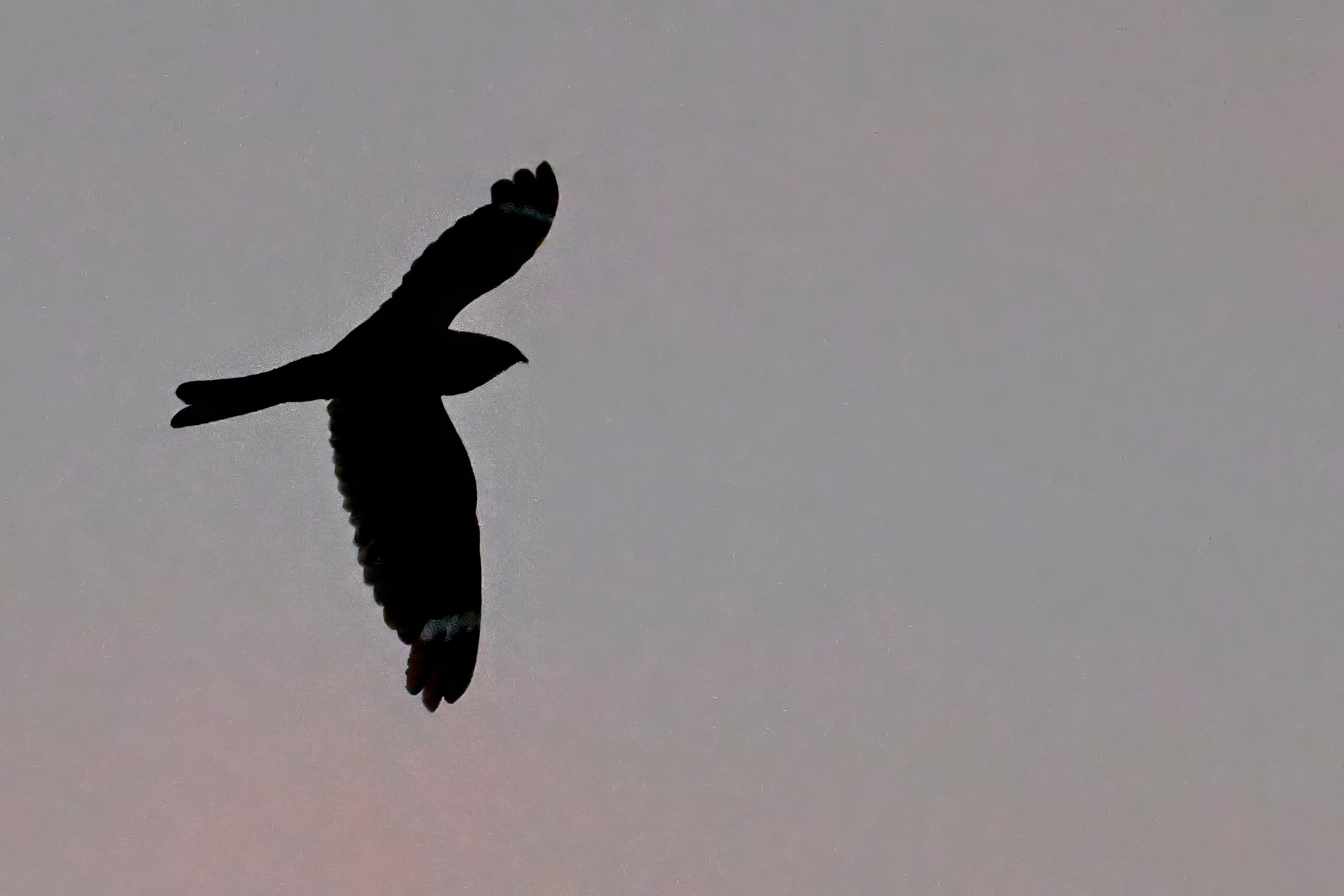
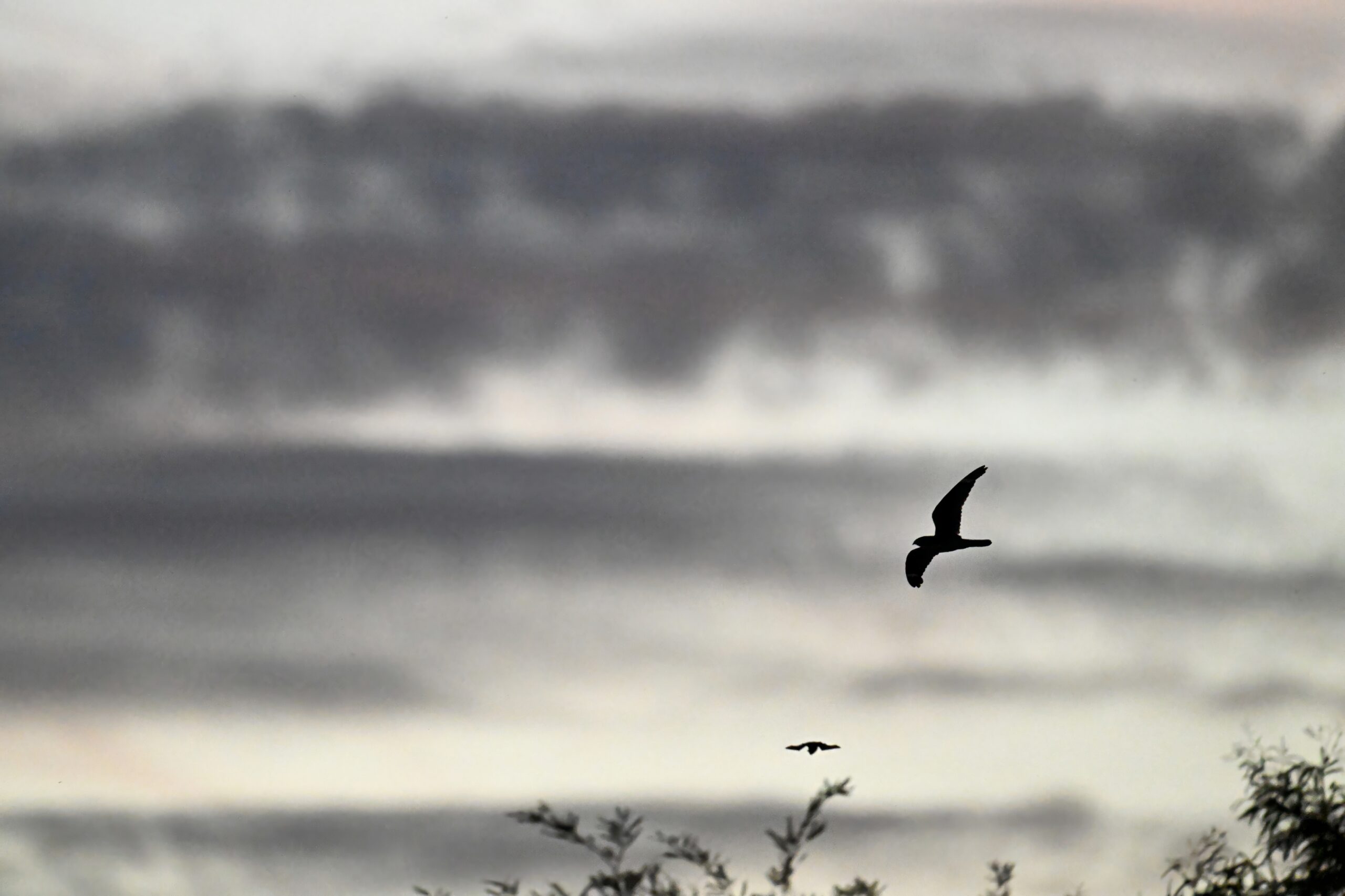
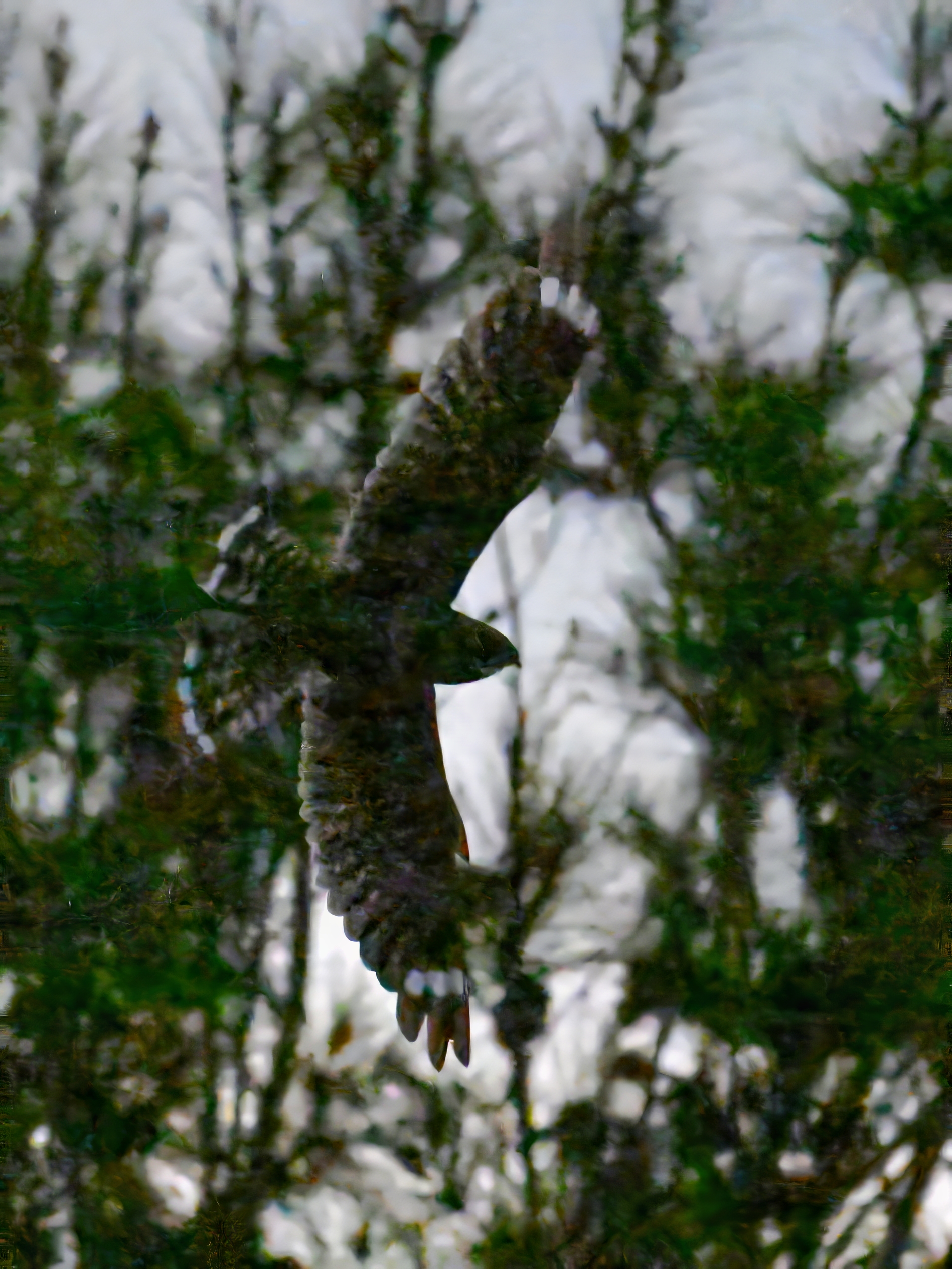
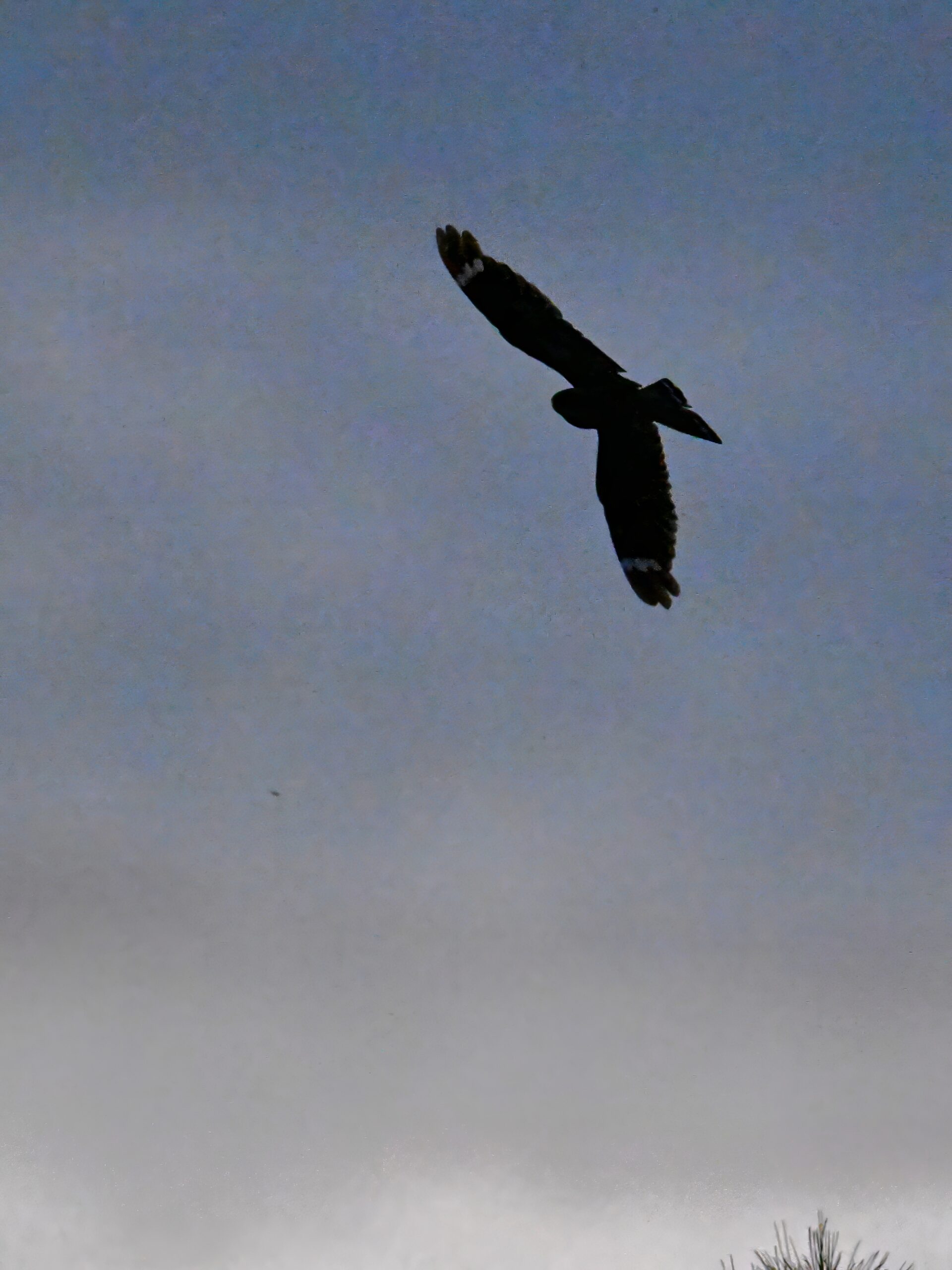
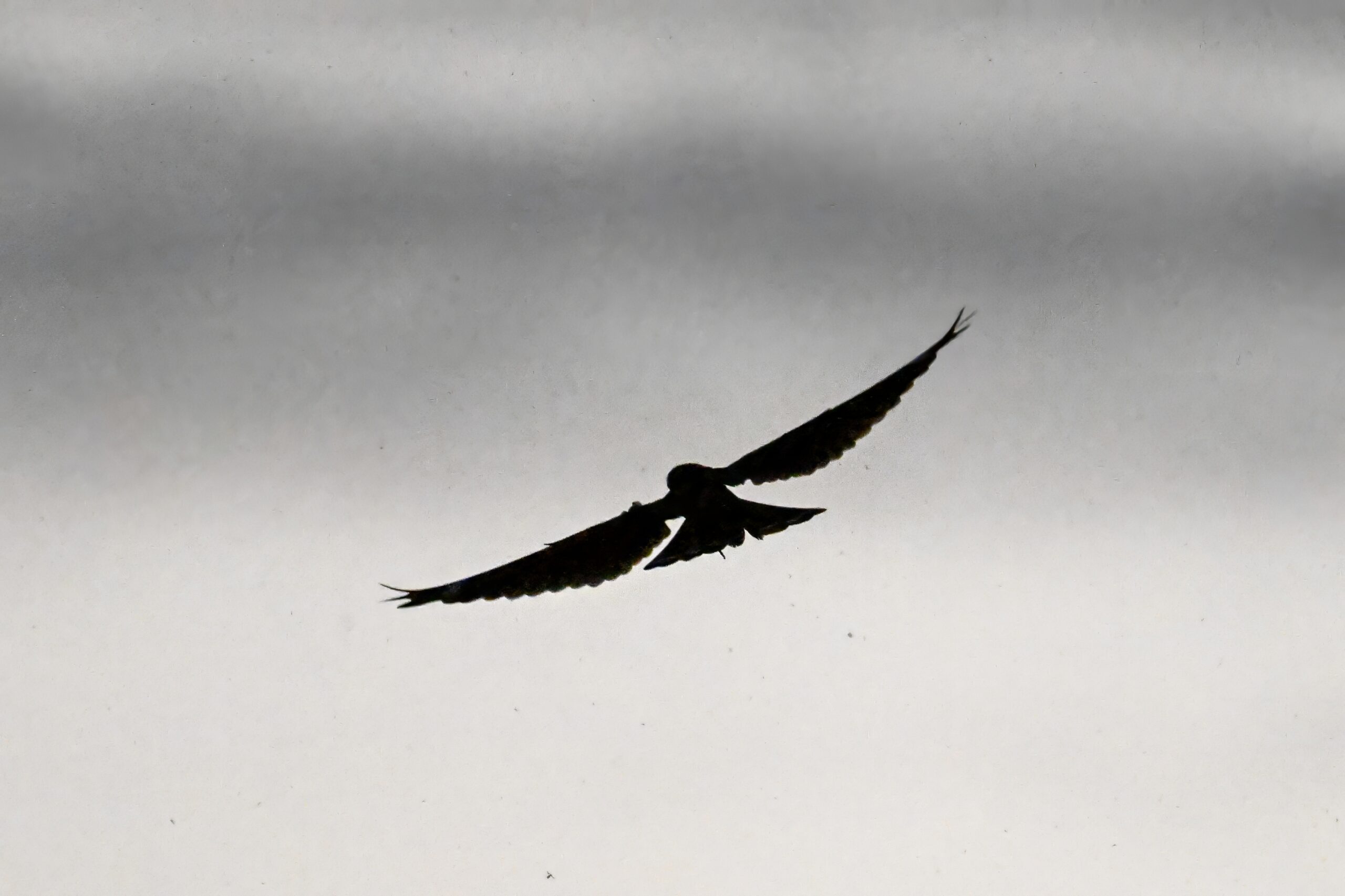
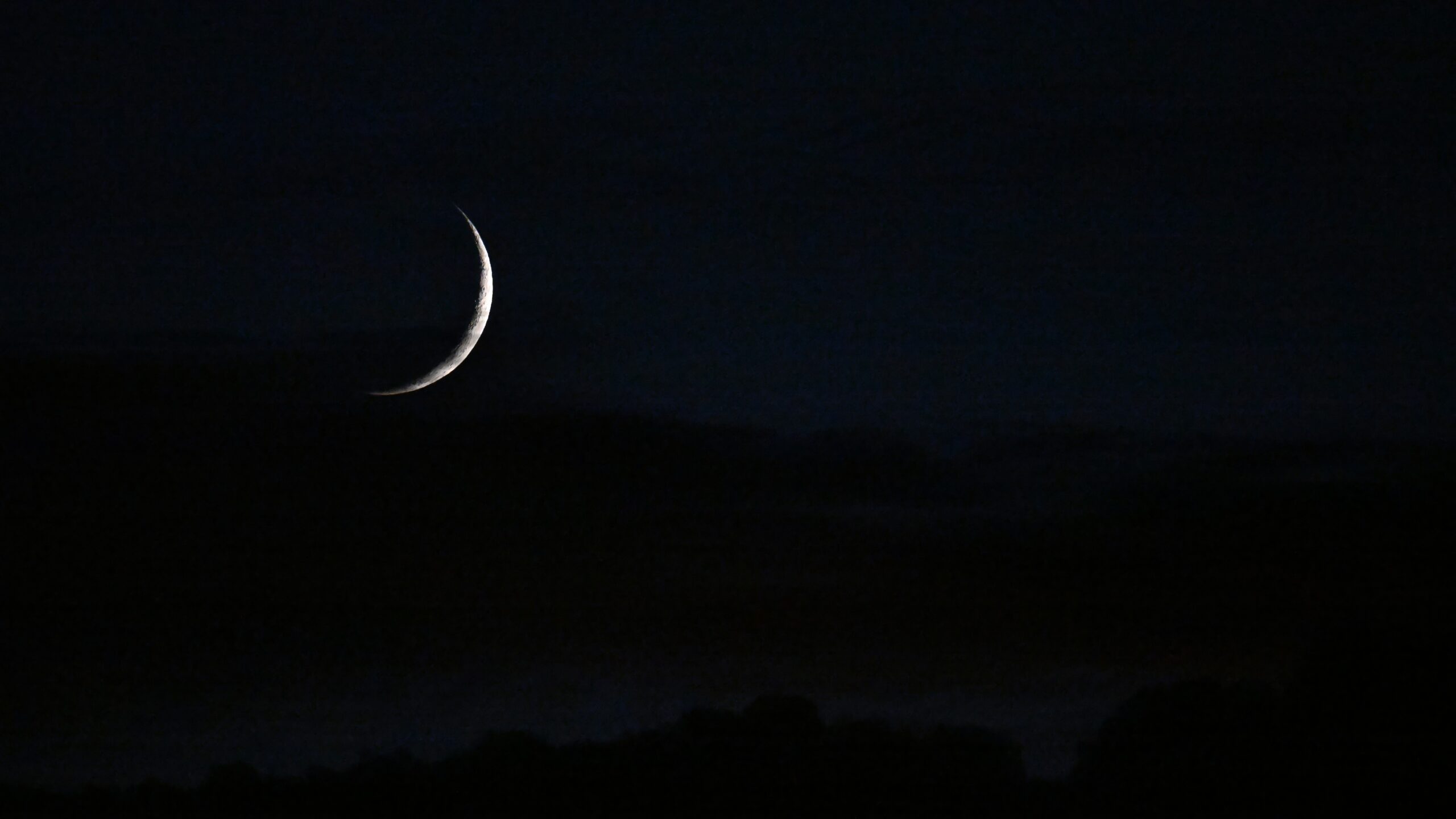
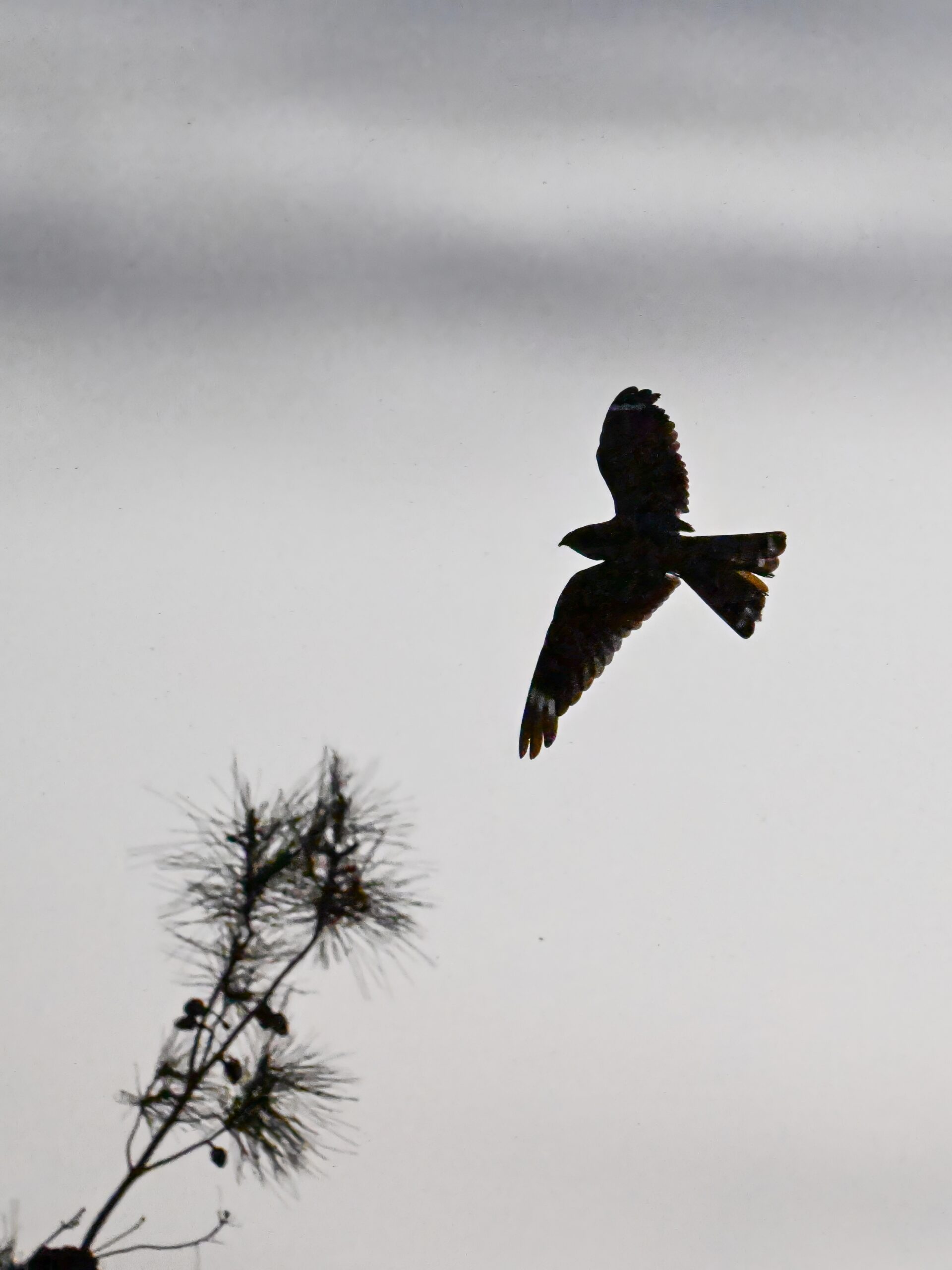
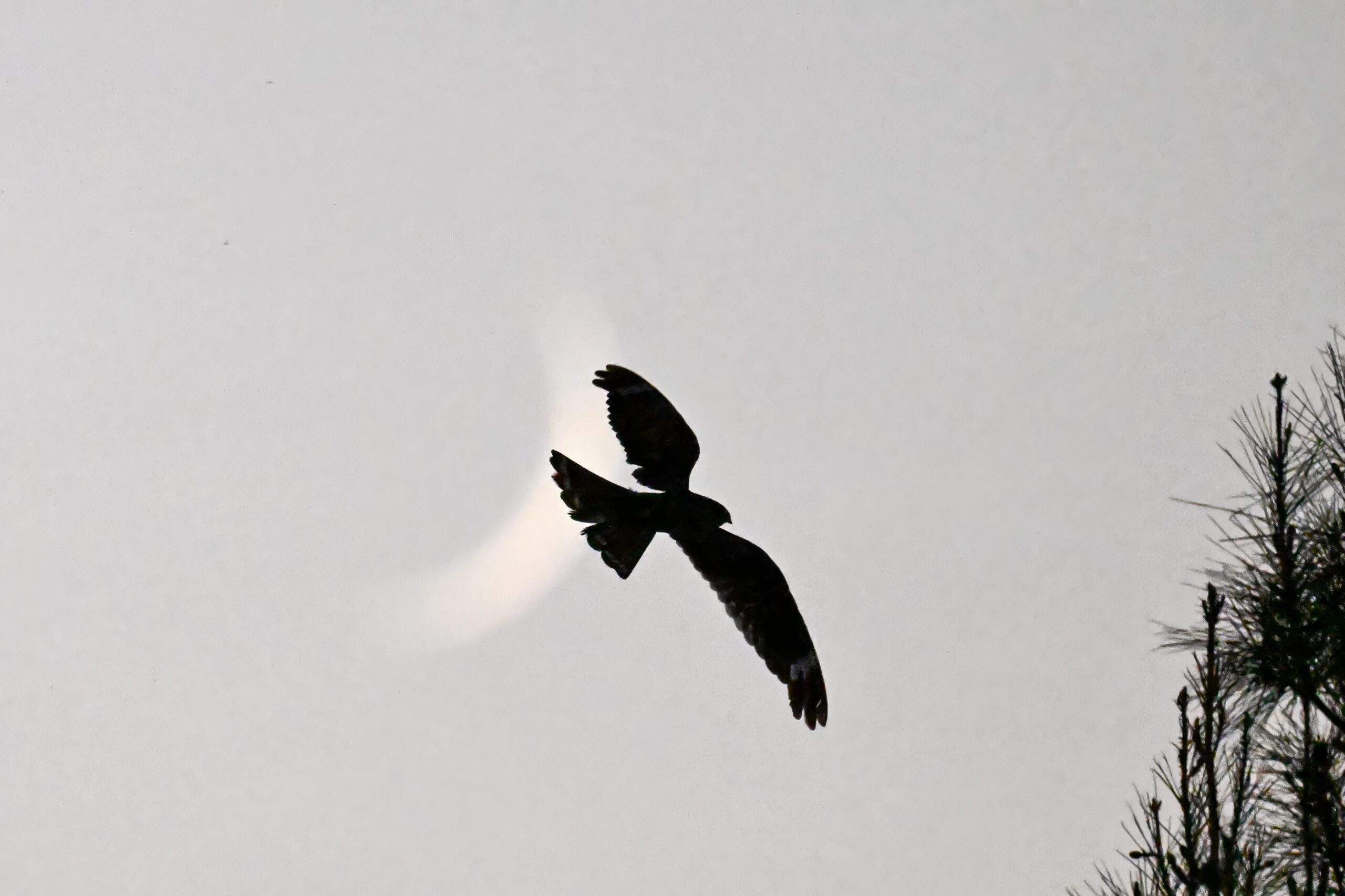
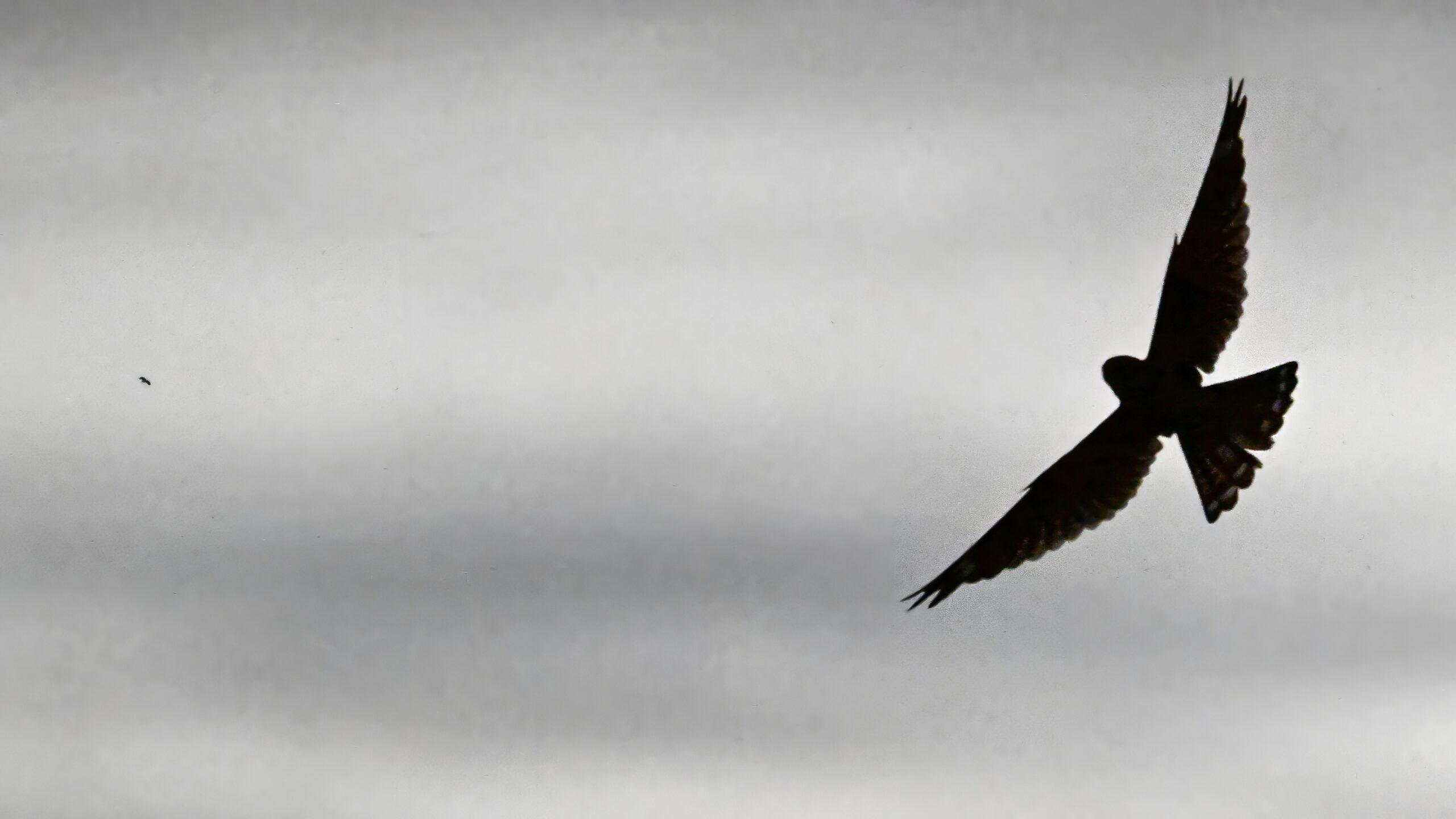
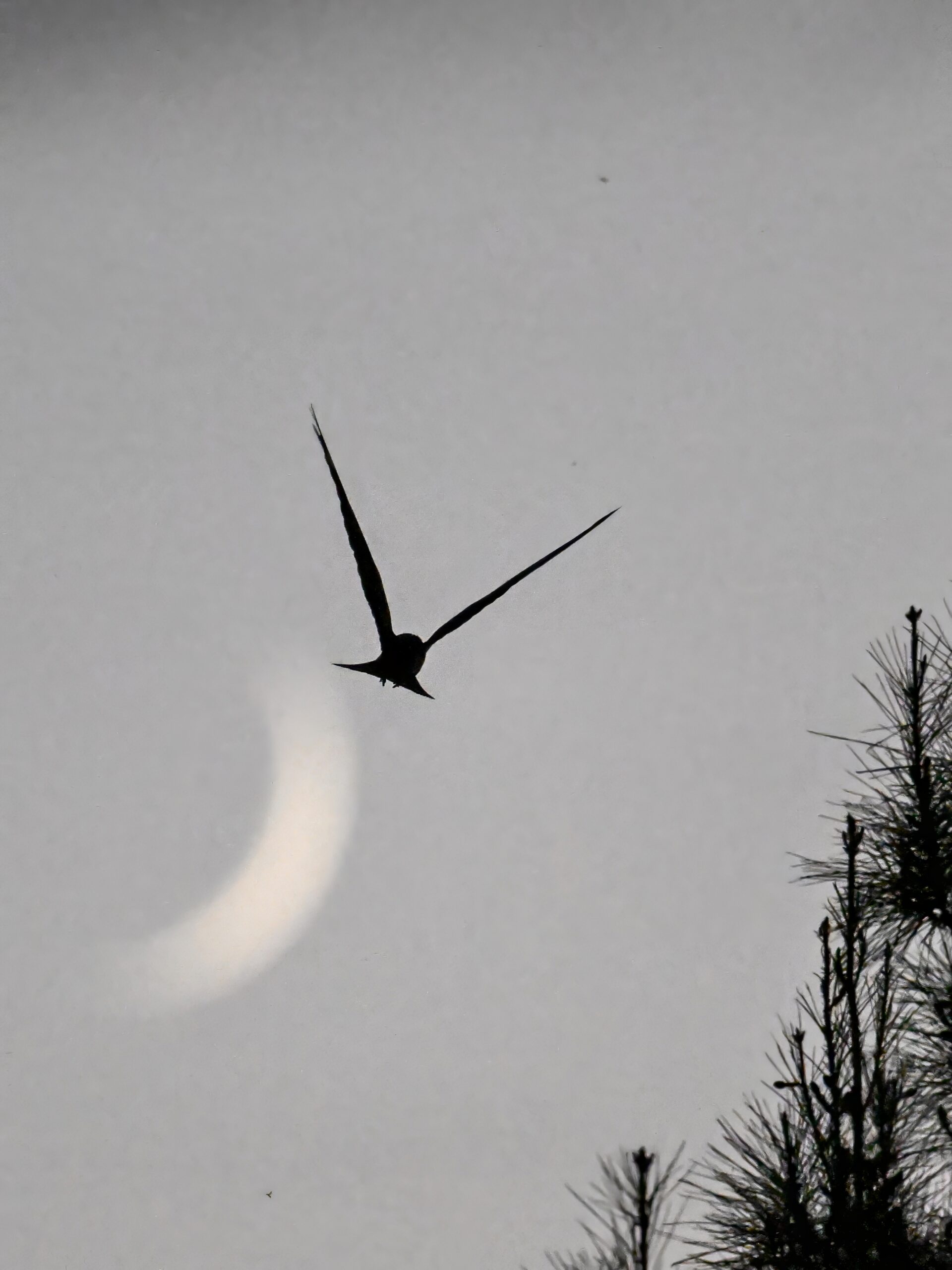
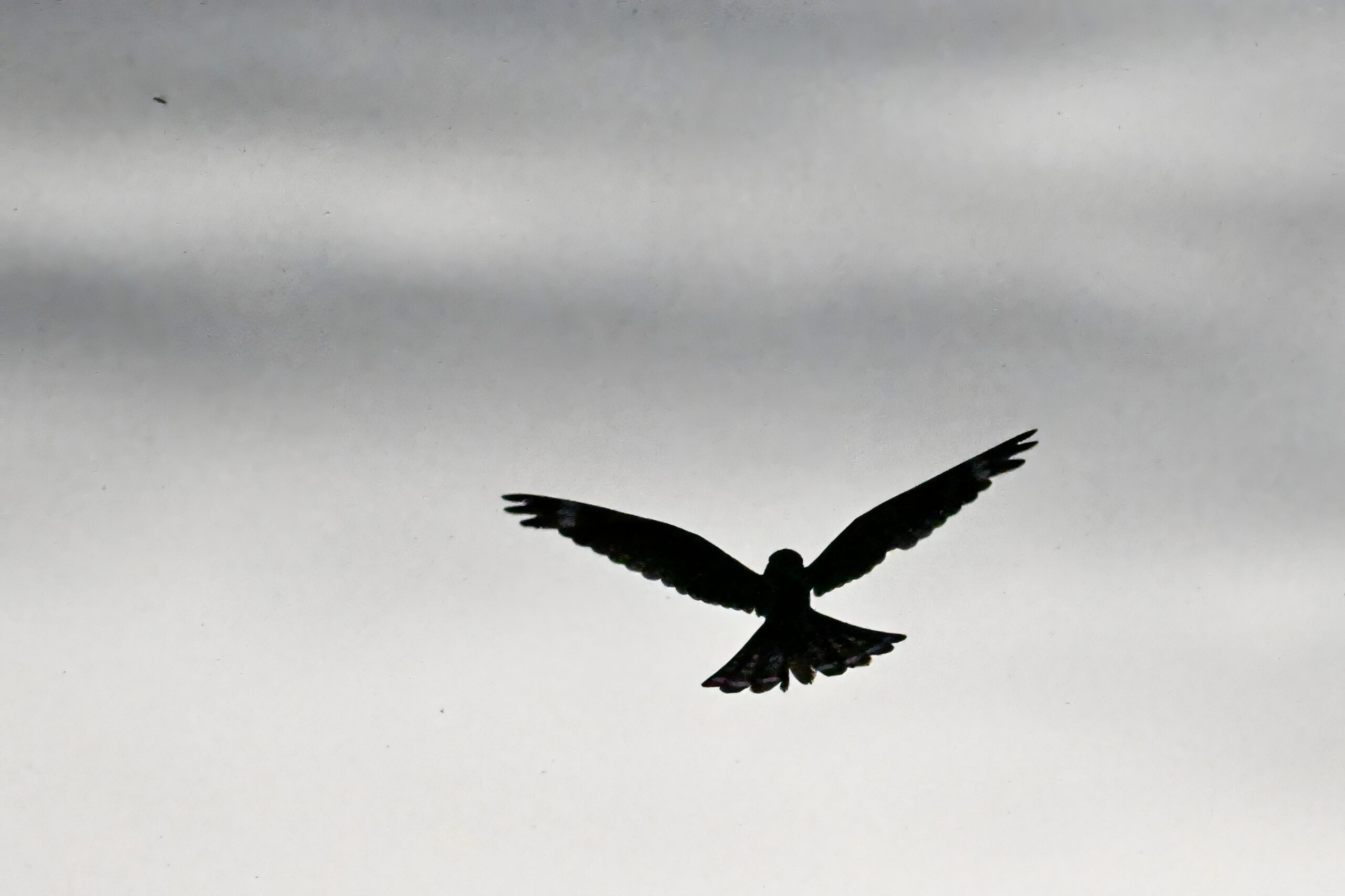
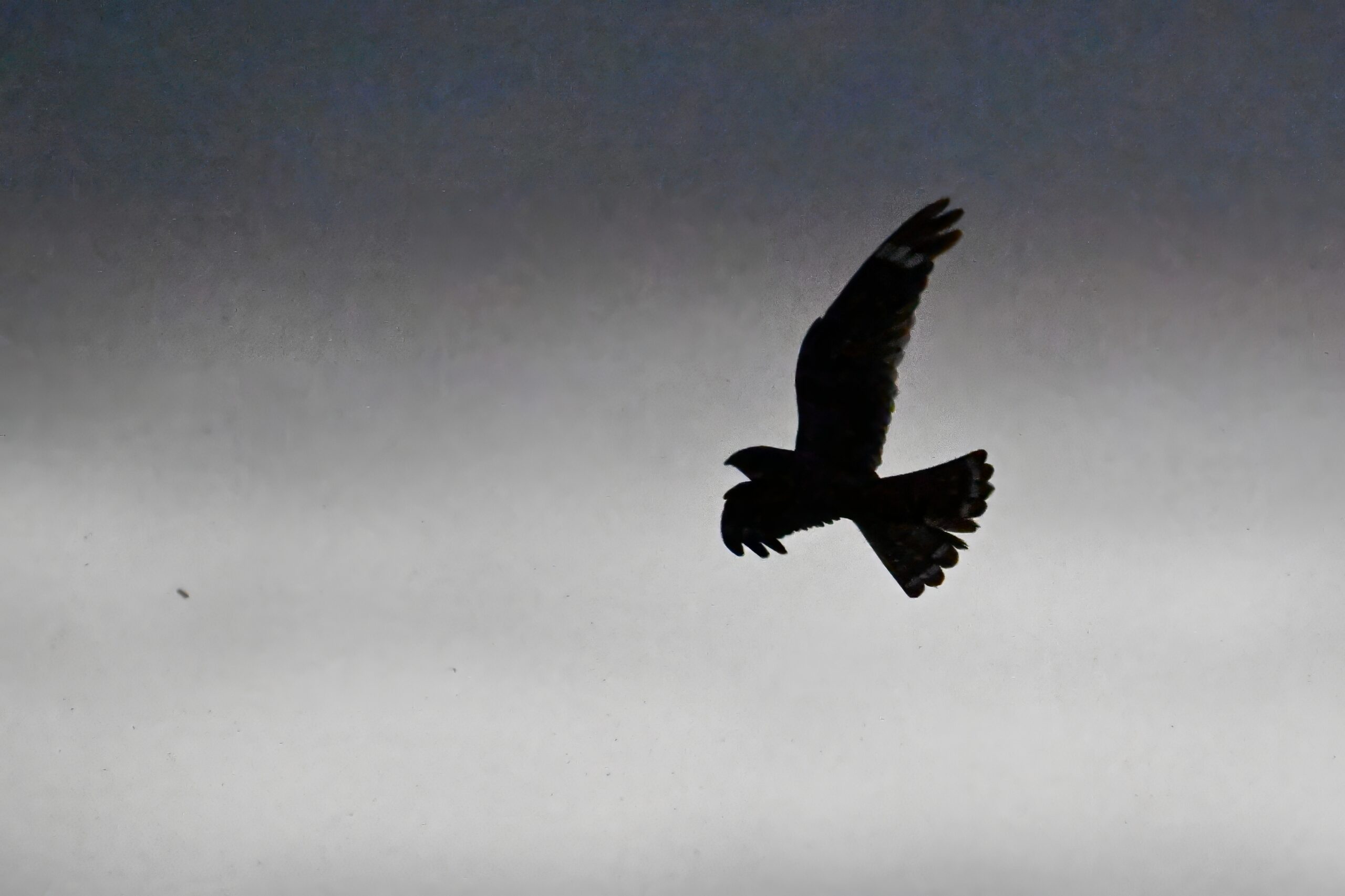
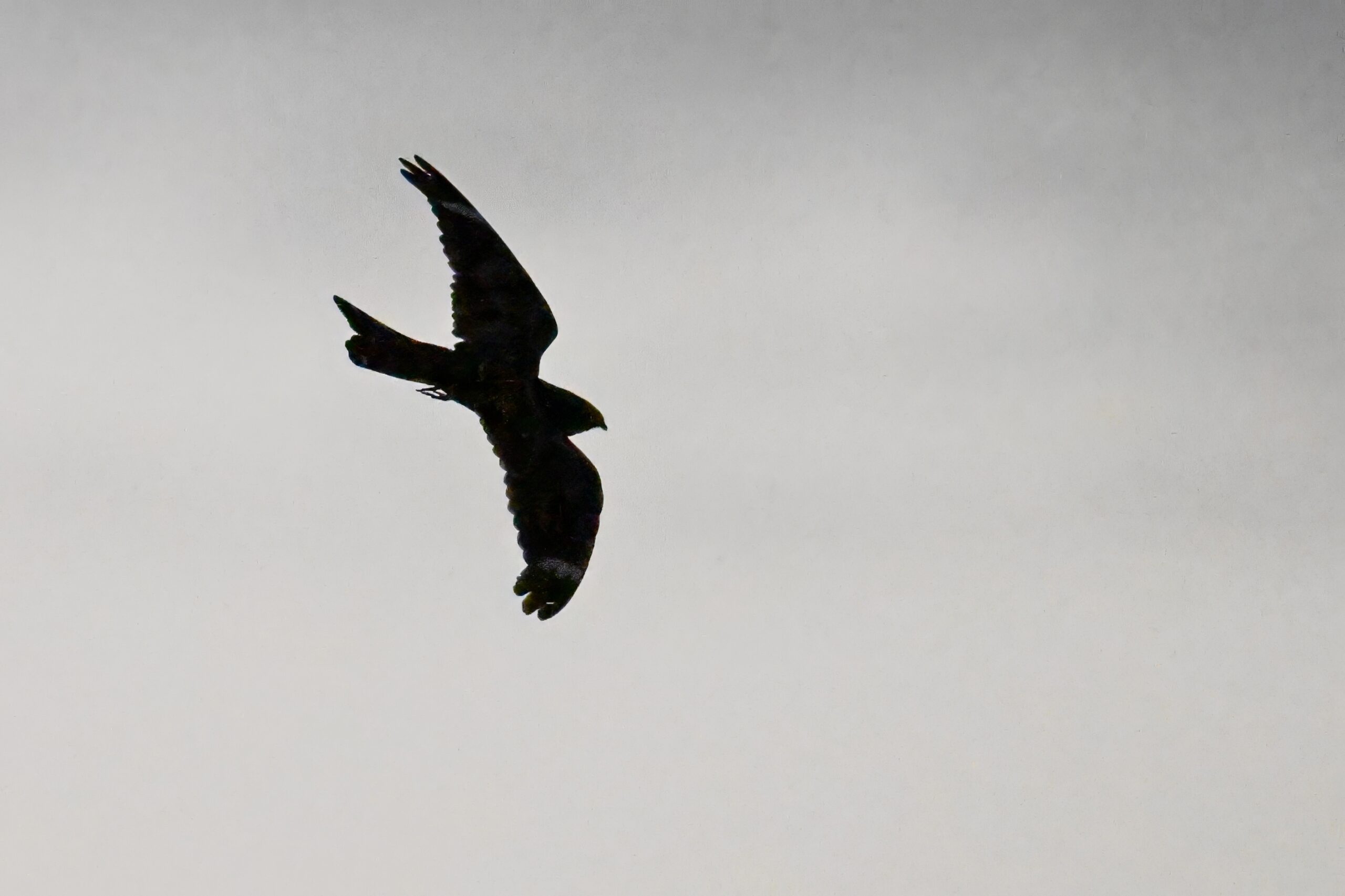
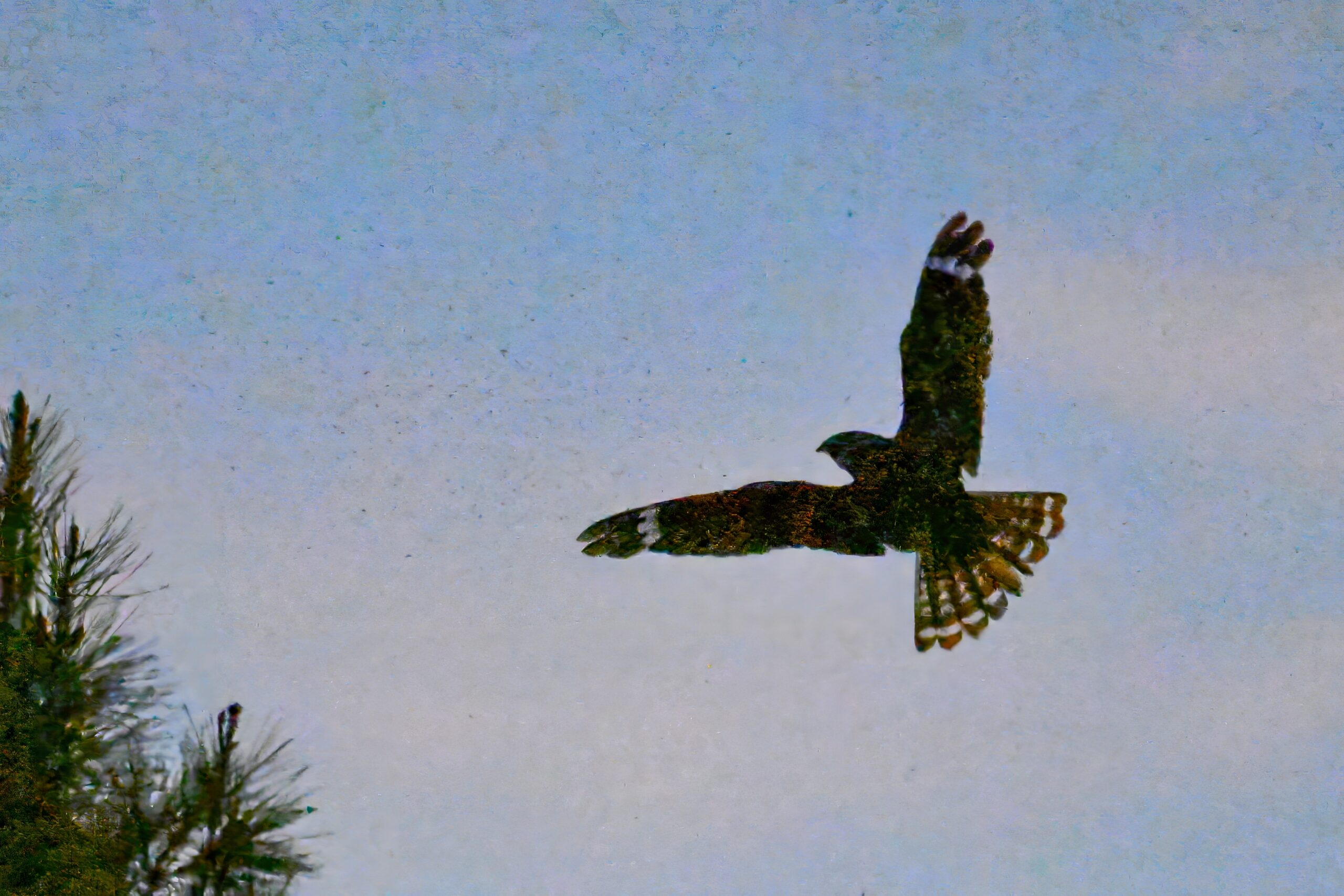
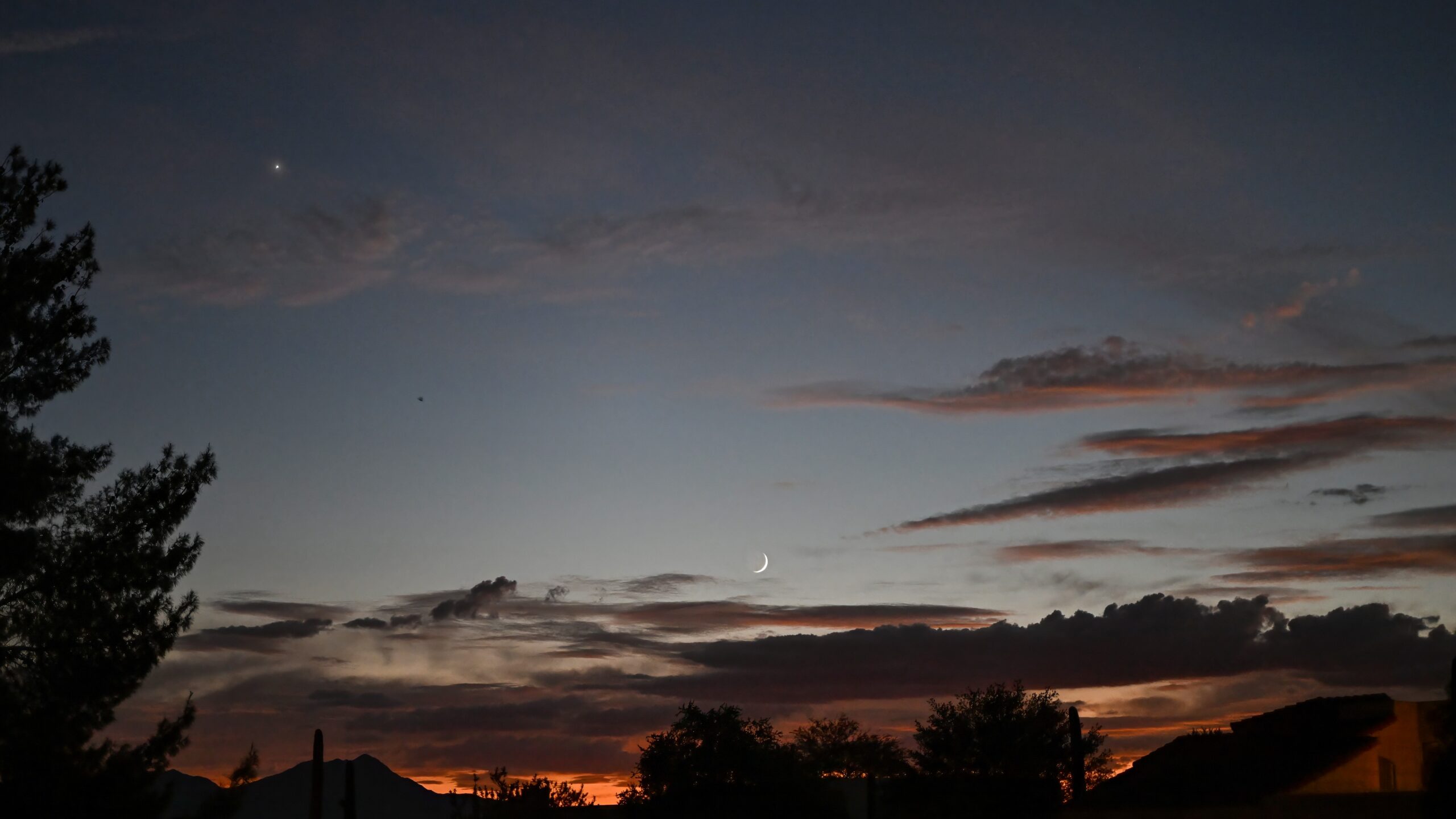
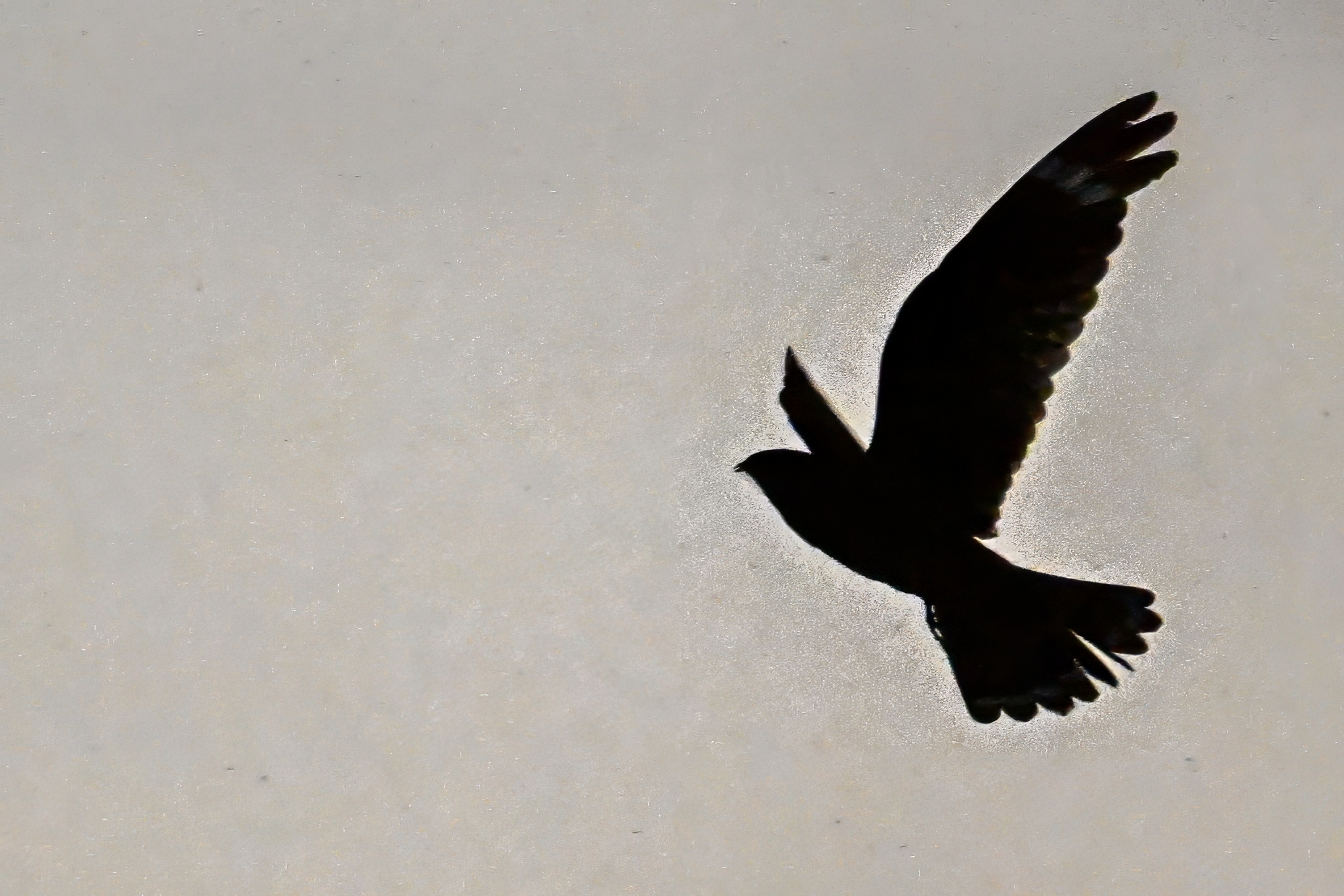
Post-sunset, backlit, handheld photography, no flash?!? Yes, please! All shots of Lesser Nighthawk (a species of nightjar in the family Caprimulgidae, i.e., not a hawk) outside Tucson, Arizona, exhibiting flight + insect foraging behavior at dusk:
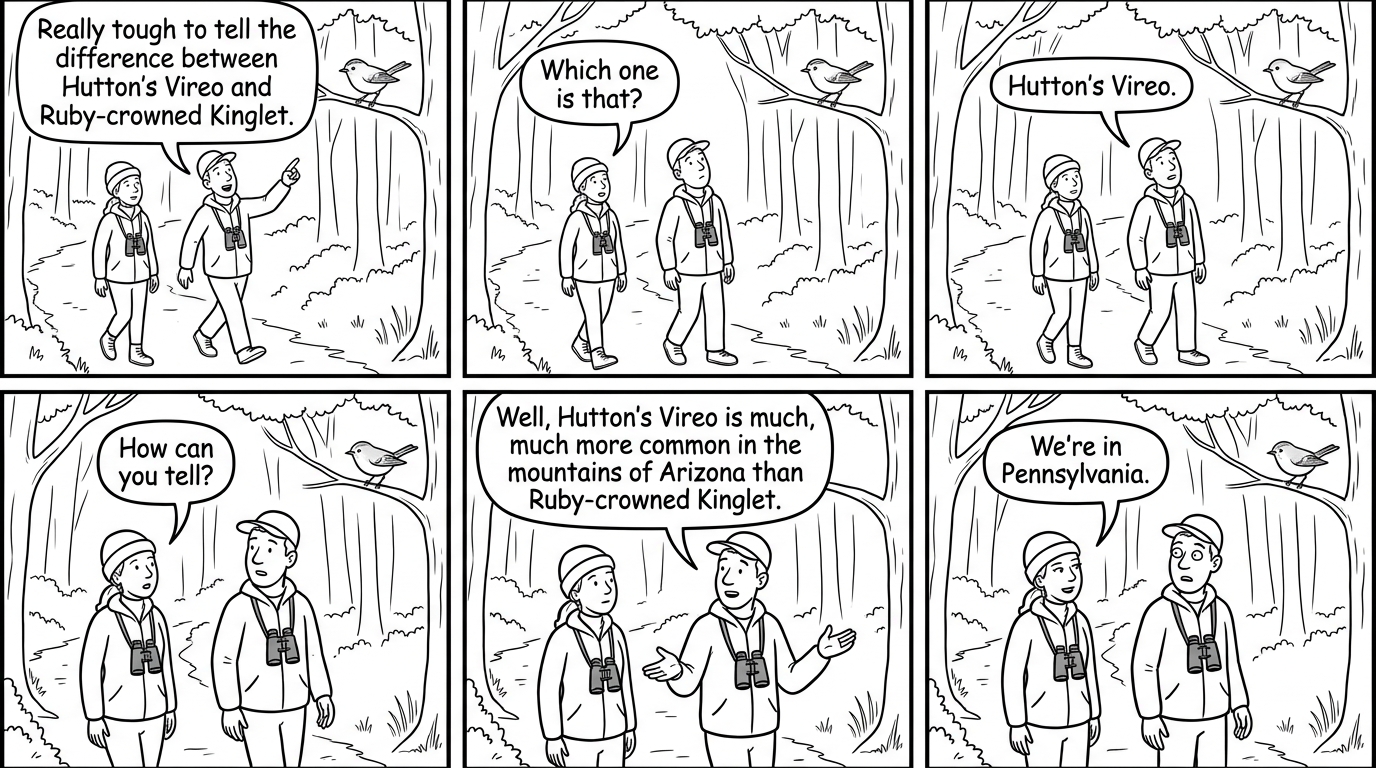
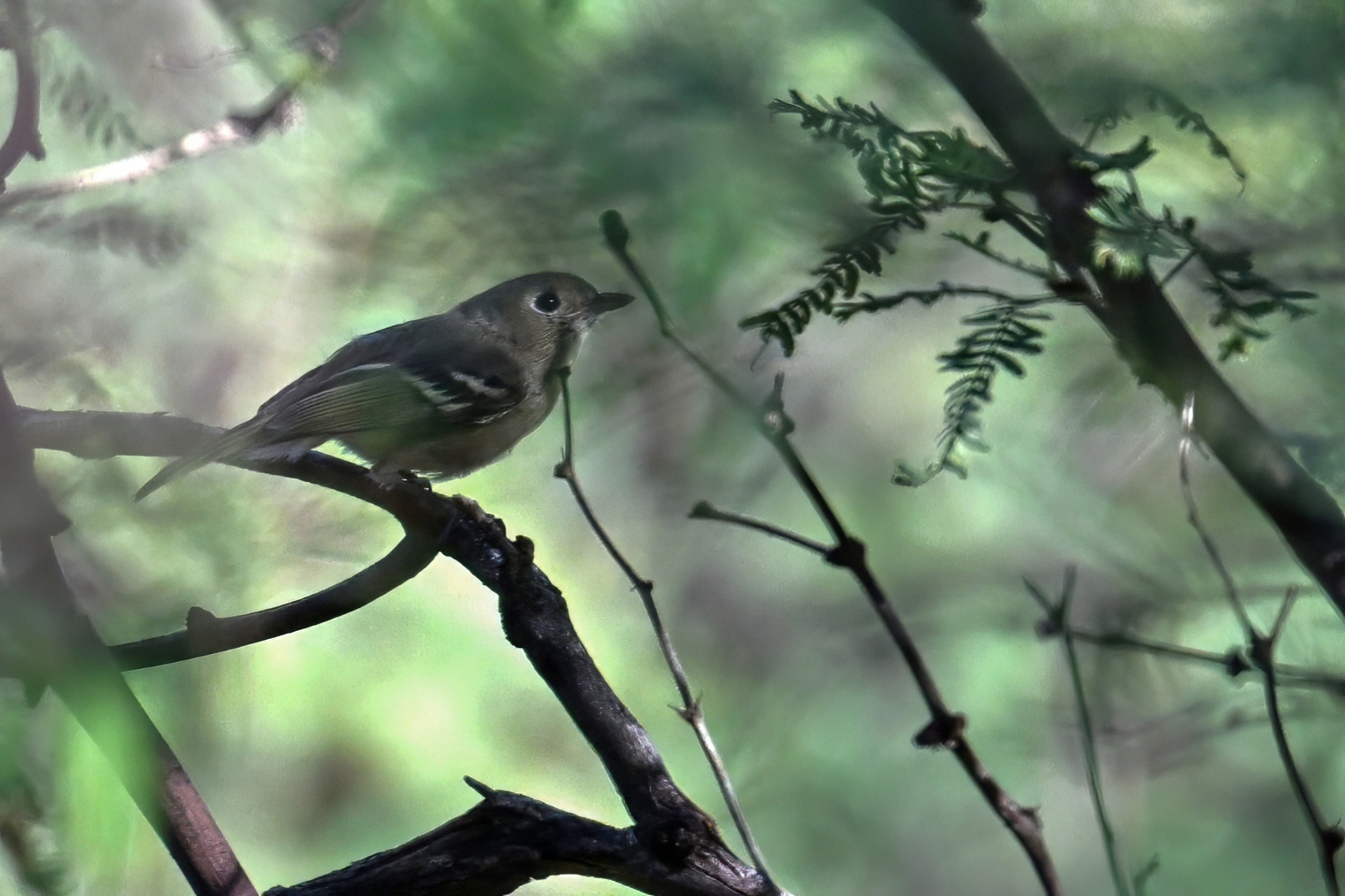
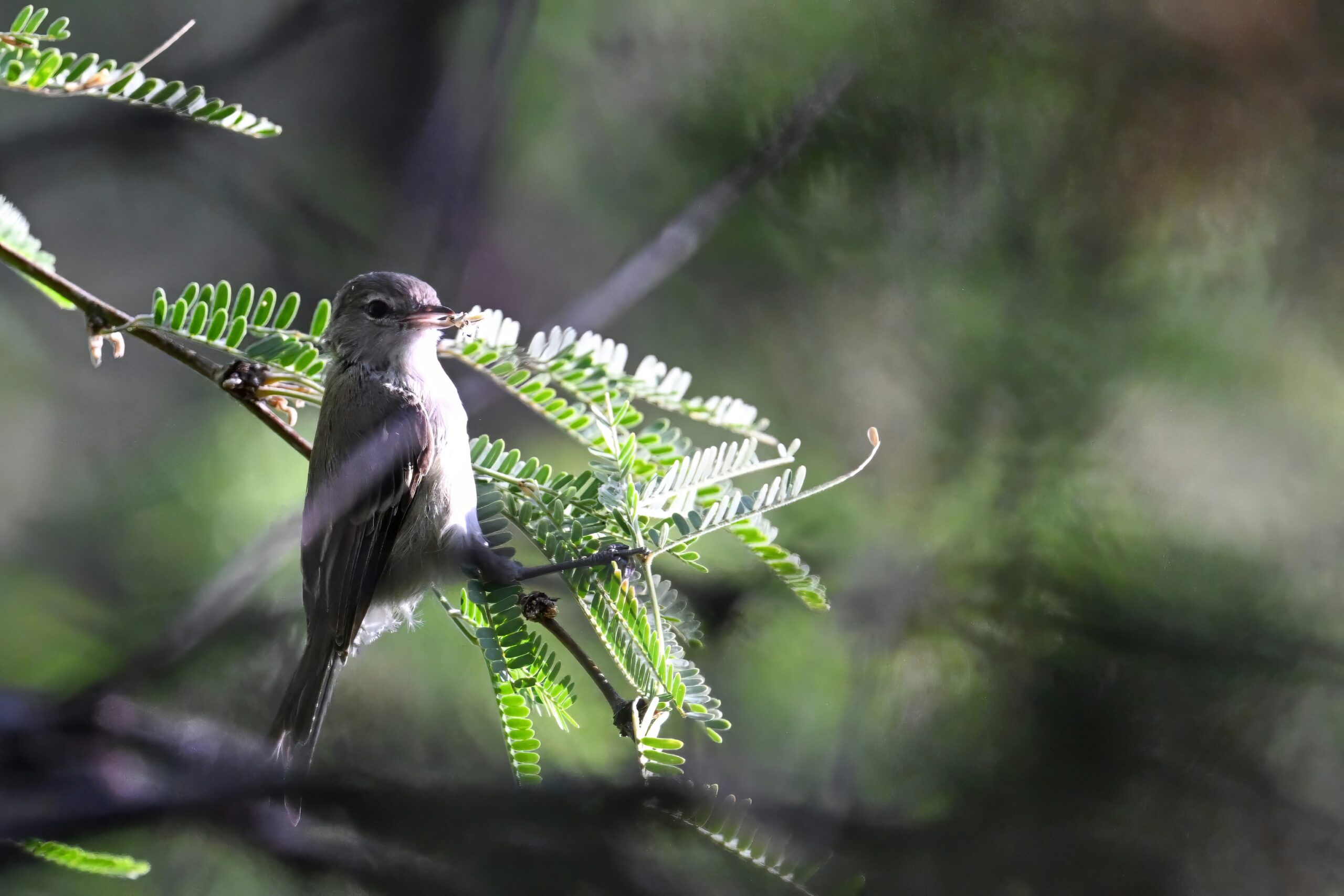
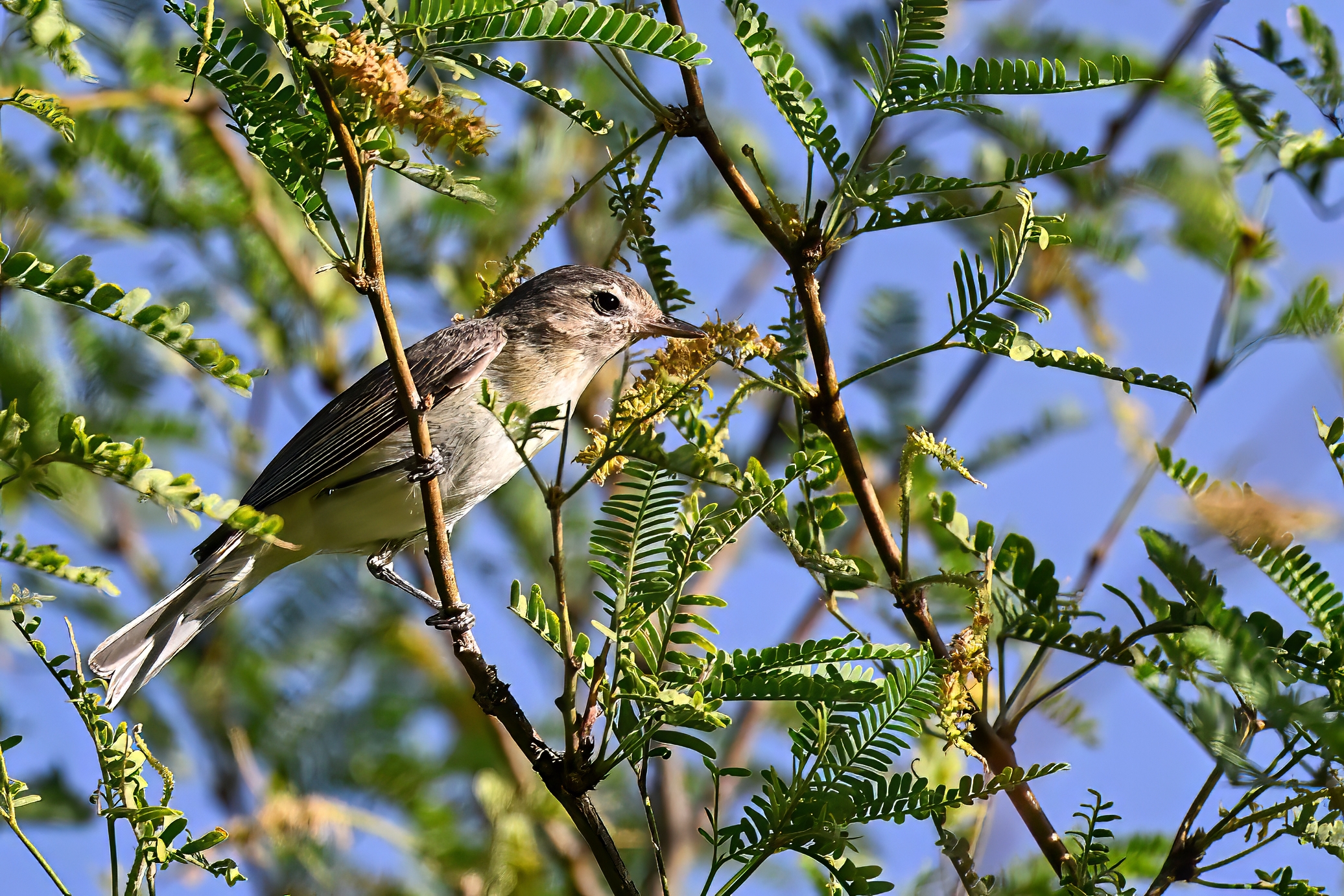
Here’s a bad/shady photograph of a cute Hutton’s Vireo – the Ruby-crowned Kinglet lookalike – which we know because this was in Arizona 😉
Hutton’s Vireo in Peppersauce CanyonSunrise outside Oracle, AZ, view towards San Pedro Valley
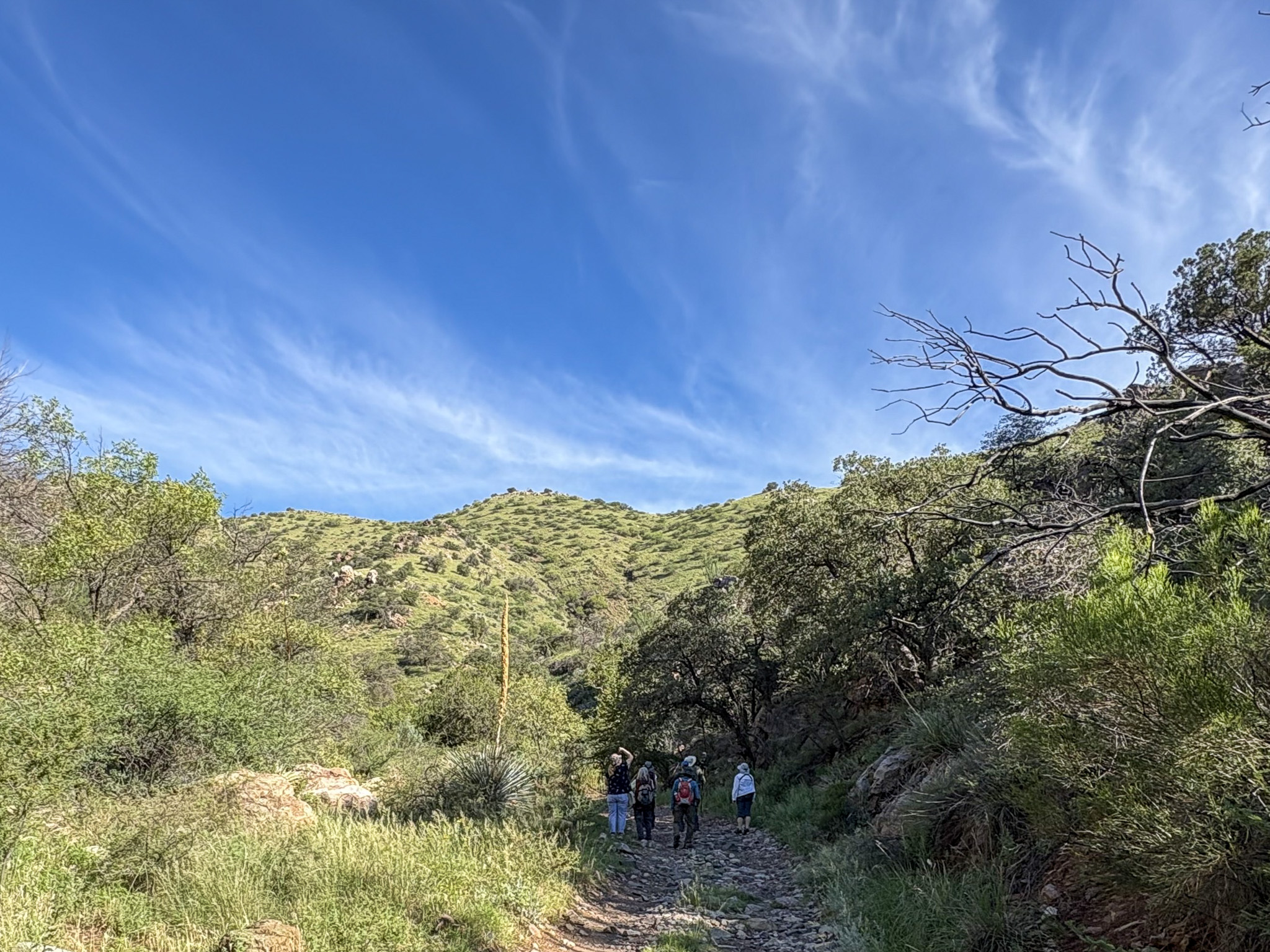
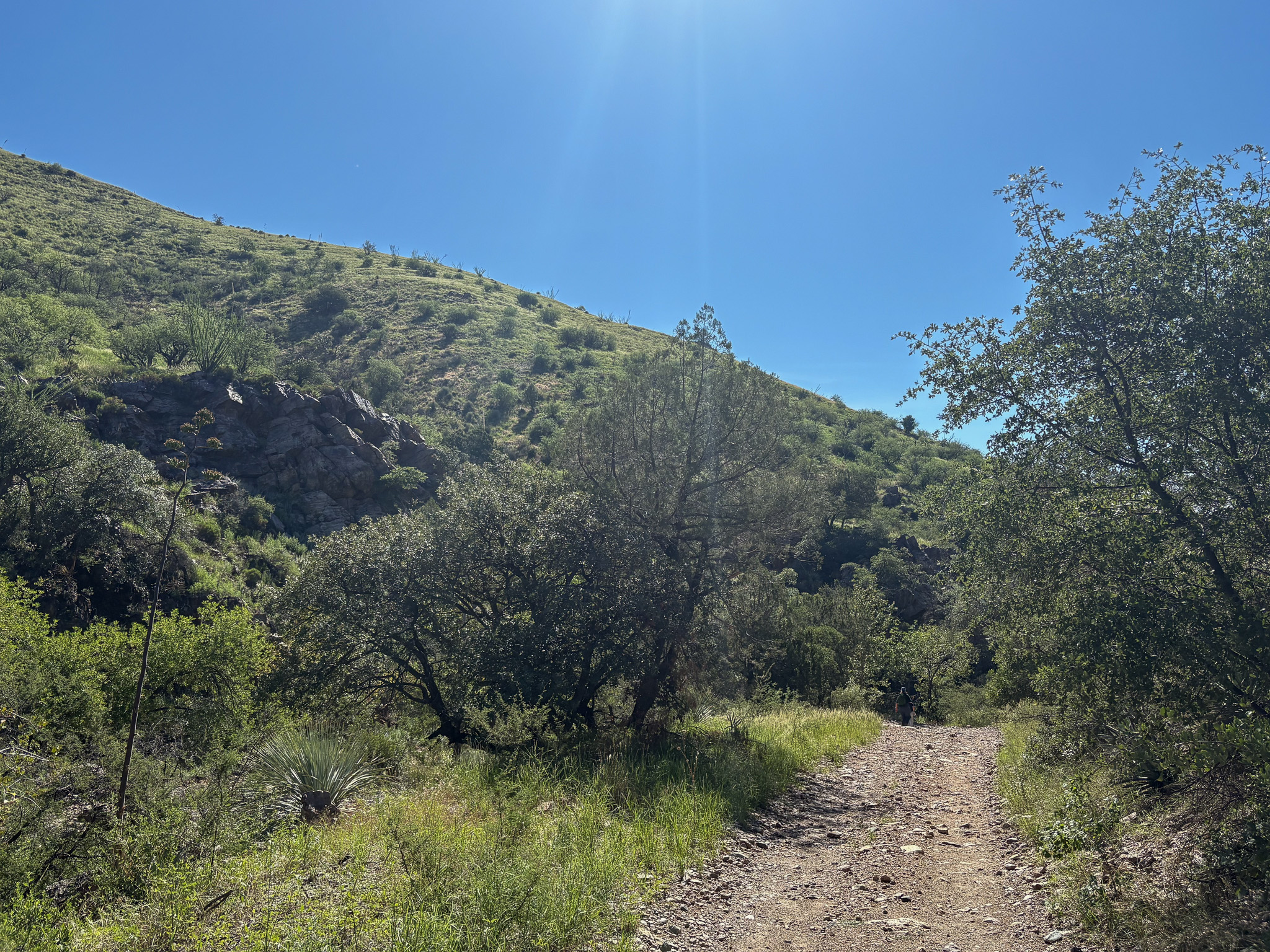
Today’s post features part of a nice field trip with the SE AZ Birding Festival, to out-of-the-way birding hotspot Peppersauce Canyon, on the northeast side of the Santa Catalina Mountains (e.g., Mt. Lemmon), south of the town of Oracle. (Directions to Peppersauce Canyon: drive to Oracle, AZ, then follow the road to Oracle State Park, keep driving past the entrance to the state park to where it turns into a dirt road, then follow the dirt road for a few miles. Road conditions as far as the canyon/campground = dusty/good.)
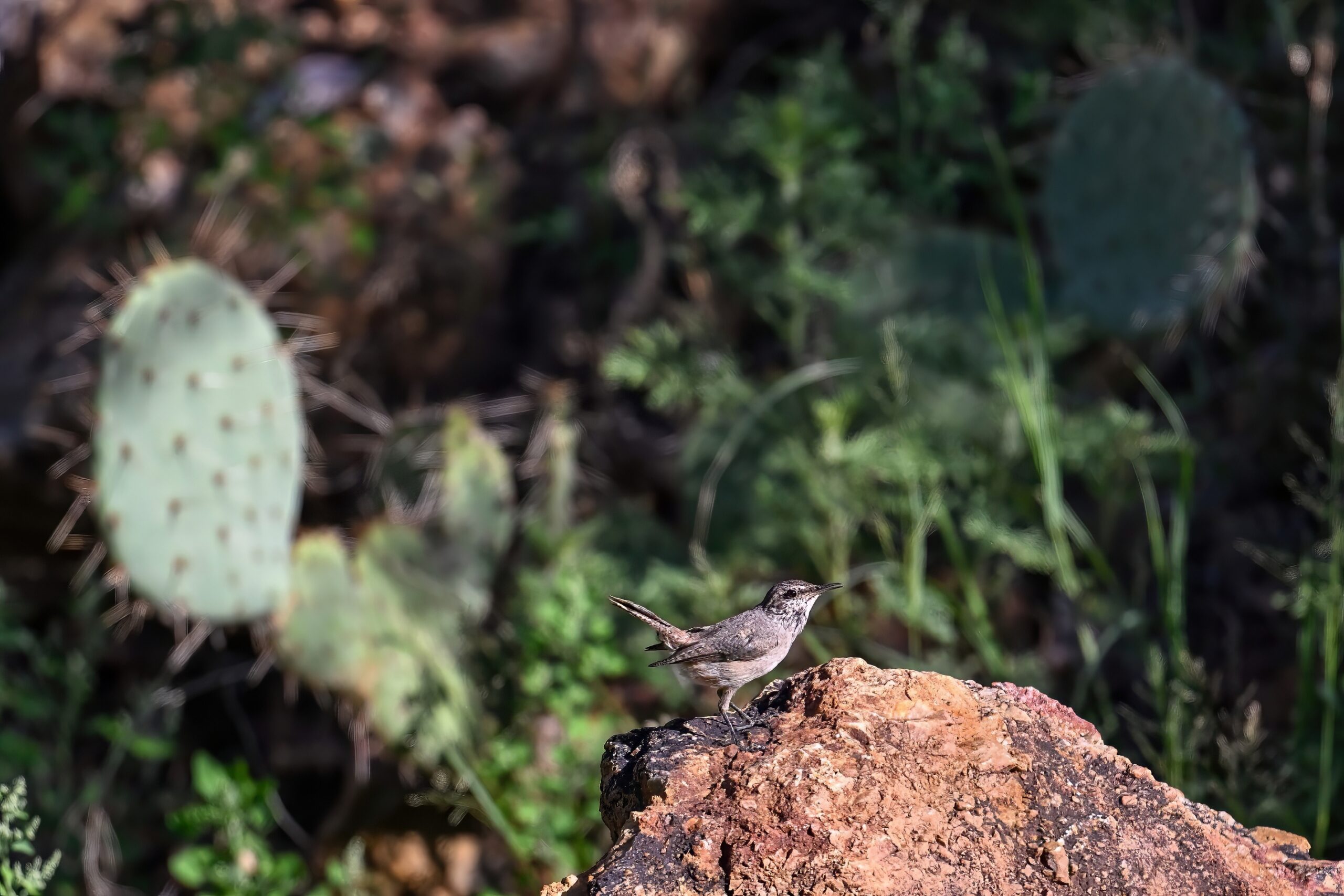
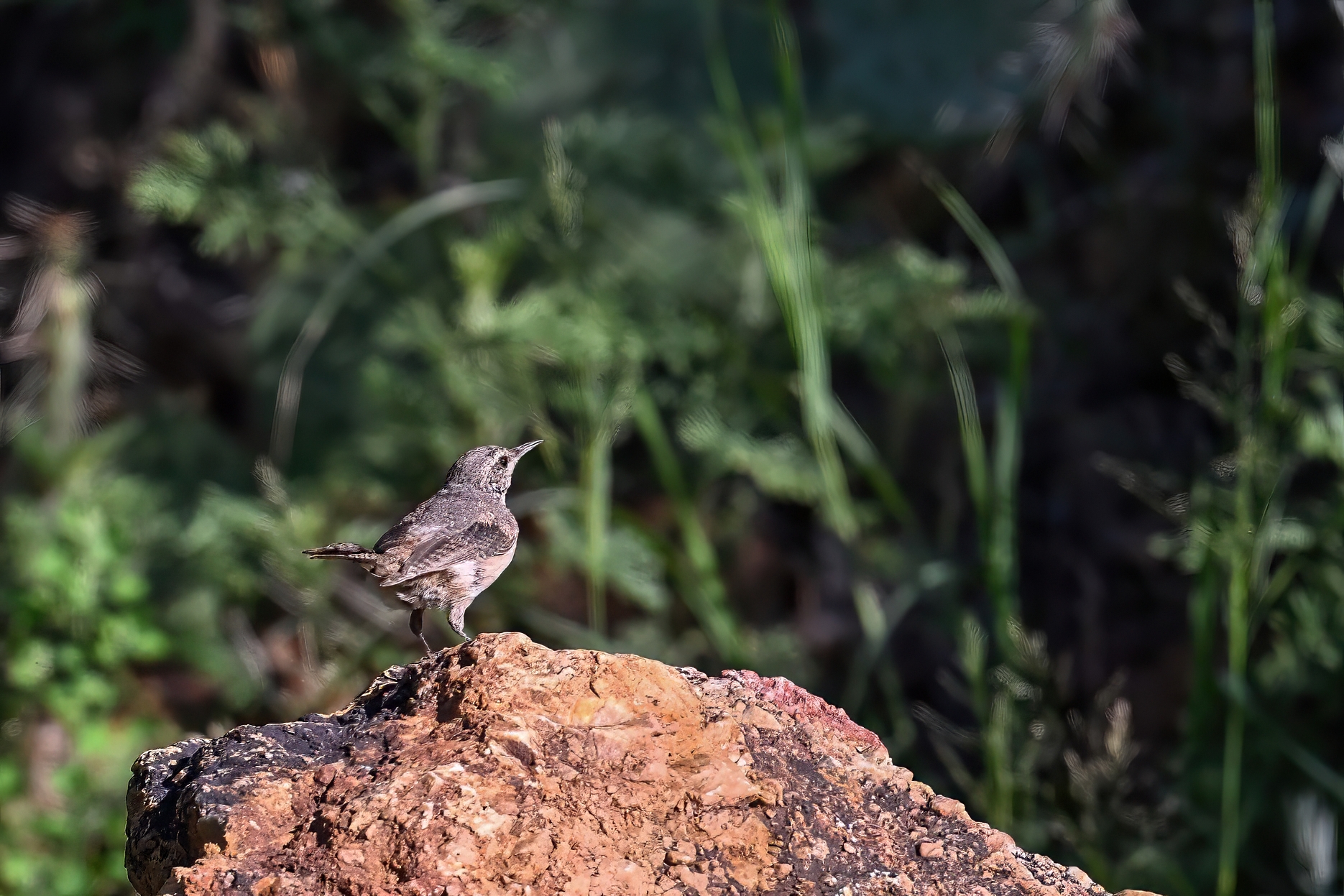
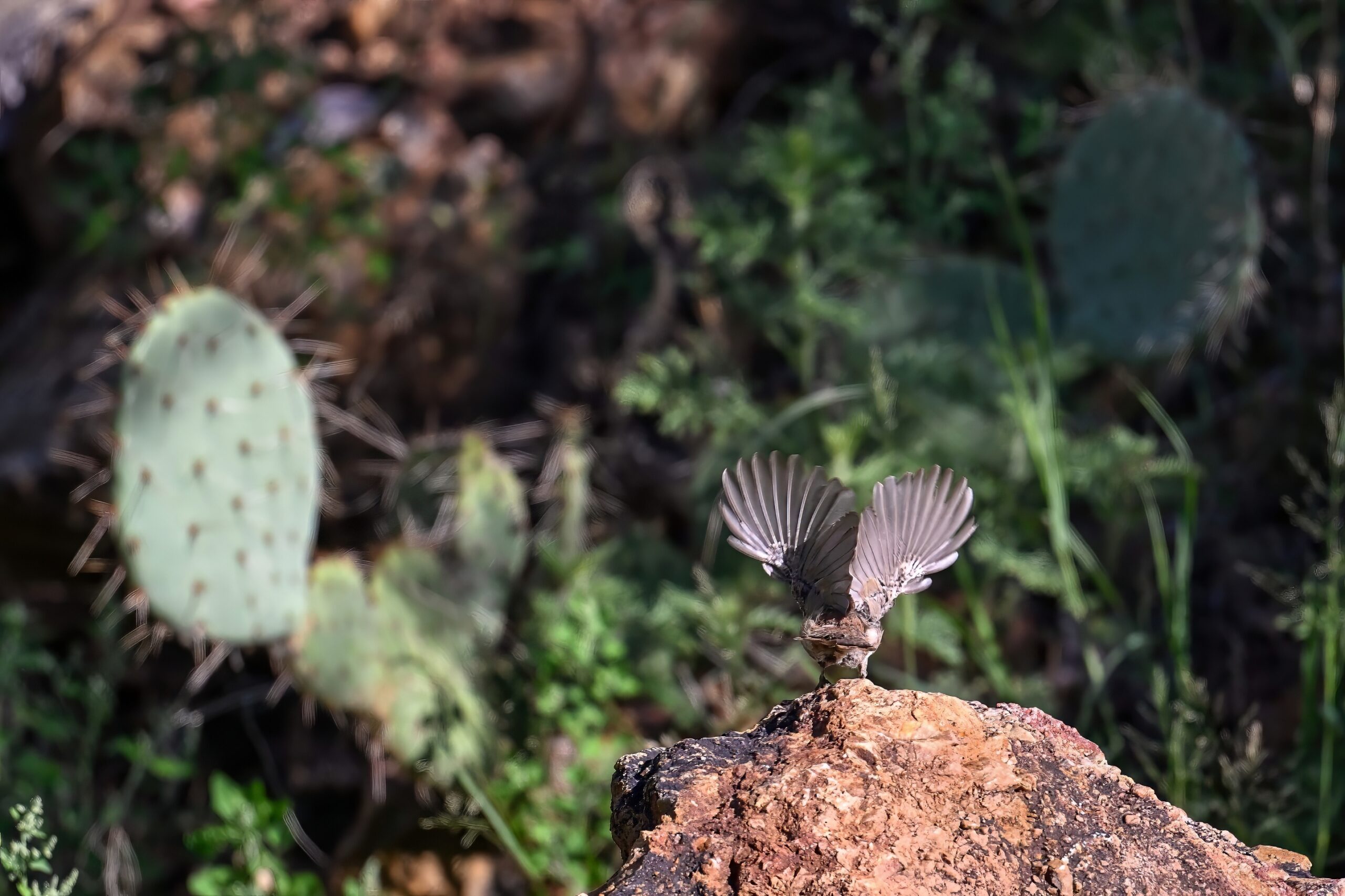
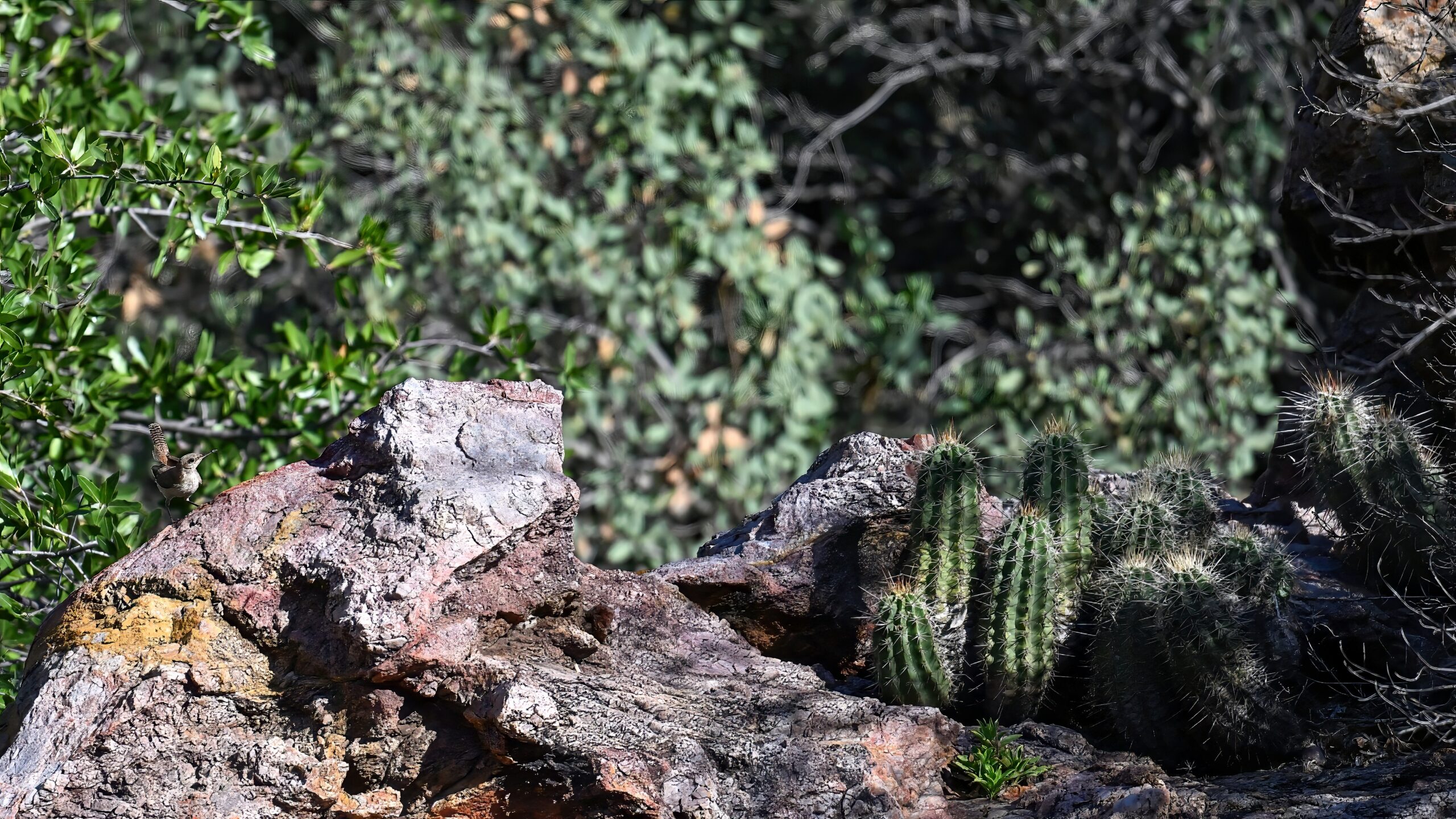
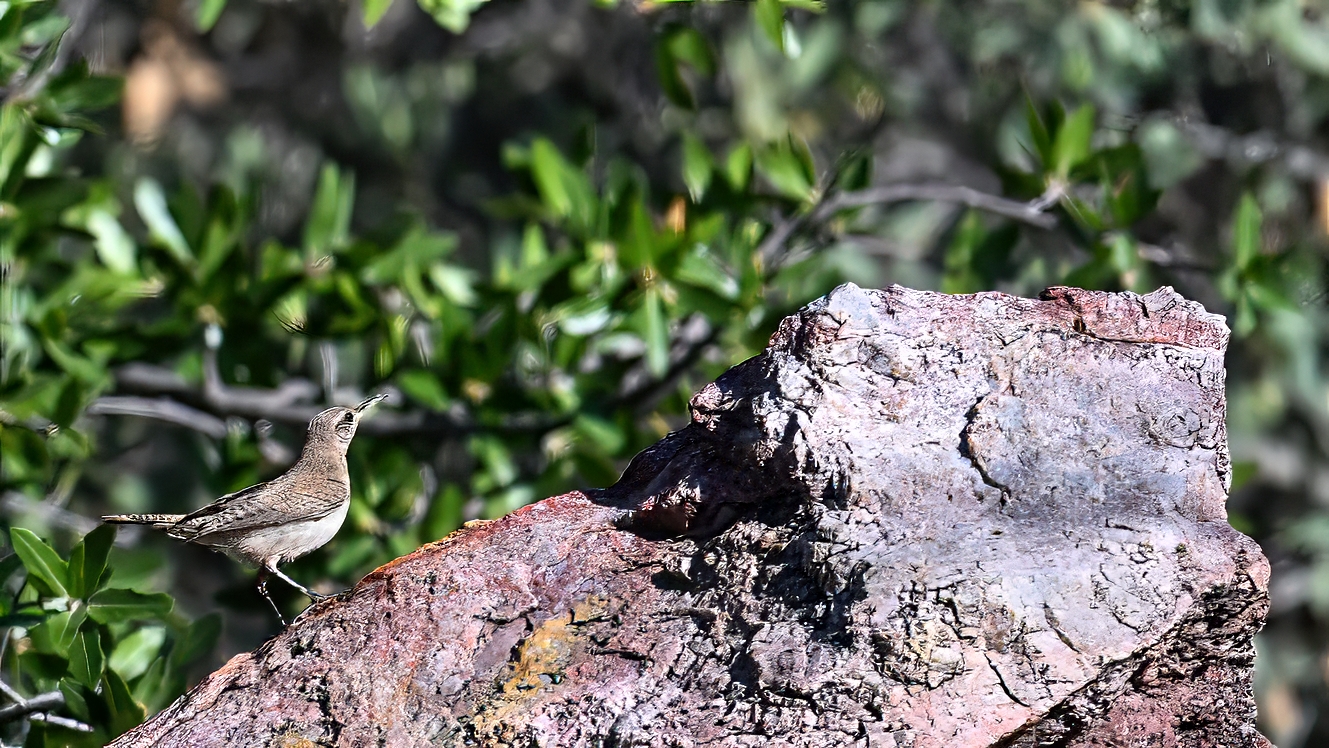
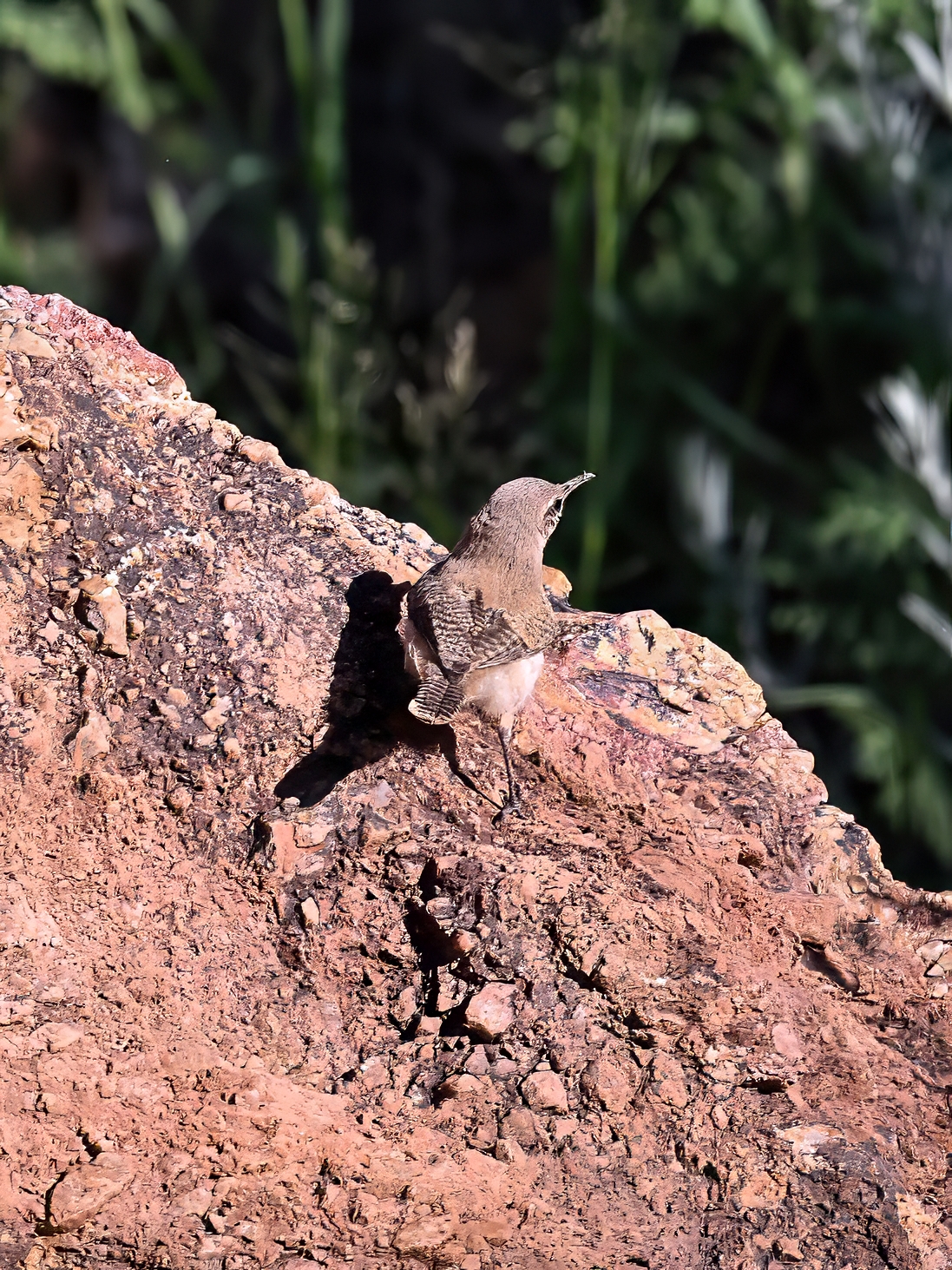
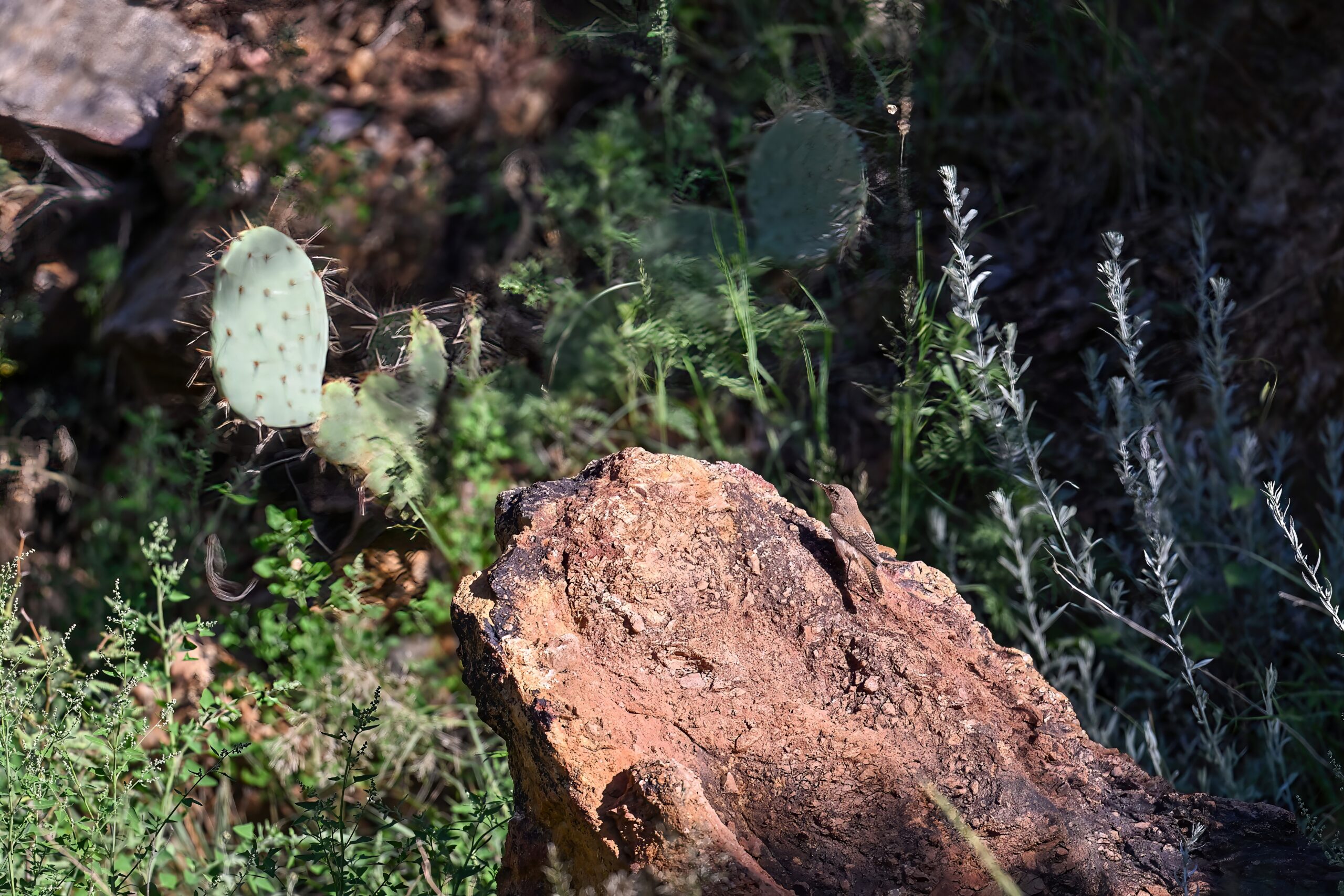
This was a great location for seeing Rock Wren, of which there were 4-5+, all chasing each other around:
Really nice examples of Rock Wren cryptic plumage*:
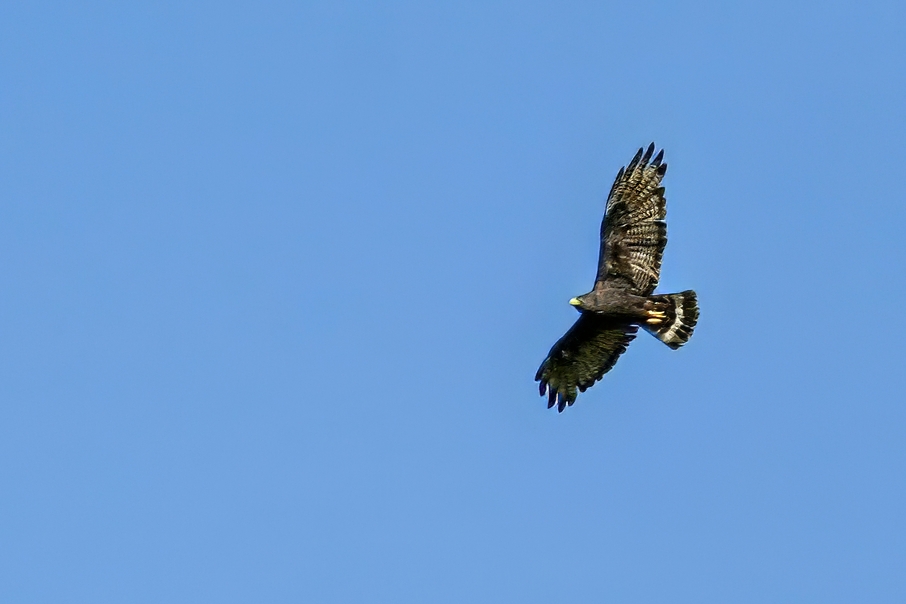
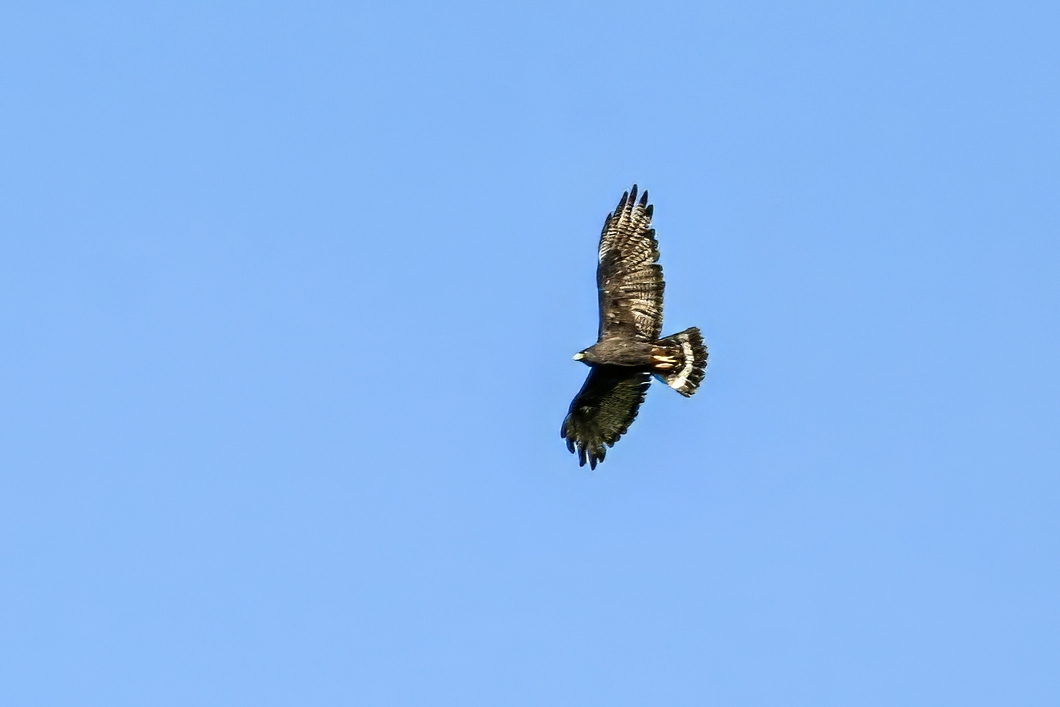
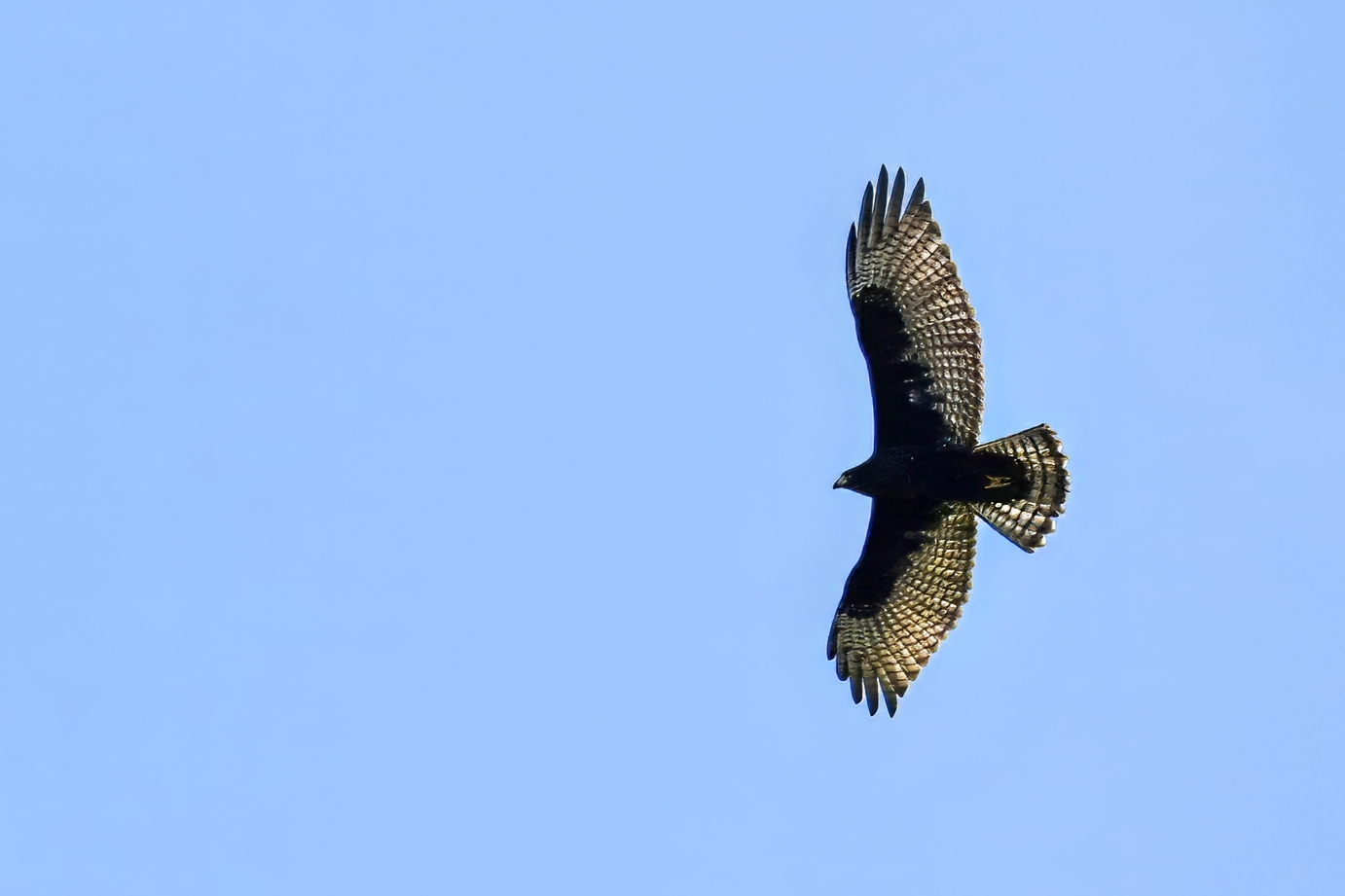
This is an immature Zone-tailed Hawk; note the lack of a distinct tail band:
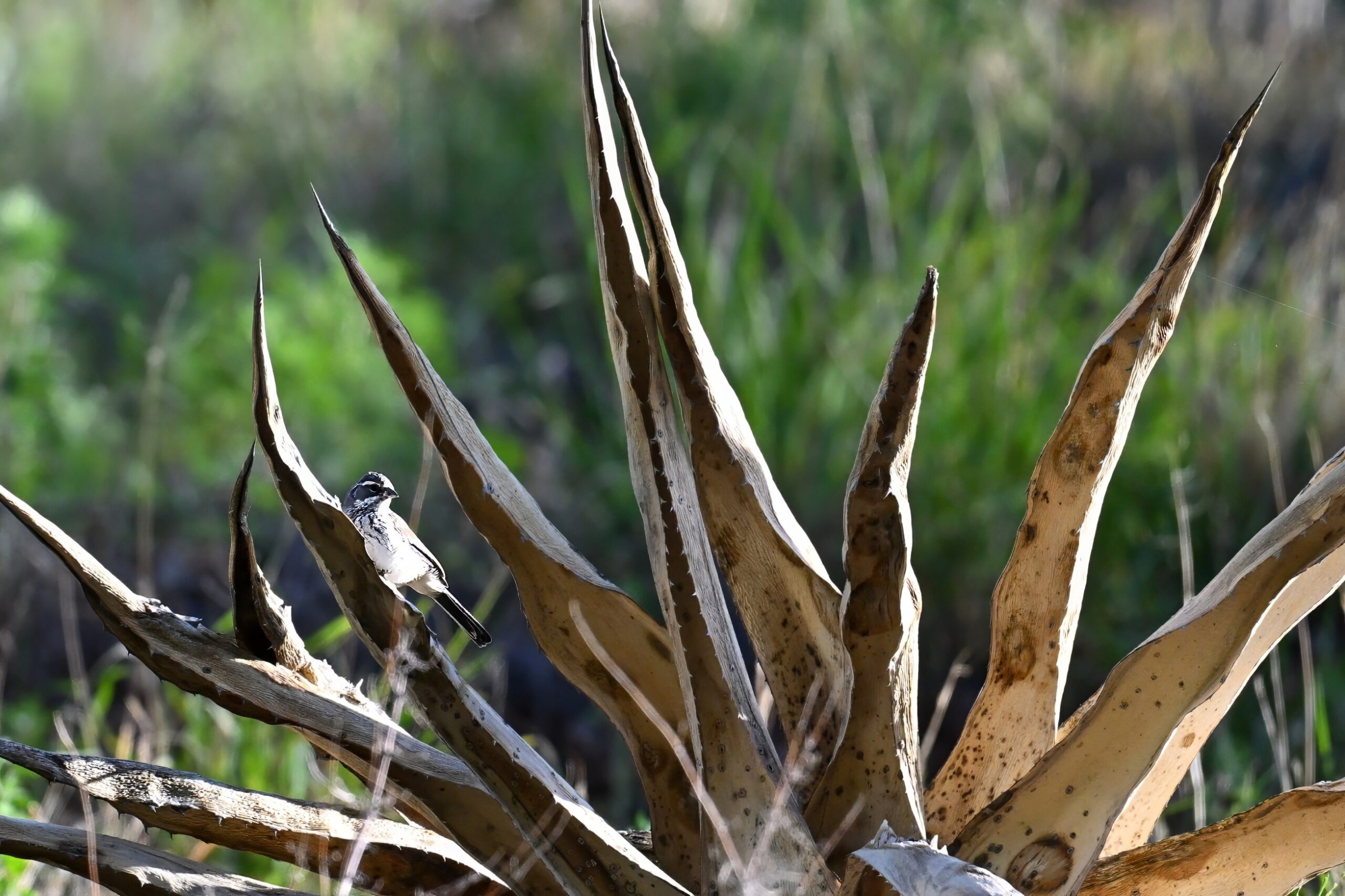
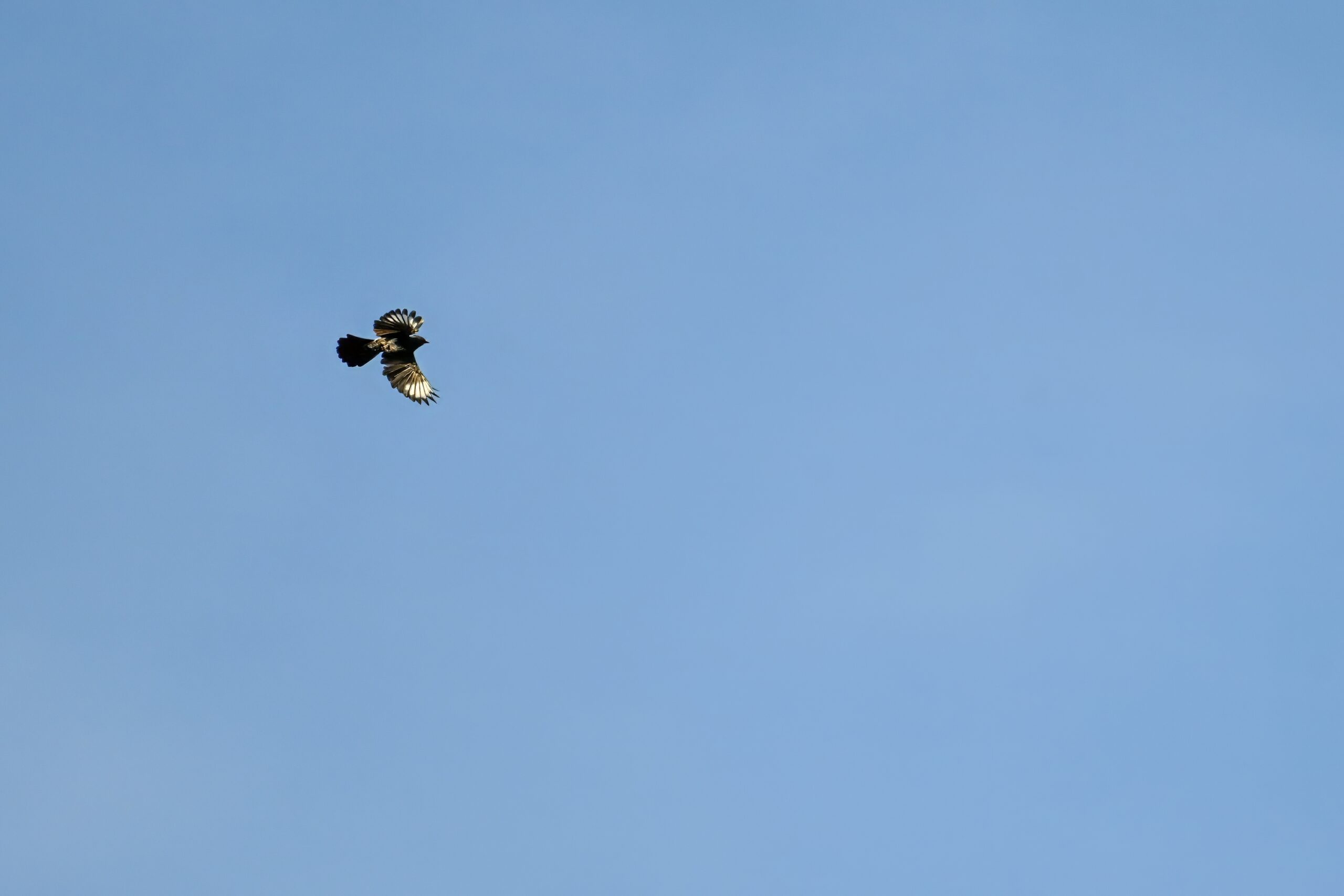
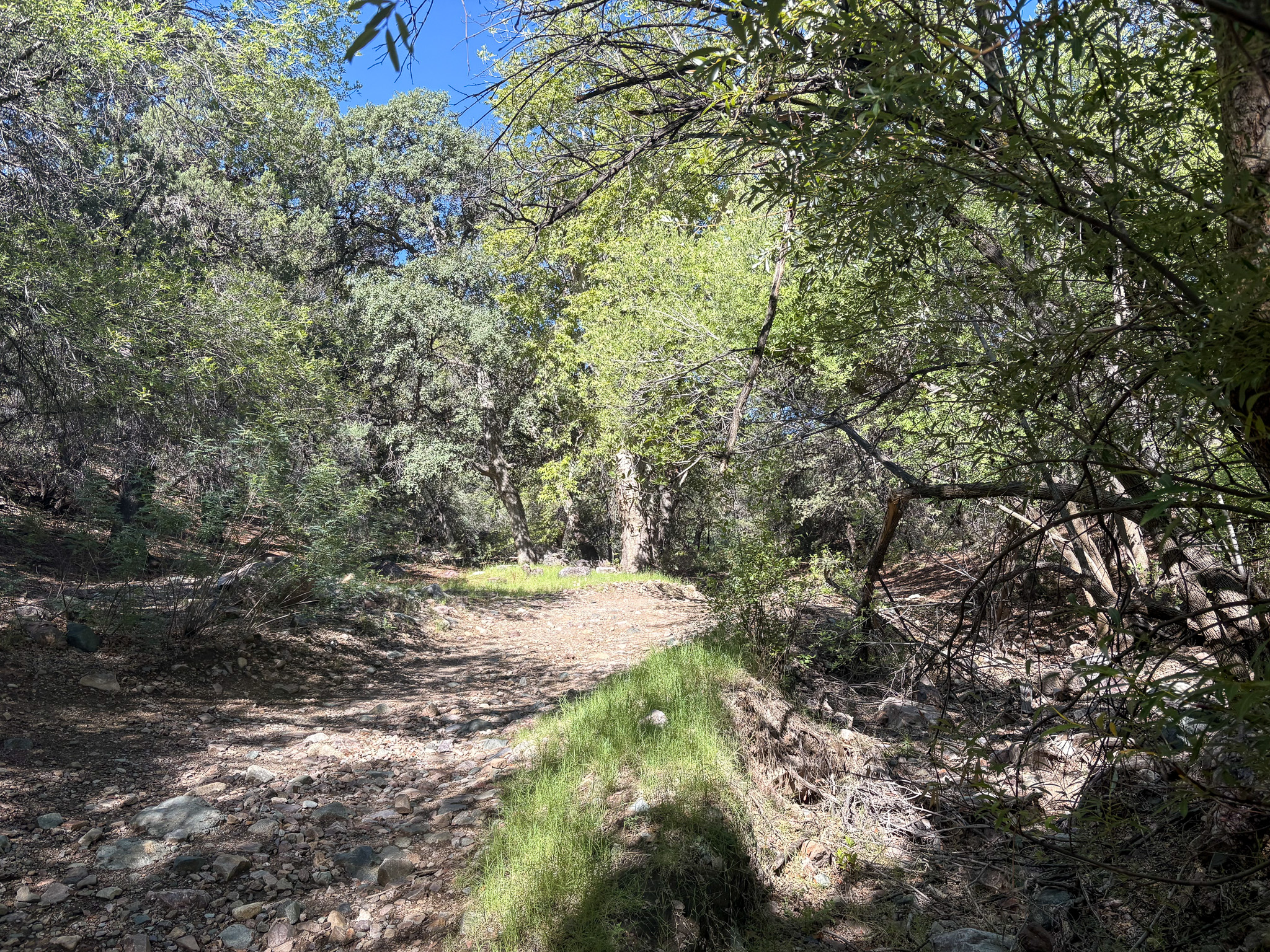
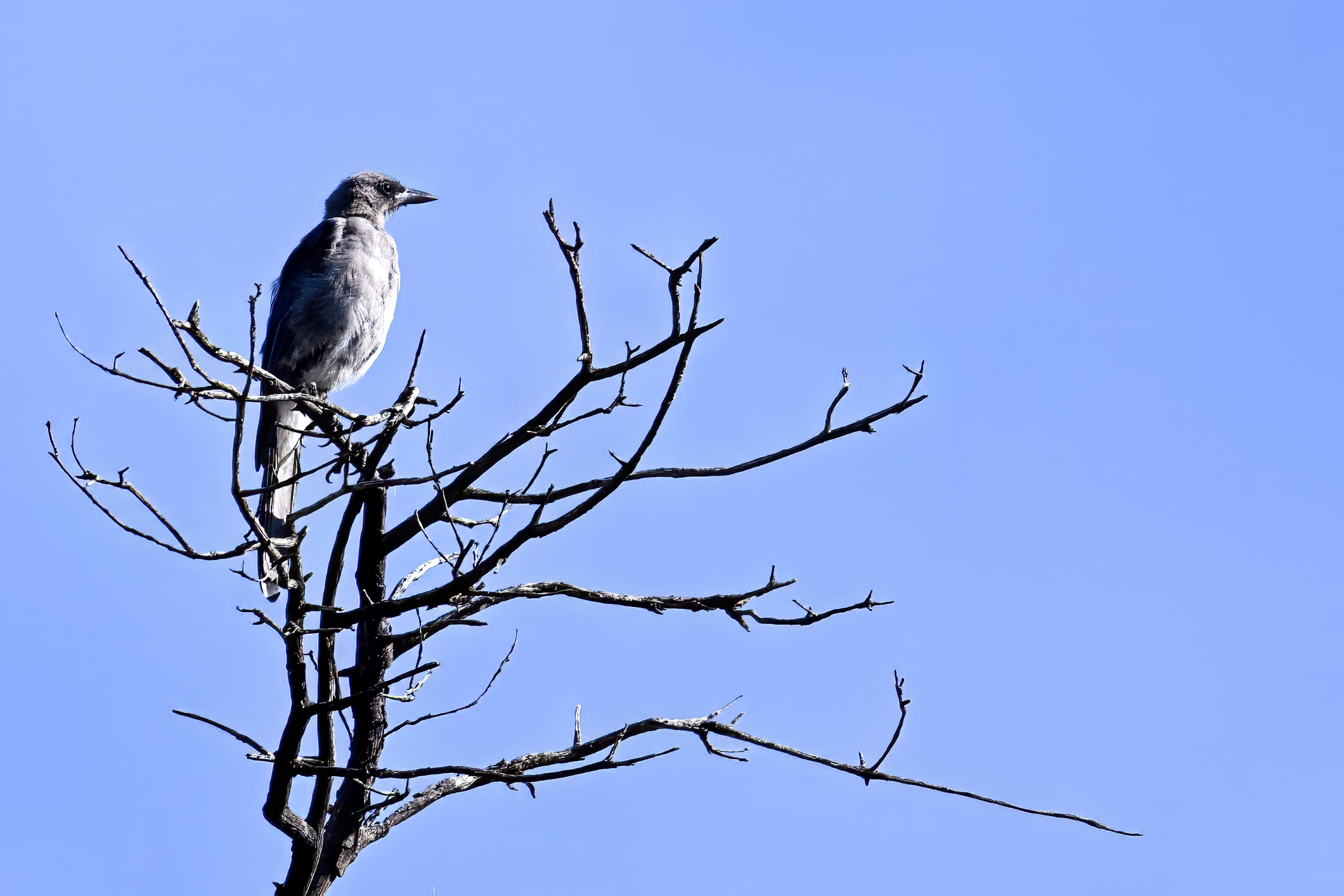
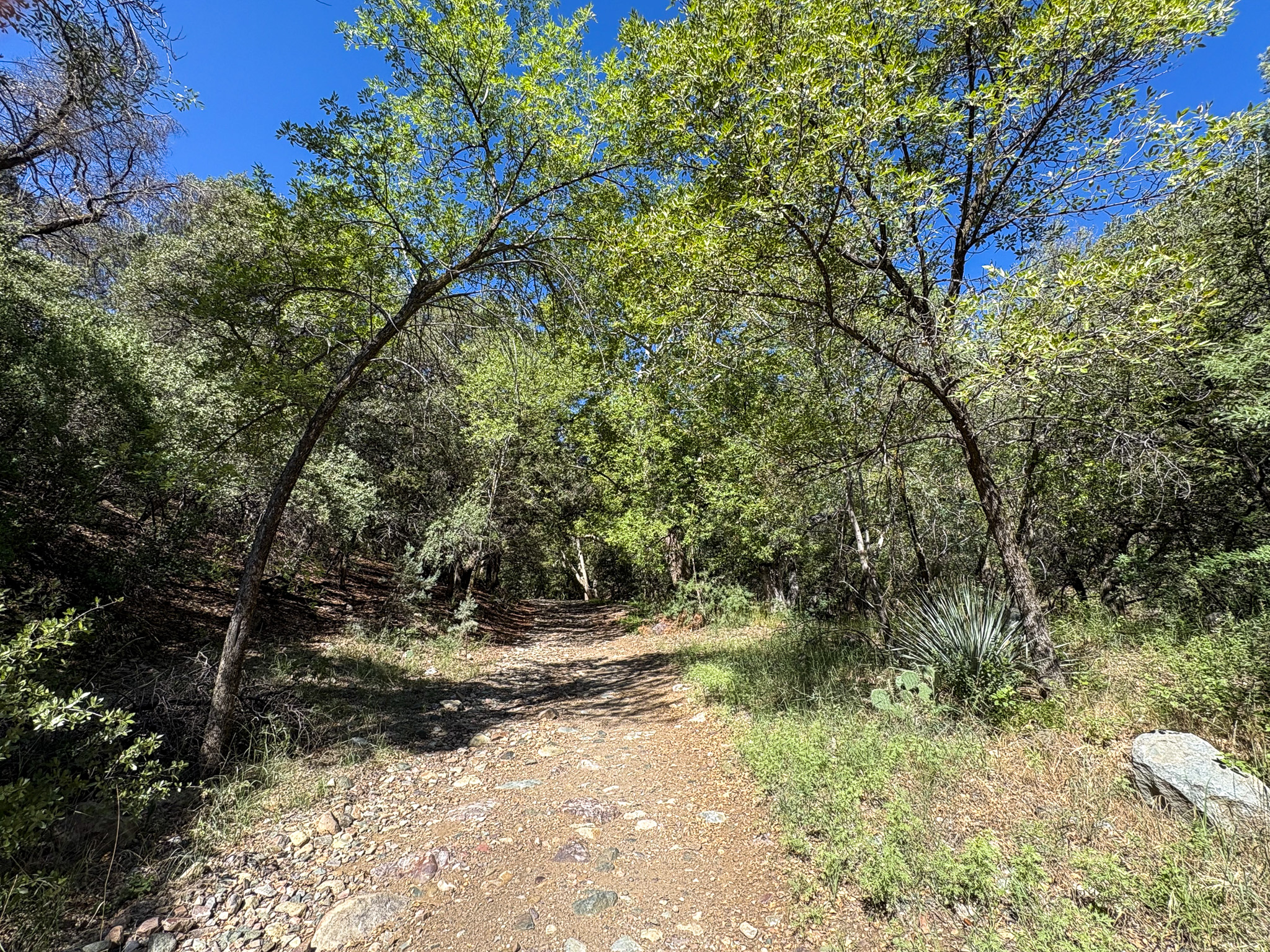
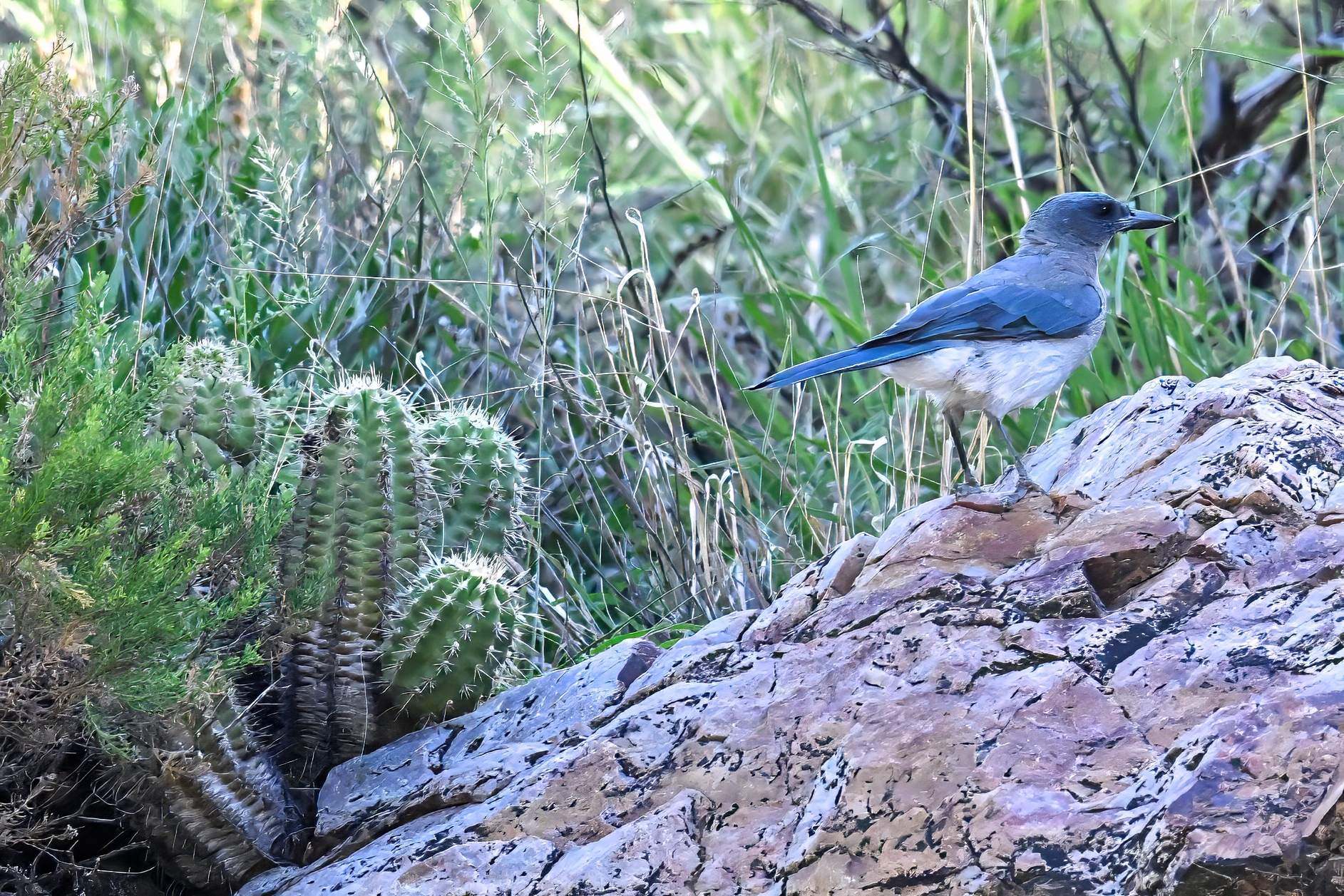
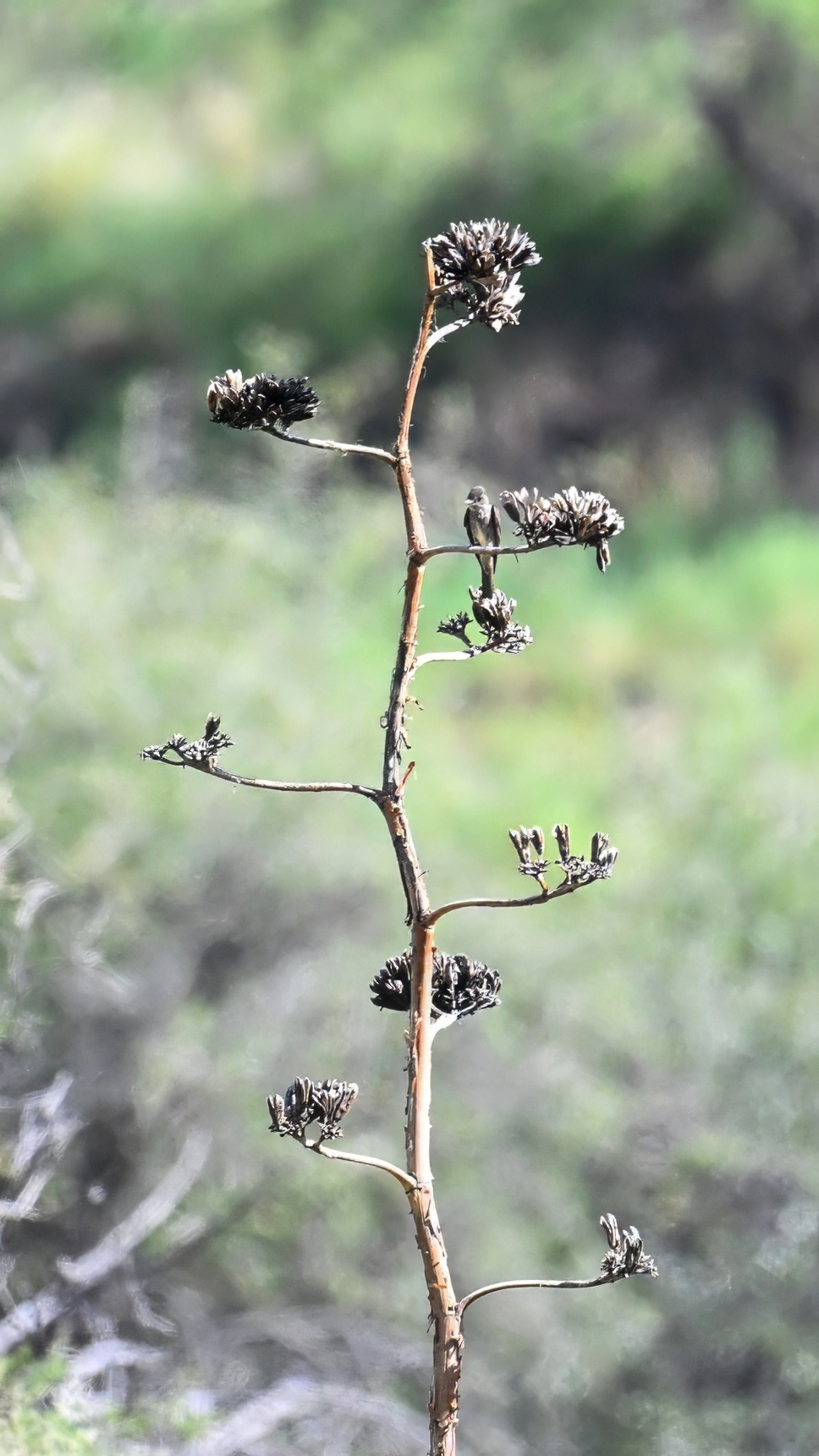
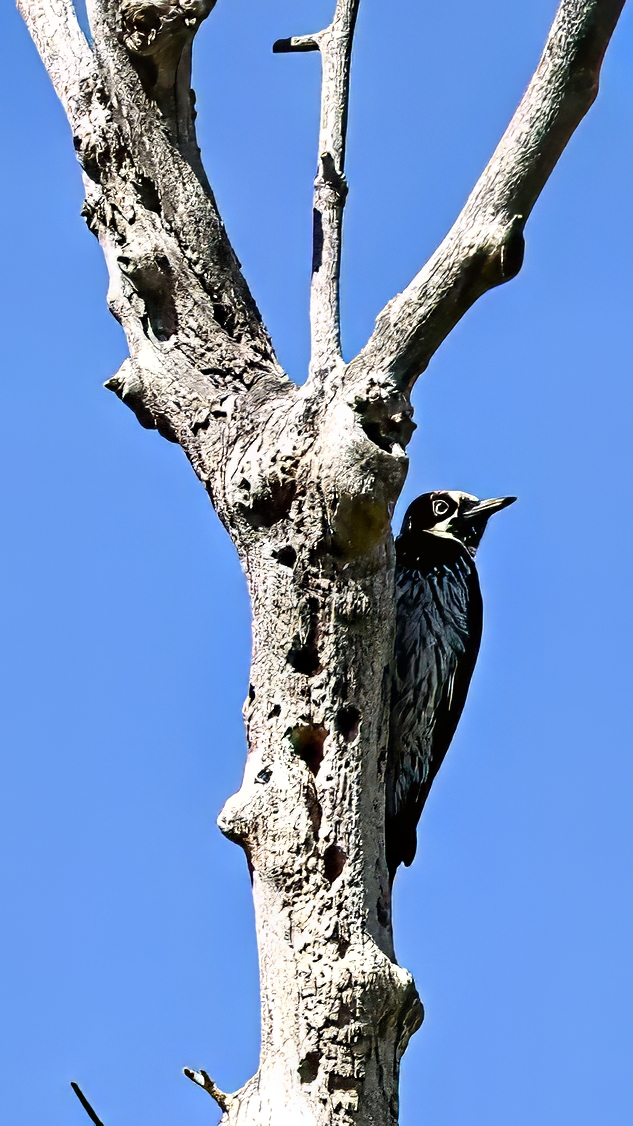
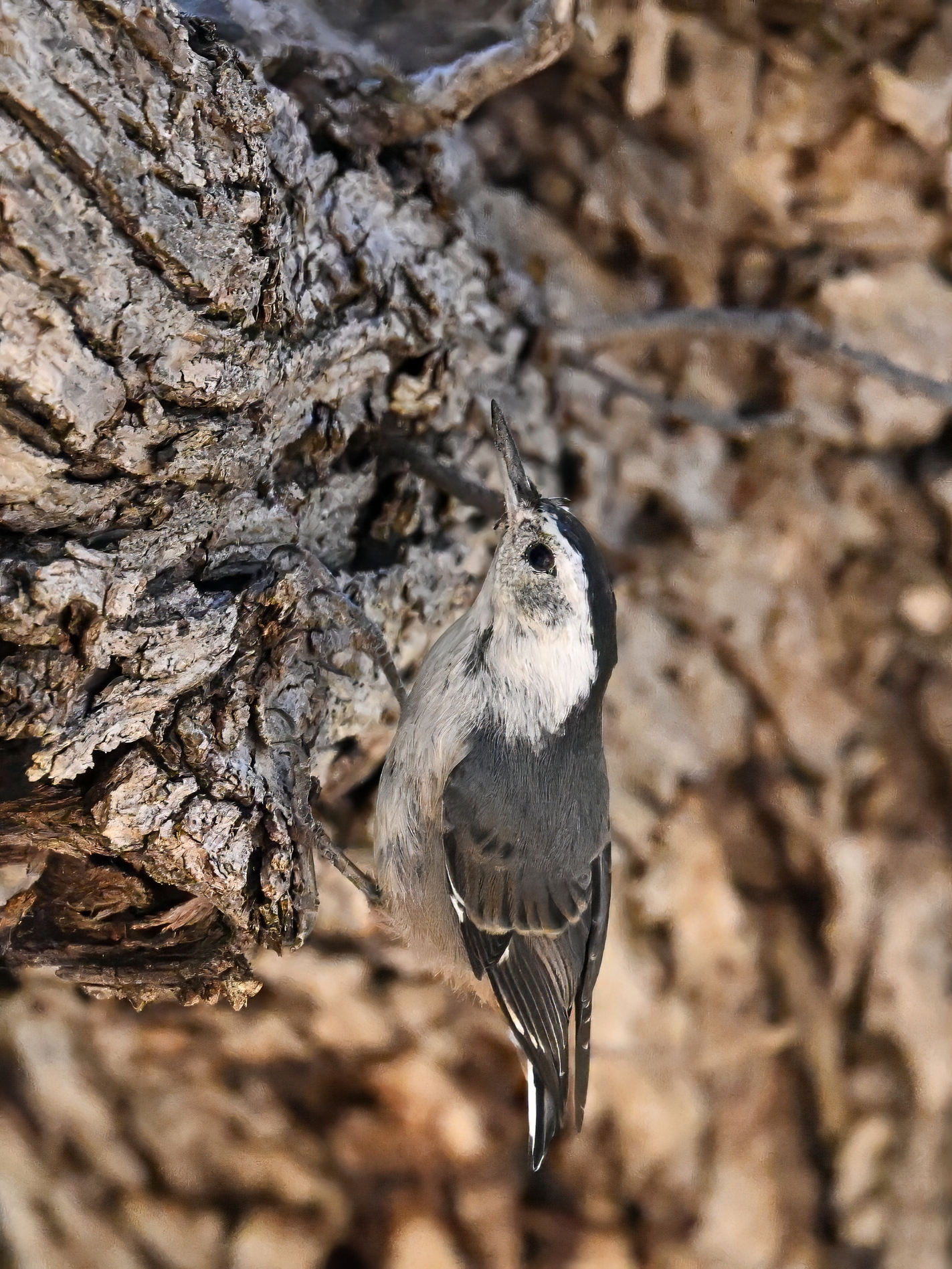
Immature Zone-tailed HawkUpper Peppersauce Canyon w/ sycamores, etc.Immature Mexican JayMore upper canyonAdult Mexican Jay on rock w/ cactusWestern Wood-Pewee on agaveLooking down-canyonAcorn WoodpeckerWhite-breasted Nuthatch
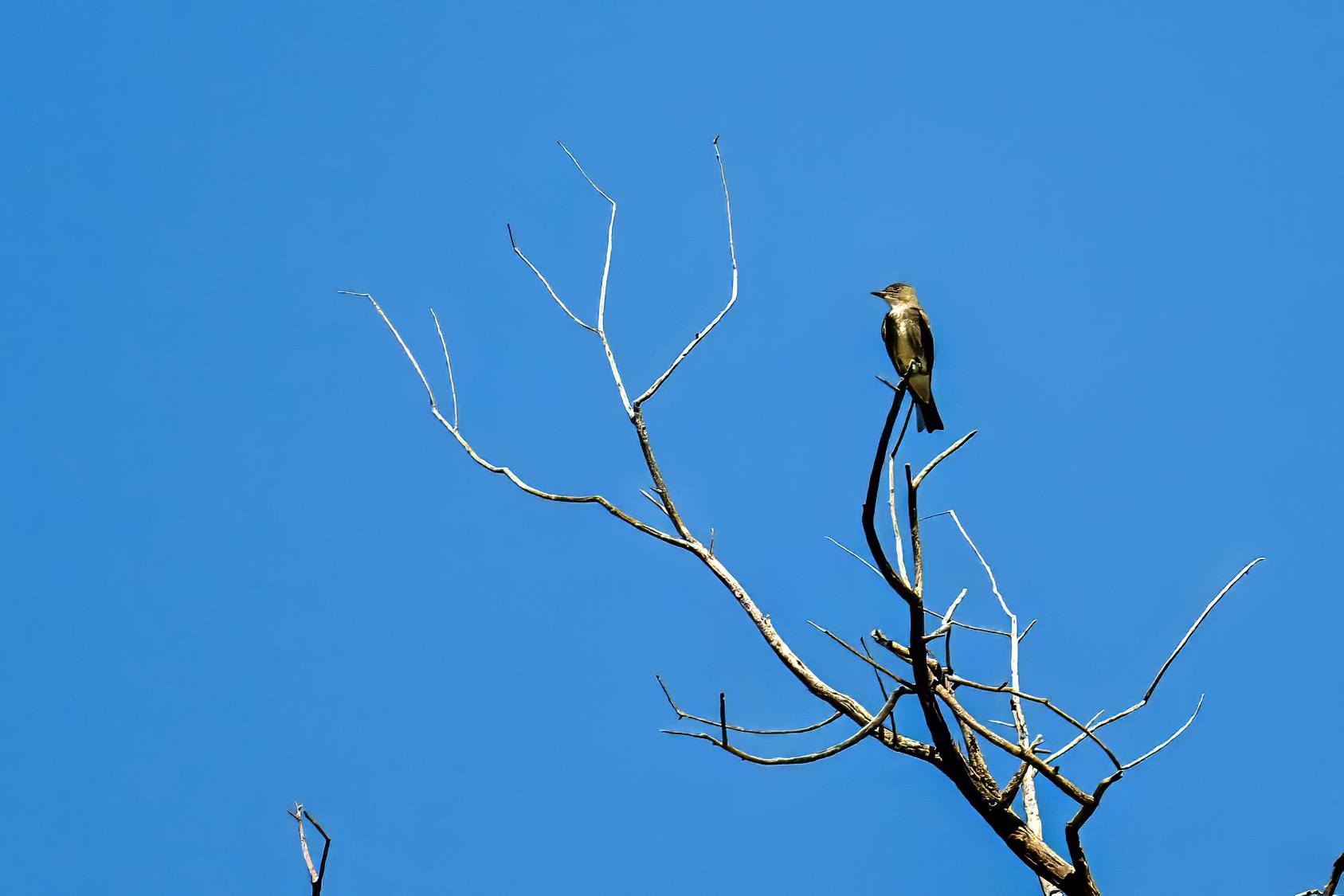
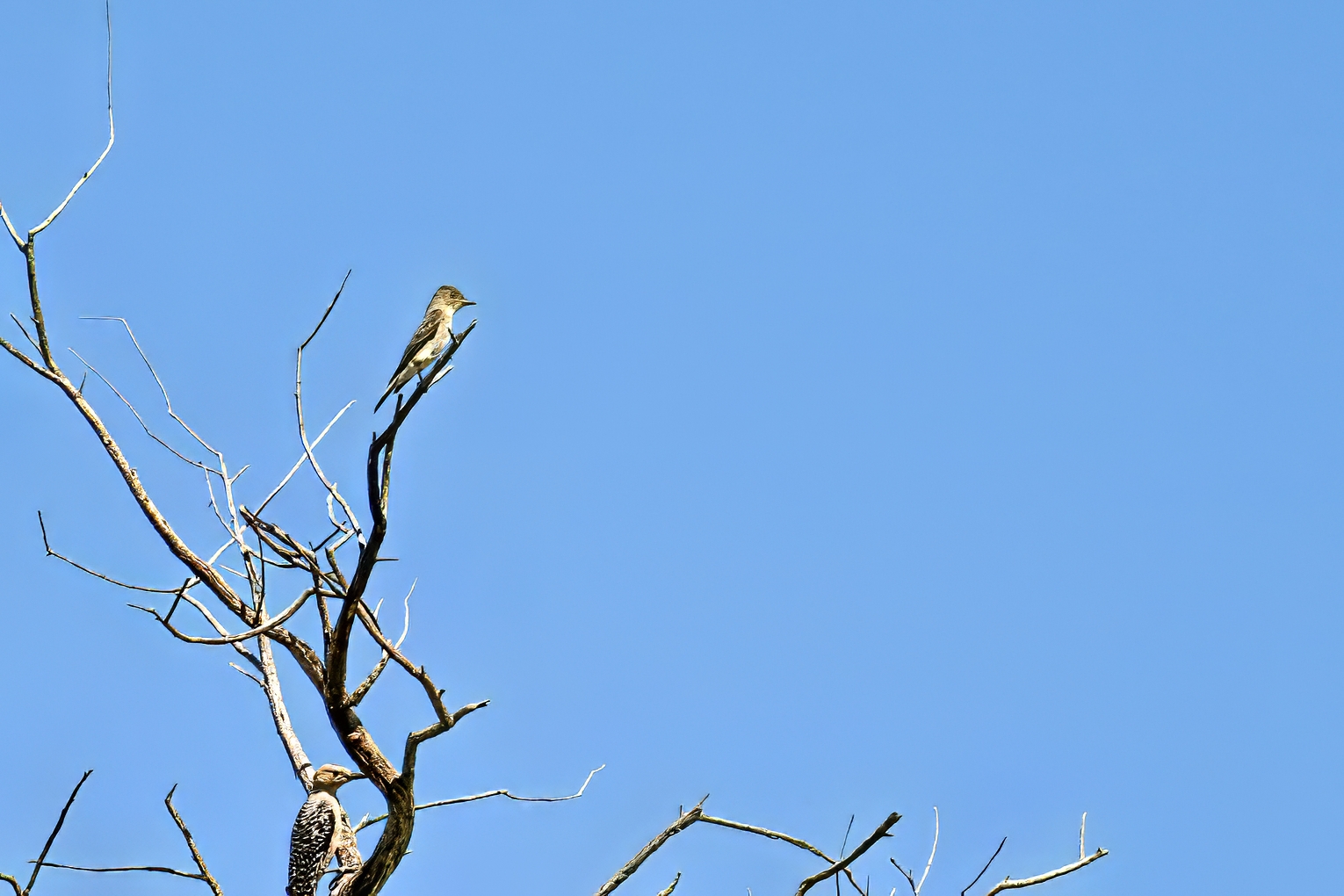
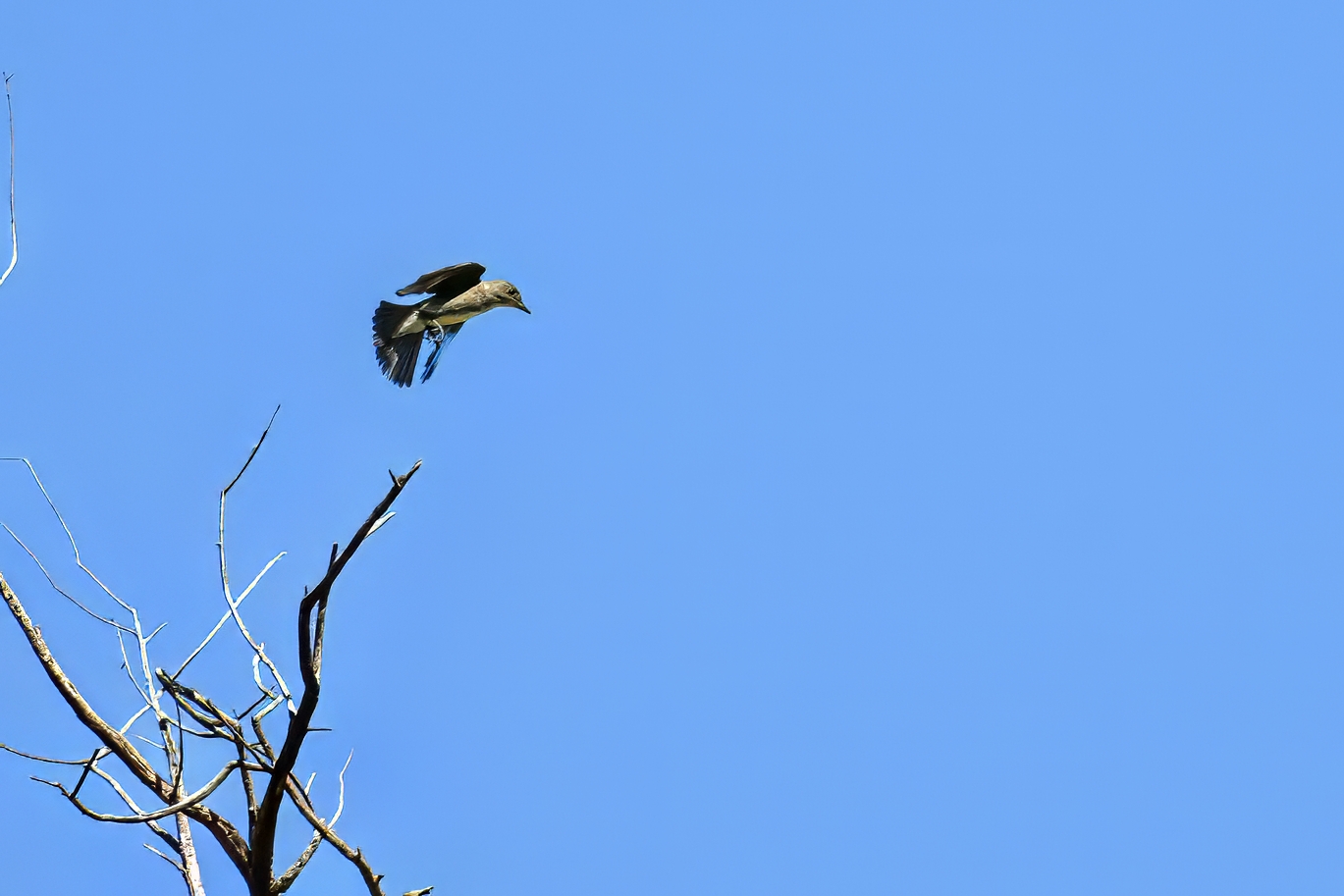
Nice sighting of Olive-sided Flycatcher:
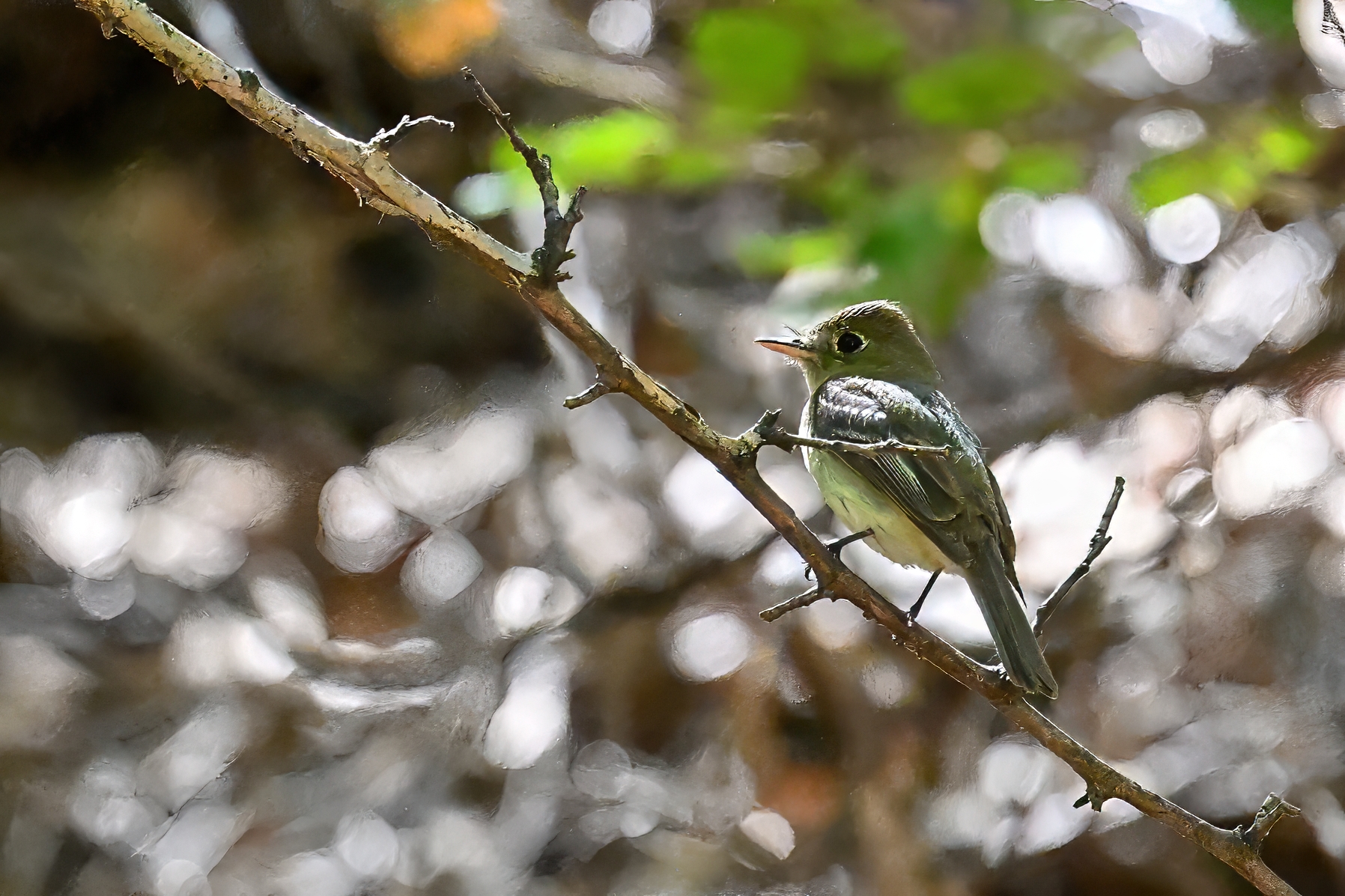
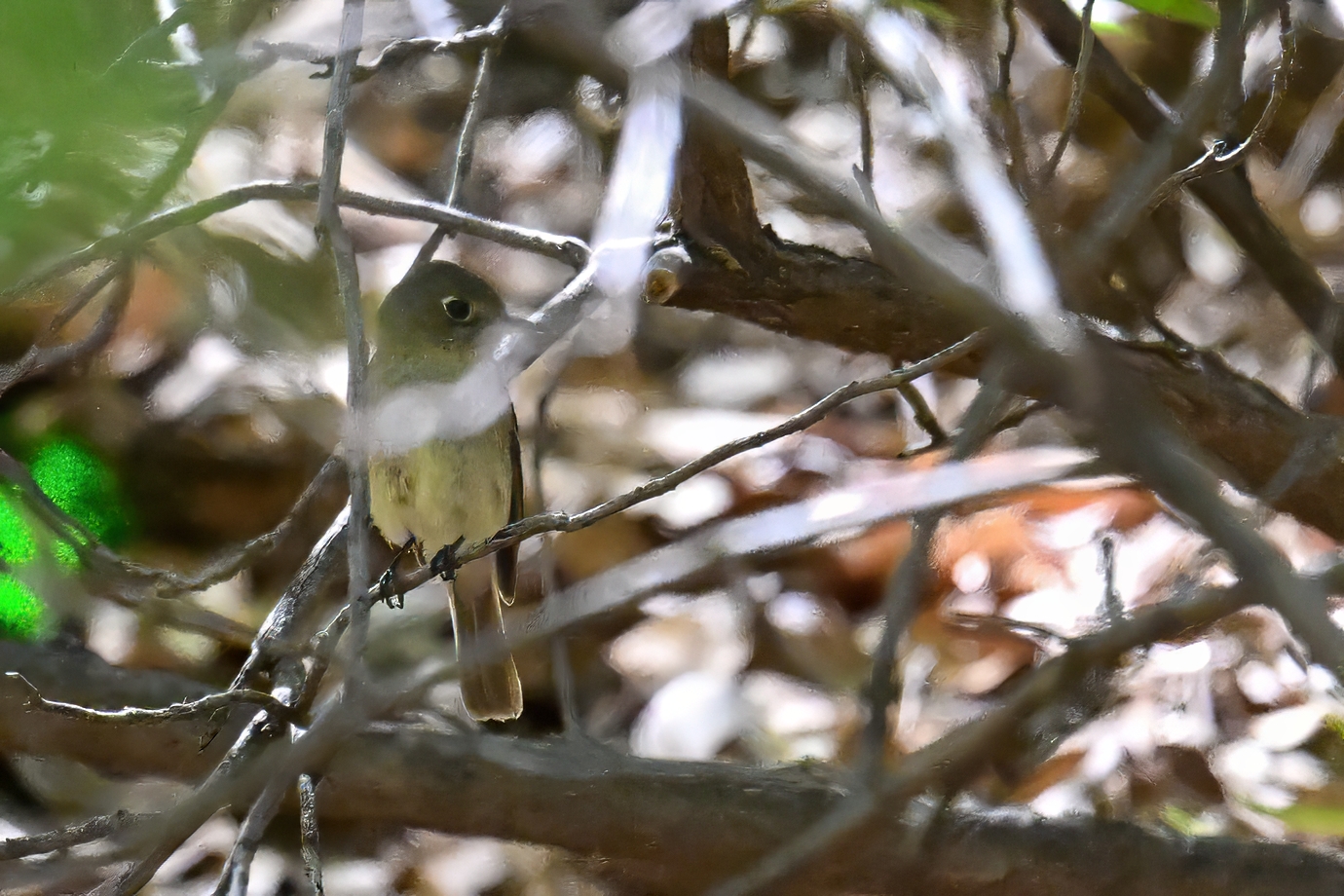
And finally for today, a nice/uncommon sighting of Willow Flycatcher (Empidonax traillii), specifically the Southwestern Willow Flycatcher subspecies (E. t. extimus):
[*Editor’s note: “Cryptic plumage refers to the colors, patterns, and textures of a bird’s feathers that are adapted to help it blend in with its surroundings.” Source: MS Copilot.]