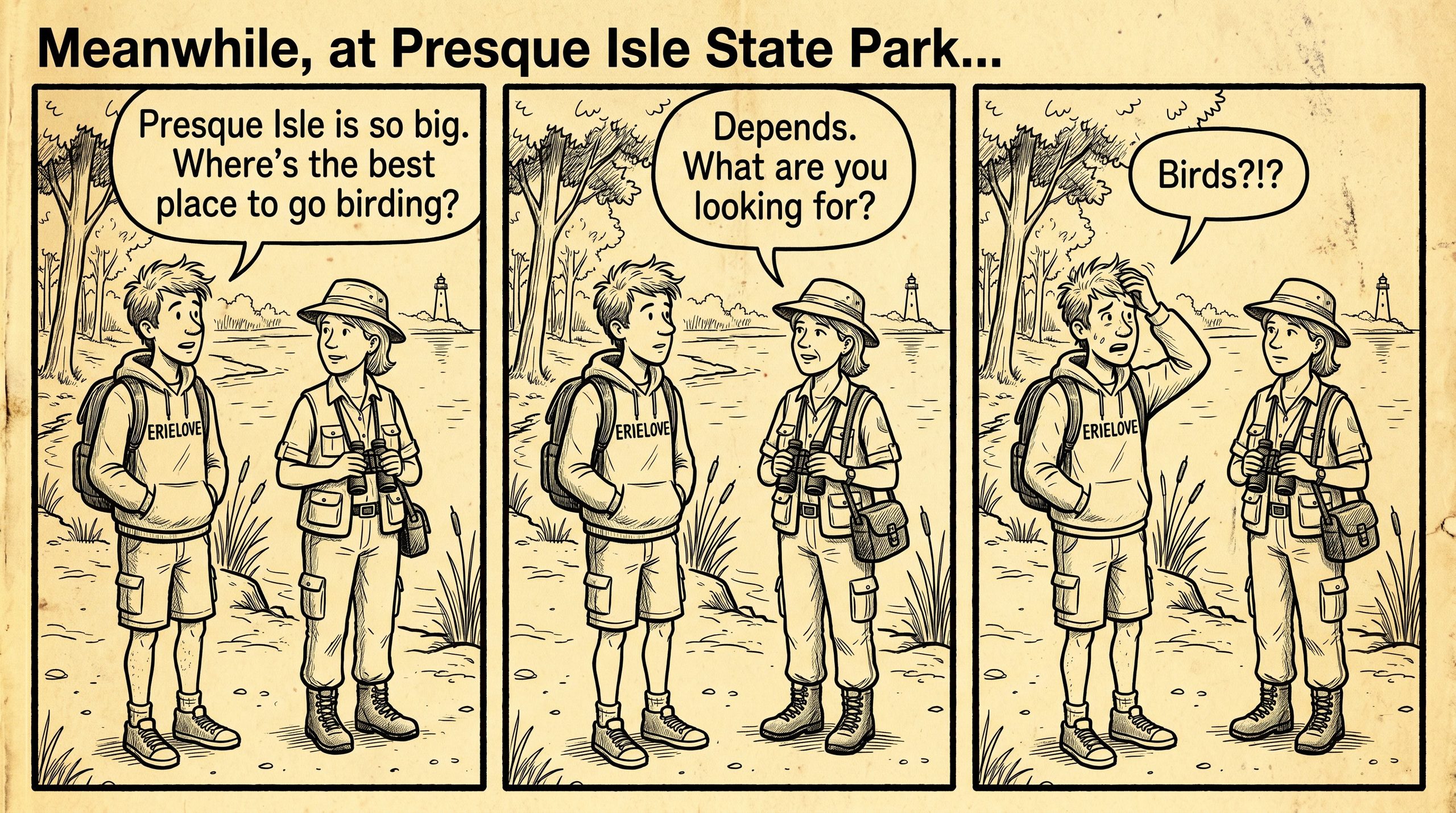
Special double post today of more Erie County, Pennsylvania fall birds along the Gull Point Trail this past Saturday:
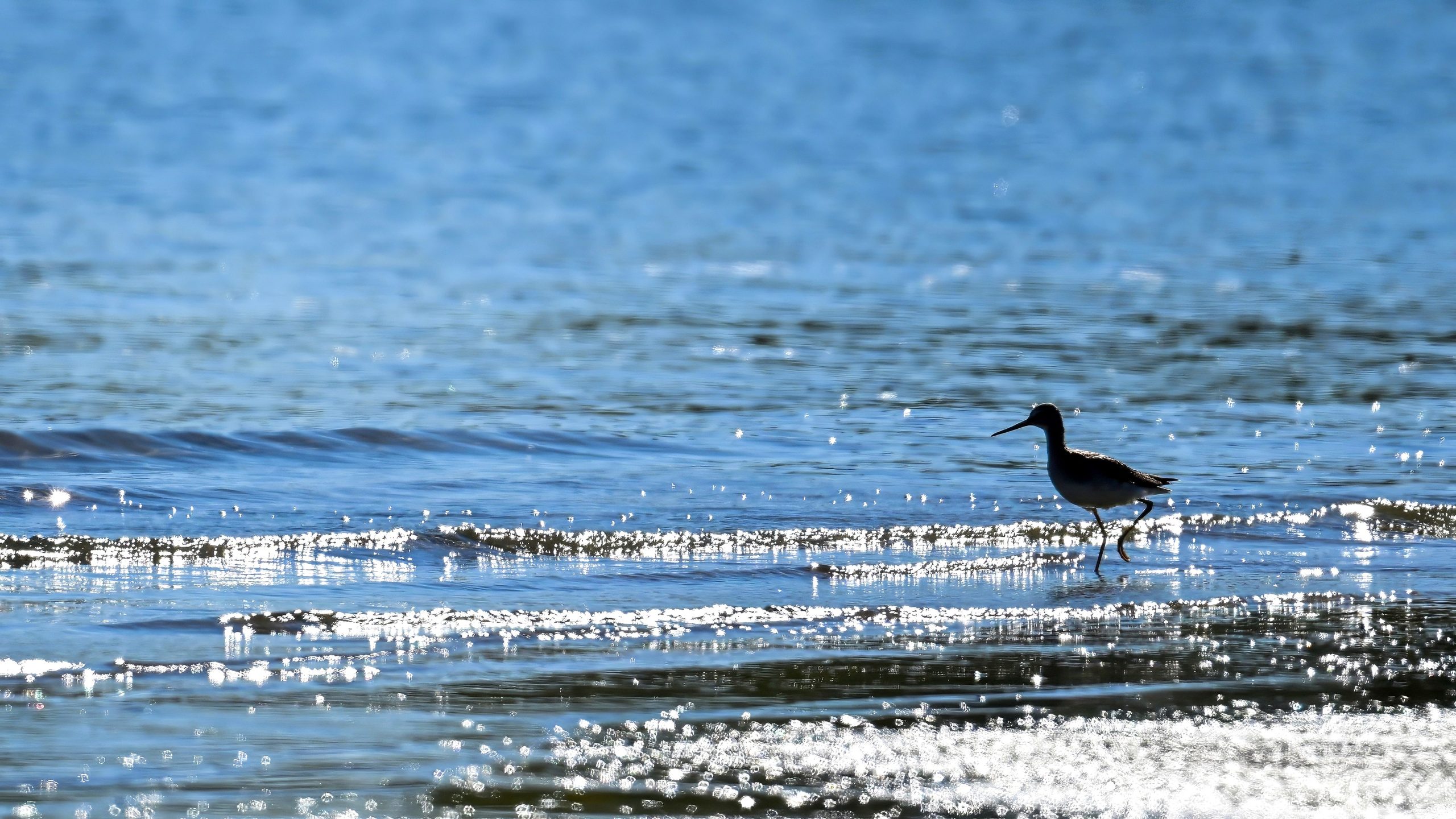
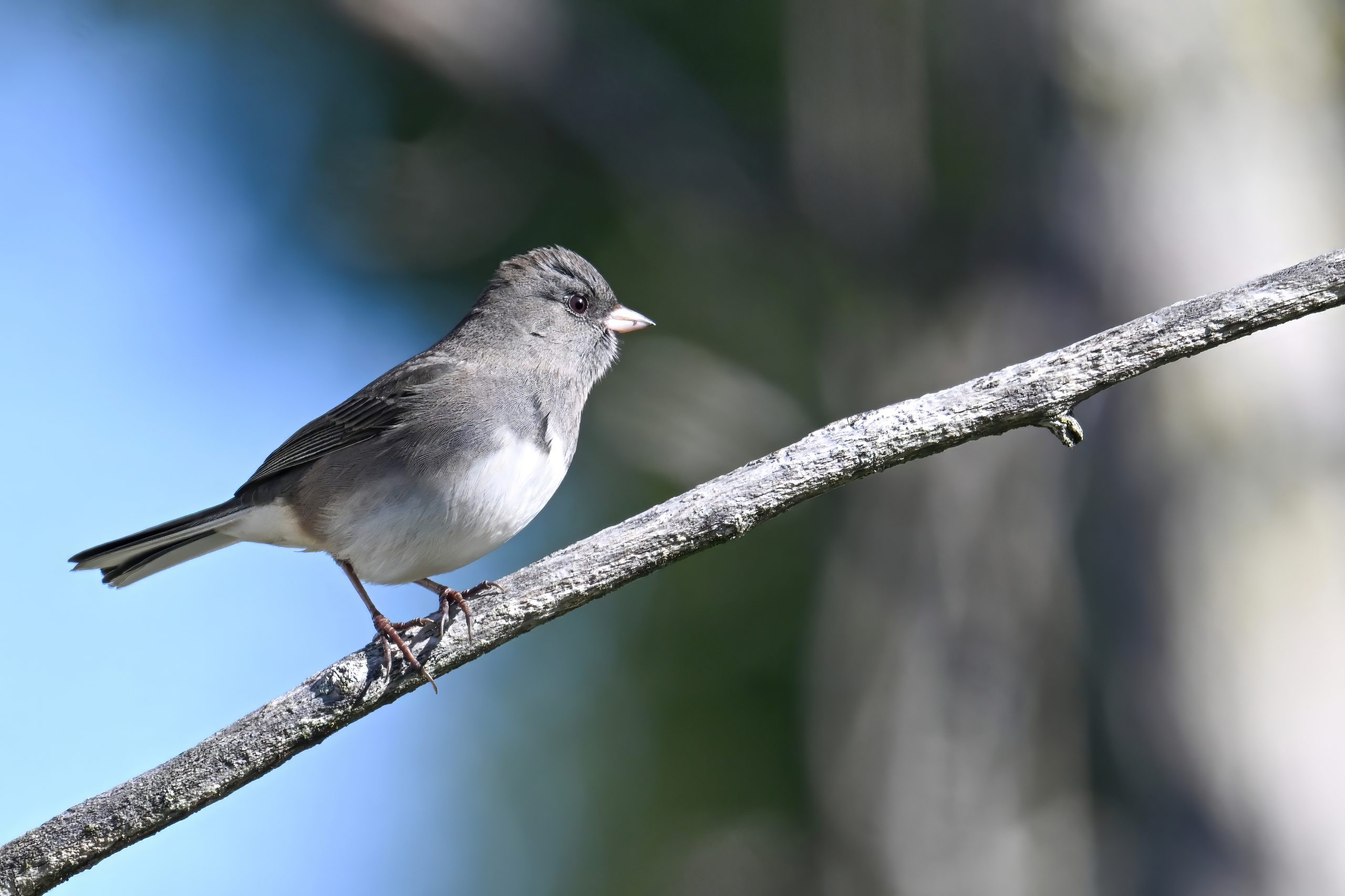
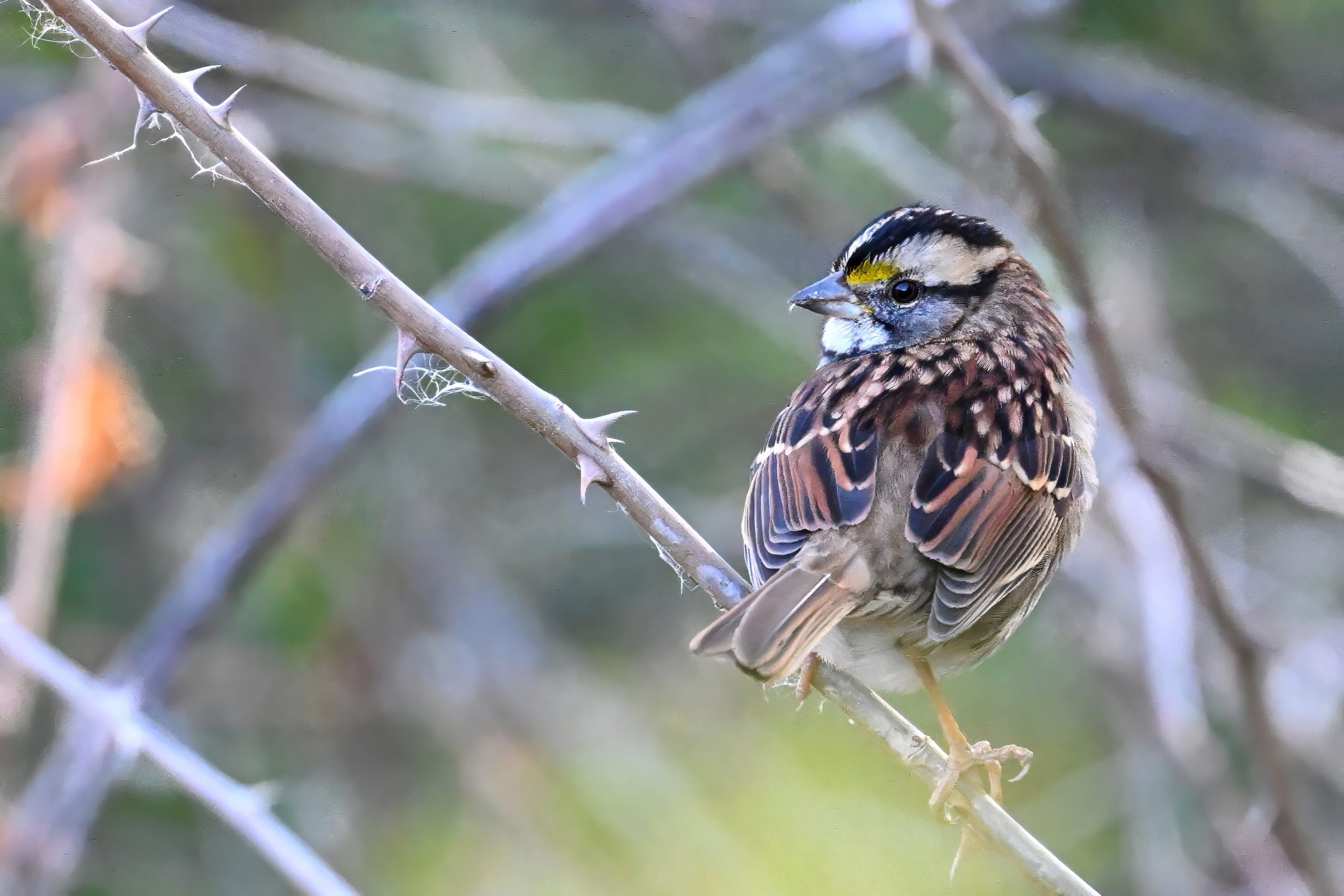
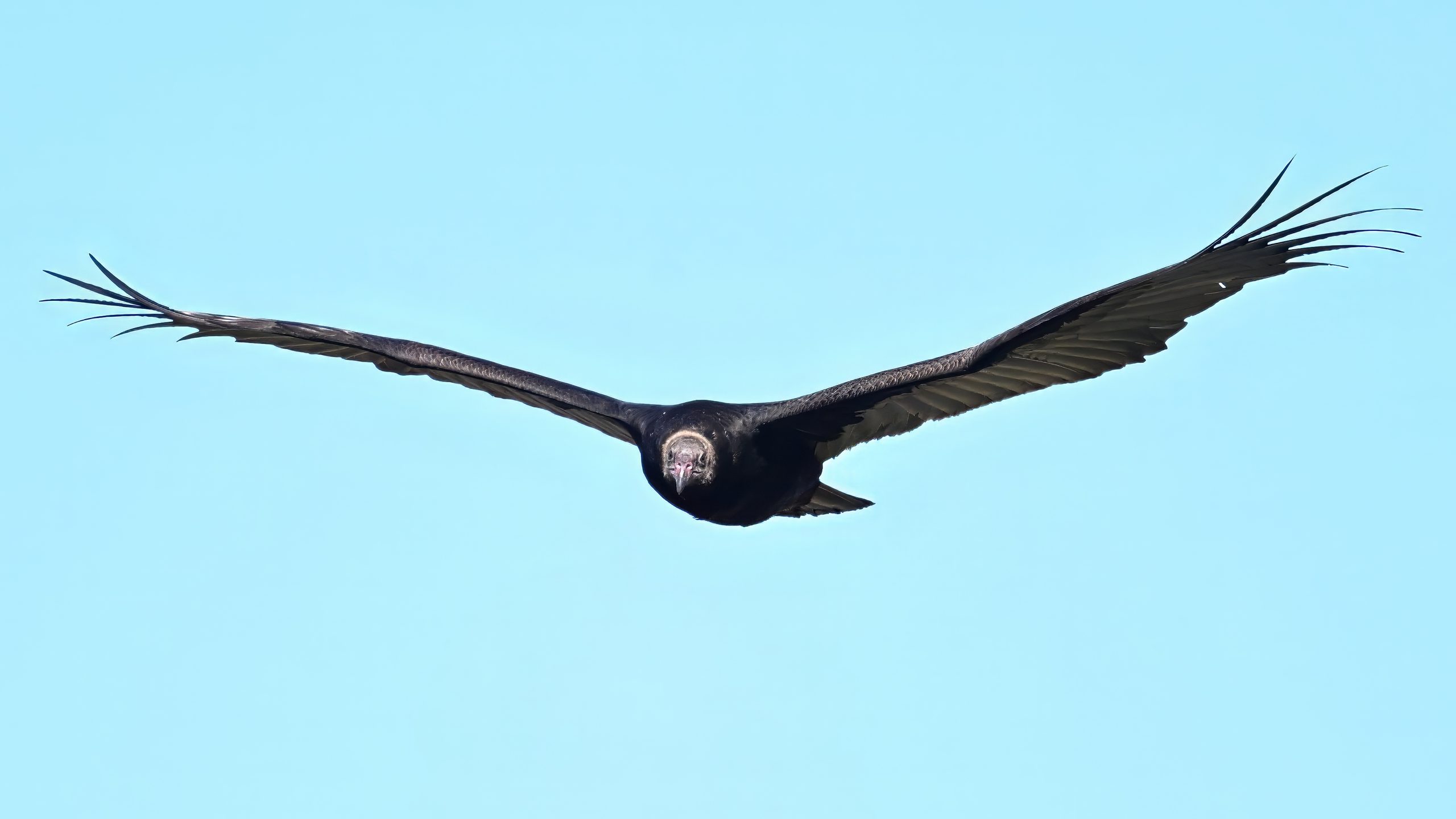
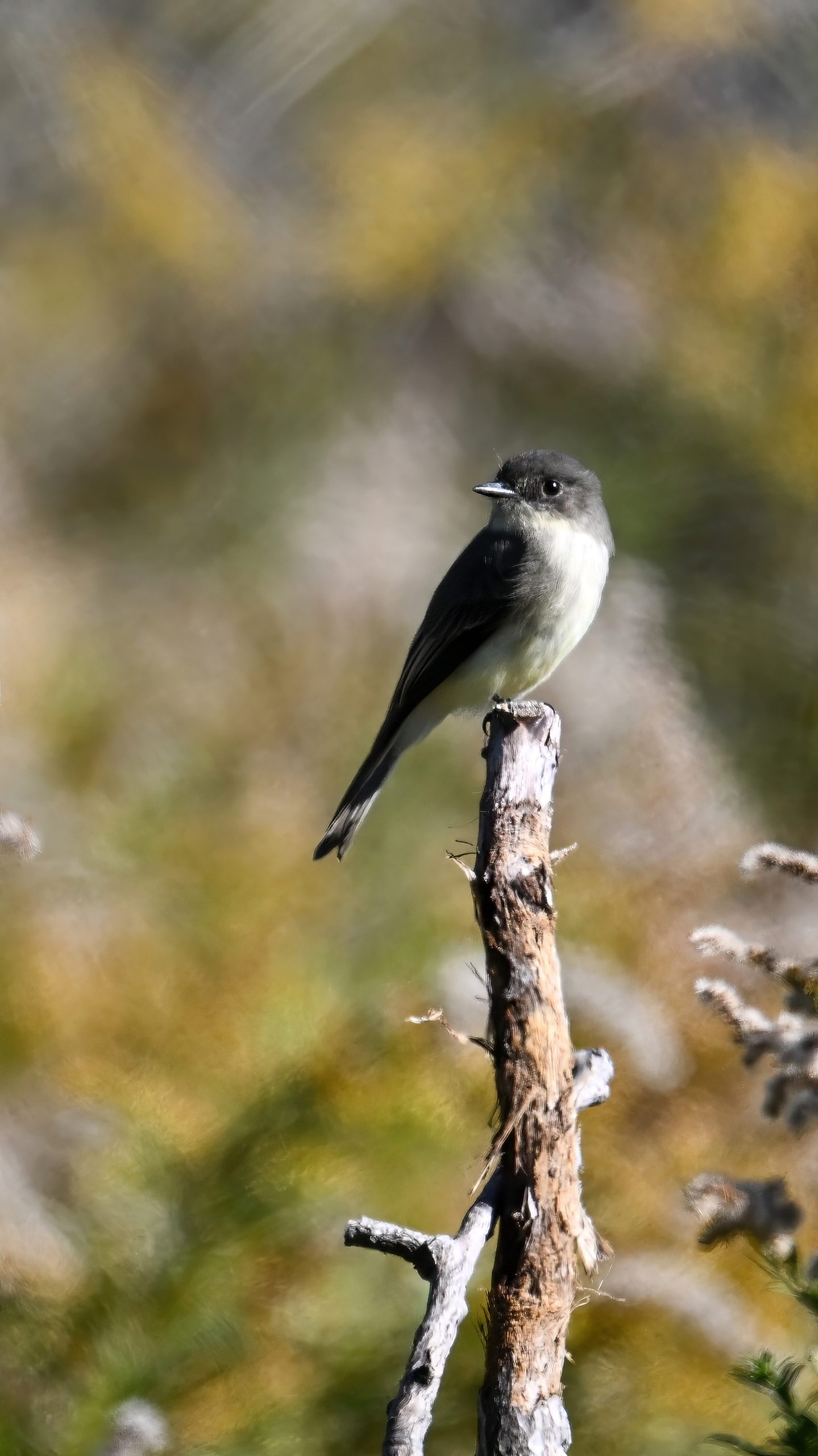
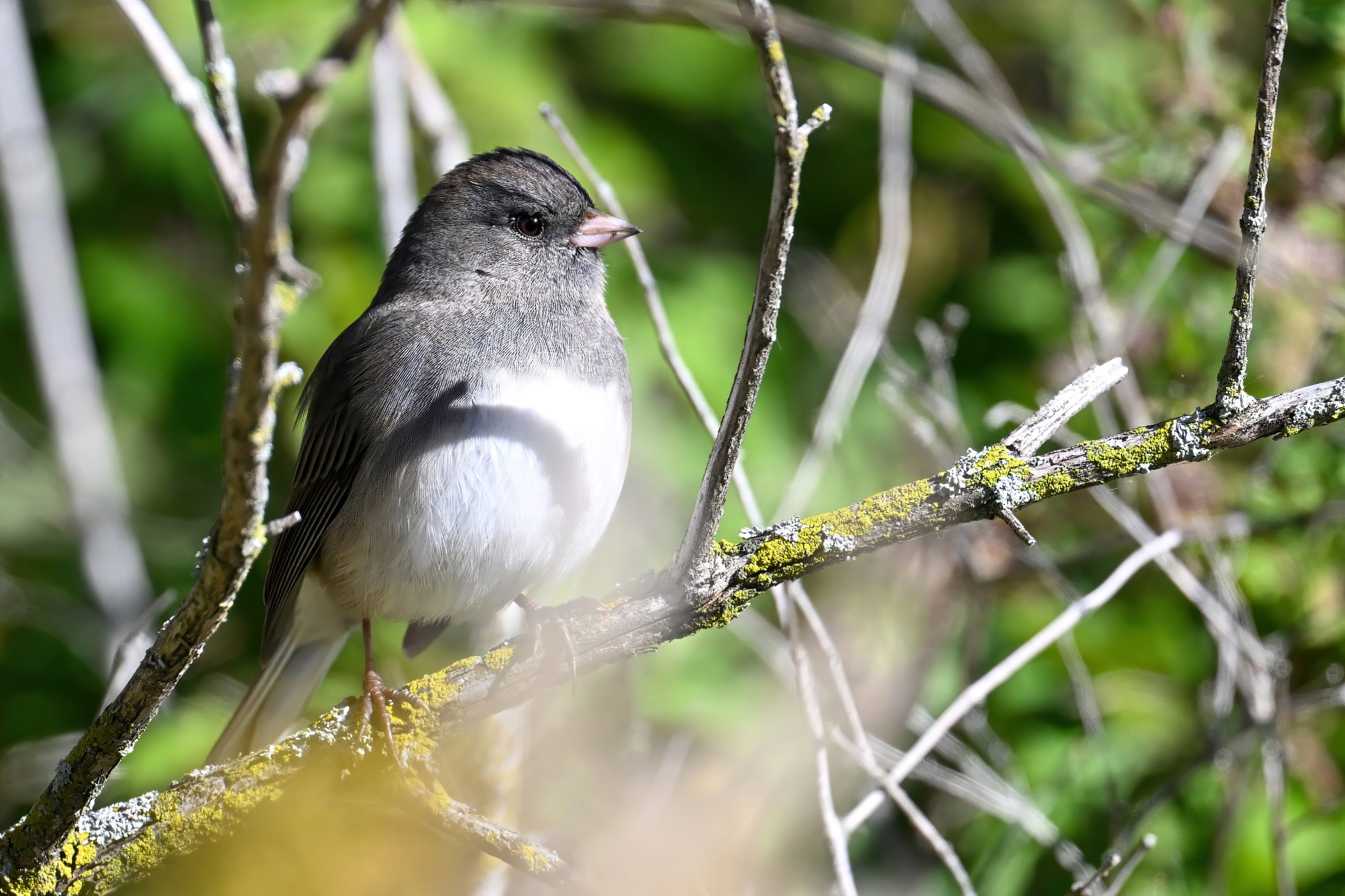
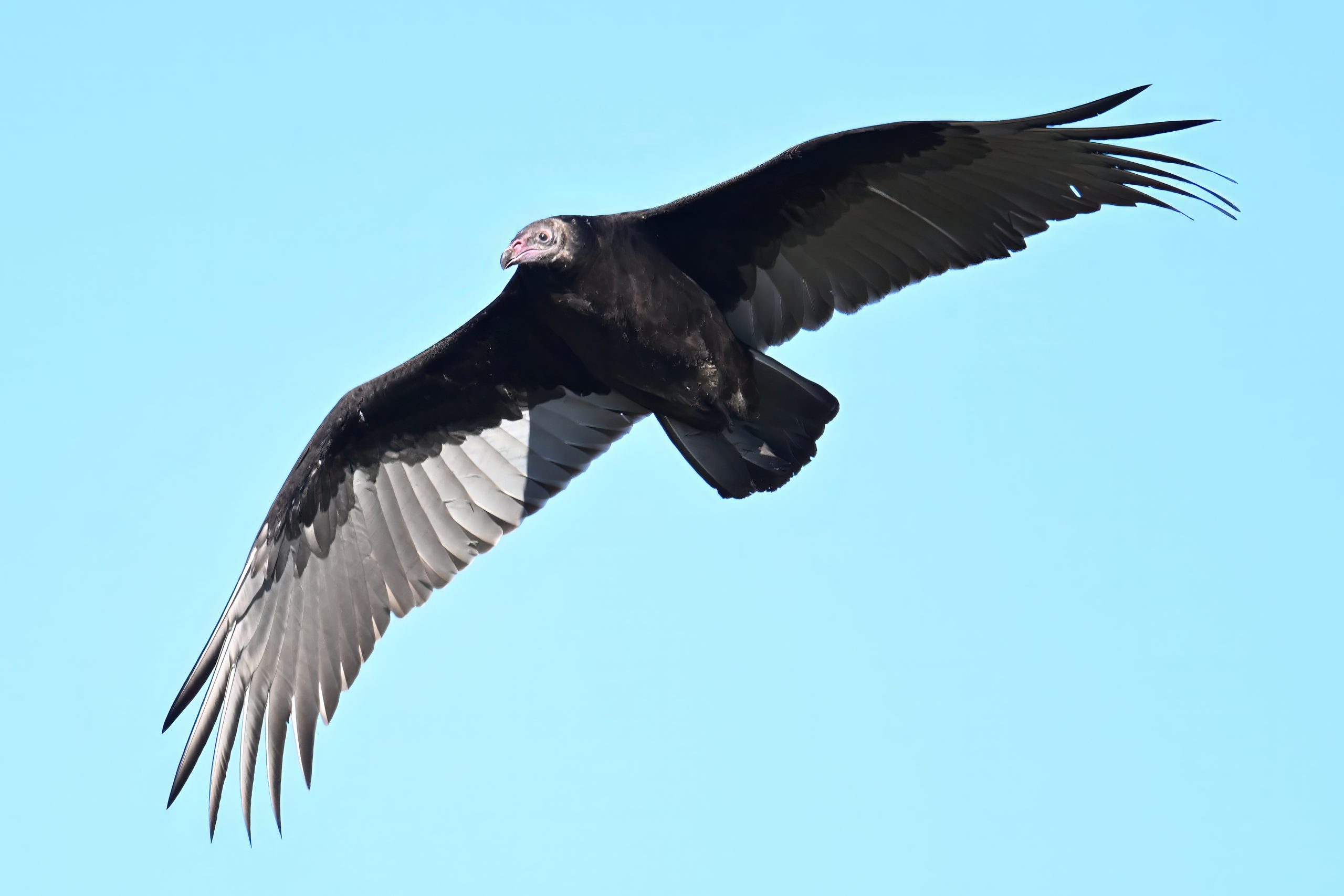
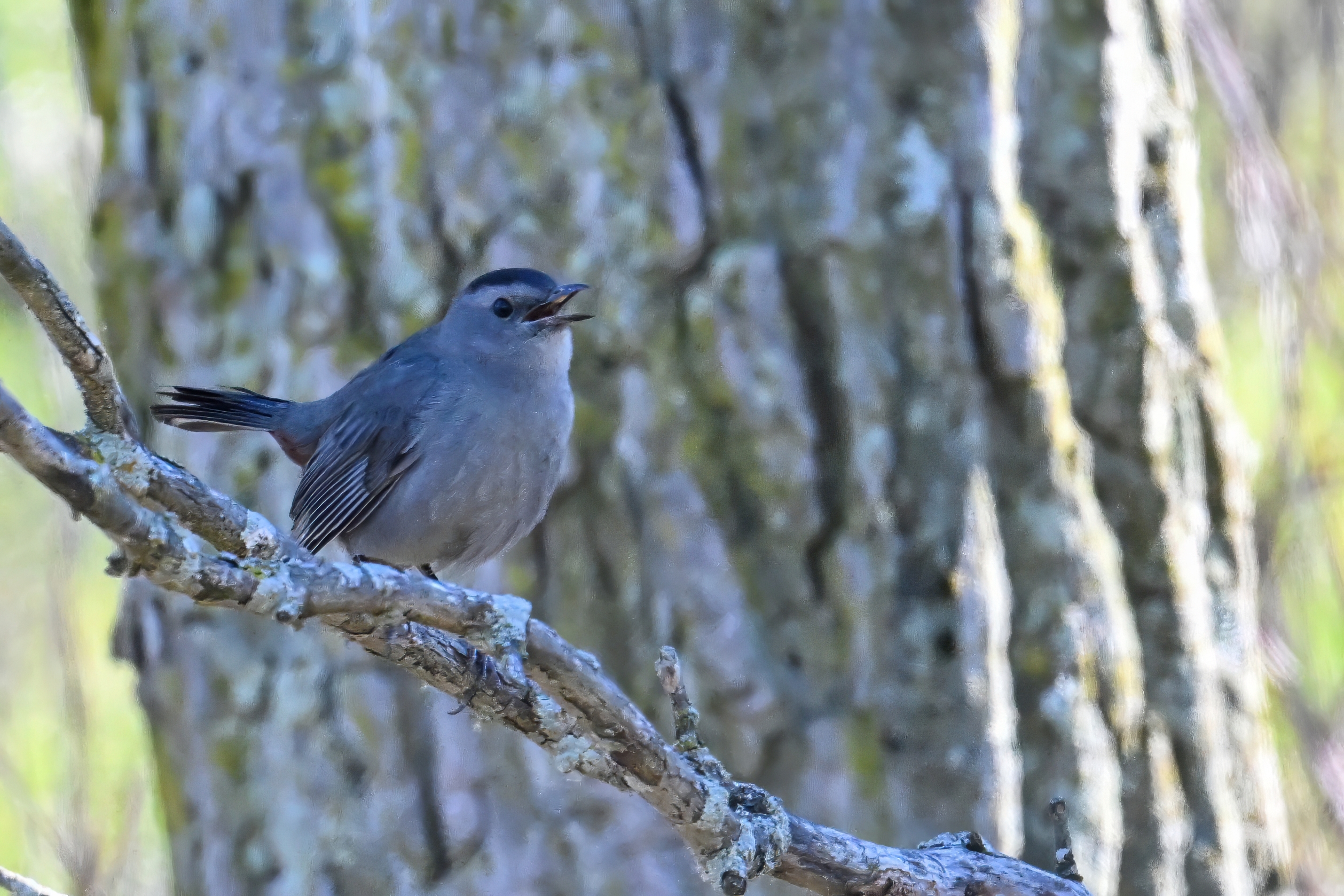
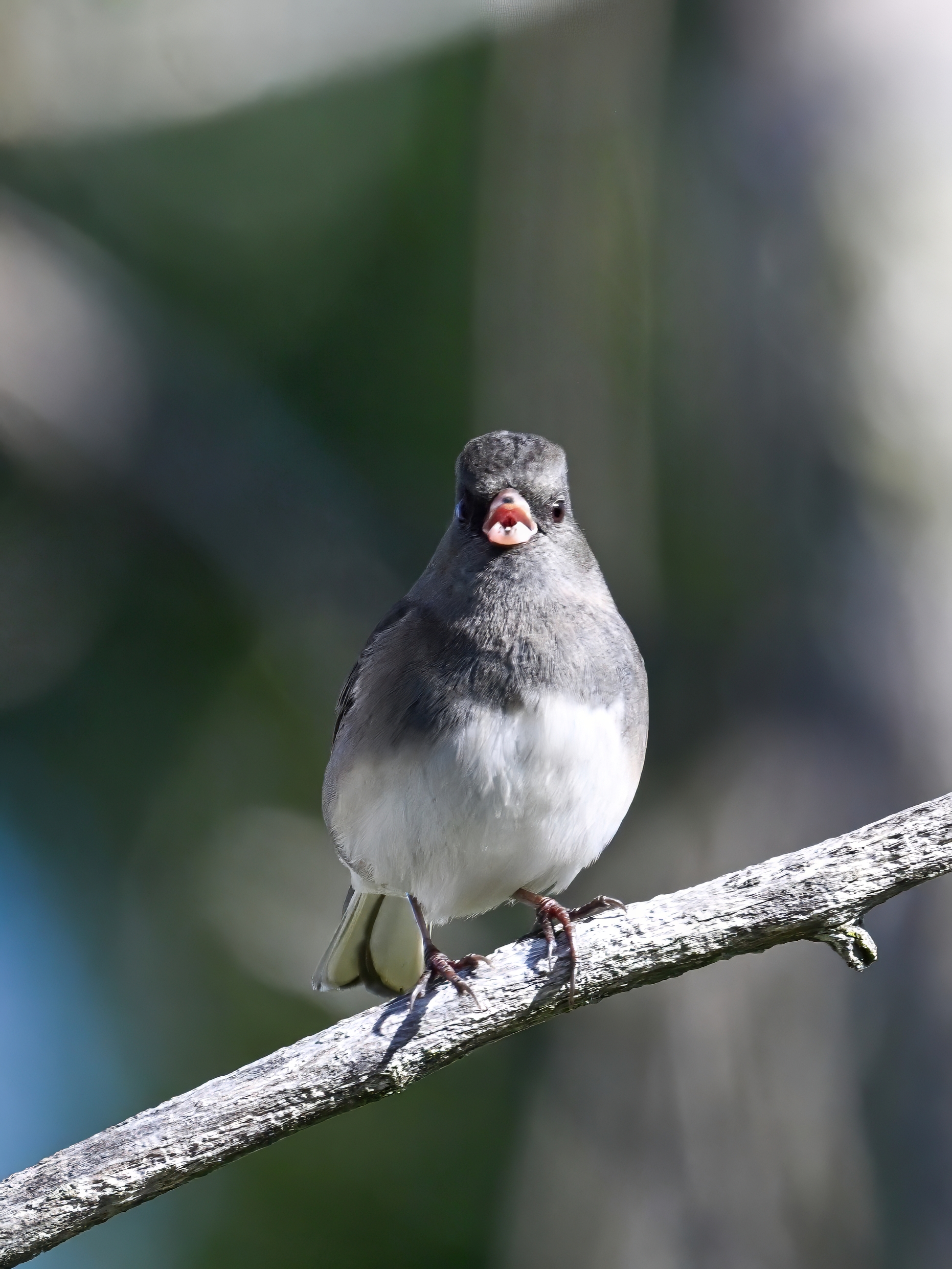
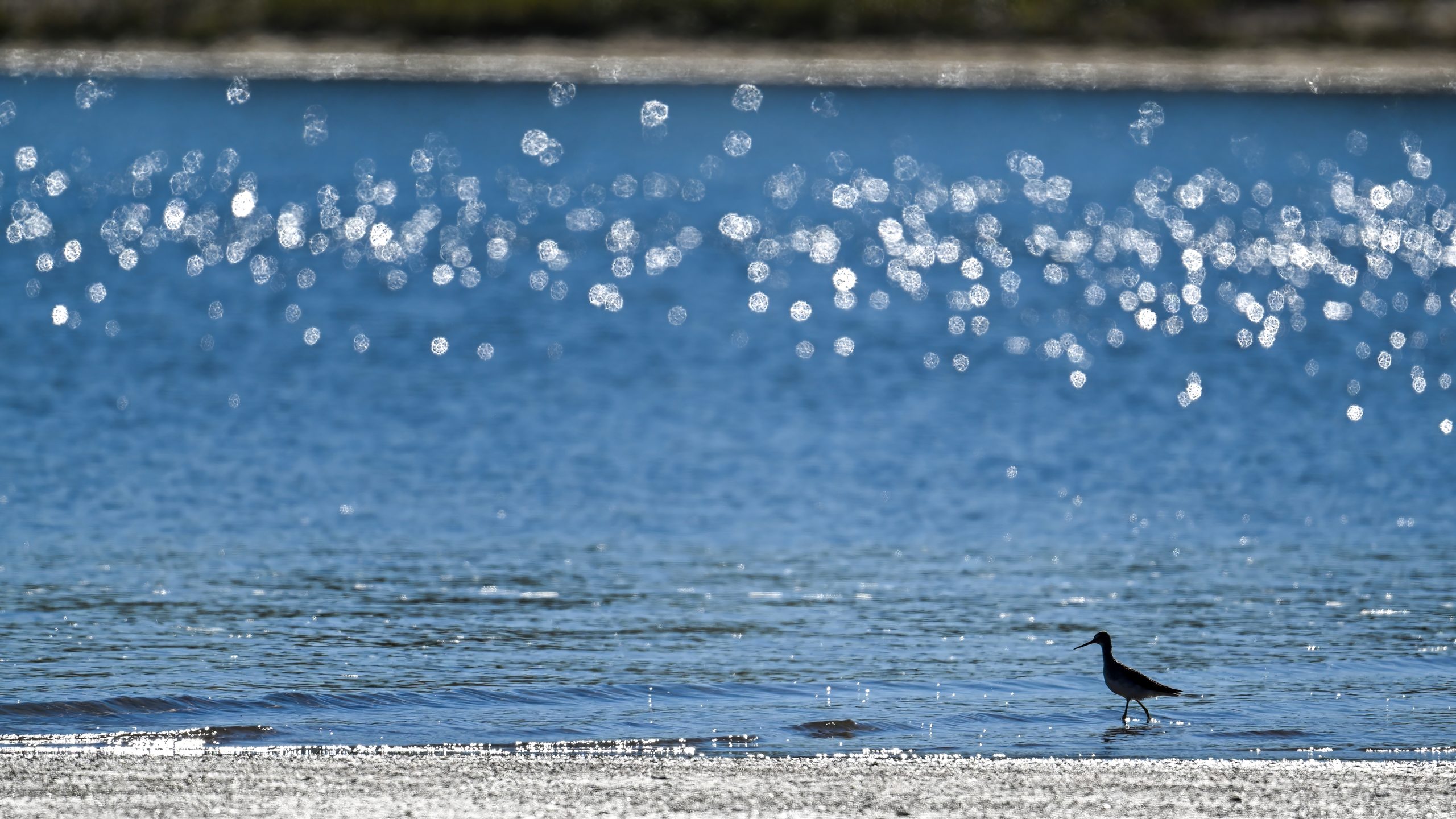
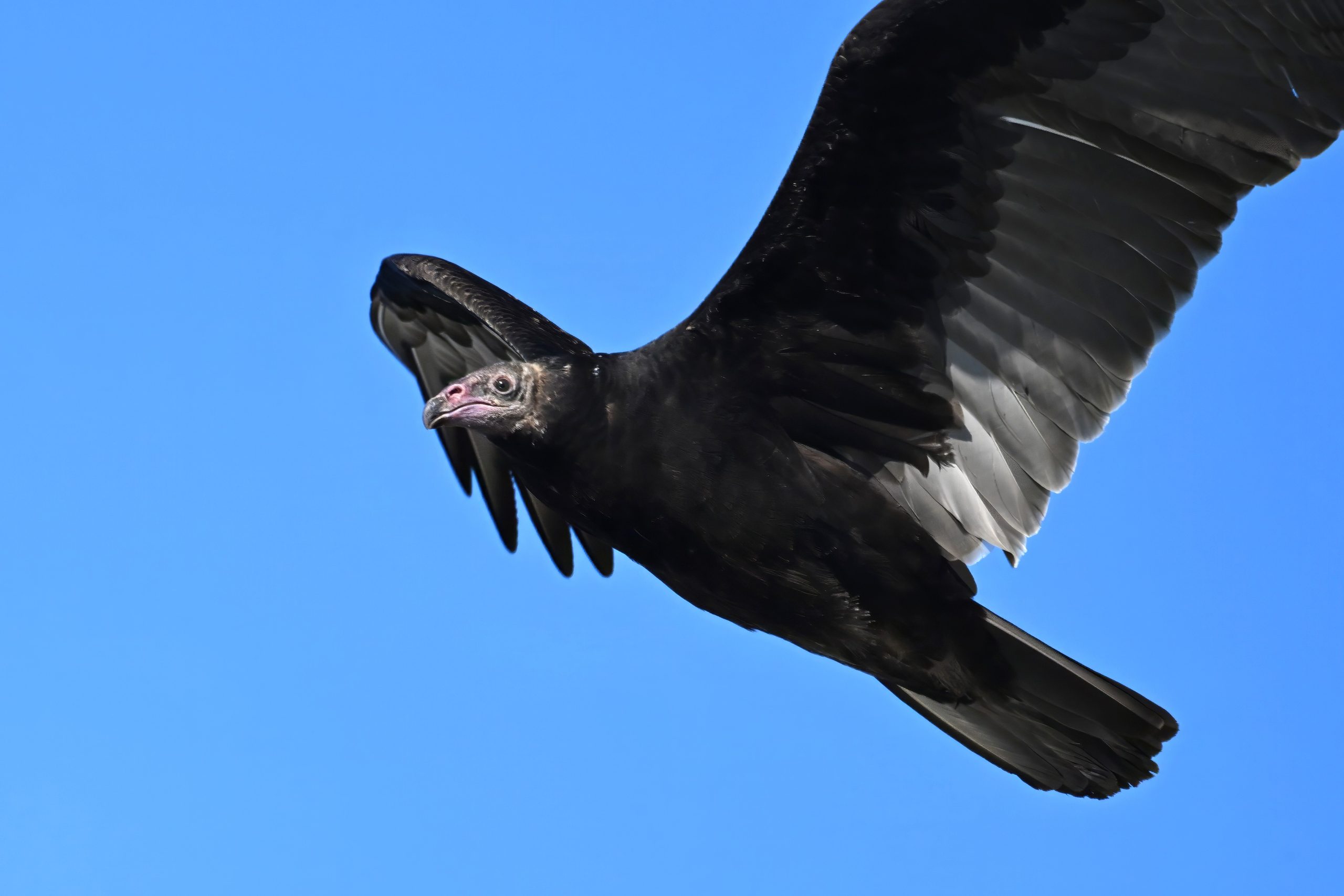
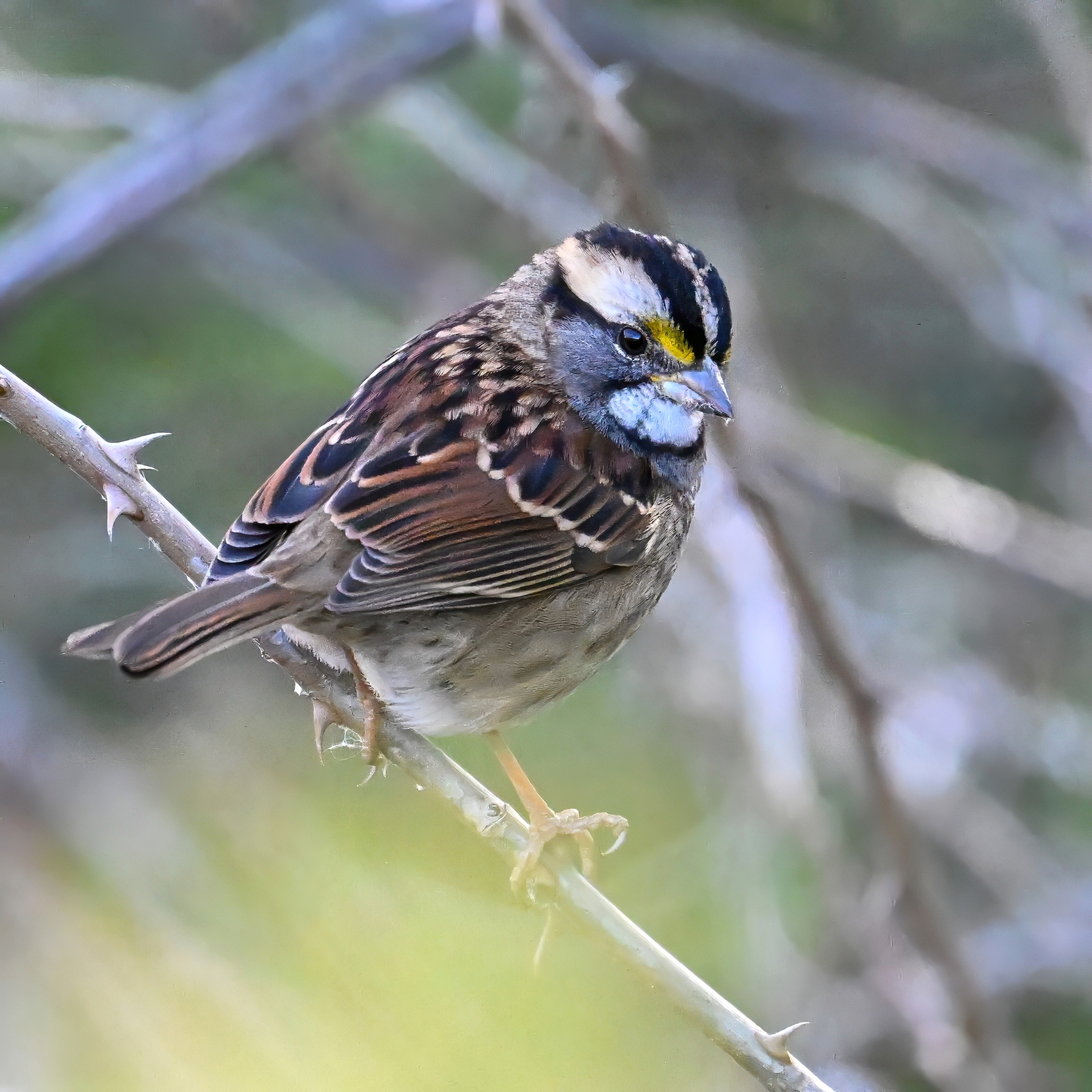
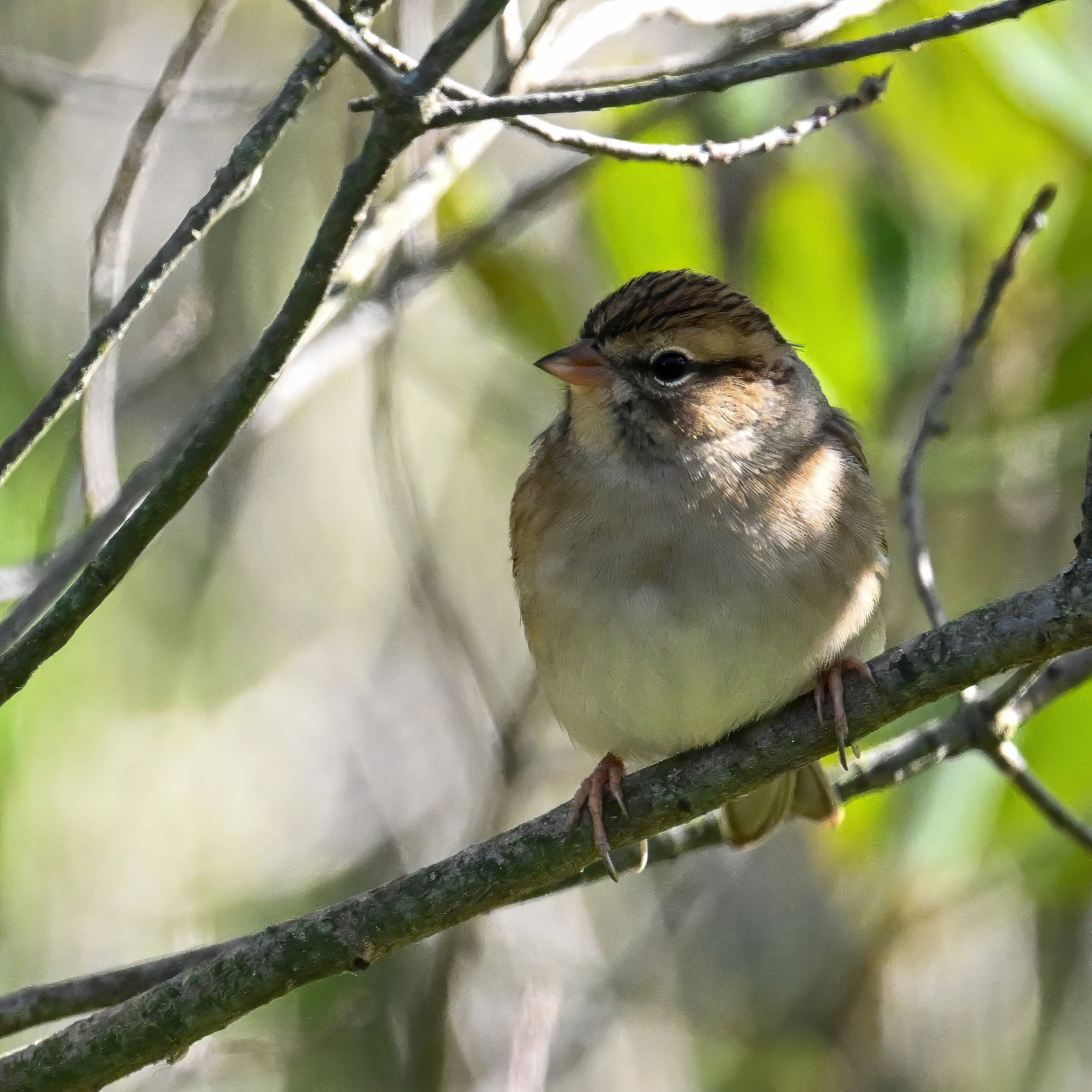
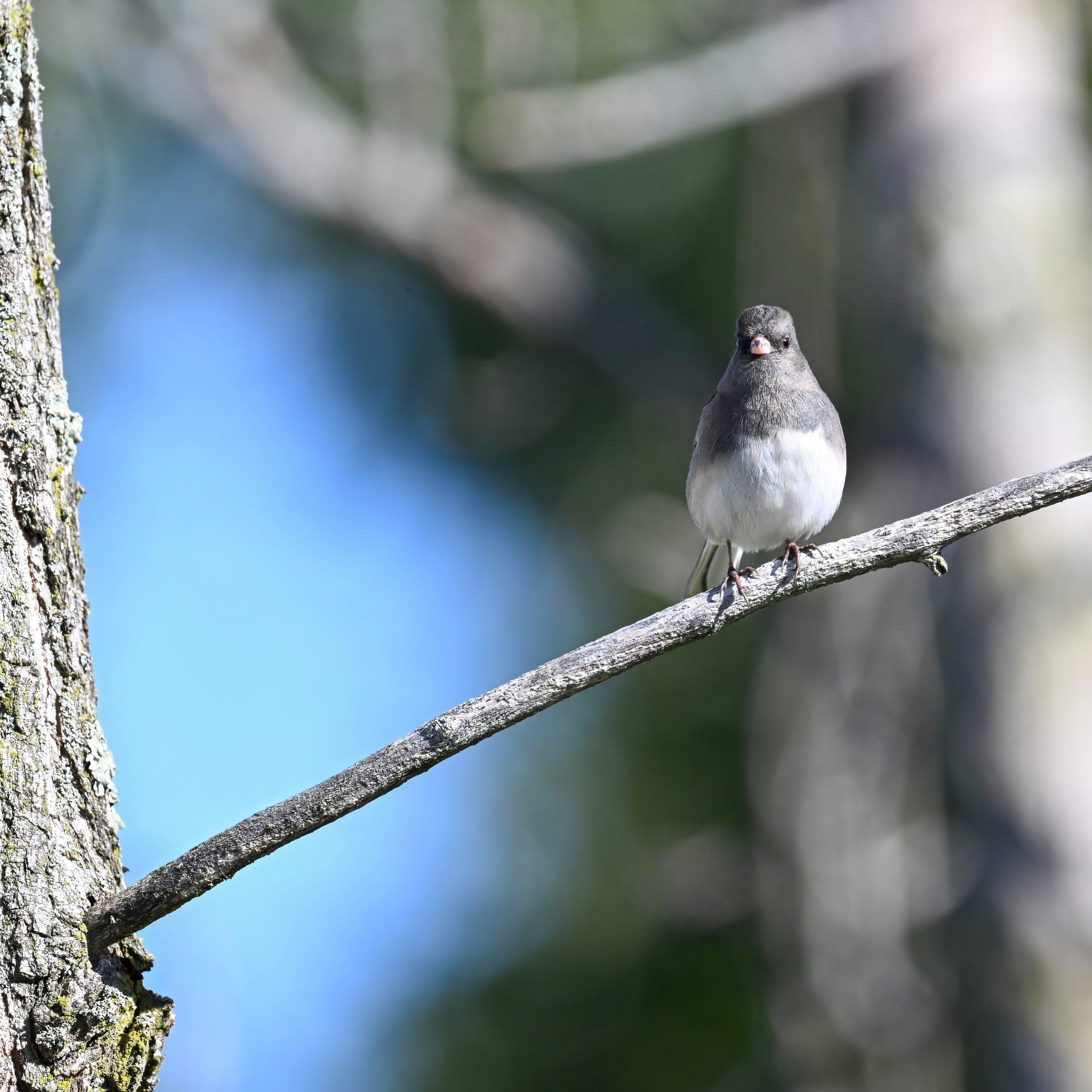
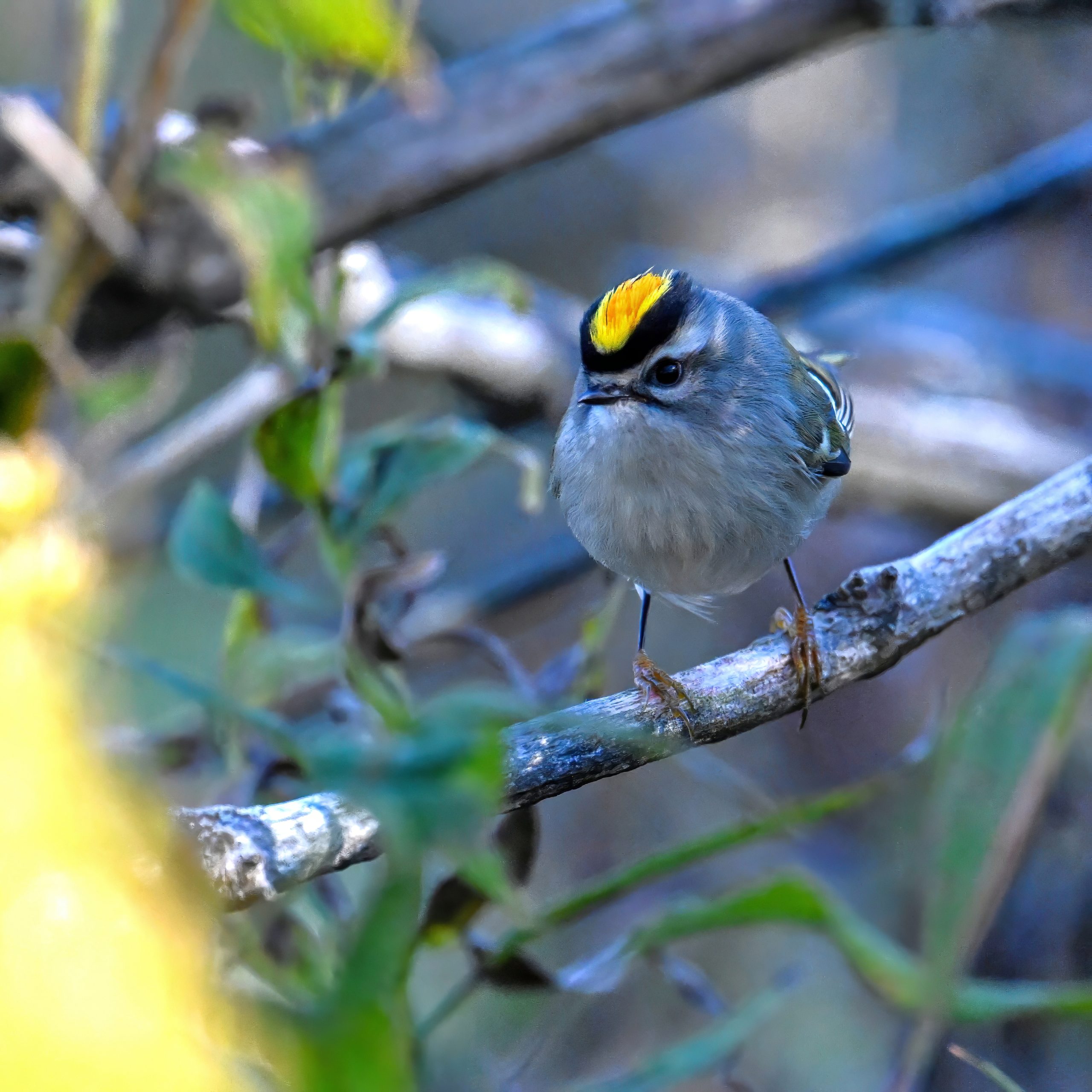
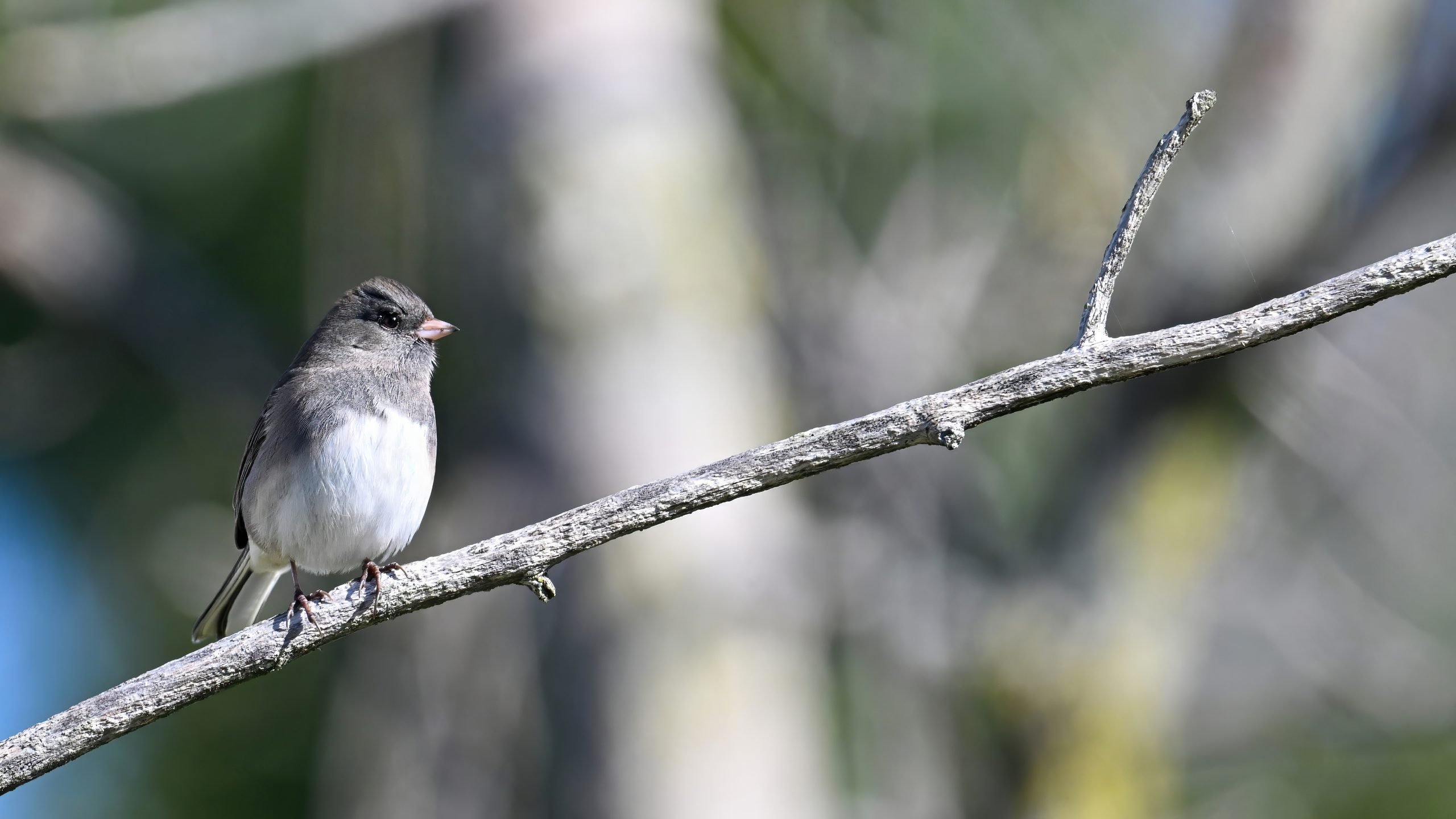
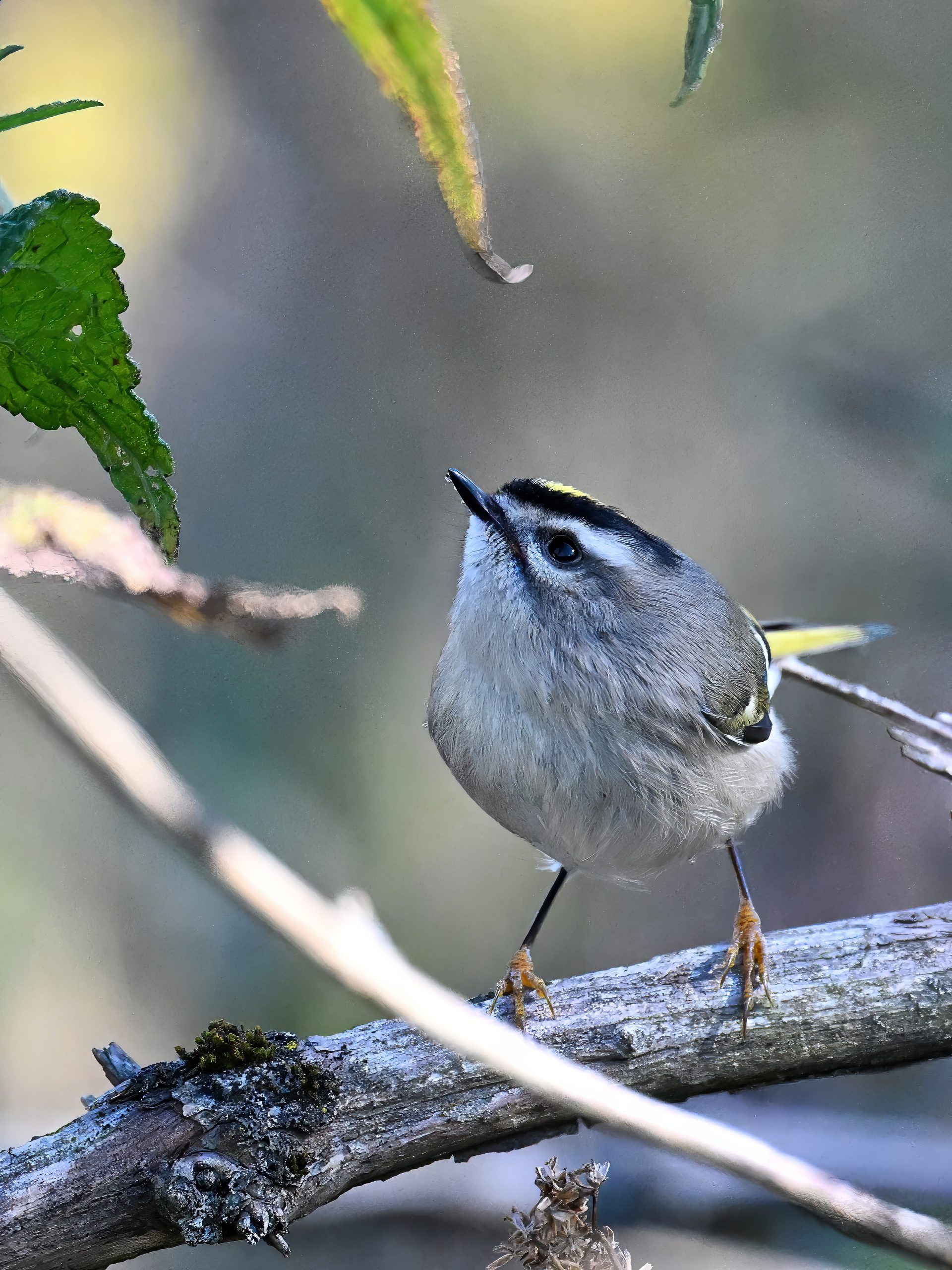
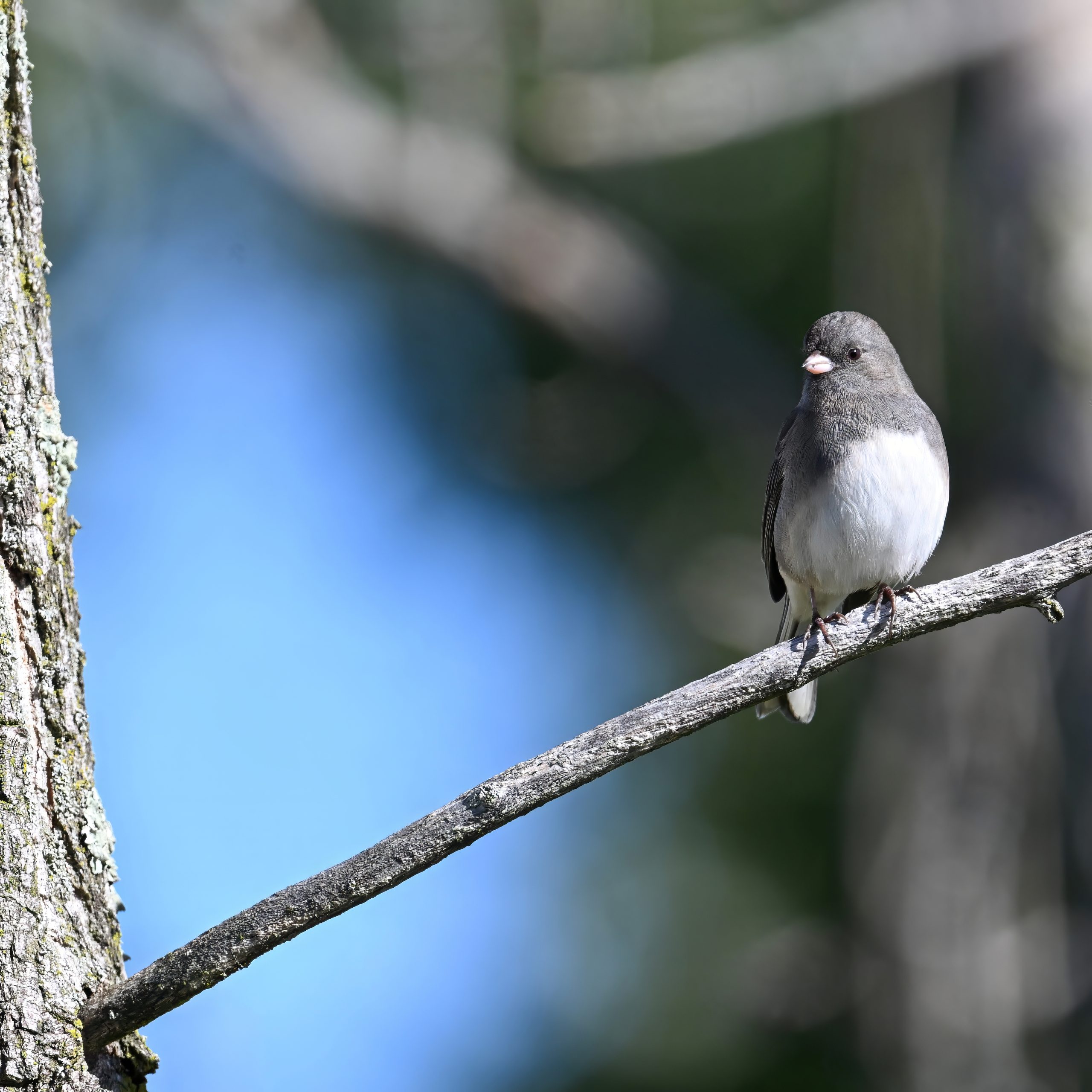
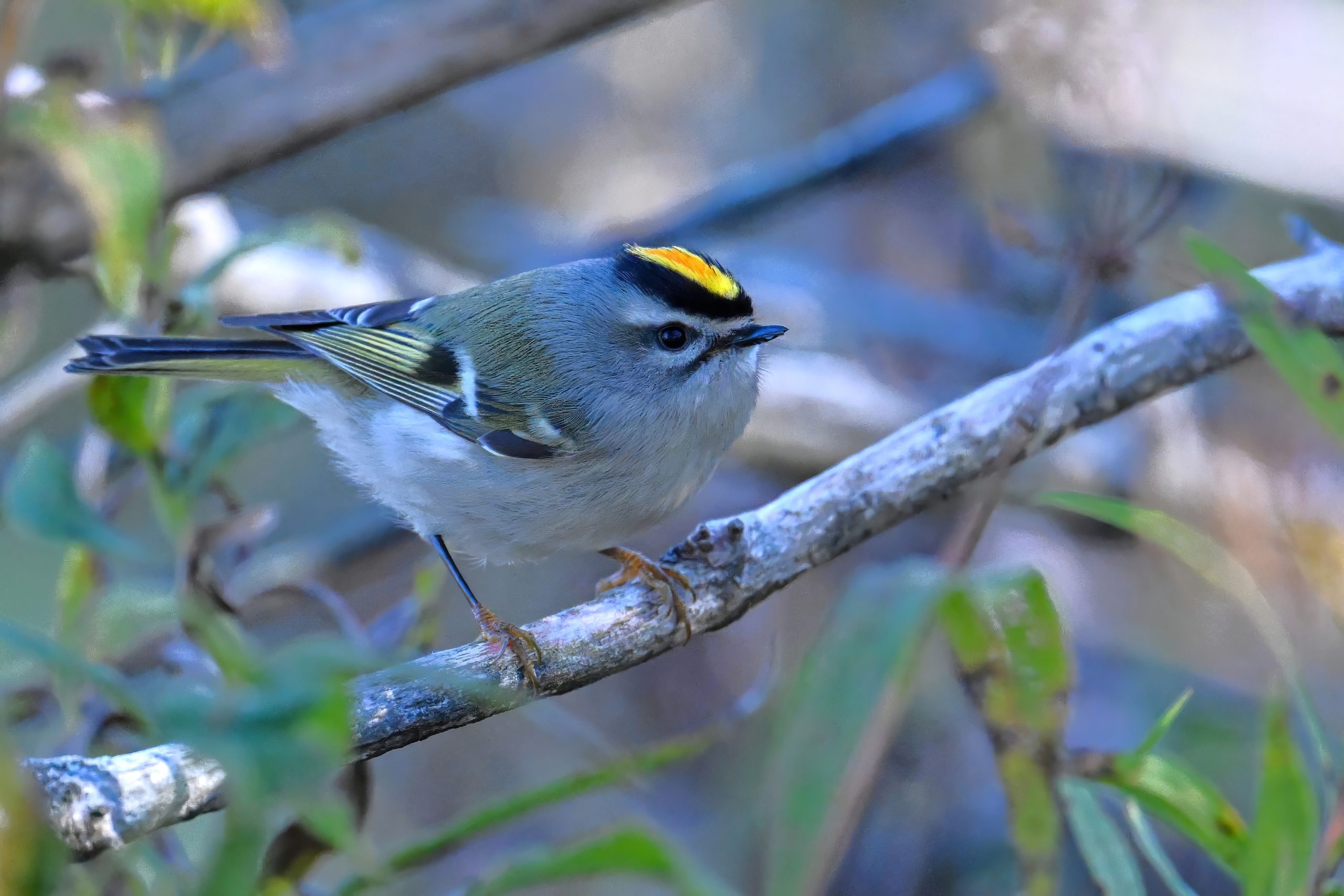
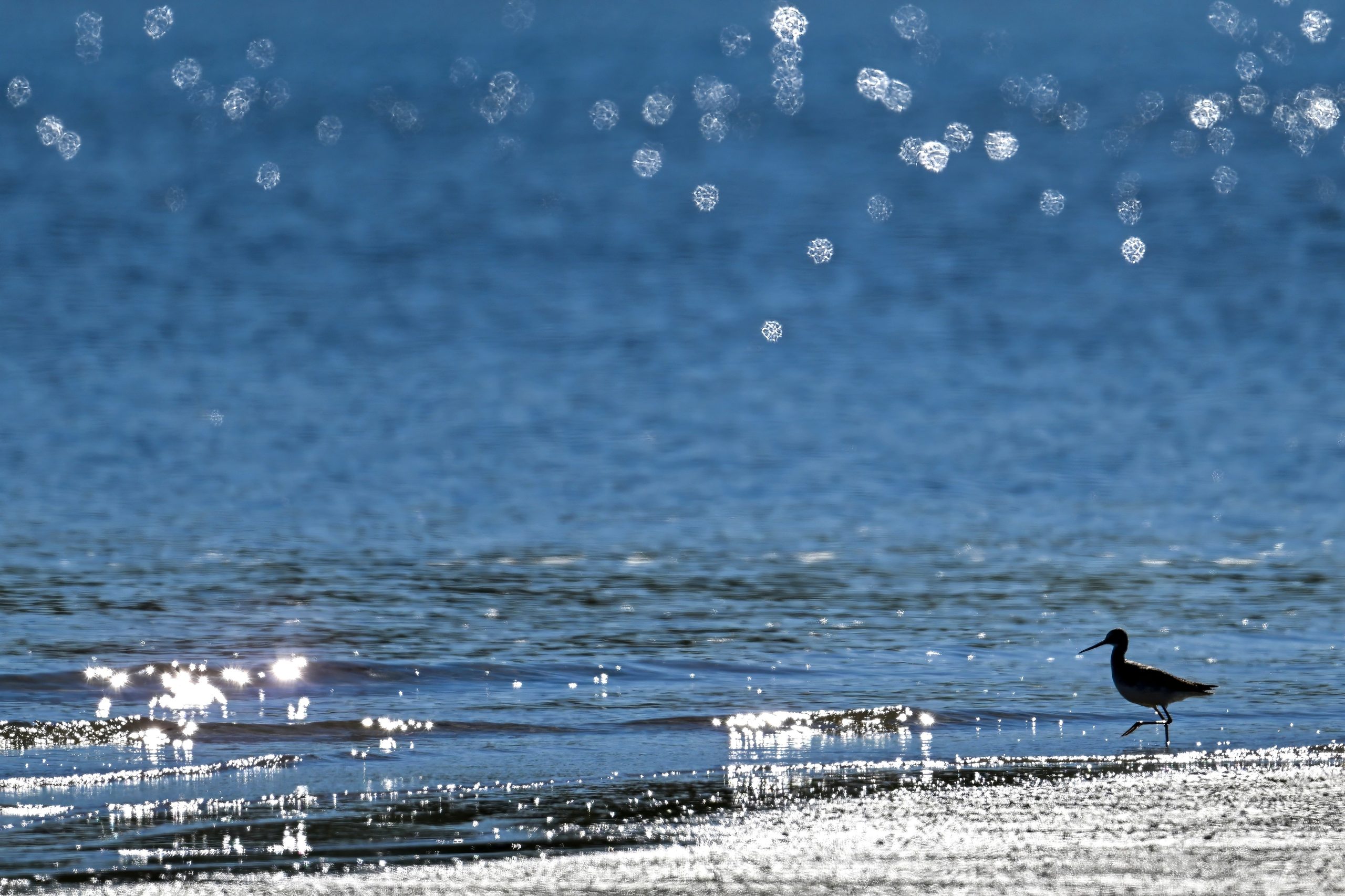
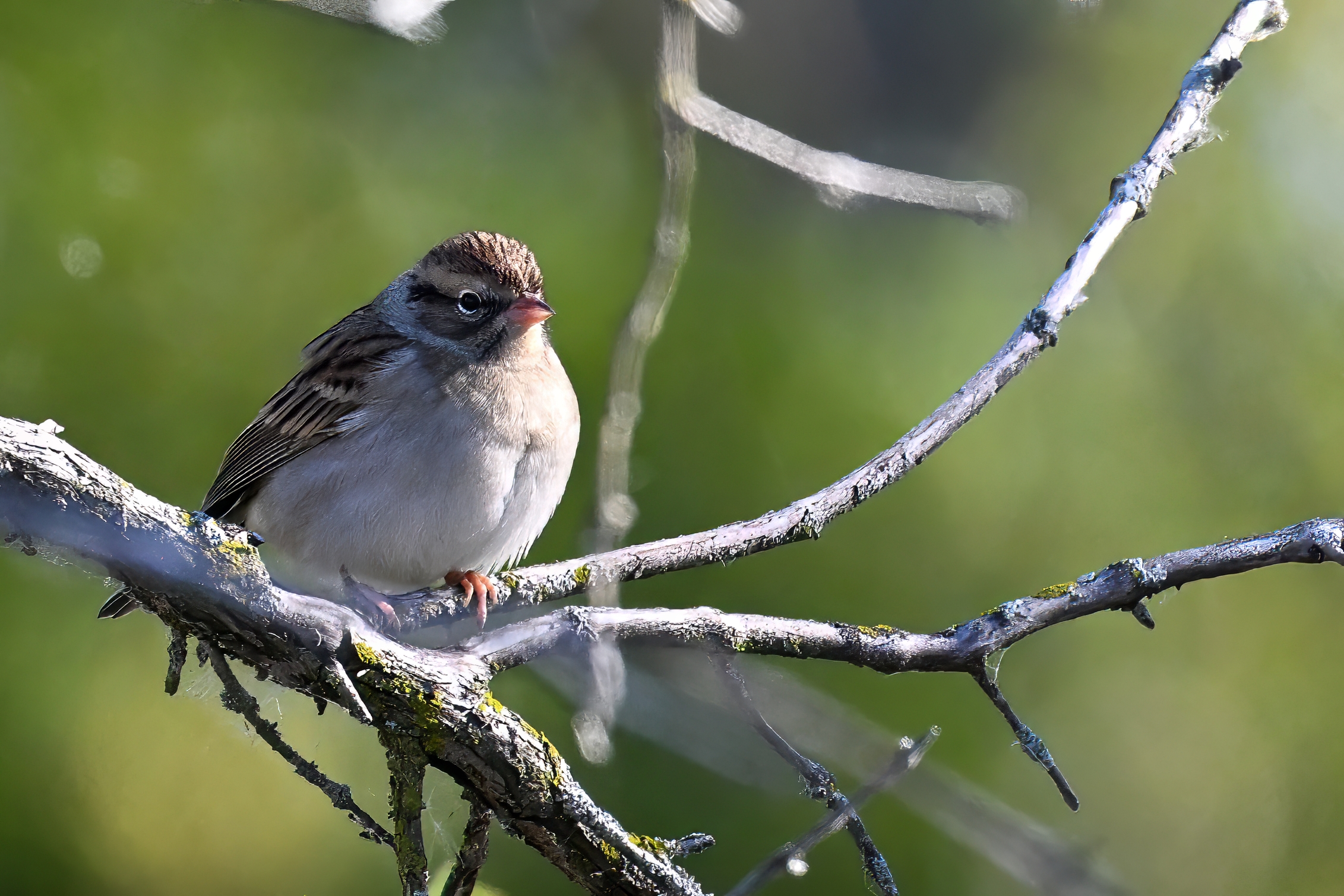
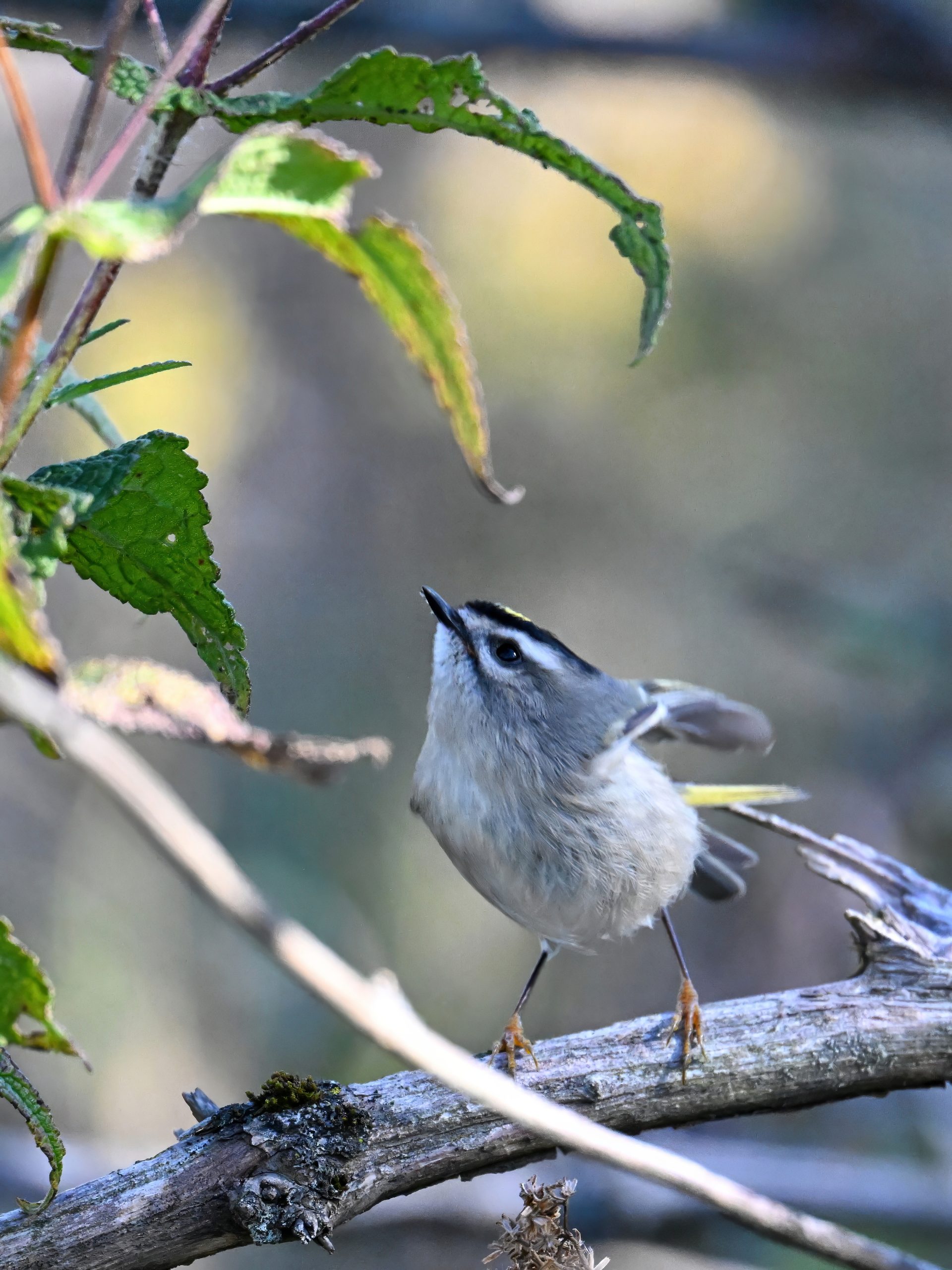
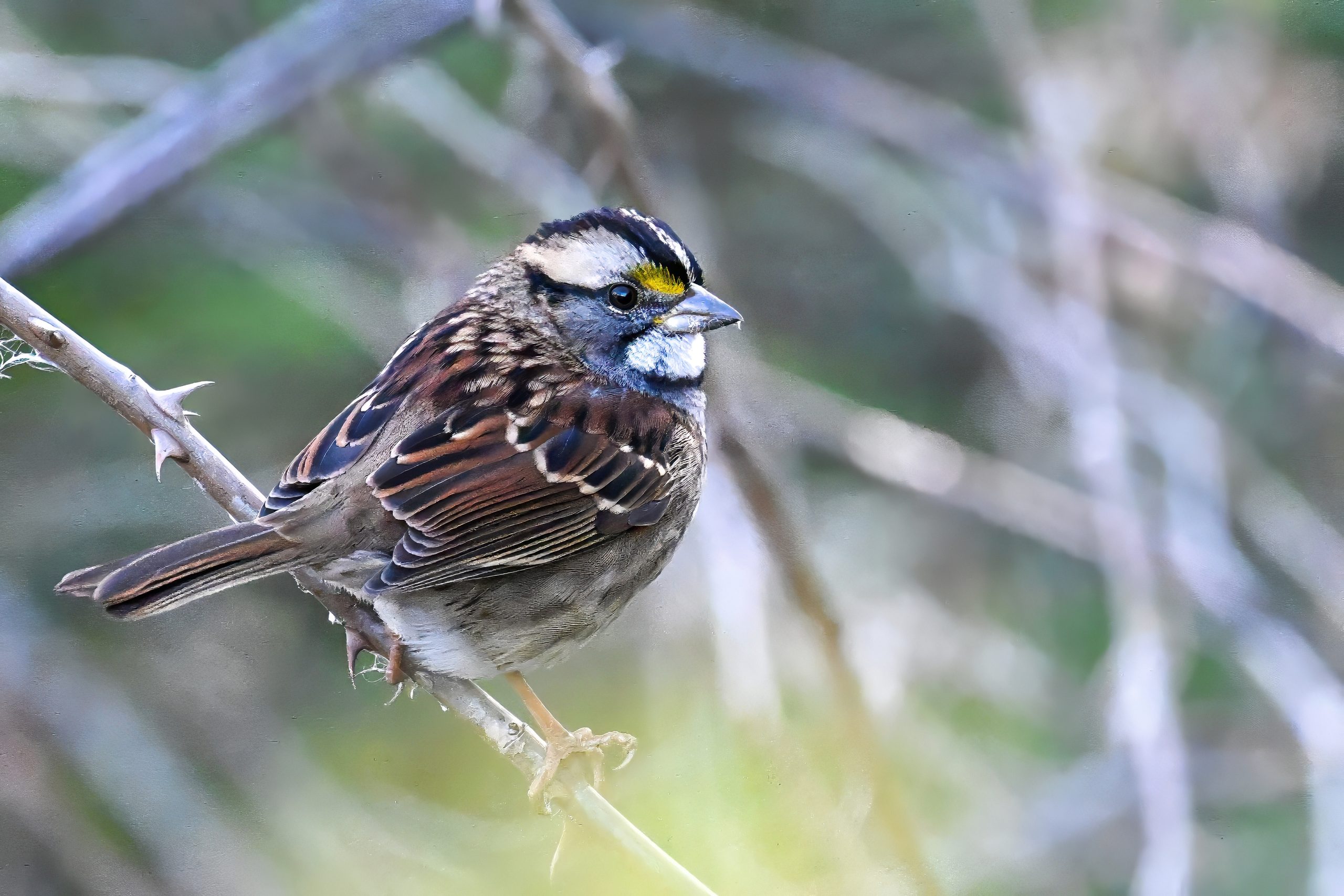
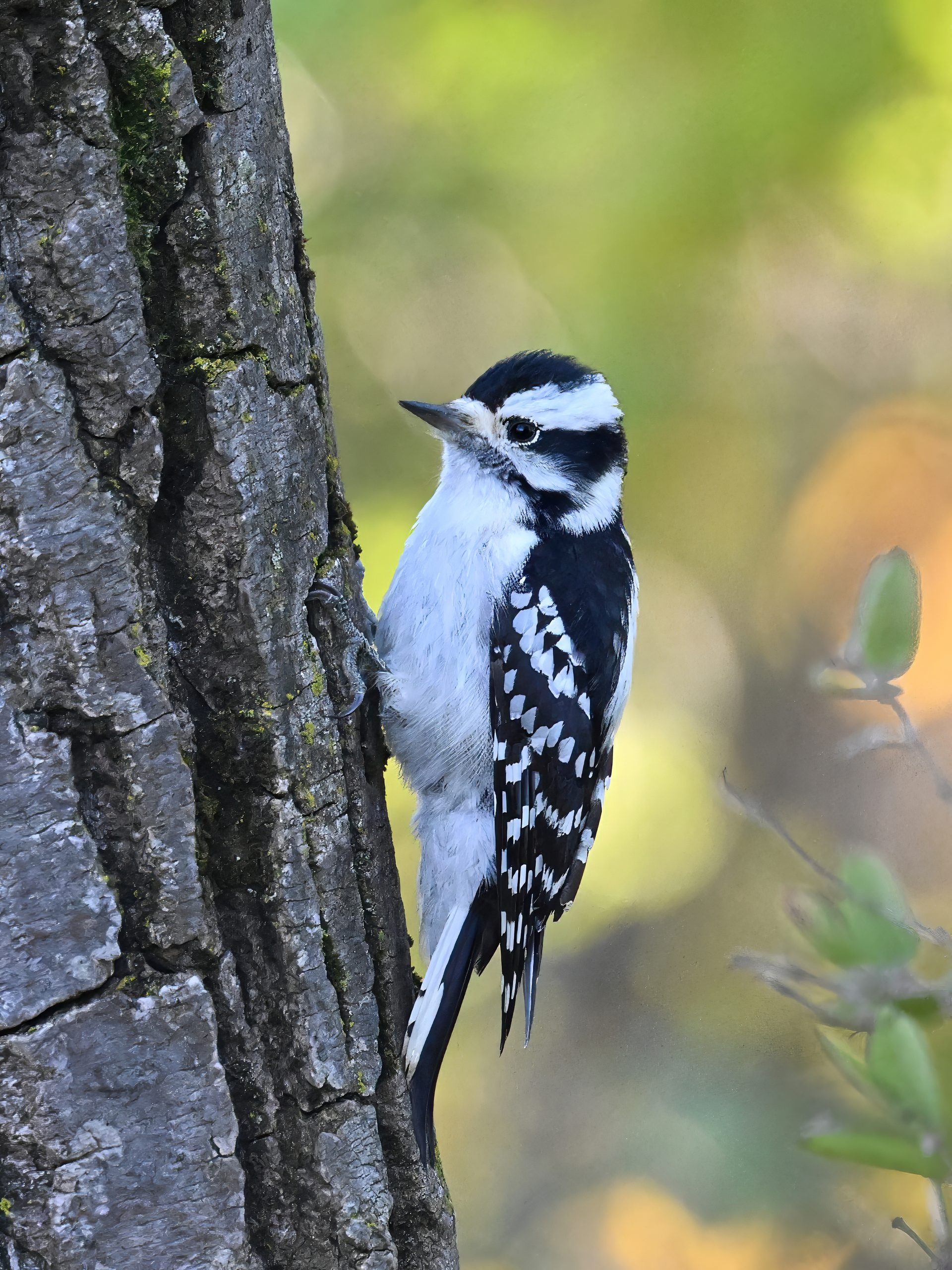
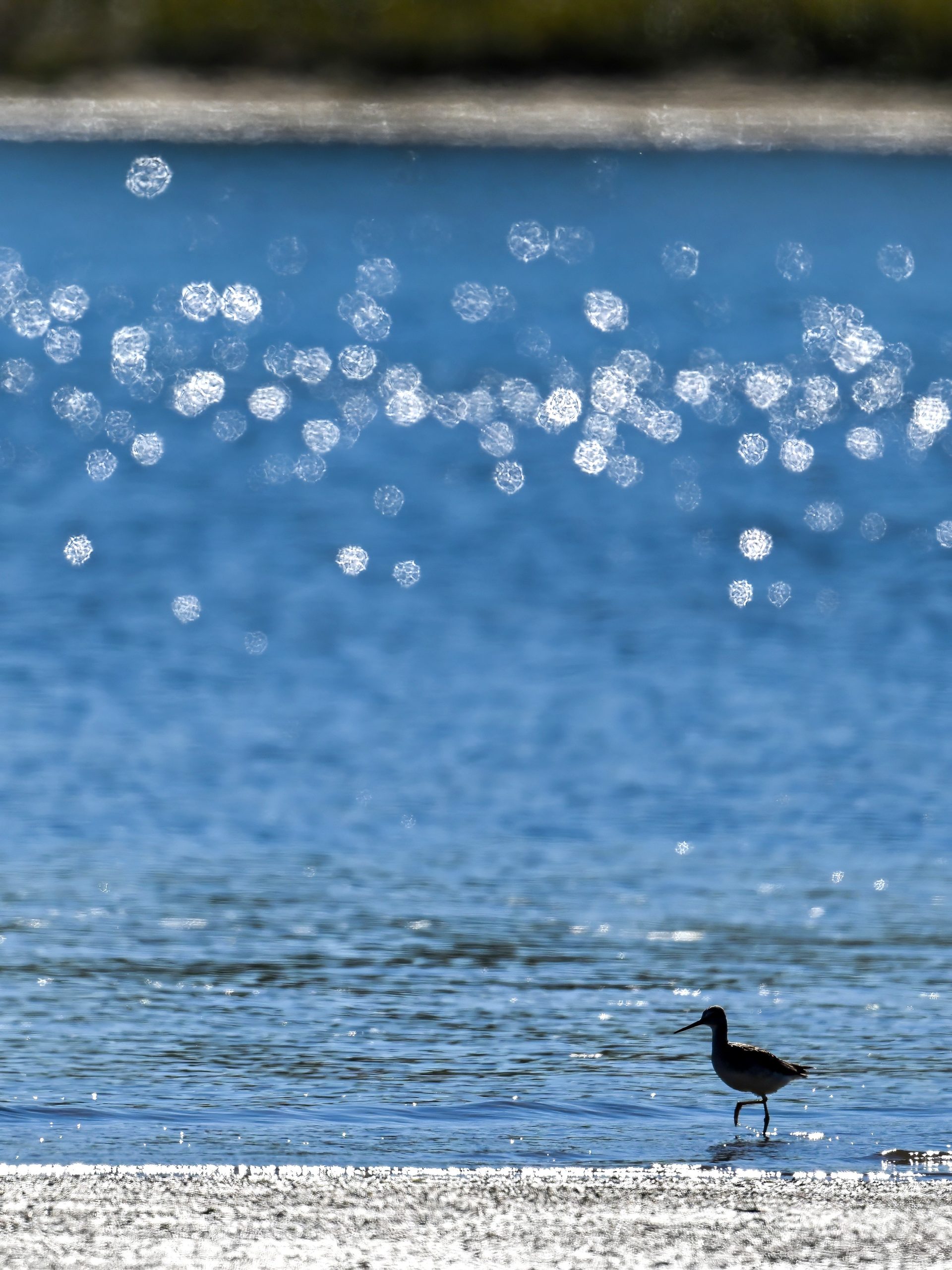
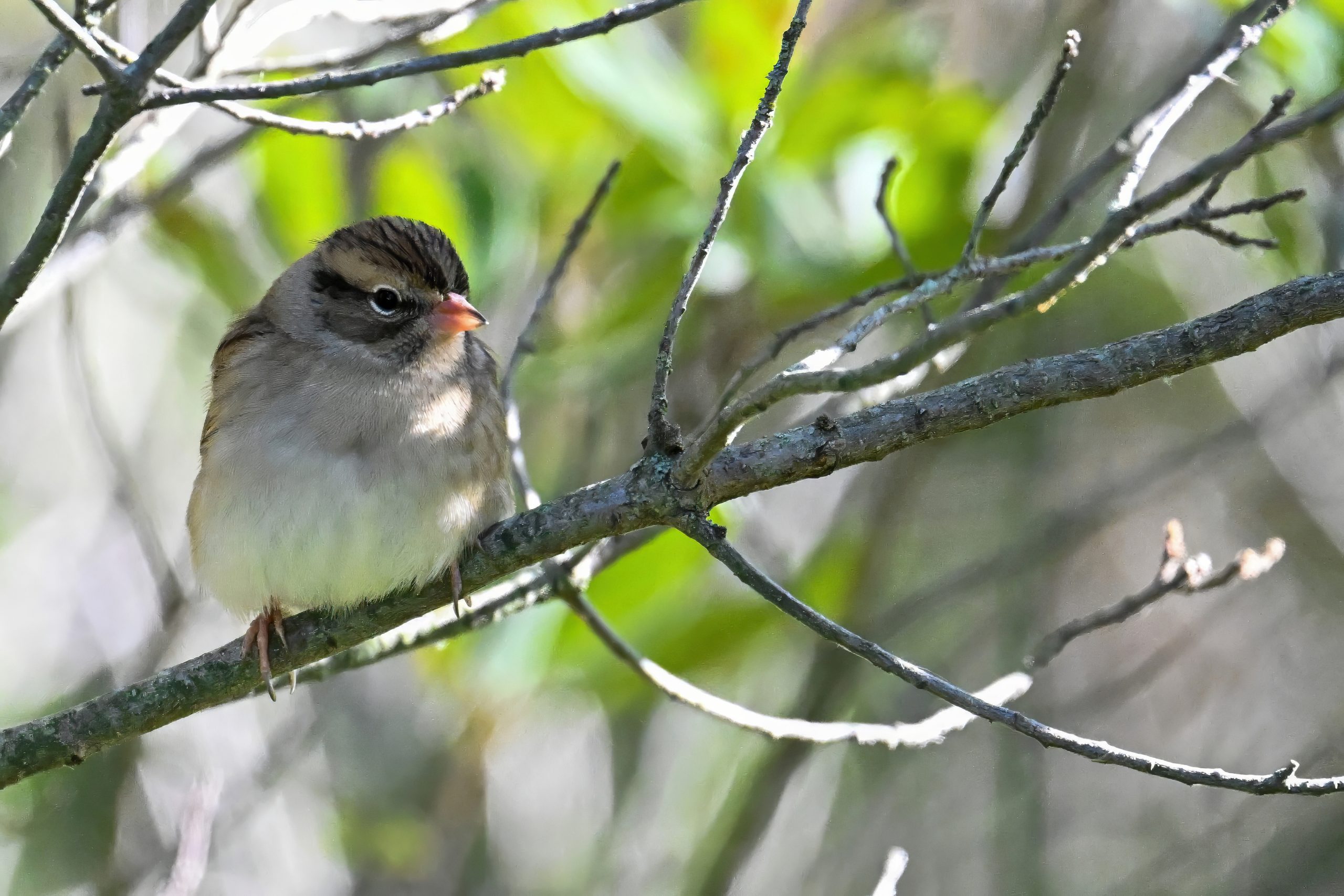
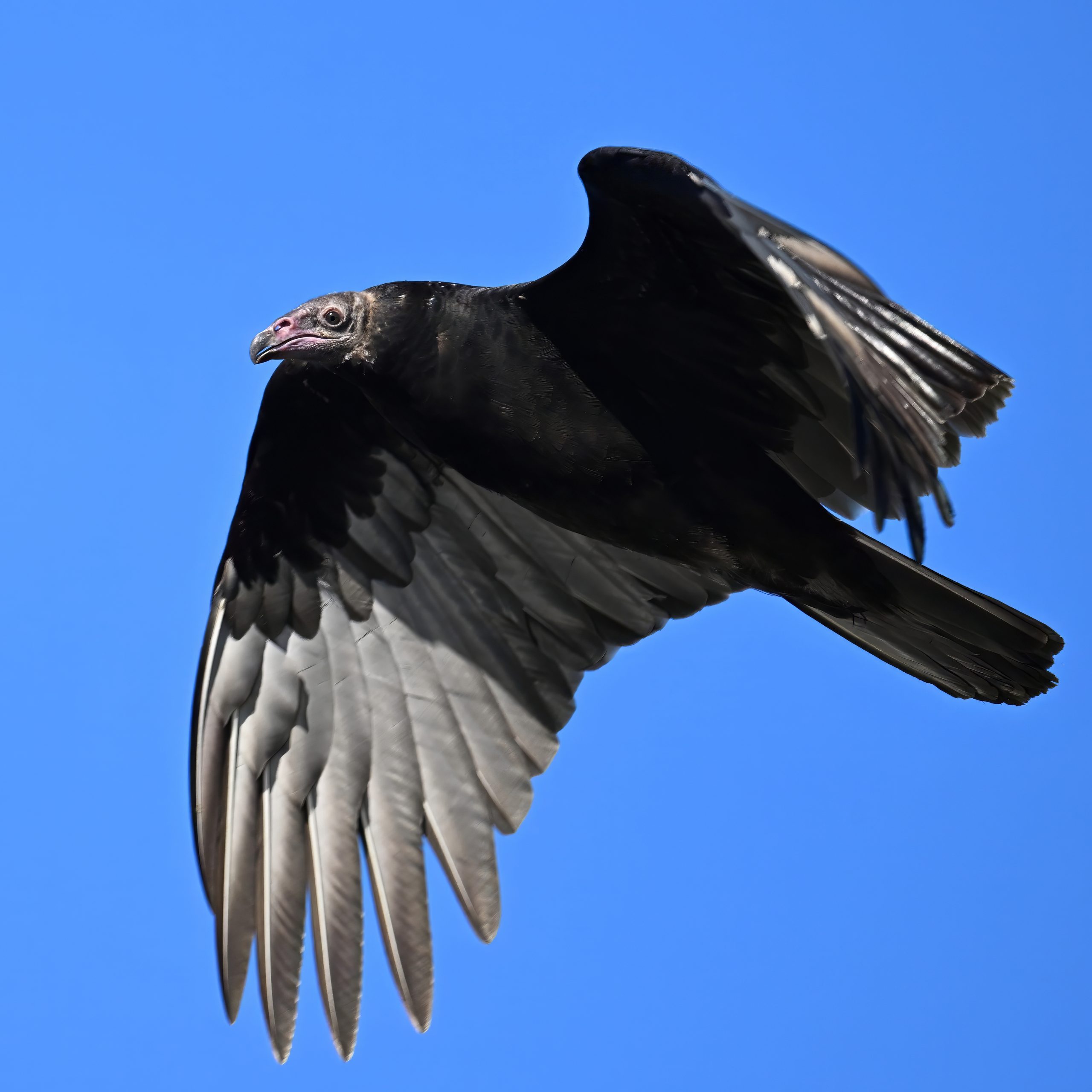
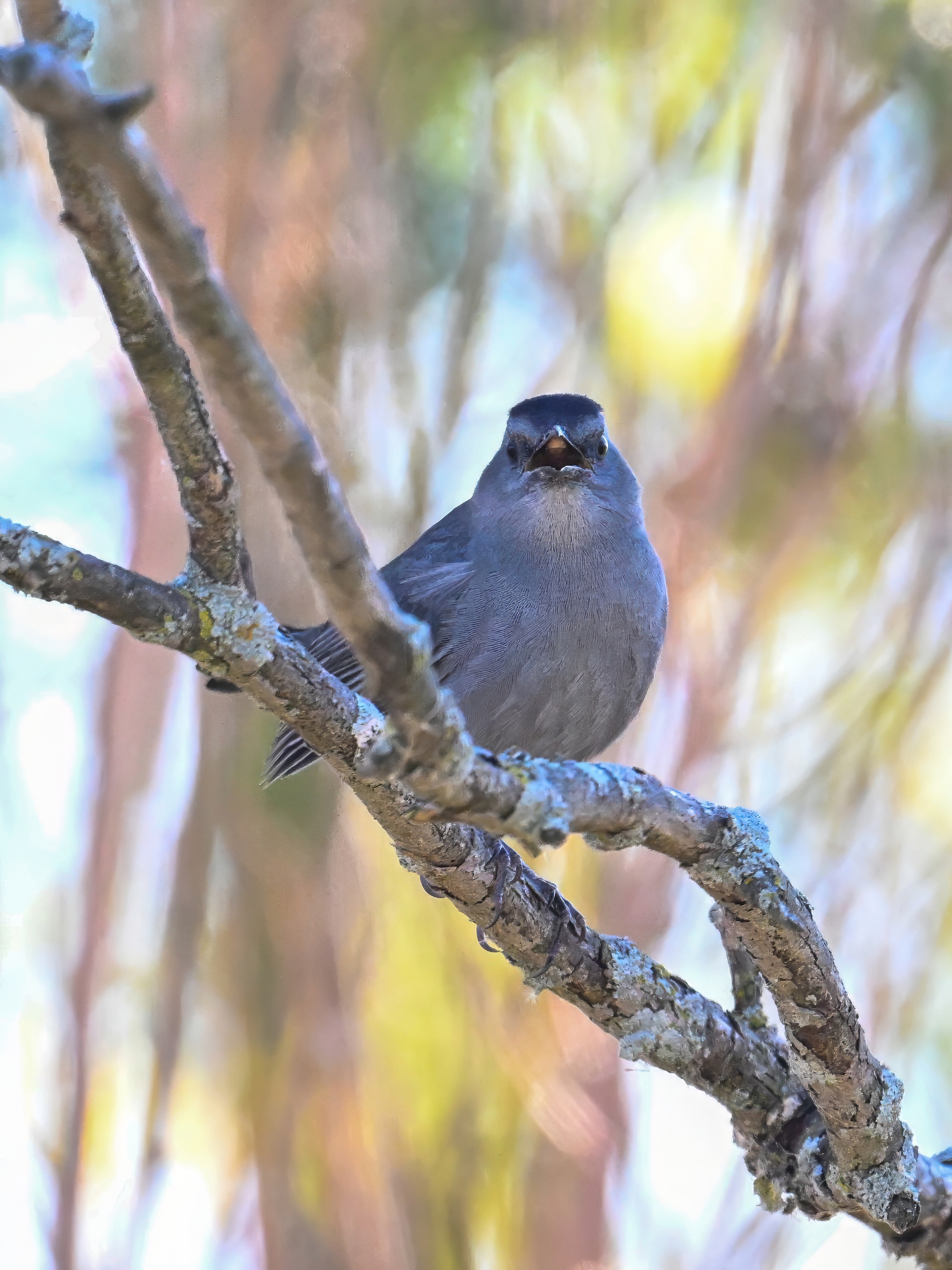
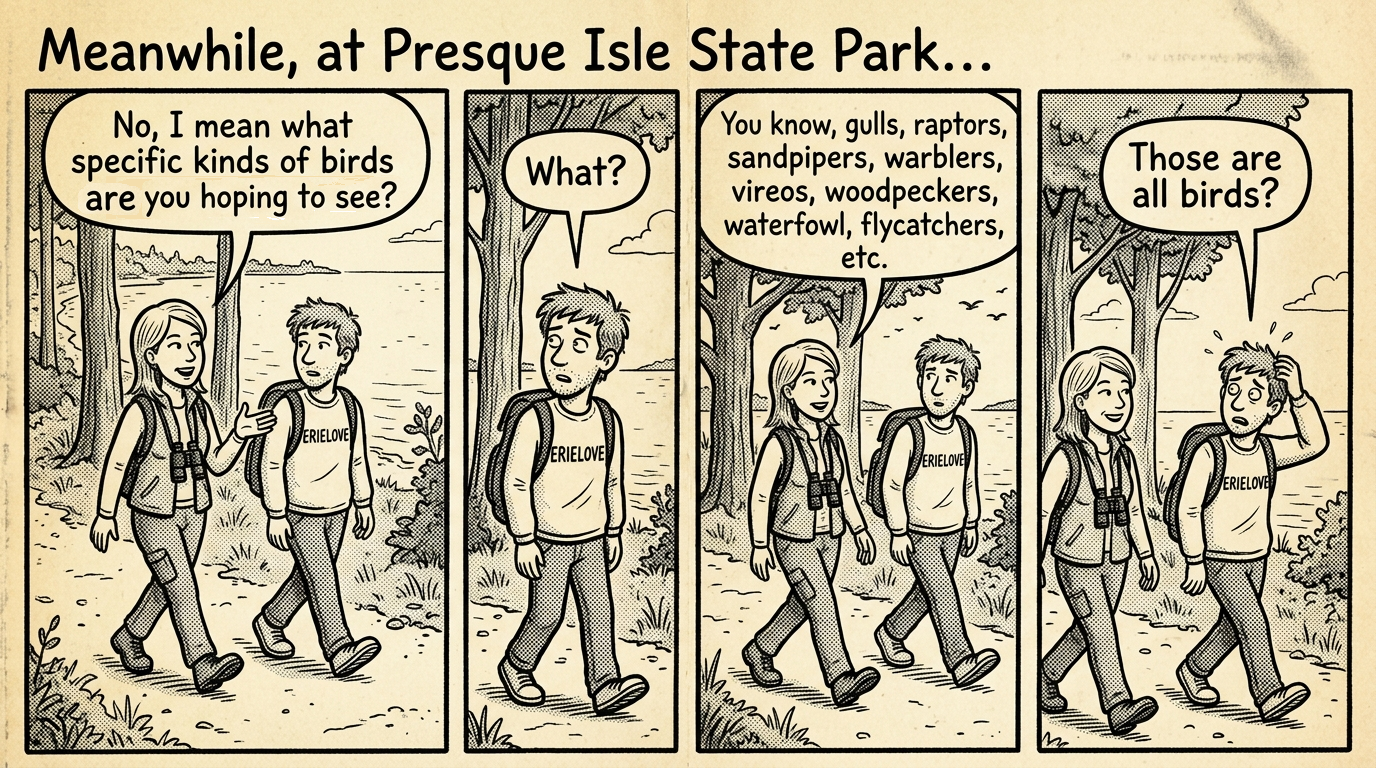
Special double post today of more Erie County, Pennsylvania fall birds along the Gull Point Trail this past Saturday:
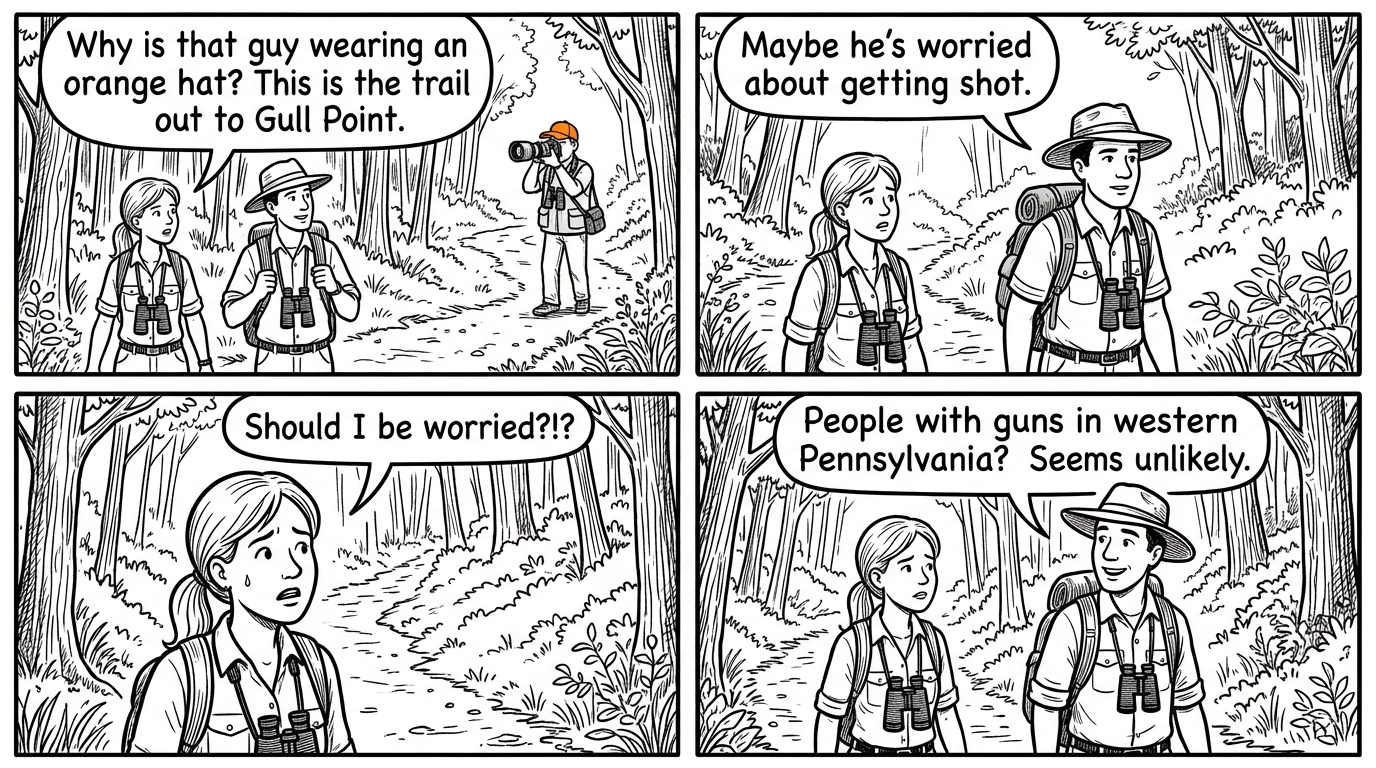
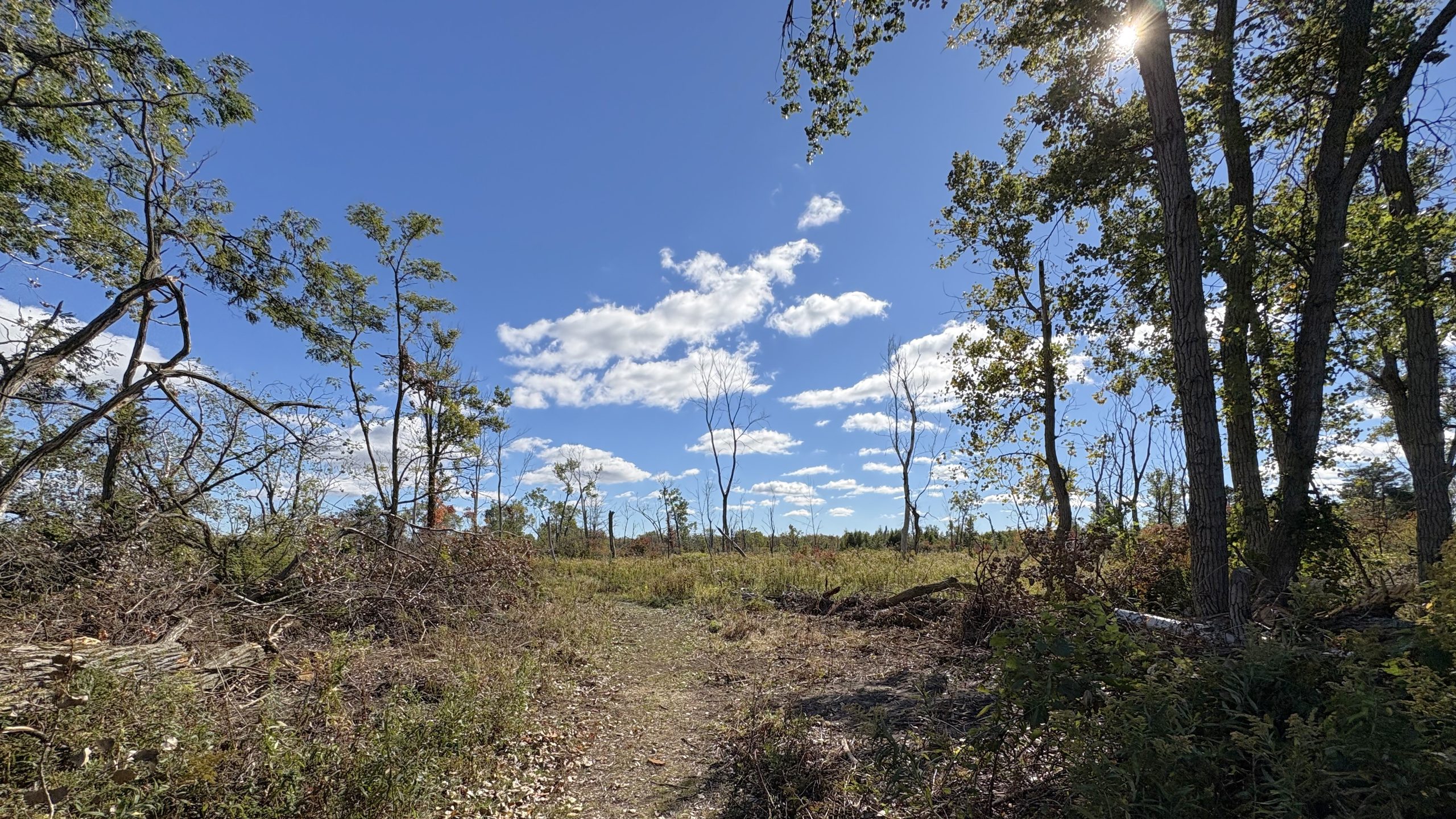
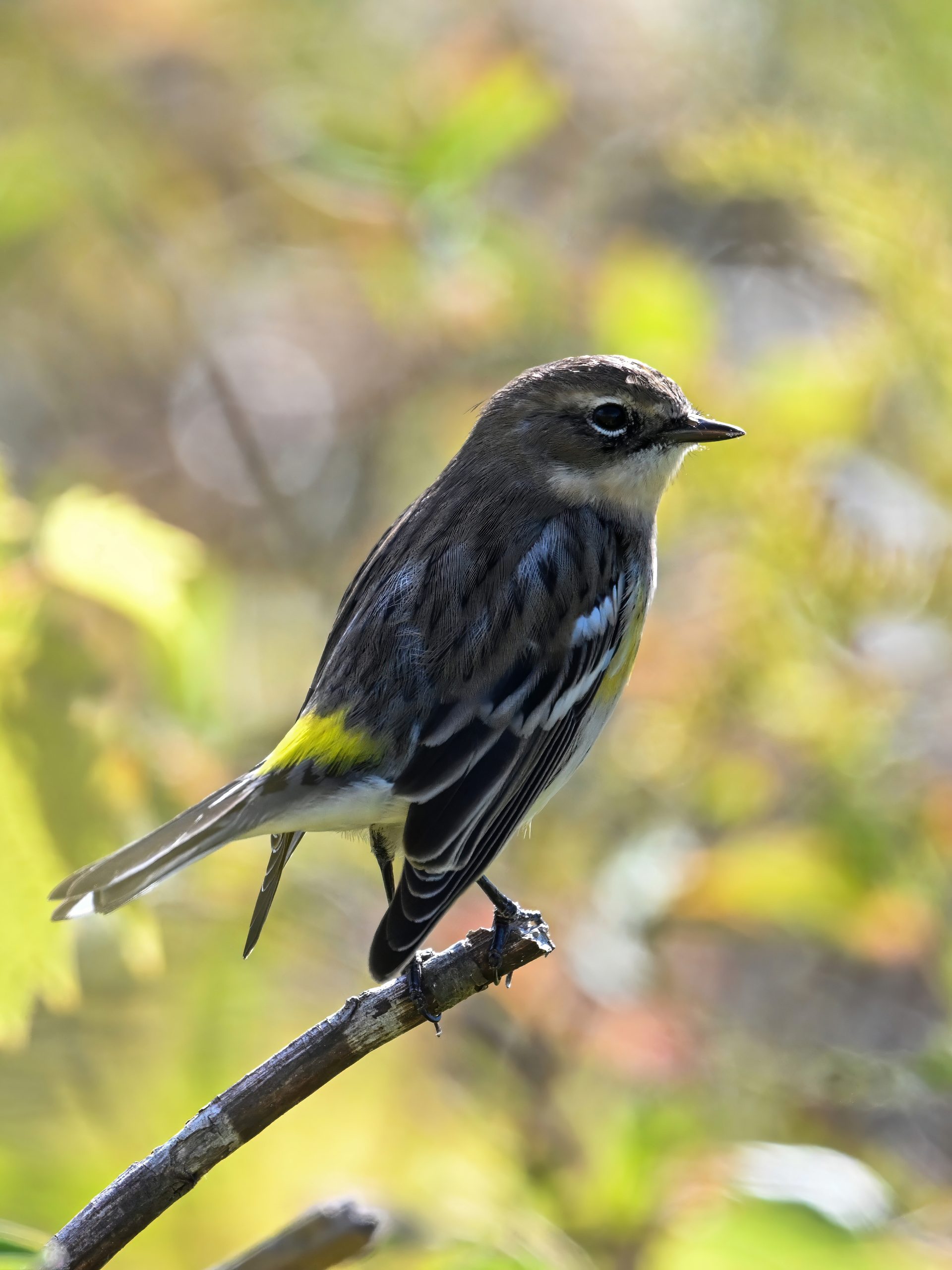
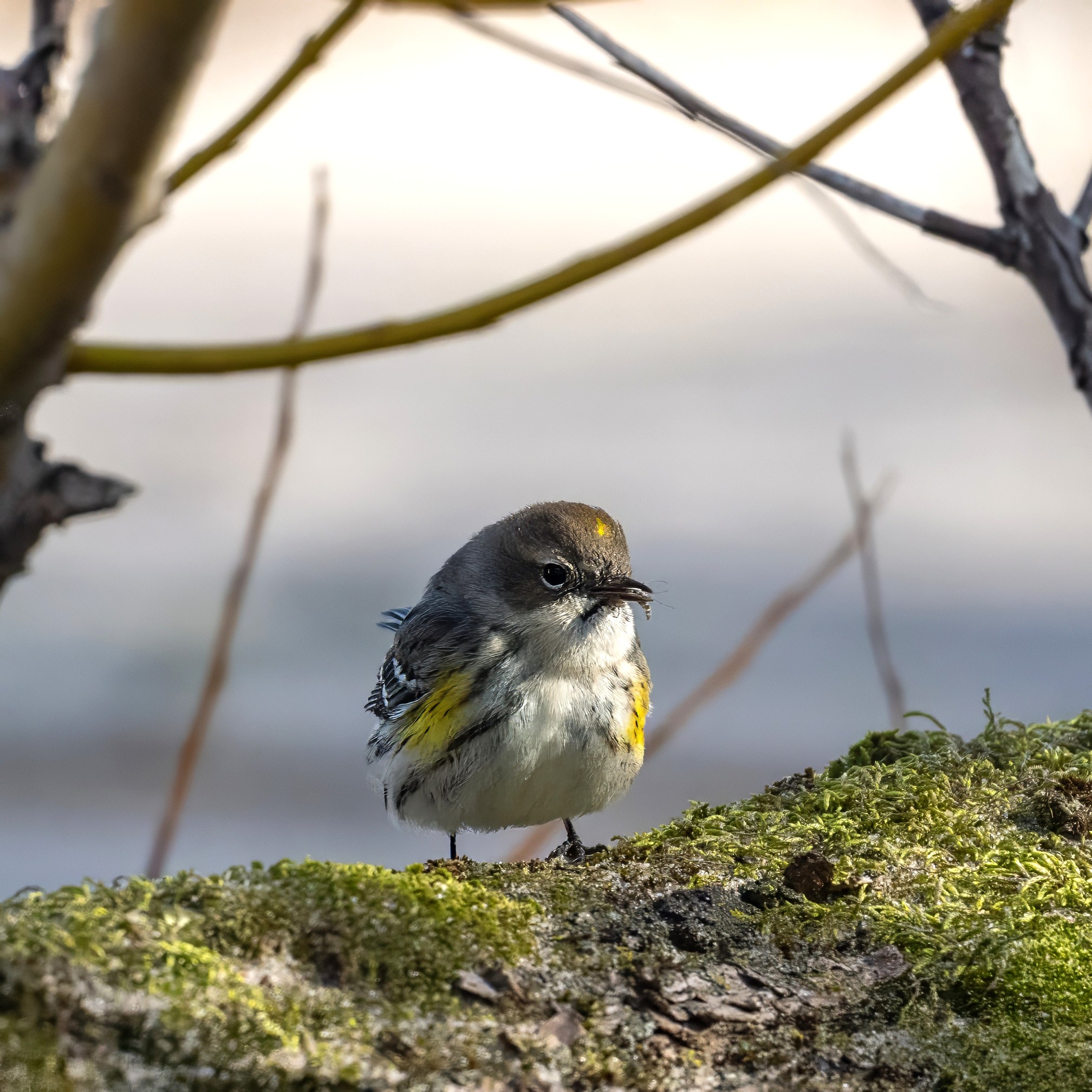
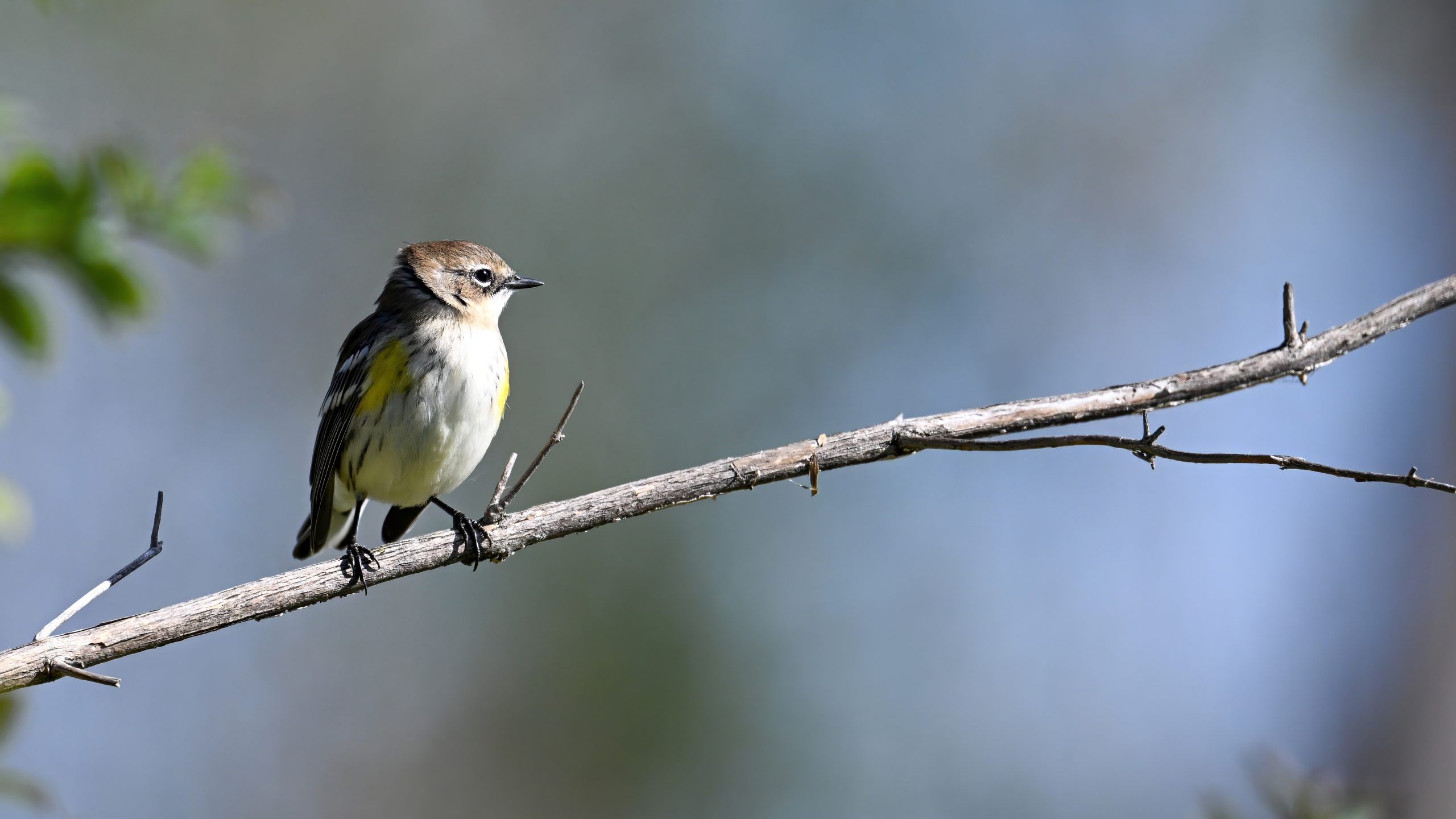
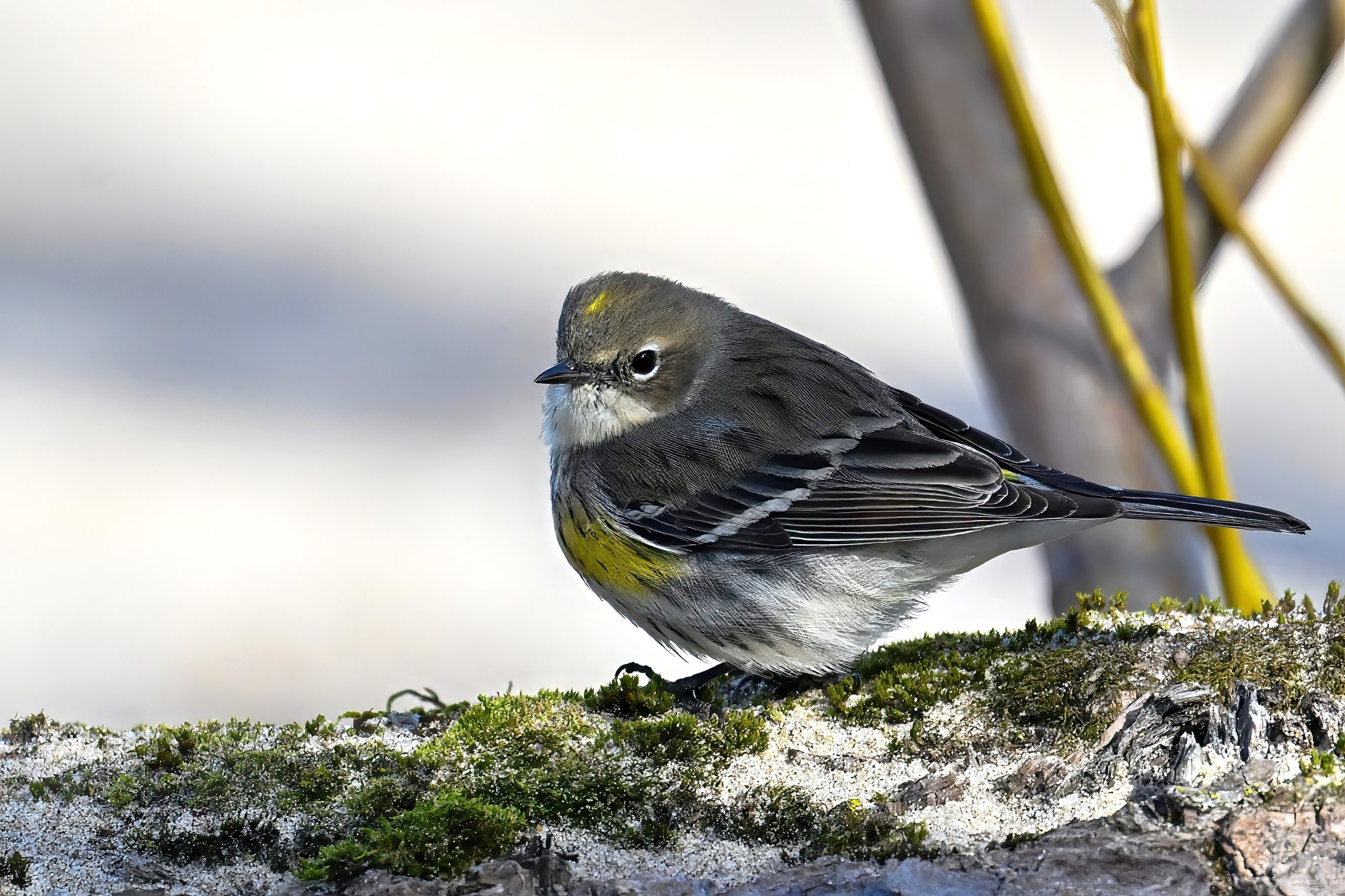
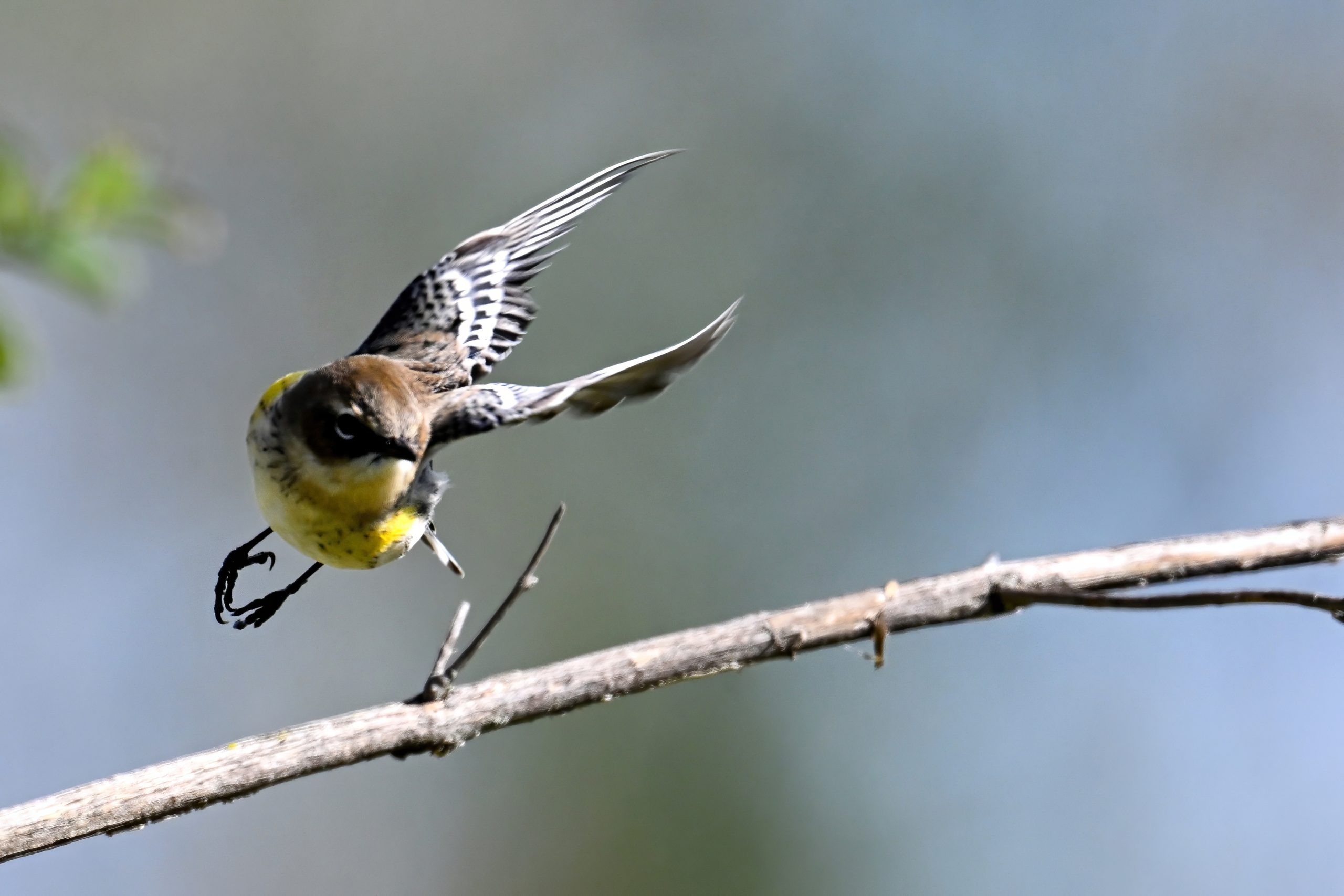
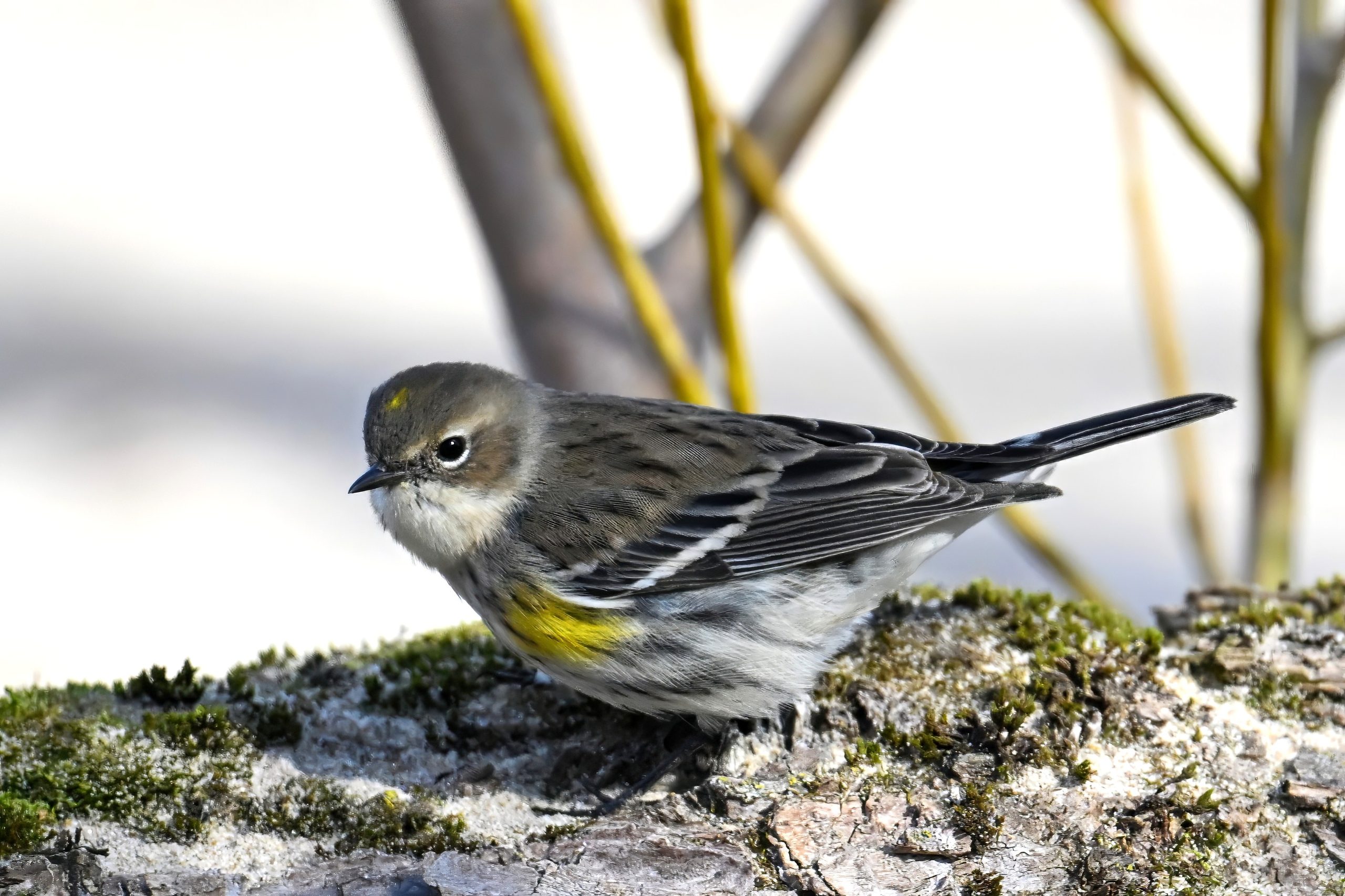
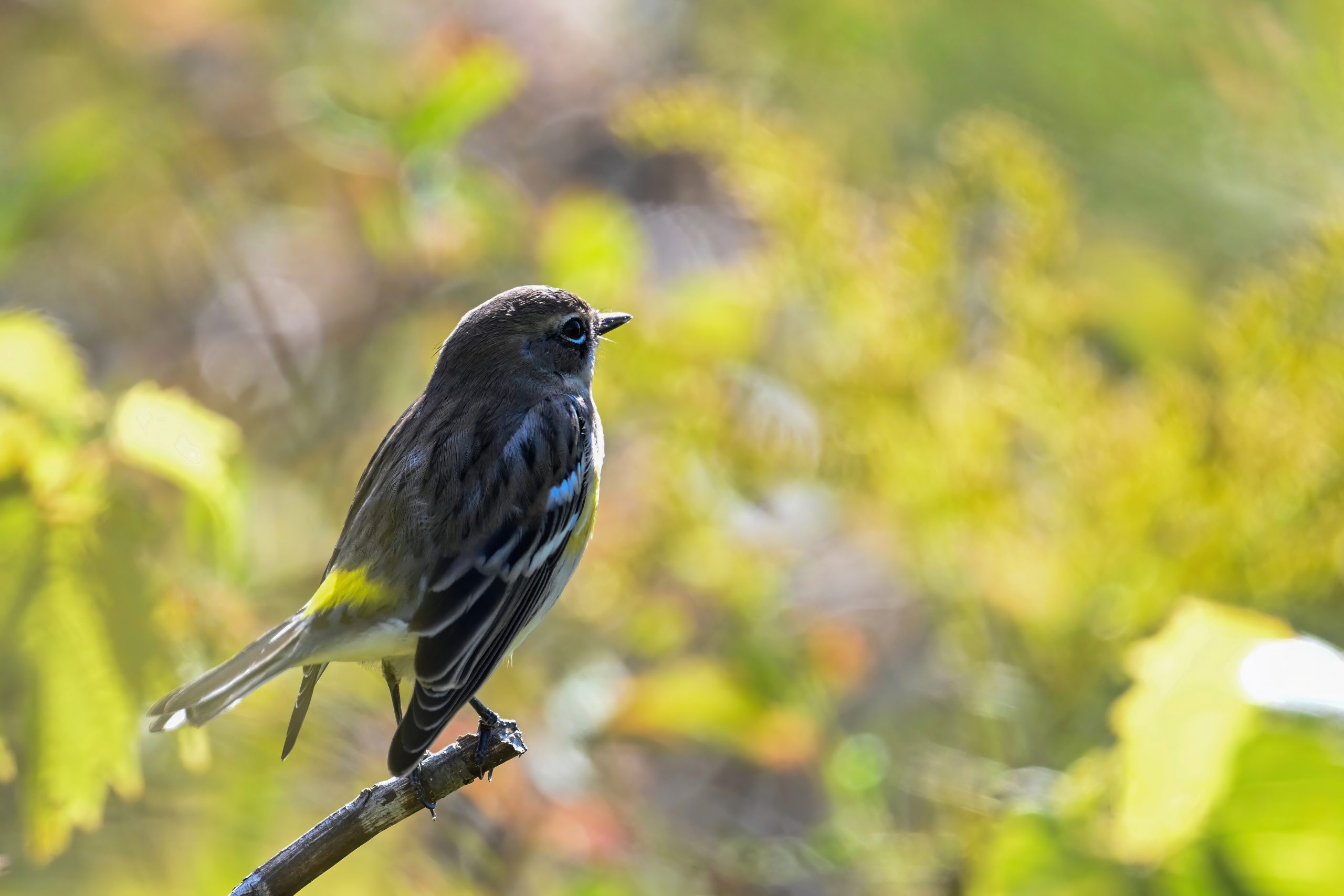
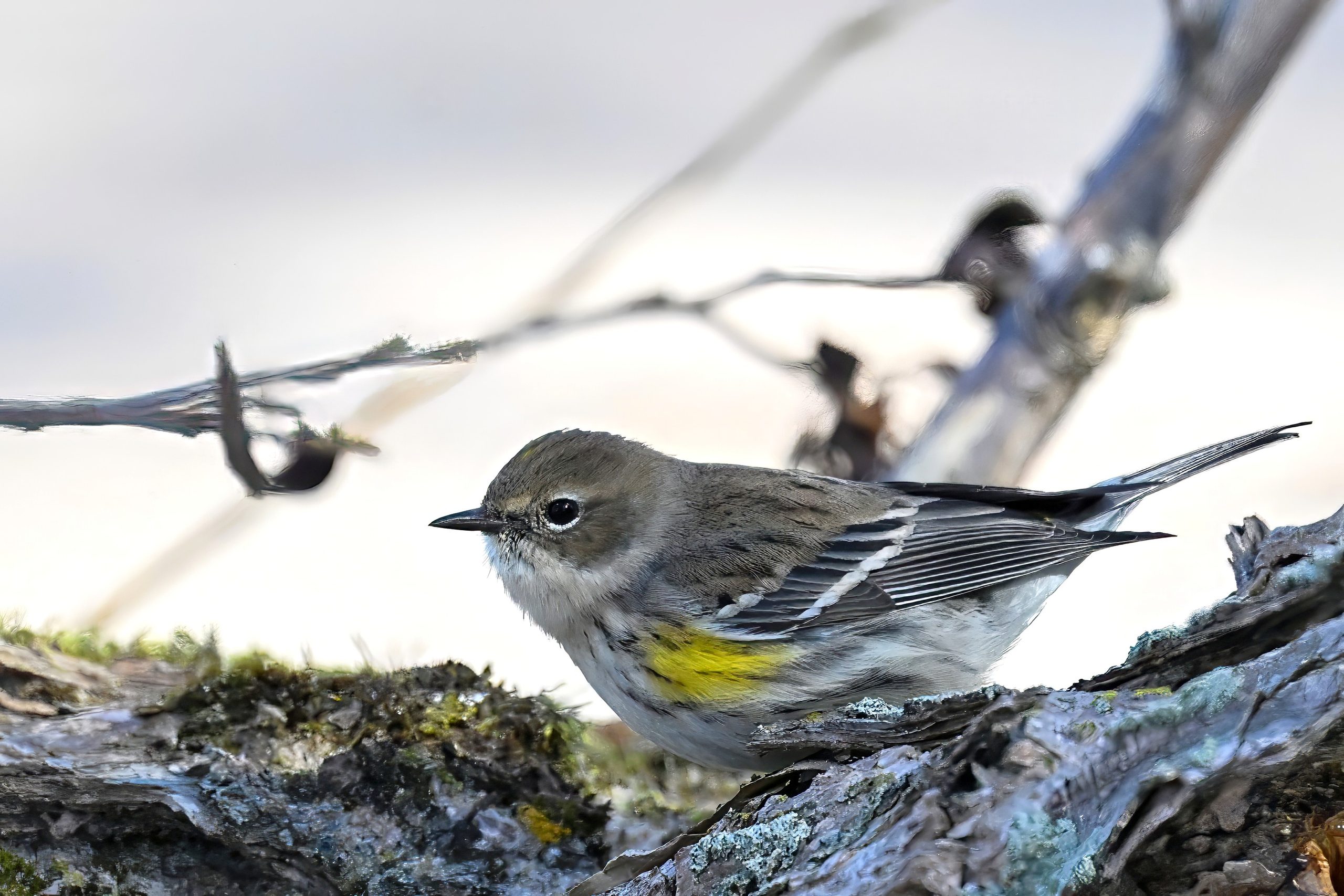
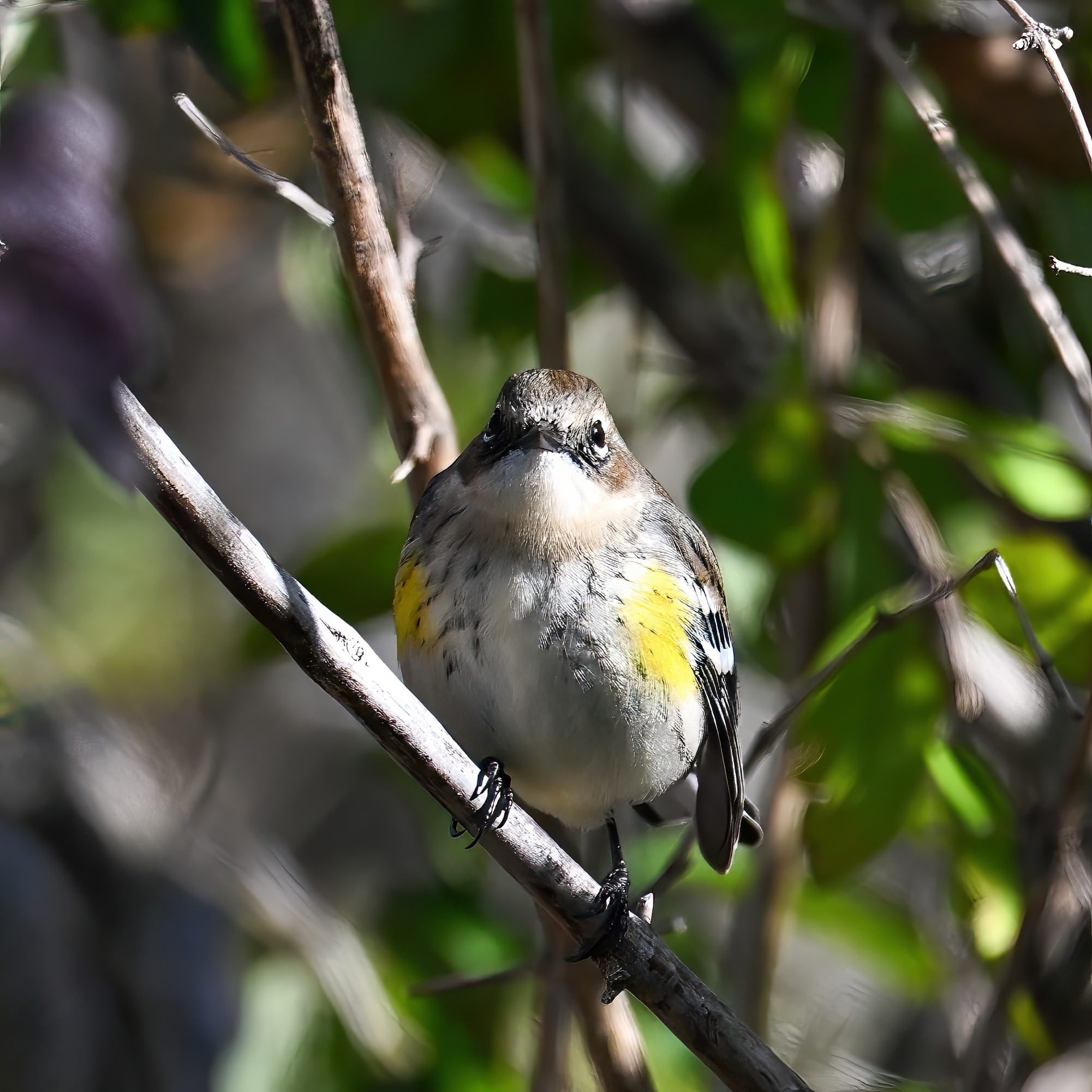
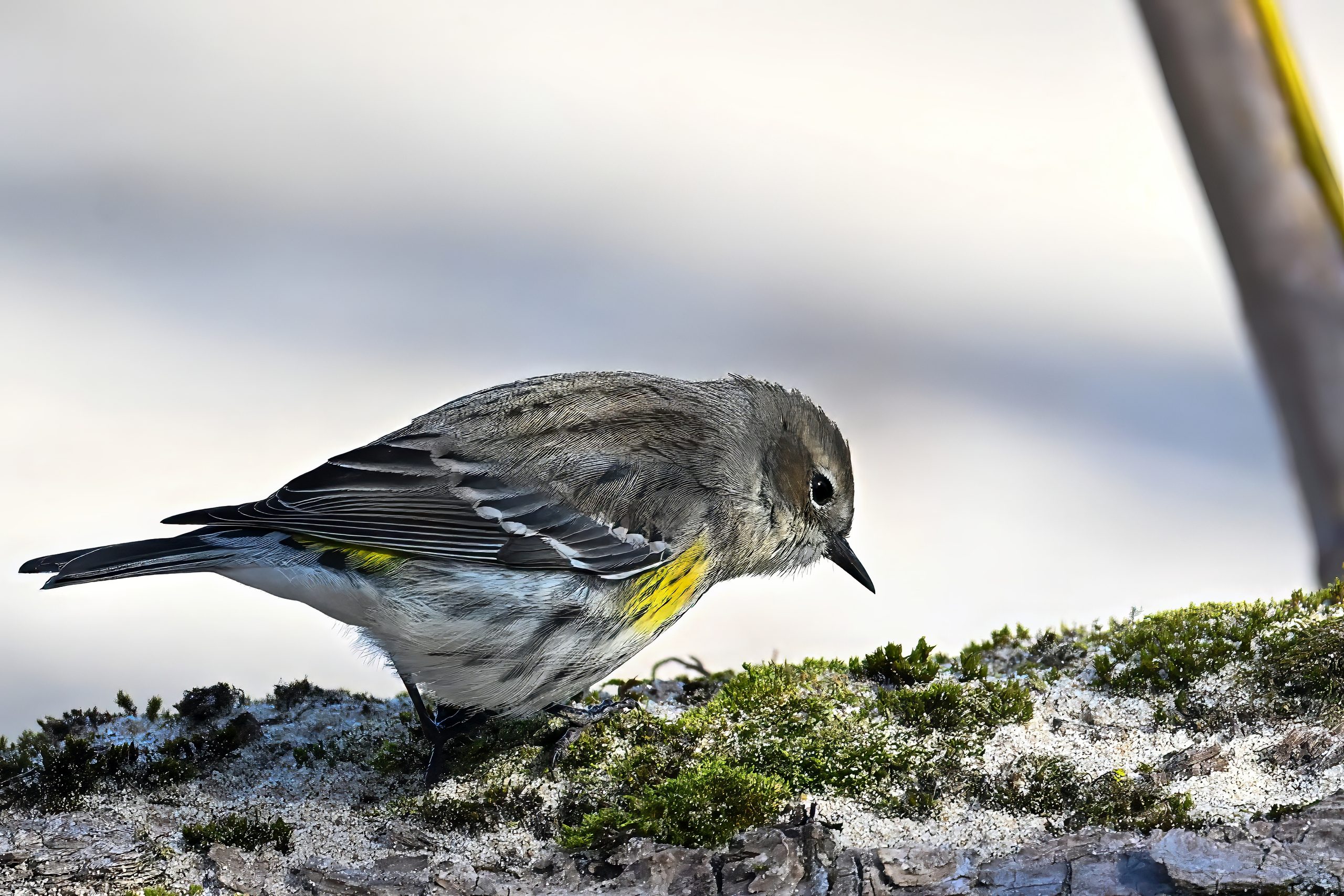
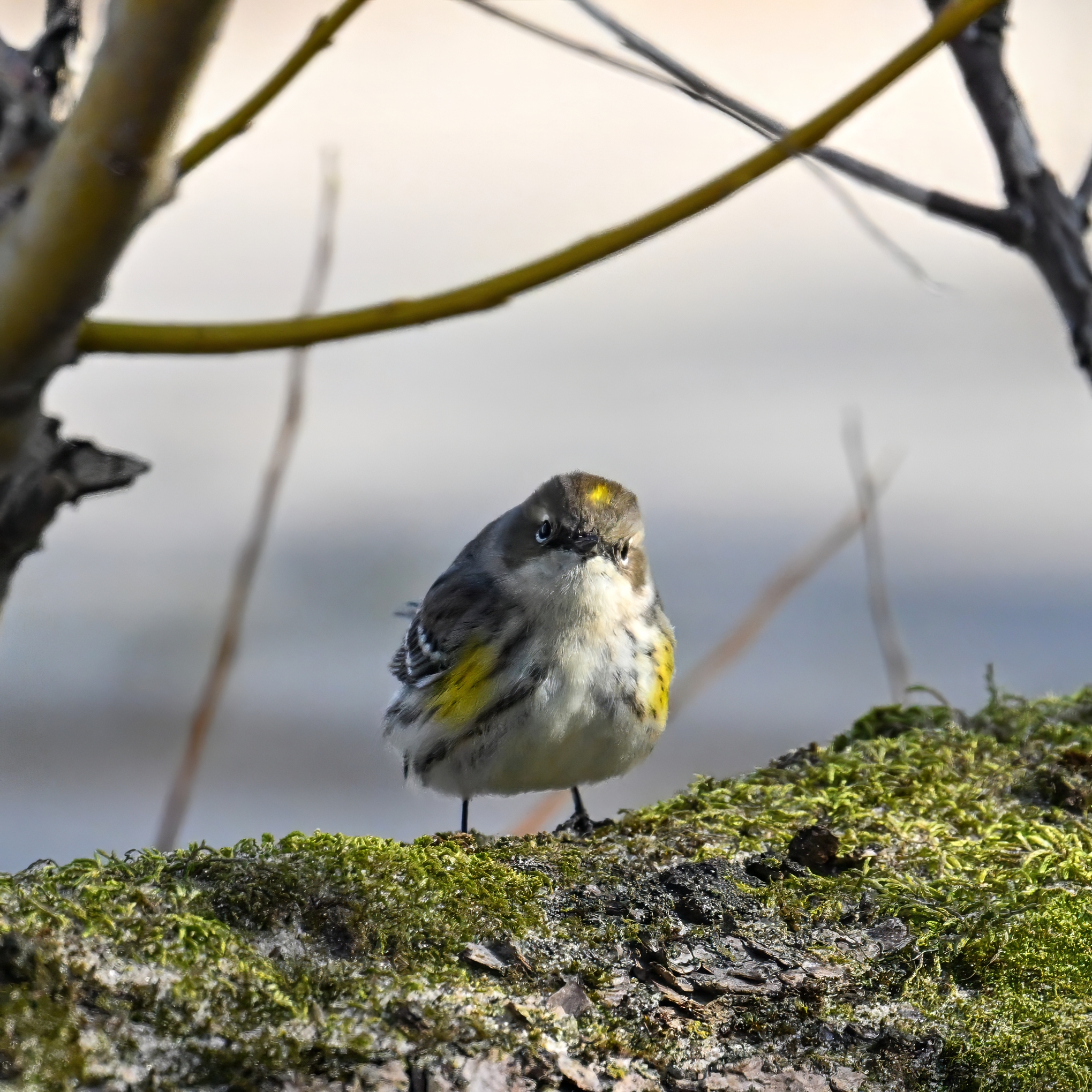
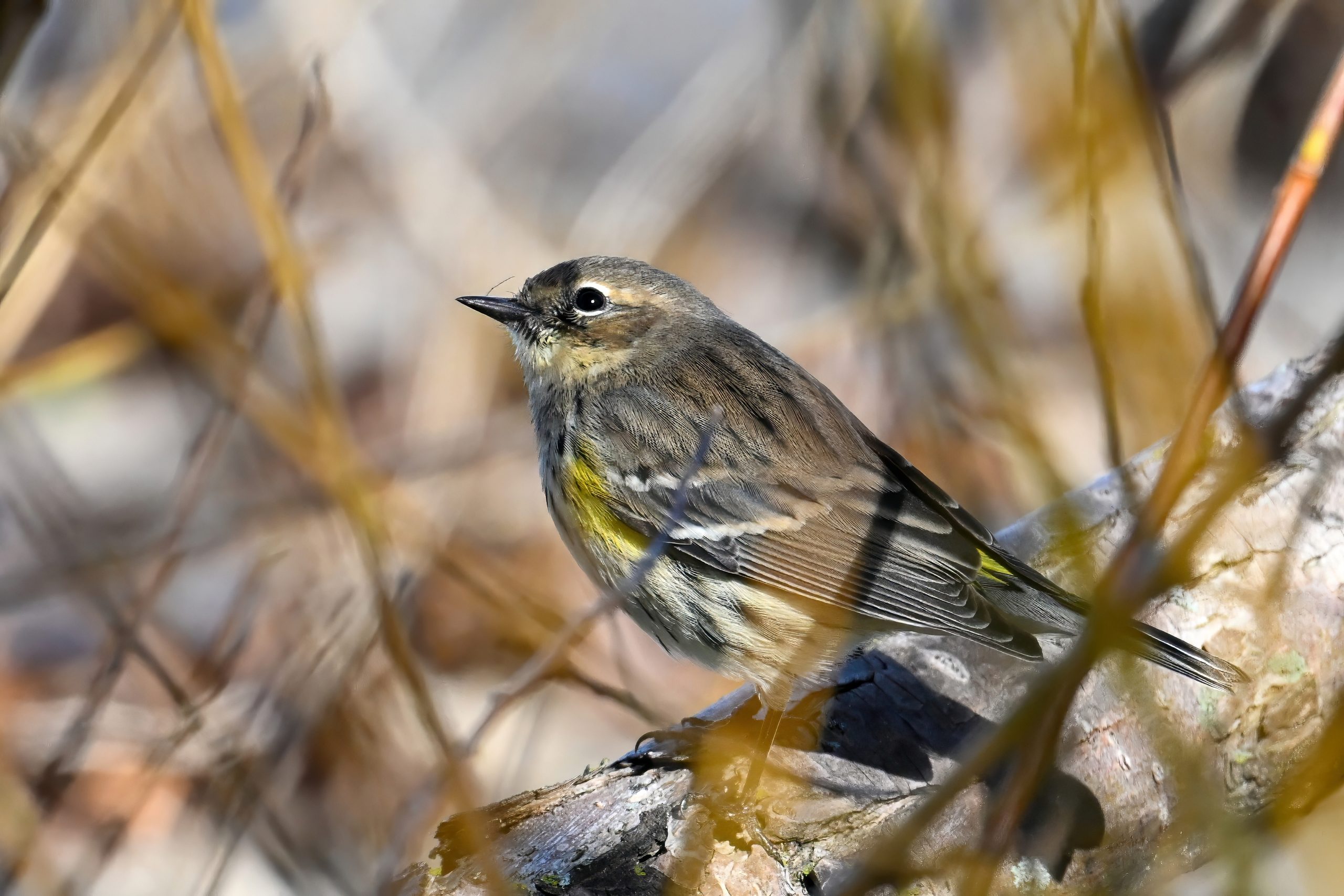
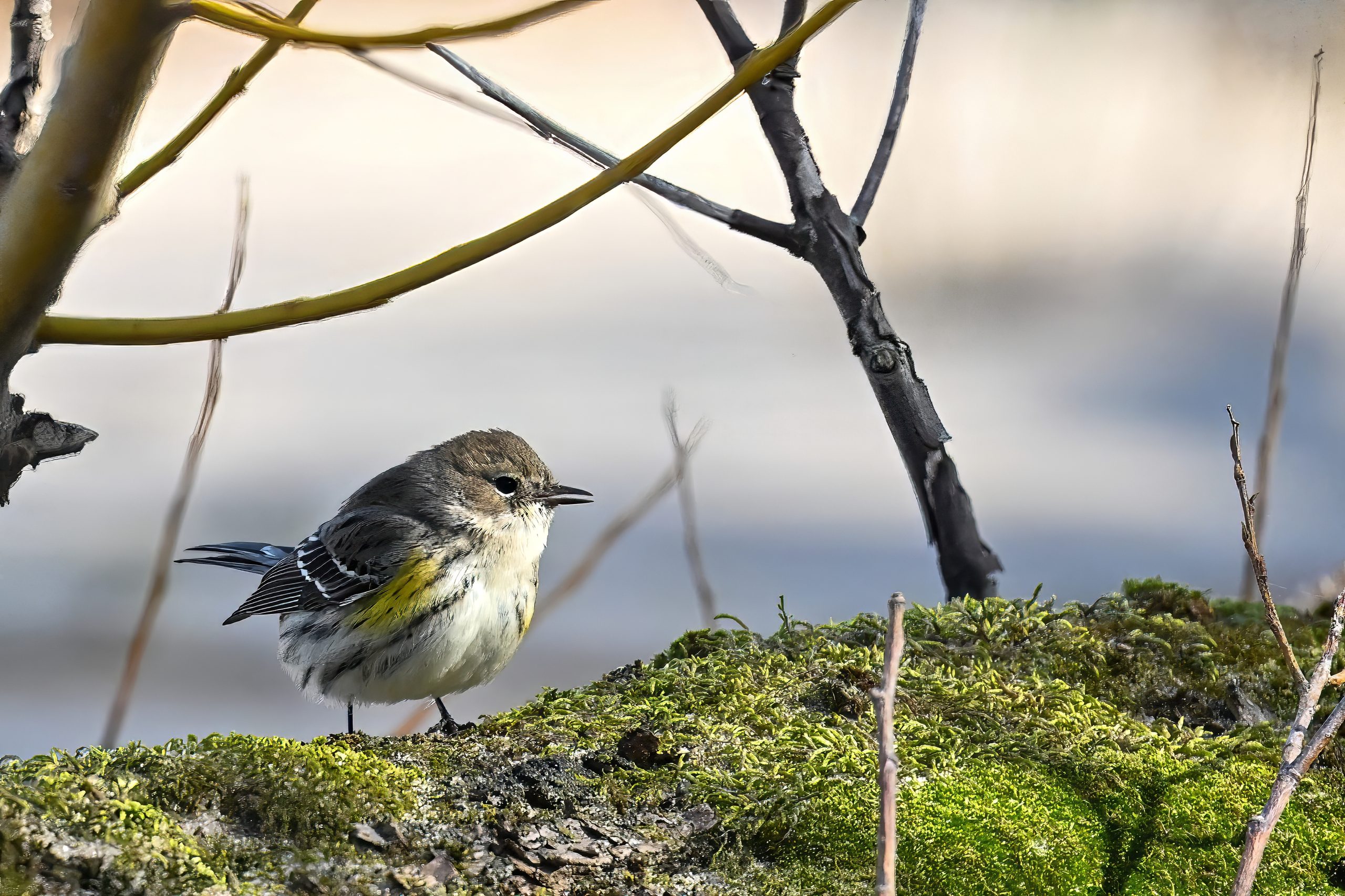
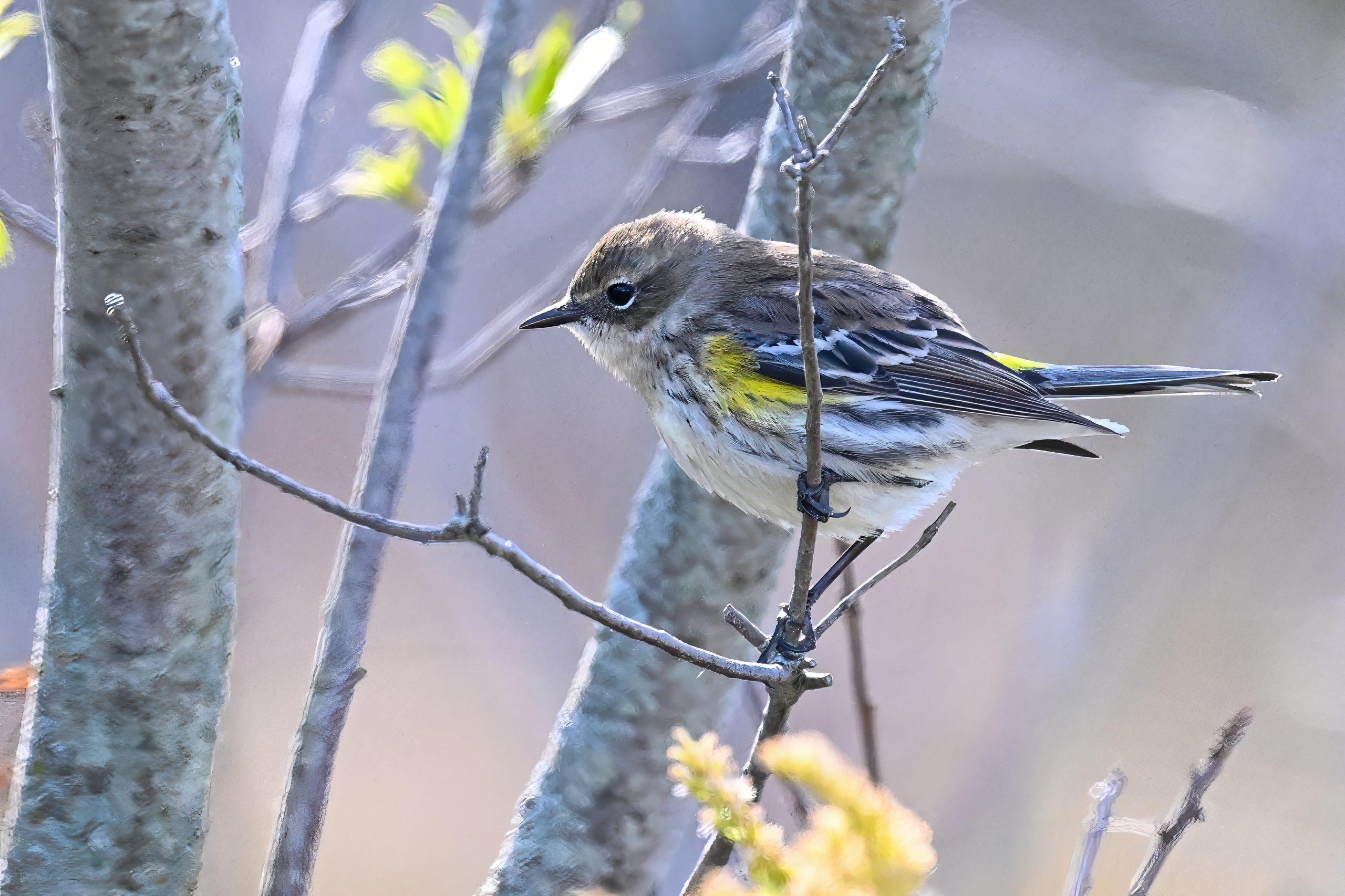
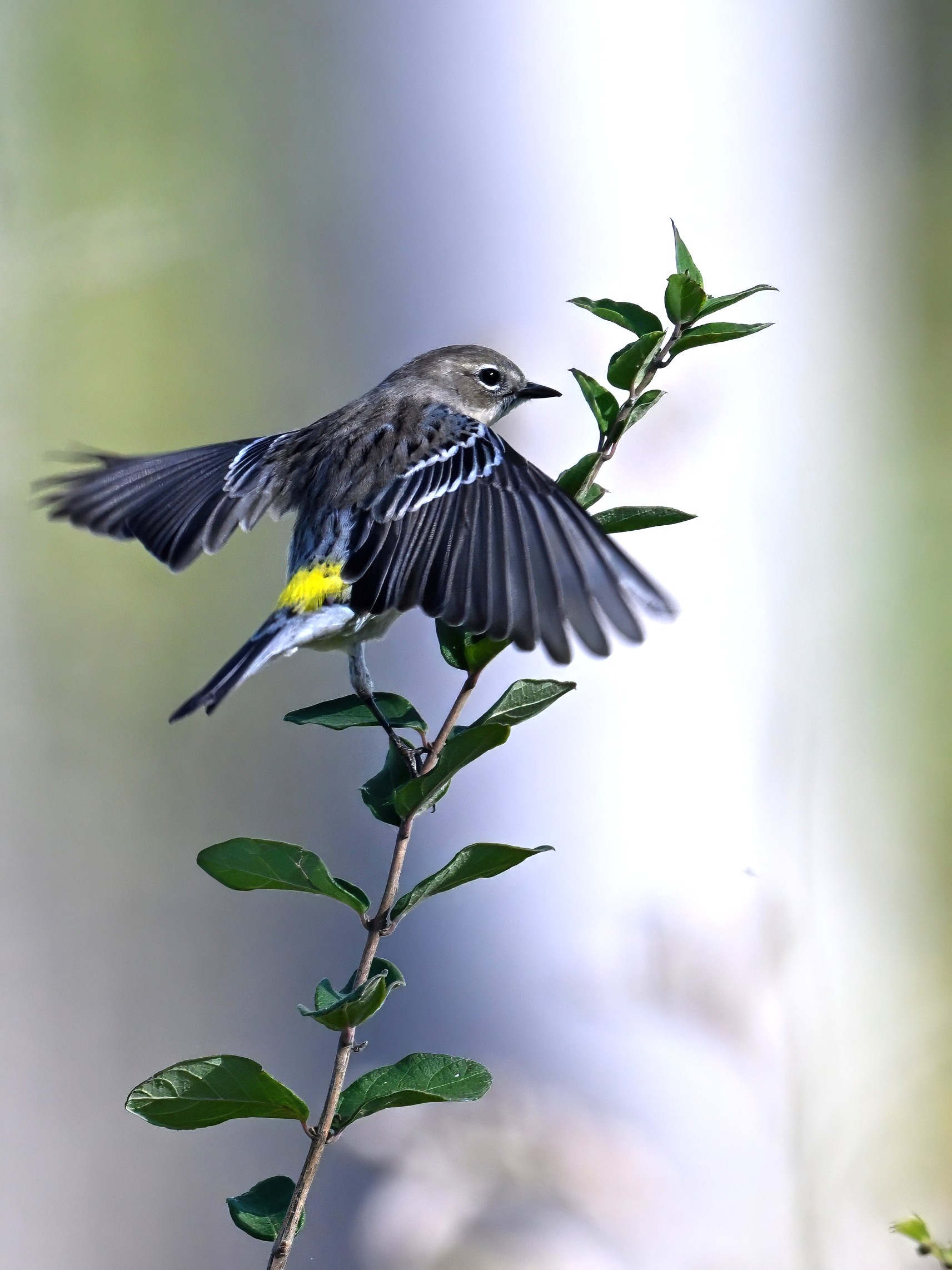
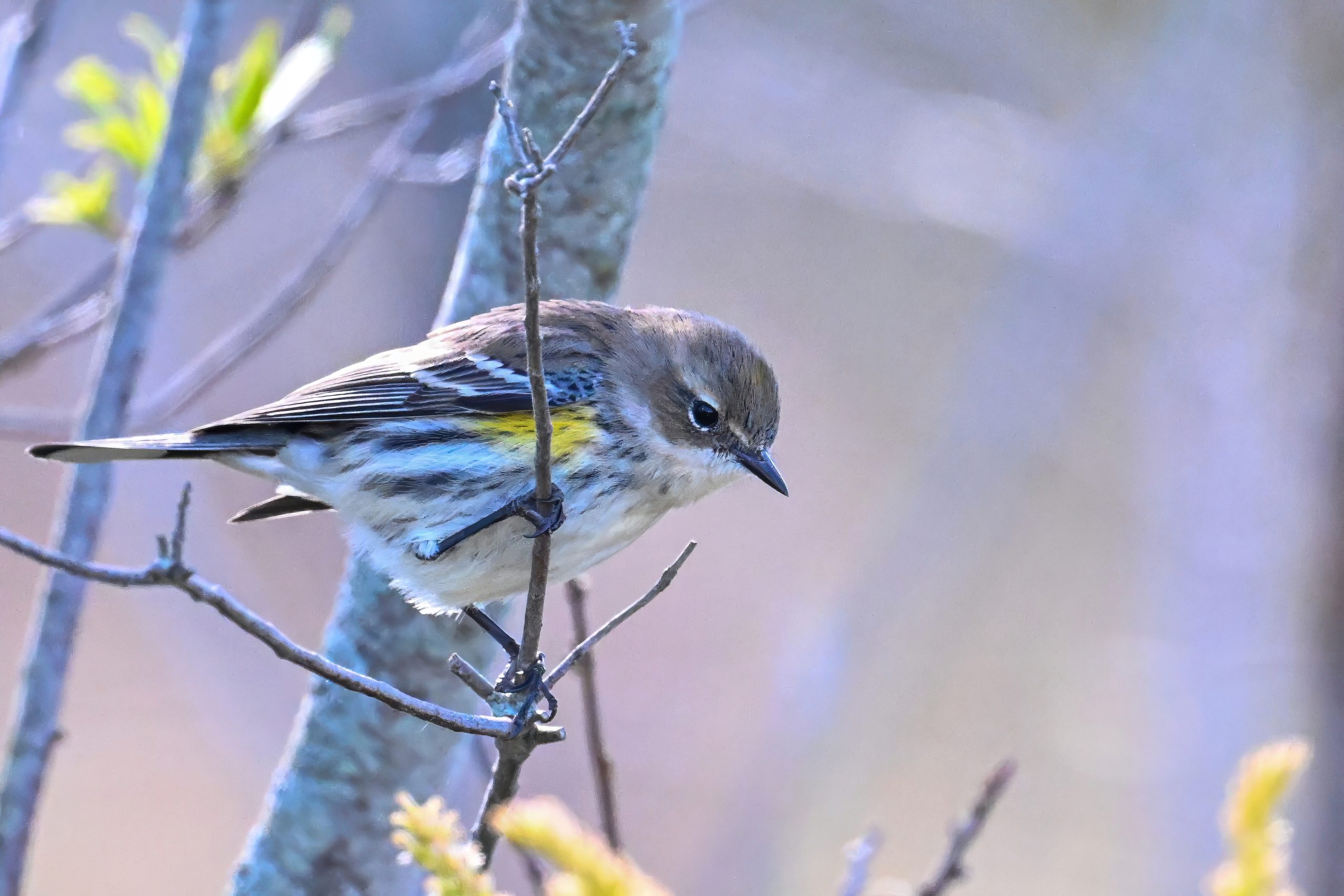
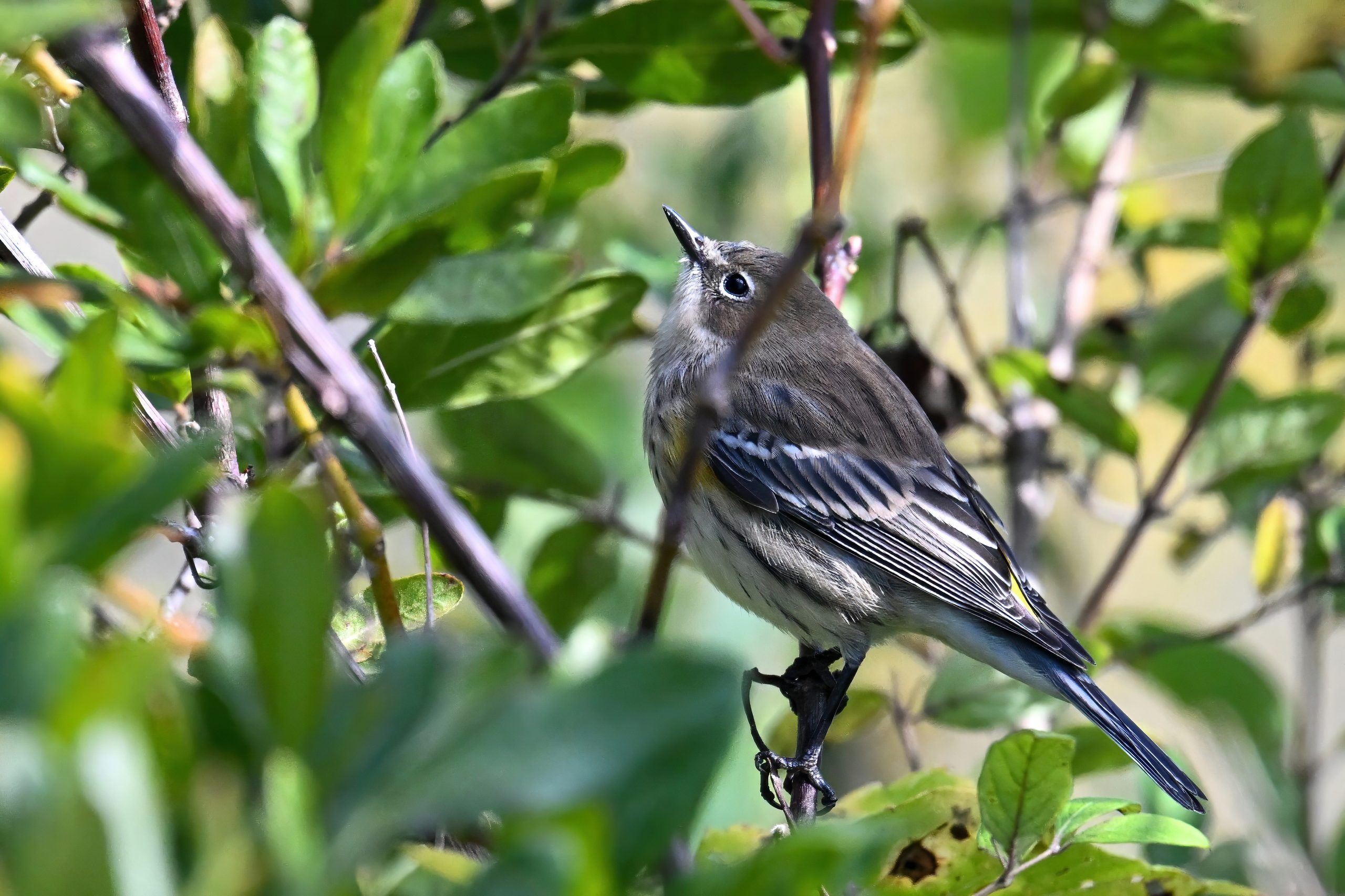
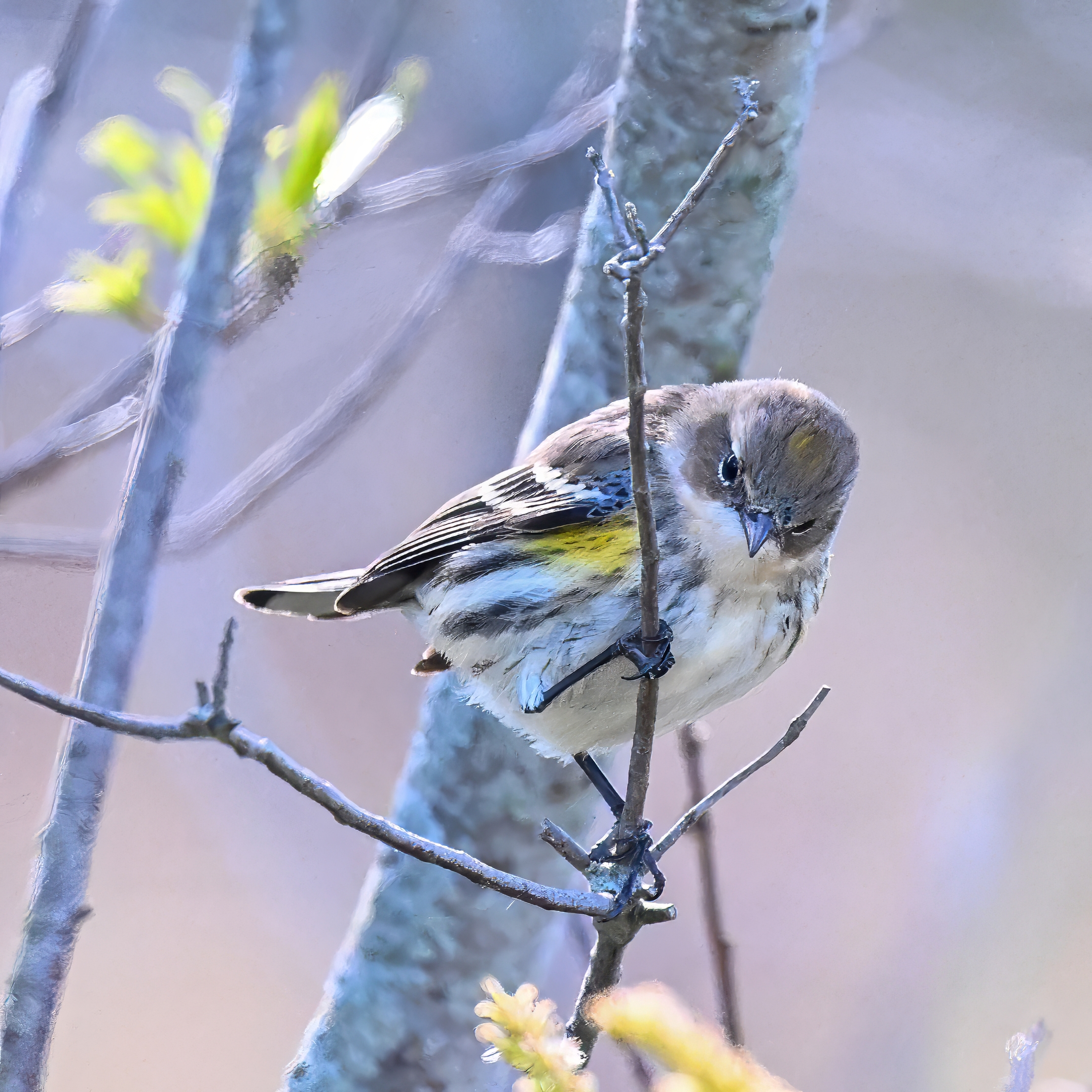
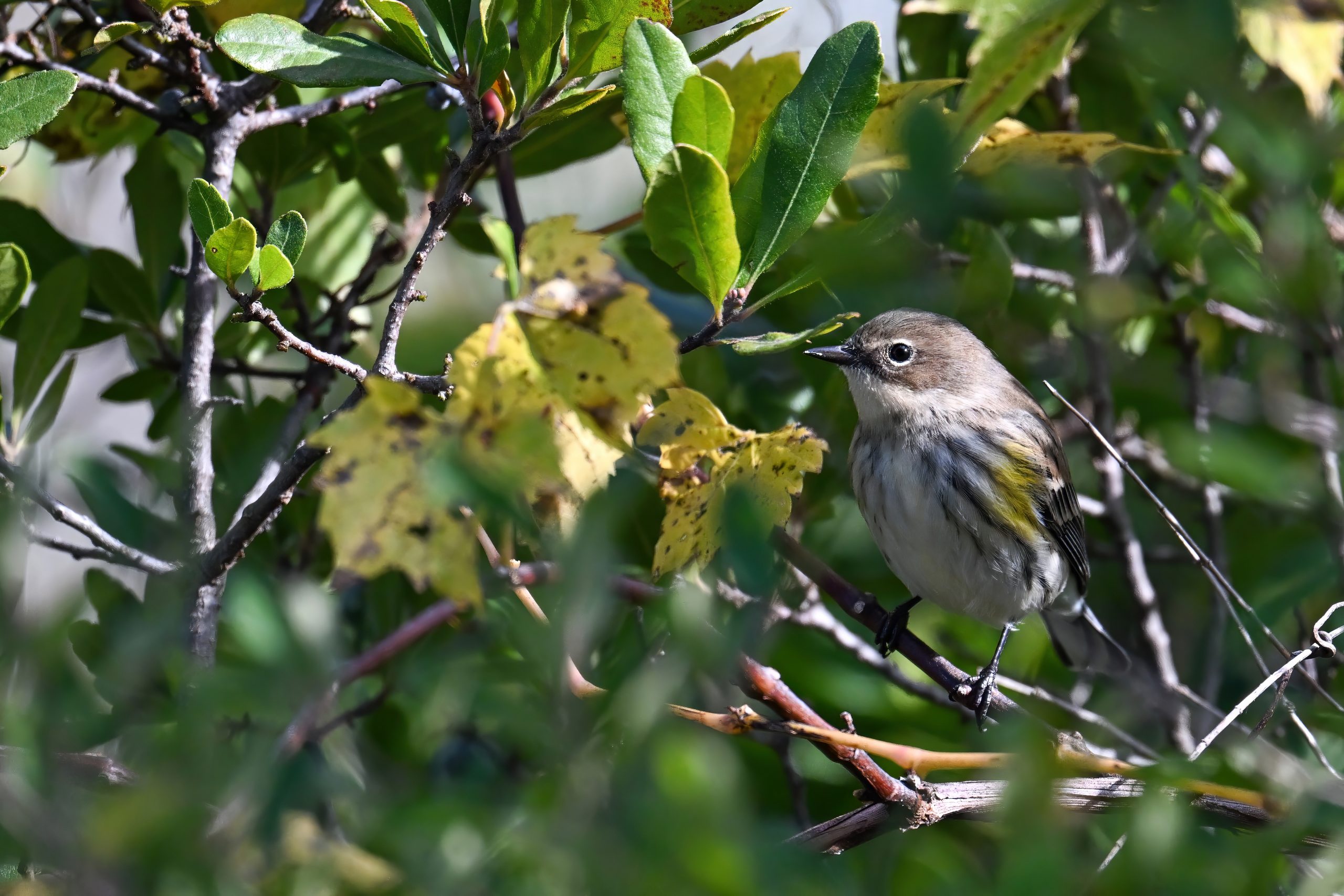
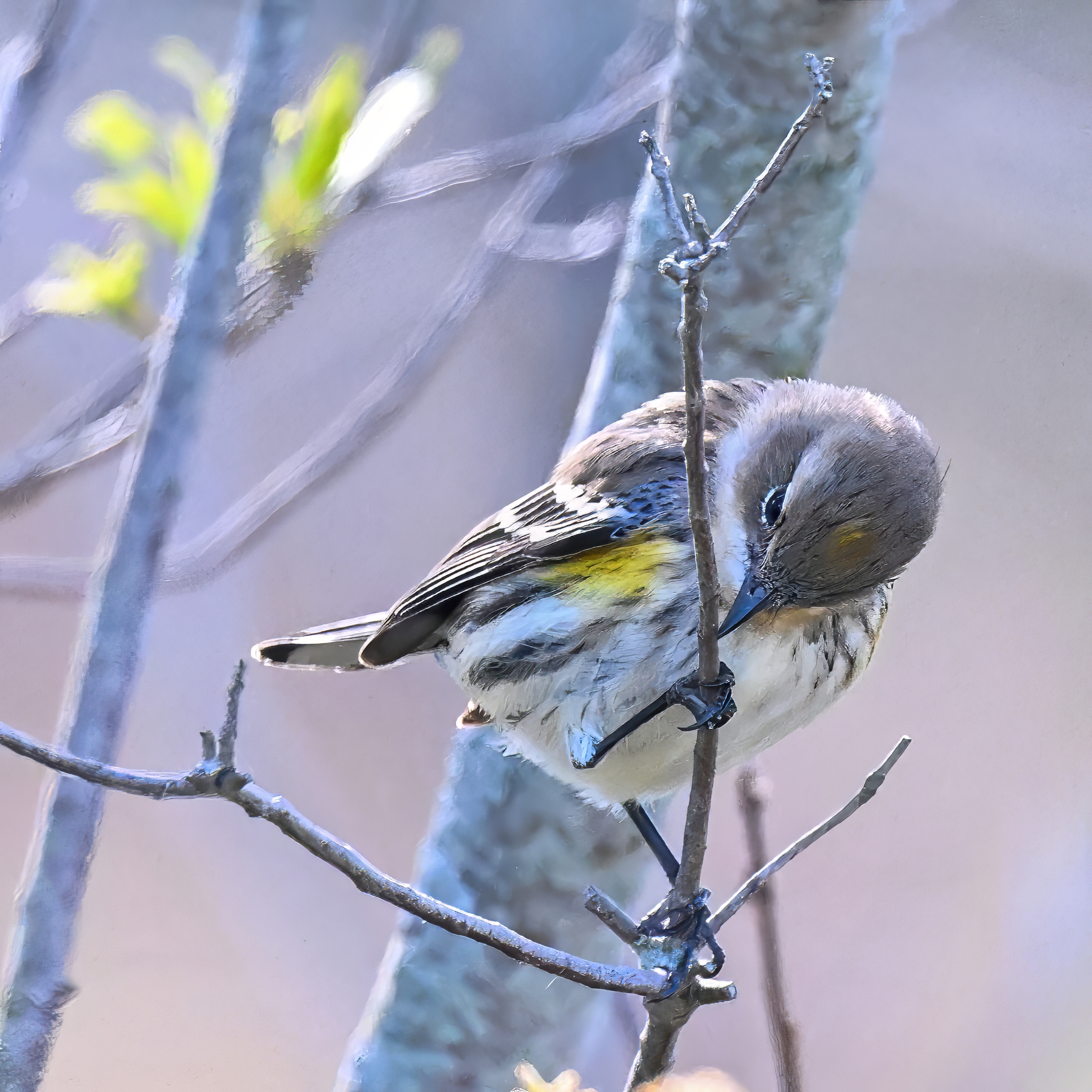
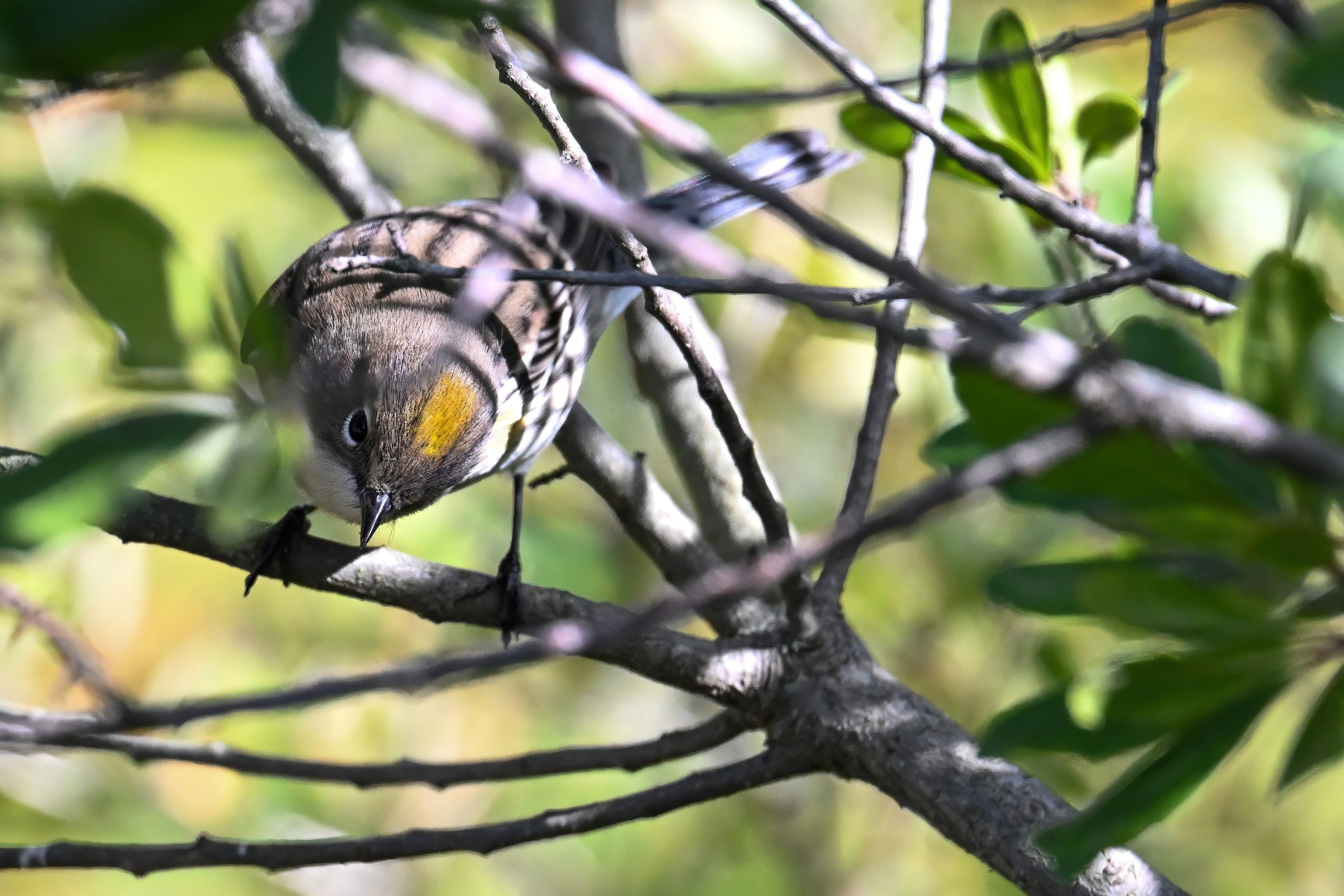
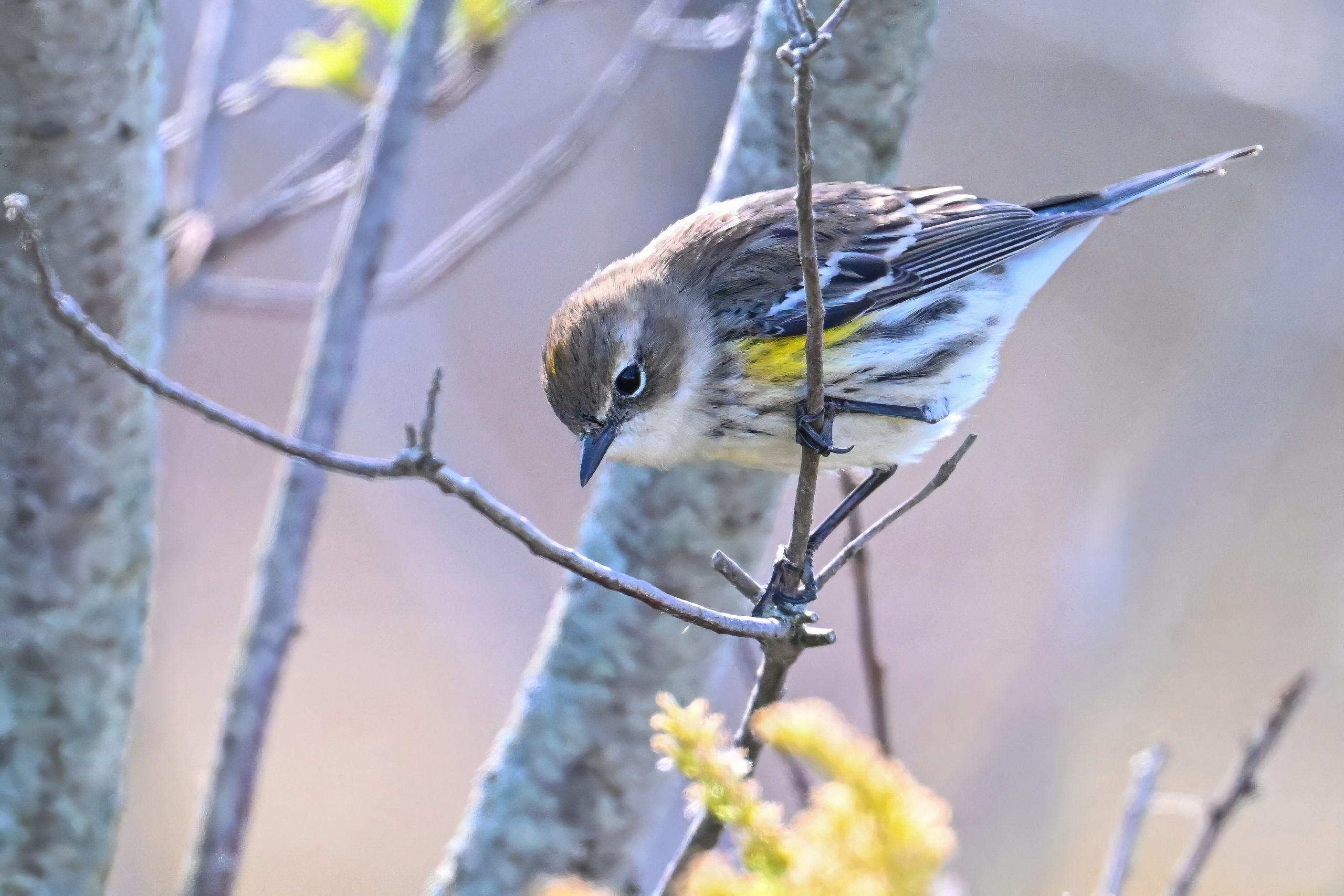
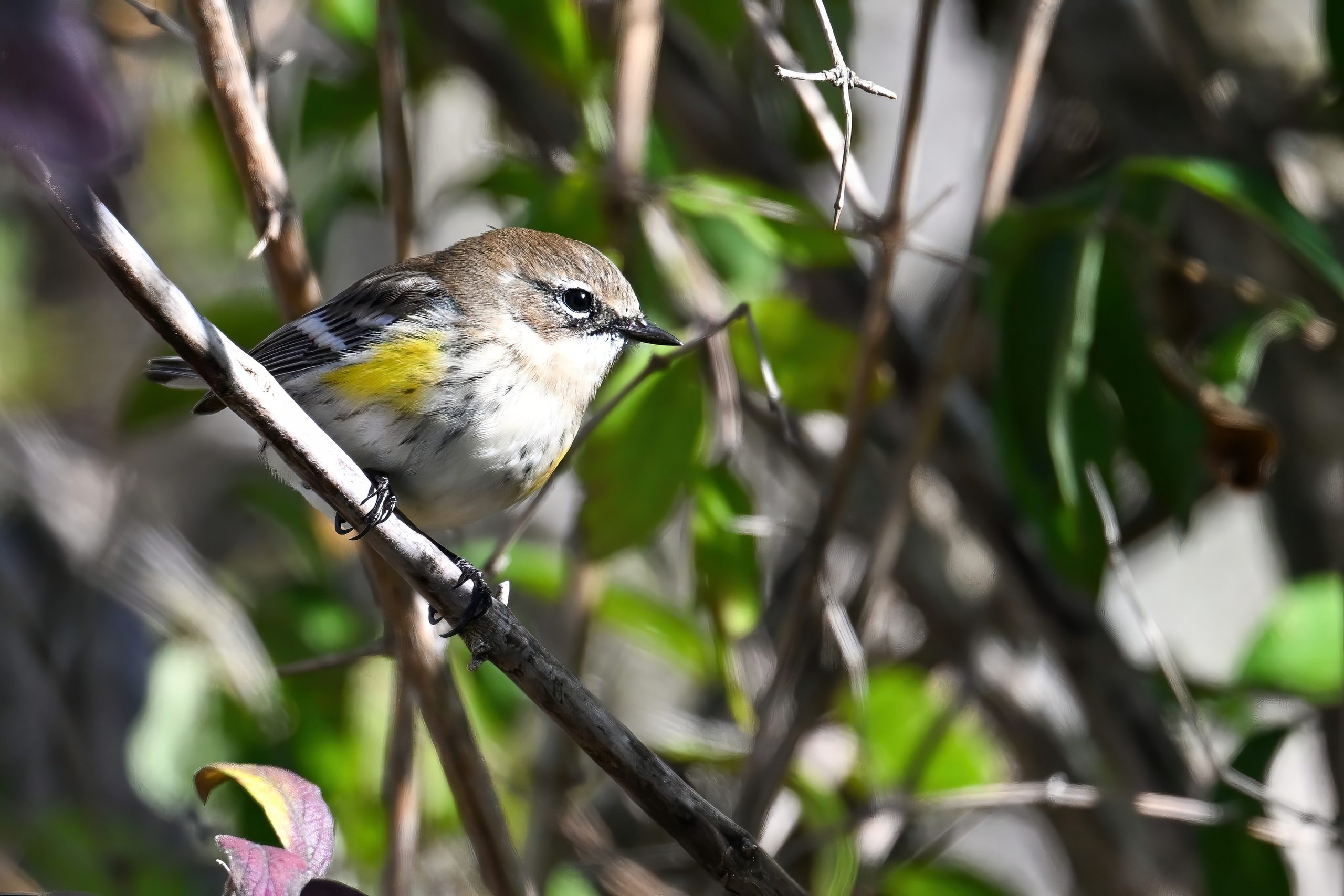
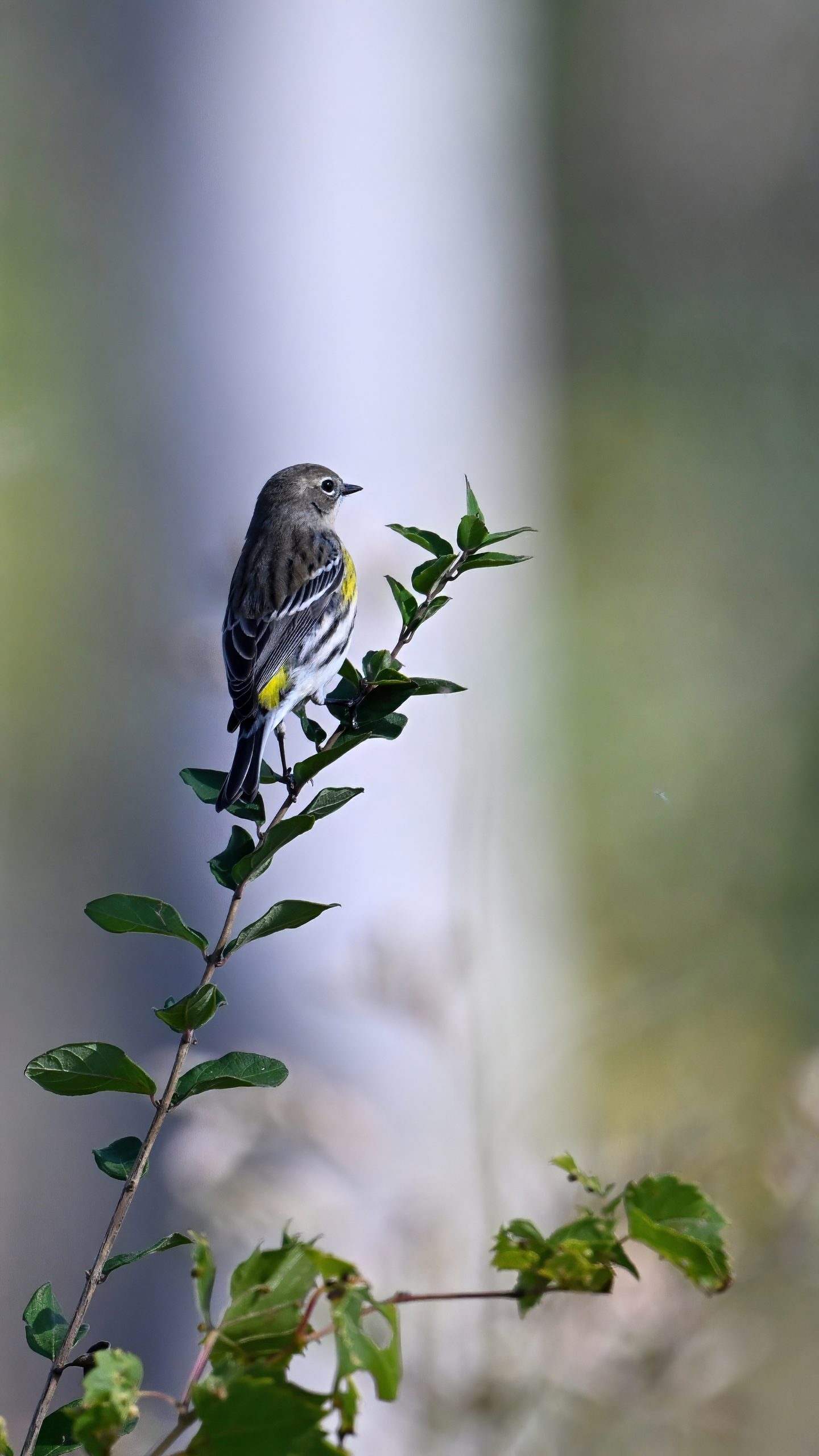
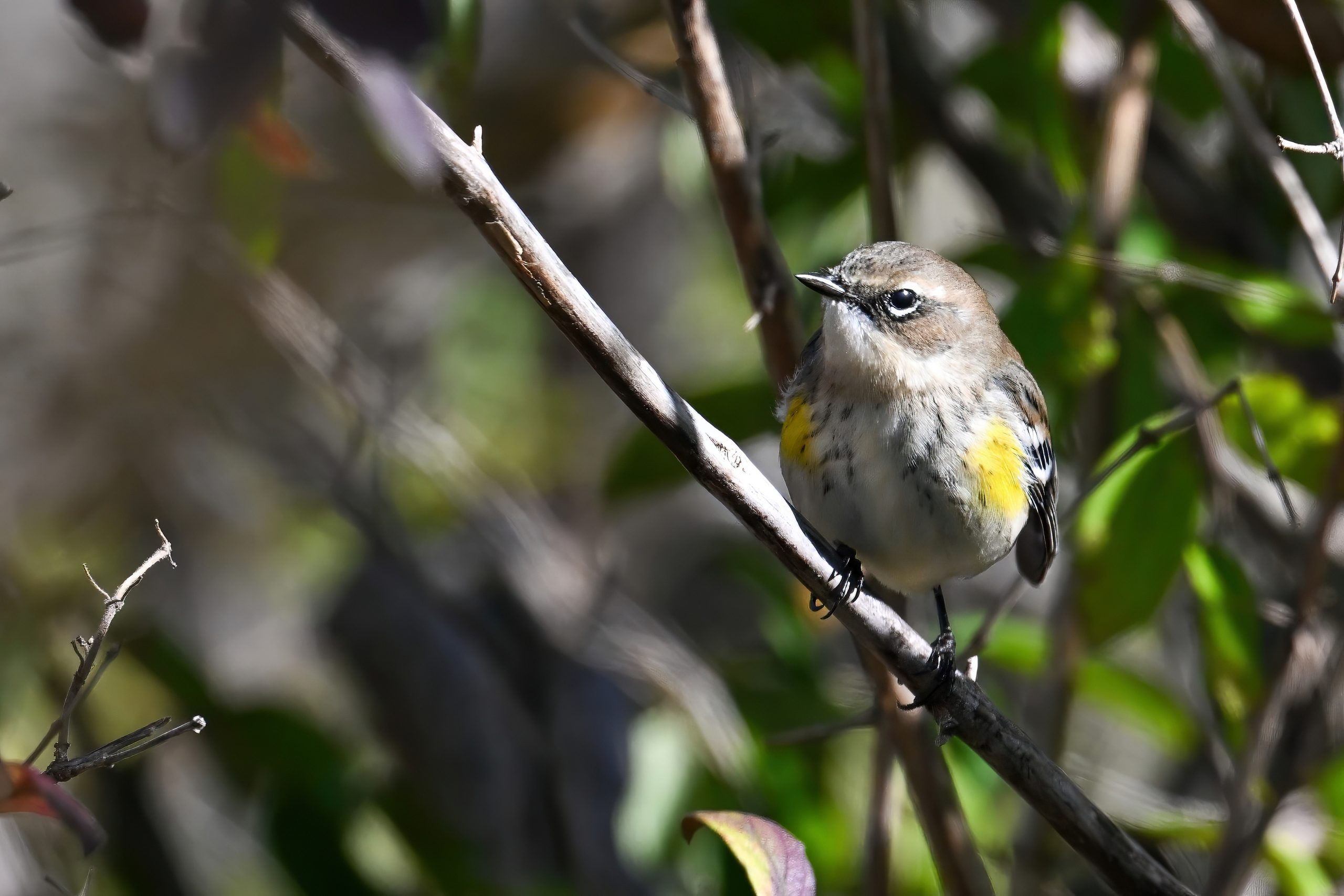
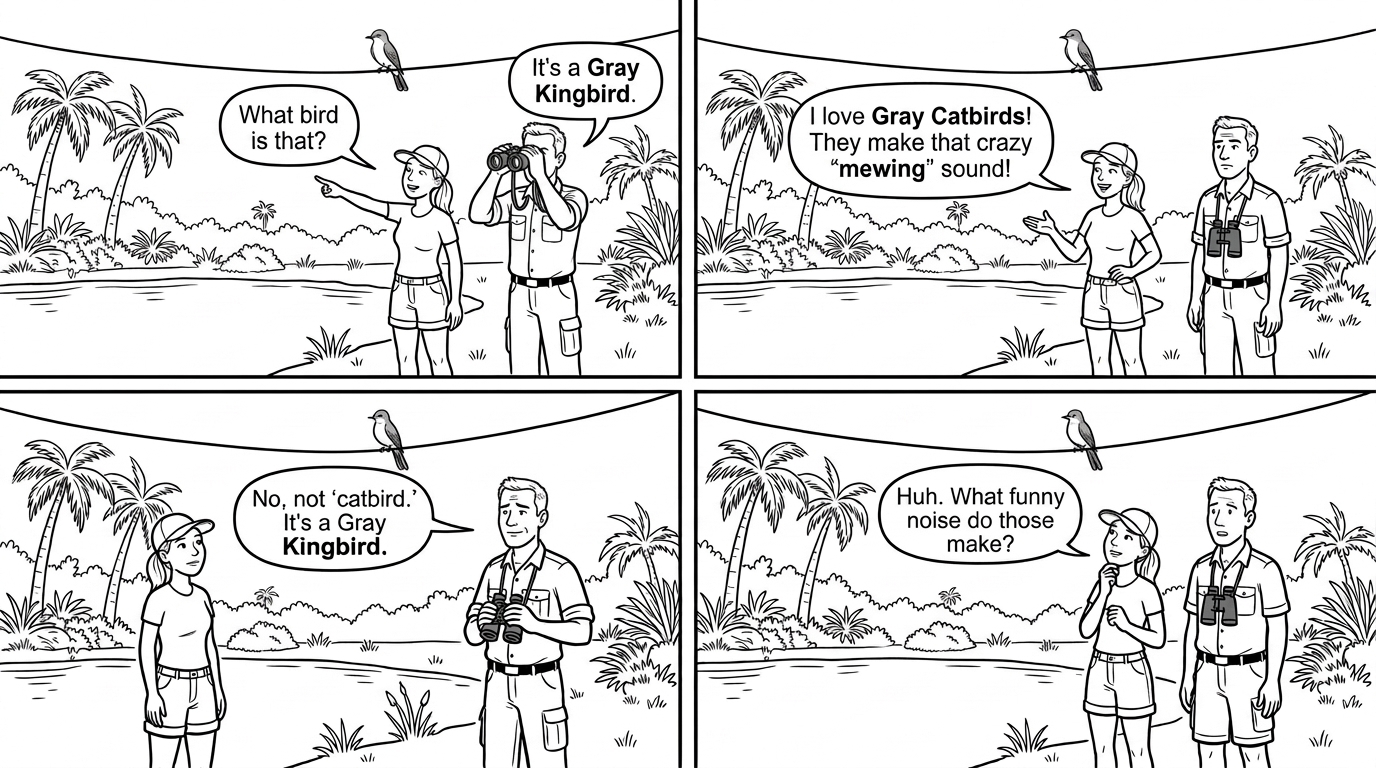
It was a beautiful fall weekend in Erie County, Pennsylvania featuring cool temps and sunny skies. On the Gull Point Trail at Presque Isle State Park, lots of seasonal bird activity including Dark-eyed Junco, Downy Woodpecker, kinglets, sparrows, ducks, gulls, and too many Yellow-rumped Warblers to count:
[Disclaimer: the comic above includes irony. PSA: limited hunting has started in Pennsylvania including at Presque Isle State Park.]

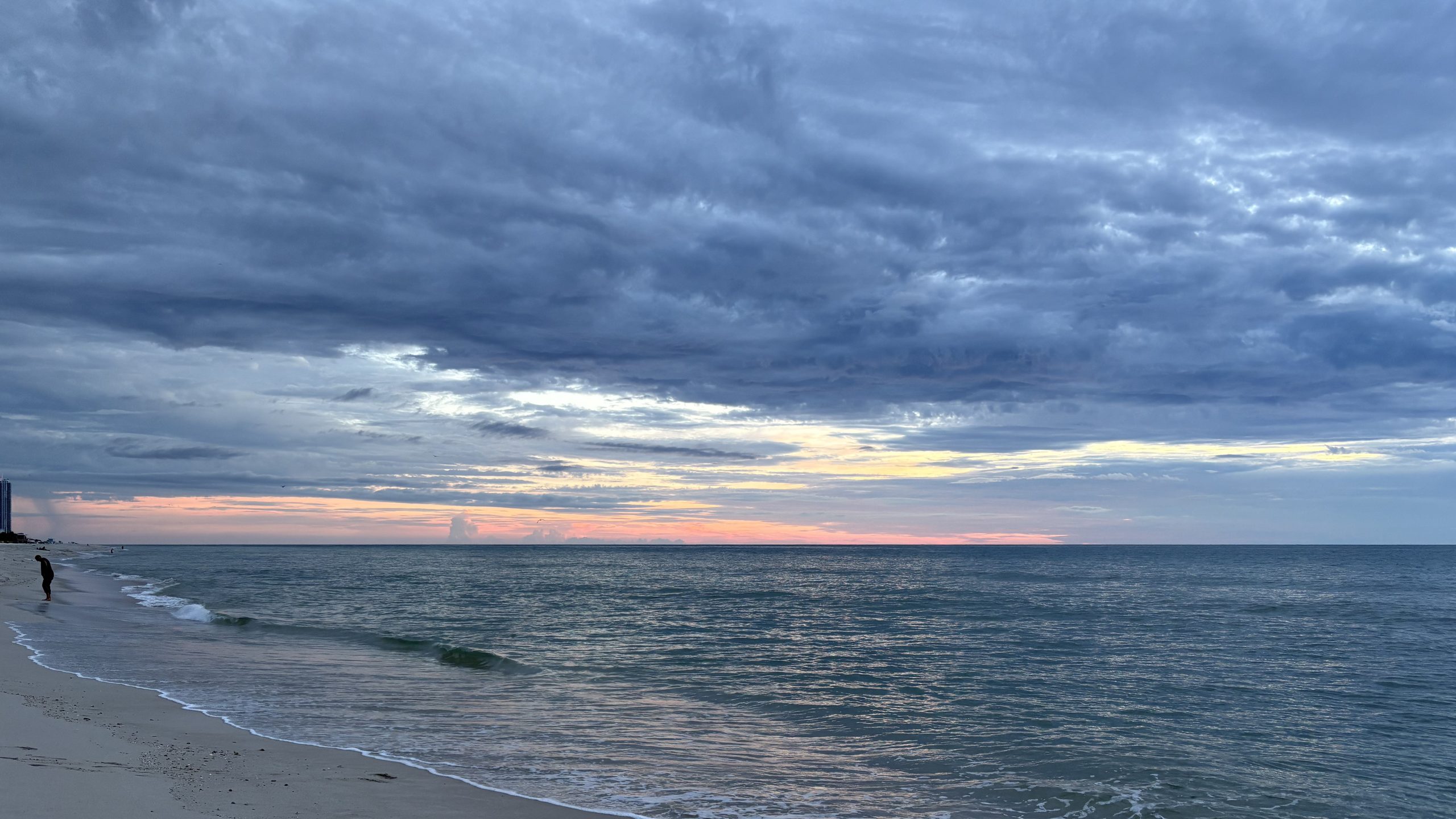
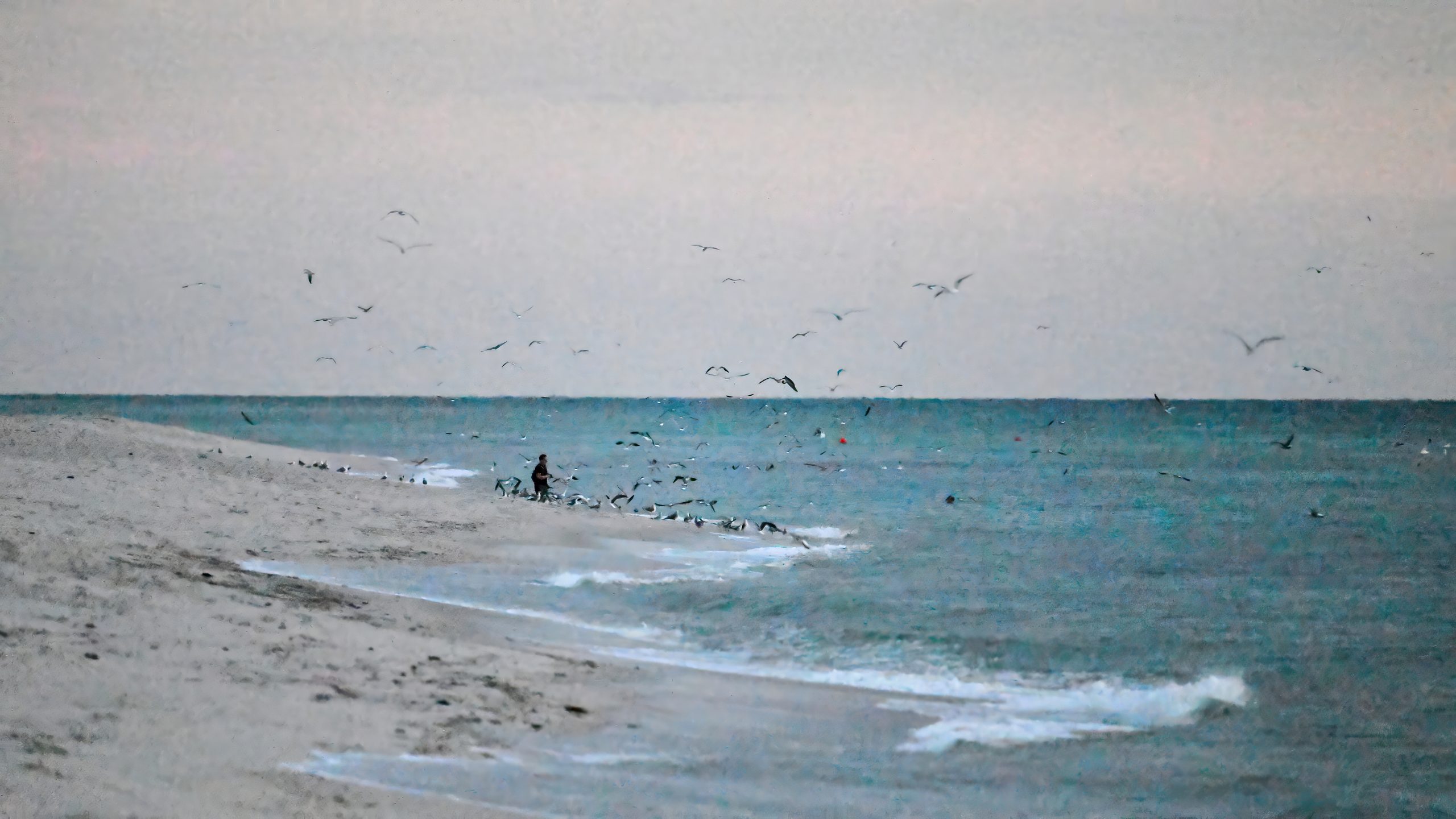
We return to Presque Isle State Park in tomorrow’s post, but for today, it’s part 2 of Miami Beach at Sunrise, 29 September 2026:

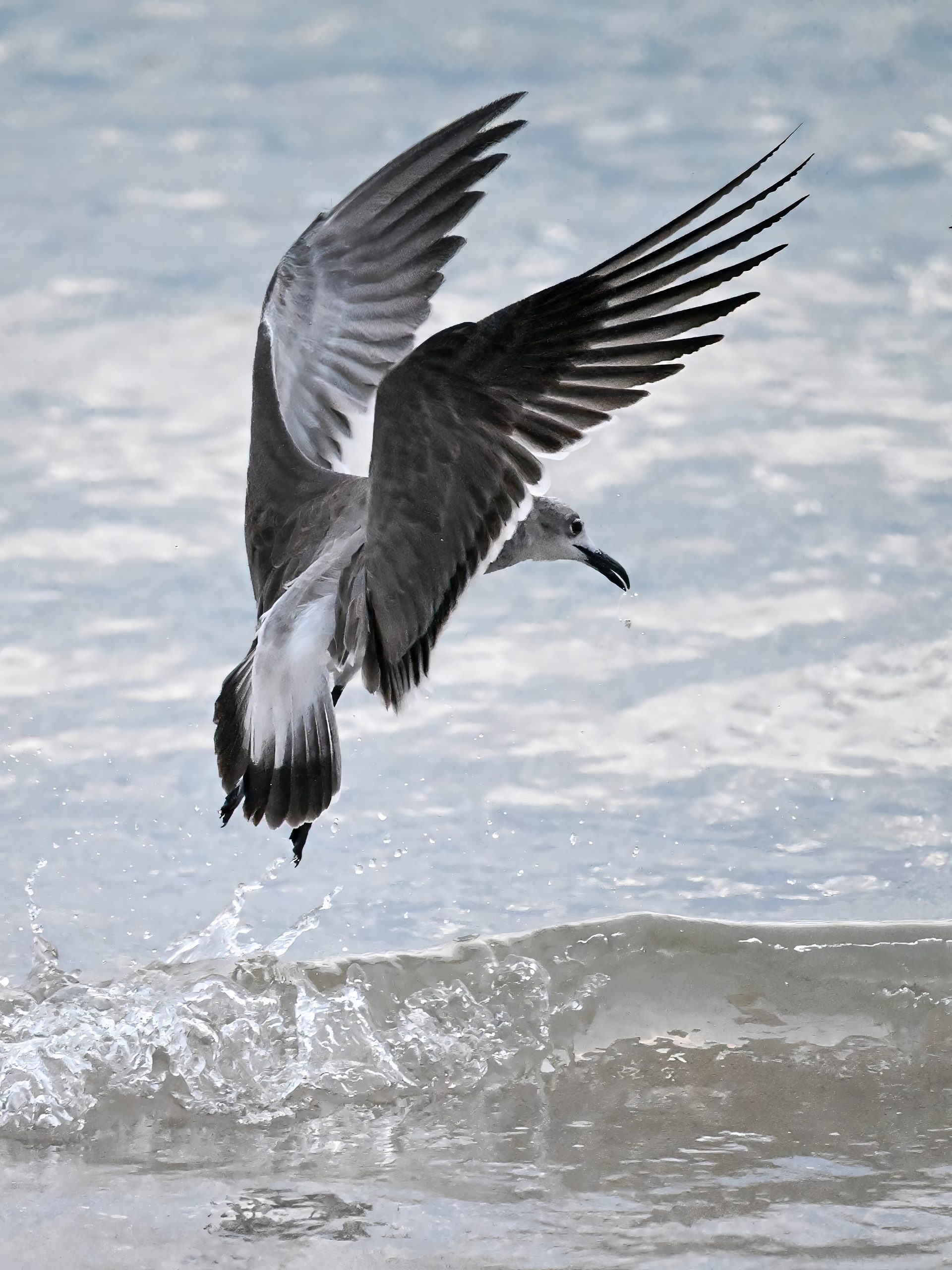
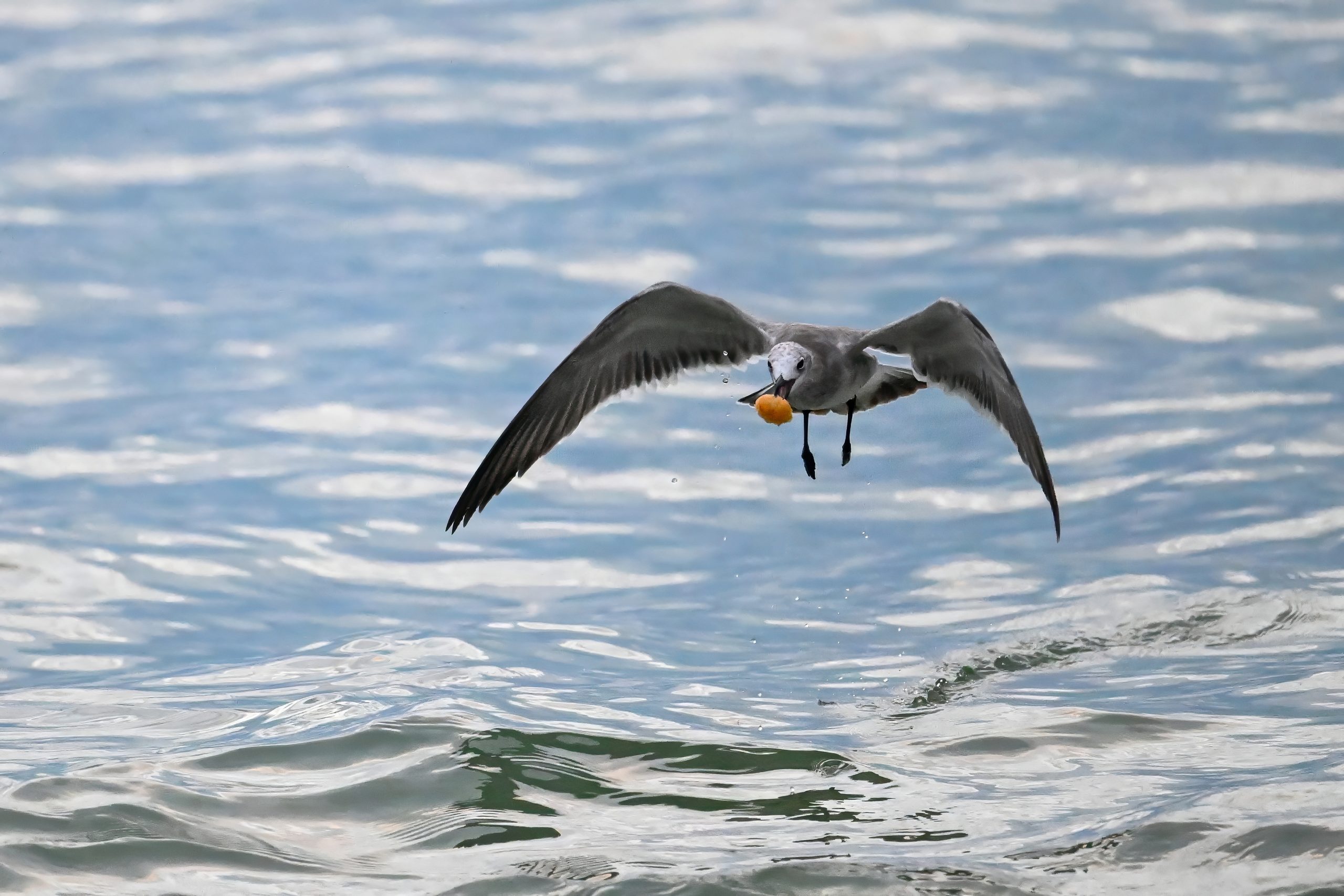
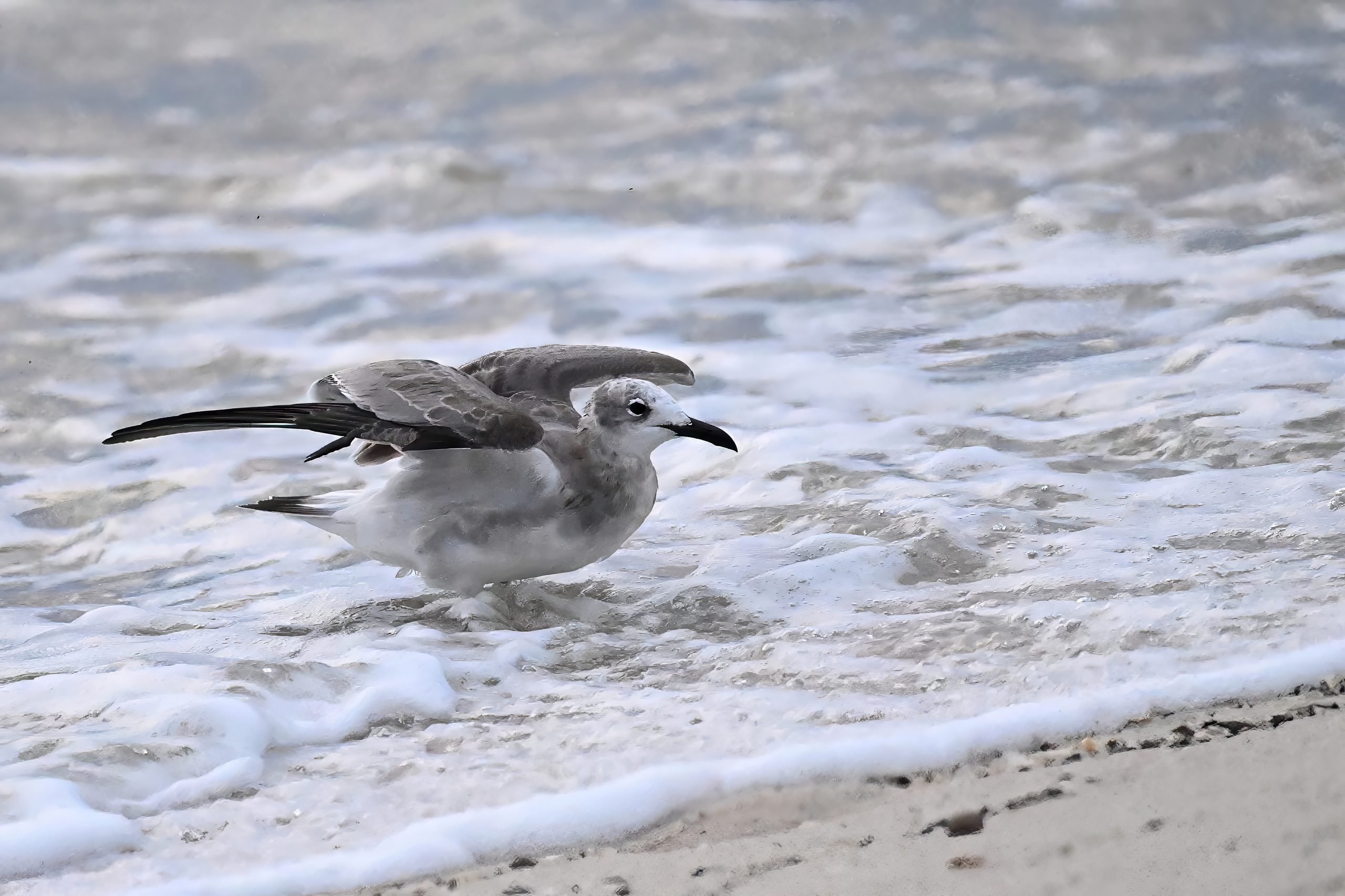
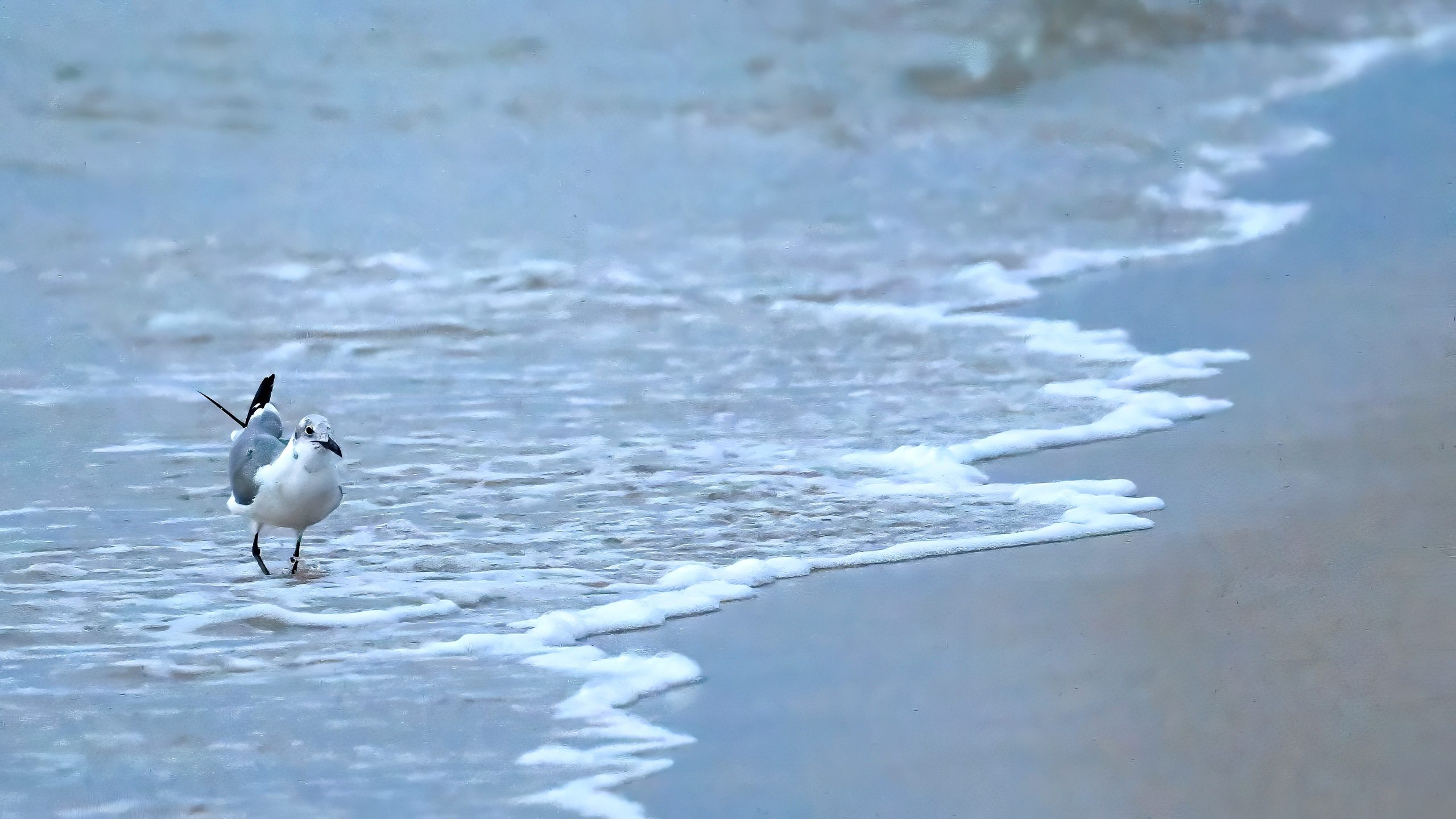
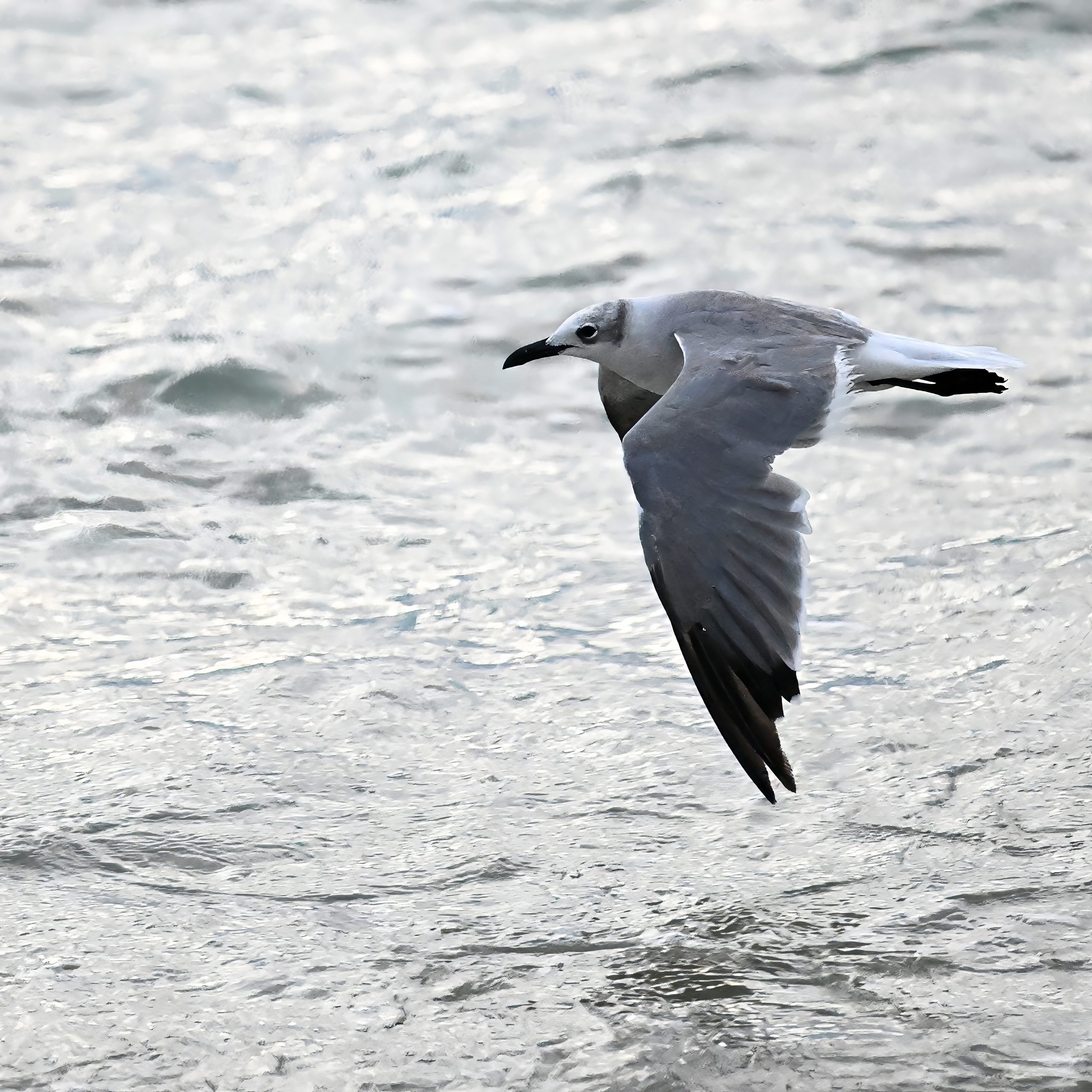
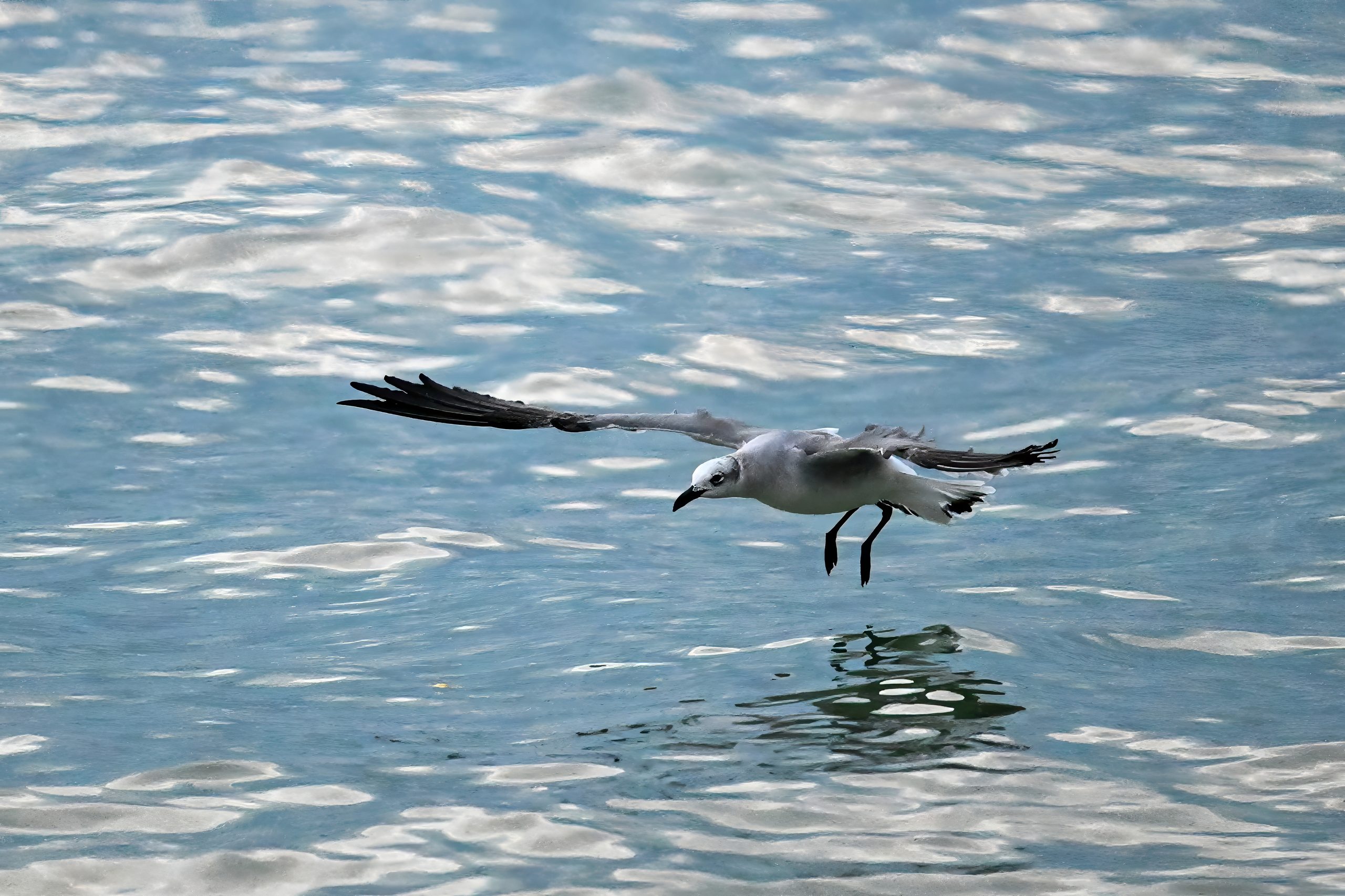
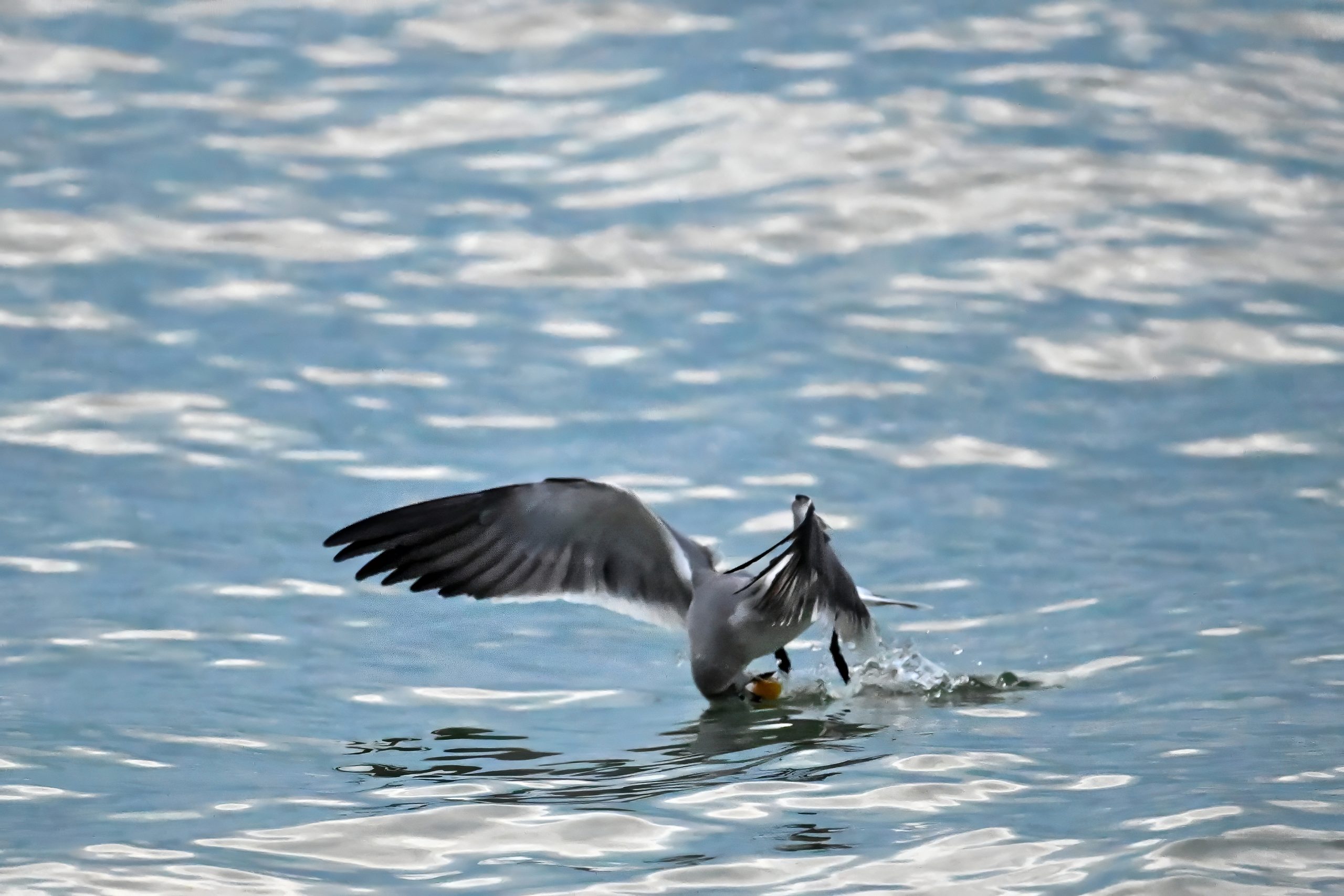
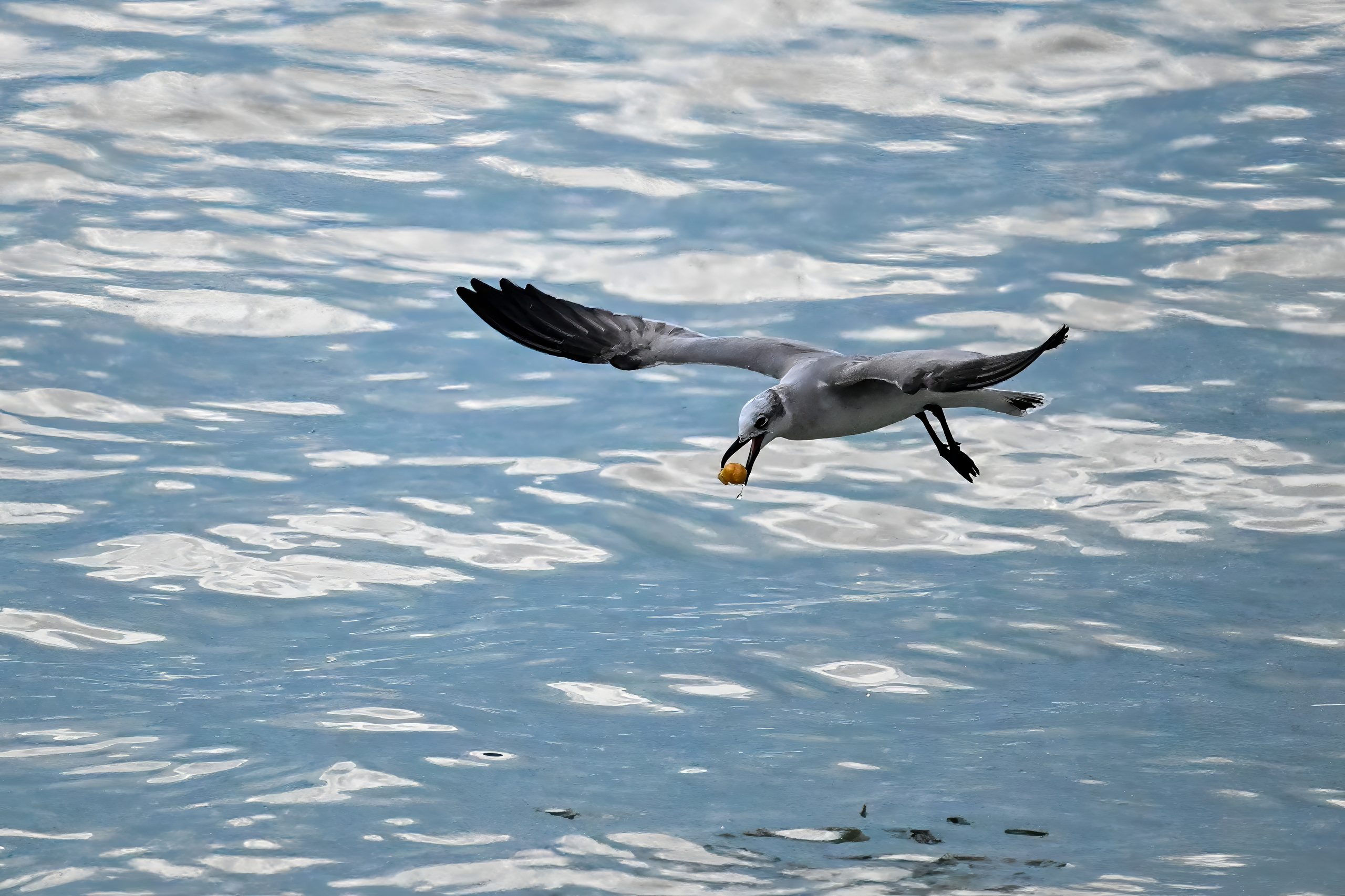
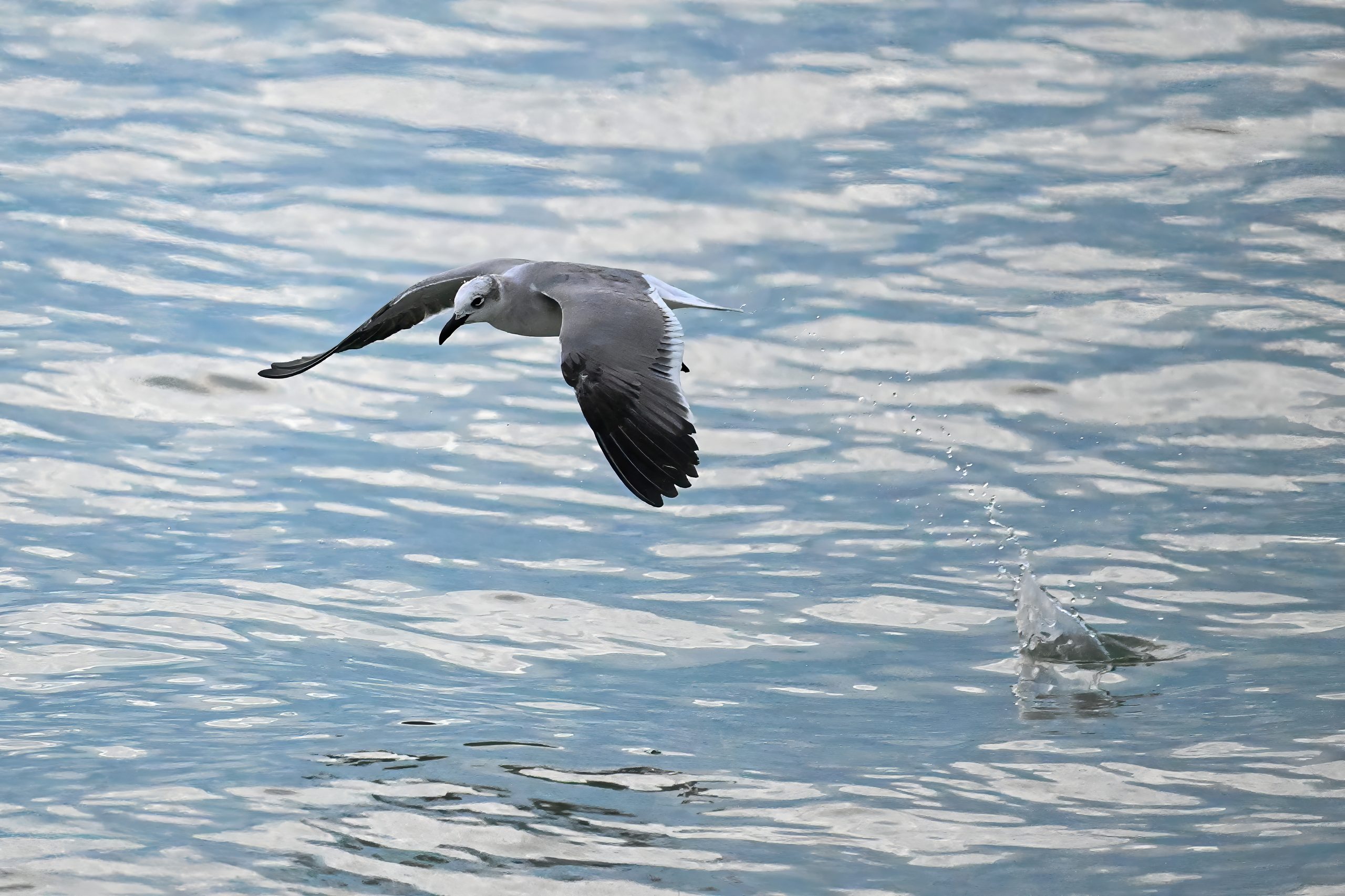
All or mostly Laughing Gull in non-breeding plumage:
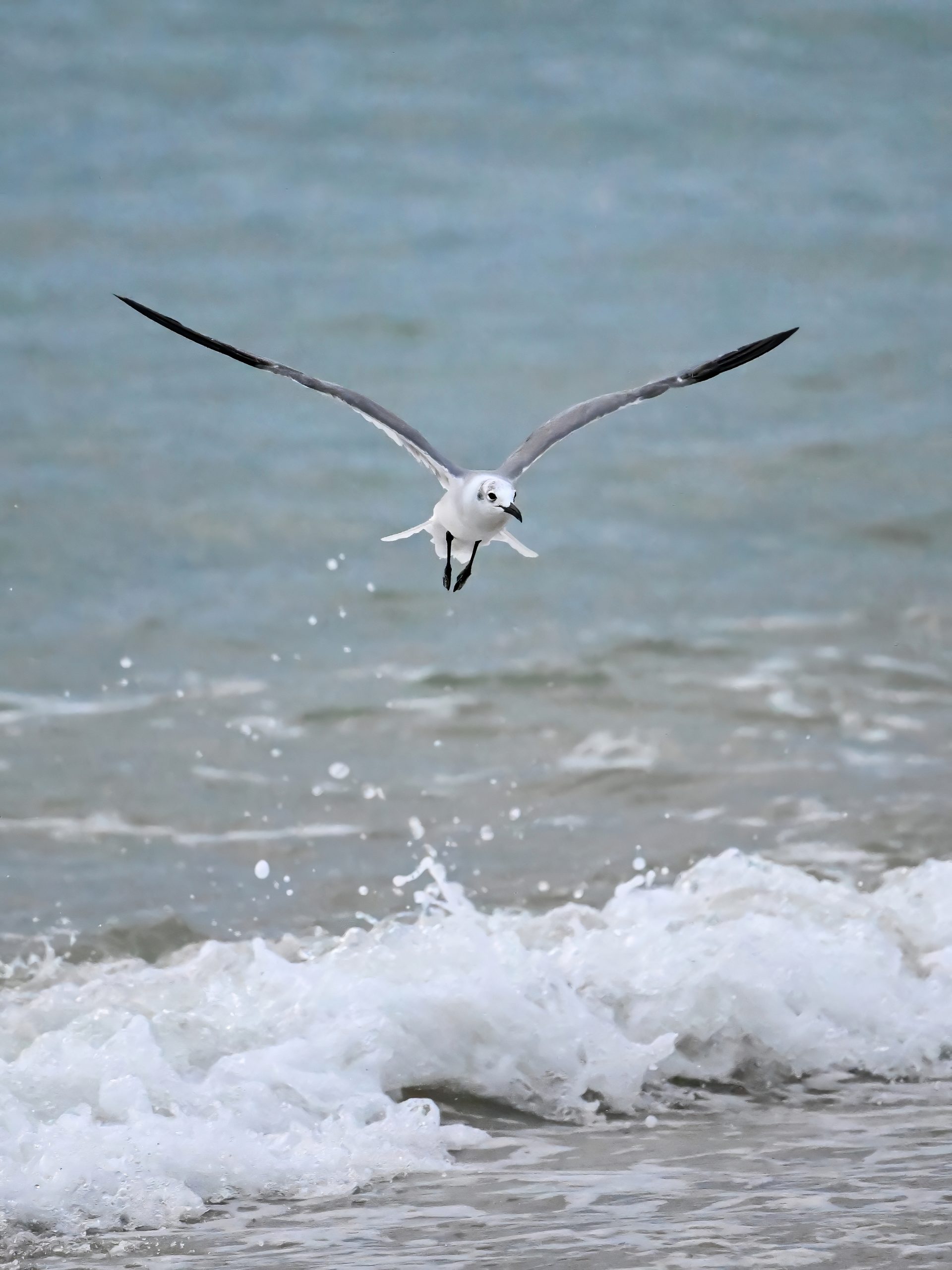
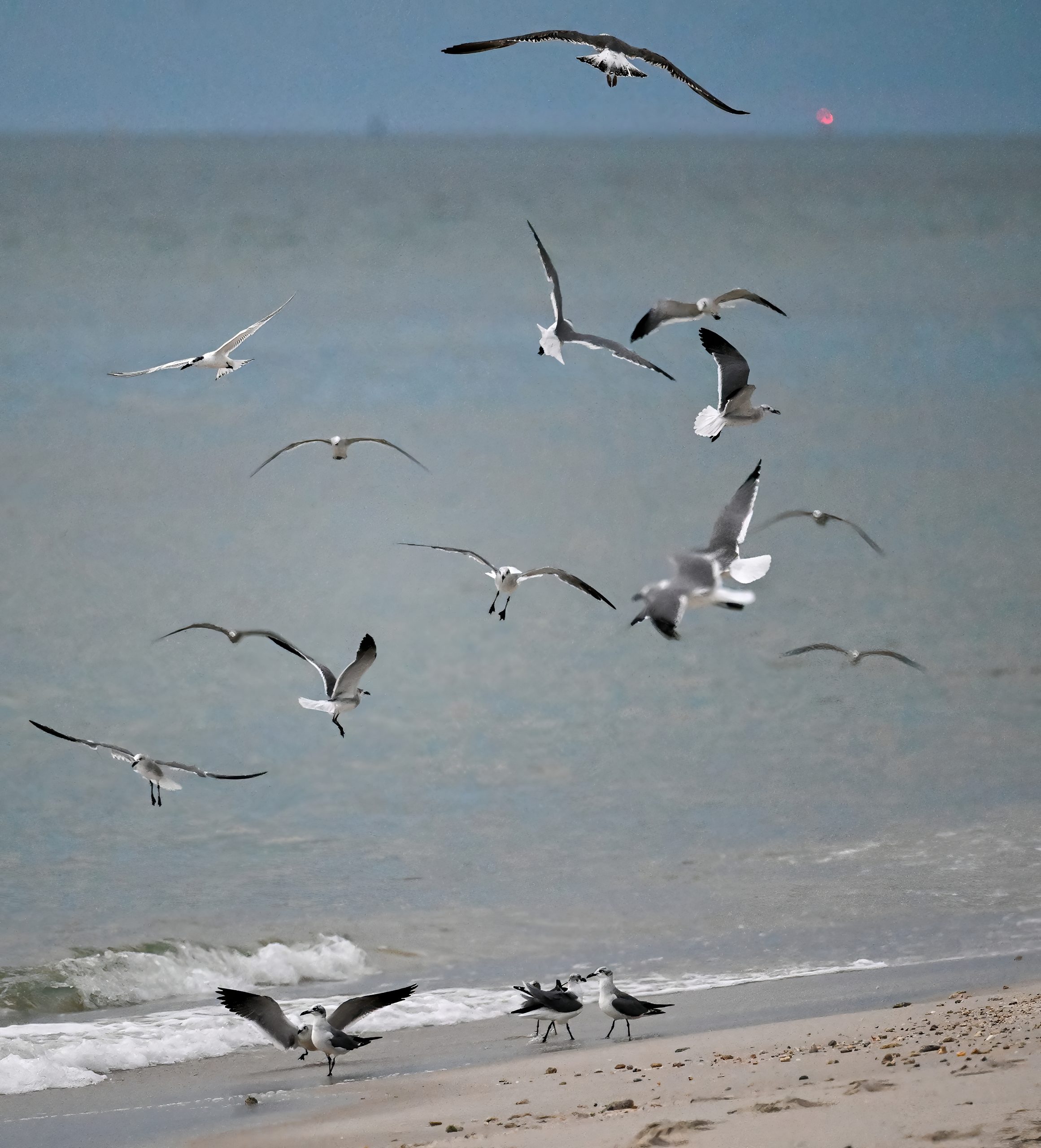
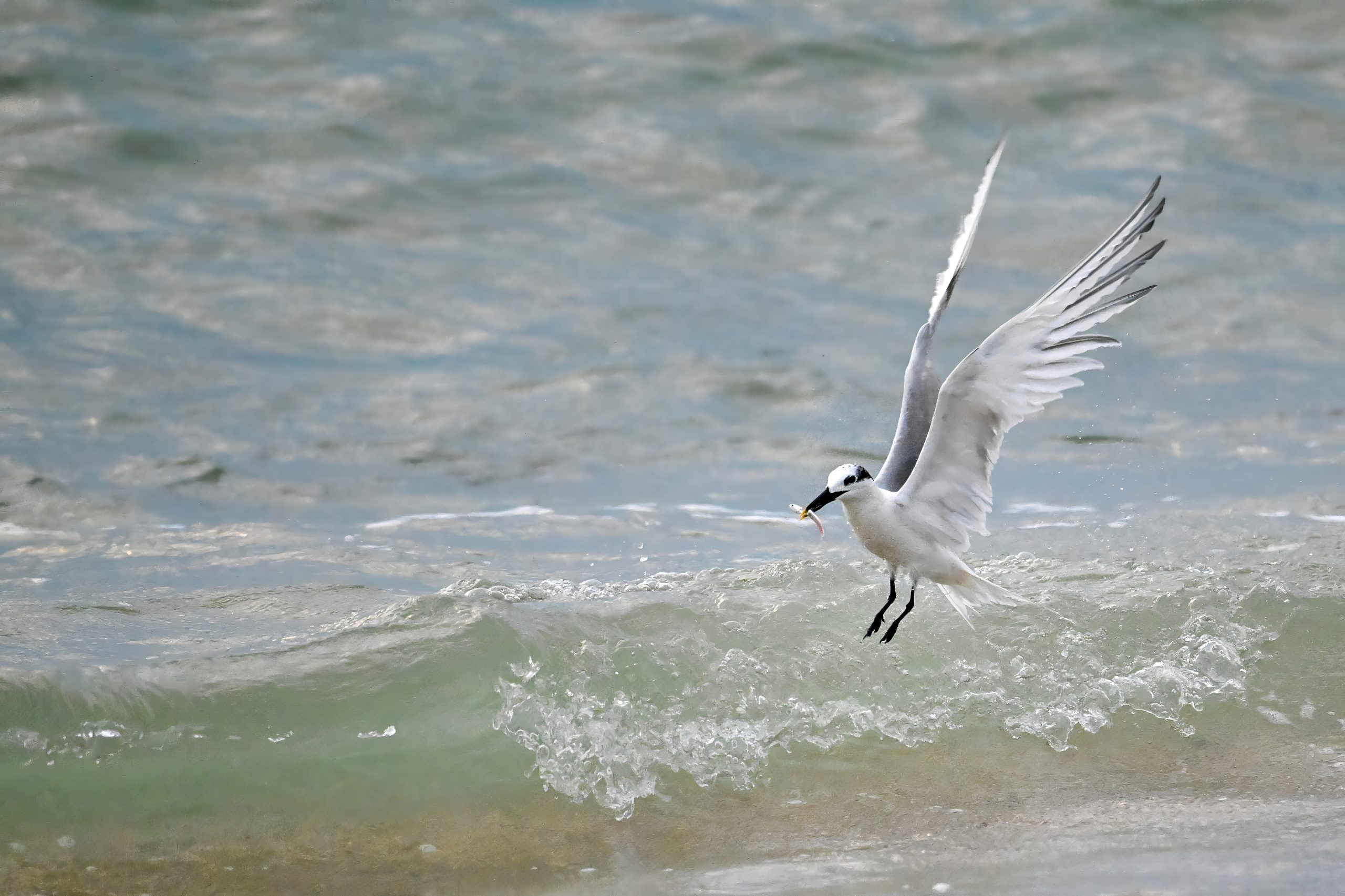
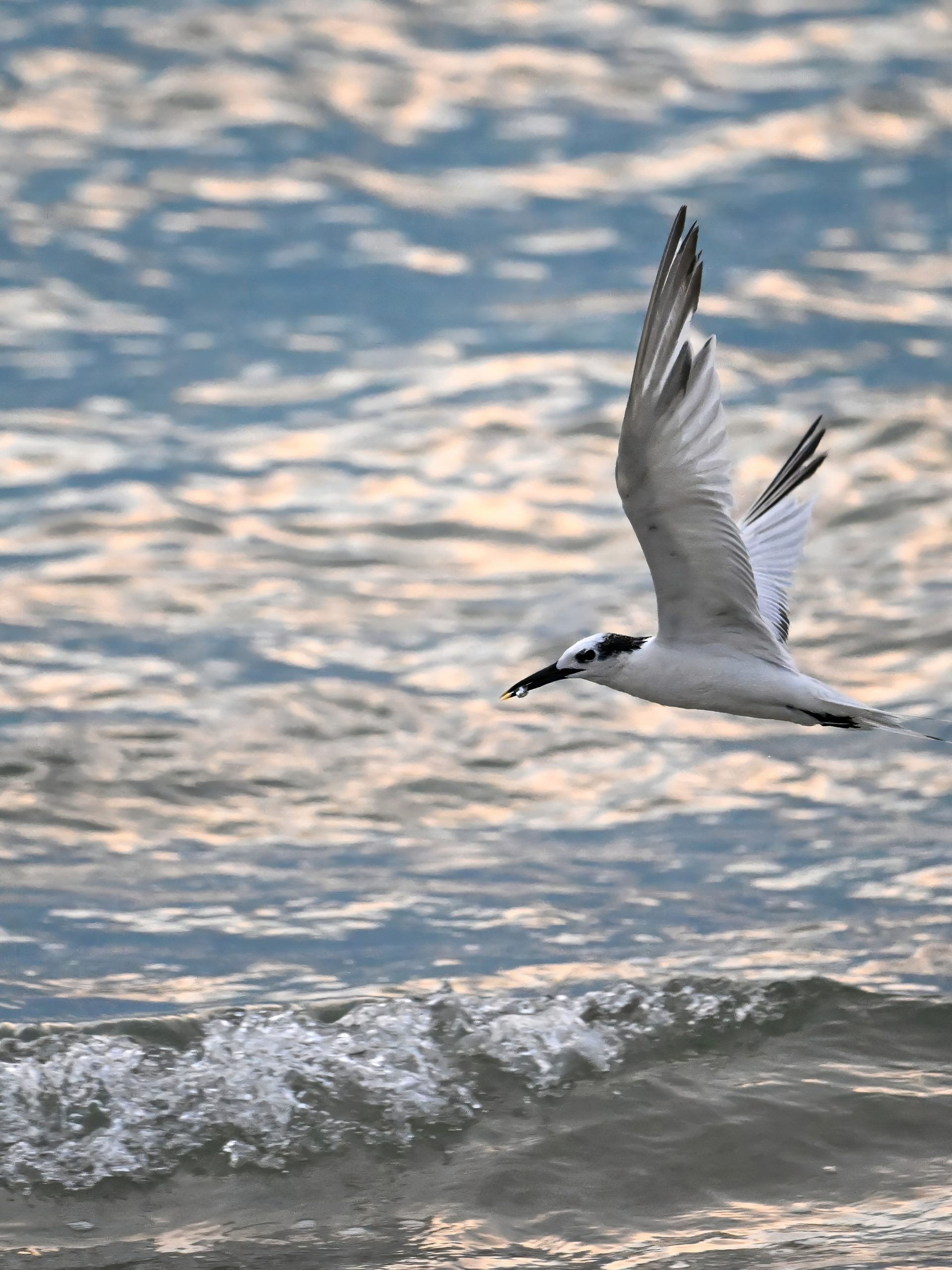
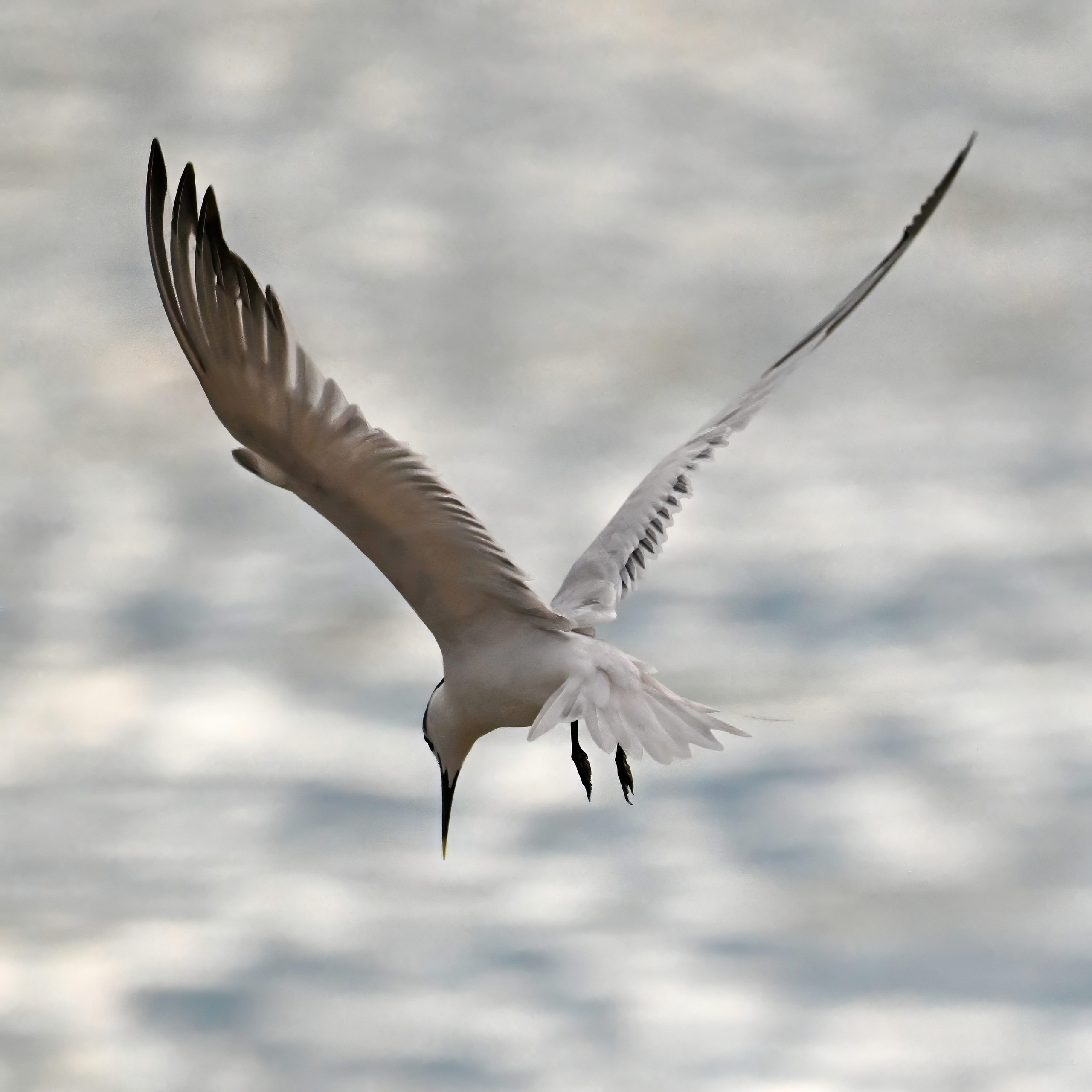
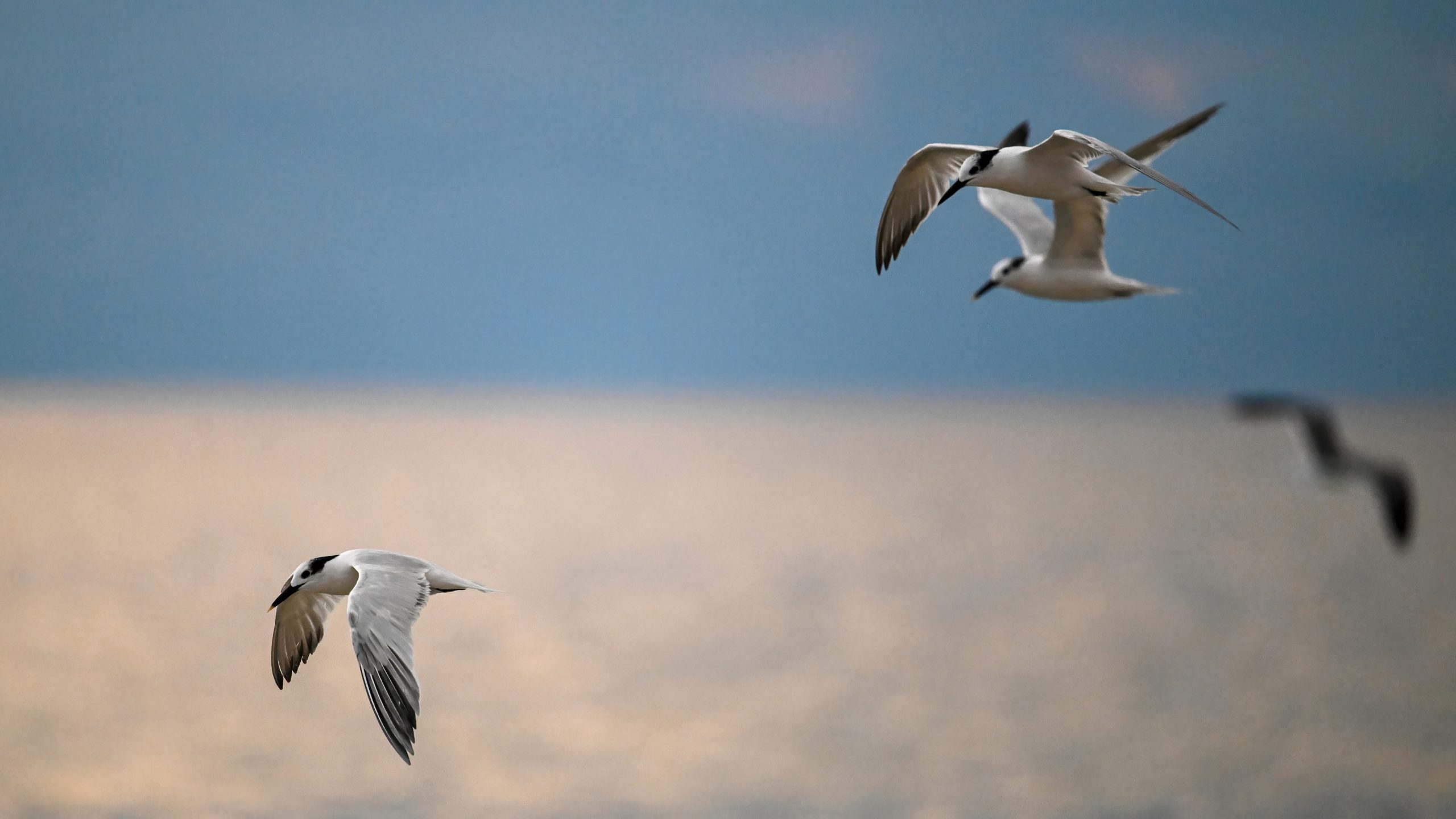
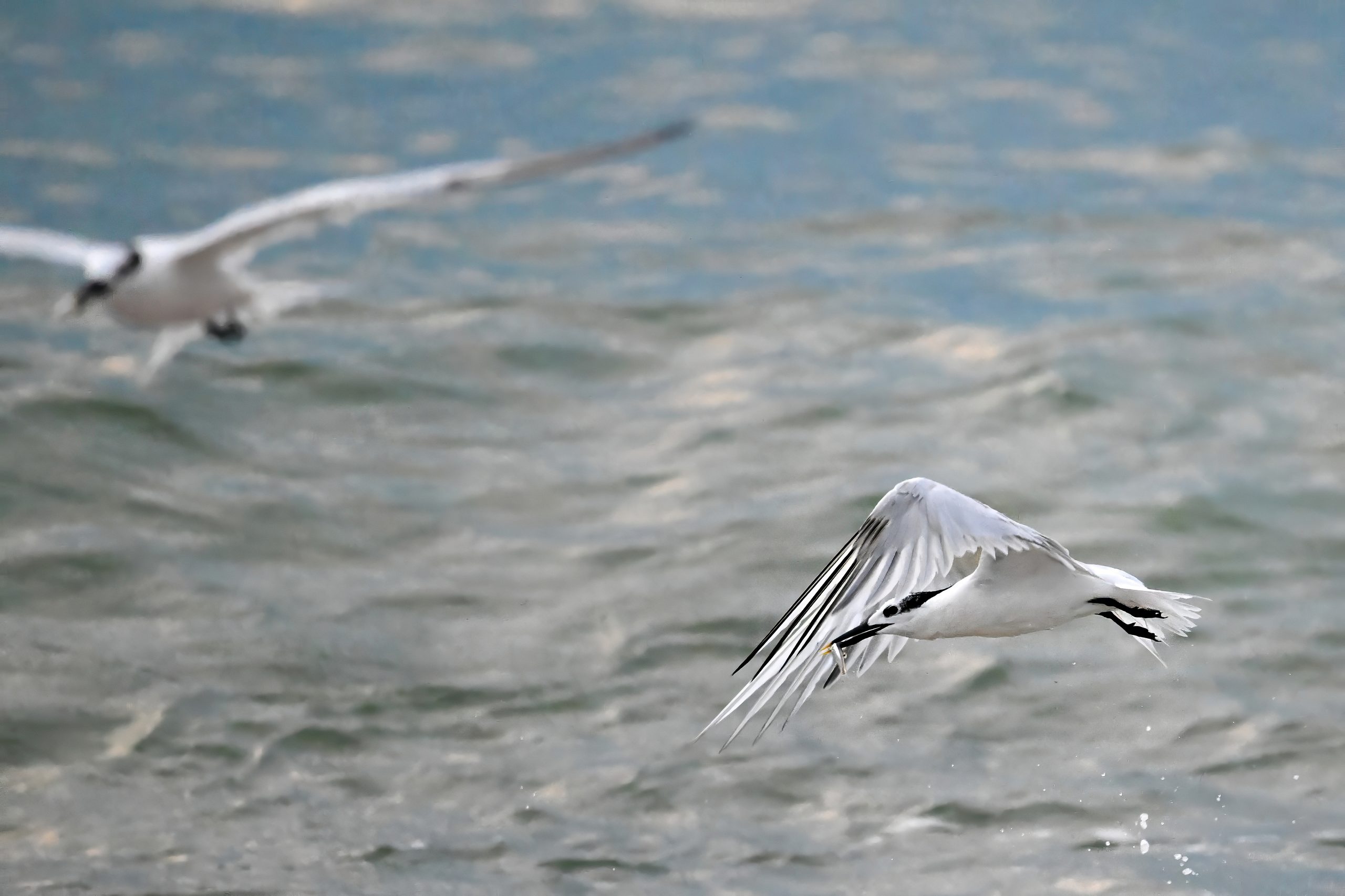
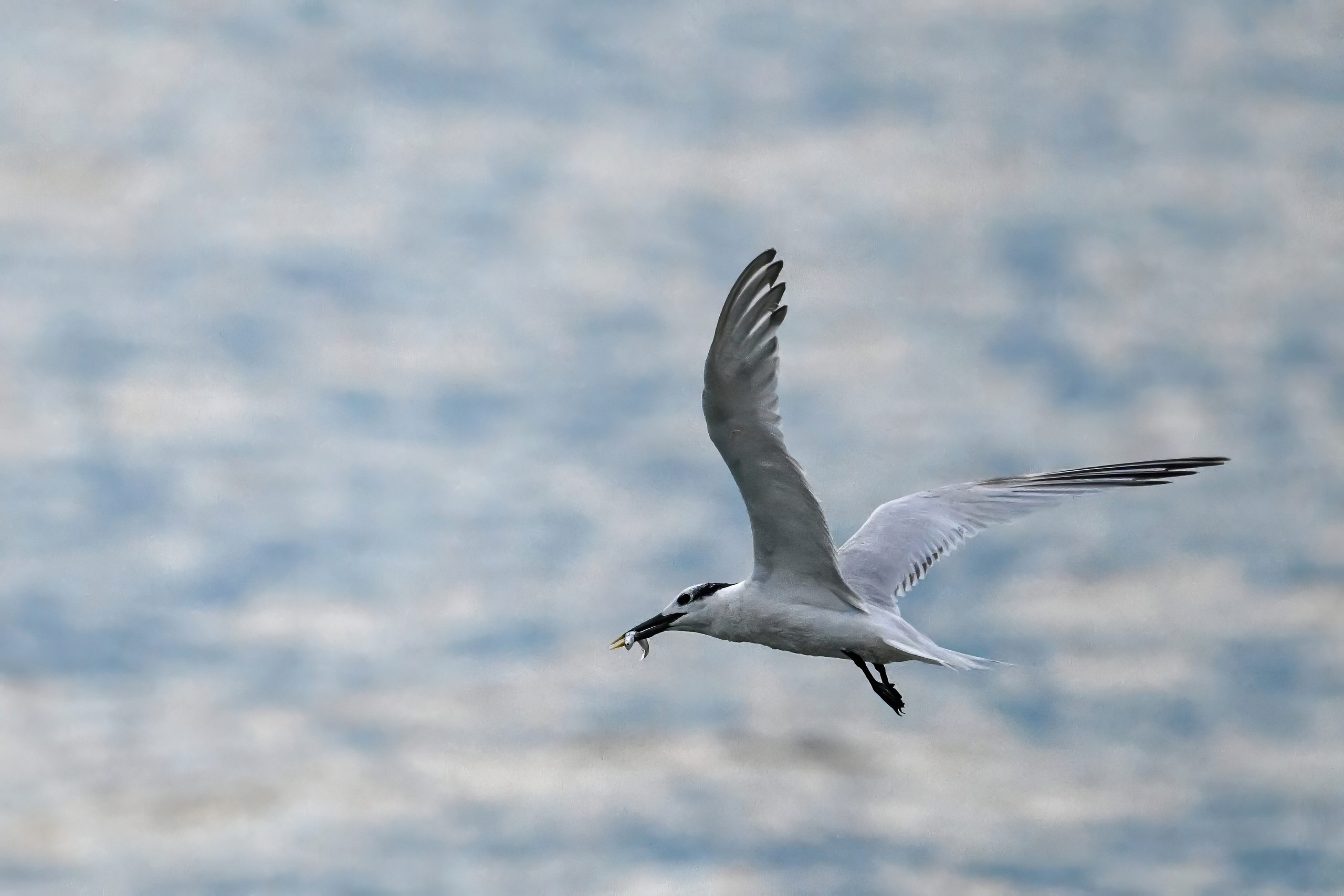
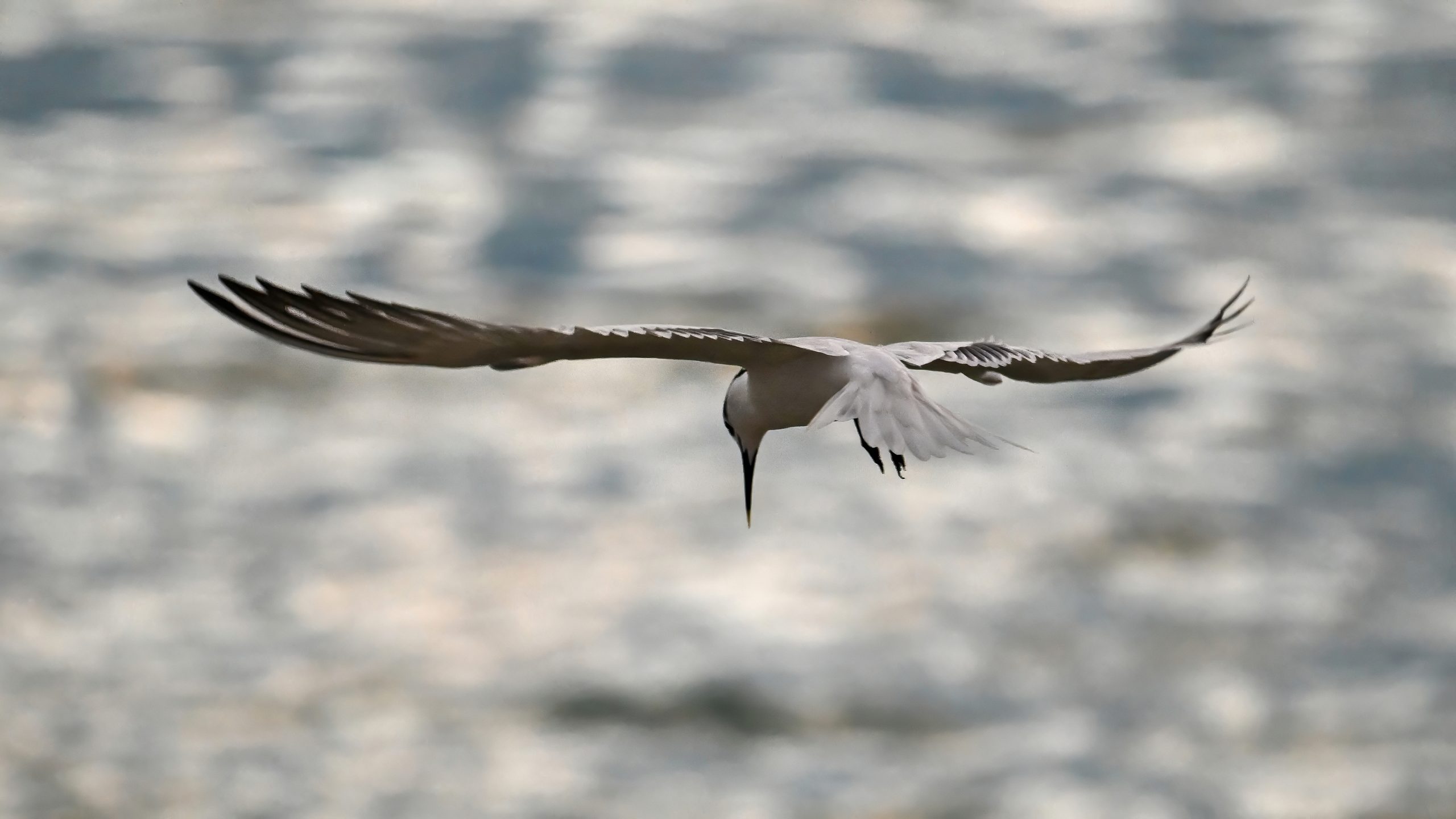
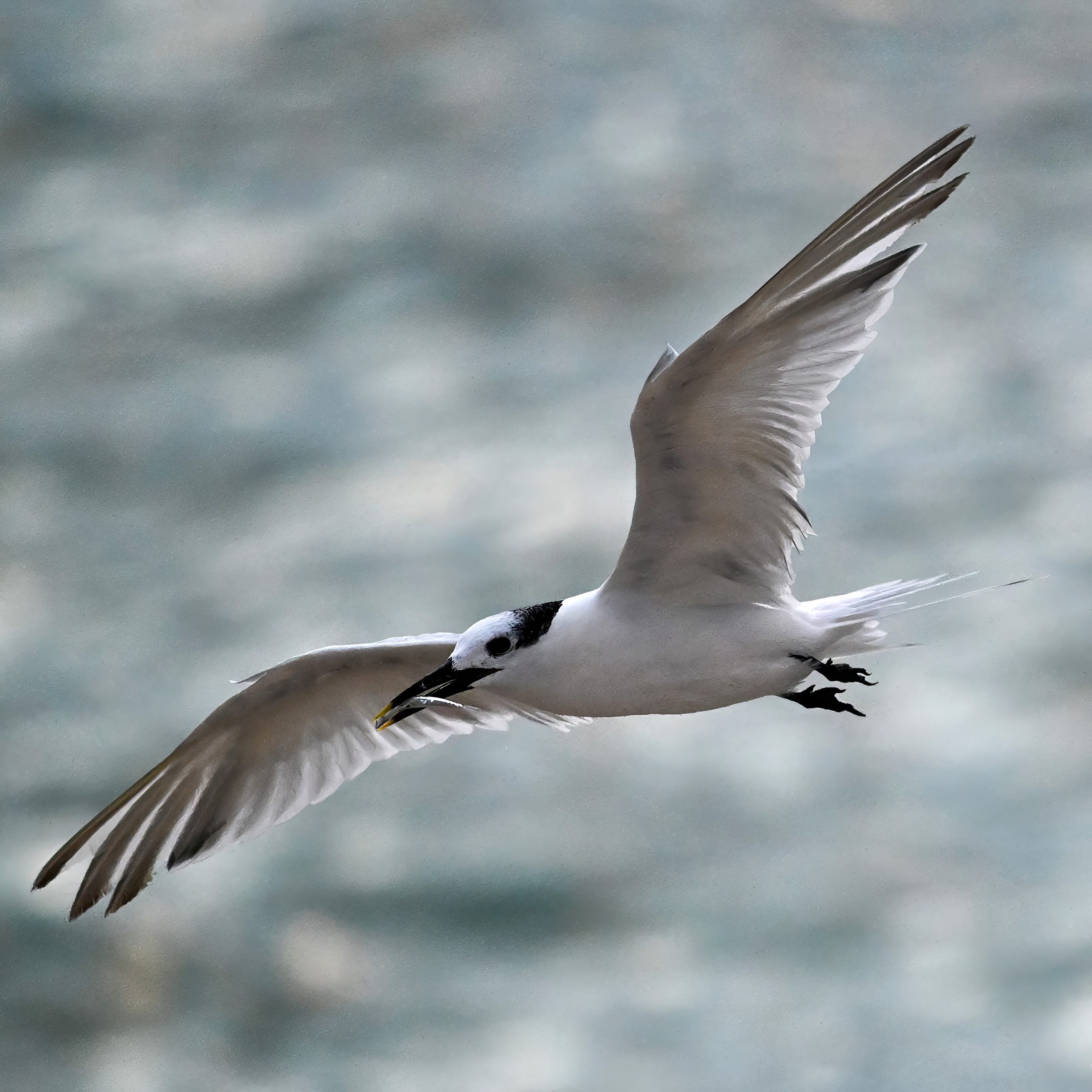
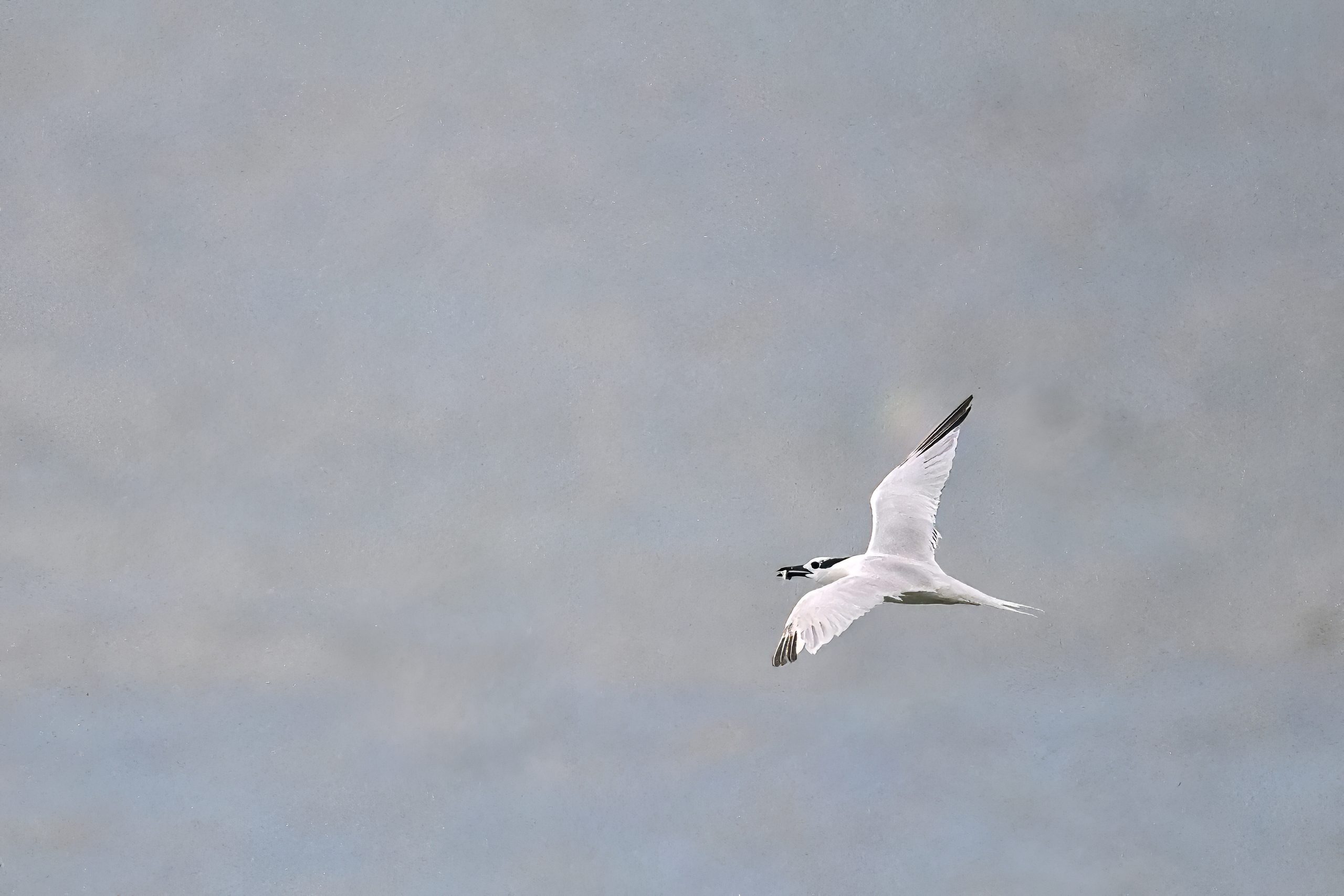
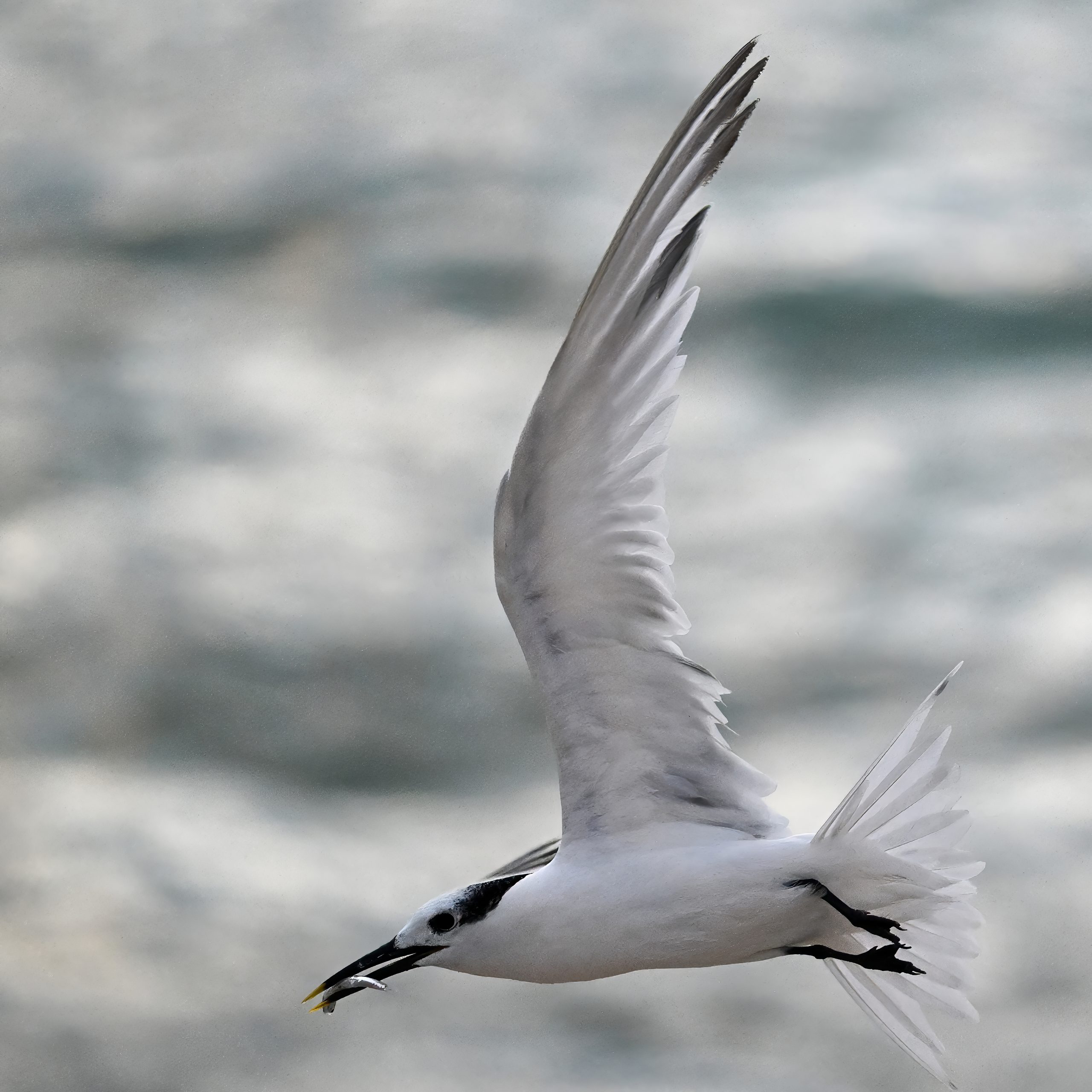
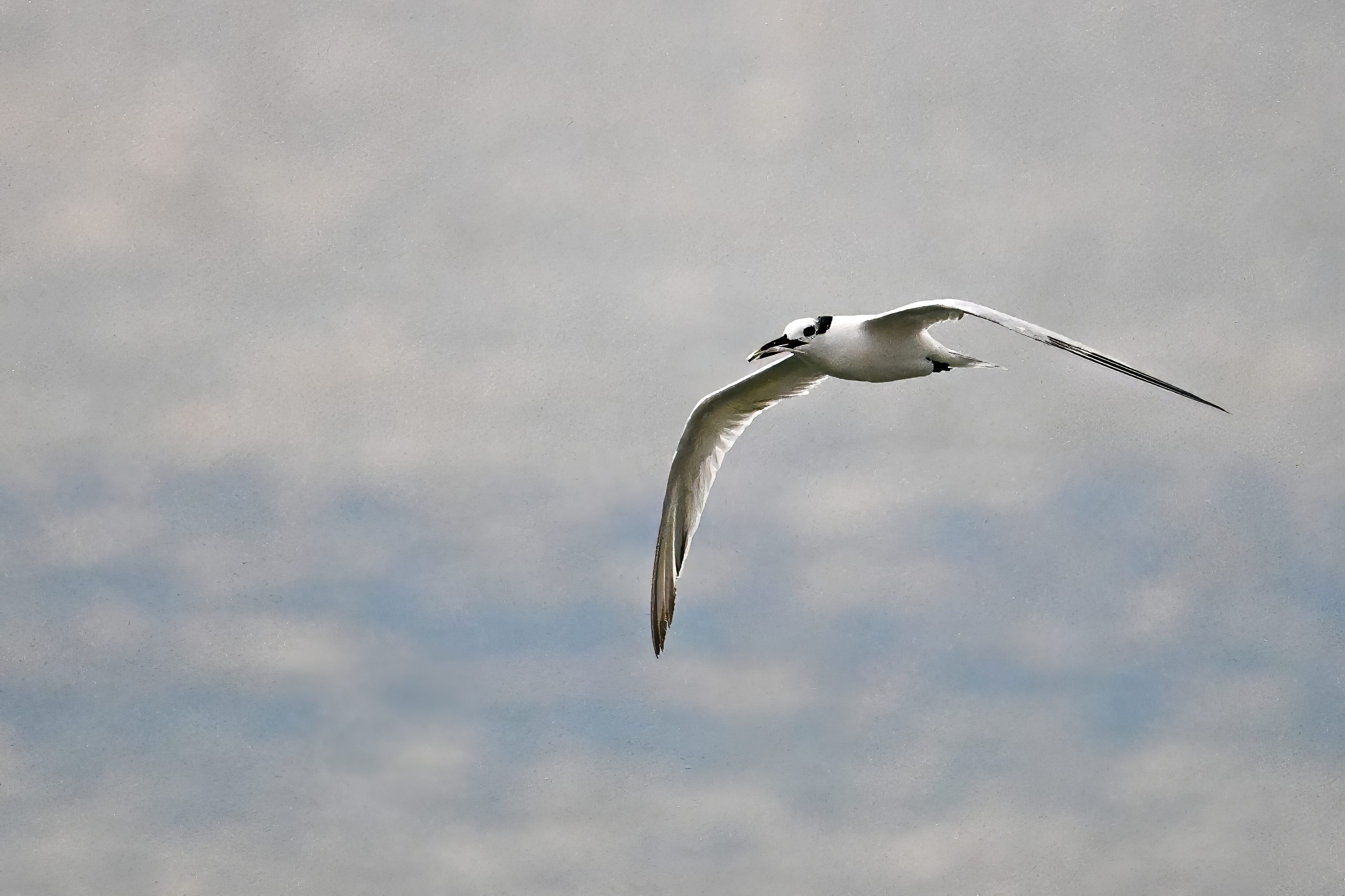
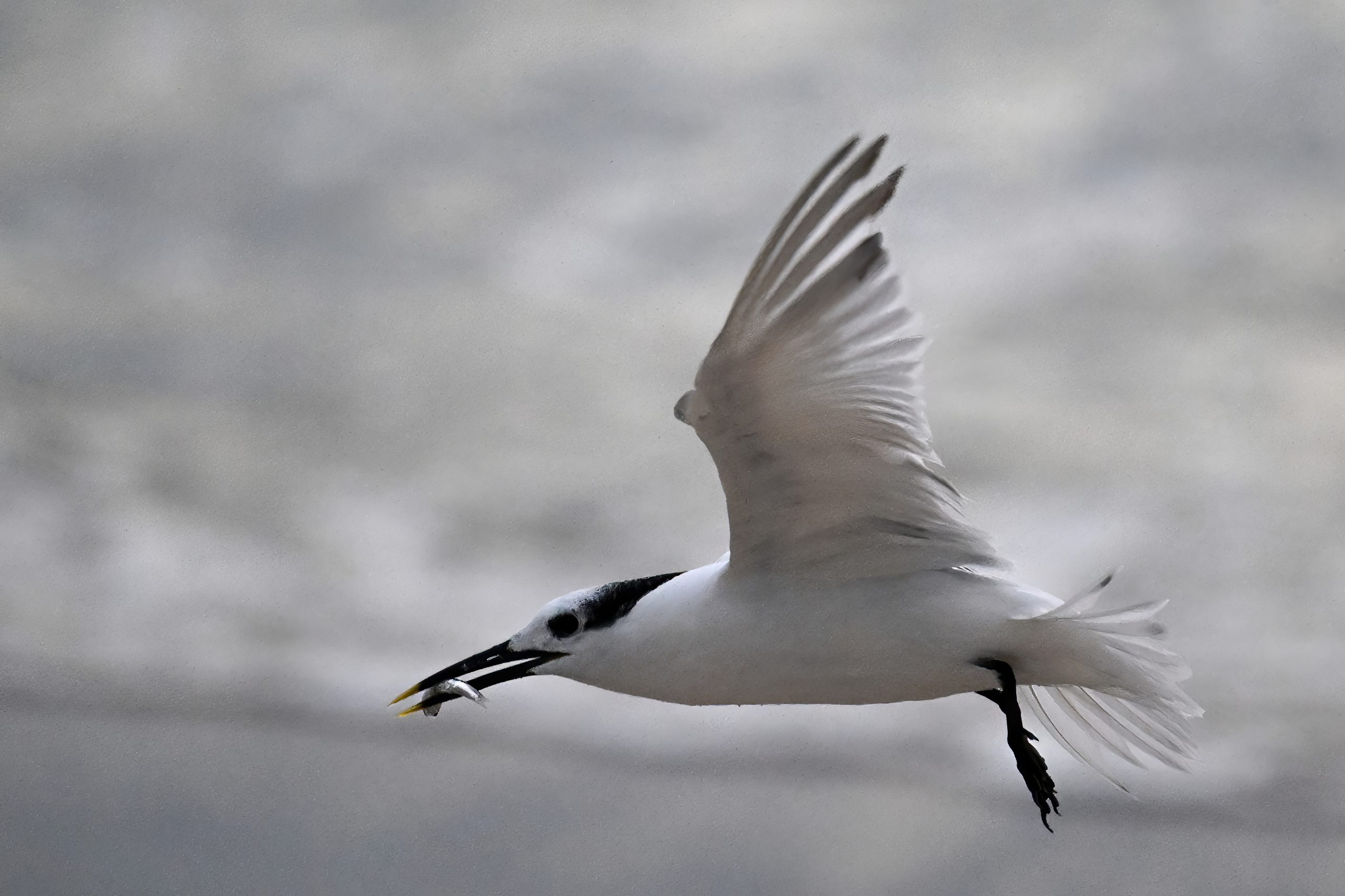
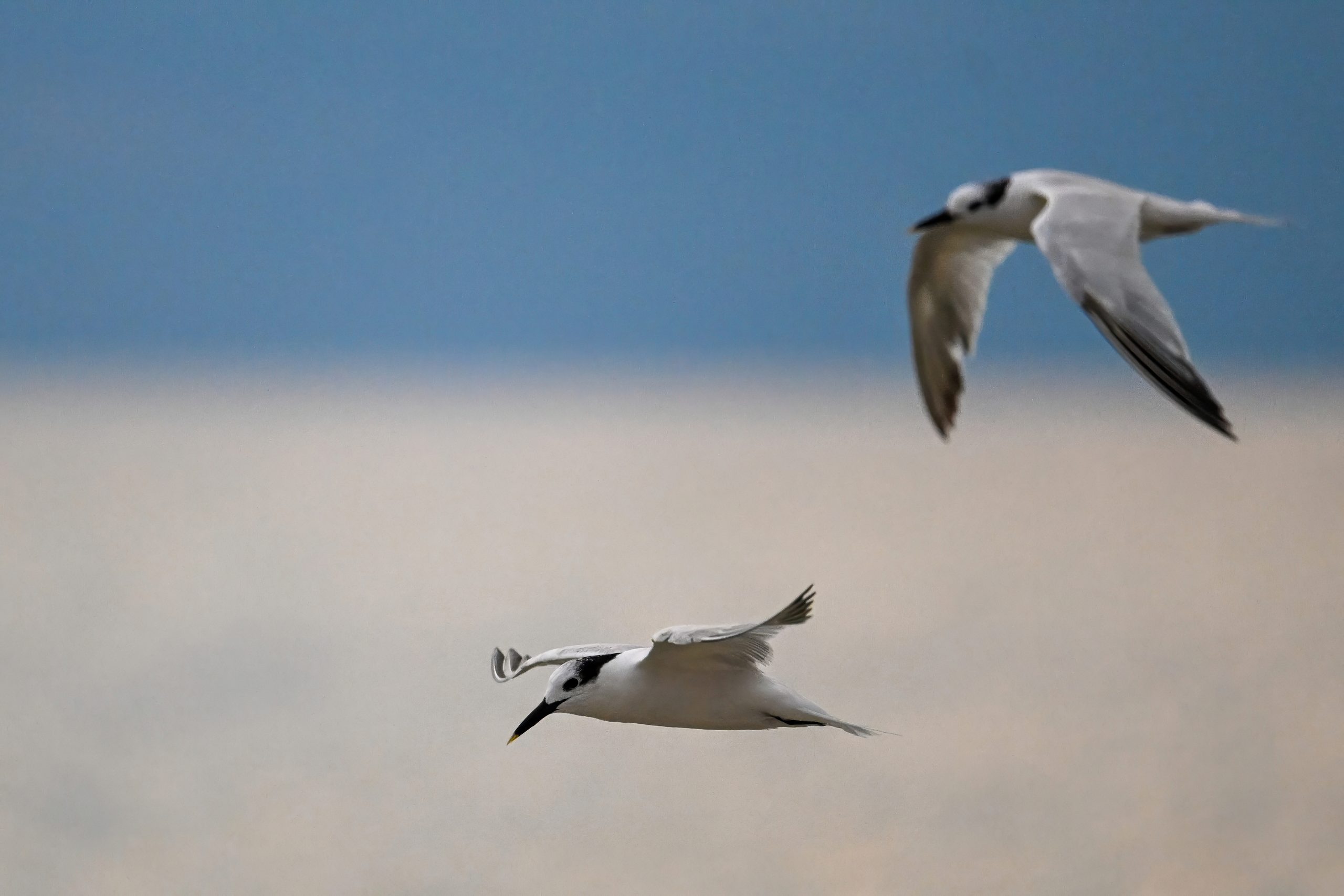
Not a ton of different species at this location late September/early October, but of what there was, there was lots of activity, like these amazing Sandwich Terns:

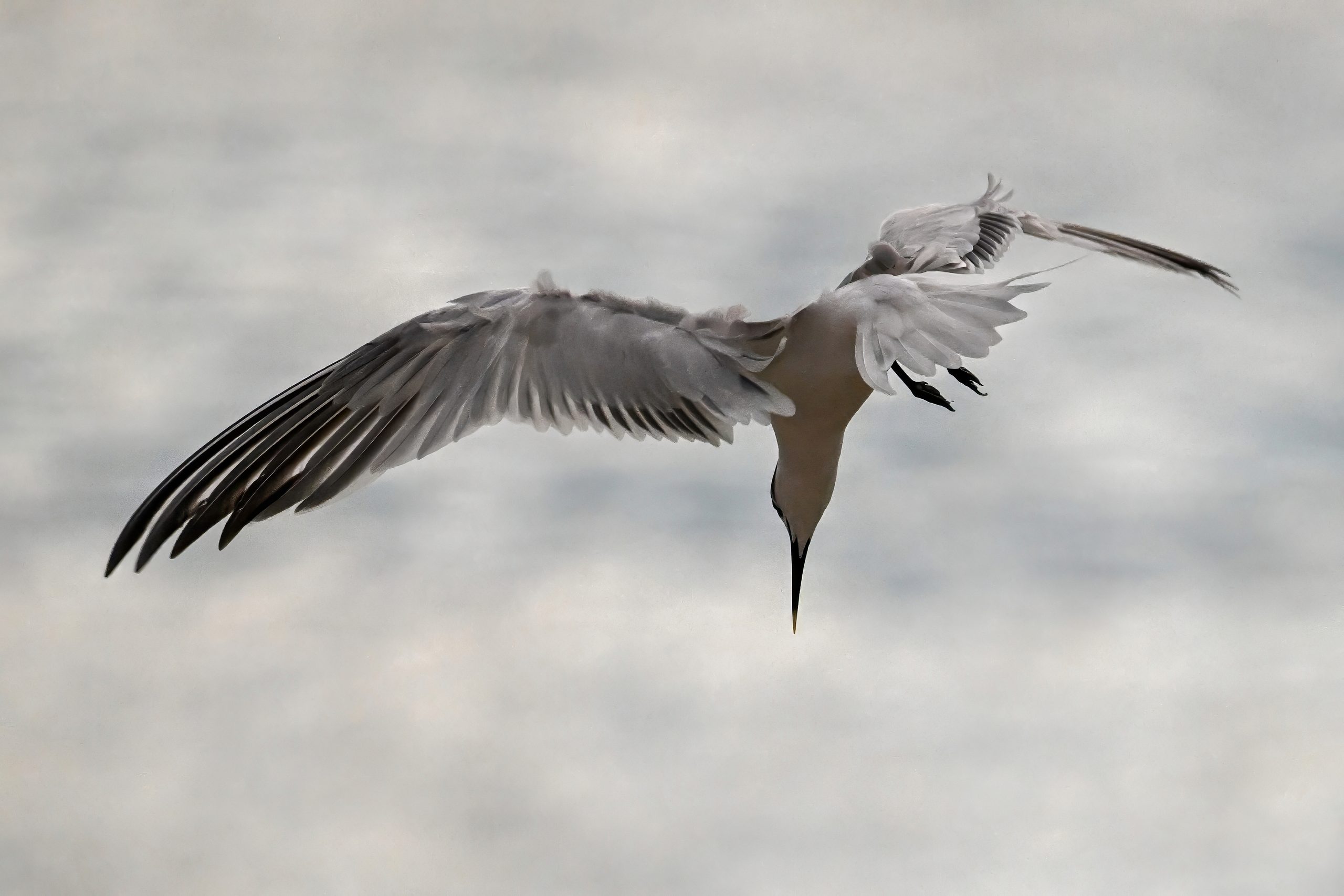
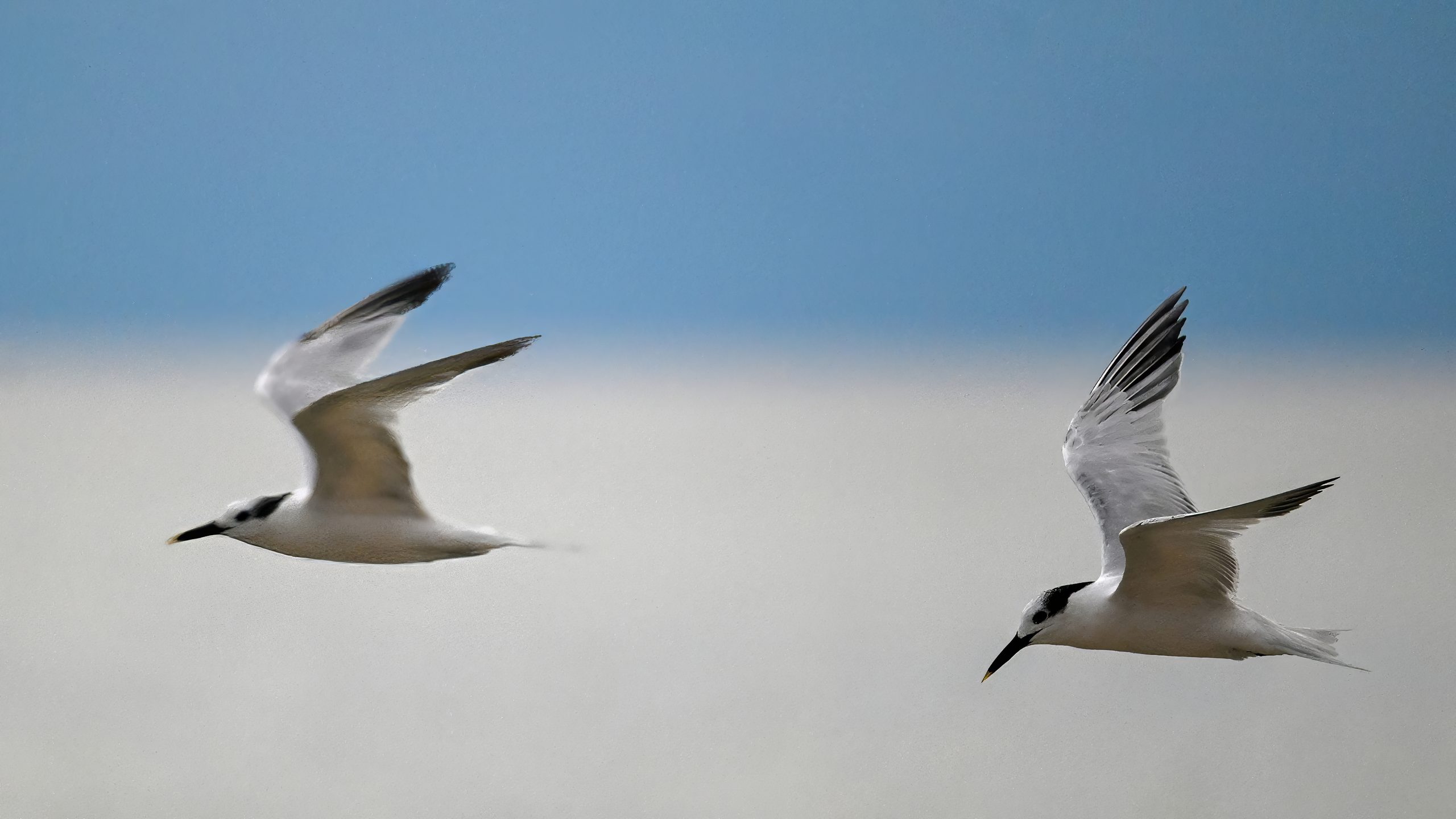
And in the beach-side vegetation, beautiful Northern Mockingbird:
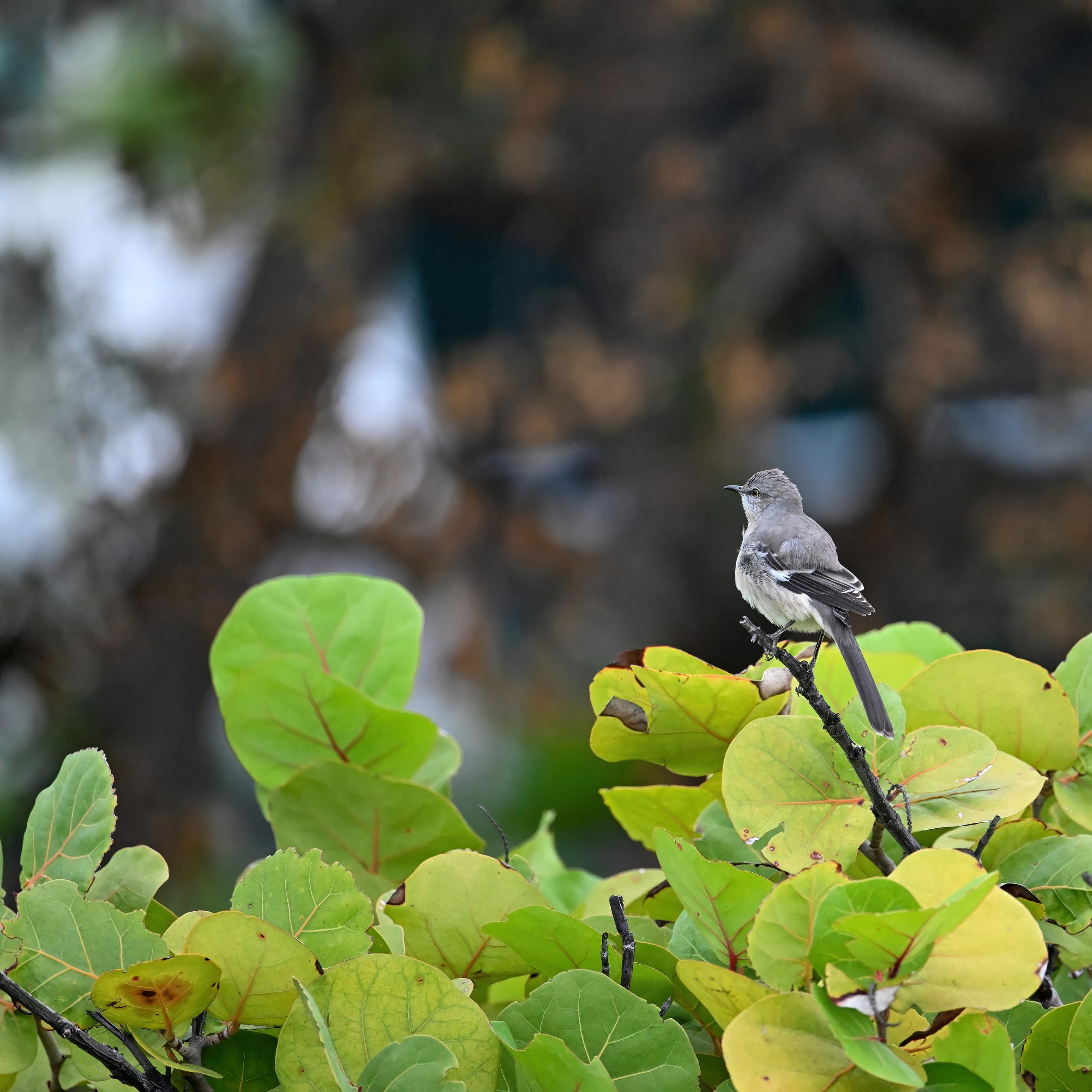
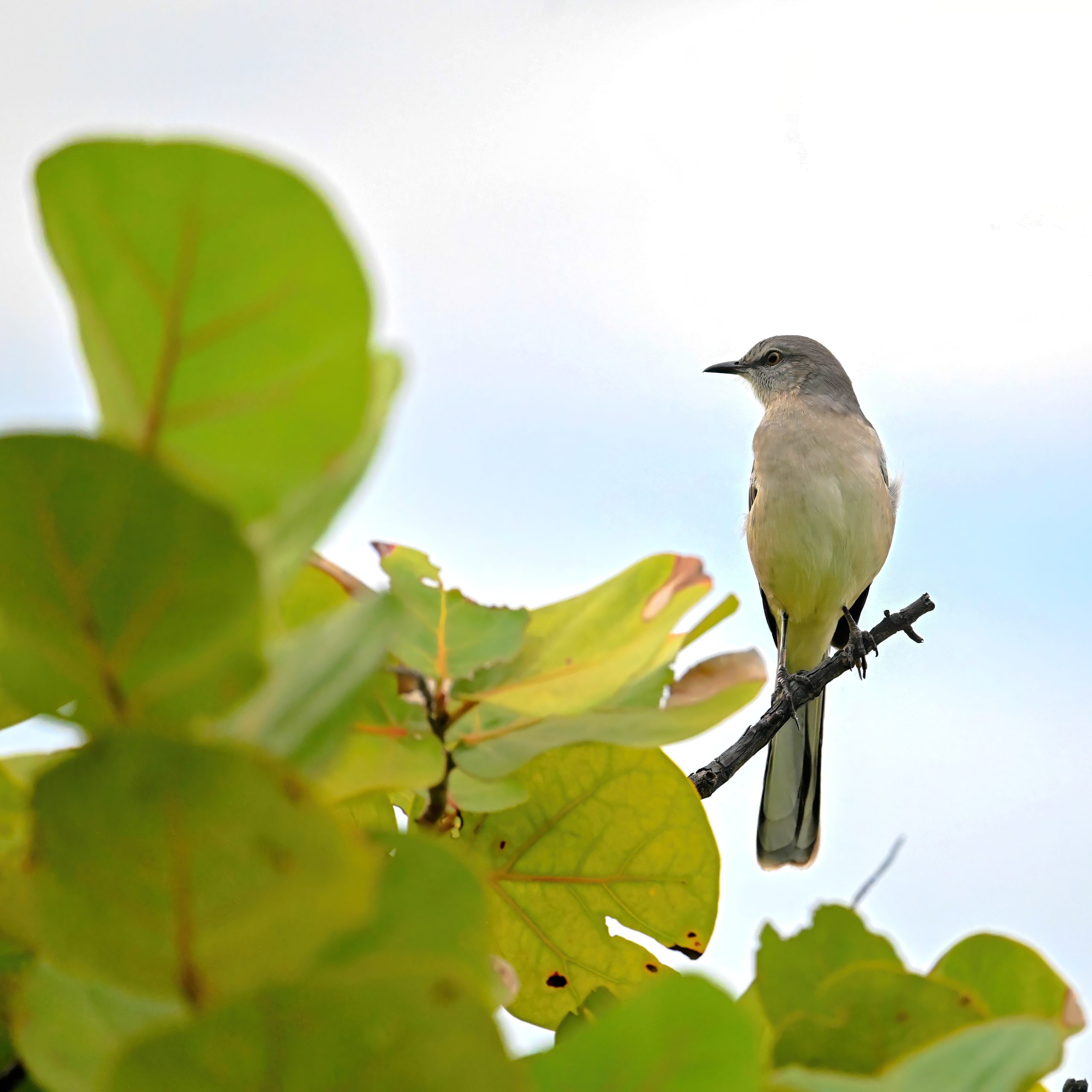
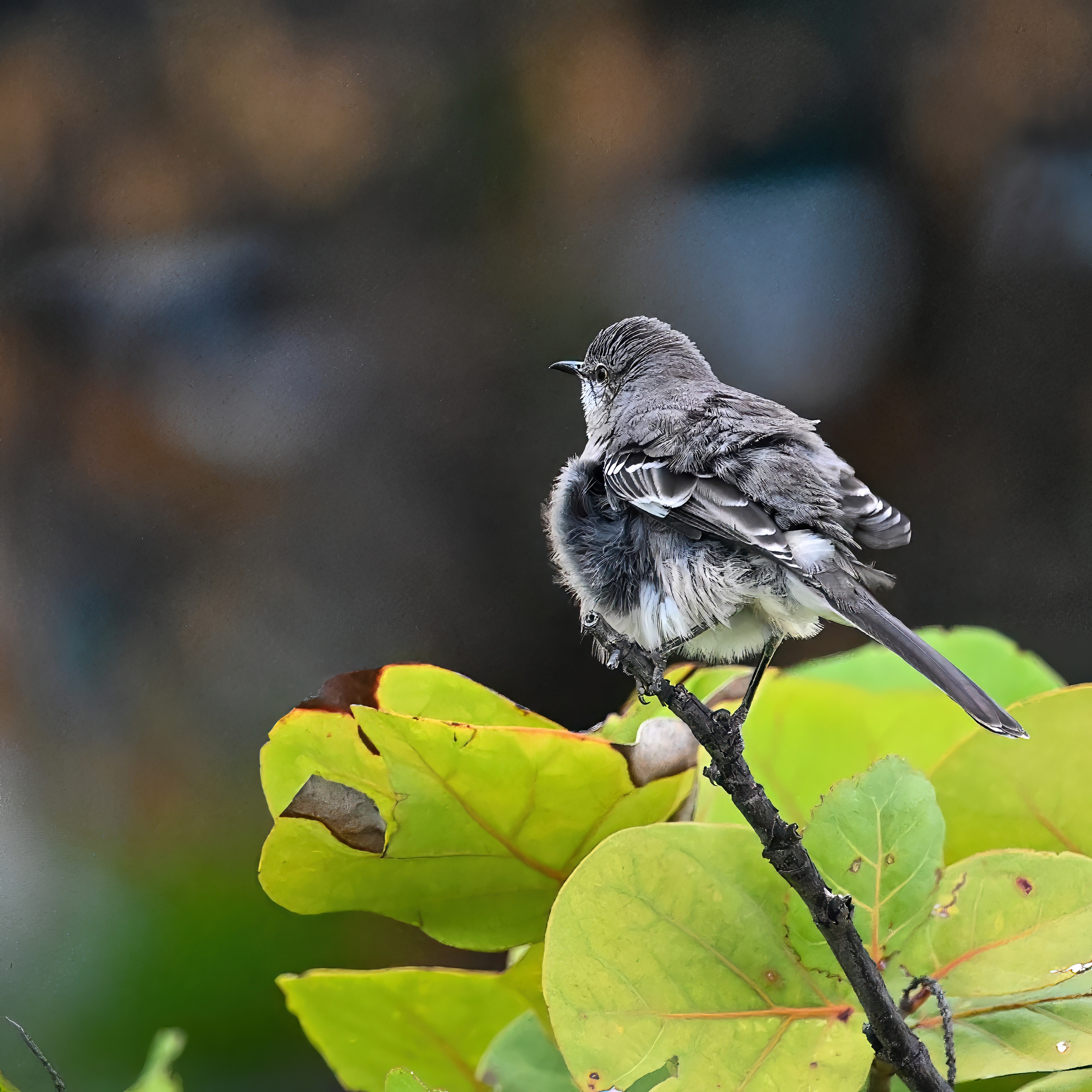
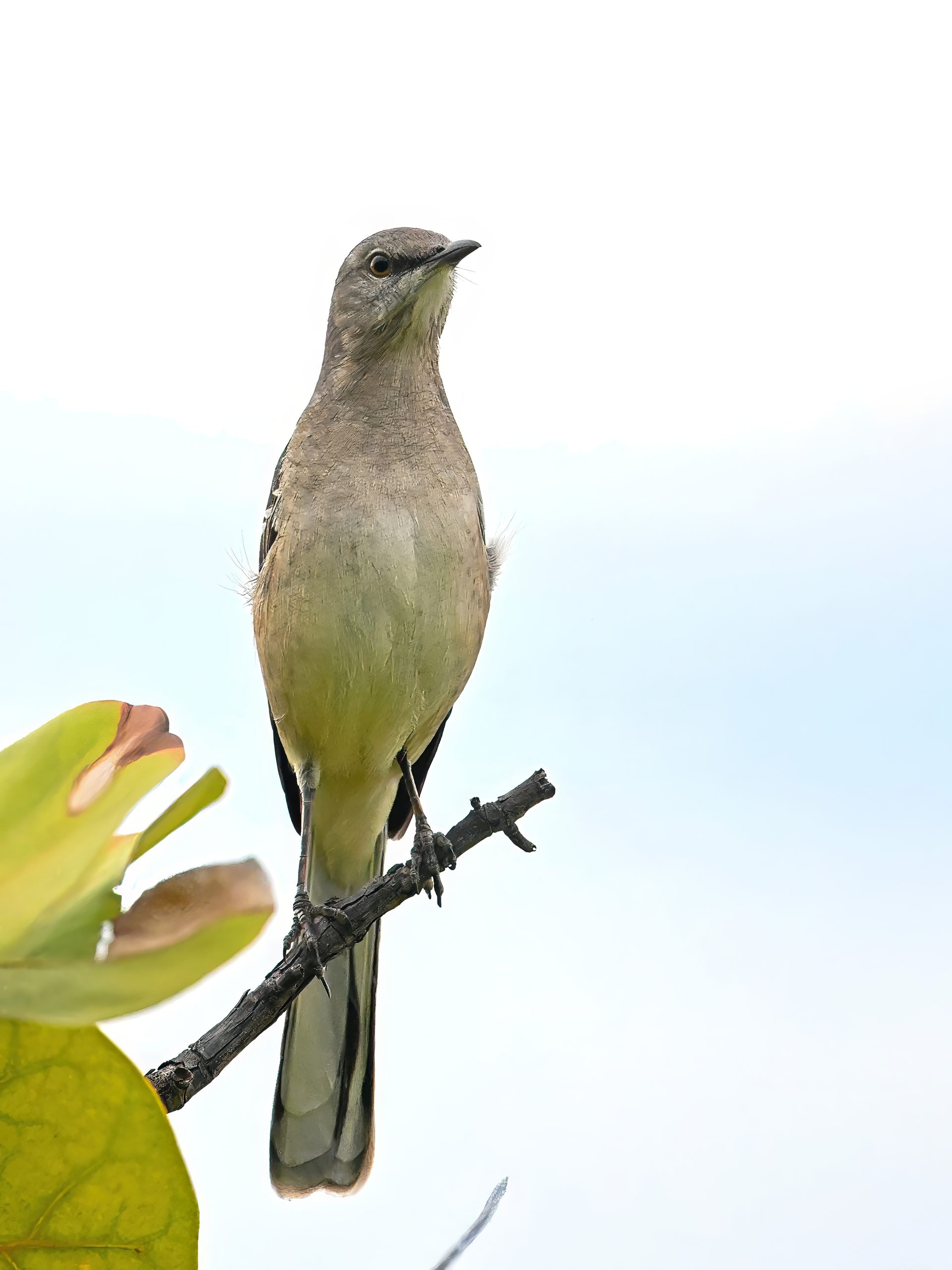
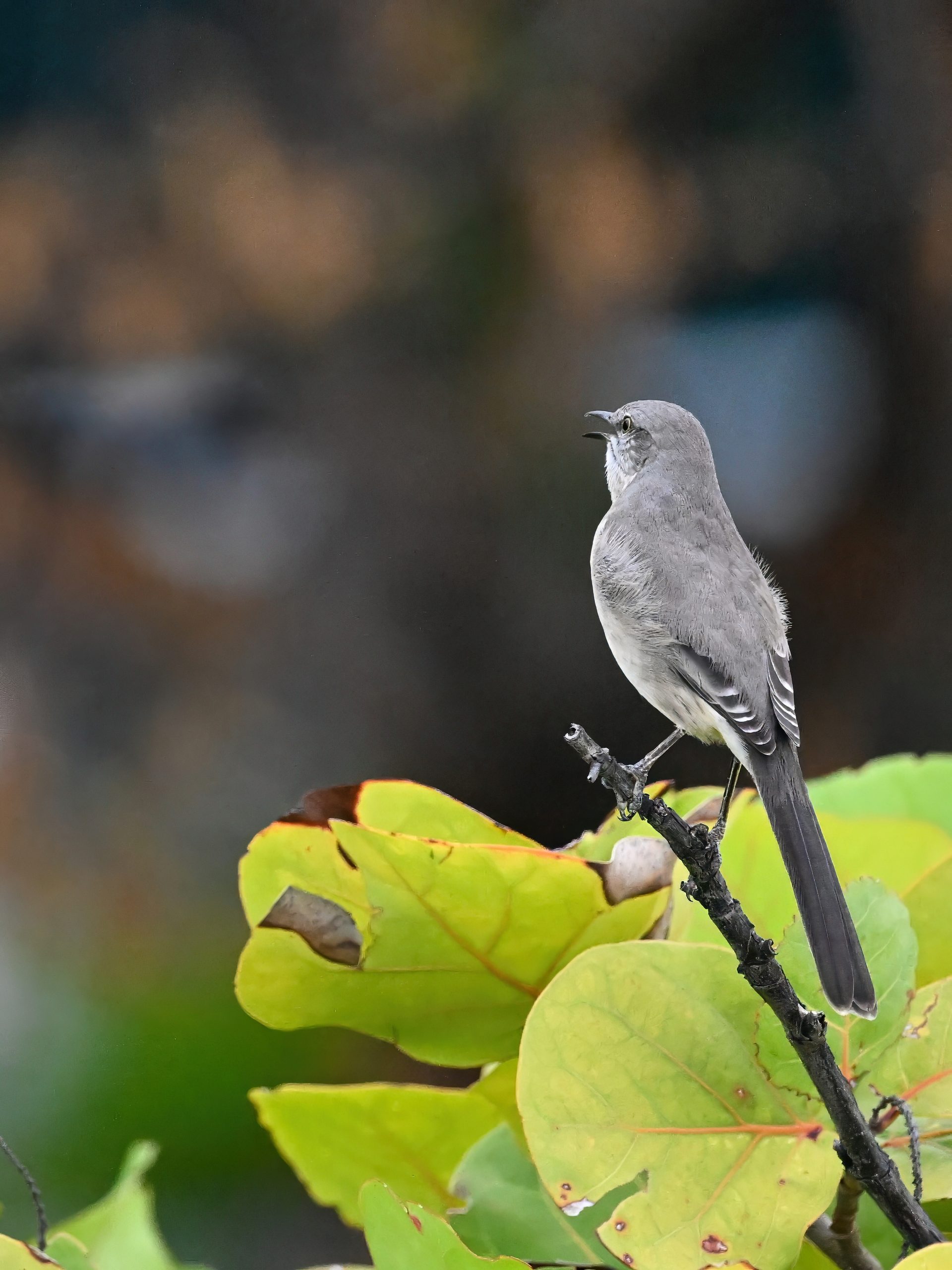

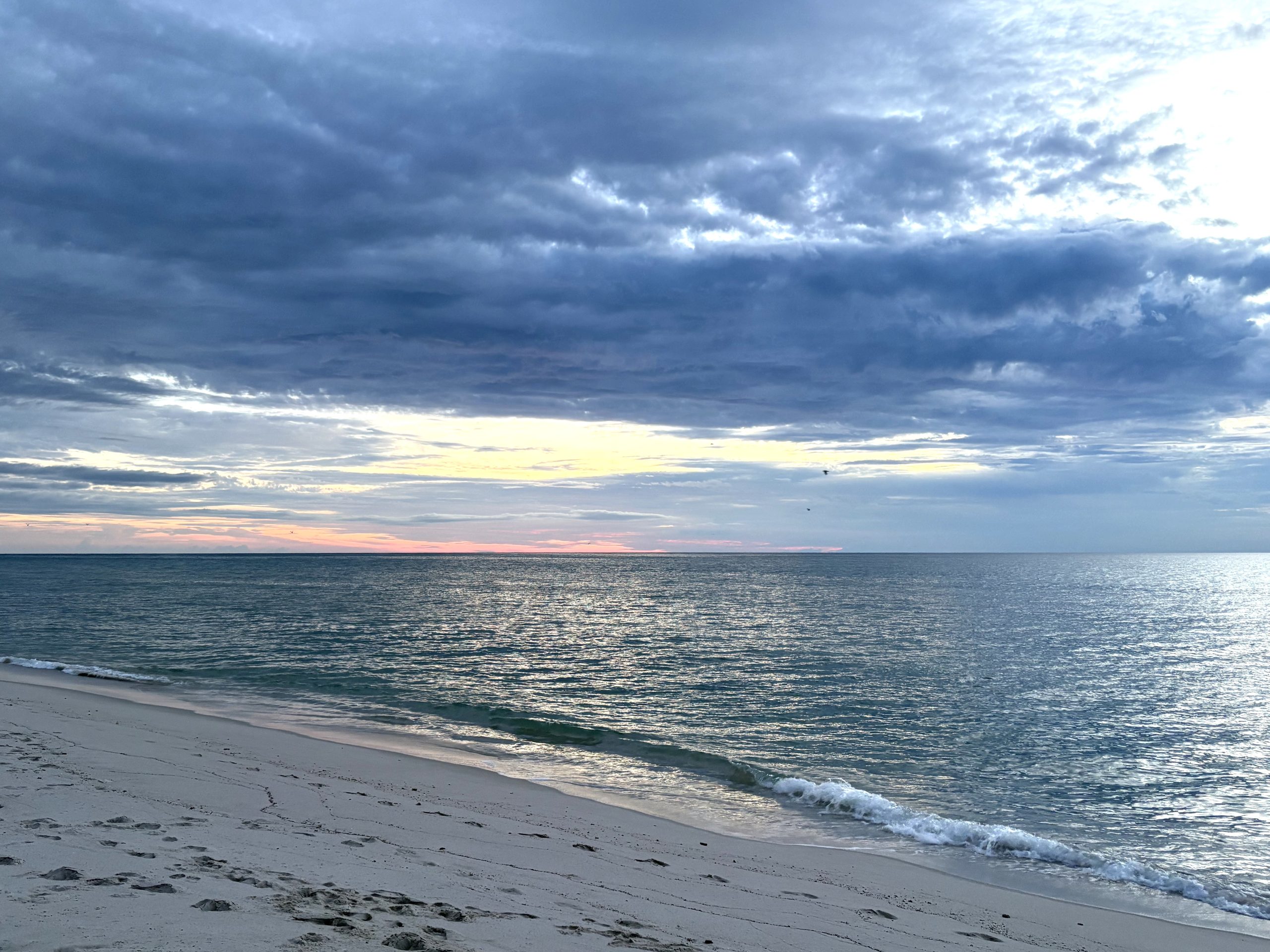
With IBS in Miami late September, BirdingPI.com staff was mostly ‘stuck’ at Miami Beach. These shots at sunrise. Weather: cloudy, mild/warm, humid, tropical.
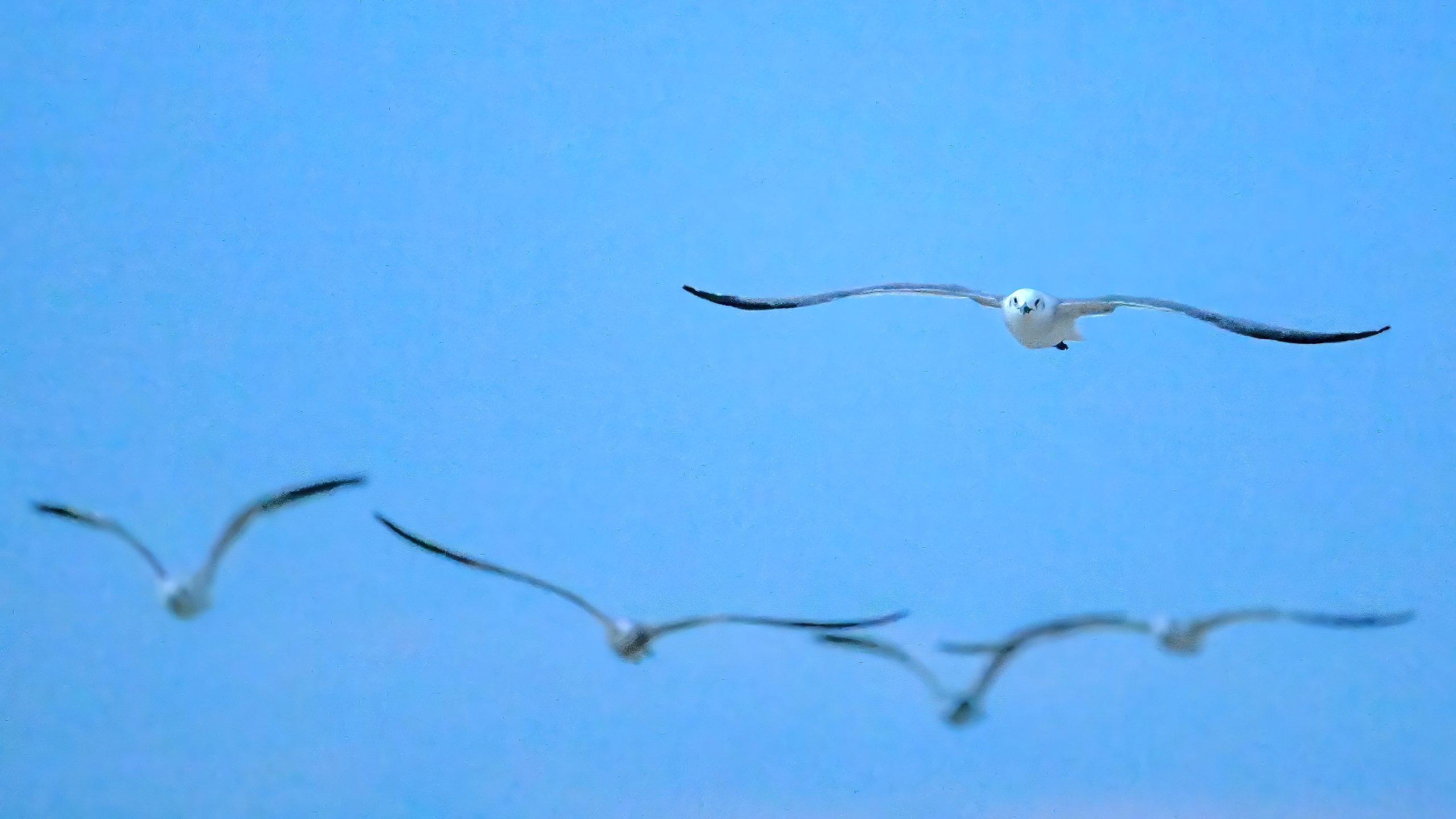
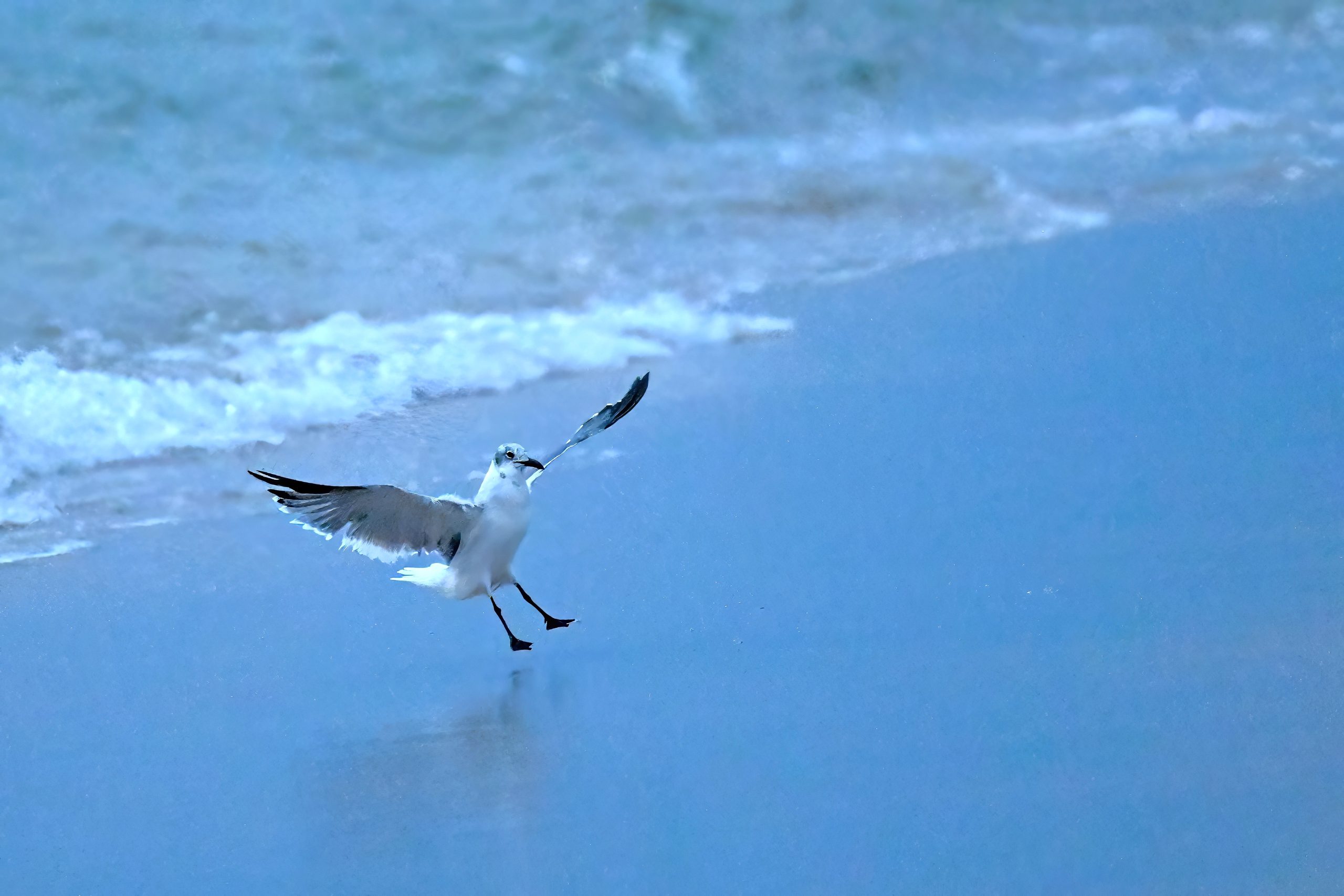

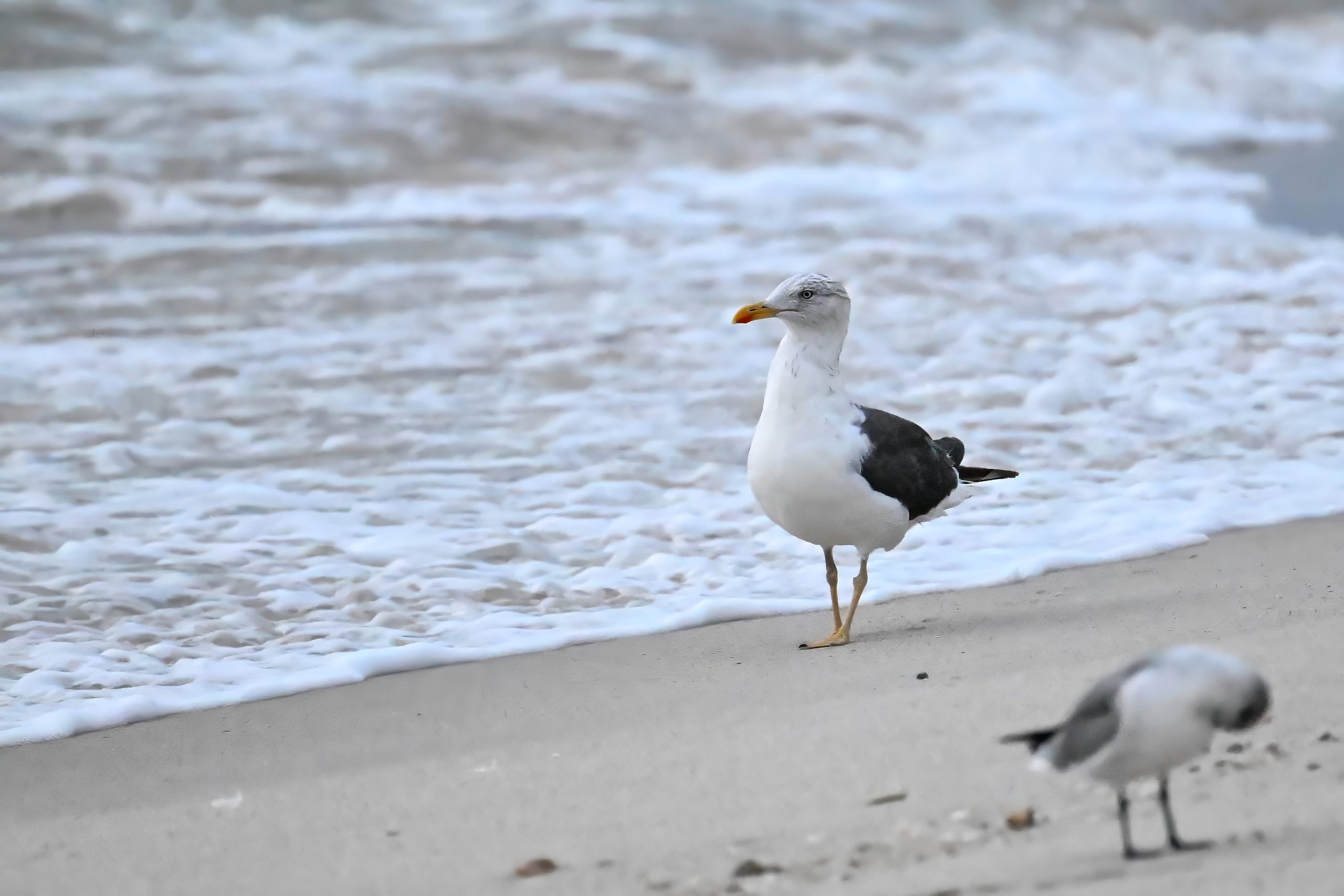
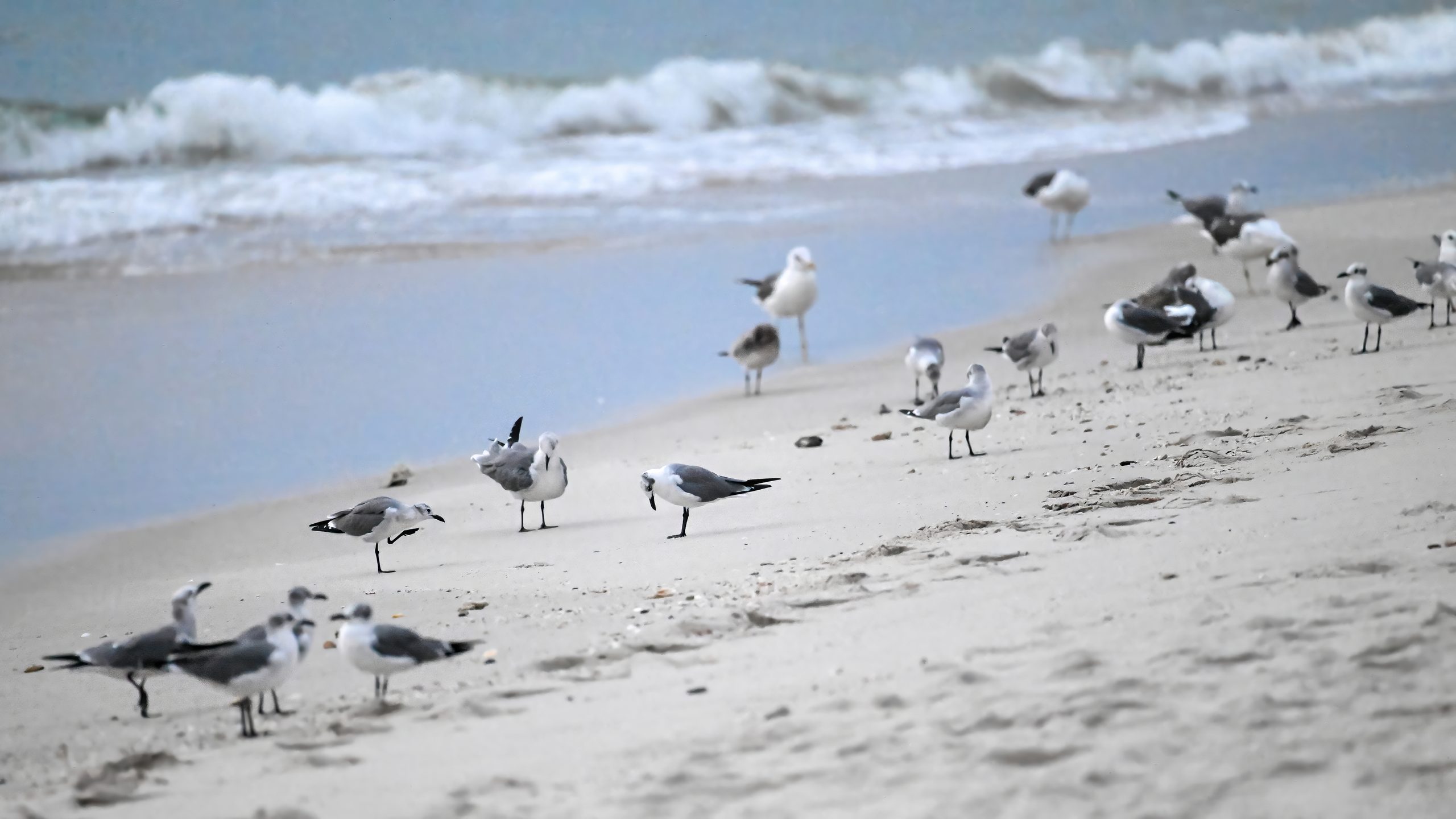
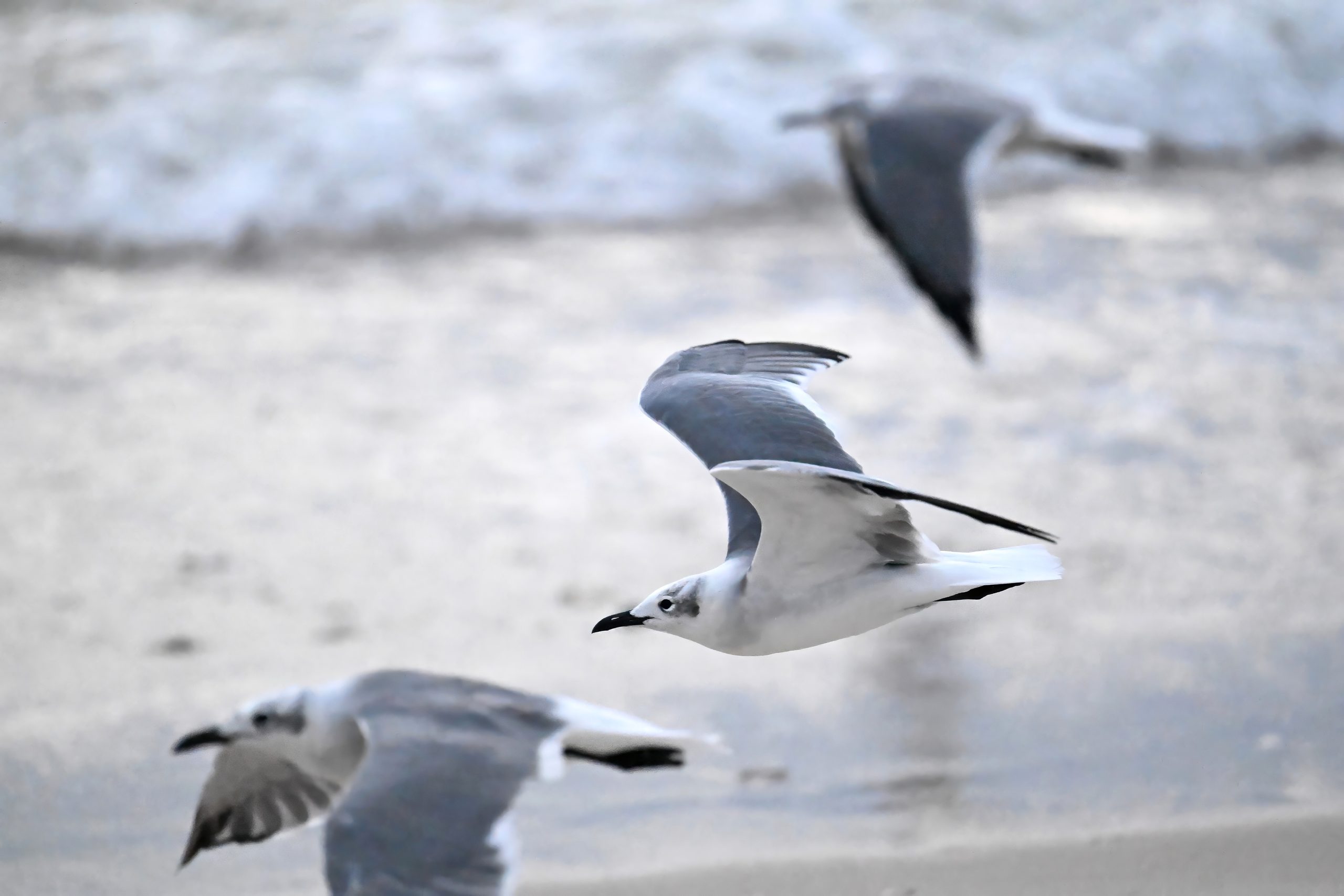
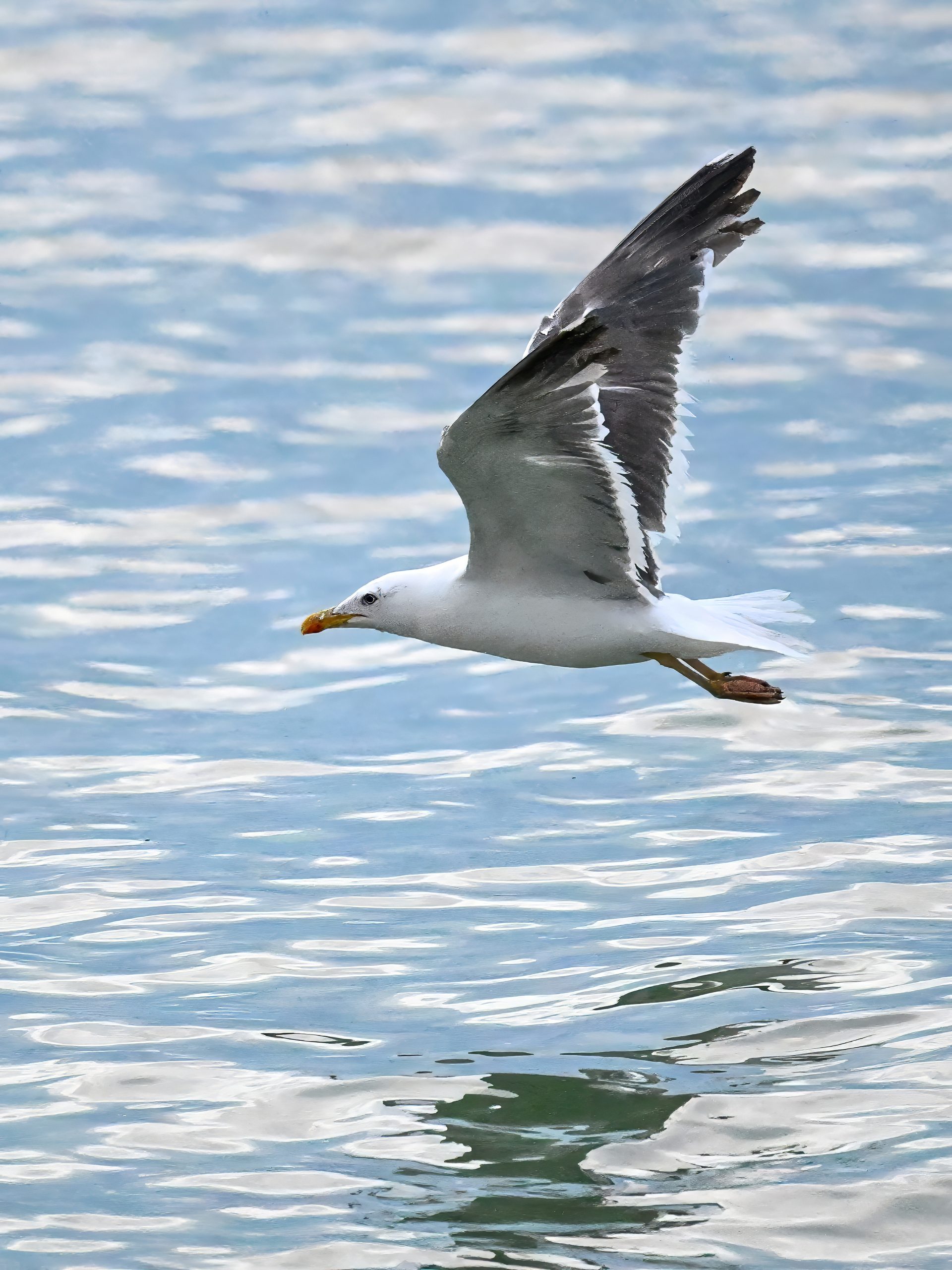
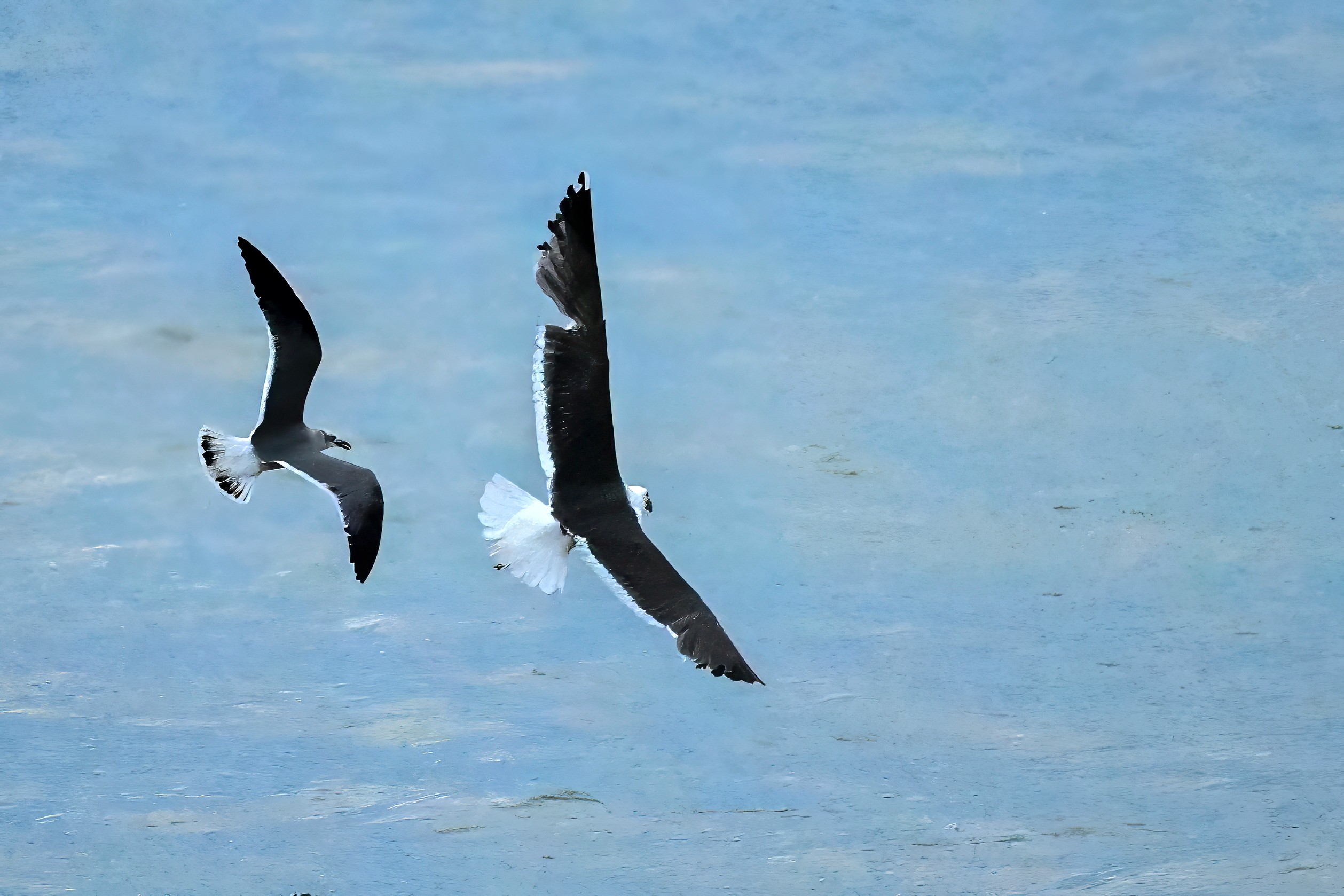
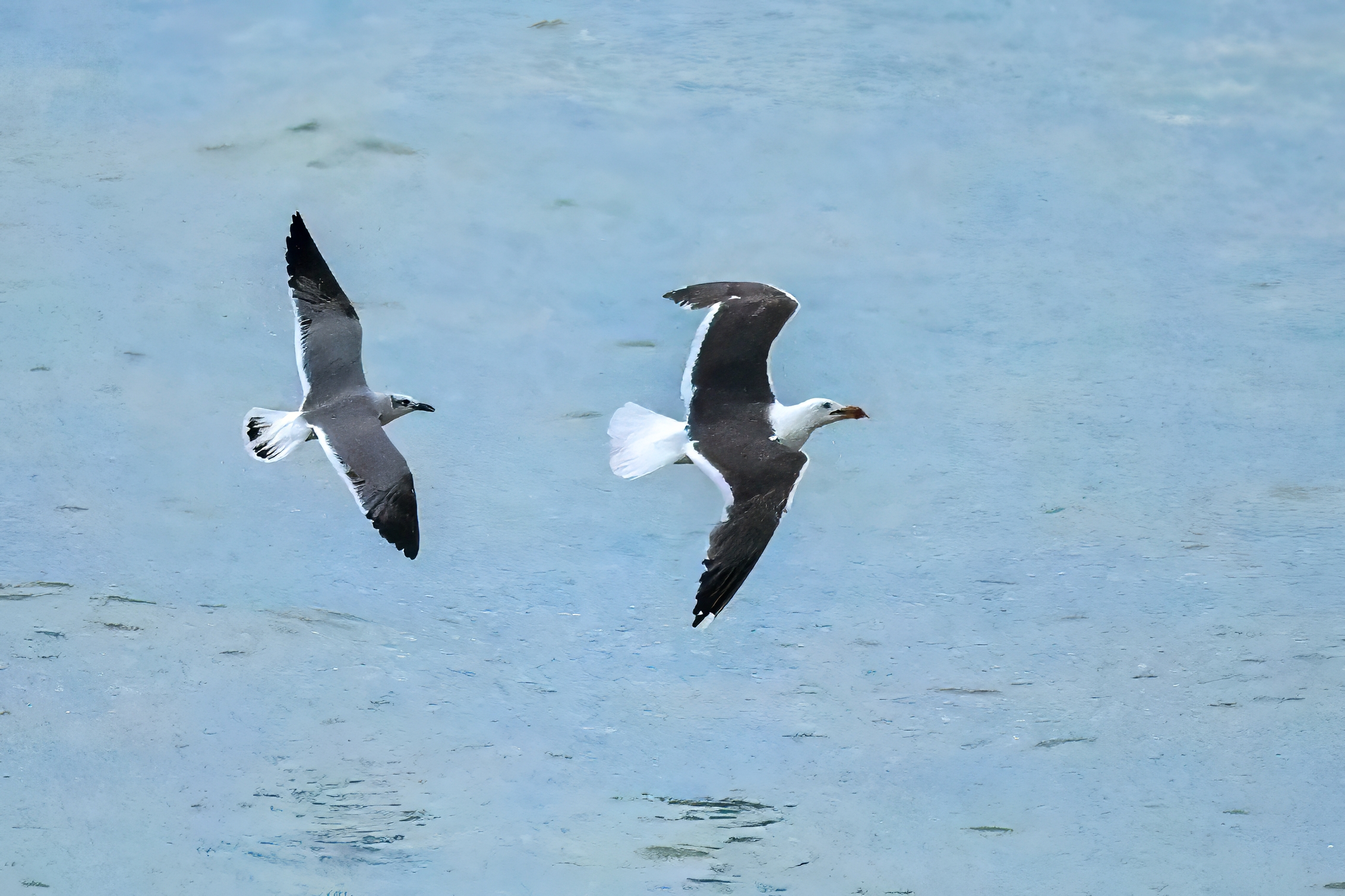
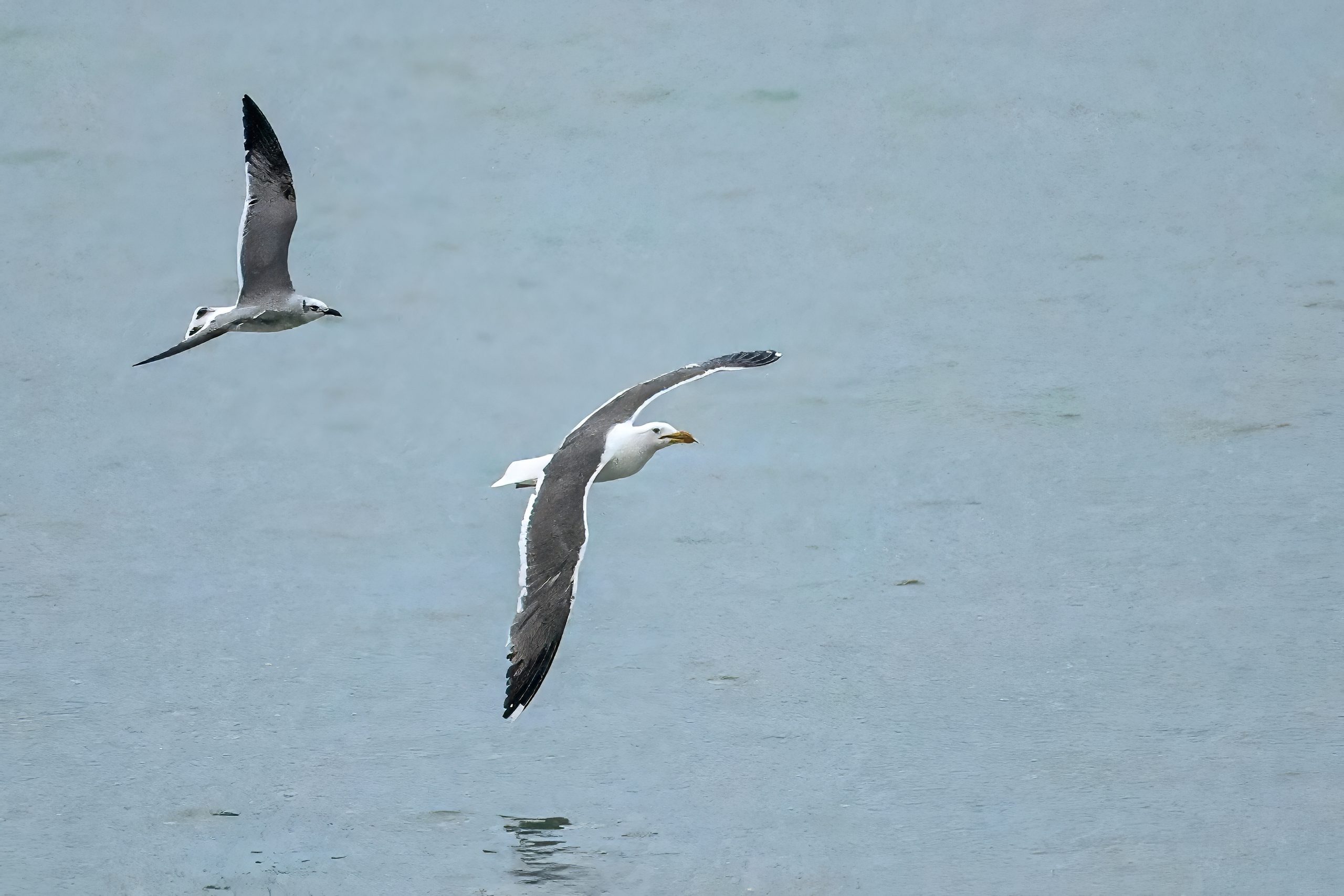
Ok sequence of a Laughing chasing a Lesser Black-backed Gull (w/ fish):
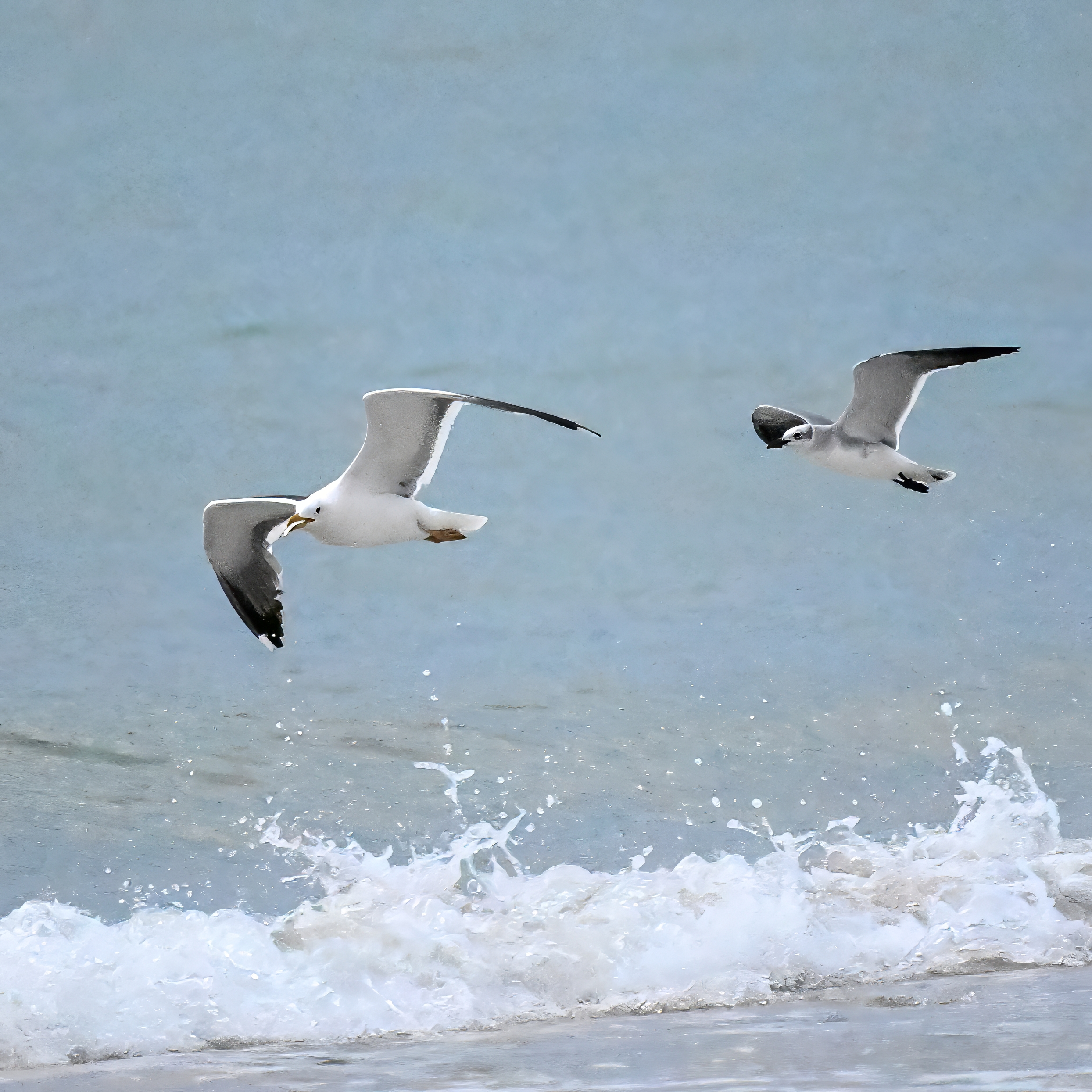
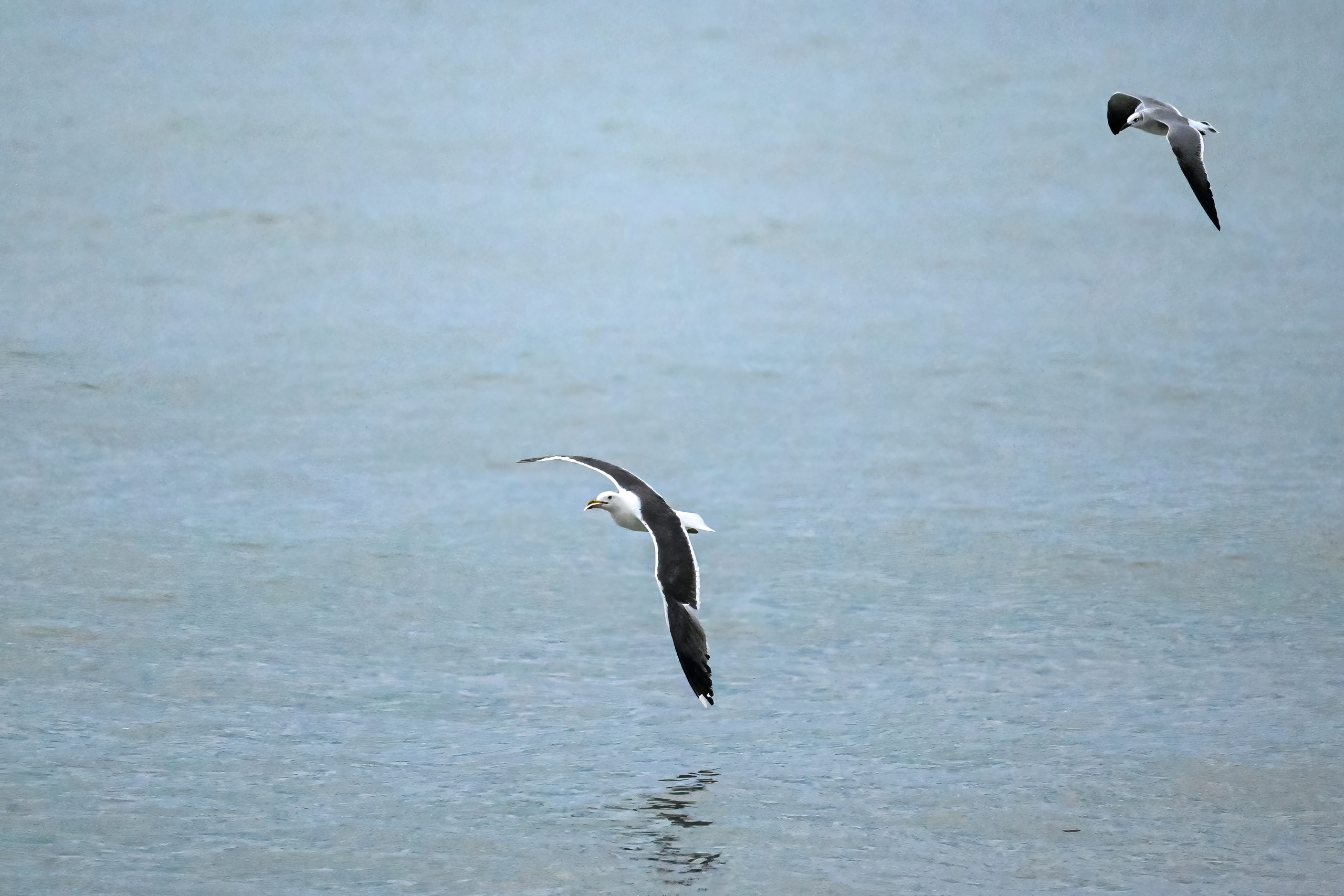
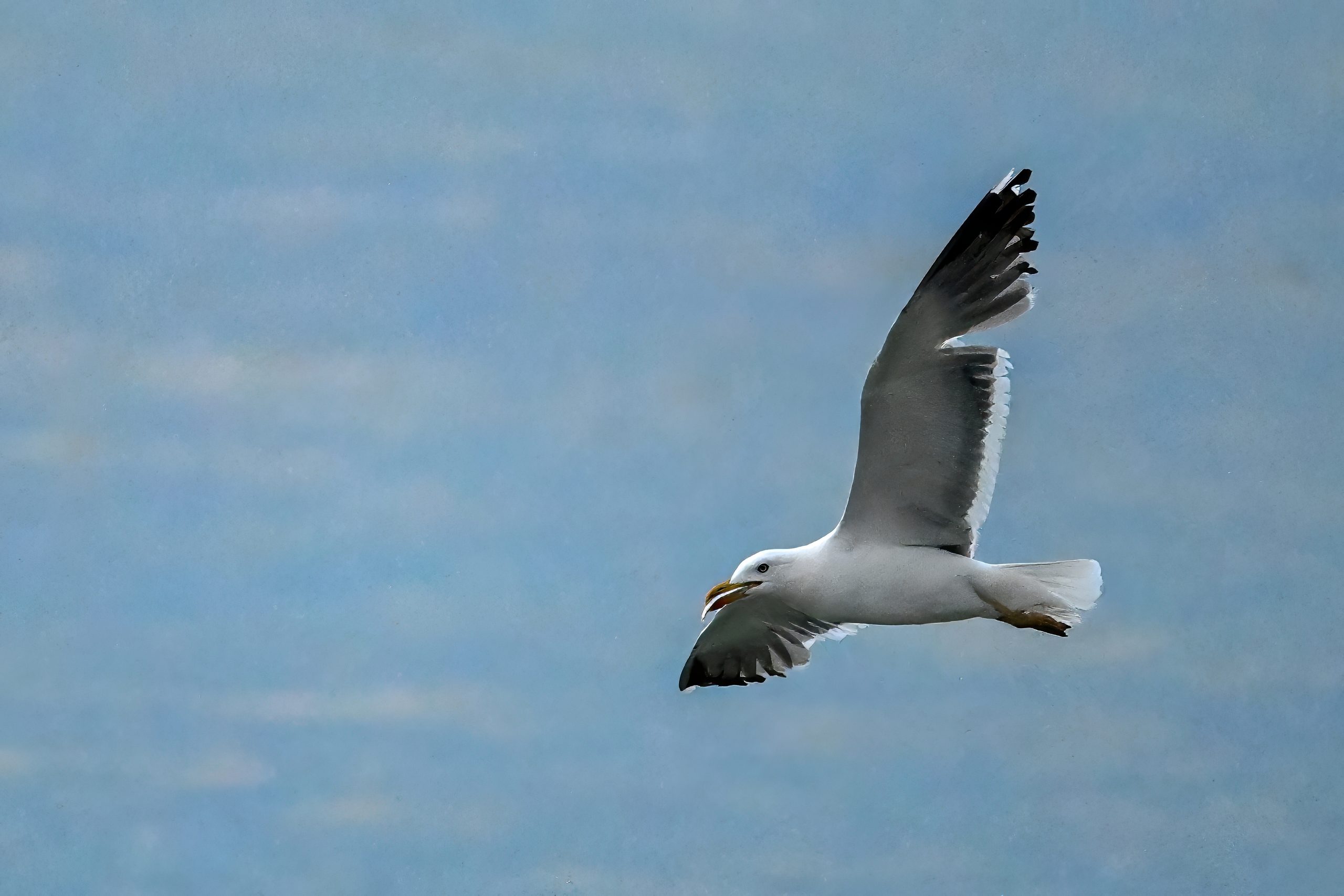
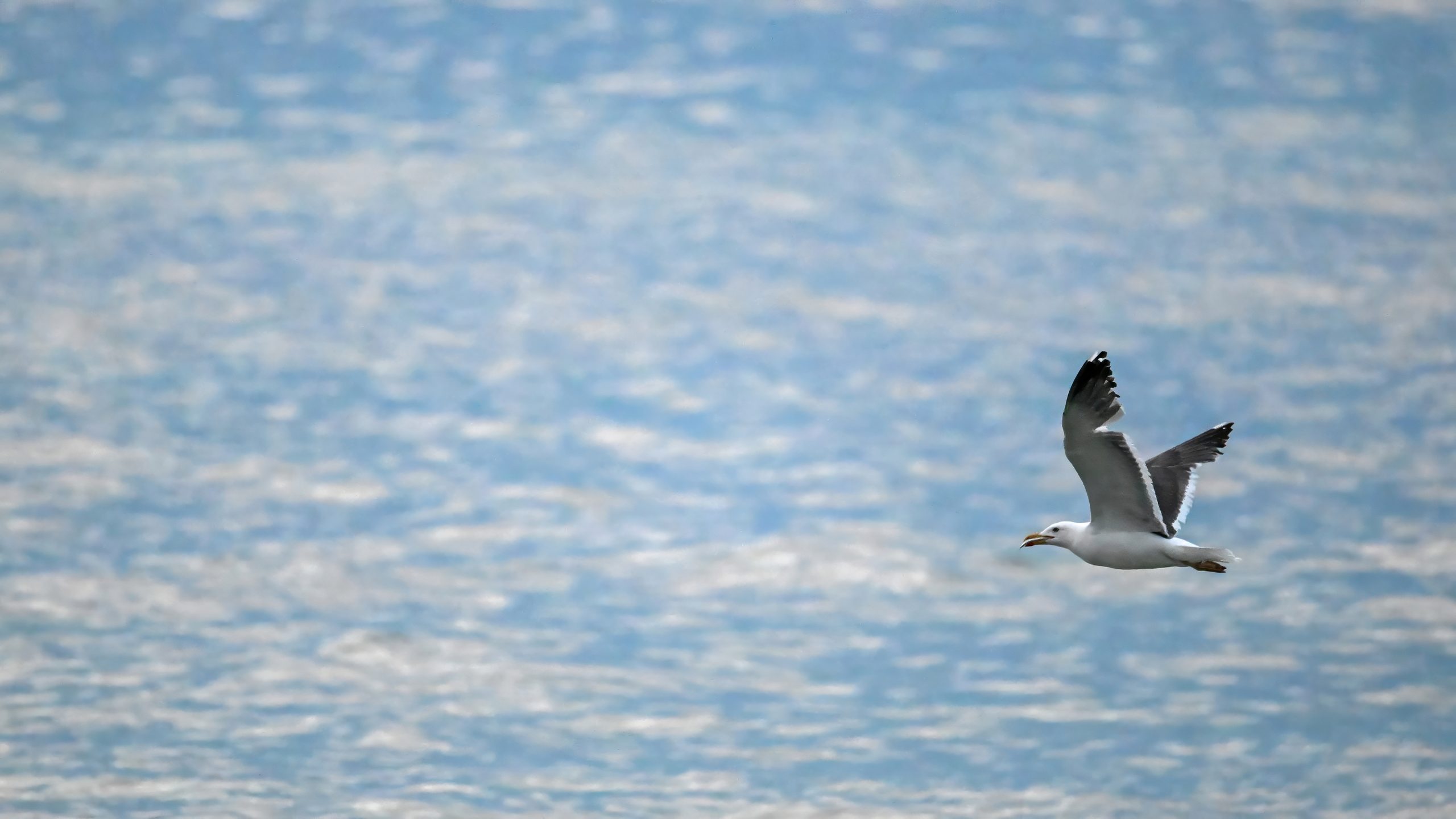
A deft Laughing Gull catch-and-release of ocean detritus:
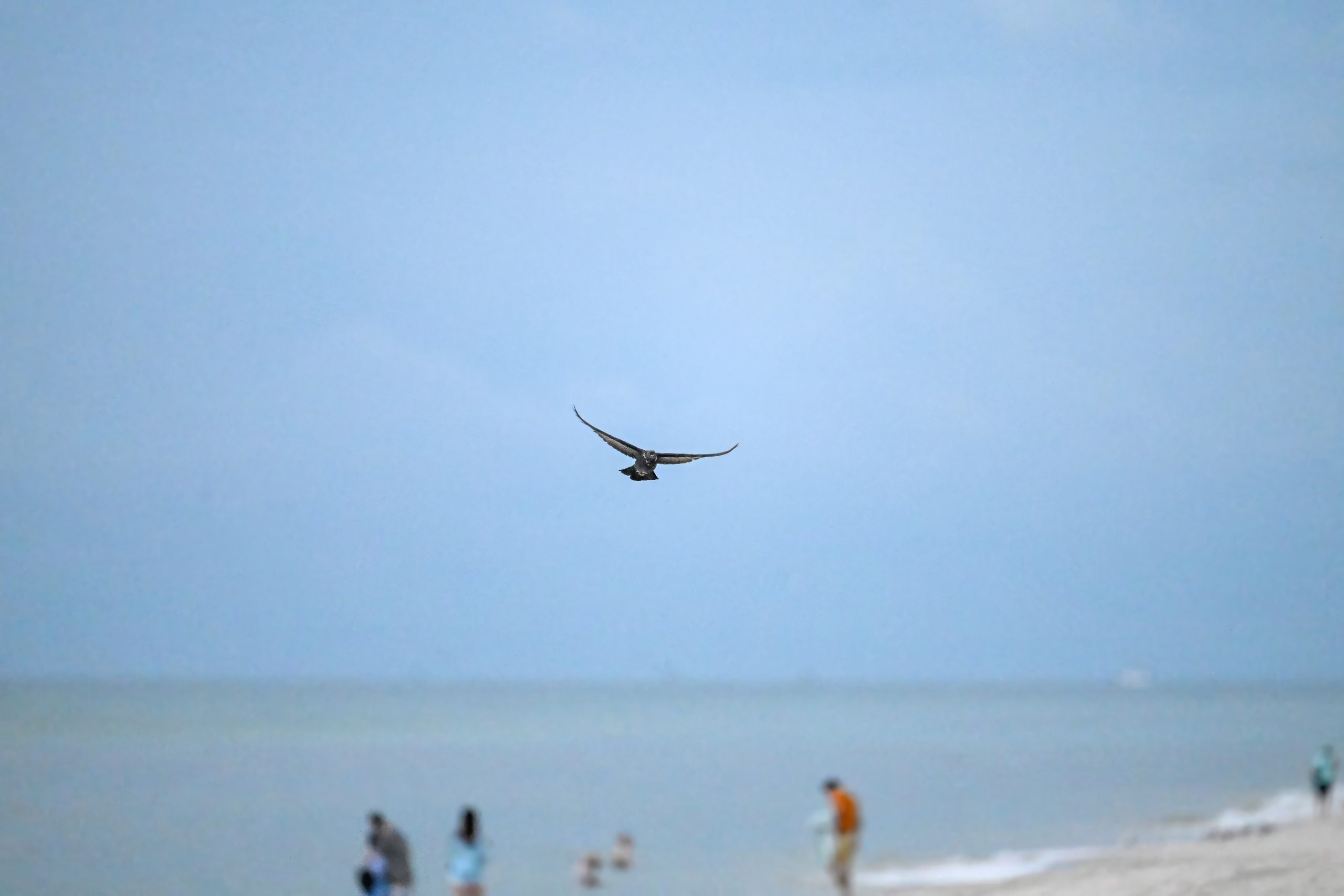
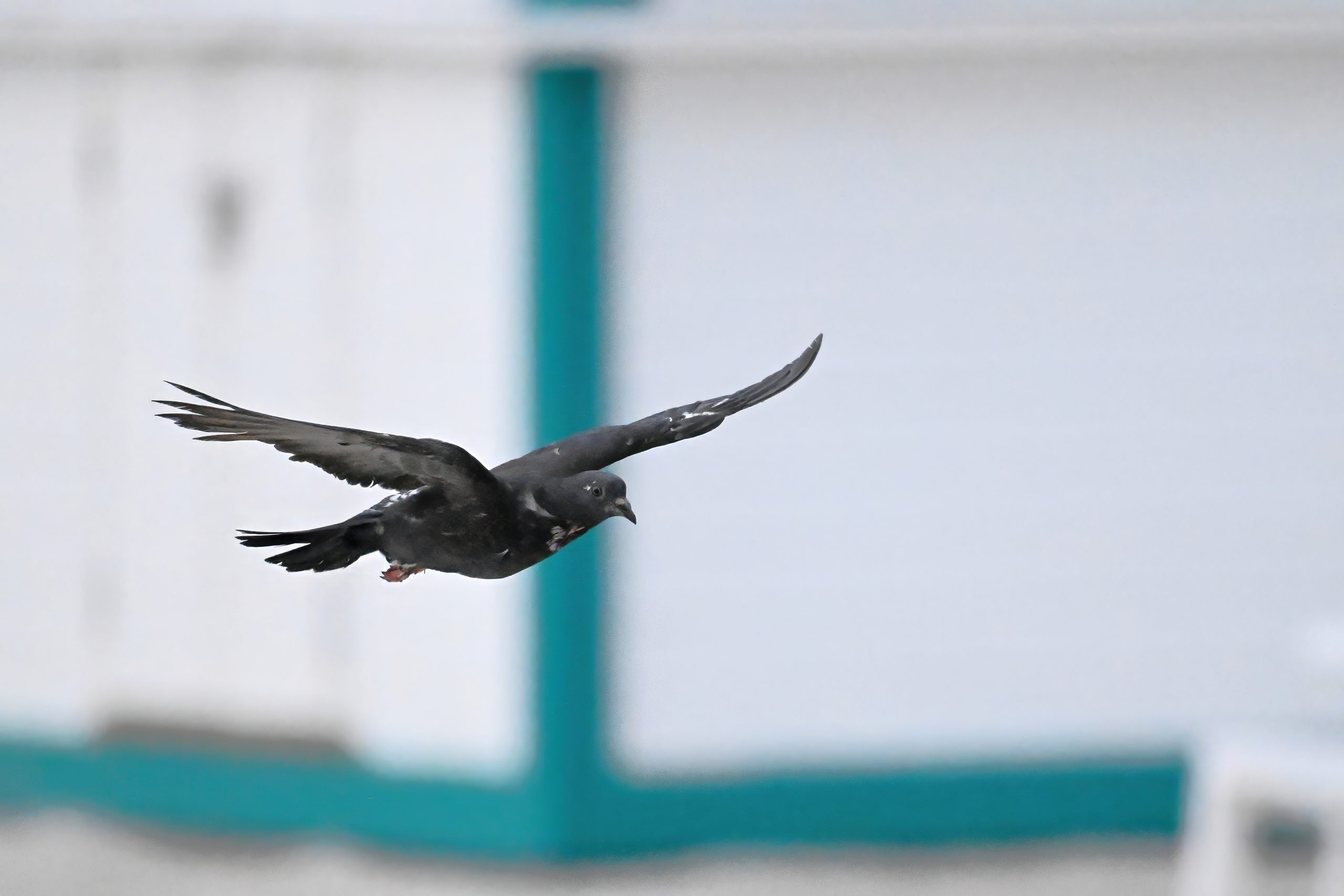
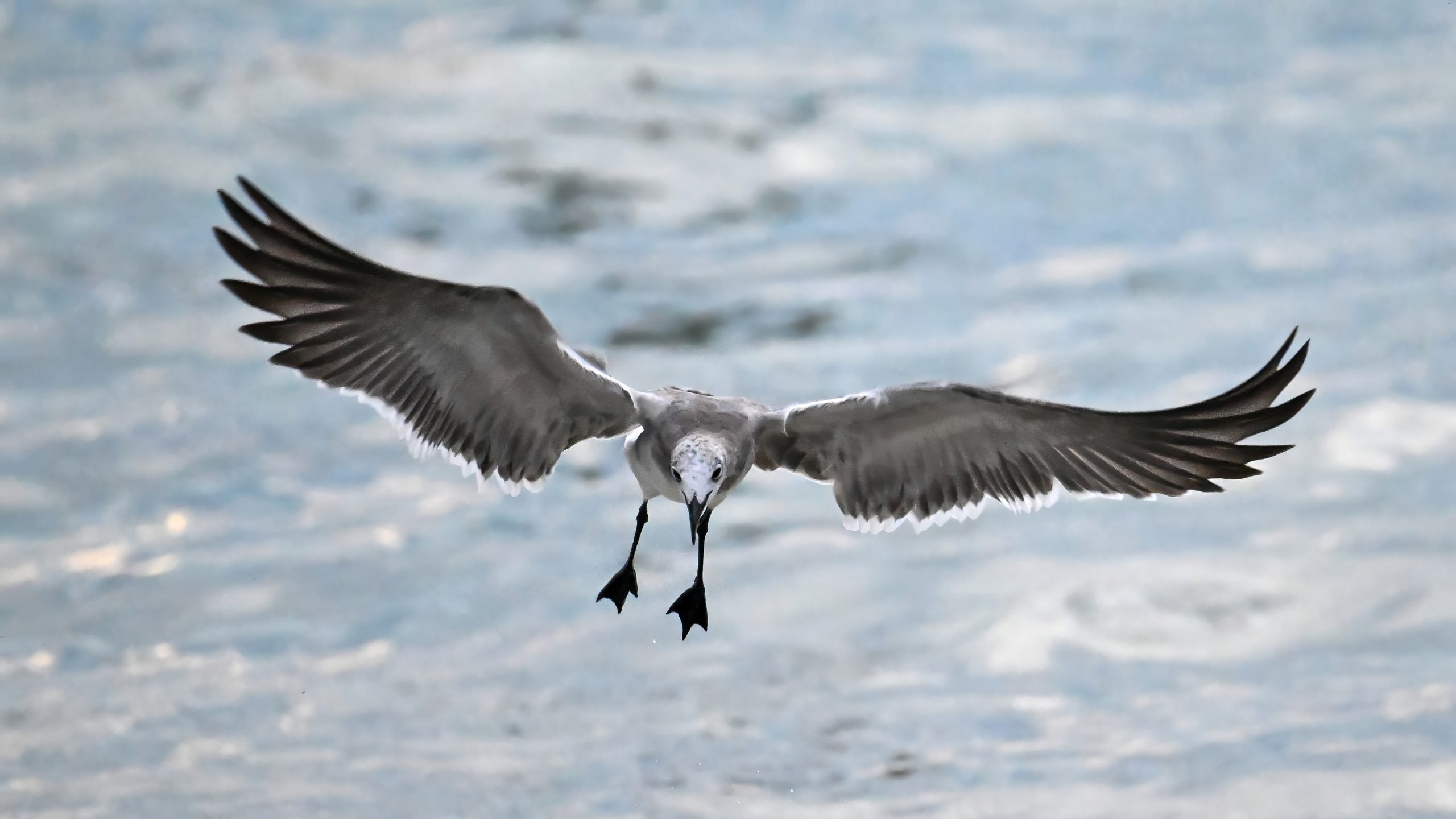
Coming up soon, lots more from the beach!

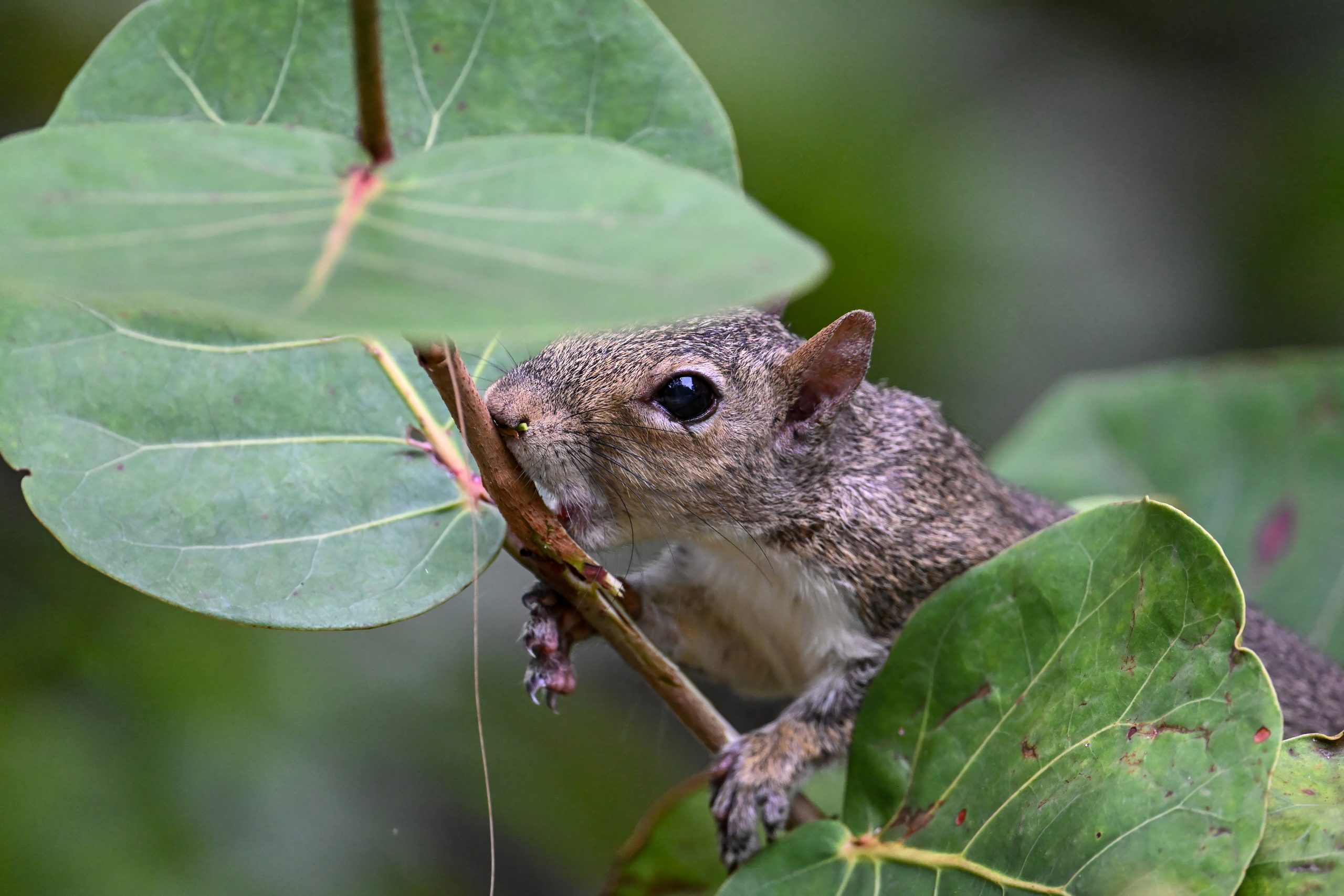
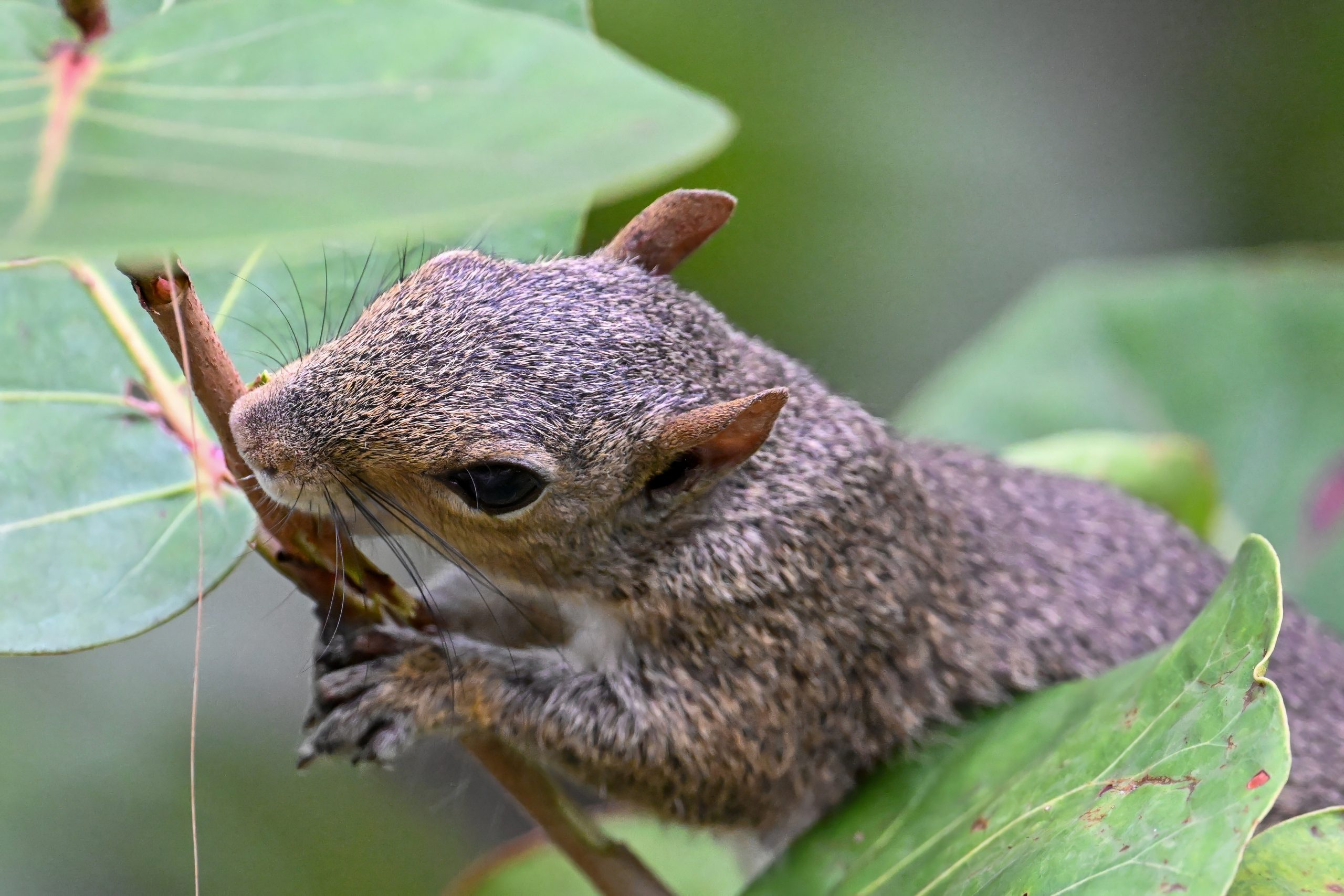
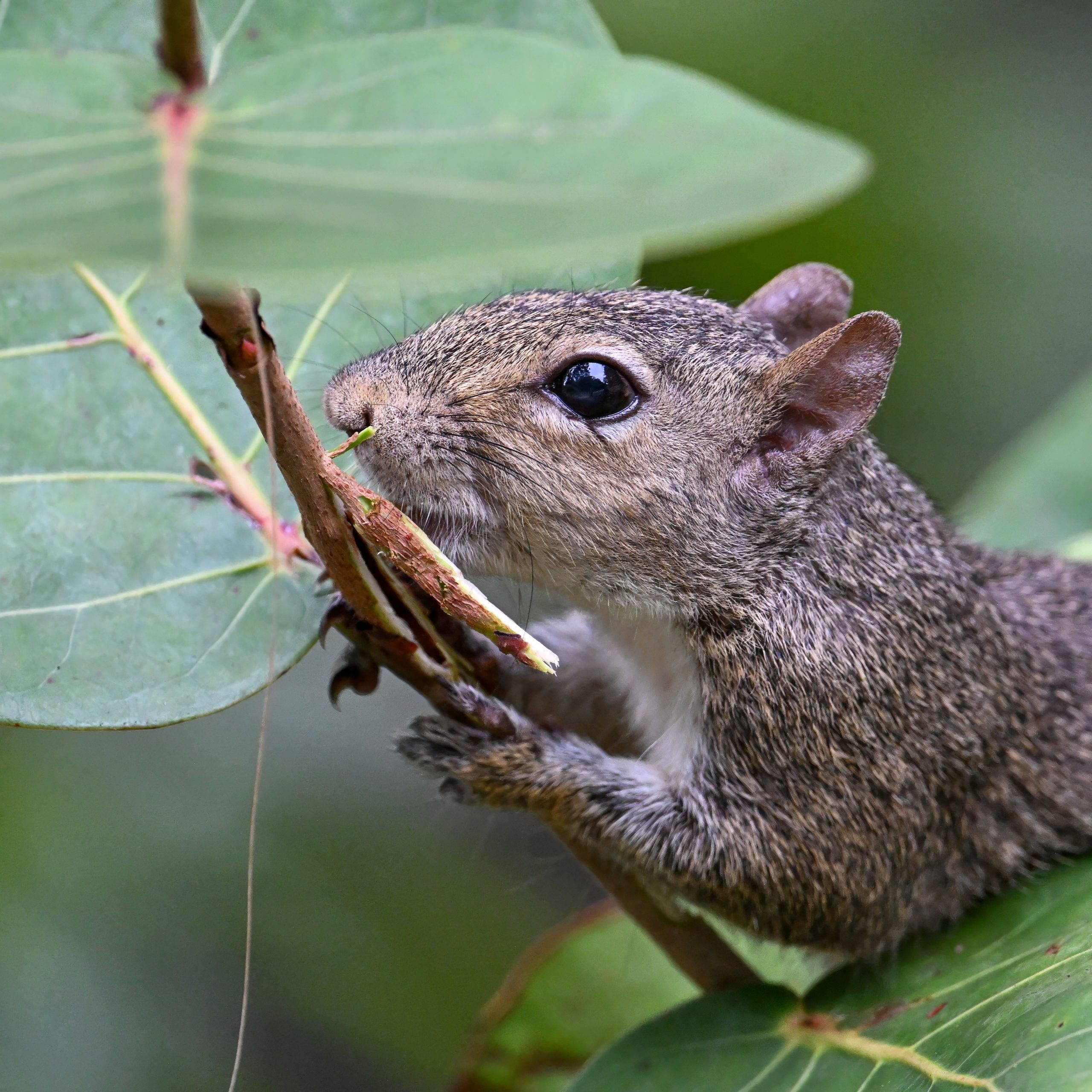
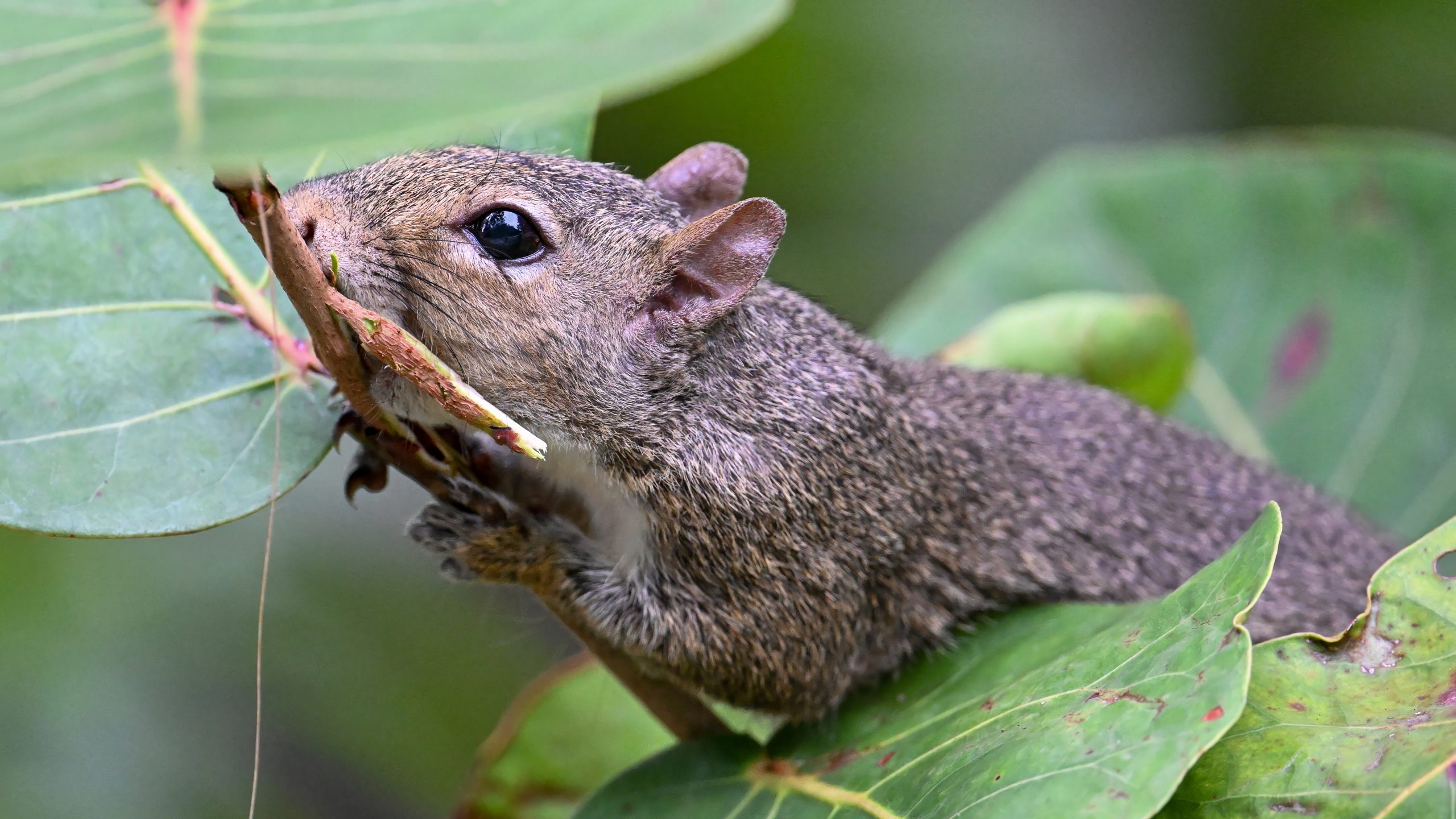
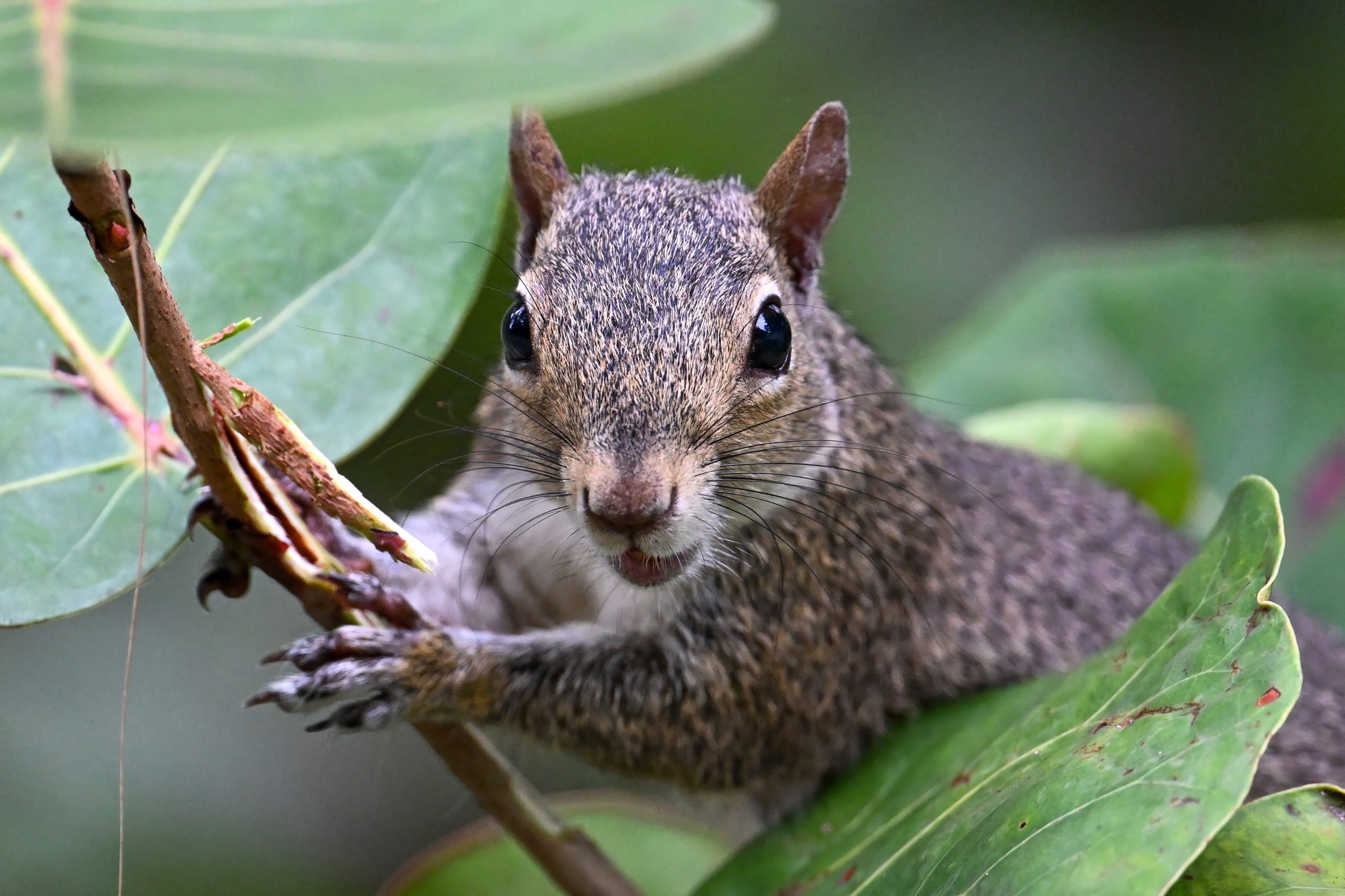
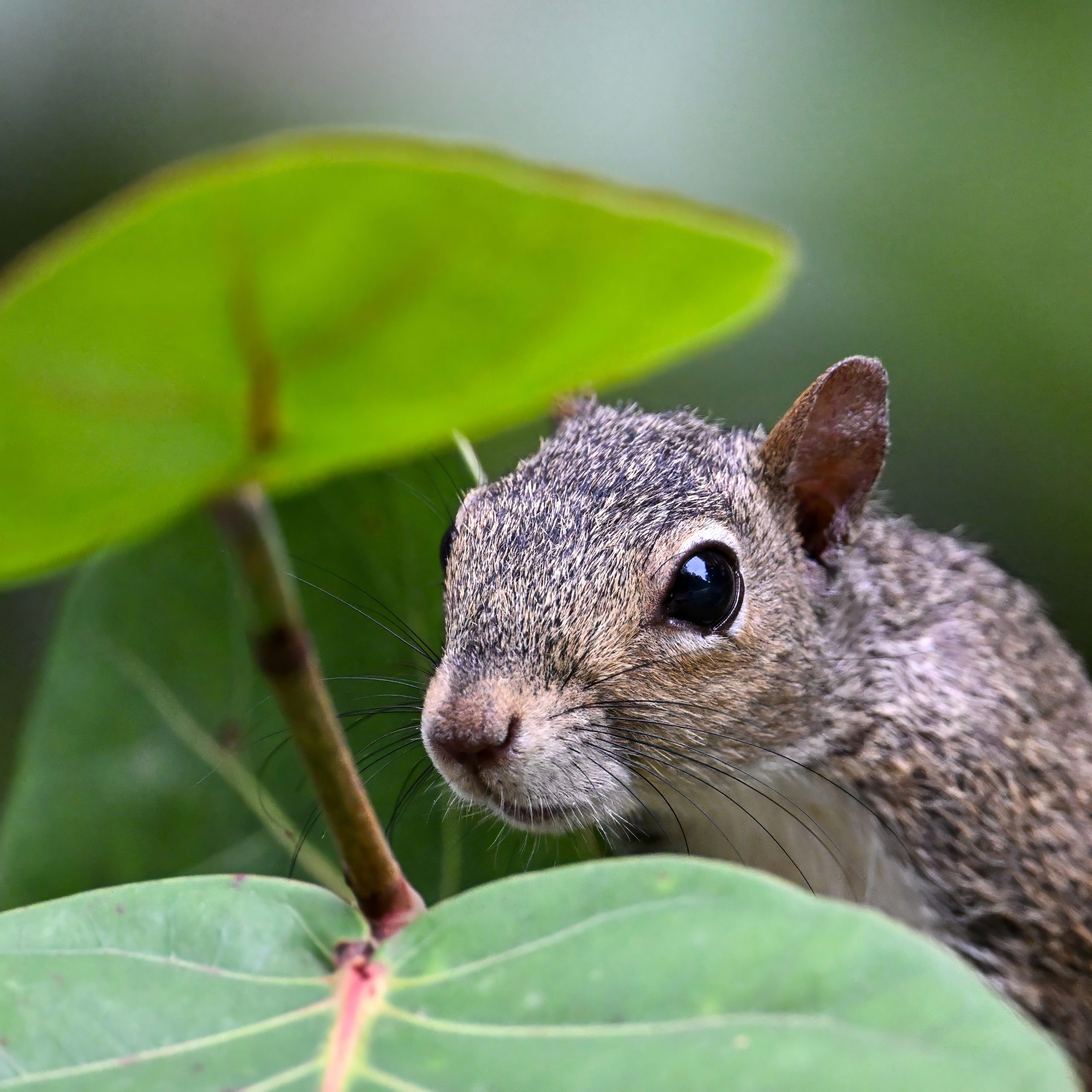
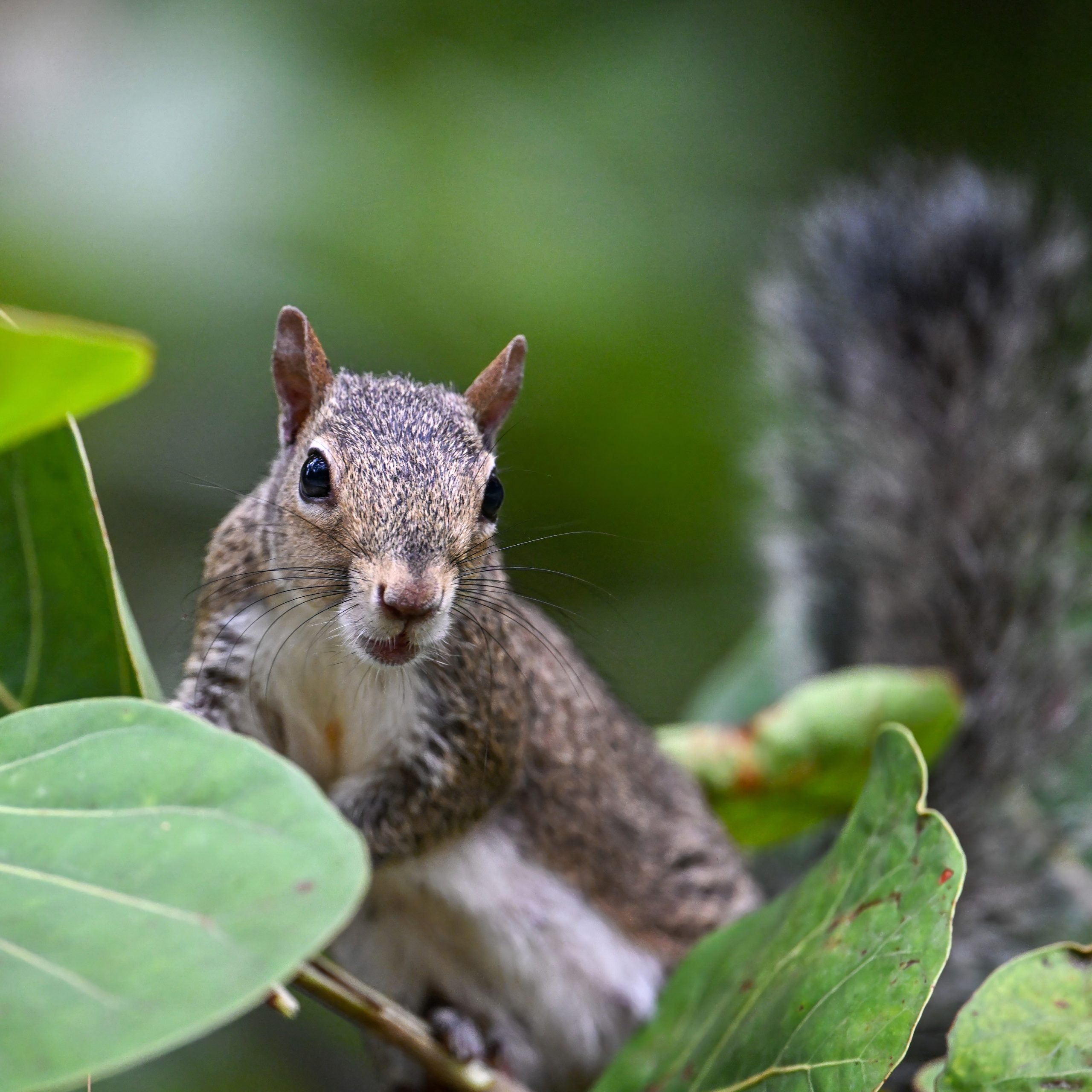
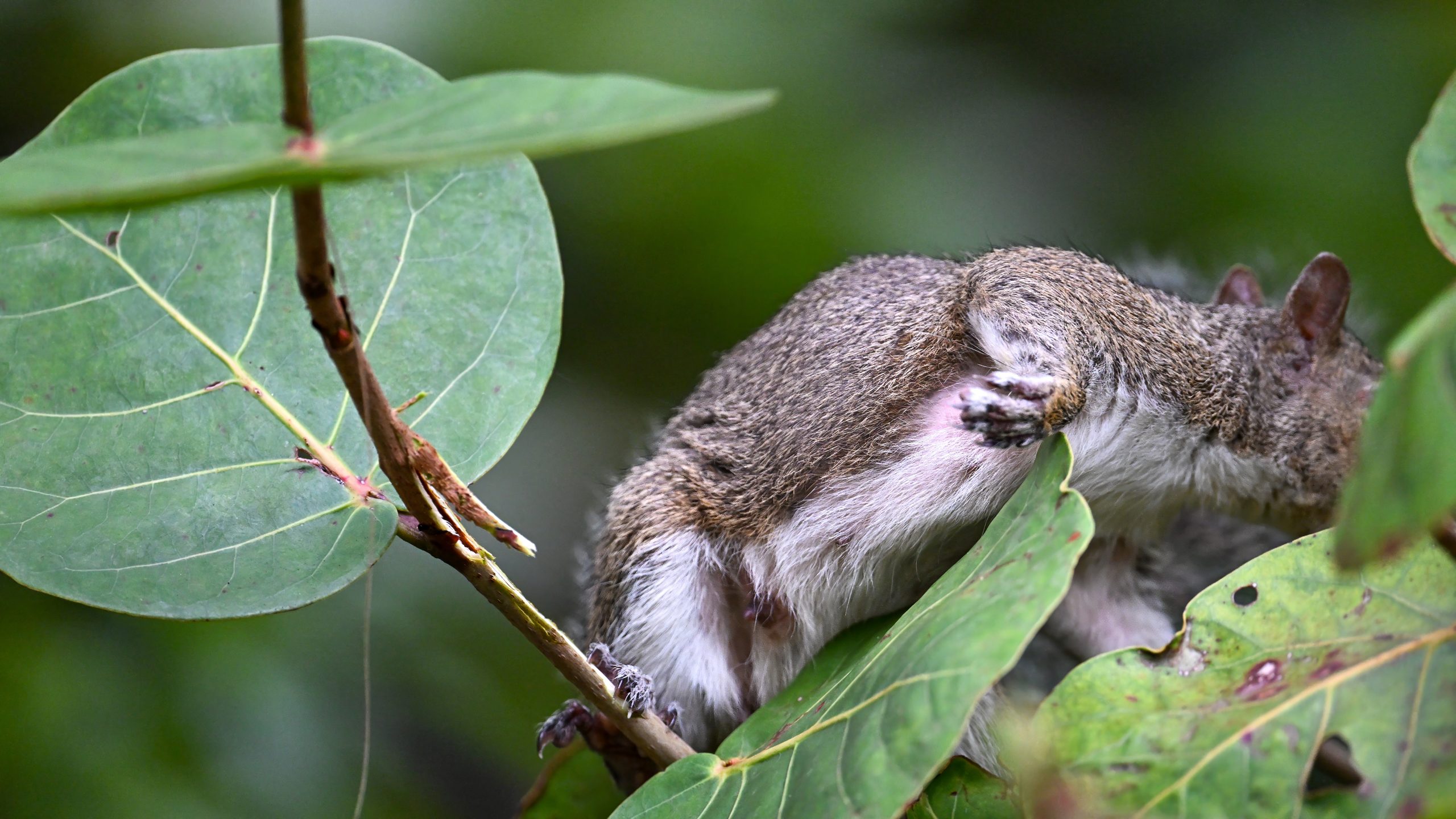
Polls show the #1 reason for folks visiting Florida: Eastern Gray Squirrel (Sciurus carolinensis)! These shots from Bill Baggs Cape Florida State Park on 3 October 2026, exhibiting foraging behavior @ Seagrape tree (Coccoloba uvifera).
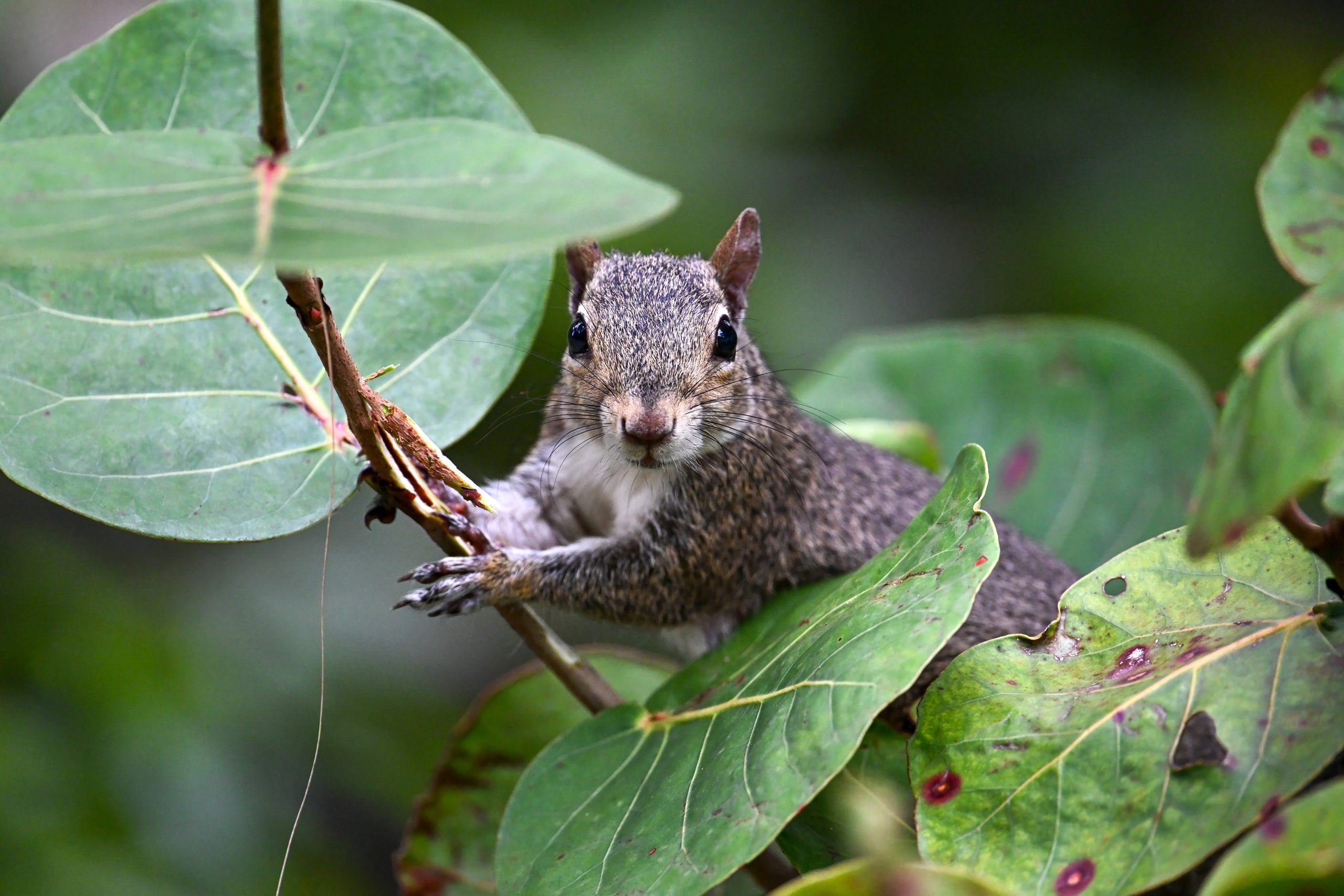
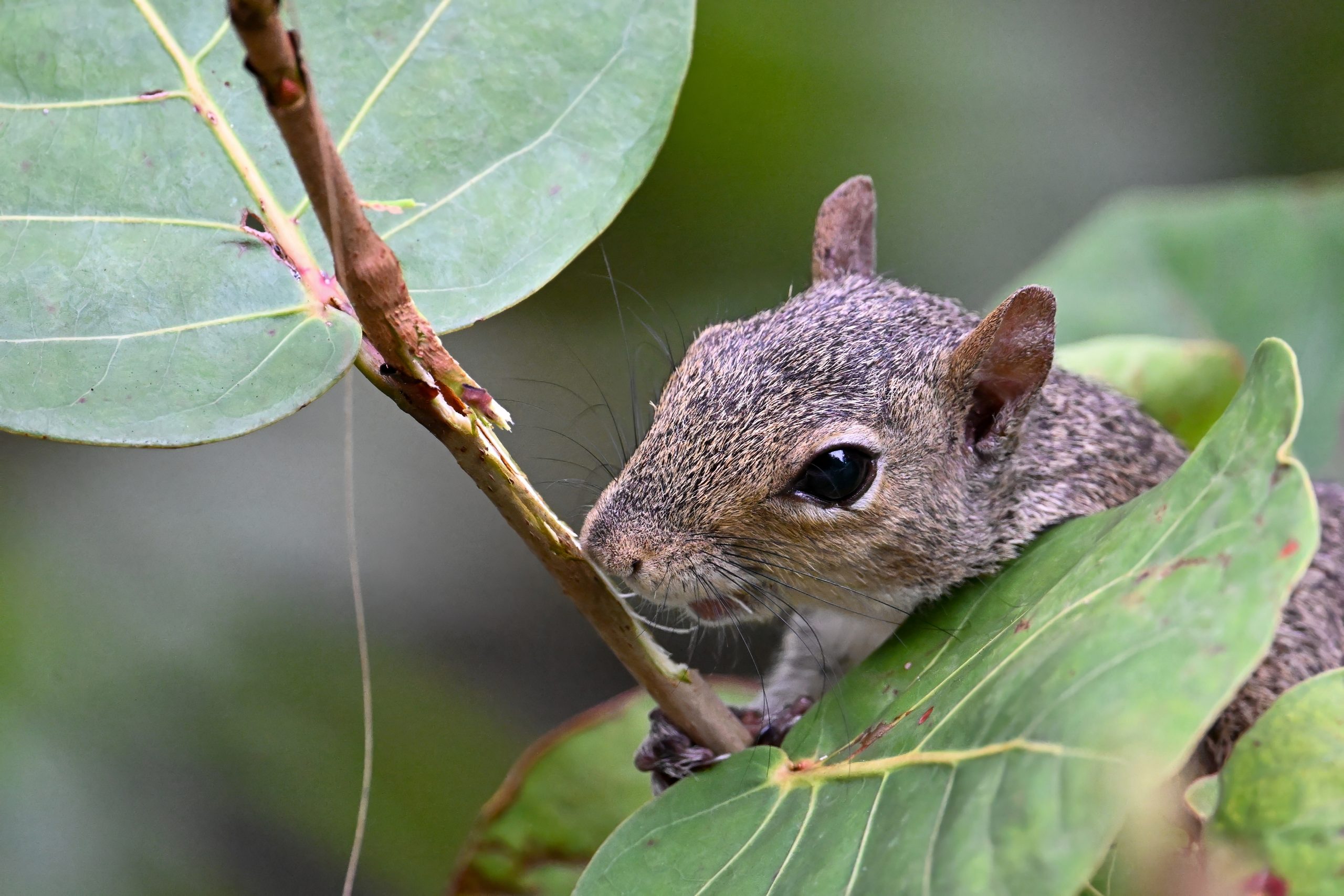
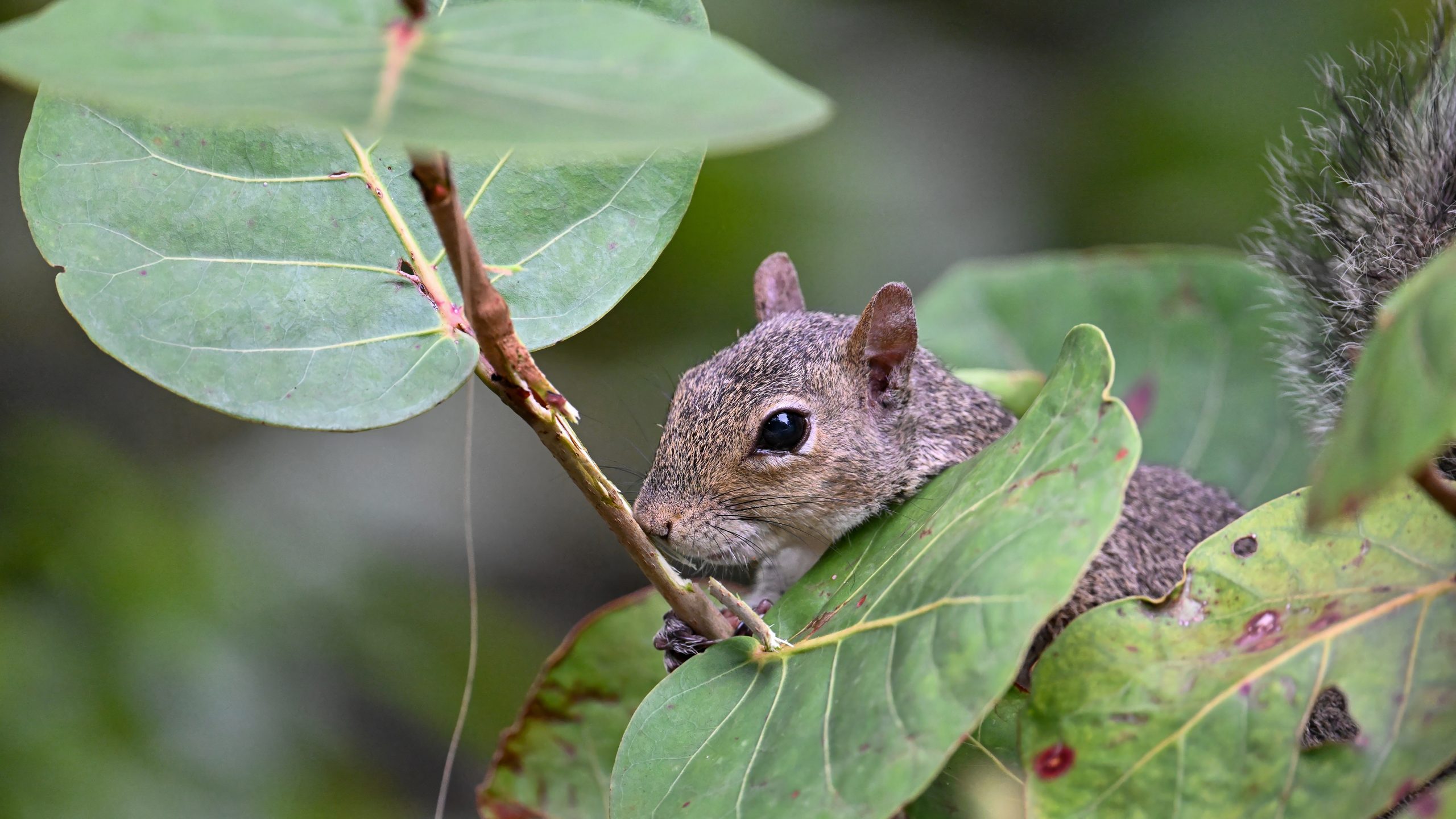
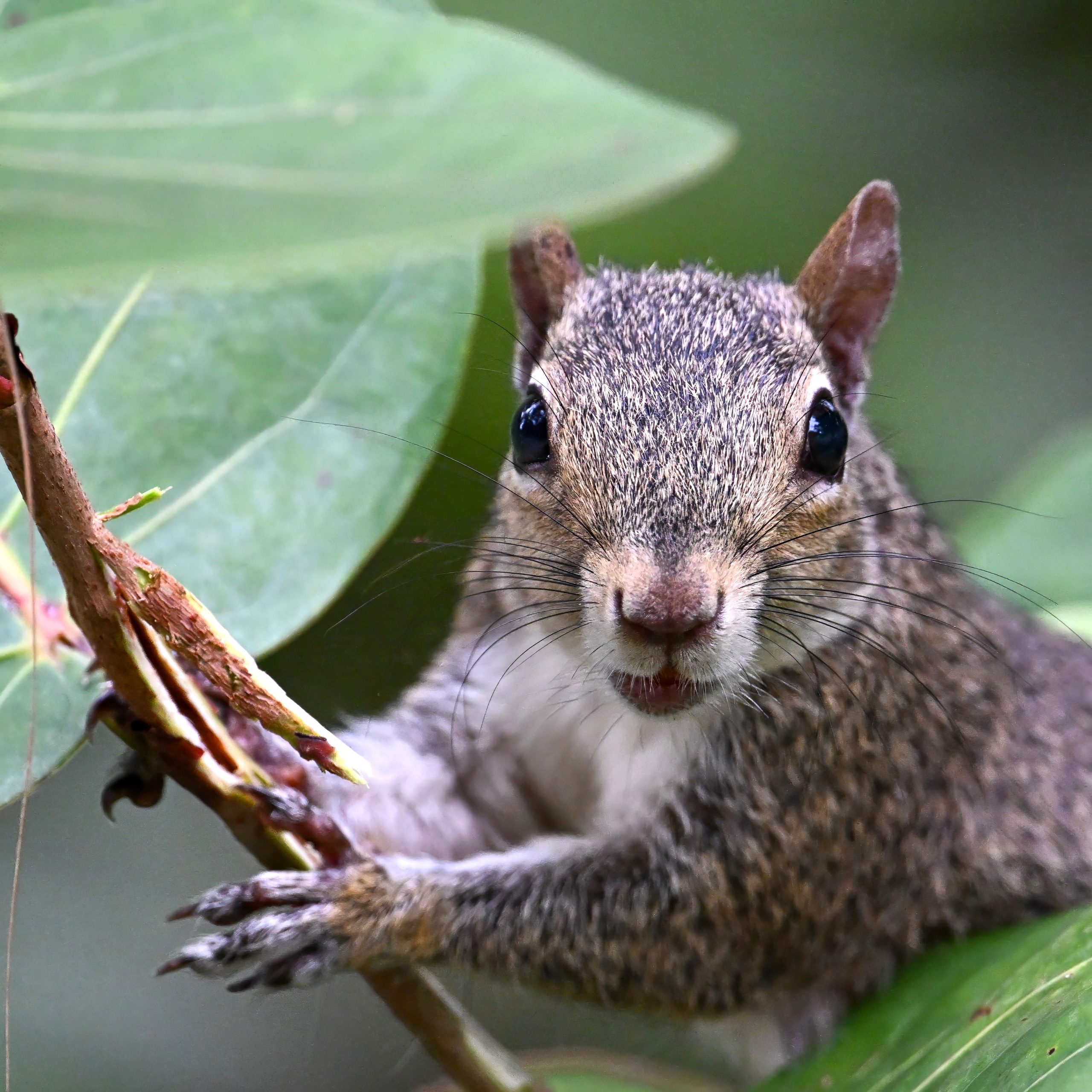
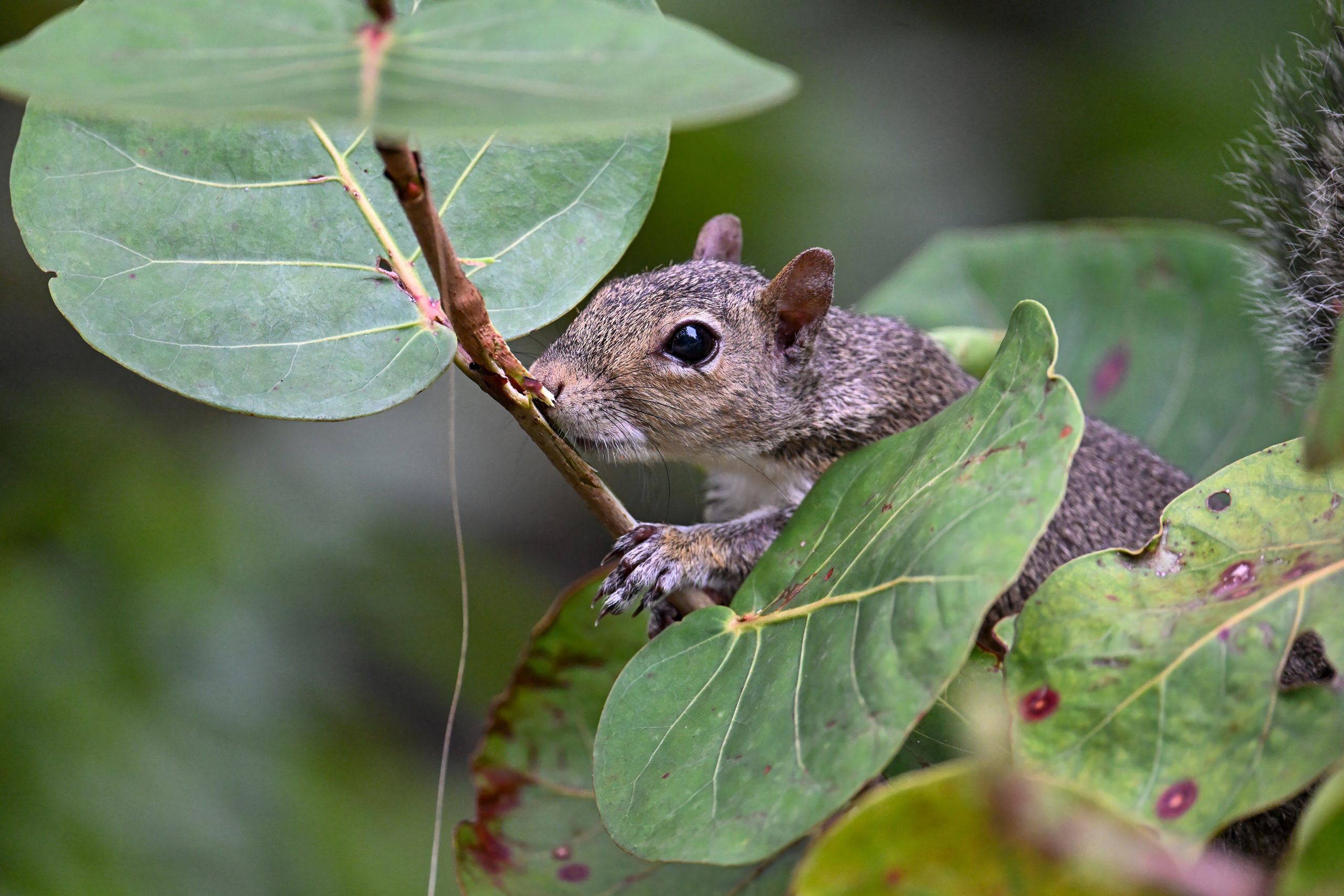
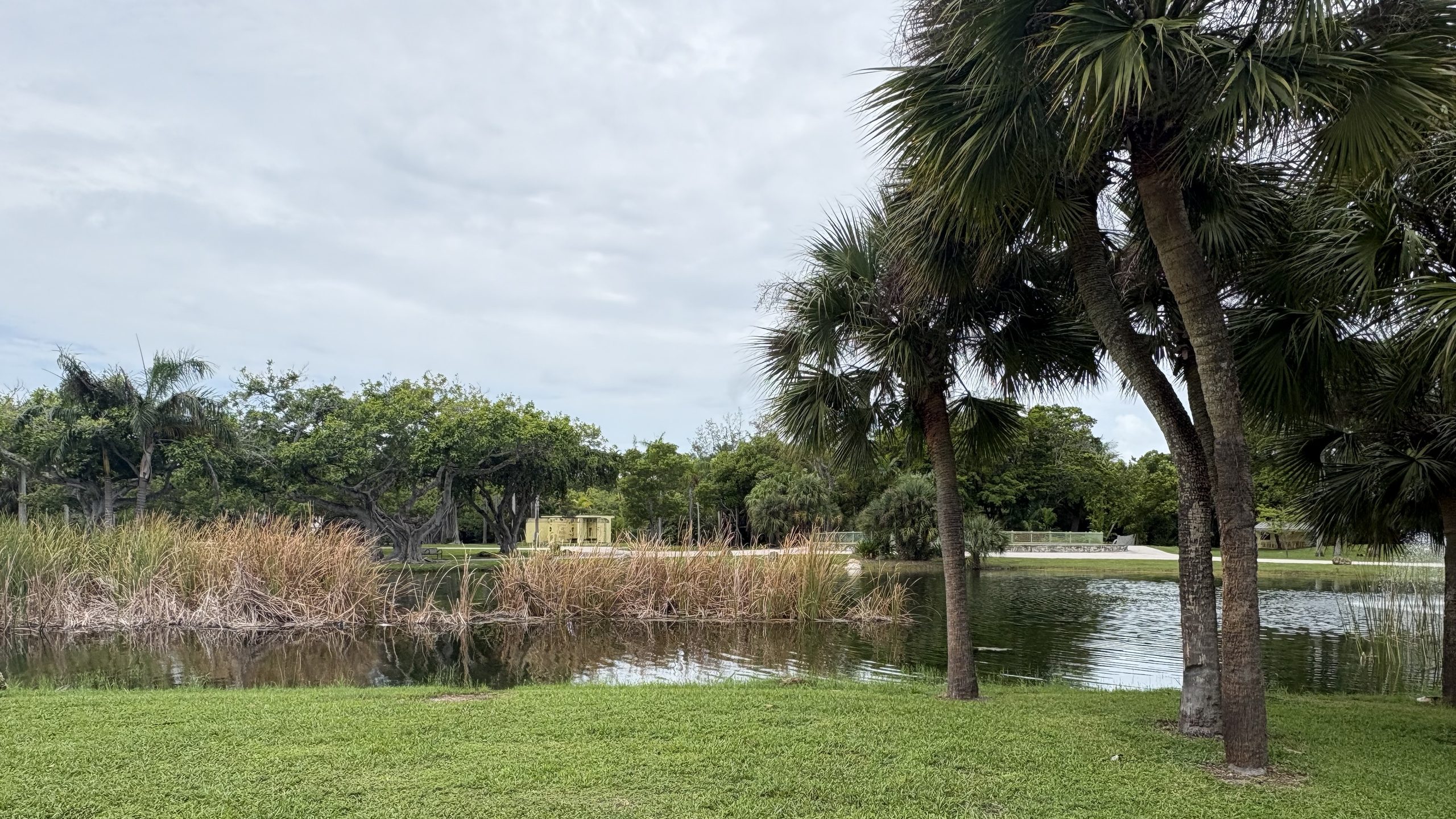
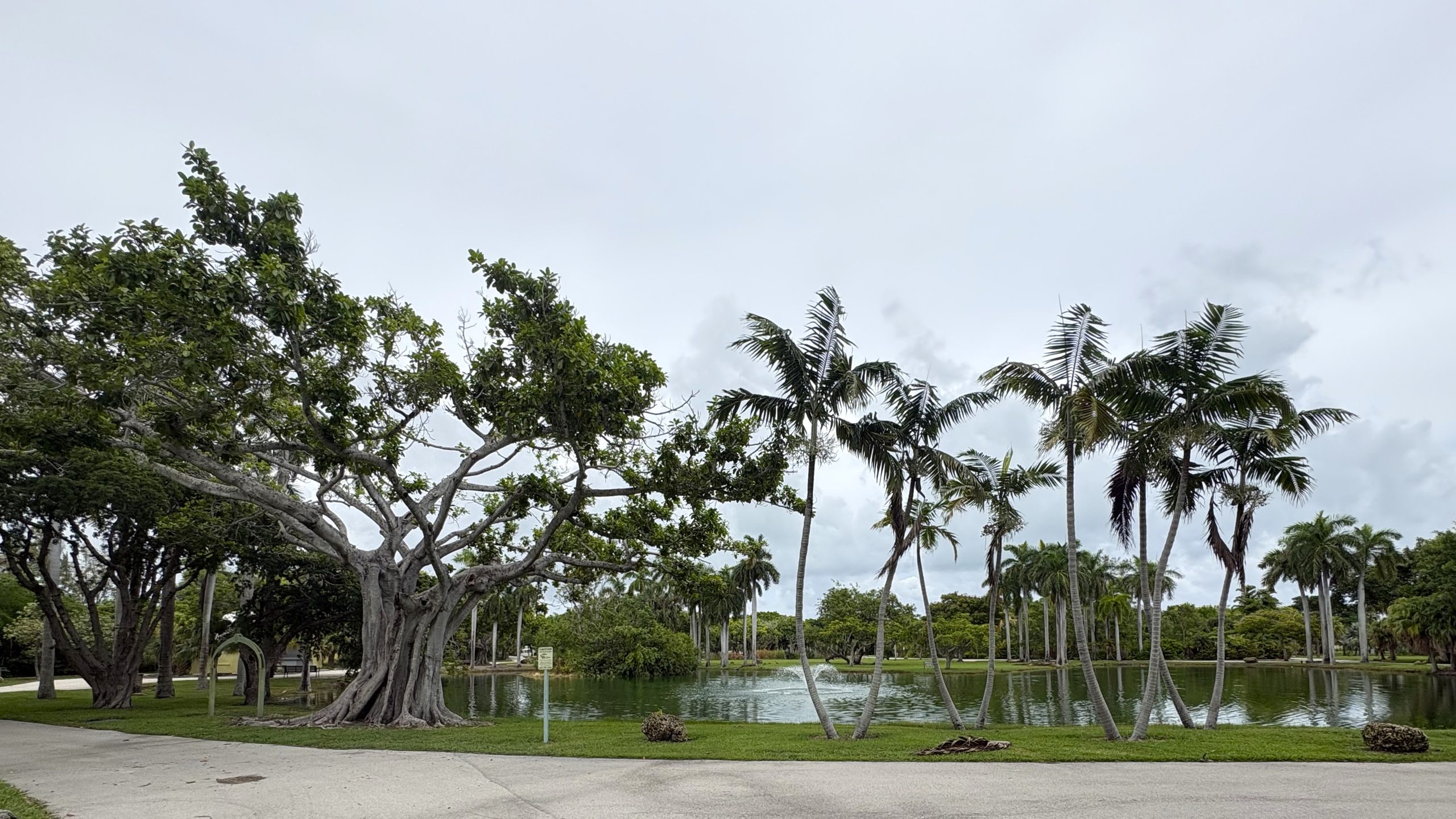
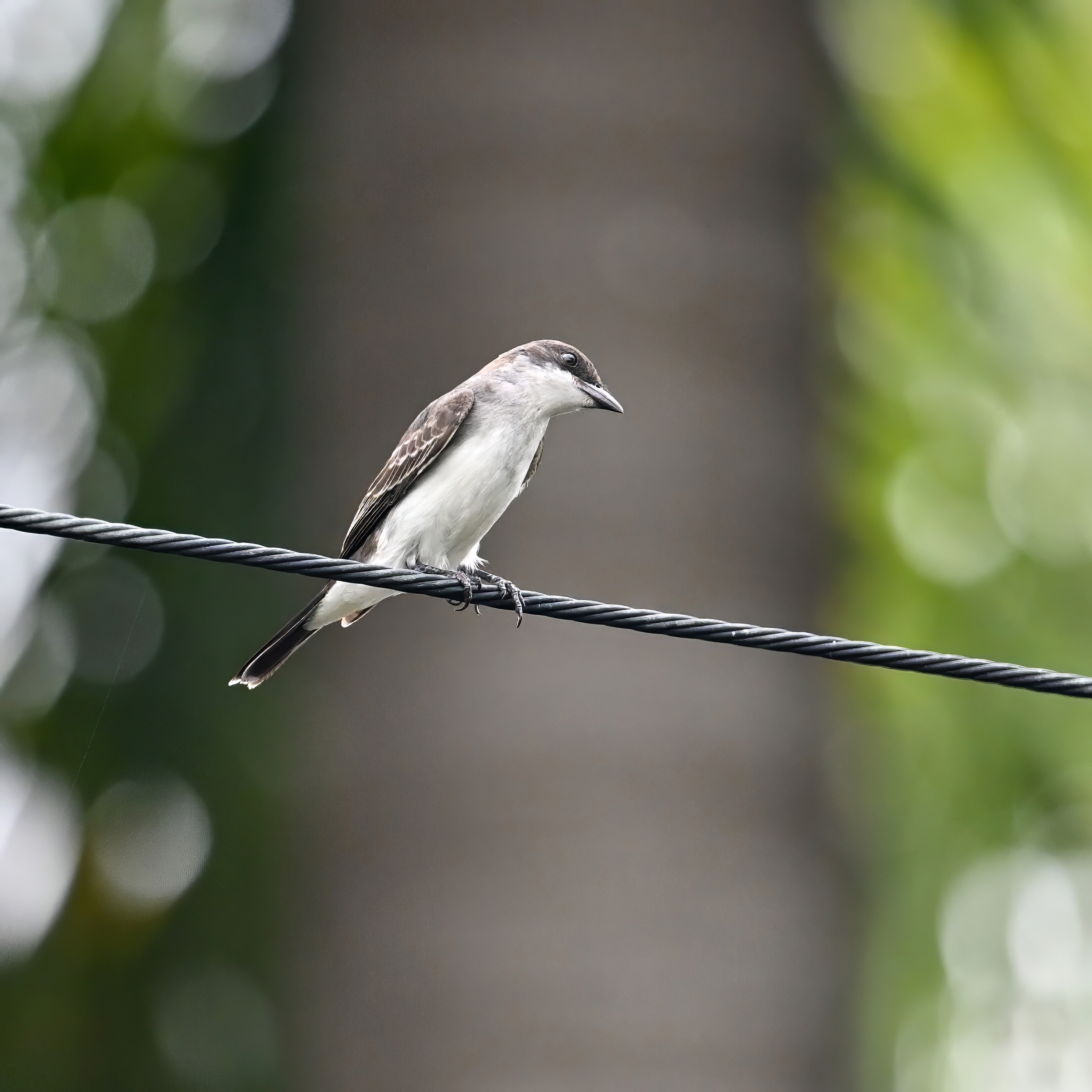
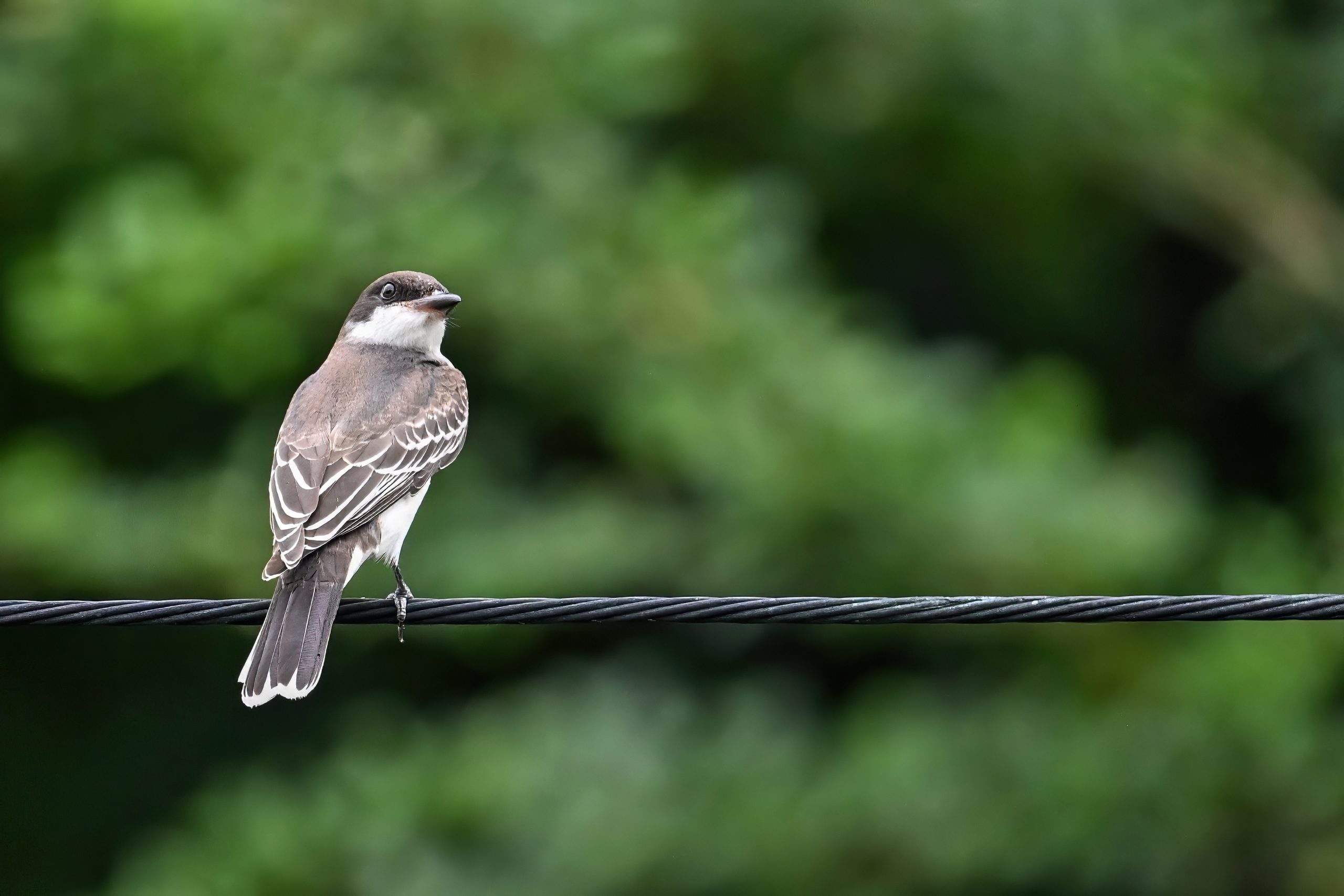
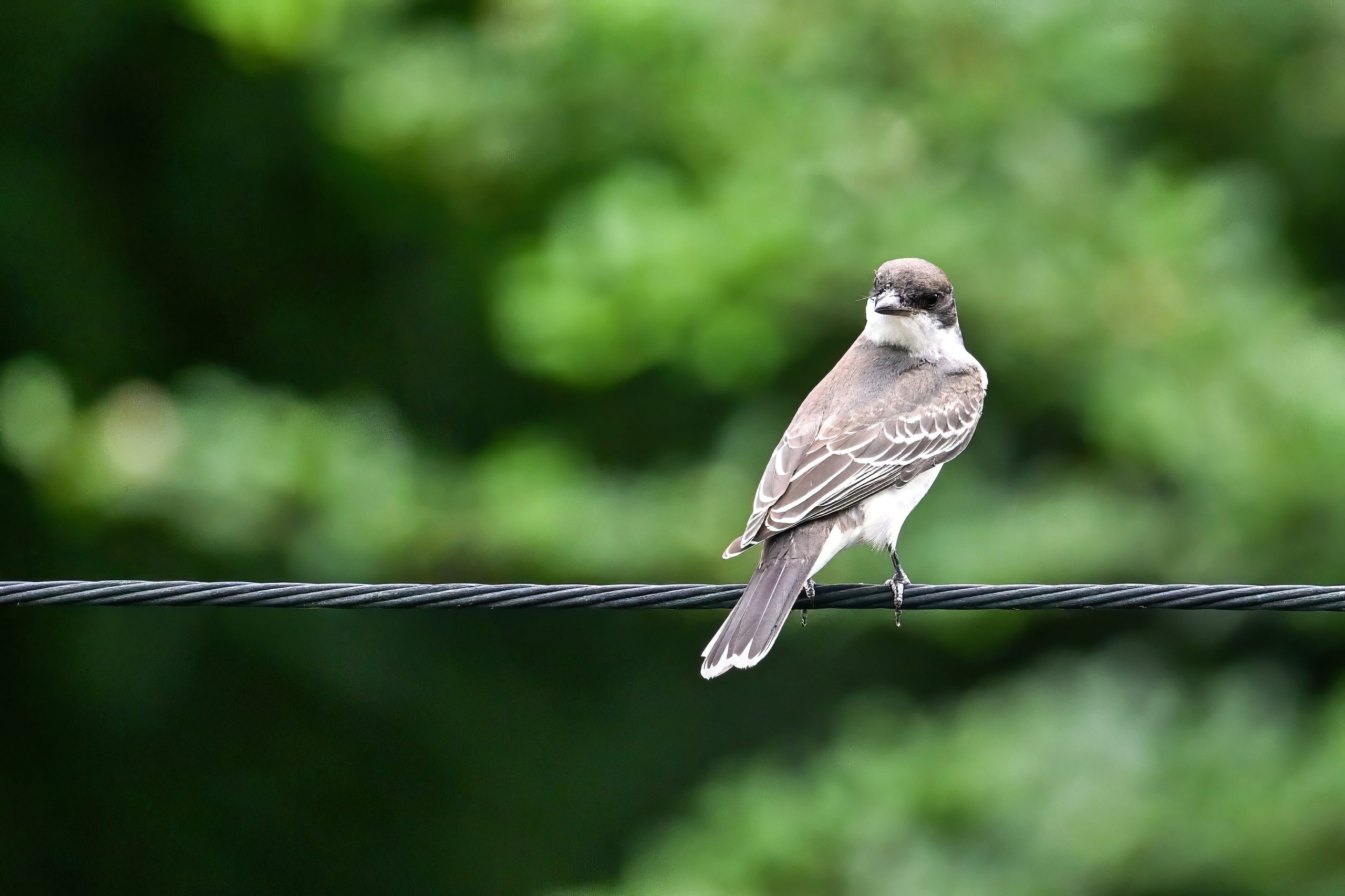
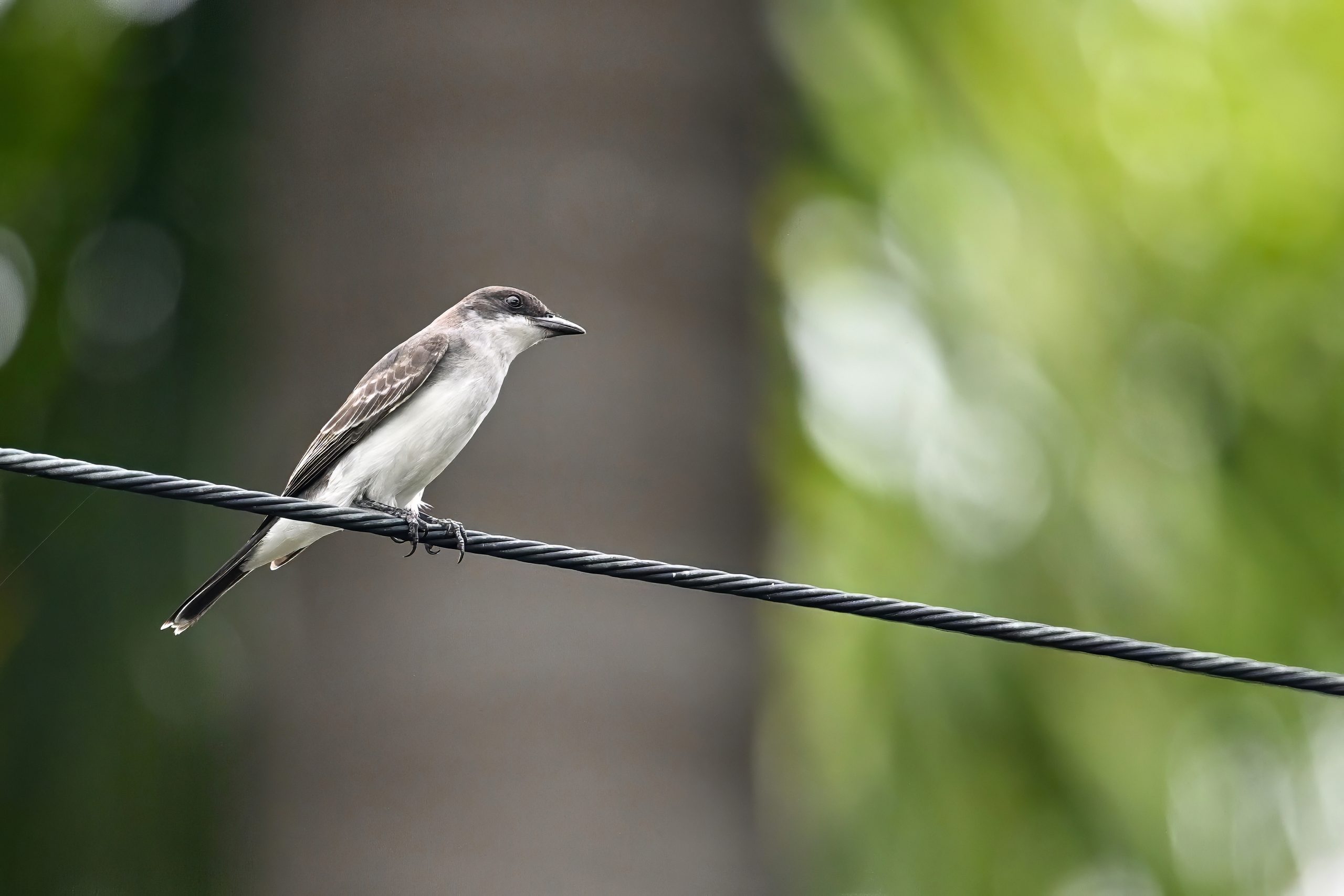
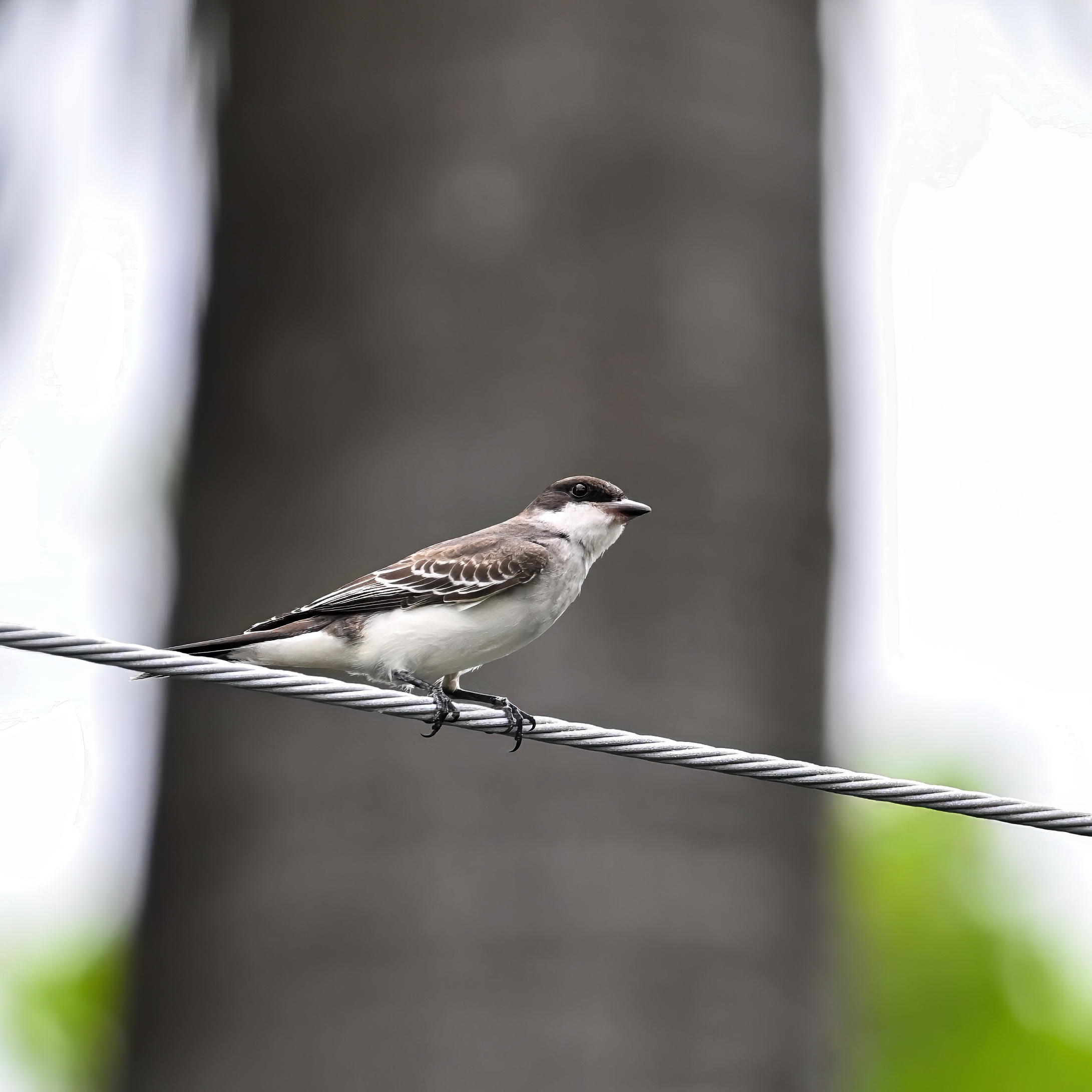
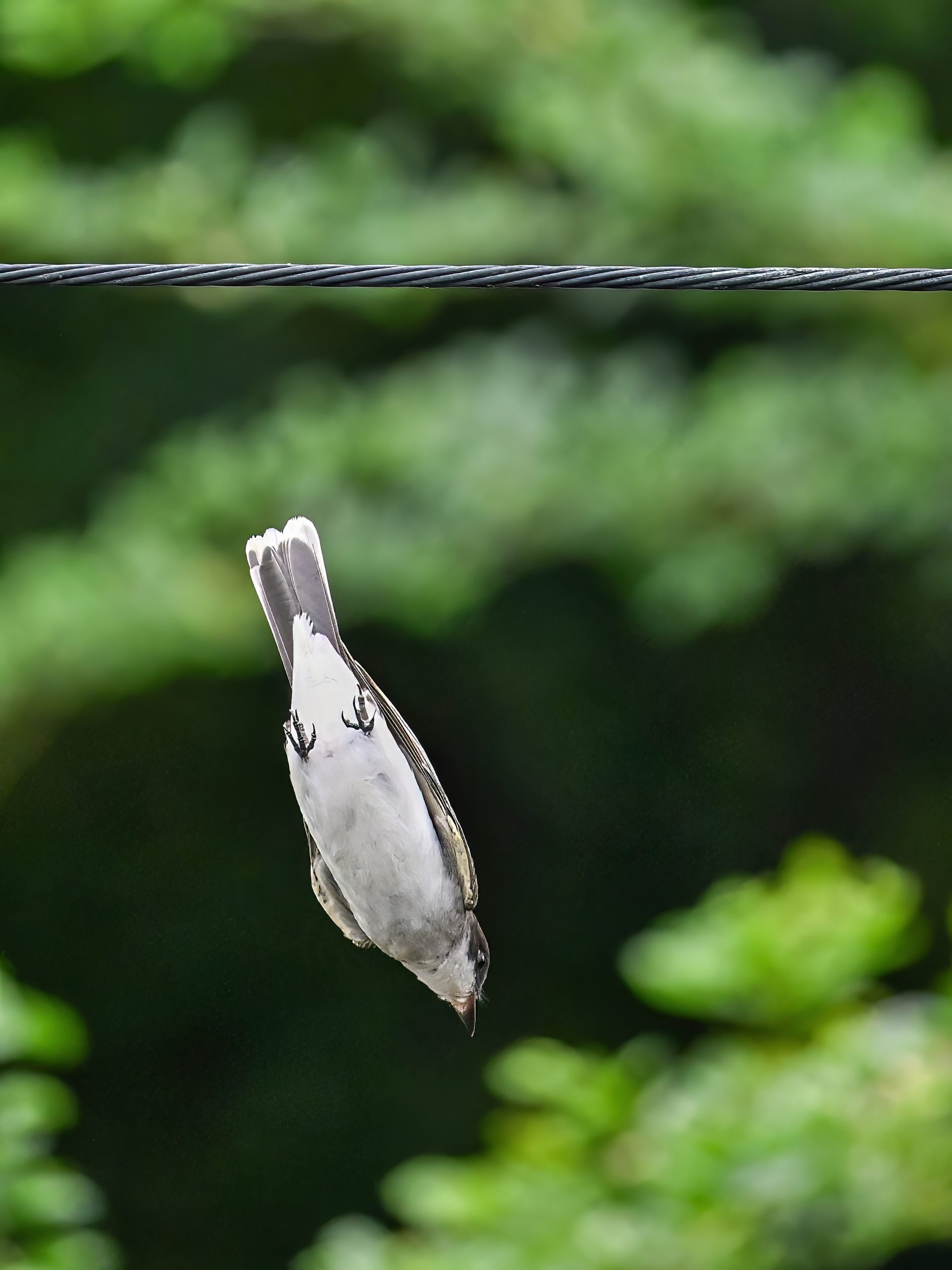
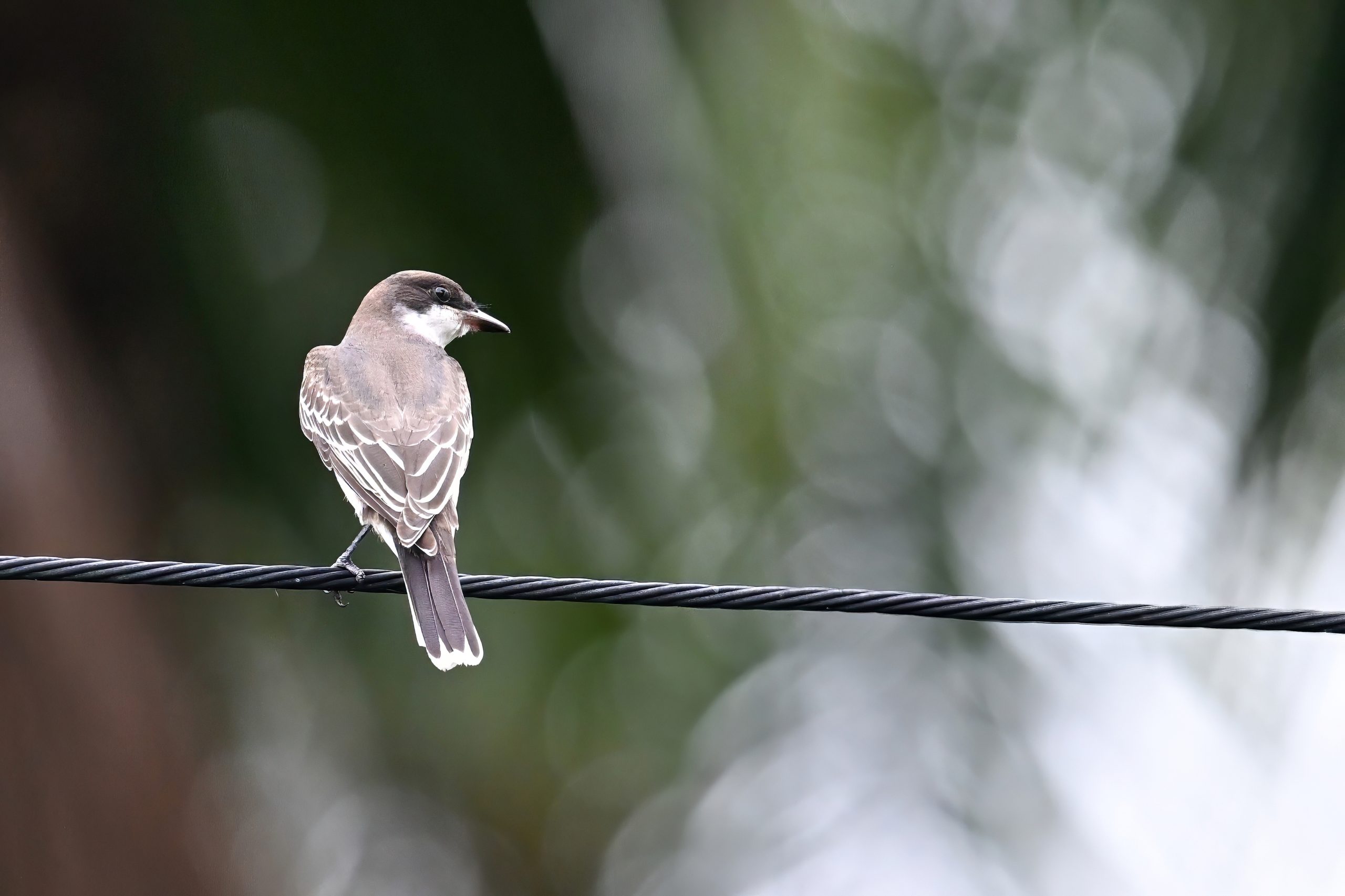
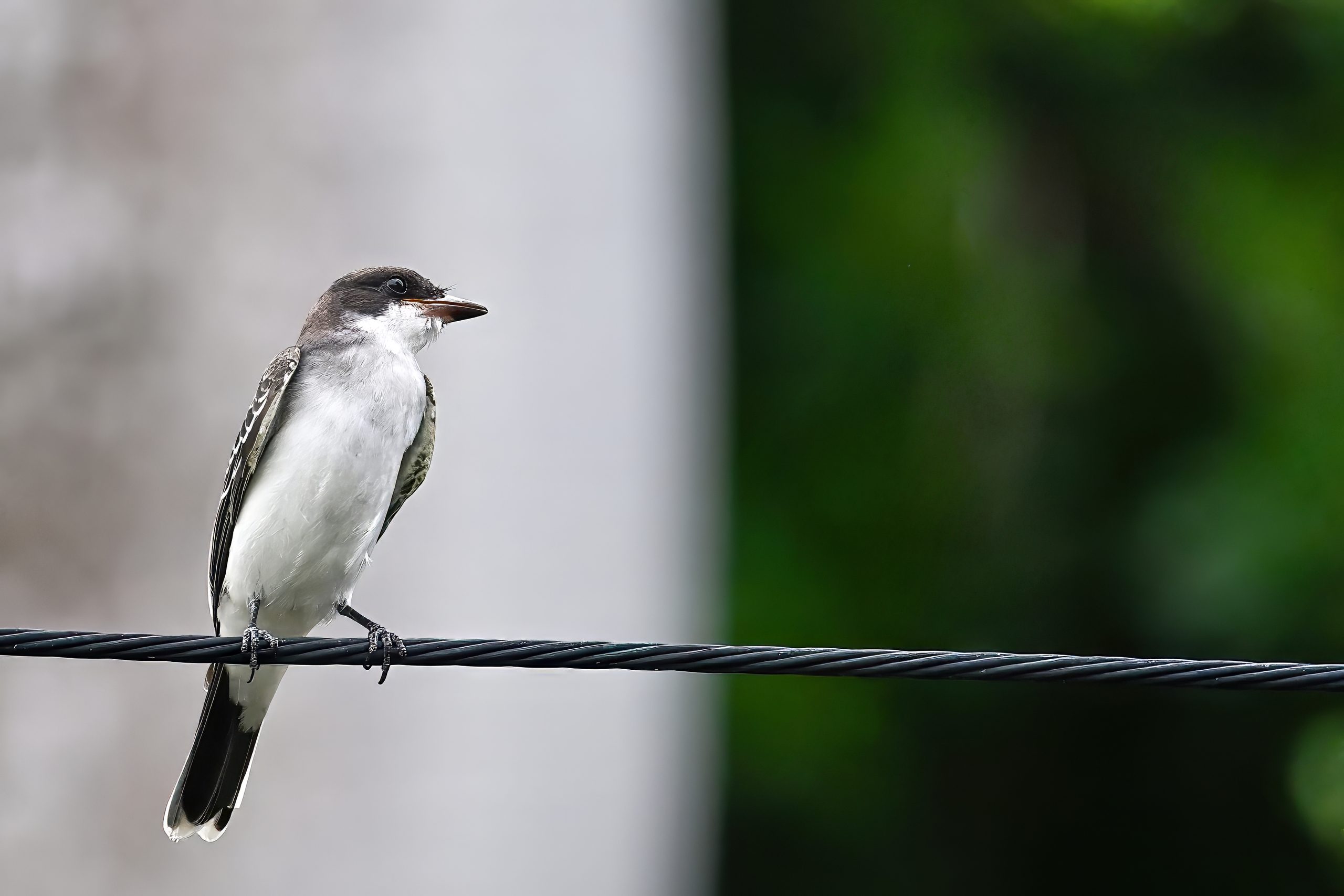
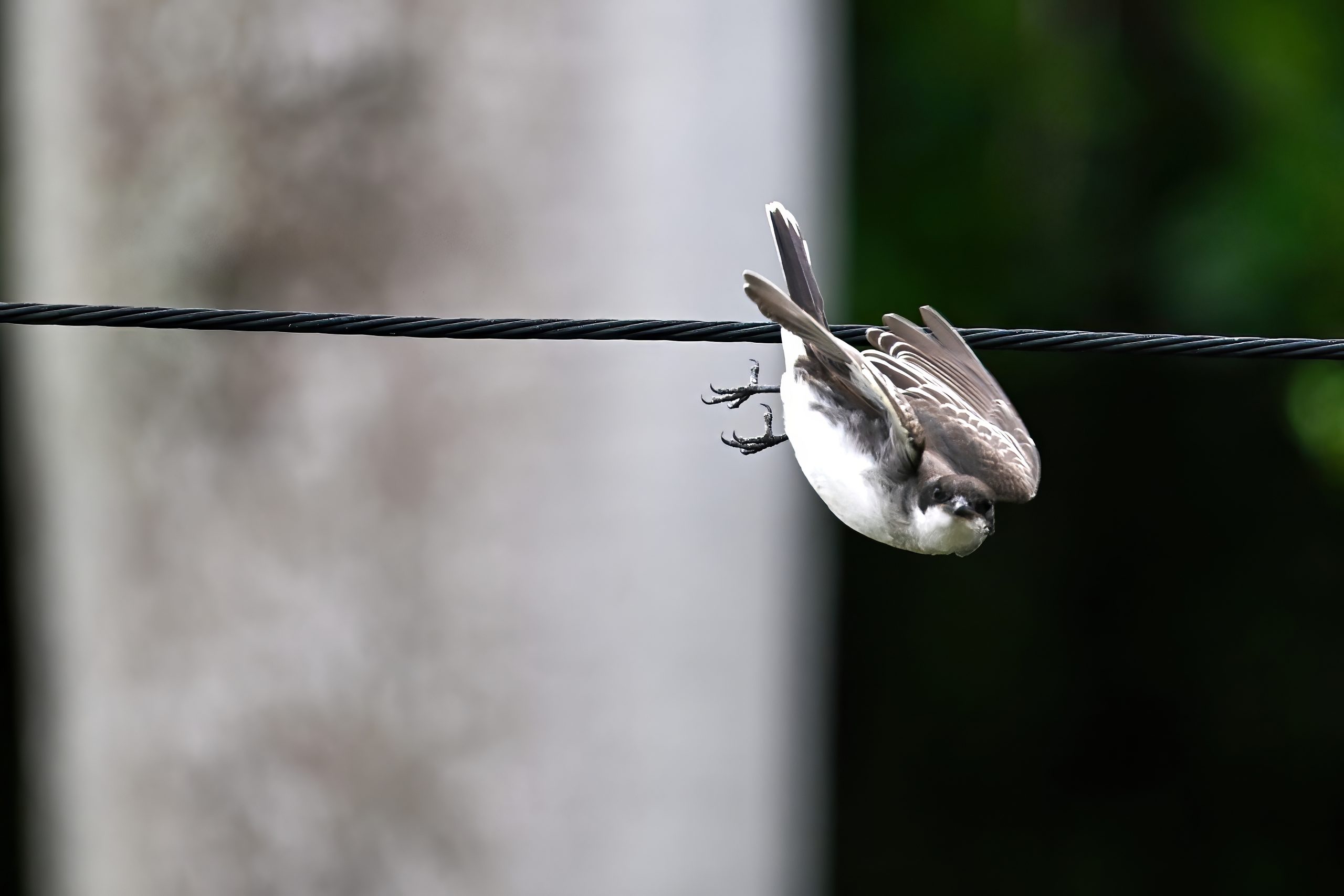
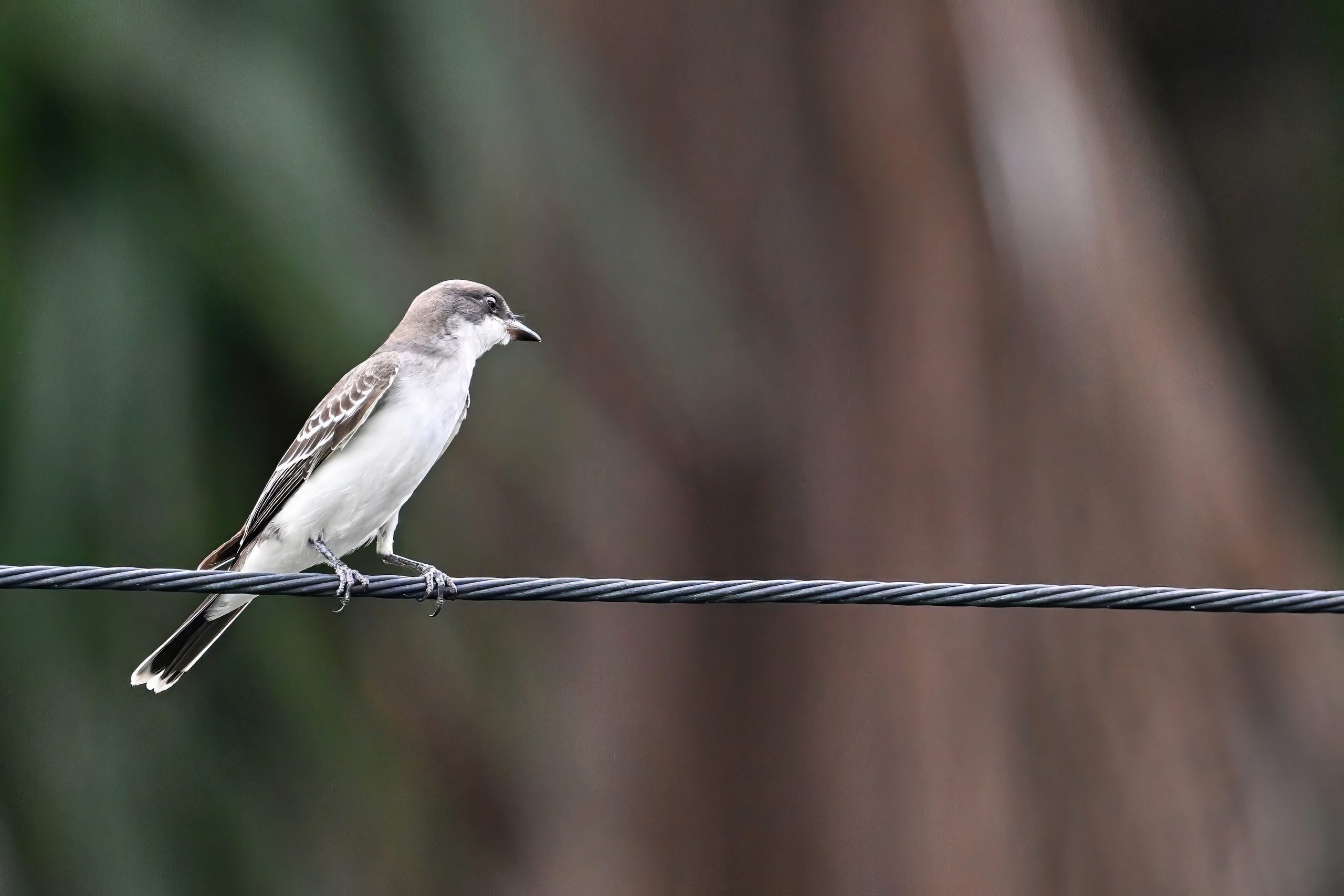
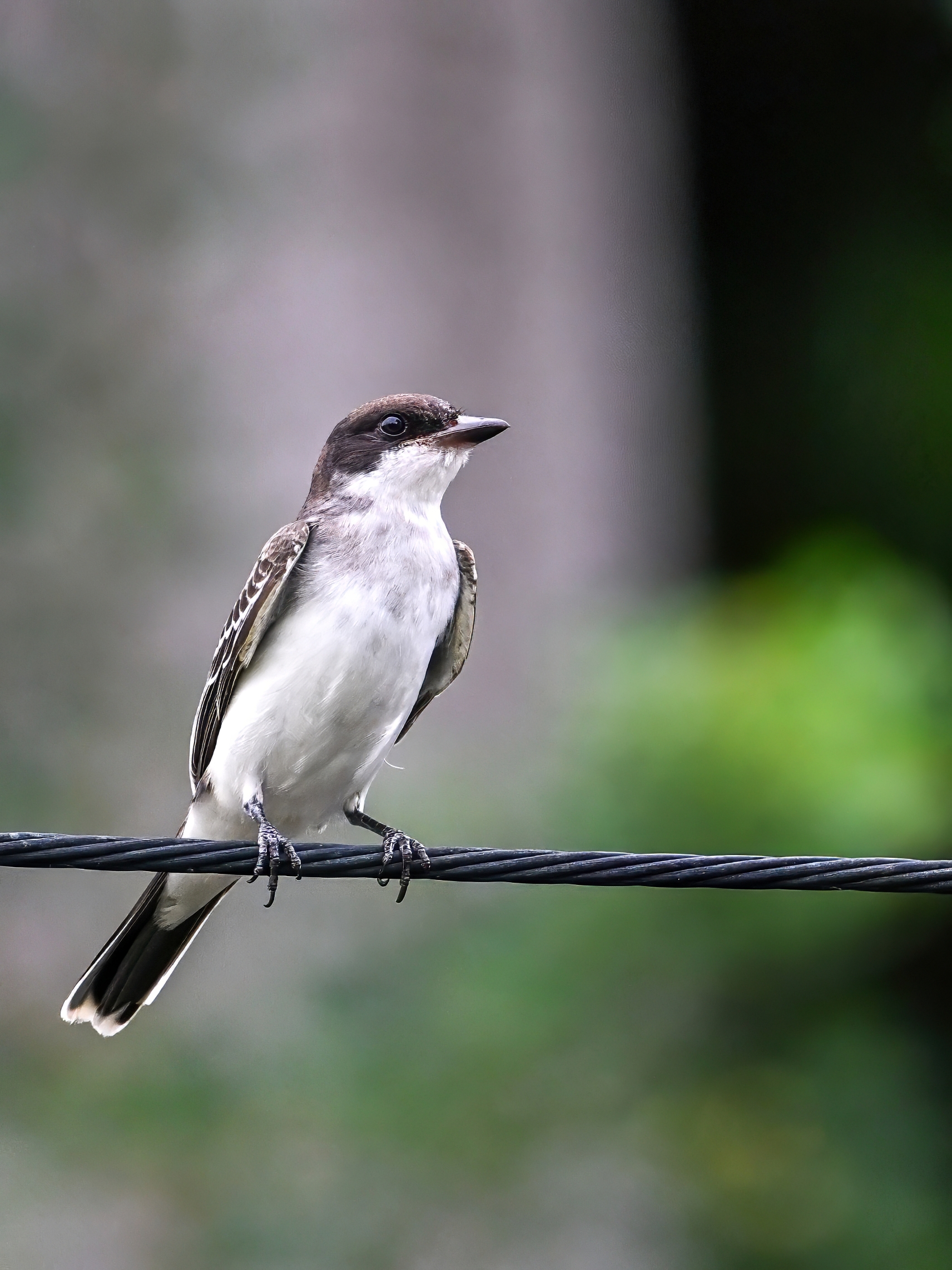
Continuing on with coverage from Crandon Park @ Key Biscayne, Florida, on 3 October 2026, featuring great “local specialty” species Gray Kingbird:
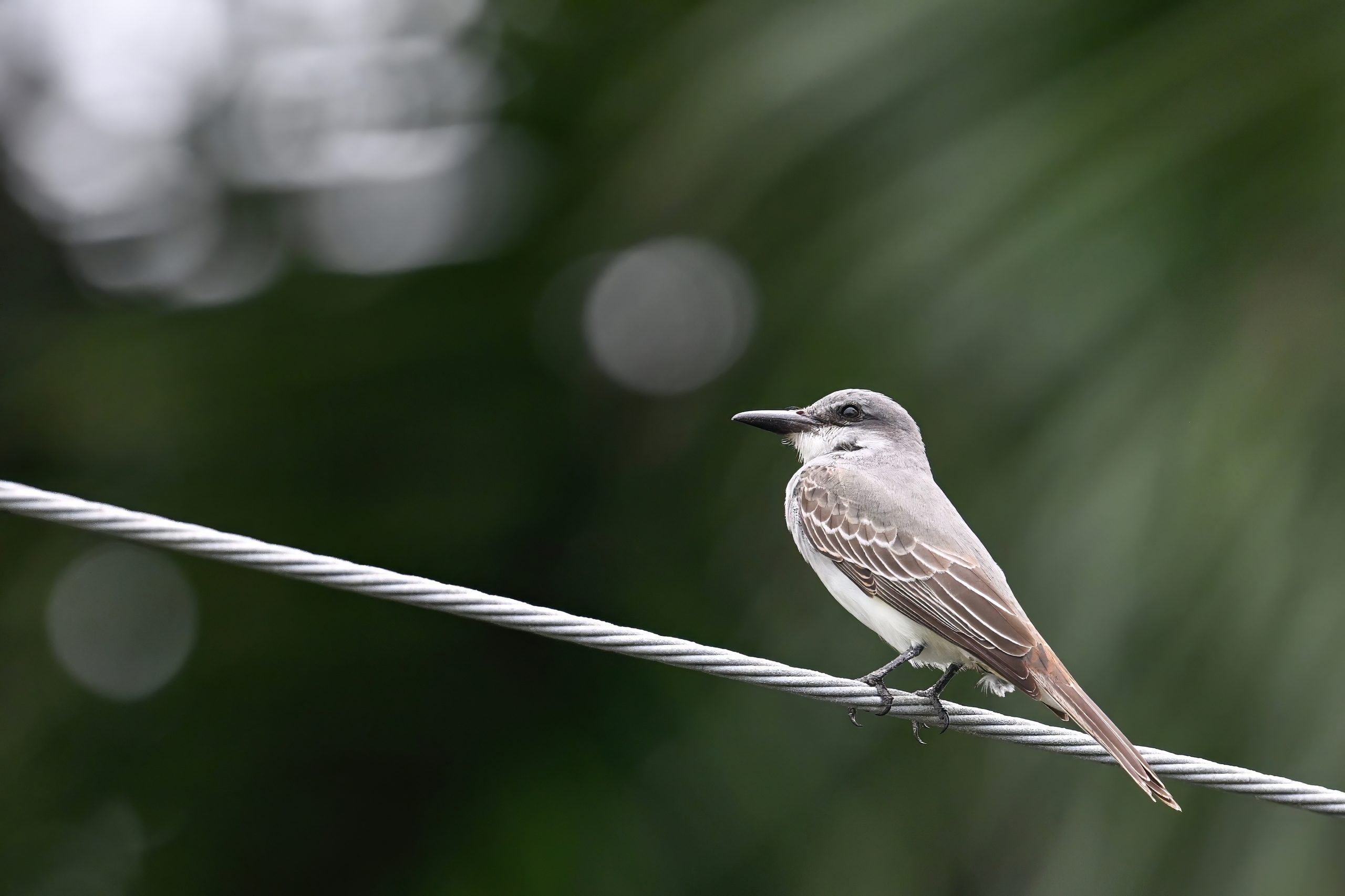
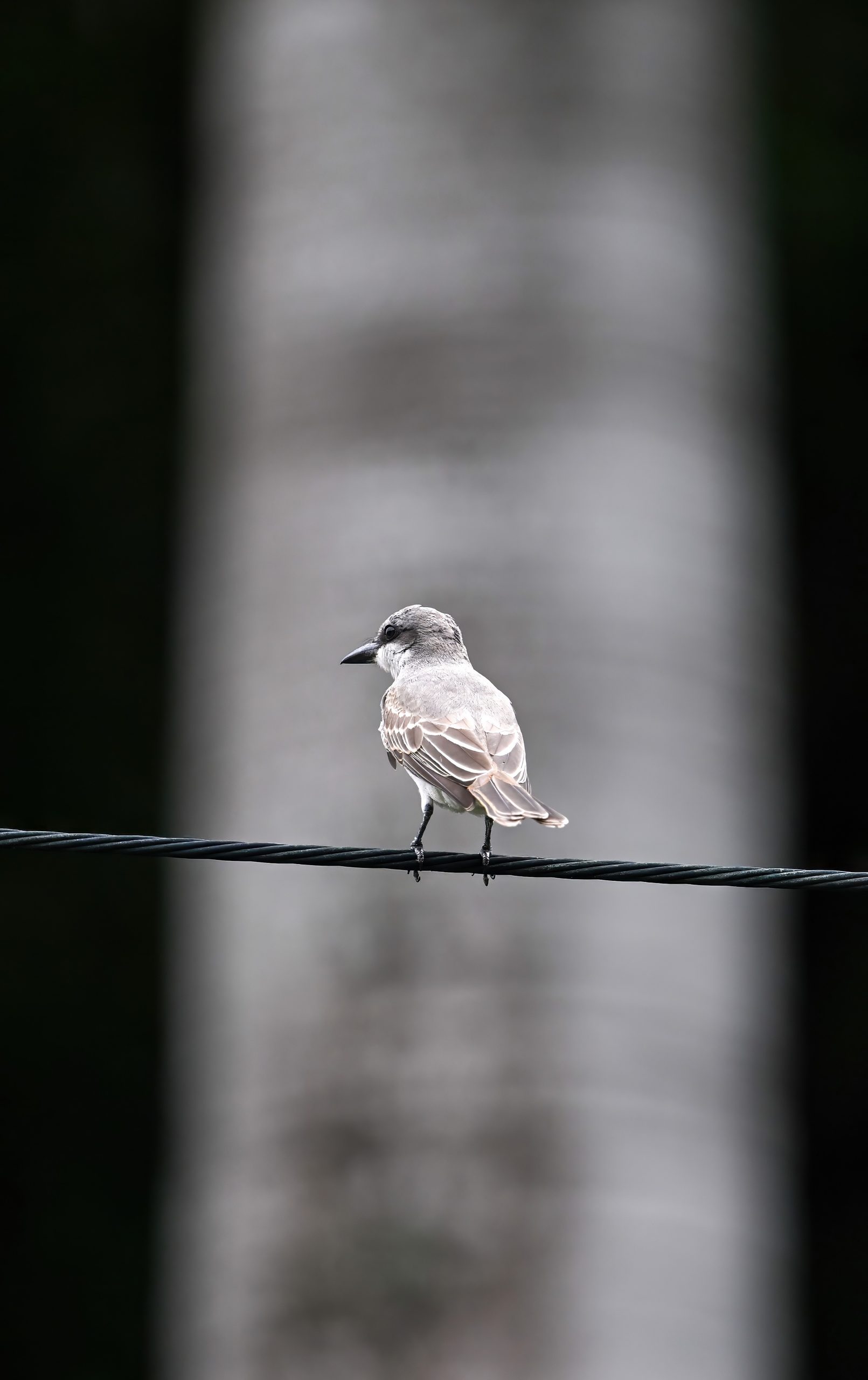
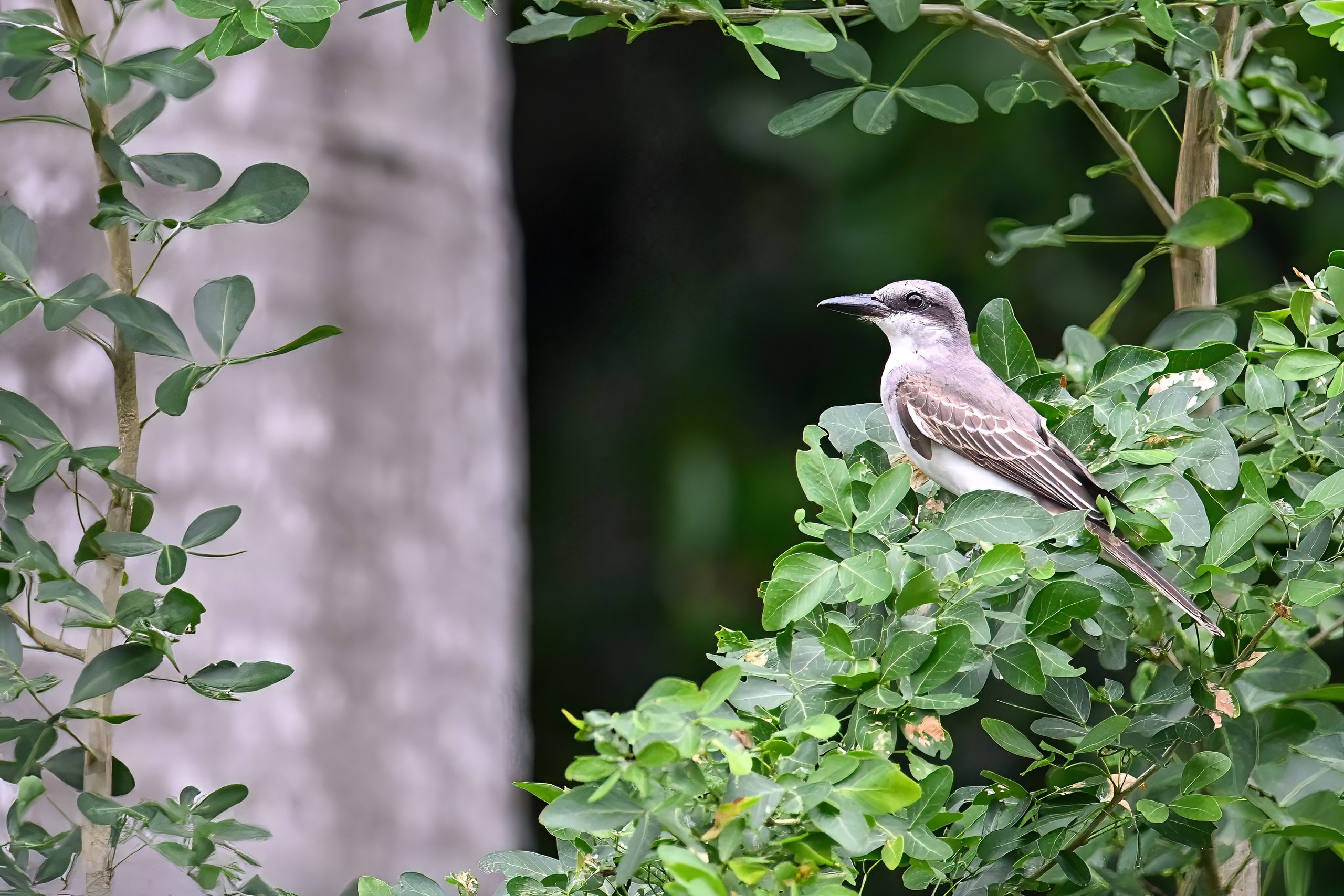
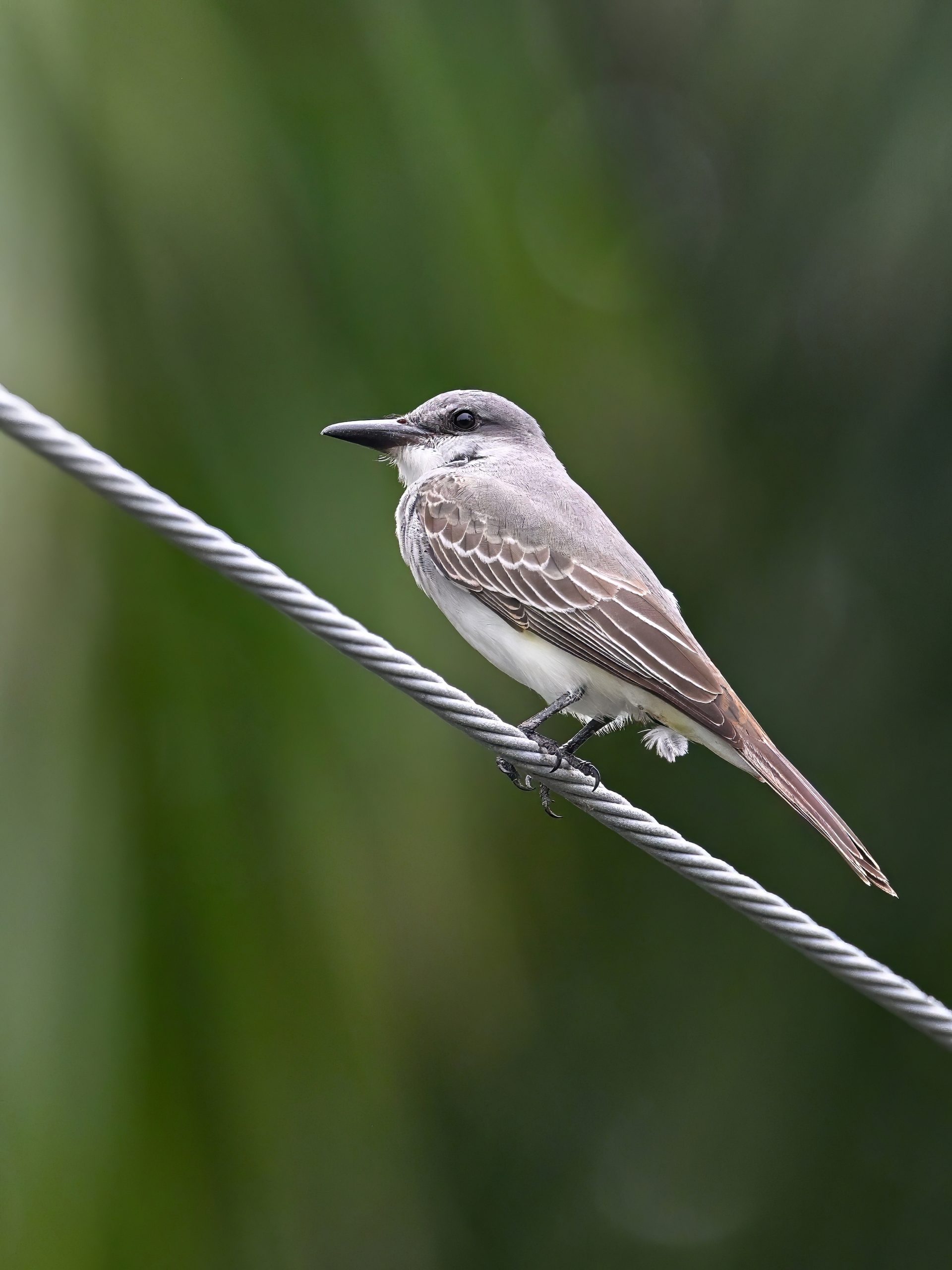
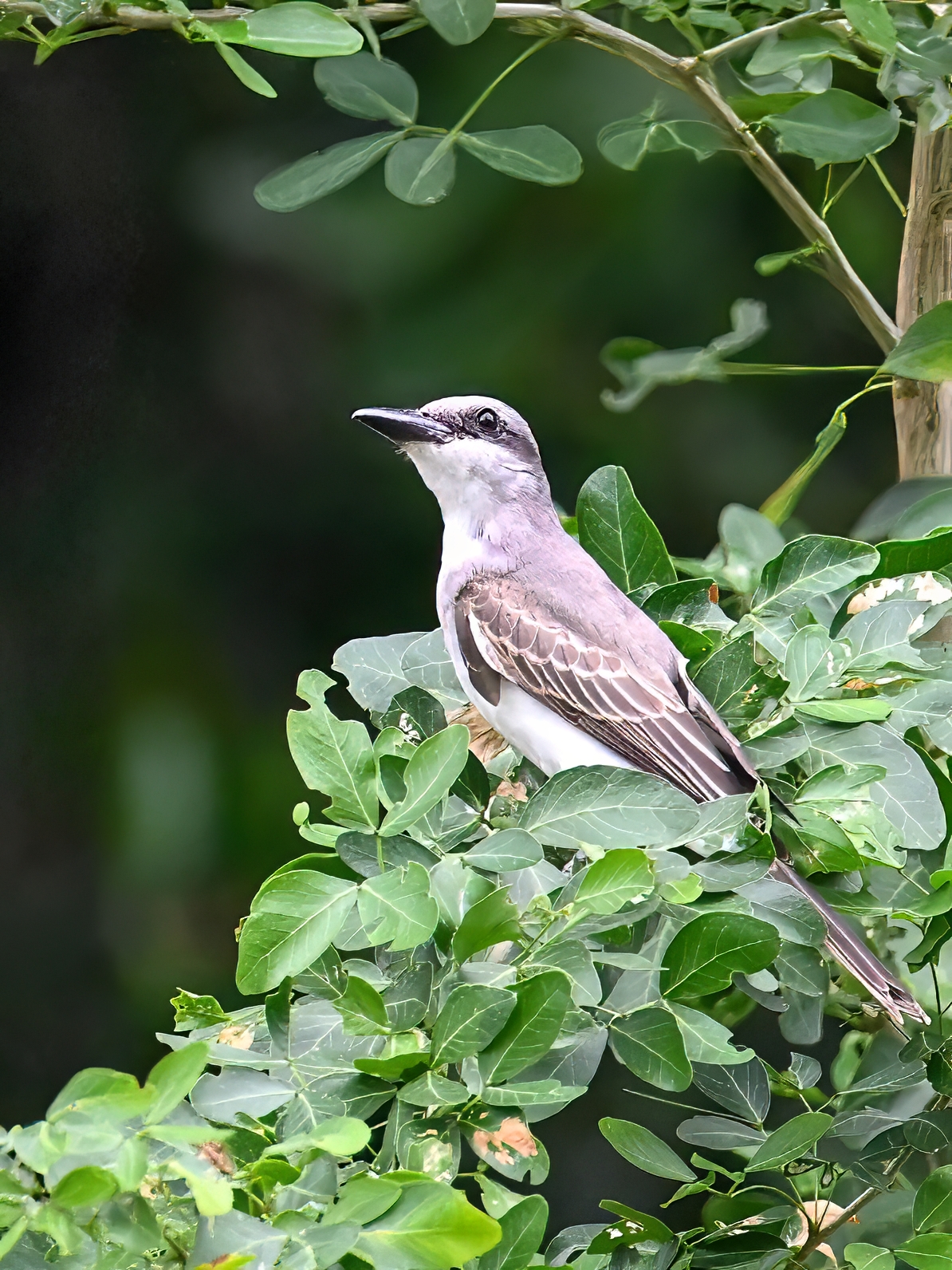
Range of Gray Kingbird: Caribbean, Central America, and coastal Florida.
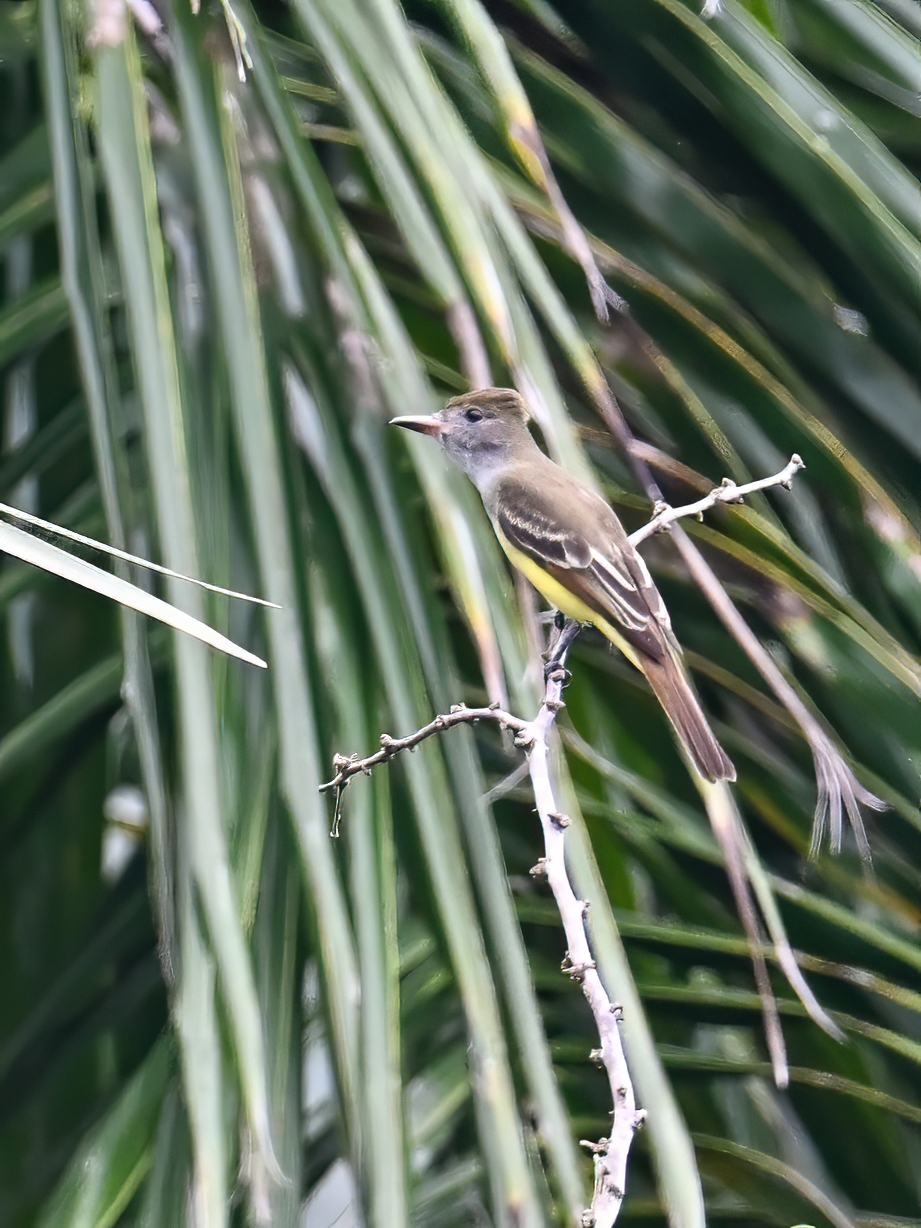
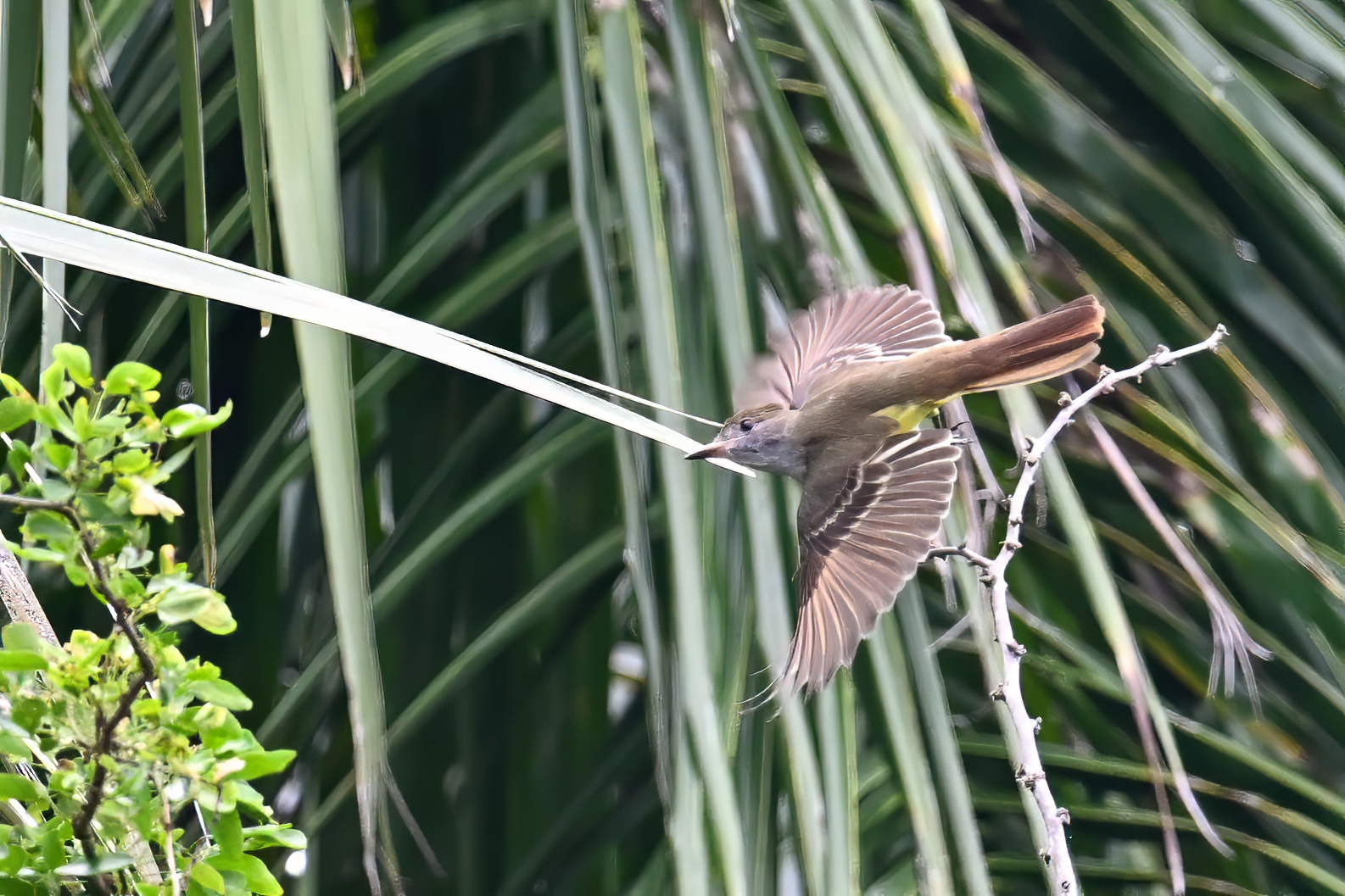
Also a lovely Great Crested Flycatcher:
And White Ibis, both tree-perched and foraging:
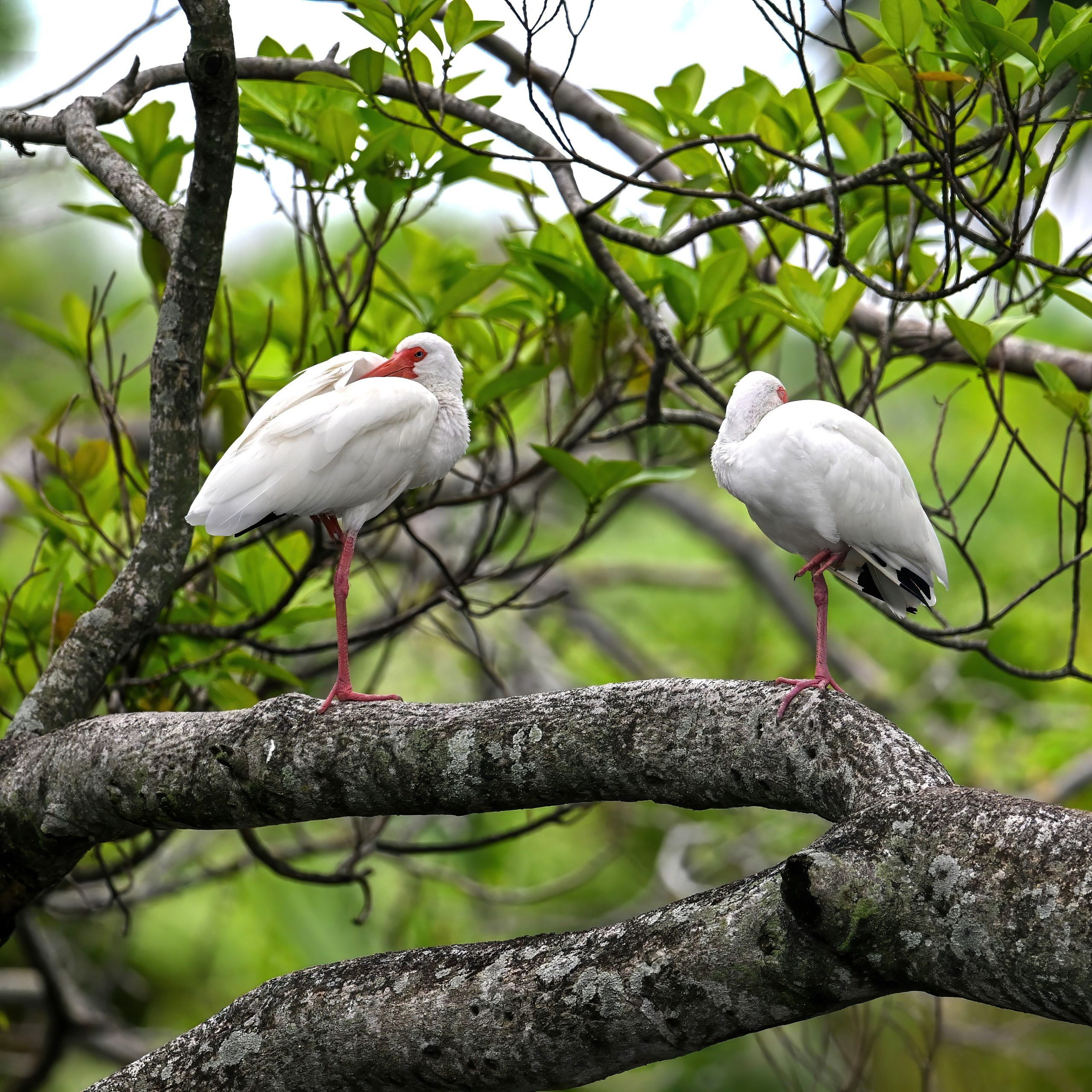
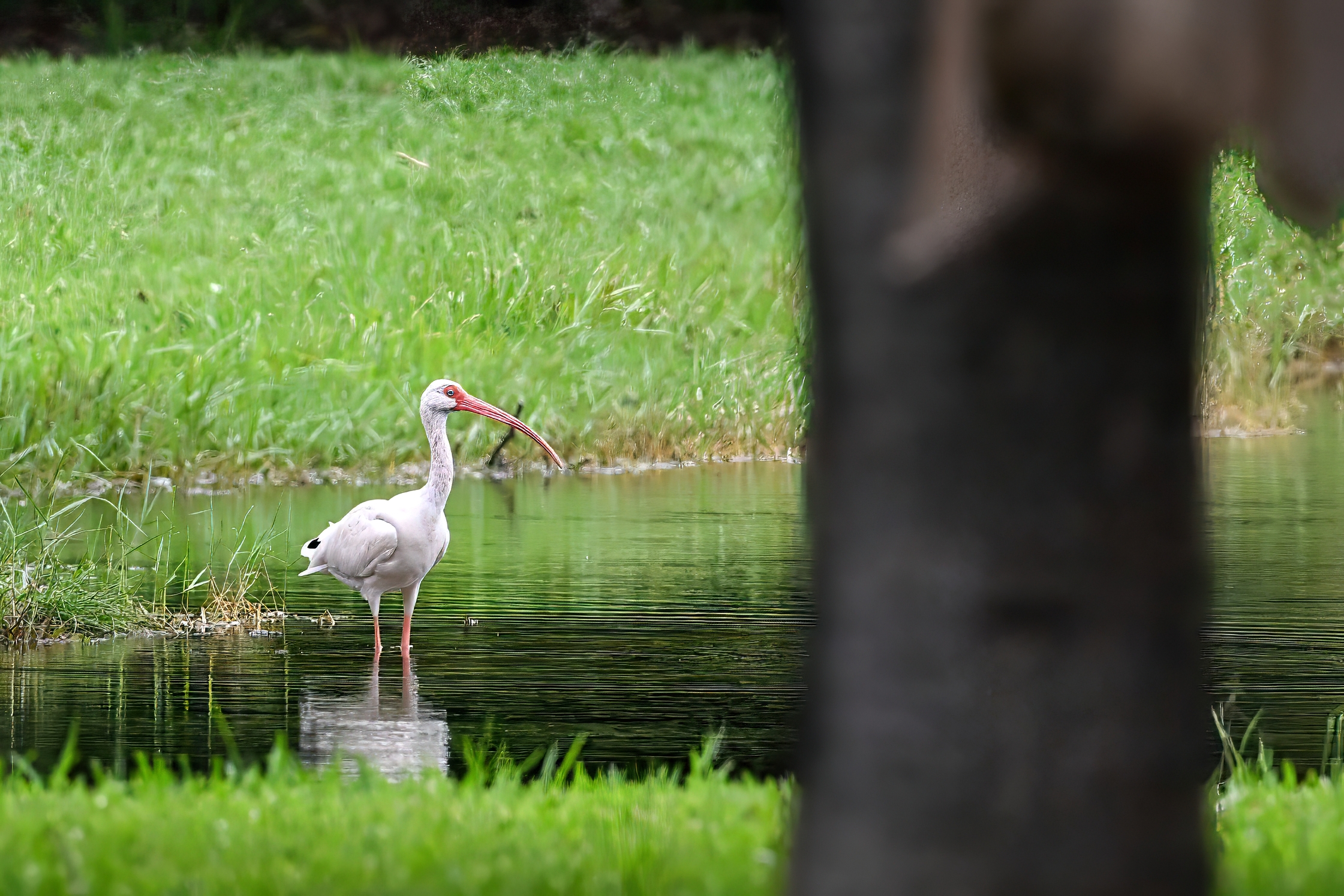
[Editor’s note: lots more White Ibis to come!]
Along with the Gray Kingbirds, some beautiful Eastern Kingbirds. (ID tip: Gray Kingbird lacks the white-tipped tail, has a lighter (gray) cap, and a noticeable eyeline.)
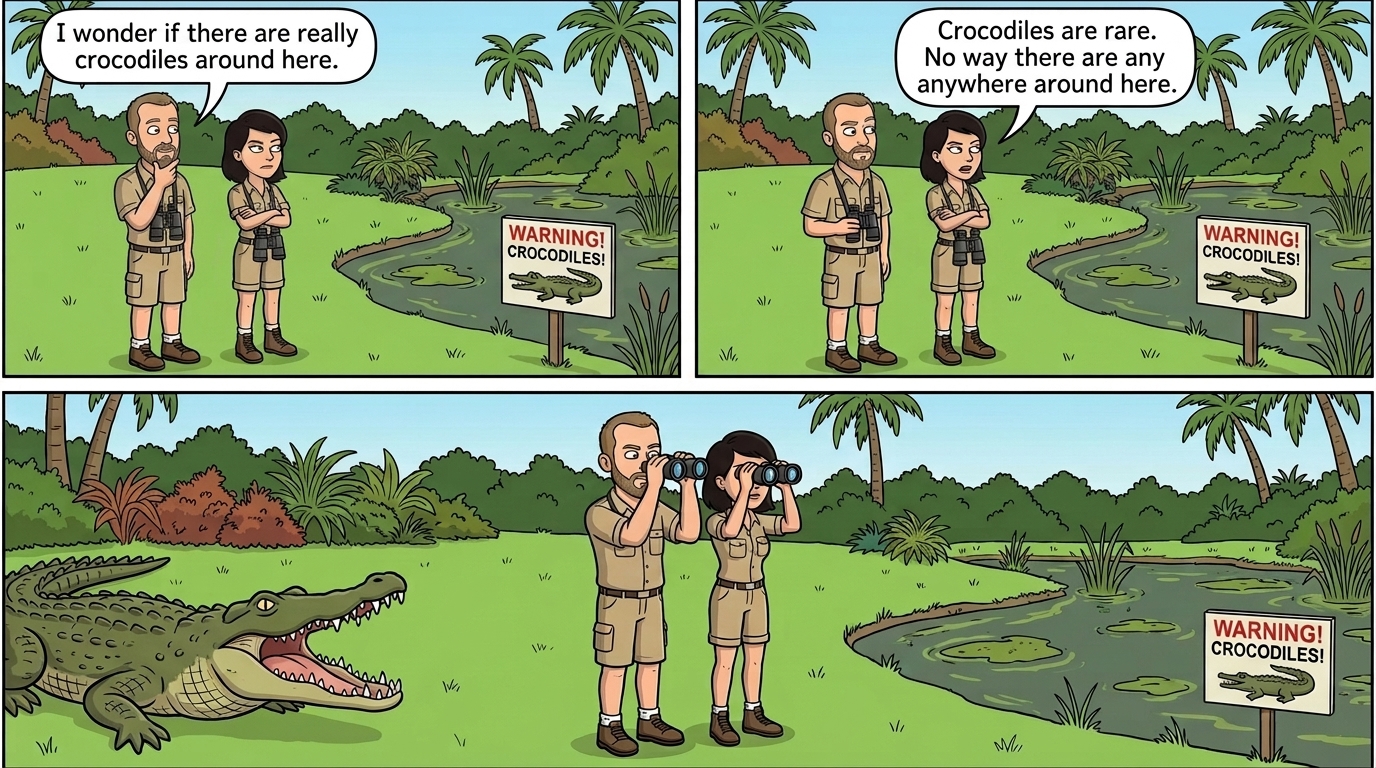
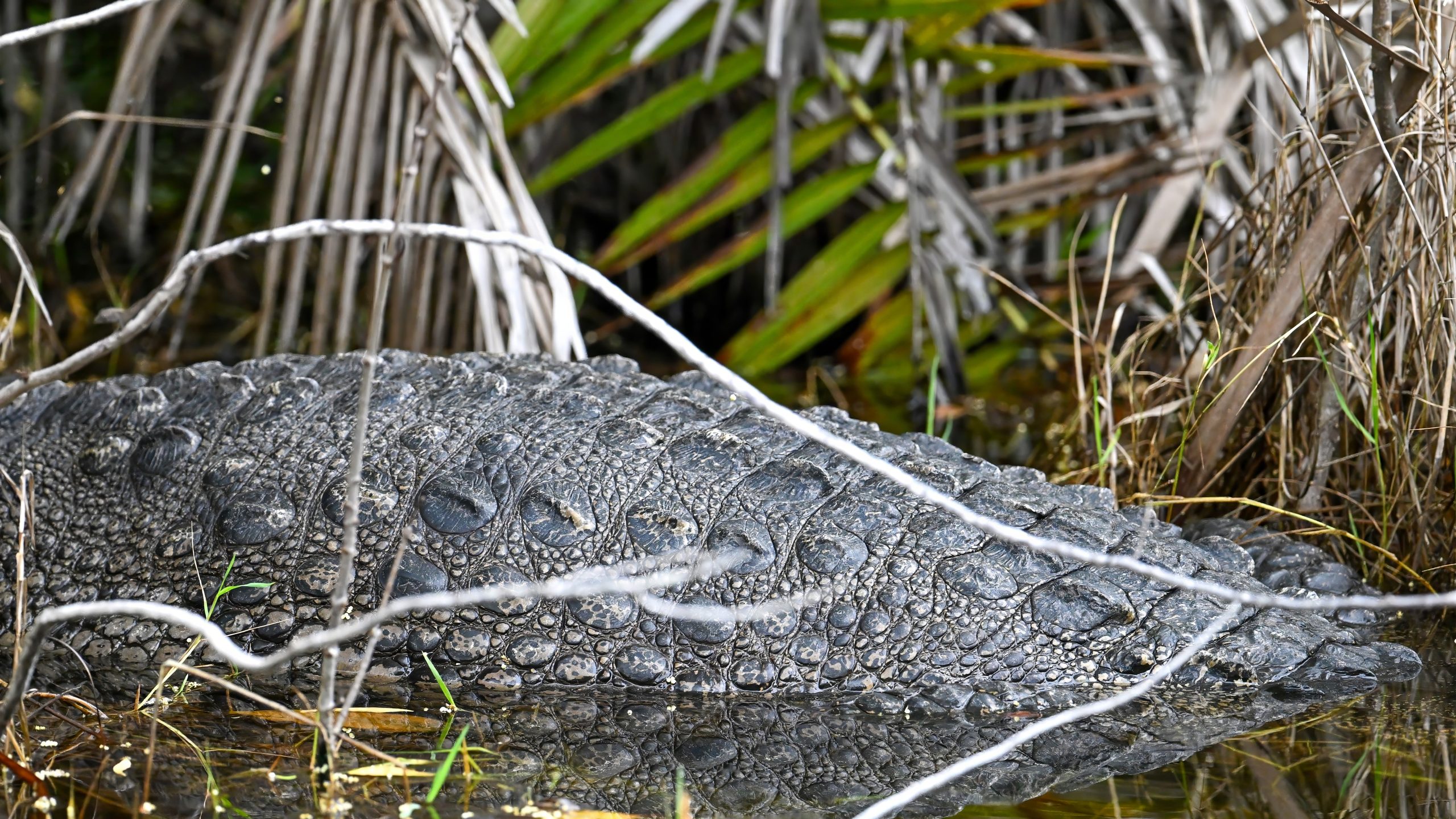
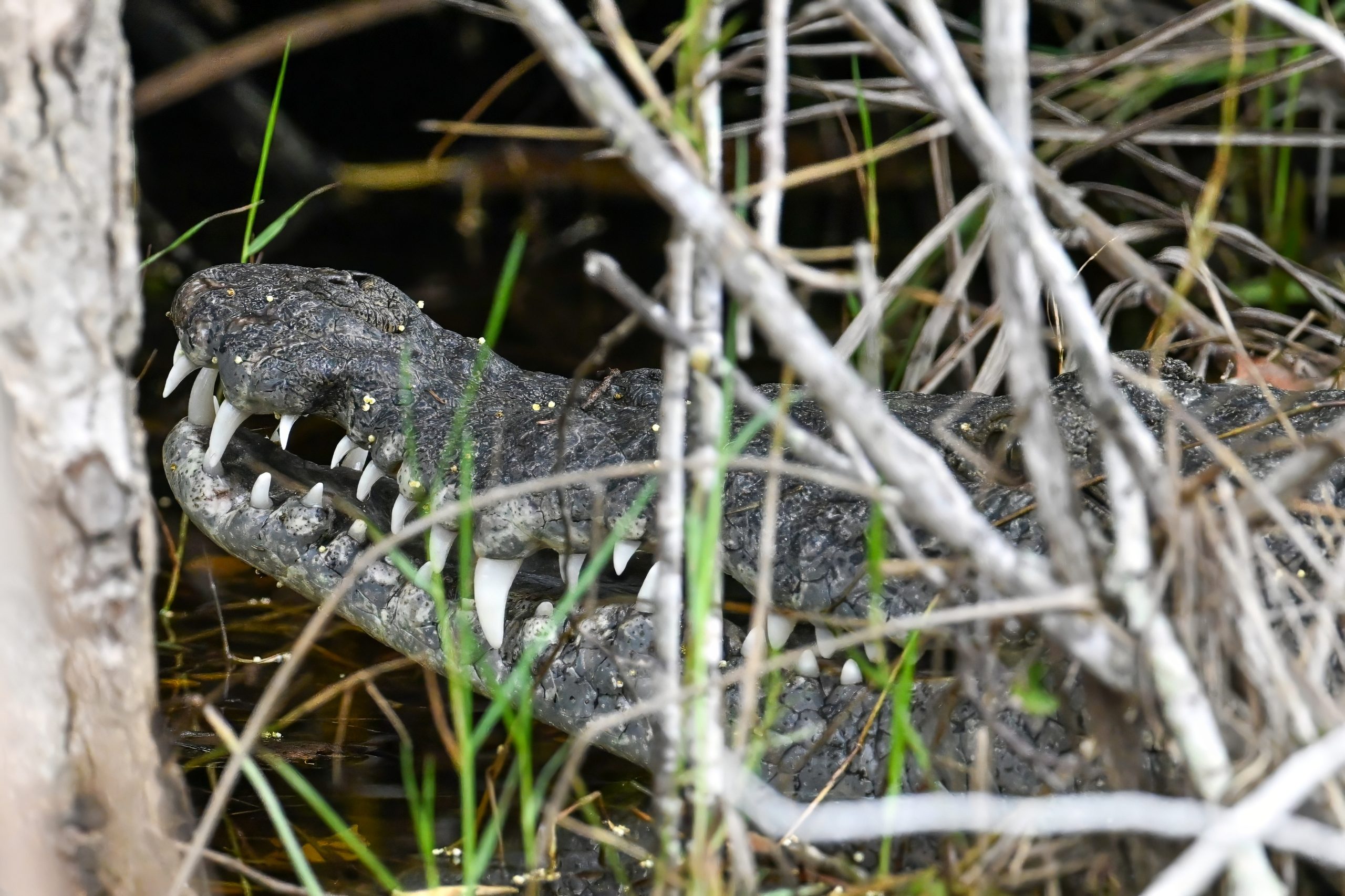
Might as well get started on some nature content from the Miami, Florida, U.S. area from a couple weeks ago. What better way to kick it off than with an uncommon sighting of a wild American Crocodile (Crocodylus acutus) at Crandon Park on Key Biscayne?
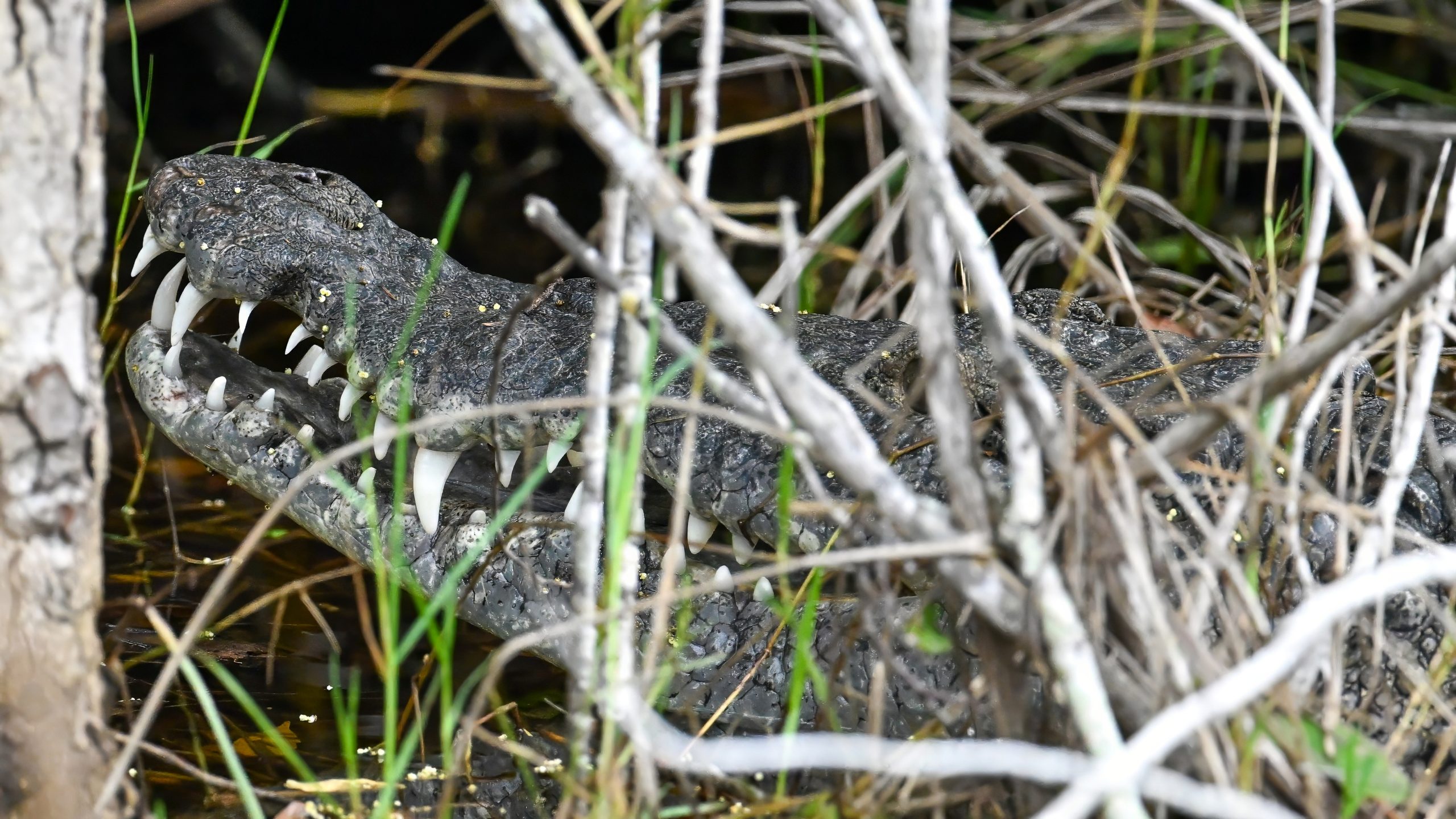
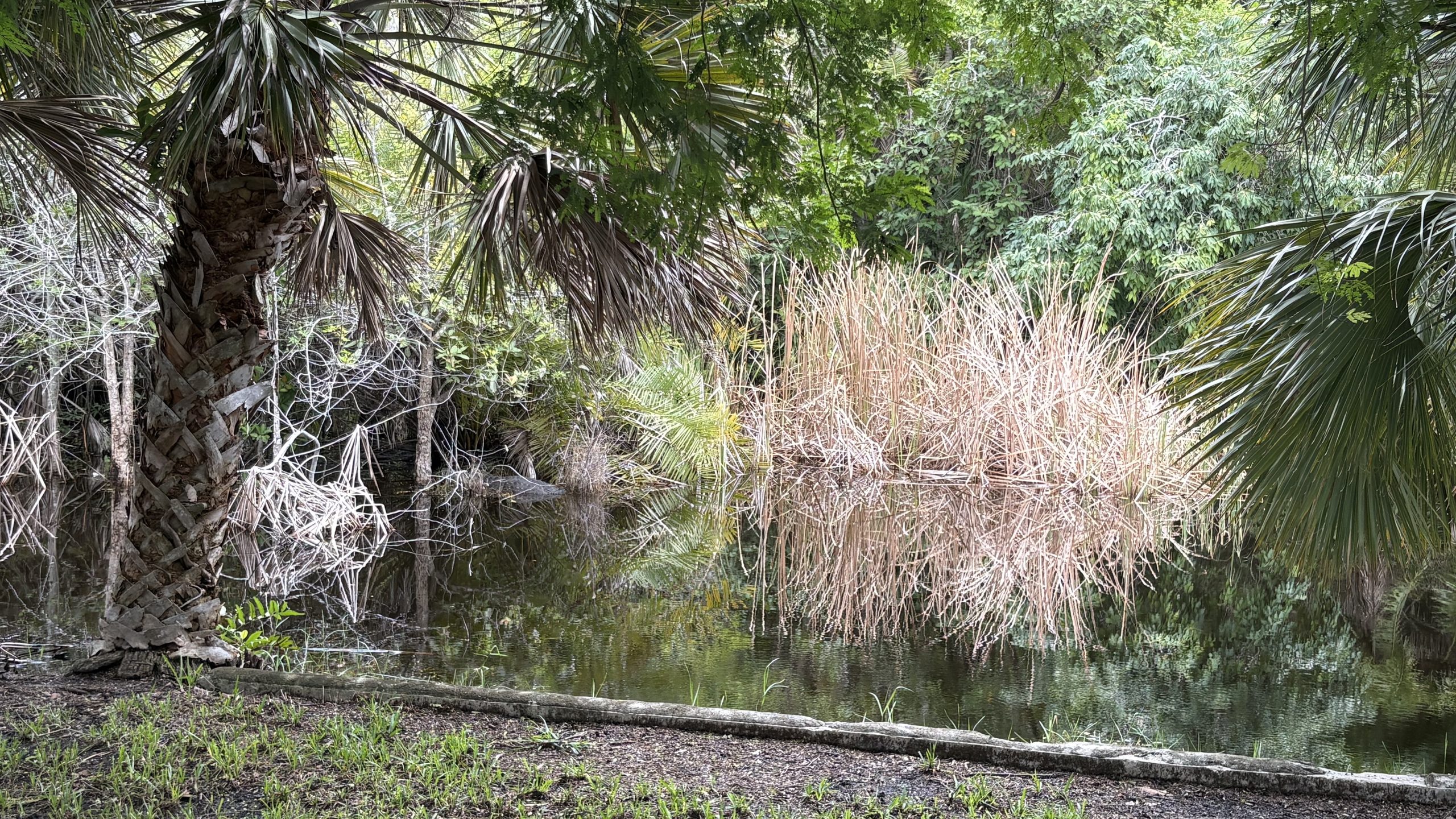
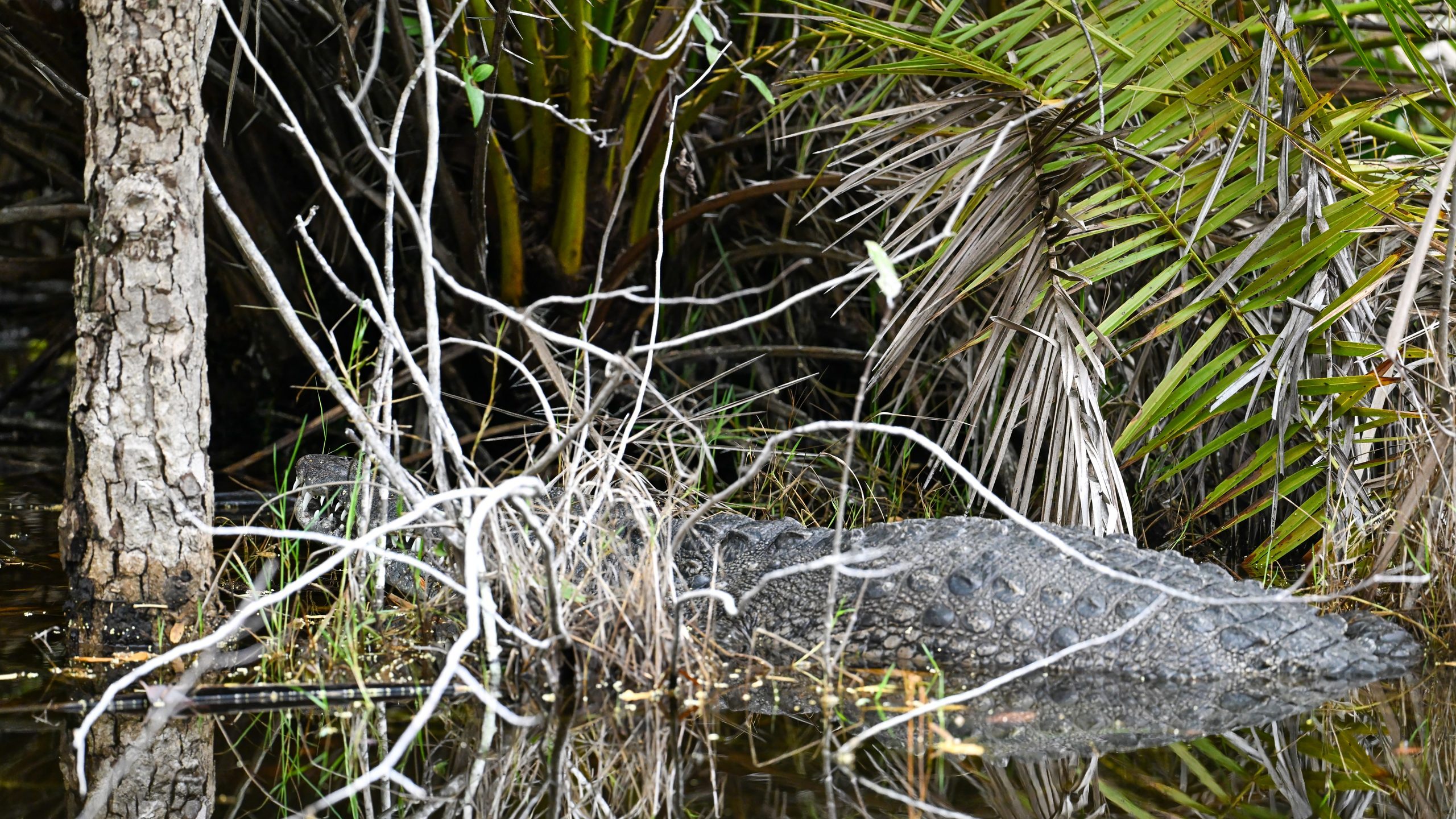
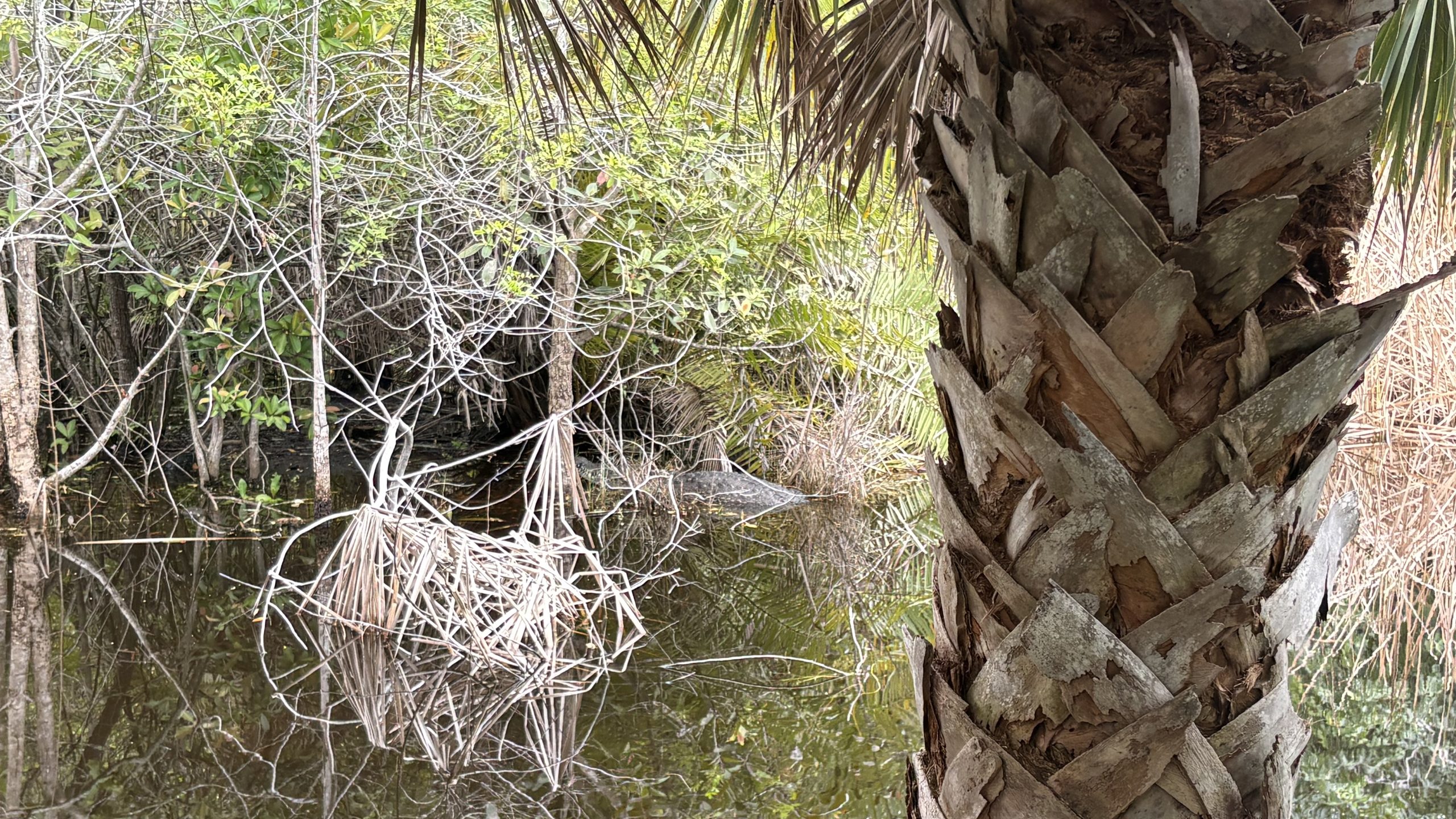
Despite the copious warning signs, meanwhile, nearby, at the other end of this same pond, small children playing by the water (!):
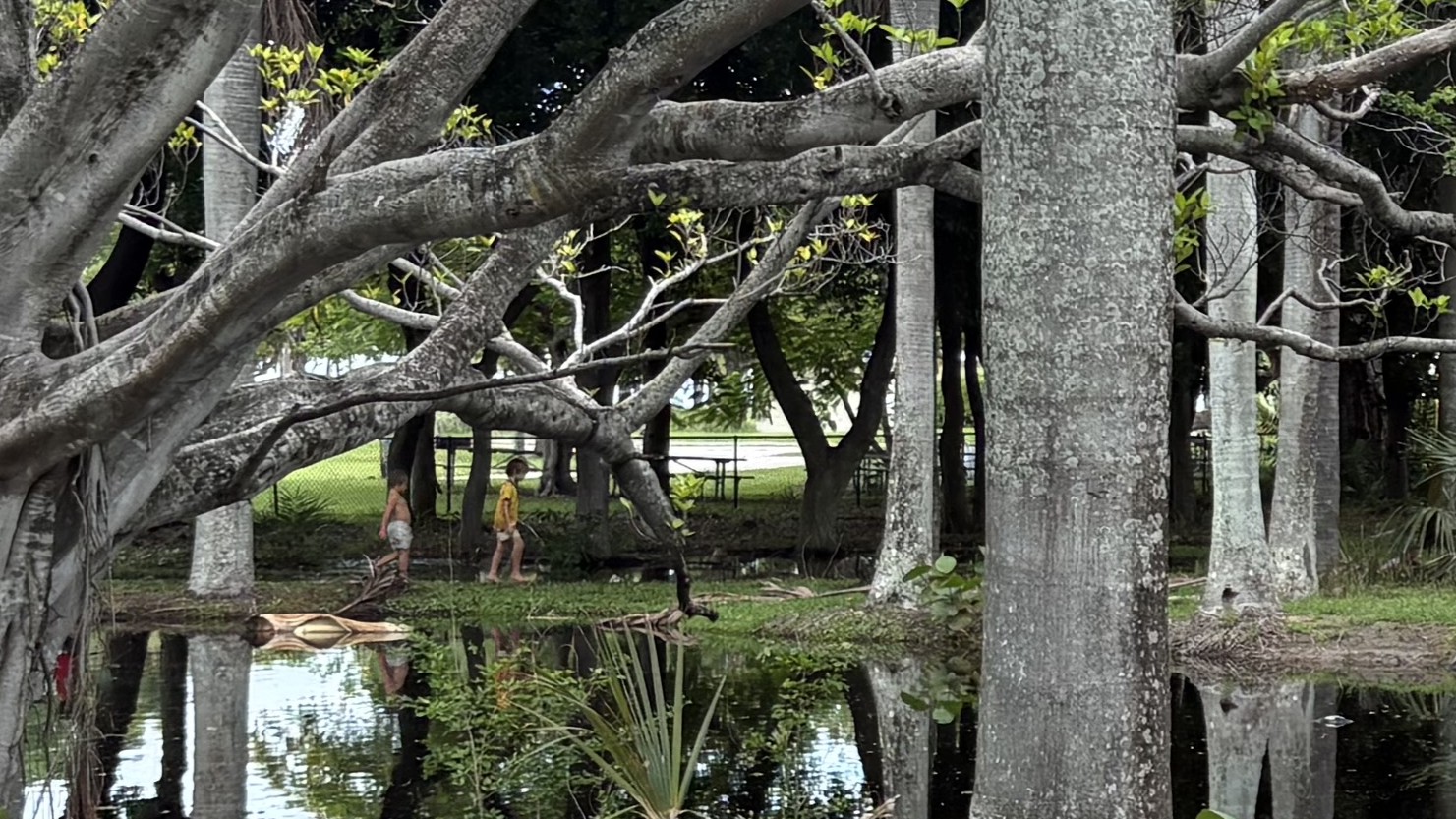
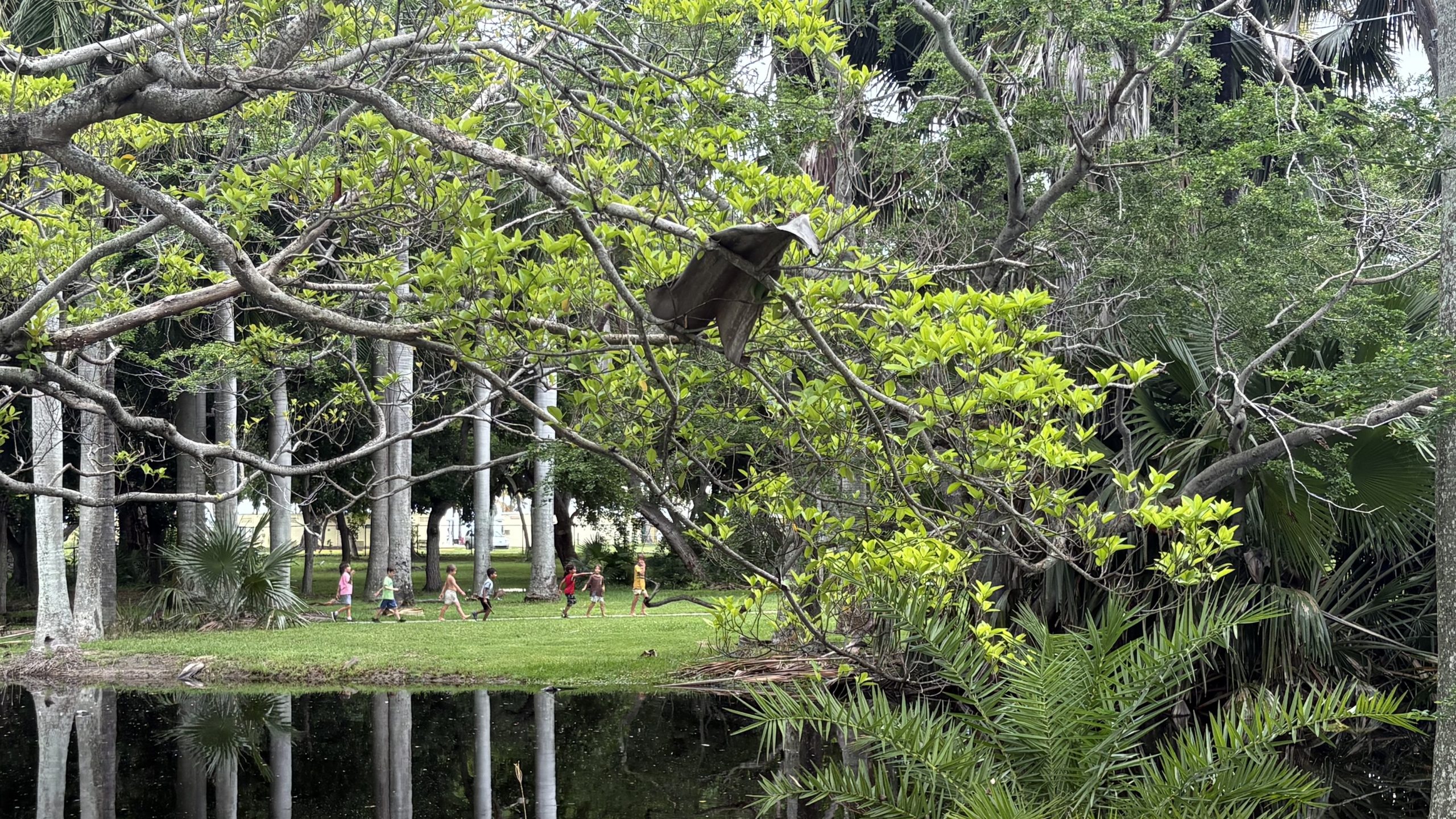
A note to the adult chaperones of children playing at Crandon Park: yes, the signs are there for a reason.
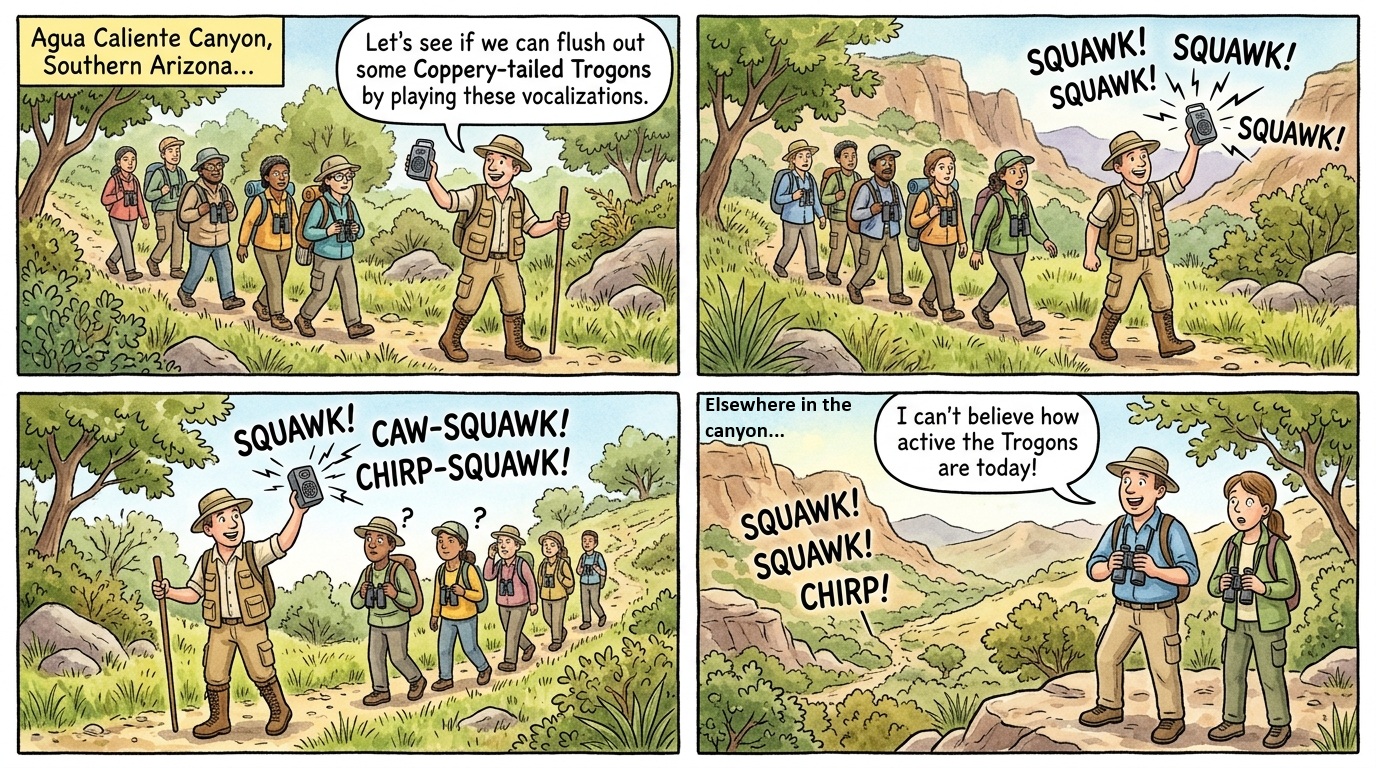
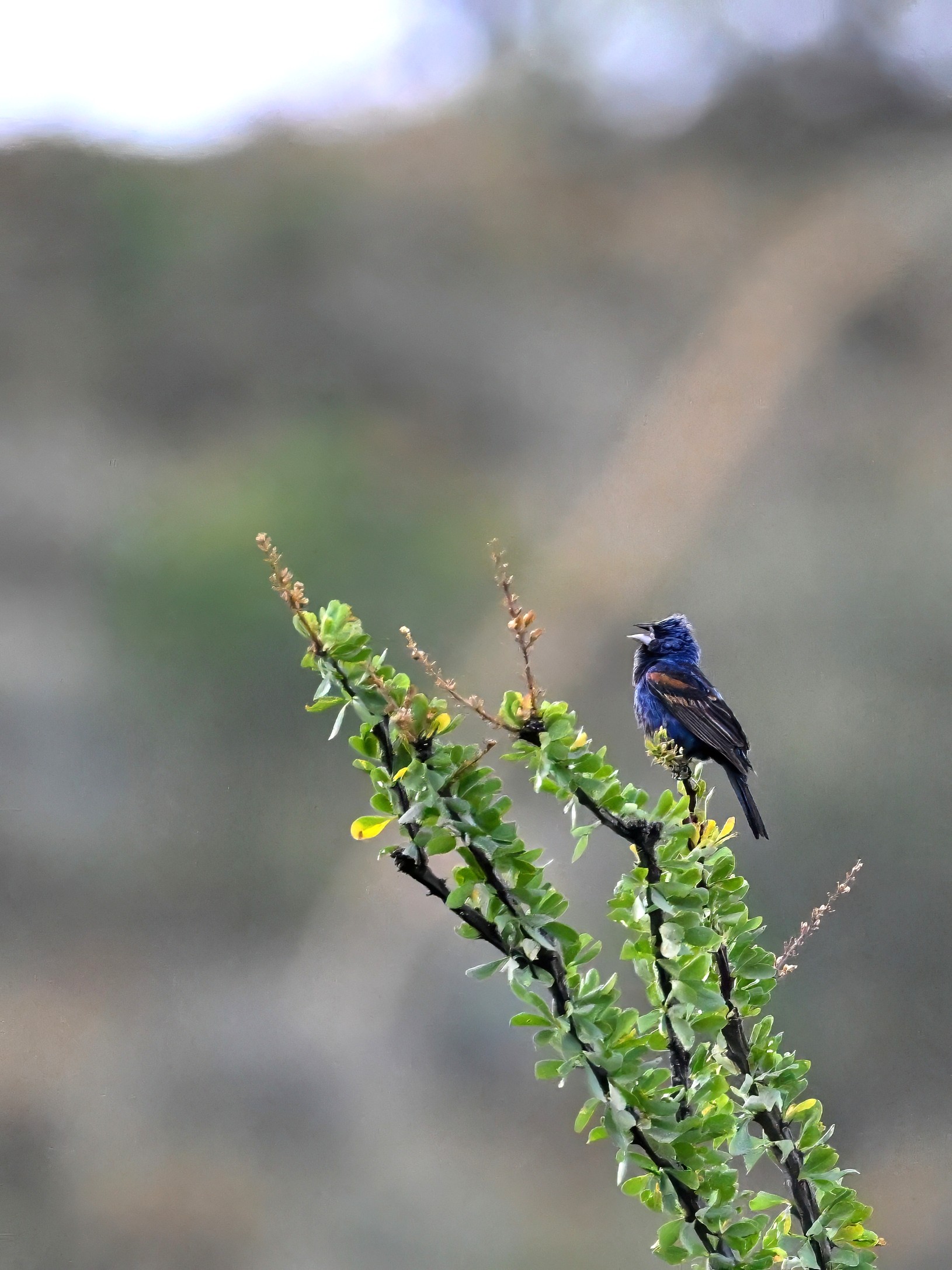
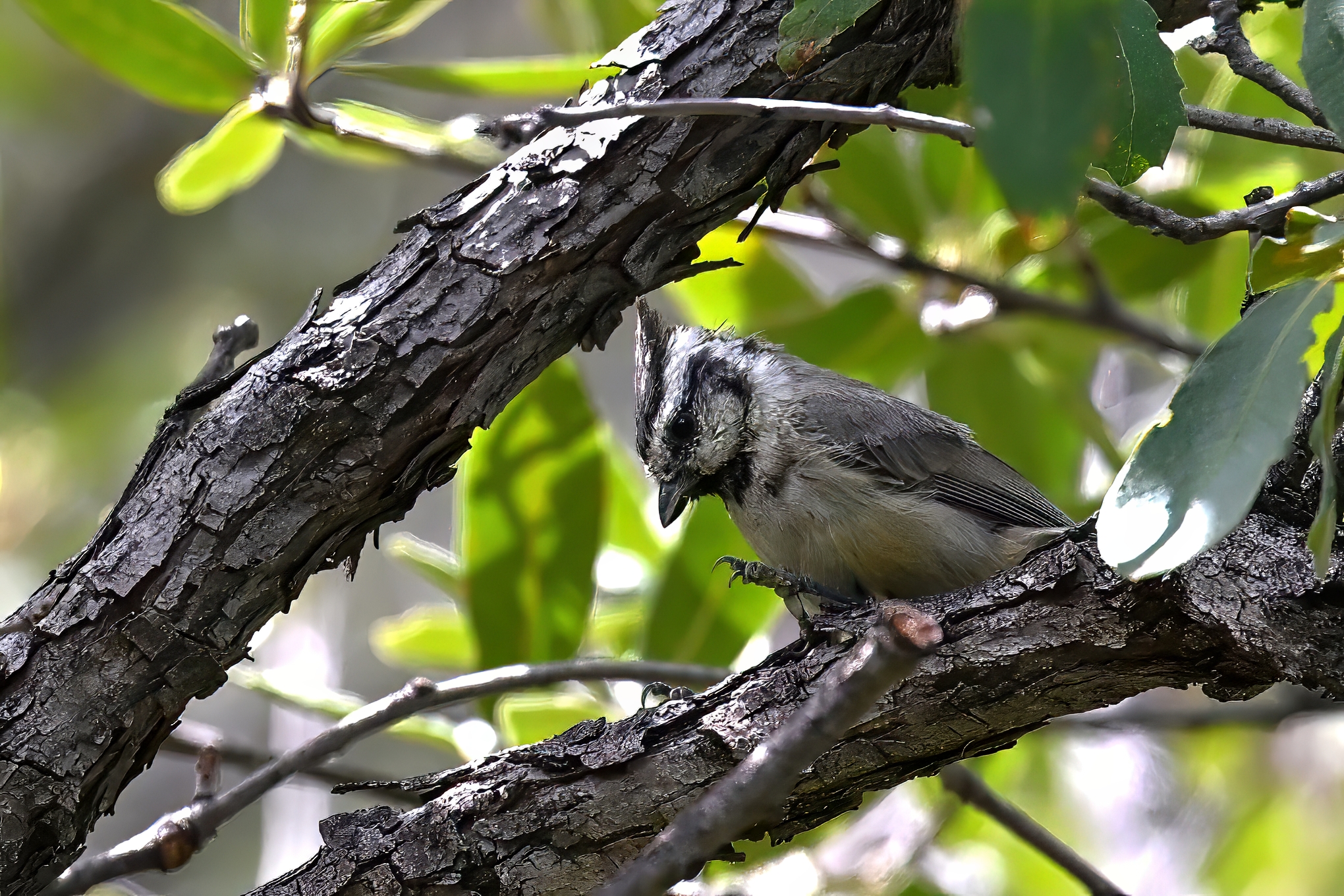
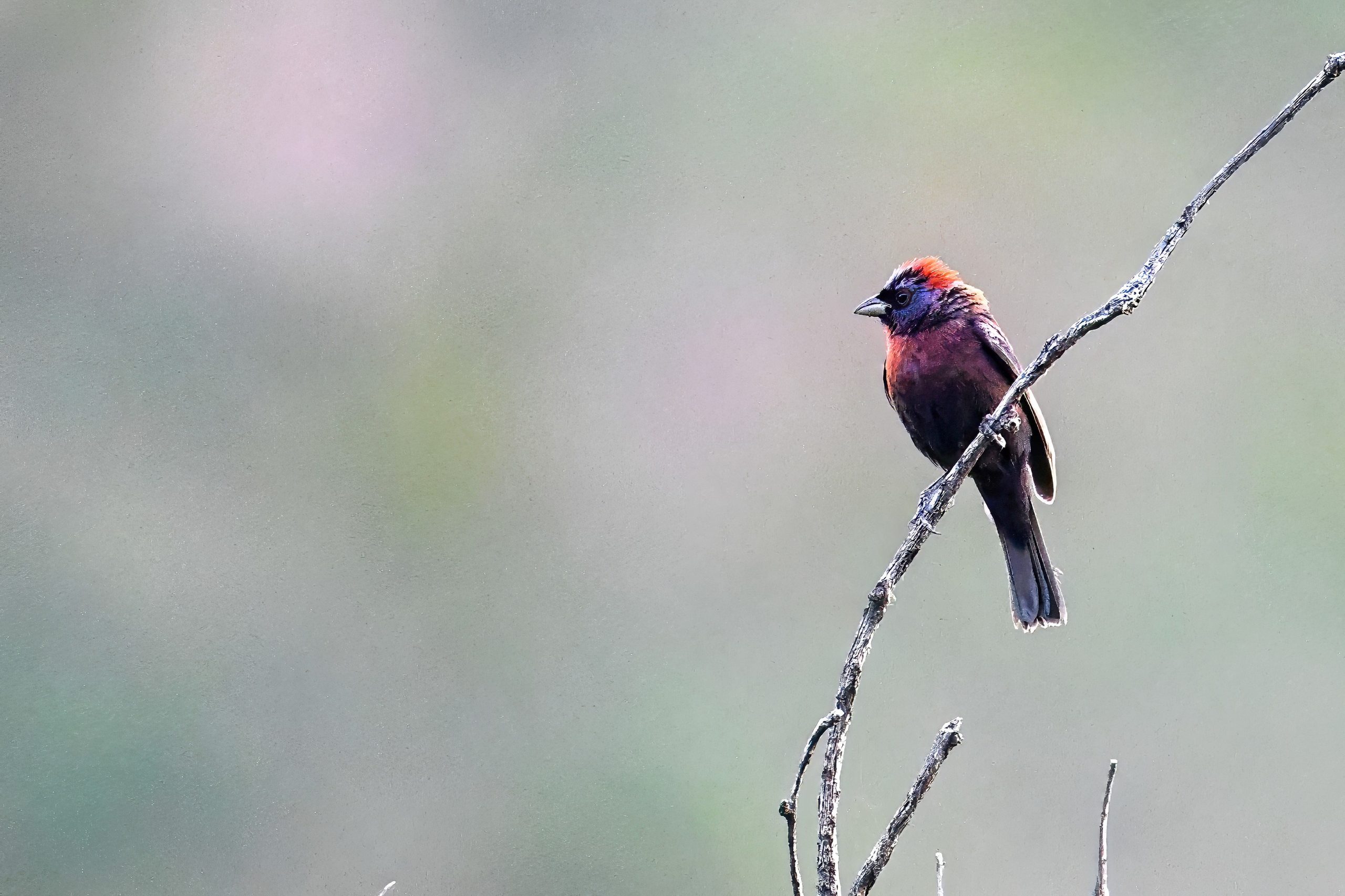
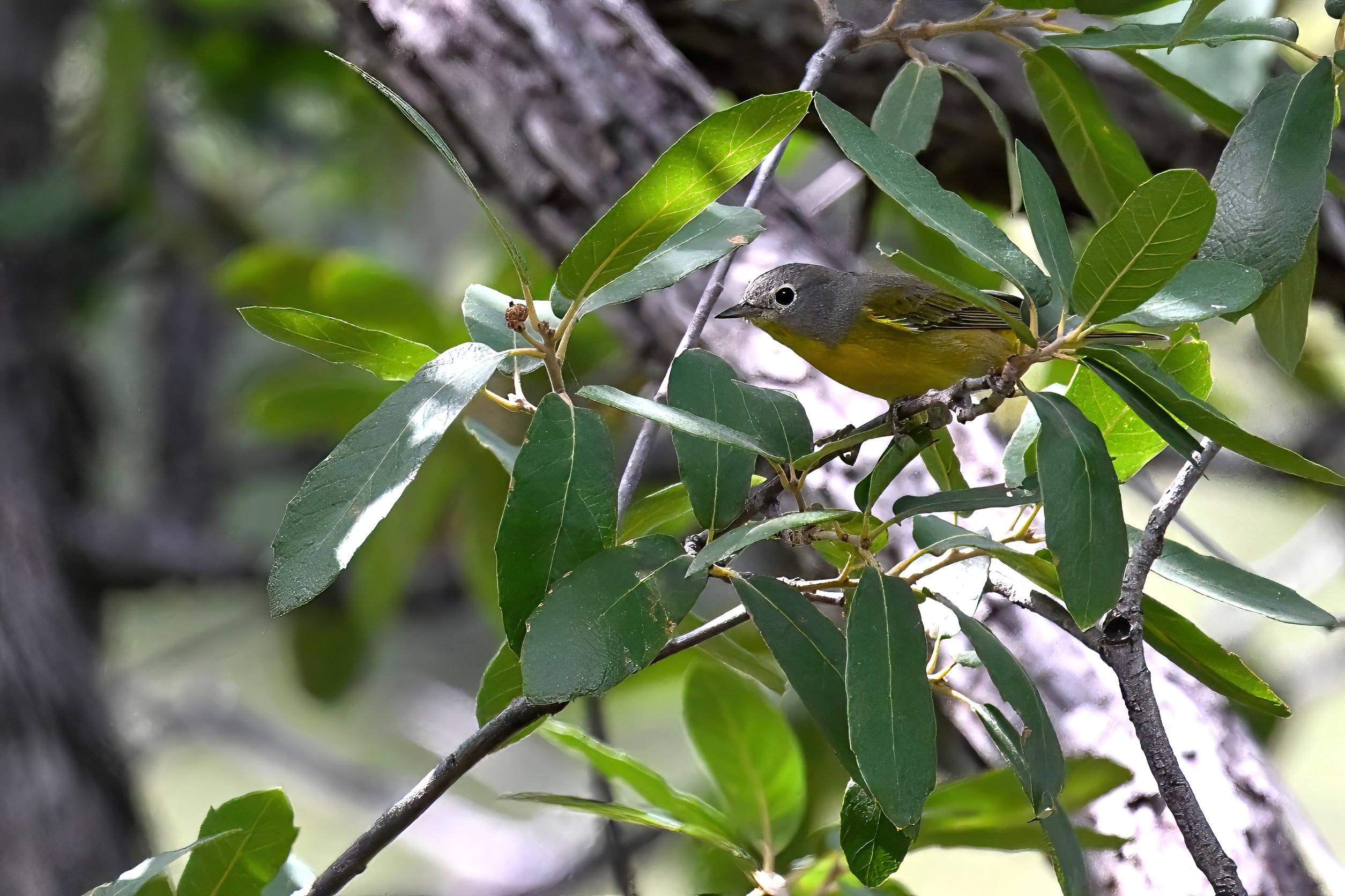
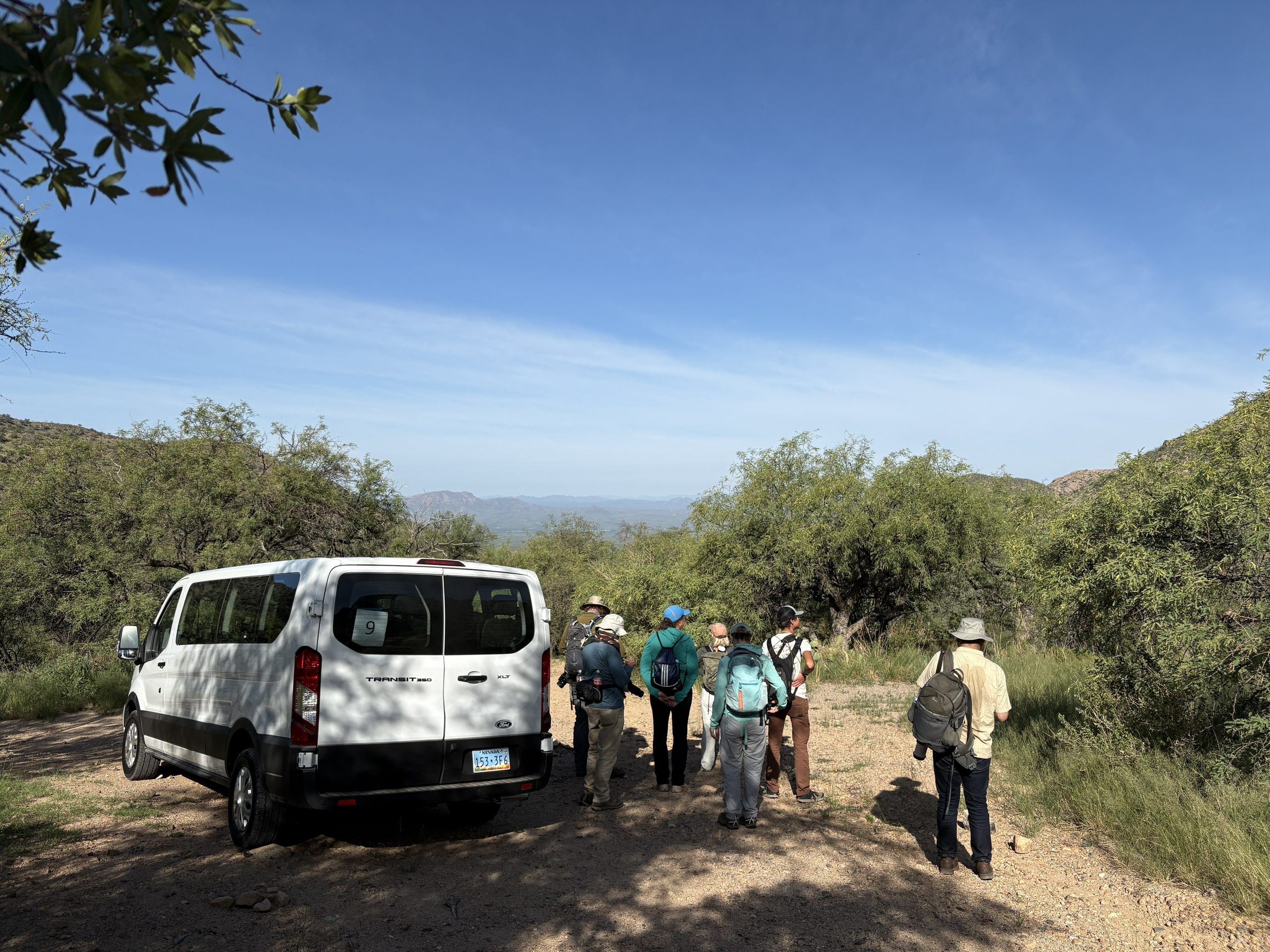
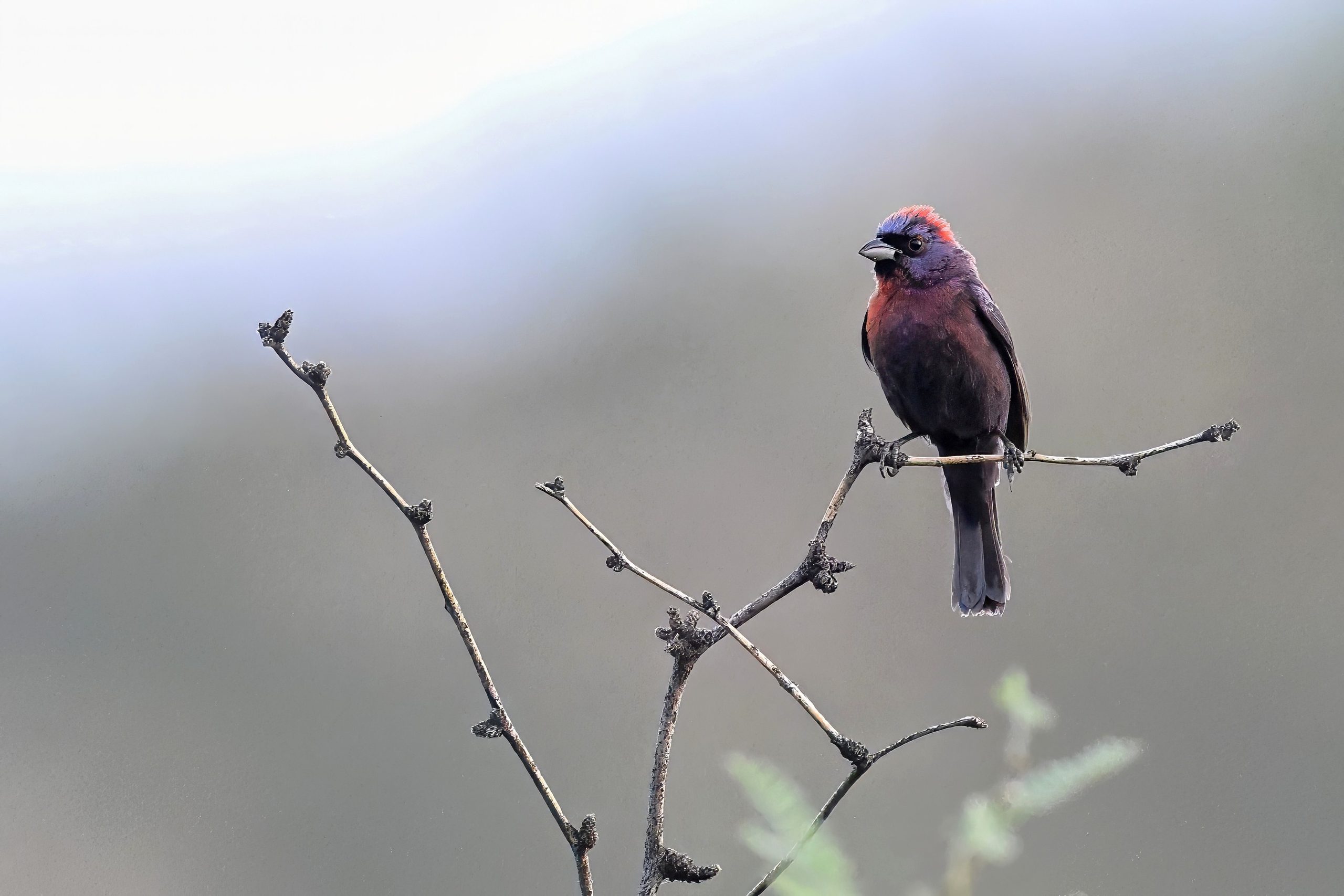
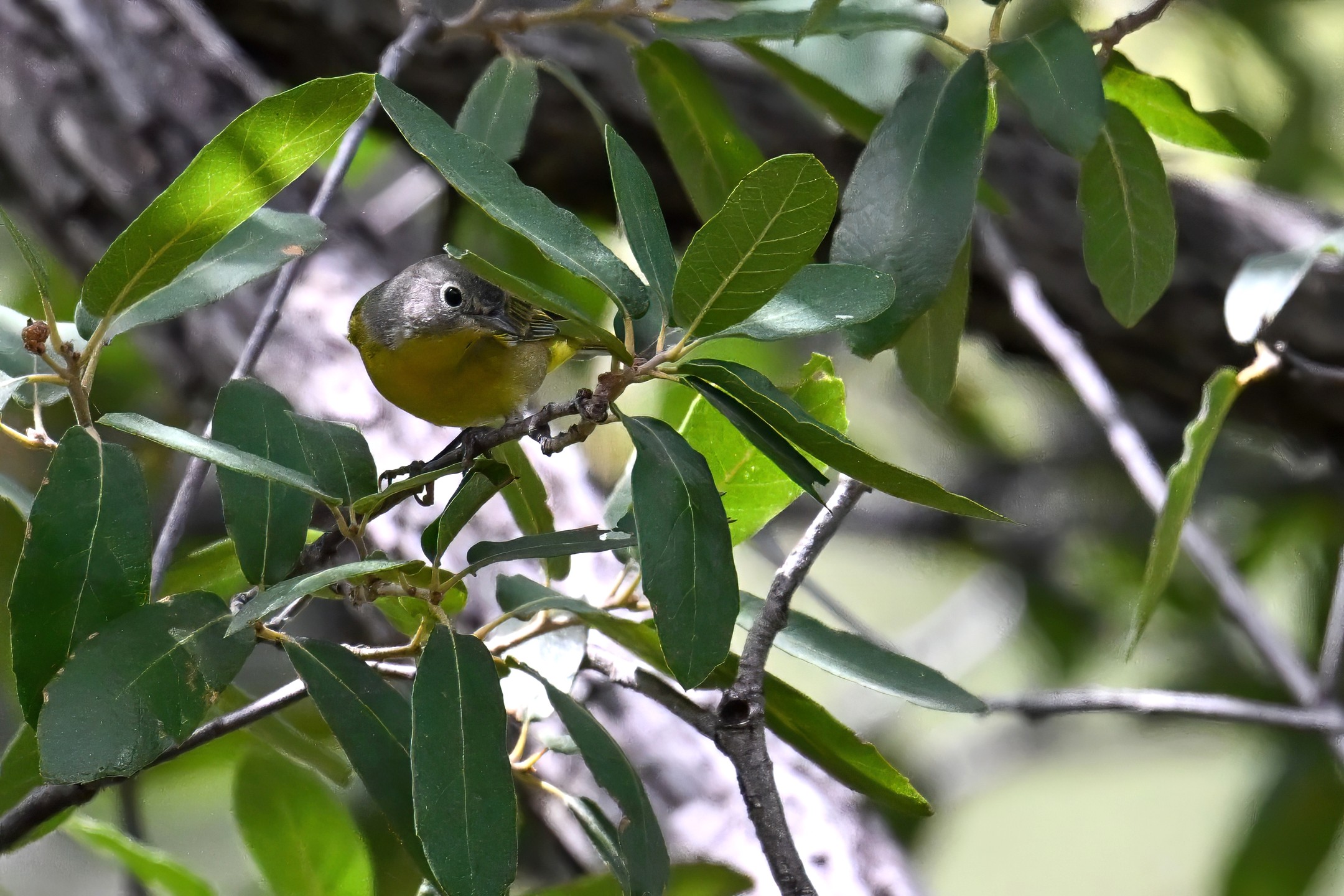
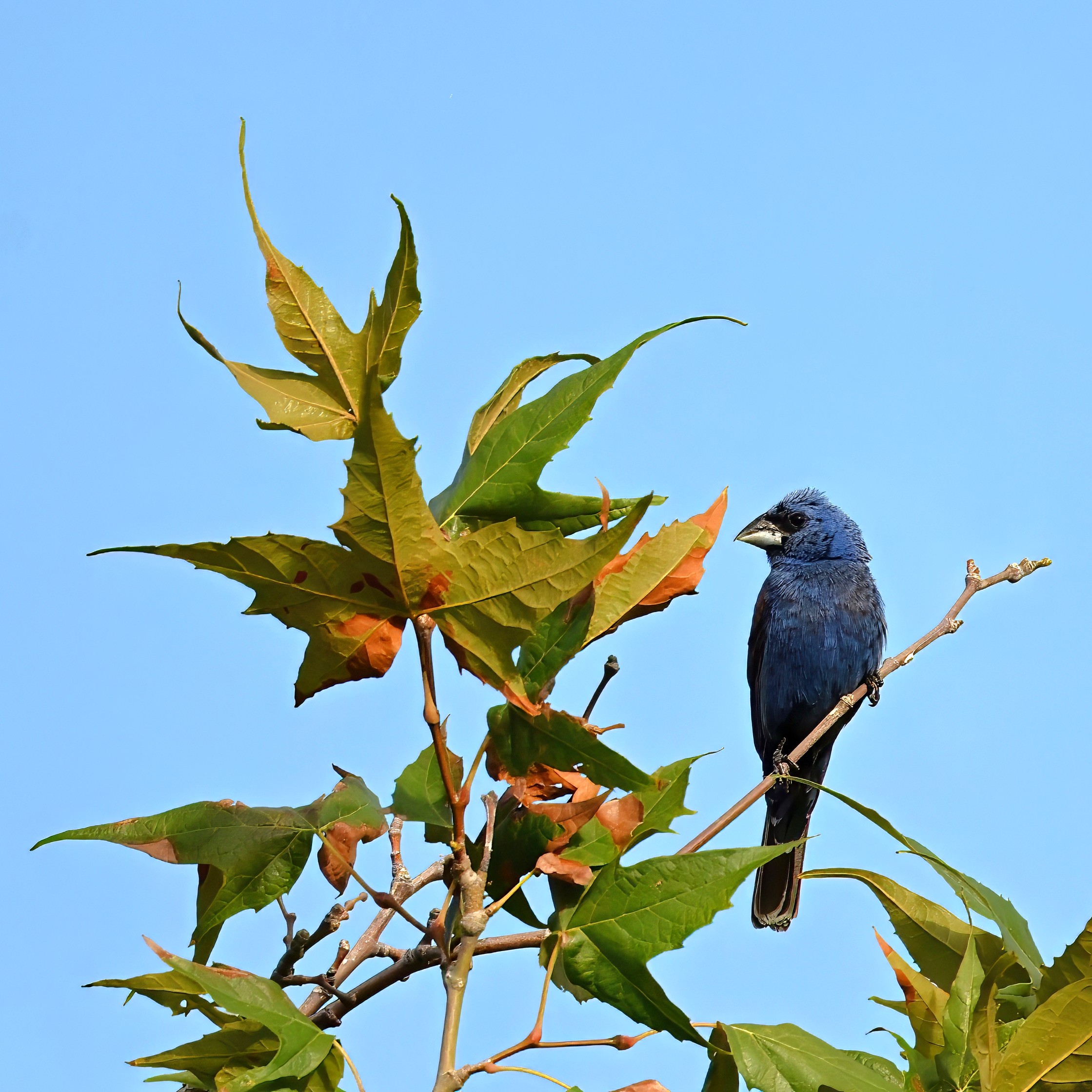
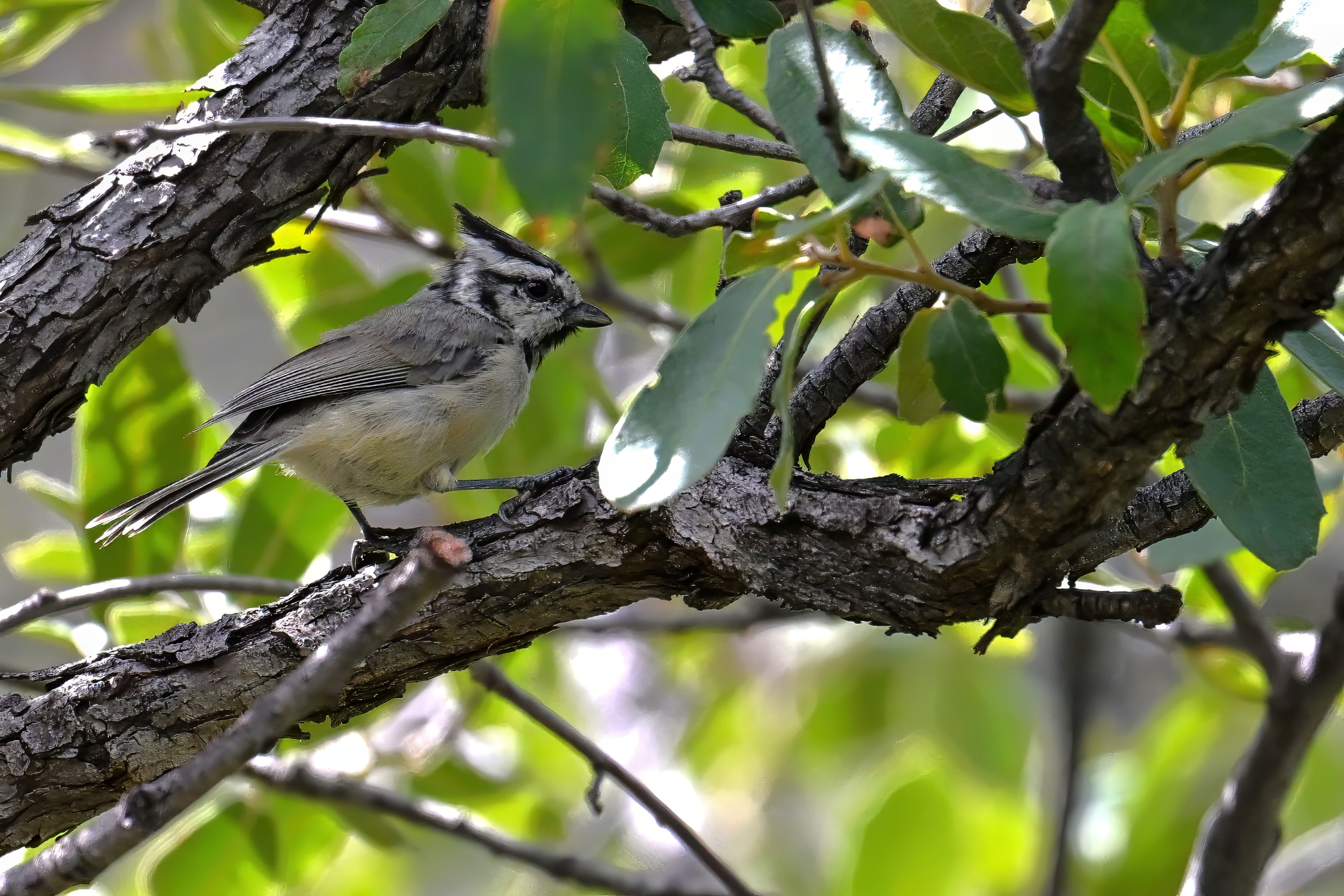
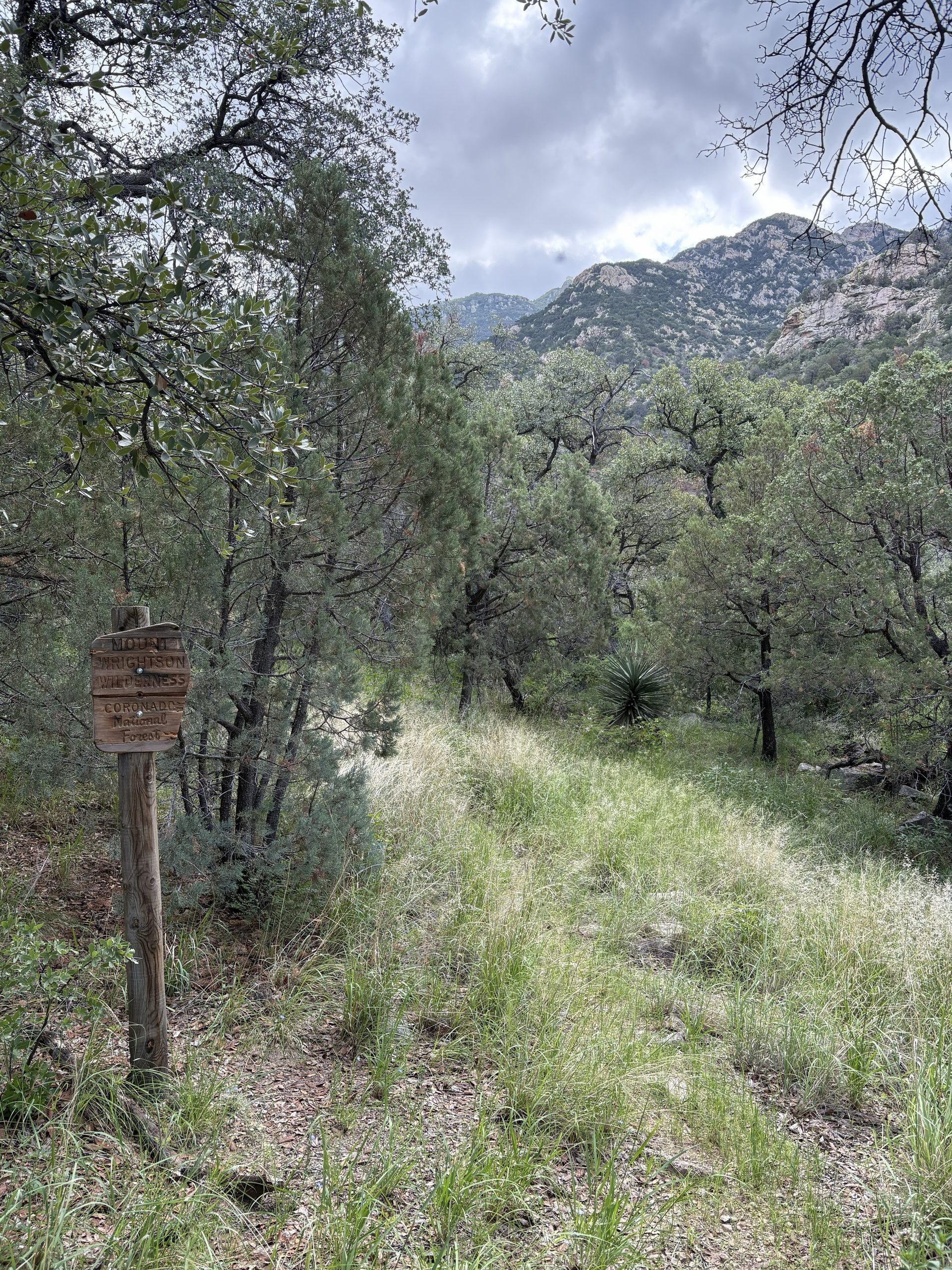
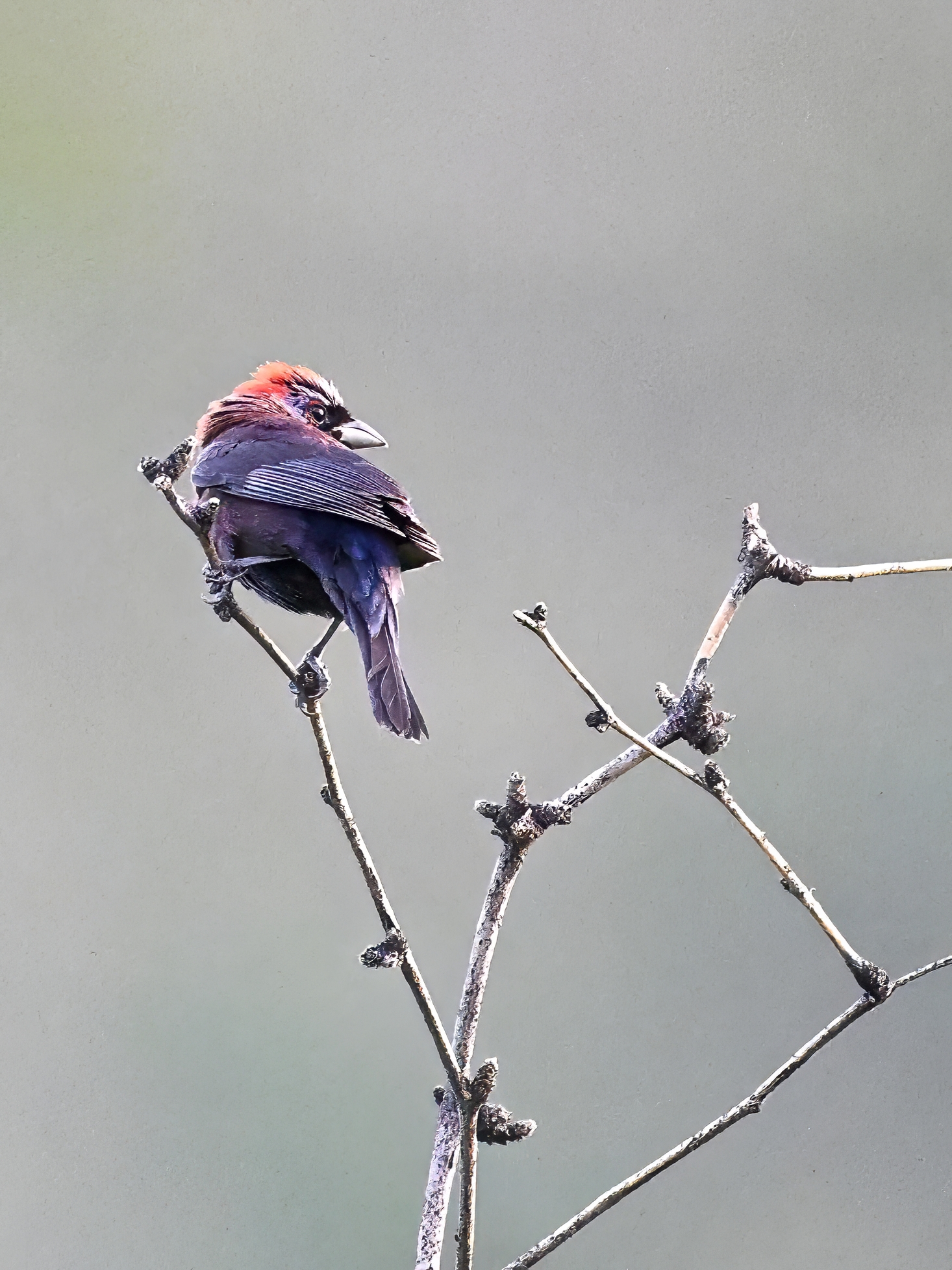
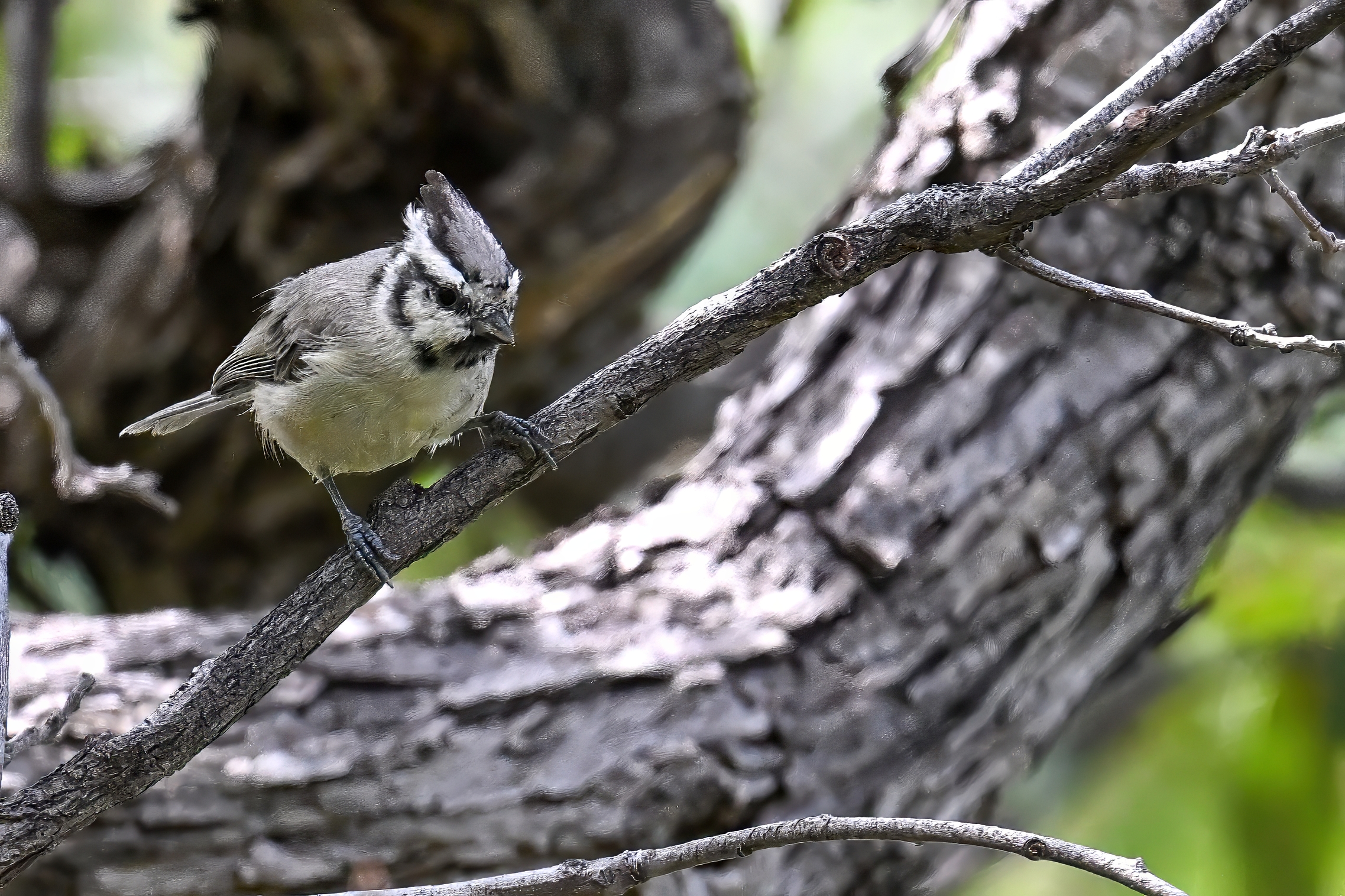
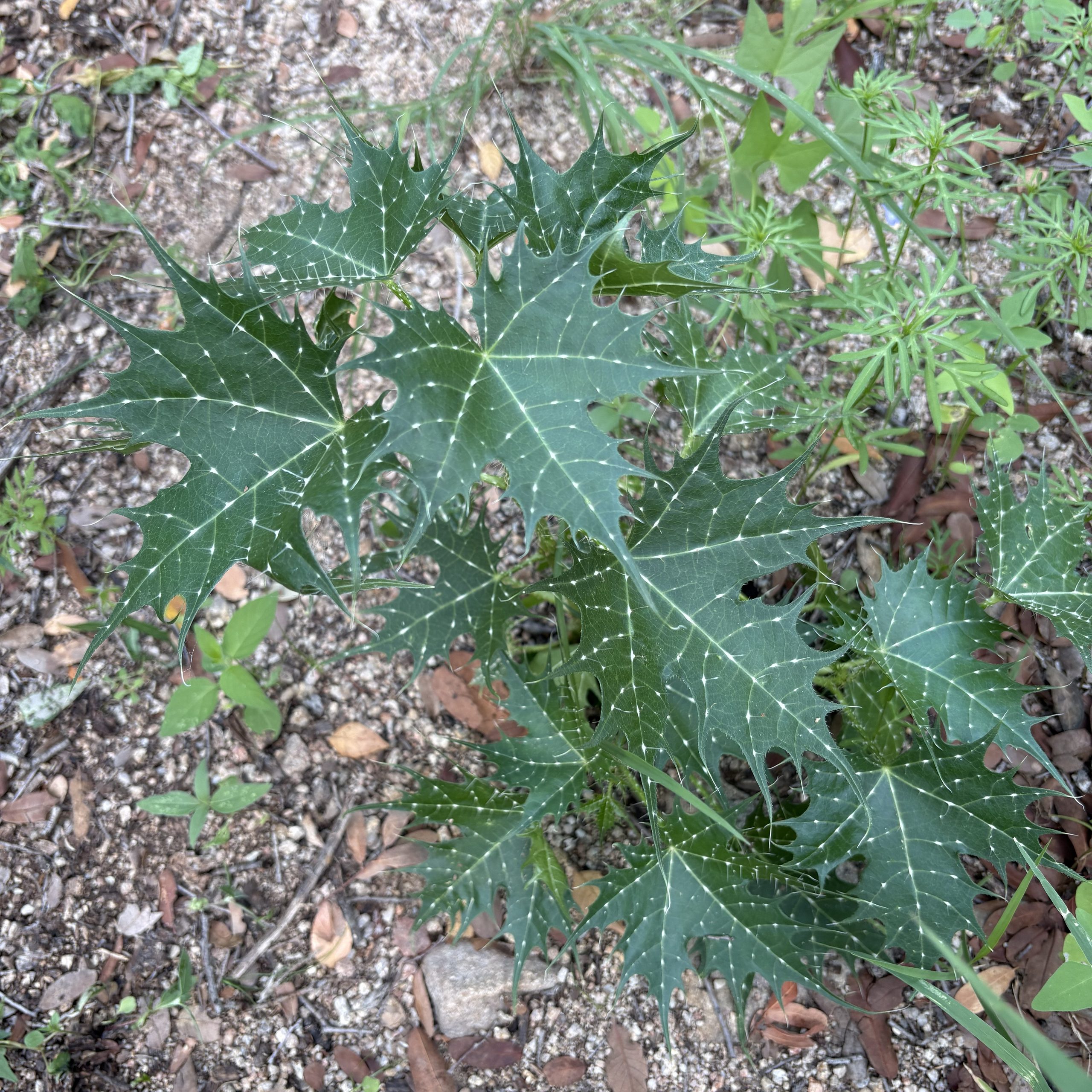
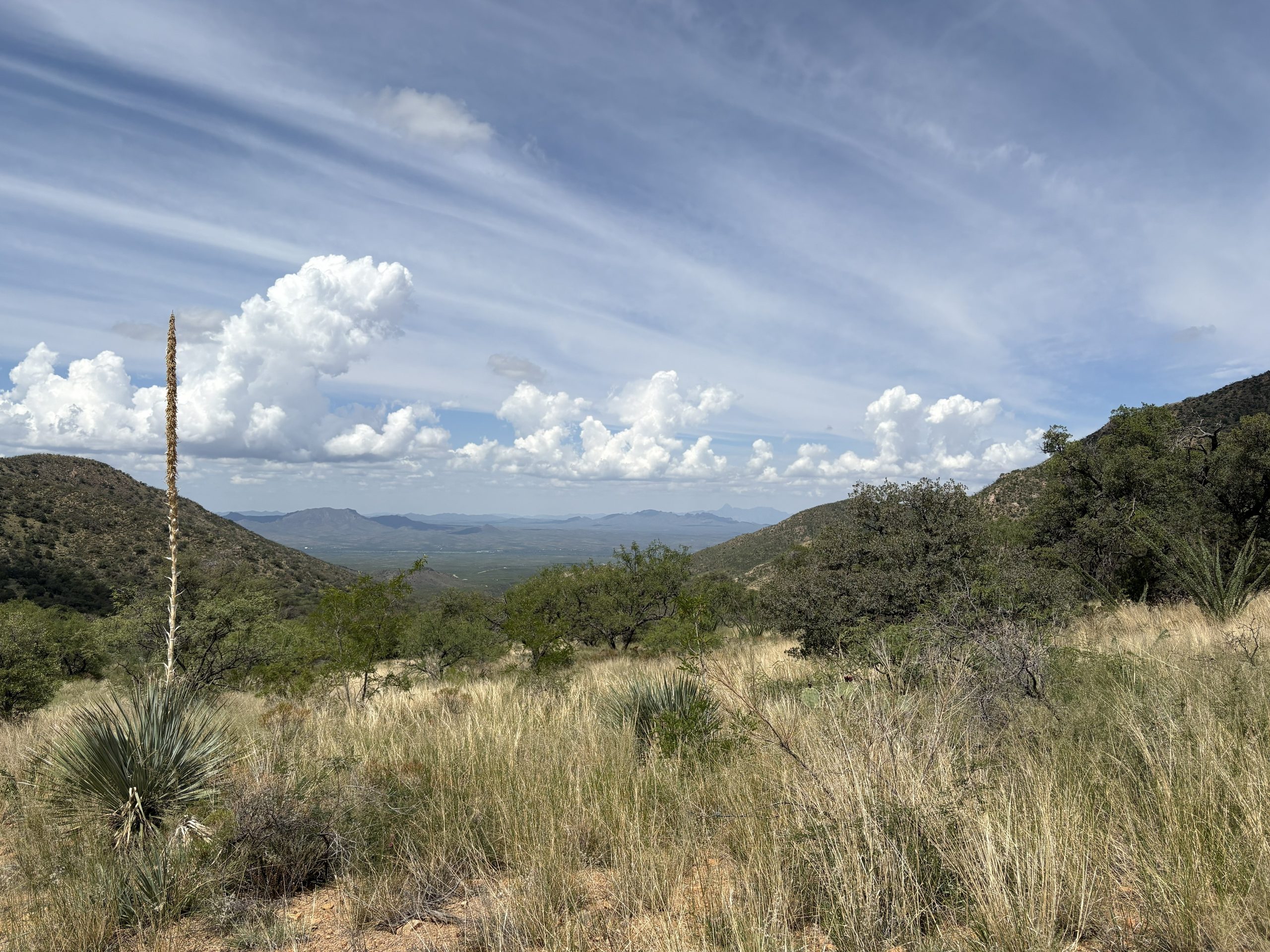
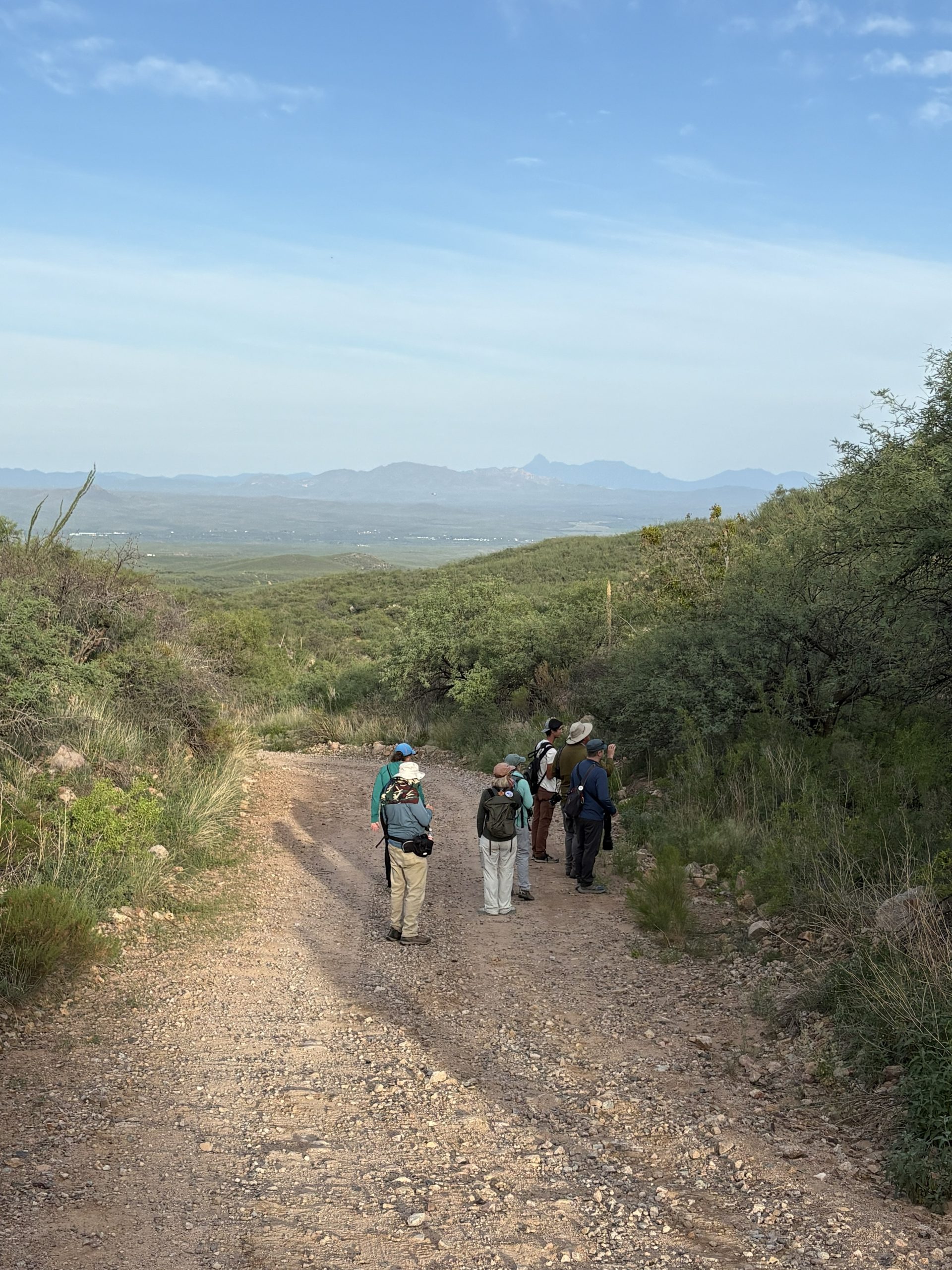
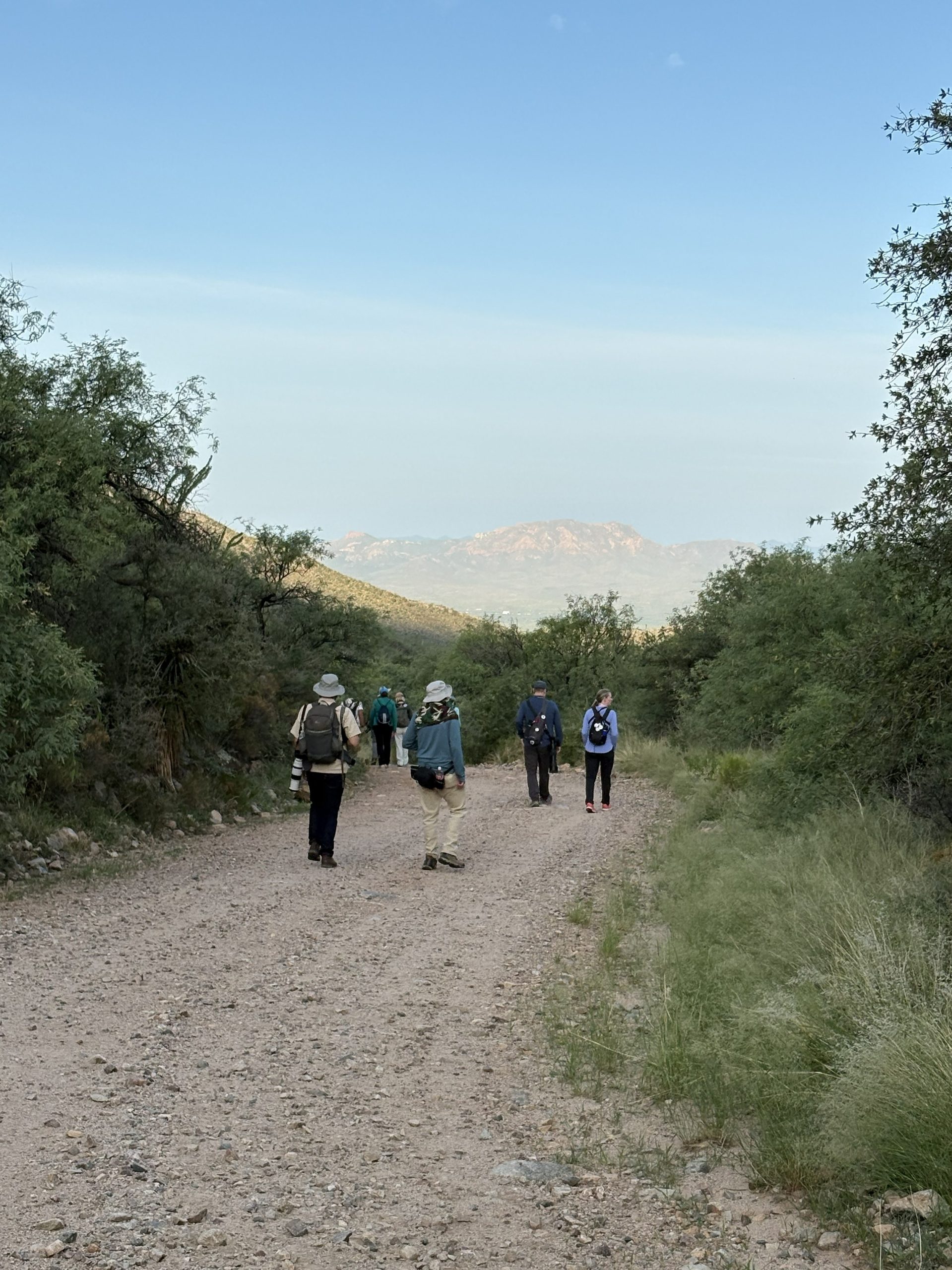
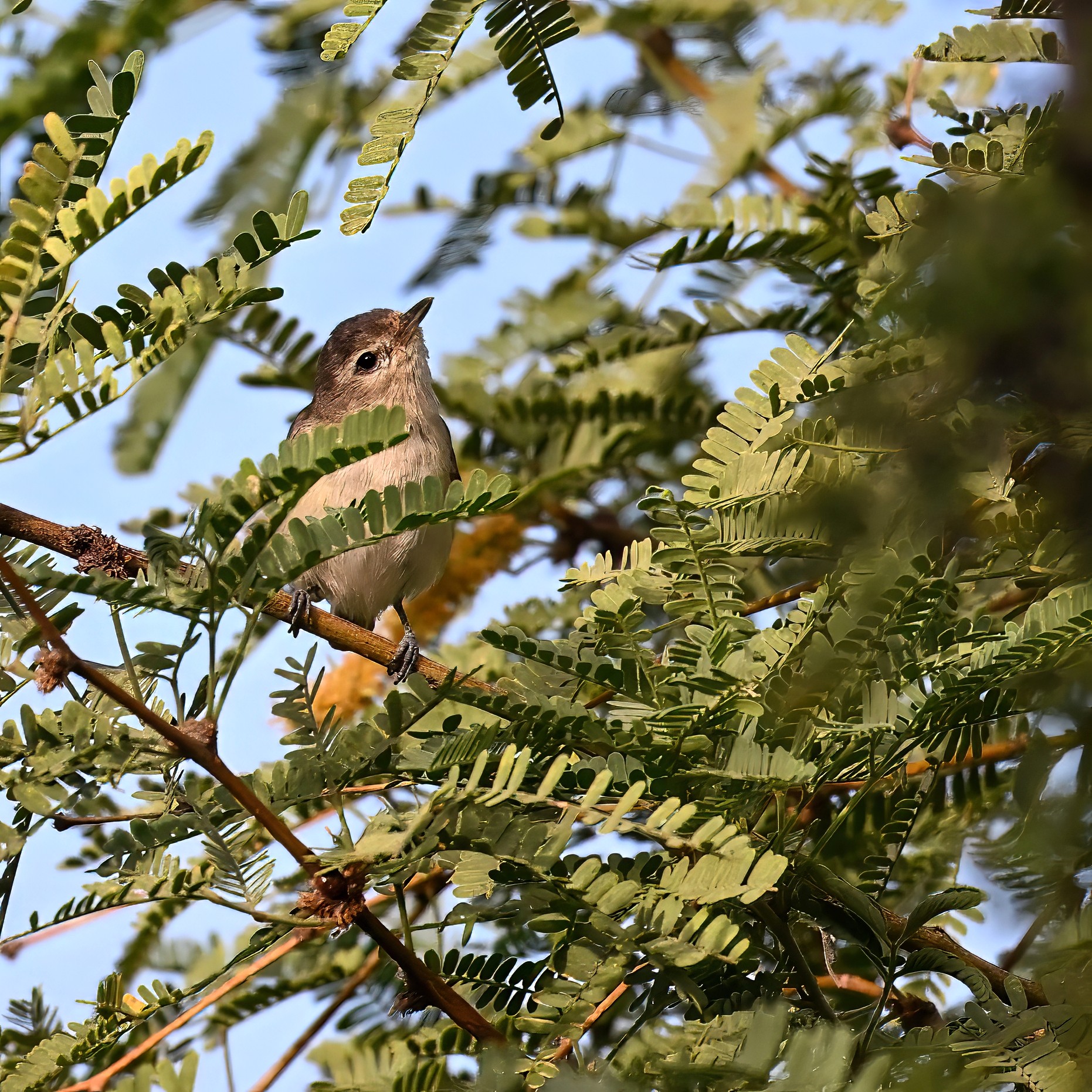
The forest service road into Agua Caliente Canyon passes a lower parking area (see yesterday’s post) and then an upper parking area, which is the trailhead for the main trail up the canyon into Mount Wrightson Wilderness. With copious grass and trees, it’s a great spot for Coppery-tailed Trogon and Montezuma Quail. Number of Trogons spotted on this field trip: zero. Number of Montezuma Quail: 1 male and 1 female. Number of usable BirdingPI.com photos of said quail: zero.
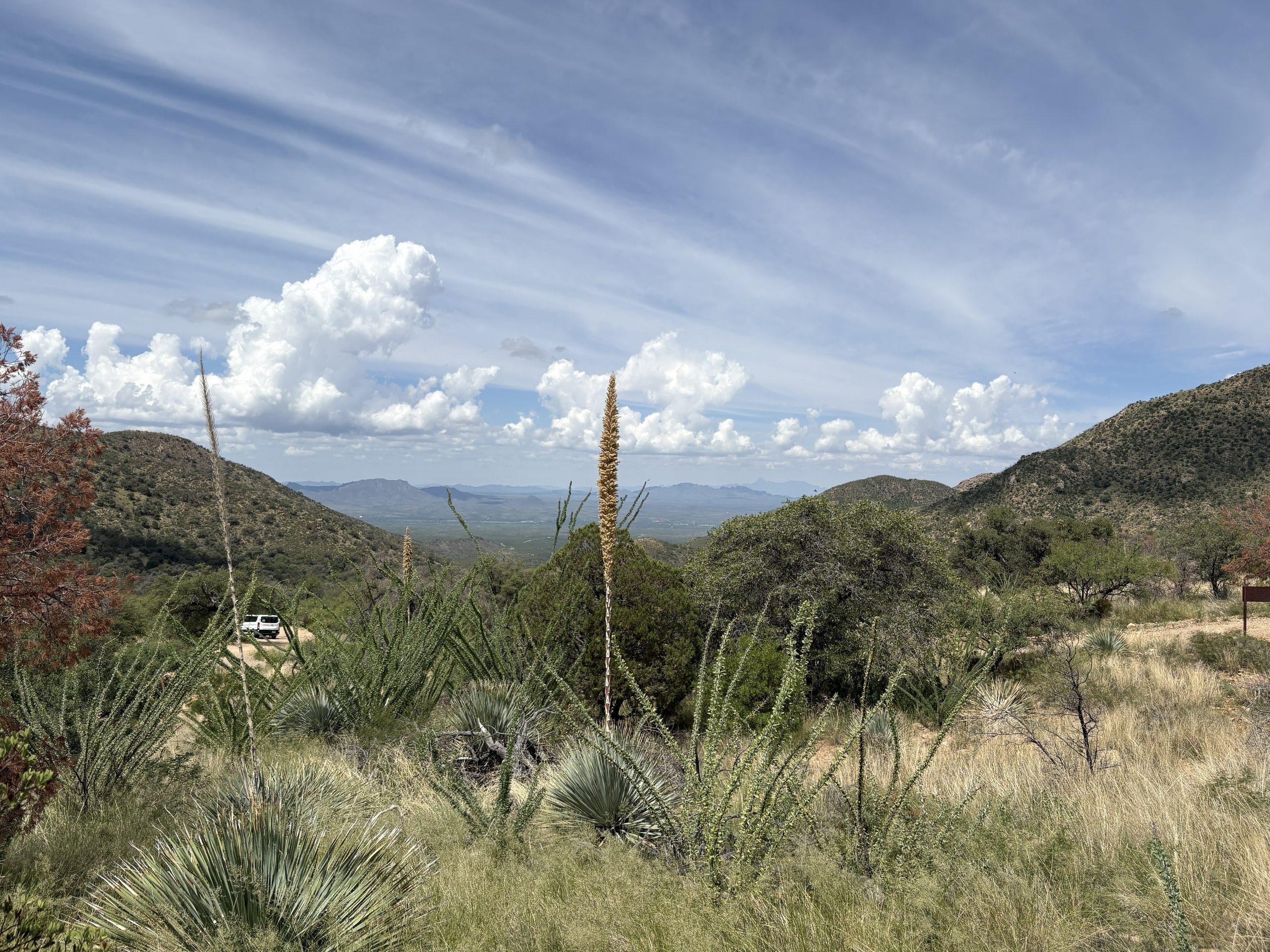
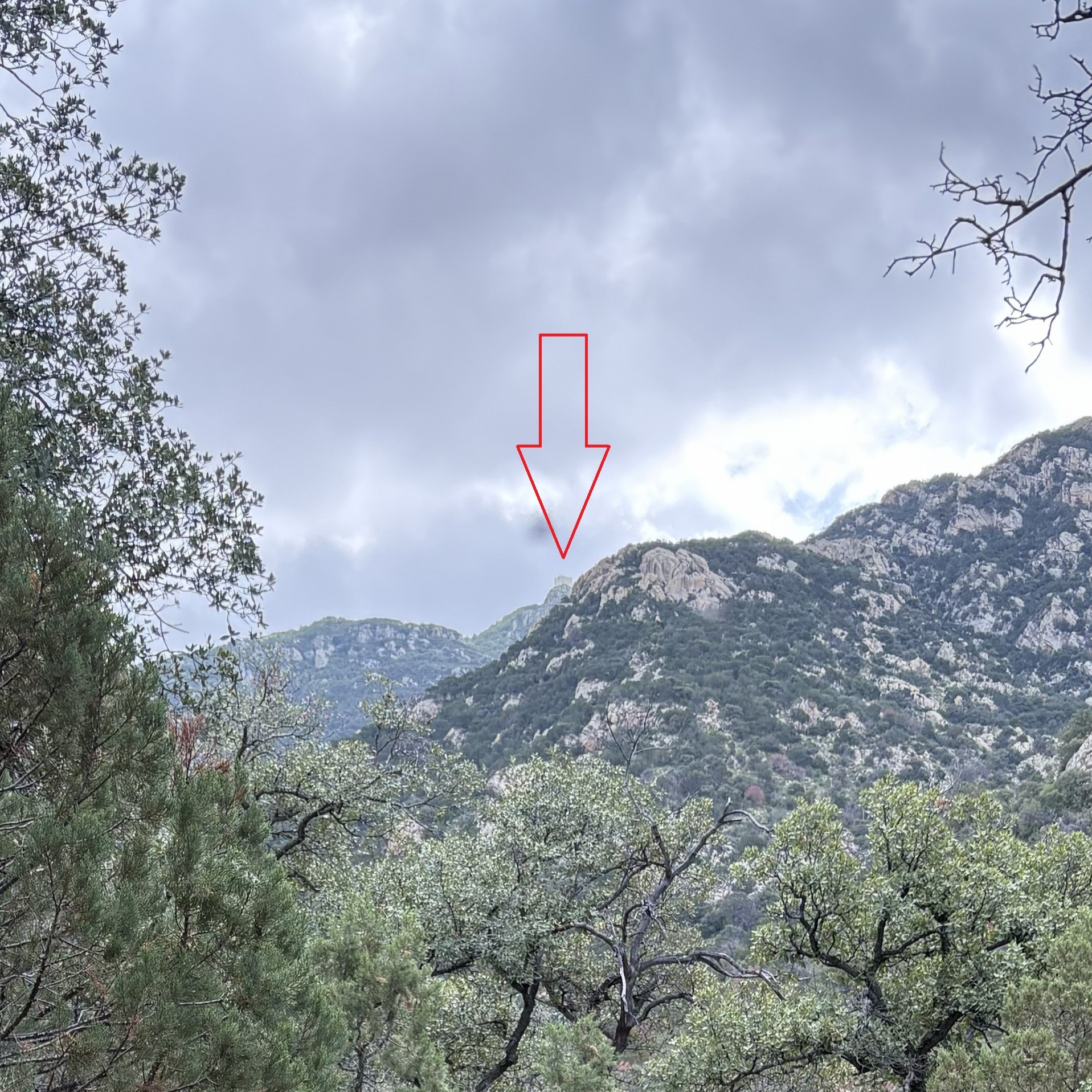
From that same picture (cropped), the red arrow points to the MMT Observatory:
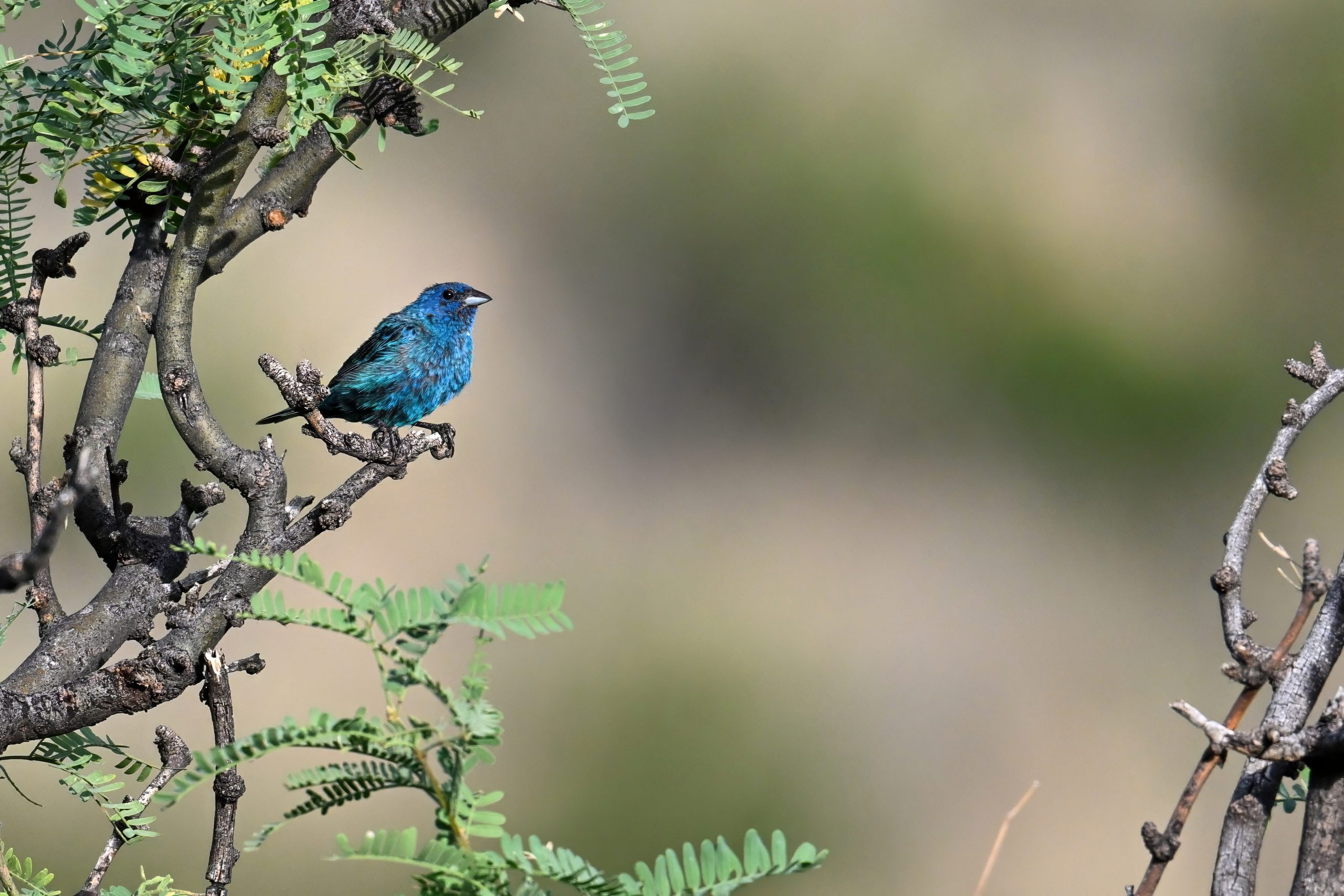
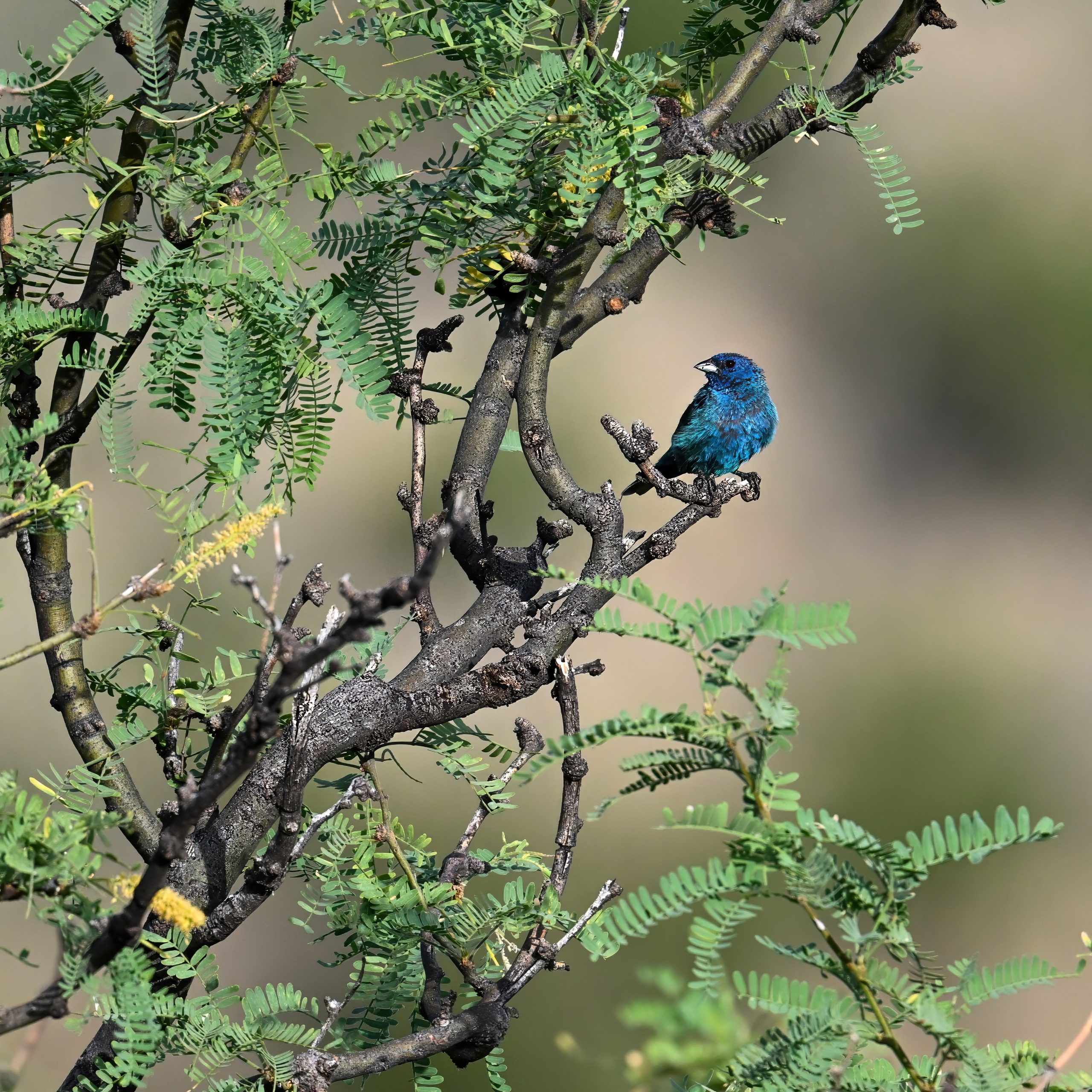
[Editor’s note: see this eBird link for a picture from this field trip of the male Montezuma Quail.]

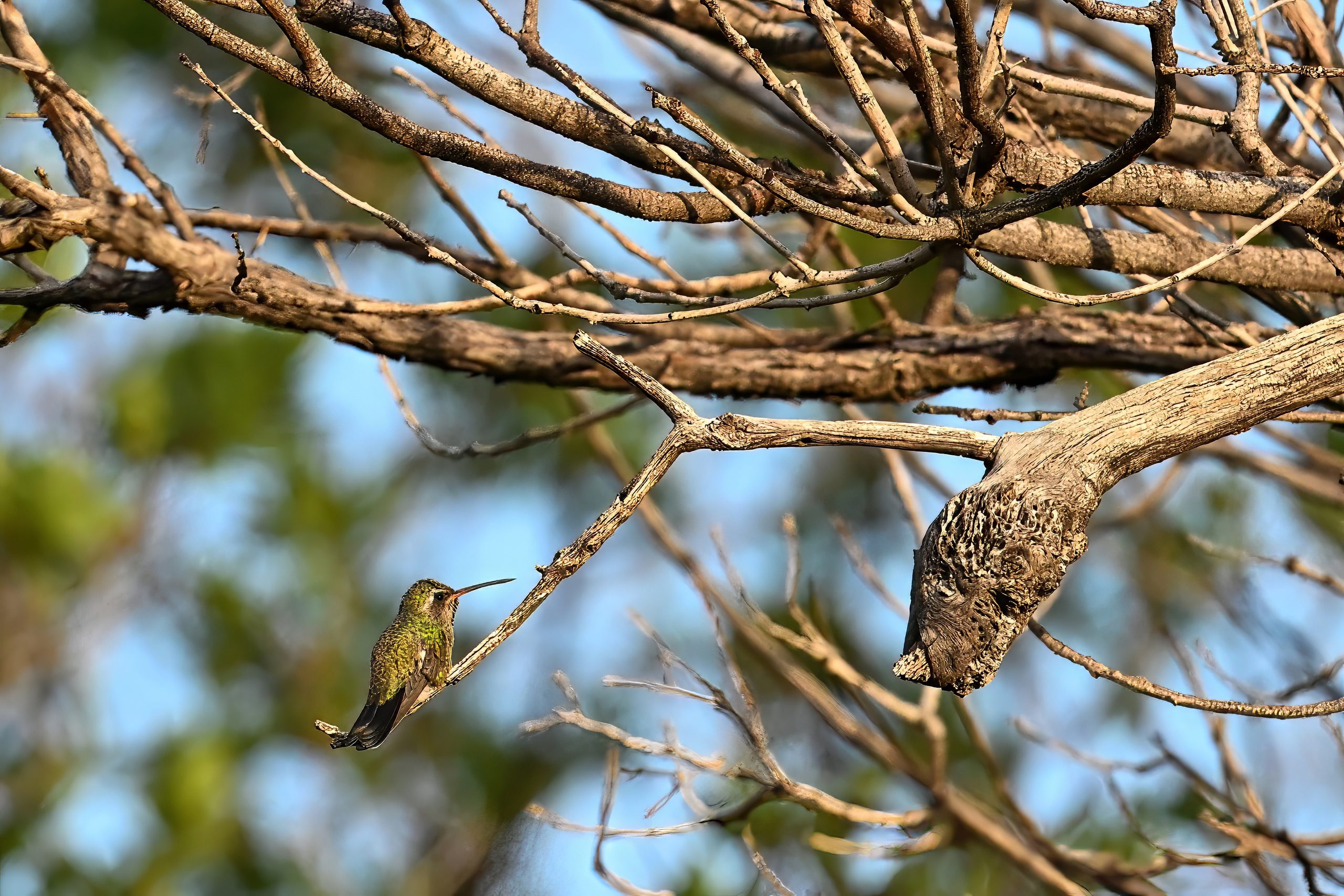
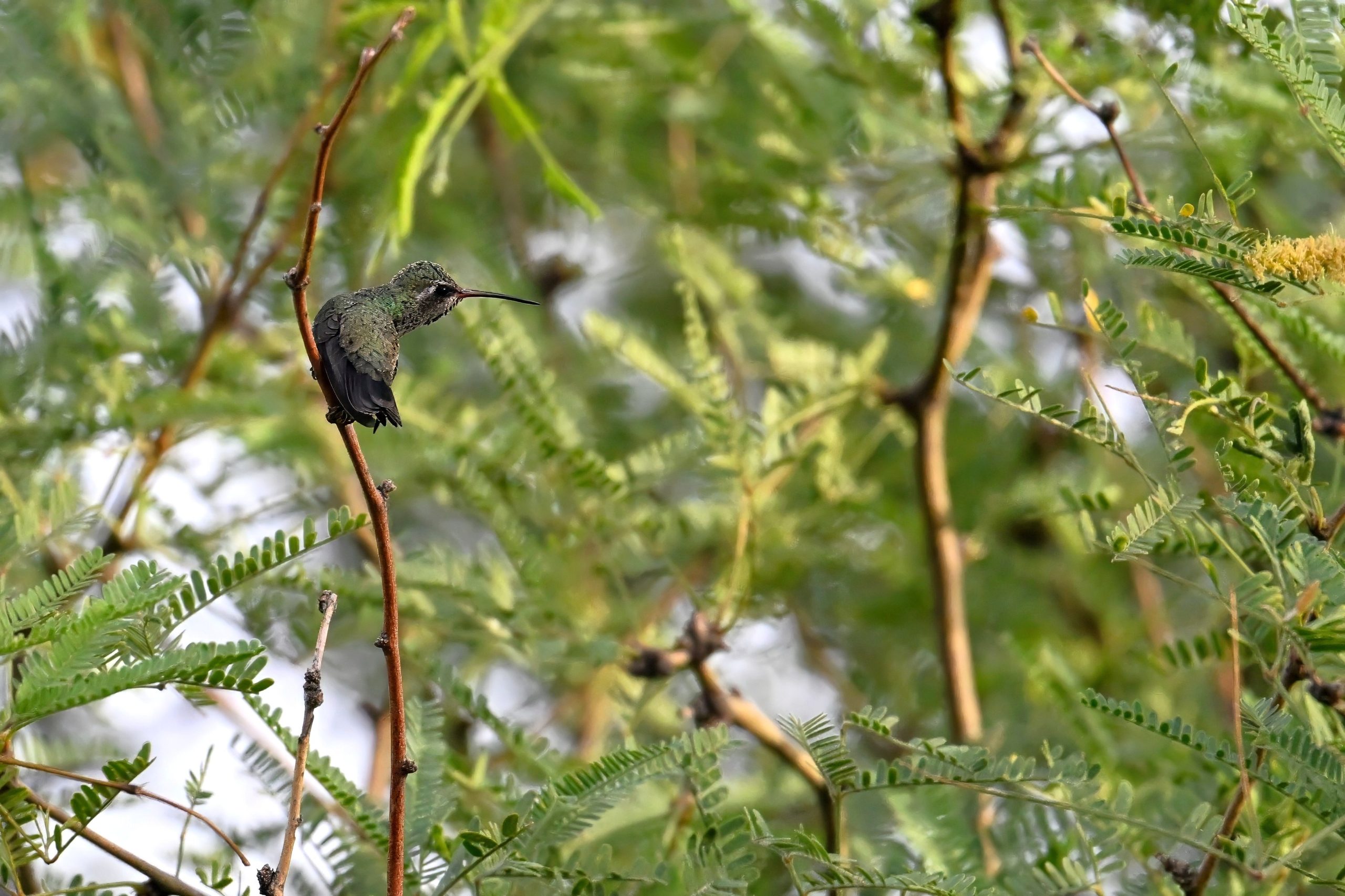
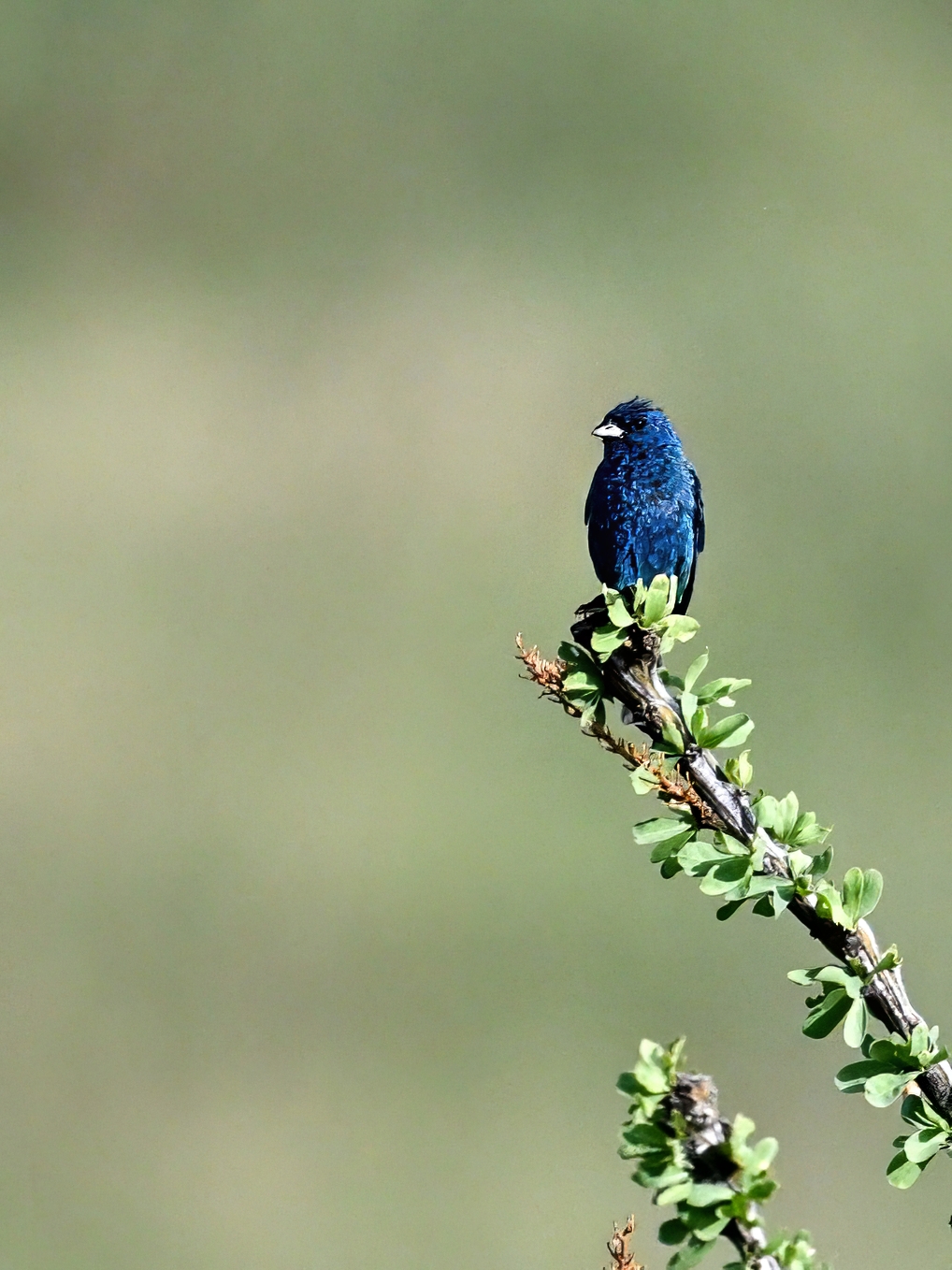
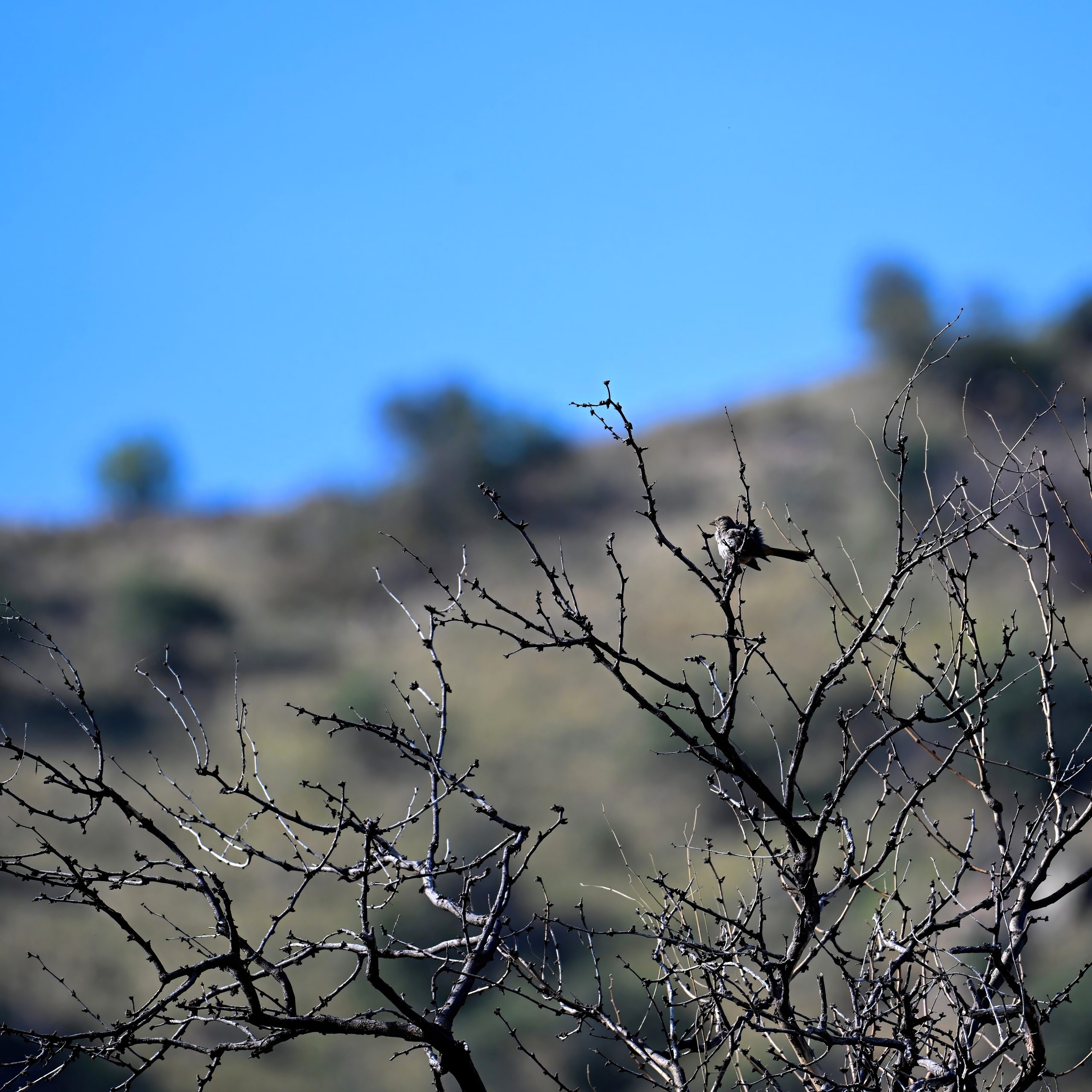
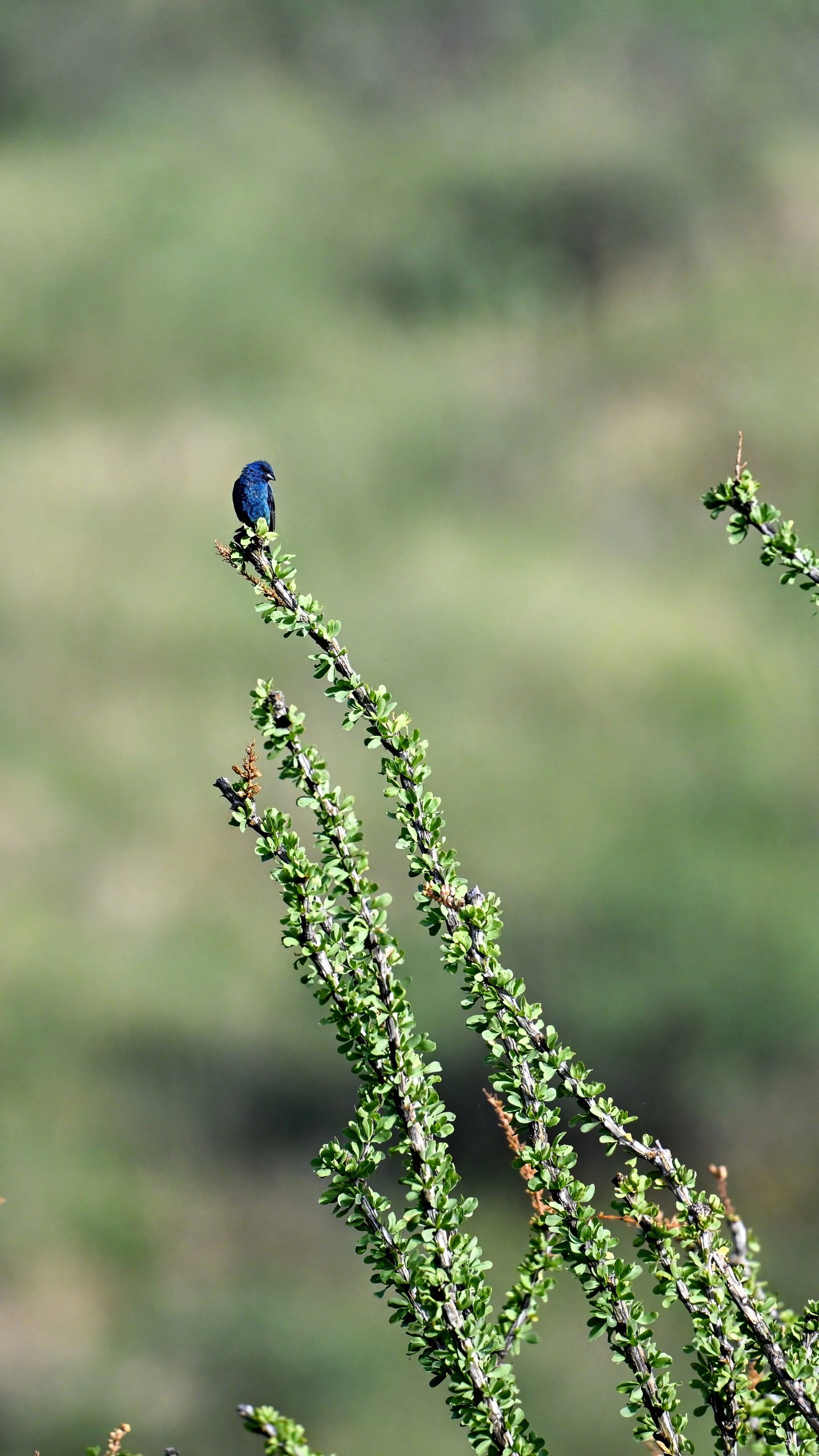
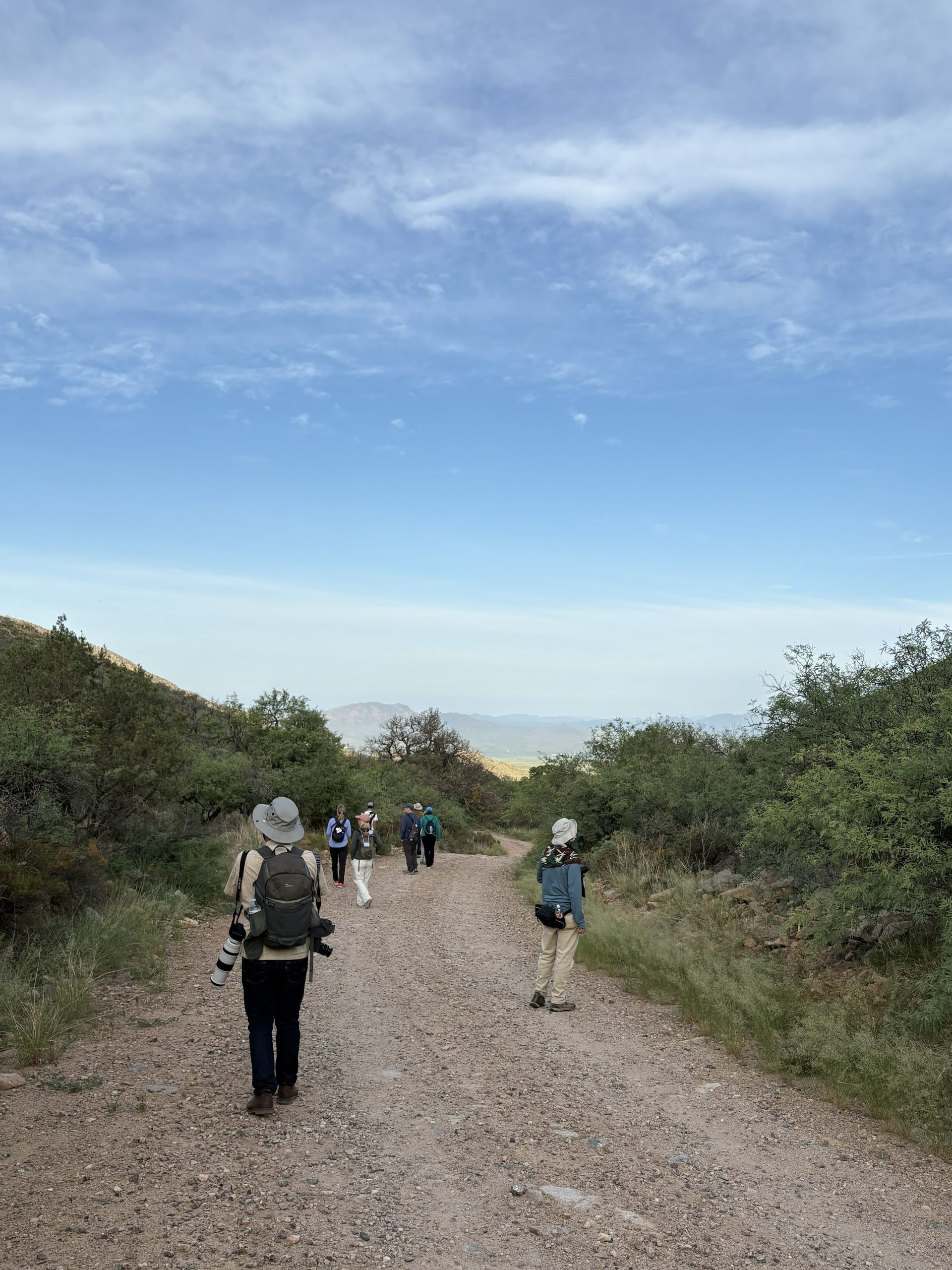
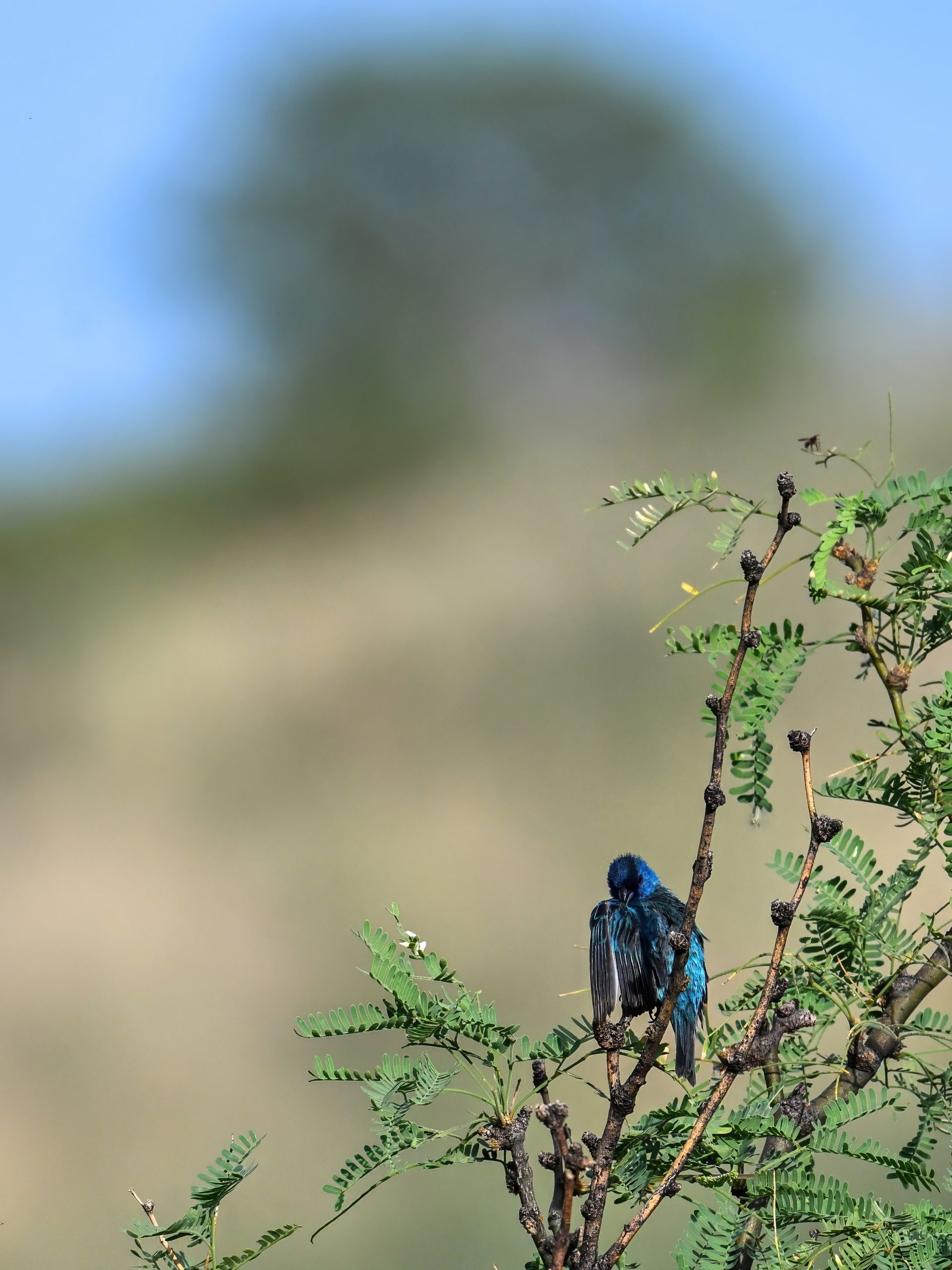
Finally reporting on yet another great SEAZ Birding Festival field trip from this past August, this time to amazing Agua Caliente Canyon between Green Valley and Nogales, south of Tucson. (Directions: follow Mt. Hopkins Road towards Whipple Observatory, take a left at the forest service sign for ‘Agua Caliente Canyon.’ Road conditions: rough.)

Dateline: 10 October 2026
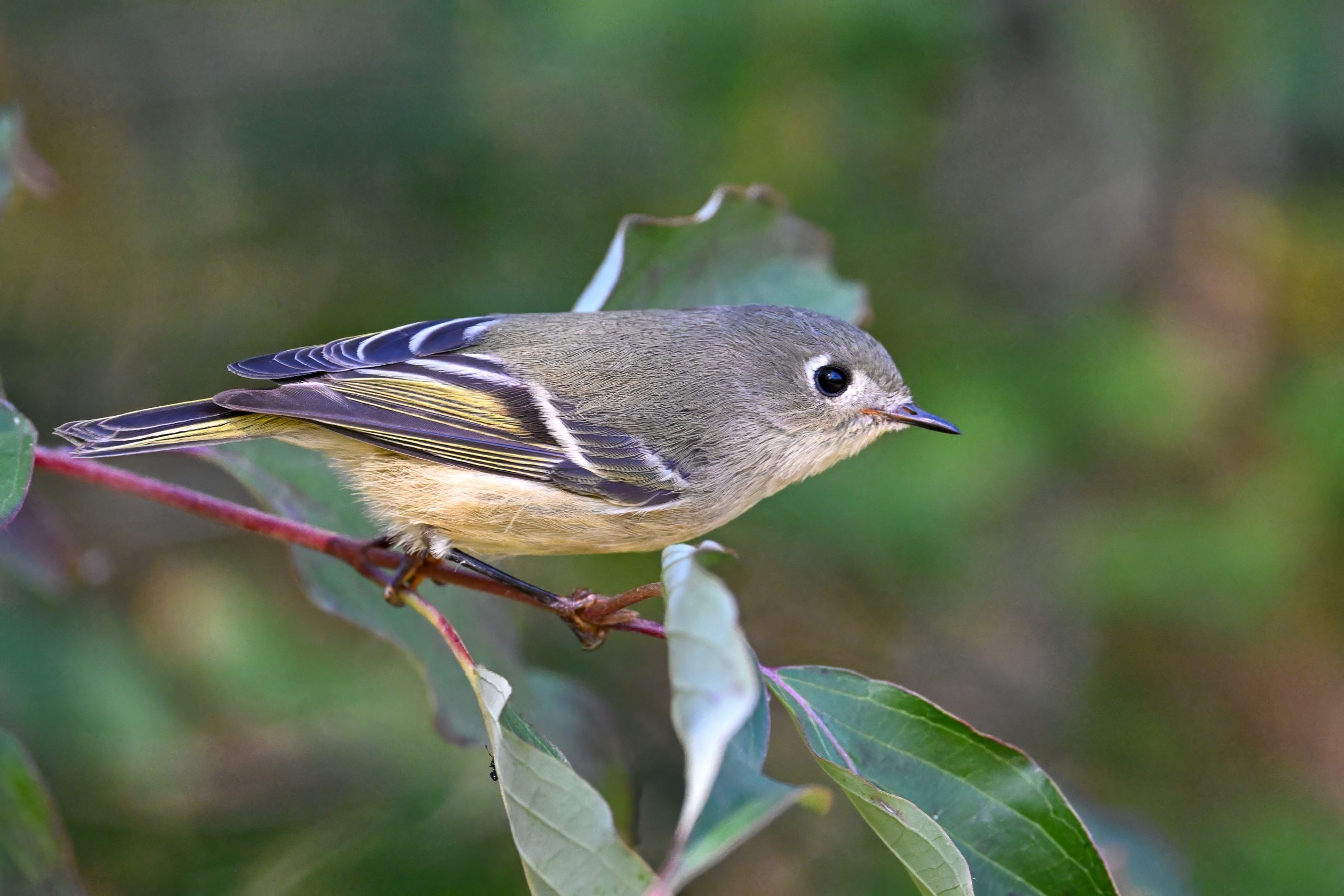
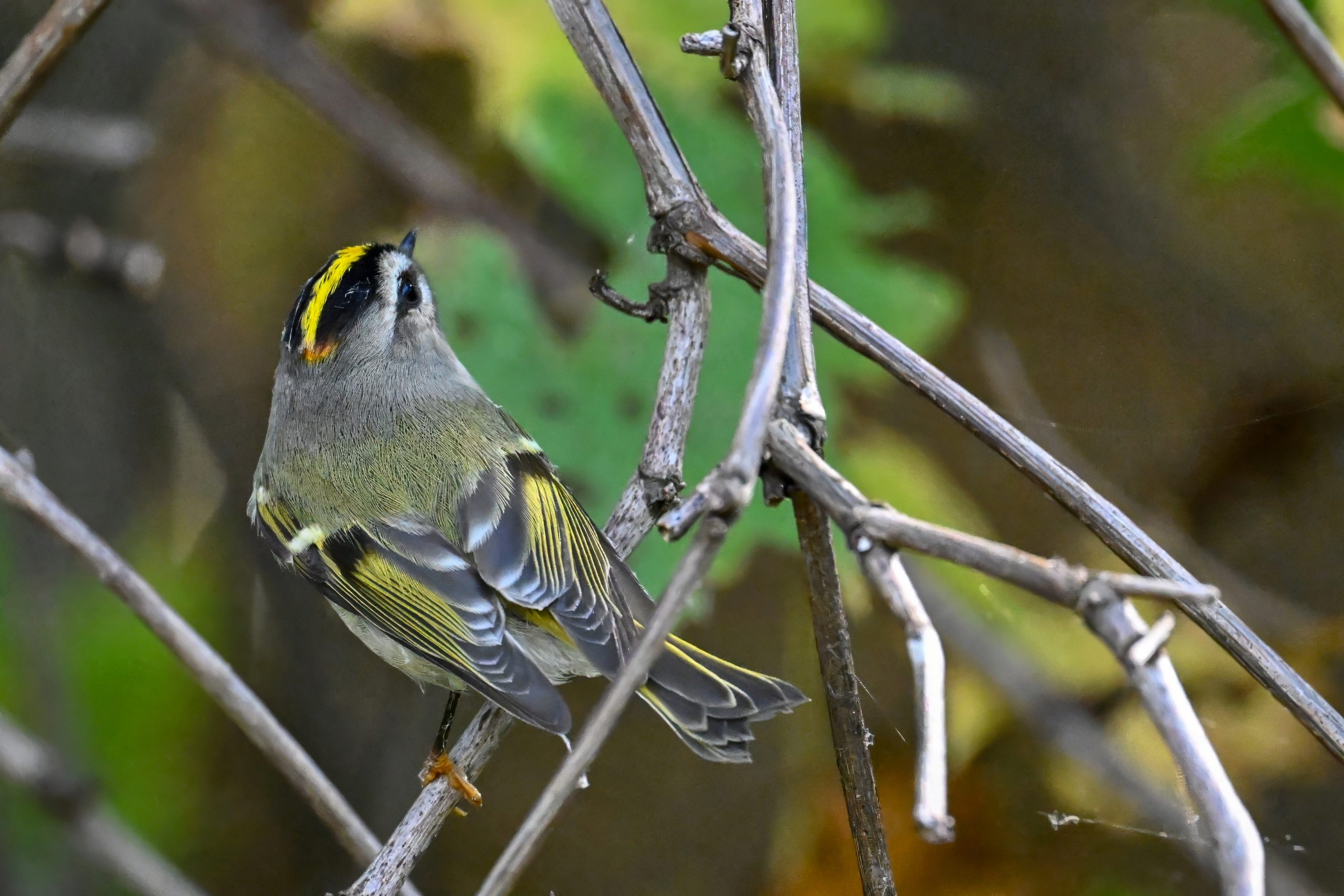
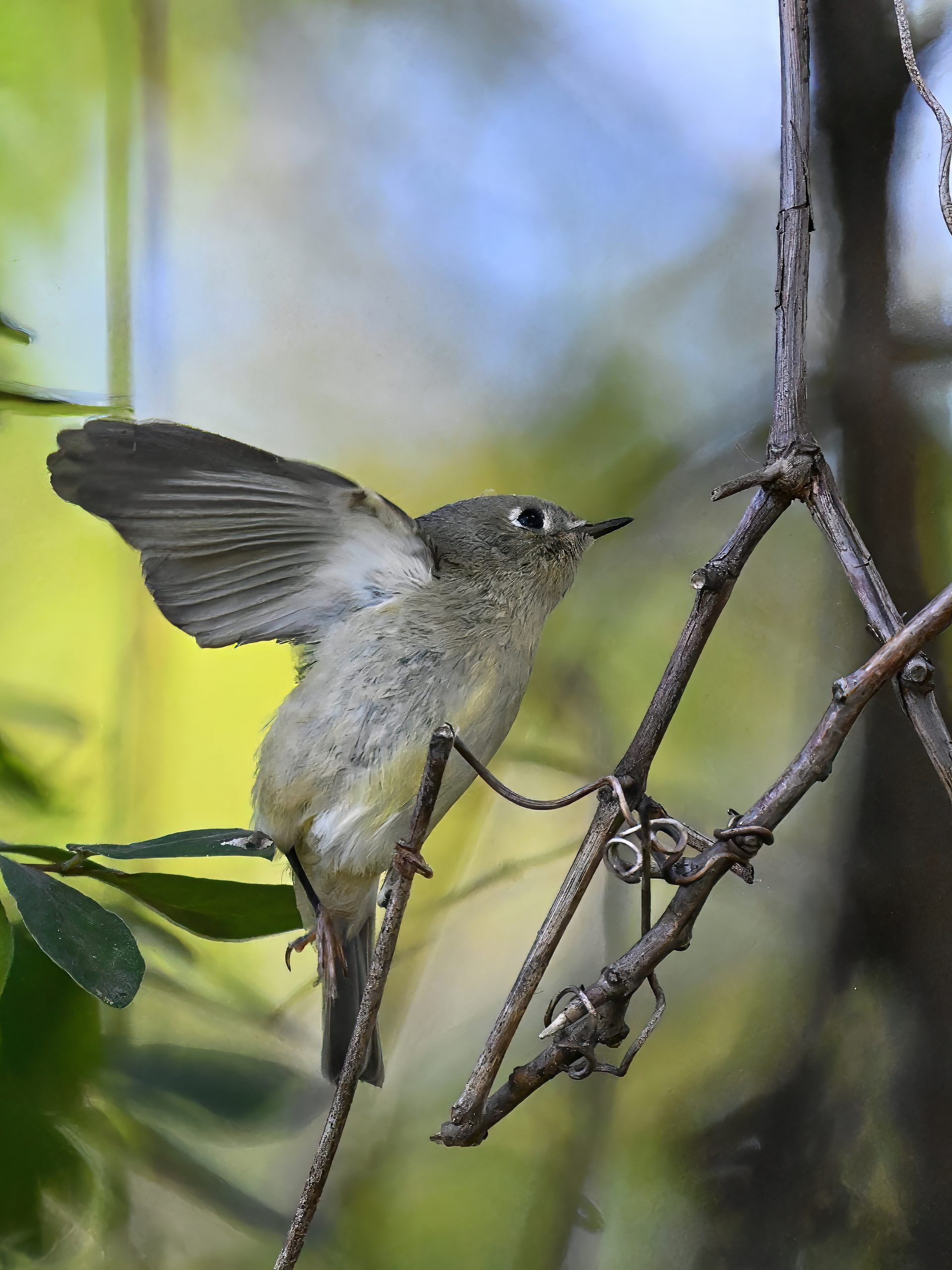
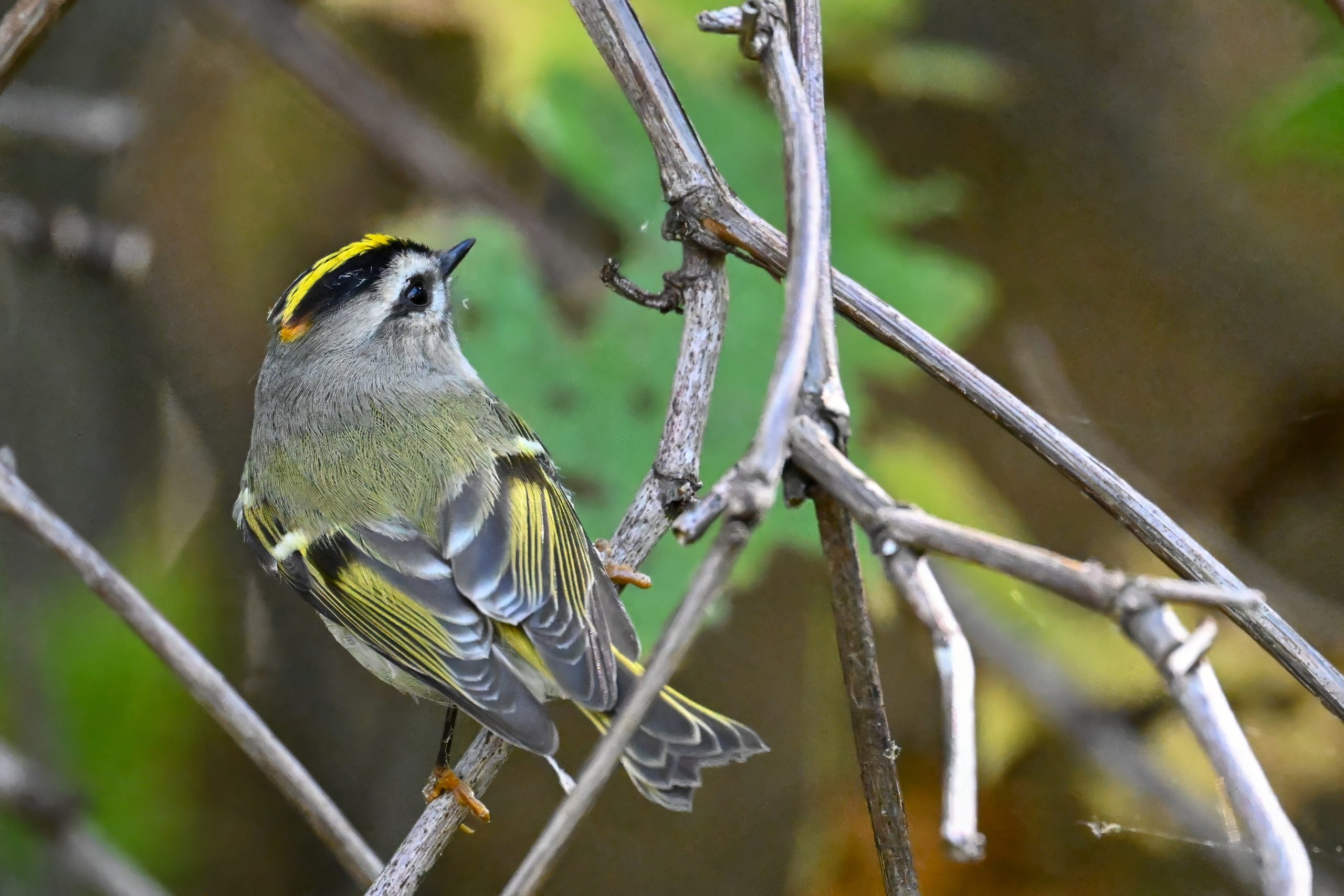
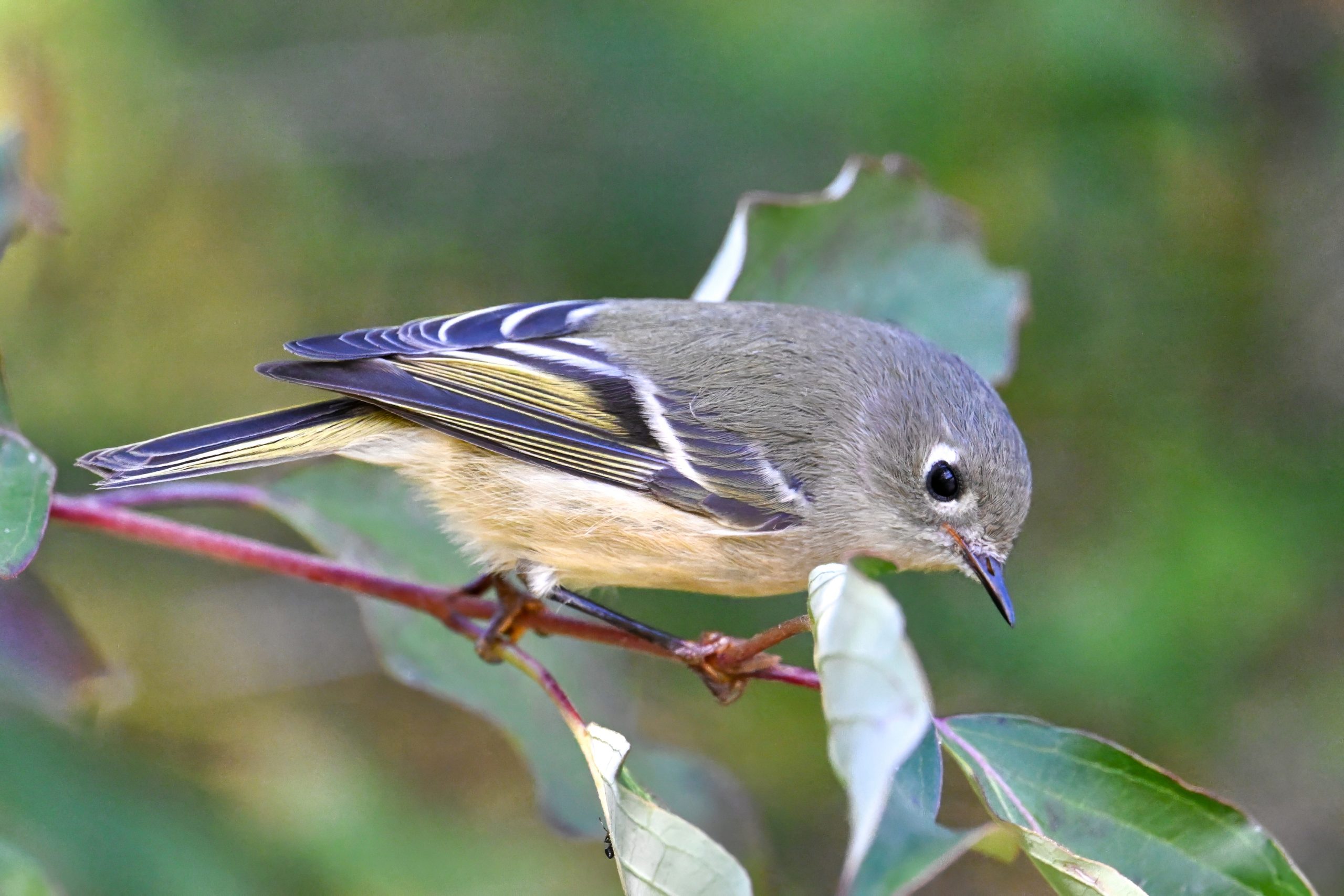
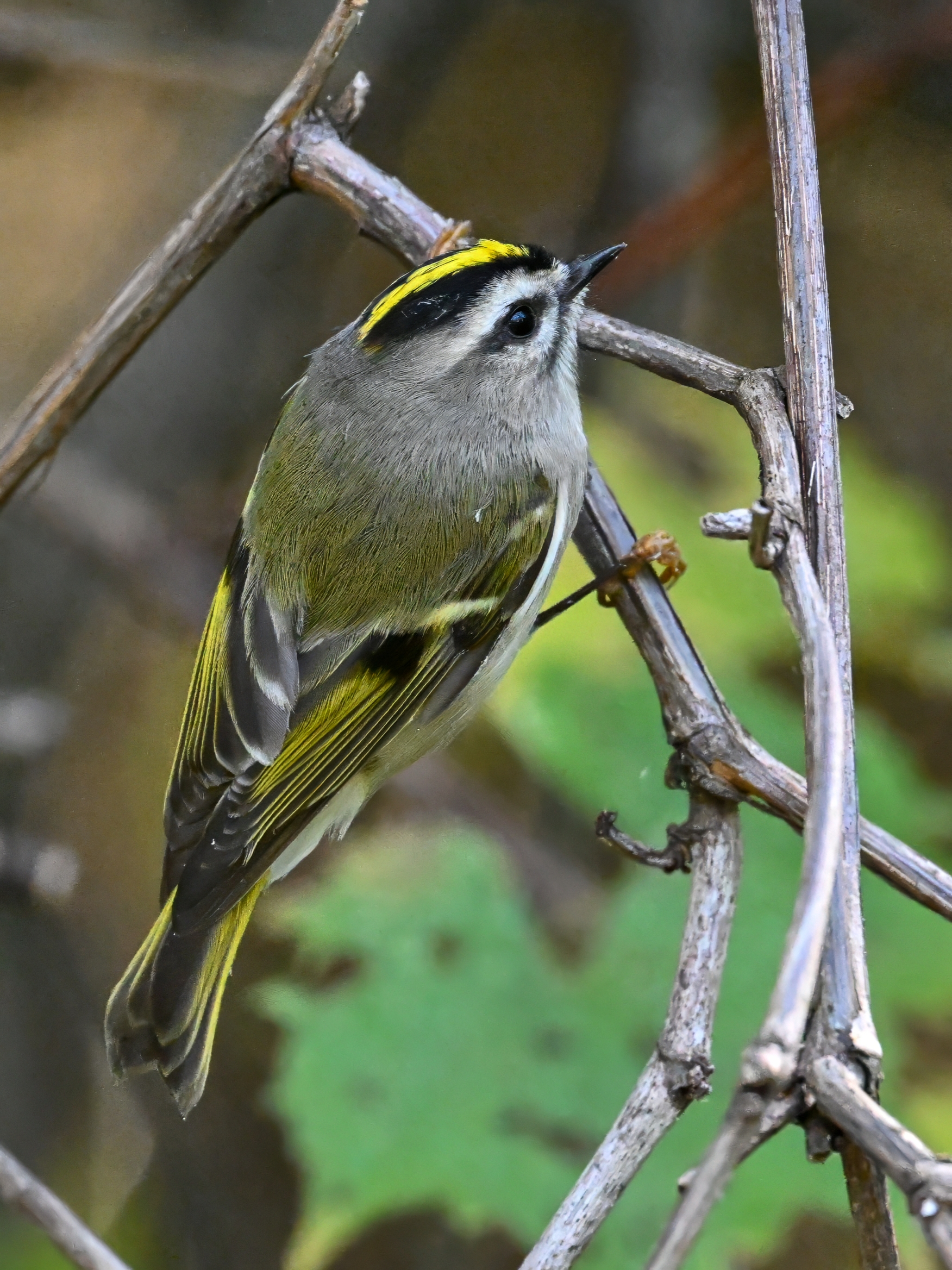
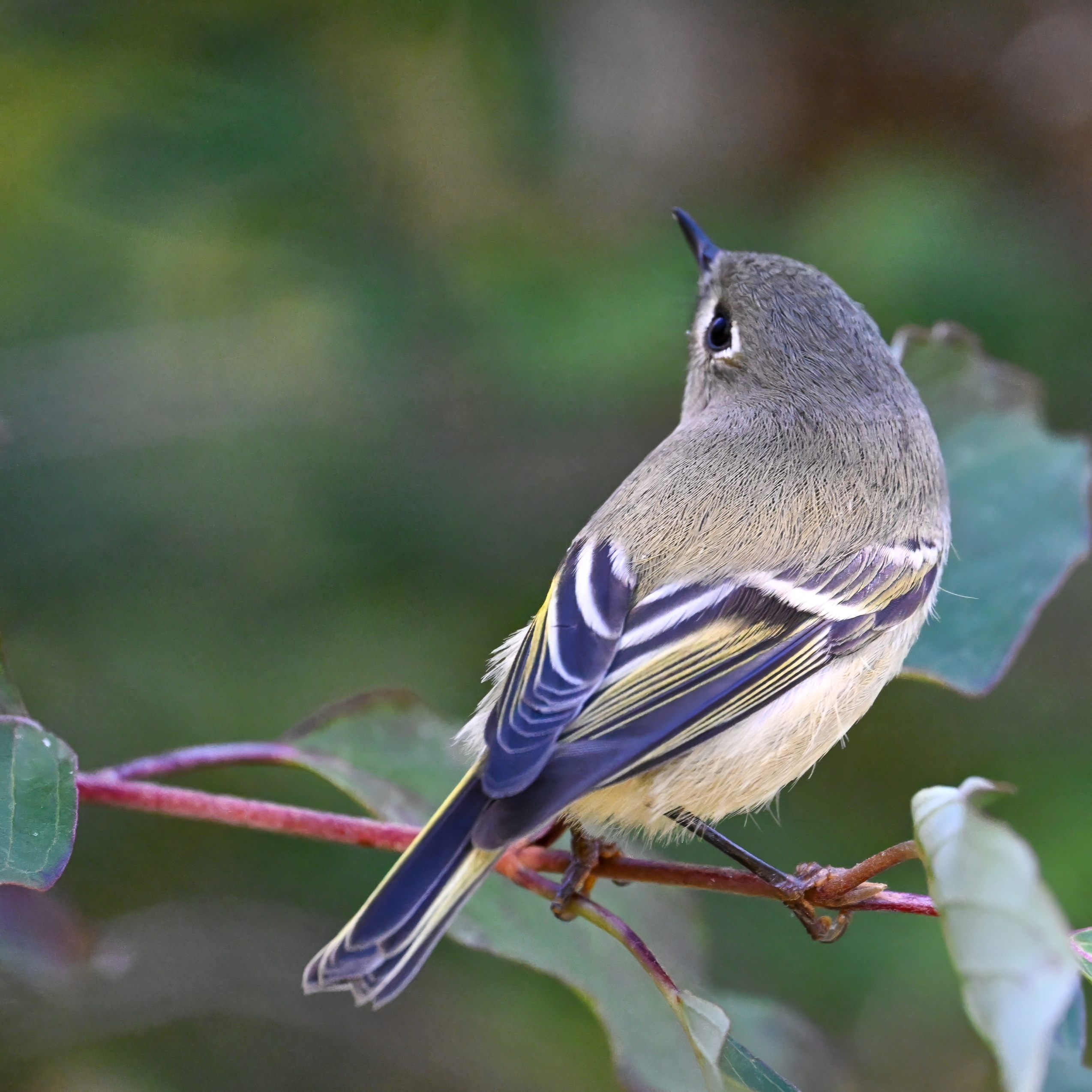
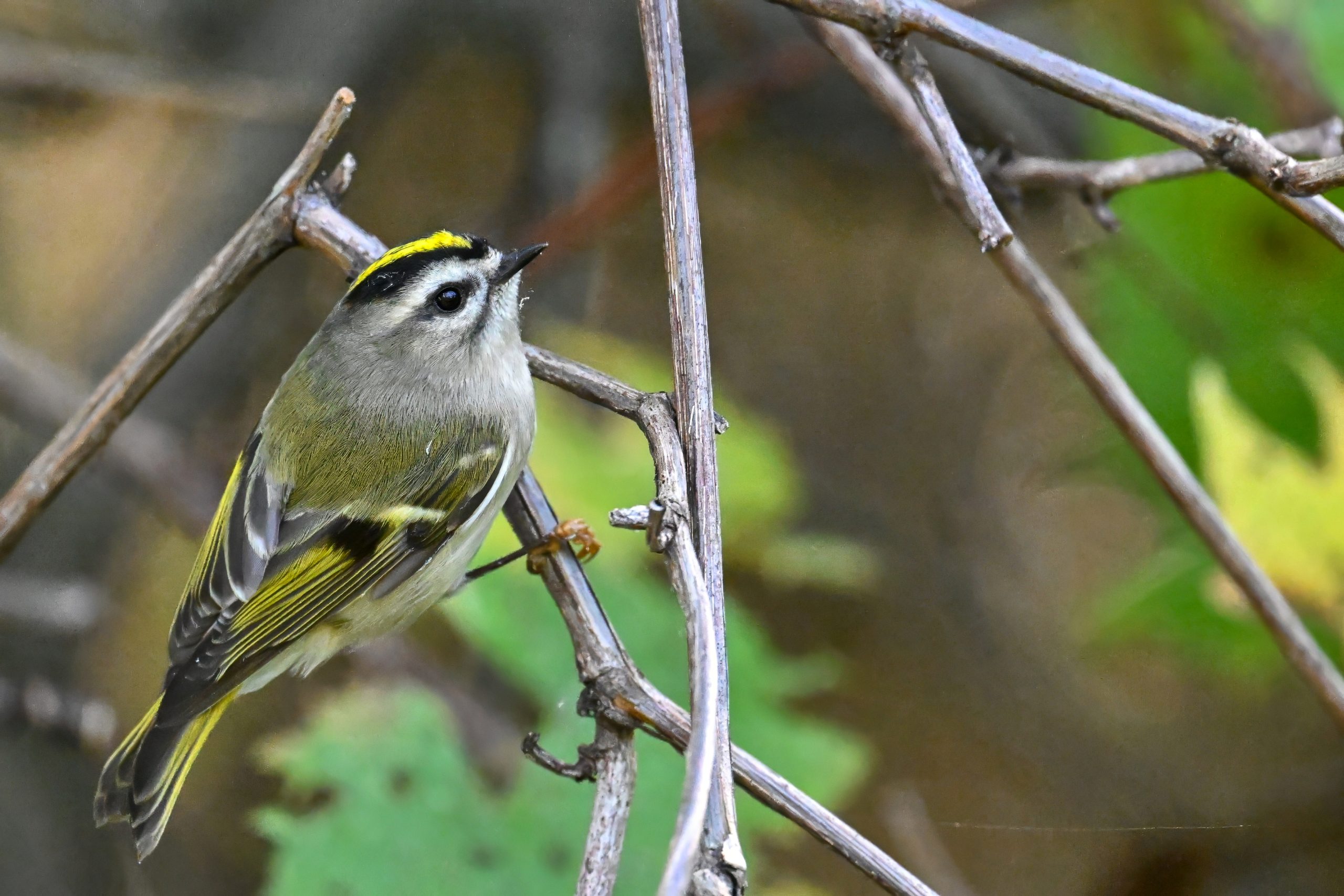
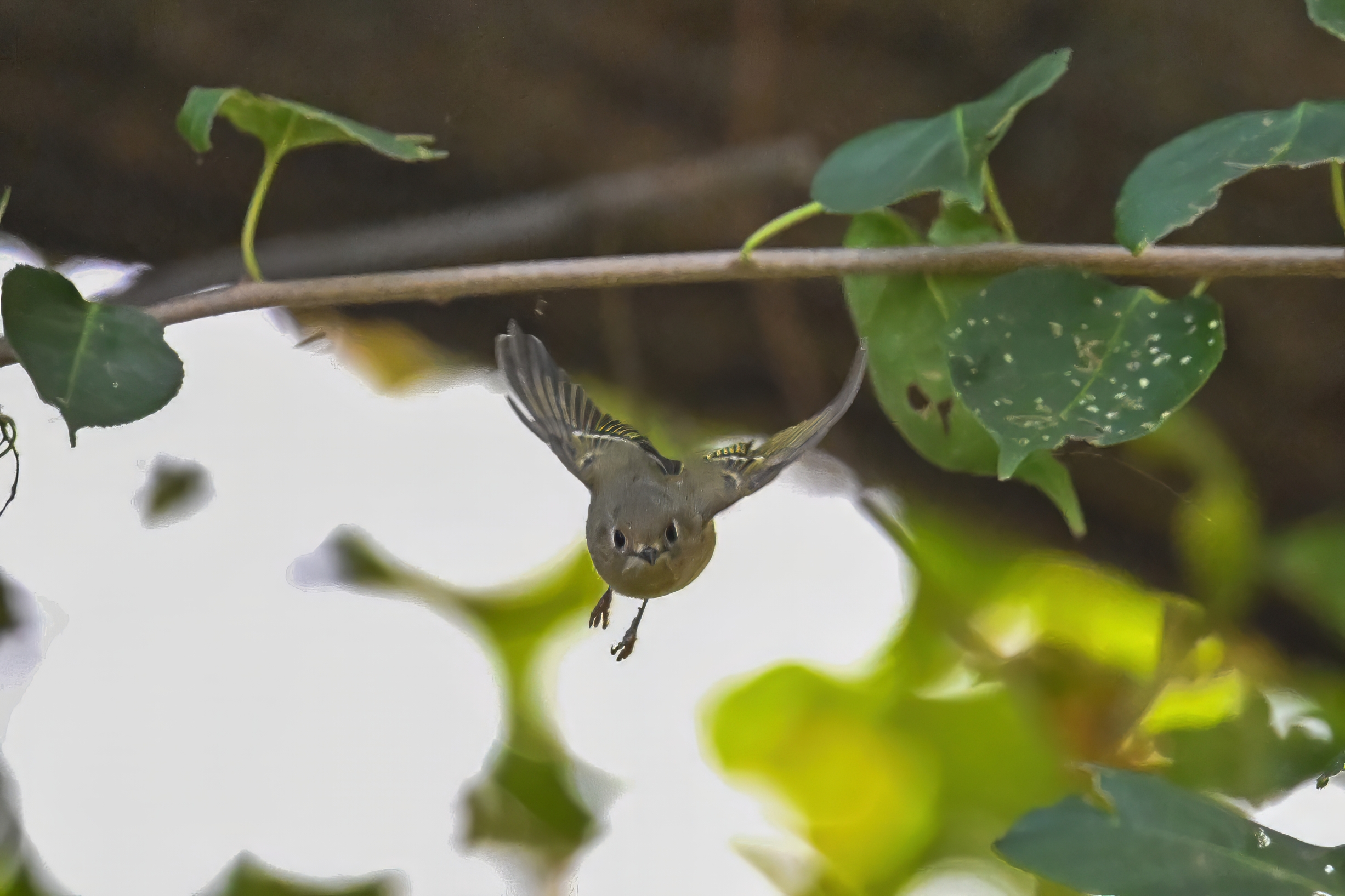
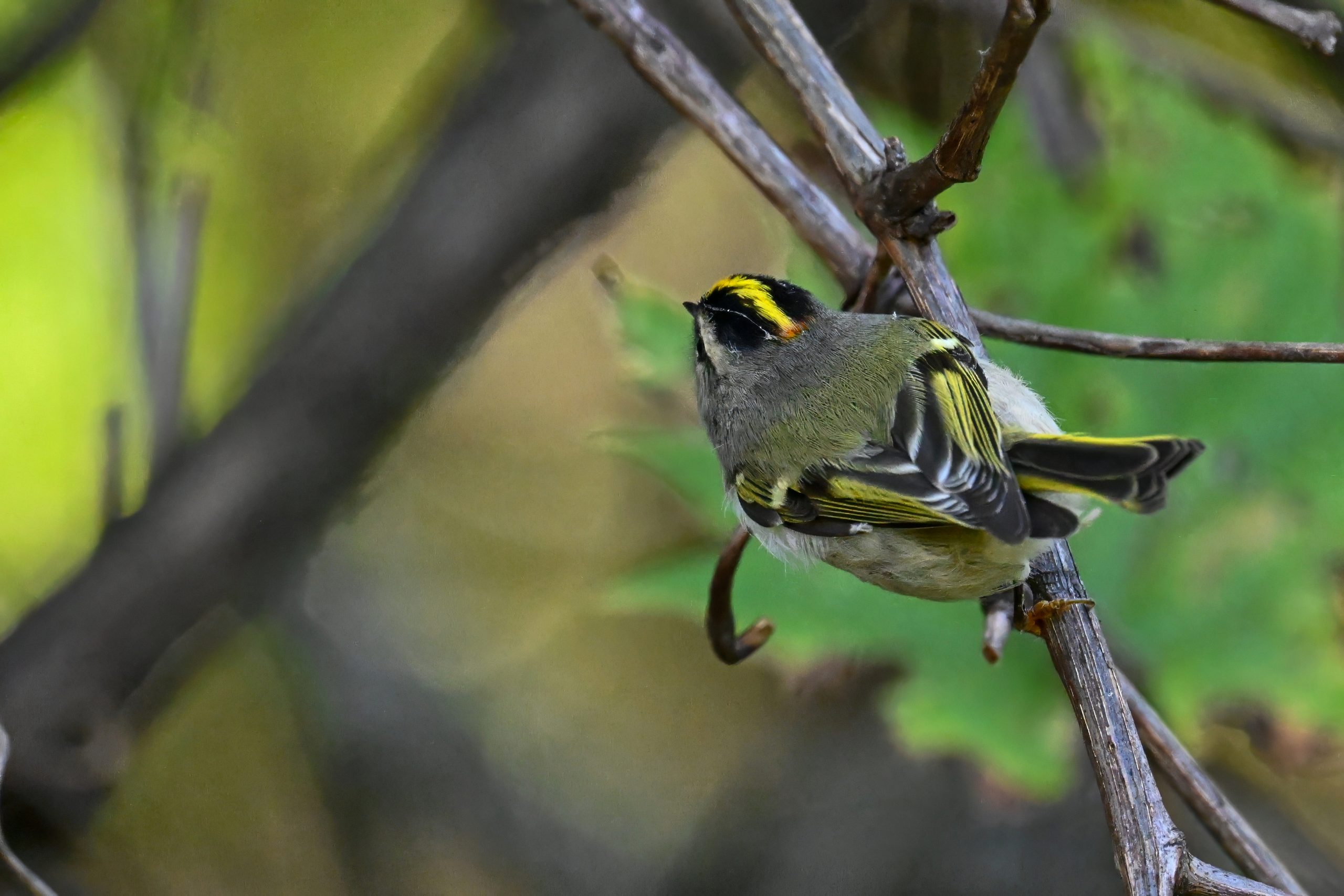
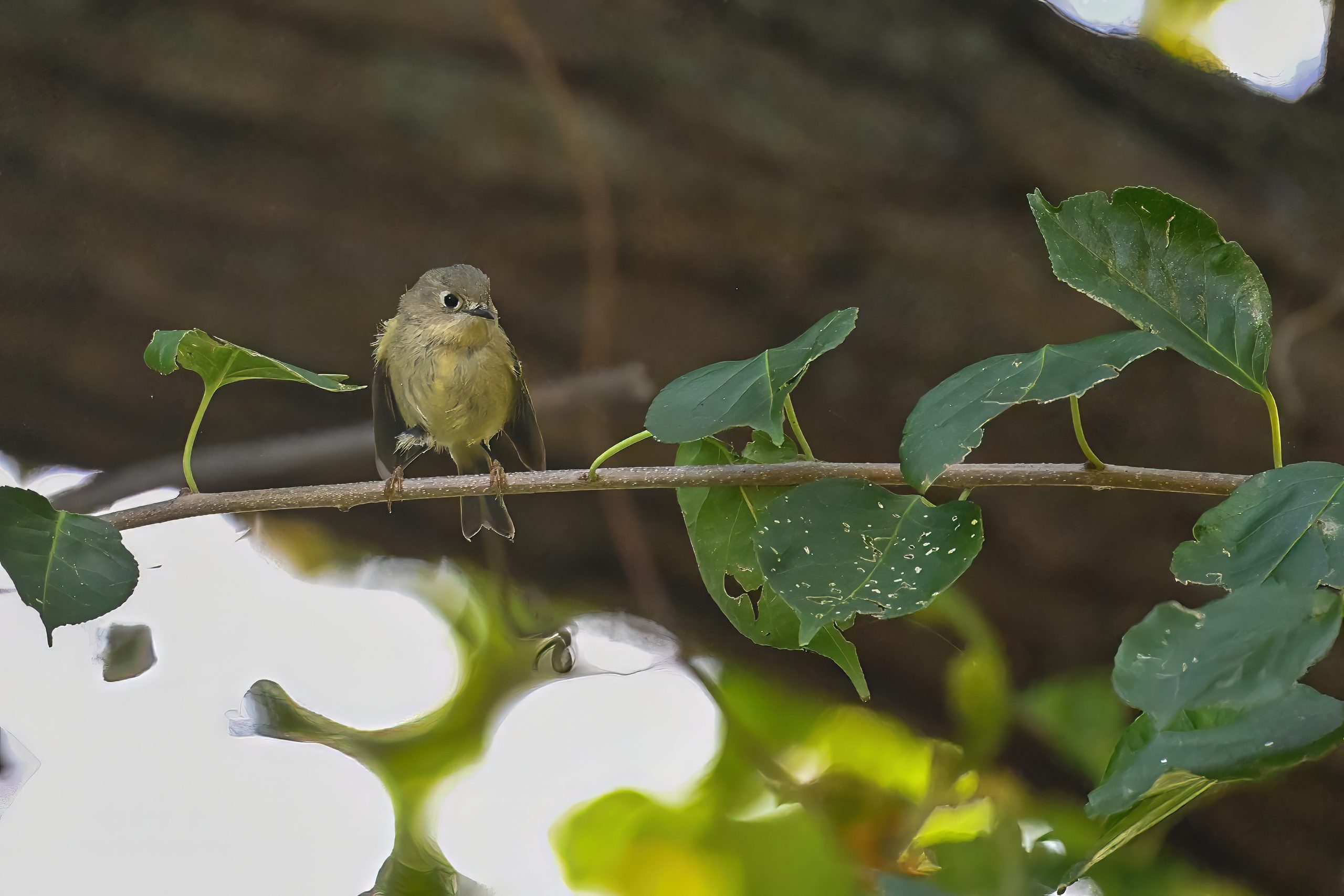
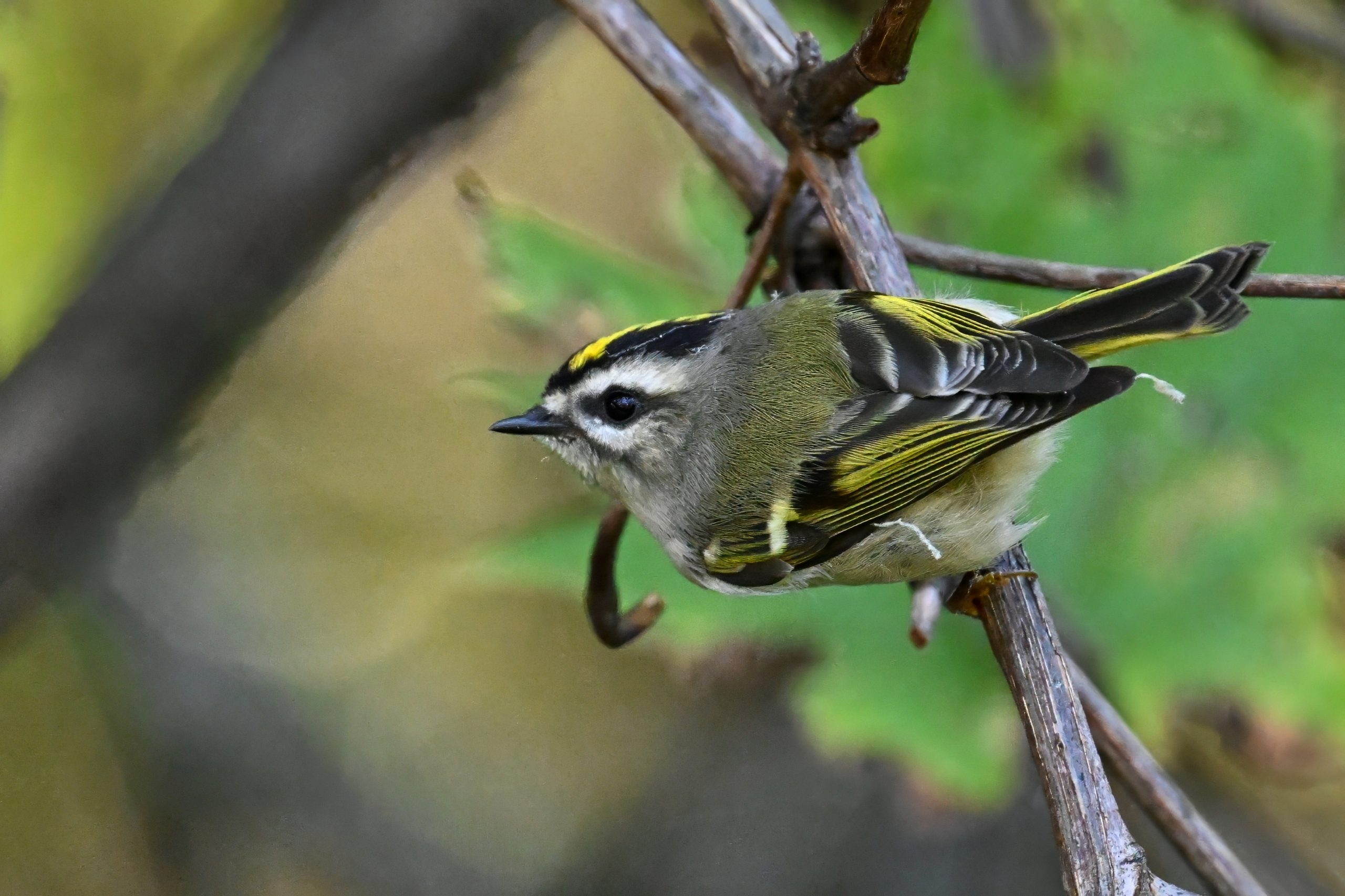
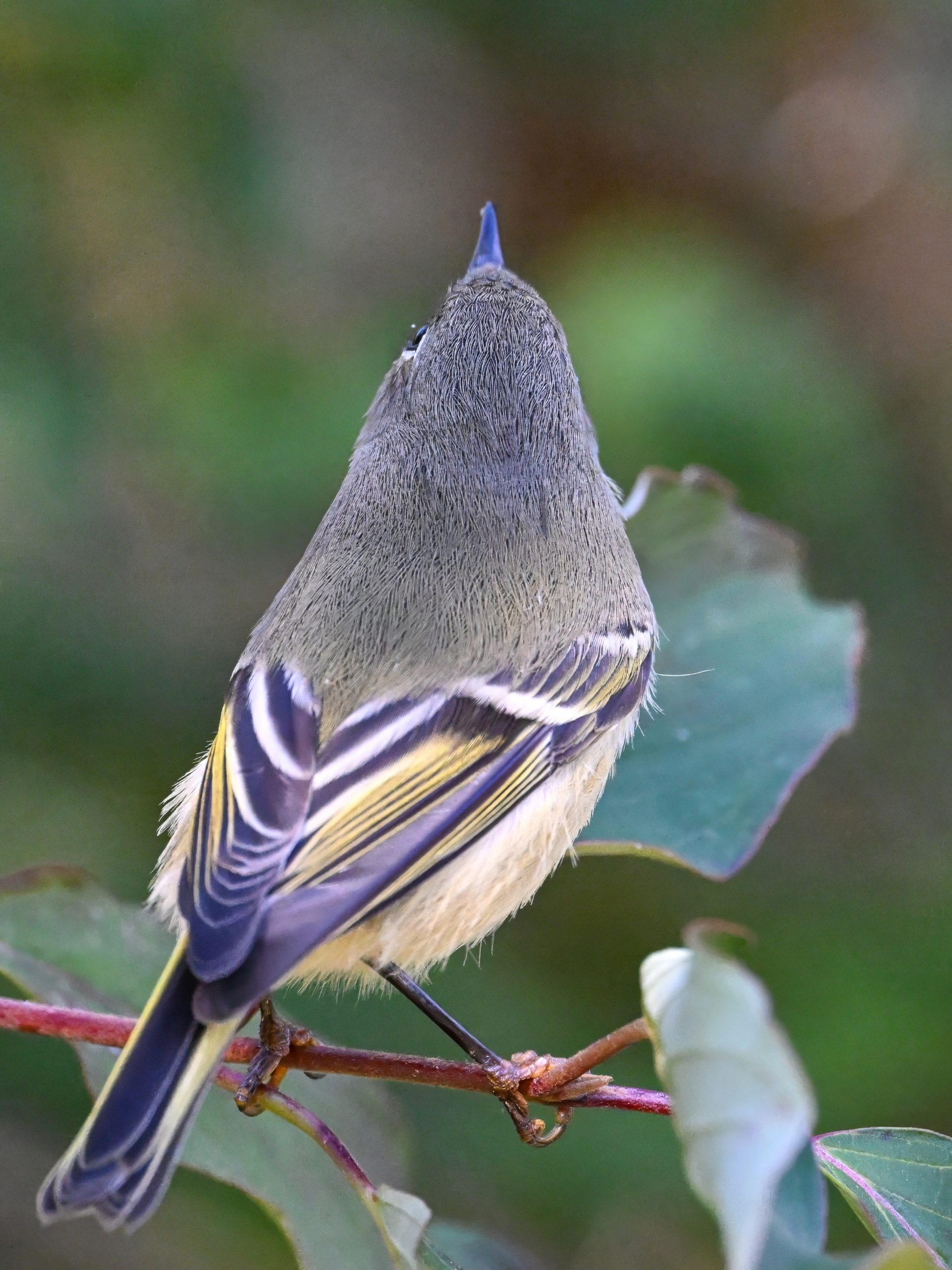
Well, today is October Big Day! Time to get out and count/enjoy birds! (Weather in Erie County, Pennsylvania: “acceptable,” e.g., windy, cool, hazy sunshine, dry.) Today’s post features two species at Presque Isle State Park an attentive birder, or even an inattentive birder, is highly likely to see today, Golden-crowned Kinglet and Ruby-crowned Kinglet:
Meanwhile, elsewhere in Erie County, PA: