Before heading back to Arizona, might as well squeeze in another post of Erie County, PA content, featuring a great, if distant, sighting of American Golden-Plover at Gull Point, about a month ago.
Great EgretDouble-crested Cormorant etc.Canada Geese over Thompson Bay
And here’s the ‘bird of the day,’ an American Golden-Plover coming in for a landing at the west sandbar/lagoon ingress-egress. ID hint: besides this bird was vocalizing loudly, in this plumage (very similar to Black-bellied Plover a.k.a. Gray Plover) A G-P has a distinctive black cap that Gray Plovers lack. These shots from the ‘new’ observation platform.
(State park ranger w/ ATV @ bottom background)Plover @ middlePlover @ lower right
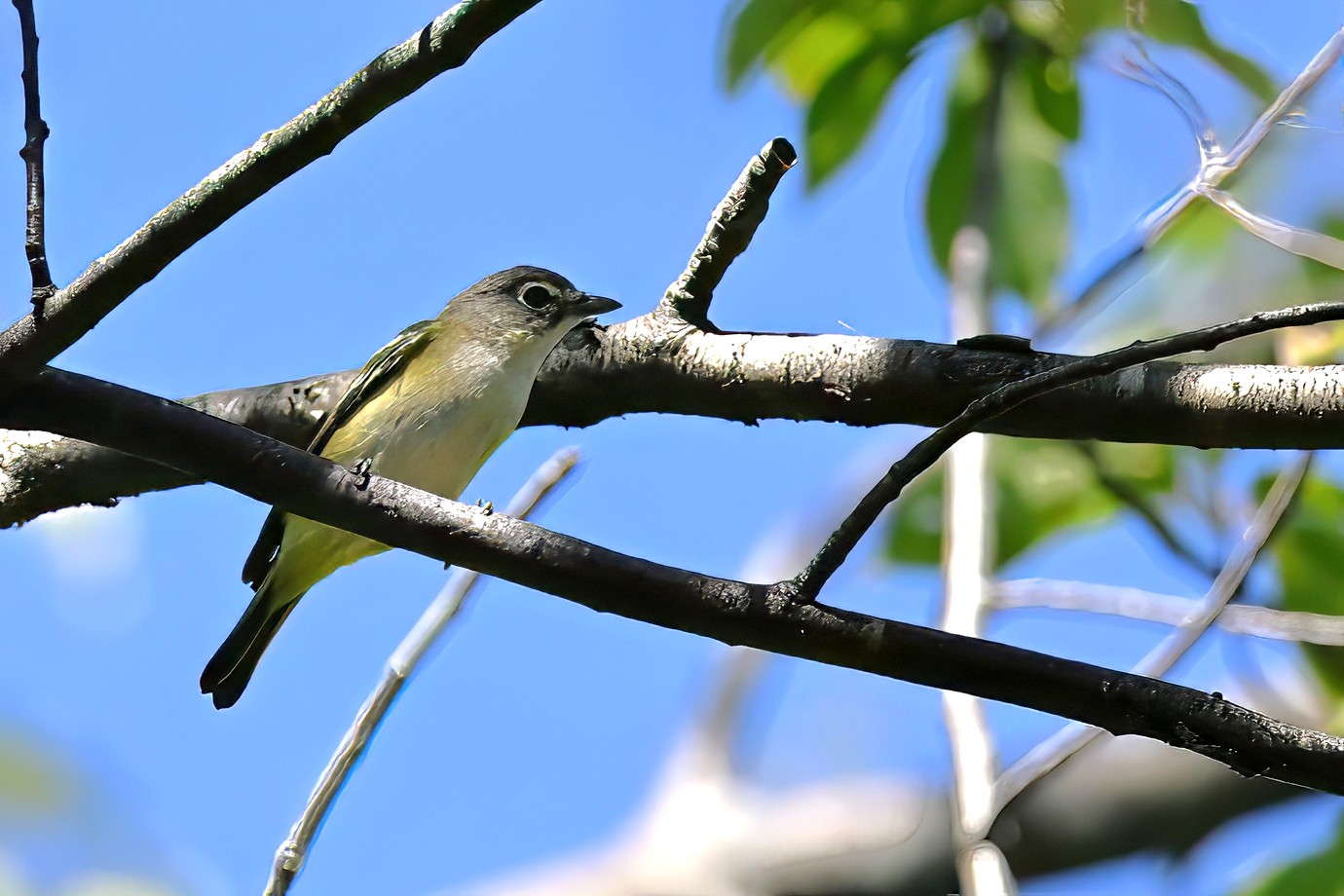
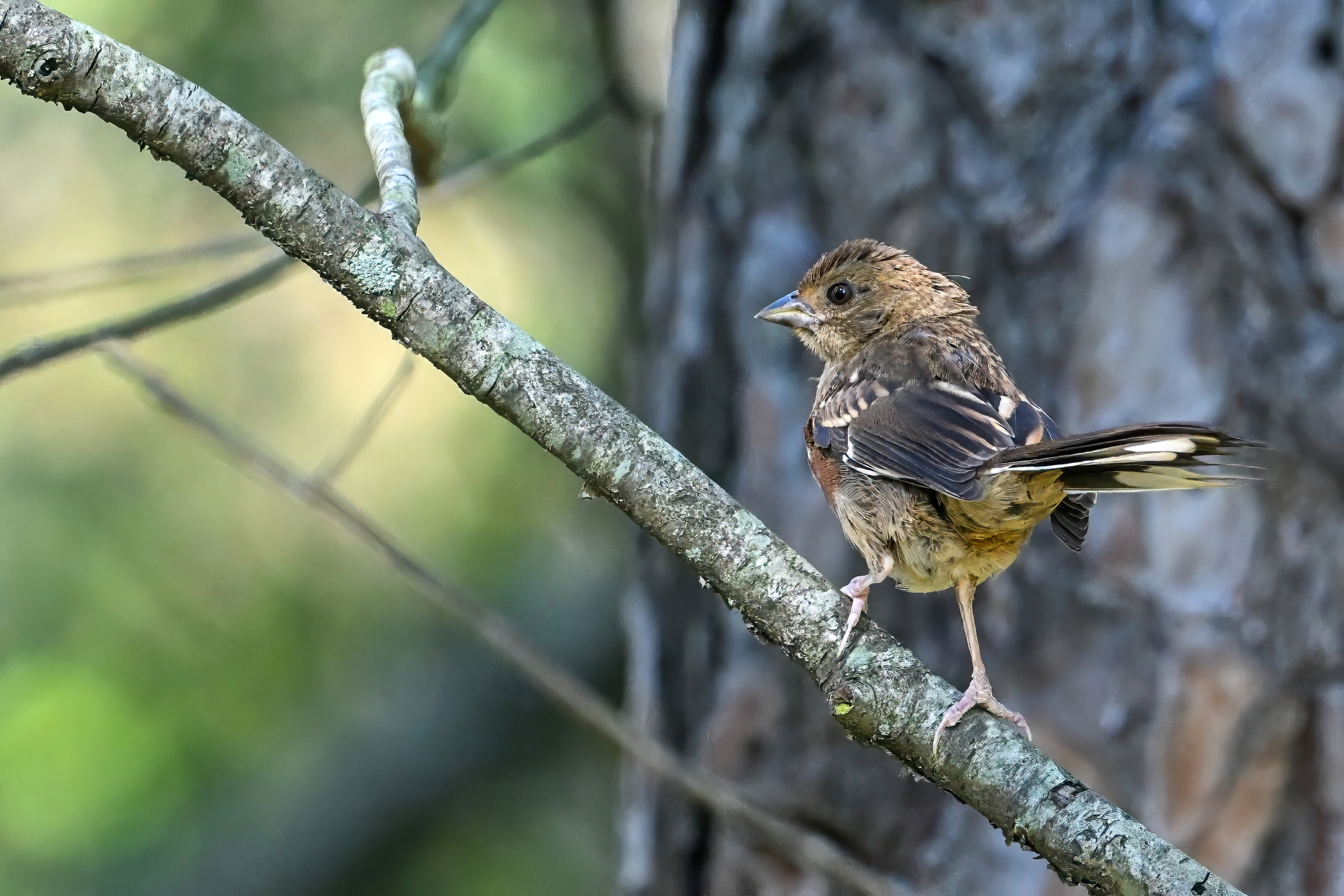
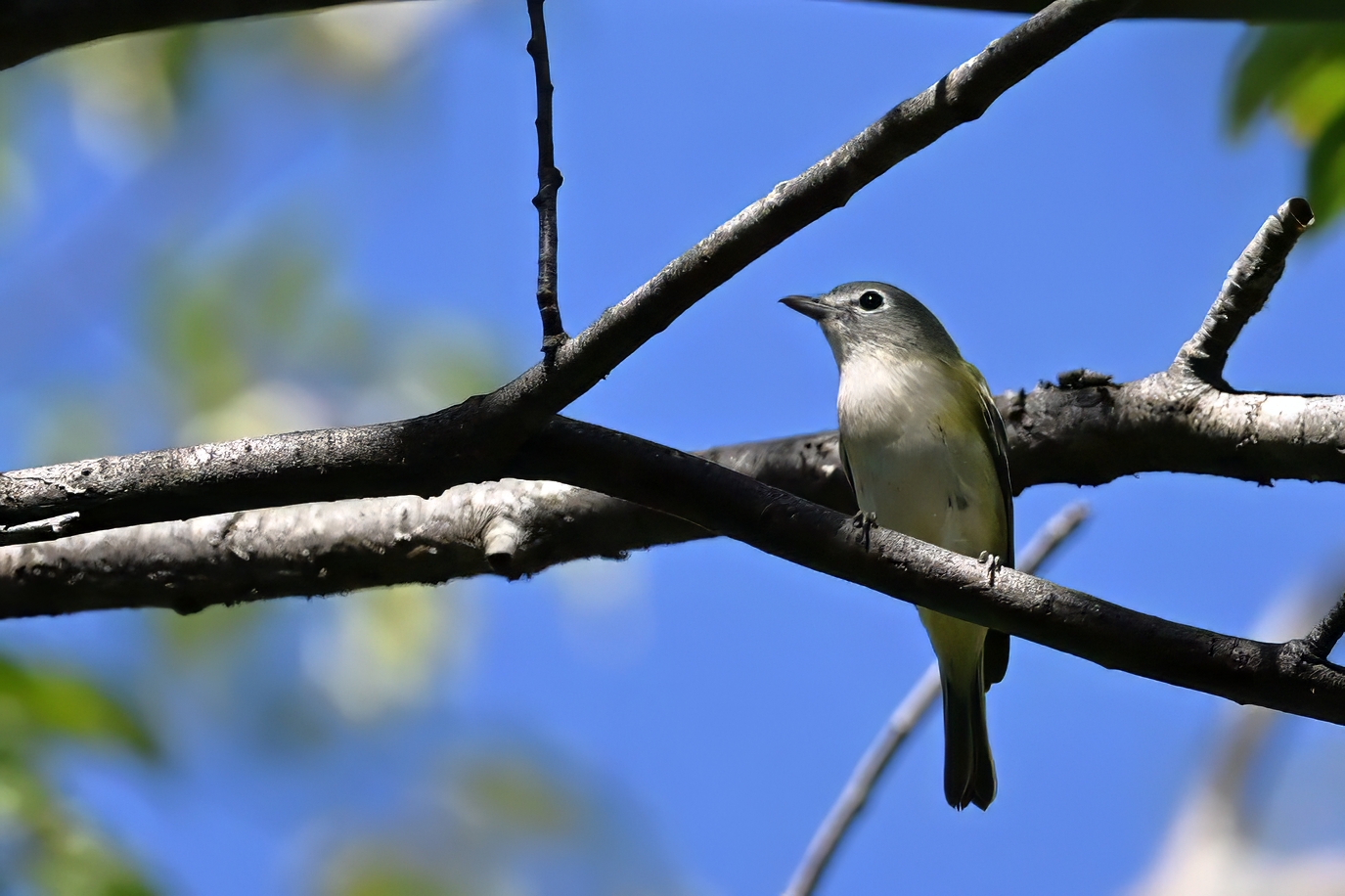
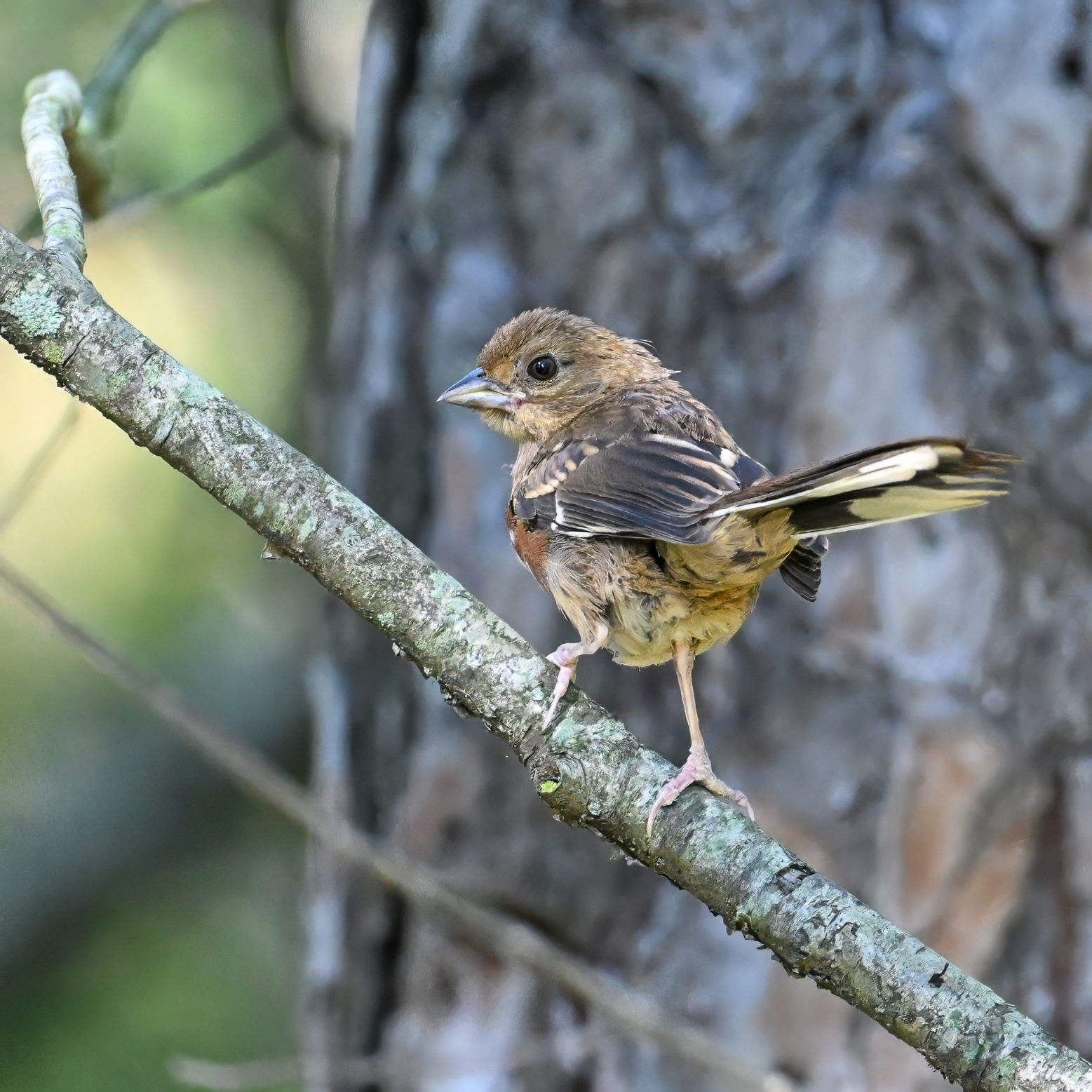
With the hiking trails back open at Presque Isle State Park, it was time again yesterday afternoon to check in with fall migration activity. Lots of European Starling, Gray Catbird!, White-throated Sparrow, American Robin, Blue Jay, etc.; just a few warblers/vireos, but they were present. Also tons of mosquitos – yuck.
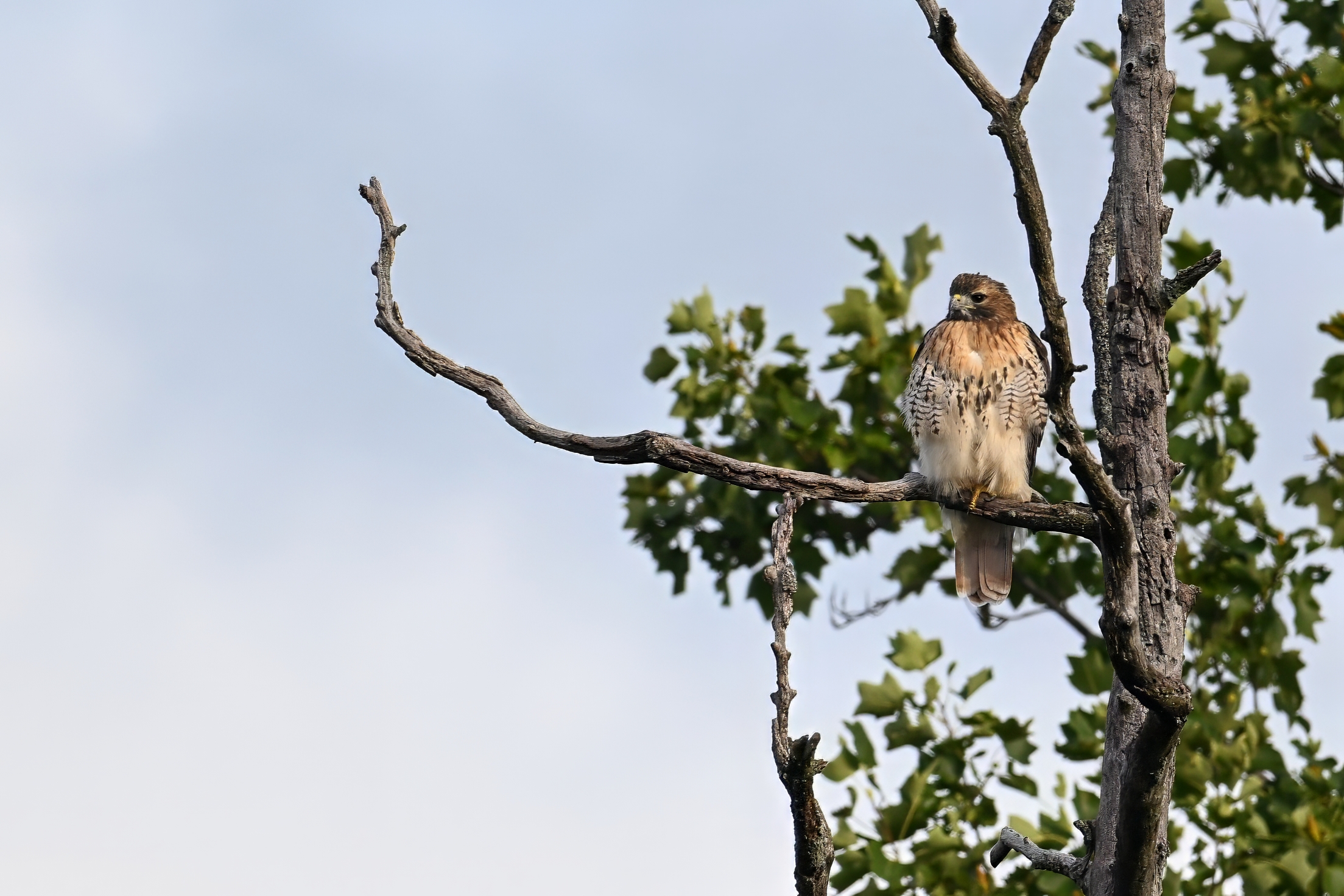
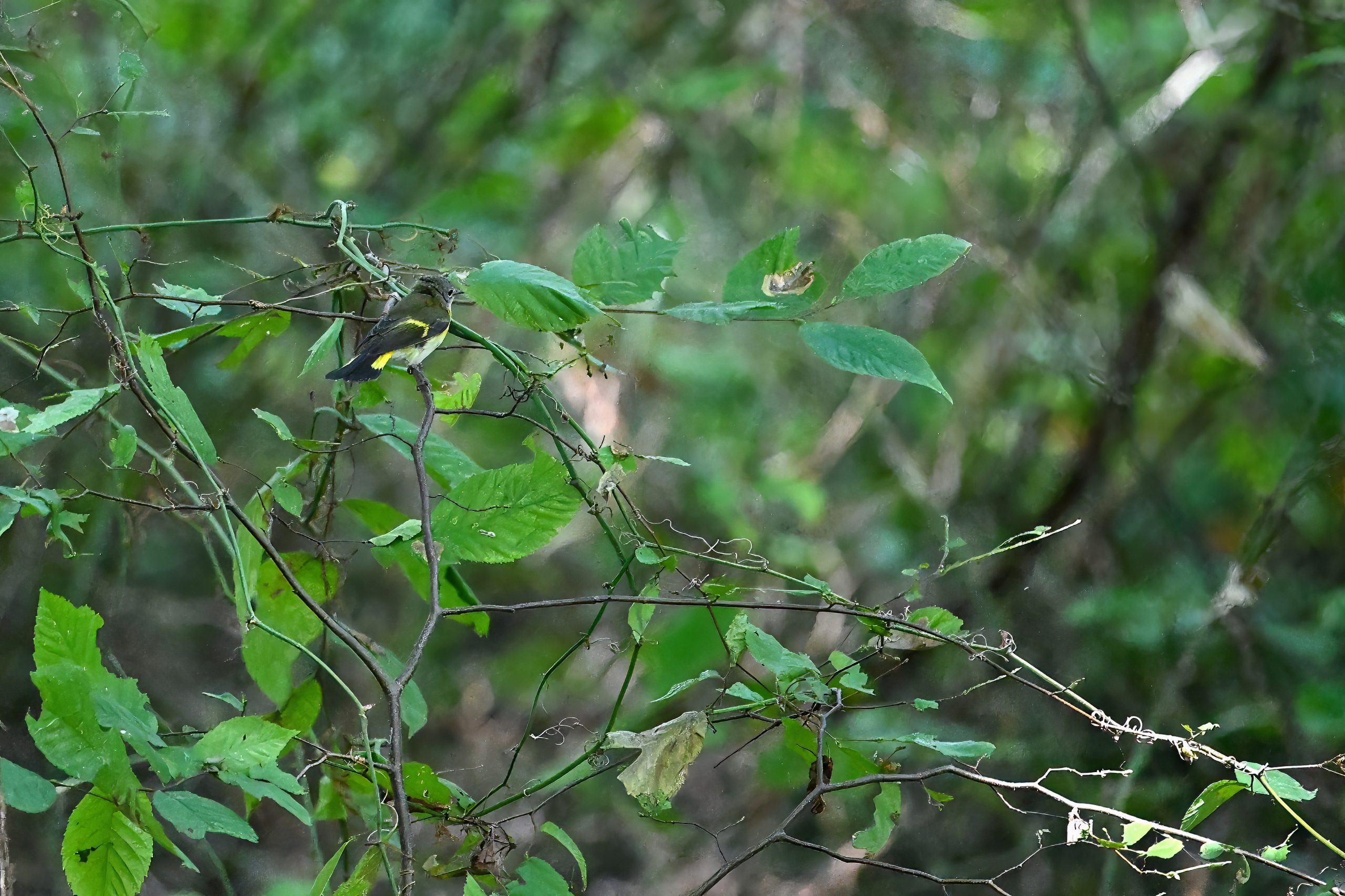
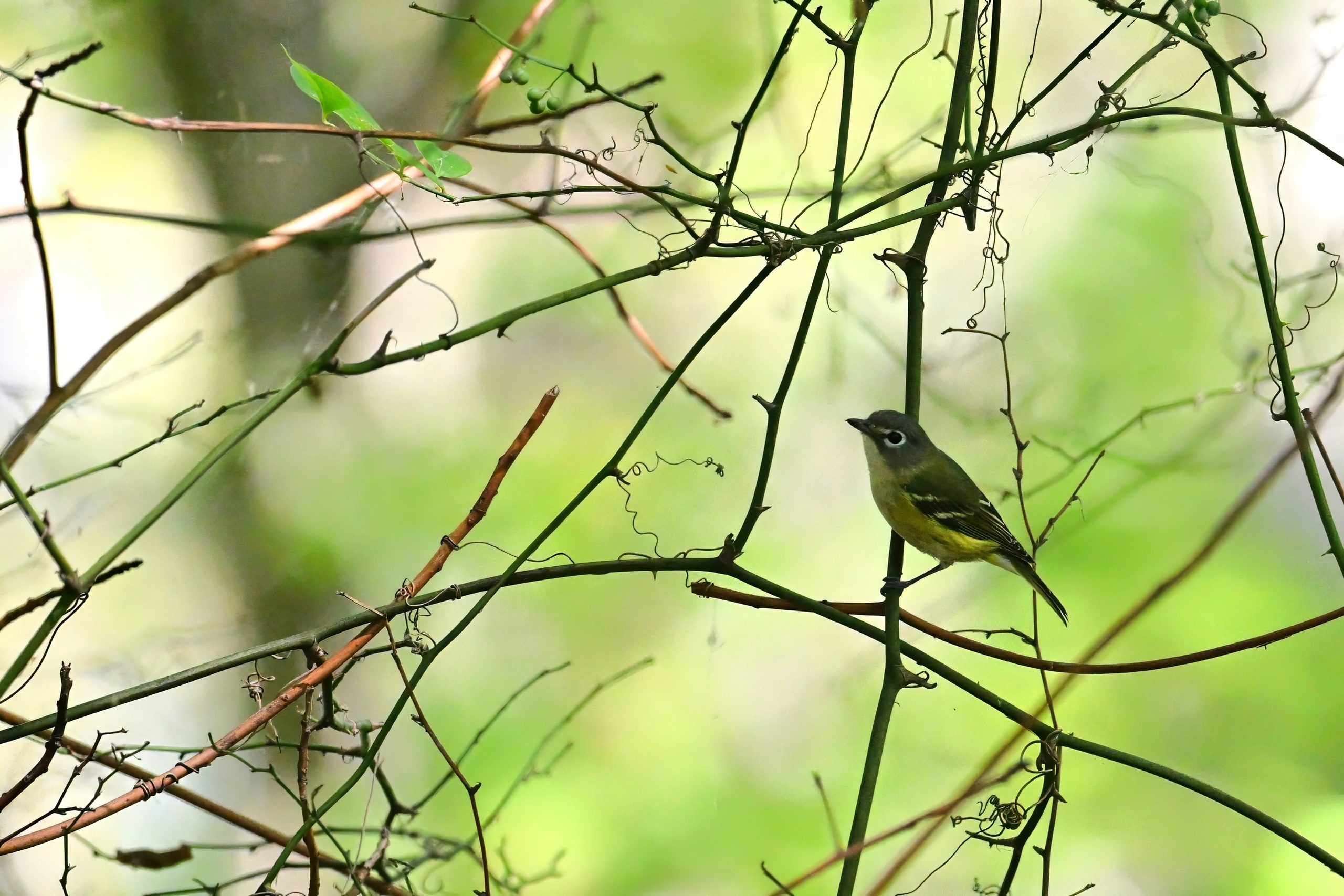
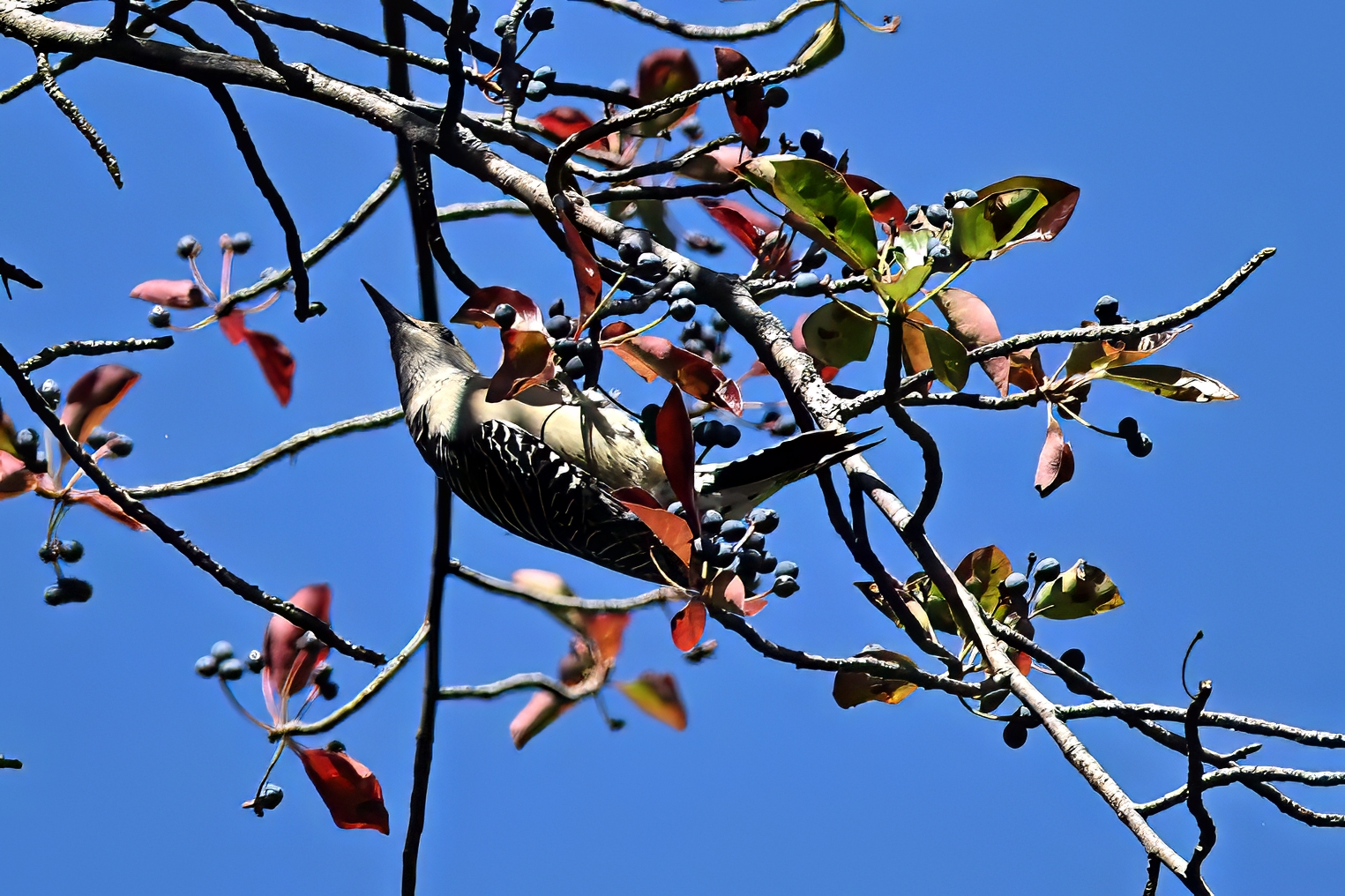
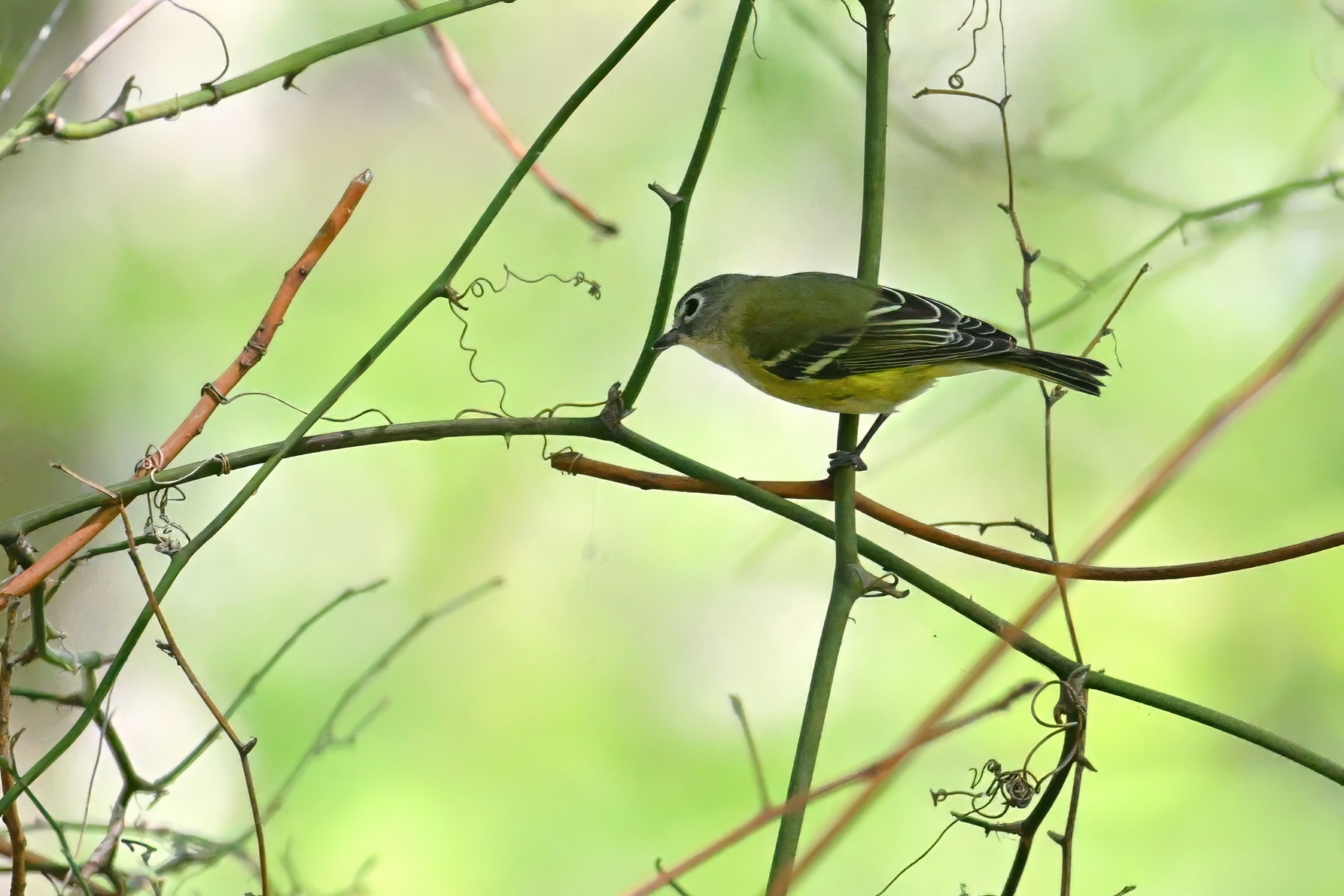
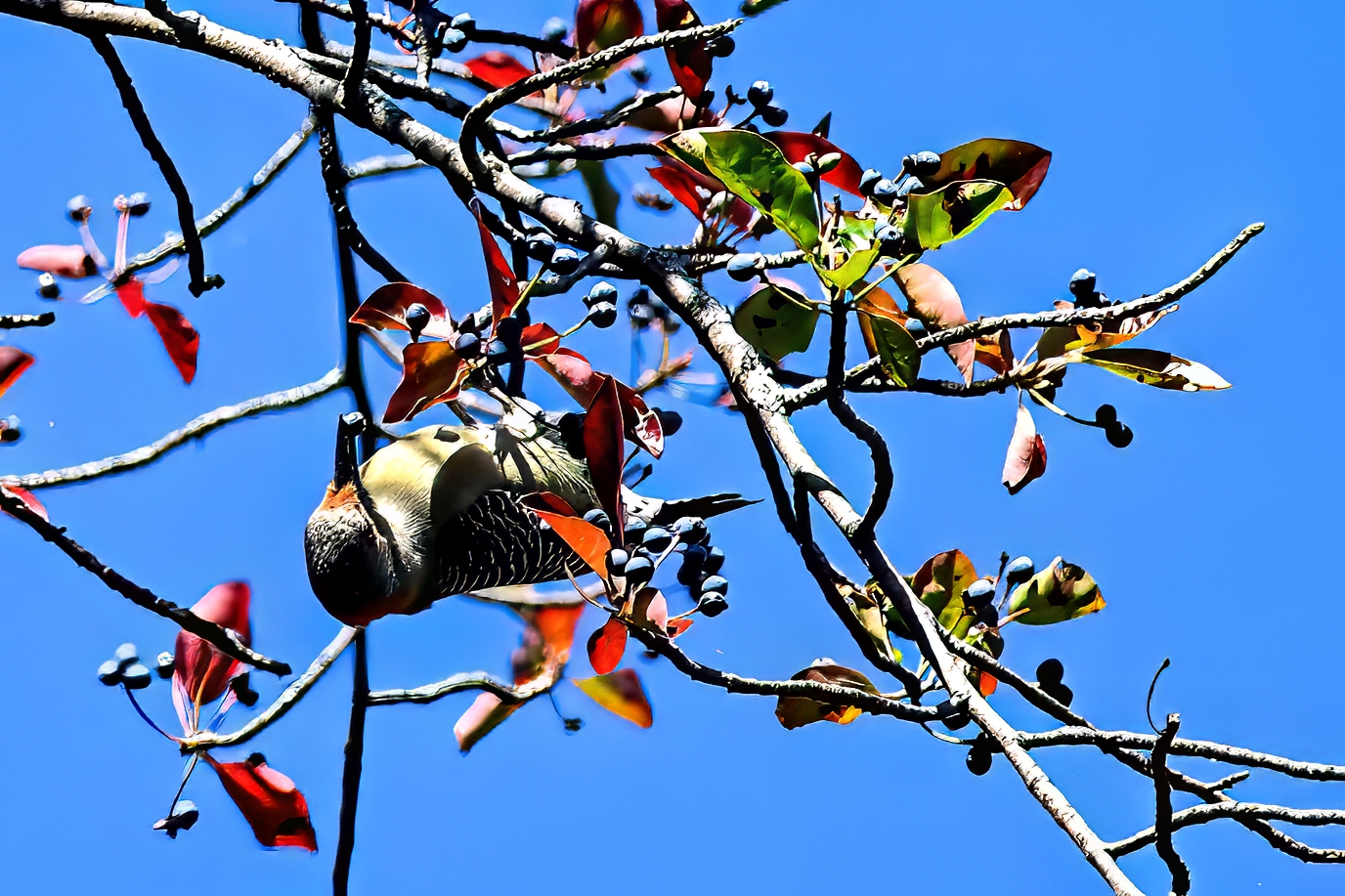
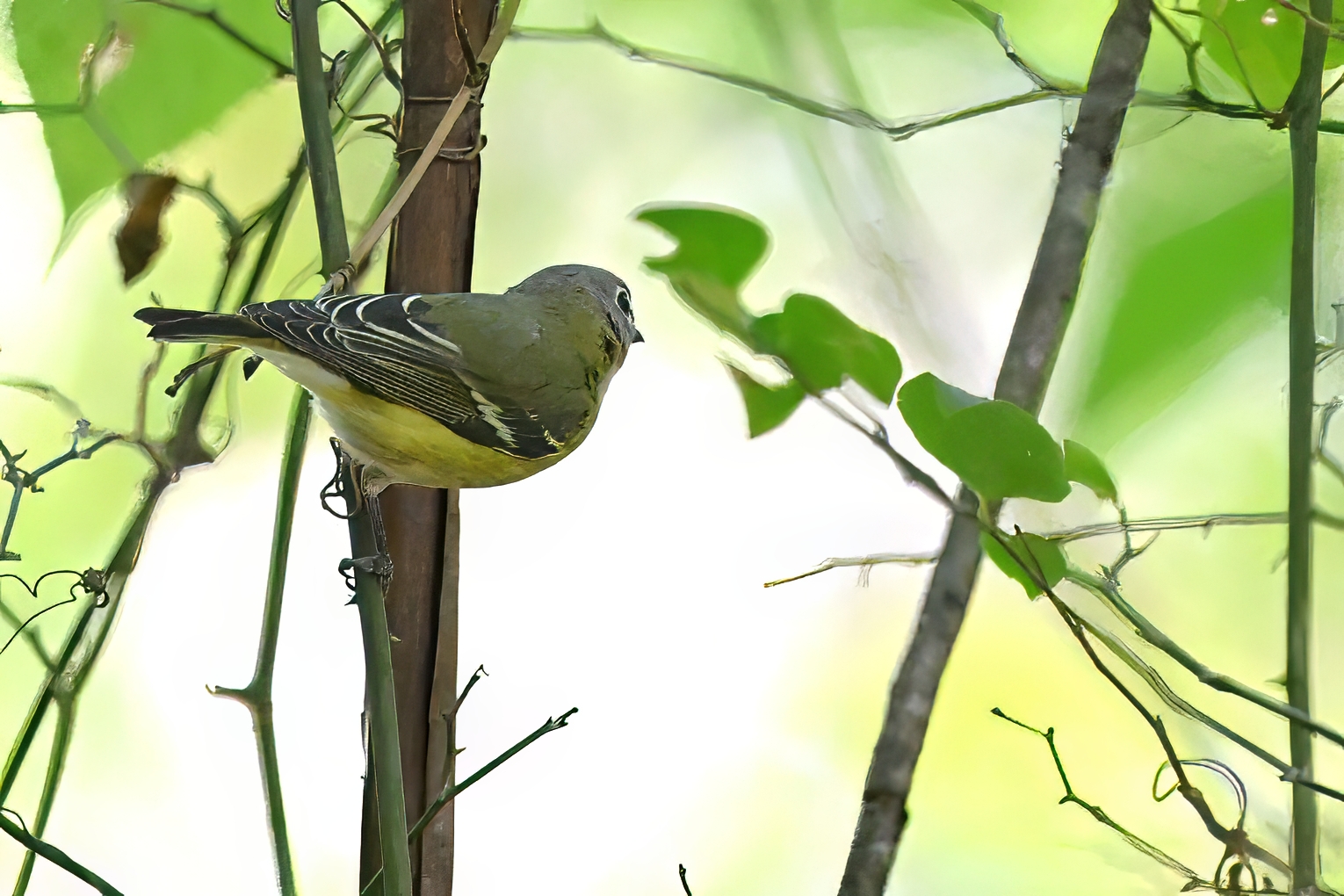
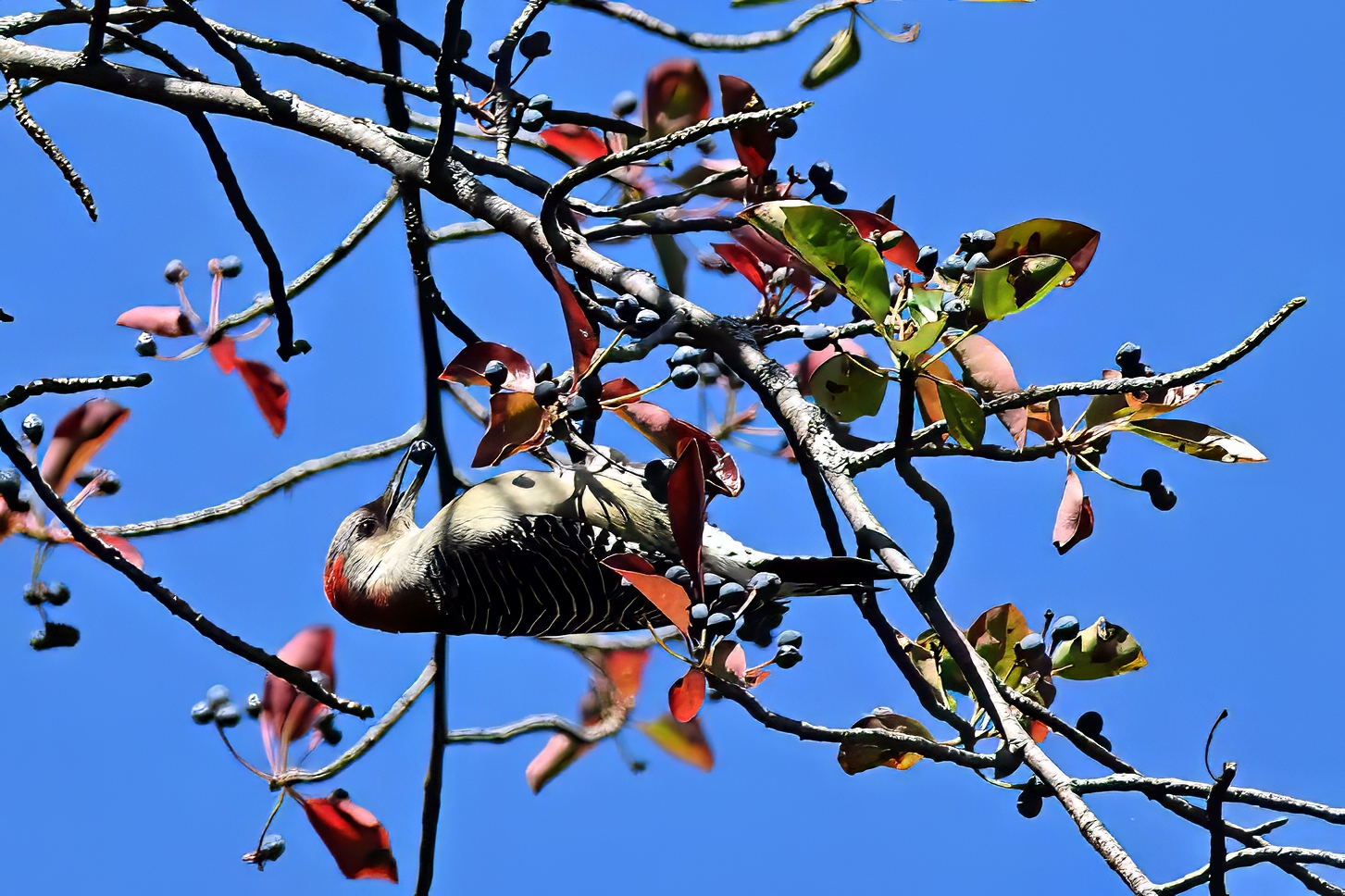
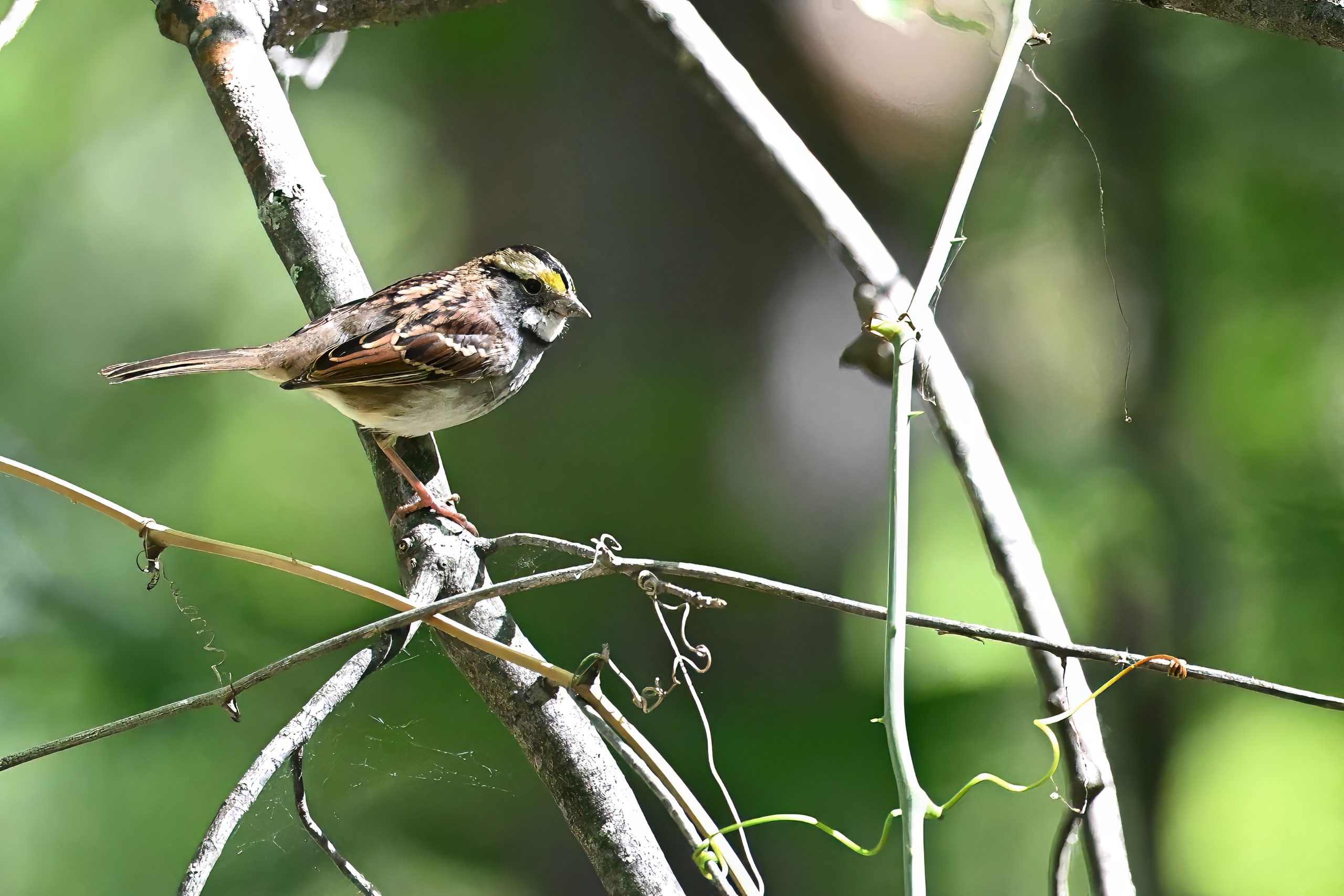
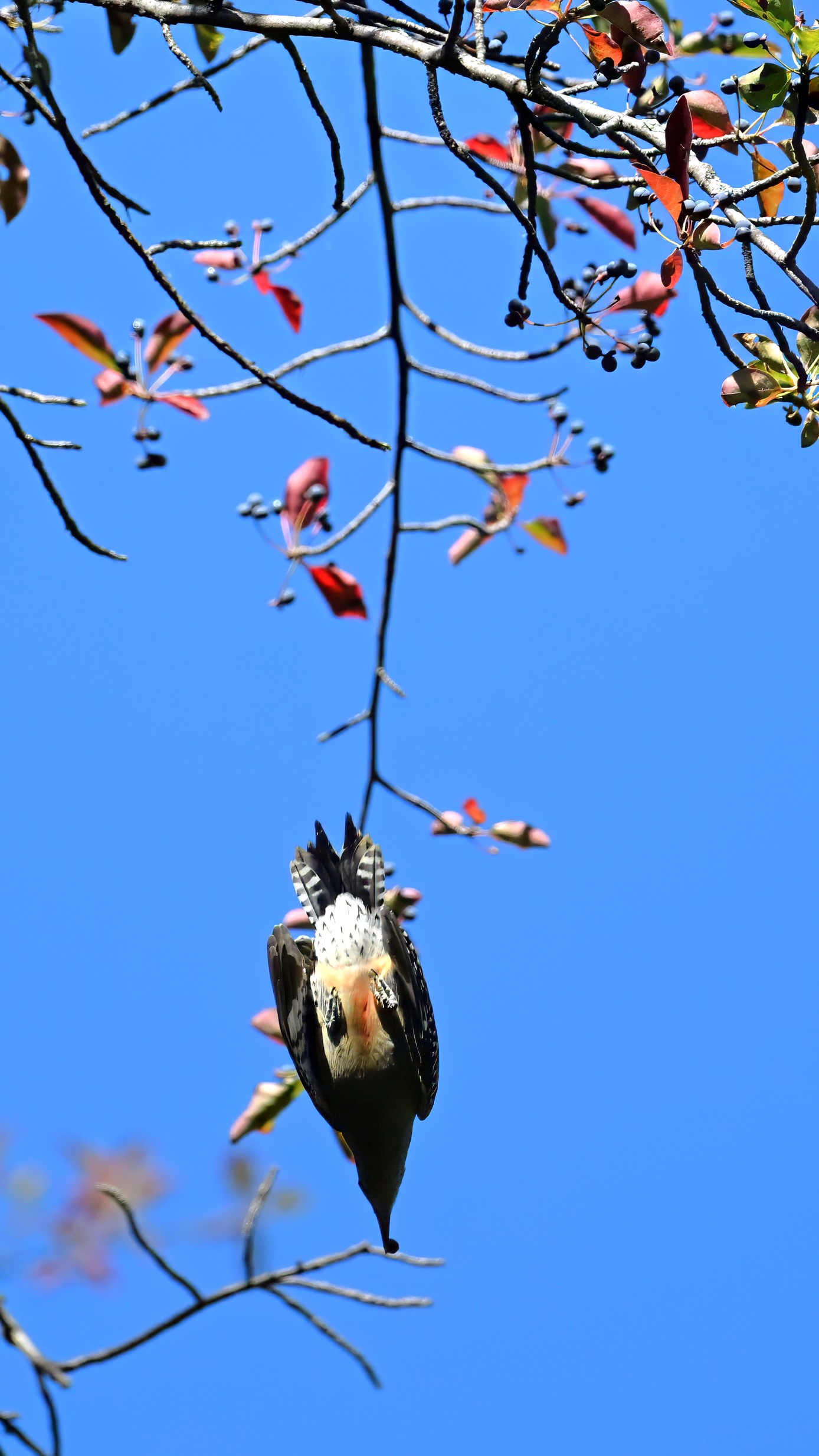
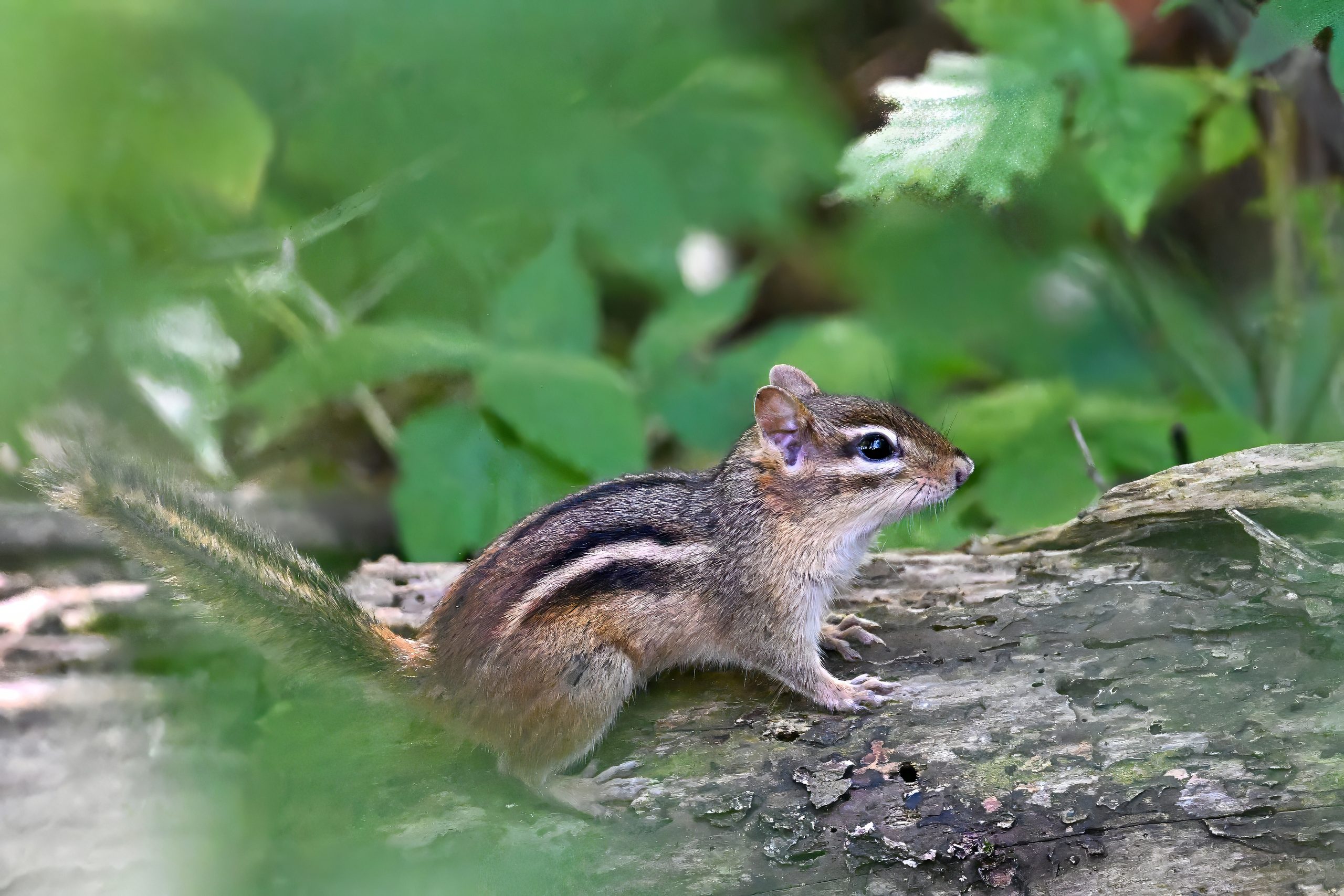
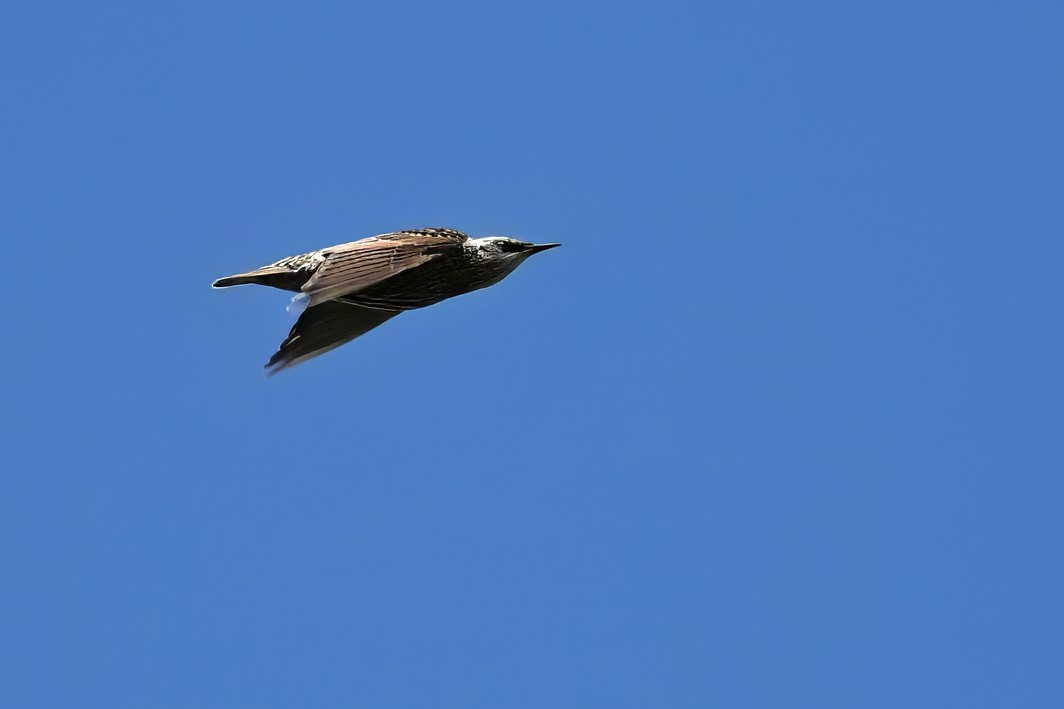
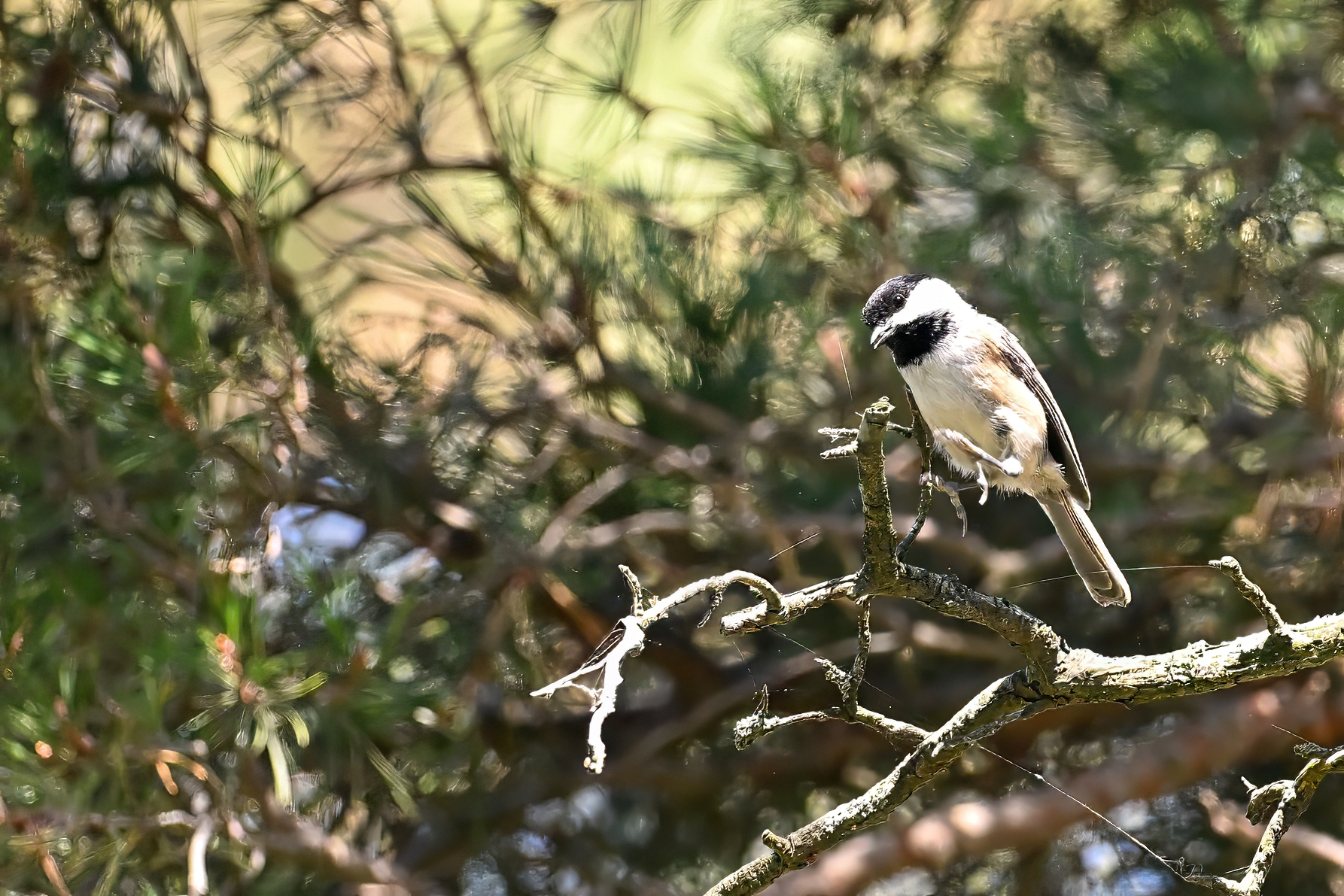
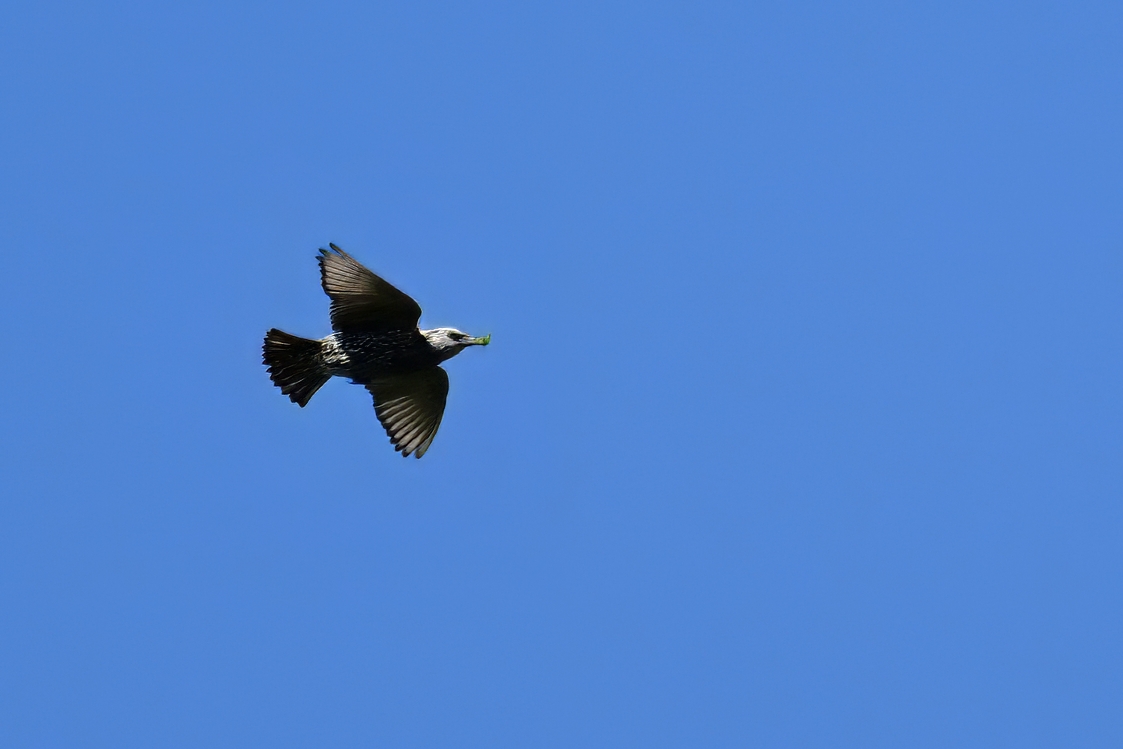
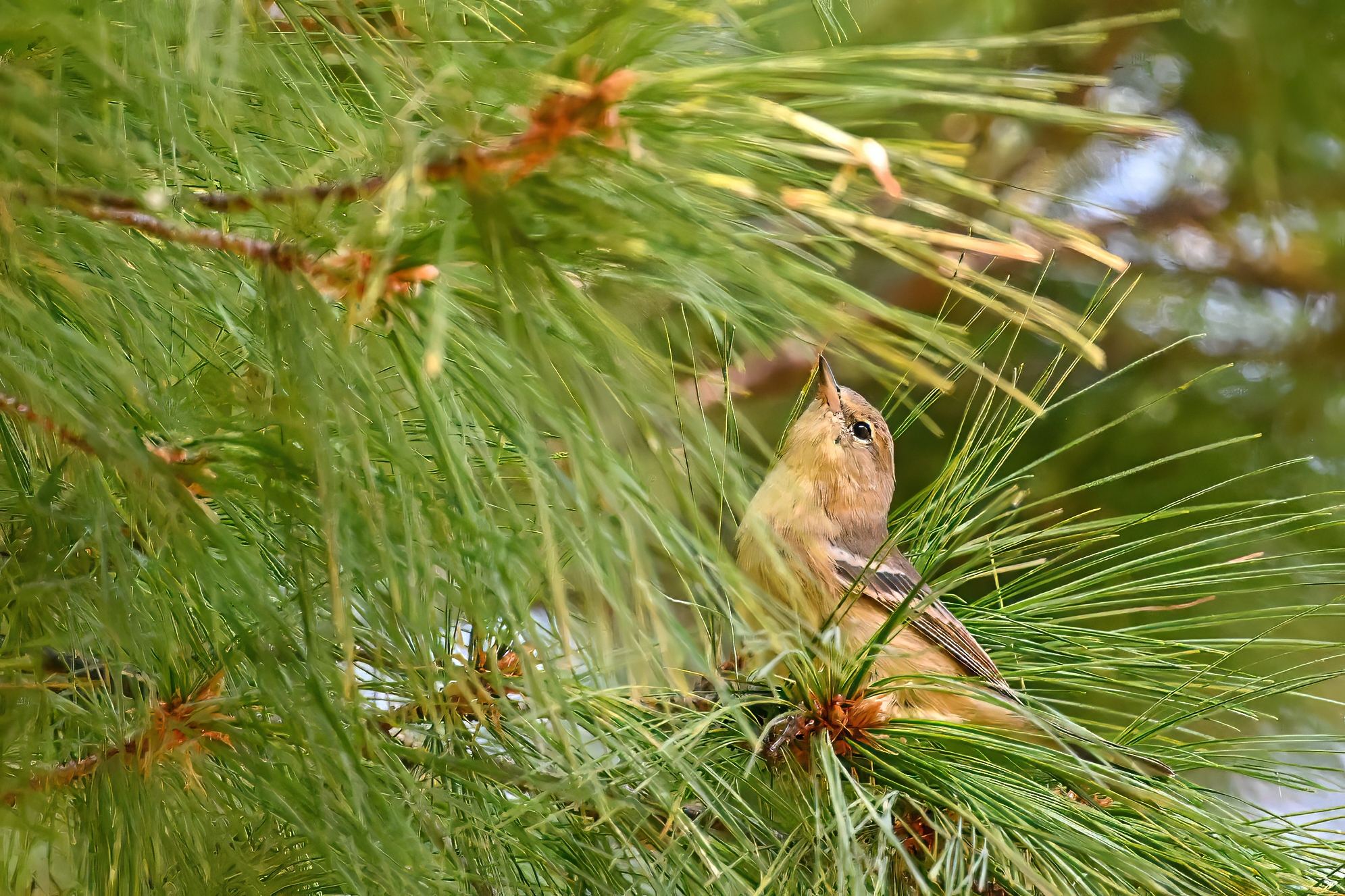
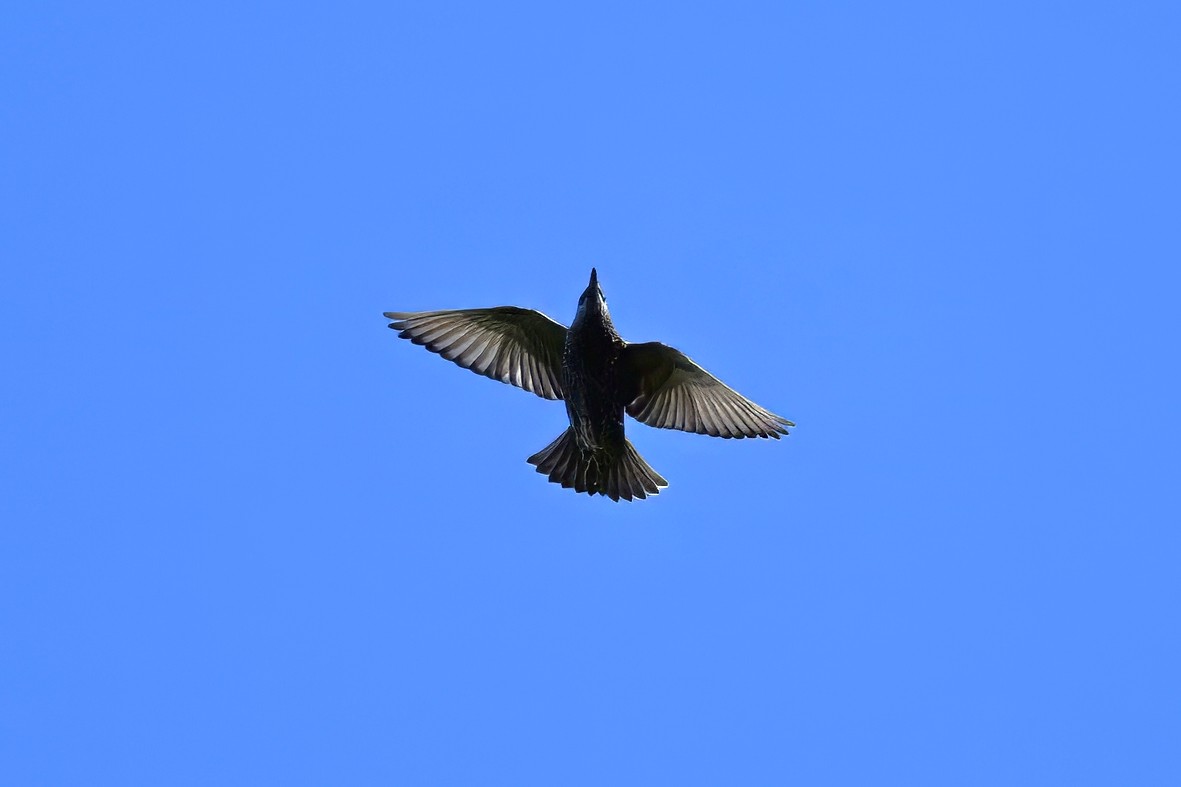
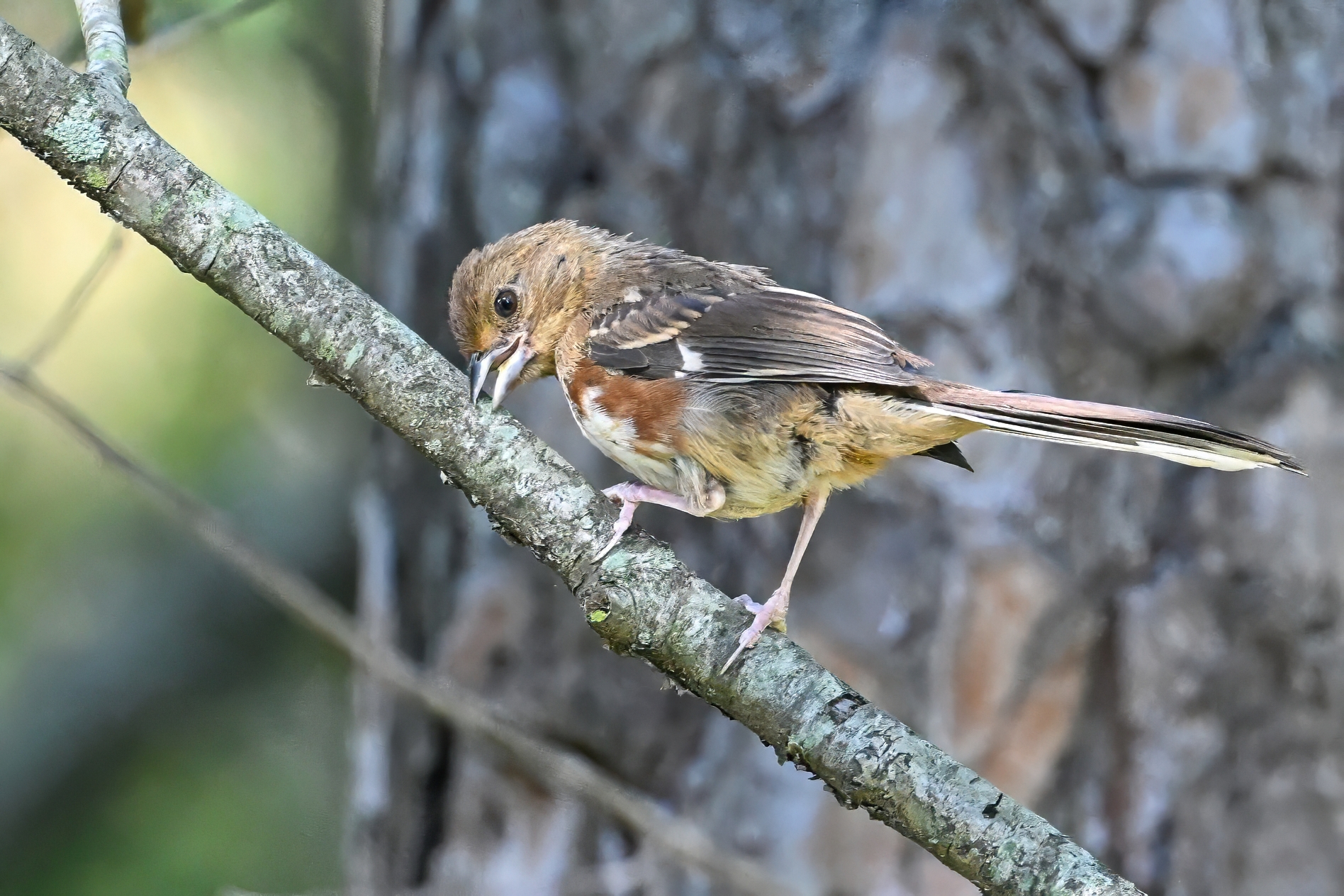
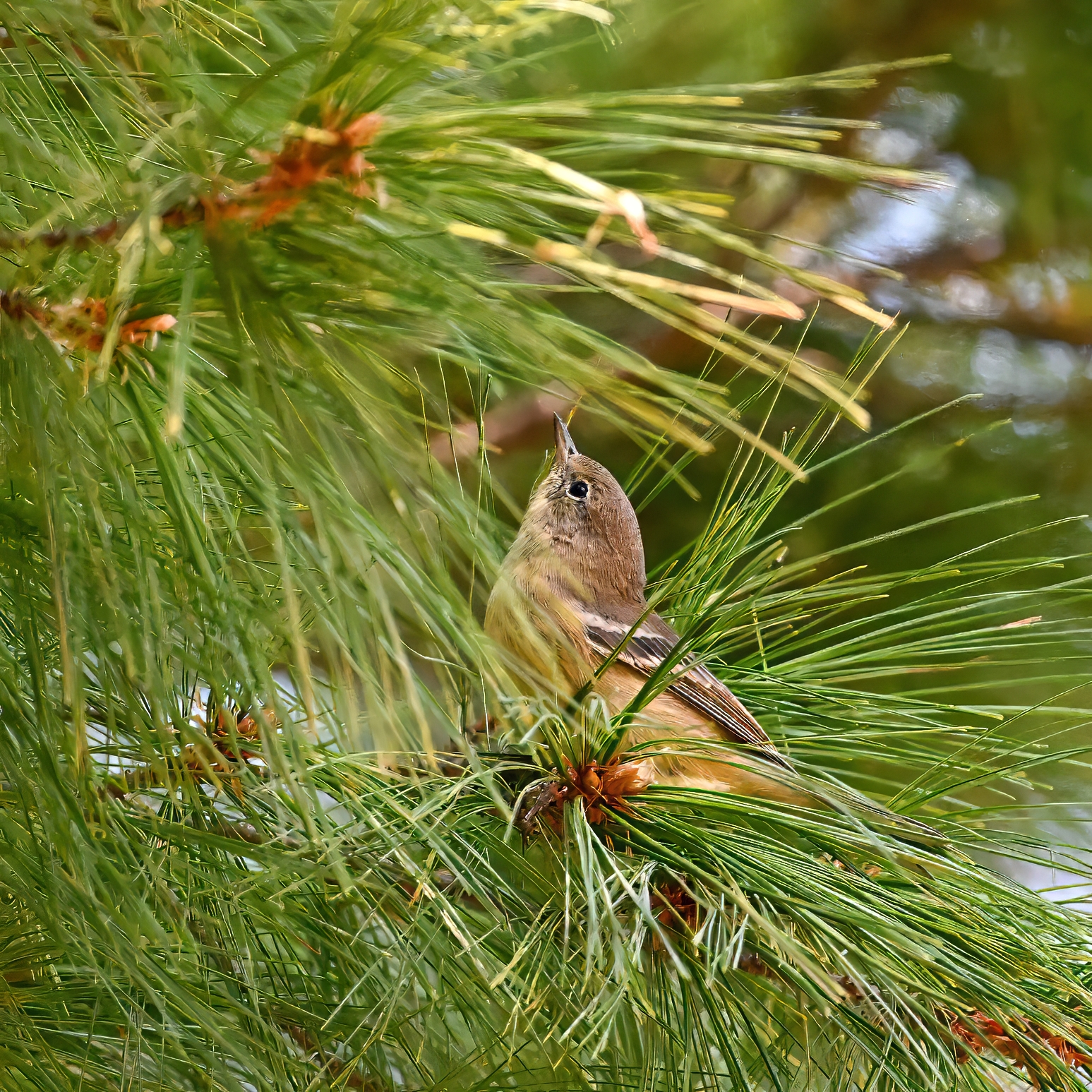
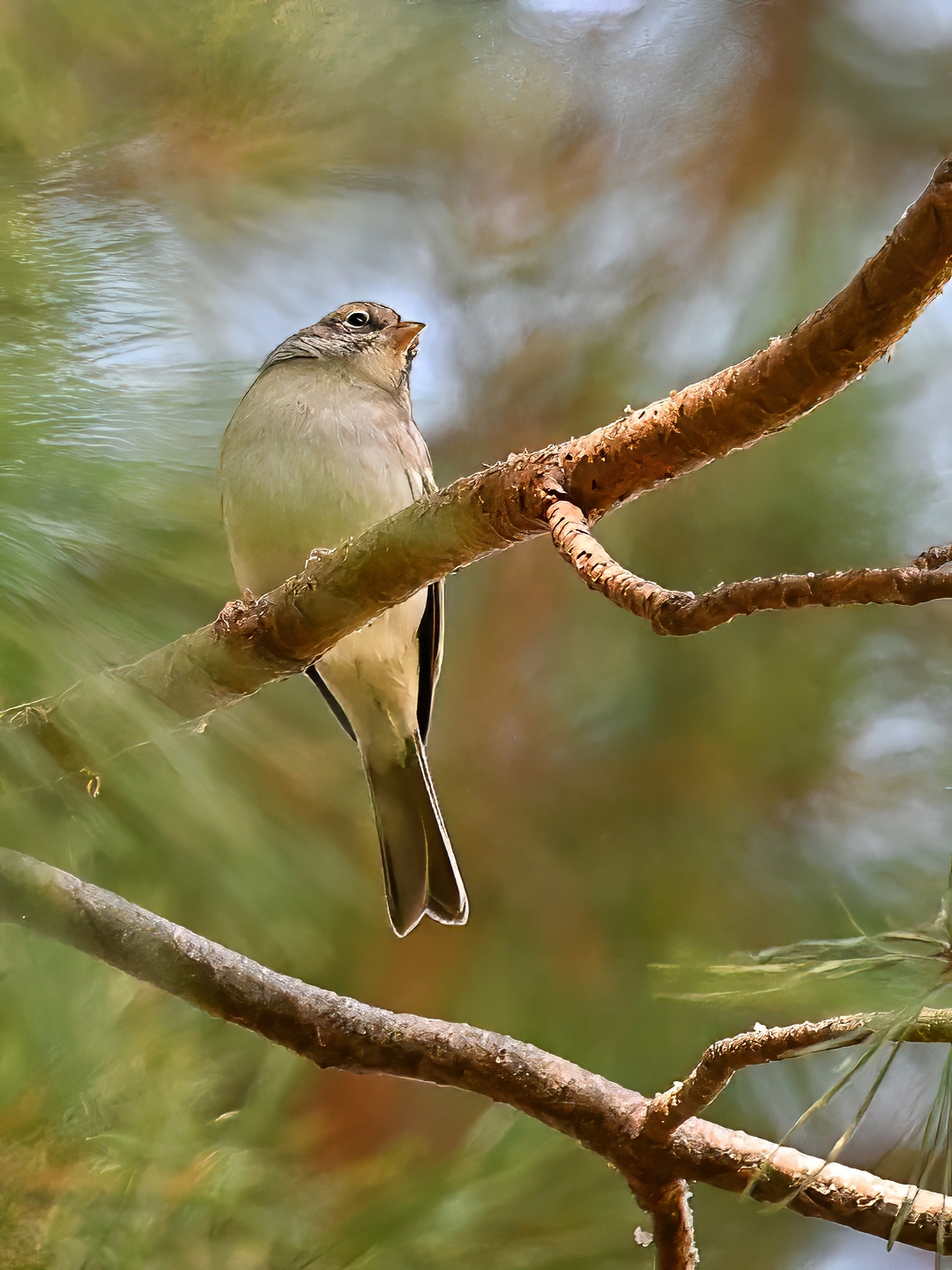
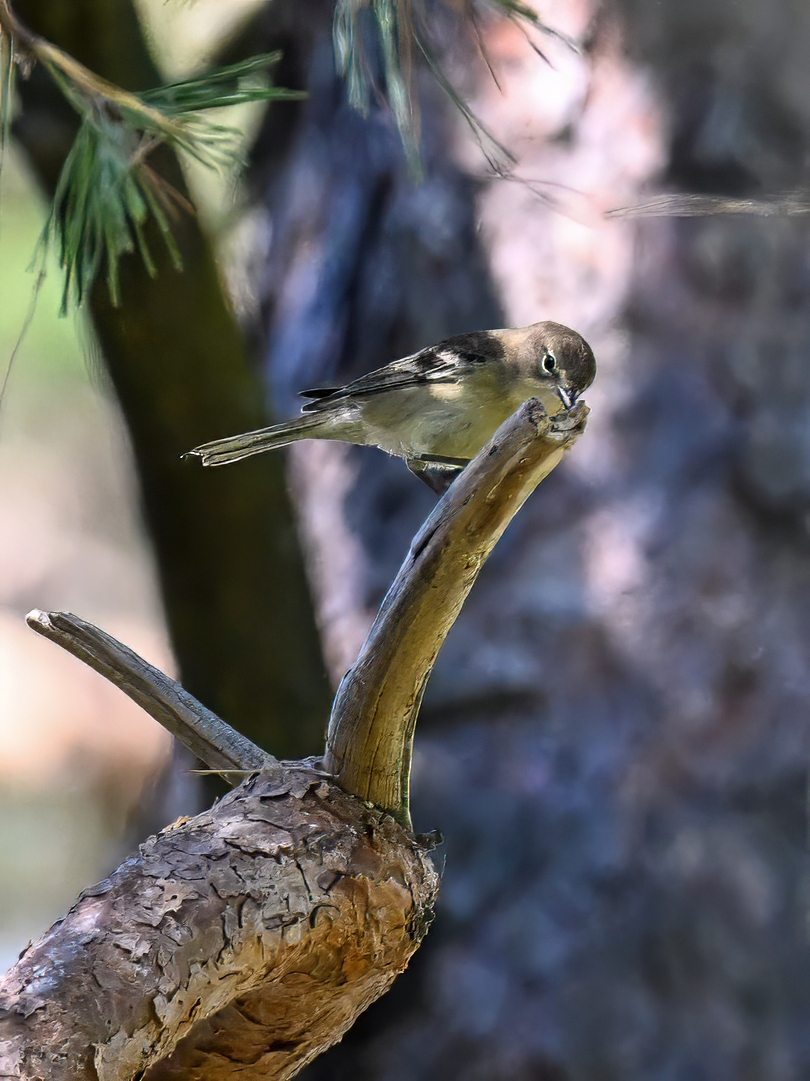
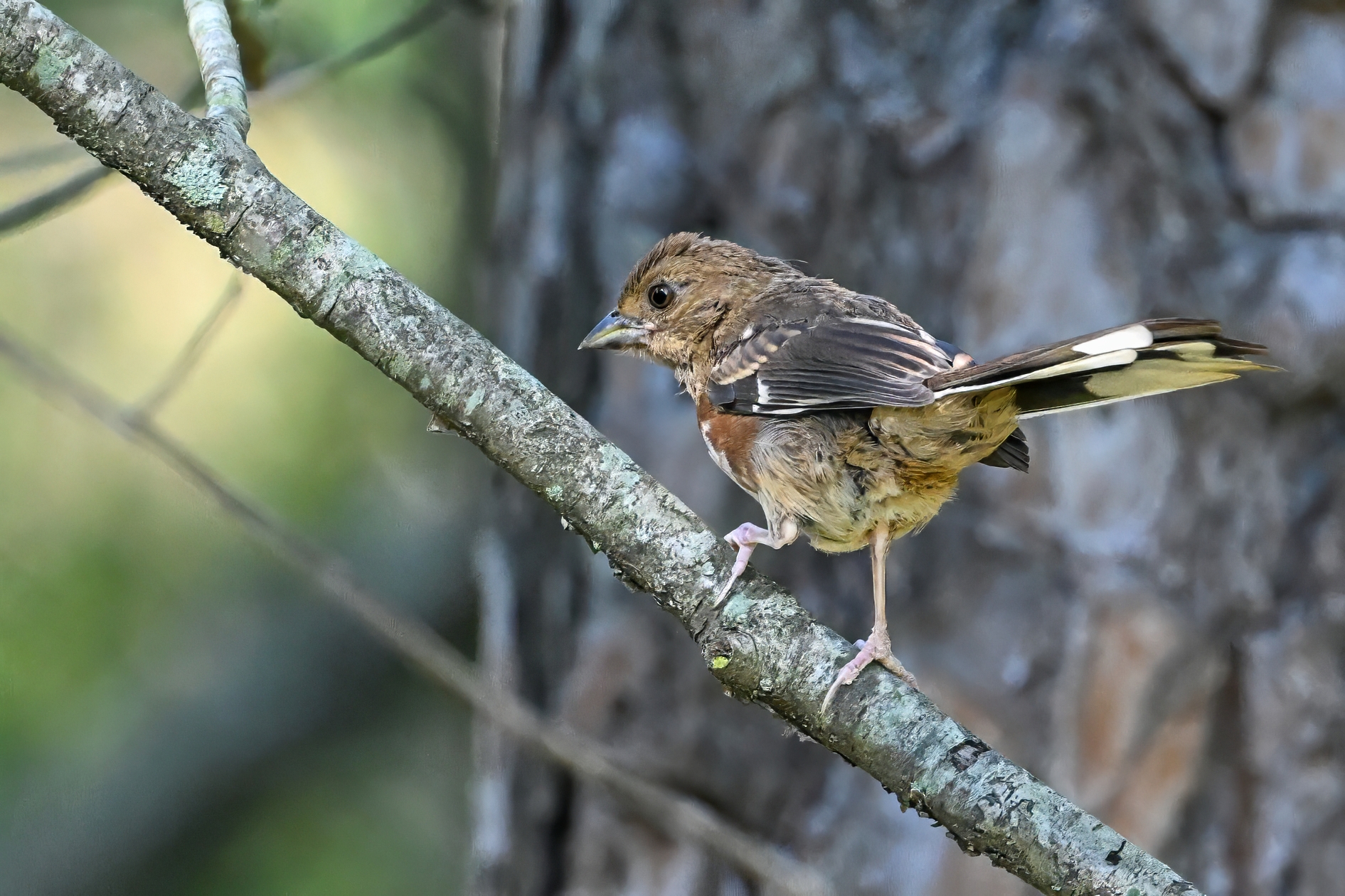
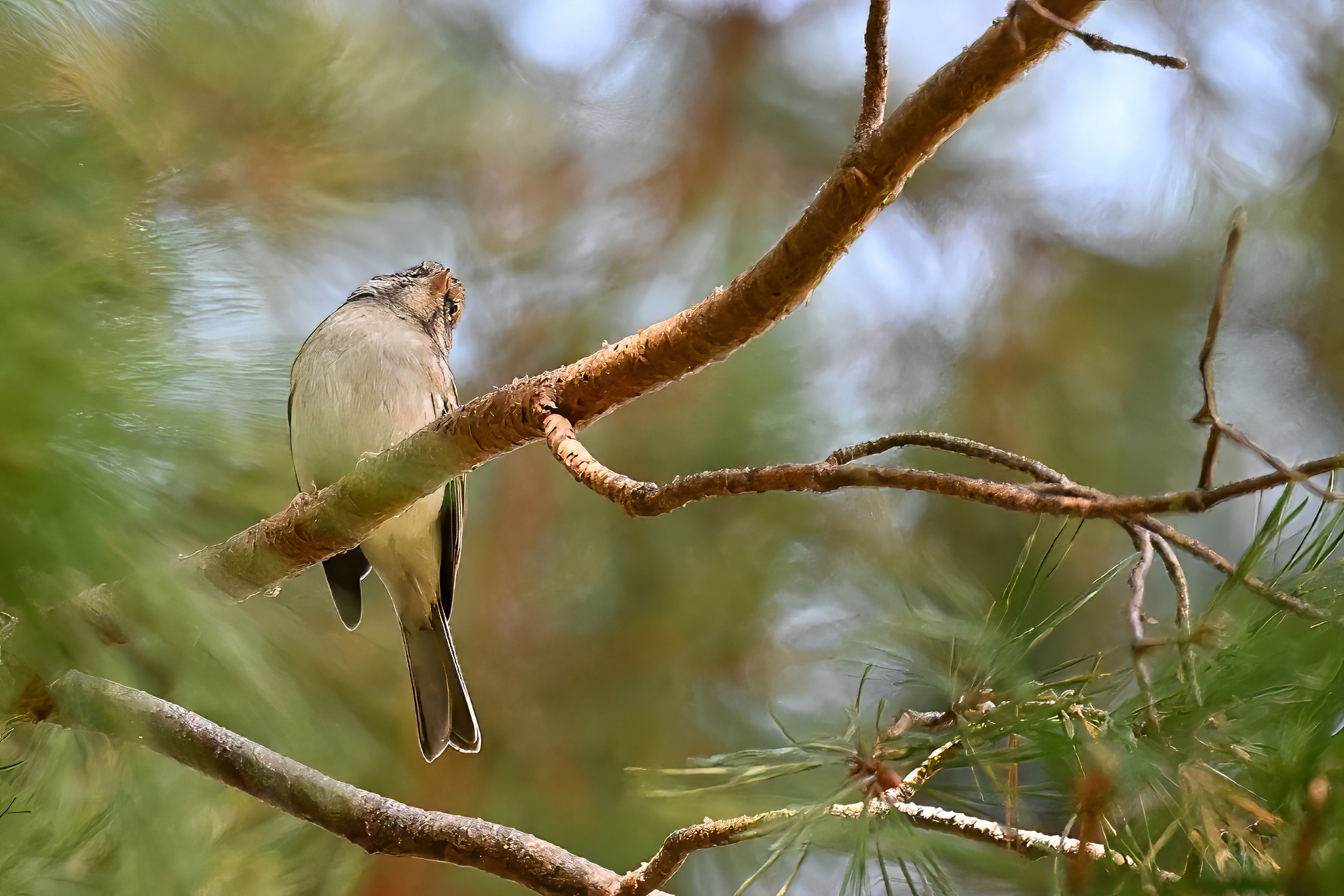
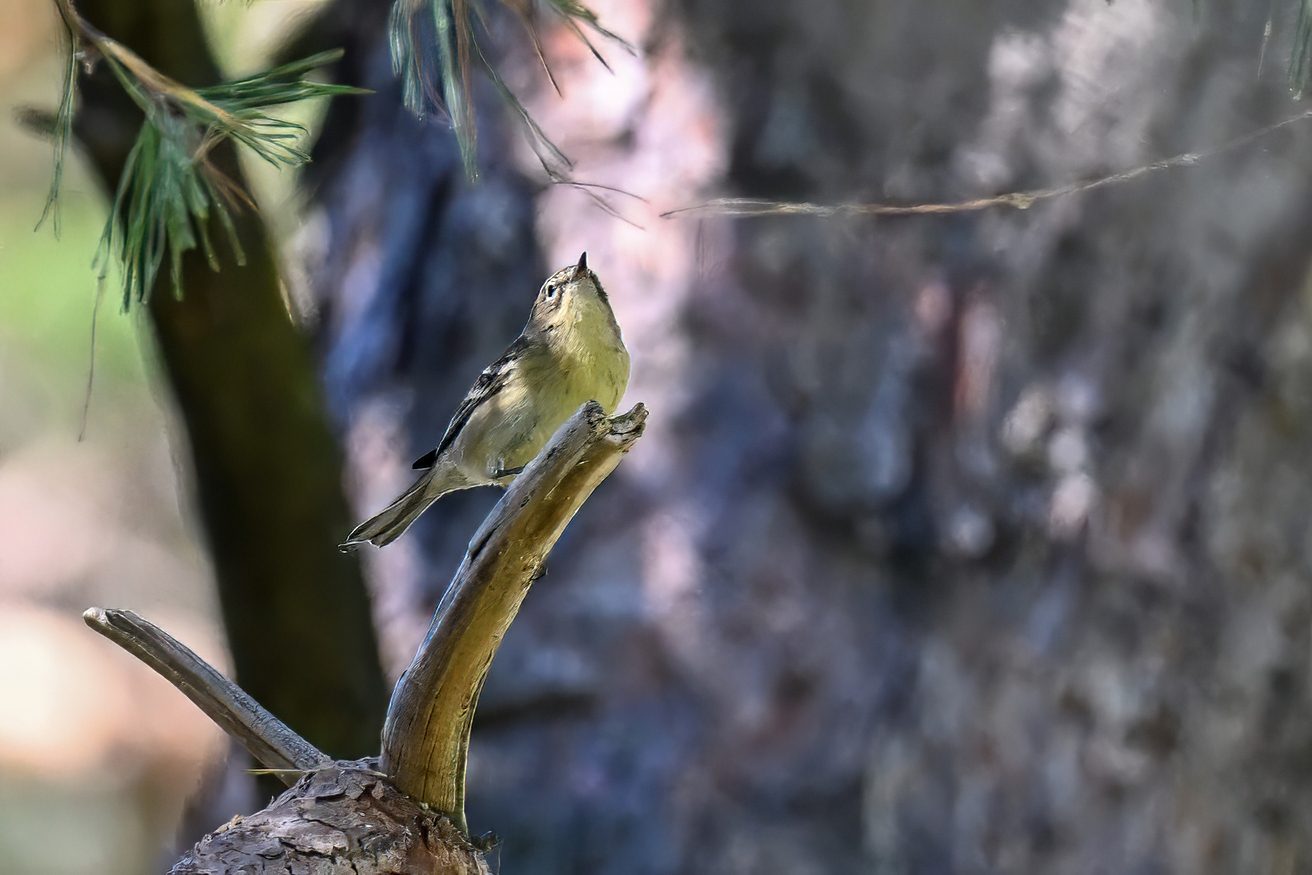
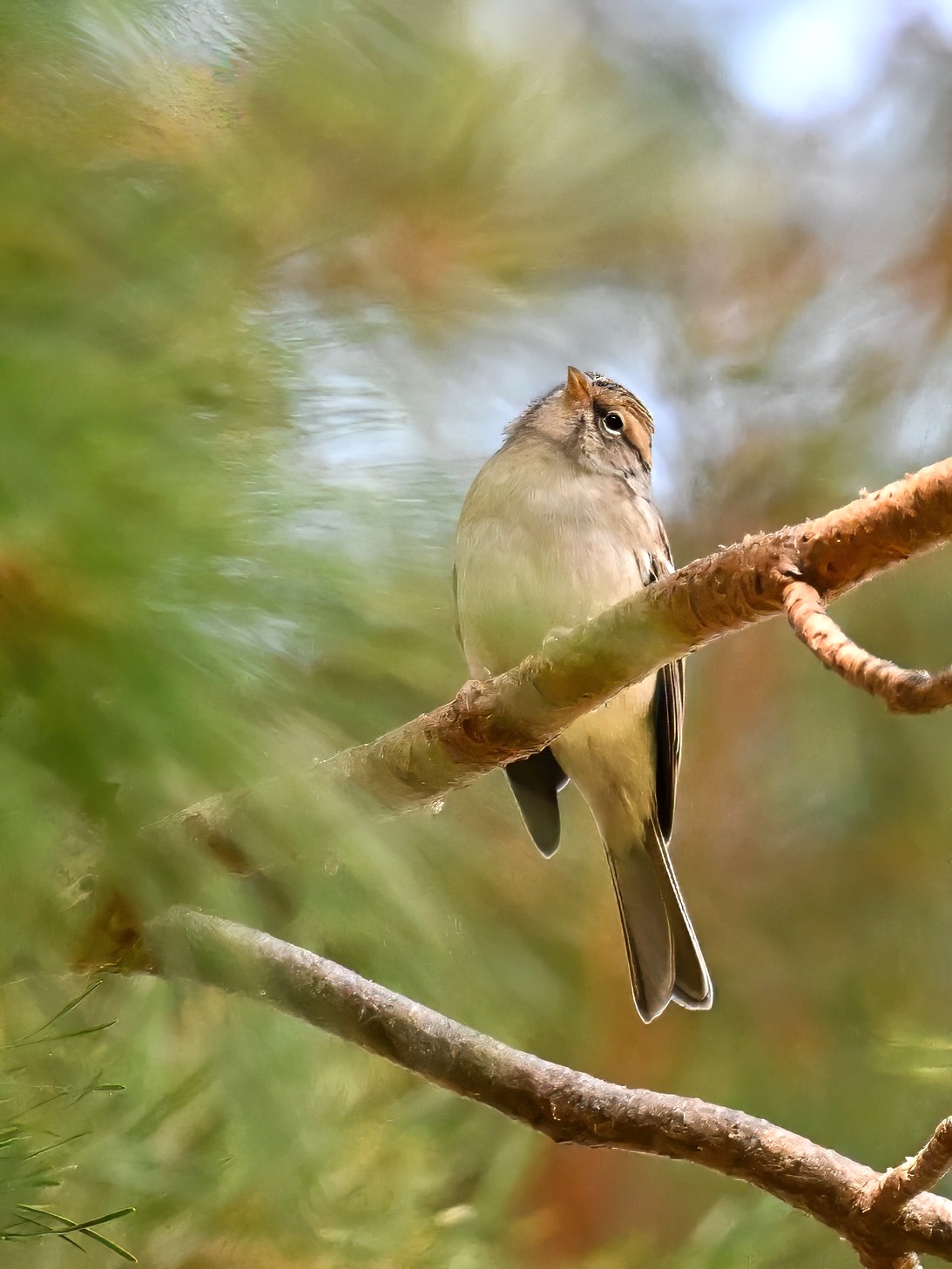
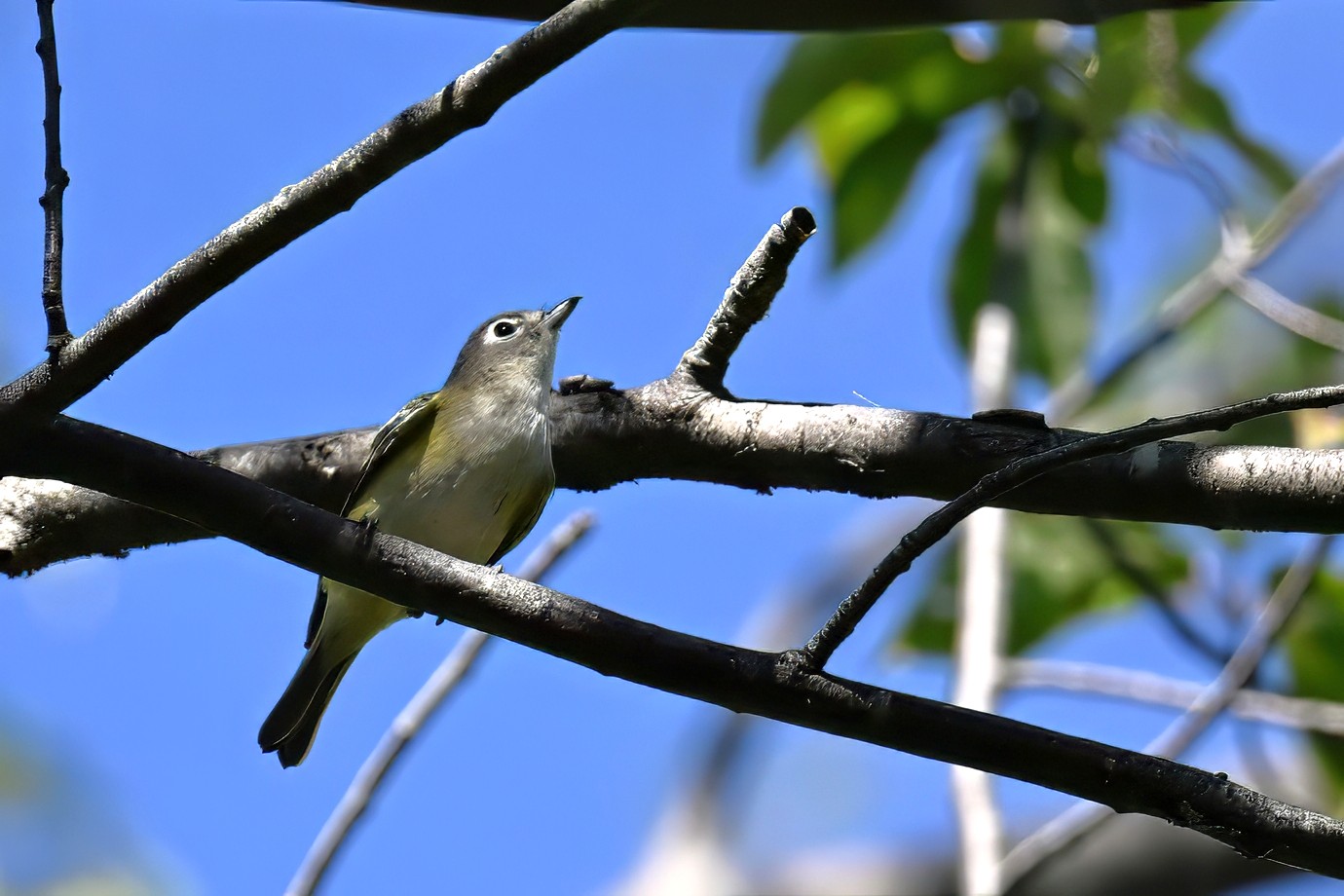
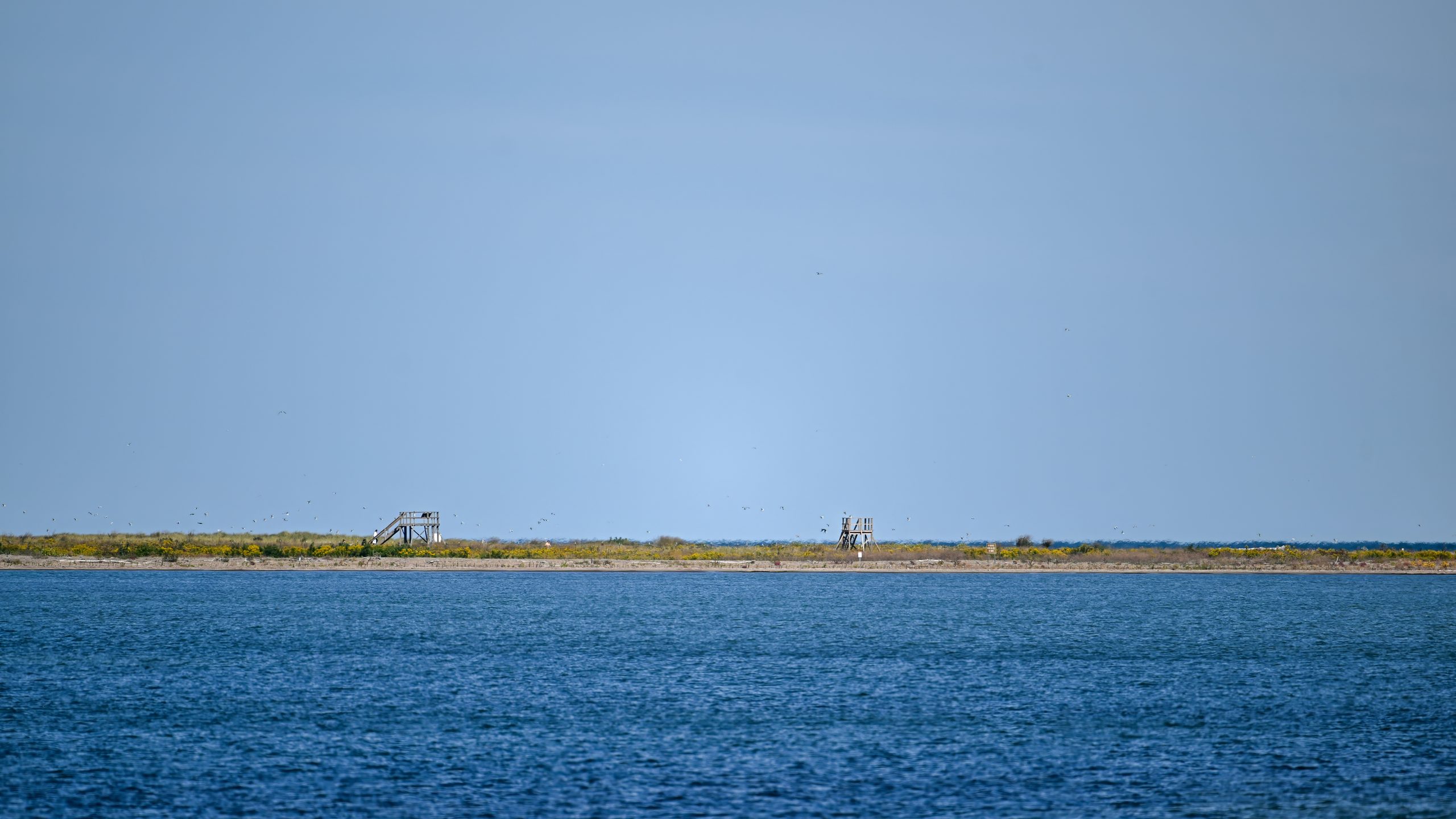
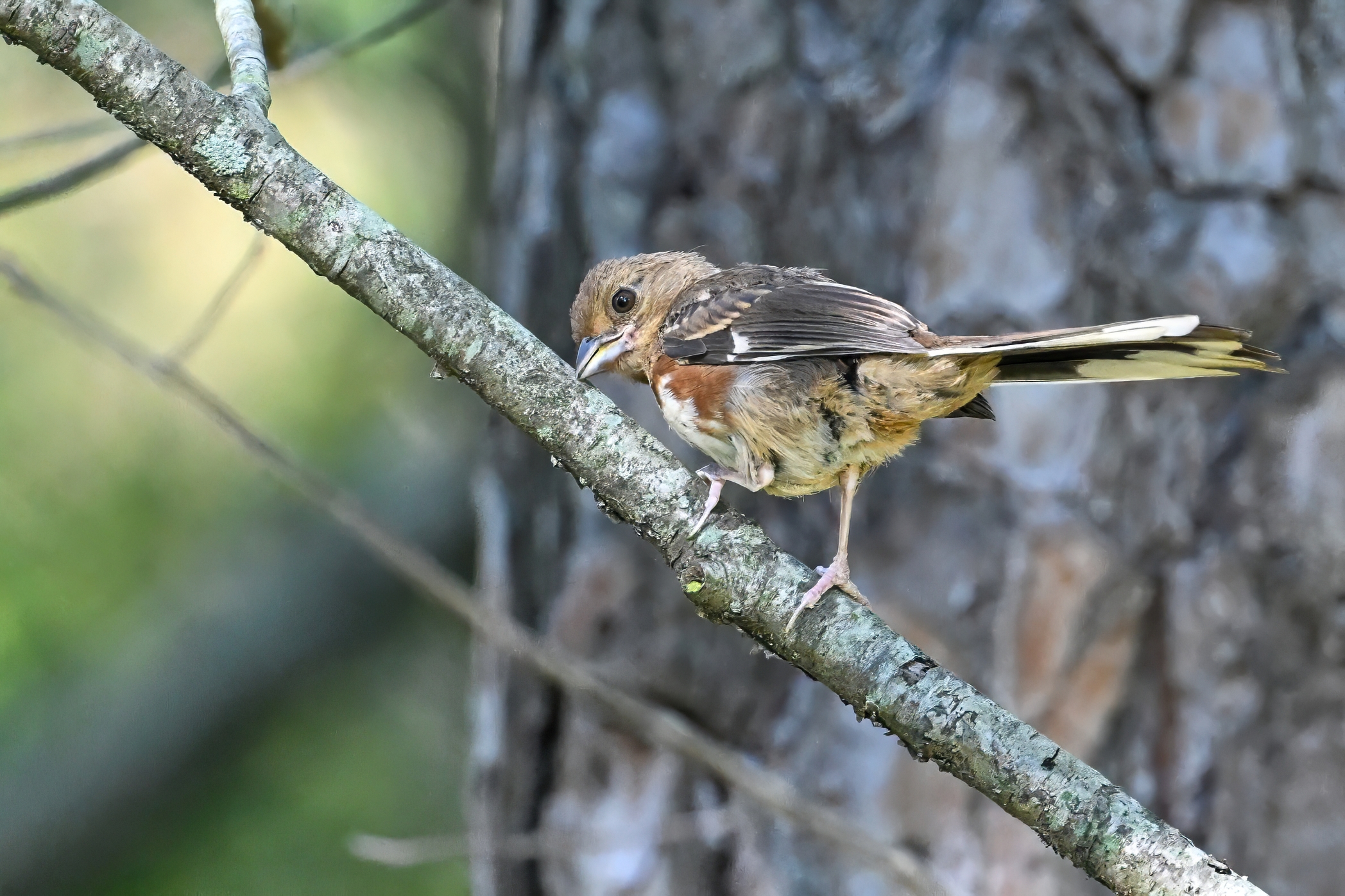
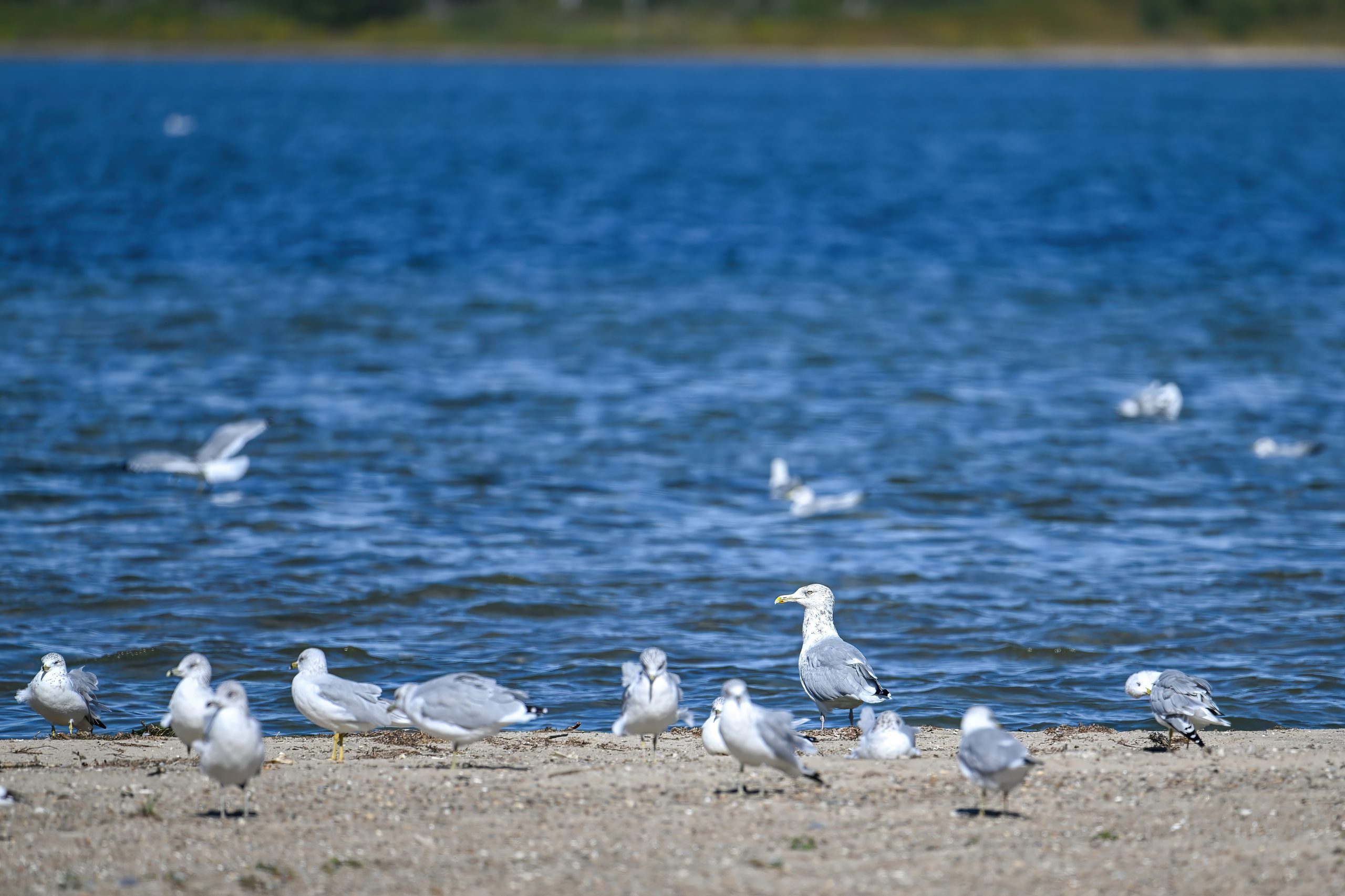
Red-tailed Hawk, in south Millcreek TwpFemale American RedstartShady Blue-headed VireoRed-bellied Woodpecker foraging on Black Gum (Nyssa sylvatica)White-throated SparrowEastern Chipmunk (Tamias striatus)European StarlingBlack-capped ChickadeePine Warbler (immature)Eastern Towhee (immature)Chipping SparrowA second Pine WarblerAnother Blue-headed VireoOuter Gull Point, view from Beach 11Ring-billed Gulls & Herring Gull (right of middle) @ Beach 11
BirdingPI.com staff is heading south tomorrow for IBS, the International Birding Symposium. Plenty of ‘Arizona in August’ content lined up for the week!
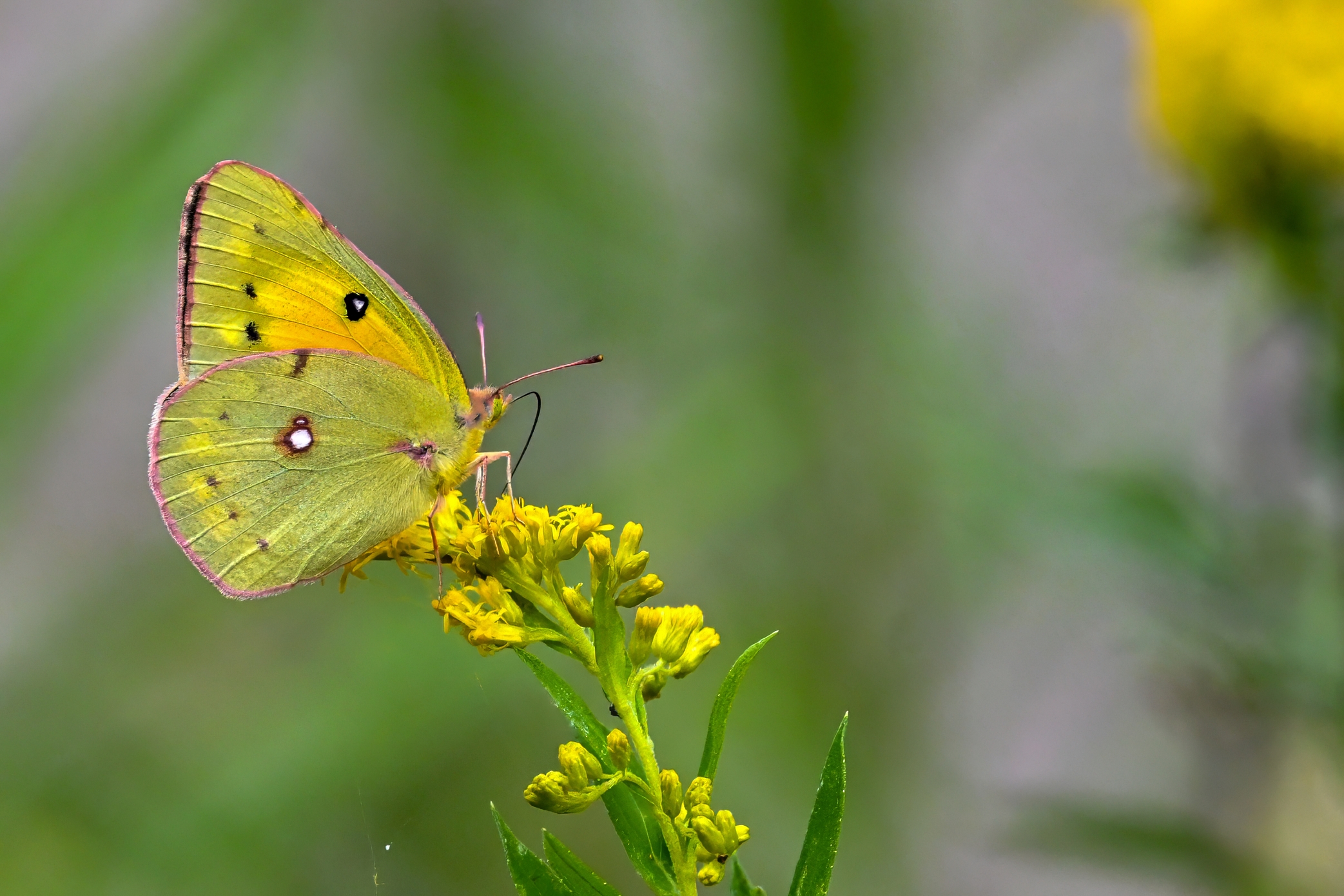
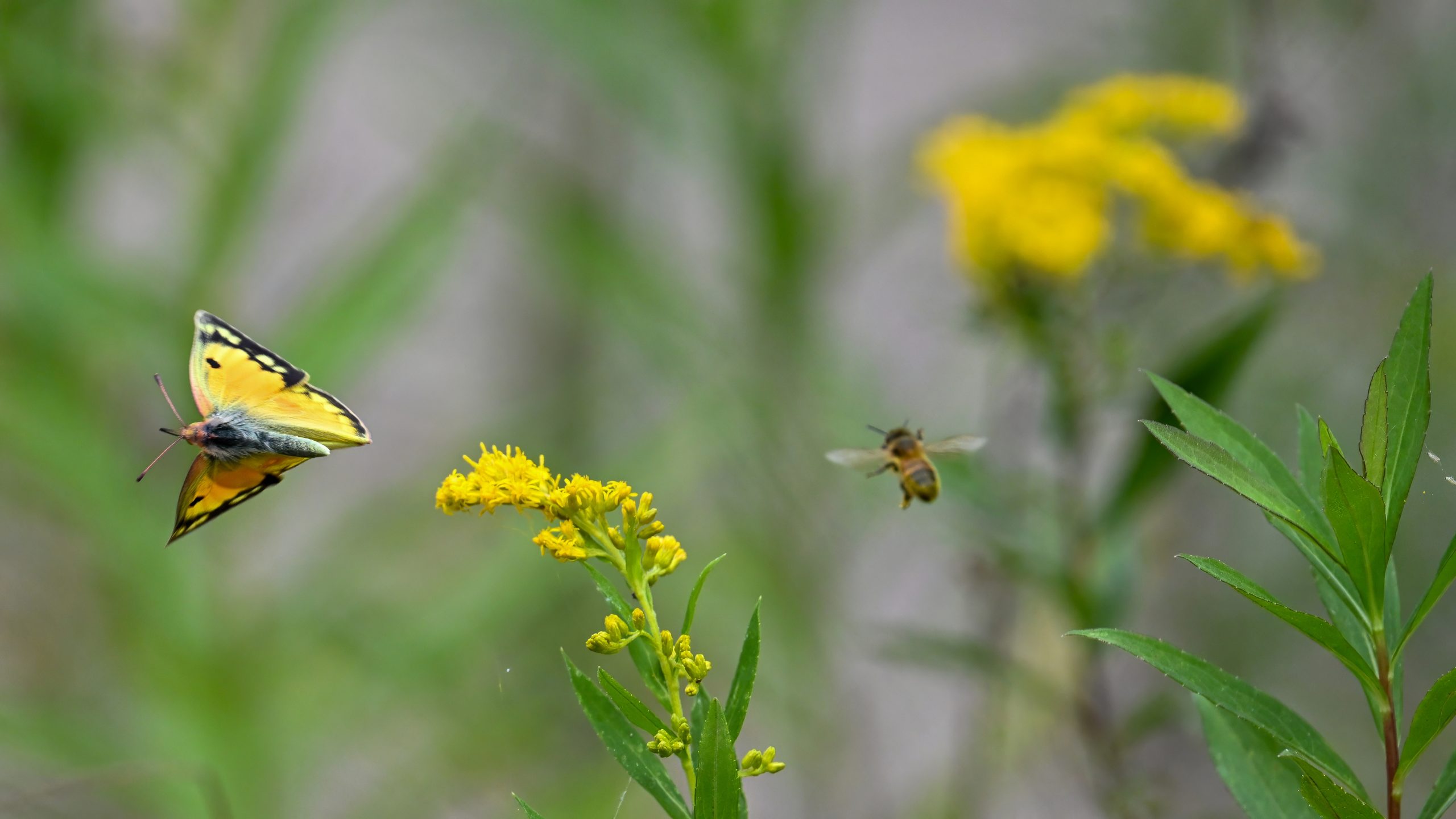
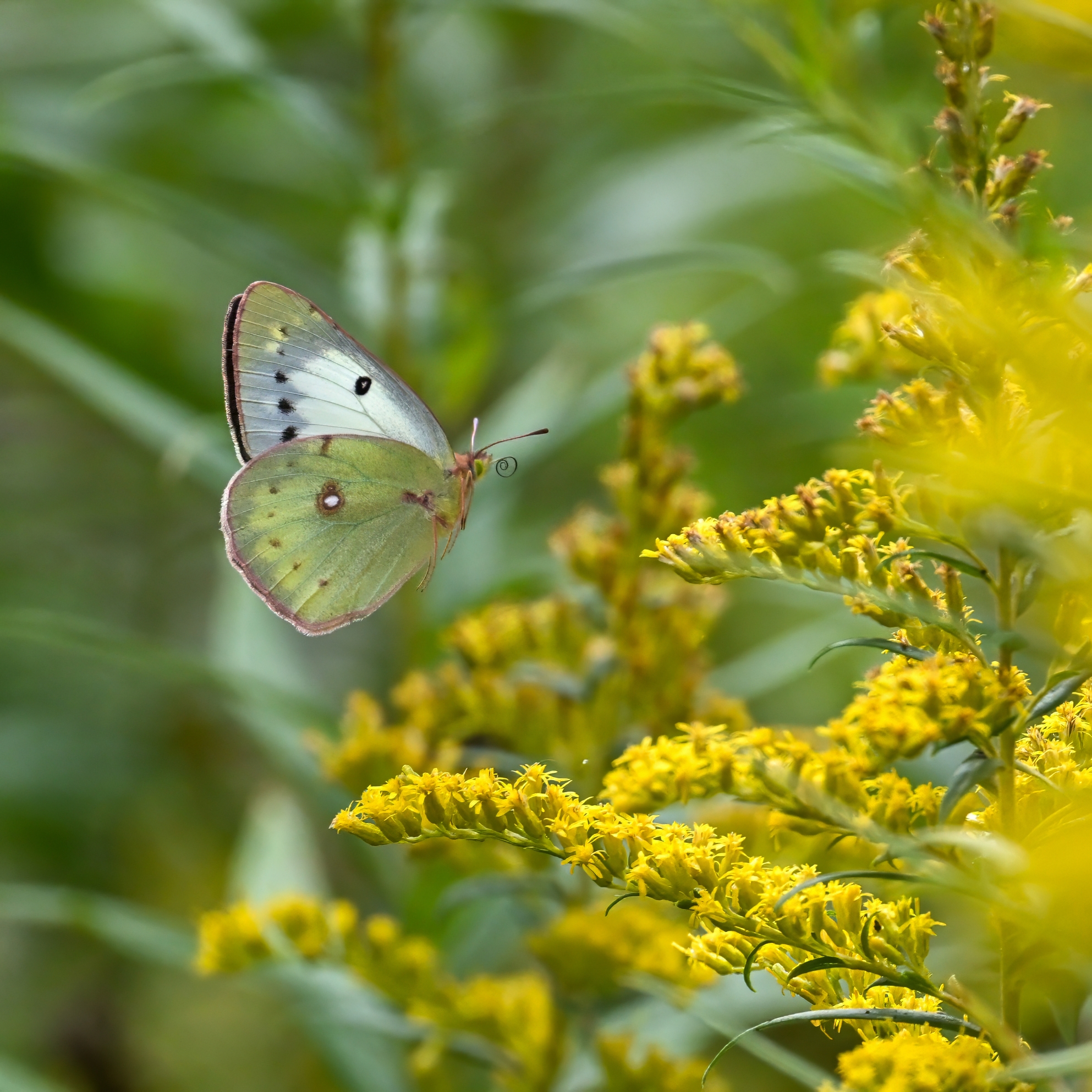
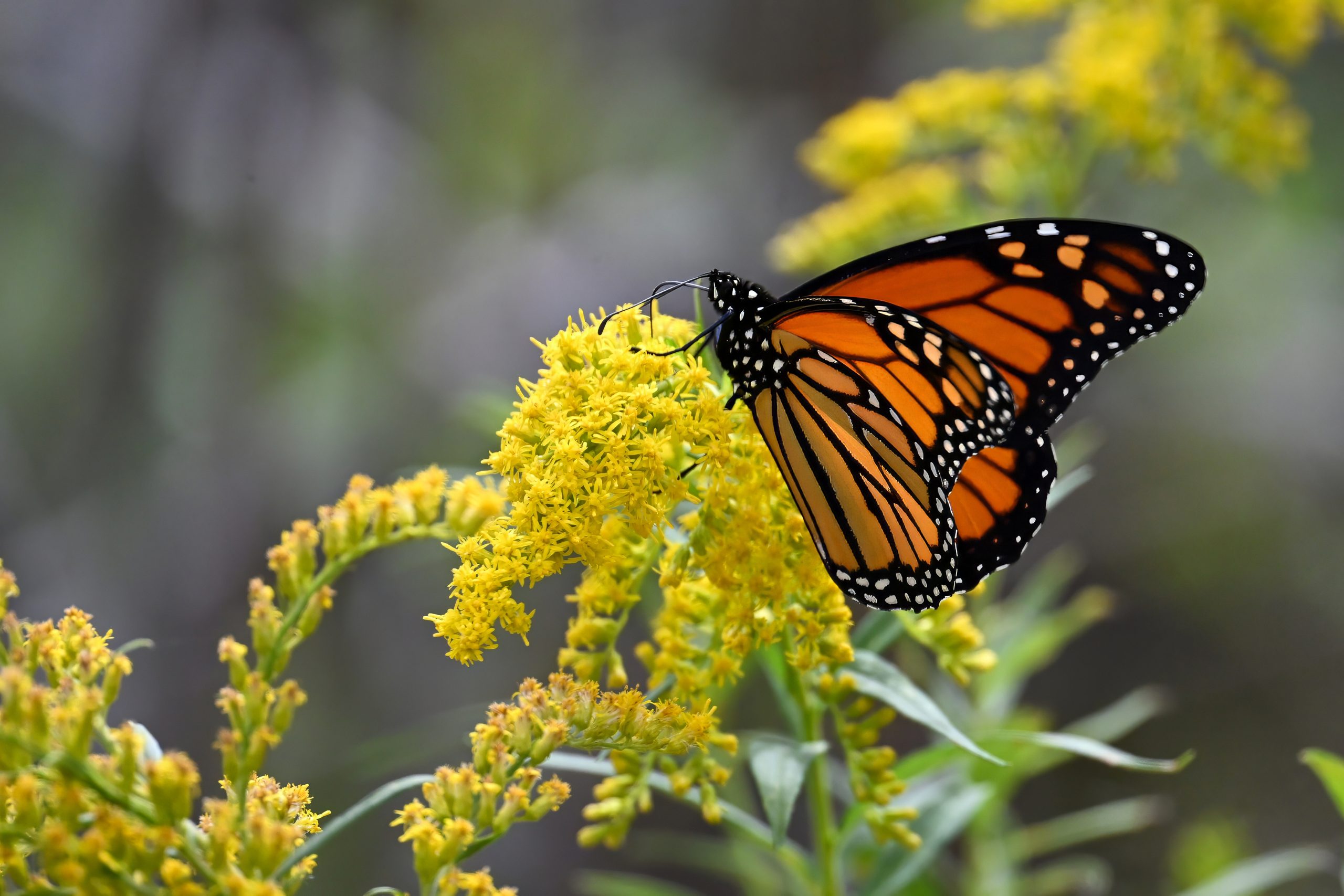
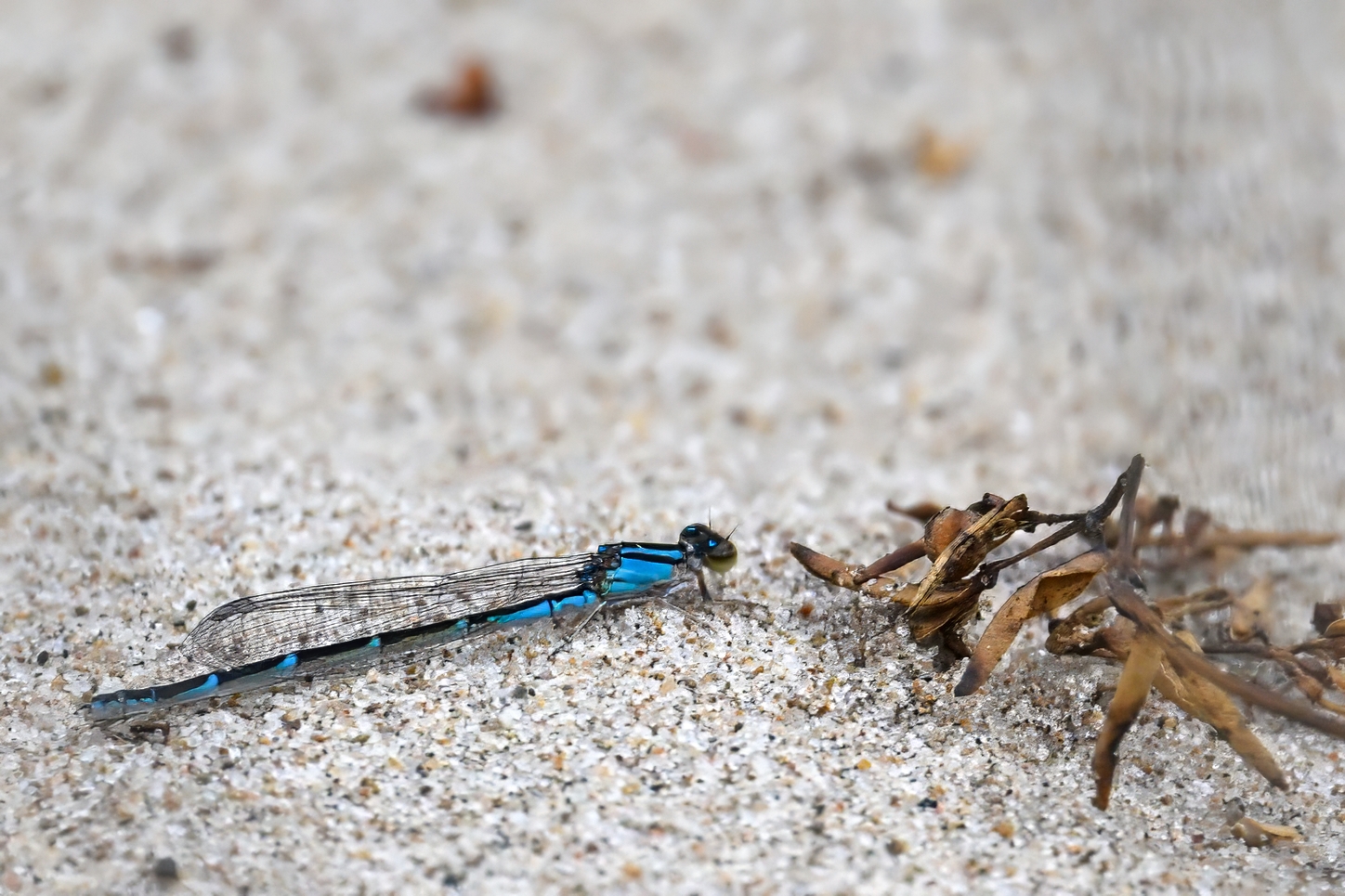
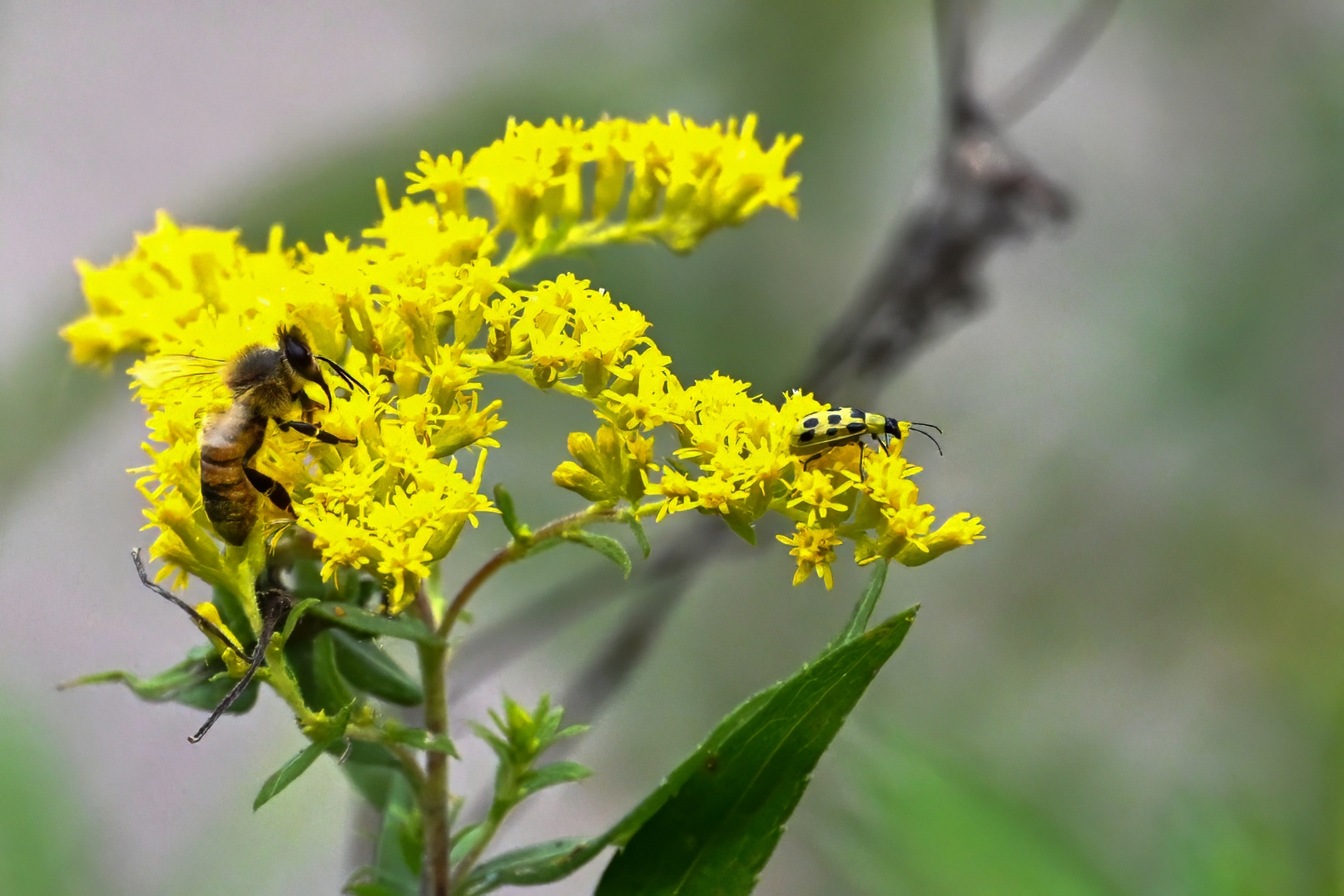
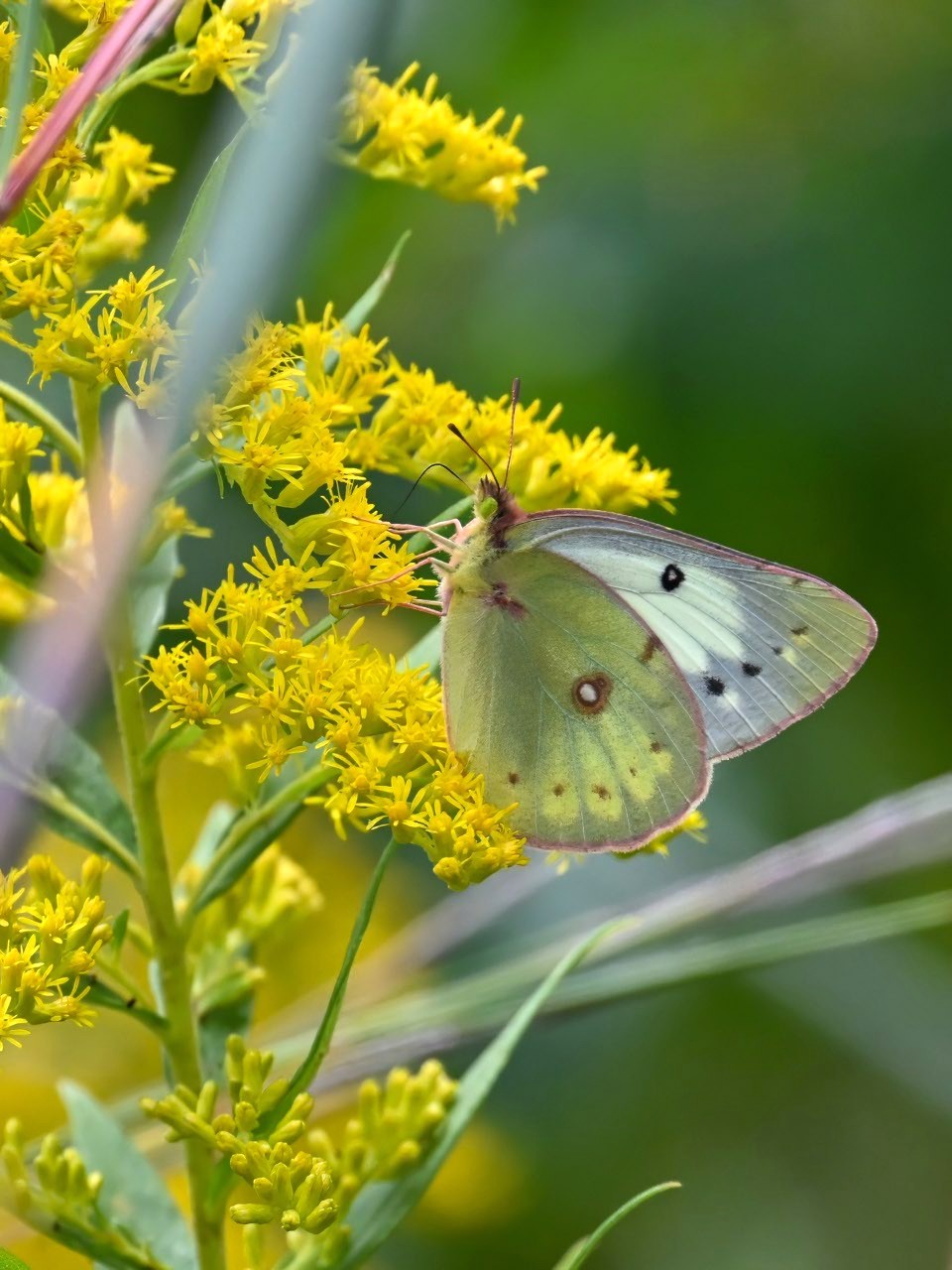
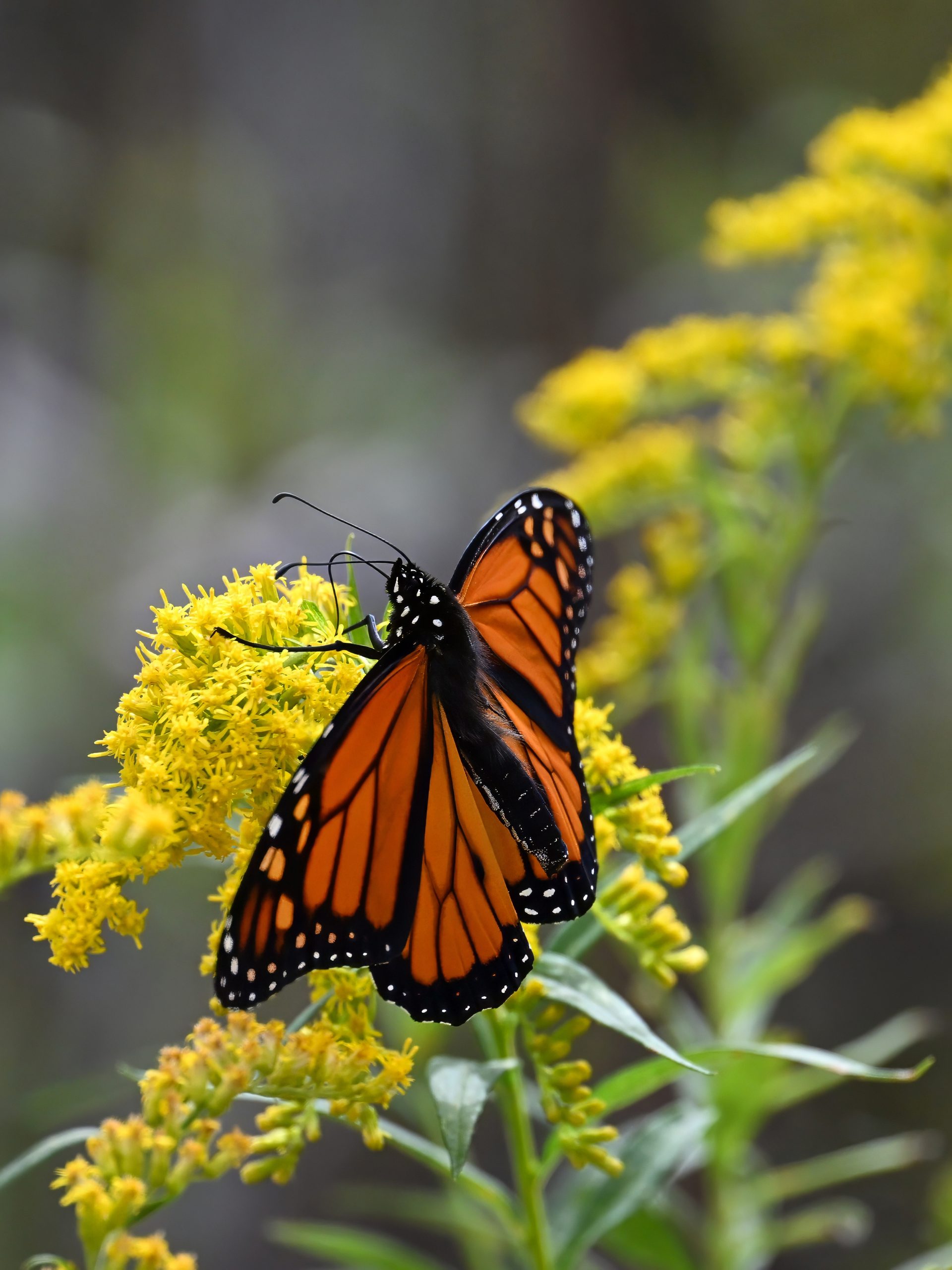
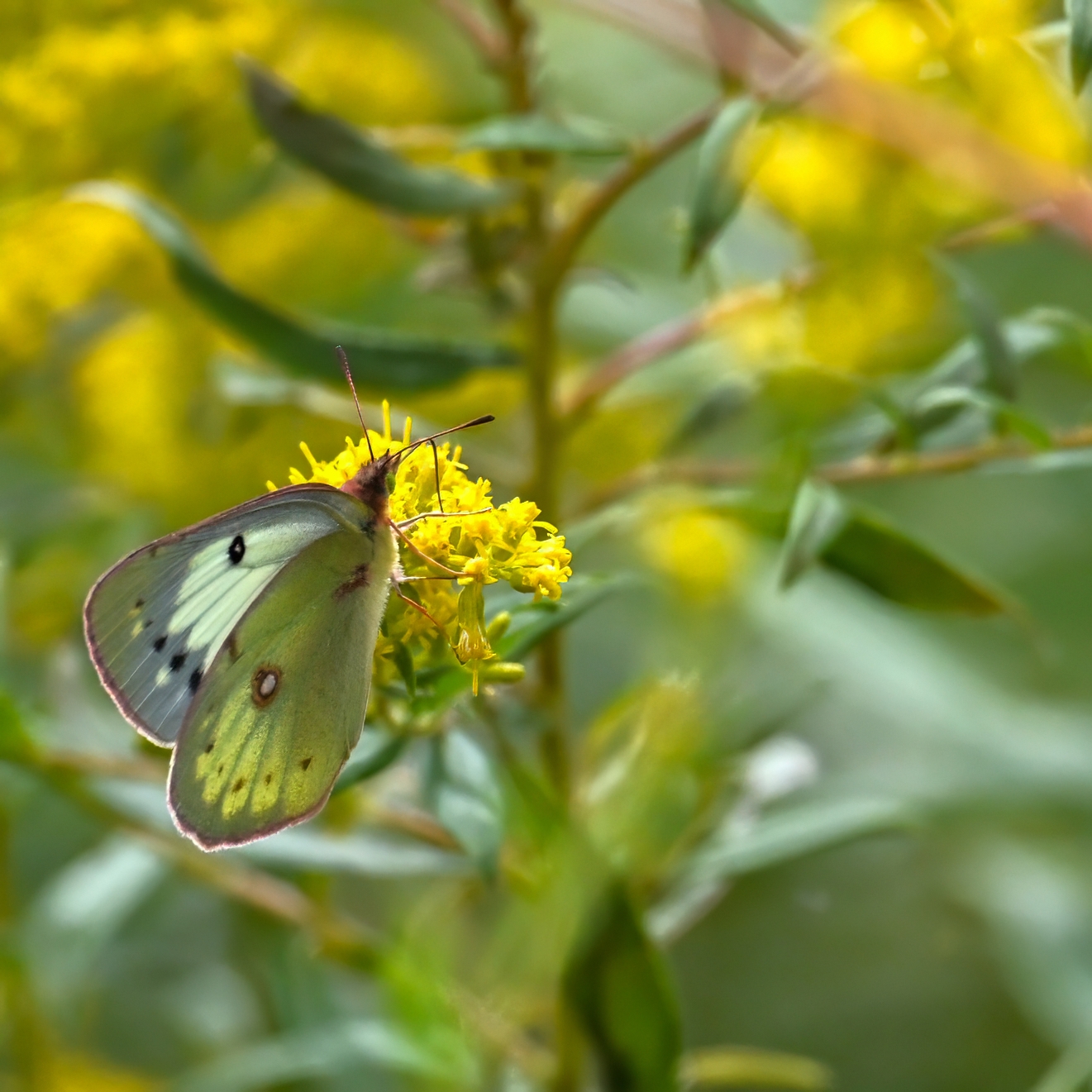
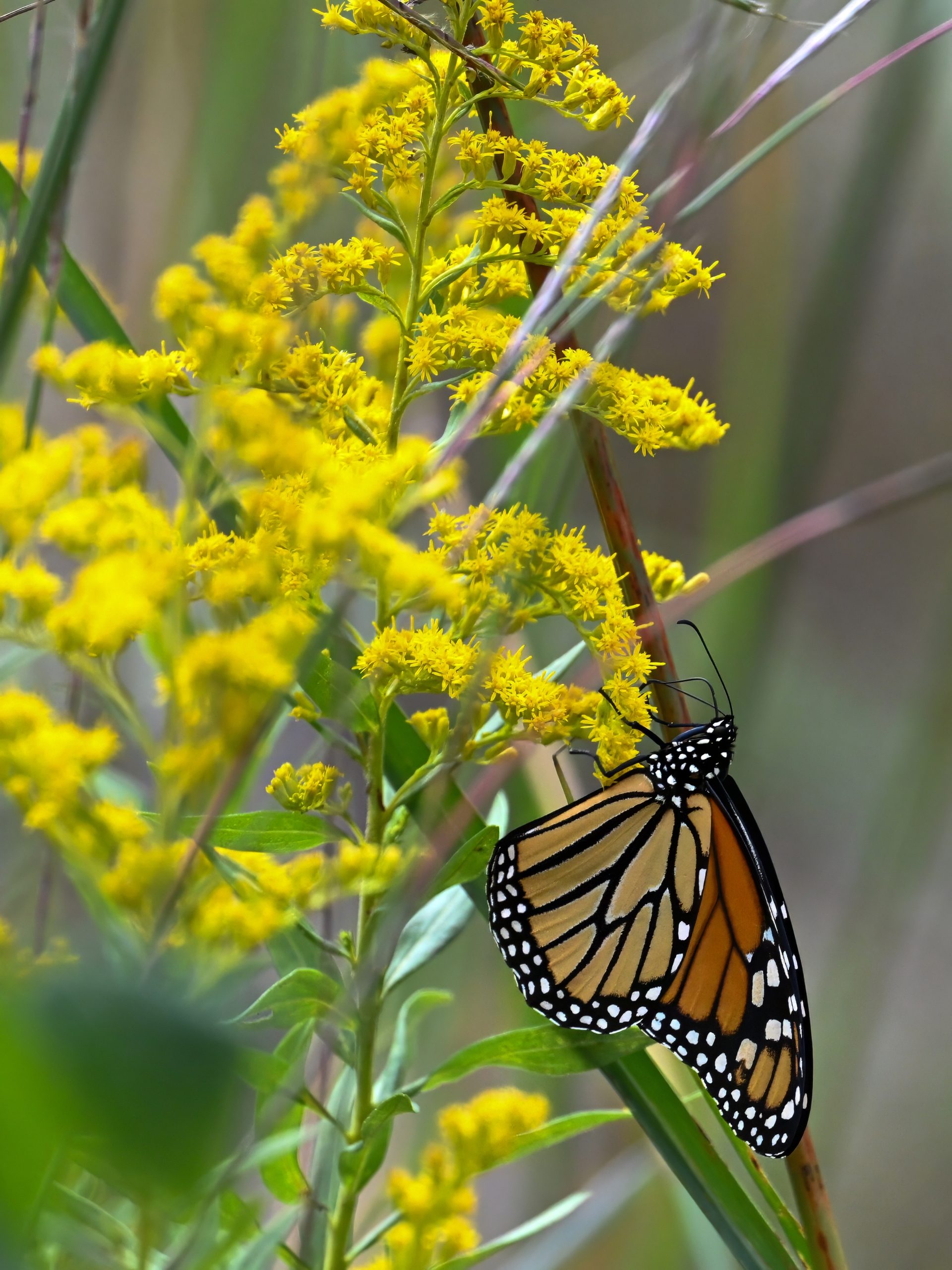
Part 2 of 2 of late summer insects at Presque Isle State Park, by Beach 11 last Saturday afternoon:
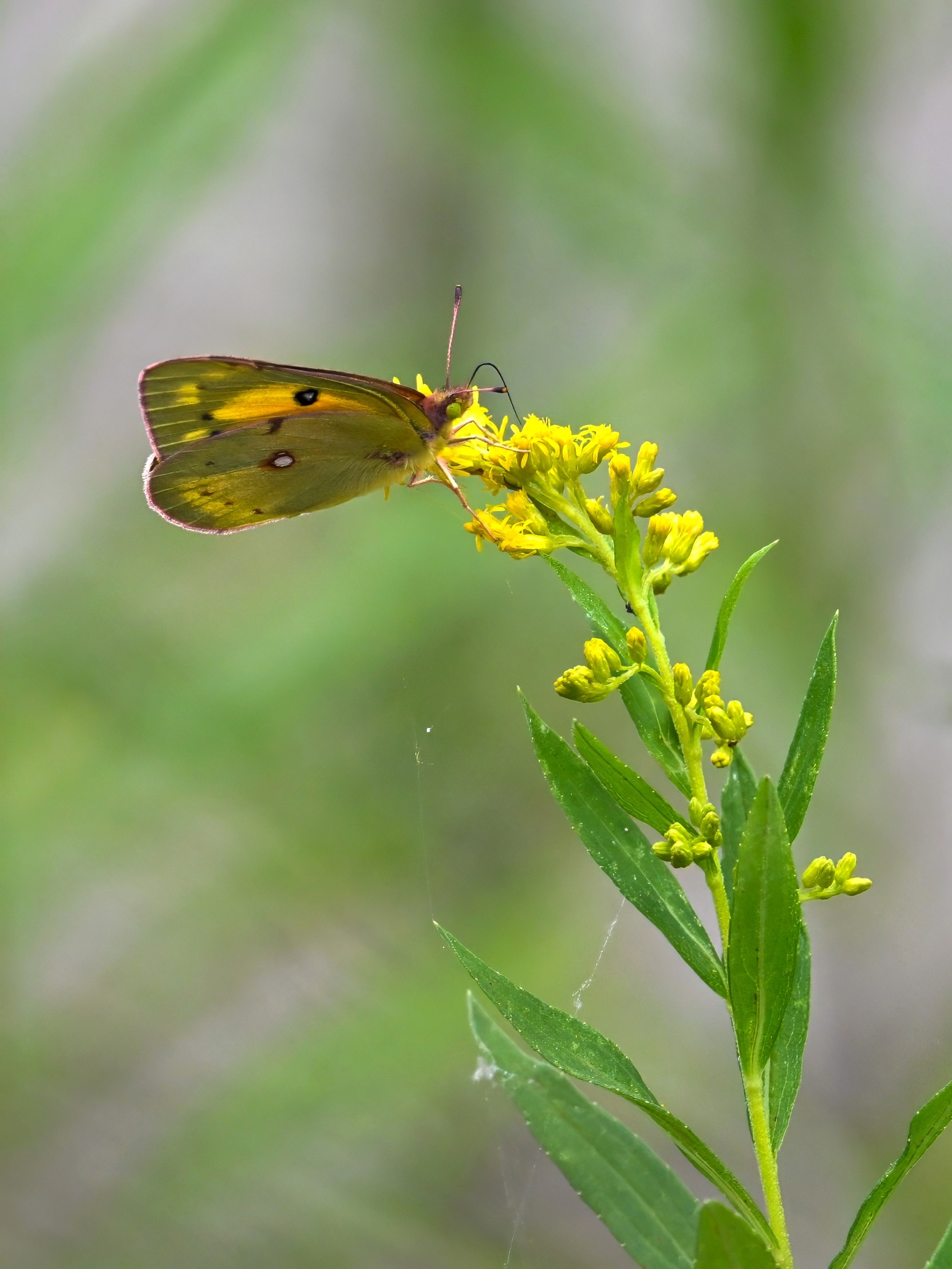
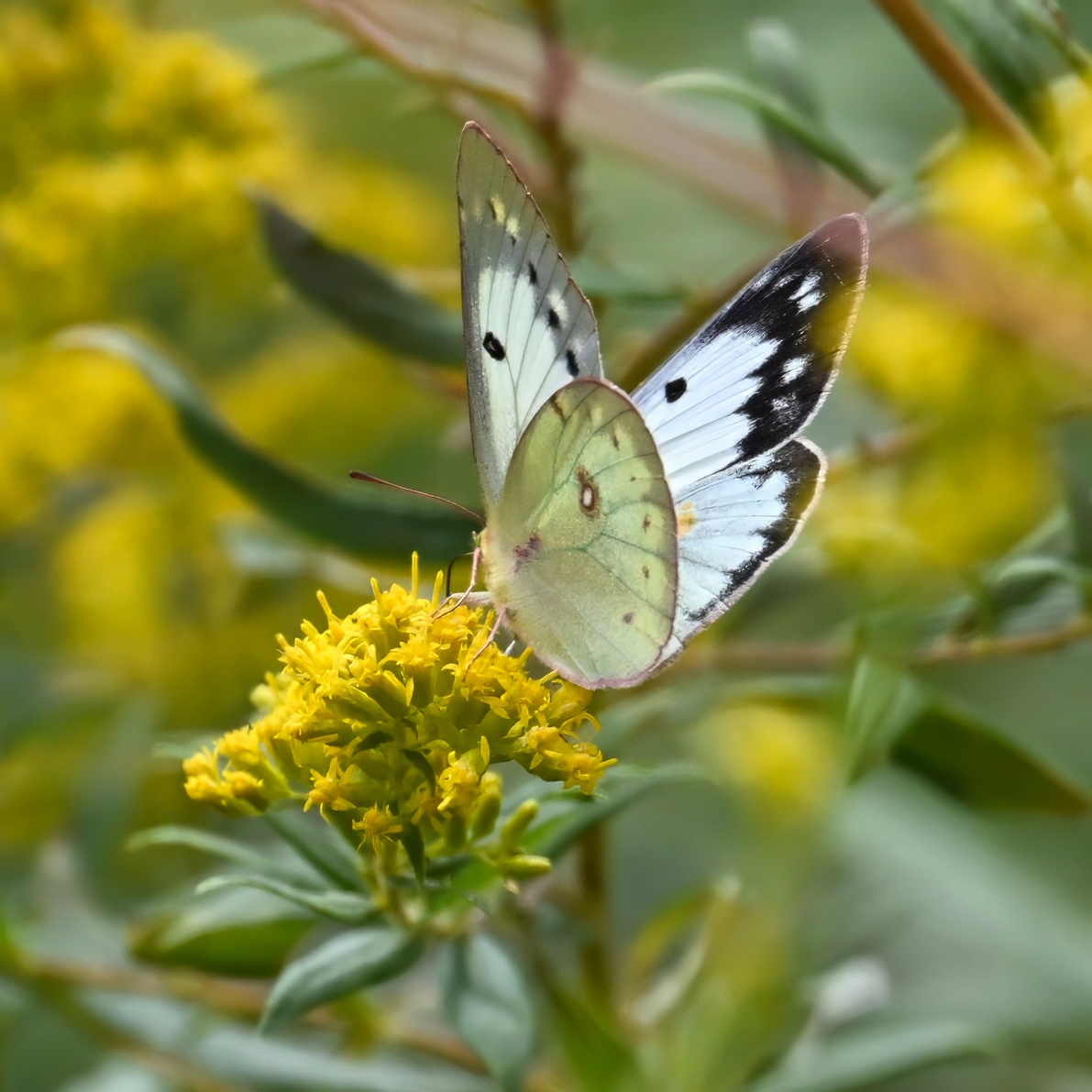
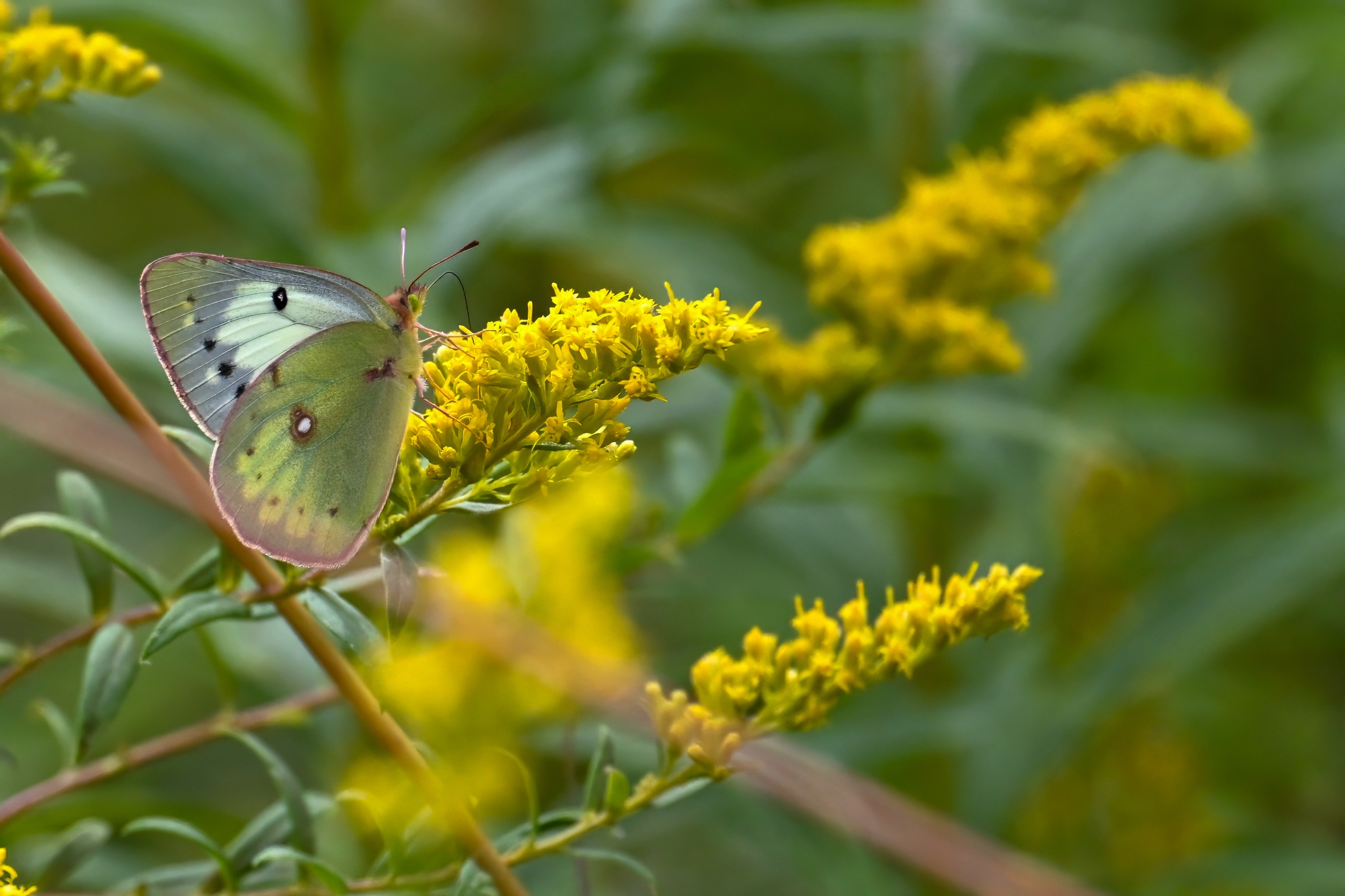
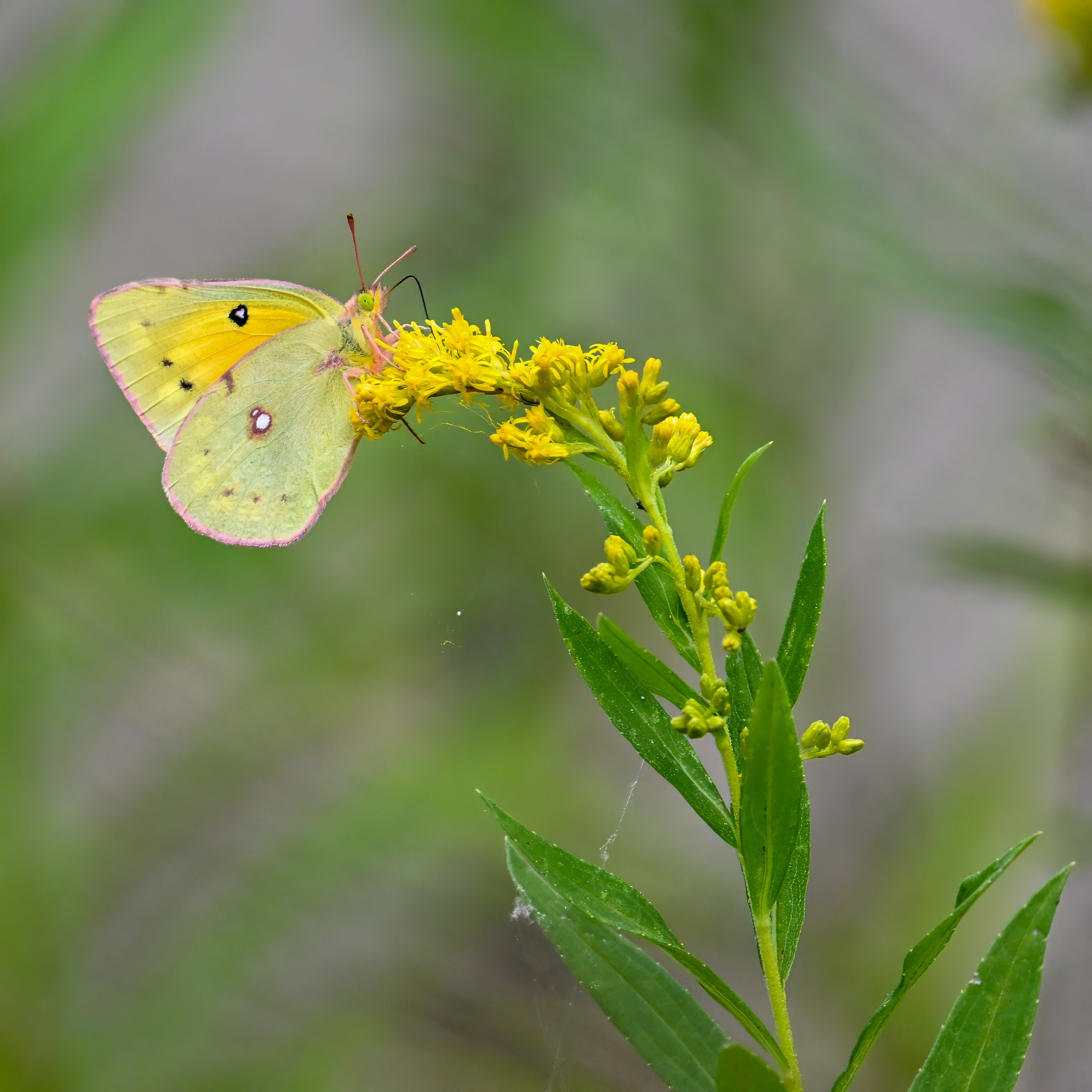
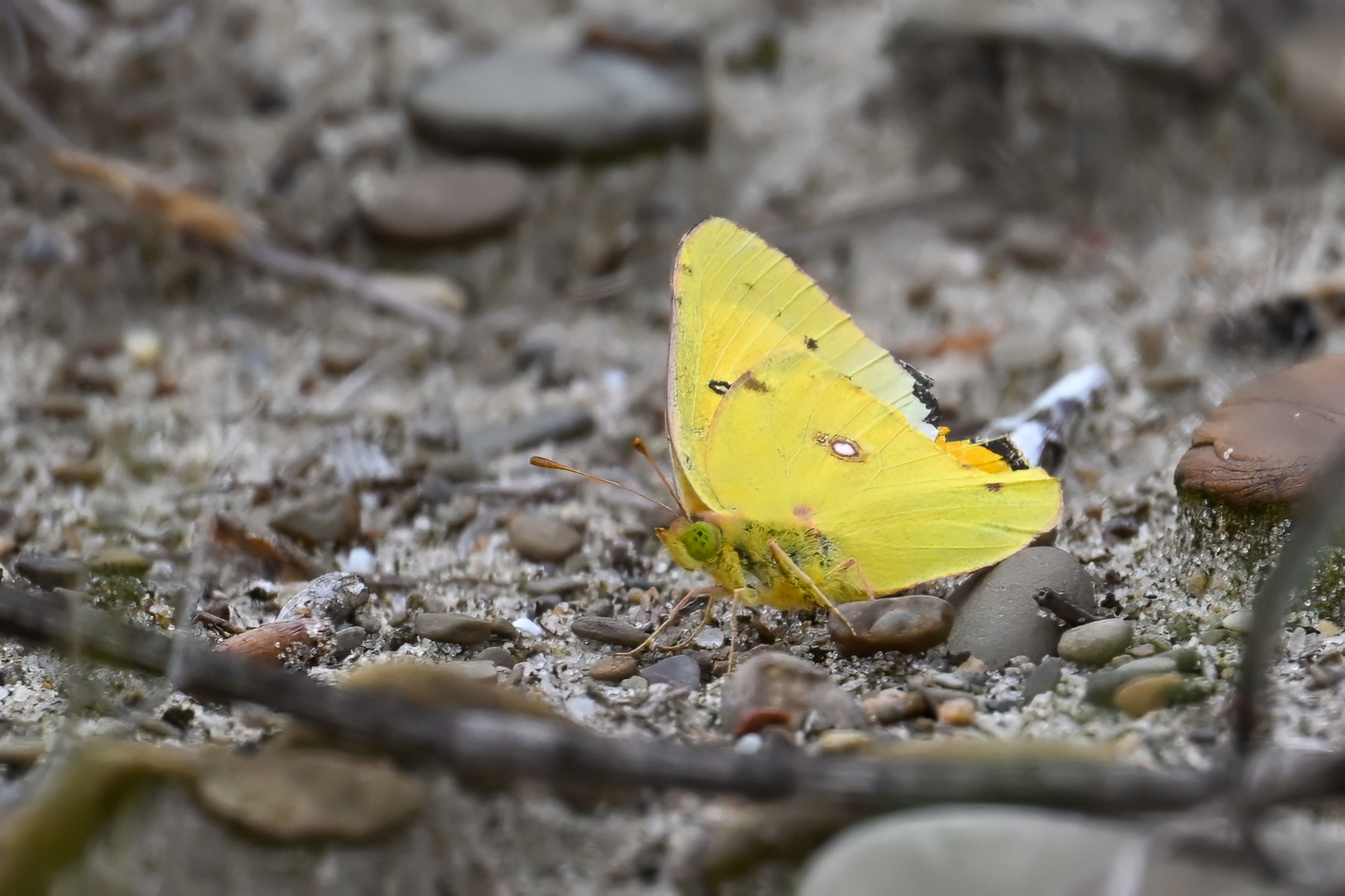
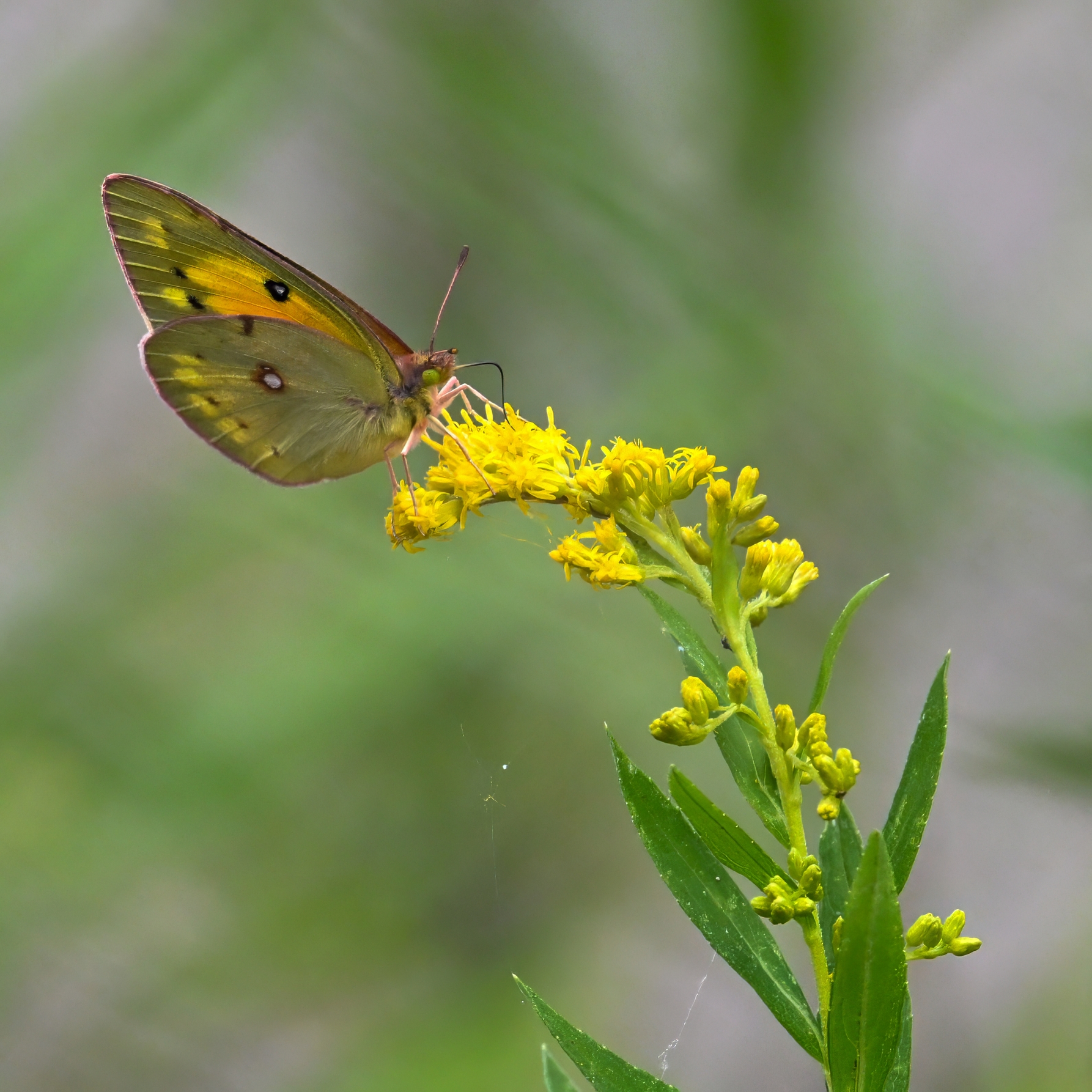
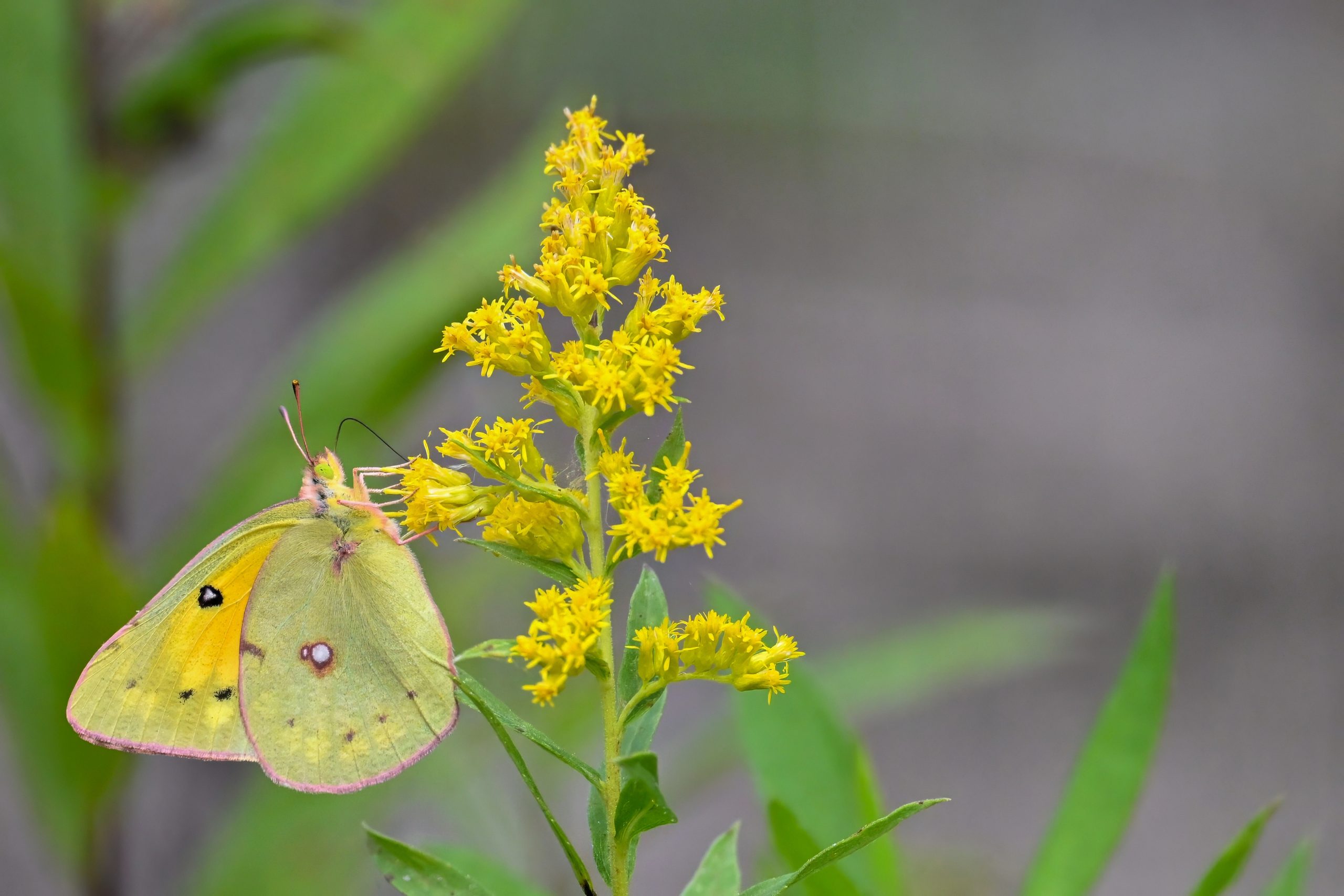
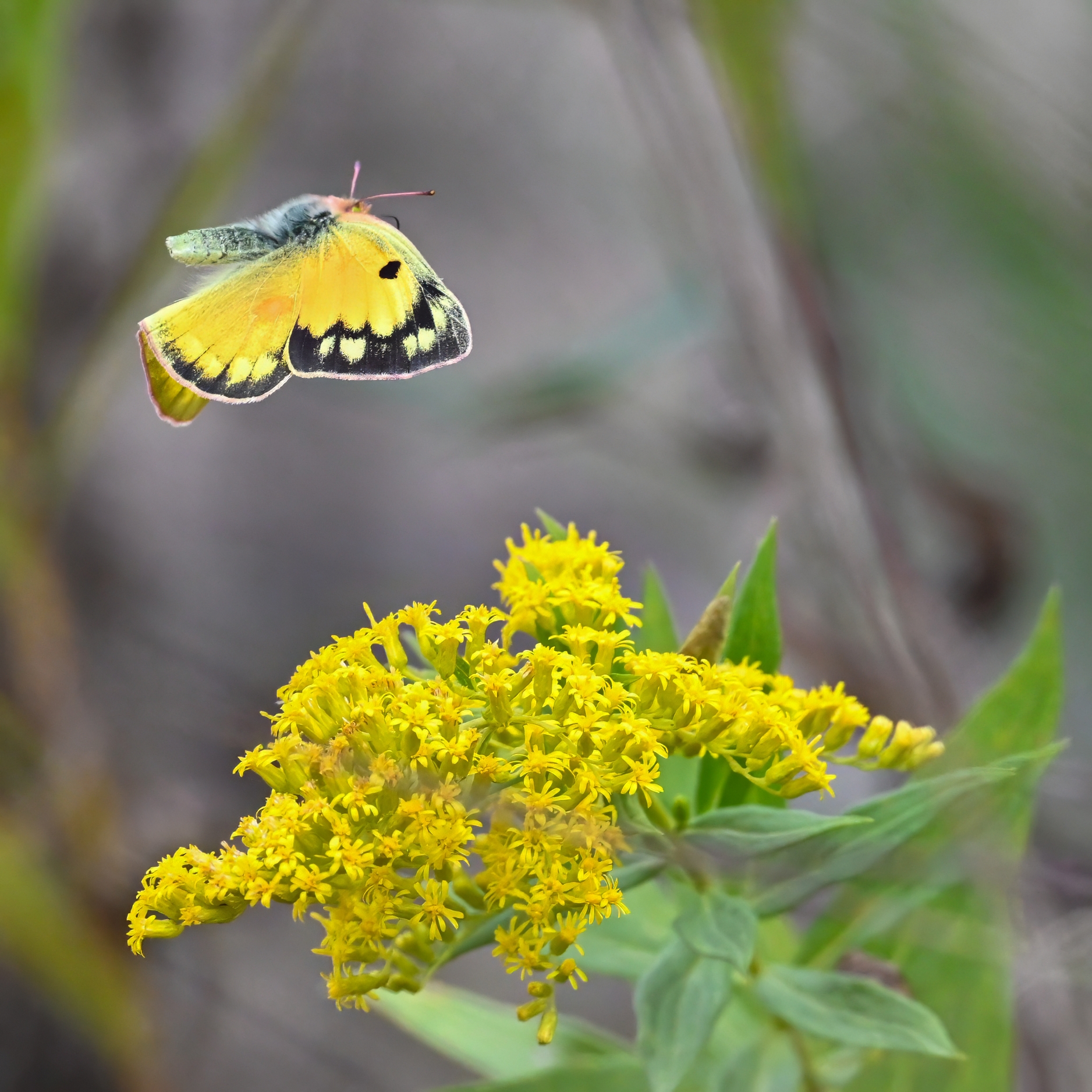
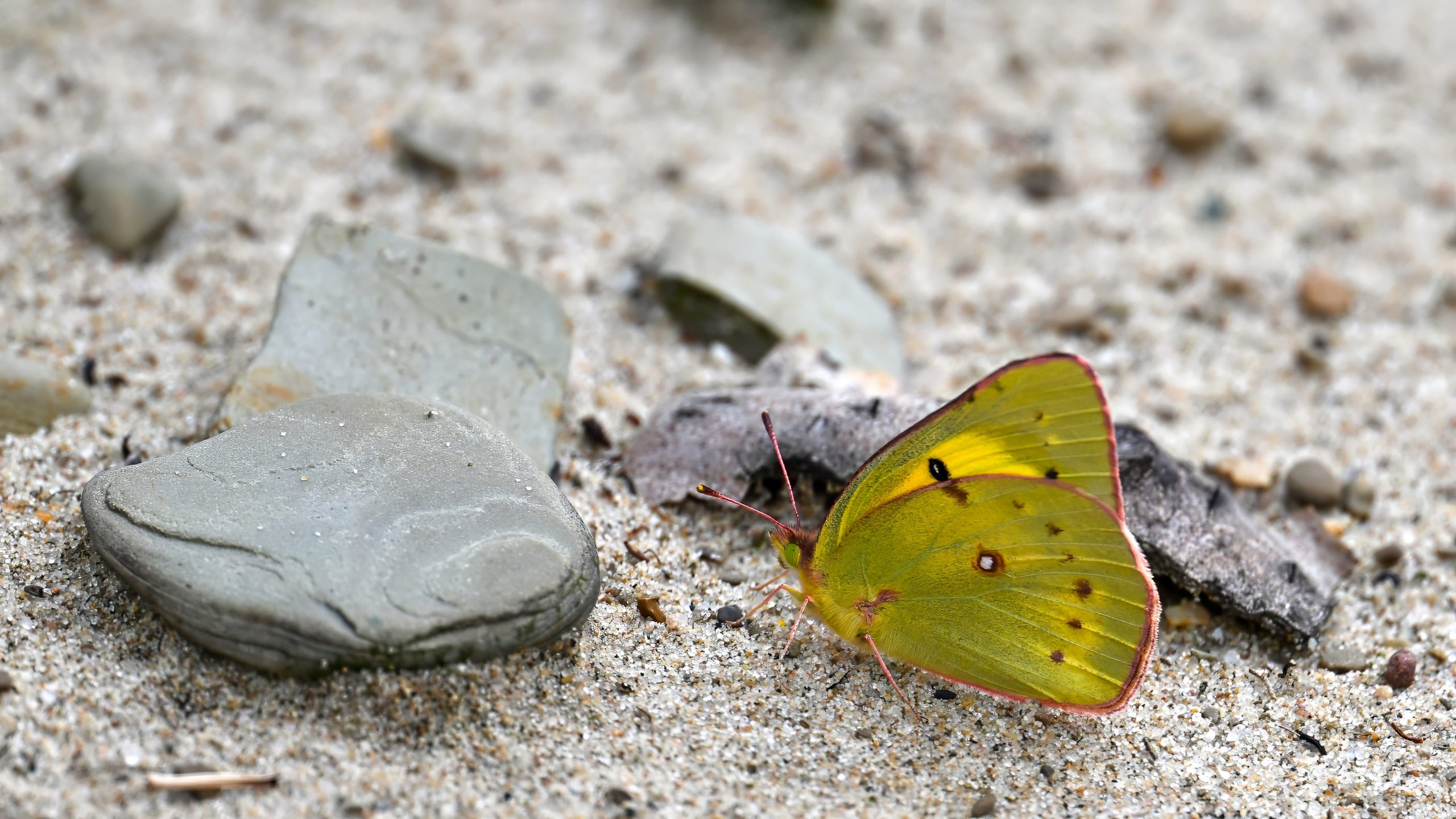
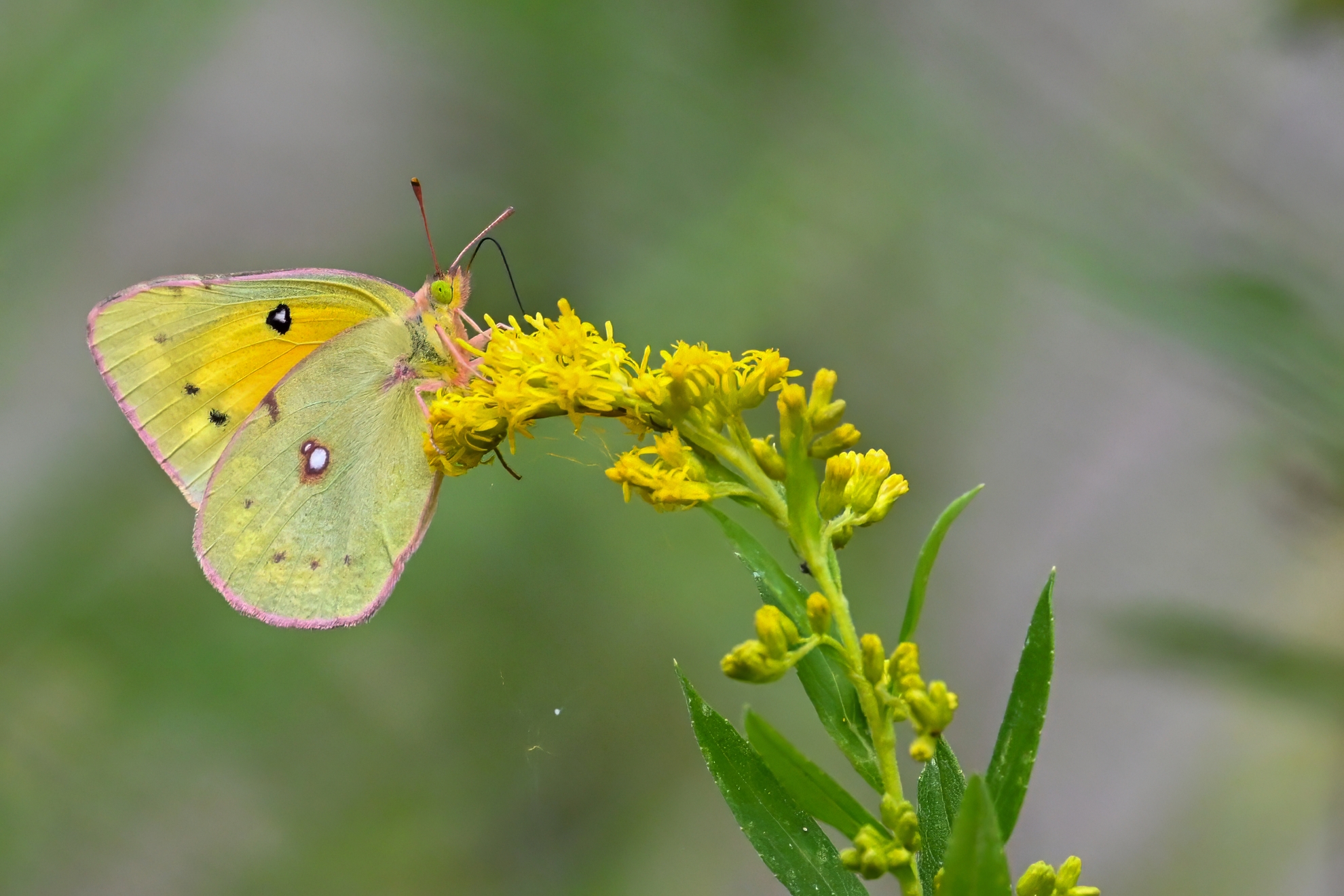
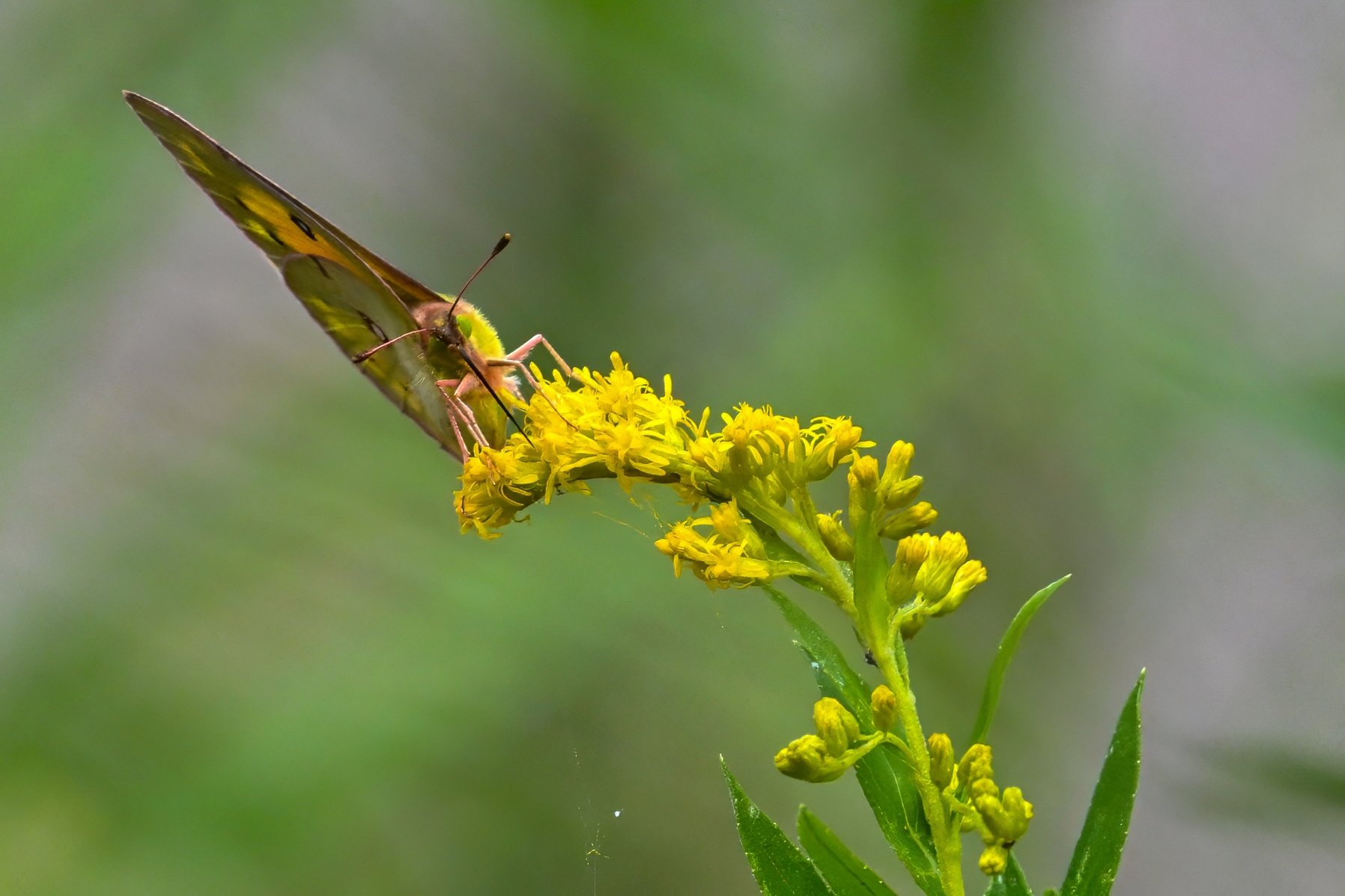
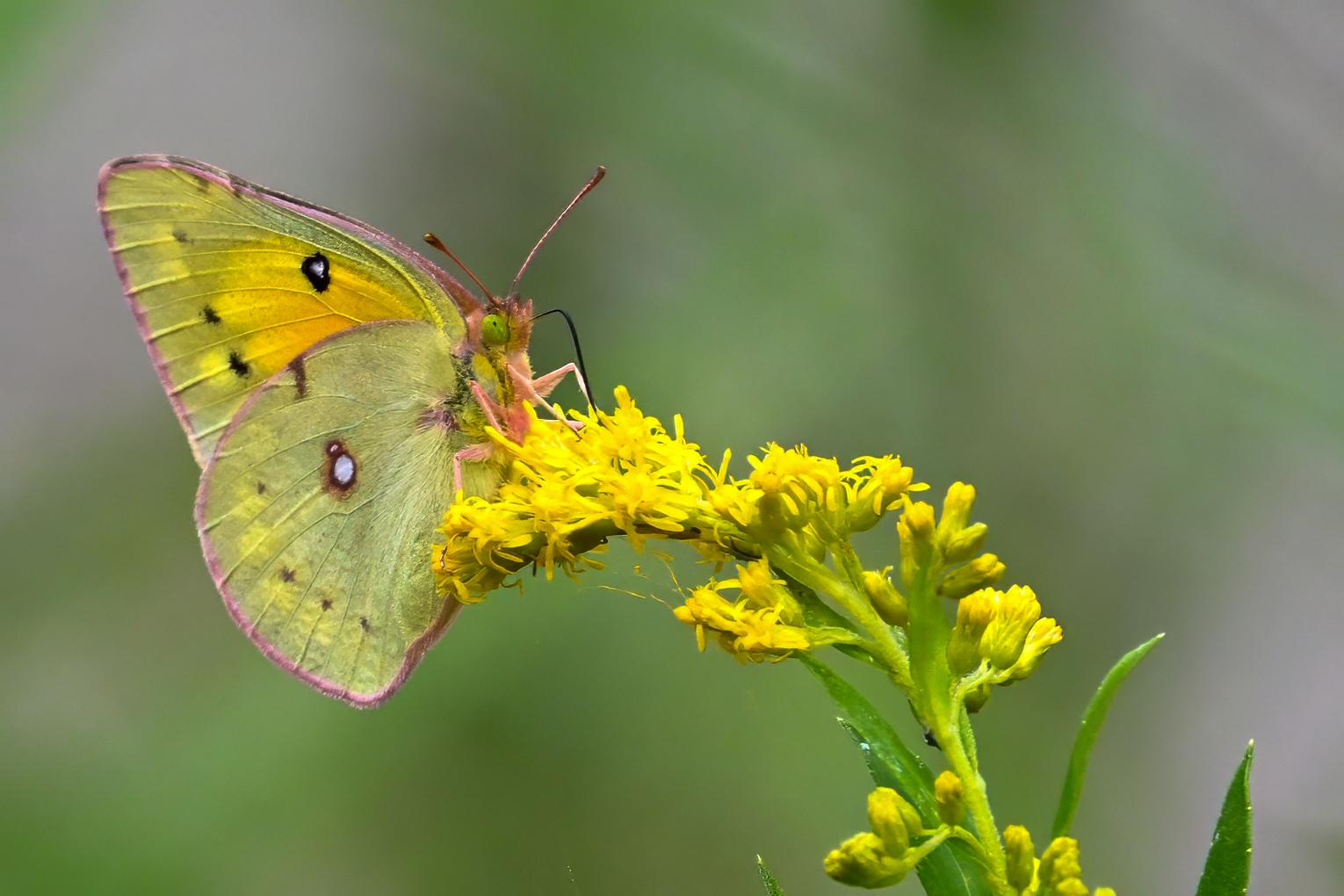
Clouded Sulphur butterfly (Colias philodice)
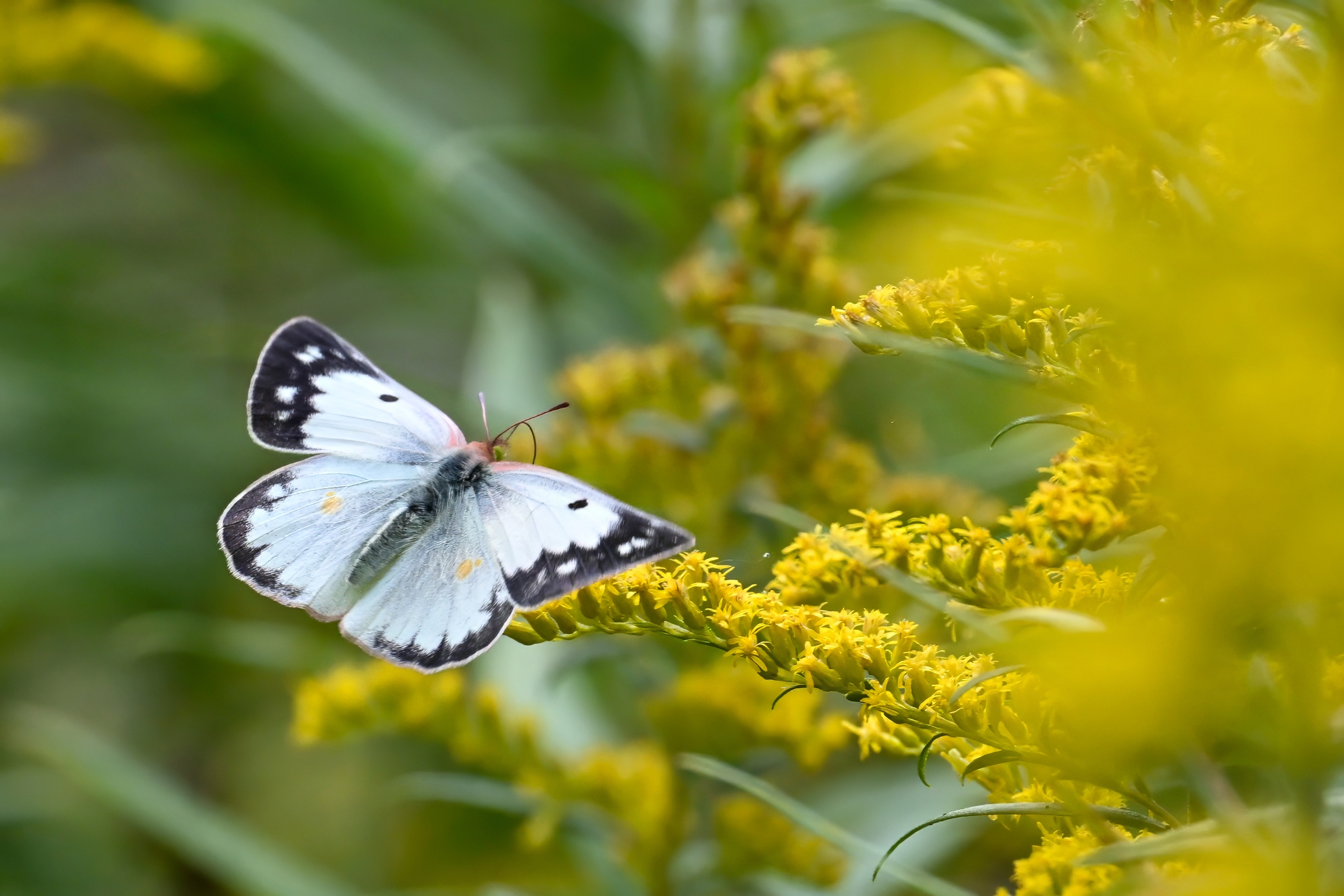
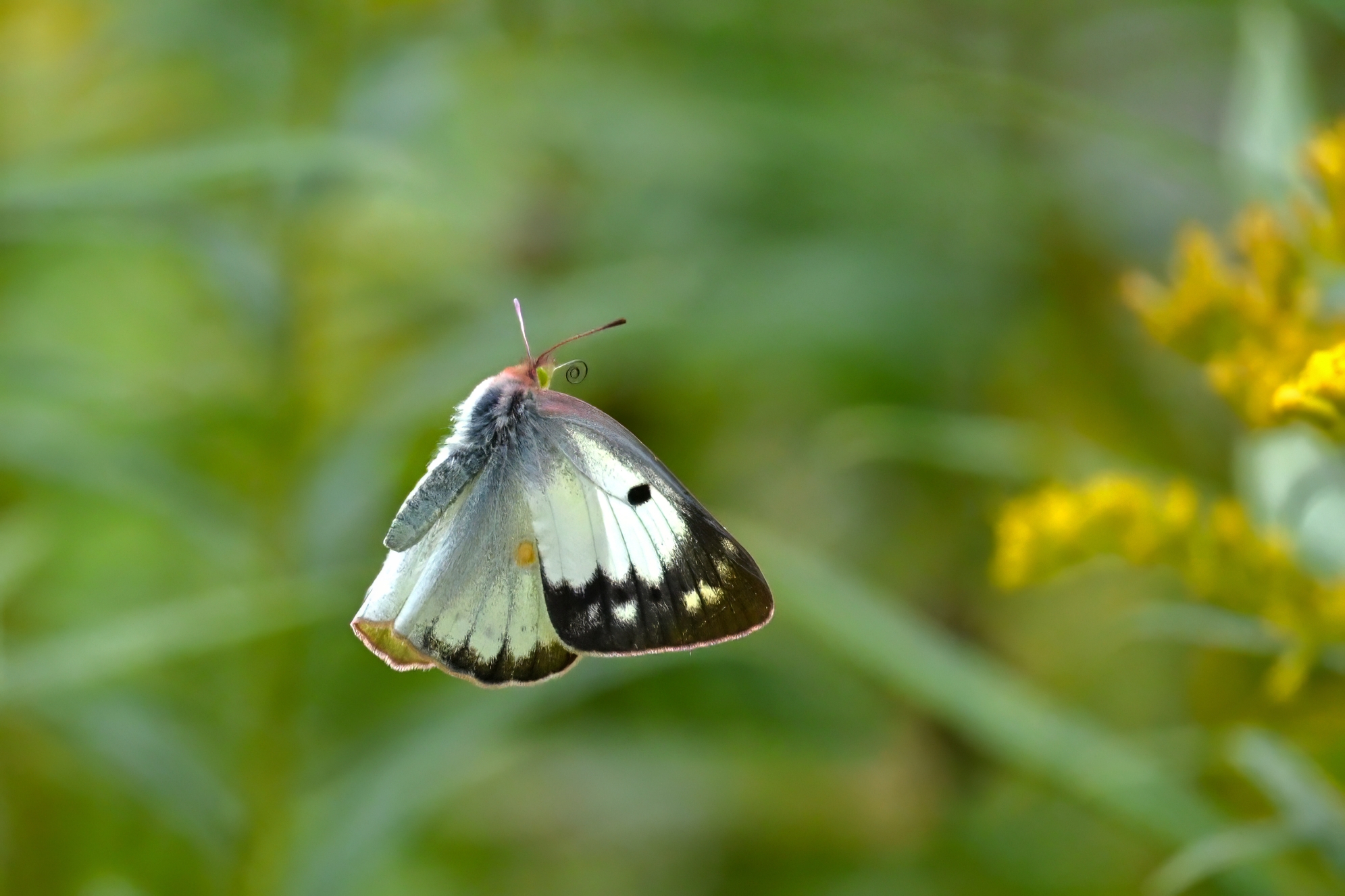
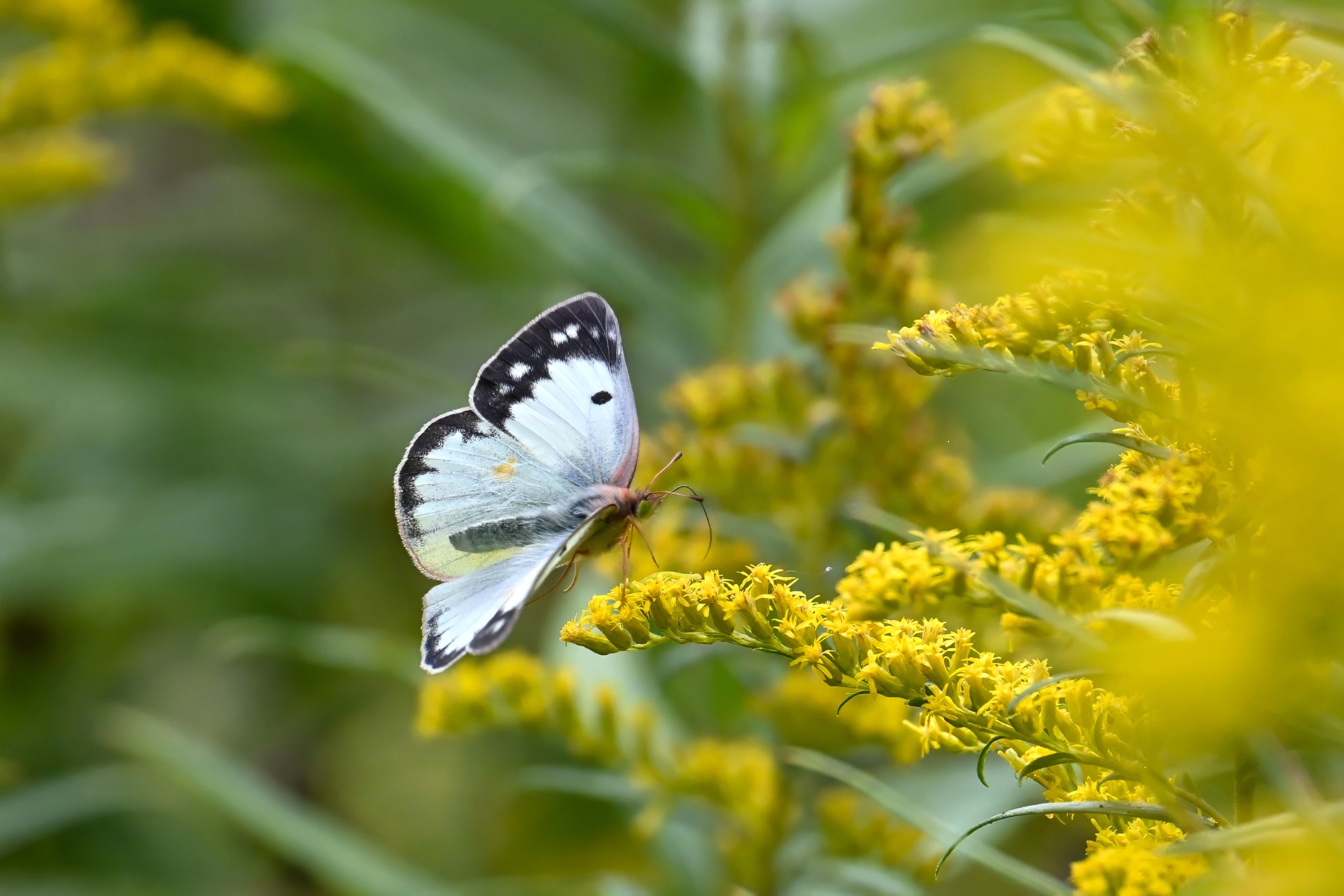
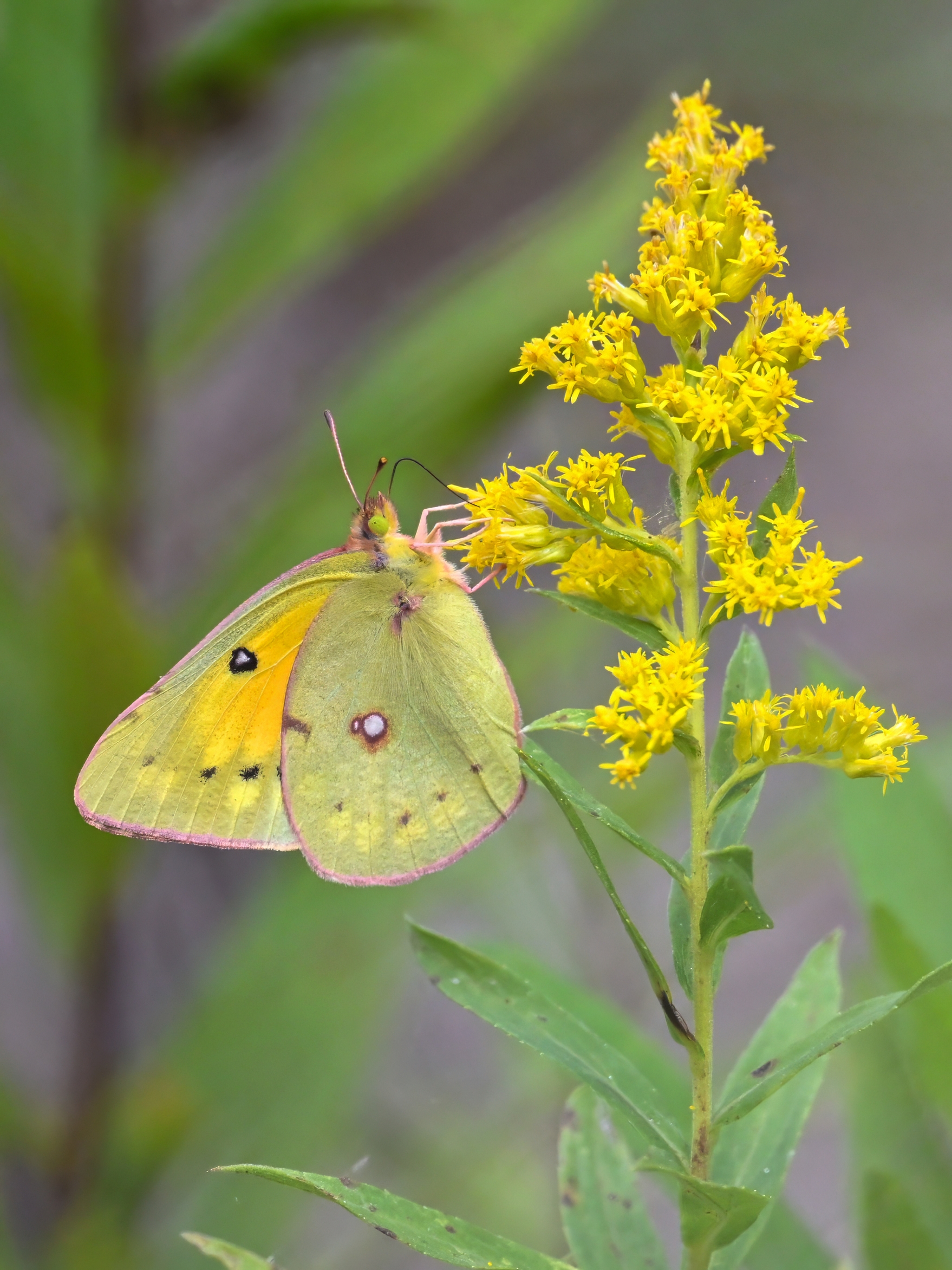
Very interesting sighting of a female white morph (alba variant) Clouded Sulphur or Orange Sulphur butterfly; “alba” female morph = a sex-limited genetic variant found in about 1/3 of the 90 or so species in the Colias (sulphur) genus:
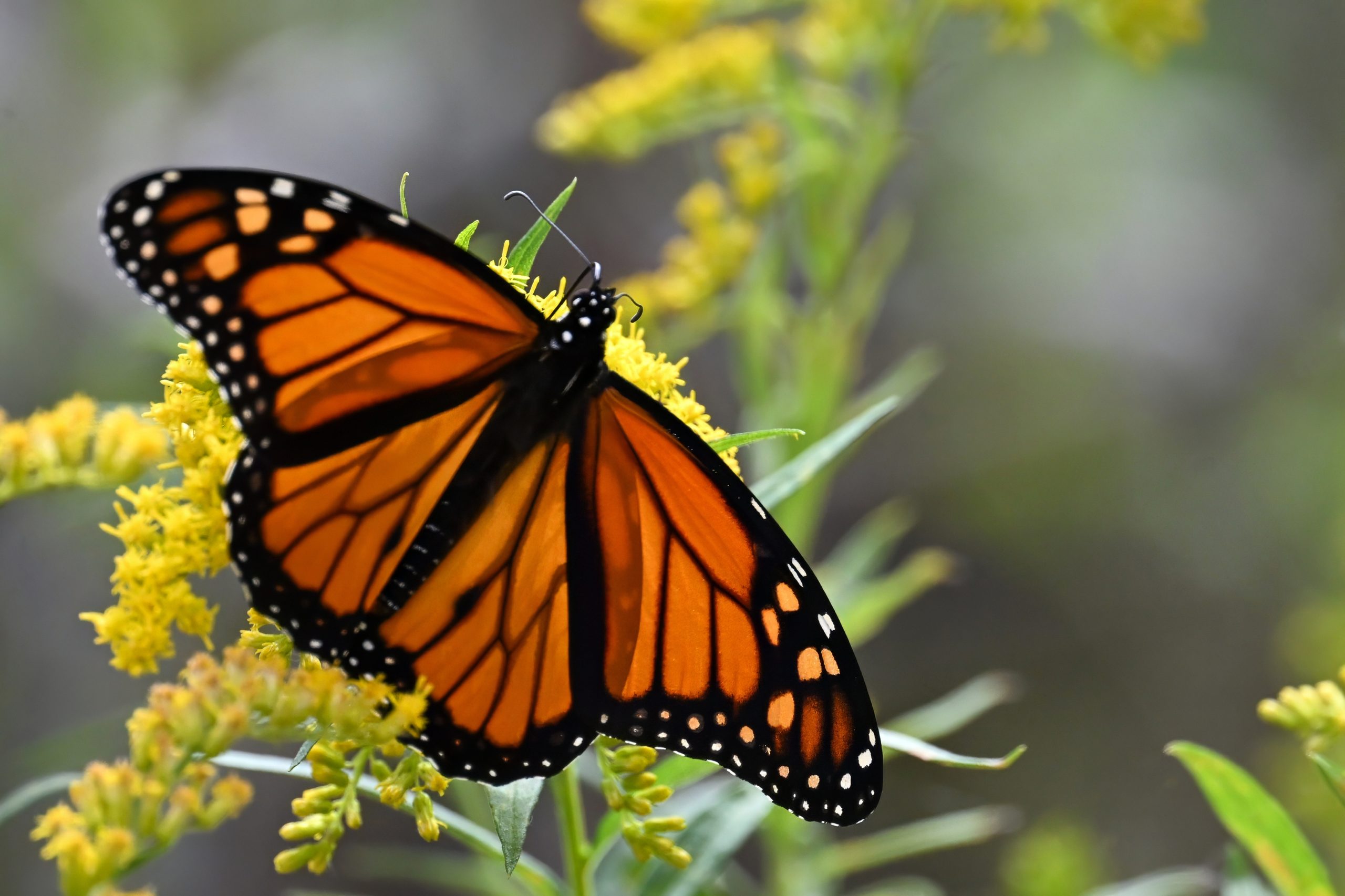
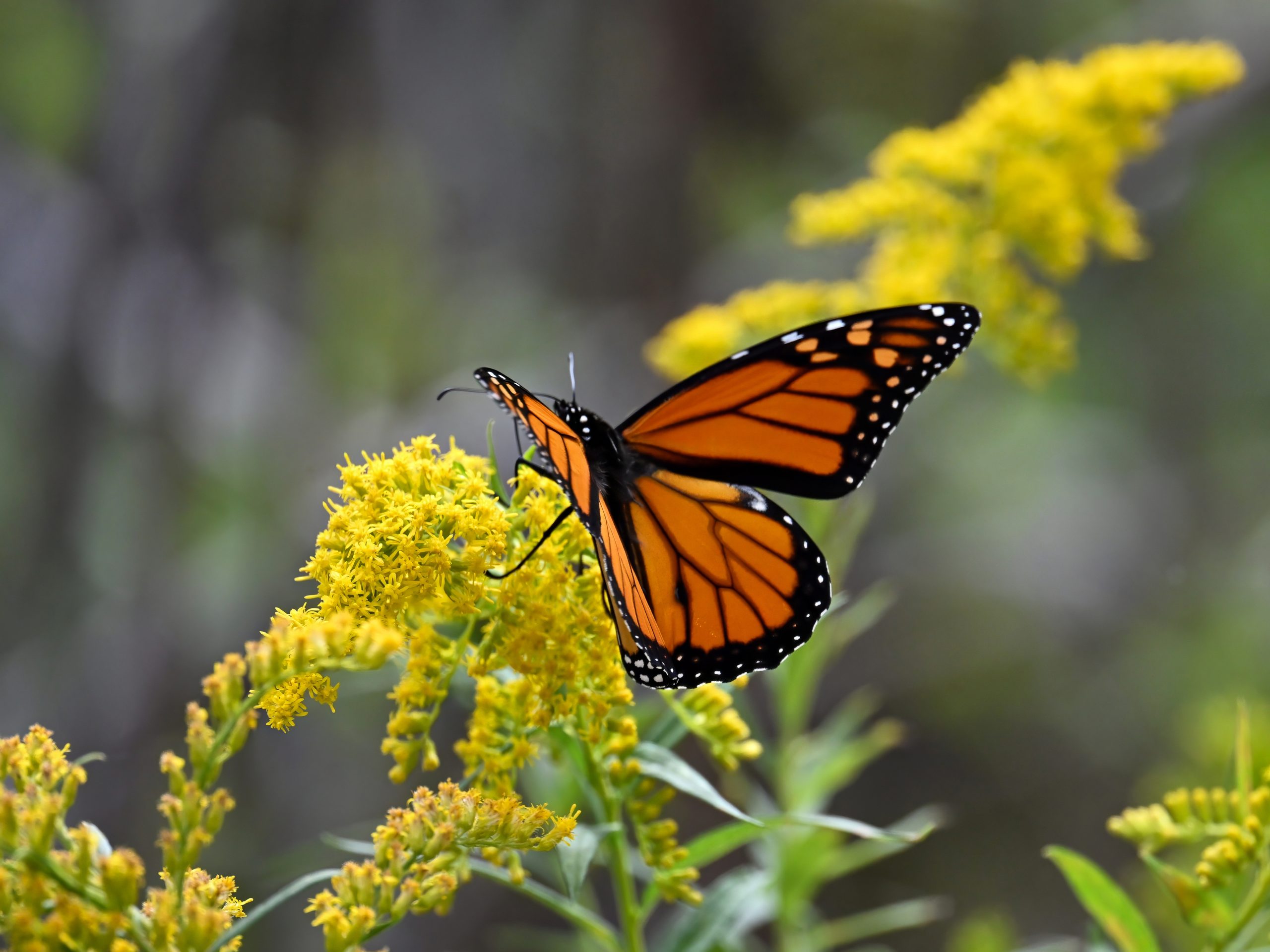
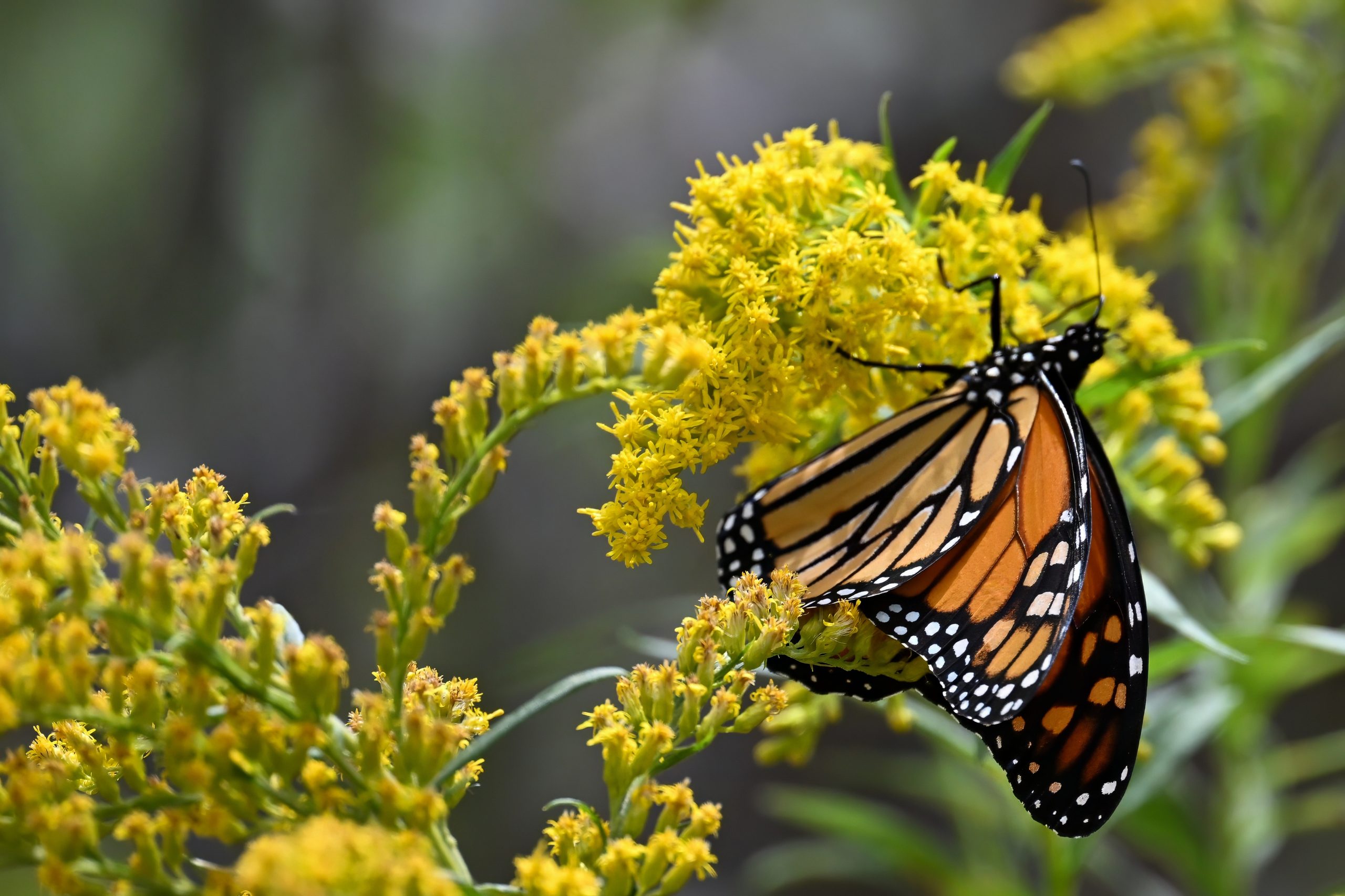
White morph female SulphurMonarch butterfly (Danaus plexippus)Damselfly, genus EnallagmaSpotted Cucumber Beetle (Diabrotica undecimpunctata)(on right, w/ bee on left)
Should be a nice day today in Erie County, Pennsylvania, mostly sunny with a high of around 68 deg F. Happy nature!
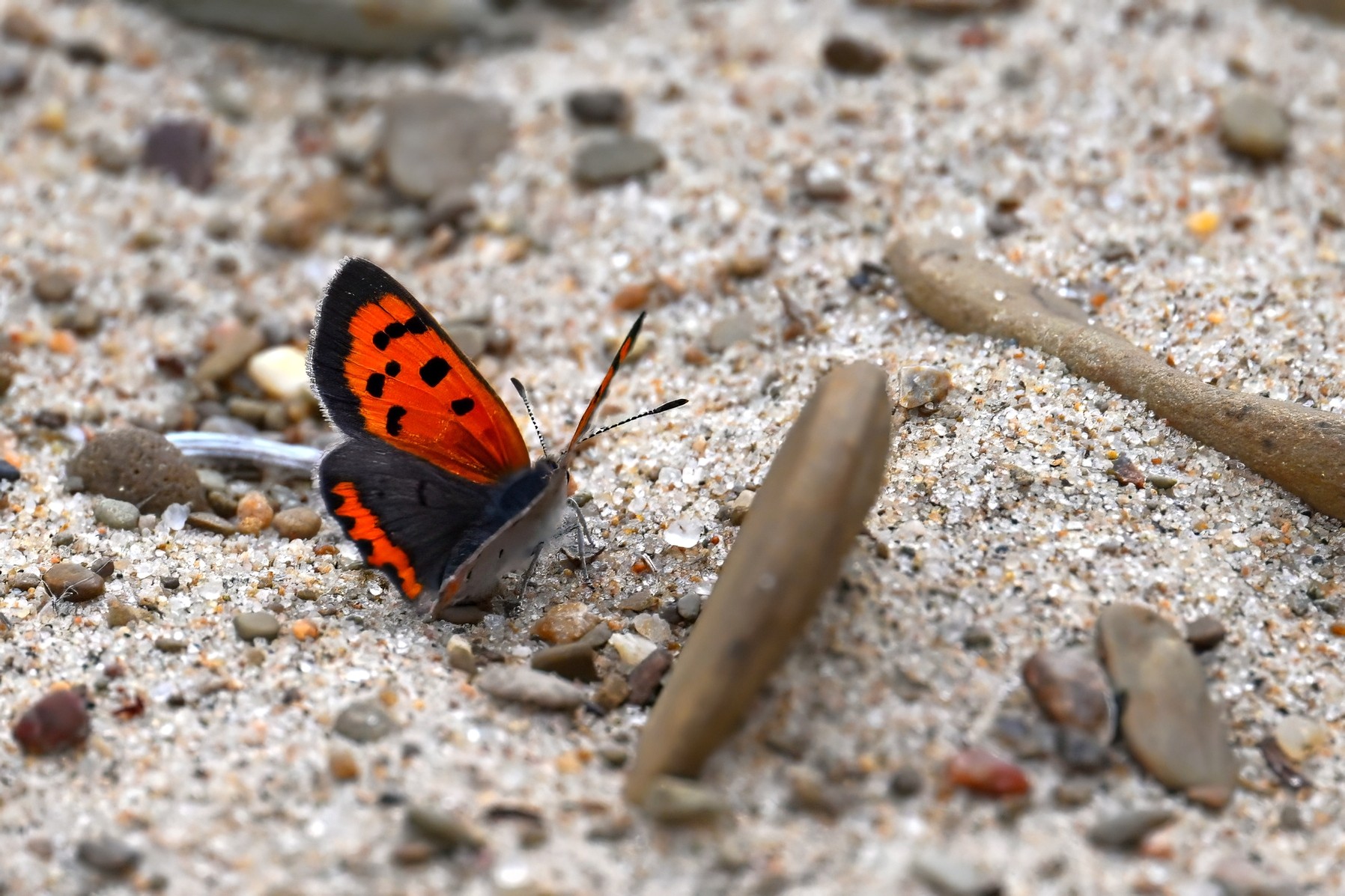
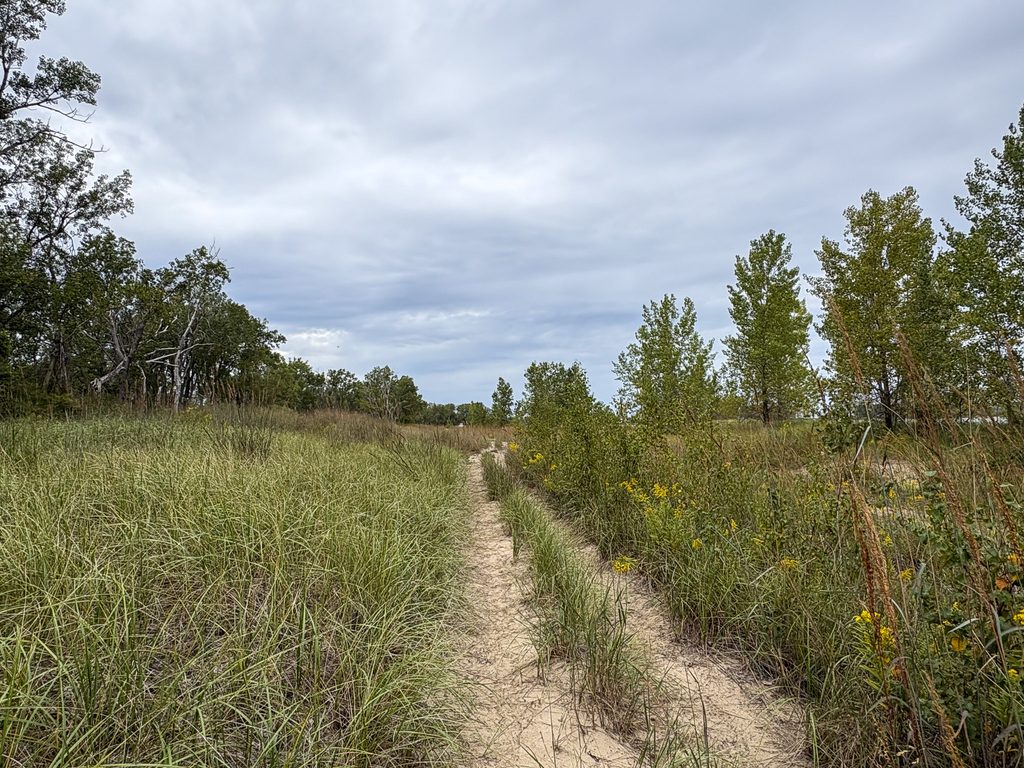
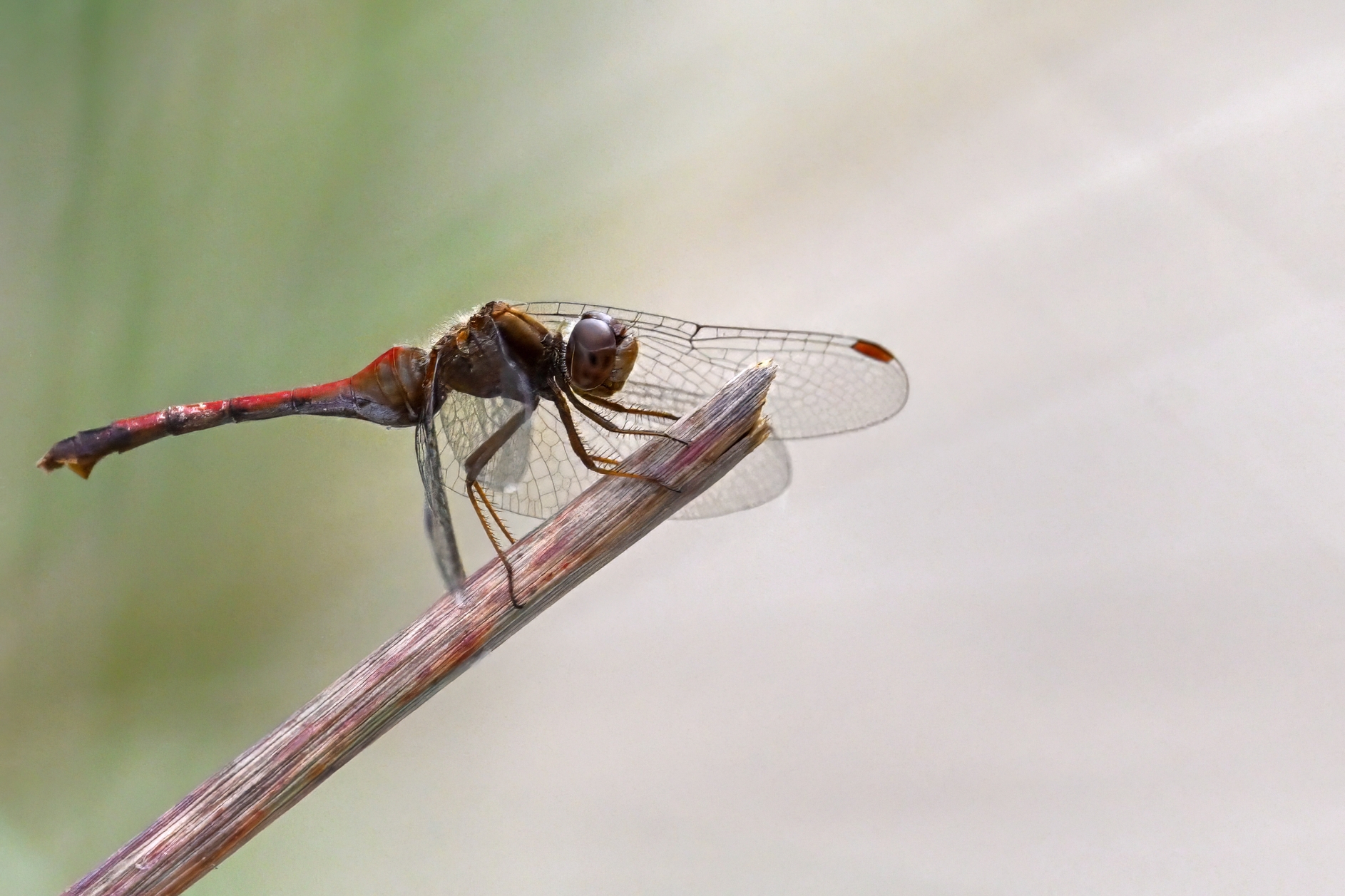
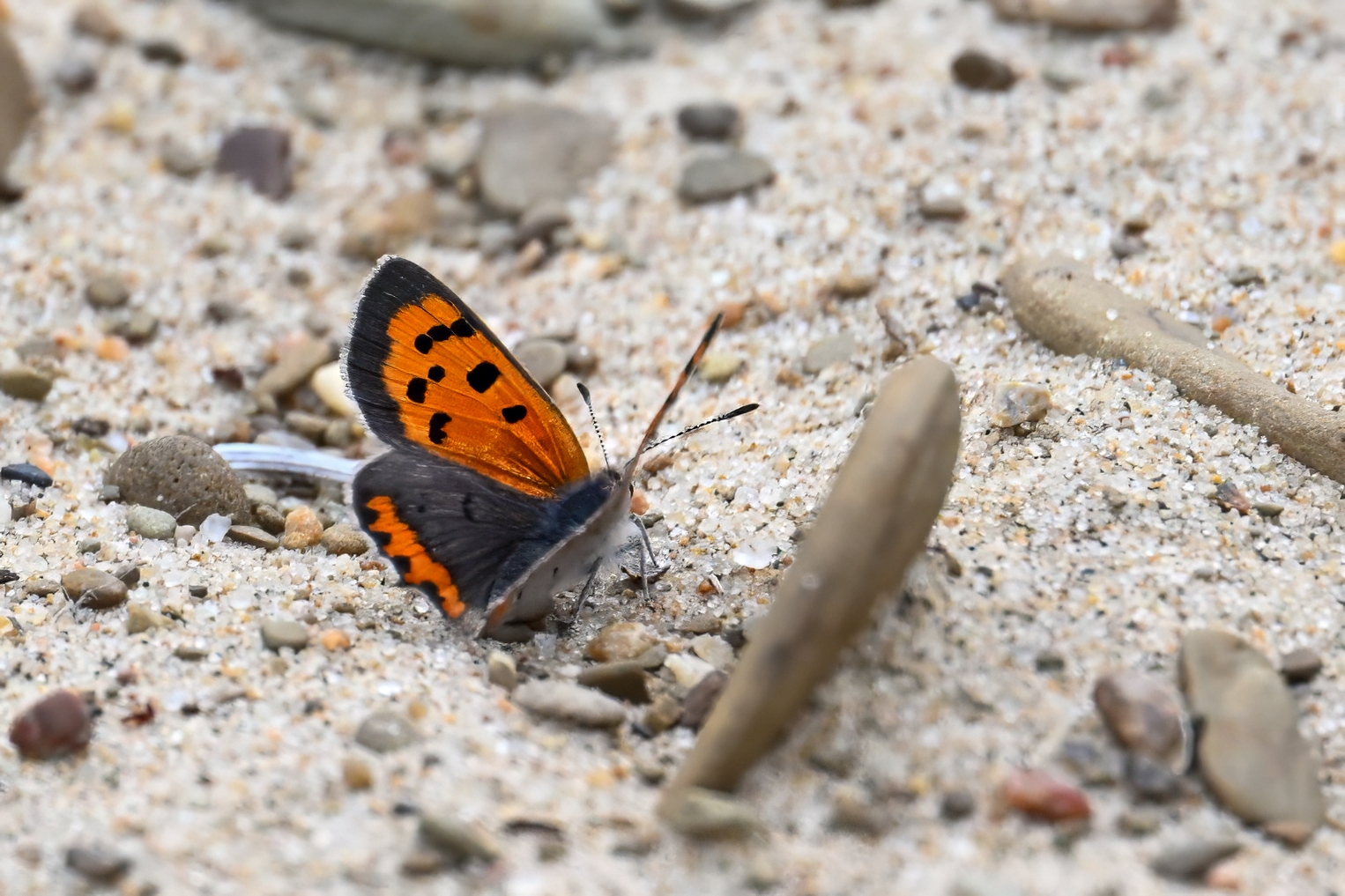
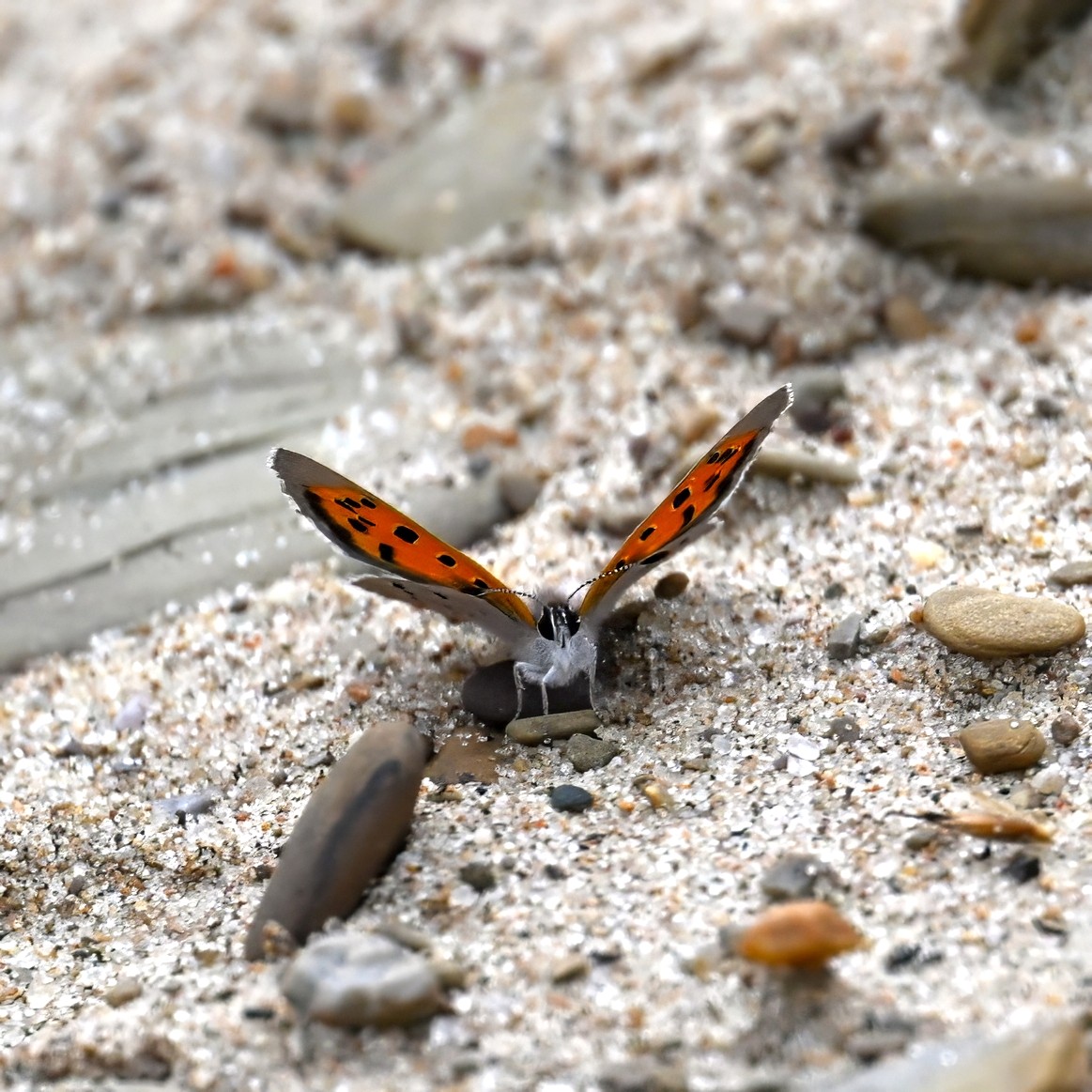
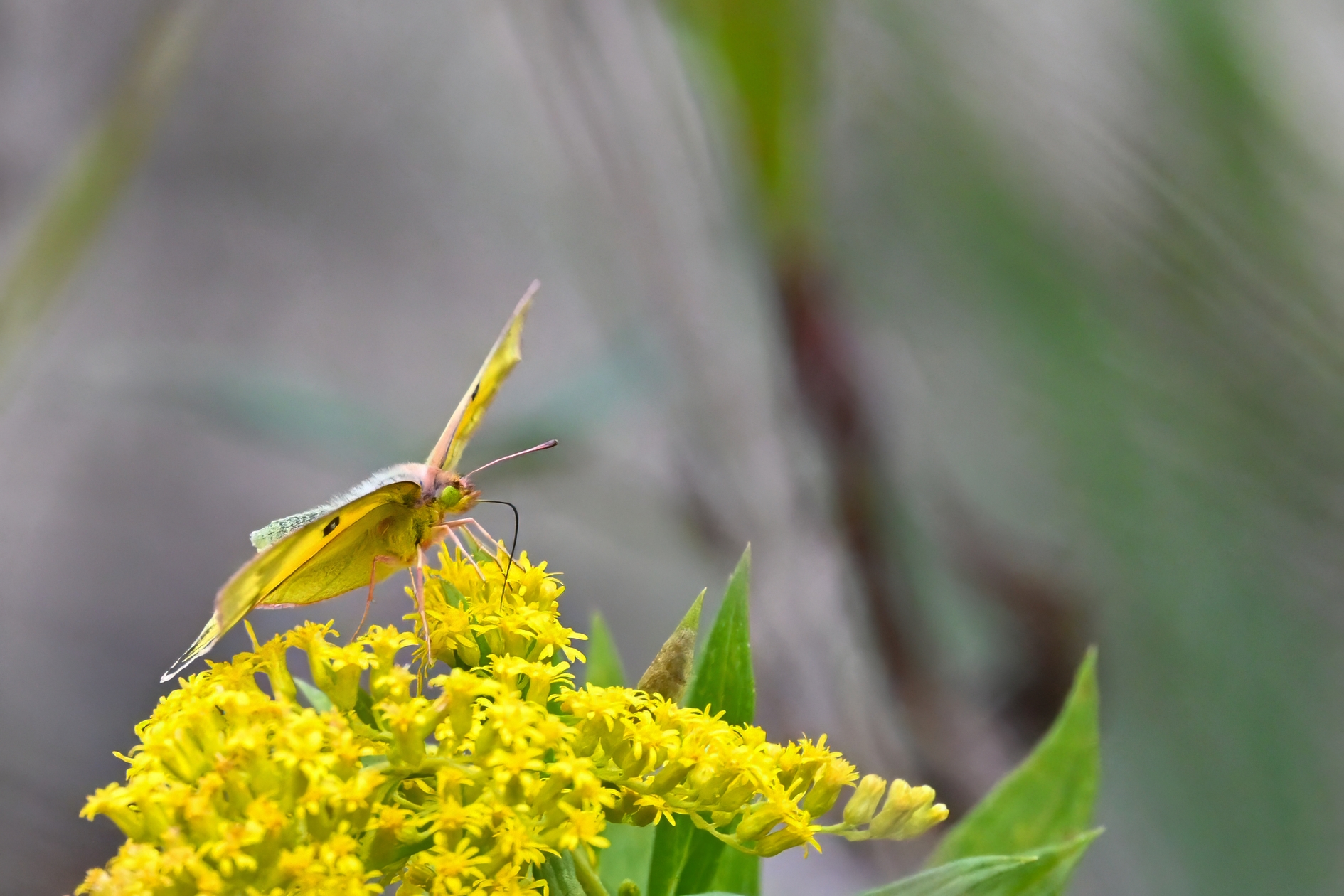
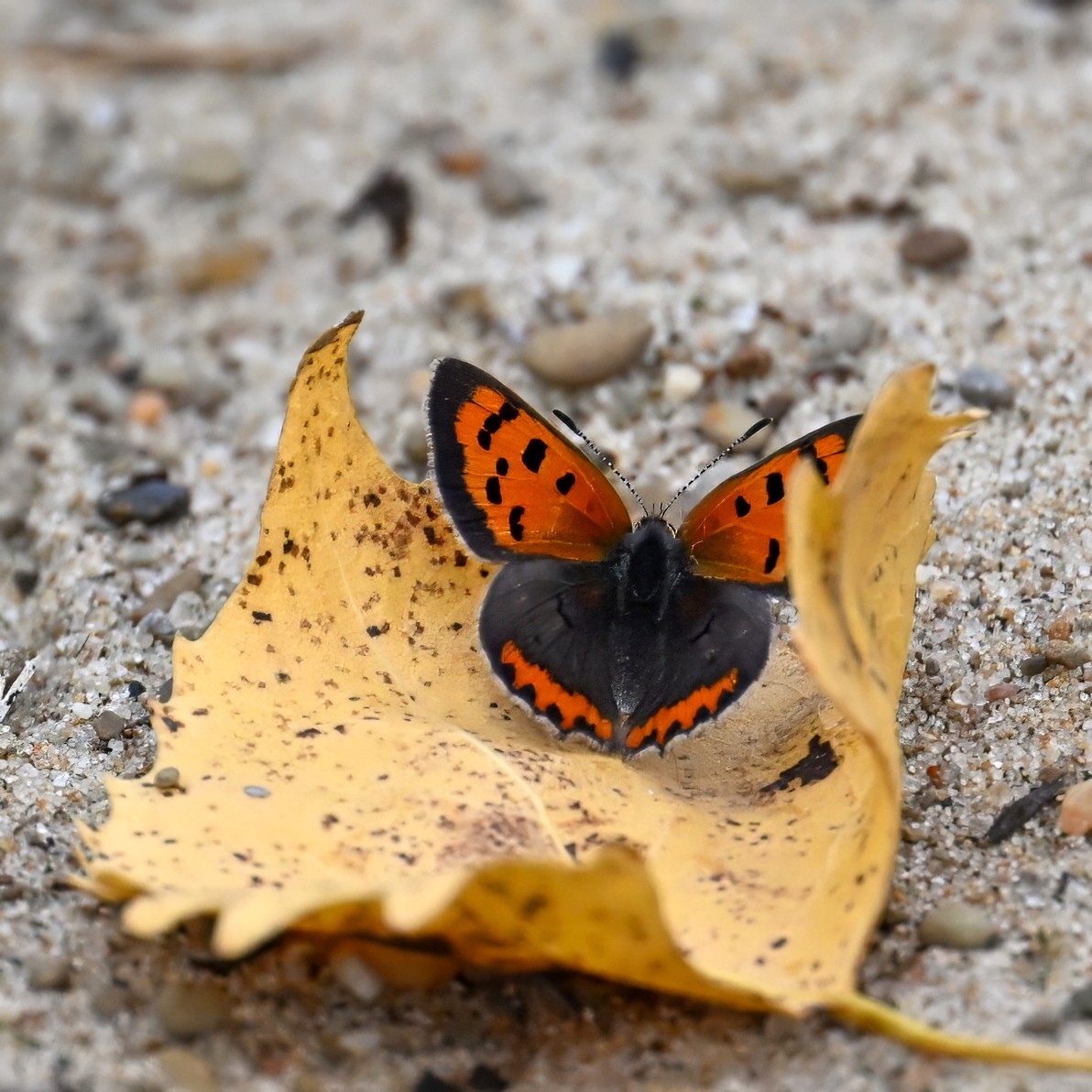
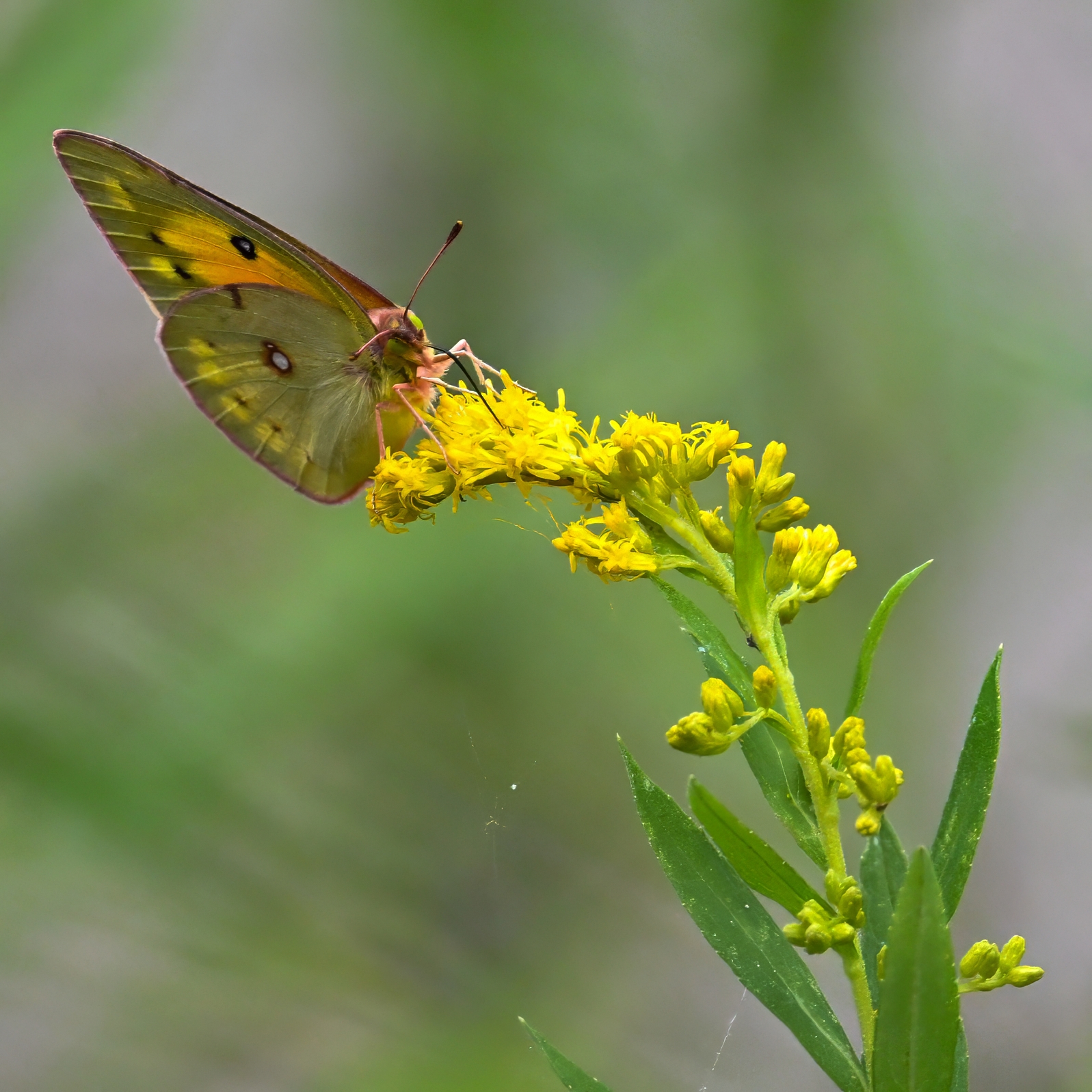
Finally getting around to acknowledging the first week of autumn in Erie County, Pennsylvania, with lovely insects from this past Saturday at Beach 11 at Presque Isle State Park. When all else fails, insects! Seasonally speaking, of course.
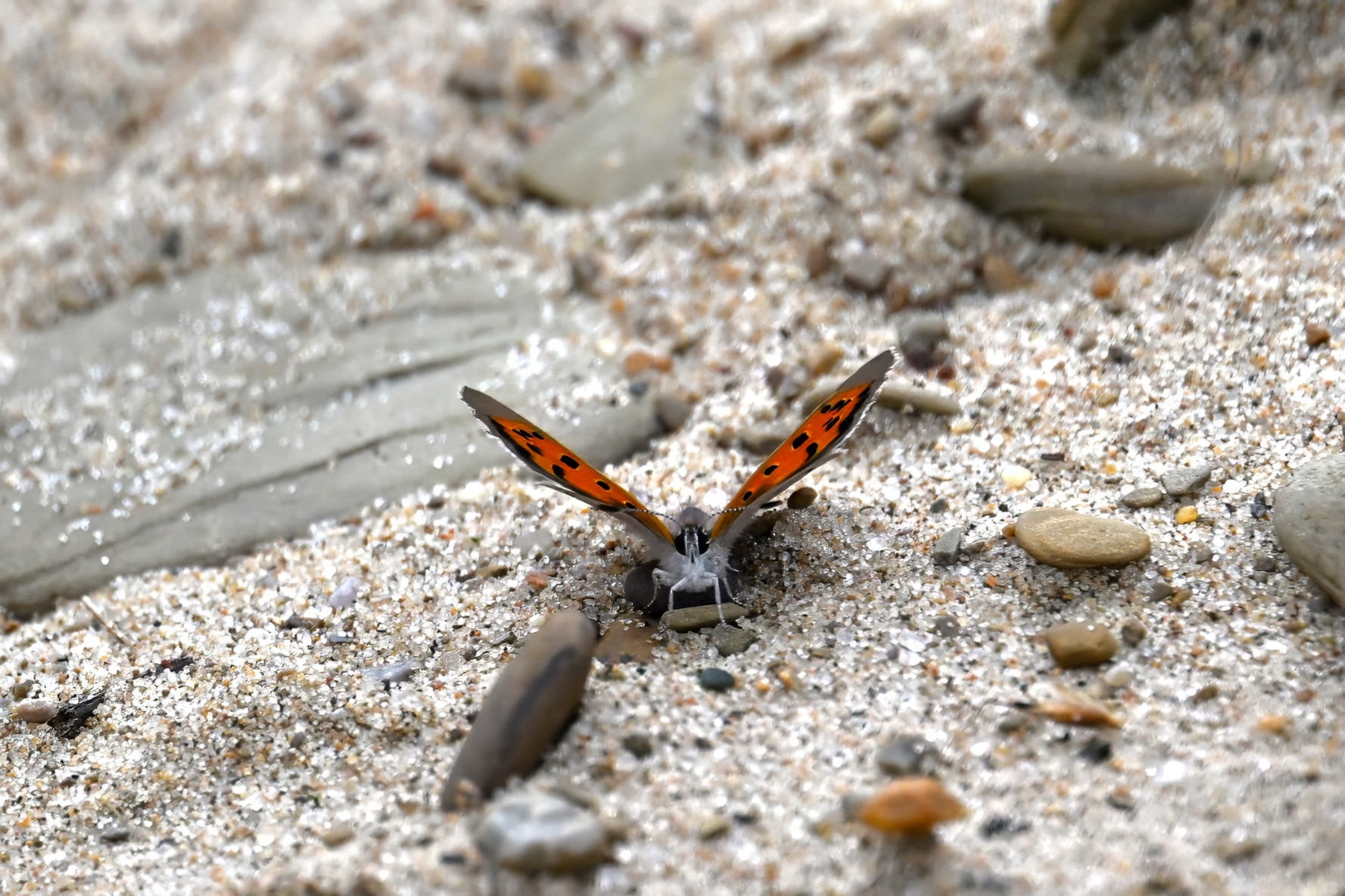
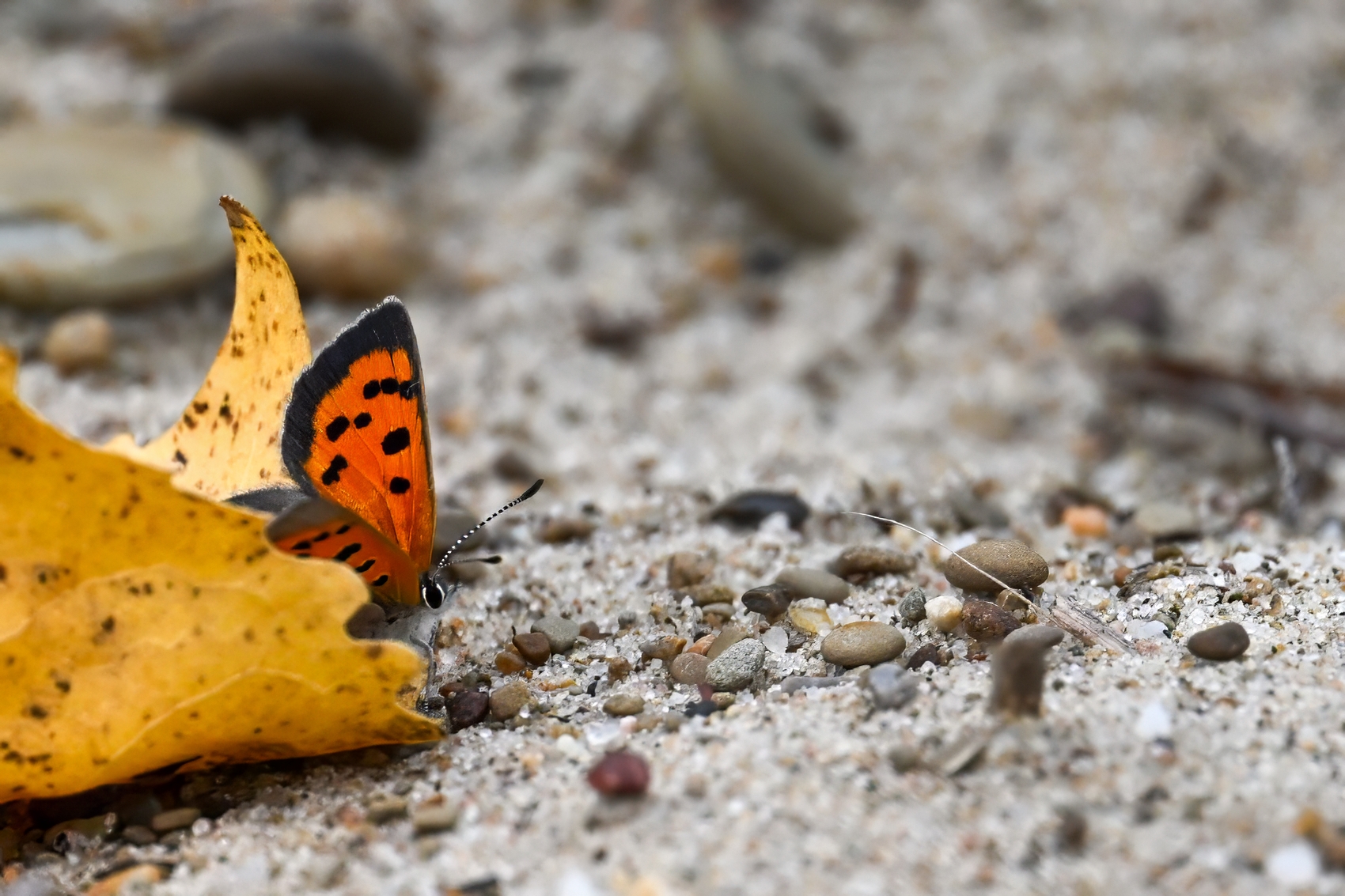
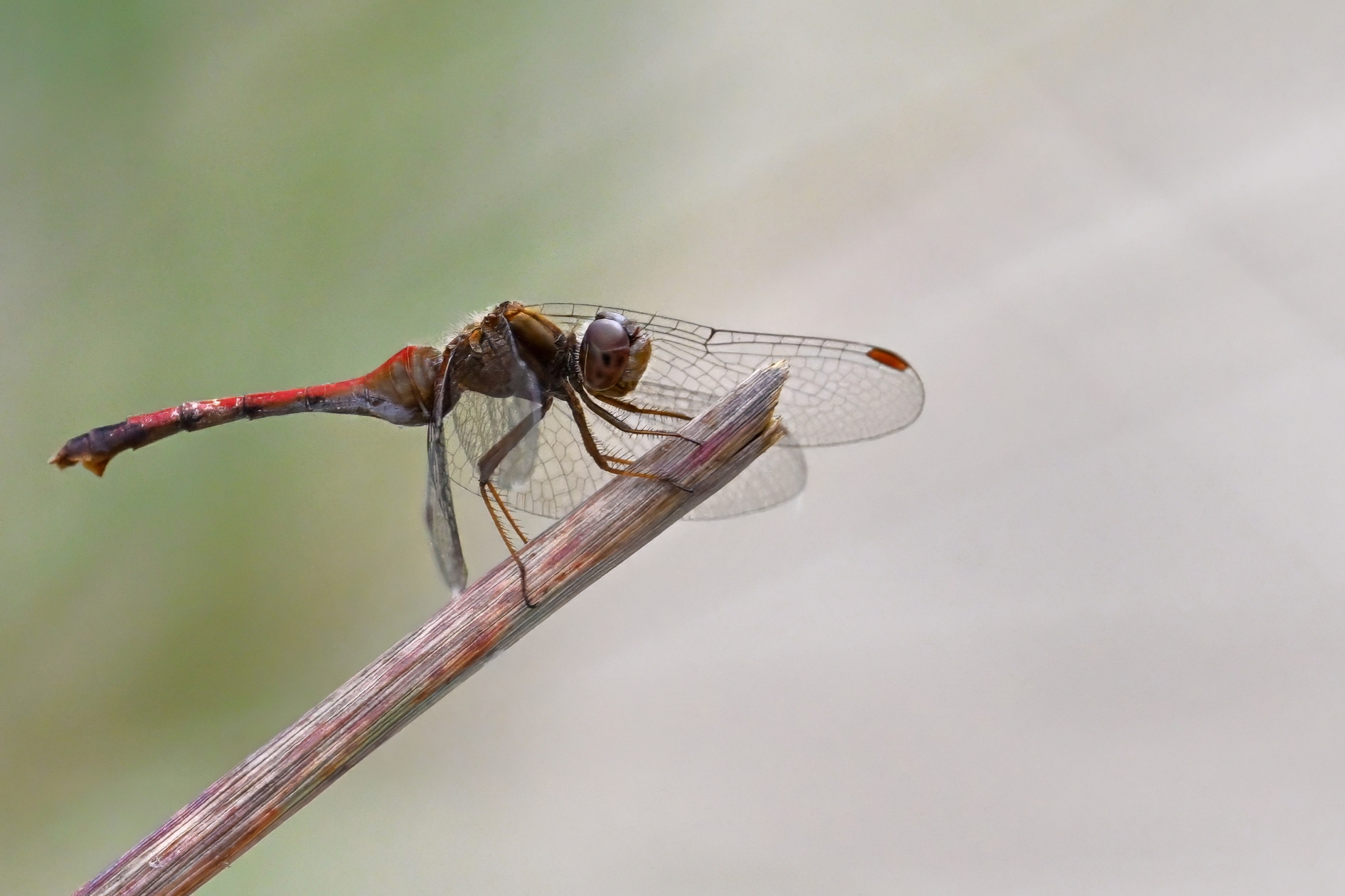
Small Copper butterfly (Lycaena phlaeas)Grassy dunes adjacent Beach 11, view north (outer Thompson Bay is to the right)Clouded Sulphur butterfly (Colias philodice)Meadowhawk dragonfly (genus Sympetrum)
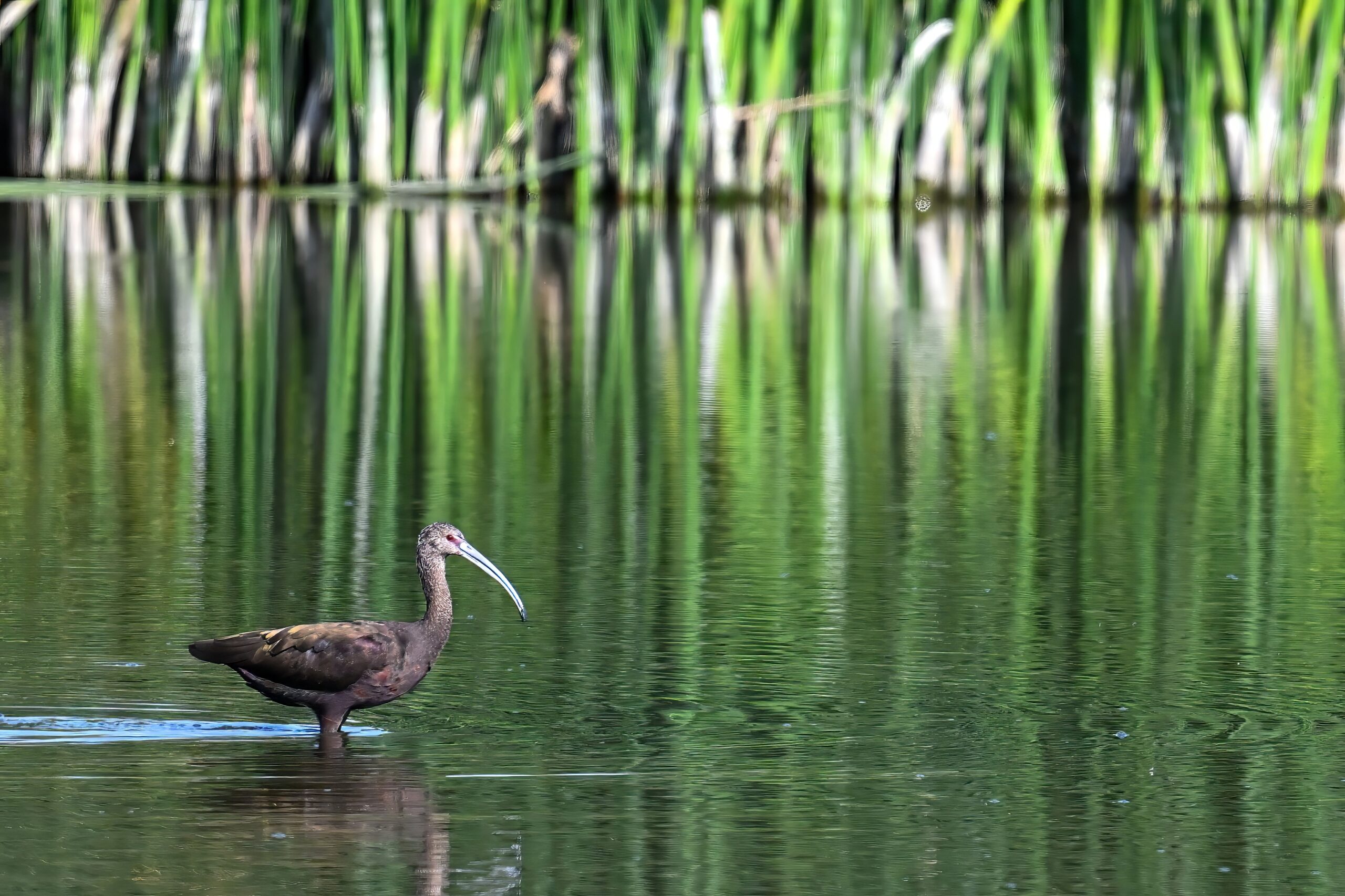
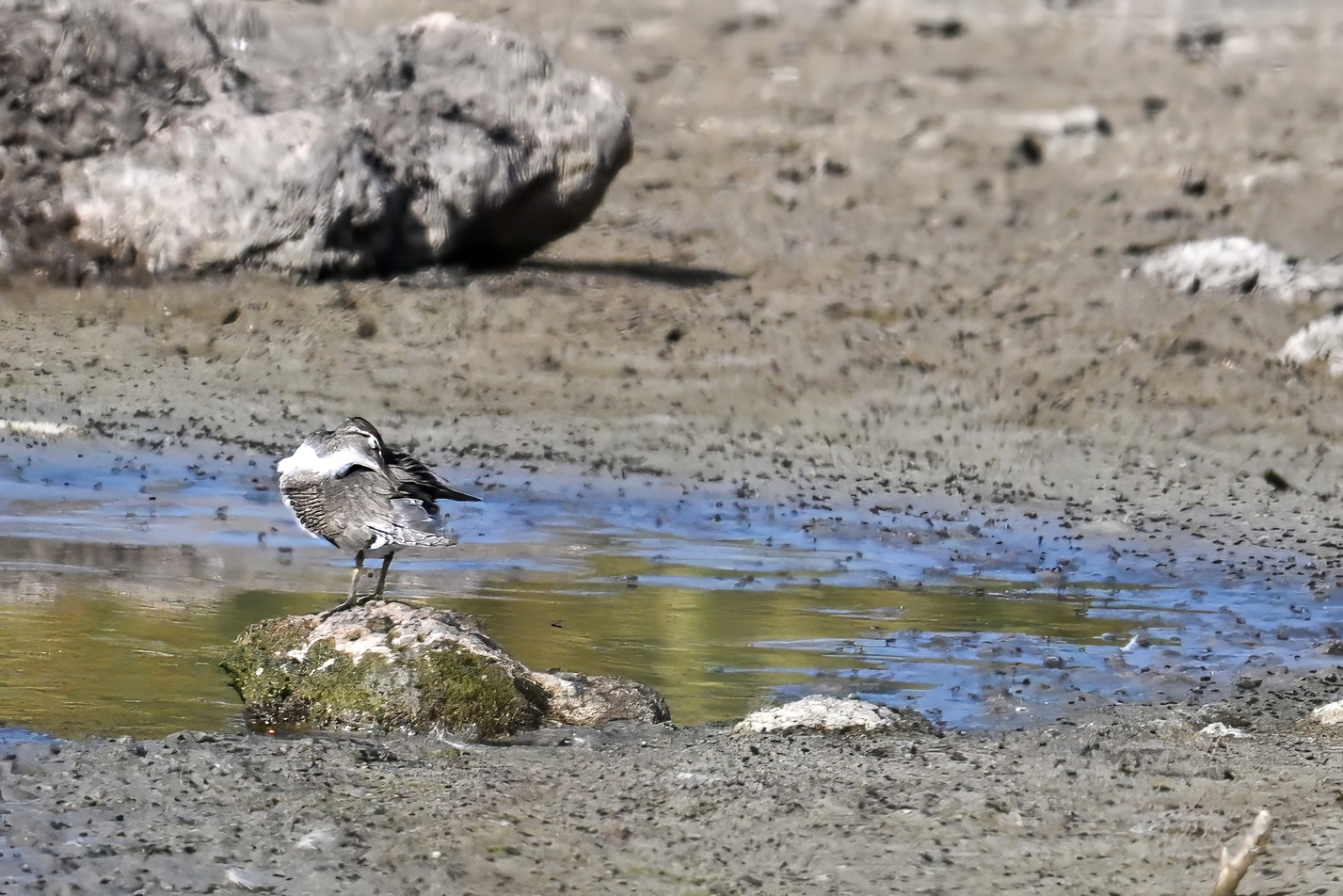
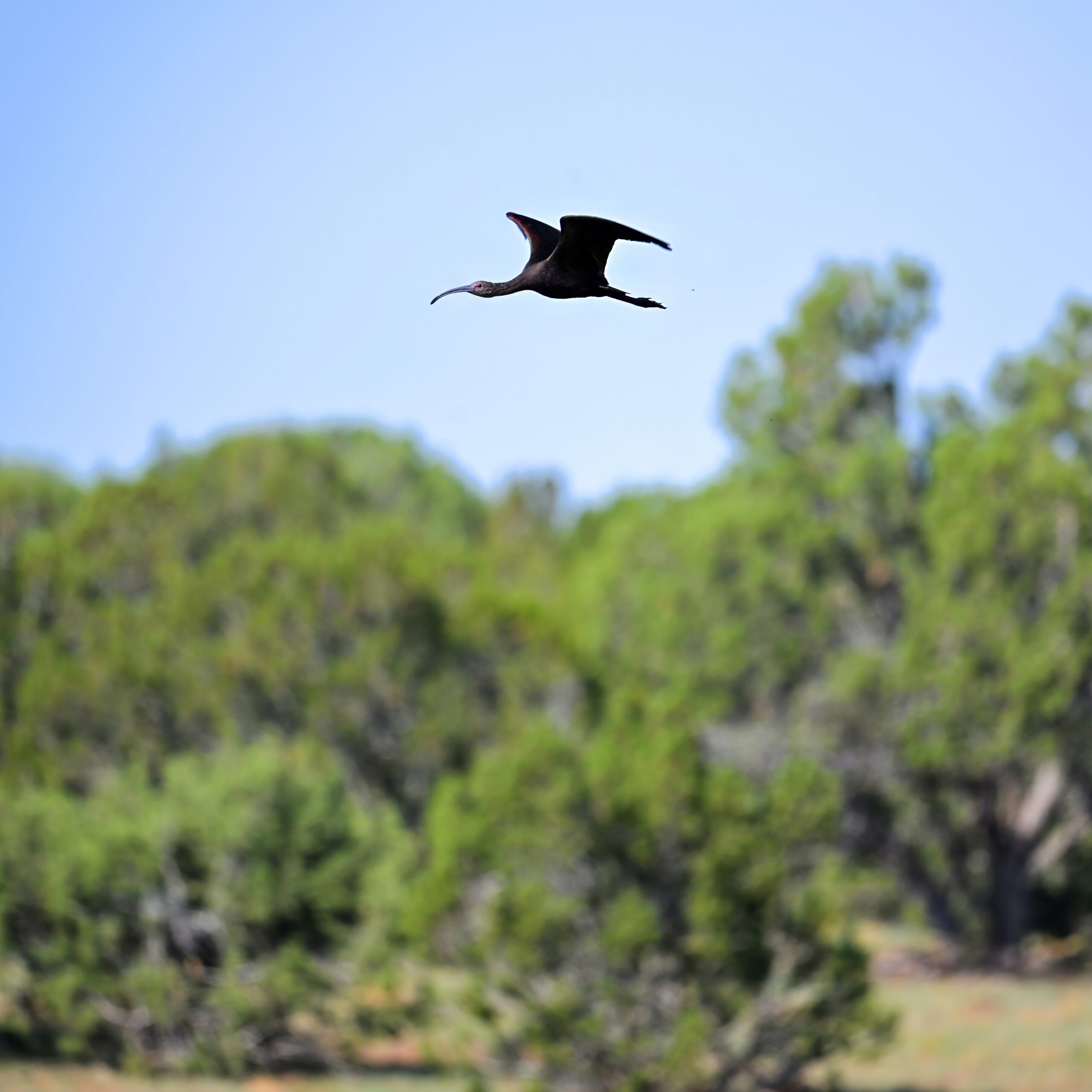
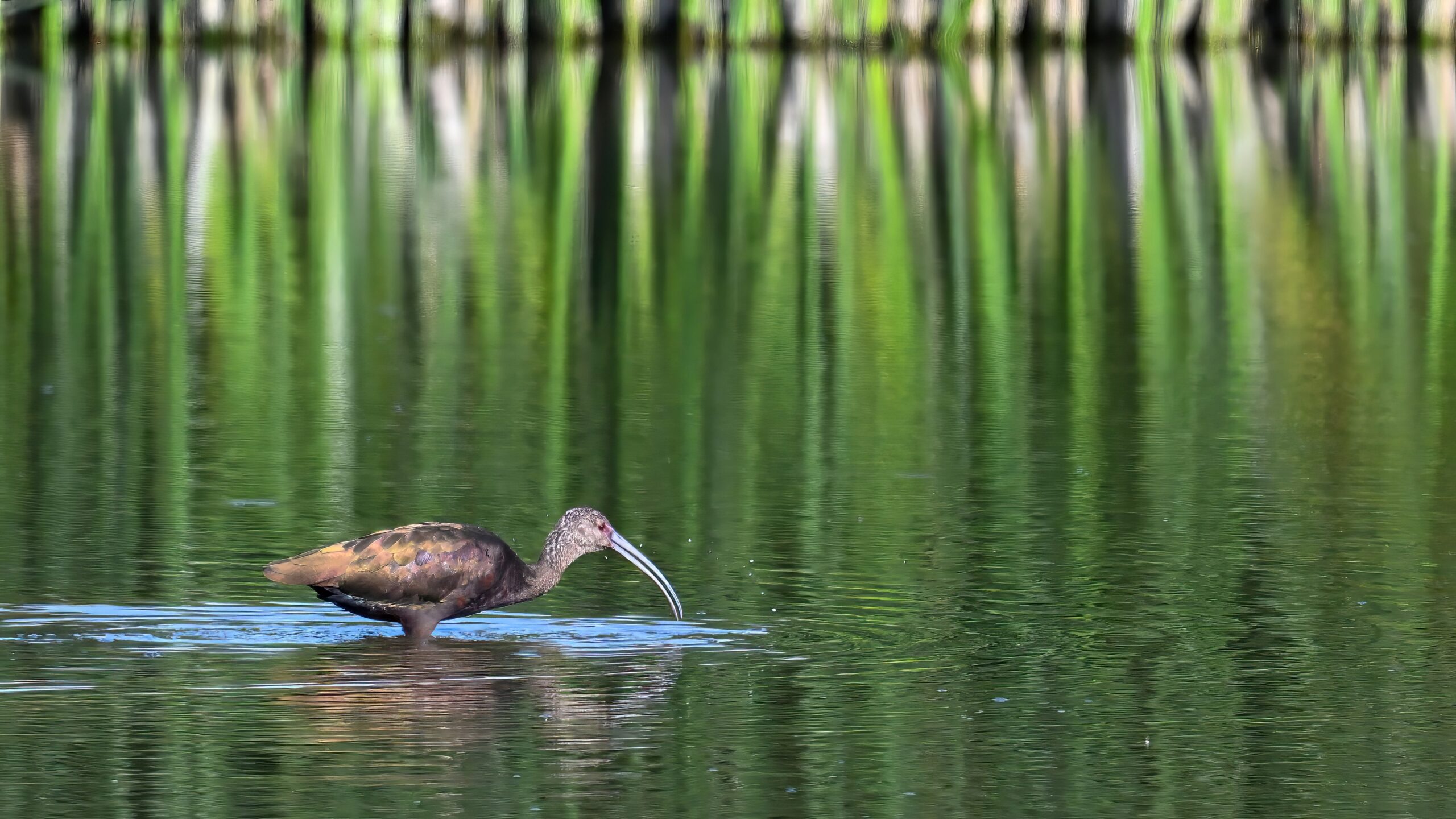
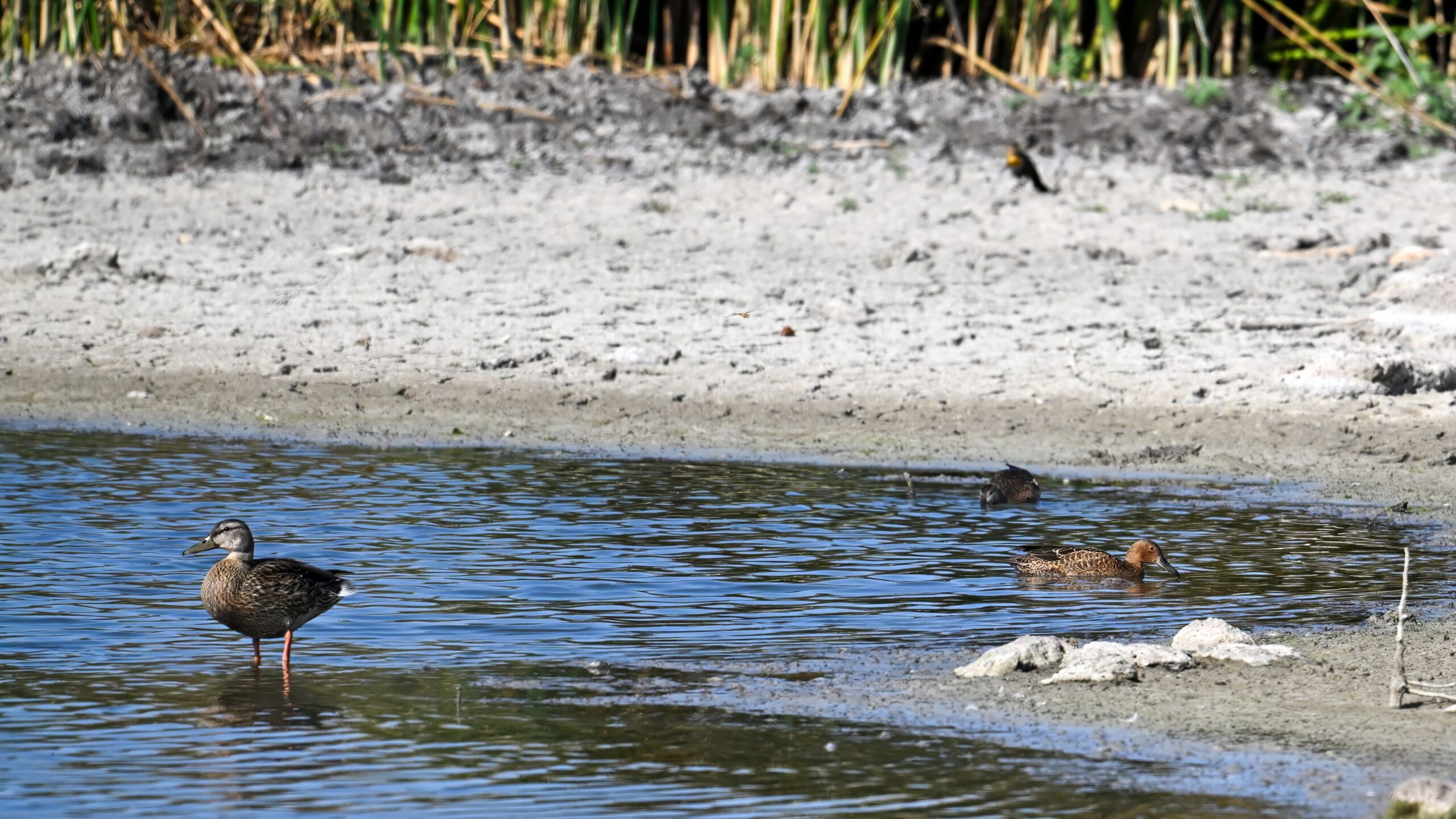
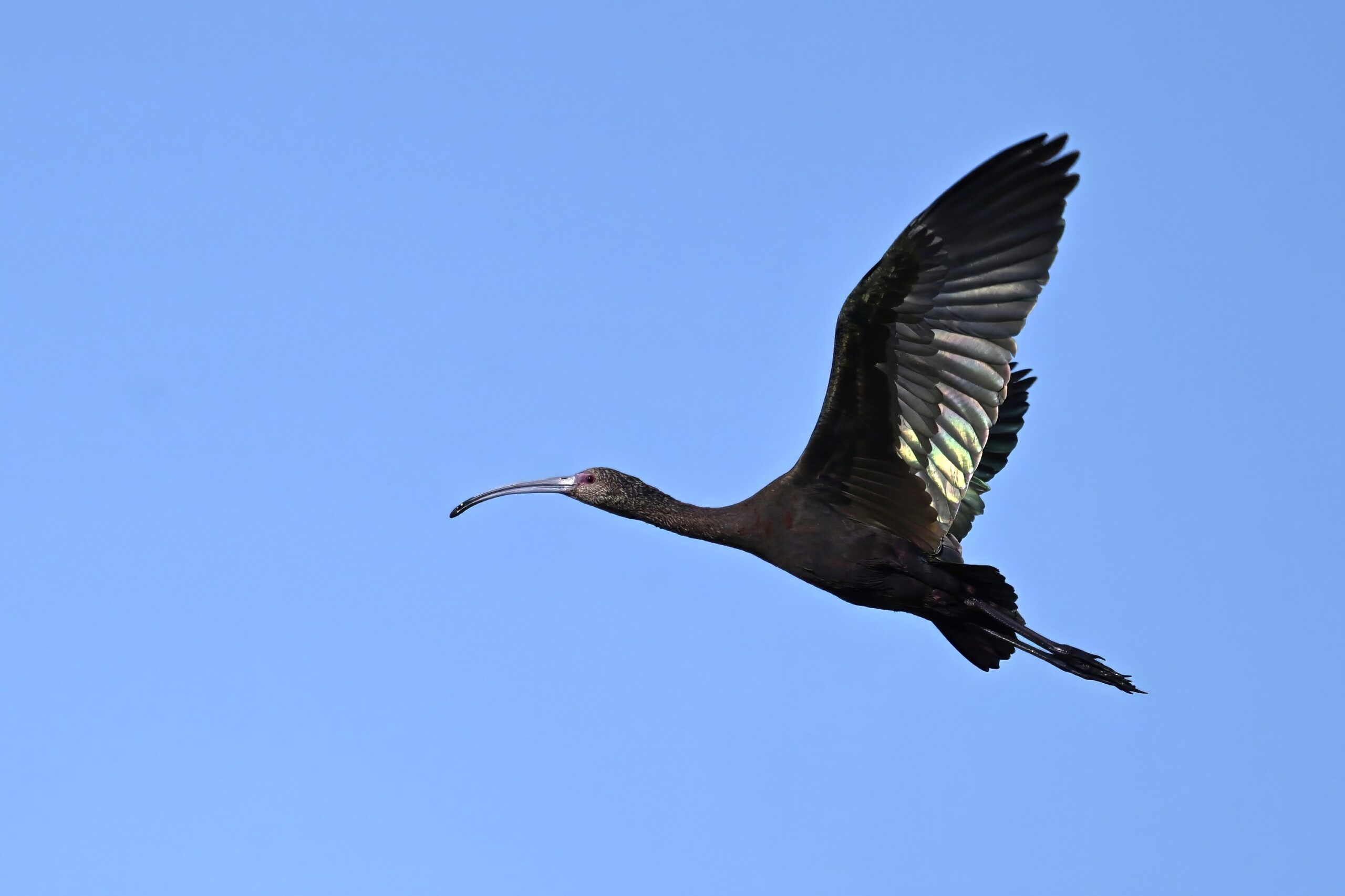
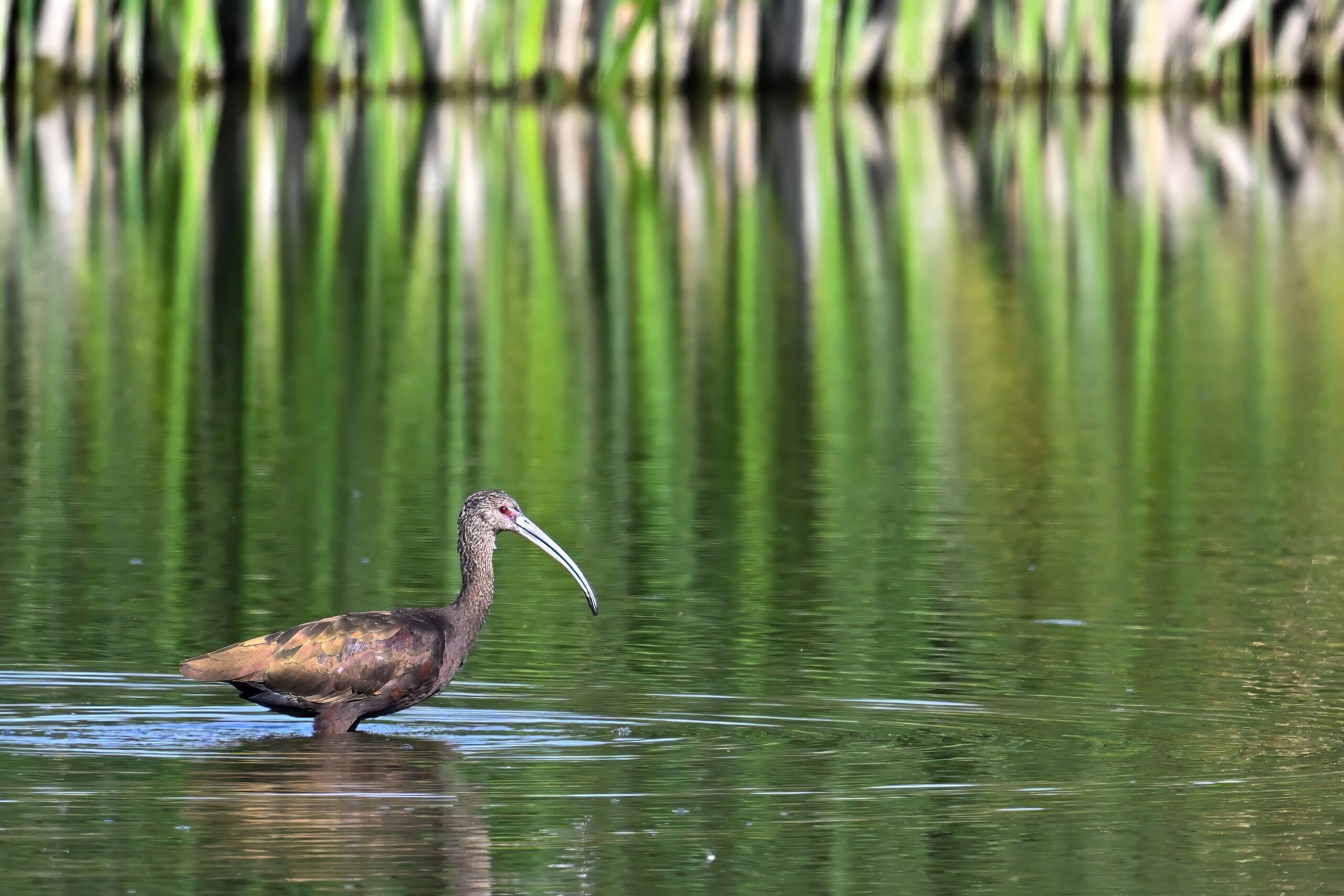
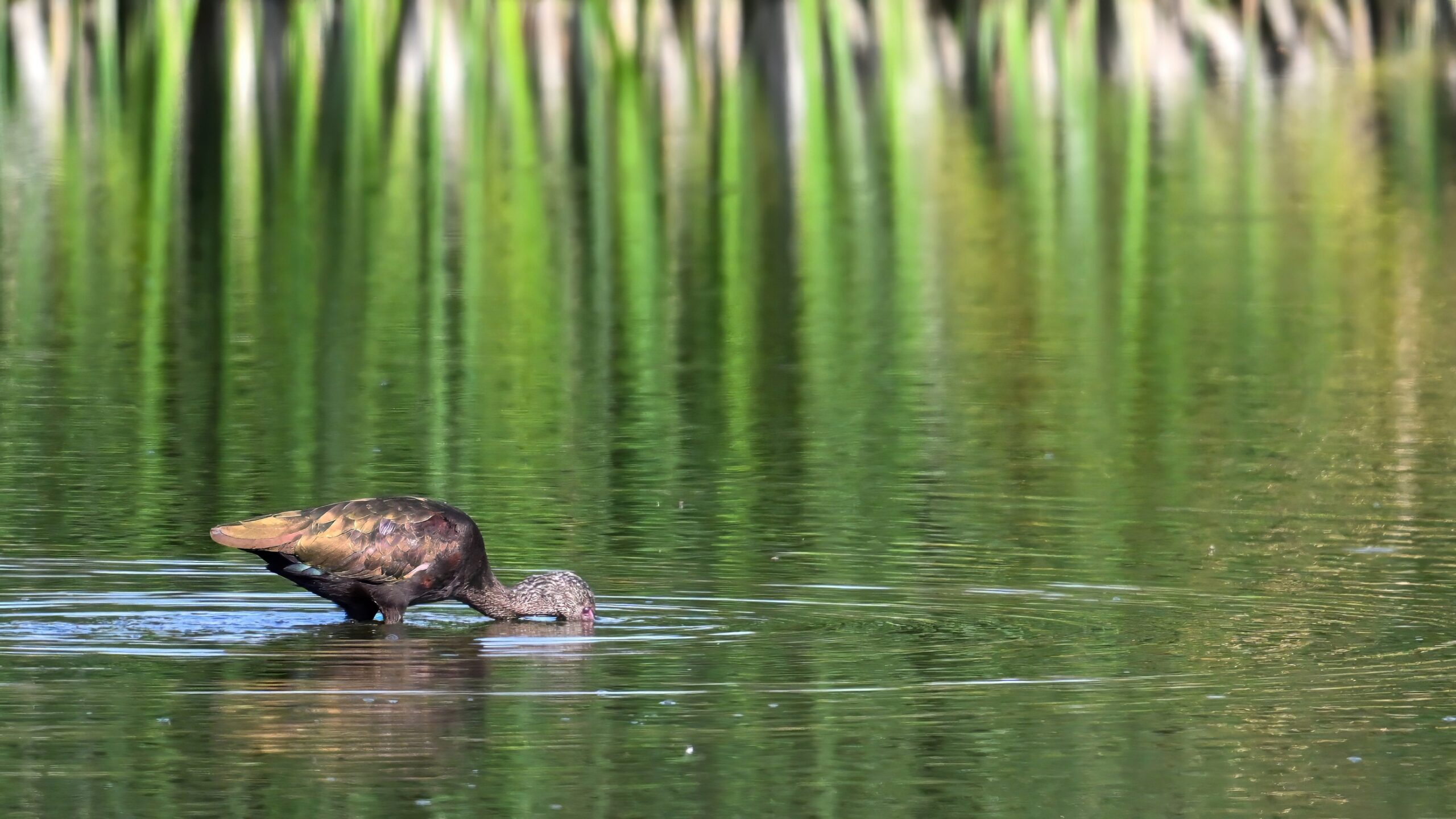
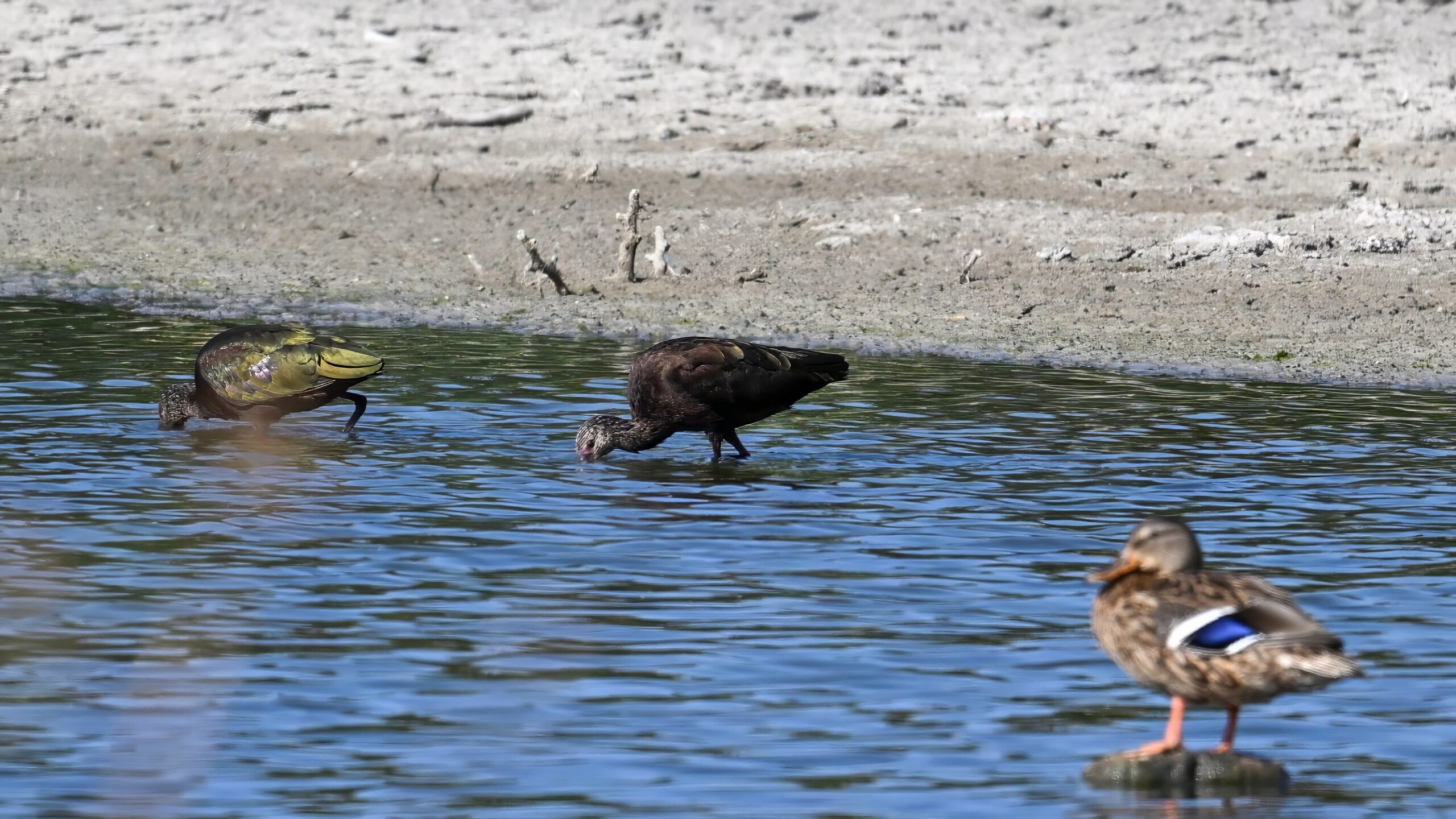
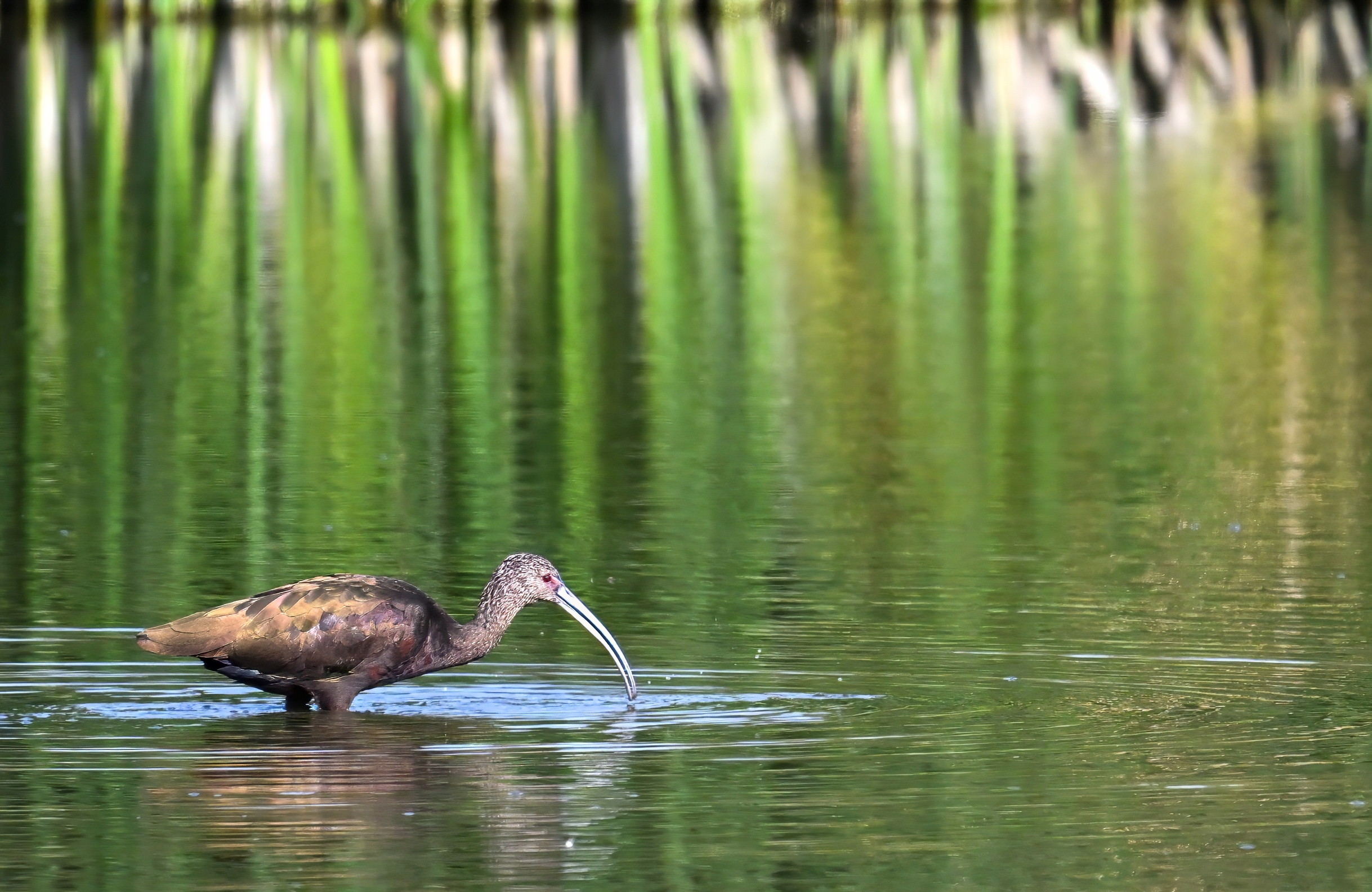
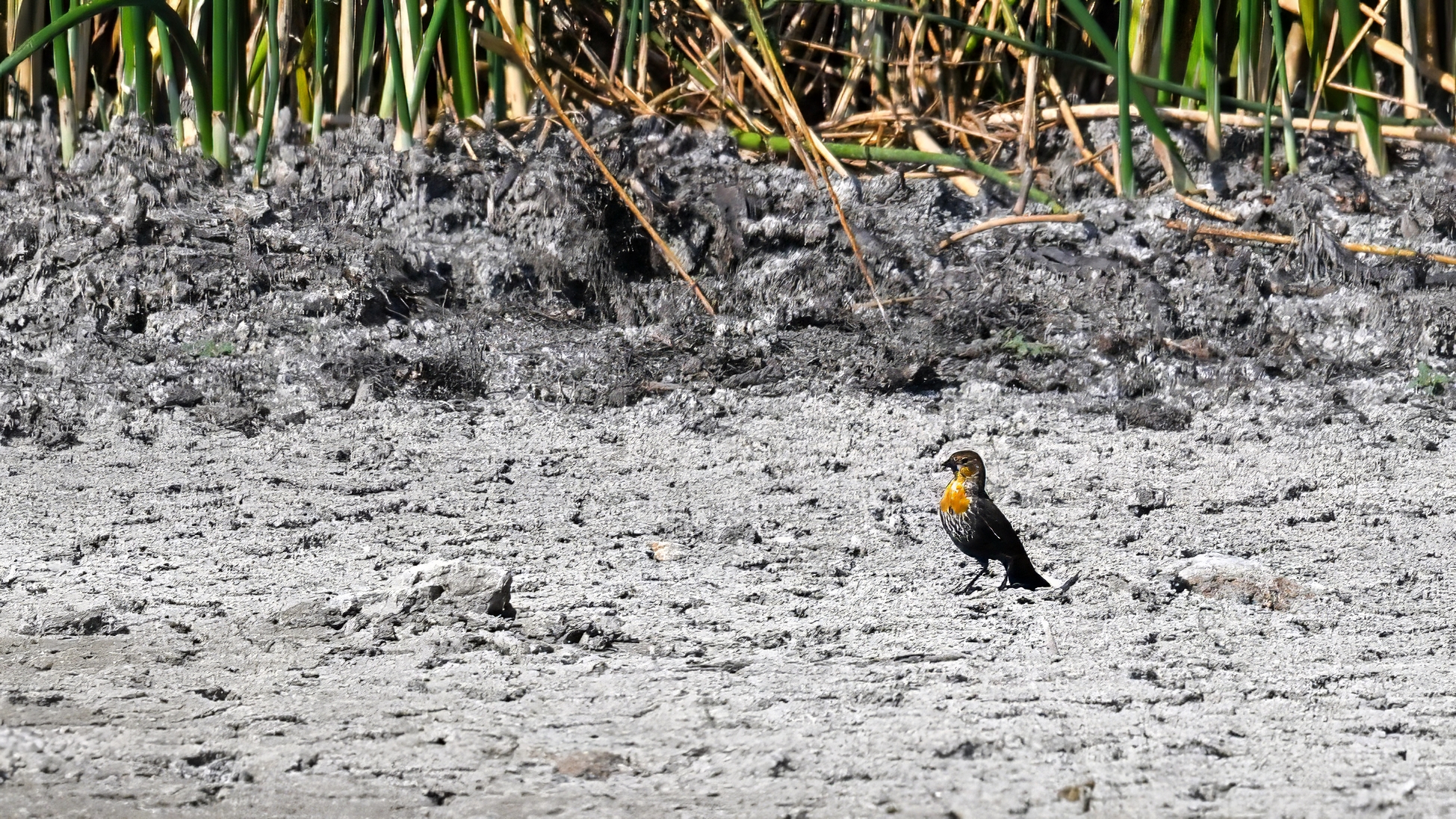
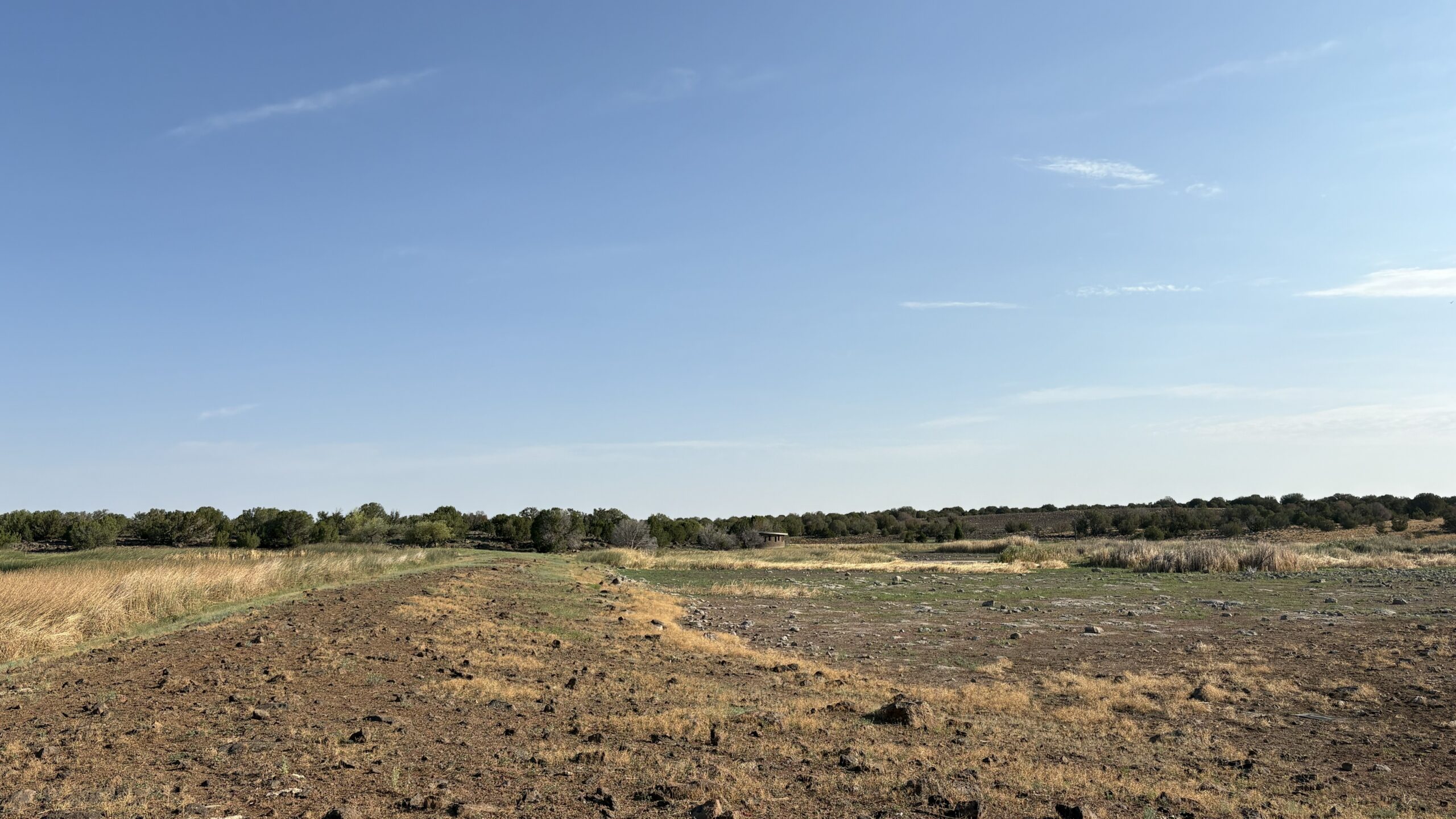
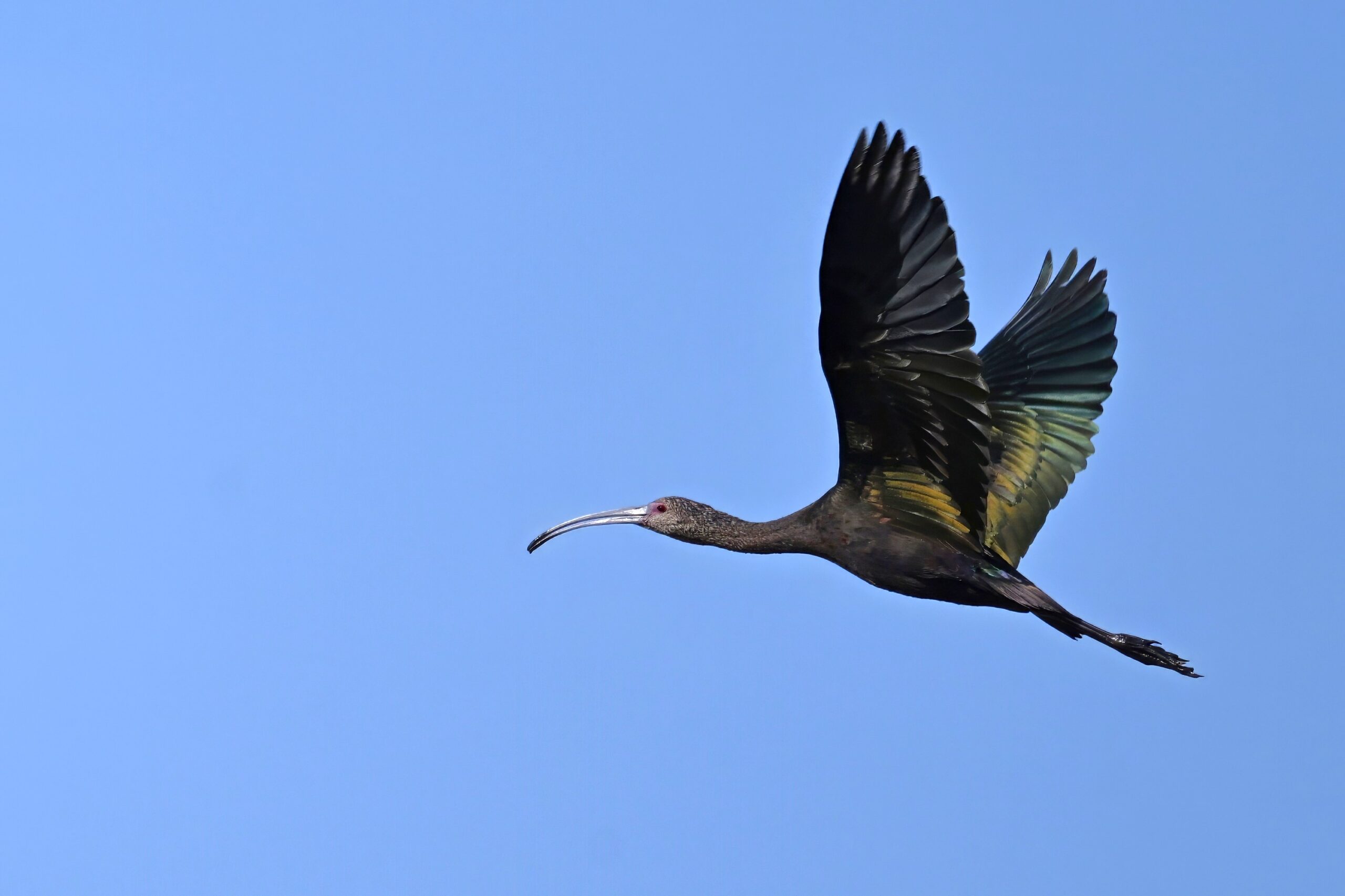
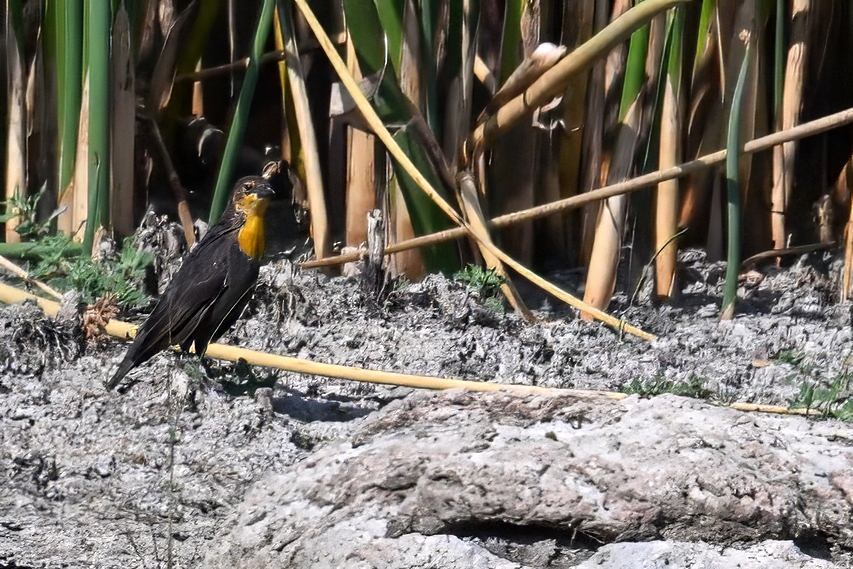
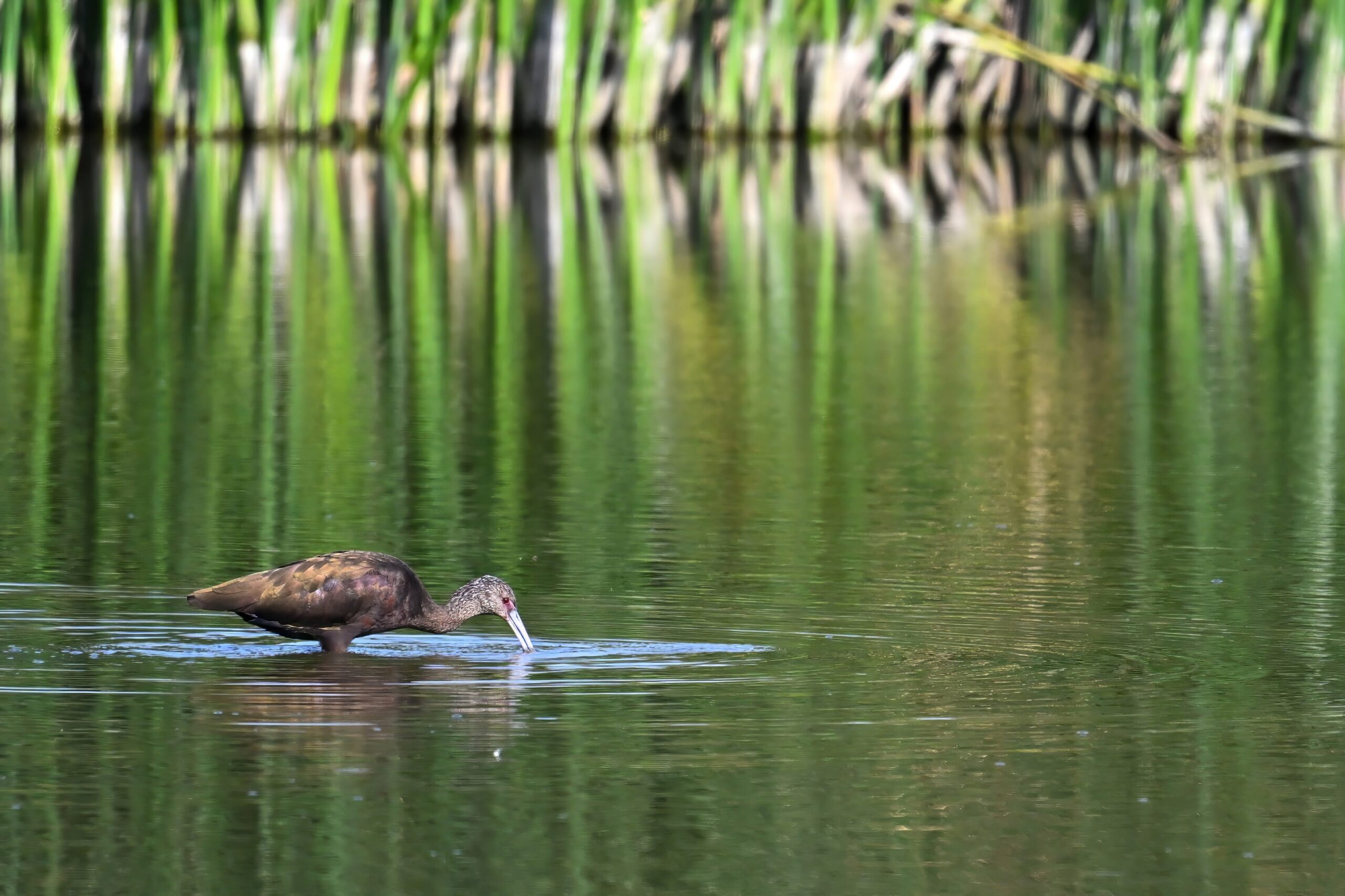
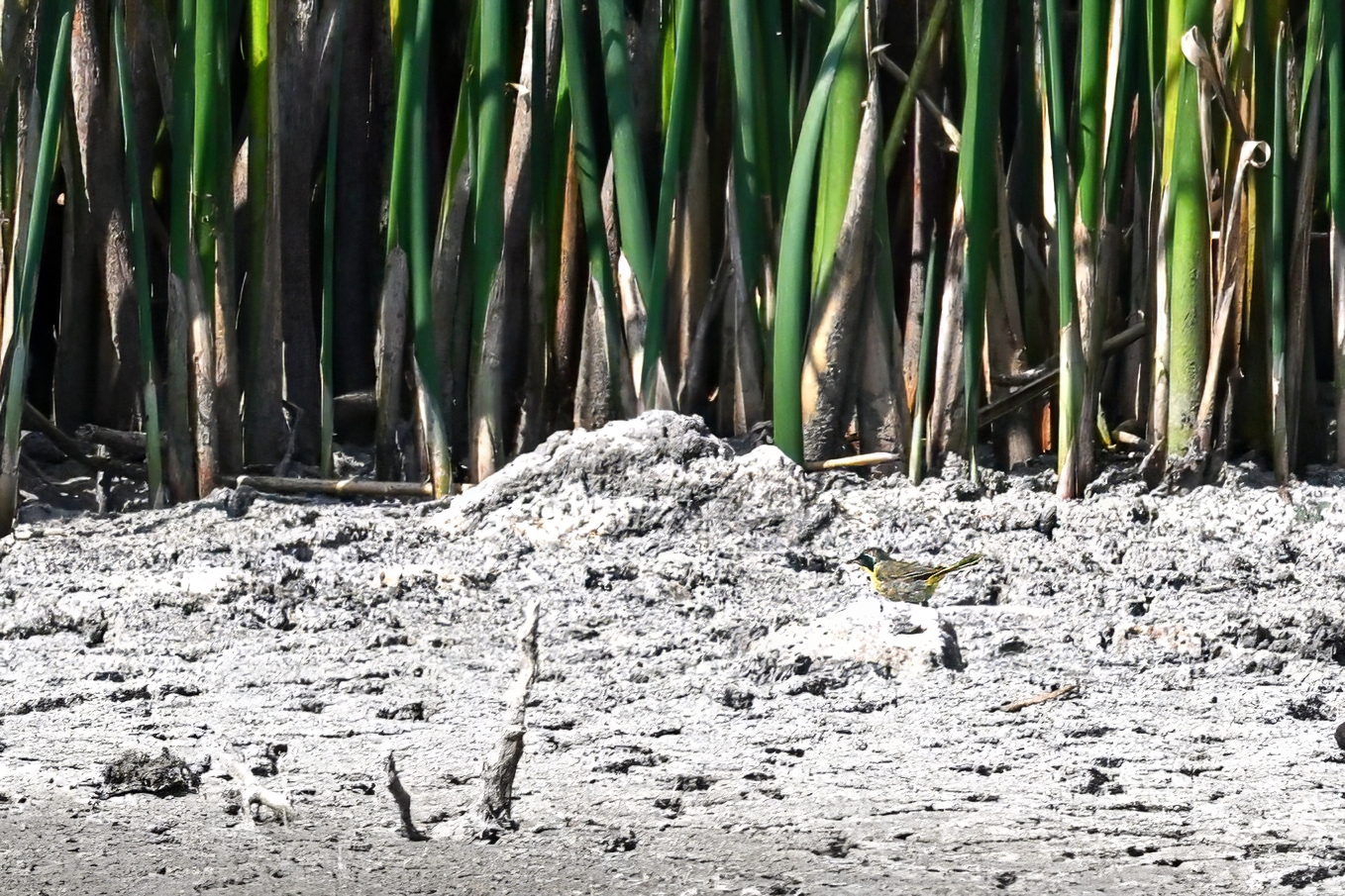
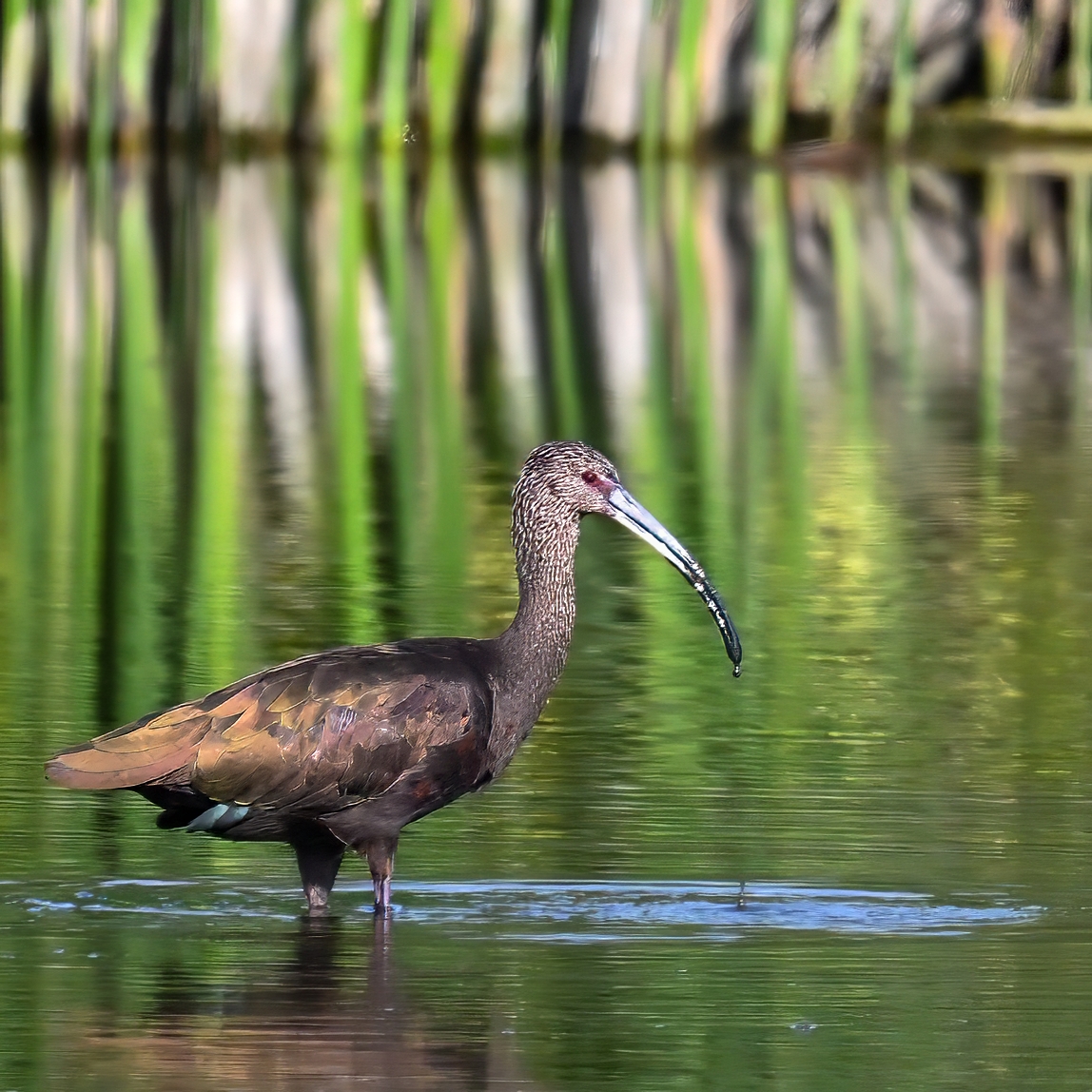
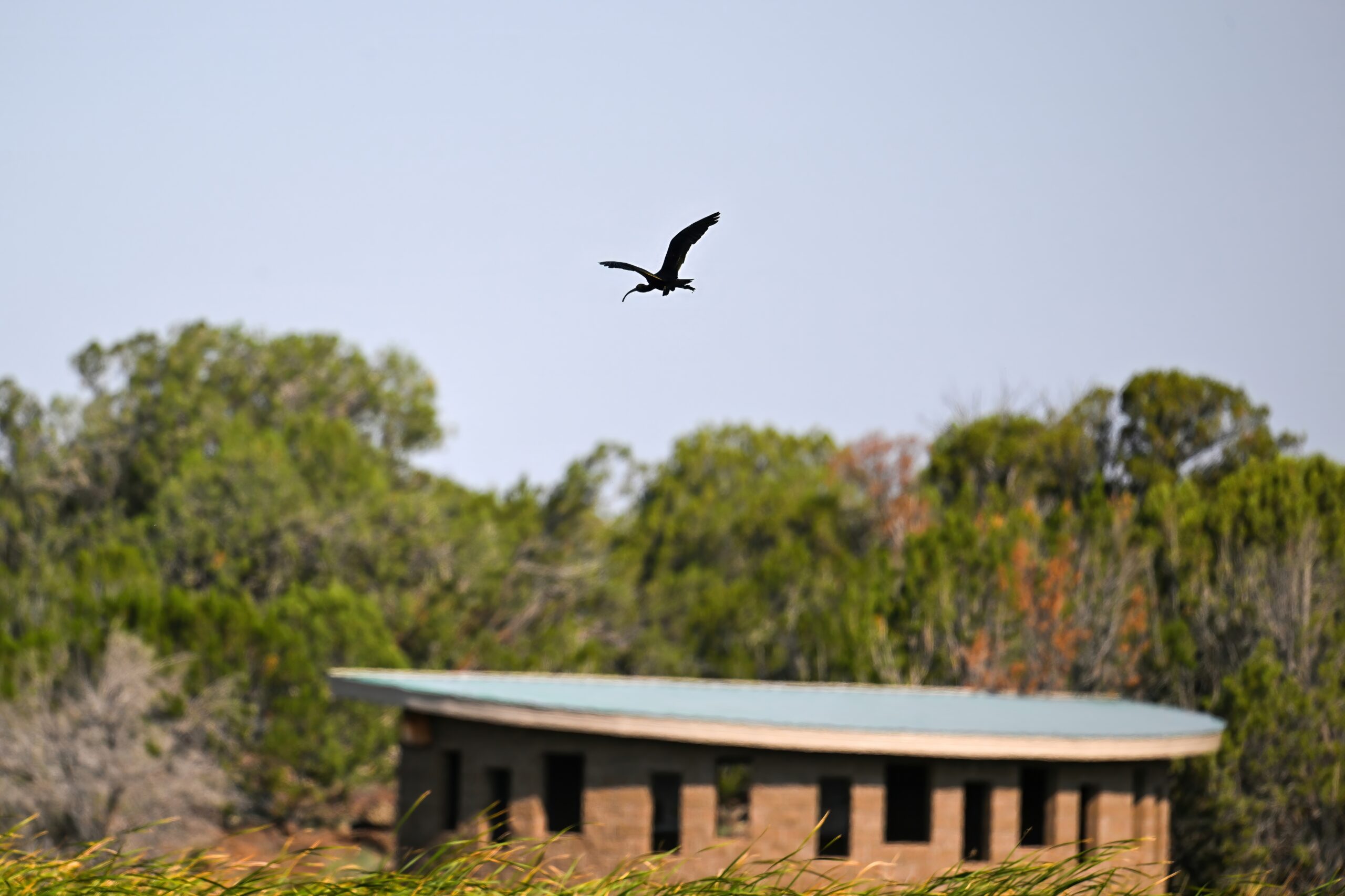
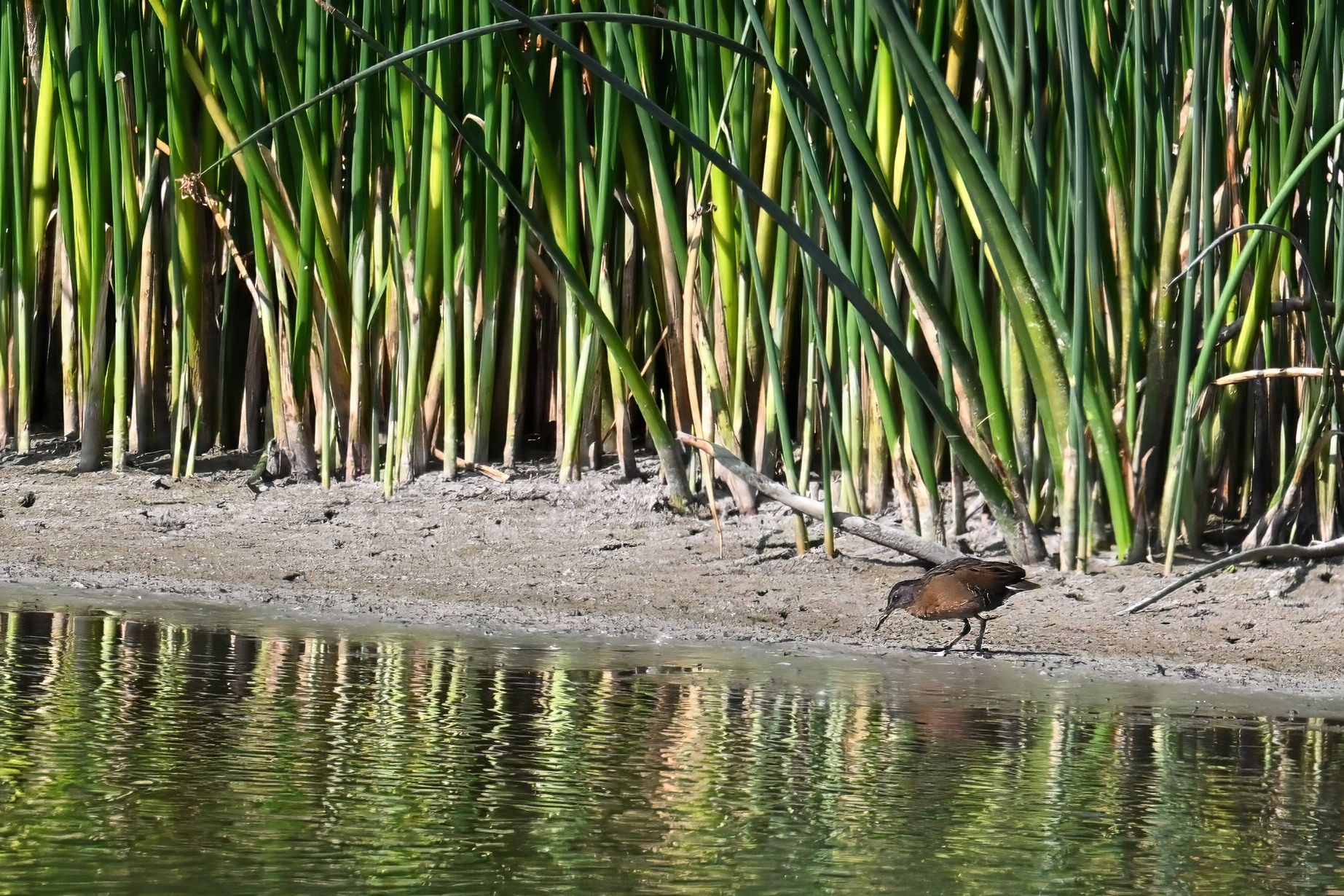
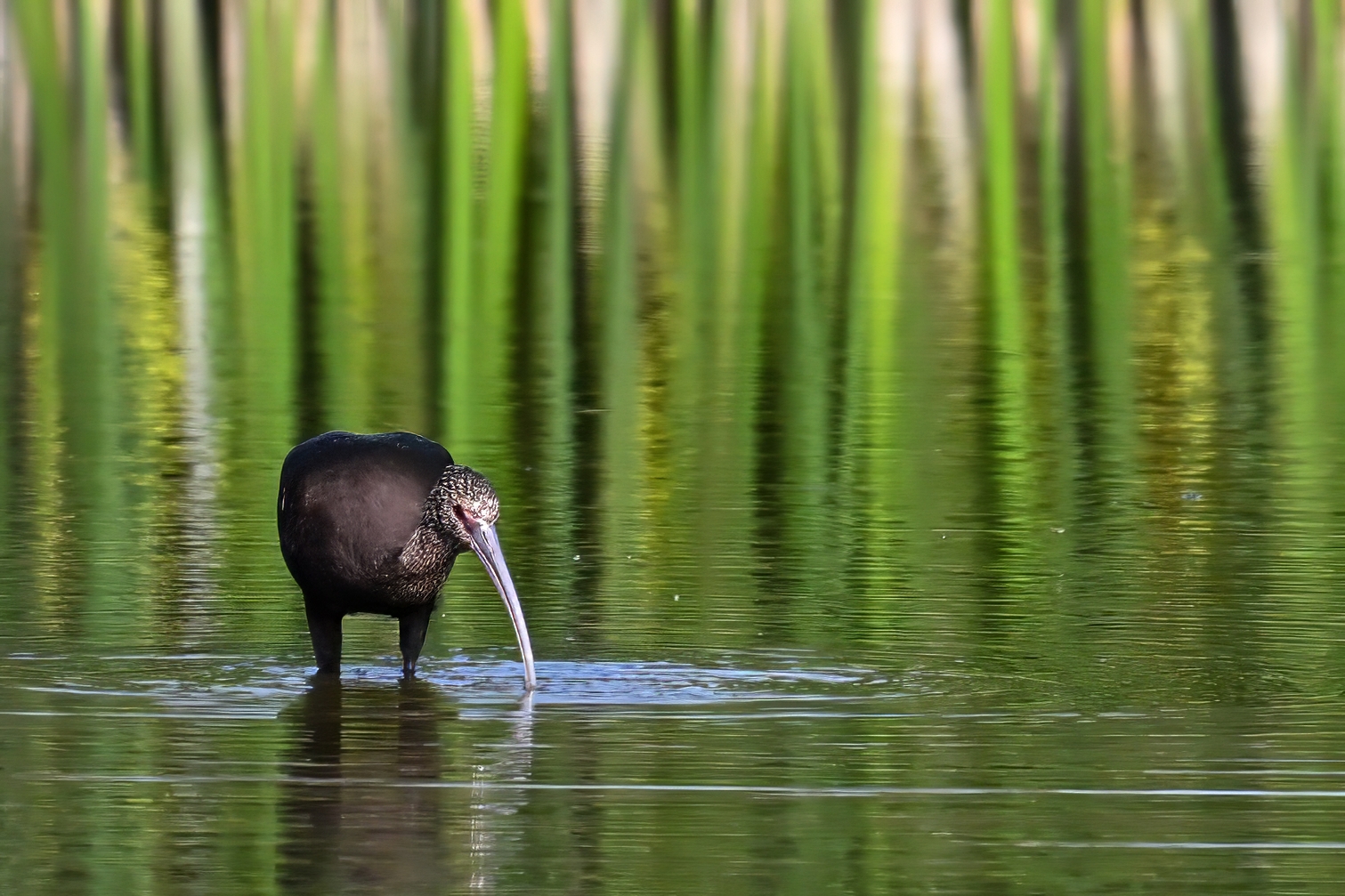
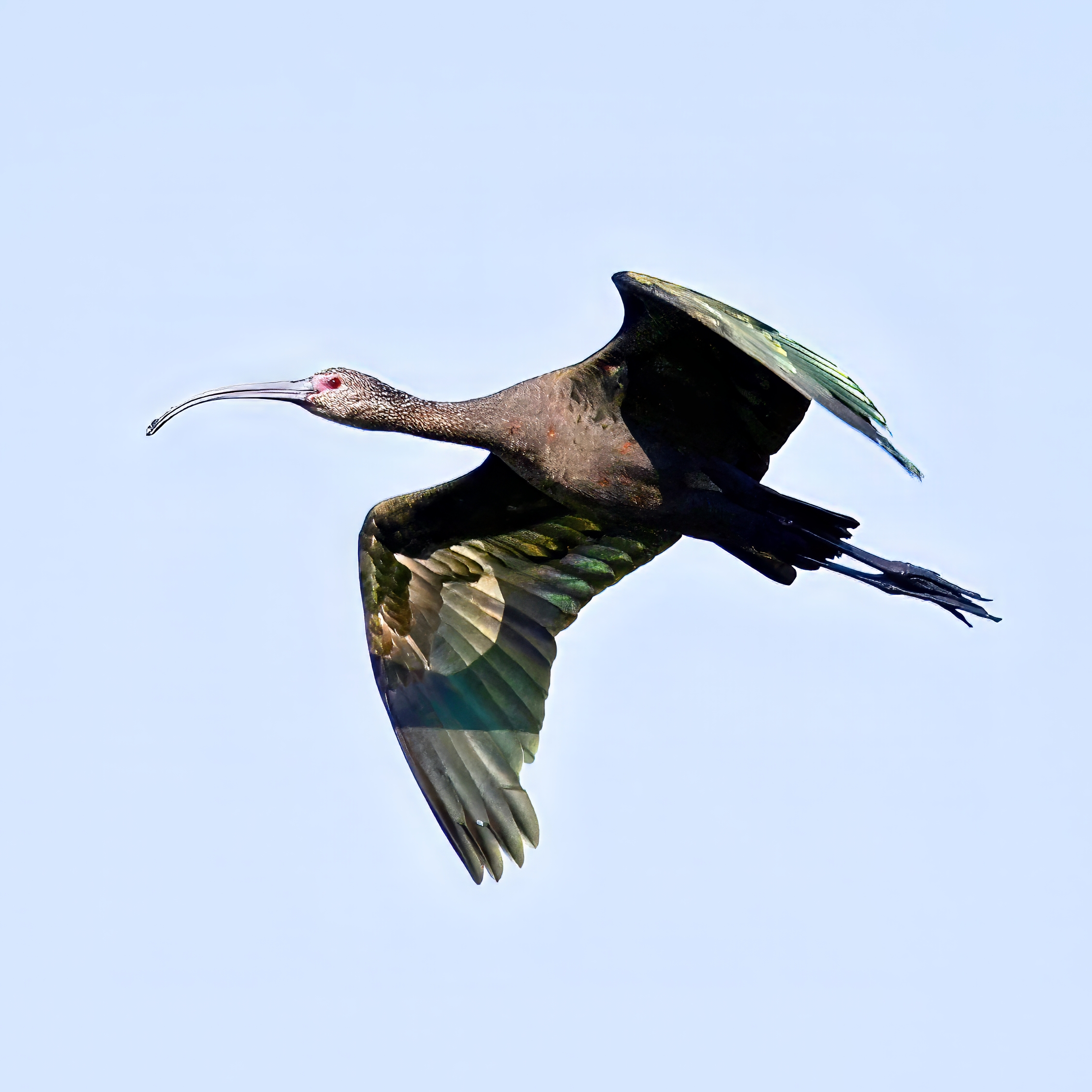
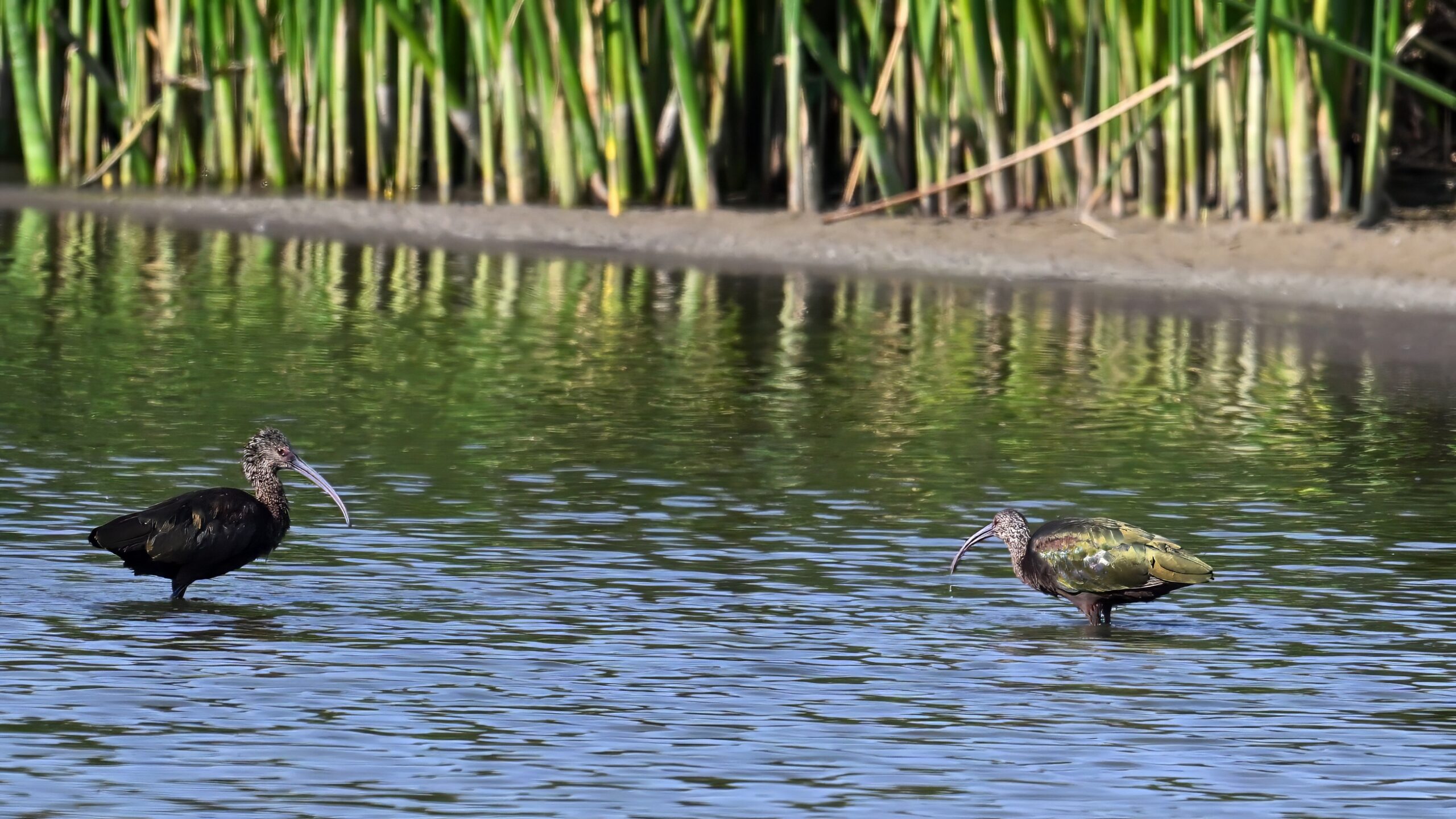
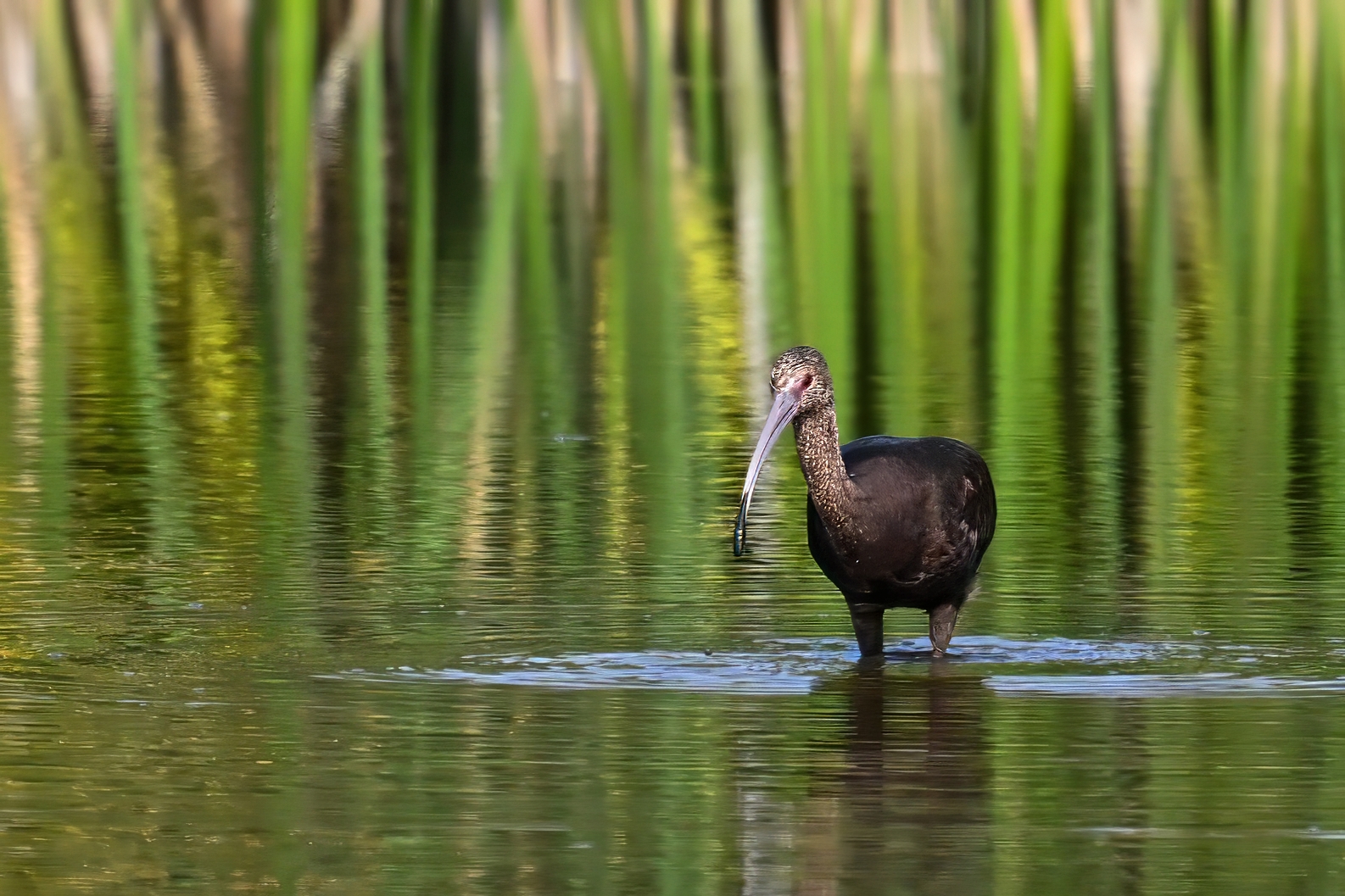
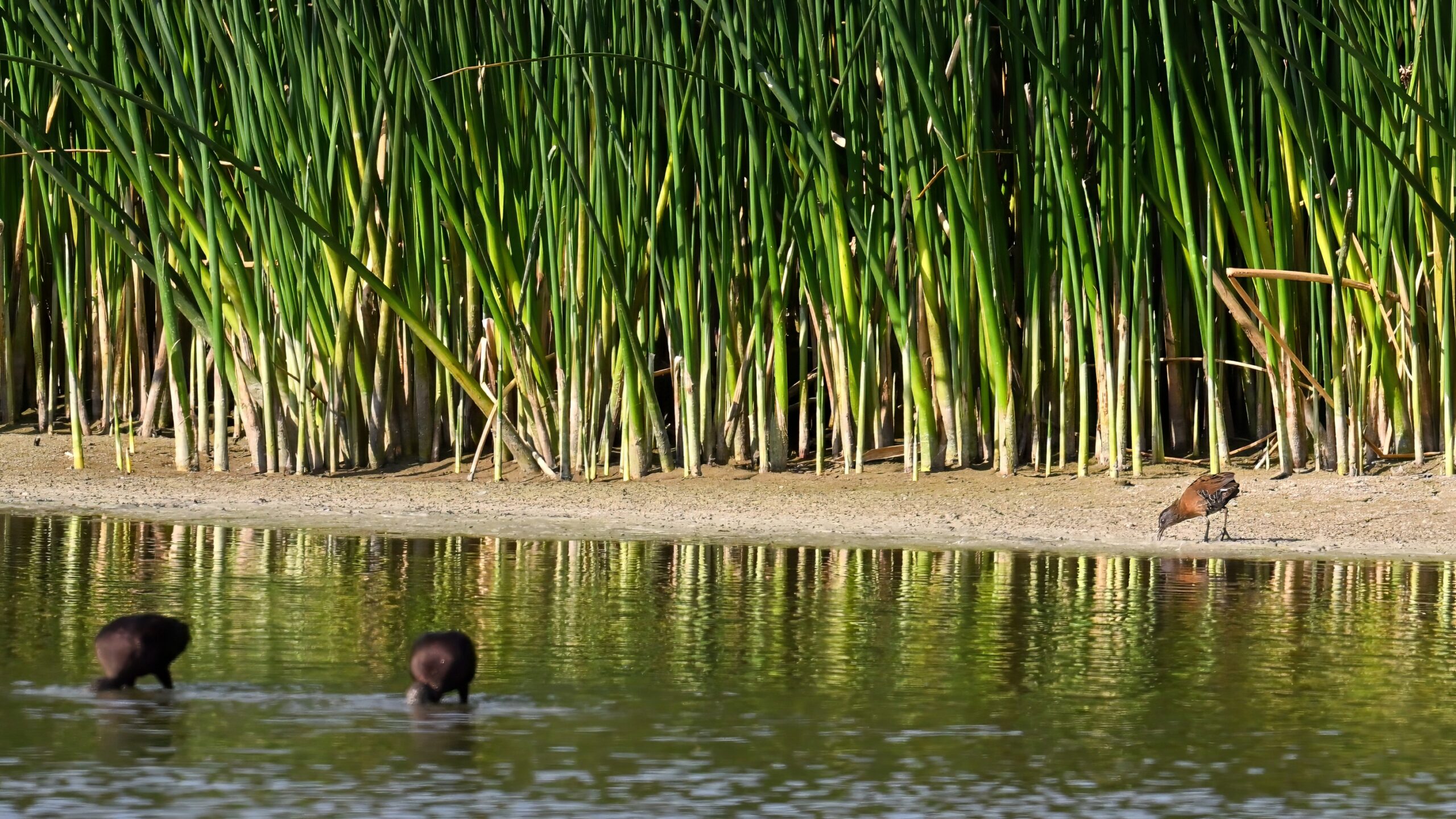
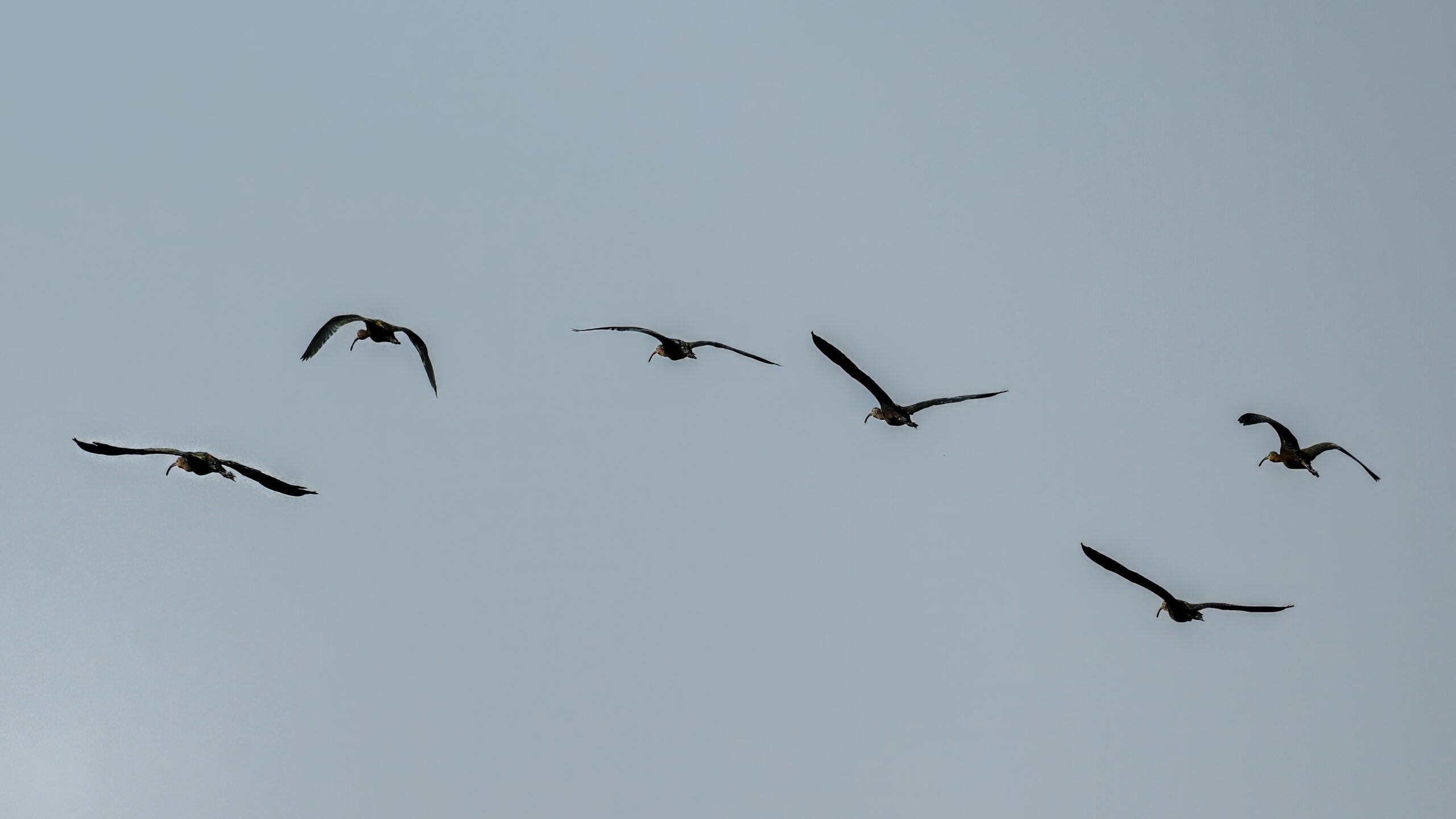
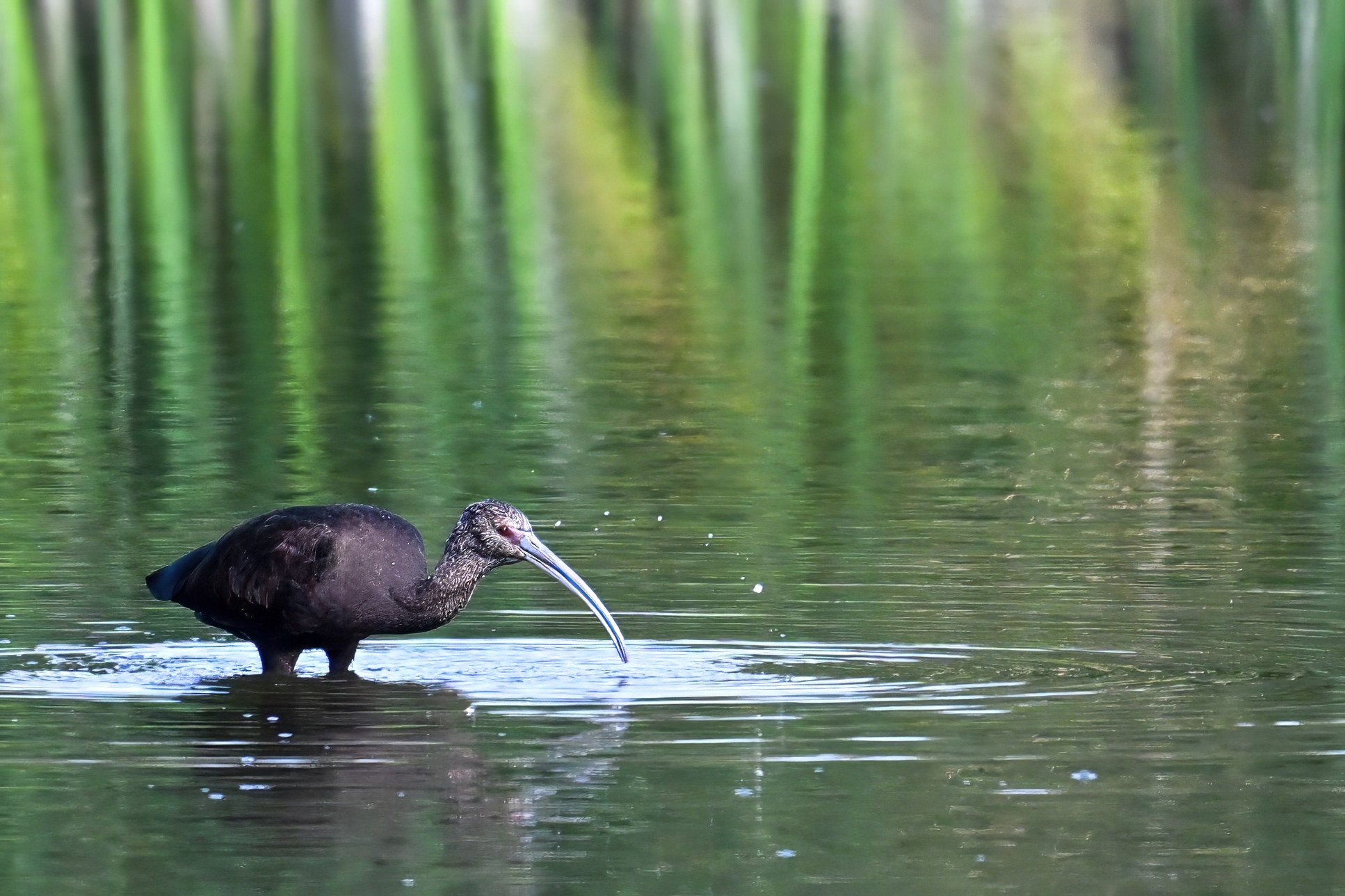
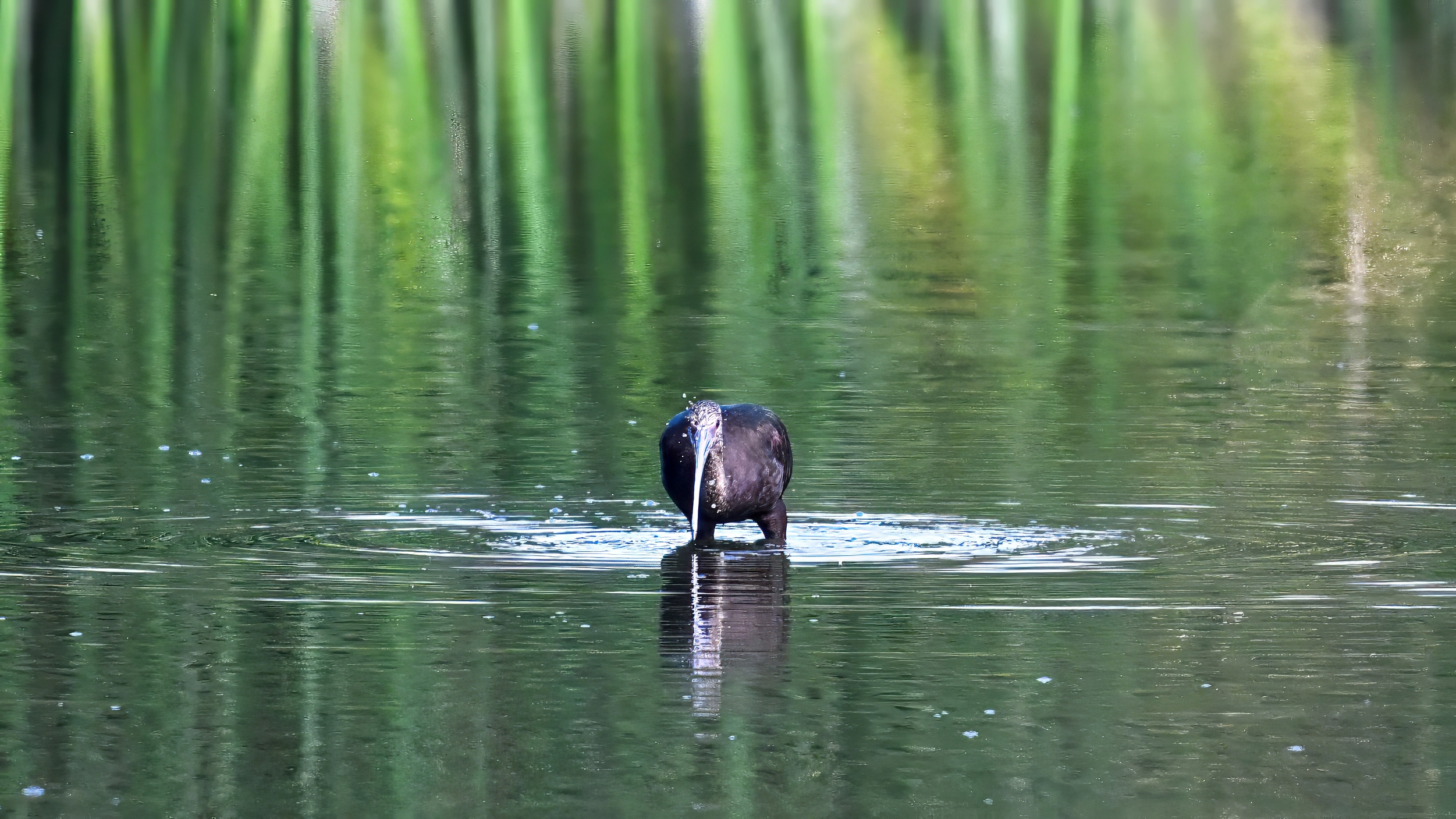
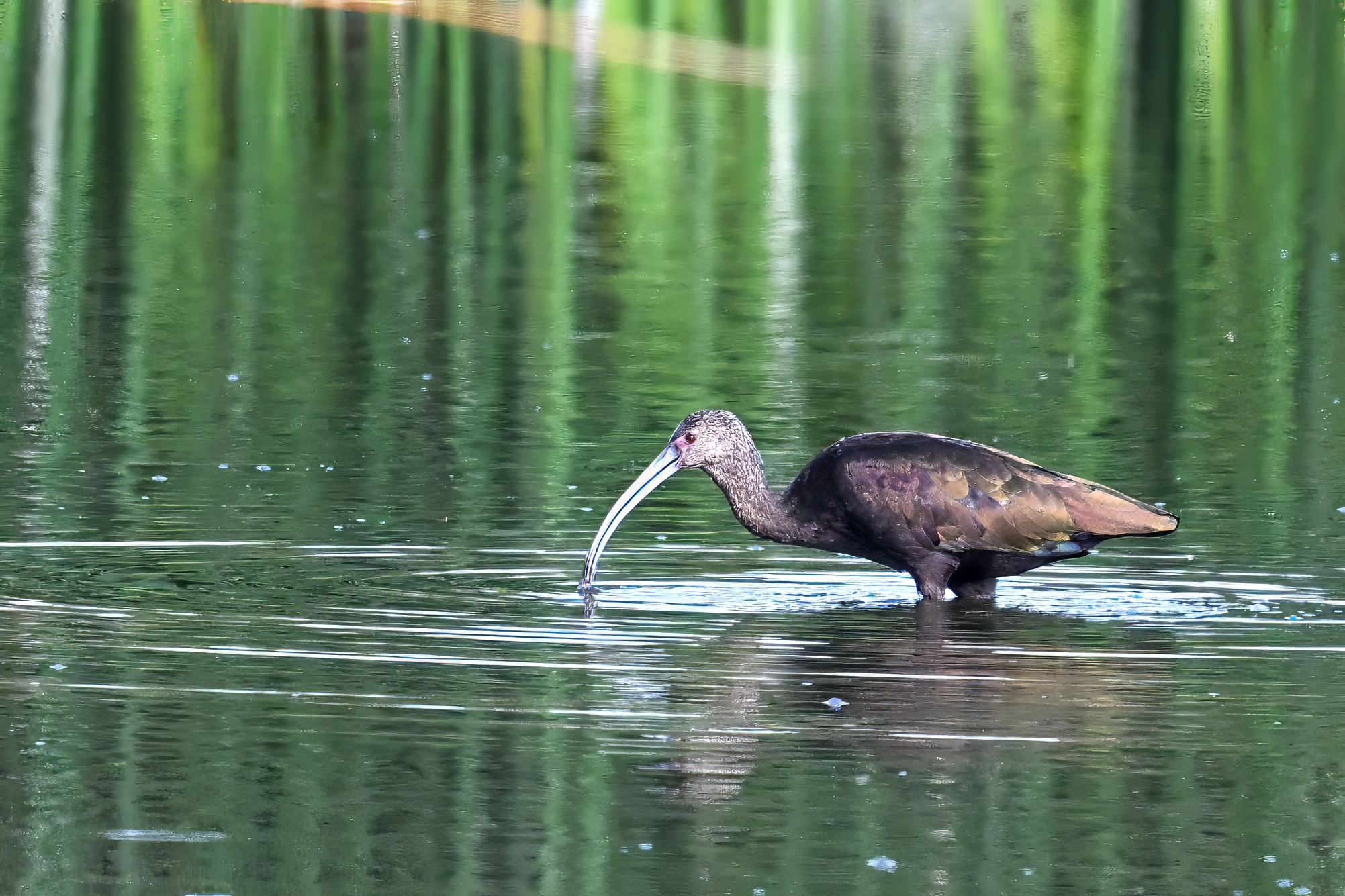
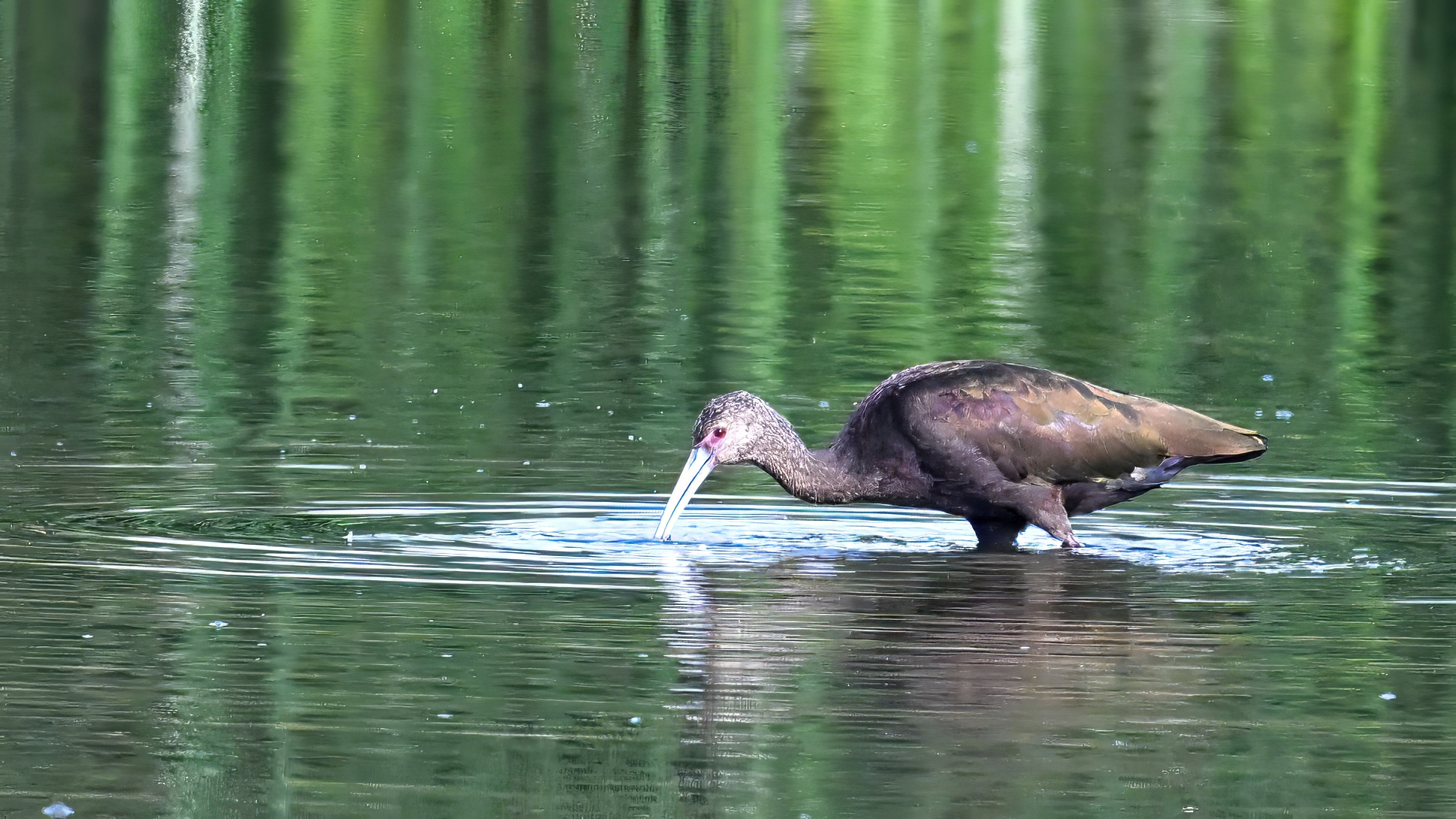
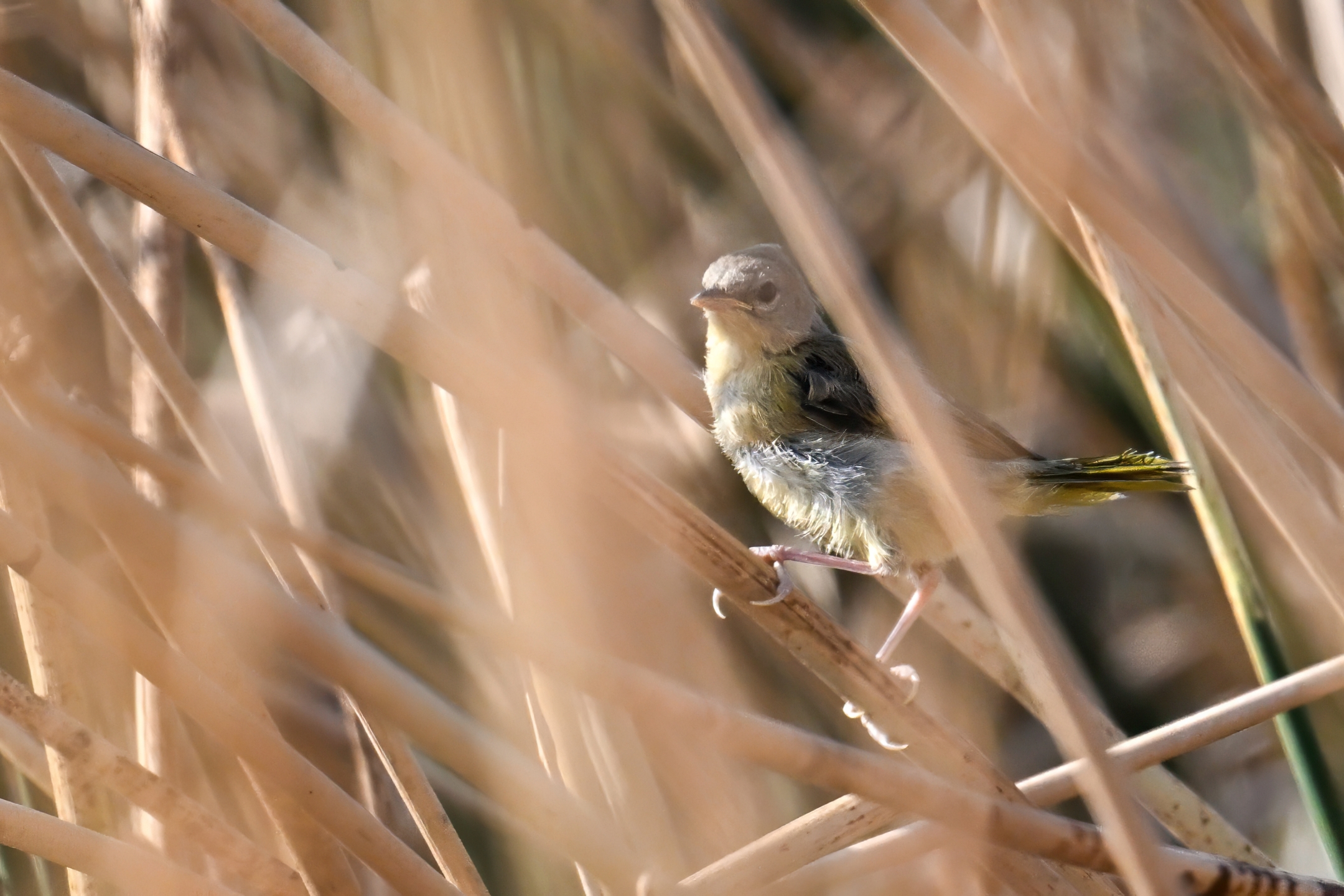
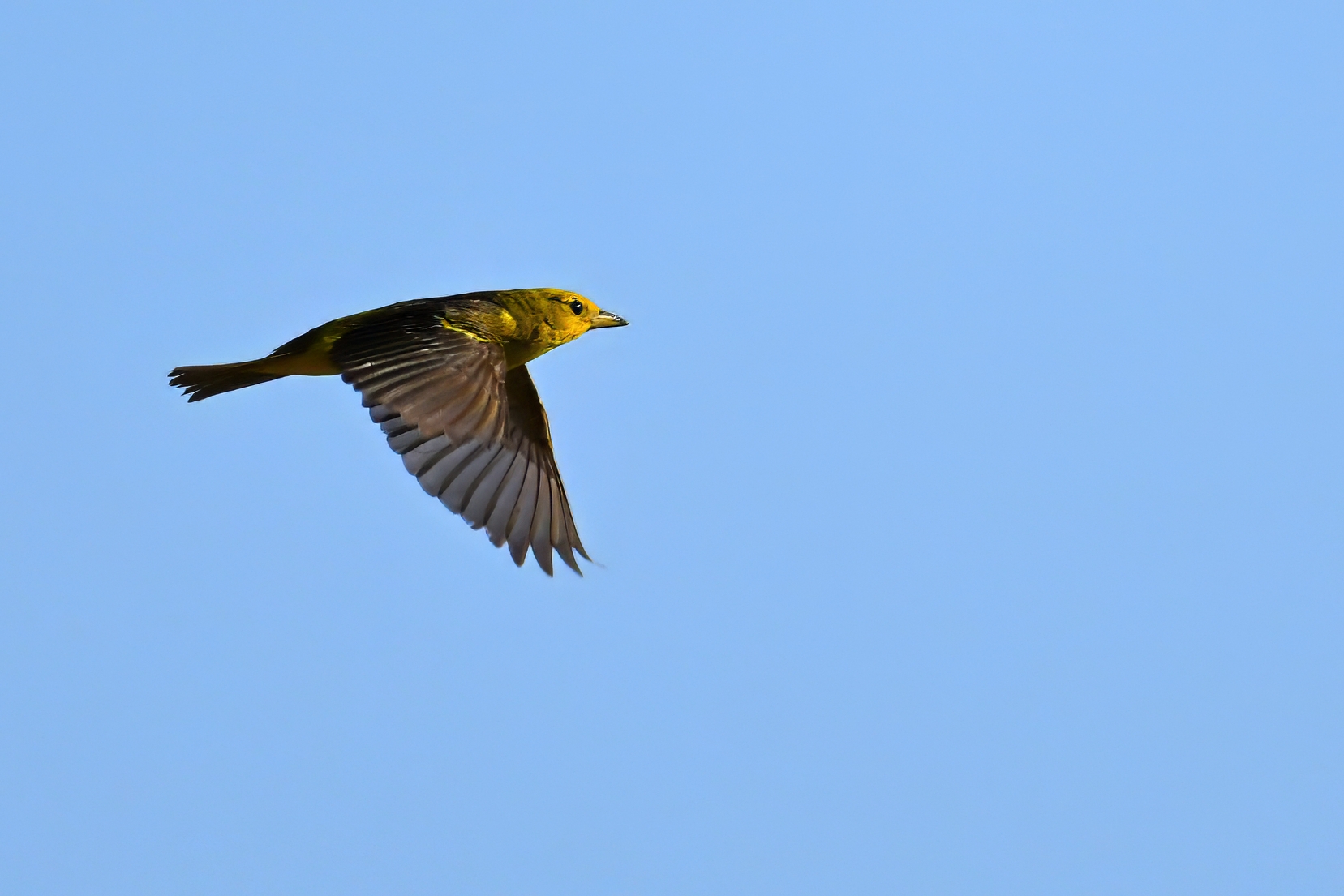
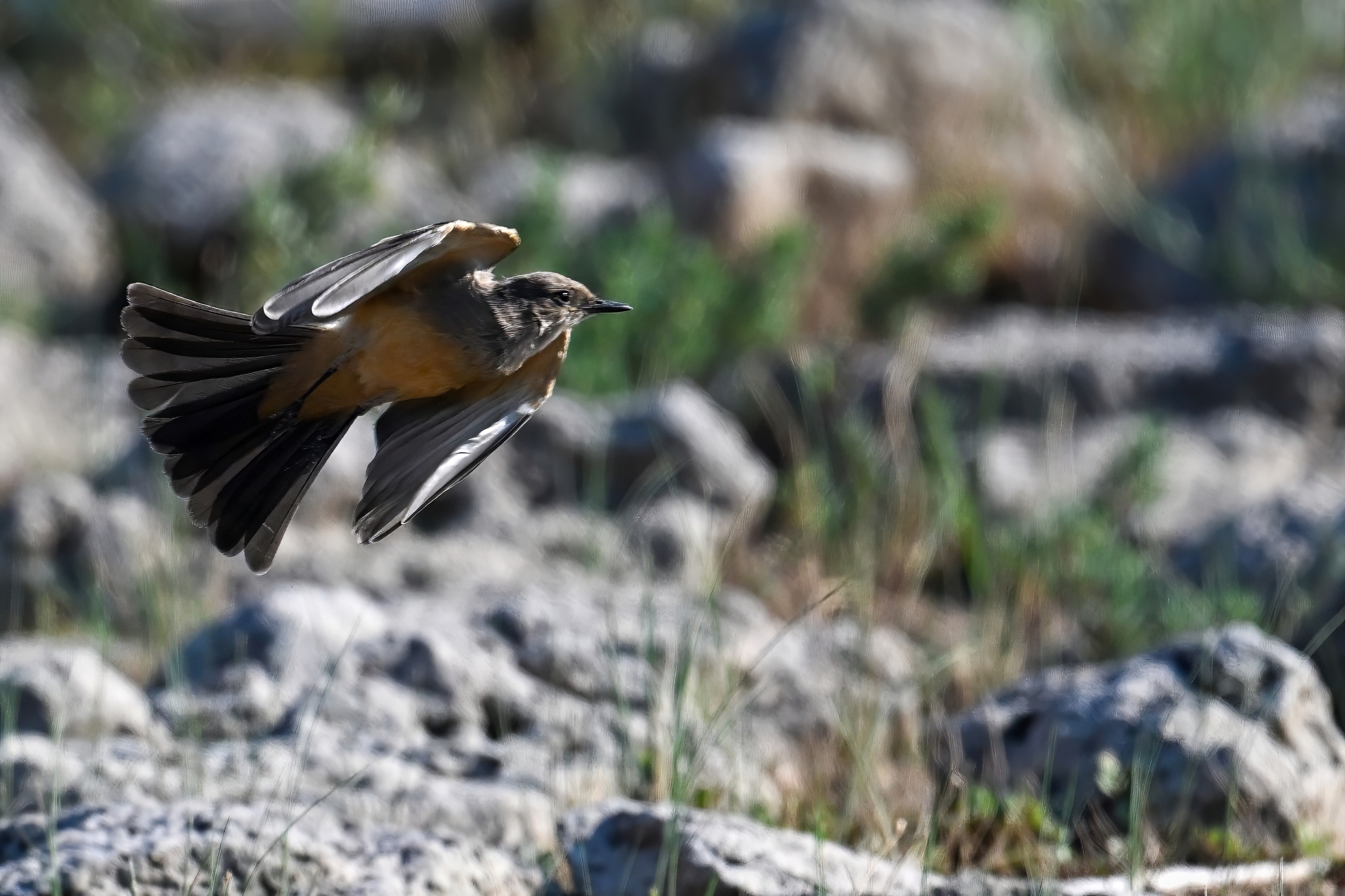
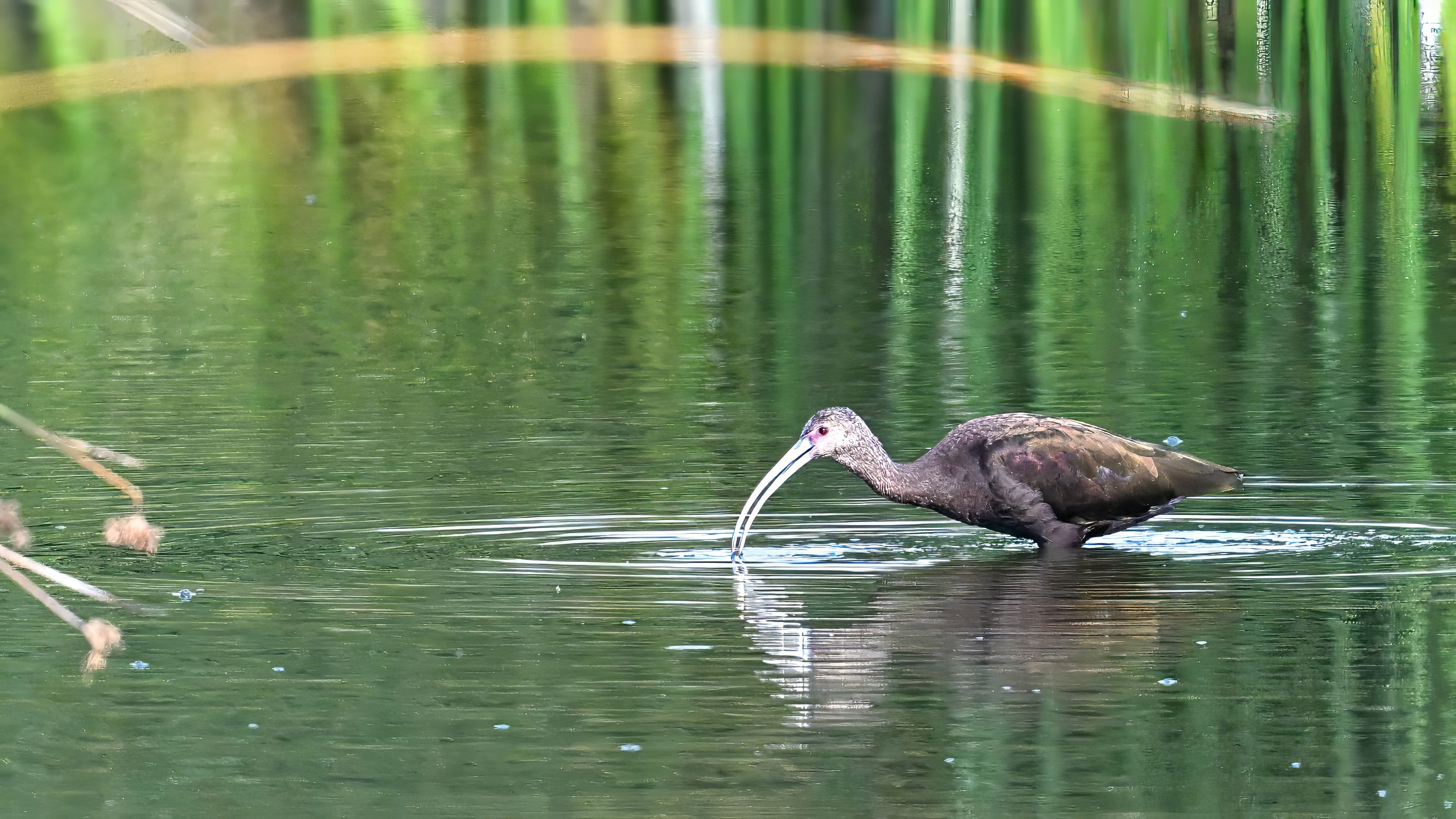
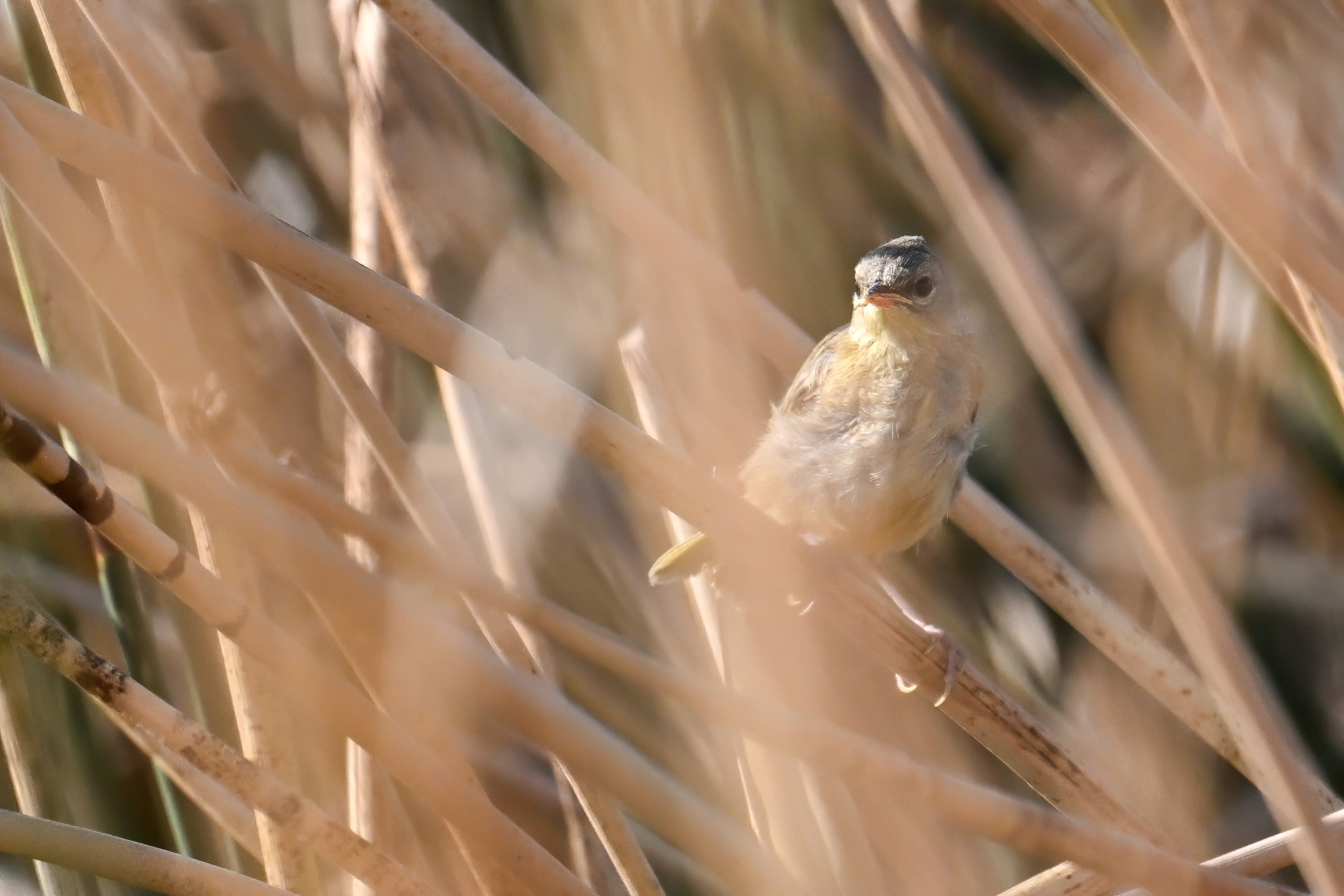
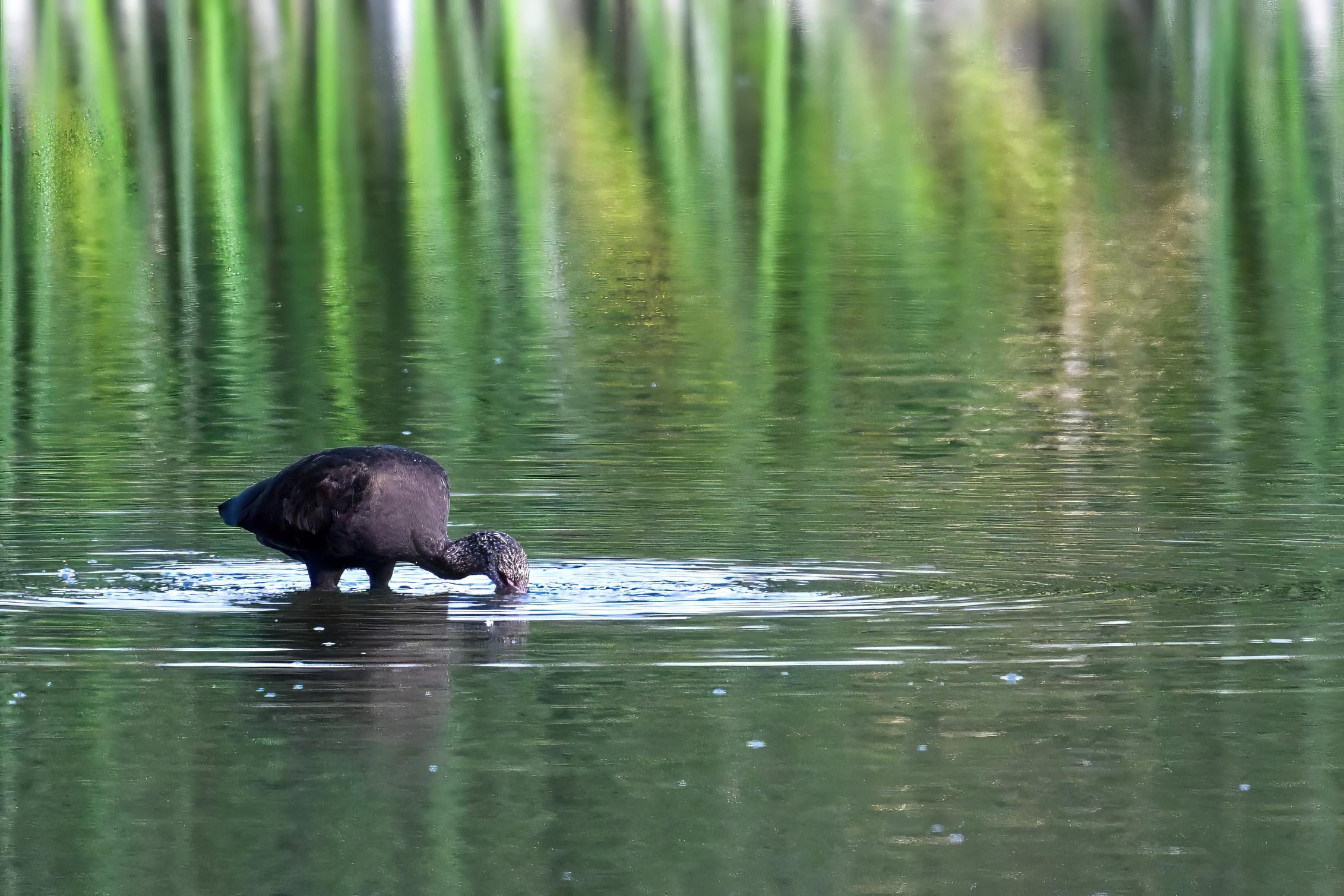
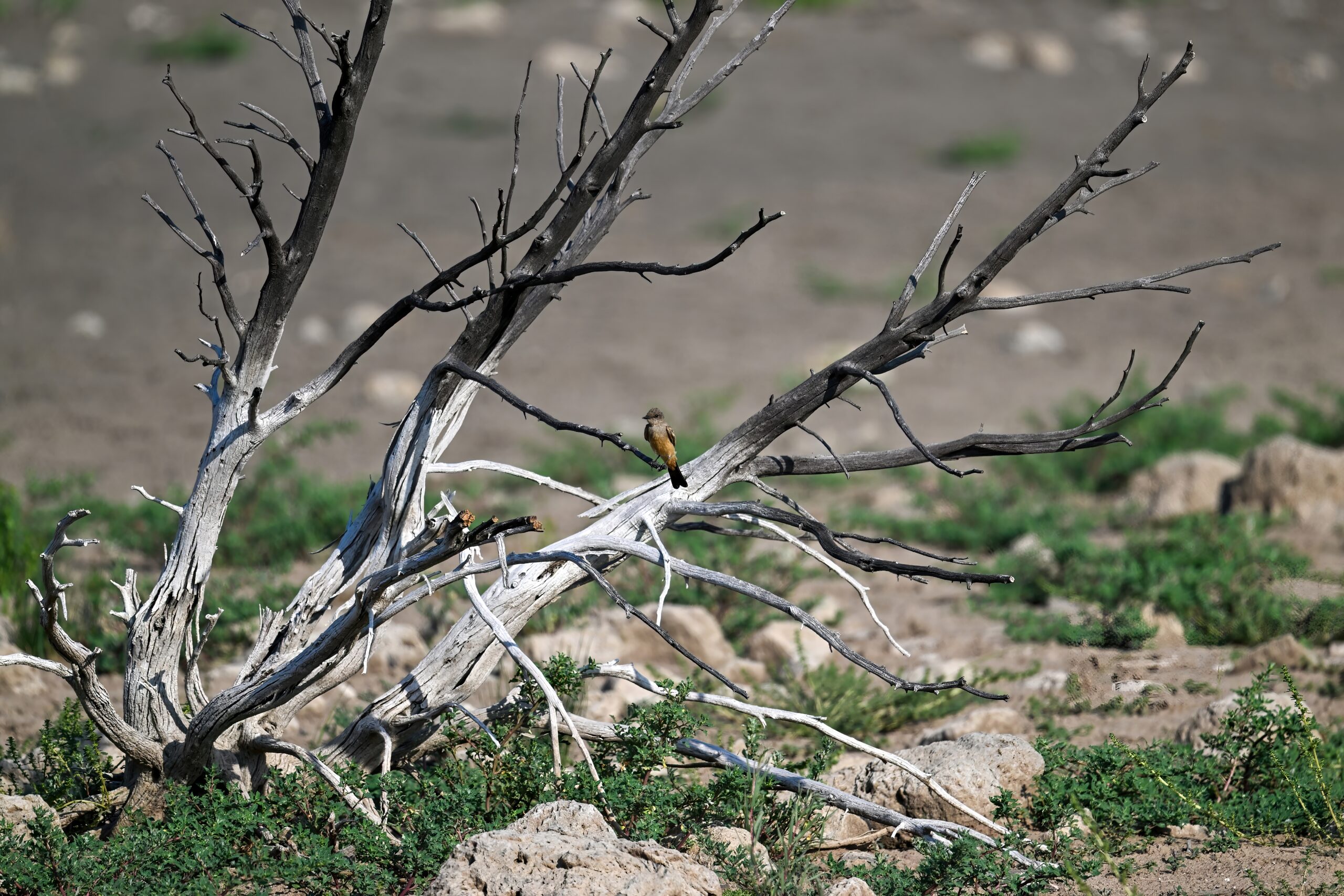
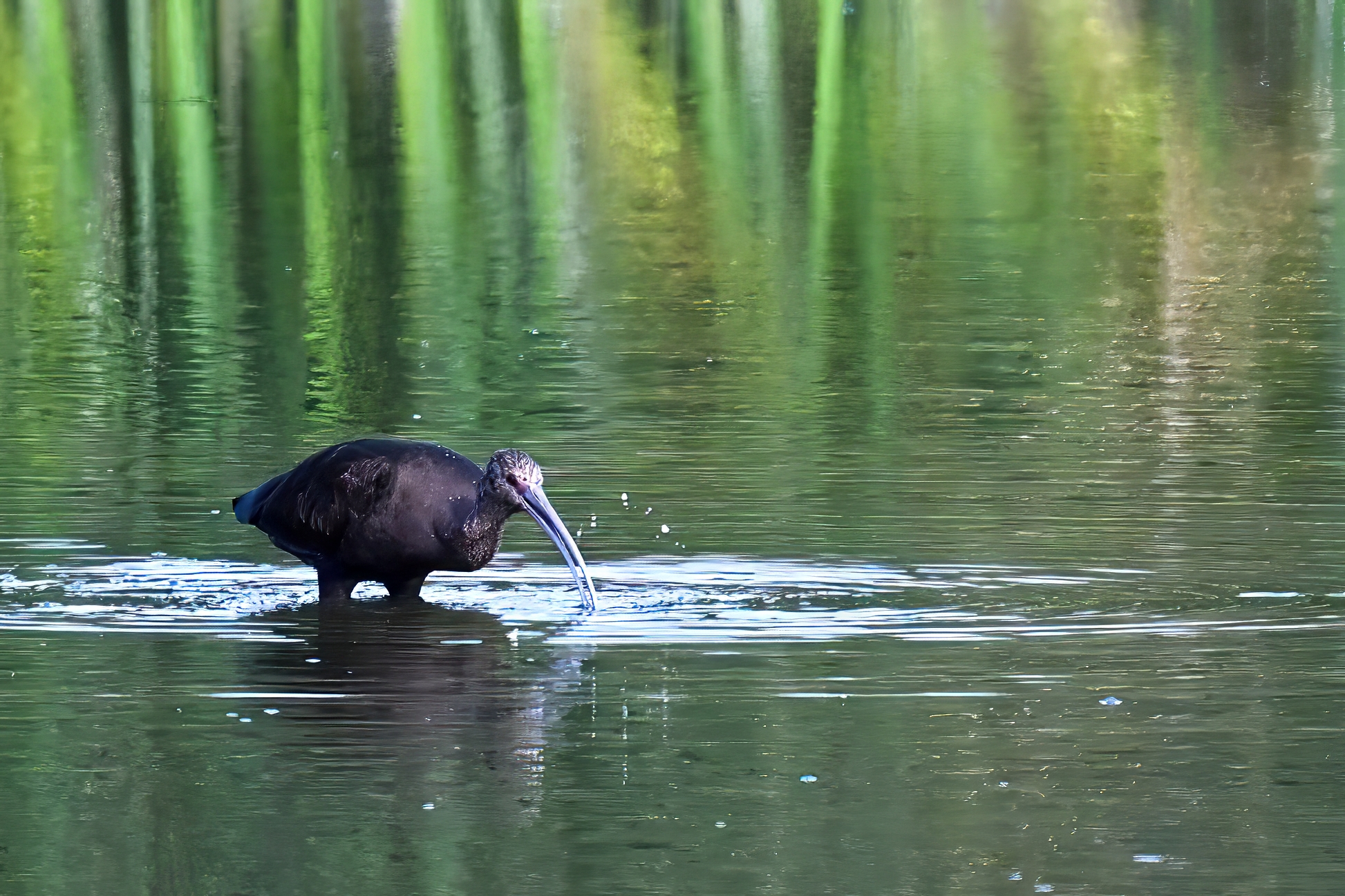
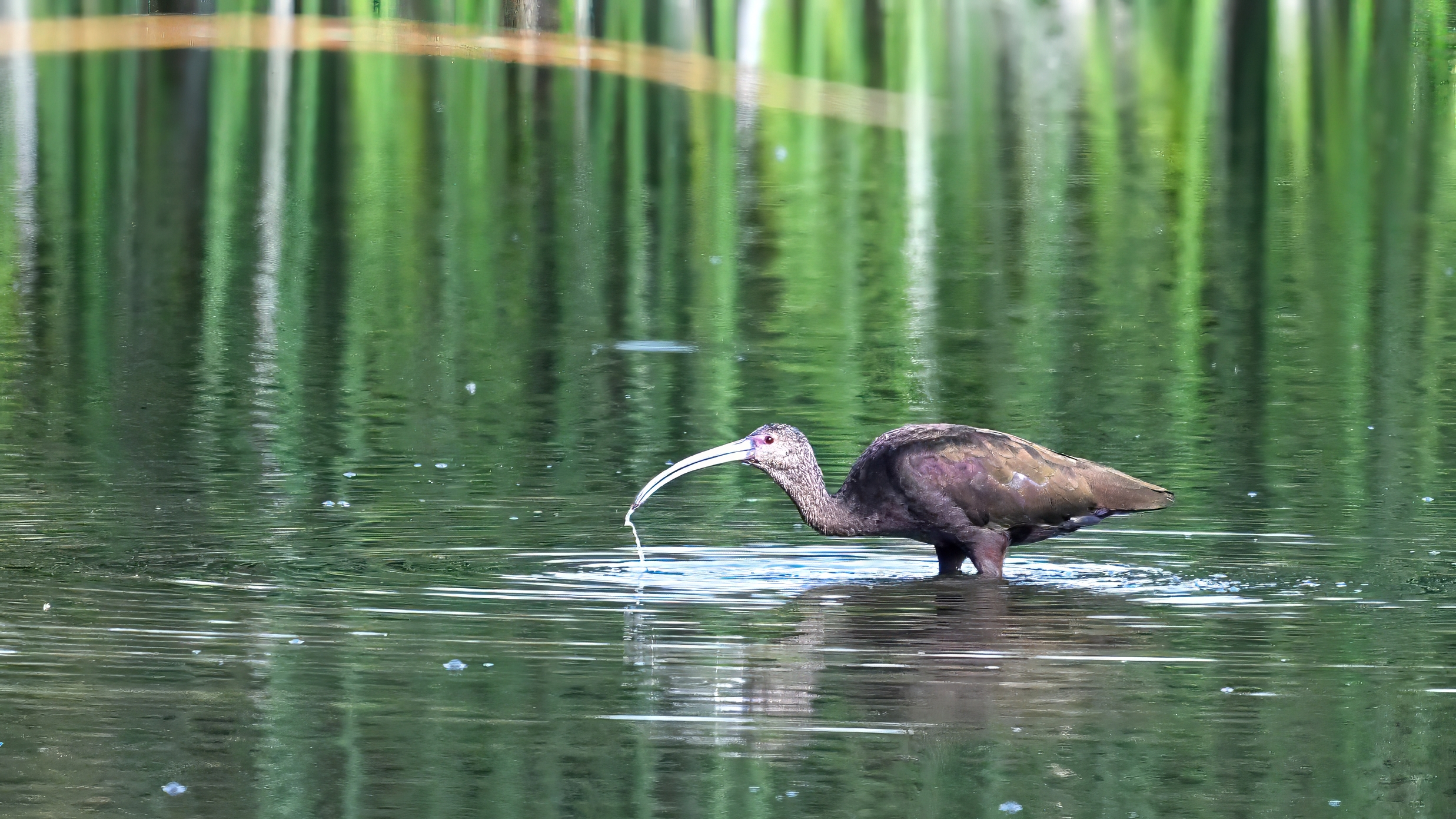
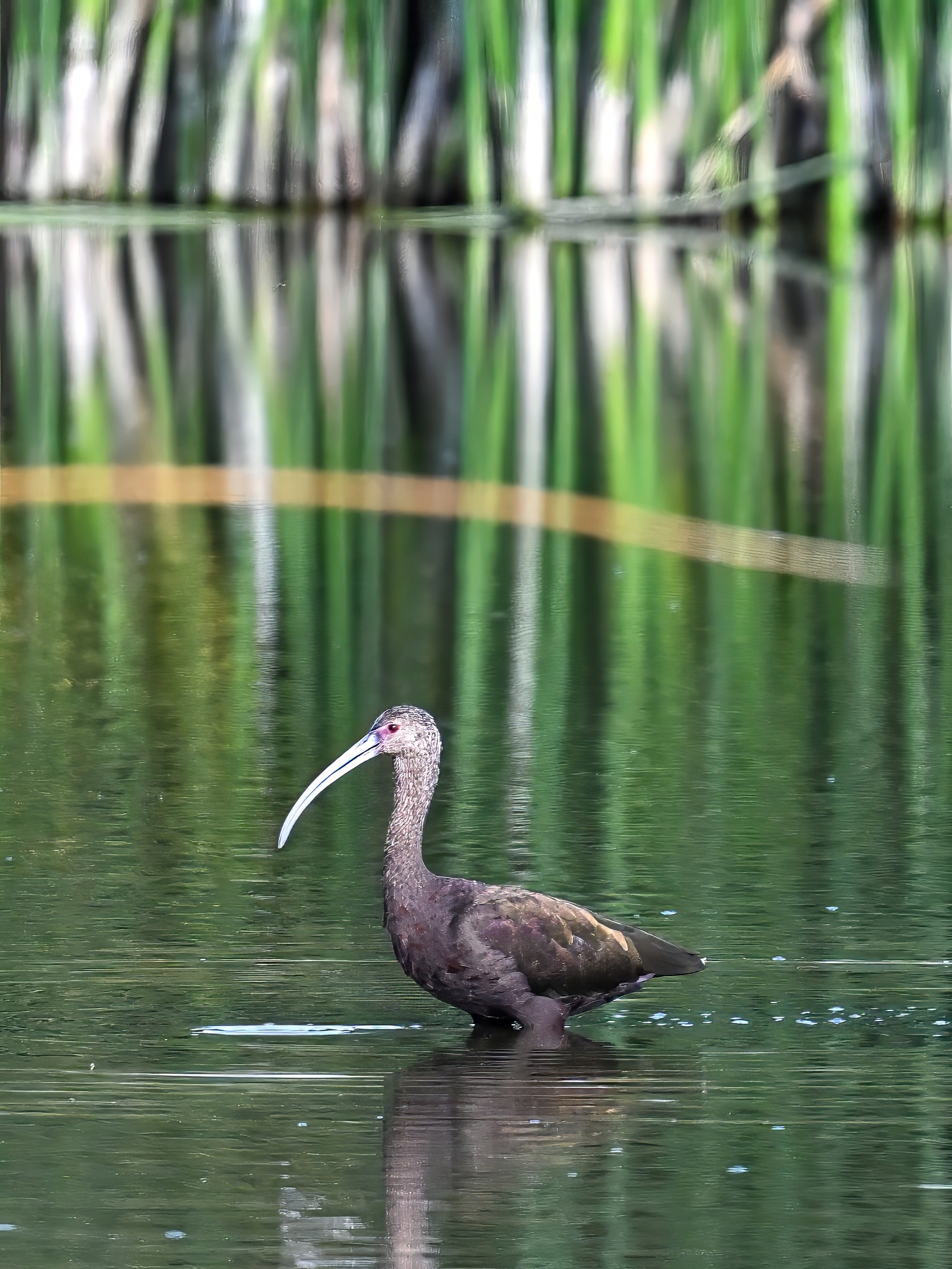
Today is the final post of content from a morning in August at Pintail Lake, just north of Show Low in east-central Arizona. All shots White-faced Ibis (non-breeding plumage) unless noted otherwise.
Pintail Lake area – dry conditionsWhite-faced IbisVirginia Rail
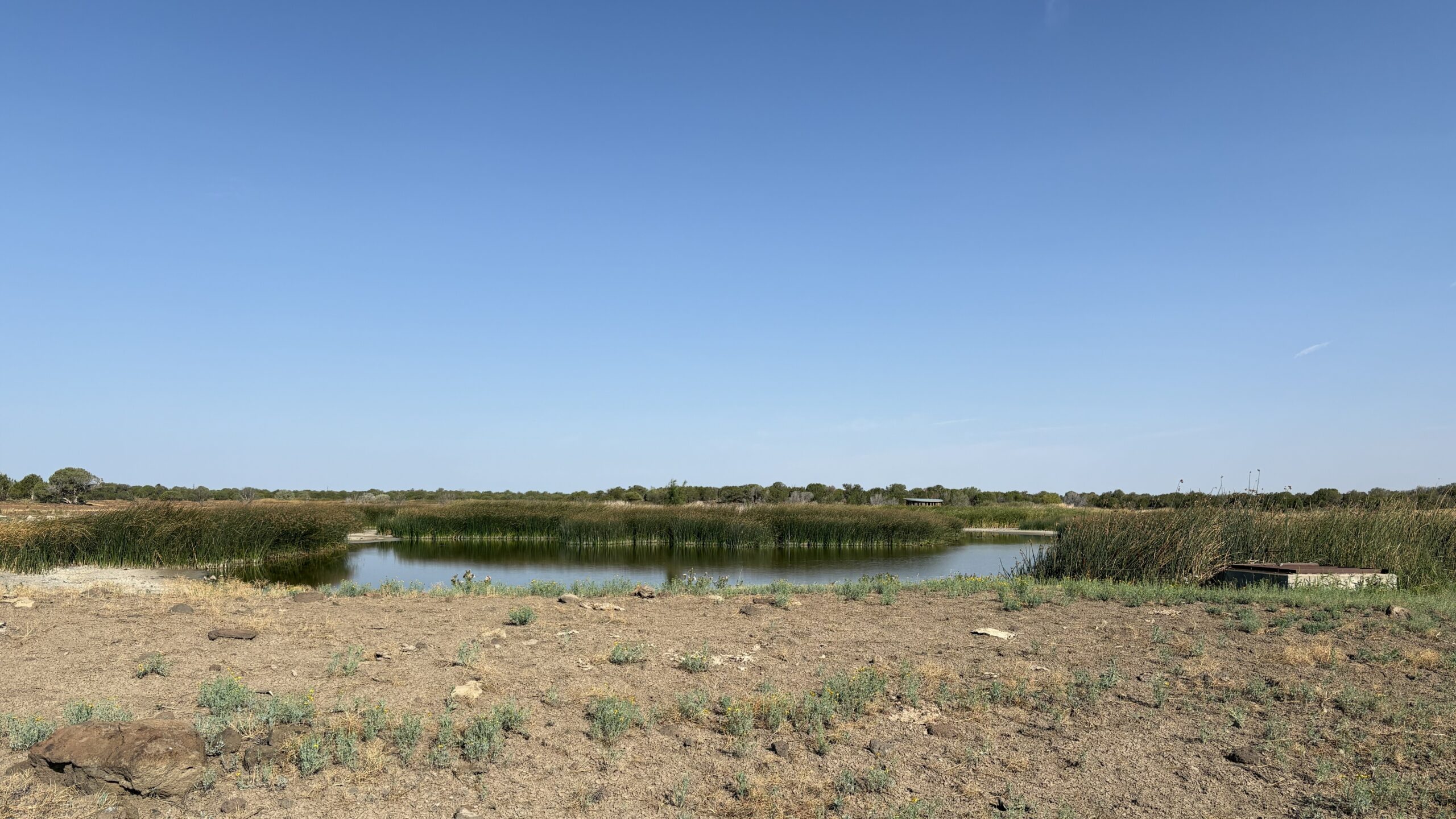
As mentioned in previous posts, due to dry conditions and/or a problem with the reclaimed water supply from town, much of the lake complex was dry, e.g.:
We’re wrapping up spider content (for now) with fascinating, continuing shots of a beautiful female Orb-weaver Spider, likely Spotted Orb-weaver (Neoscona crucifera), but perhaps Cross Orb-weaver (Araneus diadematus), exhibiting prey capture behavior:
Orb‑weaver spiders (family Araneidae) have a specialized silk‑producing anatomy that allows them to produce multiple, functionally different silk types for both building their web and wrapping prey.
When an insect is caught, the spider quickly injects venom and then wraps it in silk. This wrapping uses flagelliform capture silk for the sticky spiral and aggregate silk for the coiling, creating a strong, flexible cocoon‑like bundle. The spider can switch between gland outputs mid‑action, producing different silk textures and adhesives as needed.1
From earlier in the month, it’s a gorgeous female orb-weaver spider, possibly Cross Orb-weaver (Araneus diadematus) or a Spotted Orb-weaver (Neoscona species), its web stretched across an informal trail in Fairview Twp, Pennsylvania:
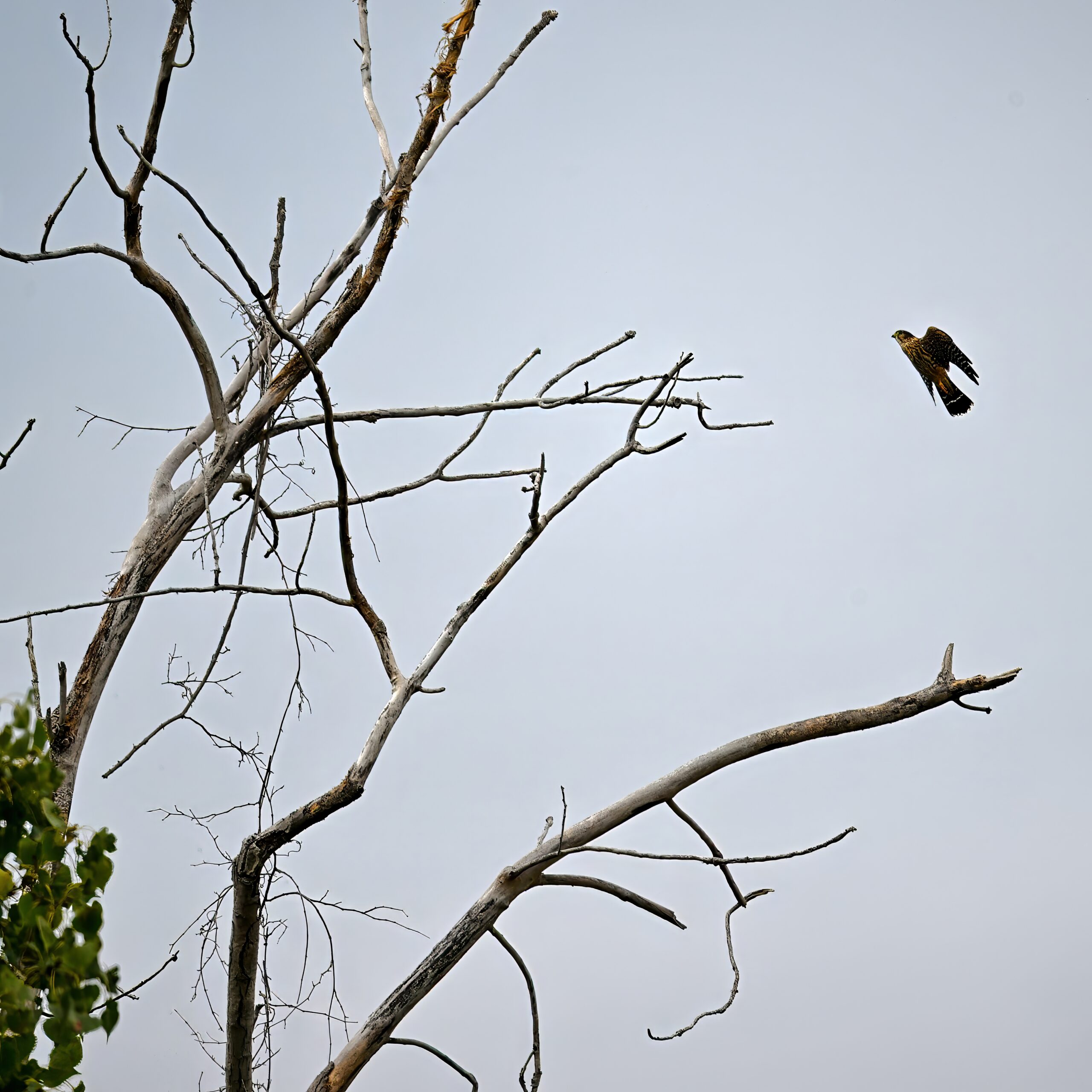
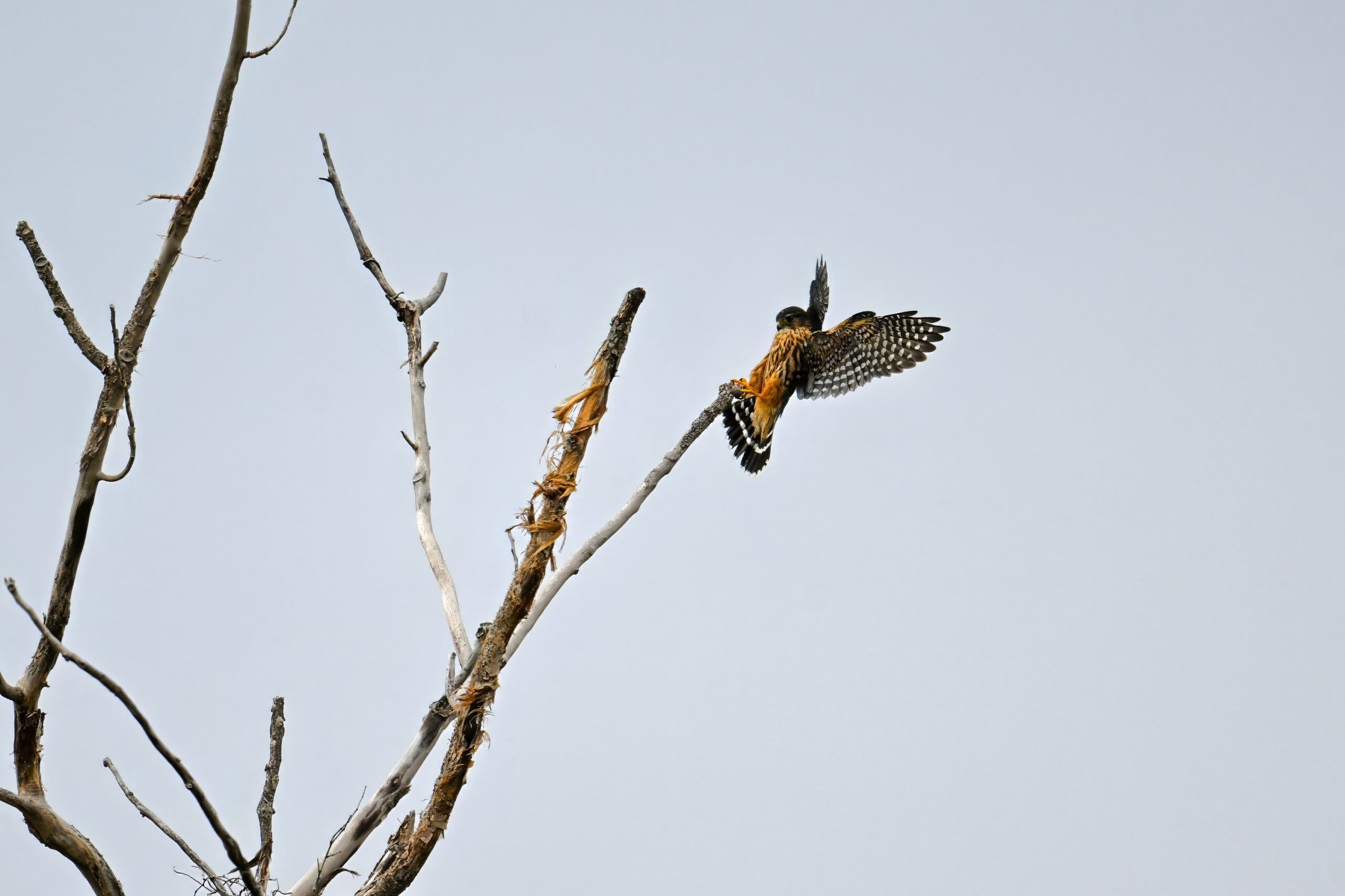
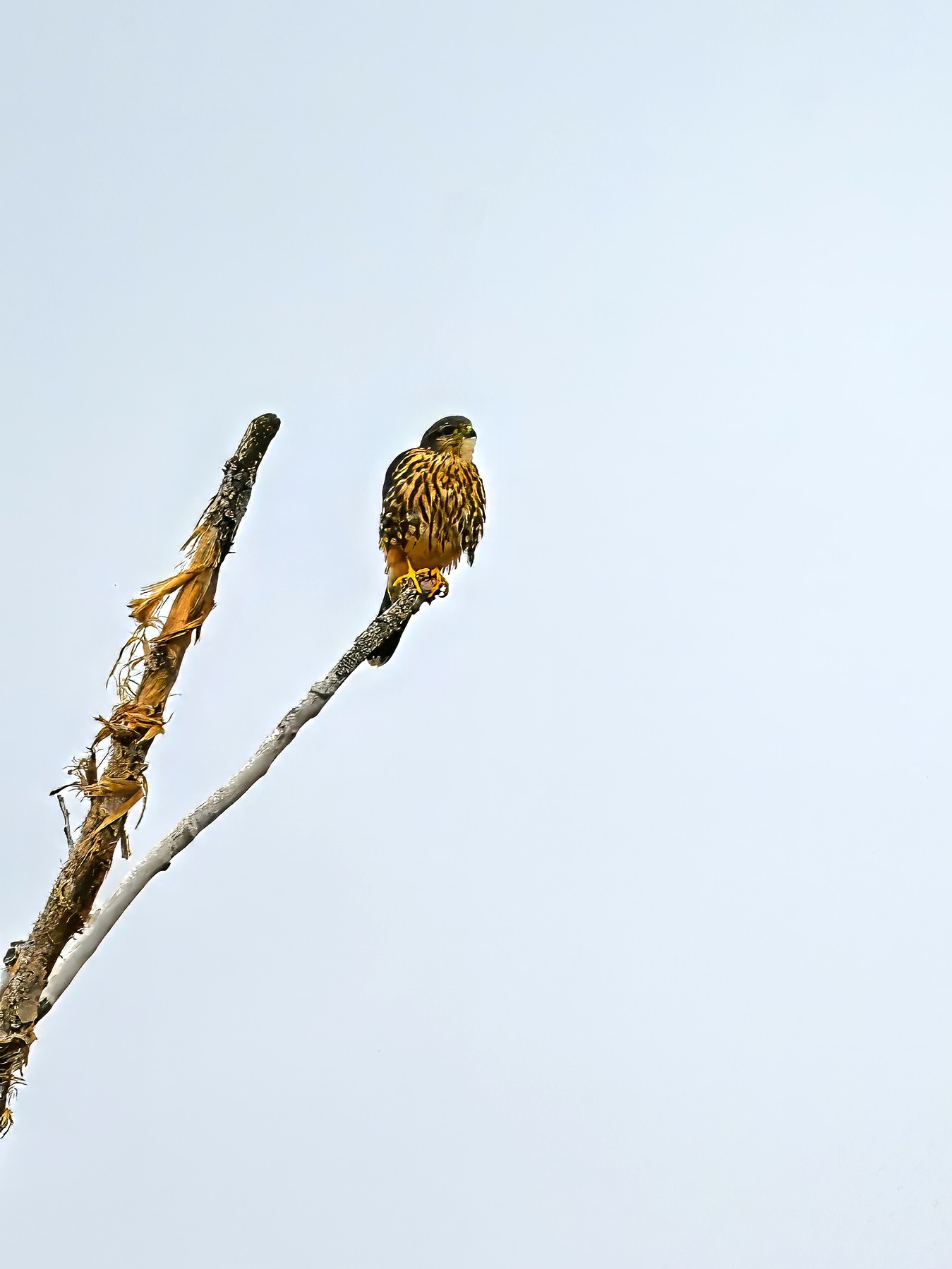
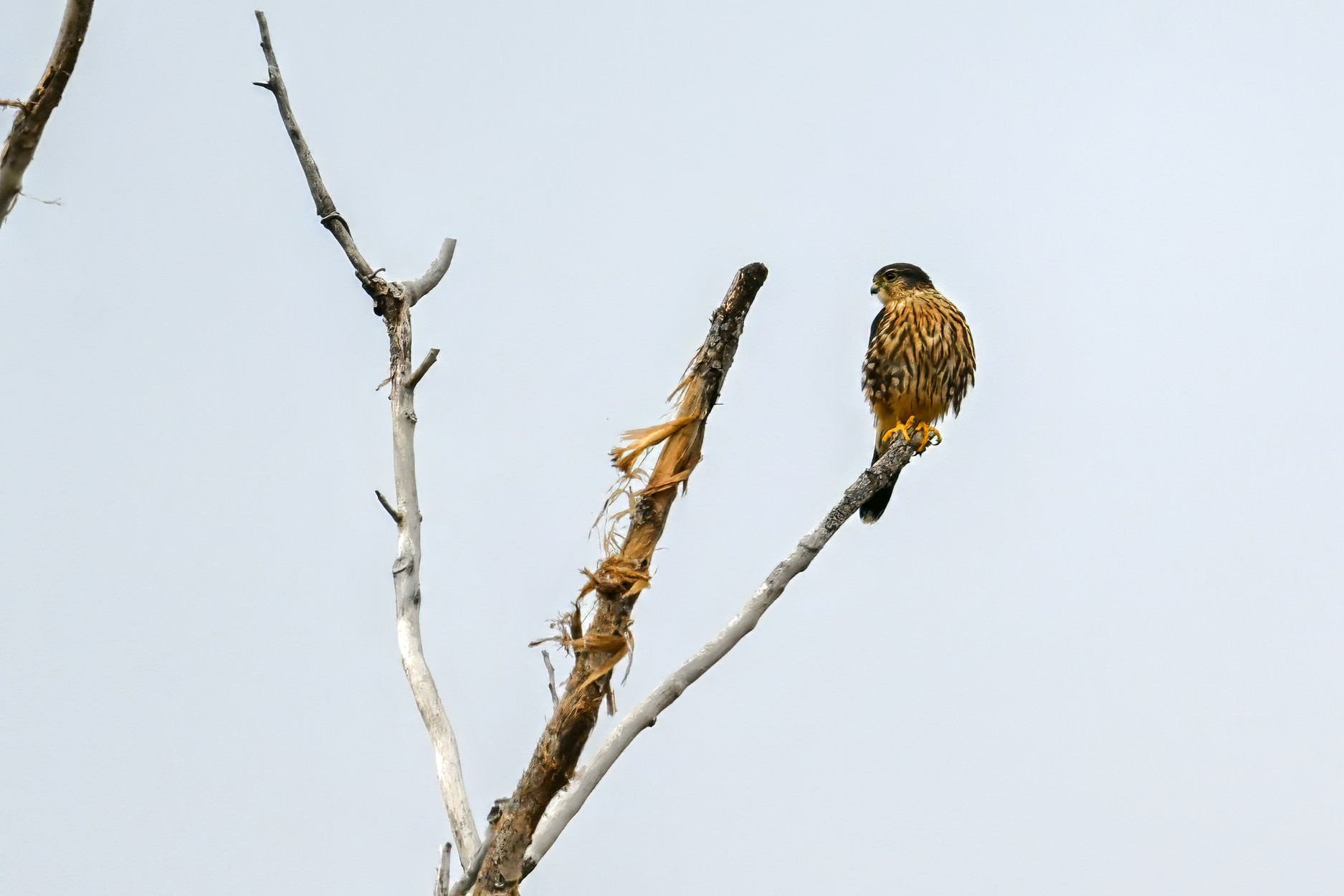
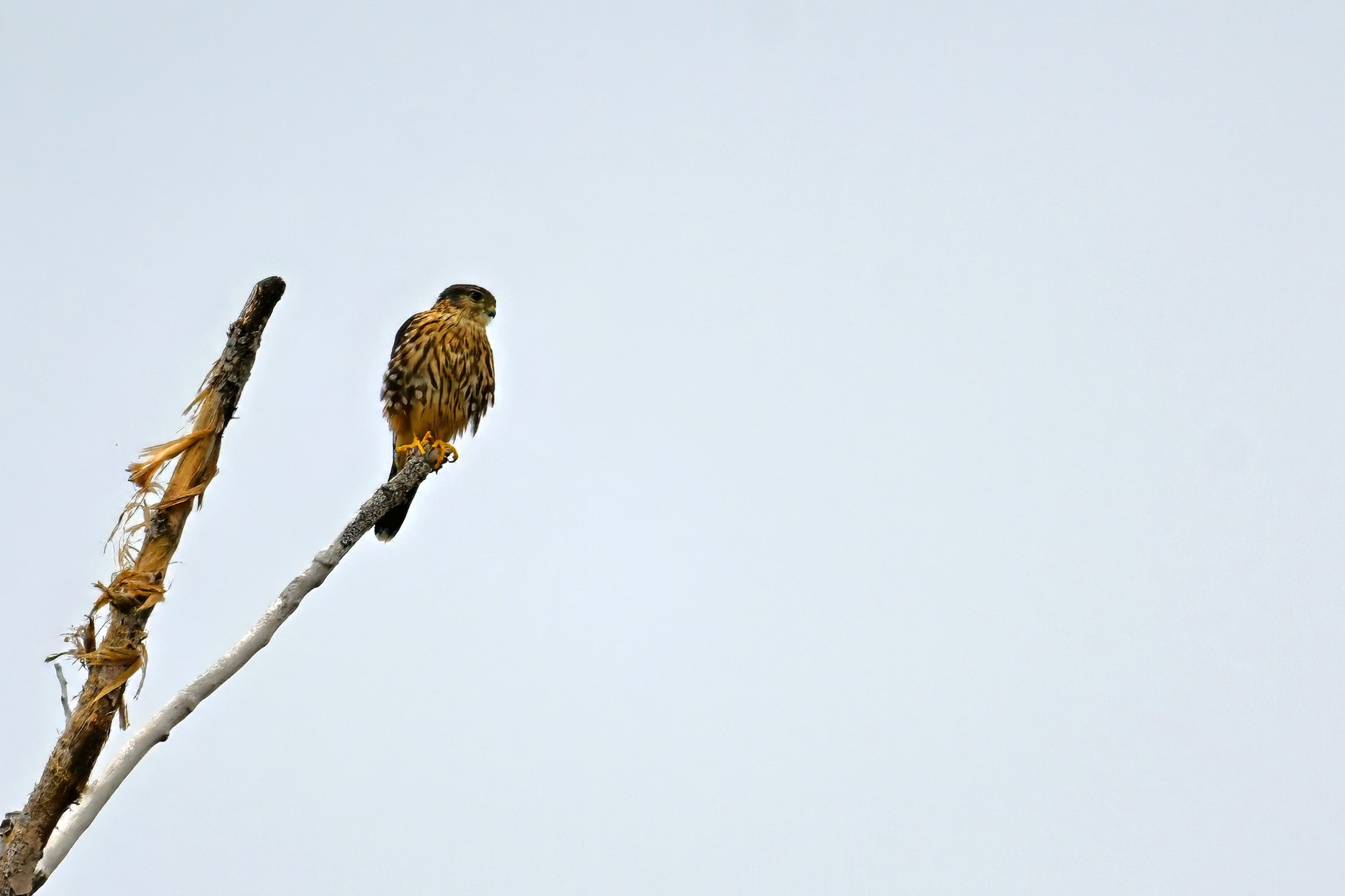
Ah, yes, one can only admire the patience and fortitude of those bird photographers who use ‘advanced,’ heavy equipment like tripods and gimbals. BirdingPI.com staff members, OTOH, are typically hiking/on foot, and thereby mostly go au naturel, meaning, in this context, handheld photography. Like these long-distance but extremely fascinating shots from yesterday off Beach 11 at Presque Isle State Park:
Merlin on landing approachMerlin, landingMerlin perchedMerlin perched IIMerlin perched III – on the lookout
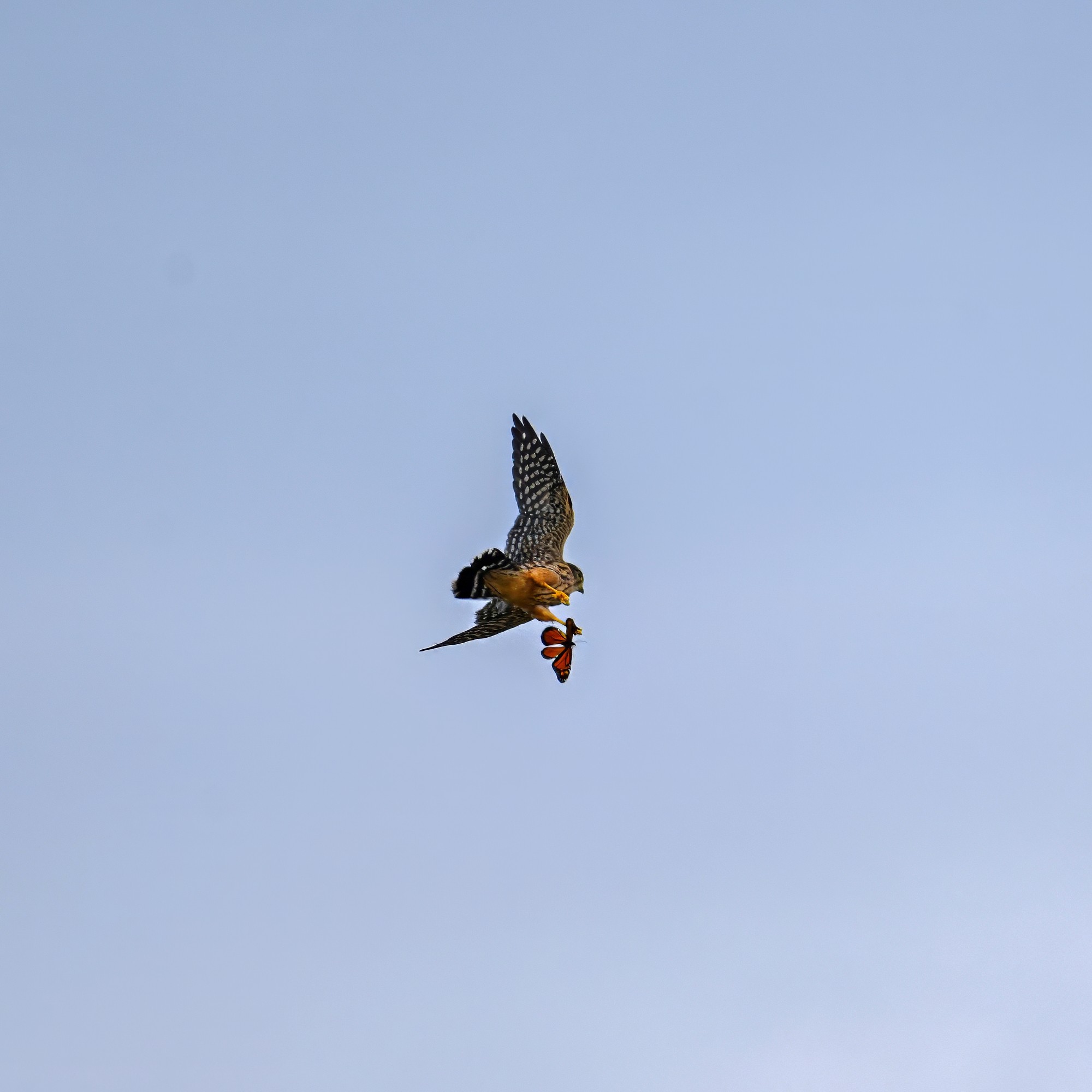
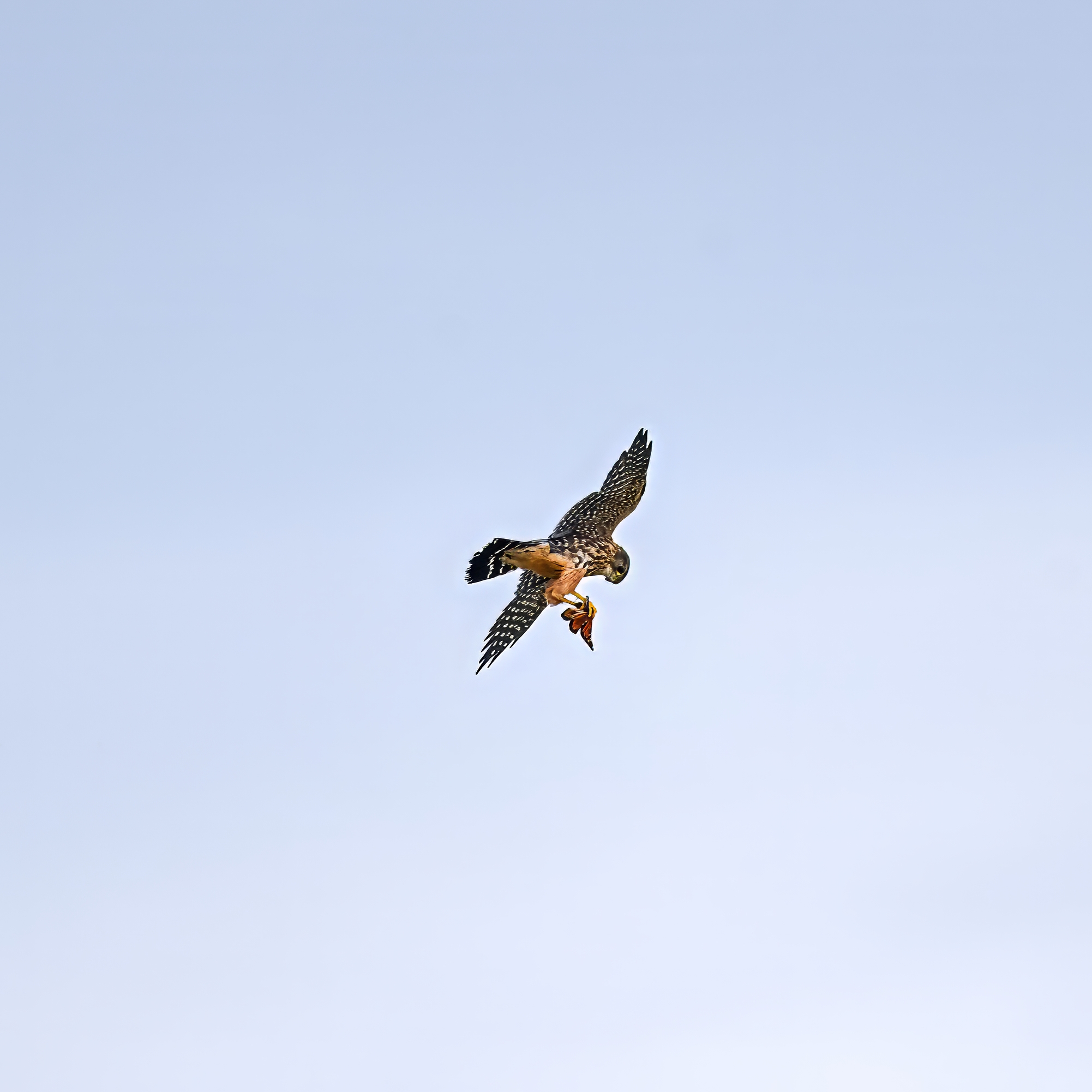
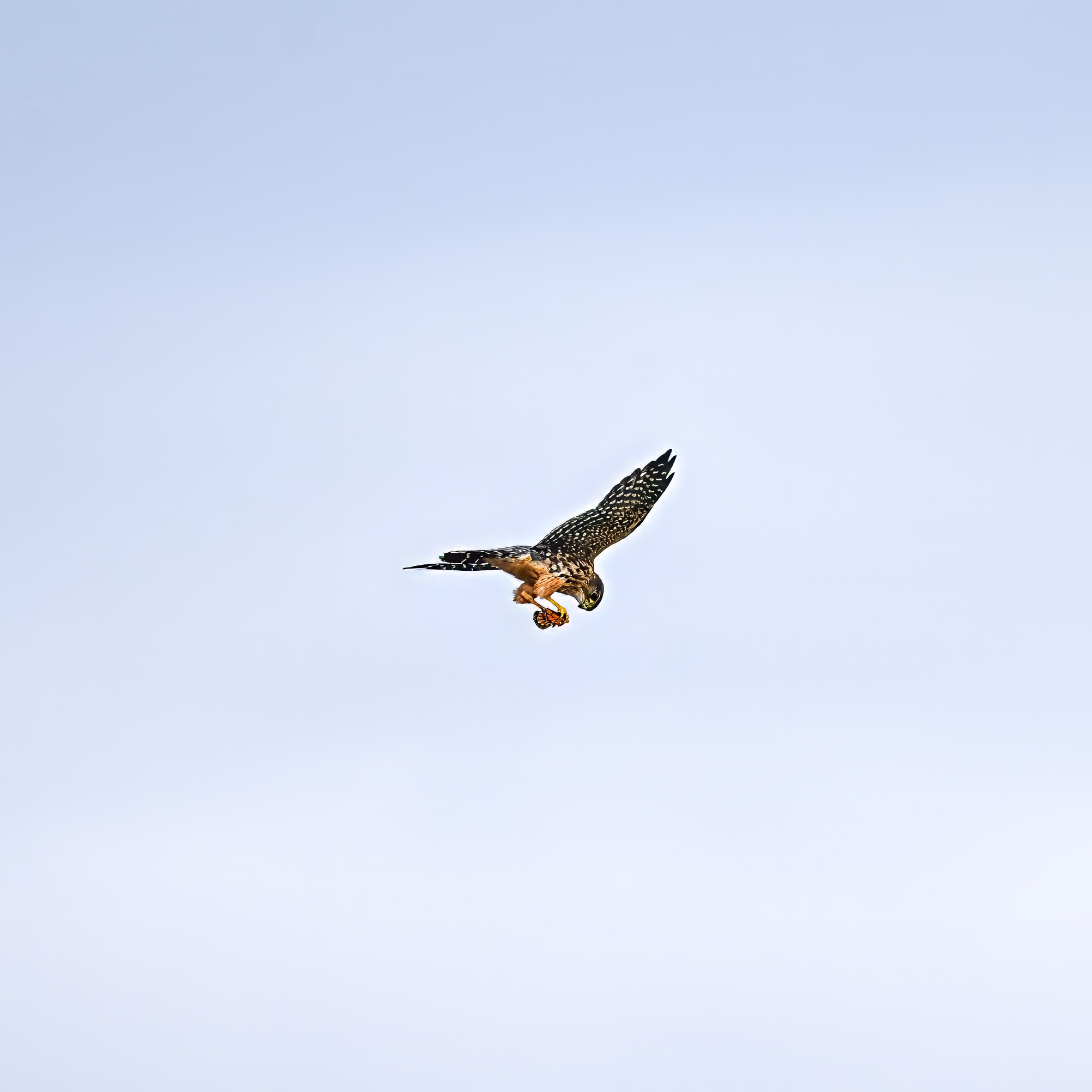
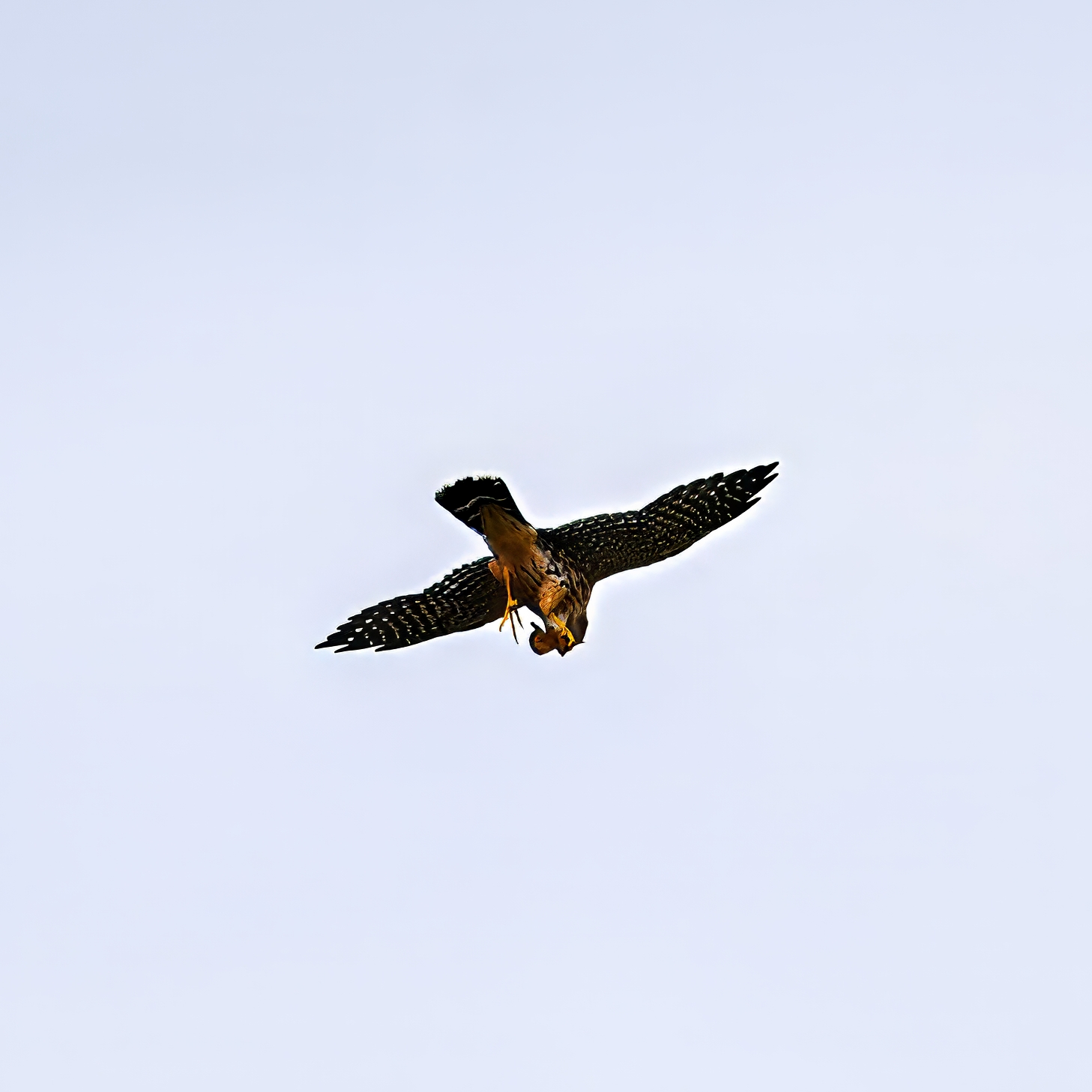
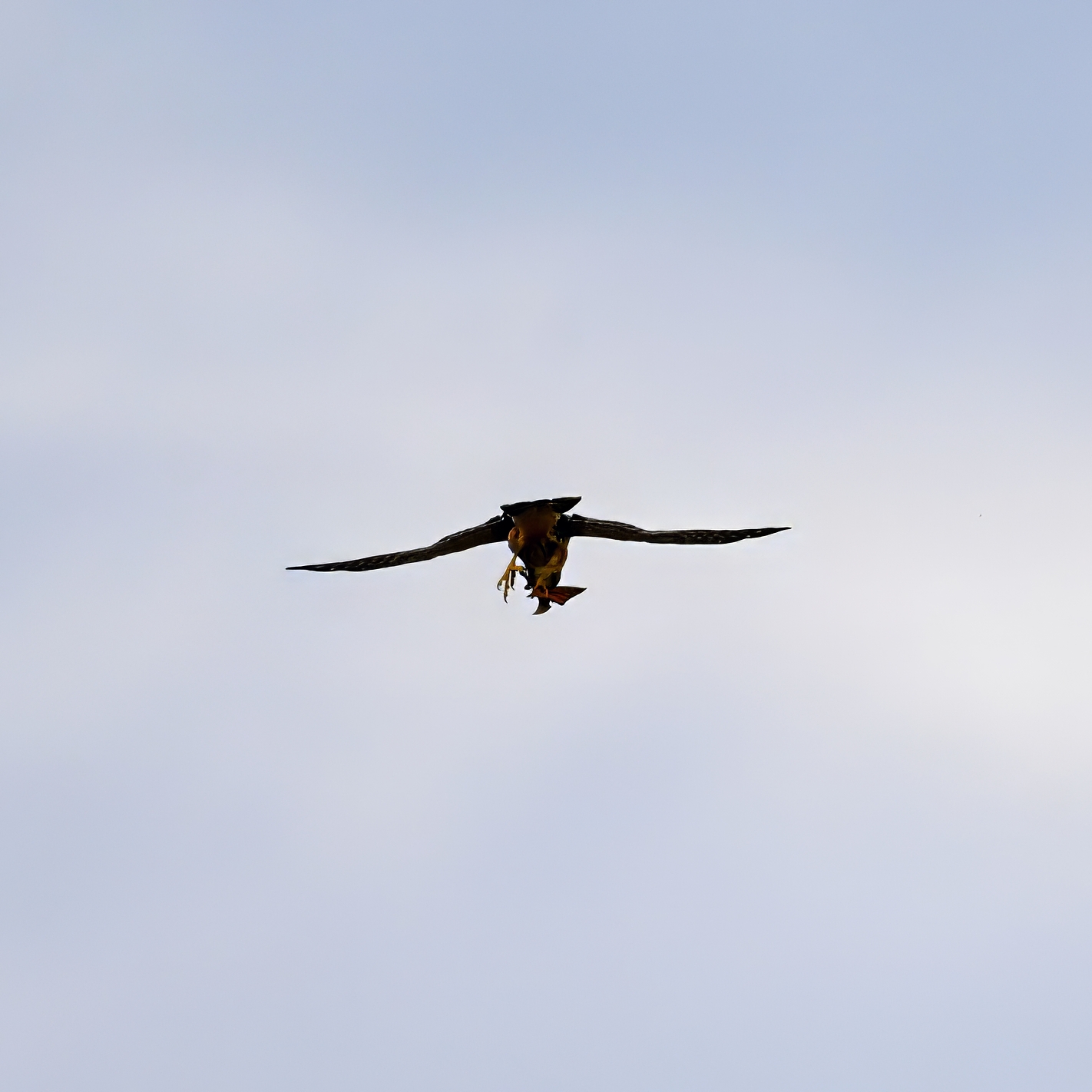
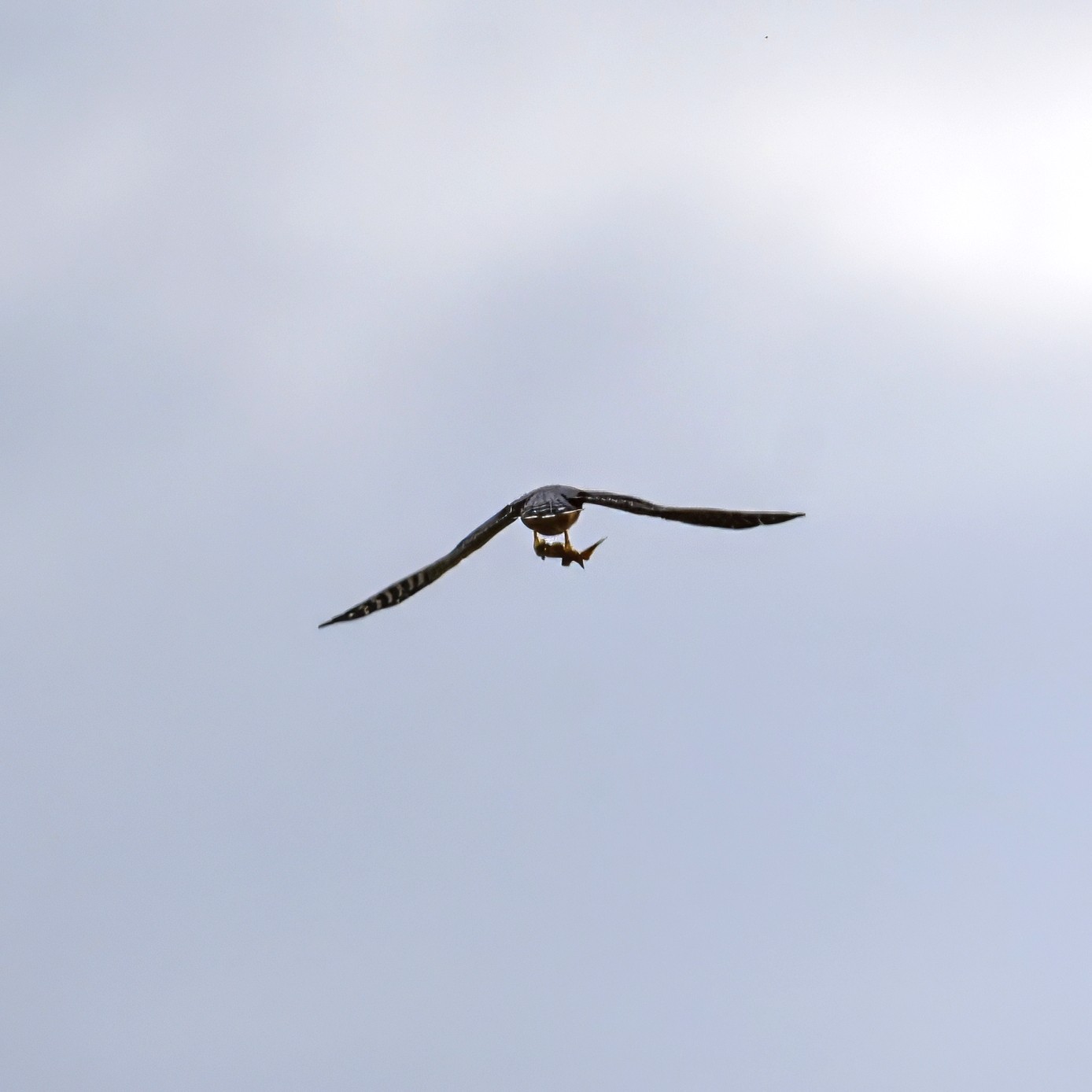
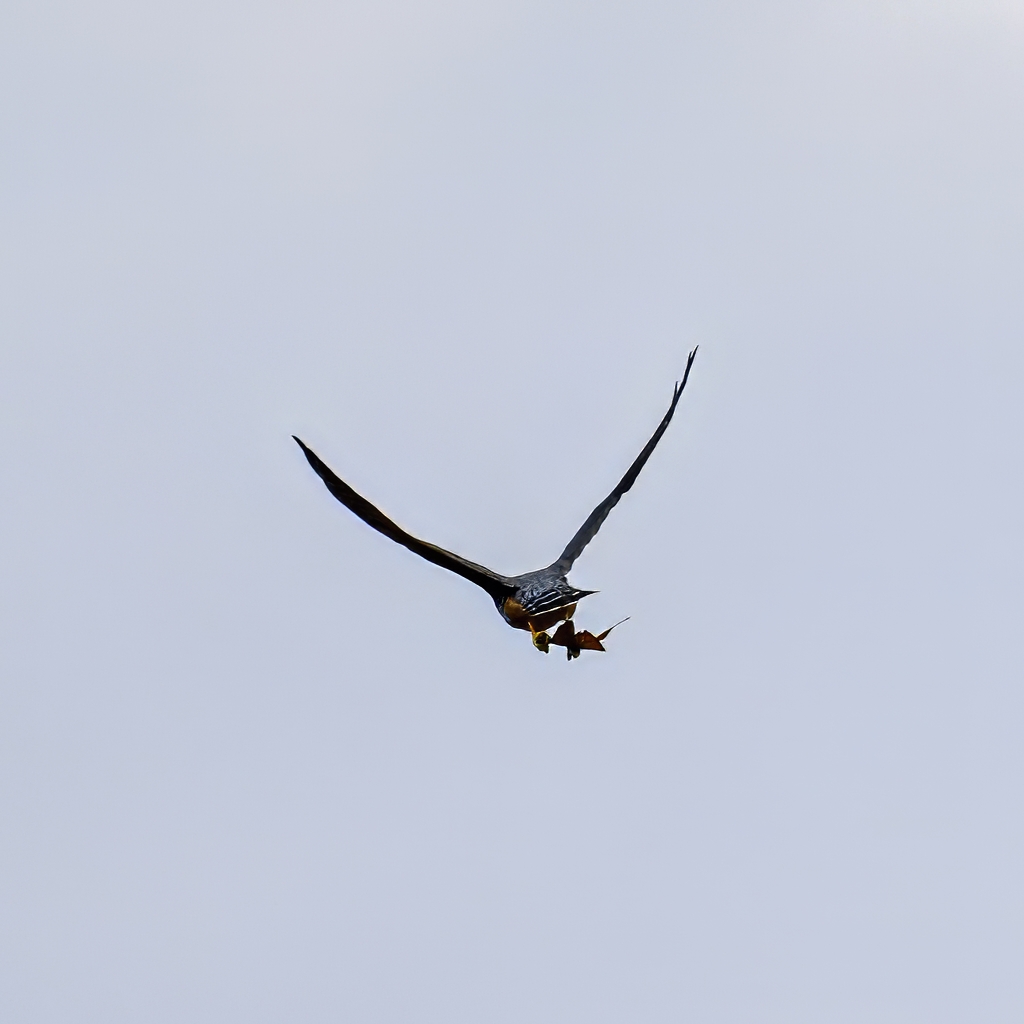
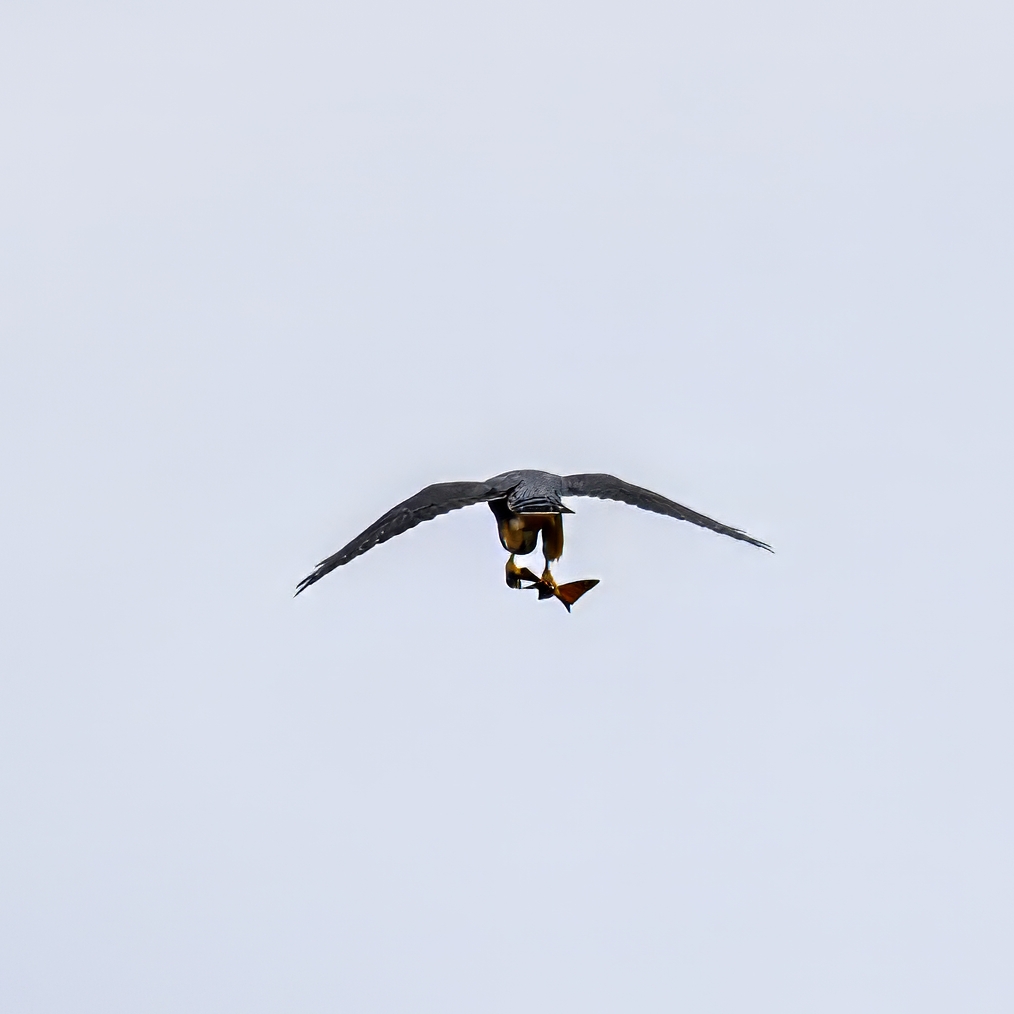
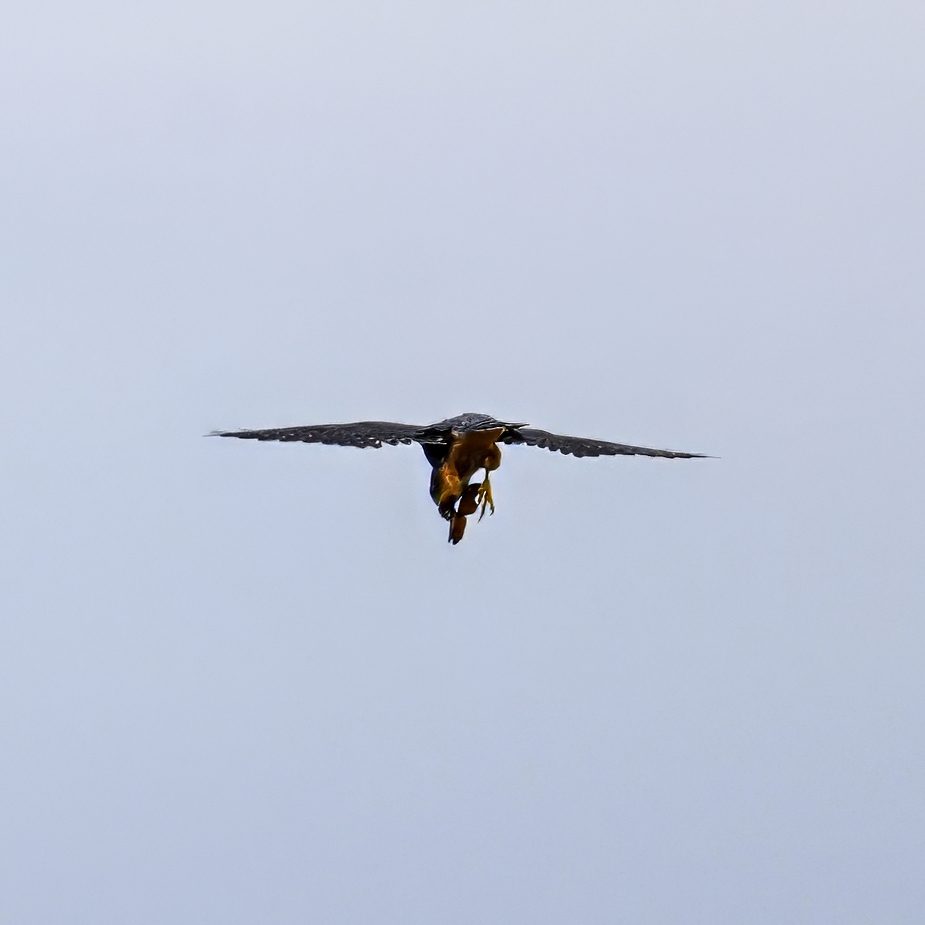
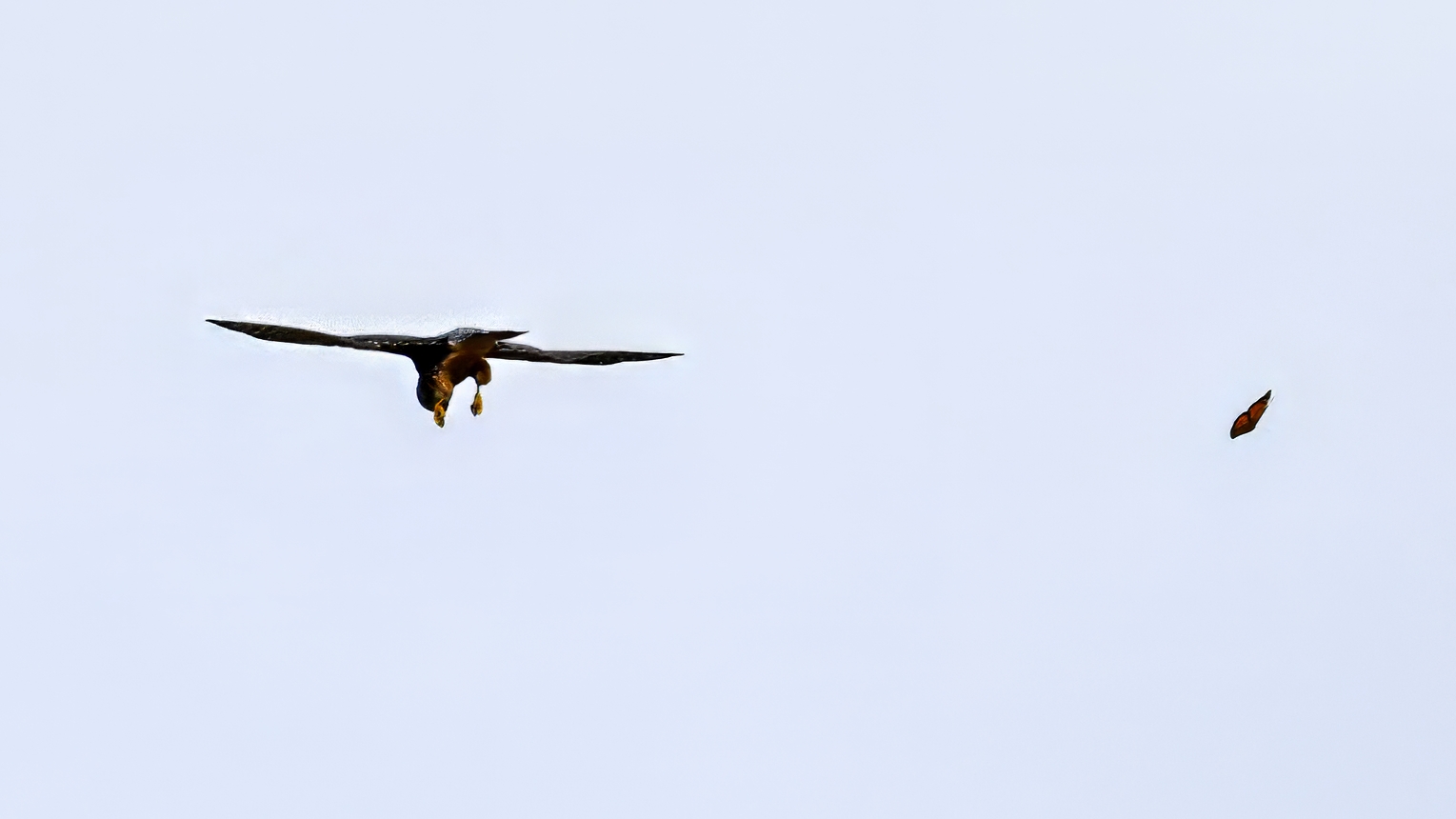
Suddenly, the Merlin took to wing, swooping in to capture a Monarch in flight:
Merlins are known for capturing small birds and insects in flight, but Monarch butterflies are mildly poisonous = not commonly eaten except for a couple of species (e.g., Black-headed Grosbeaks and Black-backed Orioles) resistant to its toxins.
Taste test?
After flying with its prey for a few seconds, the Merlin realized its mistake and released the butterfly, which, surprisingly, seemed unharmed and flew away:
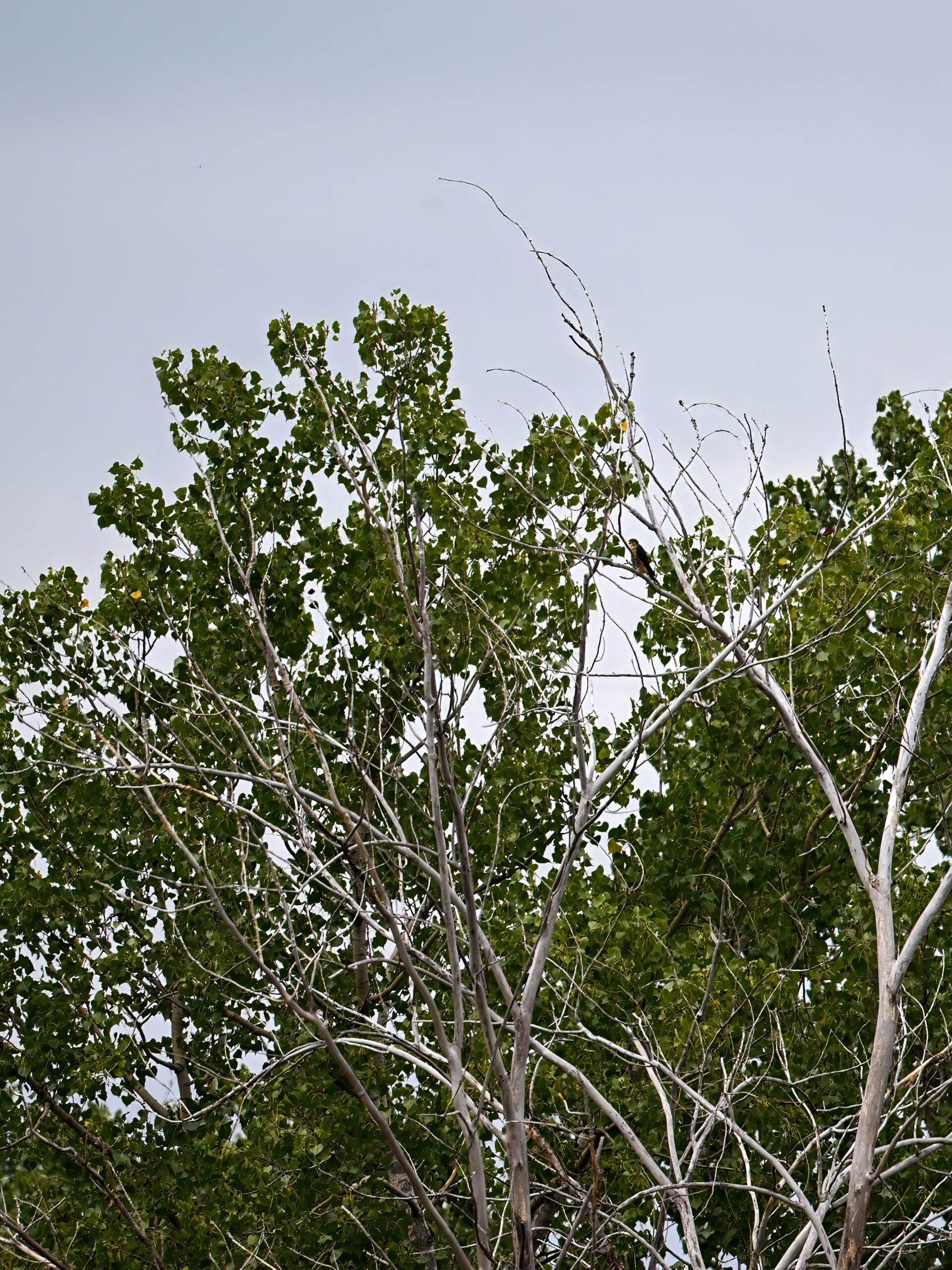
Re-perched (right of upper middle)
Slow day yesterday at the park, but great to see this fascinating behavior.
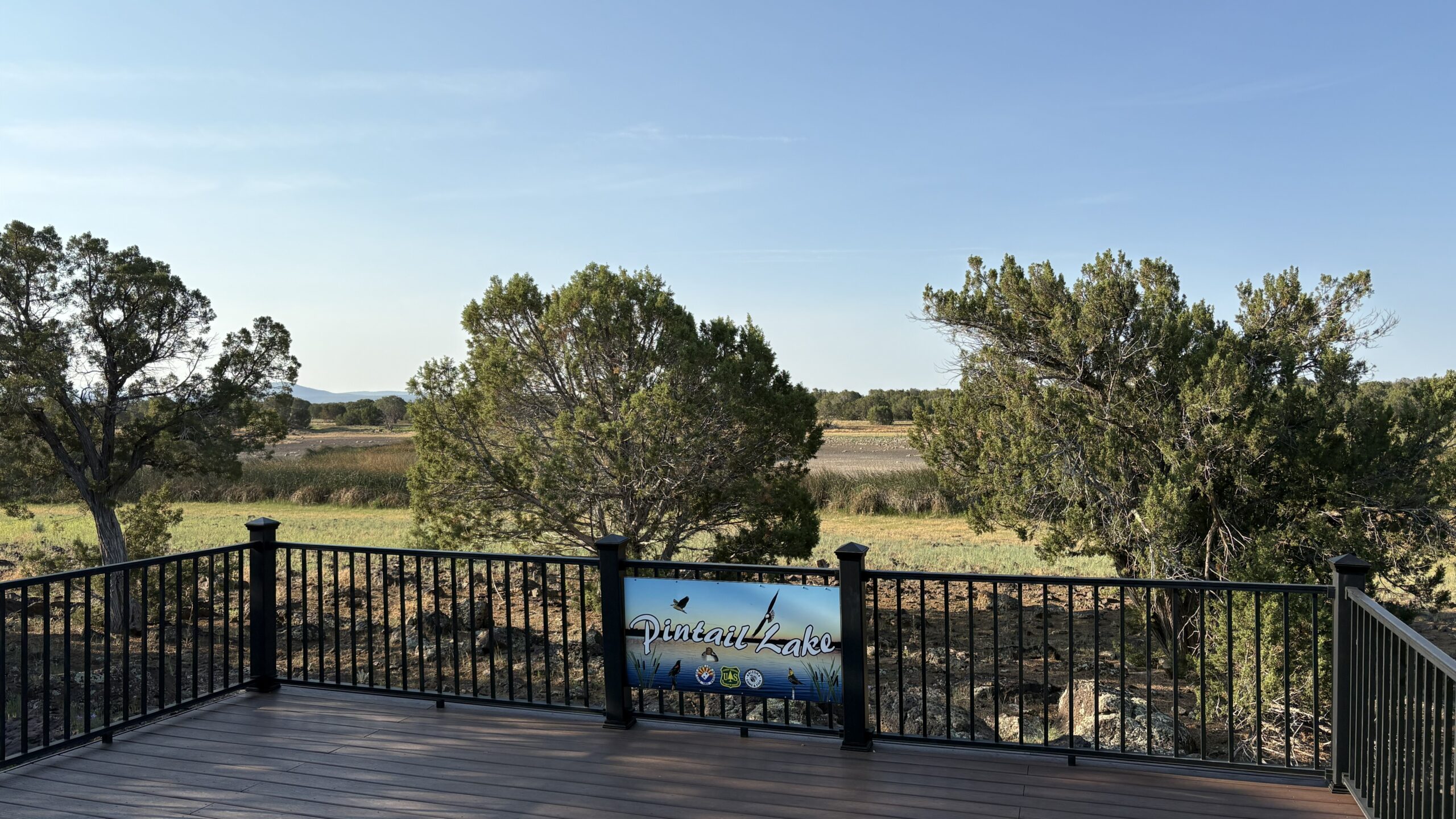
Part 2 of a morning at Pintail Lake outside Show Low, Arizona. Normally from the observation deck you’d see water just past the reeds, but on this occasion things were unusually dry. Perhaps a problem with the water supply from town.
Observation deck, w/ dry lakebed in distance
Nevertheless, in the area closest to the parking lot and main access, there was one remaining substantial pool, very popular with White-faced Ibis and various waterfowl:
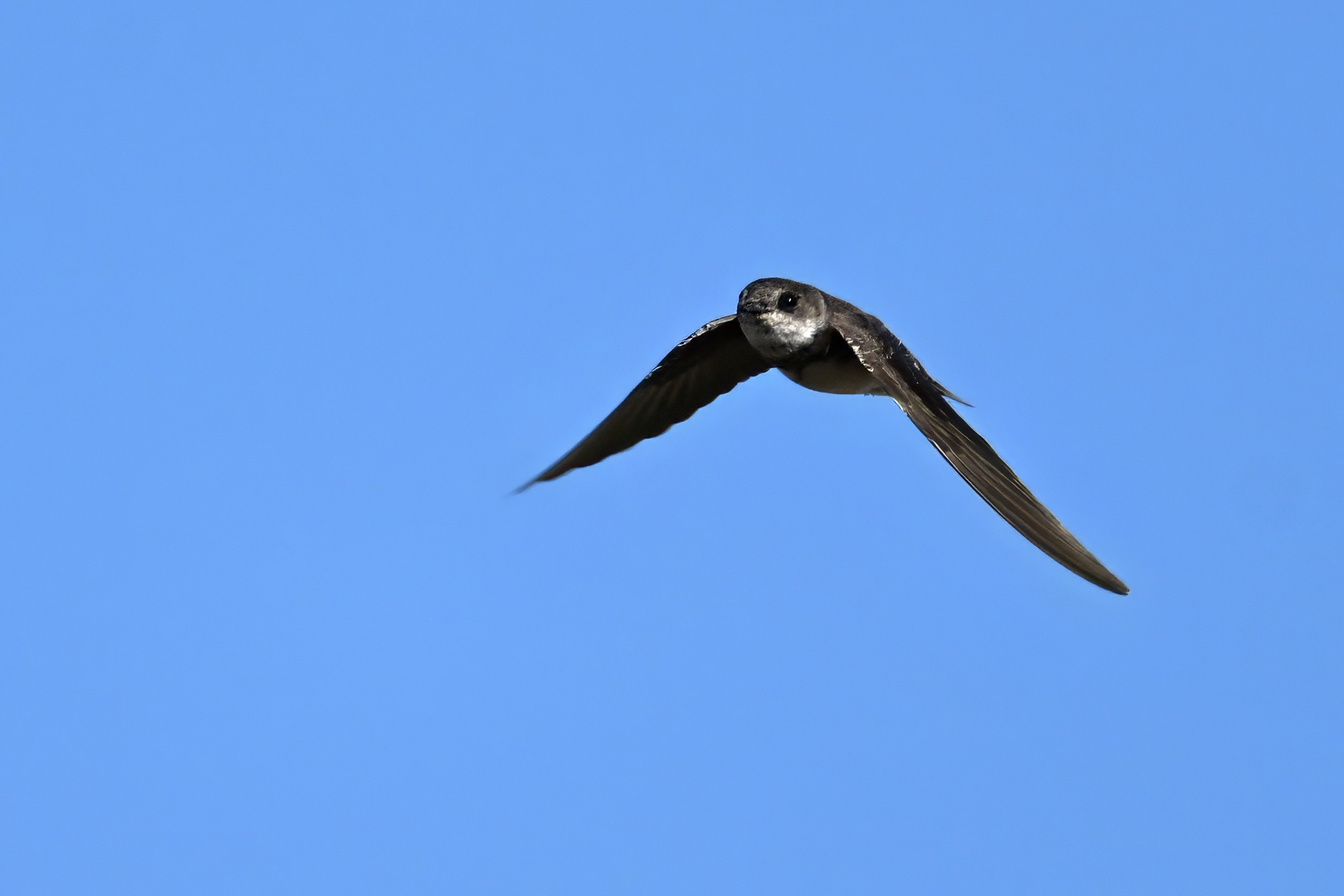
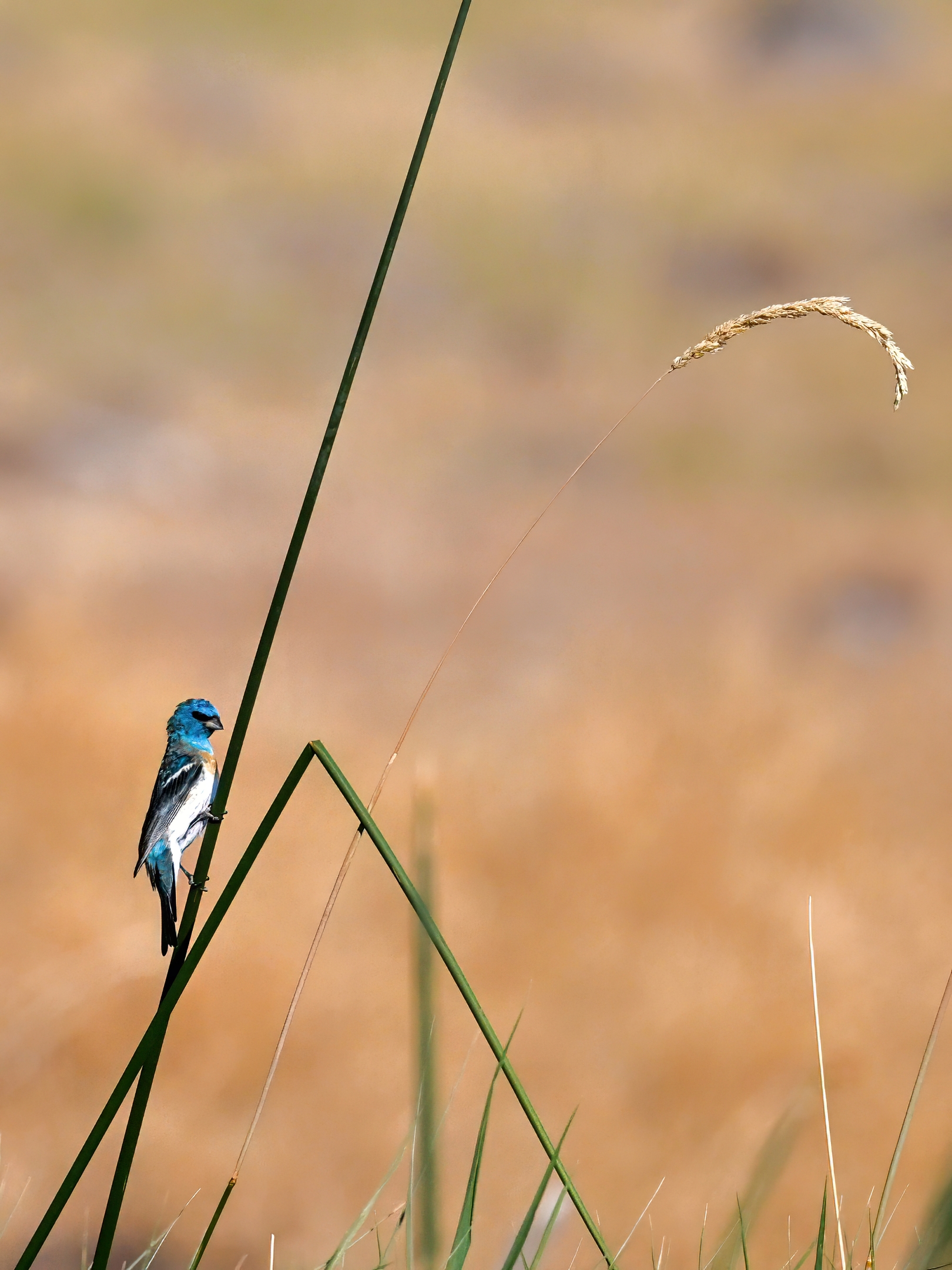
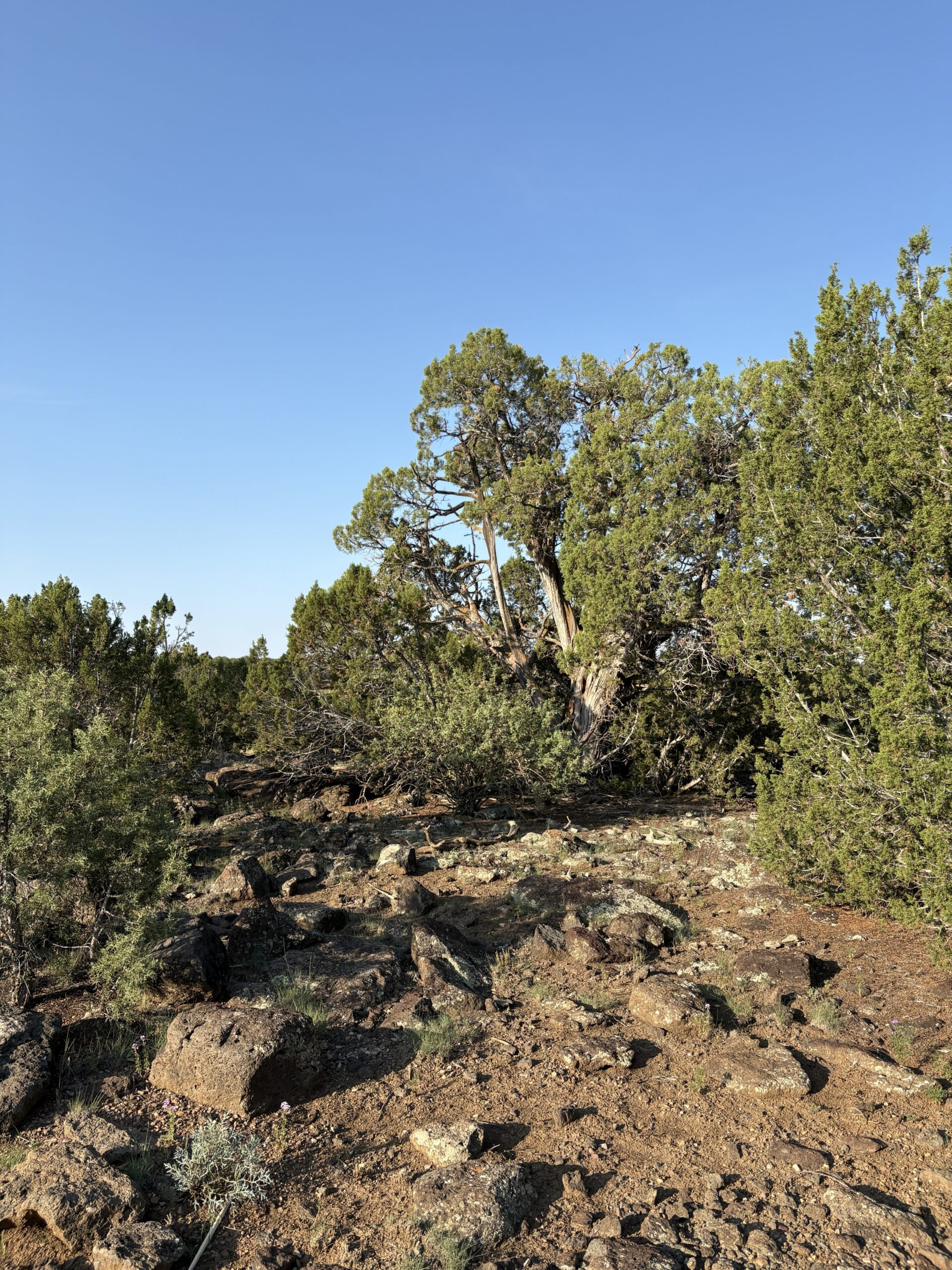
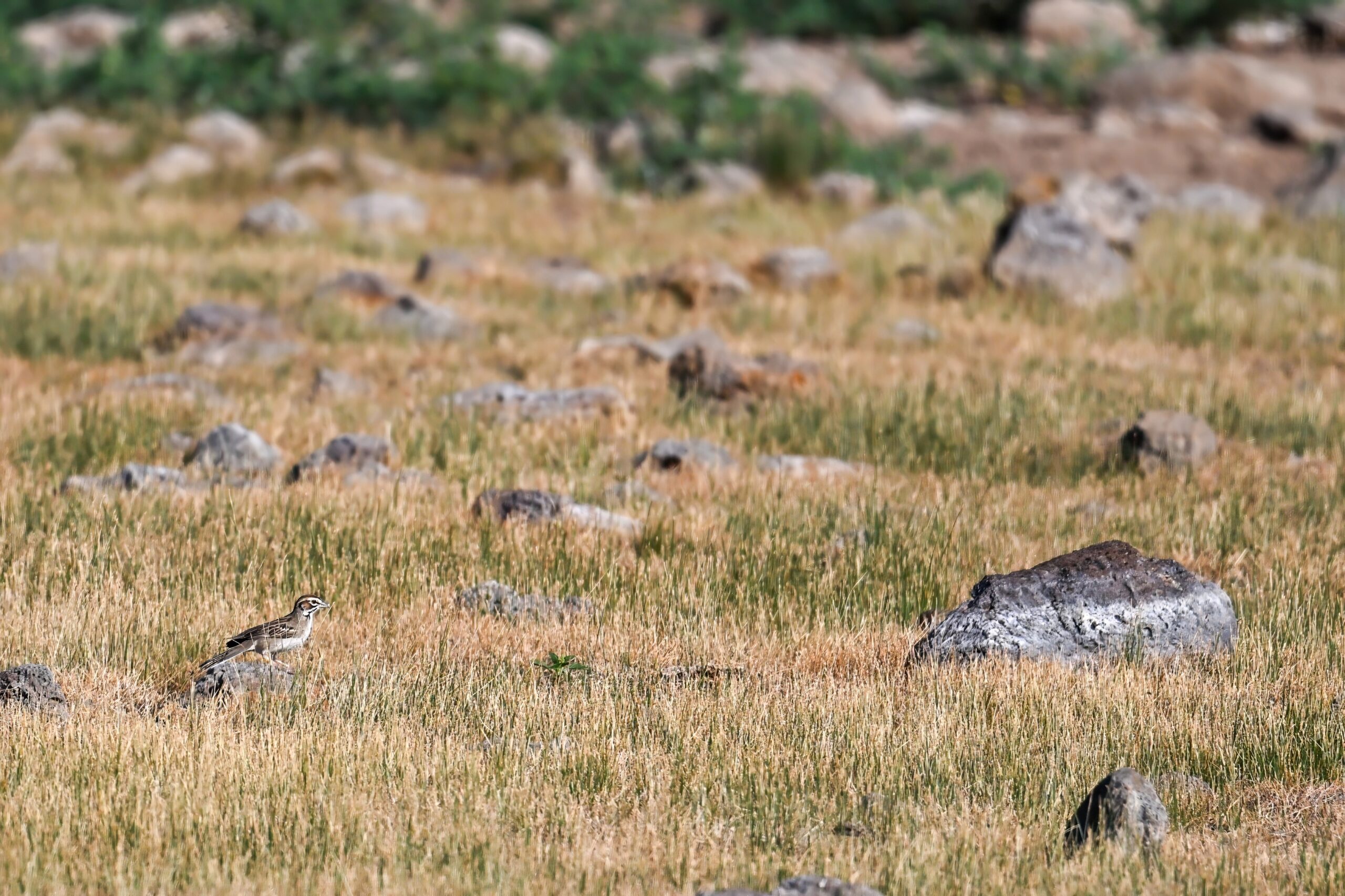
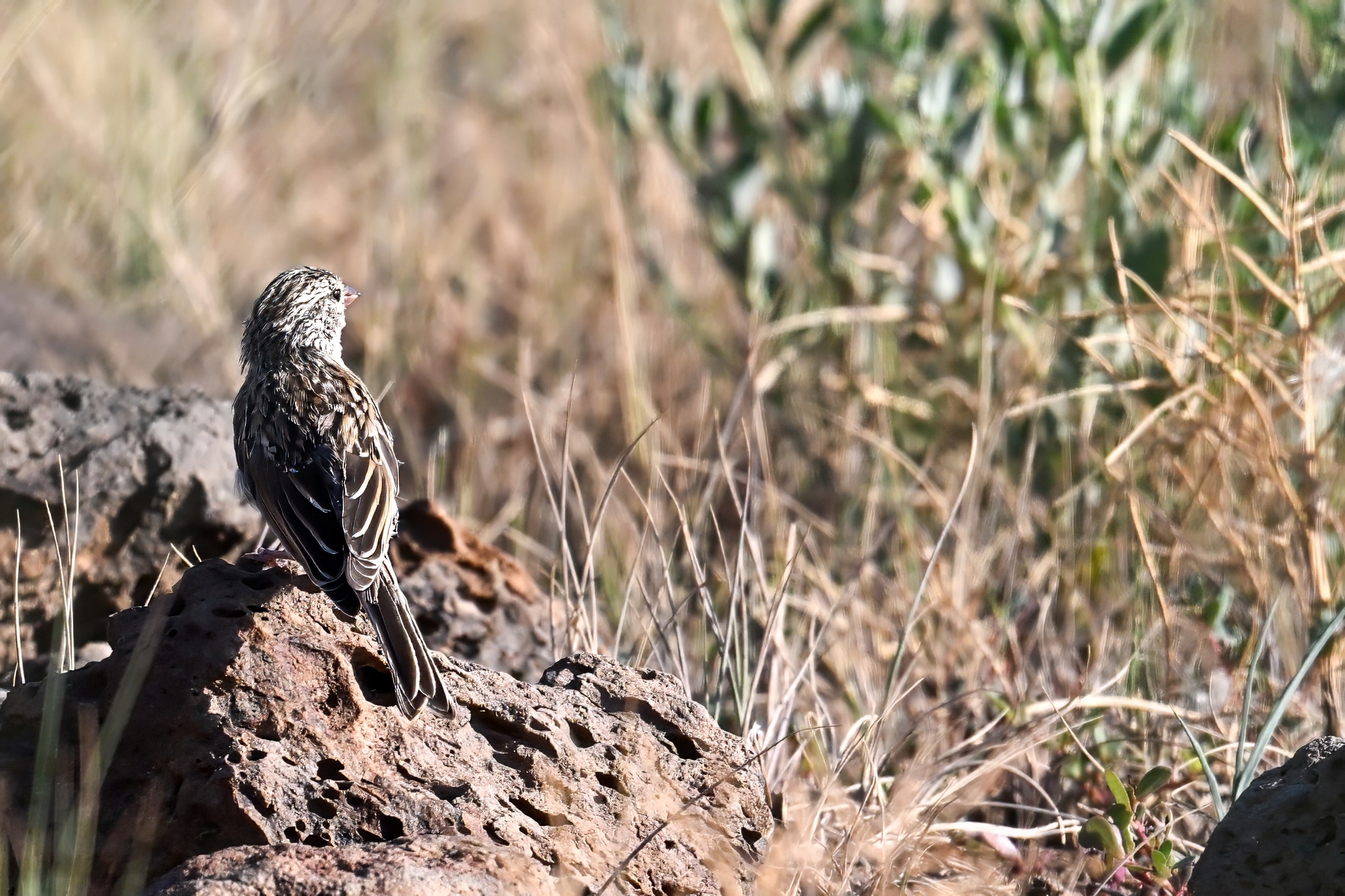
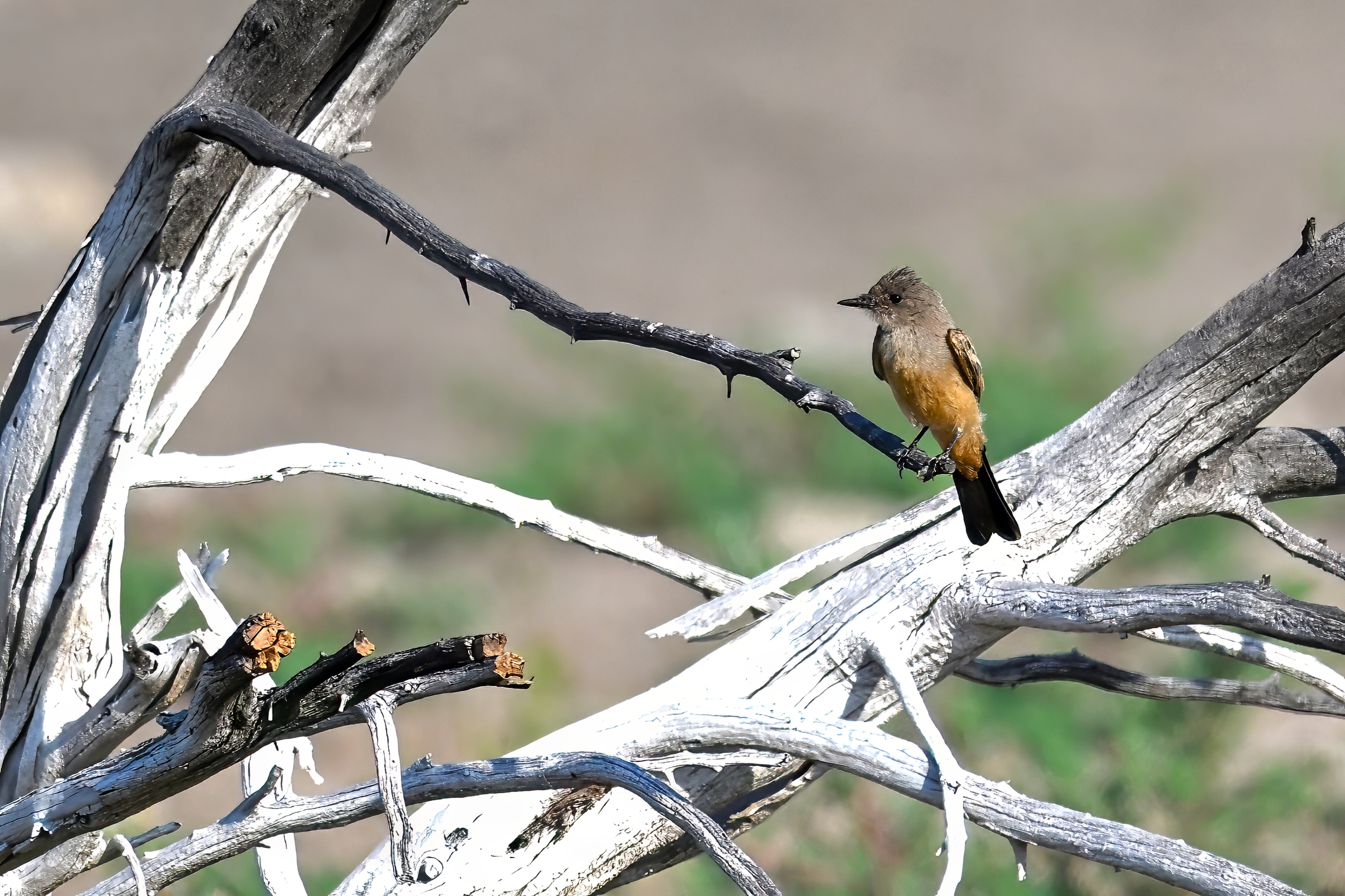
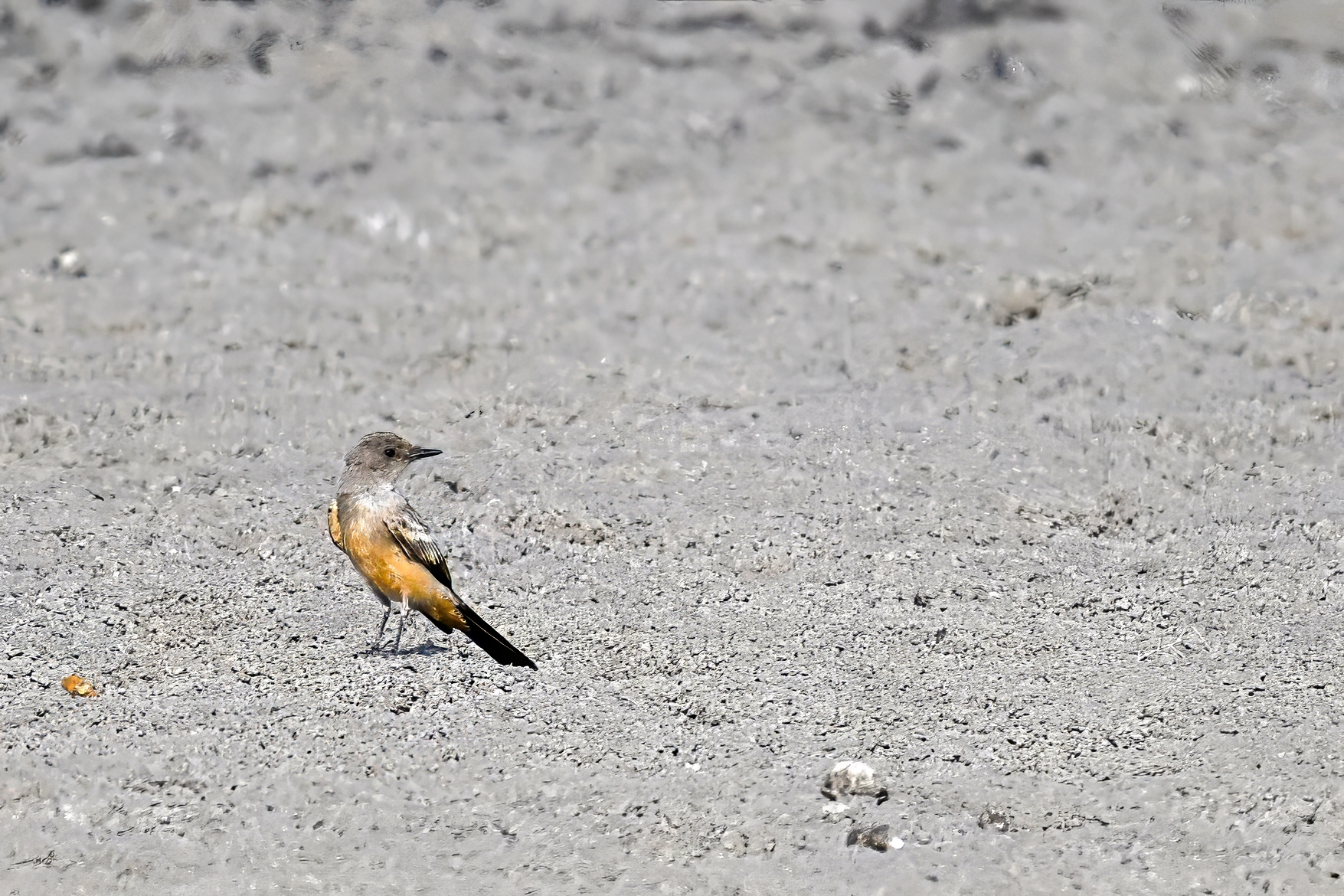
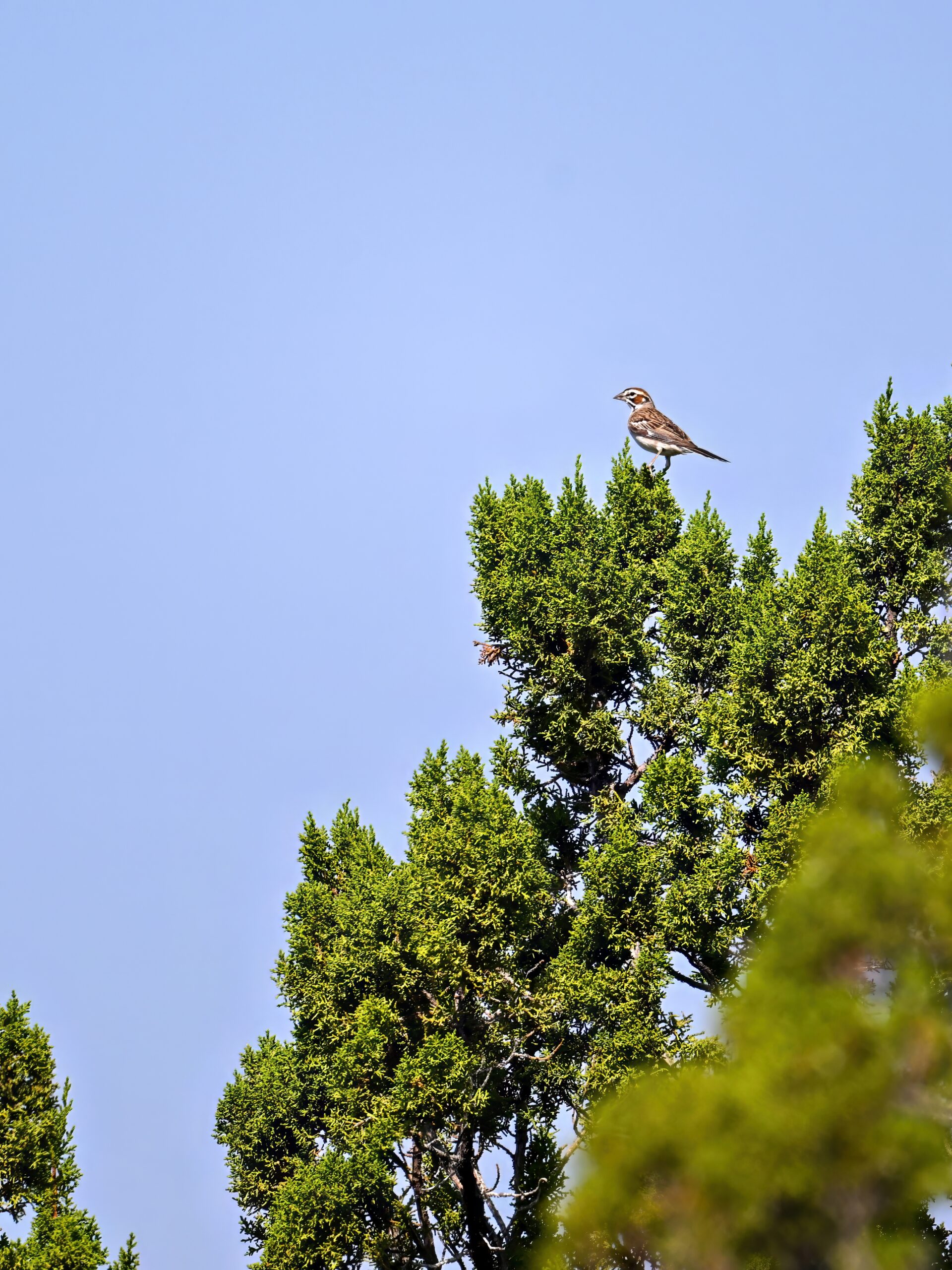
White-faced Ibis (non-breeding plumage)Probably Tree Swallow (juvenile)Male Lazuli BuntingVolcanic rocks + junipersIbis IILark SparrowIbis IIIBrewer’s SparrowIbis IVJuvenile Common YellowthroatFemale Western TanagerSay’s PhoebeIbis VYellowthroat IIIbis VISay’s Phoebe II
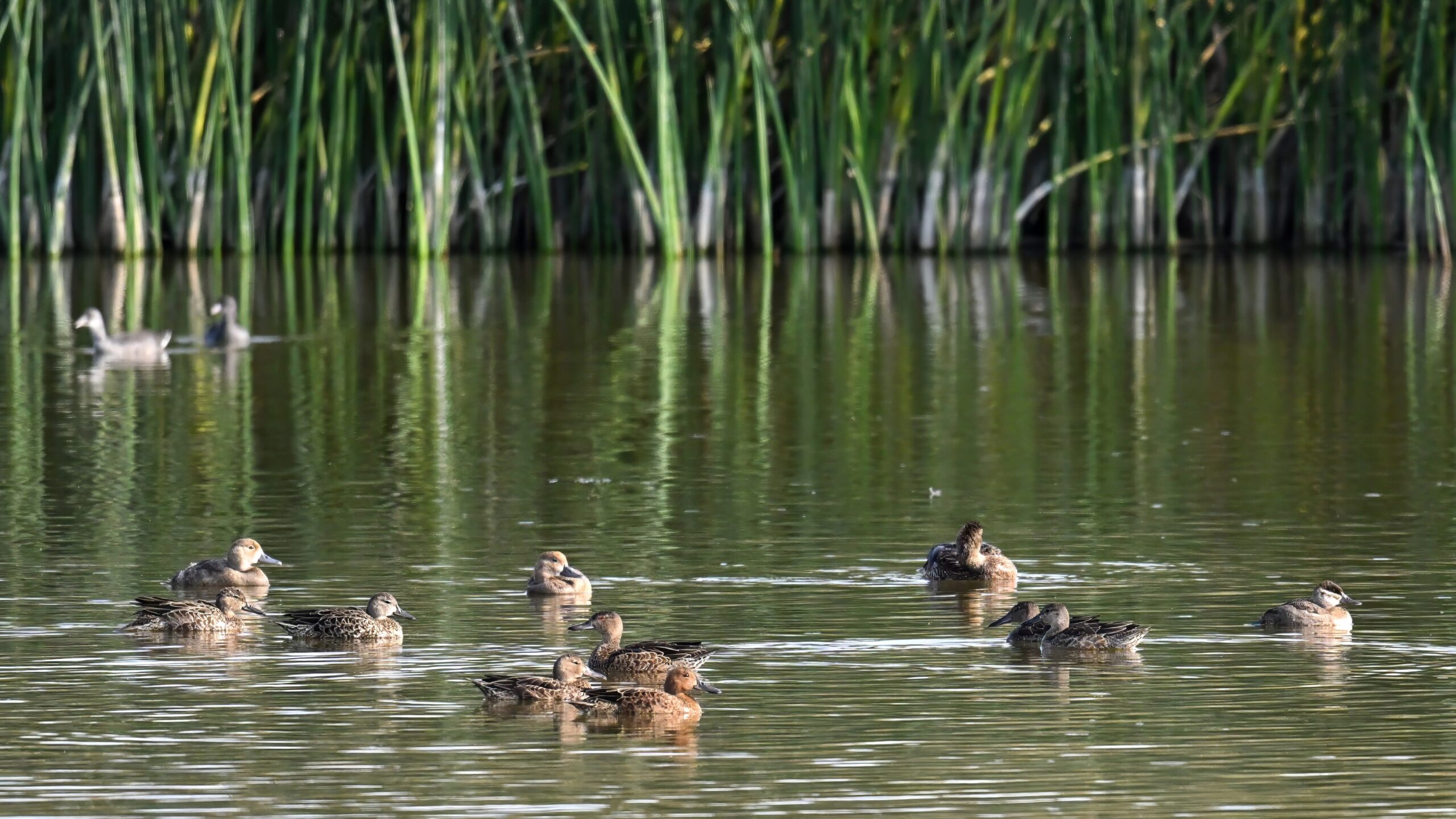
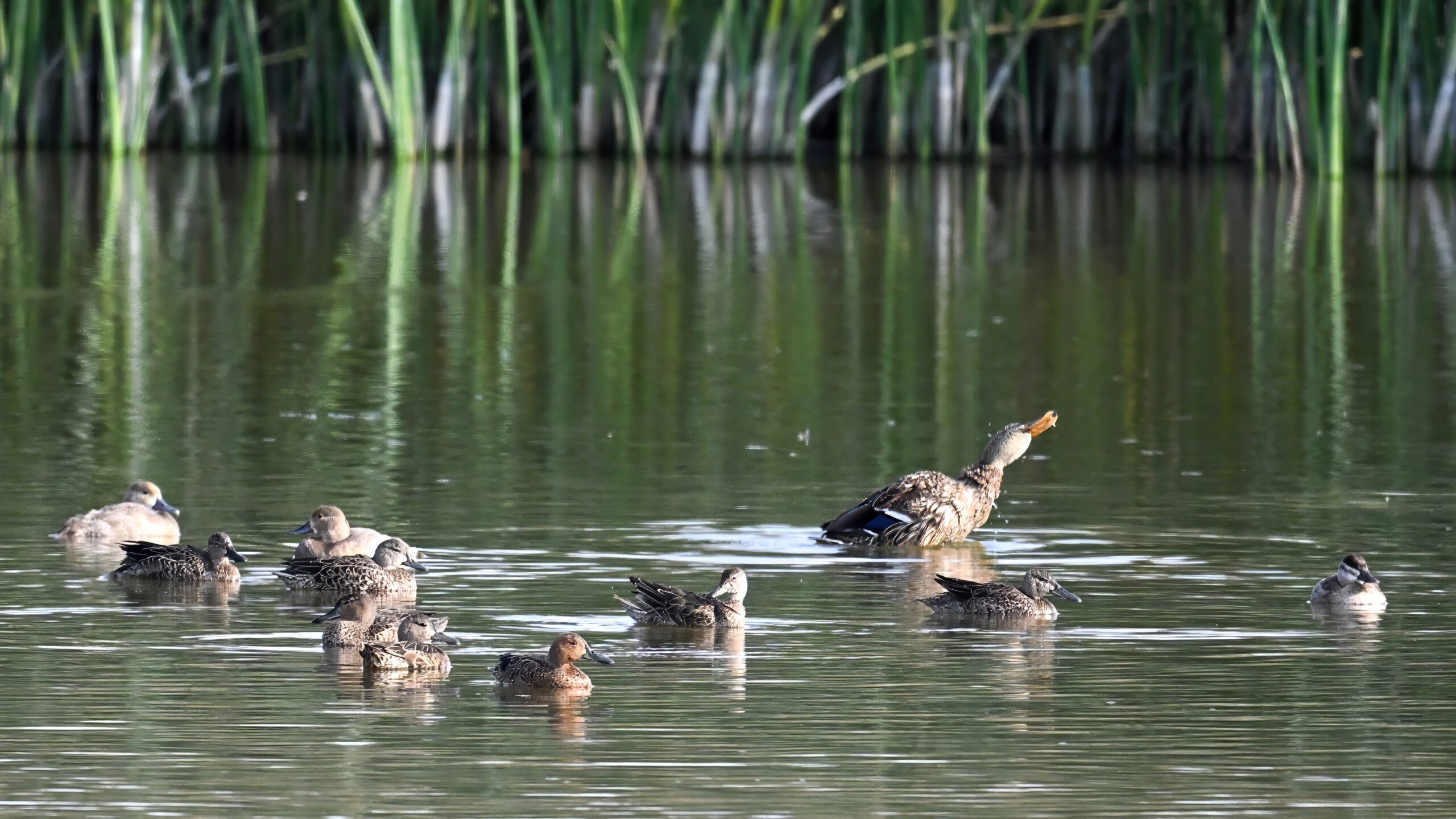
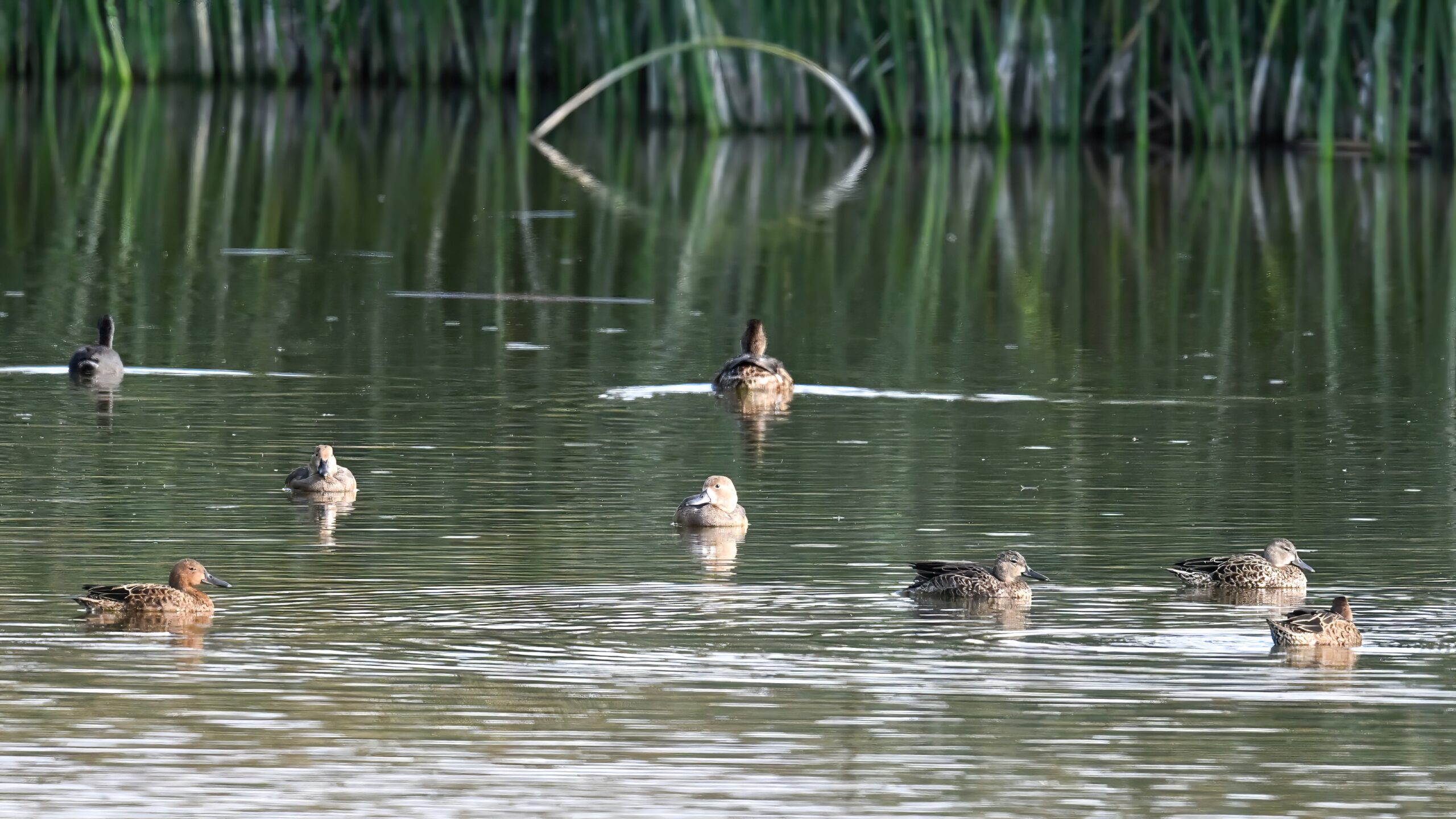
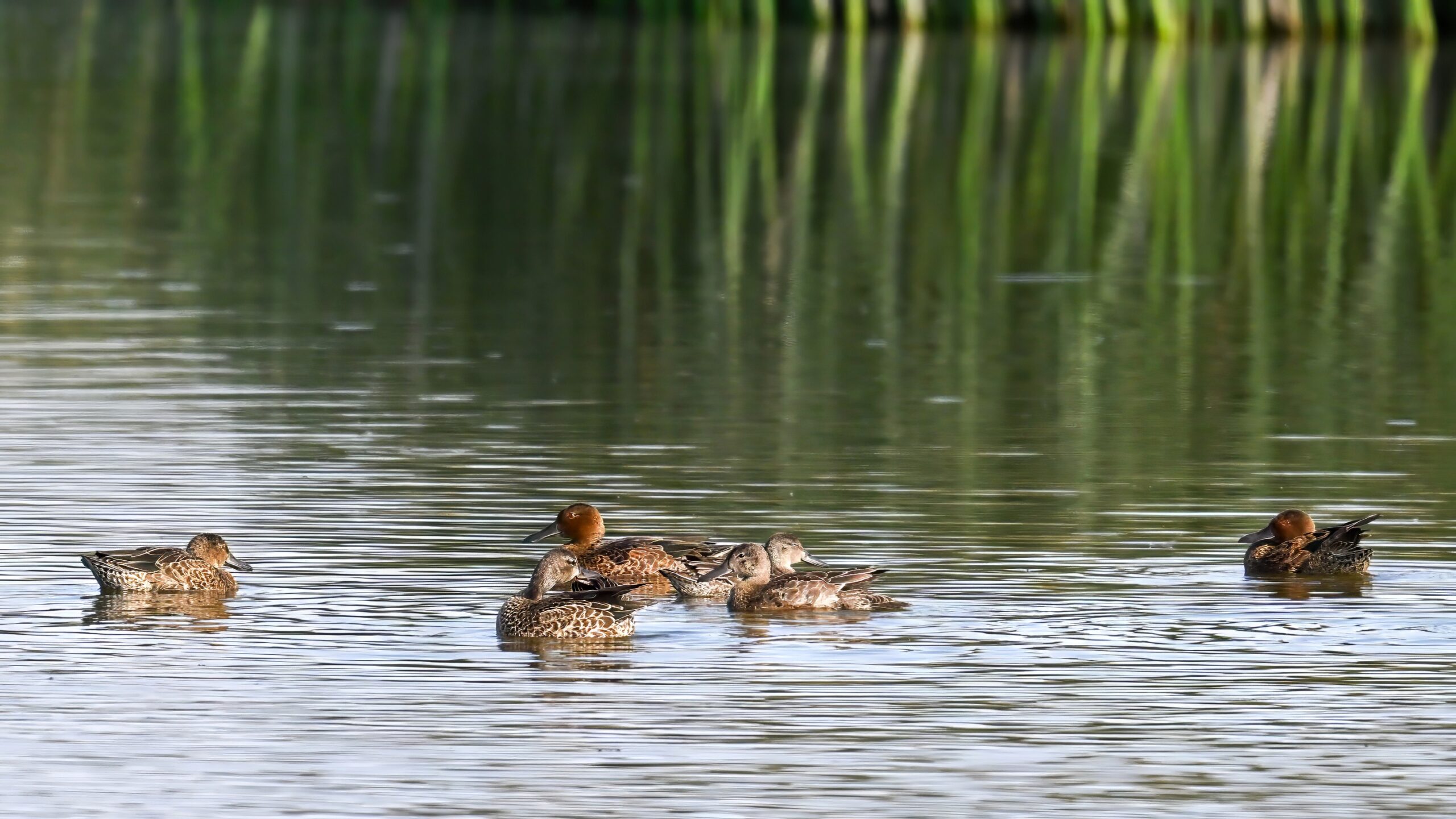
In following shot – Ruddy Duck (far right); American Coot (upper left); Cinnamon Teal (middle left); possibly a Northern Pintail or Redhead: