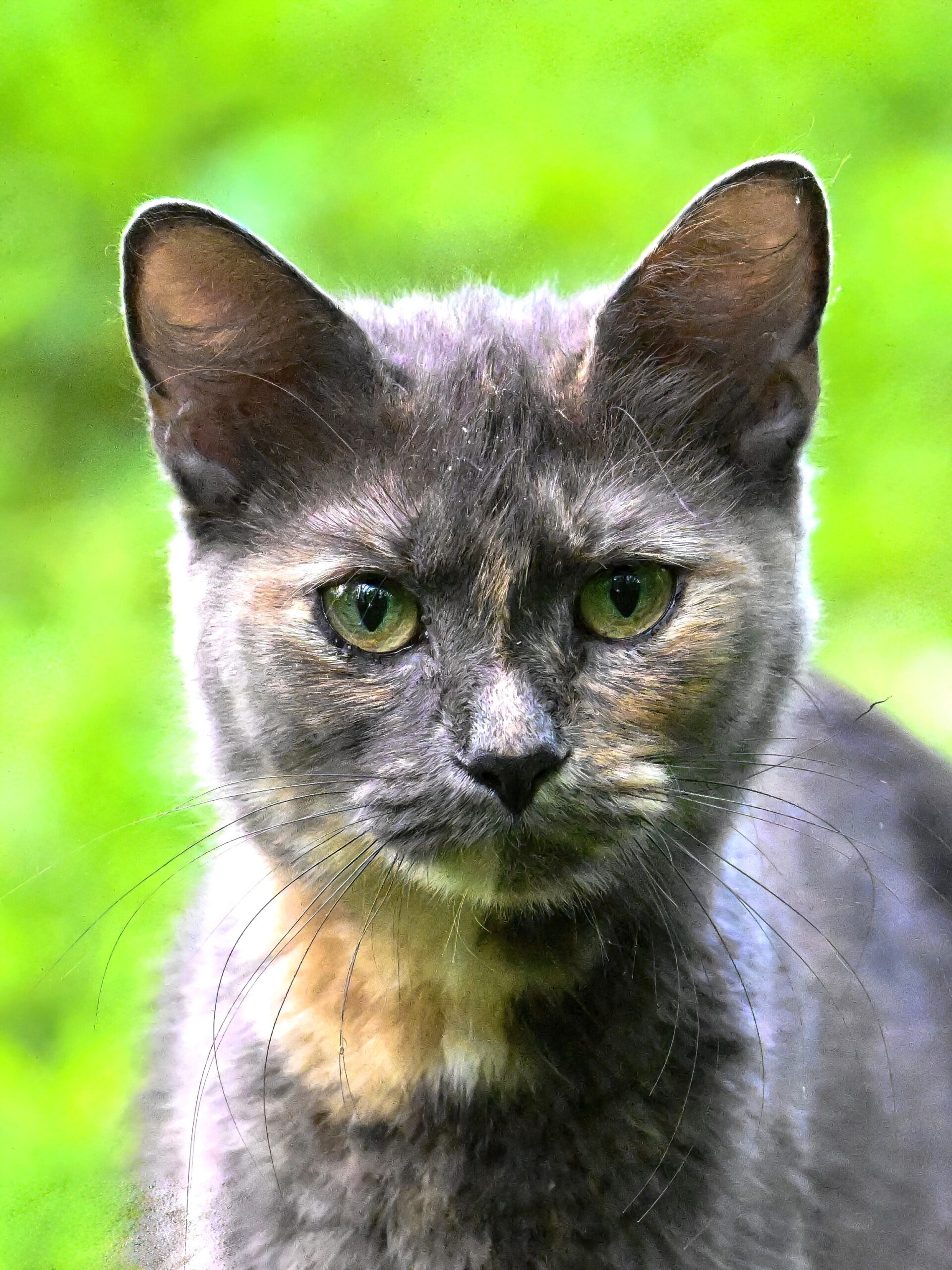
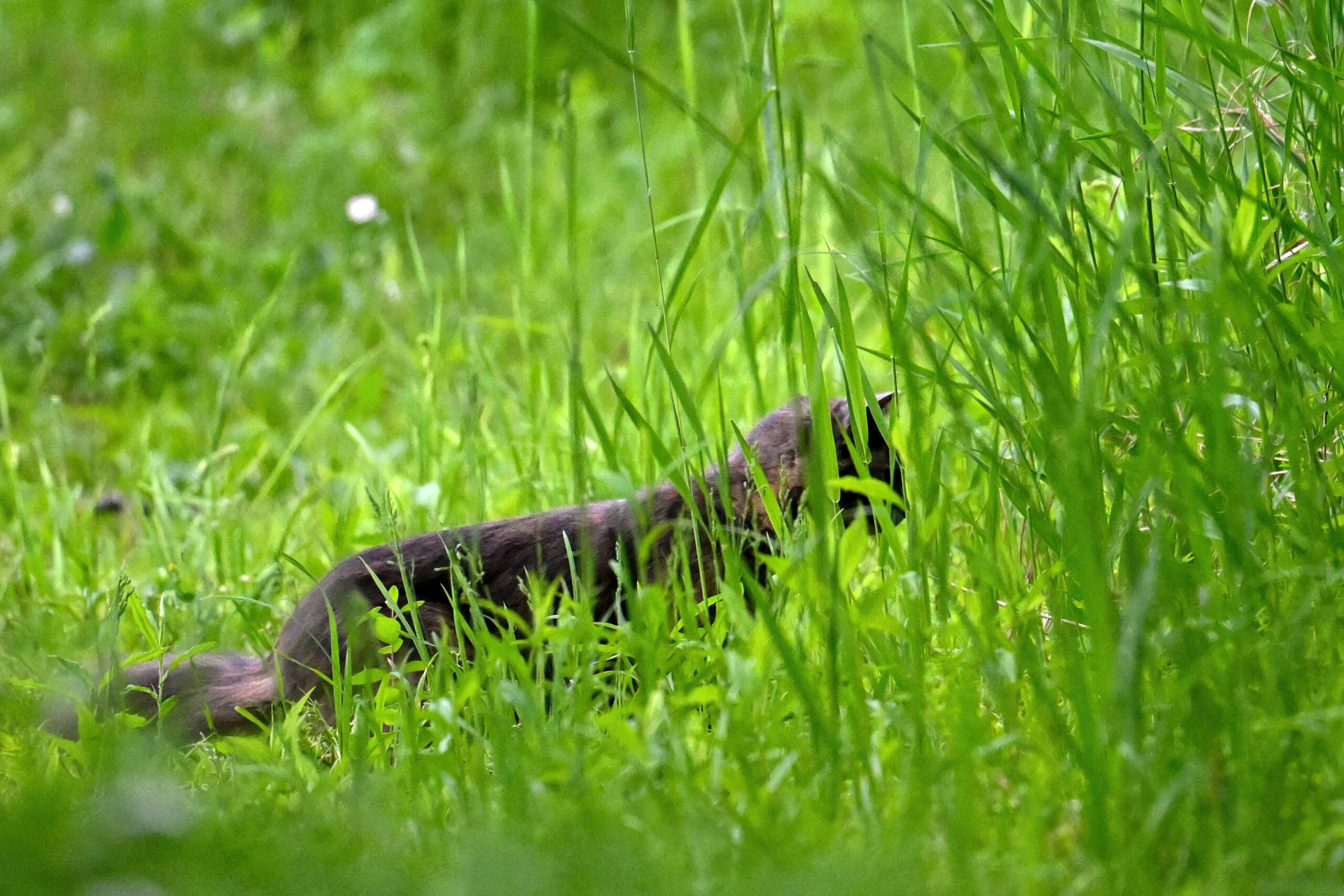
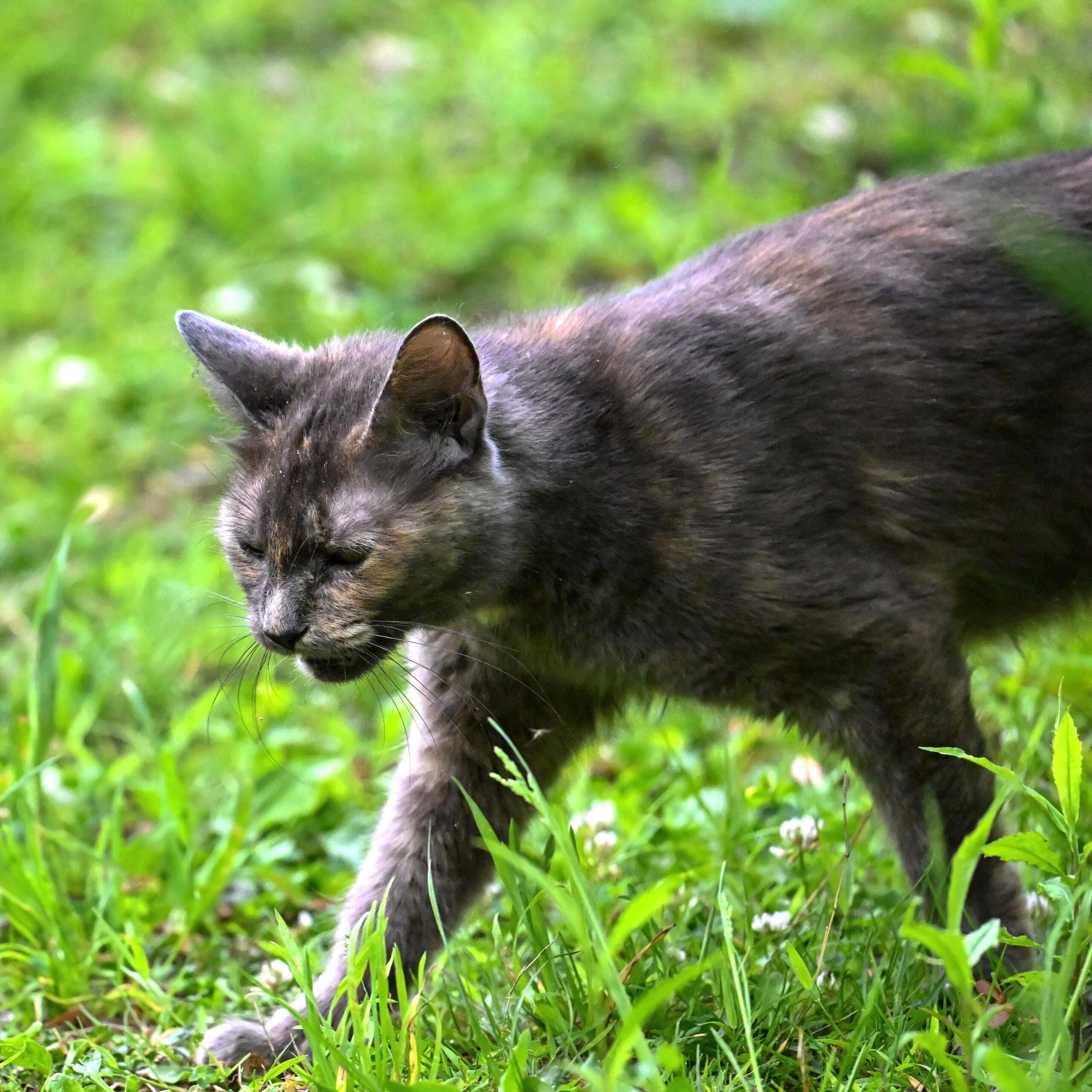
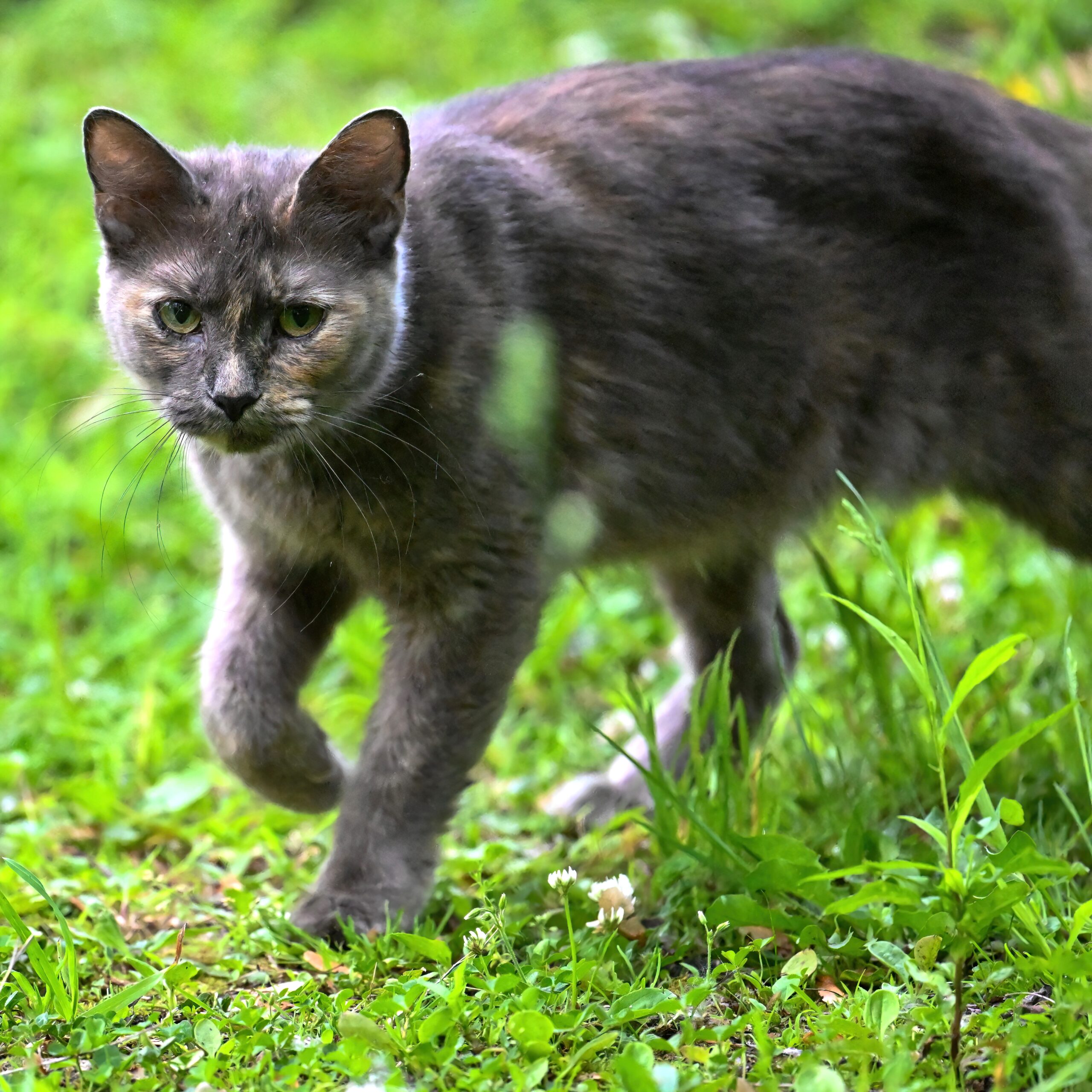
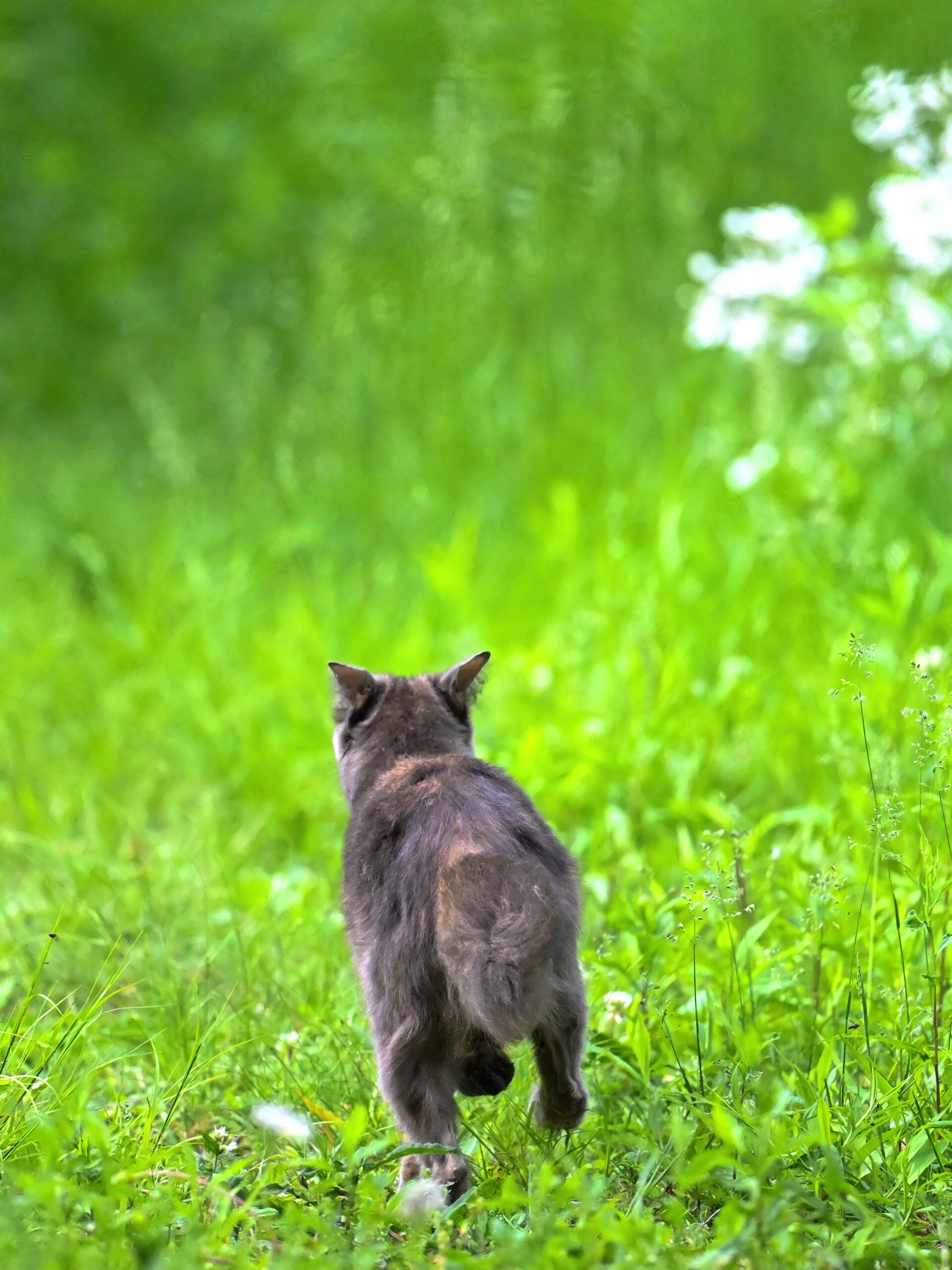
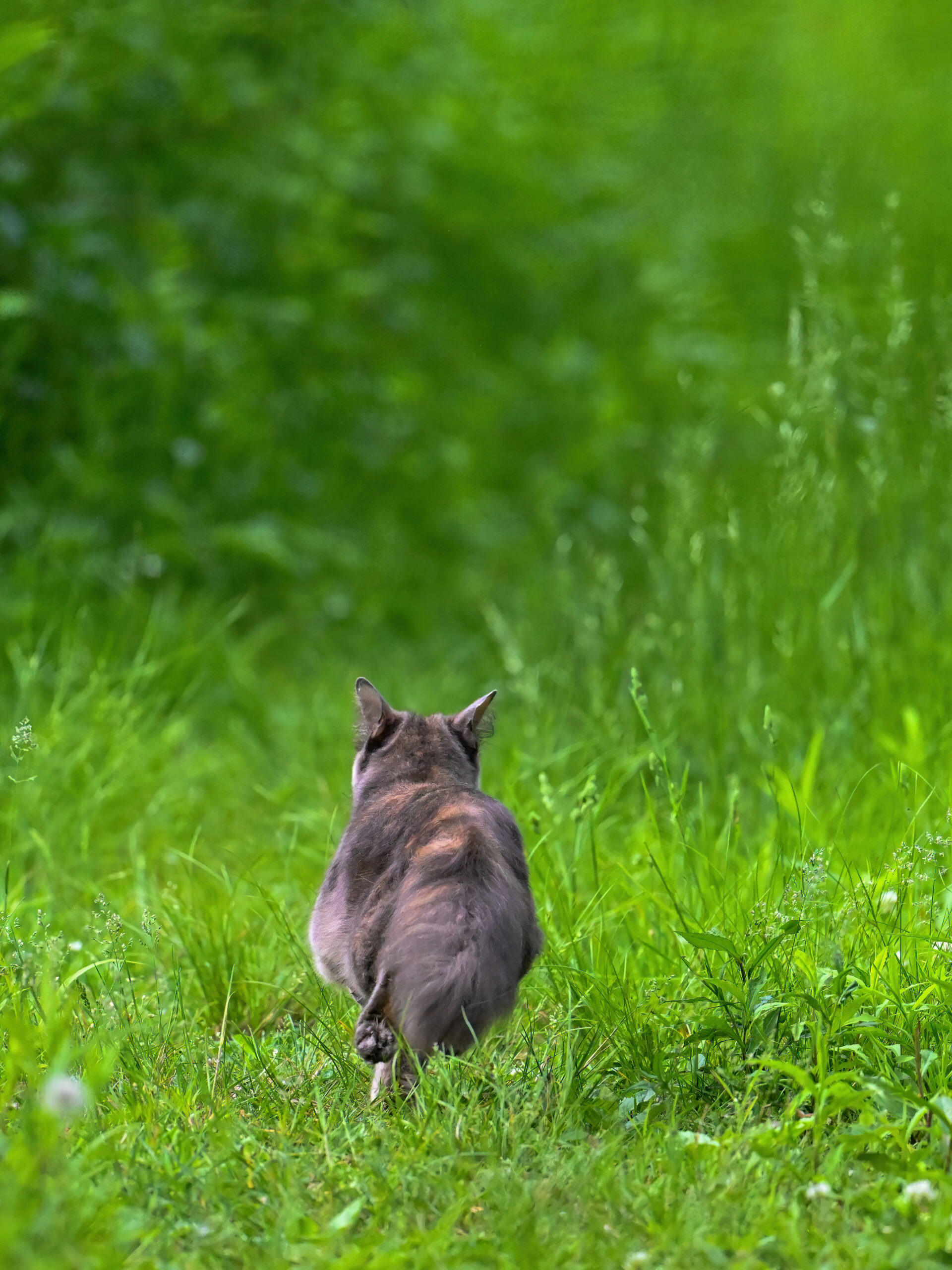
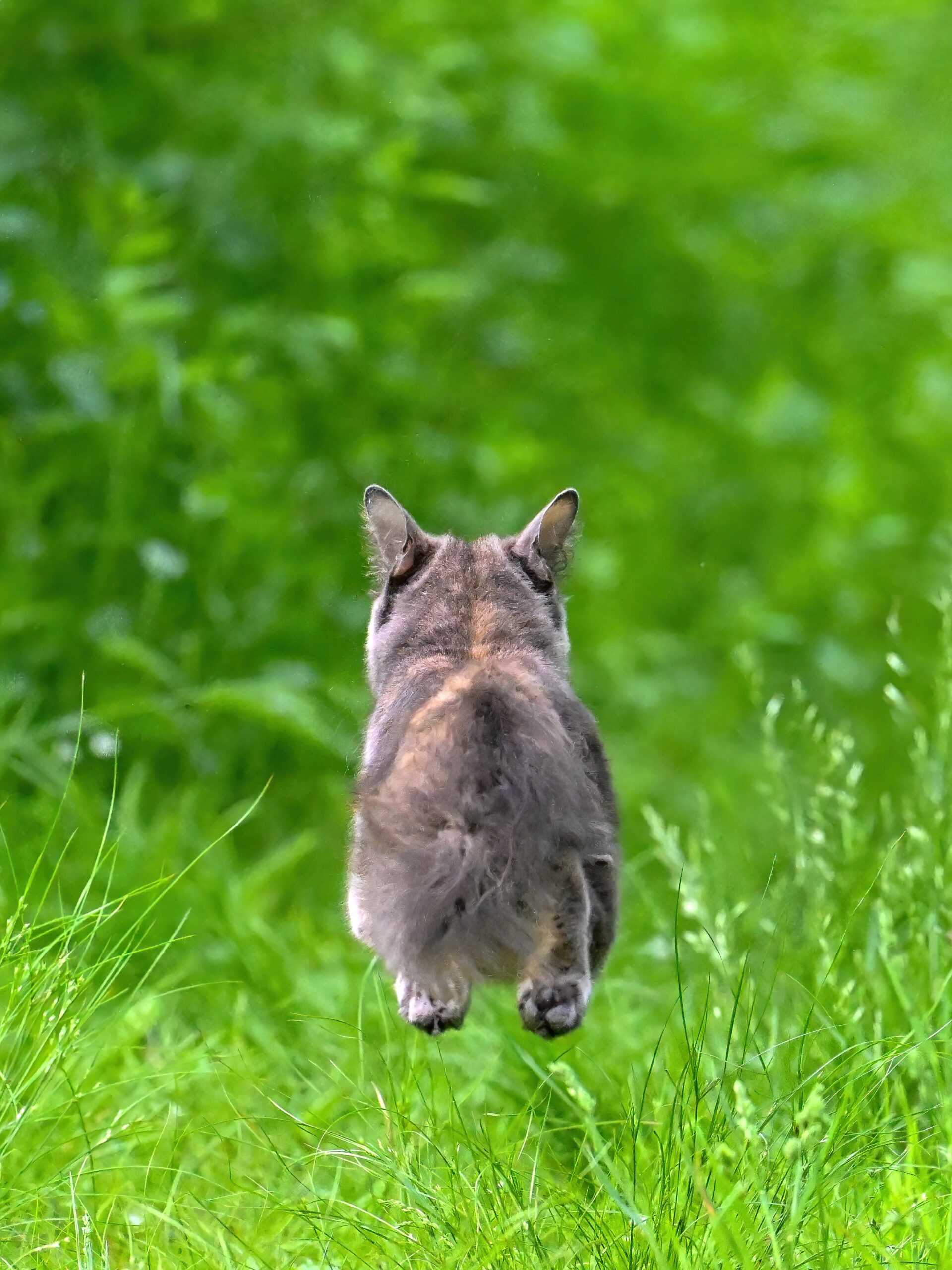
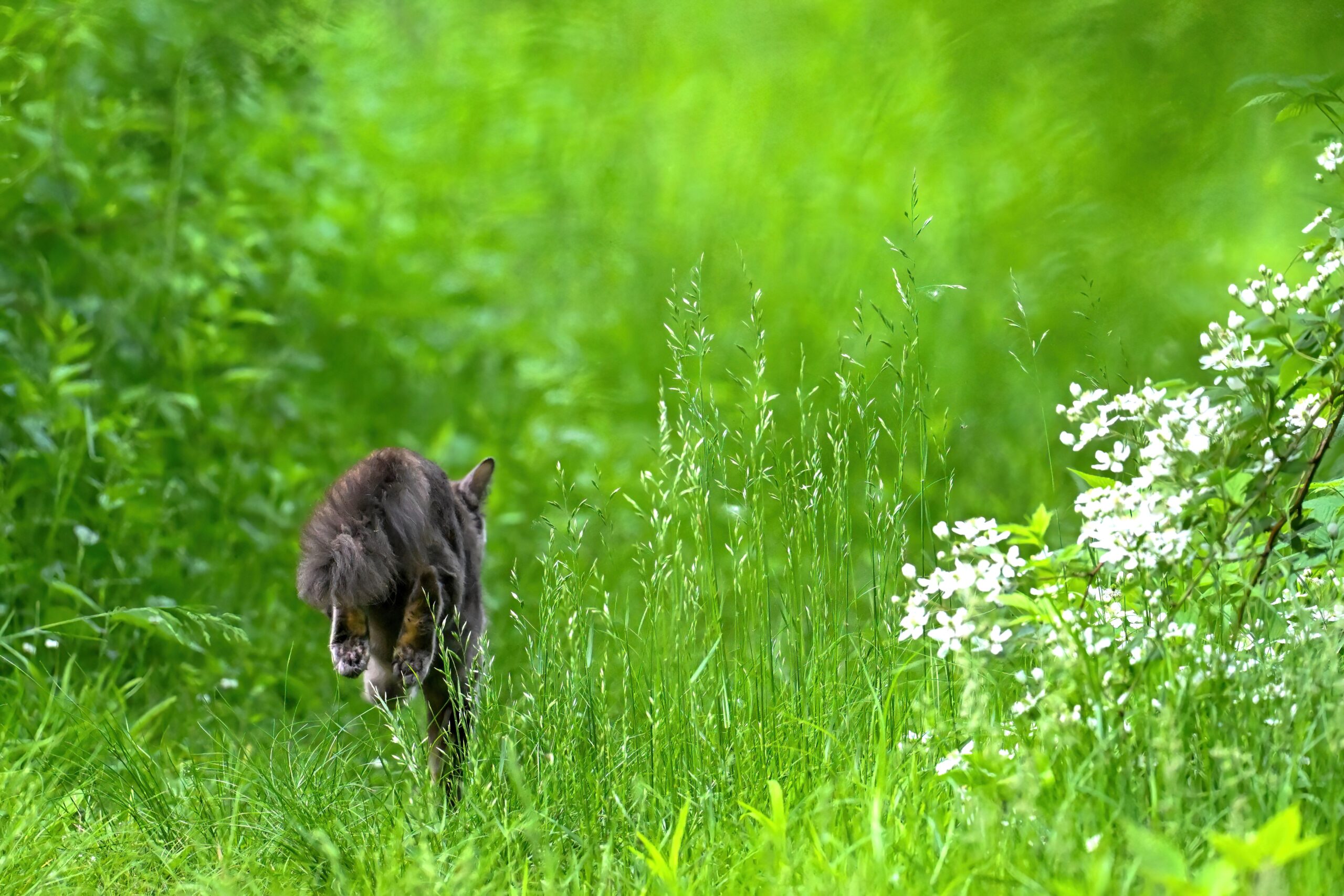
“Dr. Science, I didn’t know there was a feral cat population in Presque Isle State Park!”
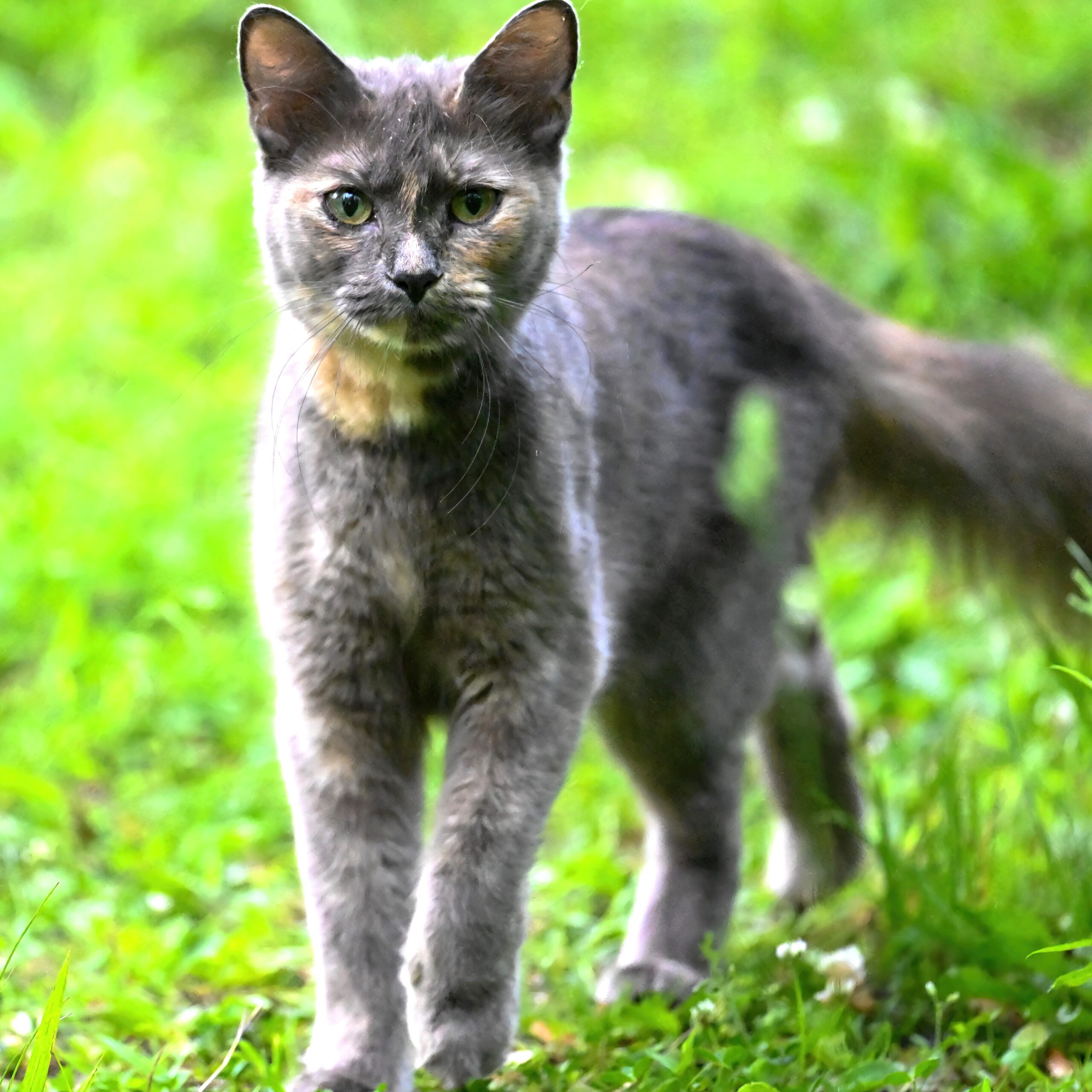
Feral (?) House Cat (Felis catus)
“Yes, Joey, there is. Although due to harsh winter conditions, ‘population’ more likely means transient individuals, such as strays wandering in over the ‘land bridge,’ or abandonments, or perhaps wide-ranging house cats from nearby neighborhoods.”
Hunting along the Duck Pond Trail
“Dr. Science, a ‘wide-ranging house cat from a nearby neighborhood’ wouldn’t be feral exactly, right?”
The hunt appears unsuccessful
“You’re very astute, Joey. That means smart and observant. But take this example spotted recently by Dr. Science’s field team along the Duck Pond Trail. No houses around here!”
Hmmmm?
“That’s a beautiful cat, Dr. Science. It seems healthy.”
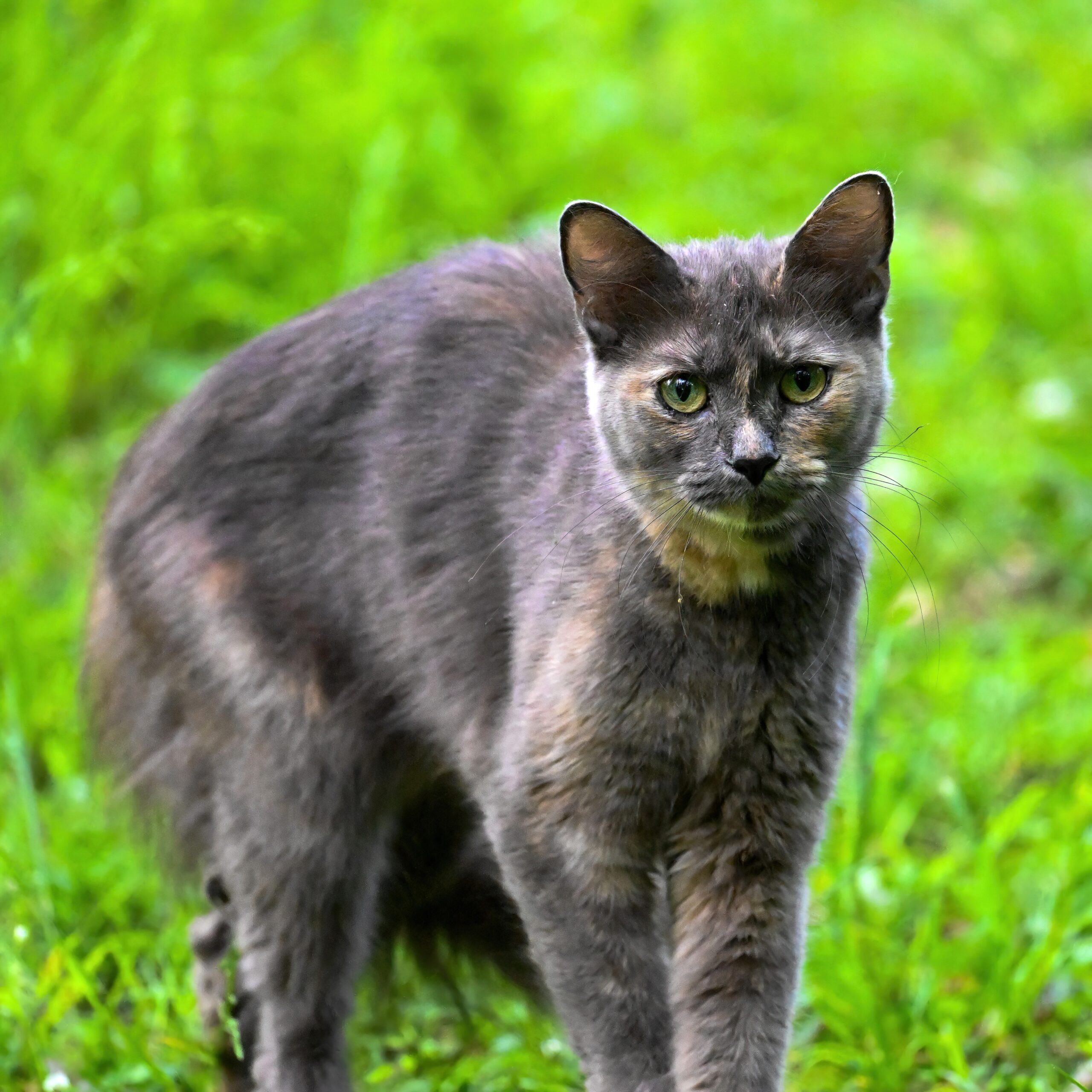
Stranger danger
“Probably a reasonably steady diet of songbirds and chipmunks, Joey. House cats are great hunters.”
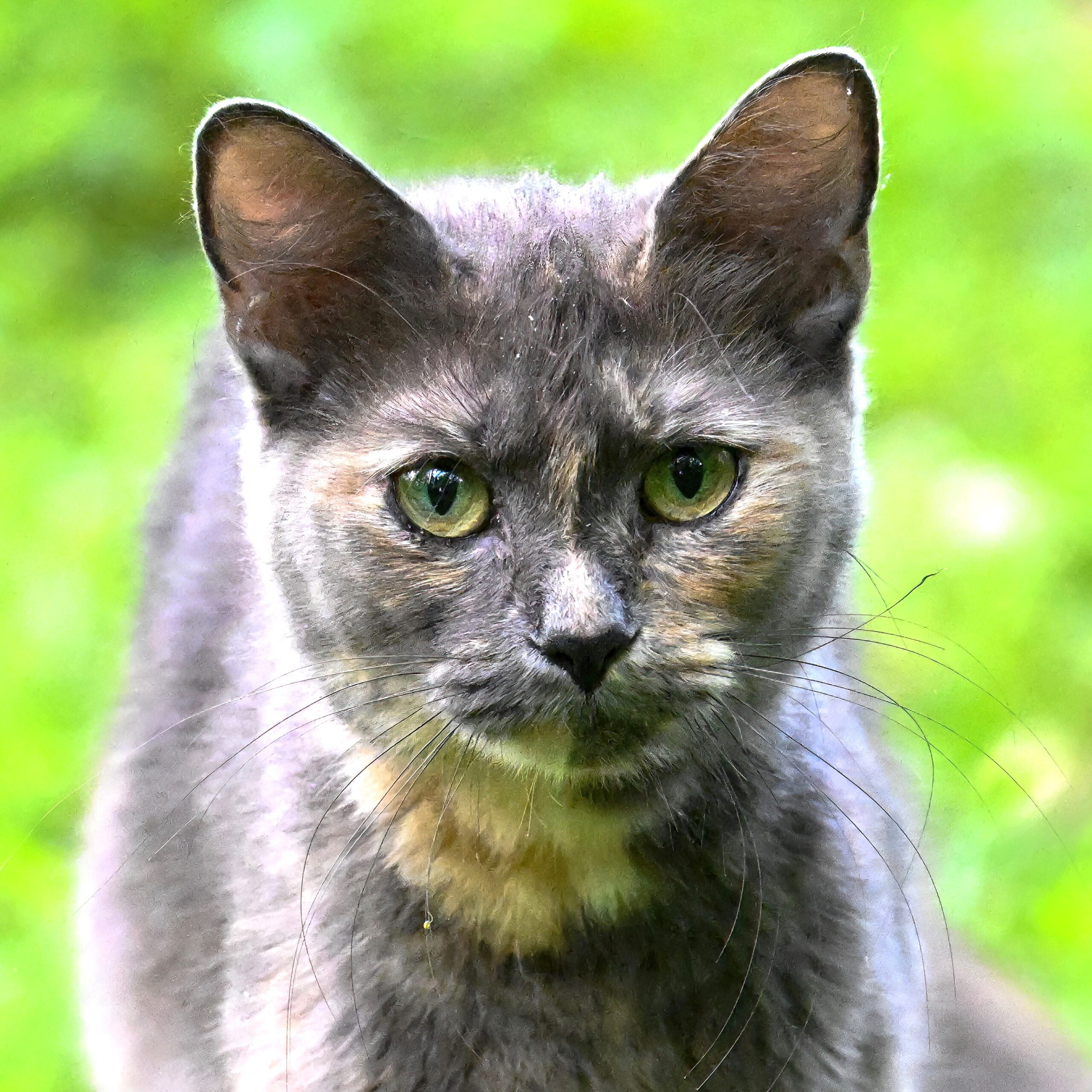
‘Wild’ cat portrait
“Chipmunks!?! But they’re so cute, Dr. Science!”
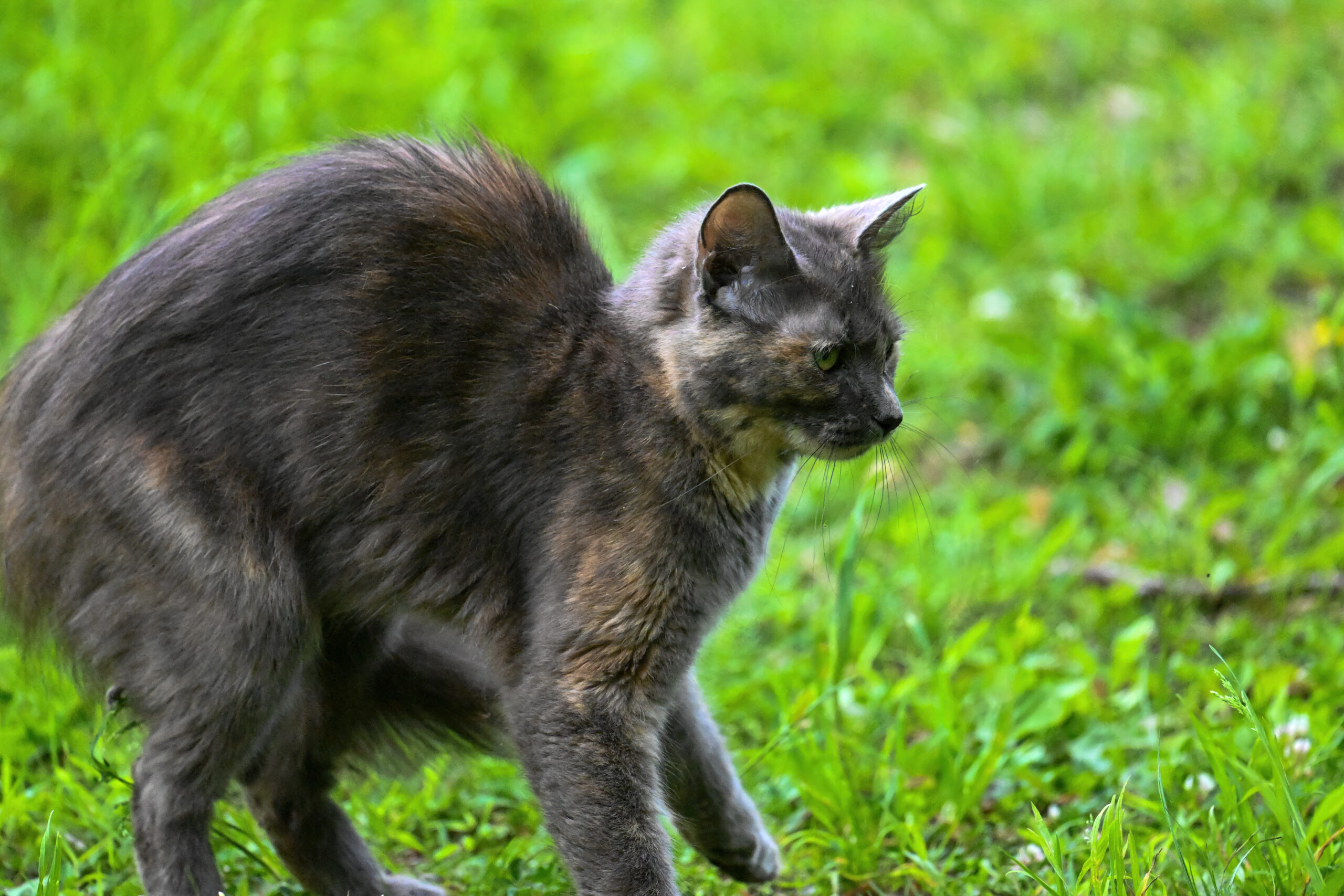
Time to escape I
“Probably also tasty, from a cat perspective, Joey.”
Time to escape II
“Yuck. What’s going to happen to this cute kitty, Dr. Science?”
Time to escape III
“No way to know, Joey – that’s nature for you. Hopefully it will wander back into inhabited areas, or be captured by the friendly park rangers for safe relocation to a good home.”
Time to escape IV
“Dr. Science, is the scientific name of the domestic house cat really ‘Felis Catus?’ That sounds made up.”
Bounding along the trail
“Yes, it really is. … Say, Joey, have you ever been in a Turkish prison?”
Into the woods and away
[Editor’s note: BirdingPI.com management apologies for the general goofiness of this post, which is clearly the result of either too much or too little black coffee. … Feral house cat pictures taken along the Duck Pond Trail @ Presque Isle State Park on 25 May 2024.]
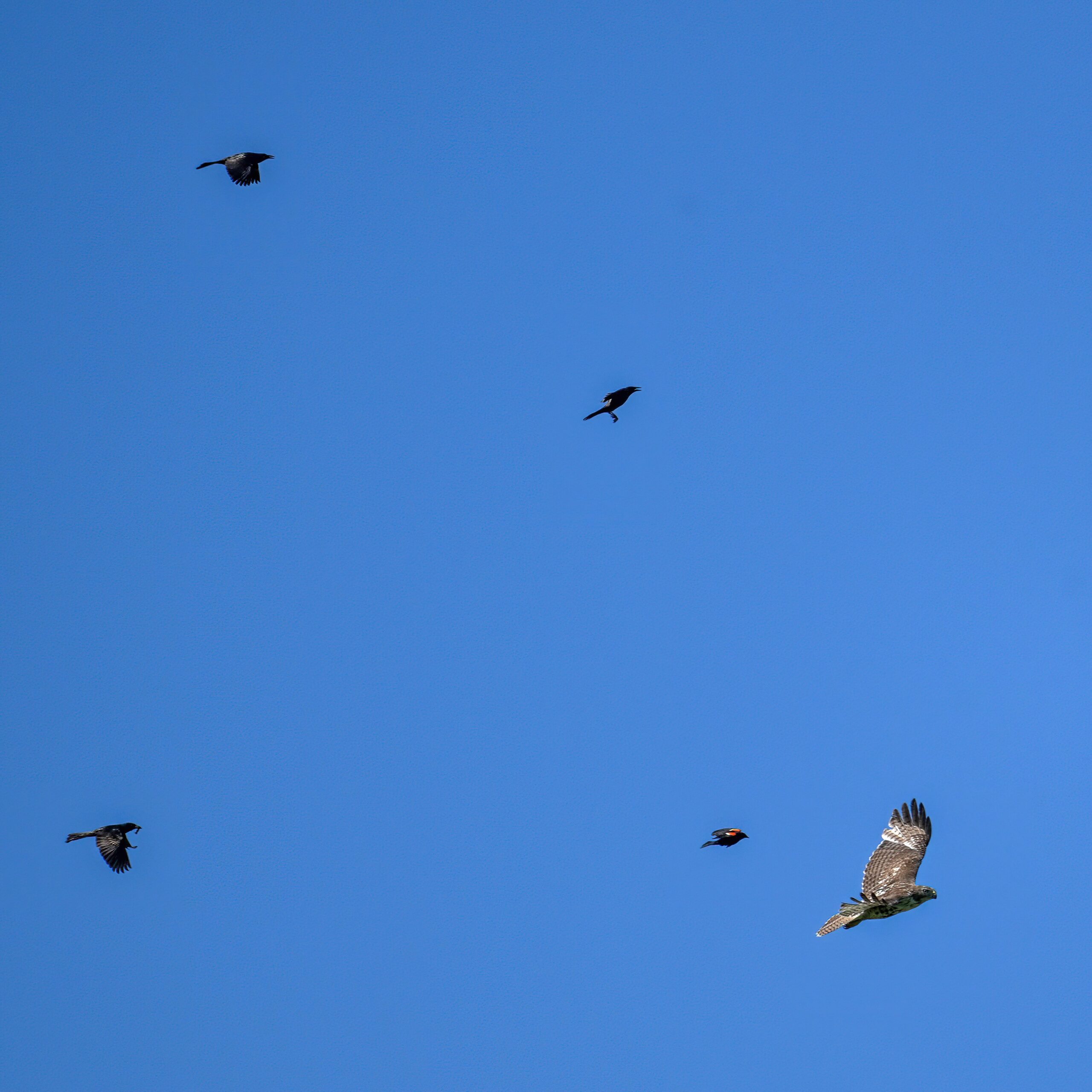
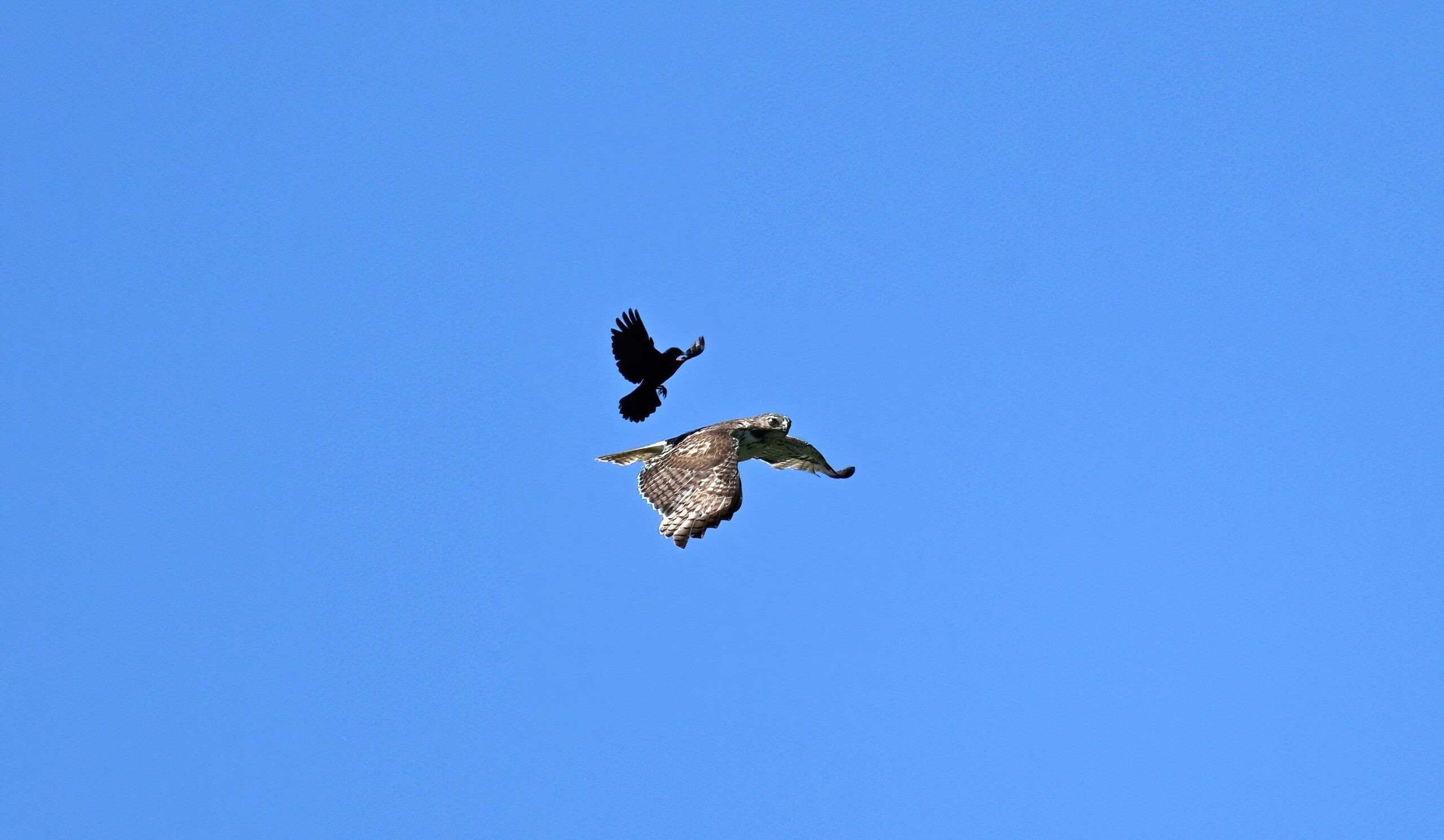
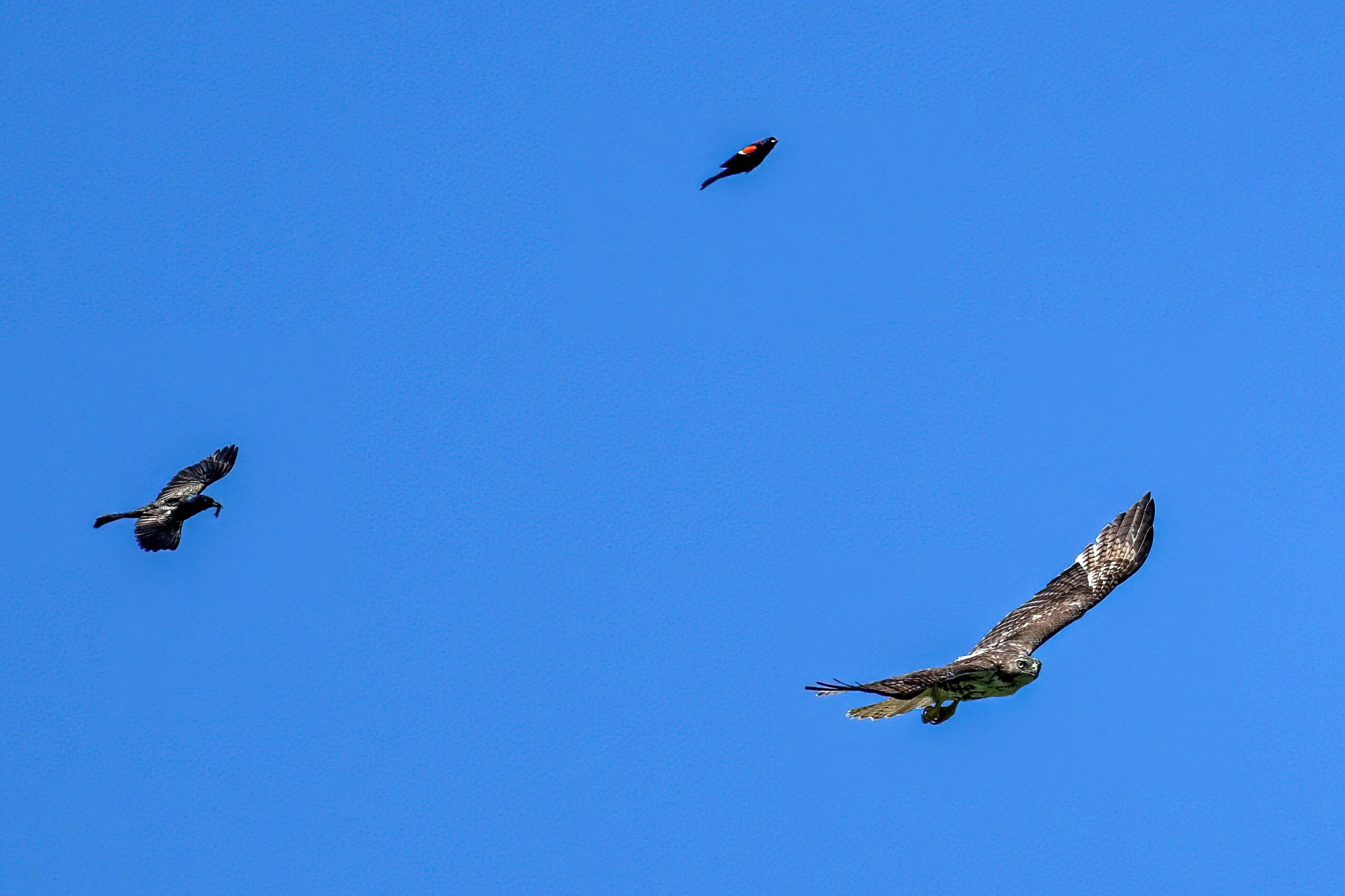
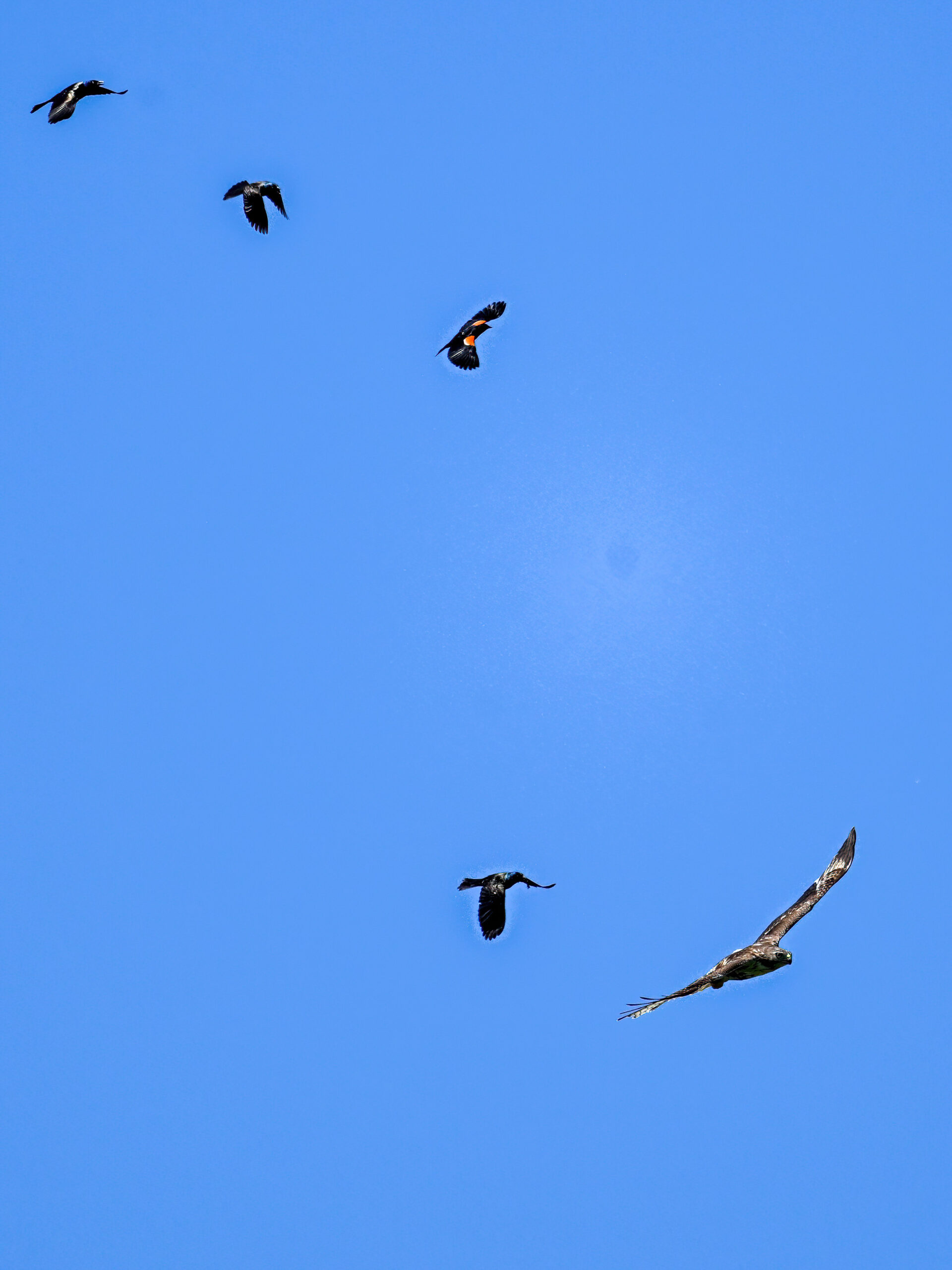
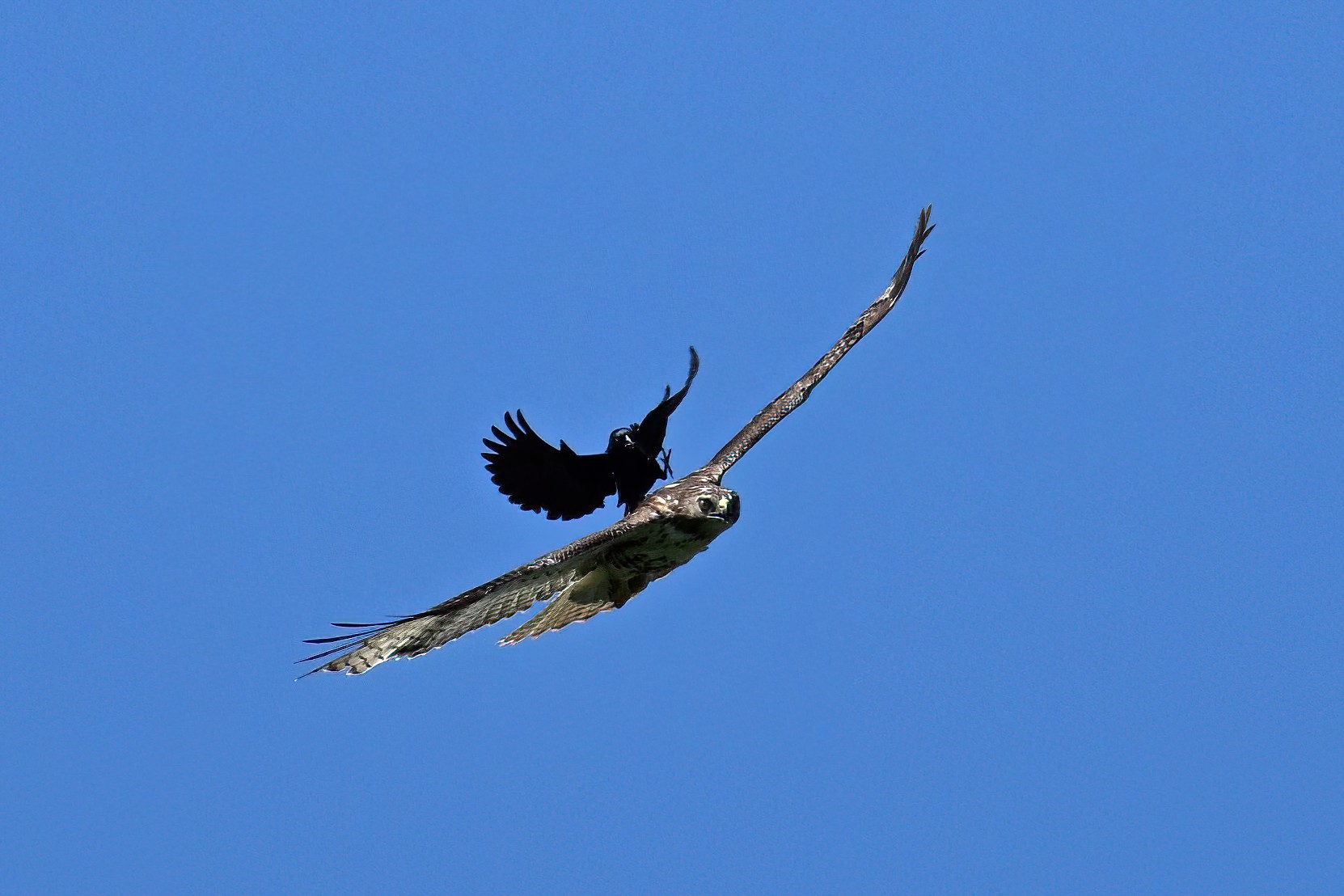
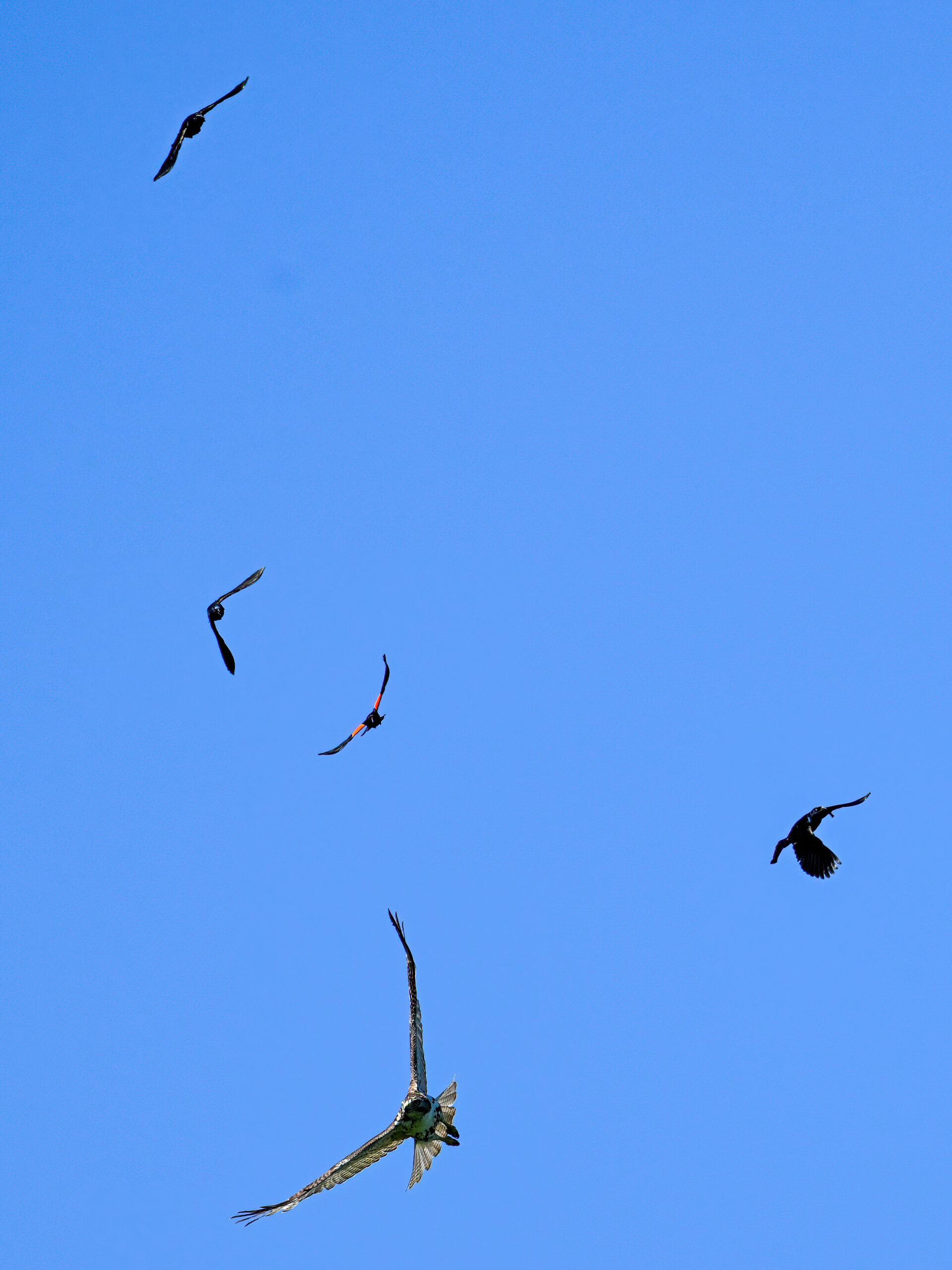
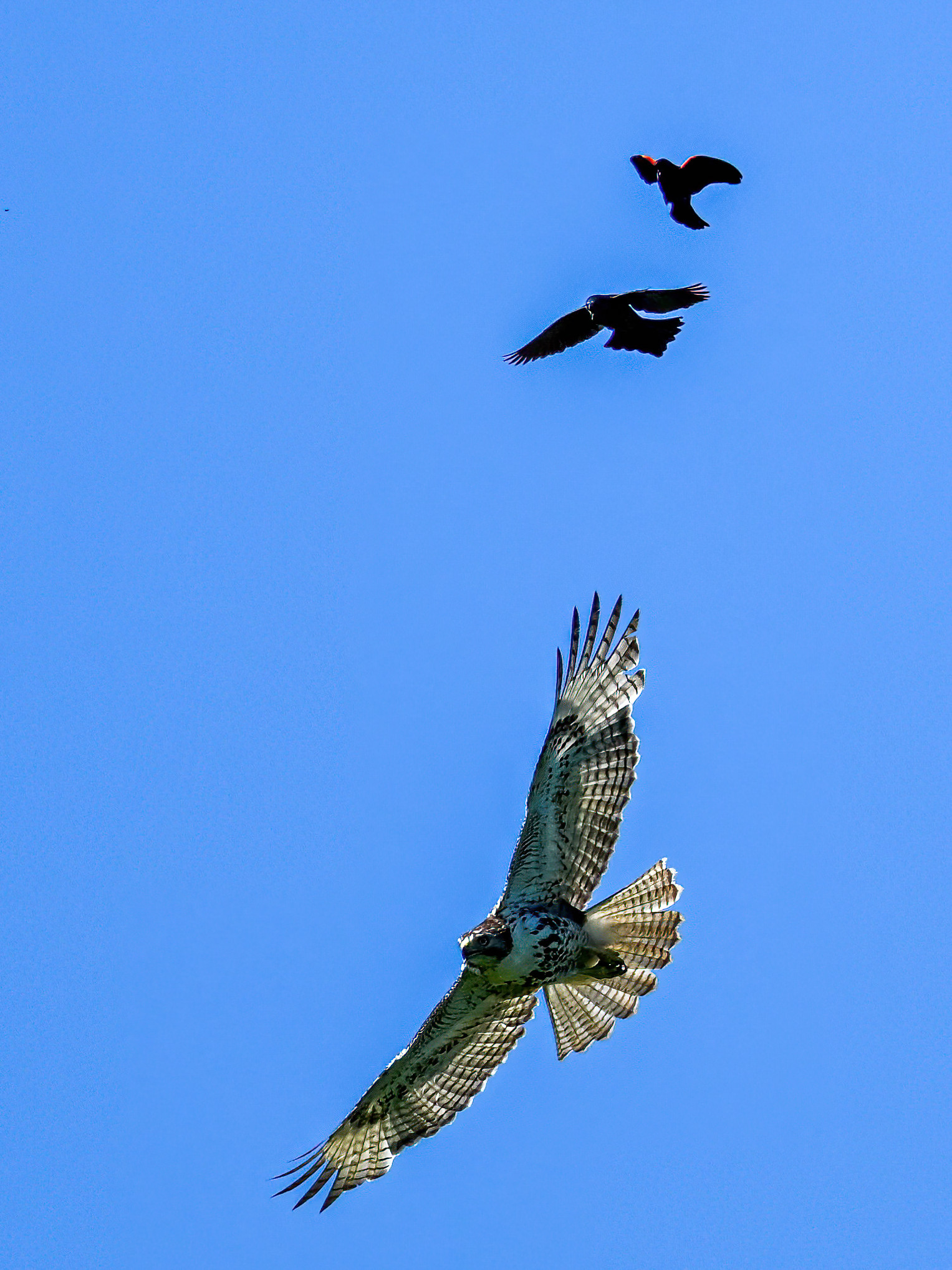
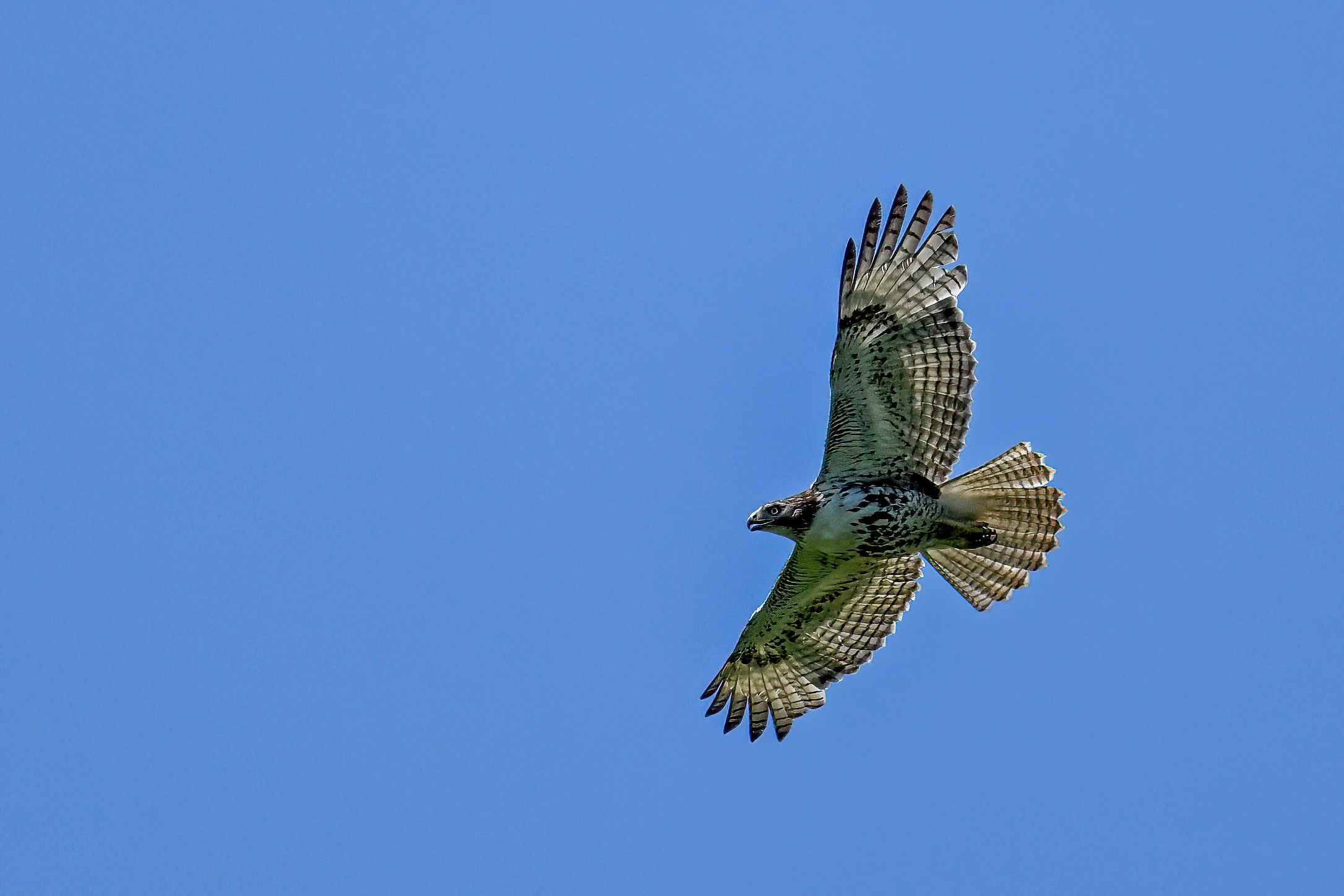
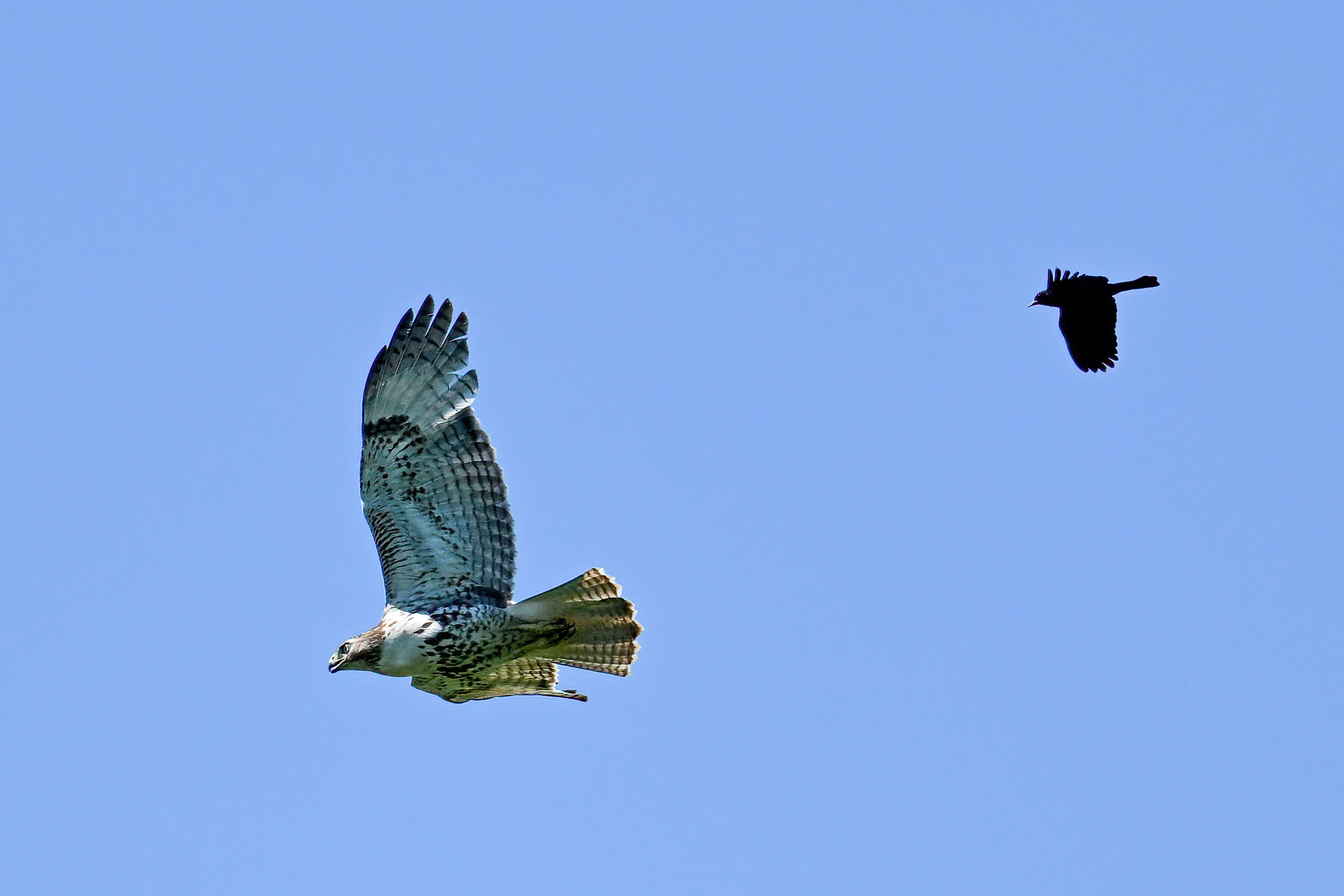
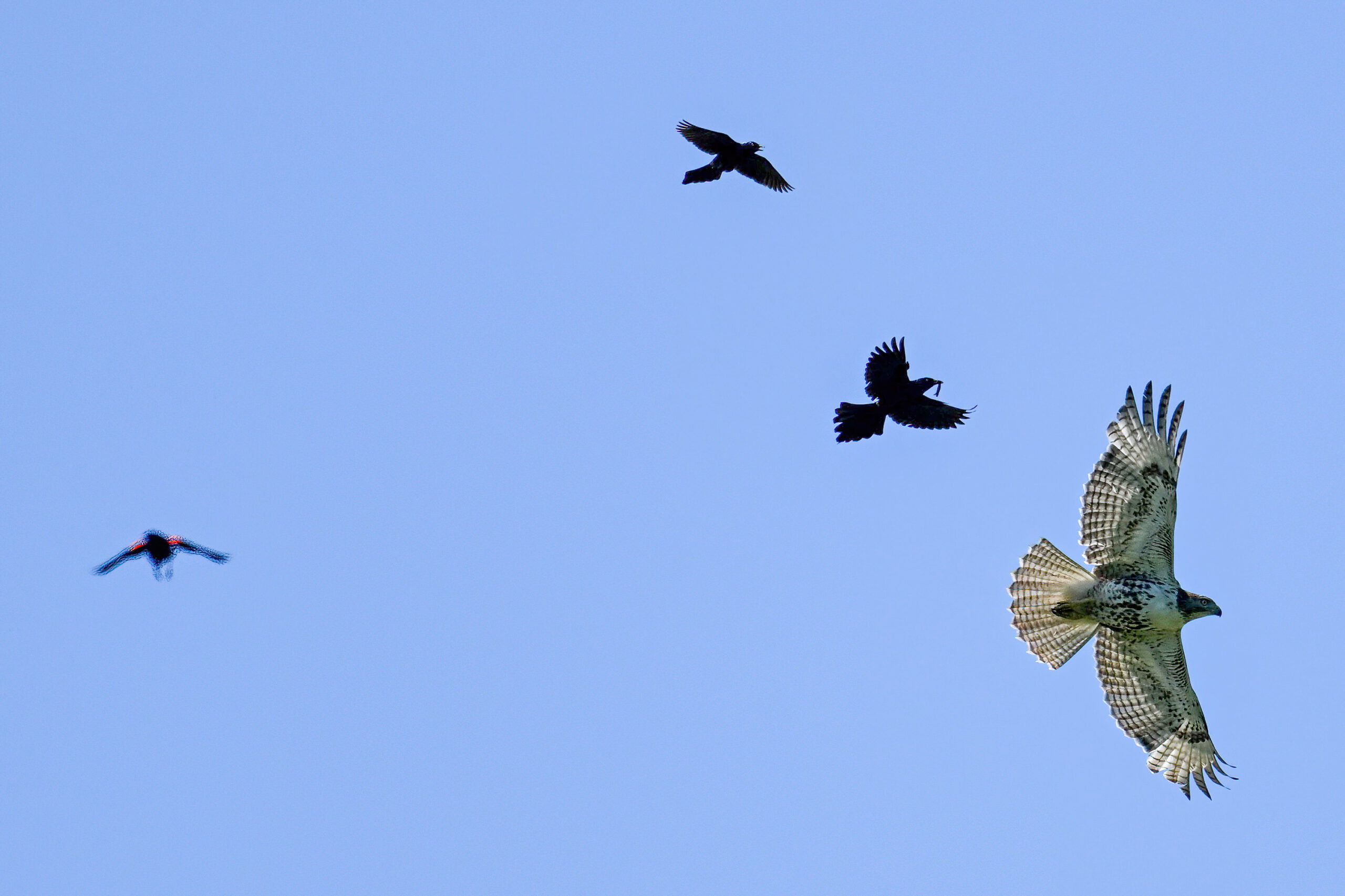
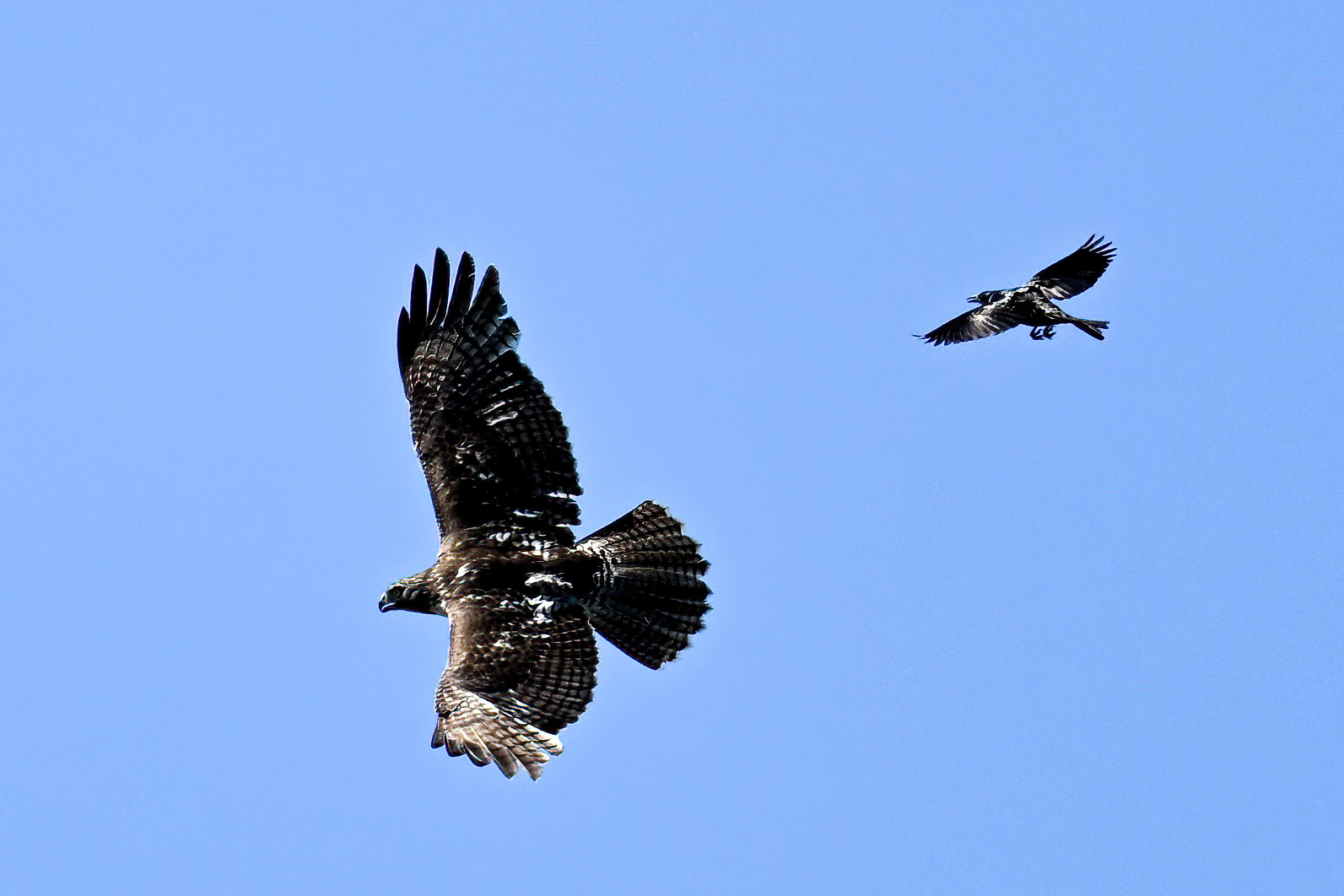
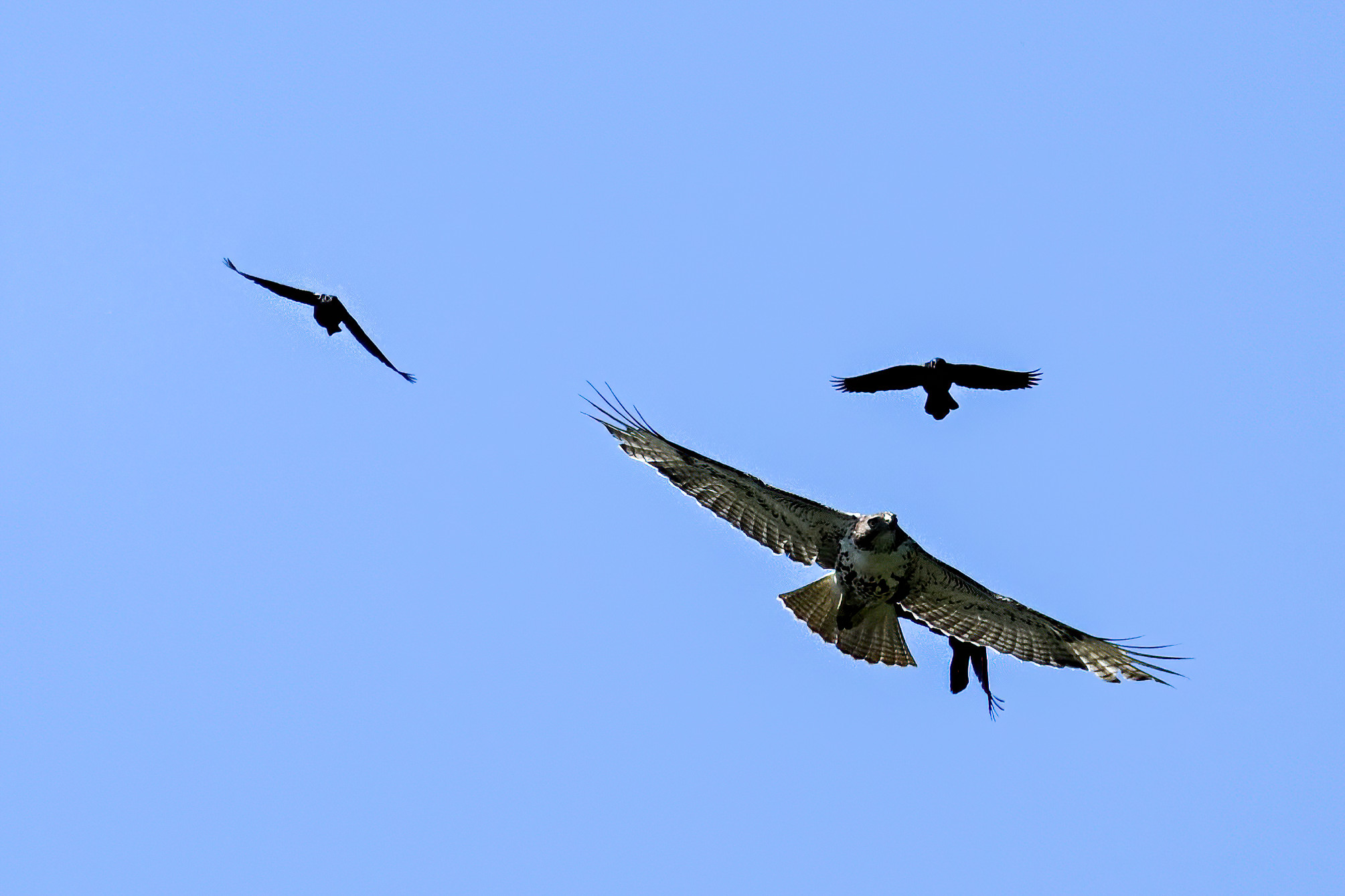
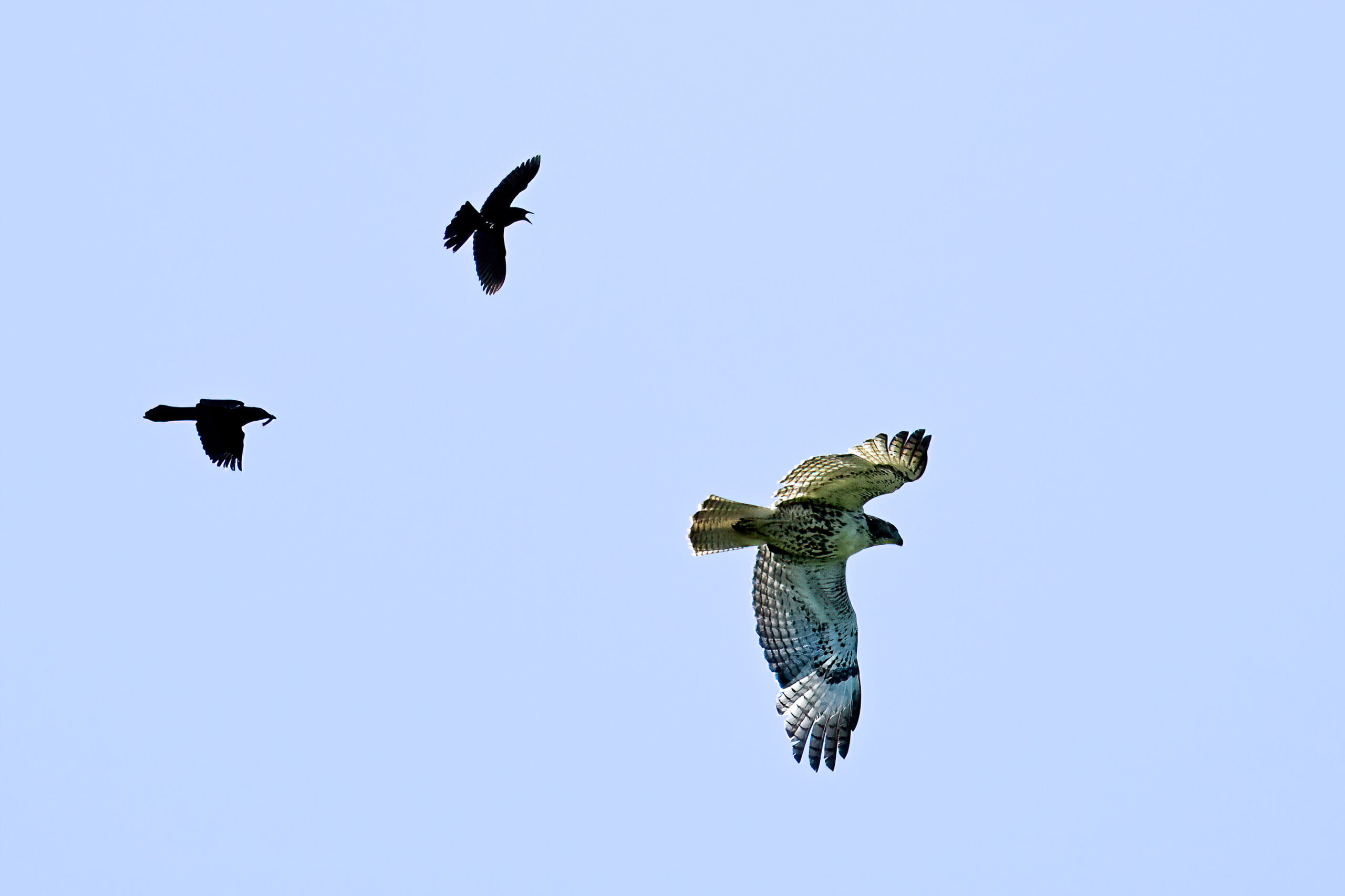
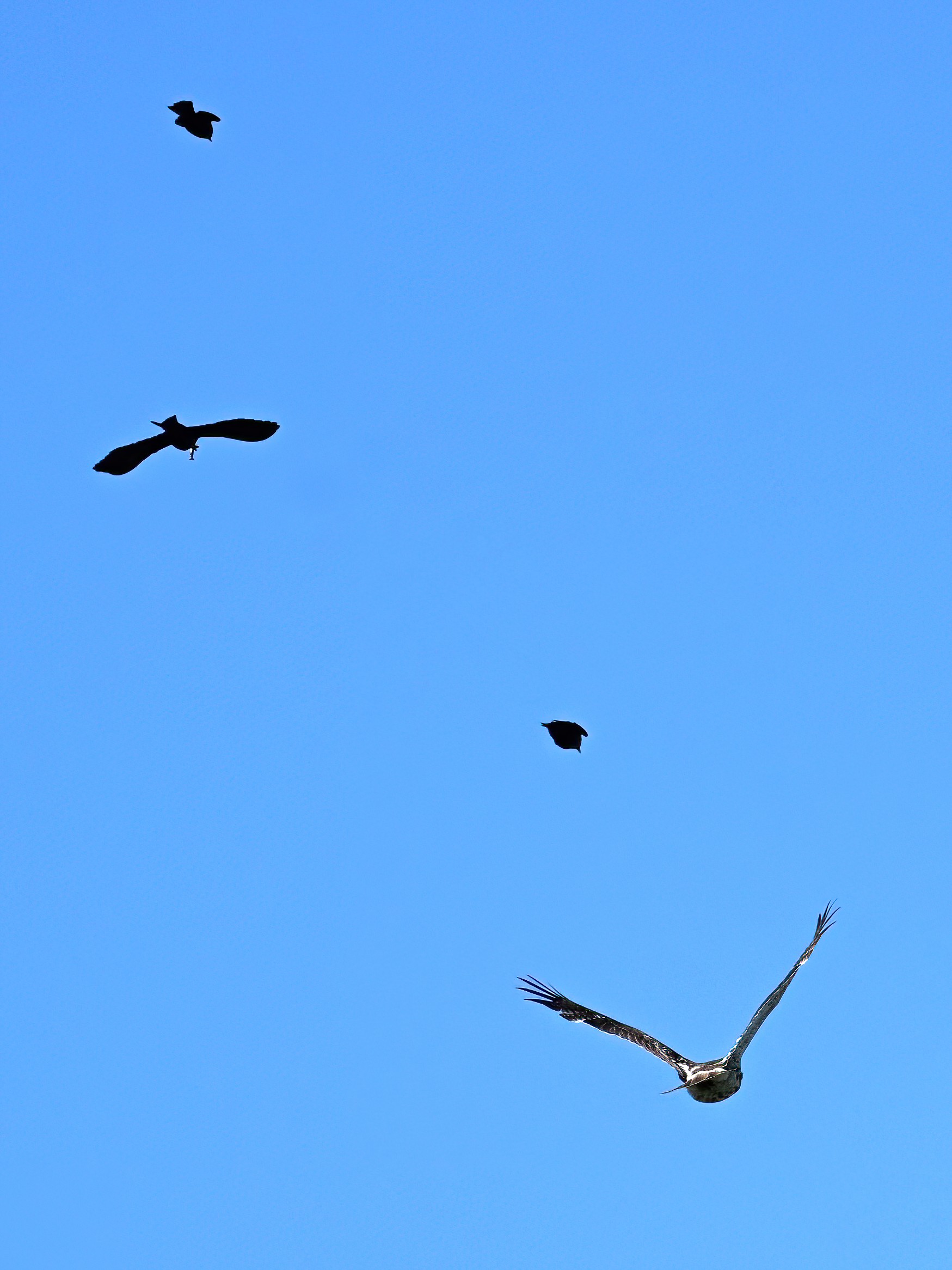
So far this year there’s been Red-winged Blackbird harassing Red-tailed Hawk, Red-winged Blackbird harassing American Crow, Red-winged Blackbird and American Crow co-harassing Red-tailed Hawk, and Red-winged Blackbird harassing Canada Goose (<– true story; sadly, no pictures, but the goose seemed rather offended.) Here, it’s three Common Grackle and one Red-winged Blackbird harassing a Red-tailed Hawk, high above Erie County, PA:
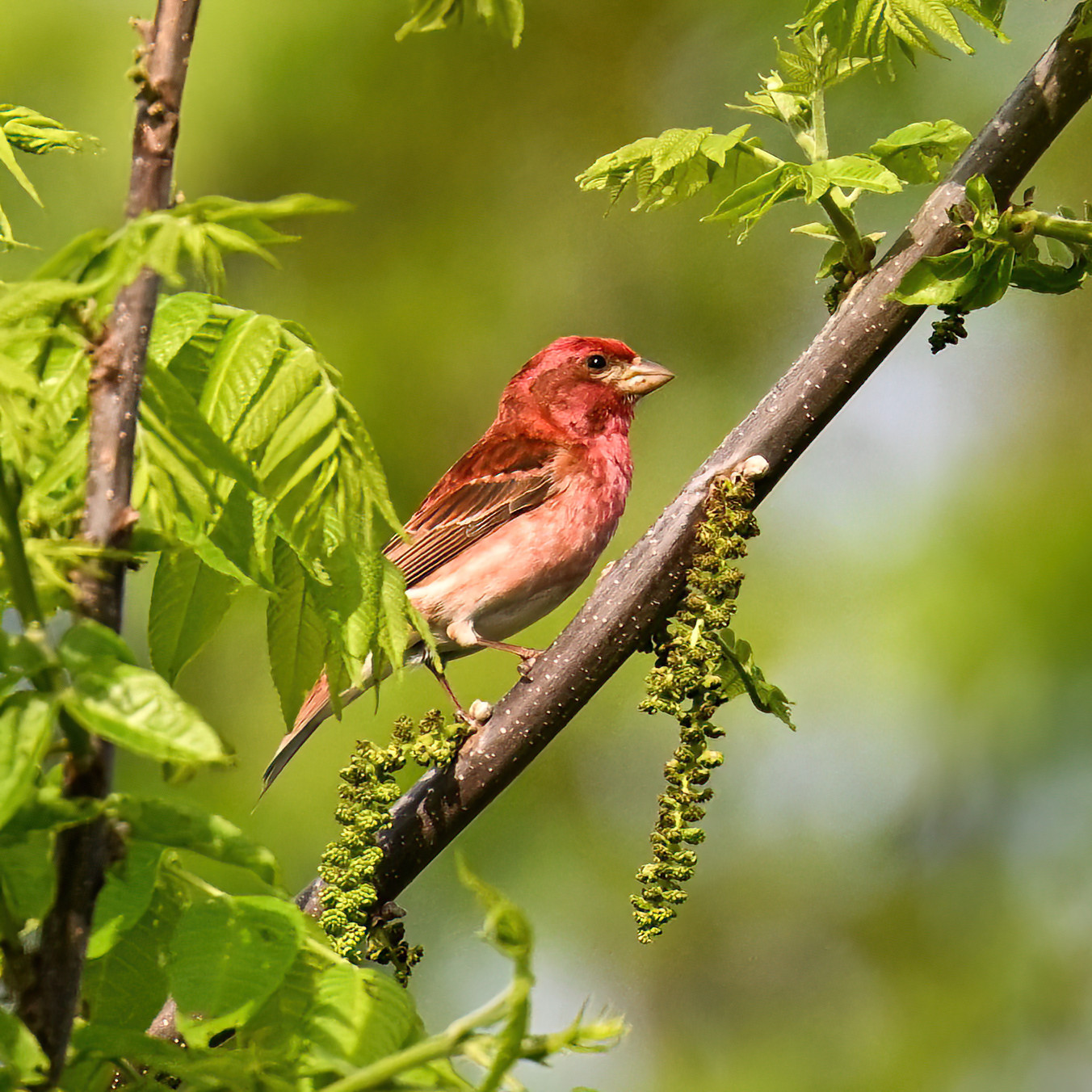
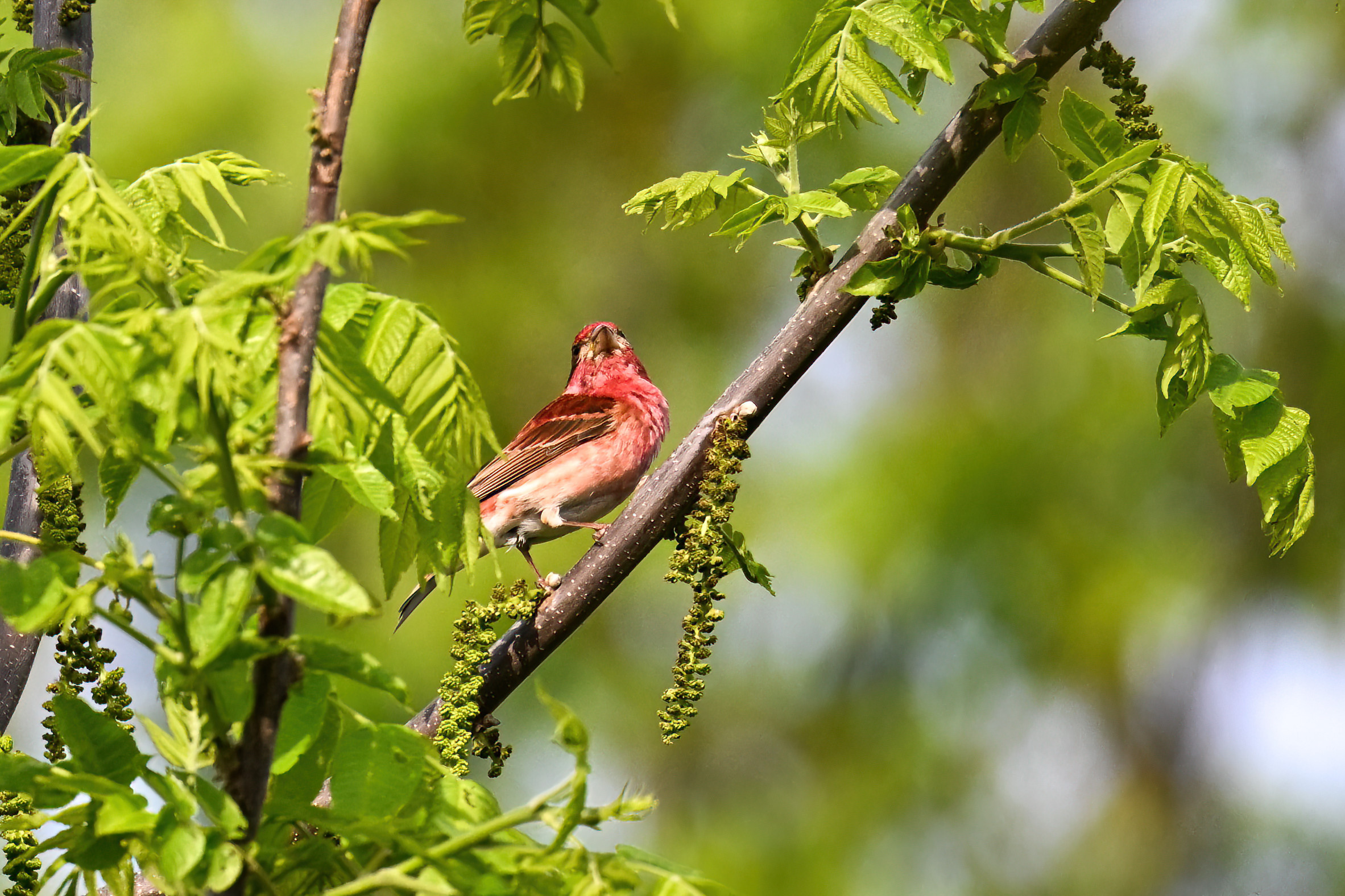
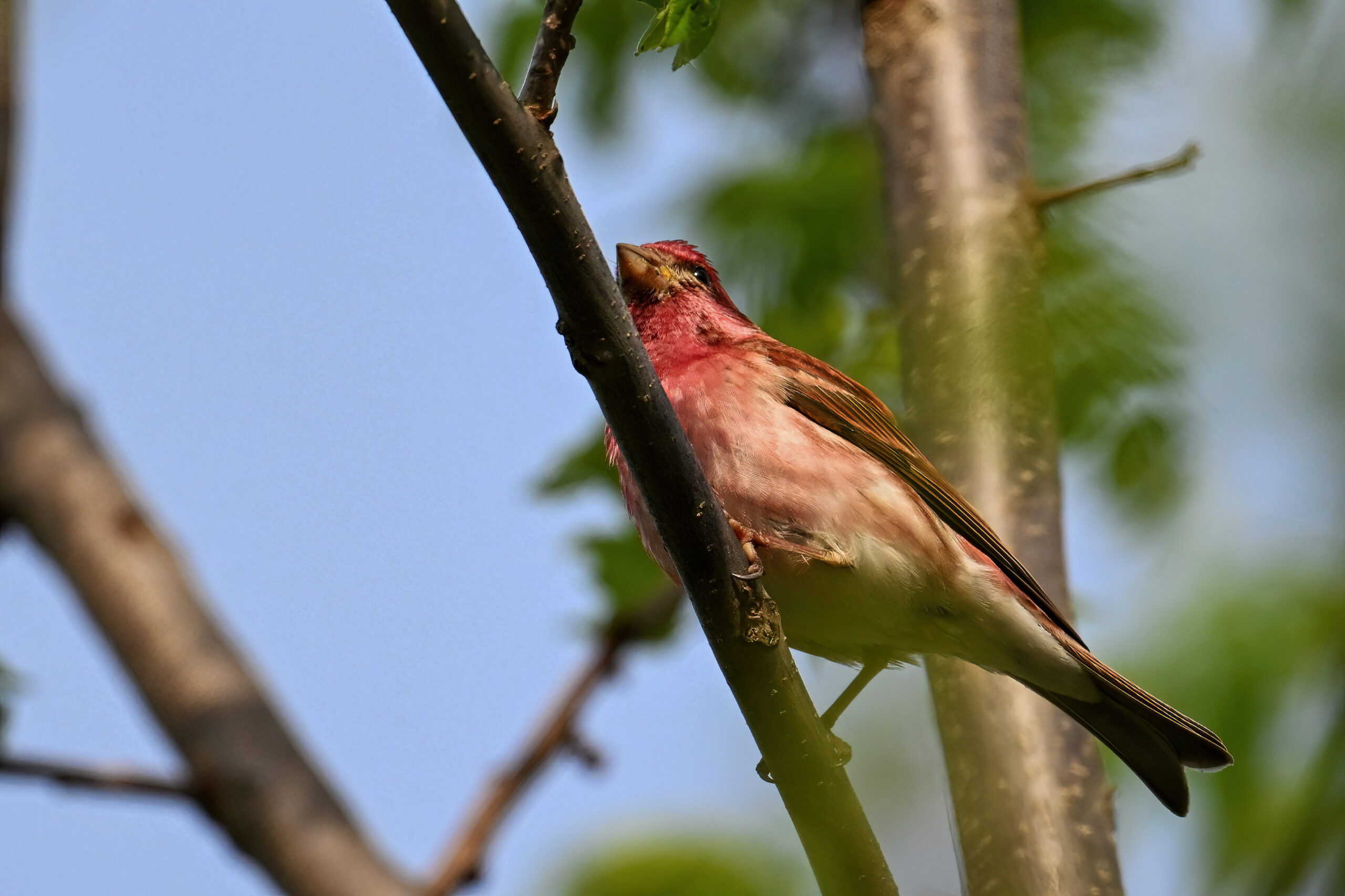
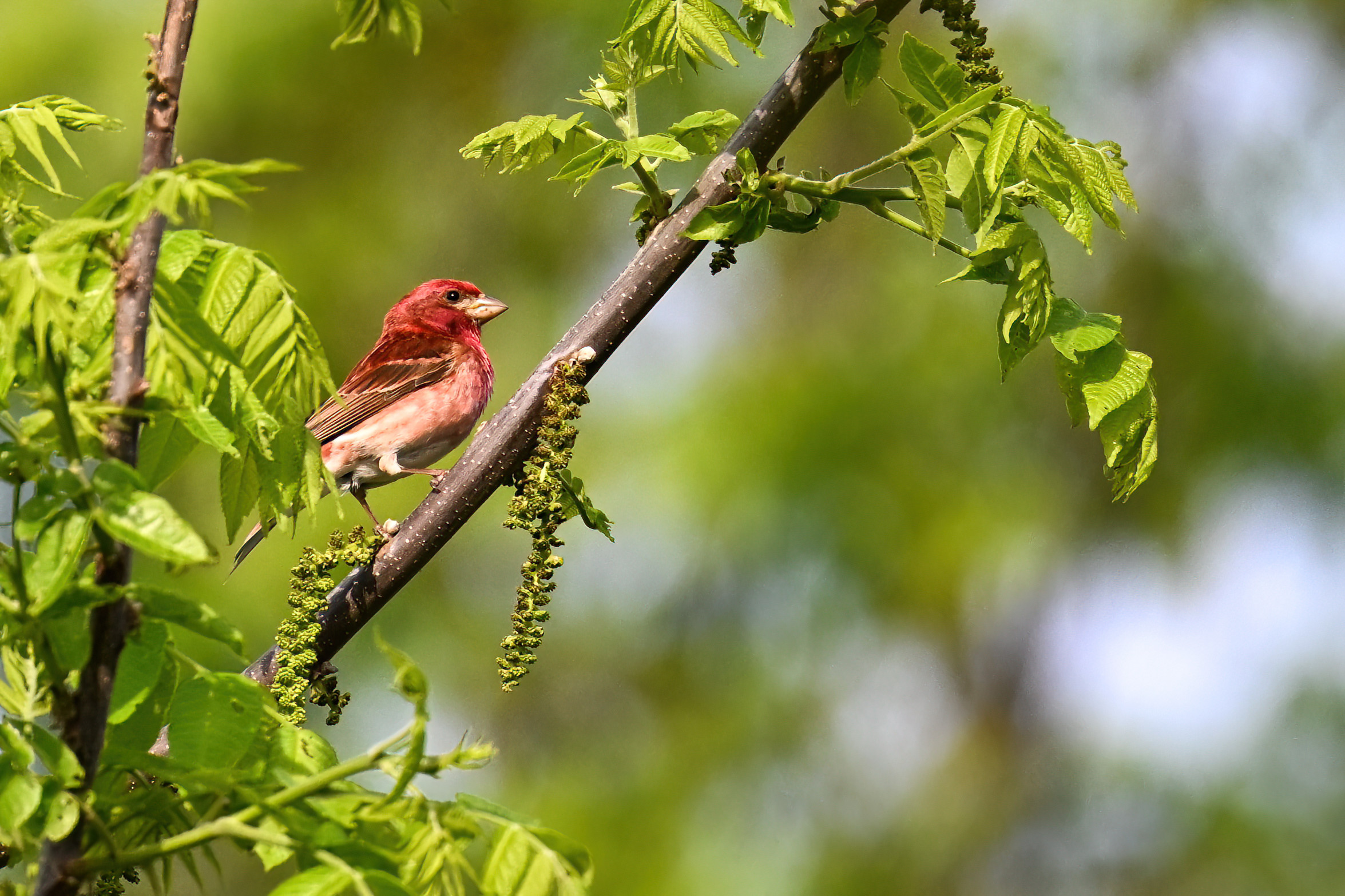
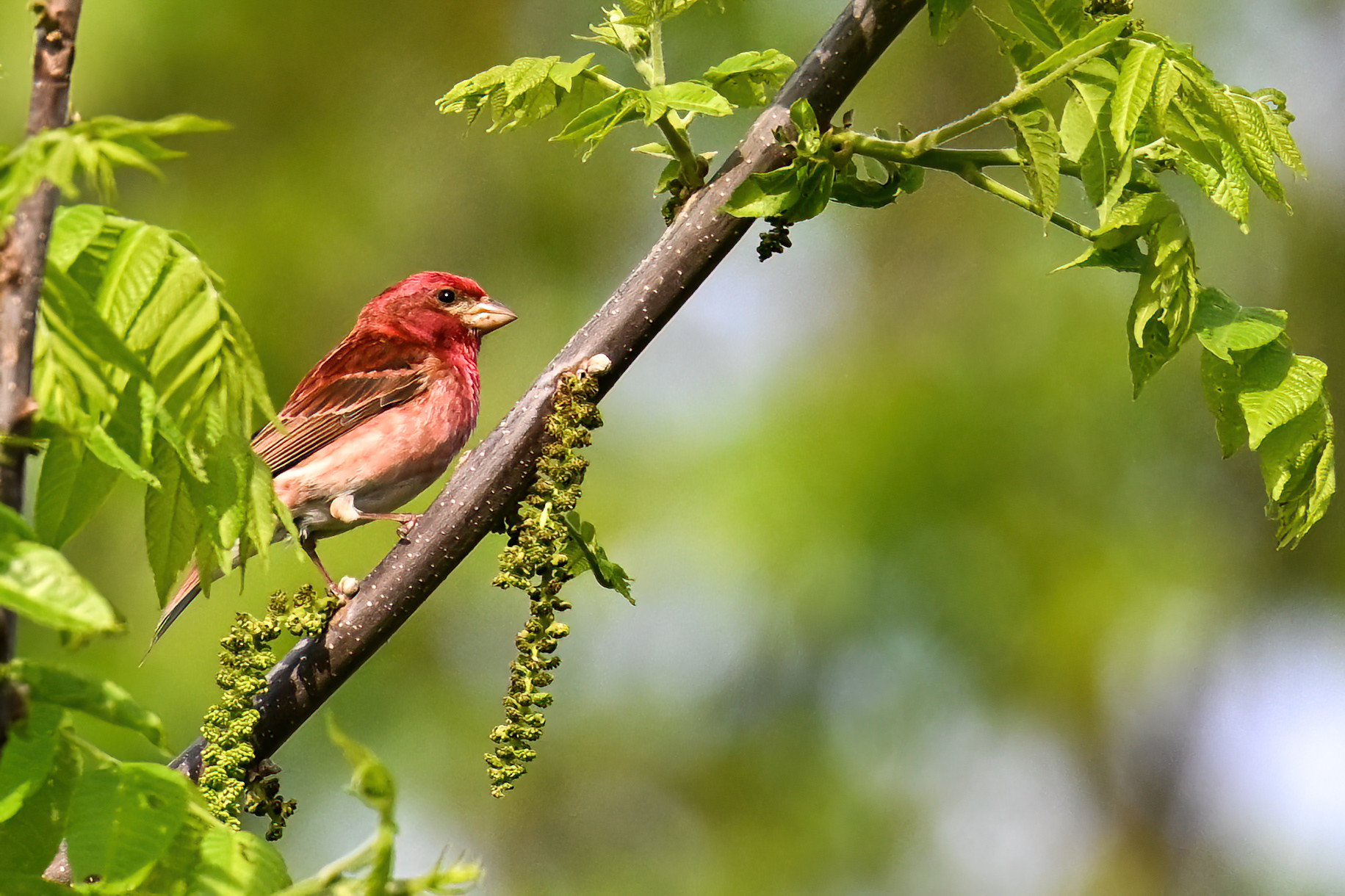
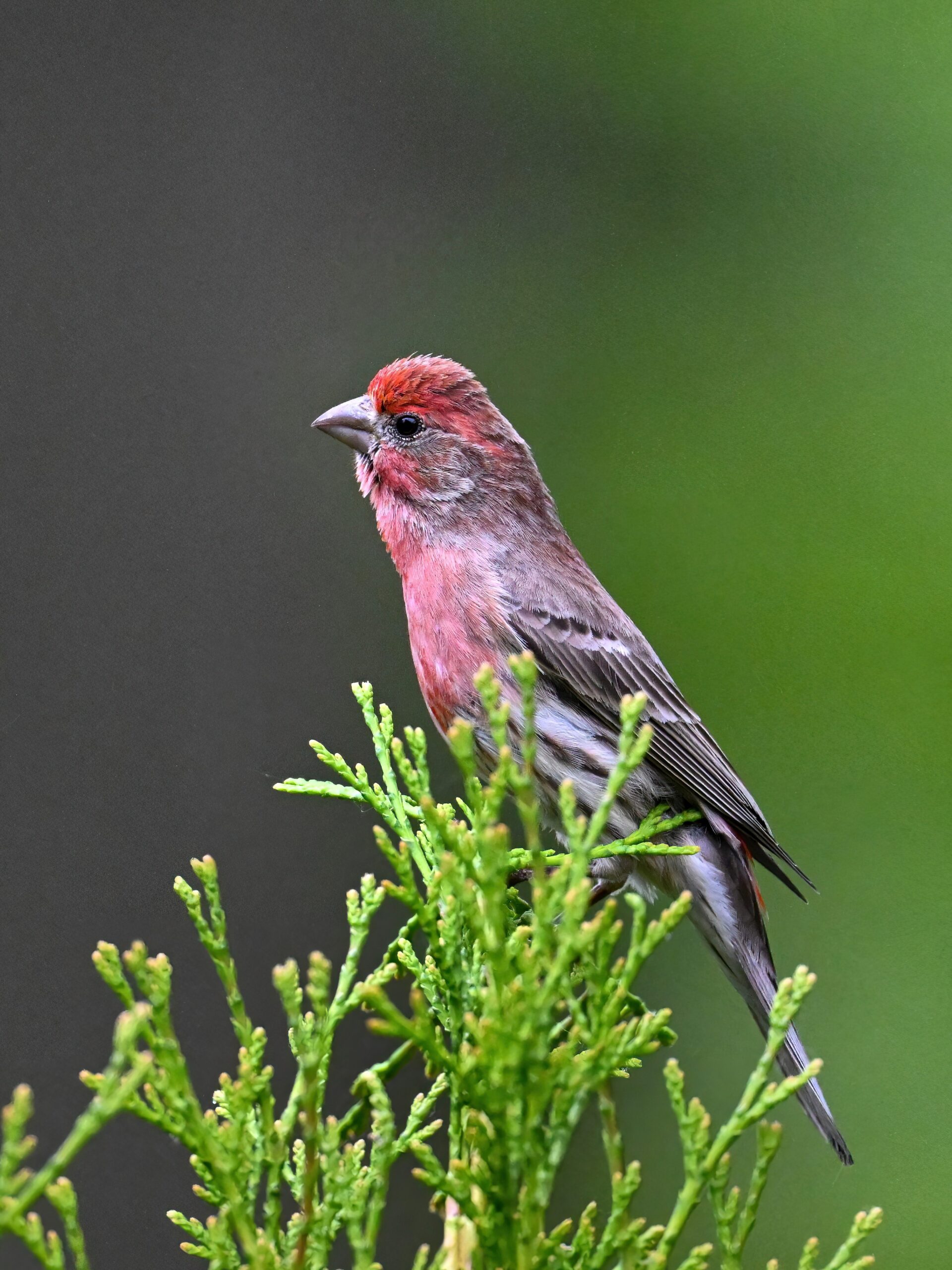
First up, very special pictures of what may be the first ever BirdingPI.com coverage of Purple Finchin Erie County, PA! (Much less common than House Finch.) Taken recently at West Road Elk Creek access.
Purple Finch (m)
ID tip: typical finch features w/ an overall red-purple/raspberry wash.
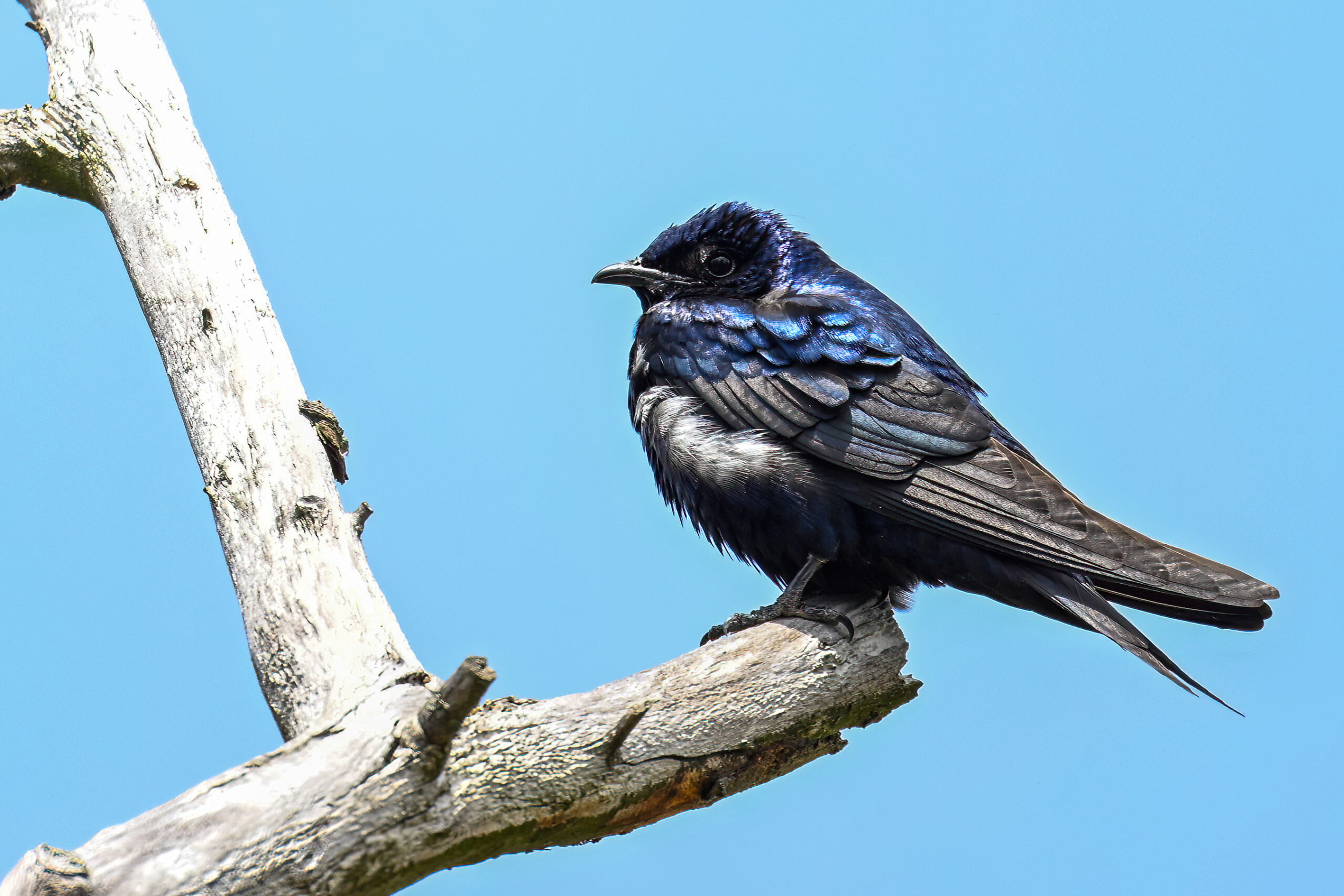
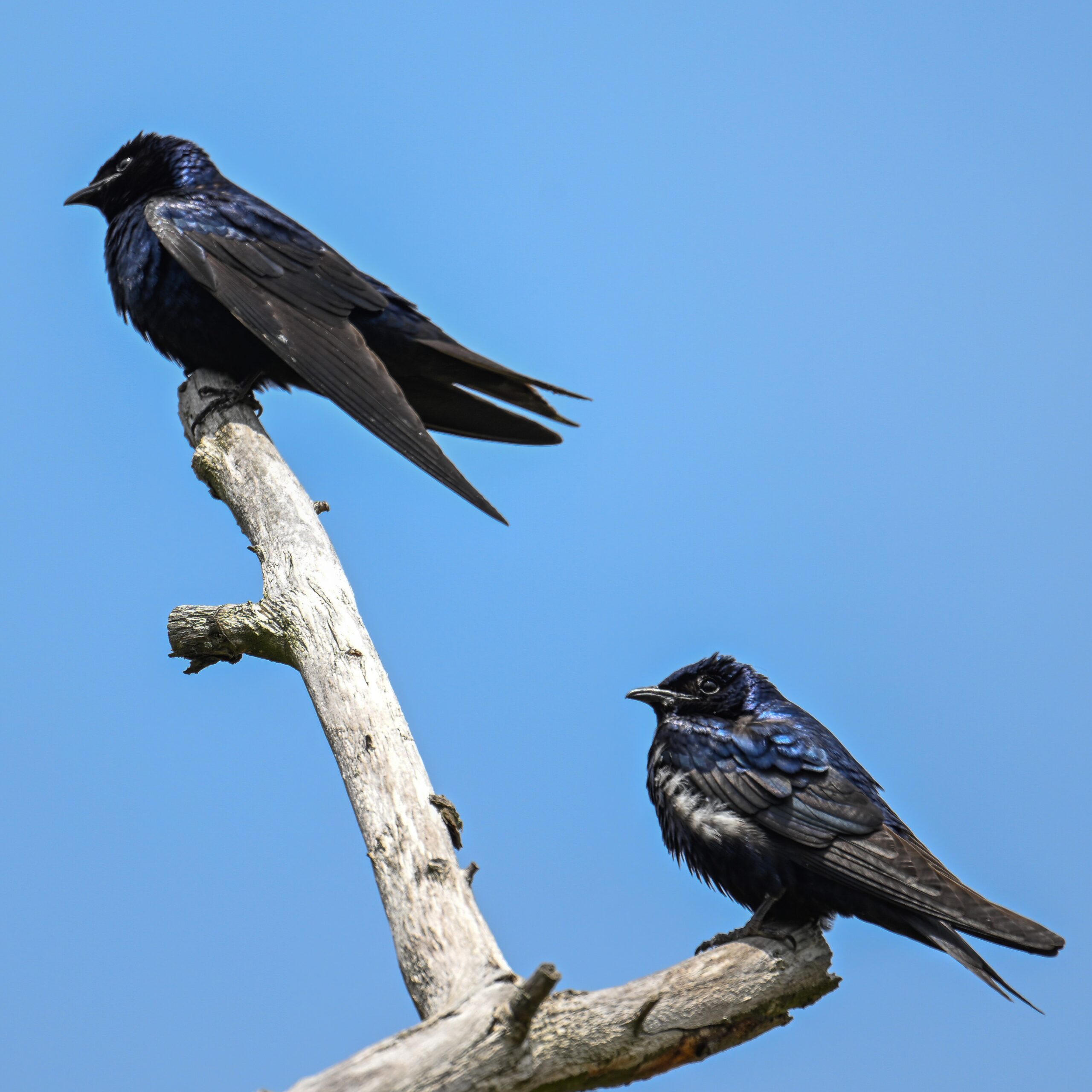
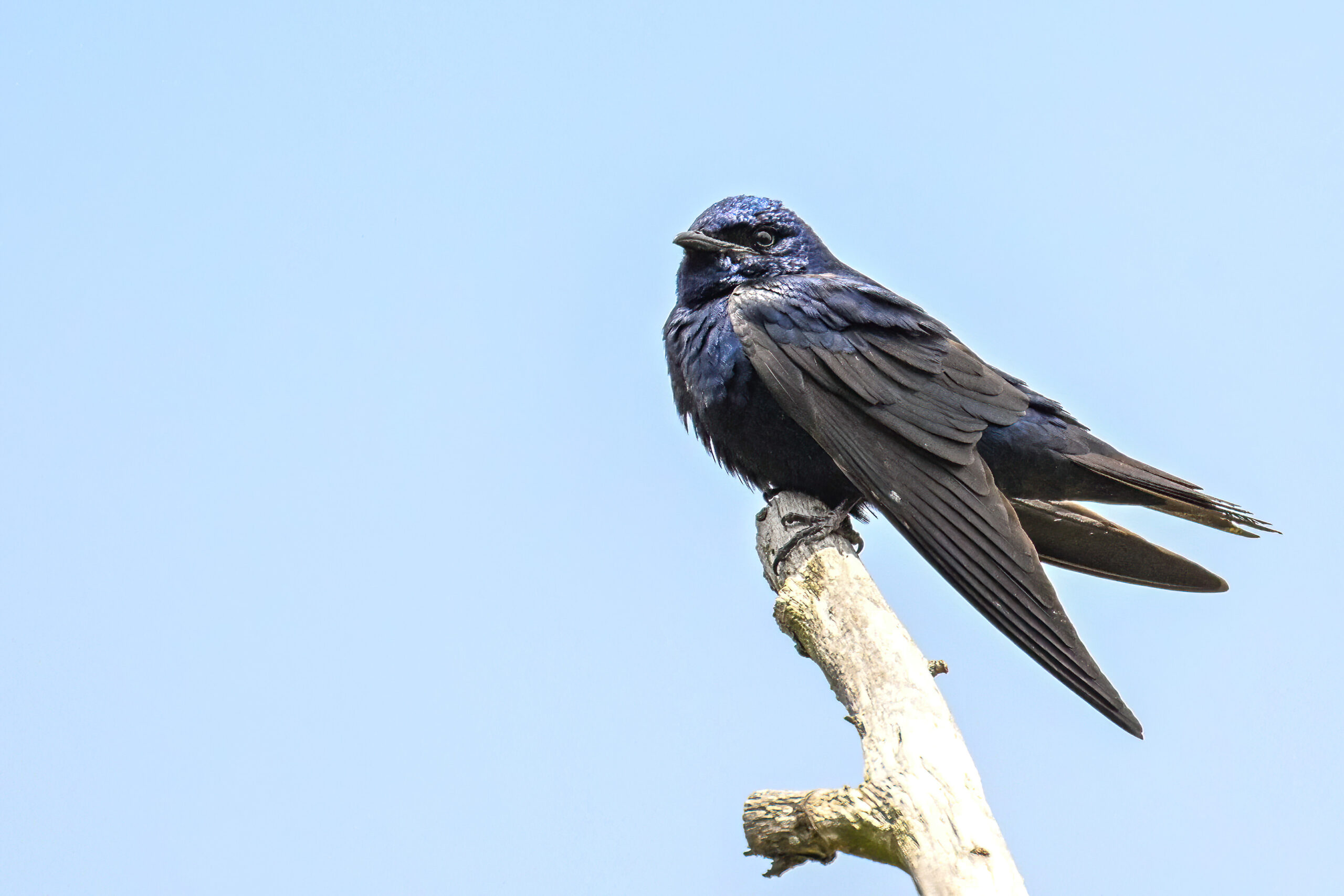
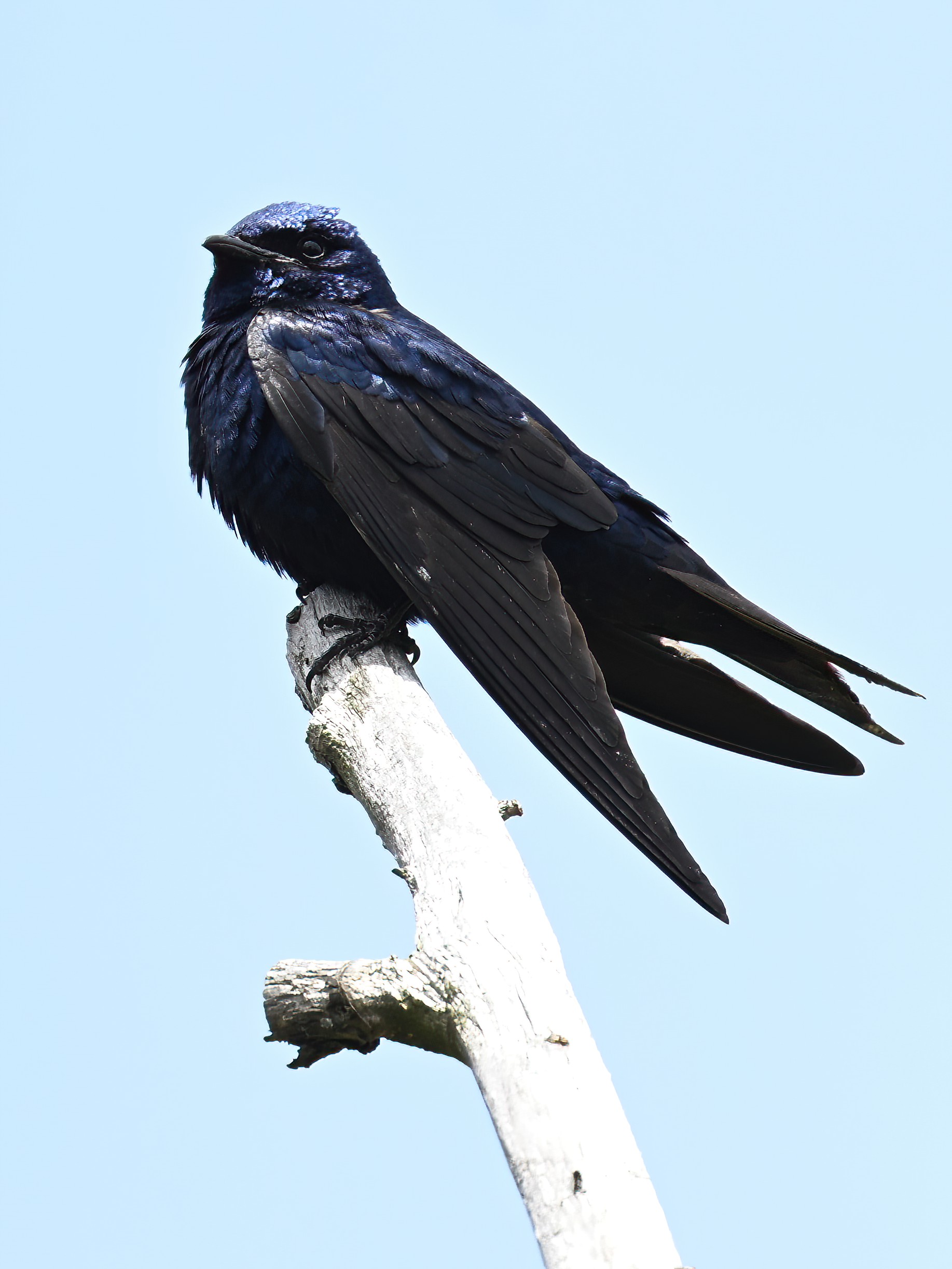
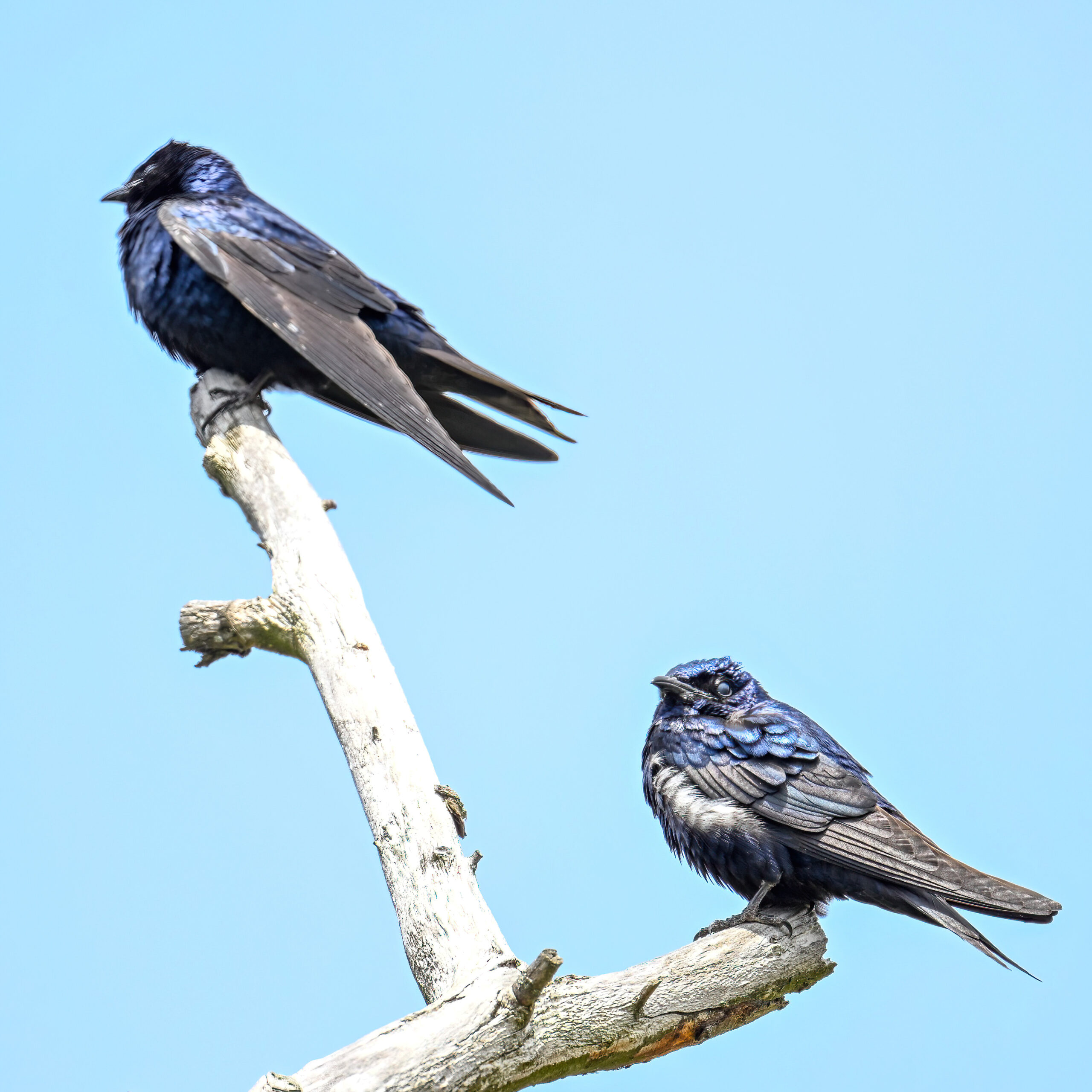
Also exciting, amazing Purple Martin “in the wild.” Meaning not at or around a Purple Martin house. These pictures from the swampy area near the east Long Pond Trail trailhead.
Purple Martin
Following are alternating Purple Finch & Purple Martin:
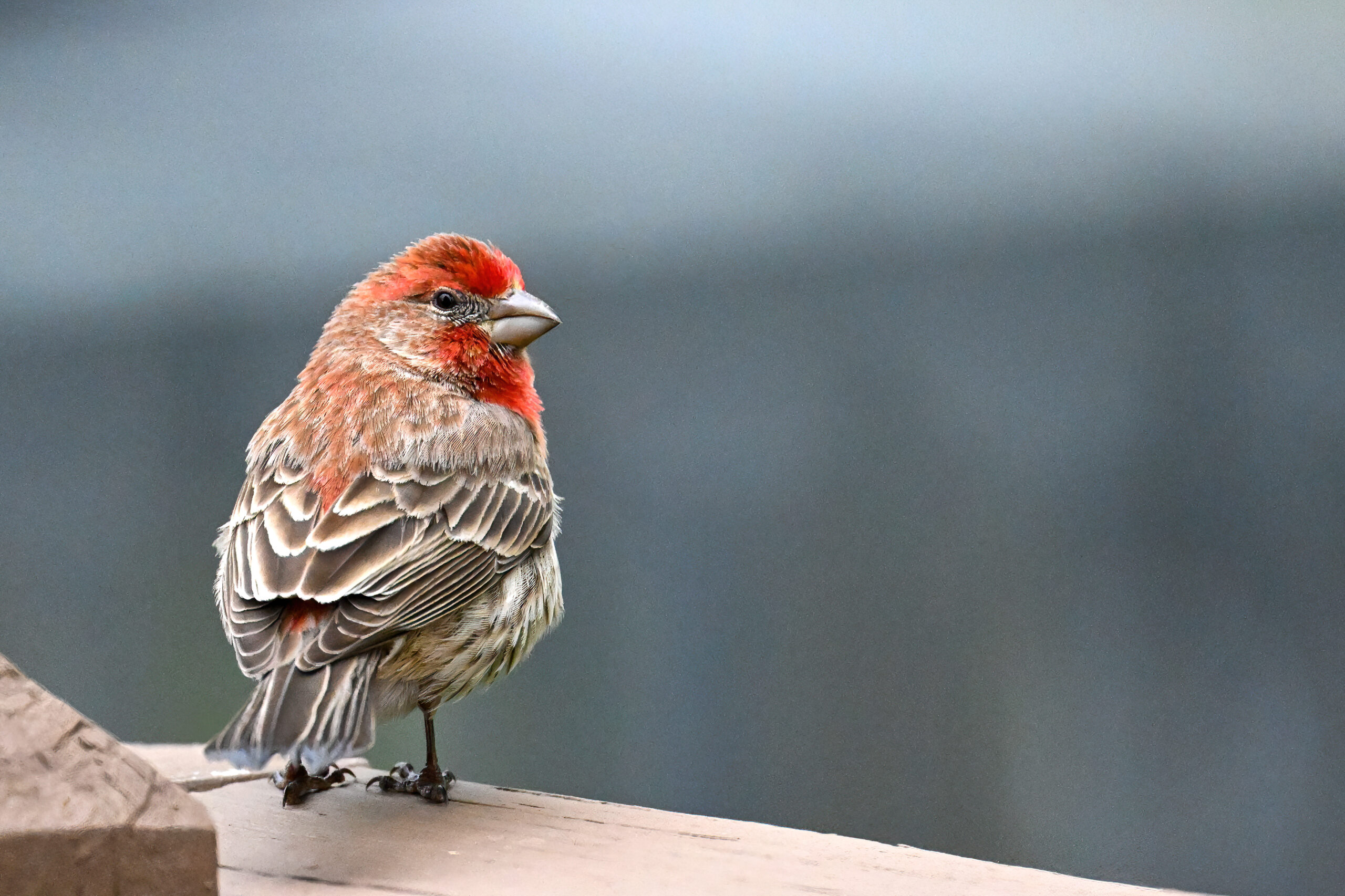
It wouldn’t be complete coverage without a comparison to House Finch. Following shots are of beautiful males in Millcreek Twp (“Gateway to Presque Isle”). Note the similar features but much less extensive red-purple colour:
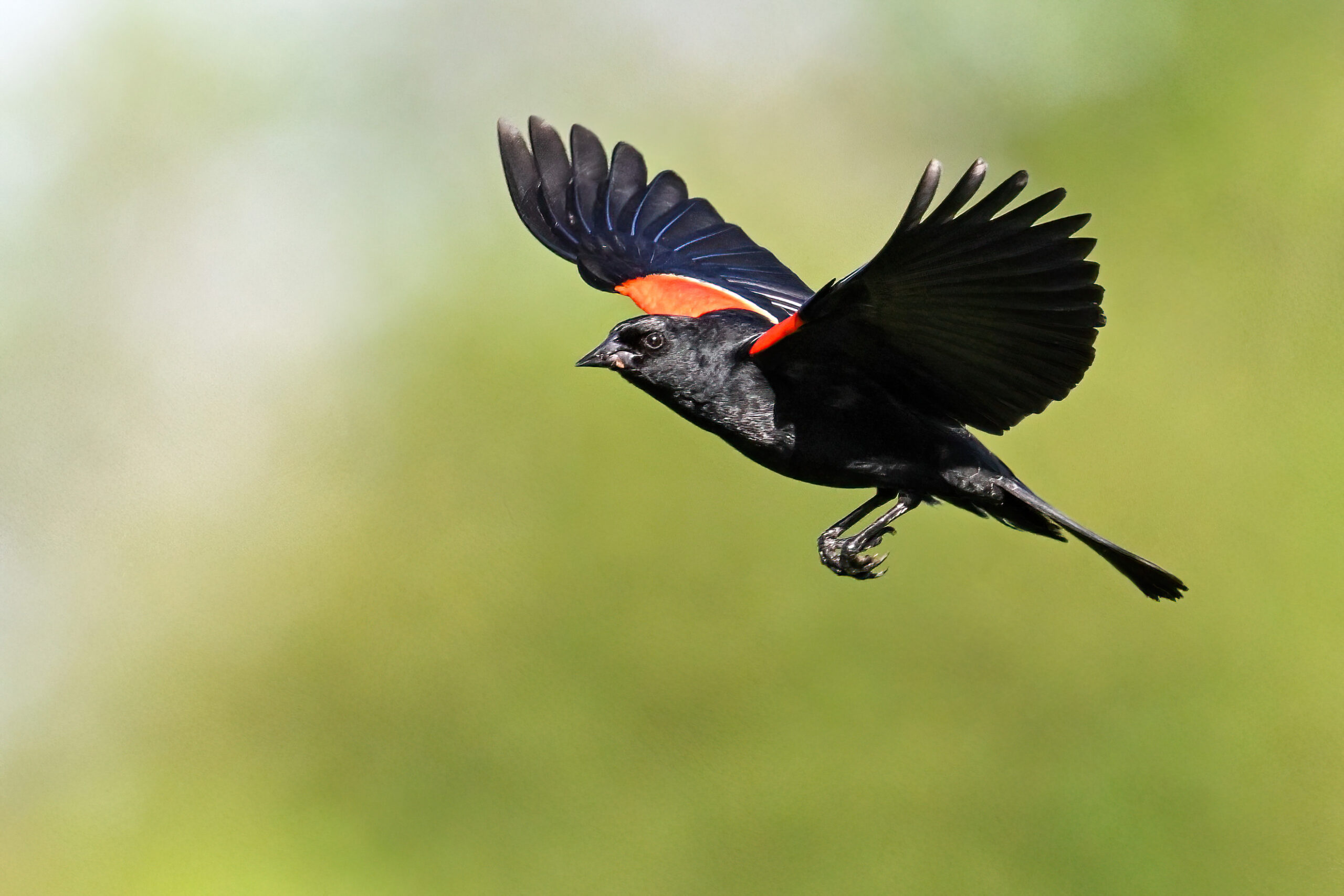
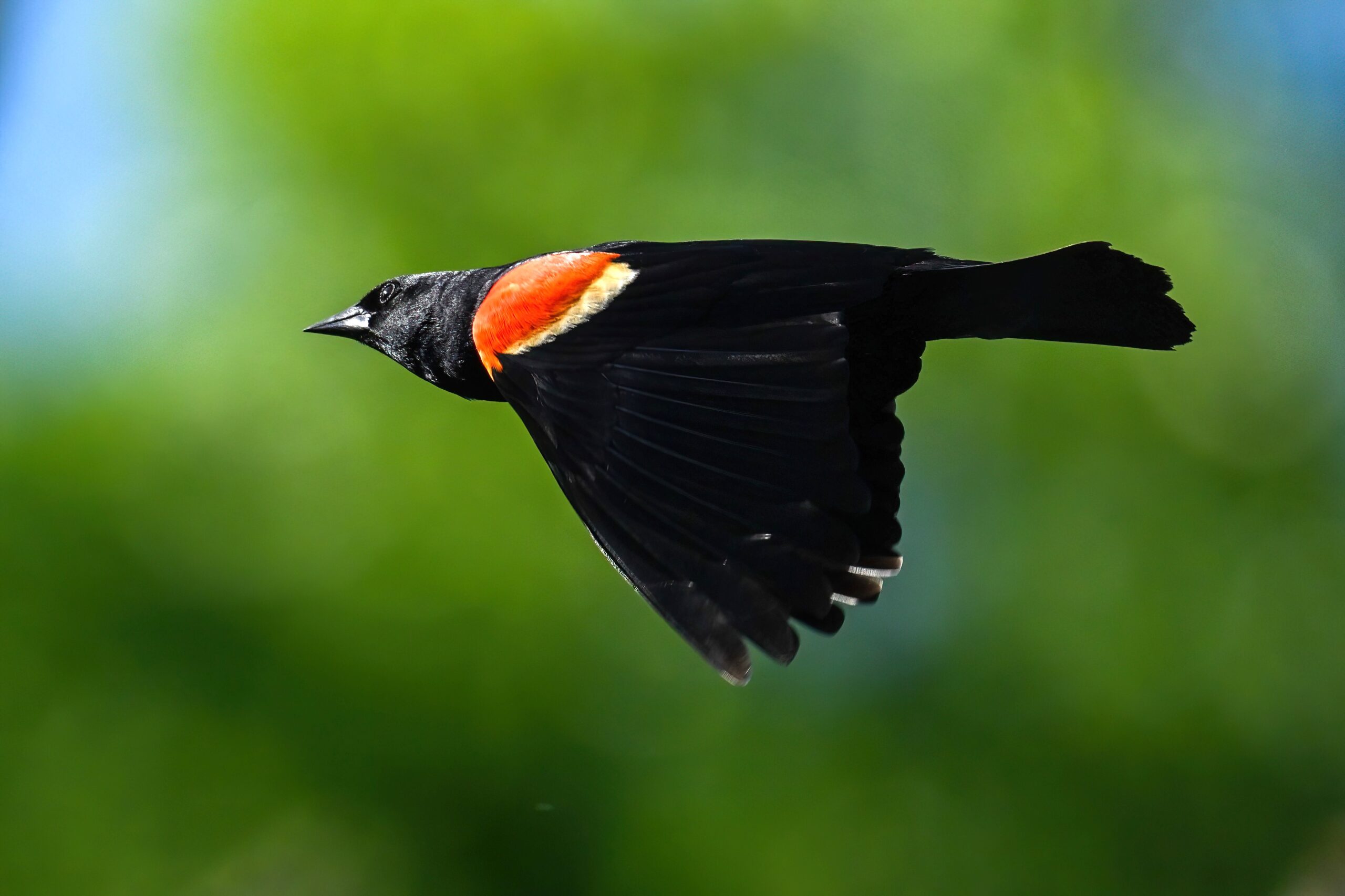
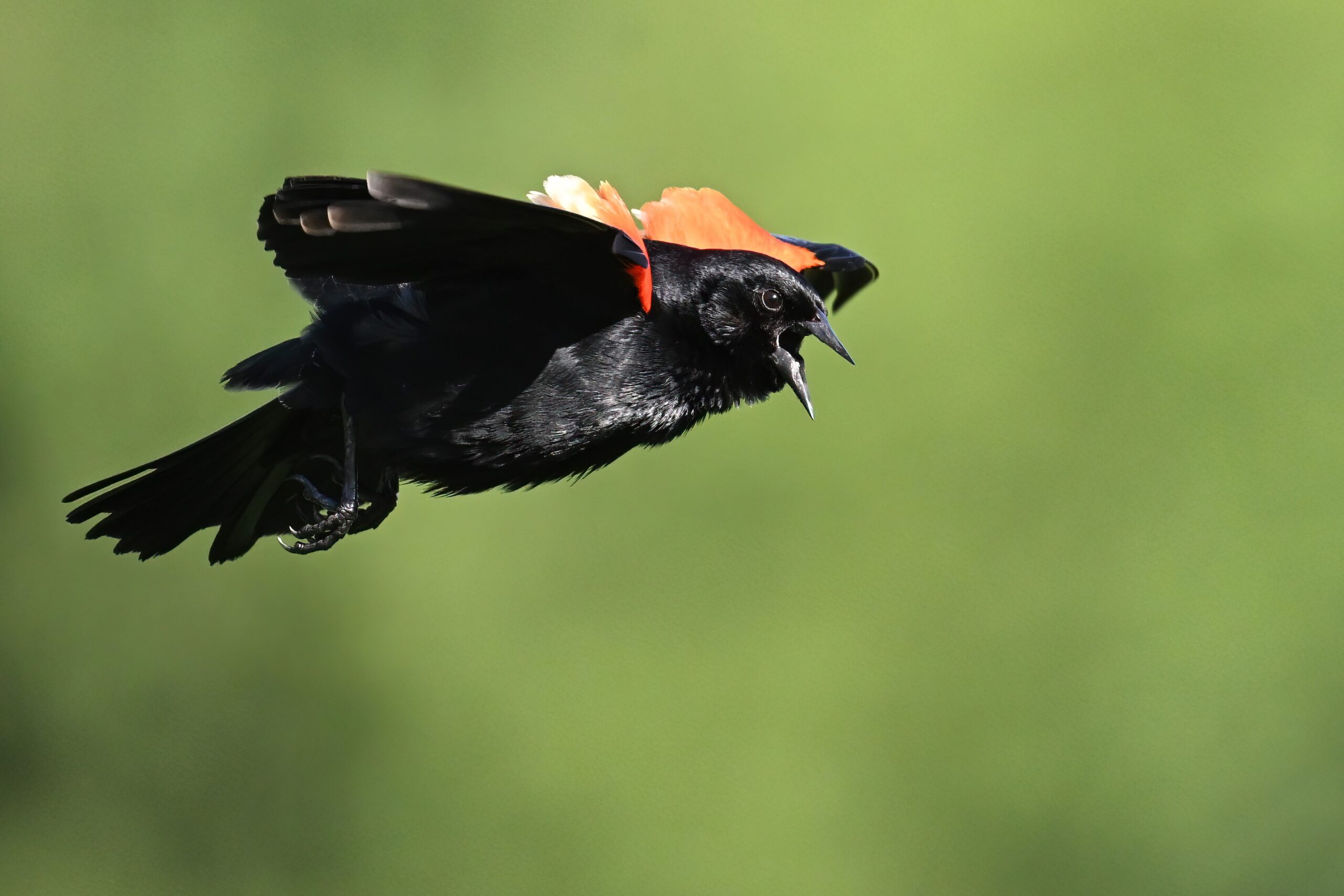
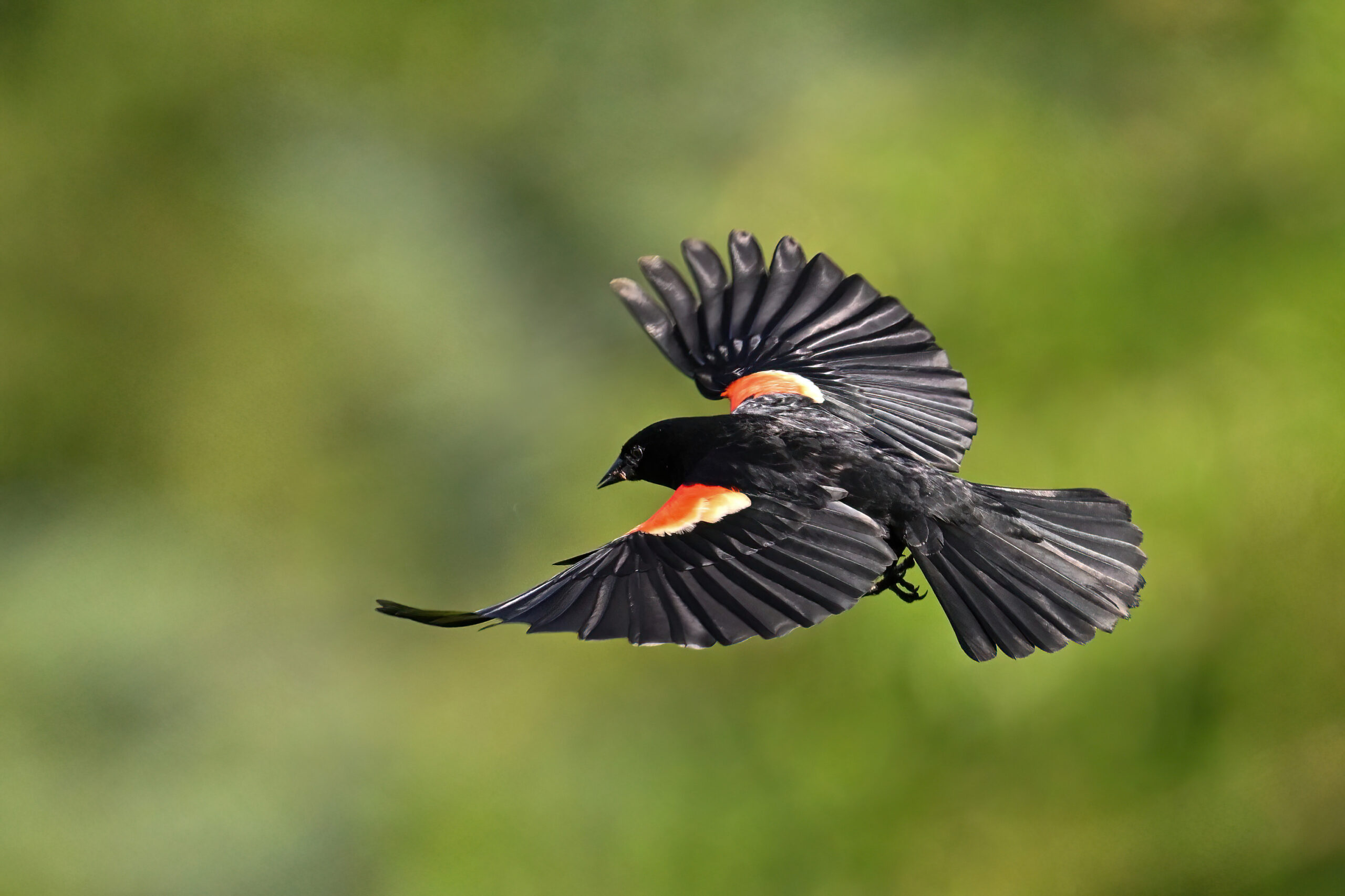
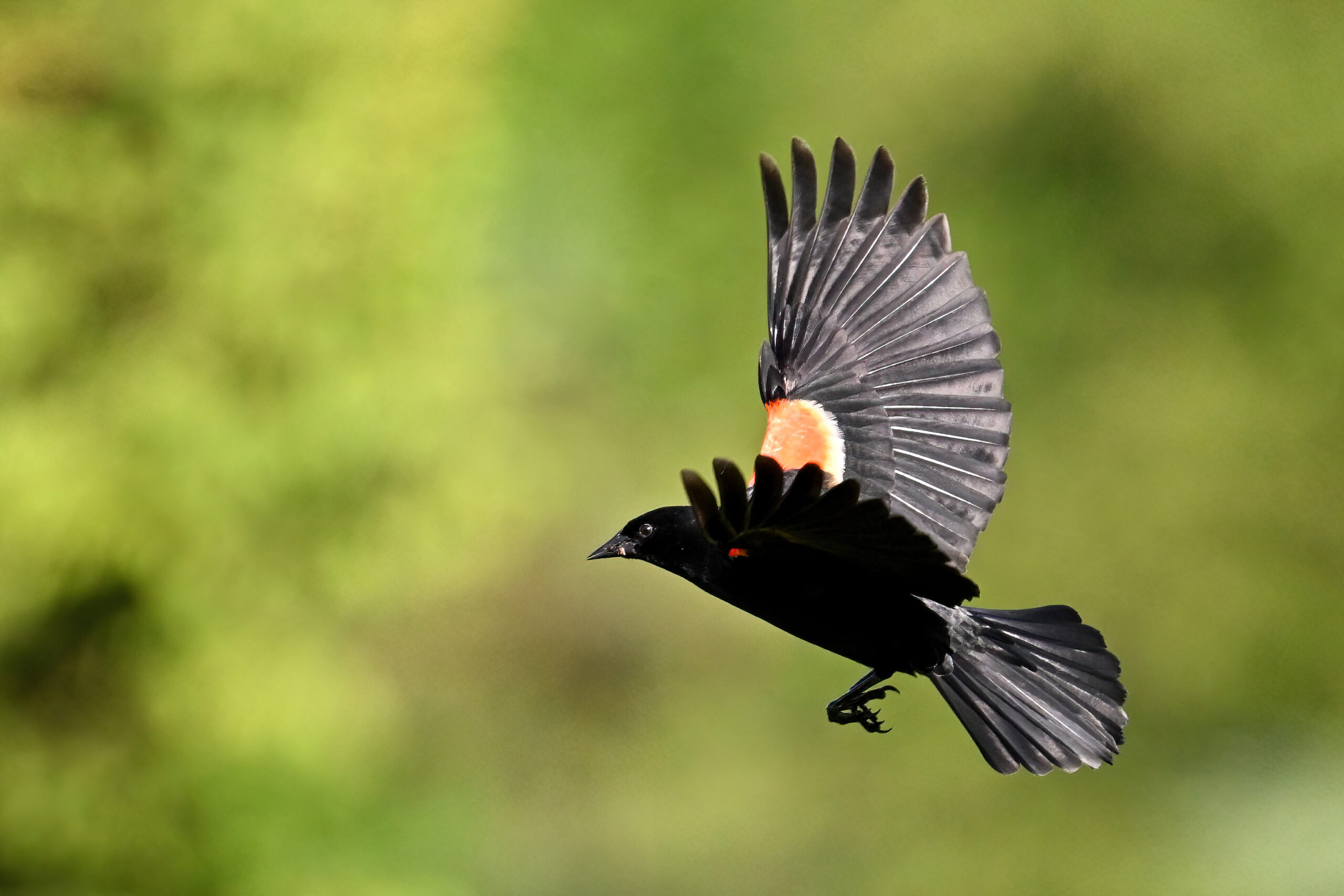
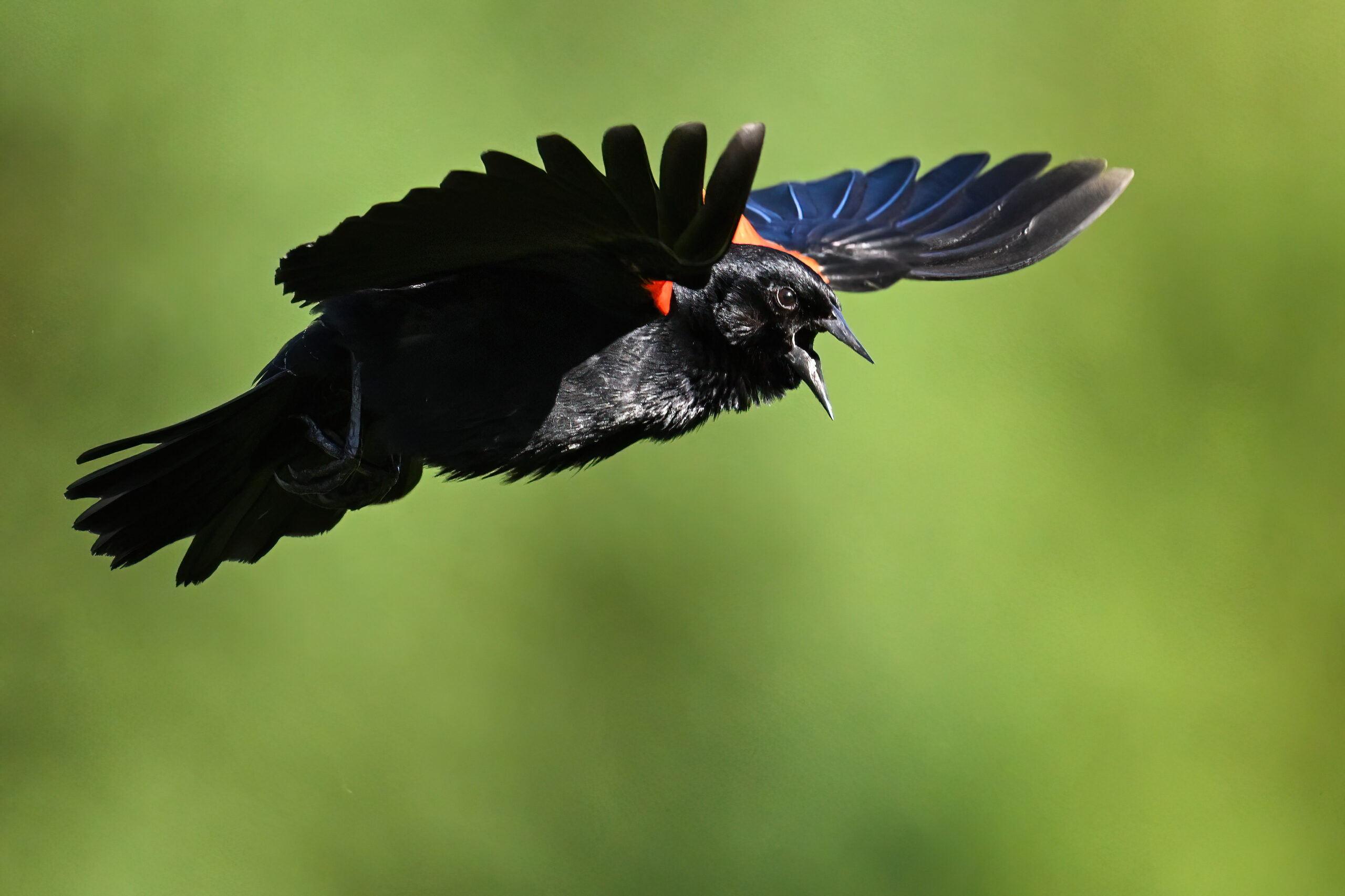
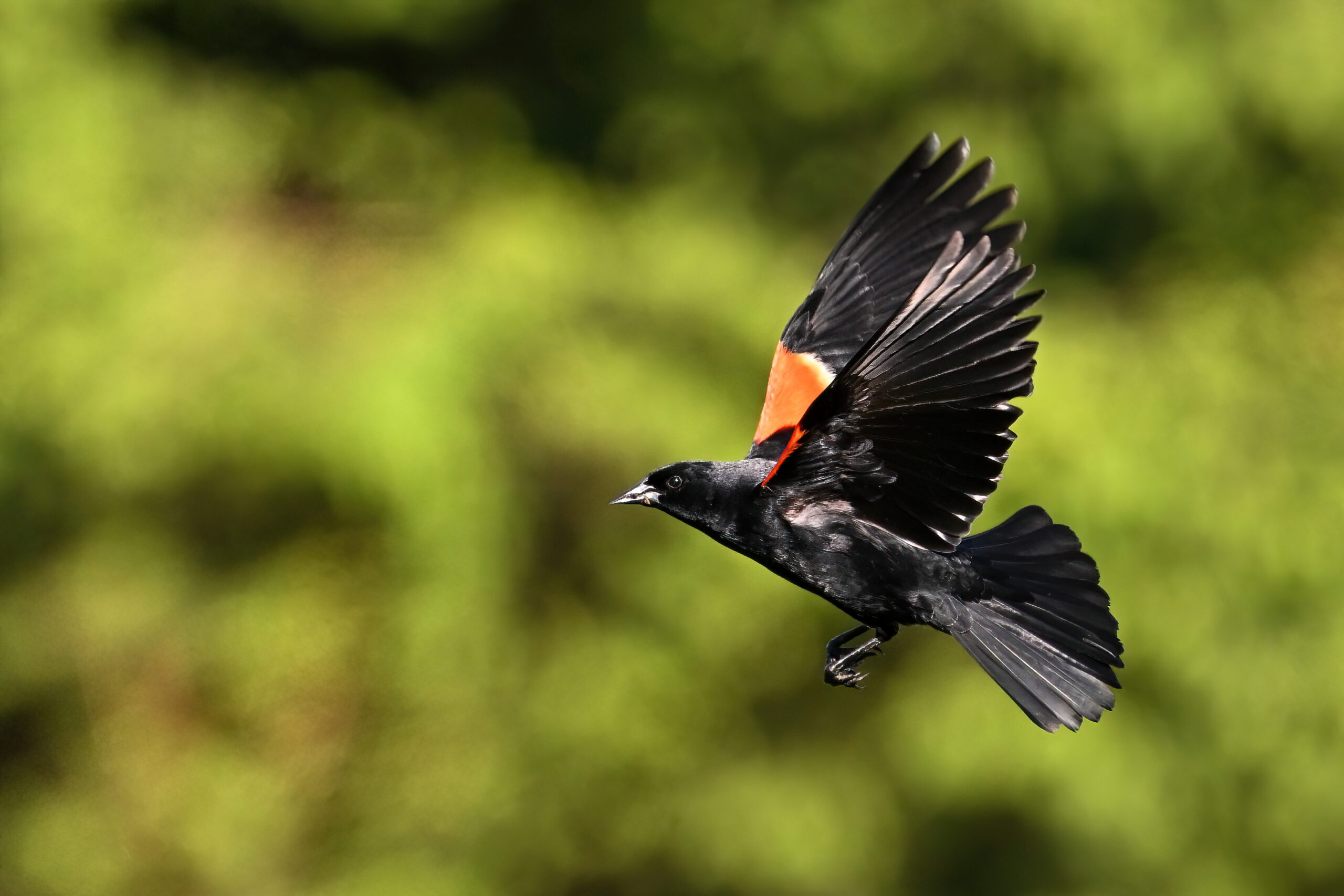
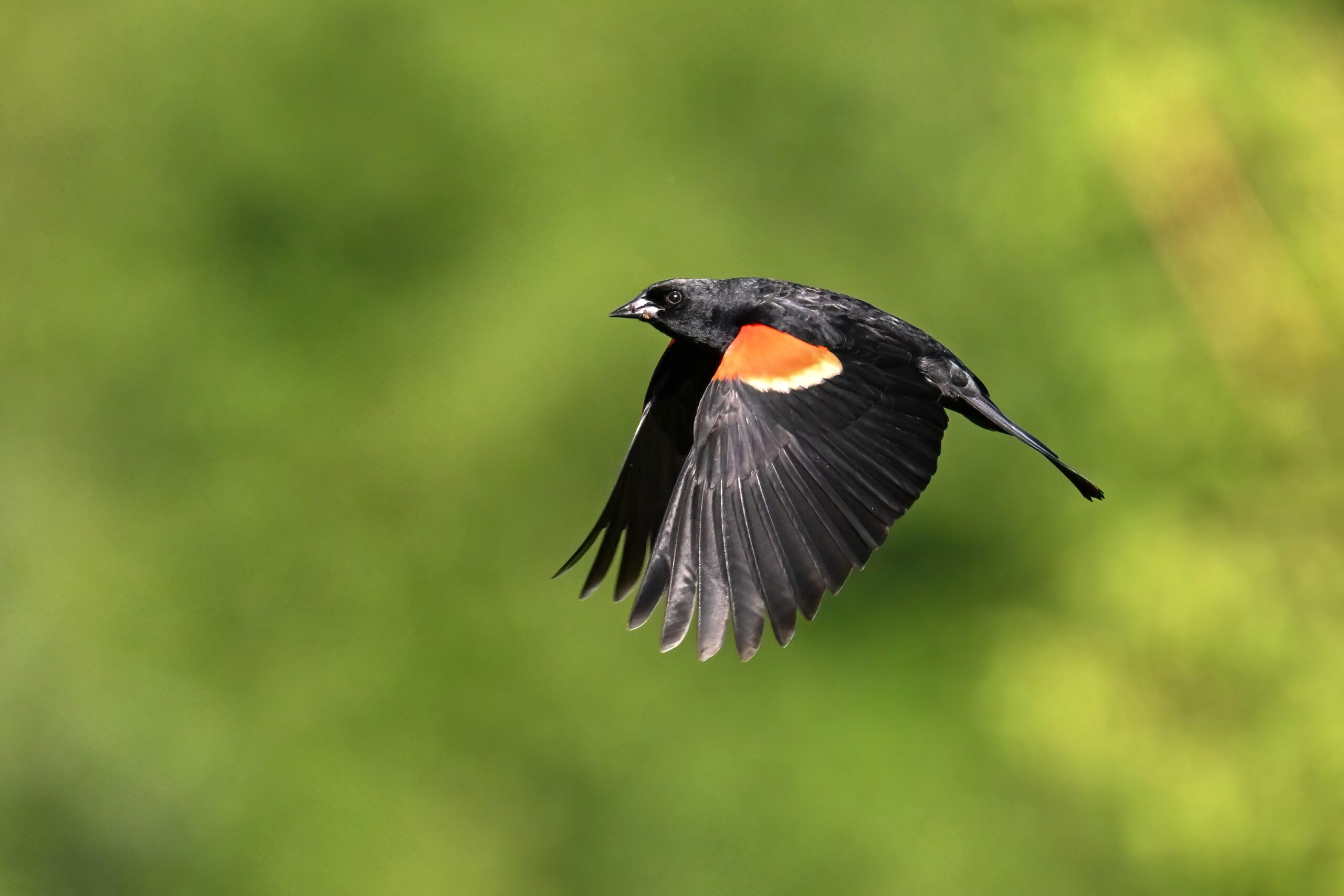
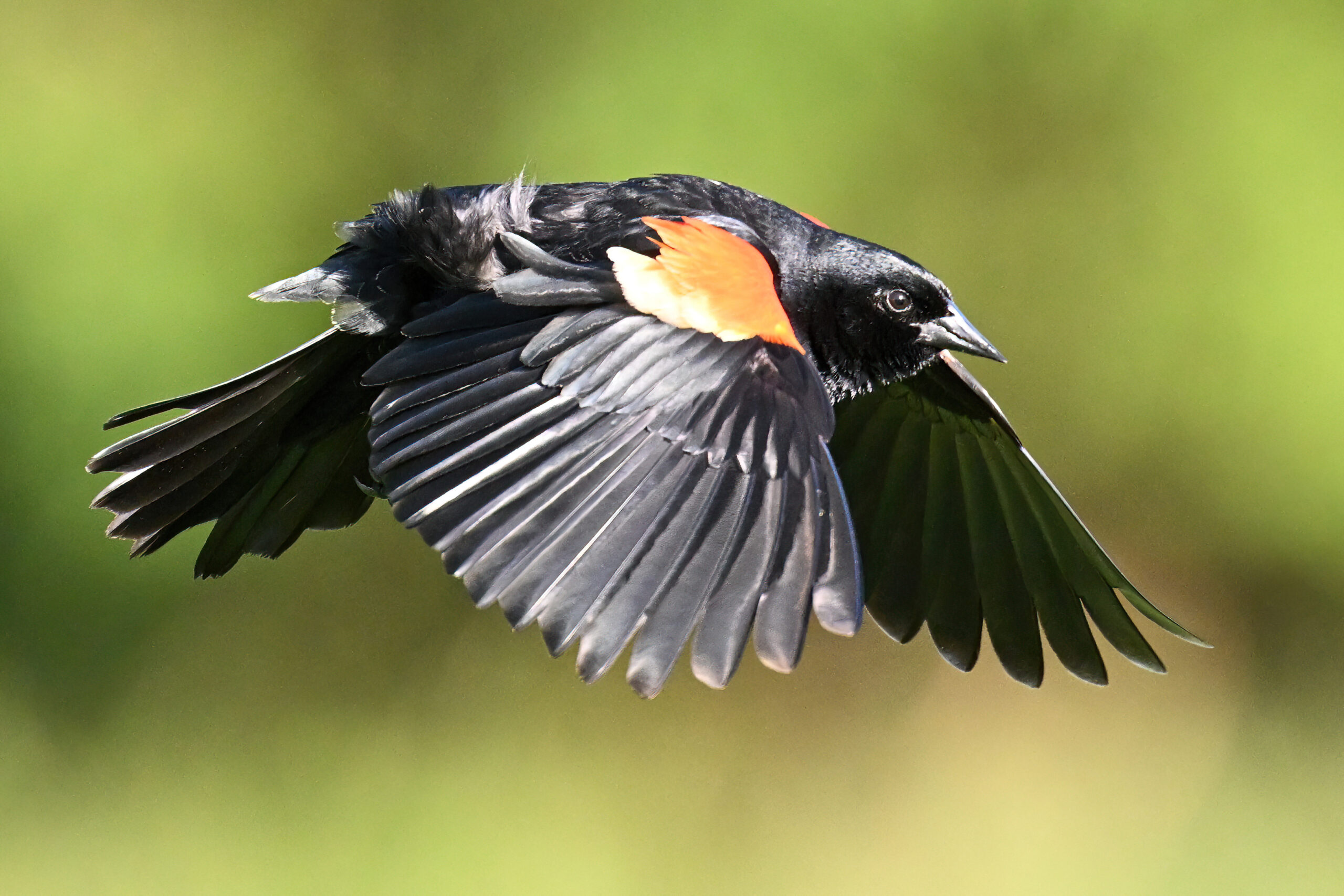
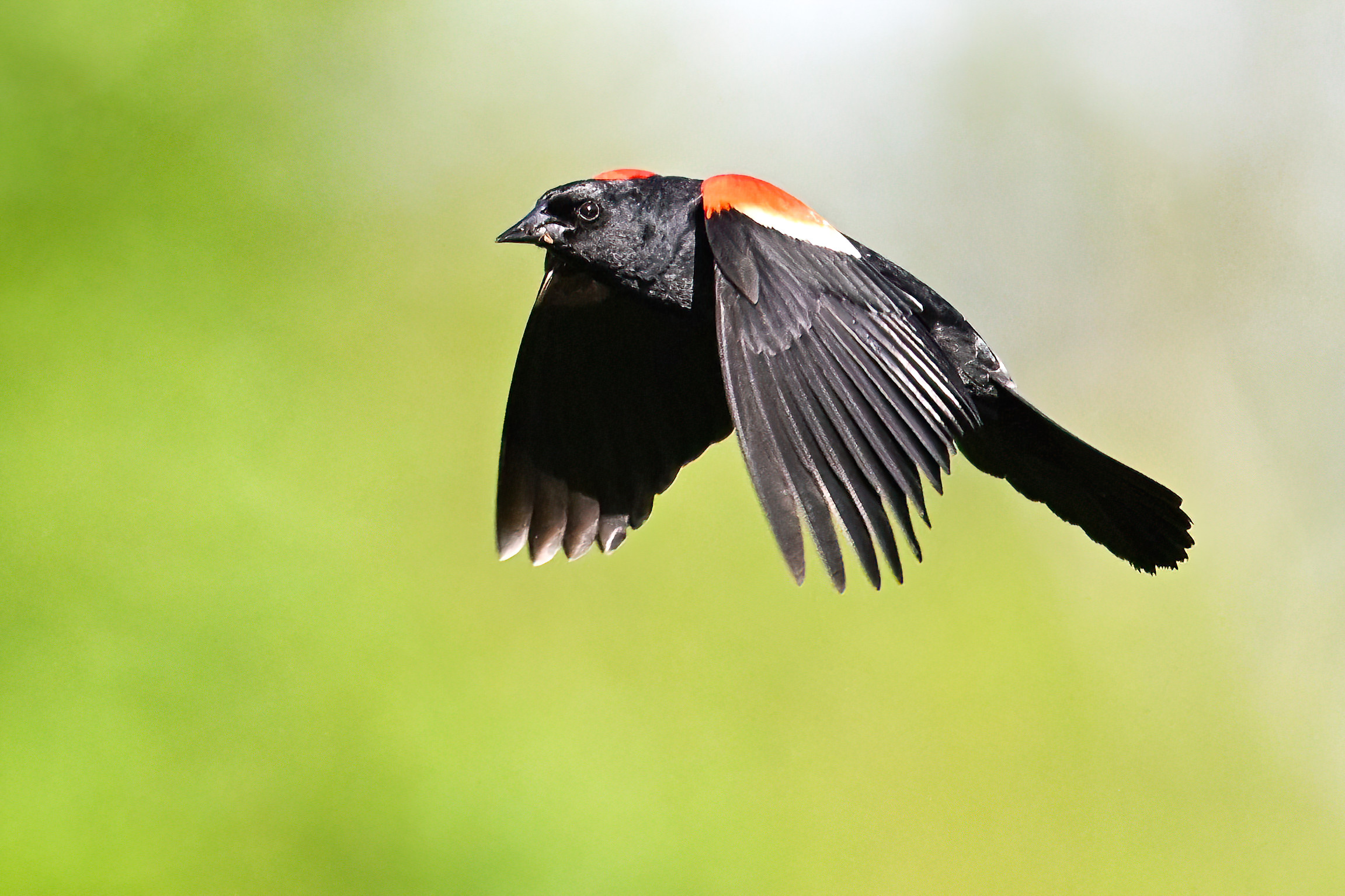
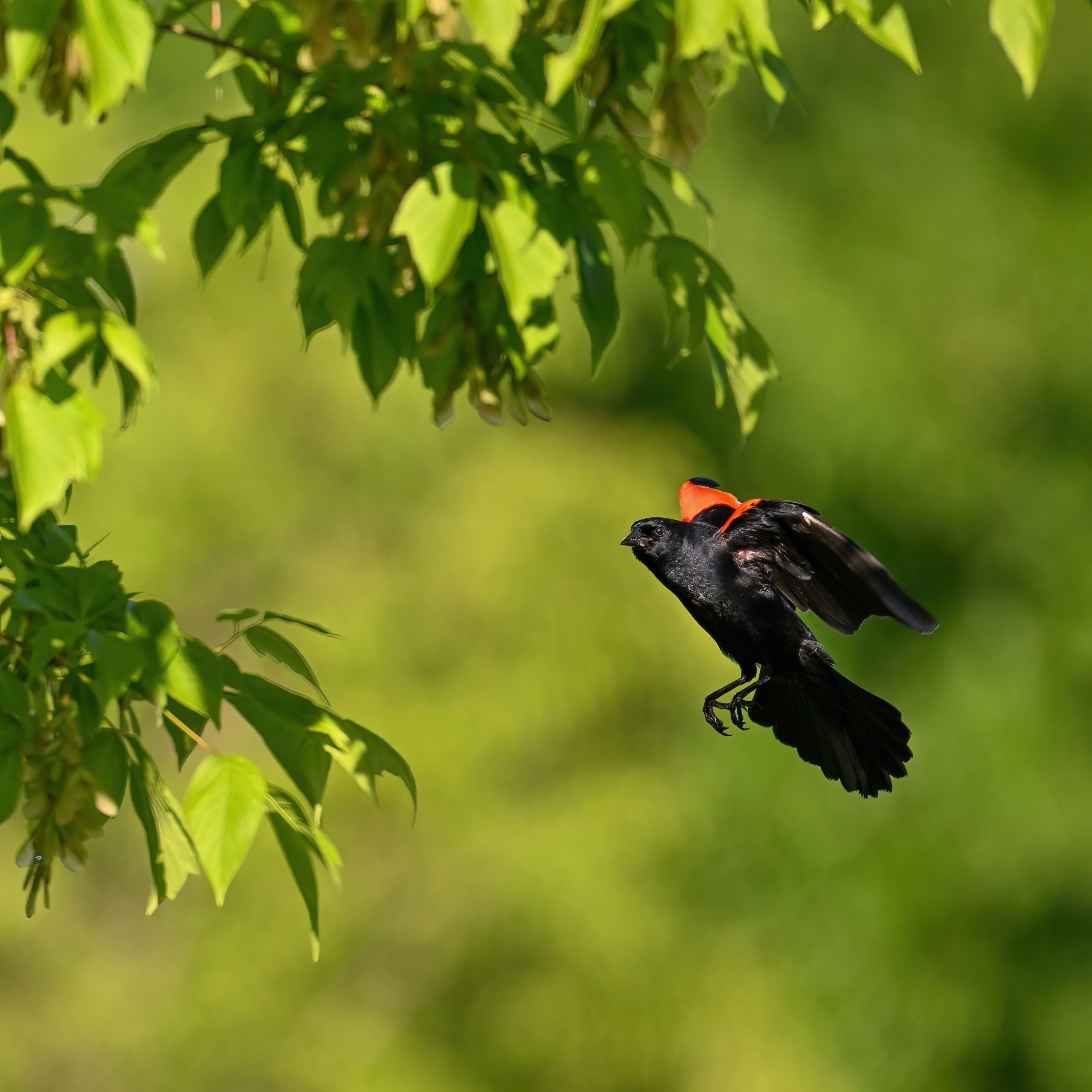
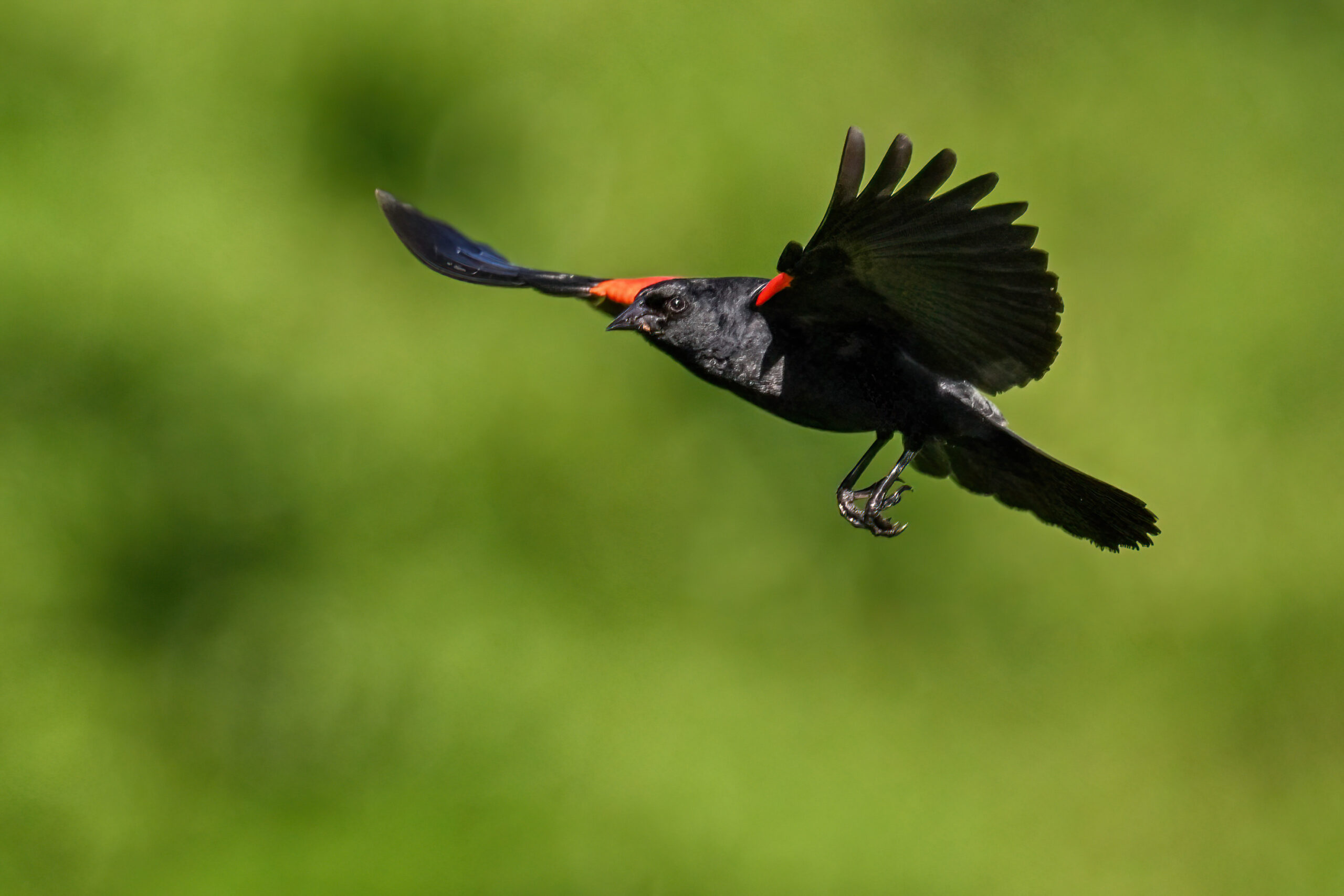
Recent shots of male Red-winged Blackbird in flight in Erie County, PA, at West Road Elk Creek access. (More on this very interesting location coming up soon.)
Warm temps and big thunderstorms yesterday and overnight in Erie County, PA. Weather this morning: sunny & plenty of bird activity. Time to get out into nature – just avoid the mud & wet grass!
Following, another lengthy posting of pleasant photos from the other morning at Presque Isle State Park, at Leo’s Landing:
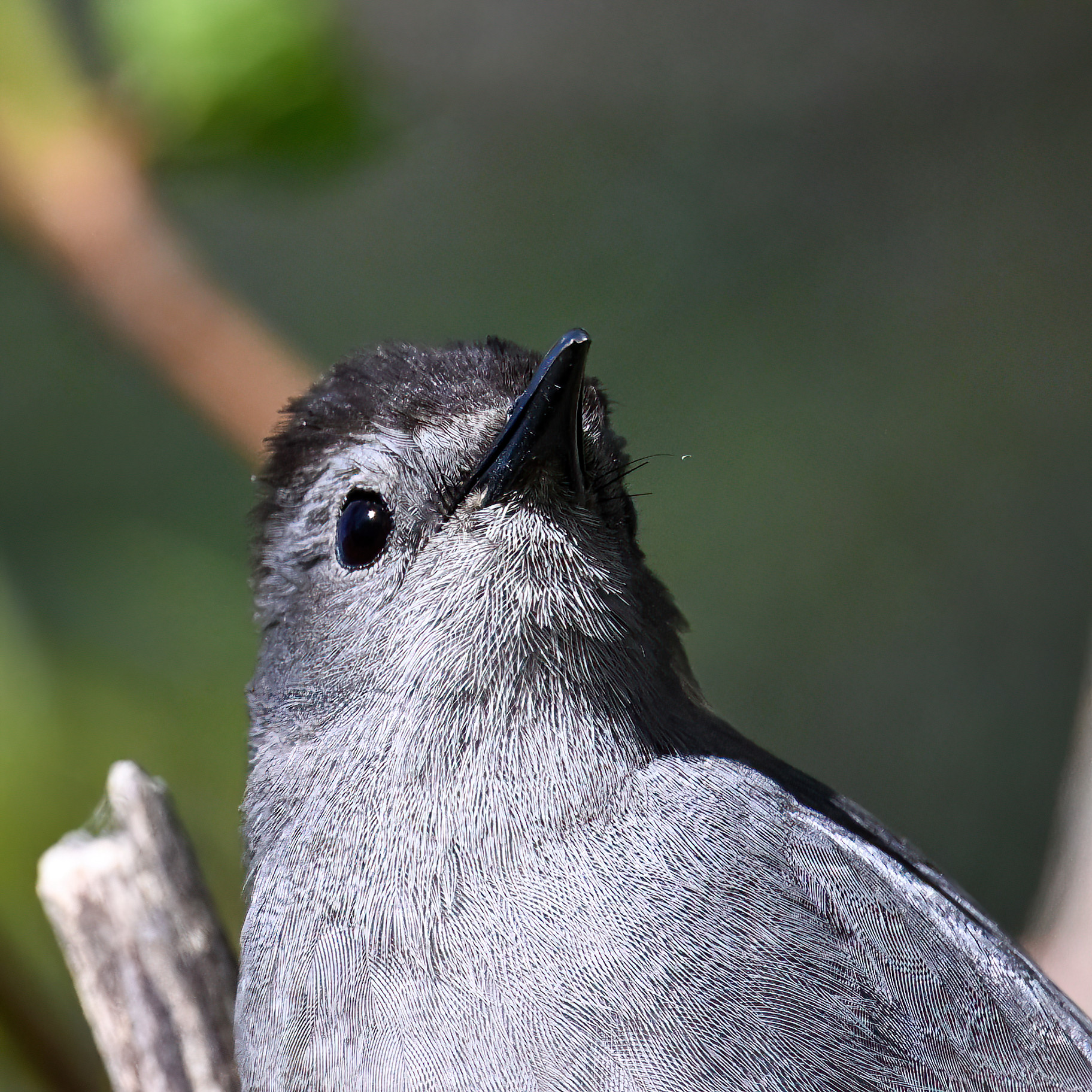
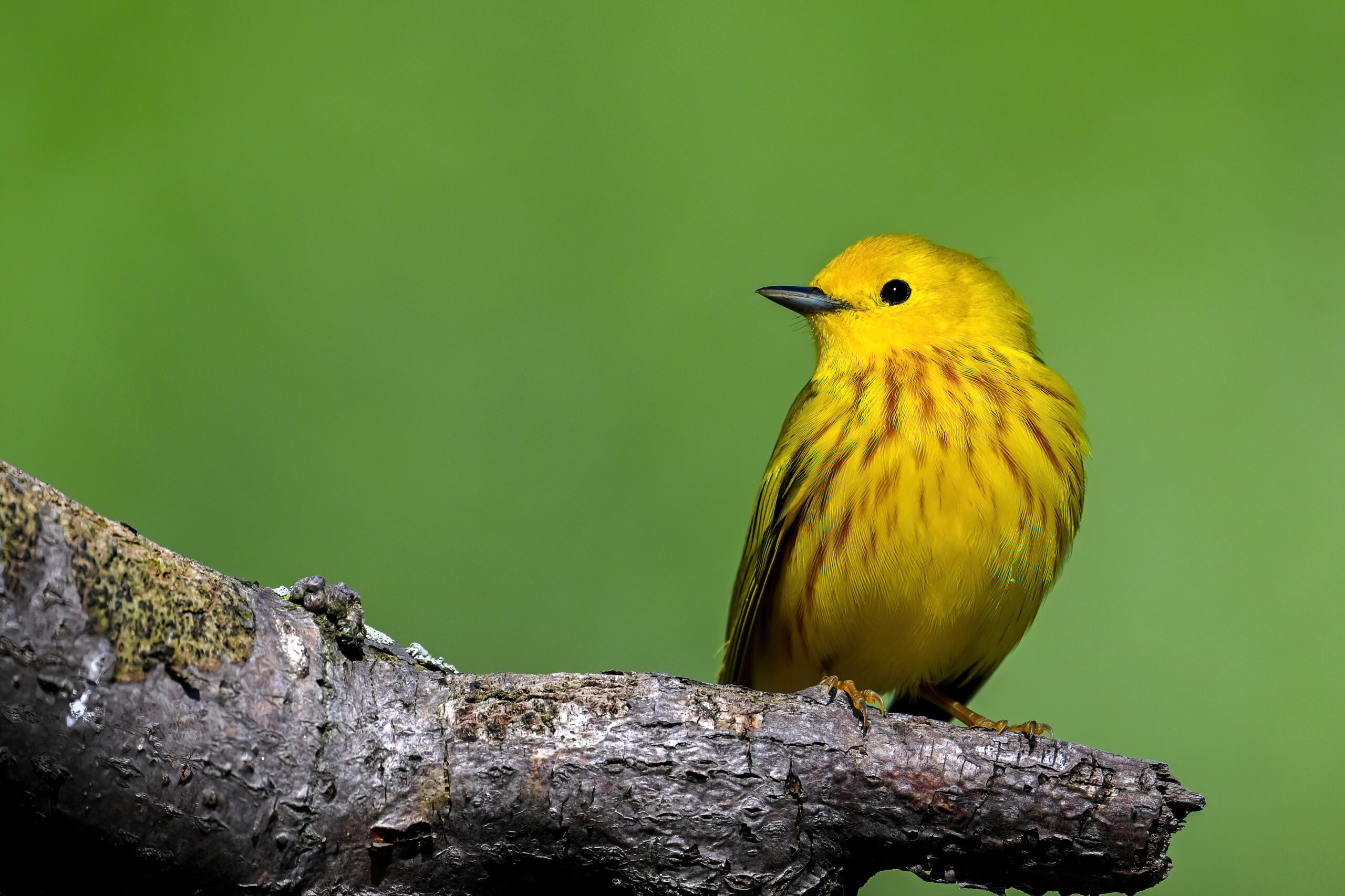
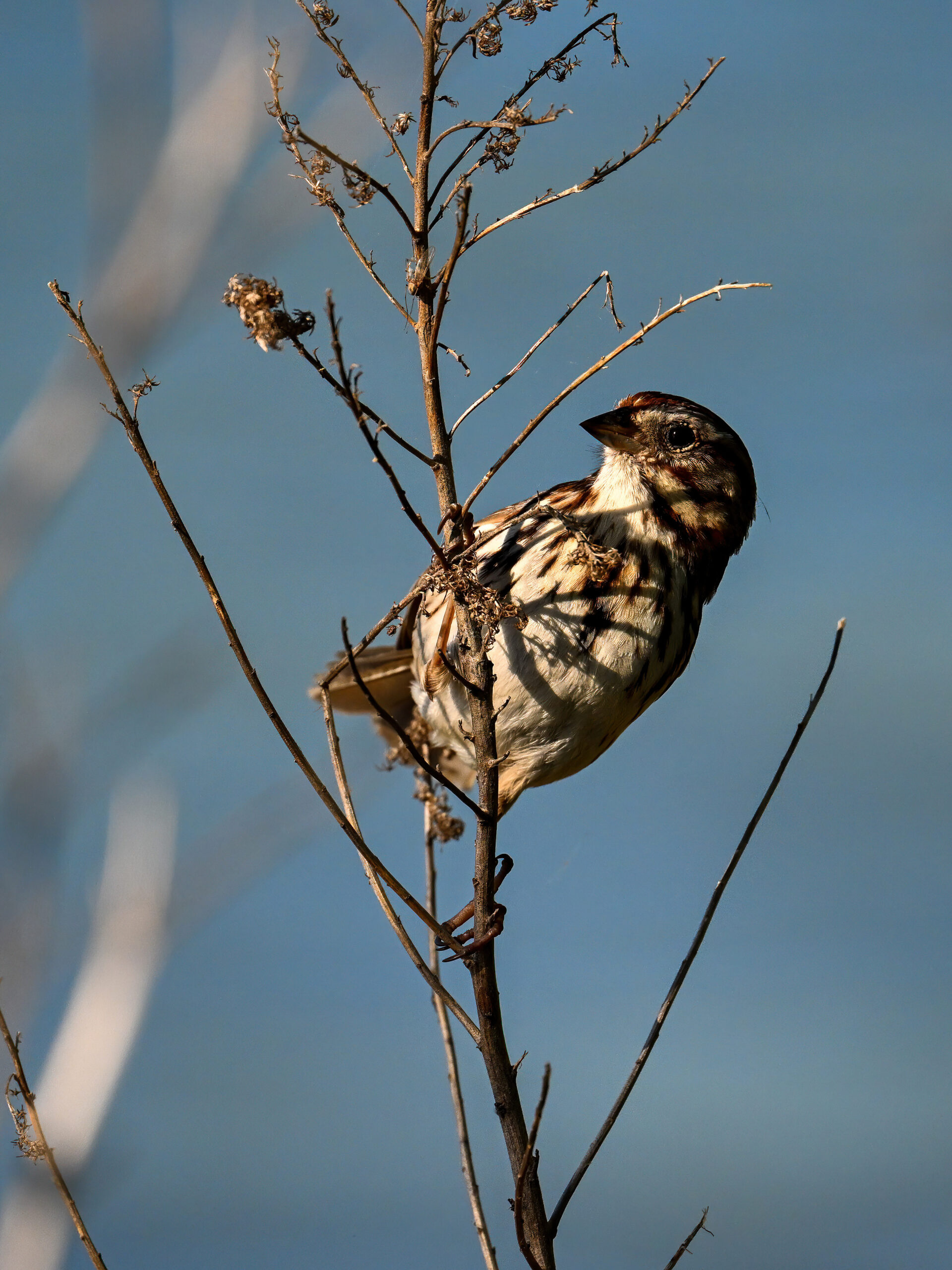
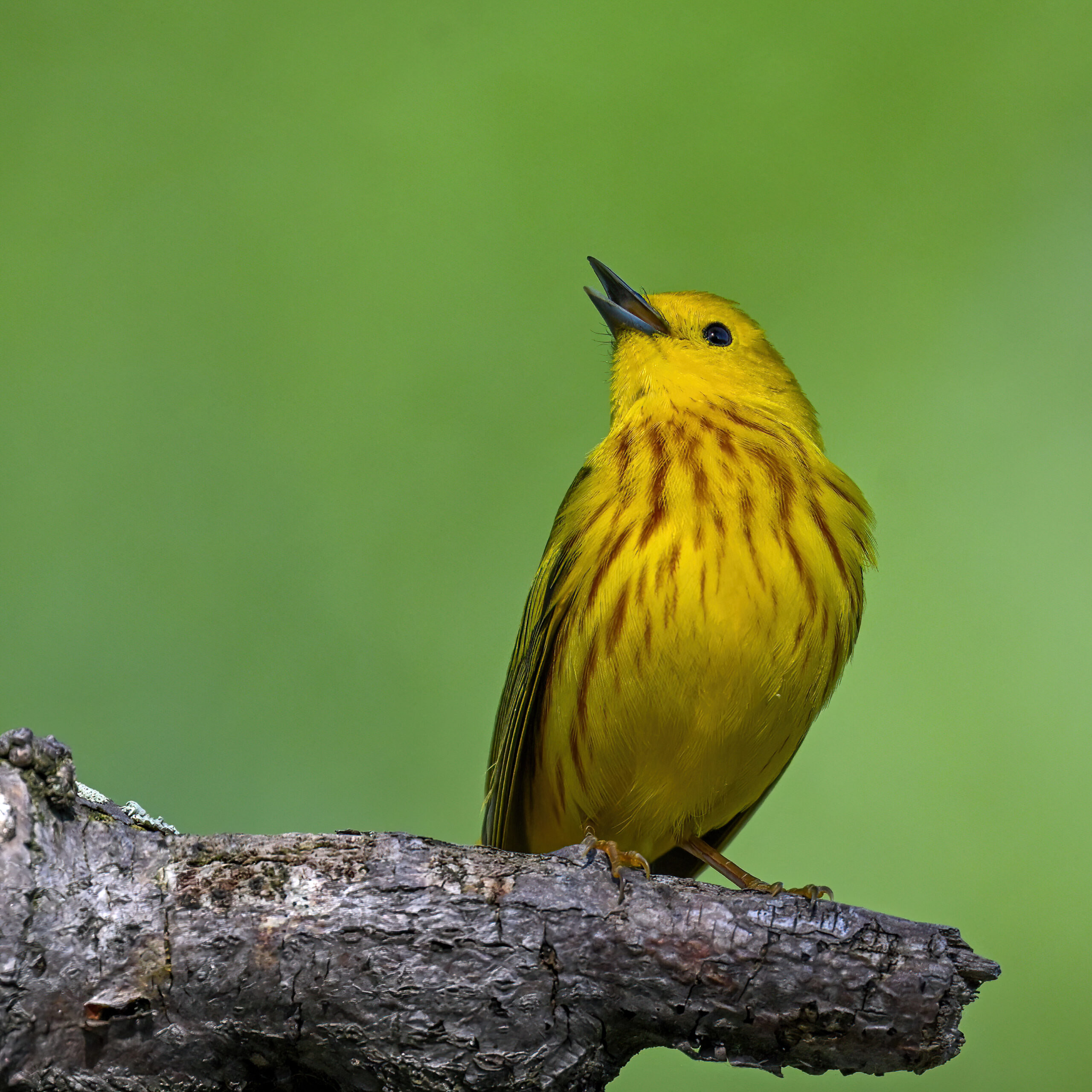
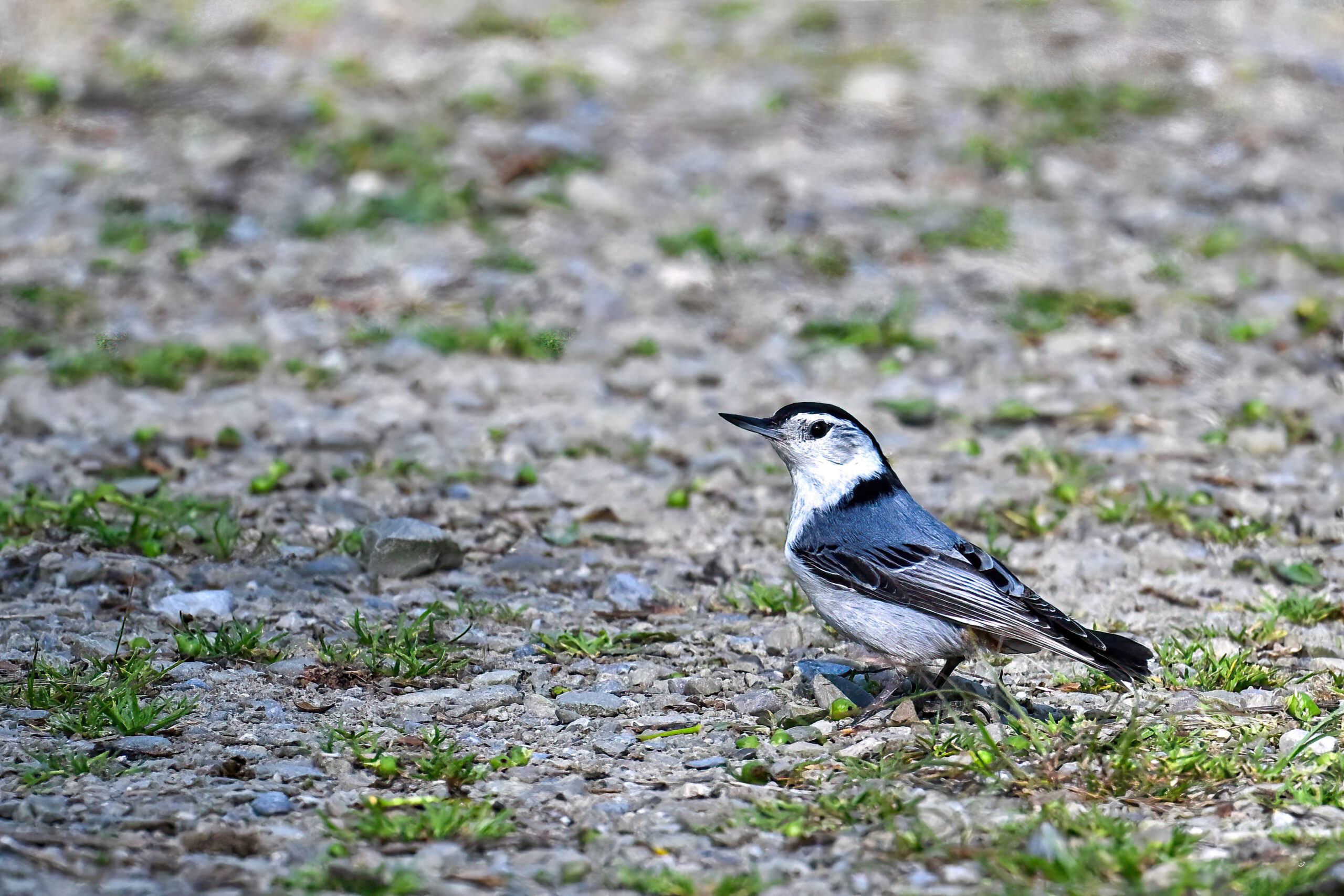
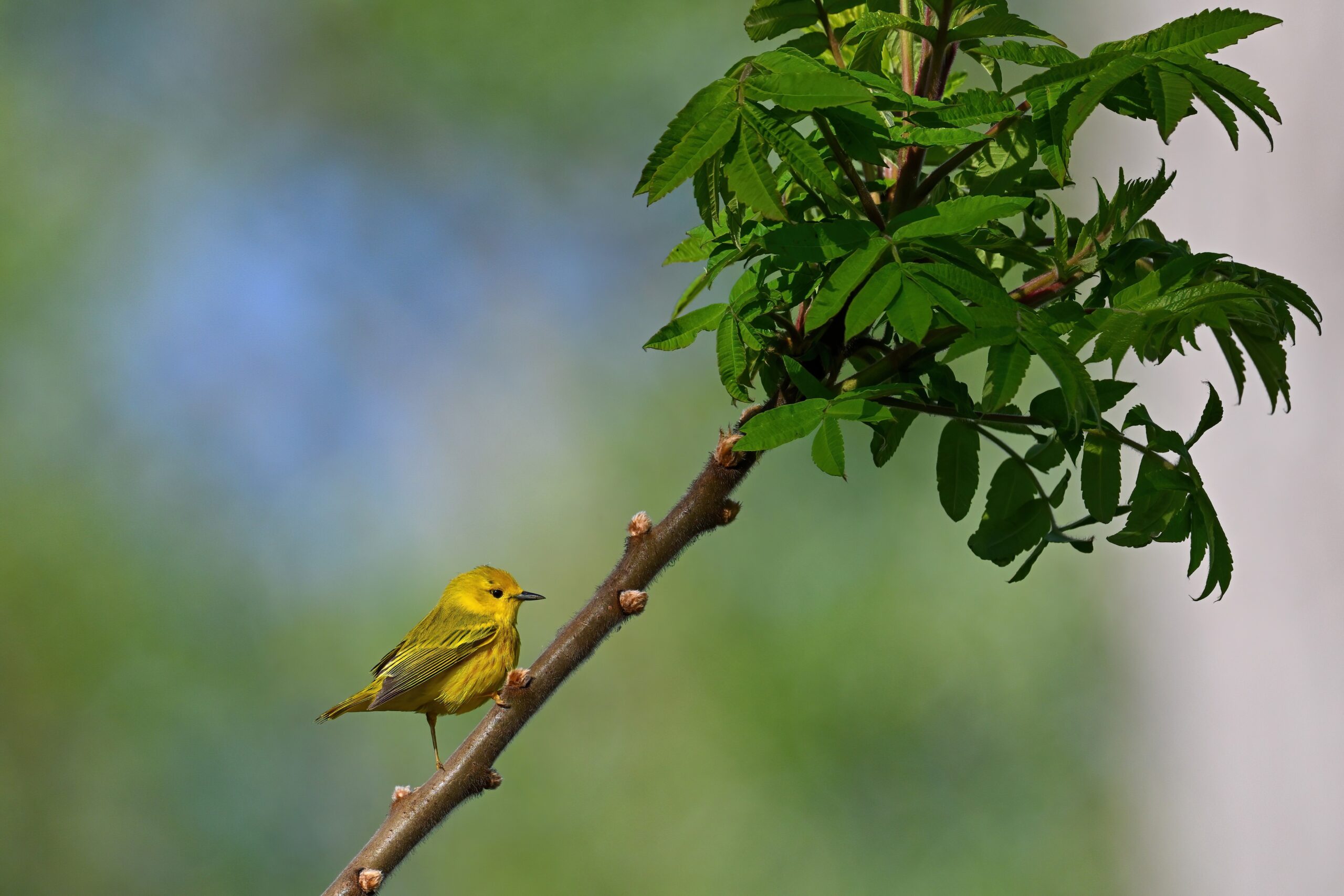
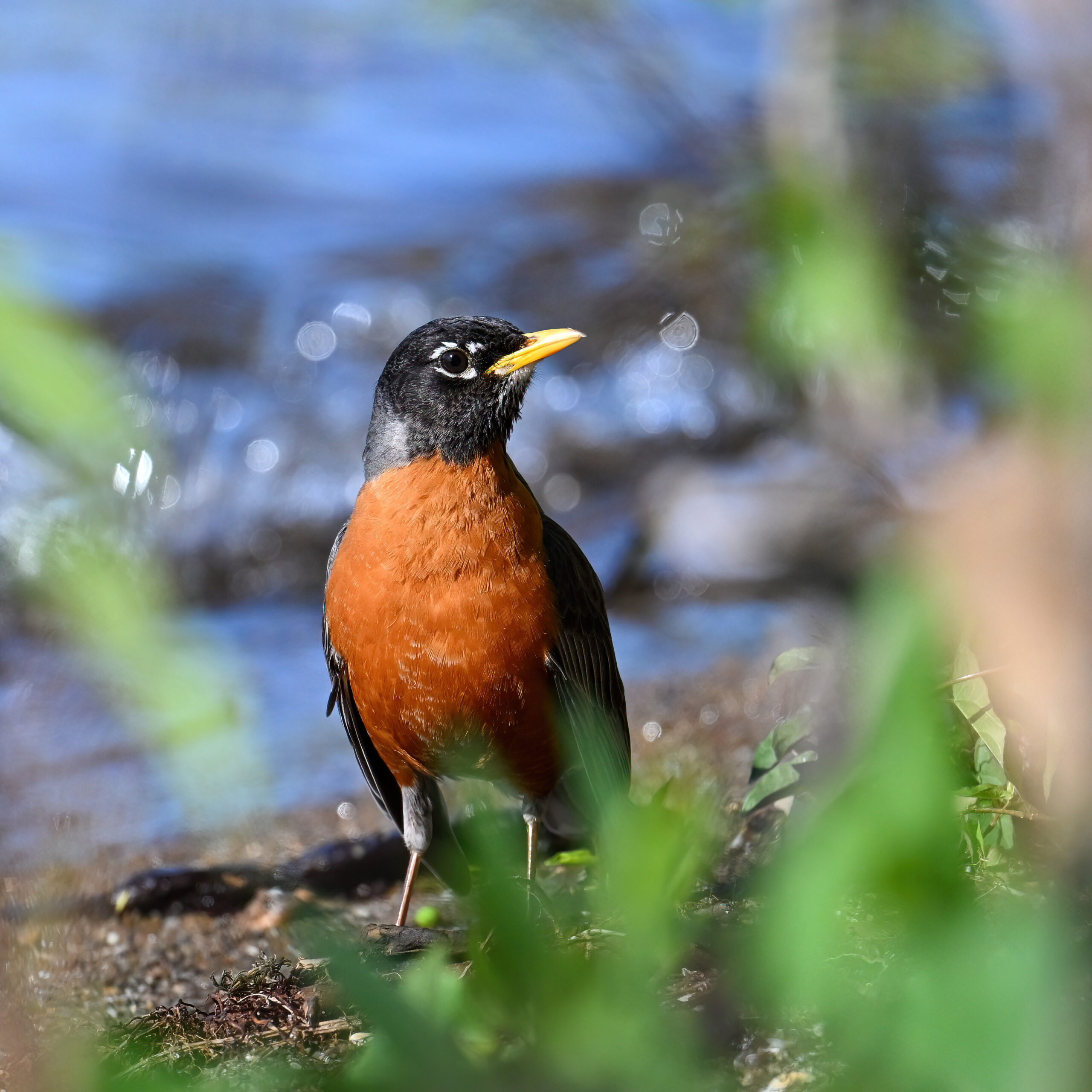
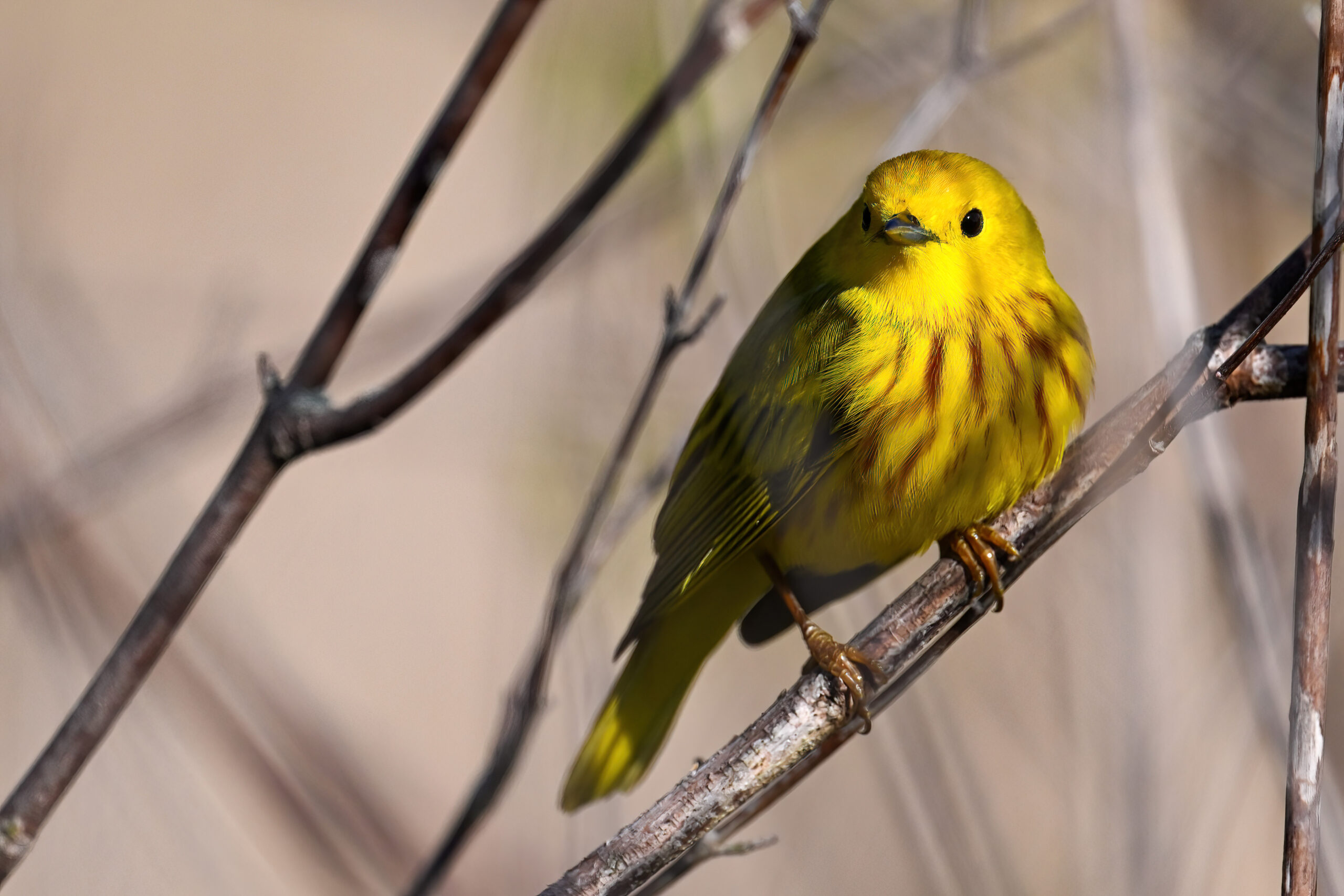
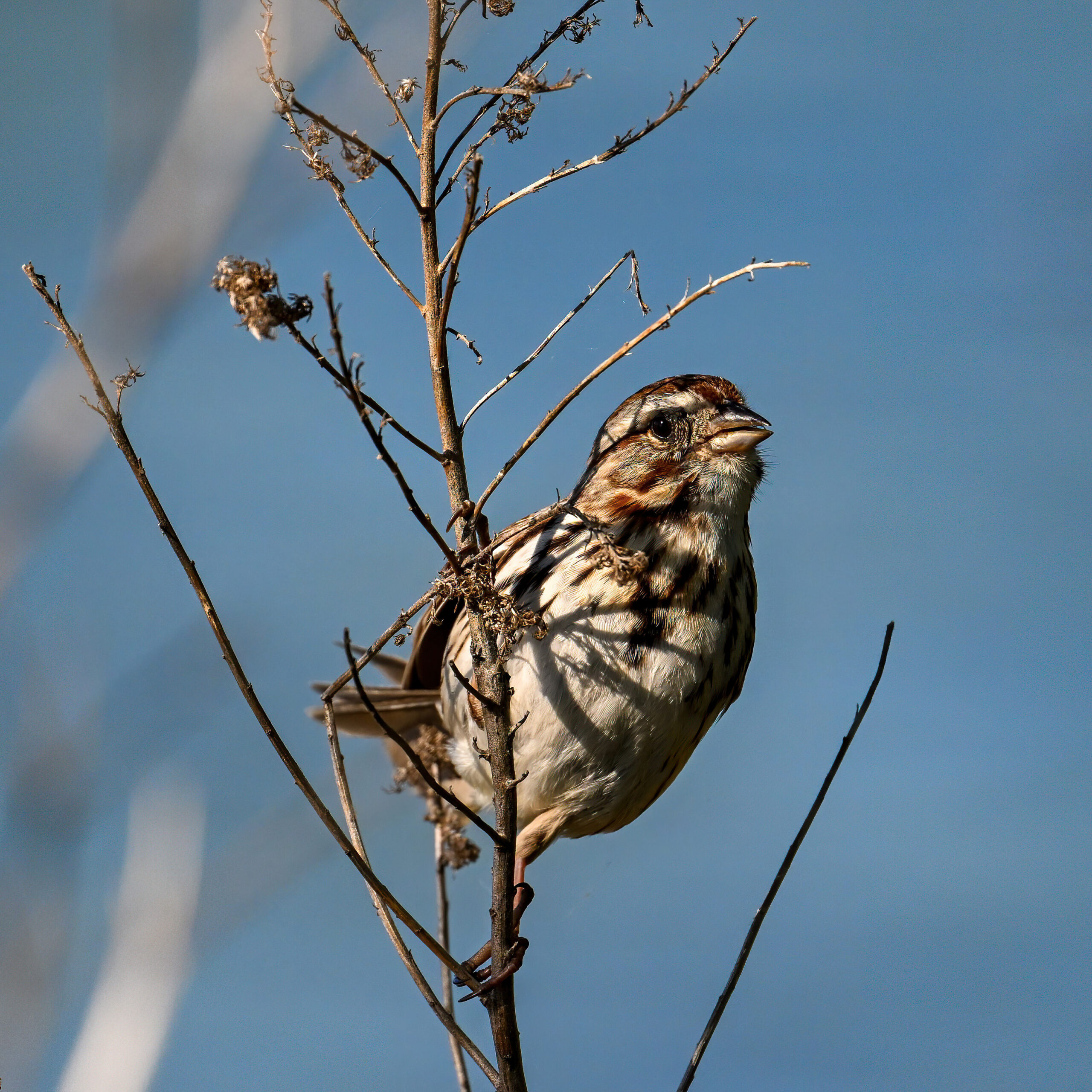
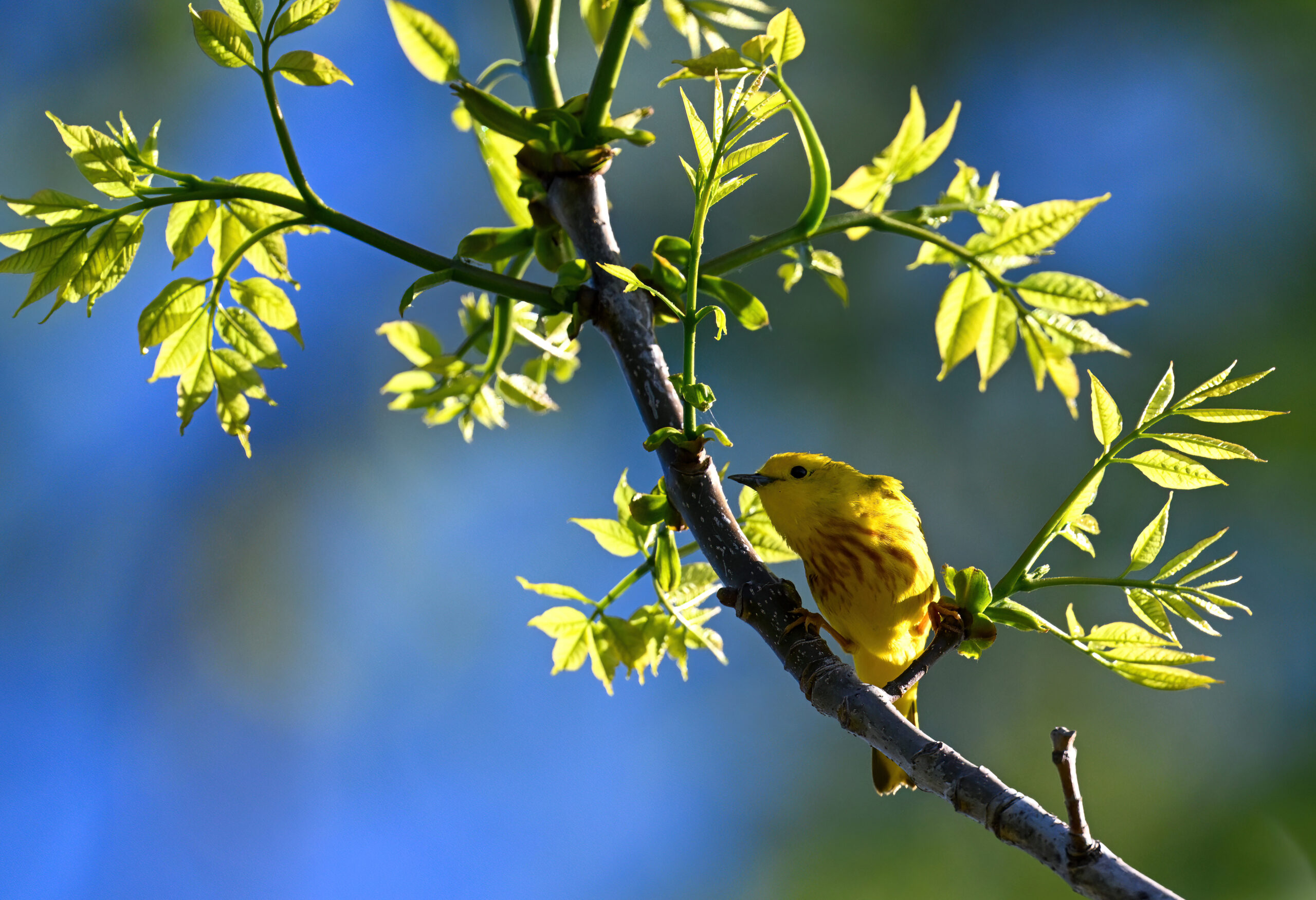
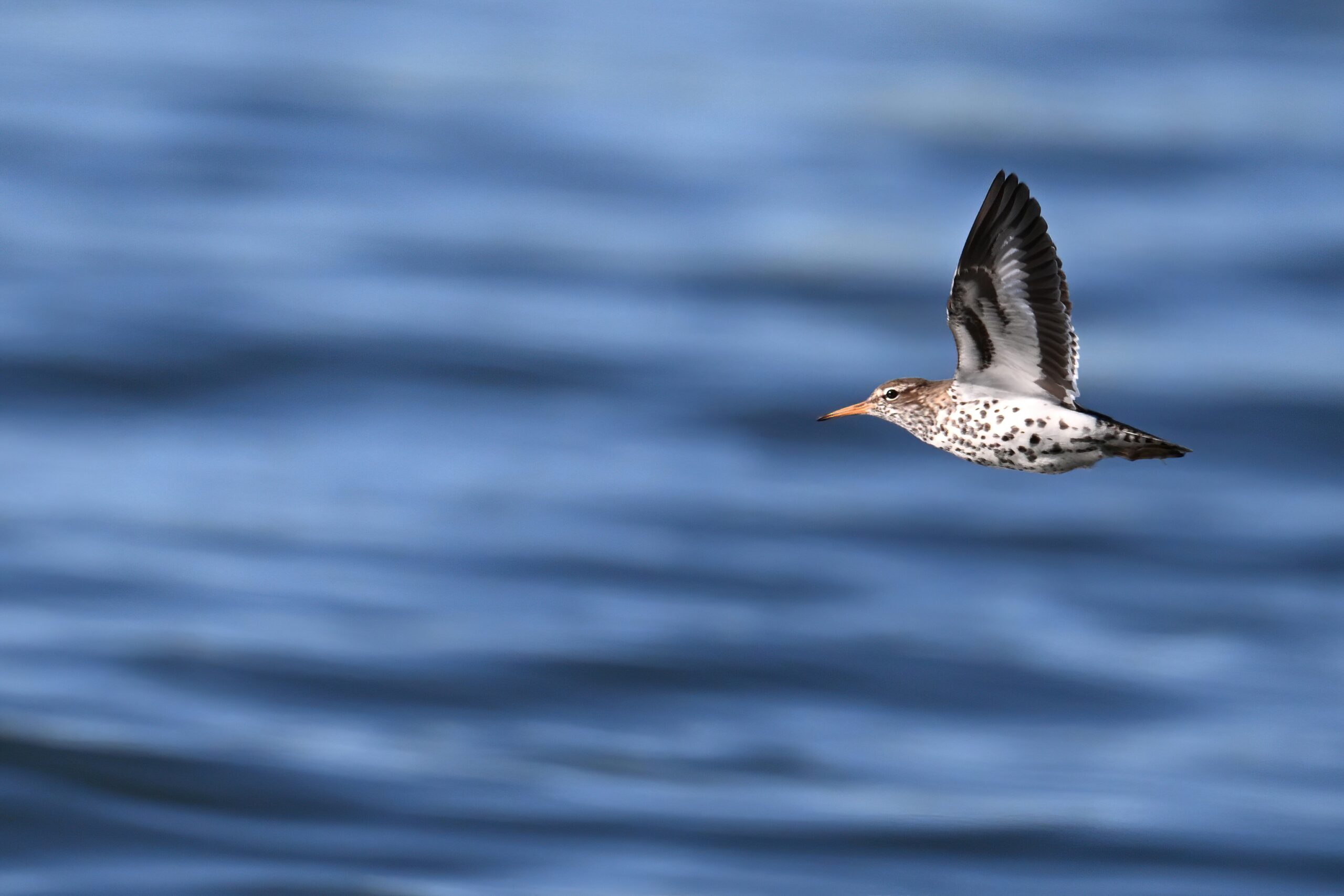
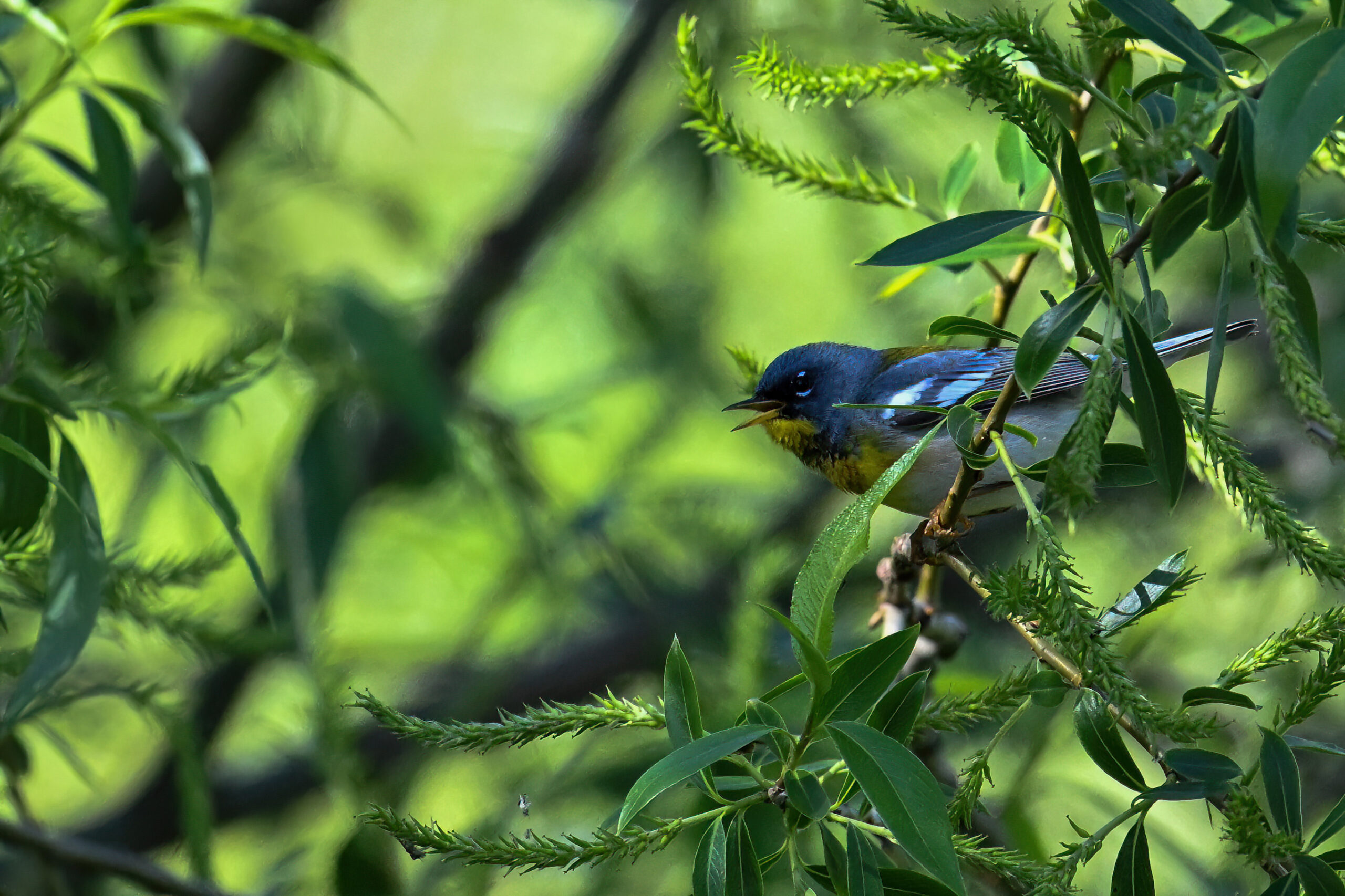
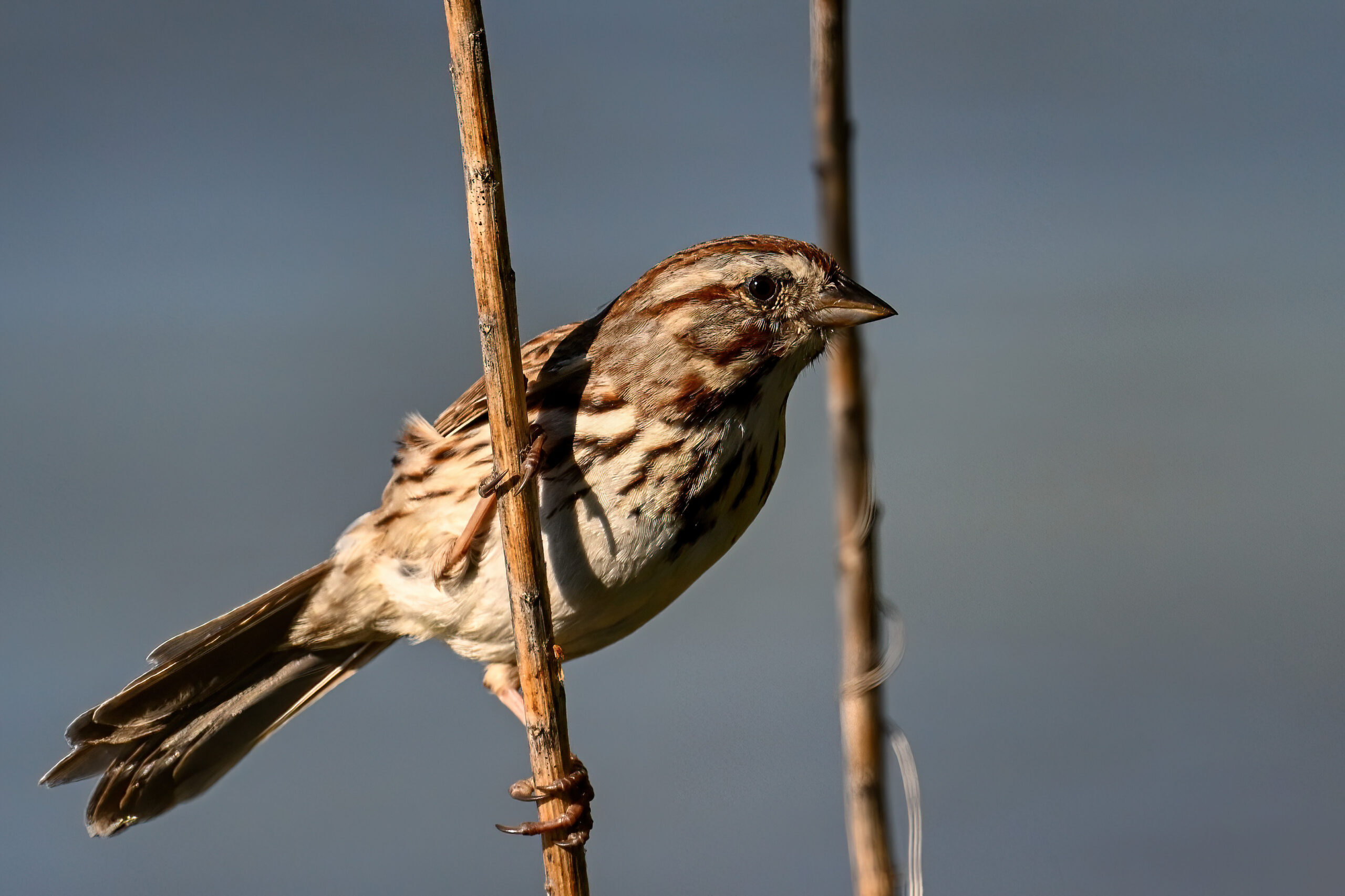
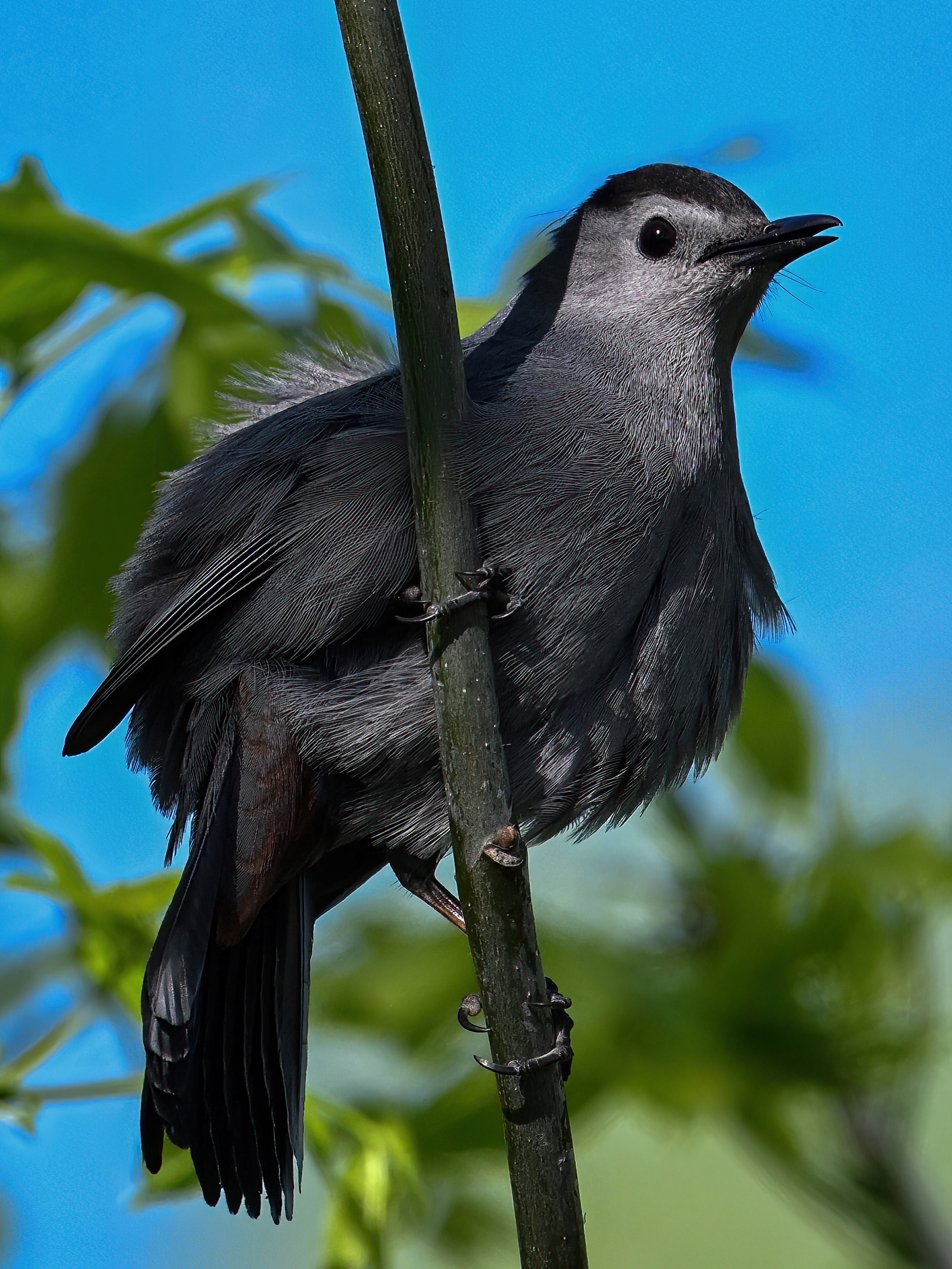
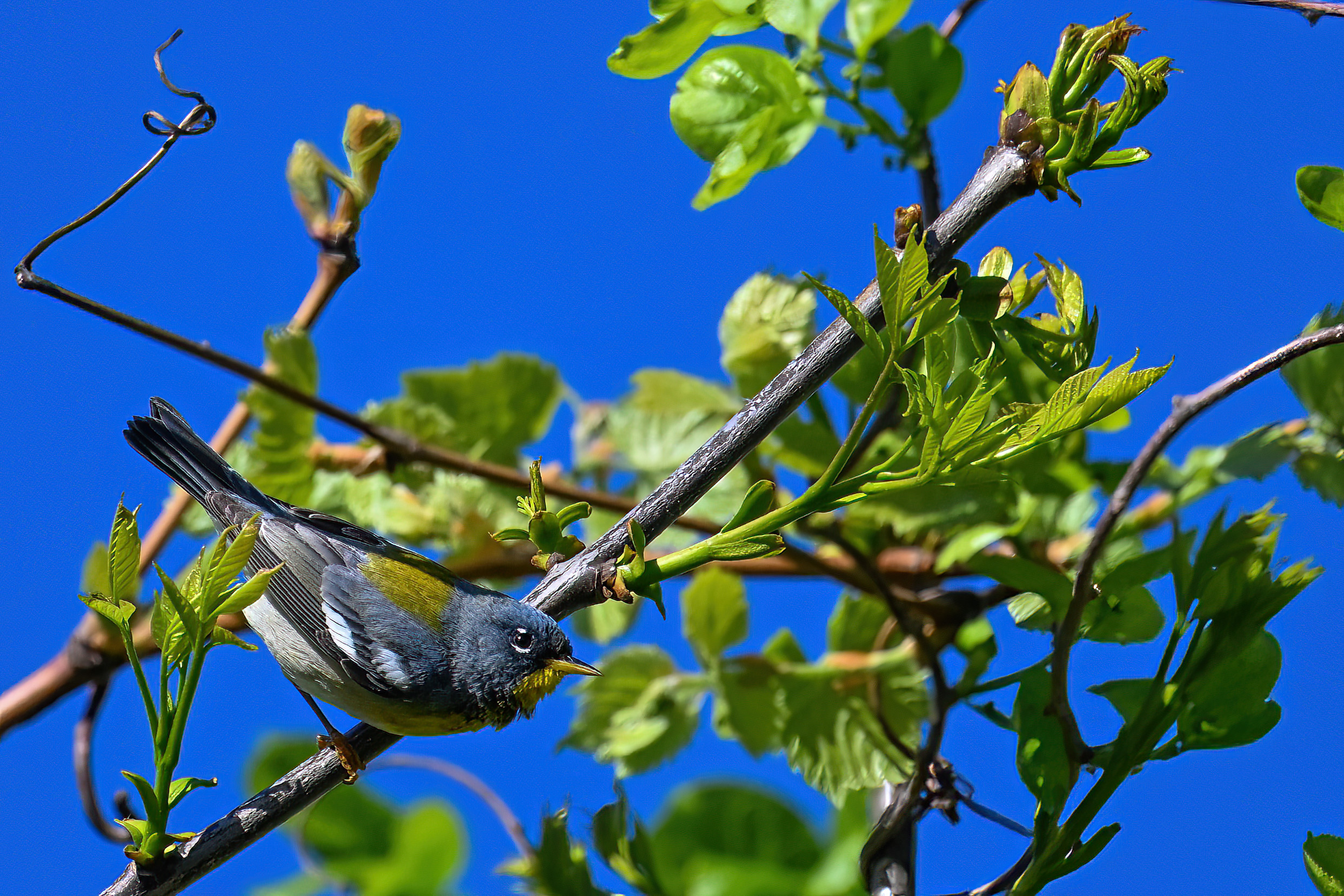
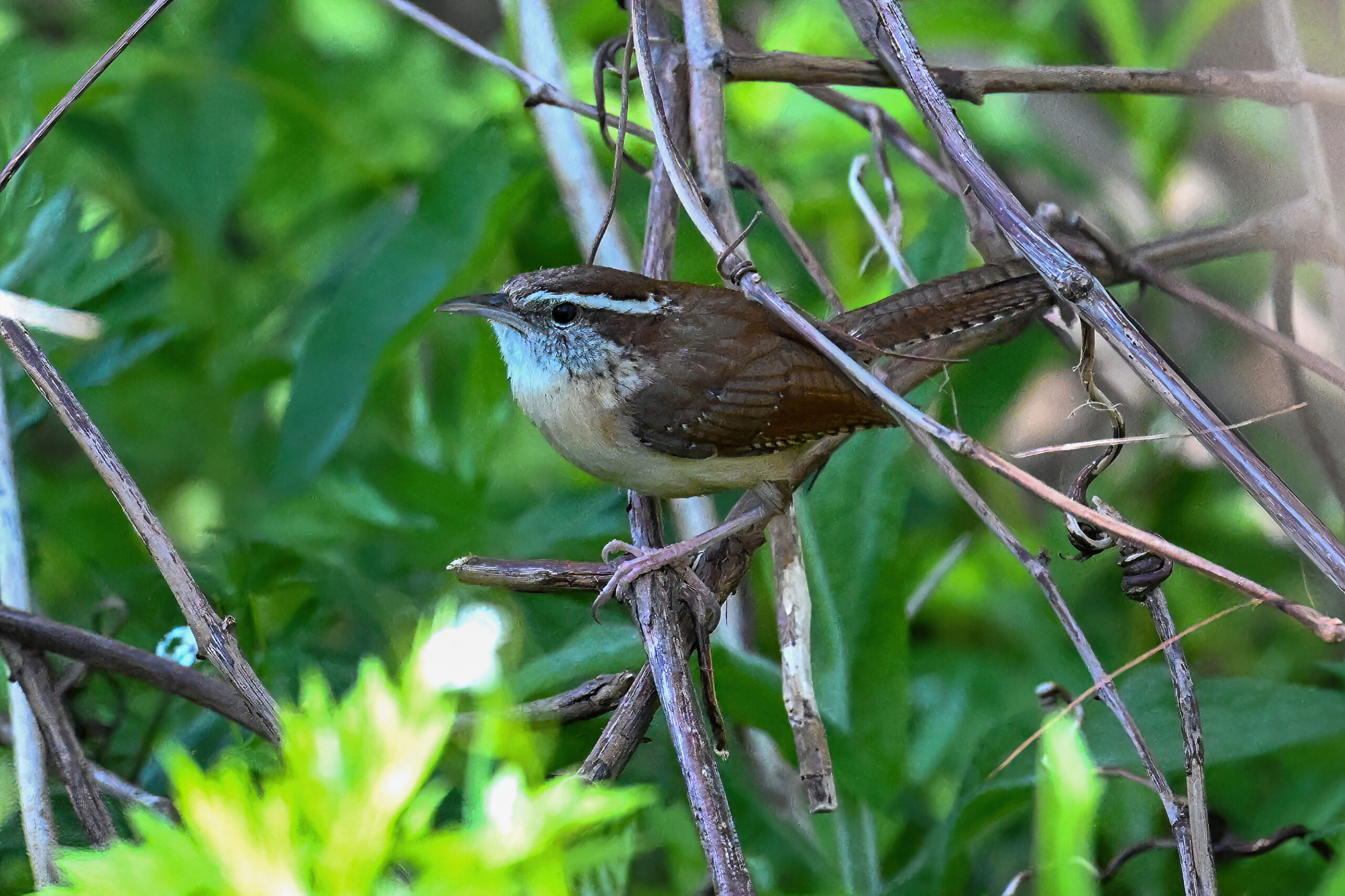
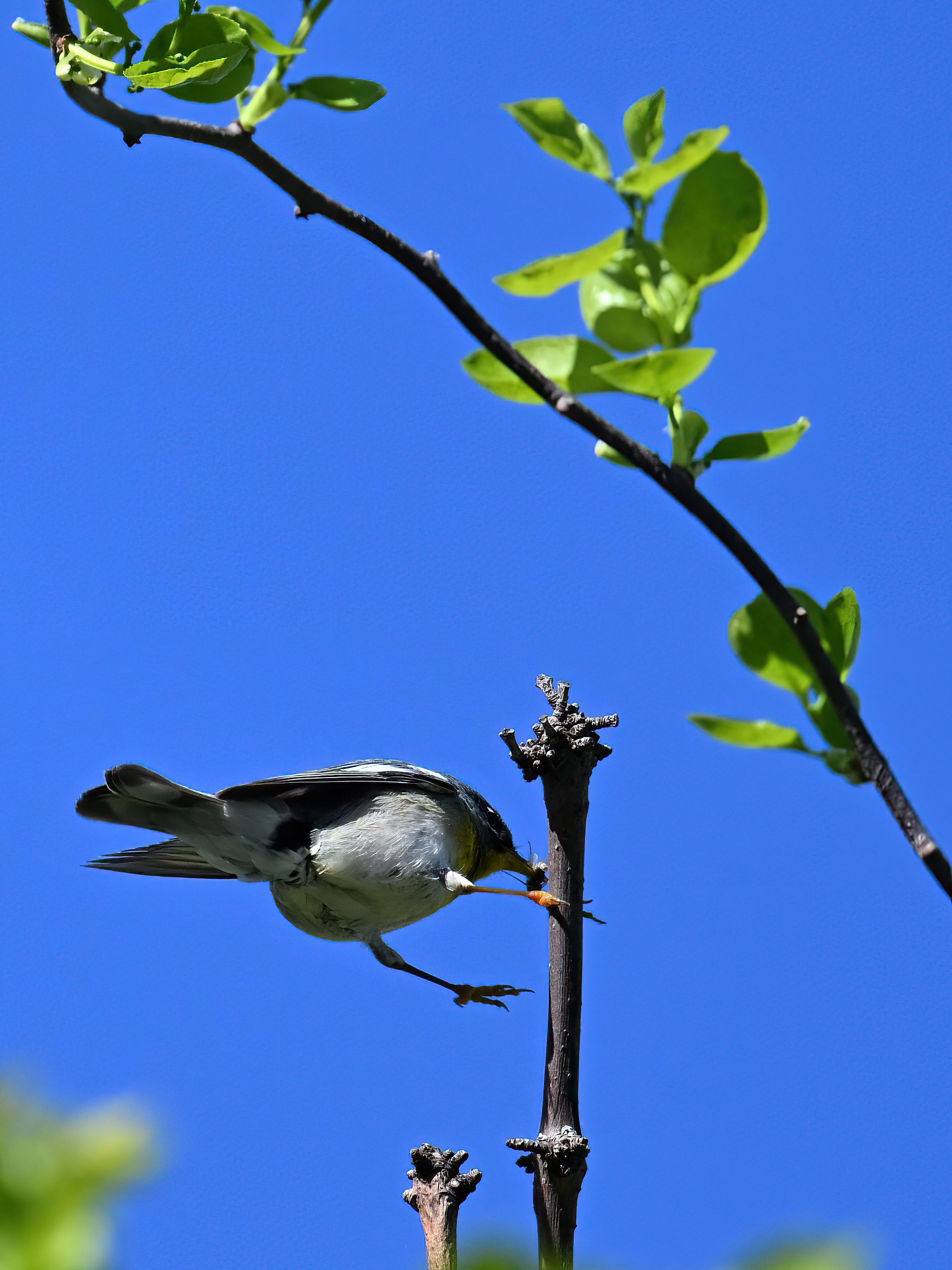
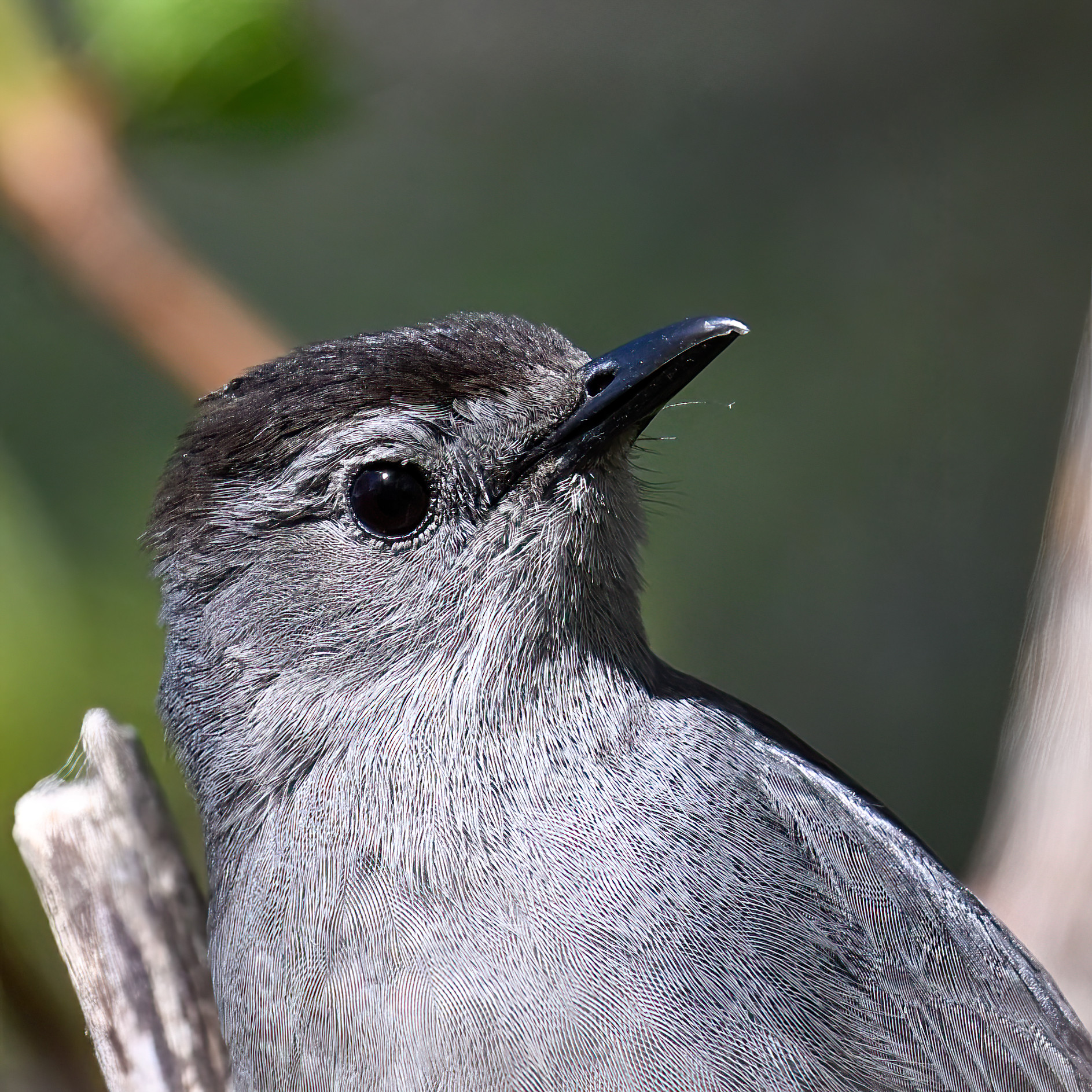
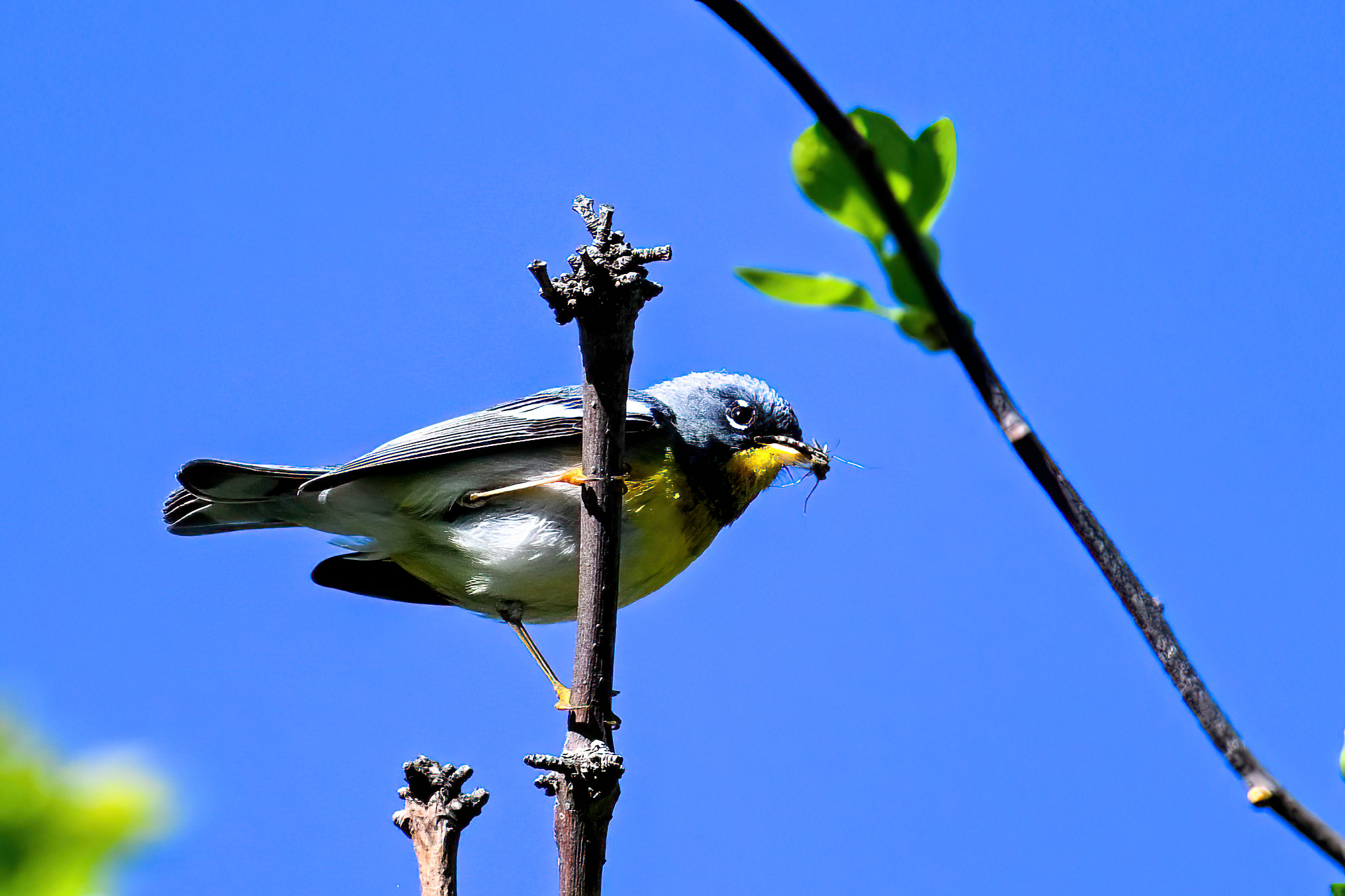
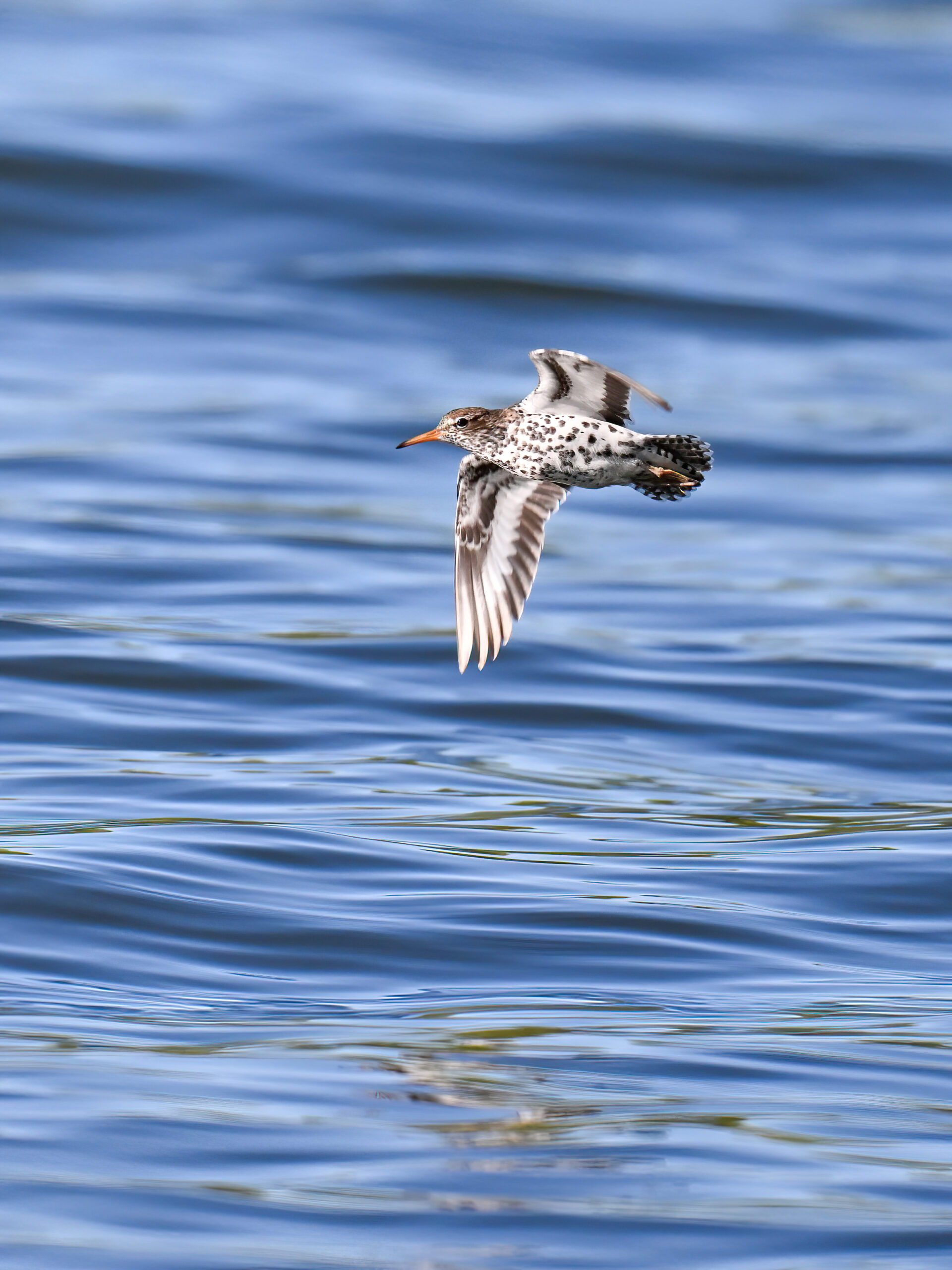
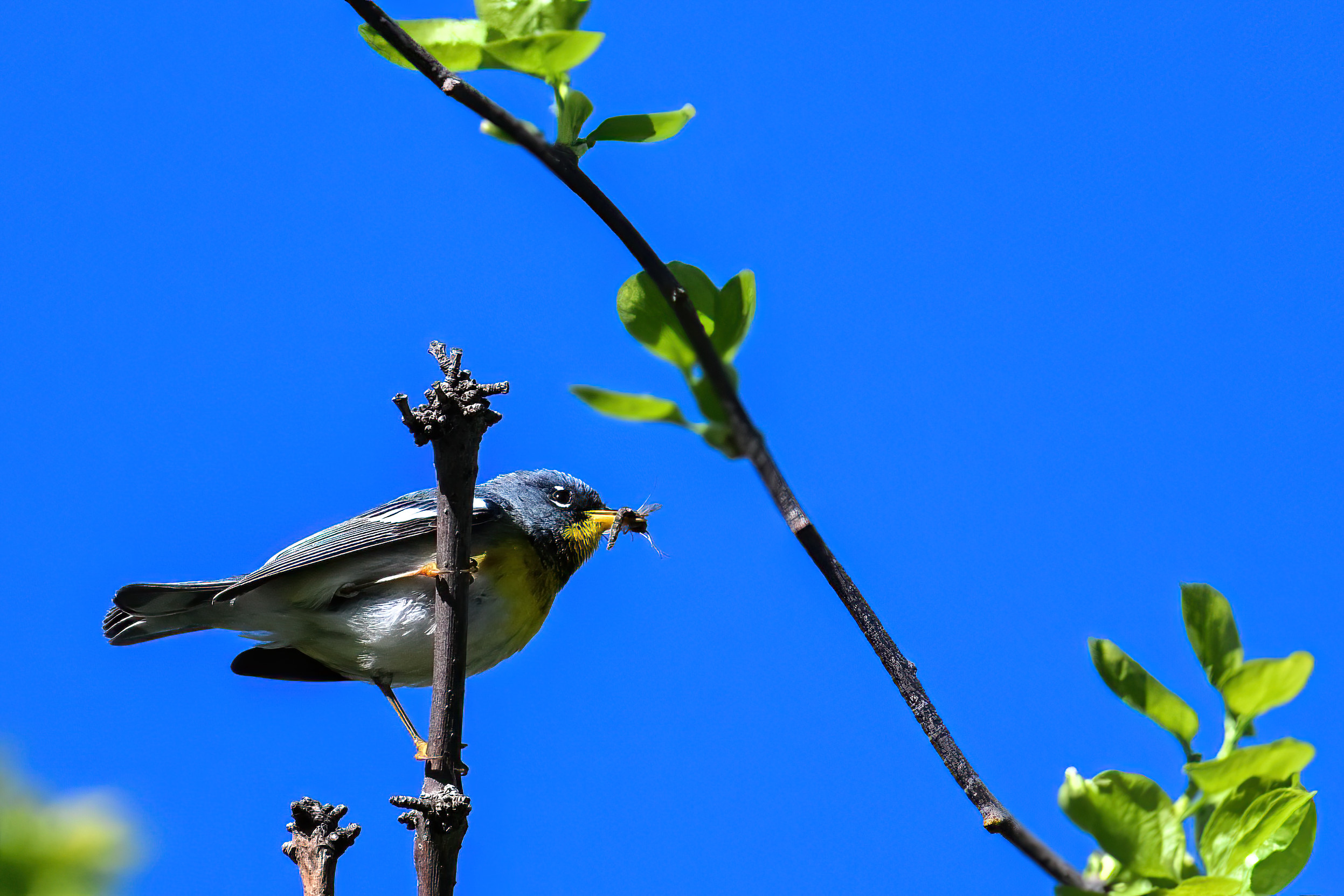
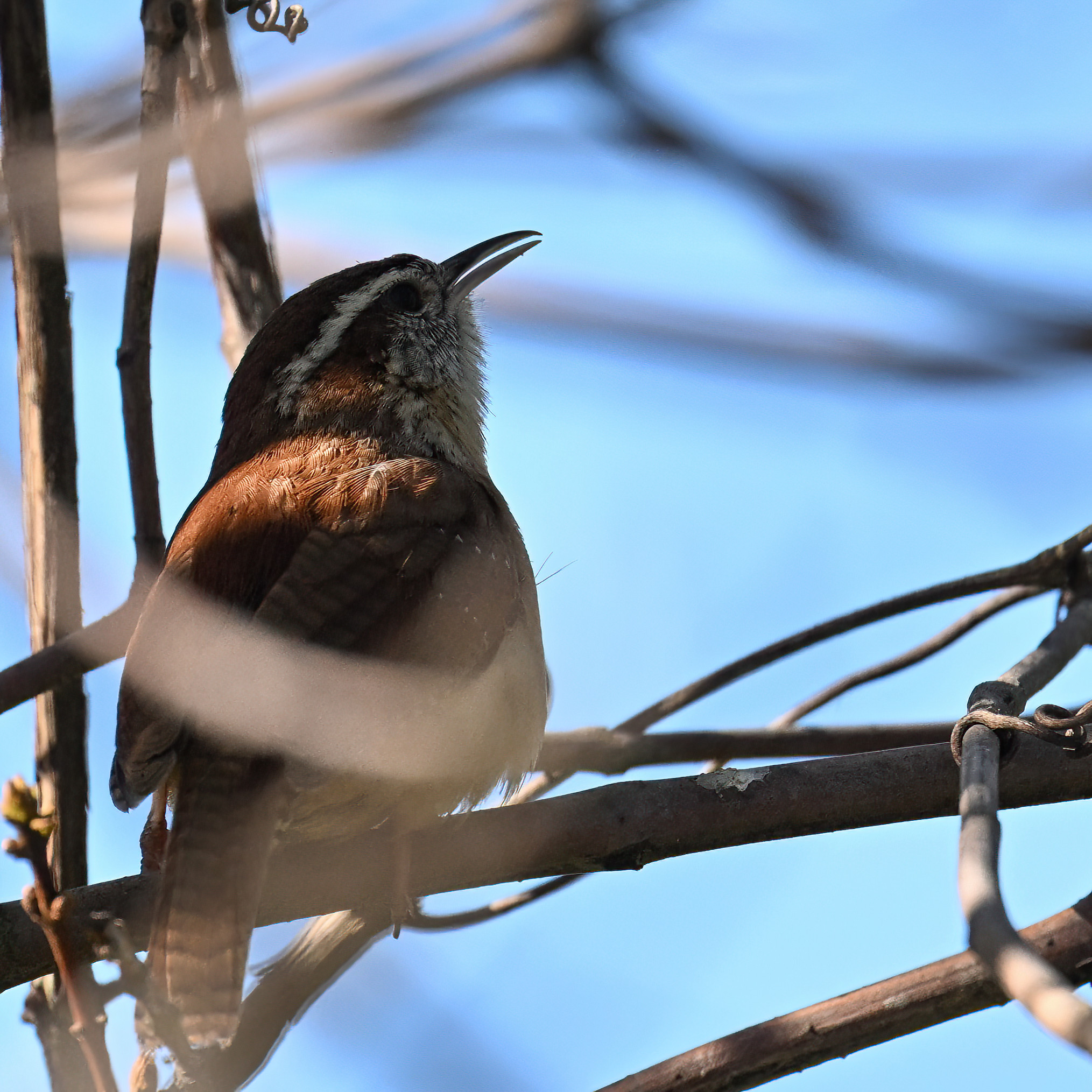
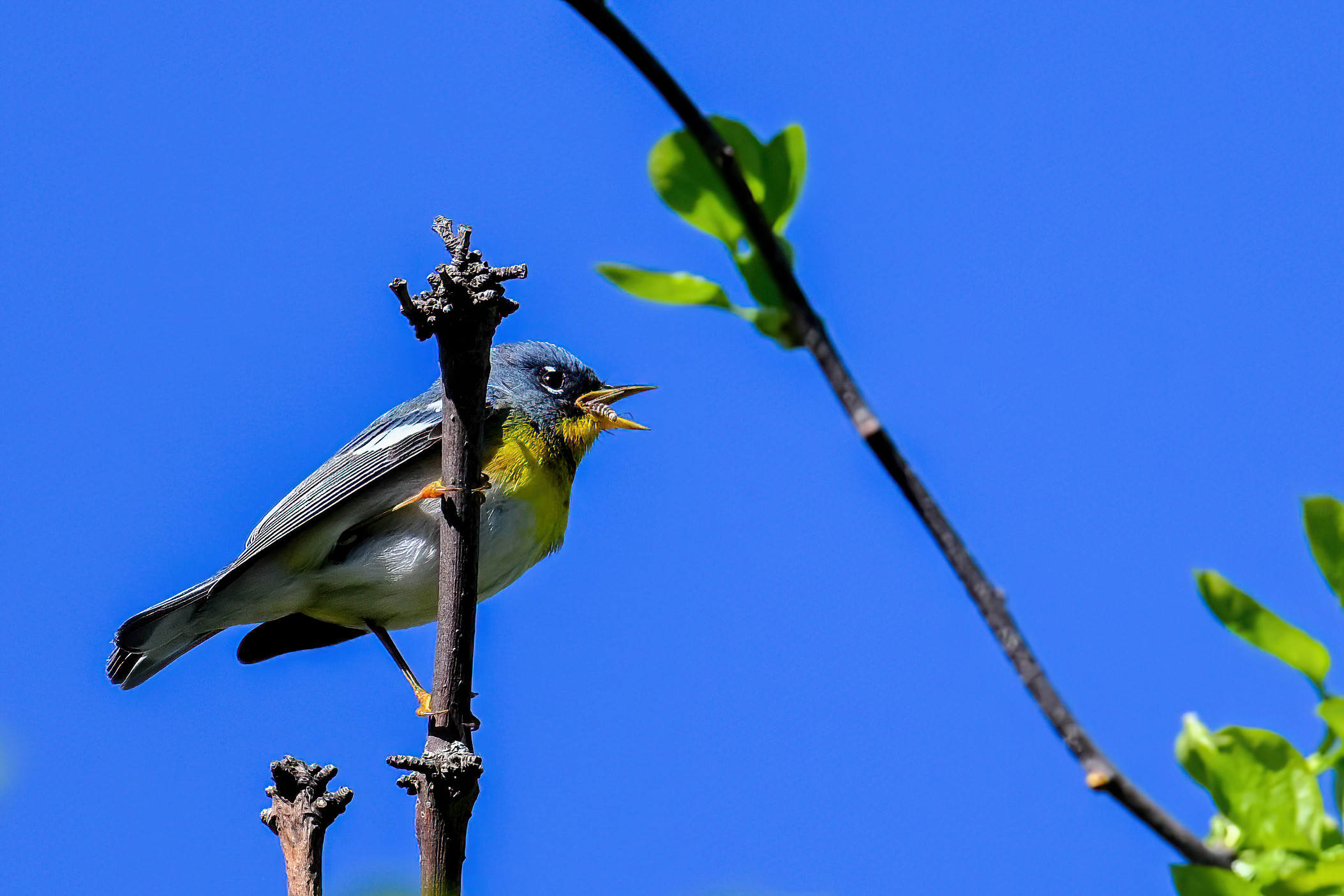
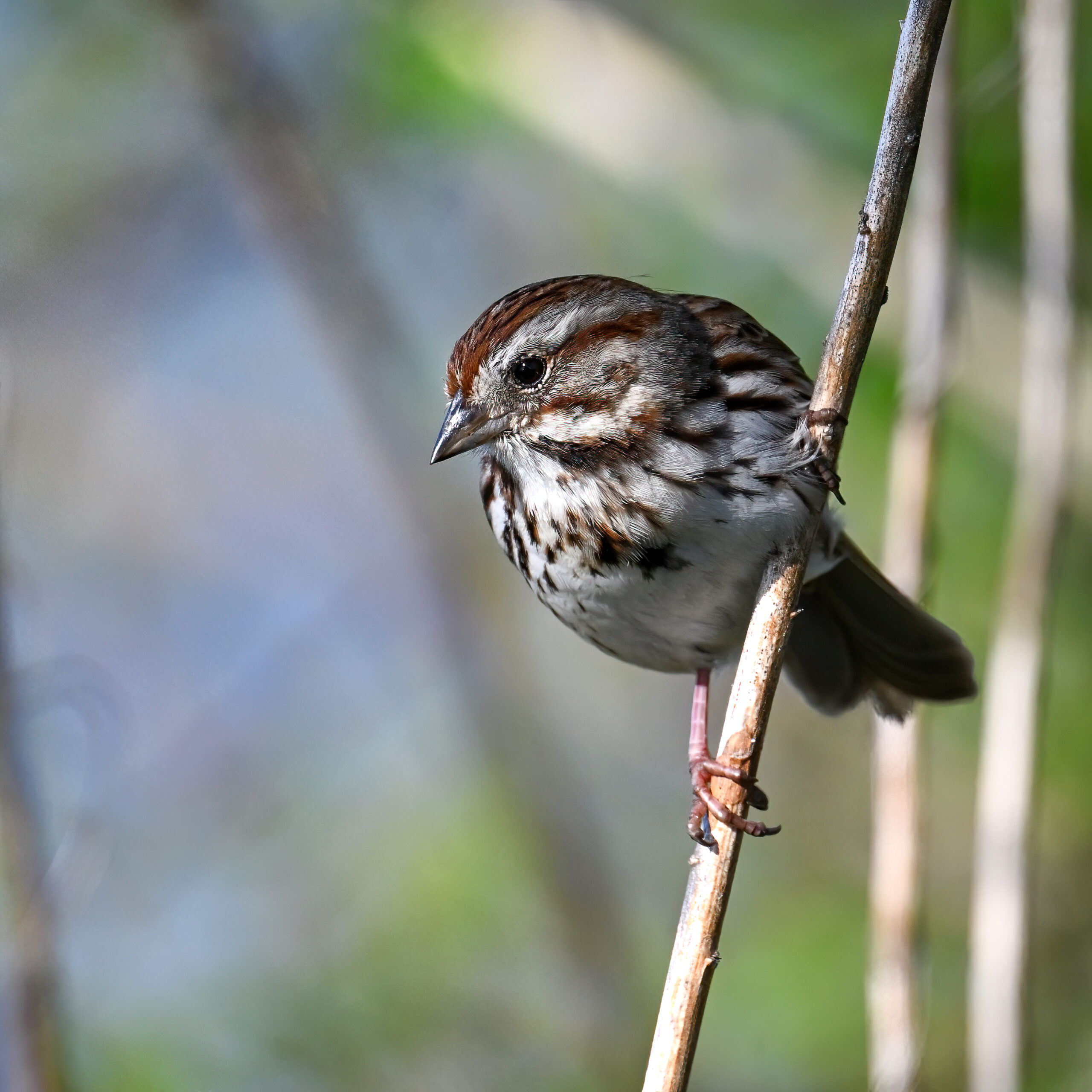
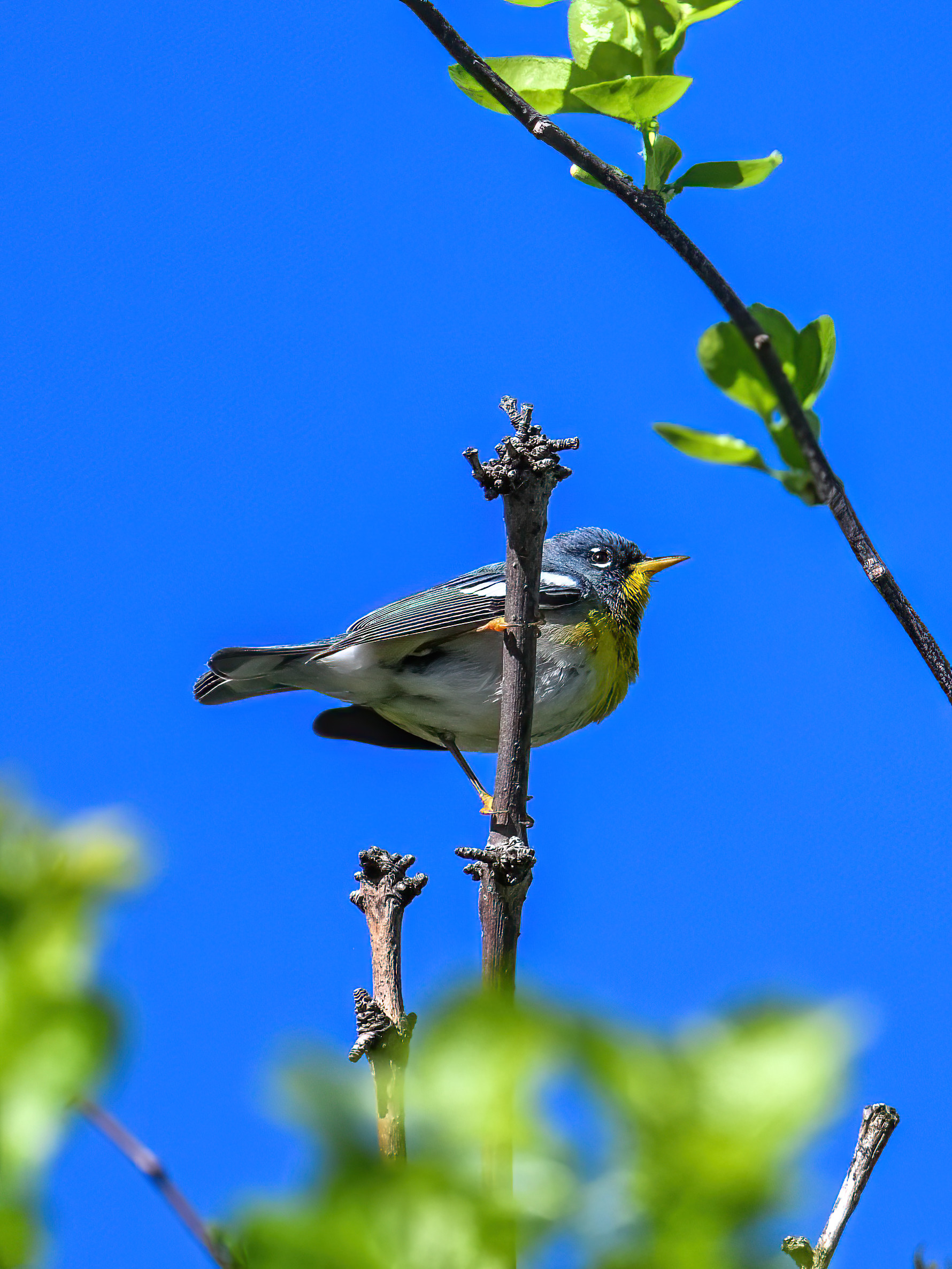
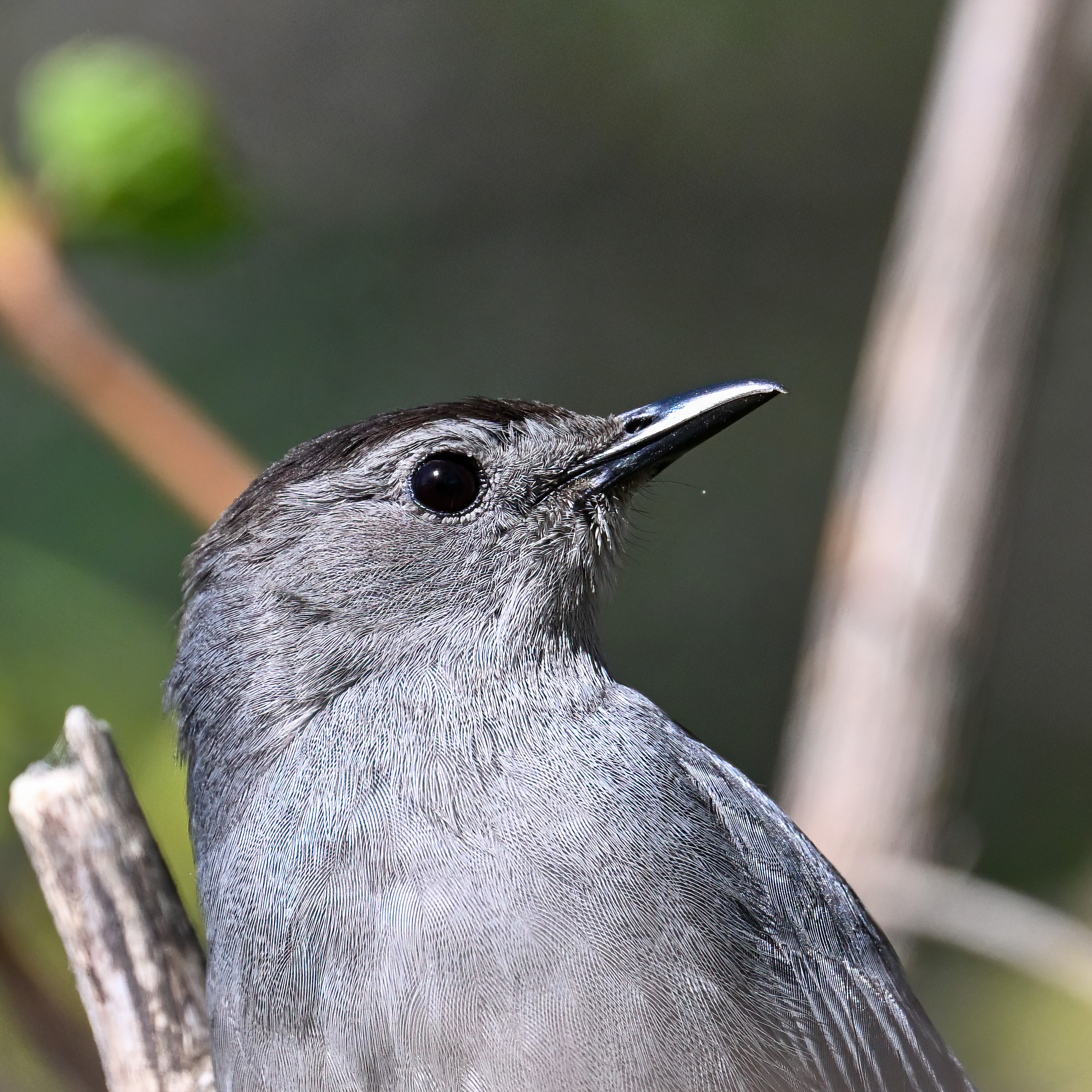
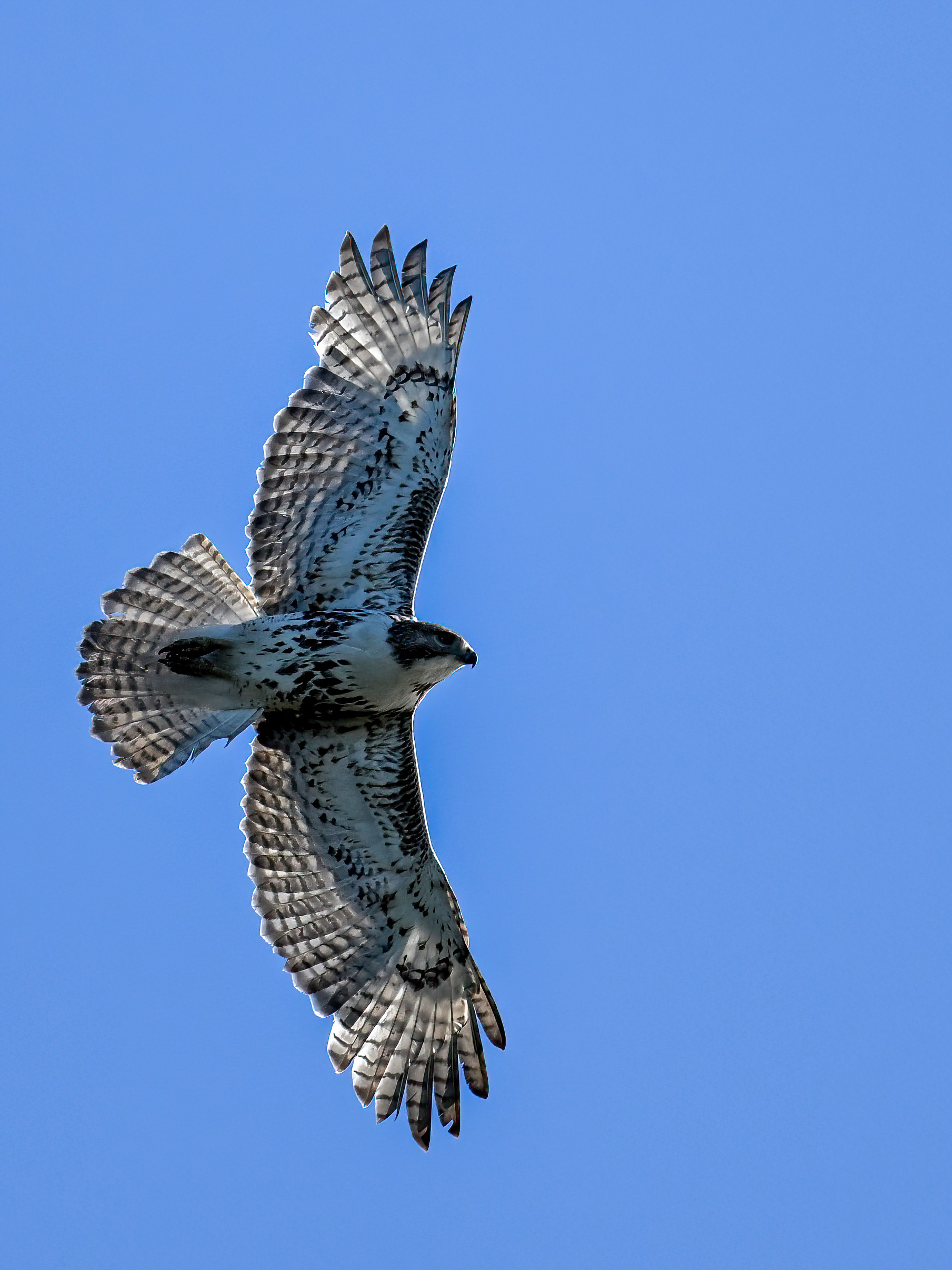
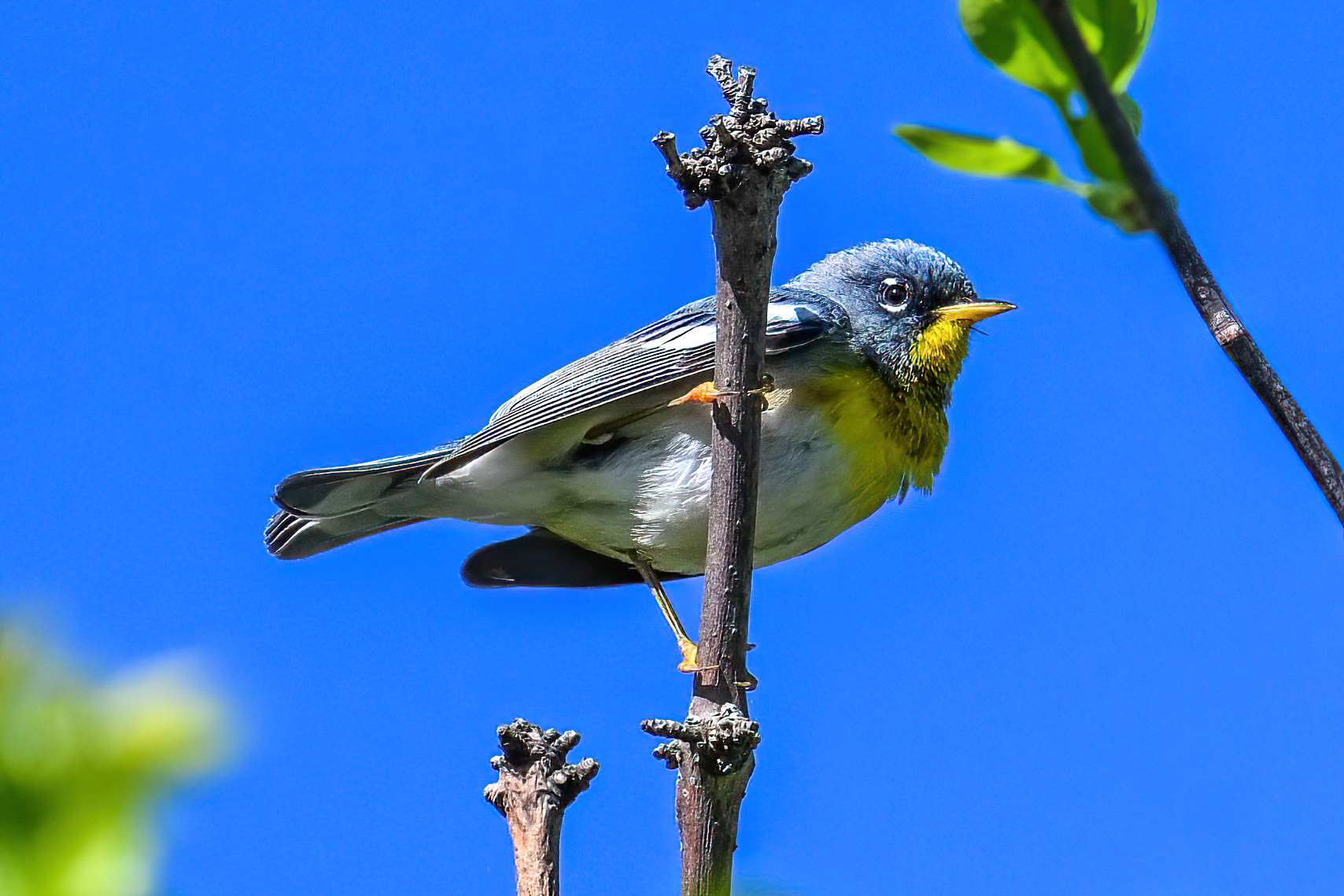
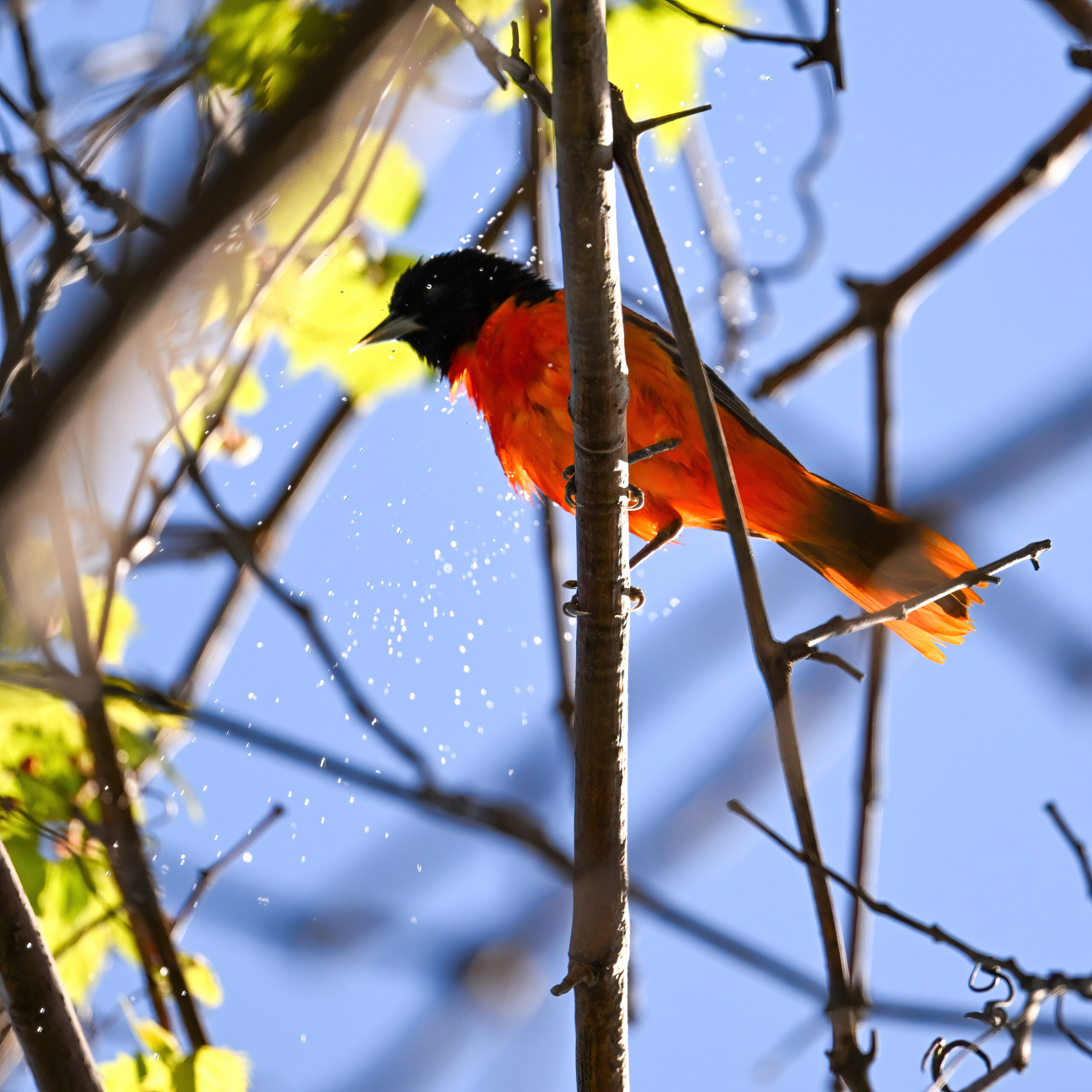
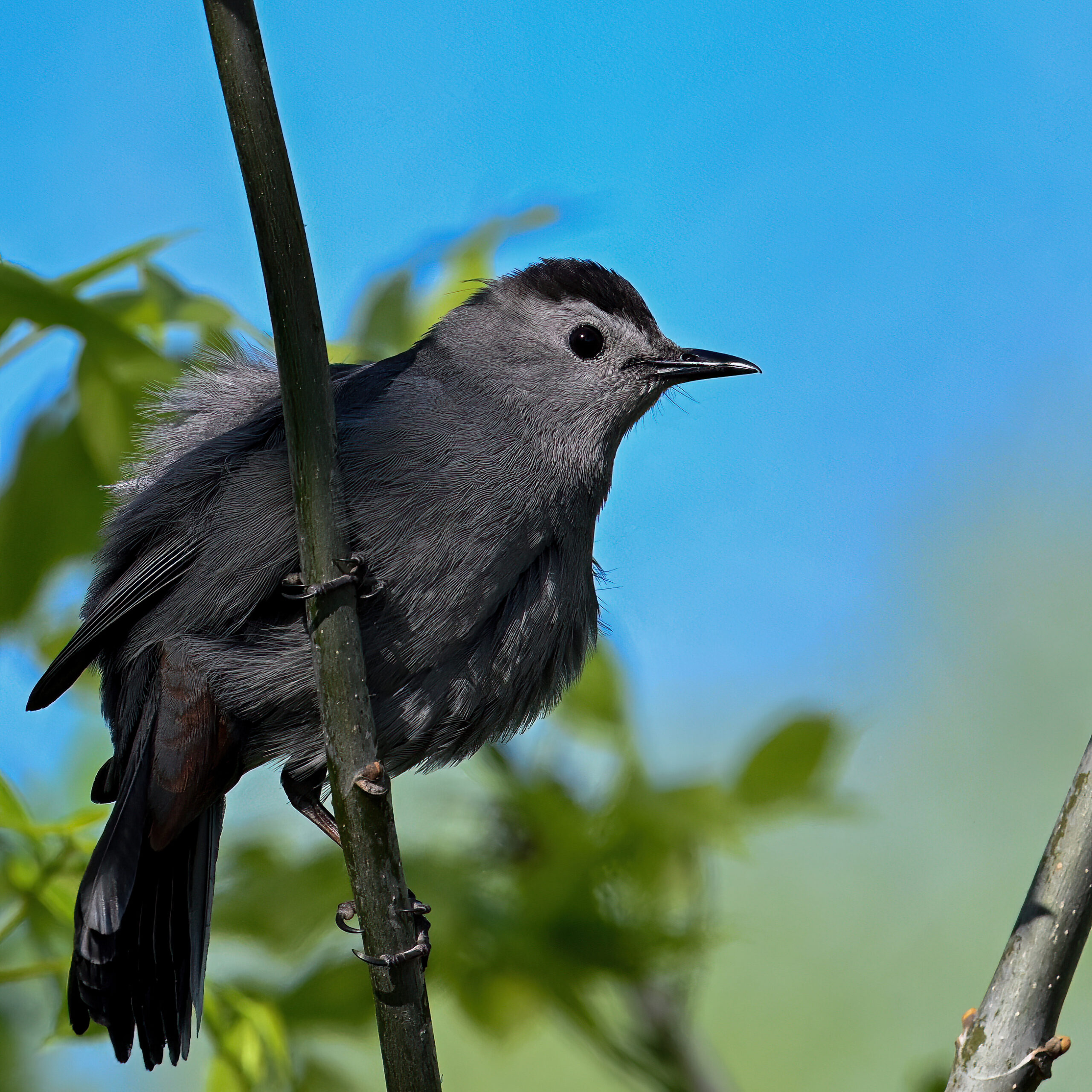
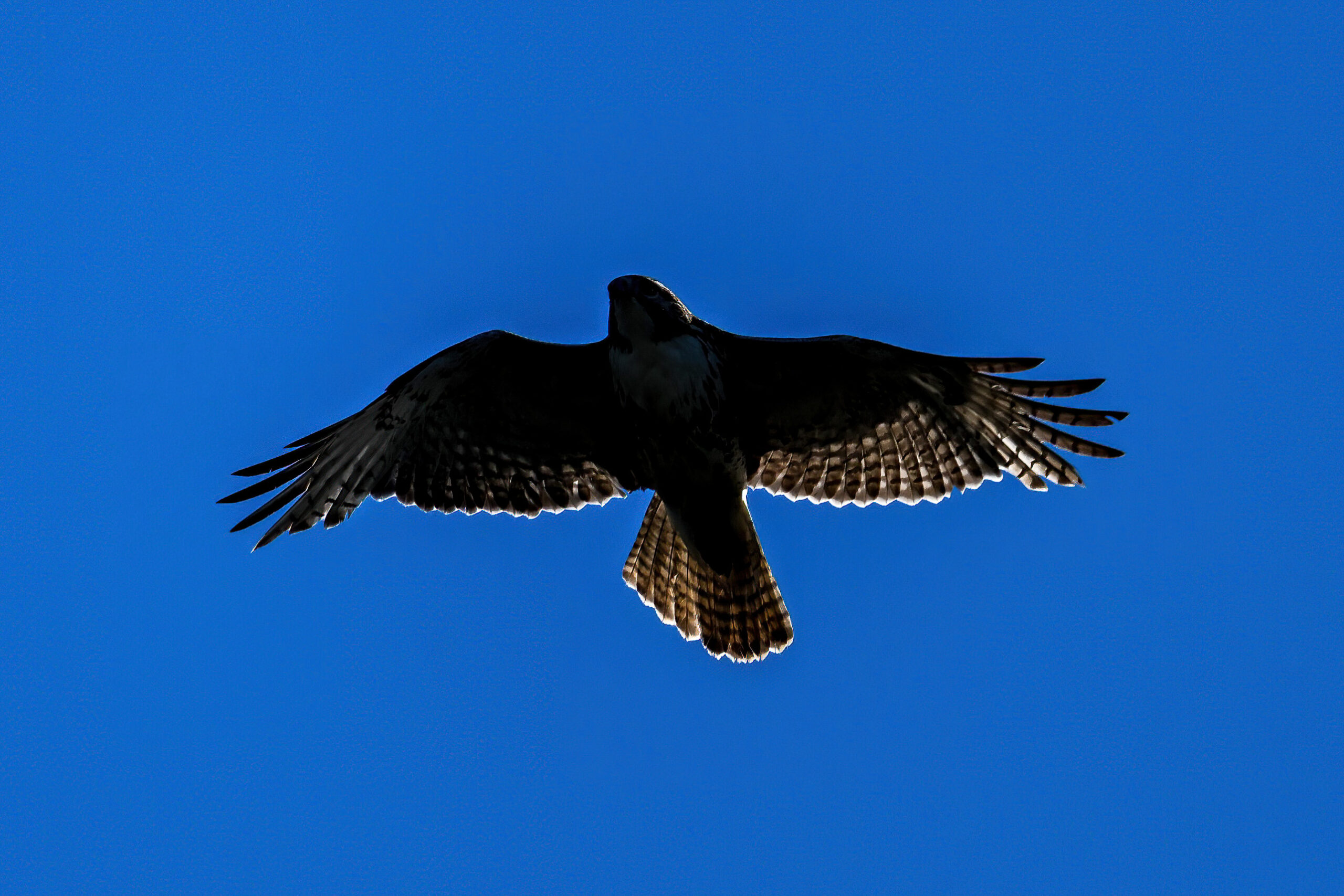
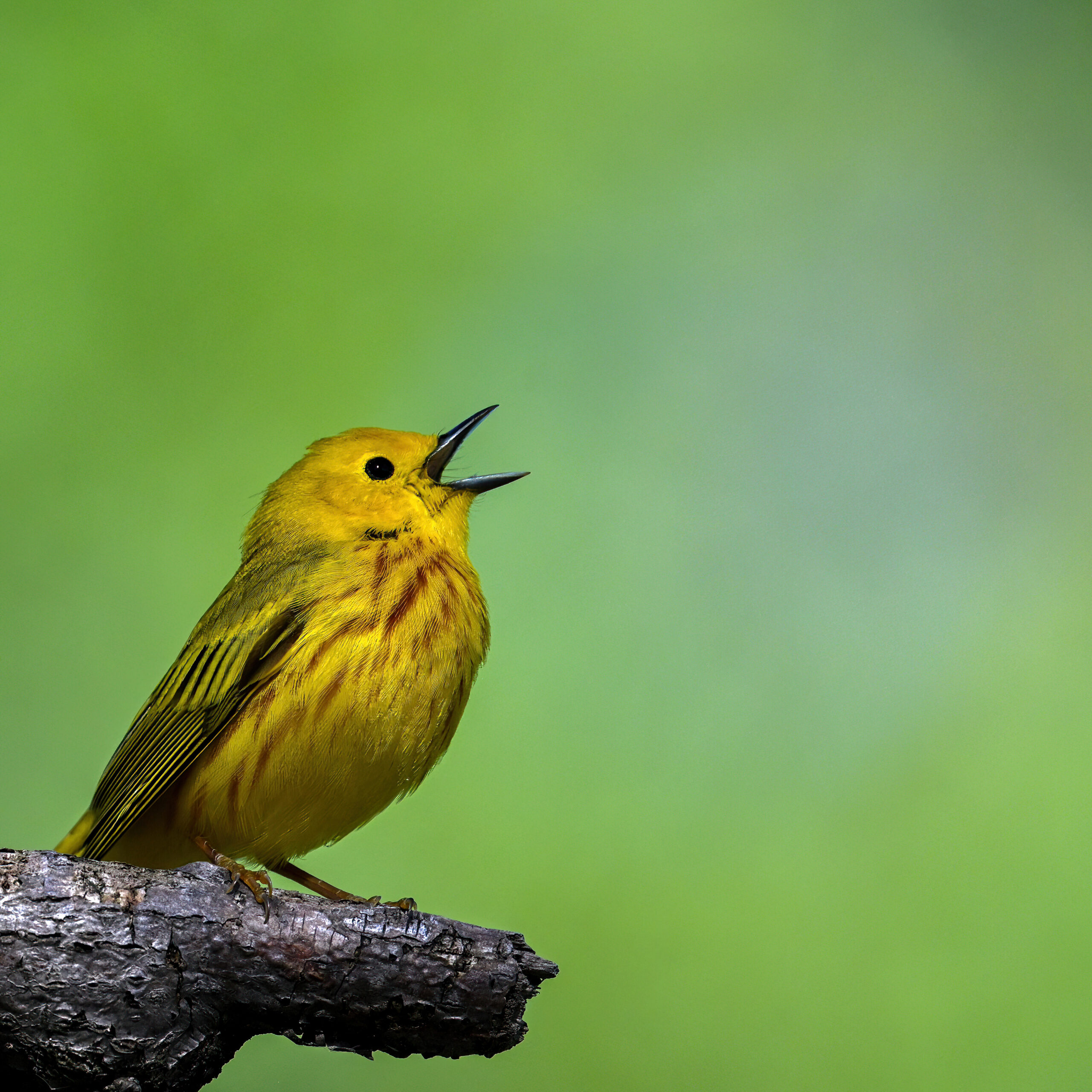
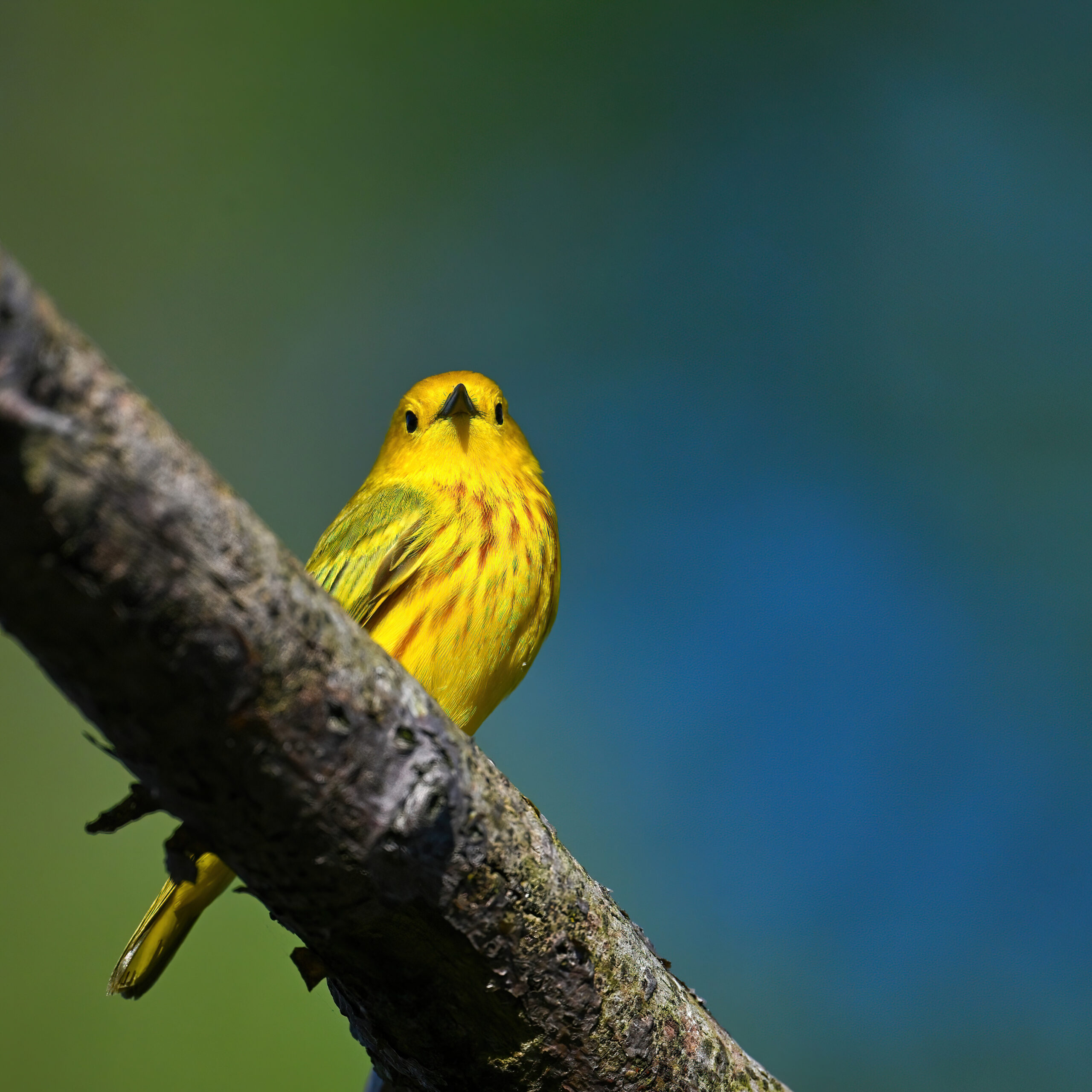
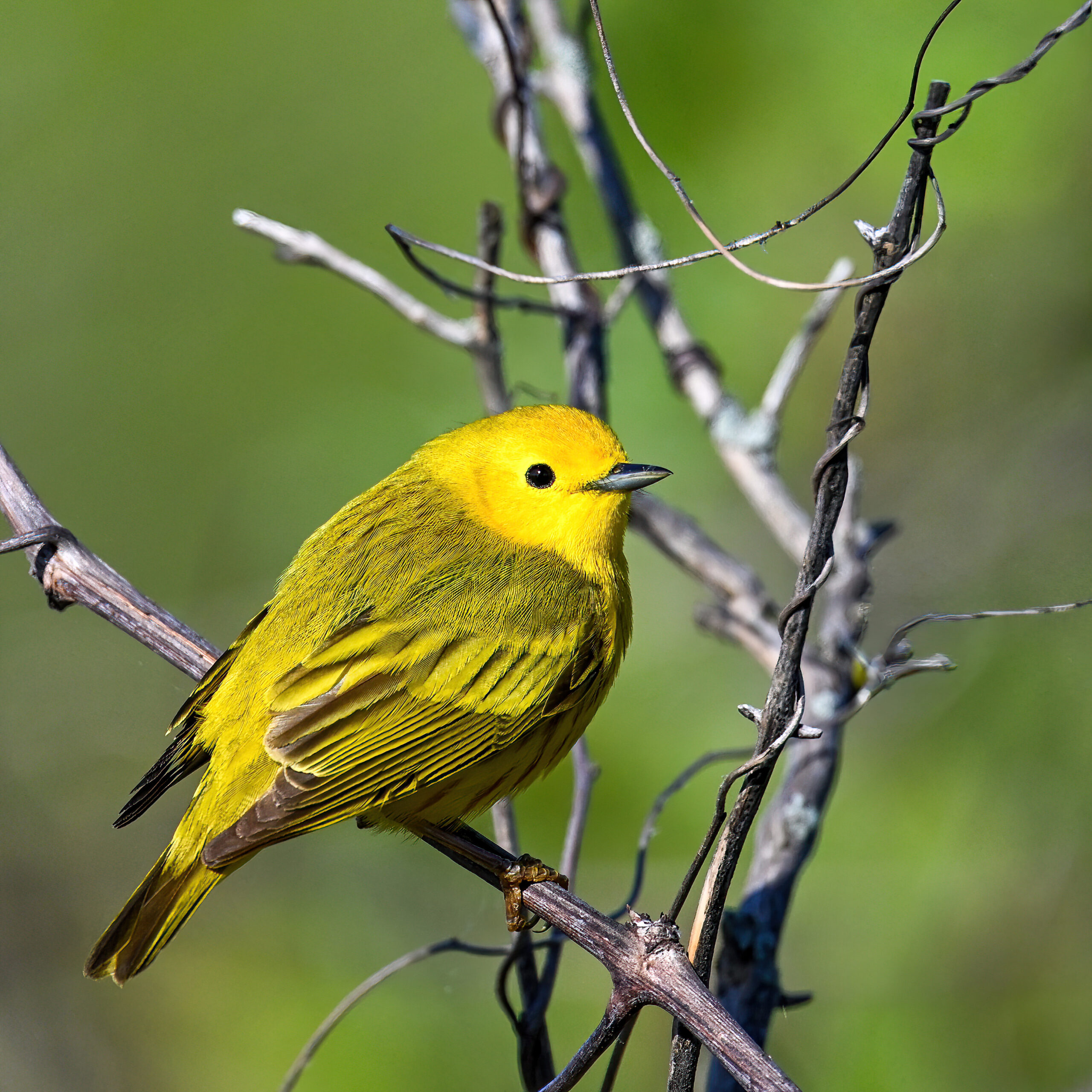
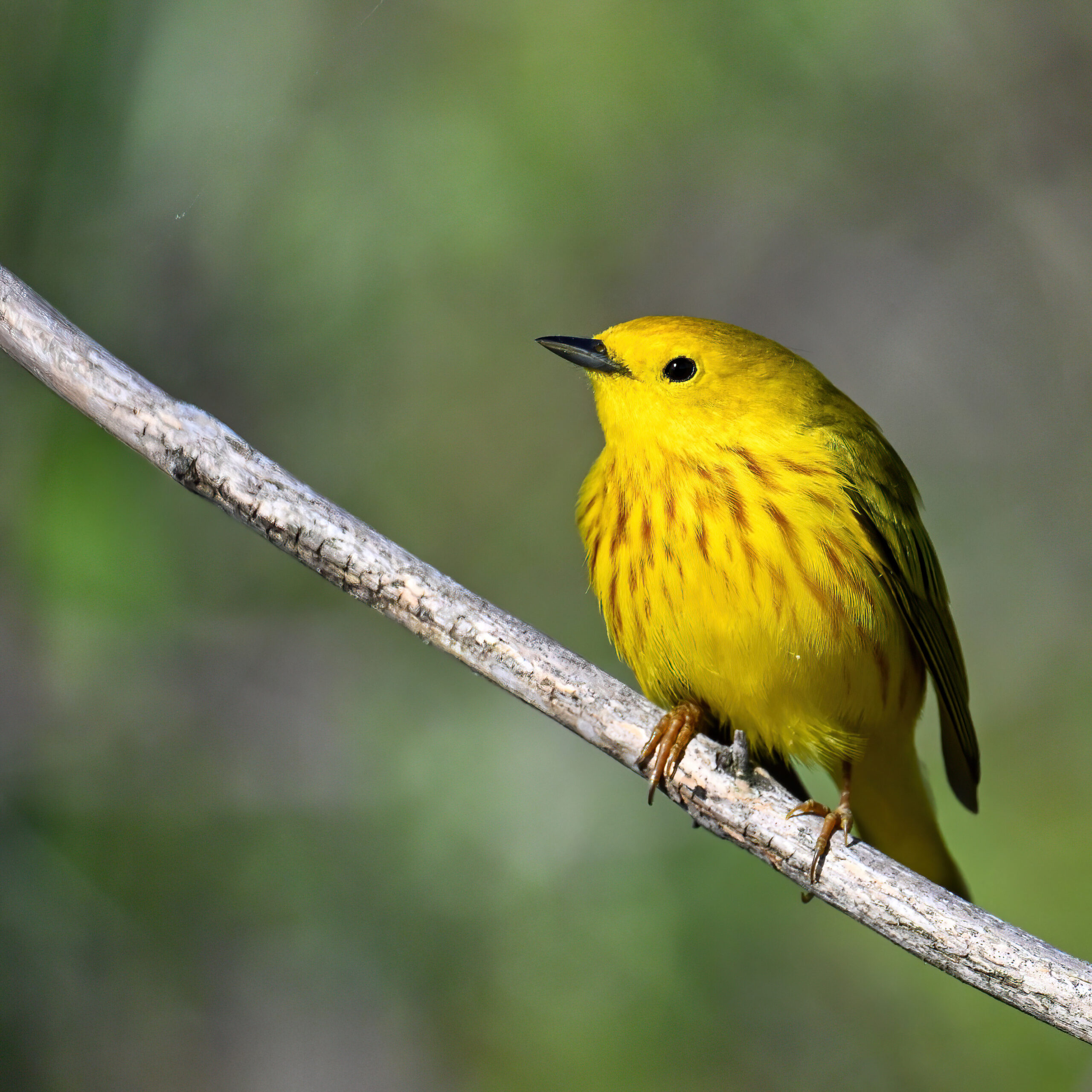
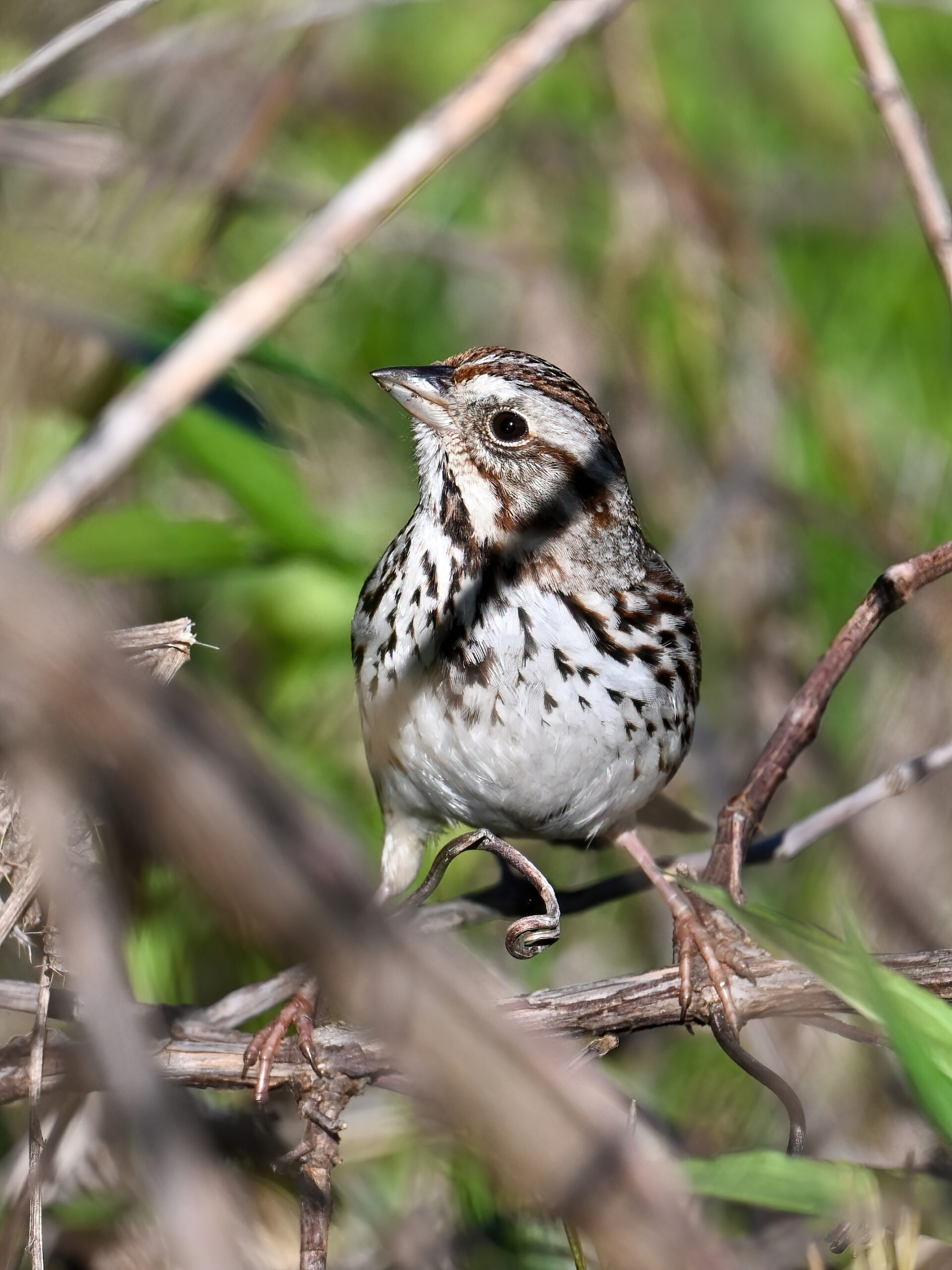
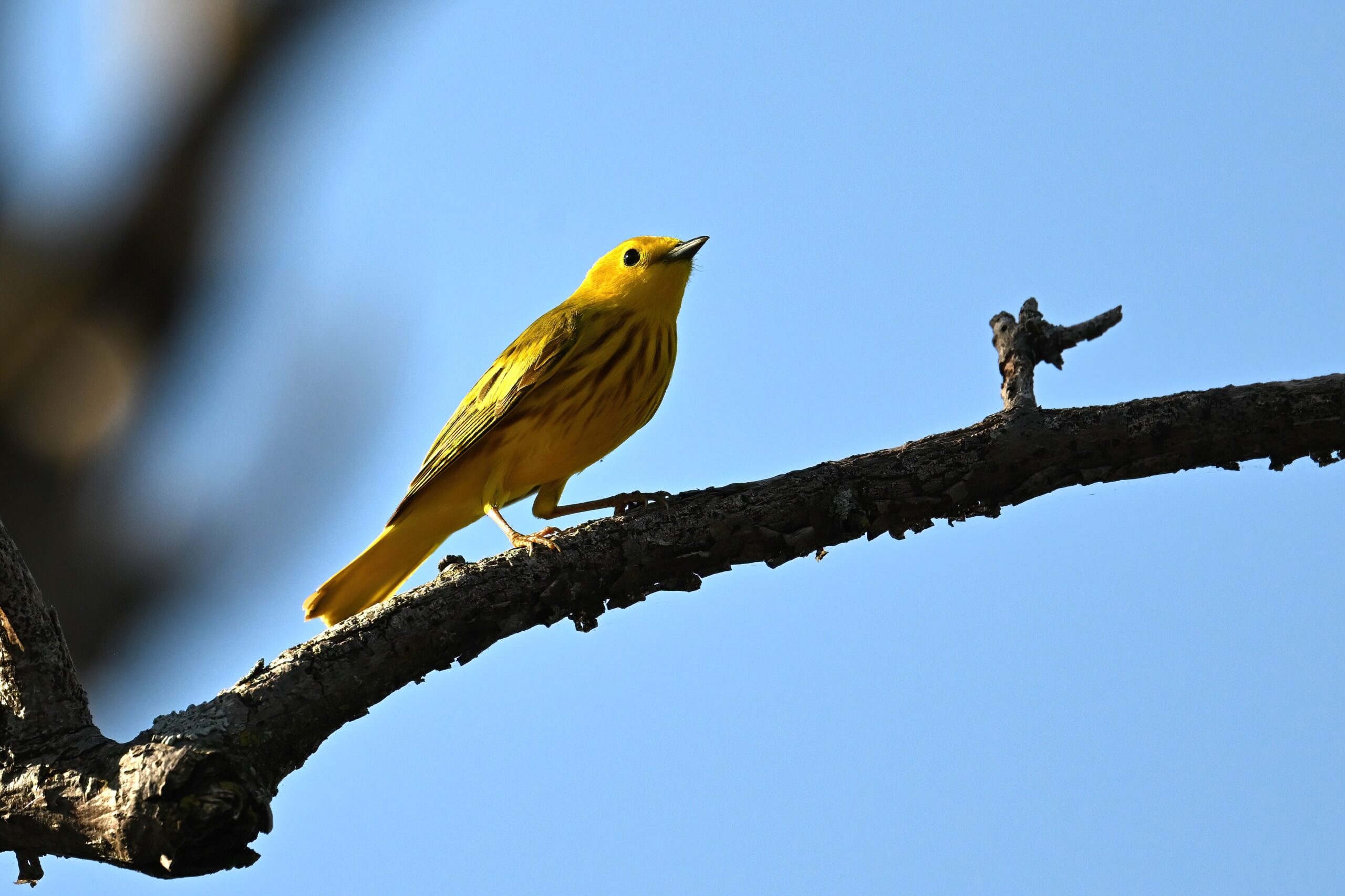
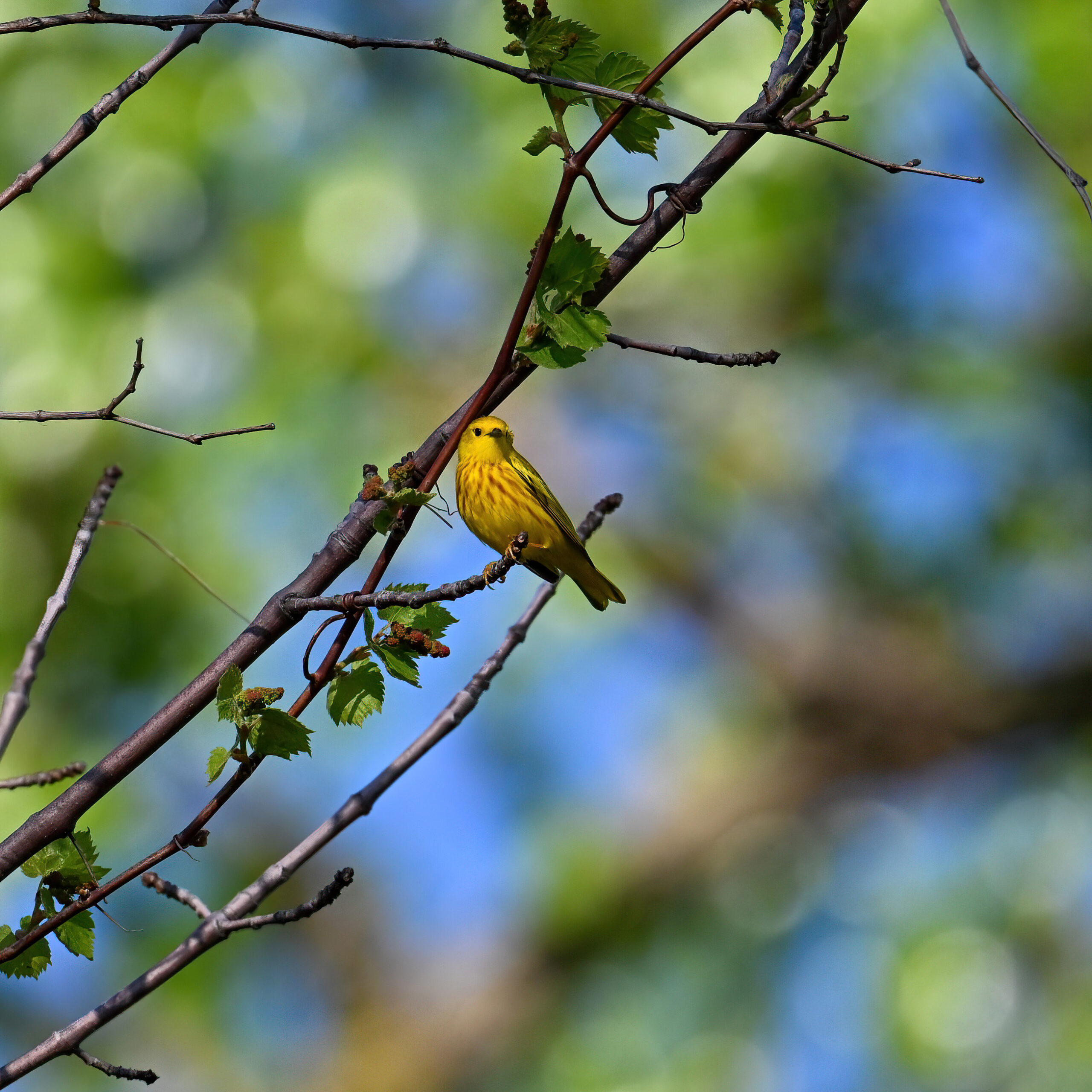
Gray Catbird! portrait IYellow Warbler (m) on branch ISong Sparrow perched, w/ shadowsYellow Warbler (m) on branch IIWhite-breasted NuthatchYellow Warbler (m) on branch IIIAn American Robin in LondonYellow Warbler (m) on branch IVMore Song Sparrow w/ interesting shadowsYellow Warbler on branch VBeautiful Spotted Sandpiper in flightShadowy Northern ParulaMore SparrowFull Gray Catbird! with funky Lightroom effectsMore Northern ParulaShady Carolina WrenNorther Parala flycatchingGray Catbird portrait IINorthern Parula w/ snackMore beautiful Spotted SandpiperAnother view of Northern ParulaMore Carolina WrenThe snack is goneMore Song Sparrow @ branchStill another view of Northern ParulaGray Catbird! portrait IIIBacklit Red-tailed HawkToo much Parula!Baltimore Oriole (m) shaking off waterFull bodied Gray Catbird!More backlit Red-tailed HawkYellow Warbler on branch VI
Thank goodness – no crazy annotated photographs in today’s post. (Yikes.) Just pleasant bird photographs from Presque Isle State Park, taken a couple weeks ago (more or less) in the morning at Leo’s Landing.
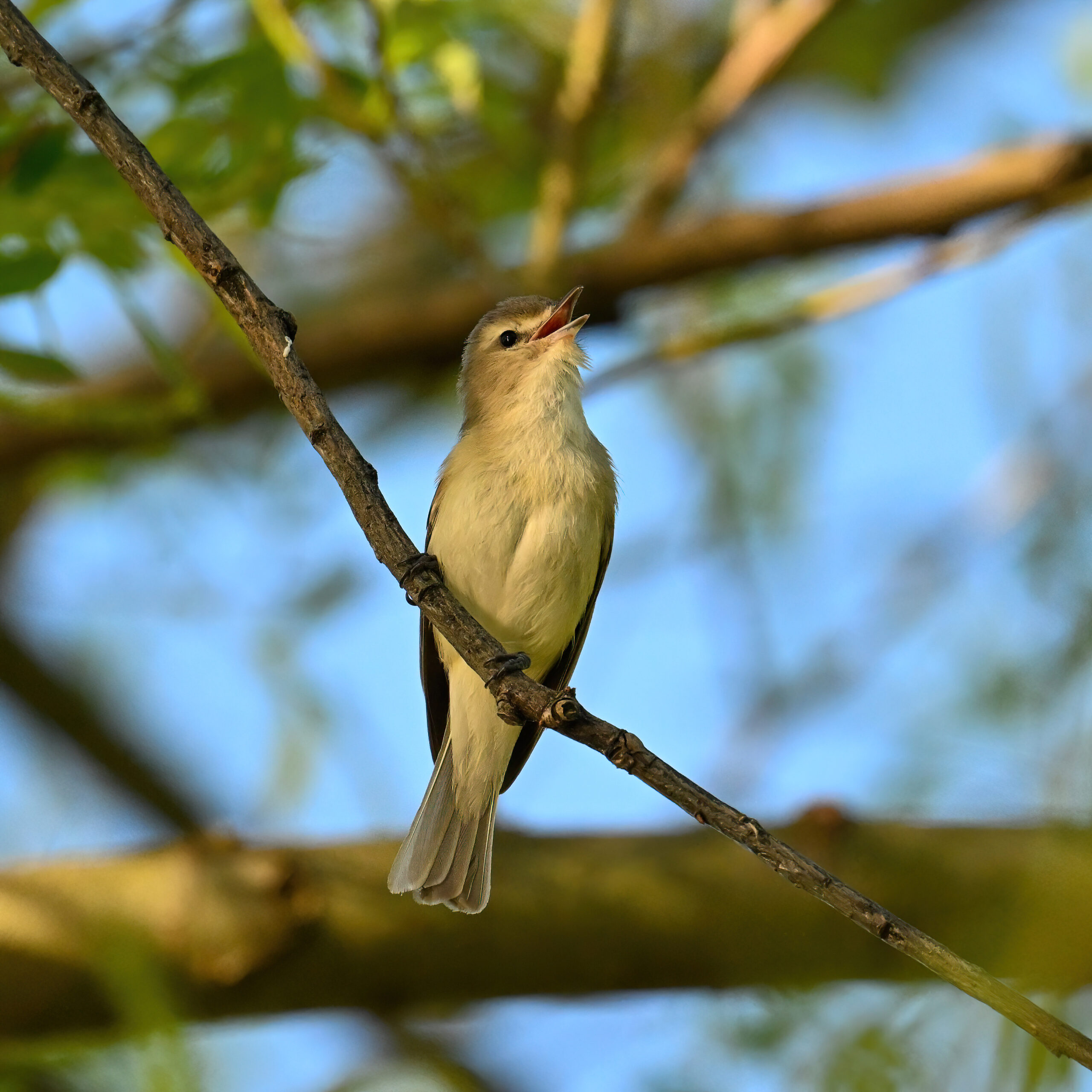
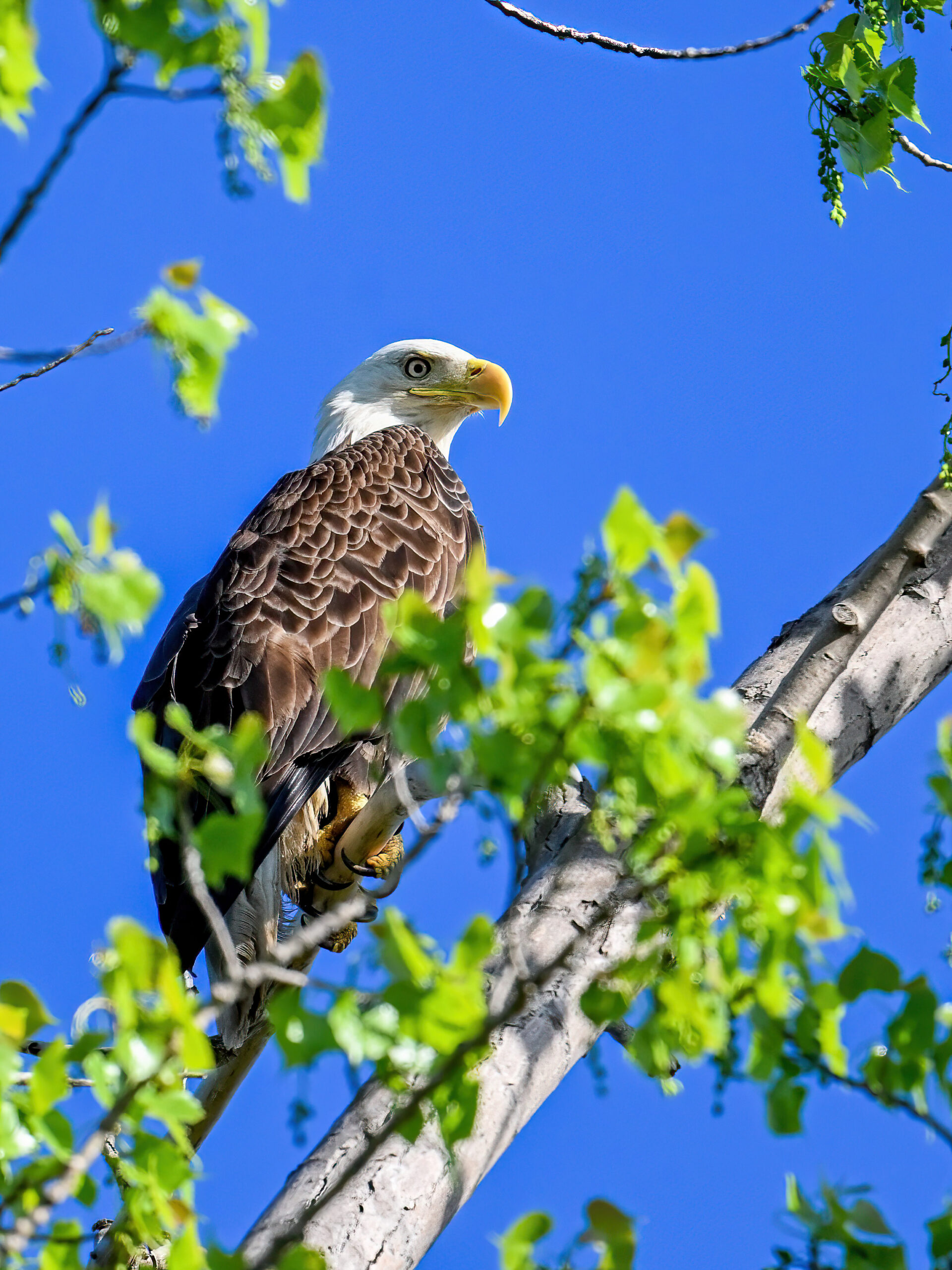
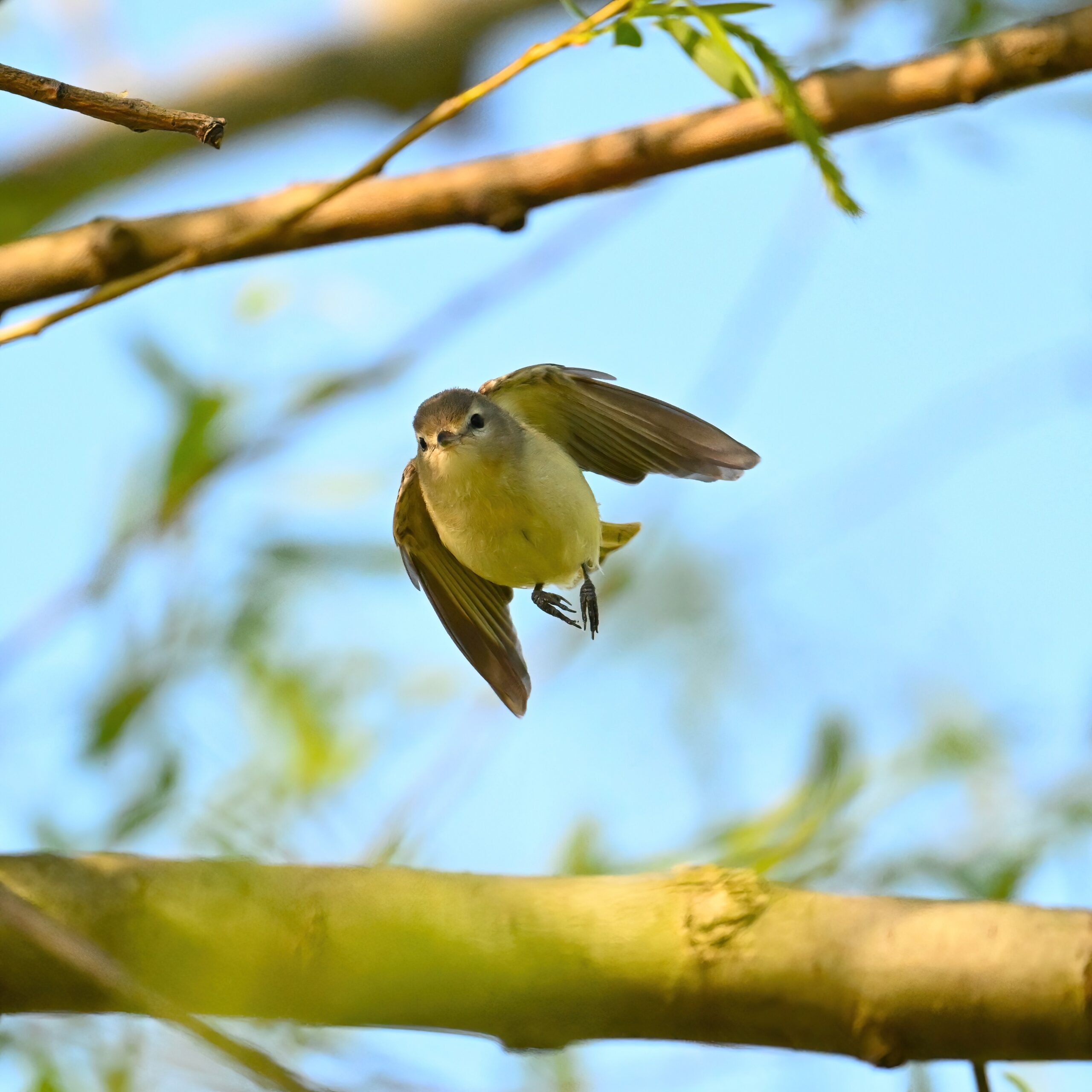
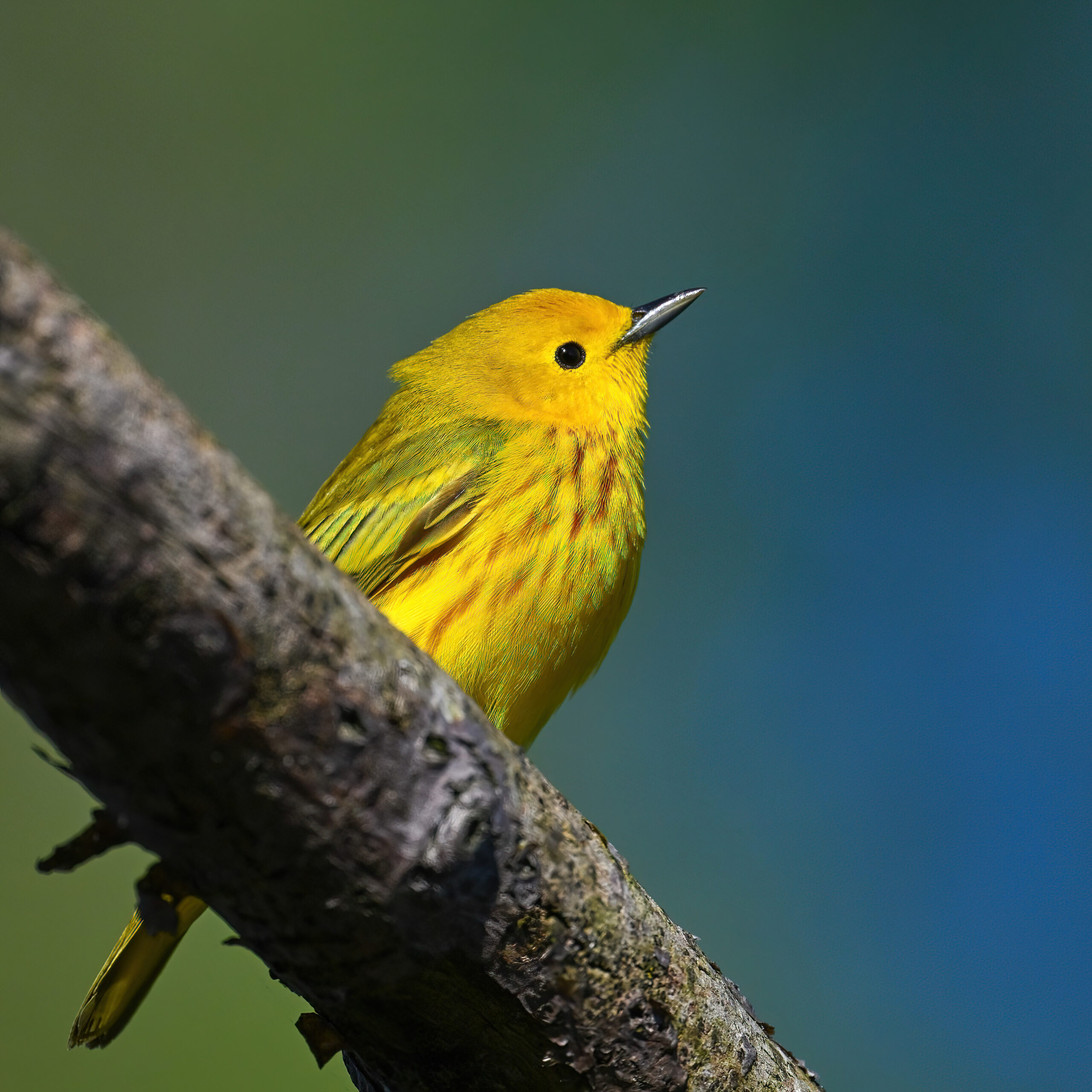
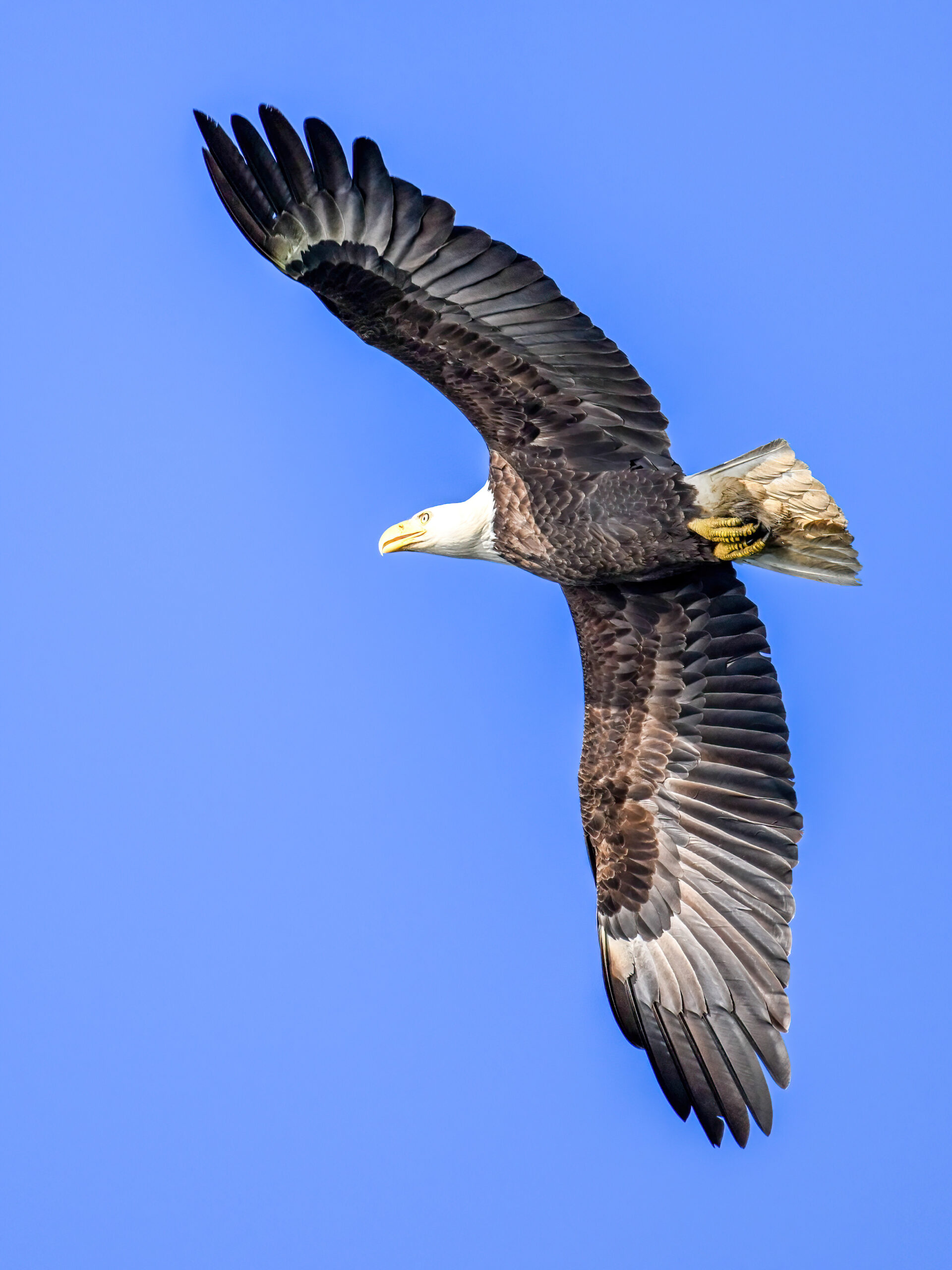
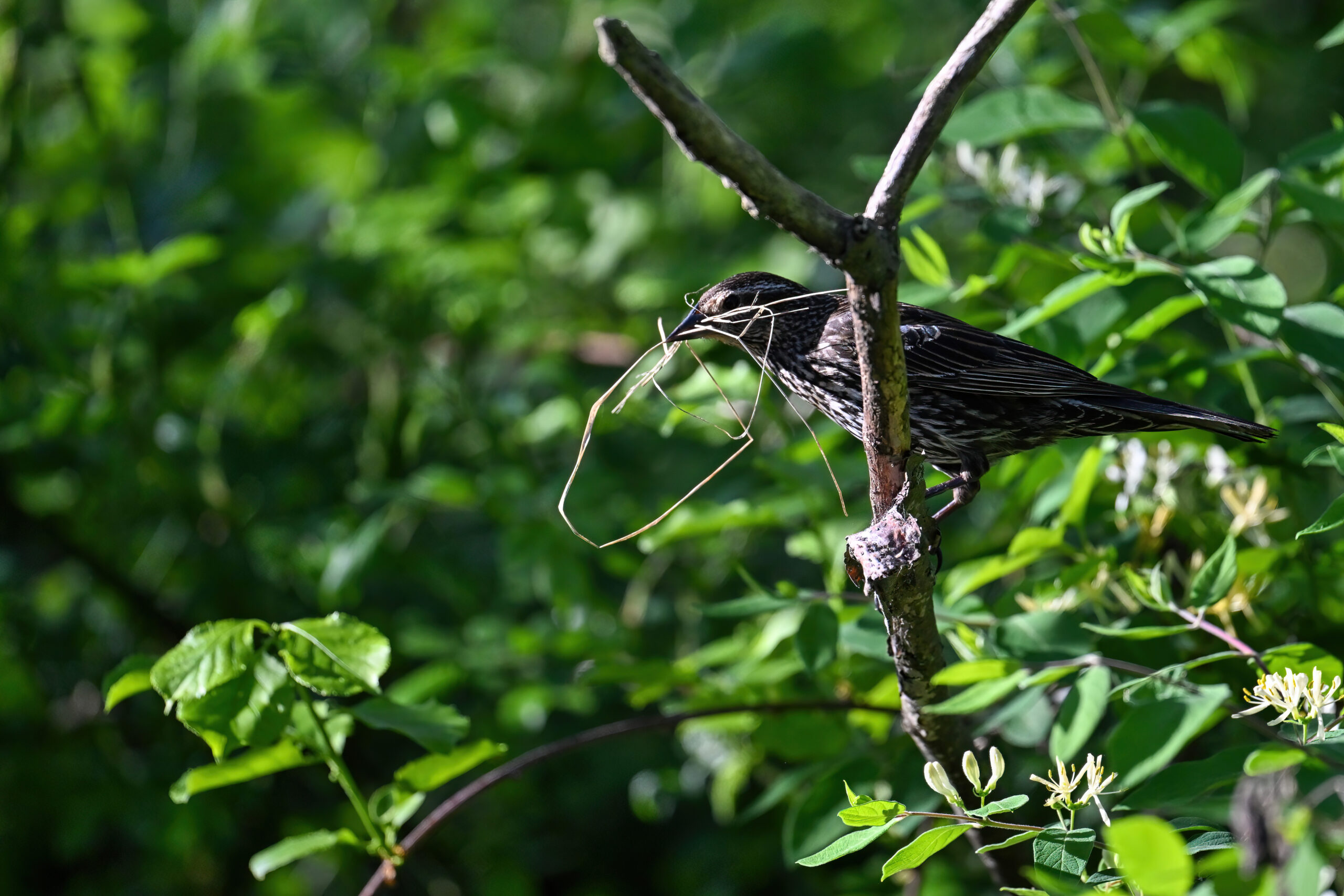
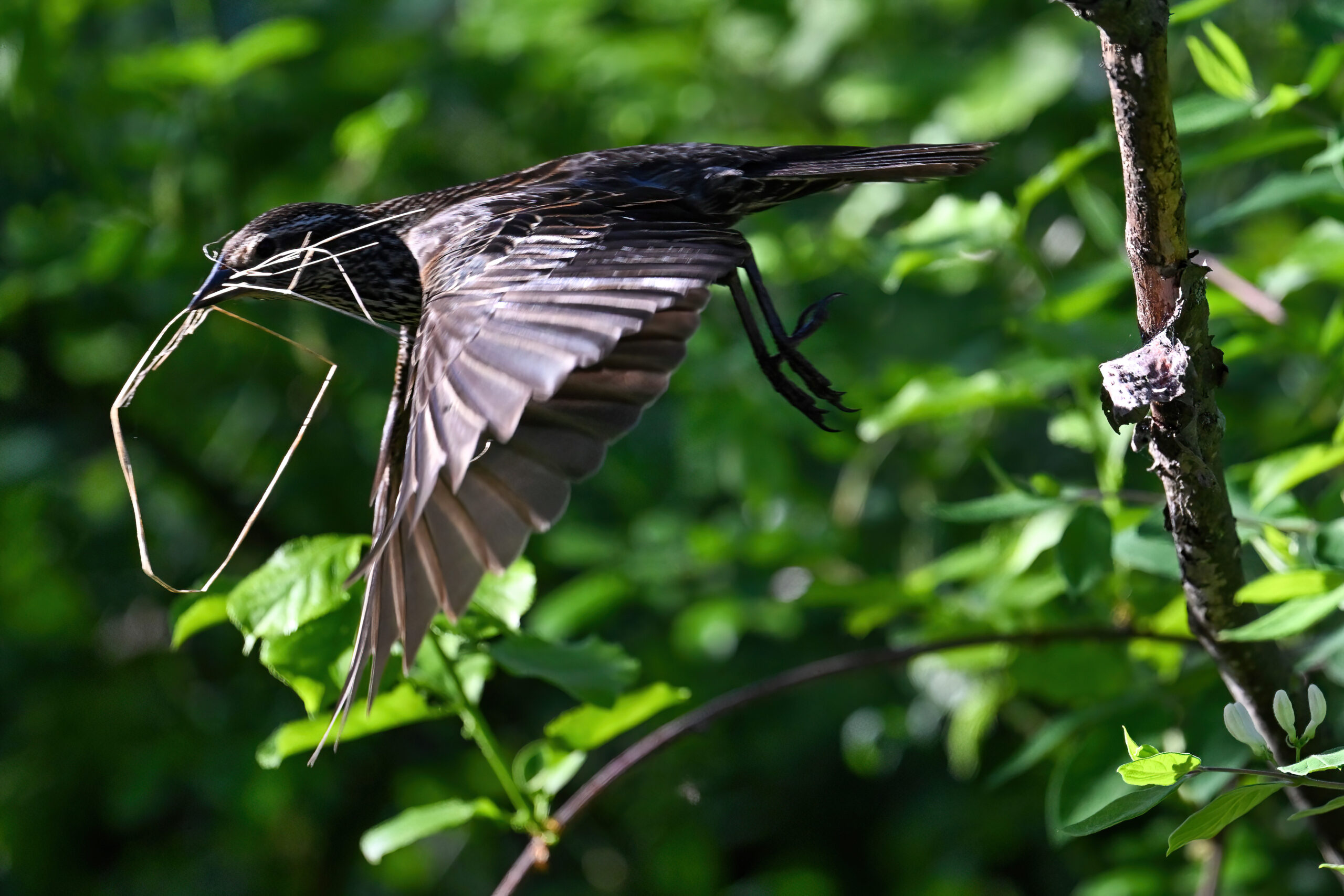
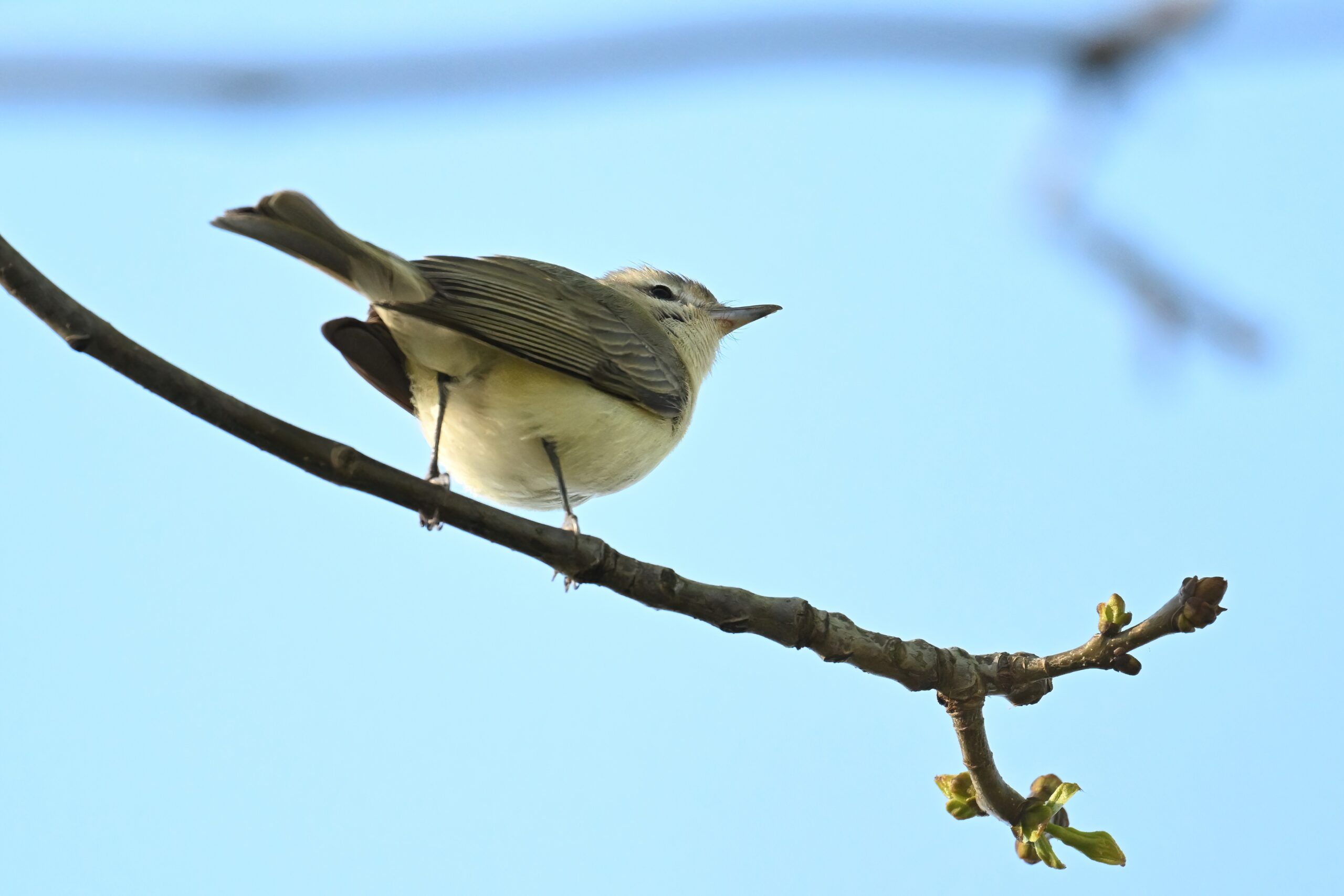
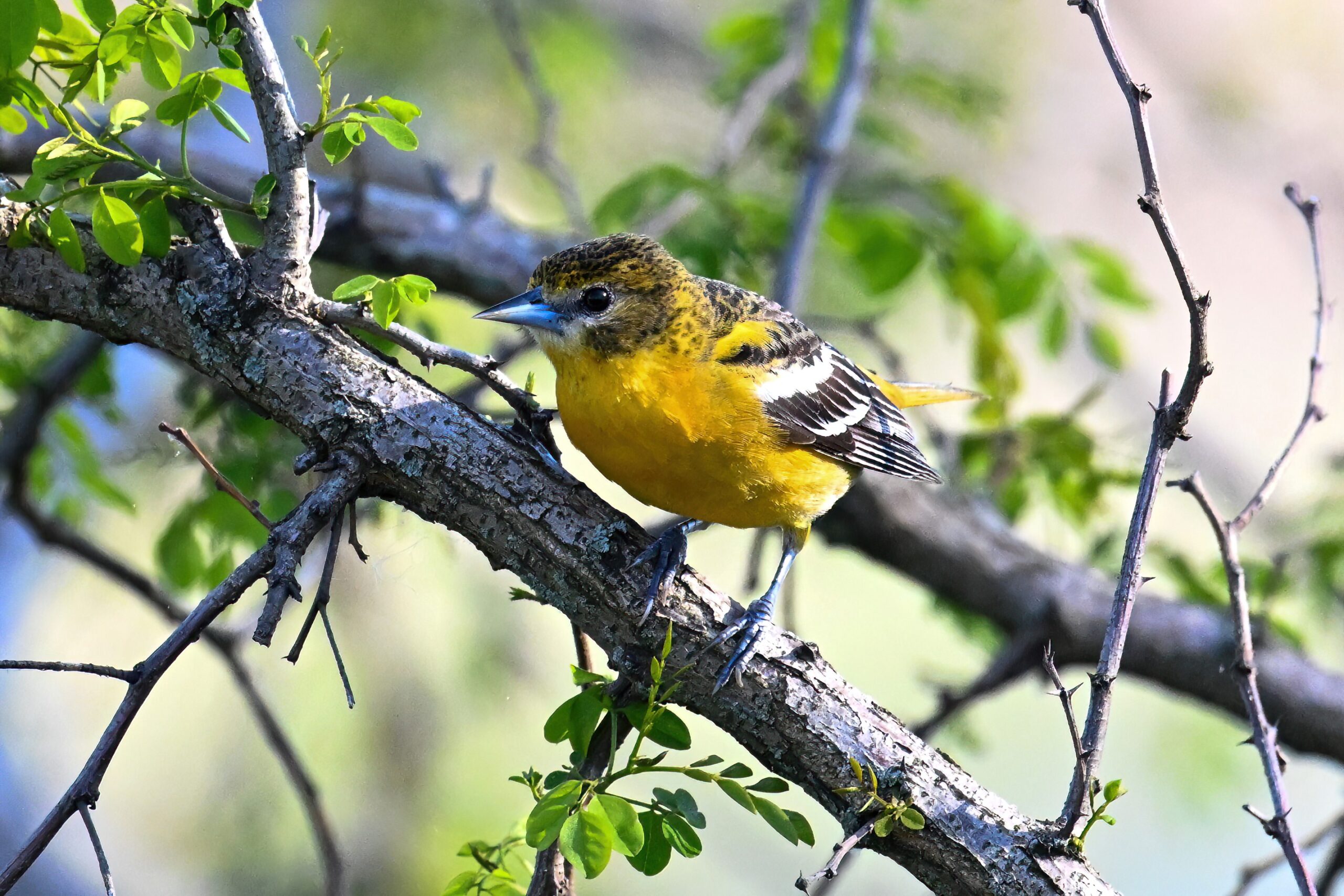
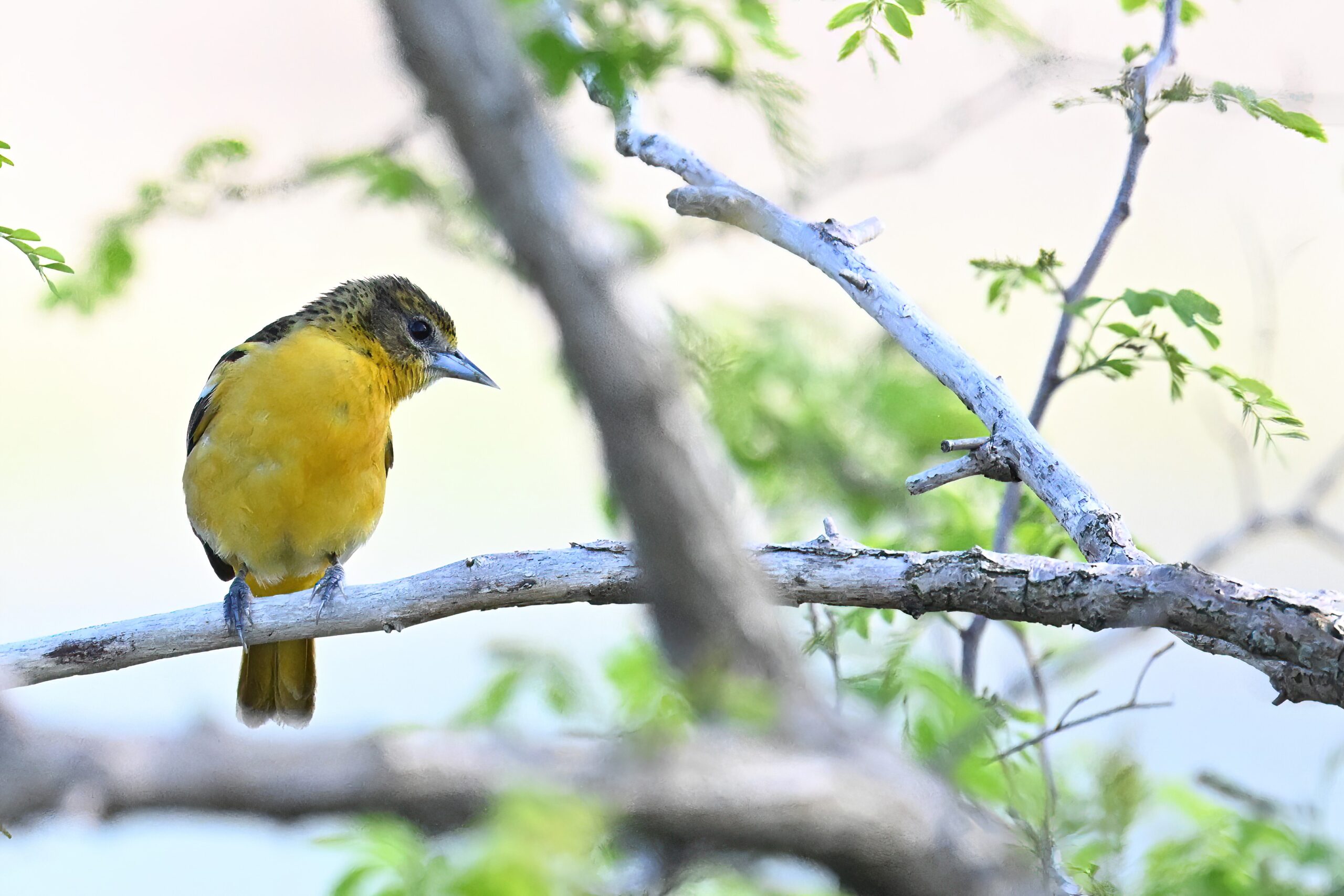
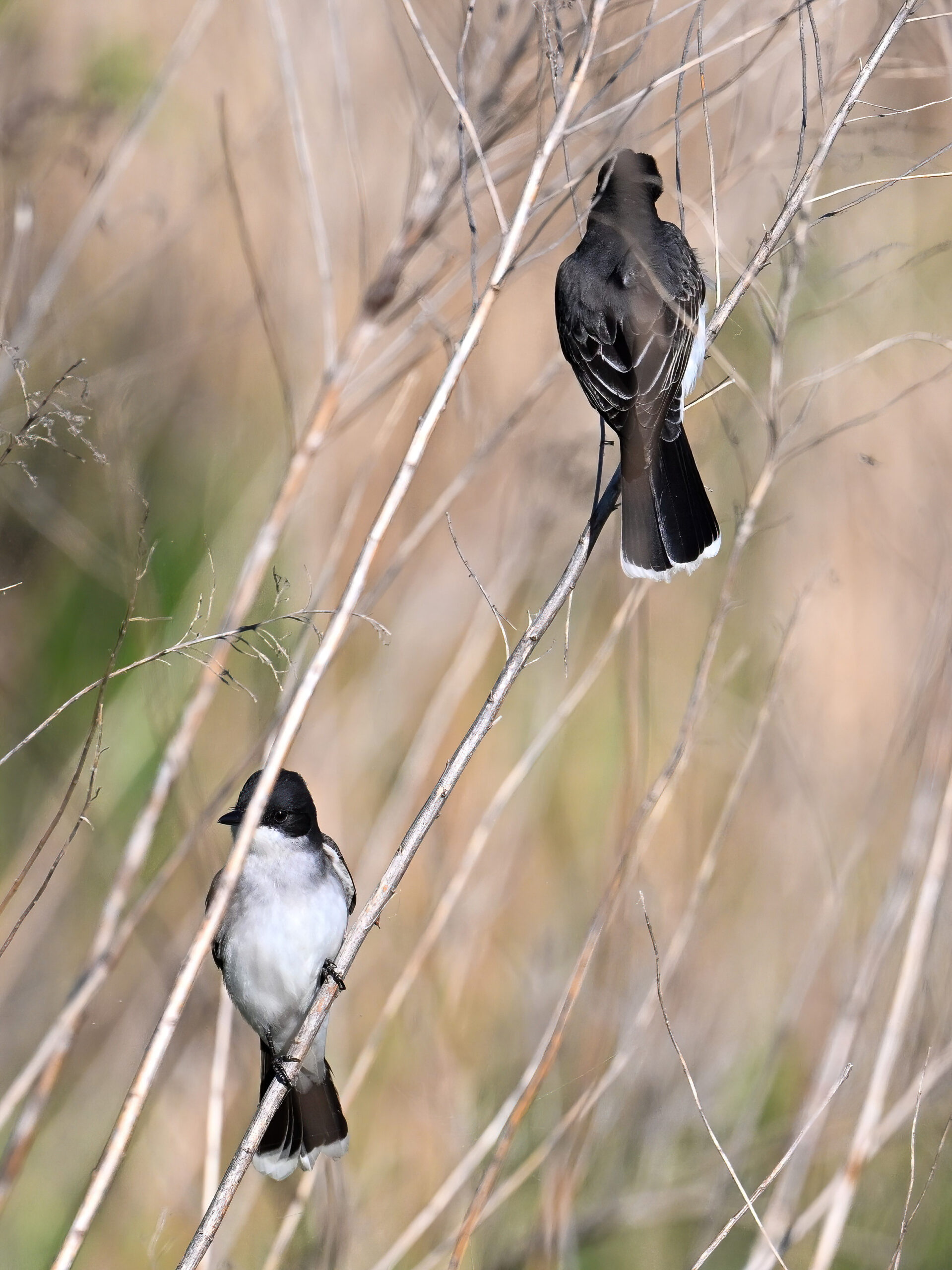
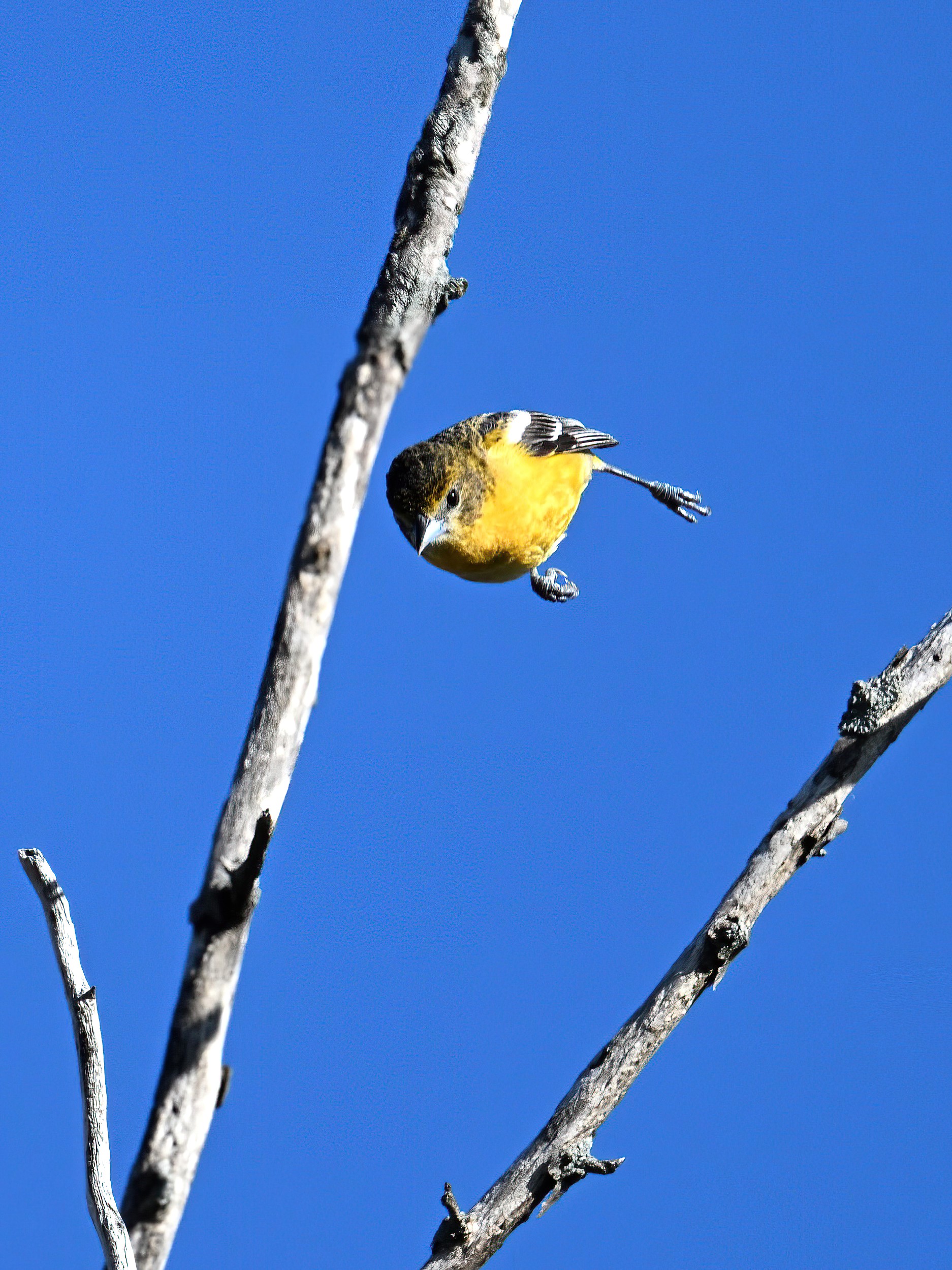
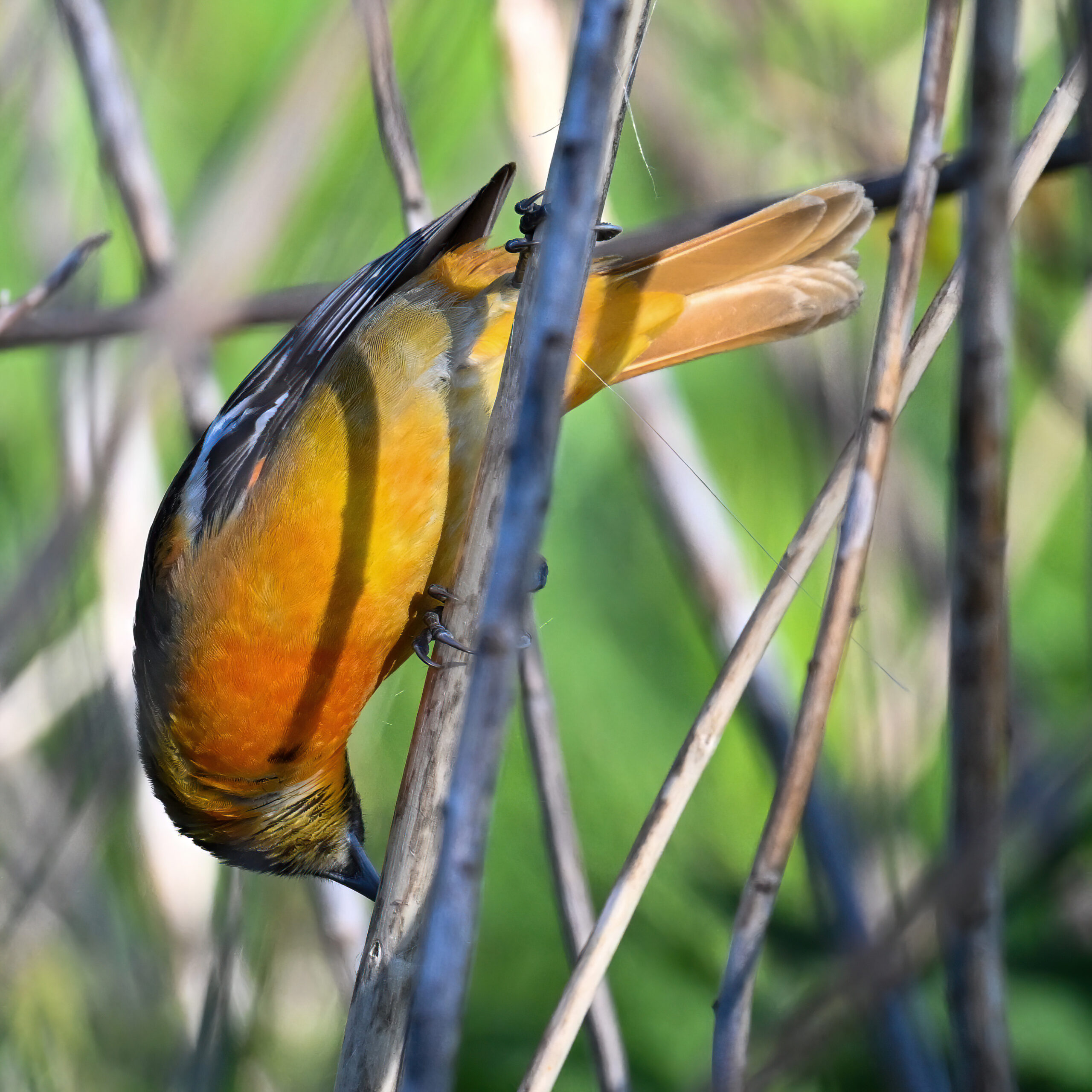
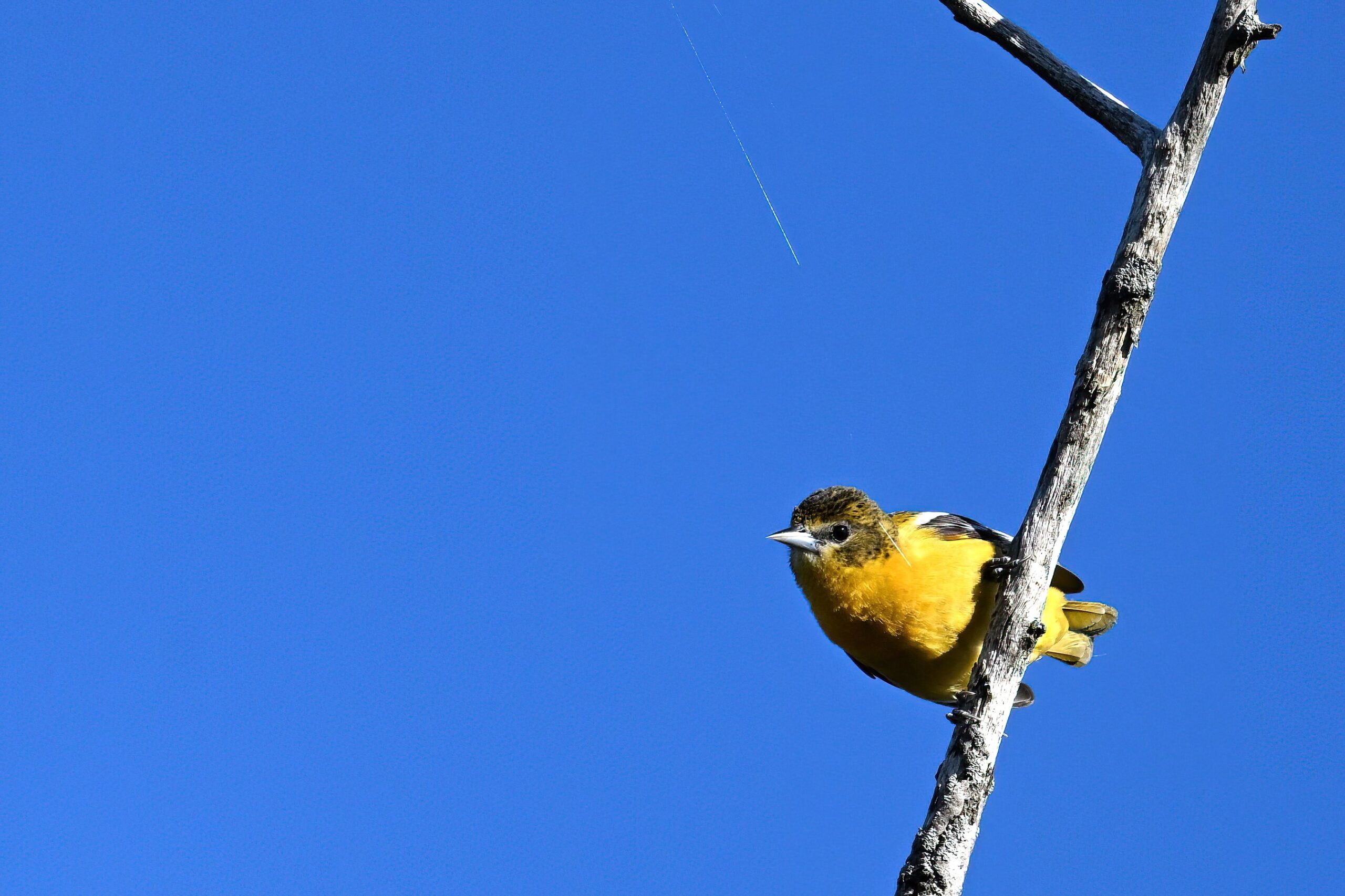
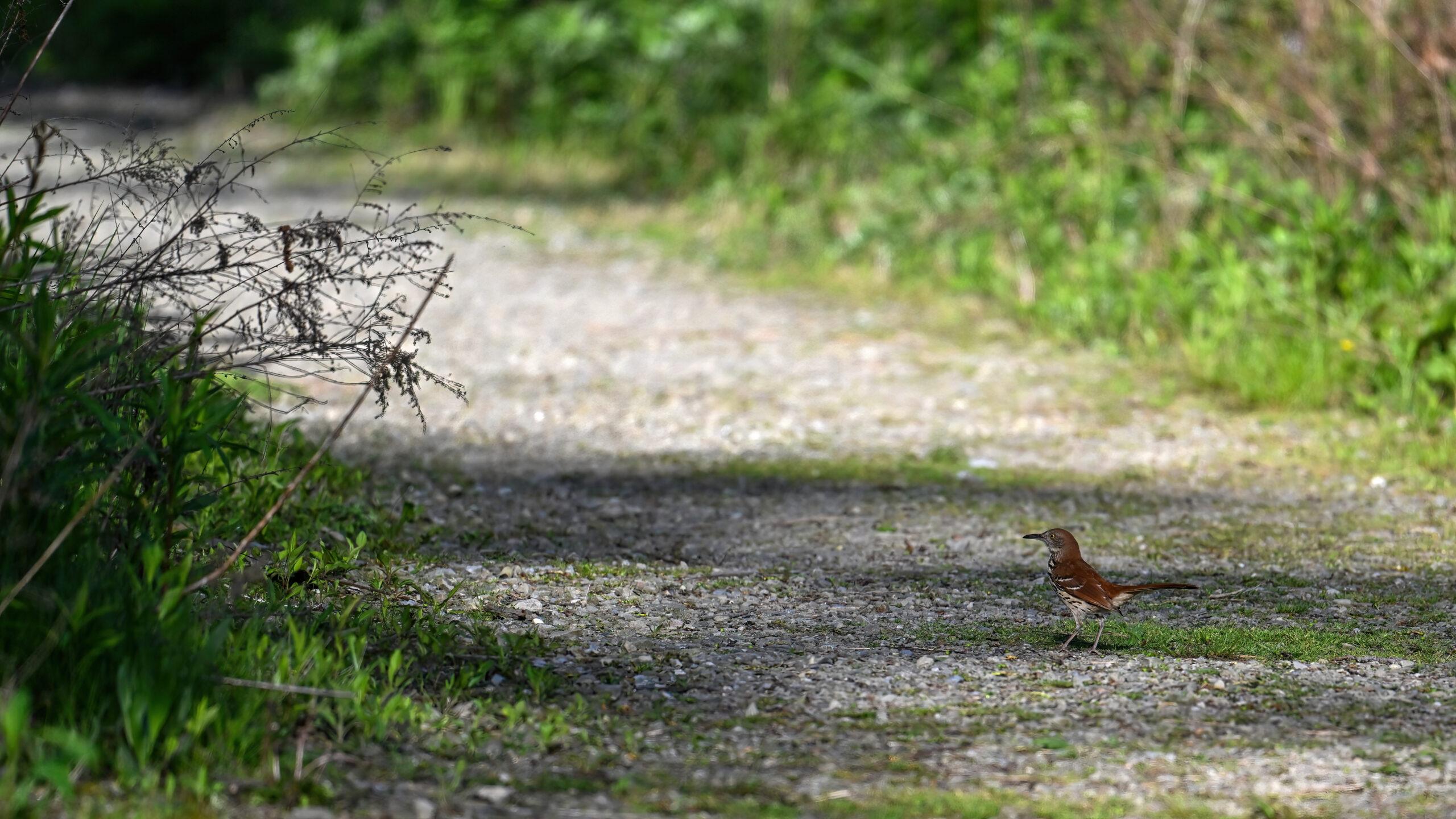
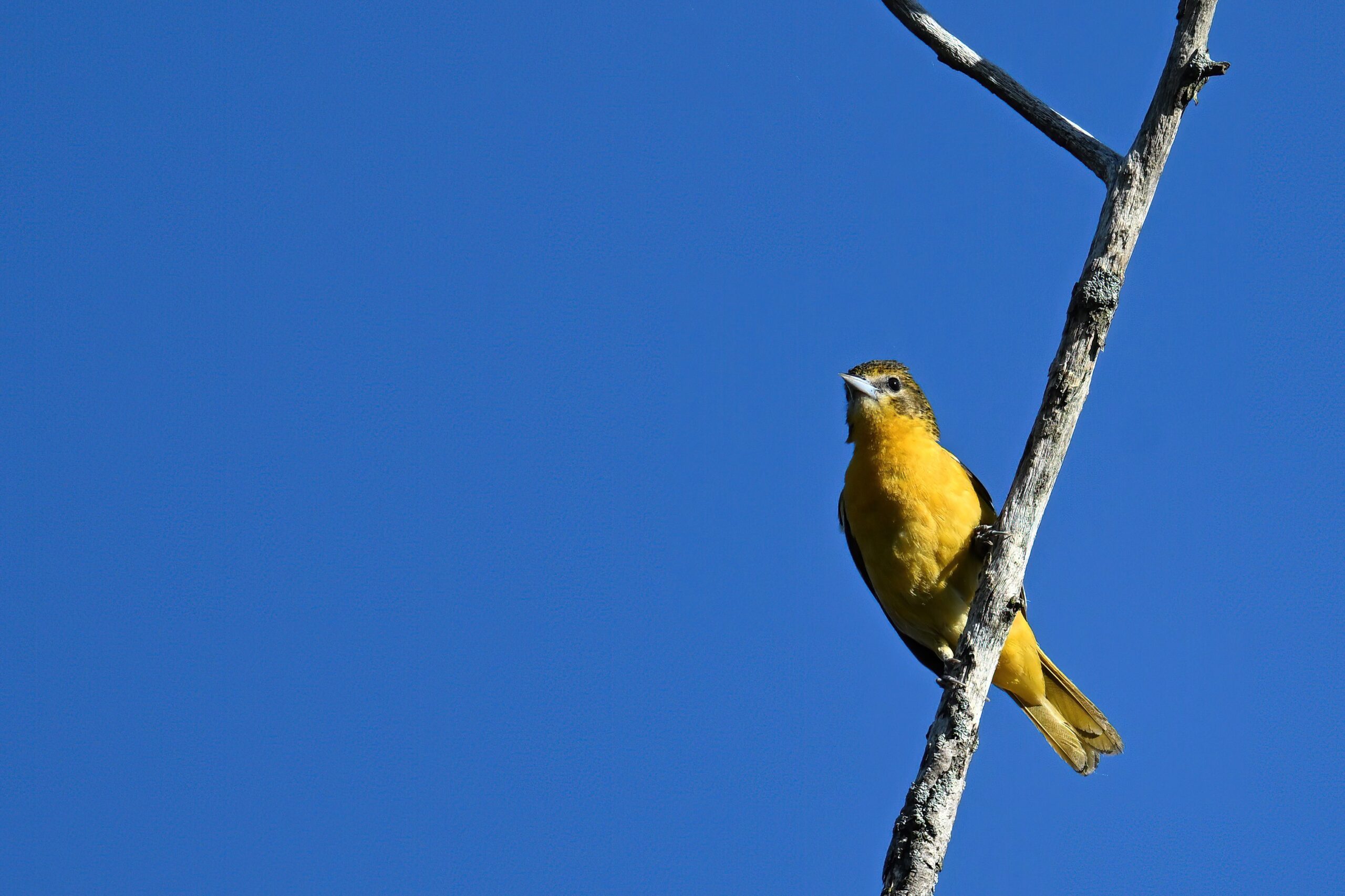
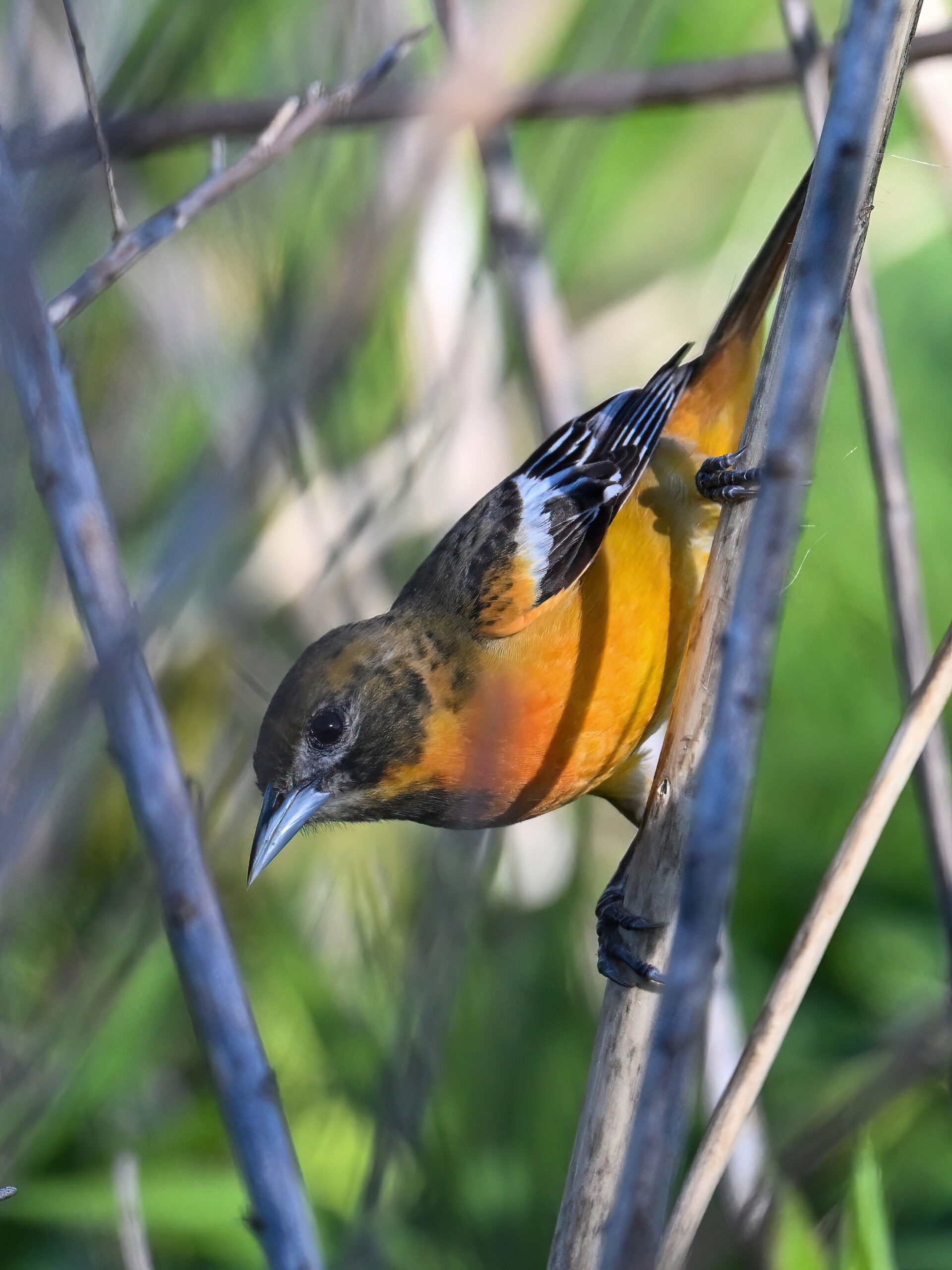
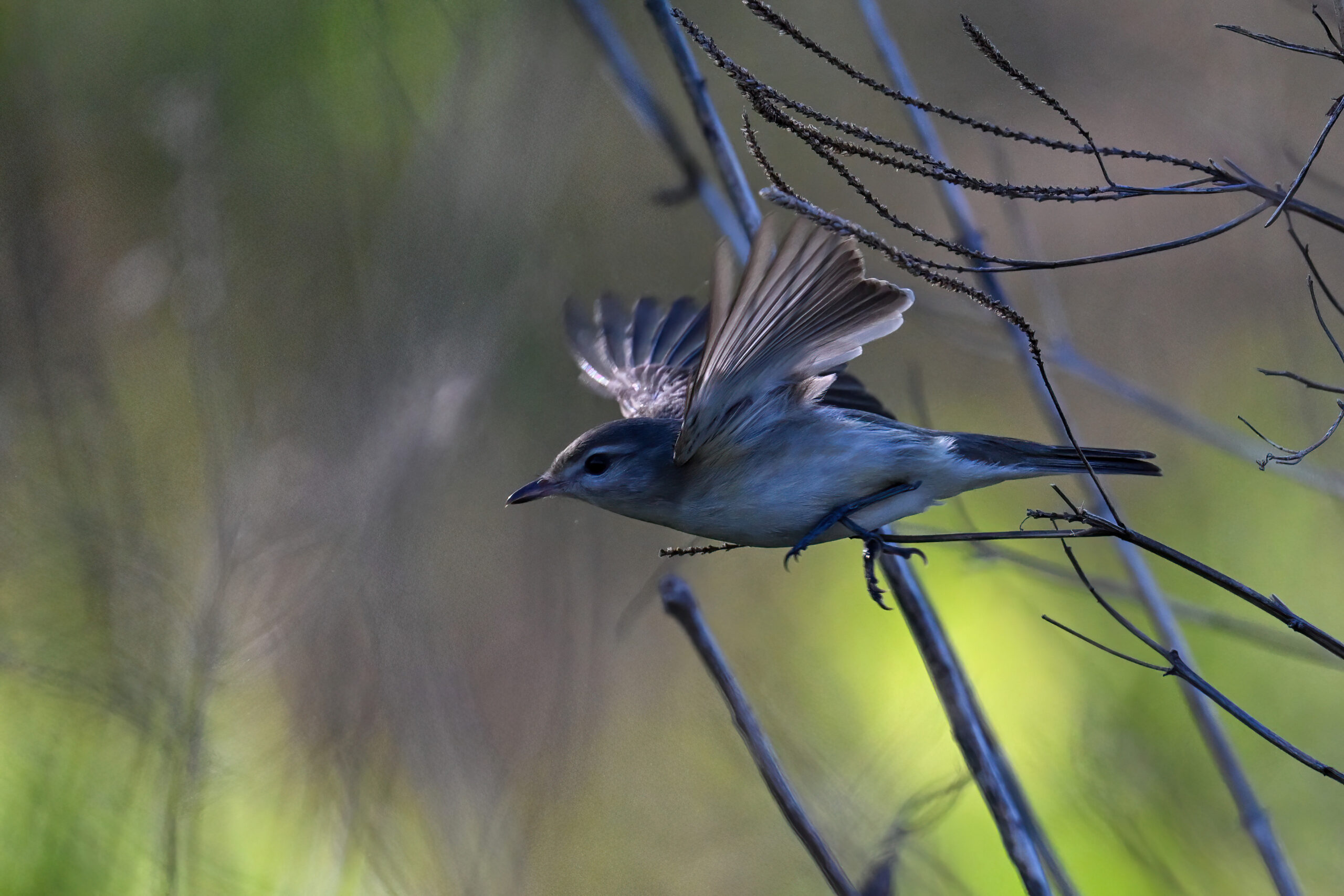
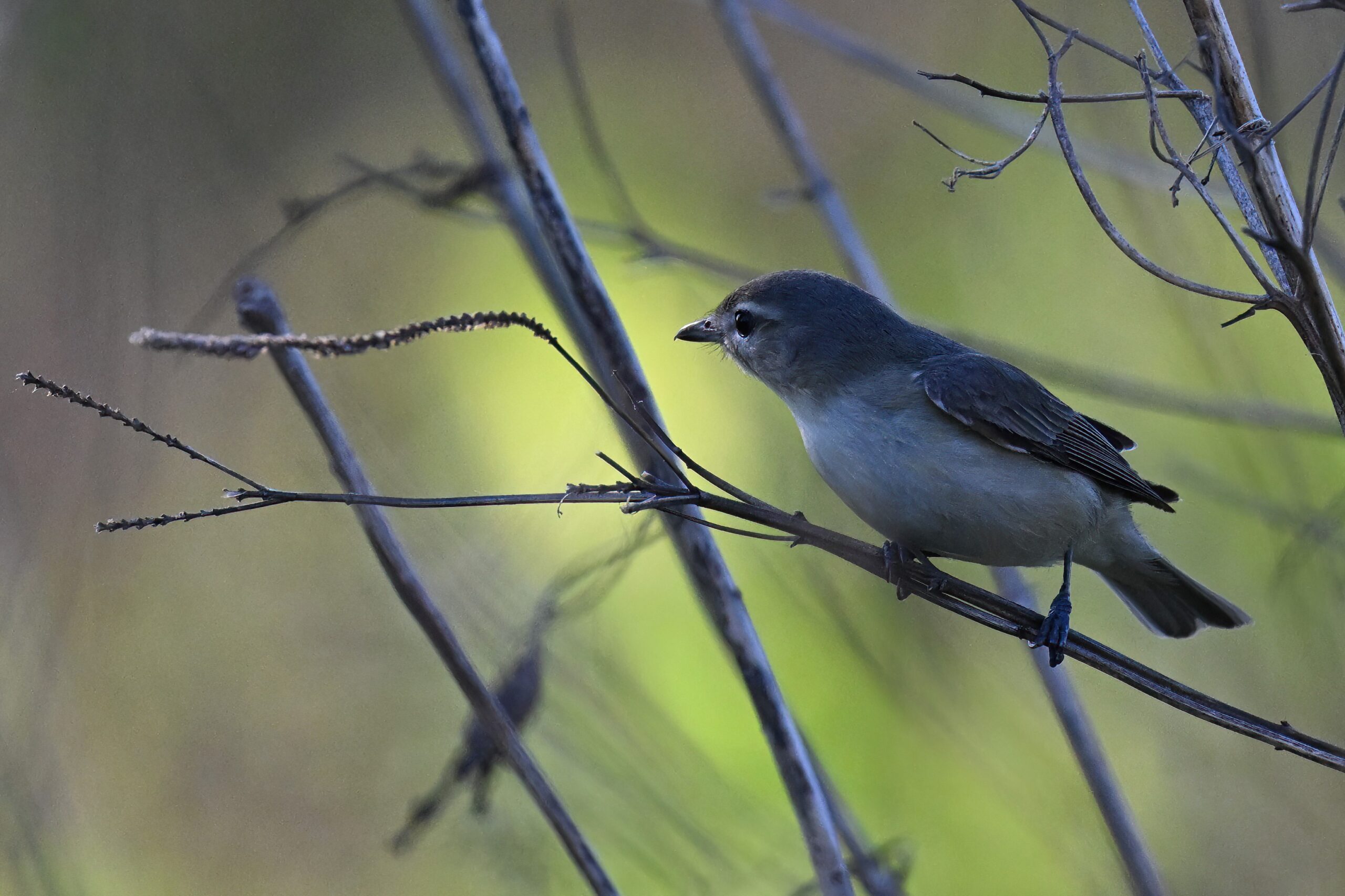
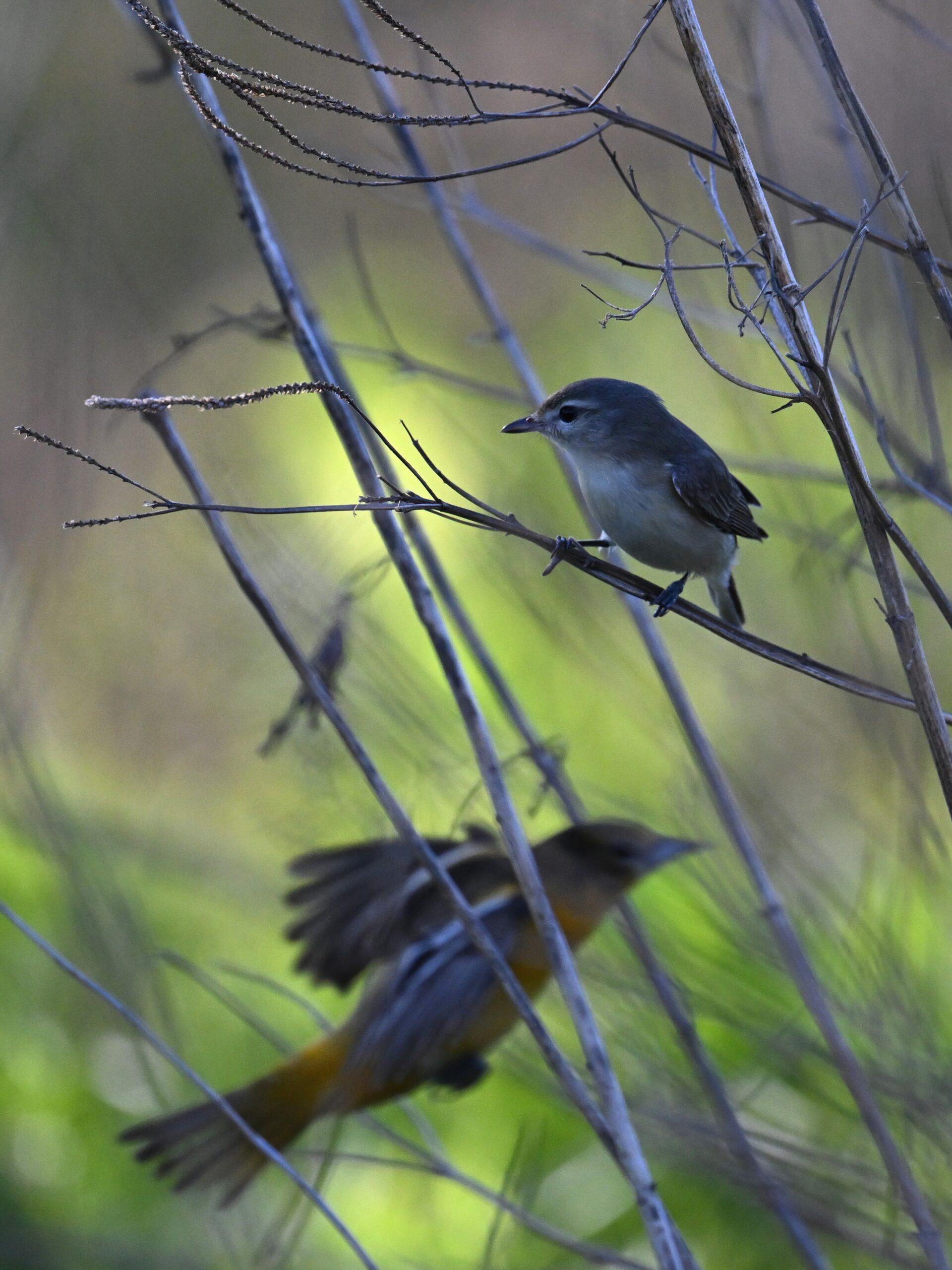
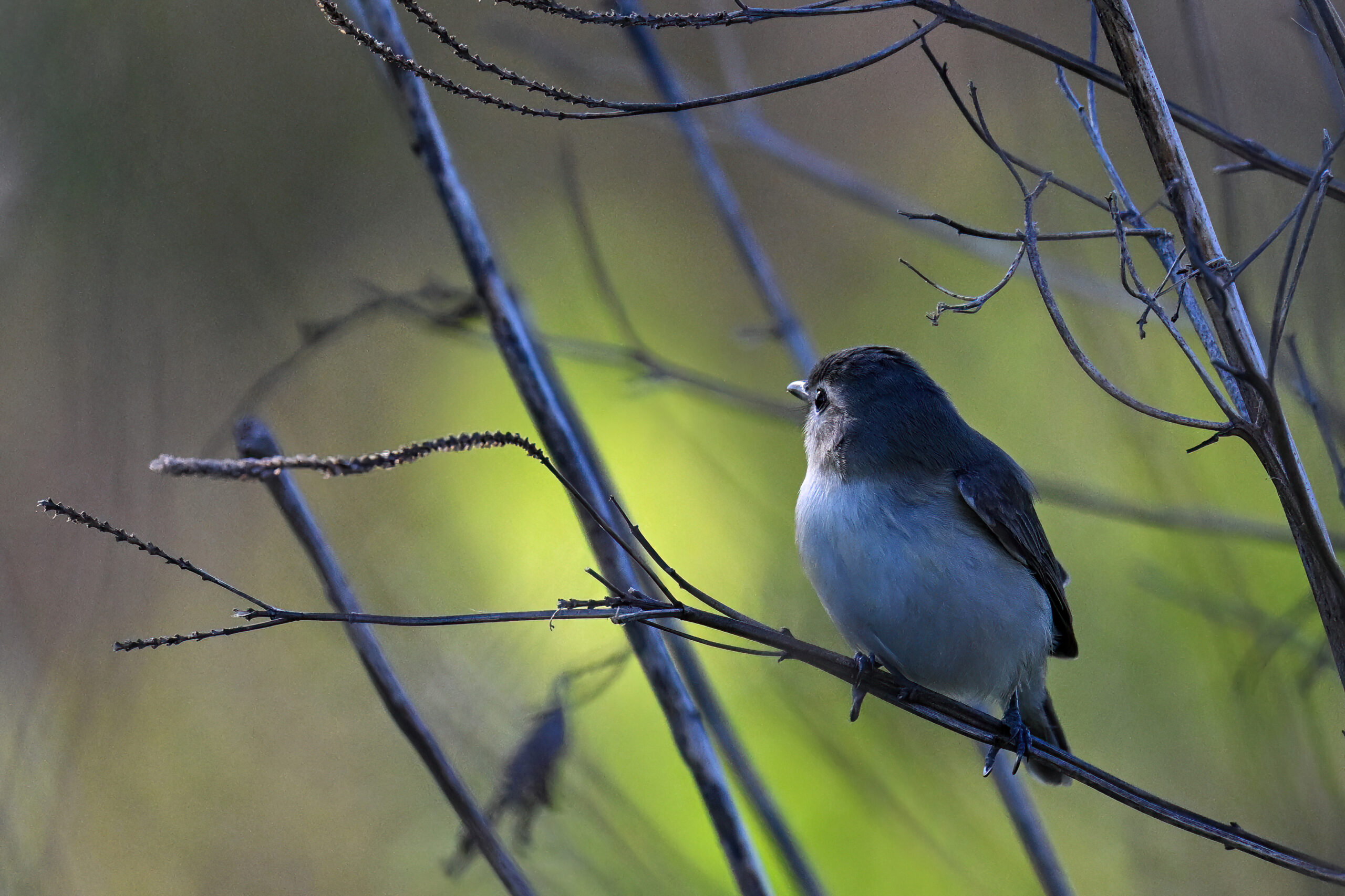
A Warbling Vireo good morning!Hard to tell what bird this is Warbling Vireo in ‘launch’ modeThat’s a Yellow Warbler (m)!Slightly overexposed Bald EagleMore Warbler!Female Red-winged Blackbird gathering nesting materialStill more Yellow WarblerTaking flight w/ nesting materialYellow Warbler IVMore Warbling VireoBaltimore Oriole (immature)Song Sparrow, perchedMore OrioleEastern Kingbirds in the reedsSuperbird!Oriole foragingOriole @ pre-launchBrown Thrasher on trailOriole VIOriole VIIWarbling Vireo takes flightWarbler @ shrubVireo w/ nice back lighting IMale Yellow Warbler on branch IVireo w/ nice back lighting II (+ Oriole)Male Yellow Warbler on branch II Vireo w/ nice back lighting IIIBeautiful bird & bokeh
[Editor’s note: the bird in the second photograph above appears to be a Bald Eagle, maybe.]
Time for recent long-distance observations at Gull Point. With a camera + long lens (most shots below @ 1200mm), lots of heat shimmer on a warm day = blurry birds. Nevertheless, a useful tool for interesting bird ID’s/sightings.
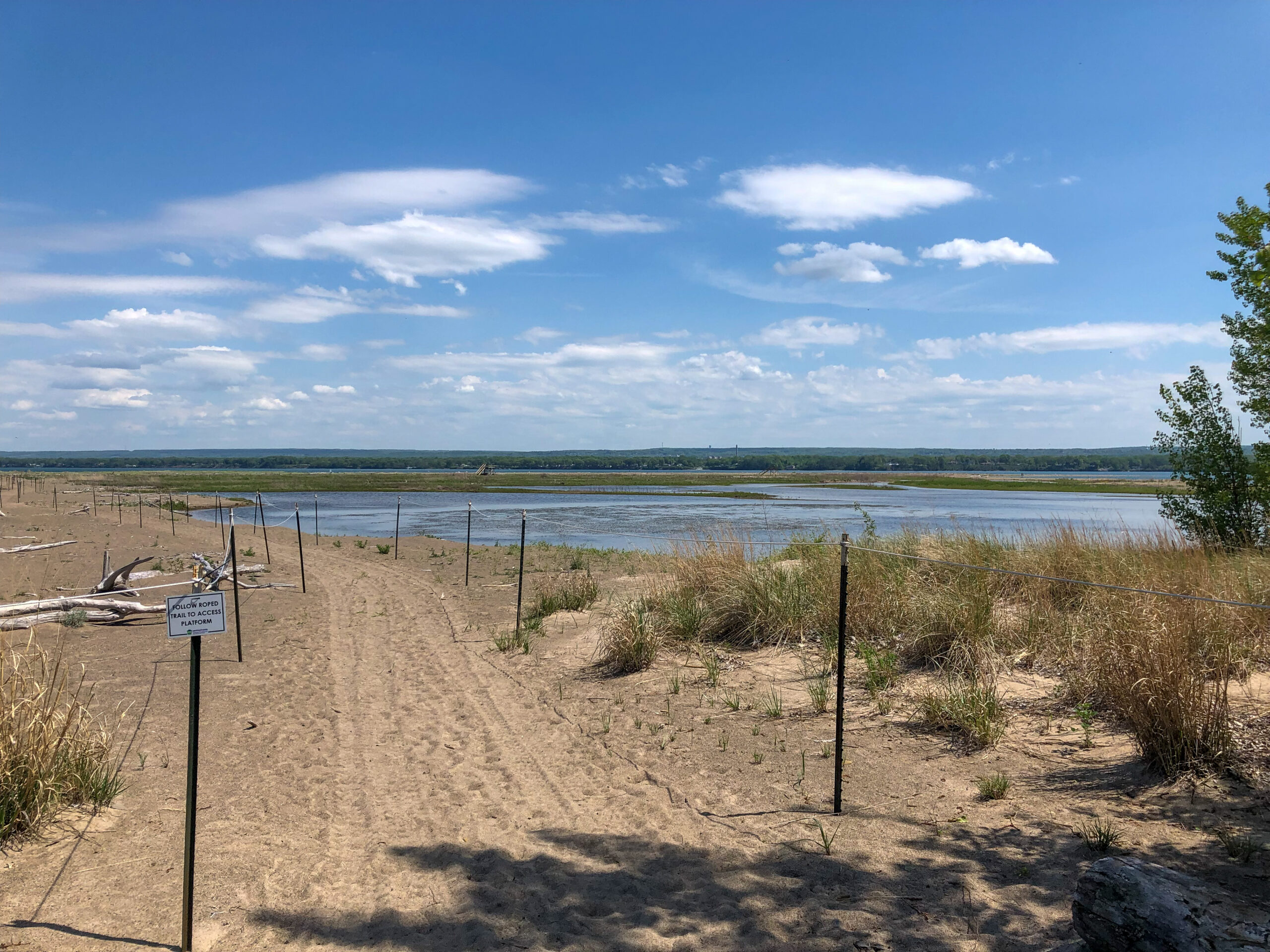
‘Entrance’ to outer Gull Point
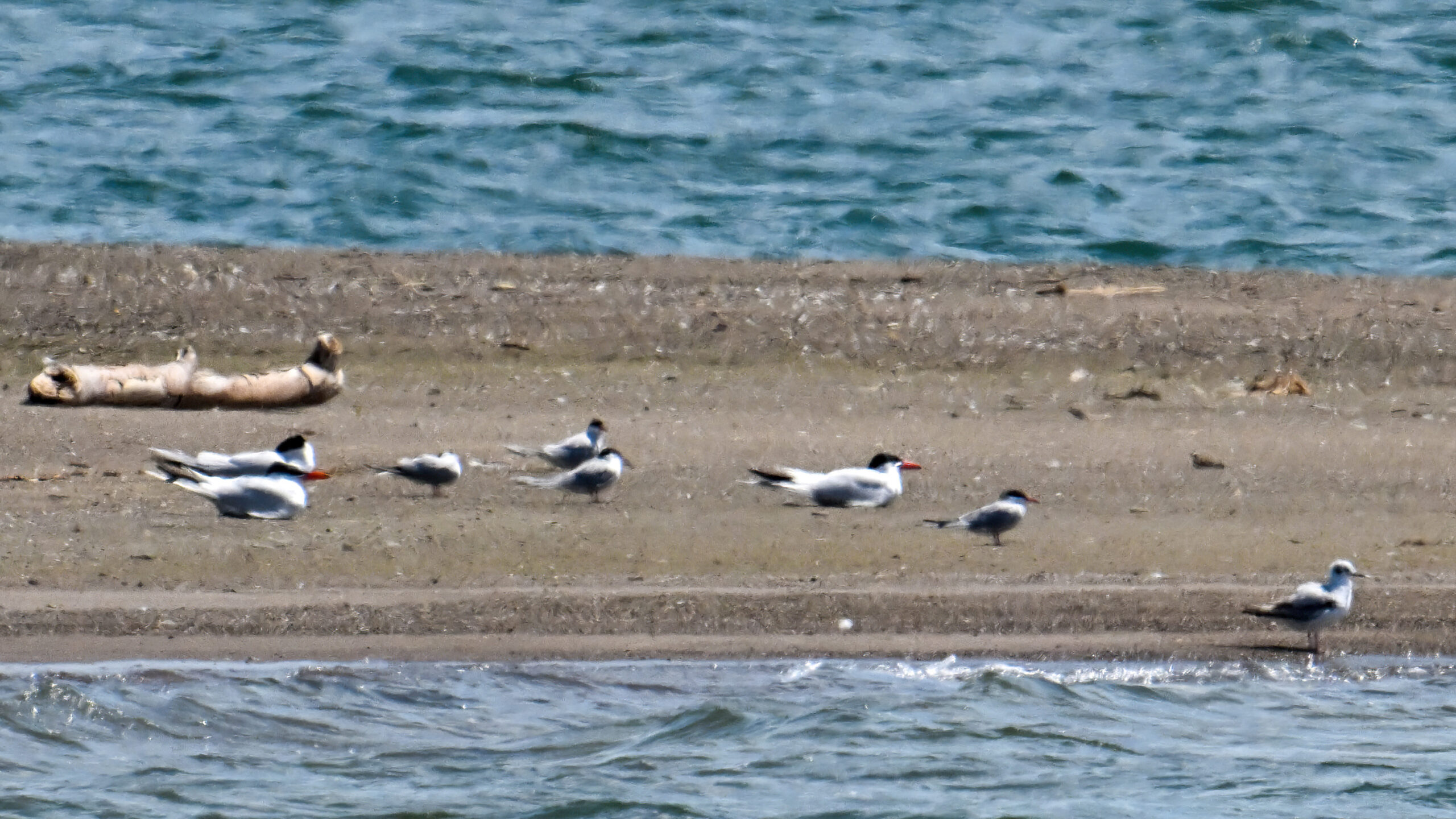
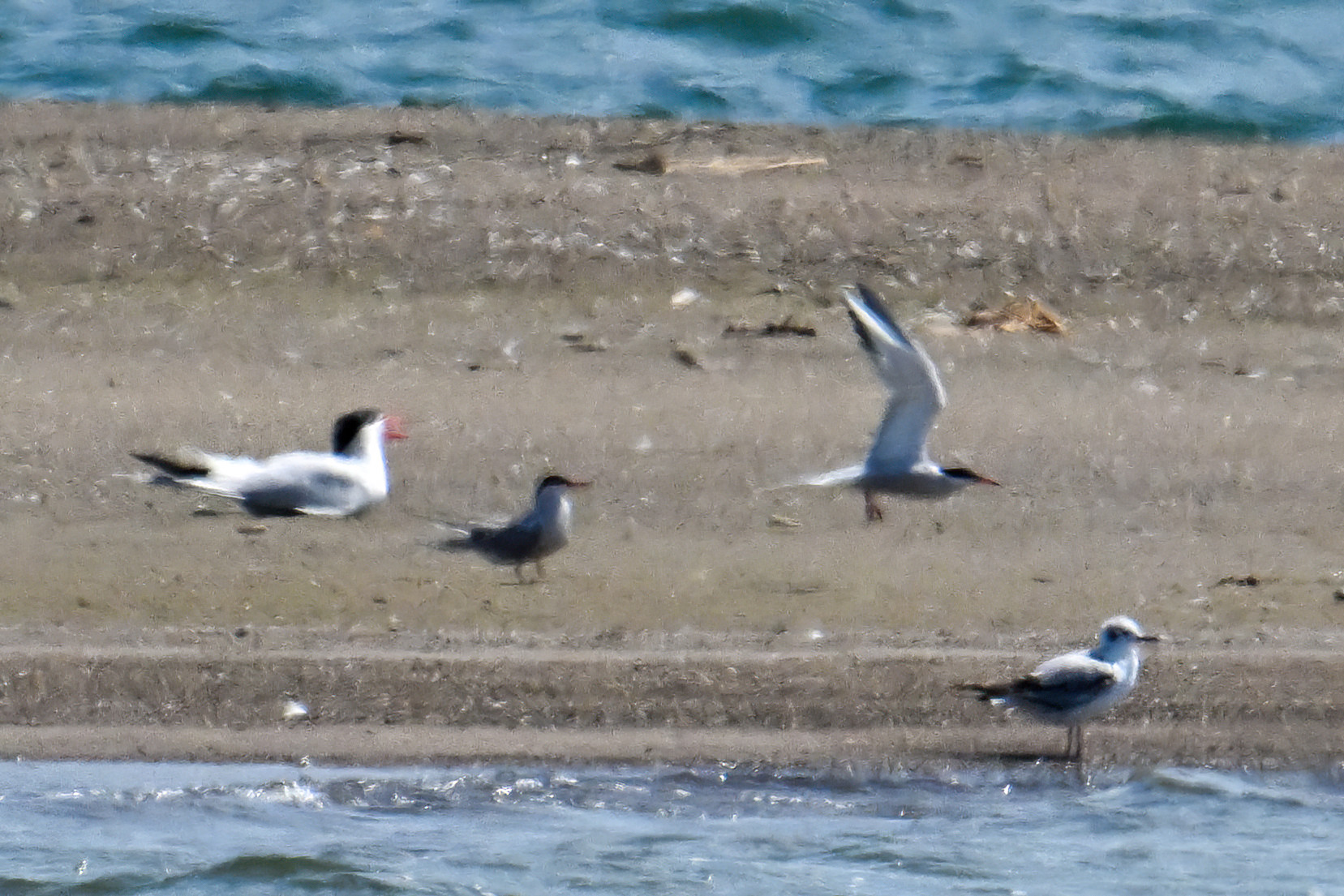
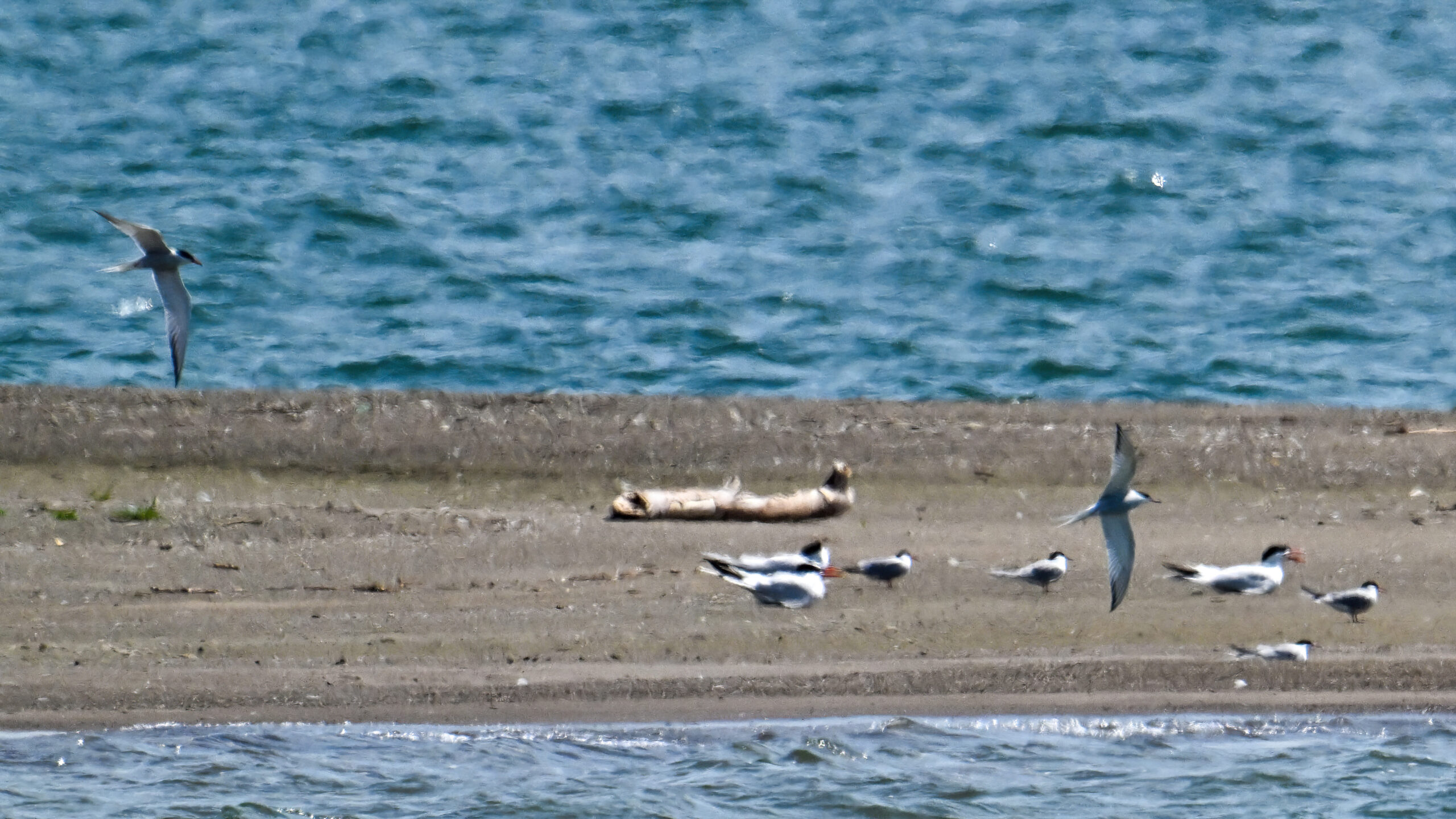
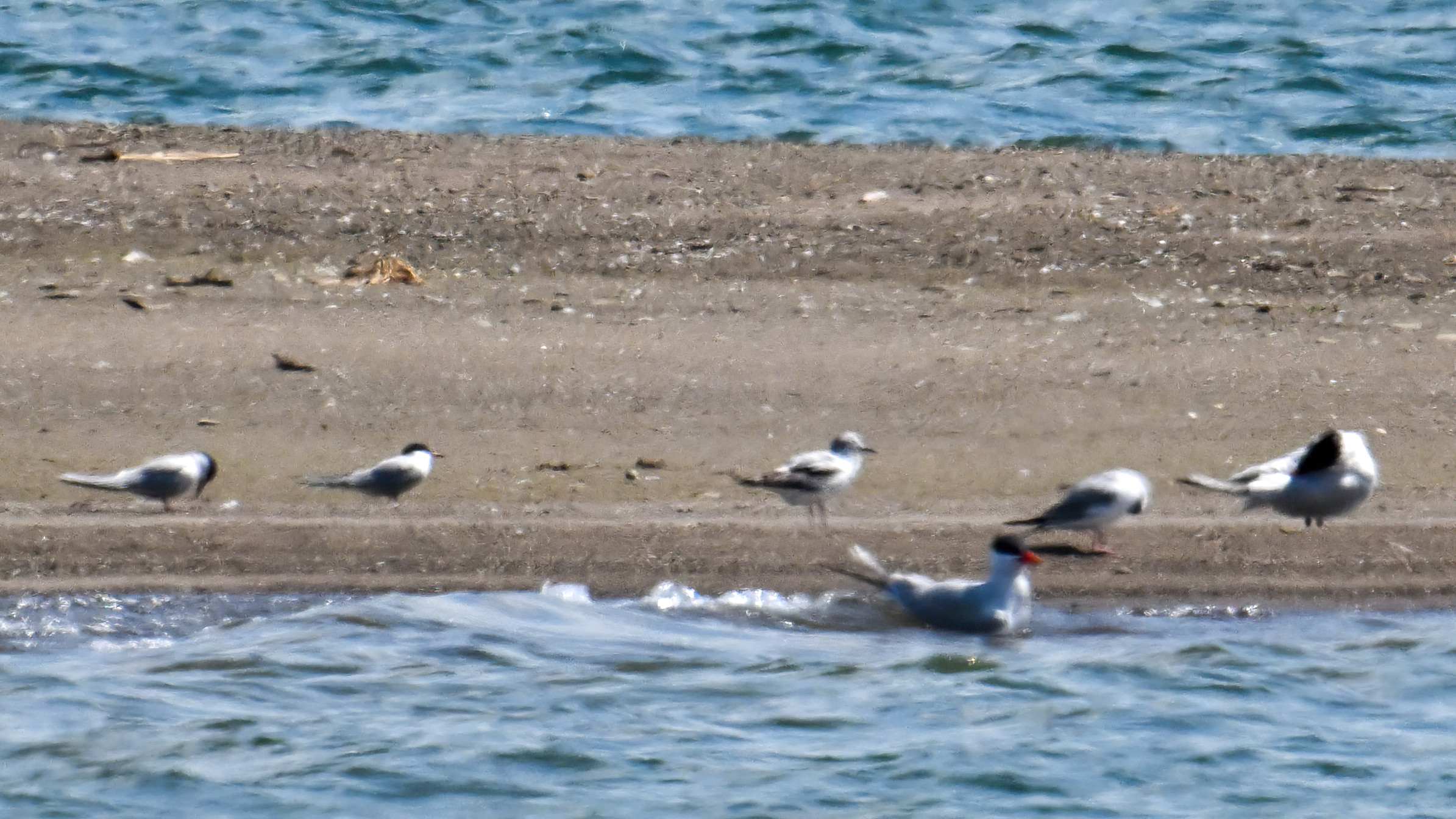
First up, terns! The most common tern @ Presque Isle State Park is Caspian Tern, the world’s largest tern species. Which is confusing, esp. for this post, because there’s a species actually called Common Tern. (Another awful/generic bird name.) And speaking of both, here’s a shot of mixed Caspian Tern, Common Tern, and what might be a juvenile Bonaparte’s Gull (?) on the lower right:
Mixed terns
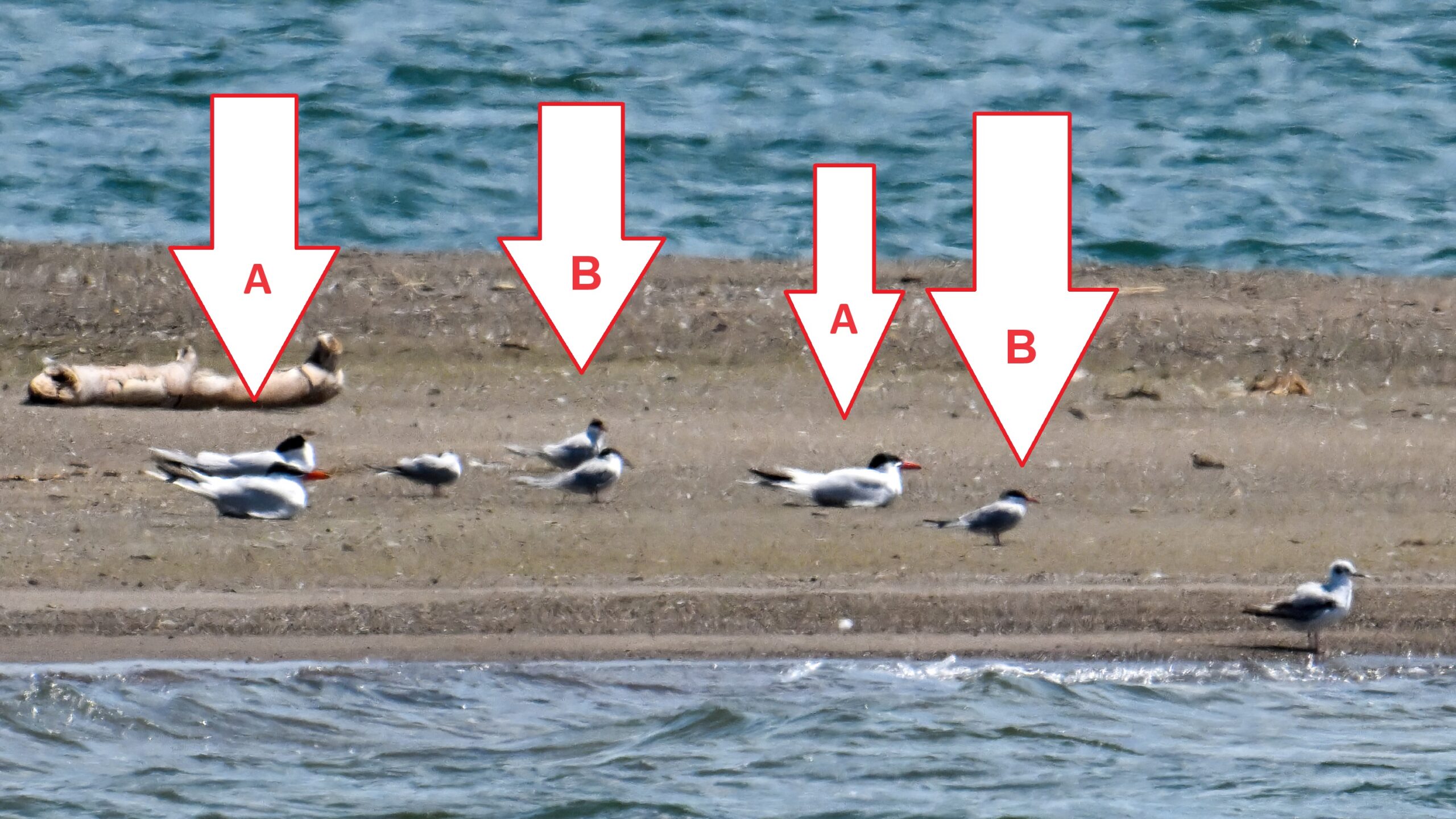
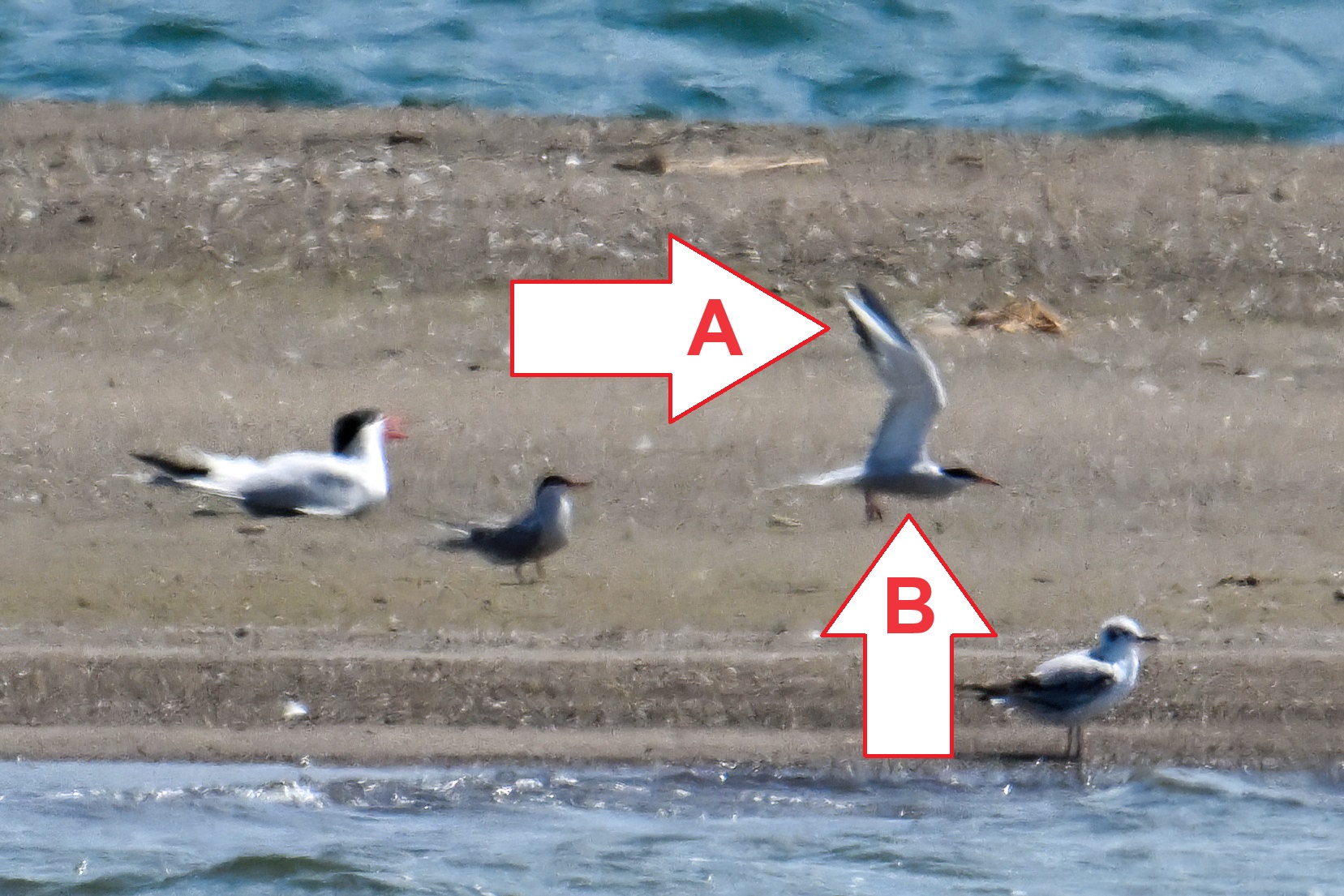
Let’s discuss this ID. Caspian Terns: relatively large, distinctive tern black cap, chunky/dagger-like red-orange bill. In the annotated shot below, Caspian Terns @ “A.” Best way to ID other tern species generally, if possible, is based on size. Note the terns at “B” – similar looking overall (black cap, pointy red or orange bill) but much smaller. Could be any of several smaller tern species, but at Presque Isle the non-rare options* would be Common Tern or Forster’s Tern. Meaning, start there for an ID analysis.
Annotated terns
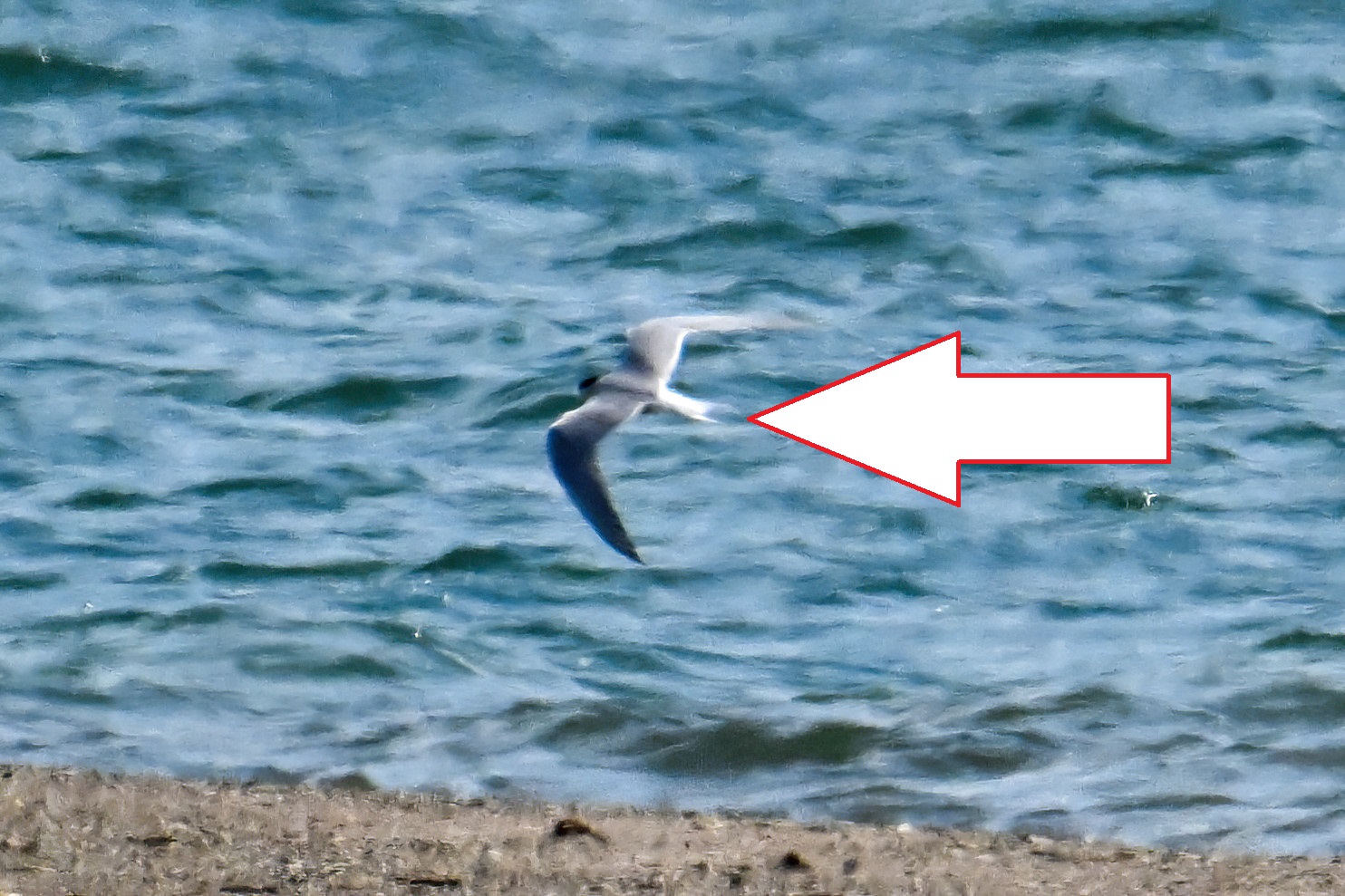
Both Common Tern and Forster’s Tern have a forked tail, so this shot is not terribly helpful:
Is an annotated shot to point out the forked tail really necessary?
OTOH, Common Tern typically has a gray belly and a thinner, reddish, black-tipped bill, whereas Forster’s = white belly and heavier, orange-ish, black-tipped bill.
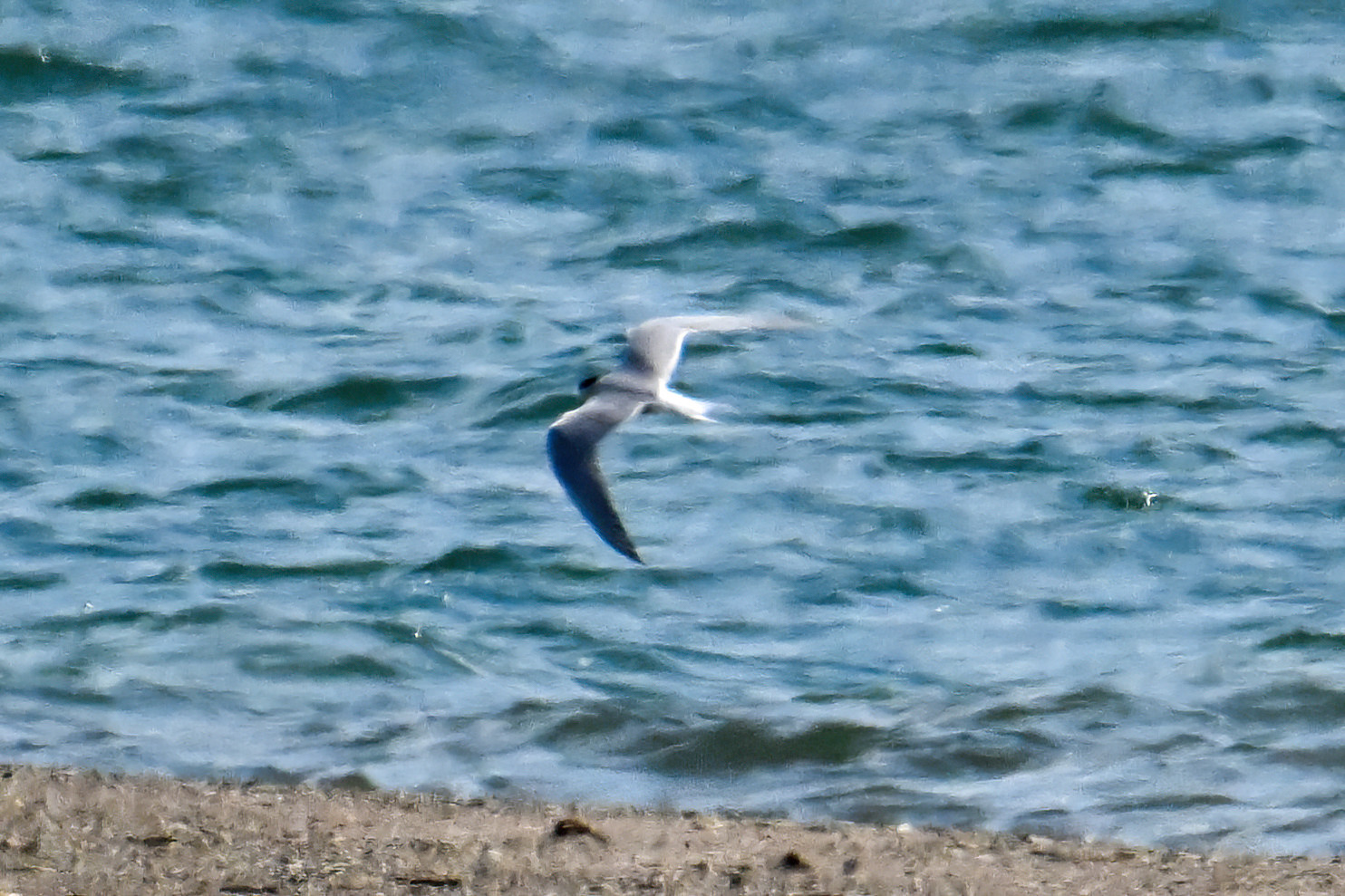
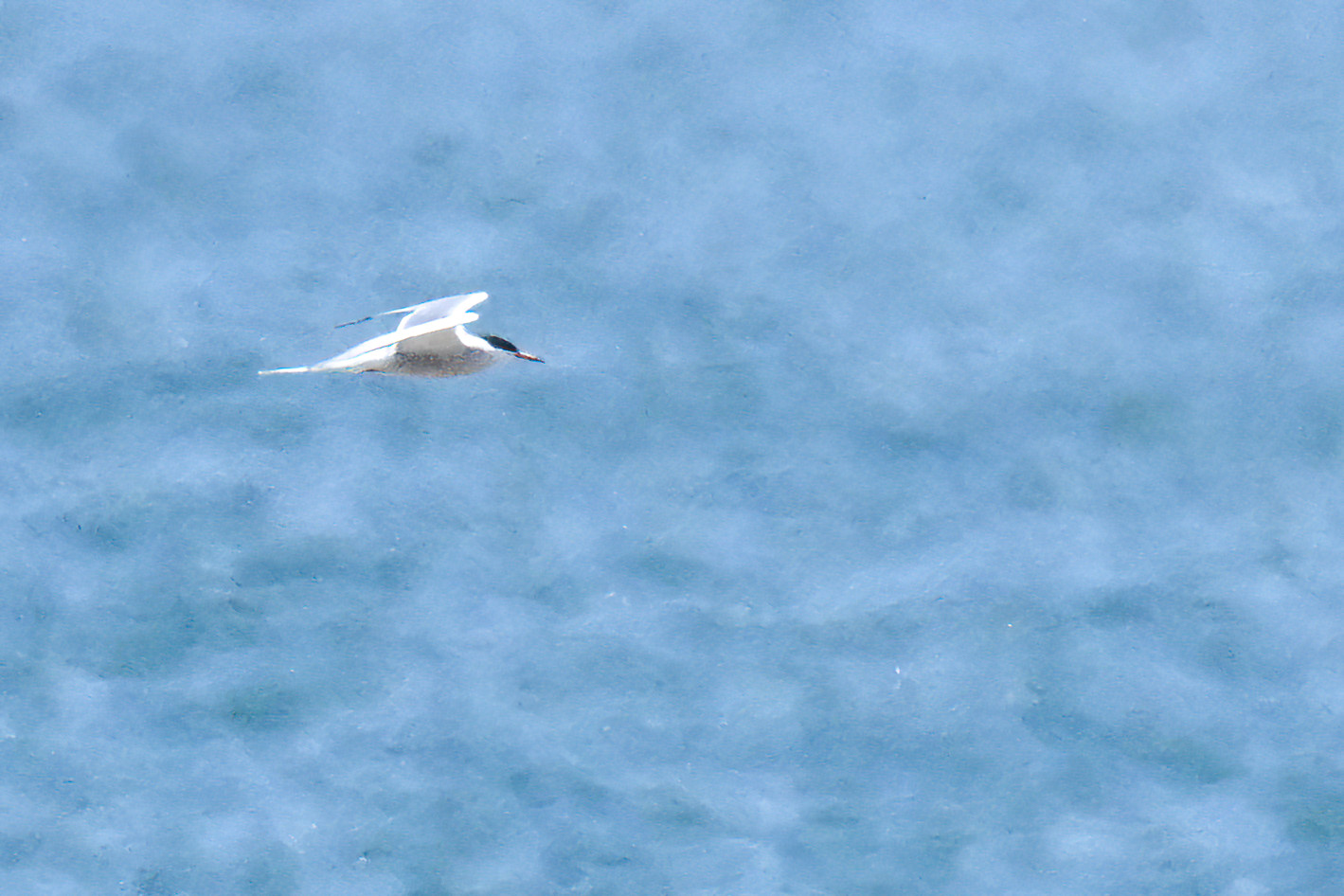
Common Tern in flight?
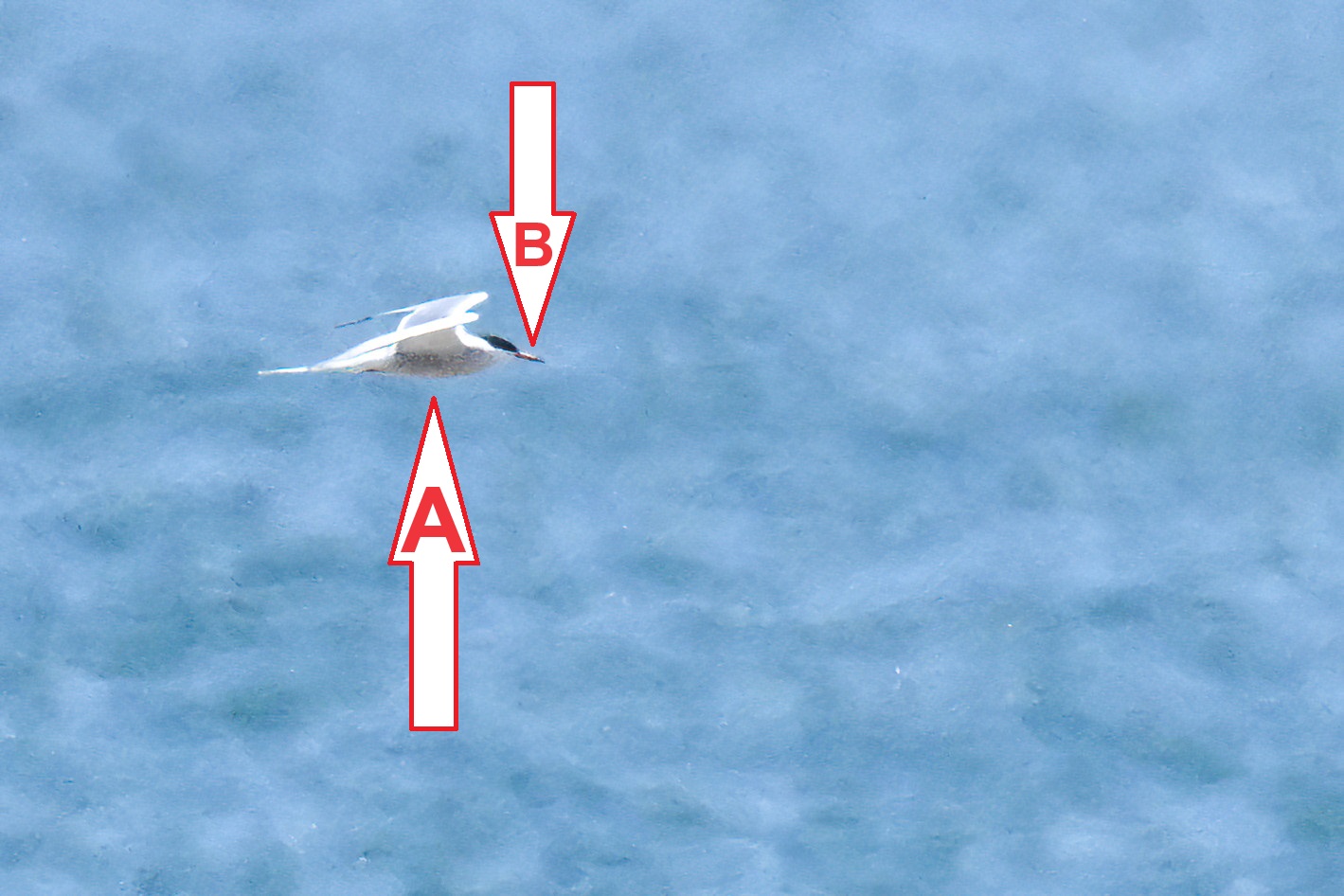
In the annotated shot below, note what appears to be a gray belly at “A.” The bill at “B” appears orange-ish, but is very thin and straight:
Annotated tern features
Another factor: wing colouration. Common Tern has darker gray wings outlined by black at the tips, mostly visible in flight:
In this annotation, note the black-looking wing tip region at “A,” and again, the gray belly at “B:”
Another view of dark wing tips:
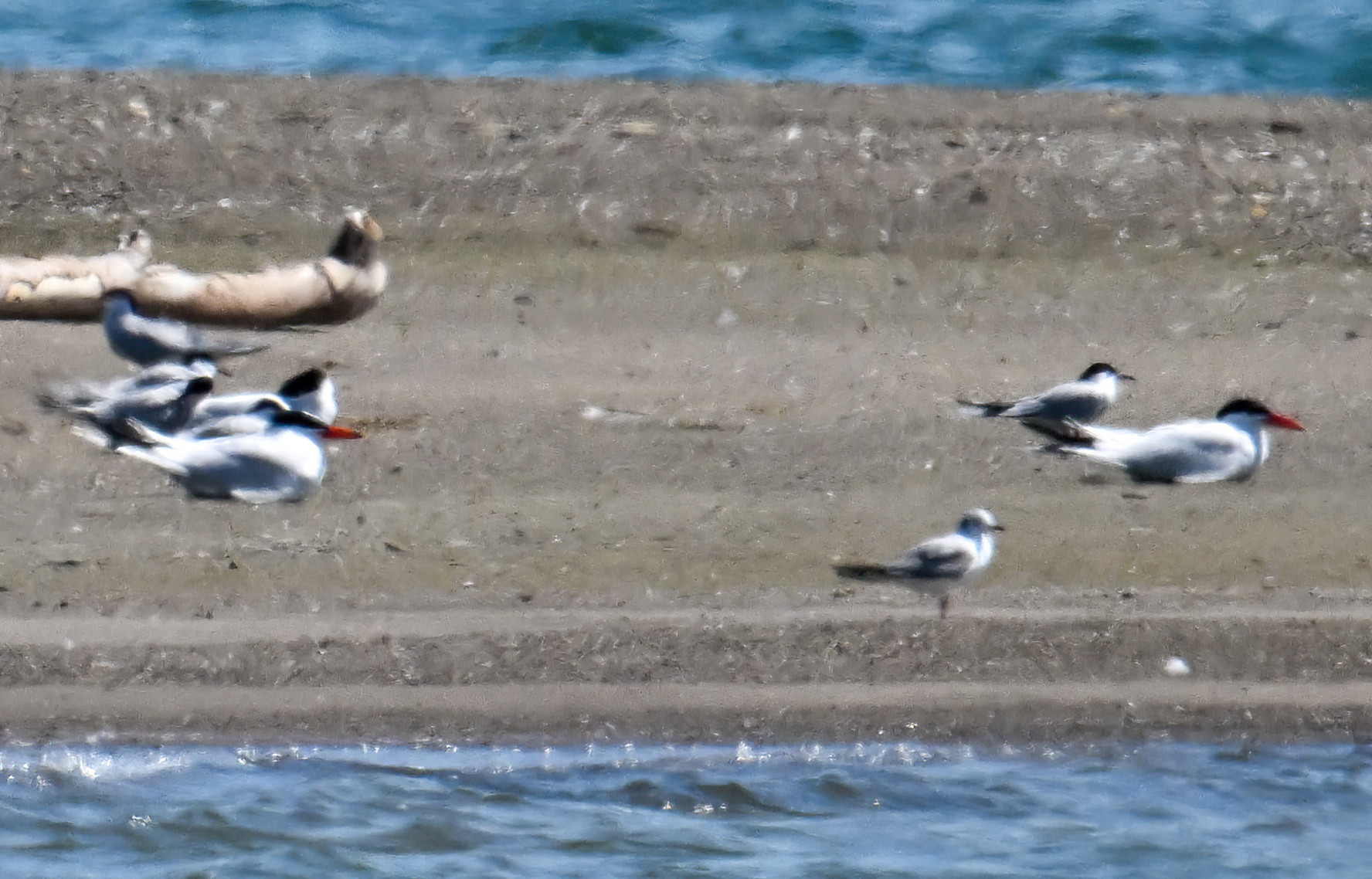
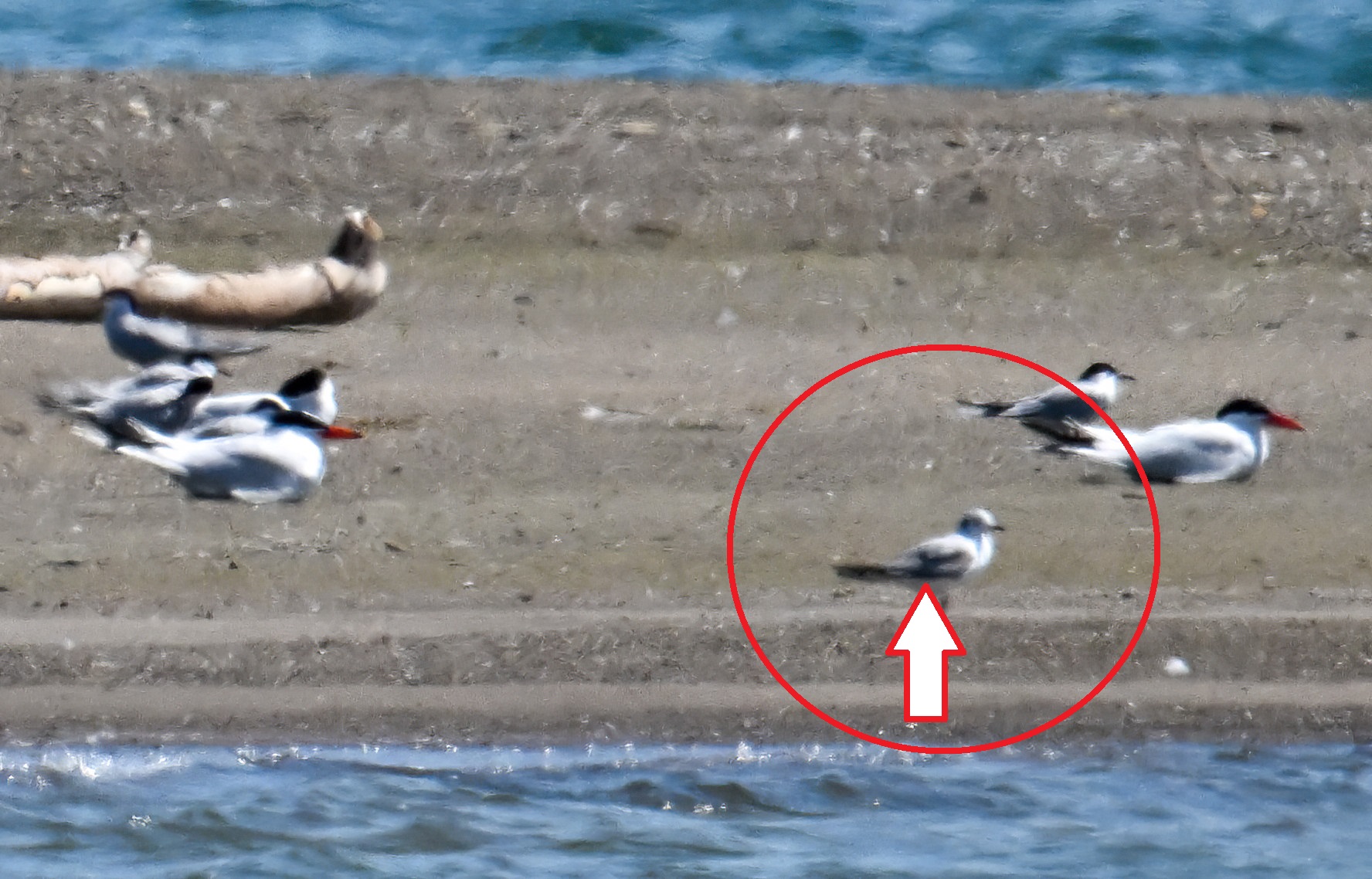
And another interesting clue, this time the bird @ lower right:
In the following annotation, note the colouration pointed to by the arrow. As per the experts, “Immatures and nonbreeding adults have a distinctive black bar on the leading edge of the wing, known as a carpal bar.”
So, very possibly an immature Common Tern. Another view:
In conclusion, small size, consistent bill, gray belly, dark wing tip regions, + possible juvenile = positive ID for Common Tern!
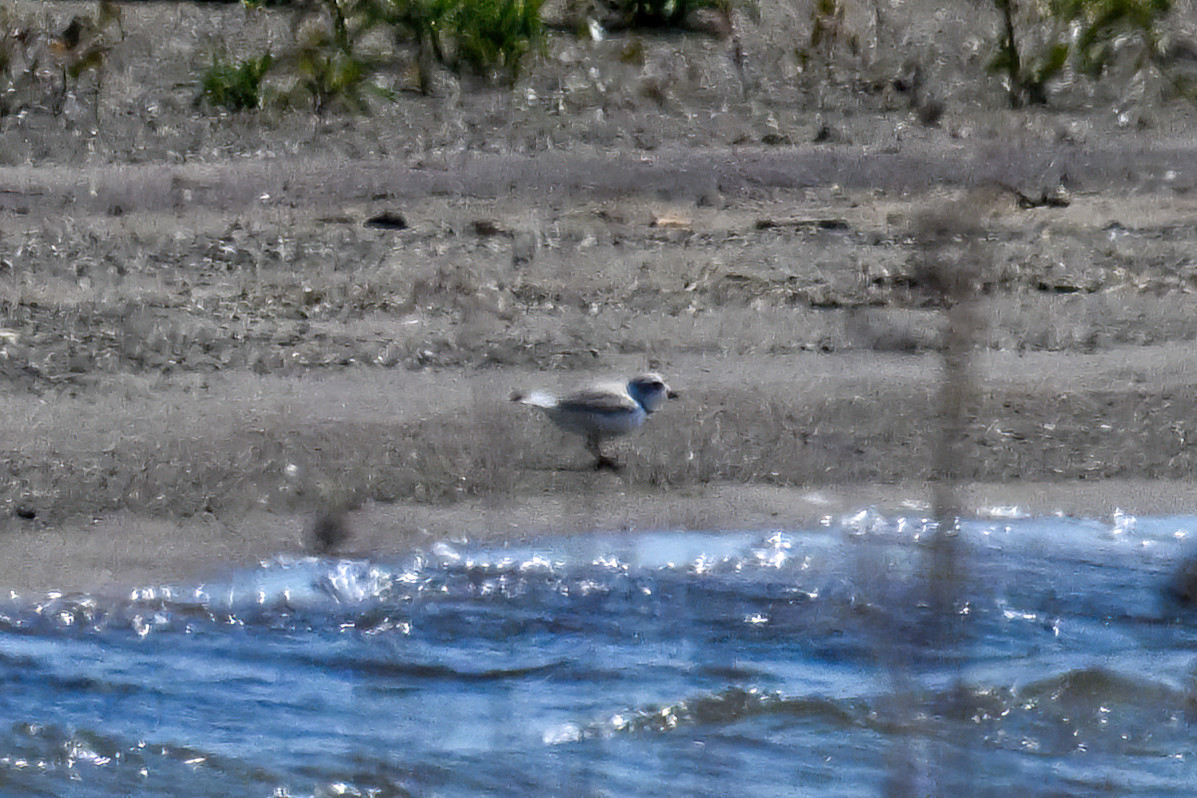
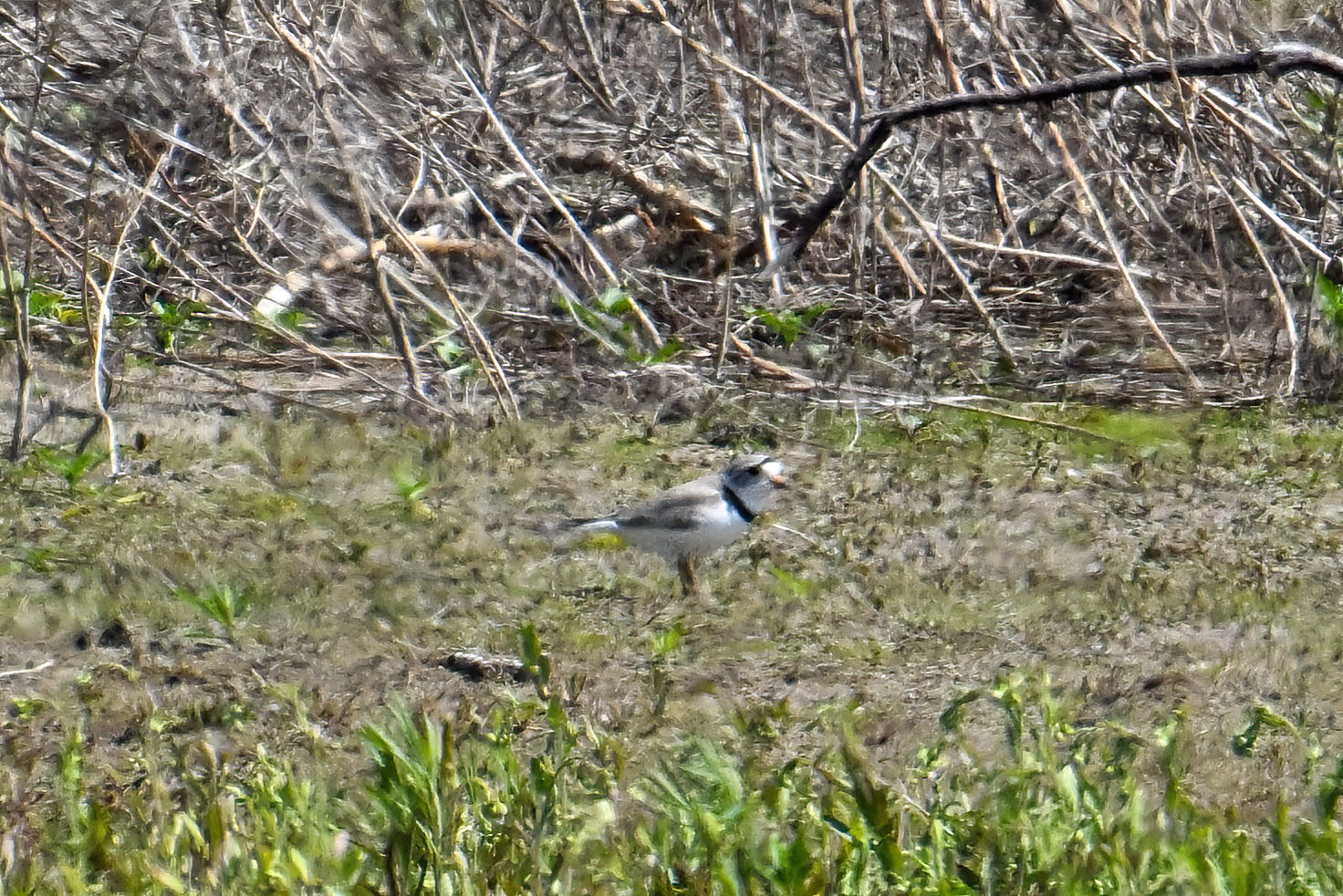
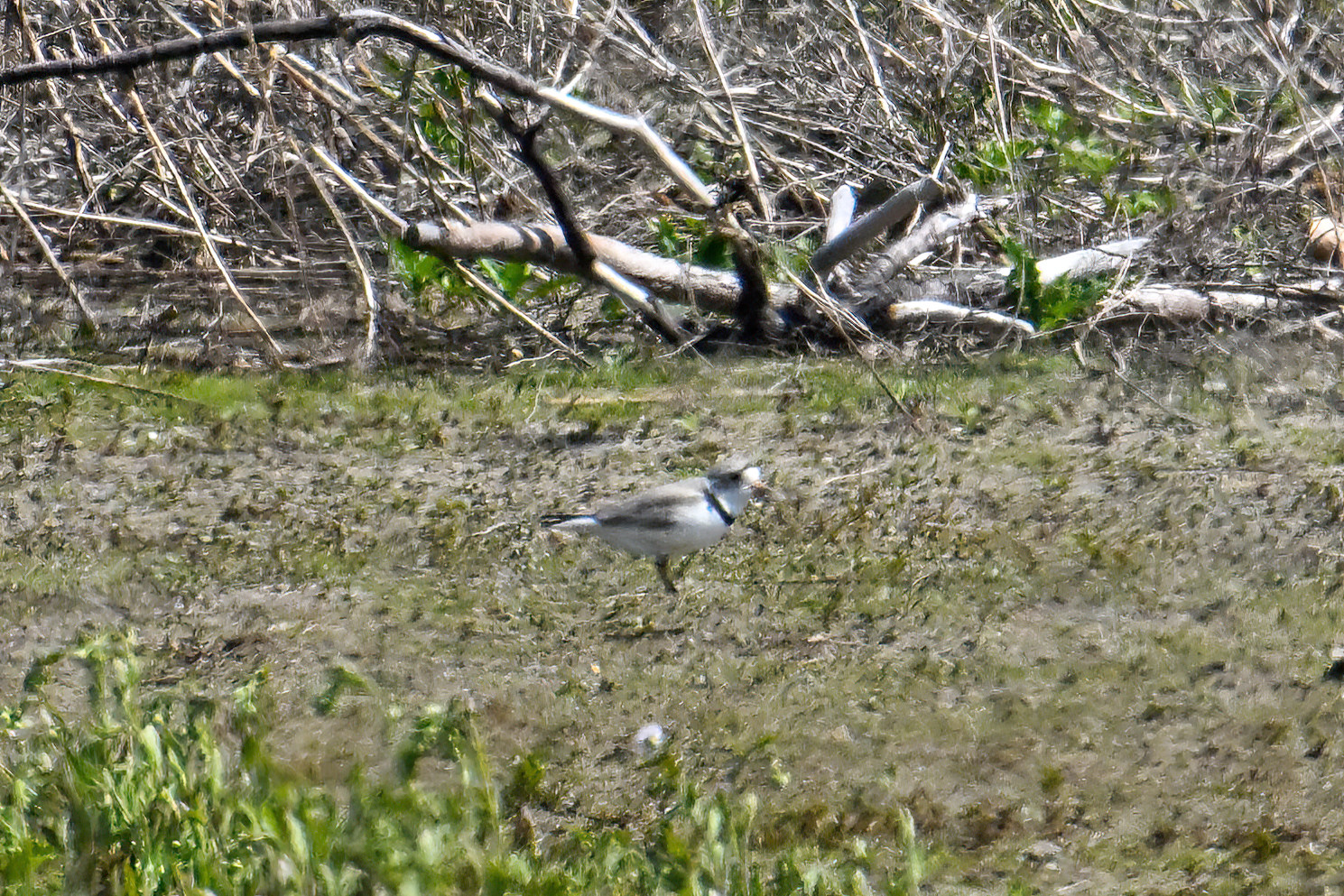
Moving on, a much easier ID of a blurry but still cute adult Piping Plover:
Note the single narrow breast band, thin black head band, and overall relatively light face/head colouration:
Semipalmated Plover (the next likeliest species at this location) would be overall larger, overall darker, & with a much darker overall face/head.
Blurry Spotted Sandpiper
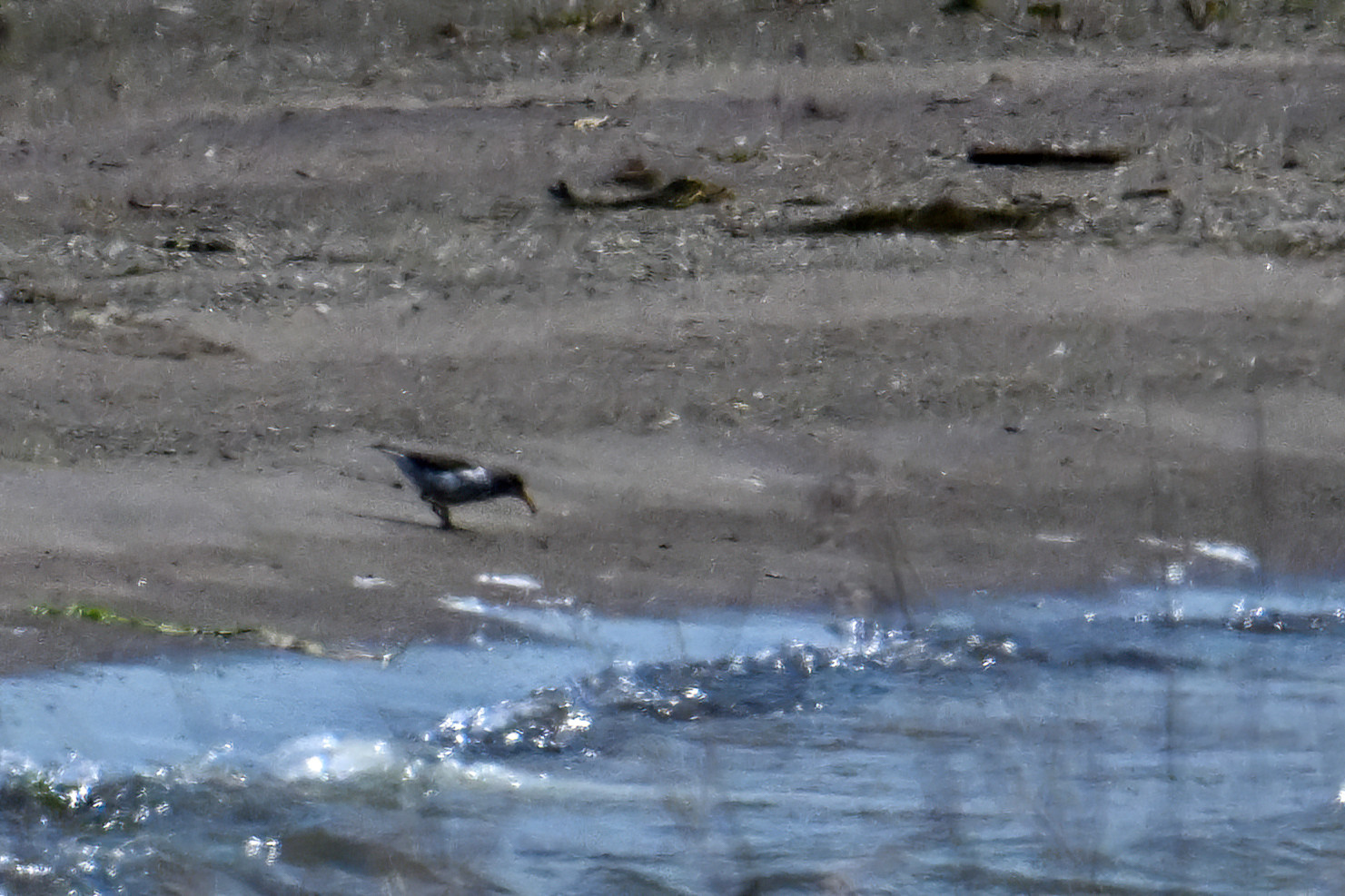
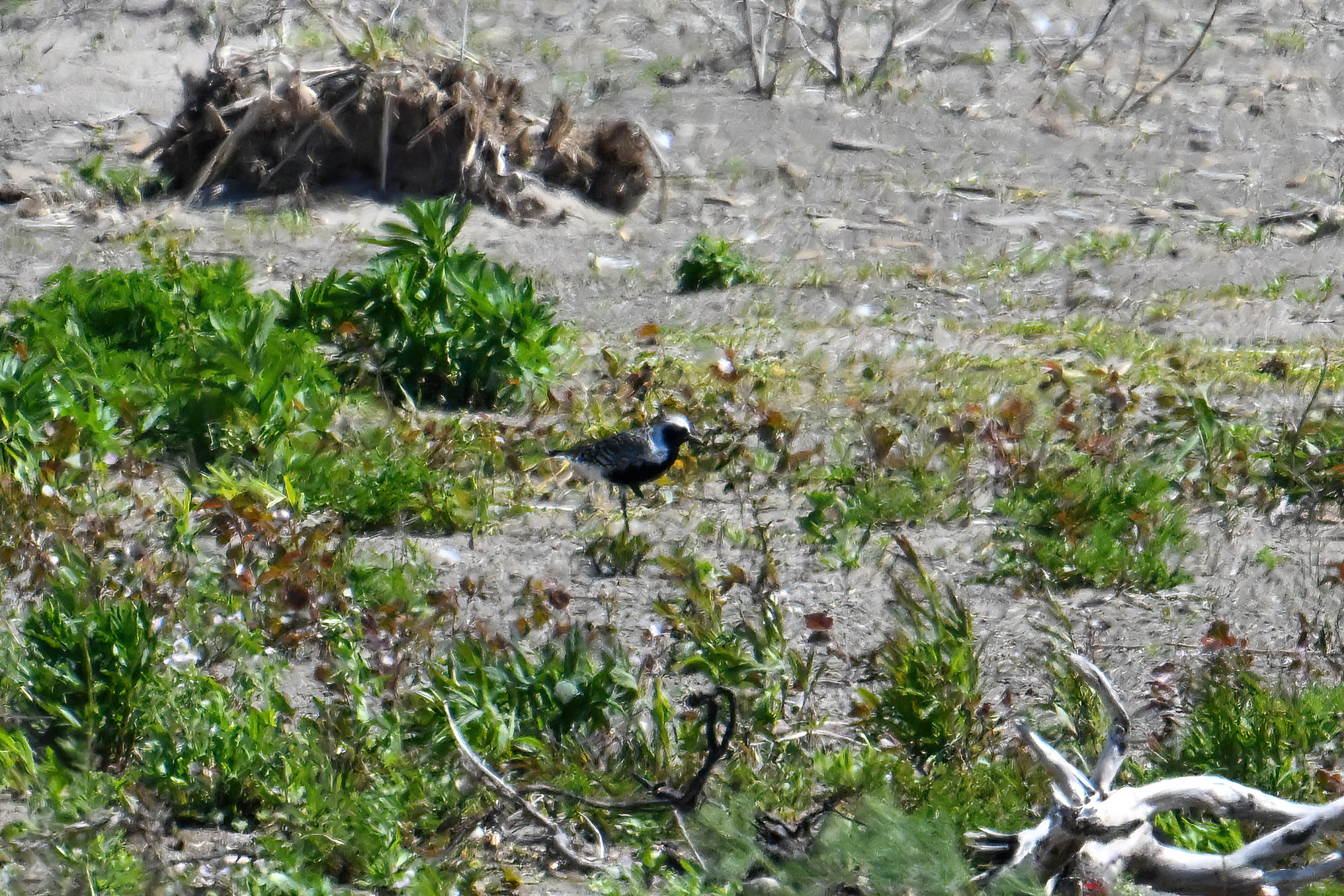
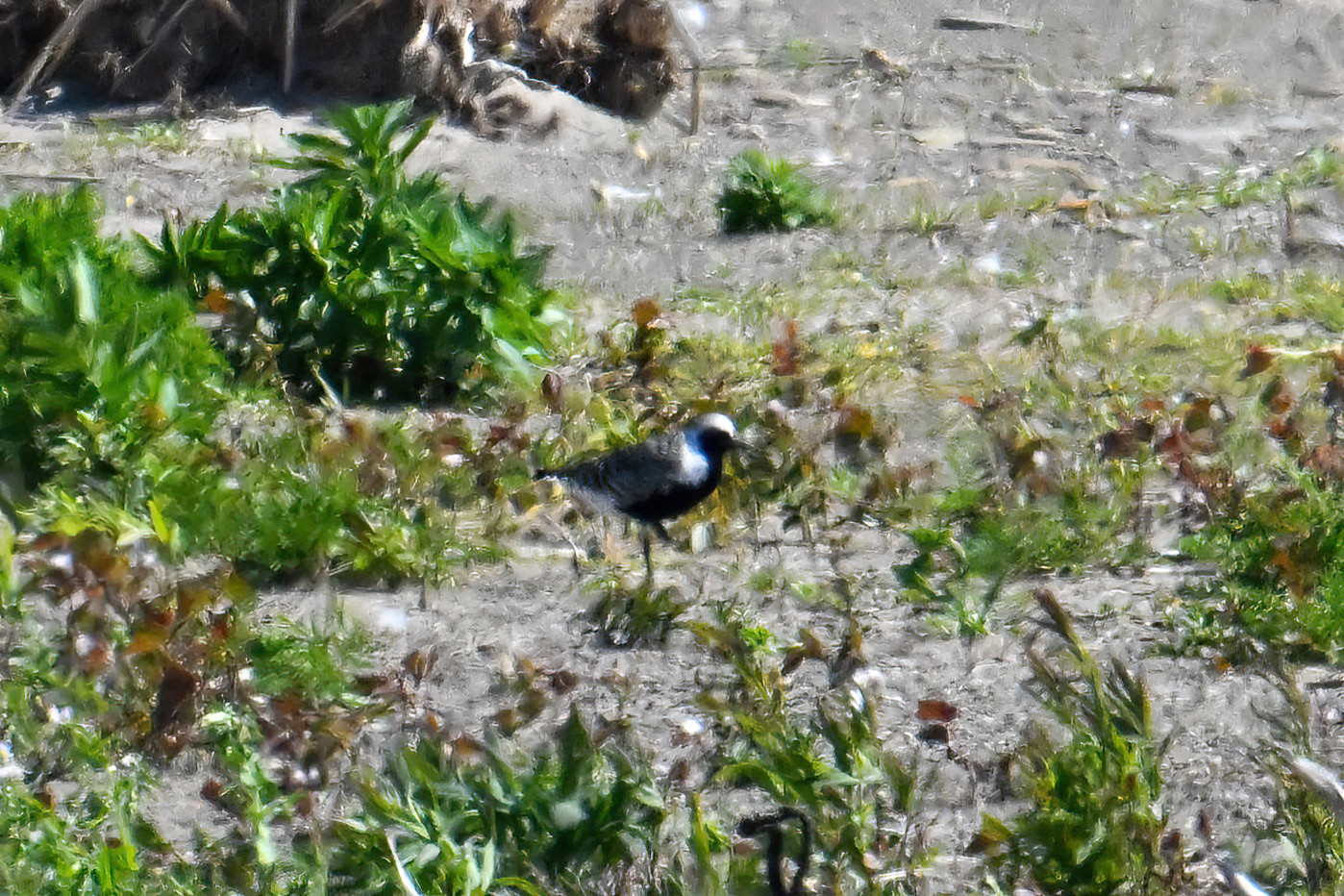
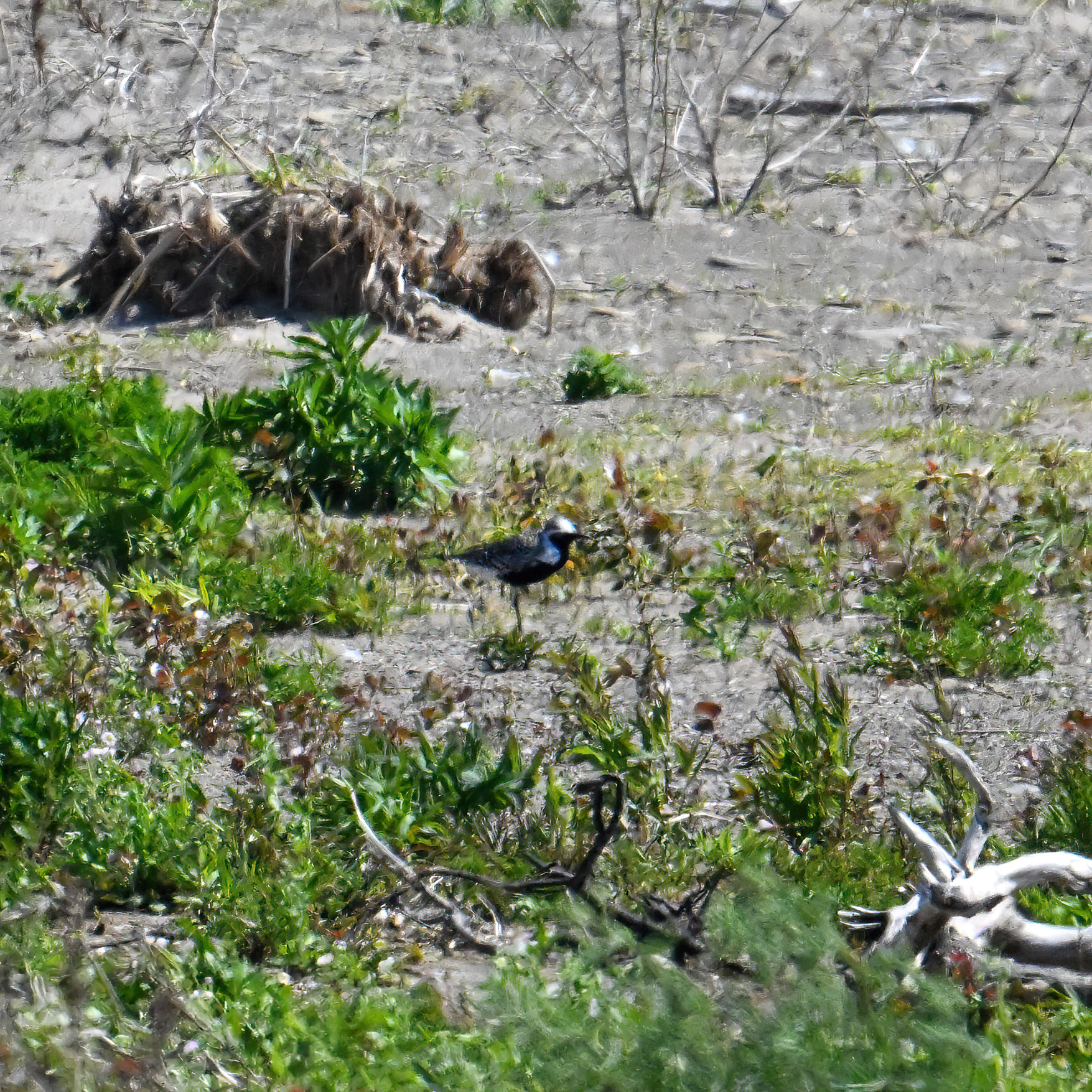
Another easier ID, it’s a blurry but great Black-bellied Plover:
Factors for this ID: relatively large, + black belly, + lacks the black top-of-head patch of an American Golden-Plover (which would be rare for this location/time anyway).
Enough long-distance, time for some ‘bonus’ not-as-blurry birds:
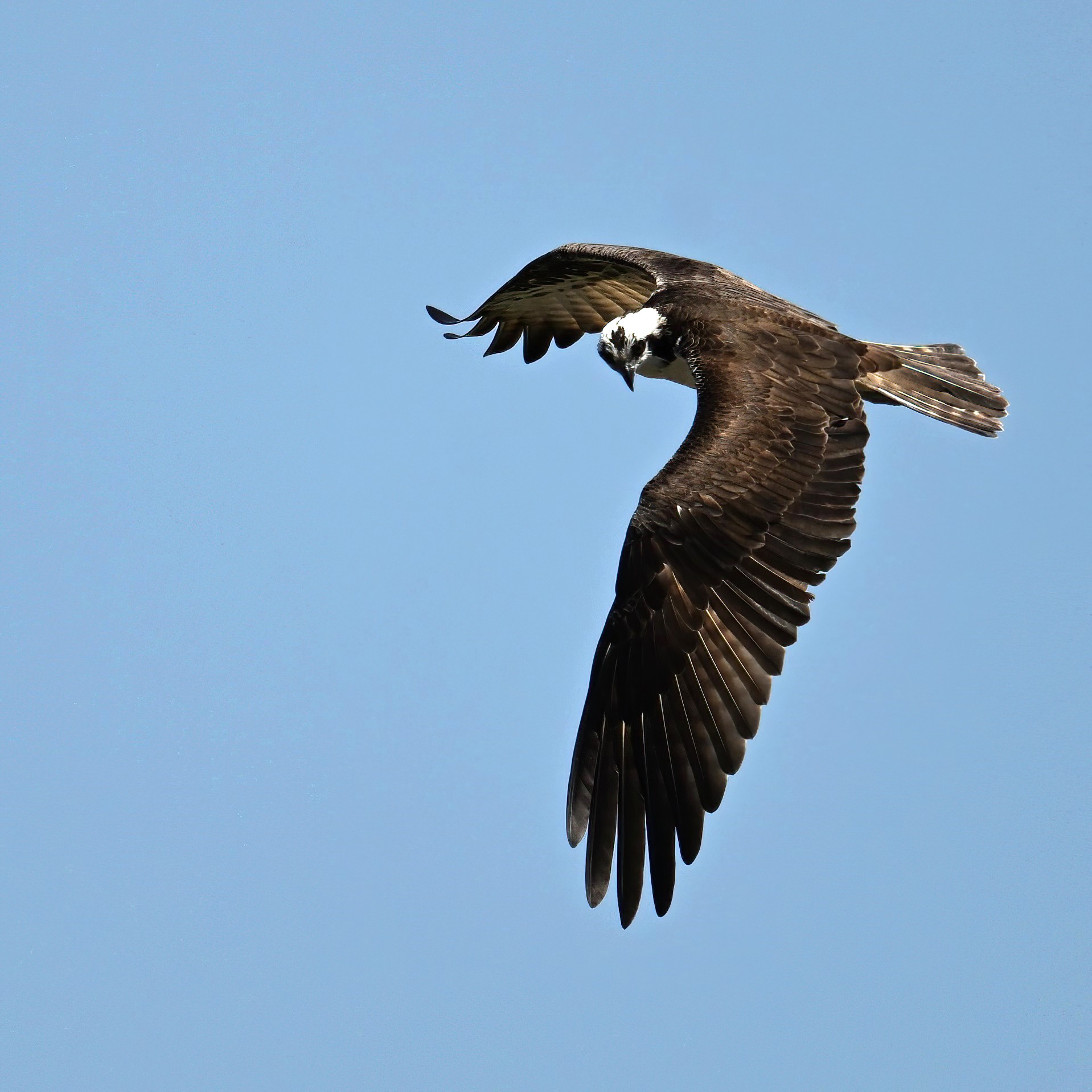
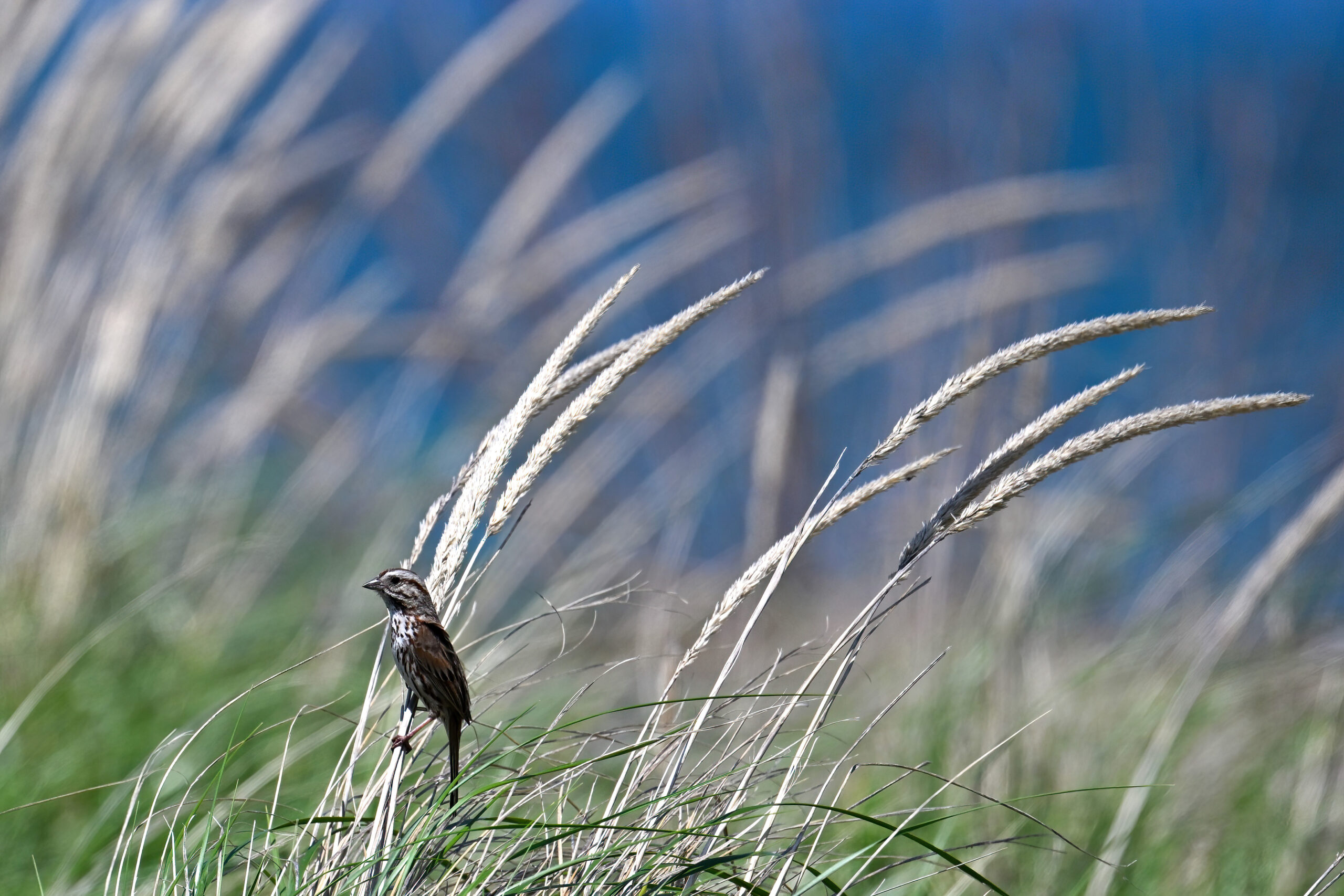
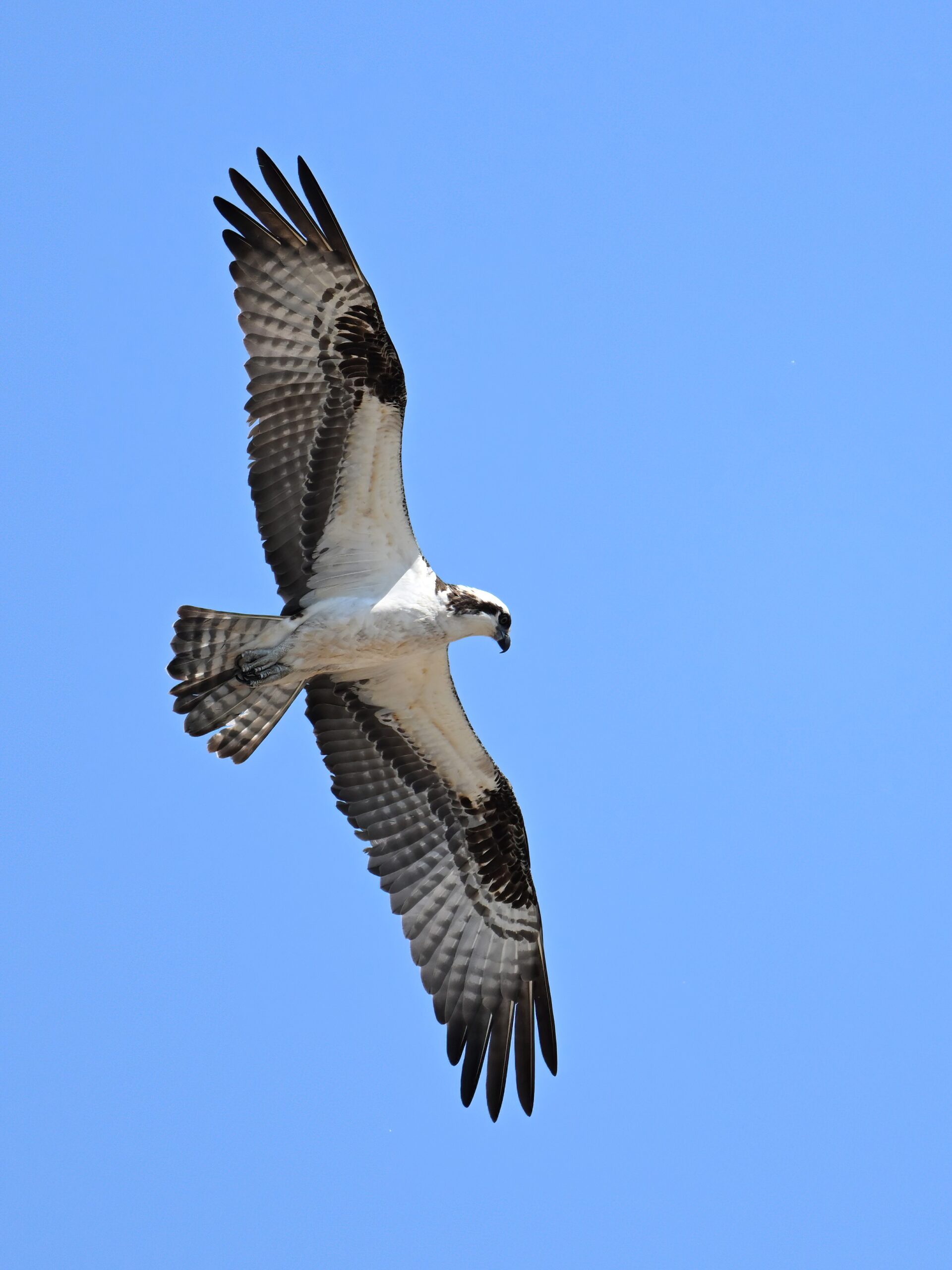
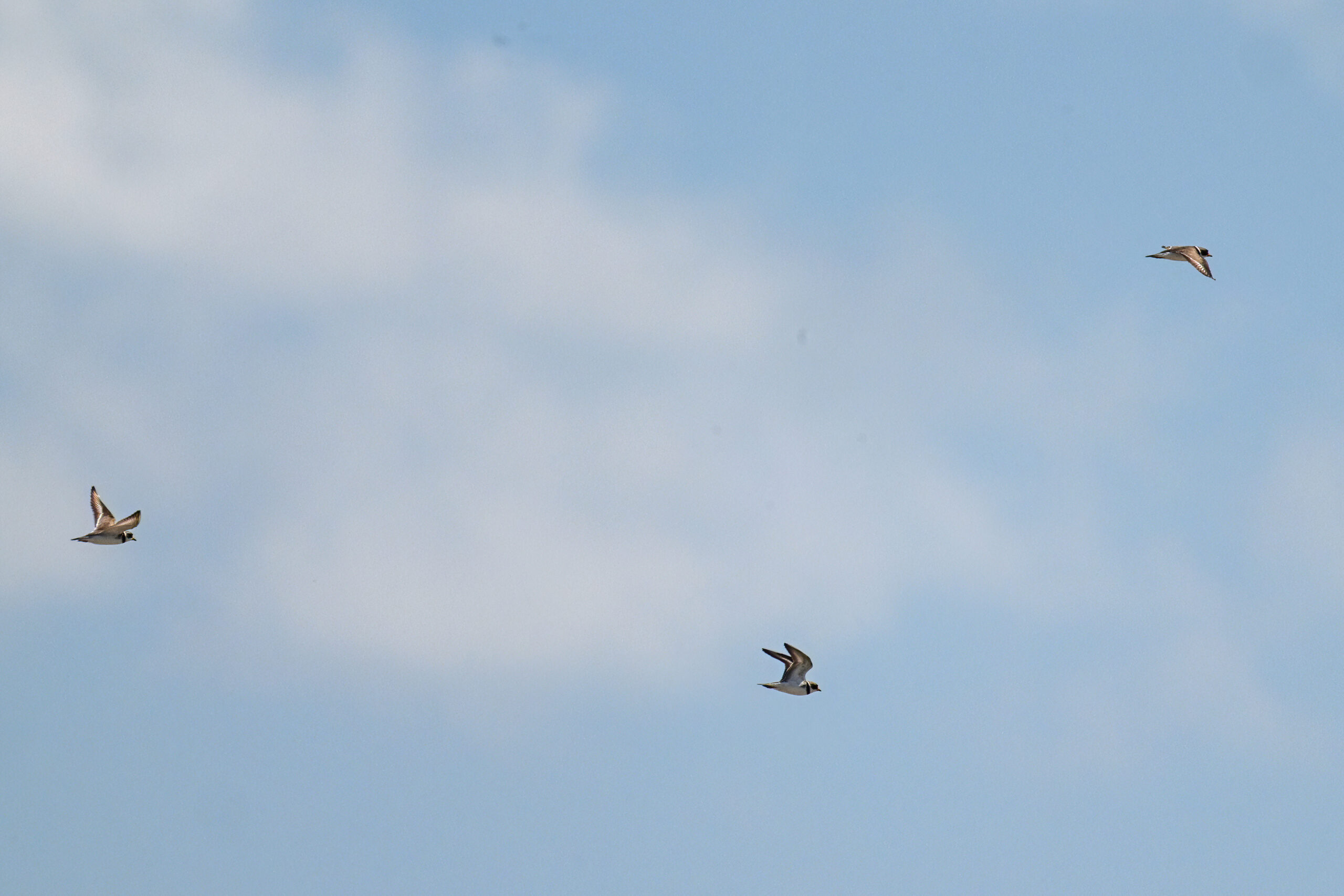
Osprey IProbably Song SparrowOsprey IIDeparting Semipalmated Plover x3
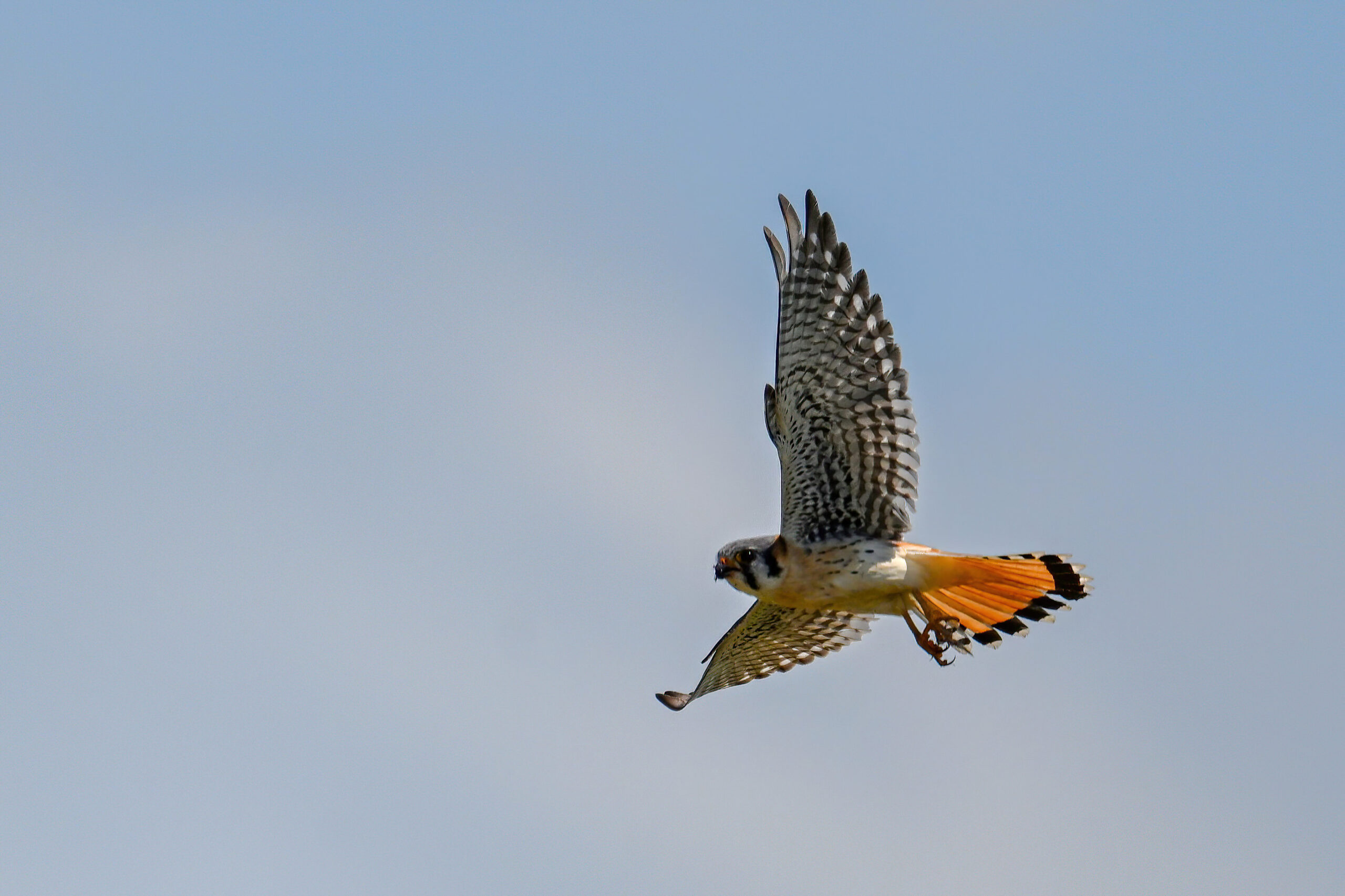
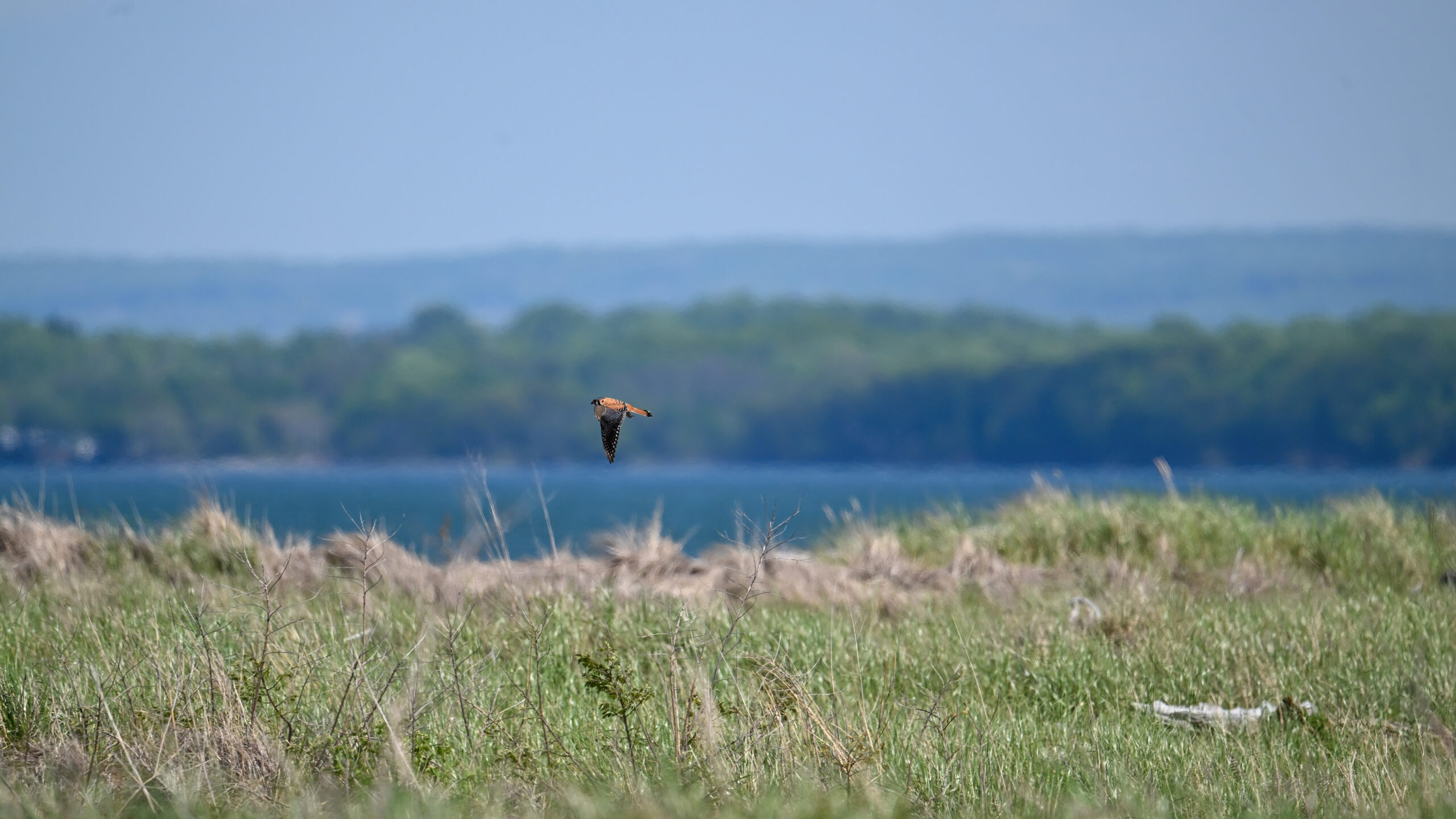
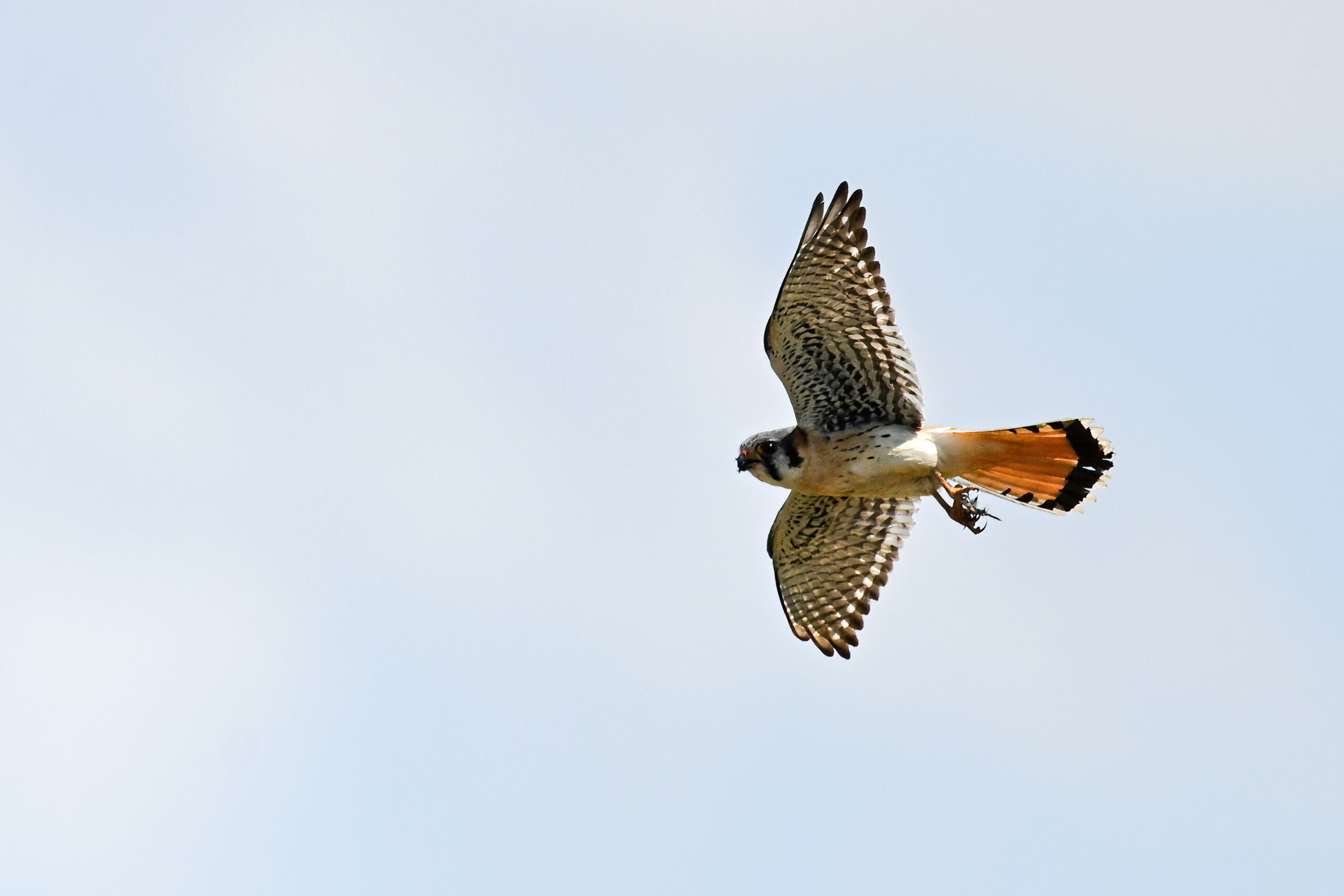
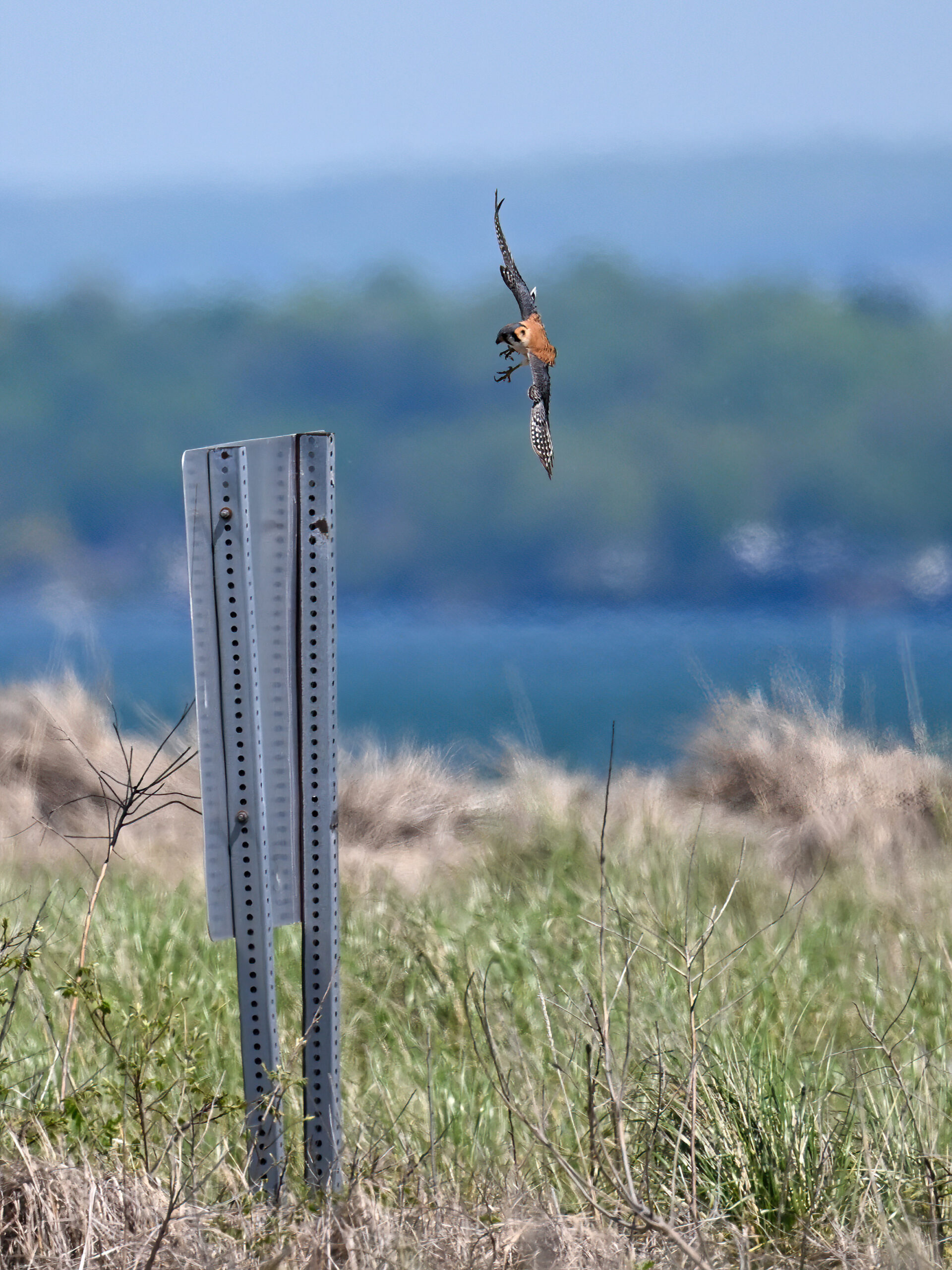
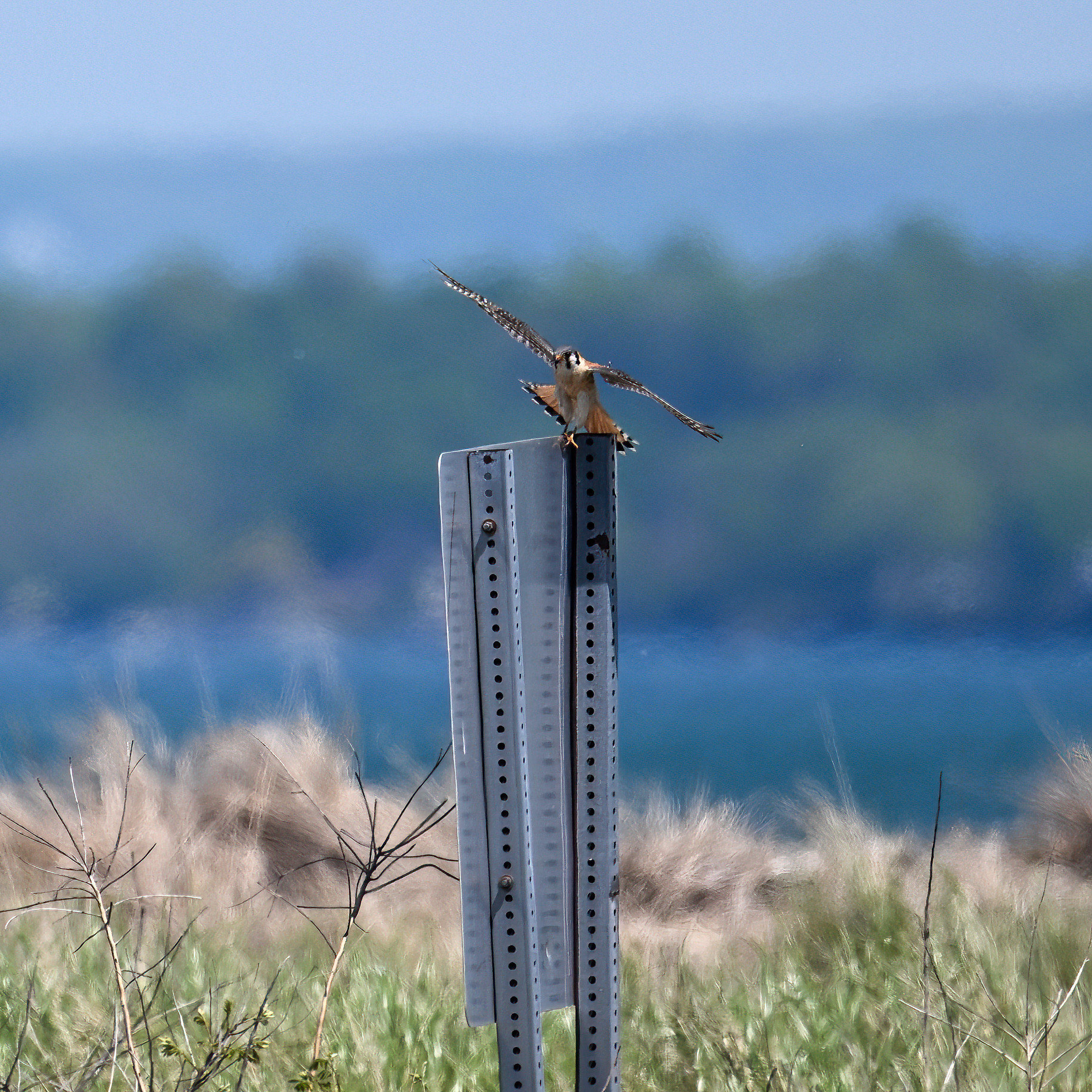
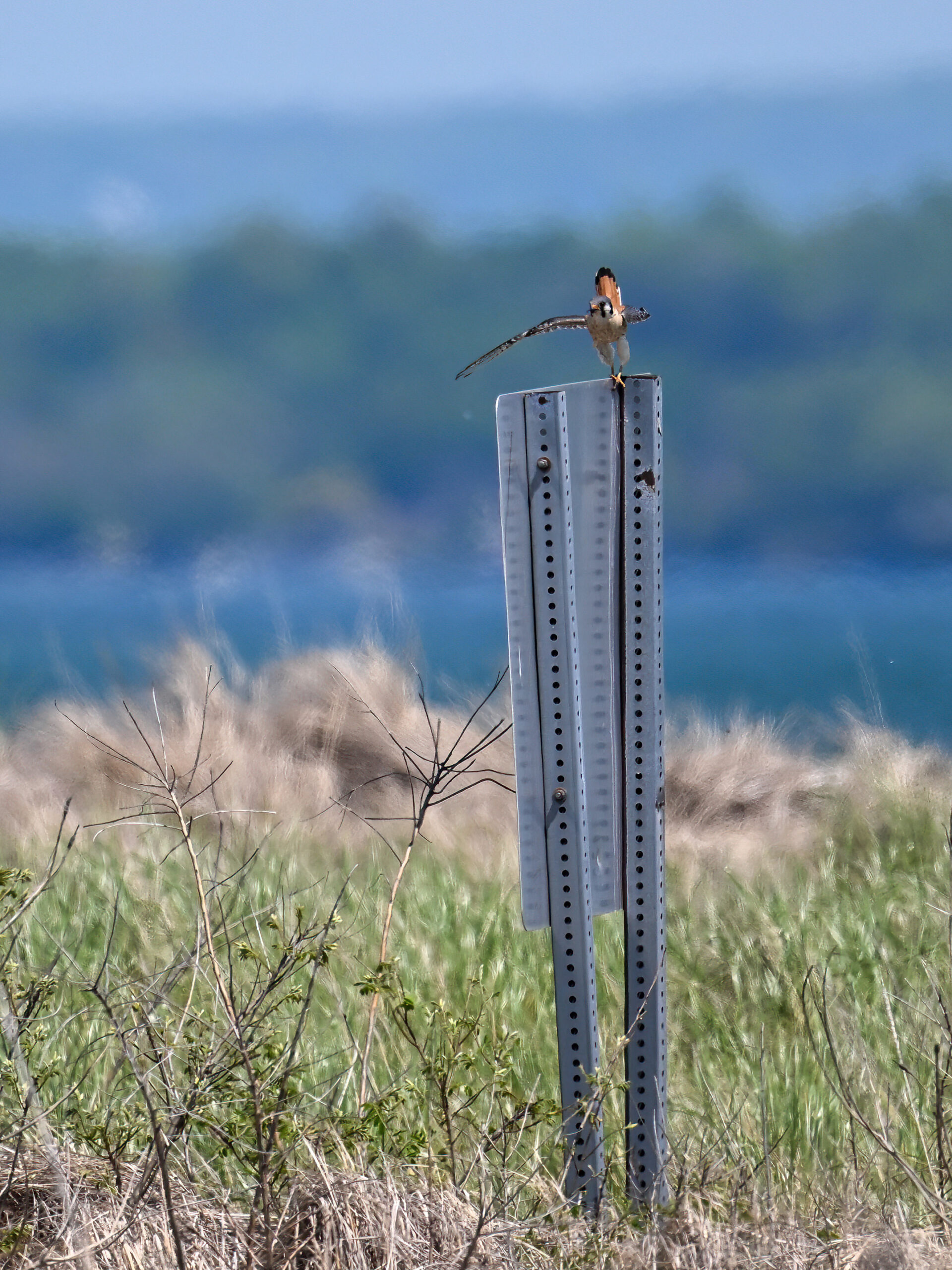
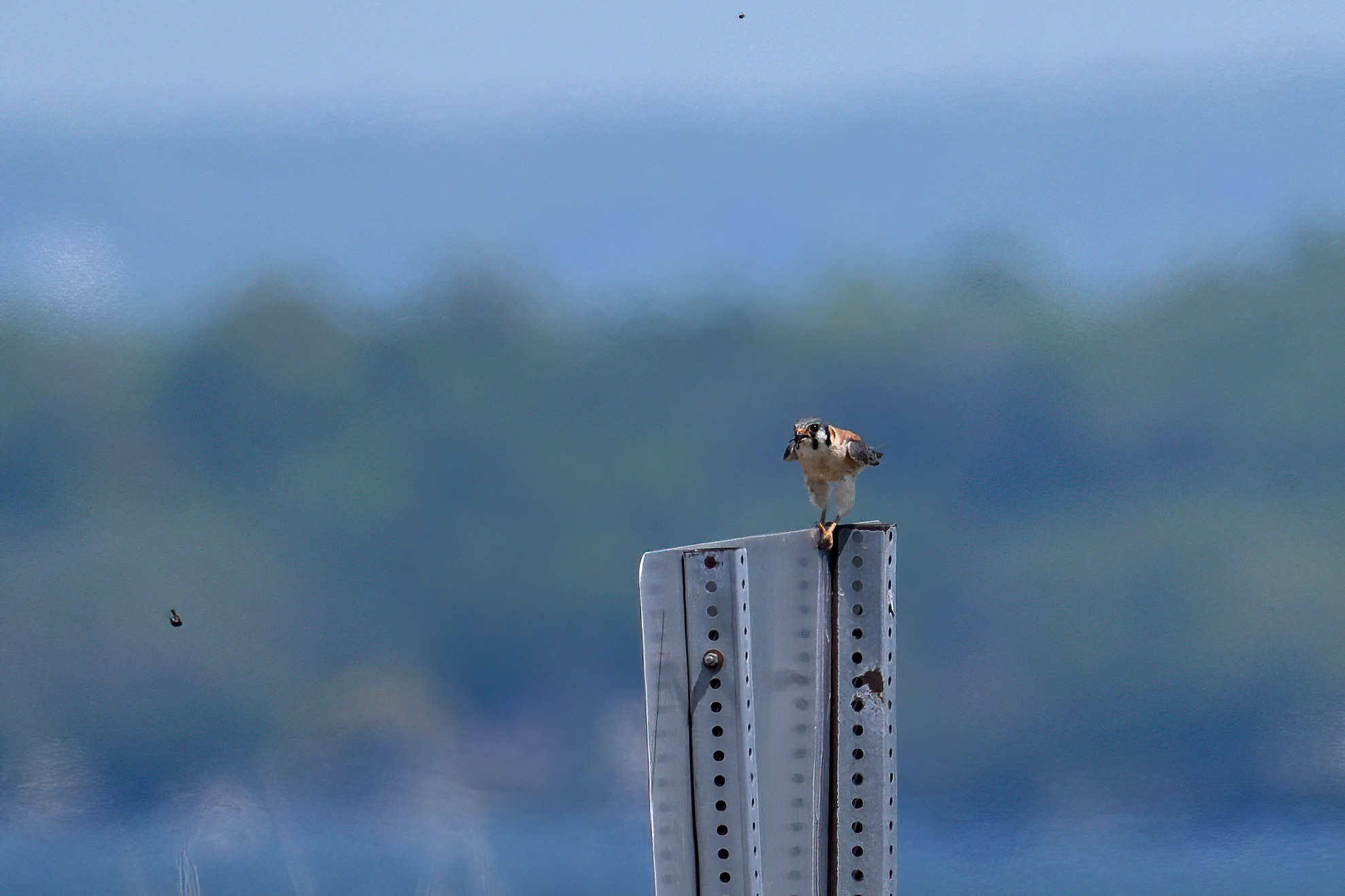
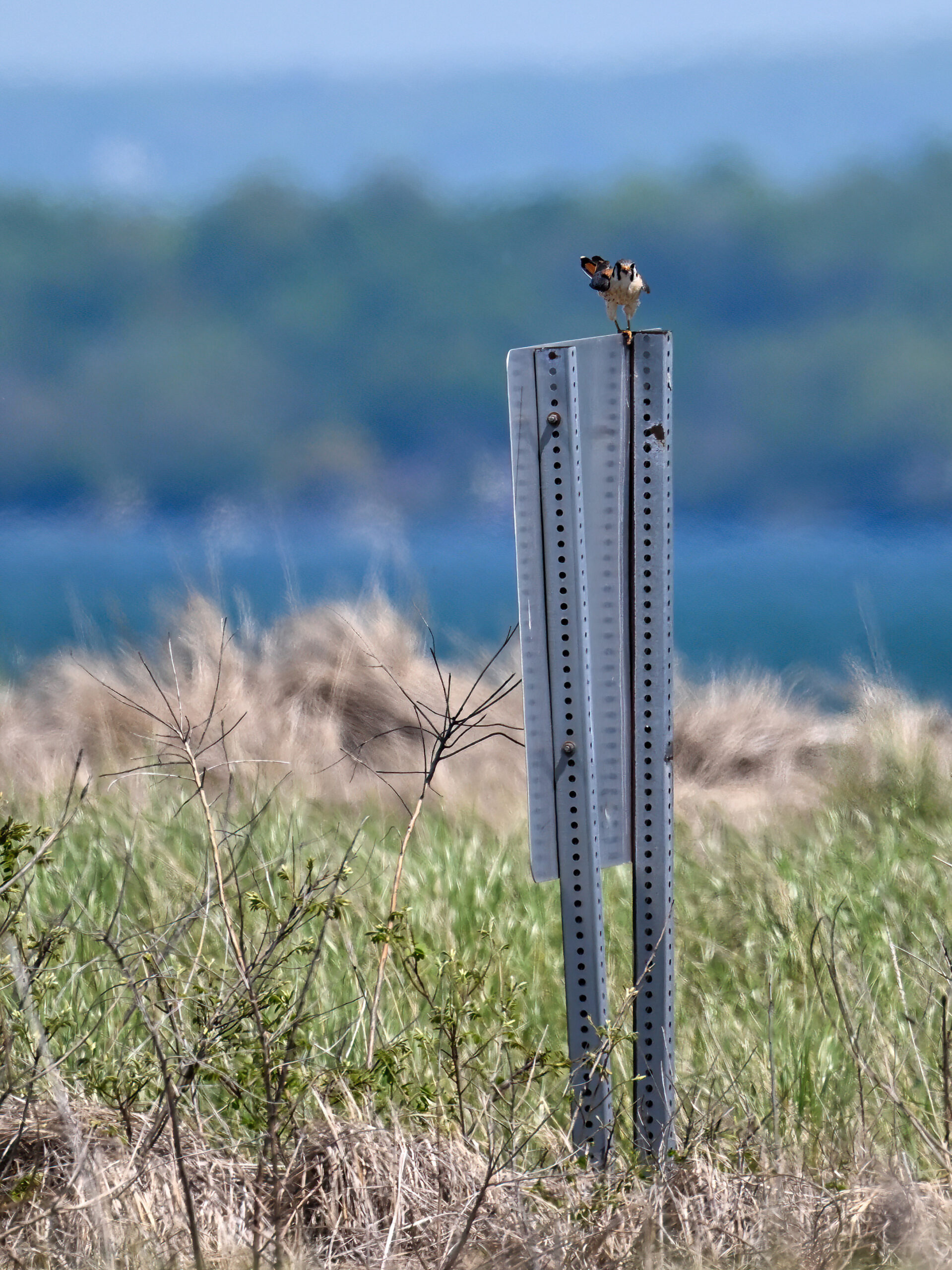
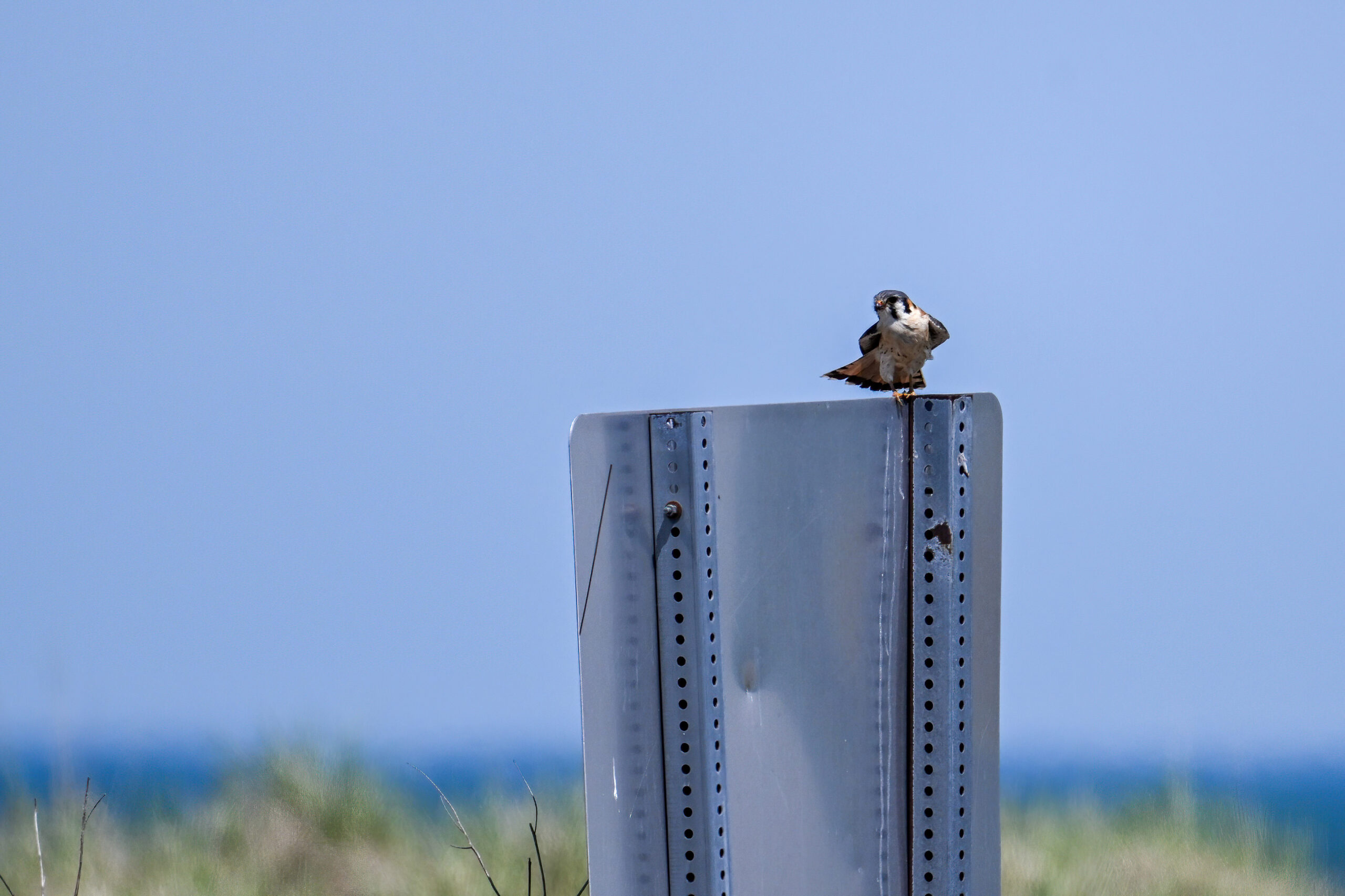
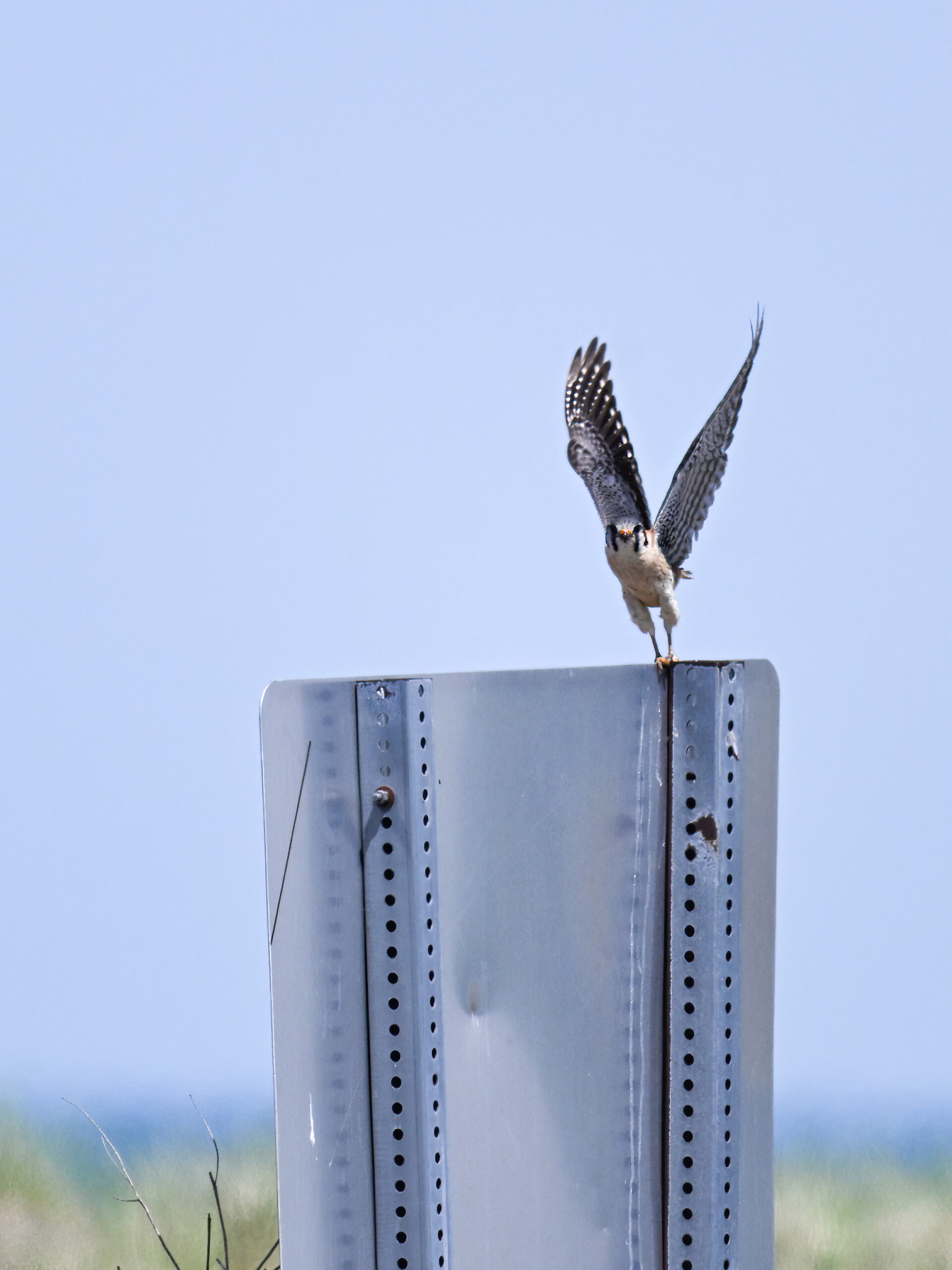
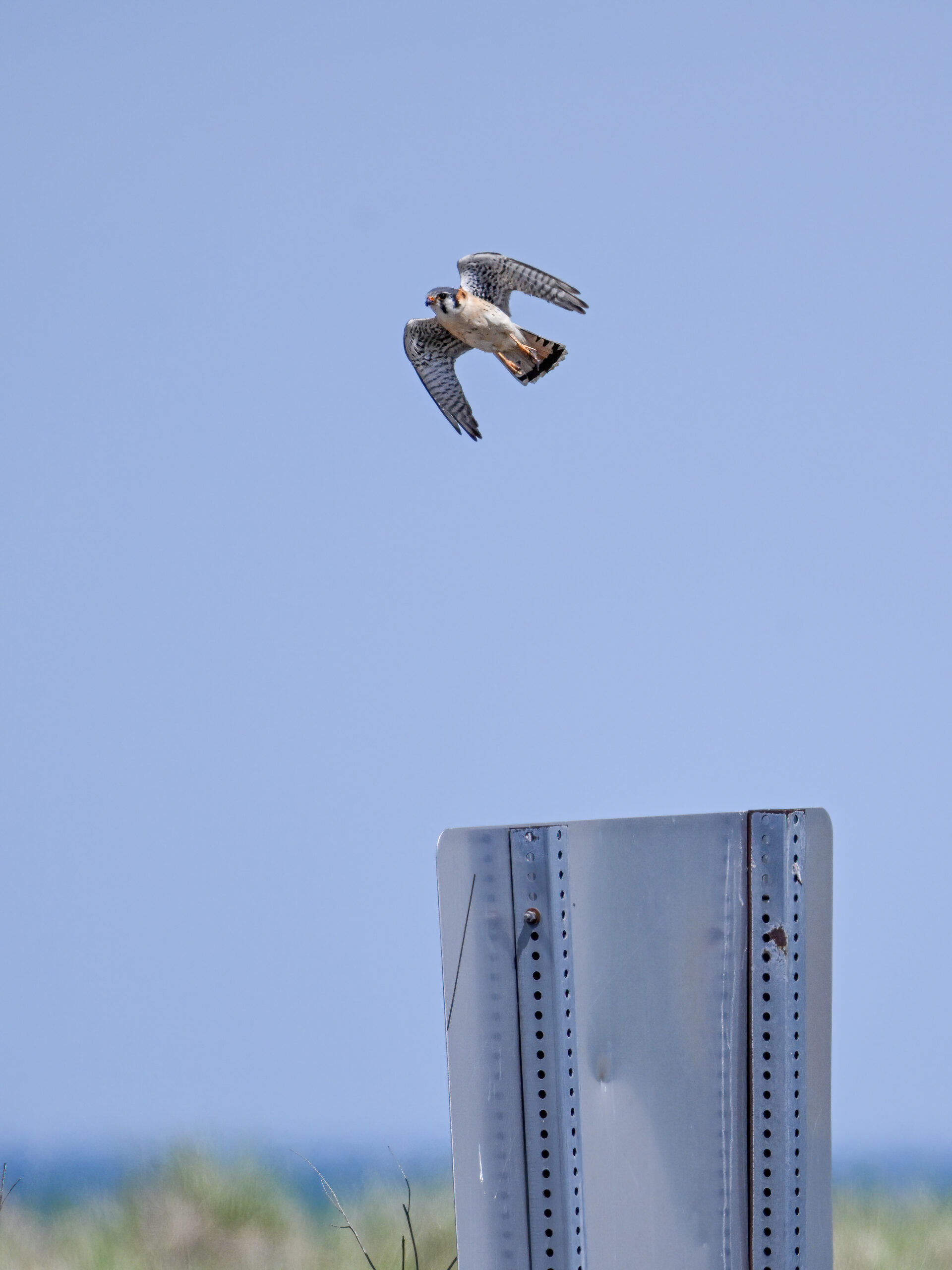
And as if this post isn’t long enough already, a great sequence of American Kestrel @ flying & landing:
This is one of the several Gull Point outwards-facing “Don’t moor within 100 yards of shore” (or something like that) warning signs for boaters, reflecting the protected nesting season status:
* Tip: to see the mostly likely candidates for the date/location in question, pull up the eBird checklist, which defaults to “non-rare.” For Gull Point in May, the most common tern options are Common, Forster’s, & Caspian. (Plenty of other ways to utilize eBird in this regard, such as looking at species reporting bar charts for recent years; here, 2023 reporting shows more reportings of Caspian and Common Terns in May, but fewer Forster’s.)
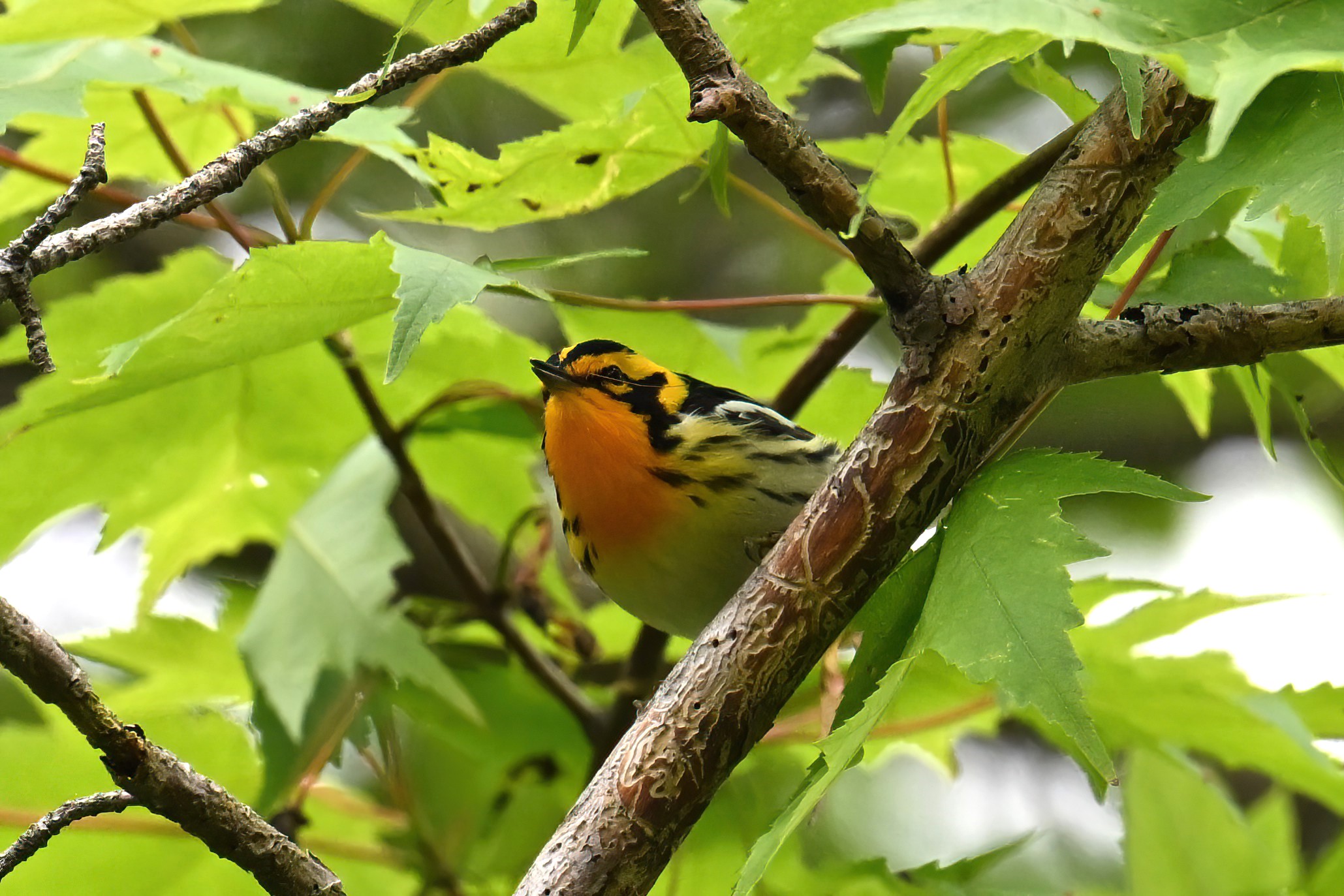
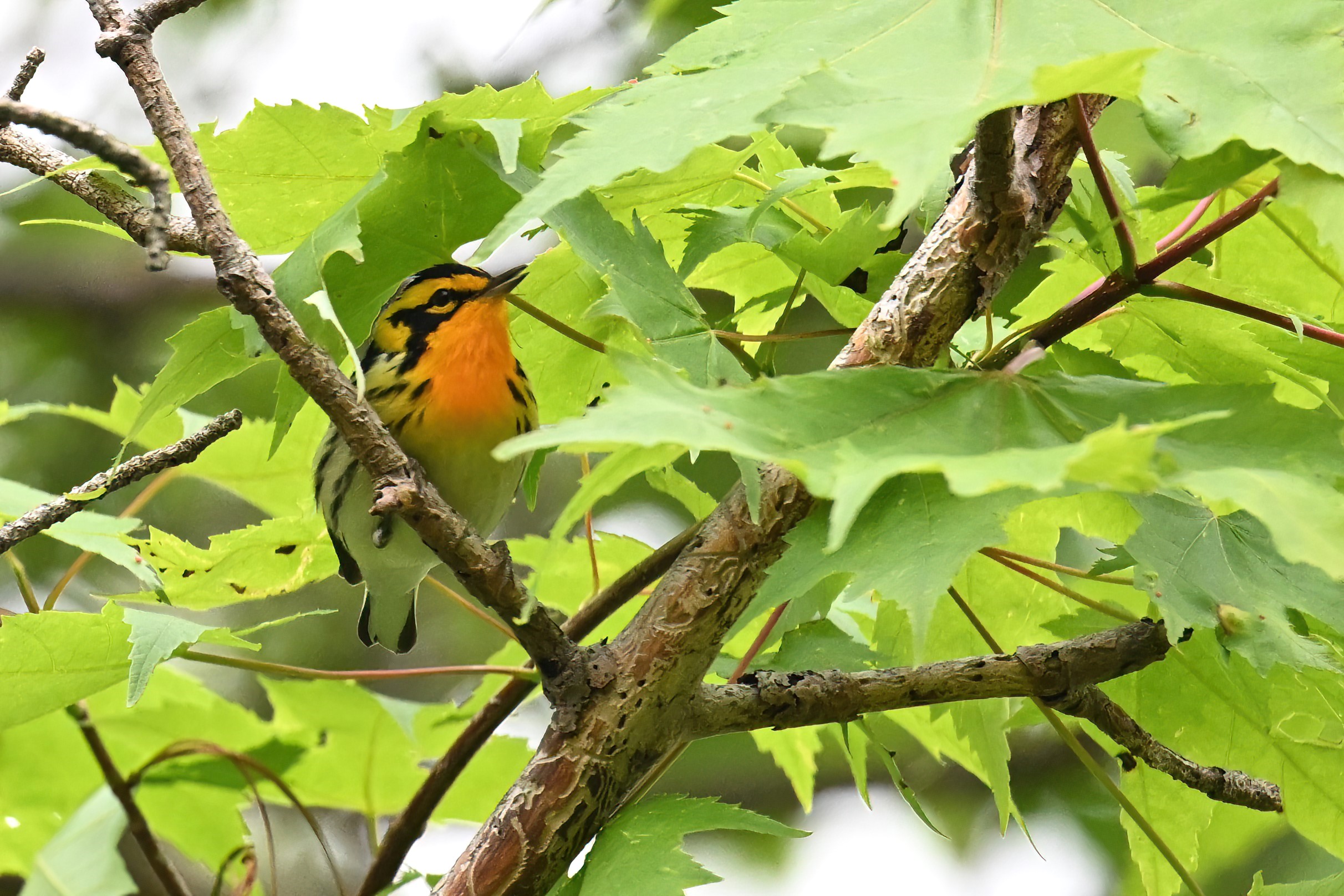
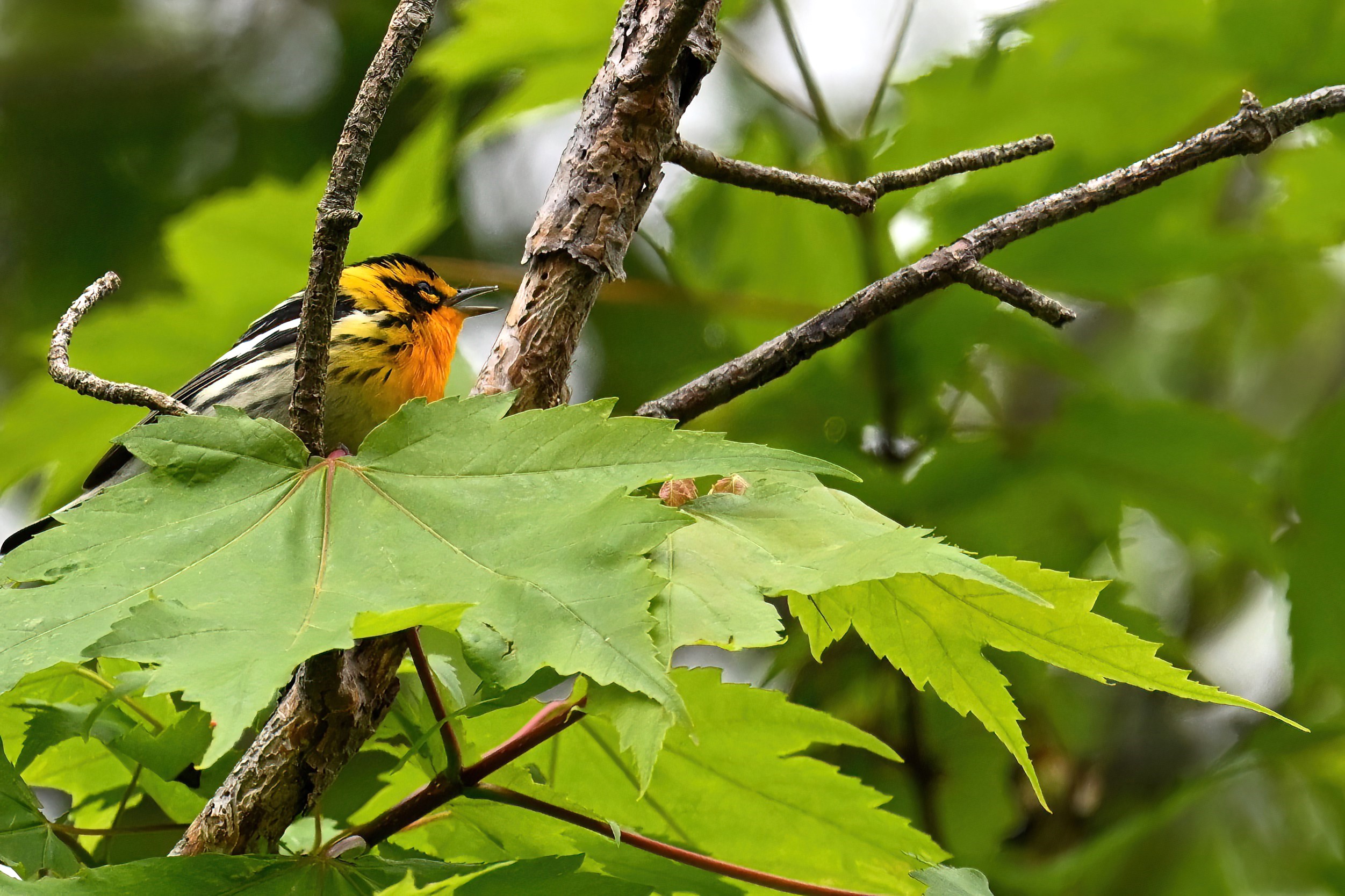
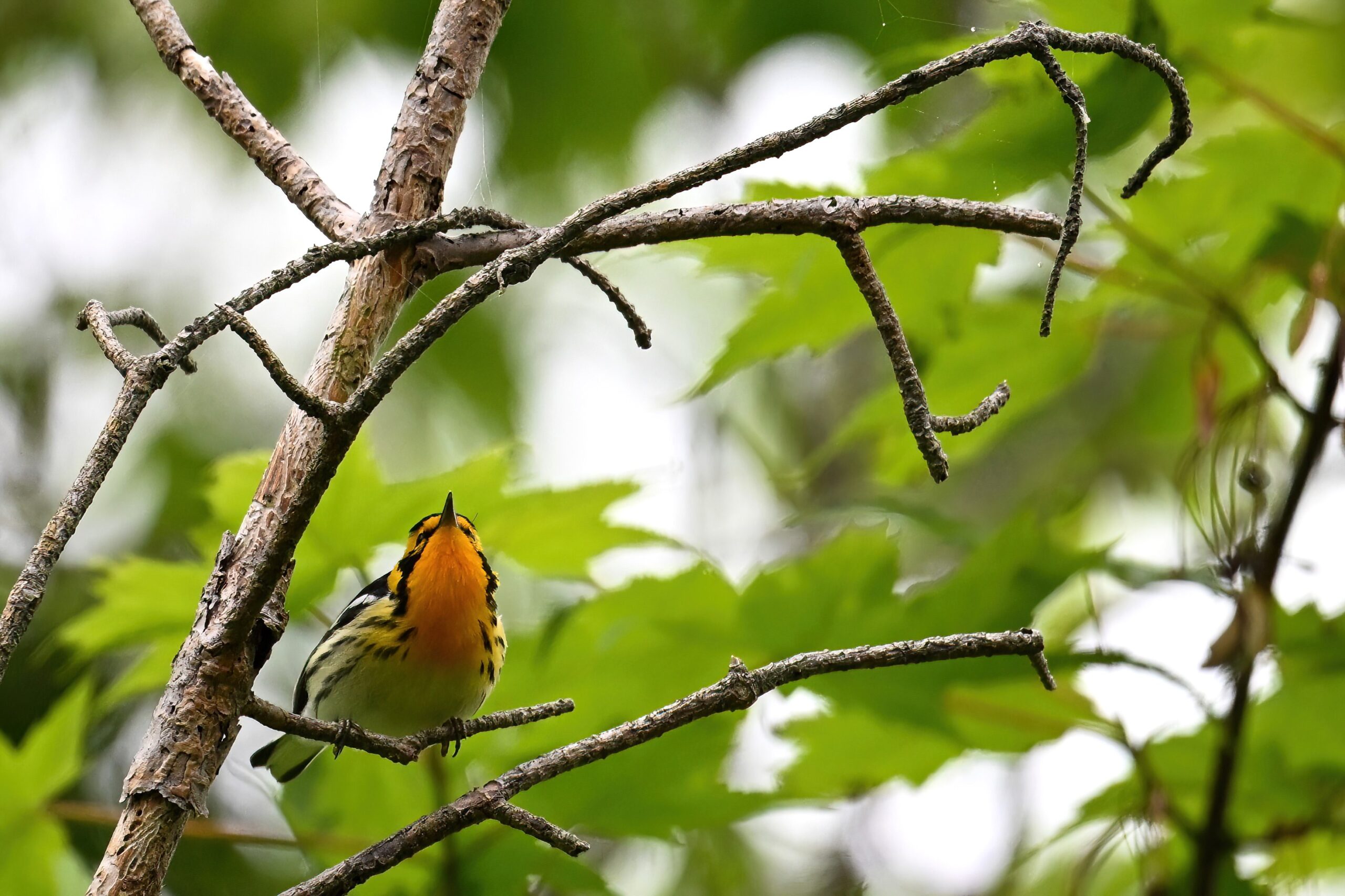
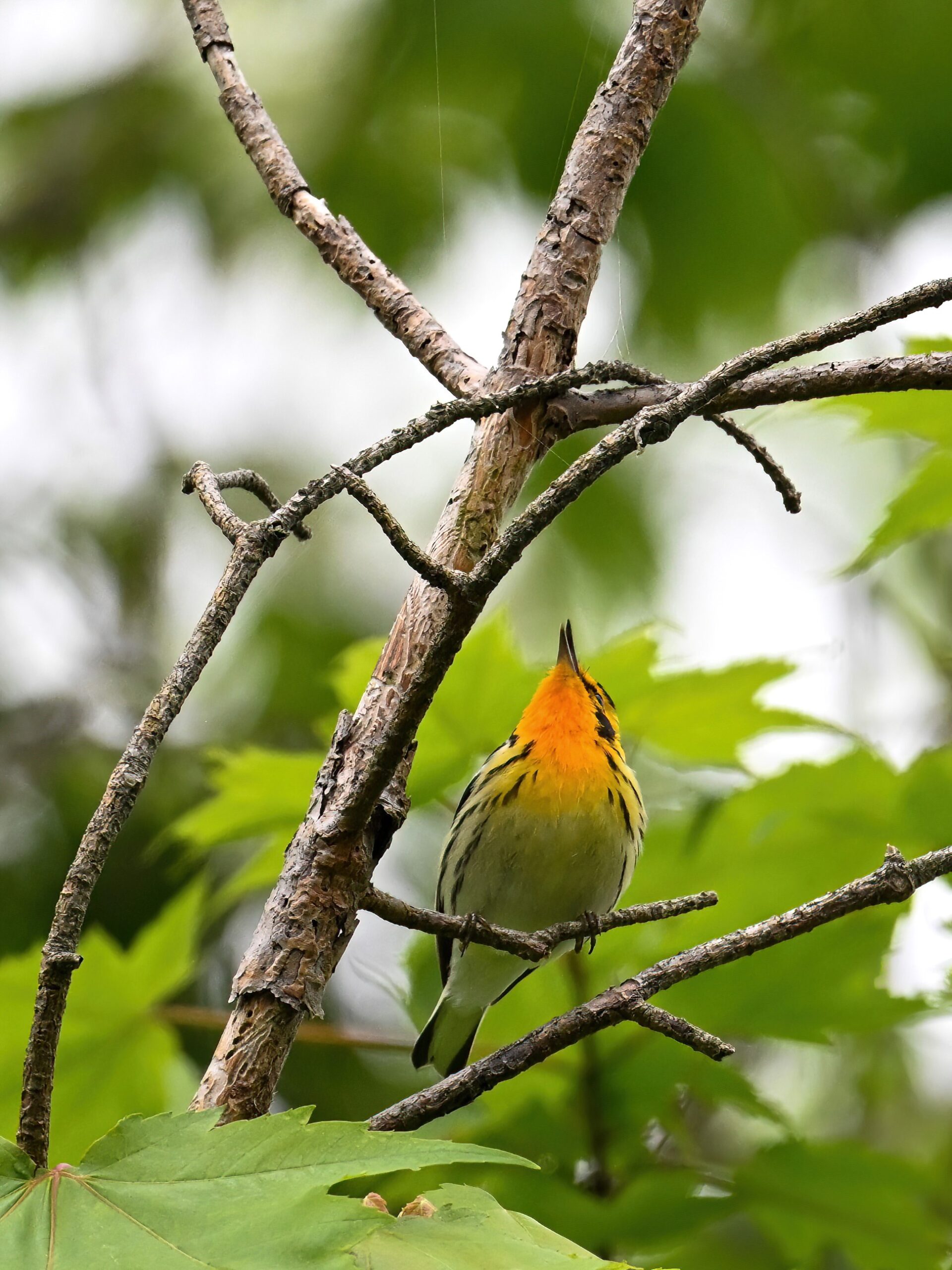
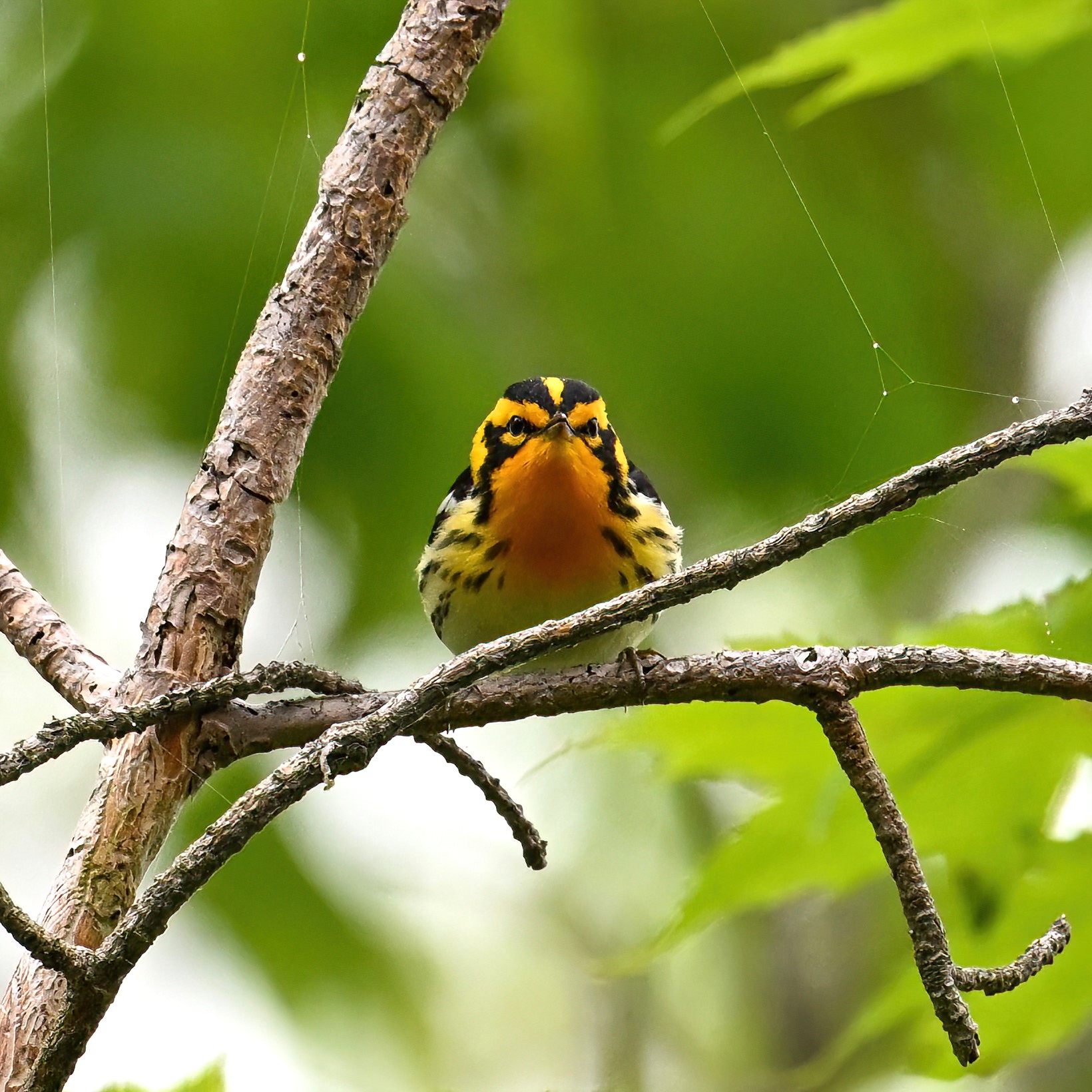
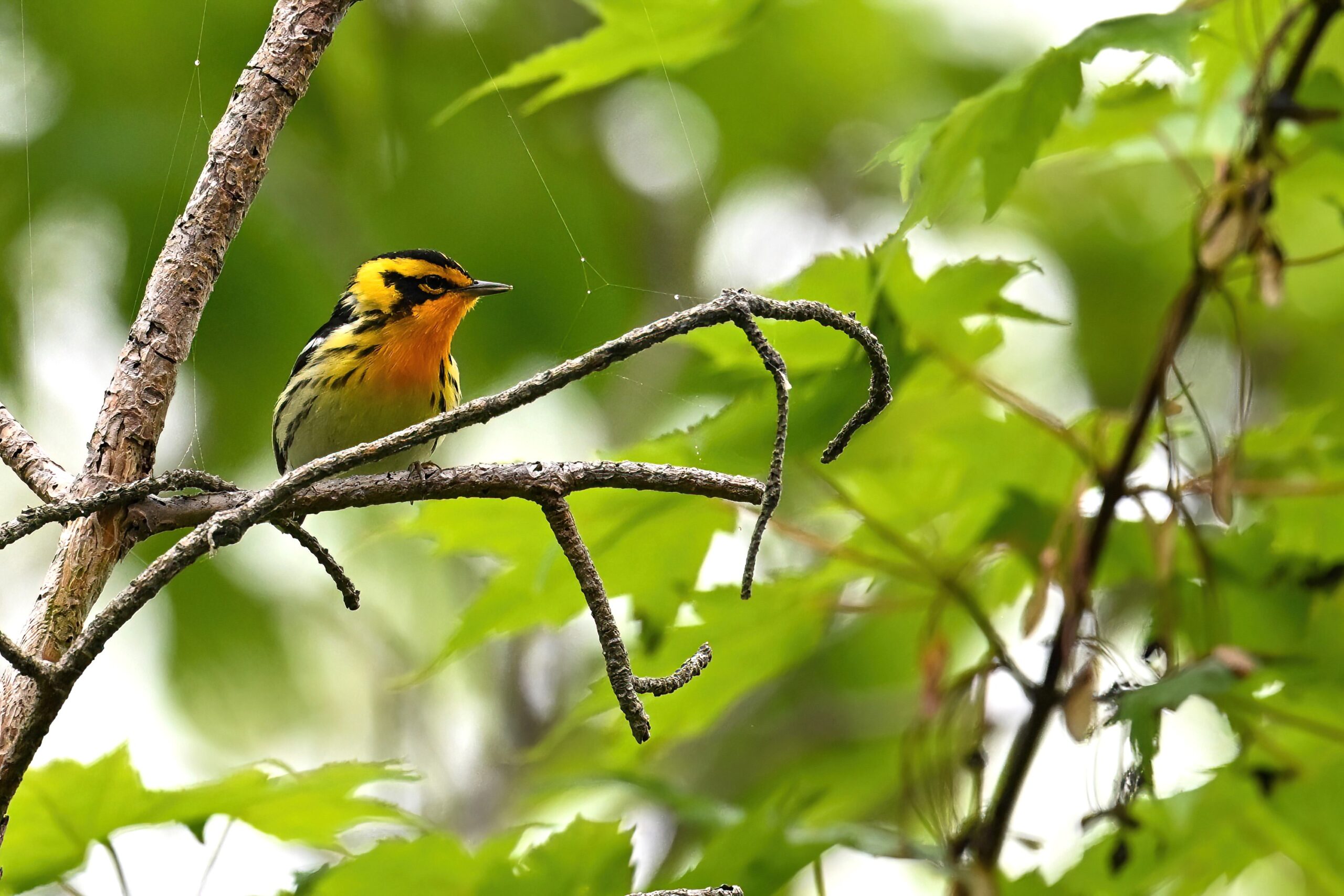
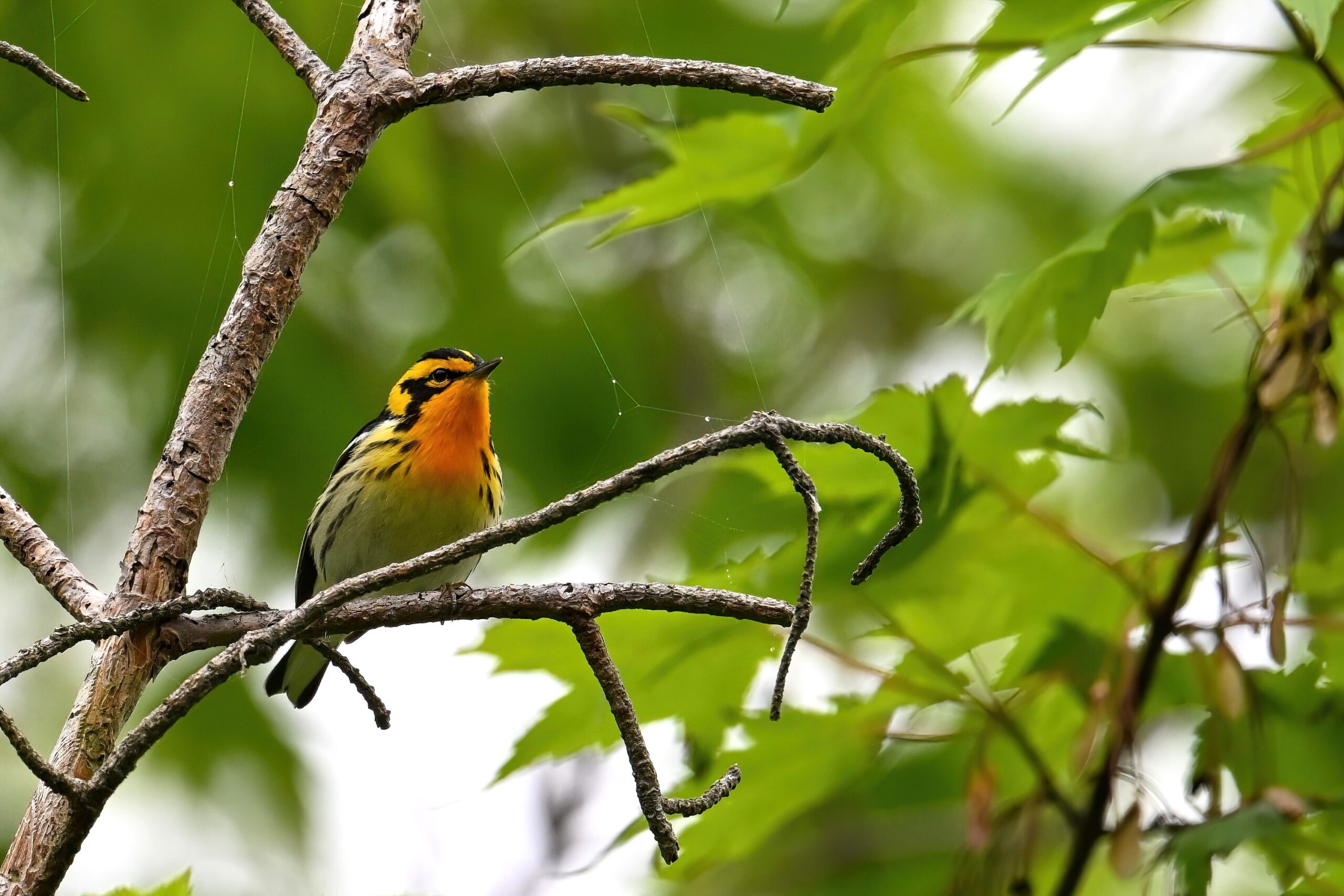
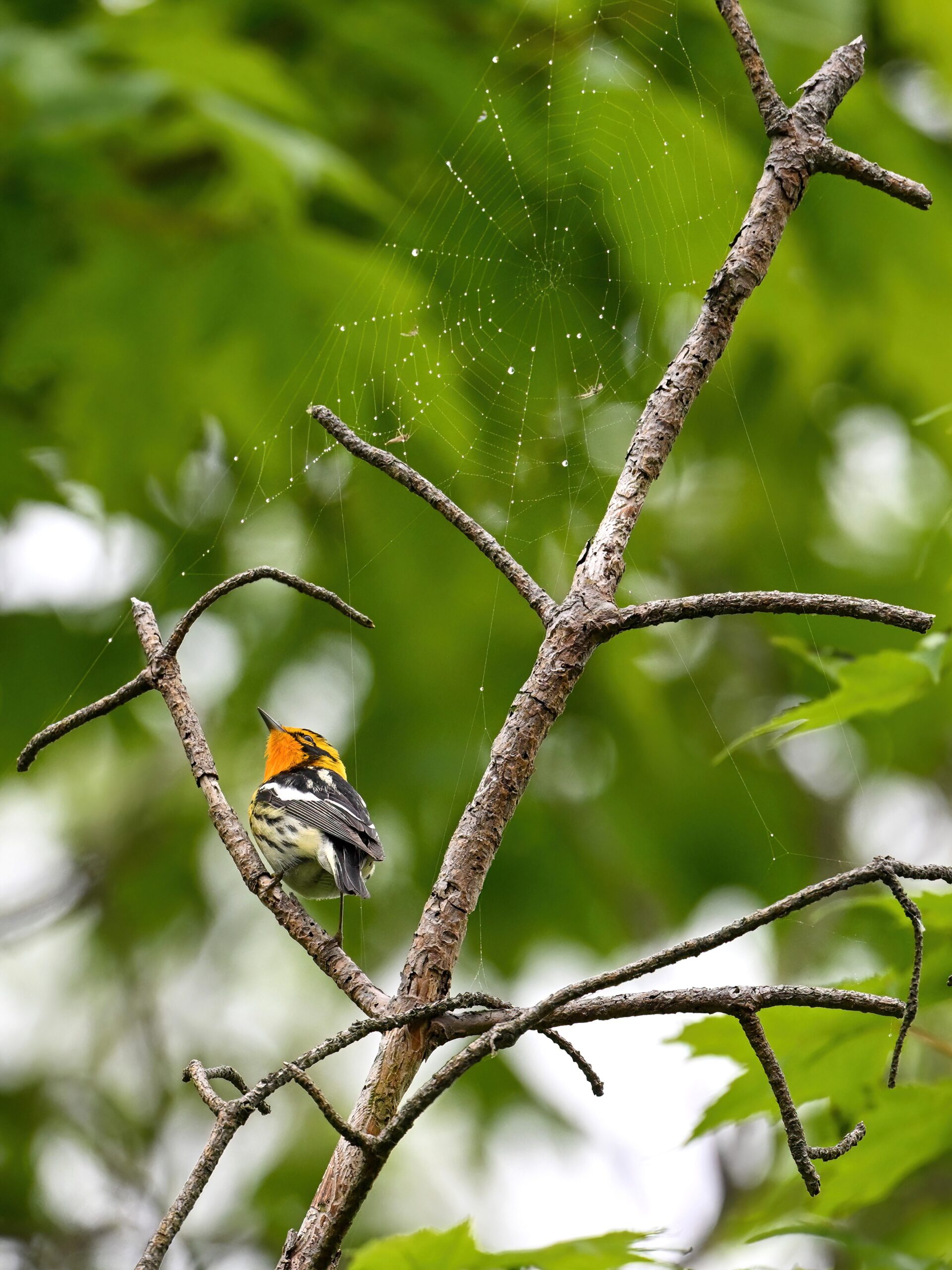
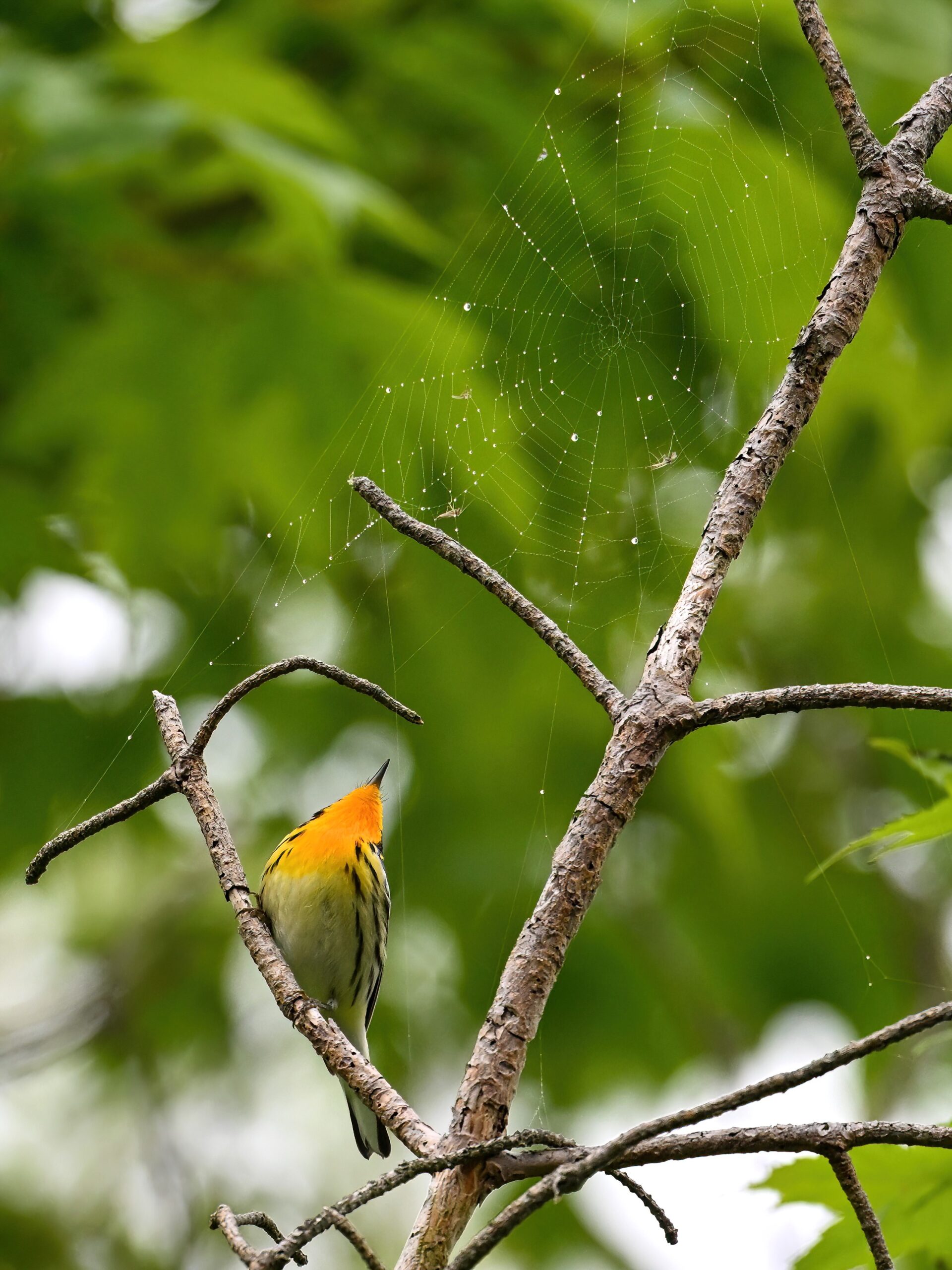
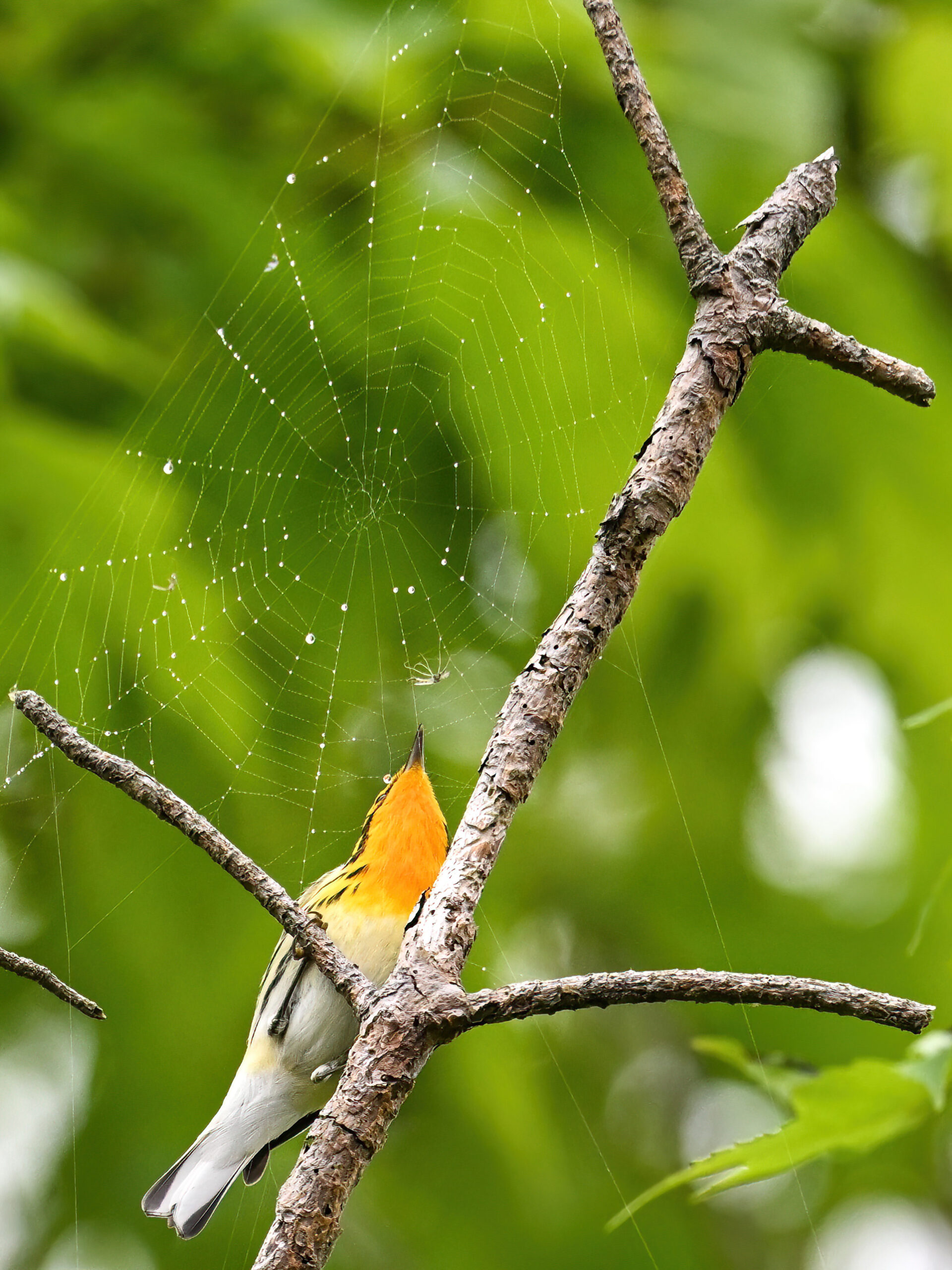
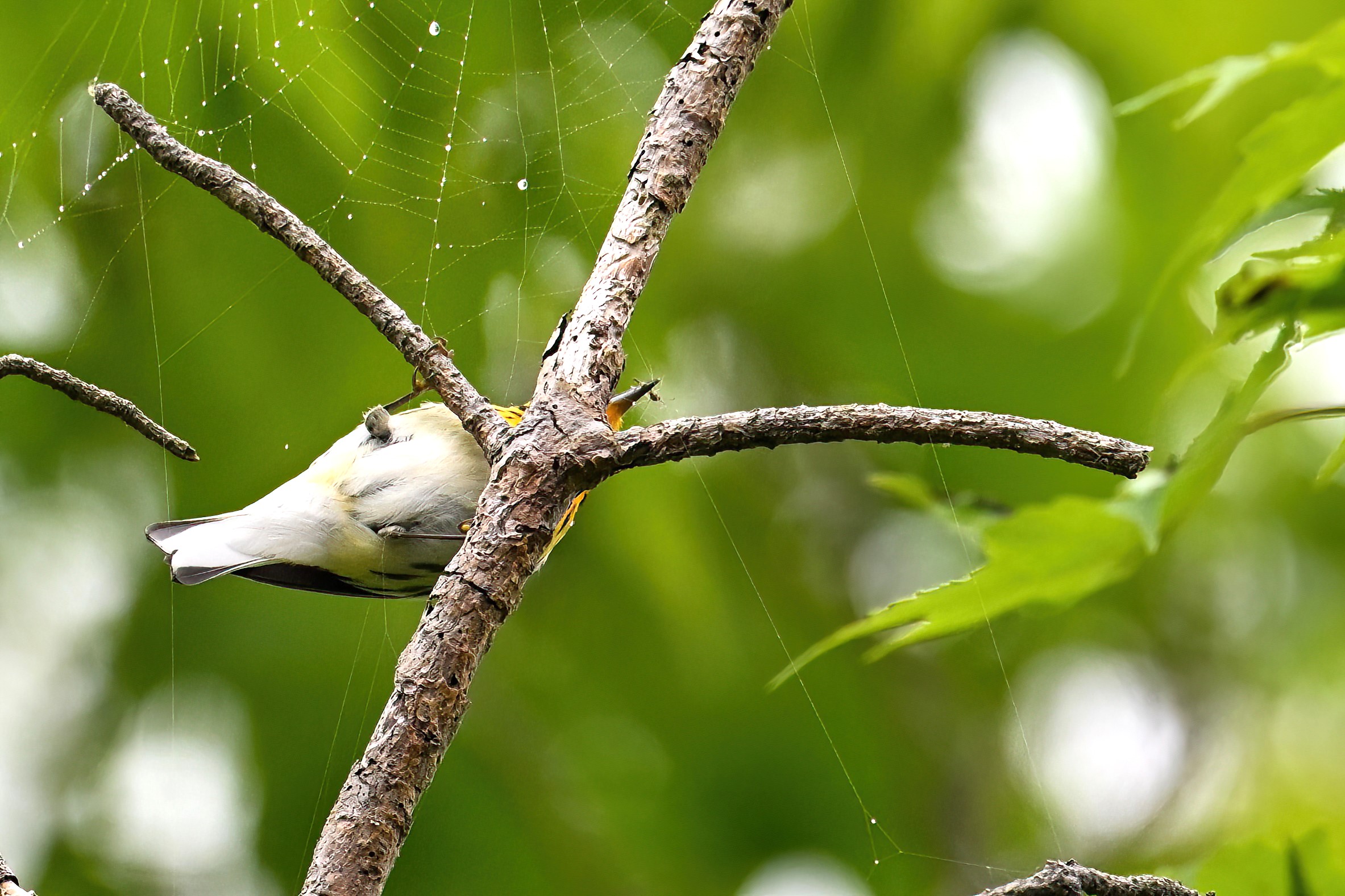
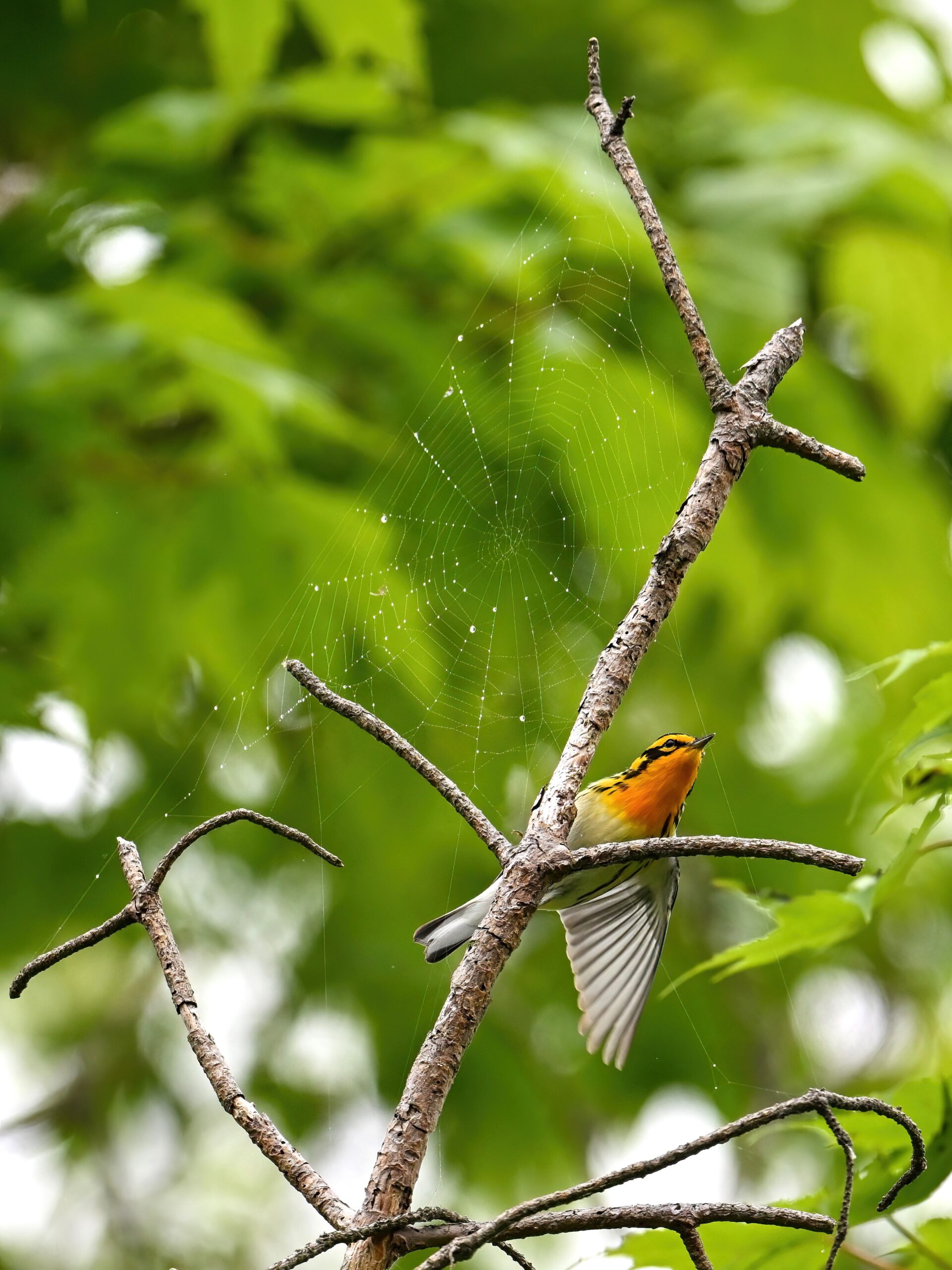
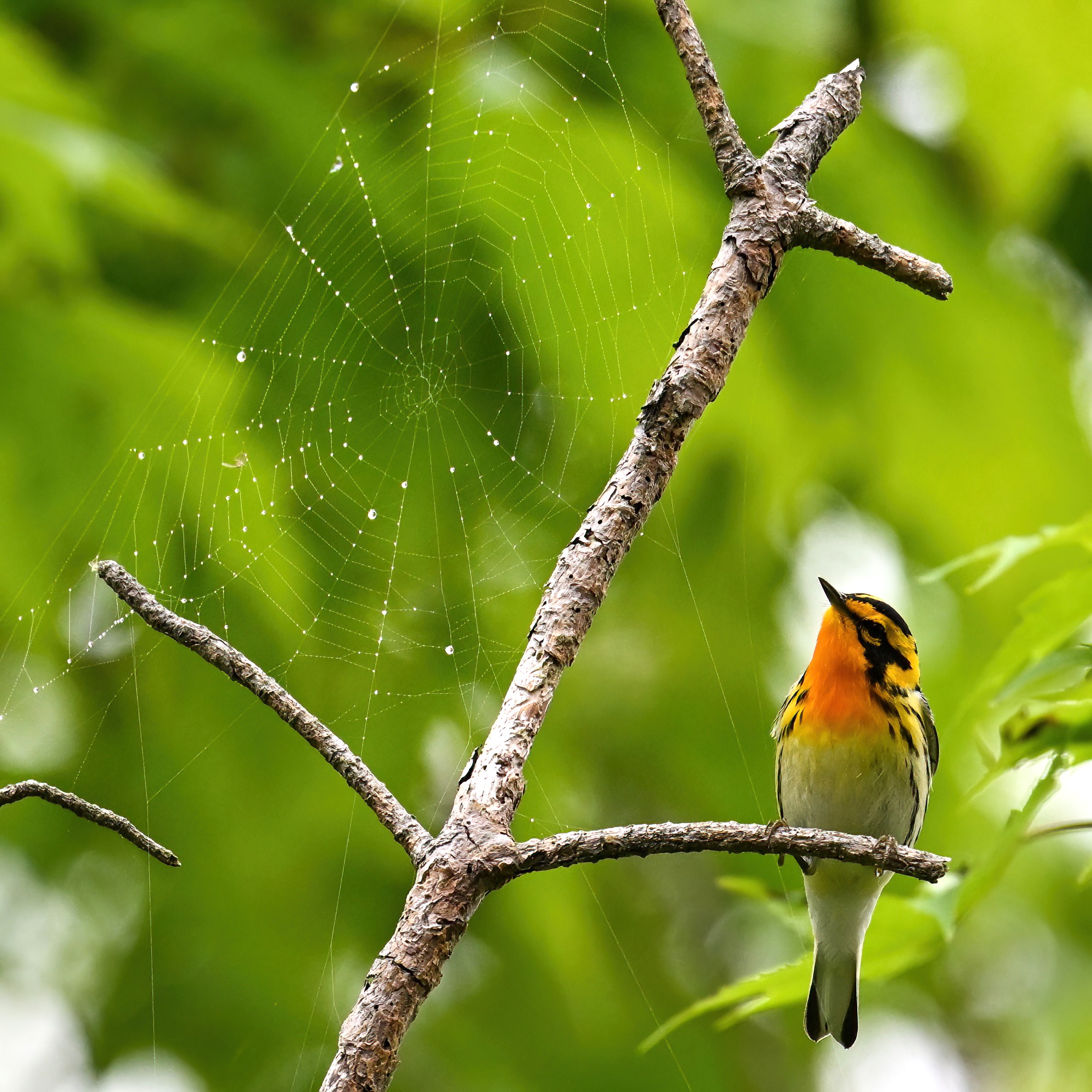
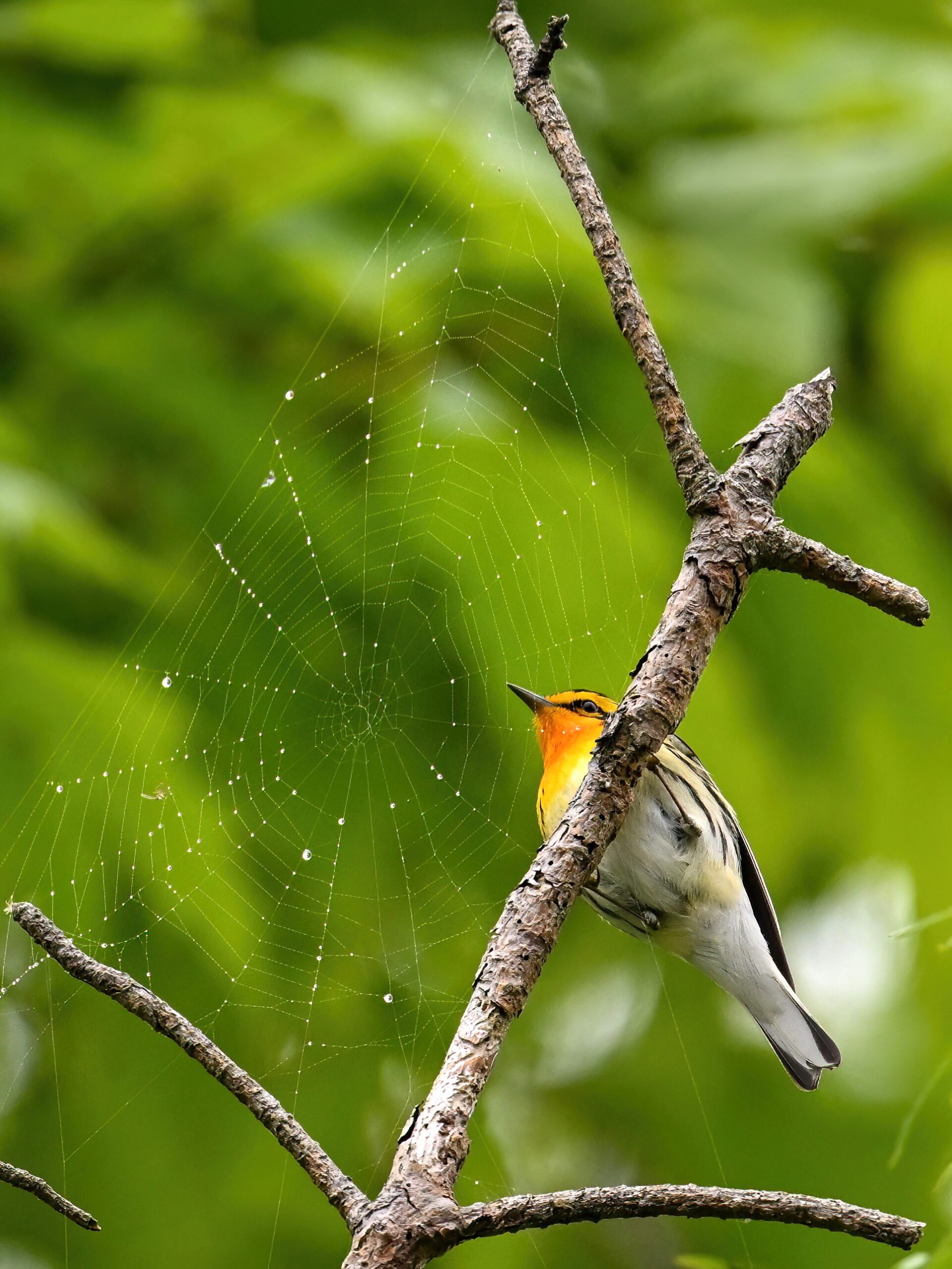
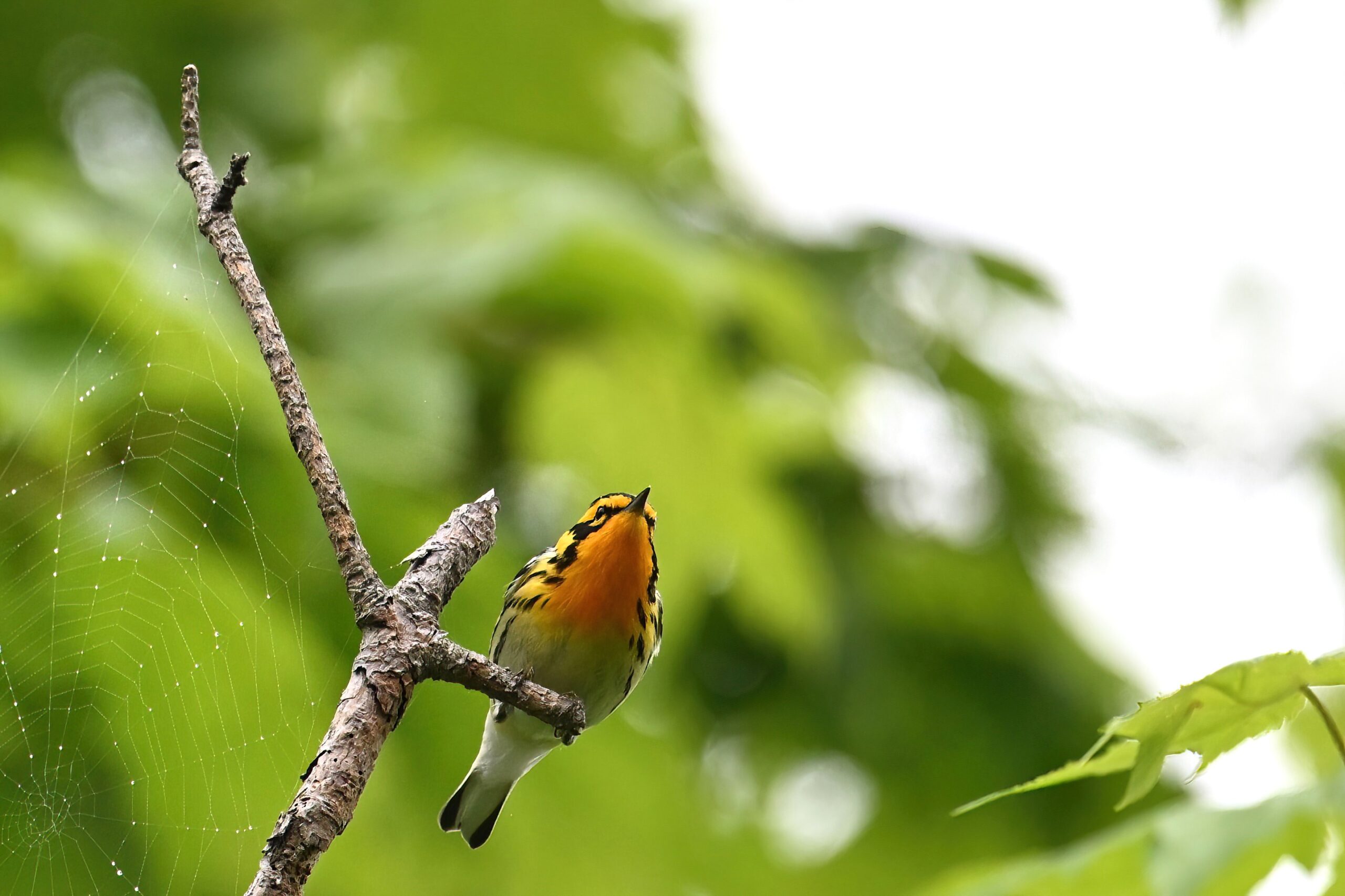
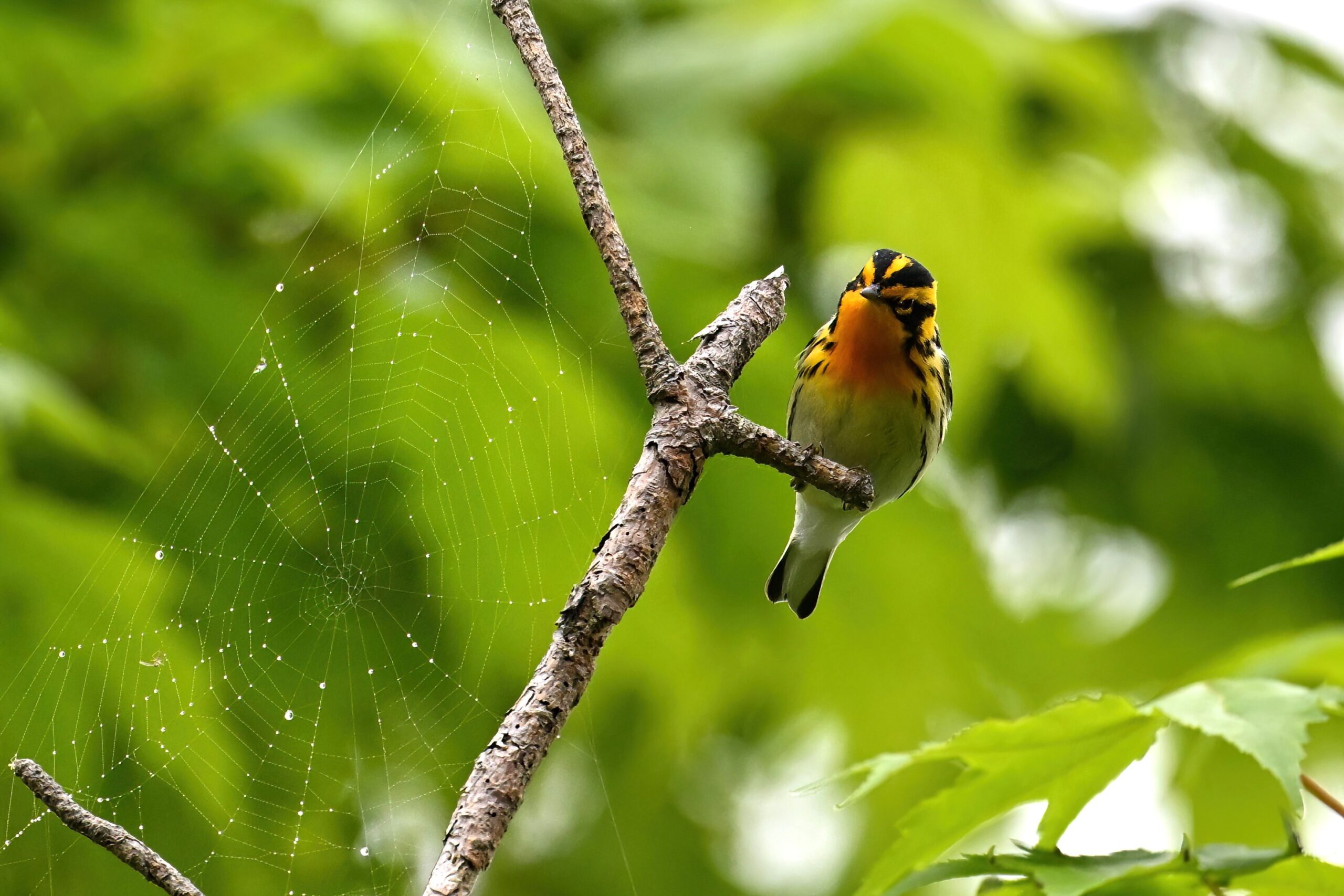
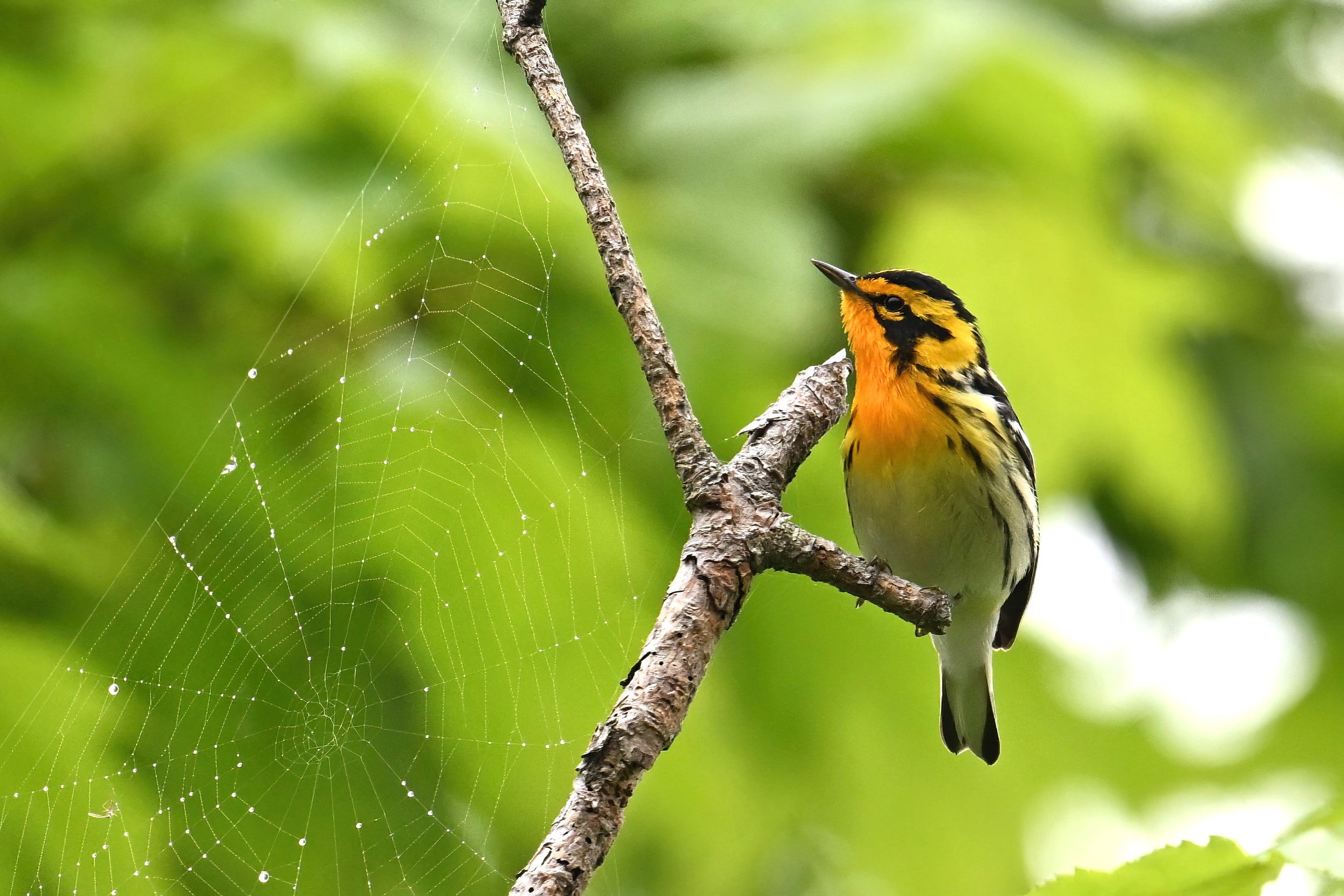
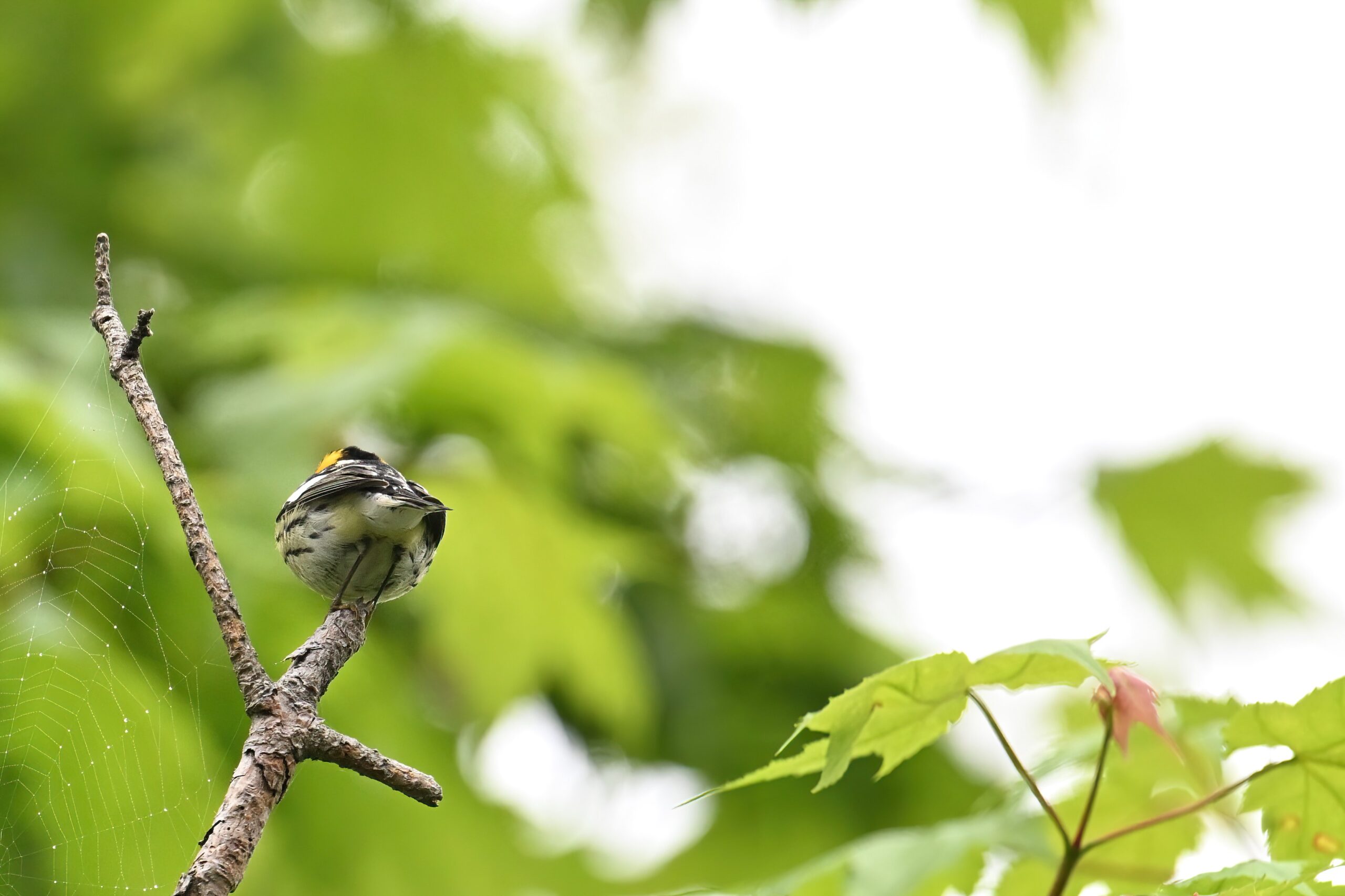
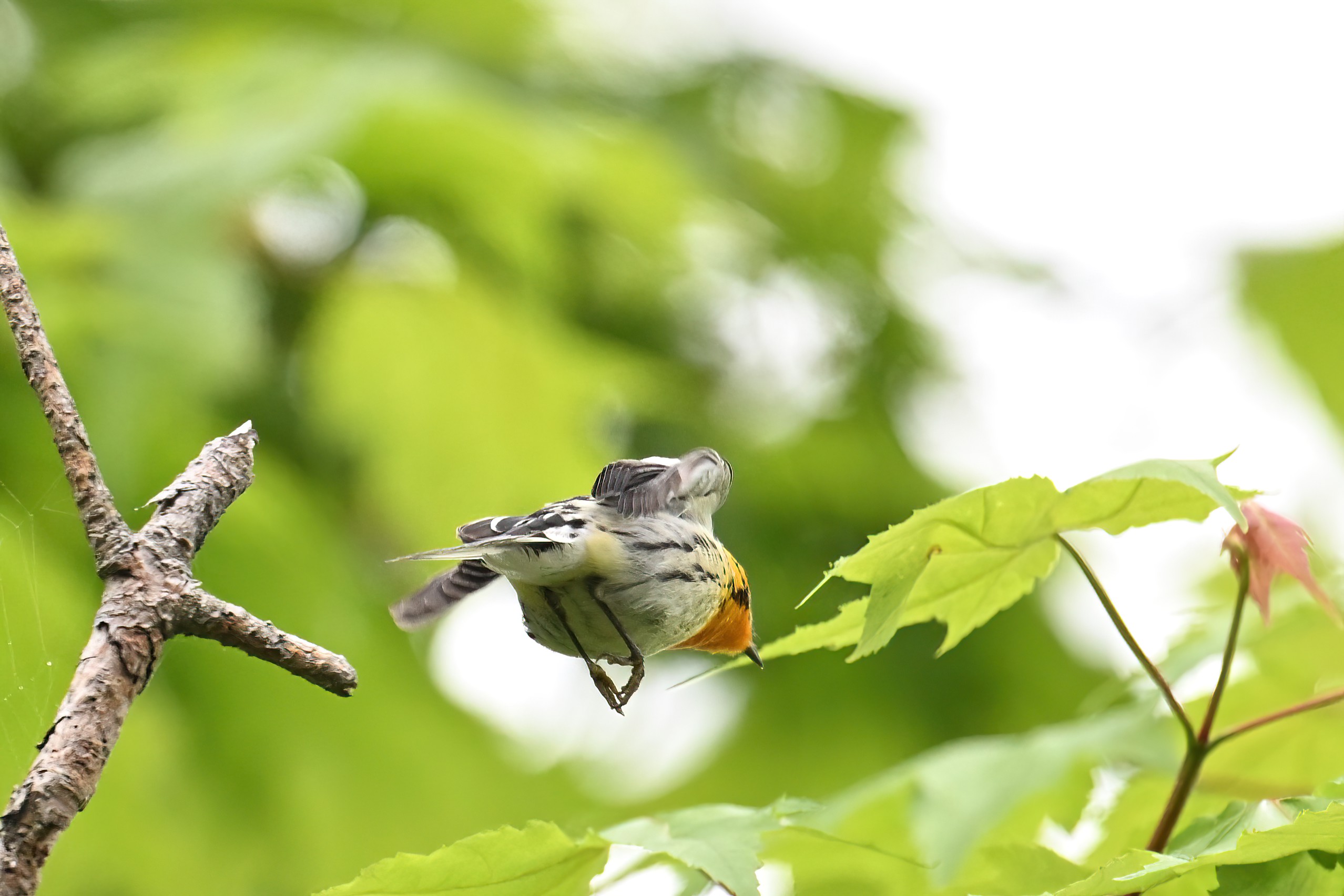
Sorry obscure 18th-century English naturalist Anna Blackburne, but even if you were a nice person, “Blackburnian” is an awful (and awfully arbitrary/random) name for such a beautiful bird. So, it’s pictures from Saturday on the Pine Tree Trail of an amazing male Orange Flame Warbler, in chronological order:
Somehow finagled quick turnaround from the BirdingPI.com photo editing team on these shots from yesterday at Presque Isle State Park along the Gull Point Trail in the afternoon. Guess everyone has warbler fever!
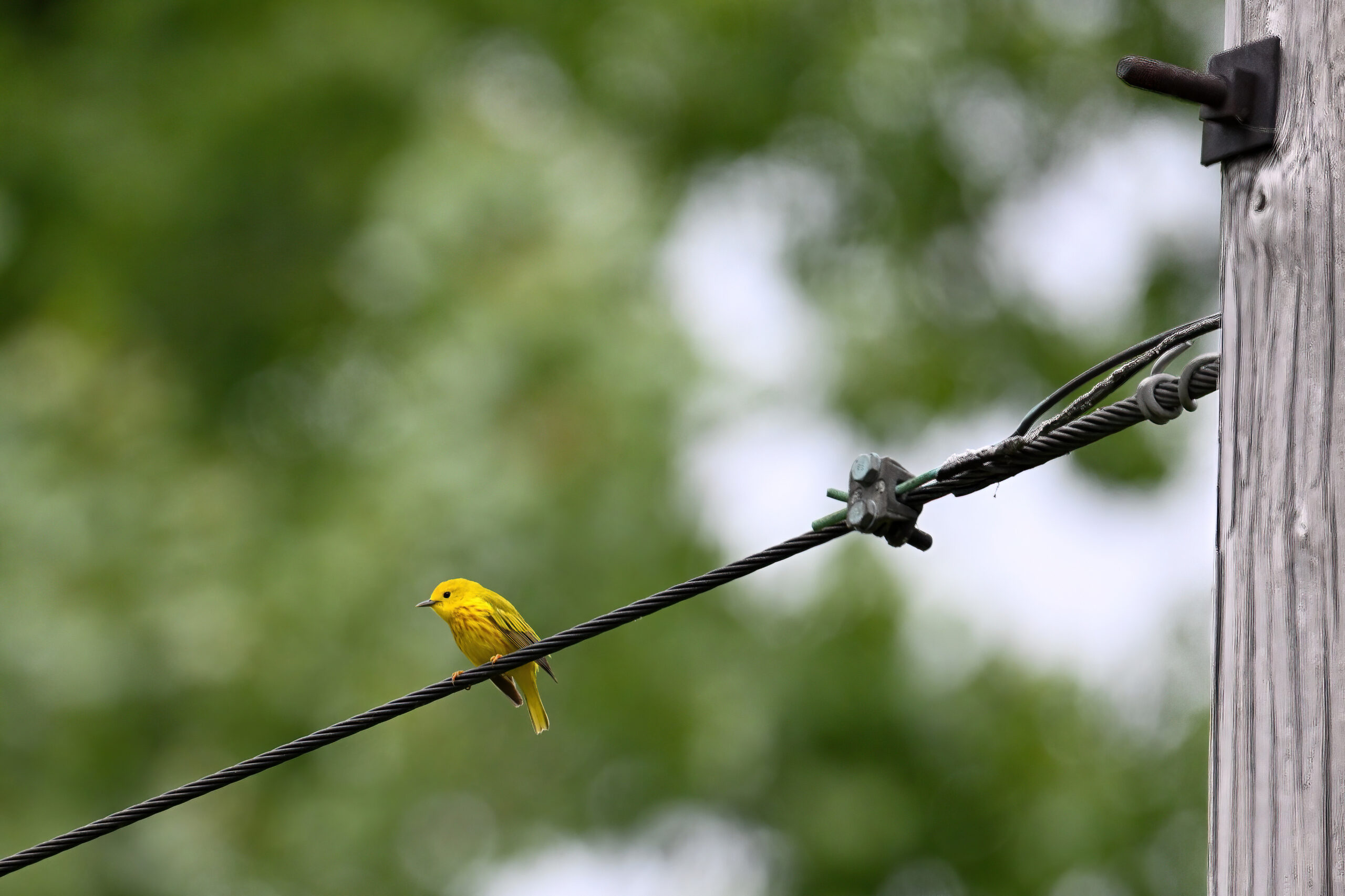
Yellow Warbler by Gull Point Trail trailhead
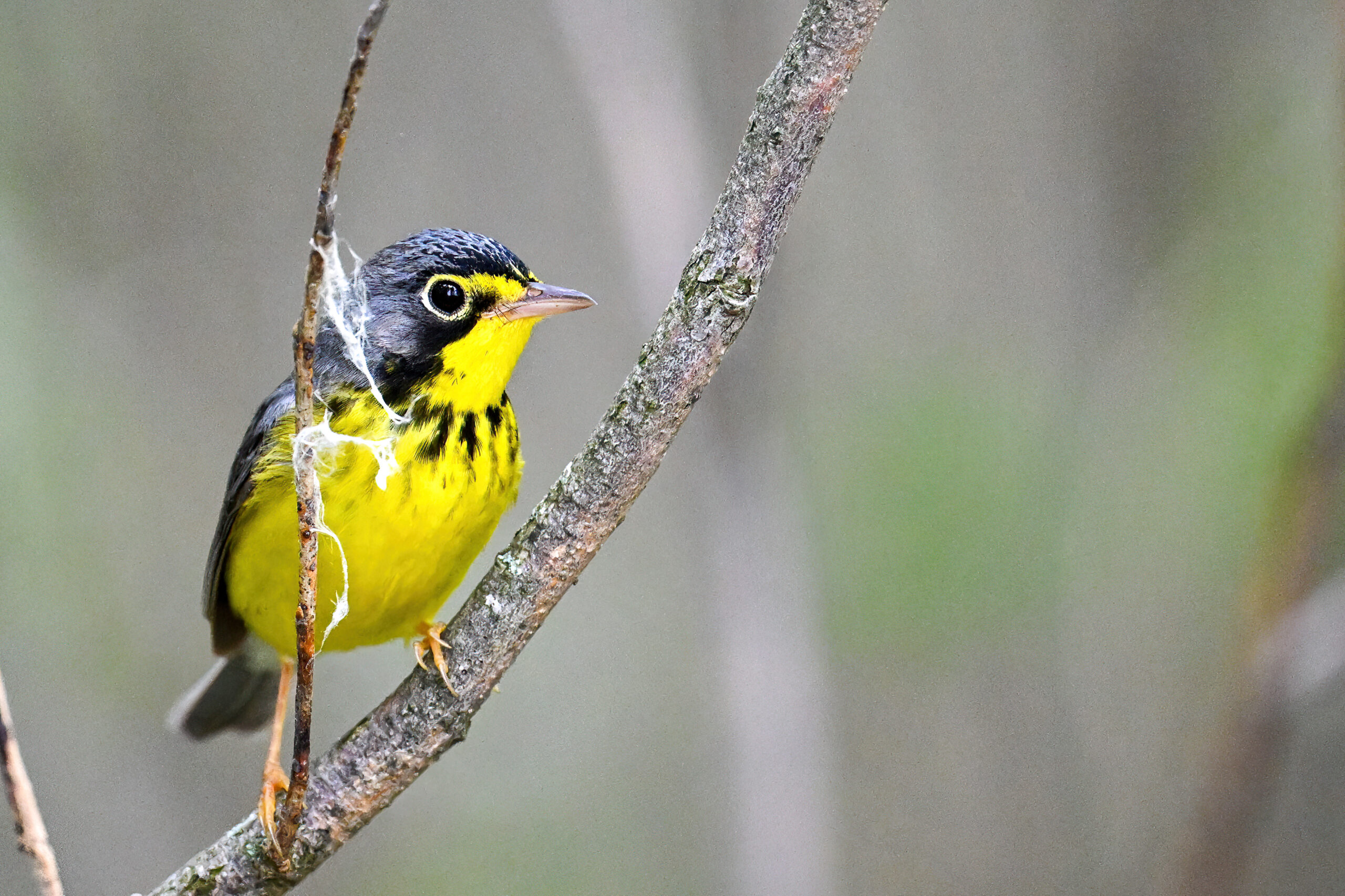
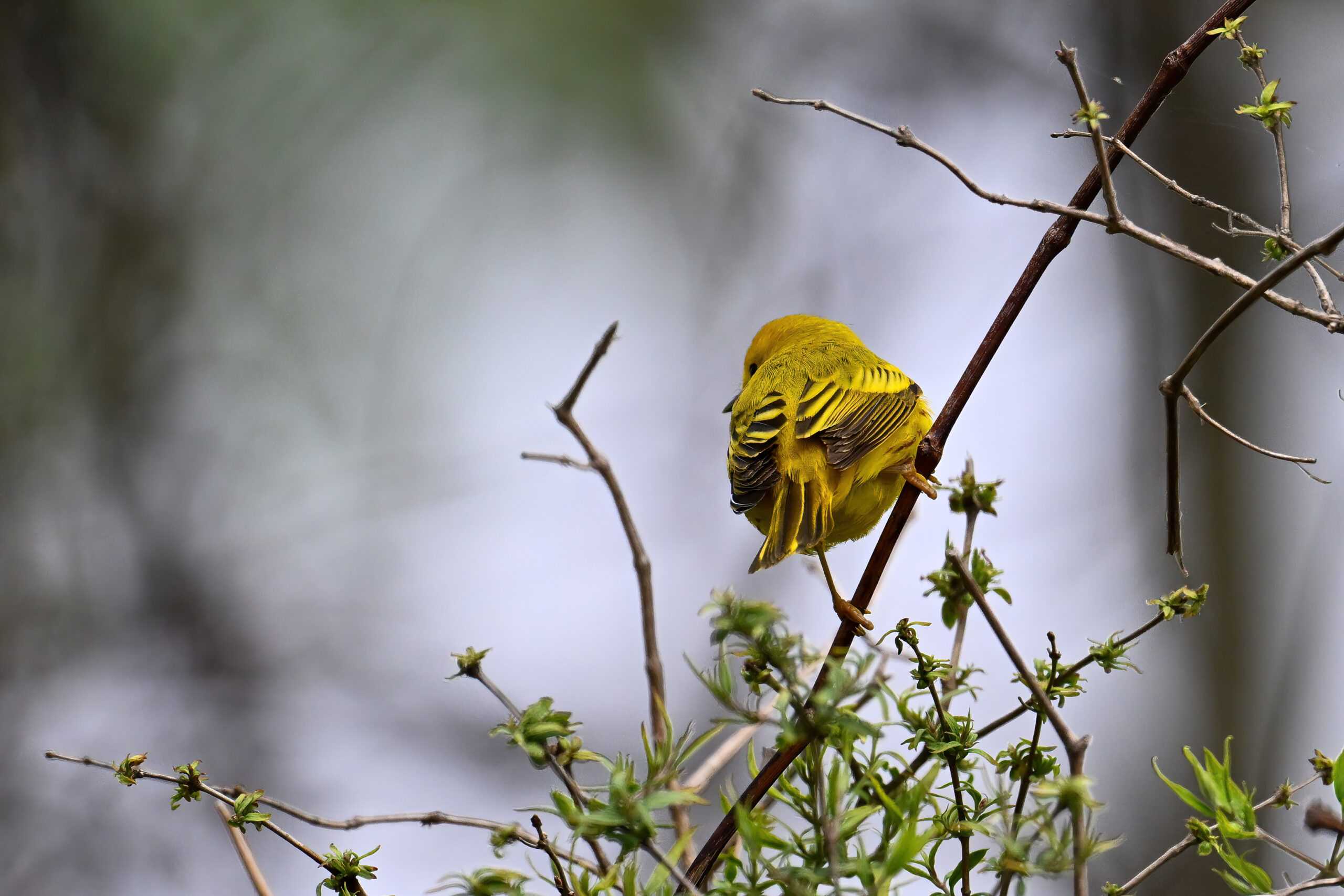
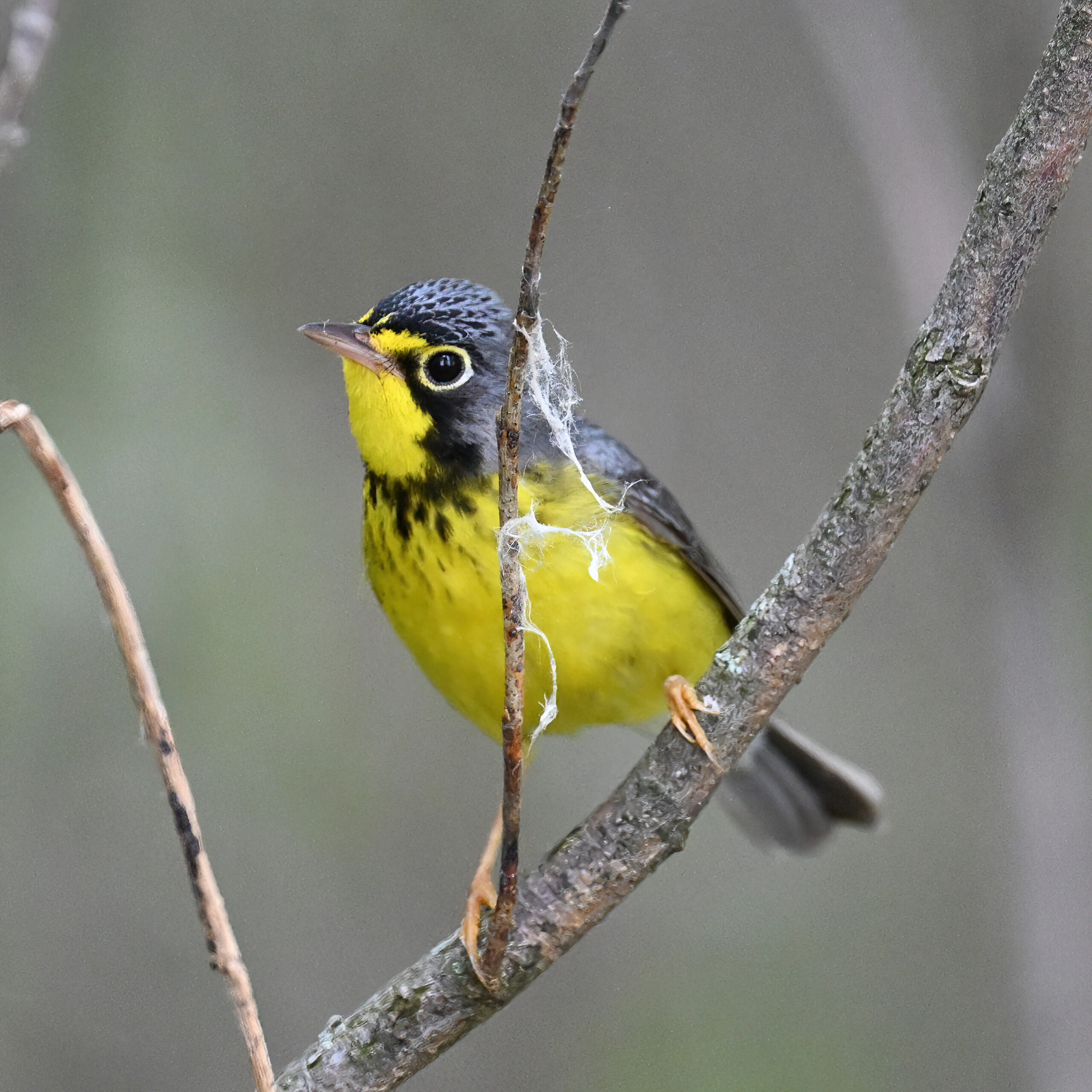
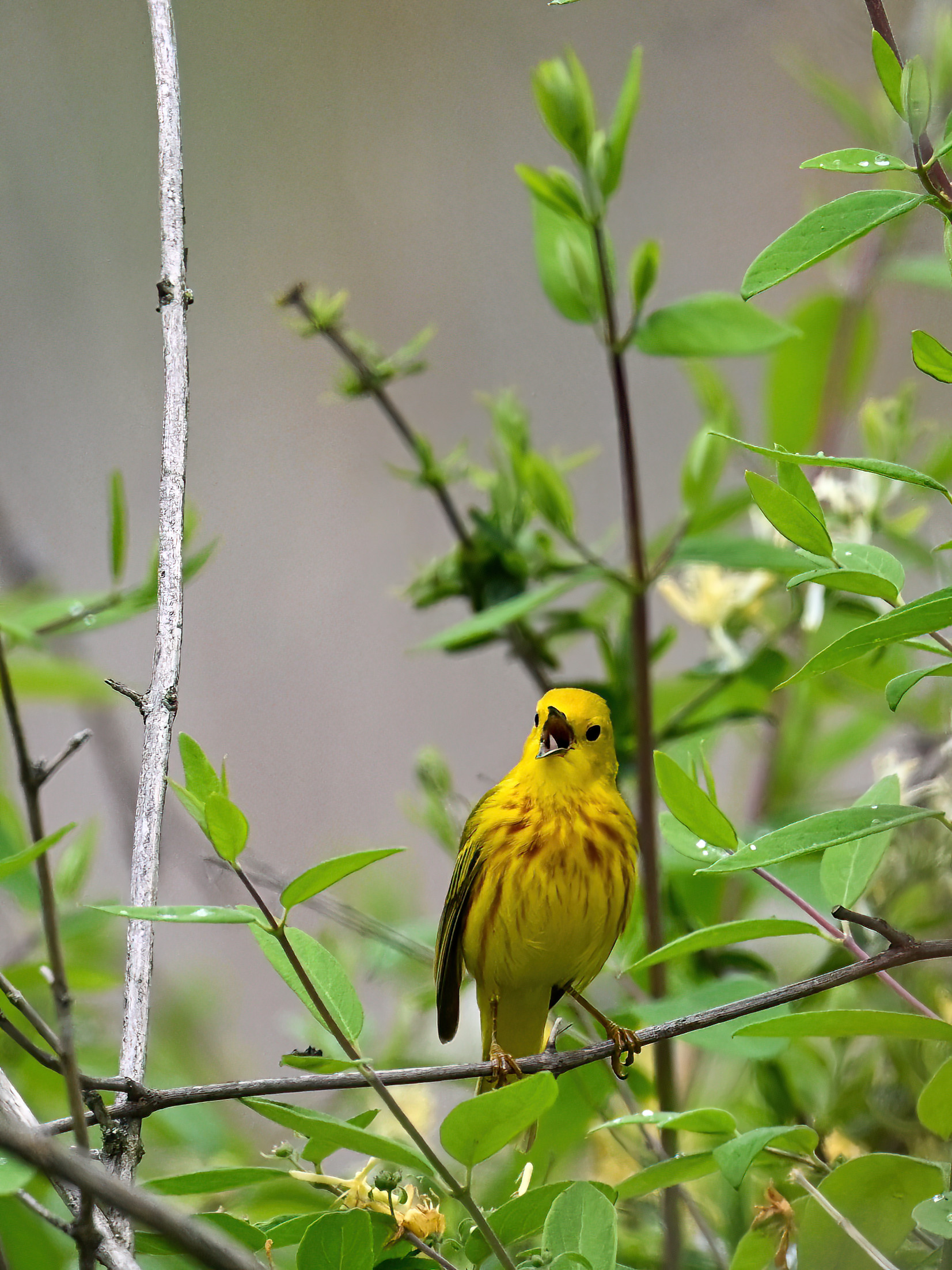
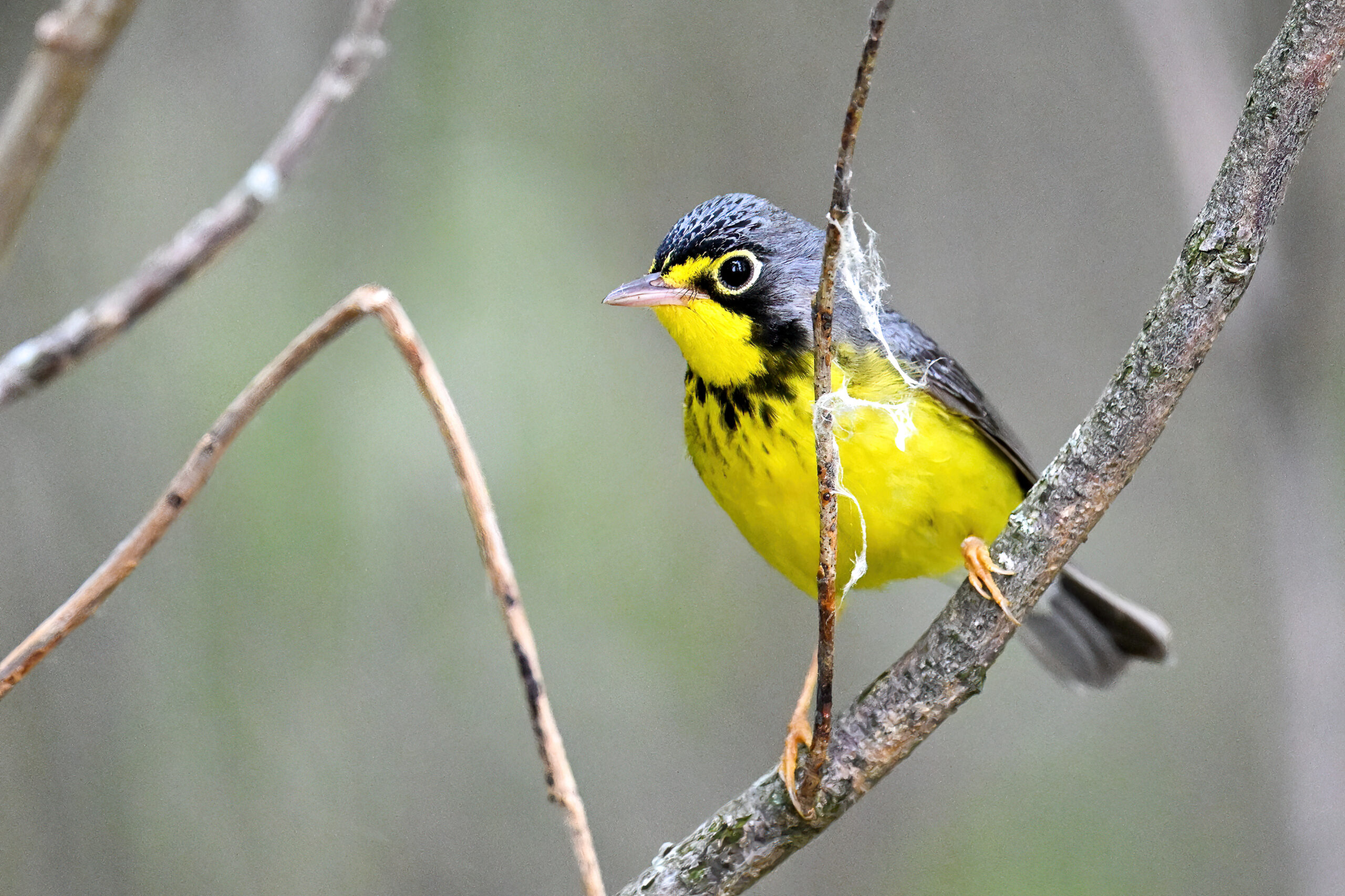
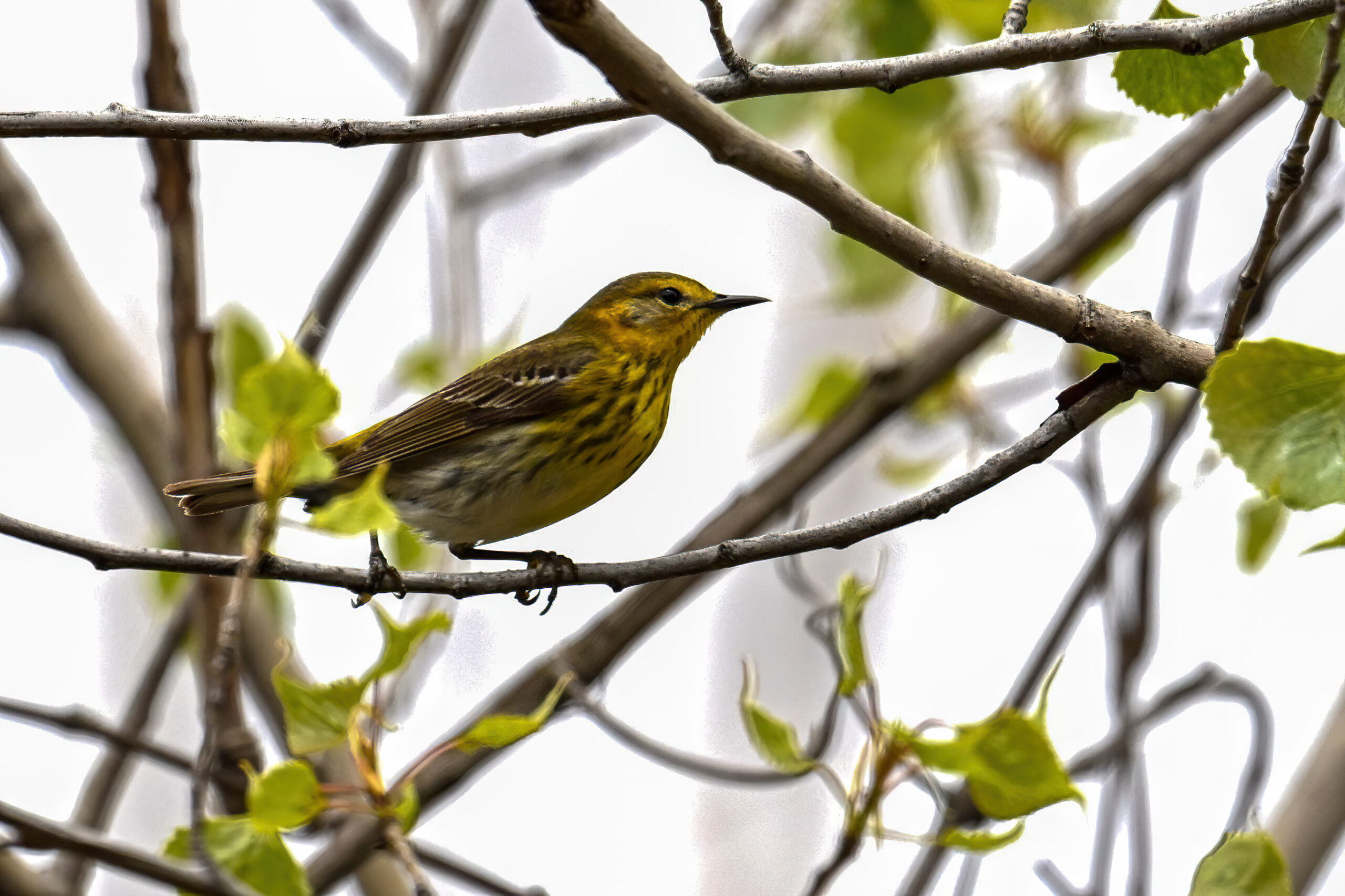
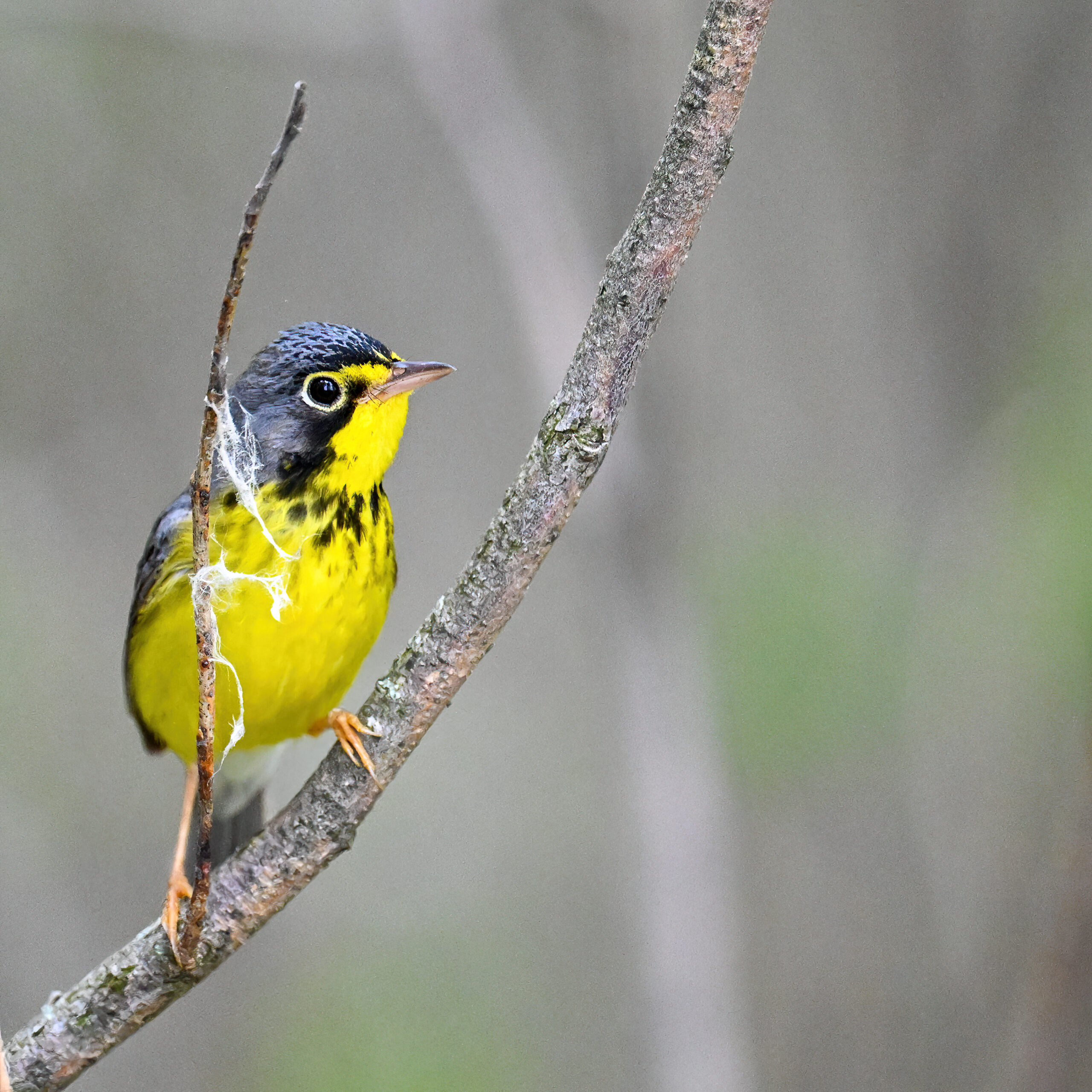
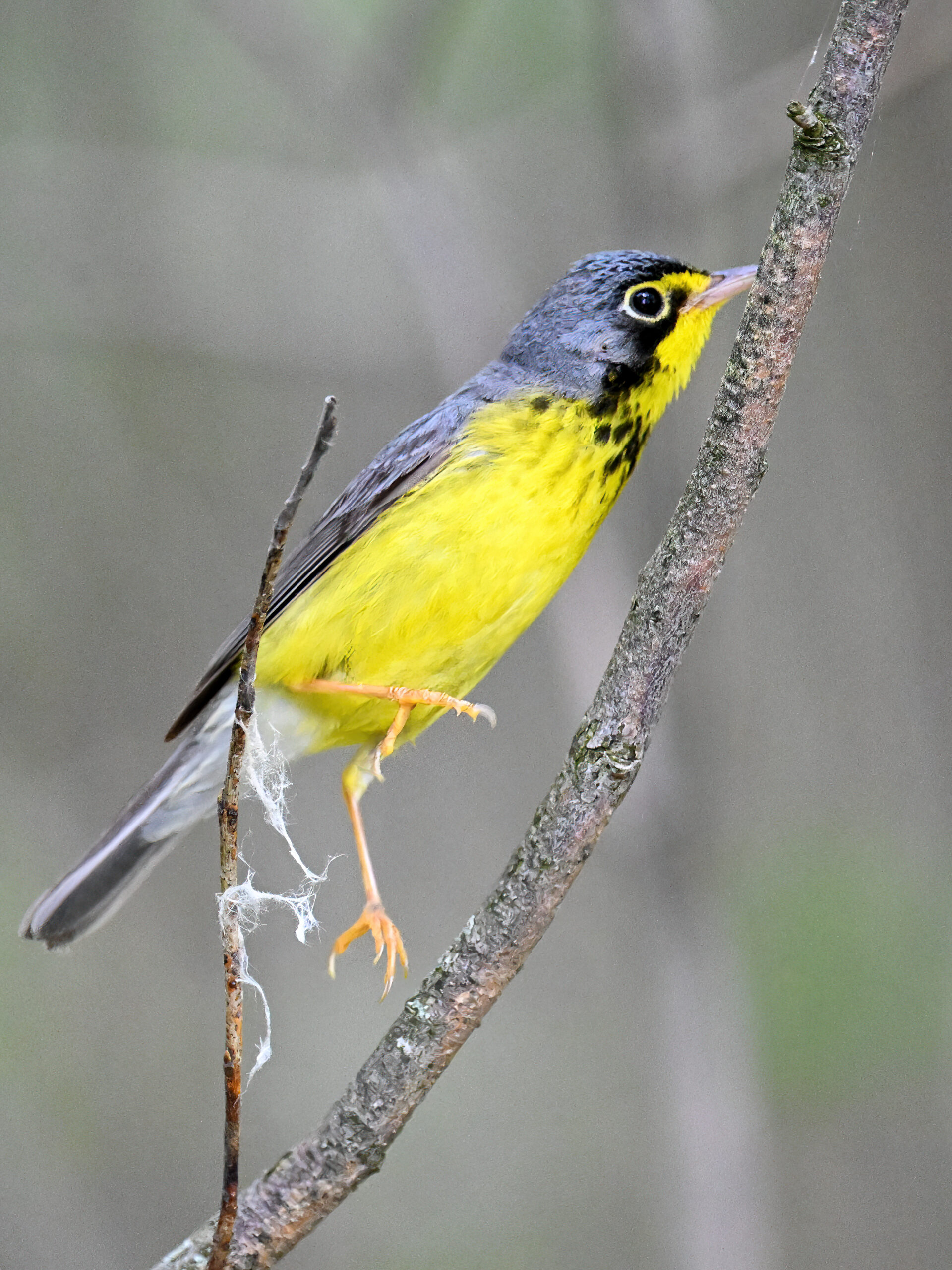
Conditions here and in the Pine Tree Trail area yesterday were rather excellent. Most ‘common’ warbler species spotted except Palm & Black-throated Blue. Even an unprecedented sighting (i.e., two days in a row) of amazing male Canada Warbler, in the willow thickets close to outer Gull Point:
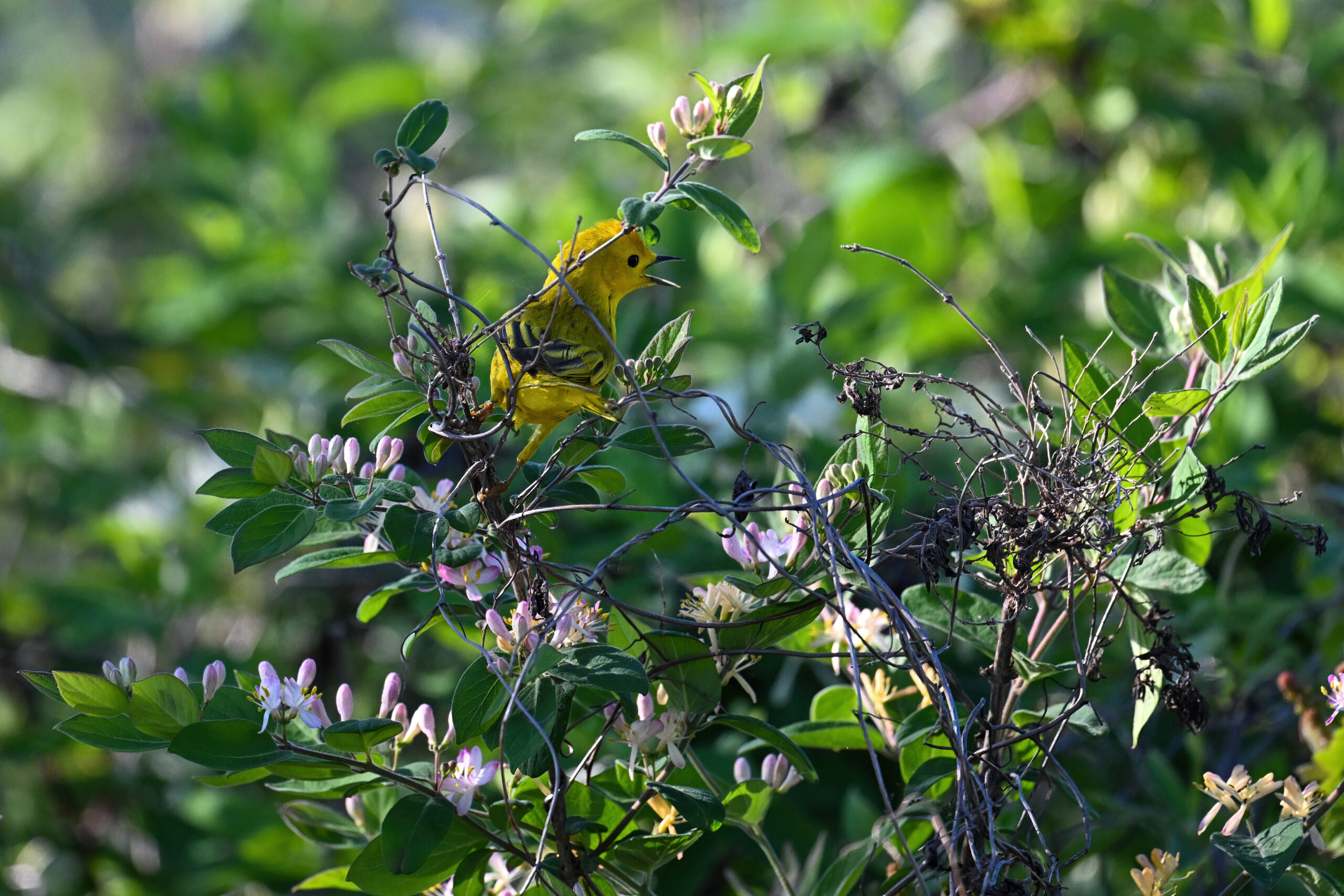
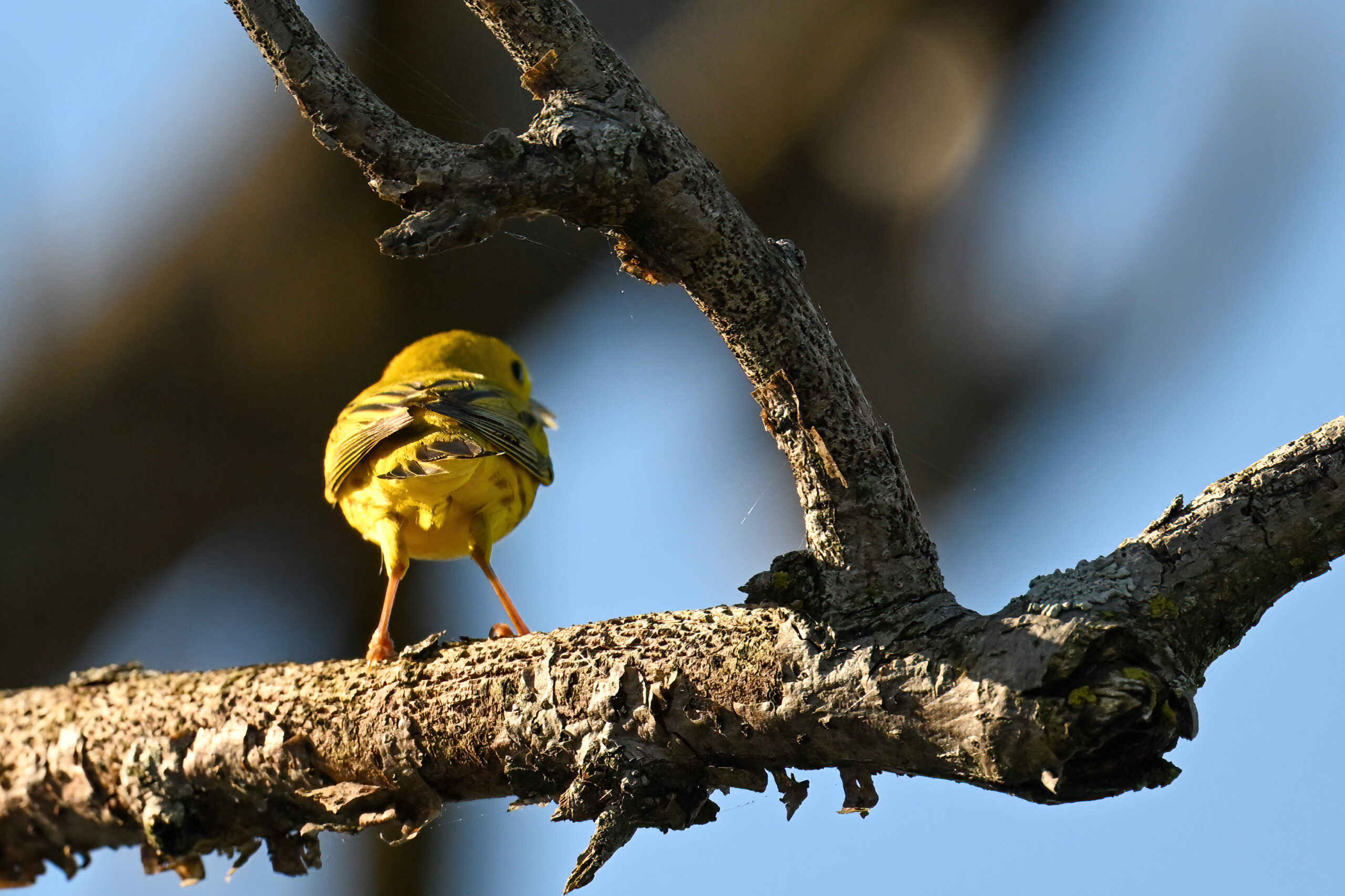
Canada Warbler (m)Yellow Warbler, rear viewYellow Warbler @ singing mode in honeysuckle bushCape May Warbler
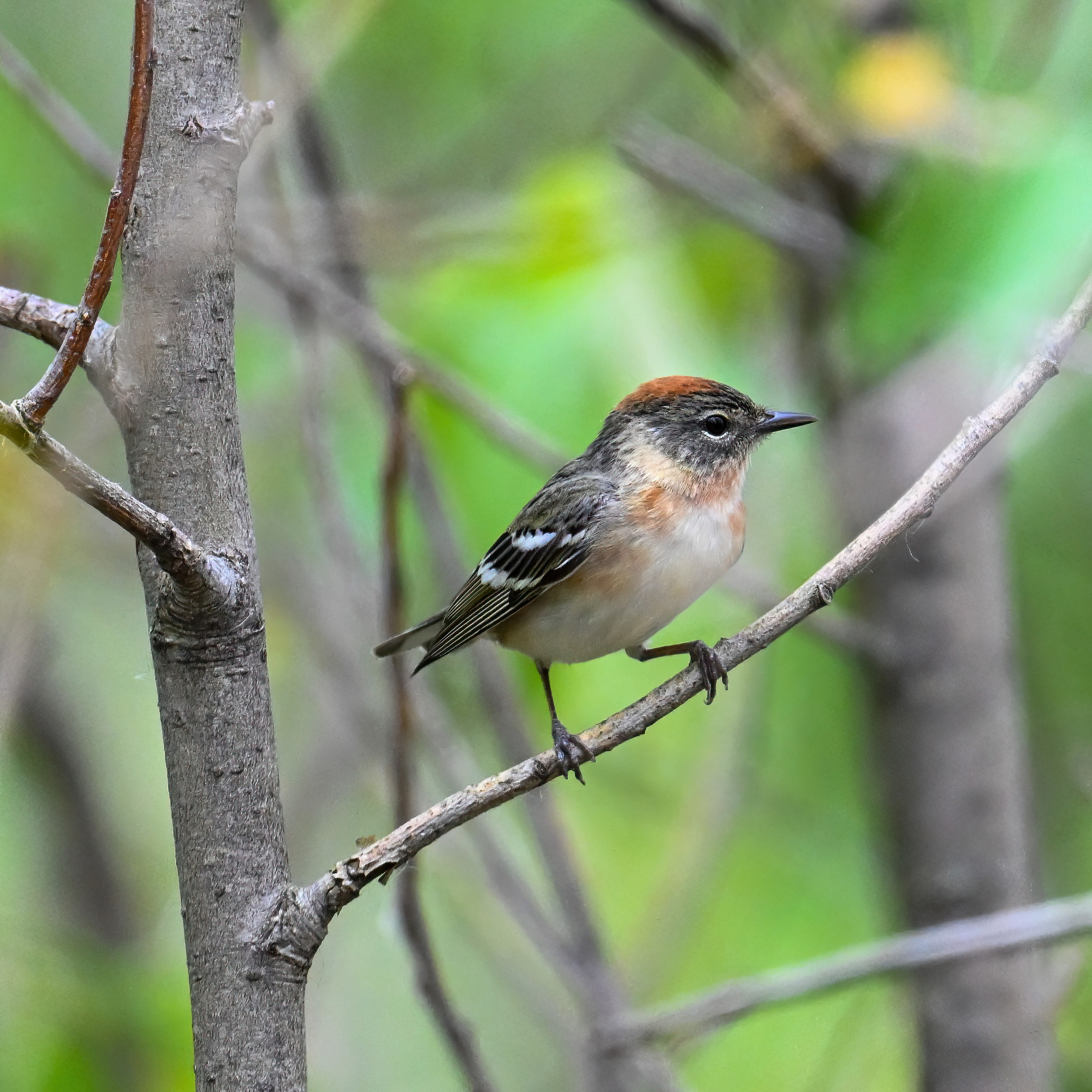
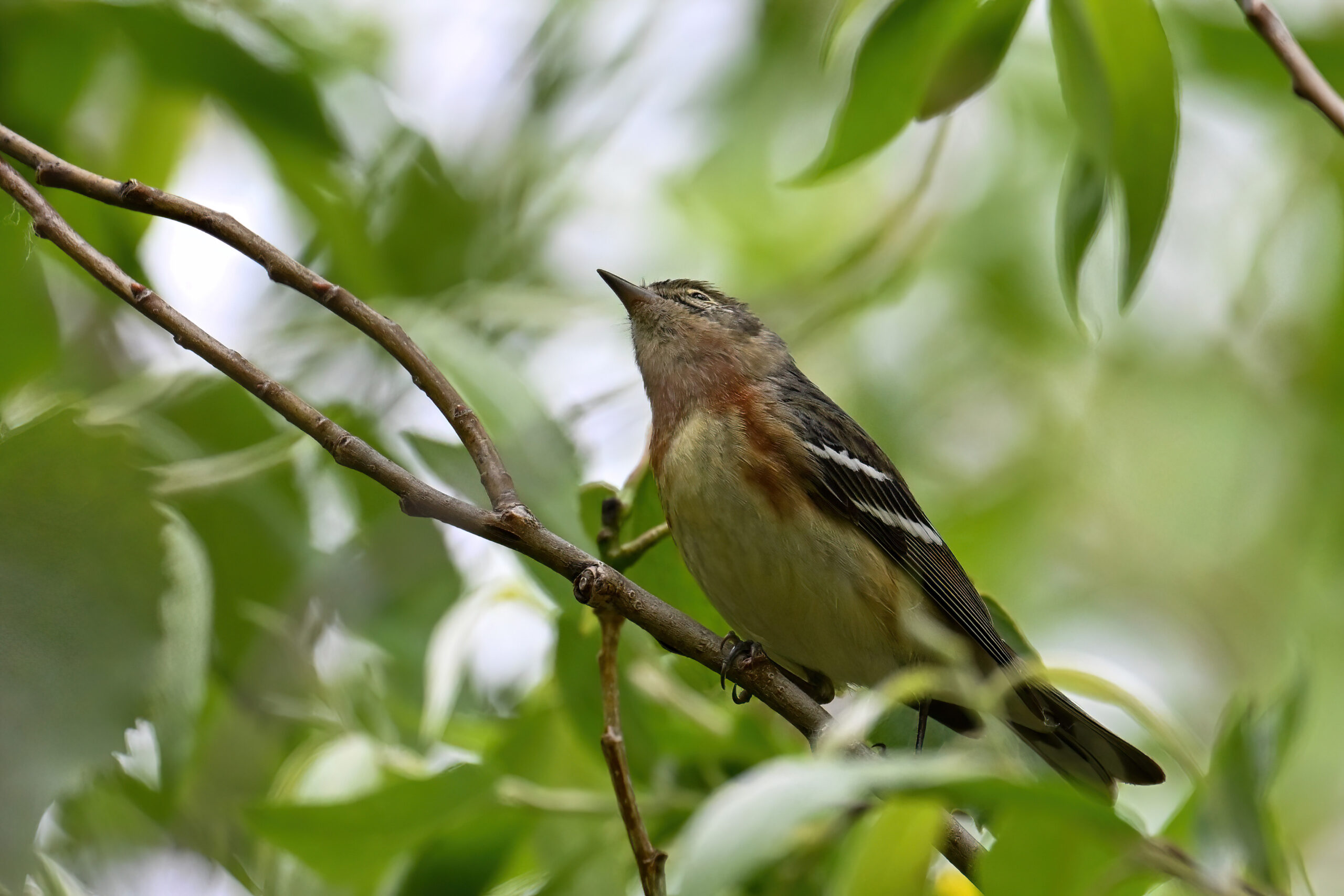
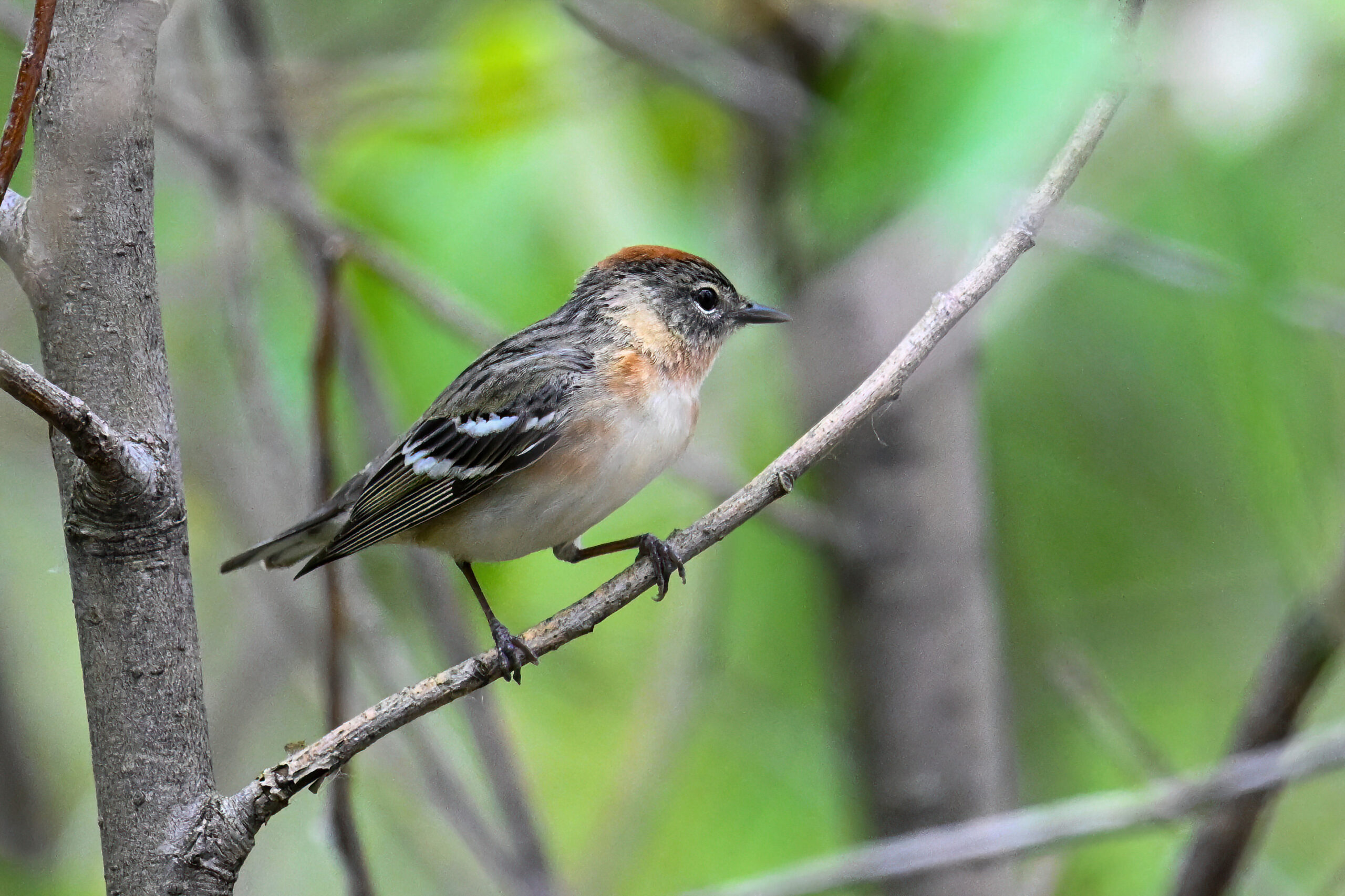
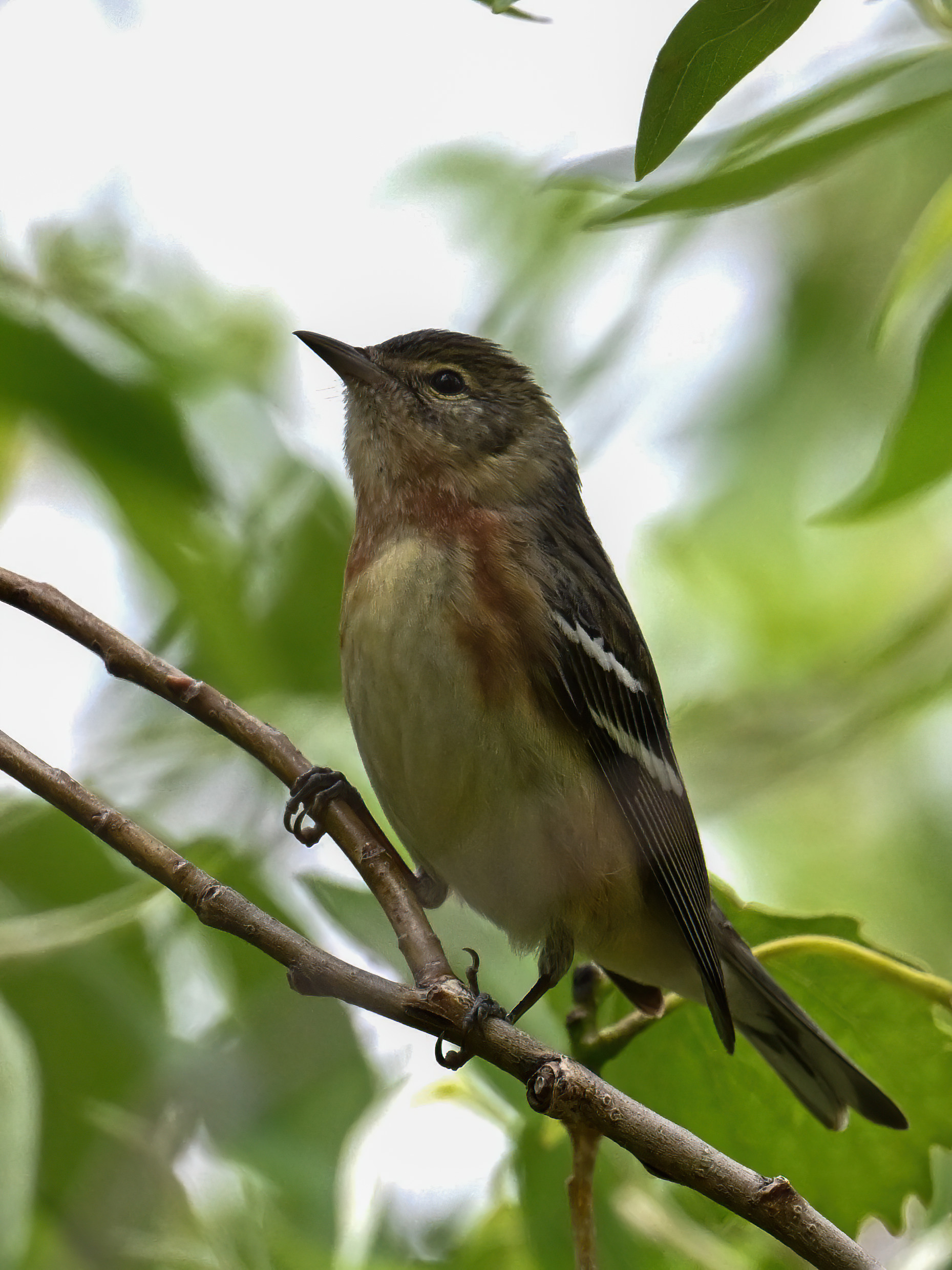
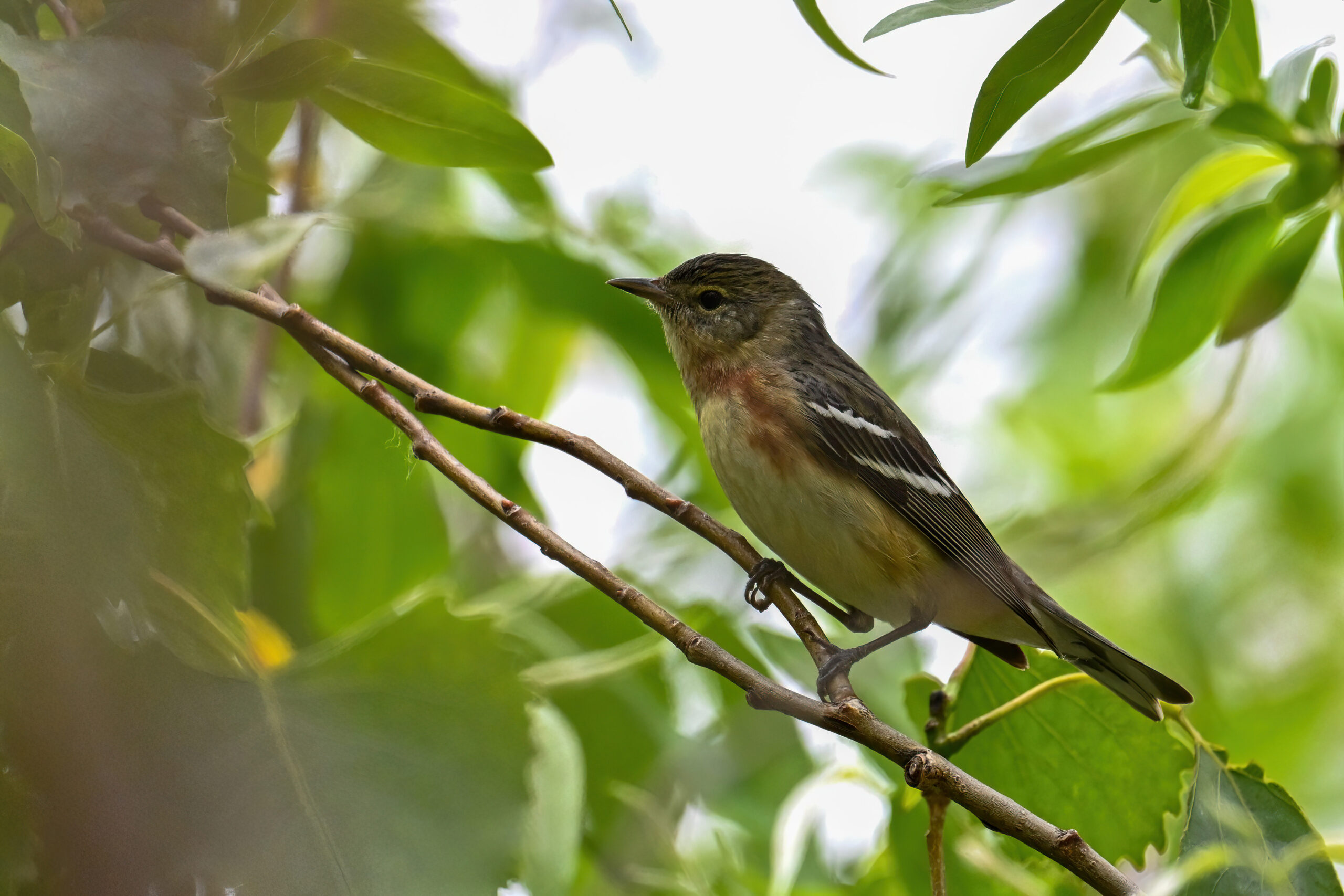
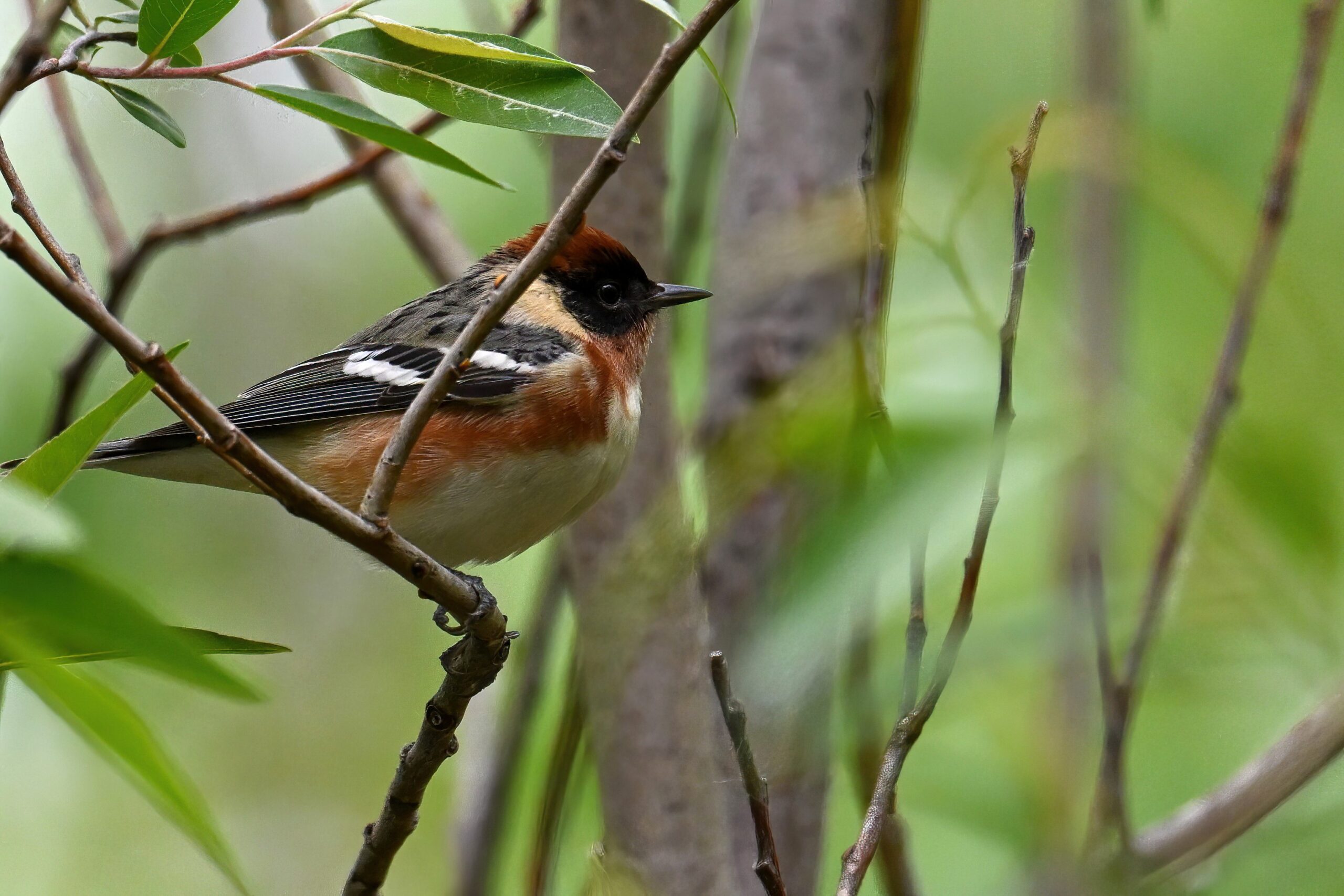
Big news was a significant uptick in Bay-breasted Warbler sightings, like this (probably) lovely female:
Bay-breasted Warbler (f)
(Seems in past year the Bay-breasted Warblers passed through much earlier = some worry it was going to be a light year for this lovely species.)
More Bay-breasted Warbler:
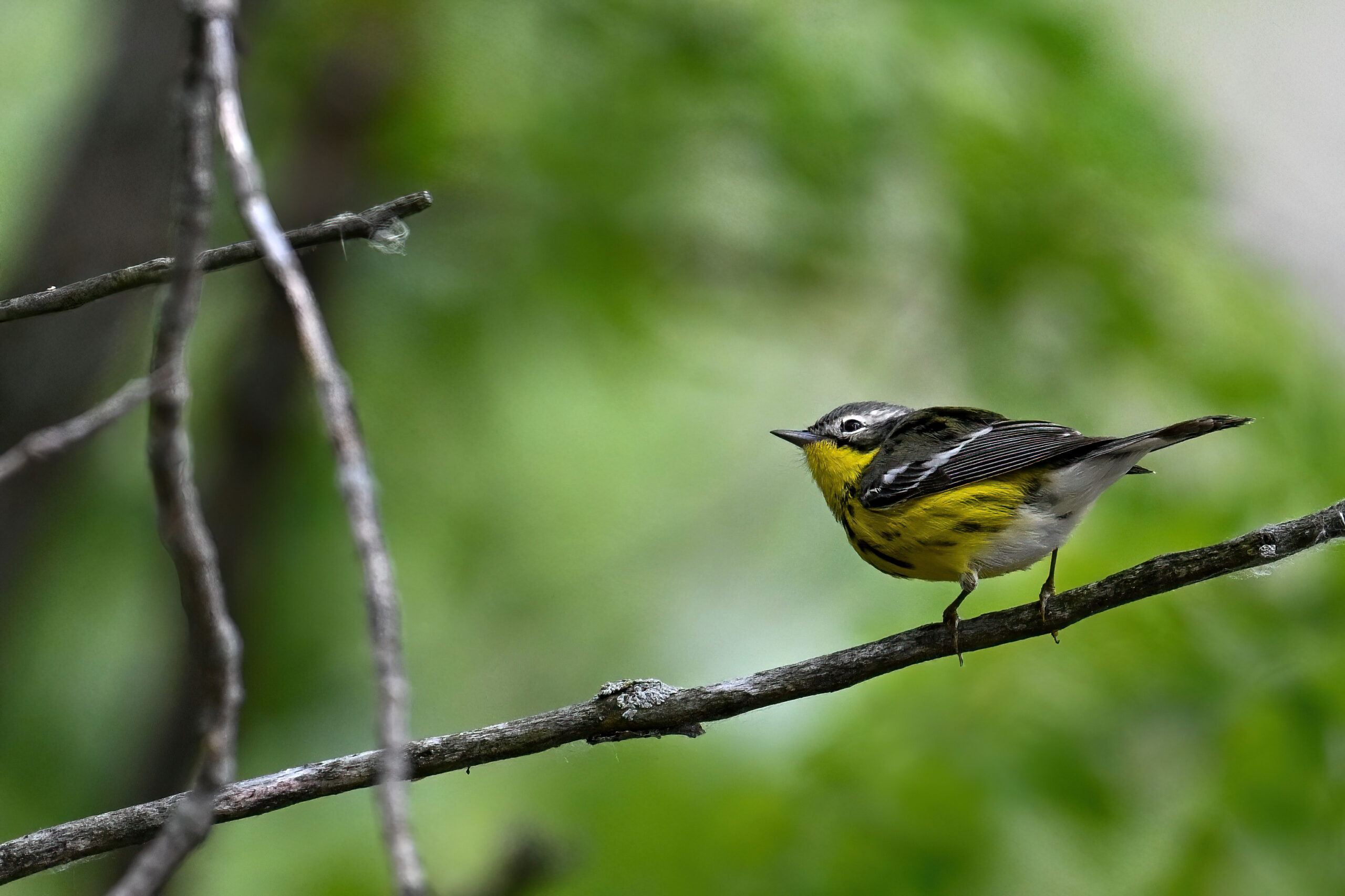
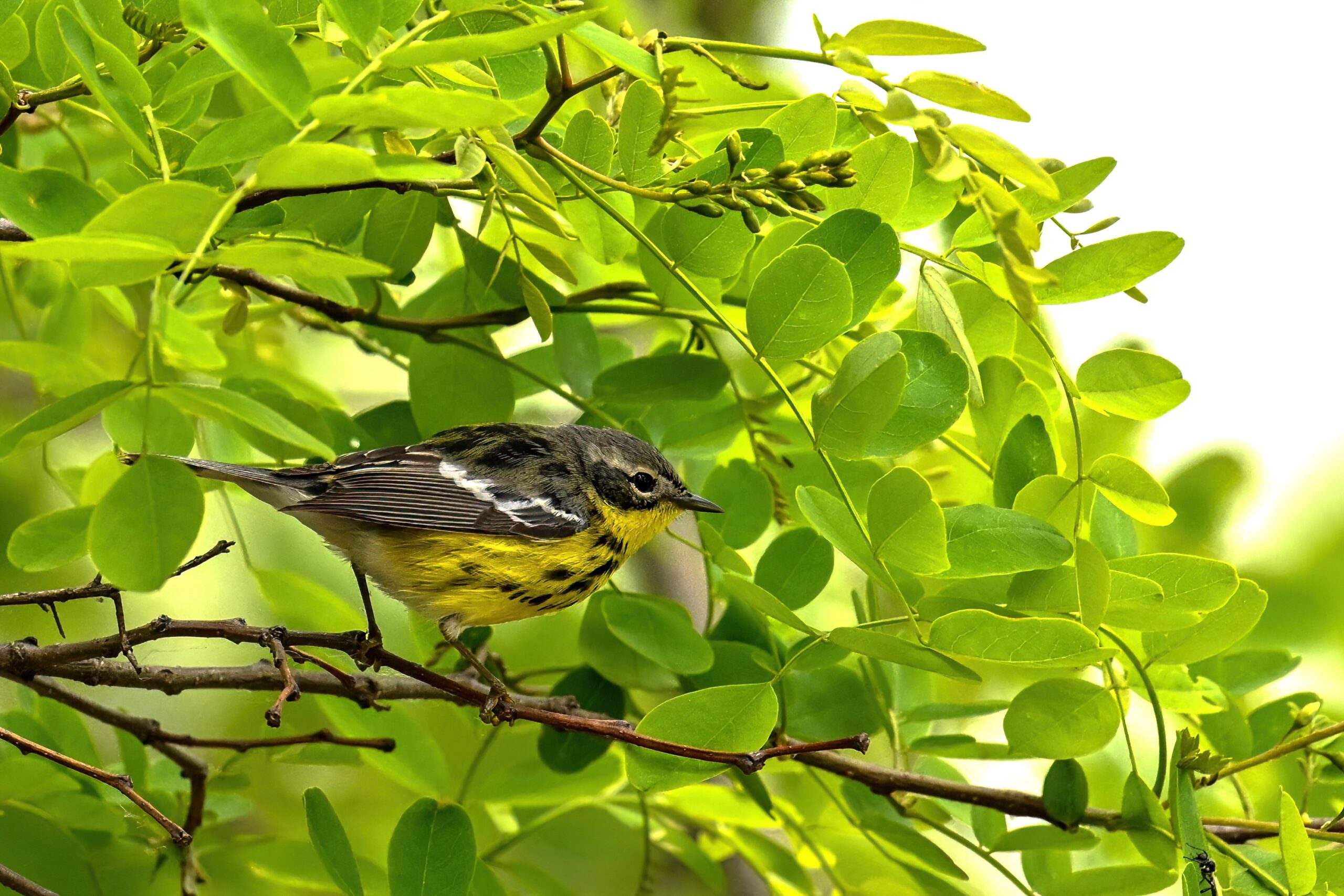
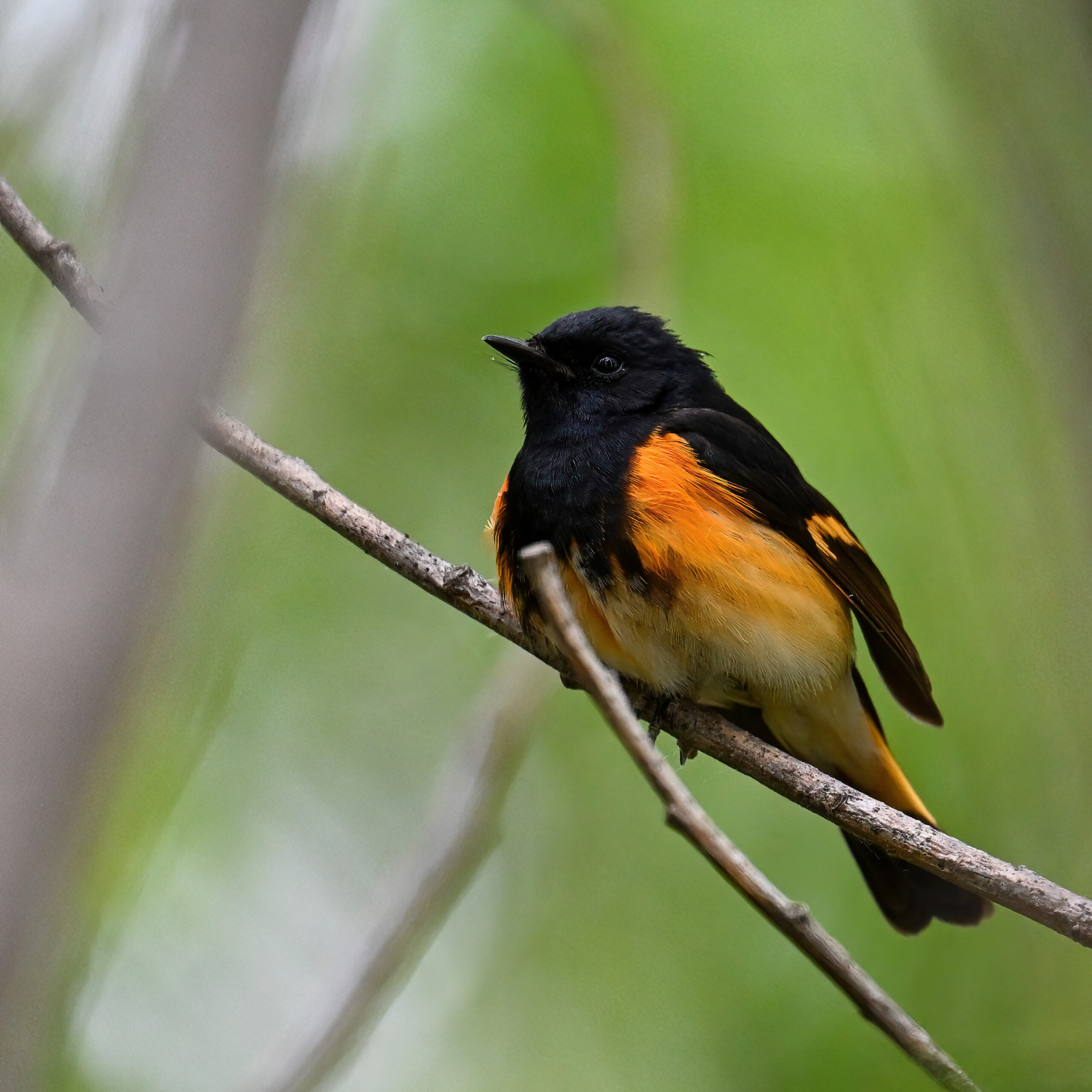
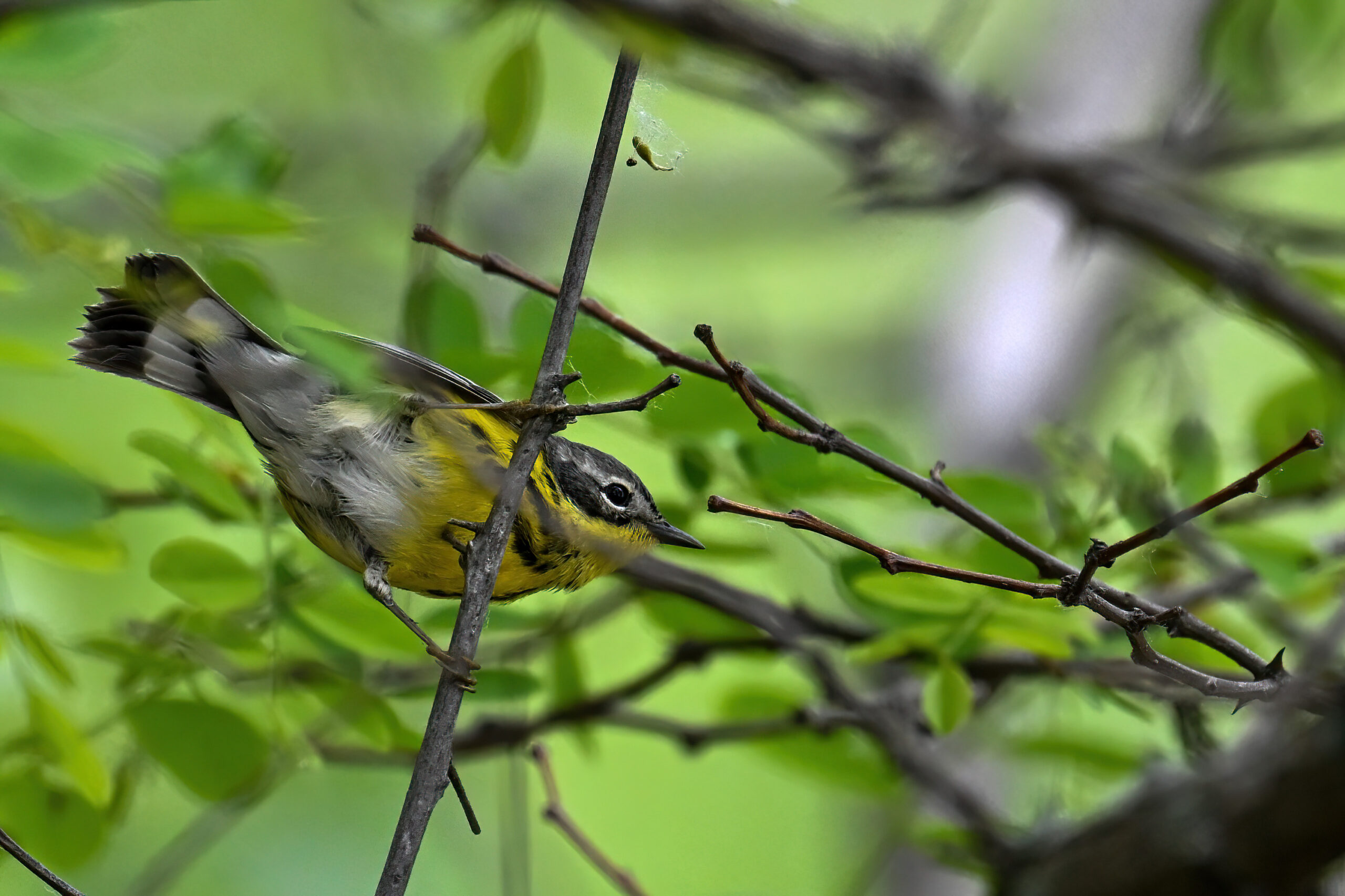
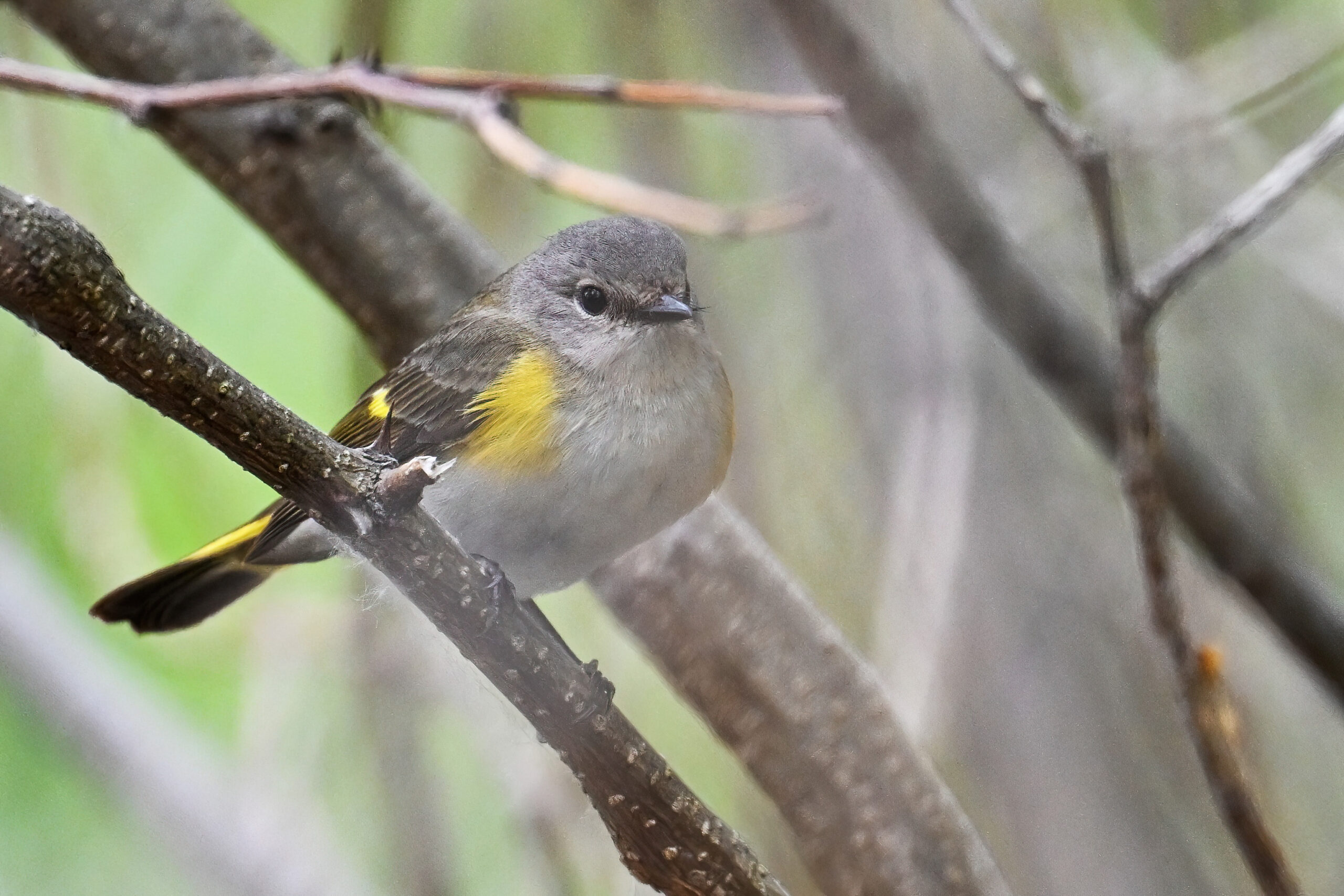
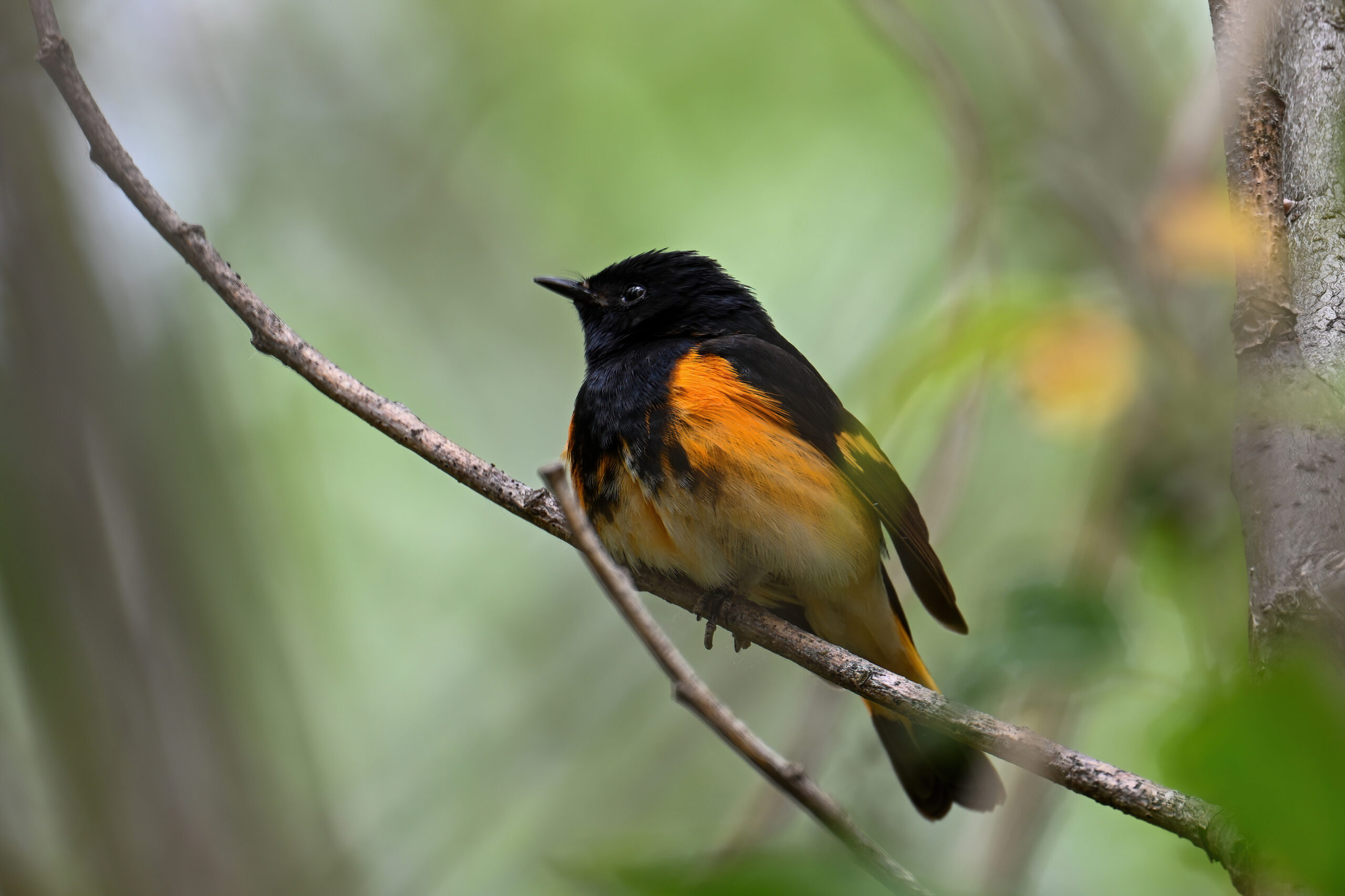
Magnolia Warbler IAnother shot of Bay-breasted WarblerMagnolia Warbler IIAmerican Redstart (m)Magnolia Warbler IIIBay-breasted Warbler (m)American Redstart (f)Another view of American Redstart (m)
Meanwhile, PM shorebird activity on the Point was fairly light. (Yellowlegs, Dunlin, etc.)
Coming up soon, lots of warblers on the Pine Tree Trail!
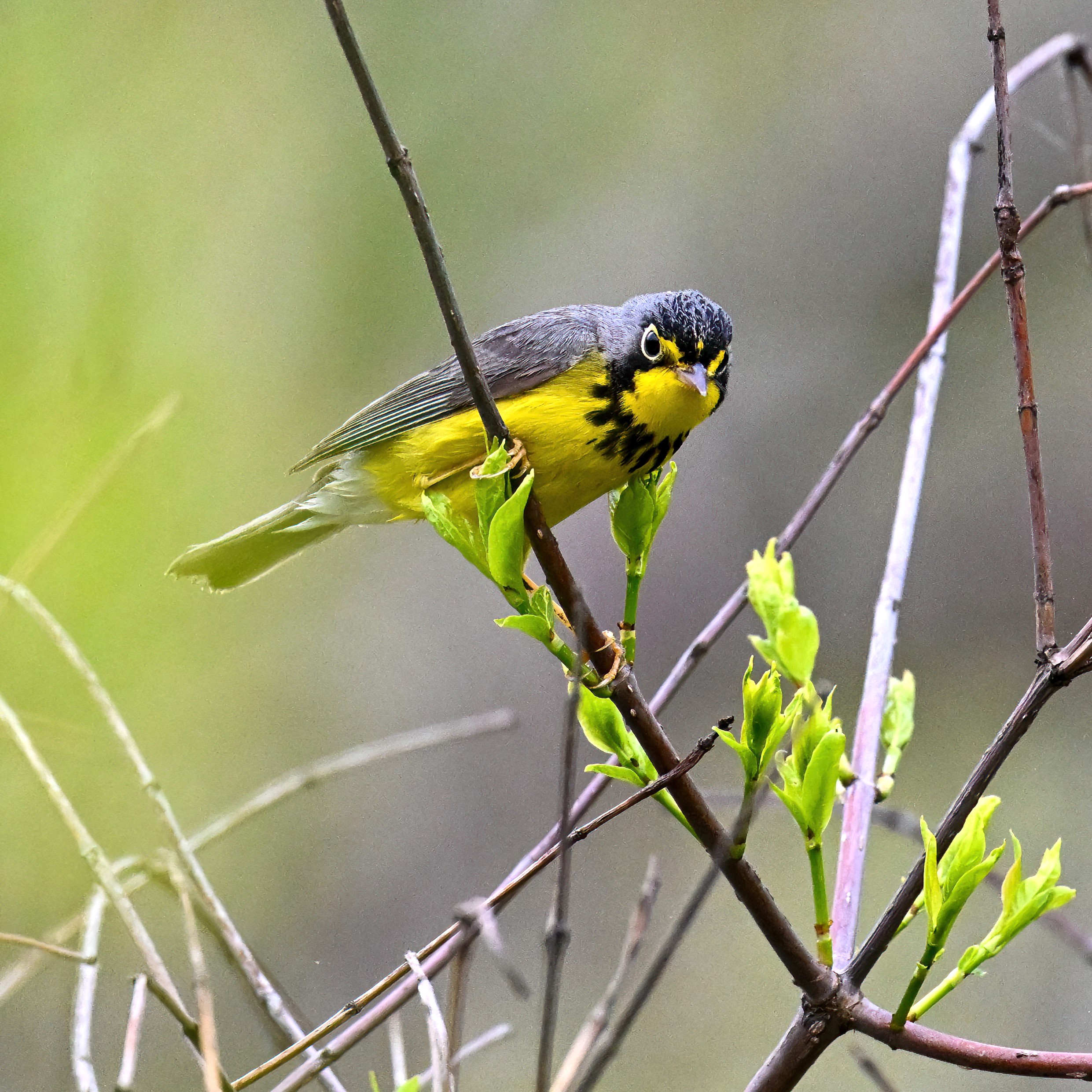
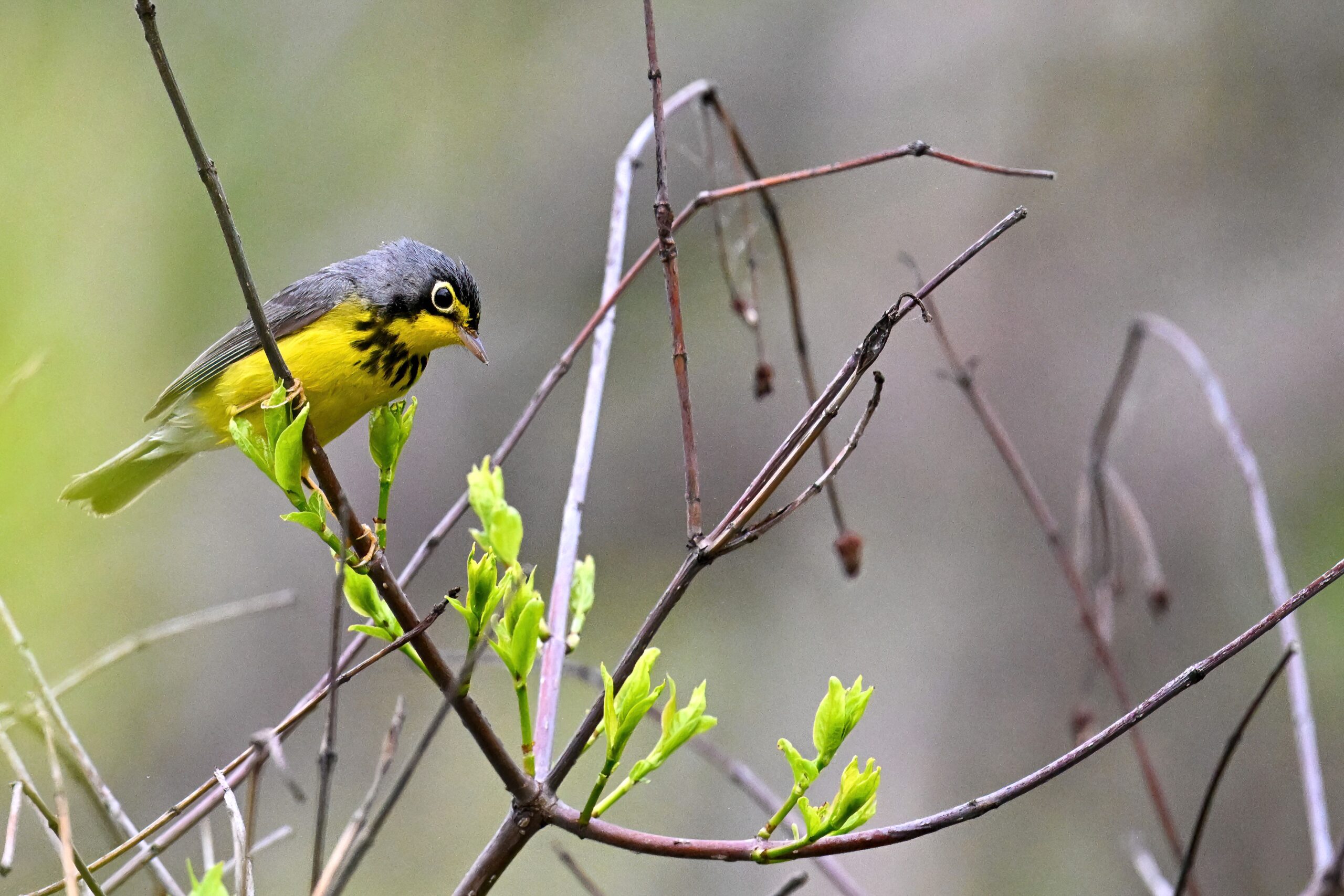
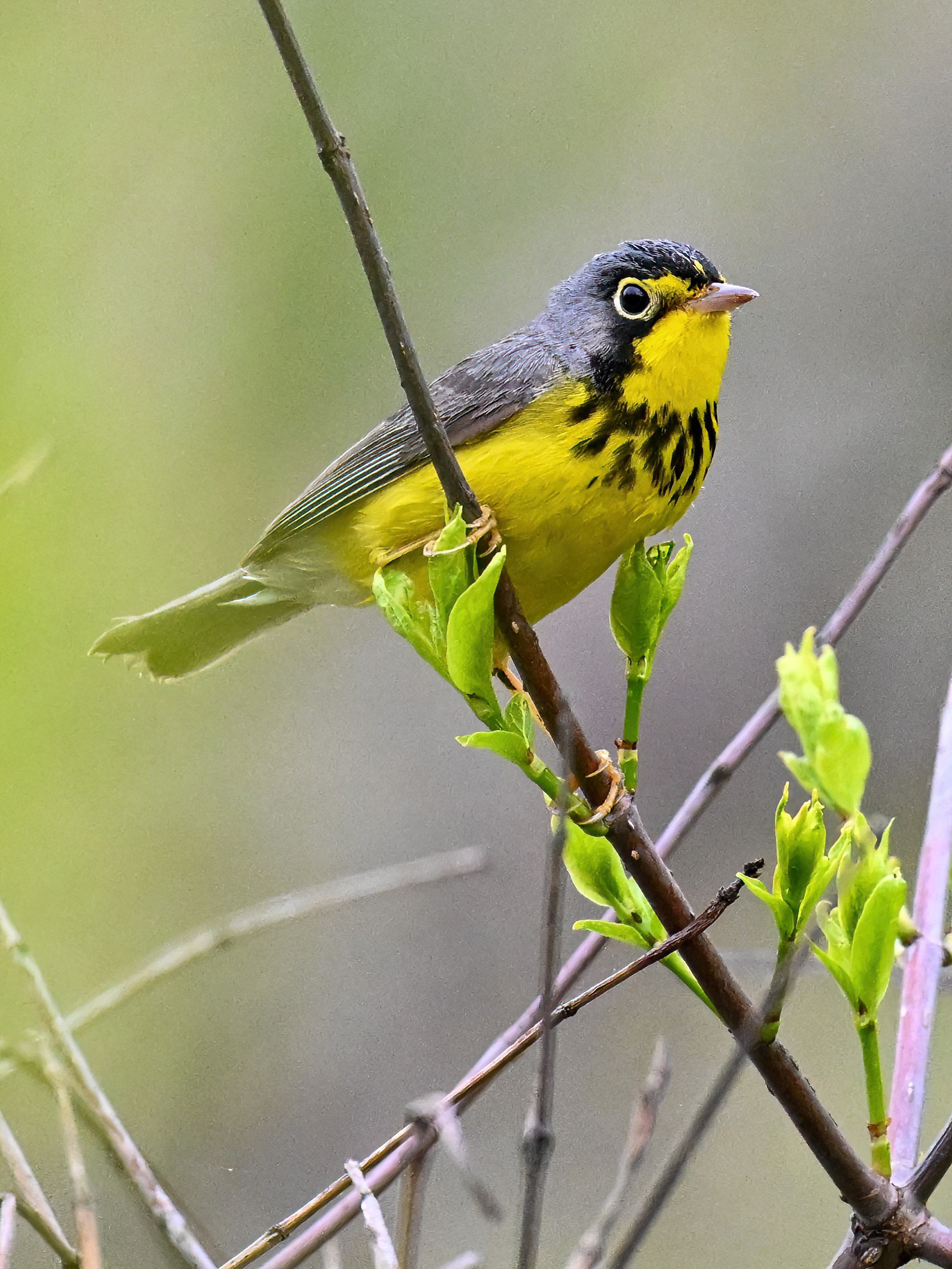
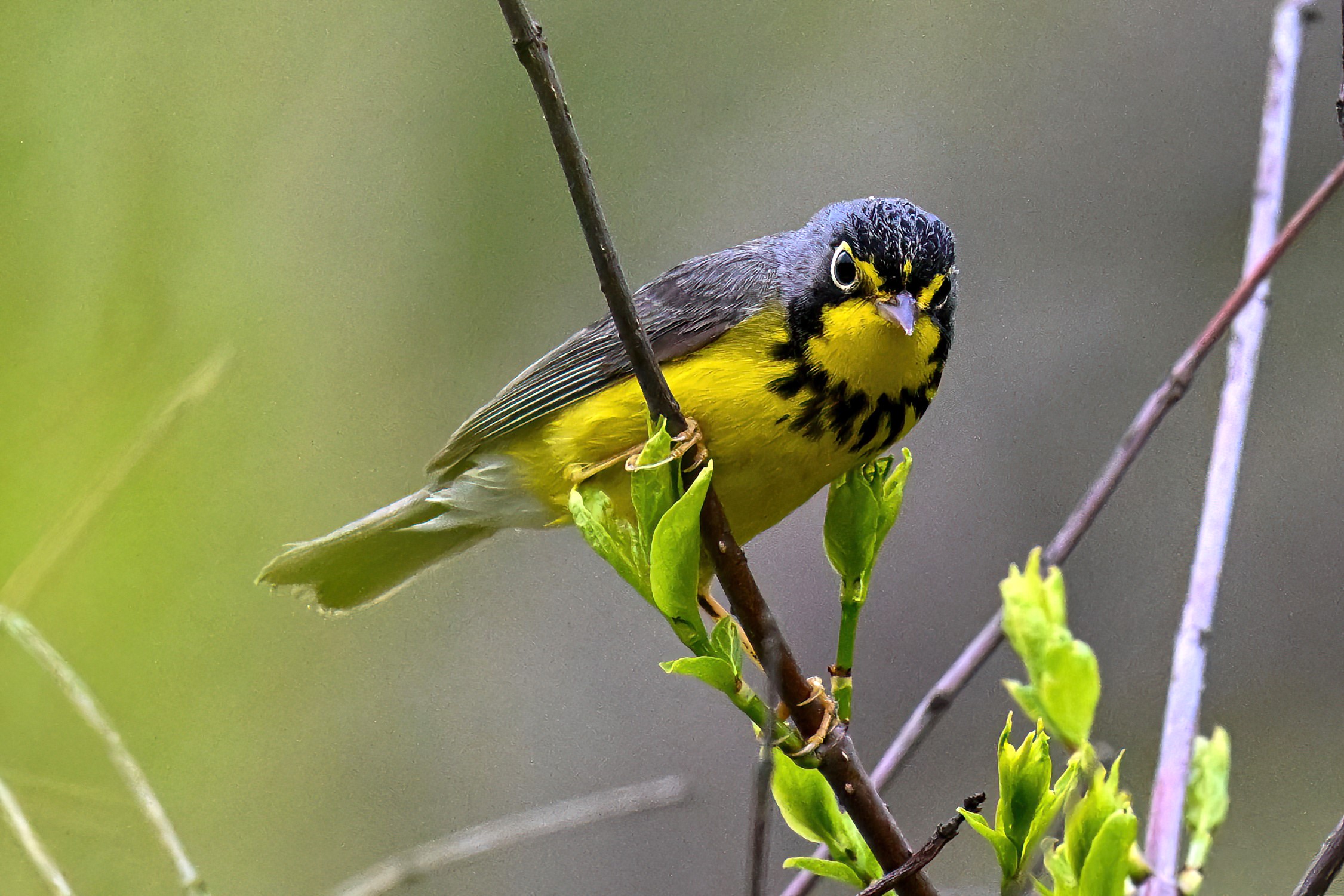
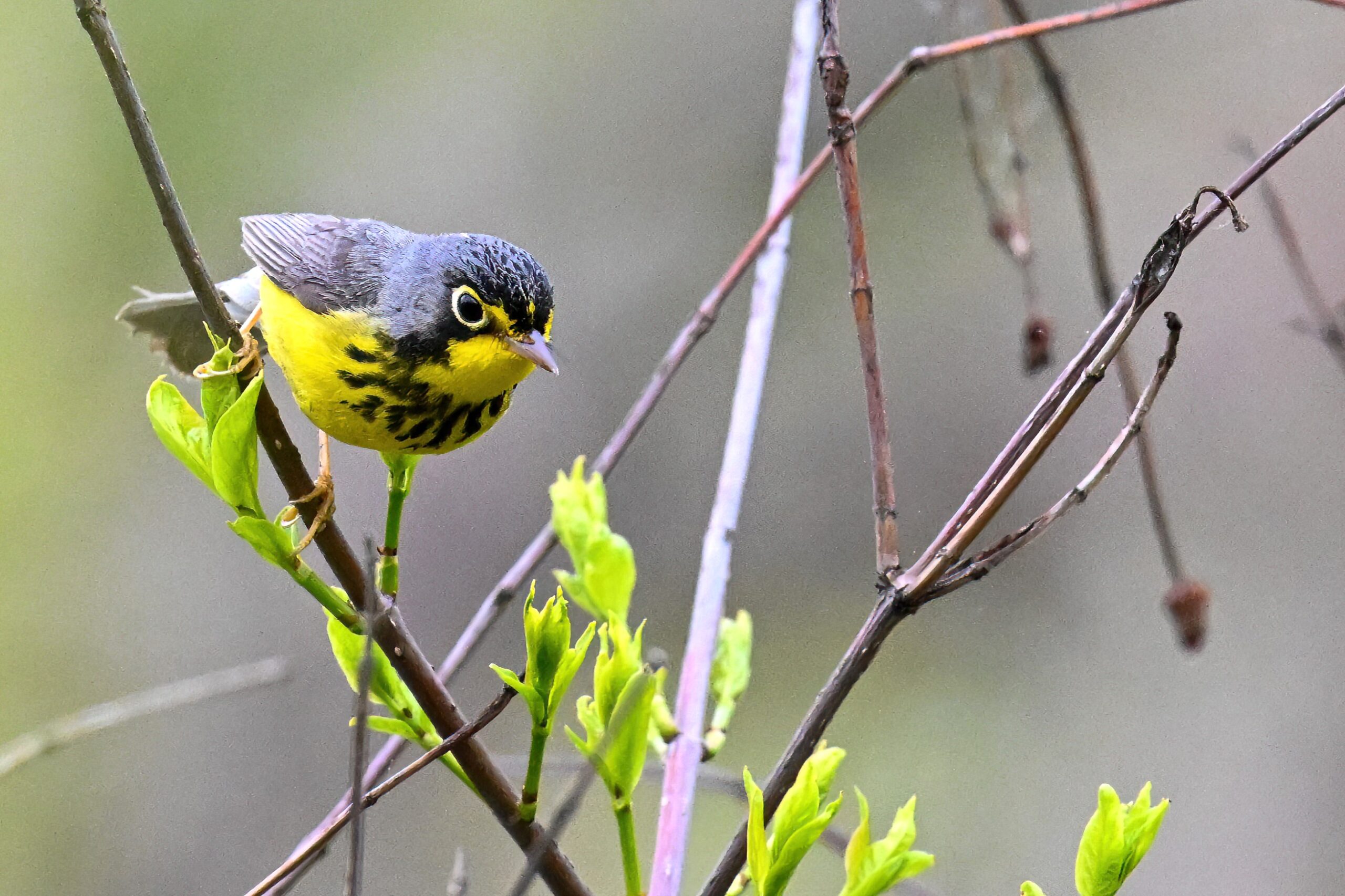
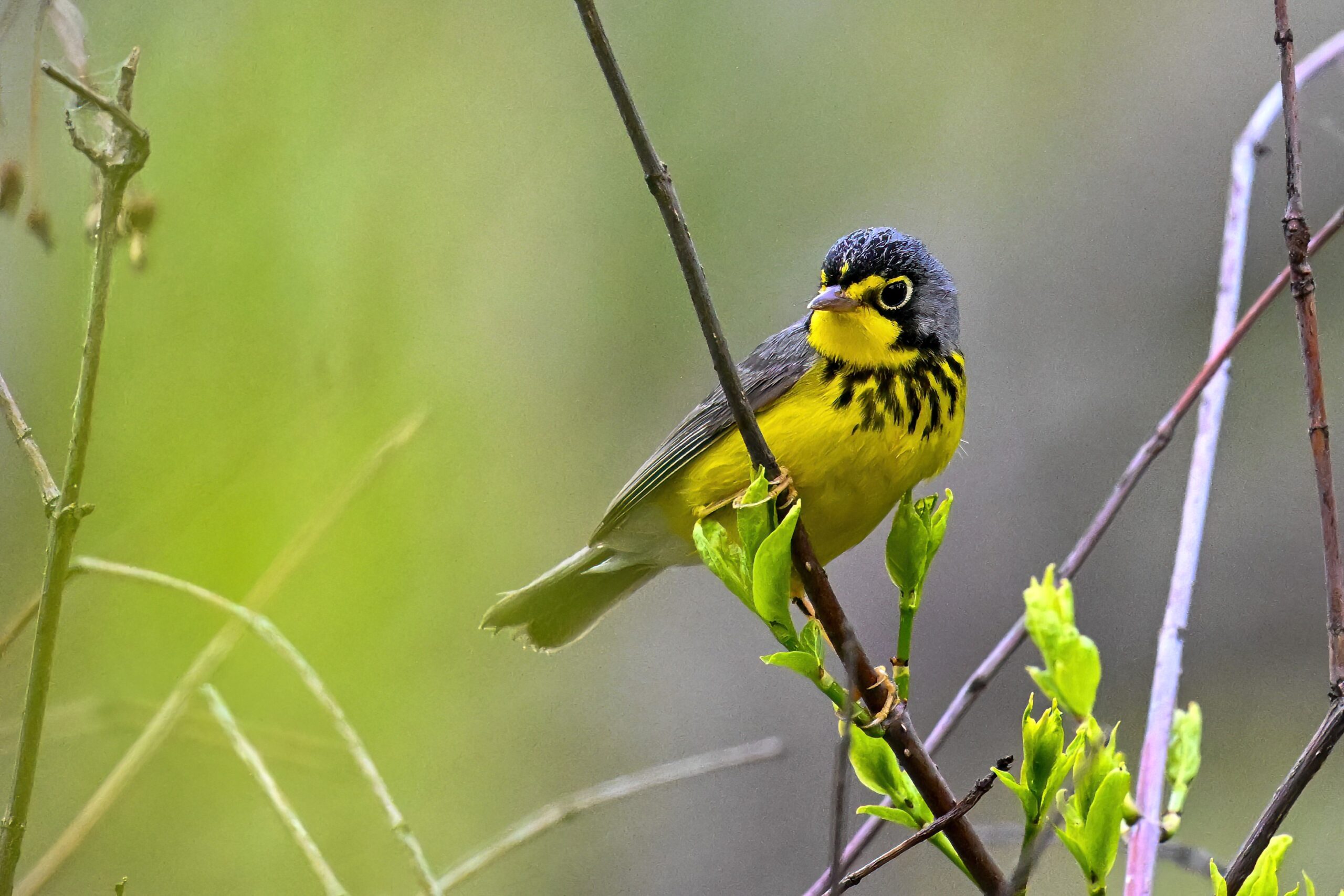
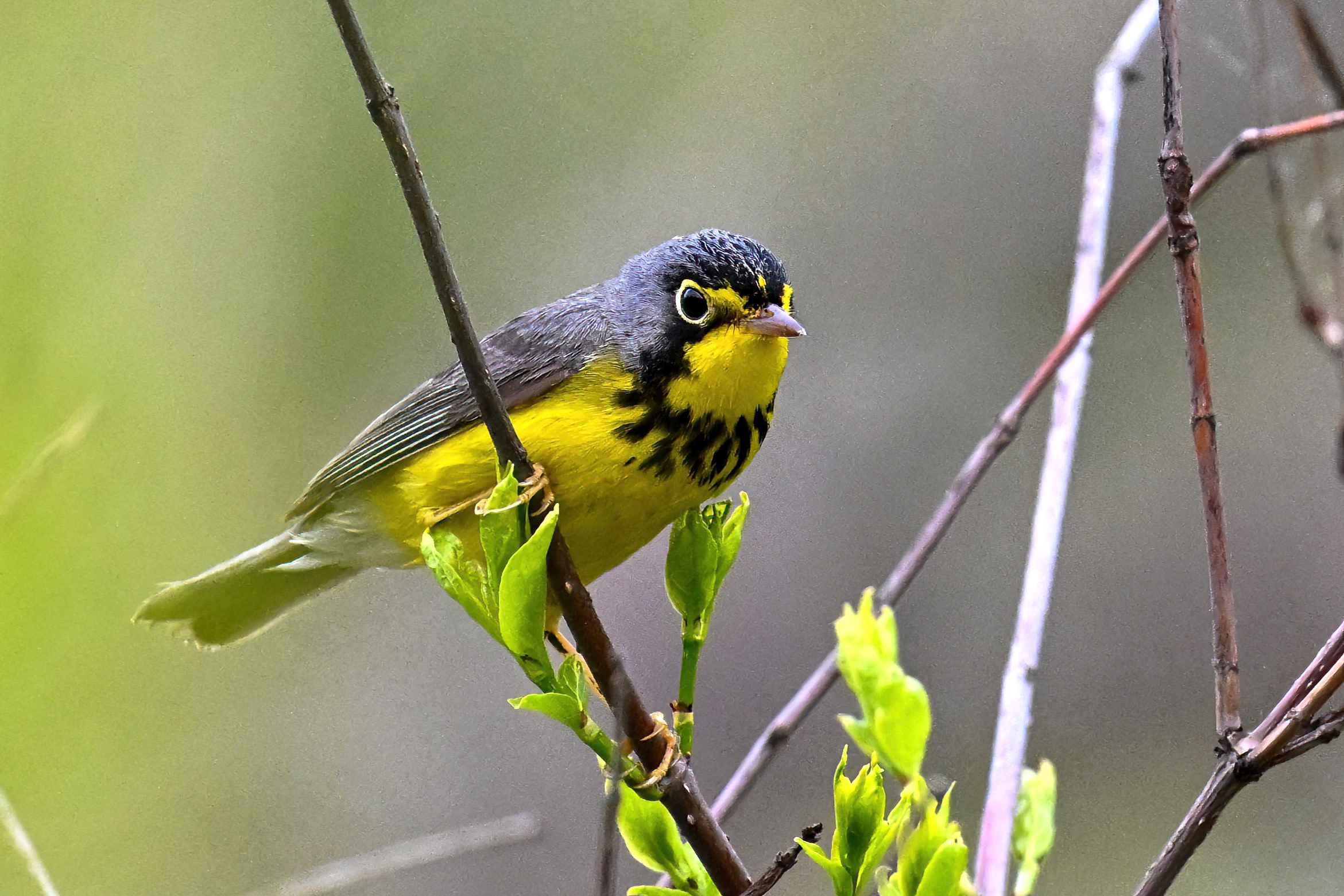
The amazing/beautiful Canada Warbler: uncommon enough at Presque Isle State Park for any sighting to be a special occasion. Throw in a few minutes of a mostly clear view at eye level the other morning along the Duck Pond Trail, and it’s warbler portraiture gold.
Canada Warbler (m)
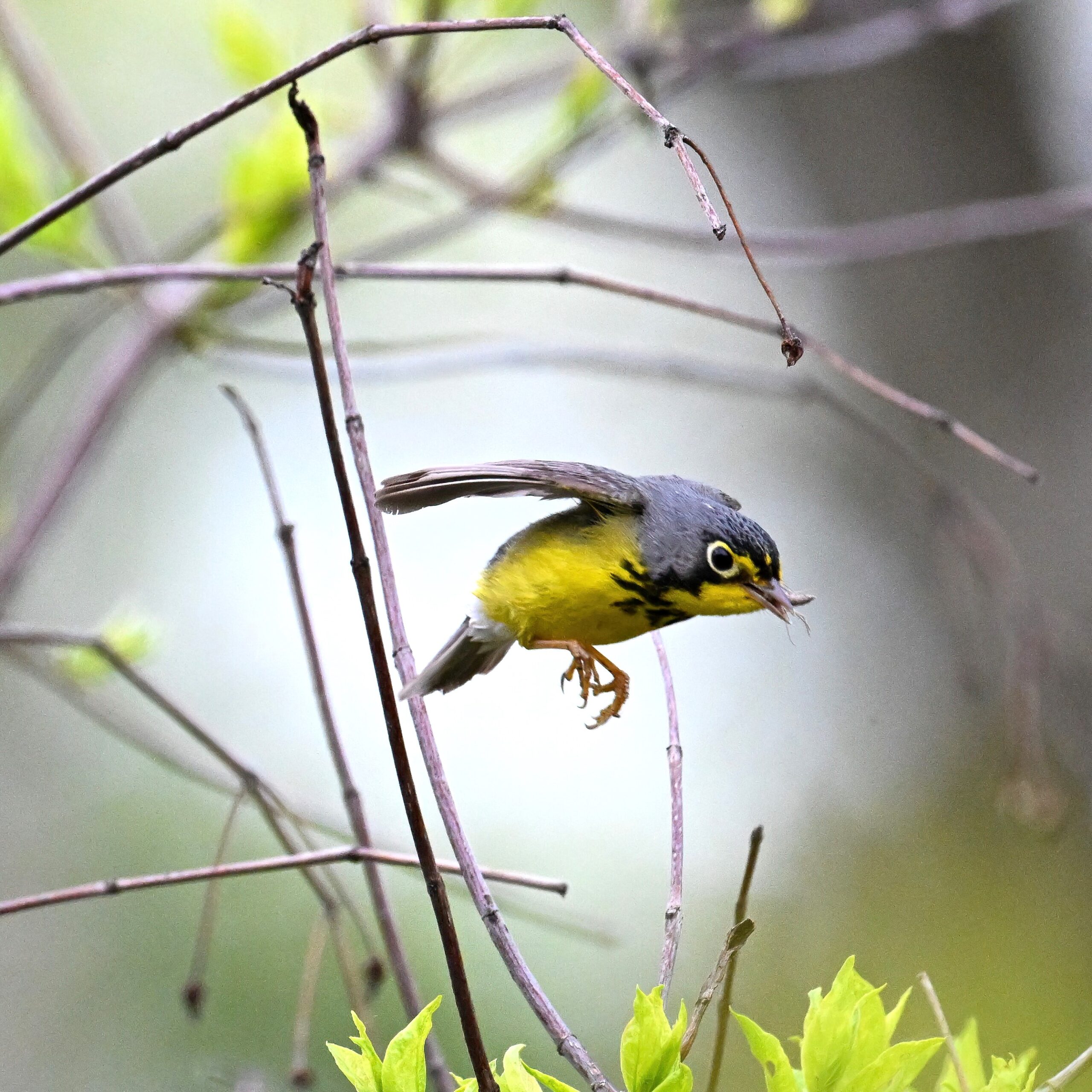
Bonus action/fly-catching shot:
[Editor’s note: “Bird portraiture:” a bird perched on a branch, standing on ground, or floating in water, not engaged in any particular activity, where the anatomical, etc. features are clear for conveying a sense of species ID.]