Back to the beach at Oceanside Harbor on the morning of 4 March 2025.
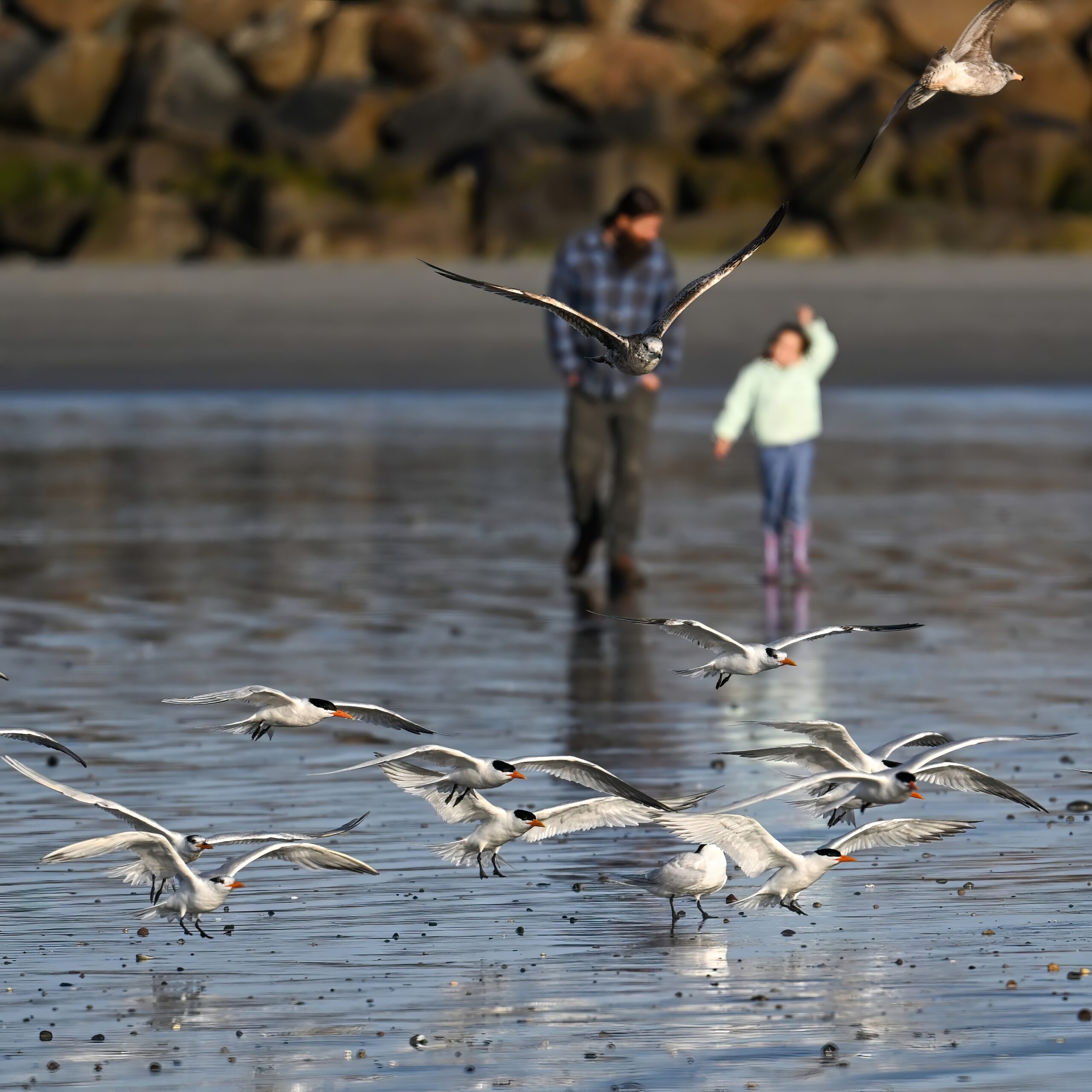
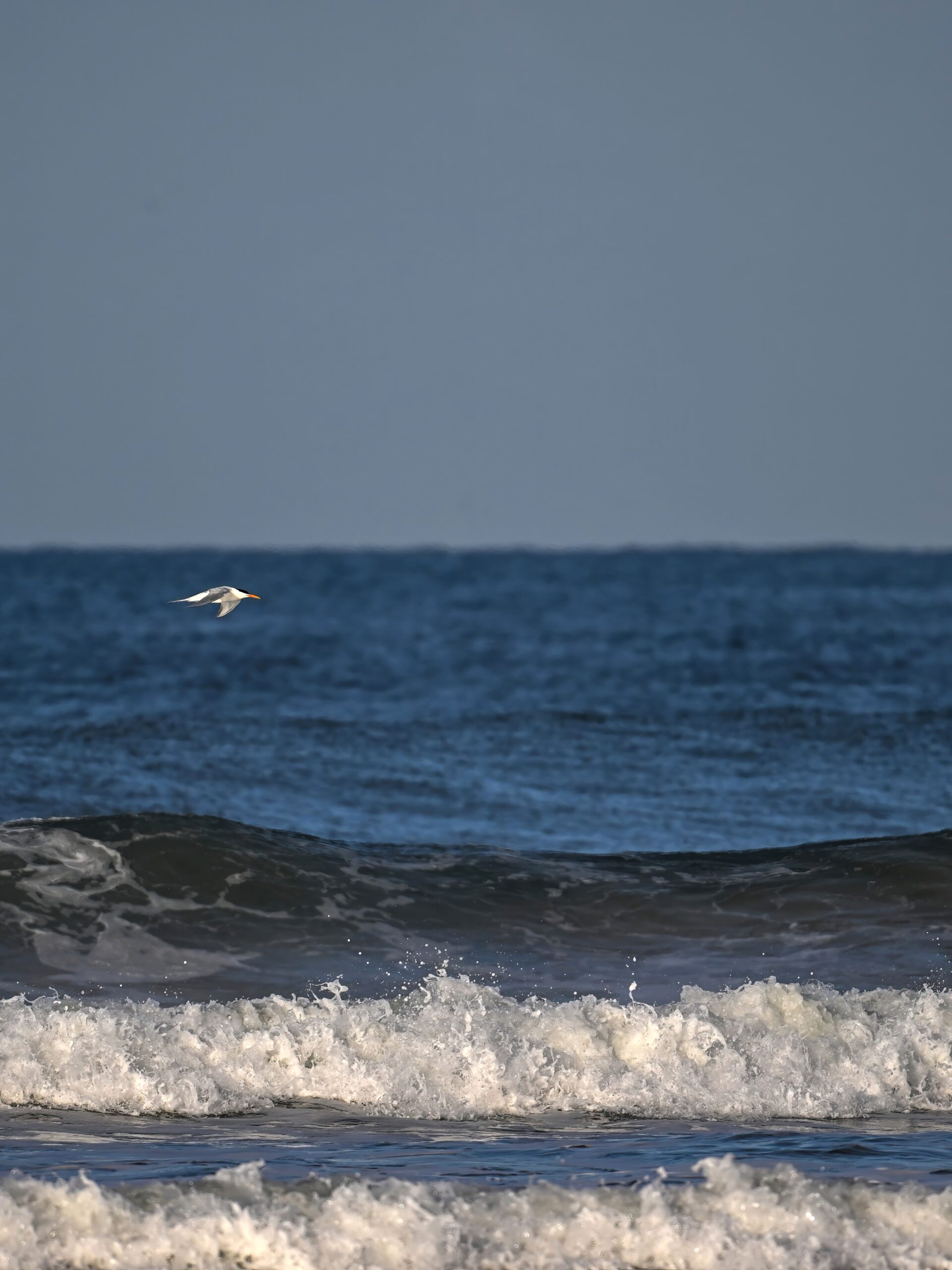
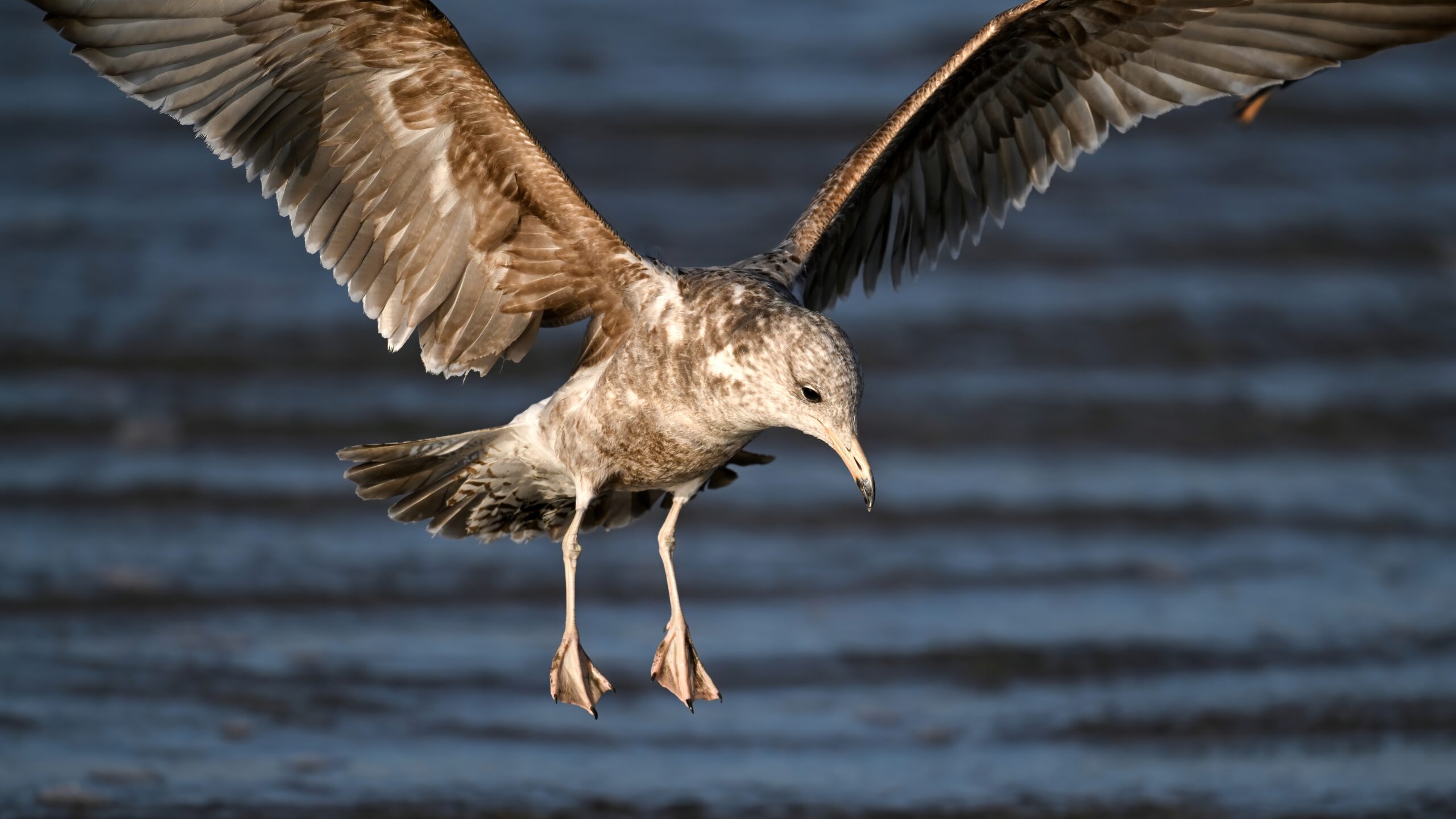
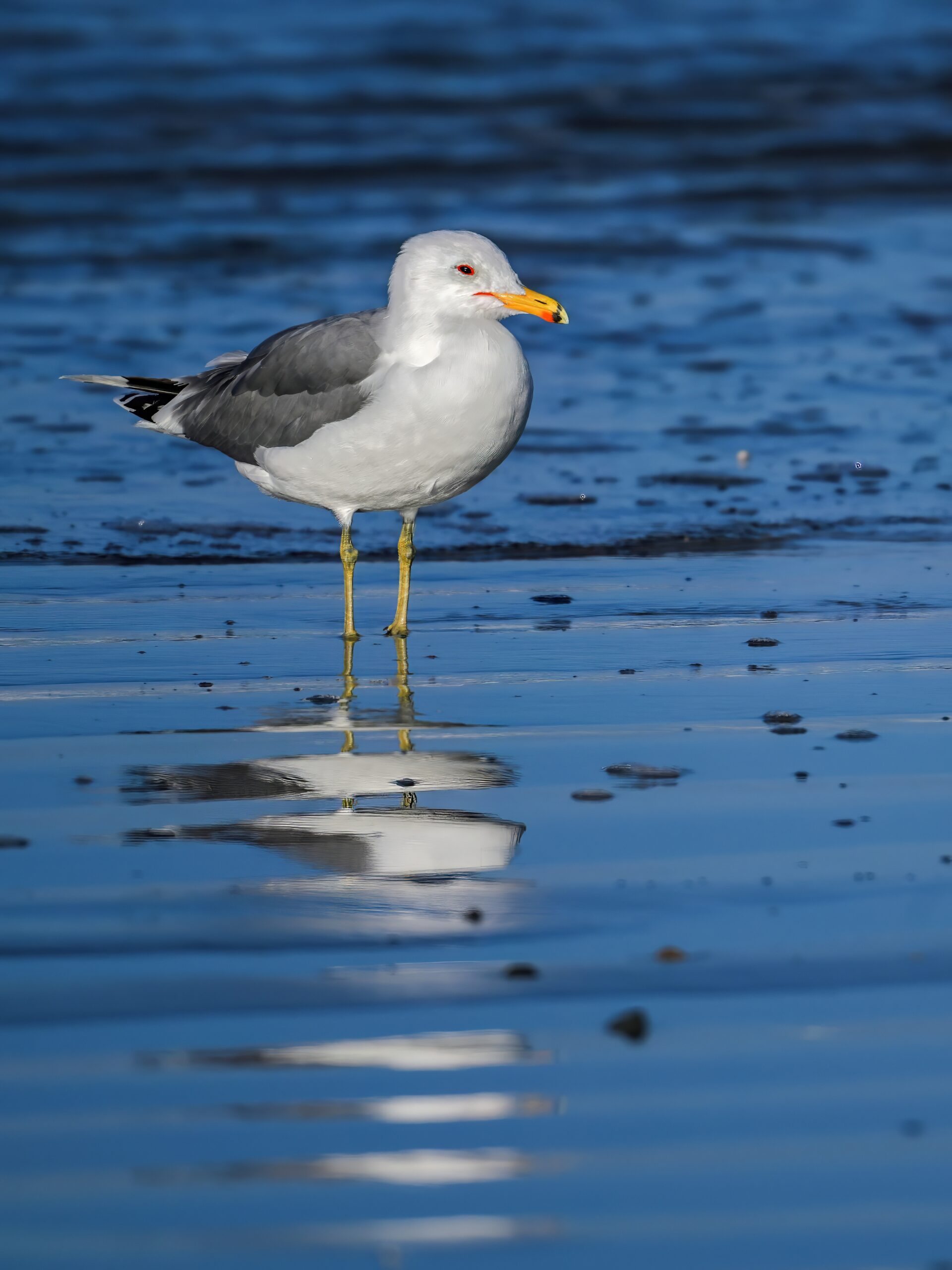
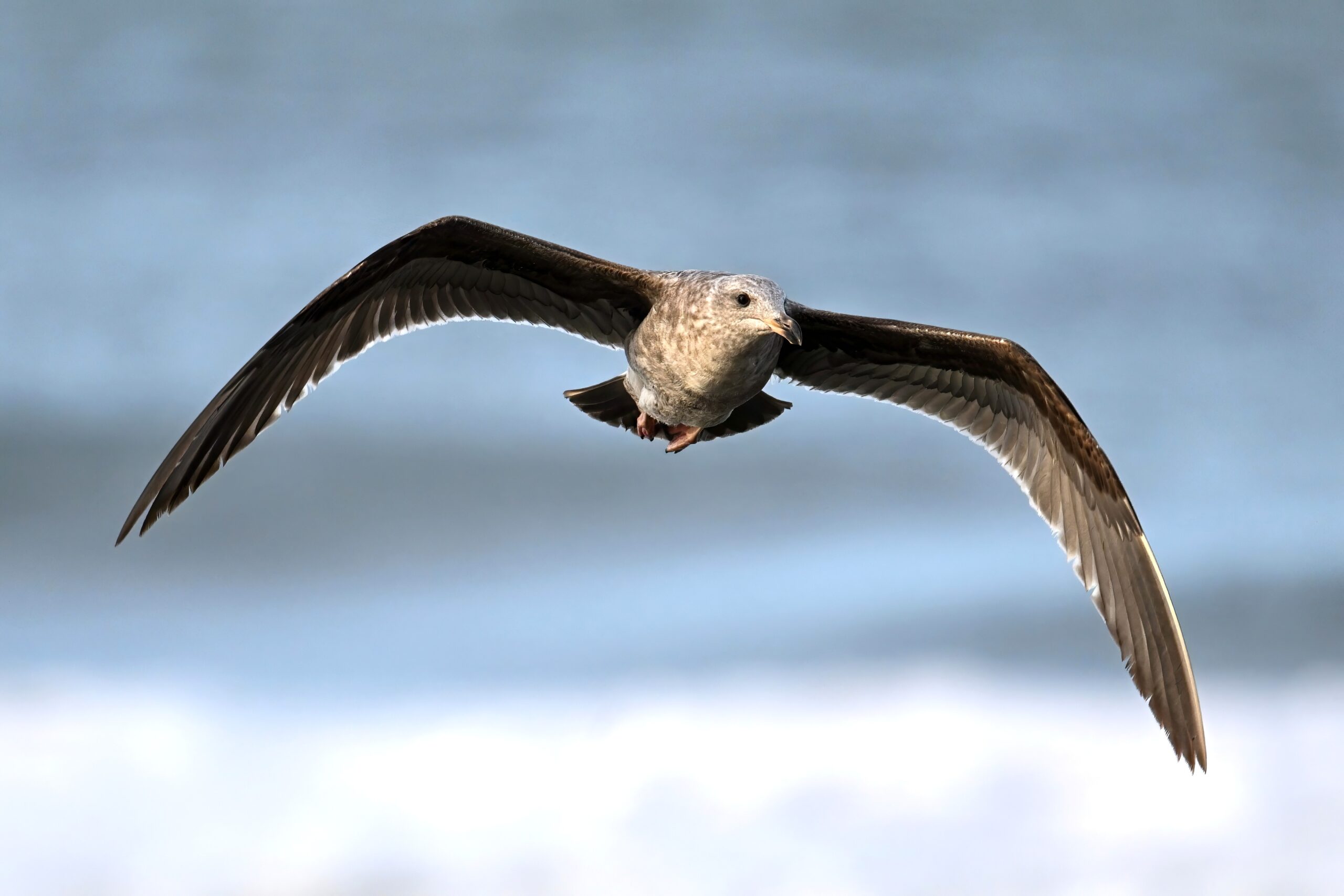
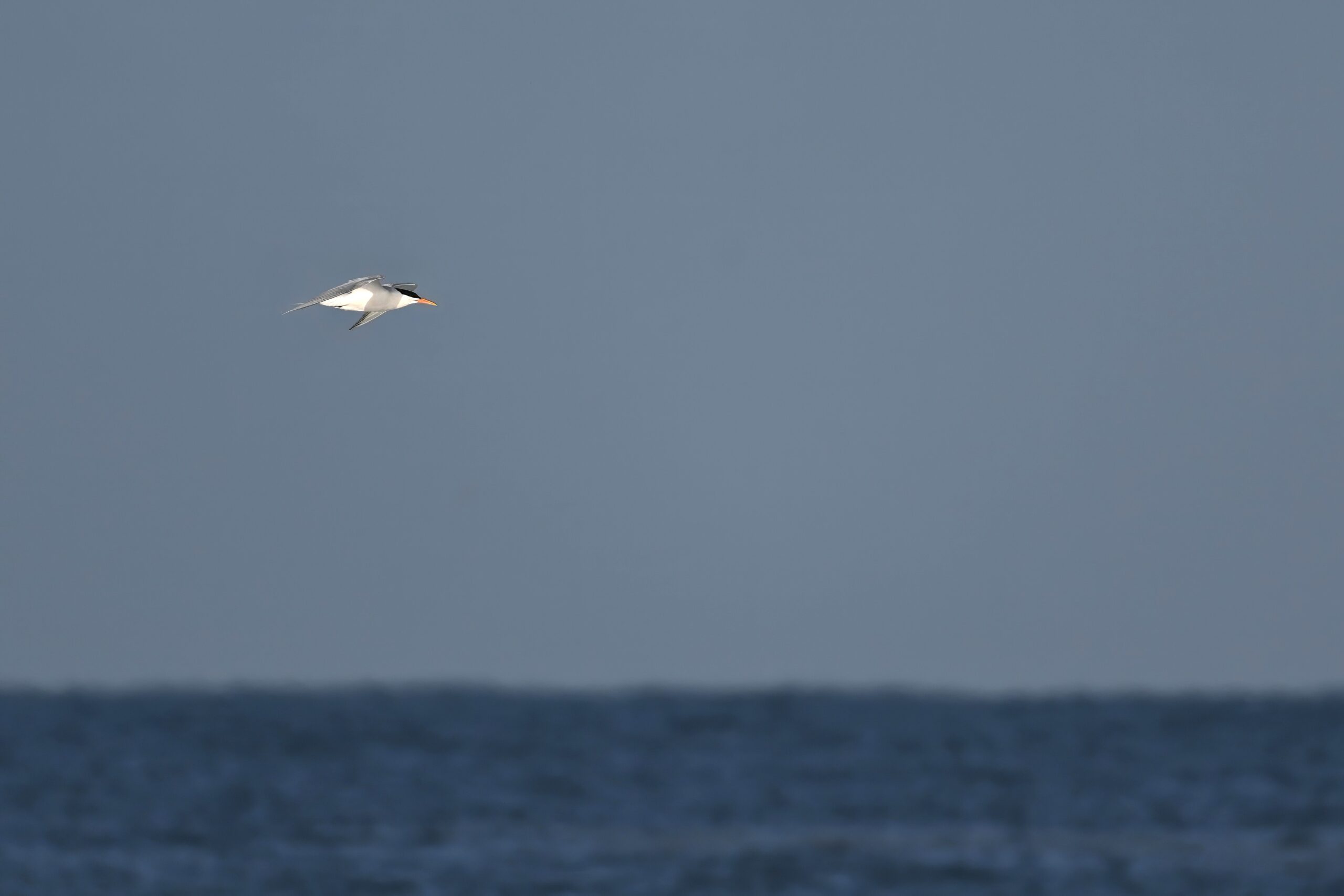
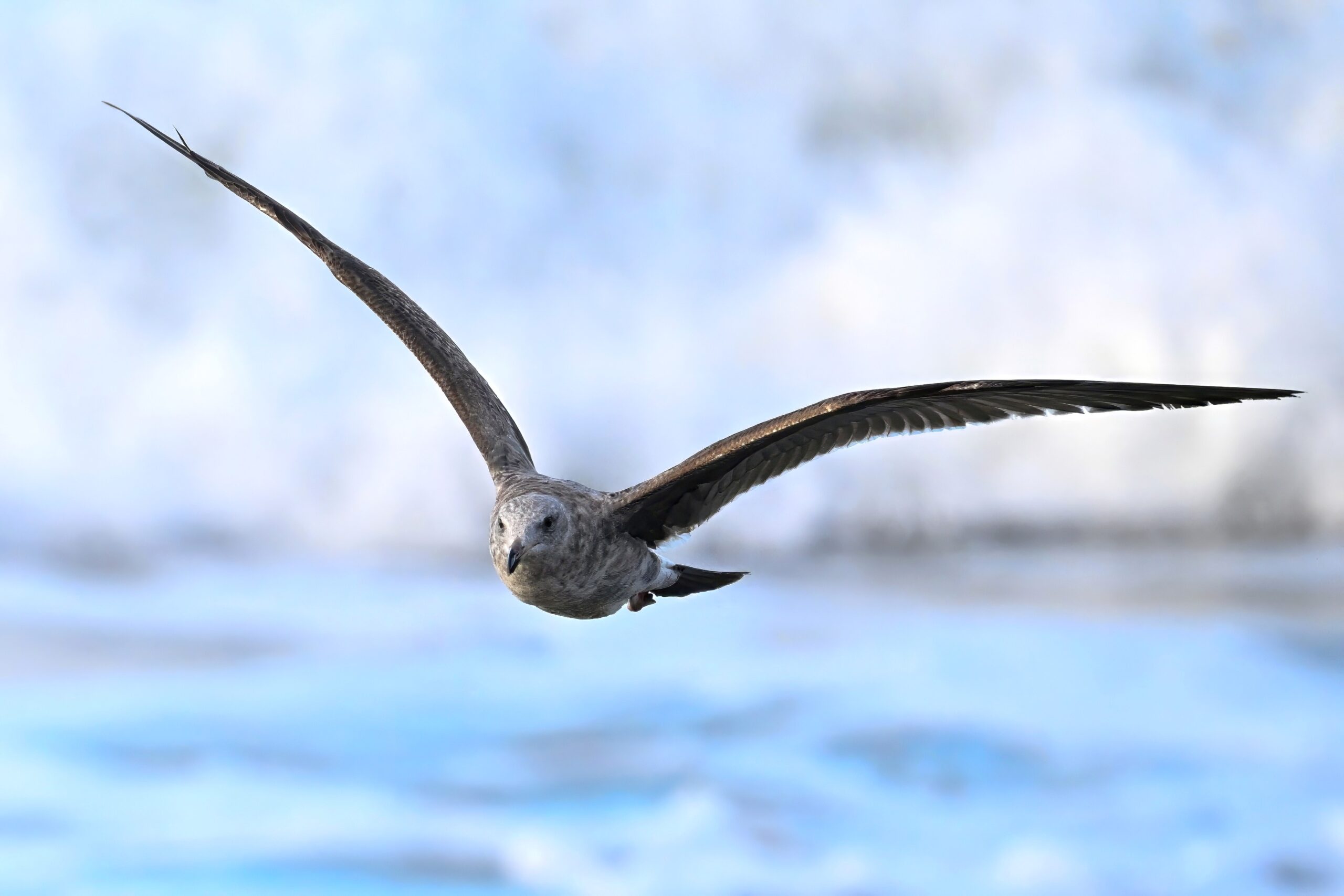
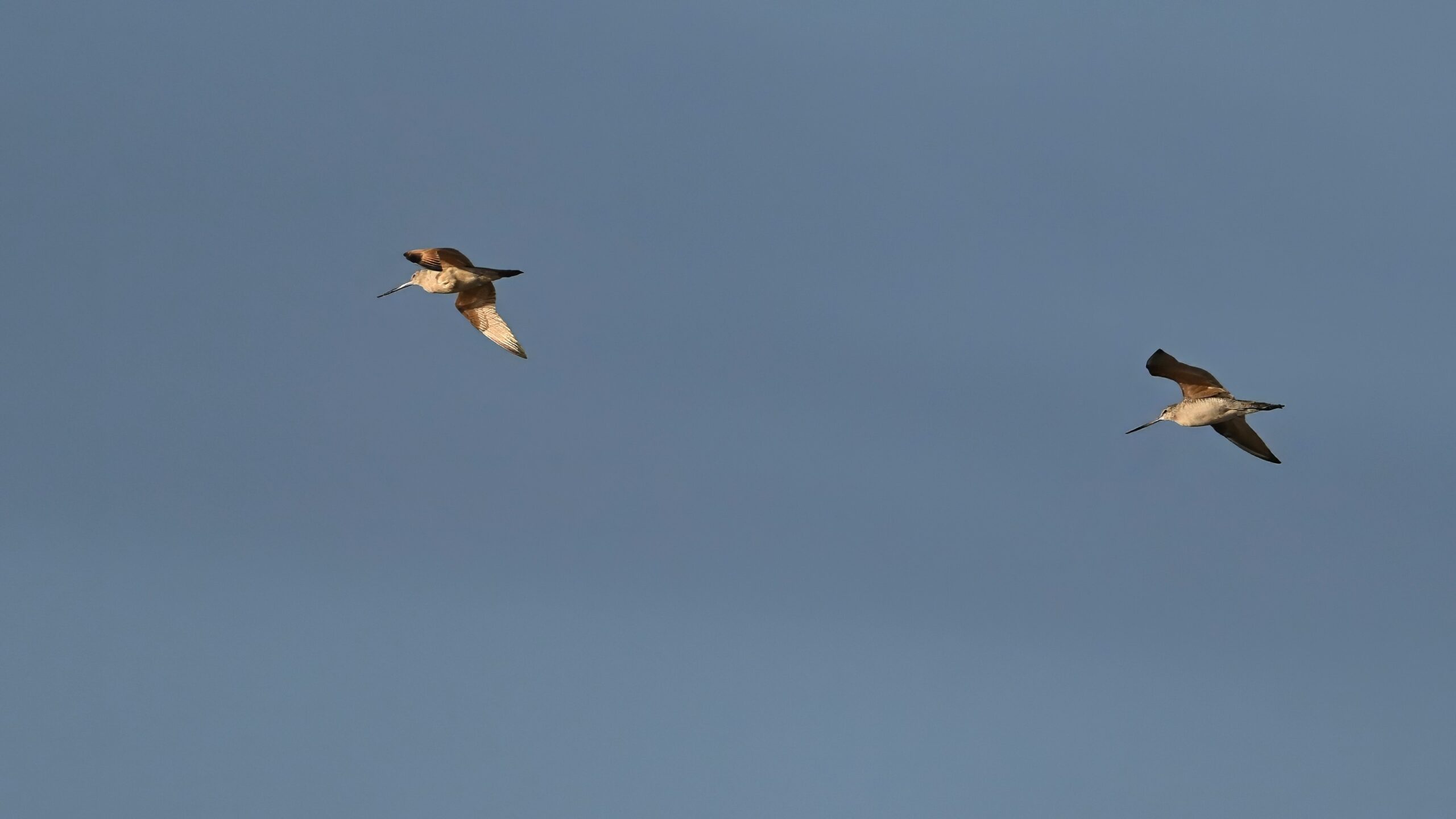
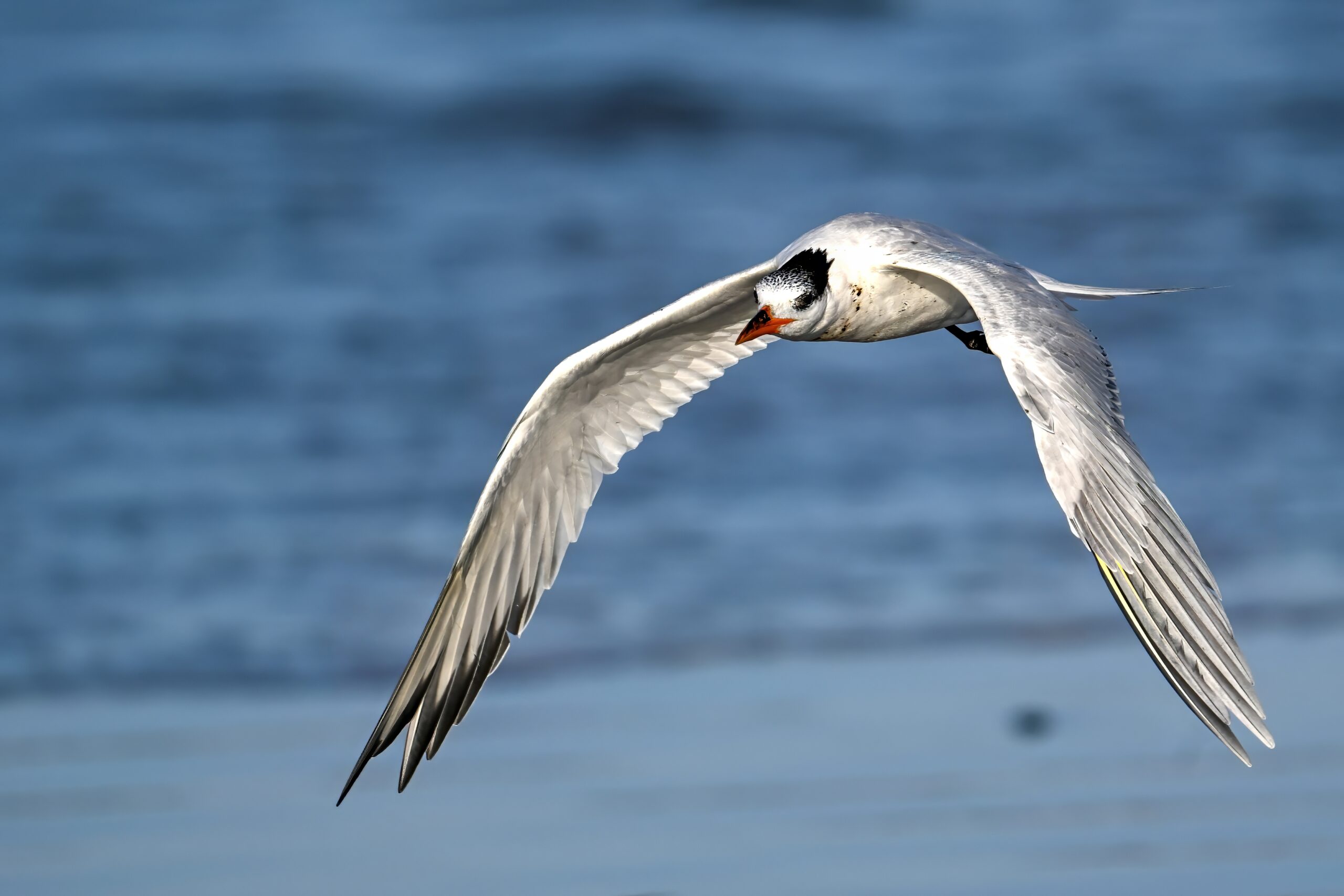
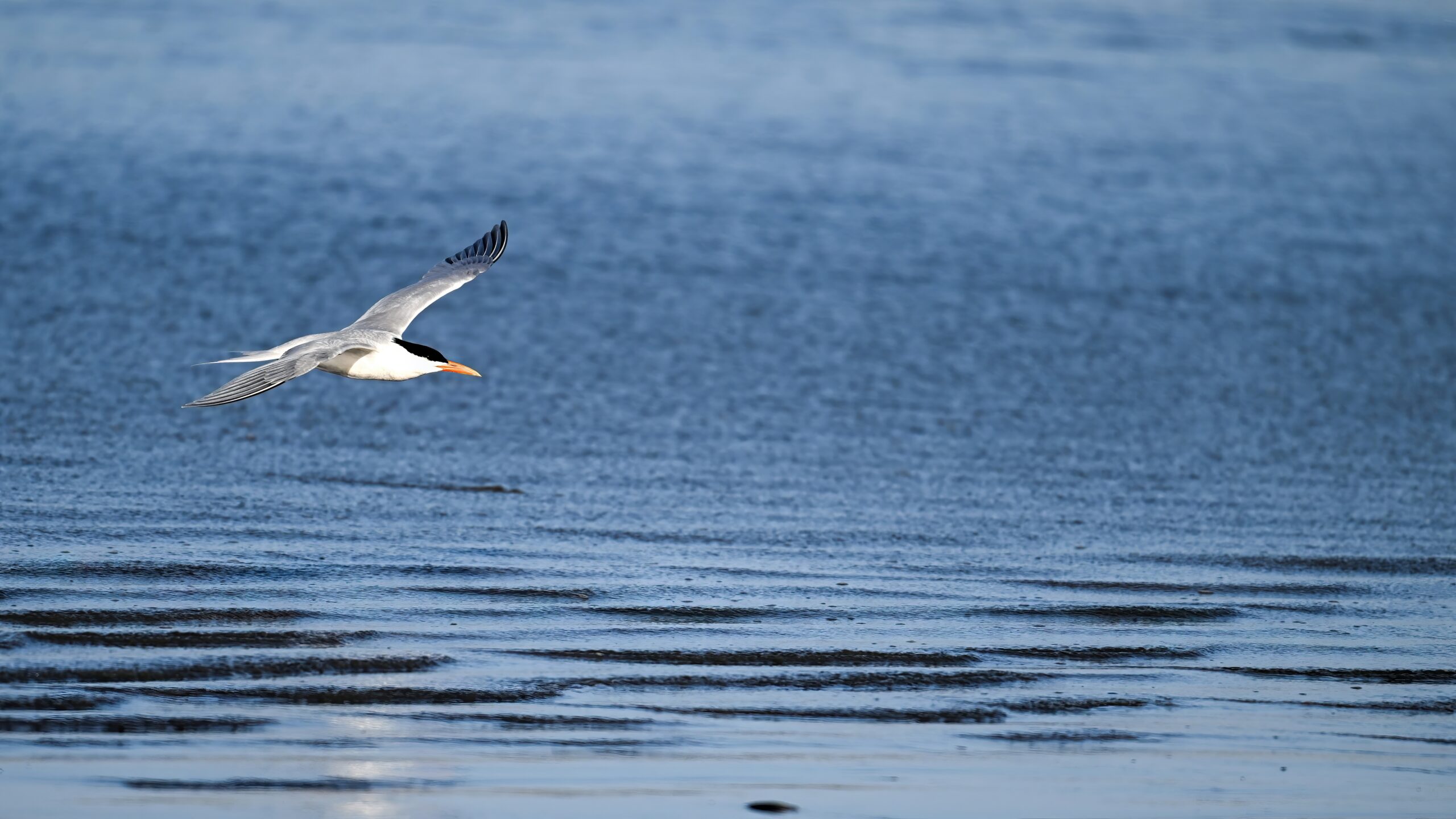
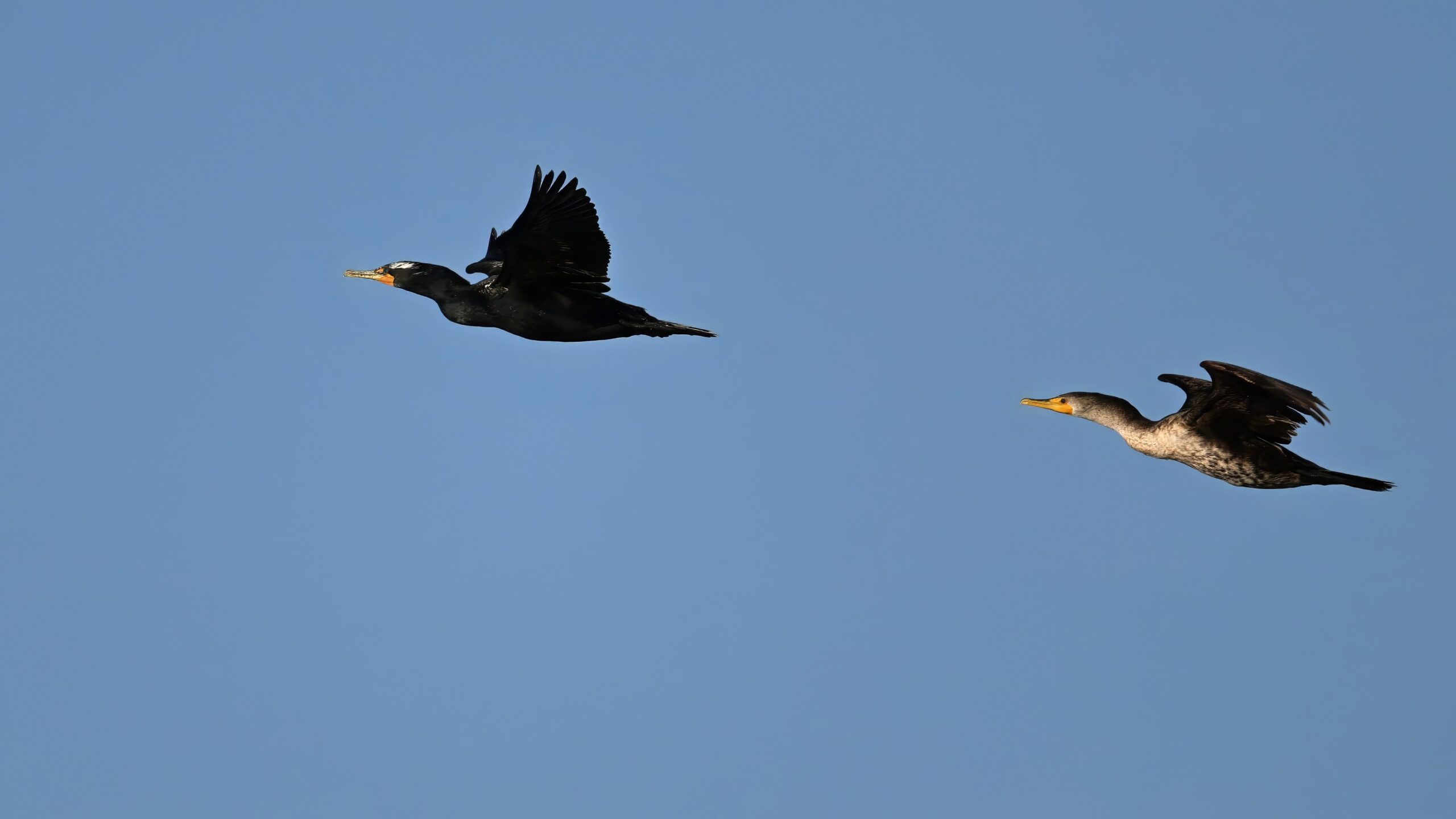
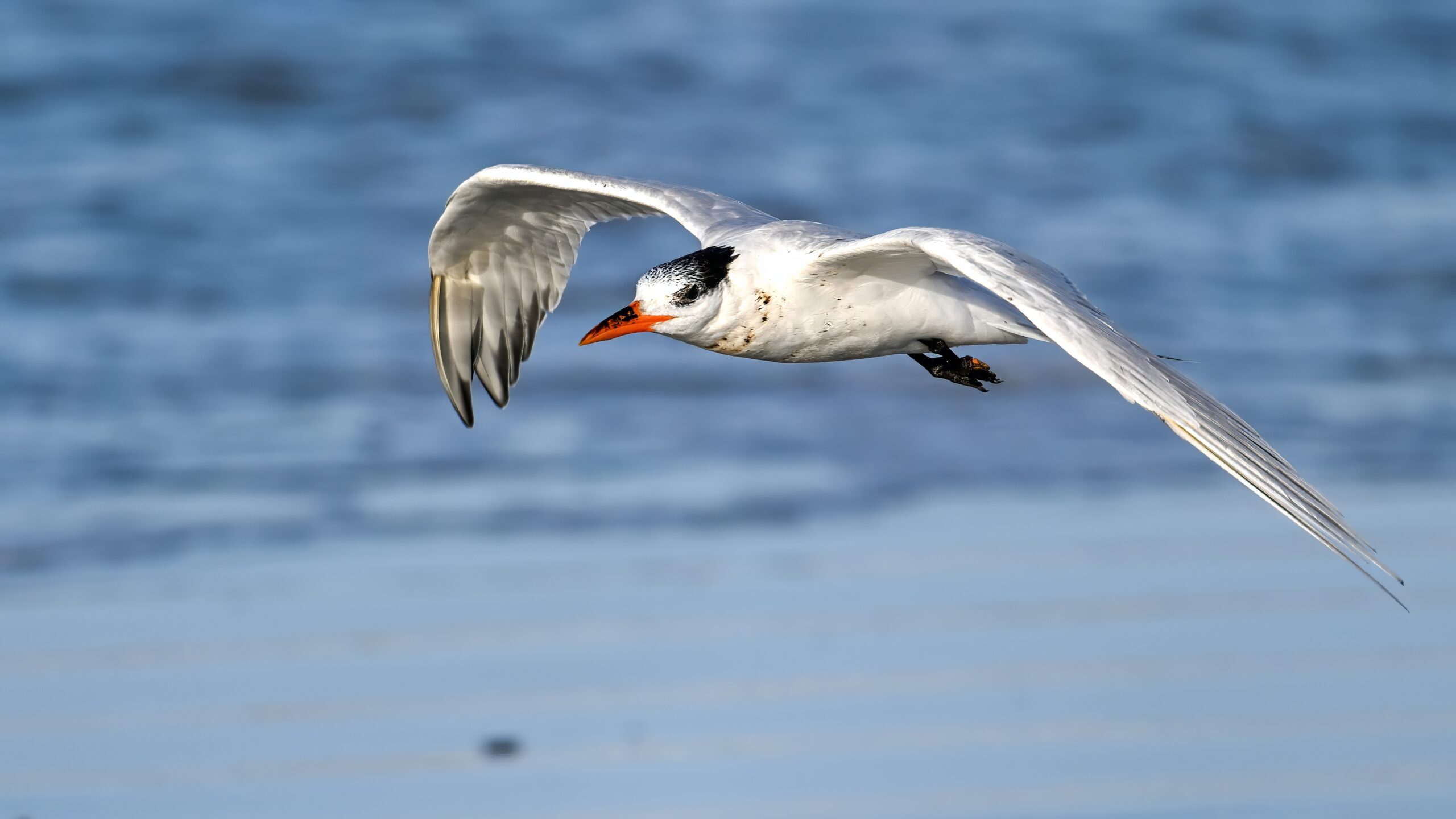
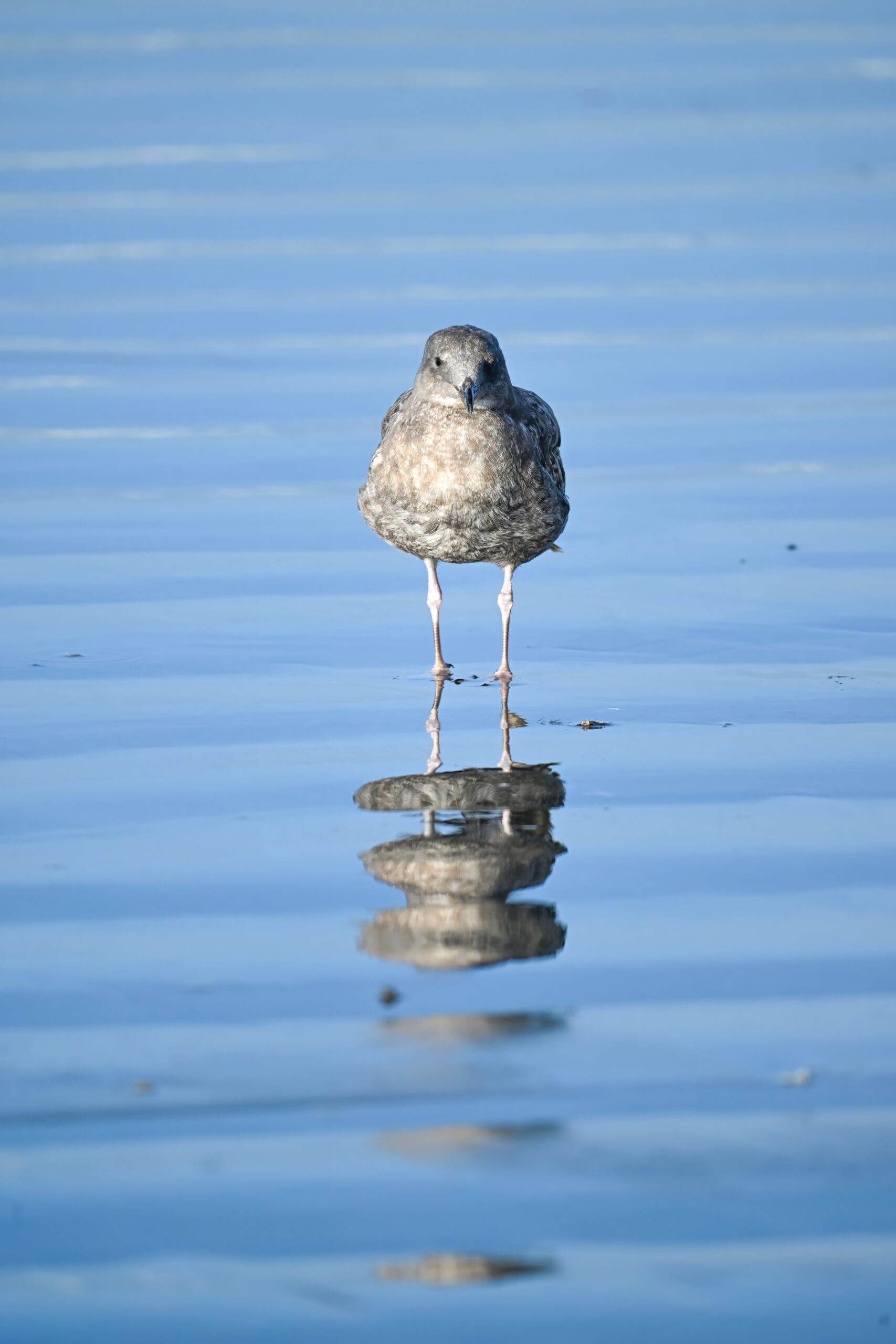
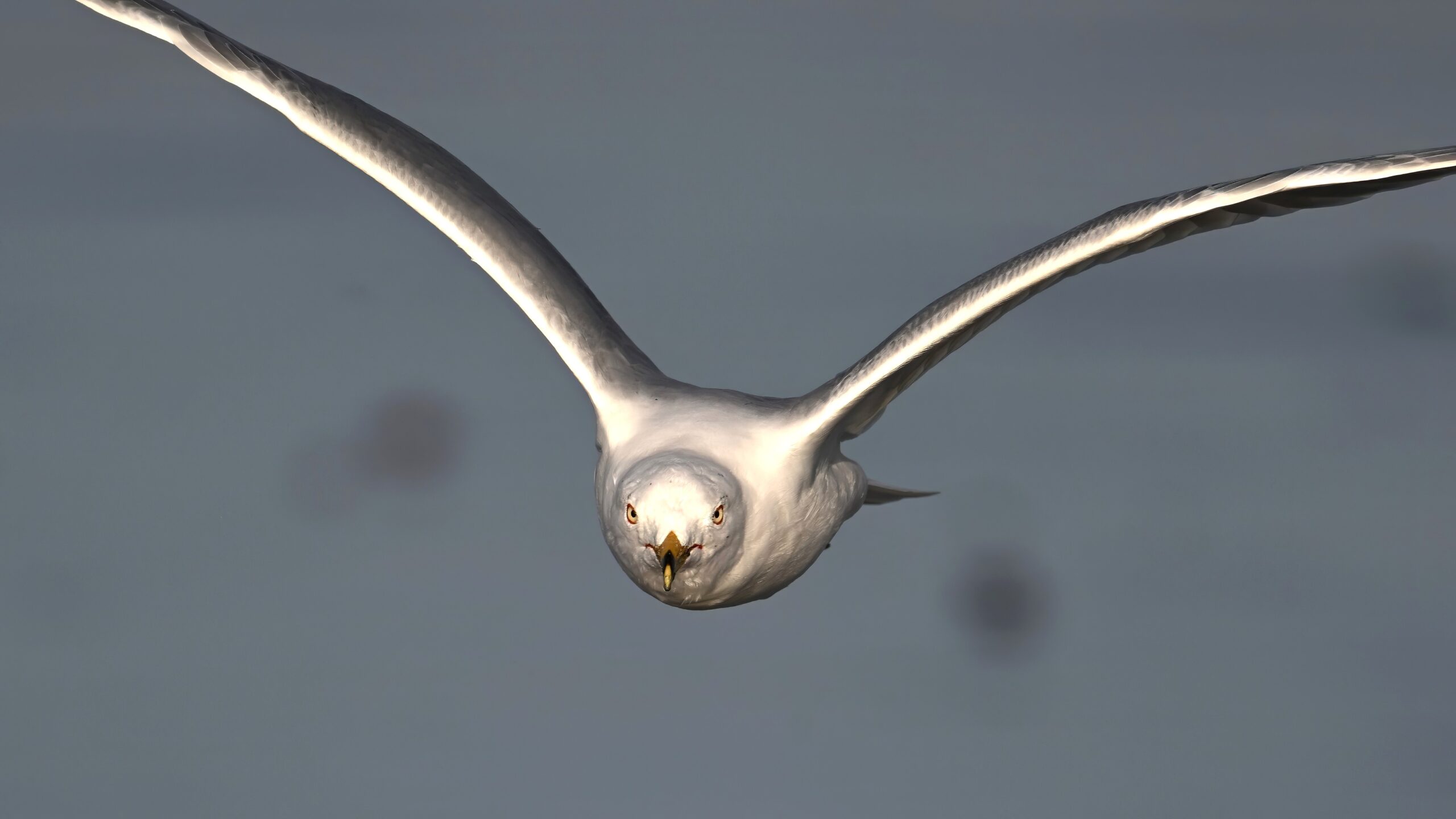
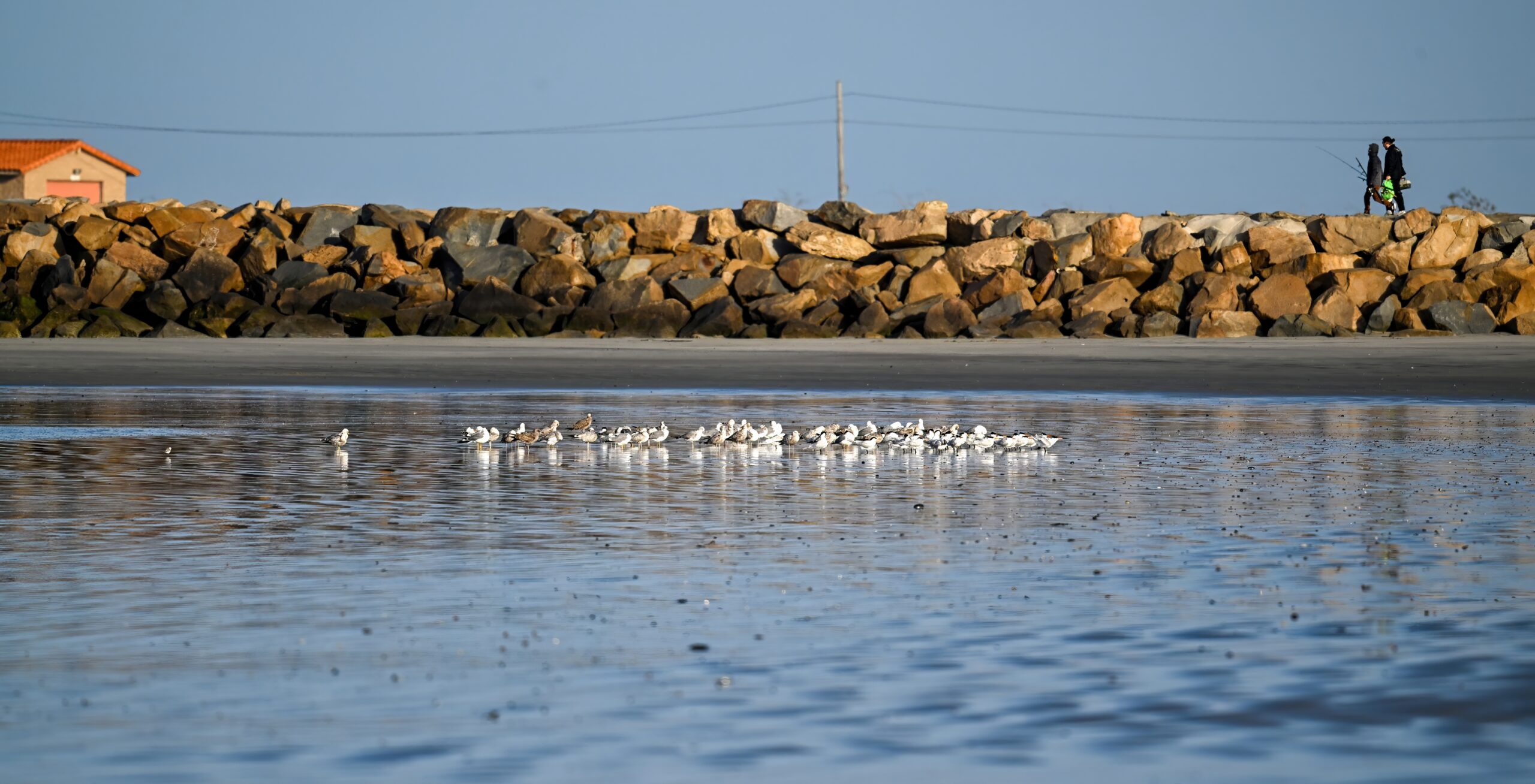
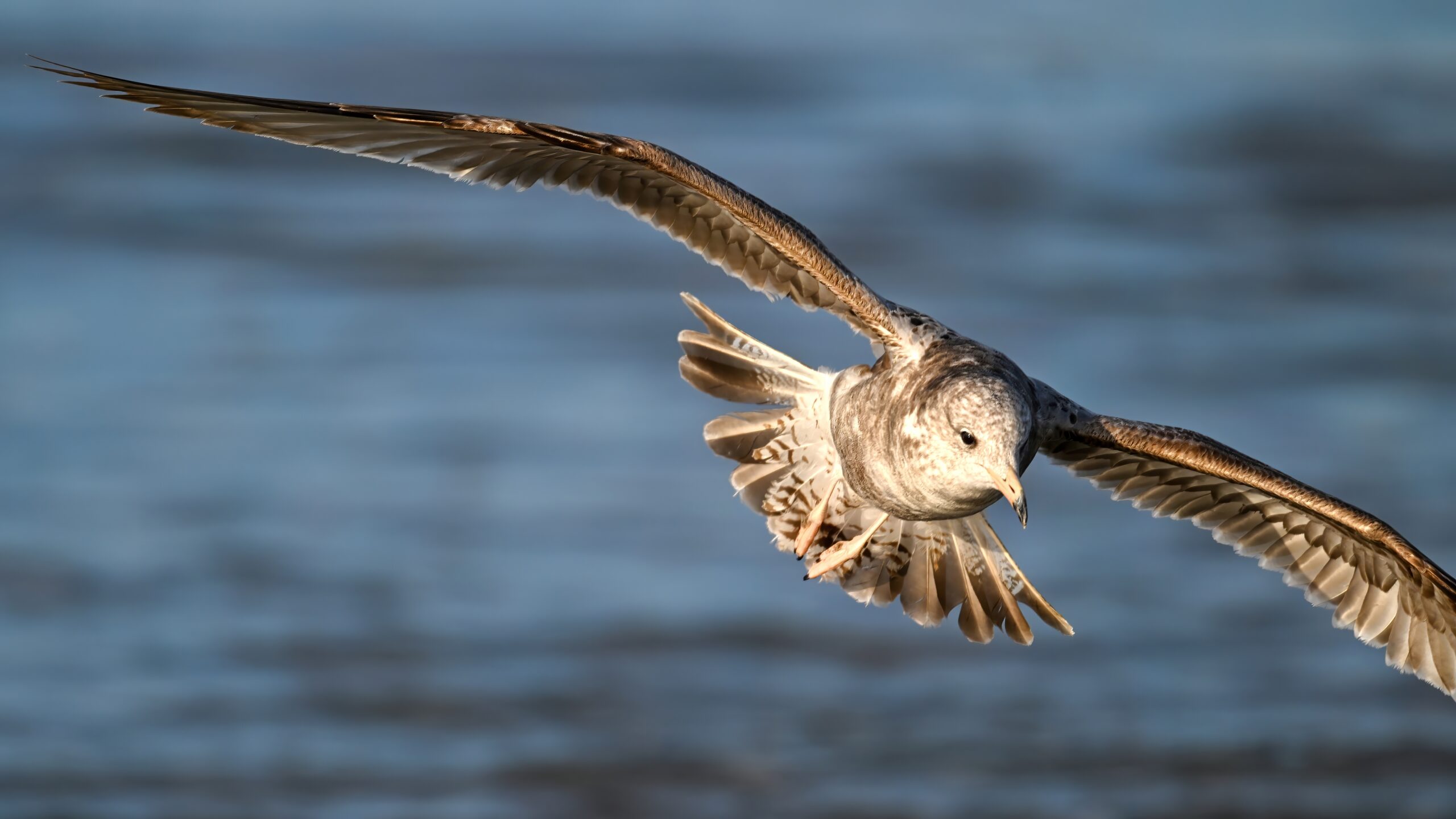
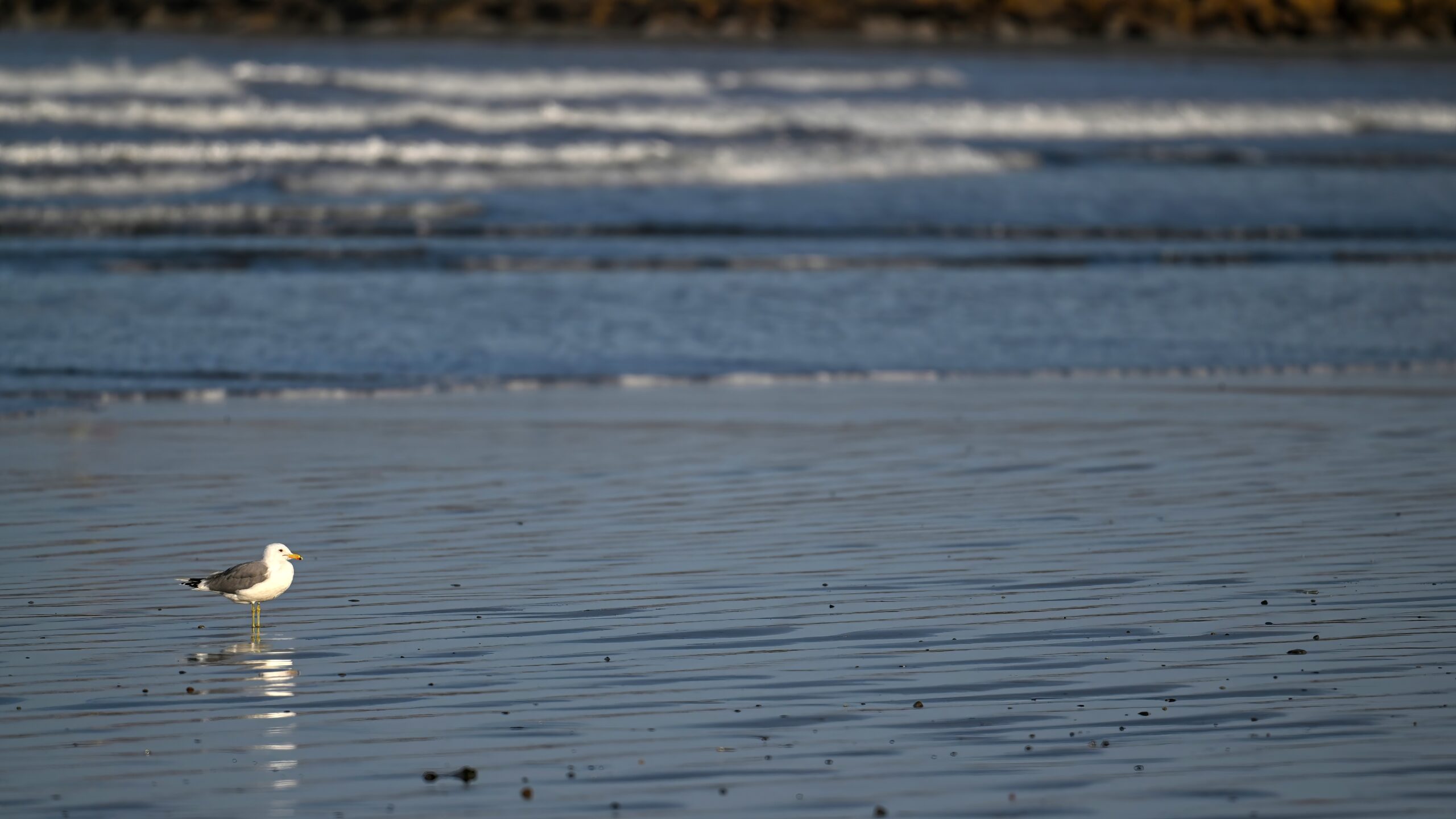
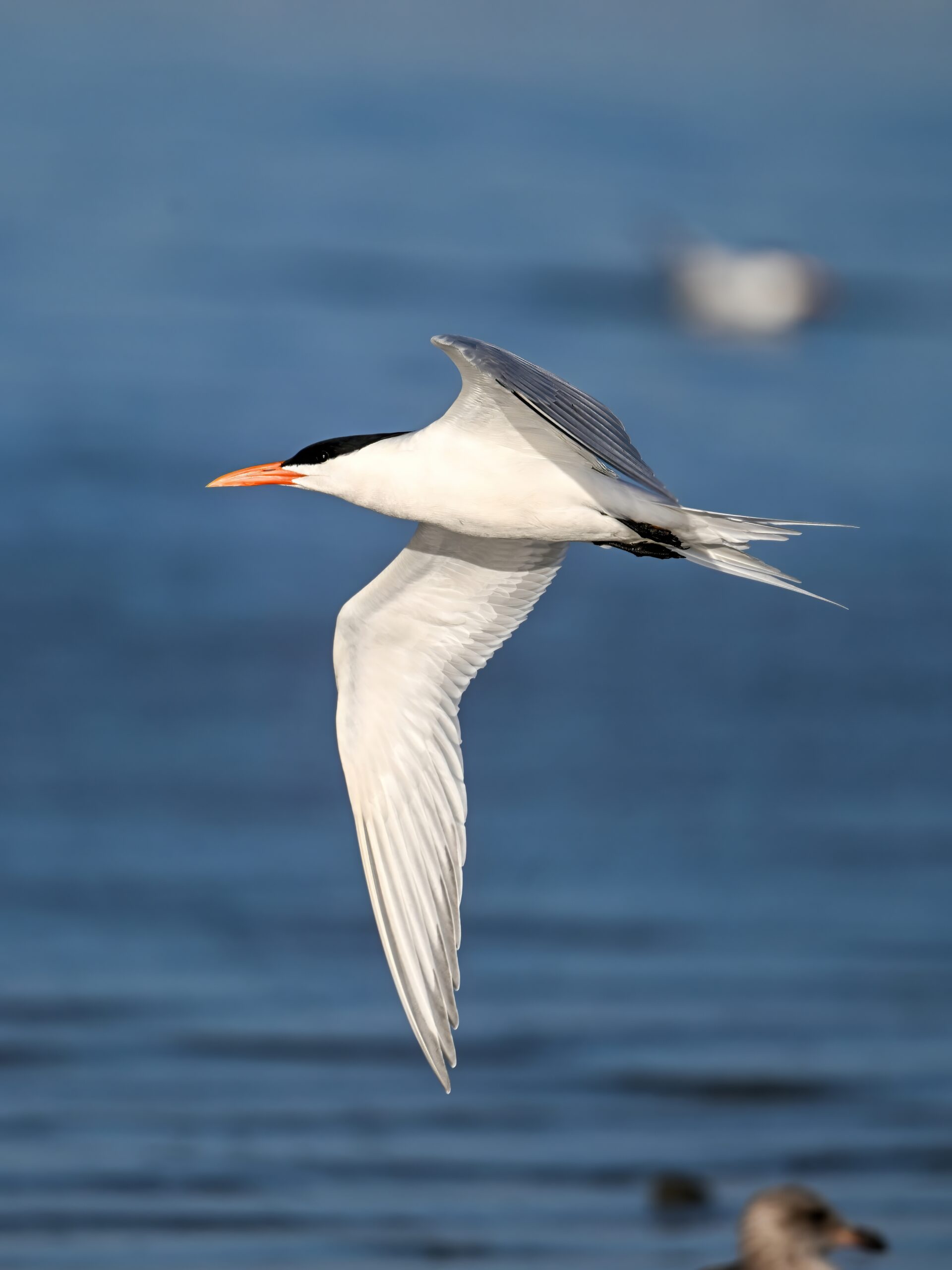
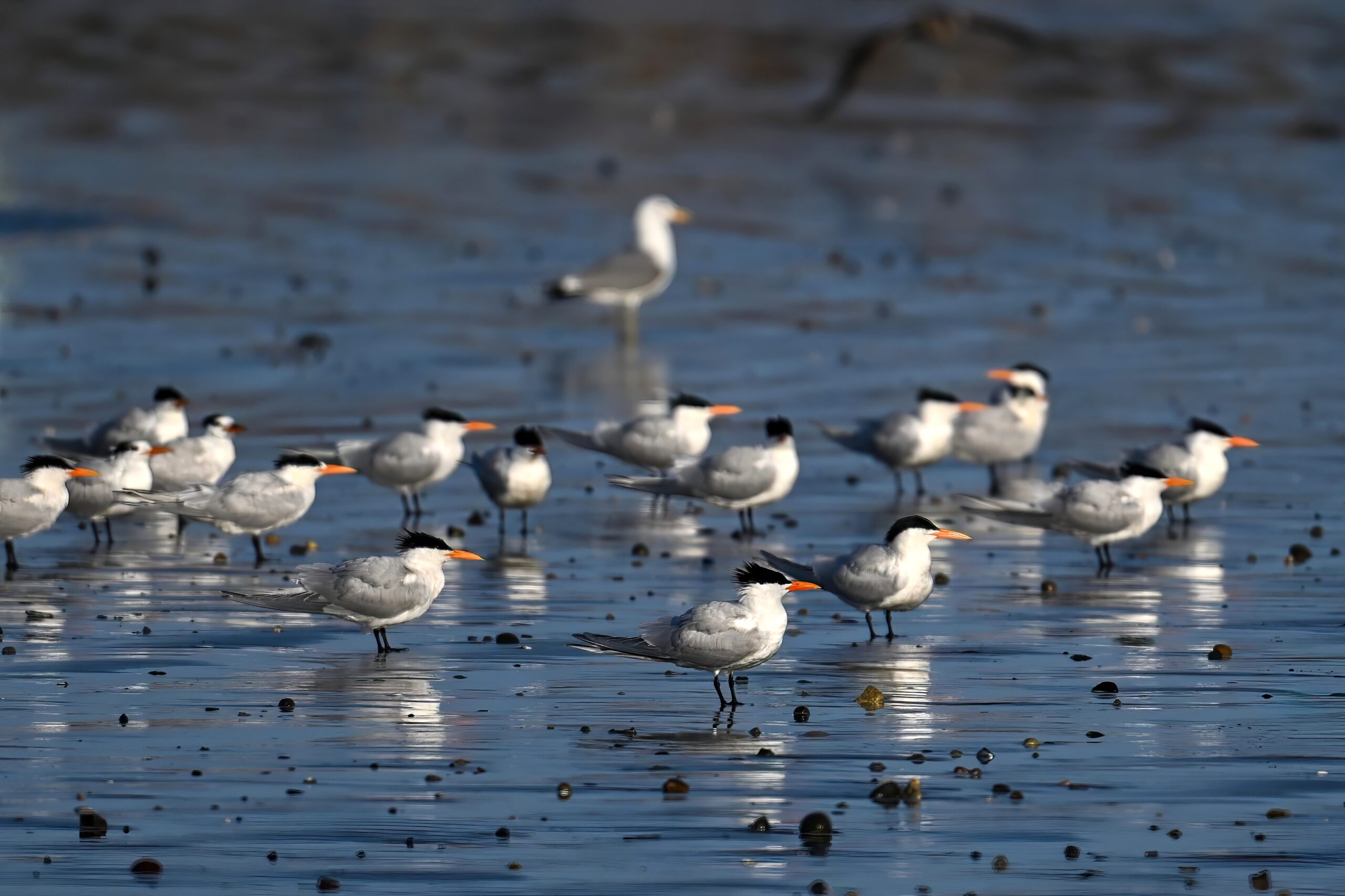
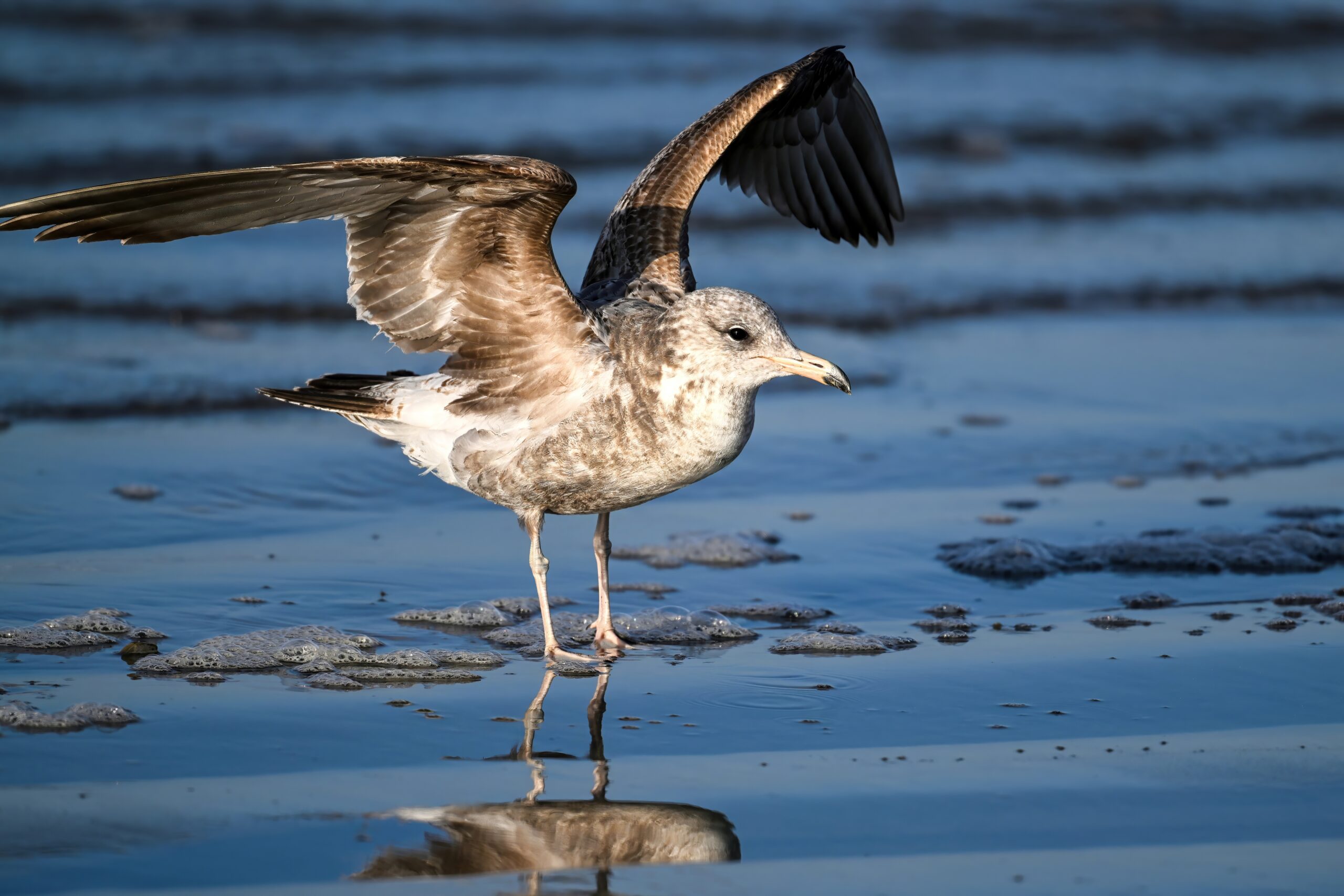
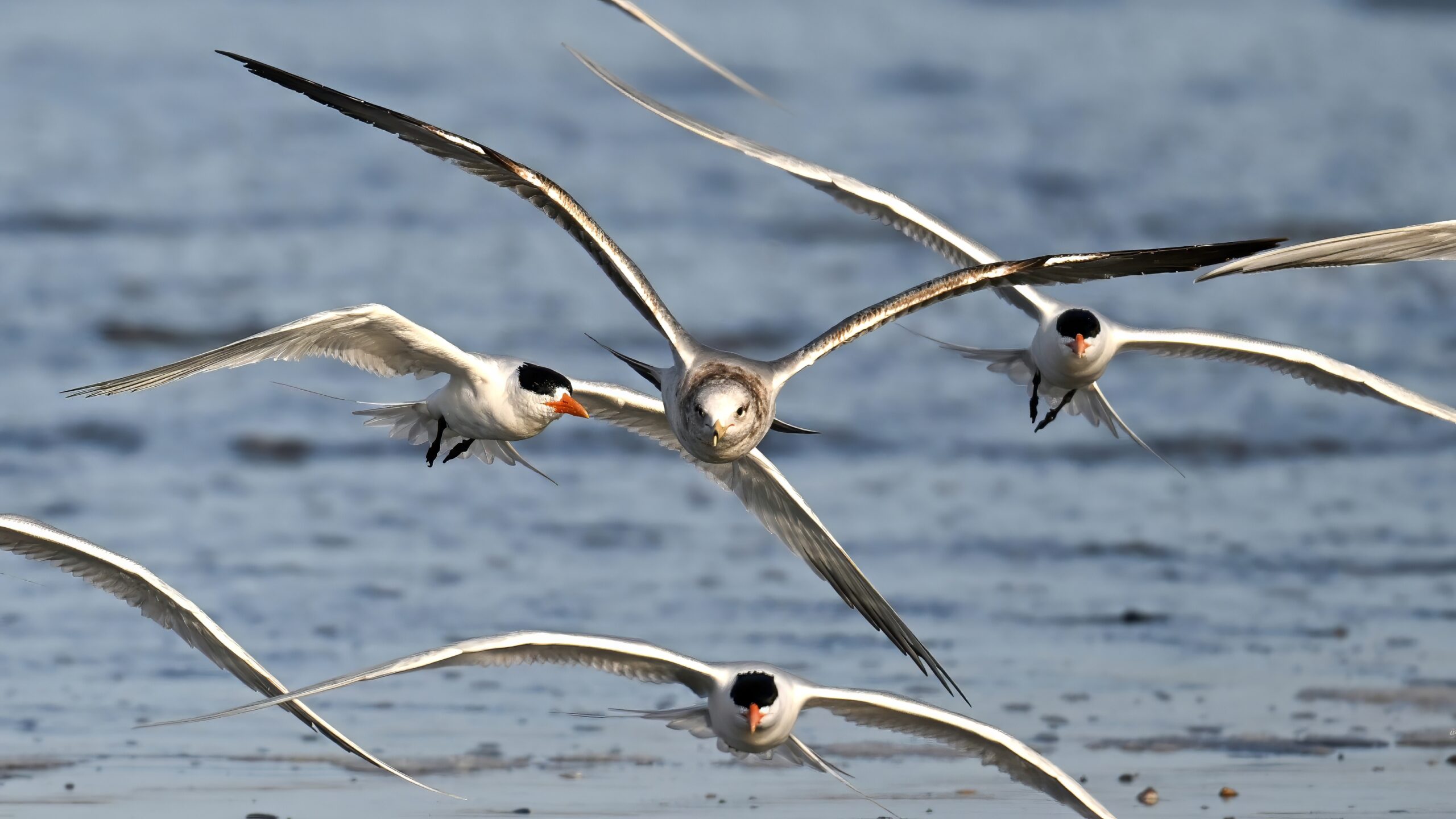
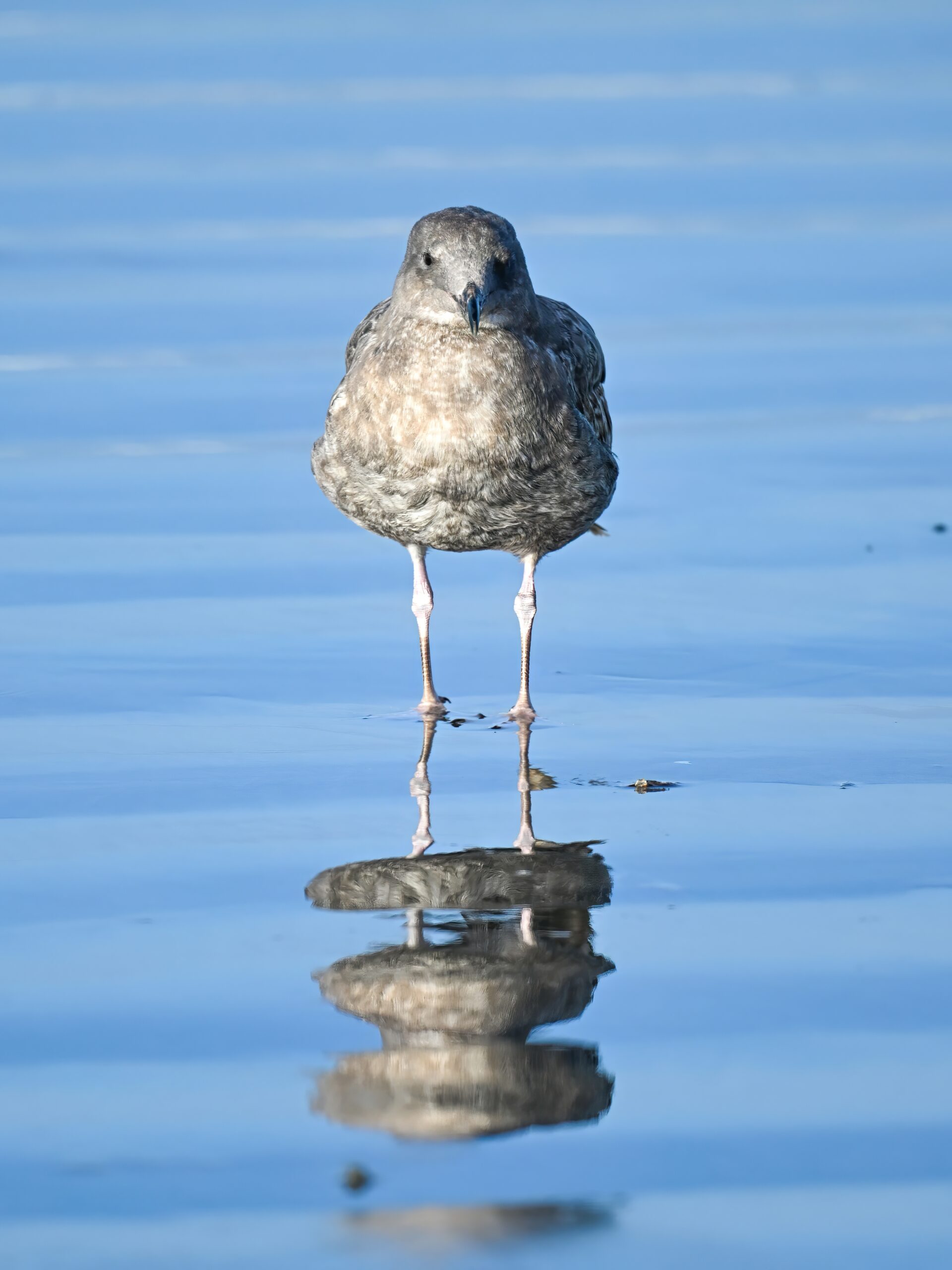
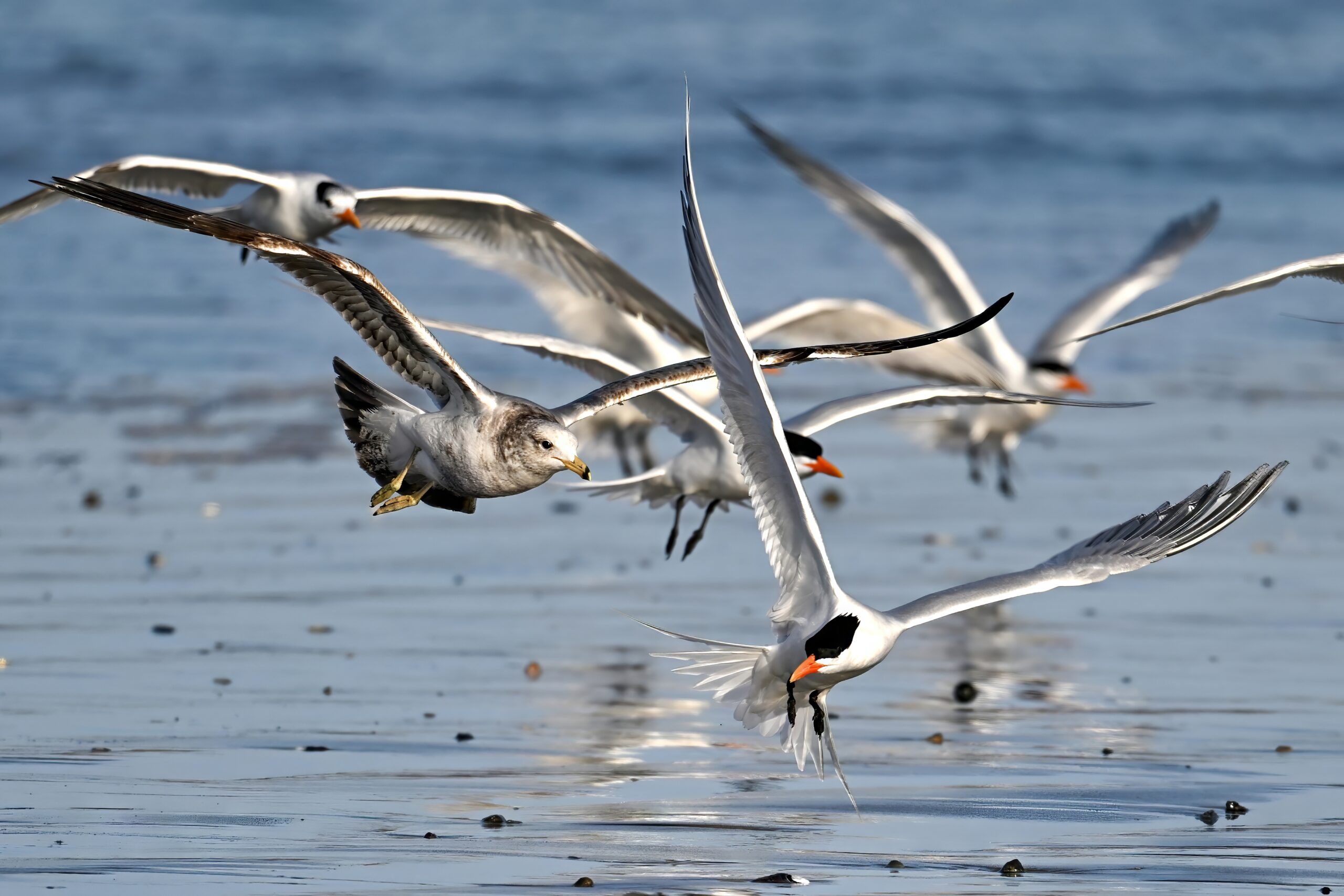
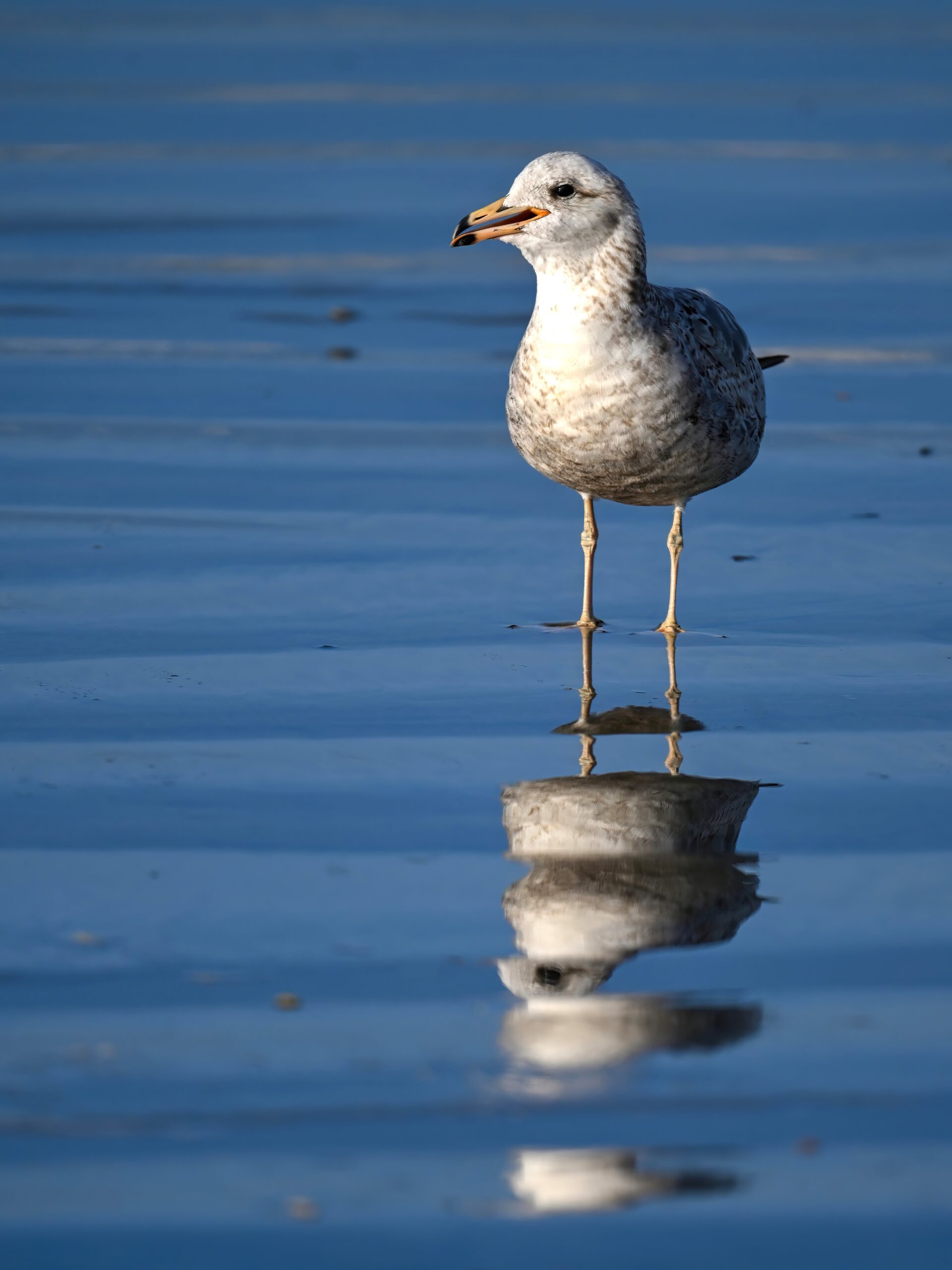
Finally, more shots of terns (mostly Royal Tern) on and off the beach:
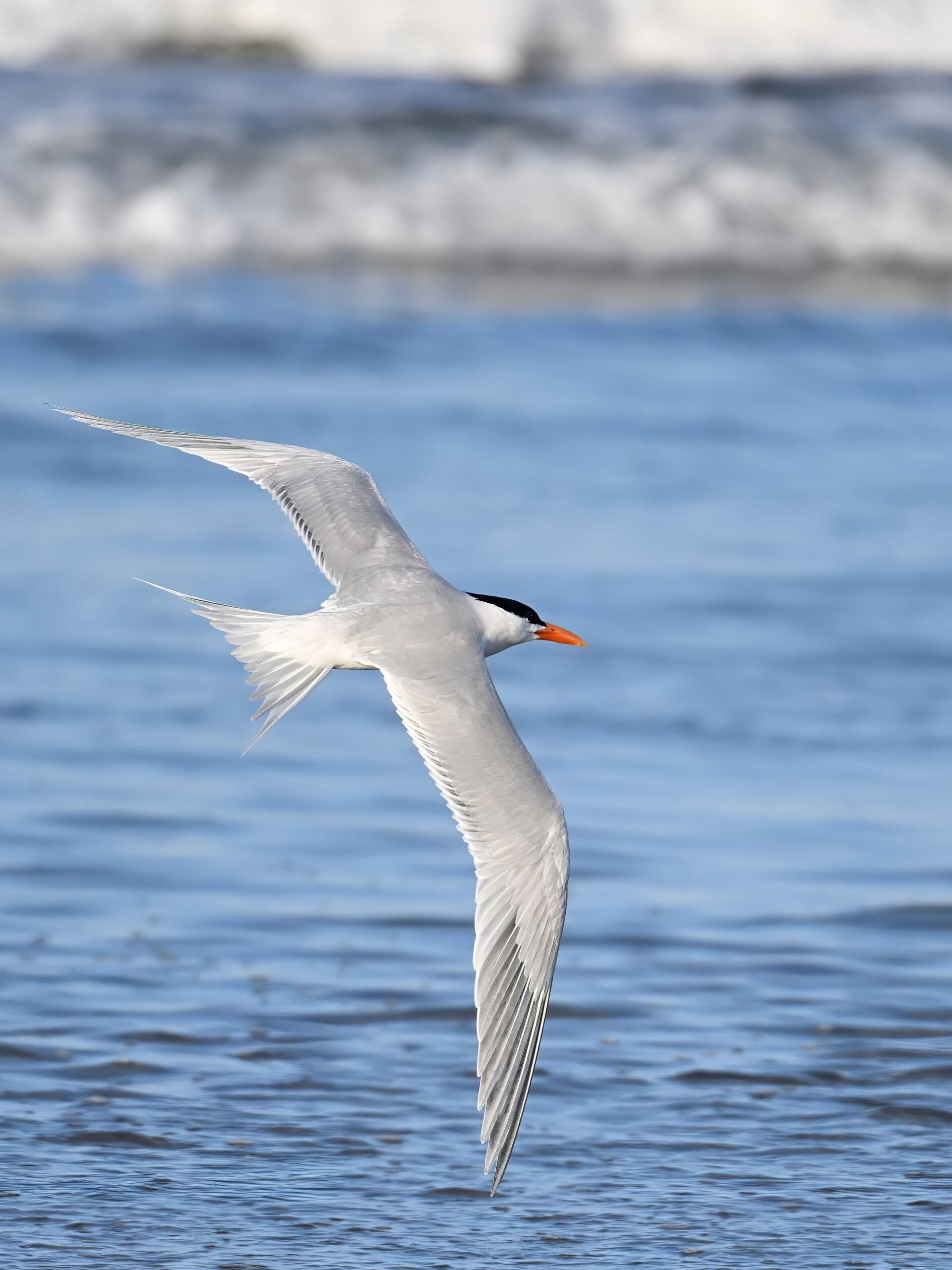
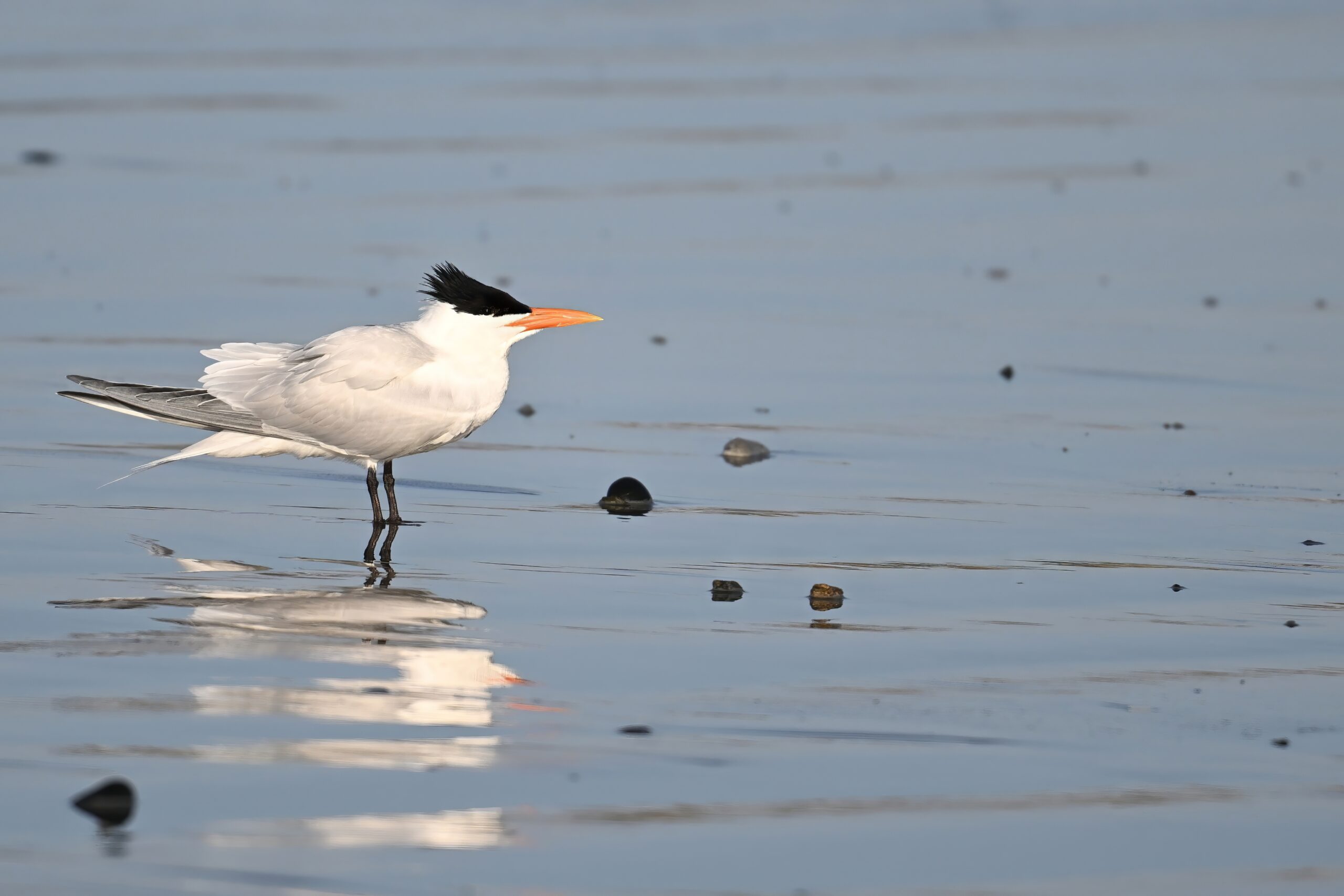
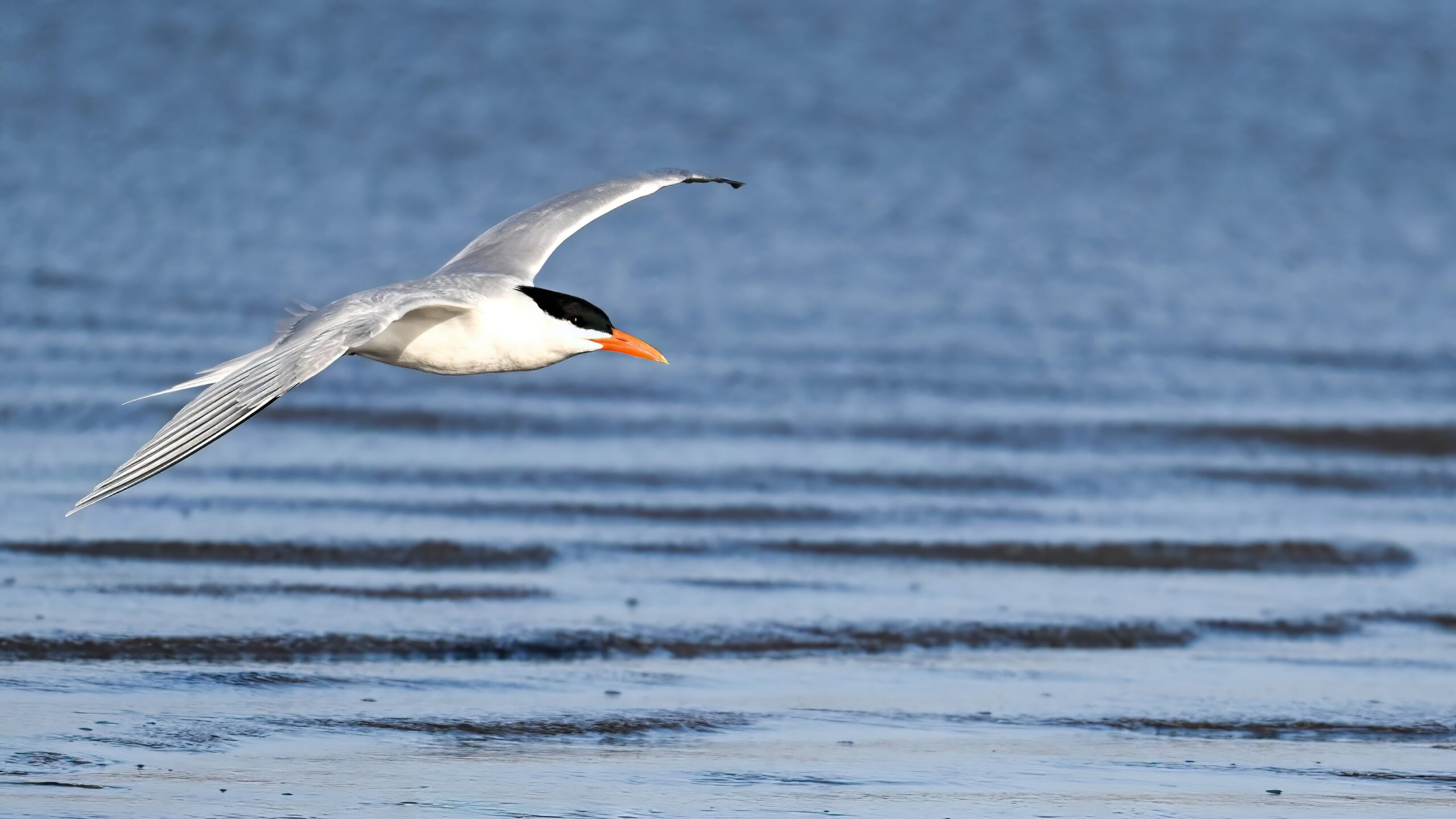
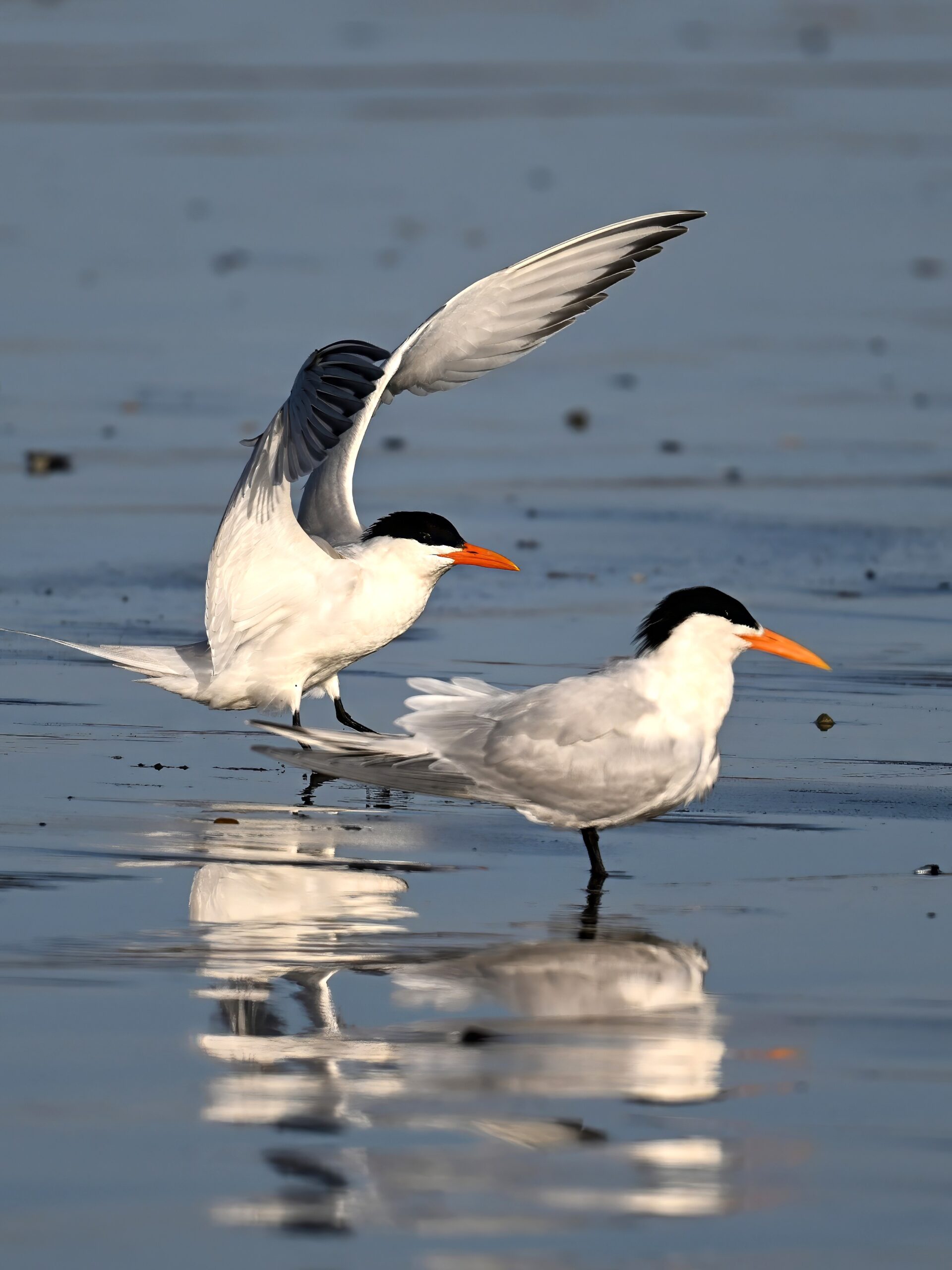
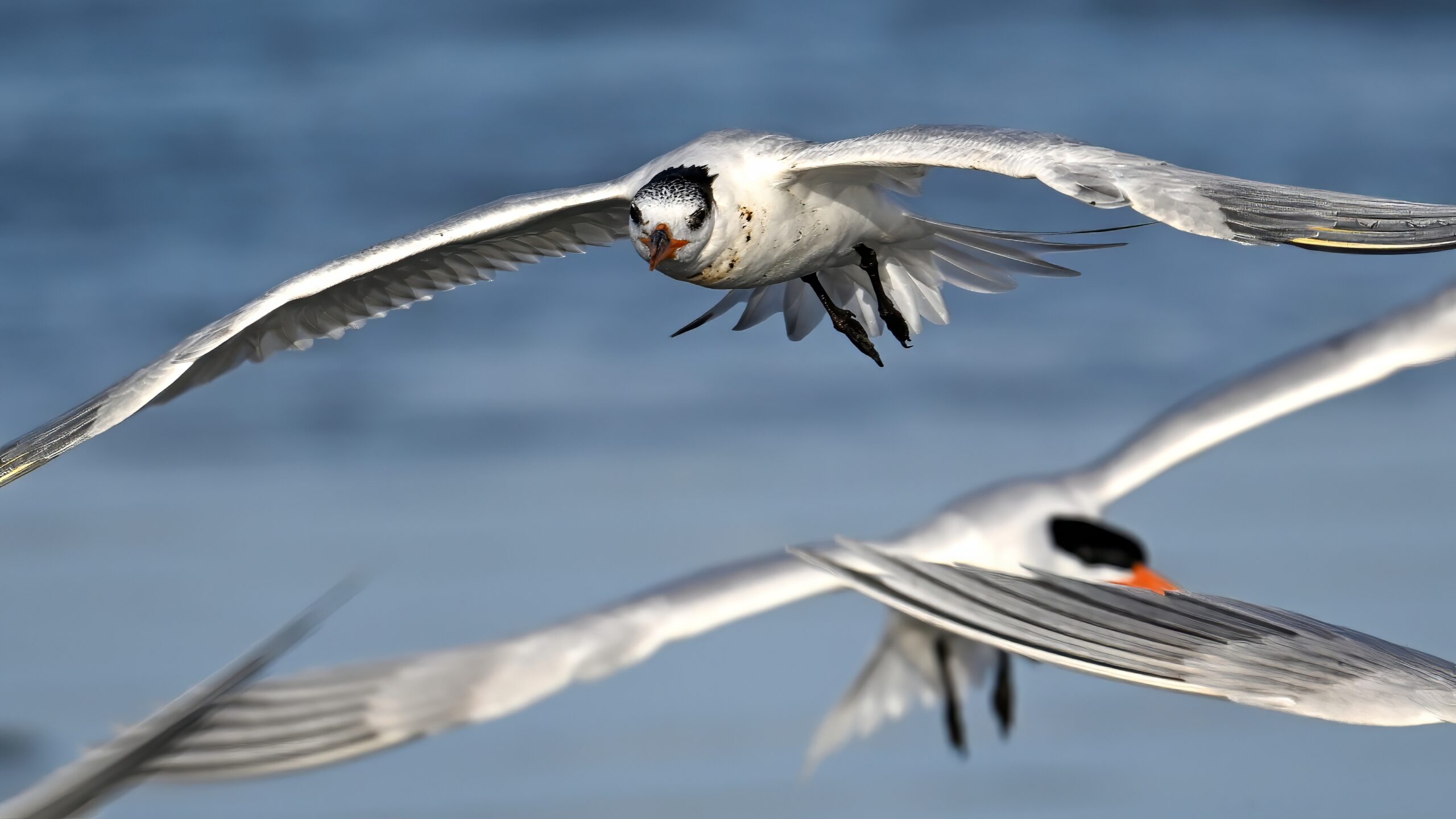
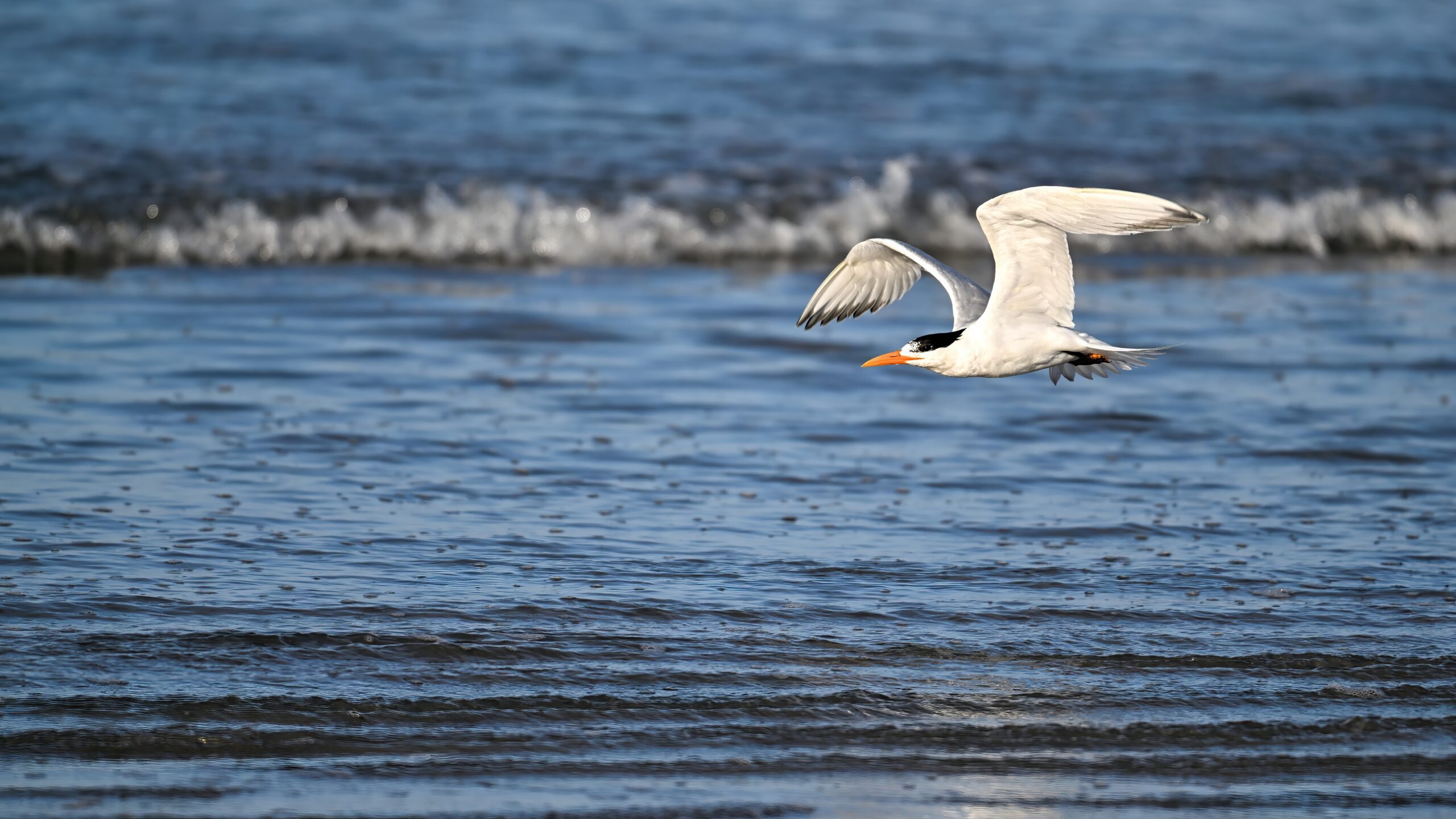
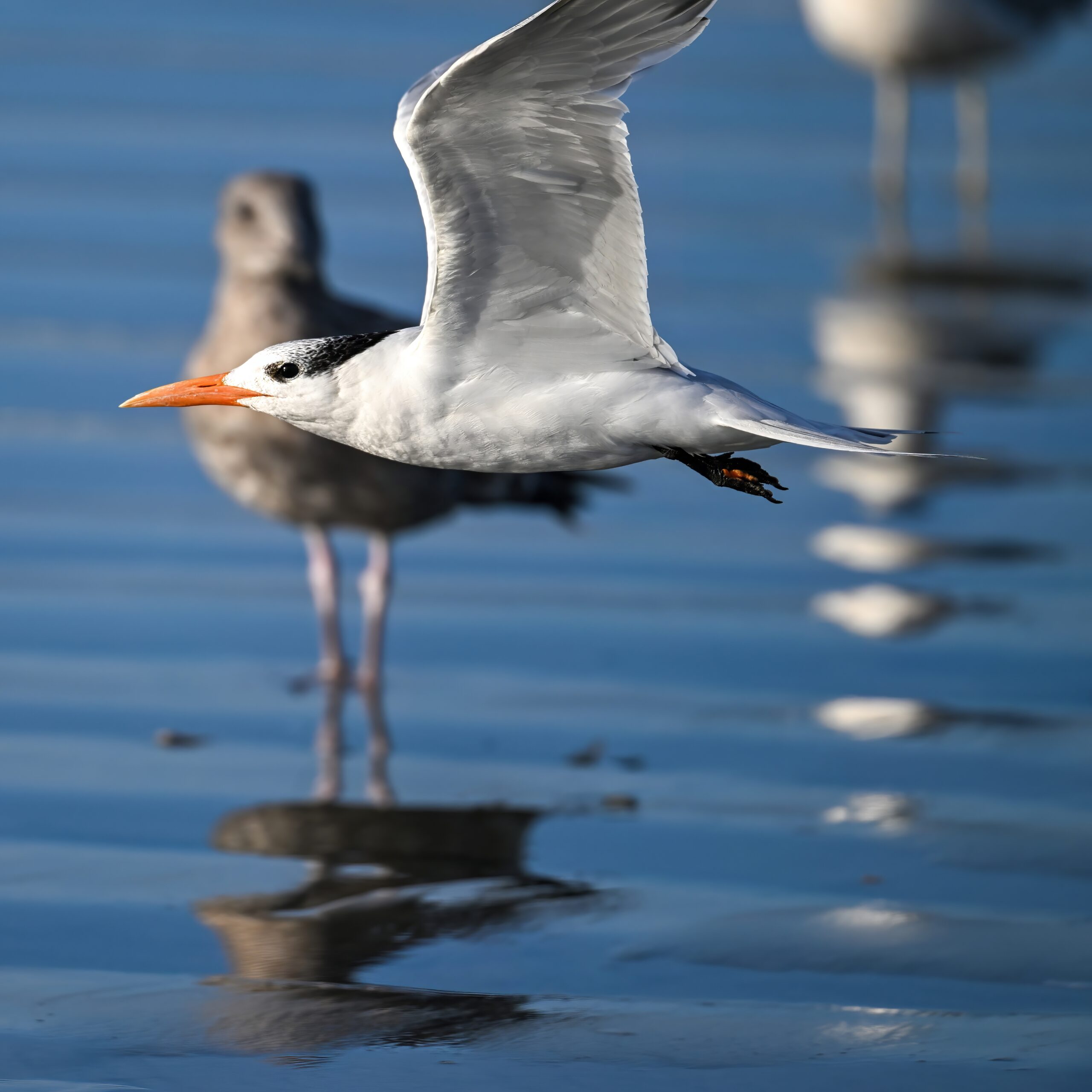
Back to the beach at Oceanside Harbor on the morning of 4 March 2025.
Finally, more shots of terns (mostly Royal Tern) on and off the beach:
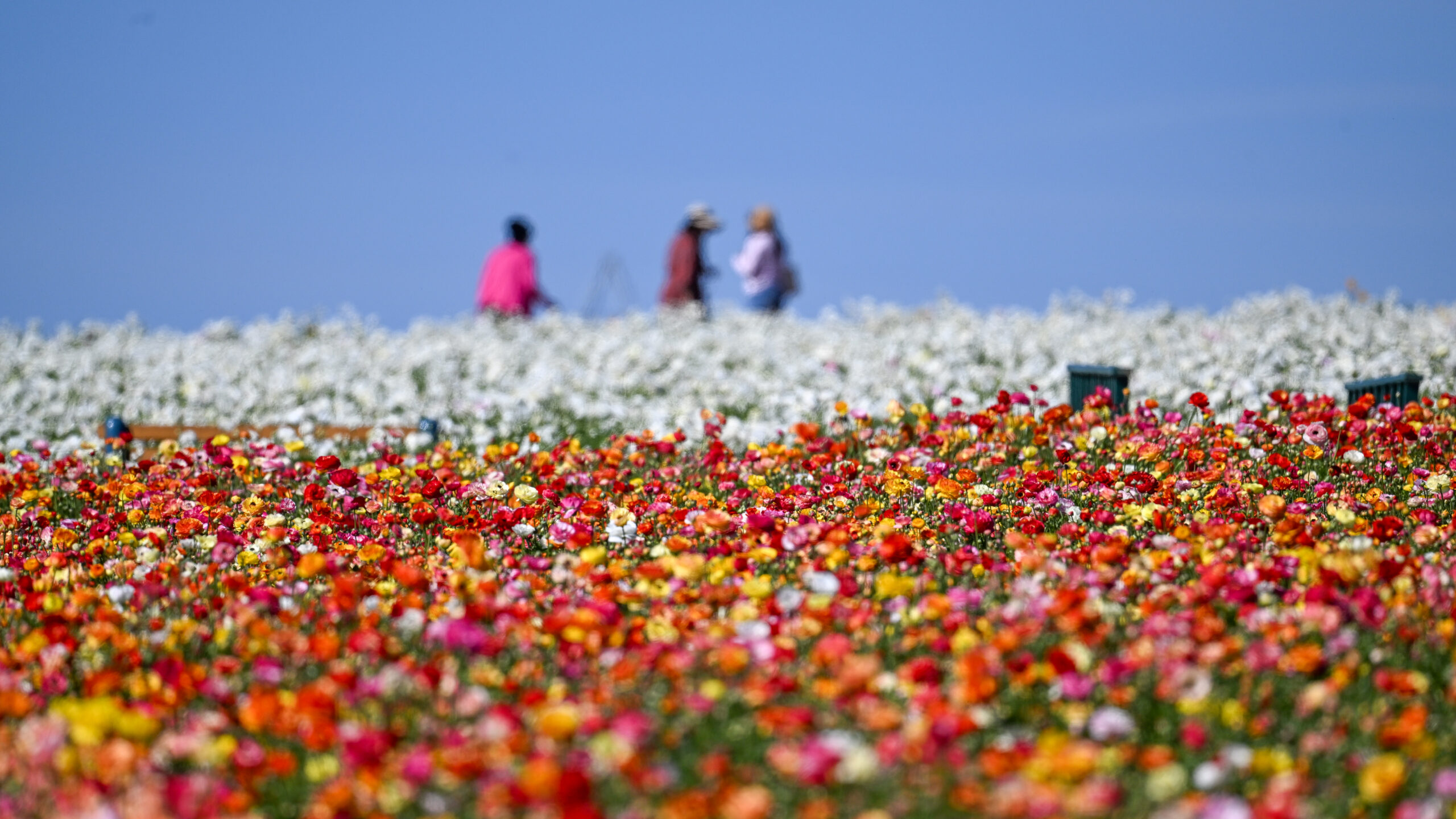
Celebrating the 2025 vernal equinox with flowers and wild birds at The Flower Fields in Carlsbad, California. See this special report for lots and lots more flowers.
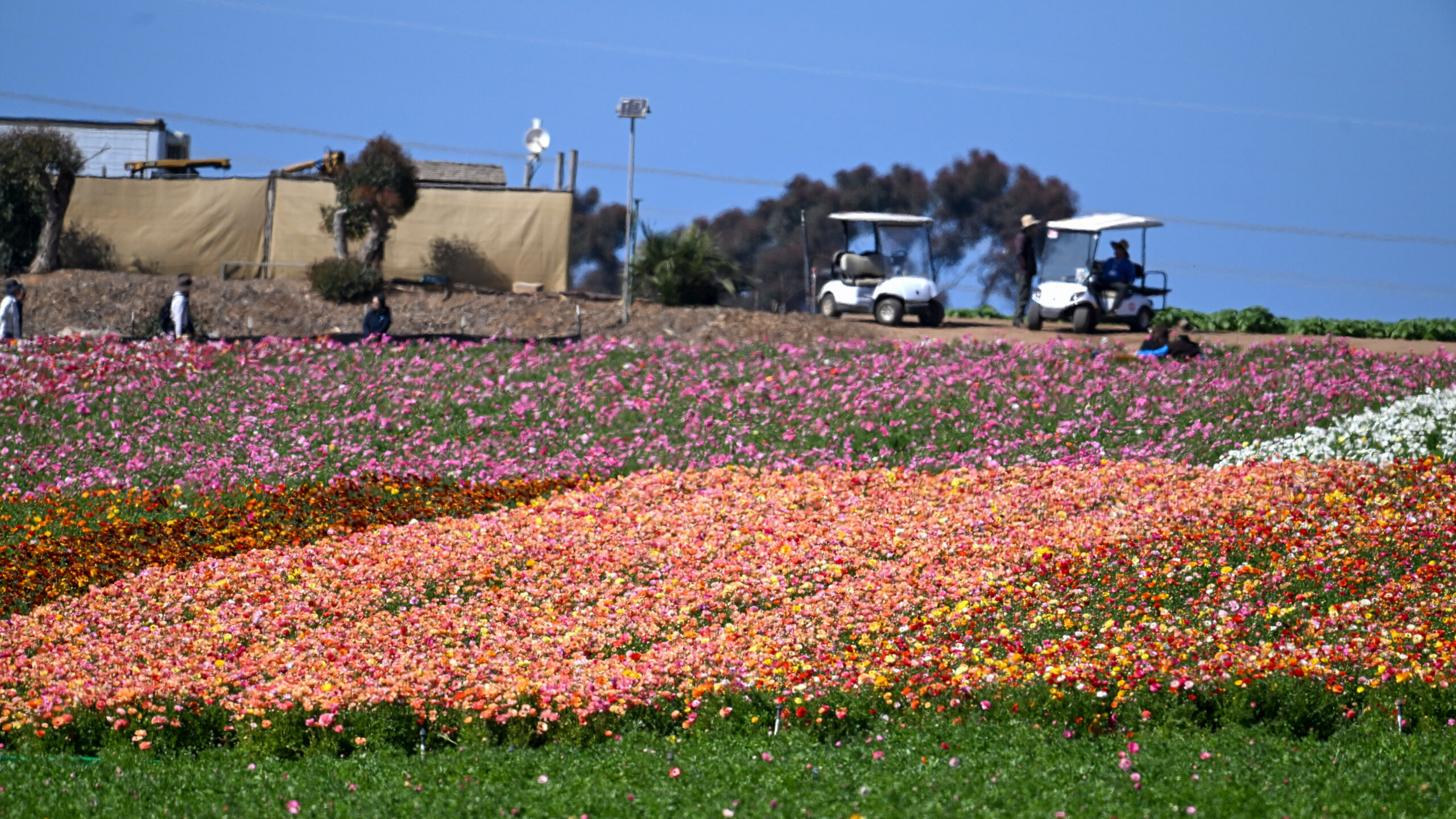
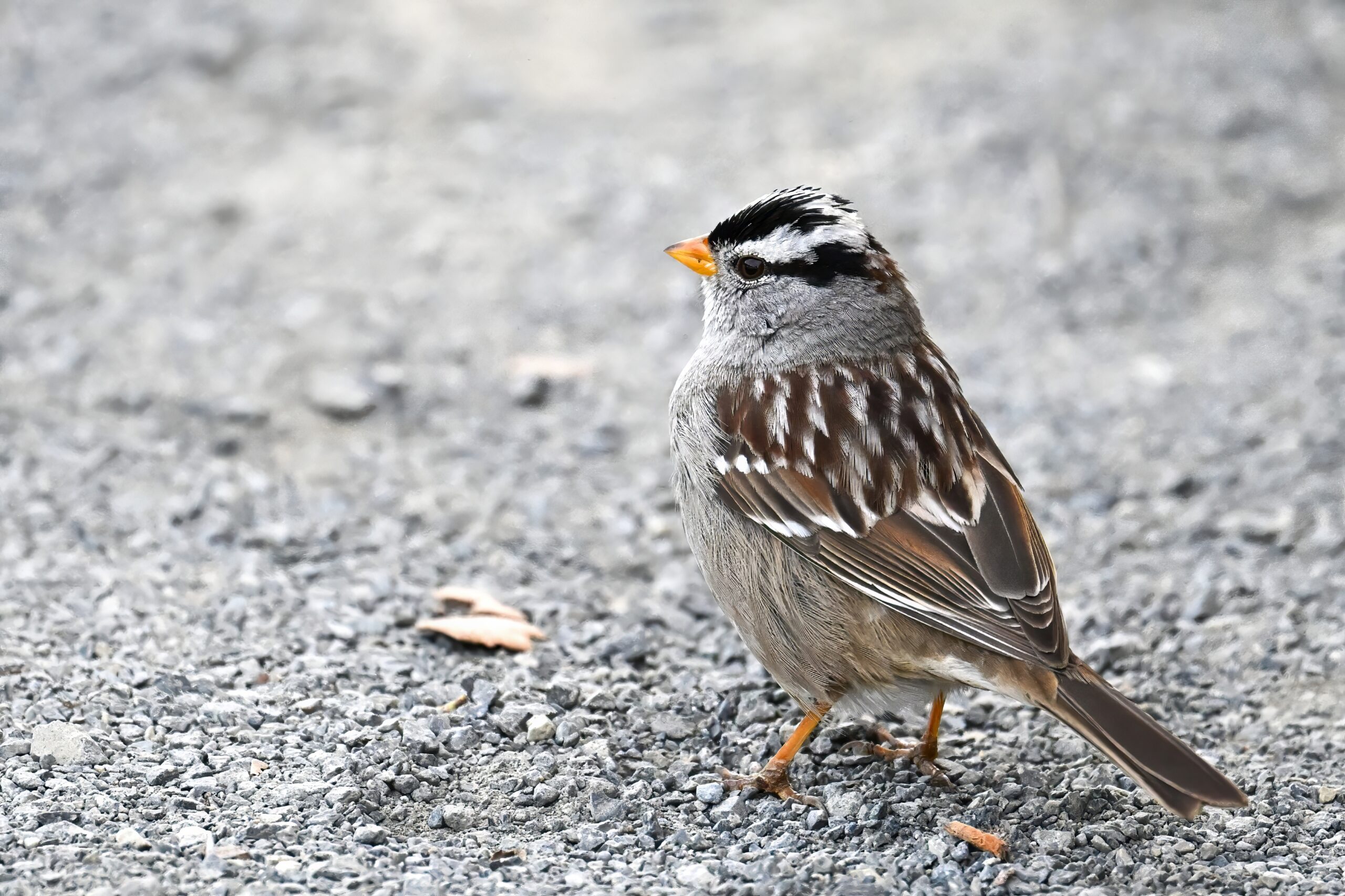
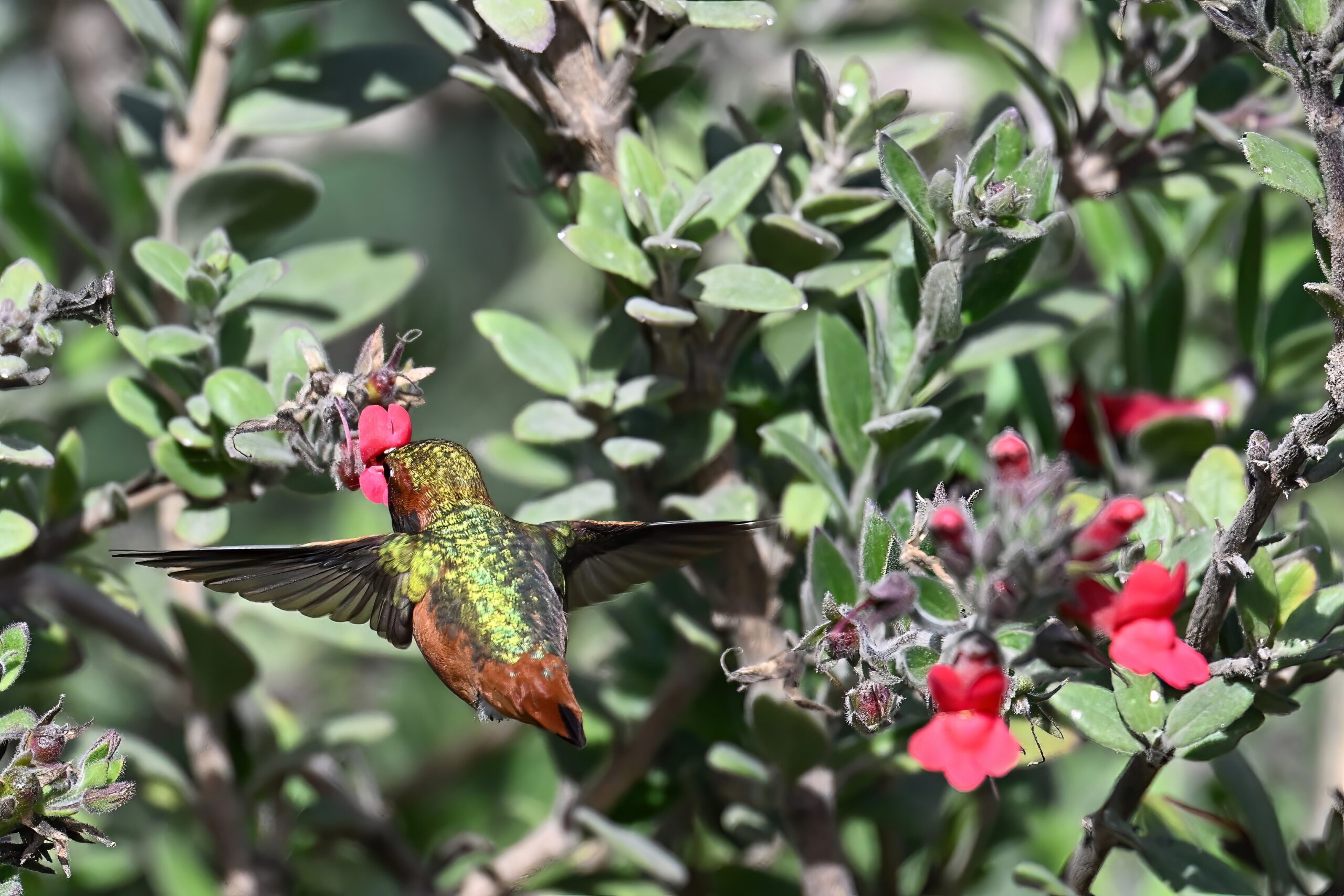
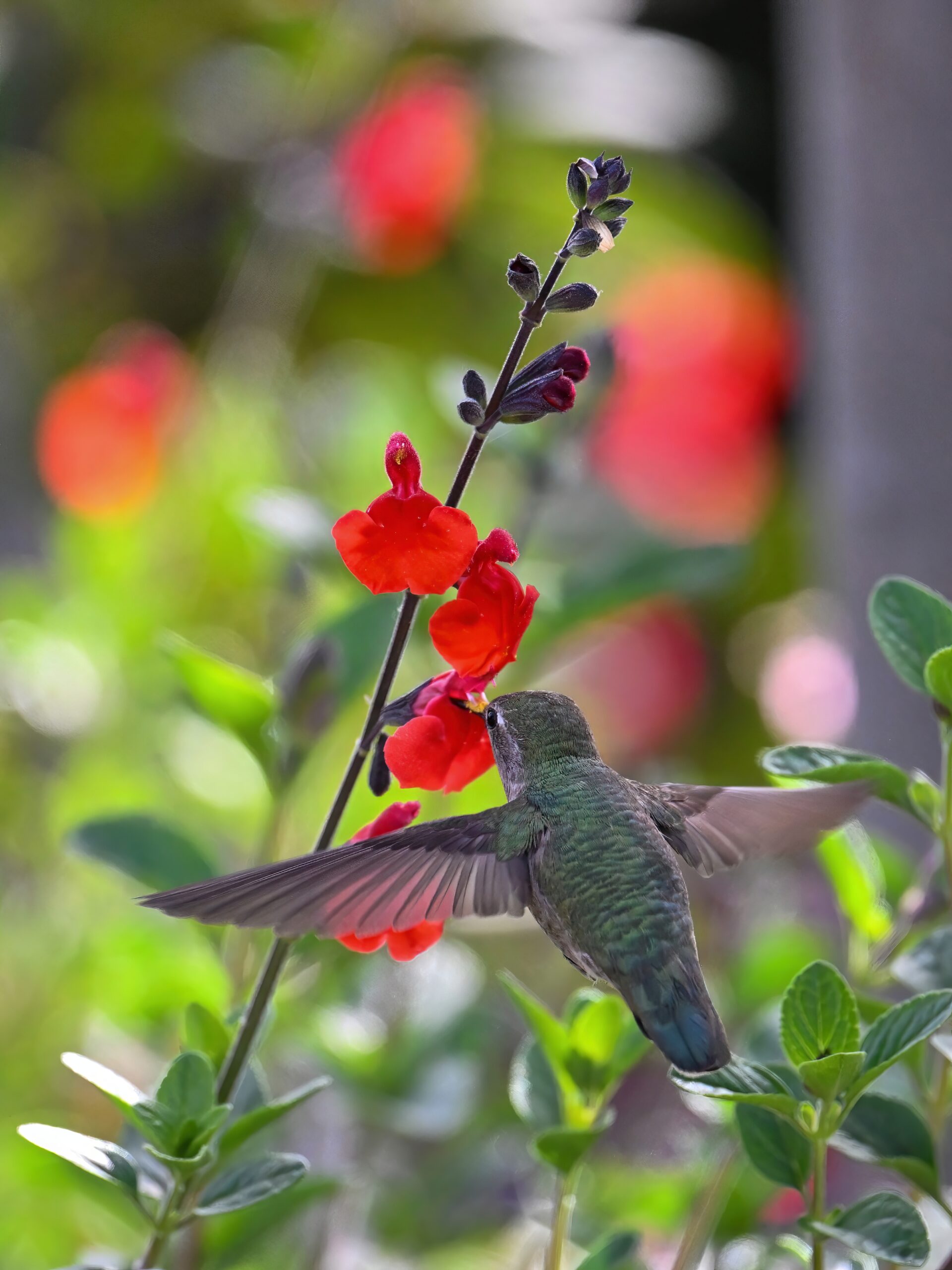
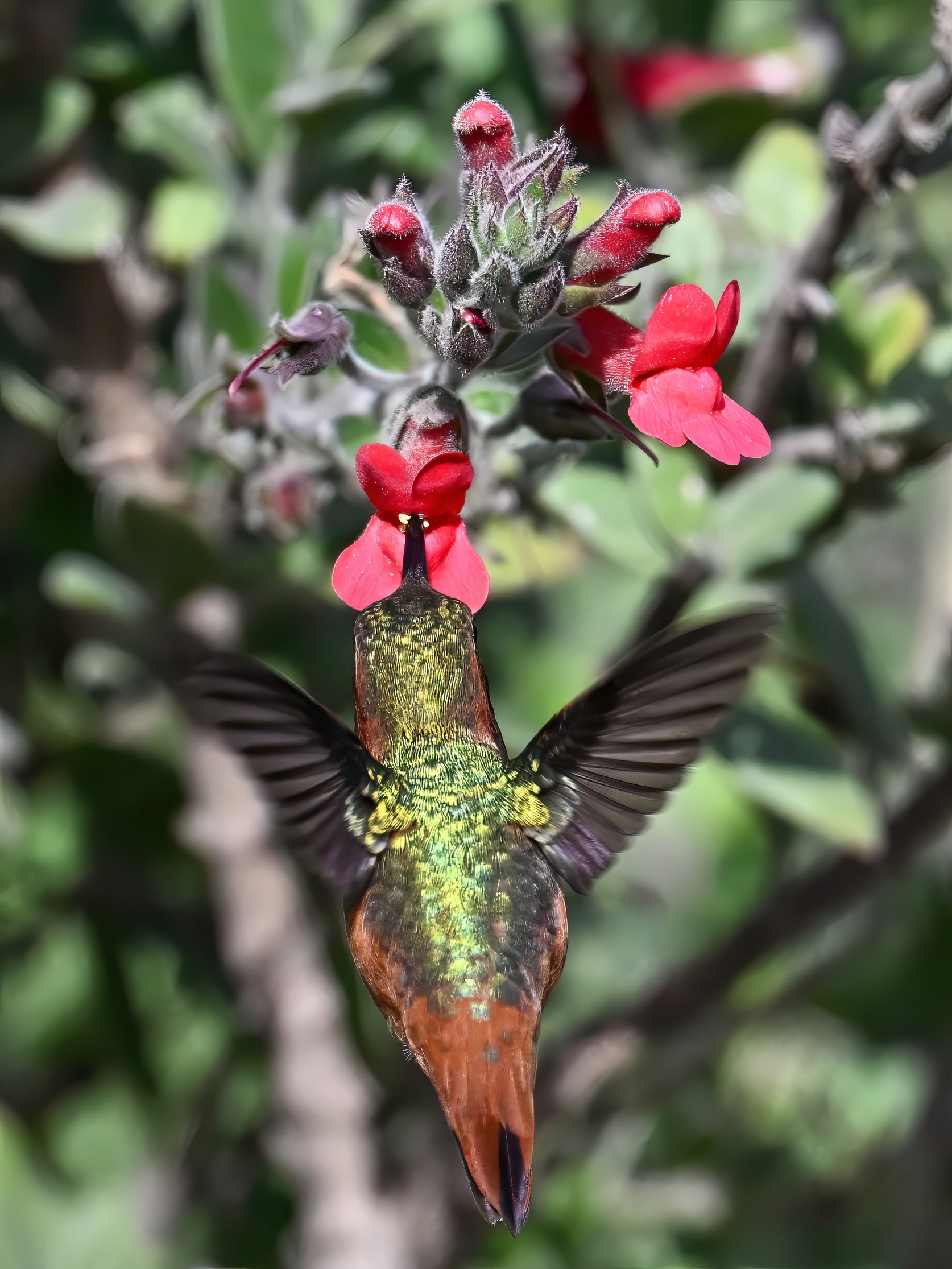
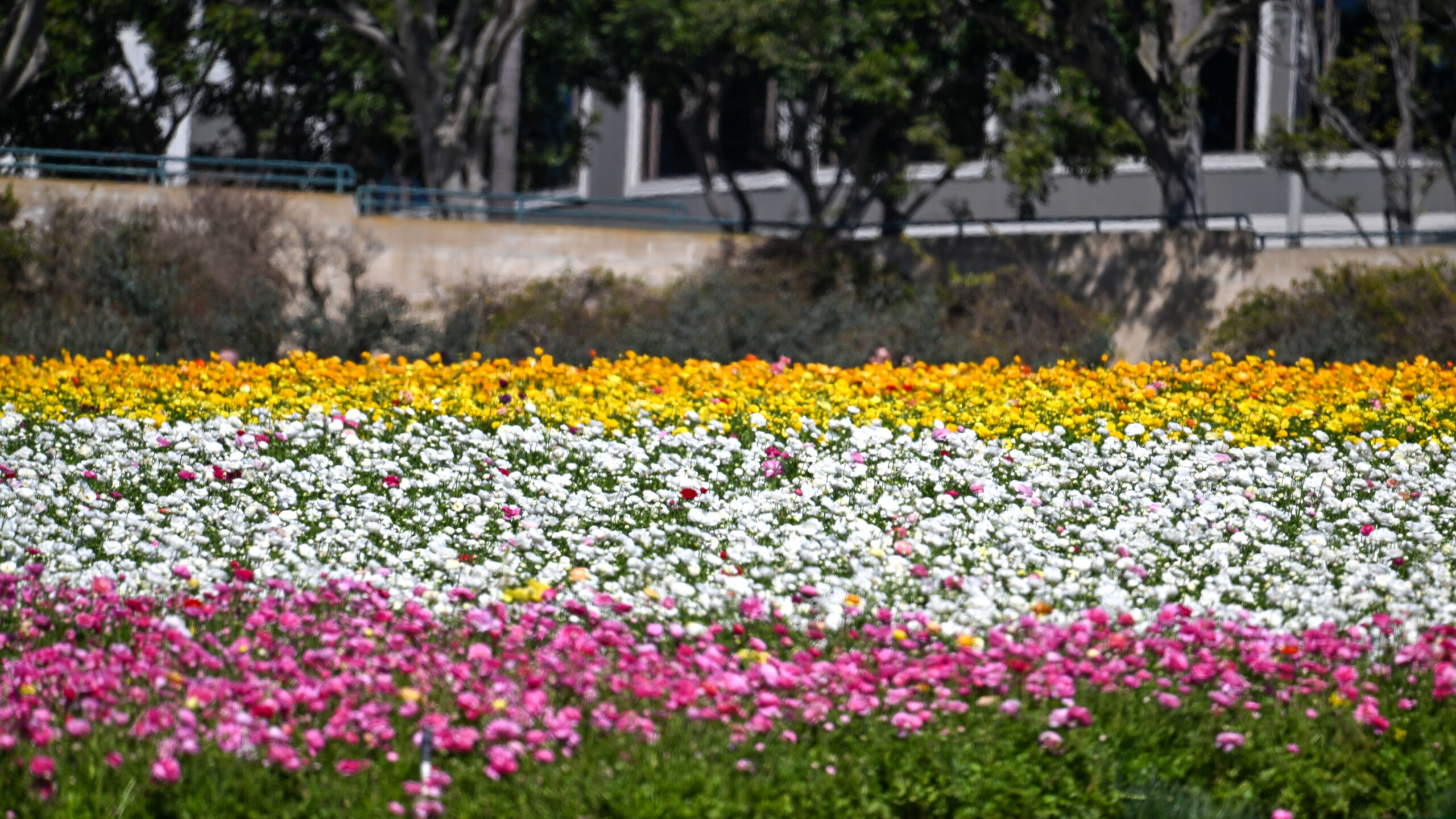
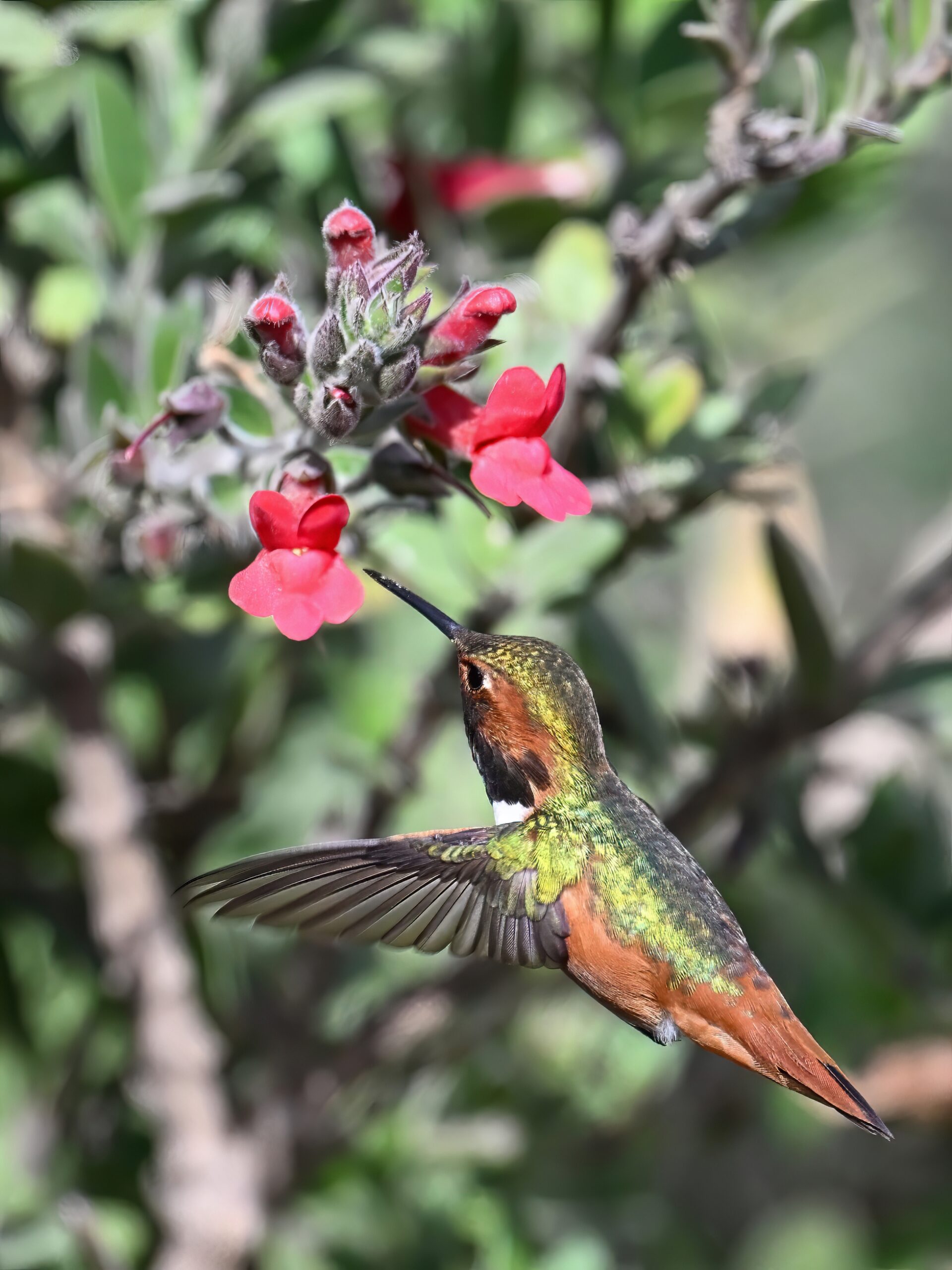
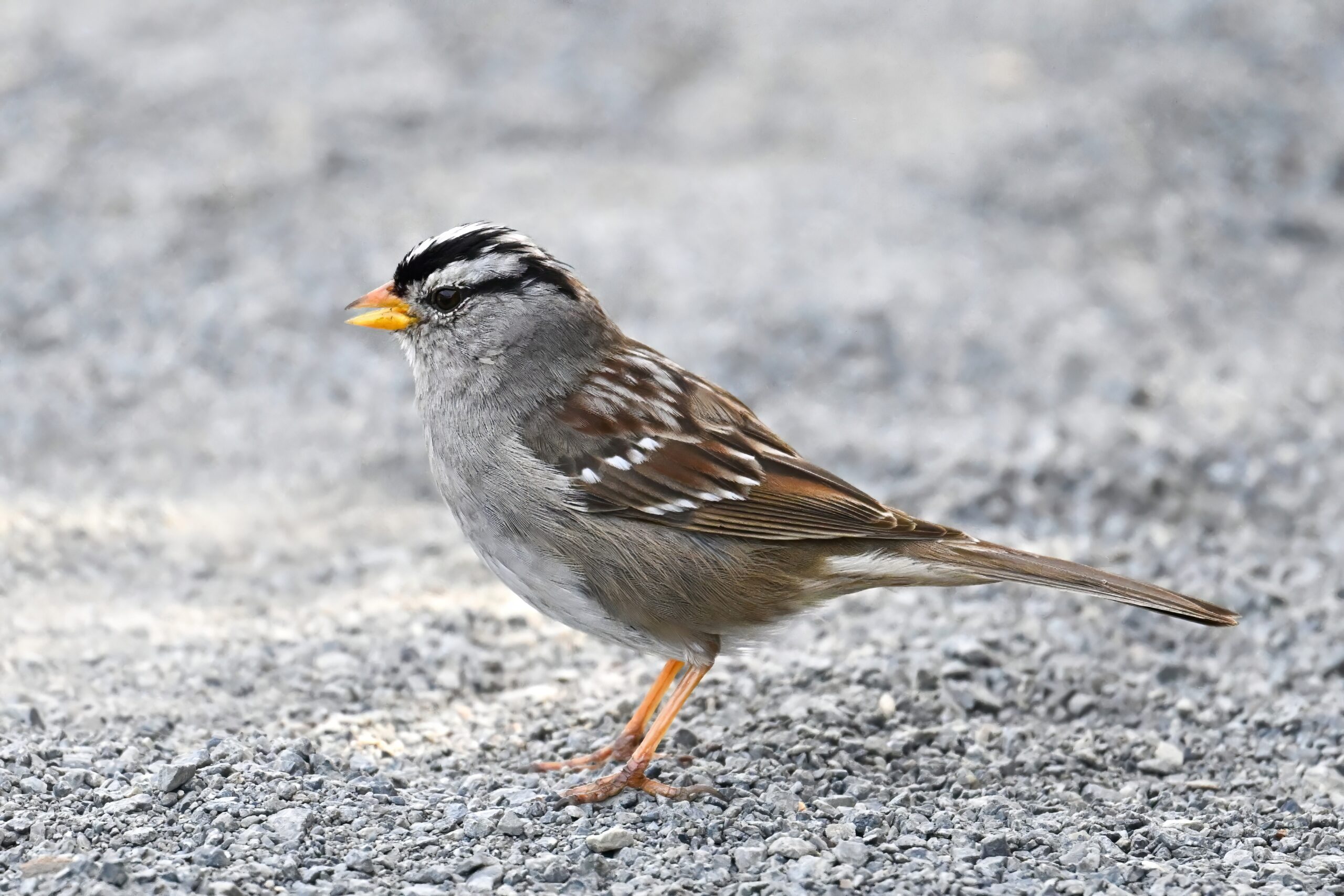
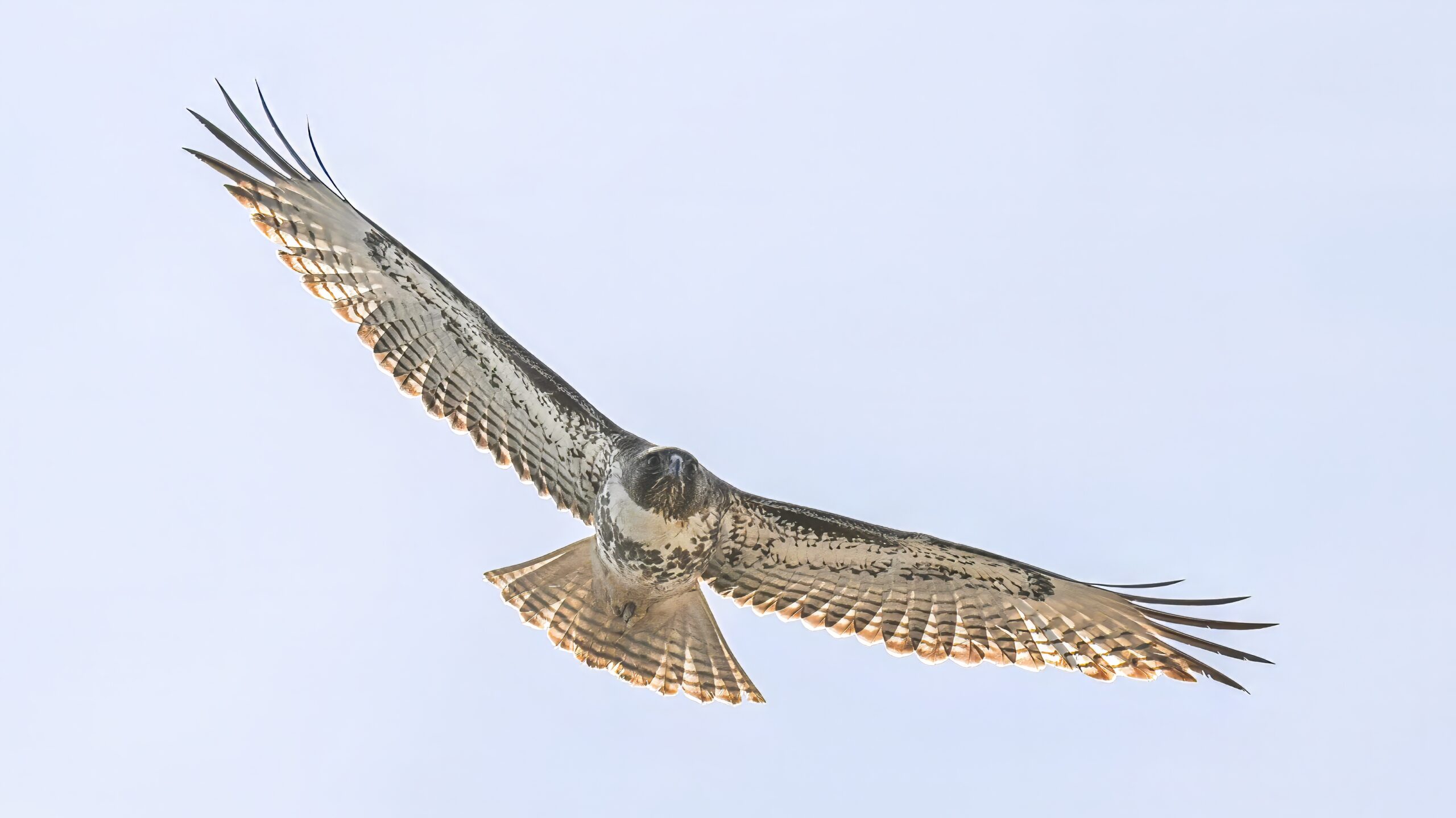
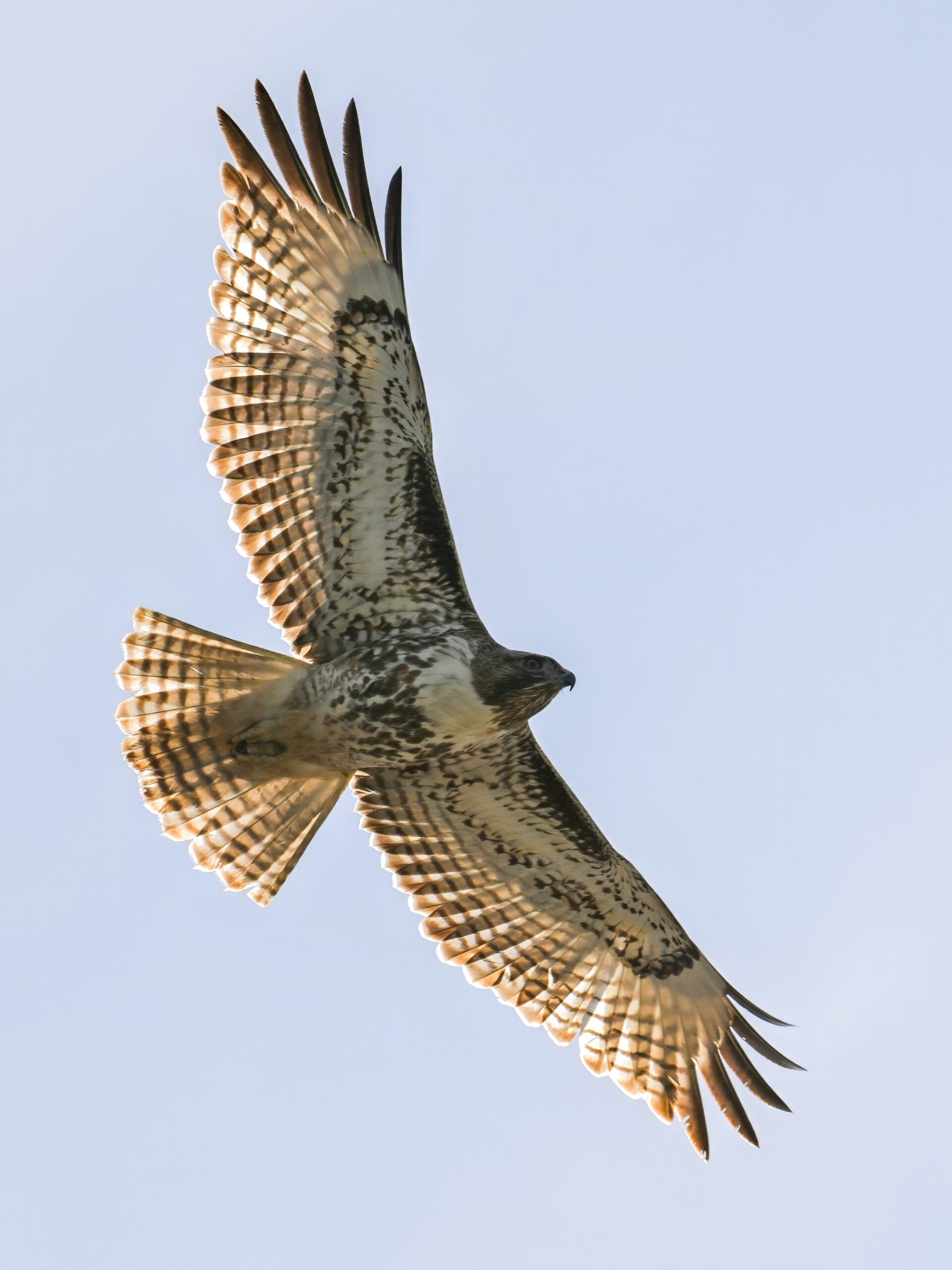
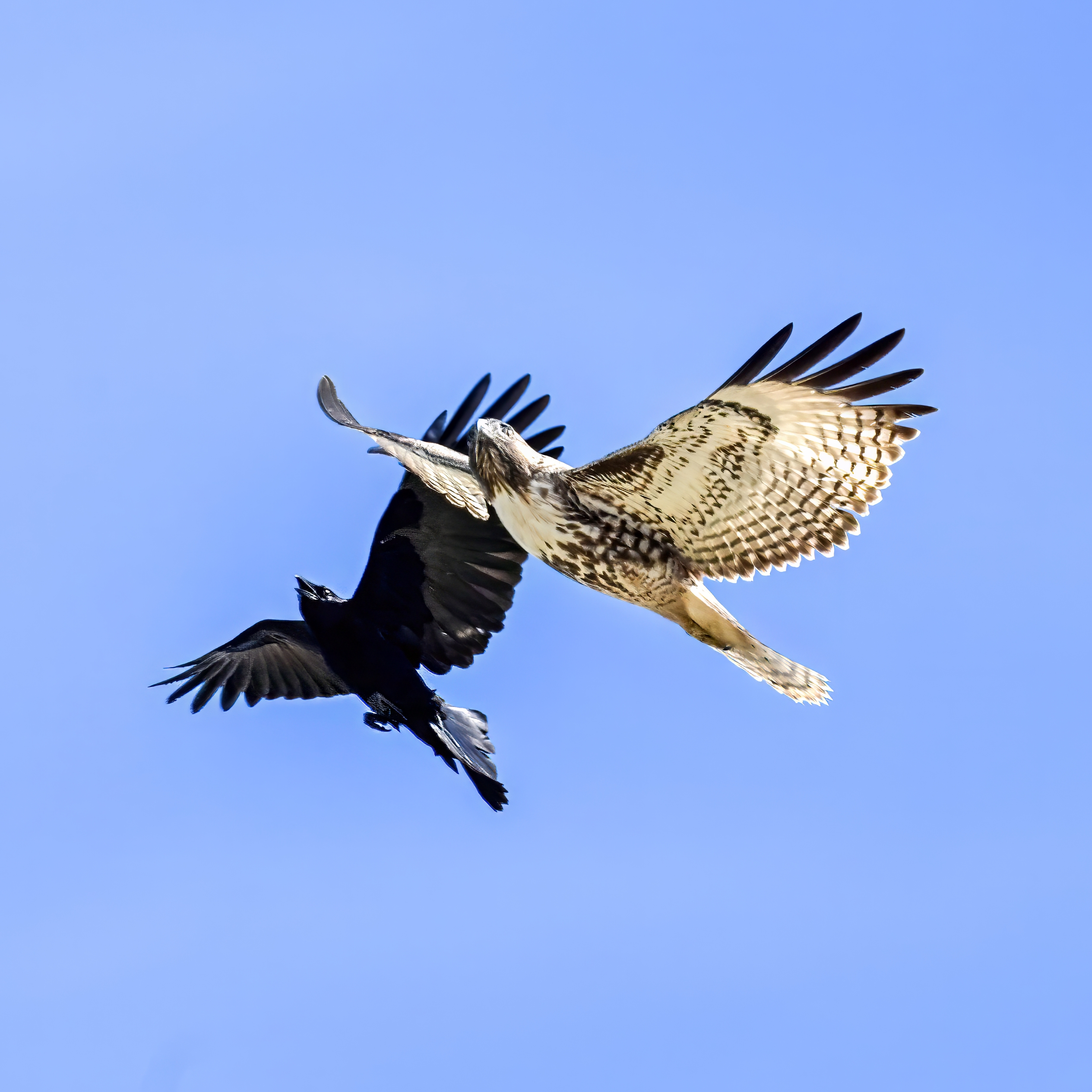
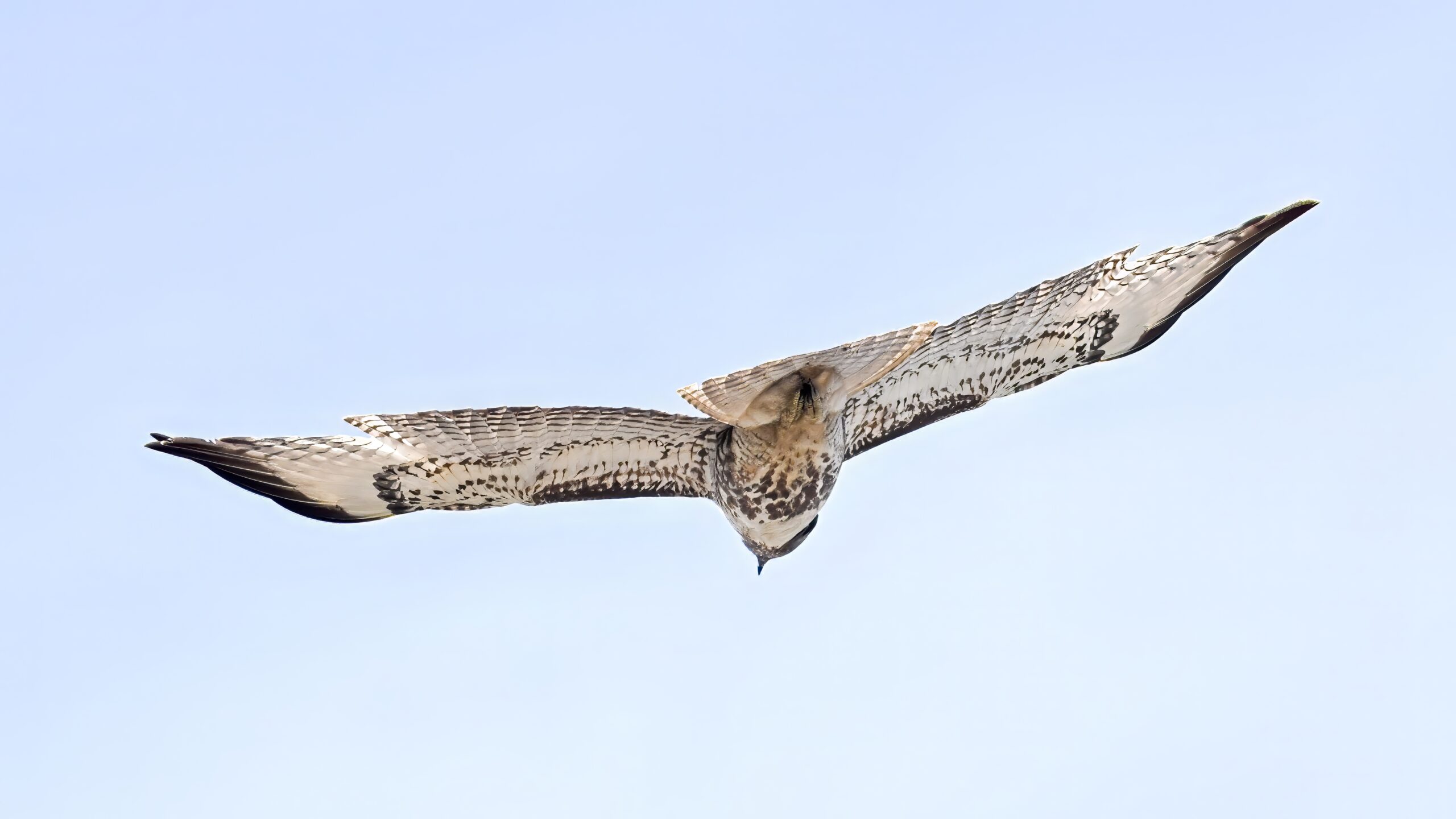
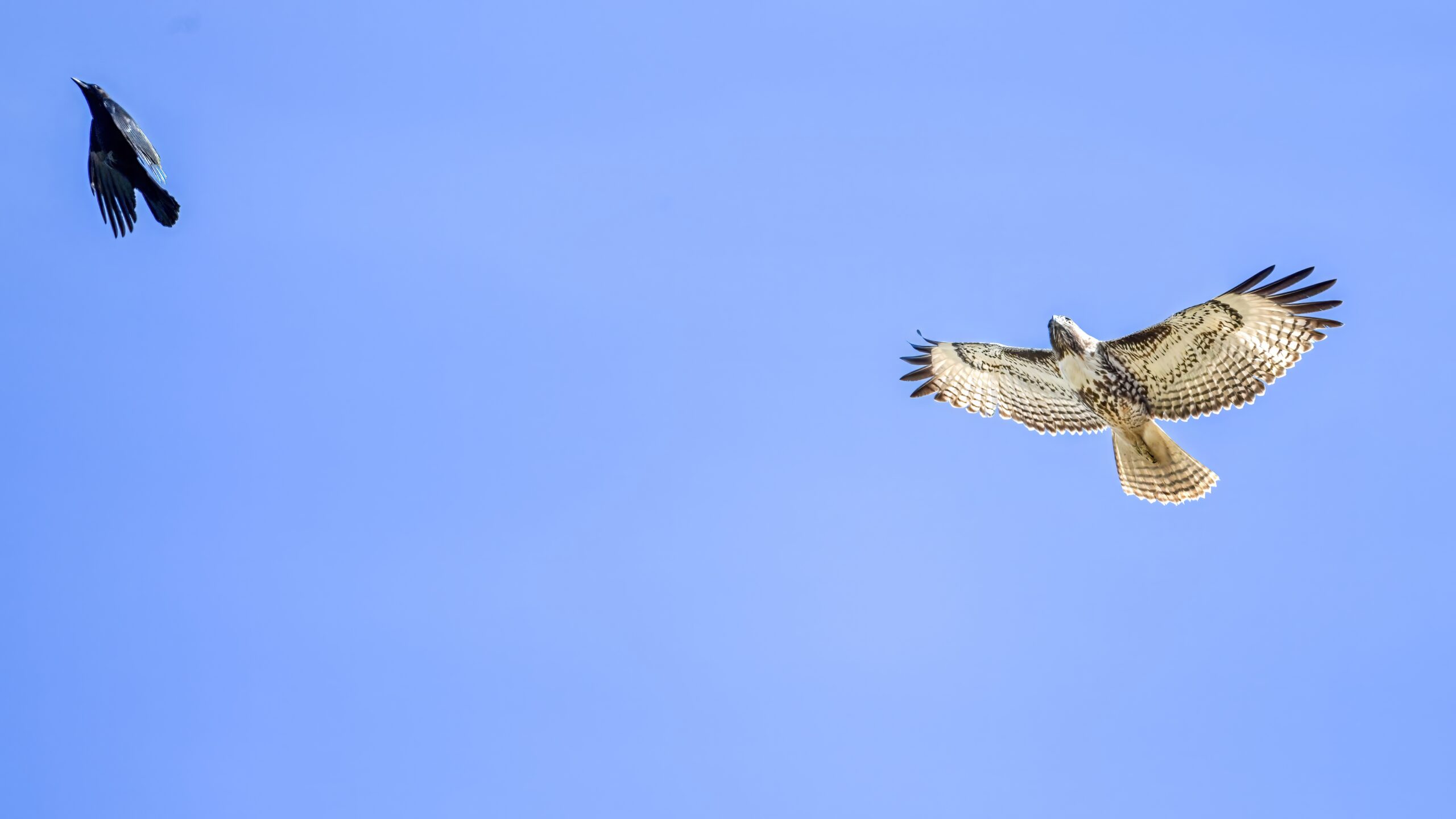
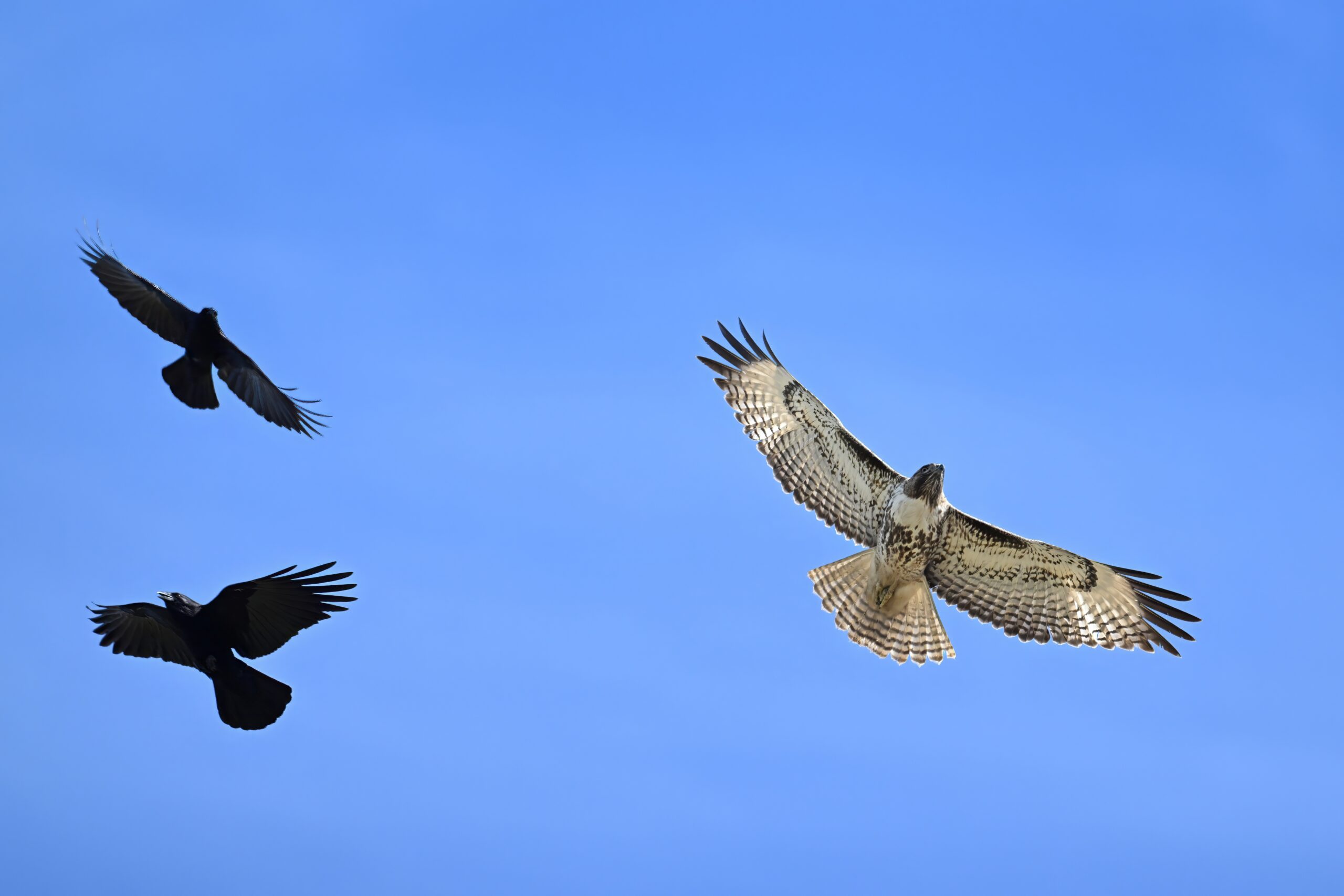
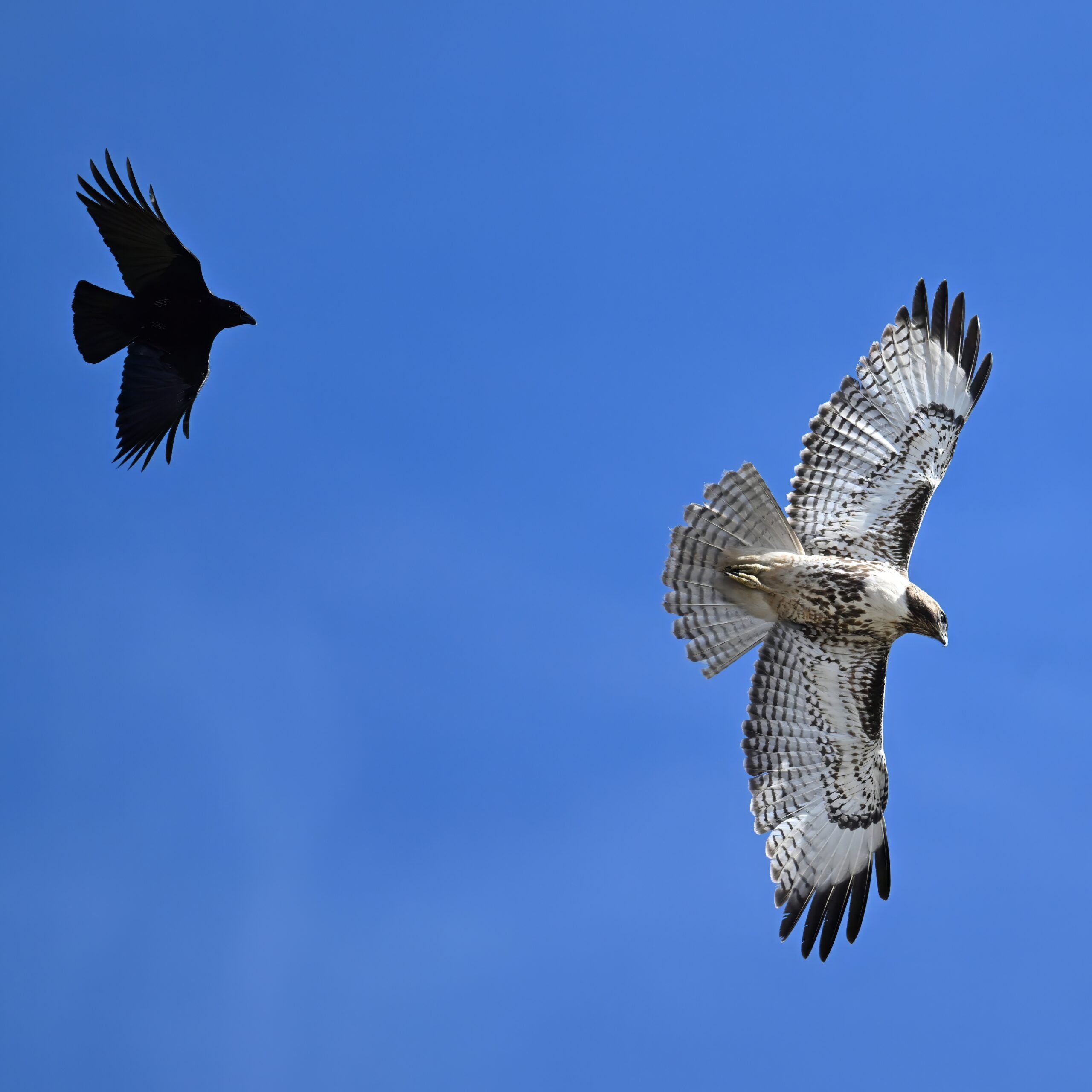
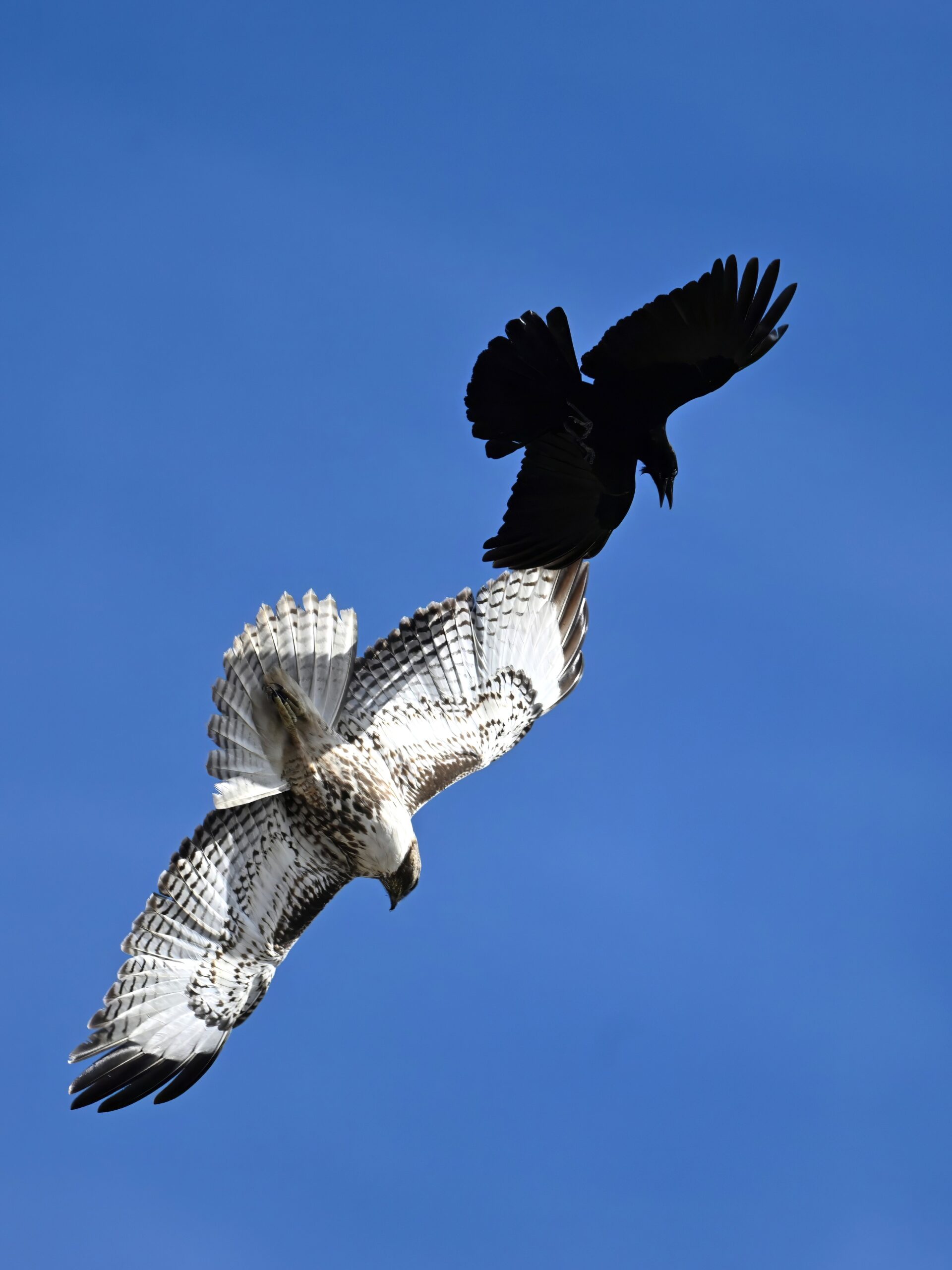
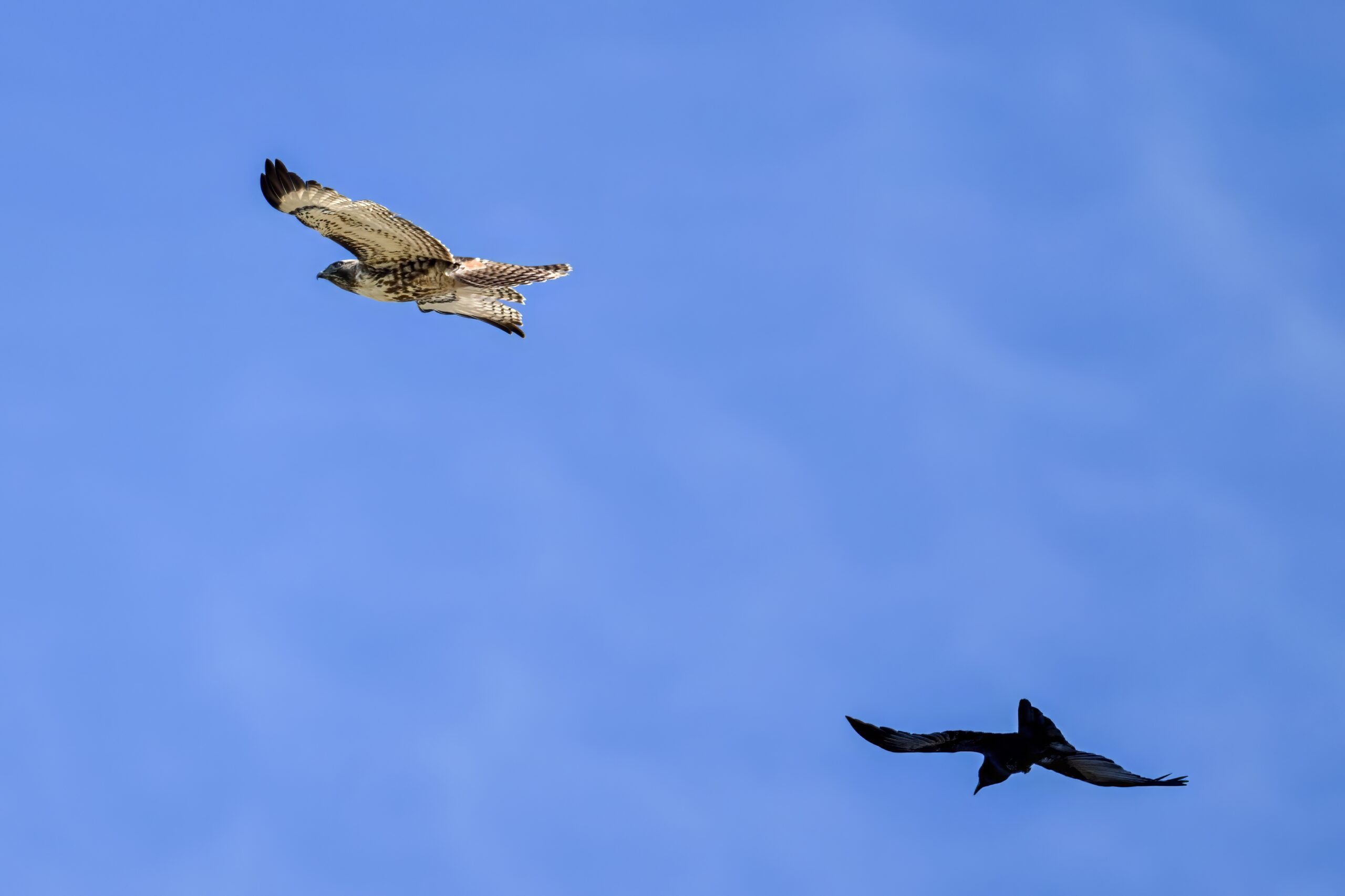
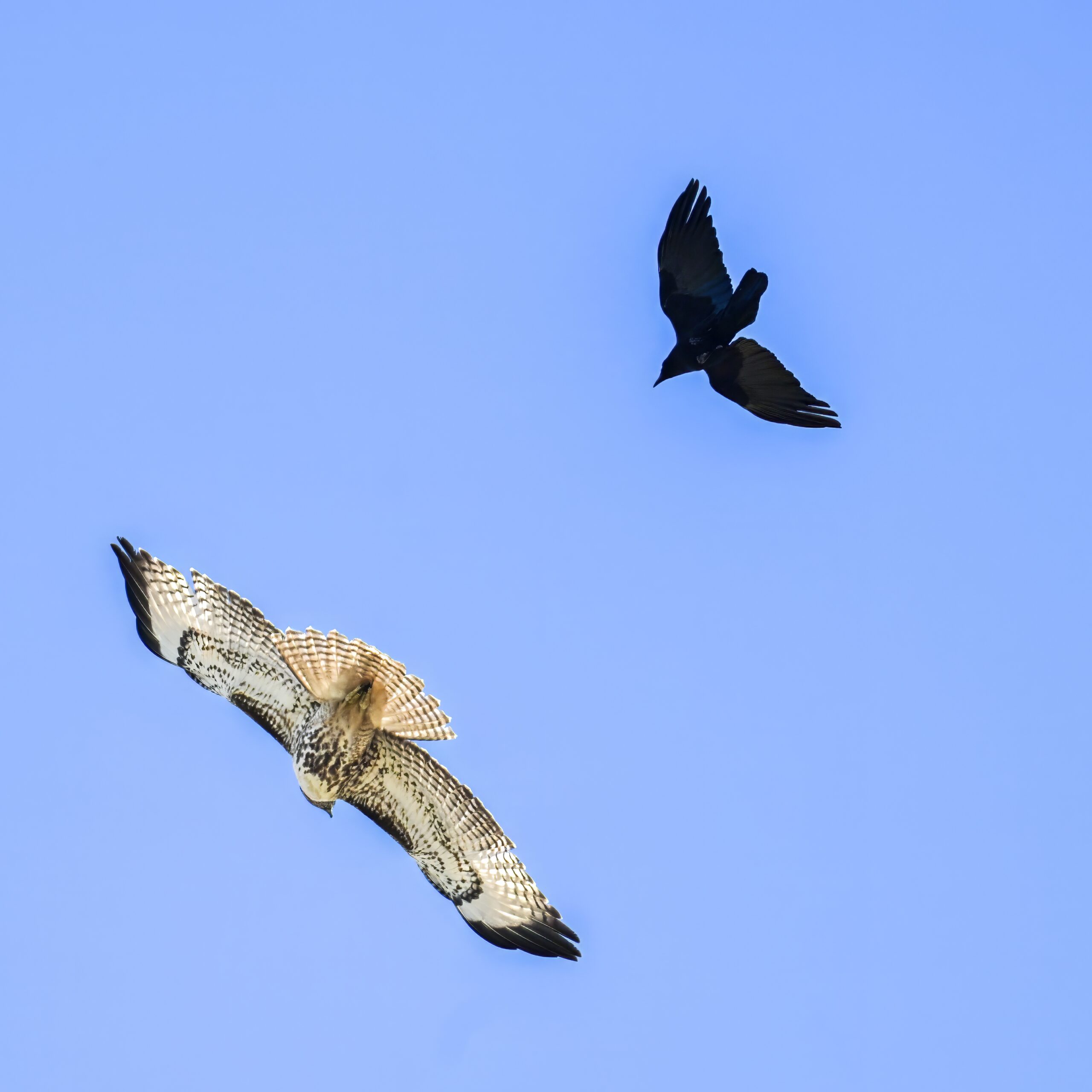
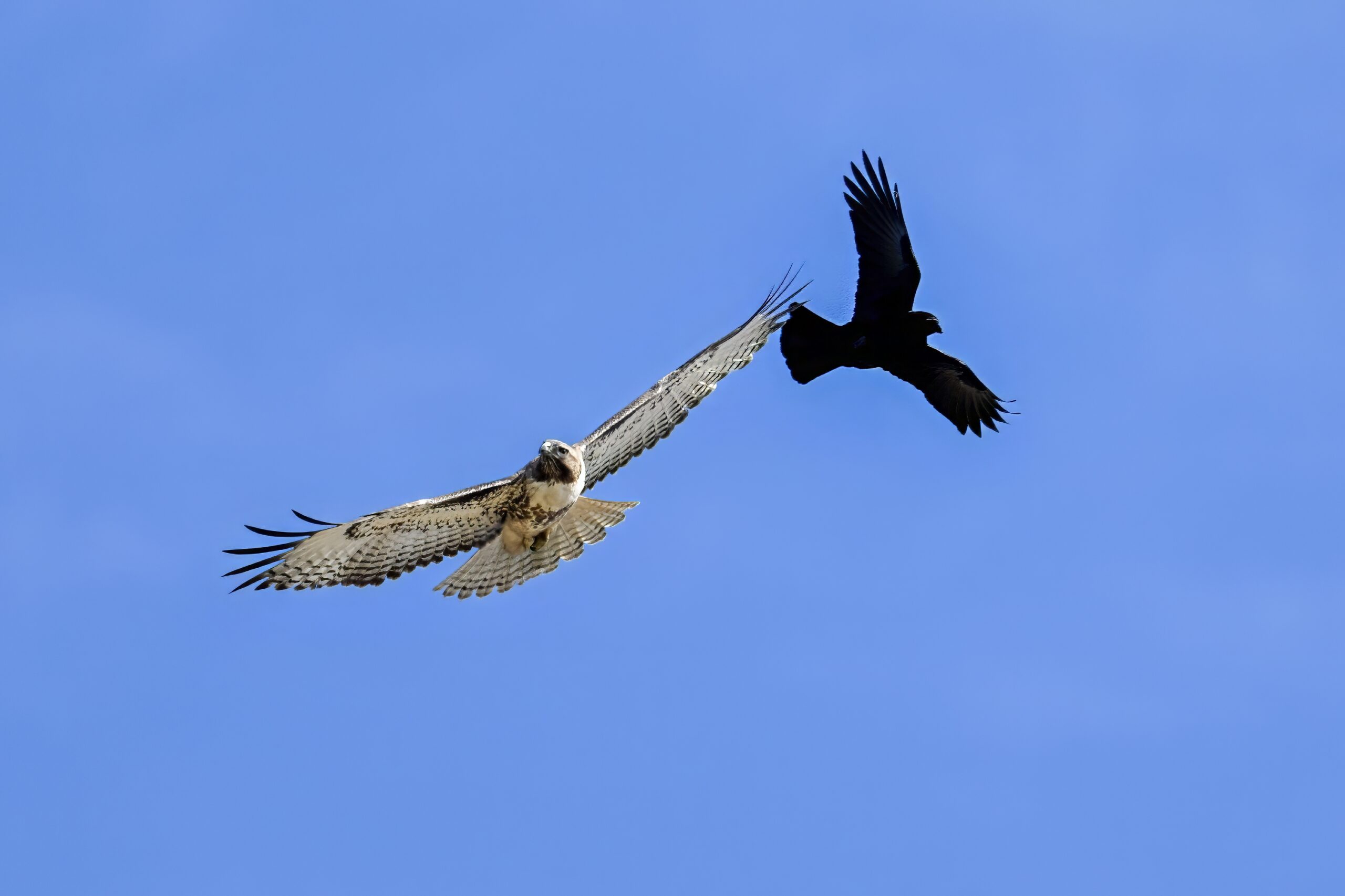
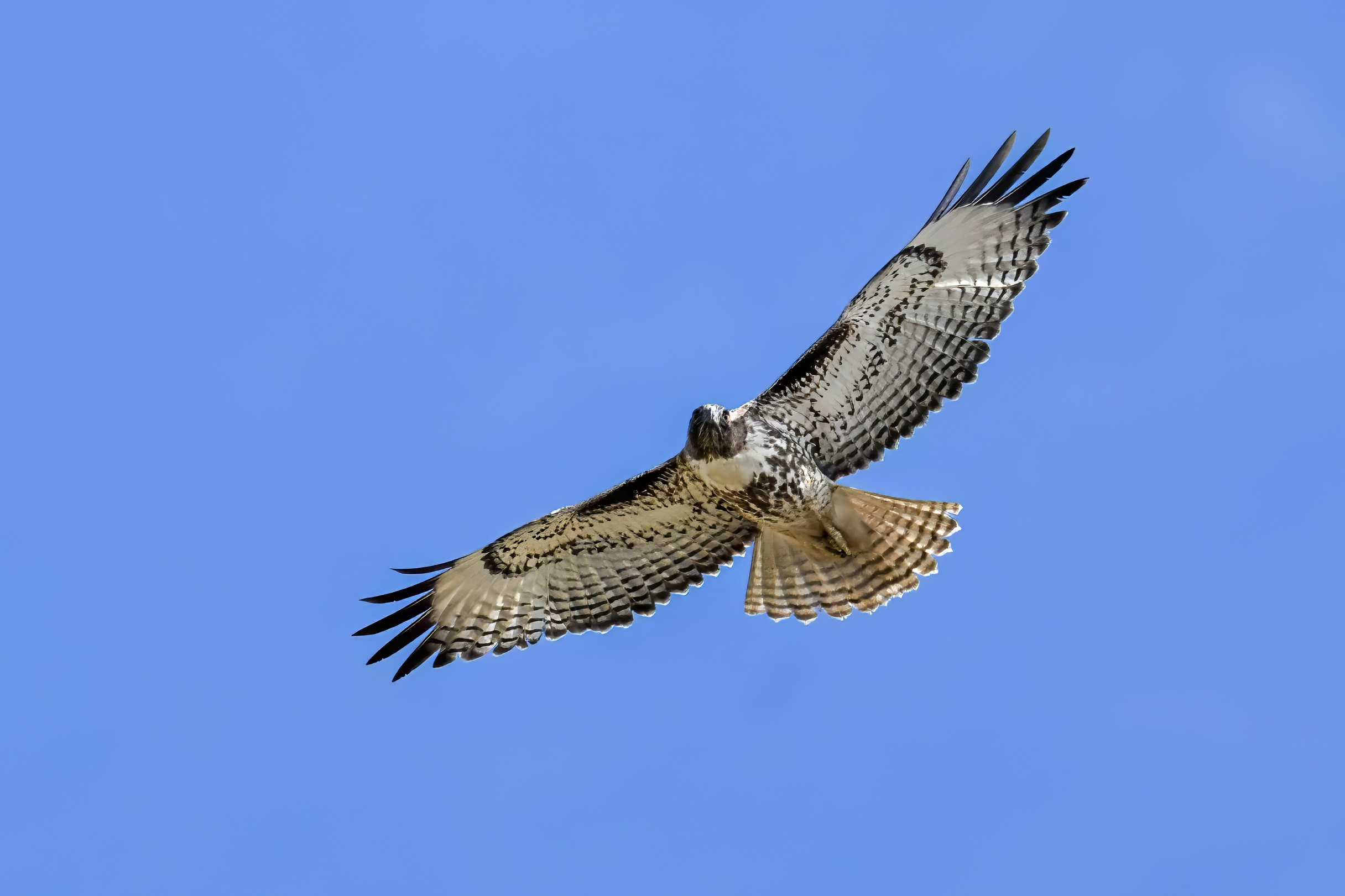
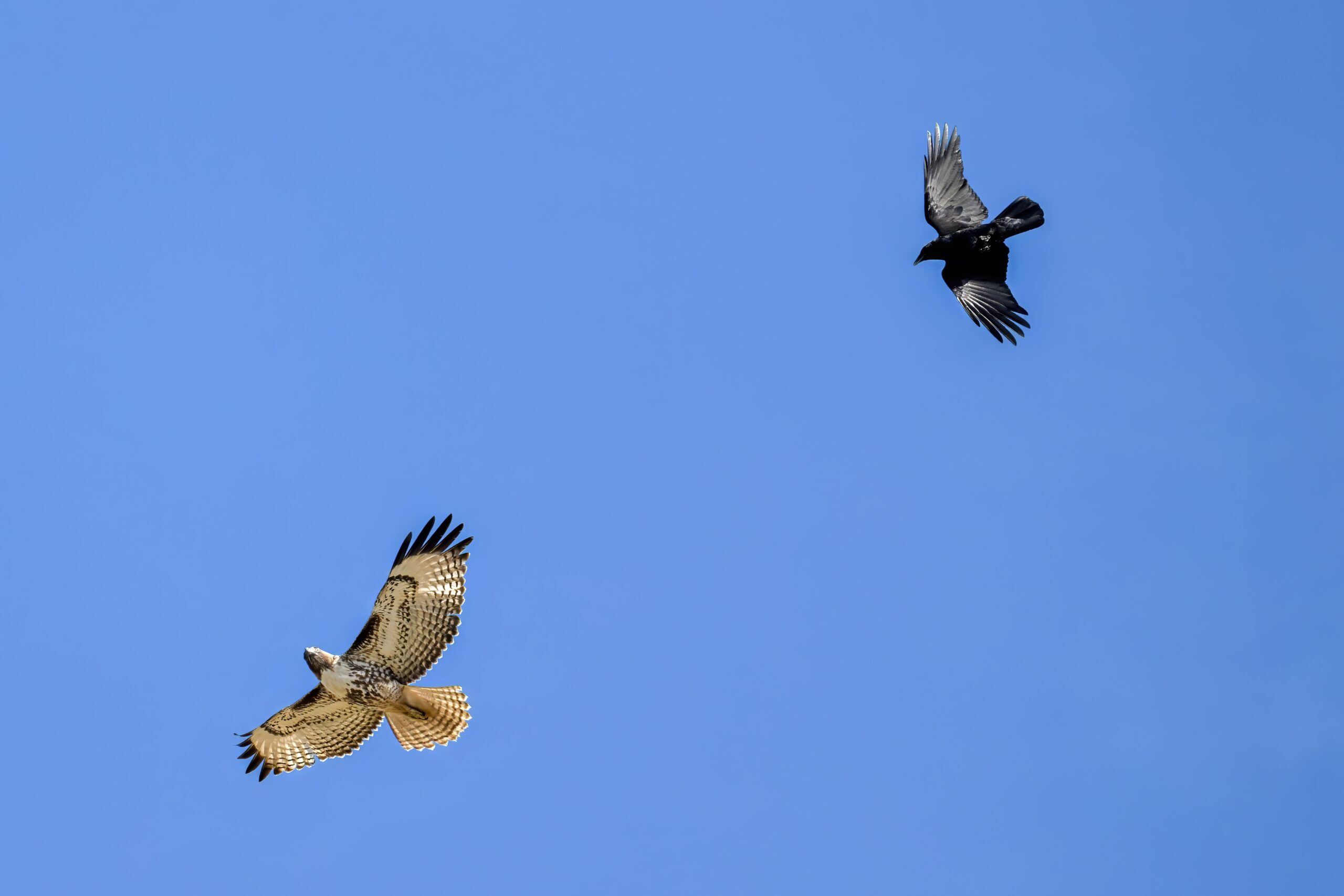
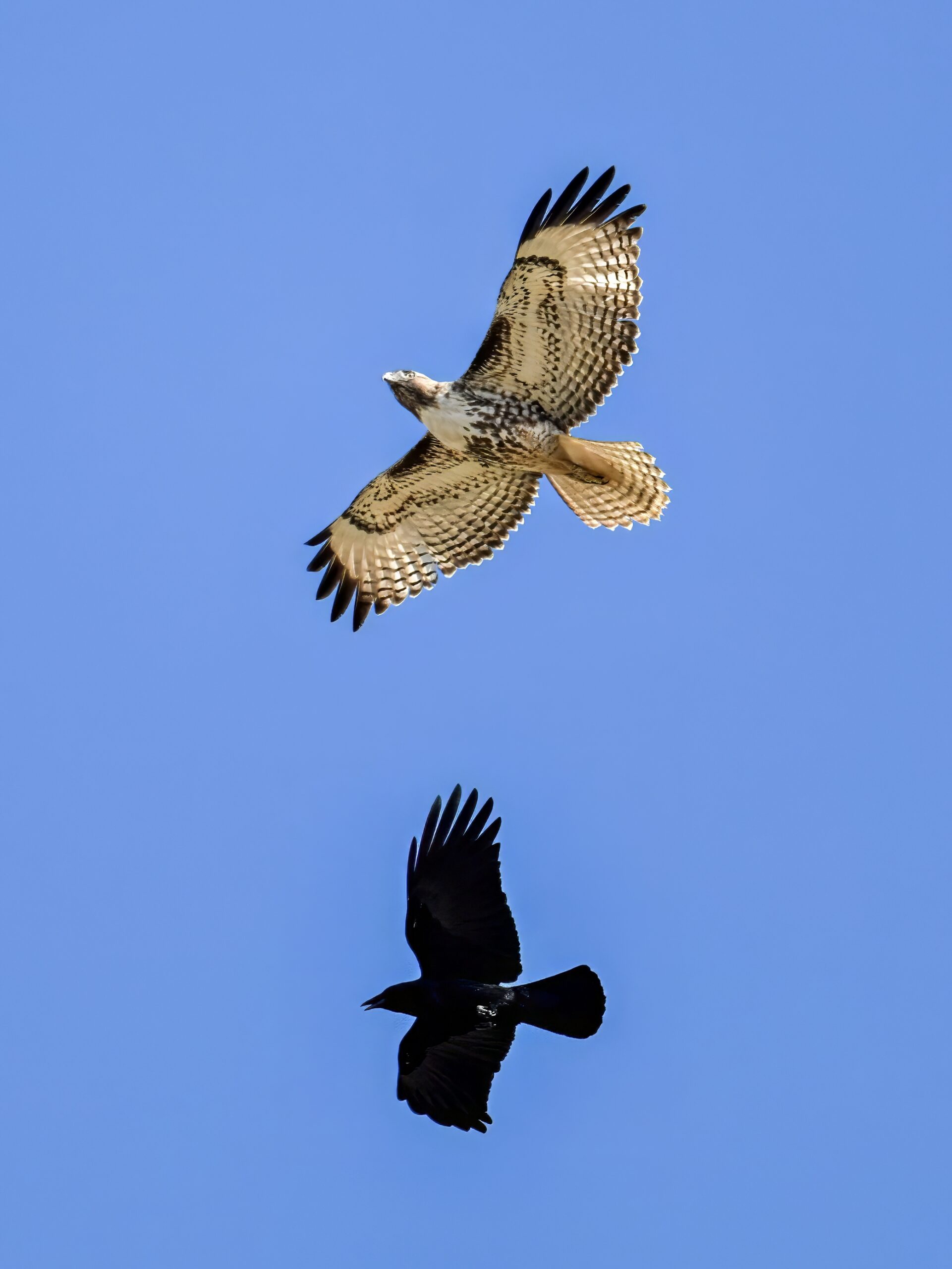
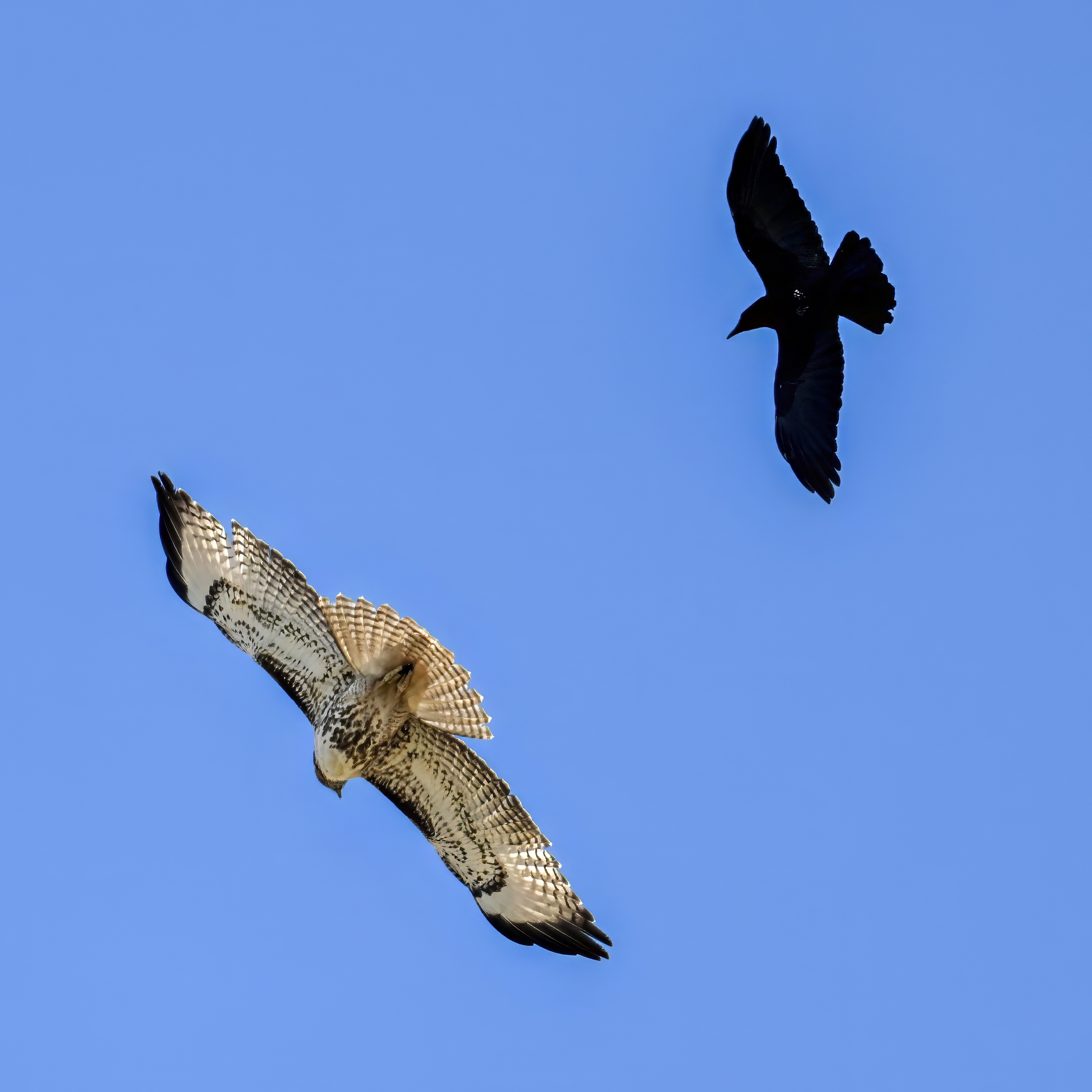
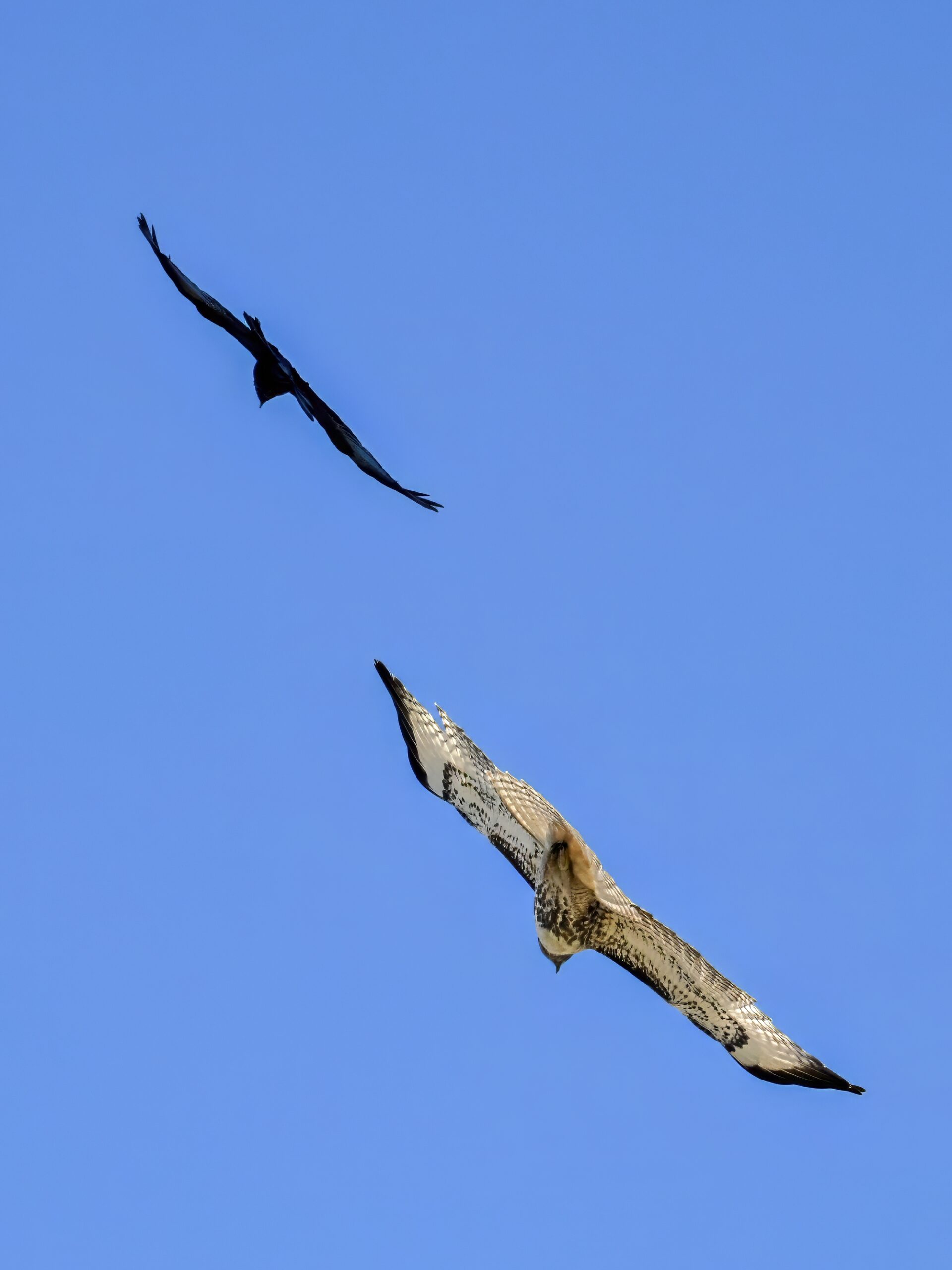
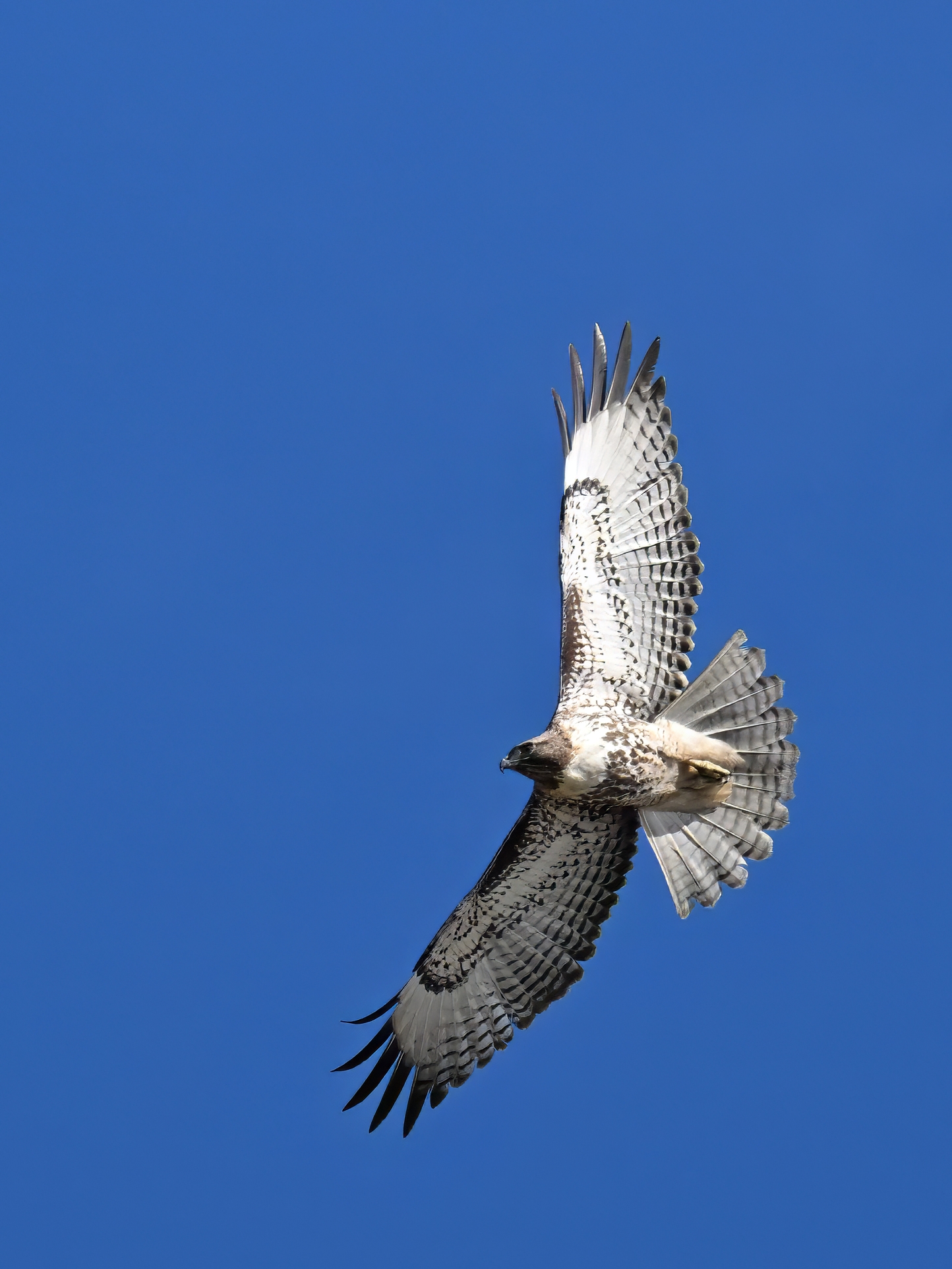
Bonus “bird wars” on the same date + location, it’s Red-tailed Hawk vs. American Crow:
Happy spring!
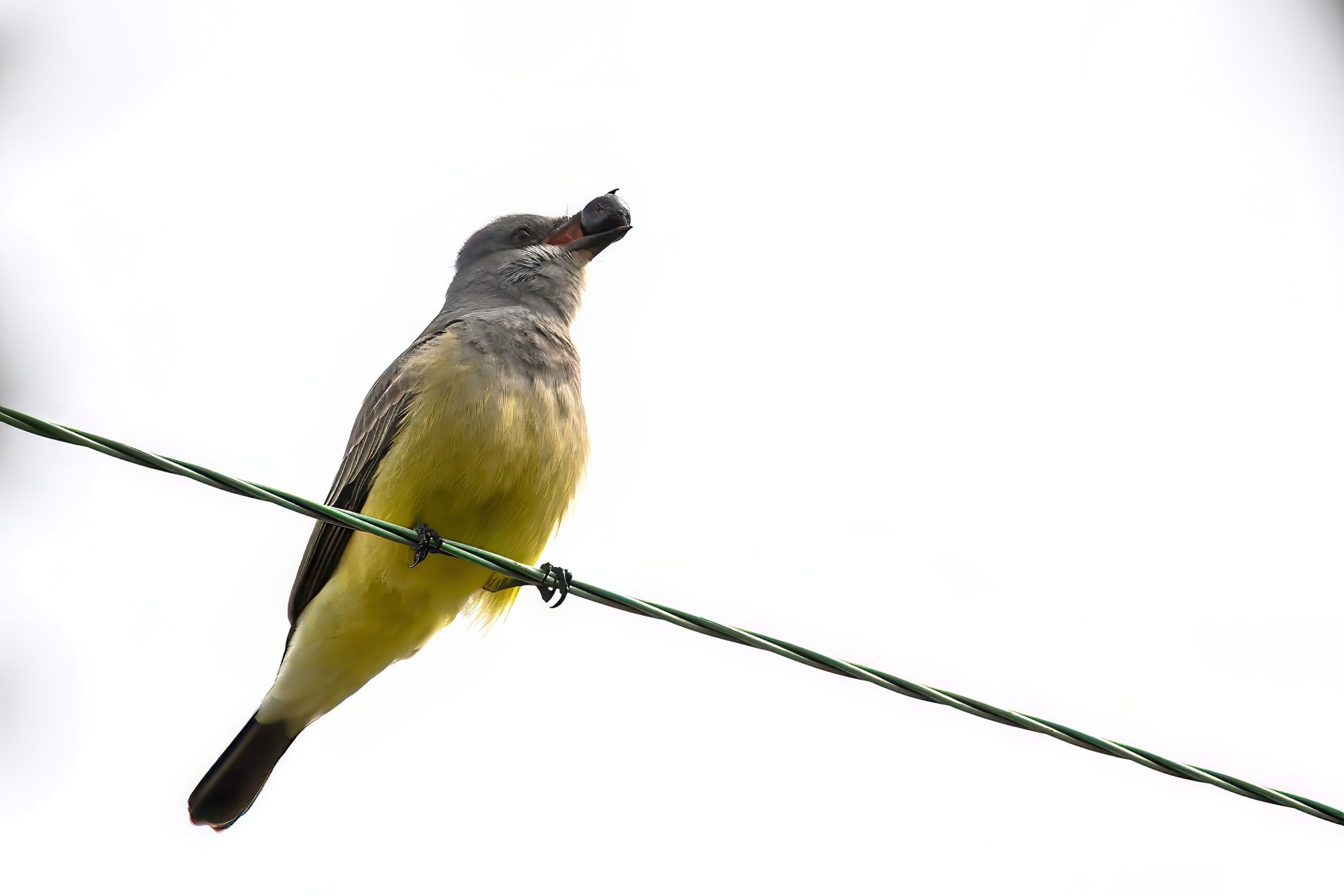
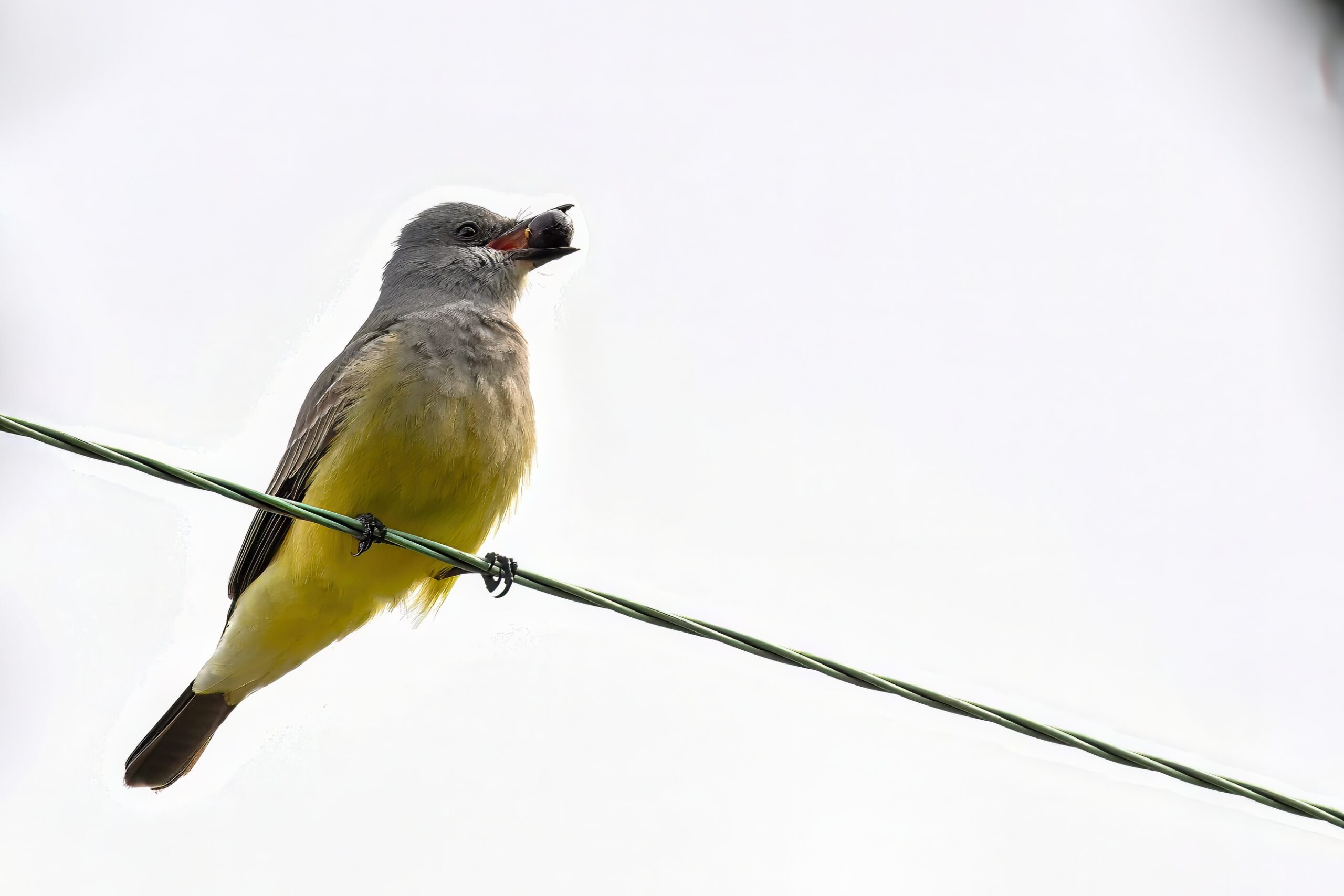
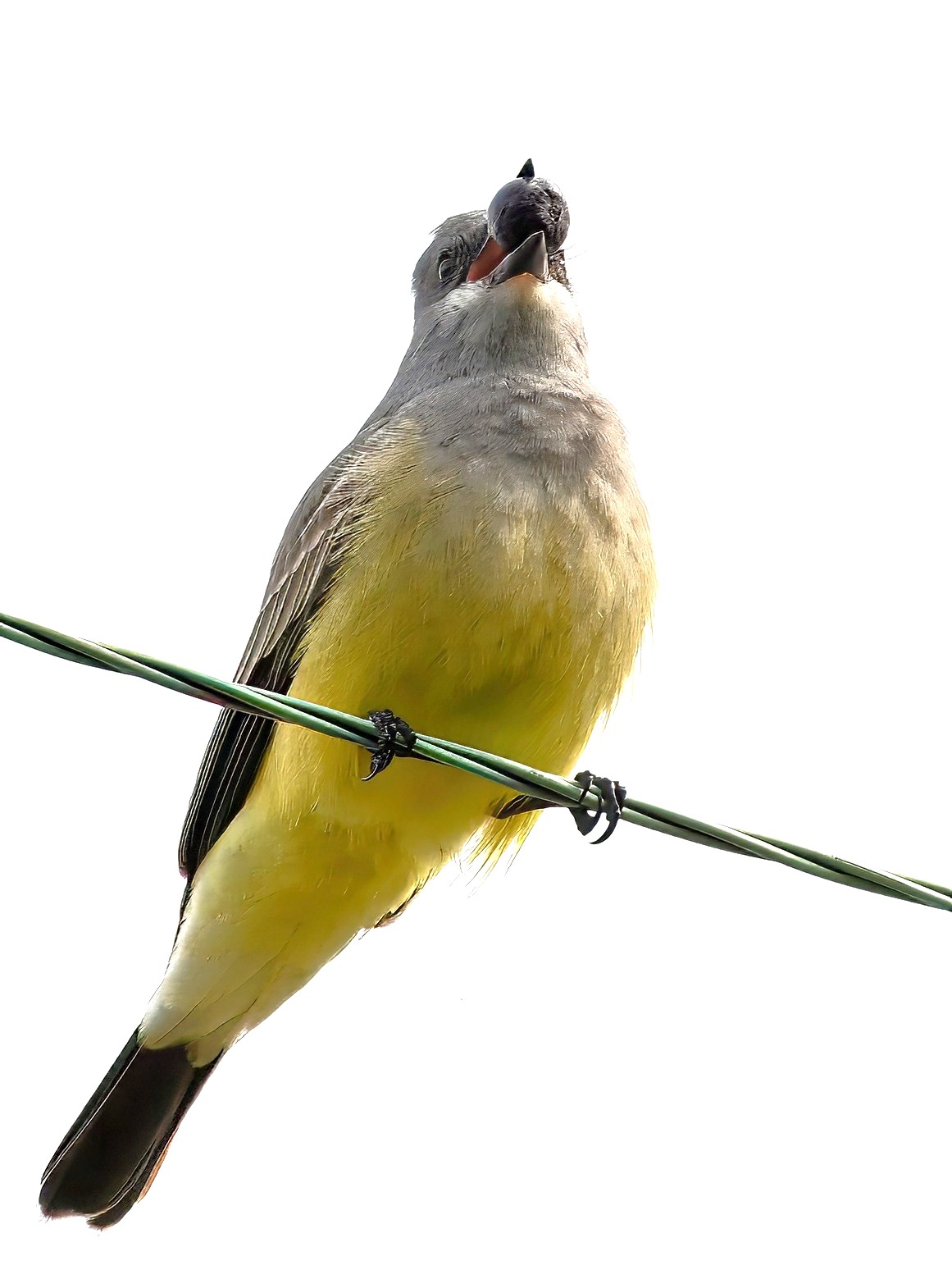
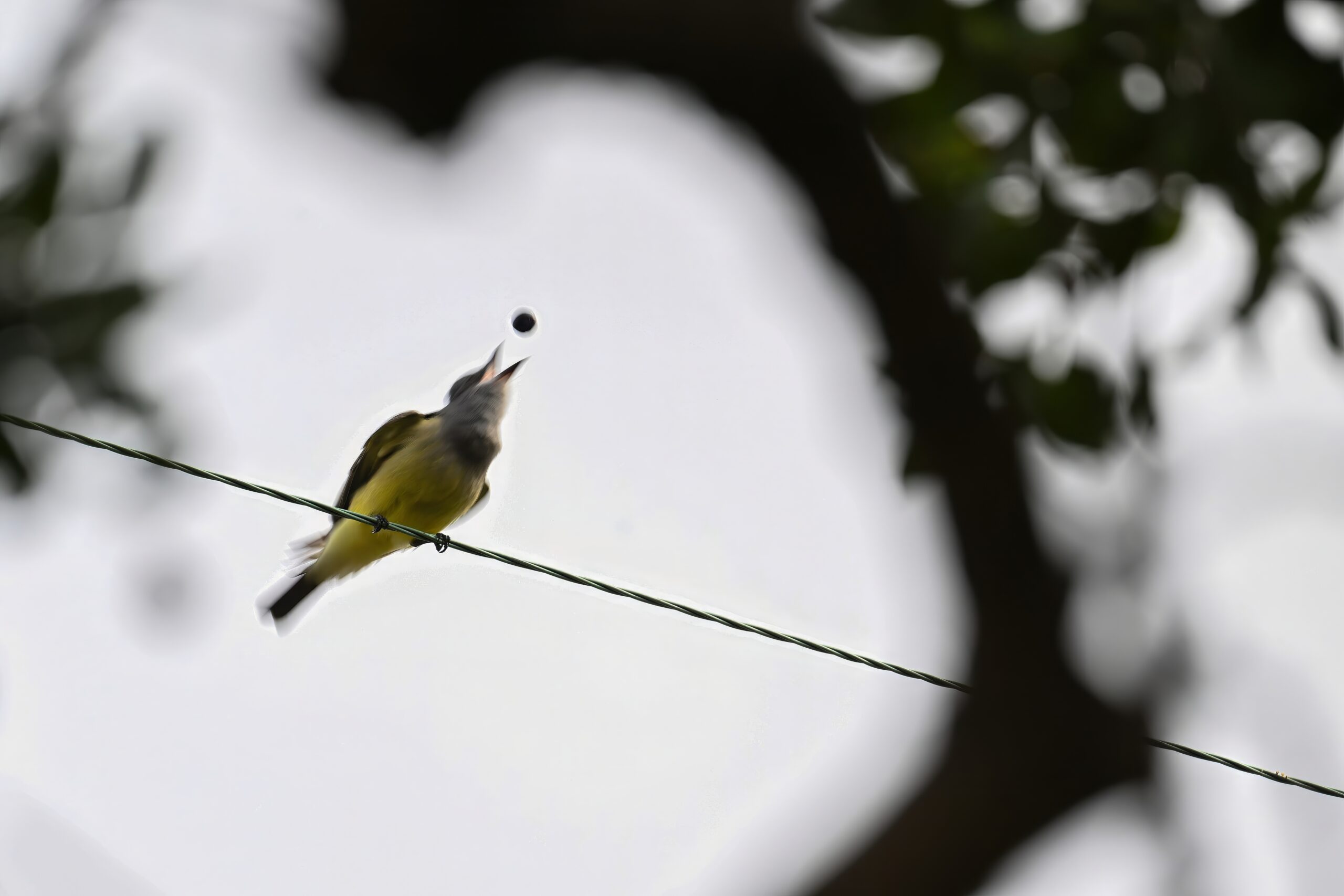
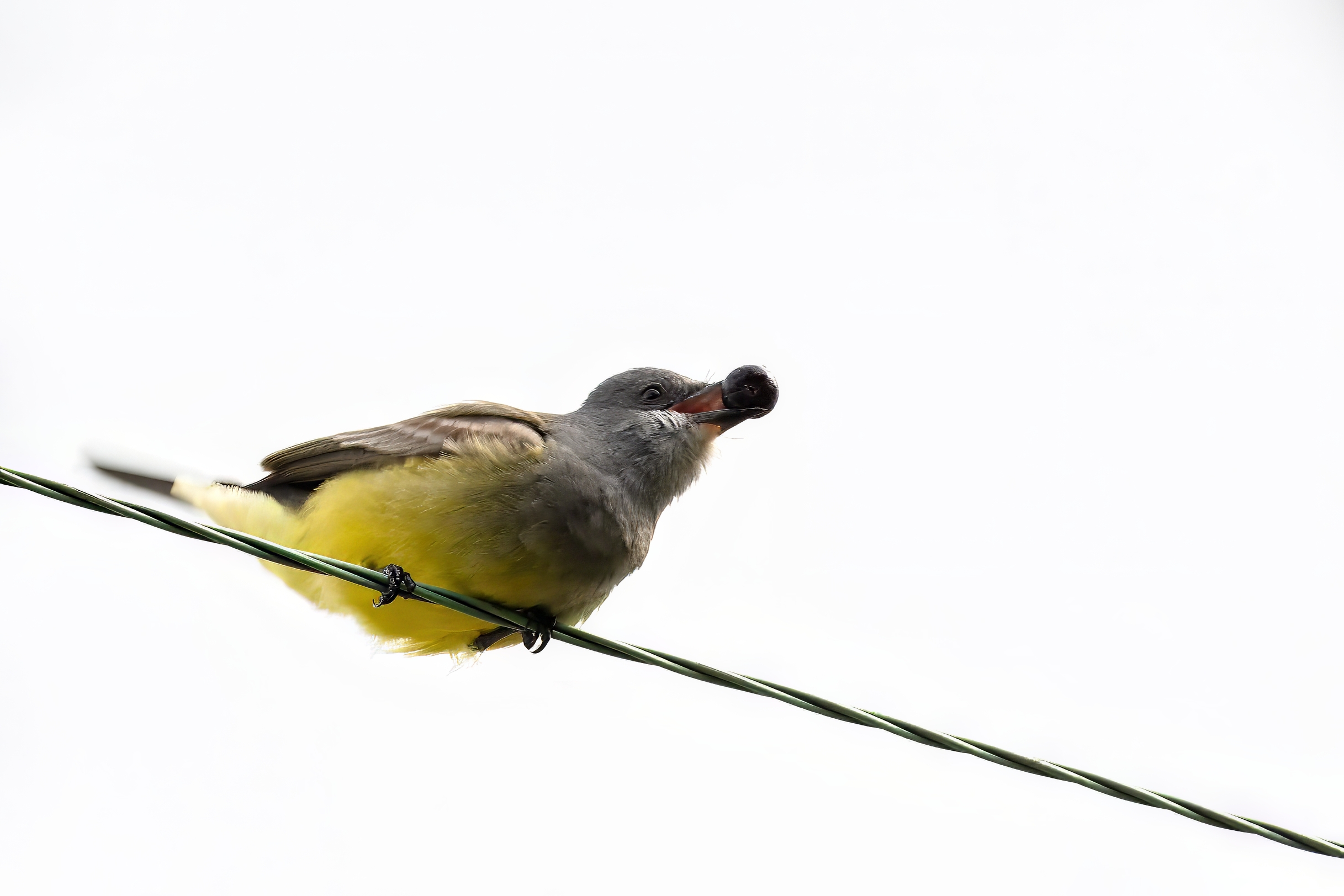
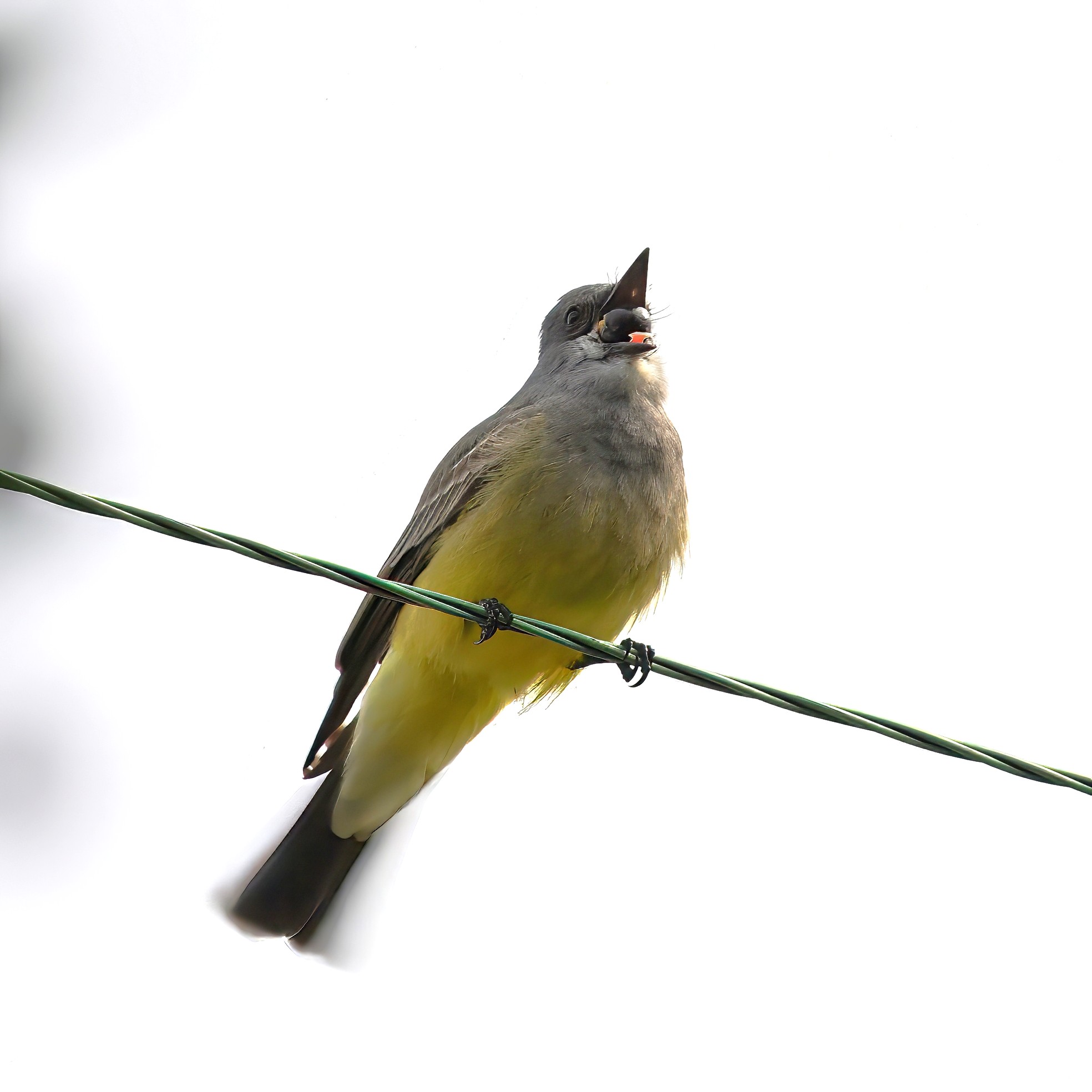
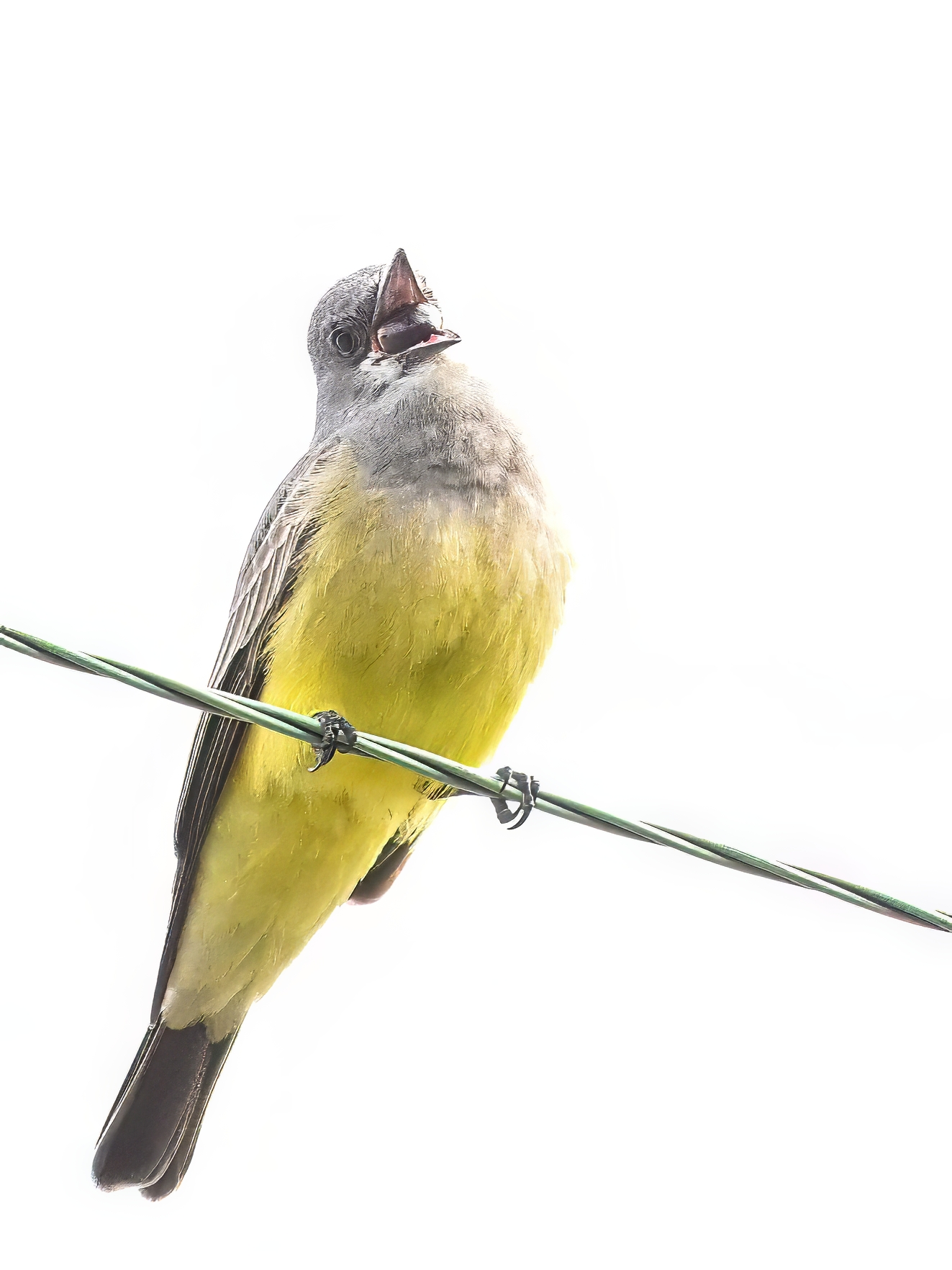
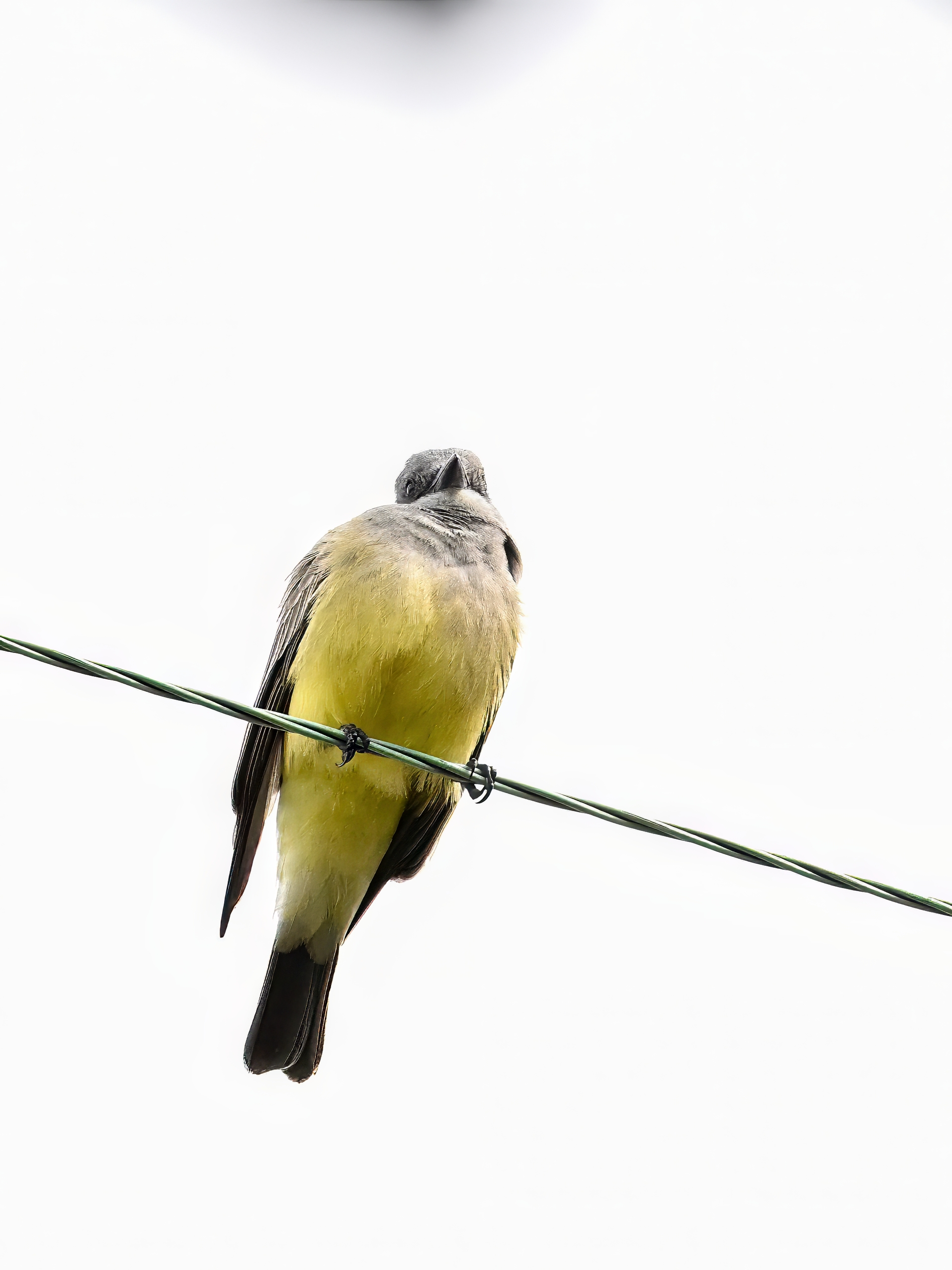
Continuing on with the “3-hour tour” of Buddy Todd Park on 6 March 2025 in Oceanside, California. Challenging lighting on some of these shots, but still great to see Cassin’s Kingbird w/ an acorn or berry:
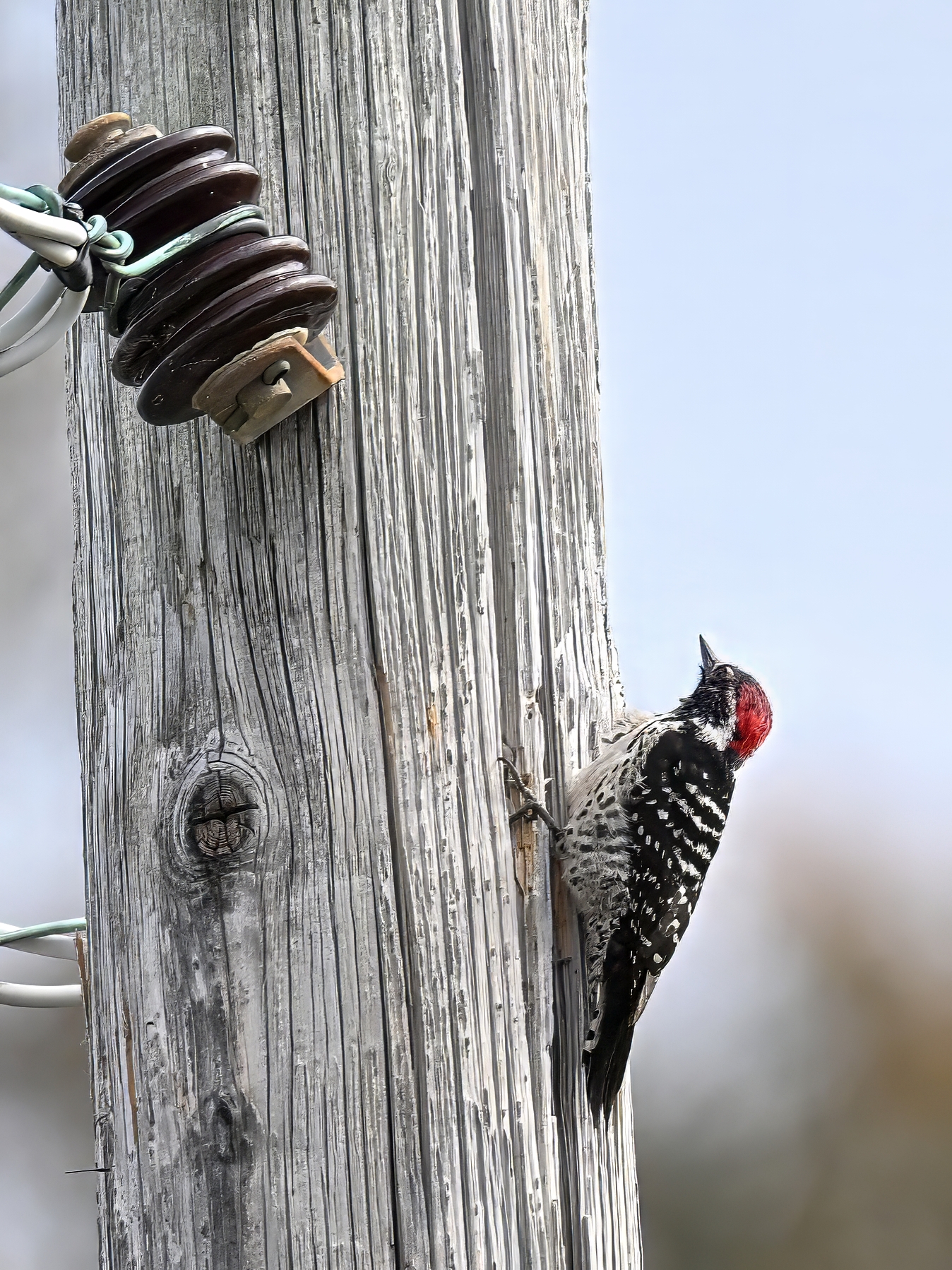
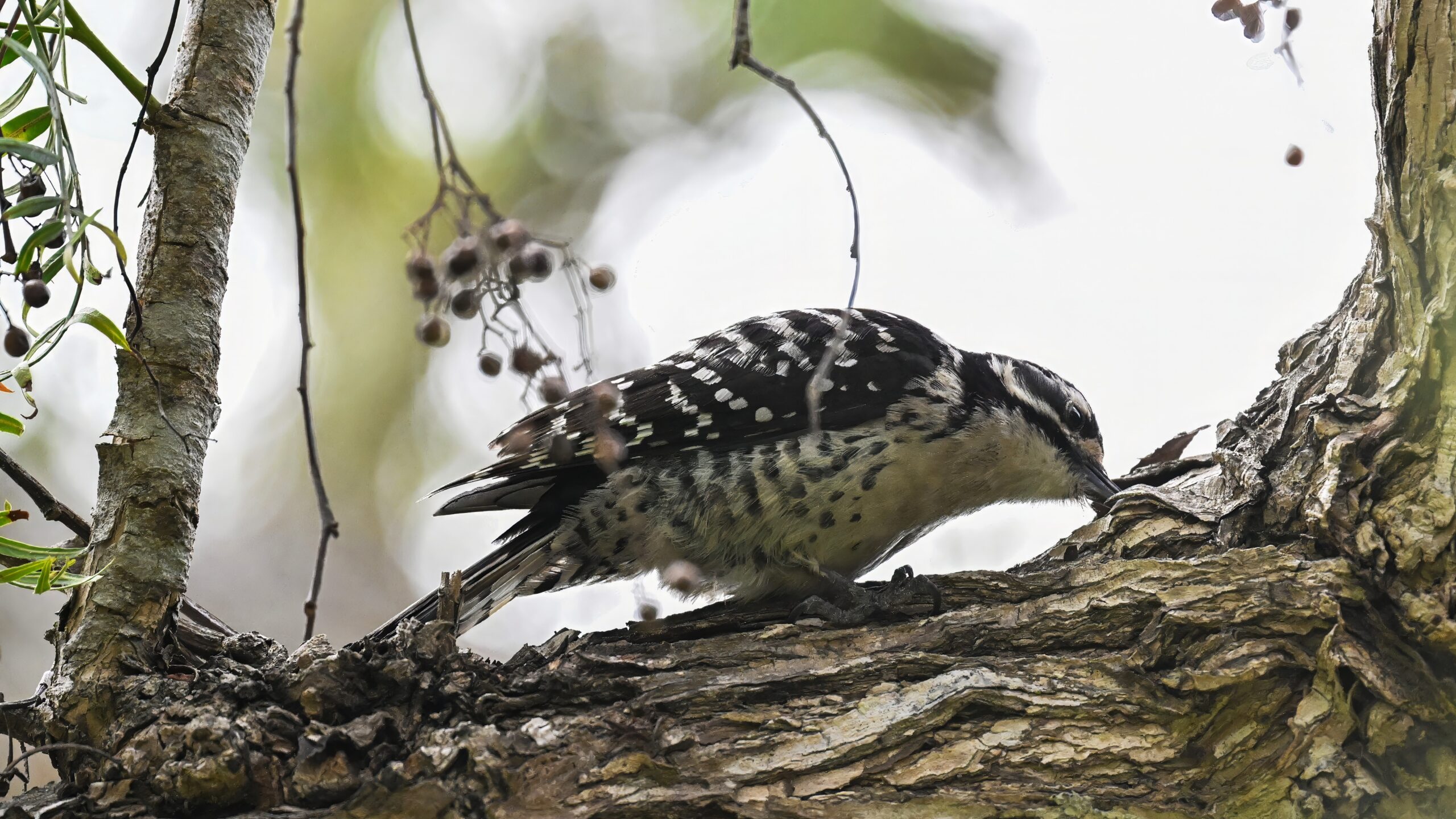
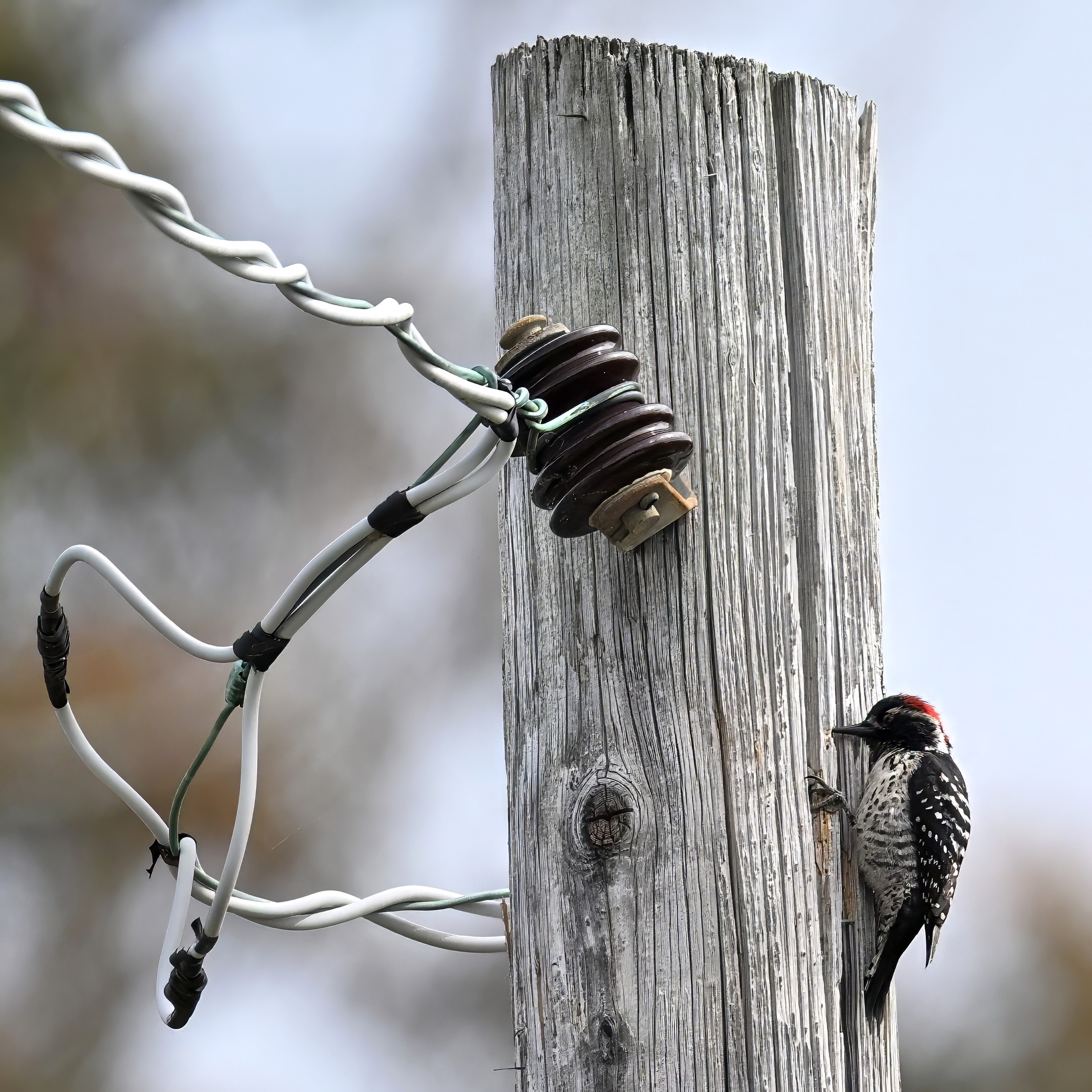
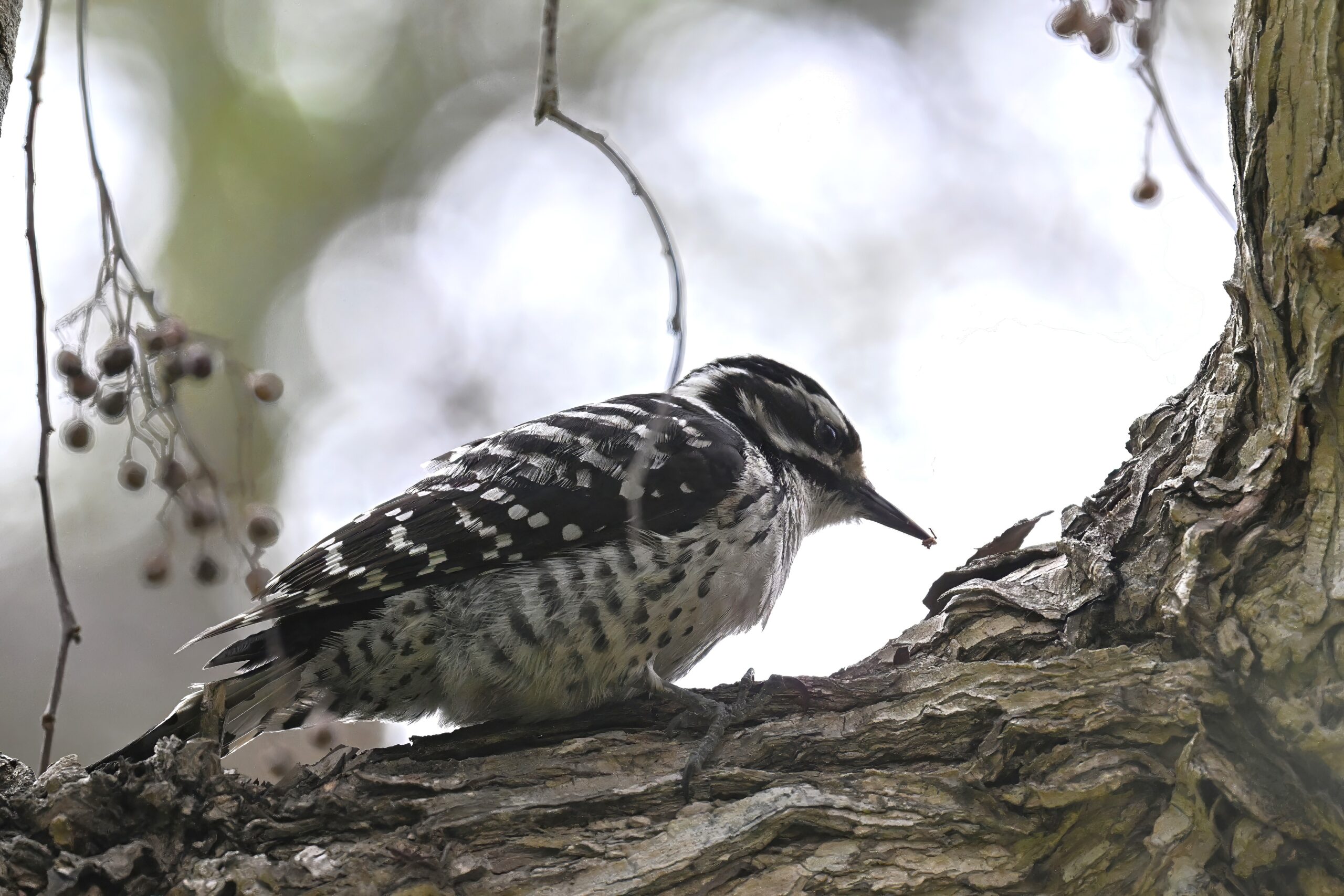
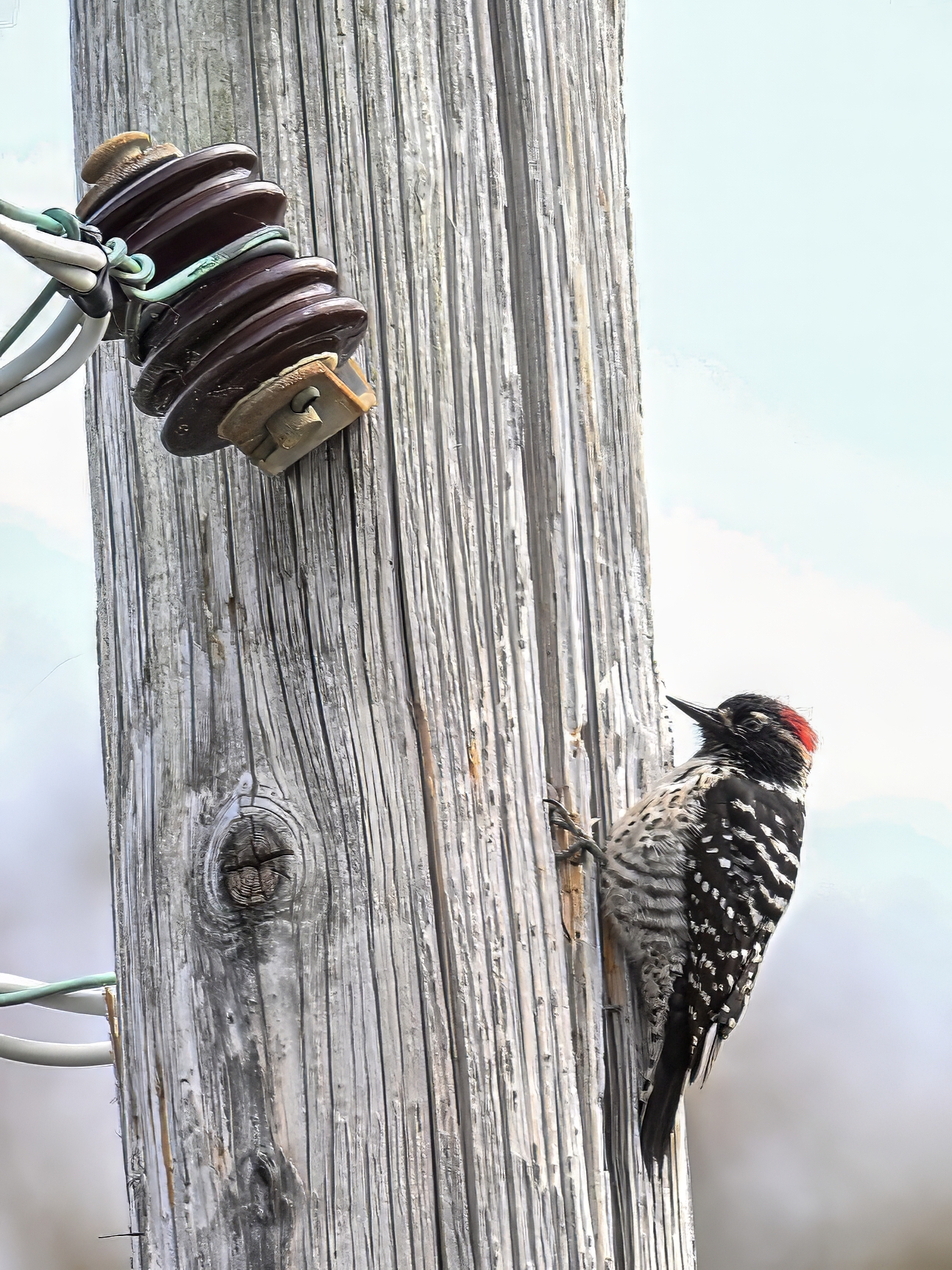
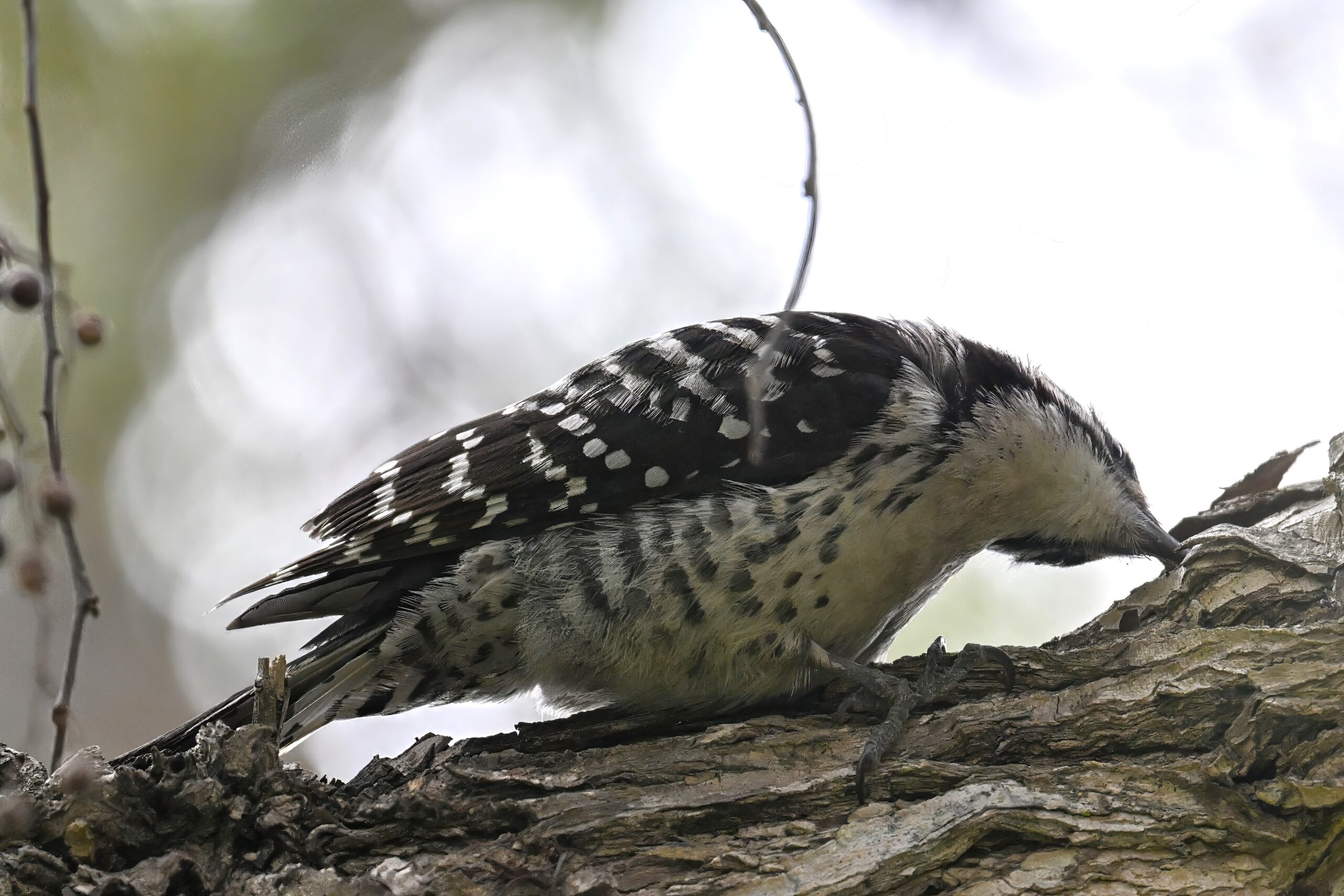
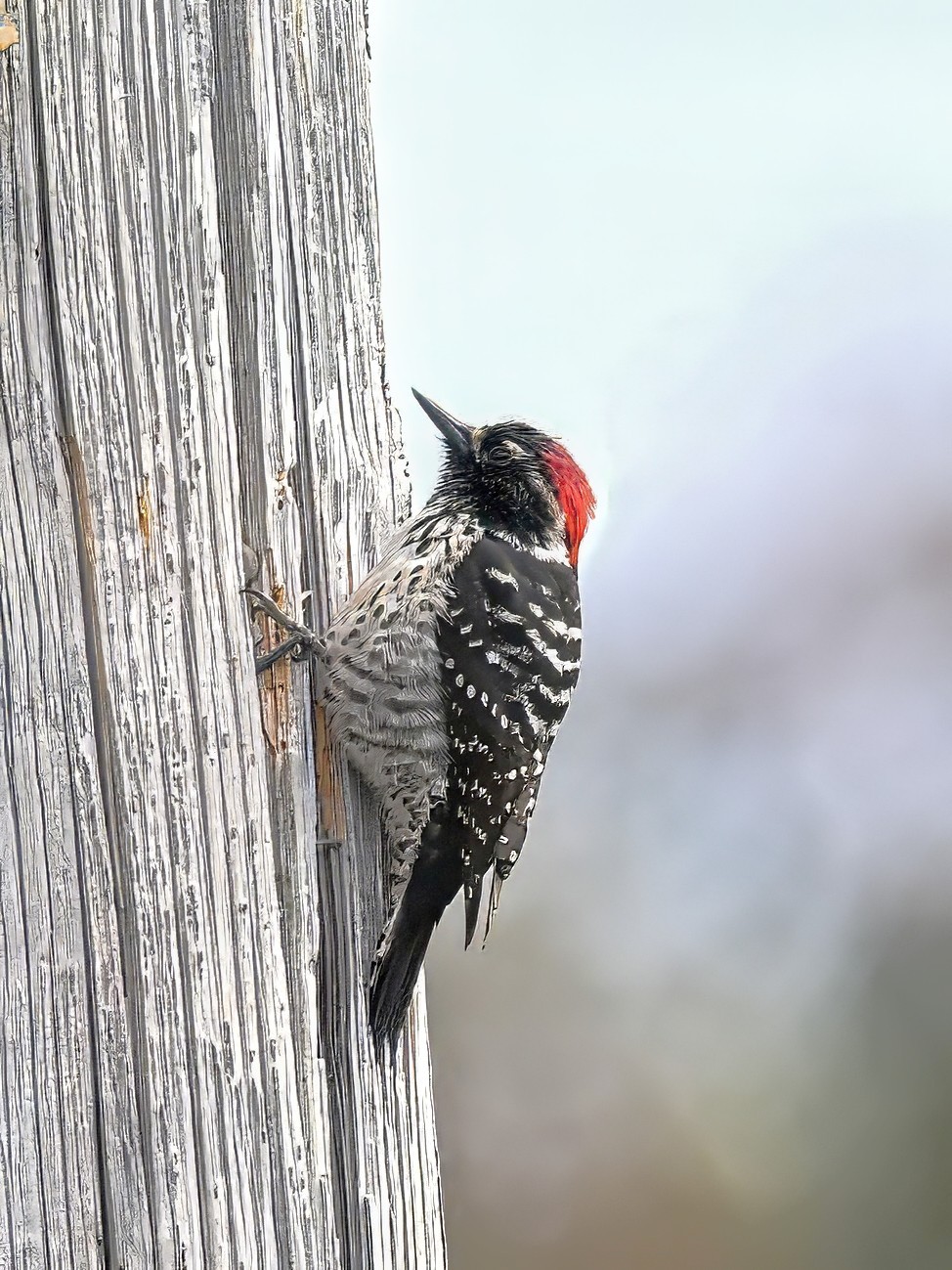
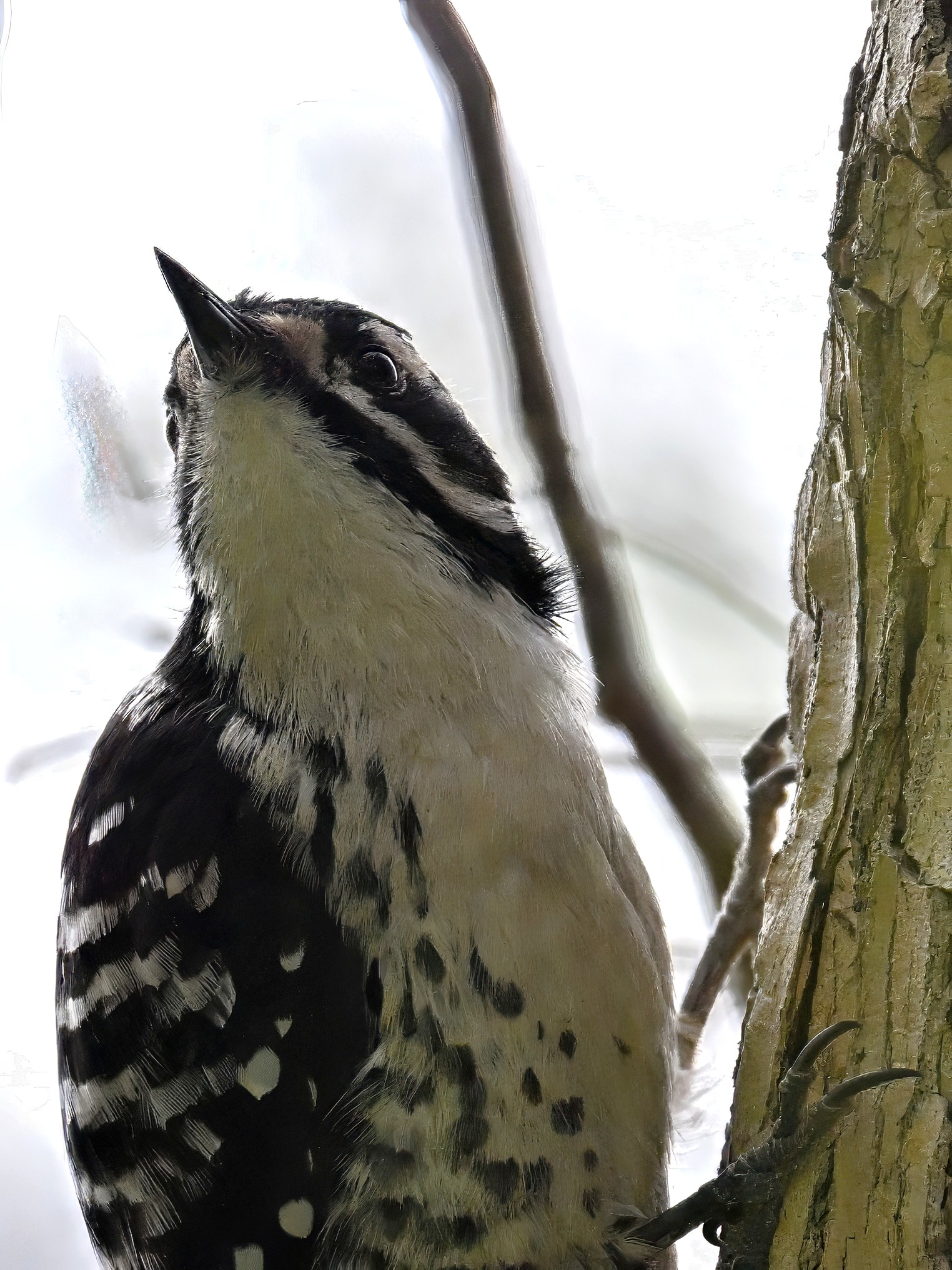
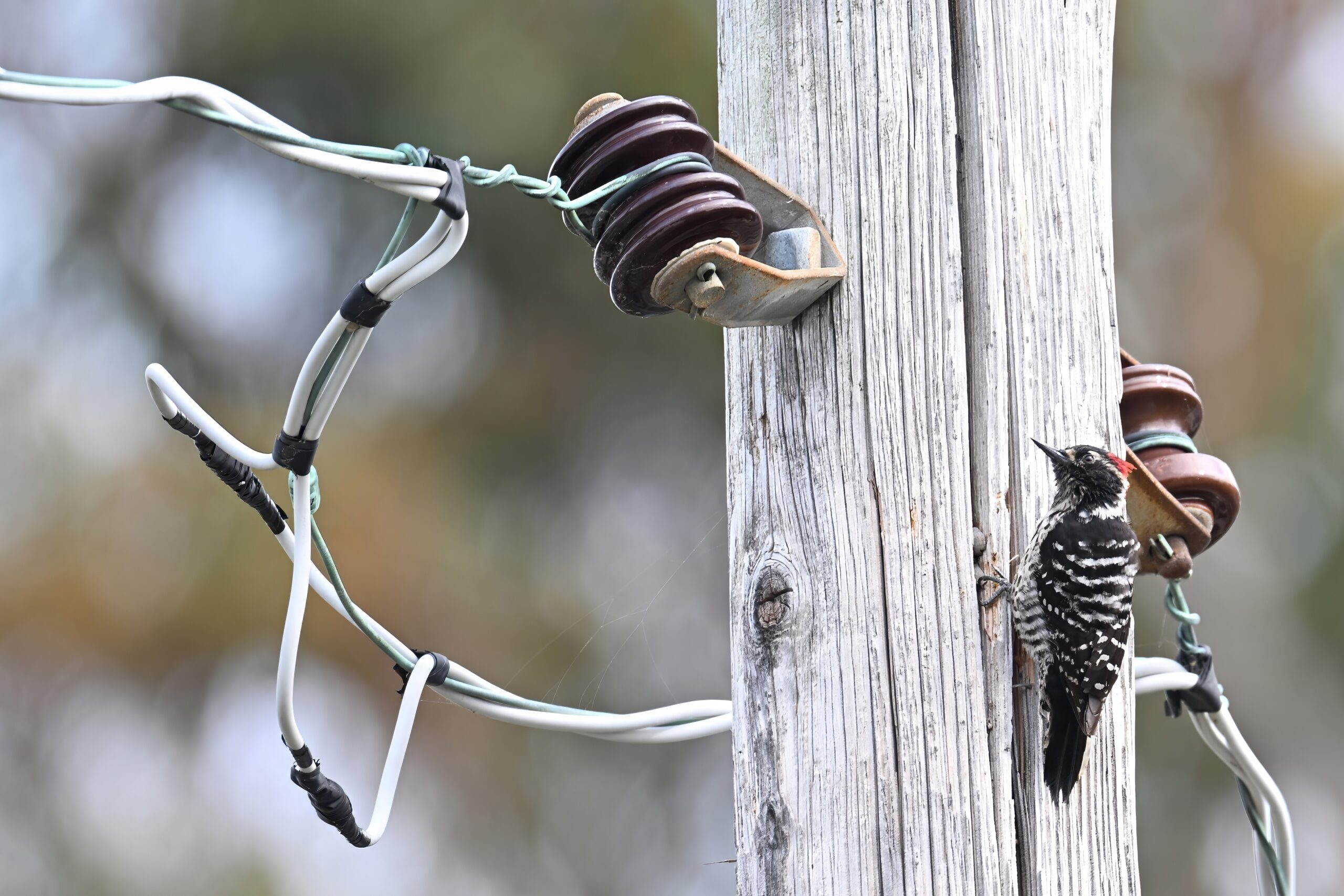
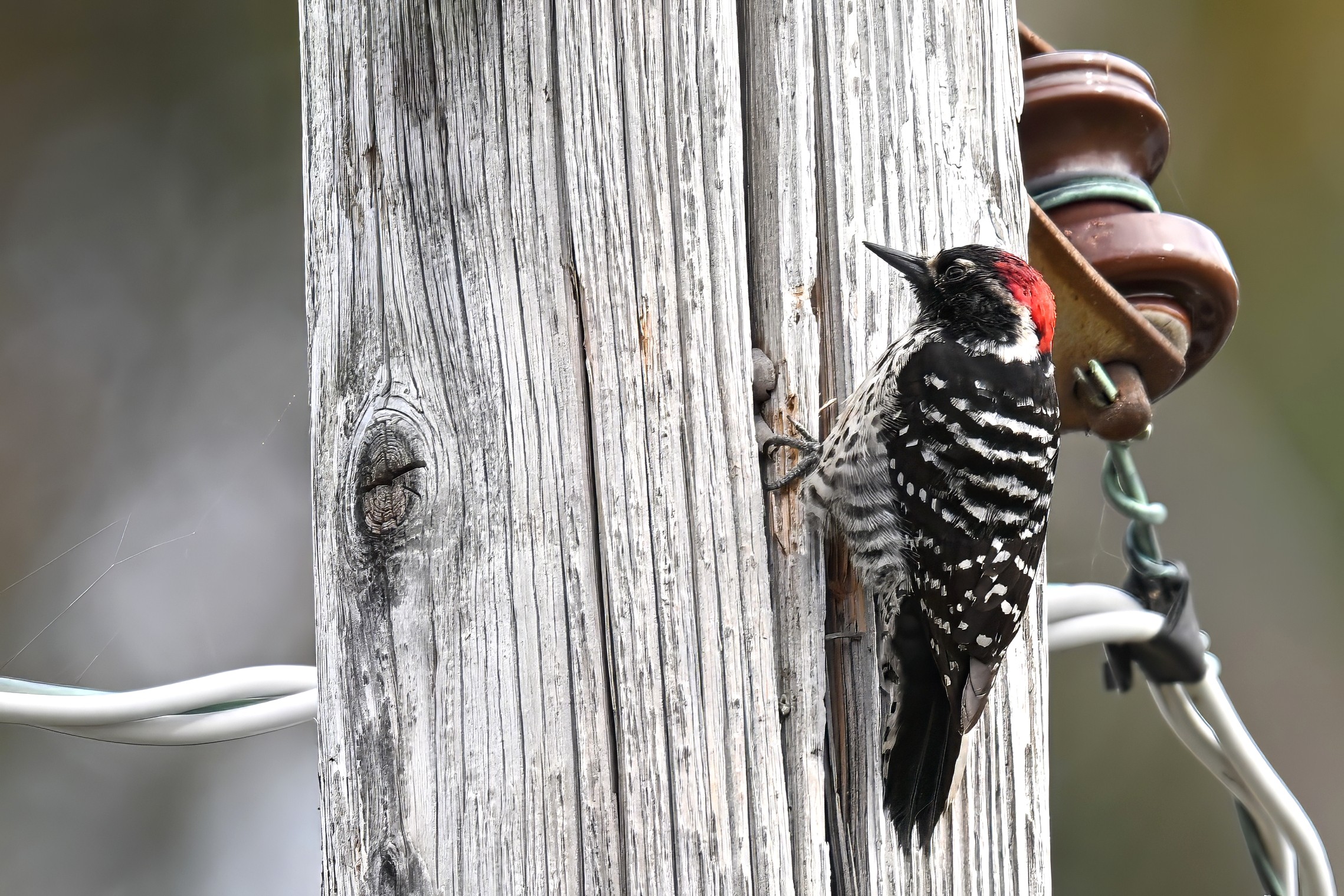
Even better, a great sighting (and BirdingPI.com “first ever”) of Nuttall’s Woodpecker, both male and female, generally limited in range to the greater California area. Of course, where better to spot woodpeckers than neighborhood adjacent power poles?
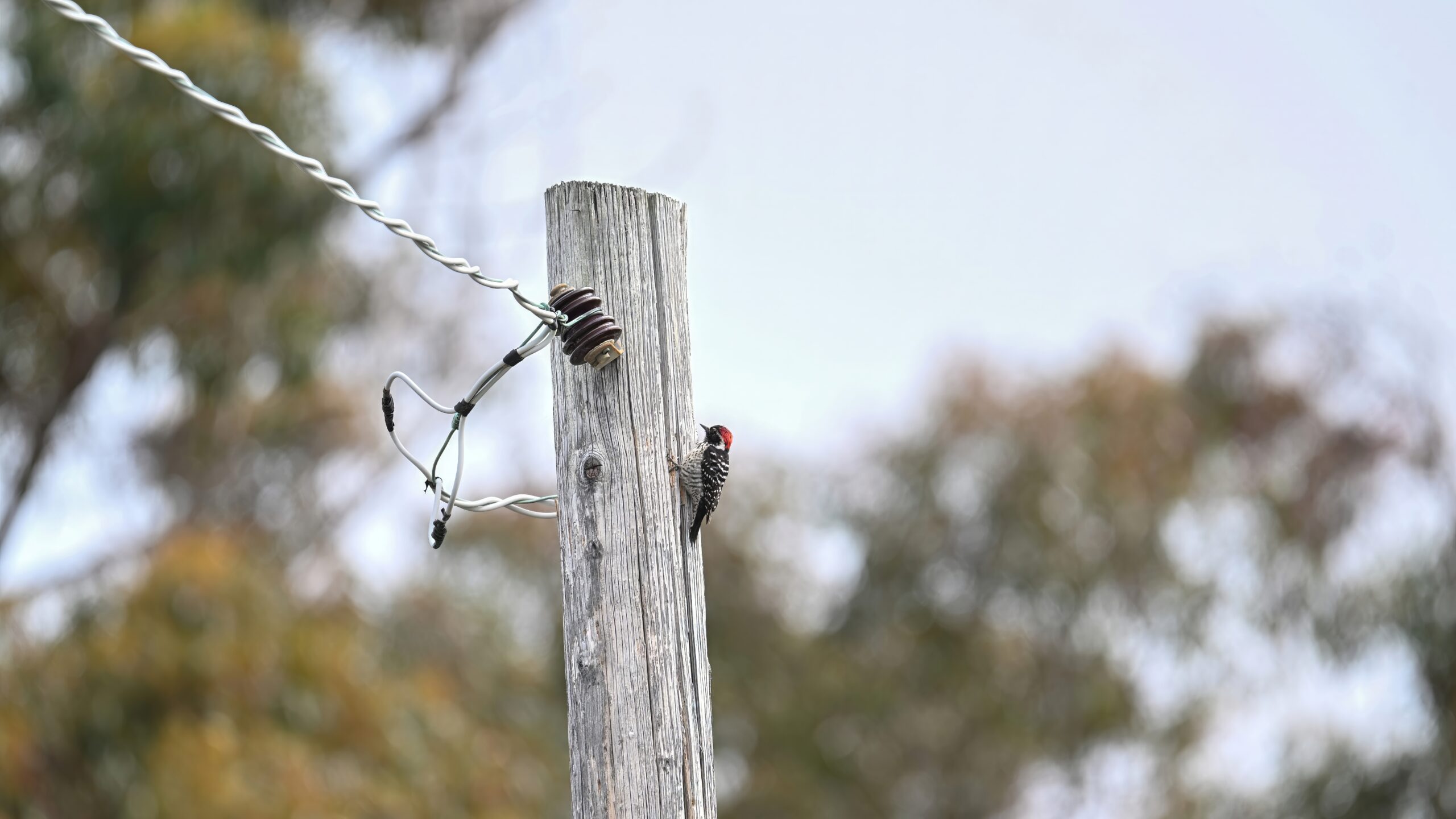
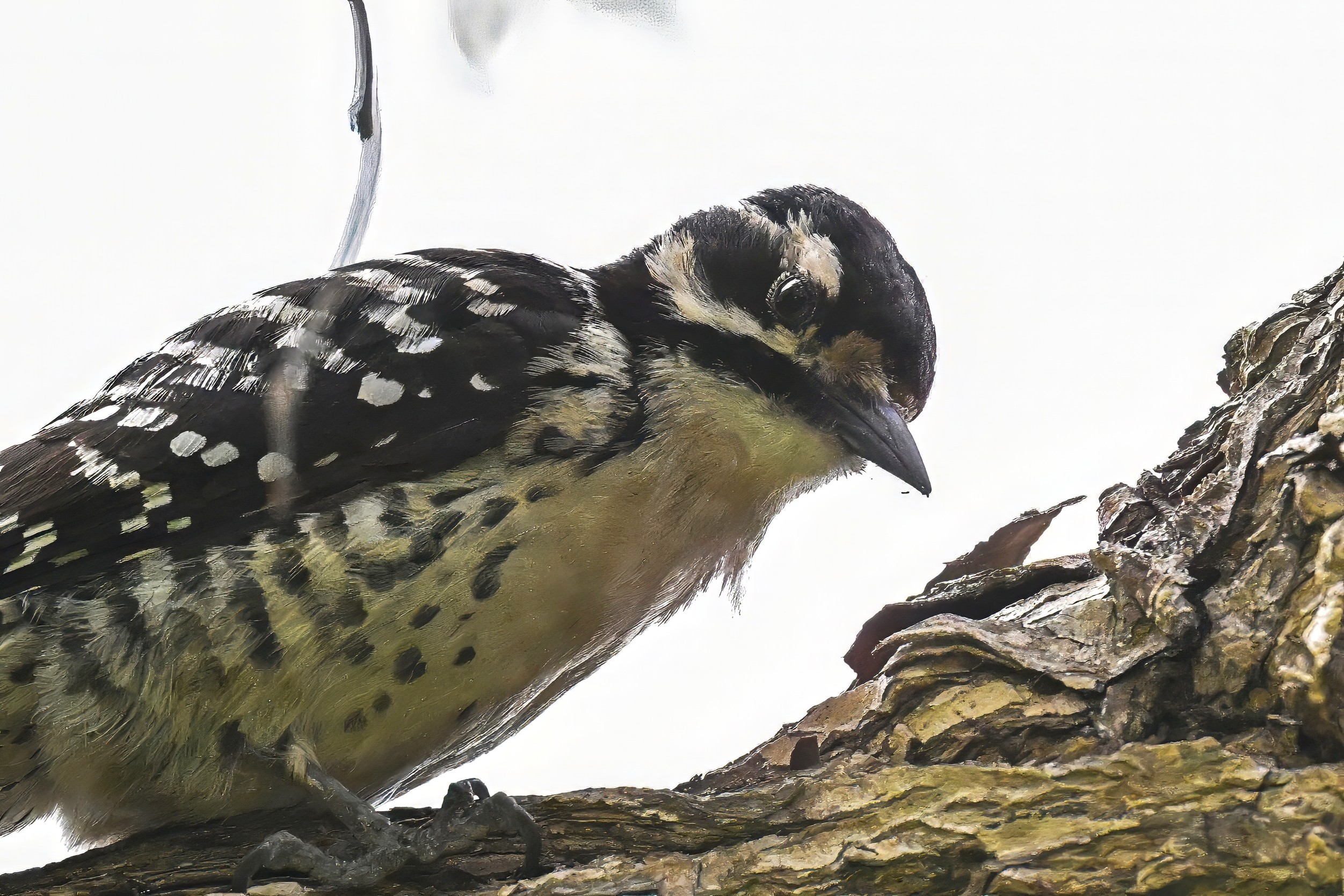
Males have characteristic red patch, which females lack.
Following medley alternates Cassin’s Kingbird, male Nuttall’s Woodpecker, & female Nuttall’s Woodpecker:
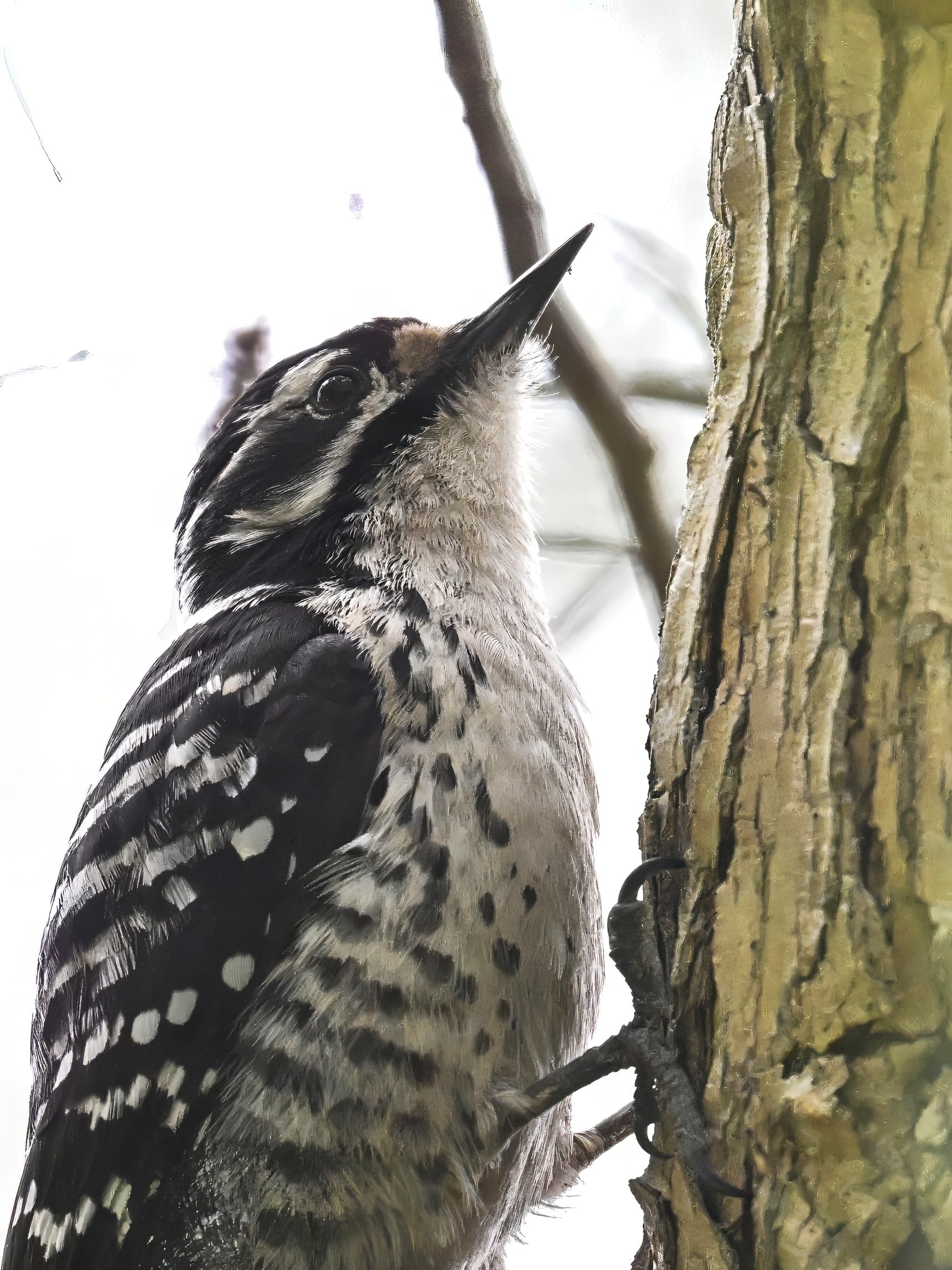
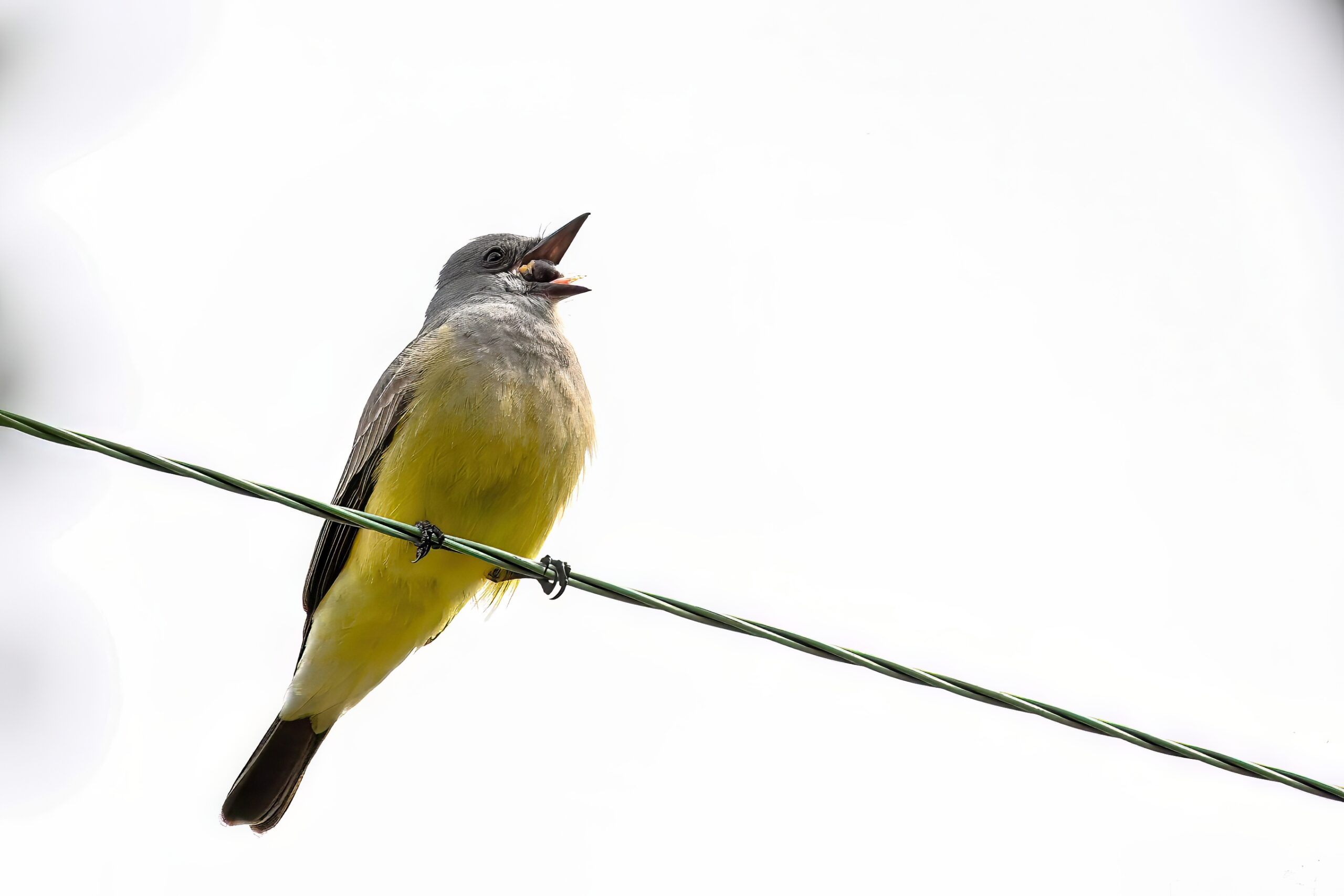
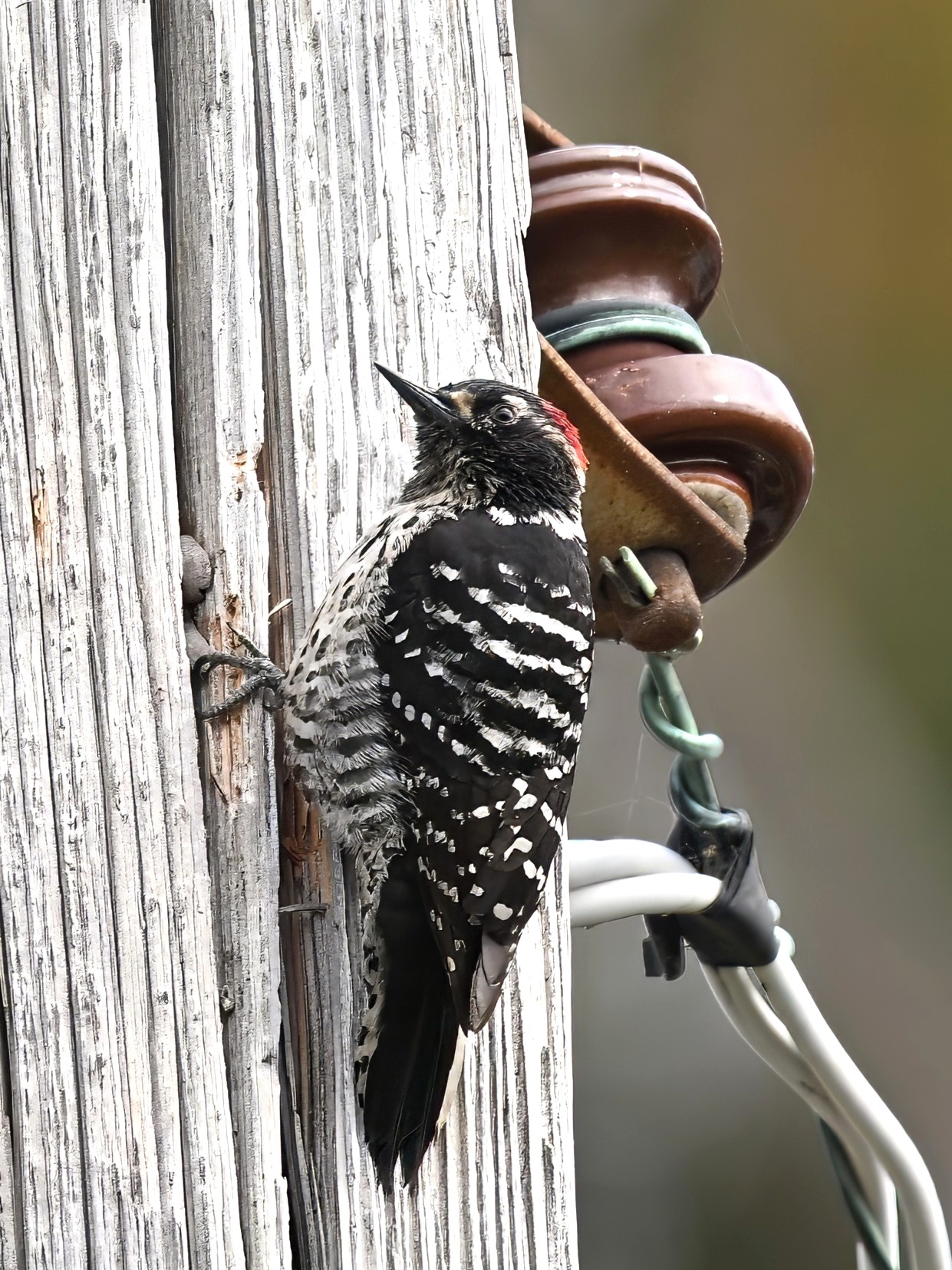
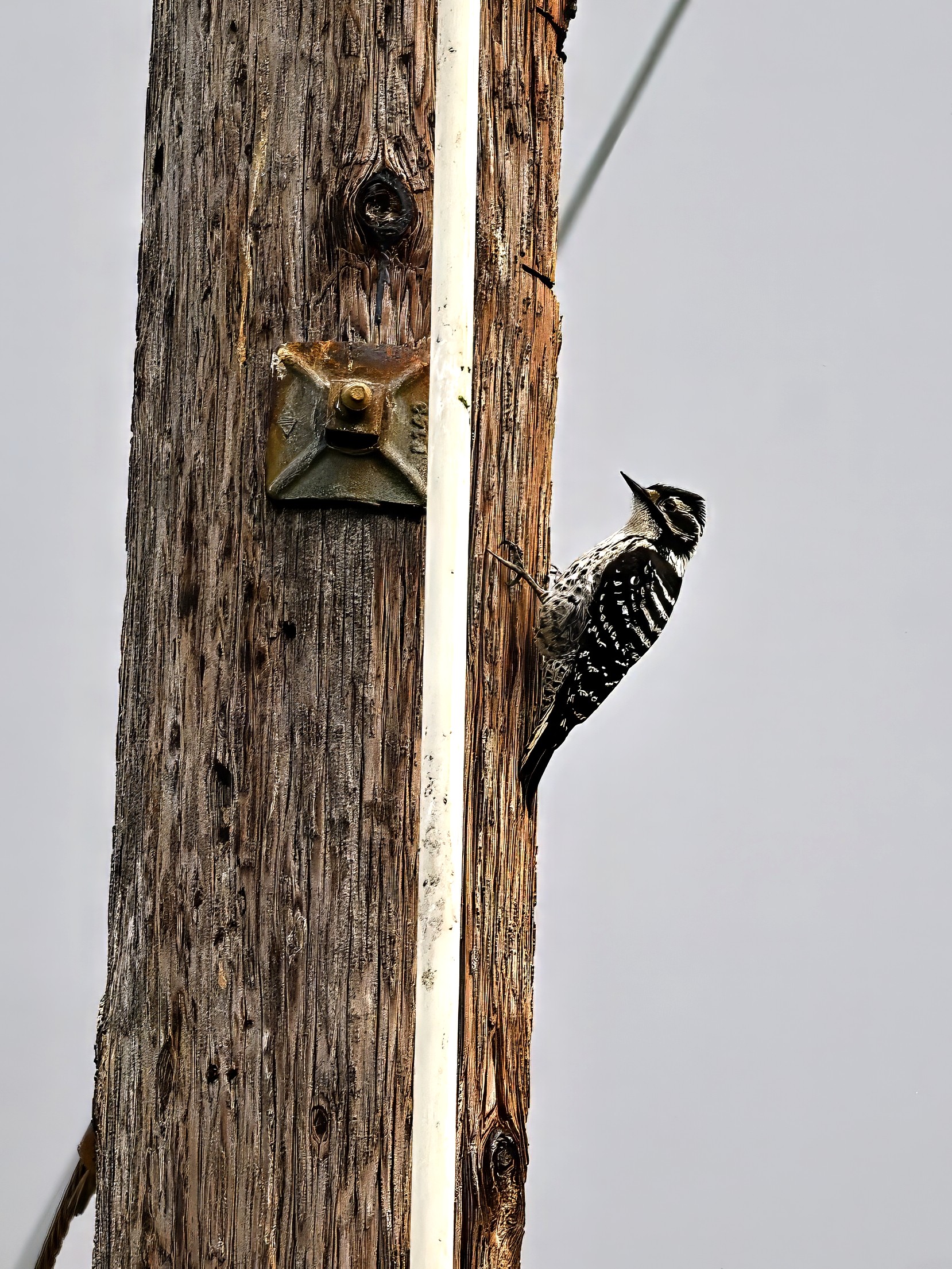
[Editor’s note to staff: going forward, changing “Nuttall’s Woodpecker” (which is an awful name) to ‘Western Wood Annihilator.’]
Dateline: 4 March 2025
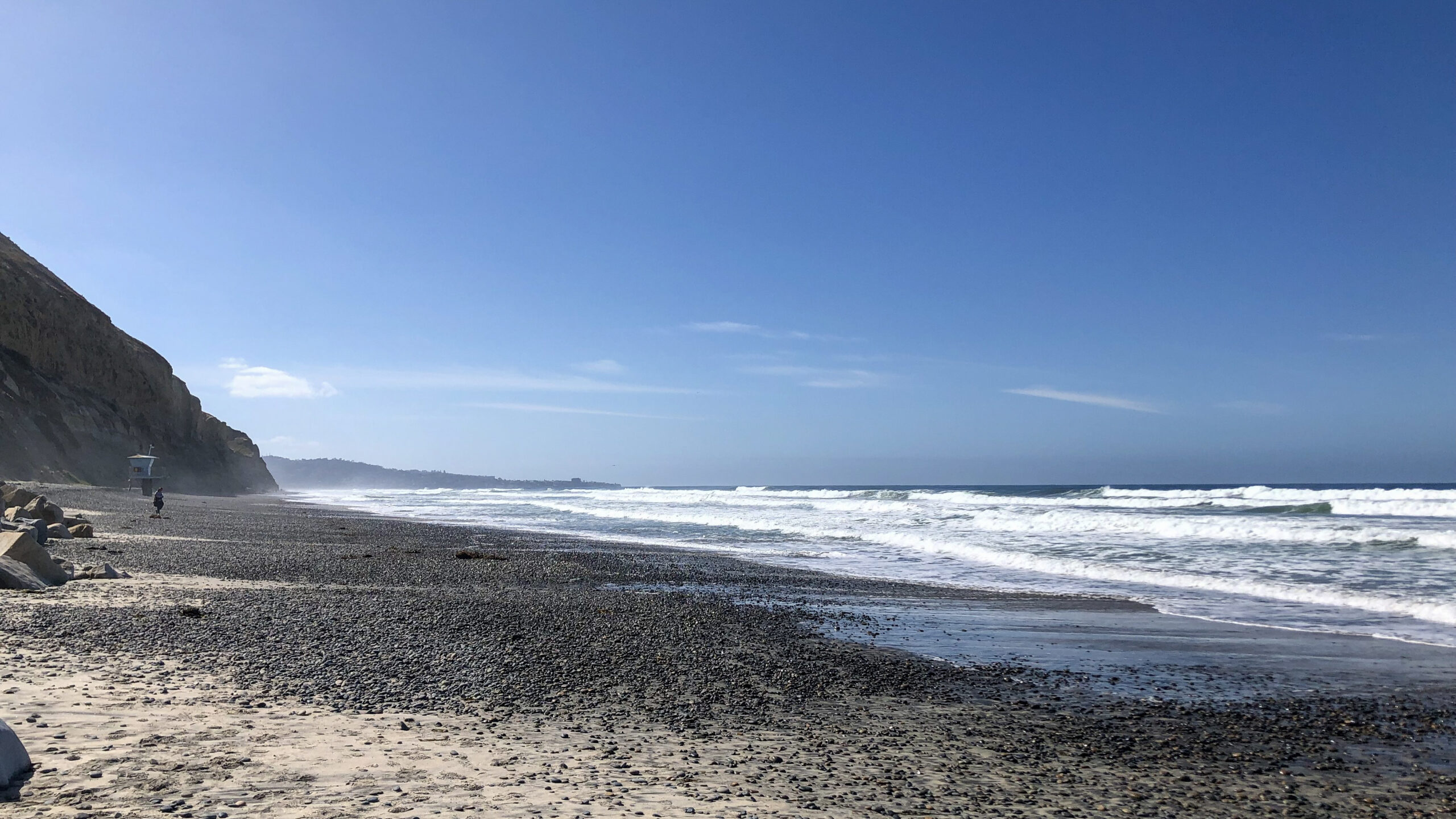
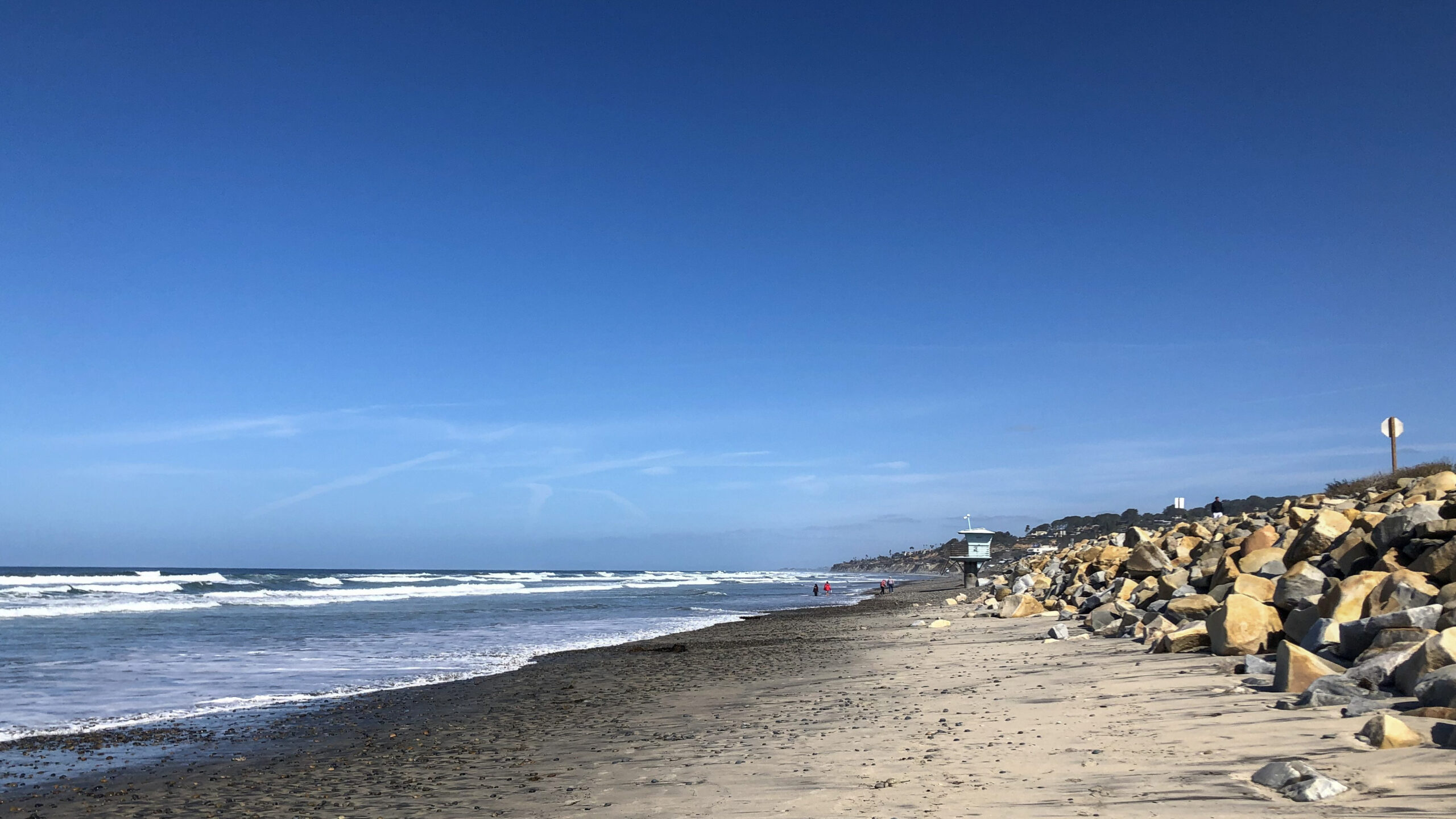
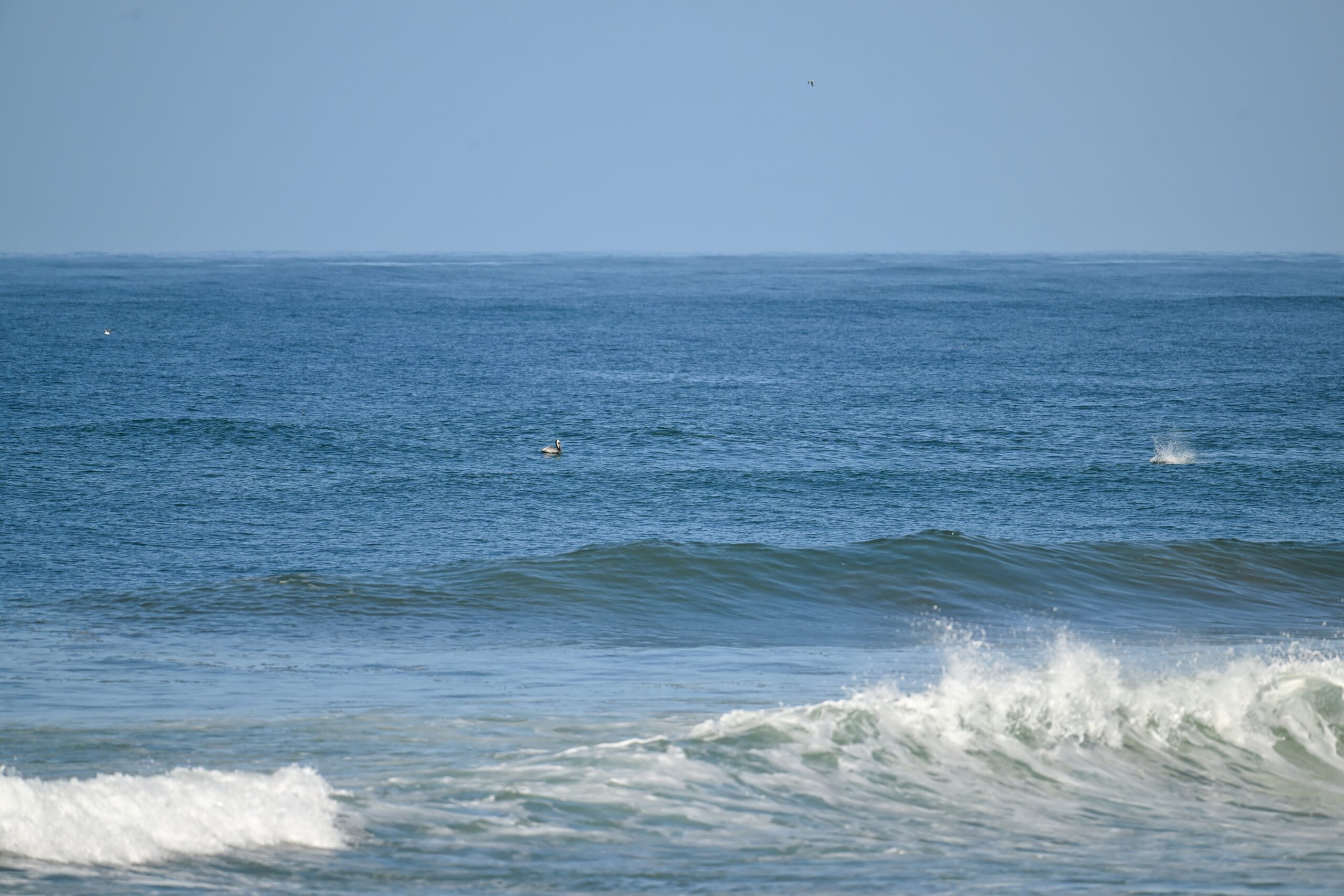
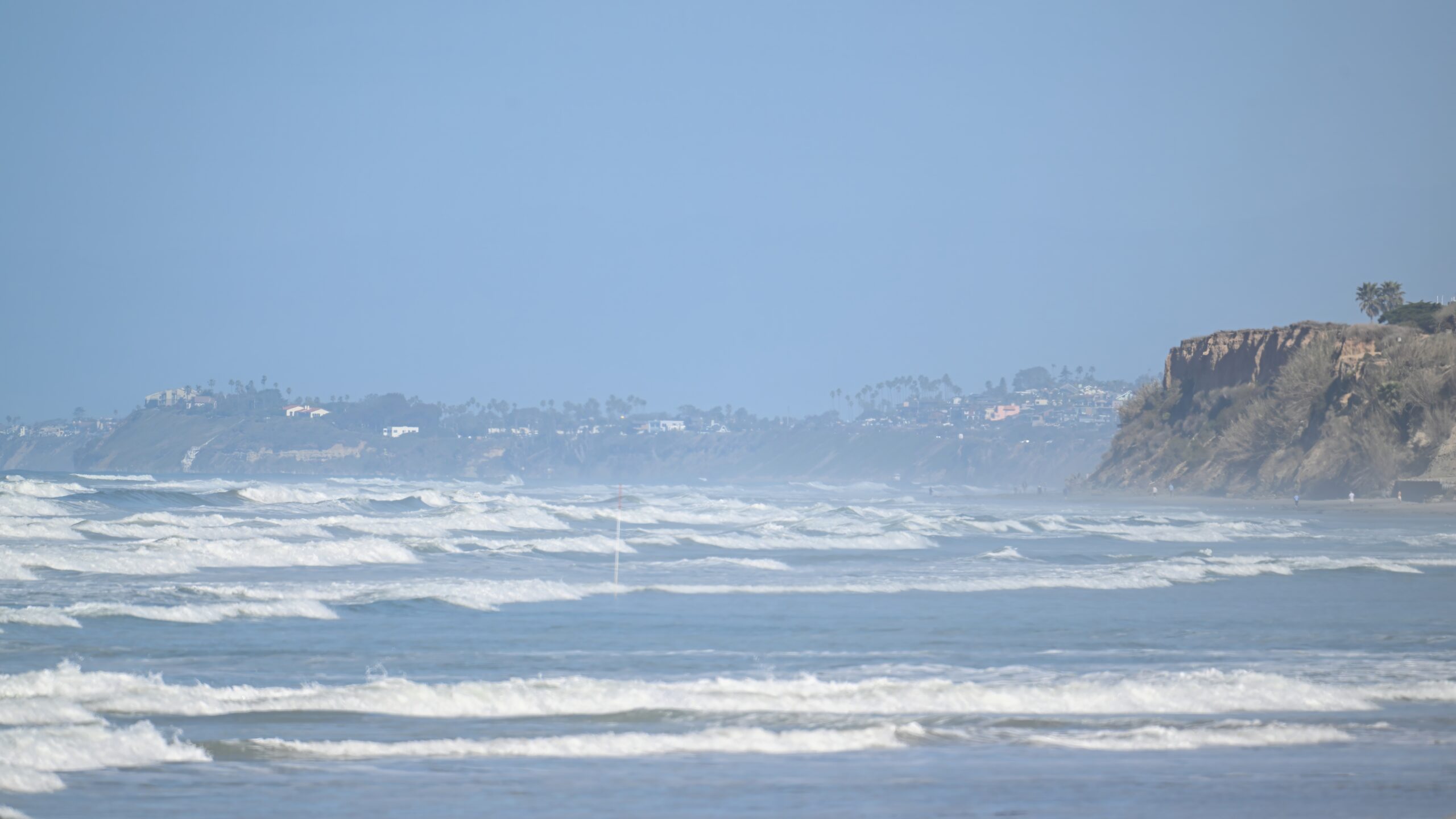
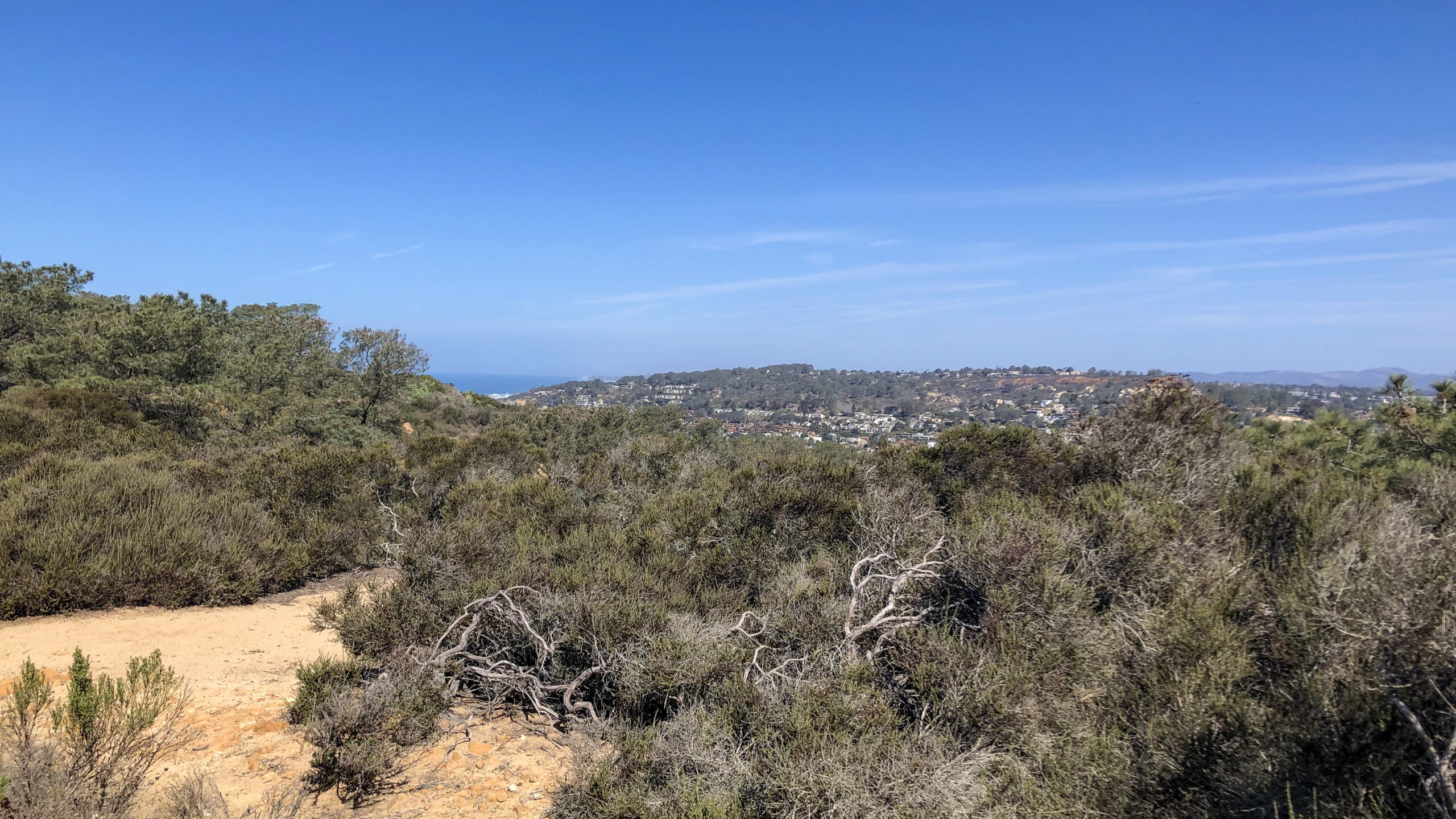
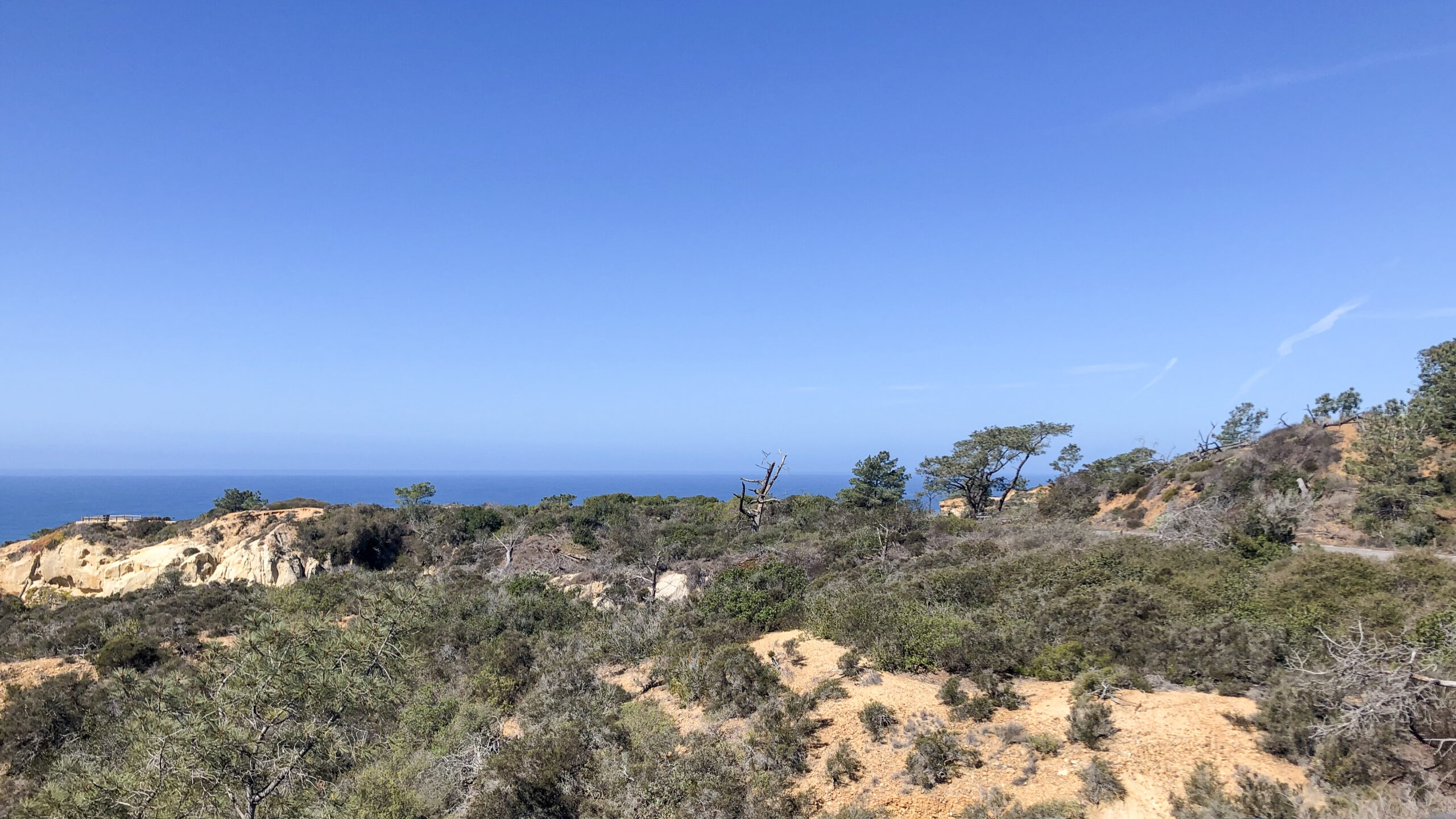
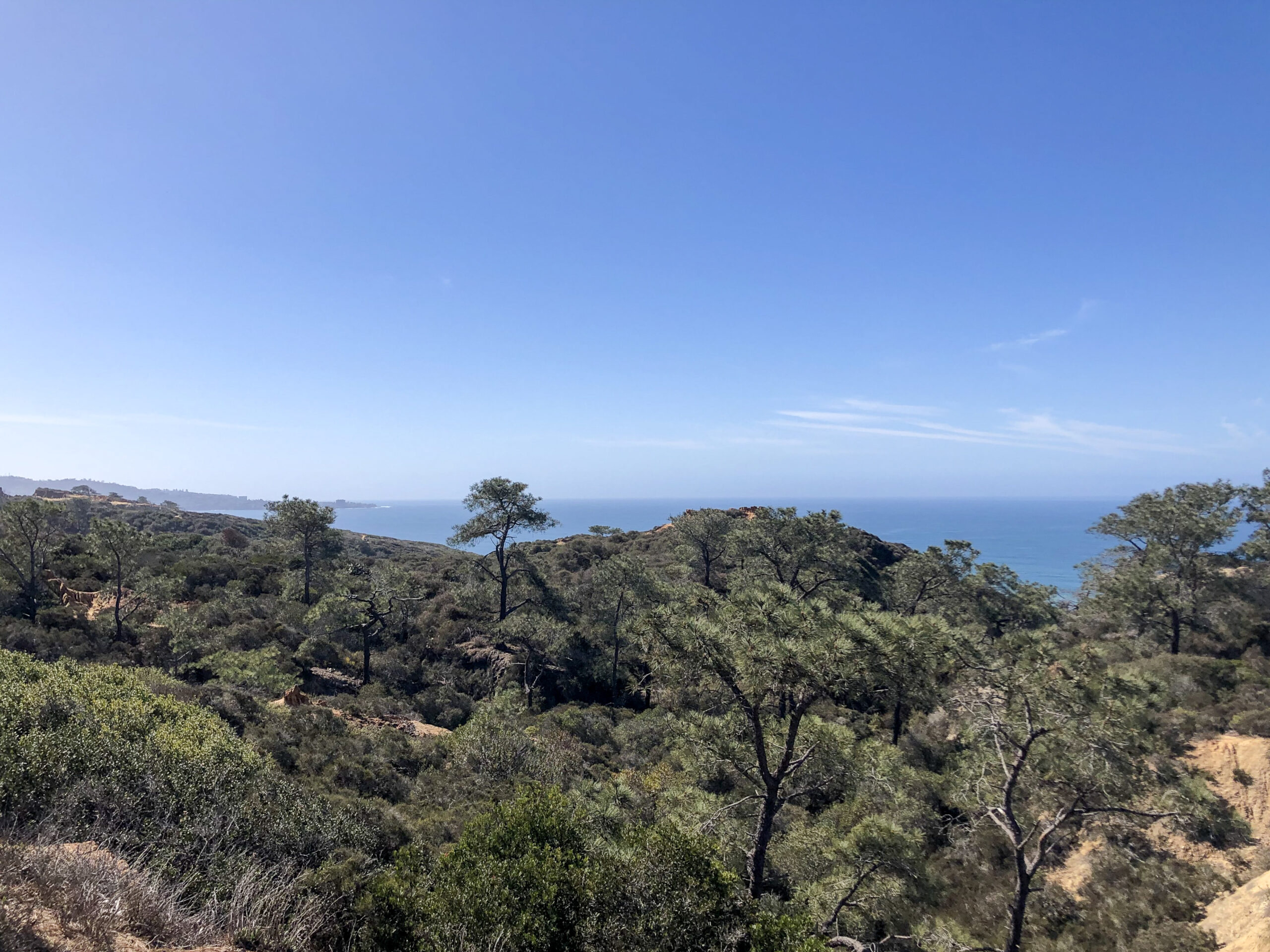
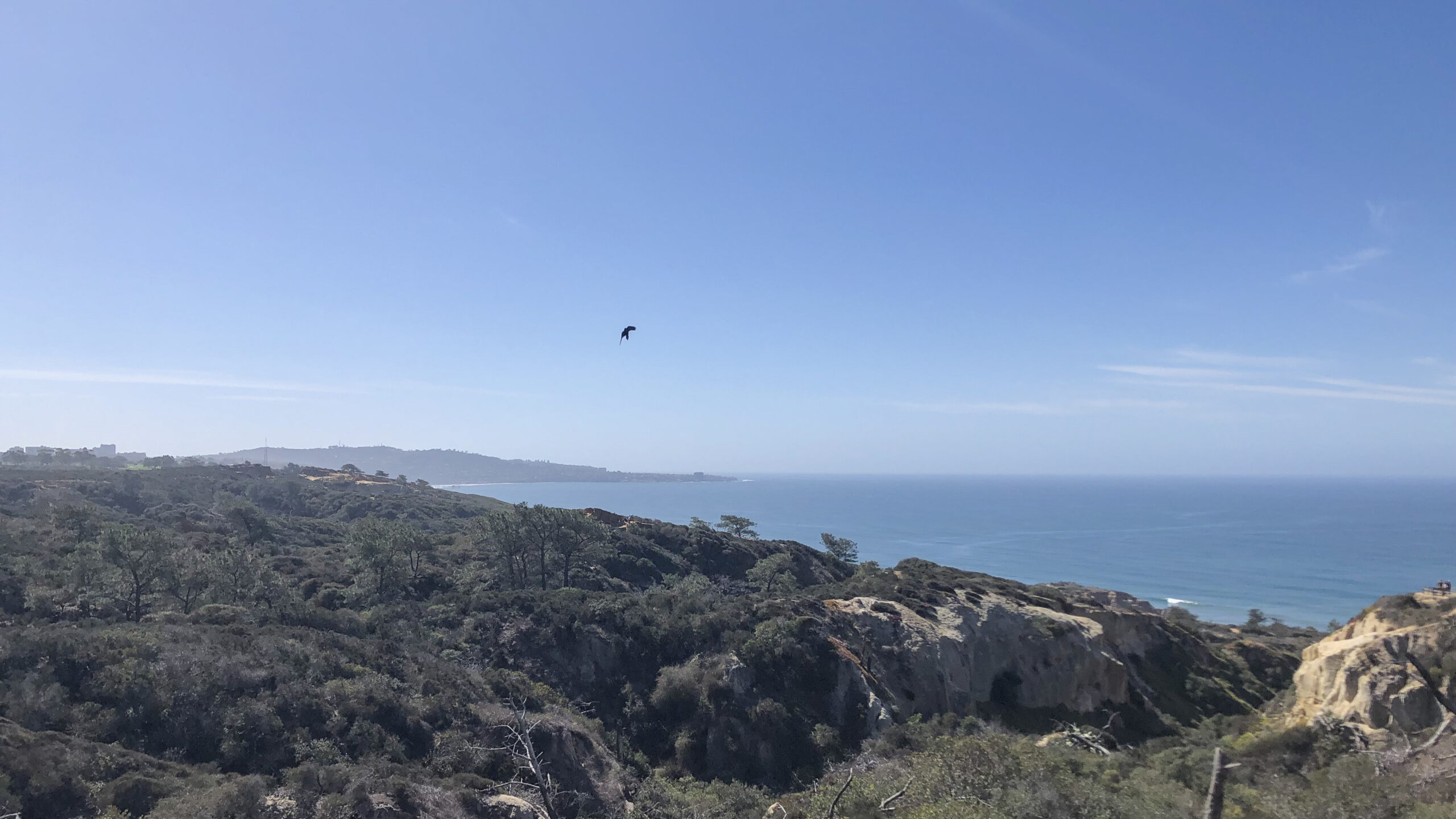
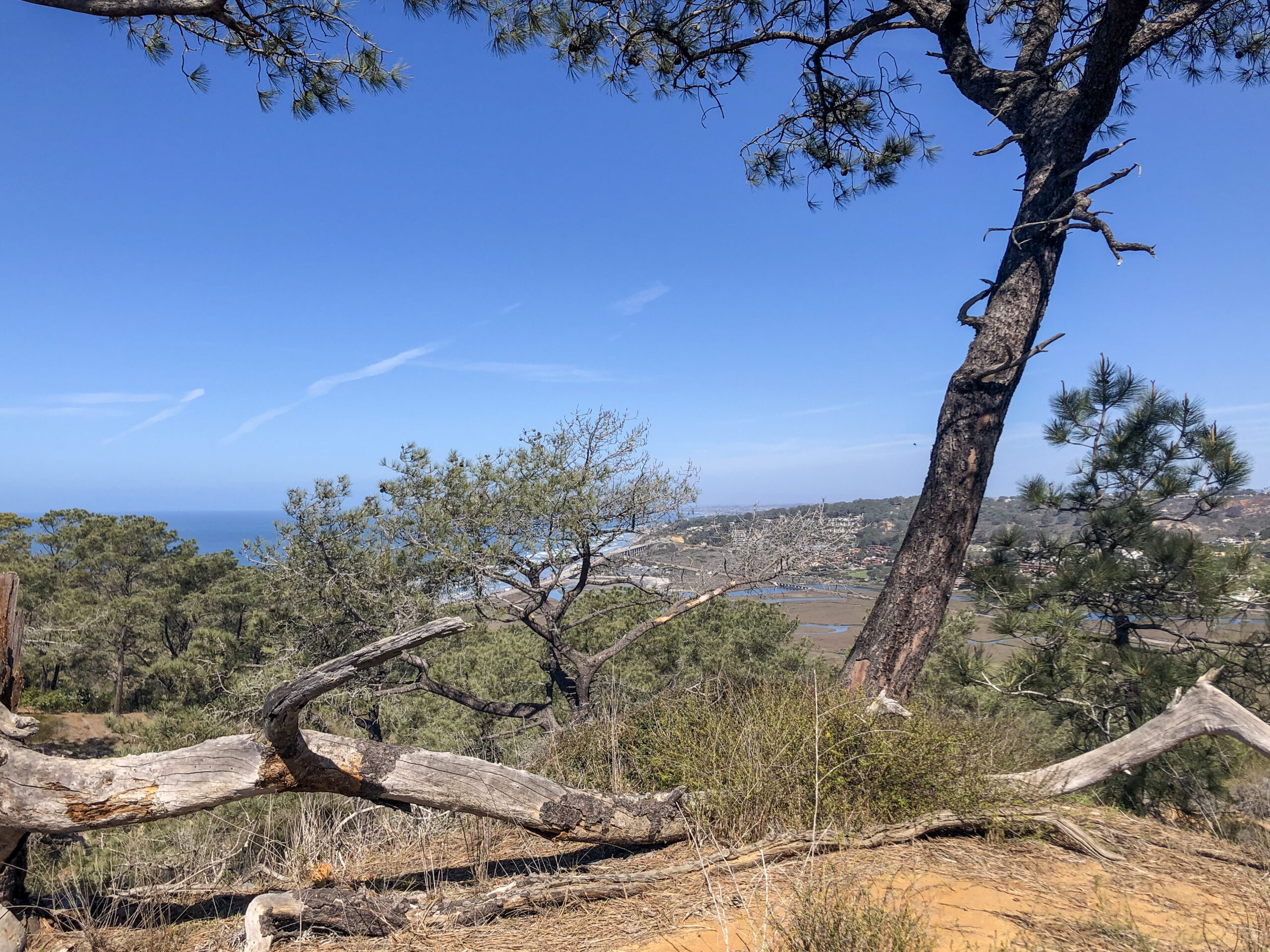
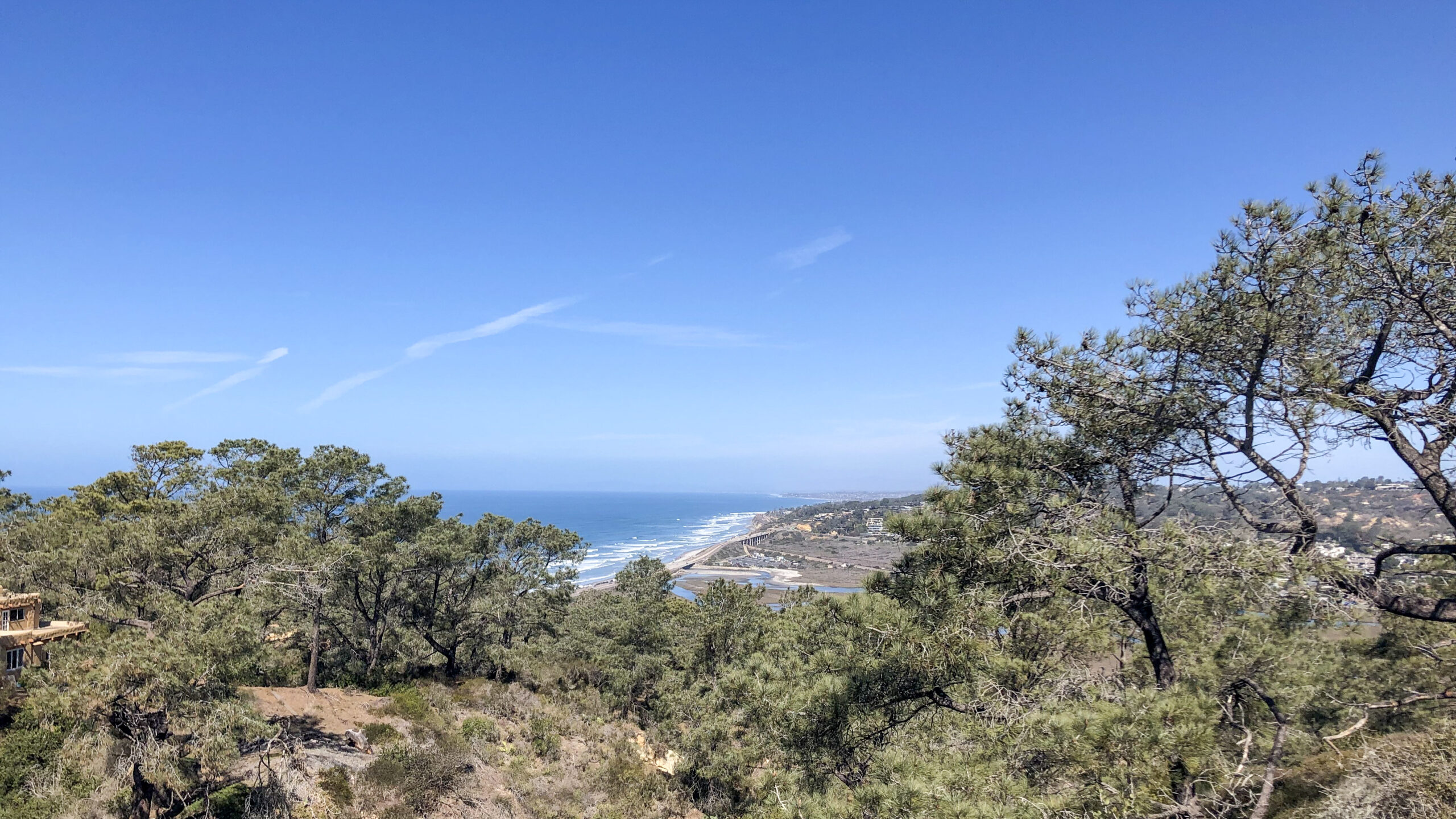
Today, reporting from Torrey Pines State Natural Reserve on the Pacific coast between Del Mar and La Jolla, outside San Diego, California. Access is on the south end of the beach (which is north of the bluffs/upper portion of the reserve):
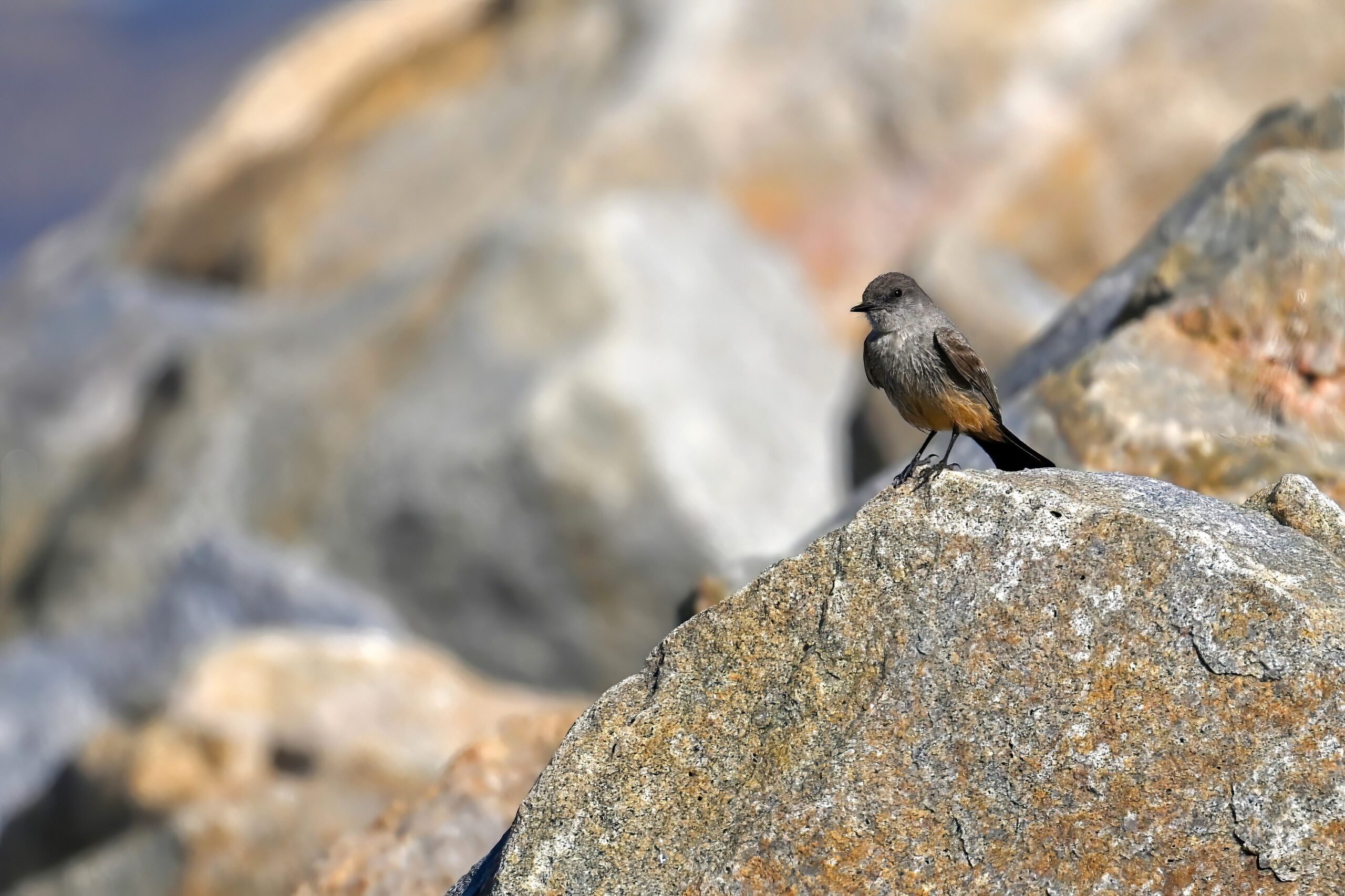
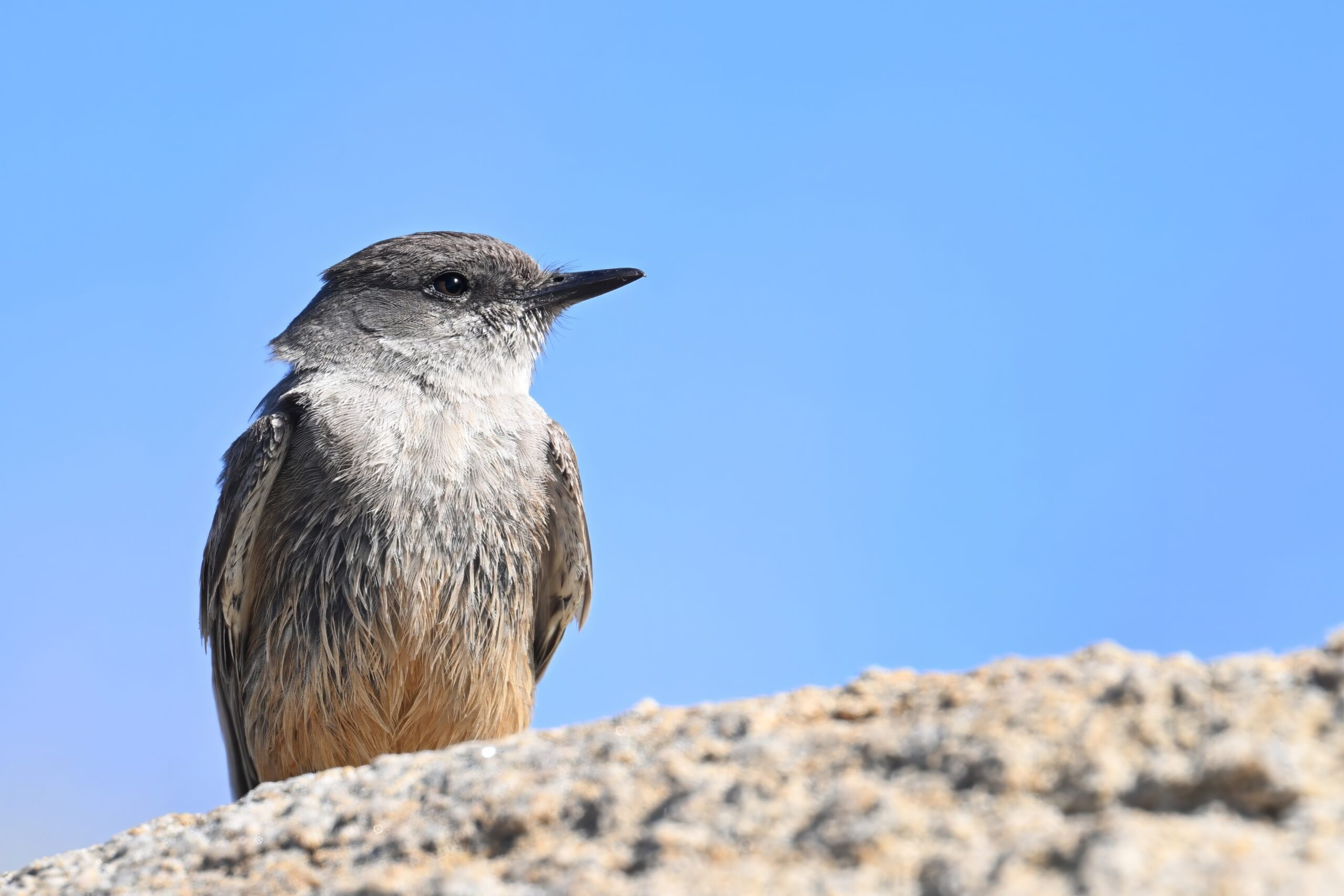
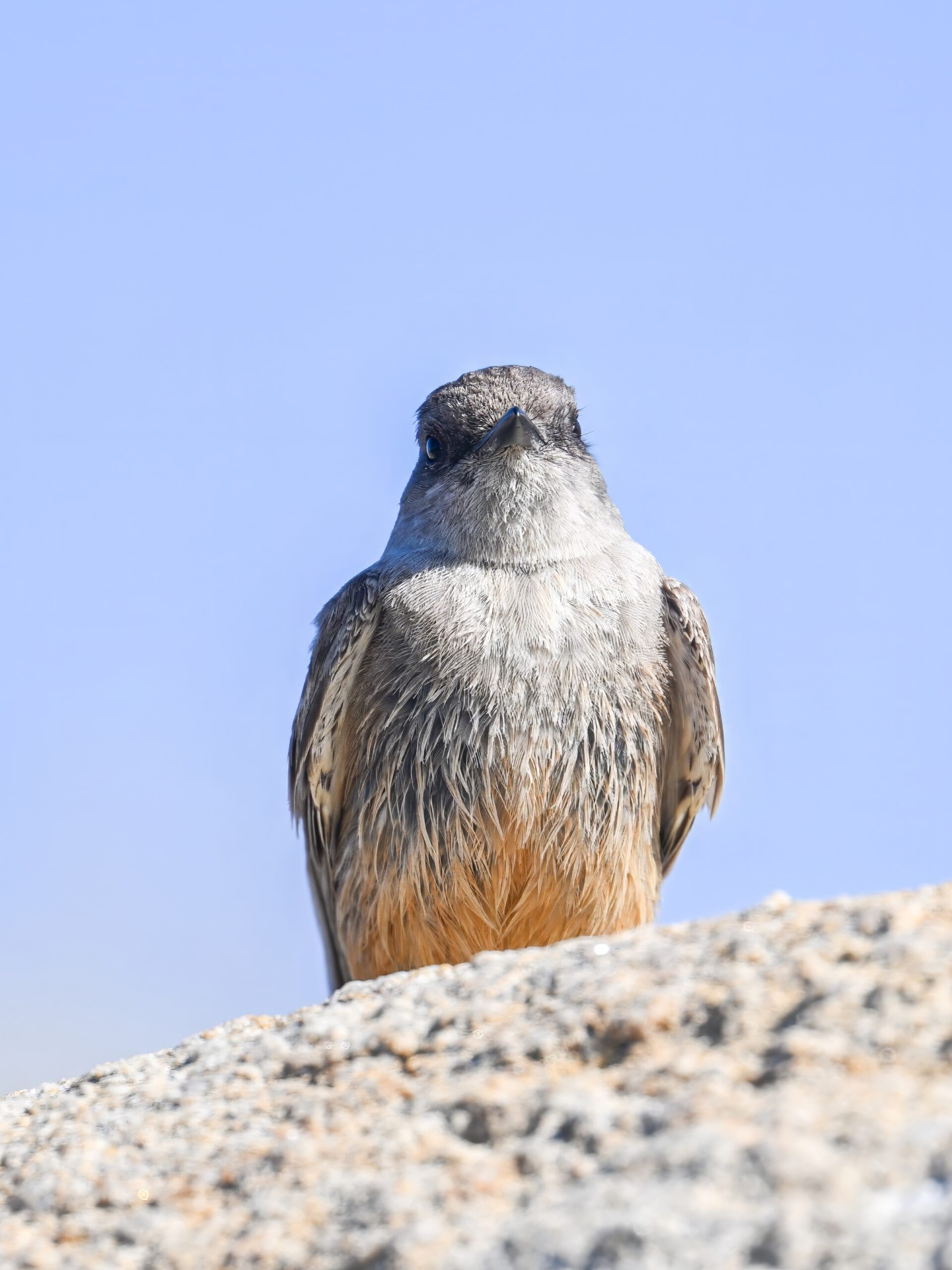
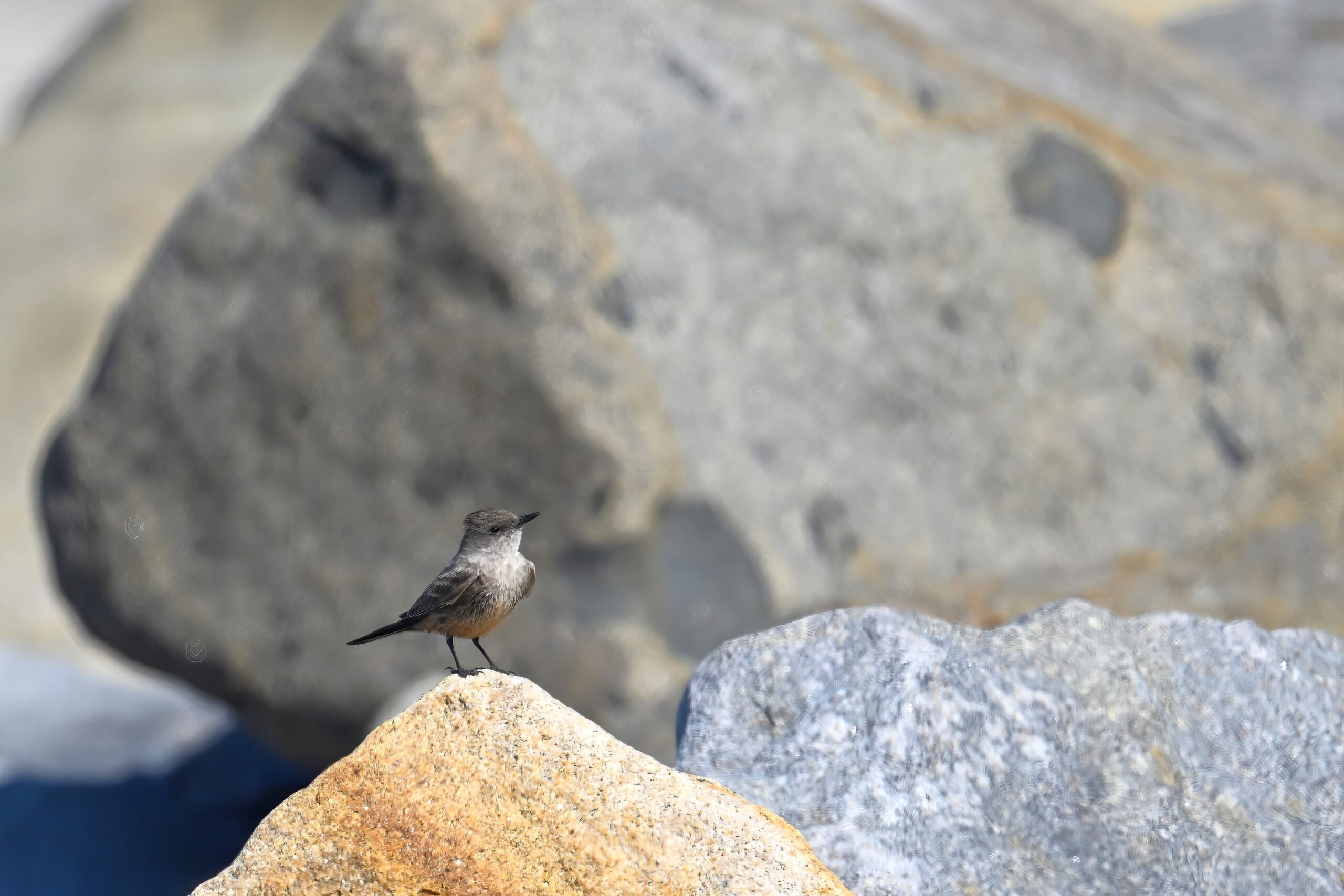
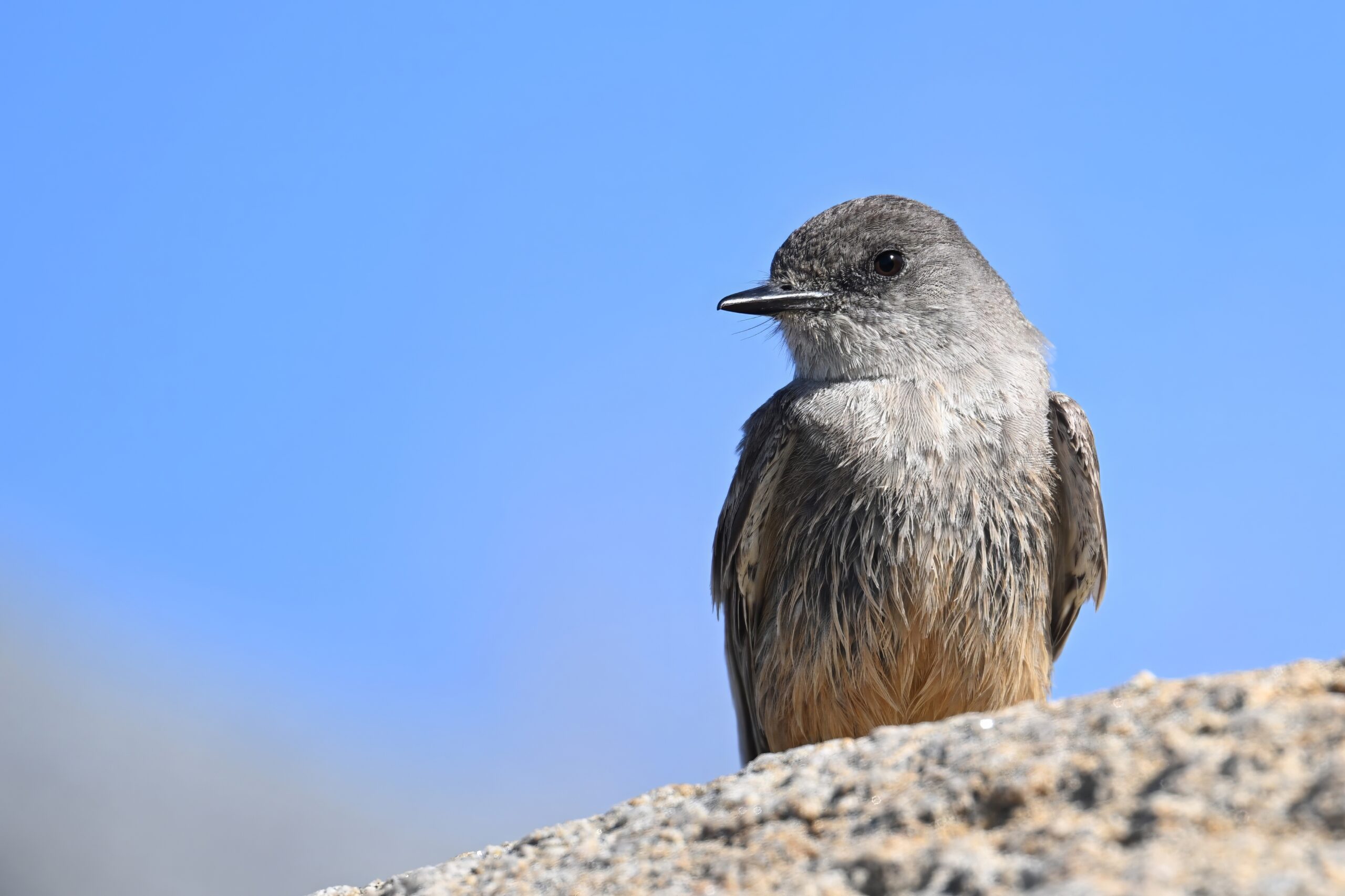
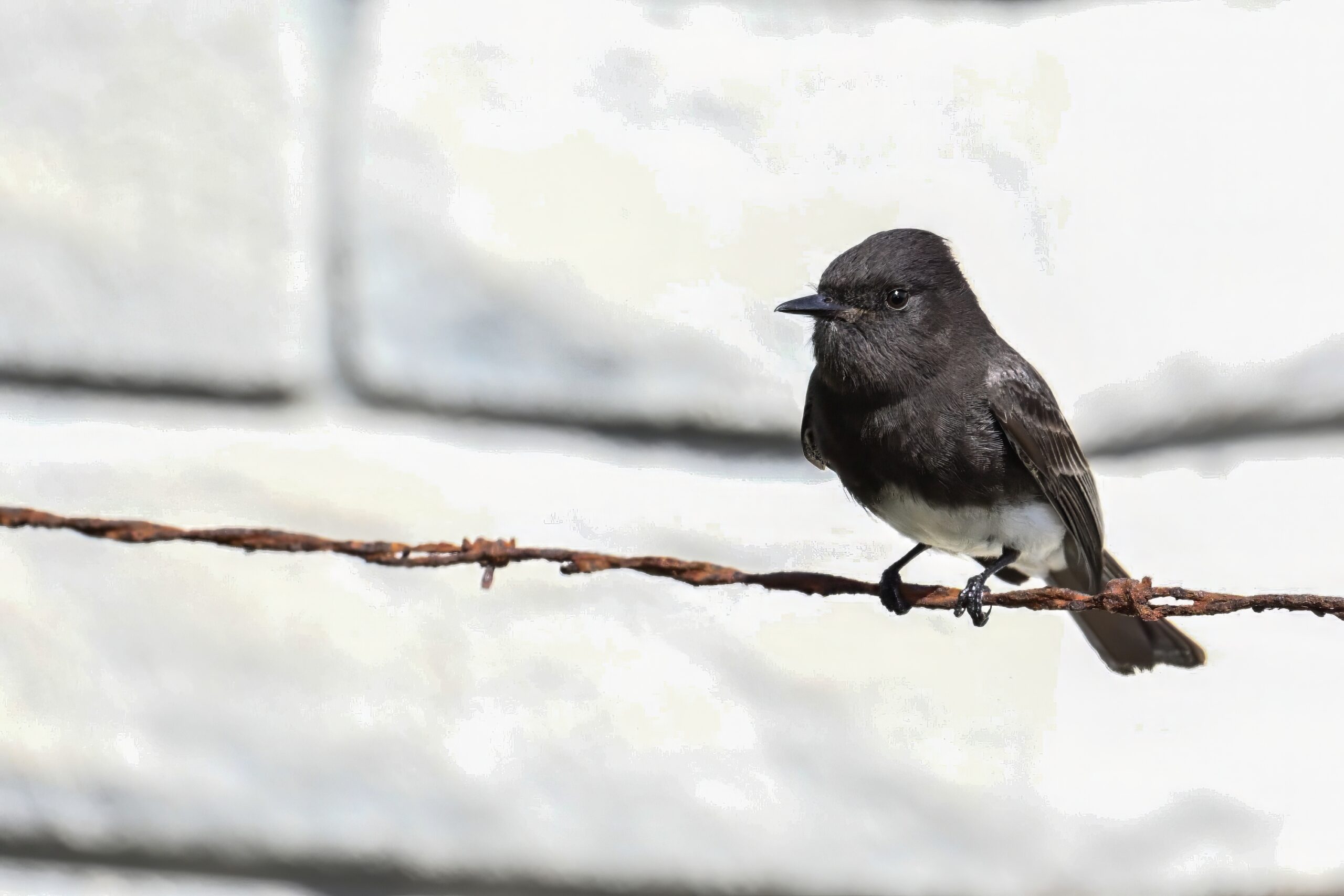
Fun to see a beautiful Say’s Phoebe on the riprap:
From the beach parking lot, it’s either a robust hike to the top, or a short drive w/ limited parking. (If planning to drive up, get an early start – park staff closes the road once the upper parking is full.)
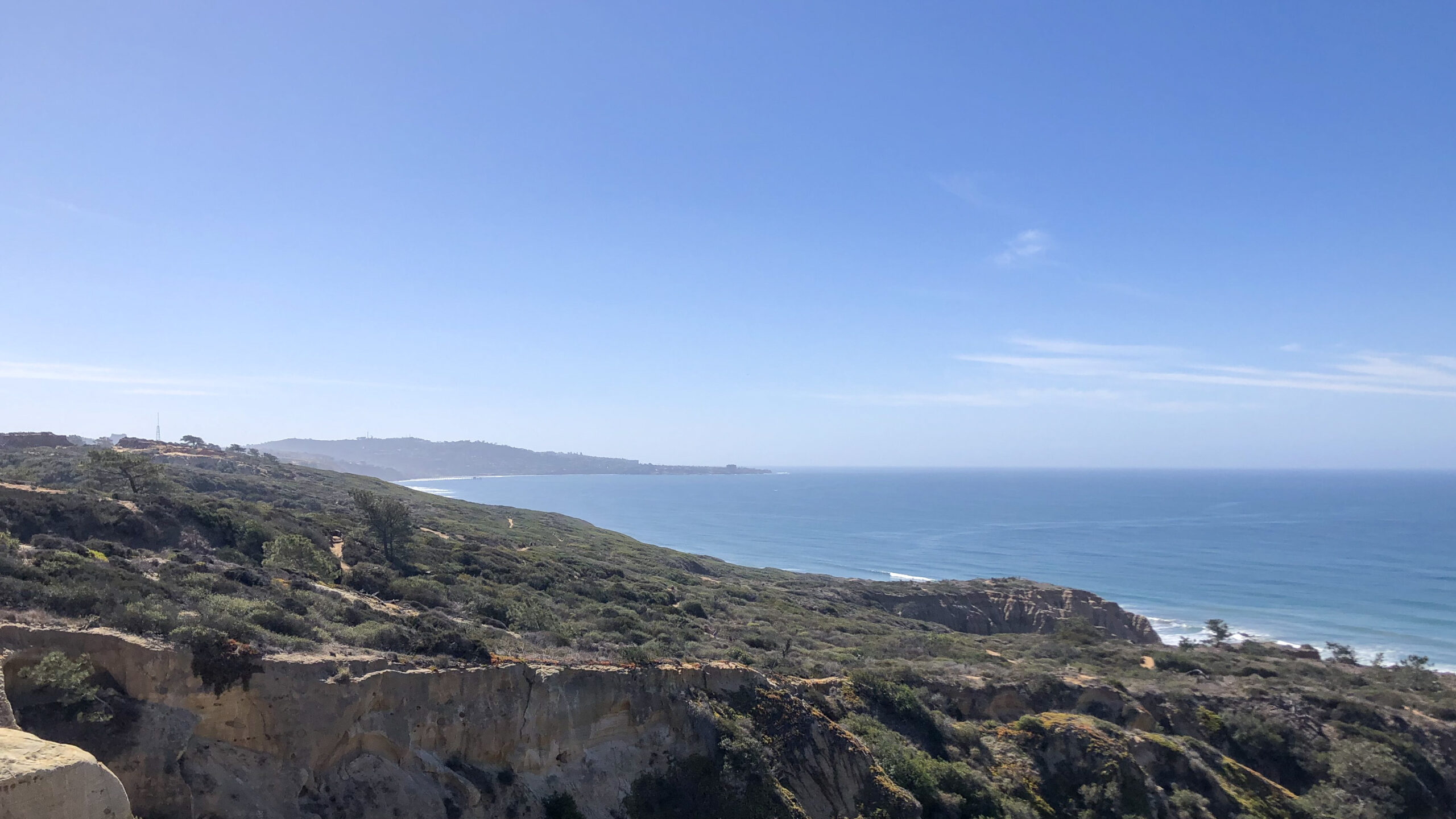
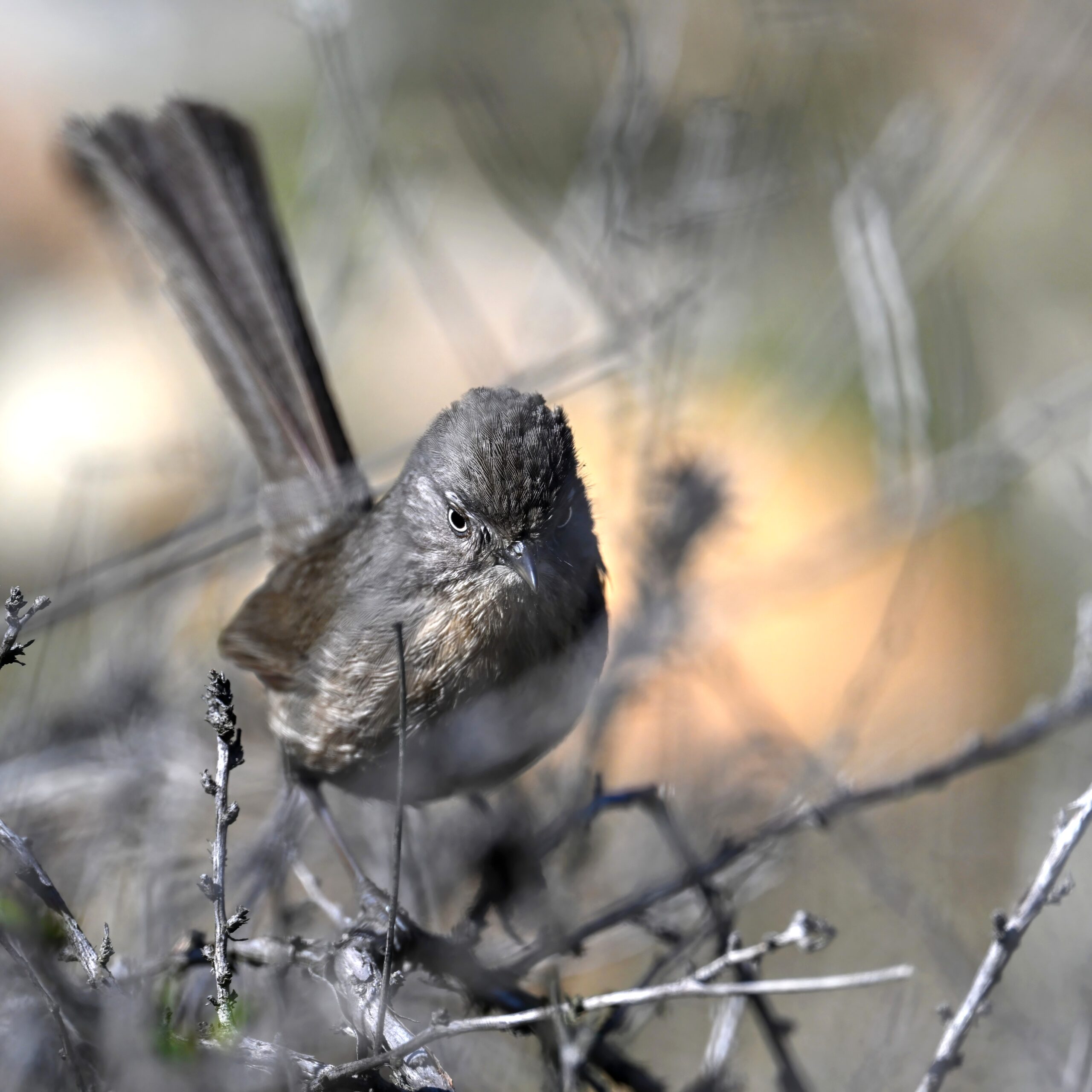
“Upper” Torrey Pines features a great visitors’ center, a small network of generally flat trails, spectacular views, botanic gardens, etc., and several longer/steeper trails that drop back down to the beach. With thick coastal chaparral, the birding is “more heard than seen.” However, it’s a great spot for local species like the amazing, infrequently-seen Wrentit. Managed to get one and only one usable photo:
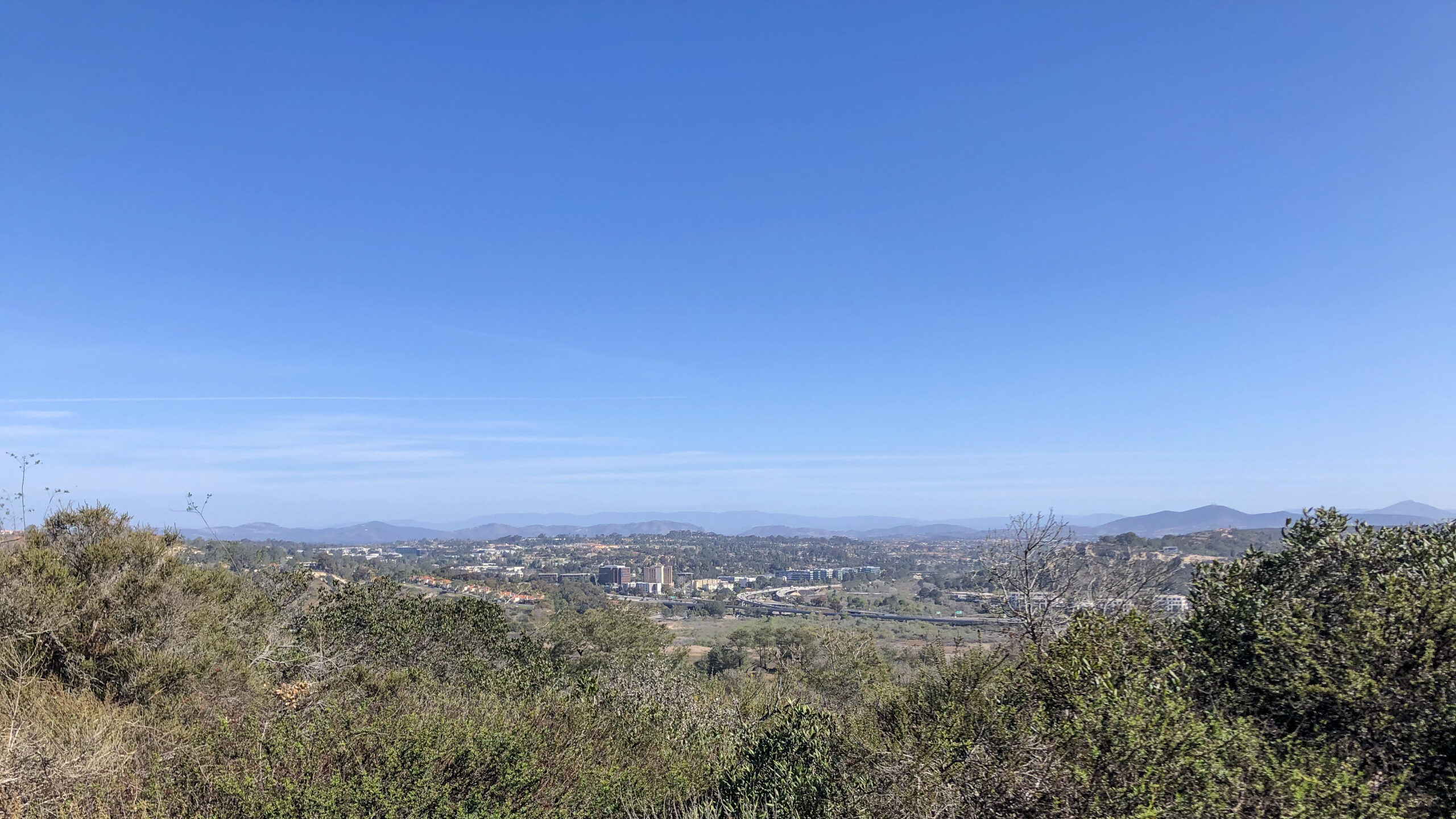
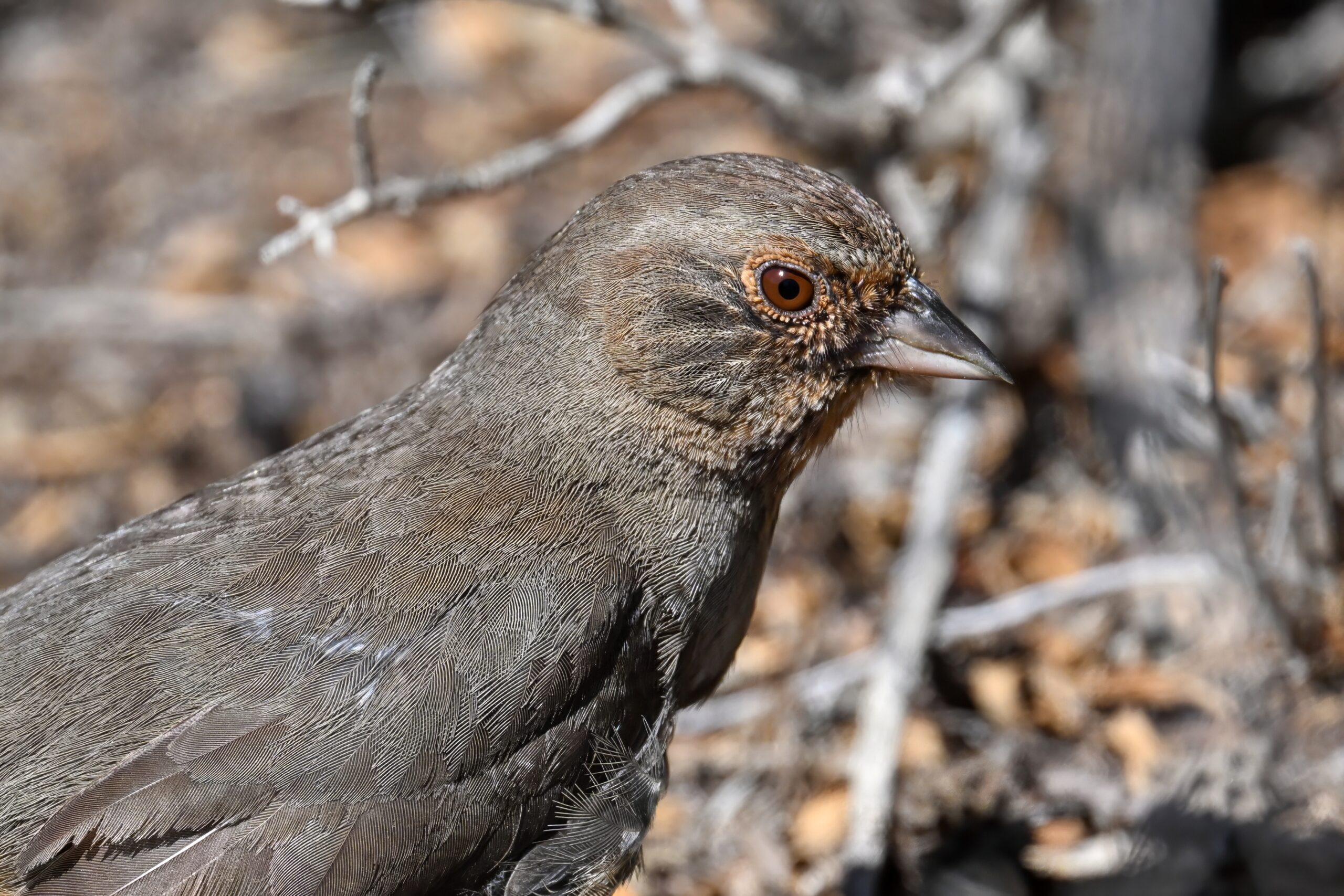
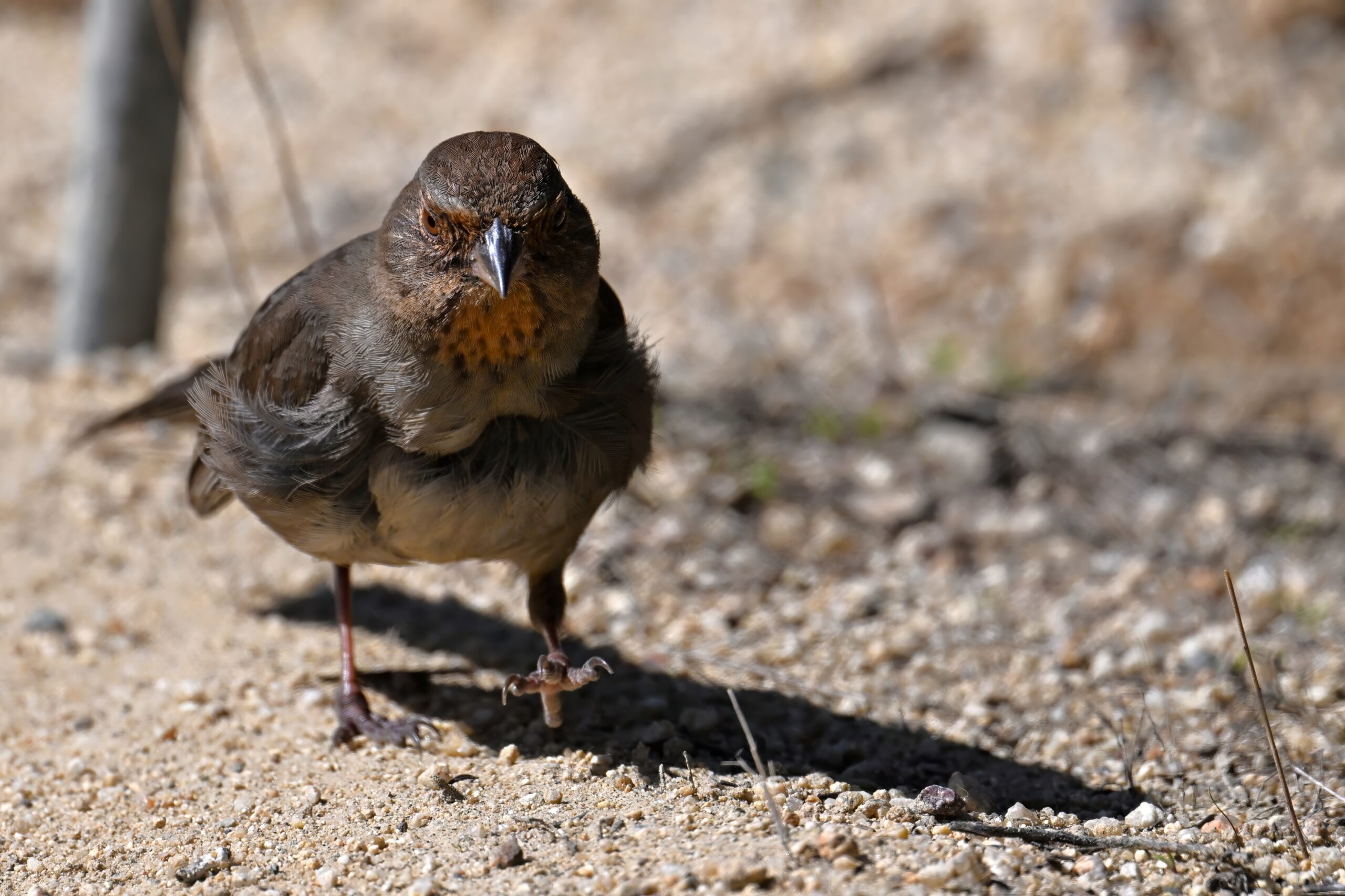
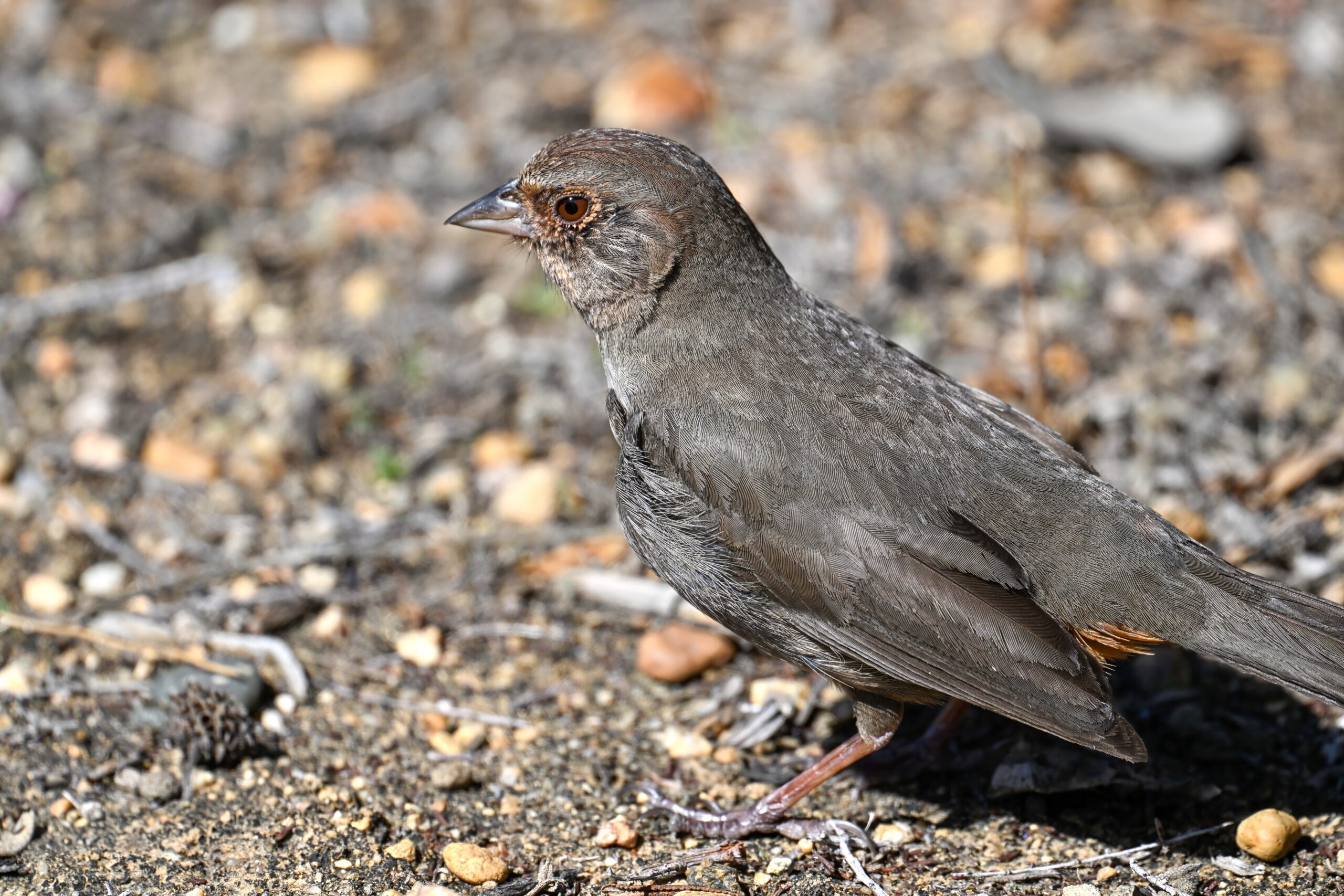
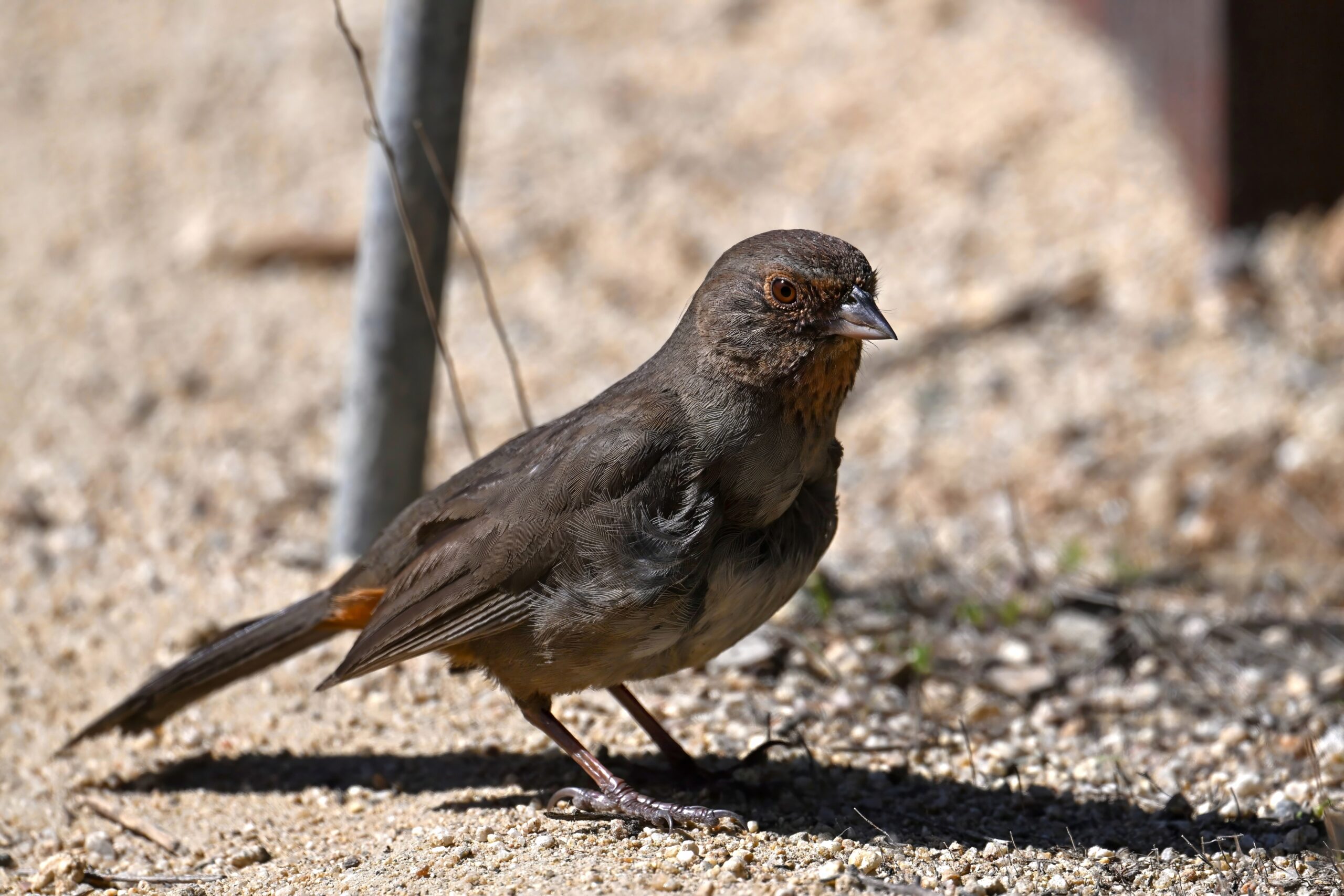
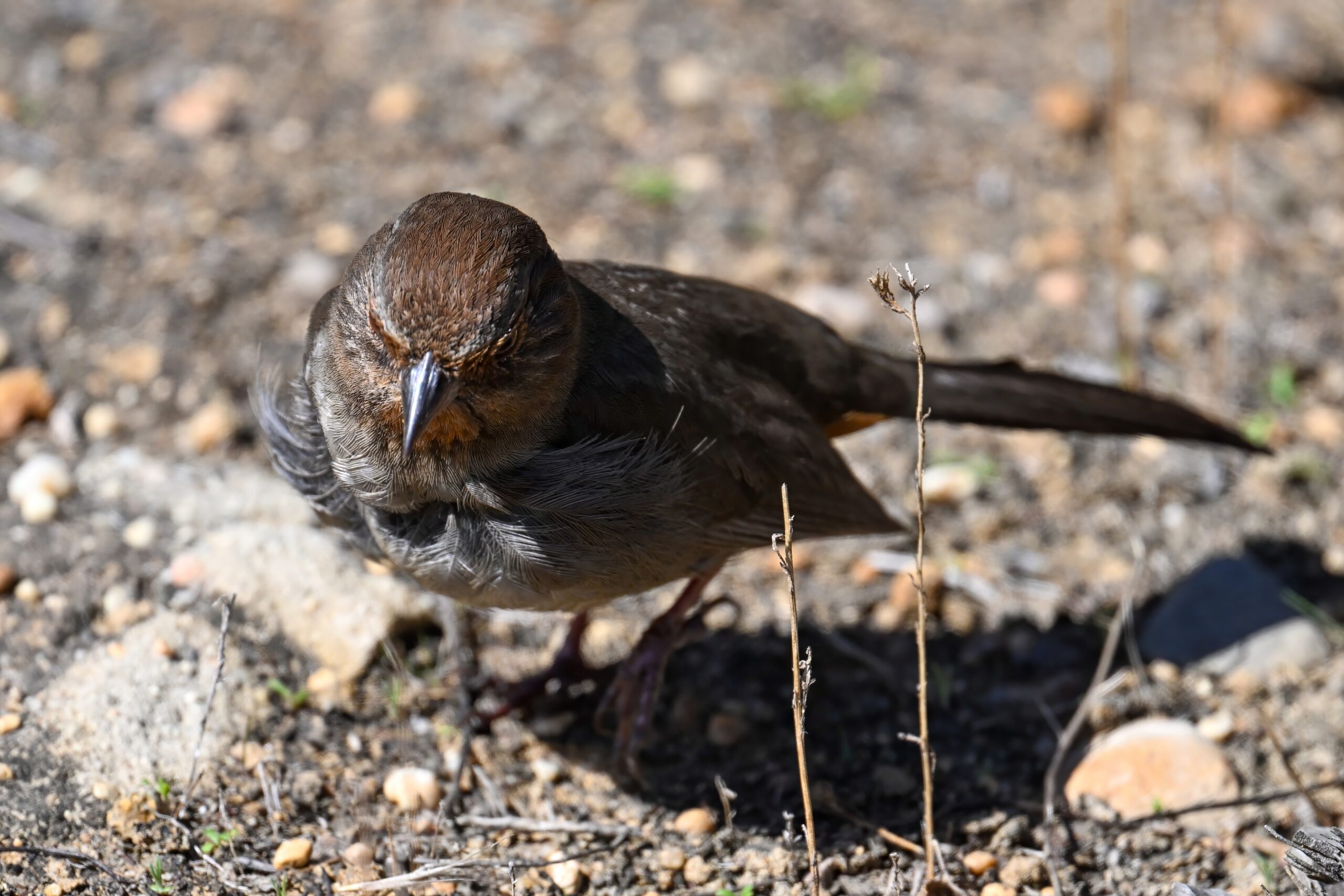
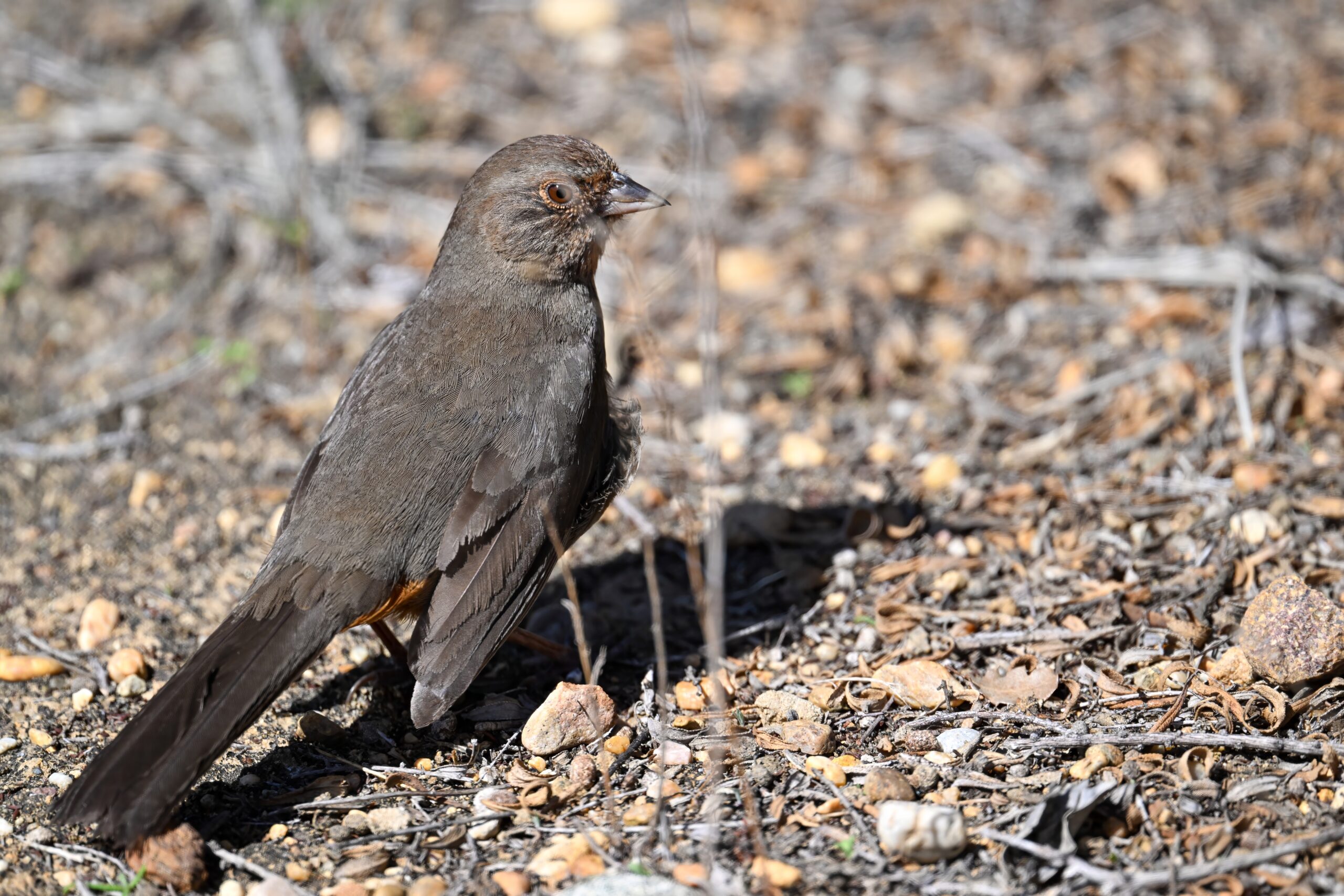
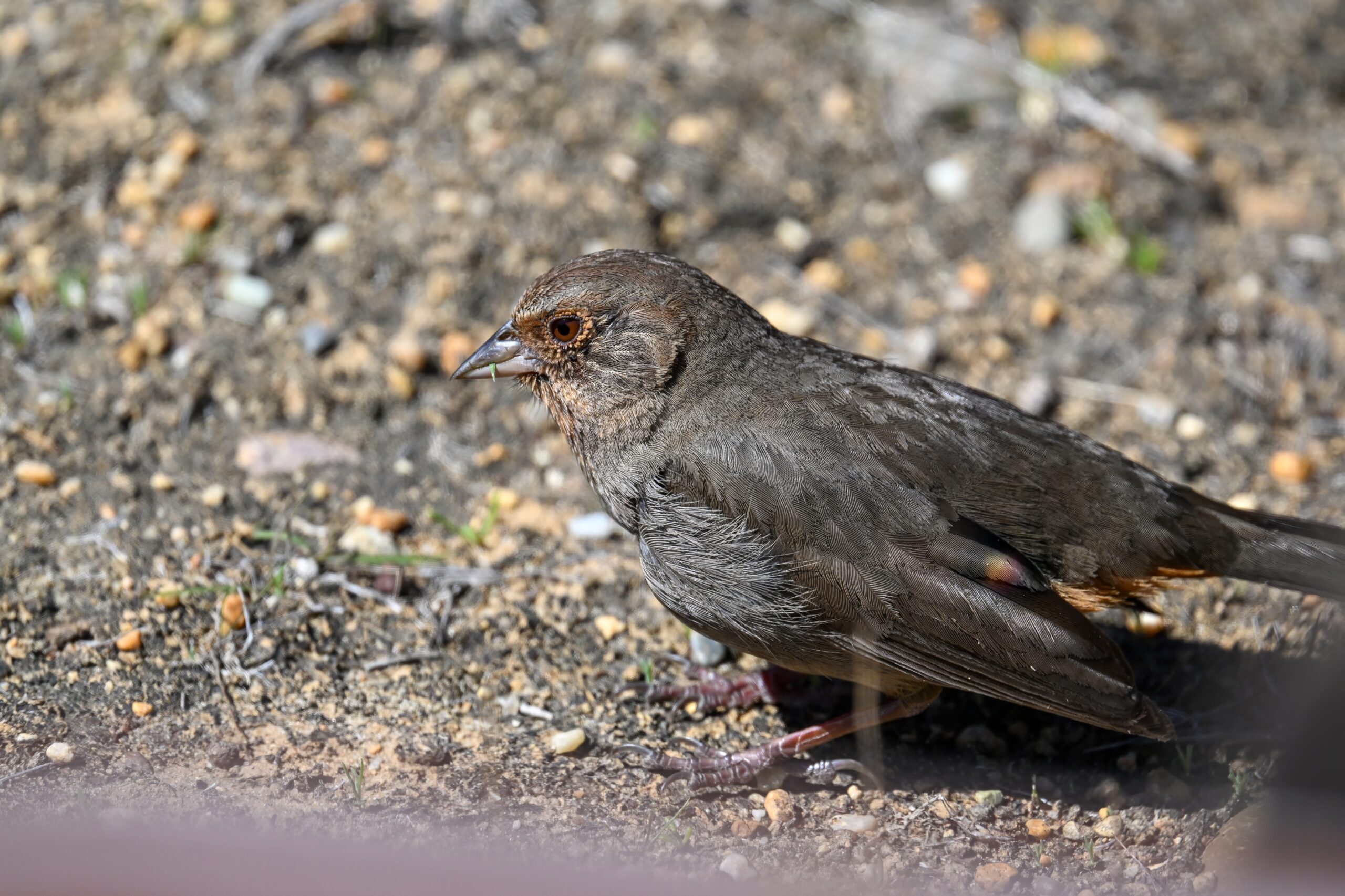
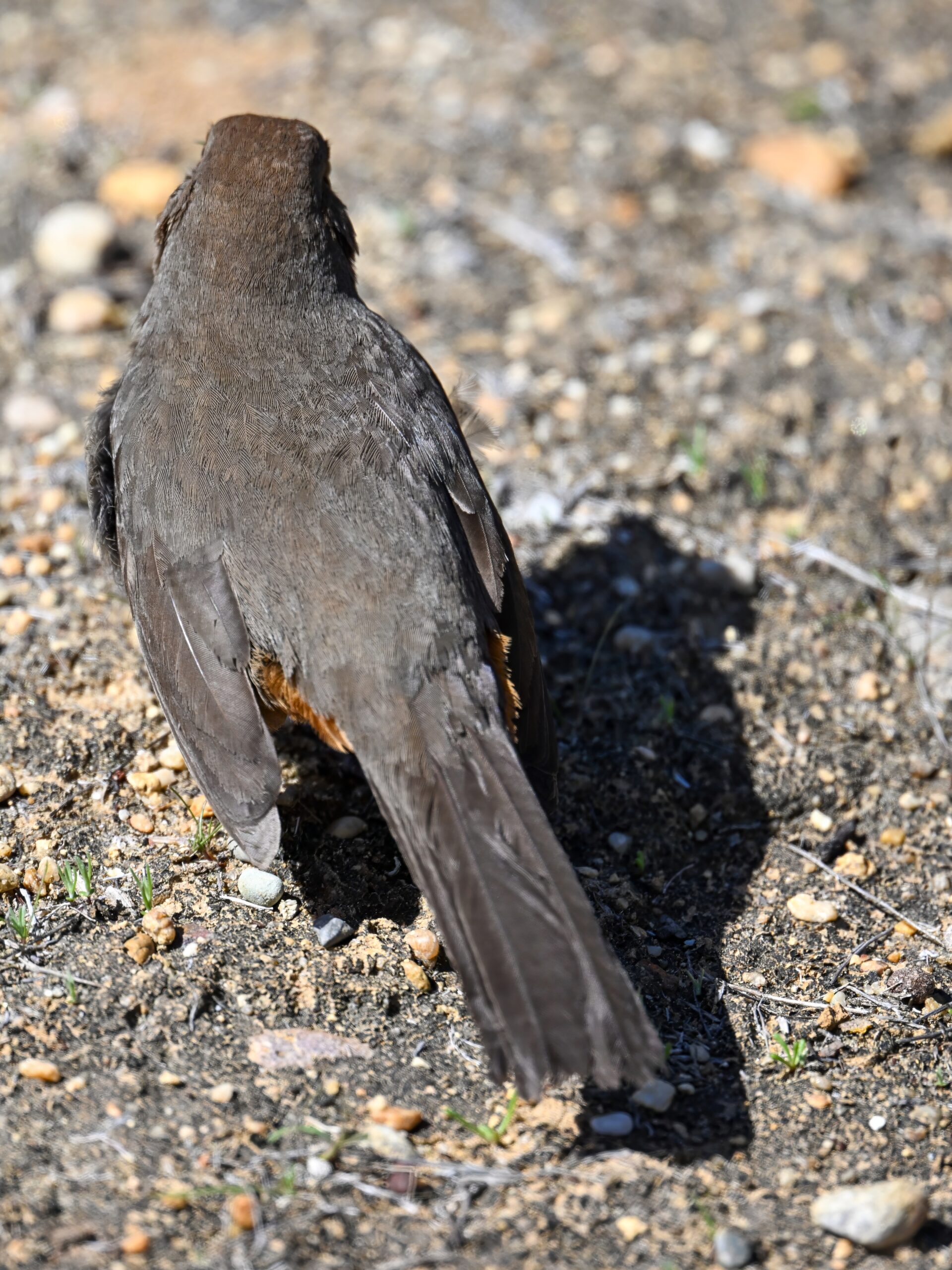
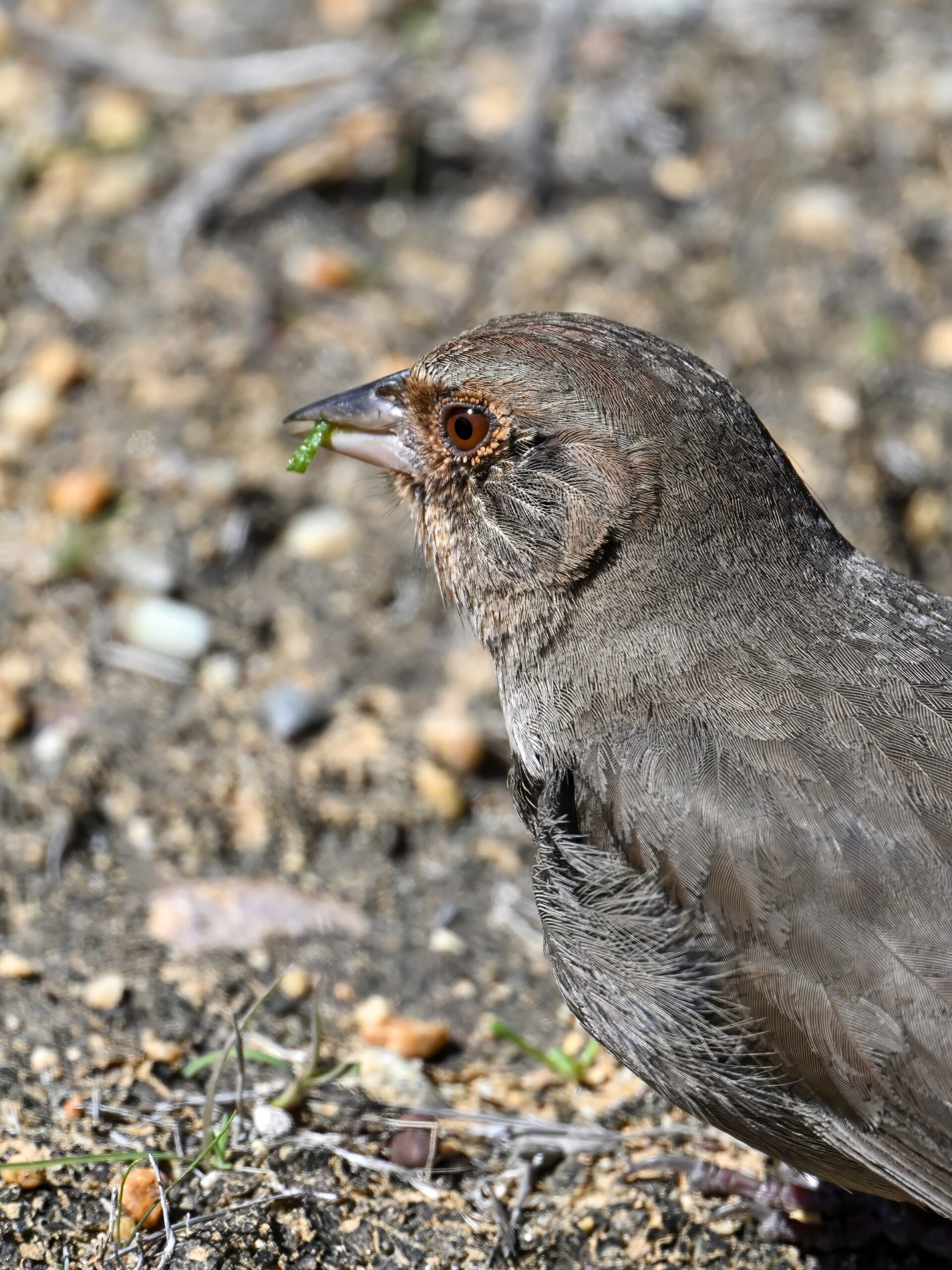
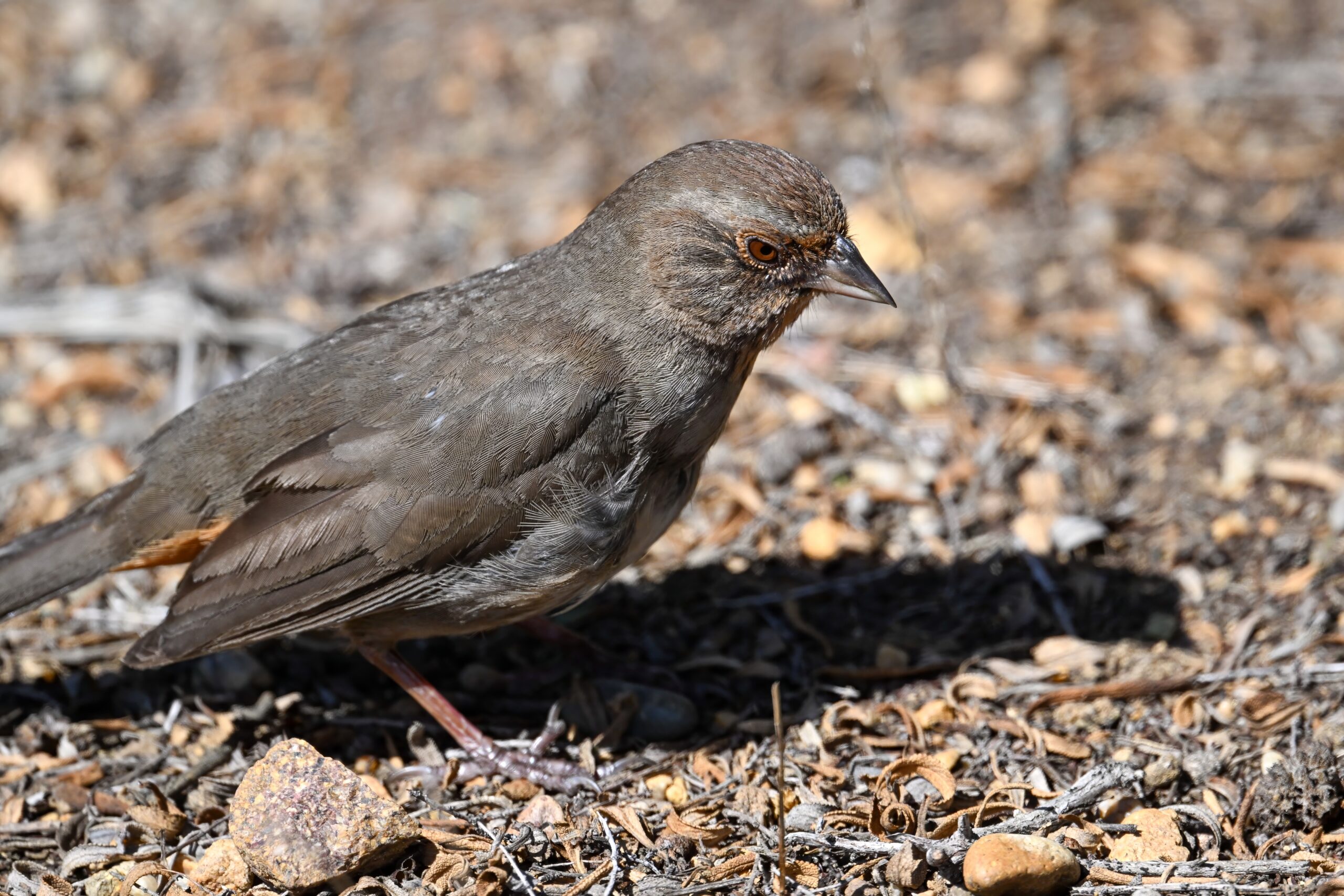
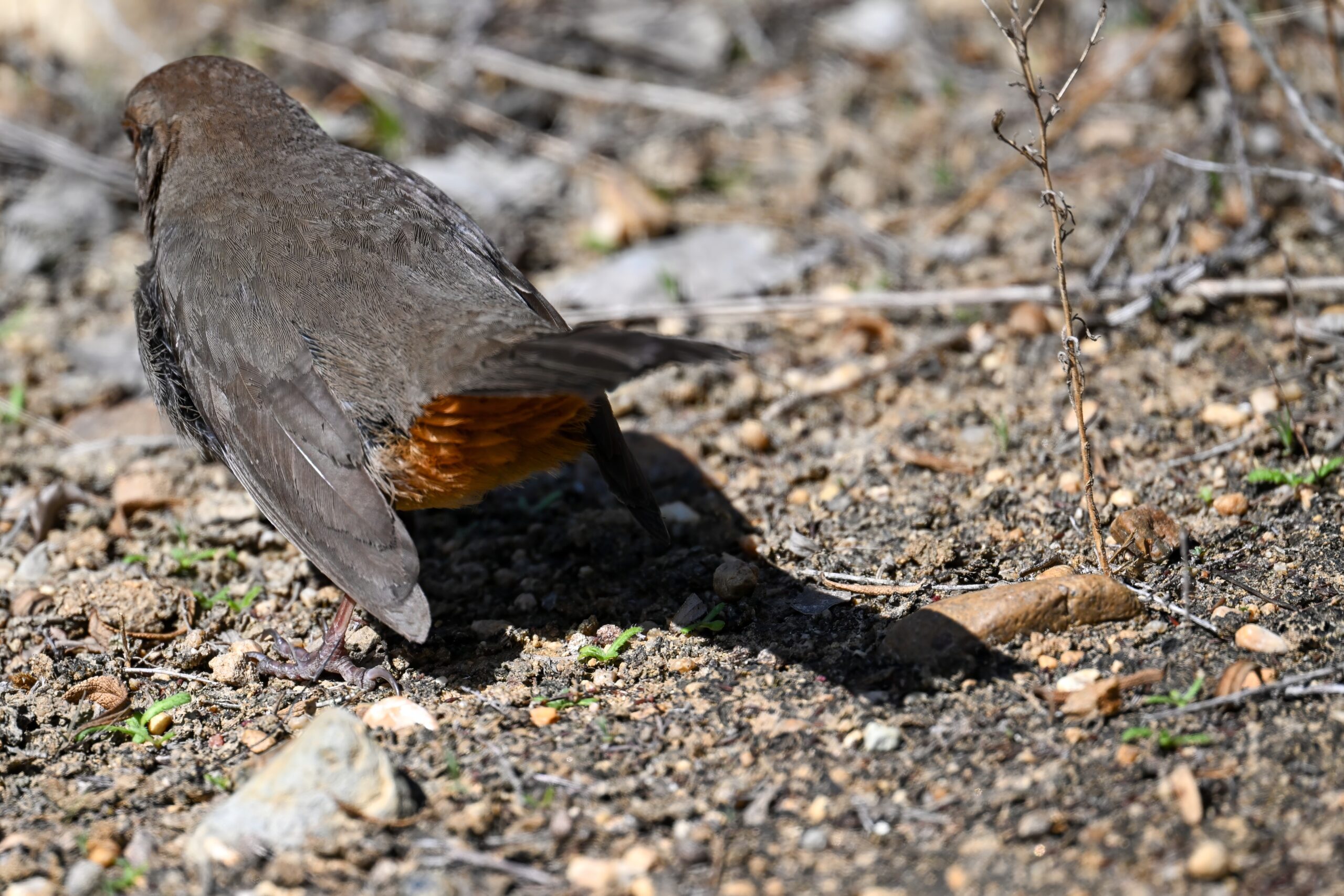
Also a lucky, “out in the open” sighting of a couple beautiful California Towhee:
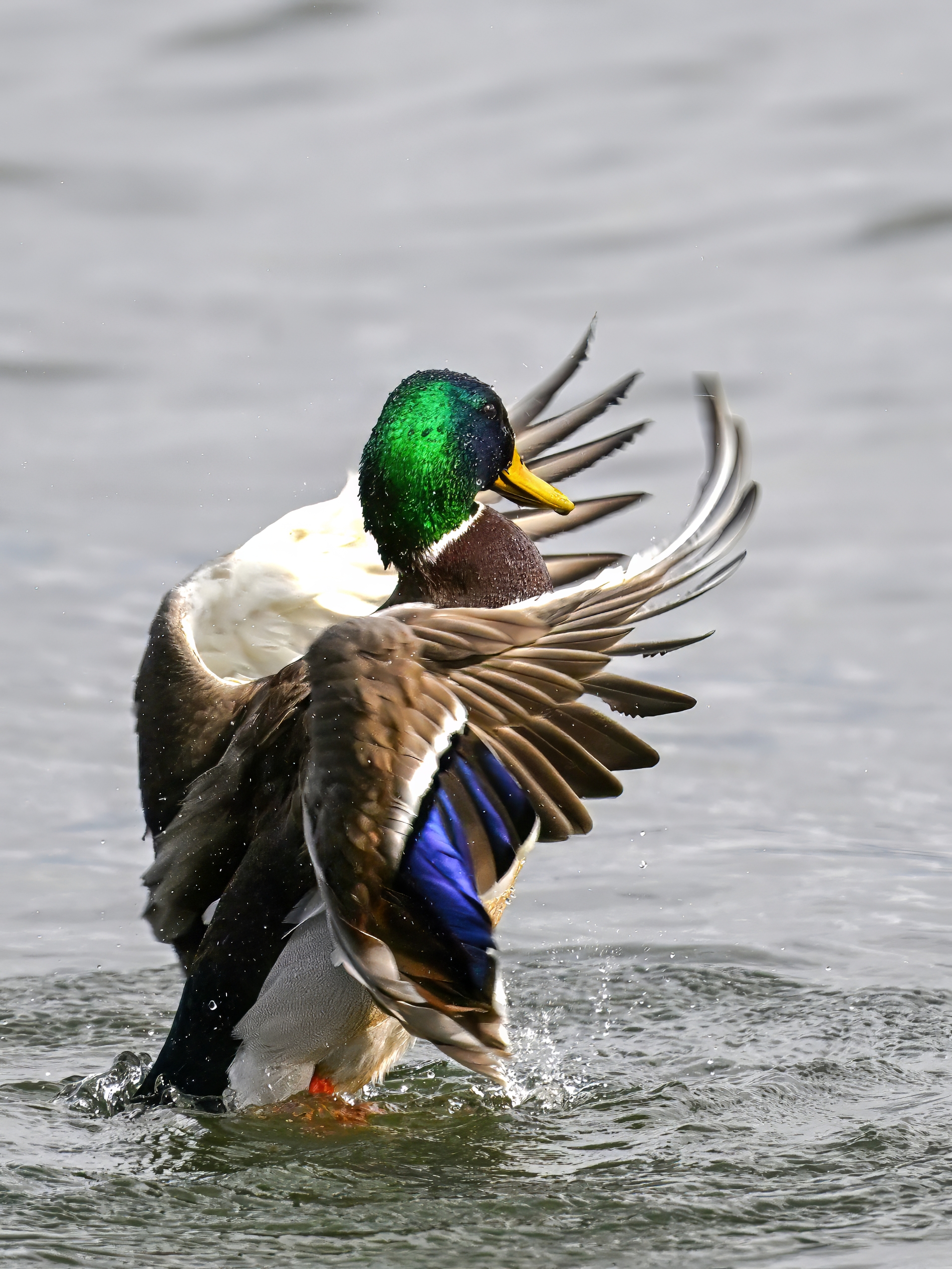
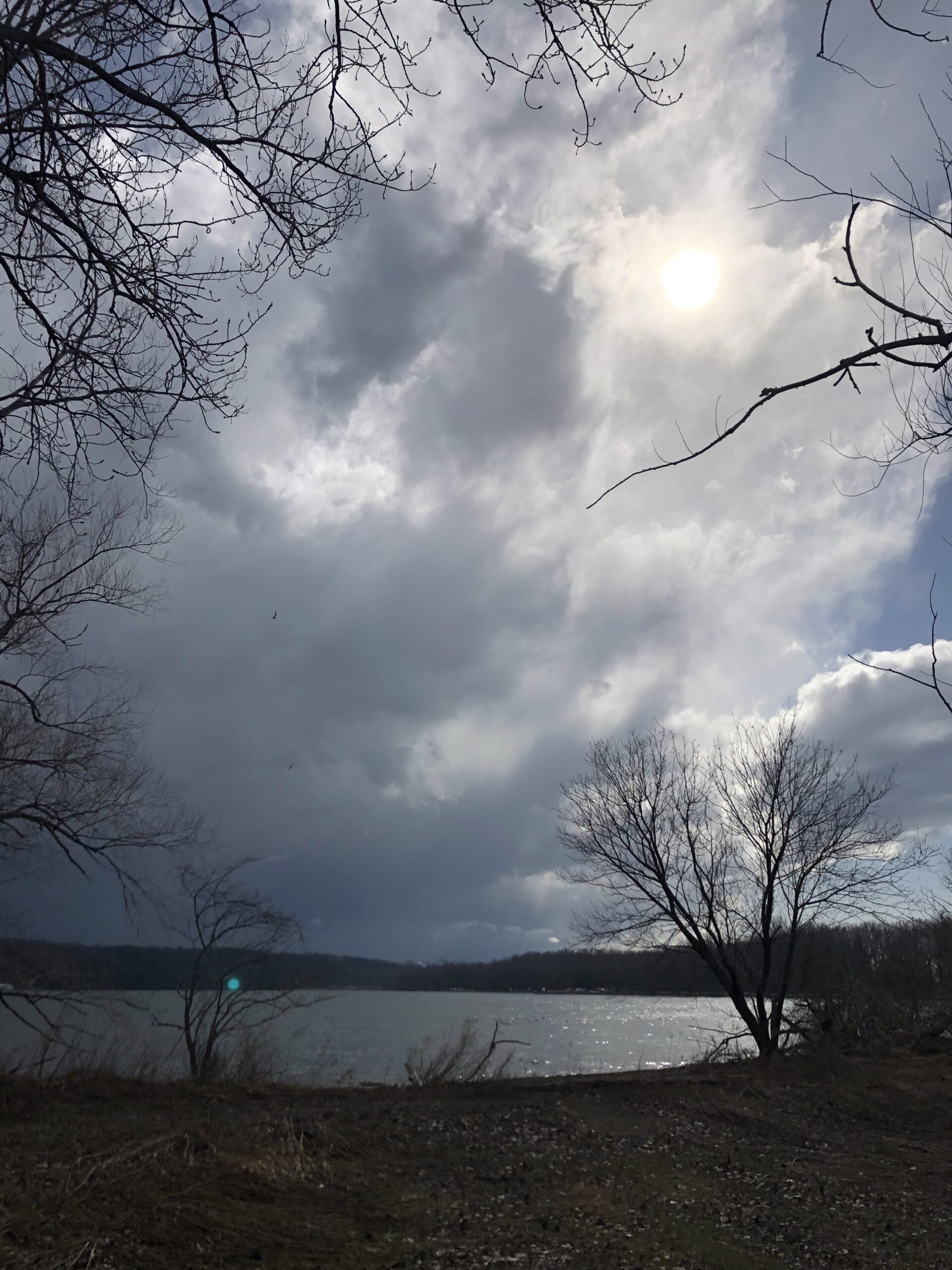
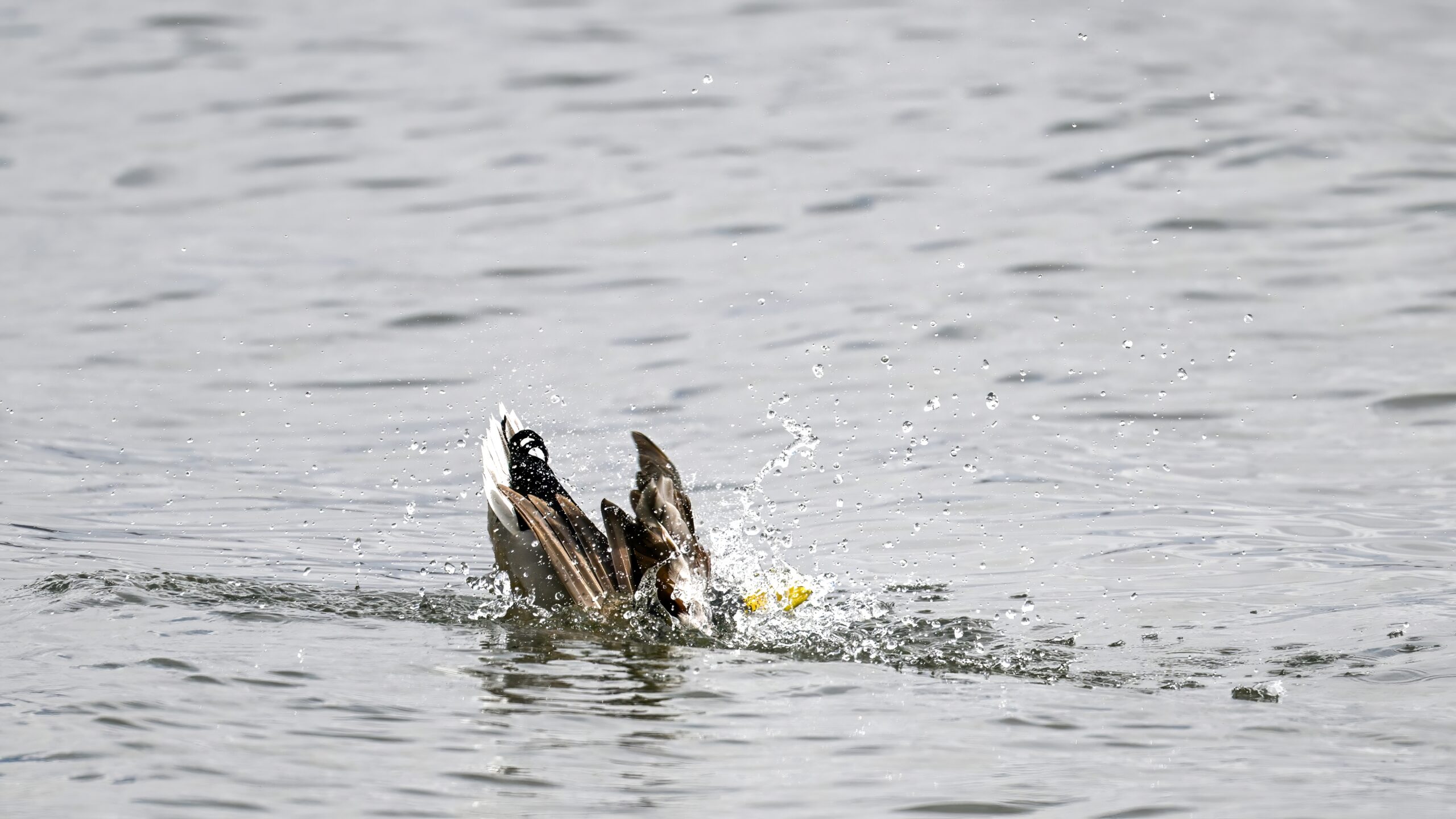
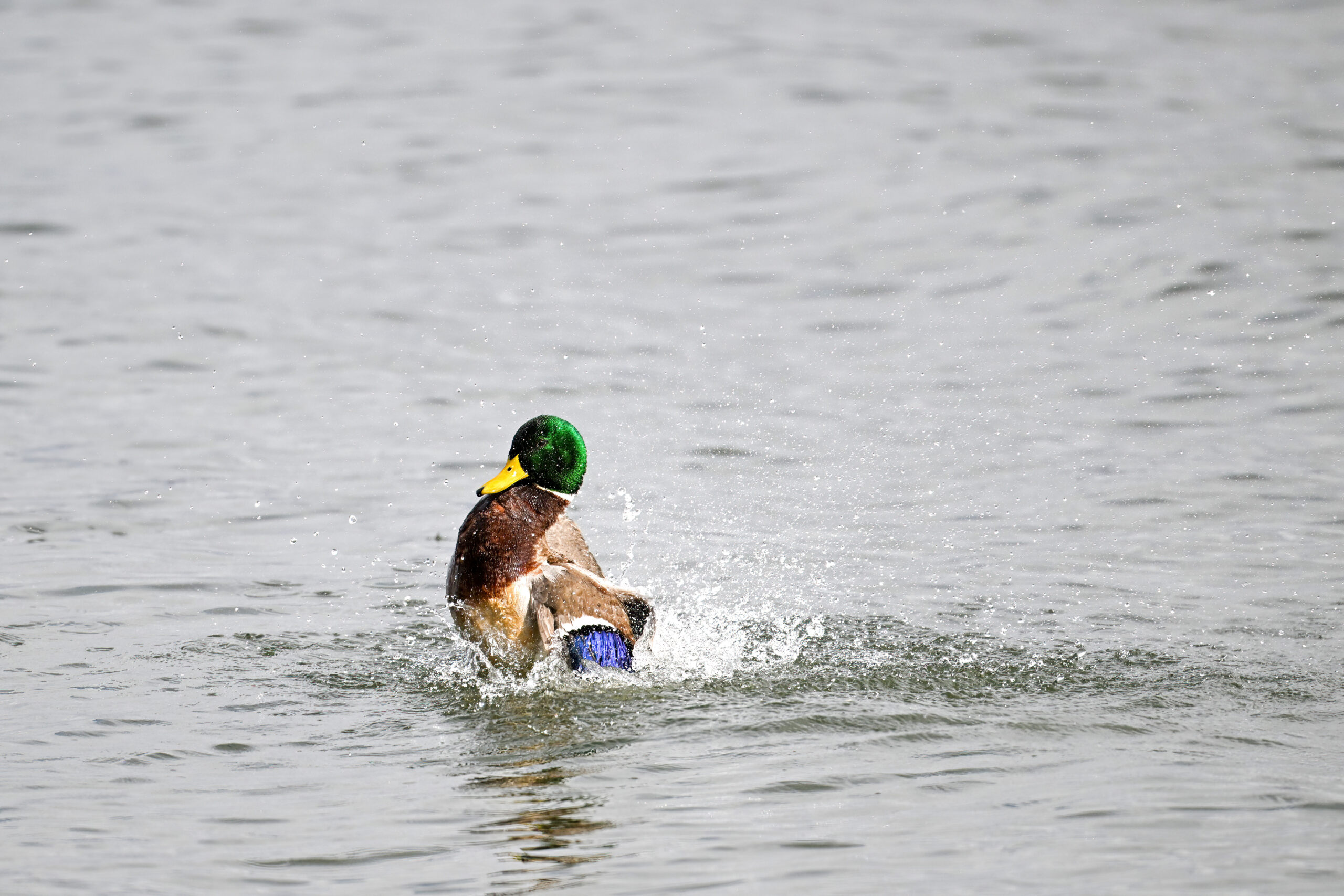
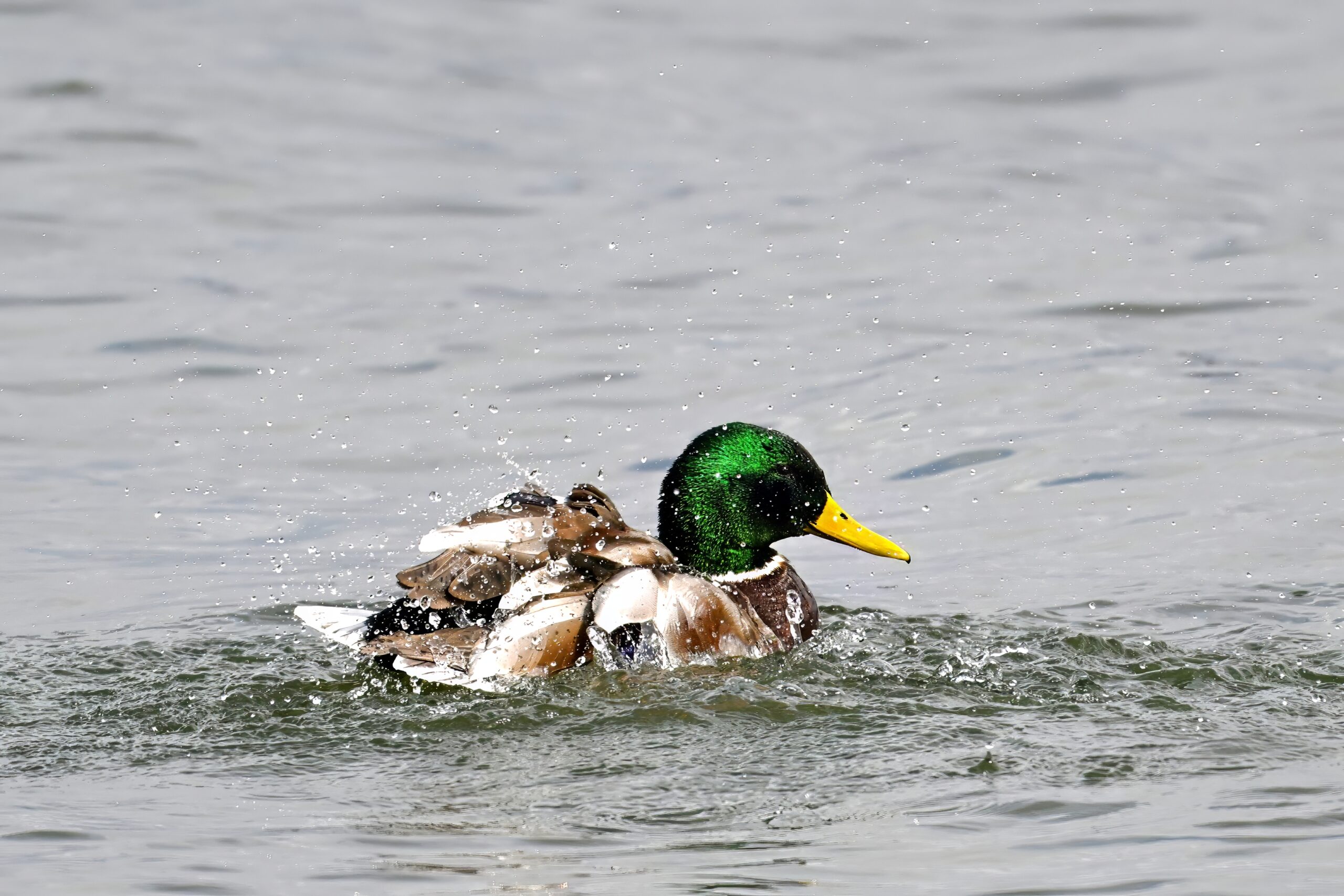
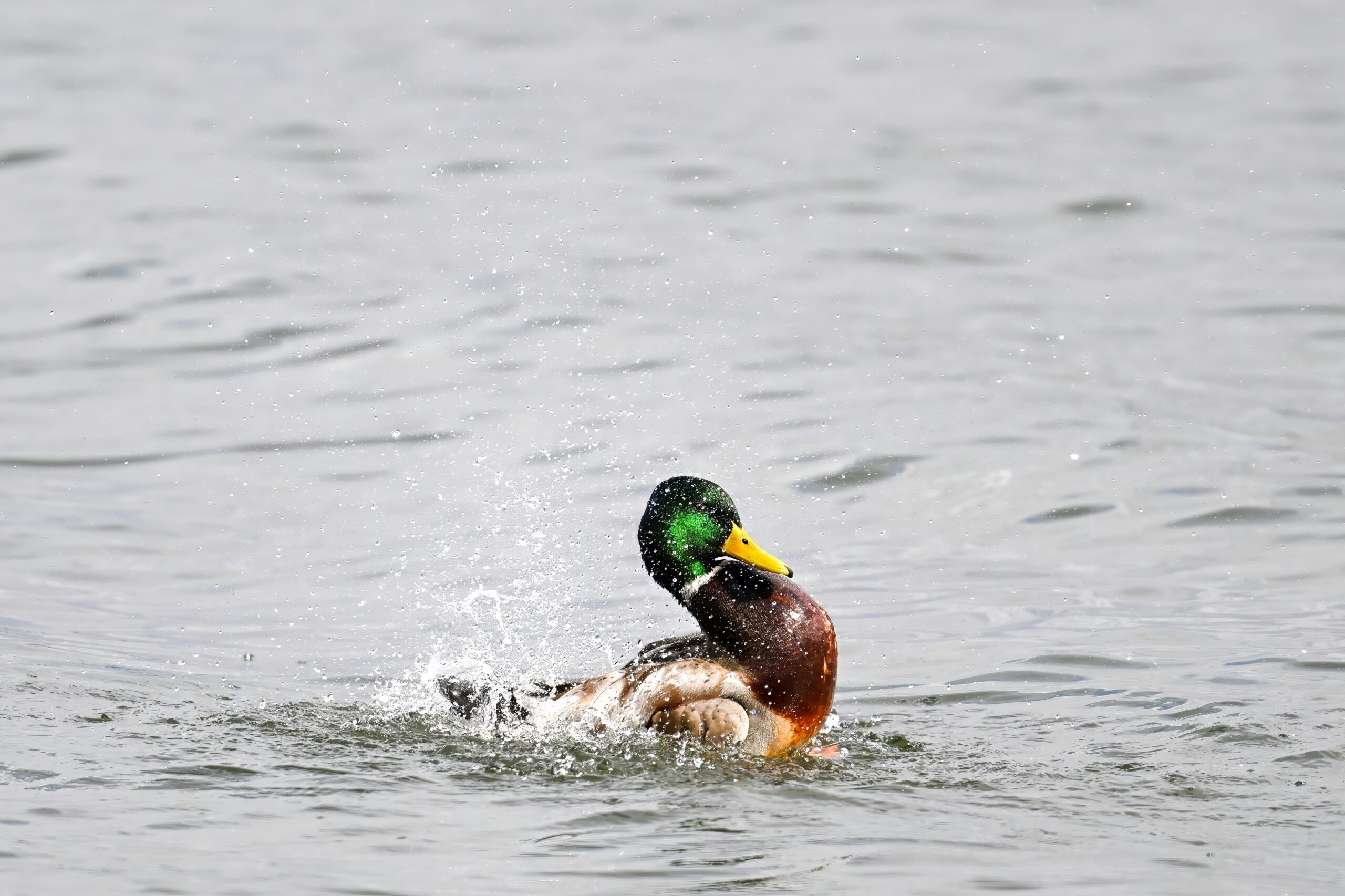
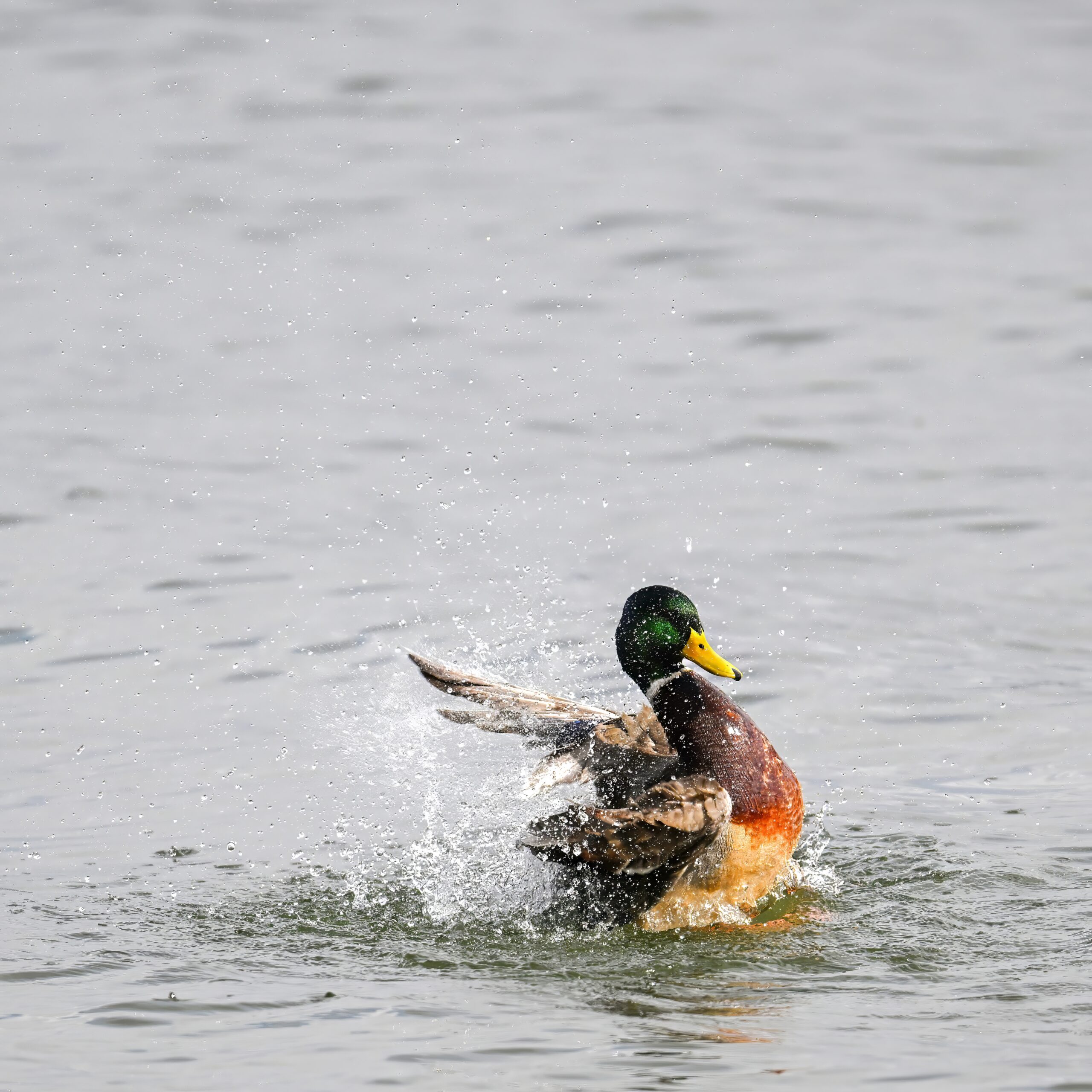
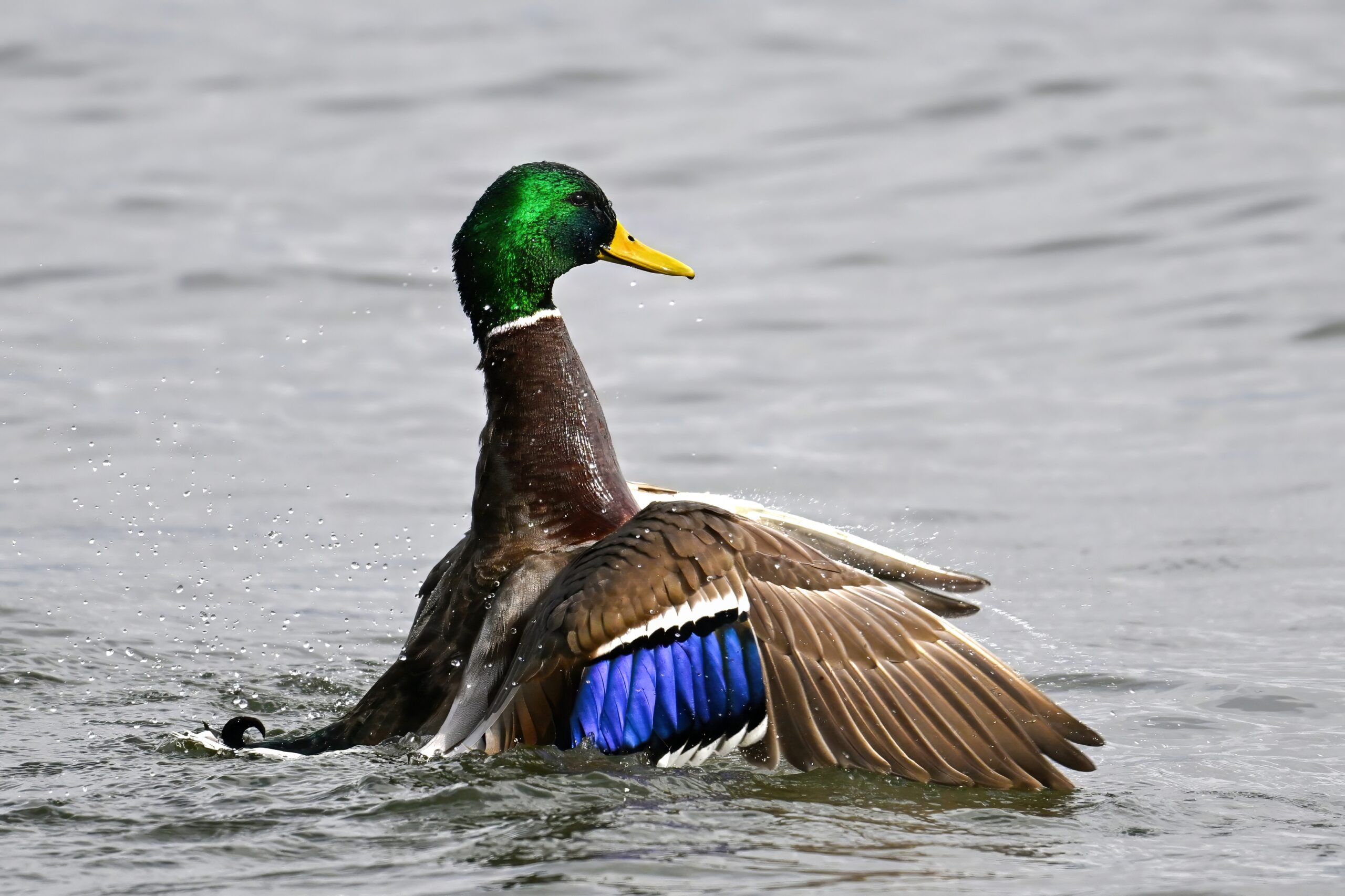
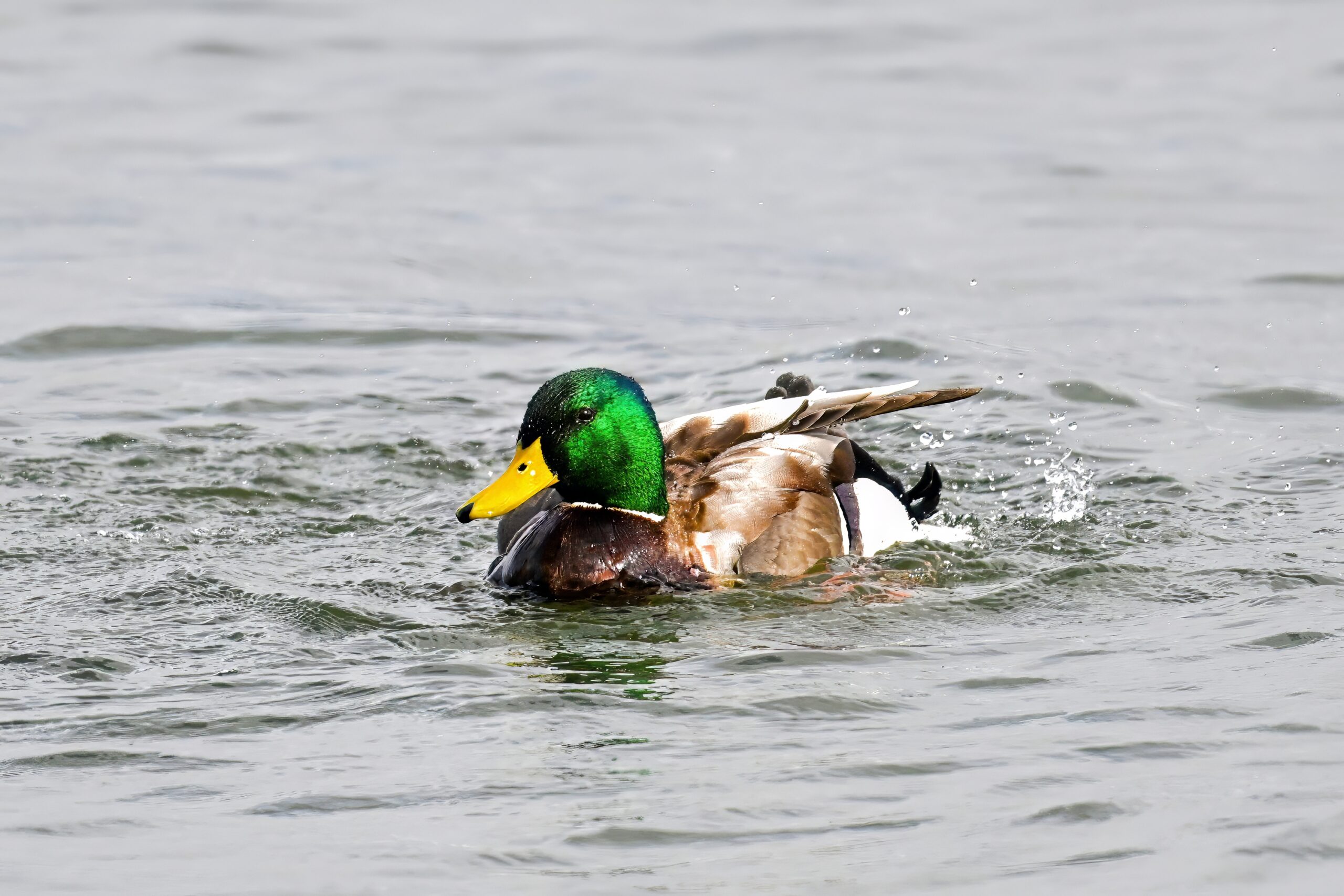
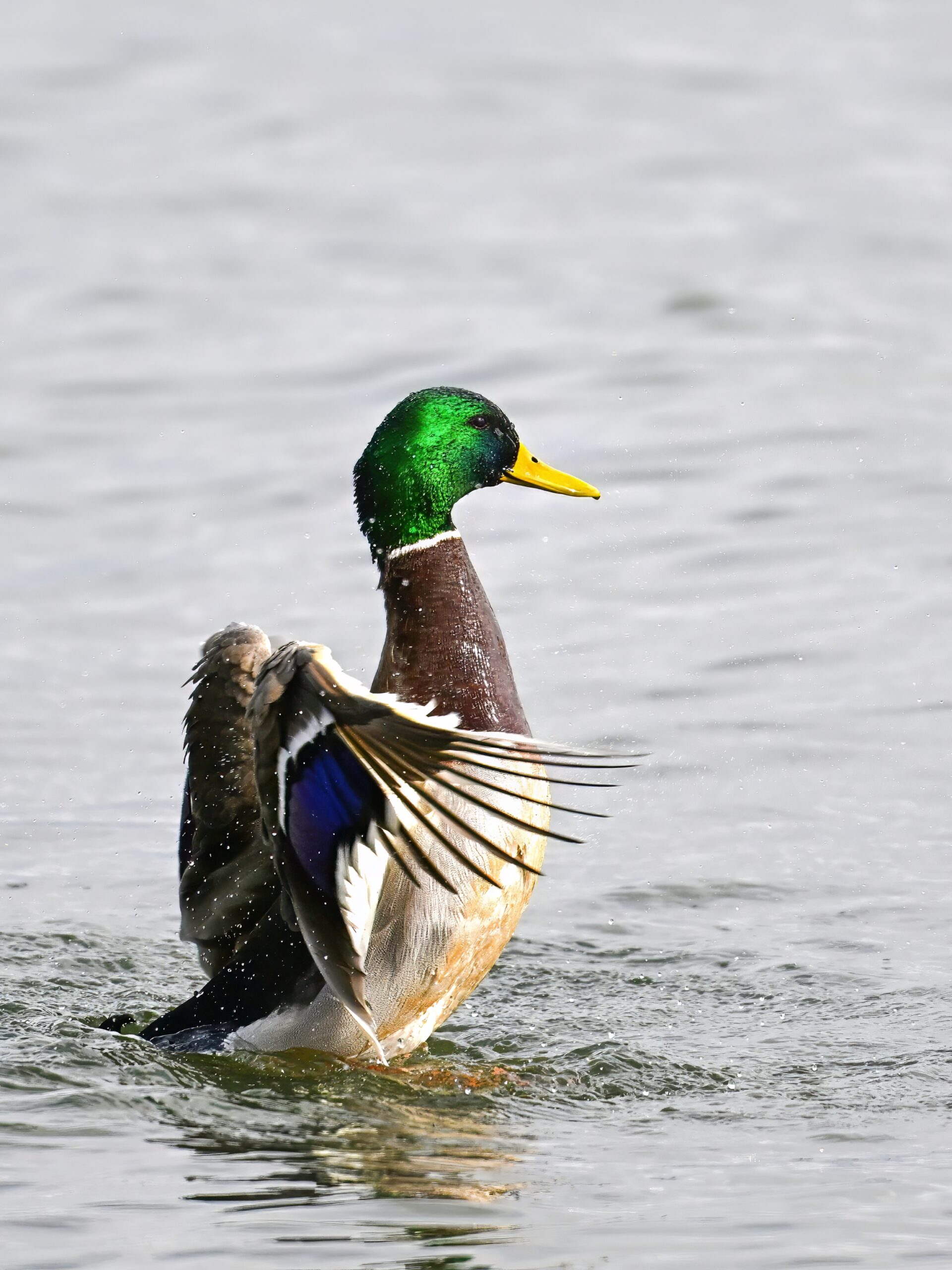
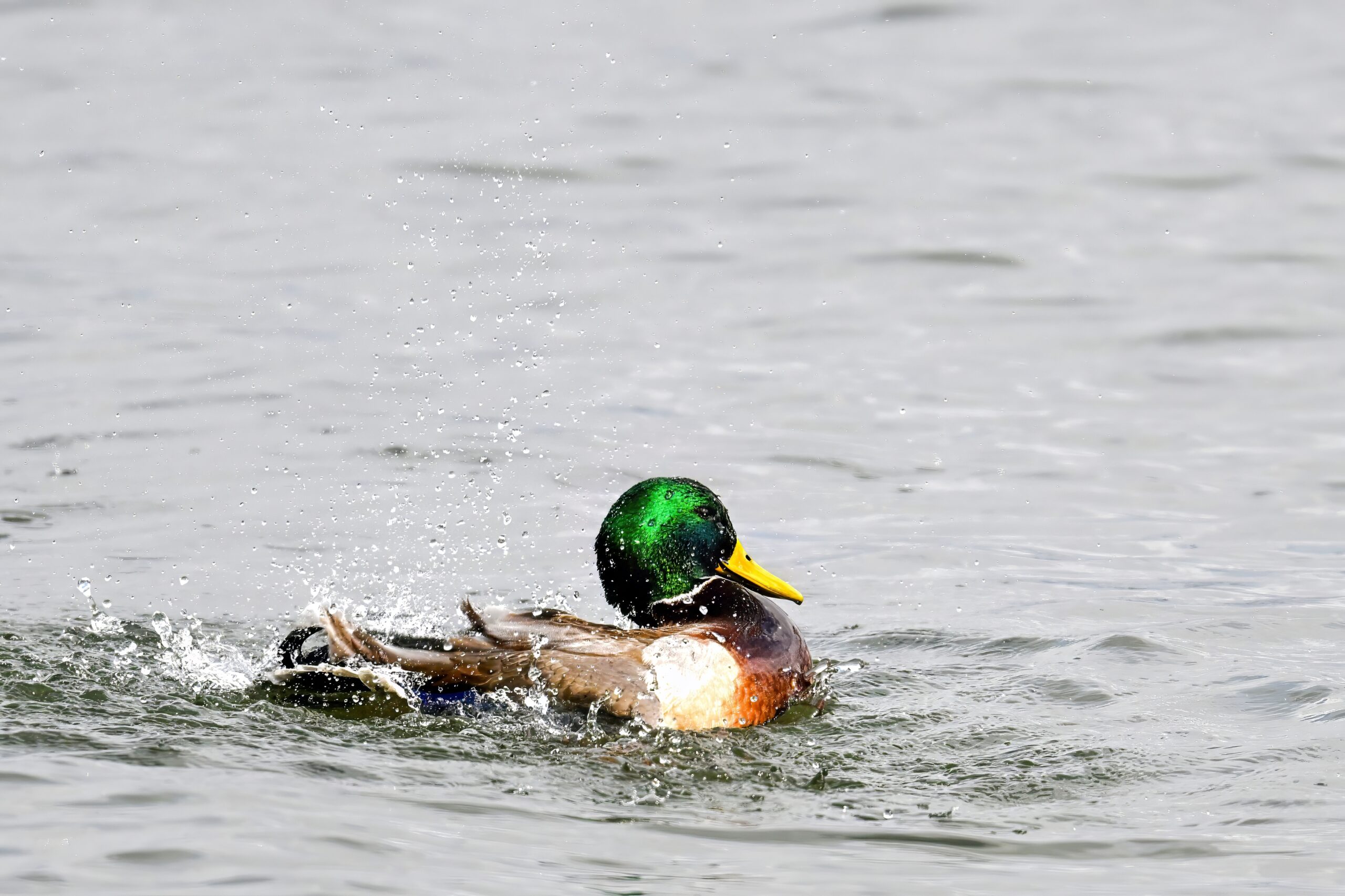
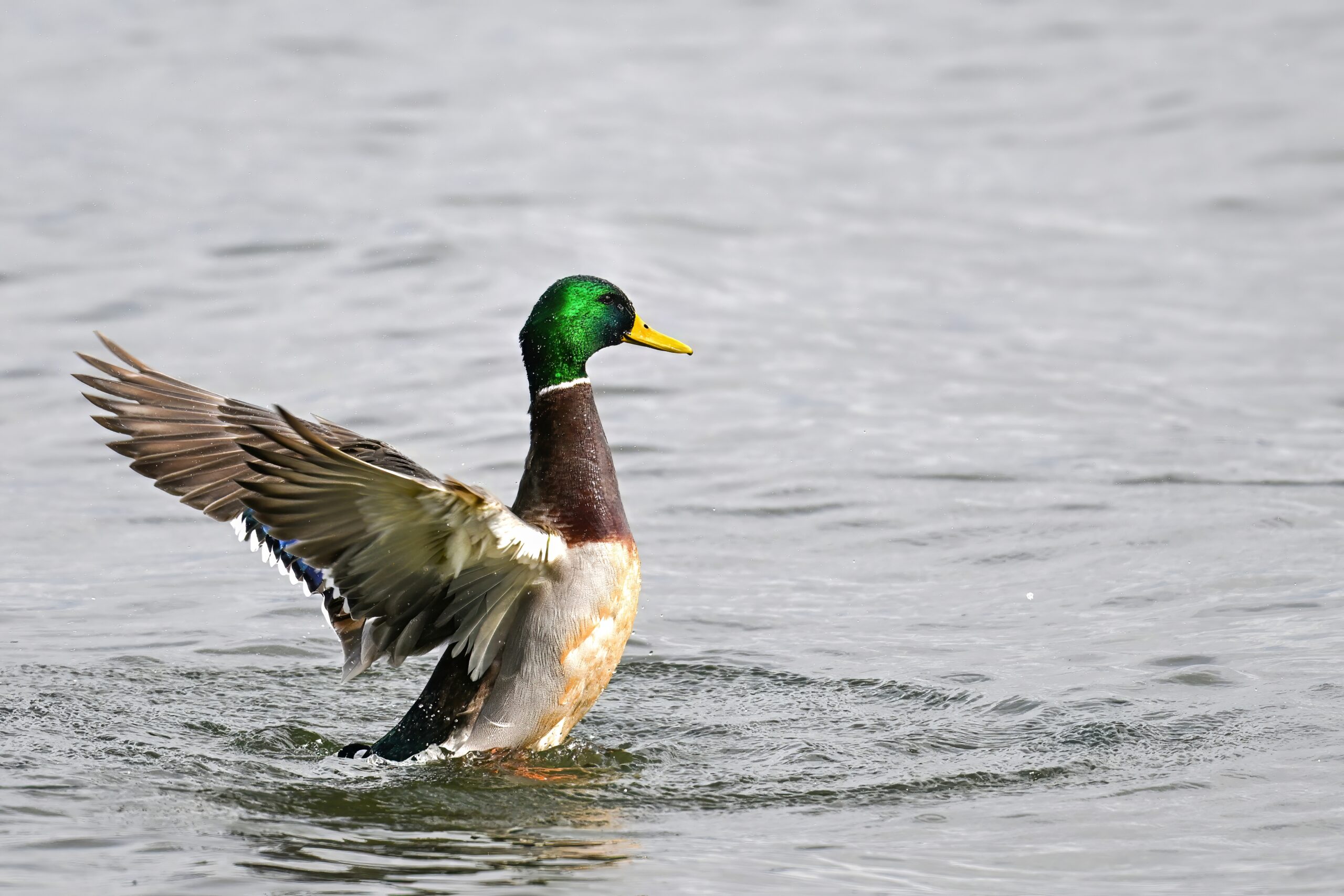
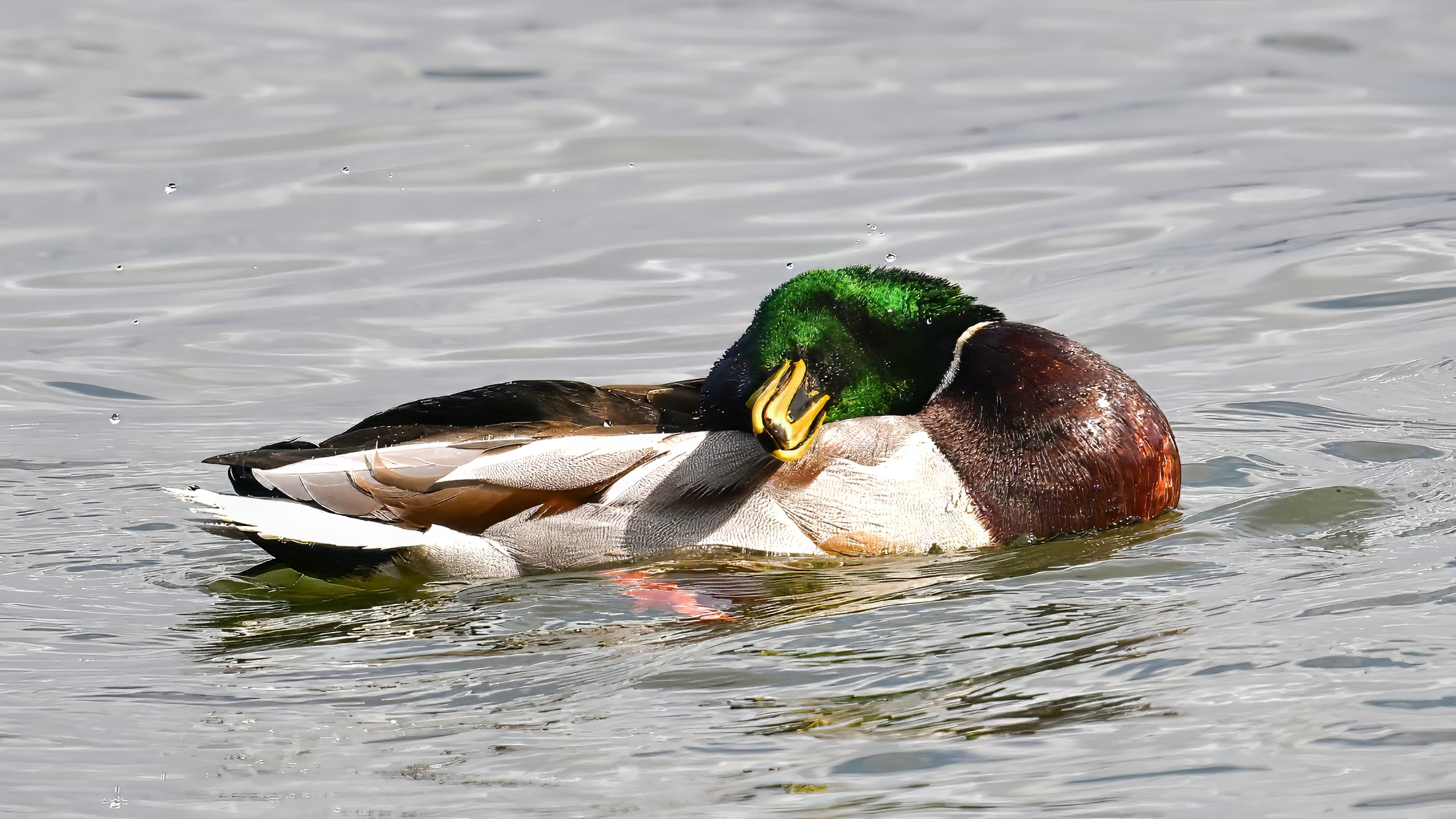
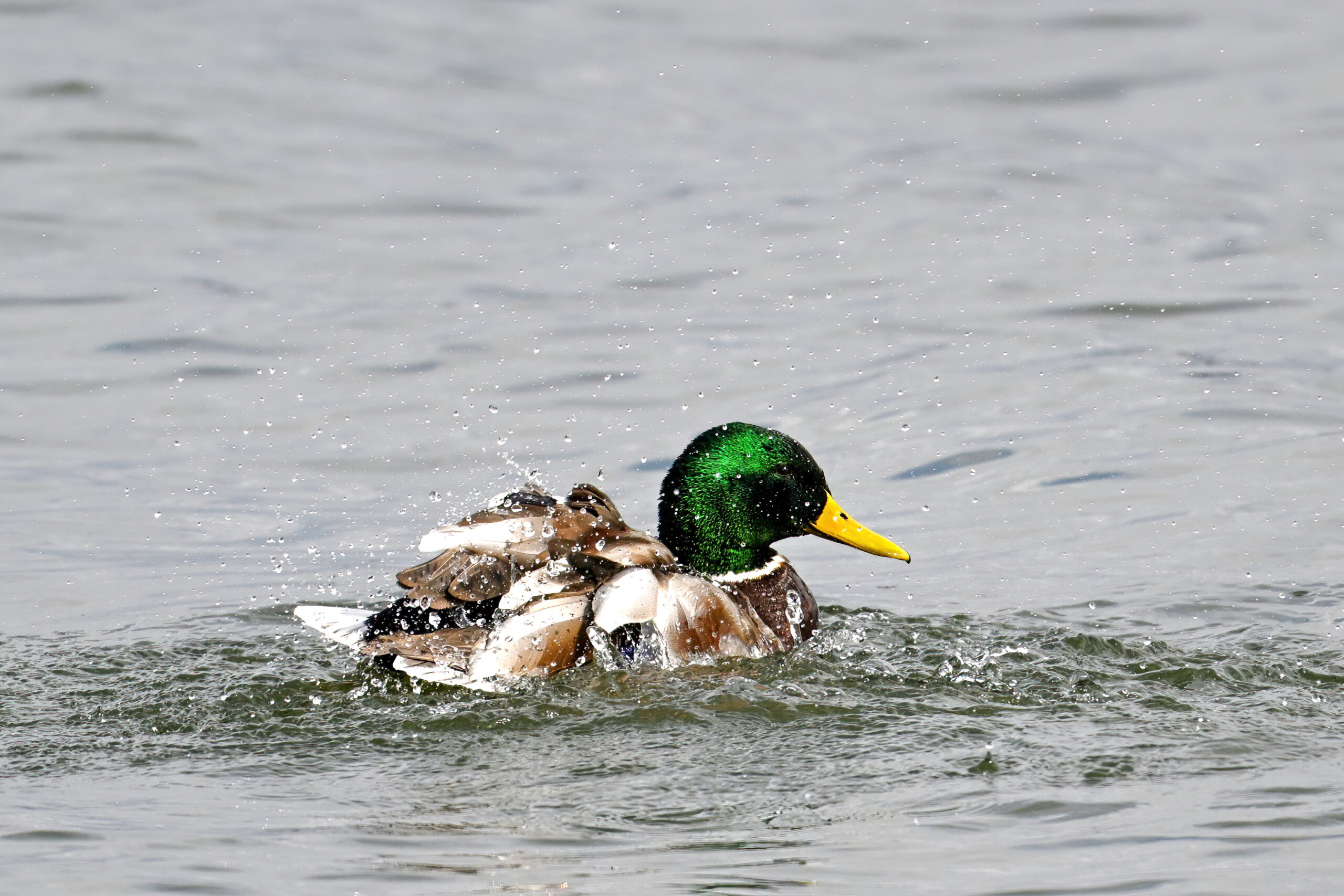
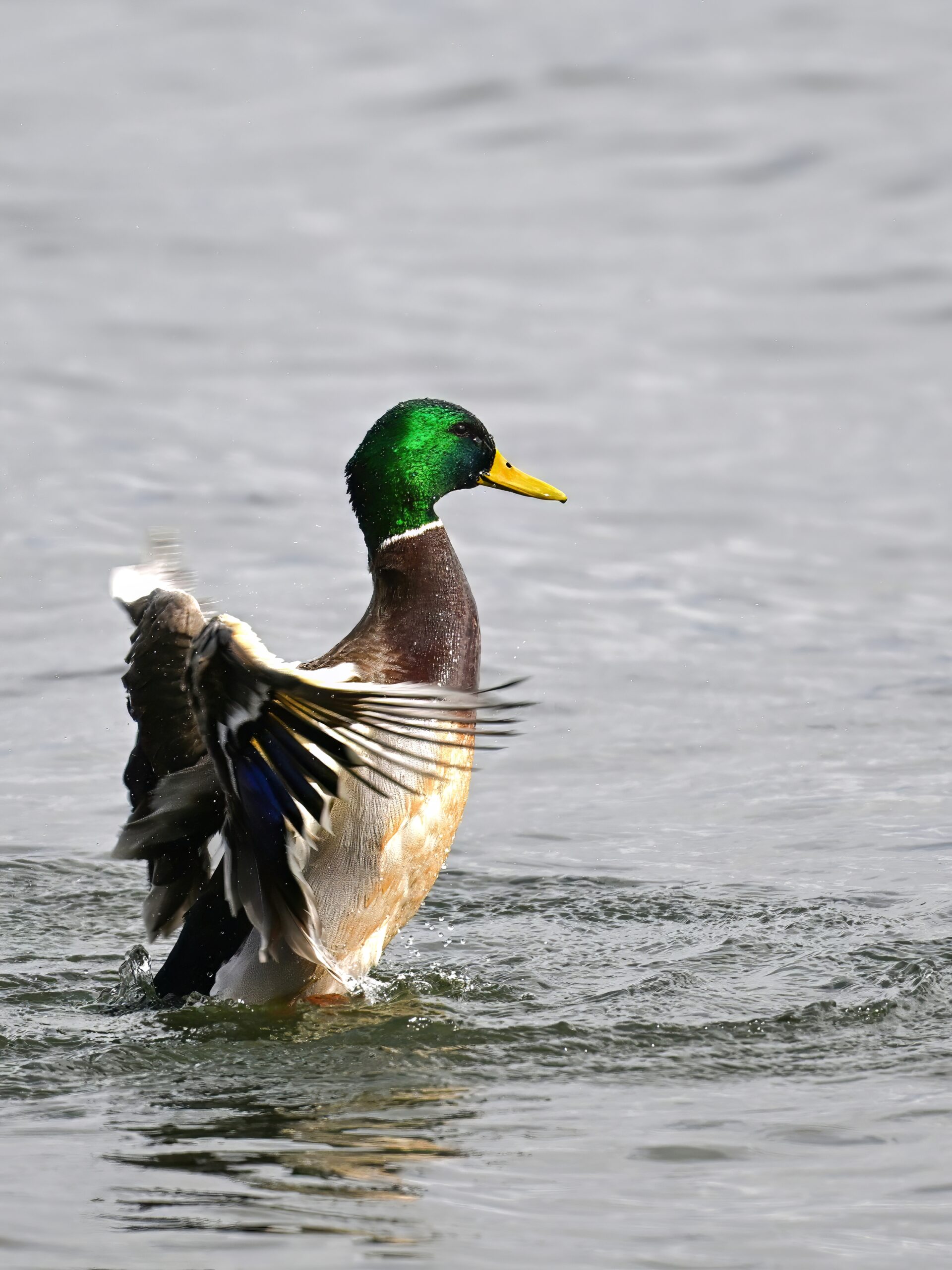
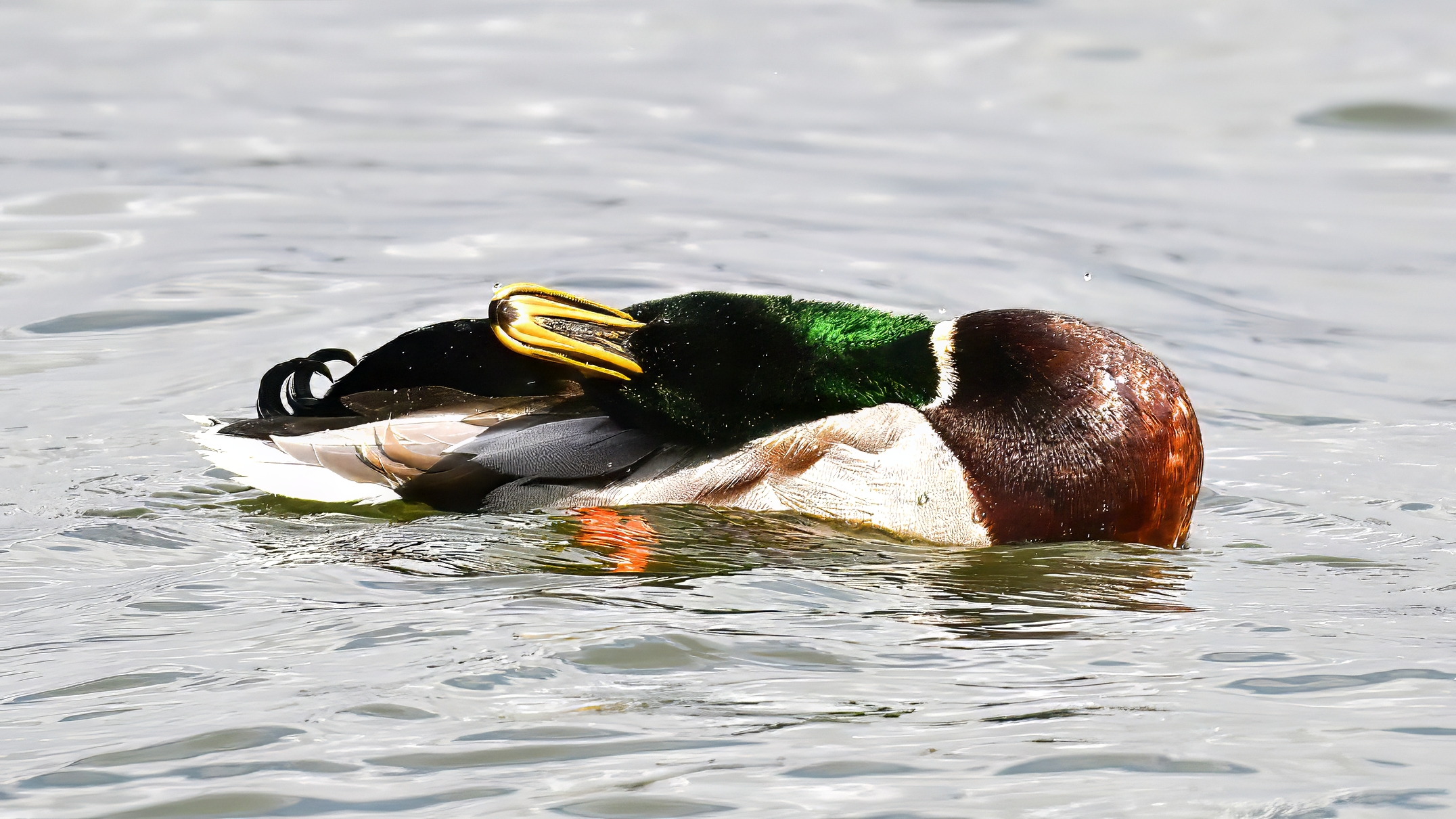
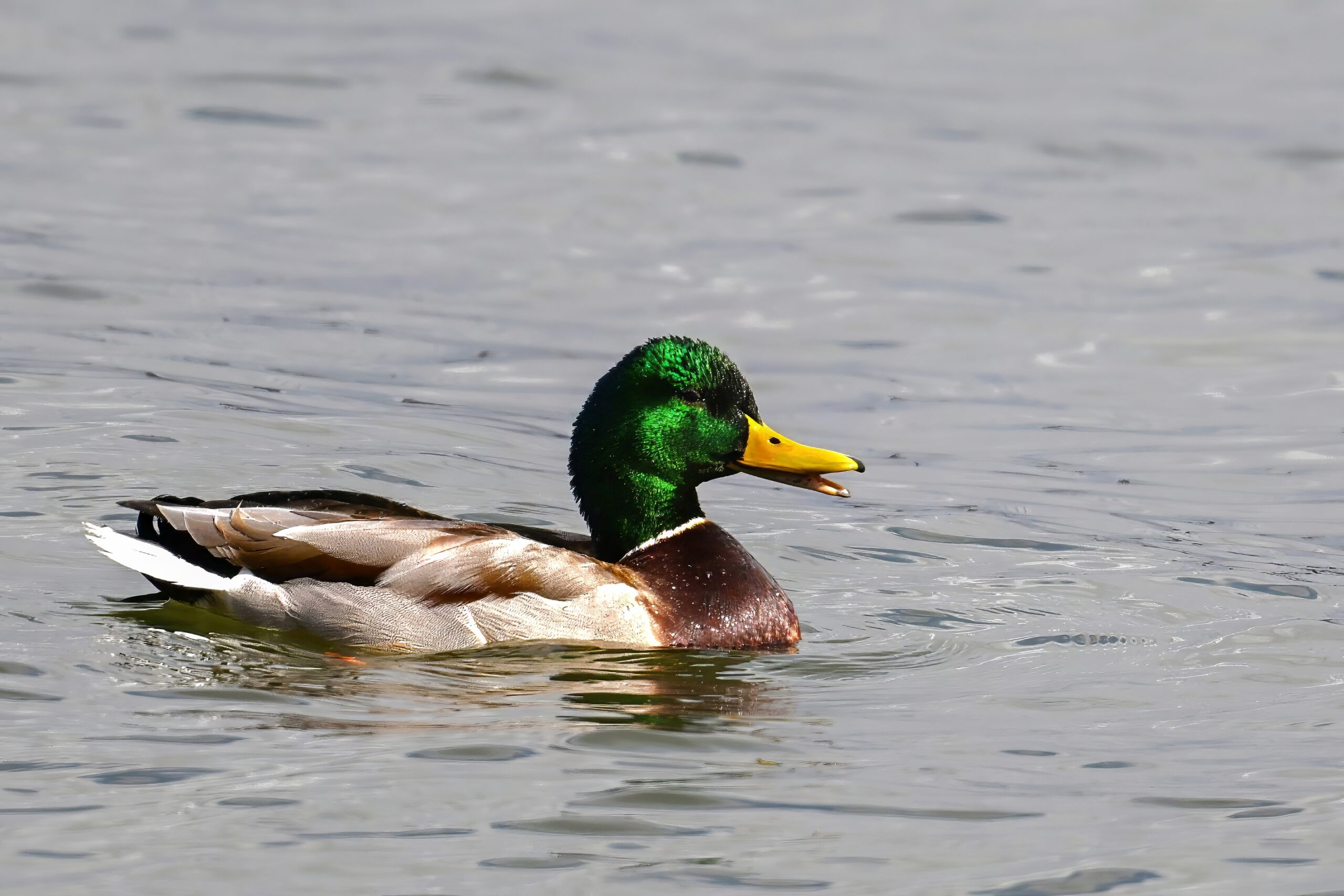
Weekend weather in Erie County, Pennsylvania – warm, very windy, on/off thunderstorms/rain, turning much colder Sunday night with light snow overnight and snow on the grass Monday morning. (Not done with winter quite yet.) Bird activity as generally expected – ducks and other waterfowl, uptick in Turkey Vulture and Wild Turkey activity, plenty of Robins, Red-winged Blackbirds, Song Sparrows, etc., + the local return of species like Common Grackle and Brown Creeper. Here, featuring a St. Patrick’s Day-appropriate male Mallard exhibiting preening/bathing behavior off Leo’s Landing @ Presque Isle State Park:
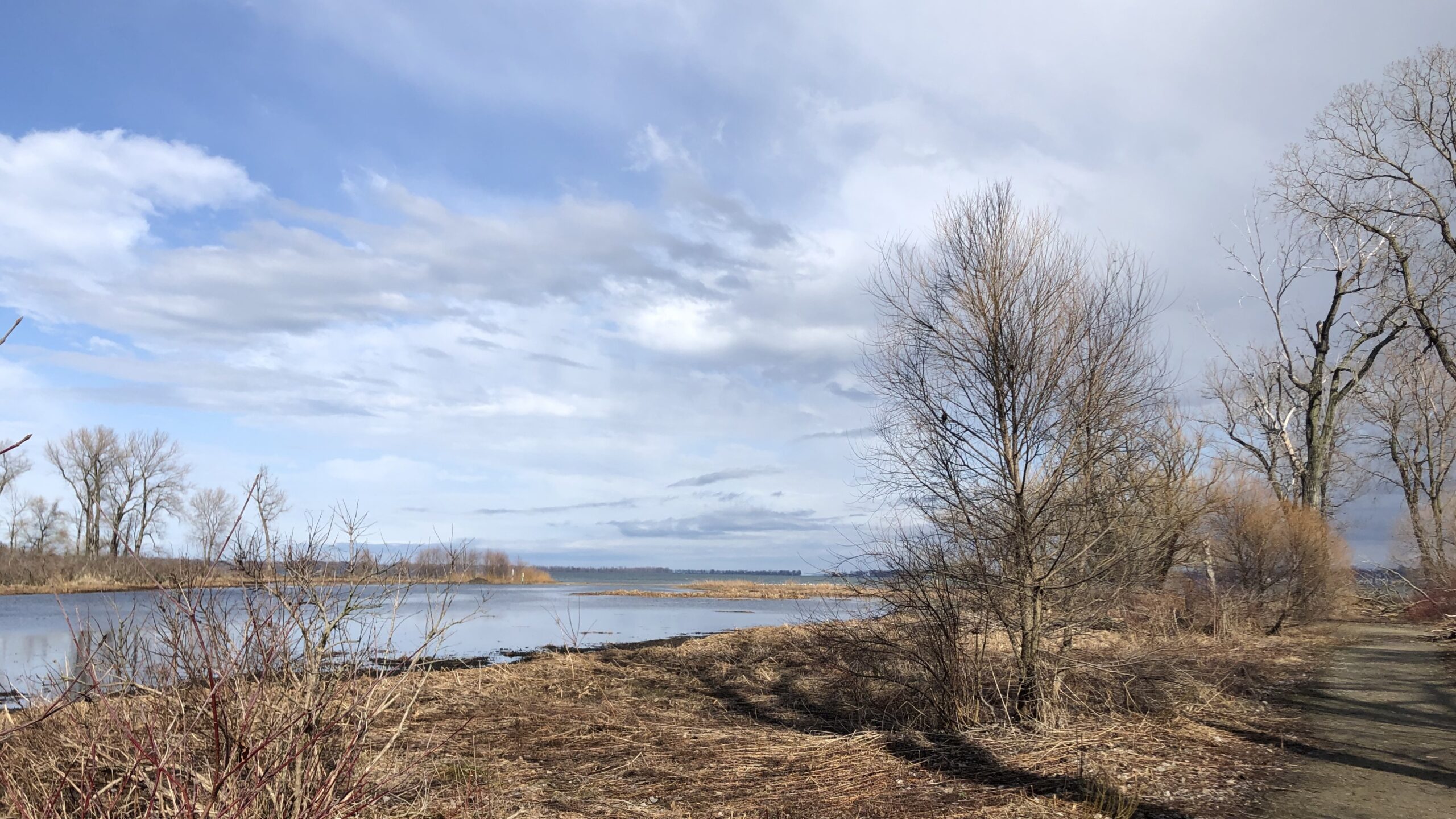
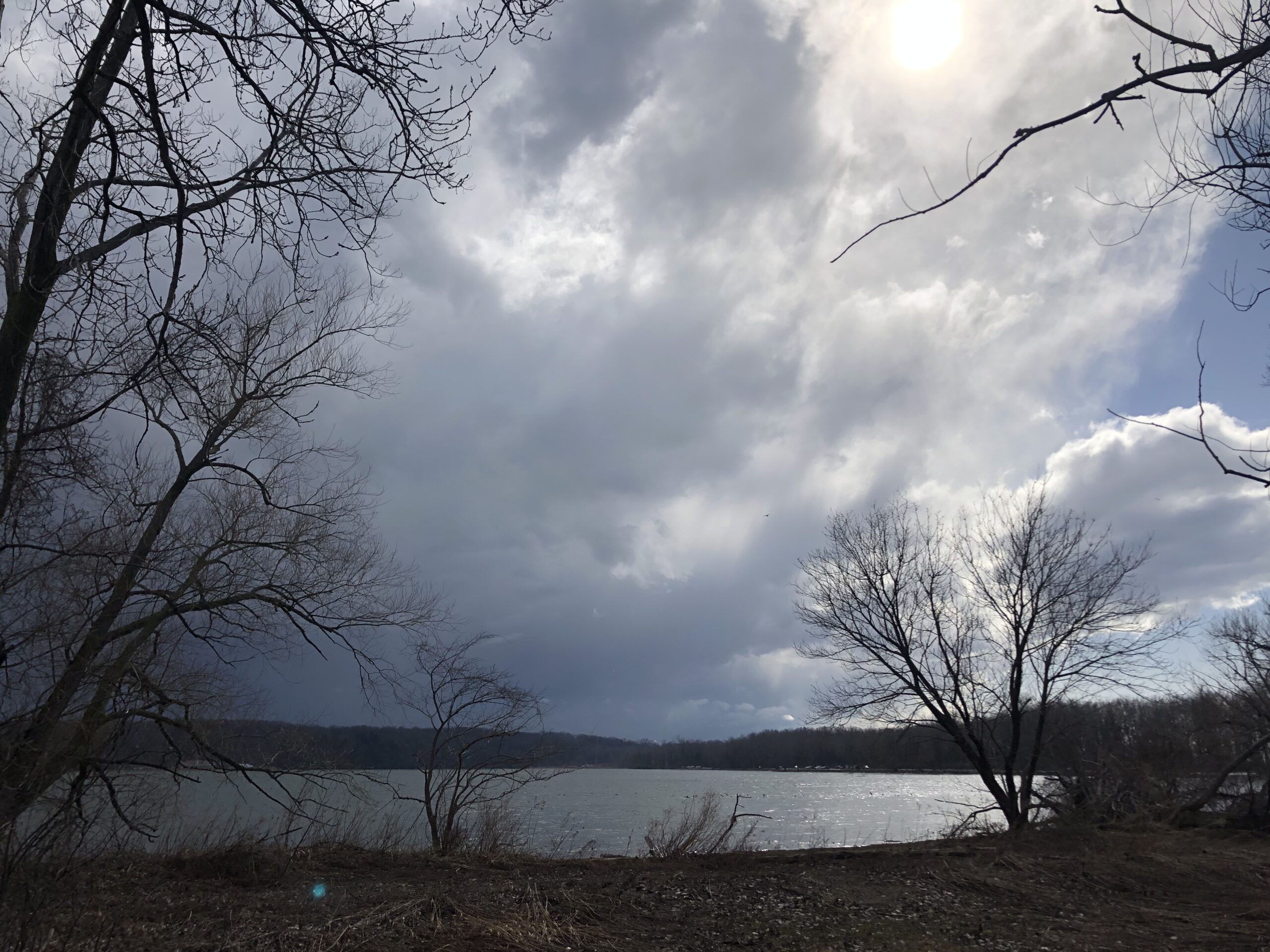
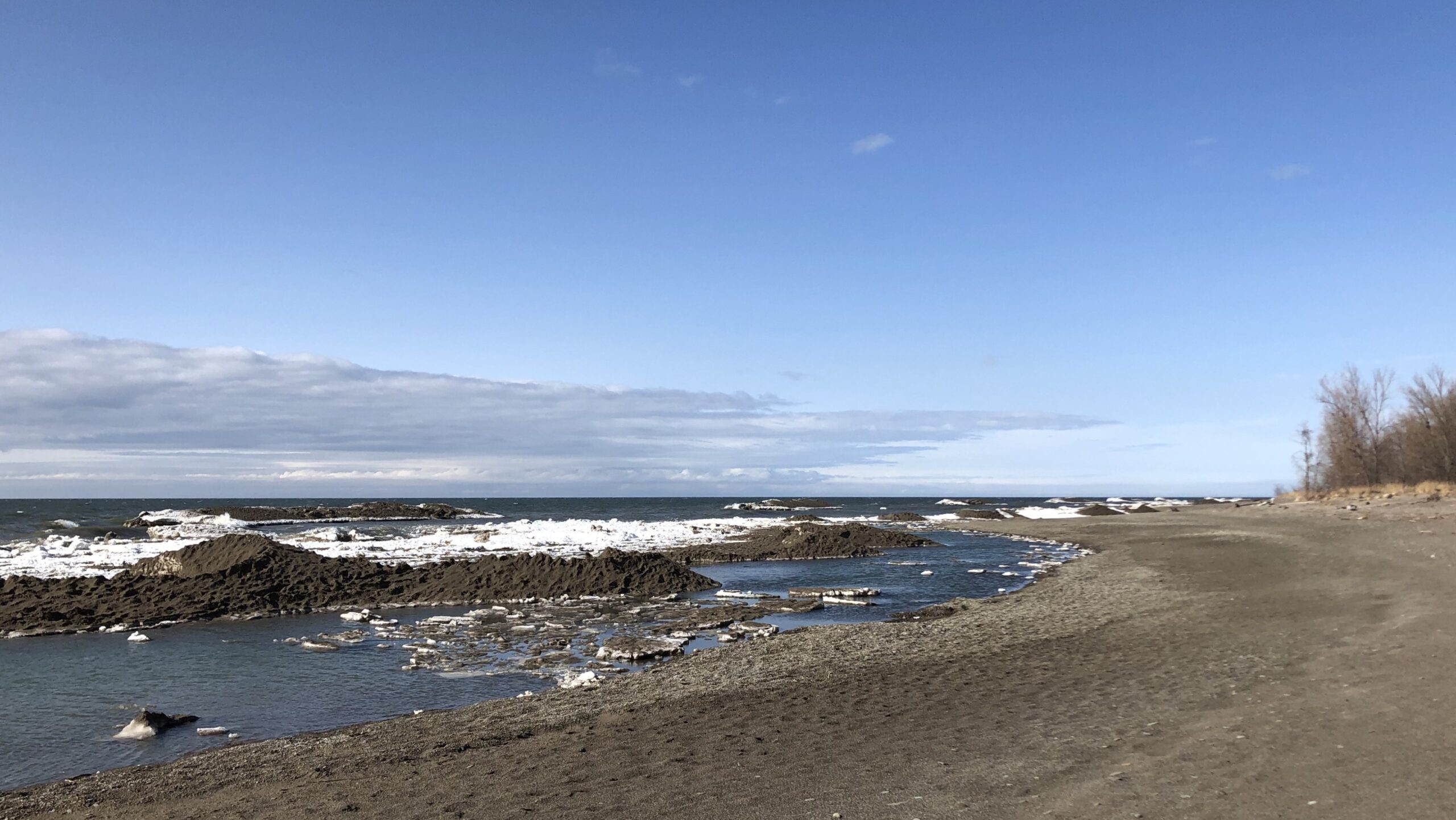
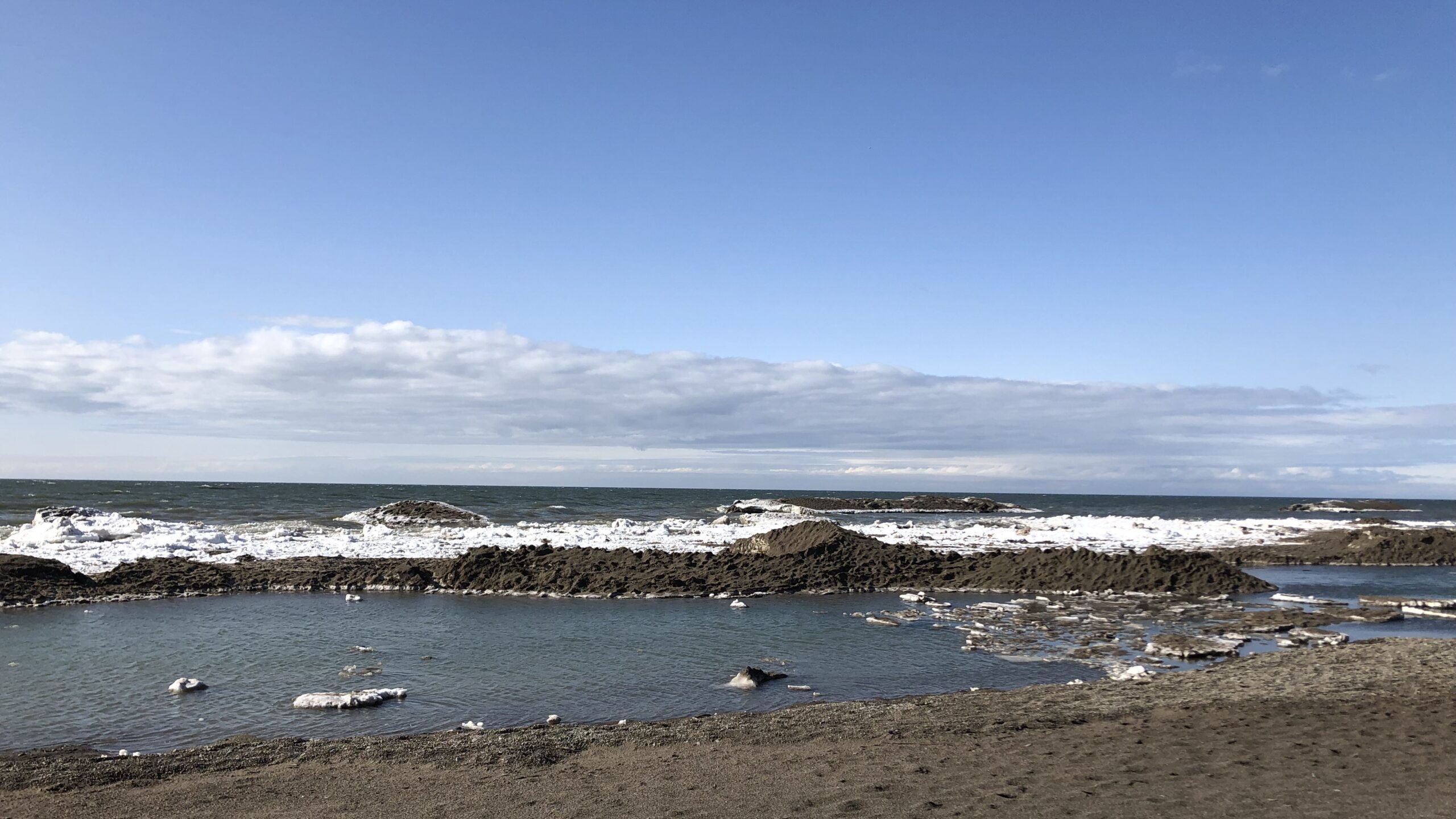
Seemingly rather abruptly, outer Lake Erie’s now mostly fully unfrozen, except for residual ice/ice dunes along the beach, e.g., as here near Stull Interpretive Center:
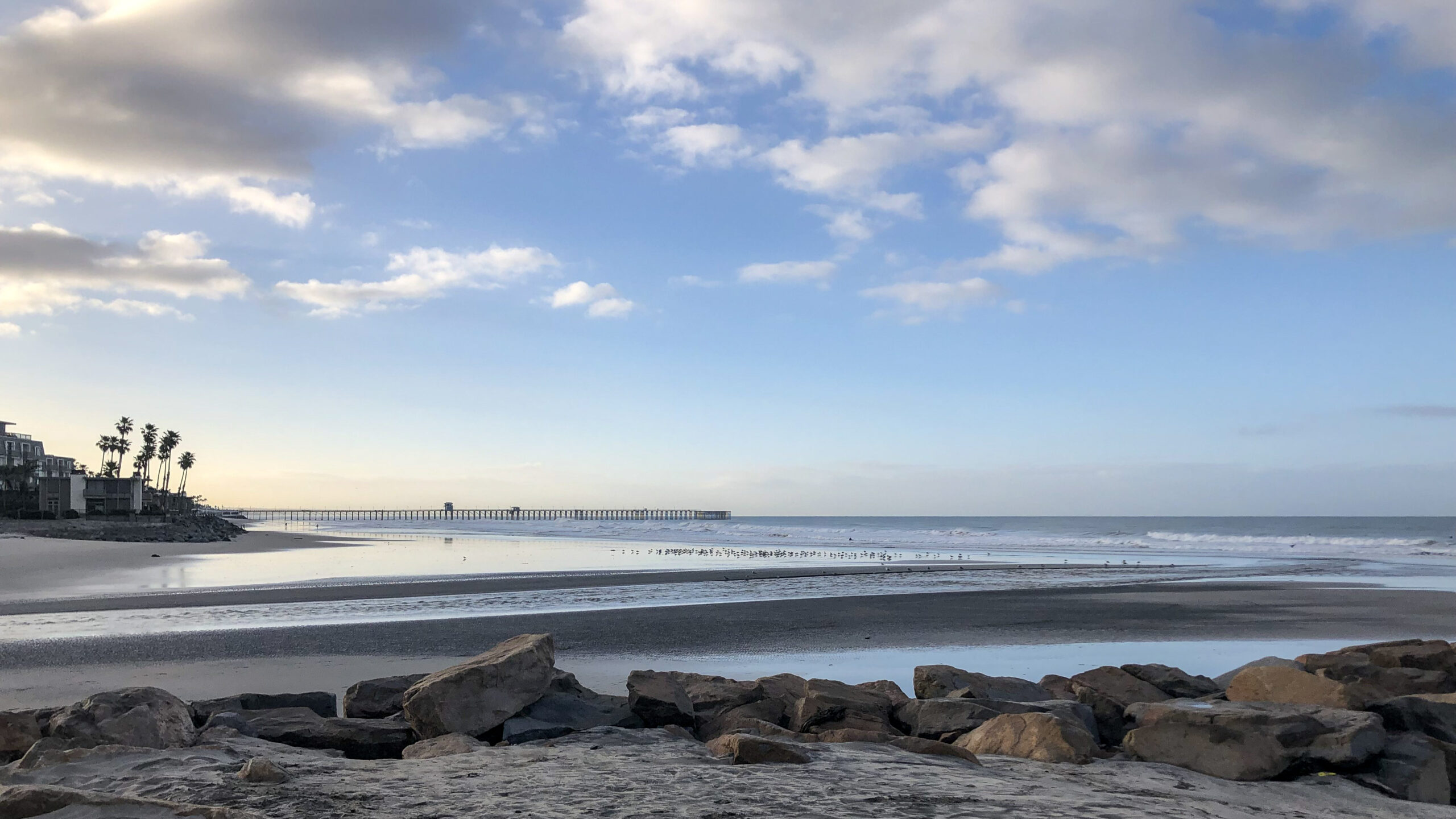
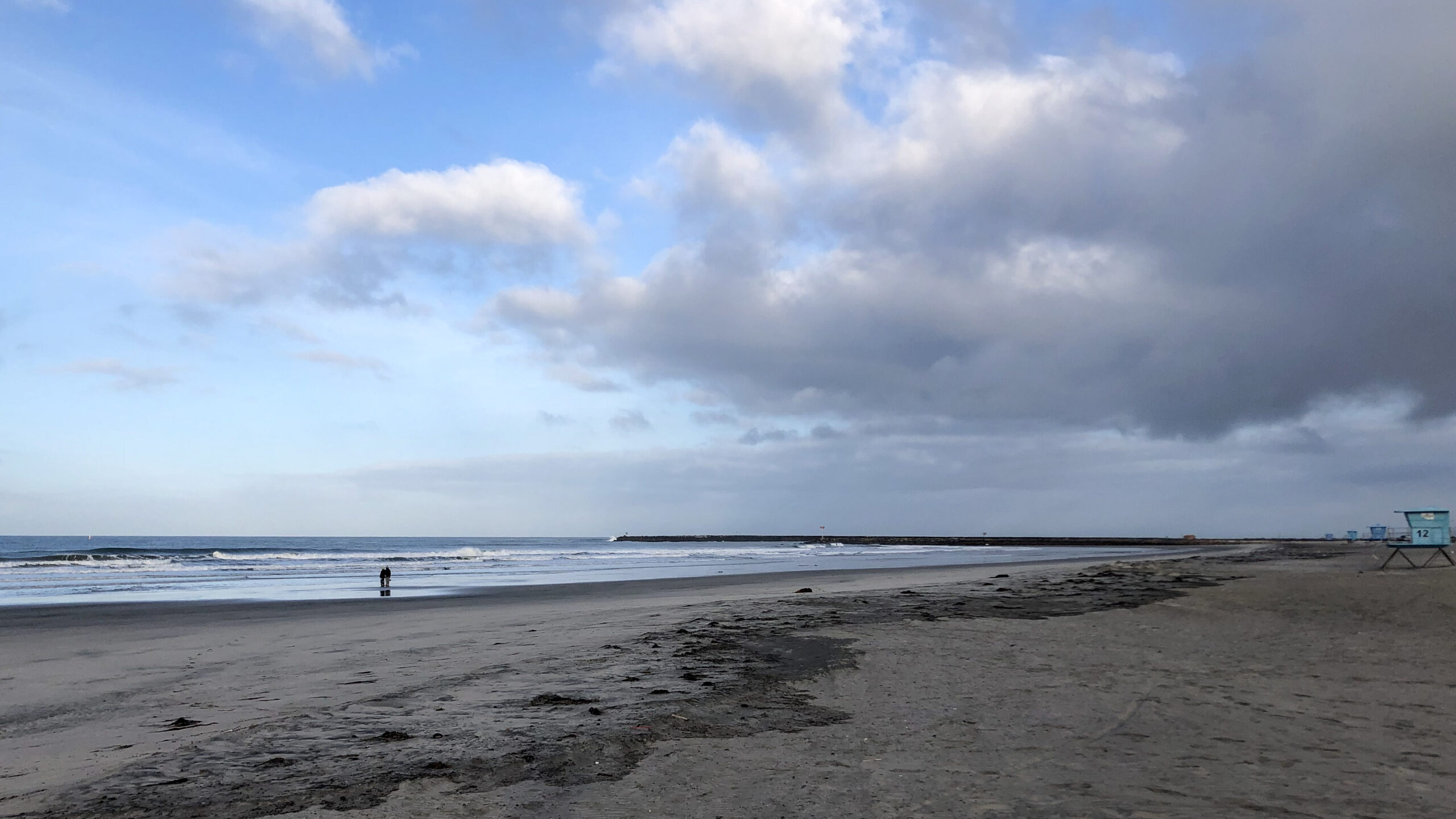
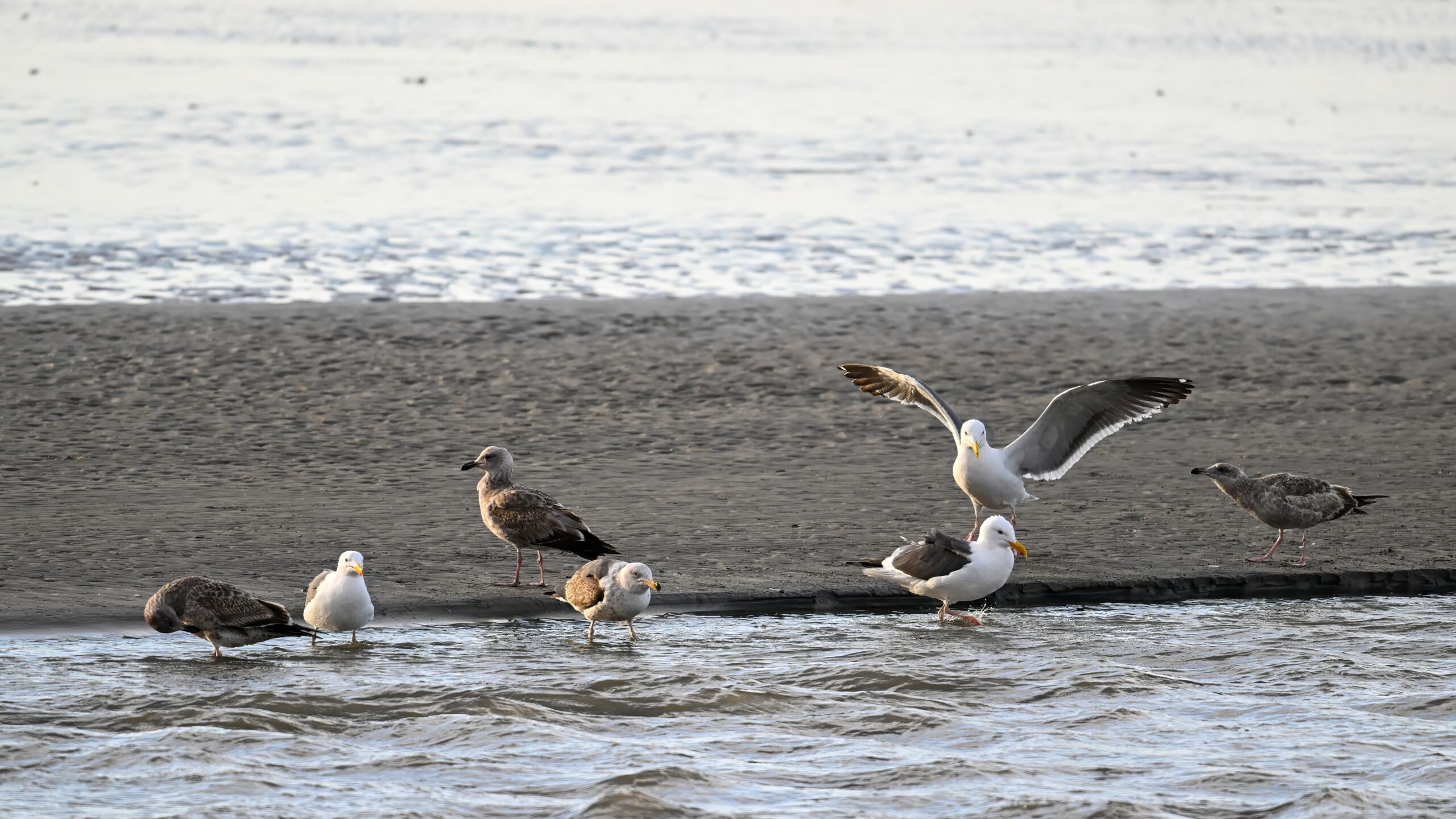
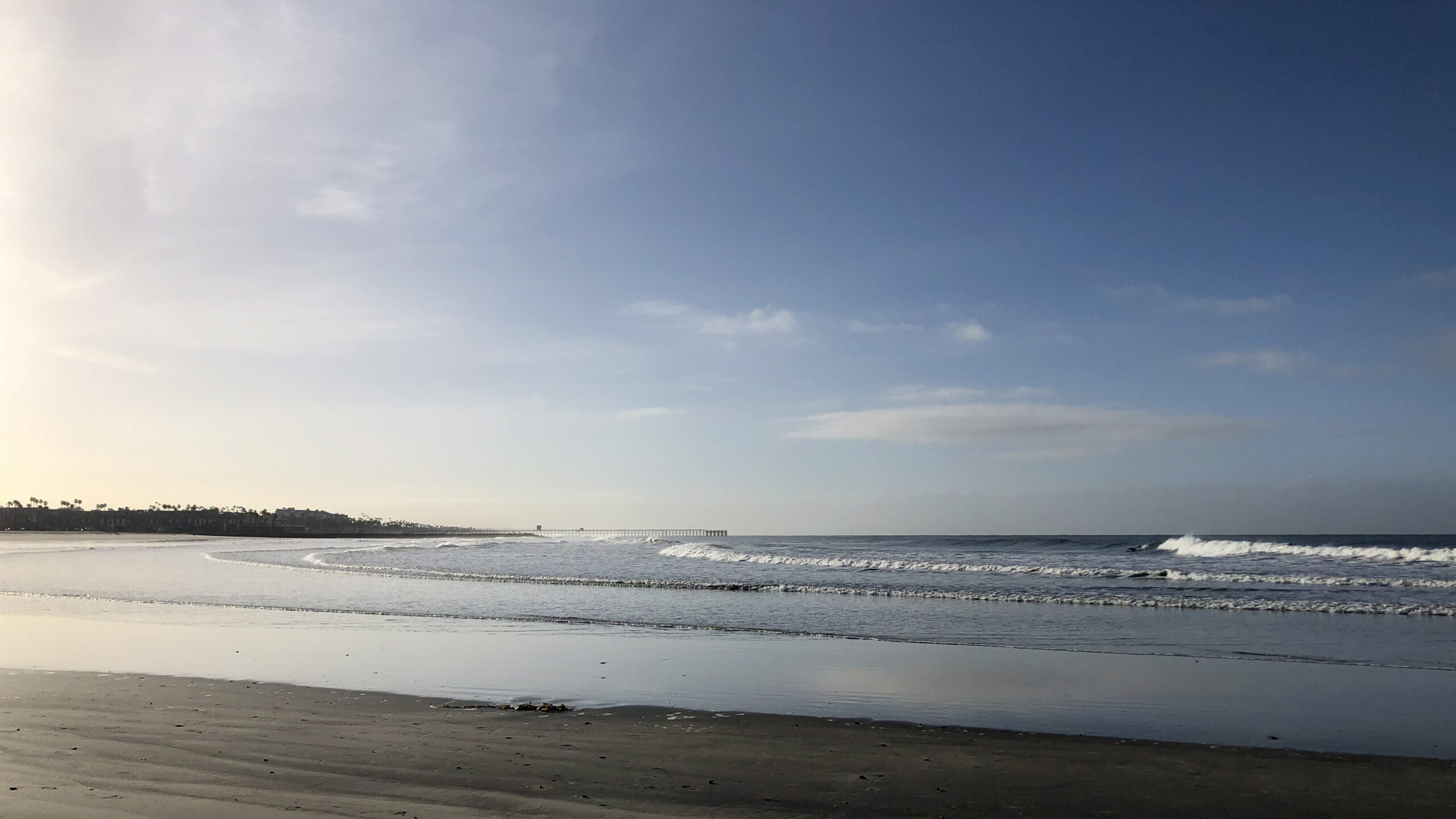
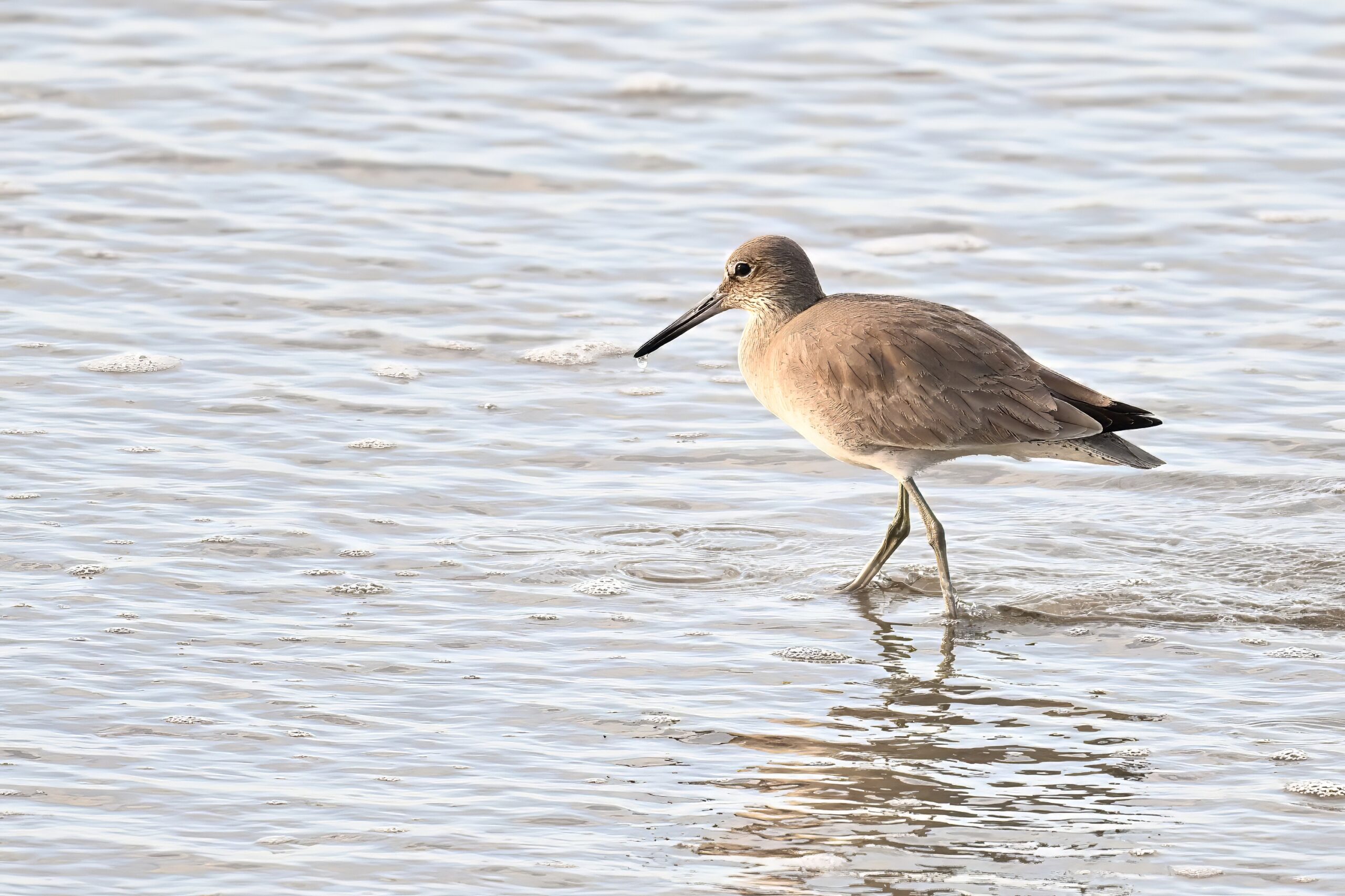
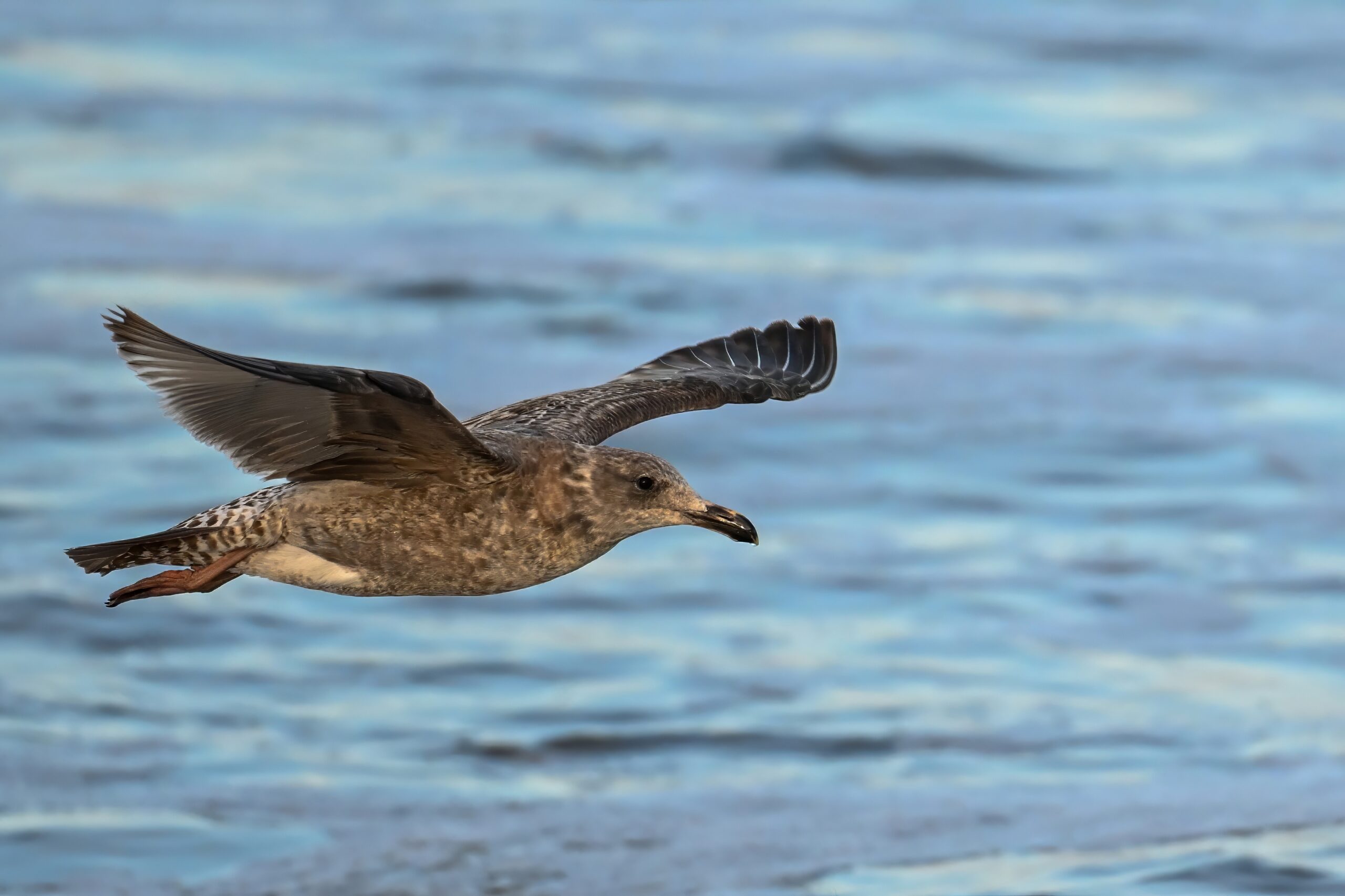
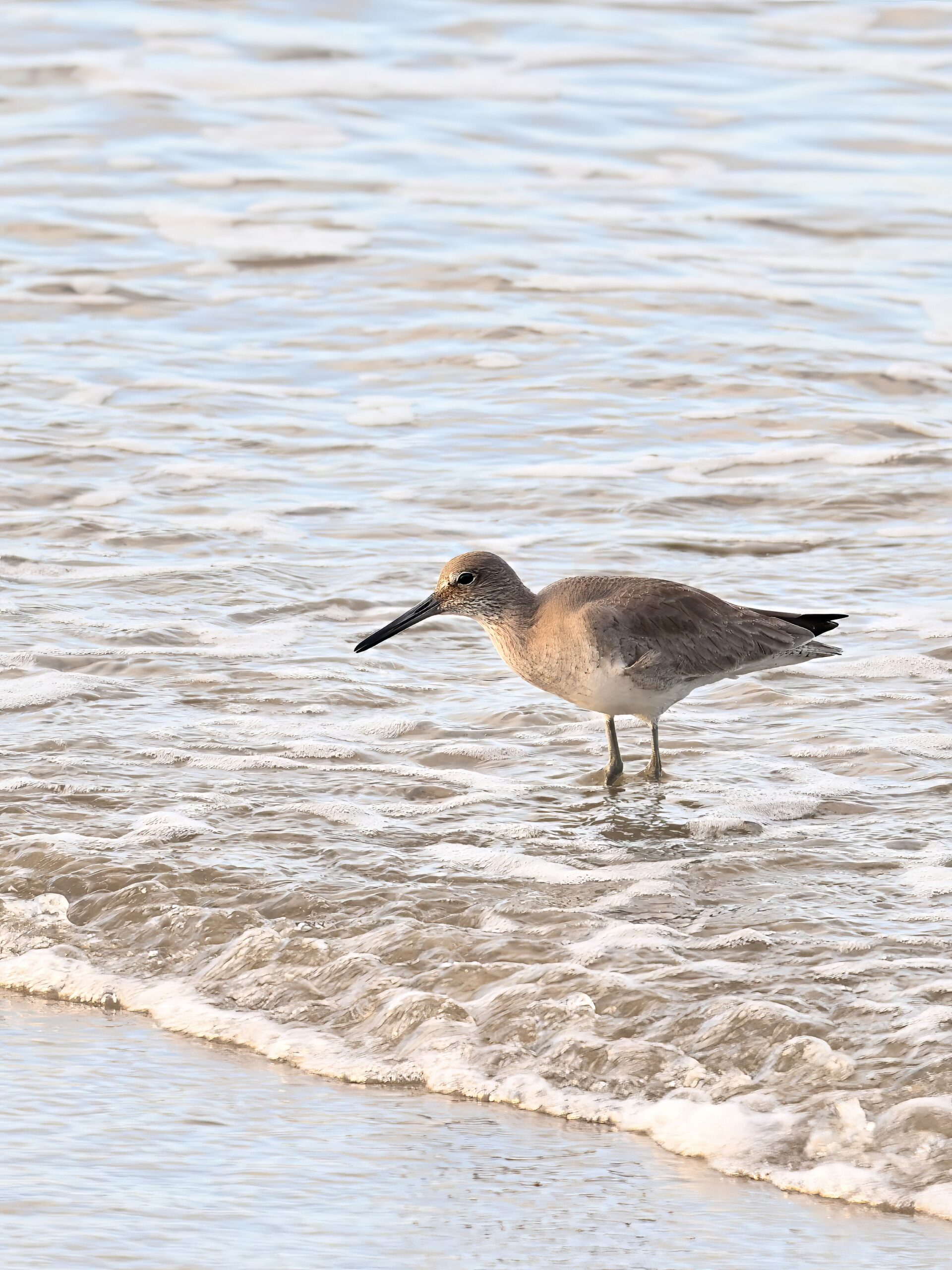
The real #1 reason for birding @ coastal southern California is biodiversity (e.g., many different biomes in close proximity) + climate. A big part of that is the beach, here at Oceanside Harbor Beach the Tuesday before last, just after sunrise.
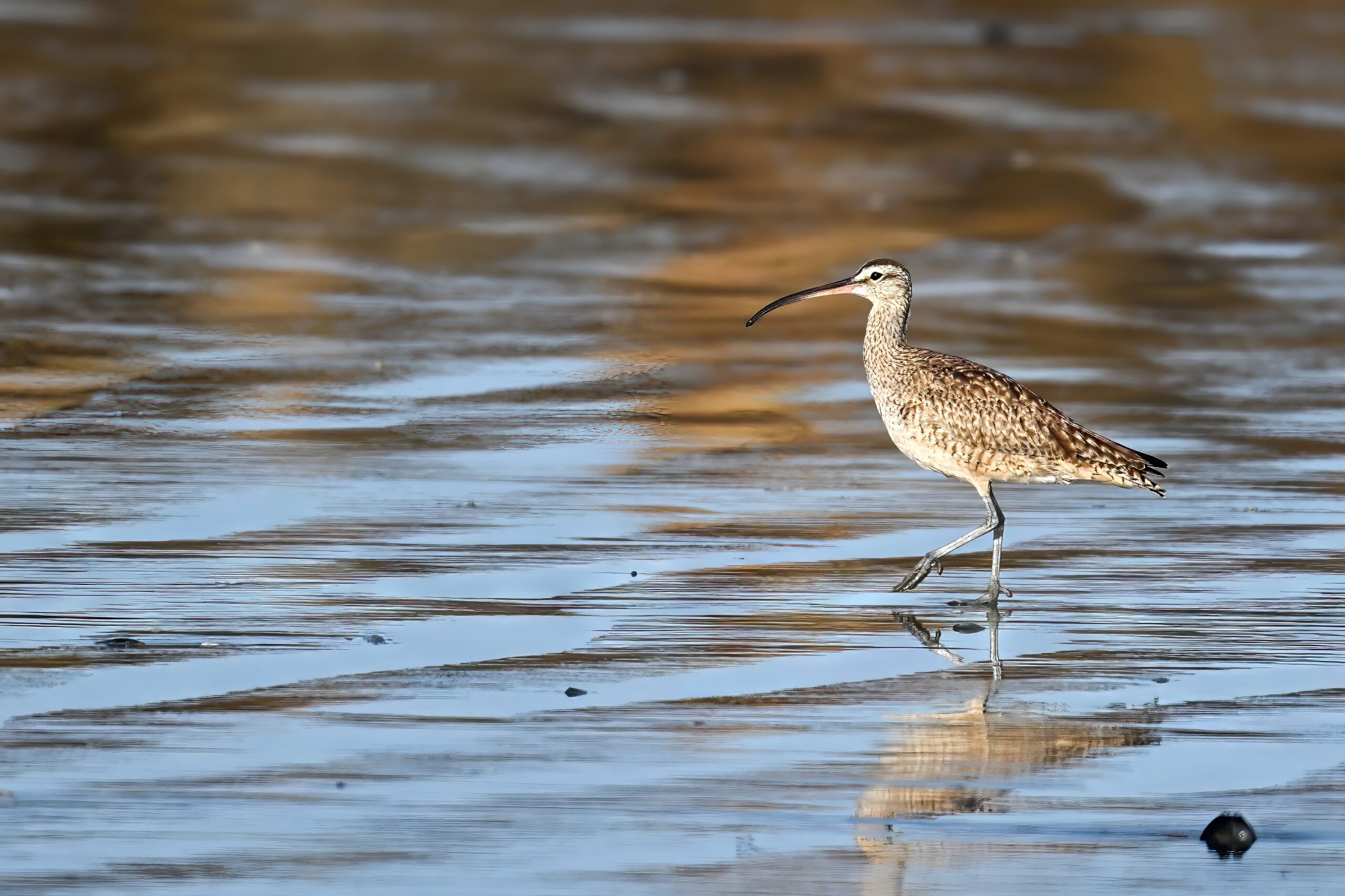
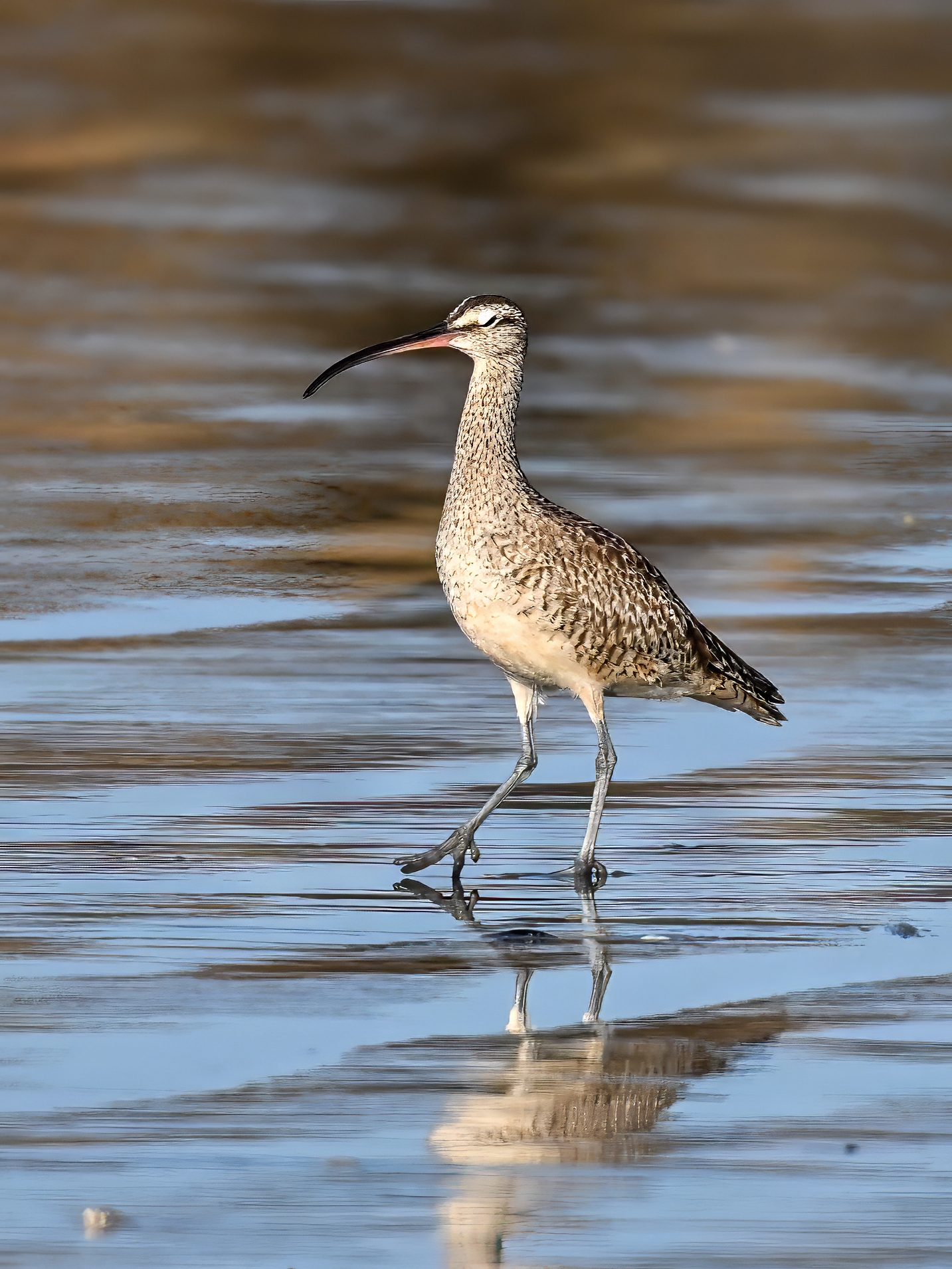
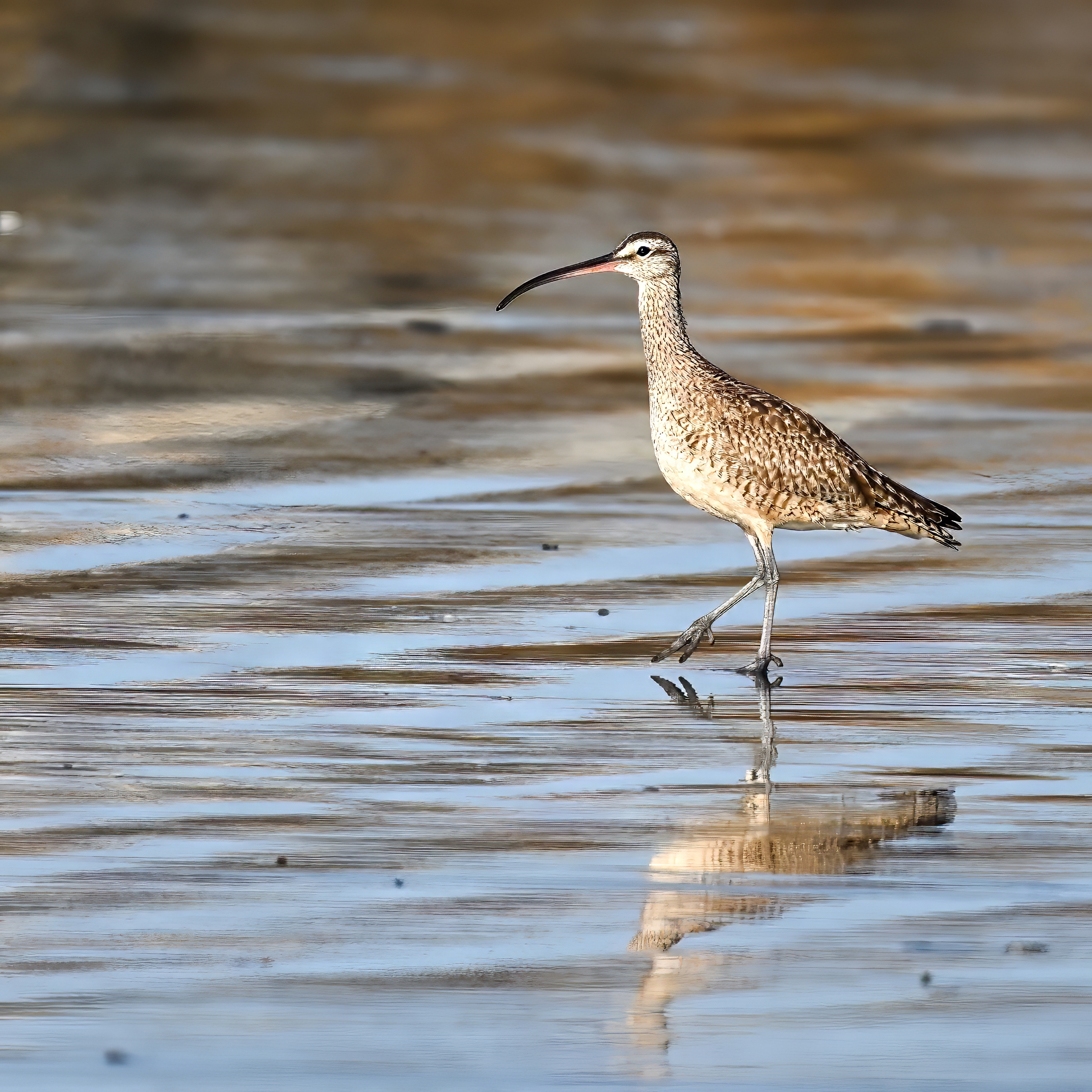
As a BirdingPI.com favourite, so great to see a Whimbrel relatively close up:
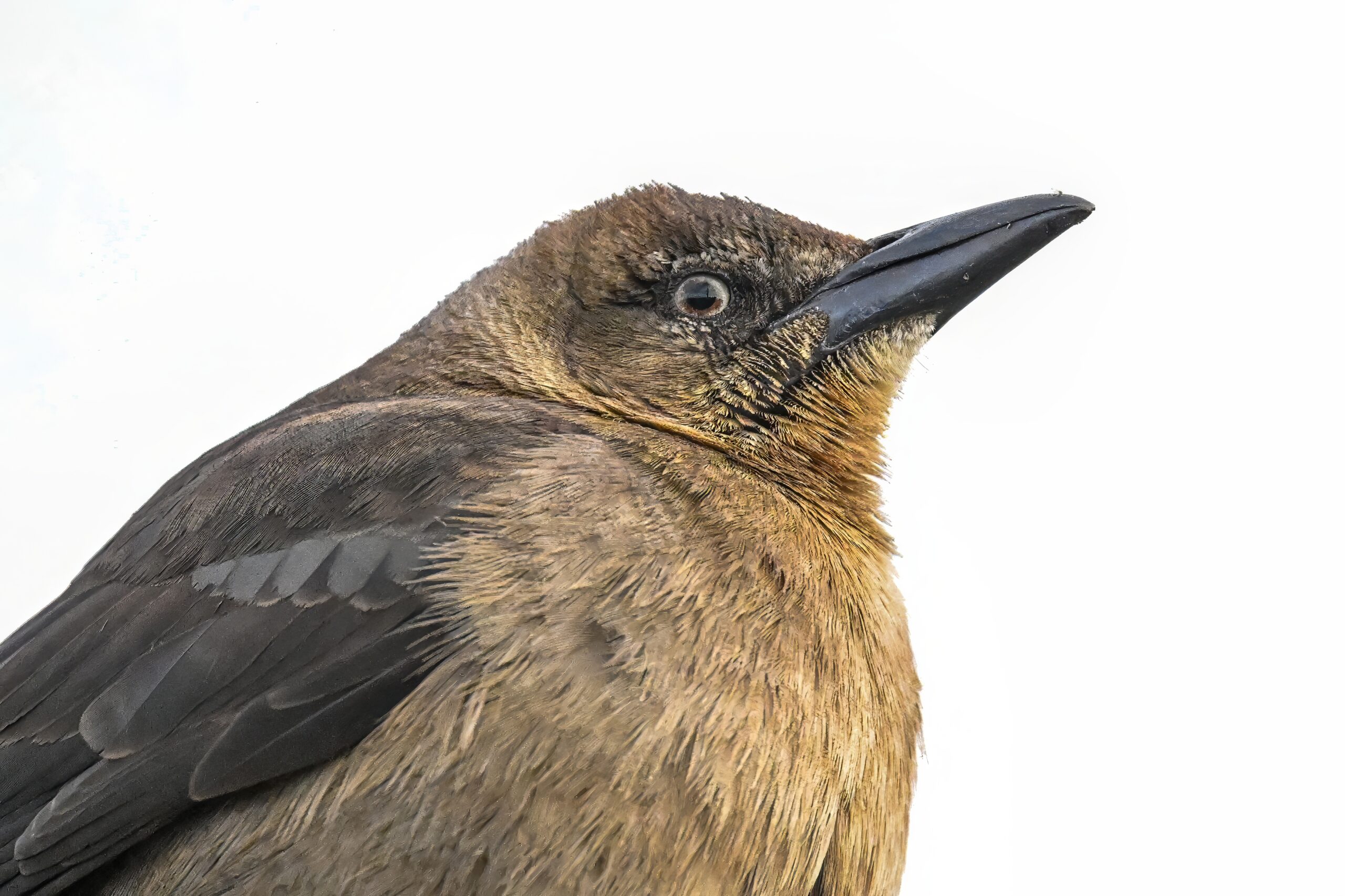
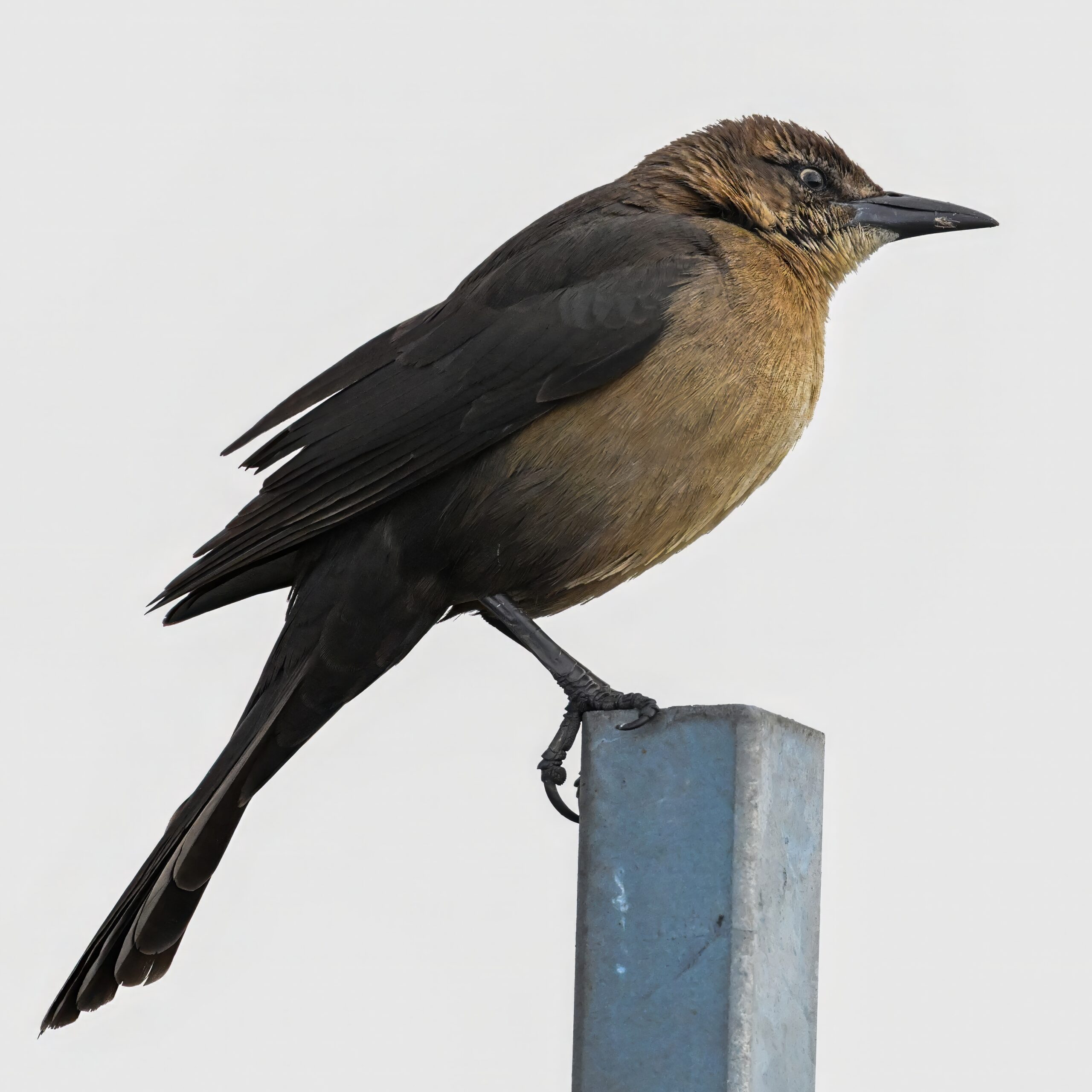
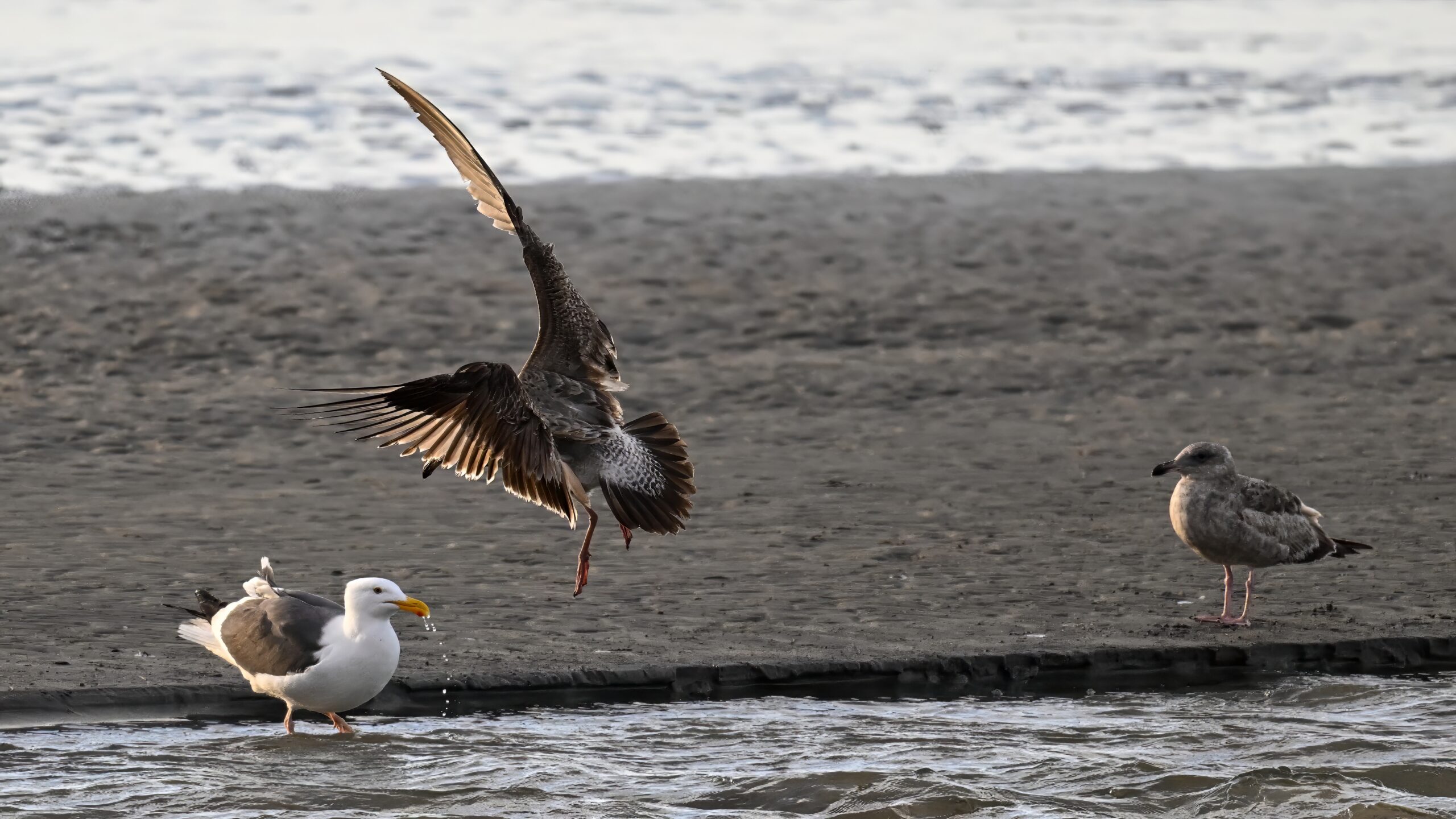
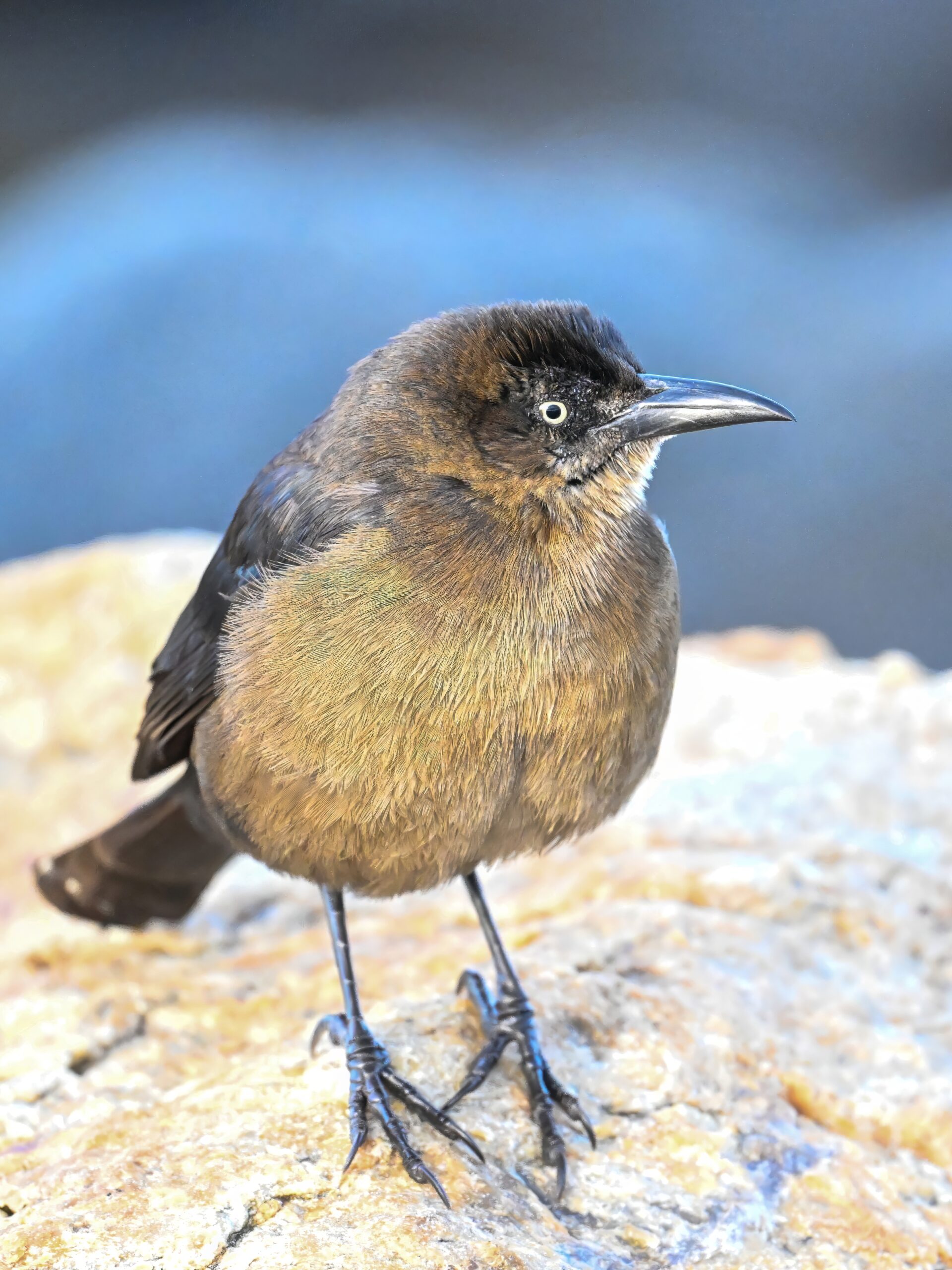
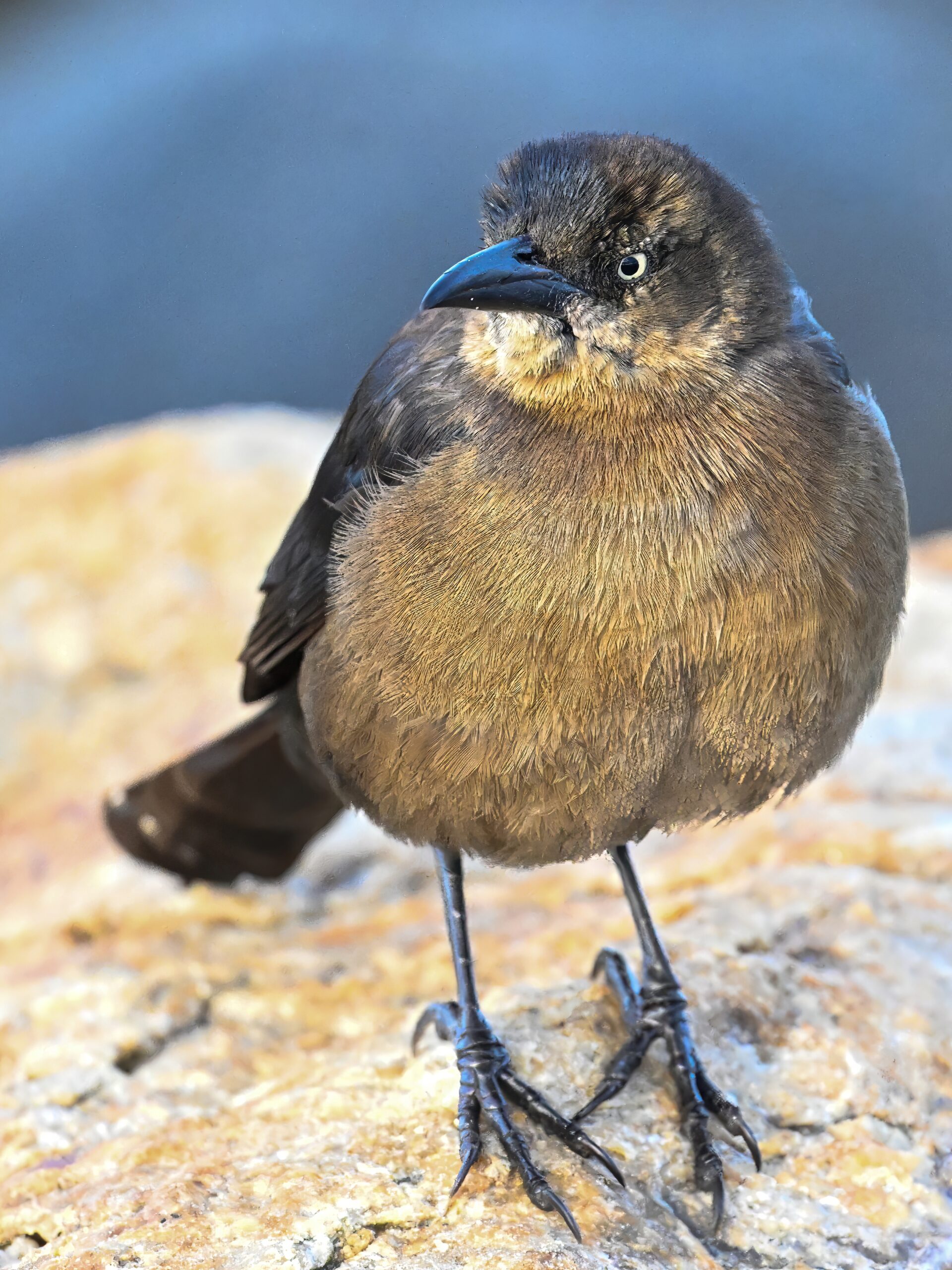
Lots of Great-tailed Grackle activity around the marina and beach:
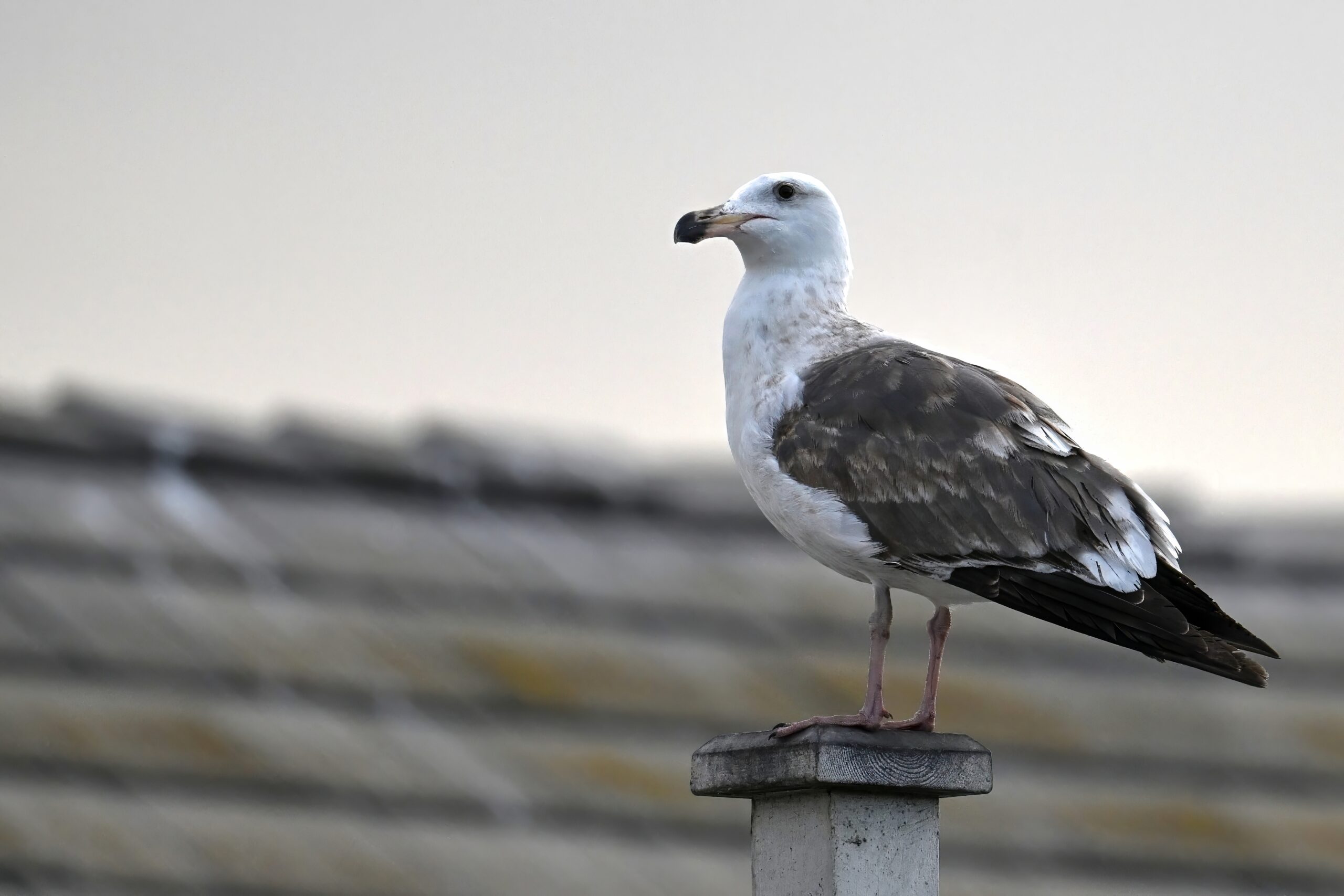
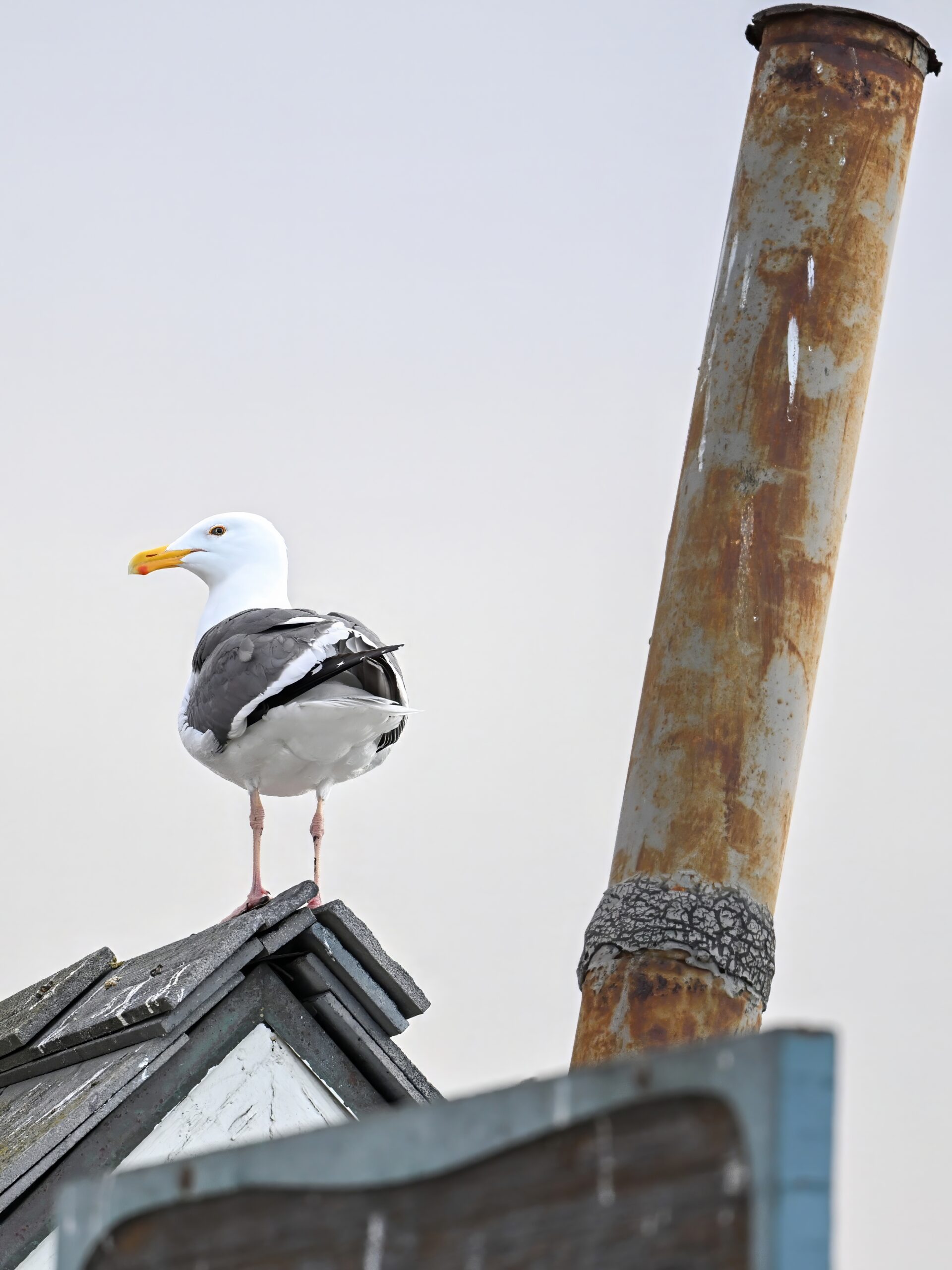
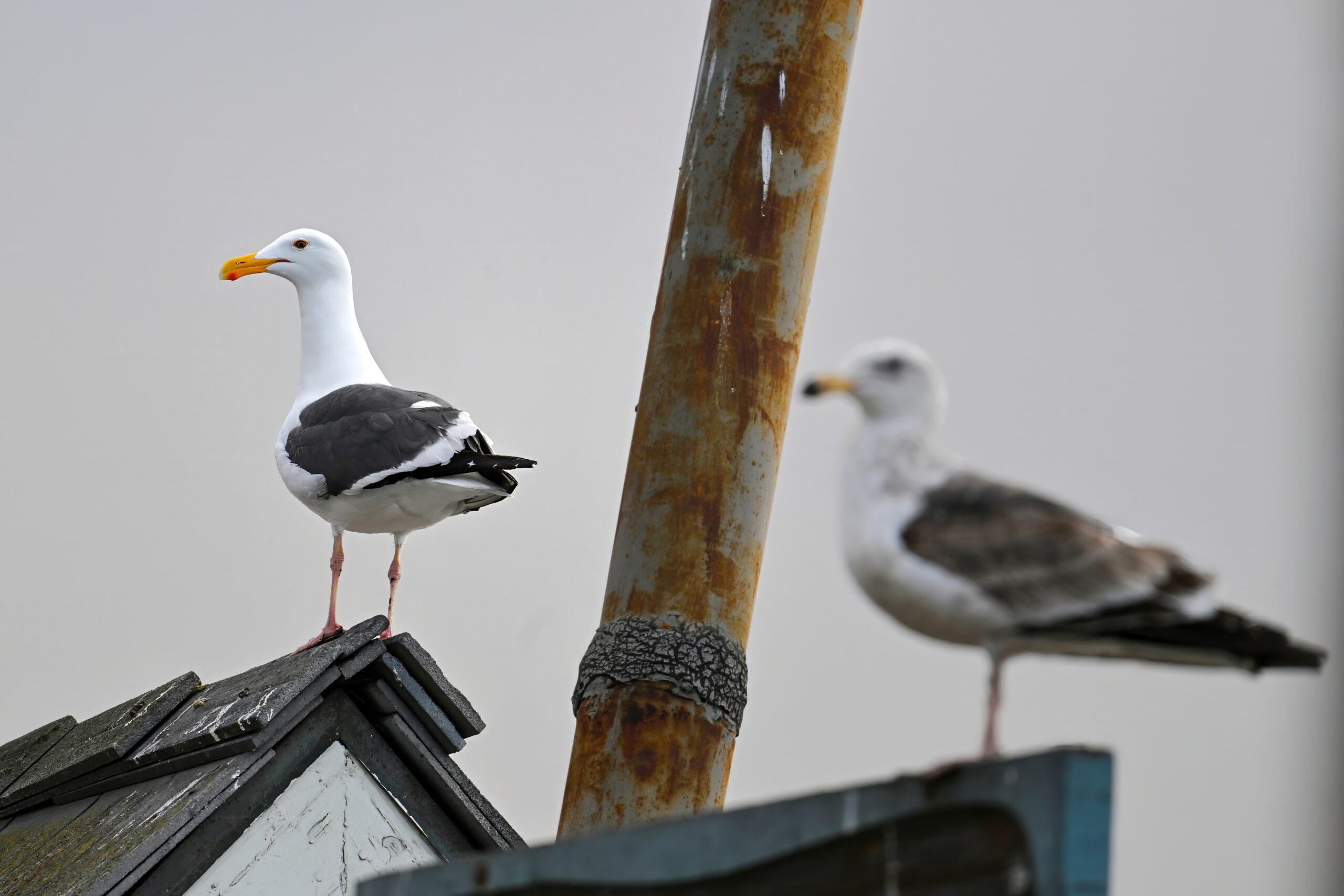
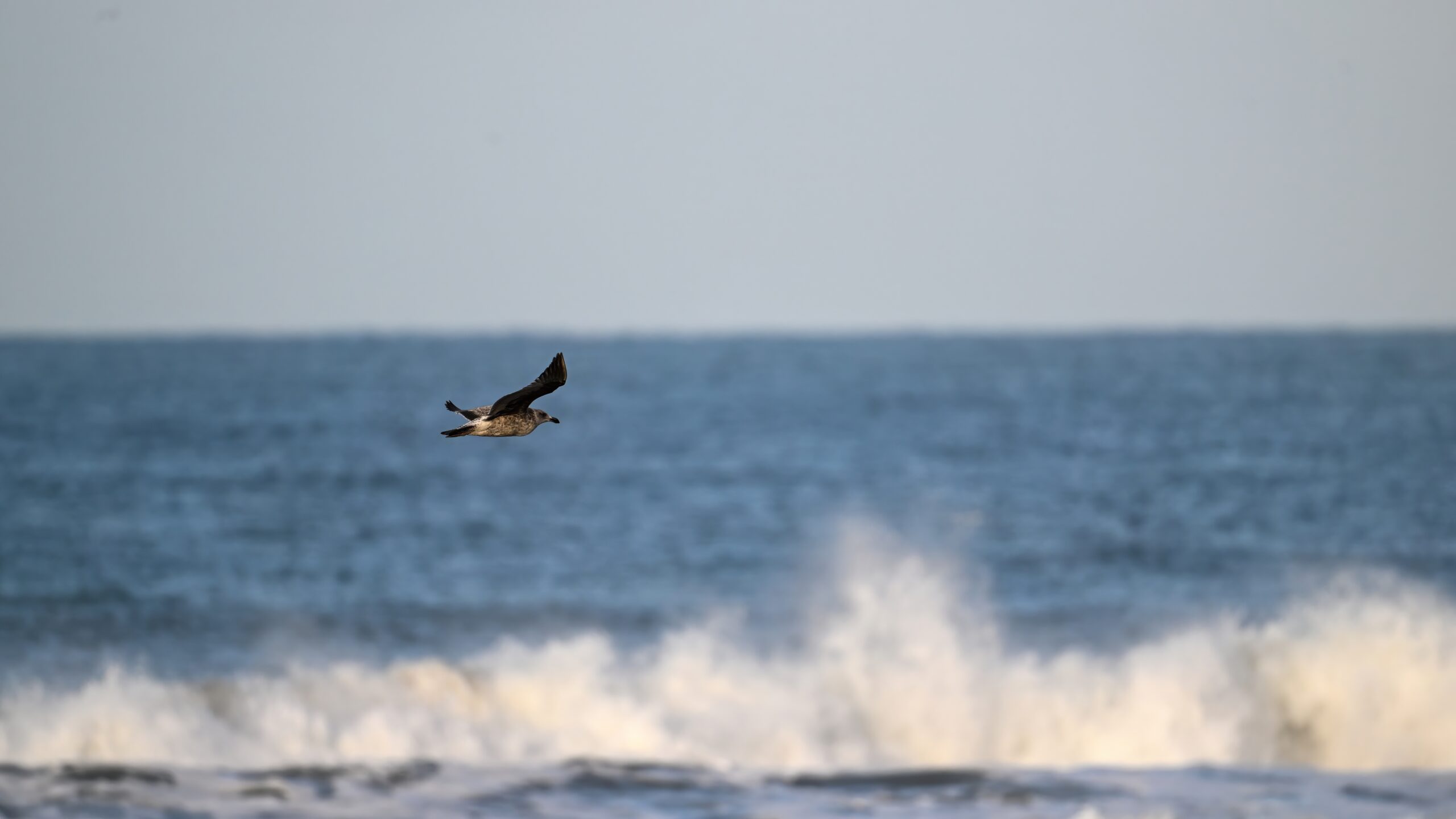
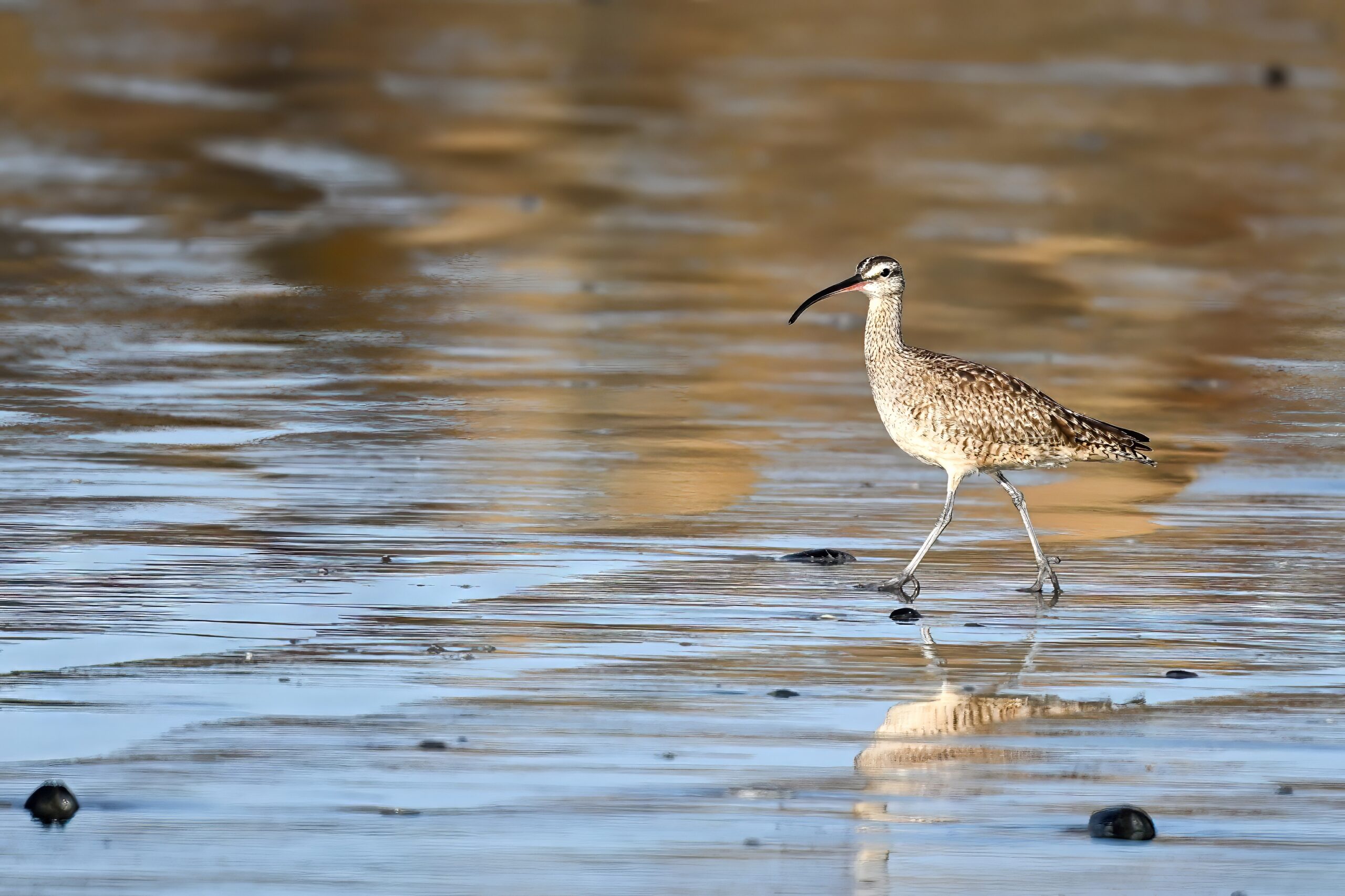
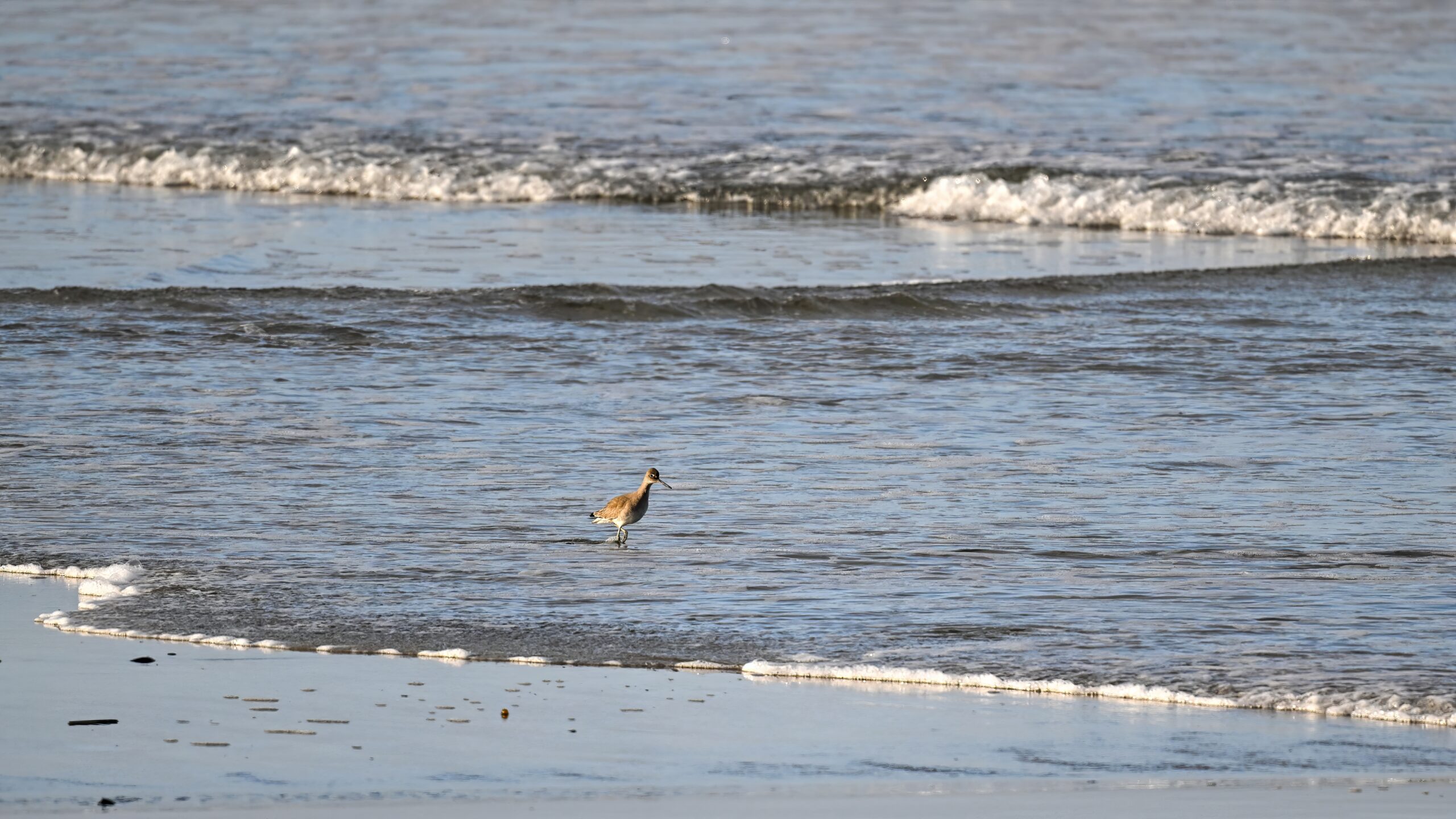
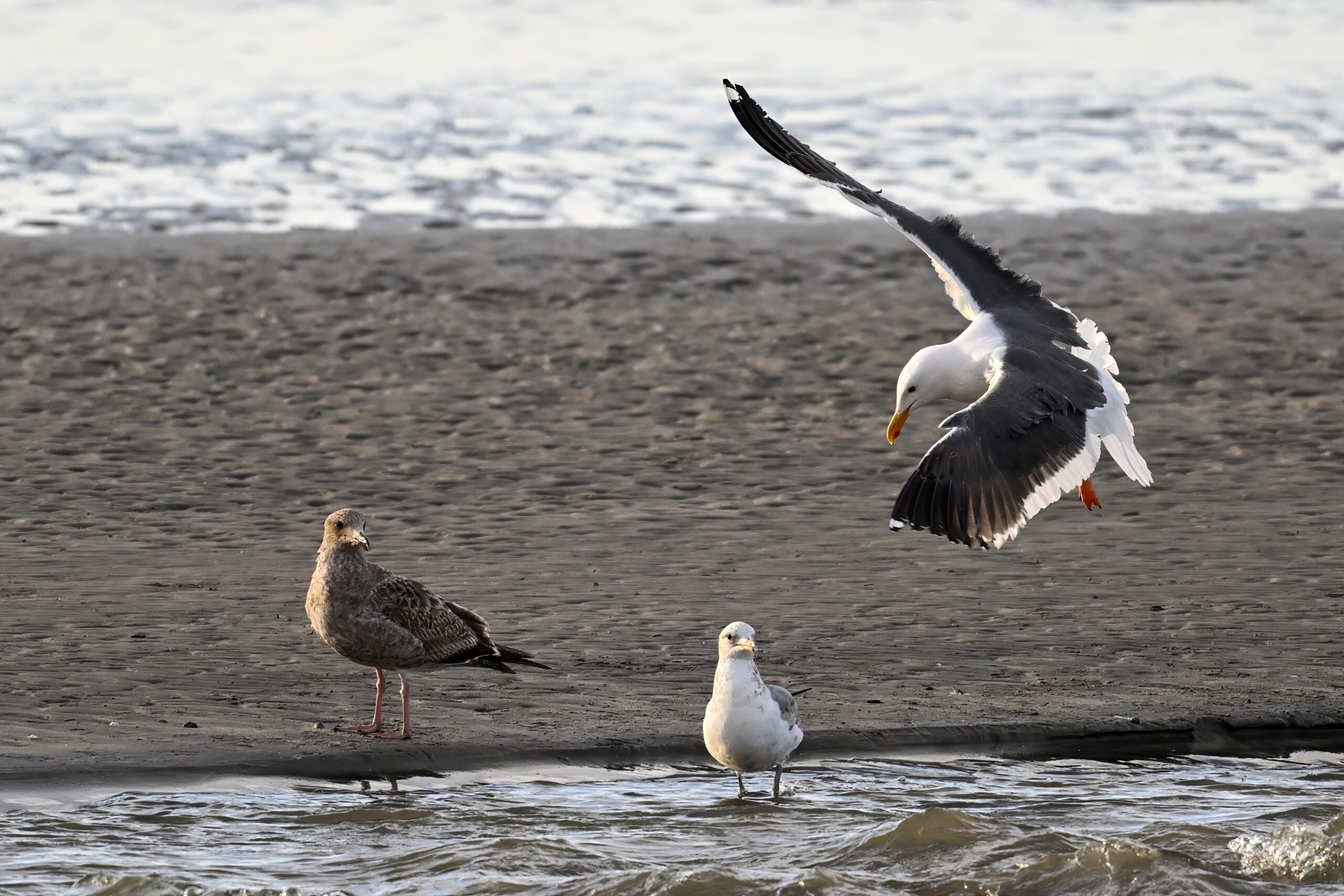
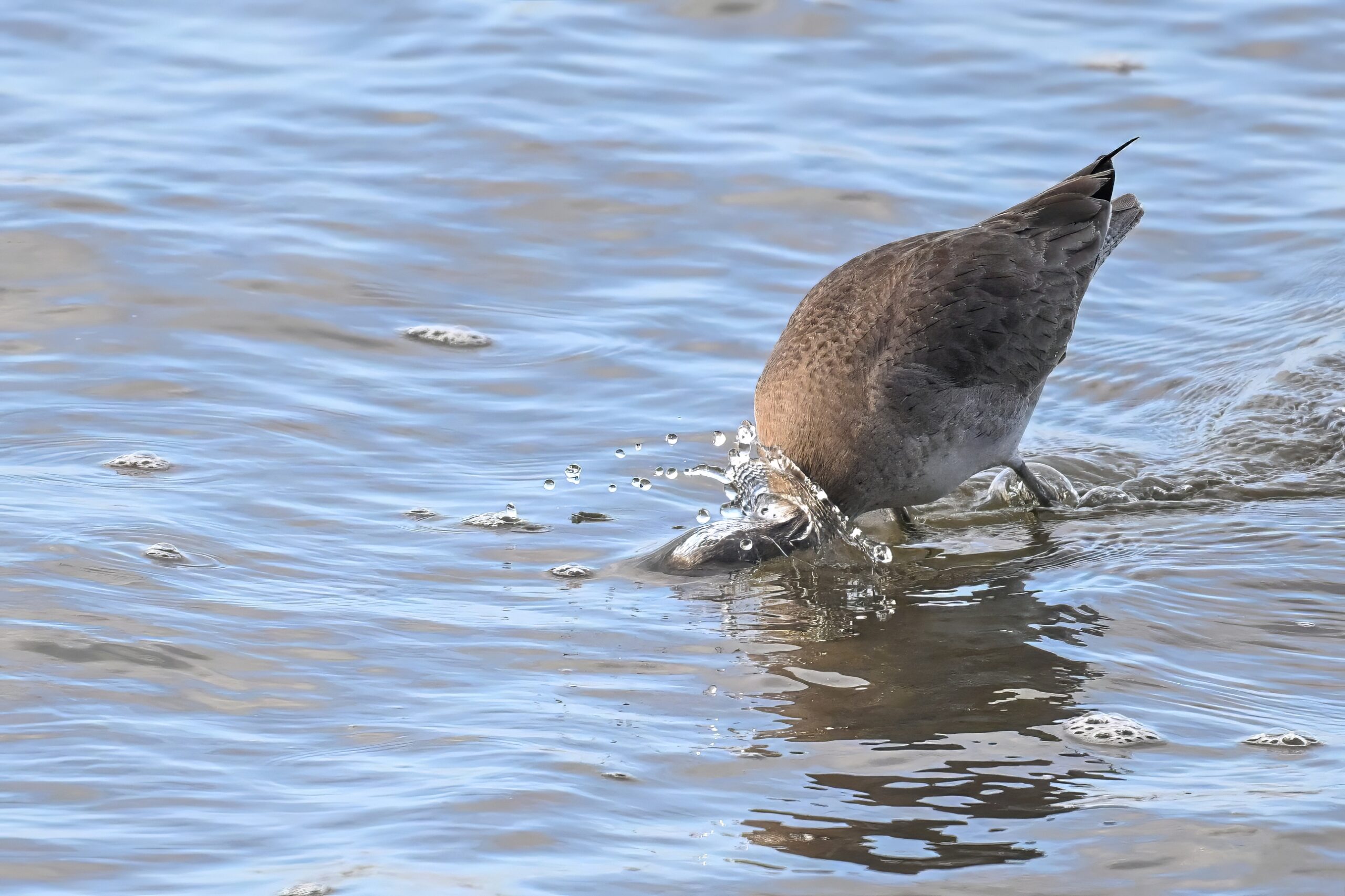
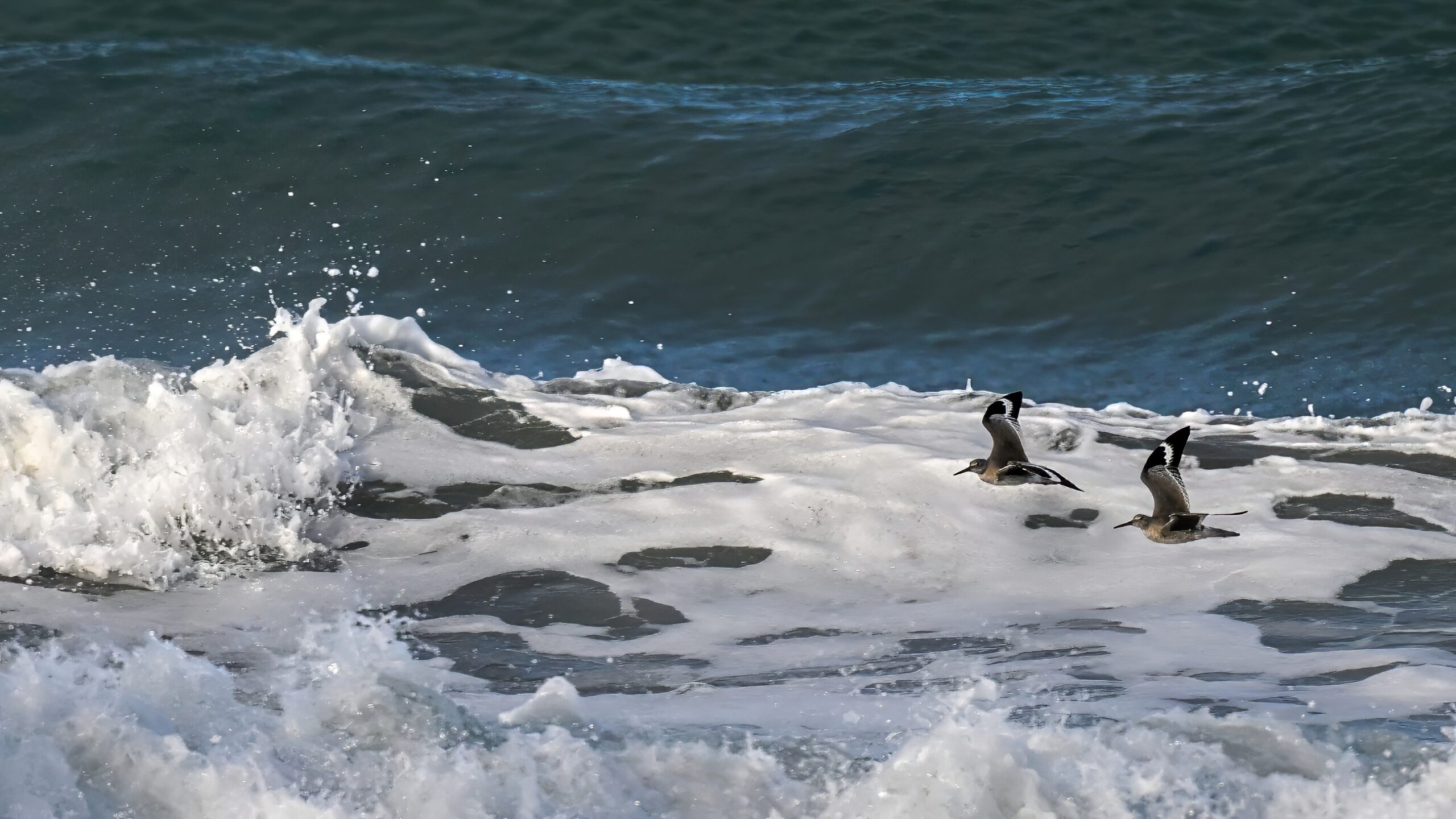
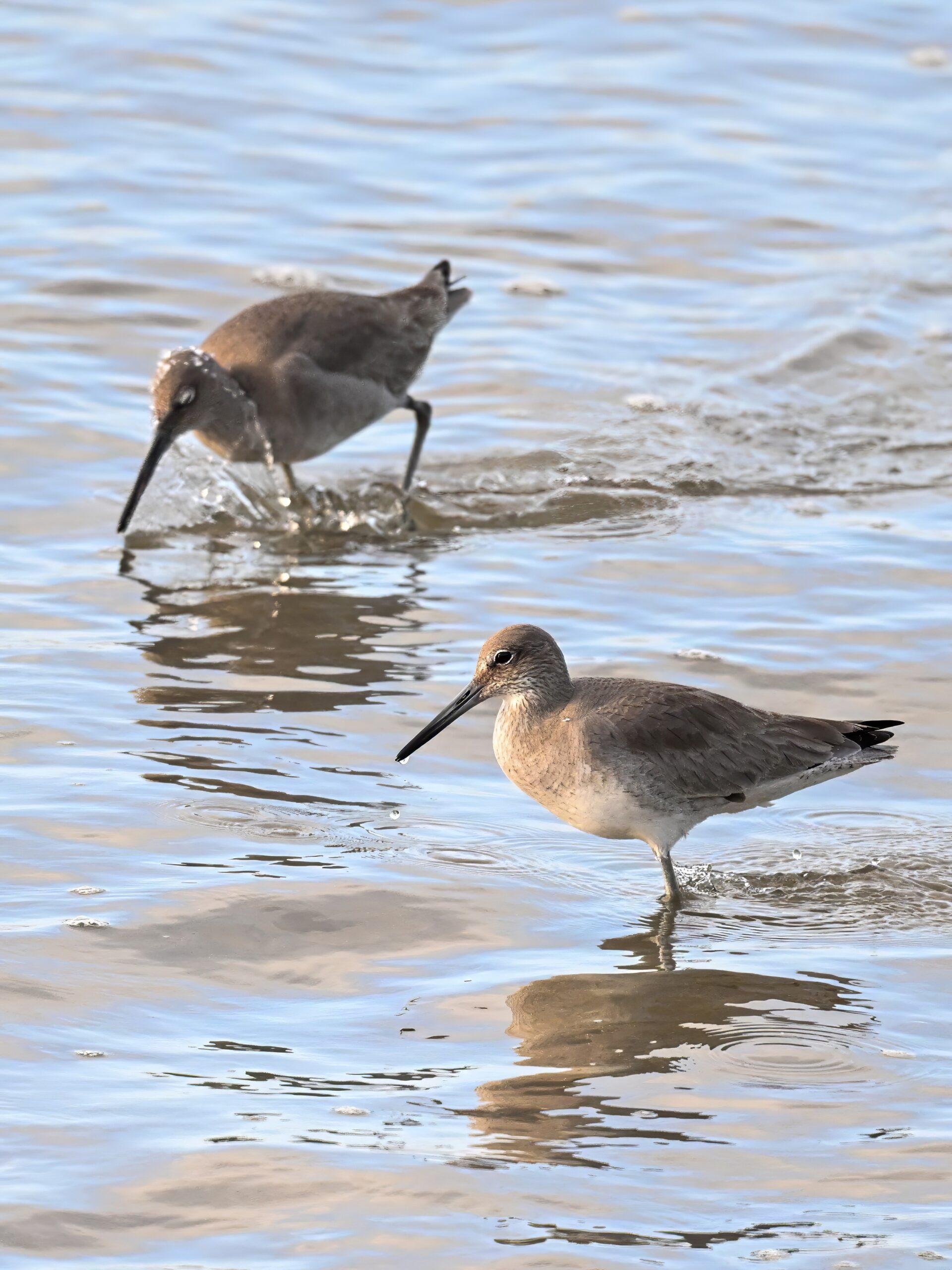
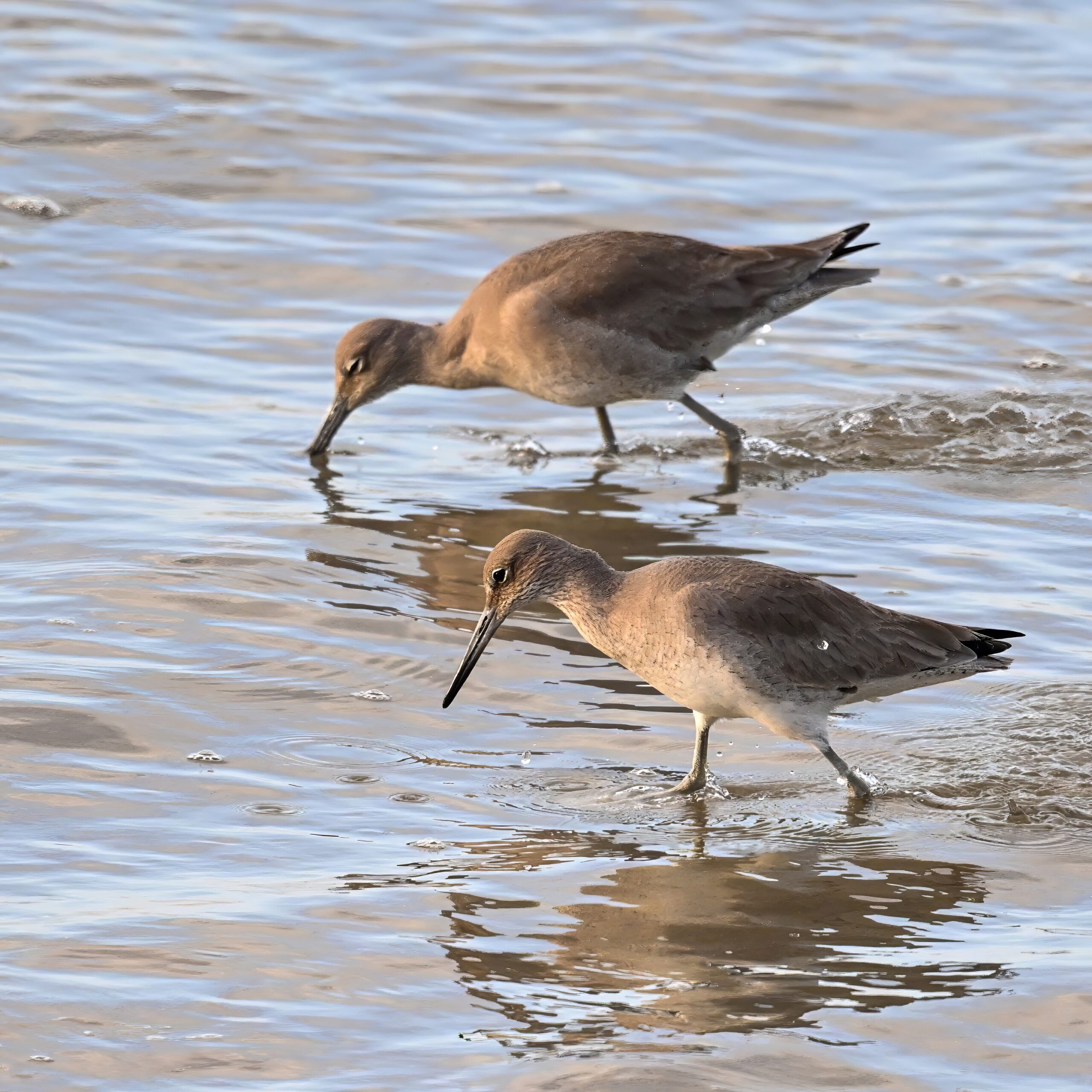
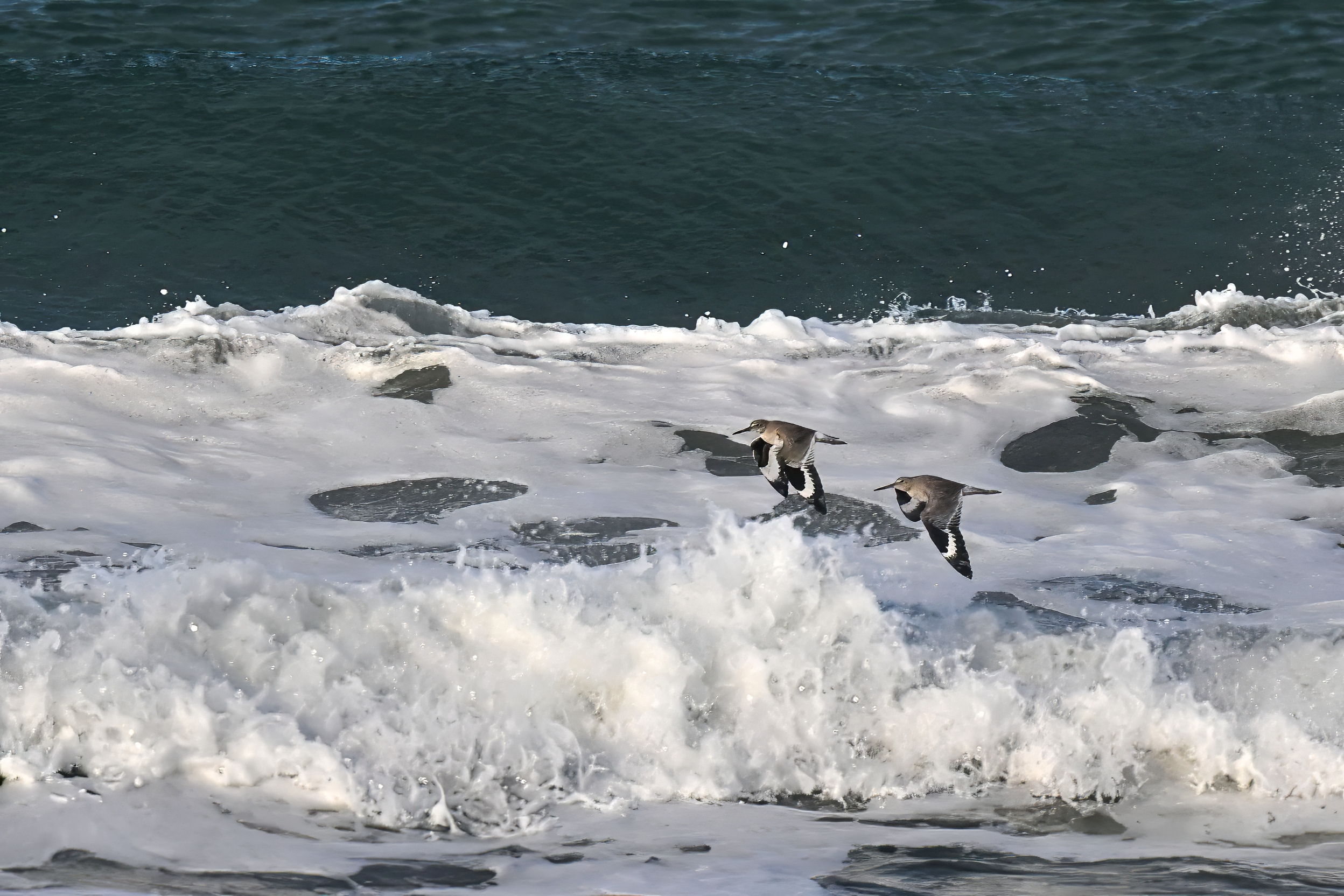
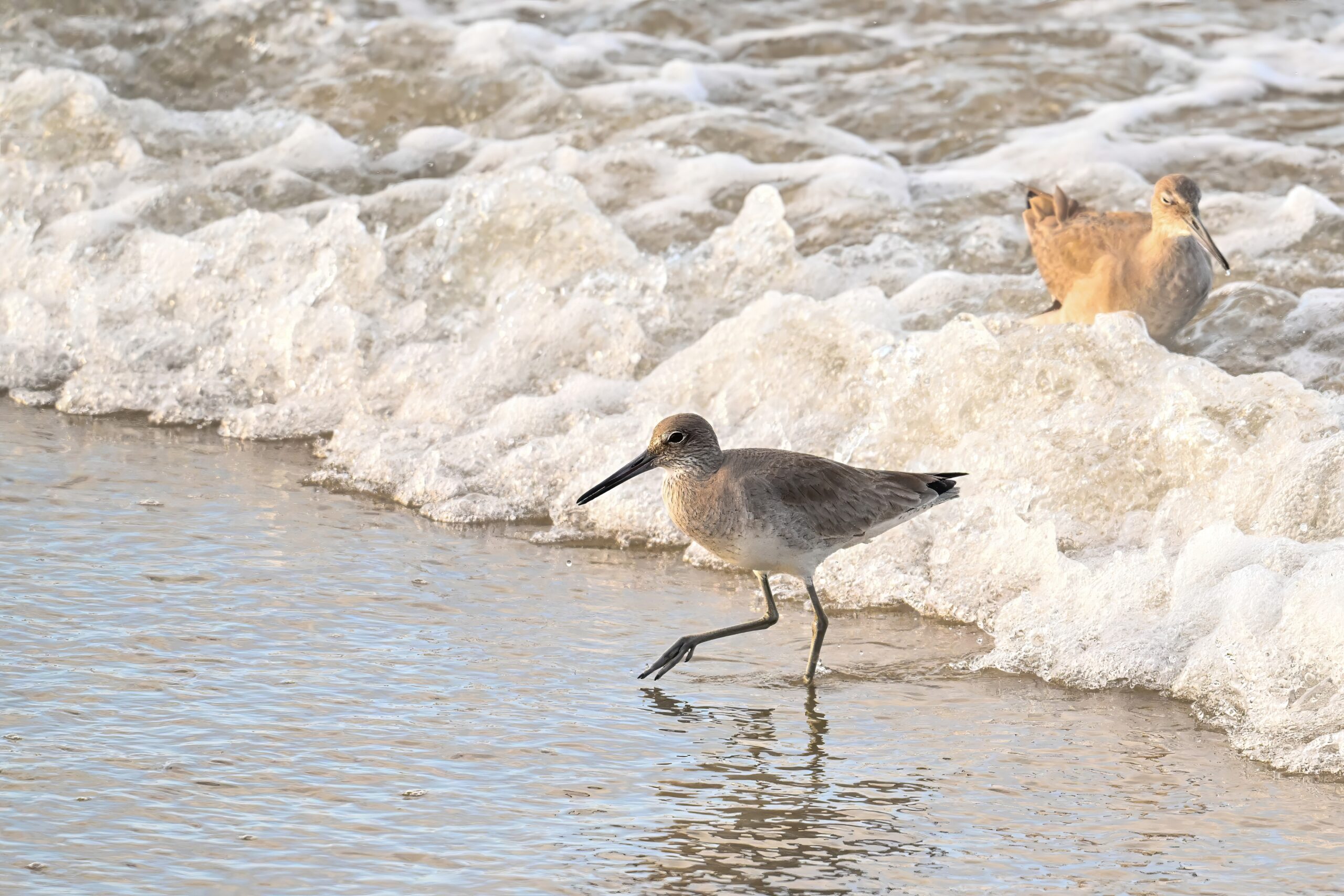
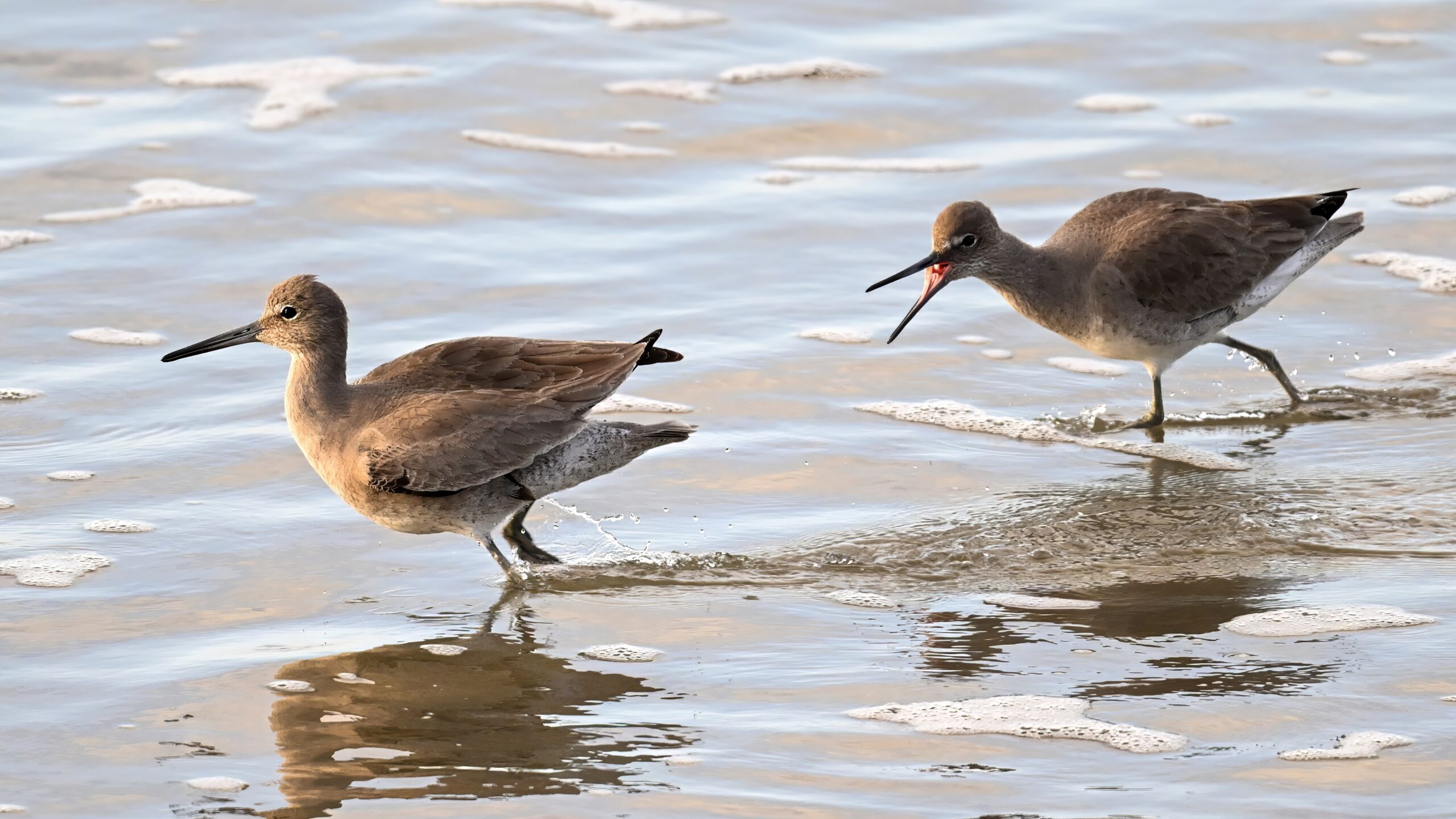
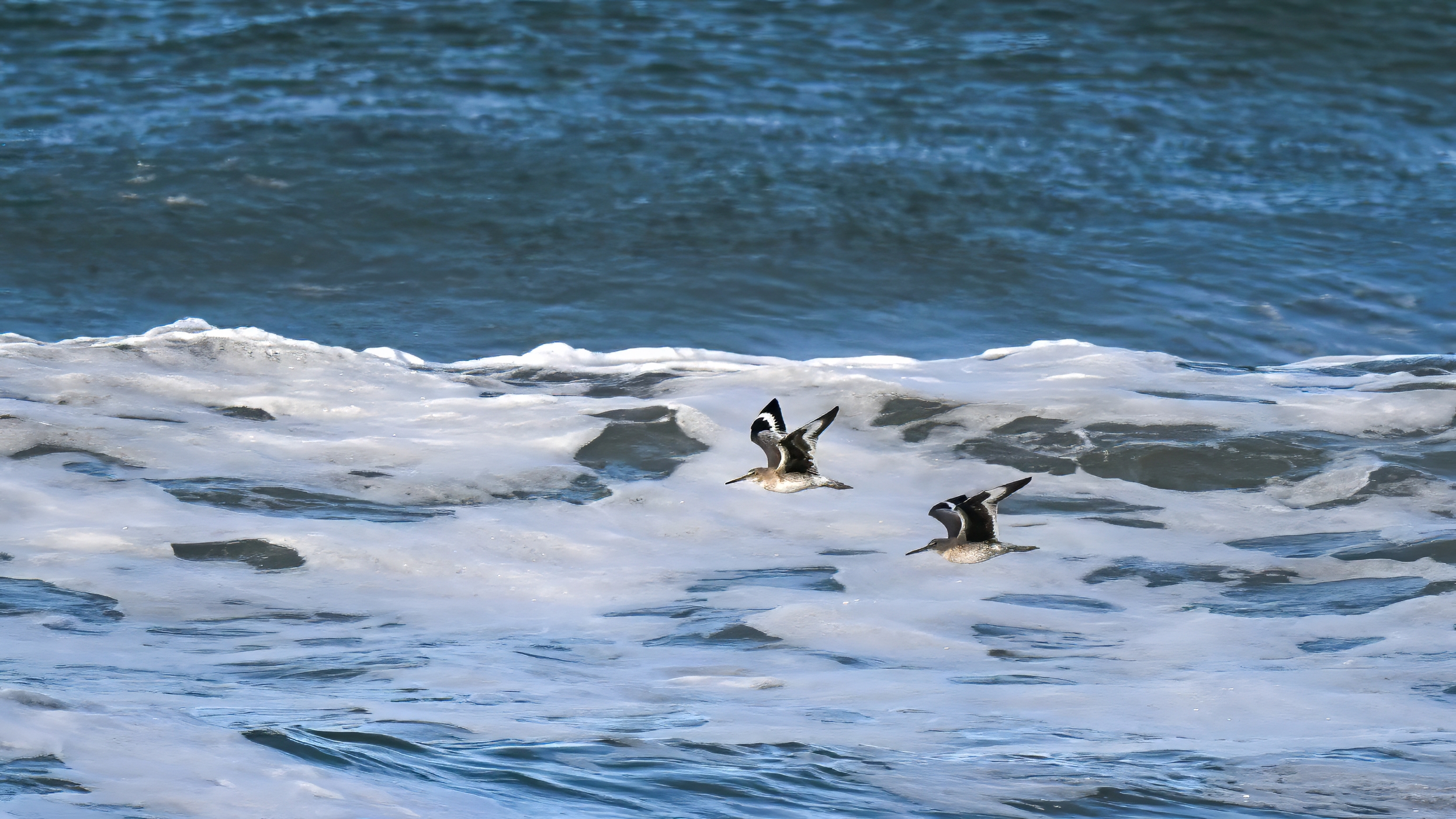
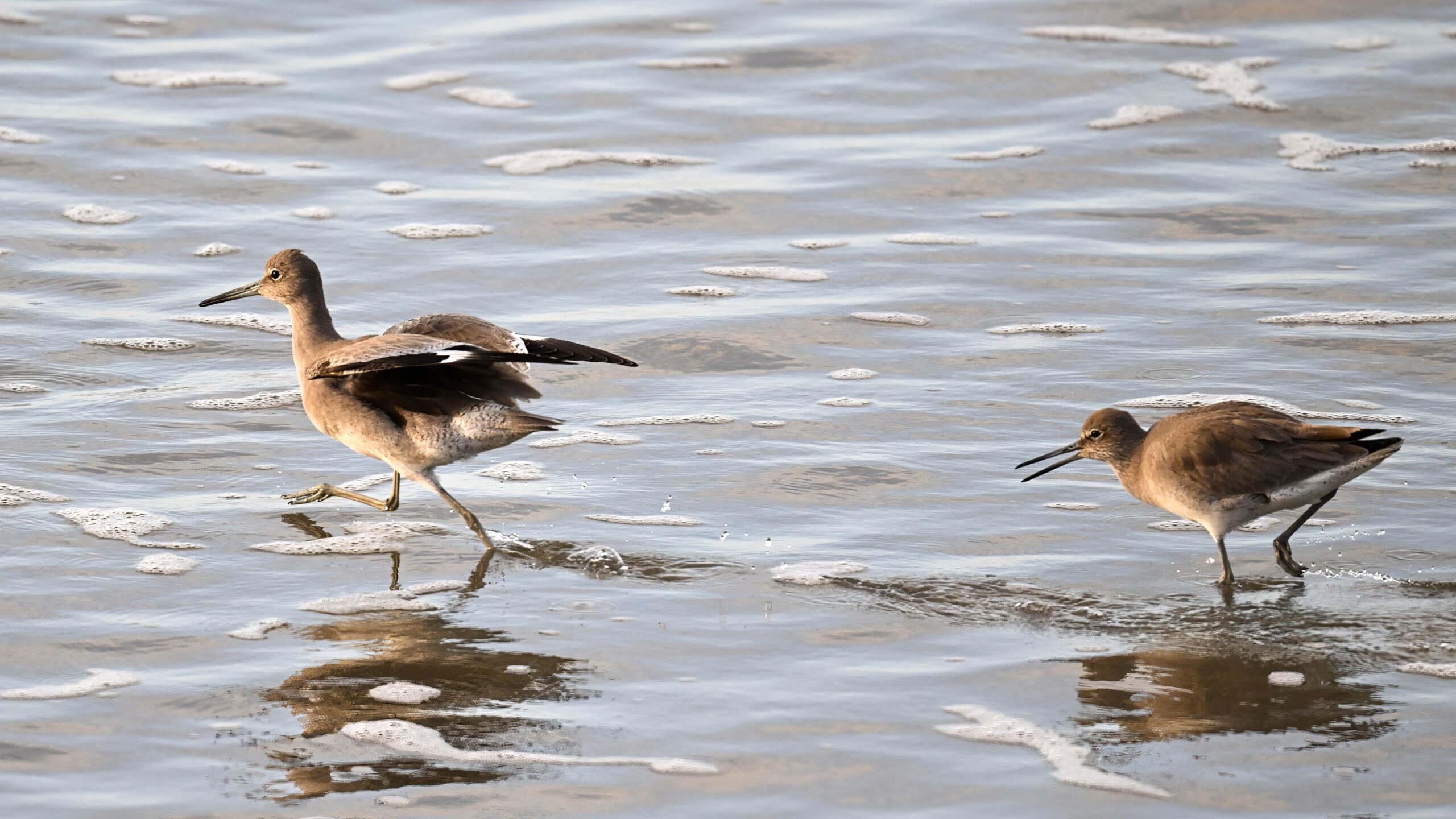
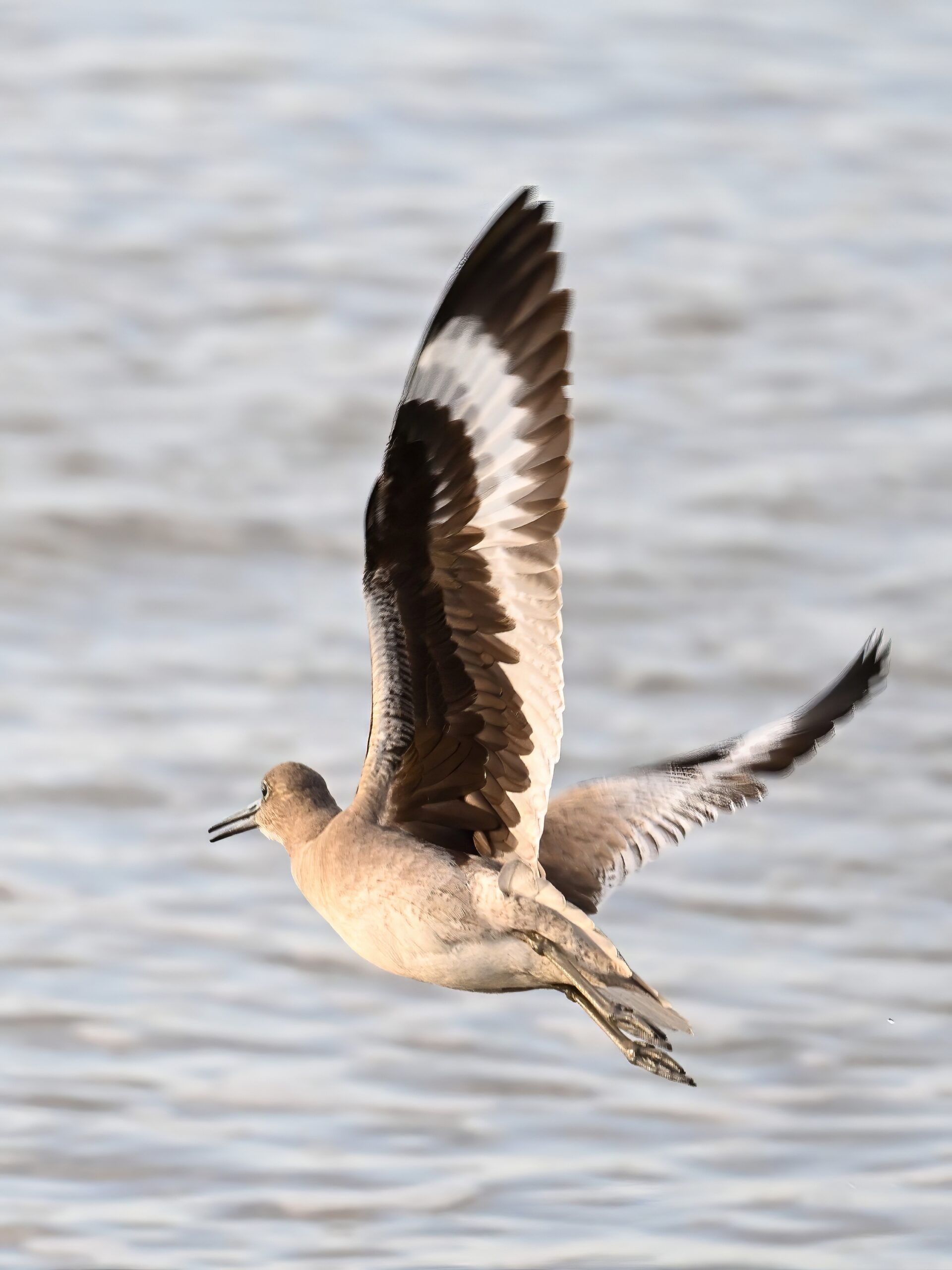
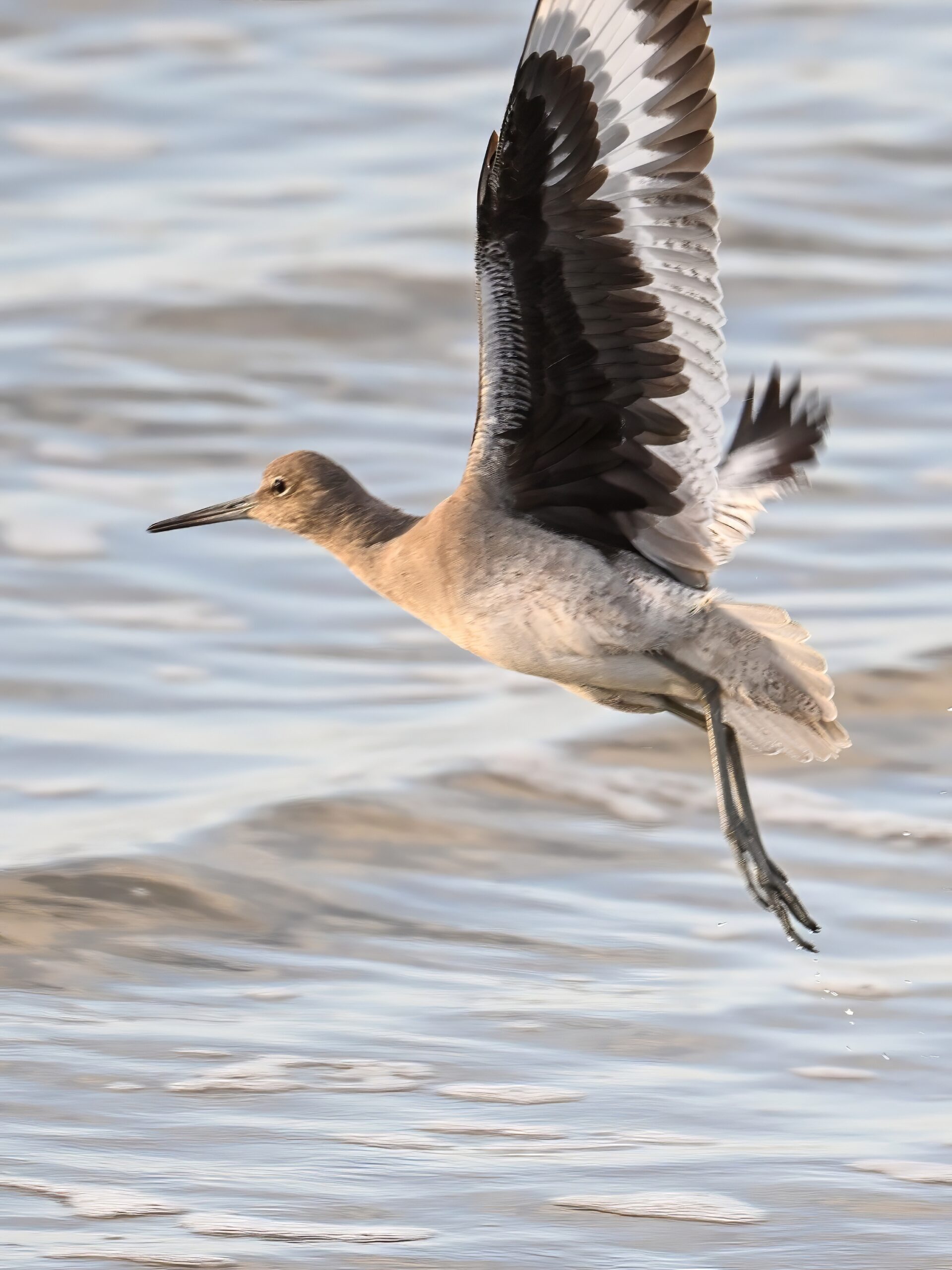
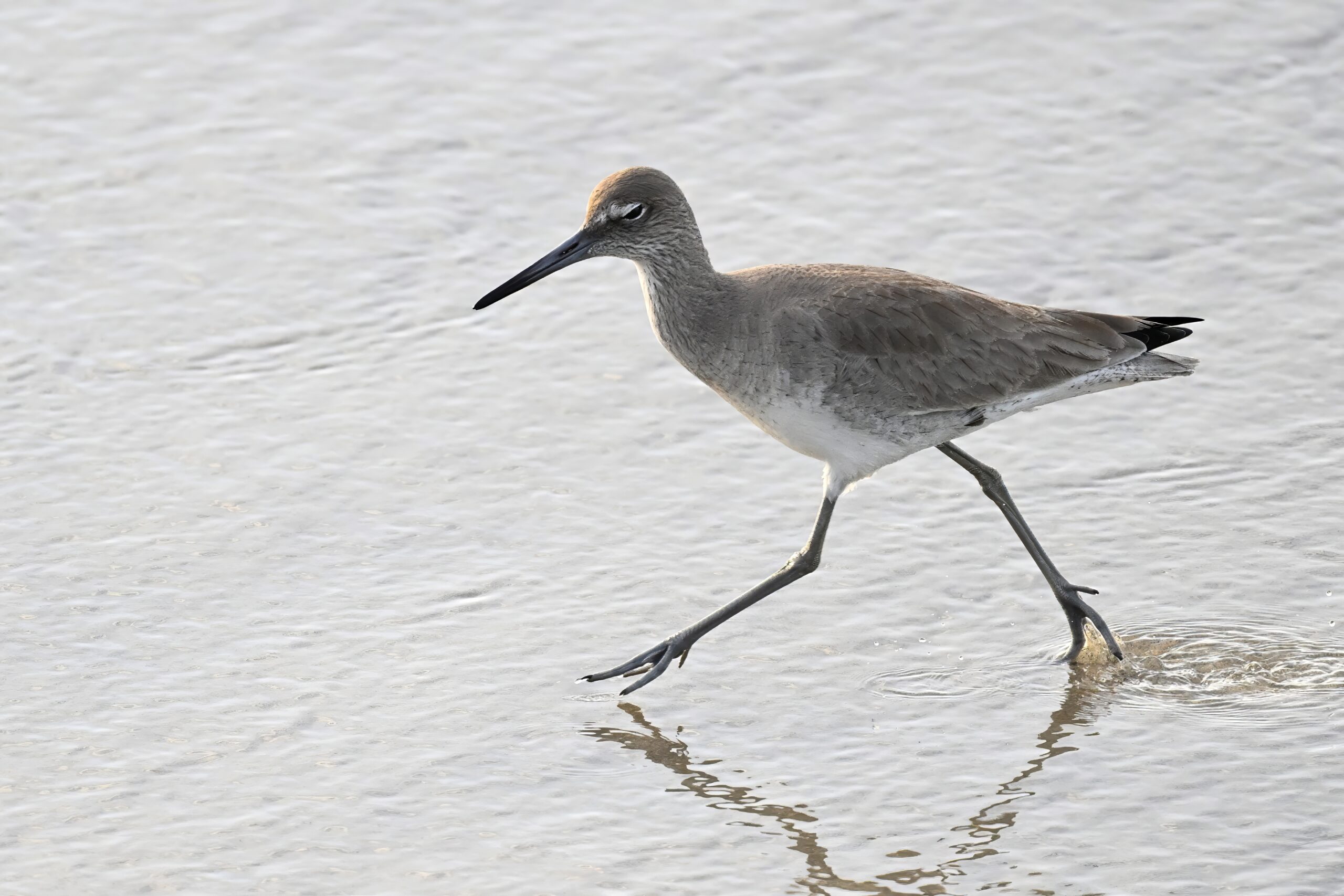
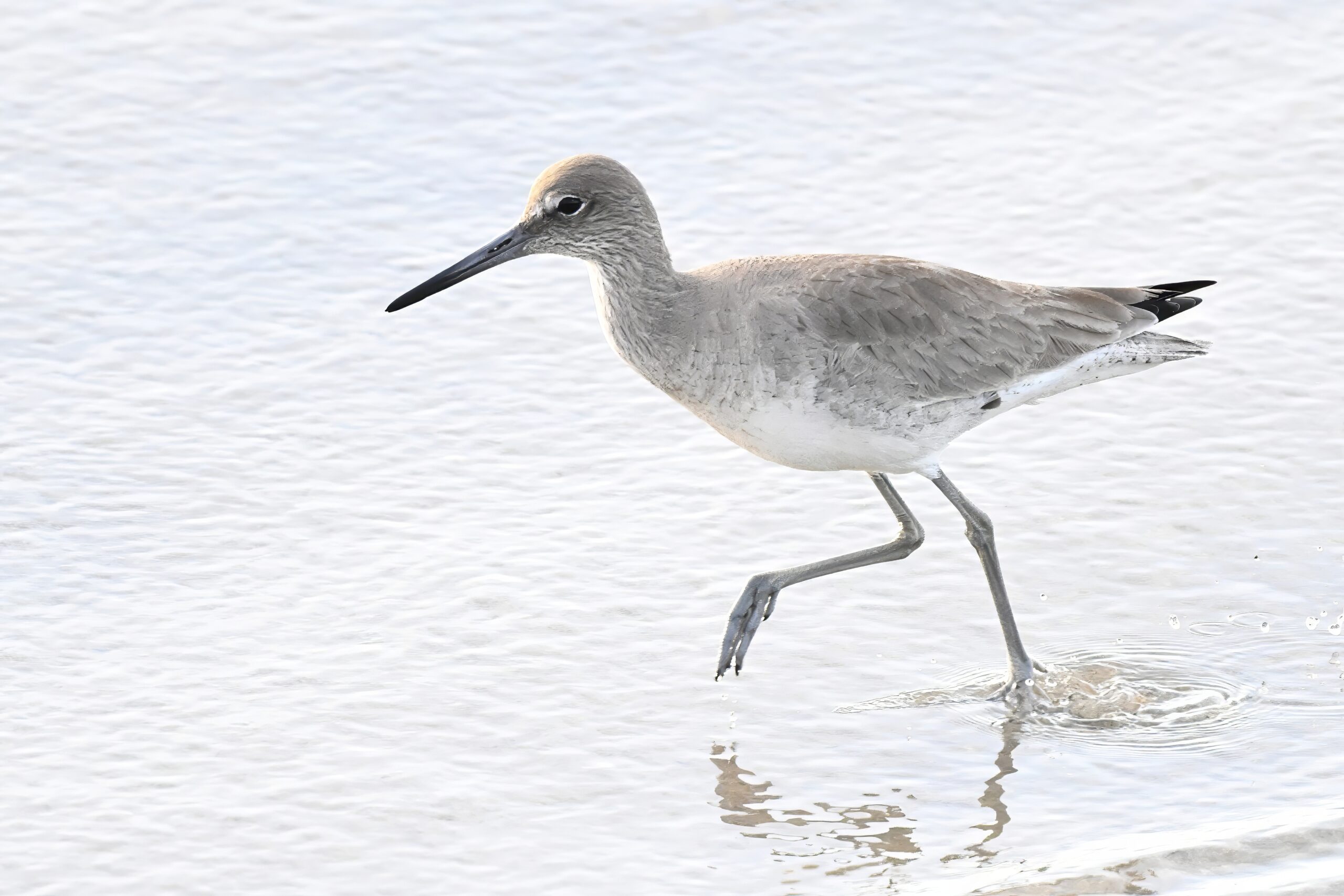
Willet ID note – distinctive black outer wings w/ broad white stripe:
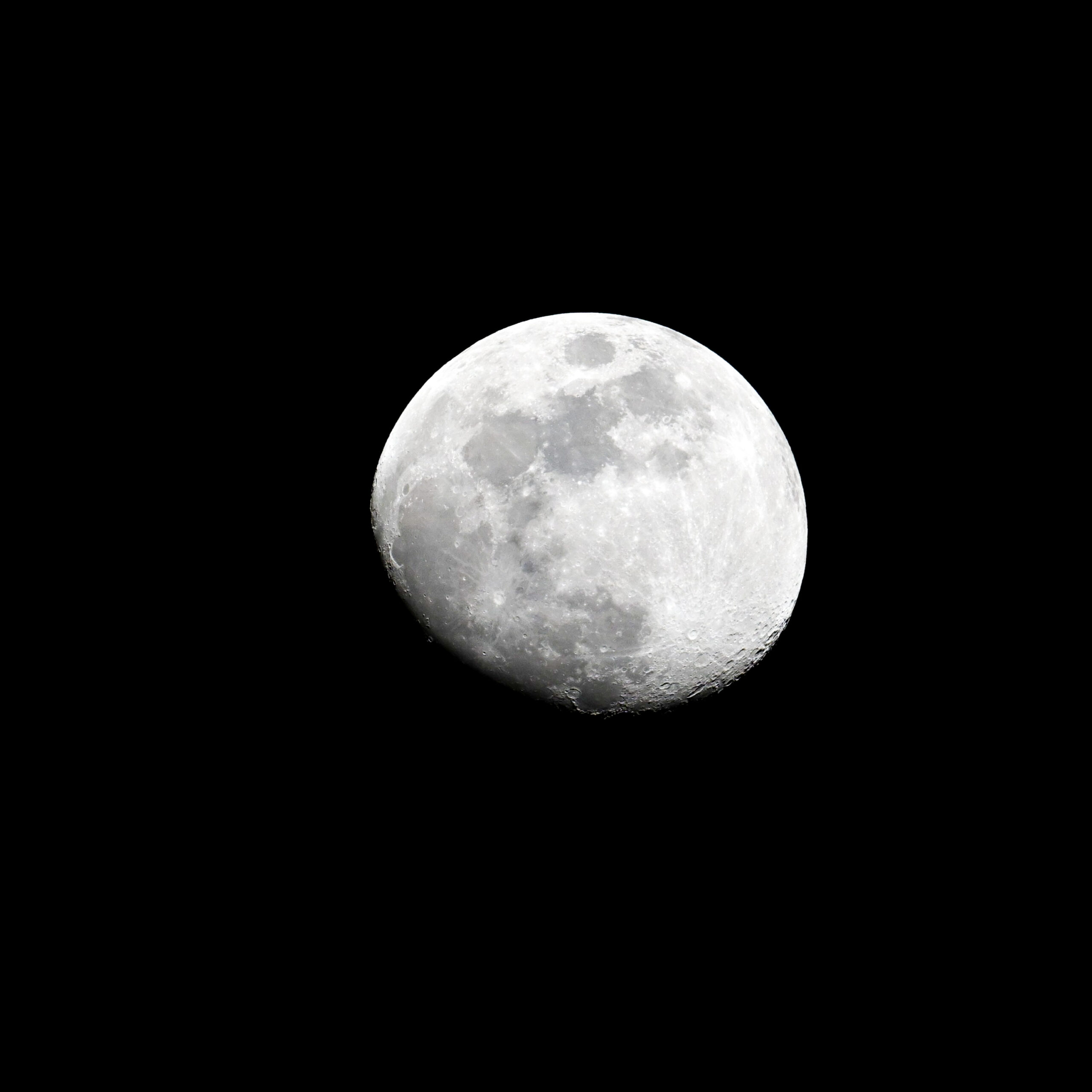
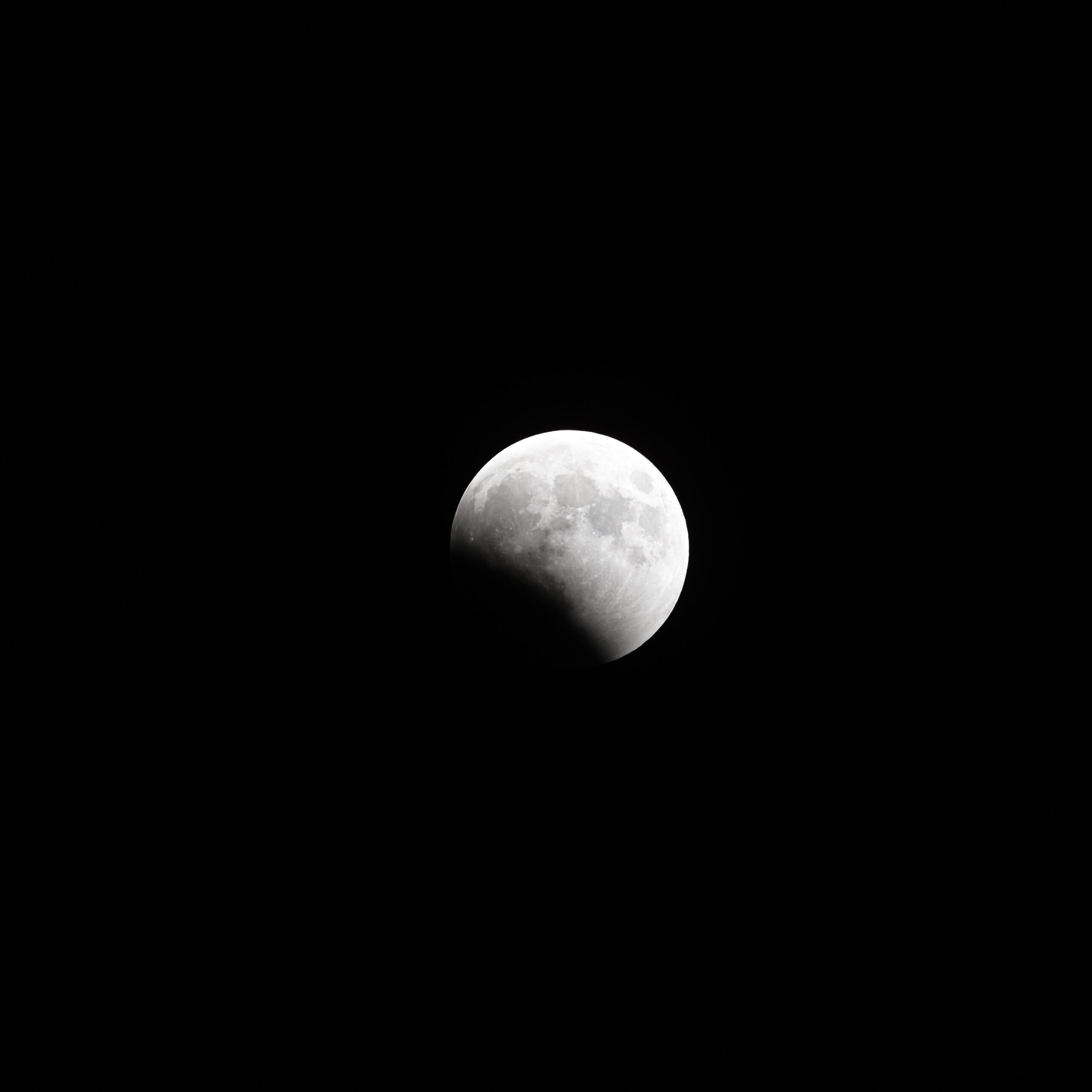
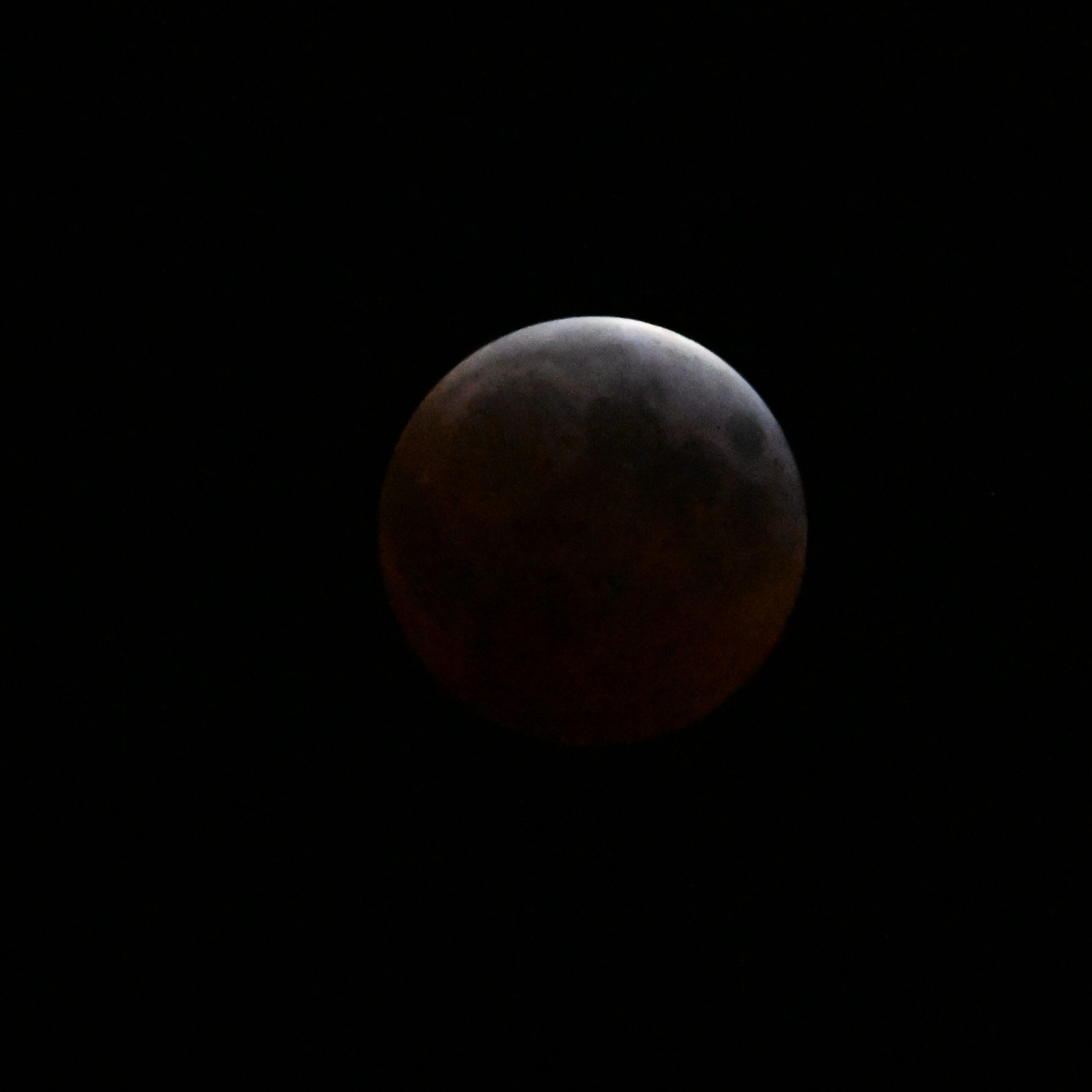
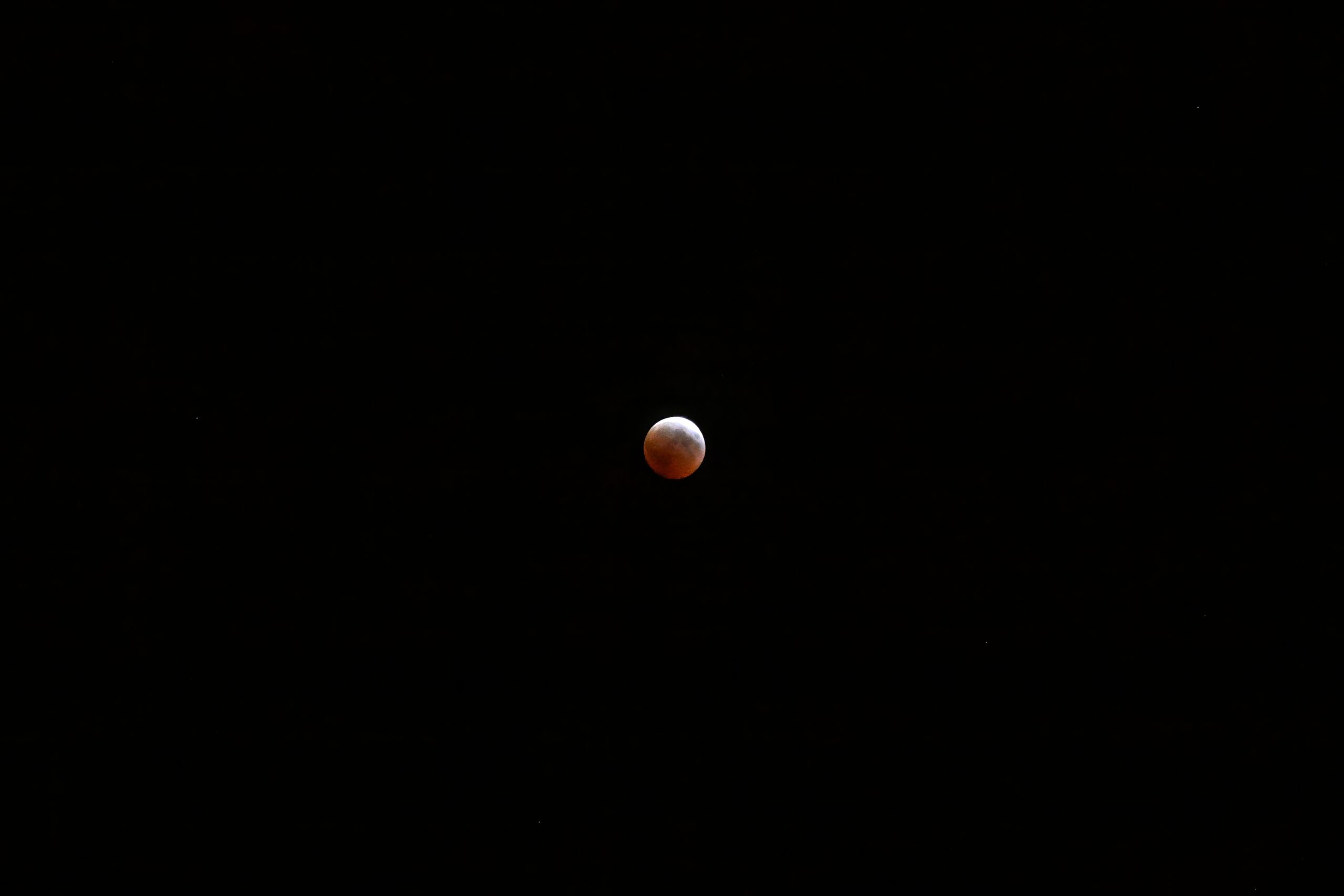
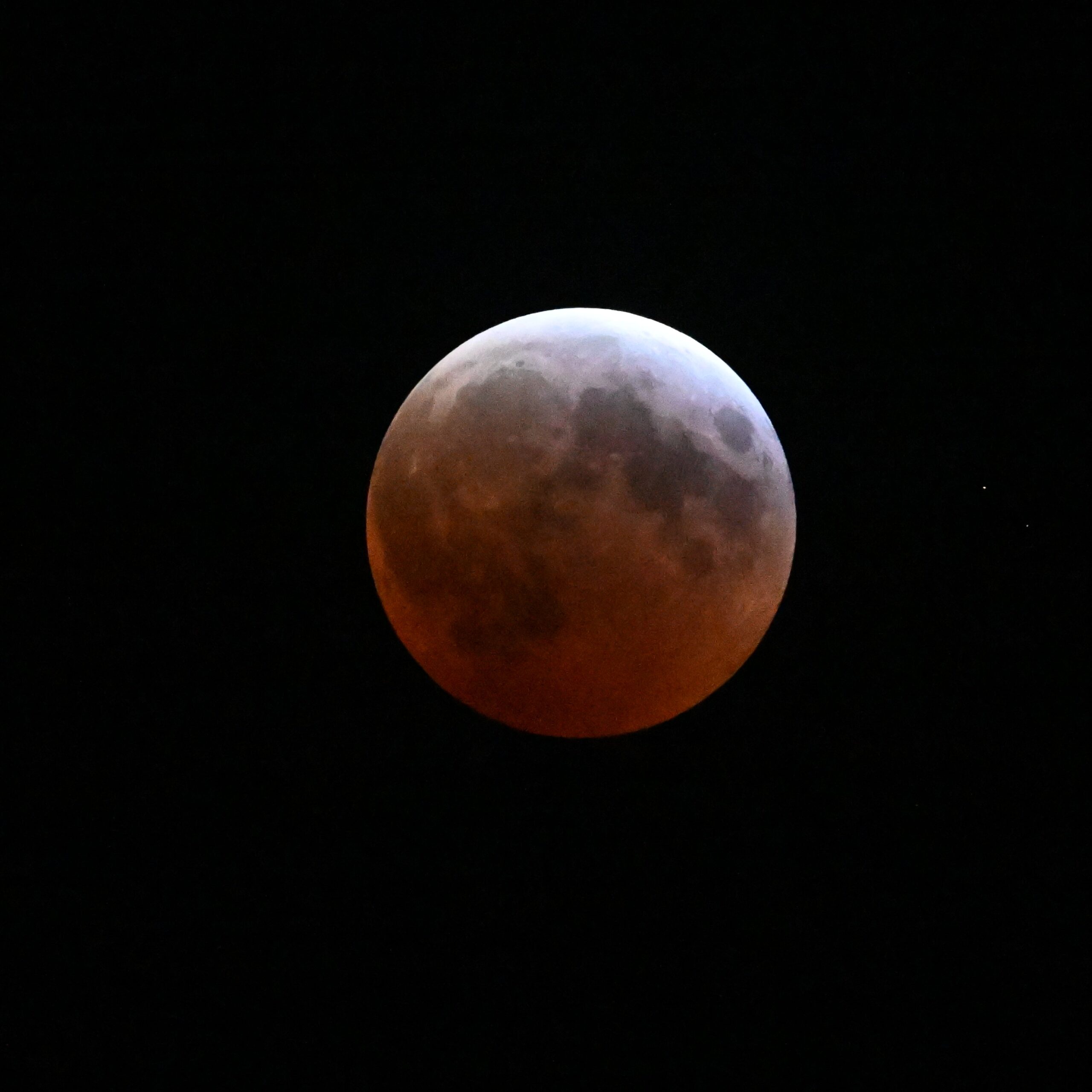
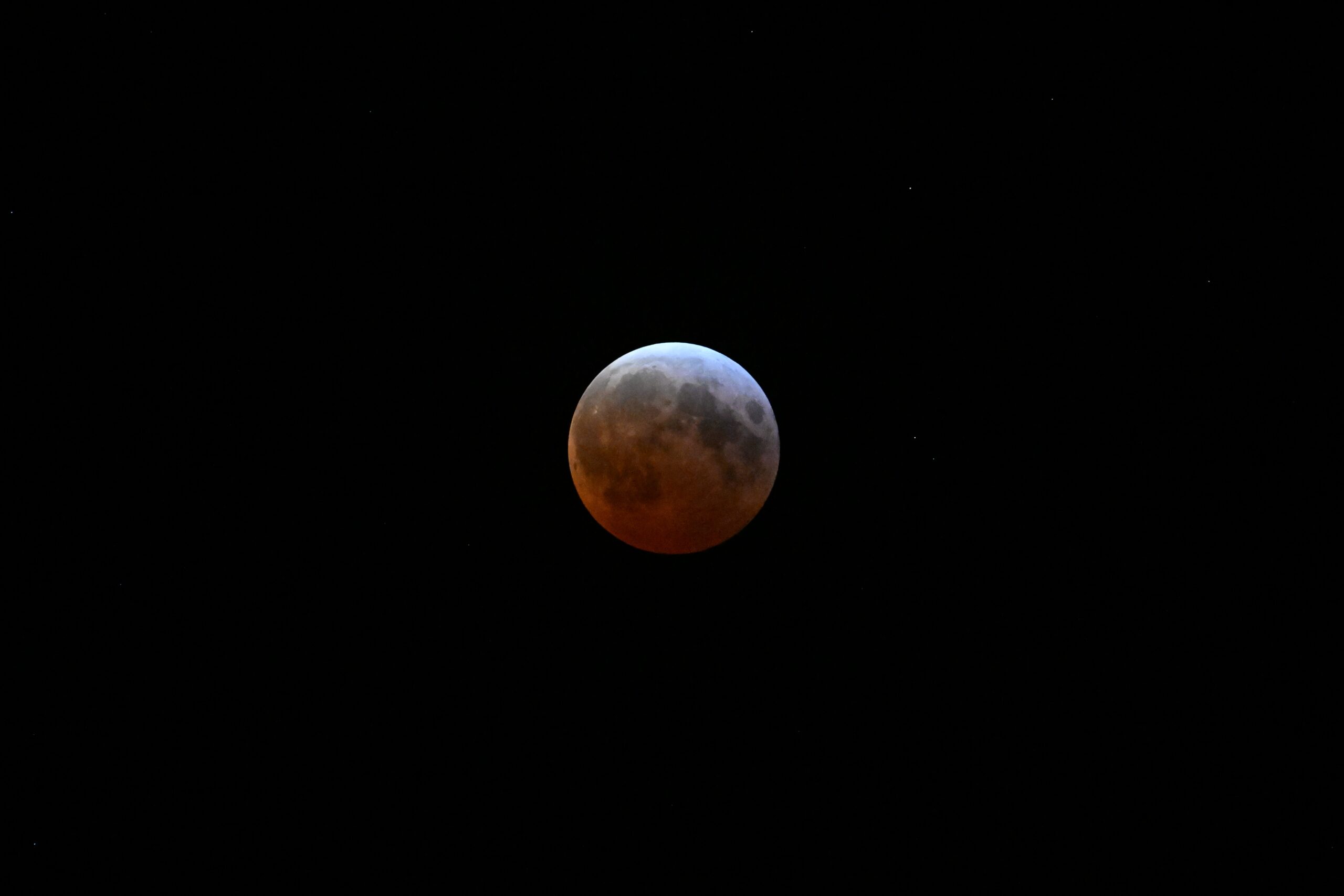
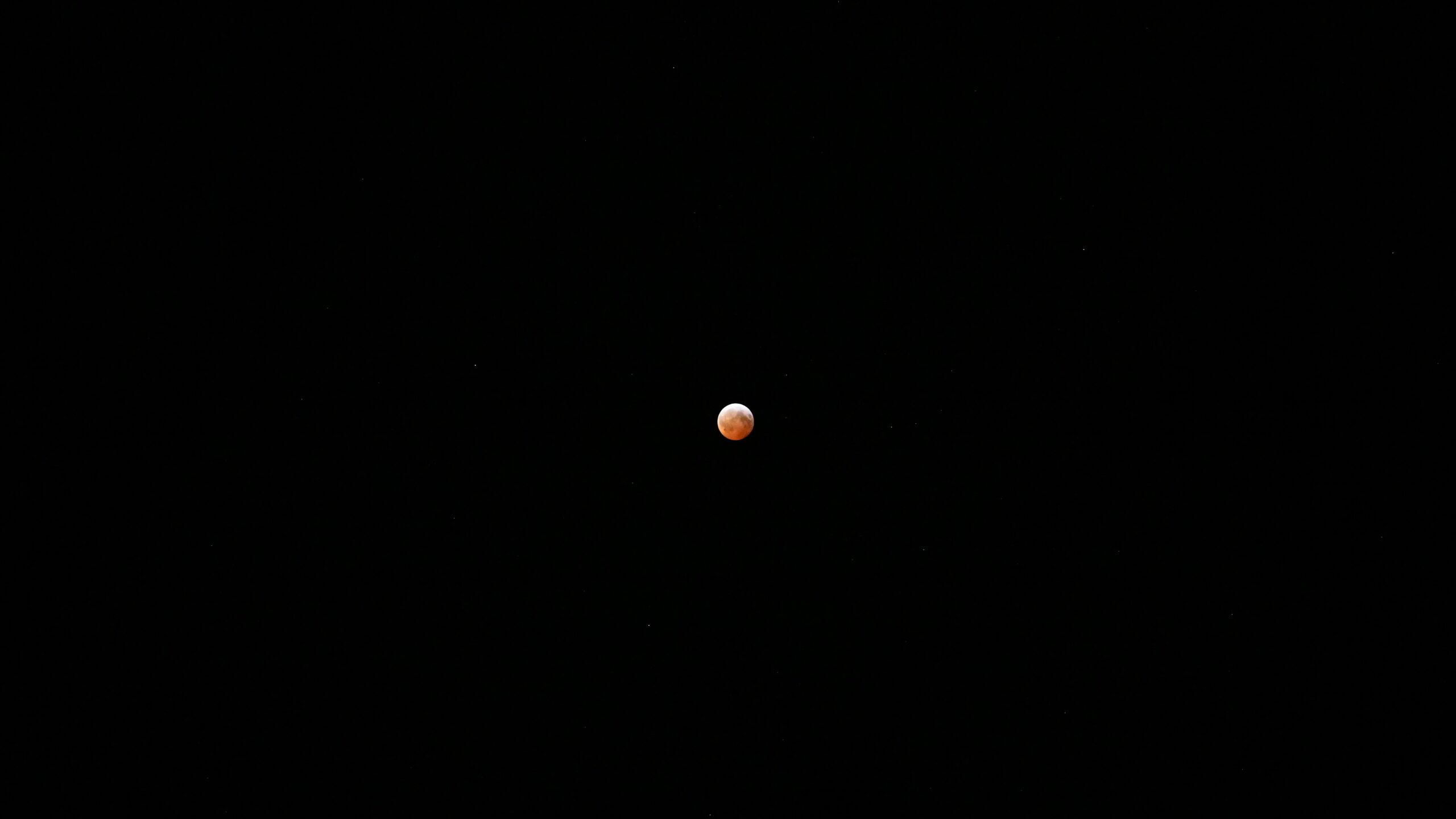
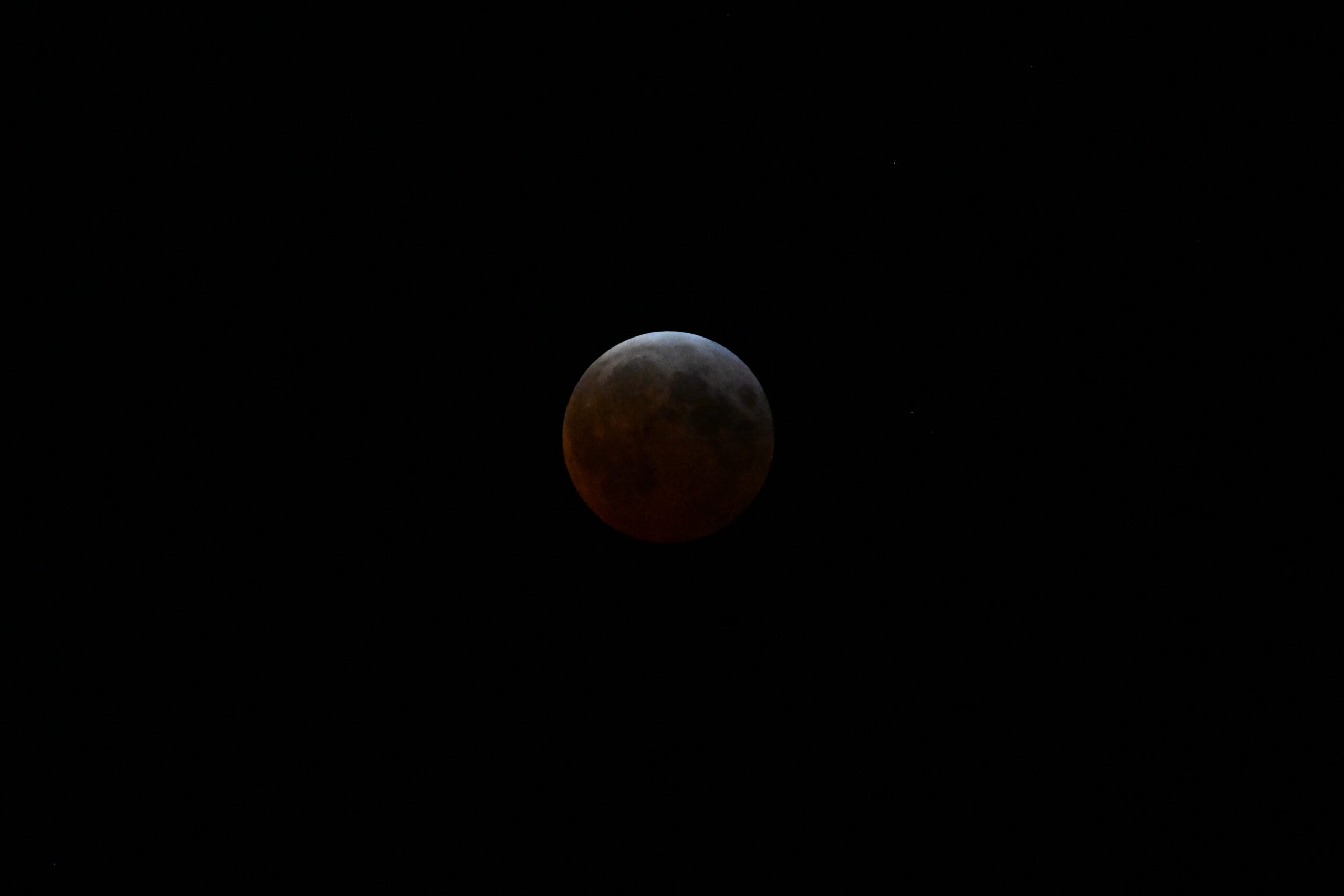
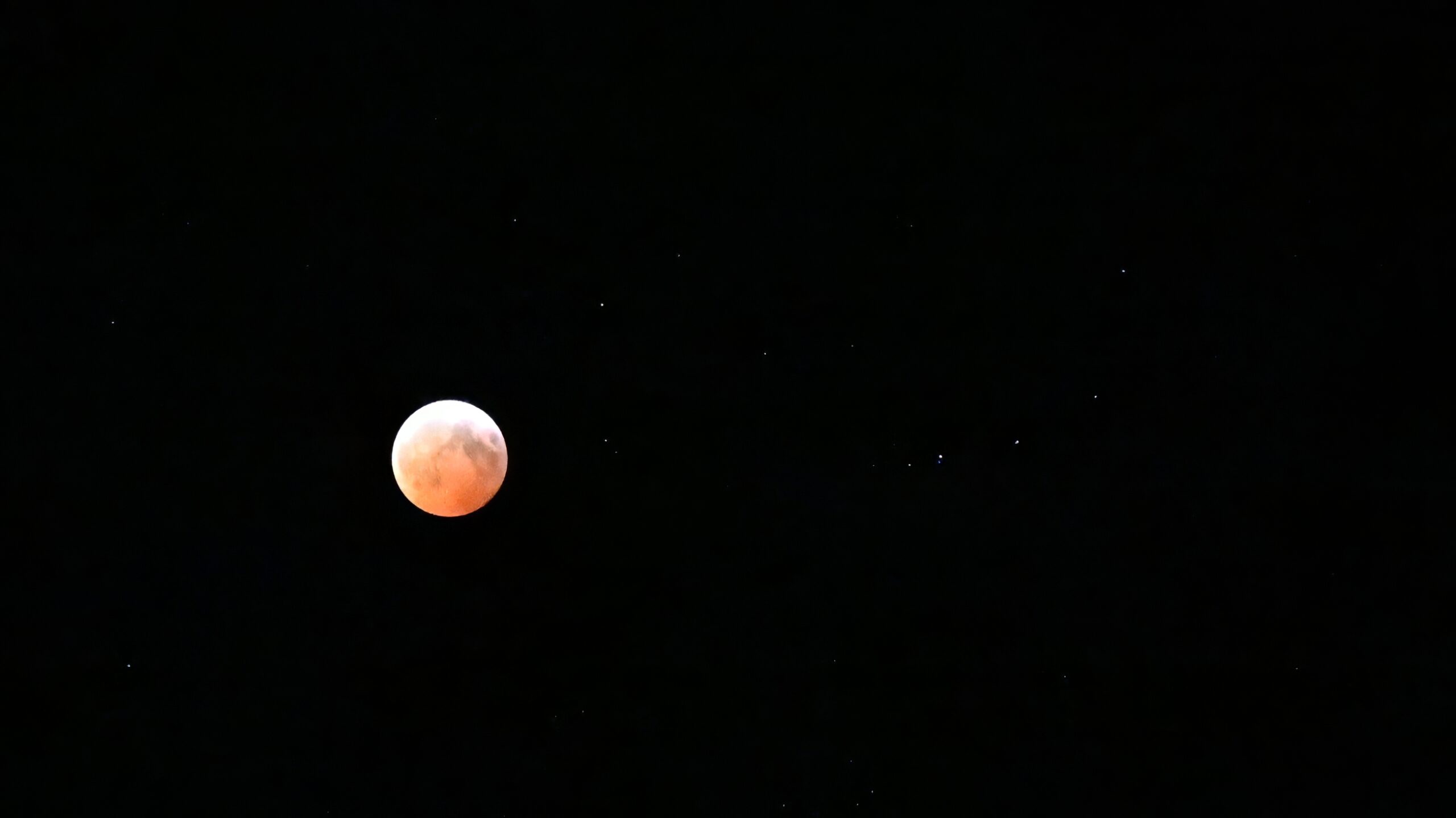
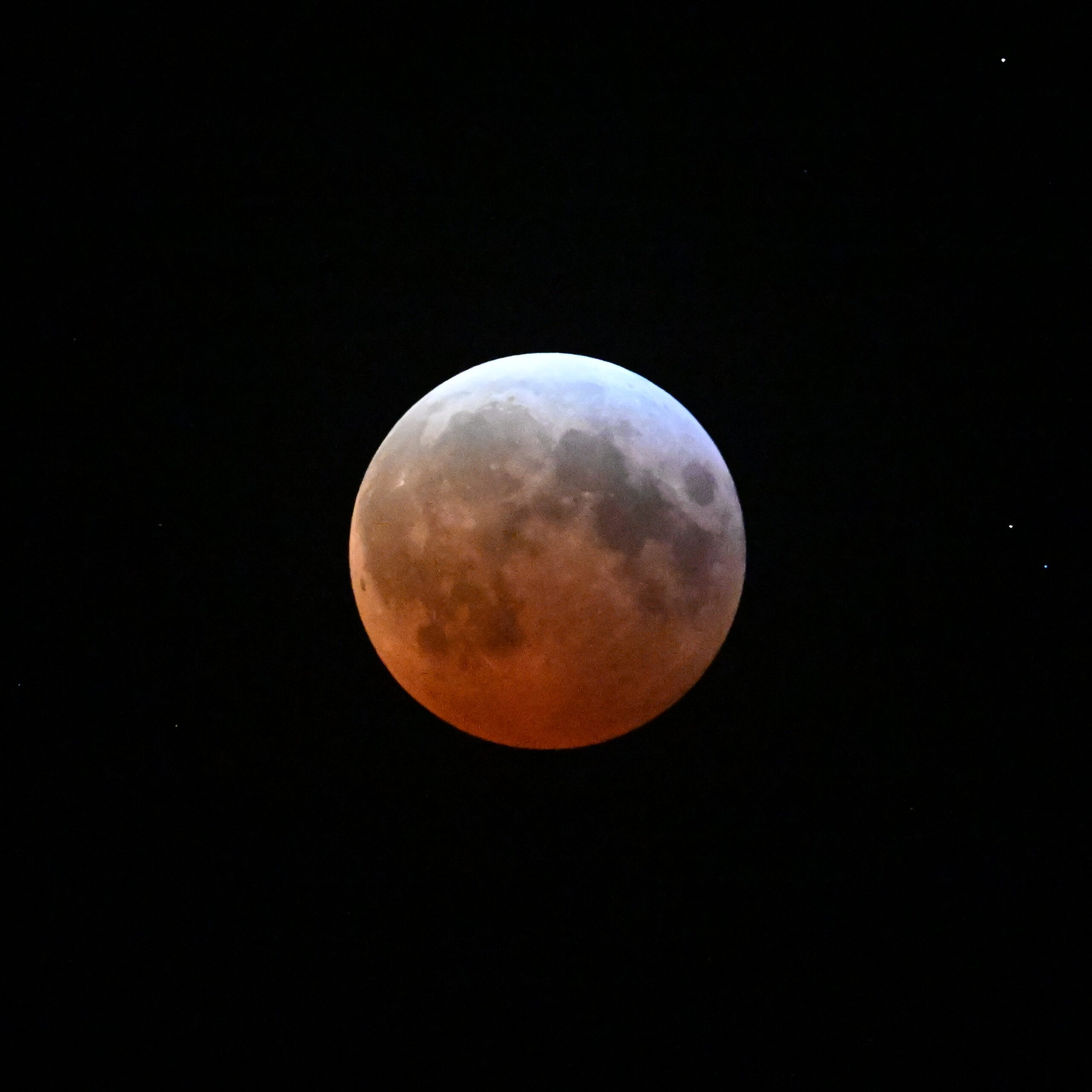
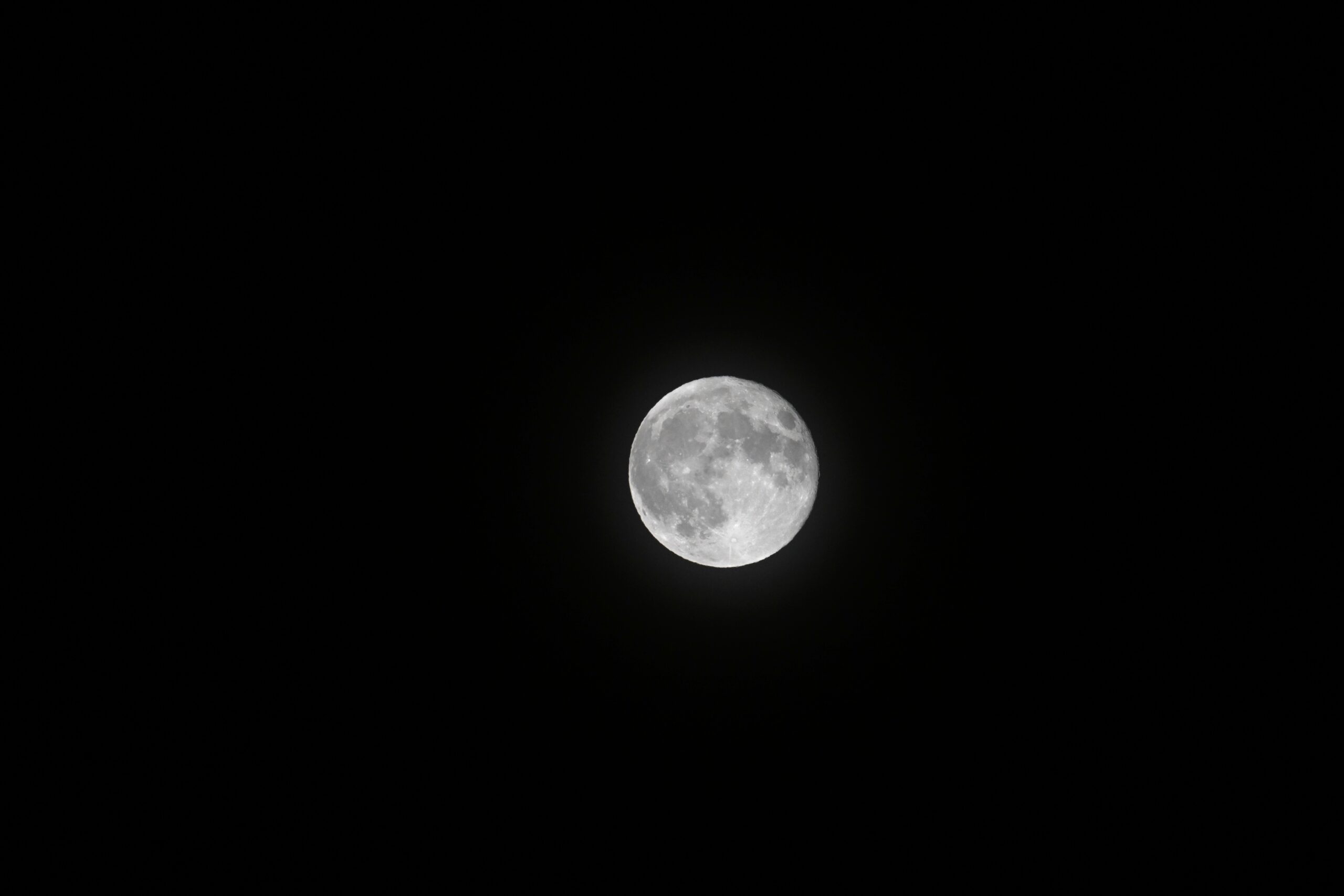
While not nearly as momentous as last year’s total solar eclipse, still great to see the total lunar eclipse here in Erie County, Pennsylvania early Friday morning.
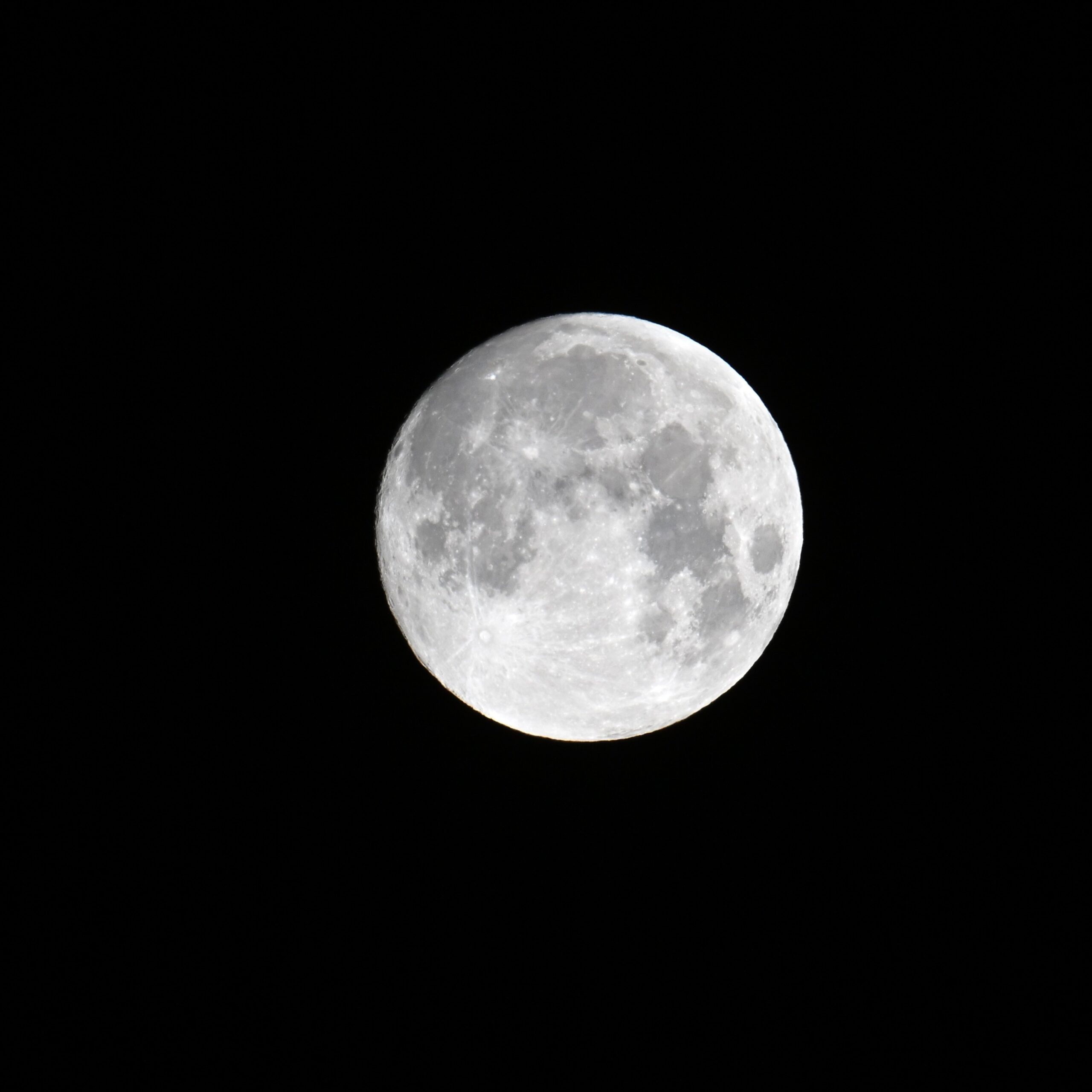
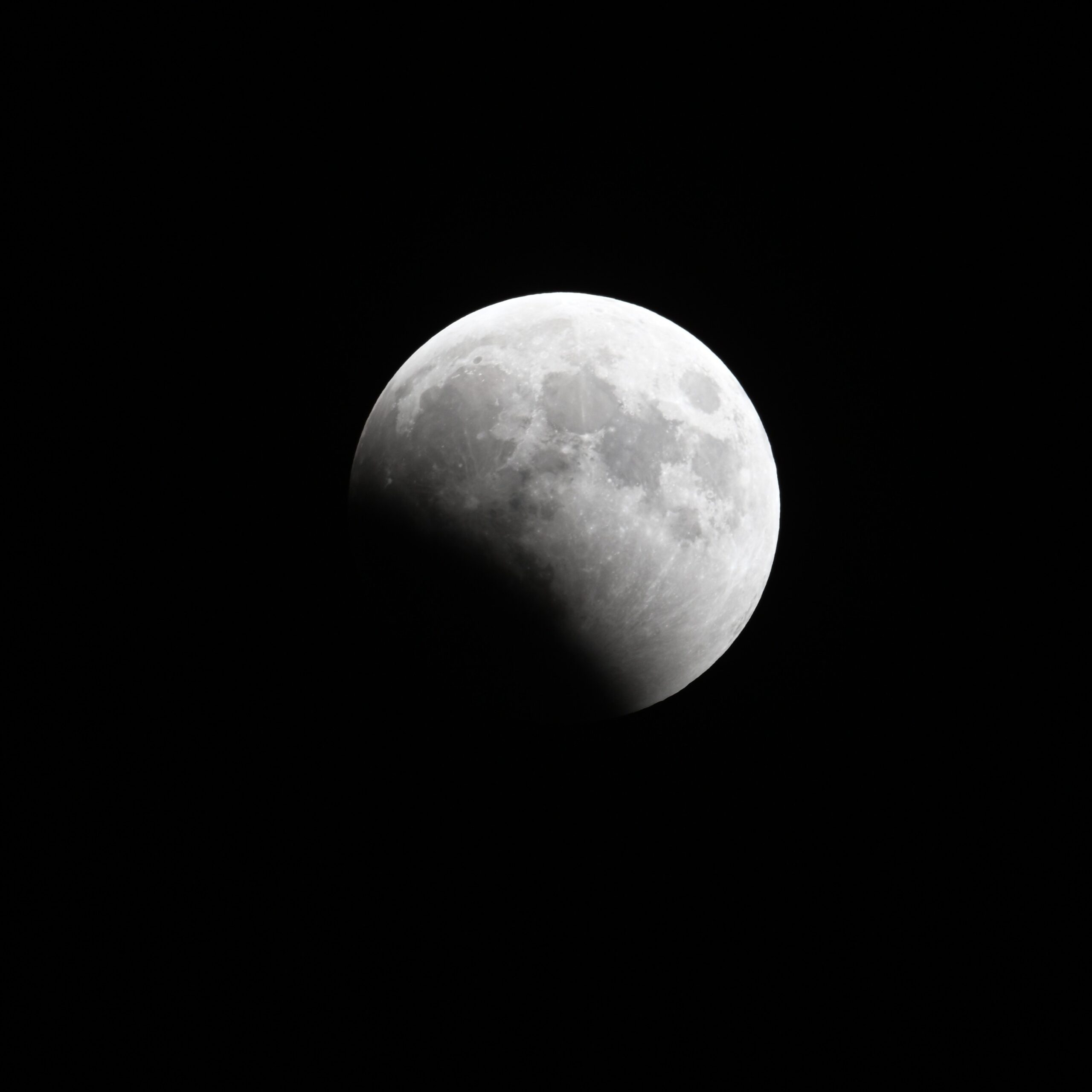
Following shots taken from 1AM EDT to about 3AM EDT. Thankfully the weather was clear, and for being outside, not as chilly as expected for late winter here in the northeast.
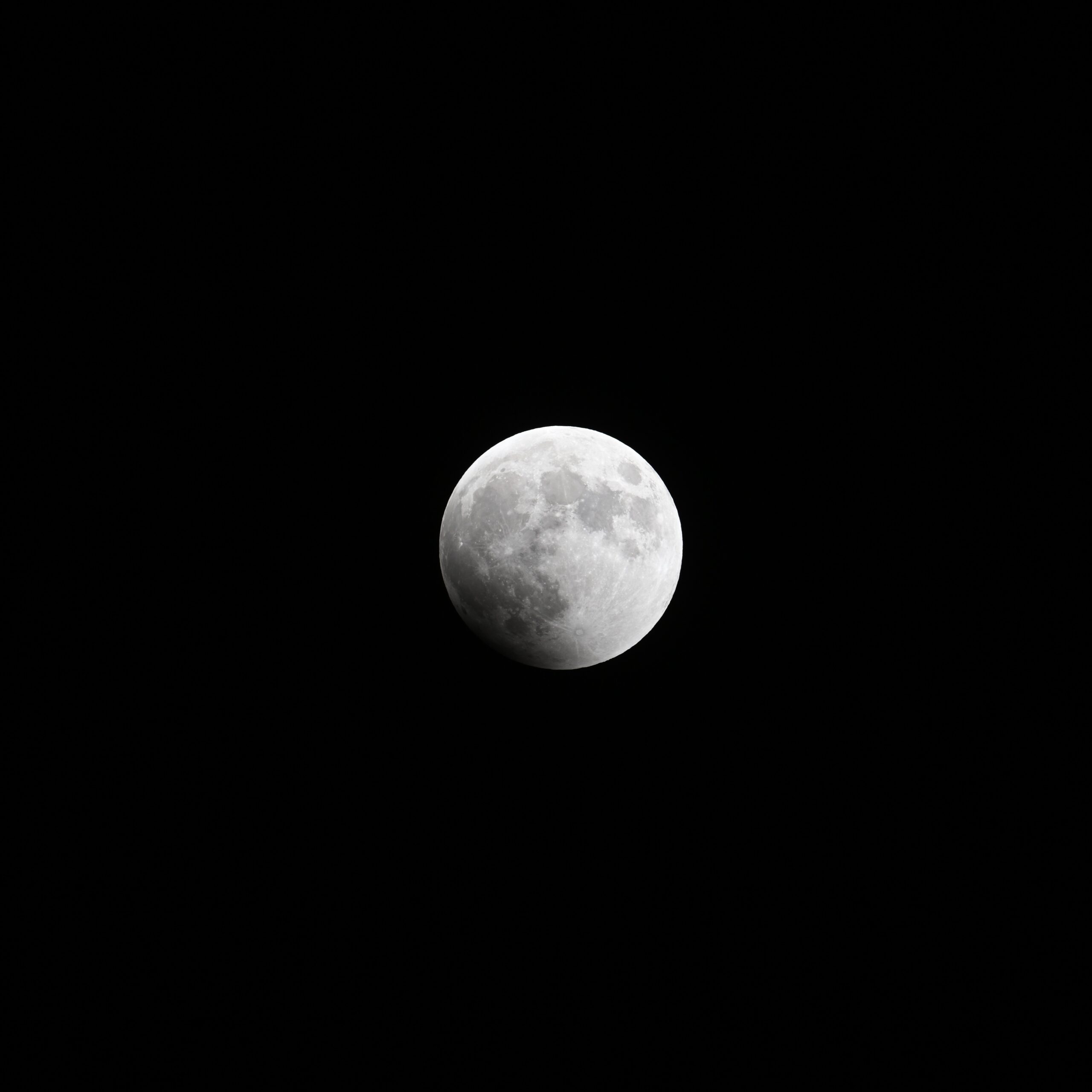
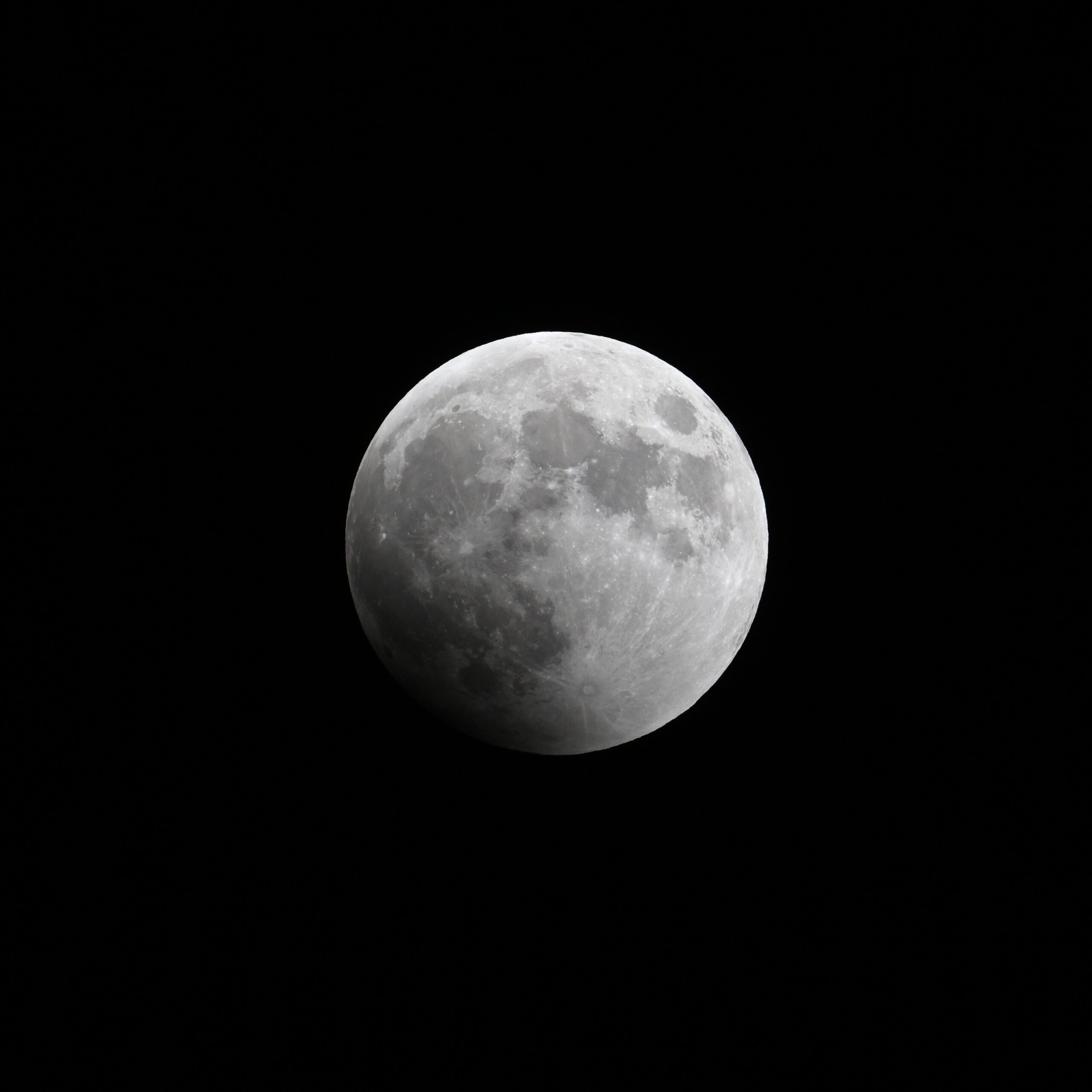
A bit later, w/ a more pronounced eclipse effect:
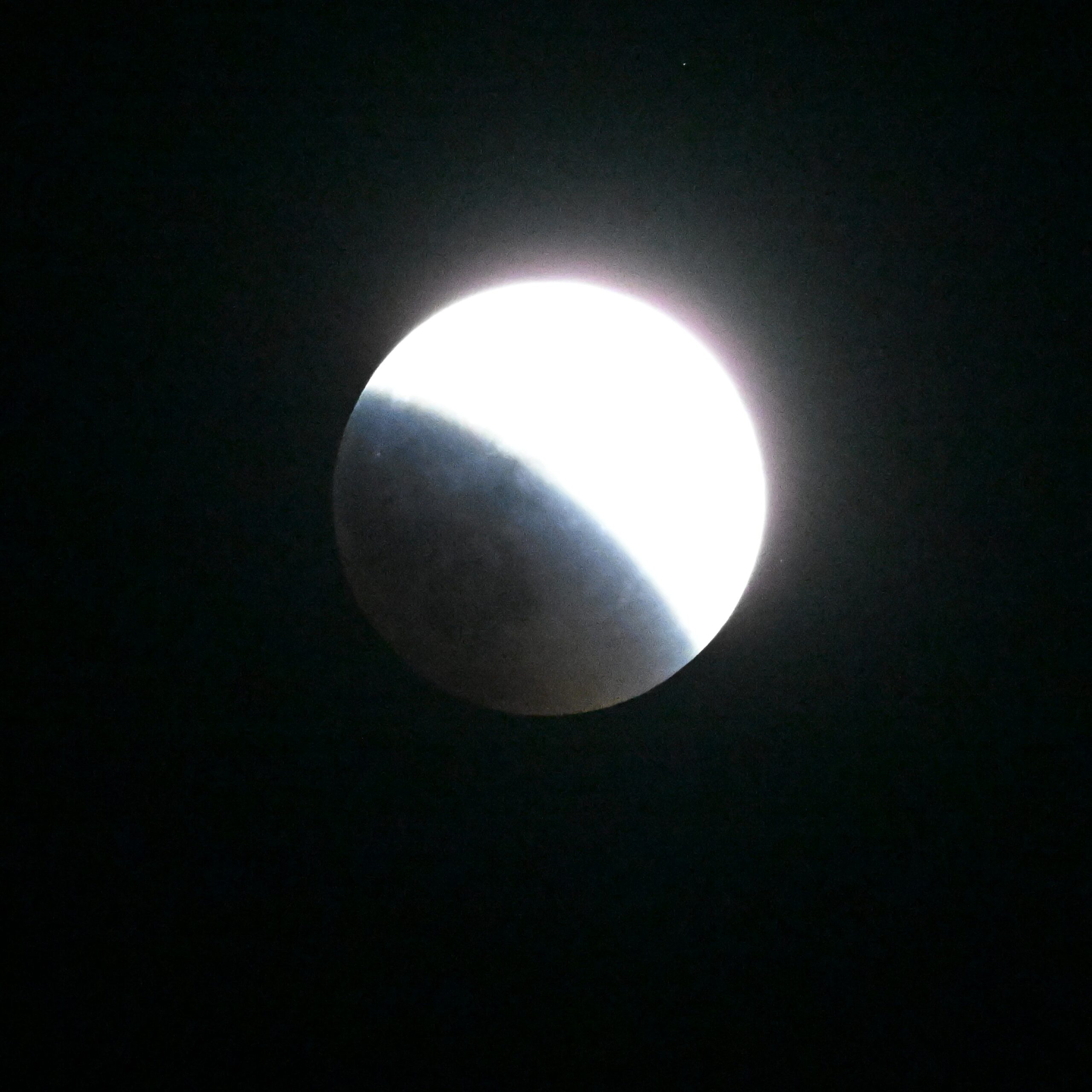
The eclipse progresses to totality:
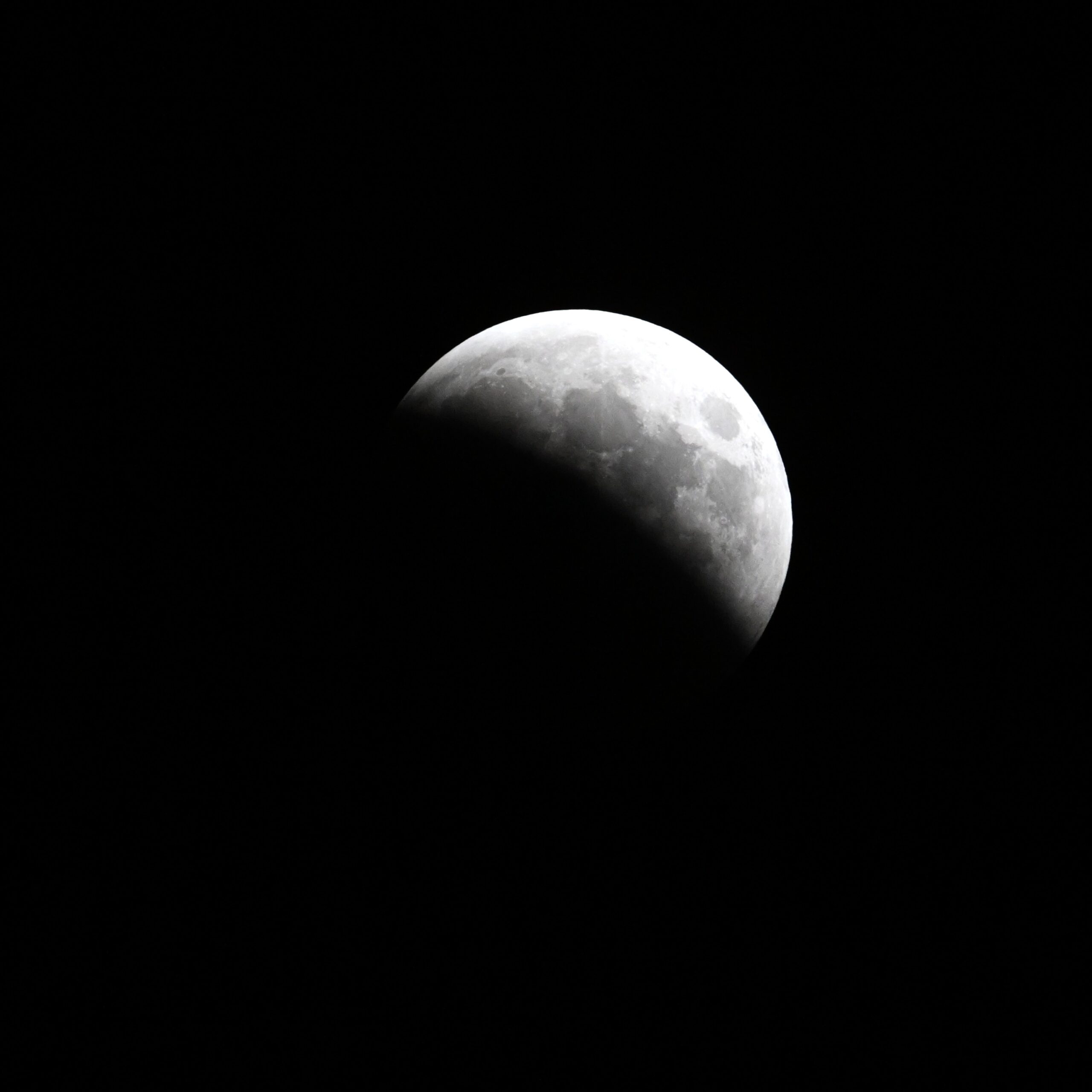
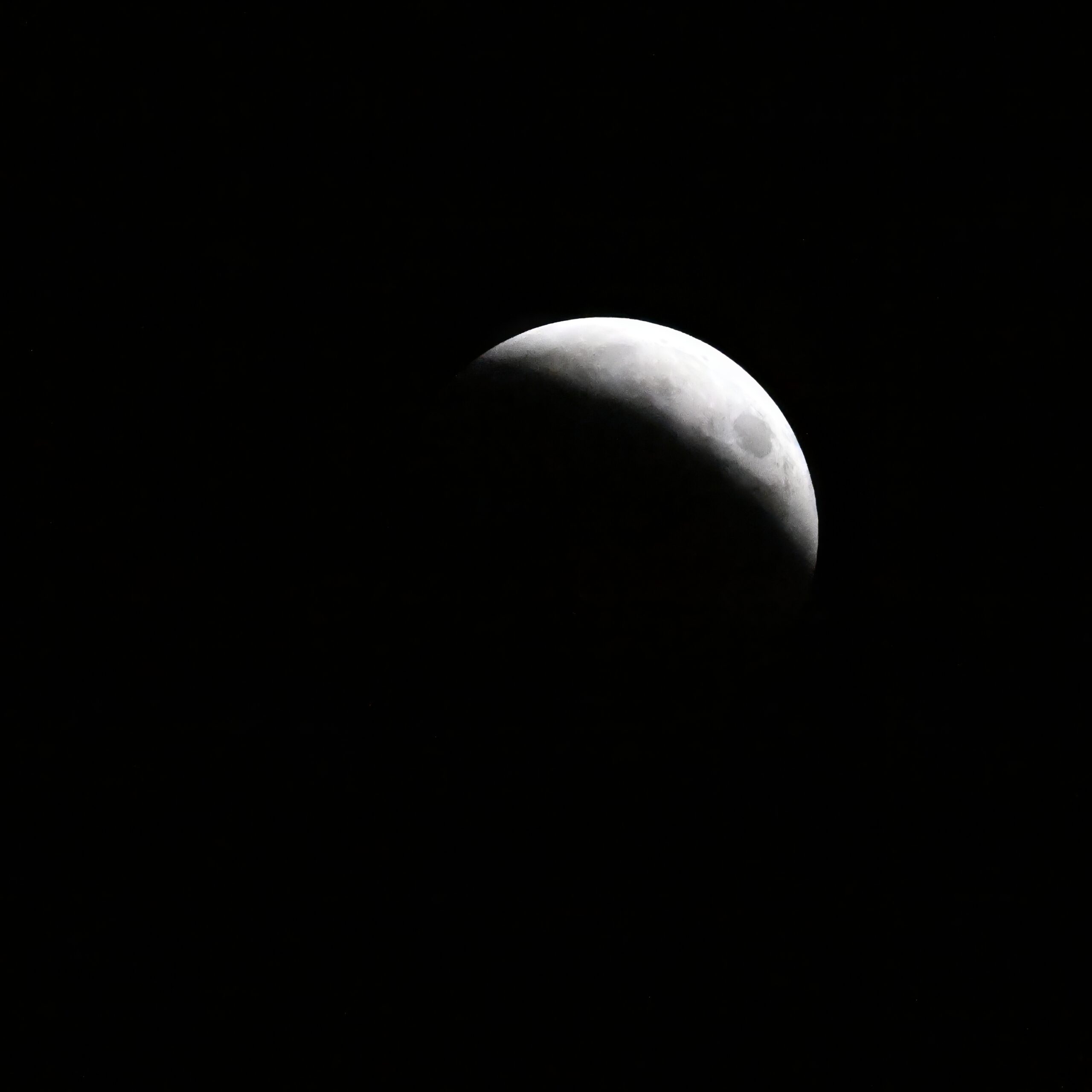
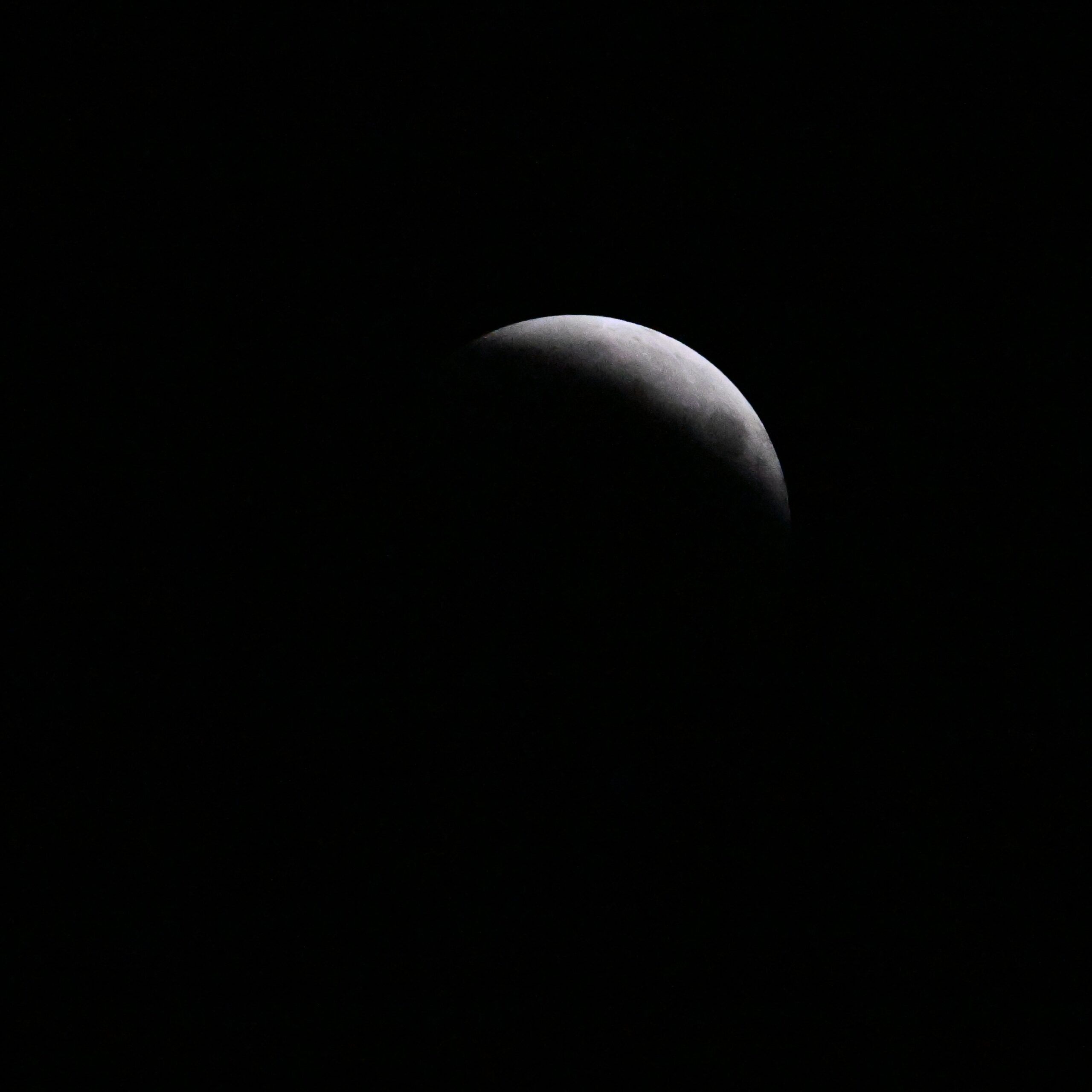
Following shots at or close to totality. Closest views @ 600mm cropped, then 600mm uncropped, + wide angle @ 100mm, all handheld generally w/ 1/20 sec – 1/60 sec exposures.
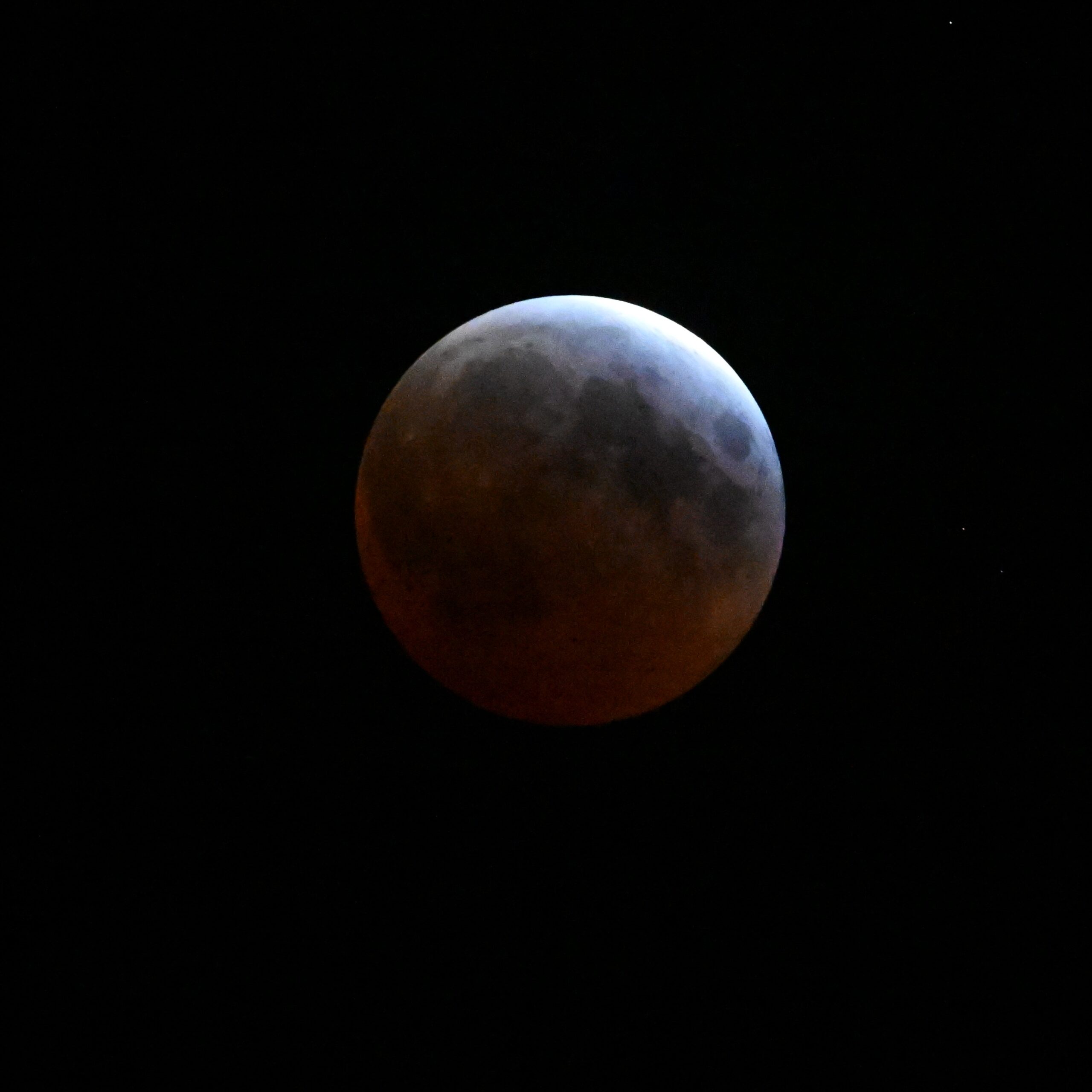
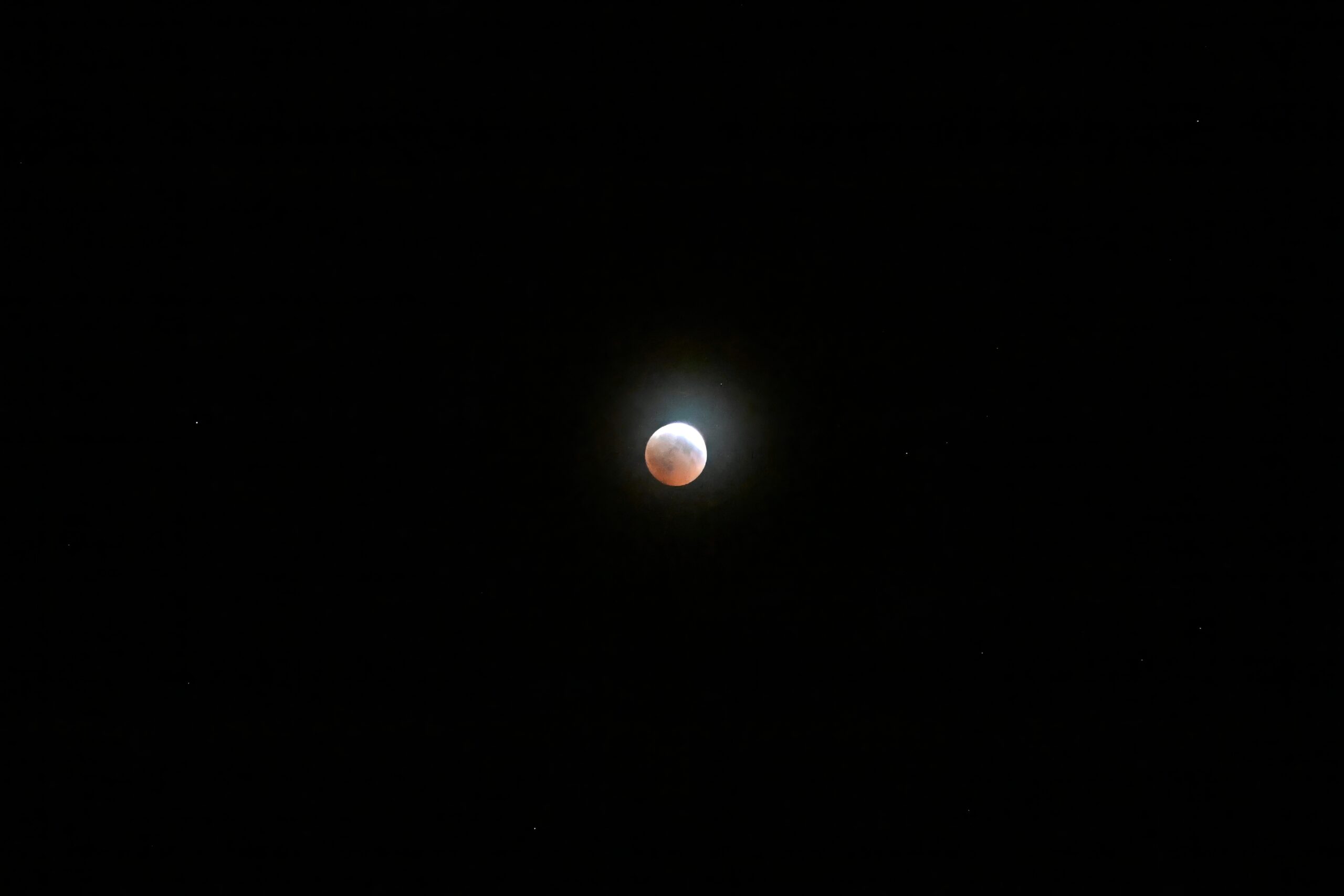
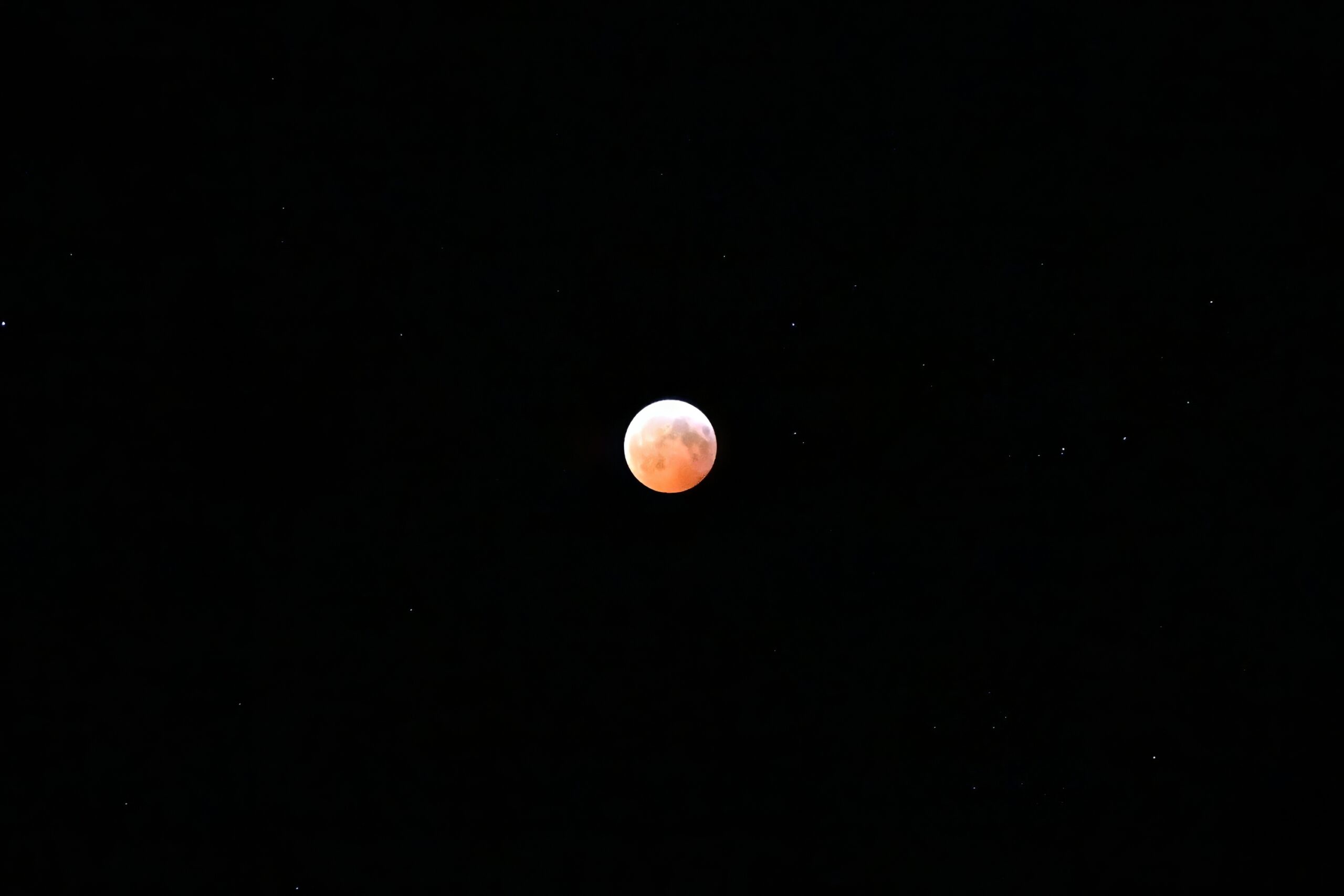
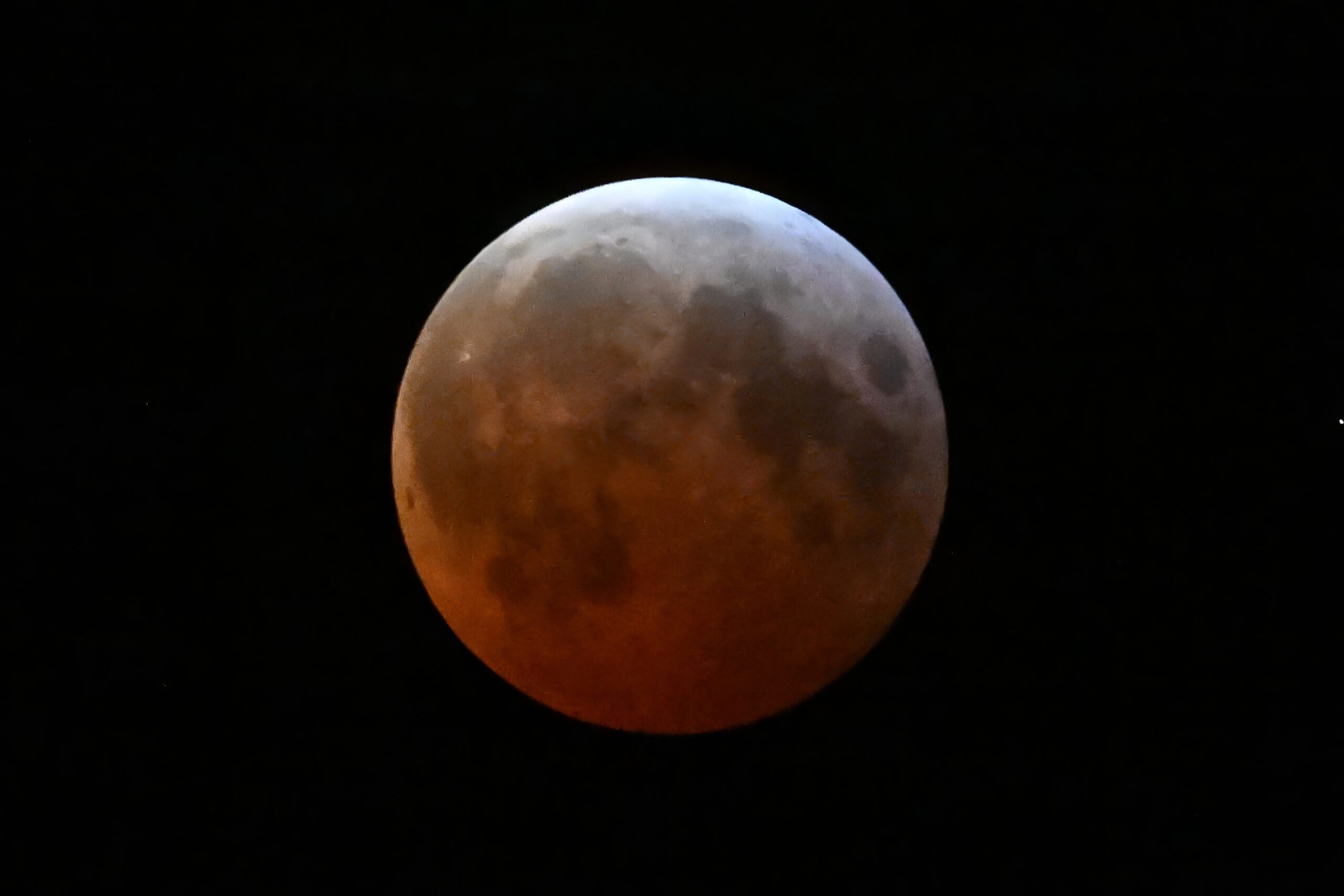
Sorry, no pictures after totality – after all that + two hours in the cold, time to get back to bed!
Next full lunar eclipse viewable in the US: 3 March 2026. See you next year!
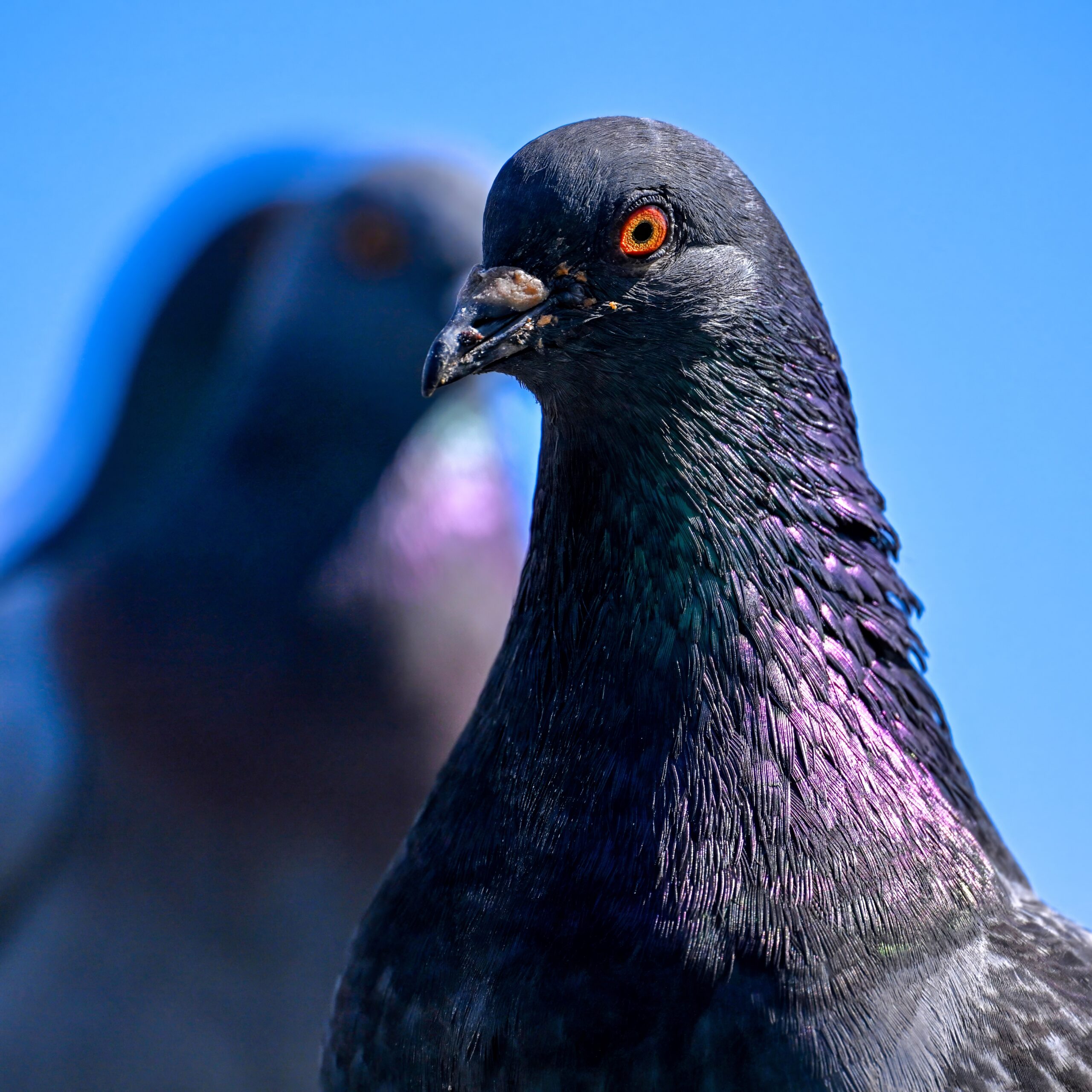
More from Oceanside, California, w/ nice shots of lovely Rock Pigeon. (As the saying goes, “Go to California for pigeons.”) This is at cute, ocean-adjacent (ocean side?) Buccaneer Park.
At this same location, the mouth of Loma Alta Creek, with a great sighting of a beautiful Snowy Egret (note the distinctive yellow feet):

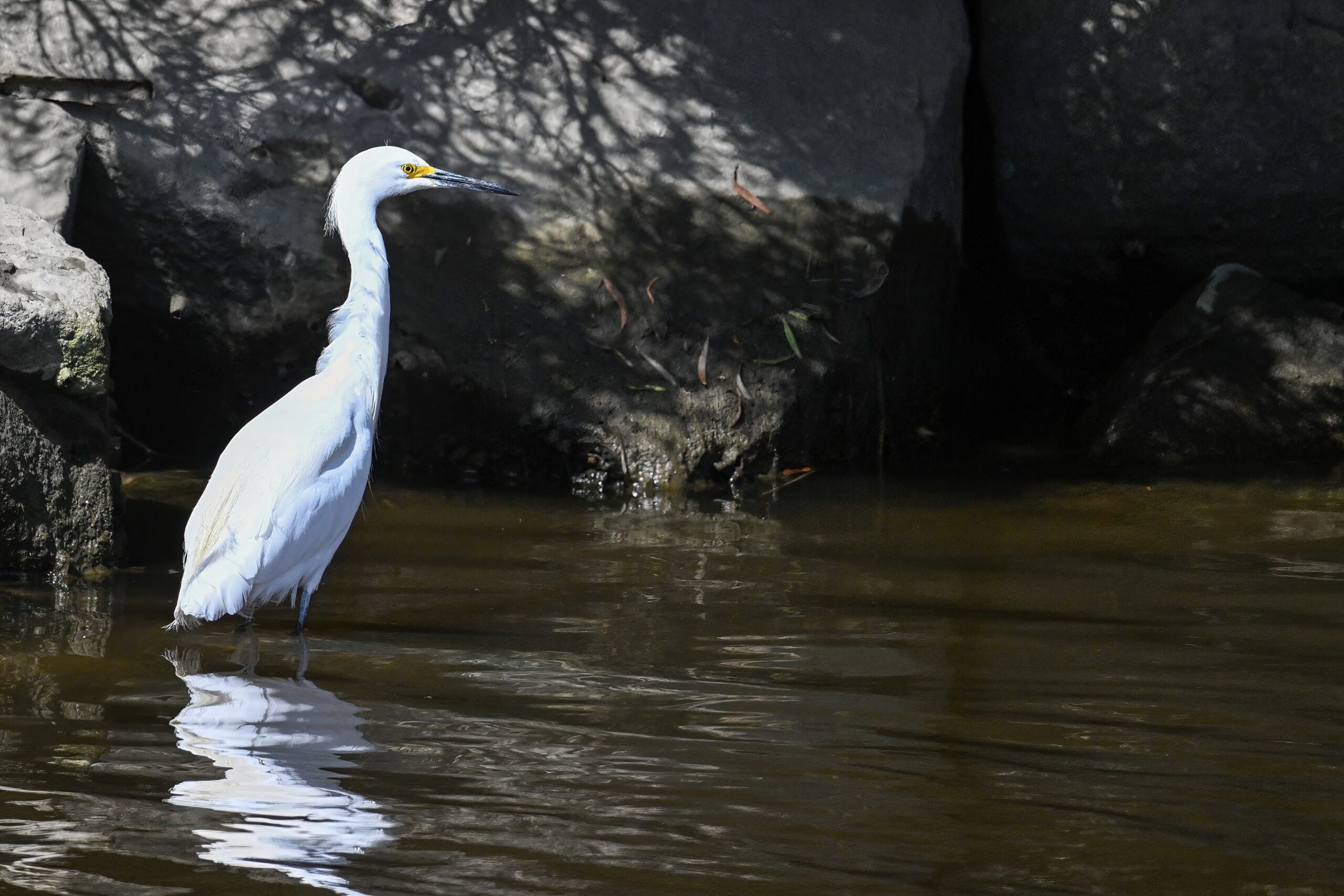
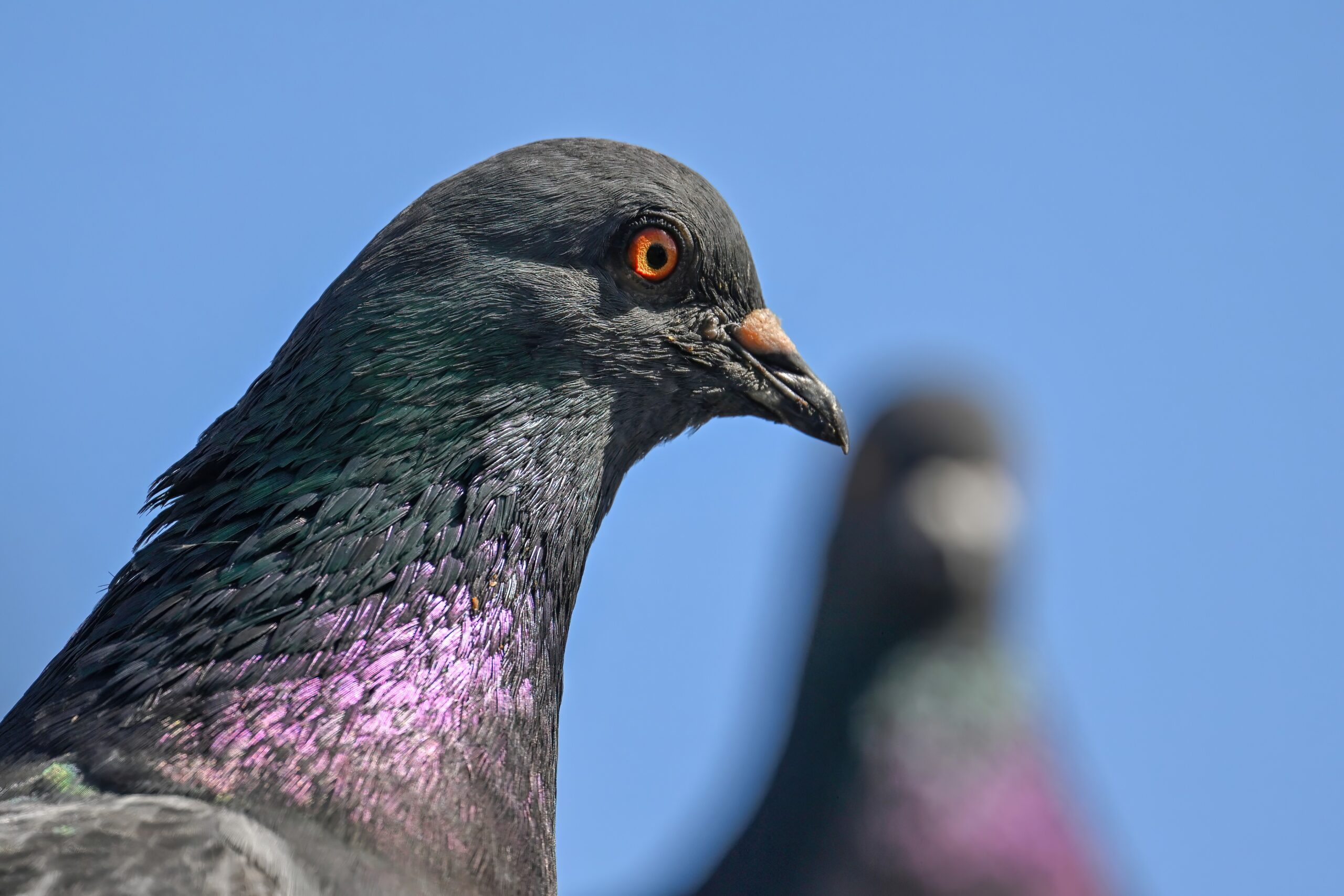
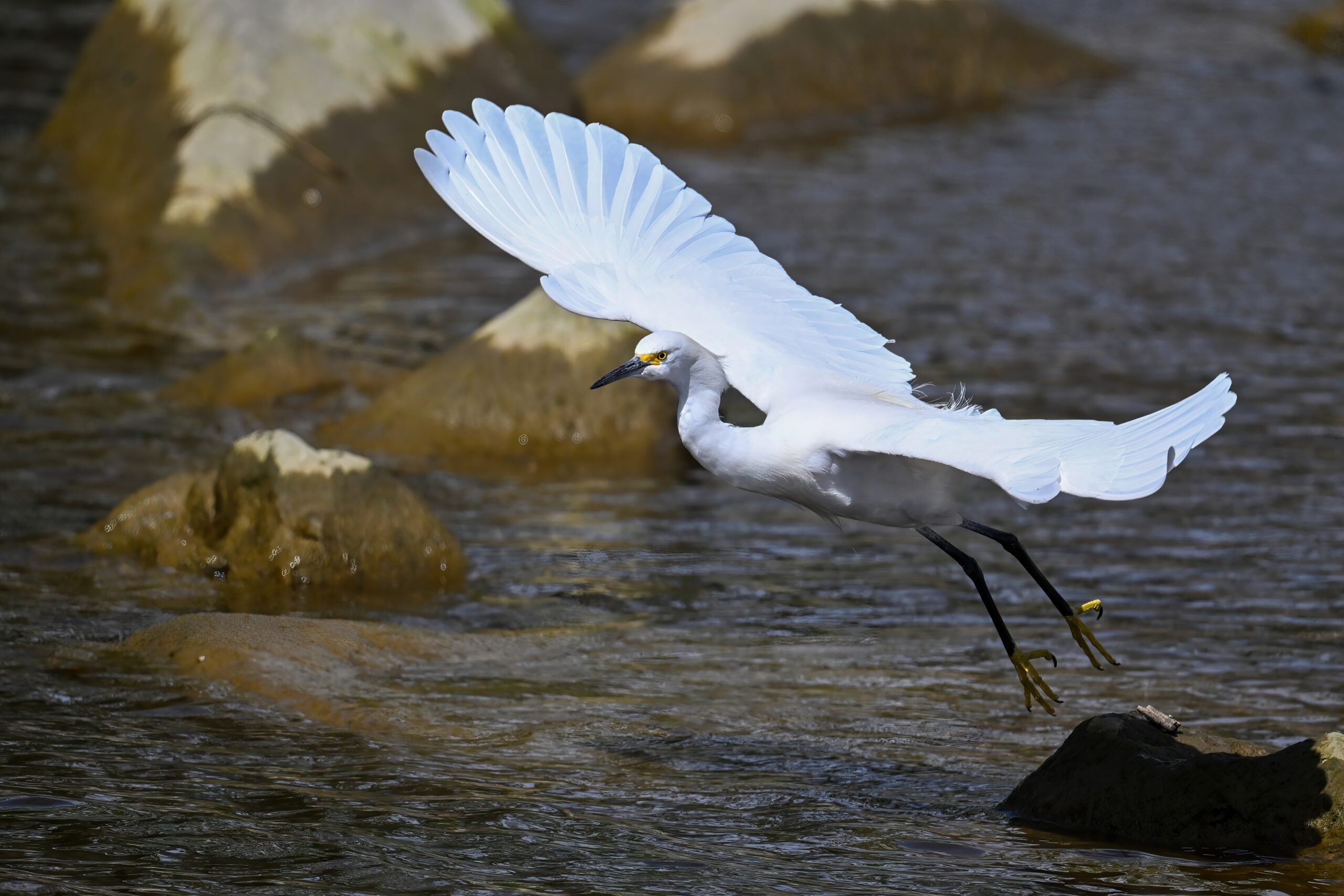
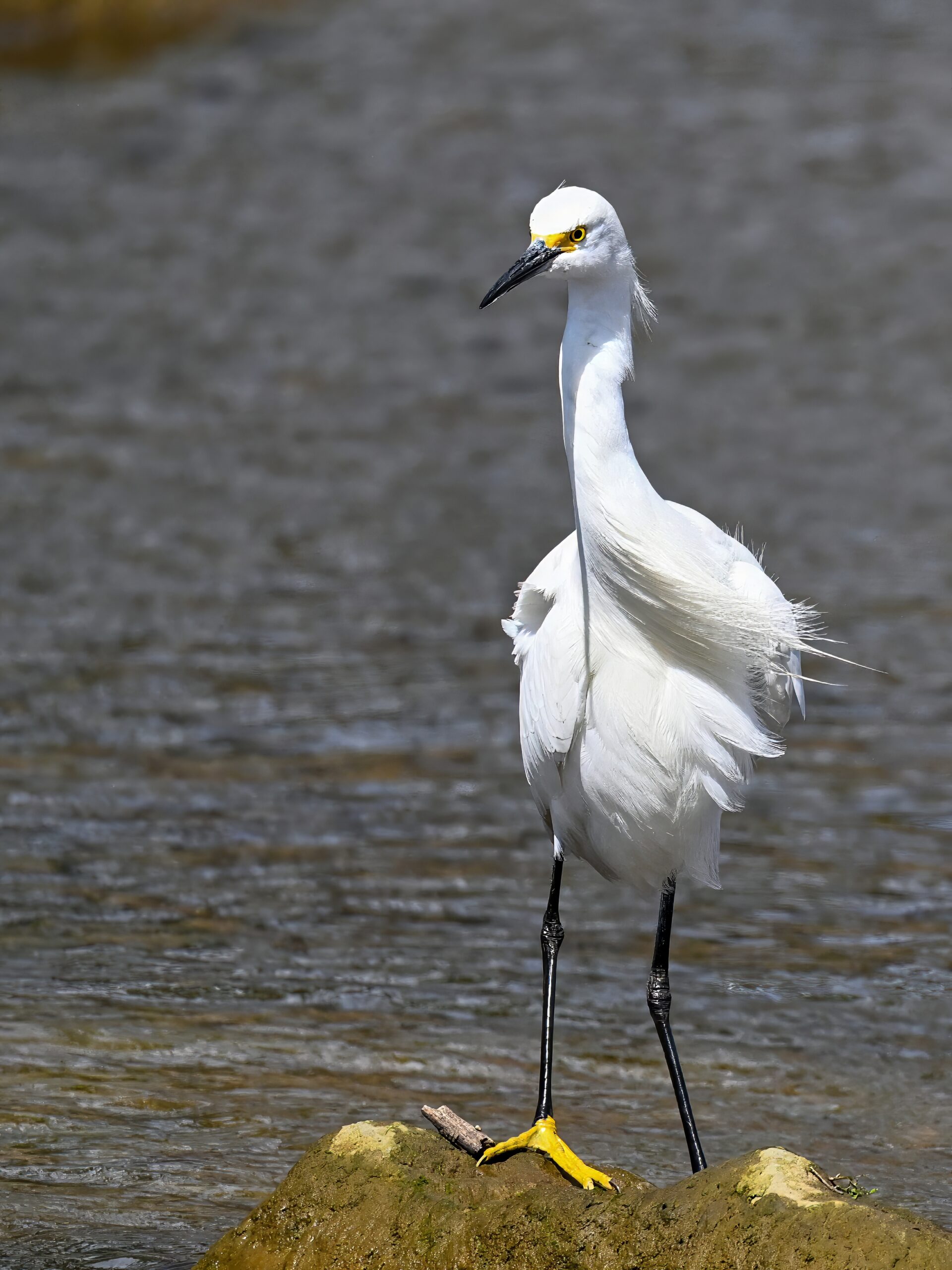
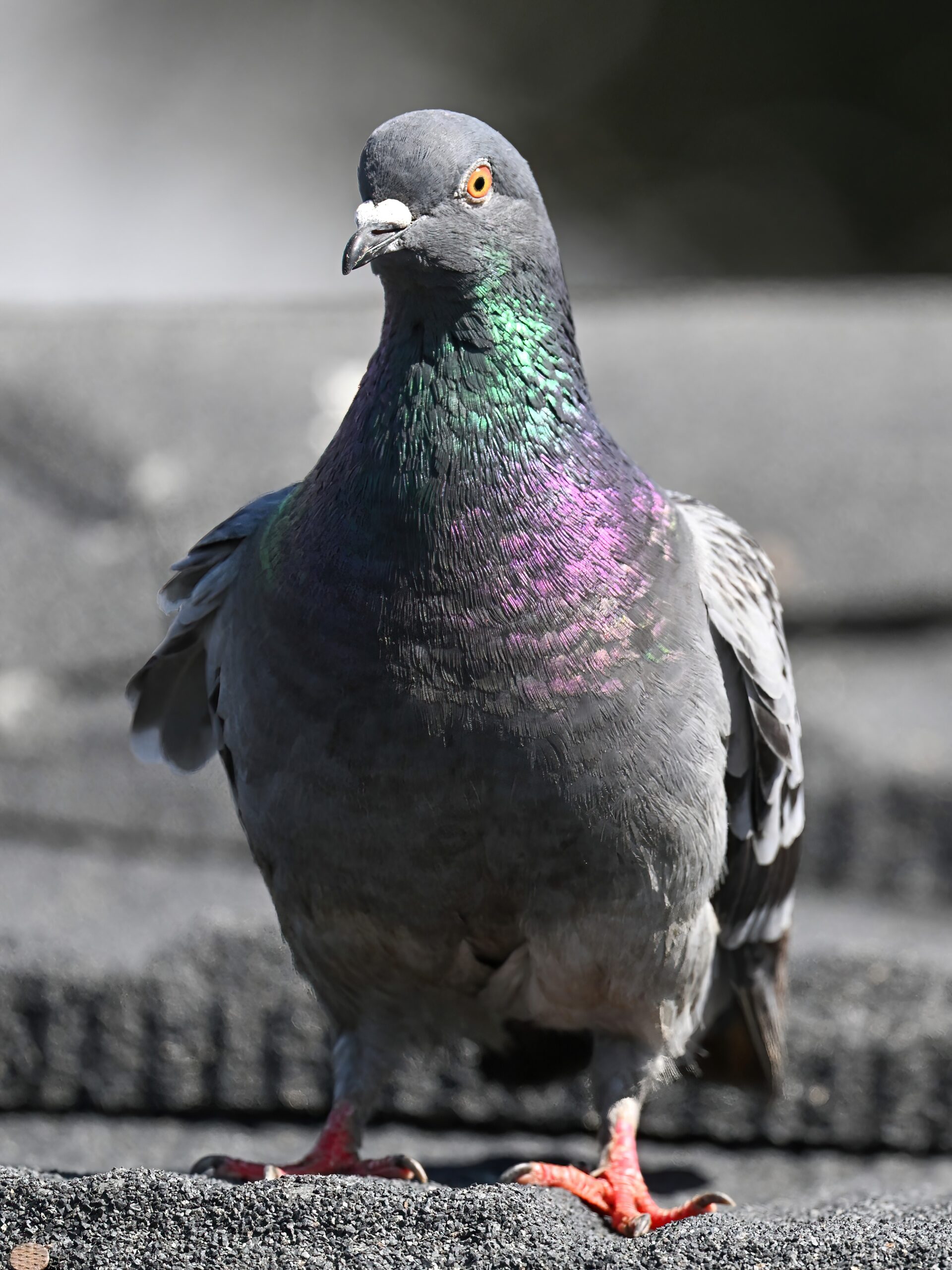
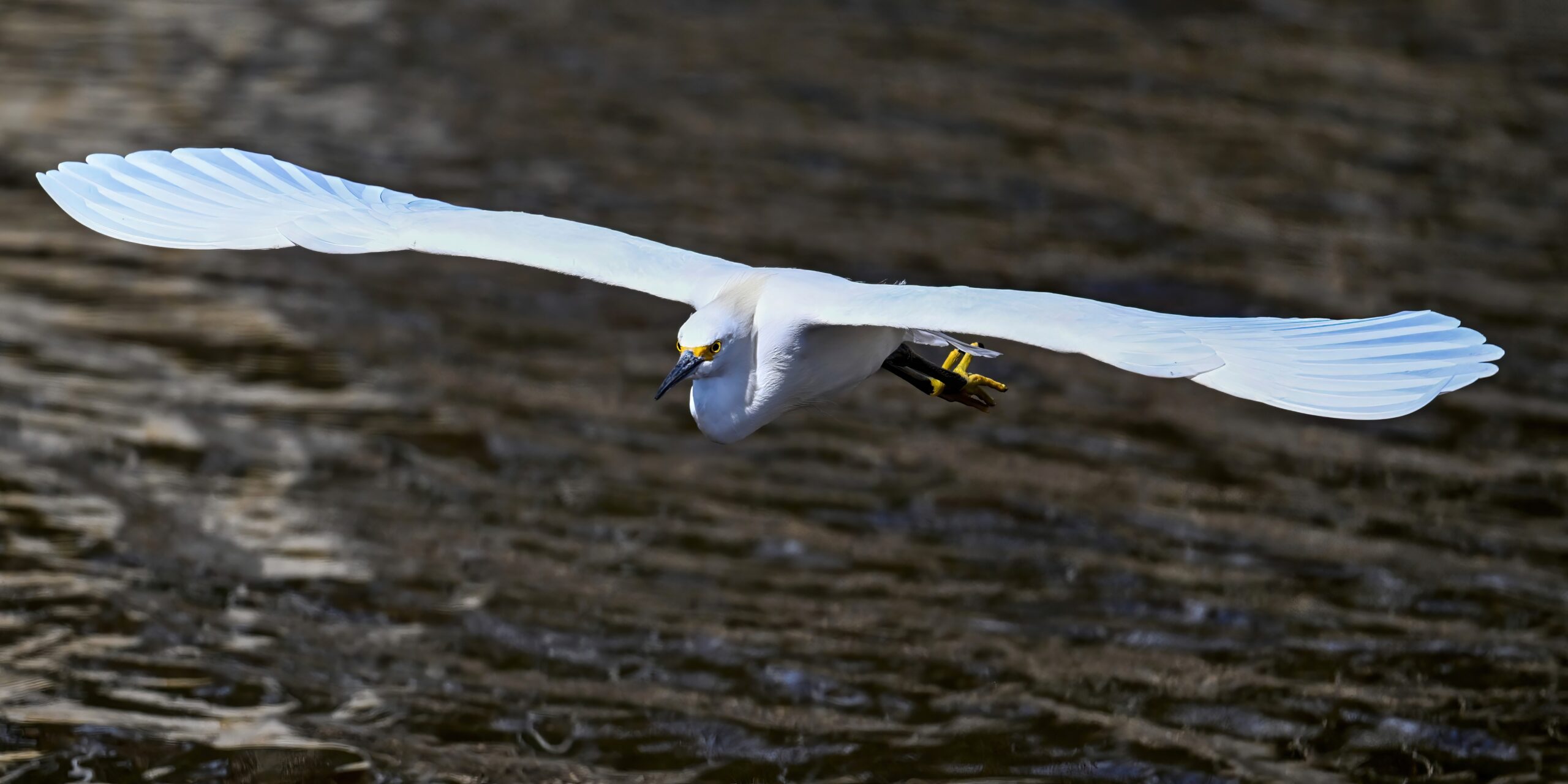
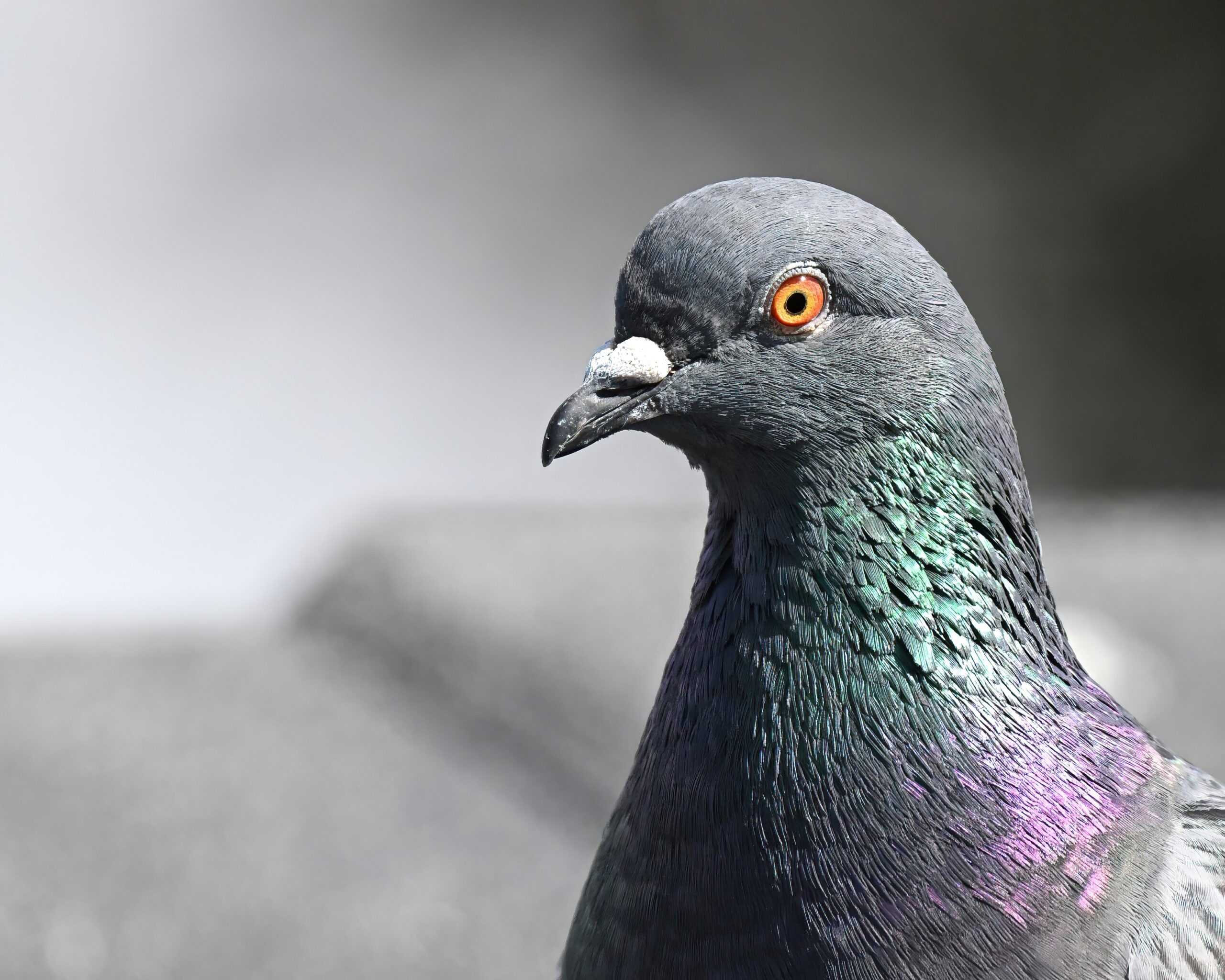
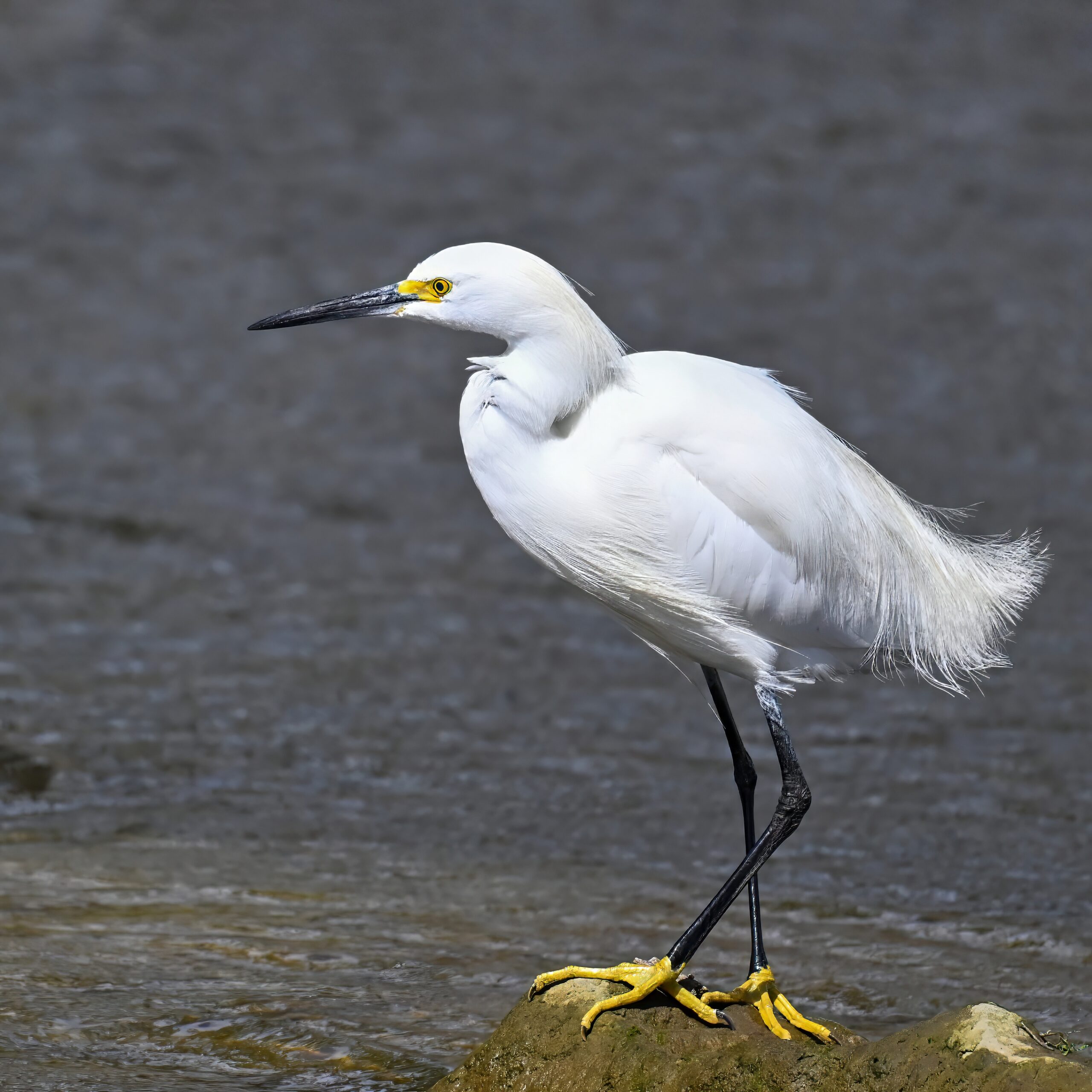
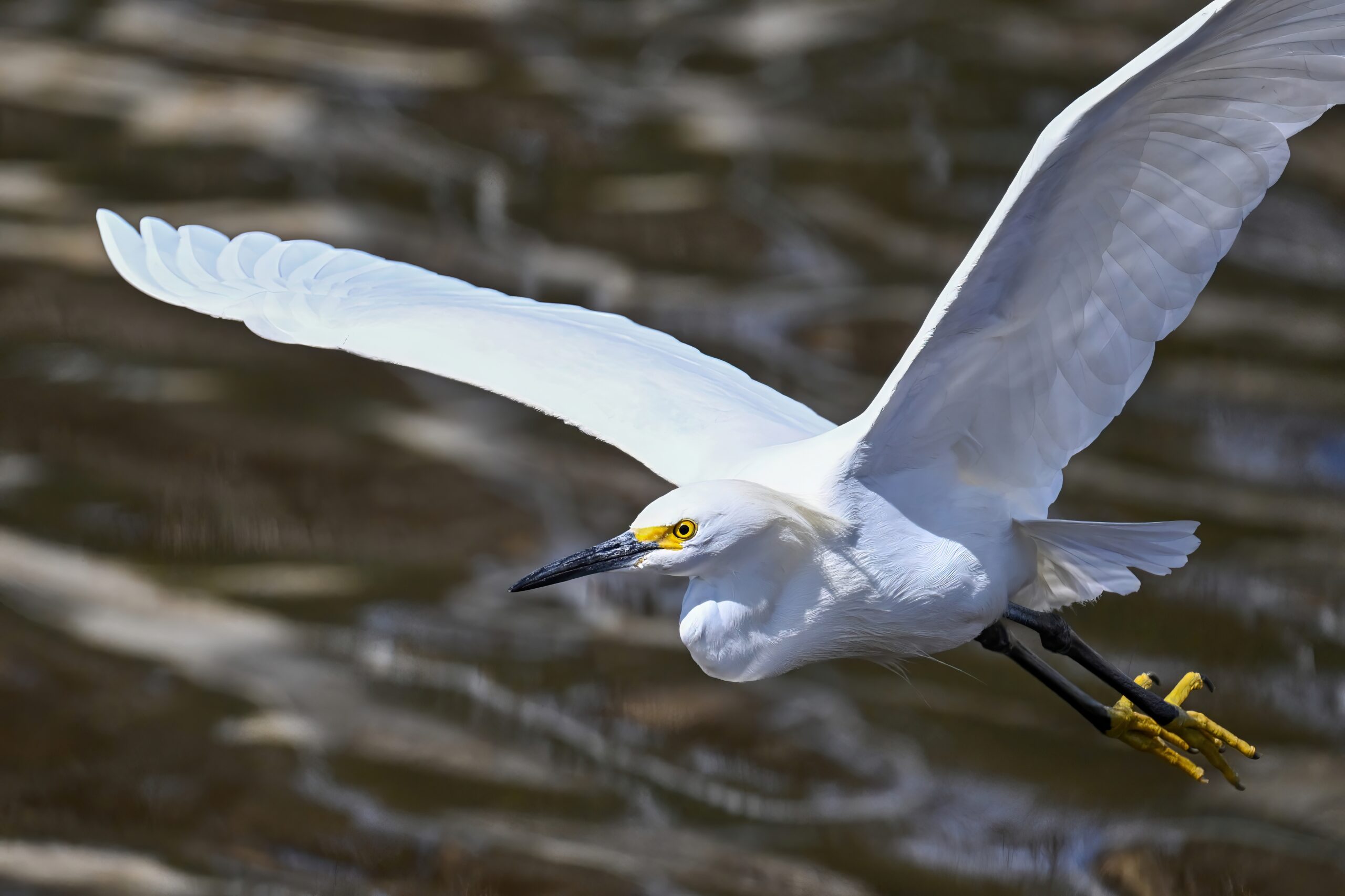
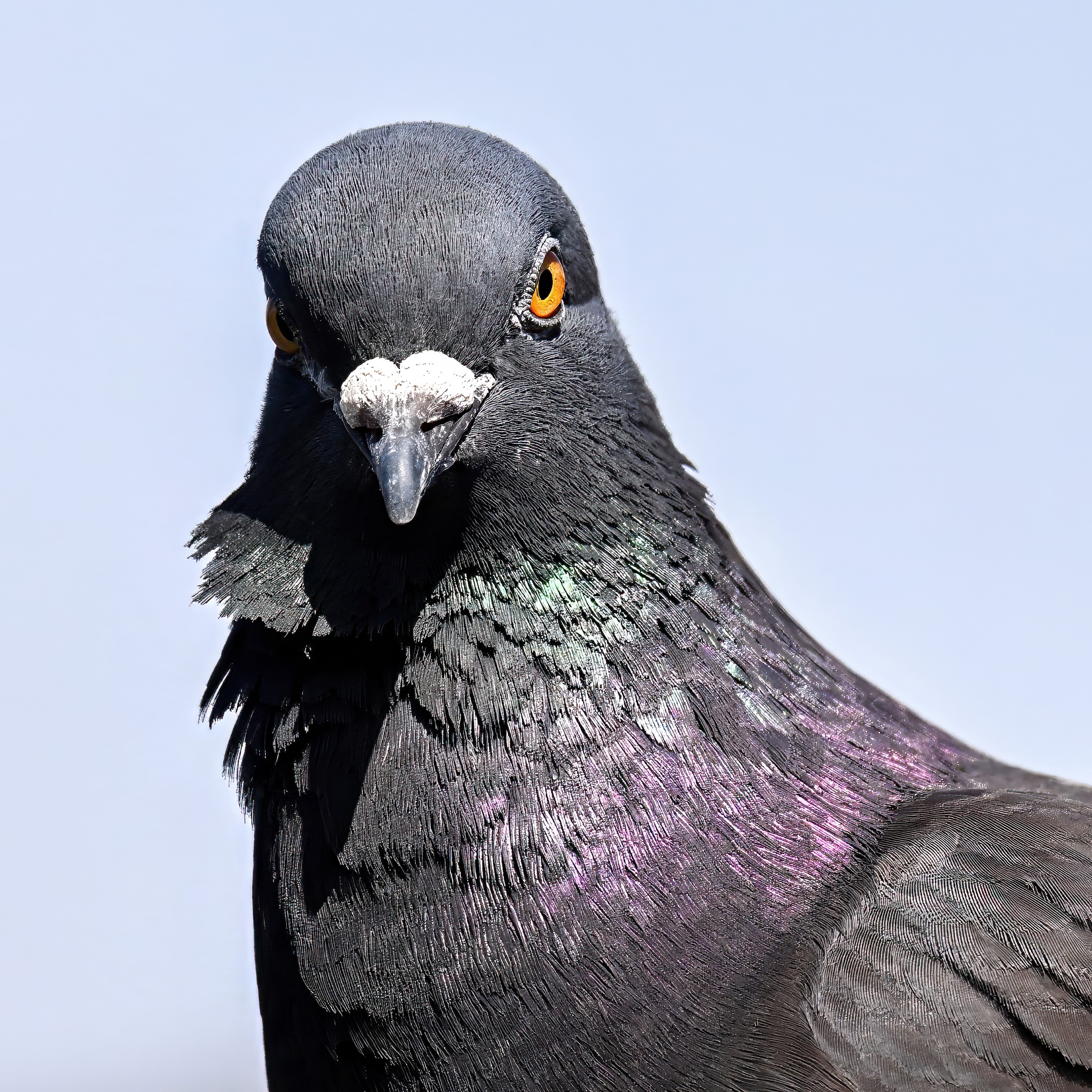
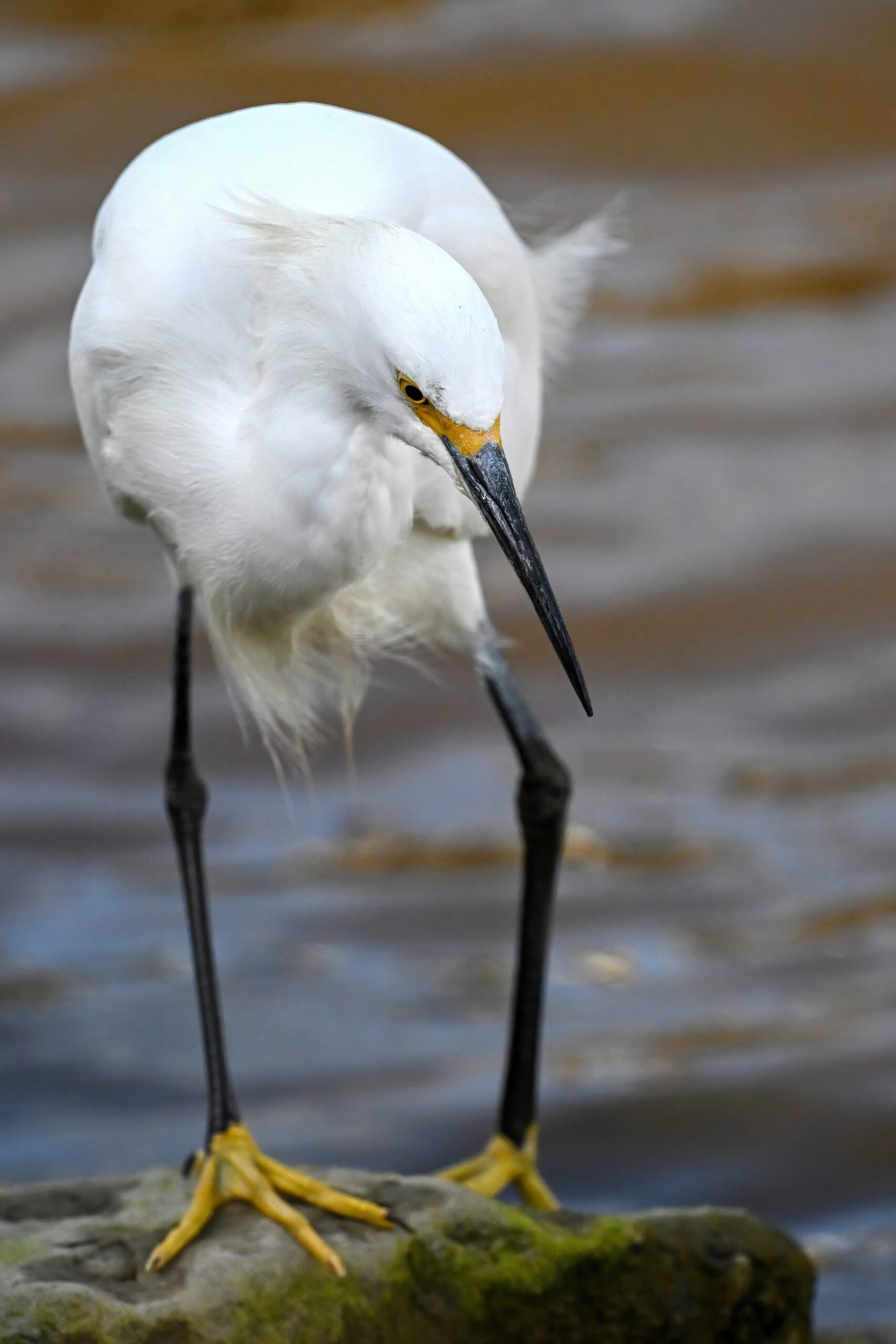
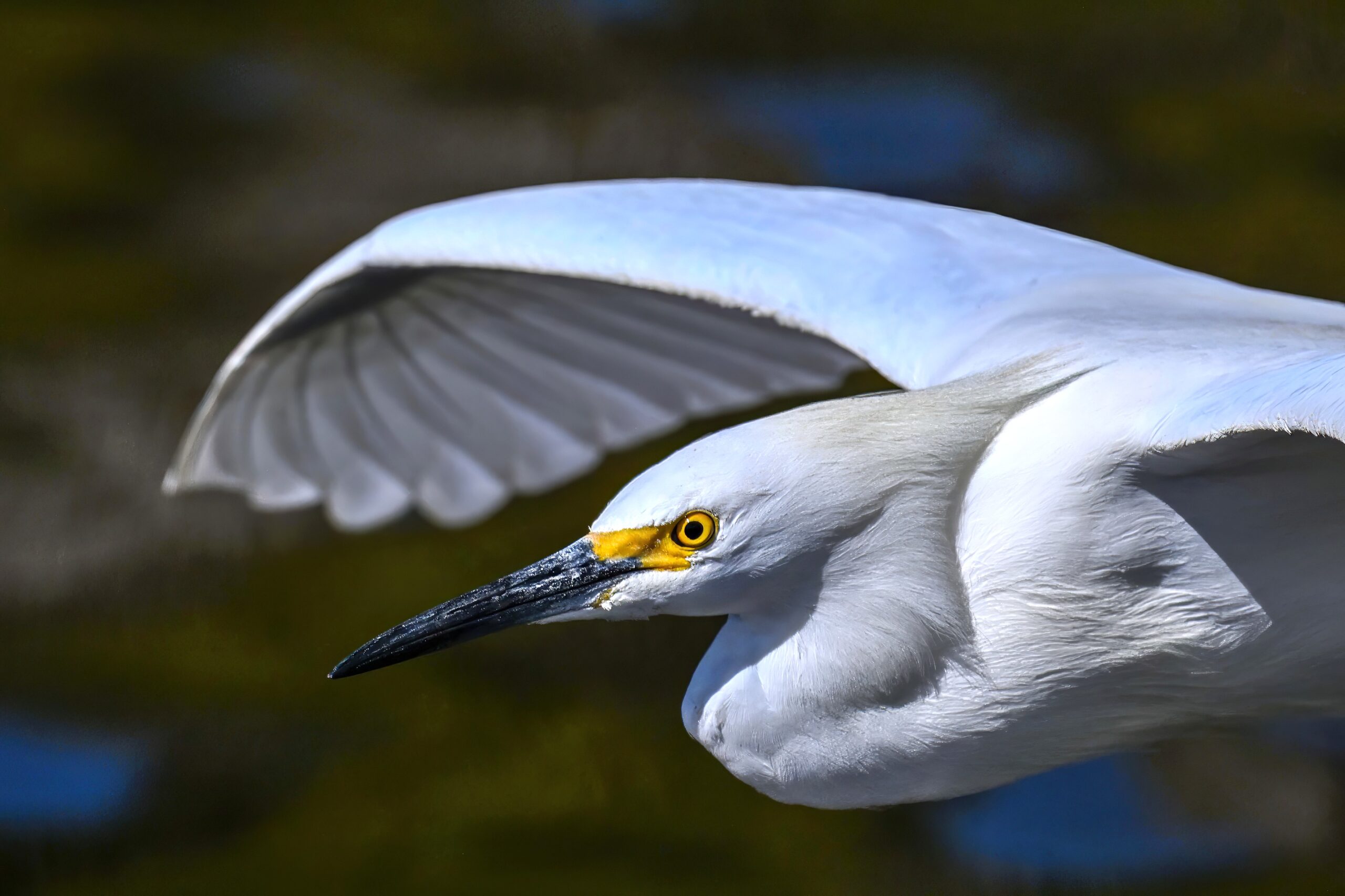
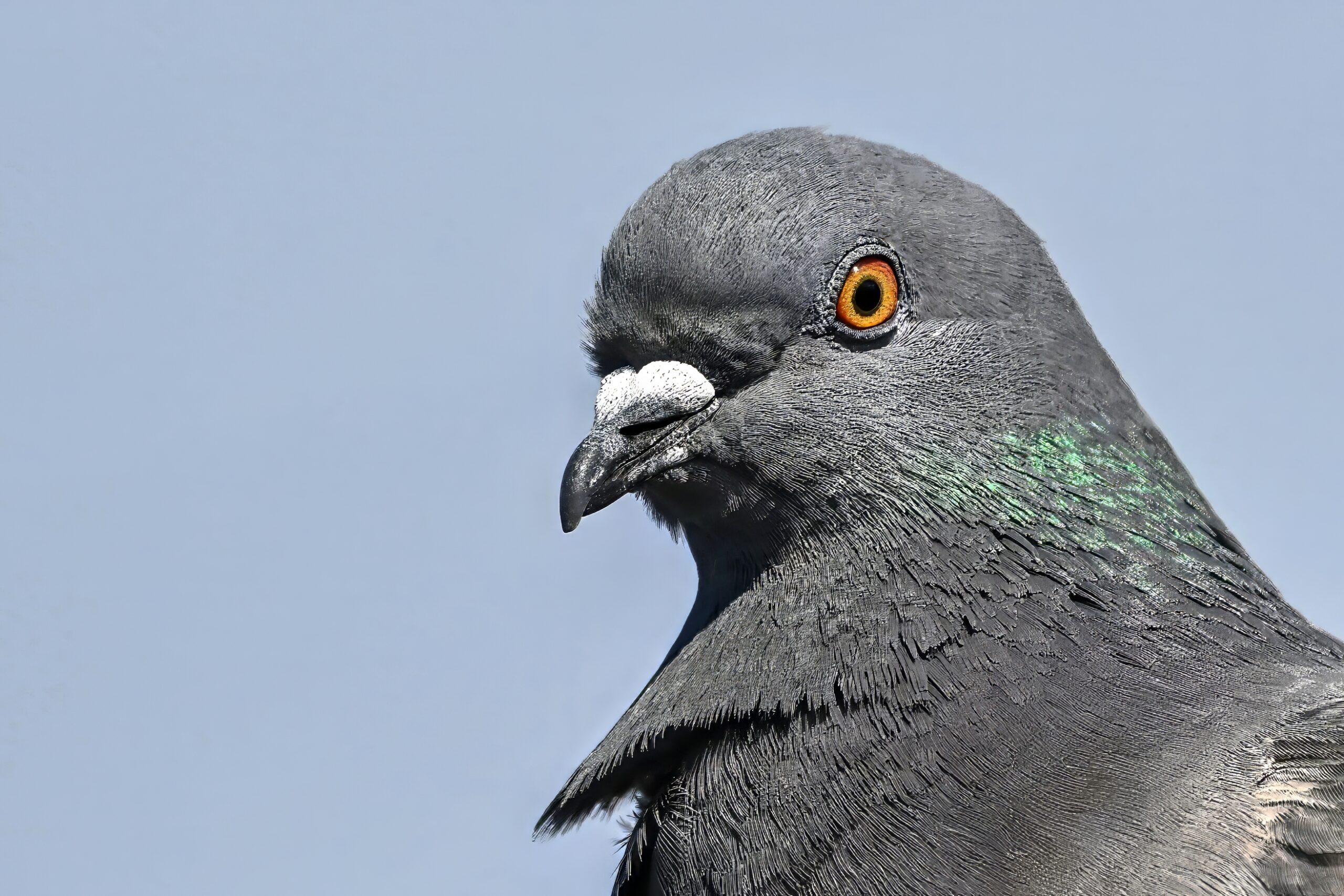
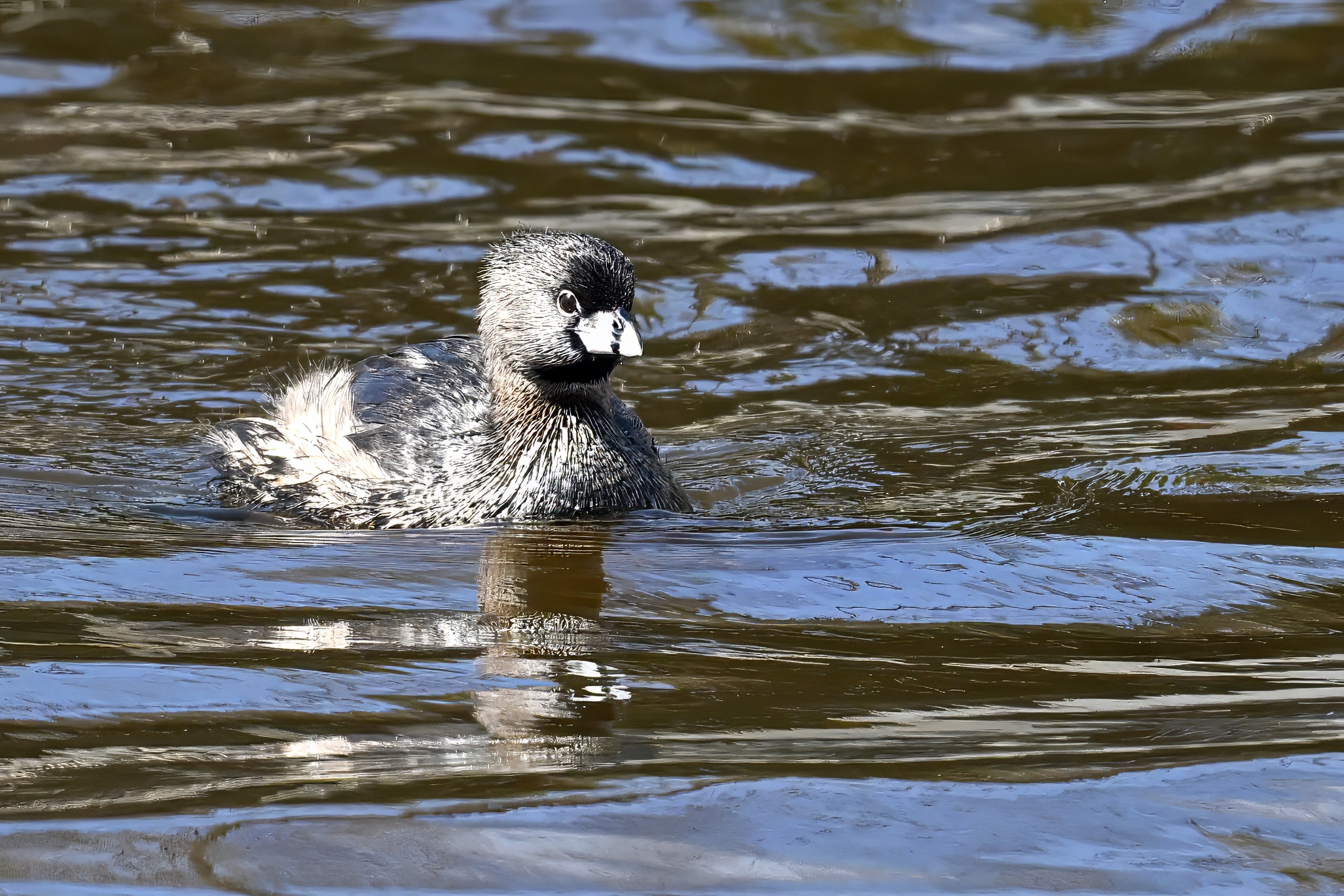
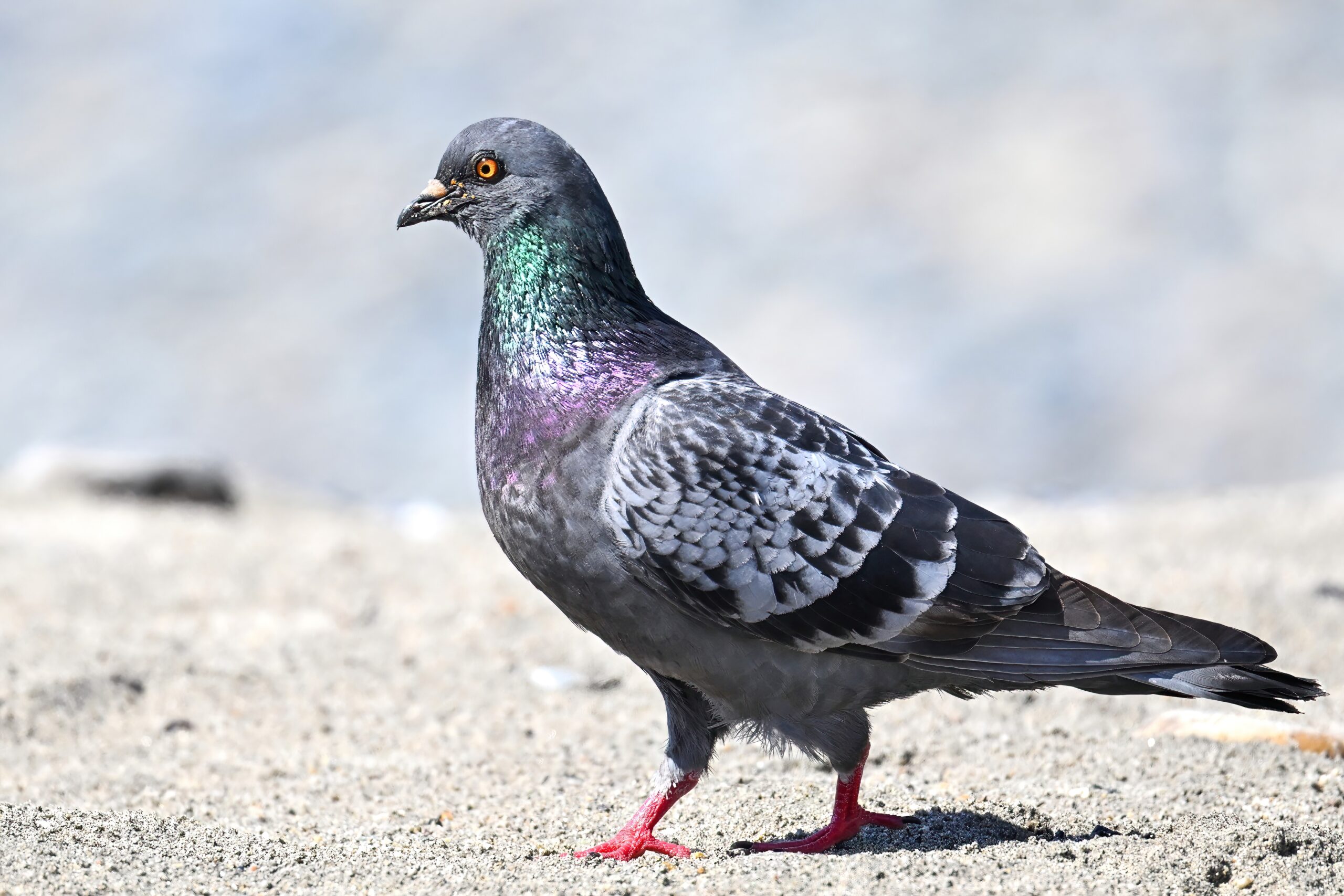
Pigeons in Erie County, Pennsylvania are mostly seen perched on buildings or power lines, rarely up close. Nice to see these ‘not so far away’ photographs. Same for Snowy Egret – quite uncommon in Erie.
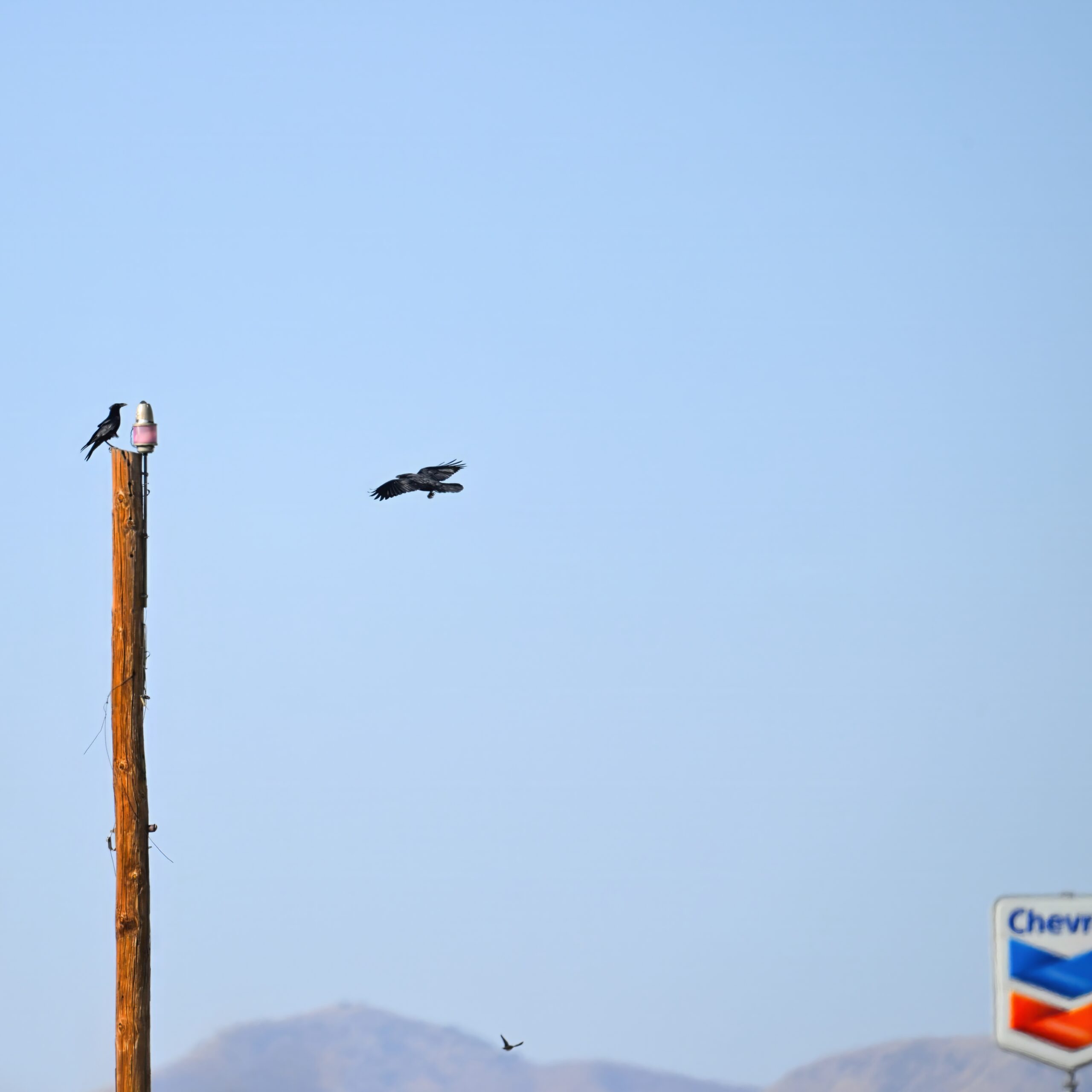
A special report from BirdingPI.com staff stationed last week near the Interstate 10 Chevron station on the west side of Wilcox, Arizona. “Only BirdingPI.com brings you coverage of the Wilcox, Arizona Chevron station!”
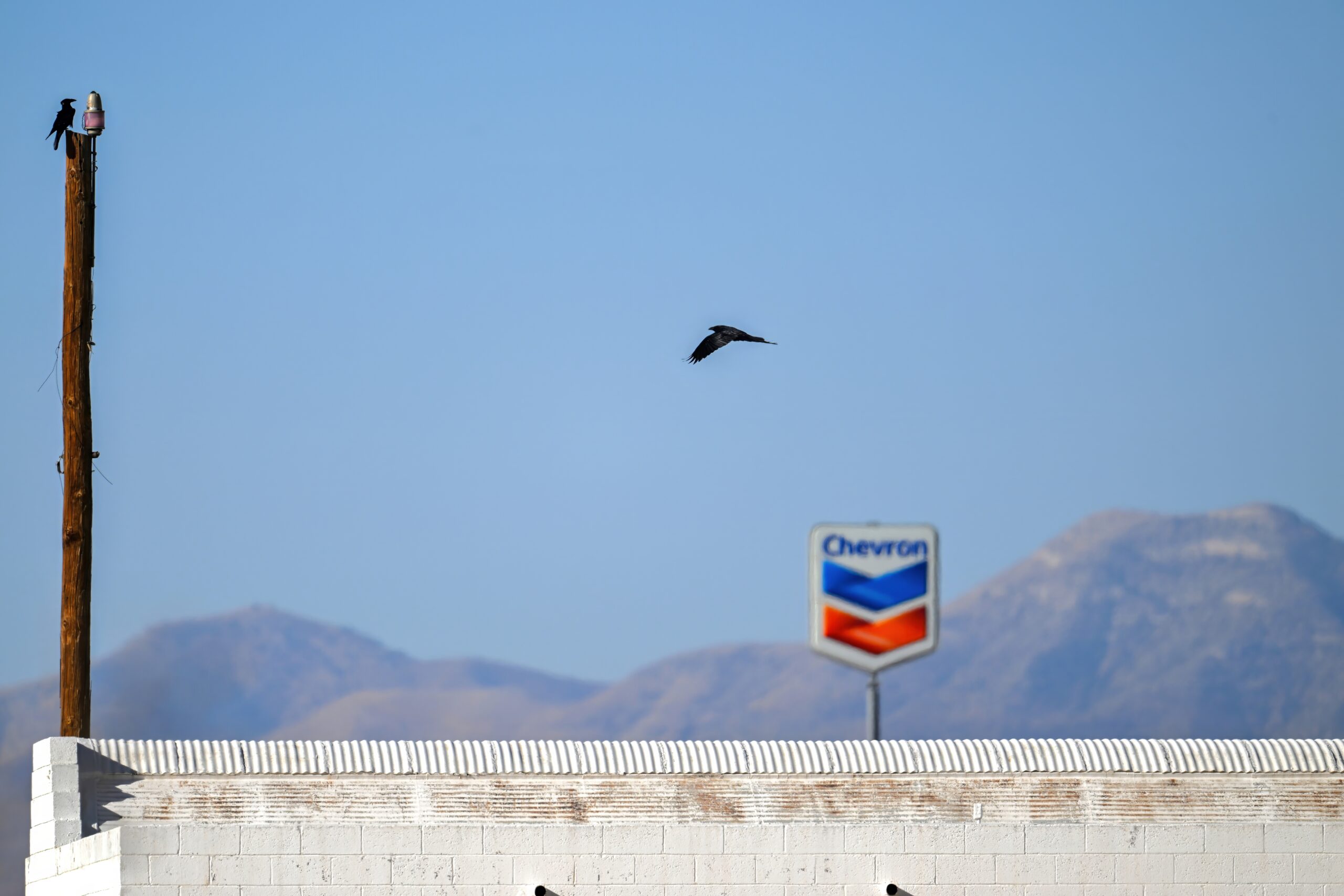
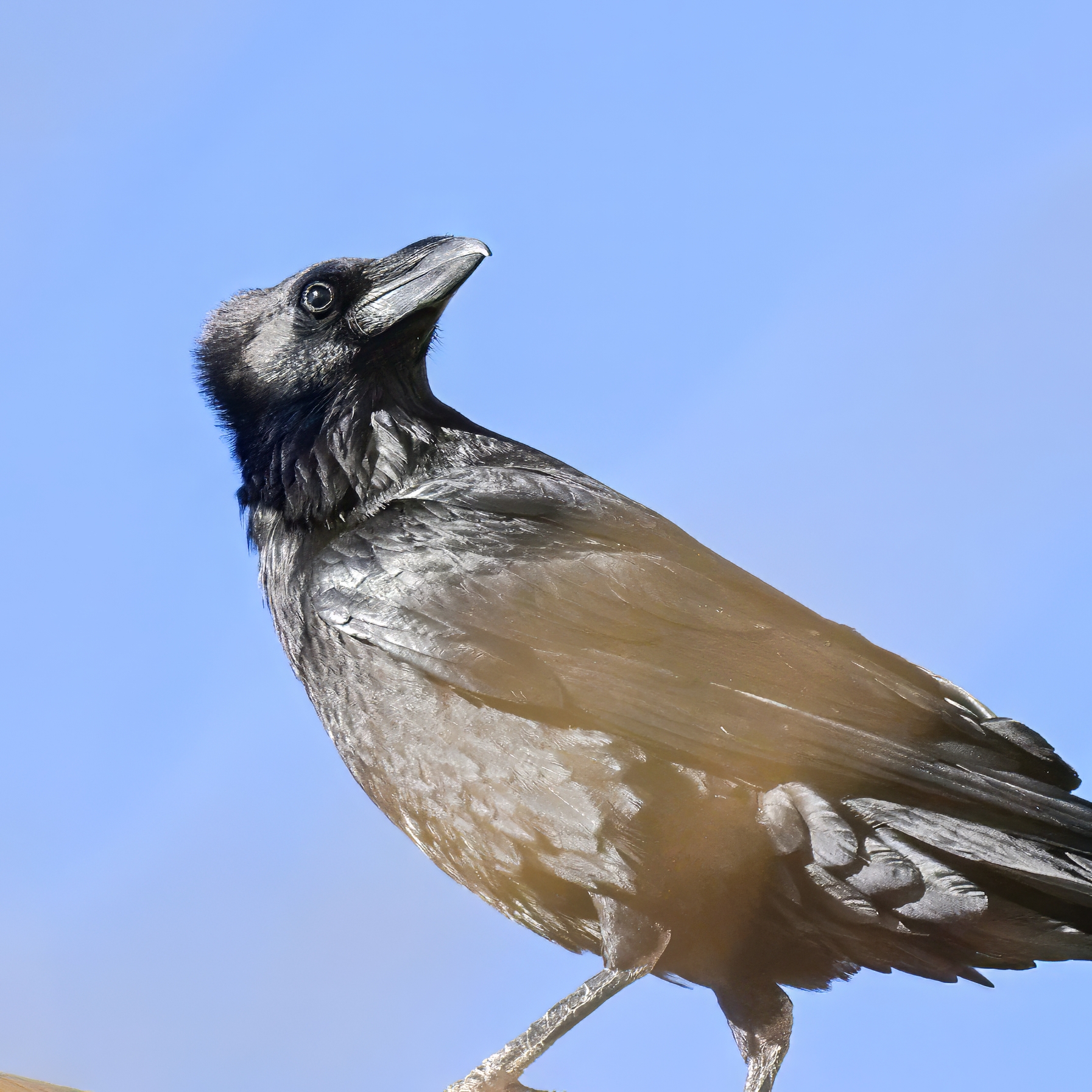
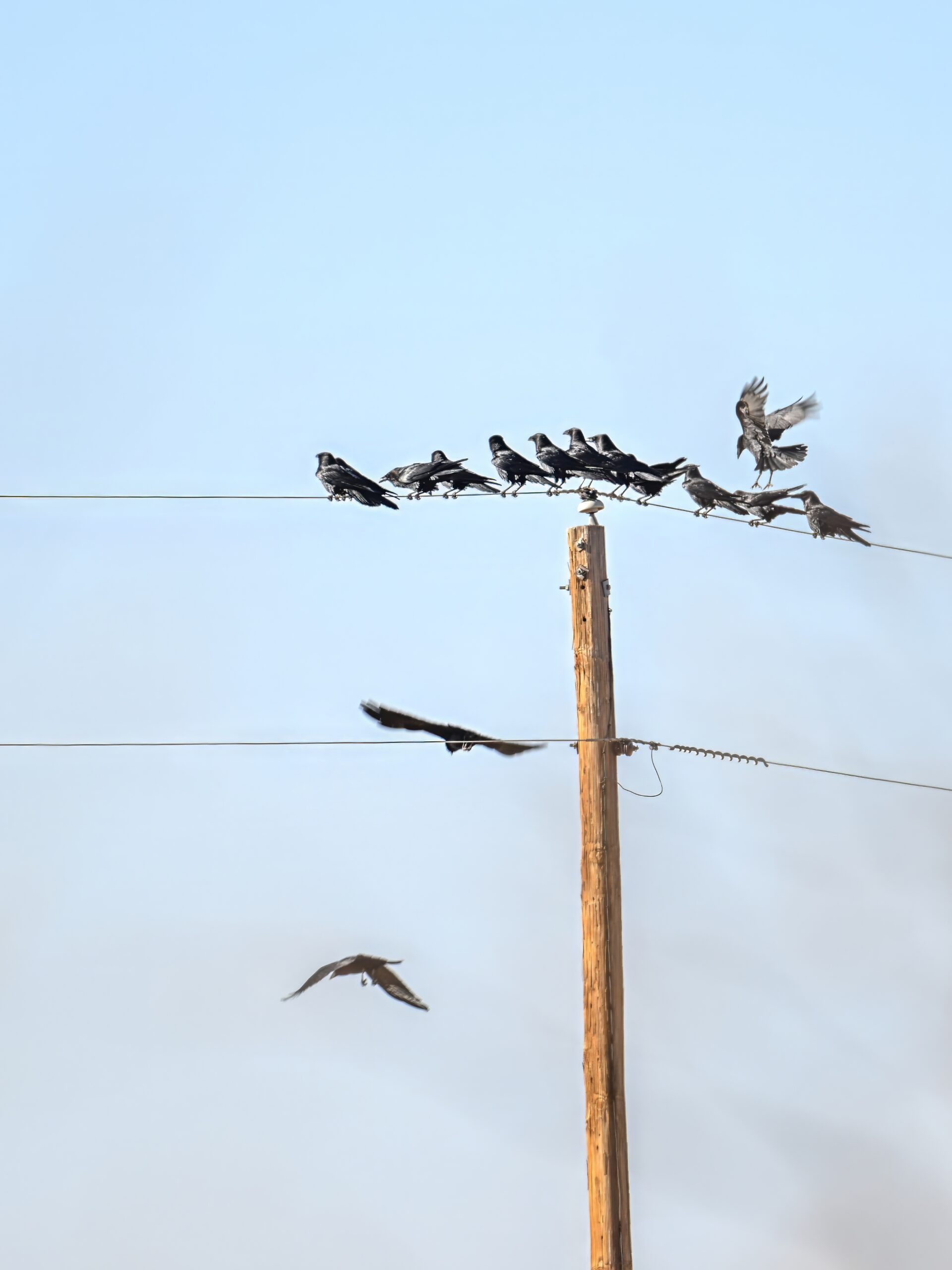
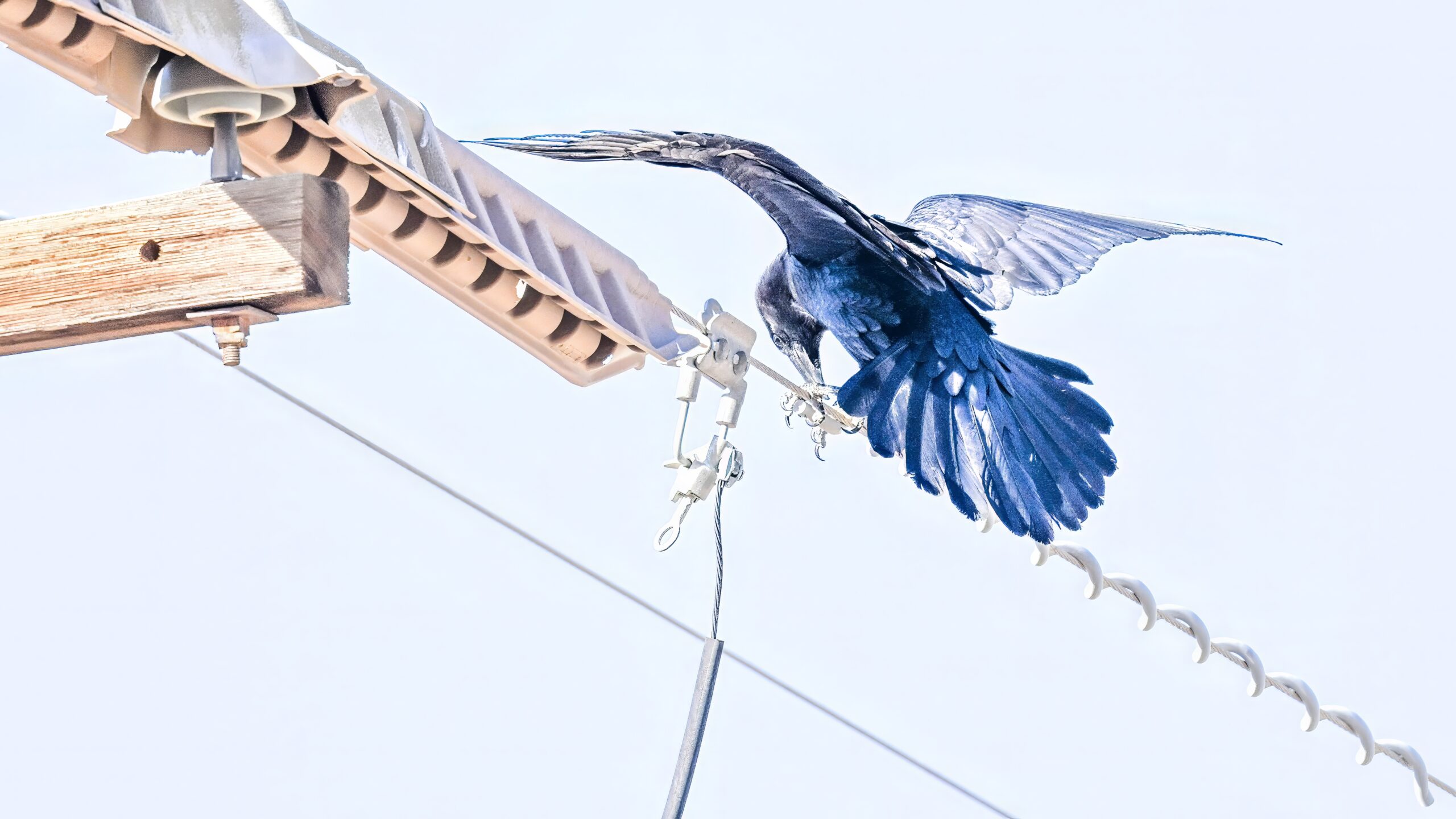
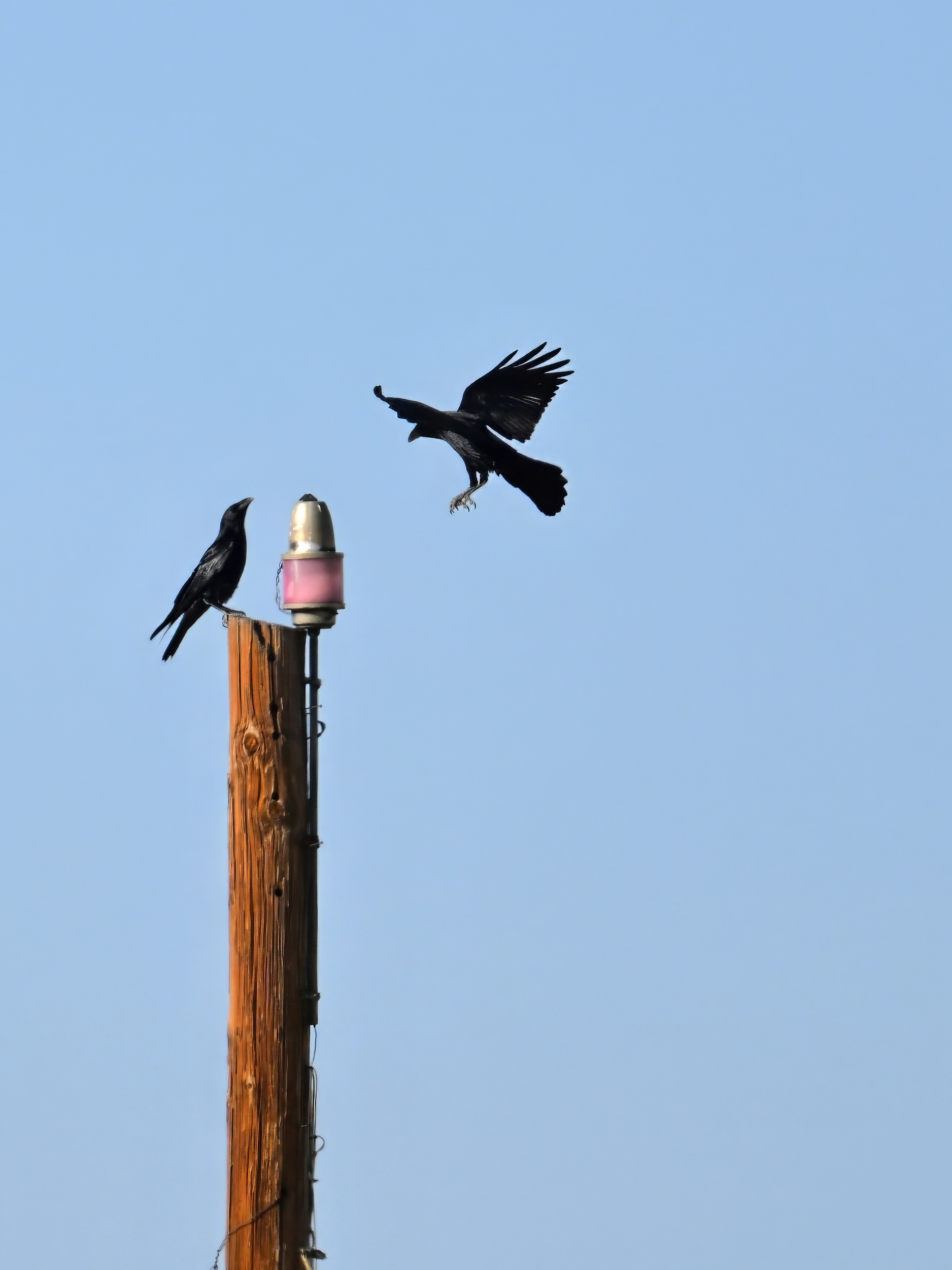
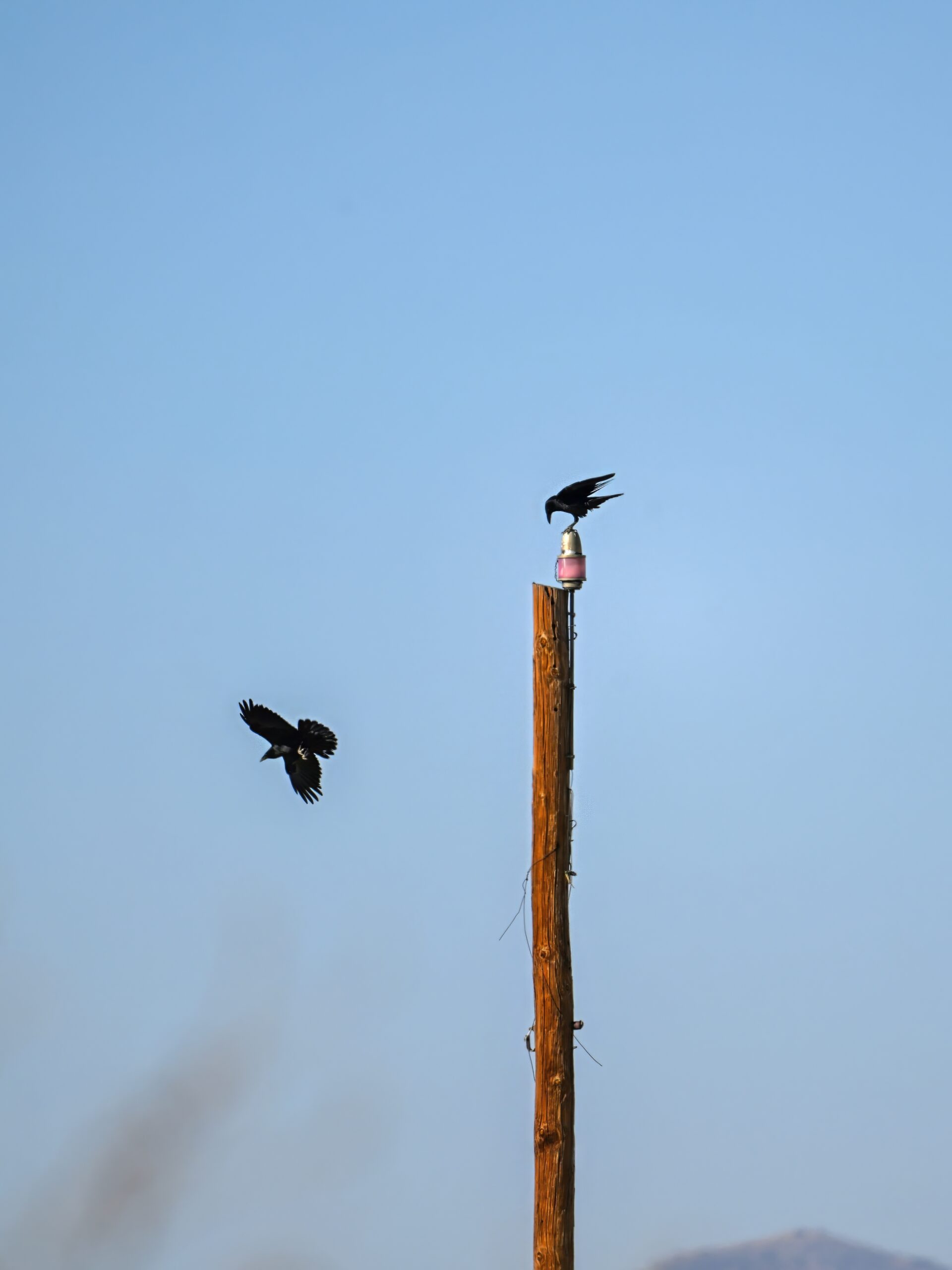
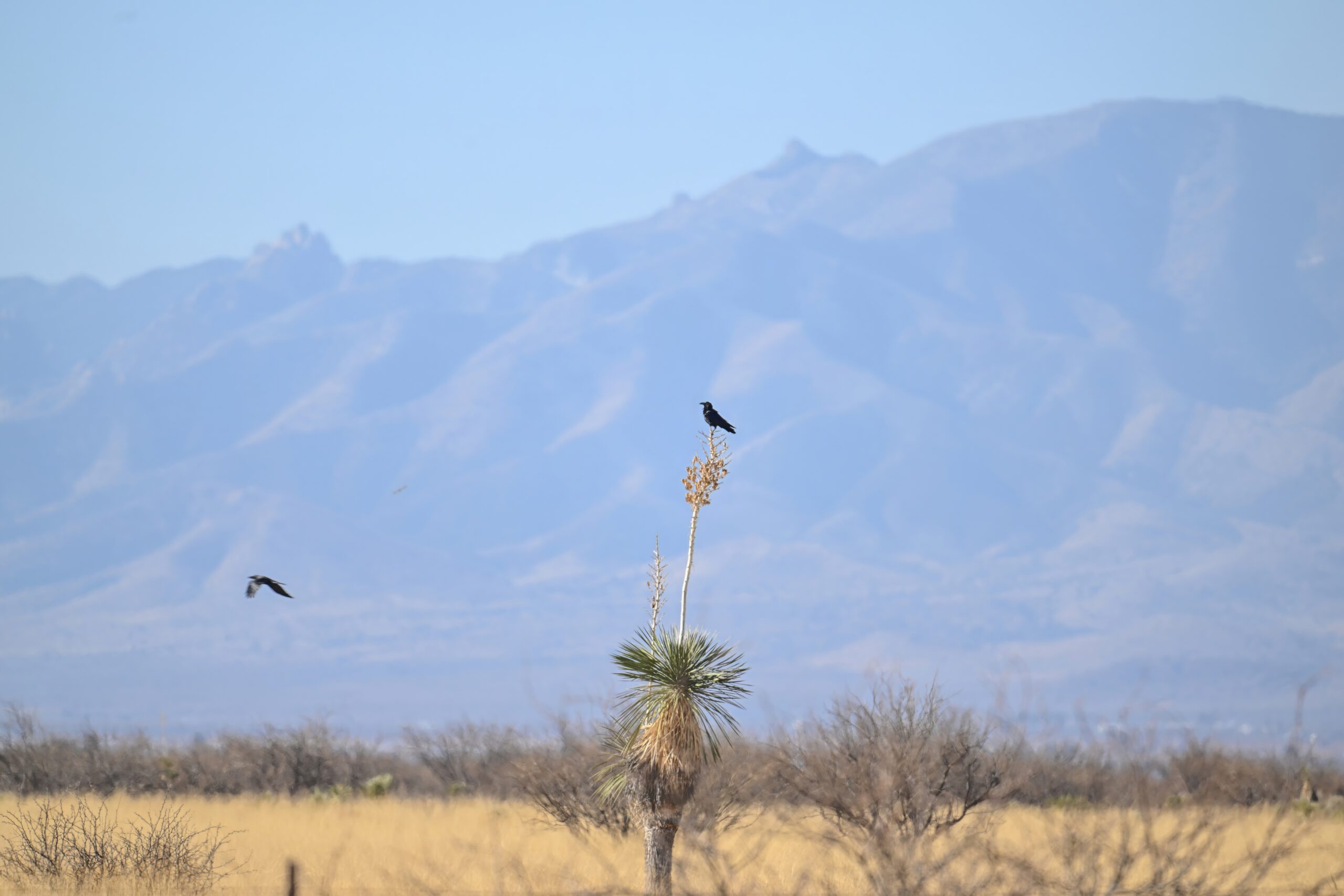
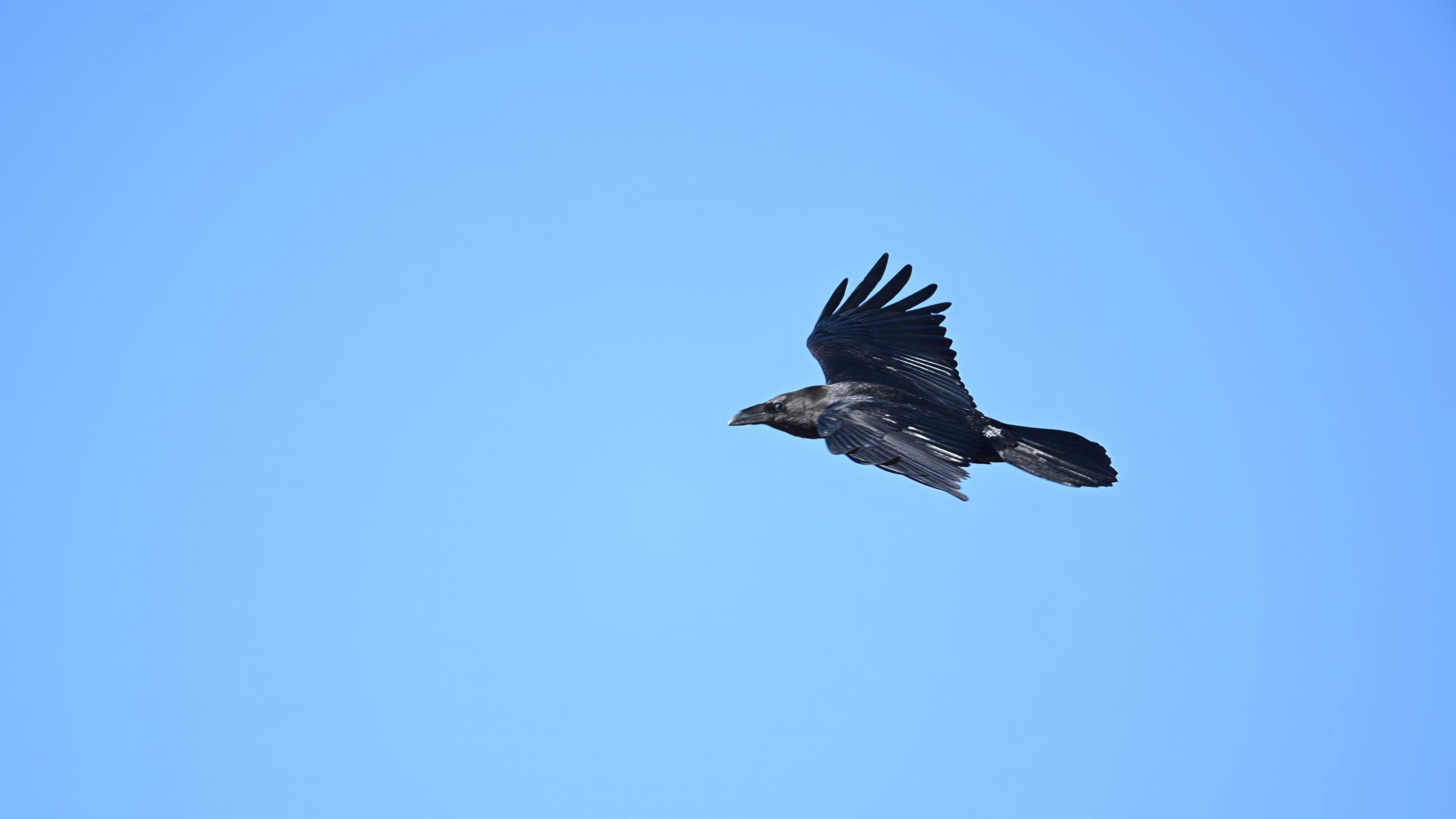
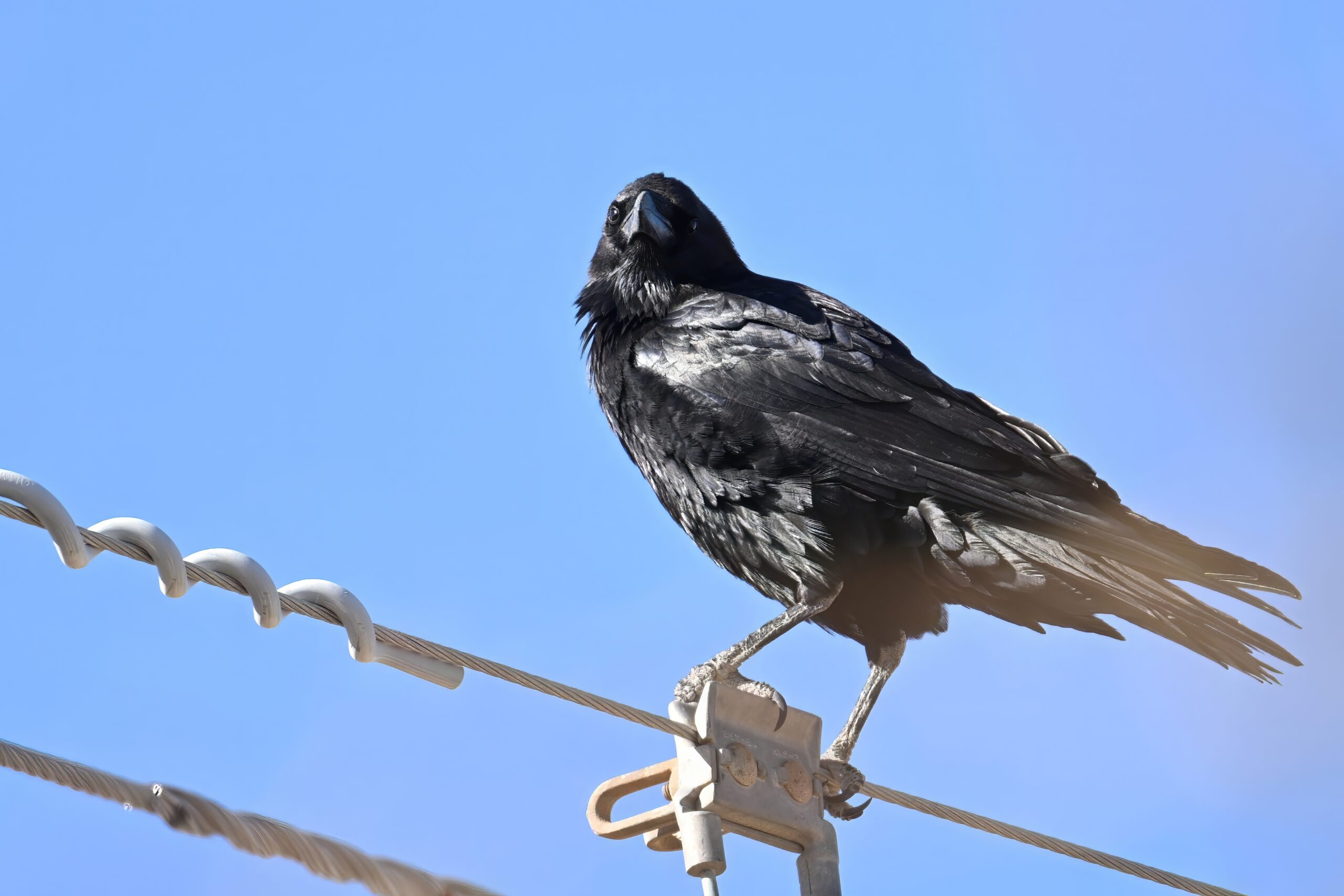
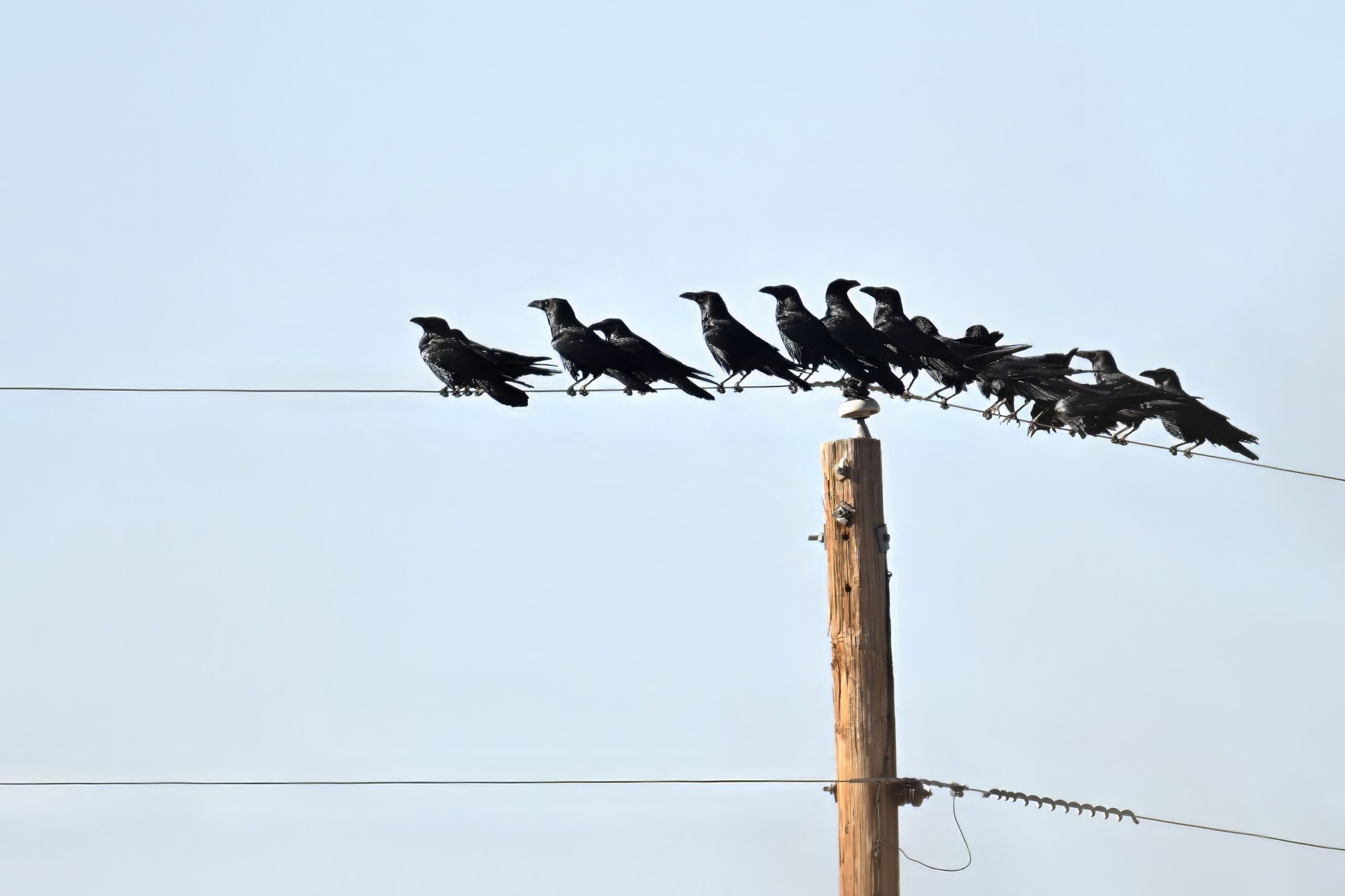
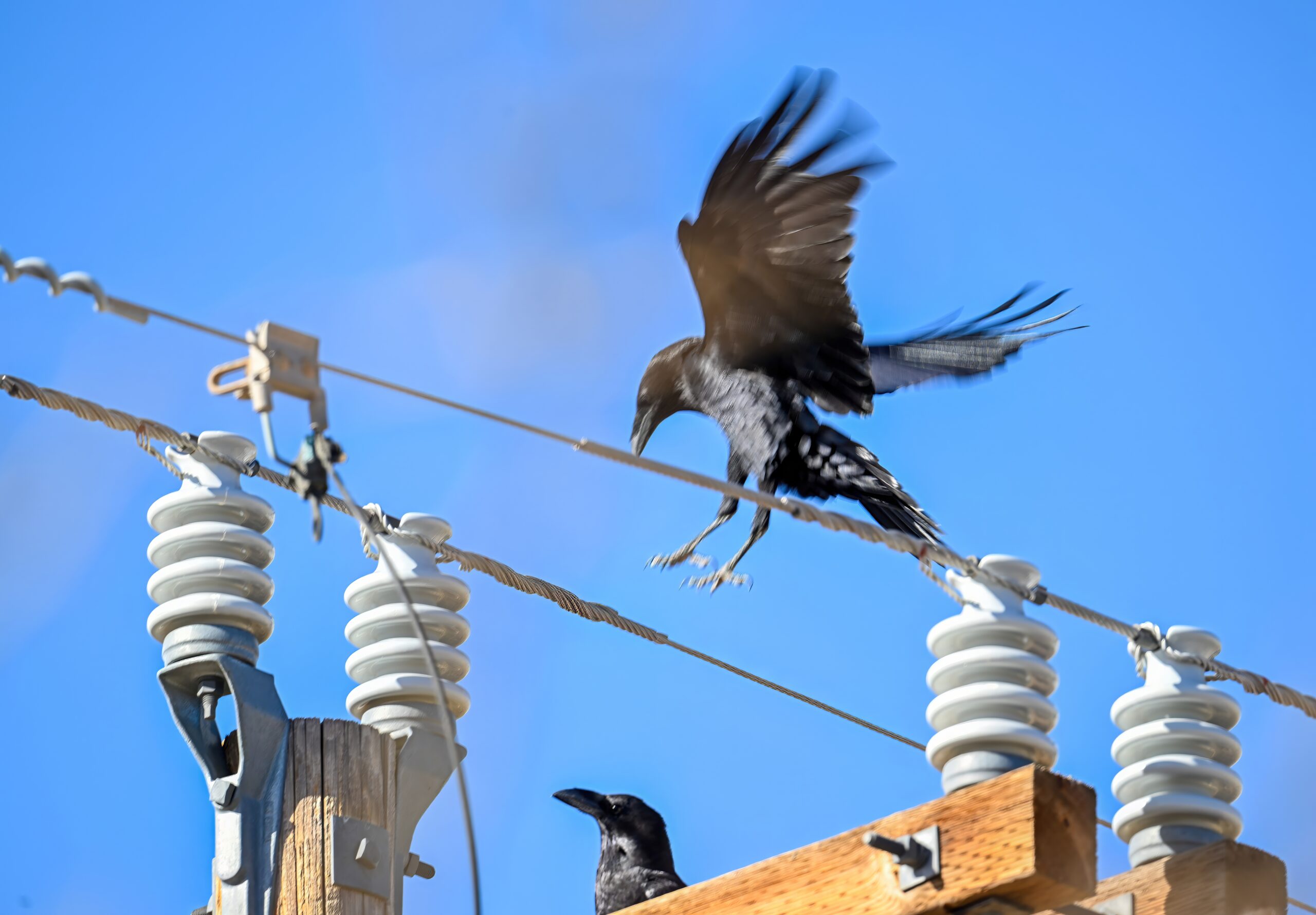
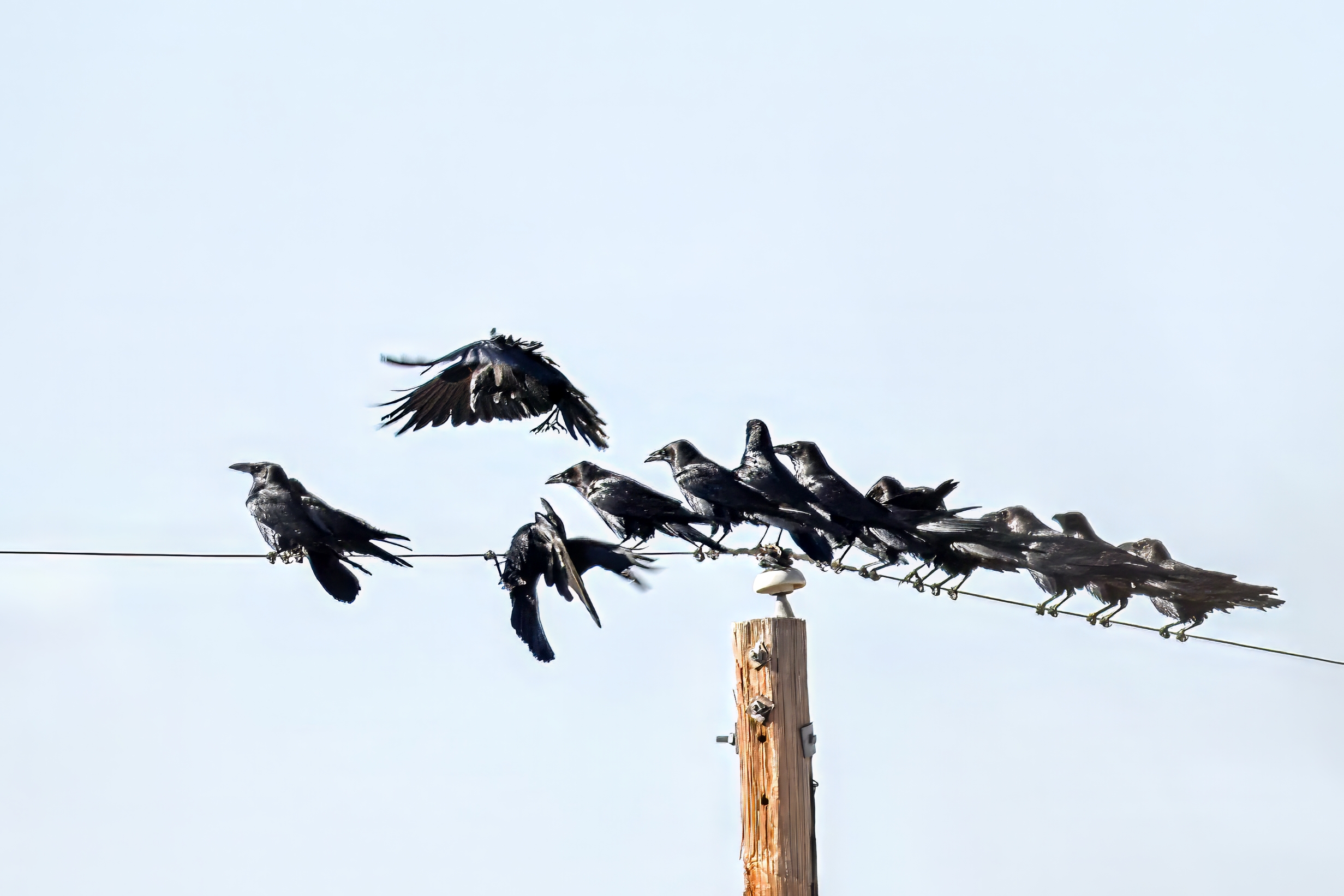
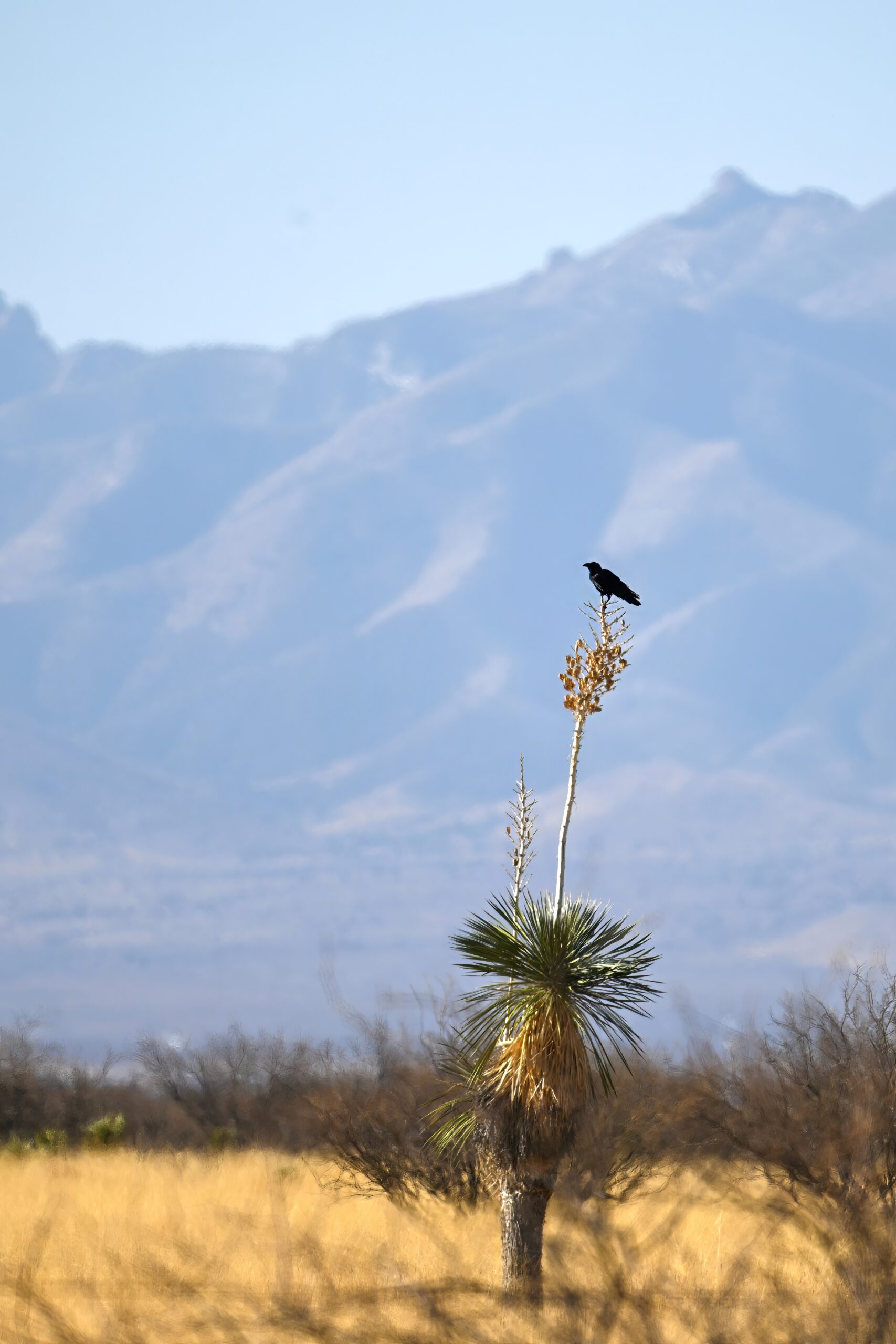
Wilcox, AZ: located in southeastern Arizona in a high desert plain, w/ the Dragoon Mountains to the southwest and the Chiricahua Mountains to the southeast, approx. 80 km (50 miles) from the border w/ New Mexico. Convenient to famous seasonal migration (e.g., Sandhill Crane) ‘hotspots’ Wilcox Playa and Whitewater Draw (for example). Also great for regional species like the amazing Chihuahuan Raven:
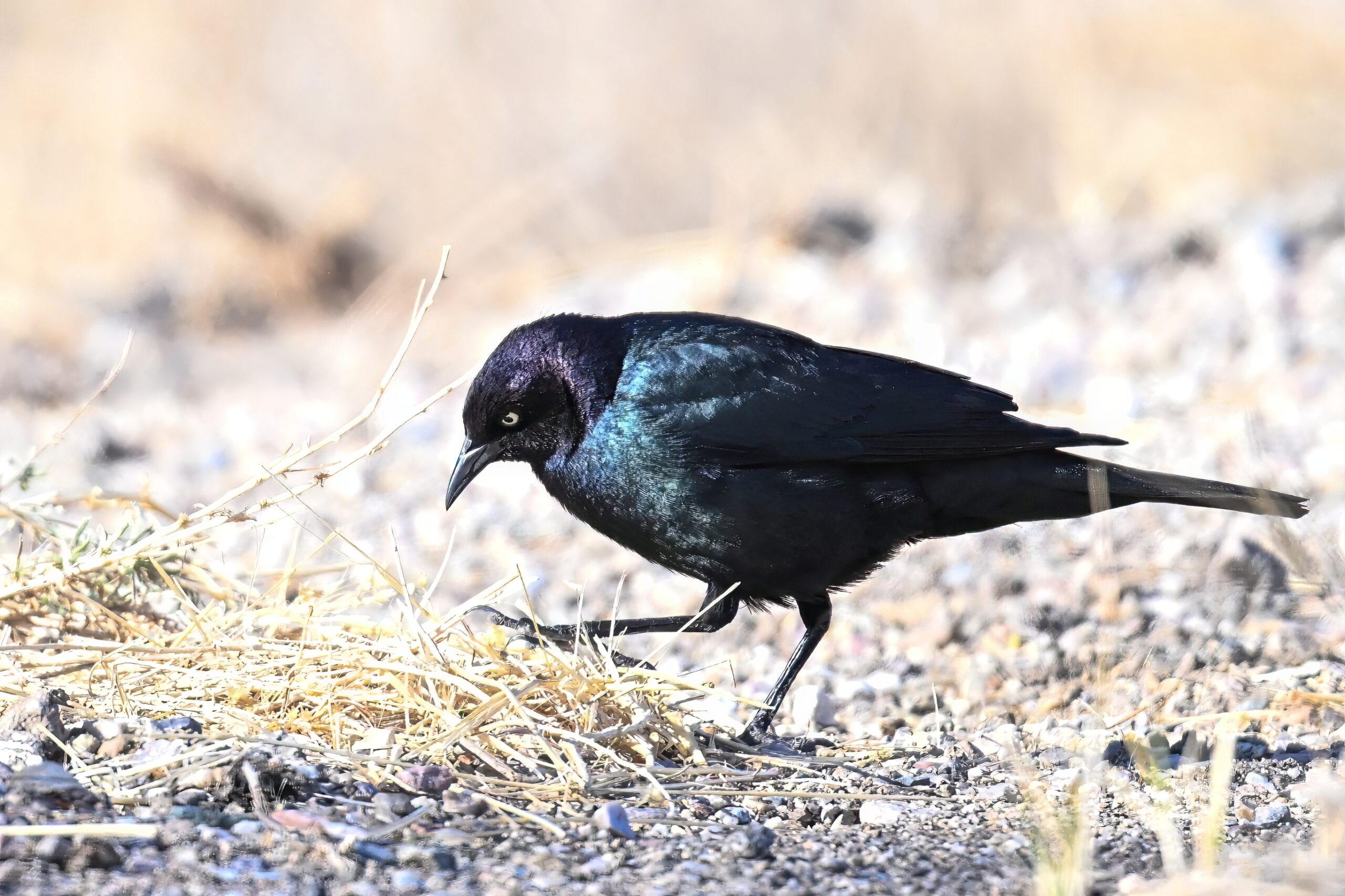
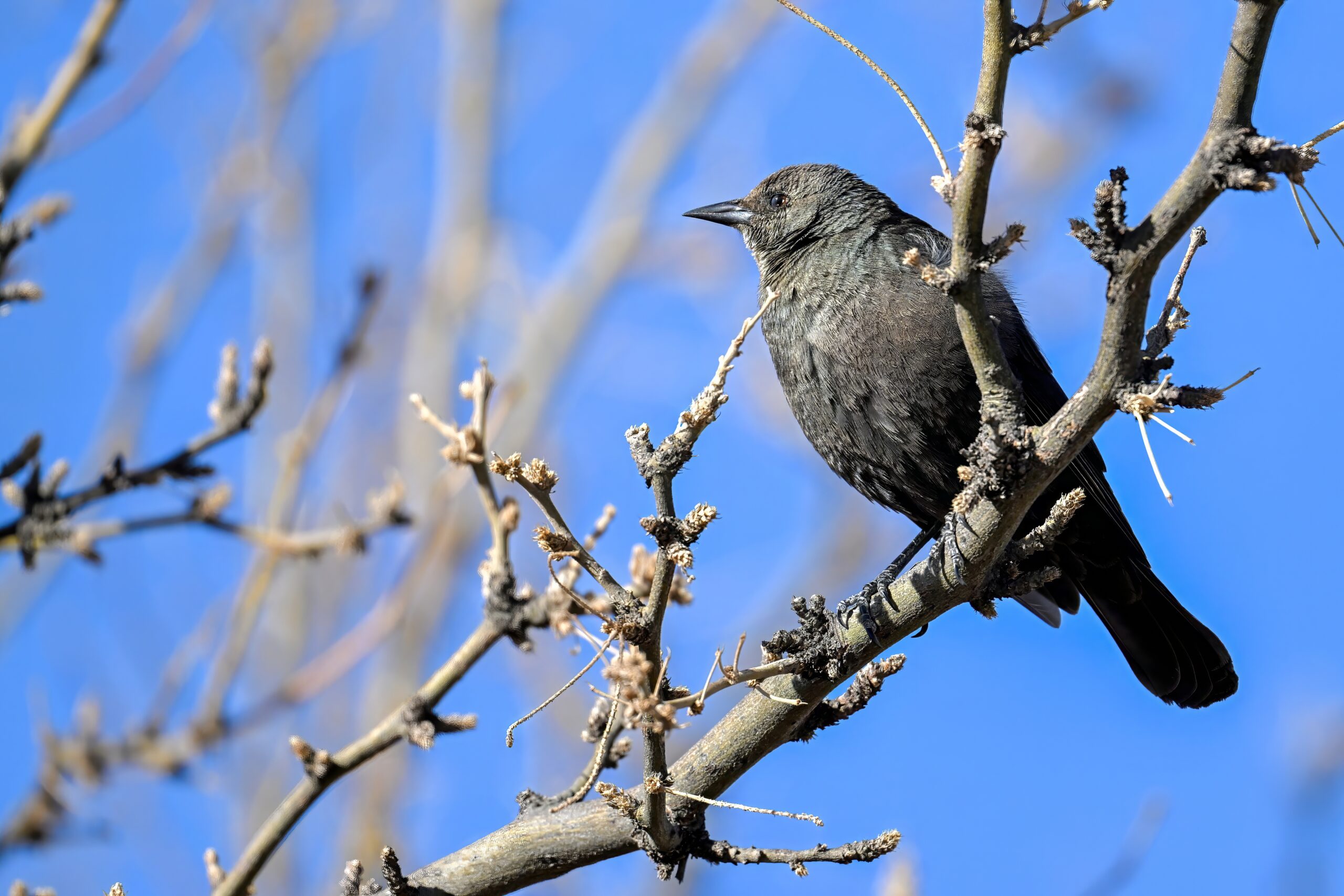
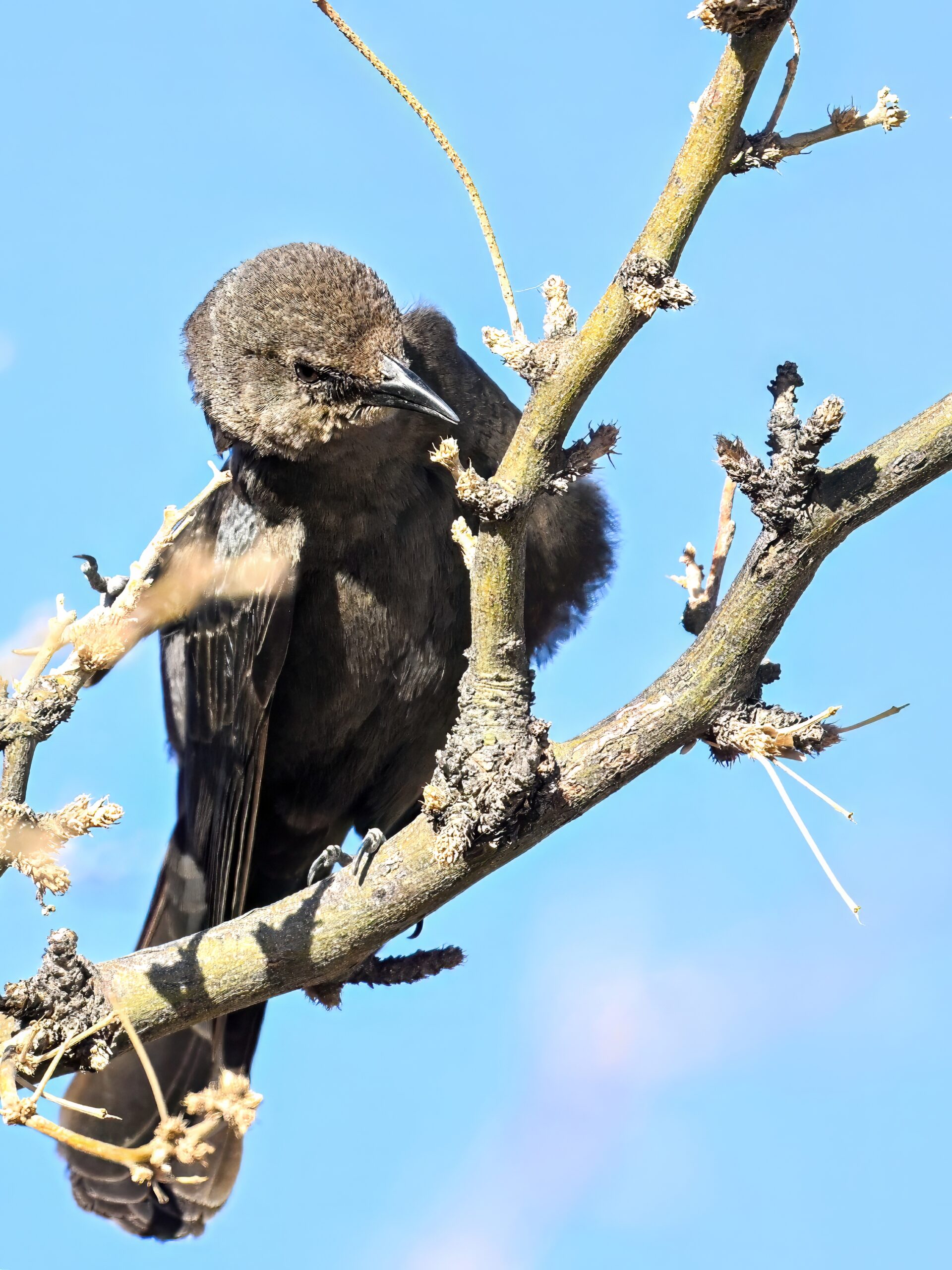
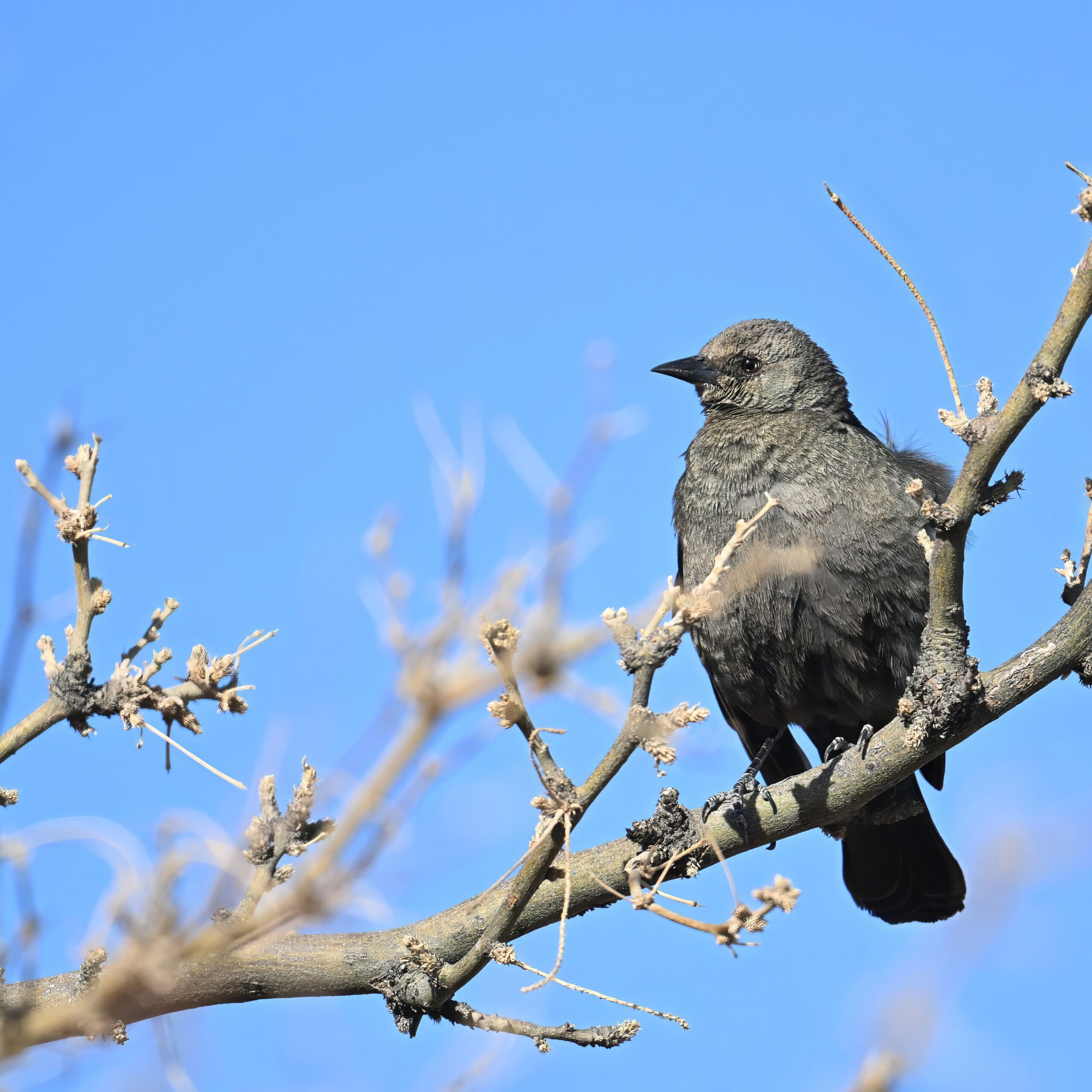
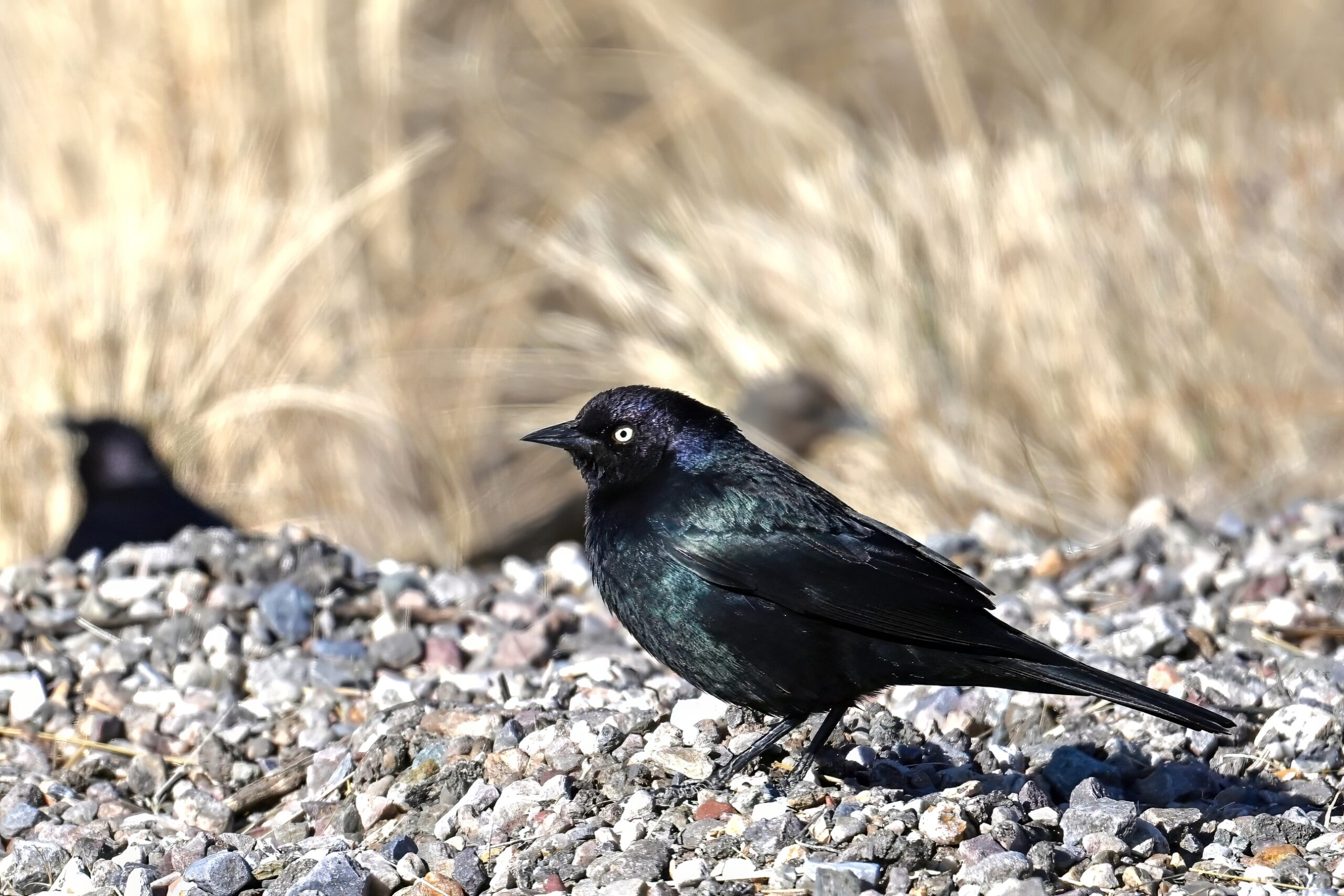
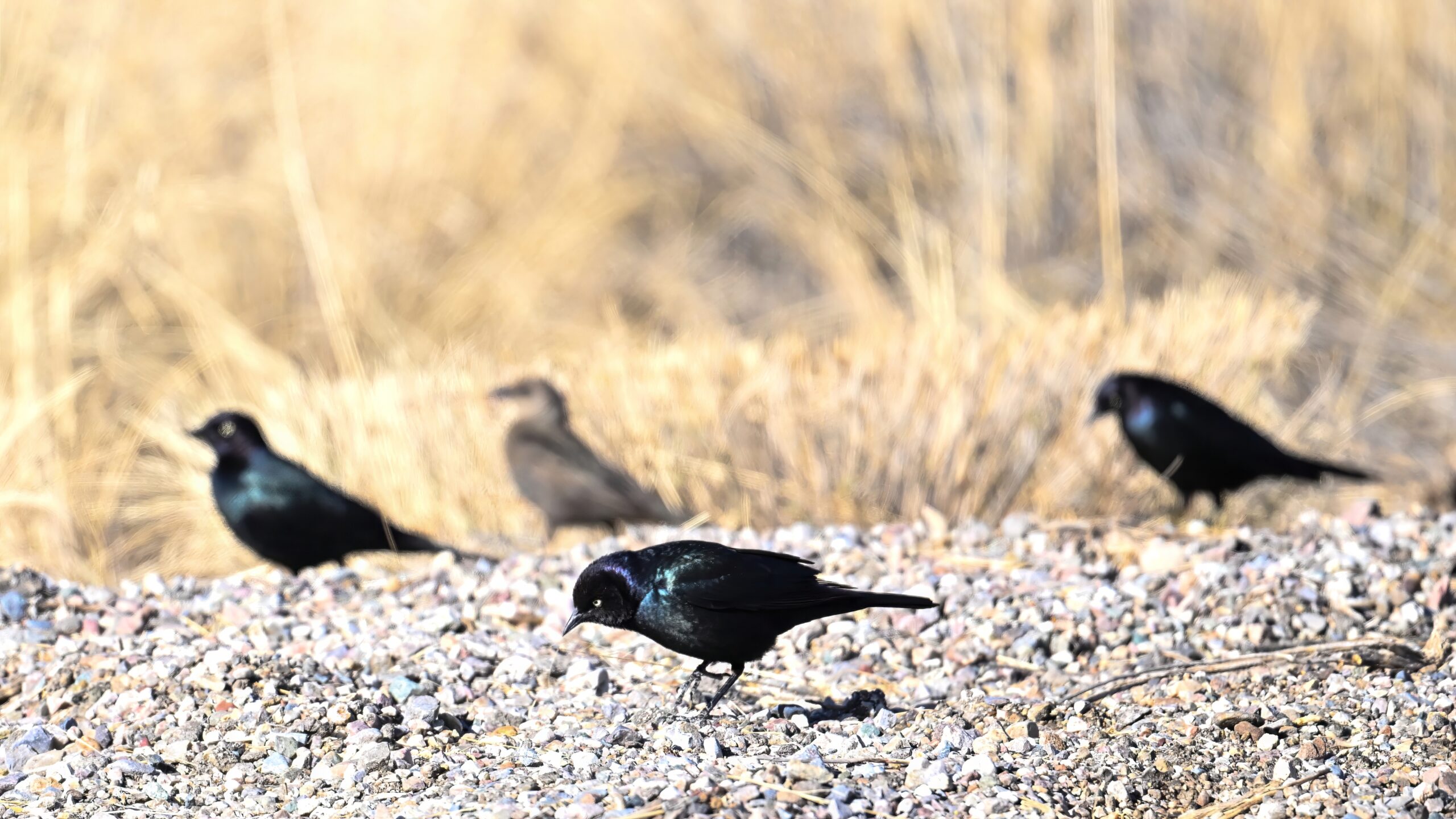
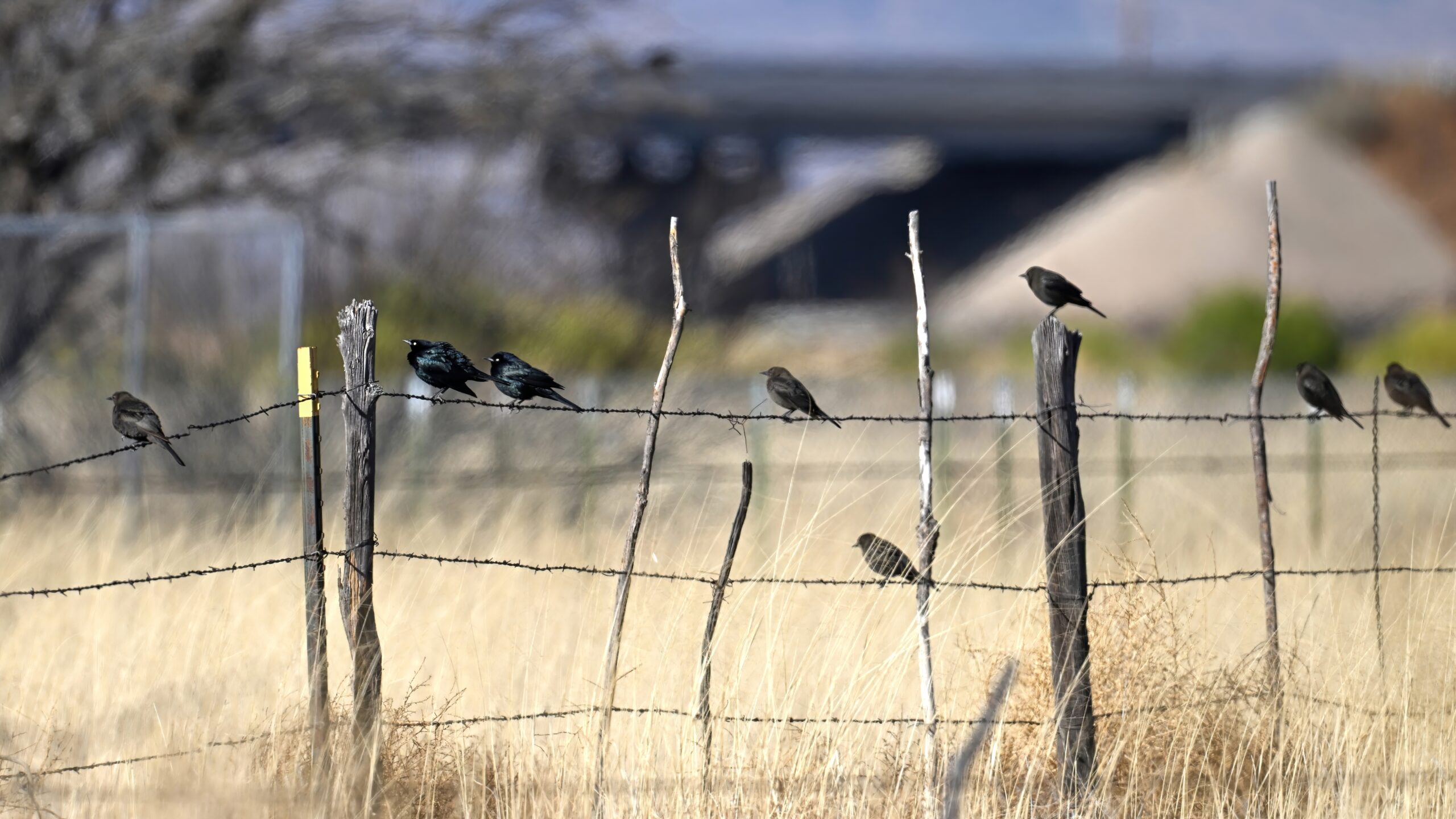
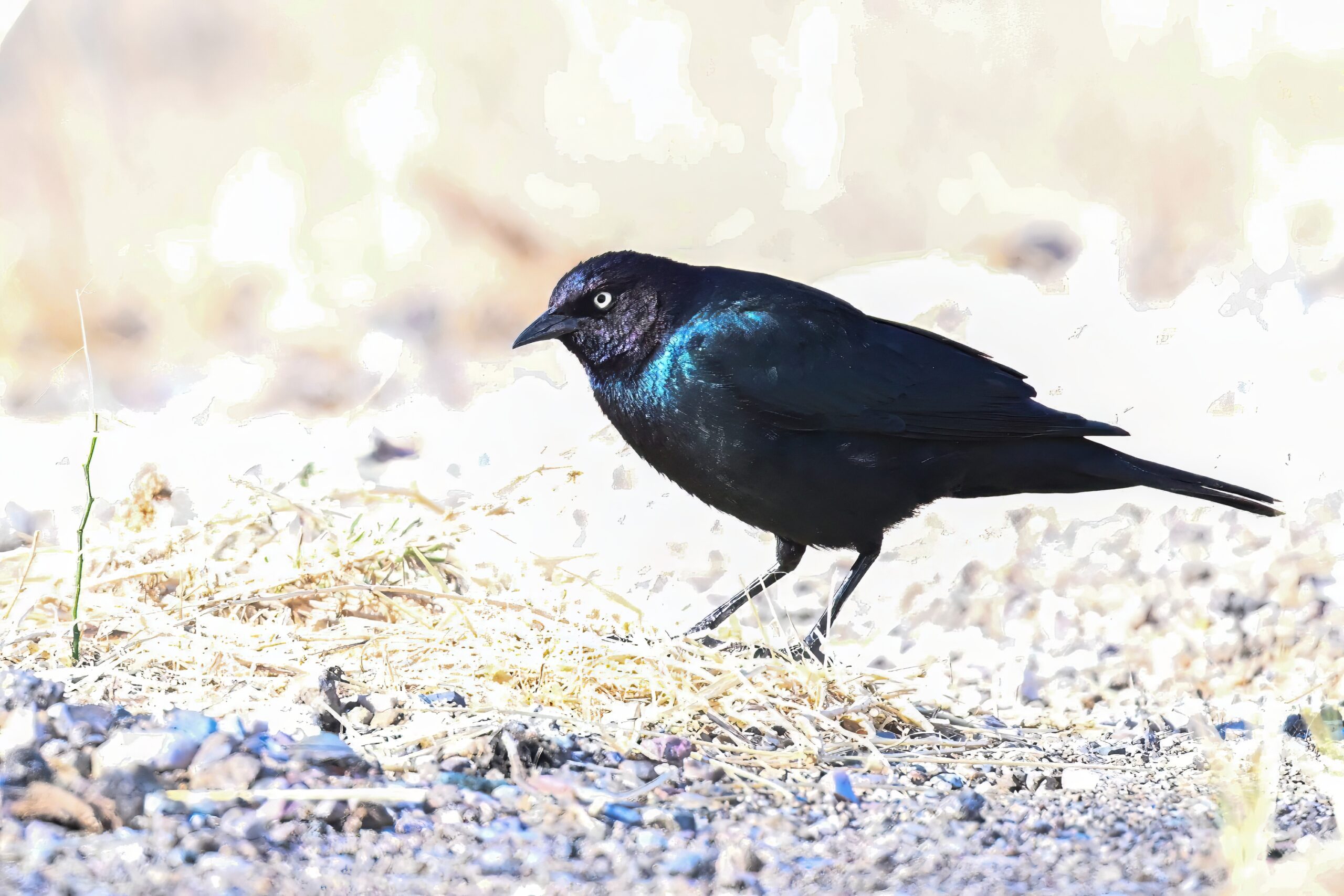
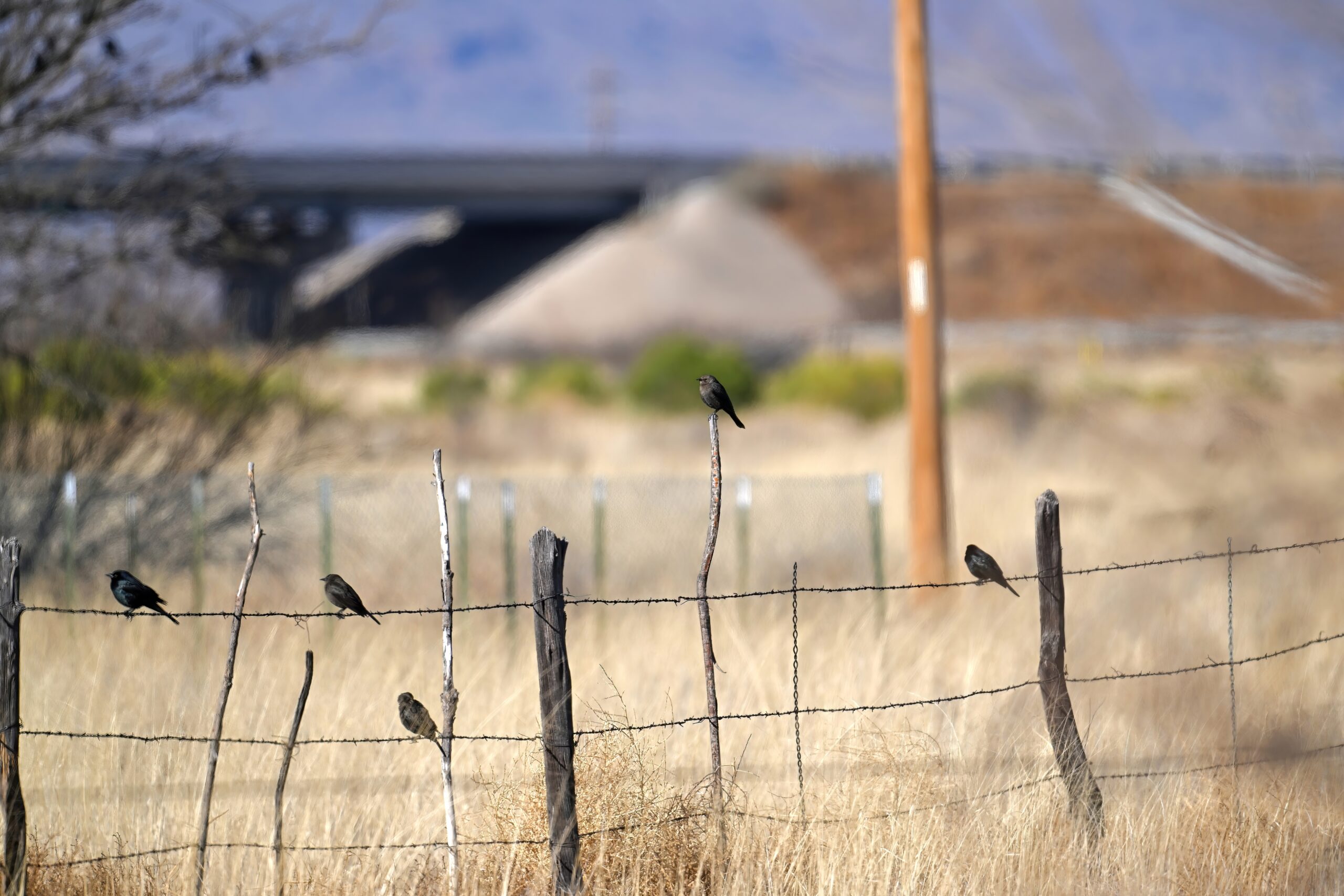
Also great for beautiful Brewer’s Blackbirds:
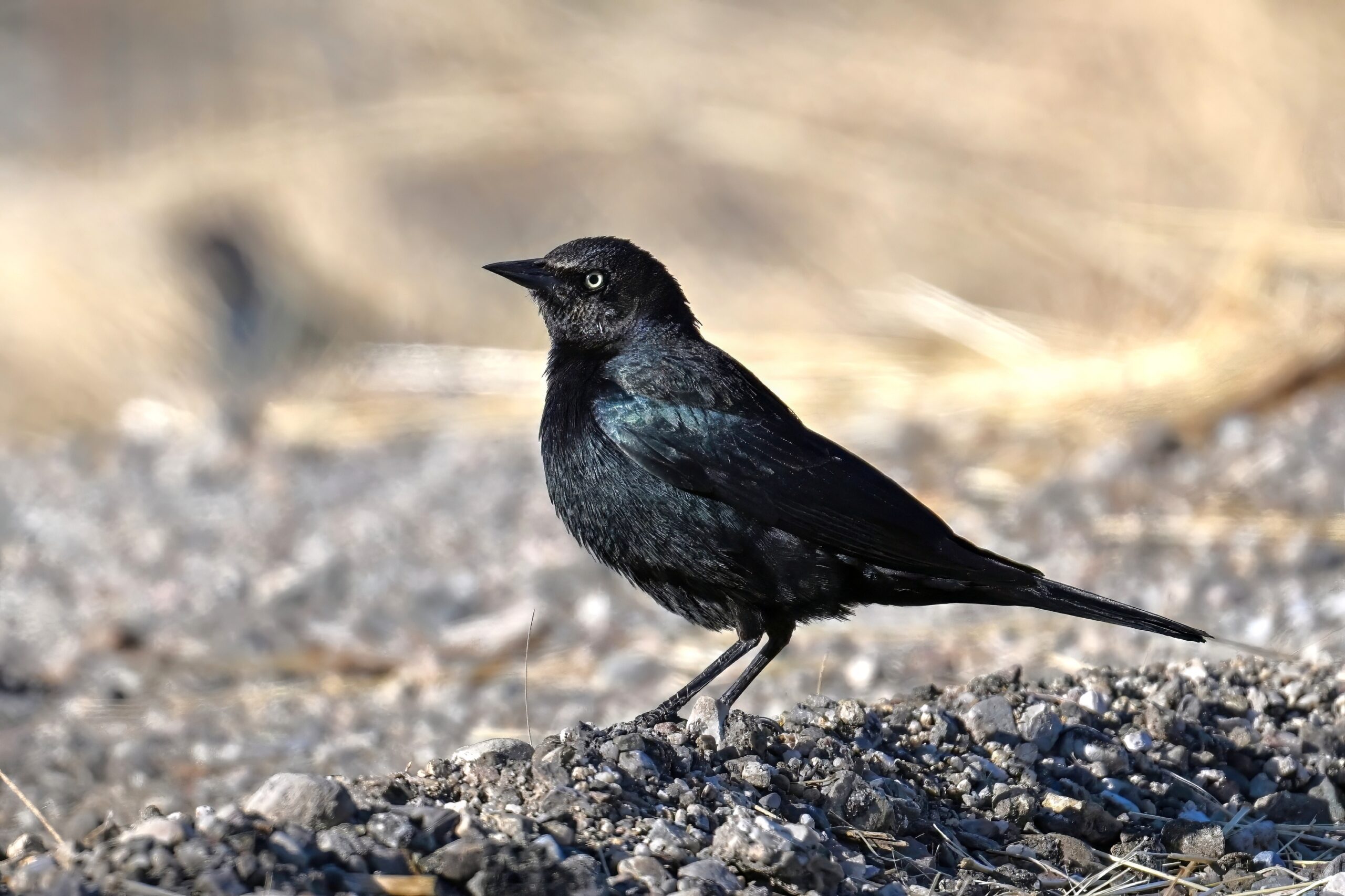
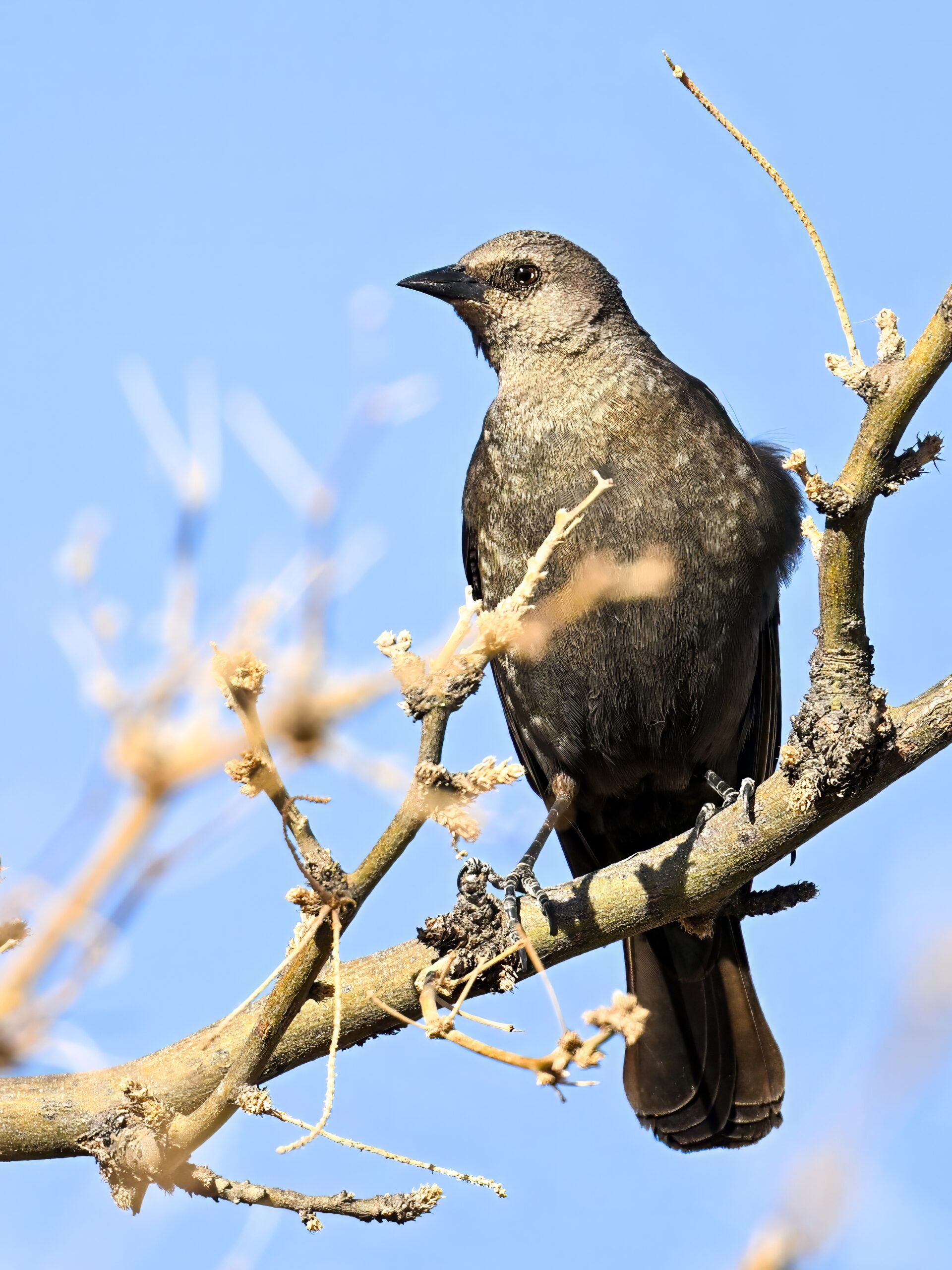
Males, as above, are glossy black w/ green and blue metallic highlights in the sun; bright eye. Females, as below, drab brown/gray w/ dark eye. Best identified, perhaps, as being in proximity to males (+ call).
Great to see a beautiful male Pyrrhuloxia at this location:
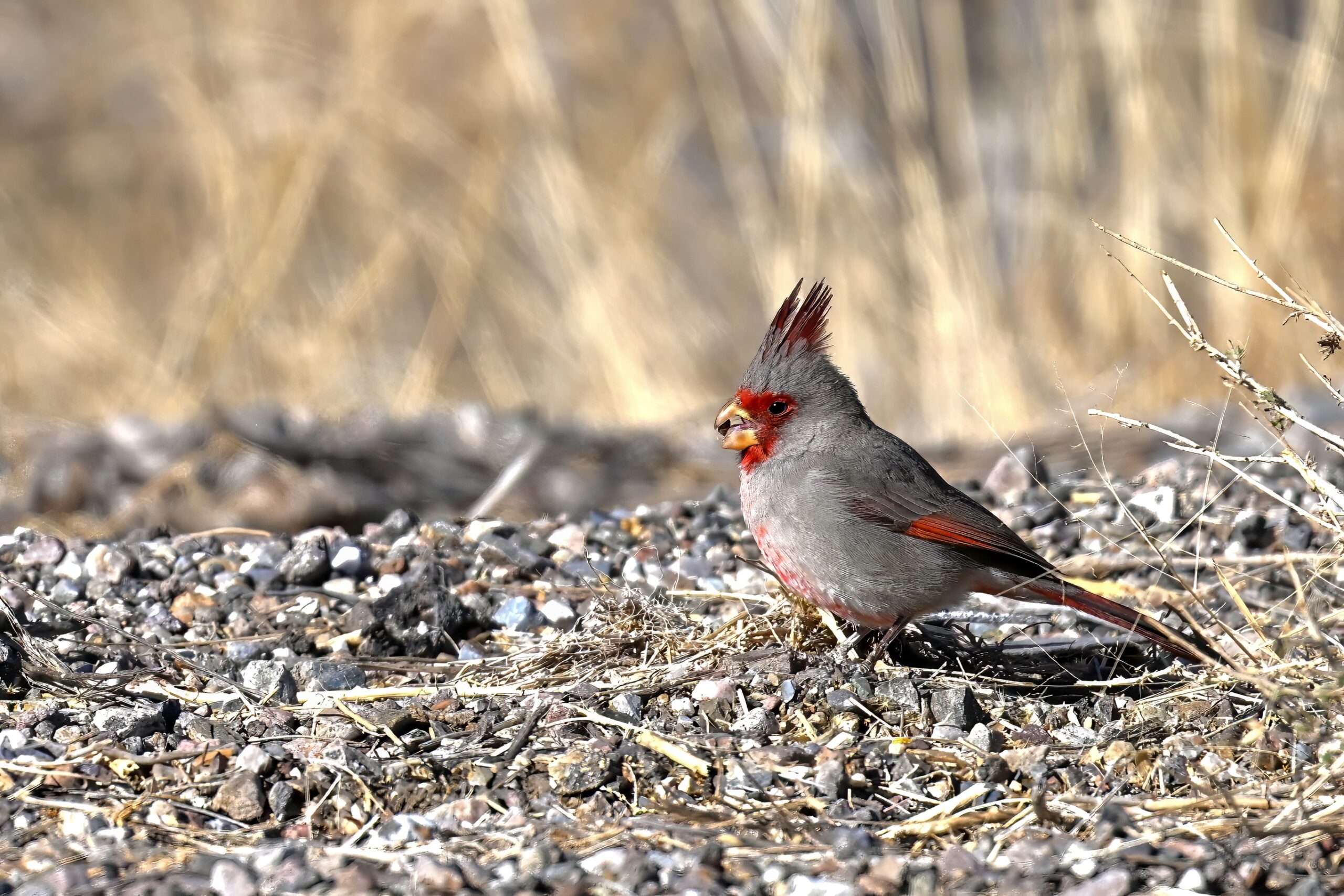
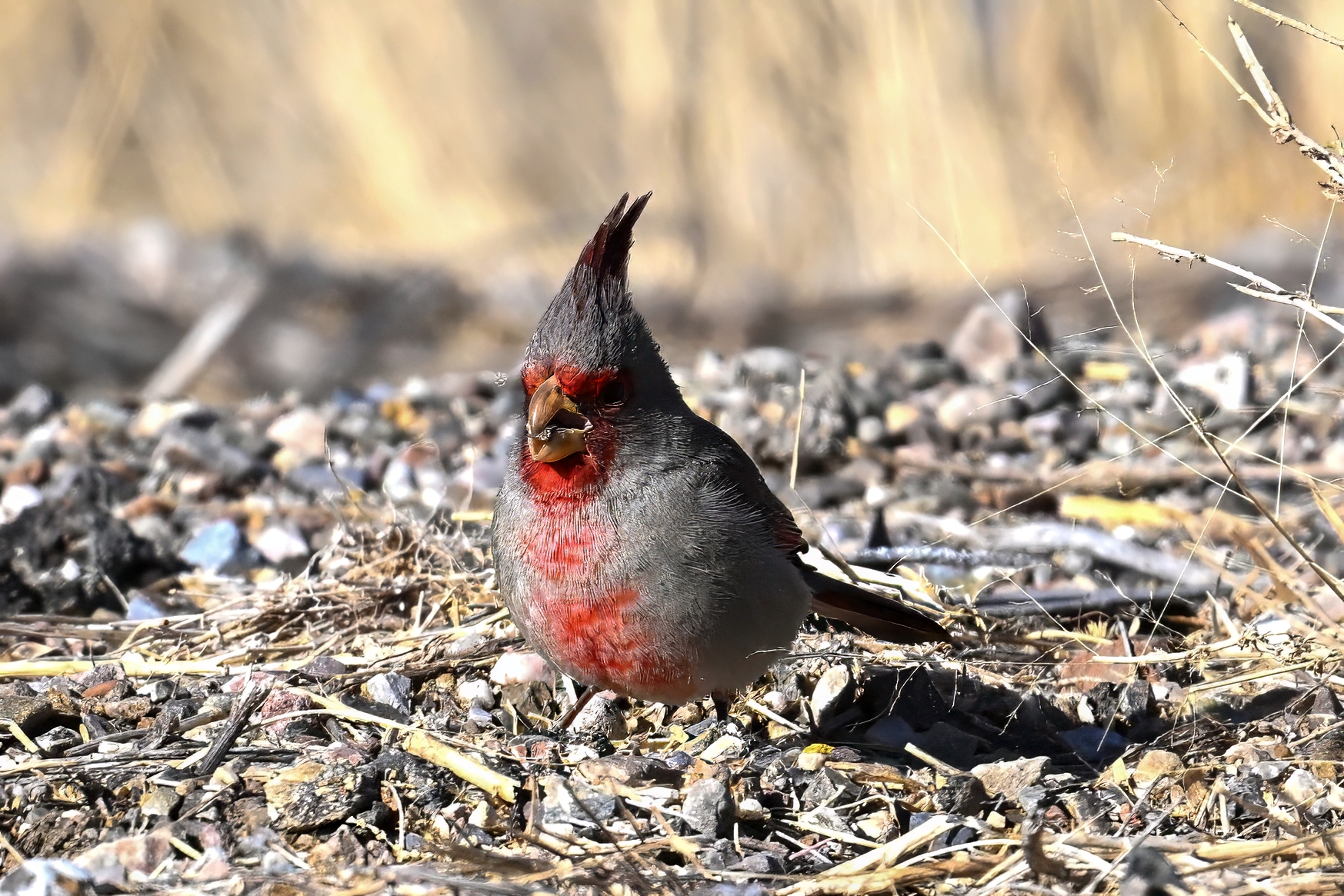
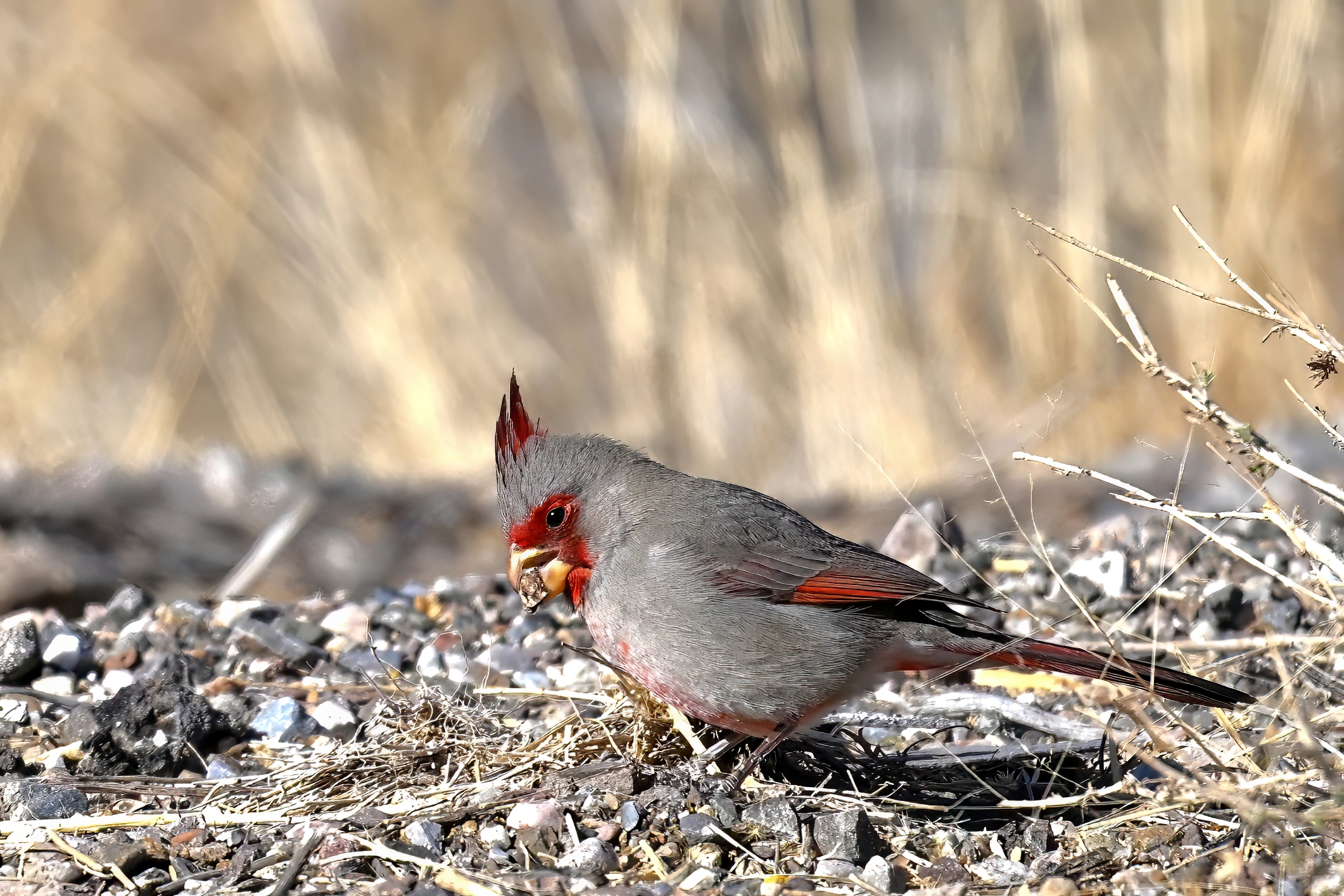
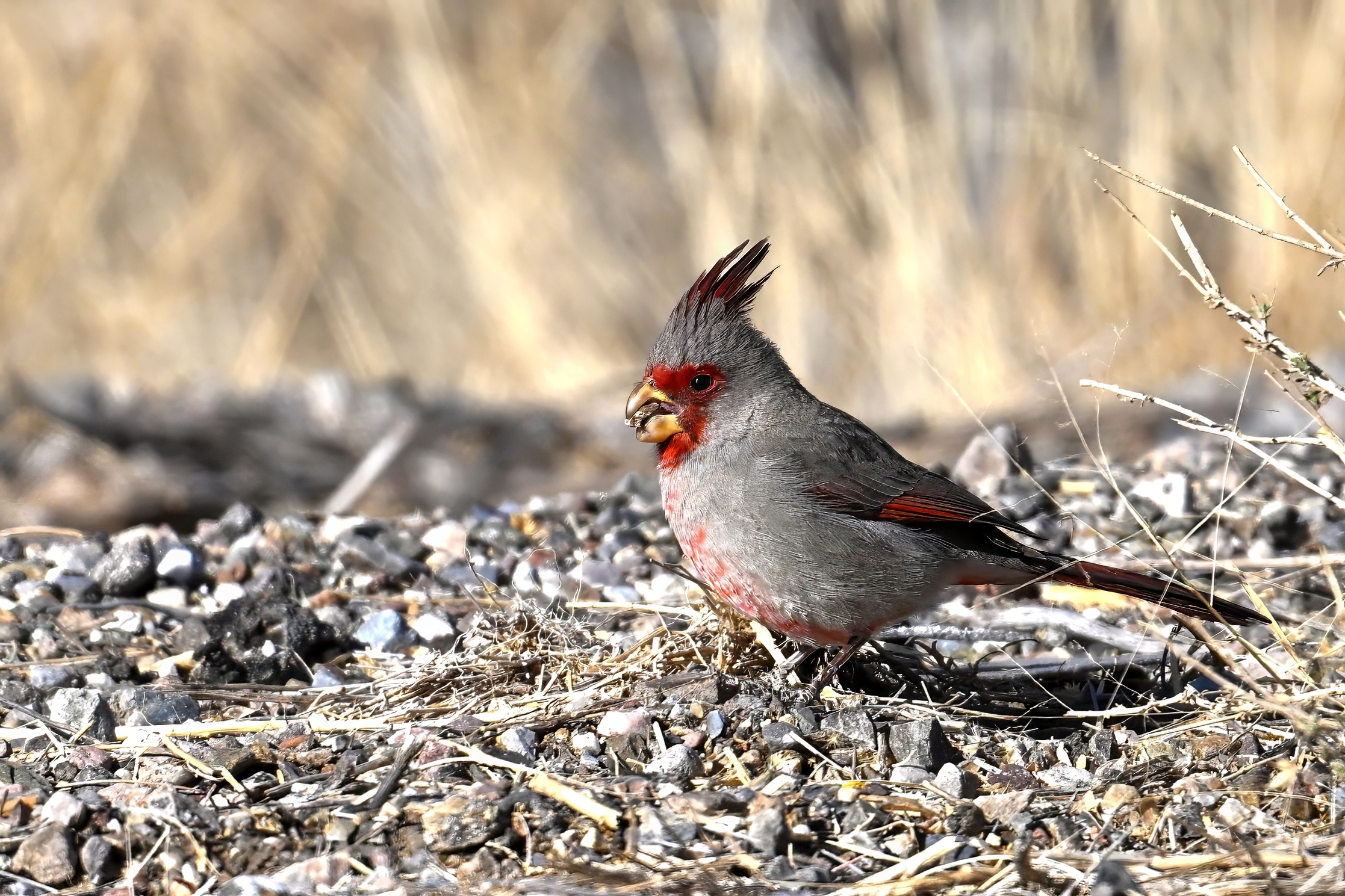
Relative to similar looking female Northern Cardinal, Pyrrhuloxia have a yellow bill + the upper and lower beak mandibles meet at an angle (“jagged line”), vs. straight in Cardinal.
More male Brewer’s Blackbird:
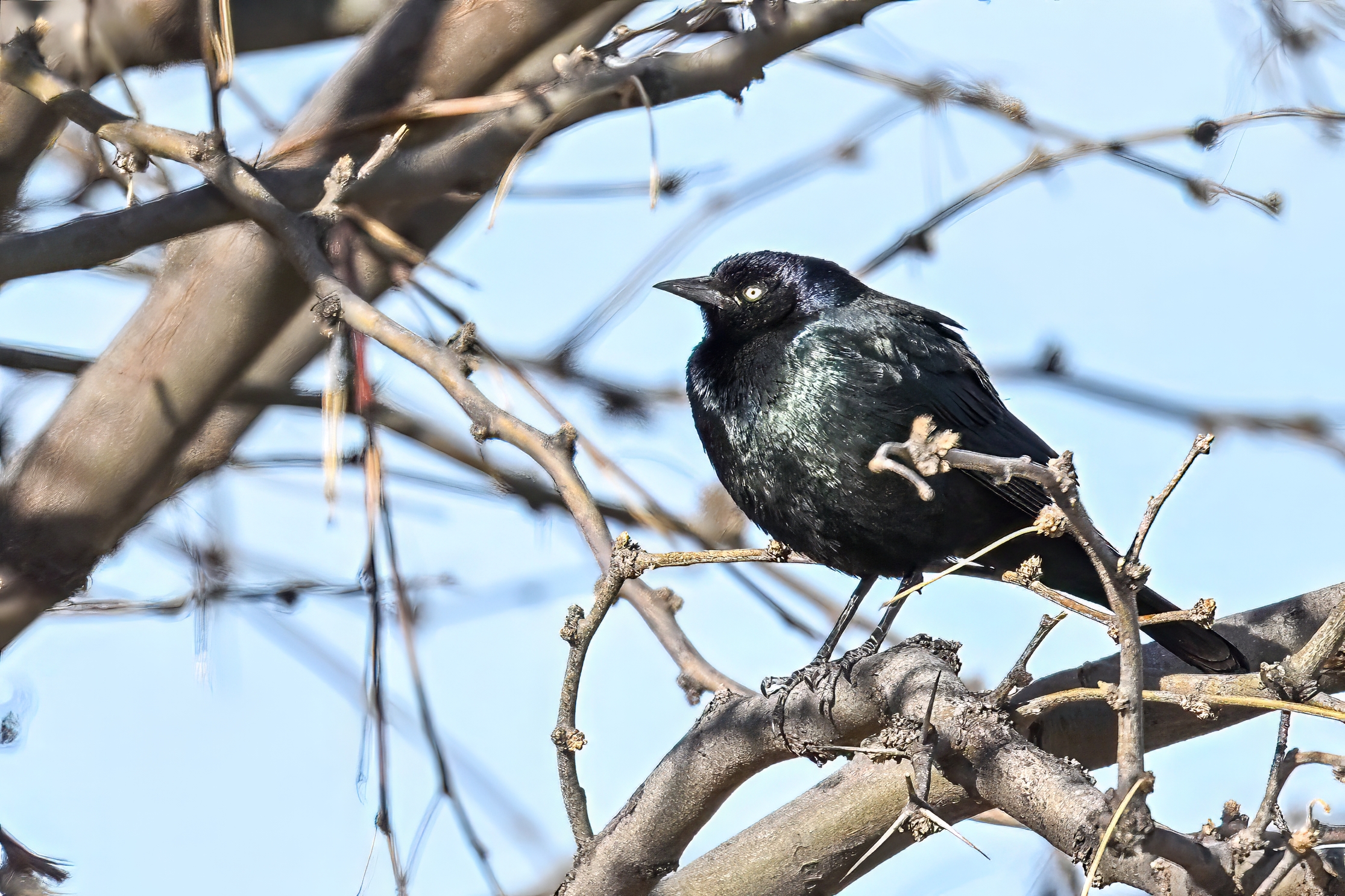
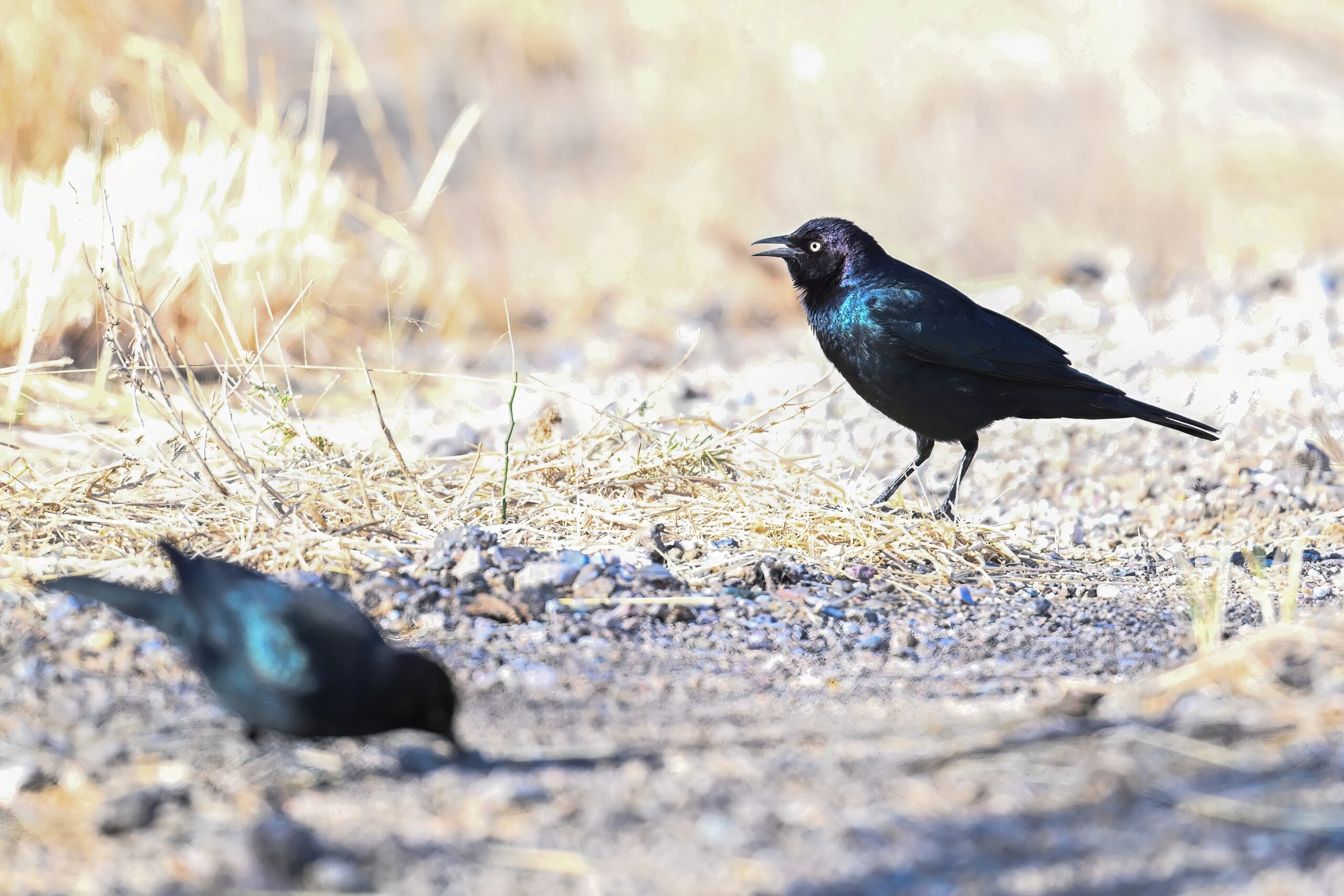
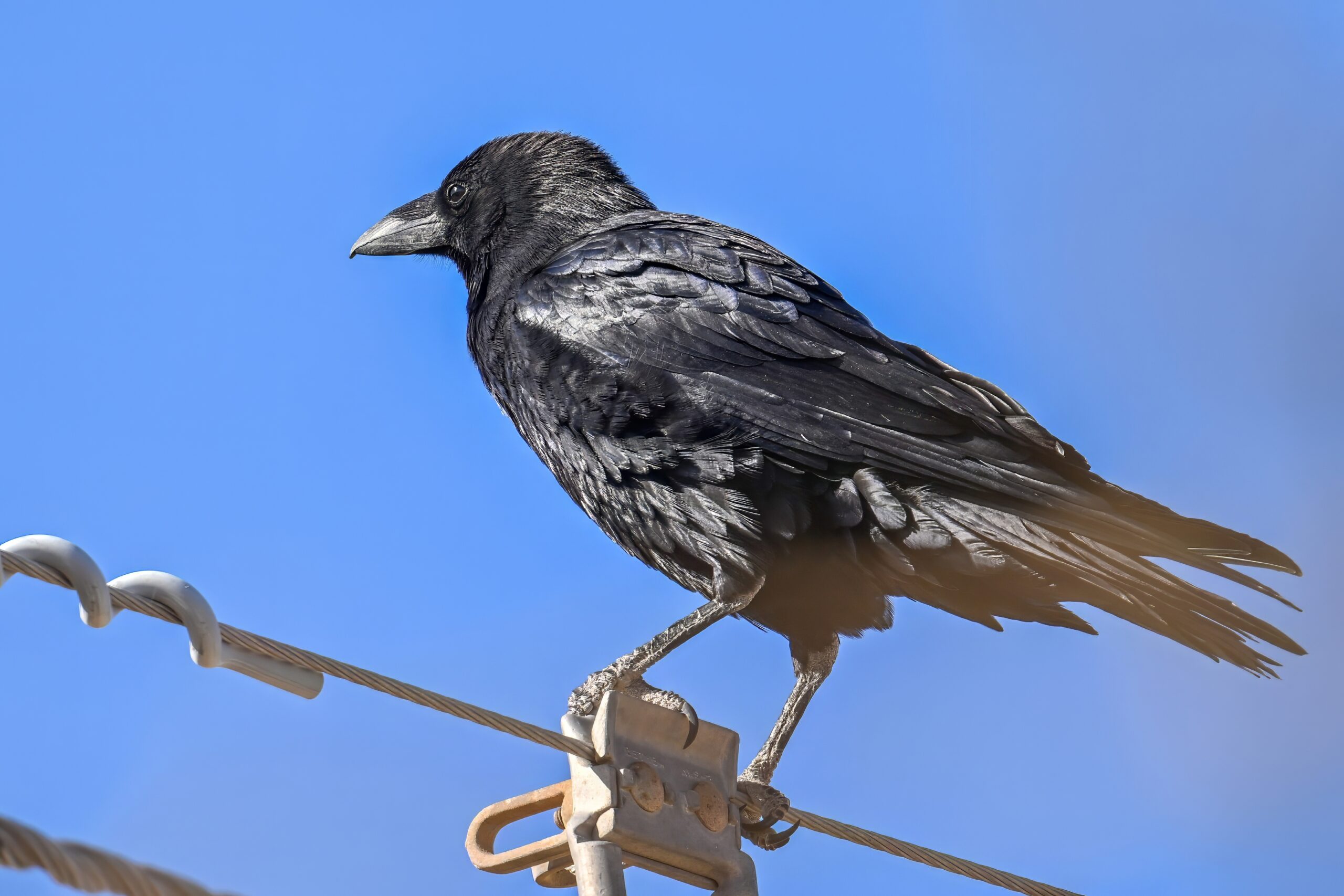
Lots of shots of lots of Chihuahuan Ravens. Relative to Common Raven, similar looking but smaller, best identified based on location and call. (These were positively identified by call using Merlin.)
More Brewer’s Blackbirds:
Finally, even more Chihuahuan Raven:
On an unrelated nature topic, just a reminder that the total lunar eclipse is tonight. Noticeable visual effects start around 1AM EDT Friday. Forecast for Erie, Pennsylvania calls for clear skies!
Dateline: 6 March 2025
Just sit right back and you’ll hear a tale, a tale of a fateful trip. A trip to Buddy Todd Park last week in Oceanside, California. Top reason to visit California for birding (& fun fact!): more species include ‘California’ in the name than any other US state, @ seven including California Quail, California Condor, California Gull, etc. (Fun fact: #2 is Hawaii at five.)
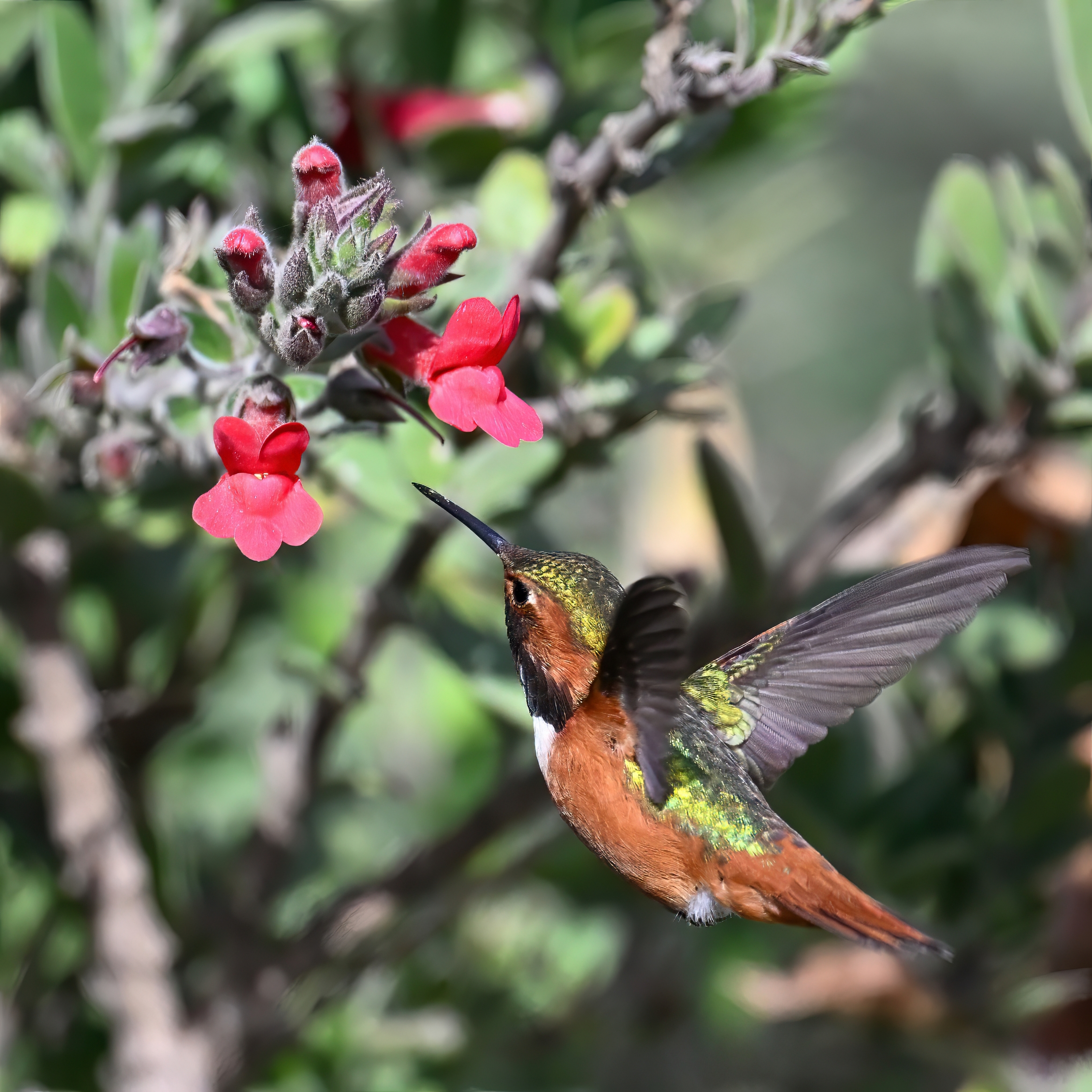
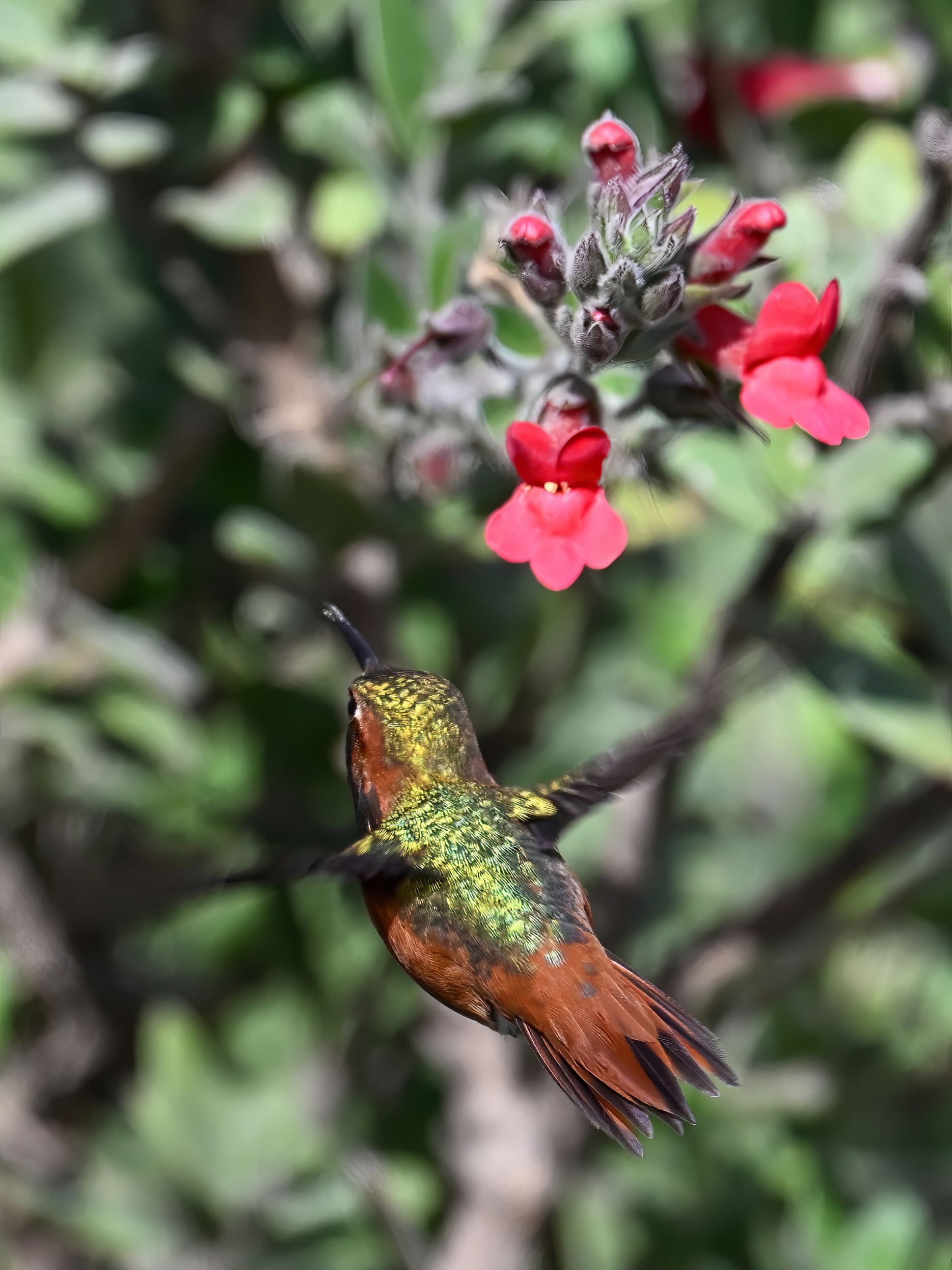
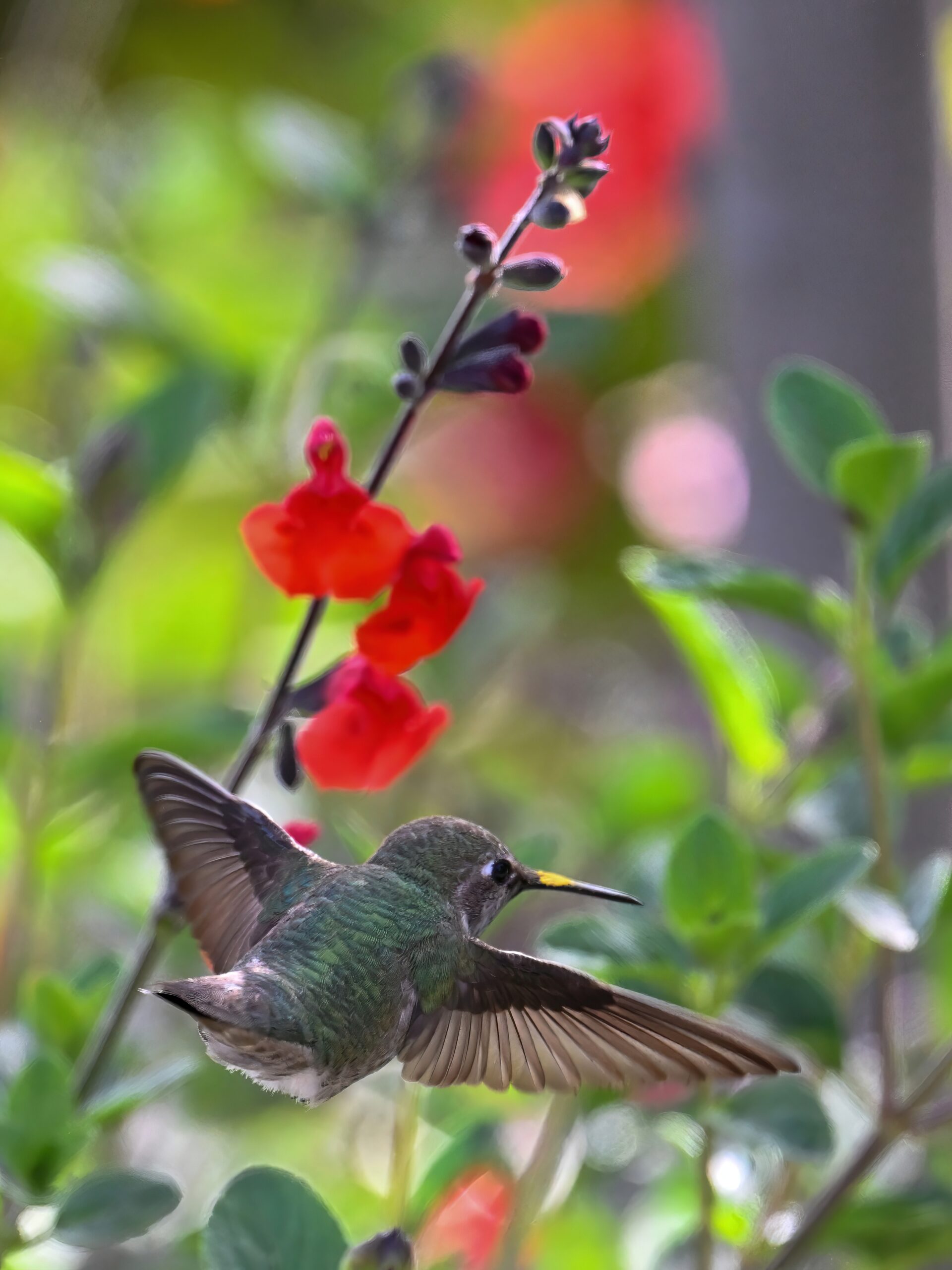
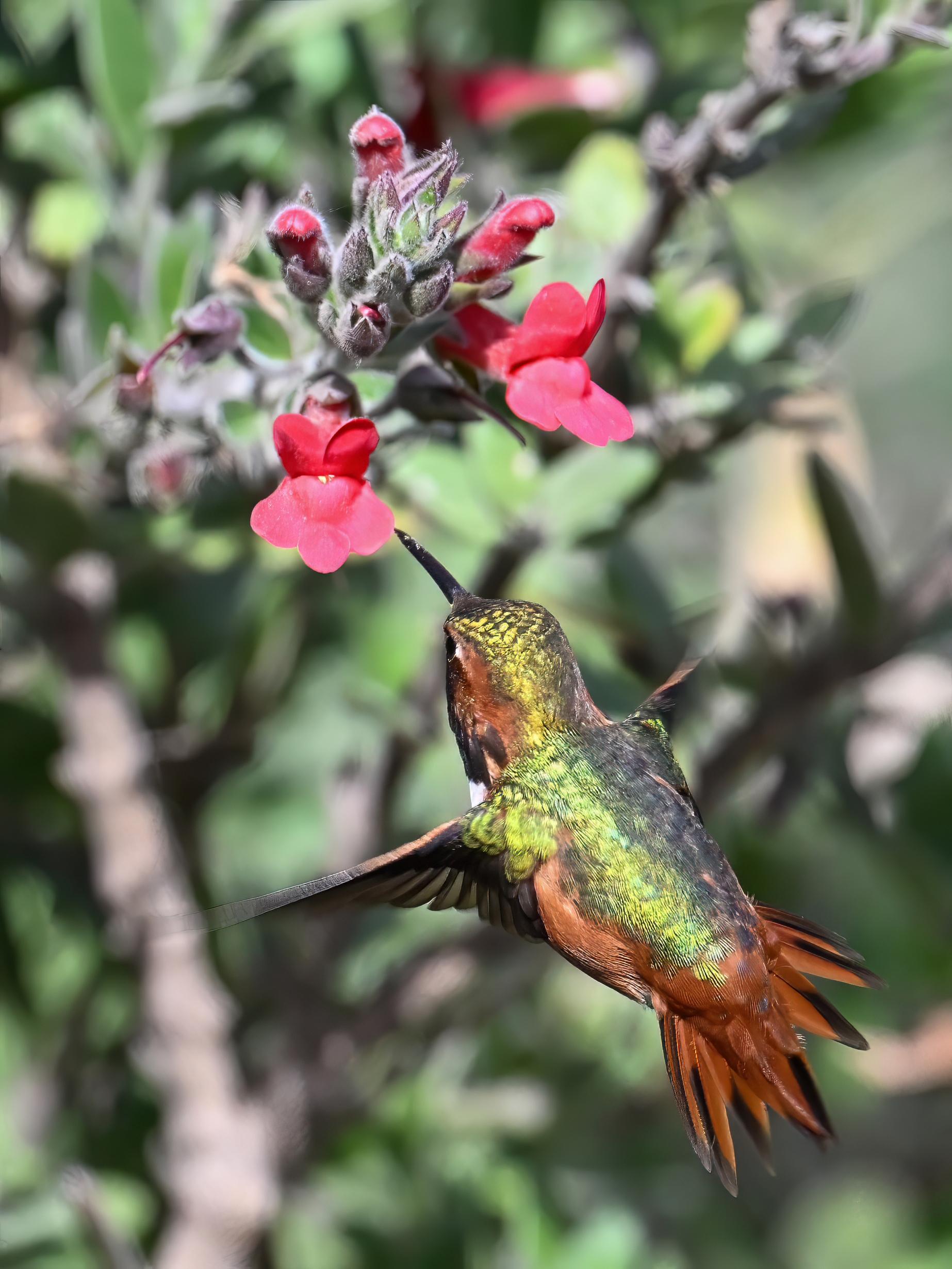
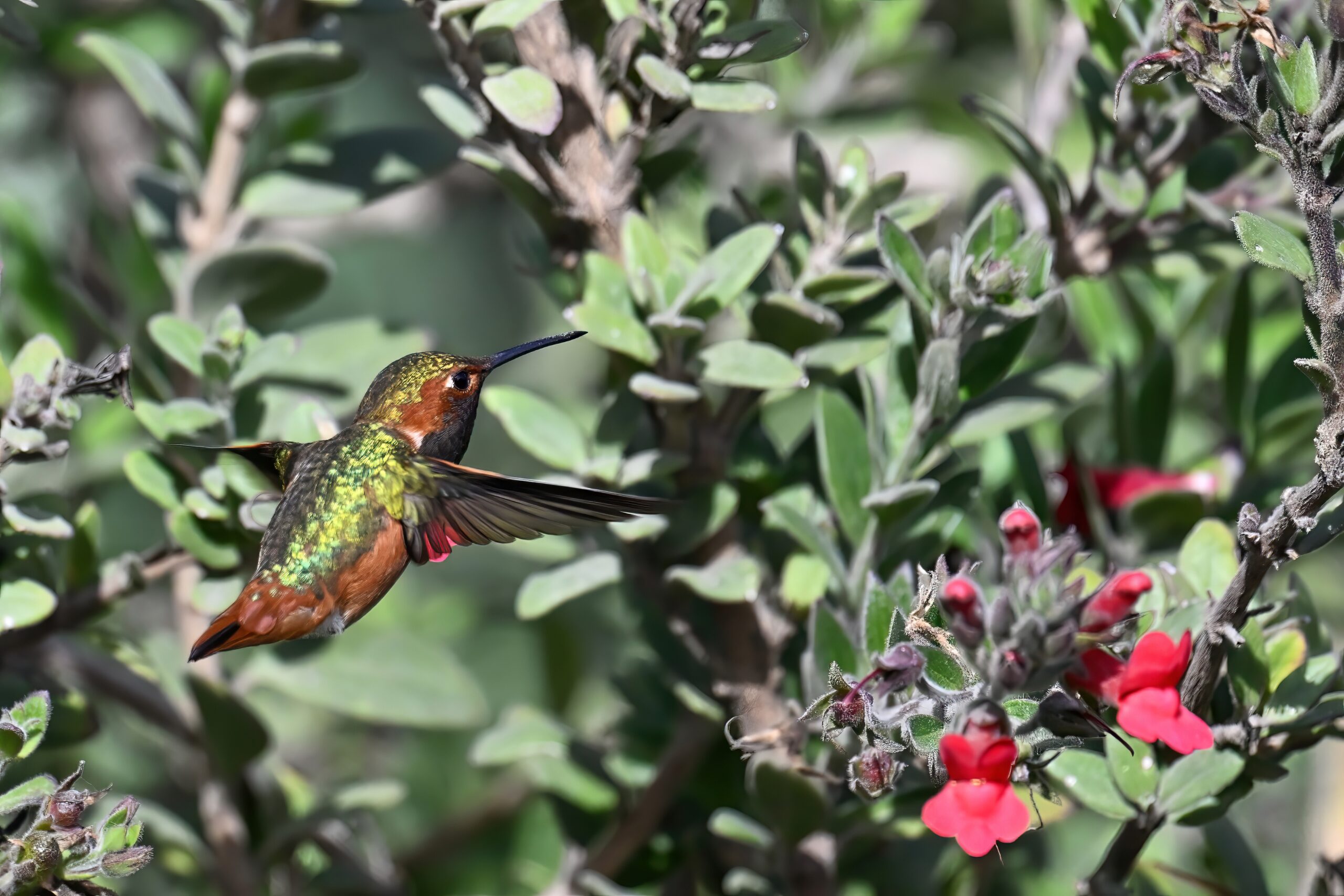
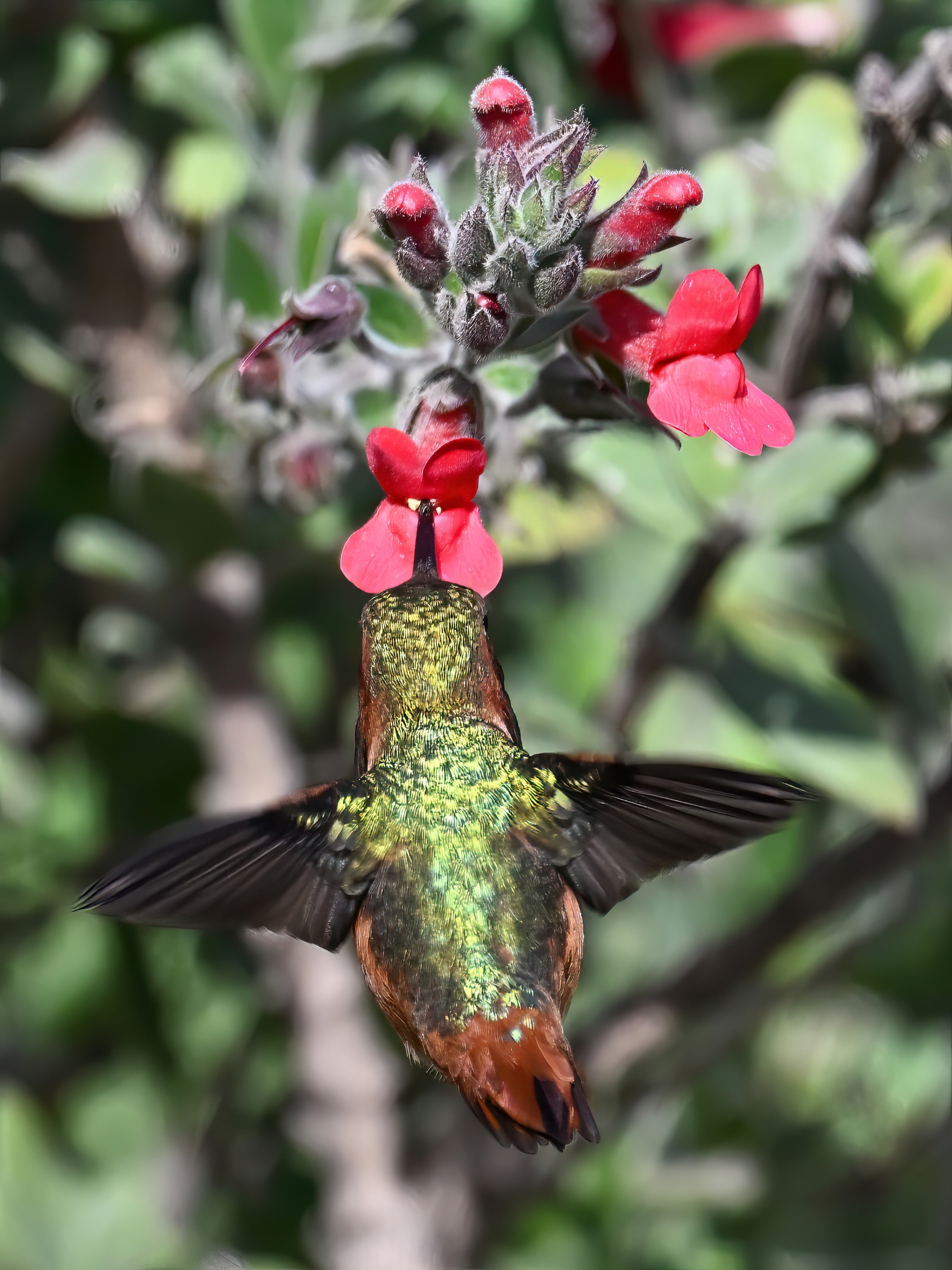
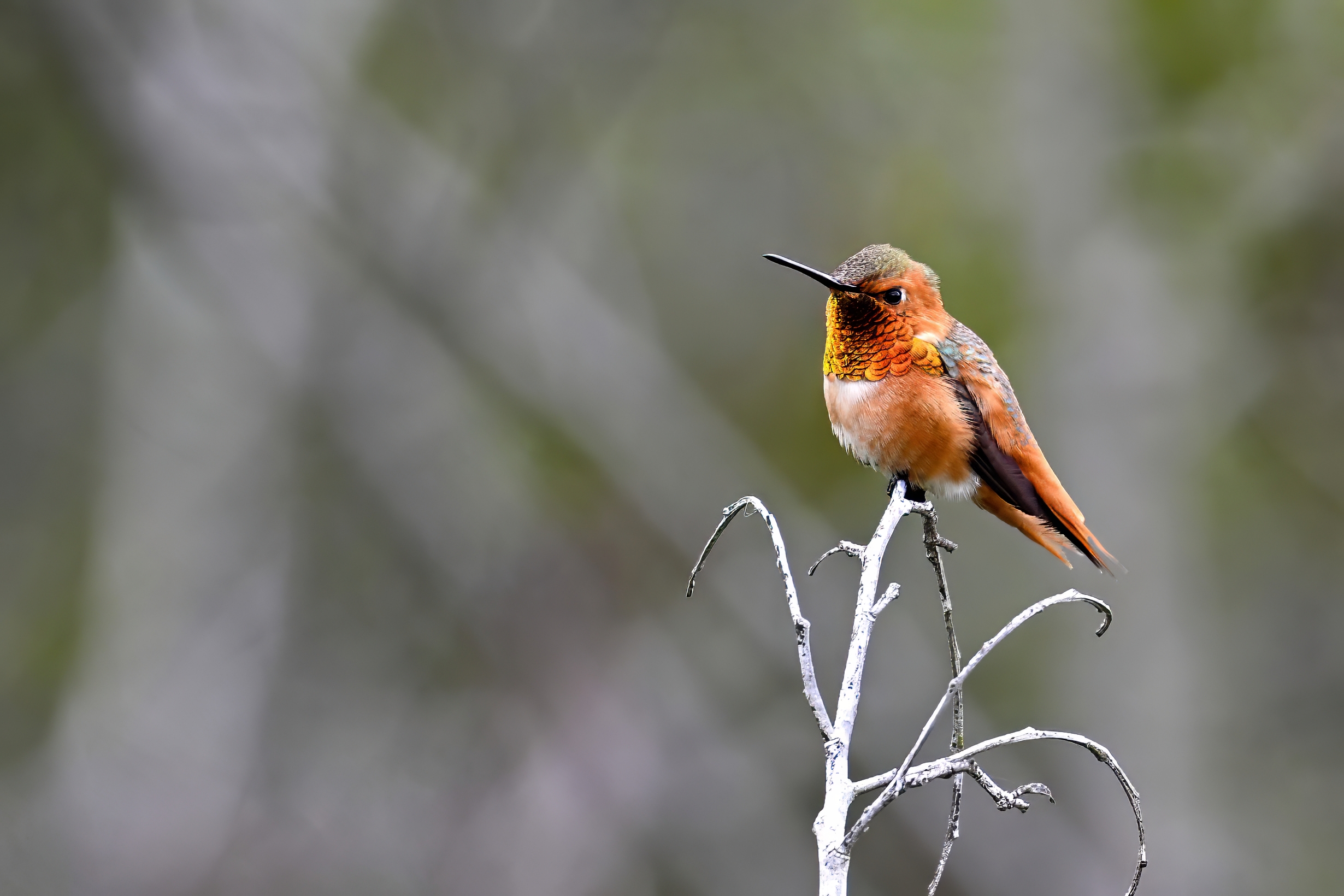
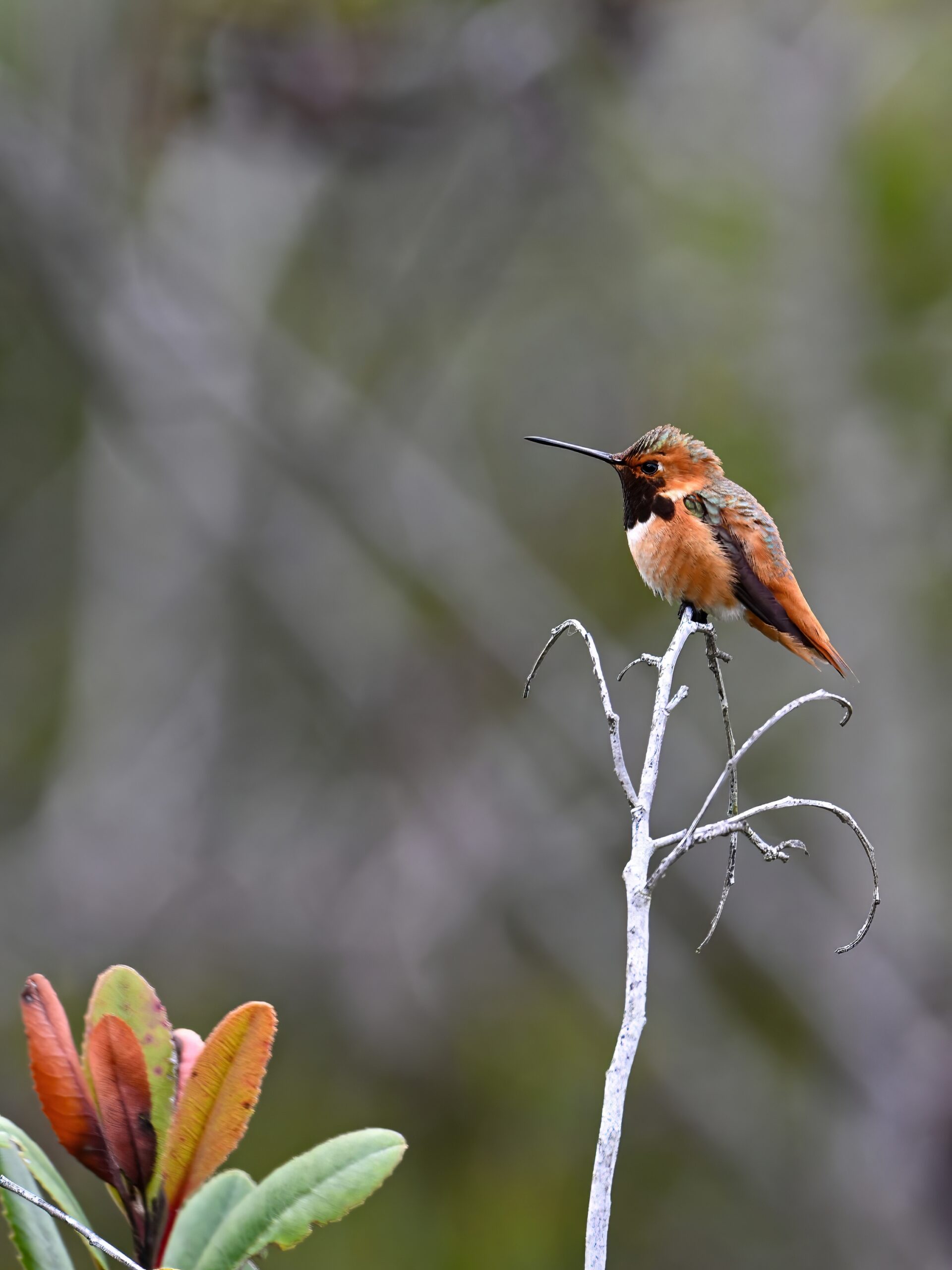
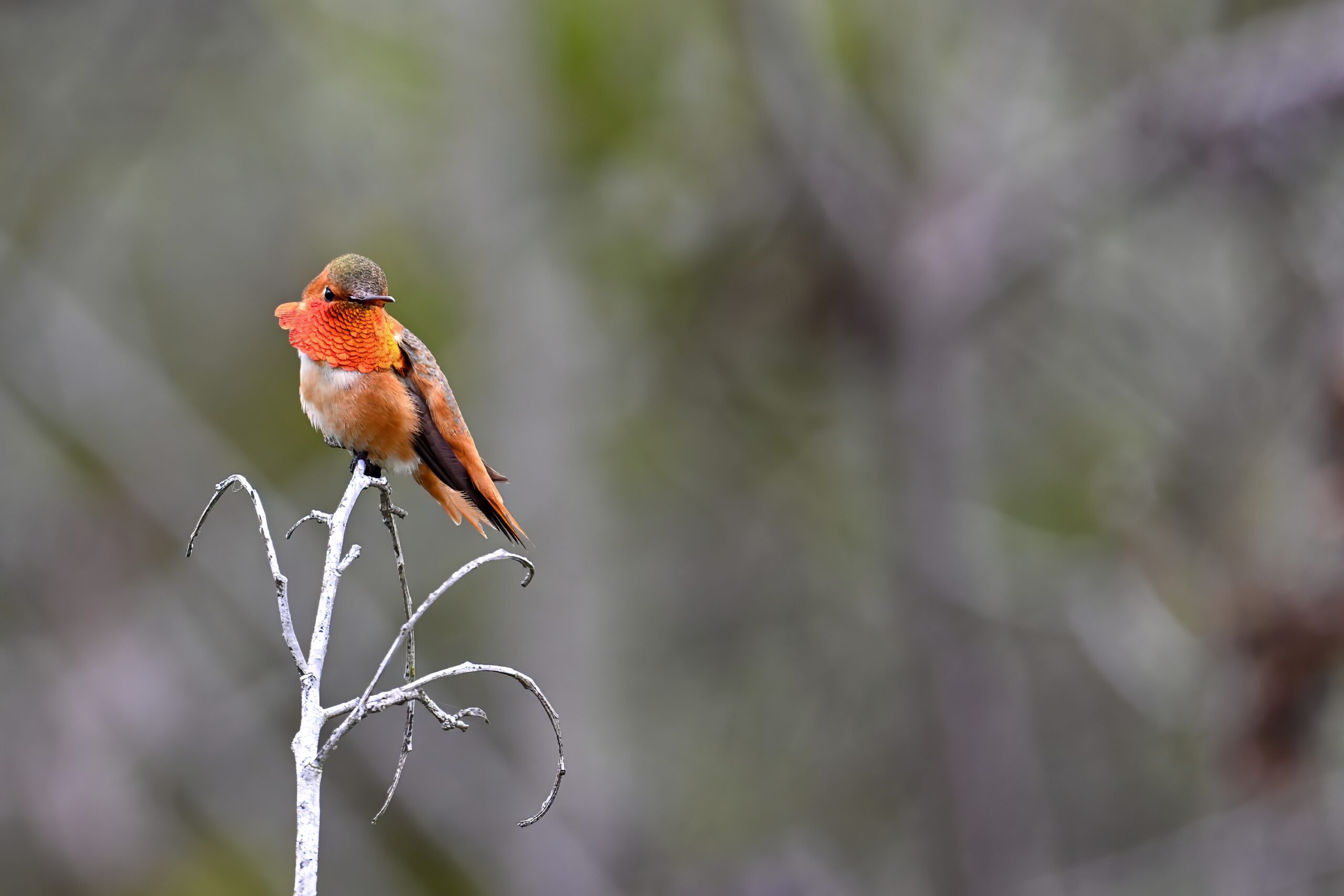
Anyway, kicking off content from BirdingPI.com’s recent “late winter get out of Erie County week” the best way possible, with a beautiful male Allen’s Hummingbird:
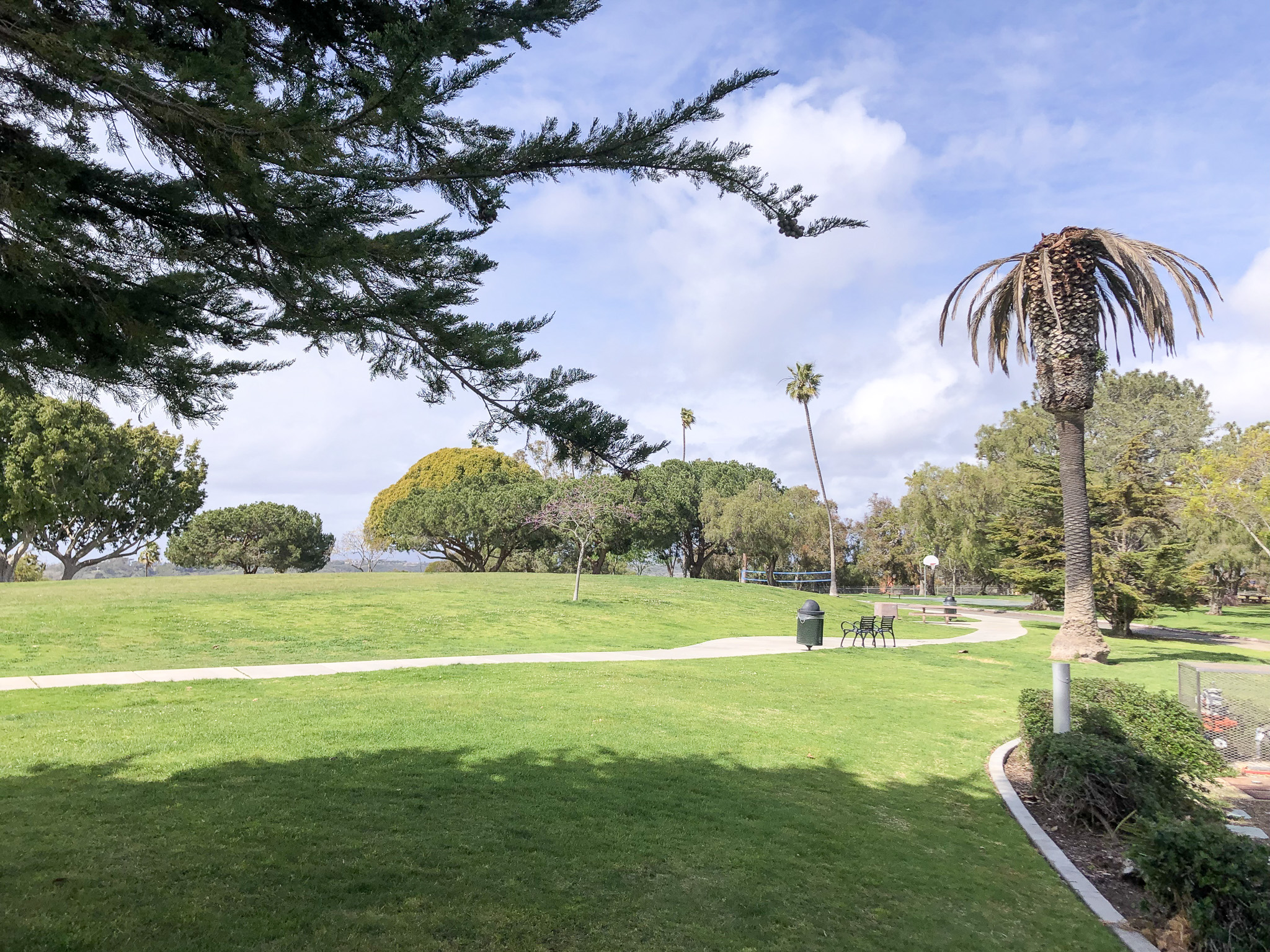
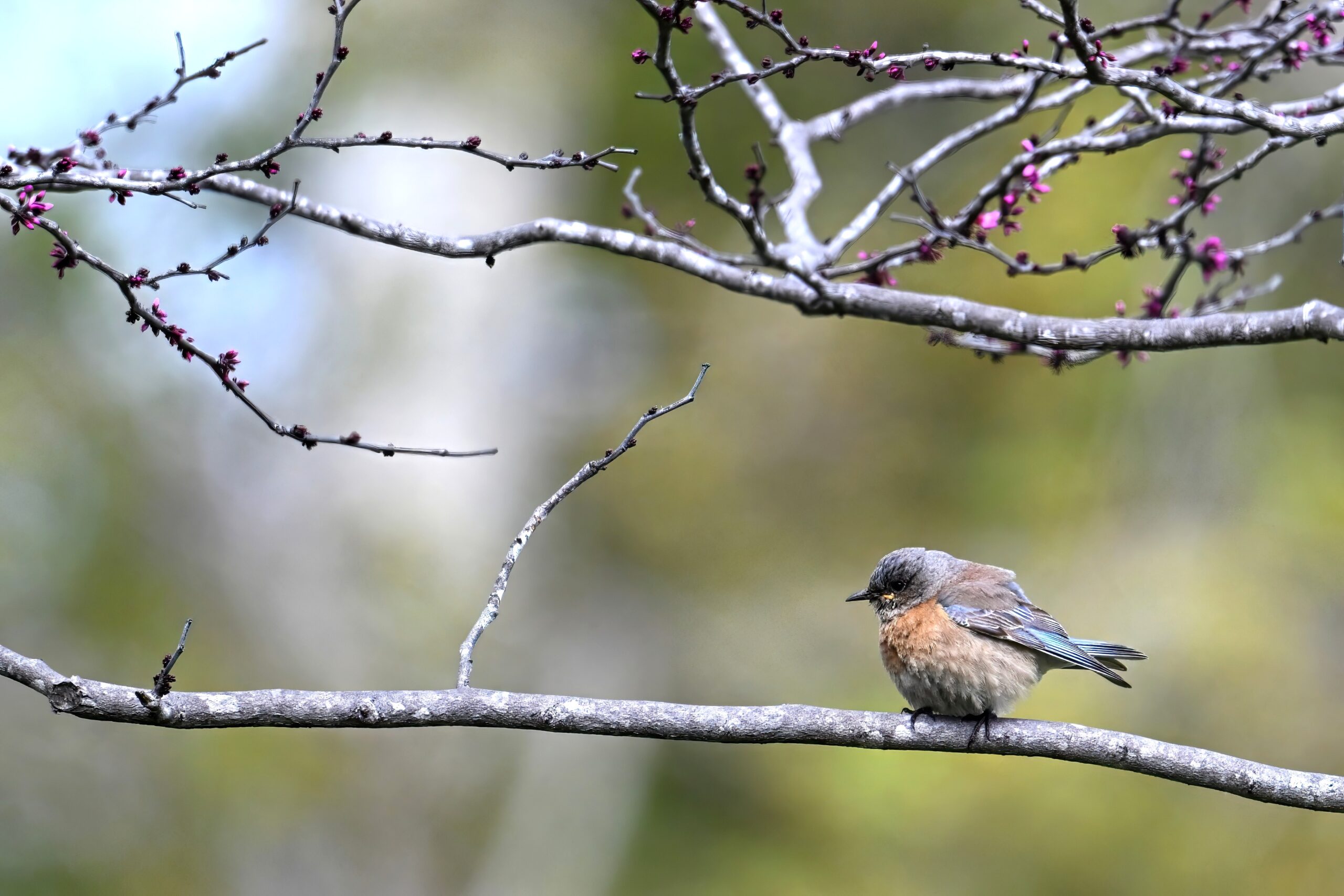
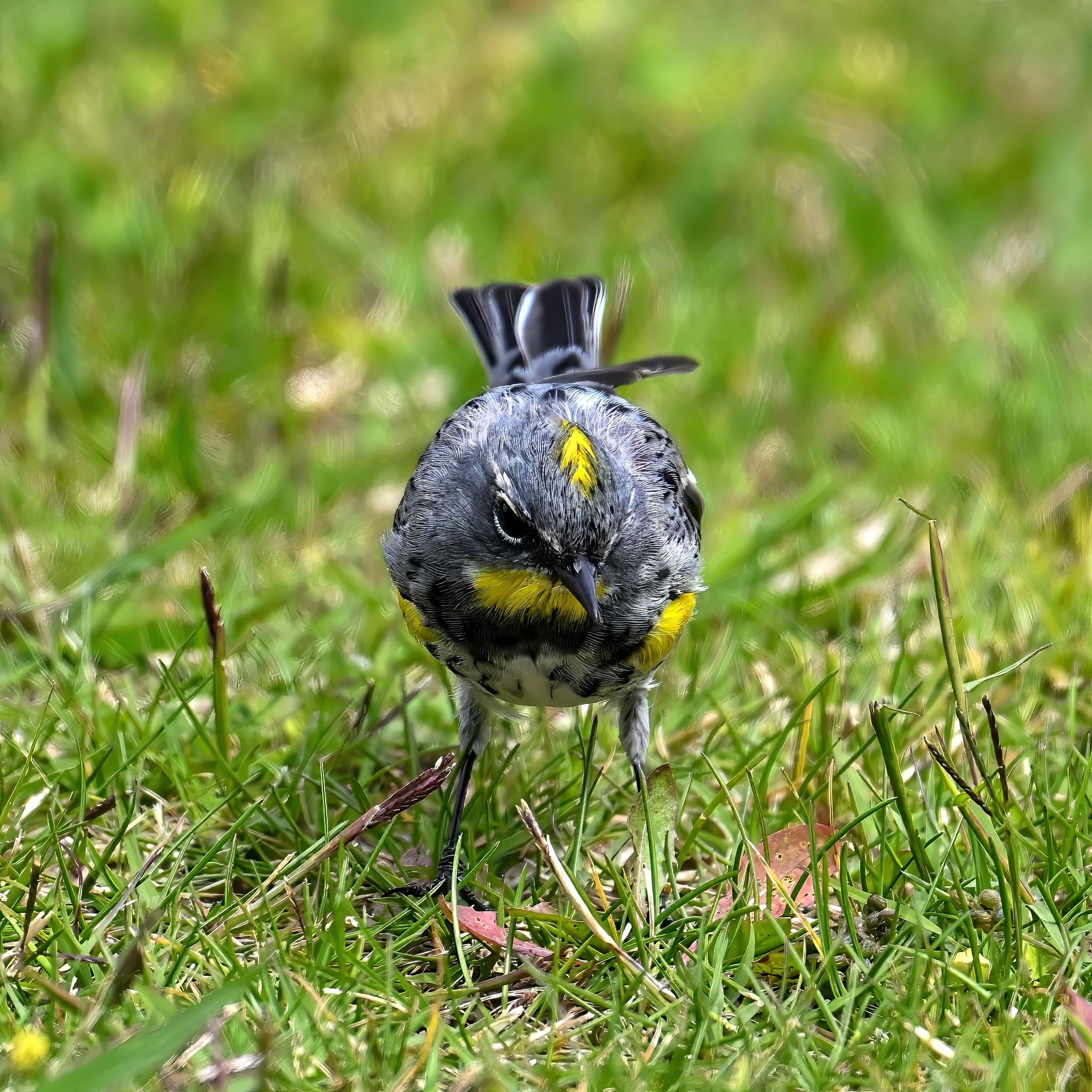
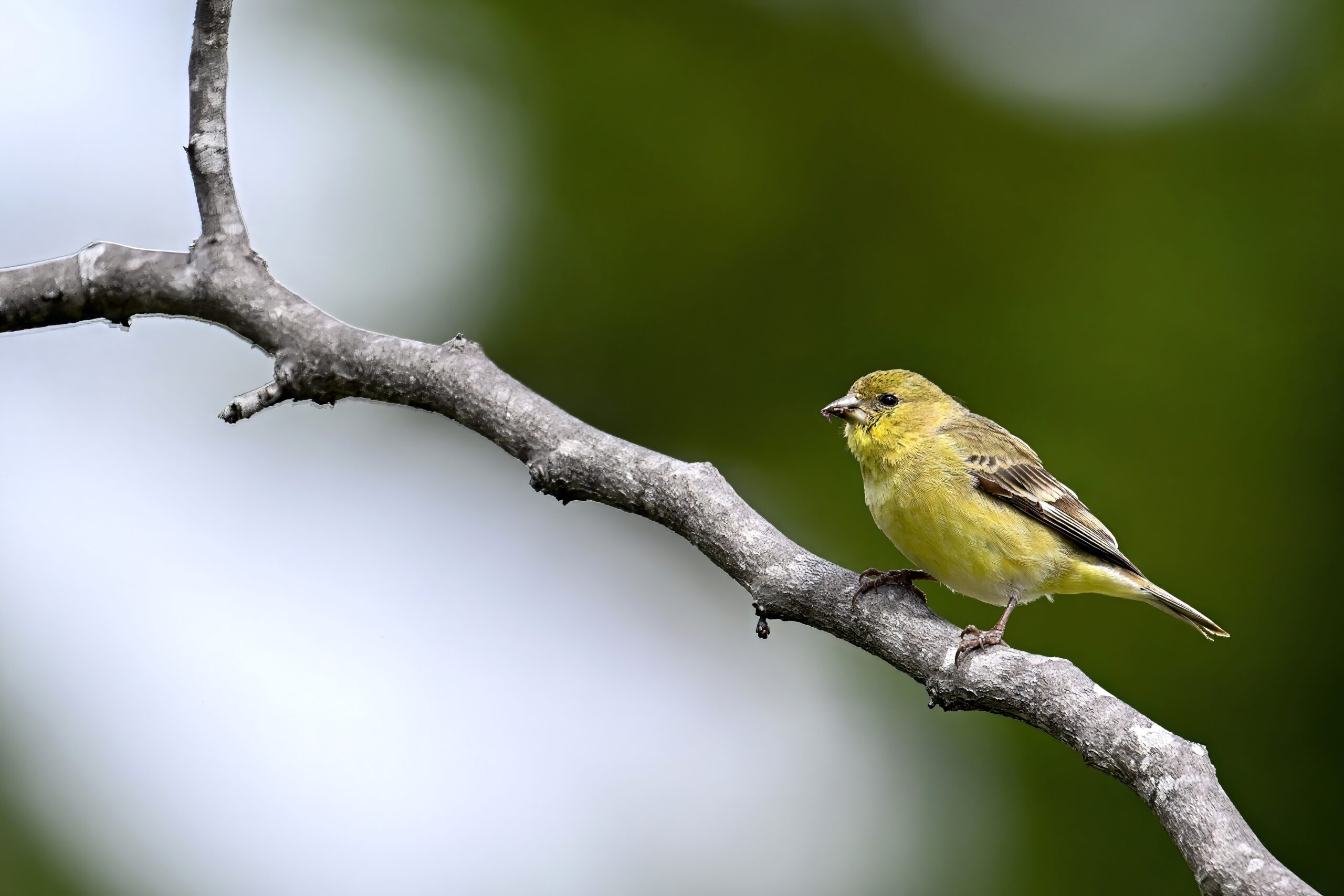
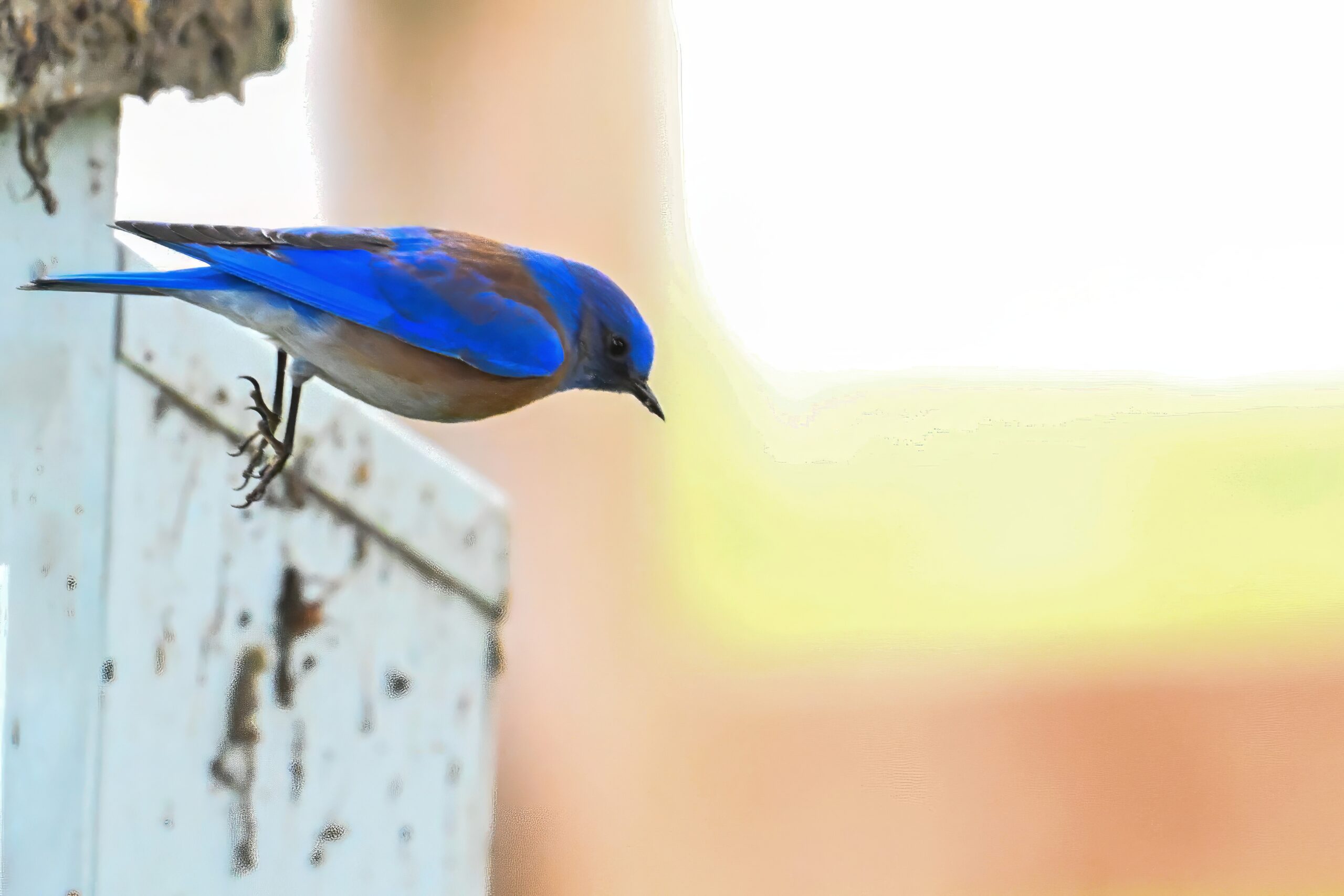
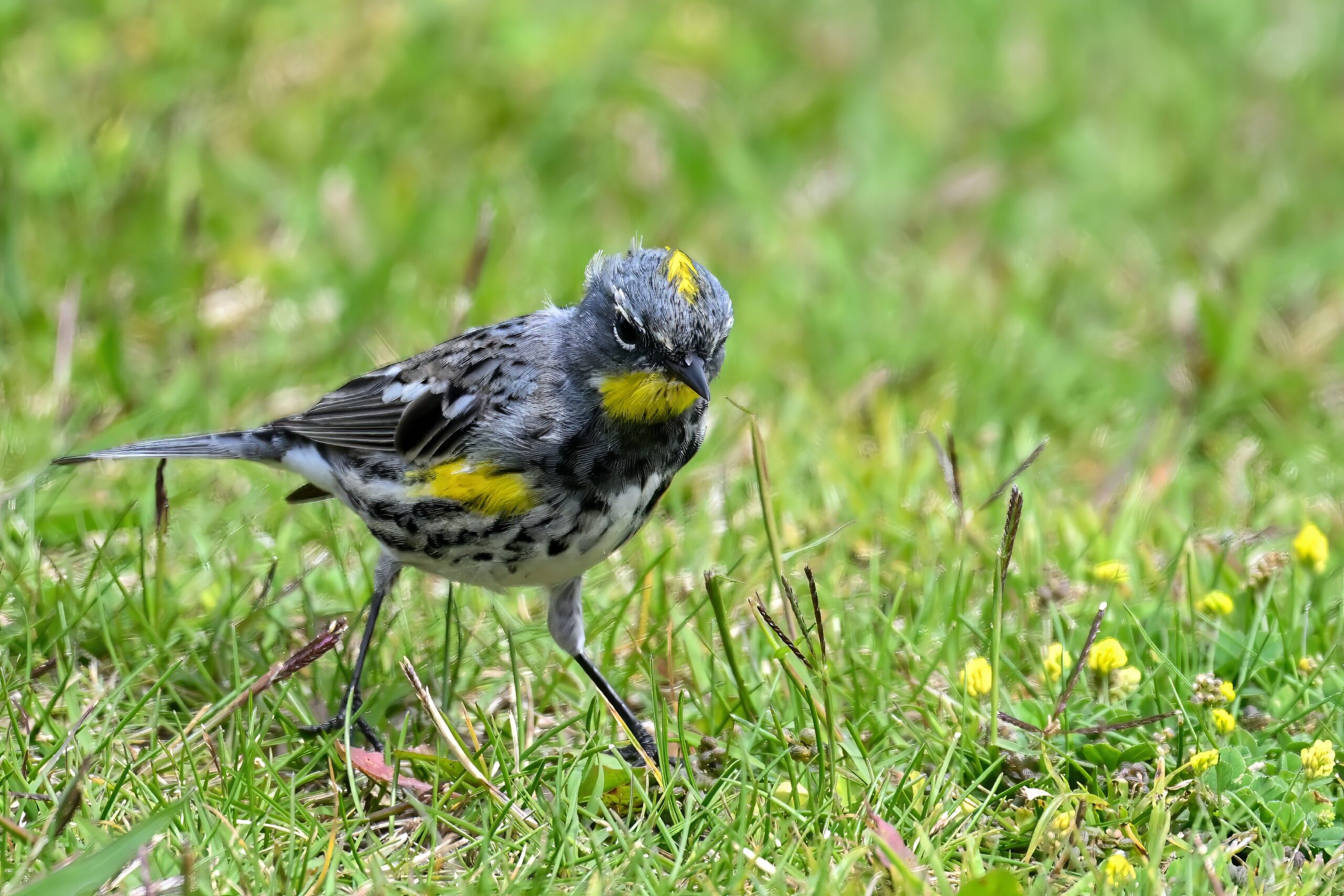
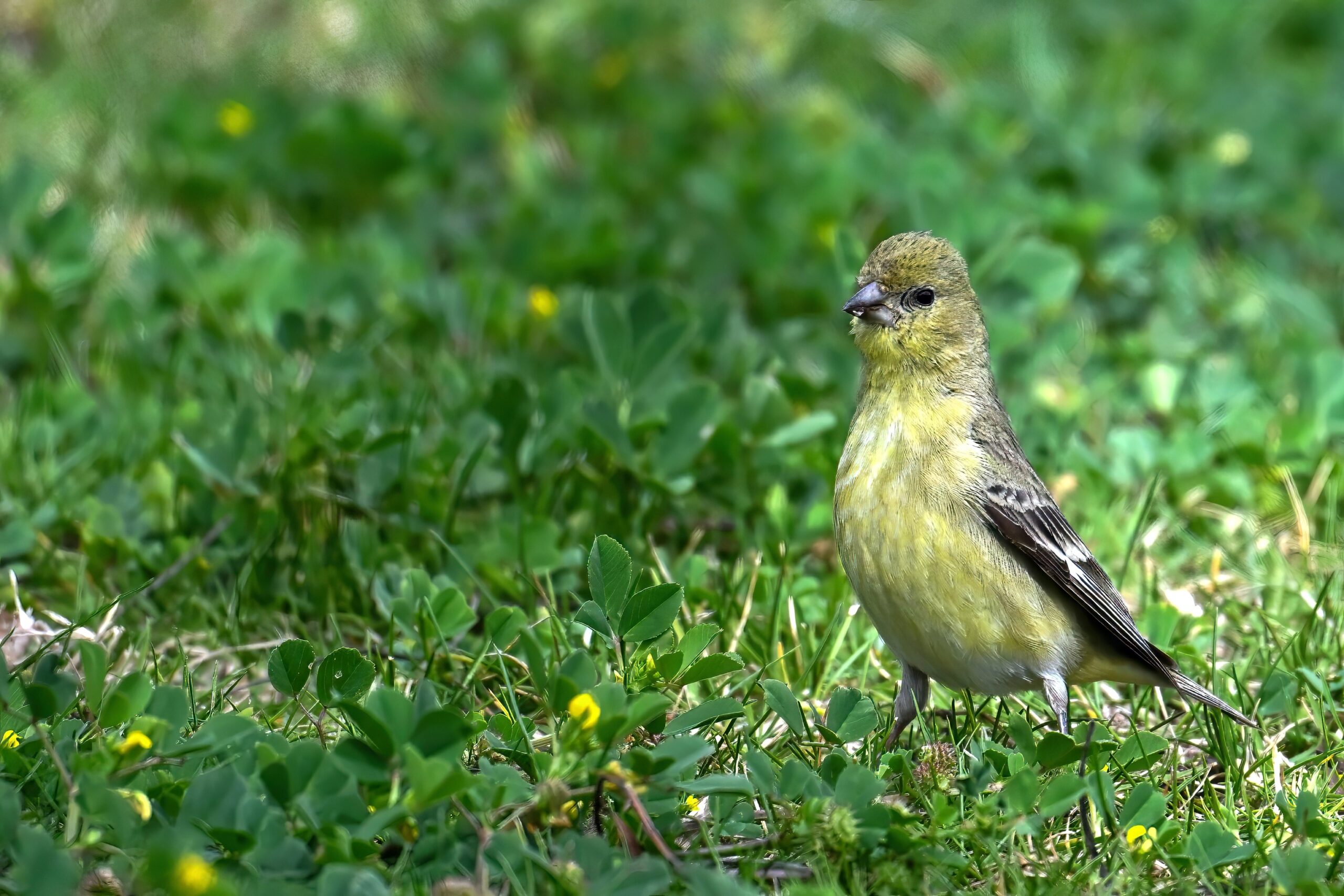
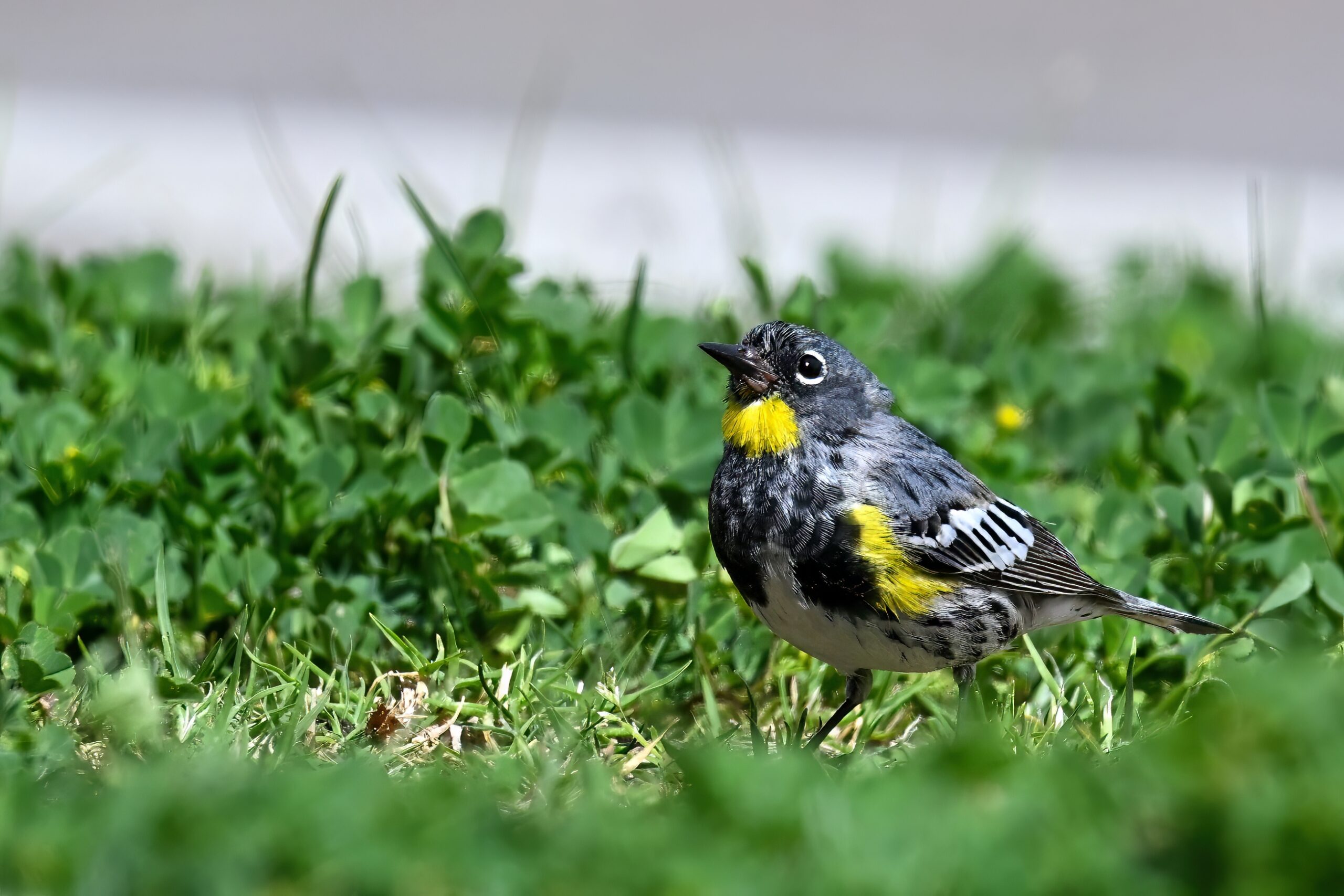
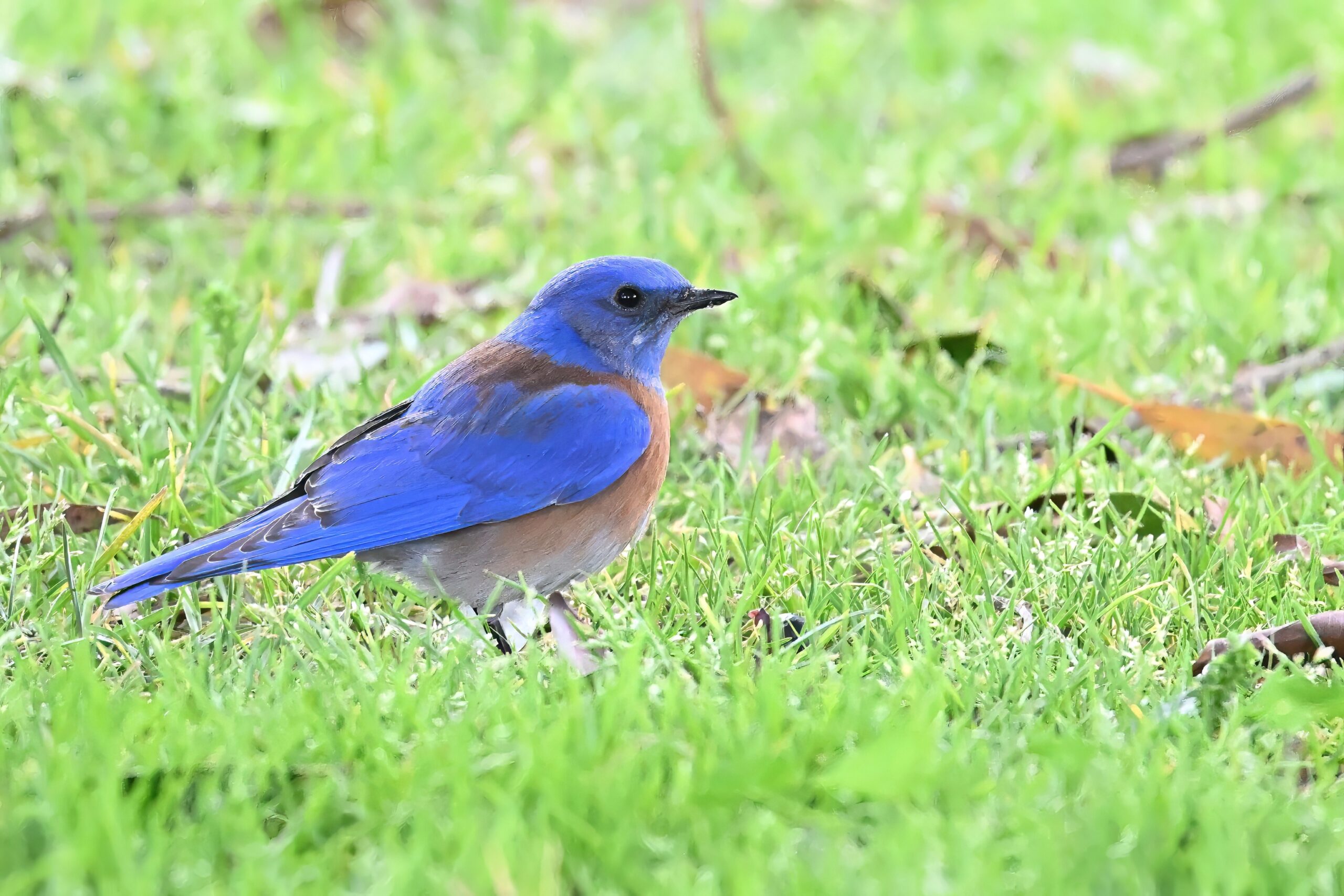
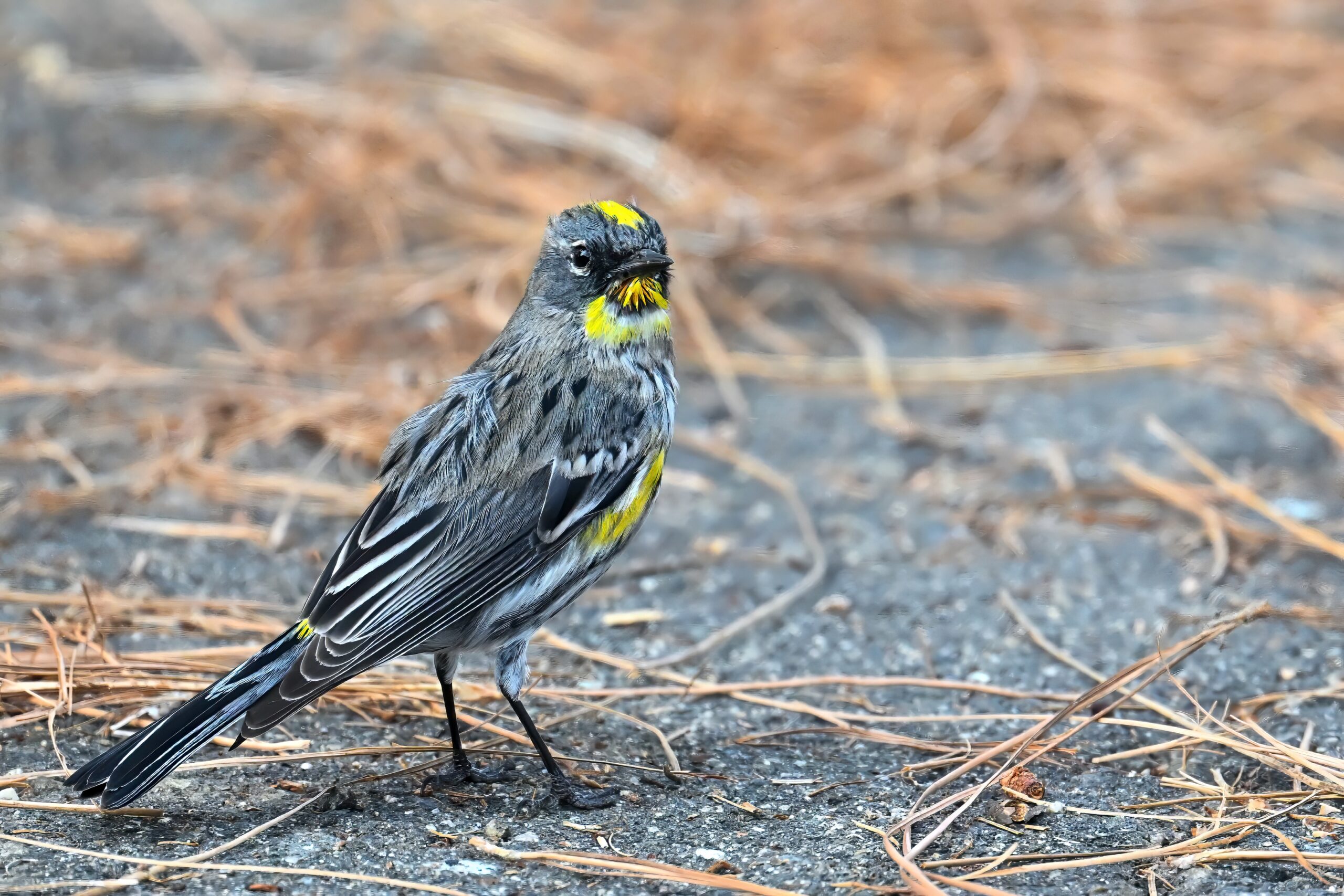
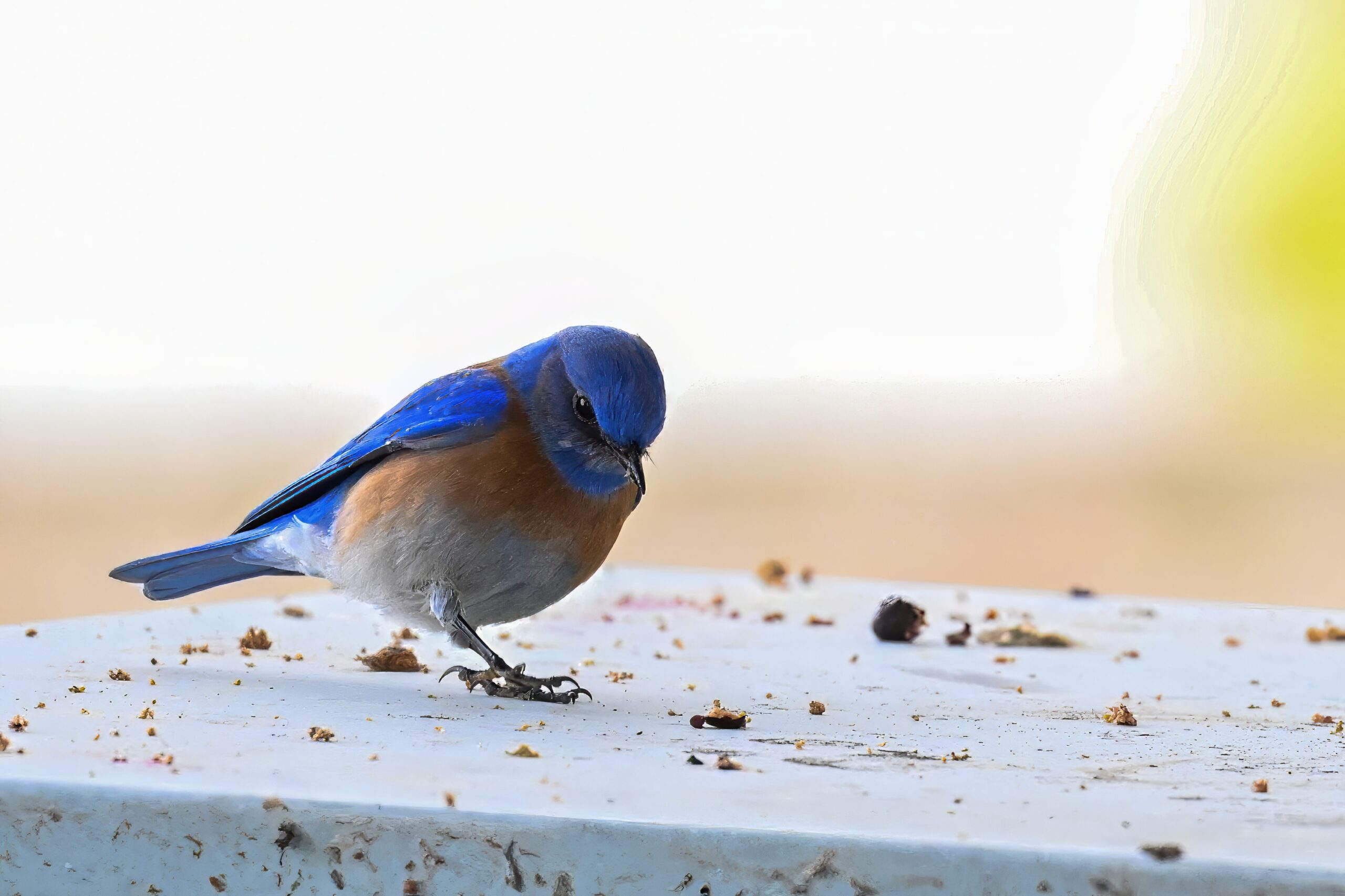
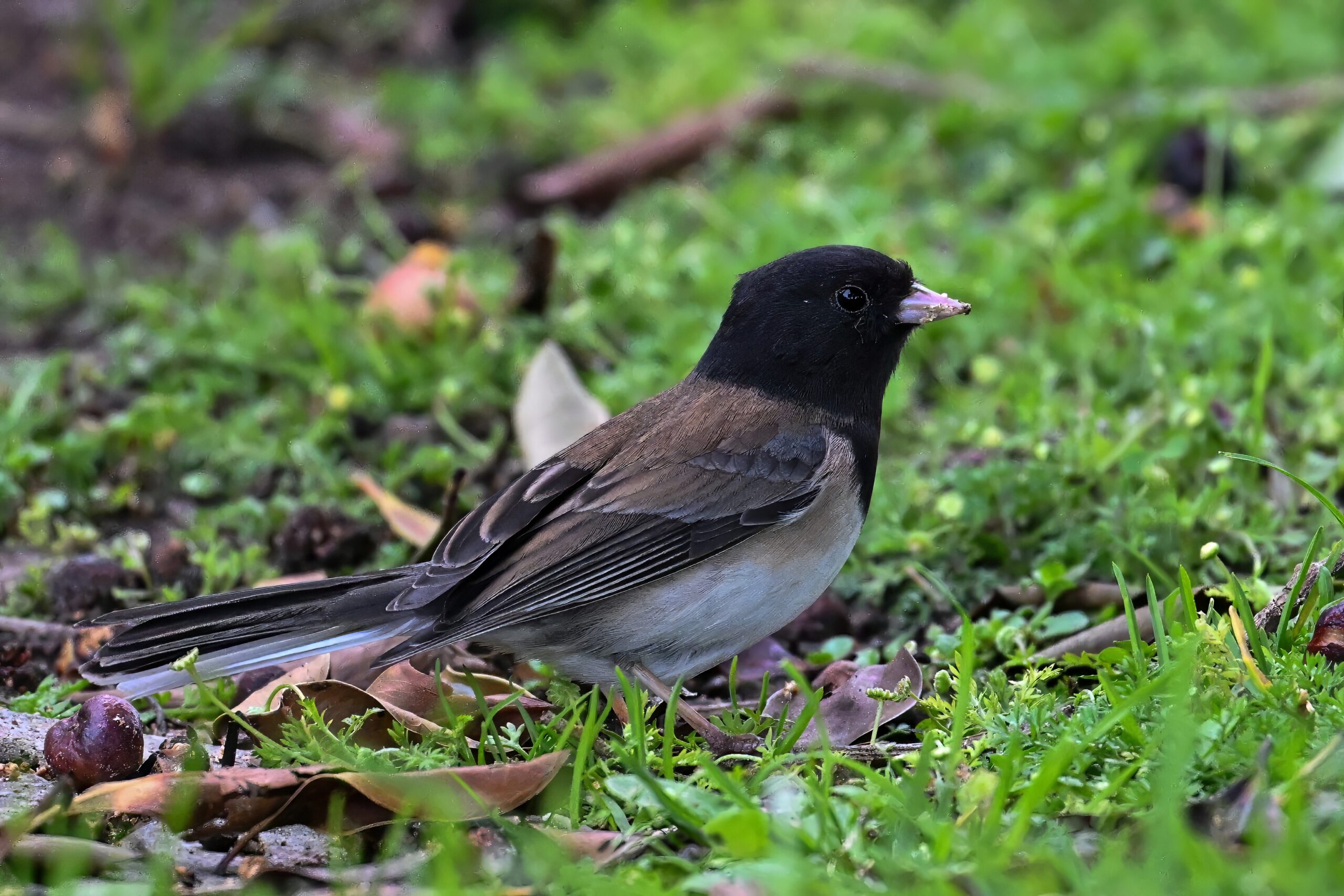
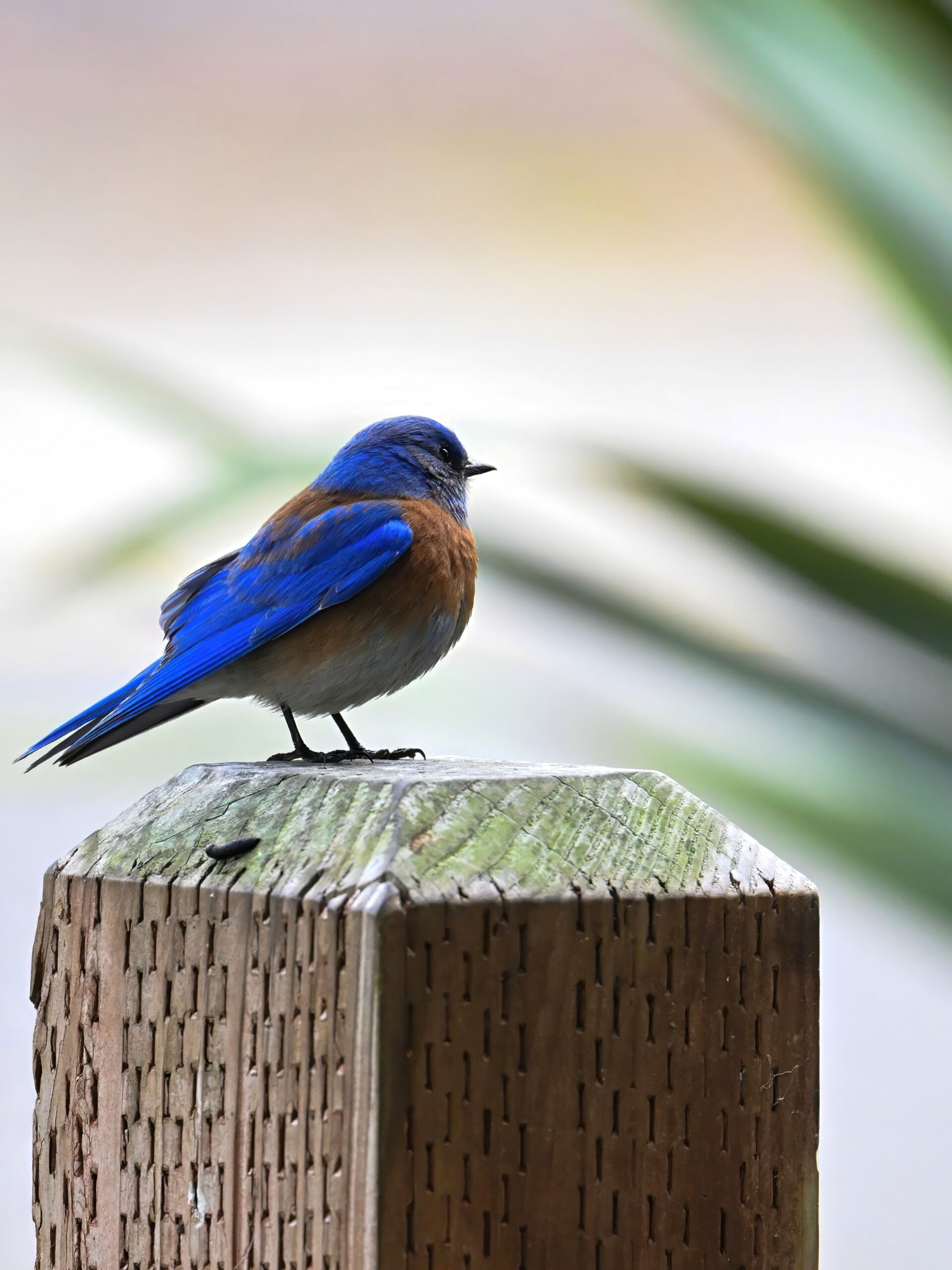
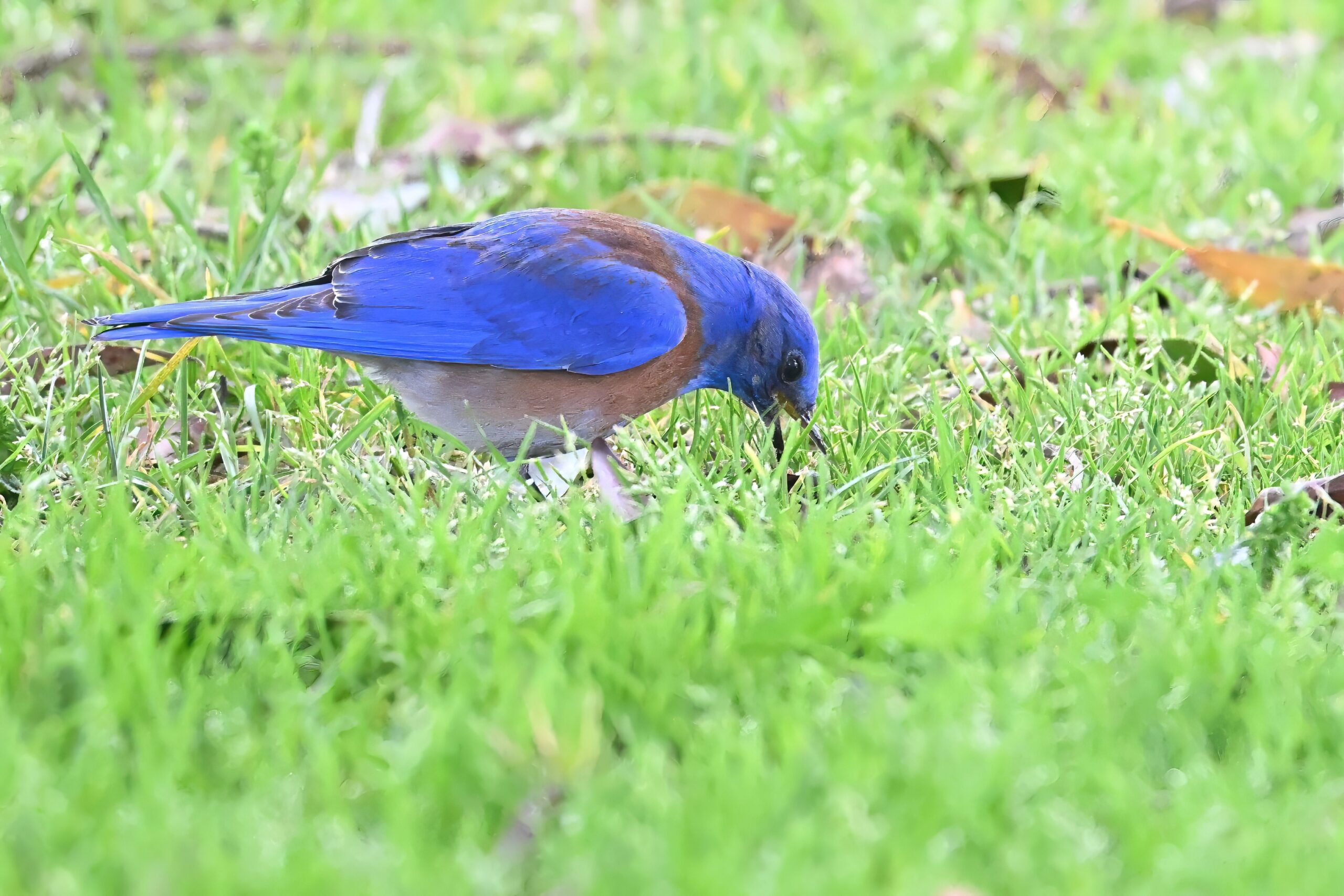
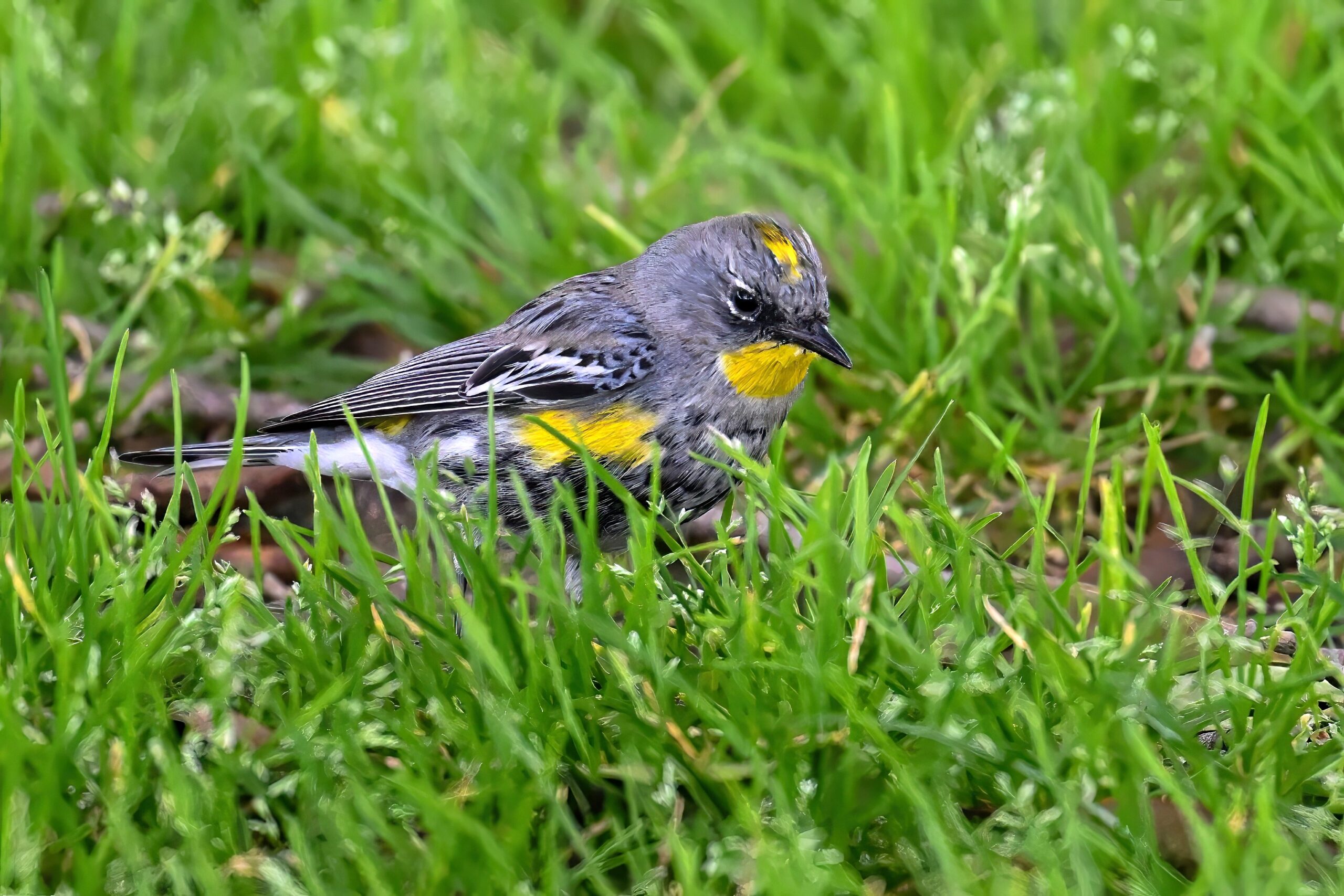
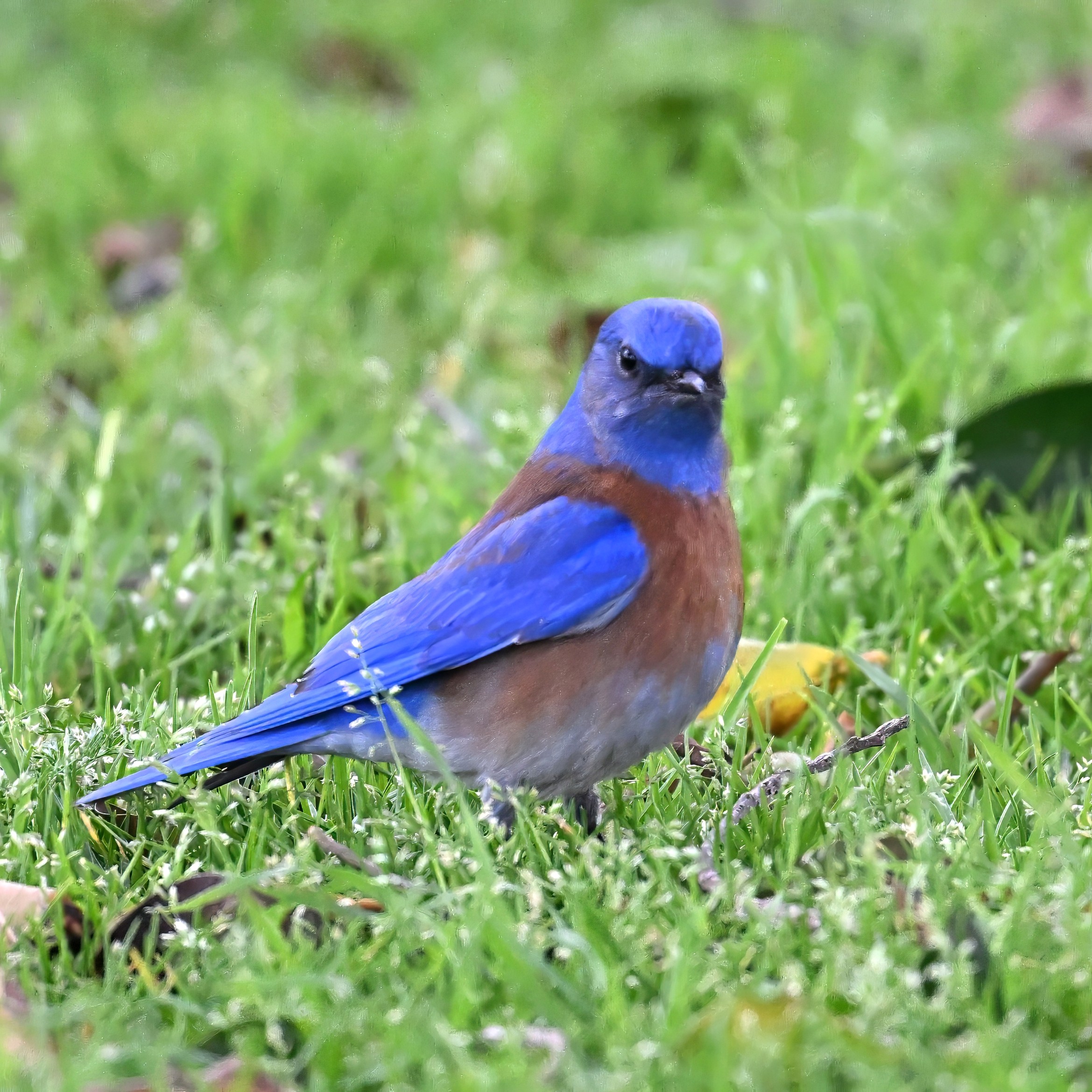
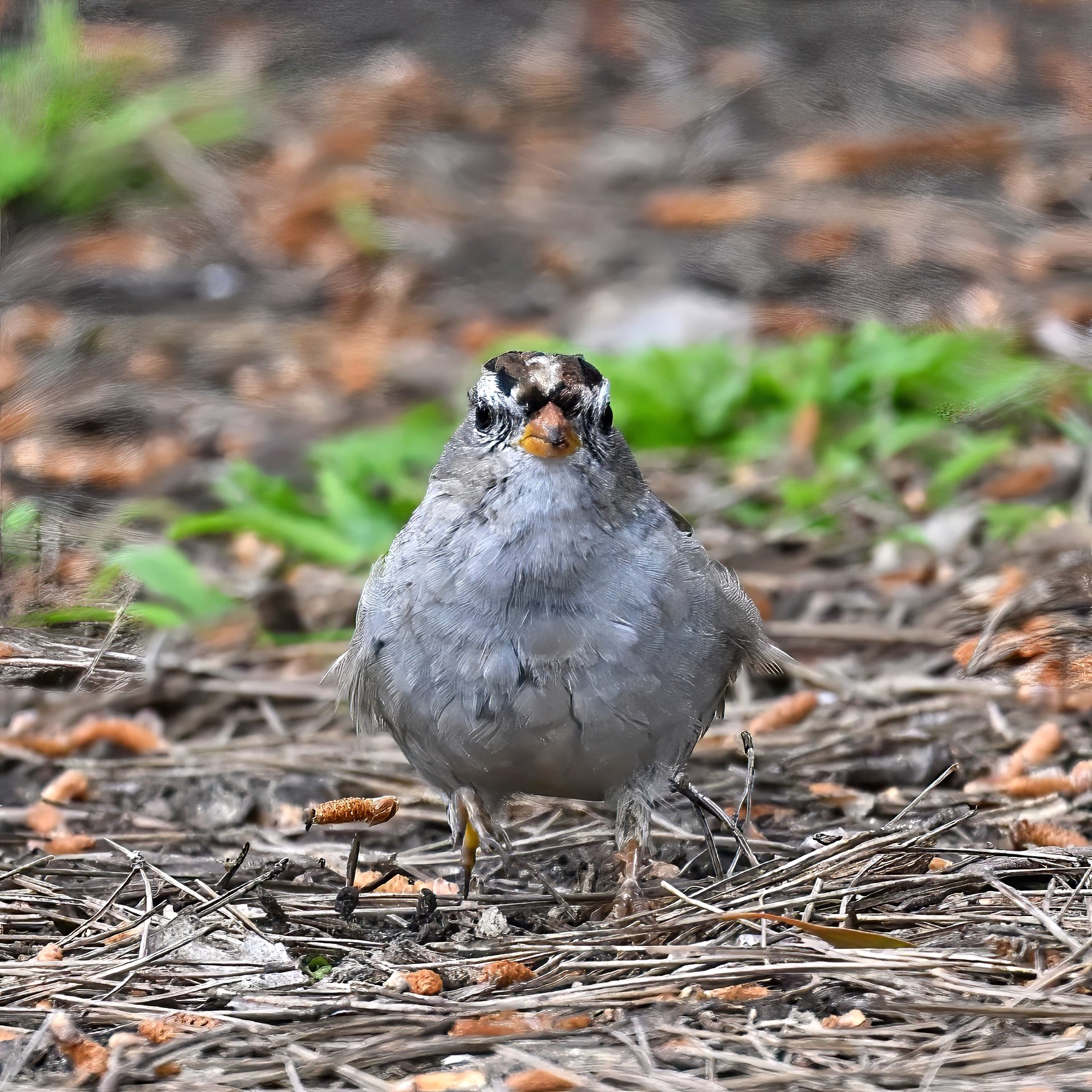
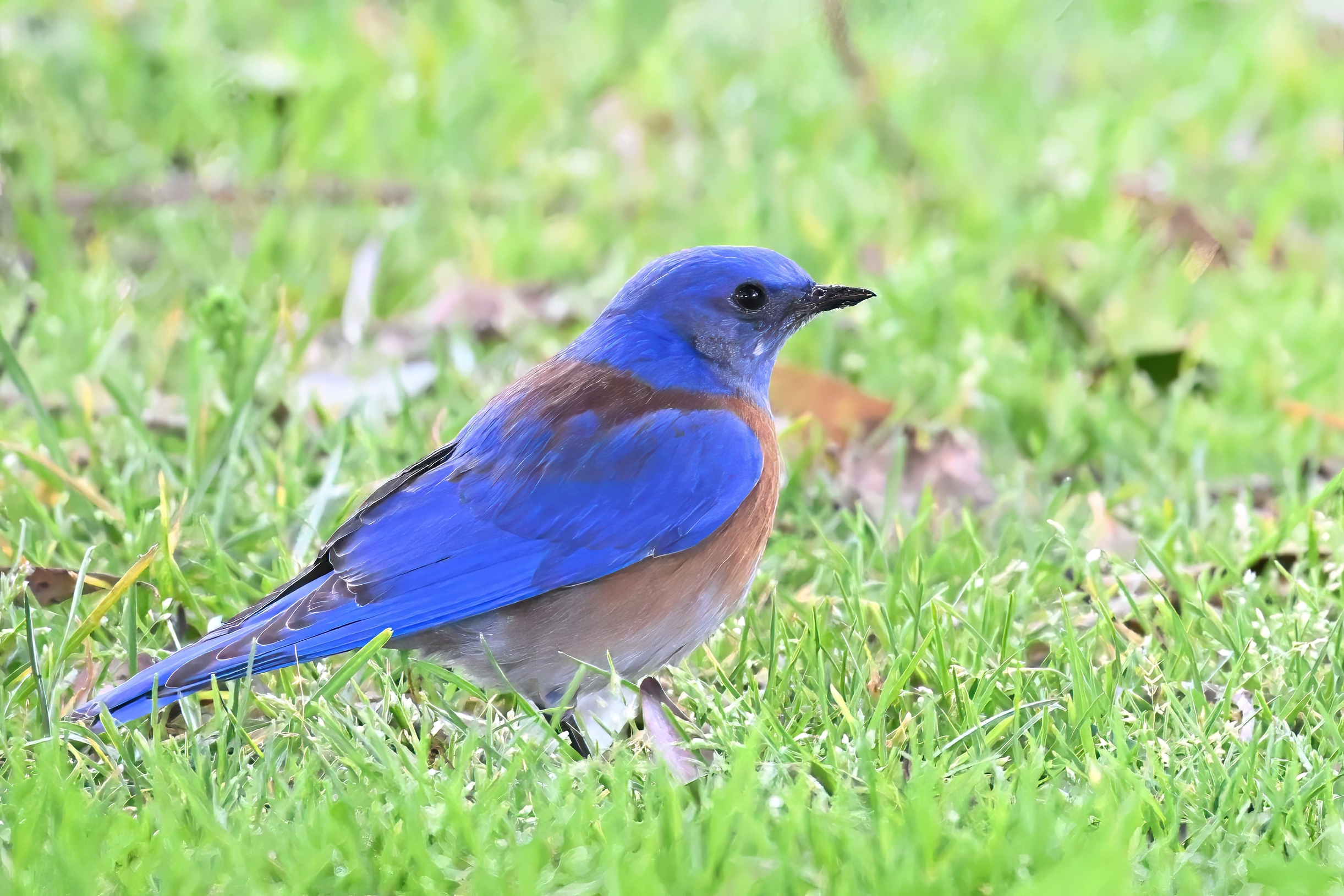
Buddy Todd Park – a hilltop oasis in suburban northern San Diego County. Lots of trees, lots of grass, & a perimeter that includes natural coastal chaparral hillside. Plenty of Dark-eyed Junco, goldfinch, & Western Bluebird activity, not to mention Yellow-rumped Warbler:
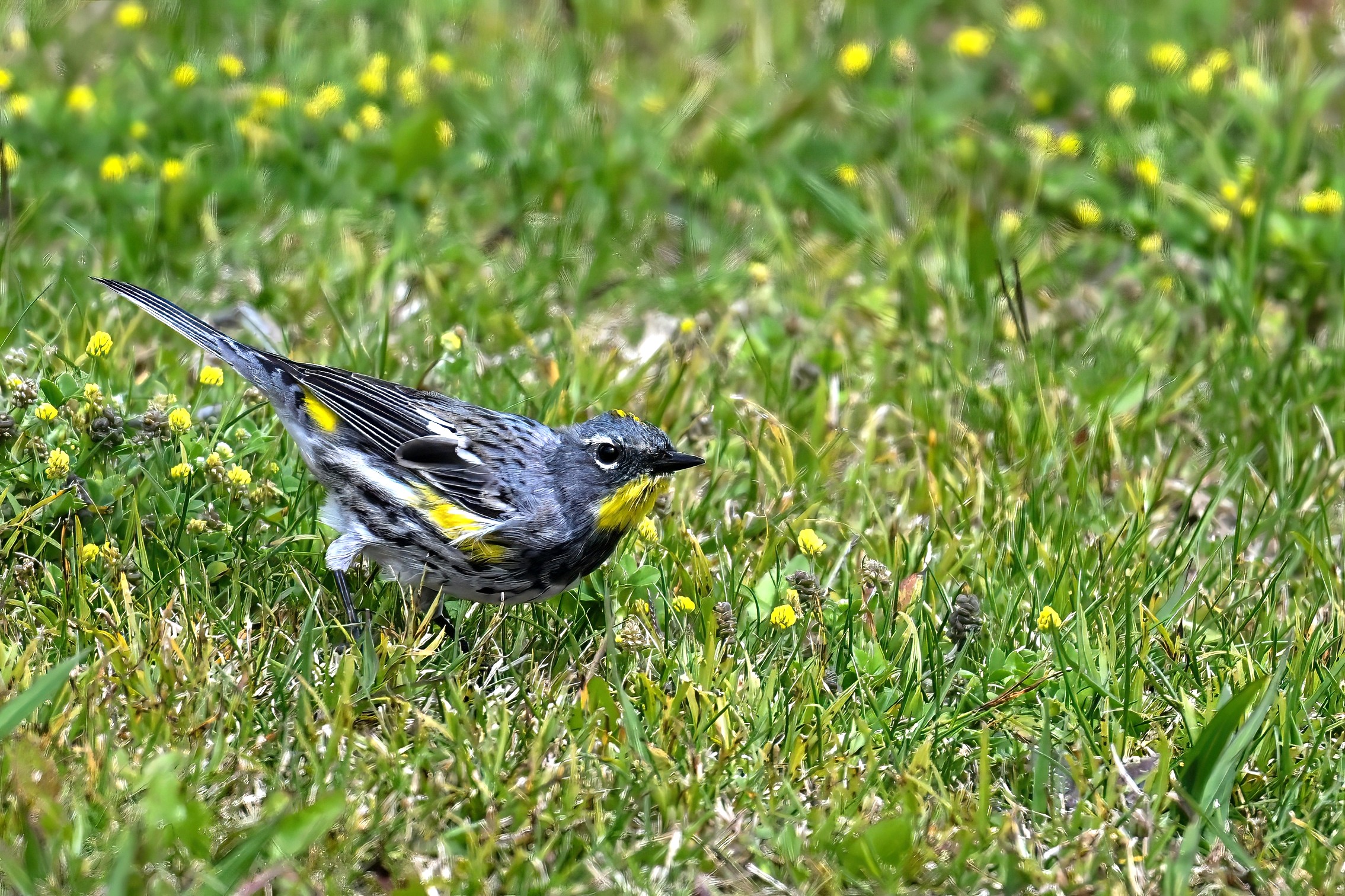
Species note: this is the “Audubon’s” sub-species of Yellow-rumped Warbler, w/ distinctive yellow throat. Yellow-rumped Warblers at Presque Isle State Park, on the other hand, are typically “Myrtle” sub-species w/ white throat.
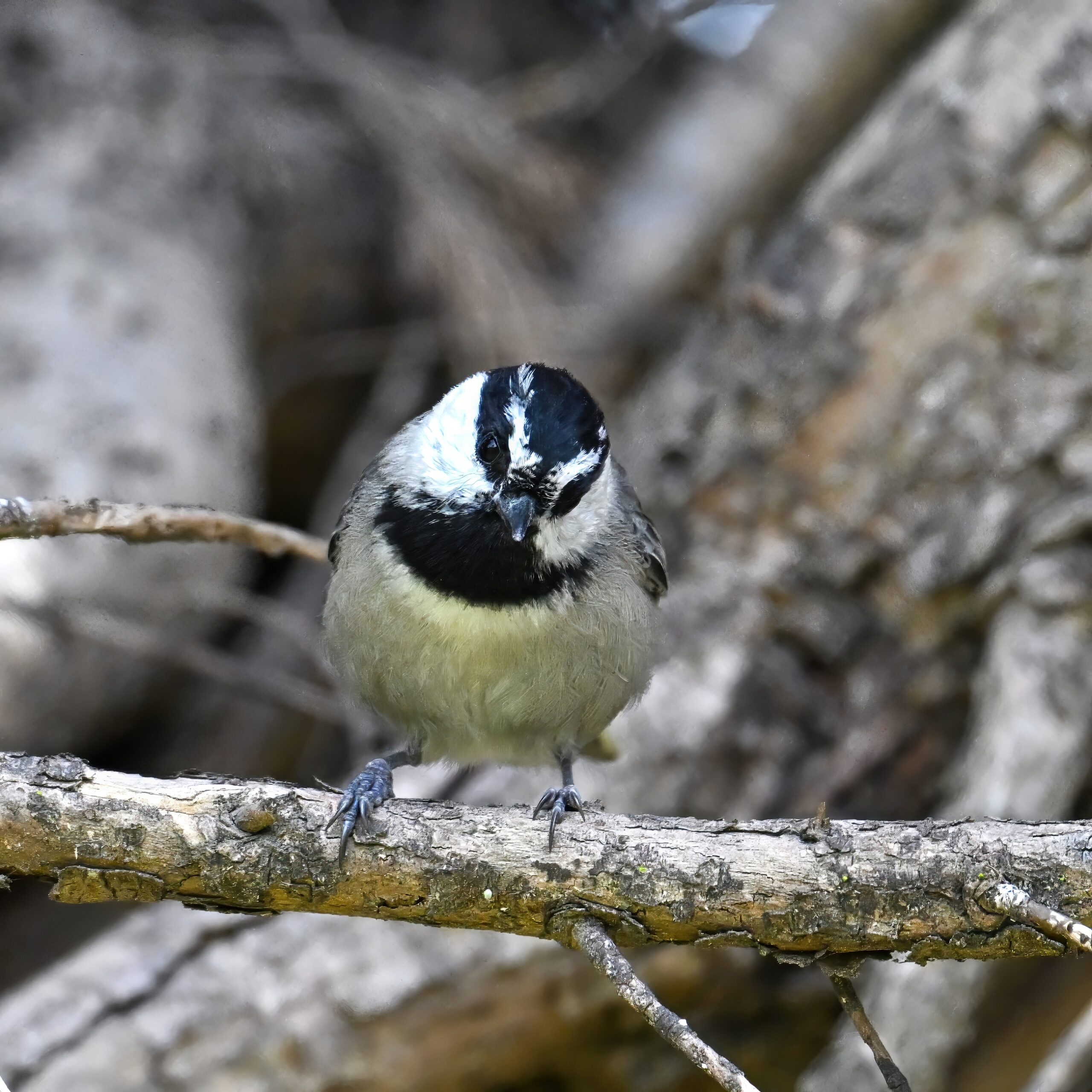
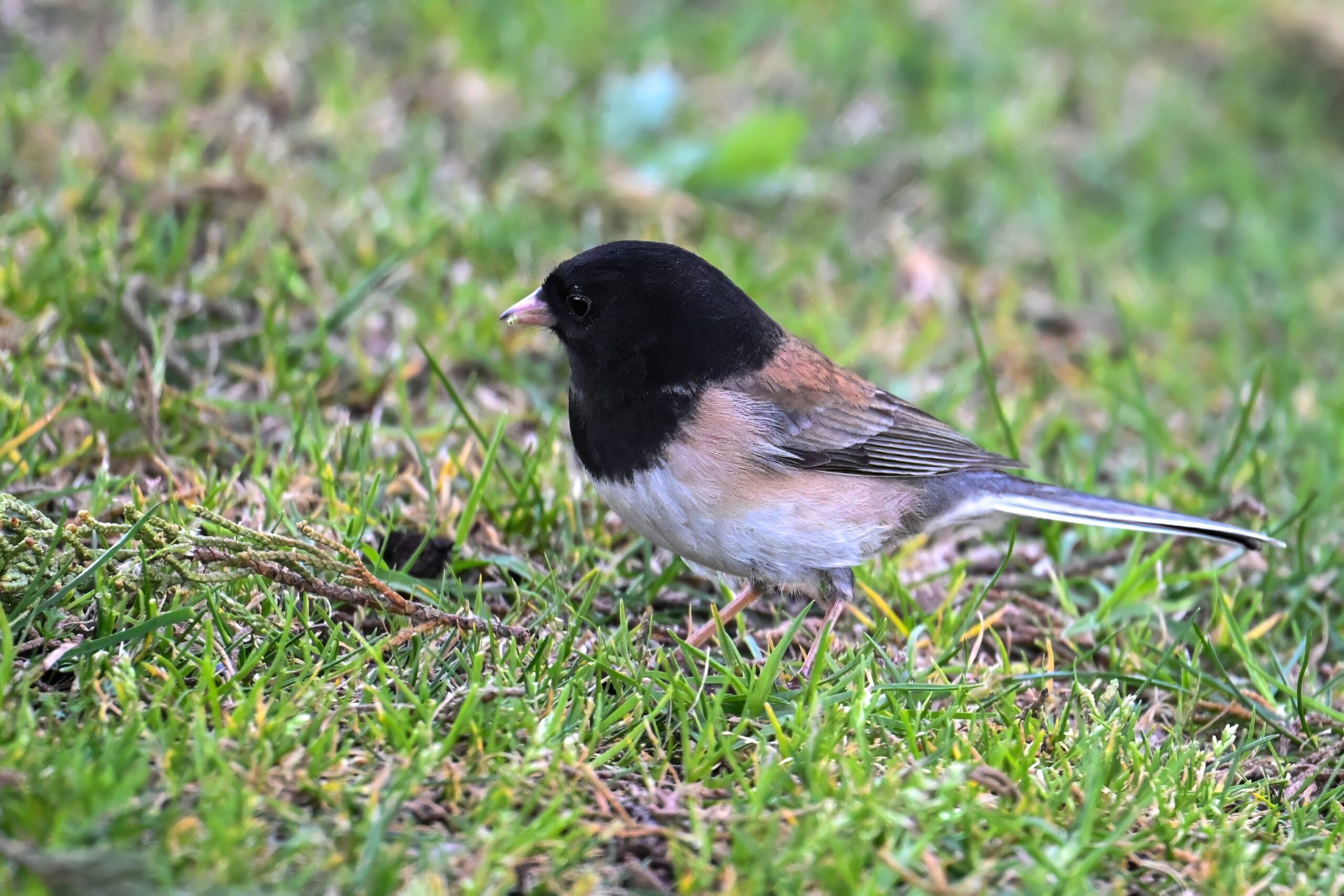
Species note: this is the “Oregon” sub-species of Dark-eyed Junco (note the contrasting dark hood), found mostly in western US.
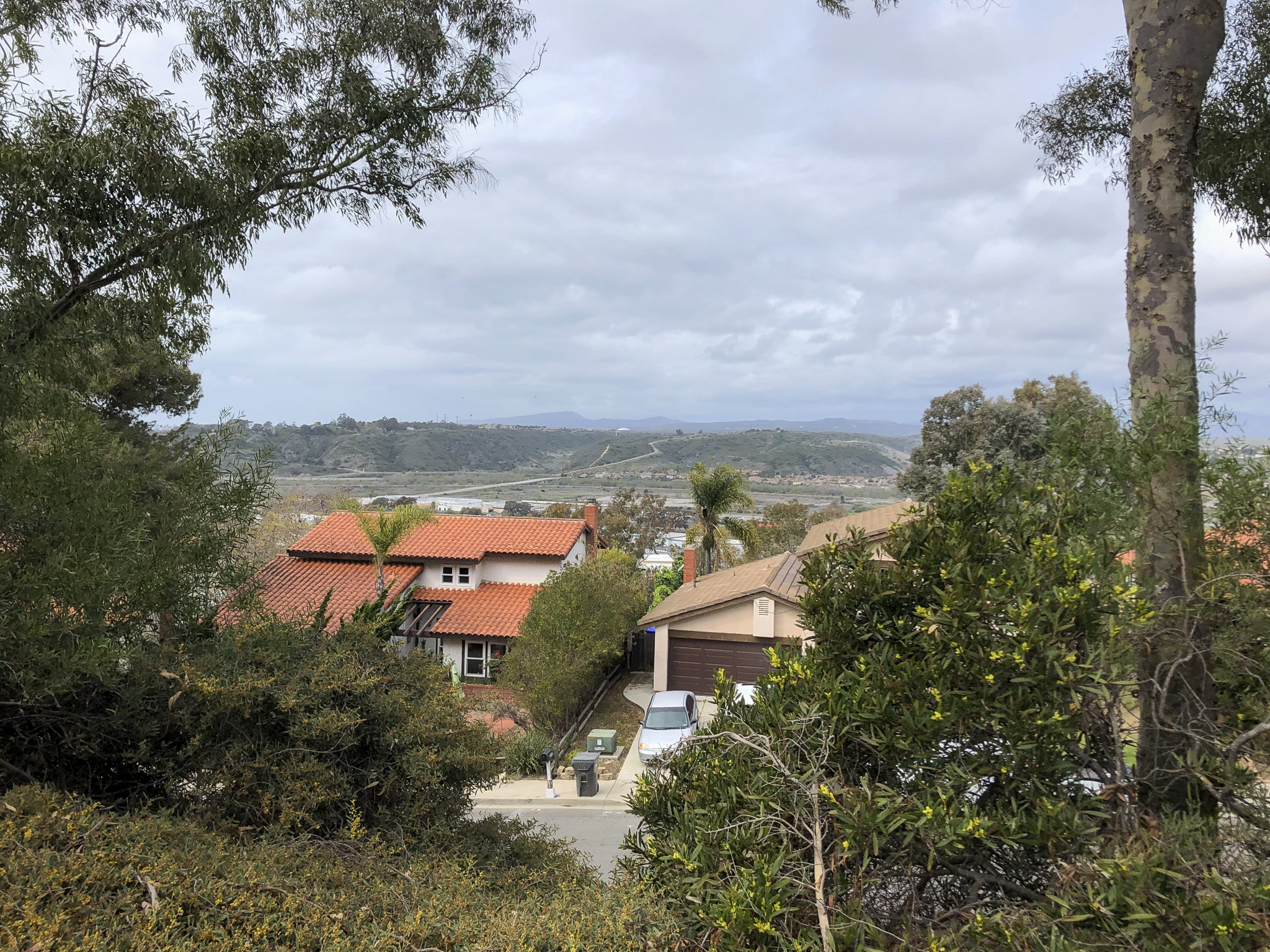
View north-ish from the park, w/ nearby neighborhood, San Luis Rey River, and USMC Camp Pendleton in the distance:
[Editor’s note: thought we were getting rid of honorific bird names. (Regardless of who “Allen” is/was, “Allen’s Hummingbird” is an awful name.) Please use “Western Sunflame” going forward.]