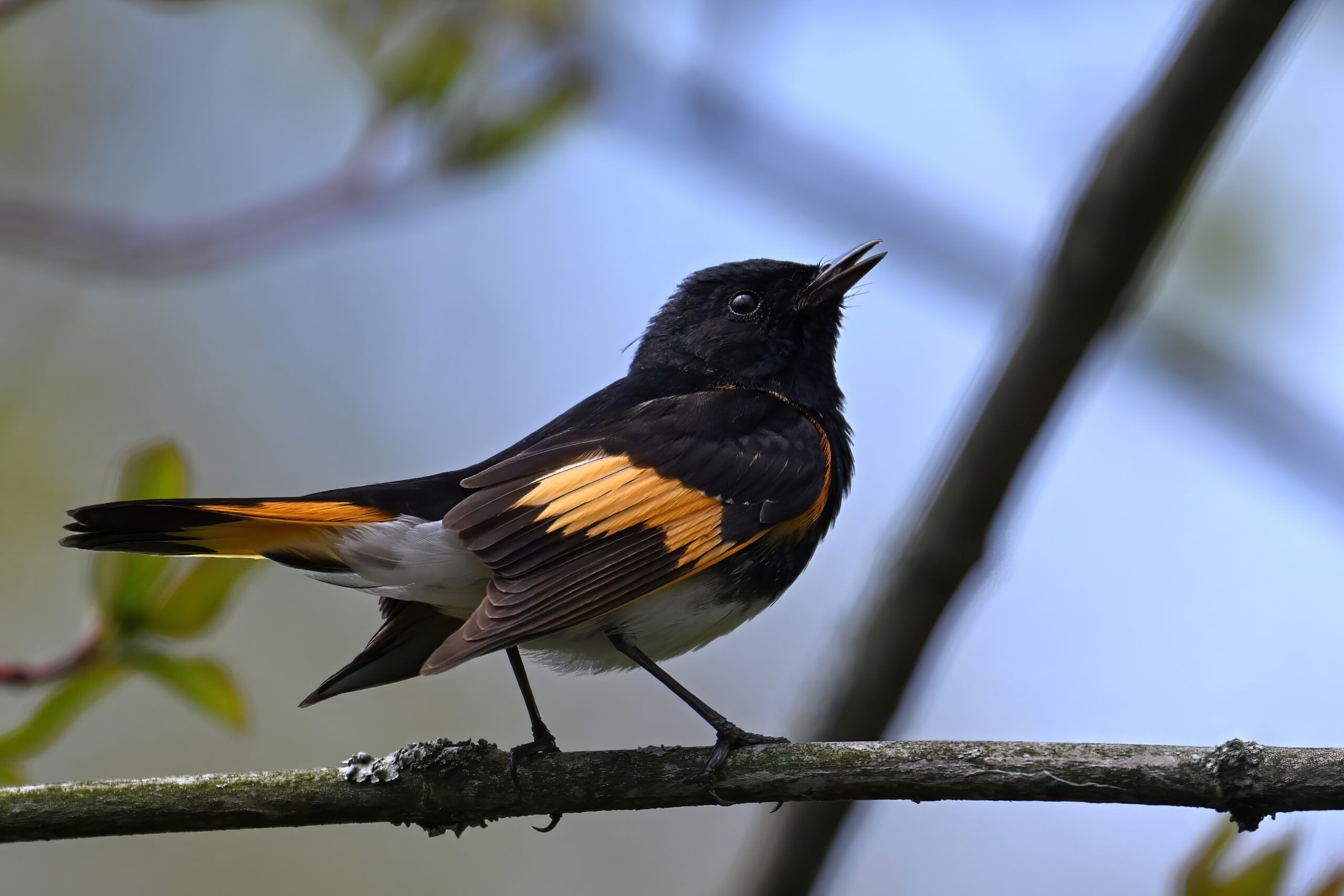
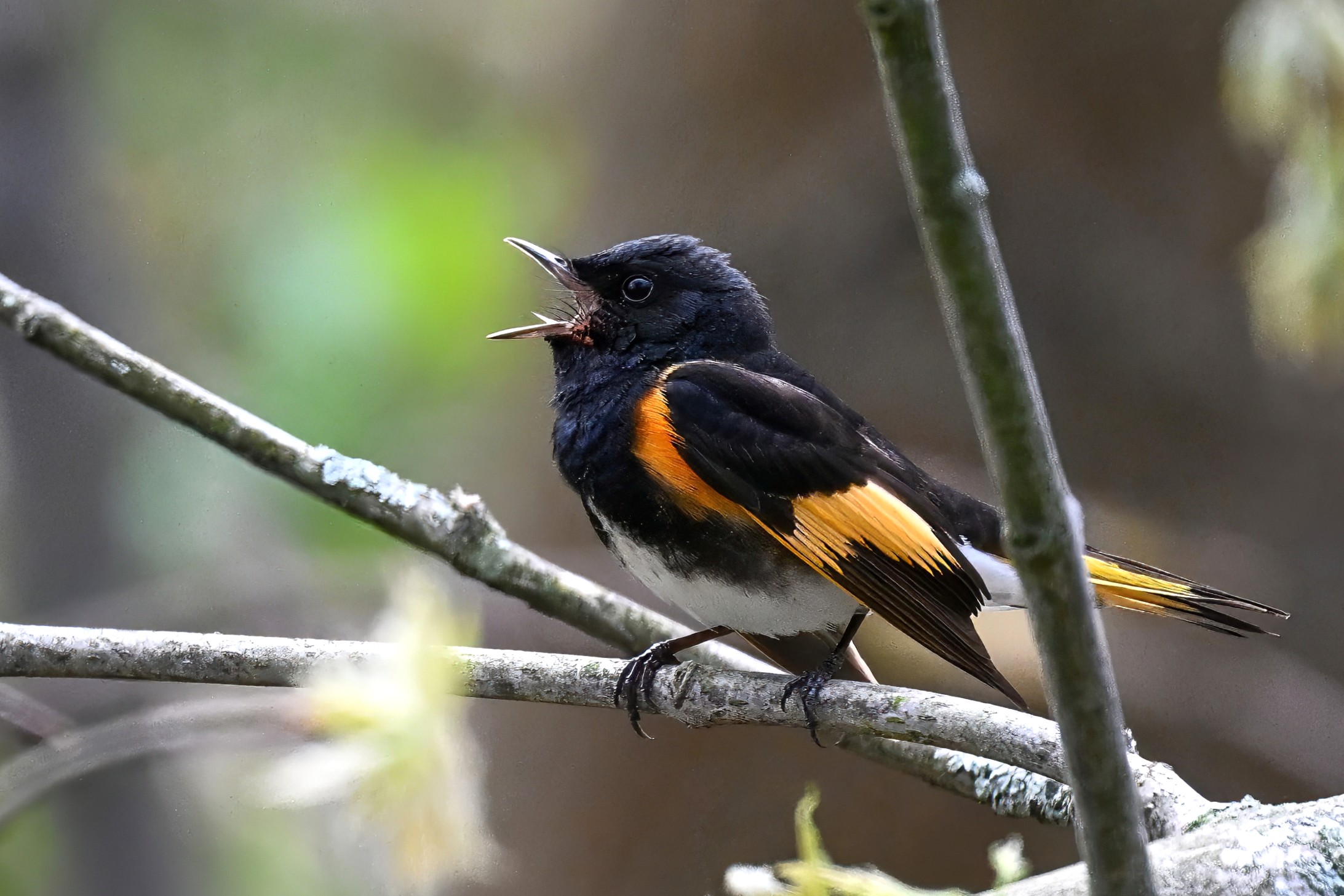
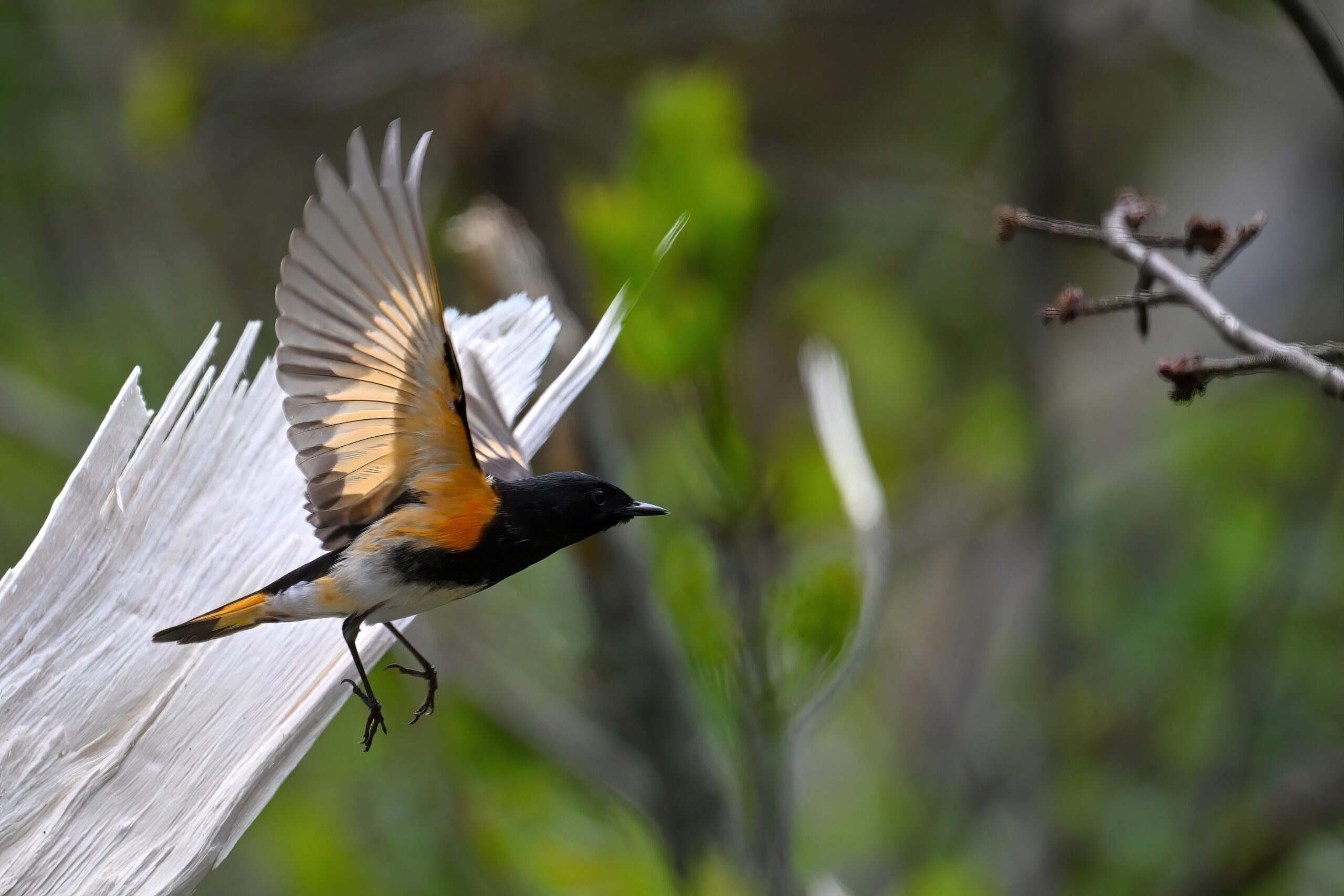
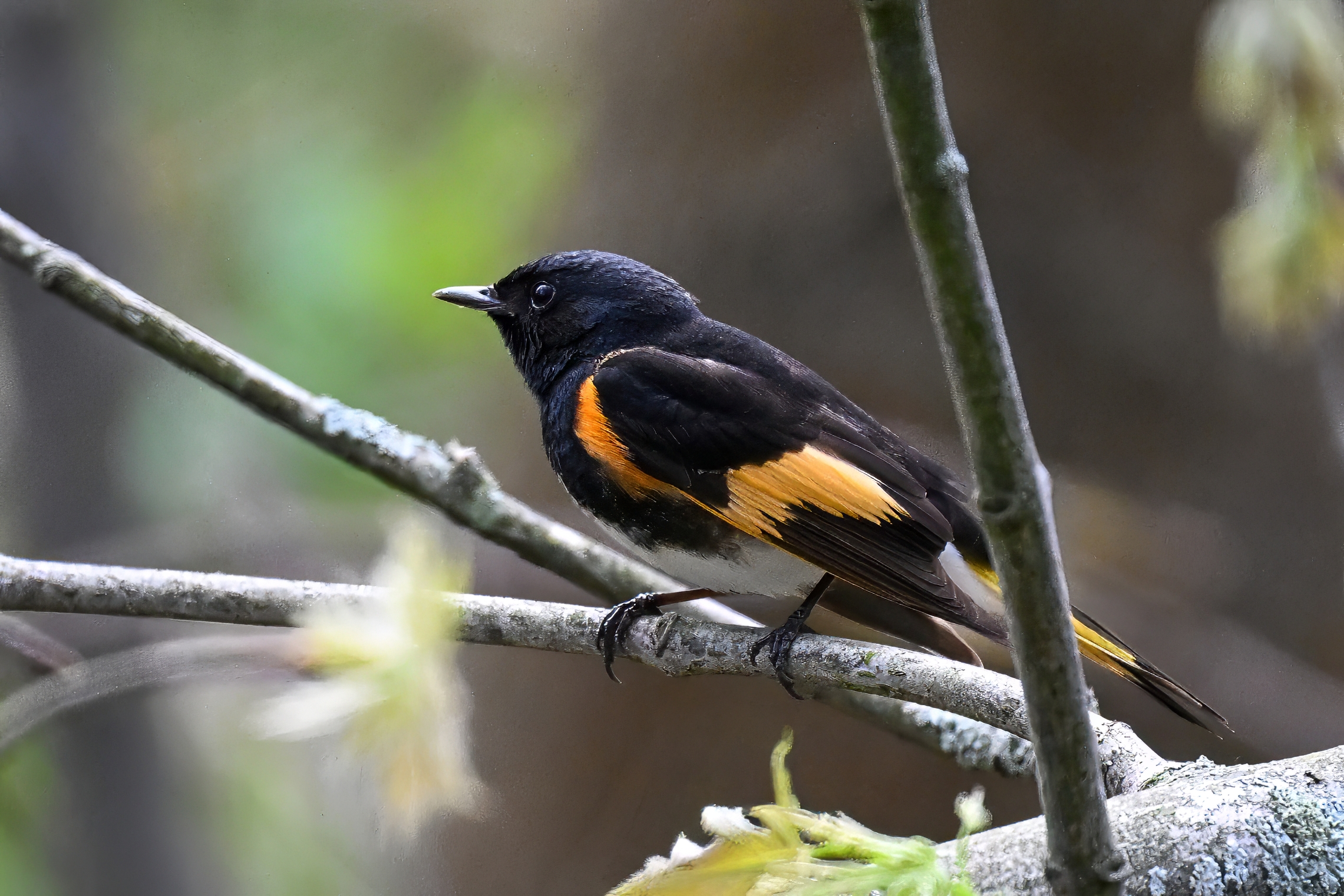
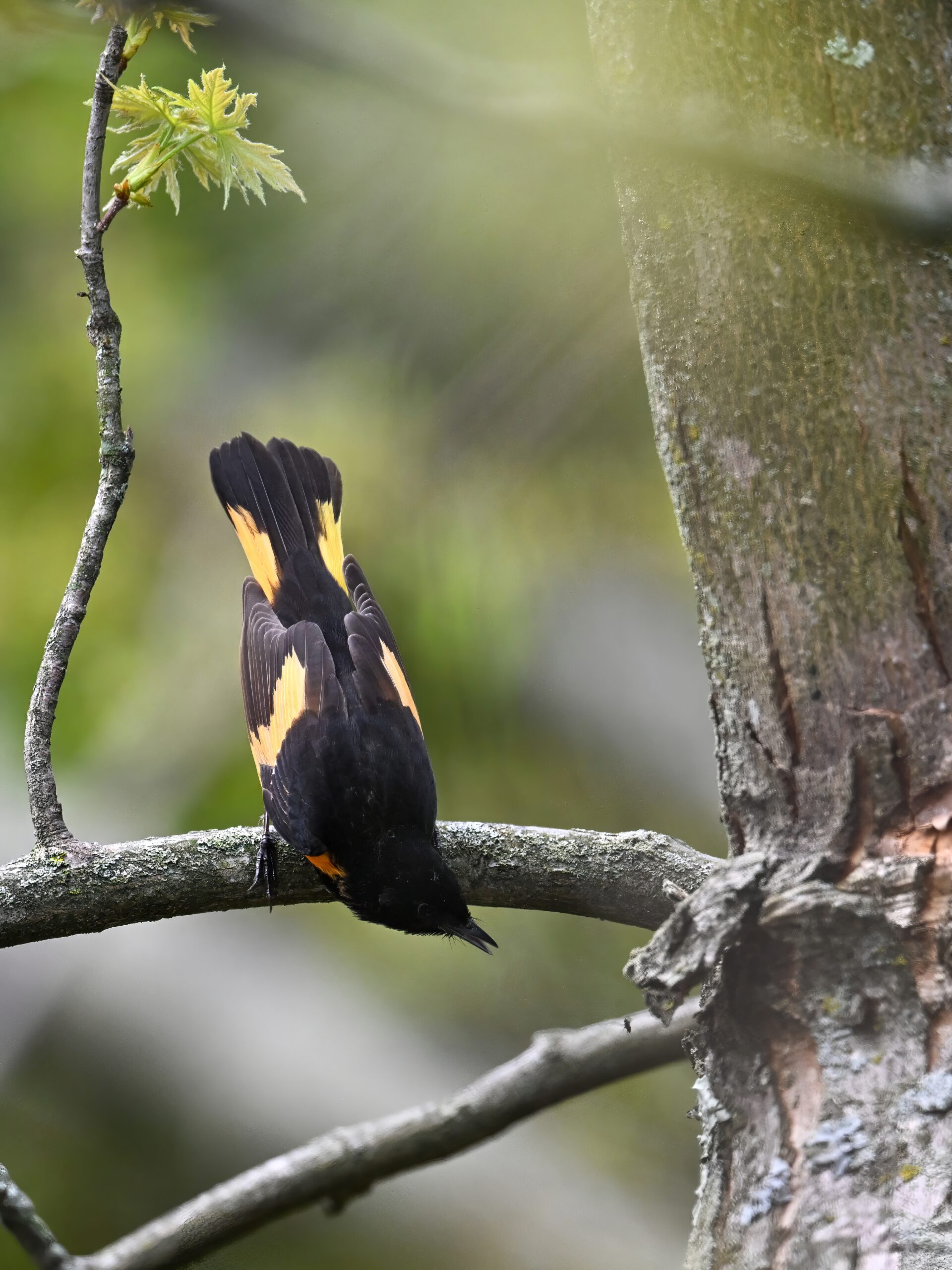
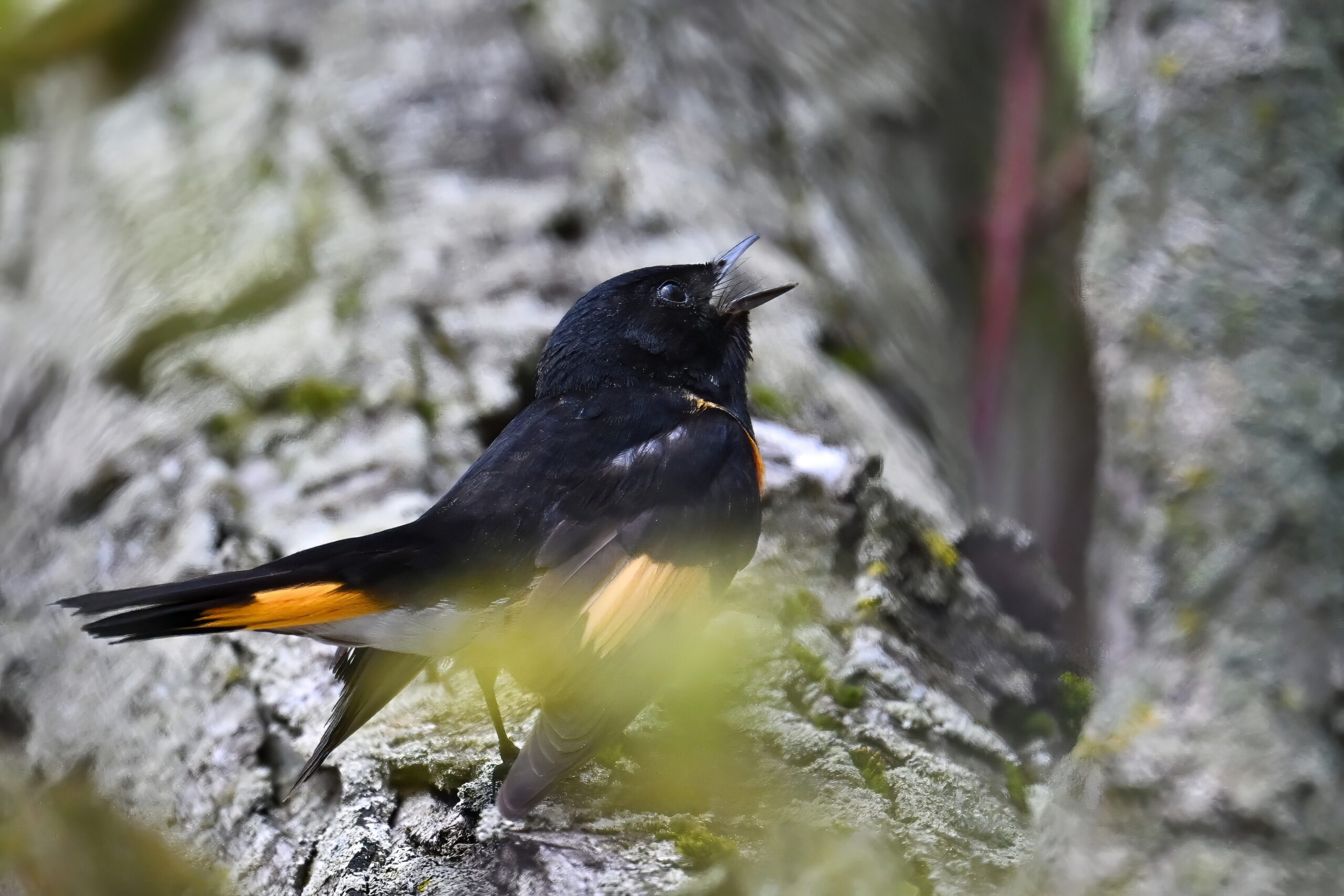
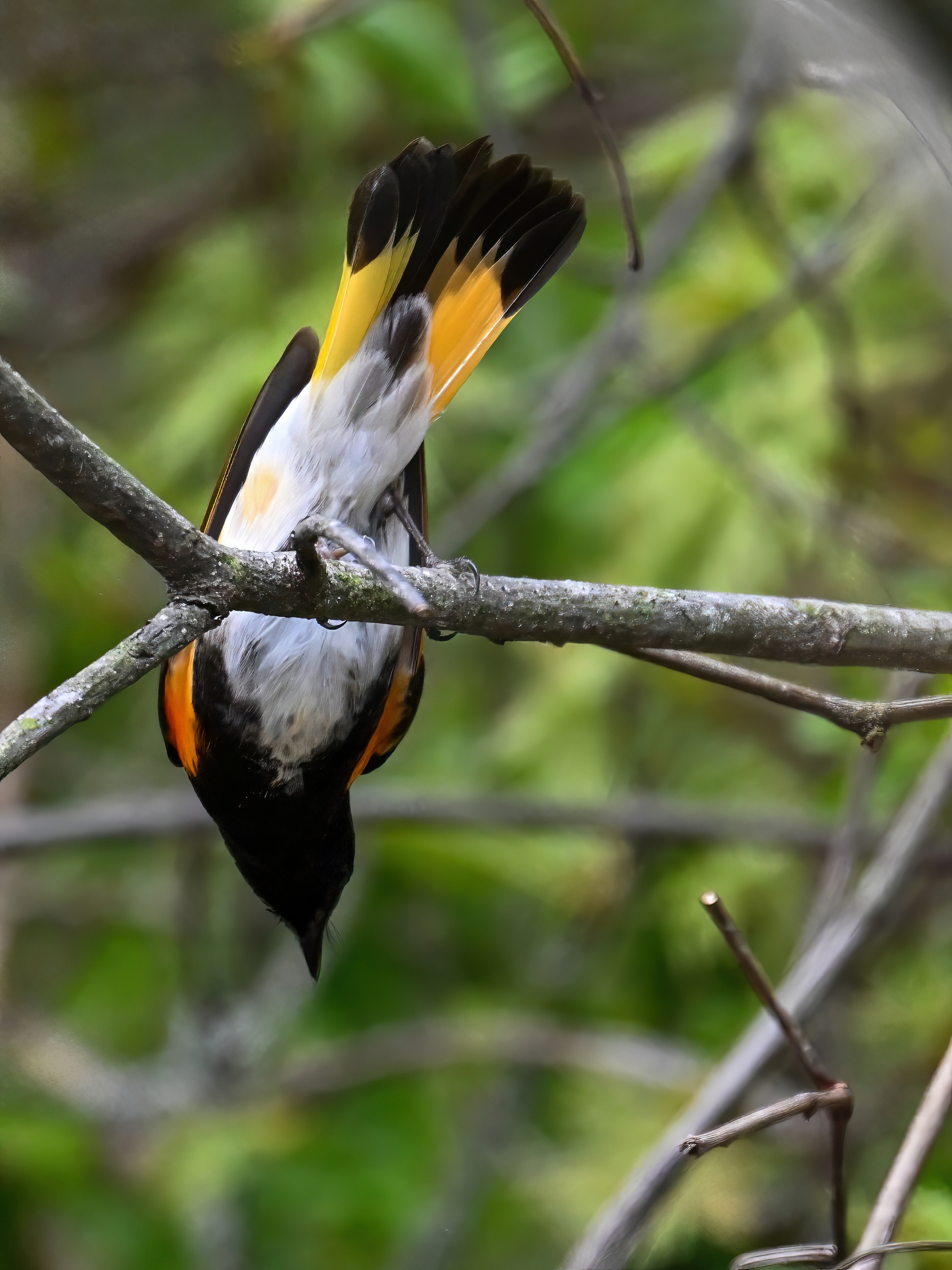
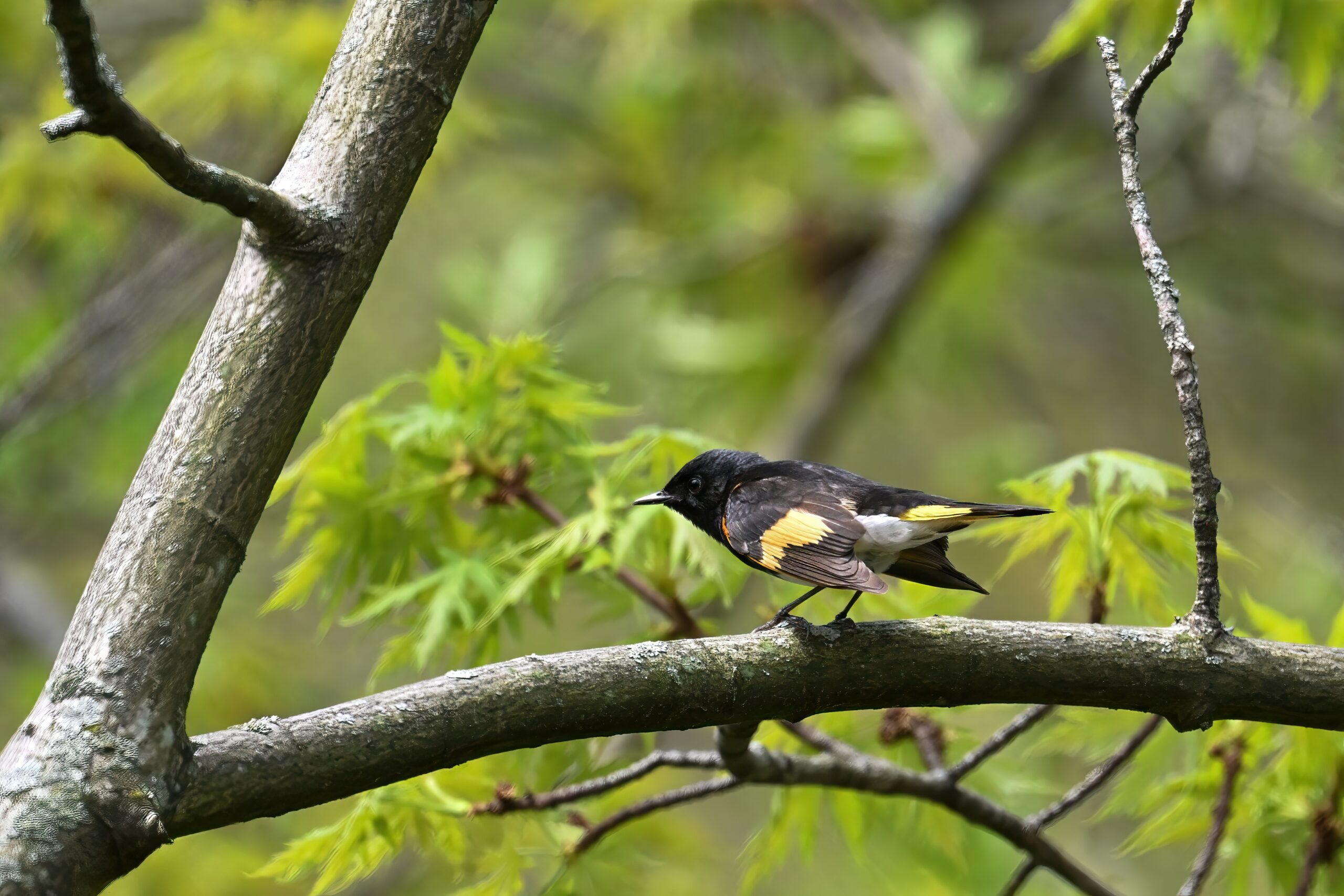
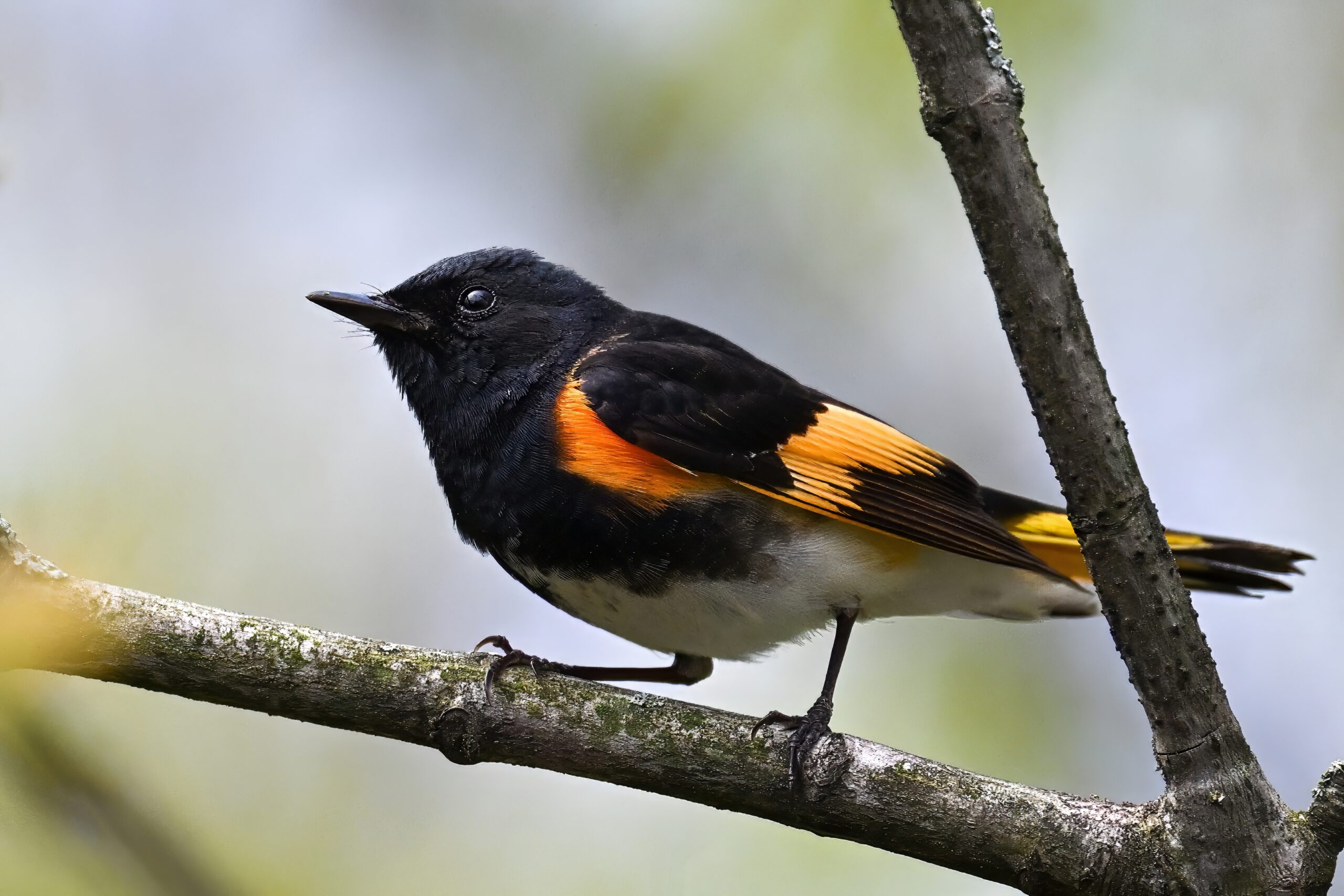
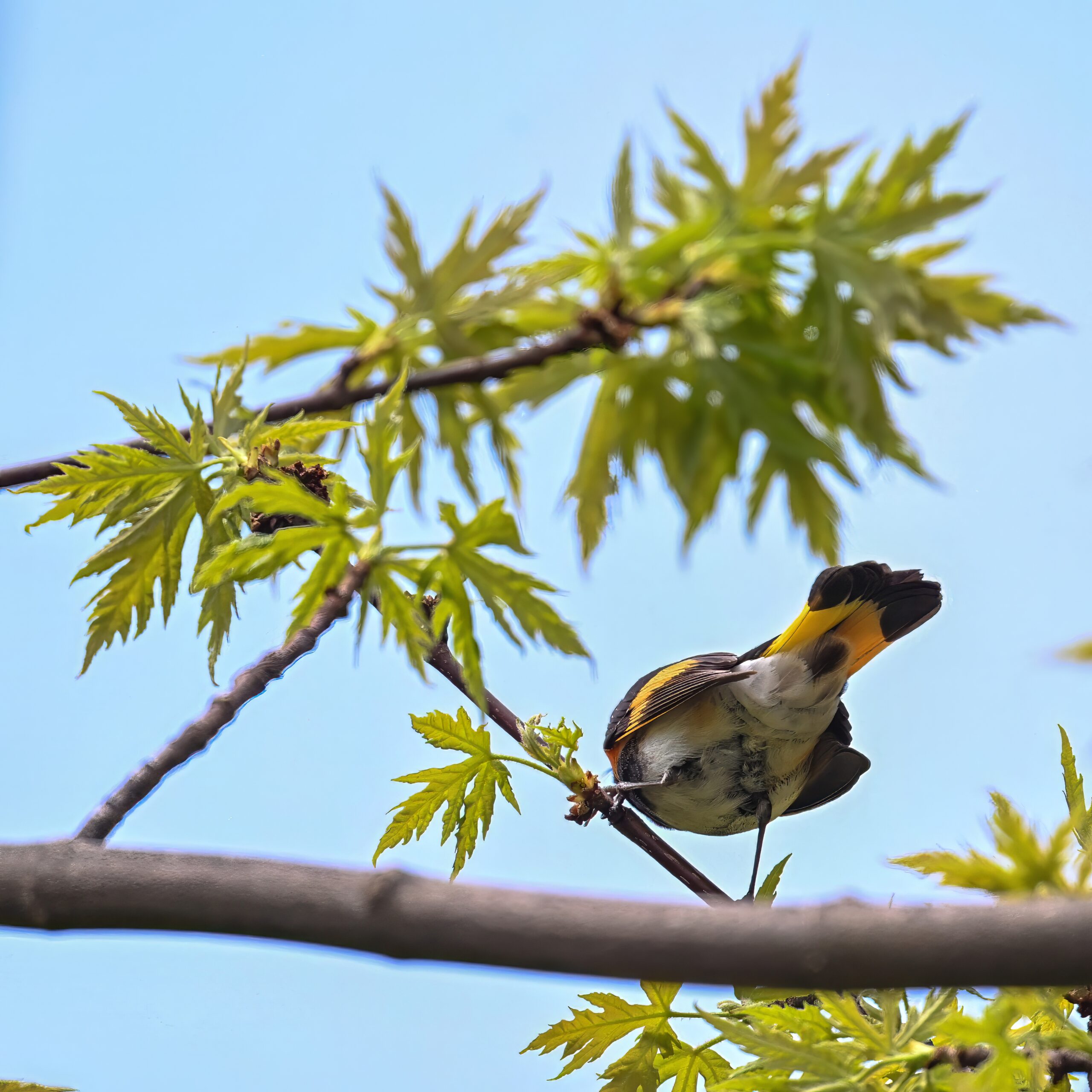
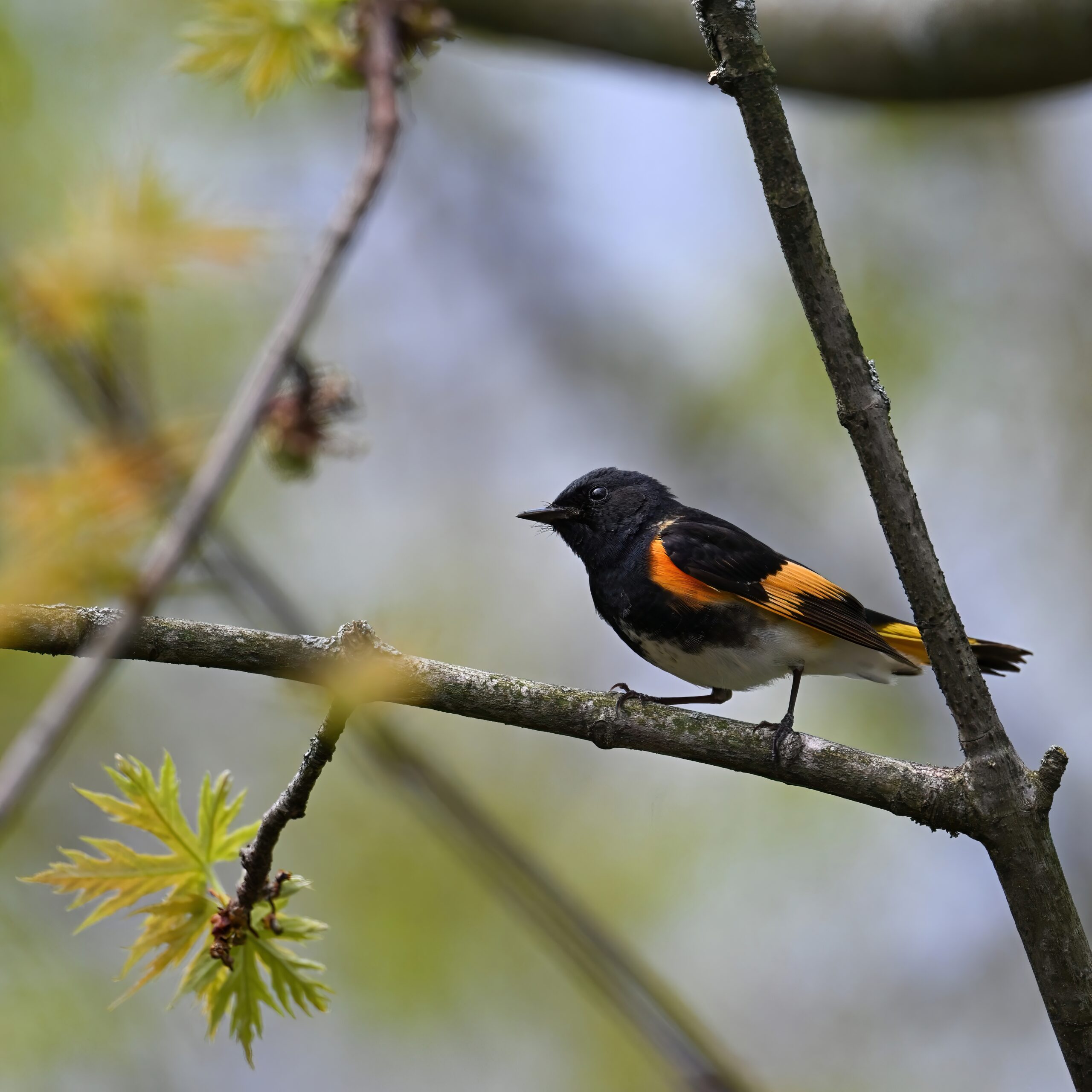
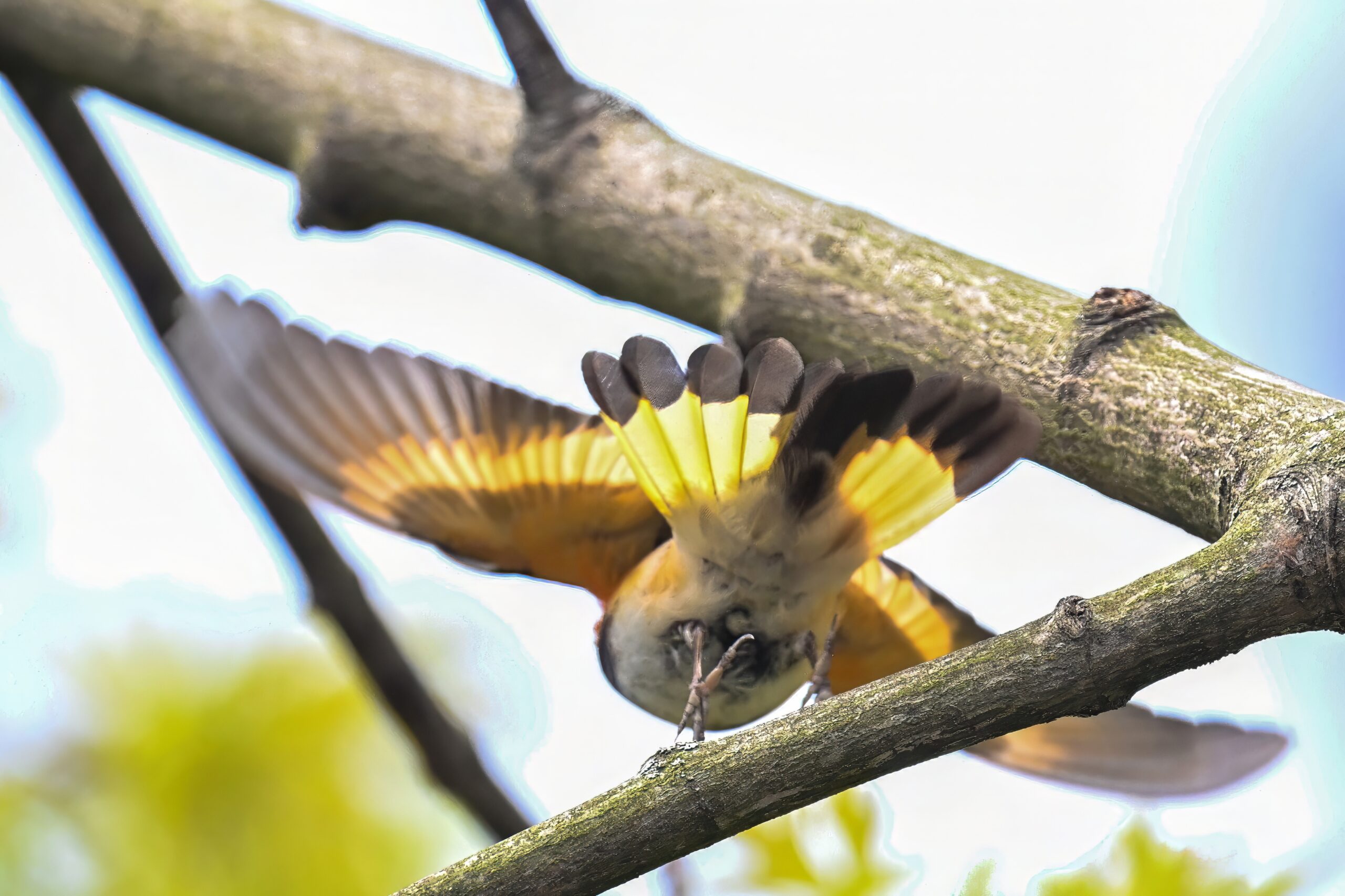
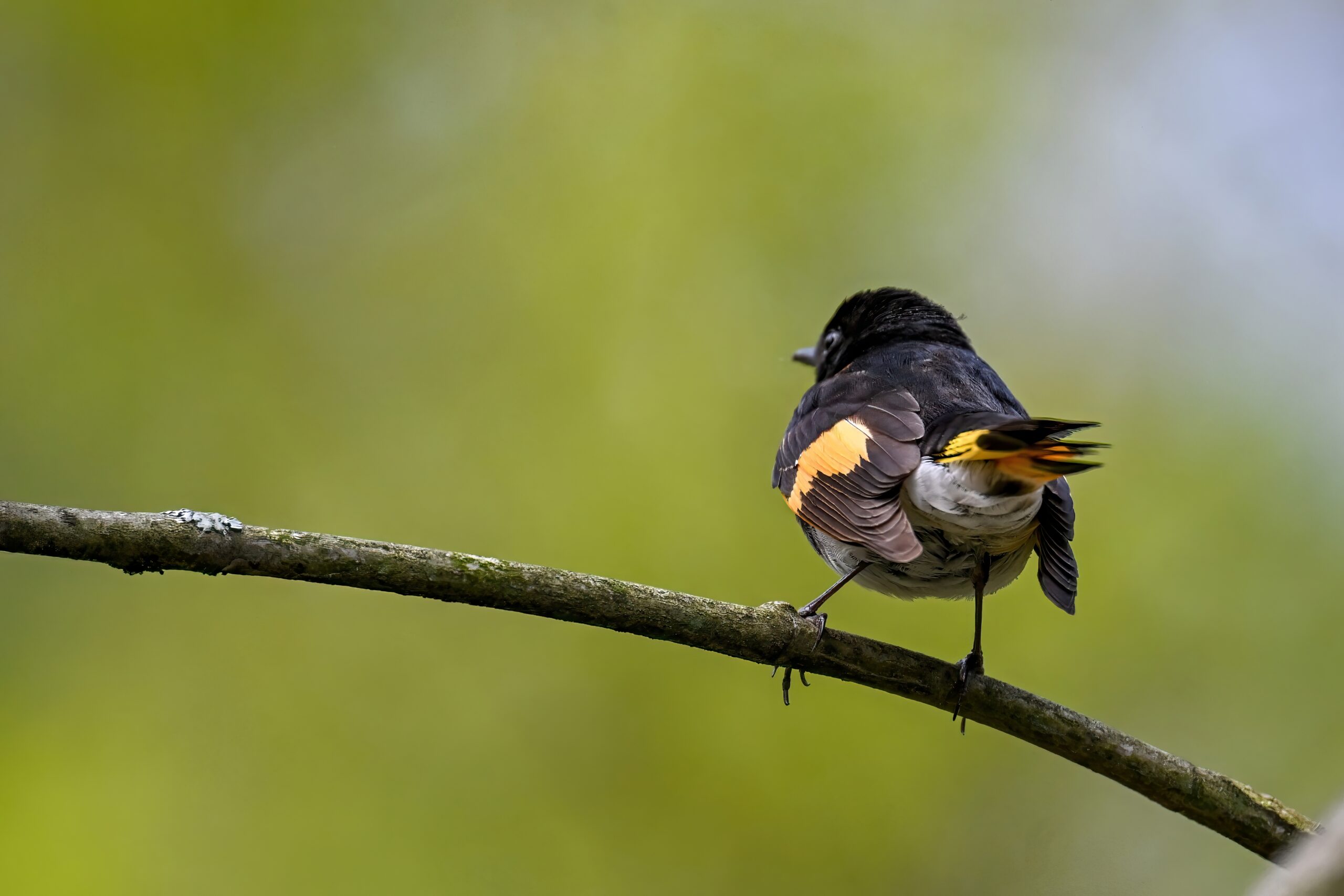
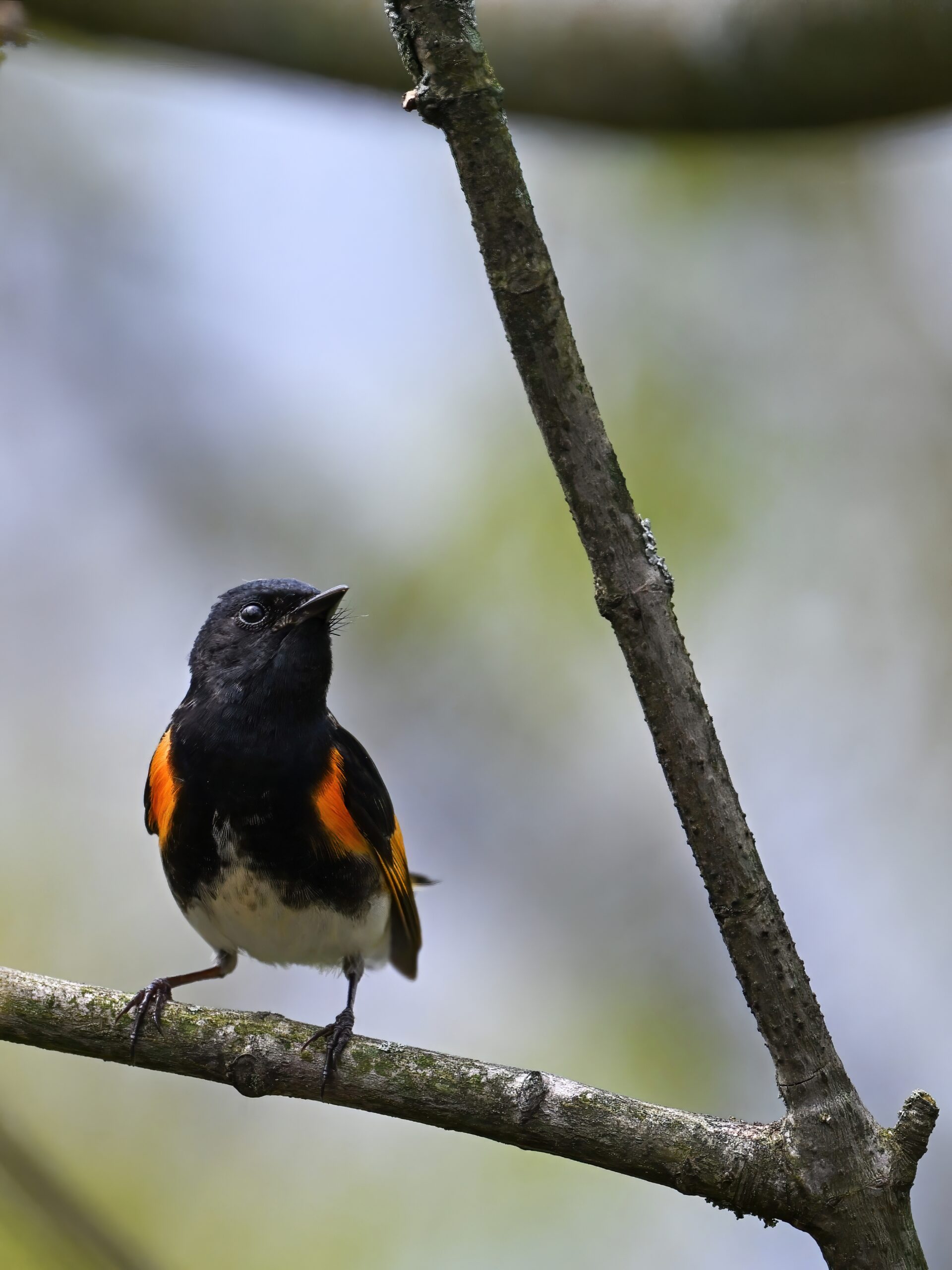
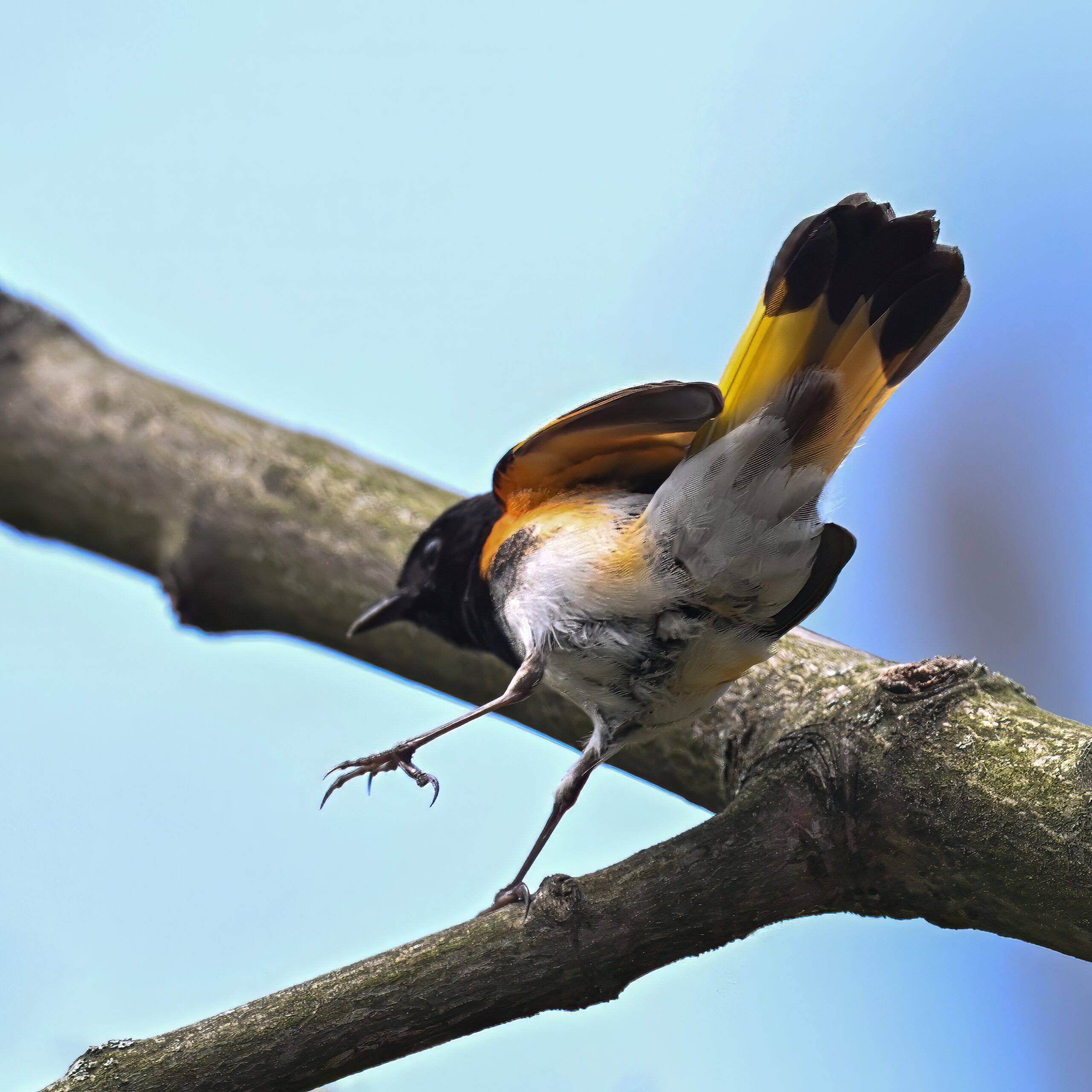
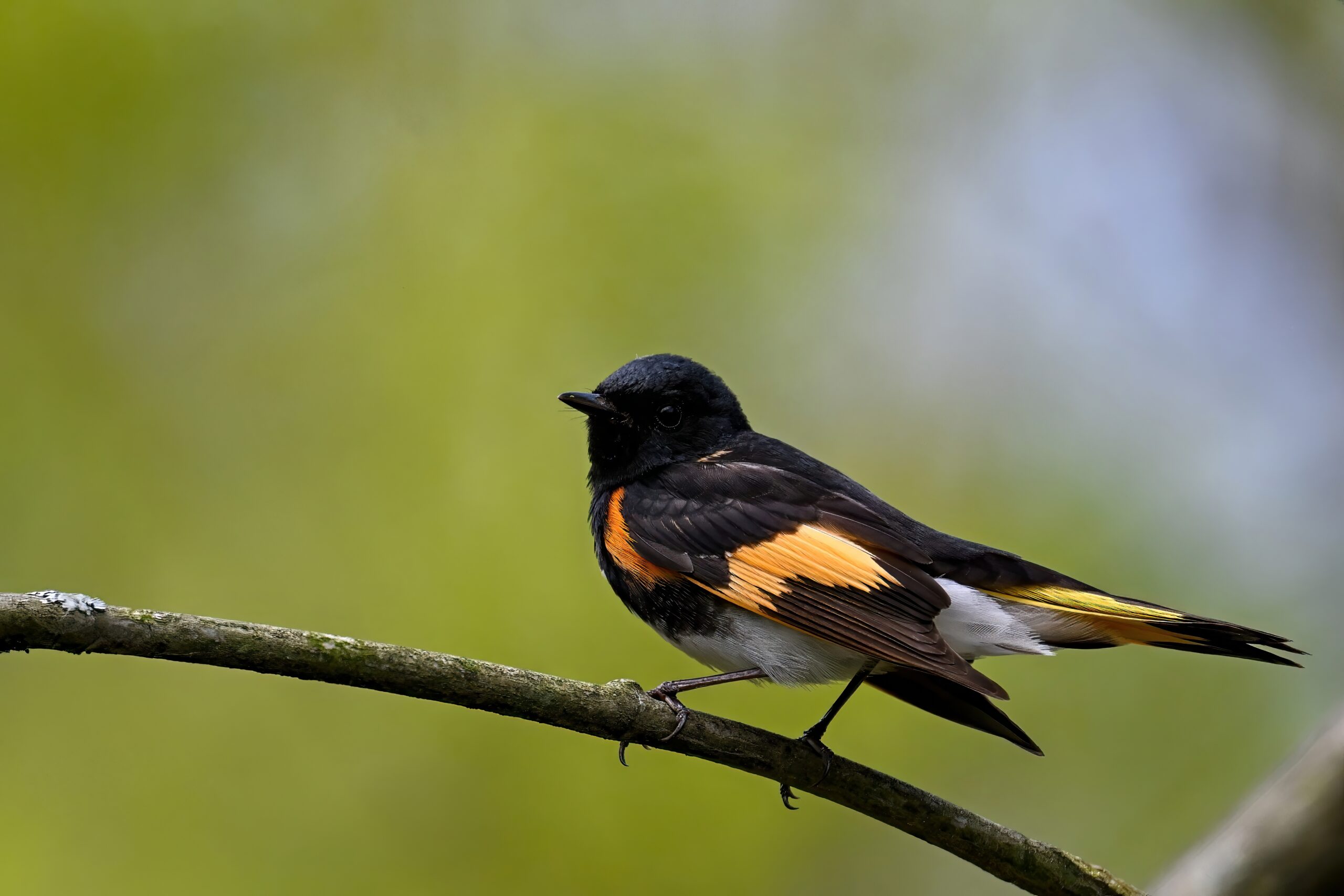
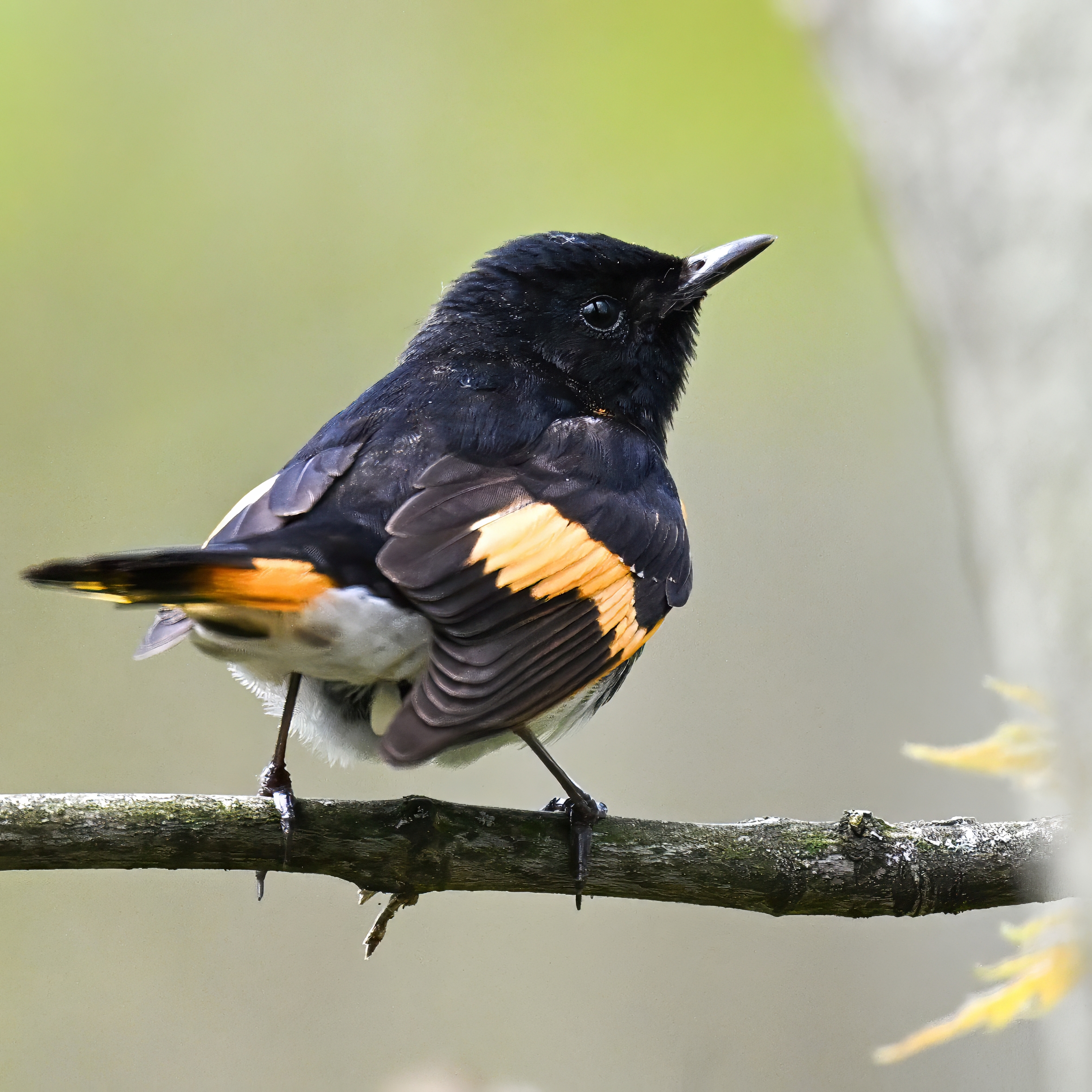
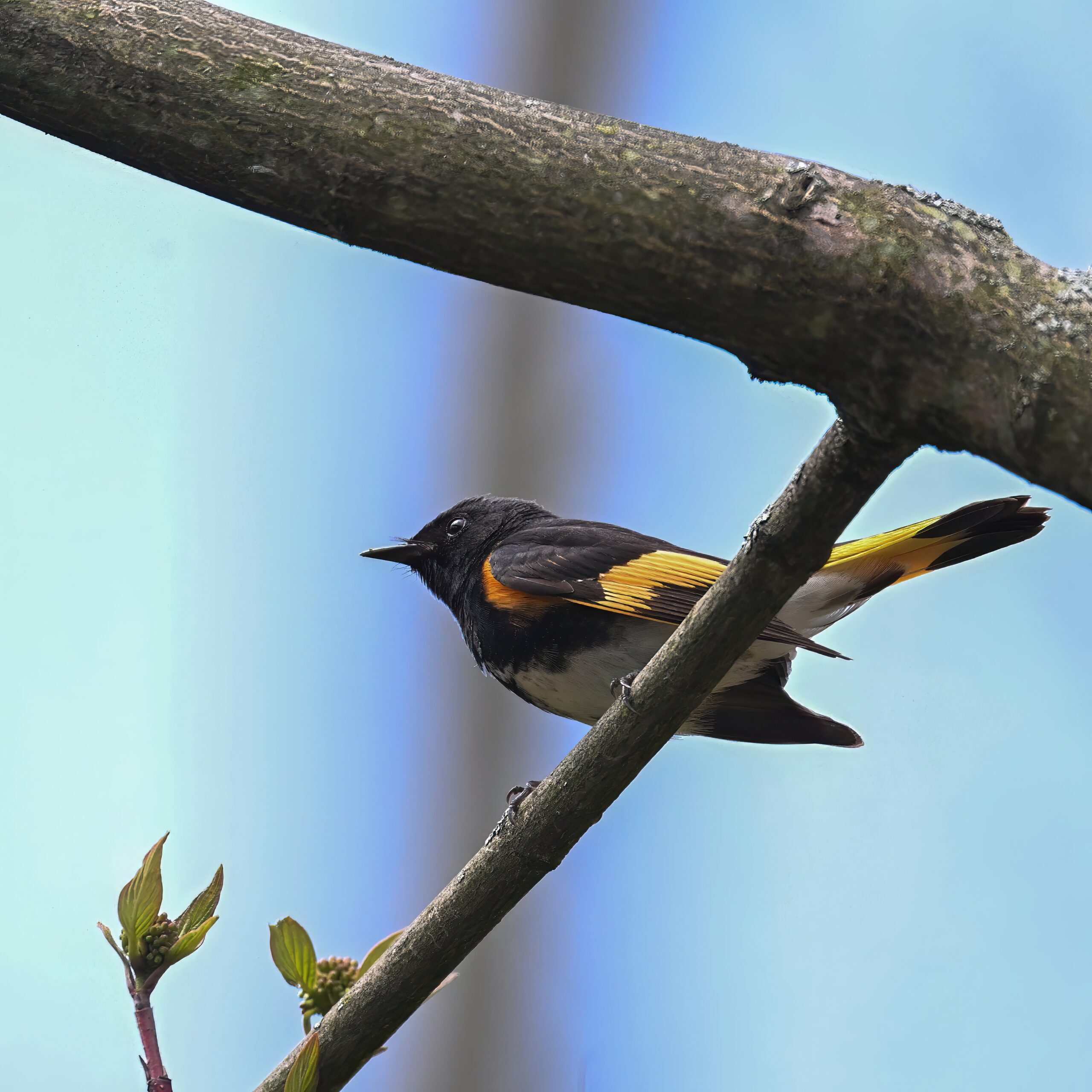
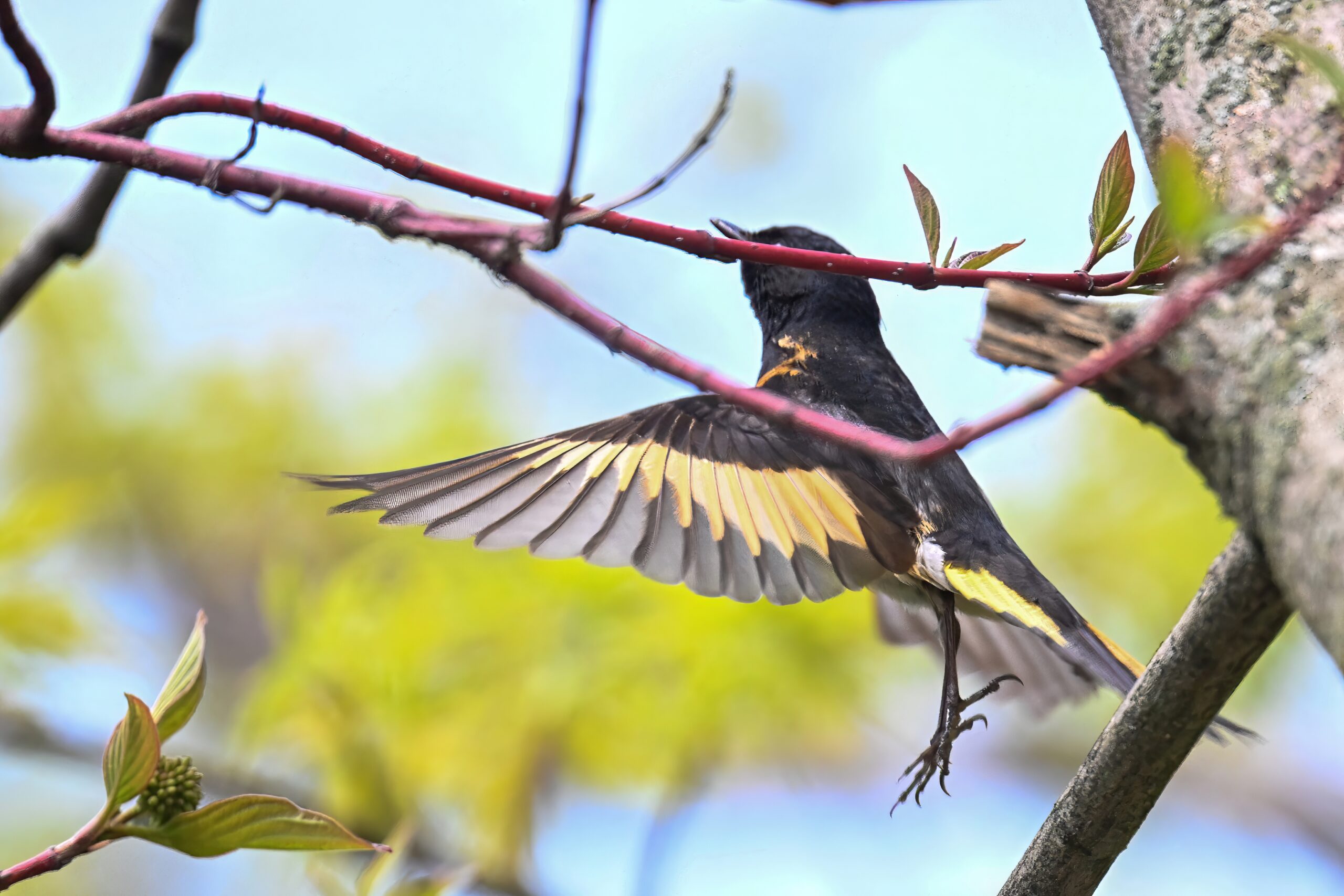
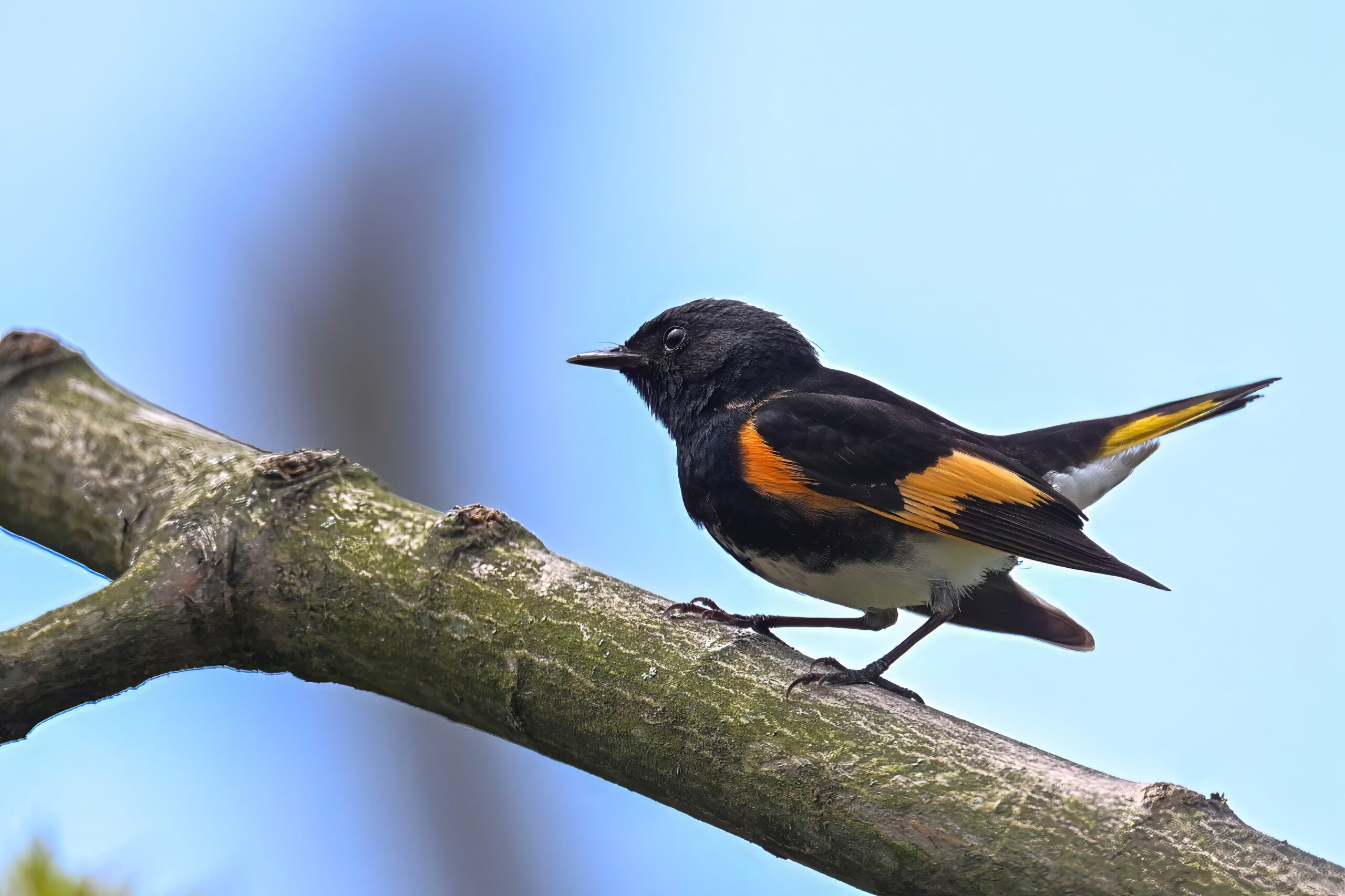
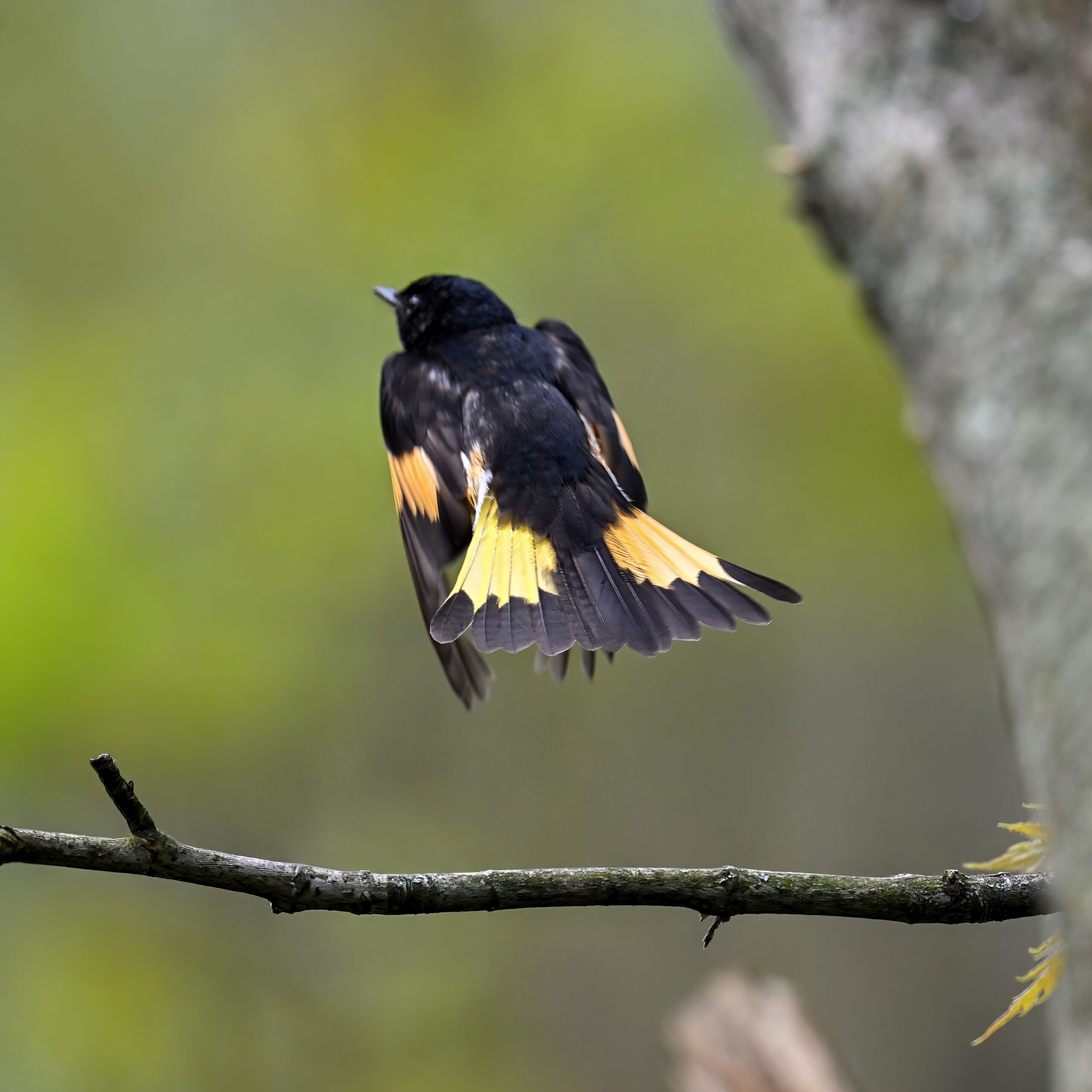
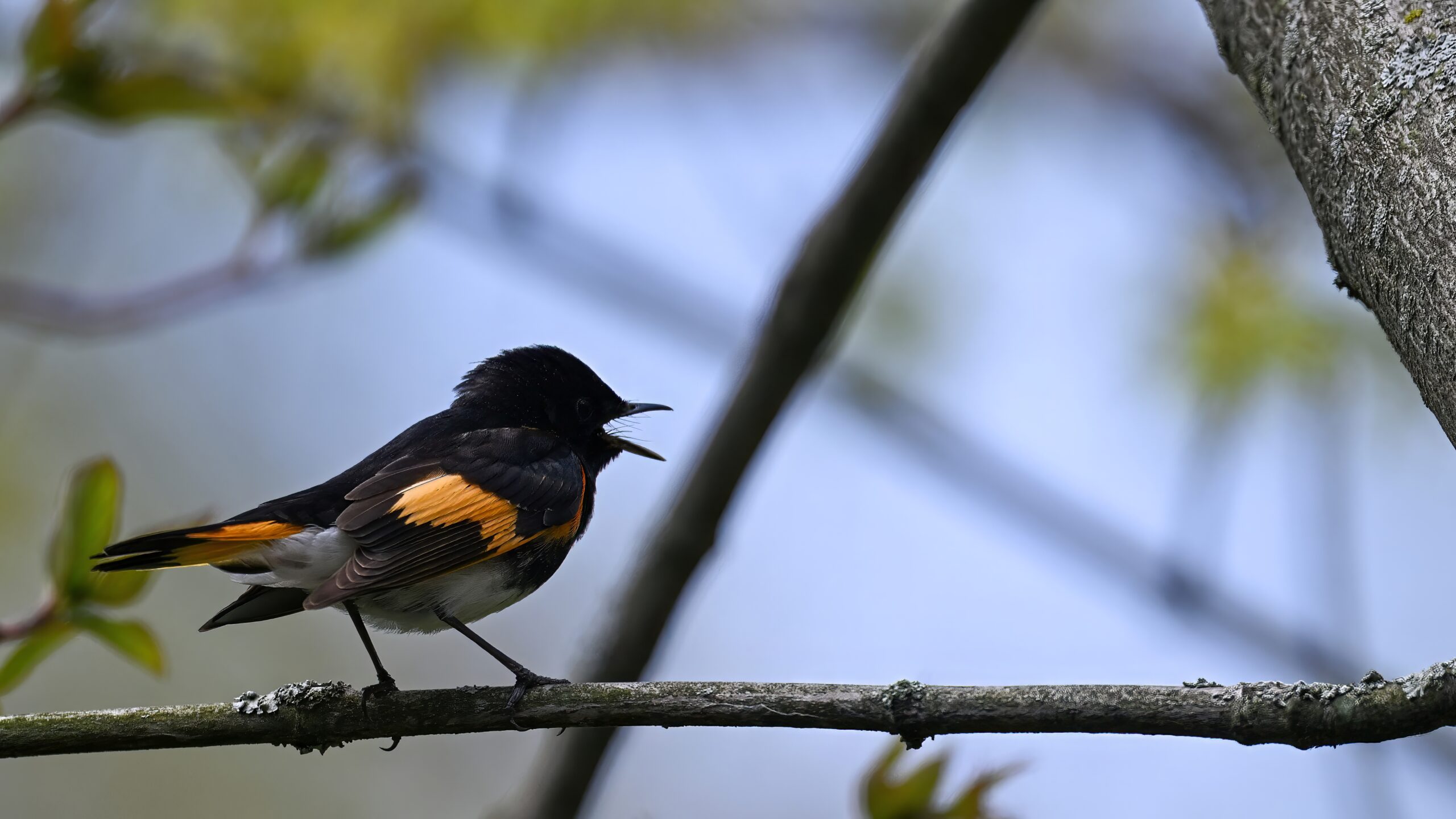
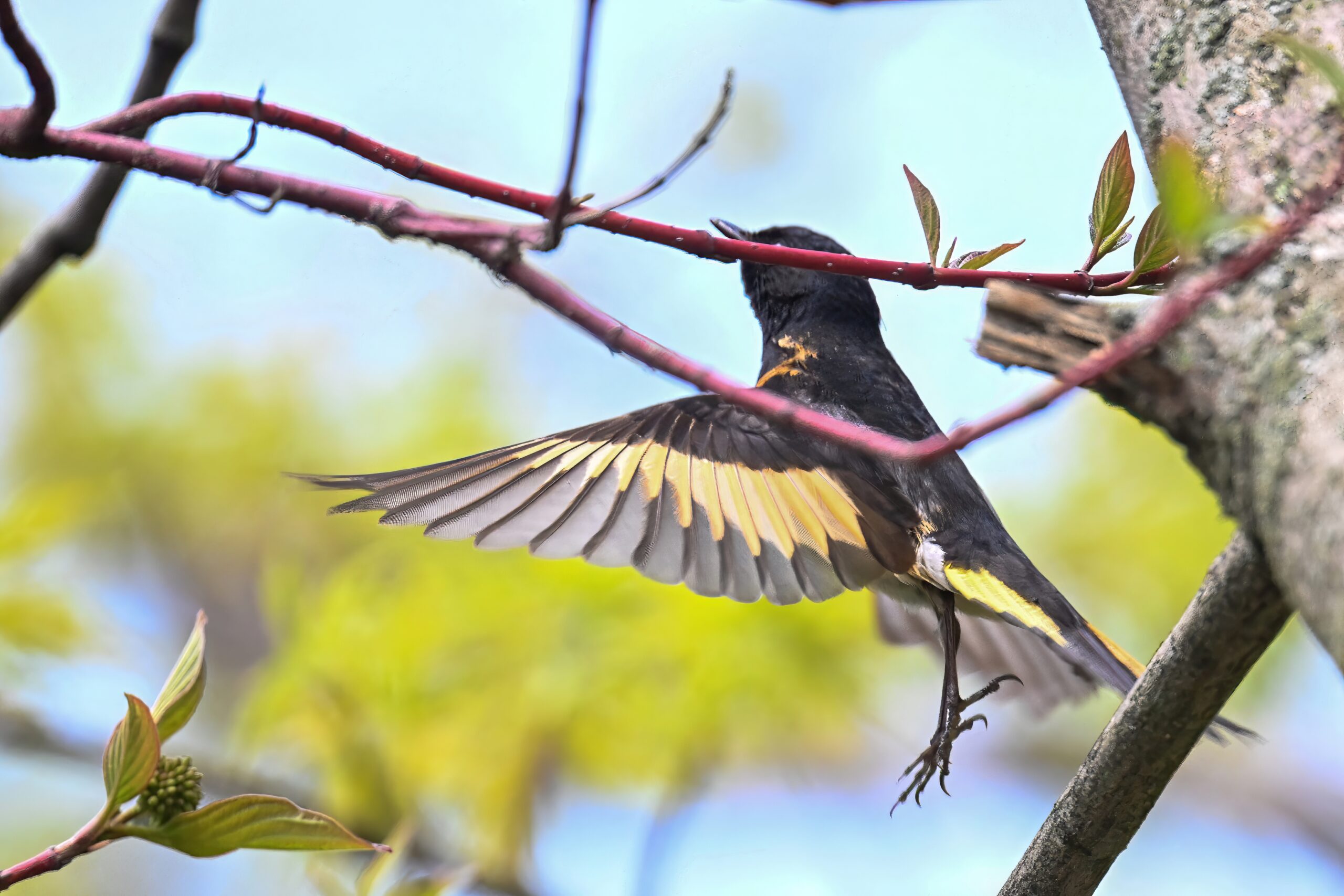
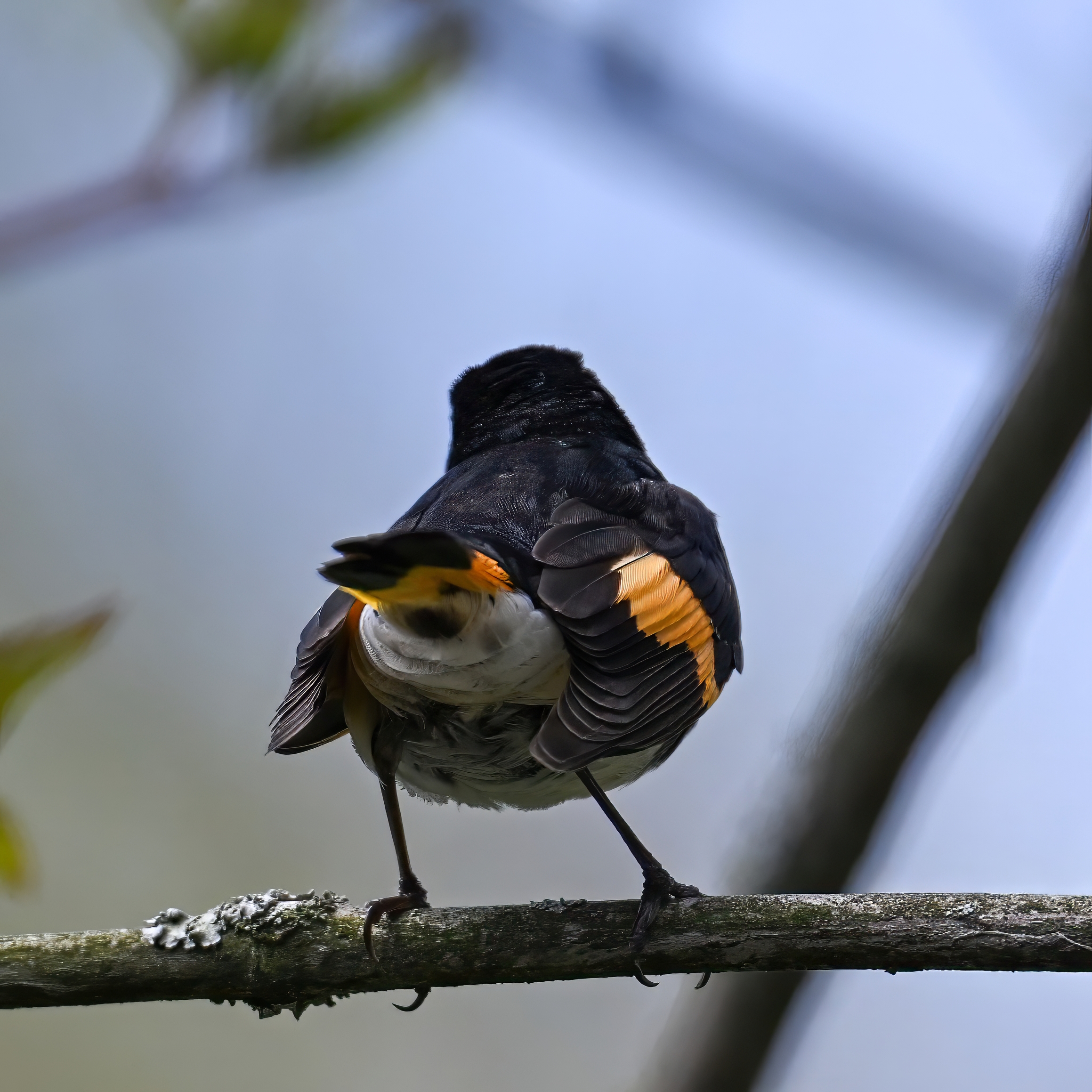
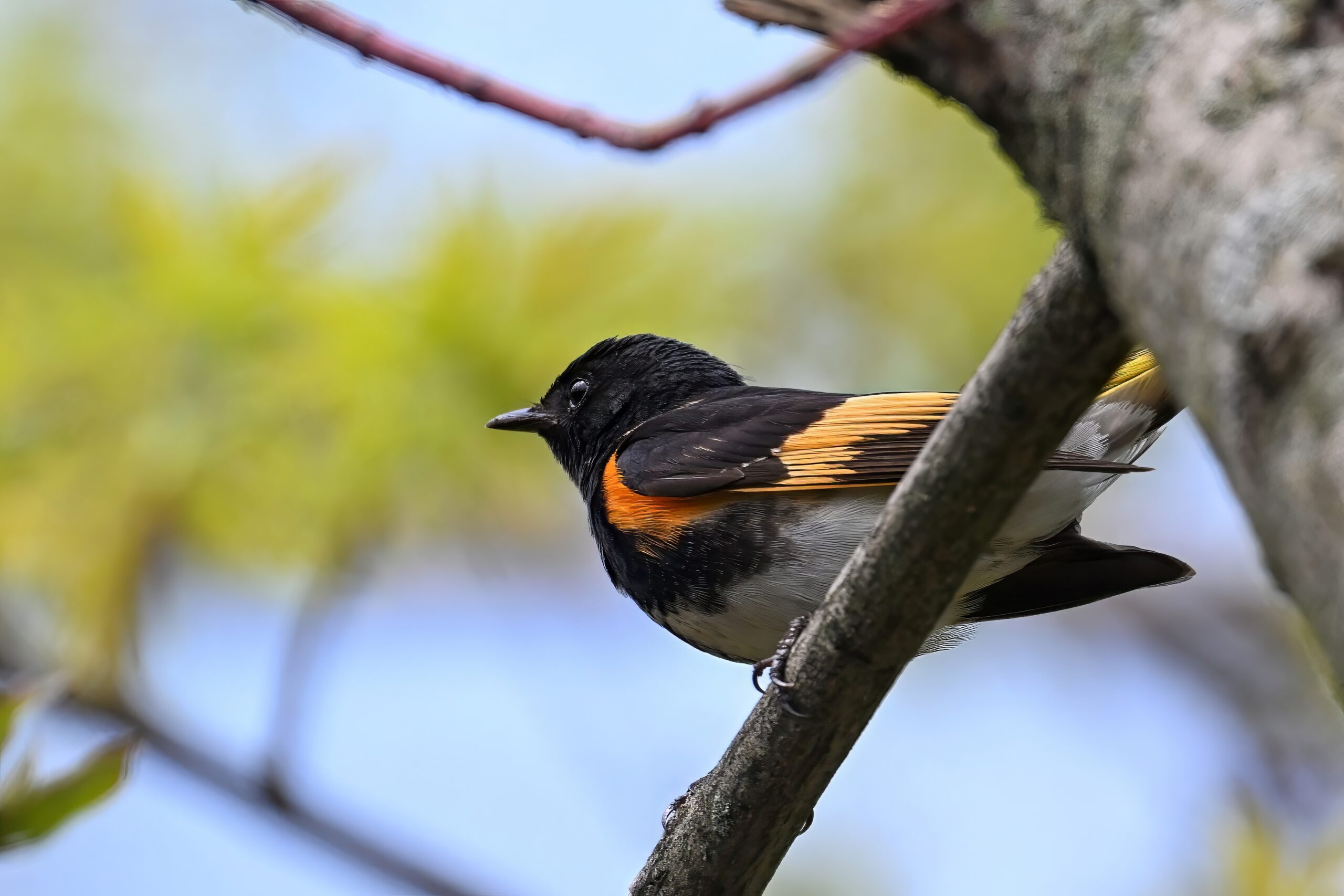
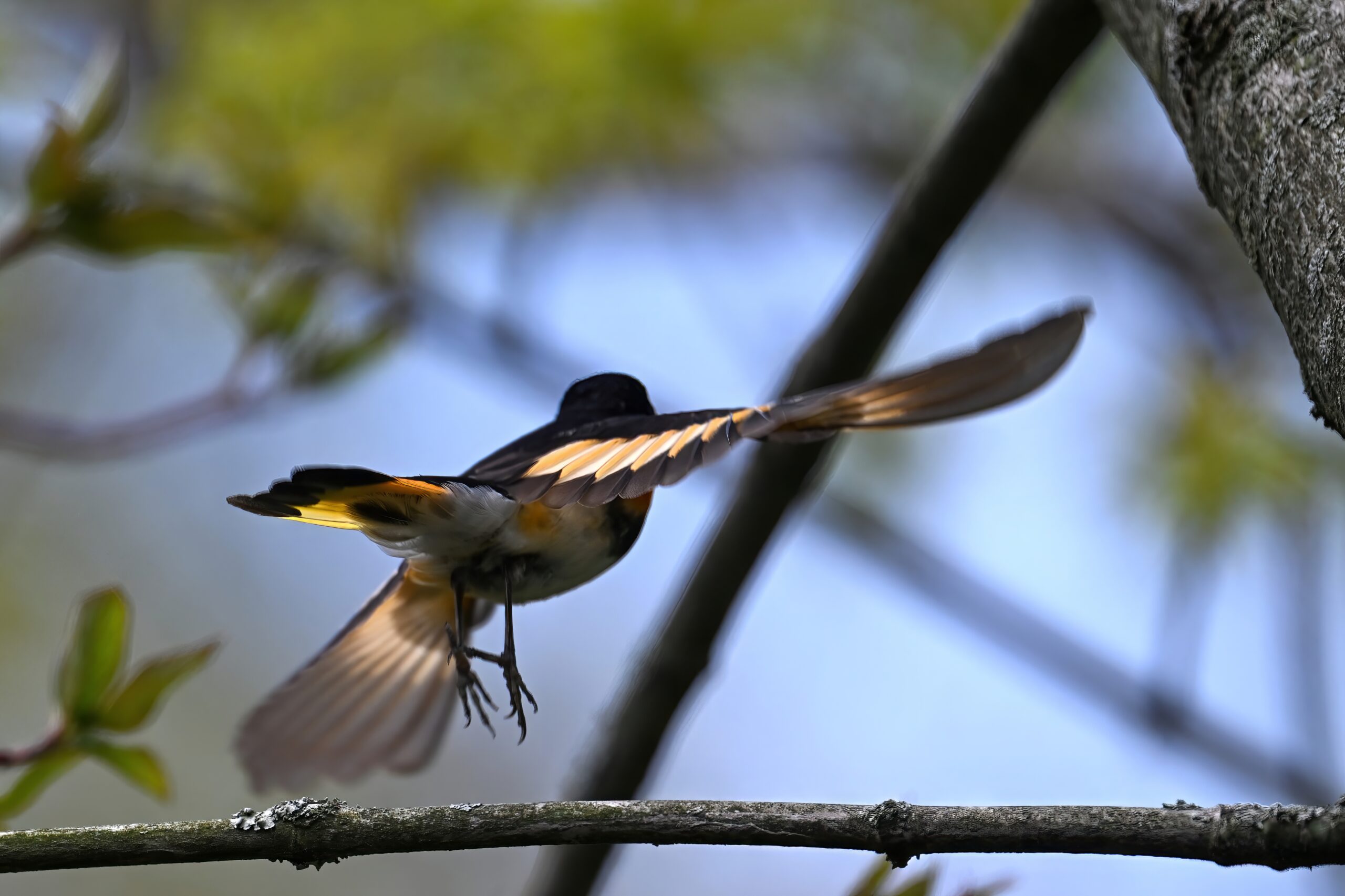
Celebrating Global Big Day with the next in BirdingPI.com’s recurring coverage of spring warblers, this time with a beautiful male American Redstart @ Scott Park:
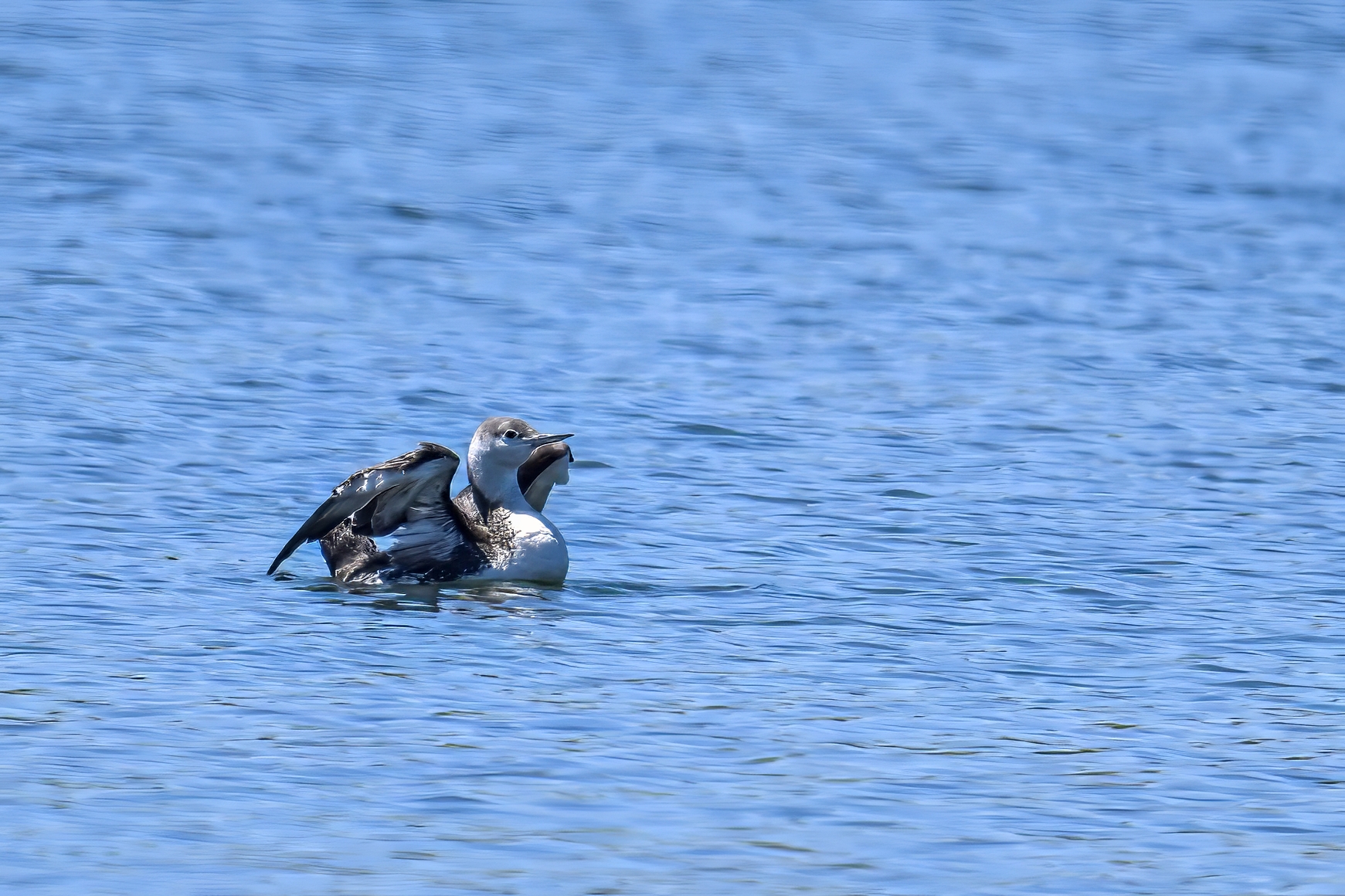
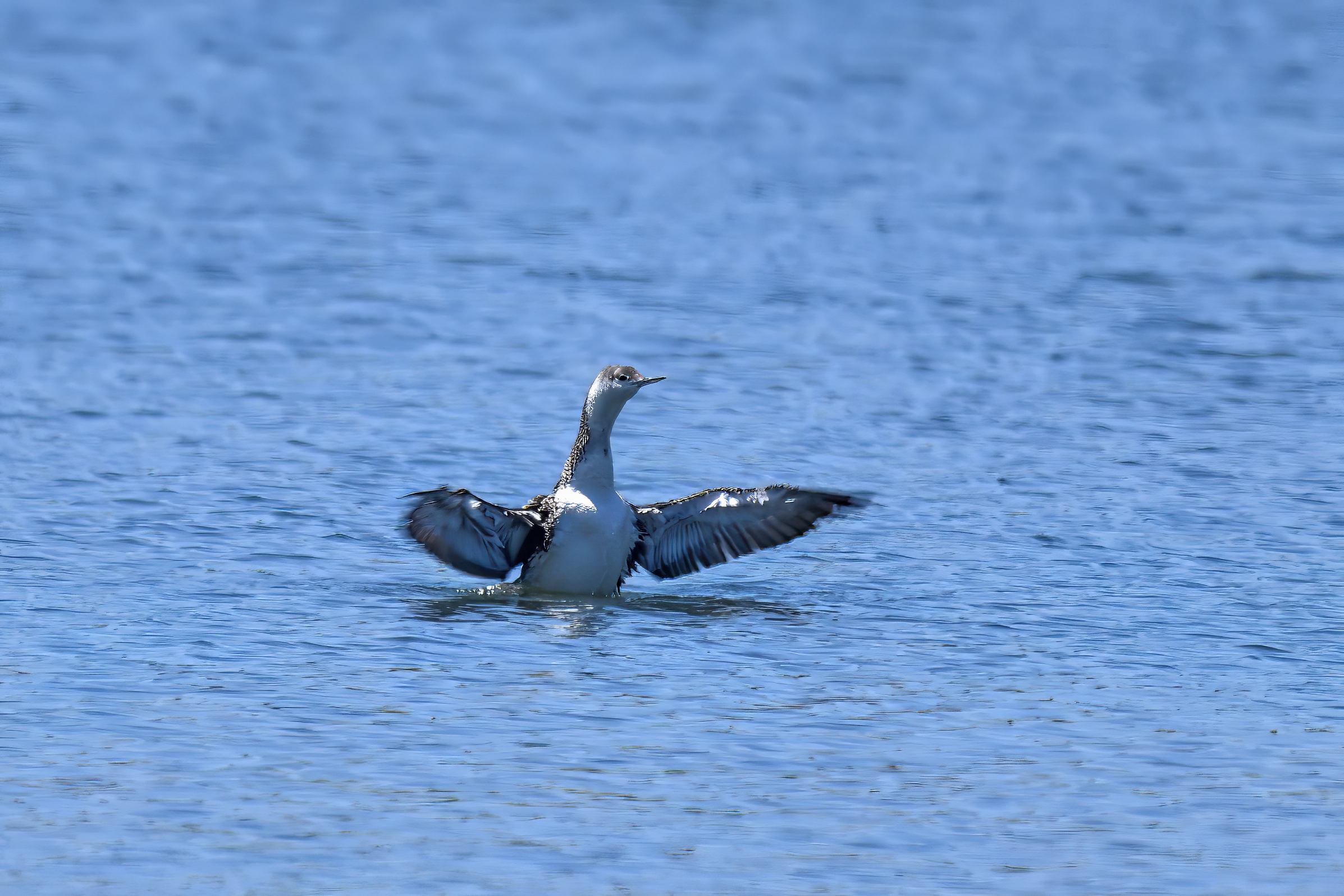
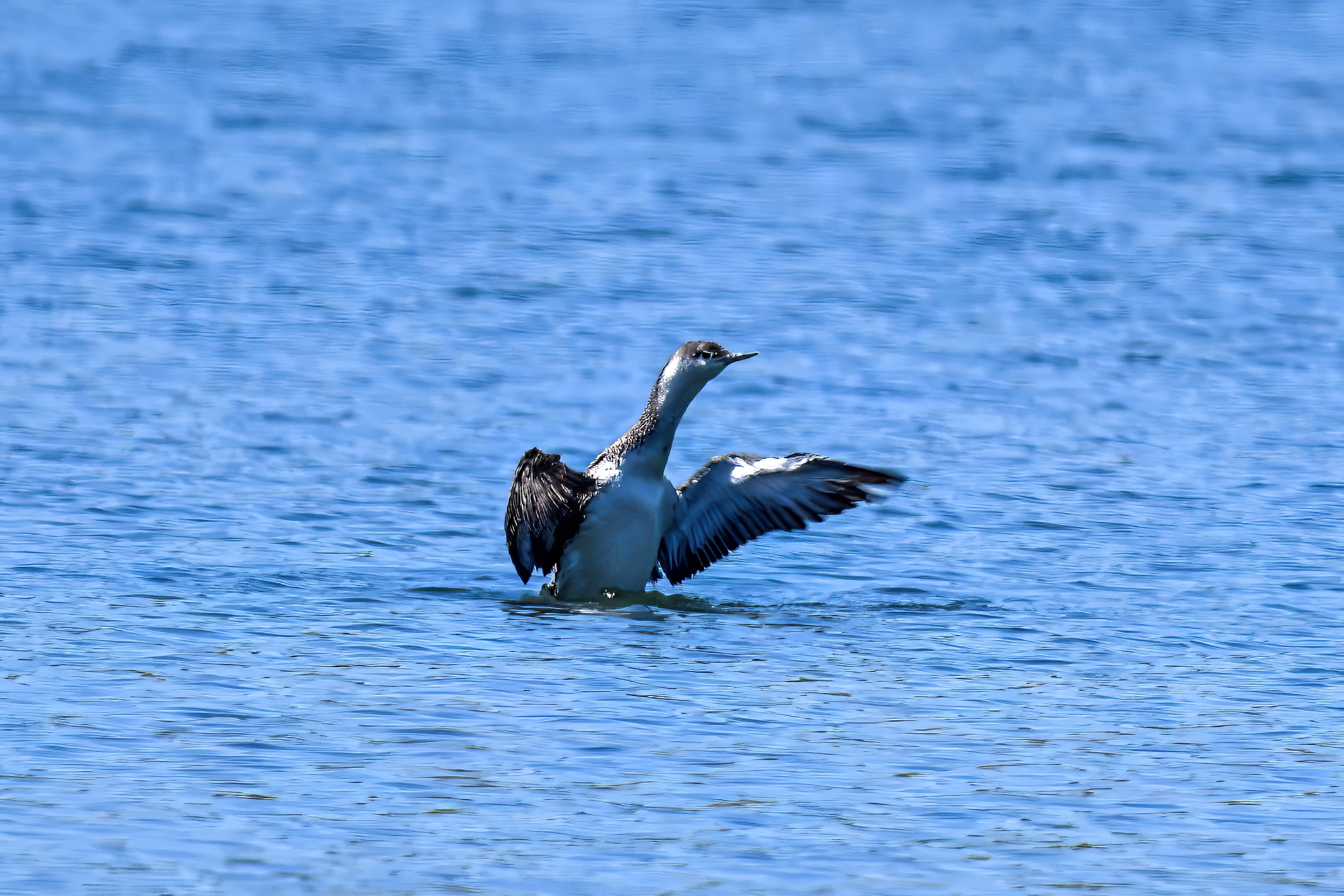
In bonus Presque Isle bird news – and a great reason to get out today – a lovely/uncommon Red-throated Loon (non-breeding plumage = lack of red colour on throat) has been seen on Misery Bay for several days now. These recent shots @ 600mm from long distance:
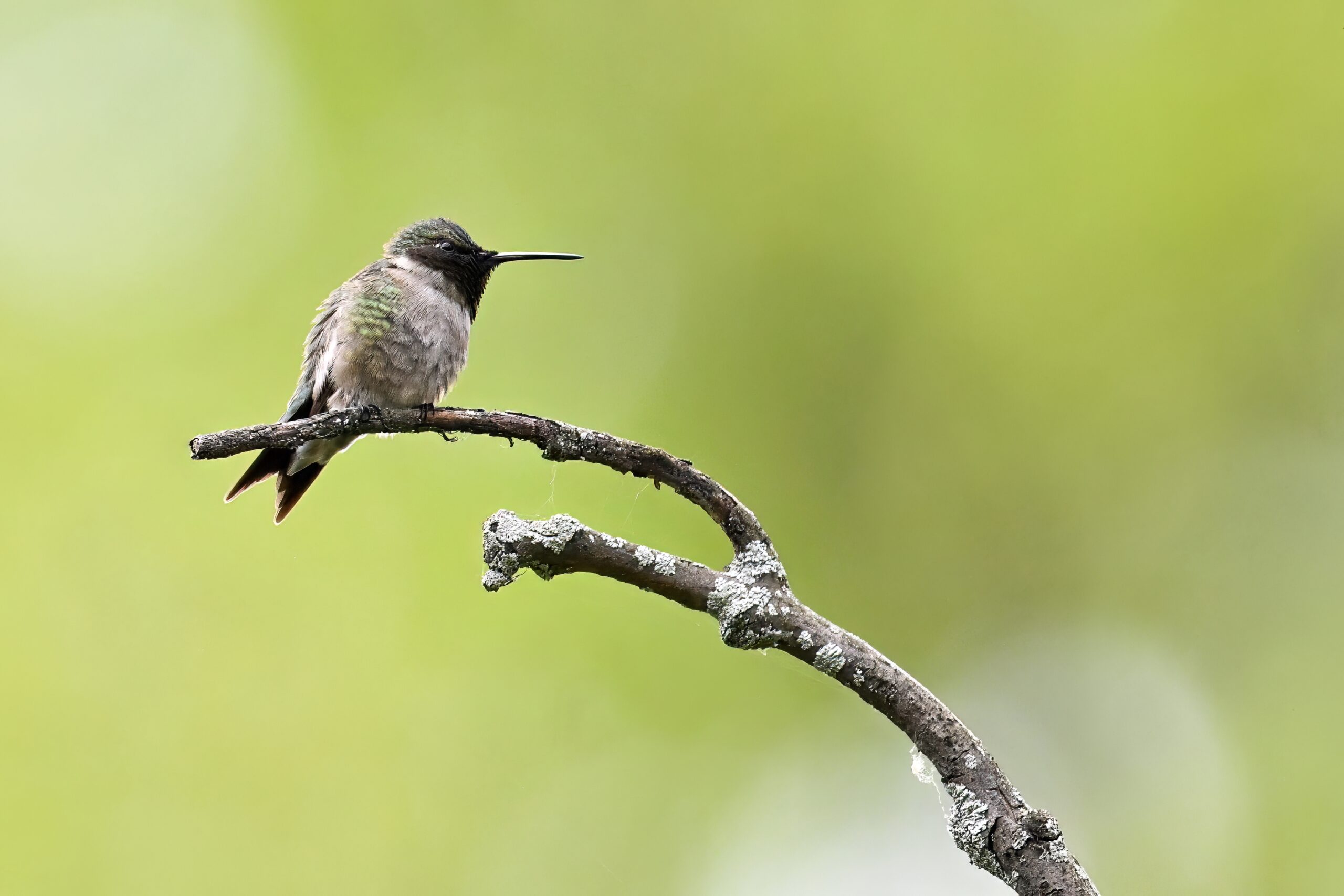
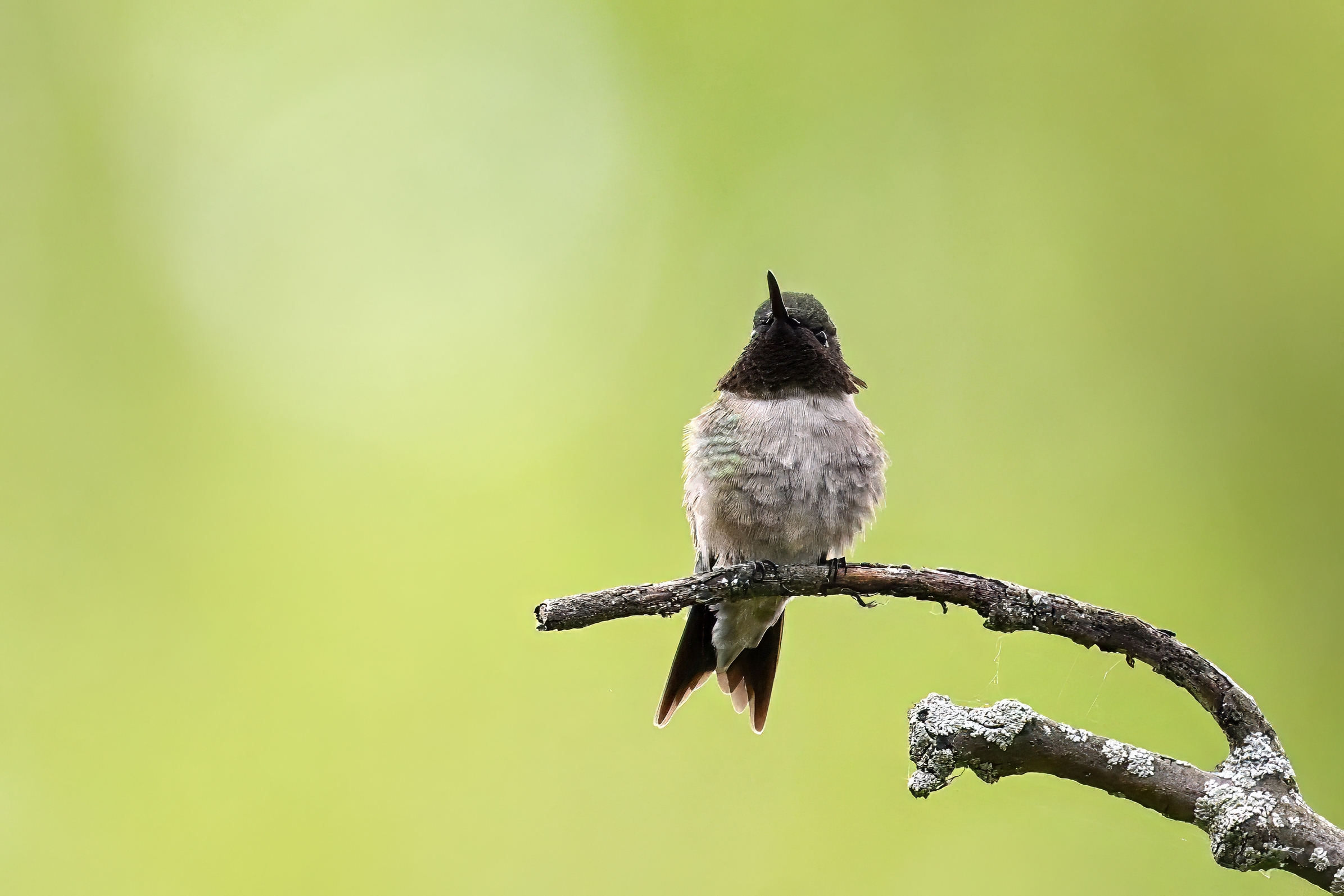
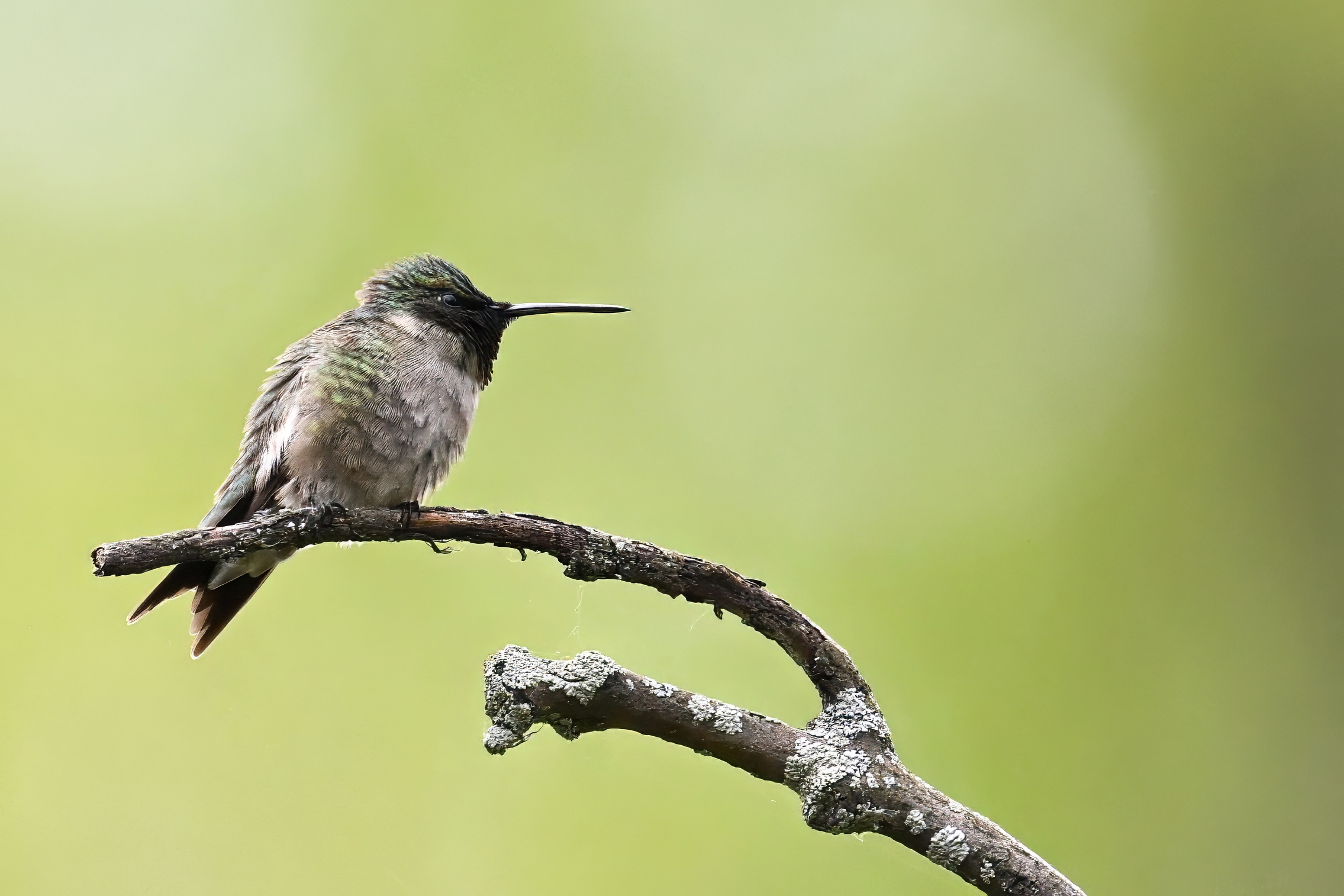
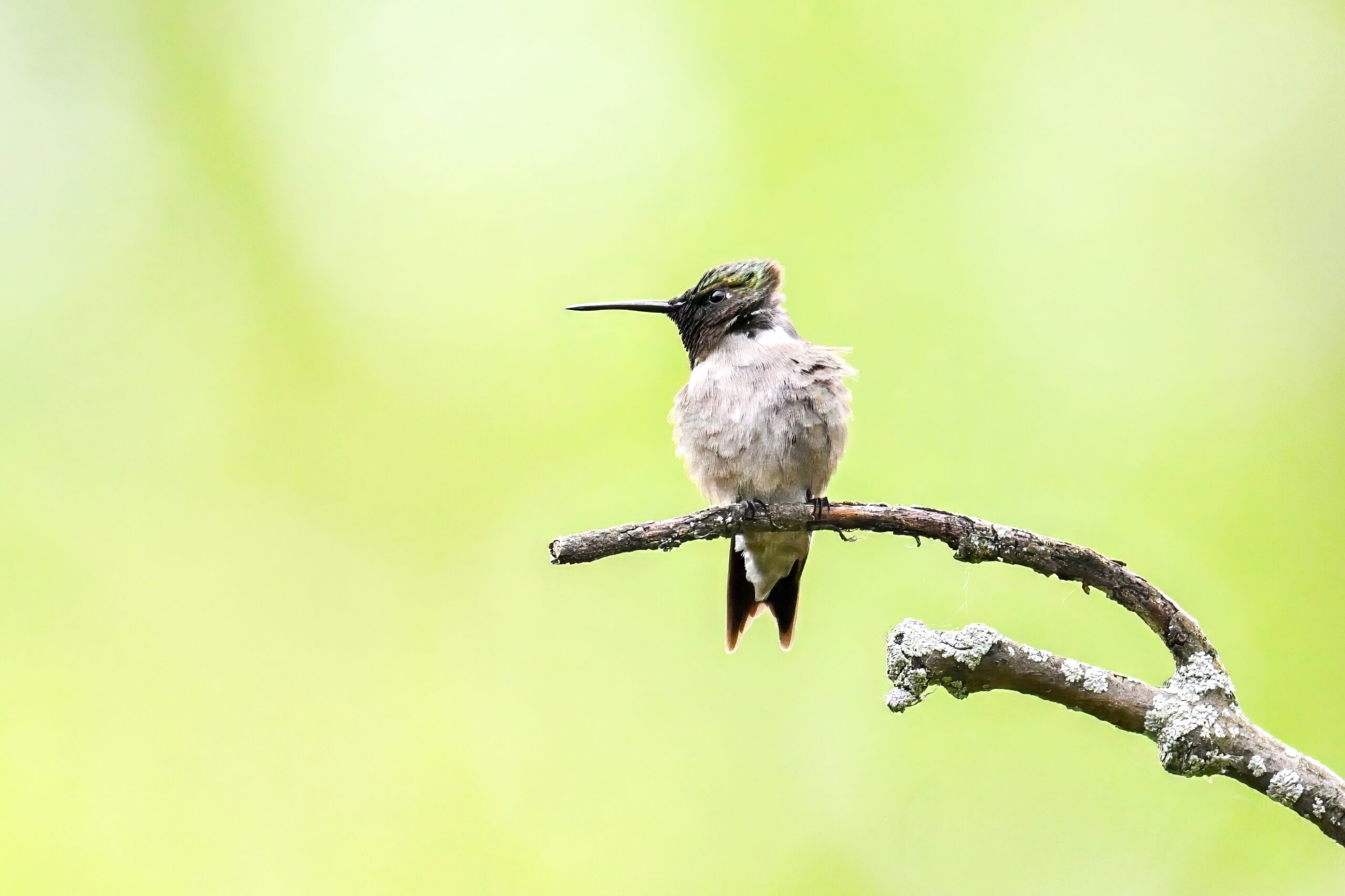
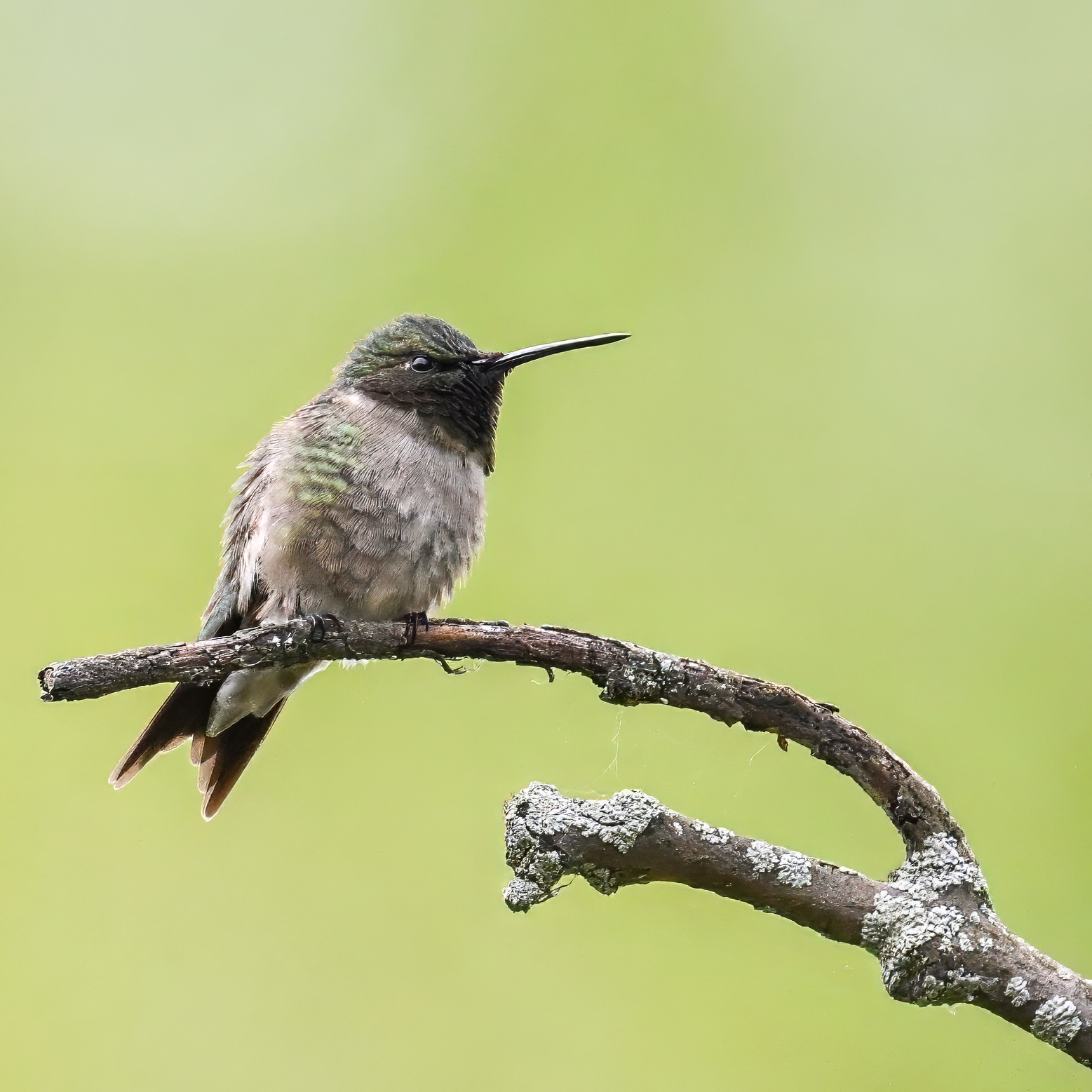
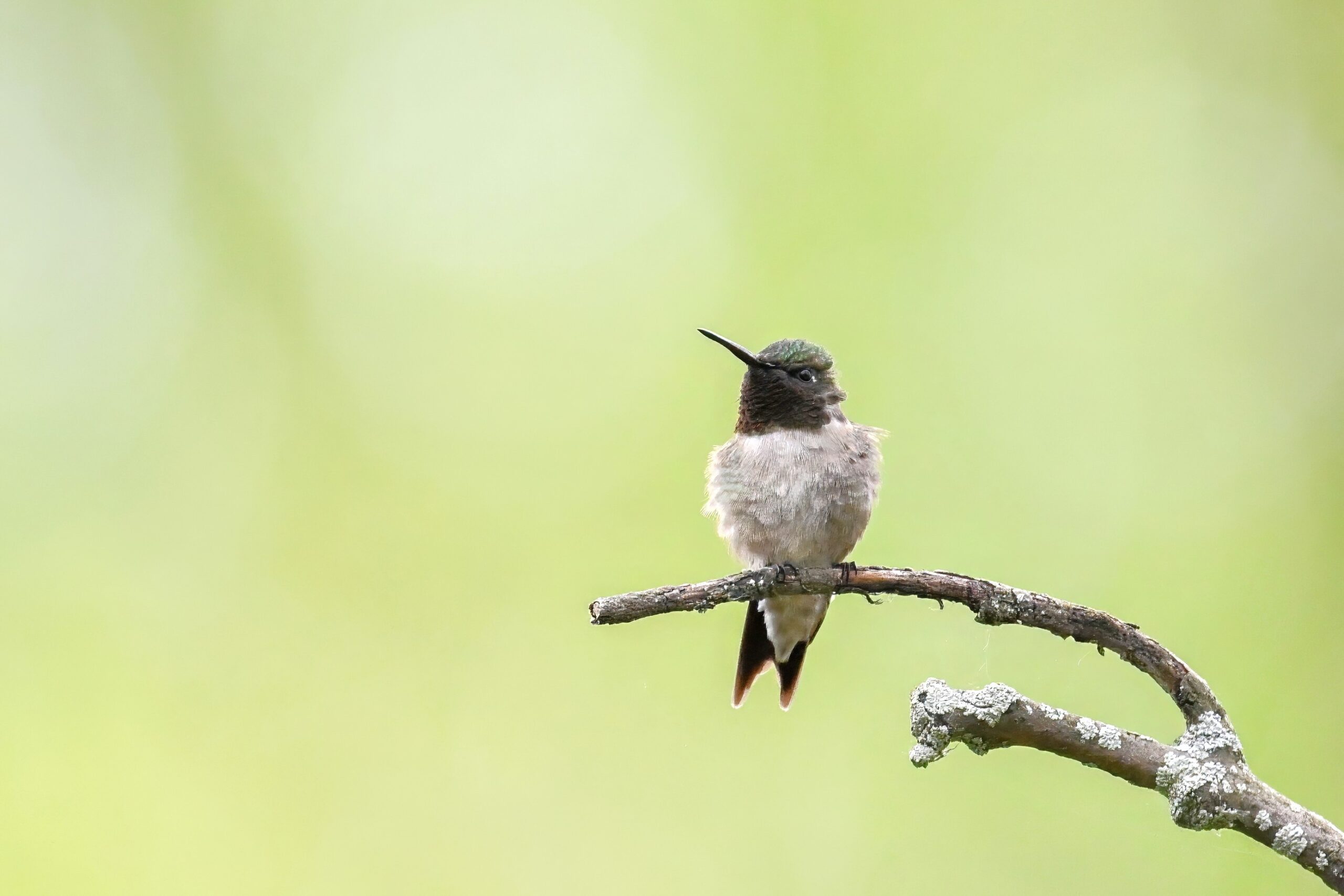
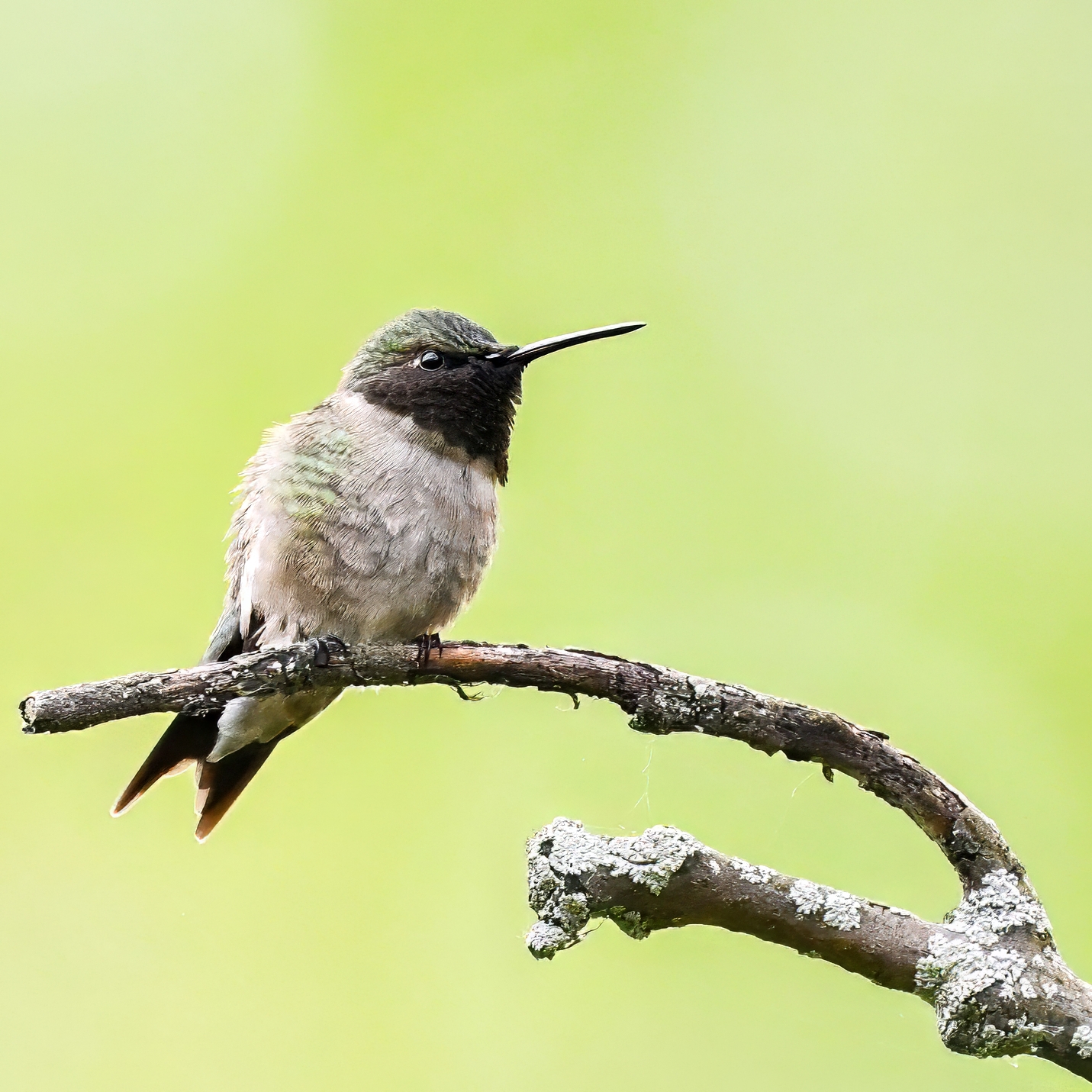
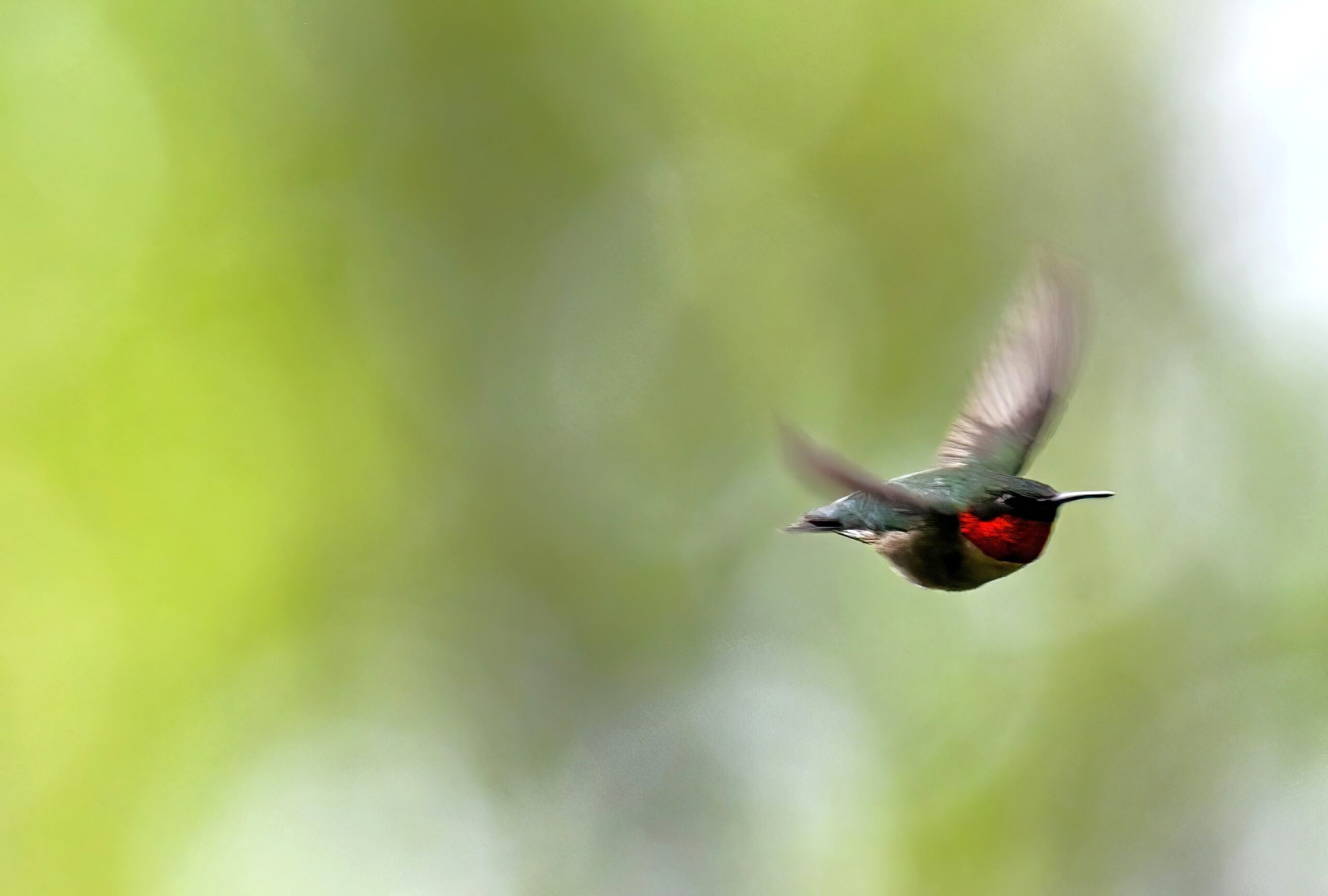
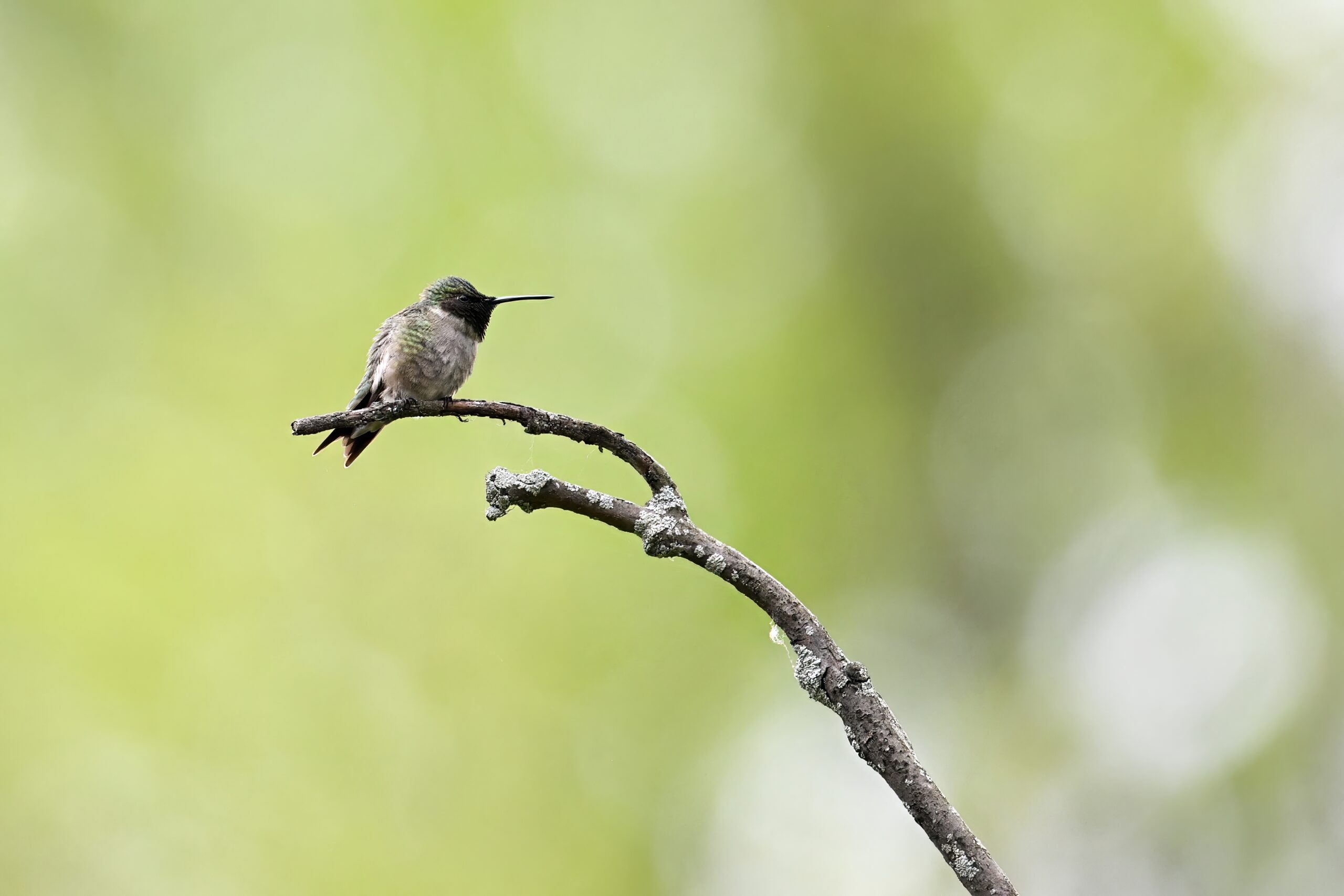
Lots of hummingbird content on BirdingPI.com from Arizona, etc., but even the northeast has its own common/seasonal species, namely, the lovely Ruby-throated Hummingbird. These aren’t the best shots (shady), but still fun to see this lovely male recently at Scott Park in Millcreek Twp, PA (“Since 1800”):
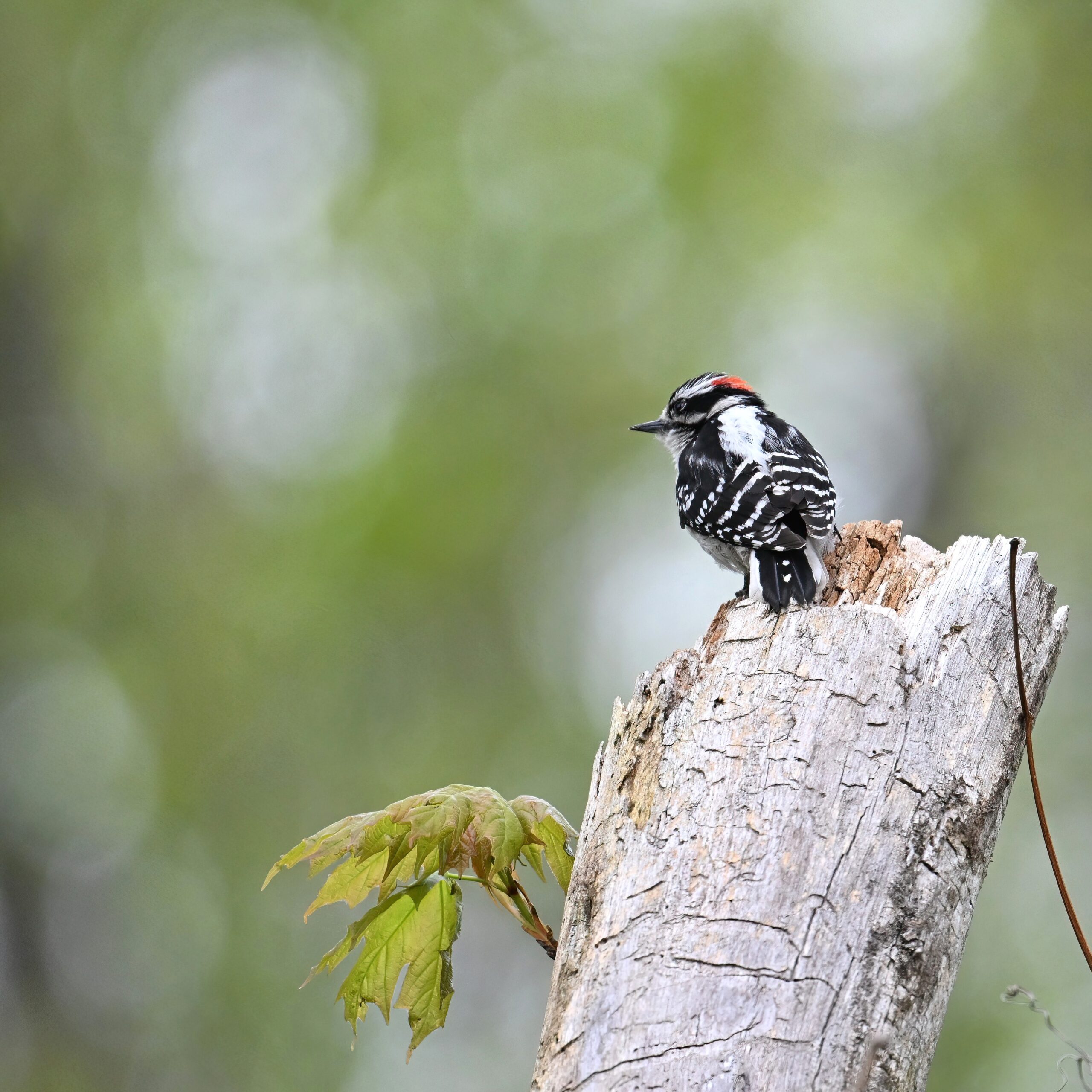
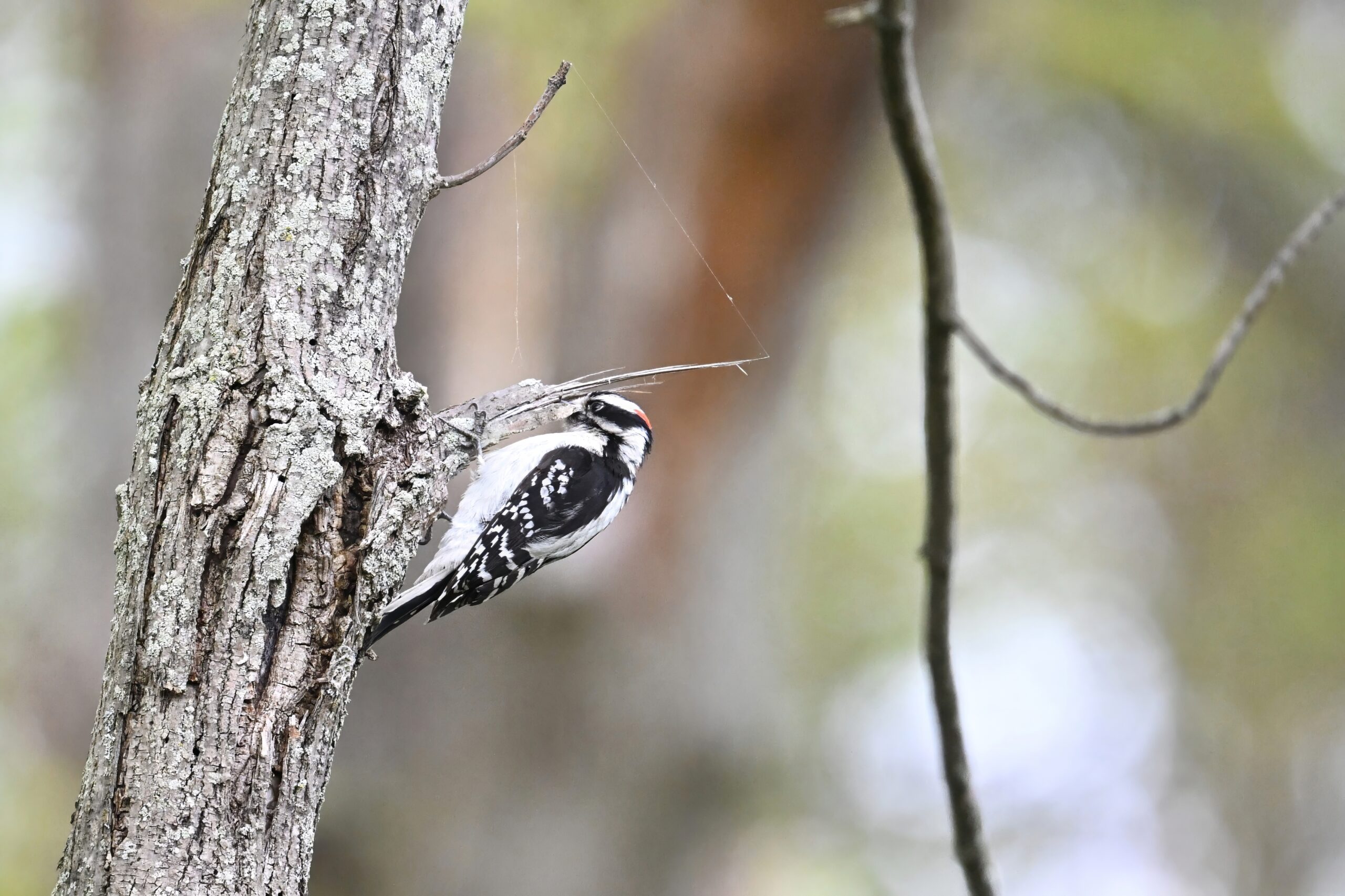
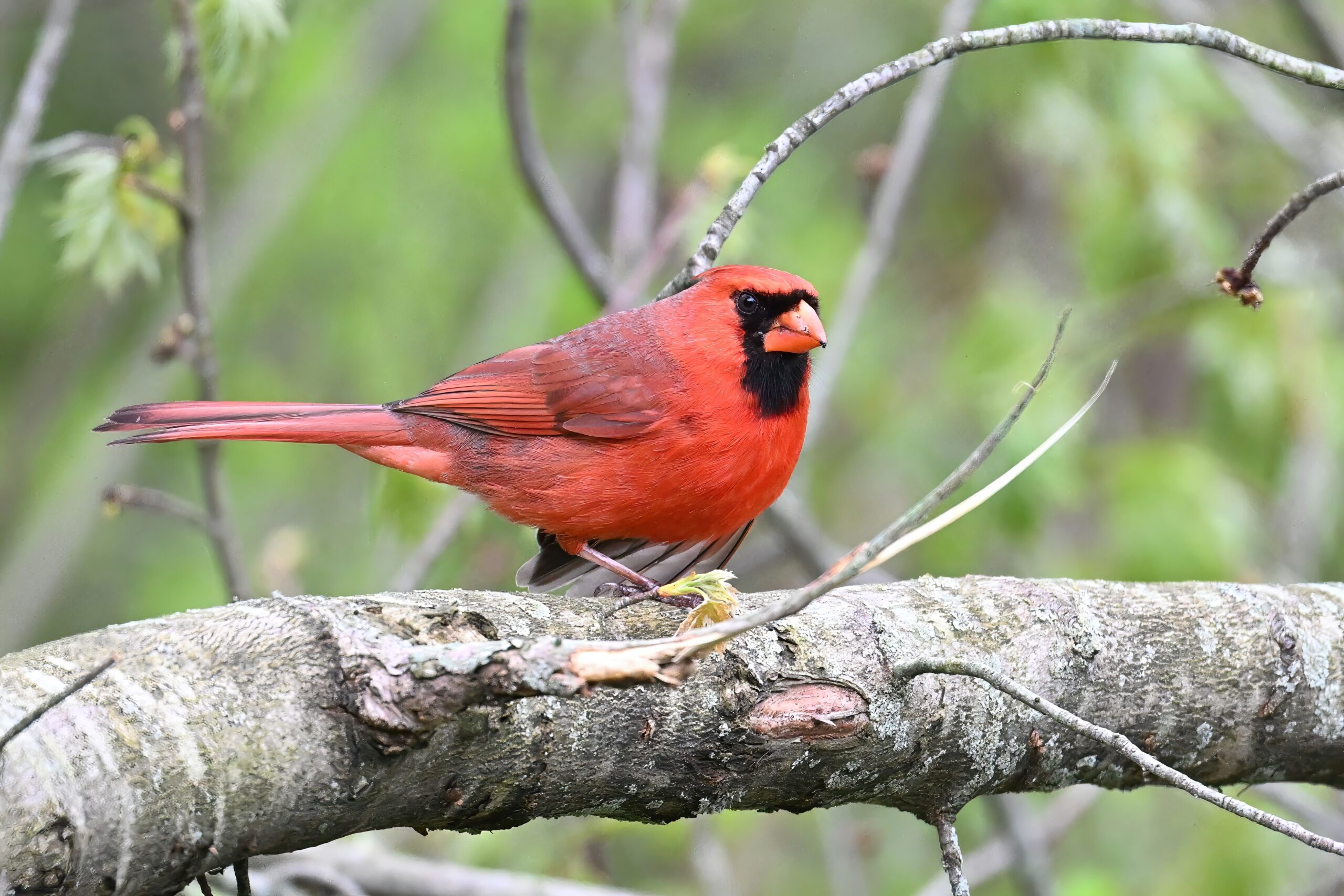
Plus ‘bonus birds‘ same date/location:
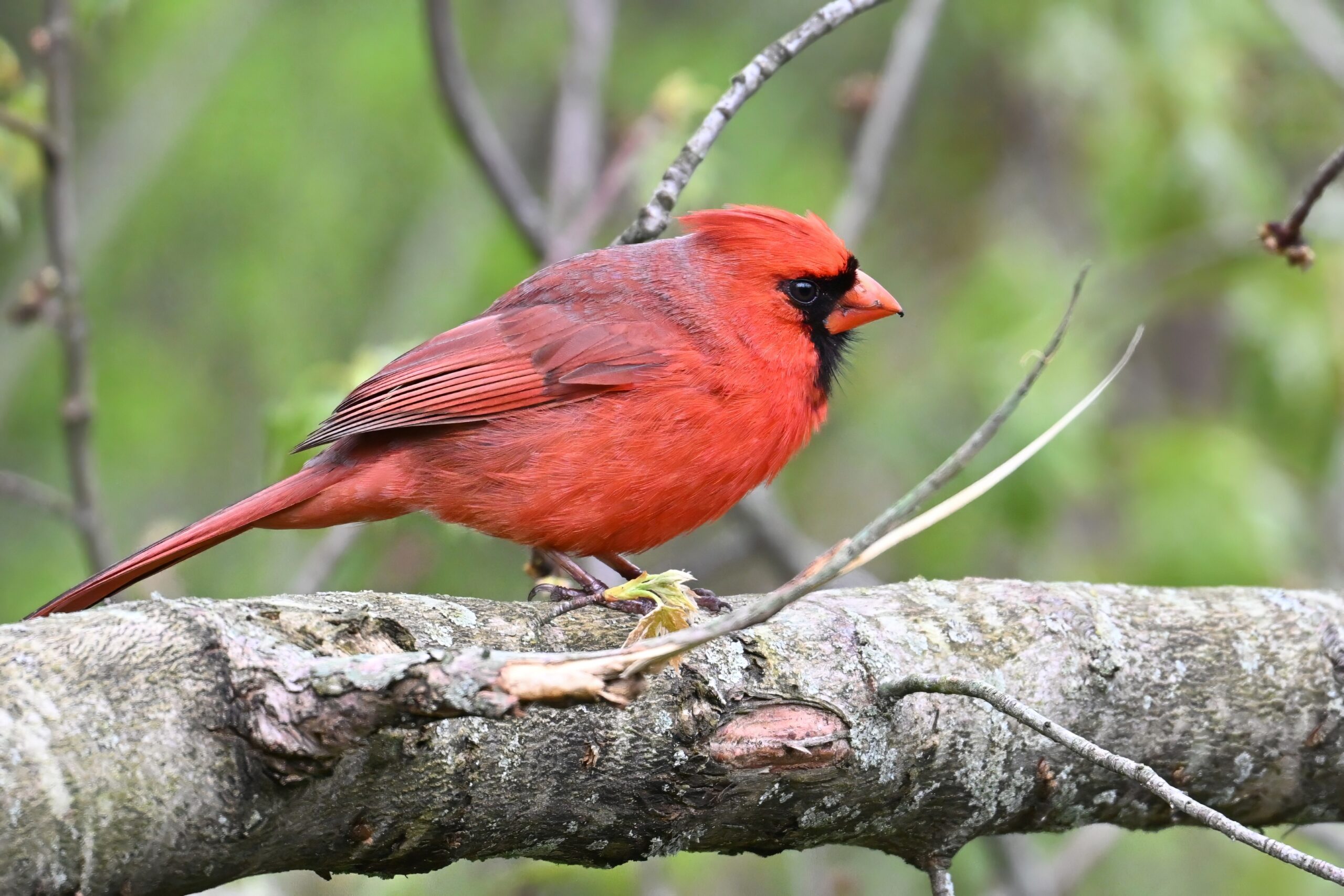
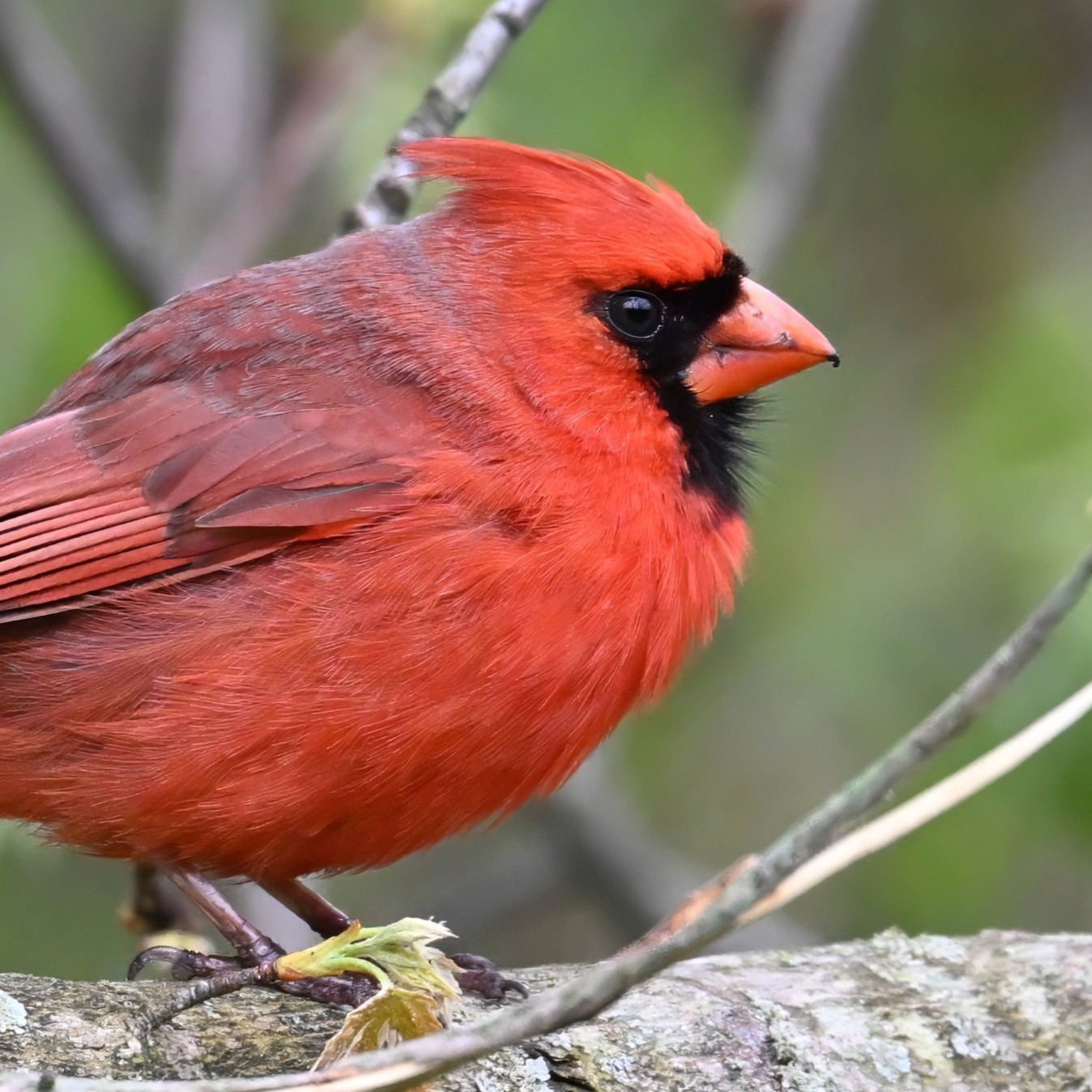
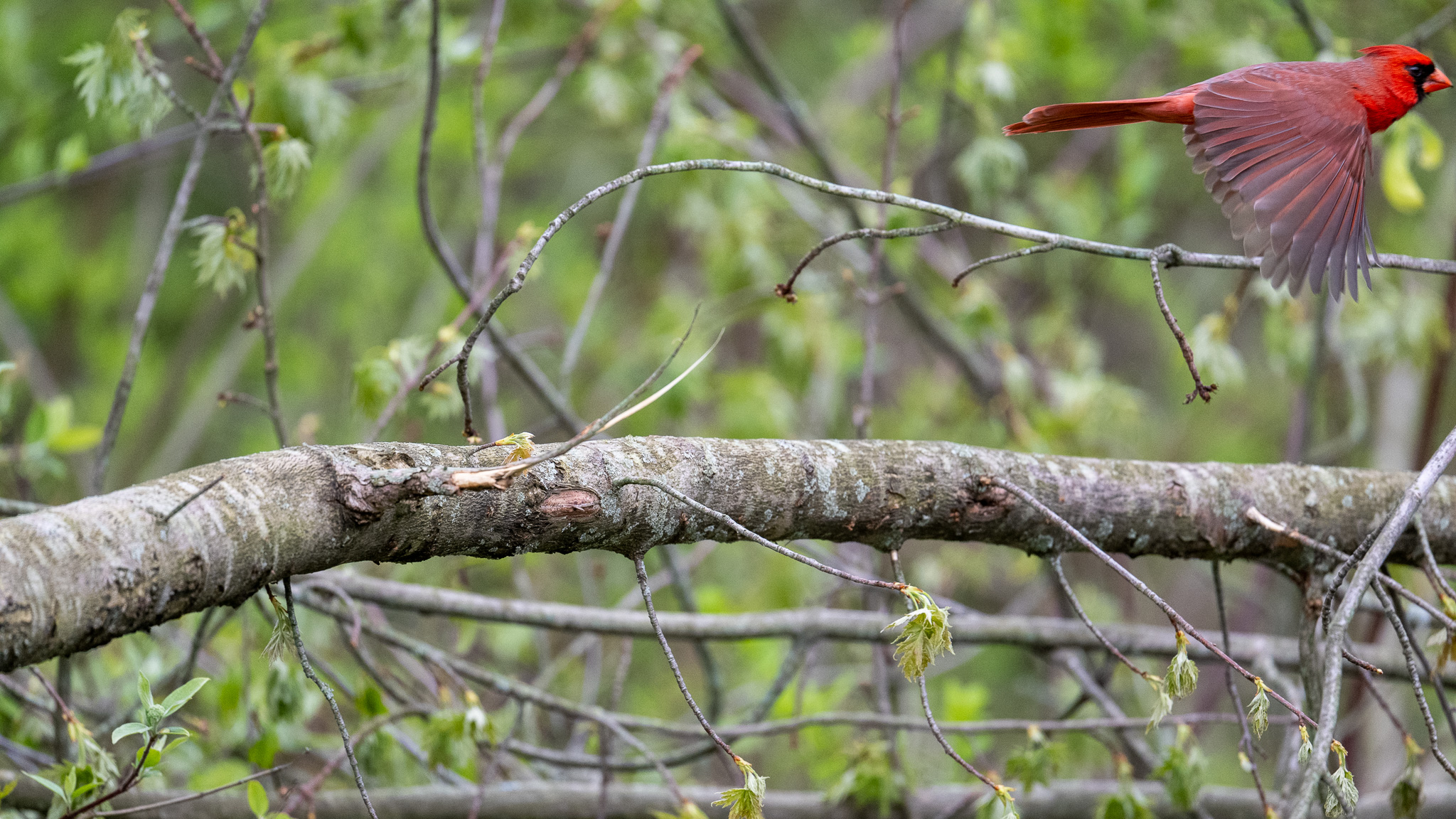
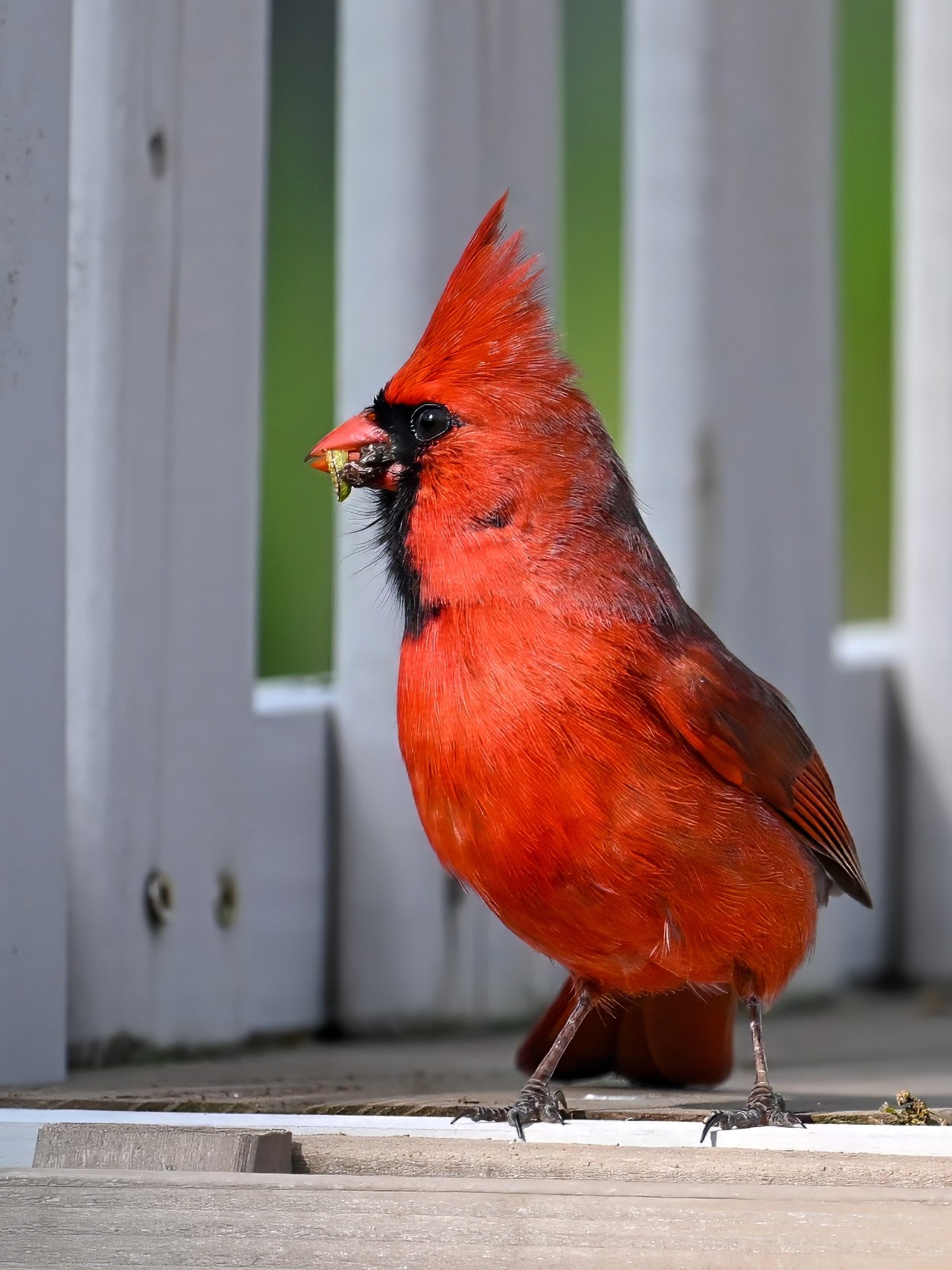
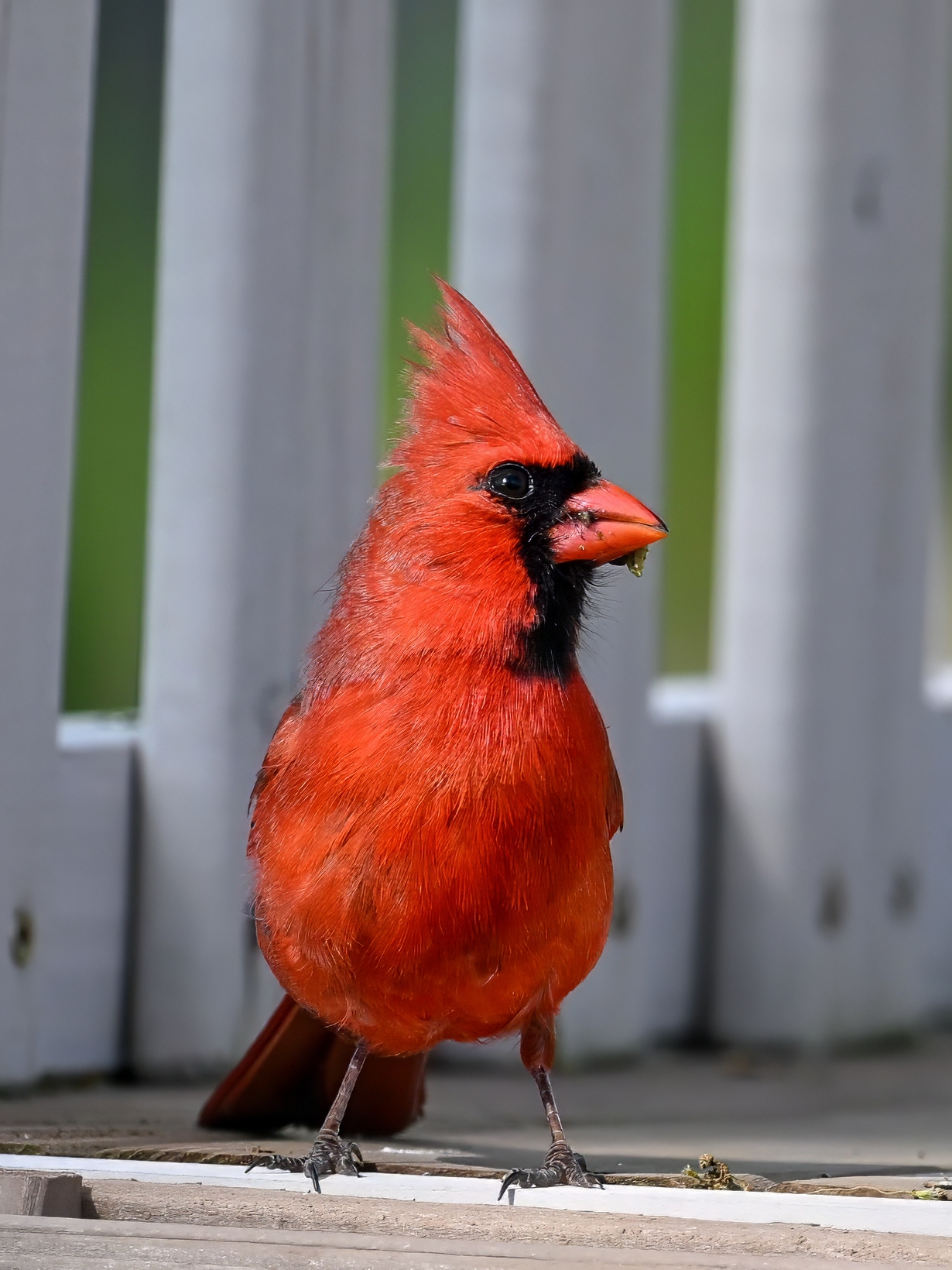
Downy Woodpecker (m)Downy Woodpecker IINorthern Cardinal (m)Cardinal IICardinal III
Very blurry, but still nice to get a pop of the ruby throat:
An example of the perils of shooting @ 600mm – this bird was almost out of frame and looks like it’s running into a wall:
(400mm or 500mm gives a wider angle to more agilely capture quick motion and “birds in takeoff mode,” but then it’s less reach for distant birds. Always a tradeoff somewhere!)
At least with a complete bird (not cut off in the middle), the shot above could be sort of salvaged with a really close crop:
Anyway, looks like a nice day today in Erie County, Pennsylvania, and perhaps a good weekend for Global Big Day tomorrow – happy birding!
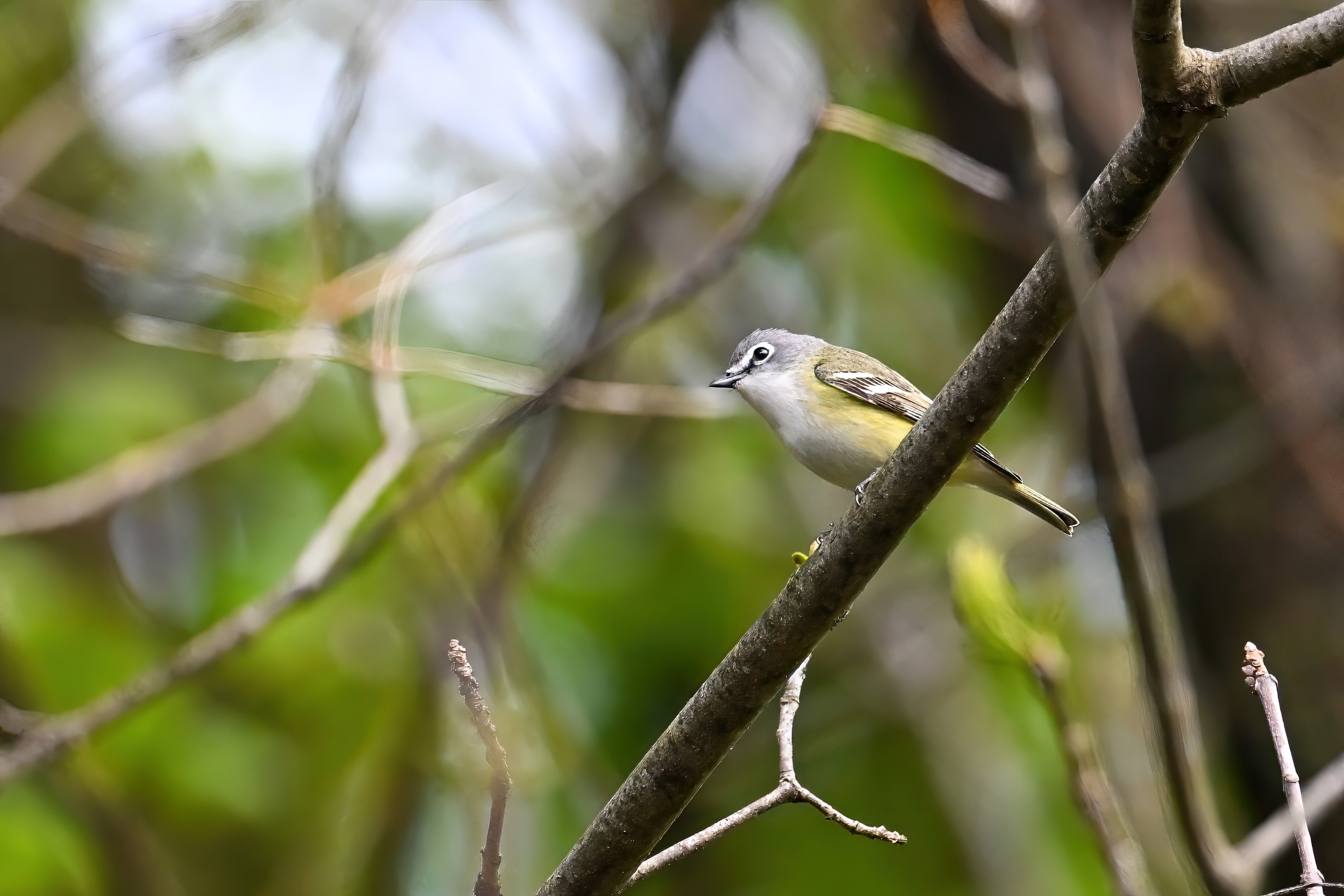
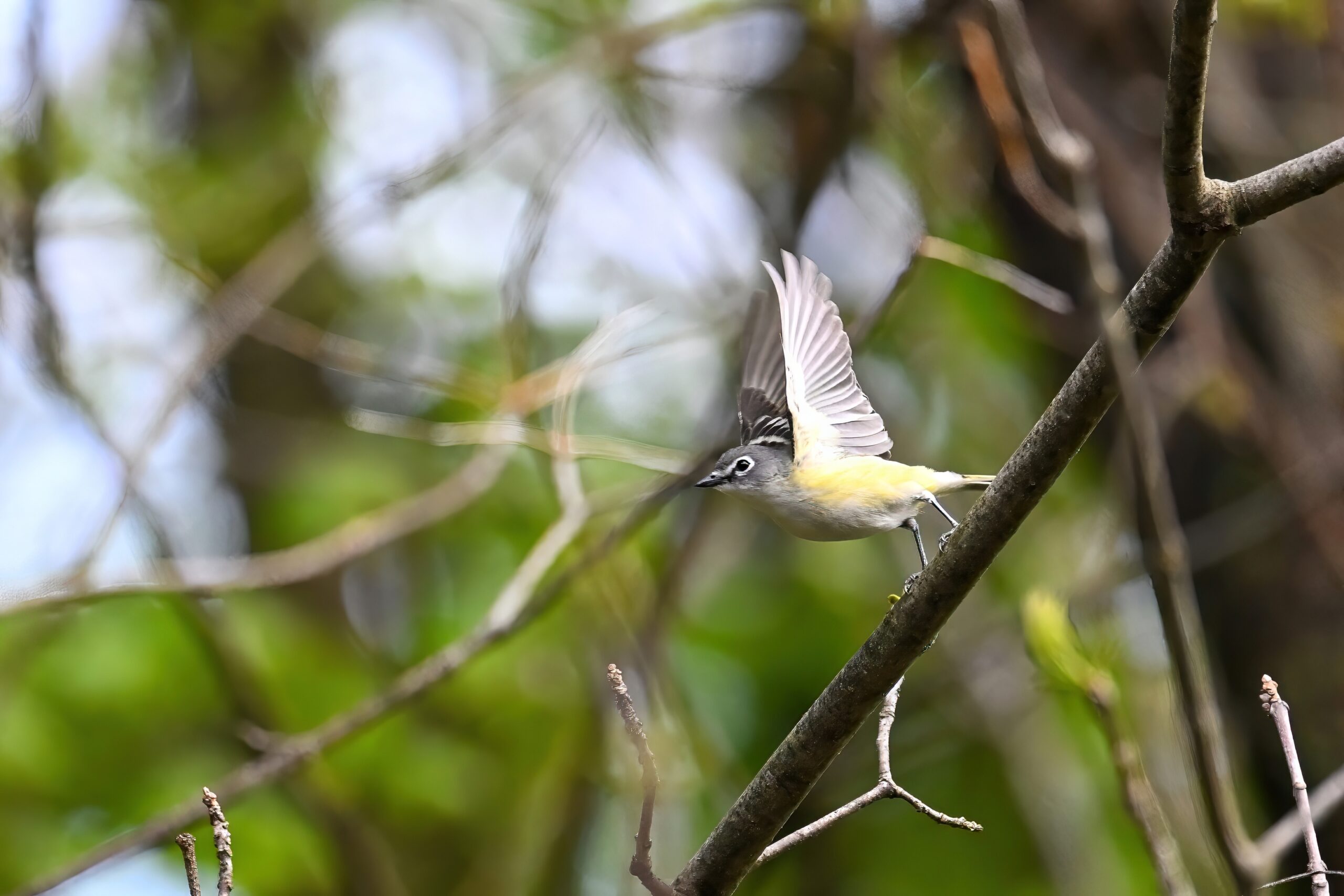
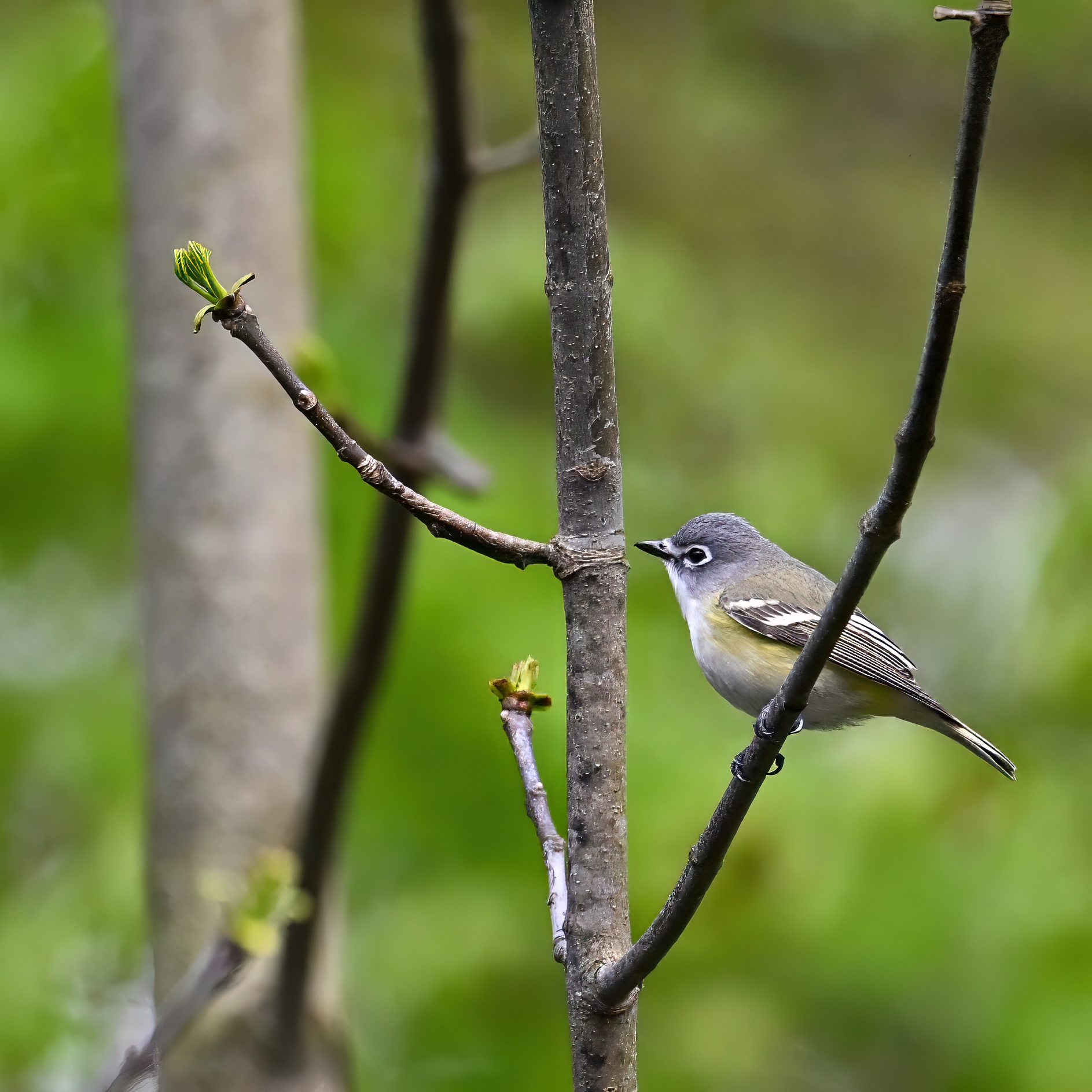
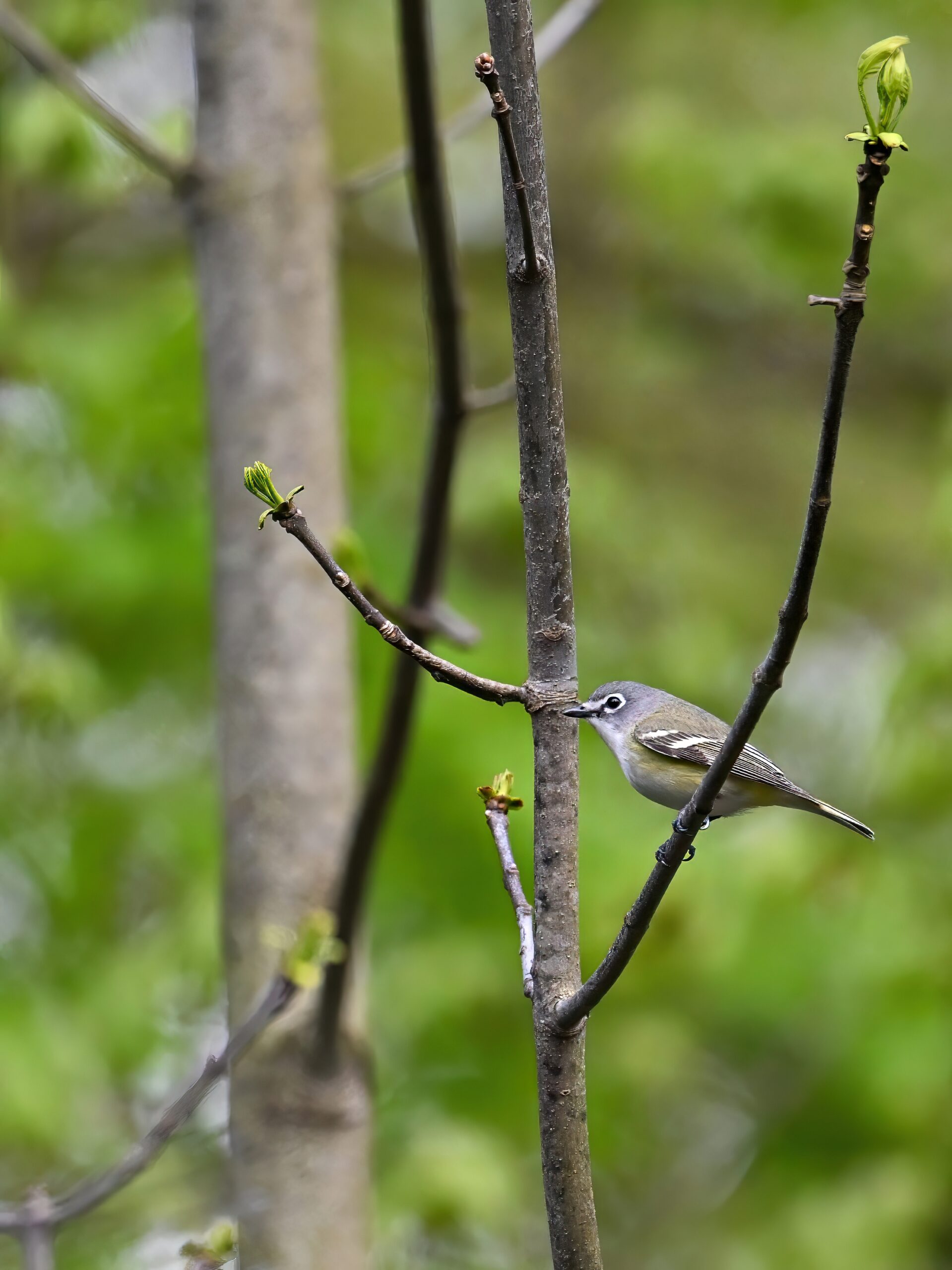
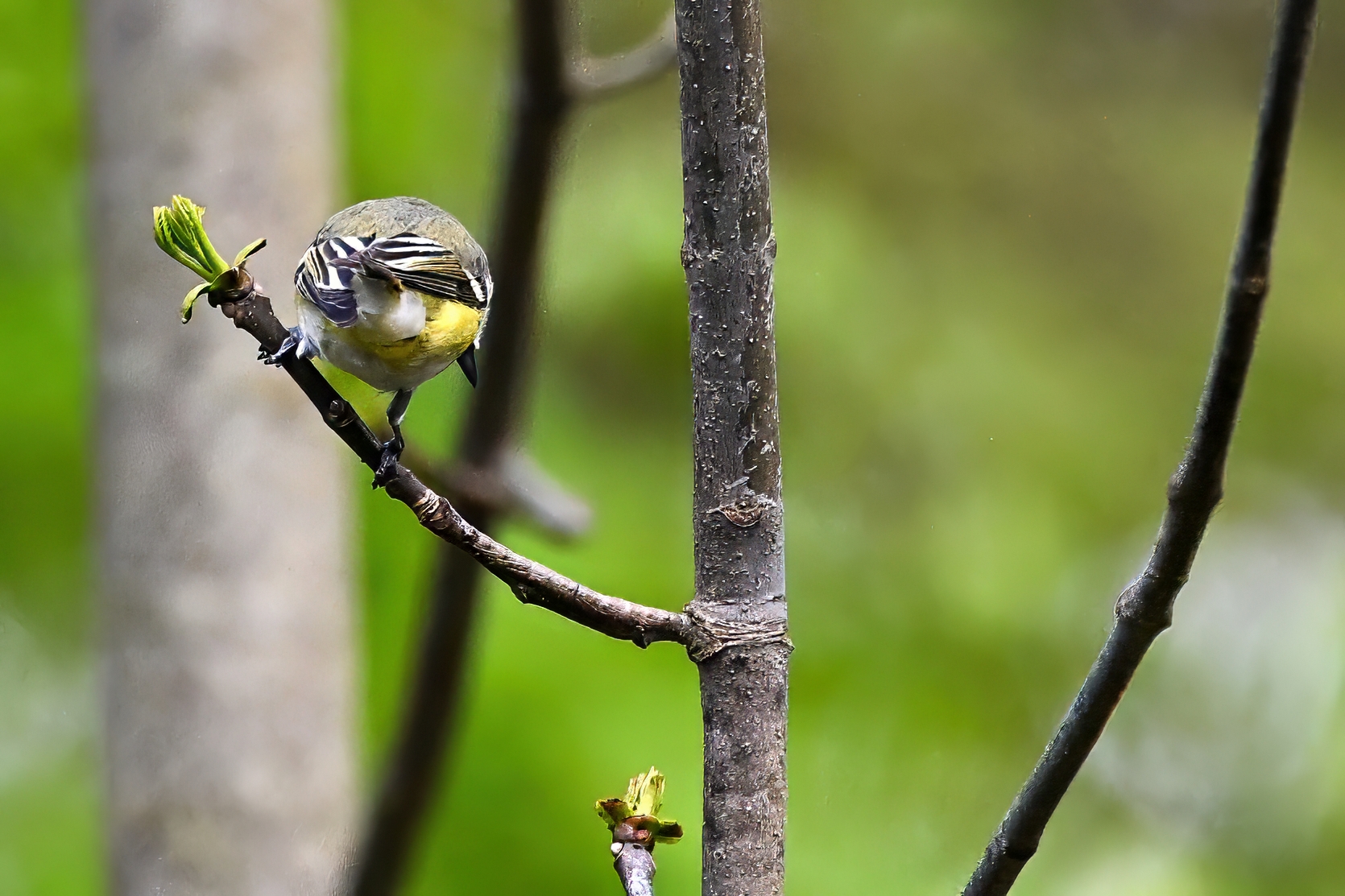
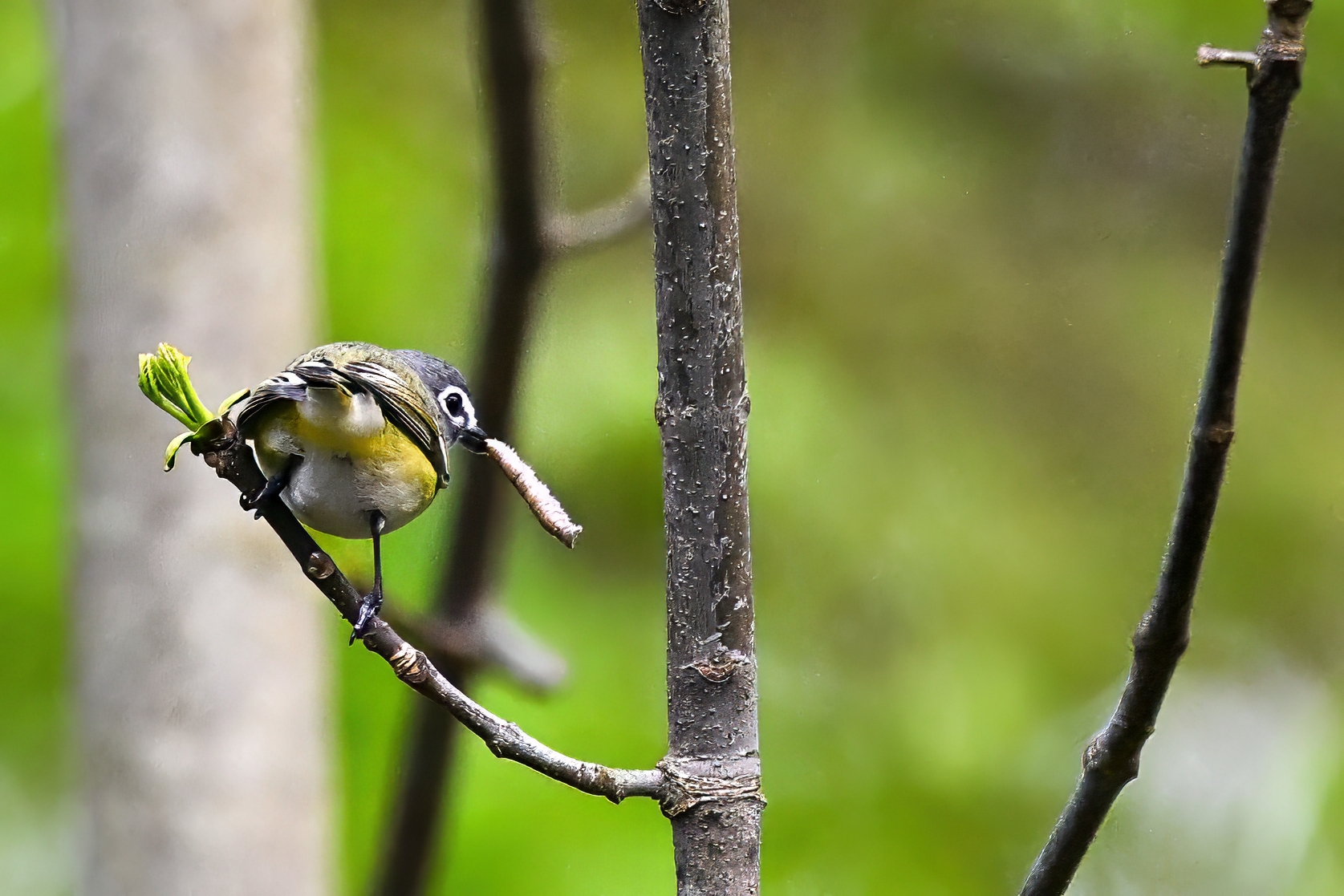
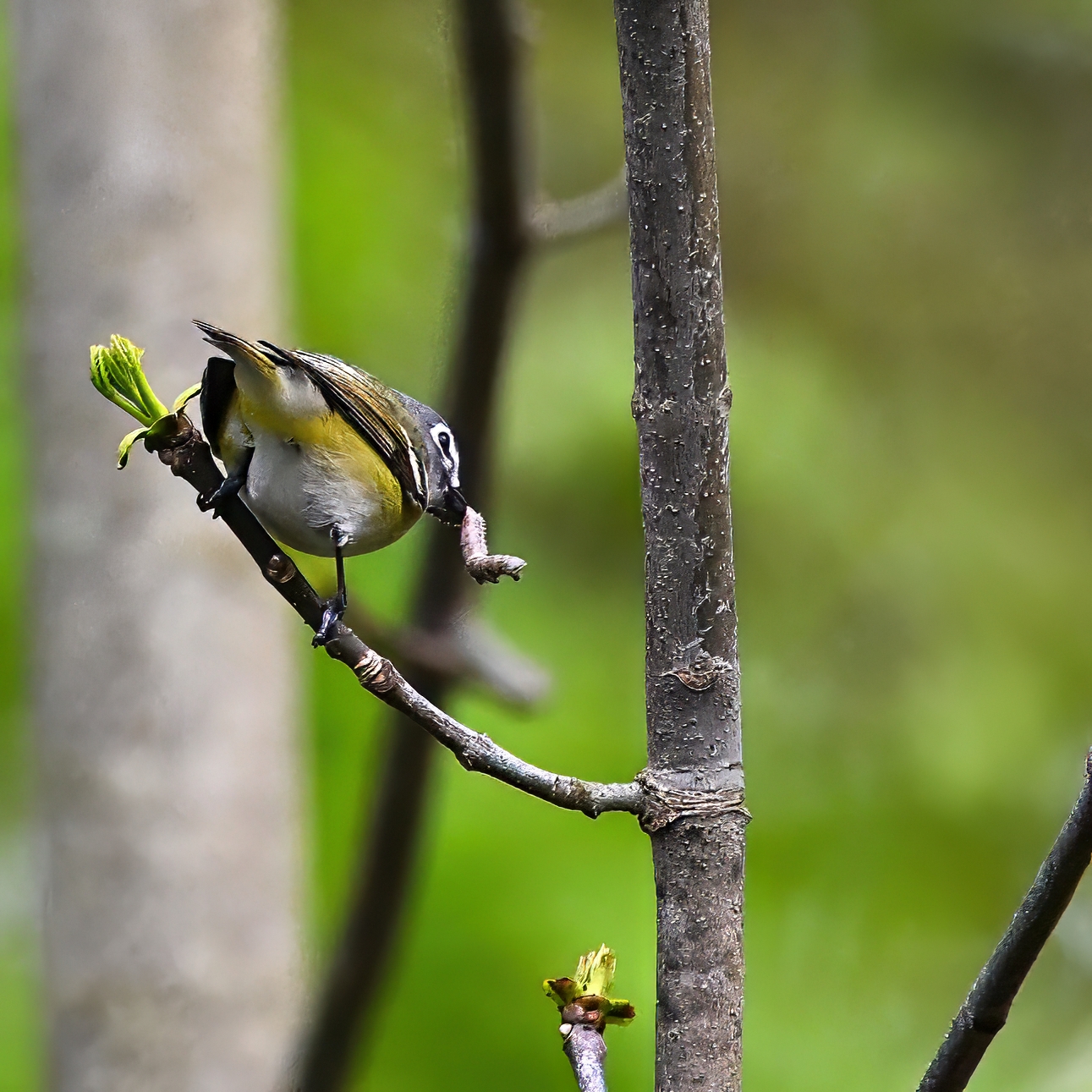
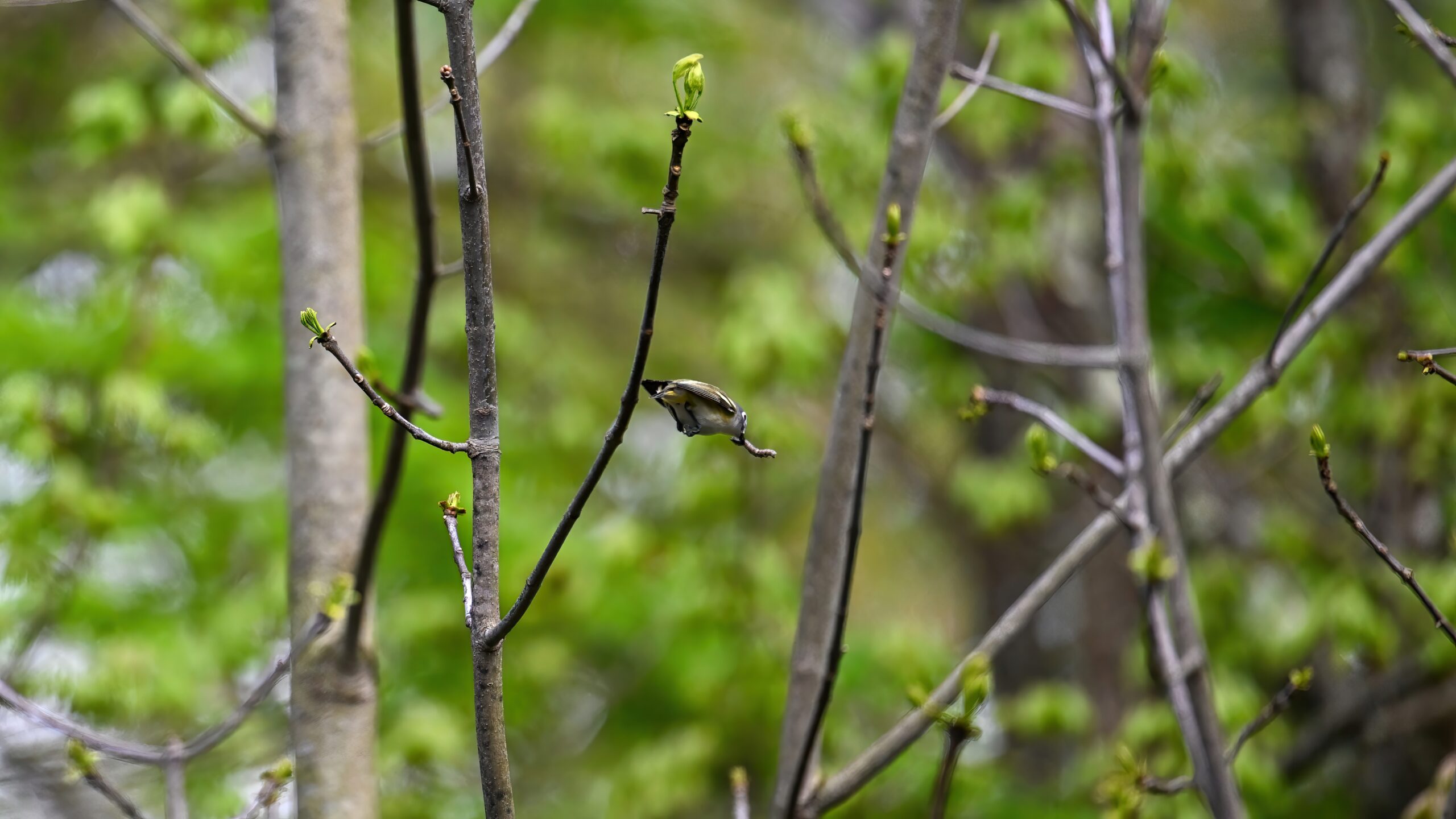
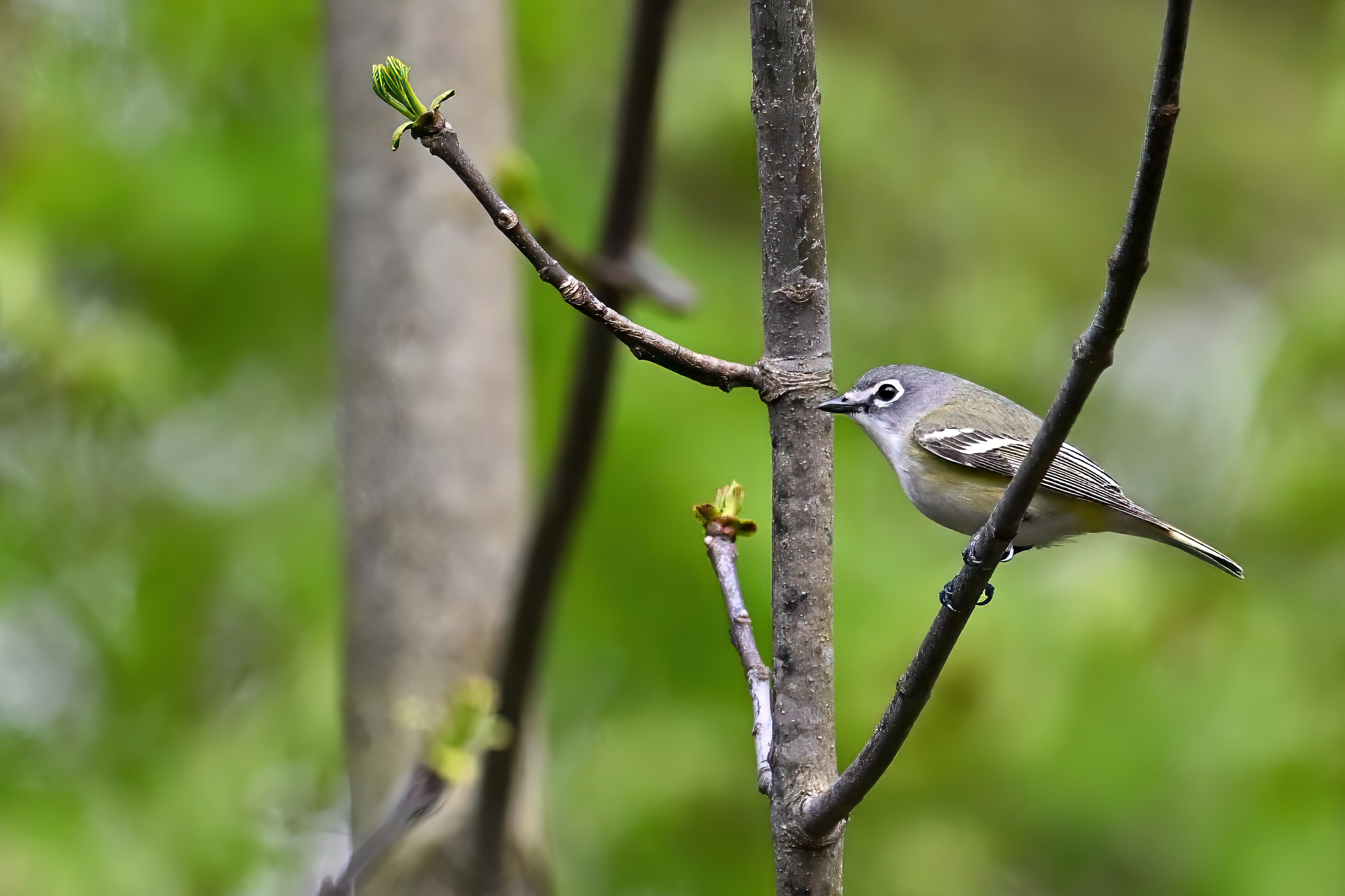
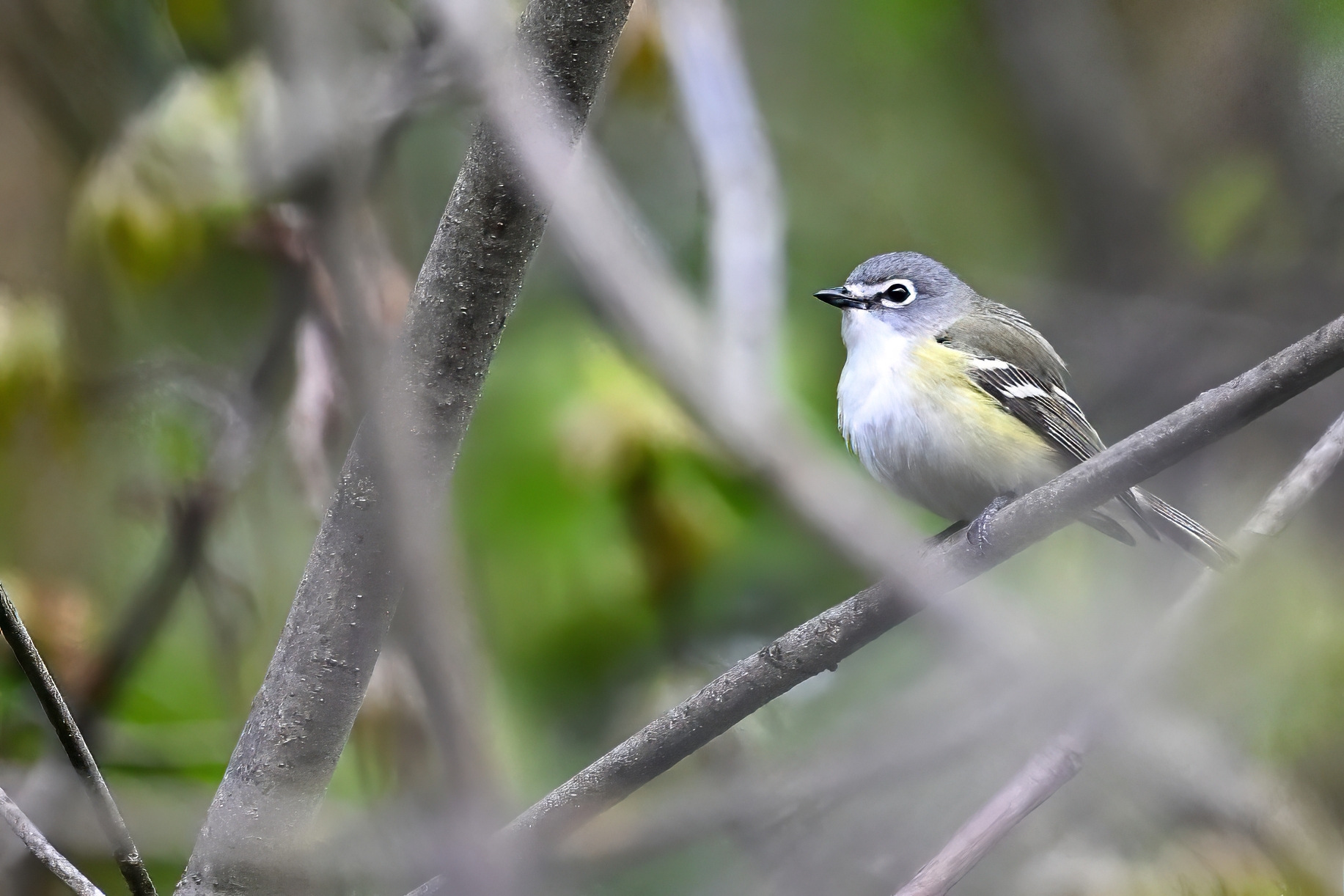
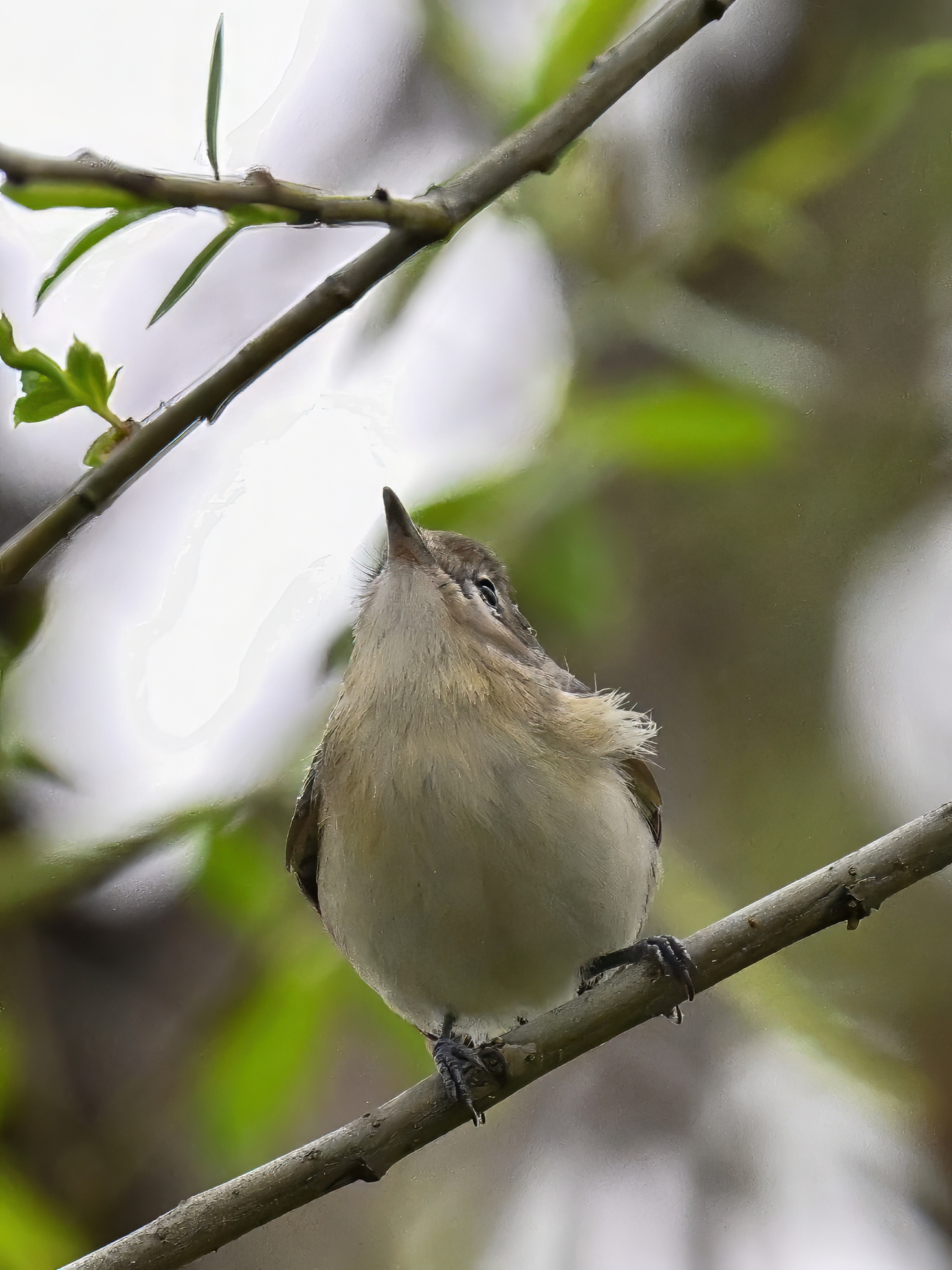
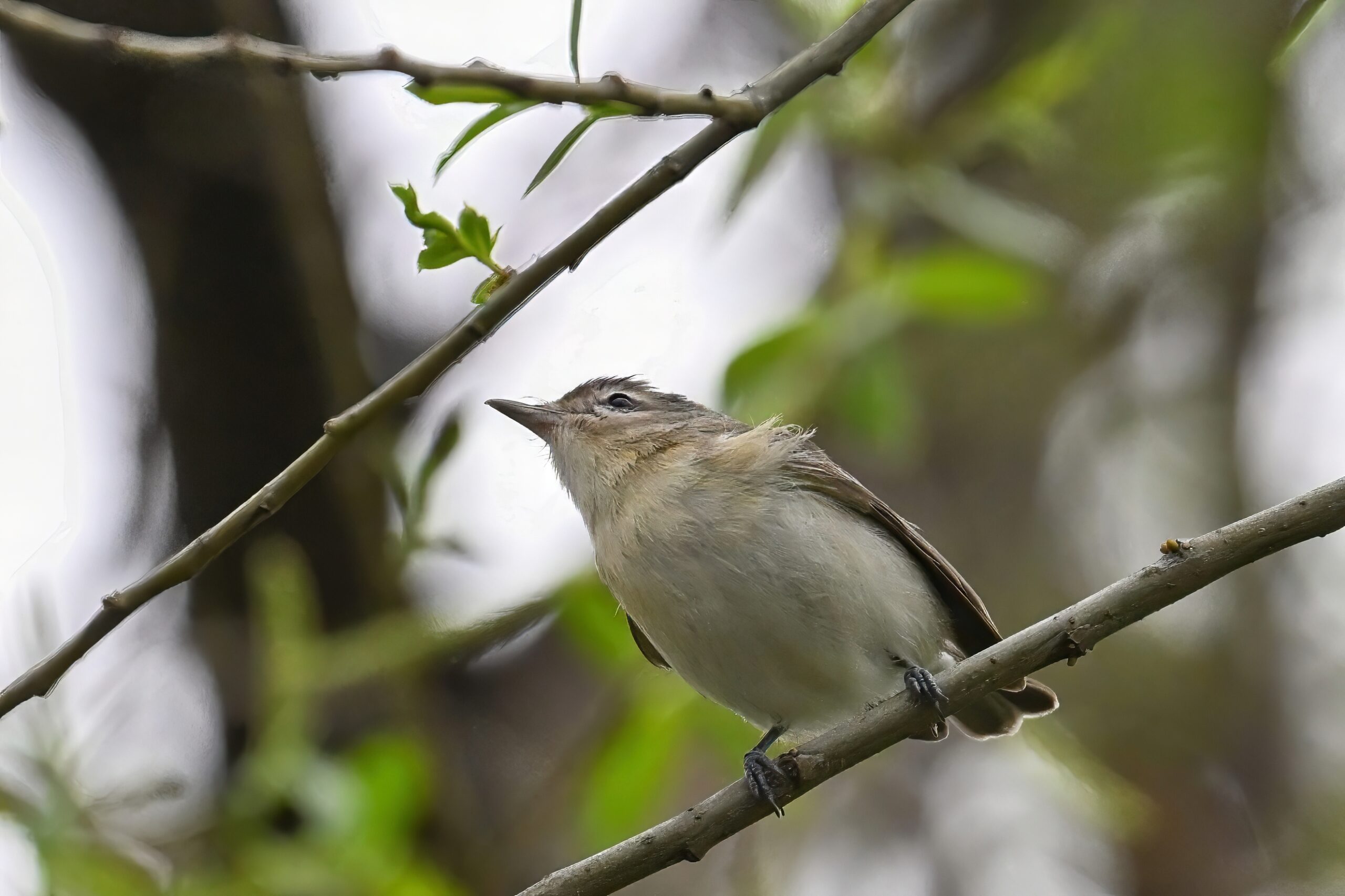
Mostly the lovely Blue-headed Vireo is seen way up in the trees. Lucky to have this brief interaction the other day in Millcreek Twp, PA (“Since 1800”) closer to eye level:
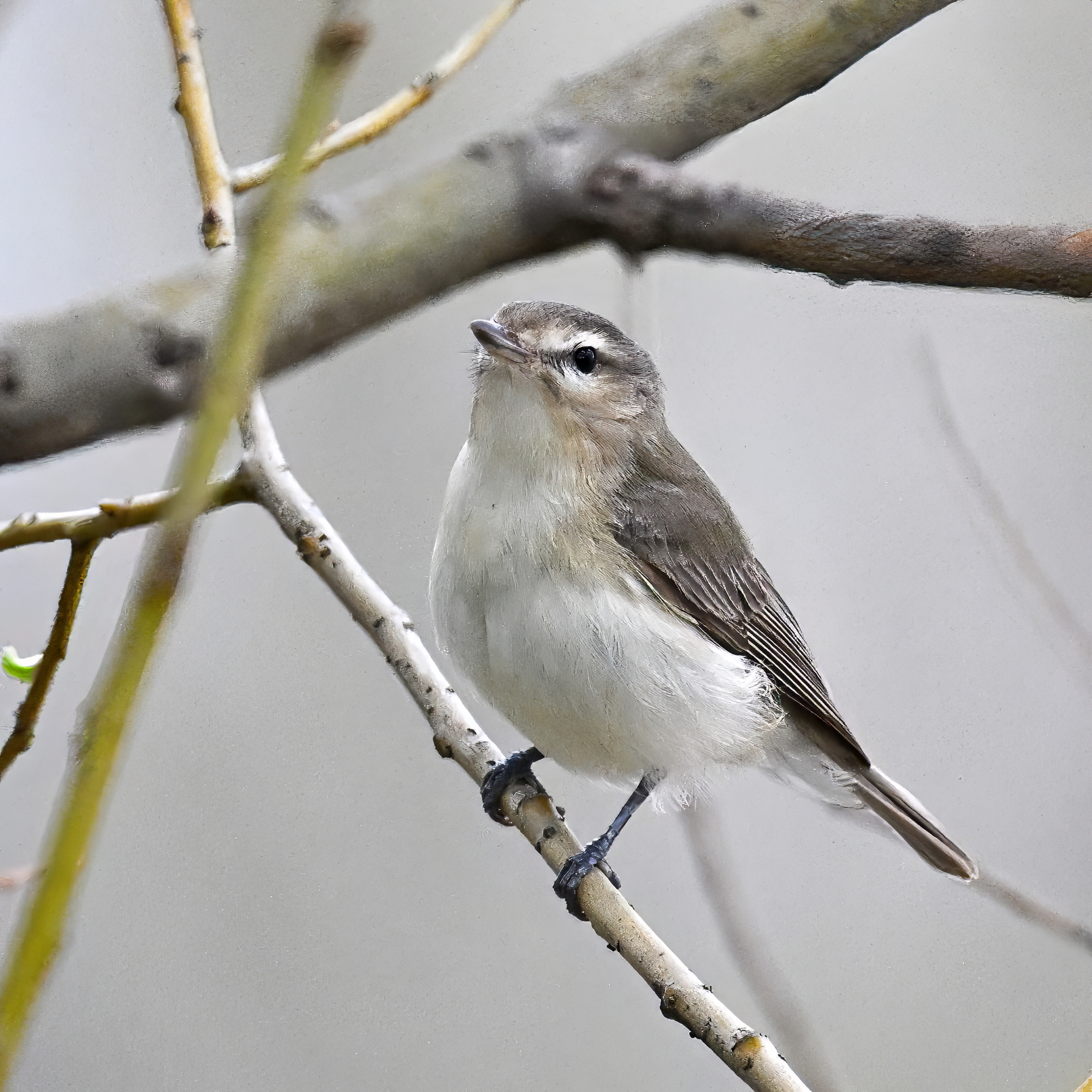
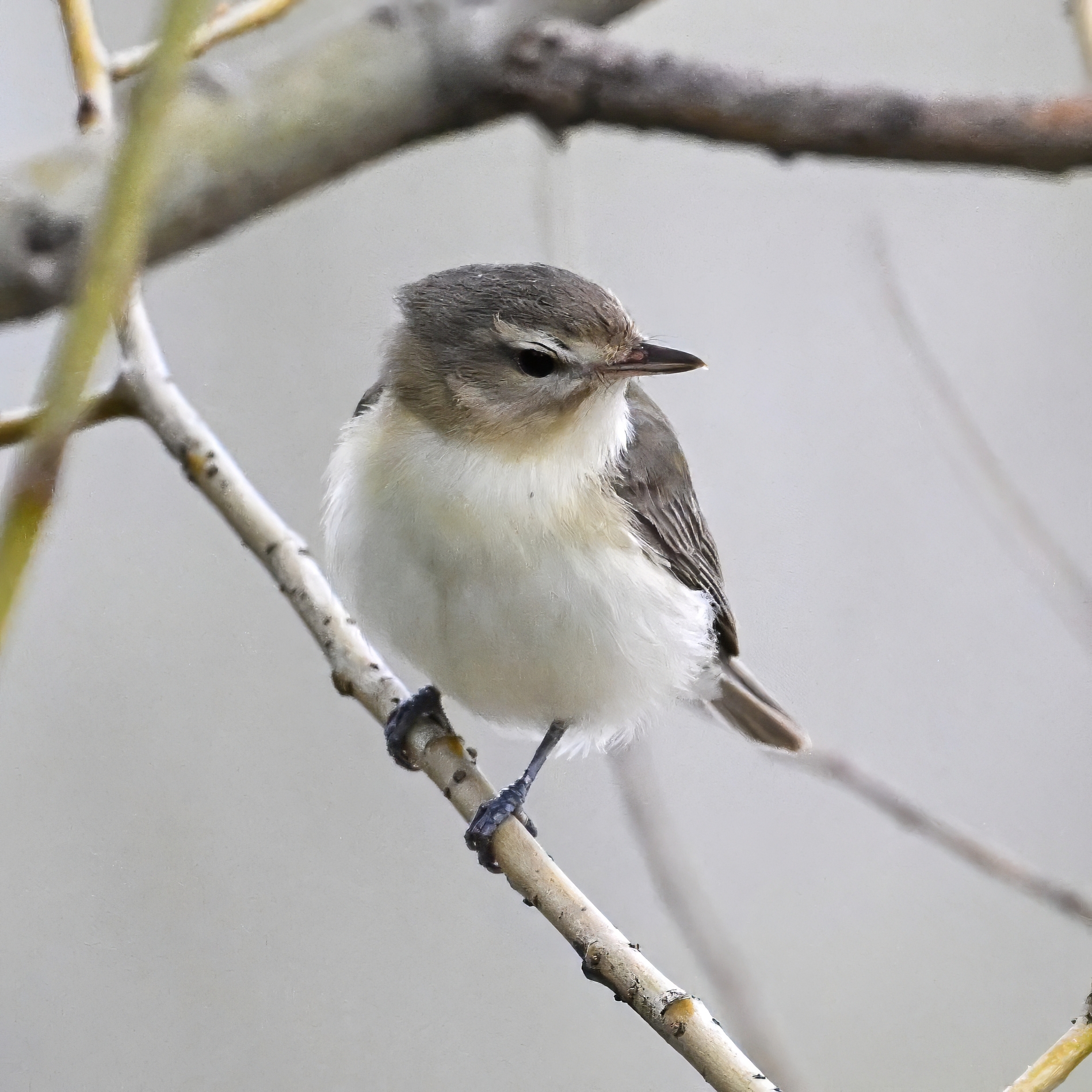
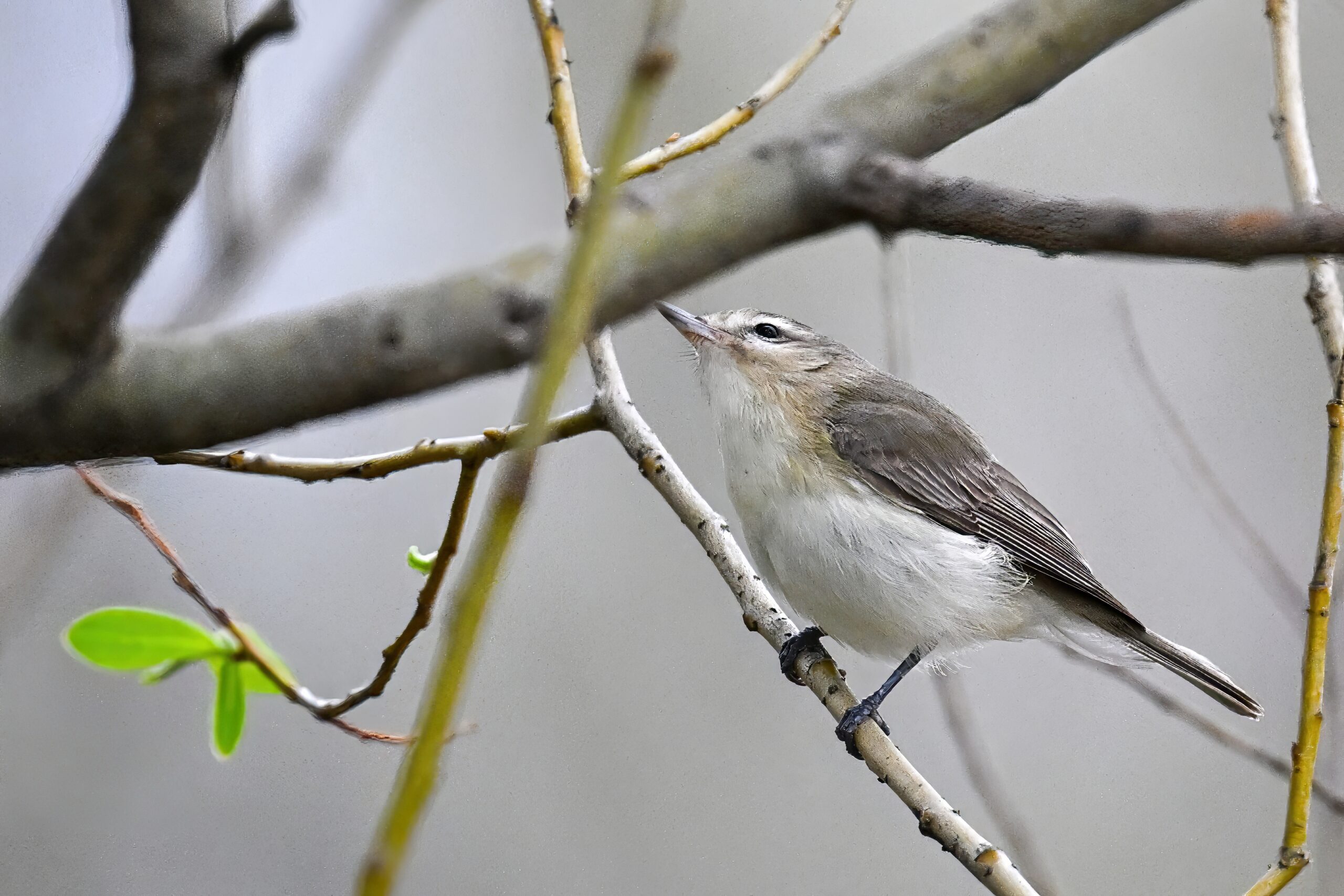
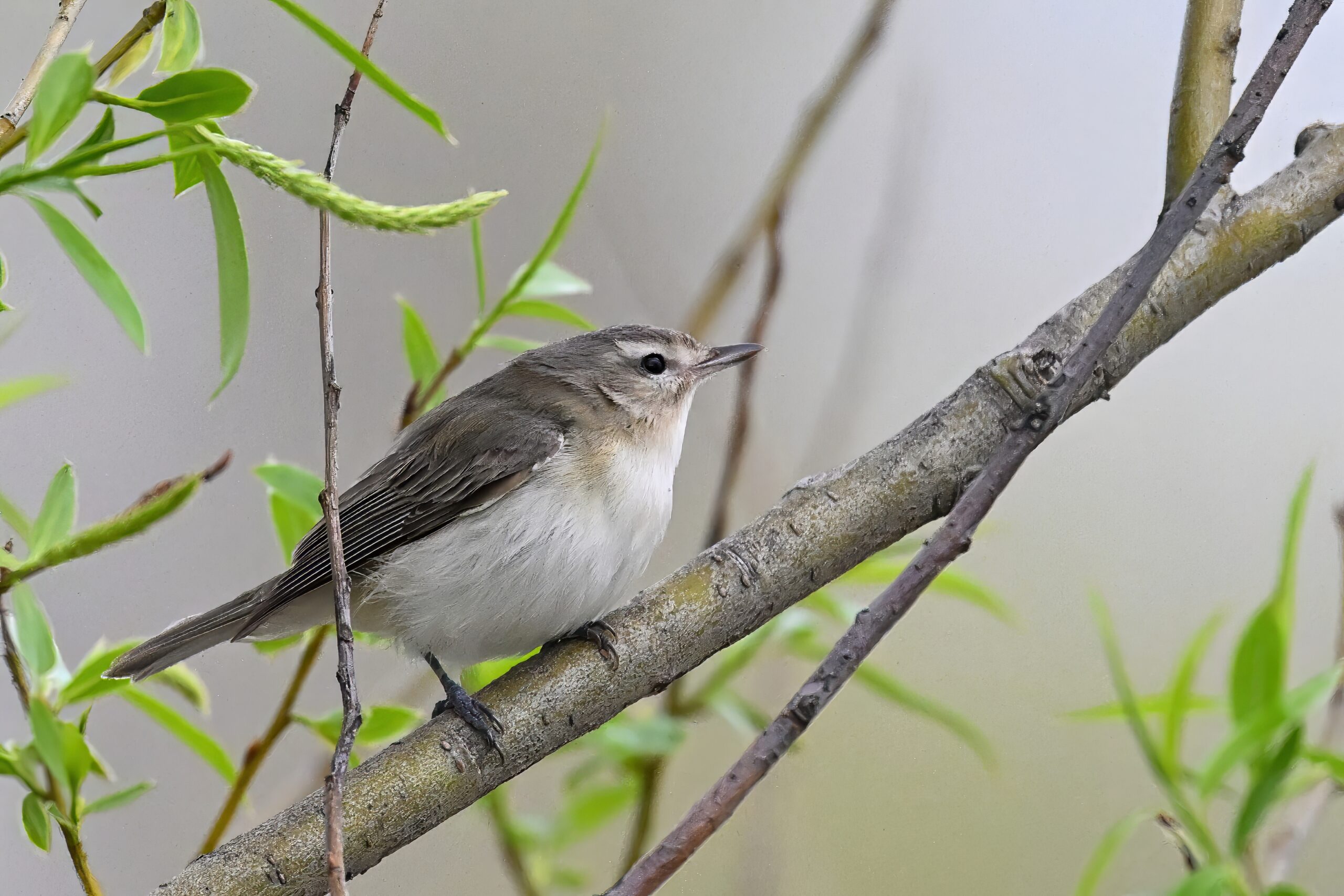
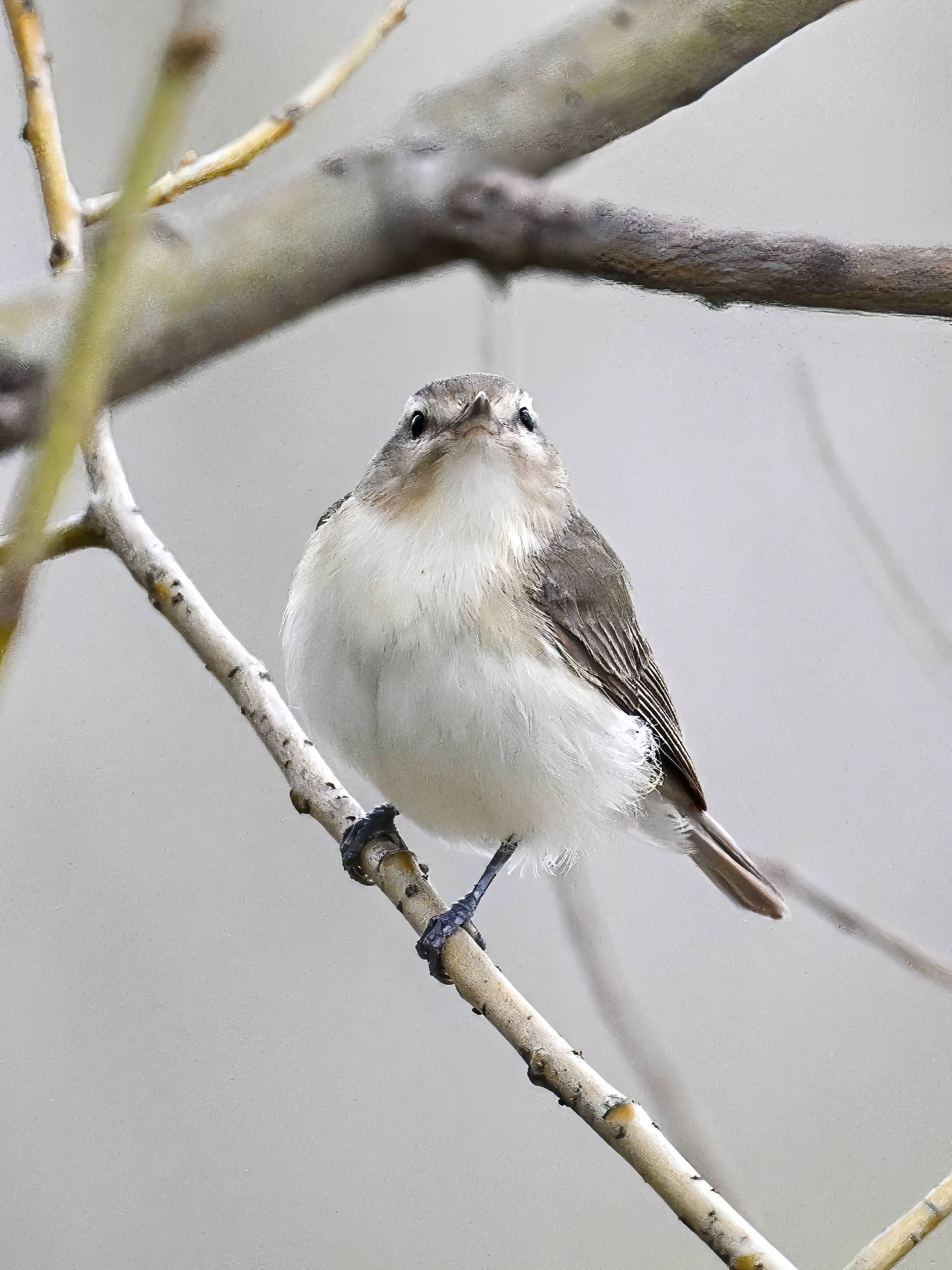
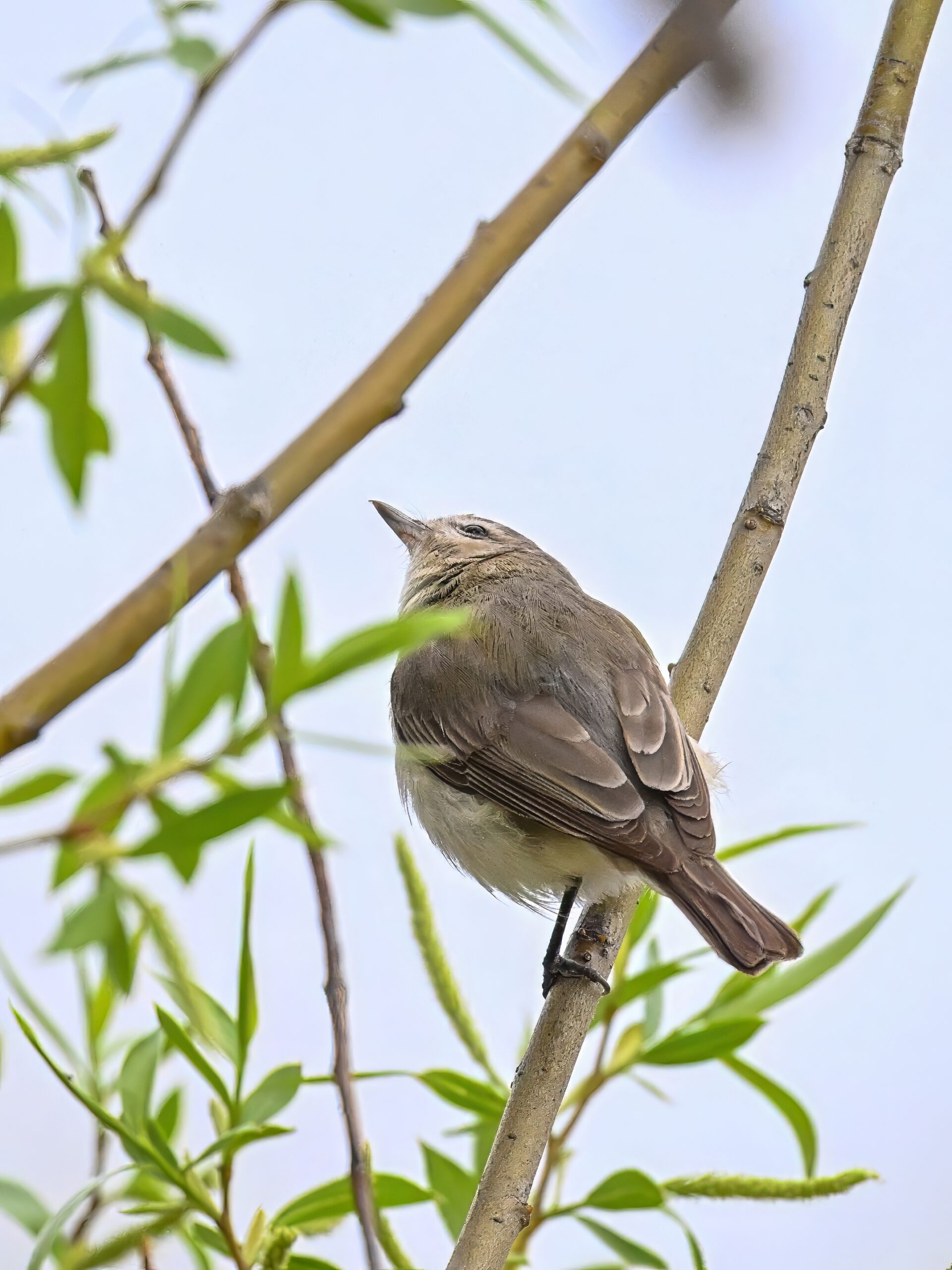
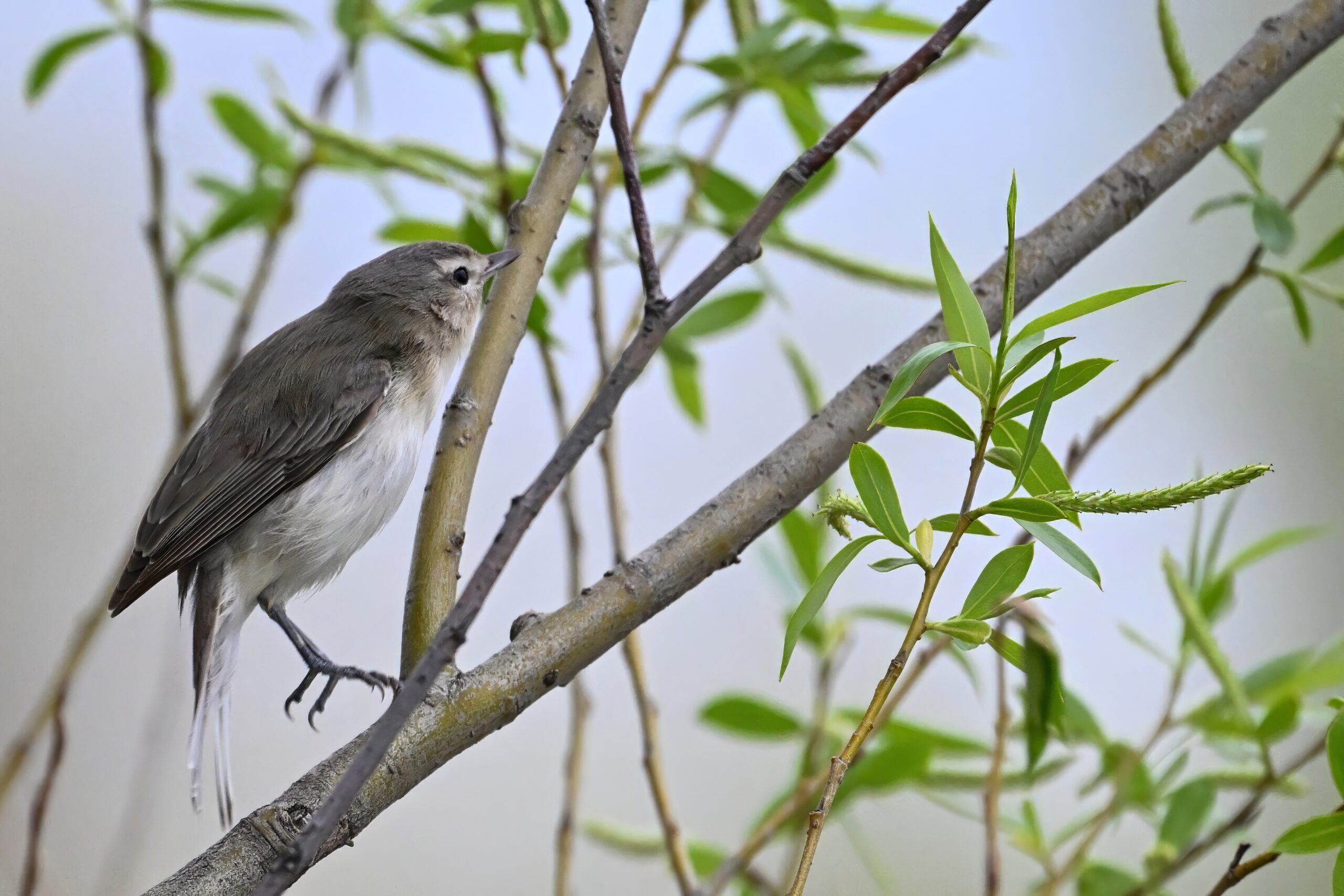
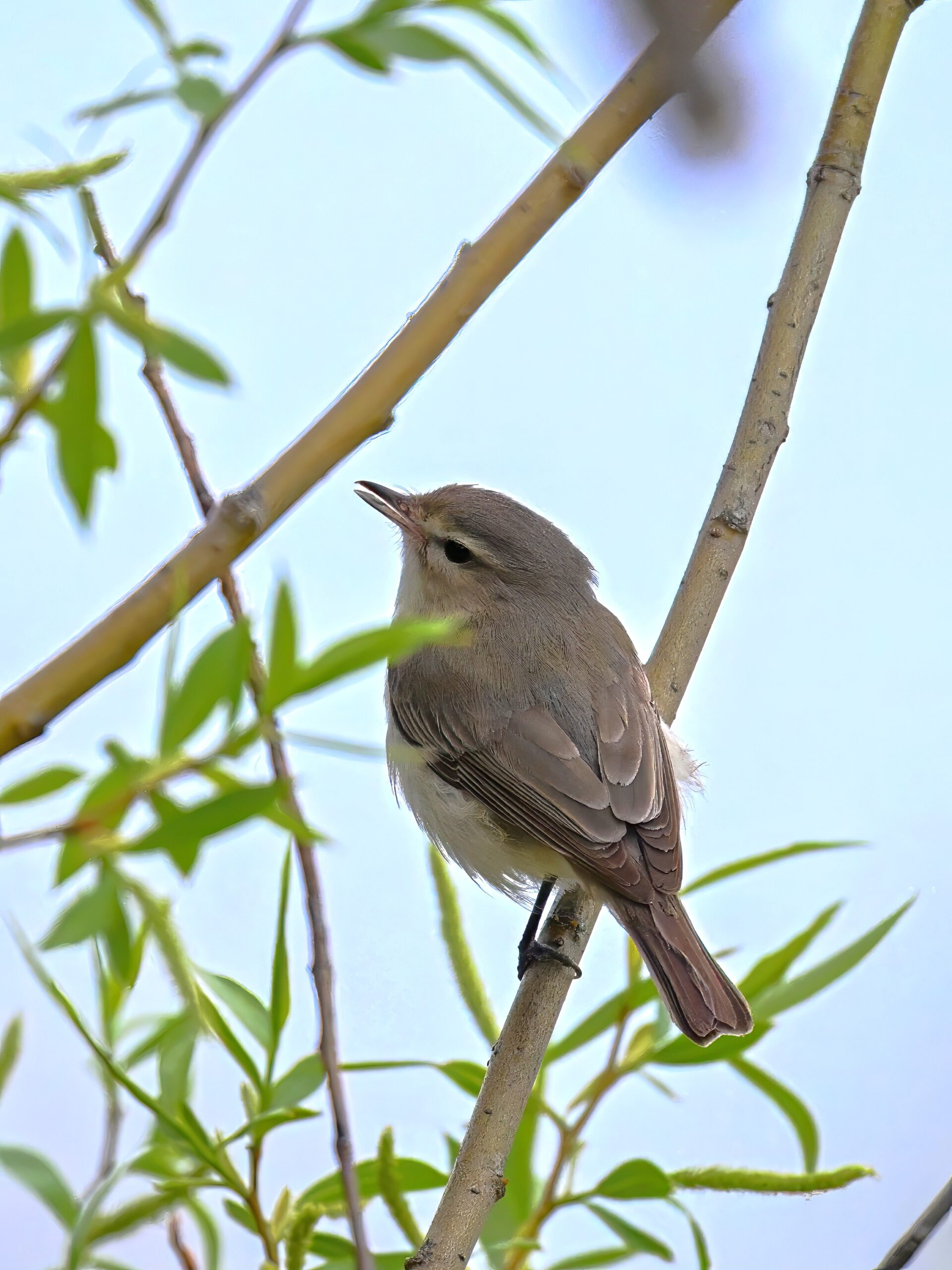
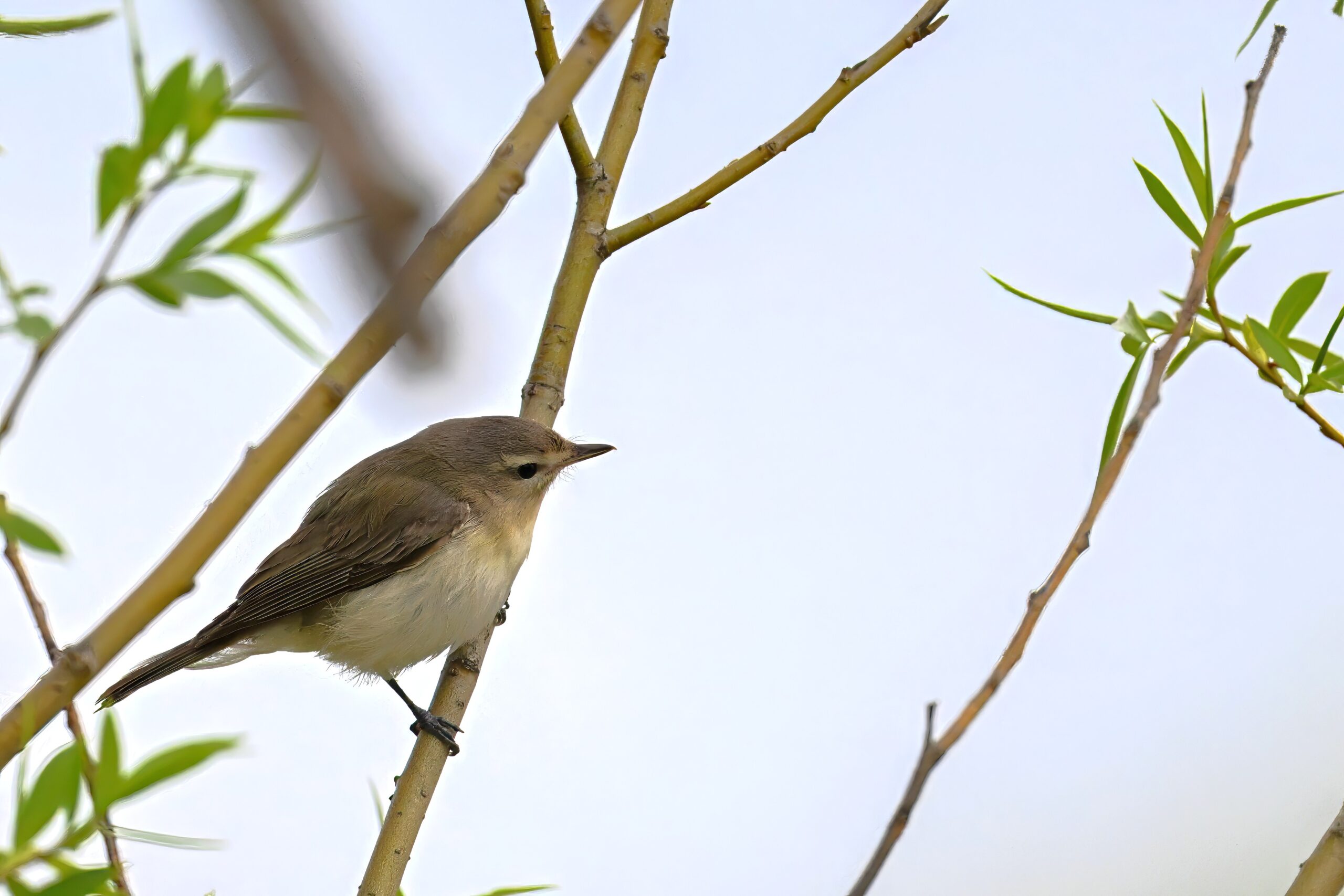
Continuing on with a focus on spring warblers and warbler adjuncts, e.g., vireos. Nothing more ‘warbler adjacent’ than the lovely Warbling Vireo. These recent shots from Leo’s Landing at Presque Isle State Park:
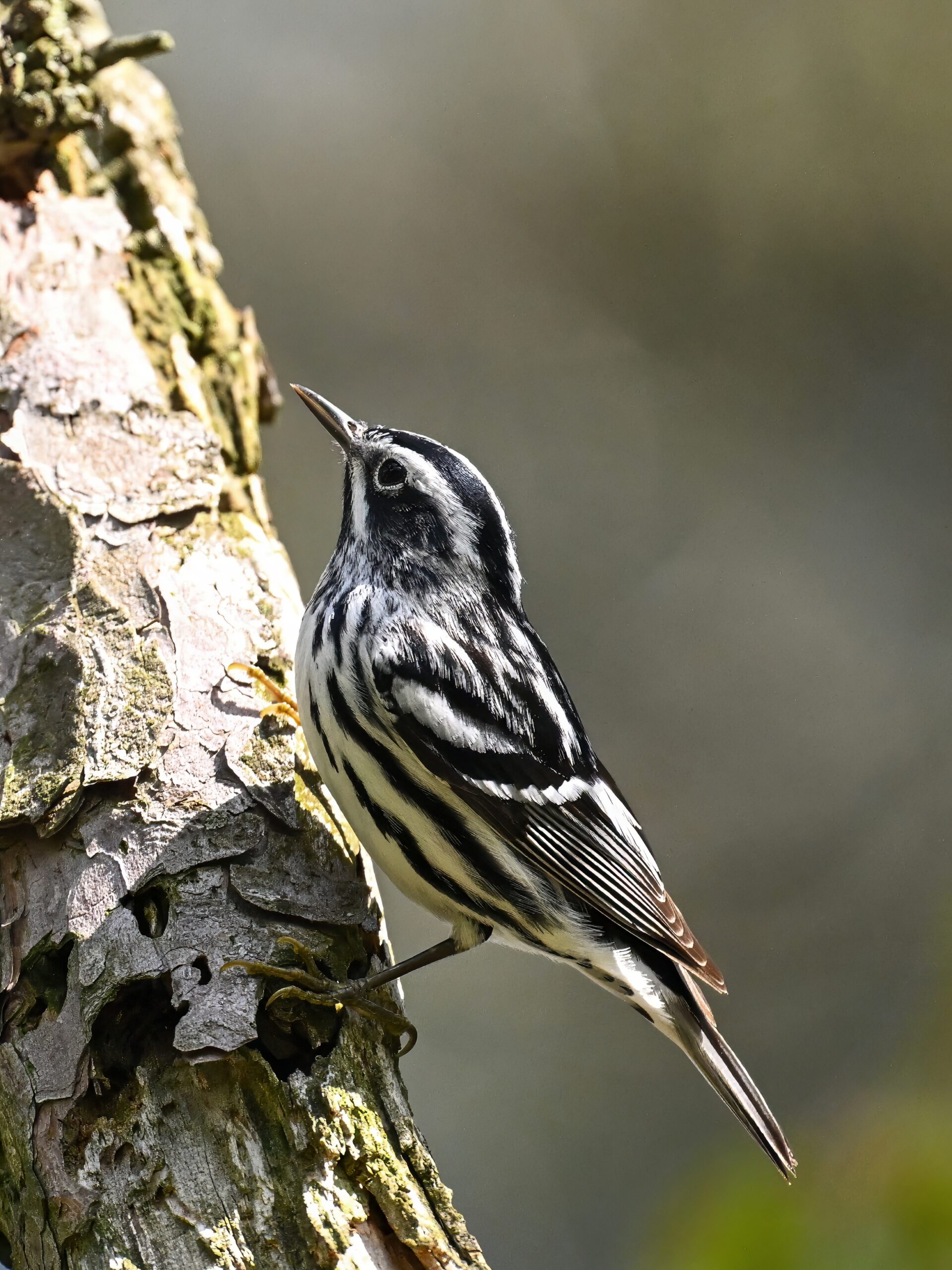
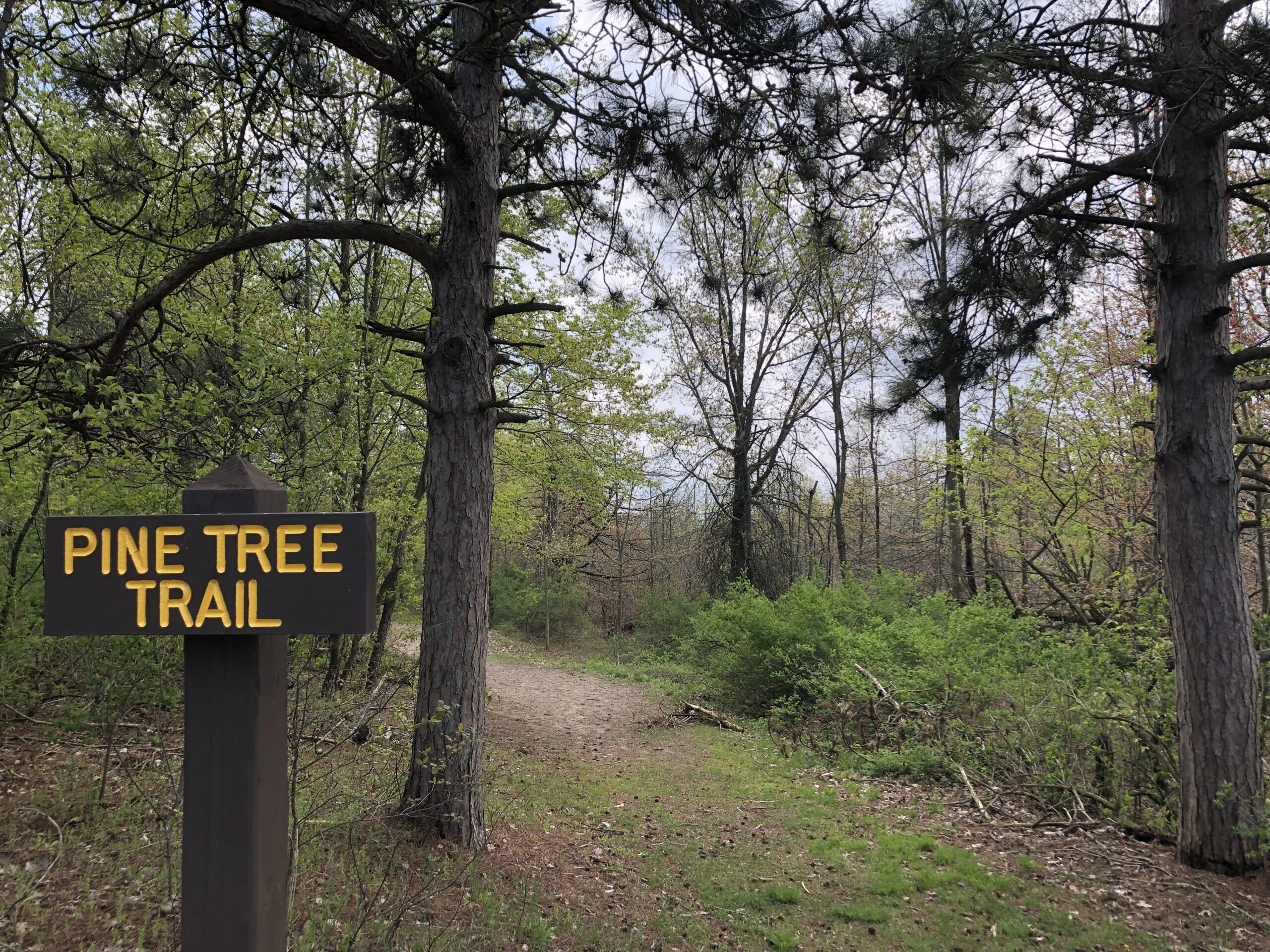
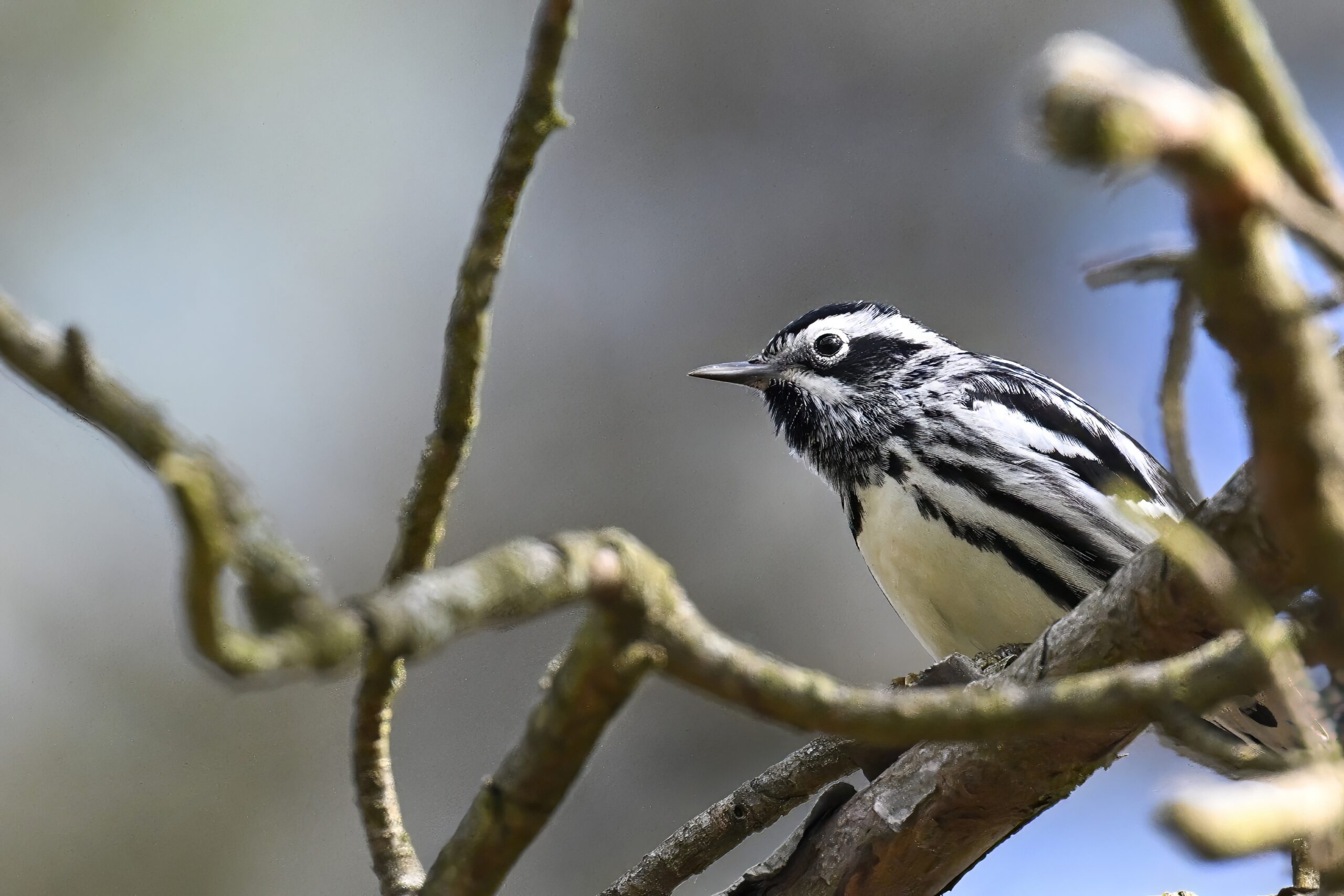
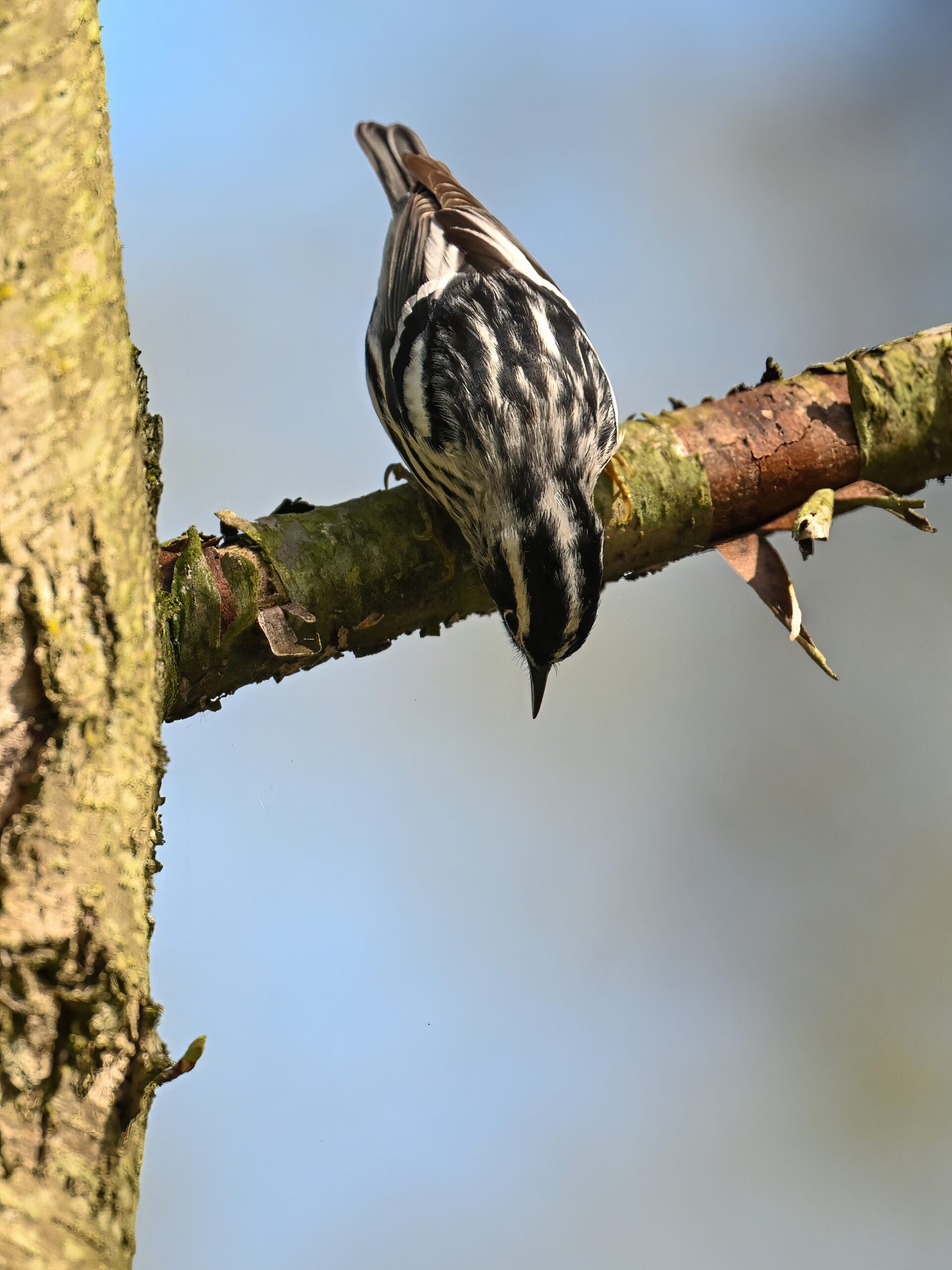
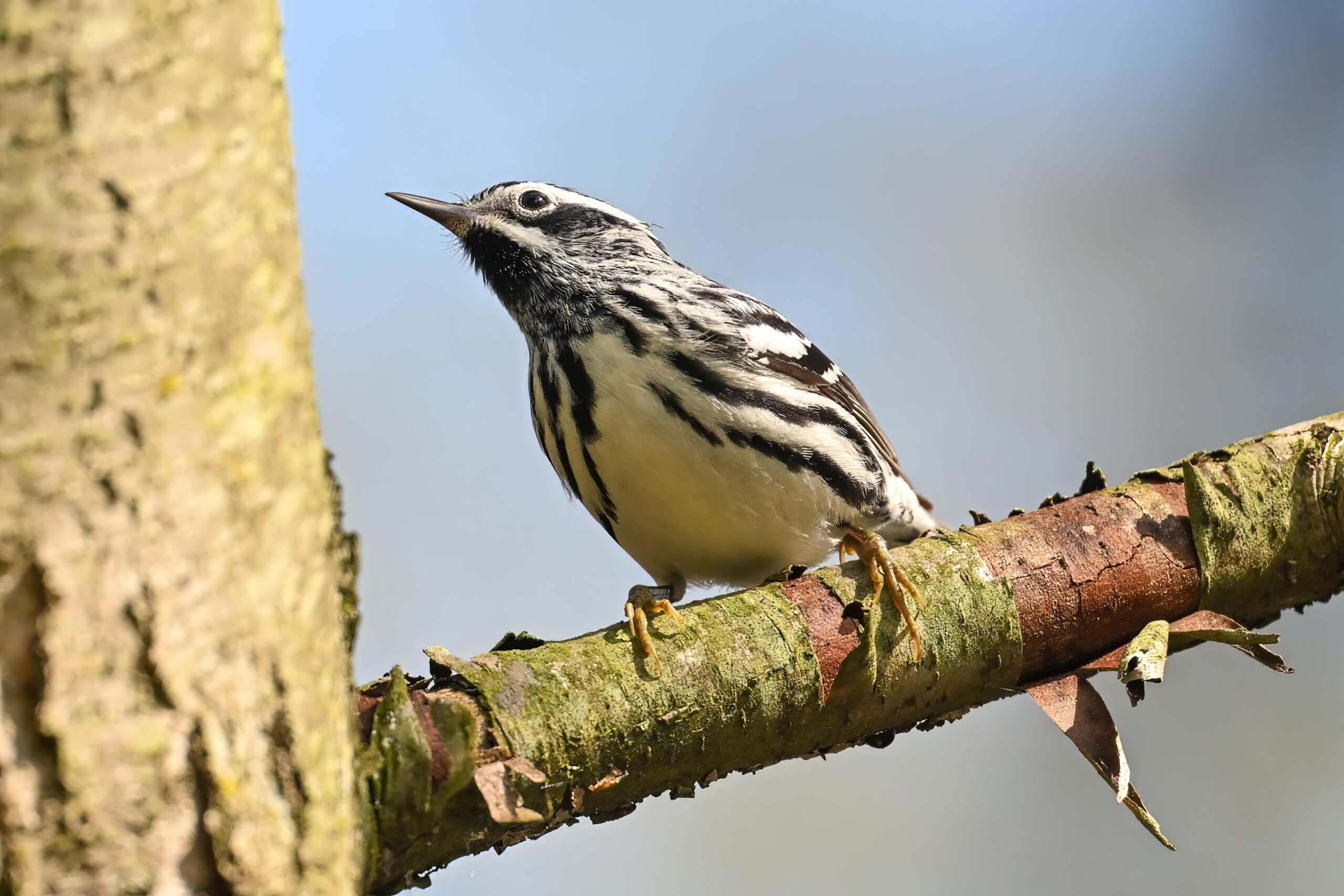
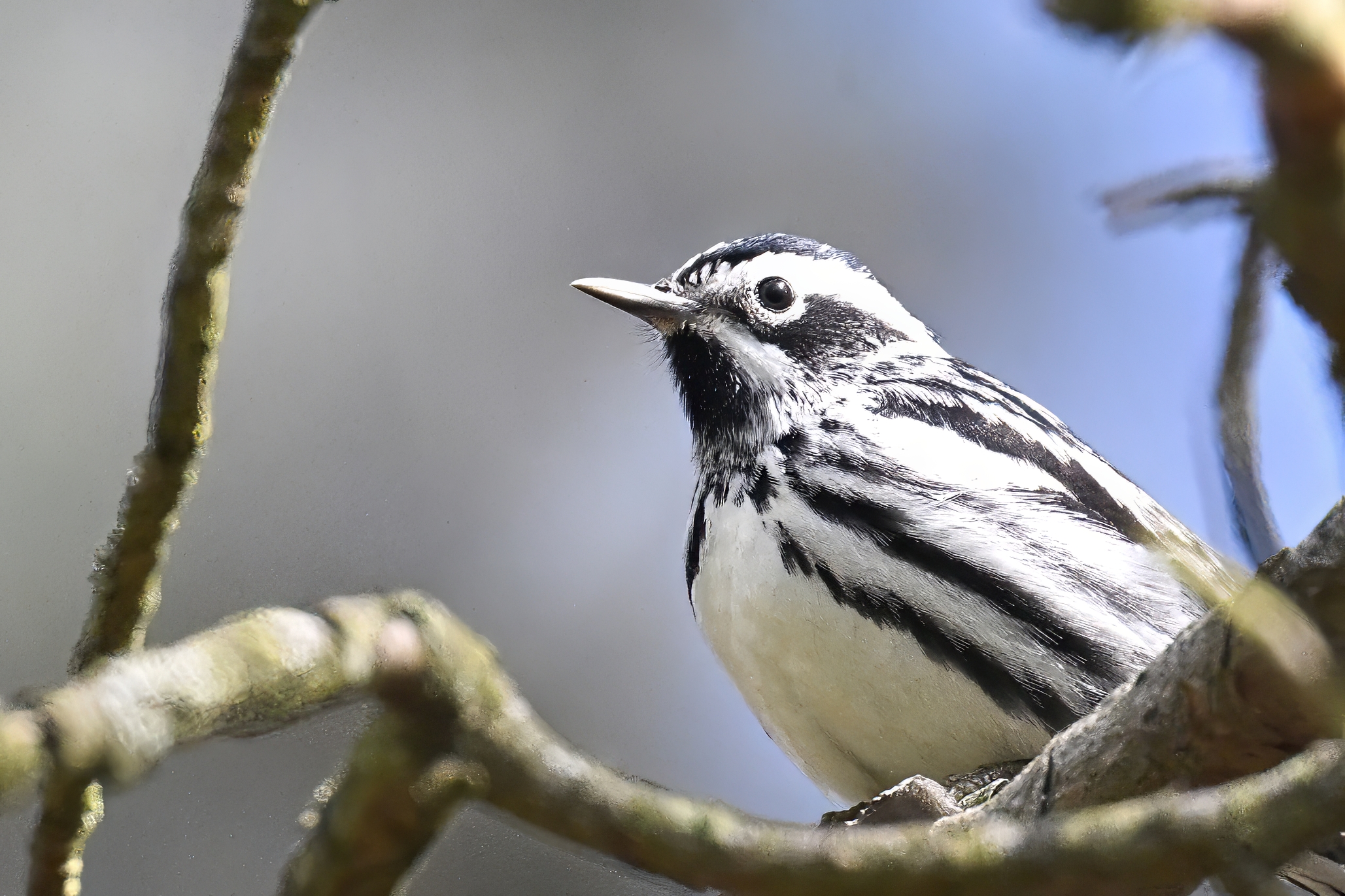
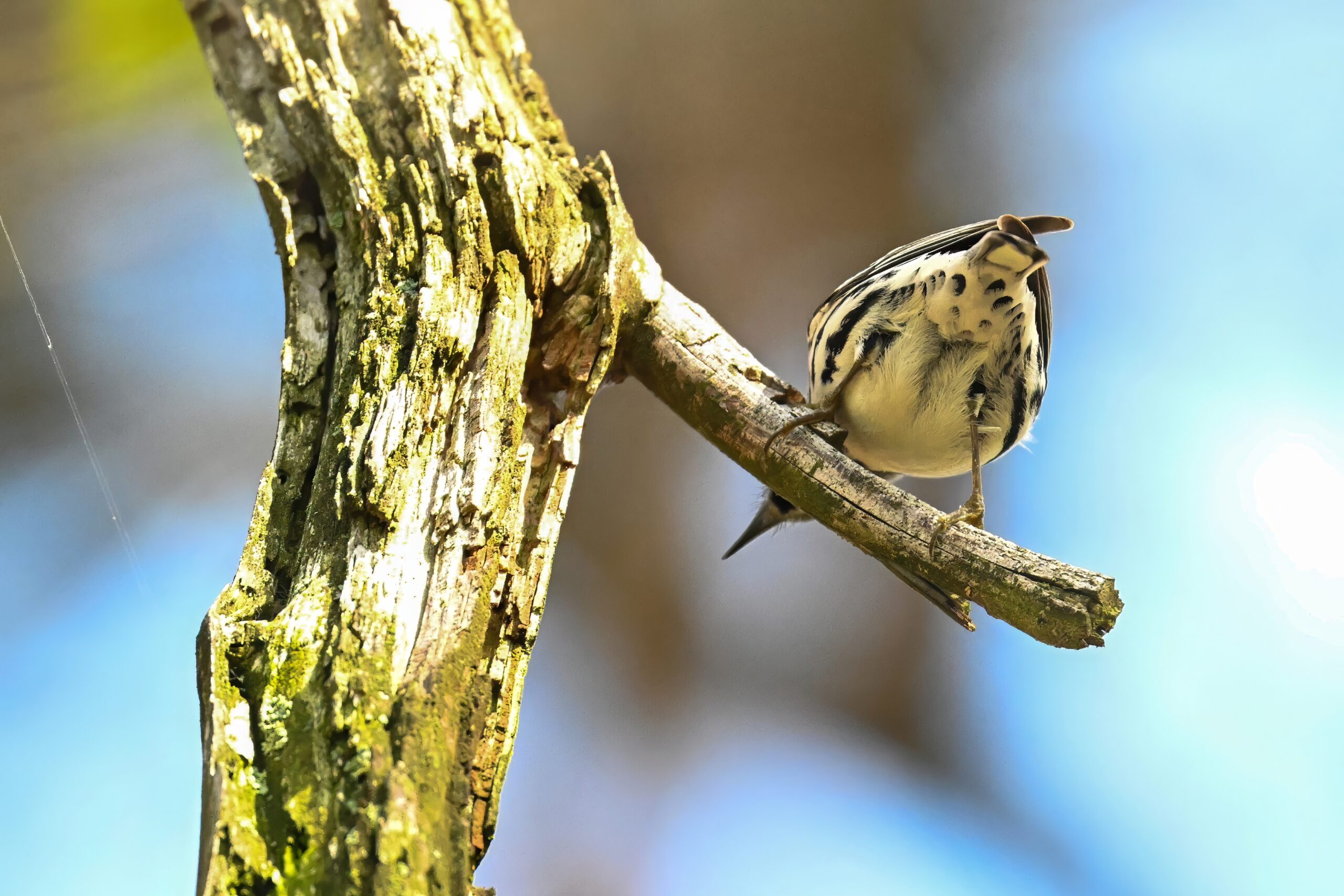
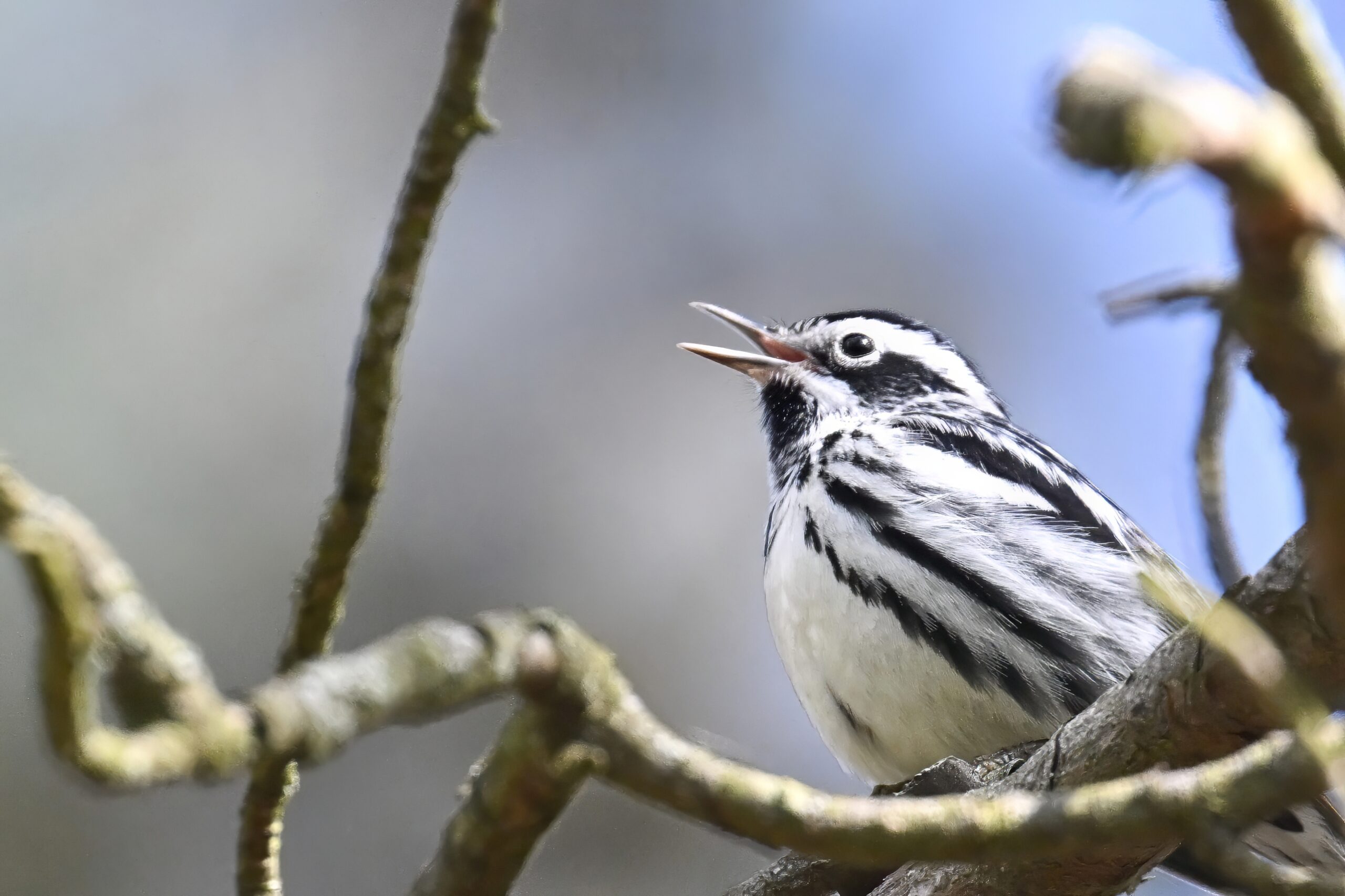
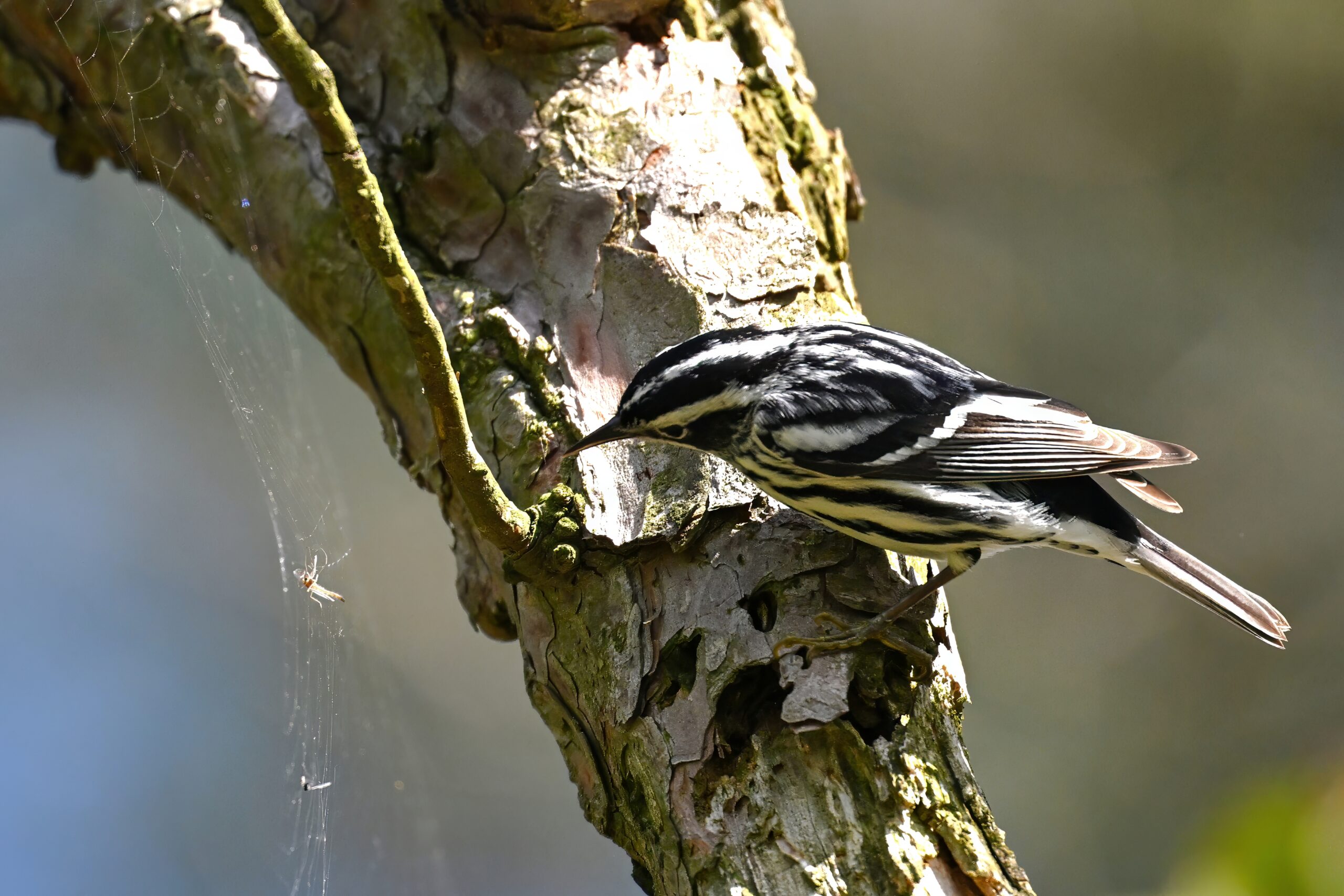
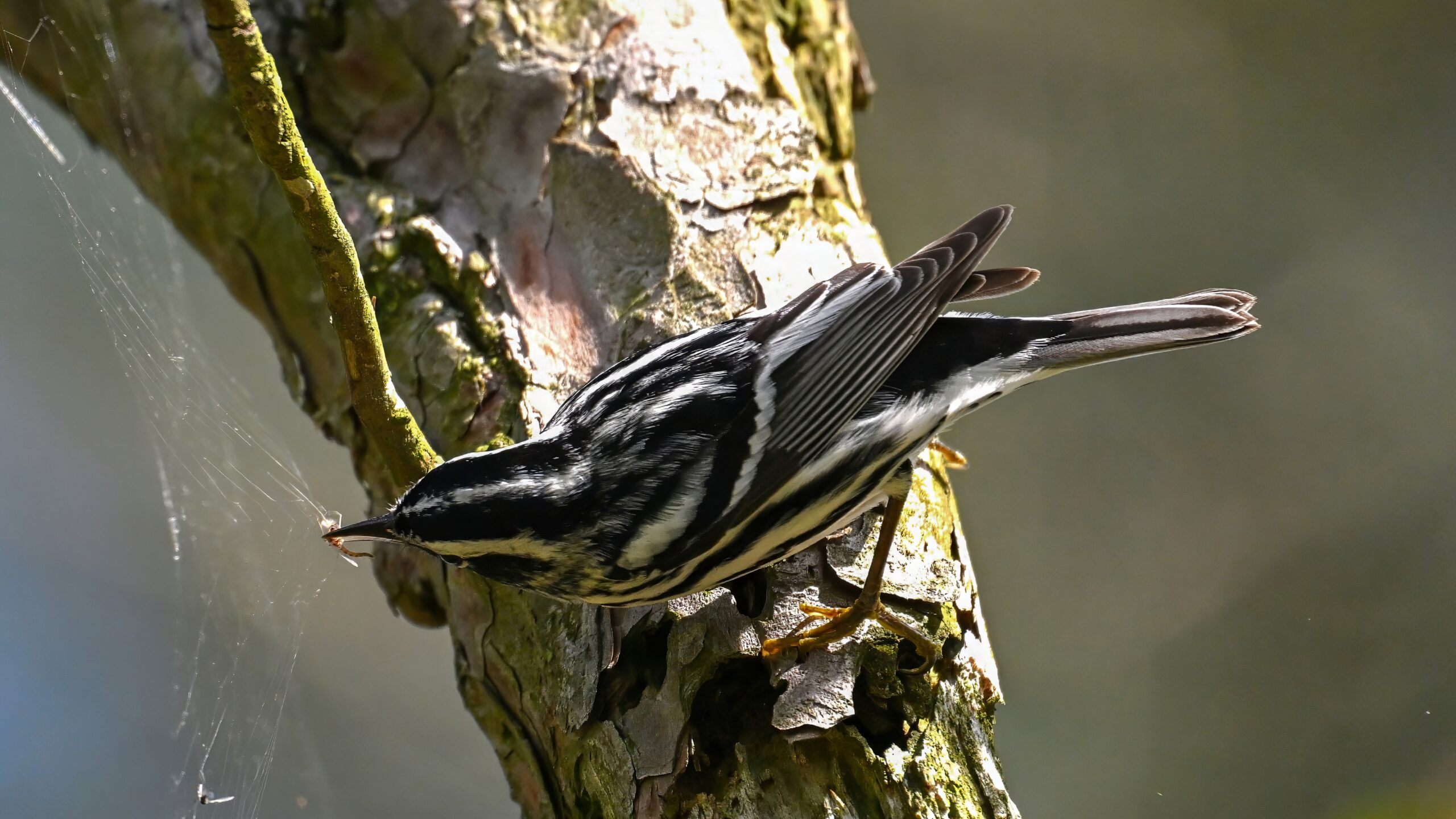
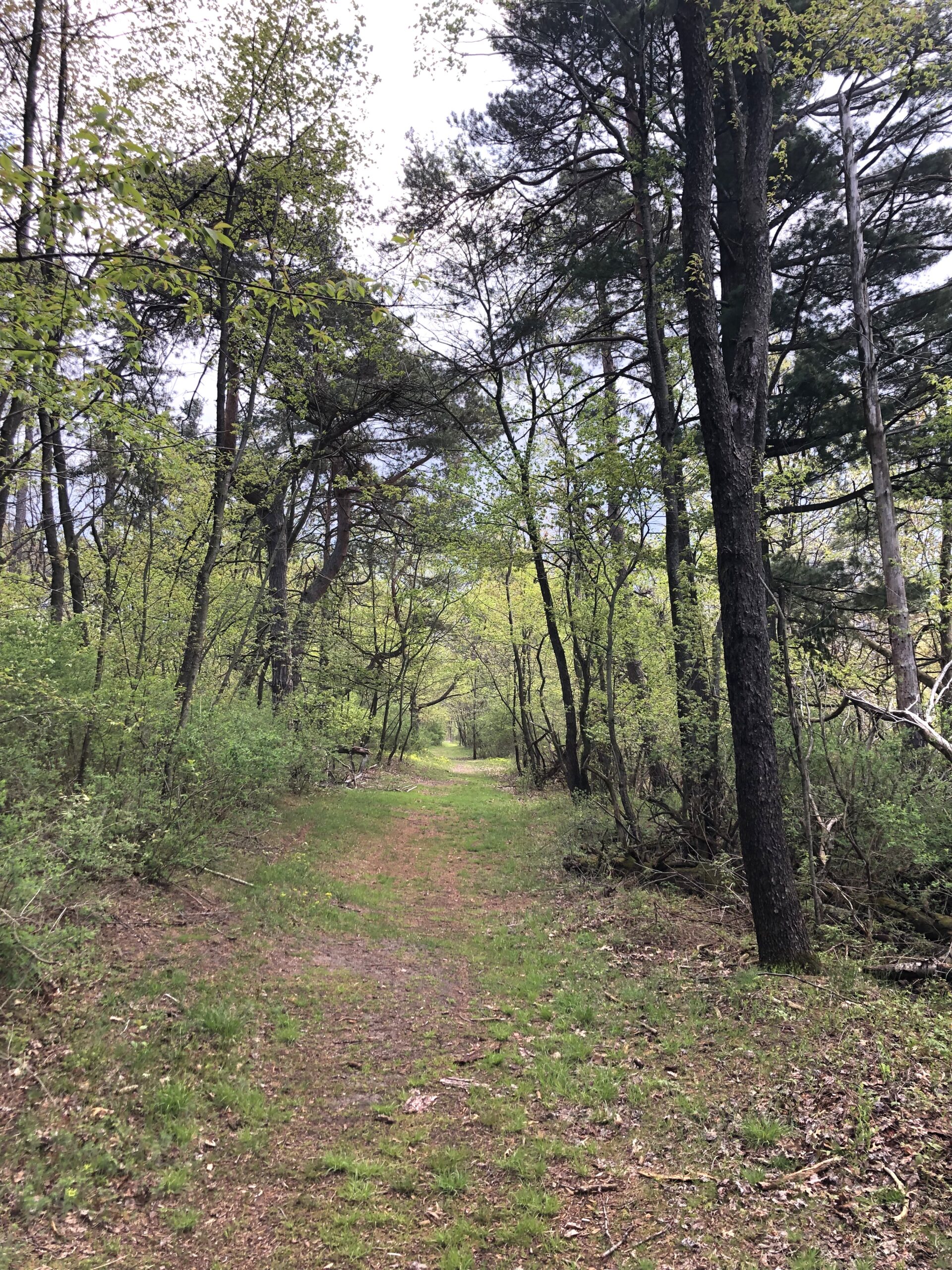
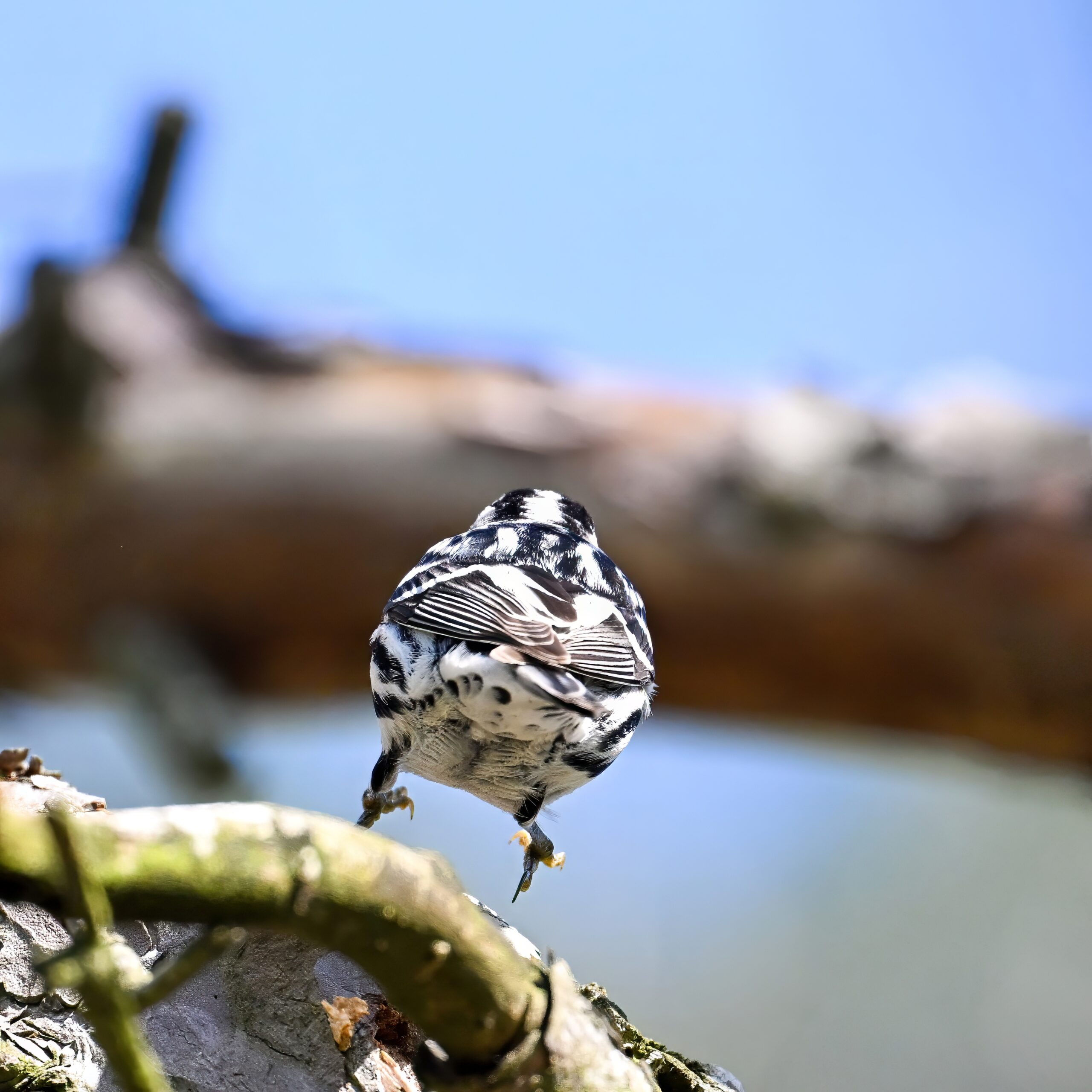
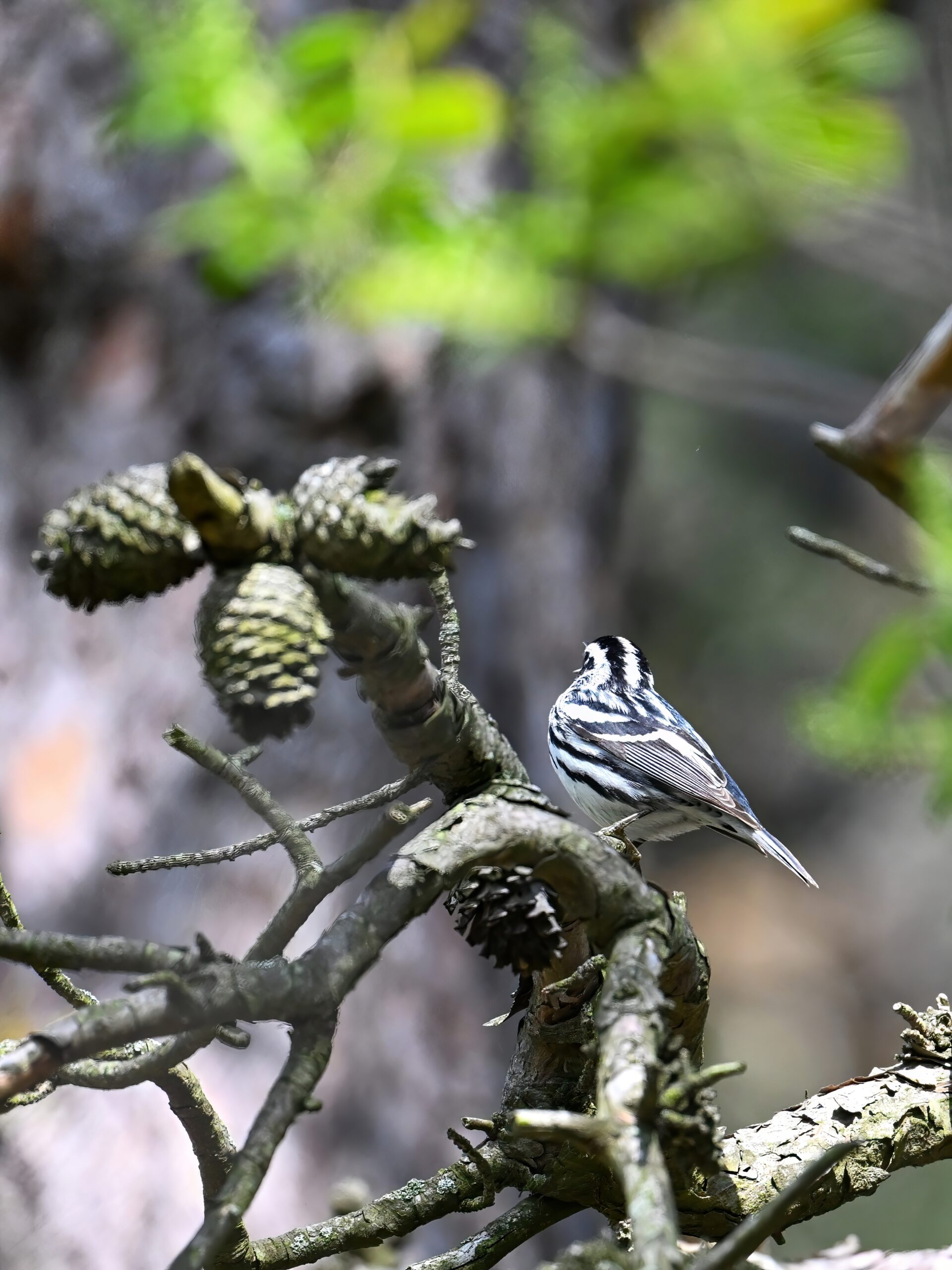
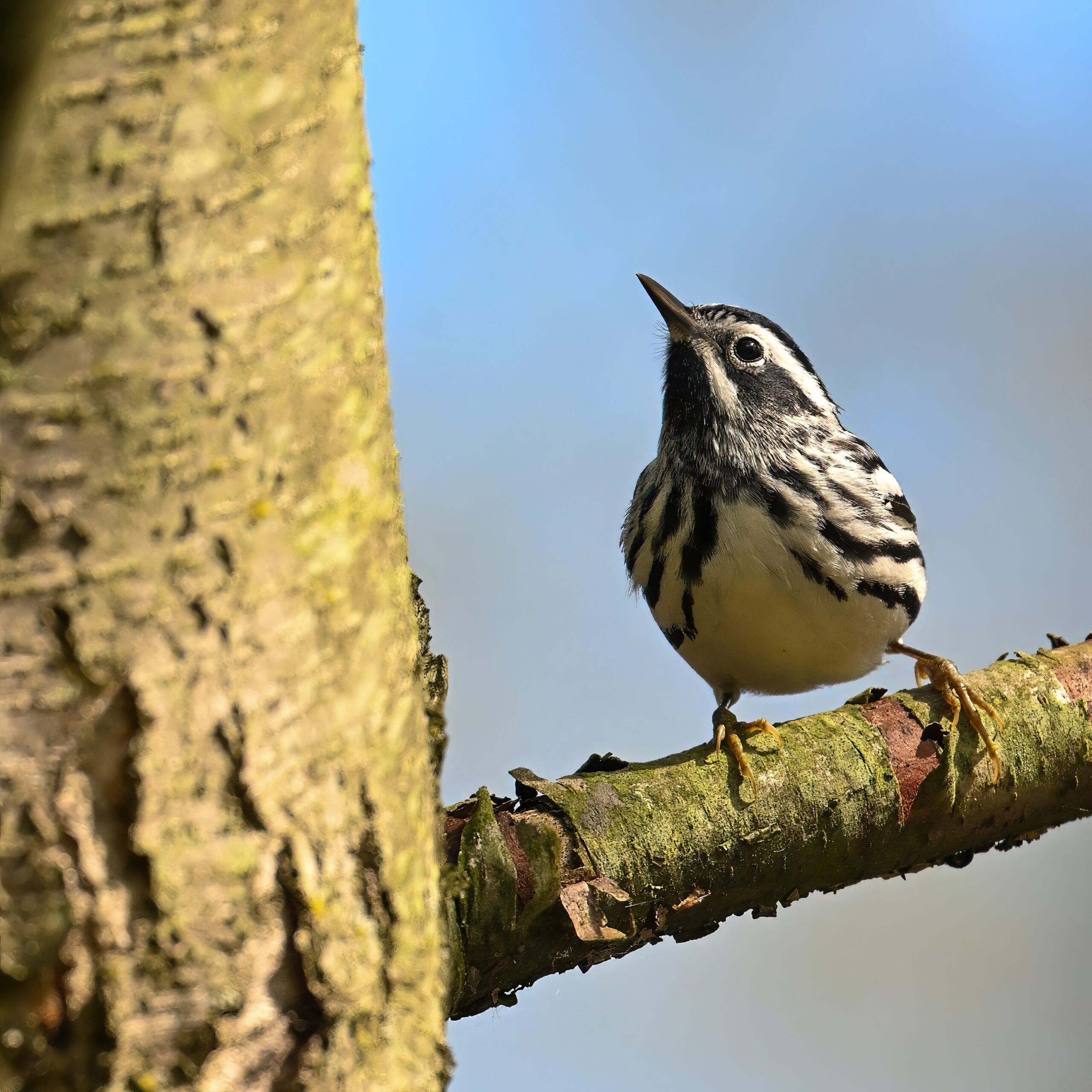
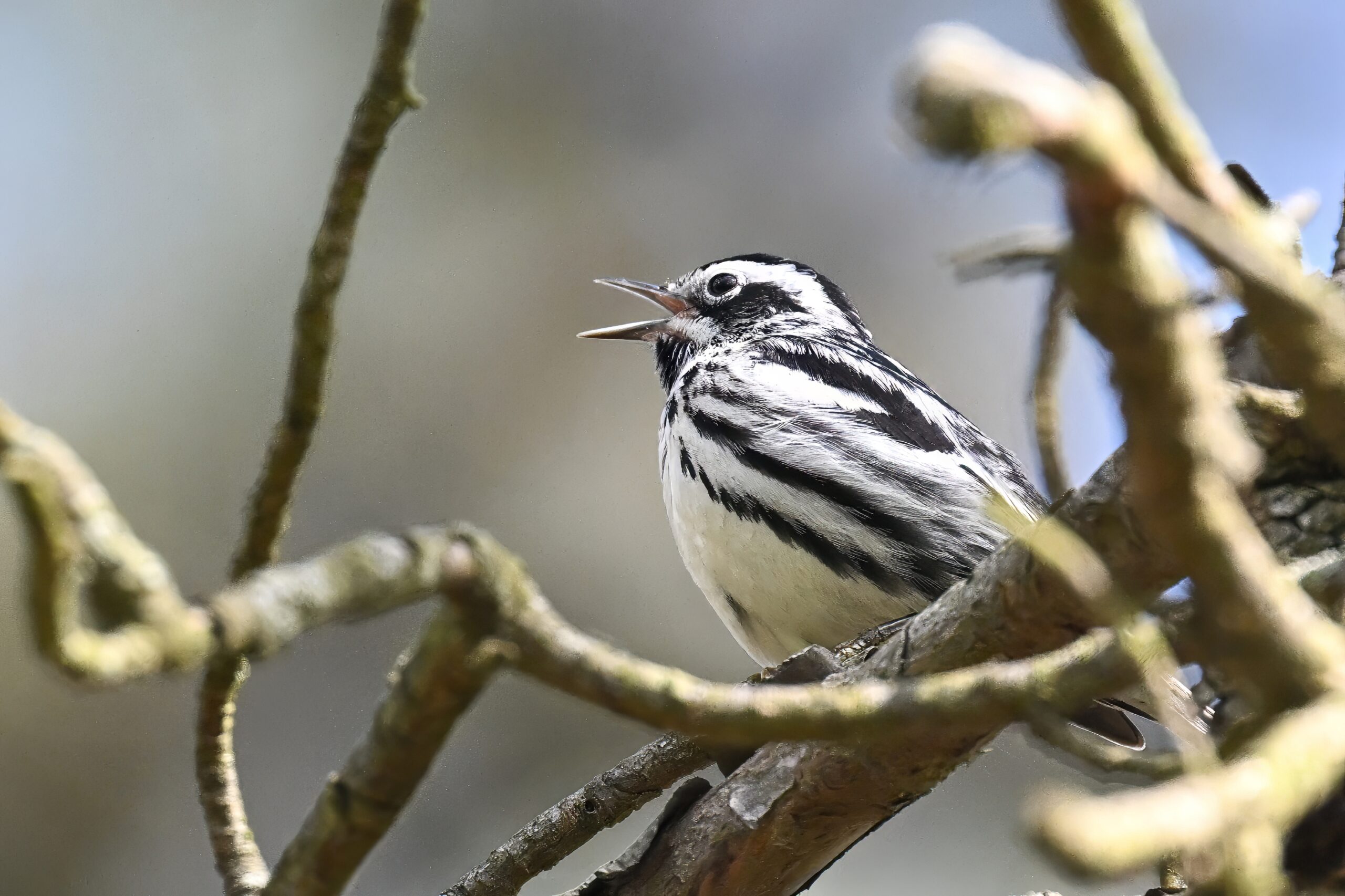
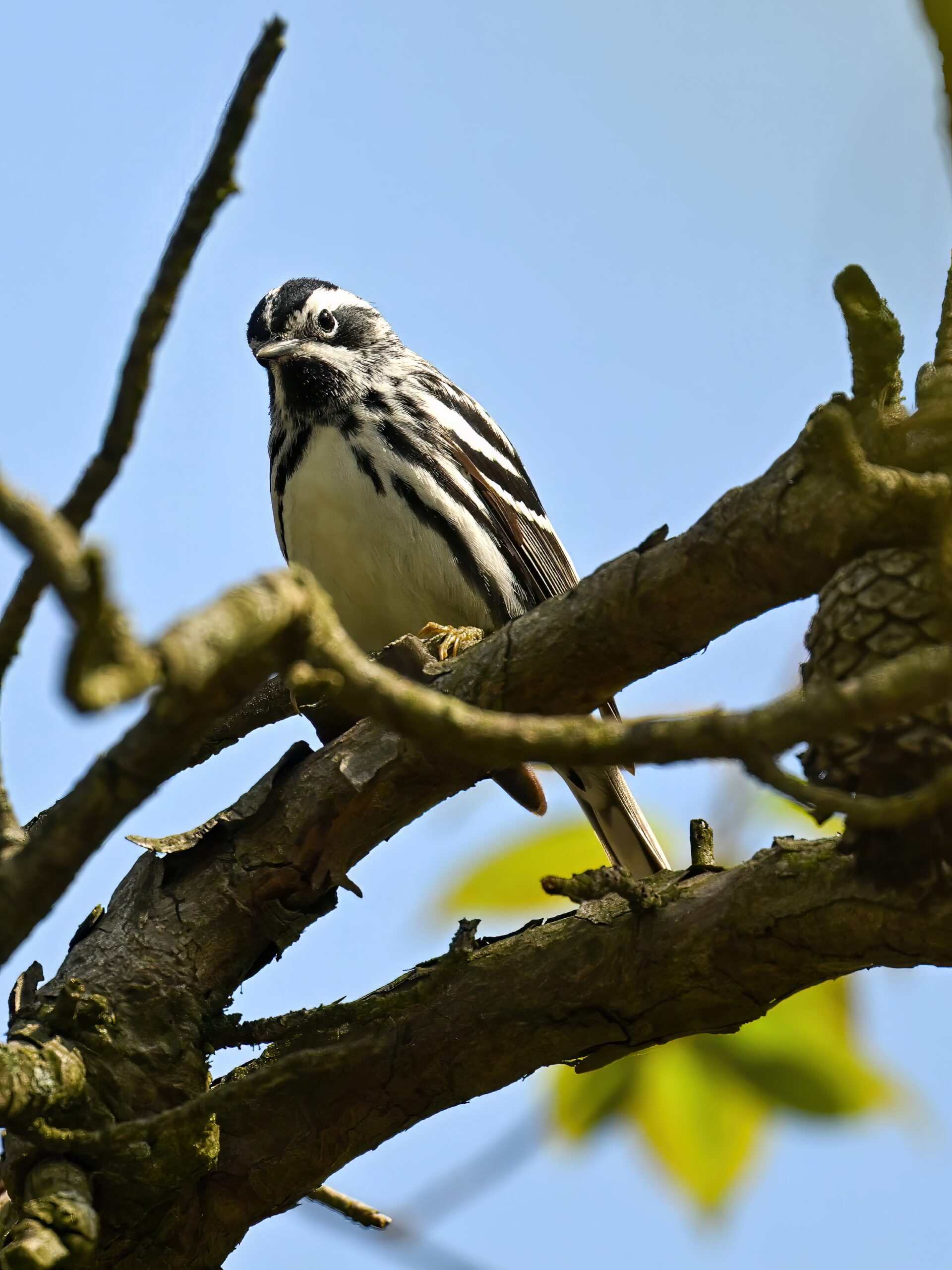
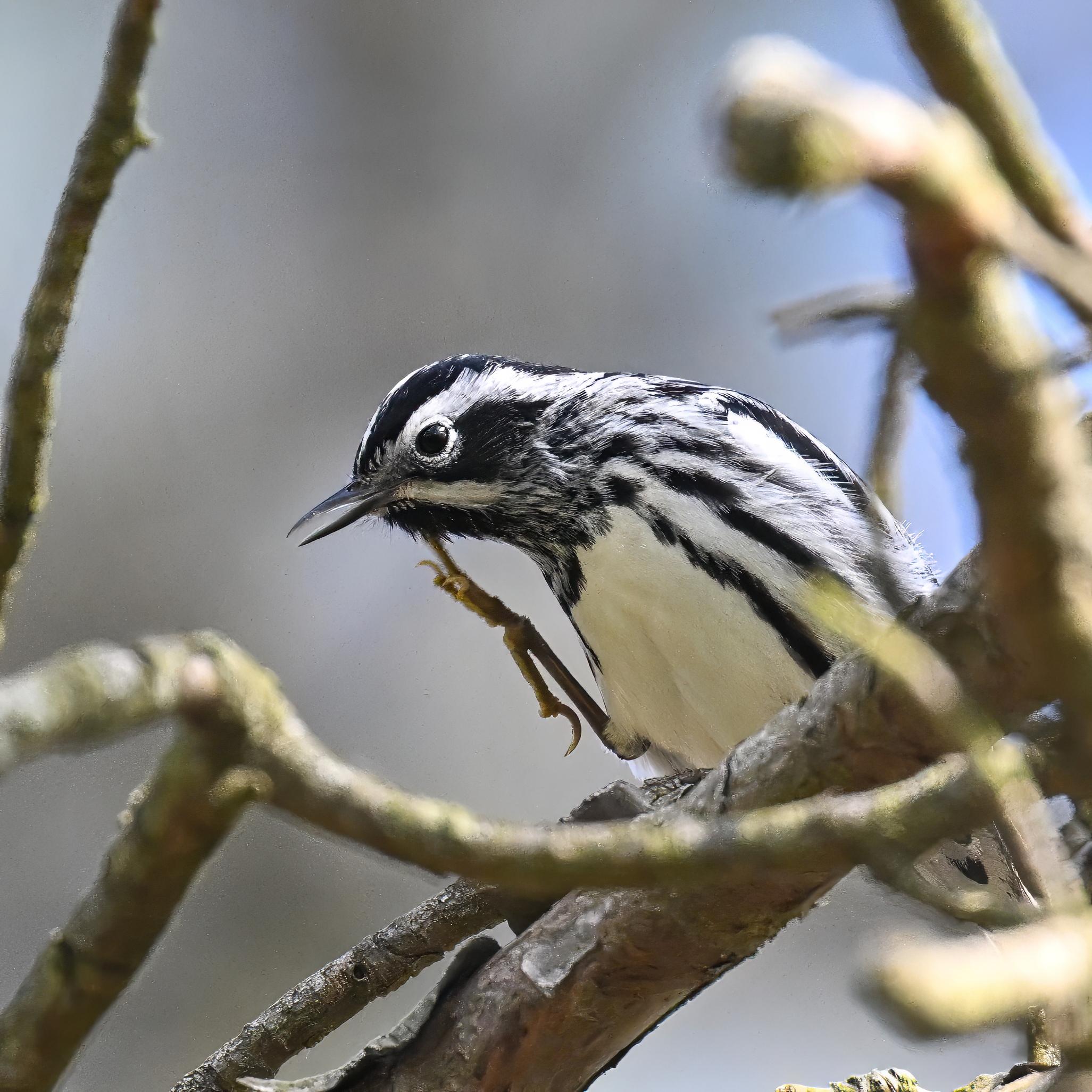
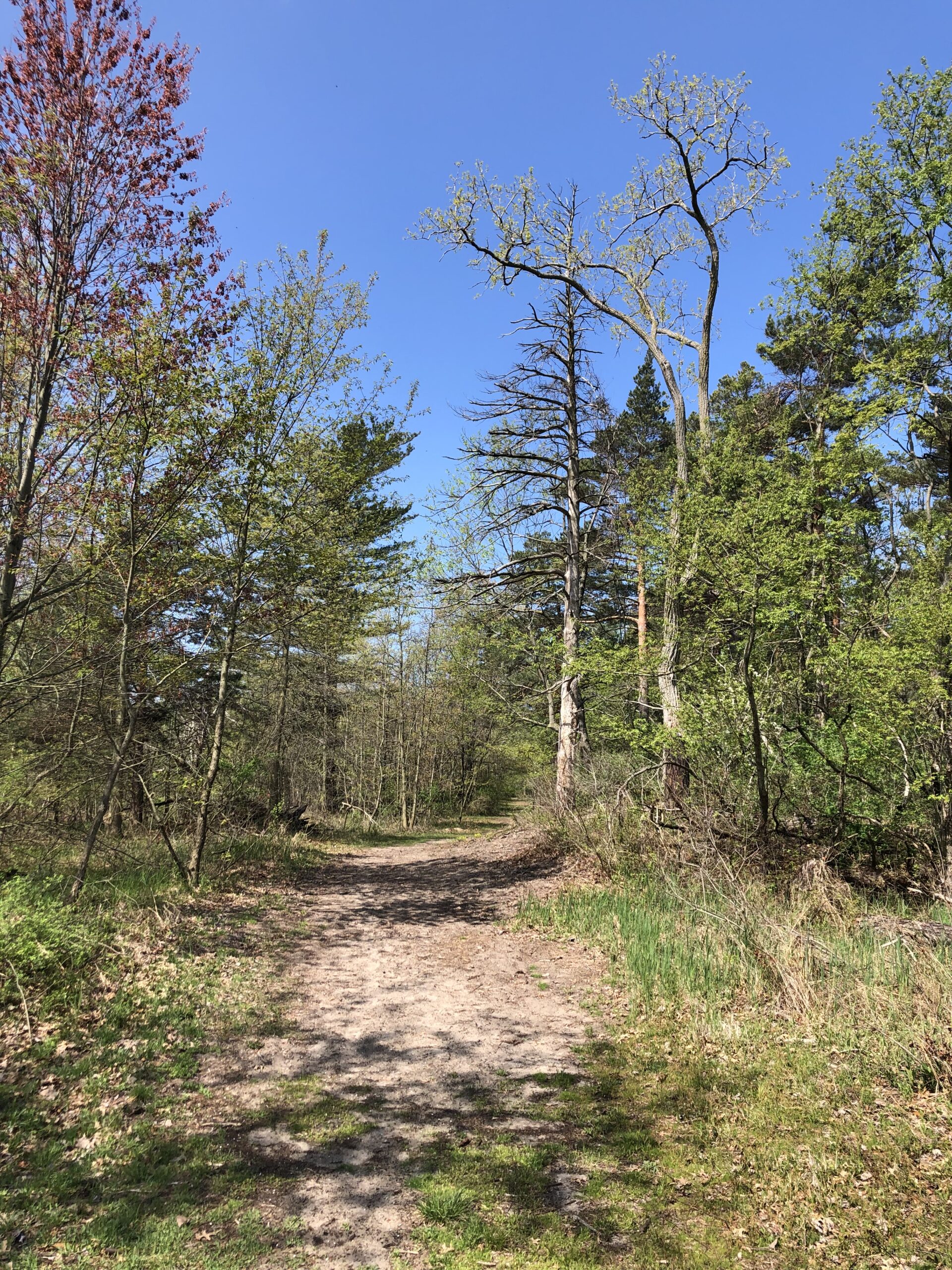
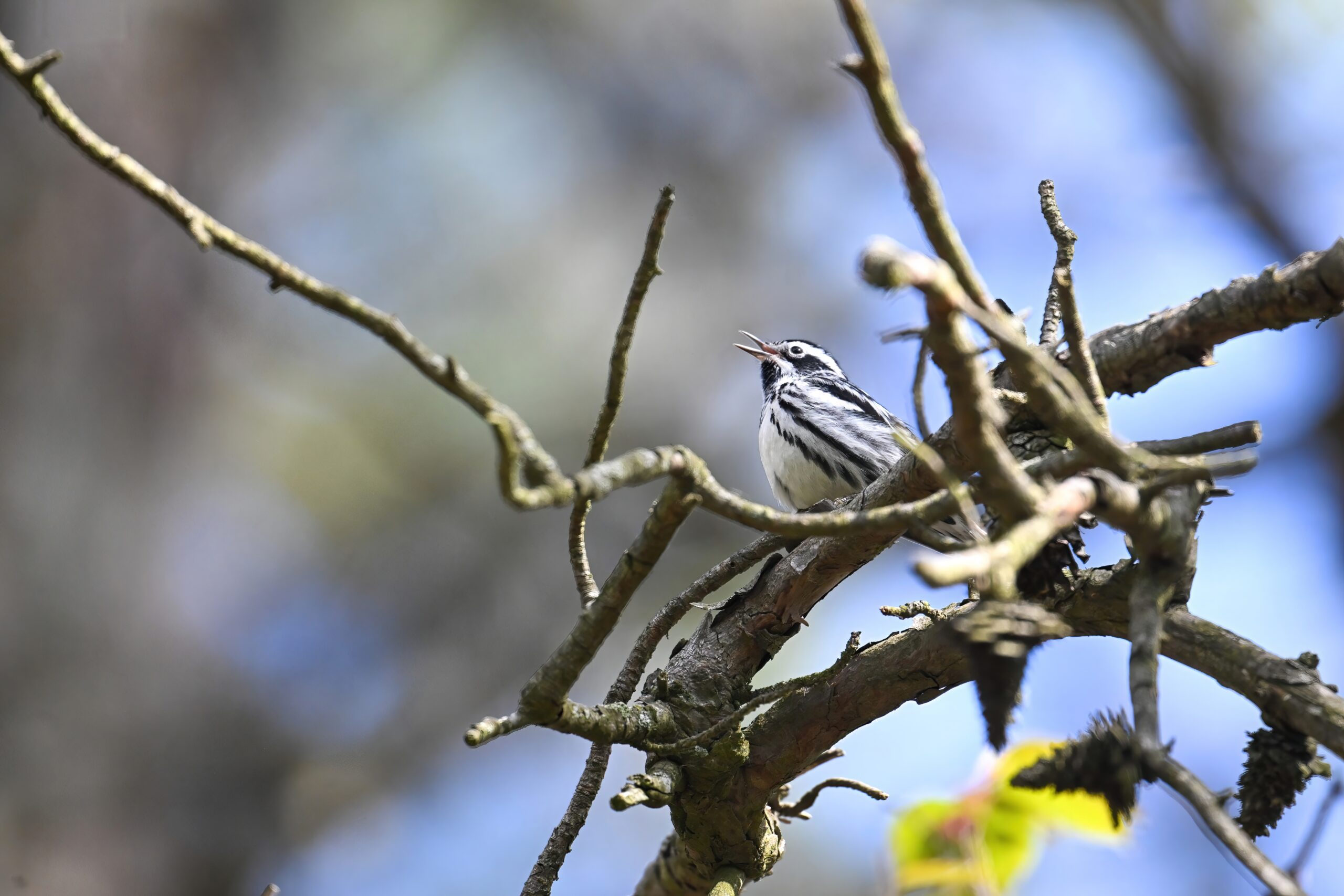
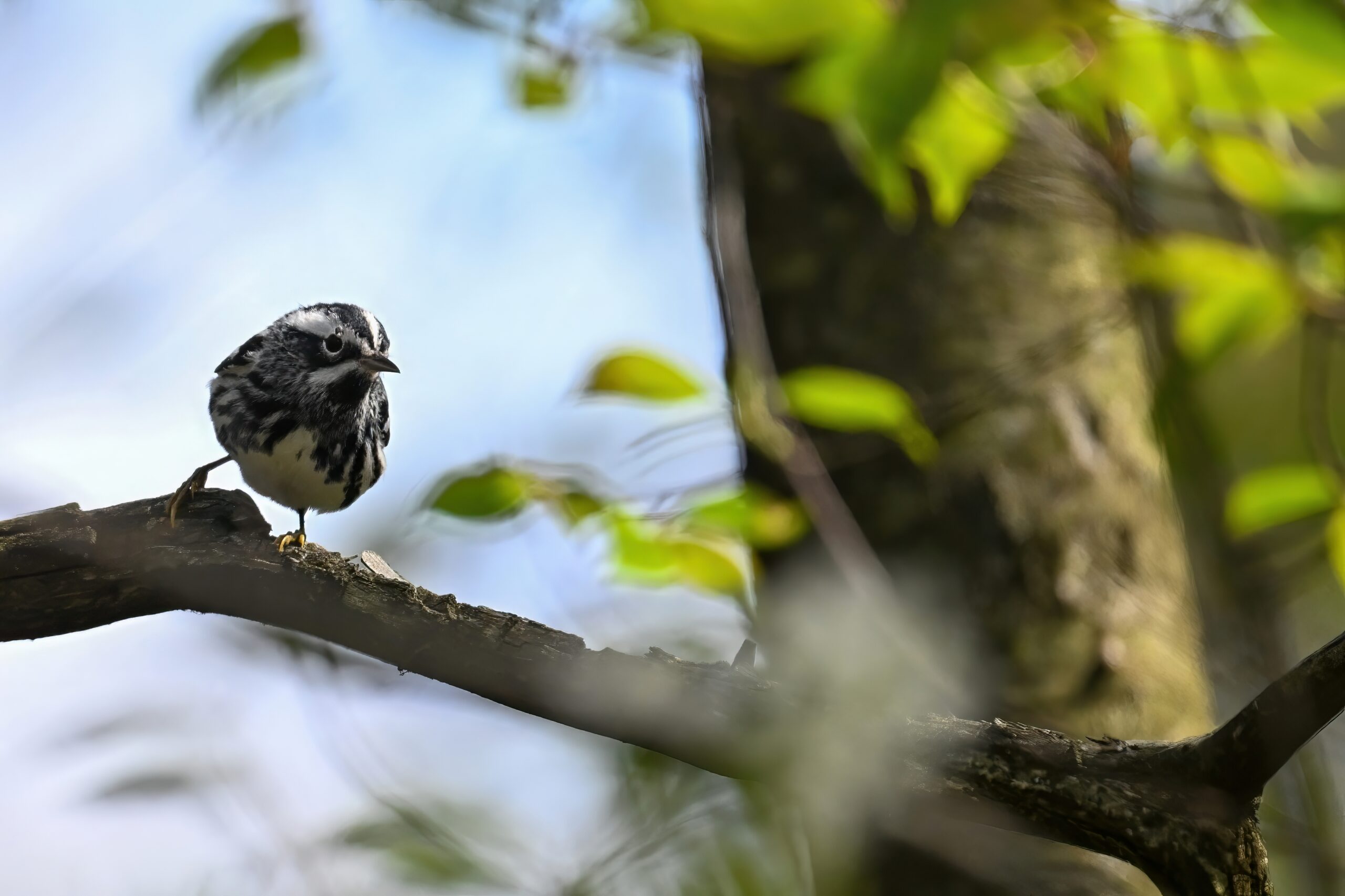
Recent shots of beautiful Black-and-white Warbler along the Pine Tree Trail at Presque Isle State Park:
West trailhead
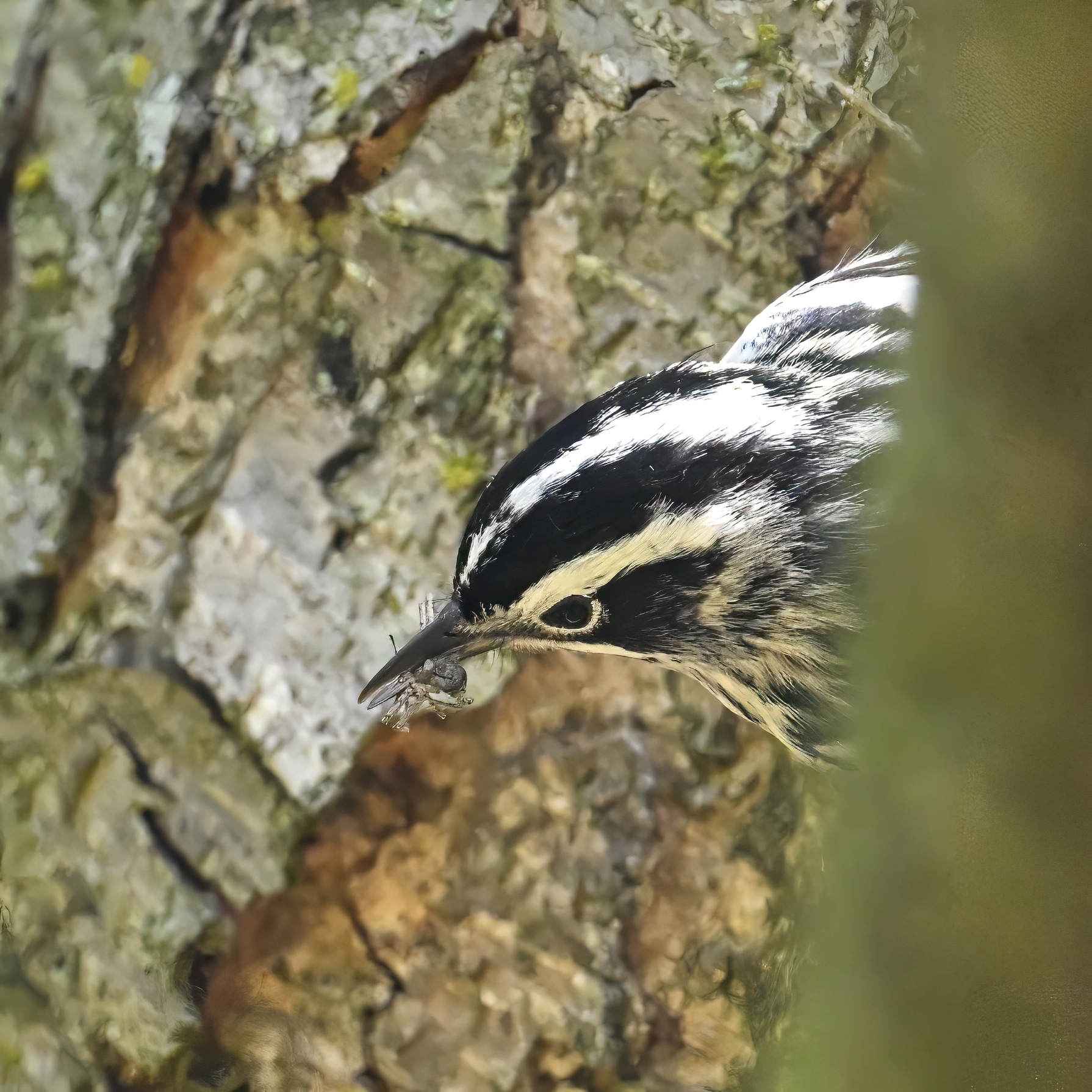
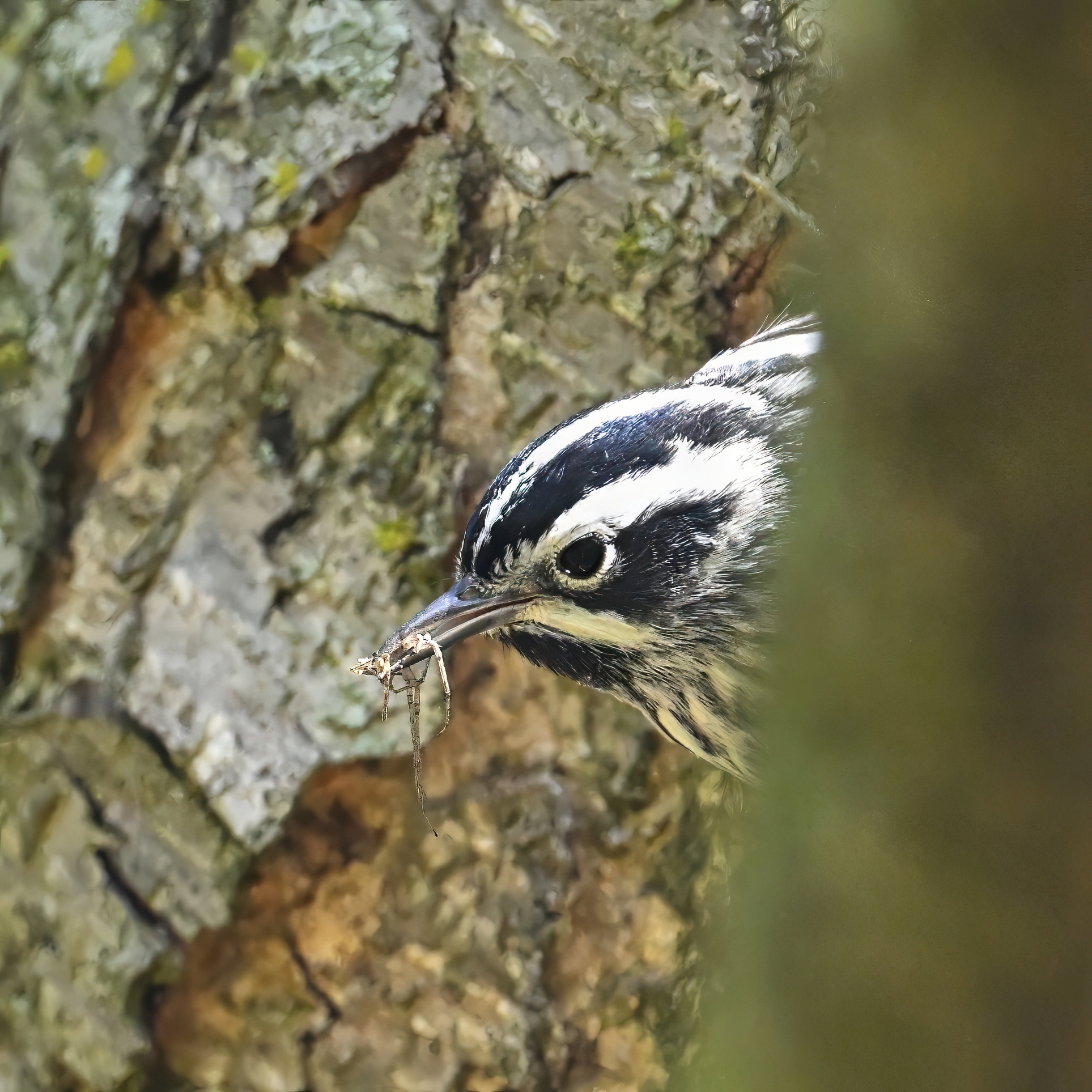
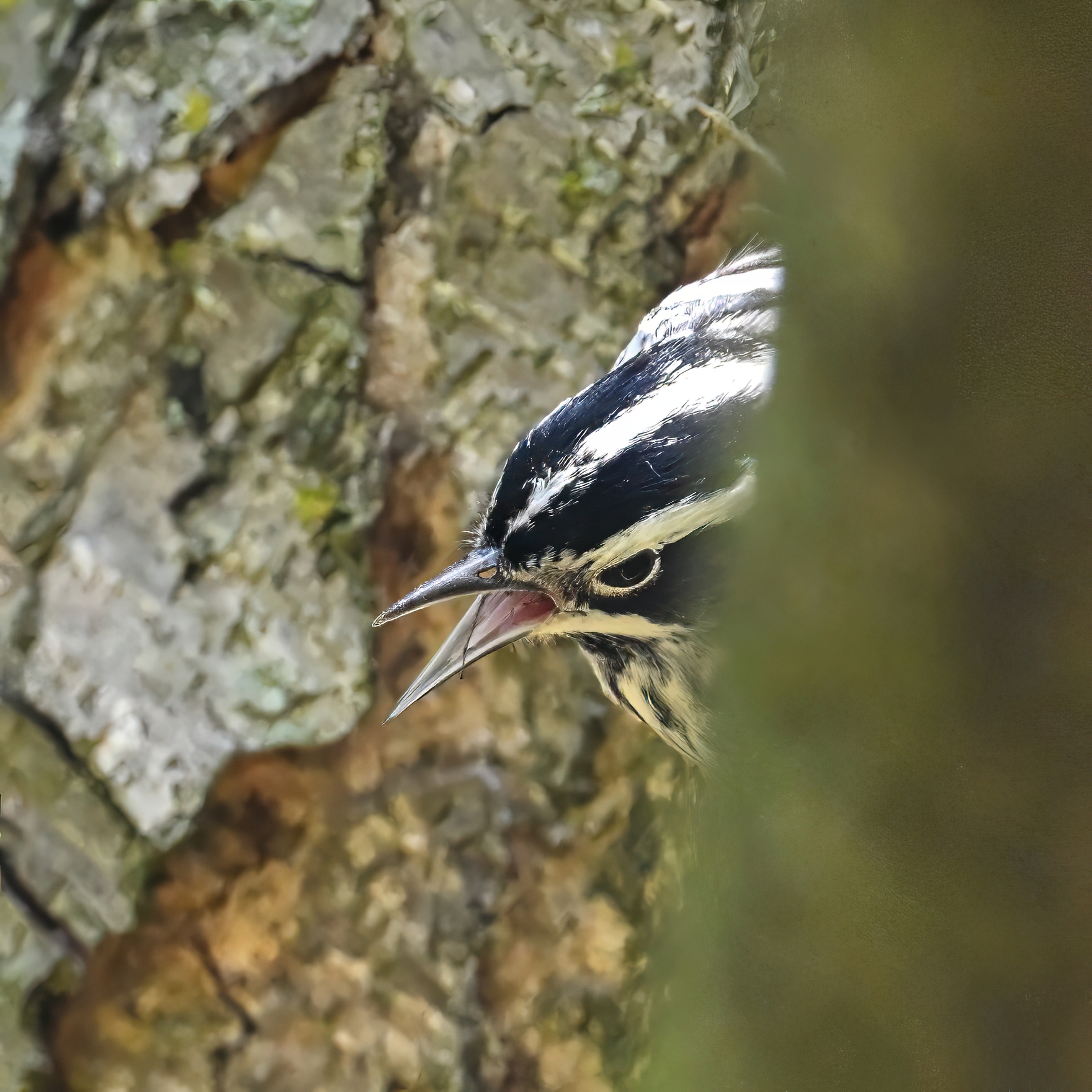
Black-and-white Warblers forage similarly to nuthatches and Brown Creeper, by climbing on trees looking for prey like this spider or opilionid:
Opportunistic scavenging at this spider’s web:
Pine Tree Trail, view 2
Scratching behavior:
Pine Tree Trail, view 3
Some sunshine yesterday in Erie County, Pennsylvania, then gathering thunderstorms and rain again overnight. Recent new bird arrivals include Red-headed Woodpecker – pictures forthcoming!
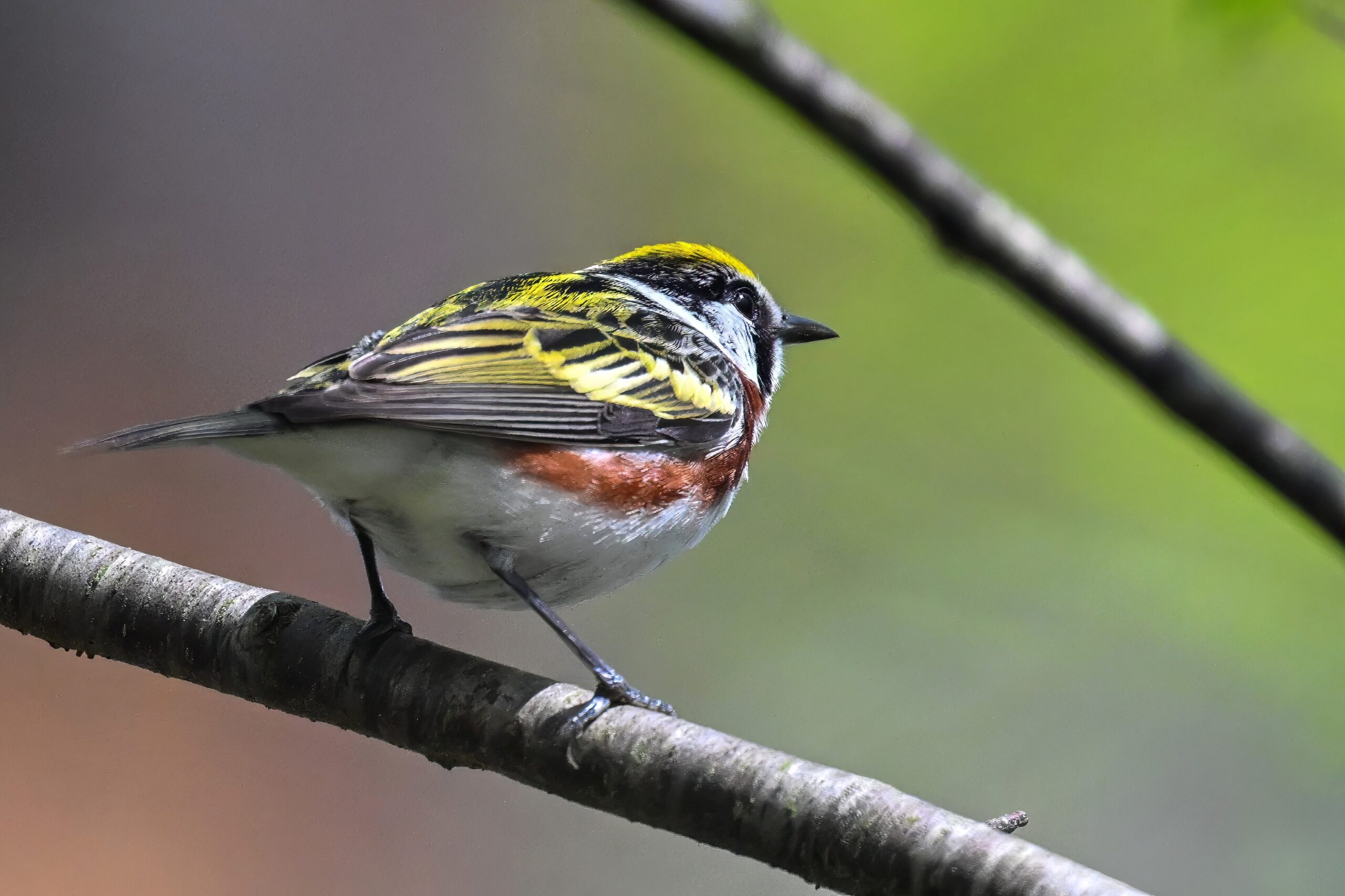
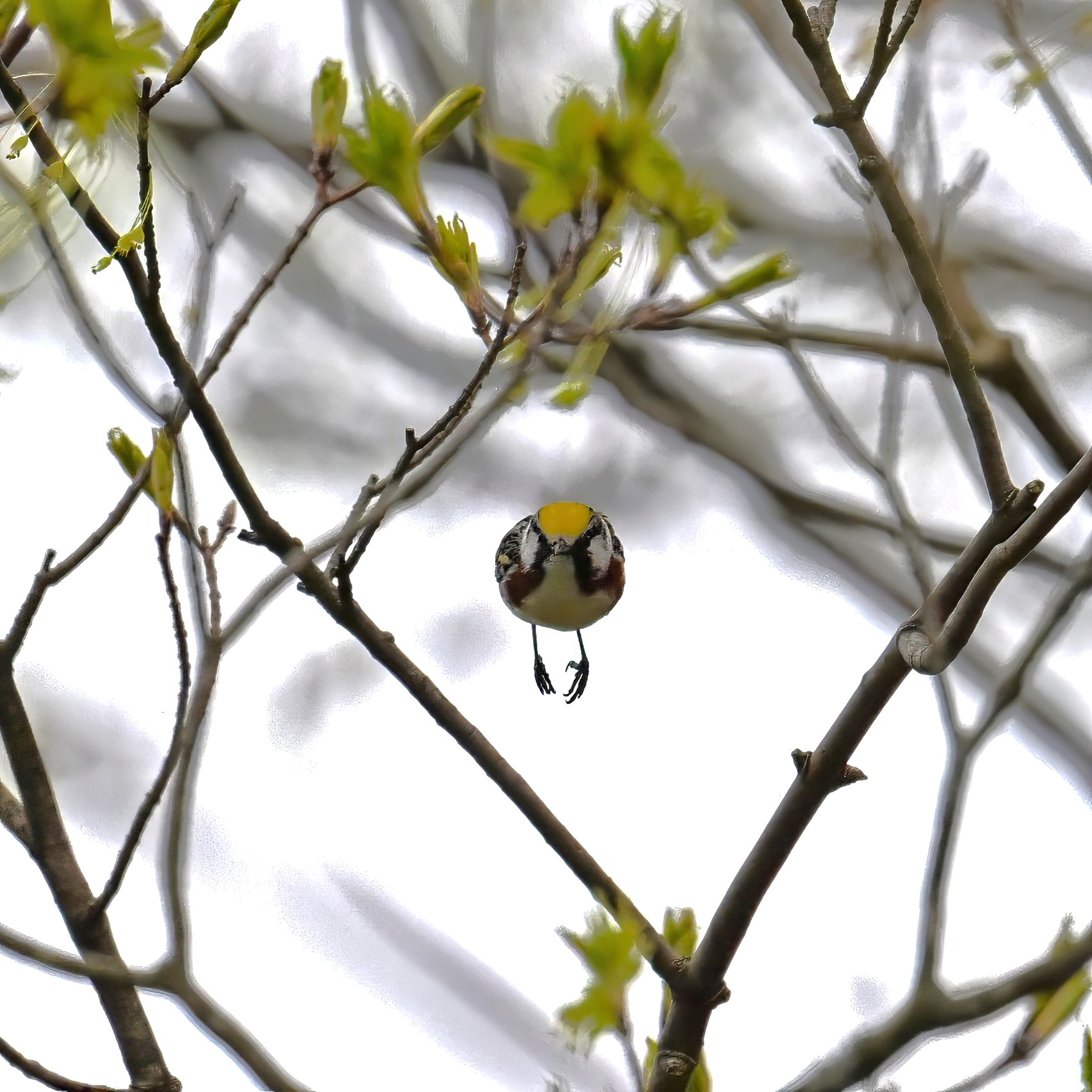
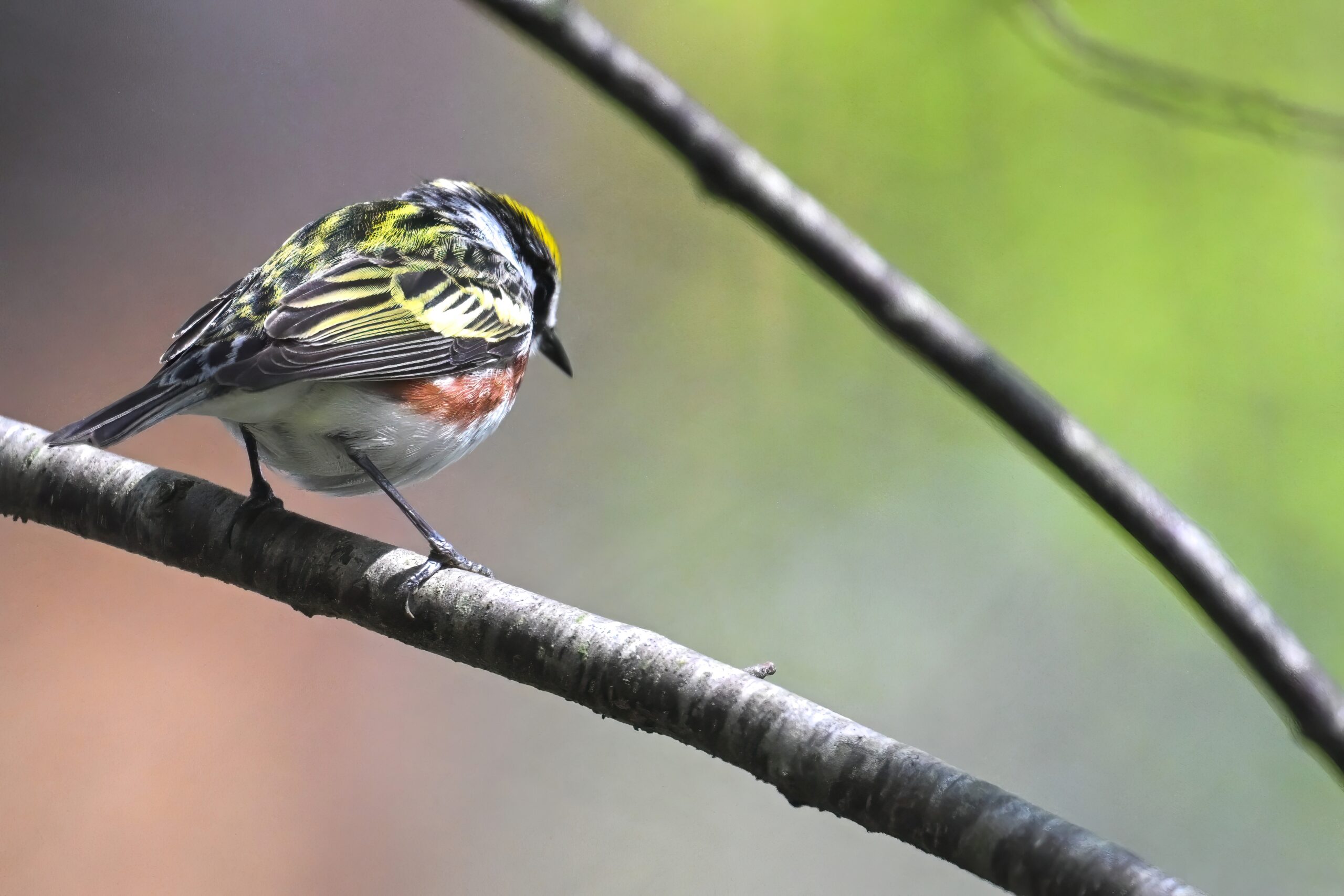
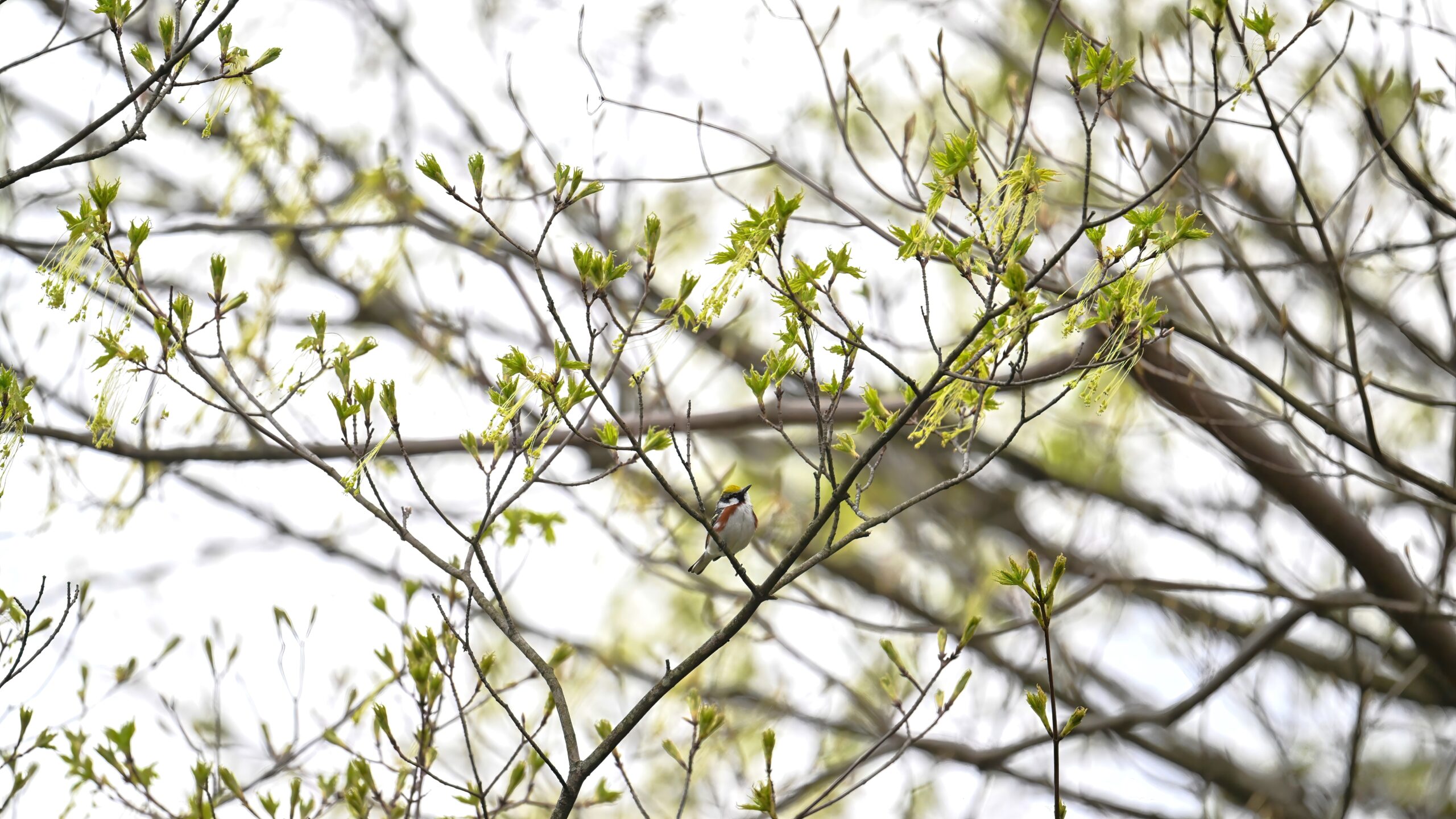
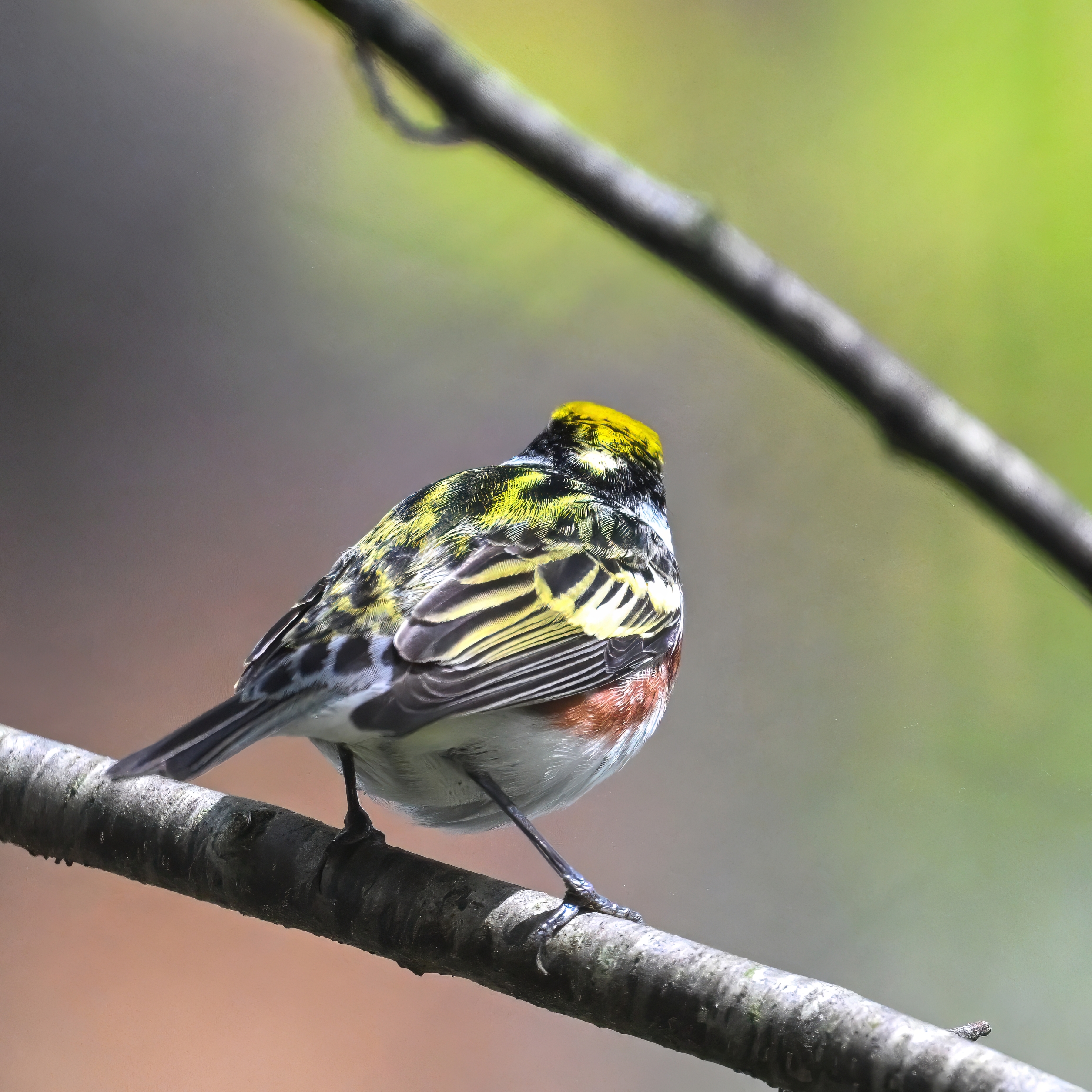
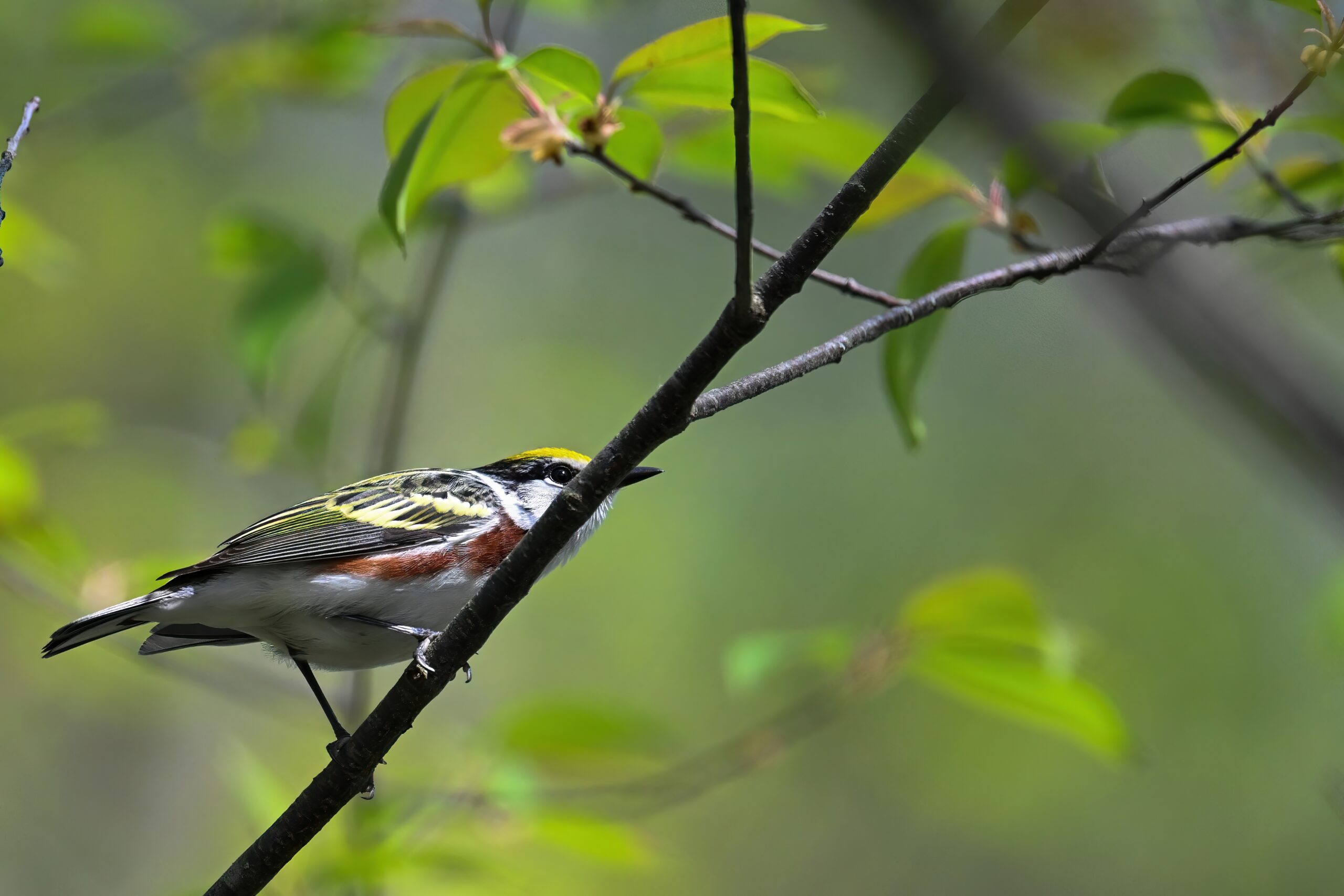
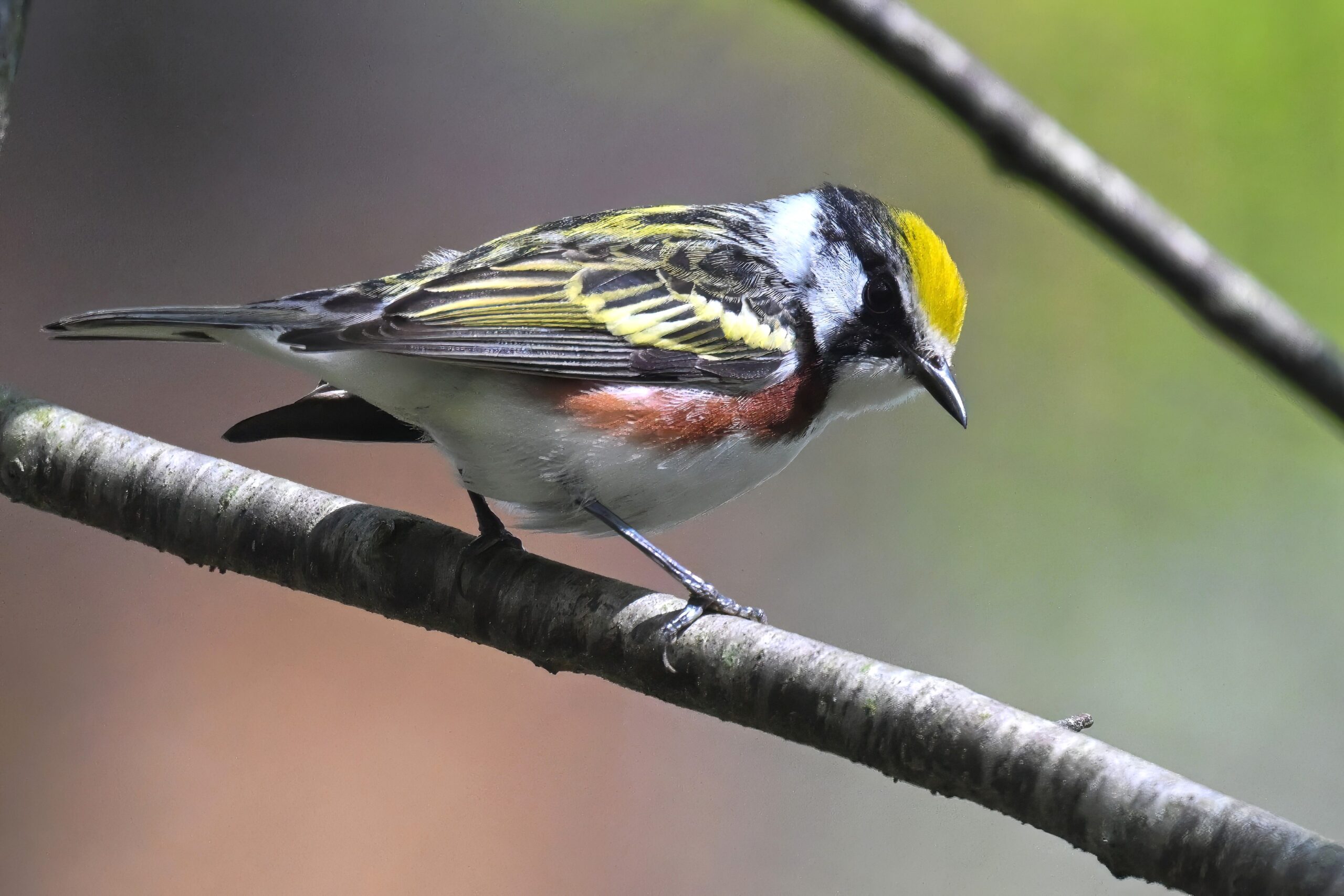
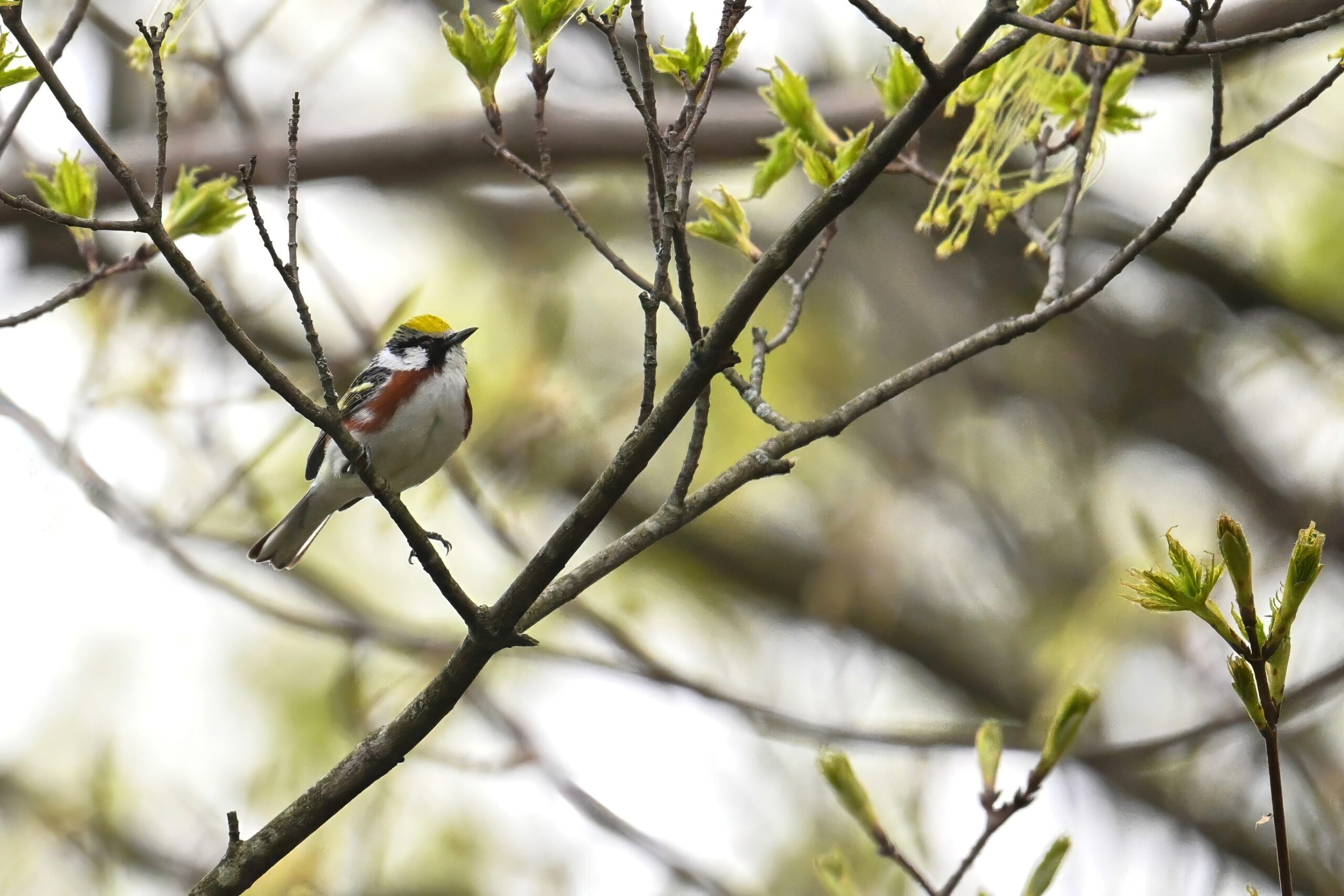
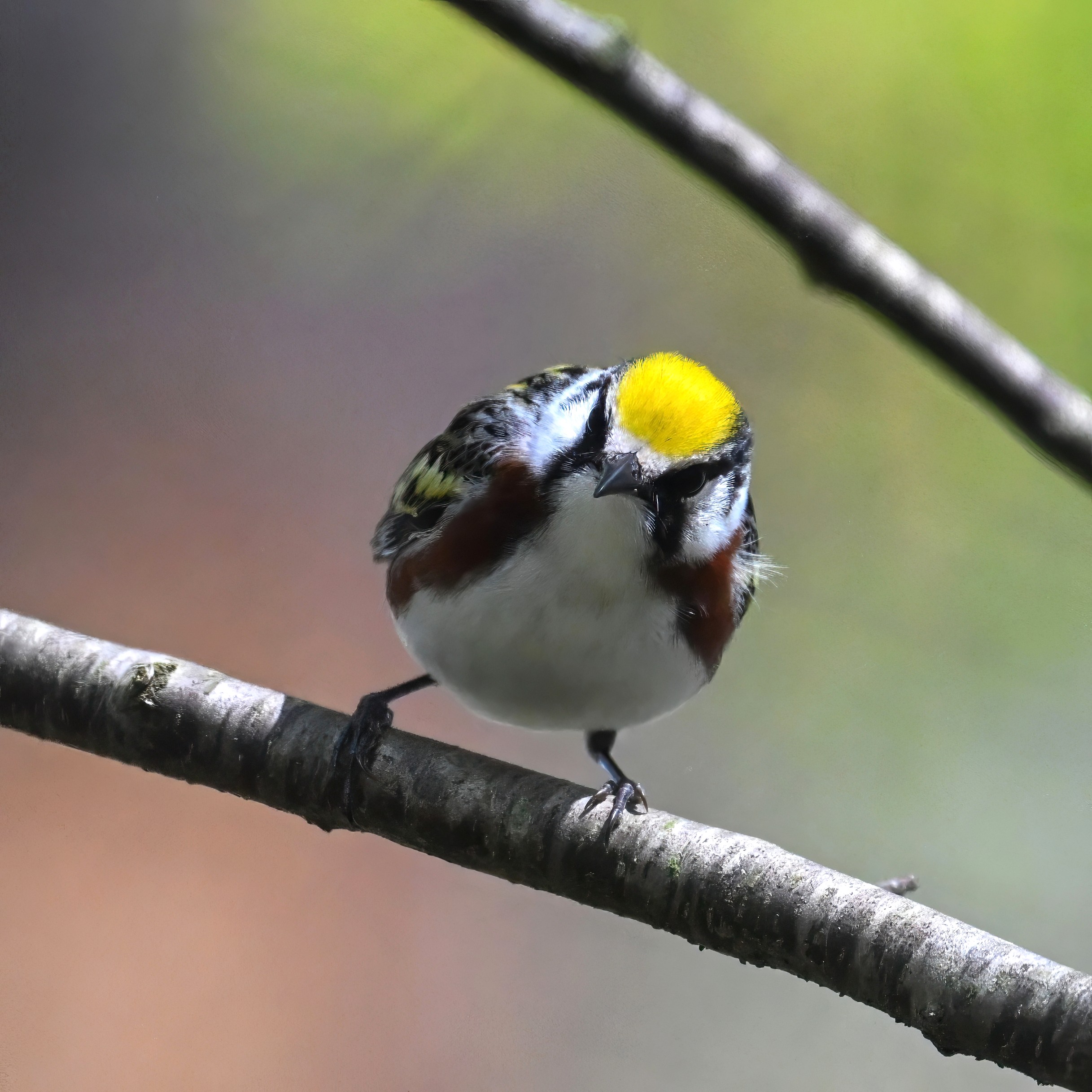
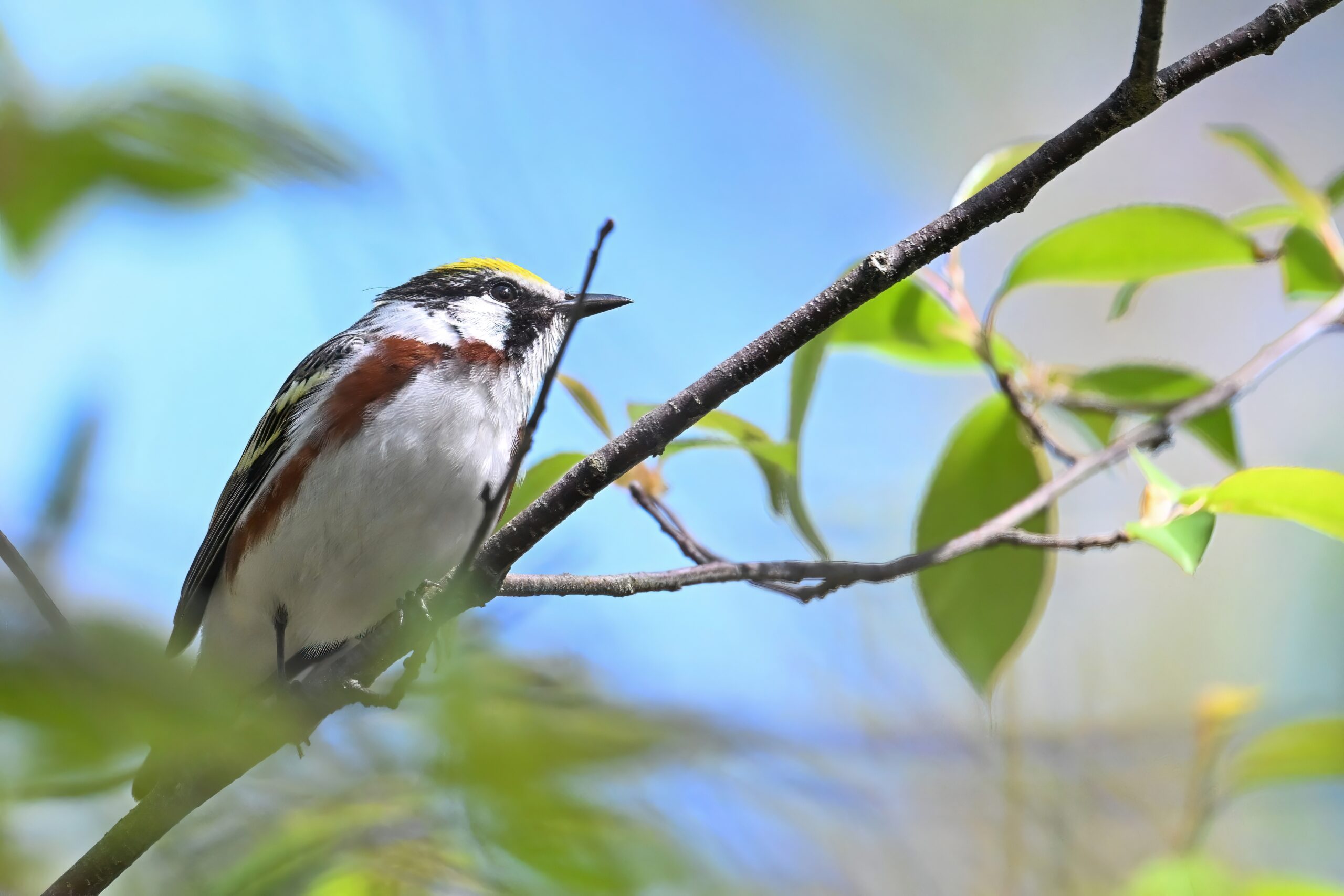
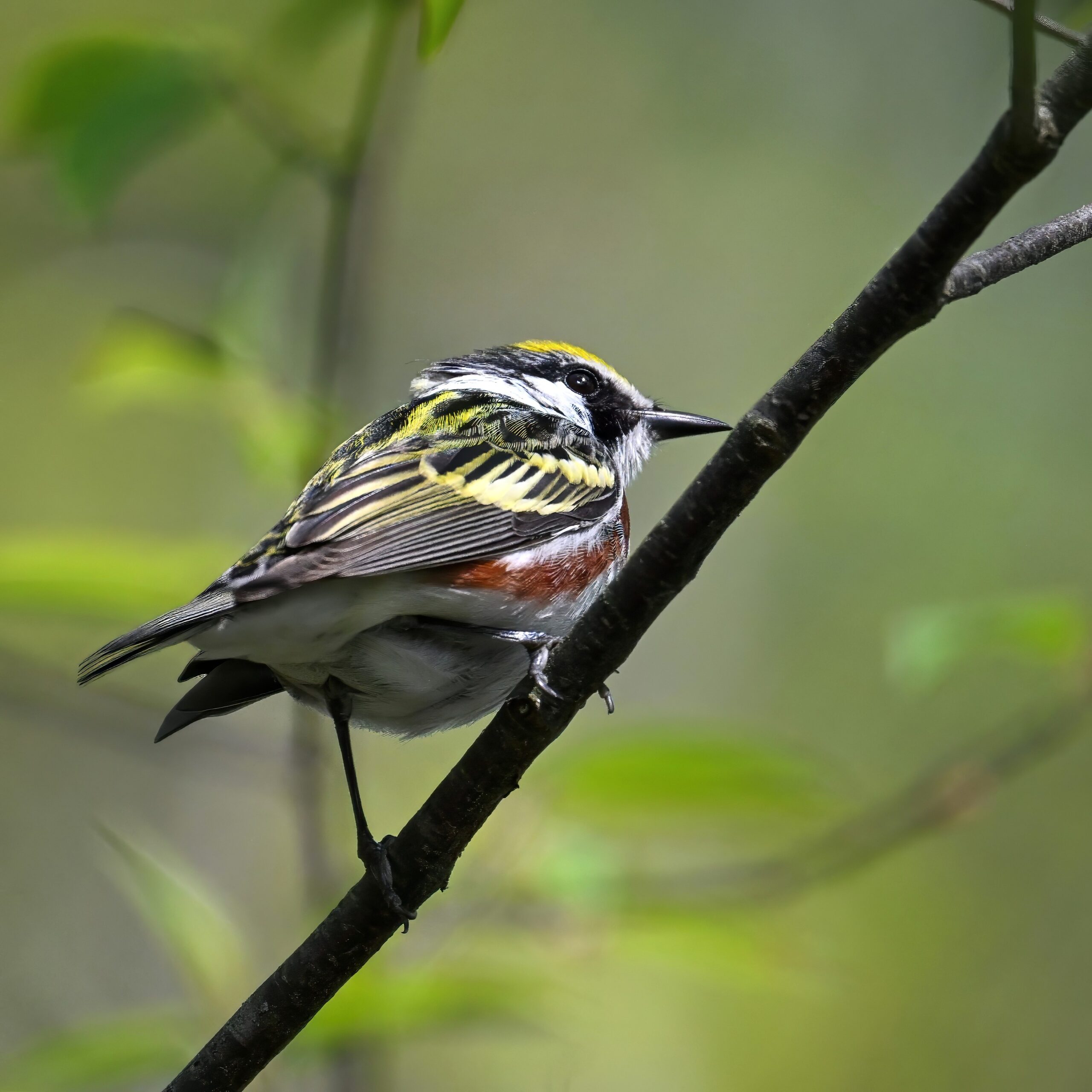
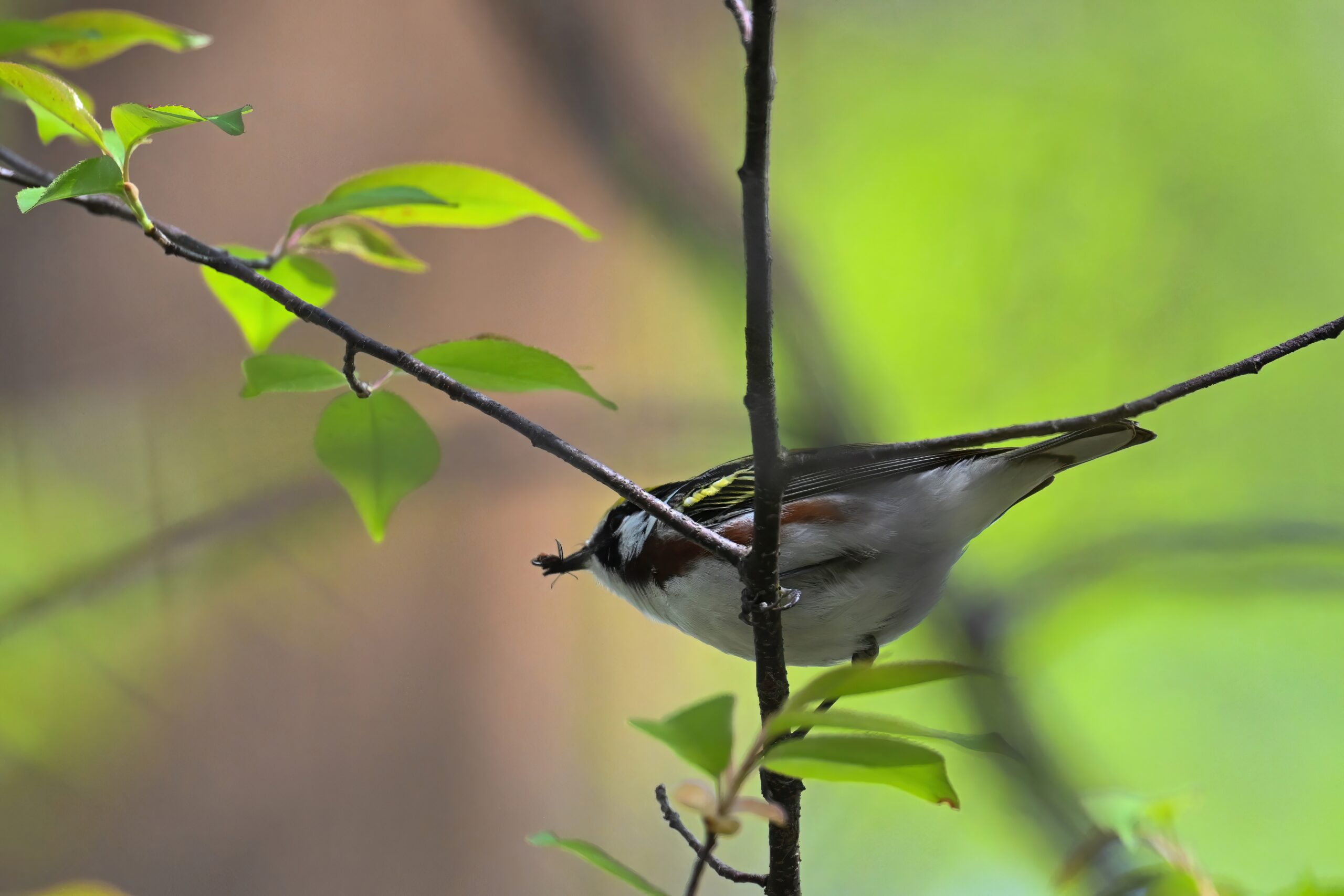
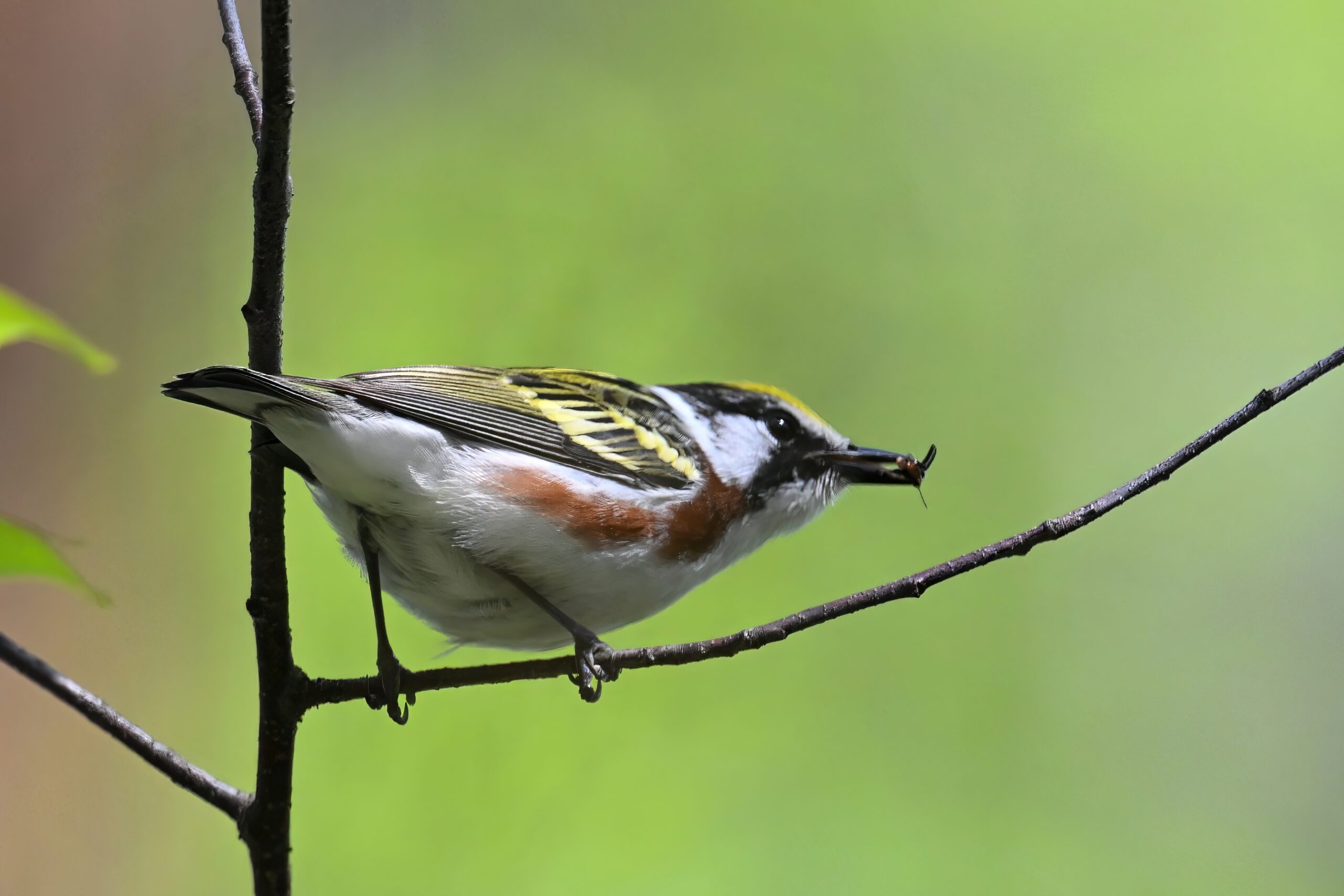
Complaining about wet, cold weather in the northeast US is like complaining about hot, dry weather in the desert southwest: pointless, since it’s just a geographic reality. But wow, it really was bad weather this past weekend in Erie County, Pennsylvania. Despite that, there were enough breaks in the rain yesterday for some nice bird activity, including Chesnut-sided Warbler. While waiting on photo editing, these shots (all males) are from earlier in the week, at both Presque Isle State Park and Scott Park:
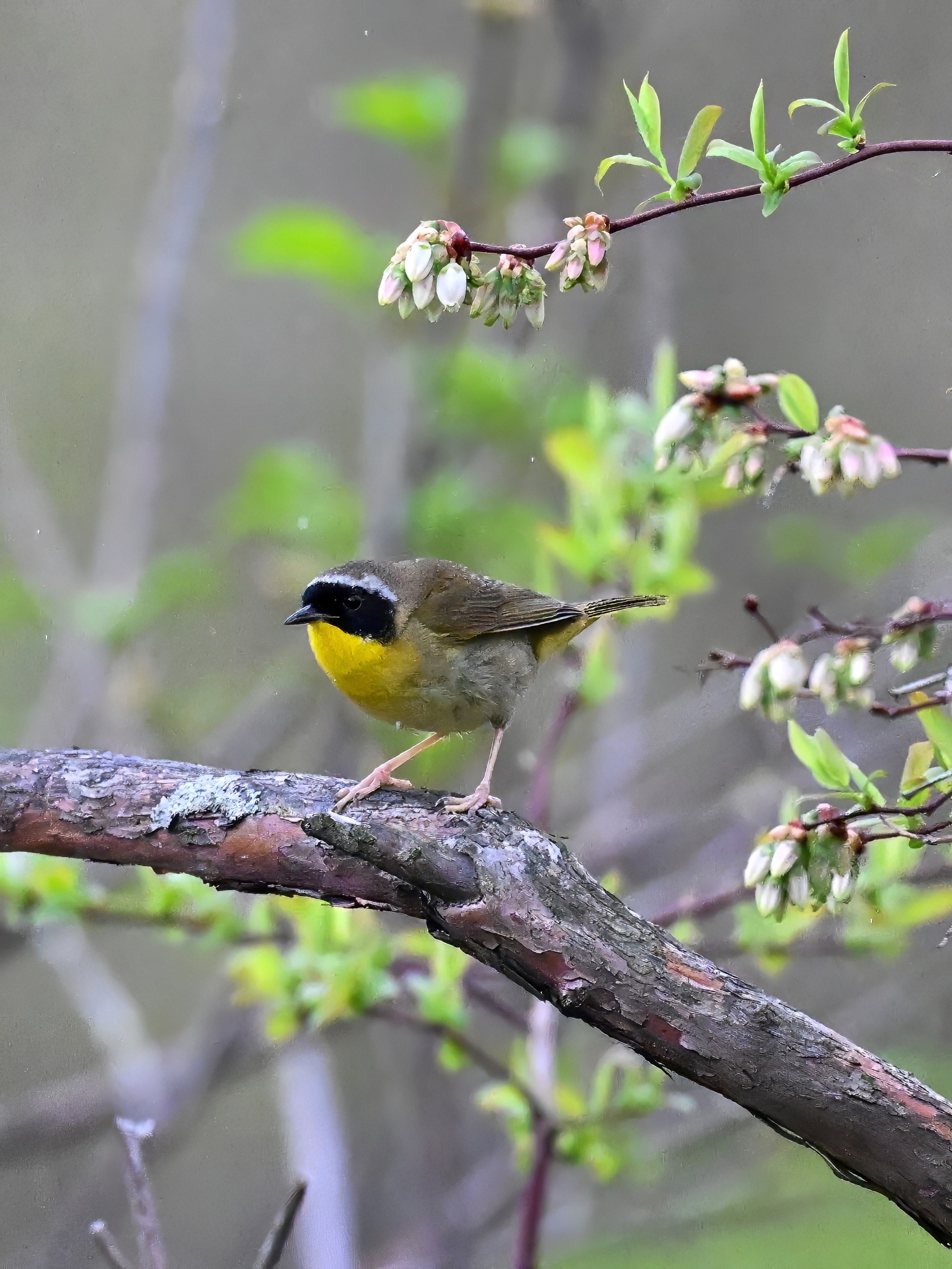
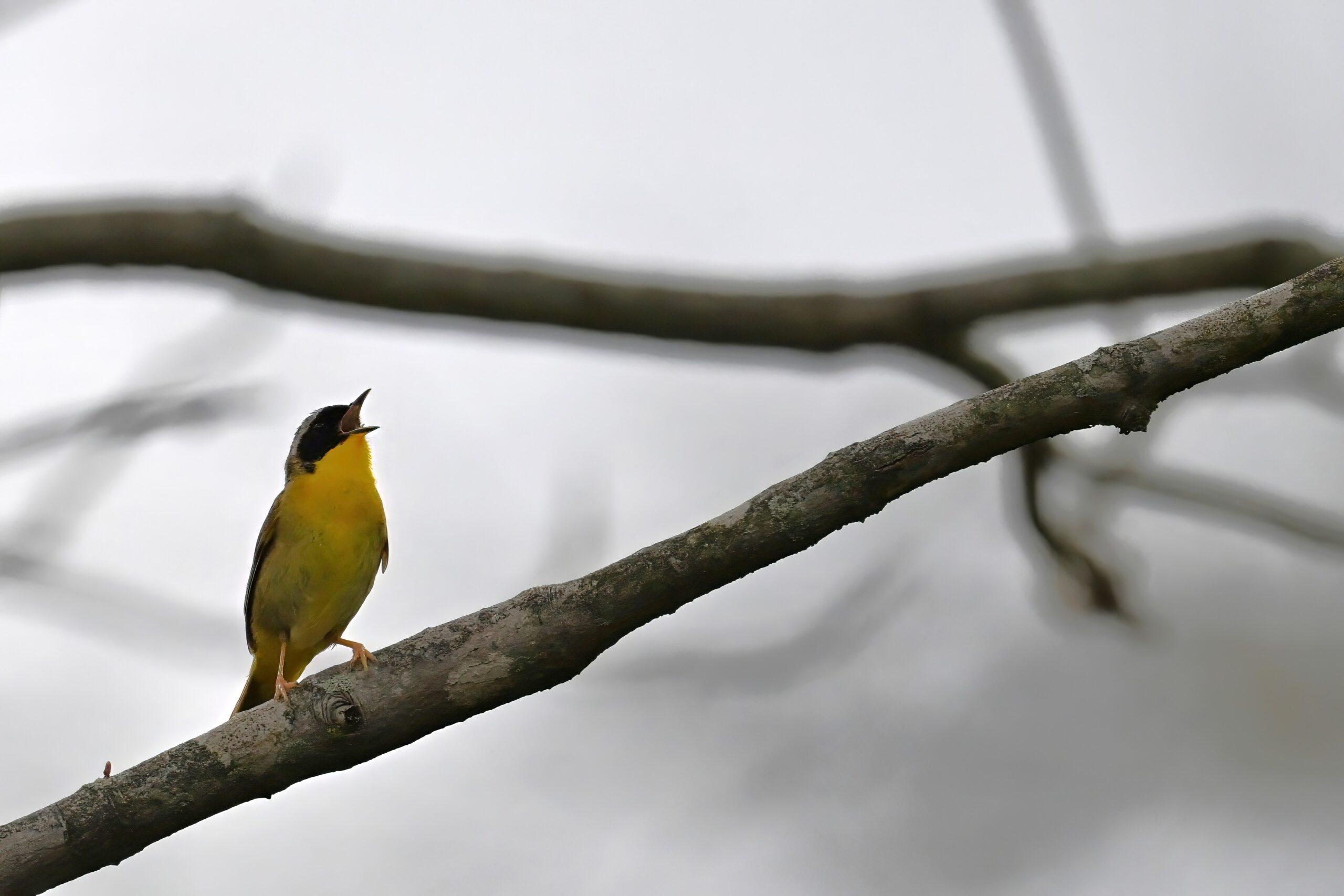
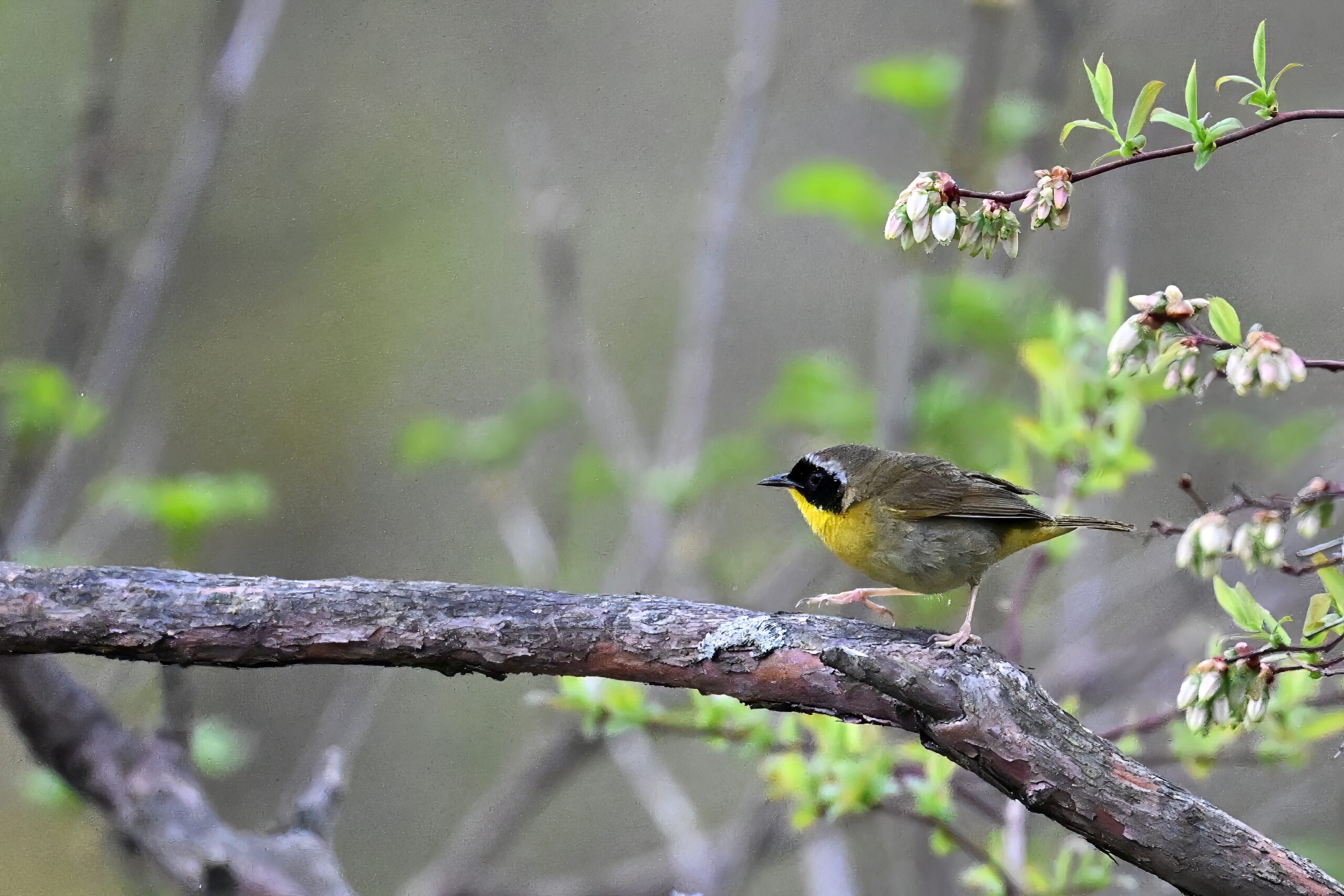
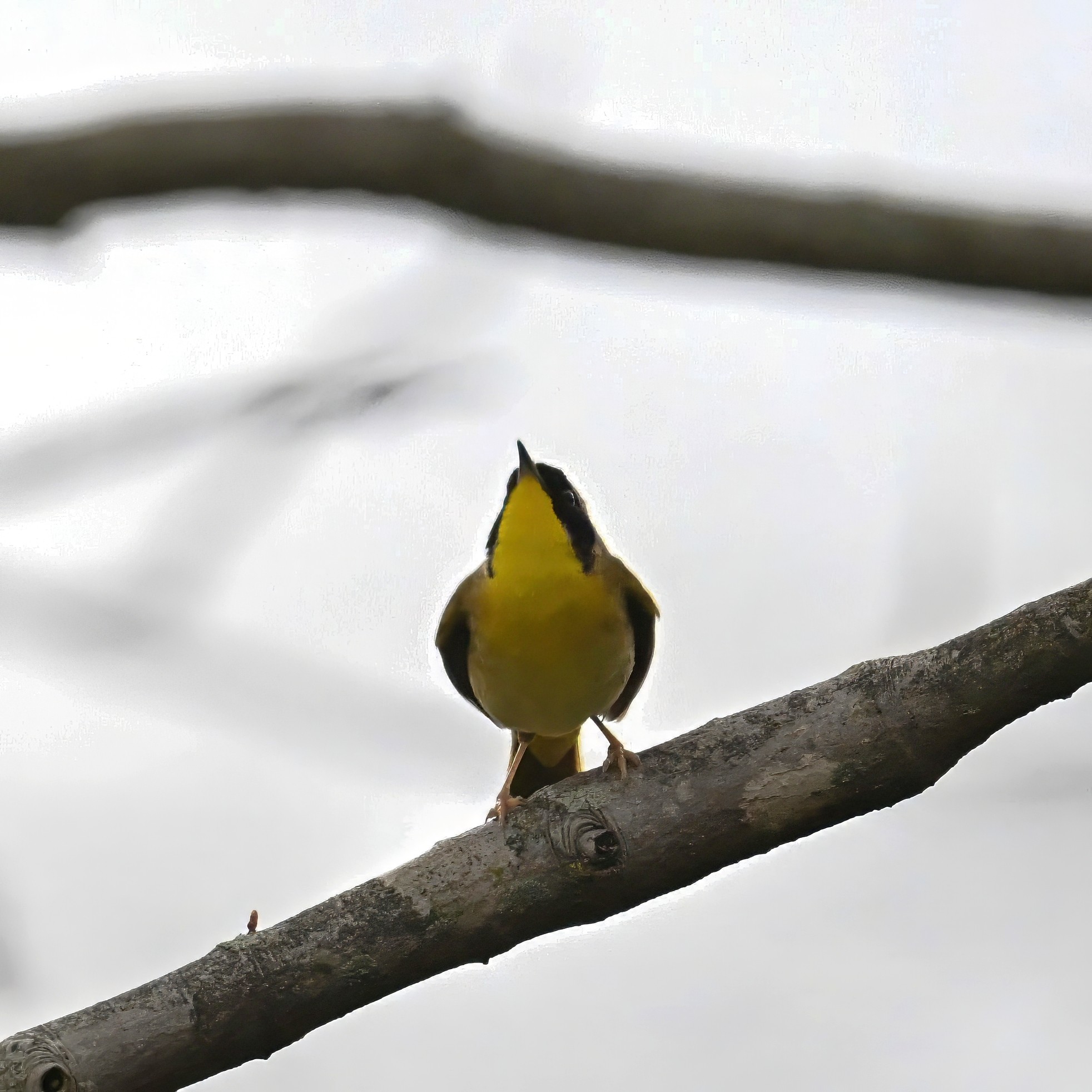
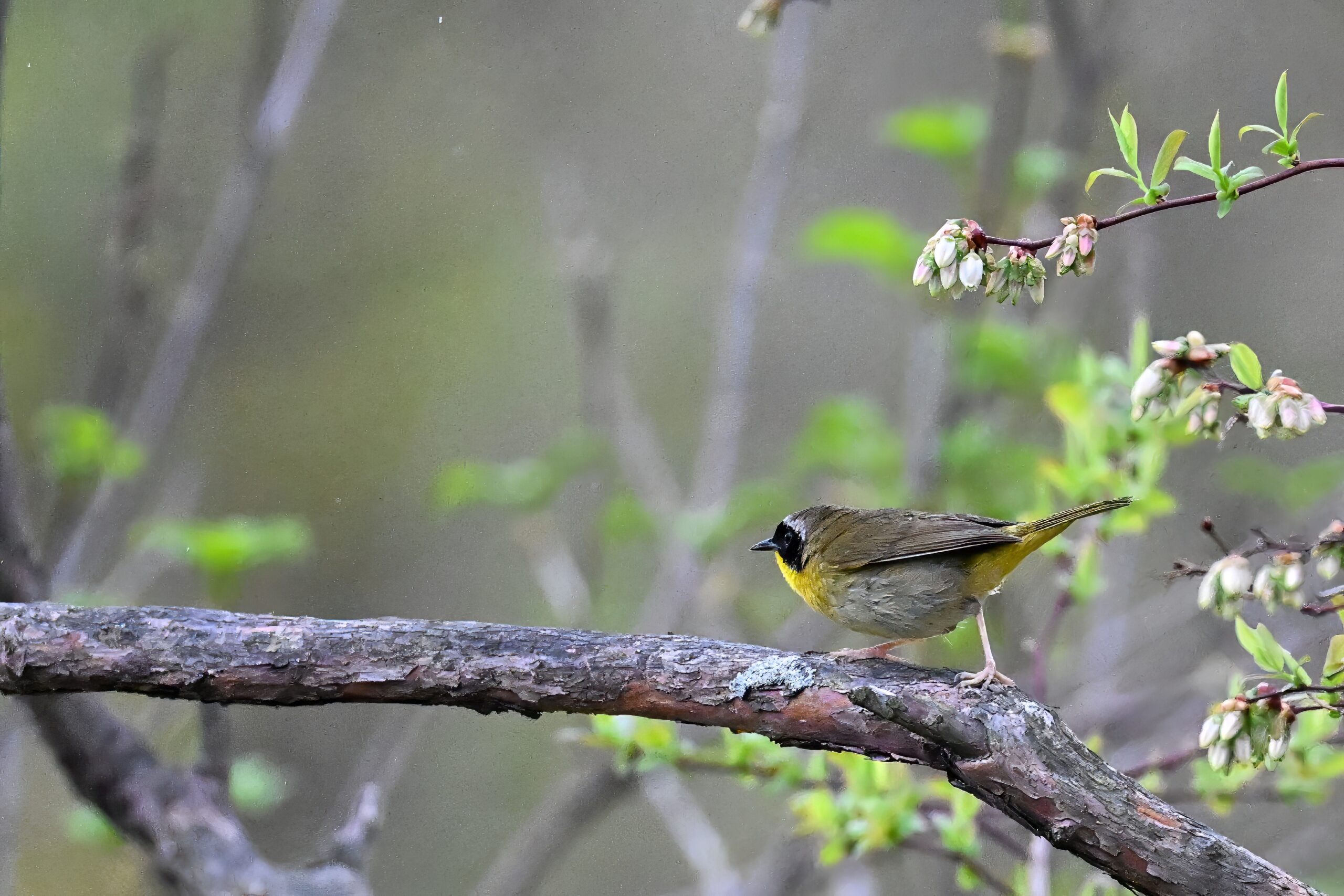
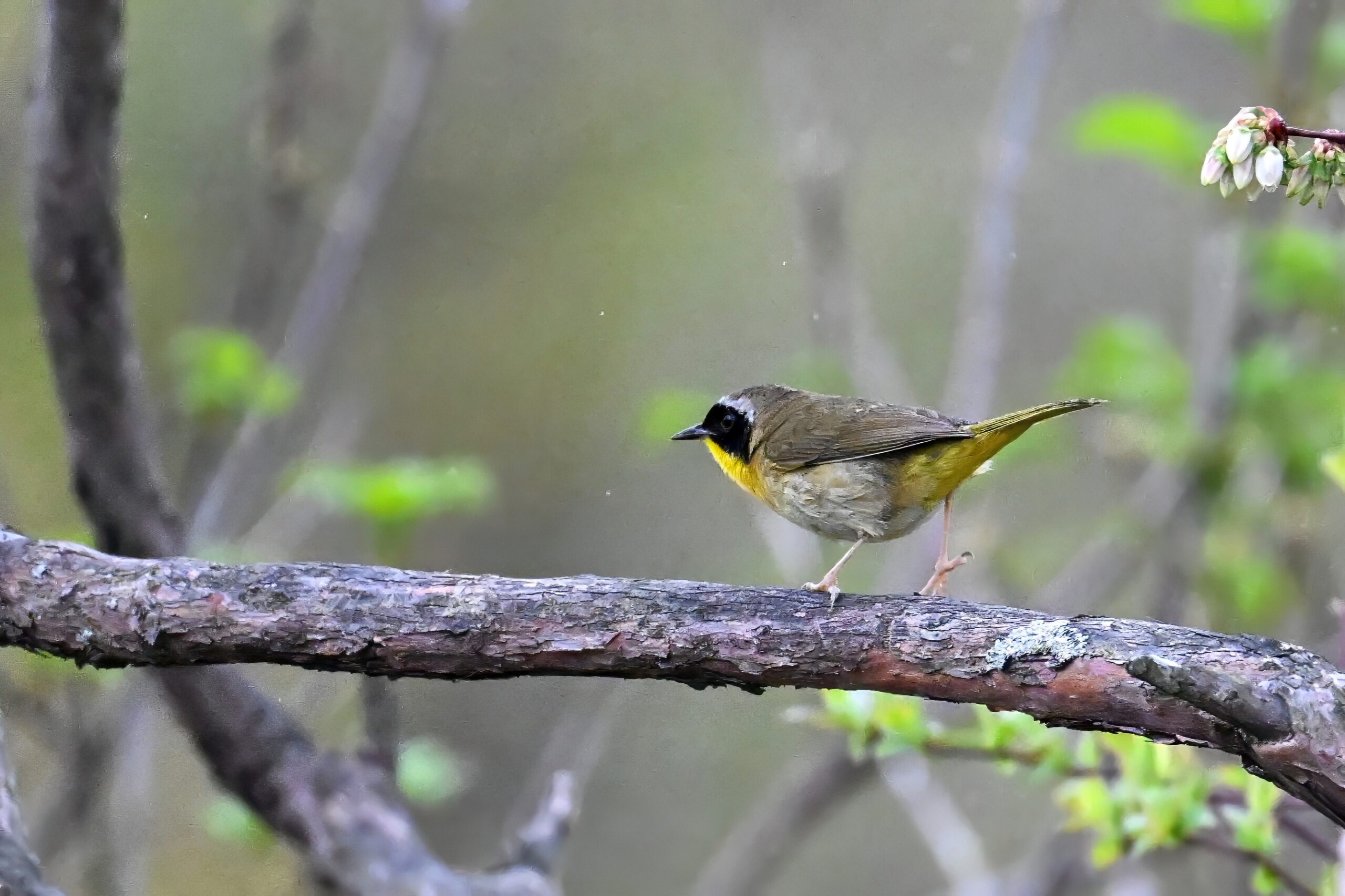
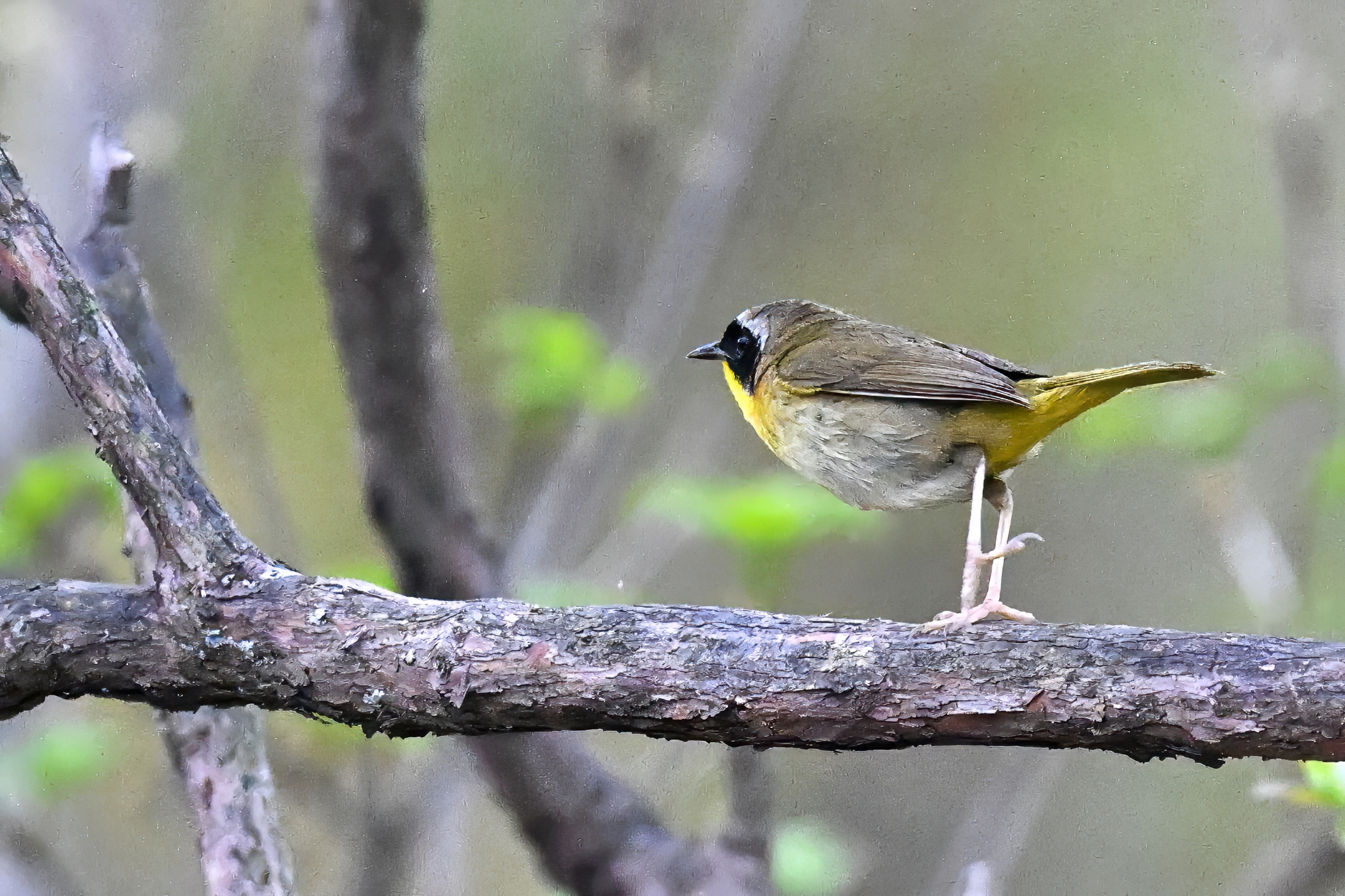
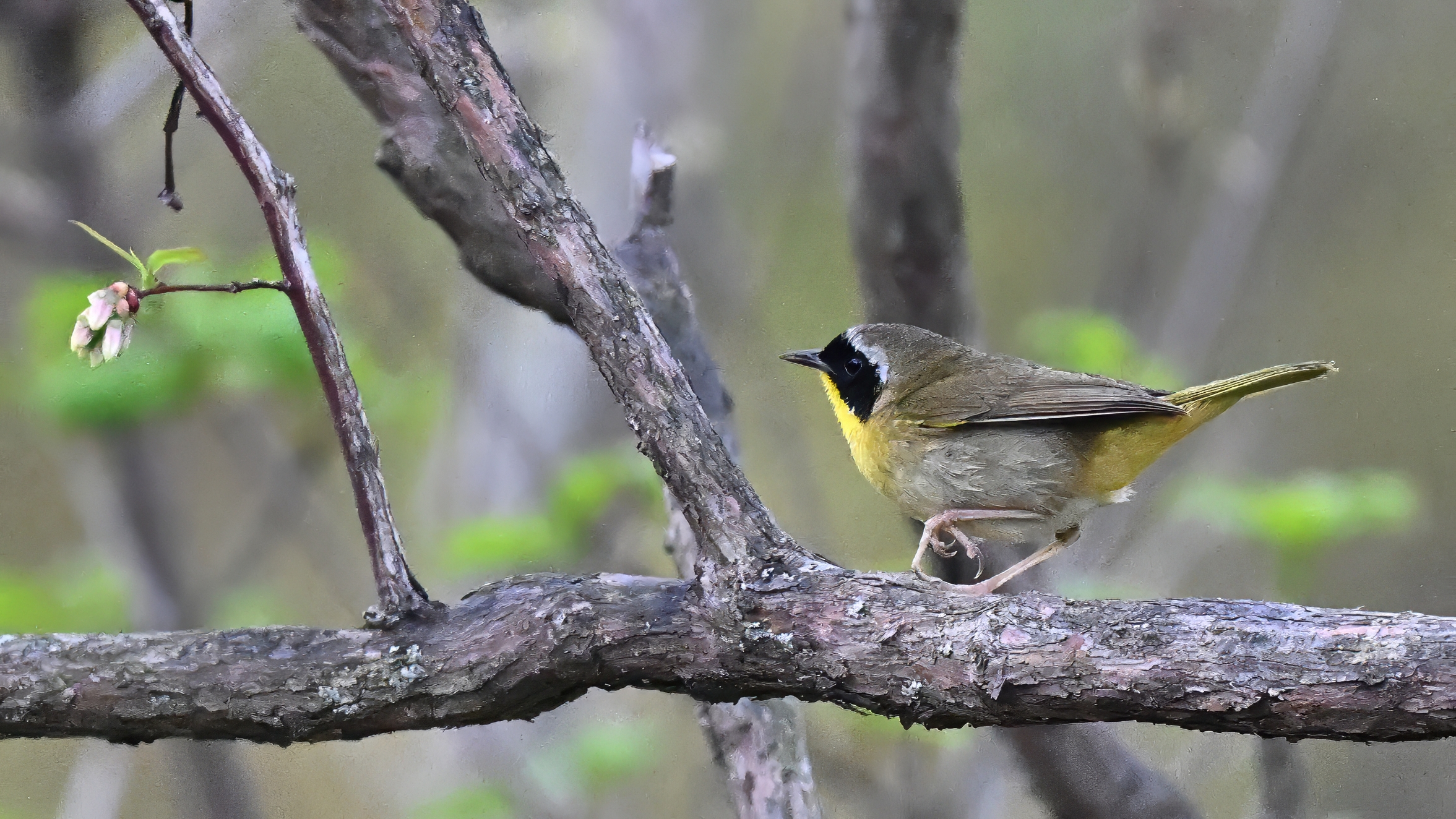
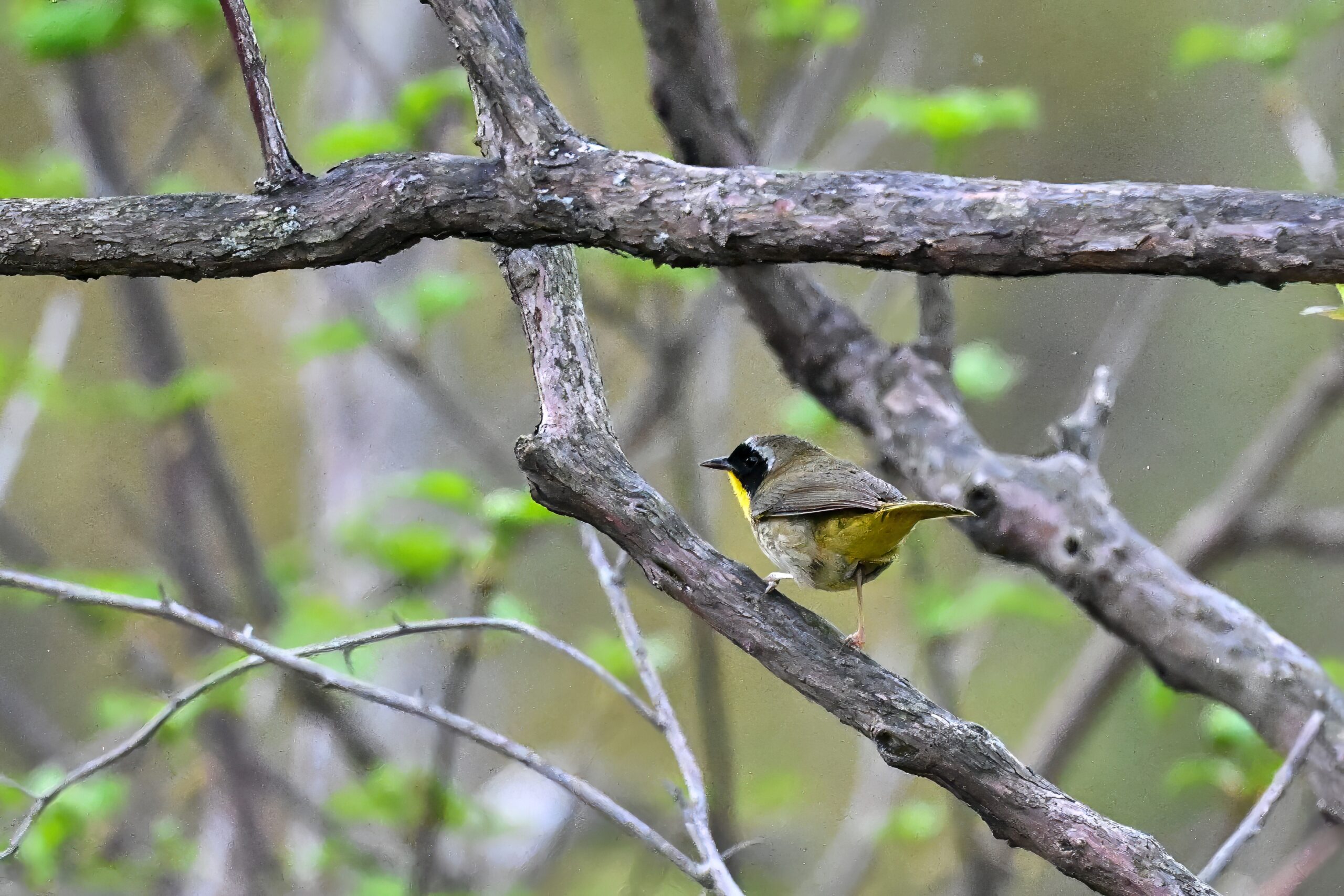
About 24 hours of solid rain yesterday in Erie County, Pennsylvania = wet. All field operations cancelled, which is sad for early May/migration season. Nevertheless, moving on with recent mostly-warbler content, from a recent outing along the Canoe Portage & Duck Pond Trails at Presque Isle State Park. First up, great to finally see Common Yellowthroat (male) for the first time this spring:
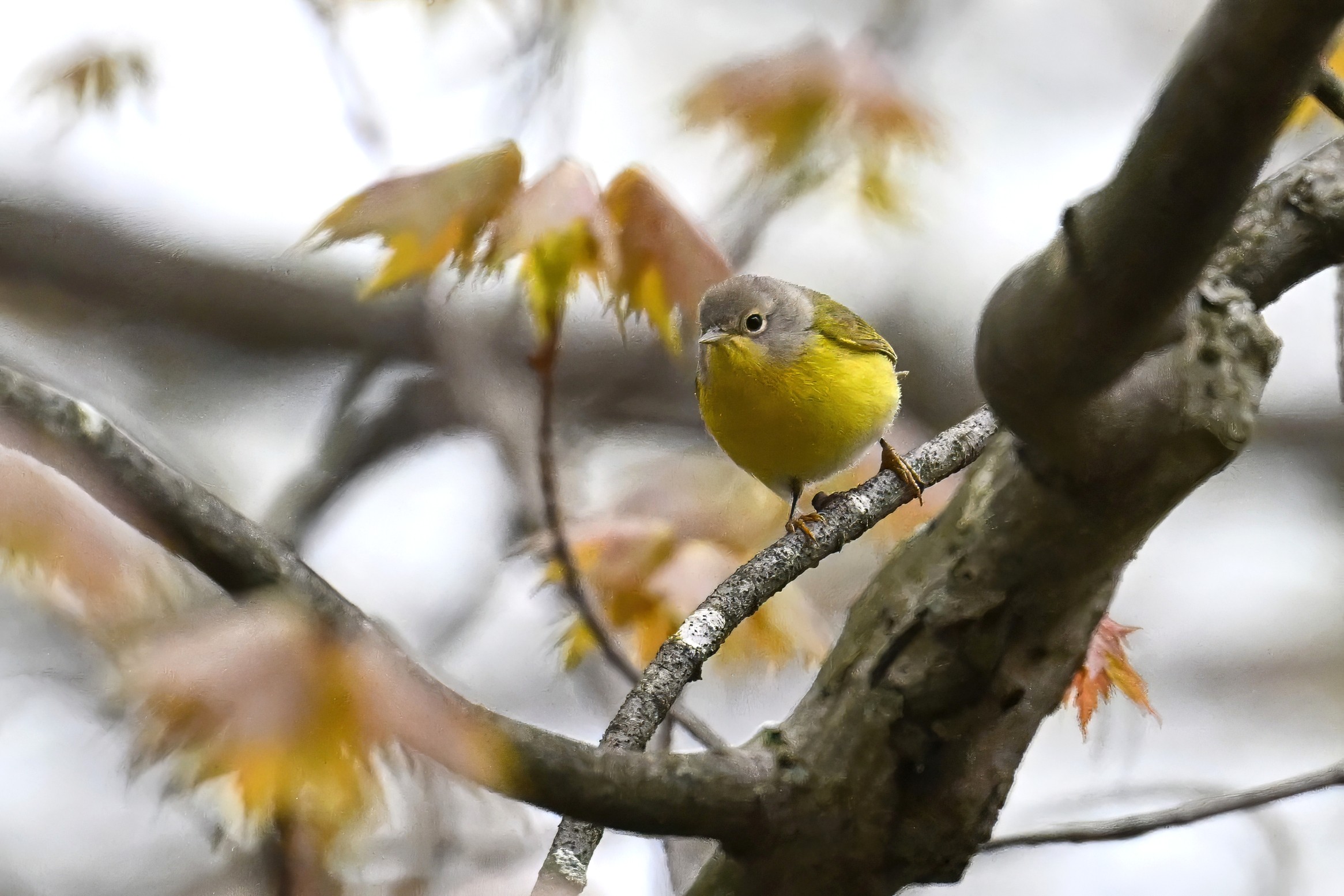
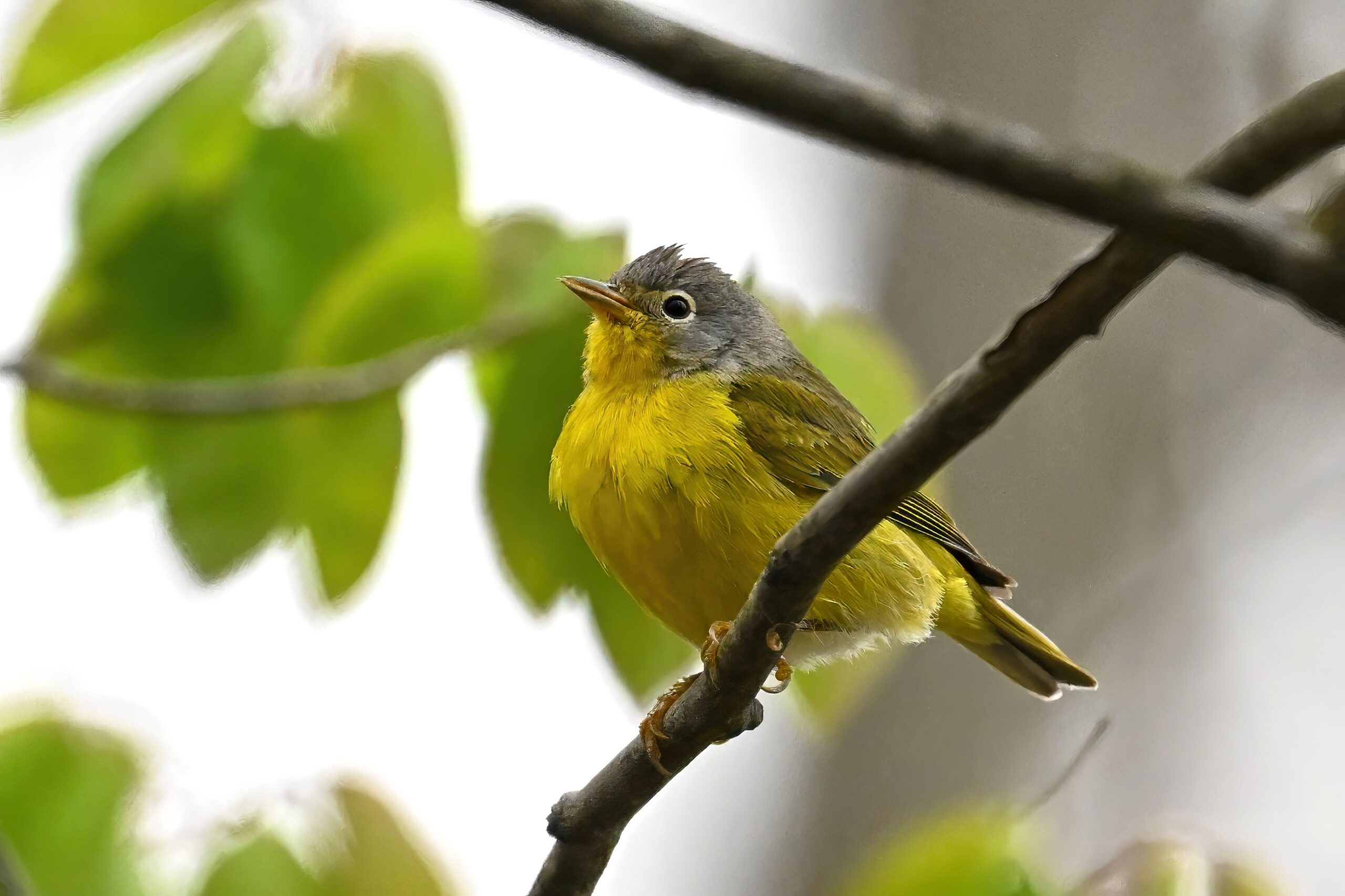
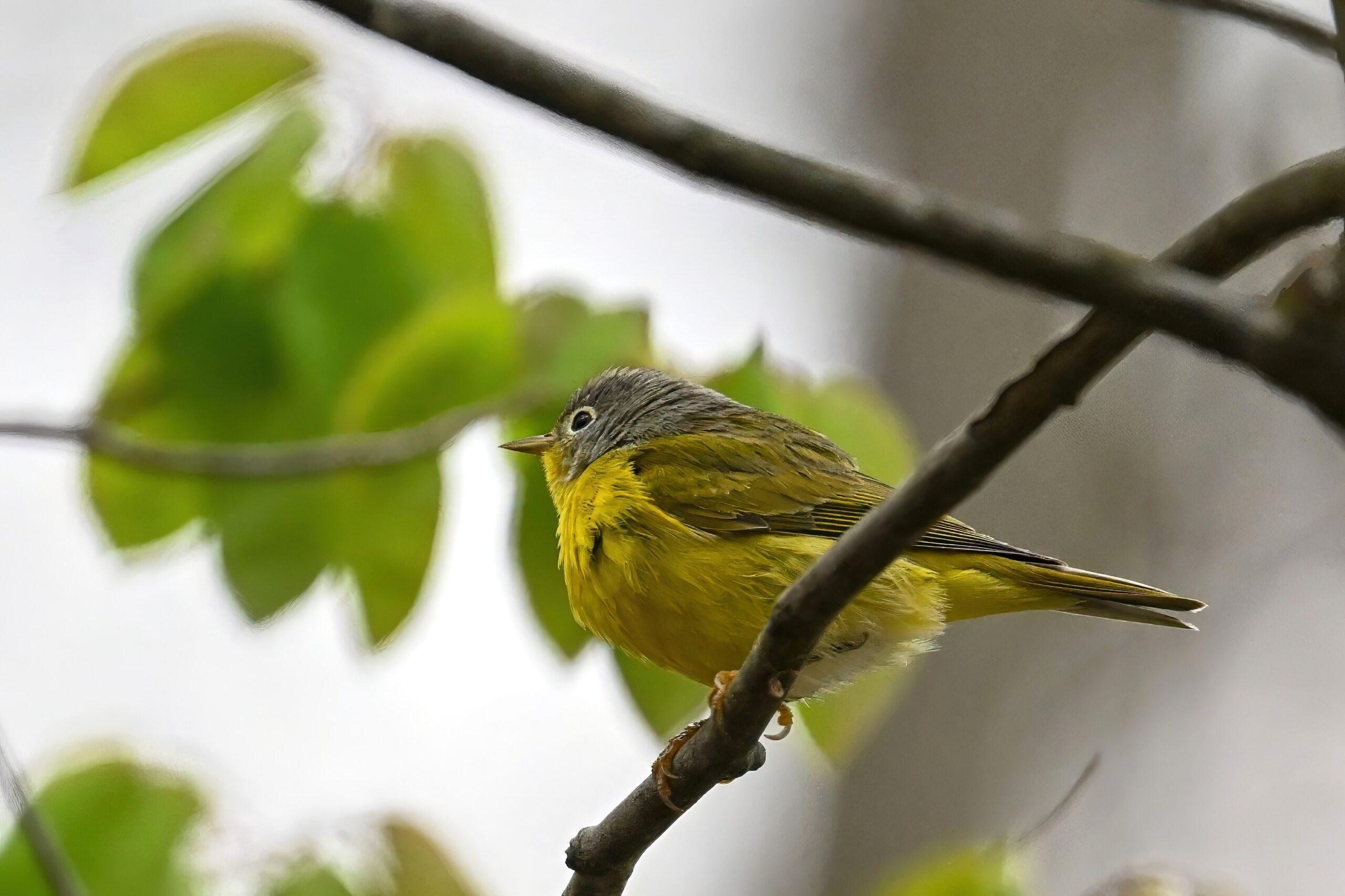
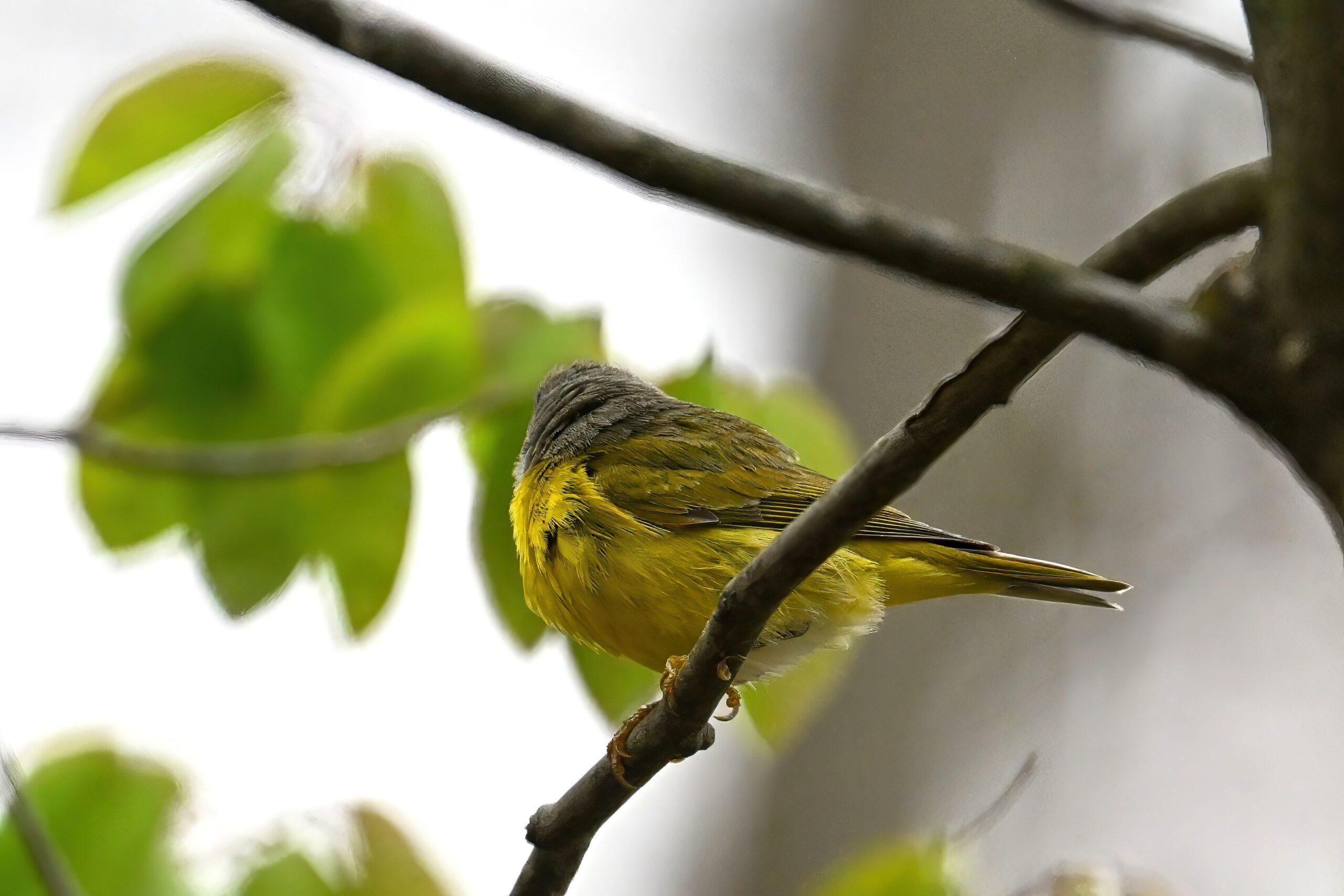
Also great to get a better view of beautiful Nashville Warbler (probably male or immature). Note the yellow throat, gray head, and distinctive white eyering:
Unless otherwise noted, more shots of Common Yellowthroat x Nashville Warbler:
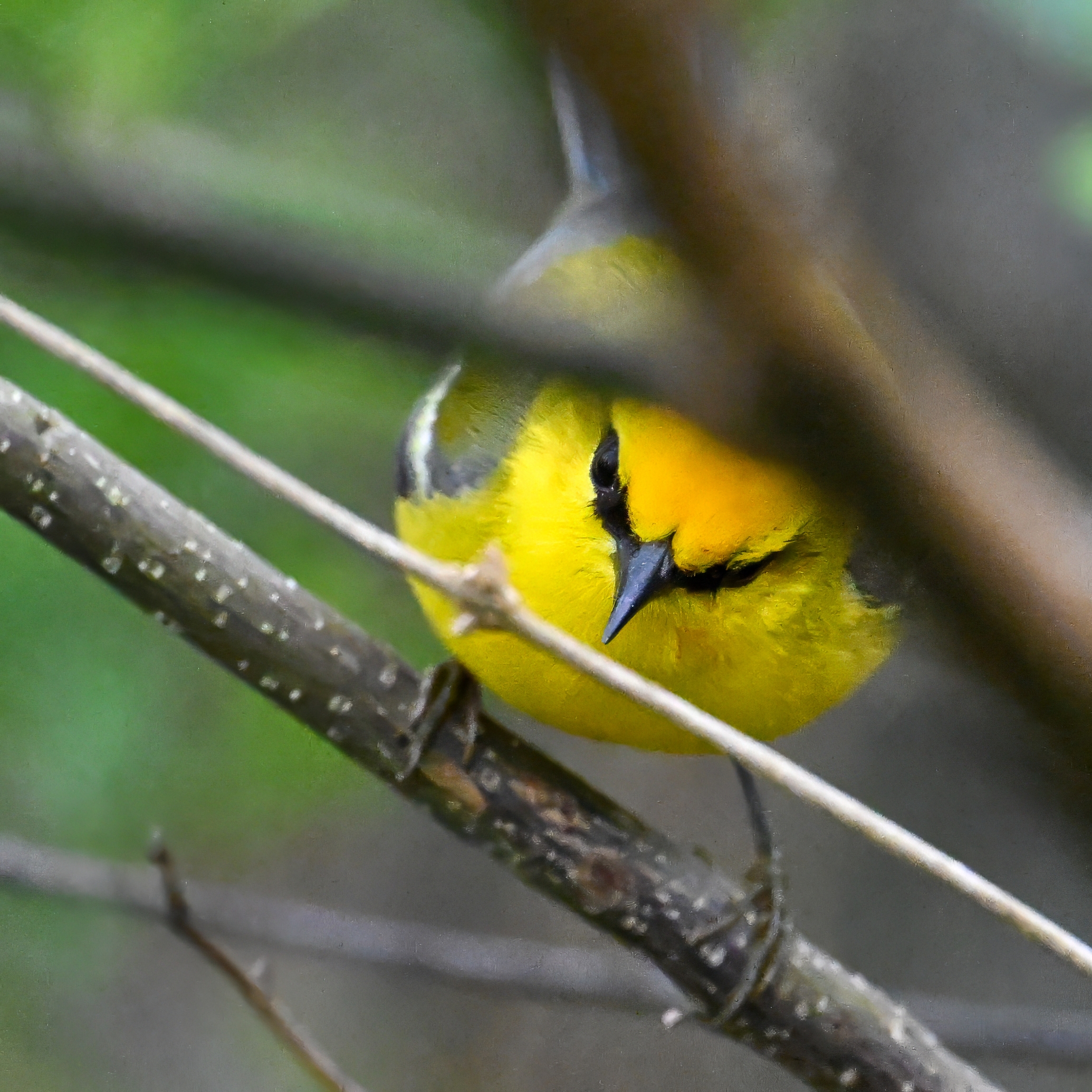
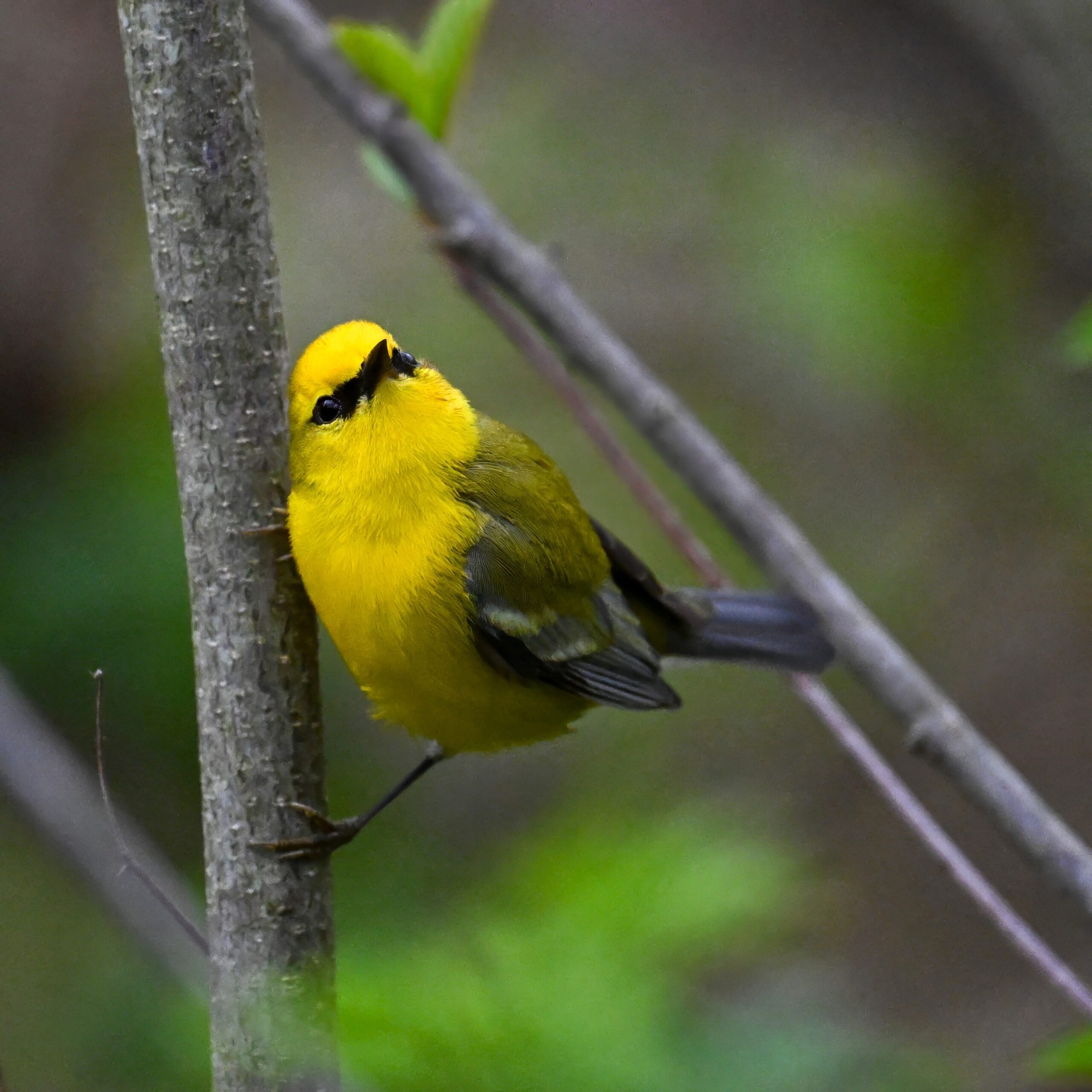
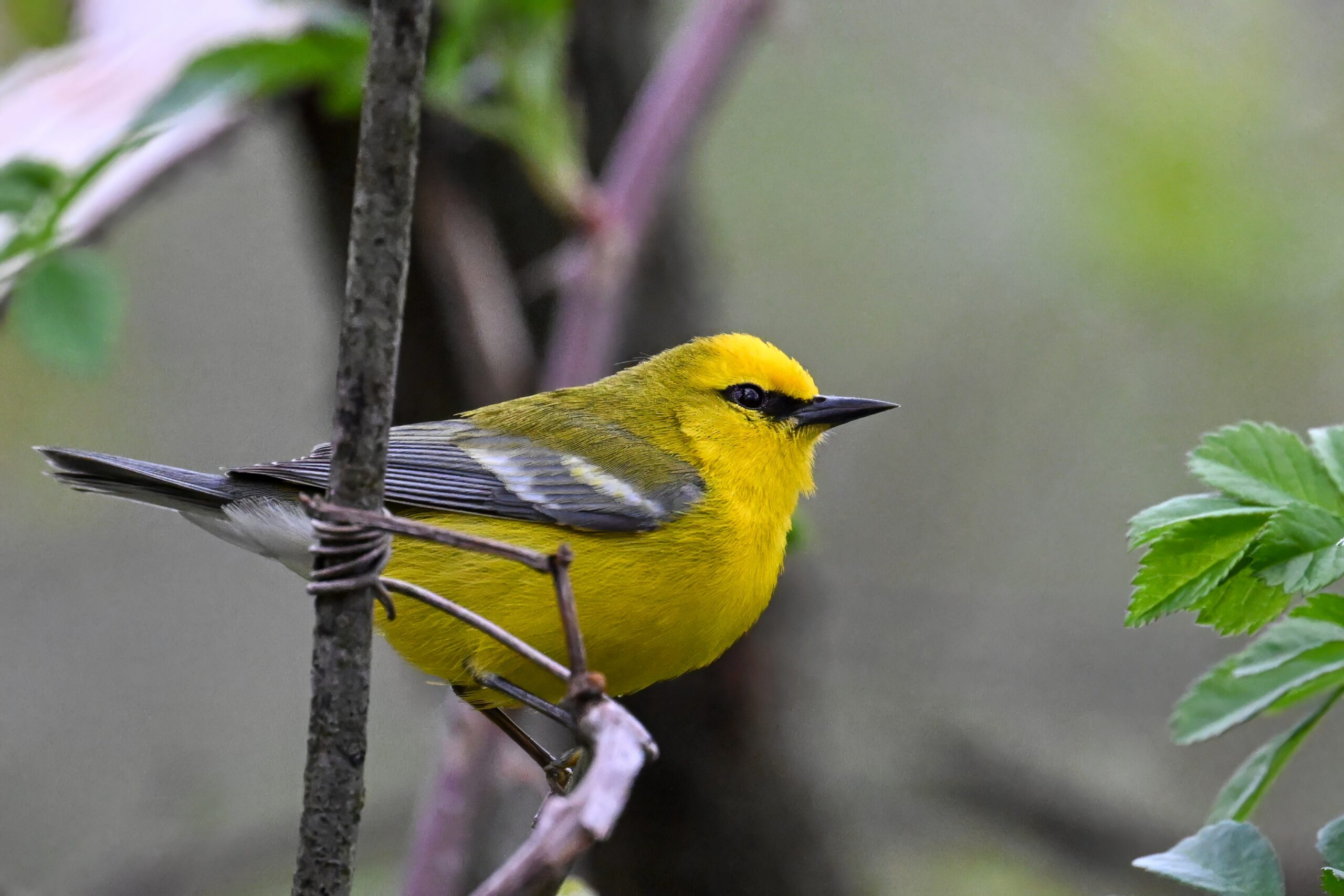
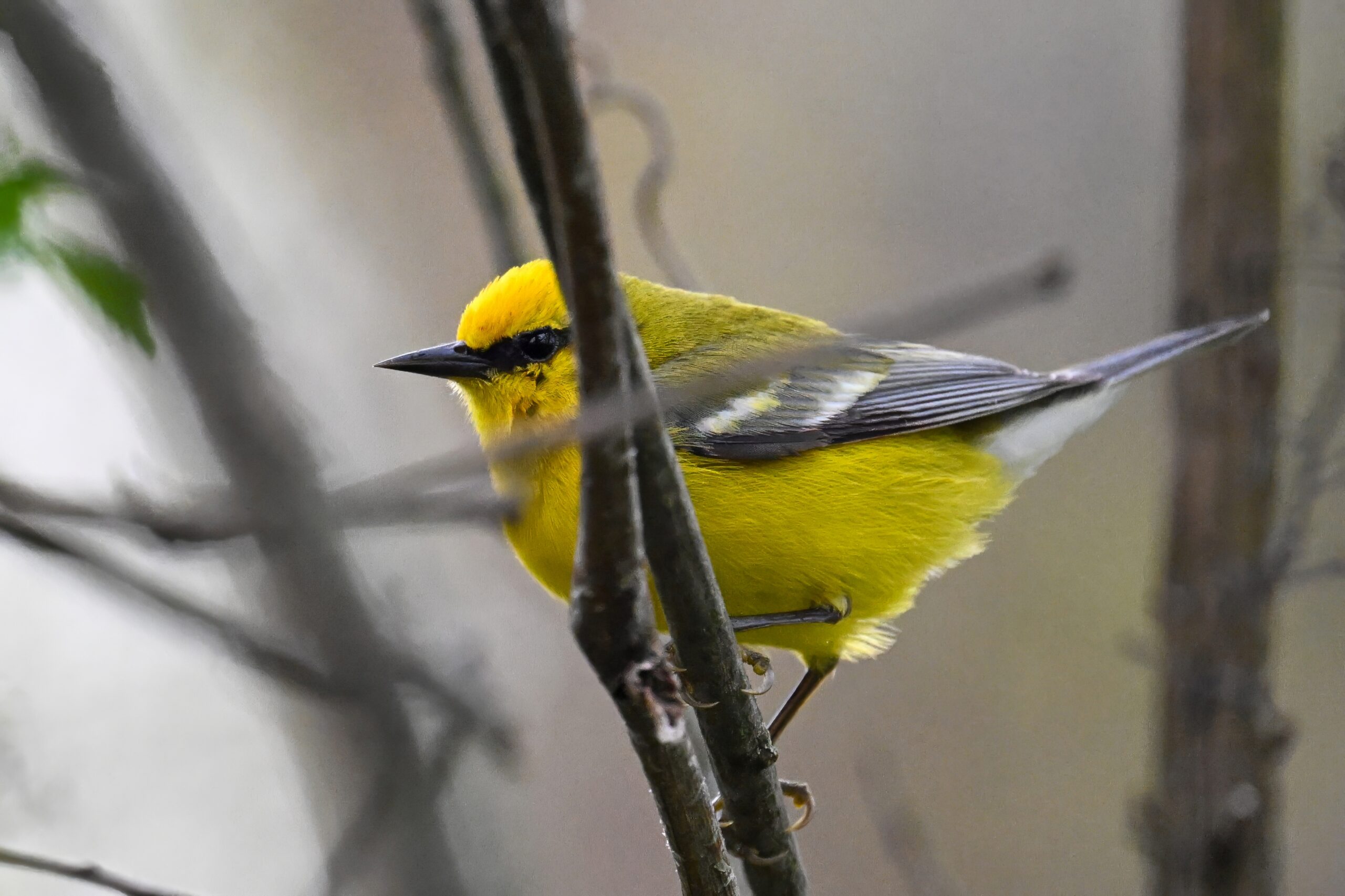
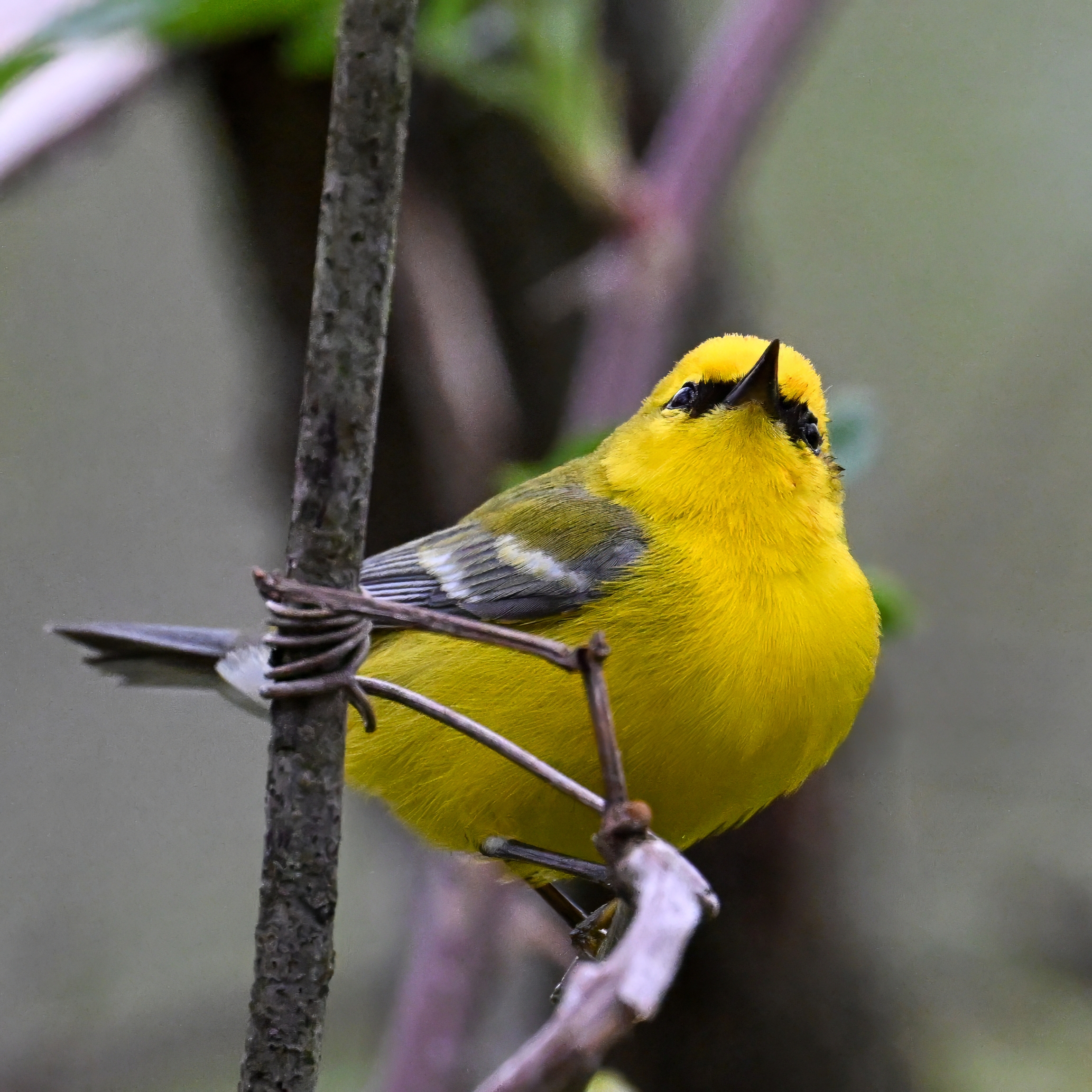
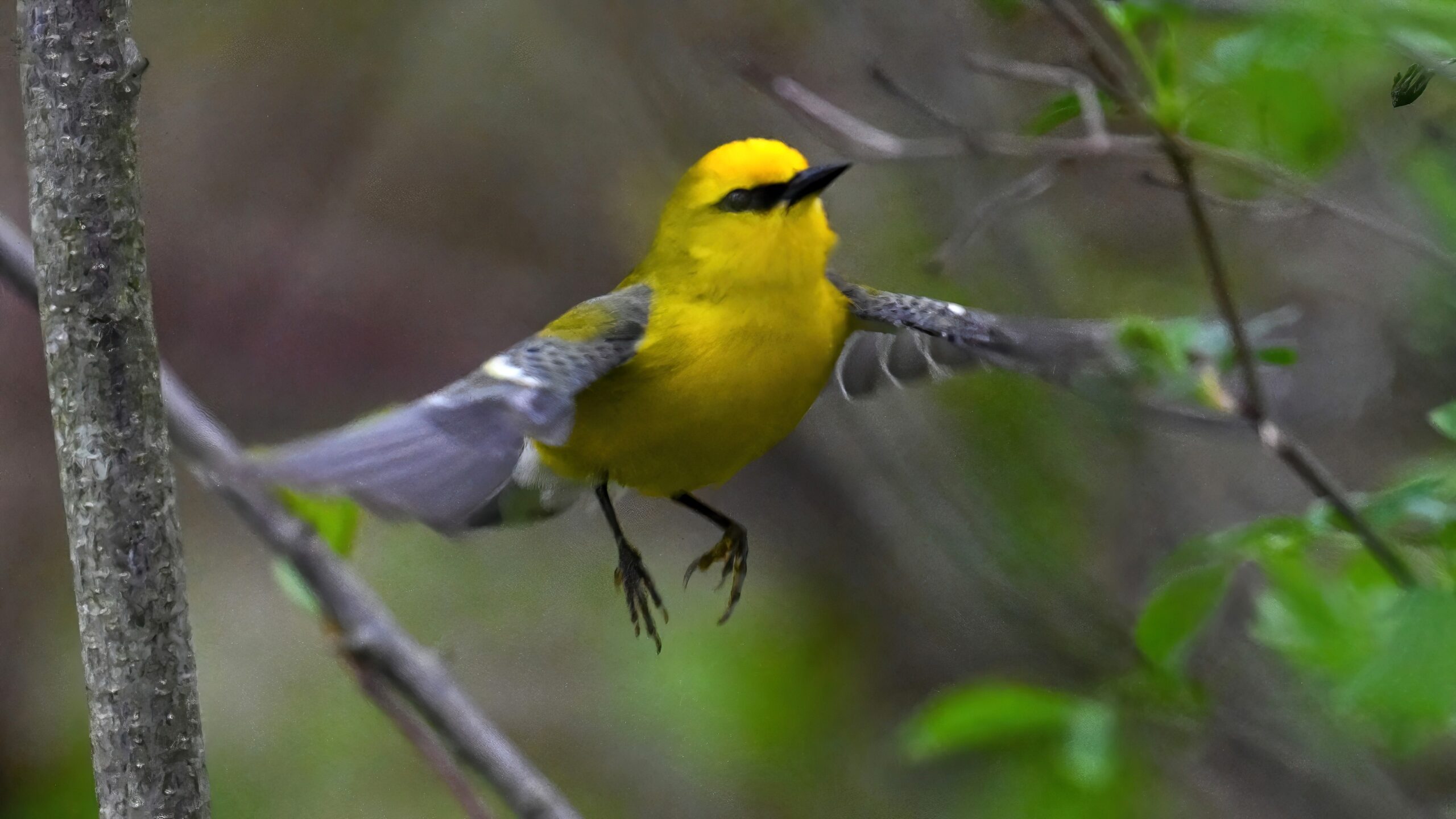
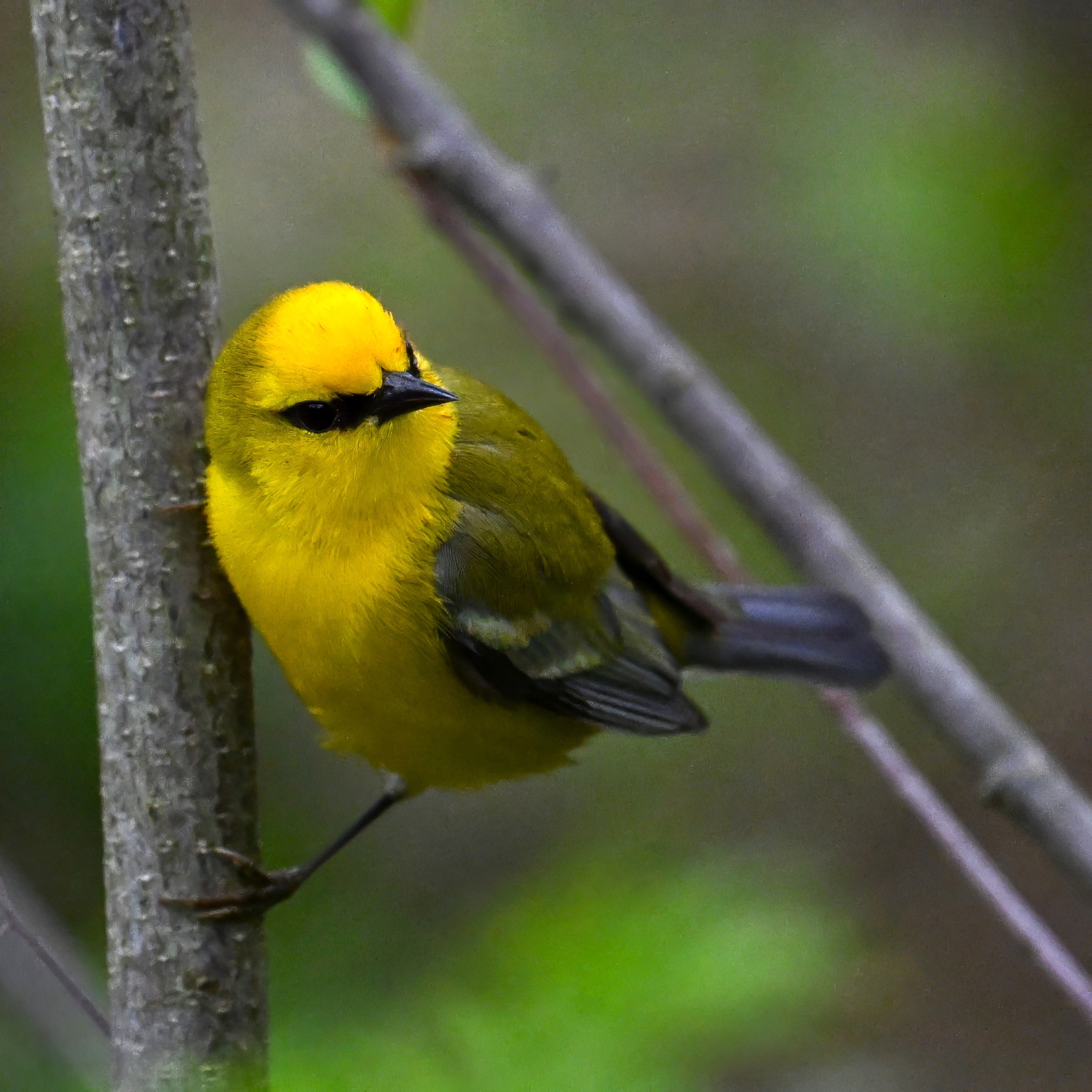
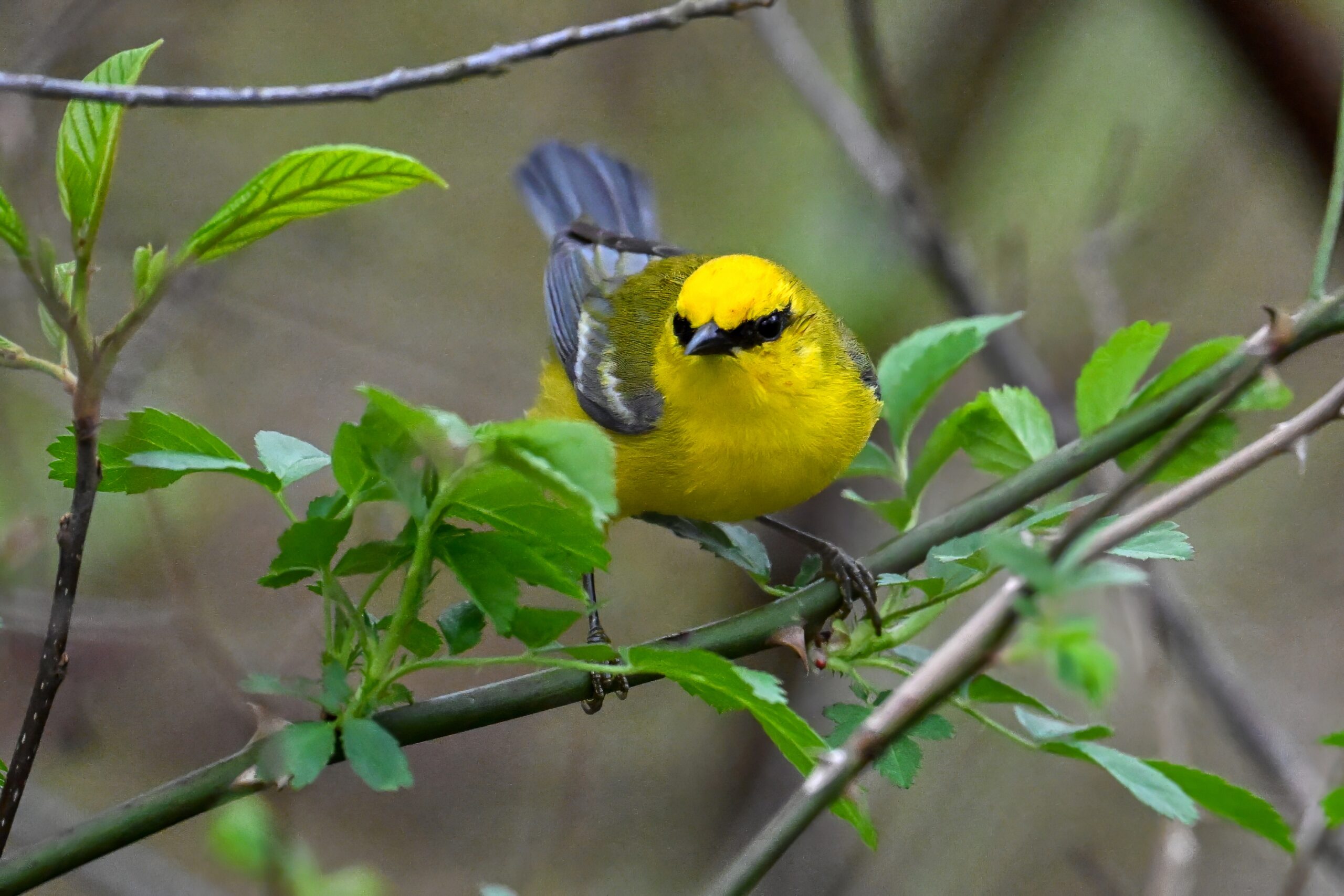
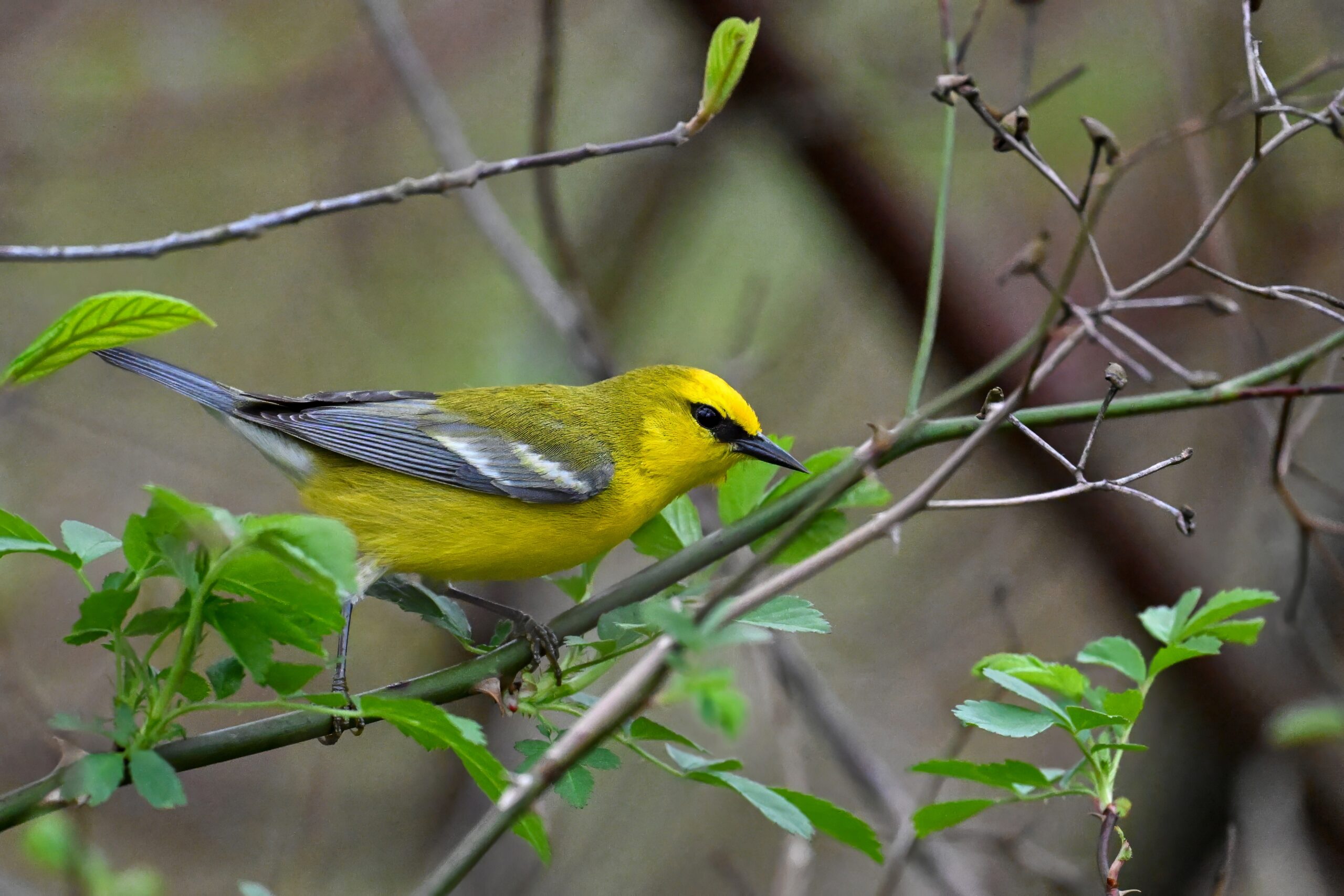
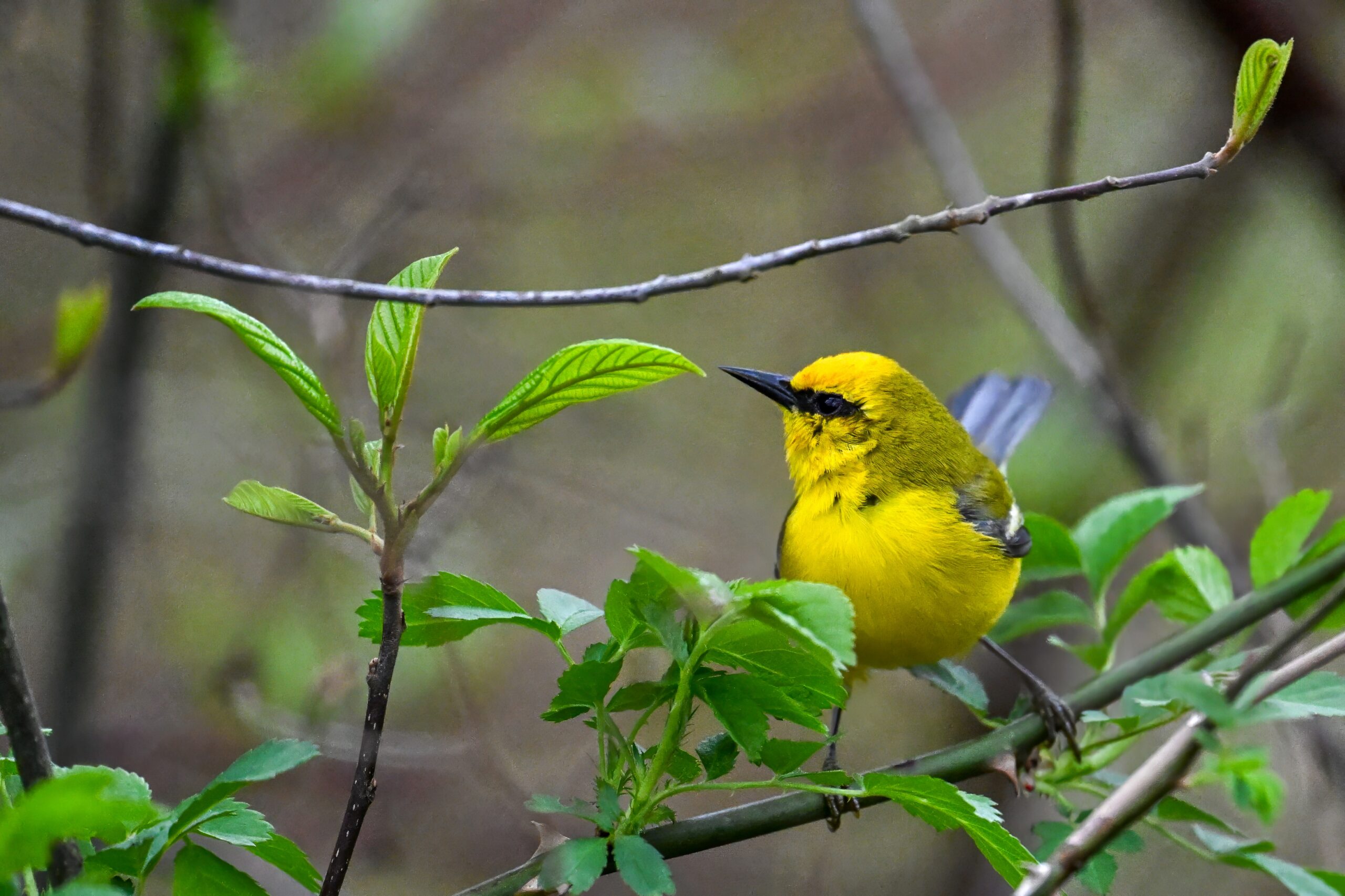
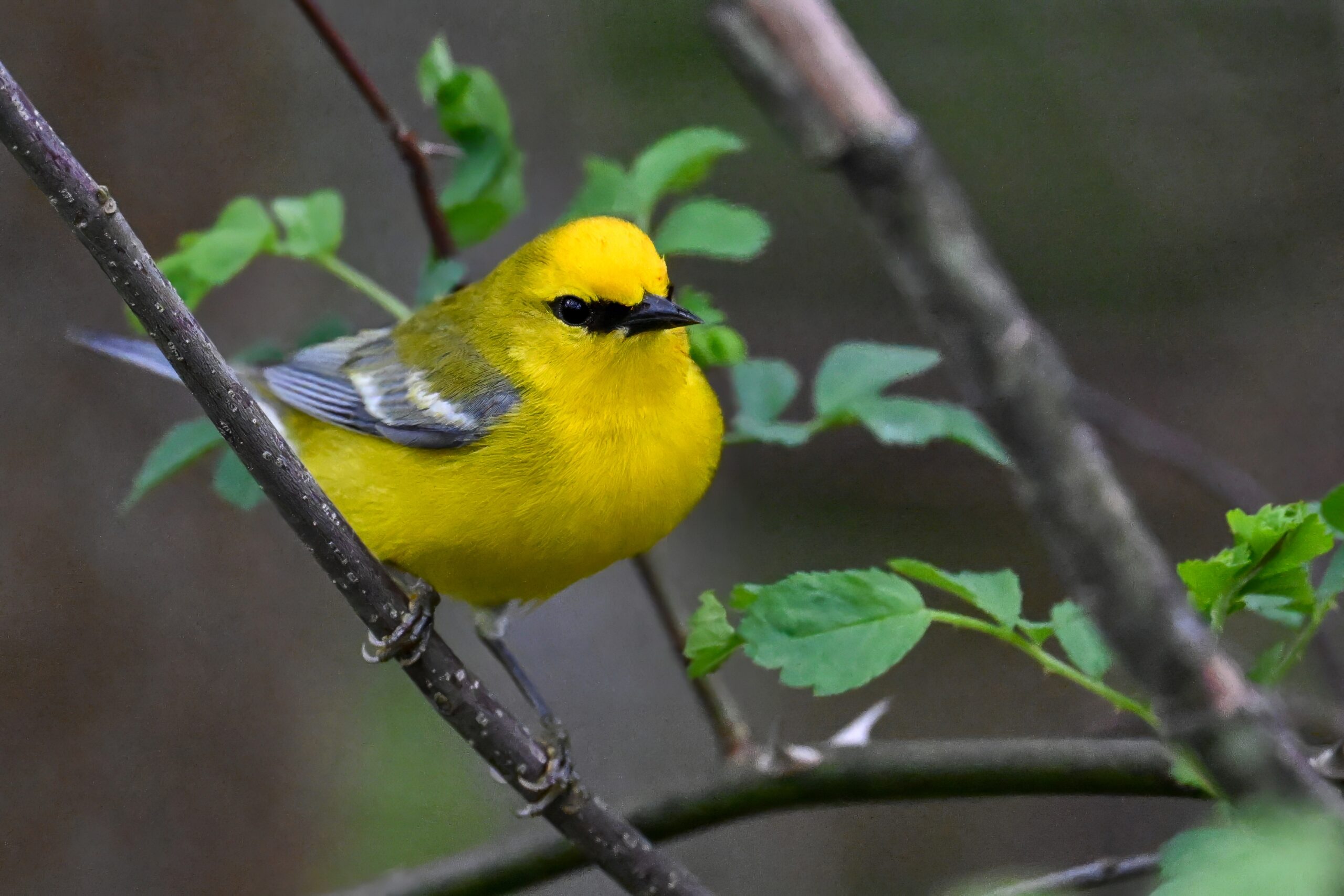
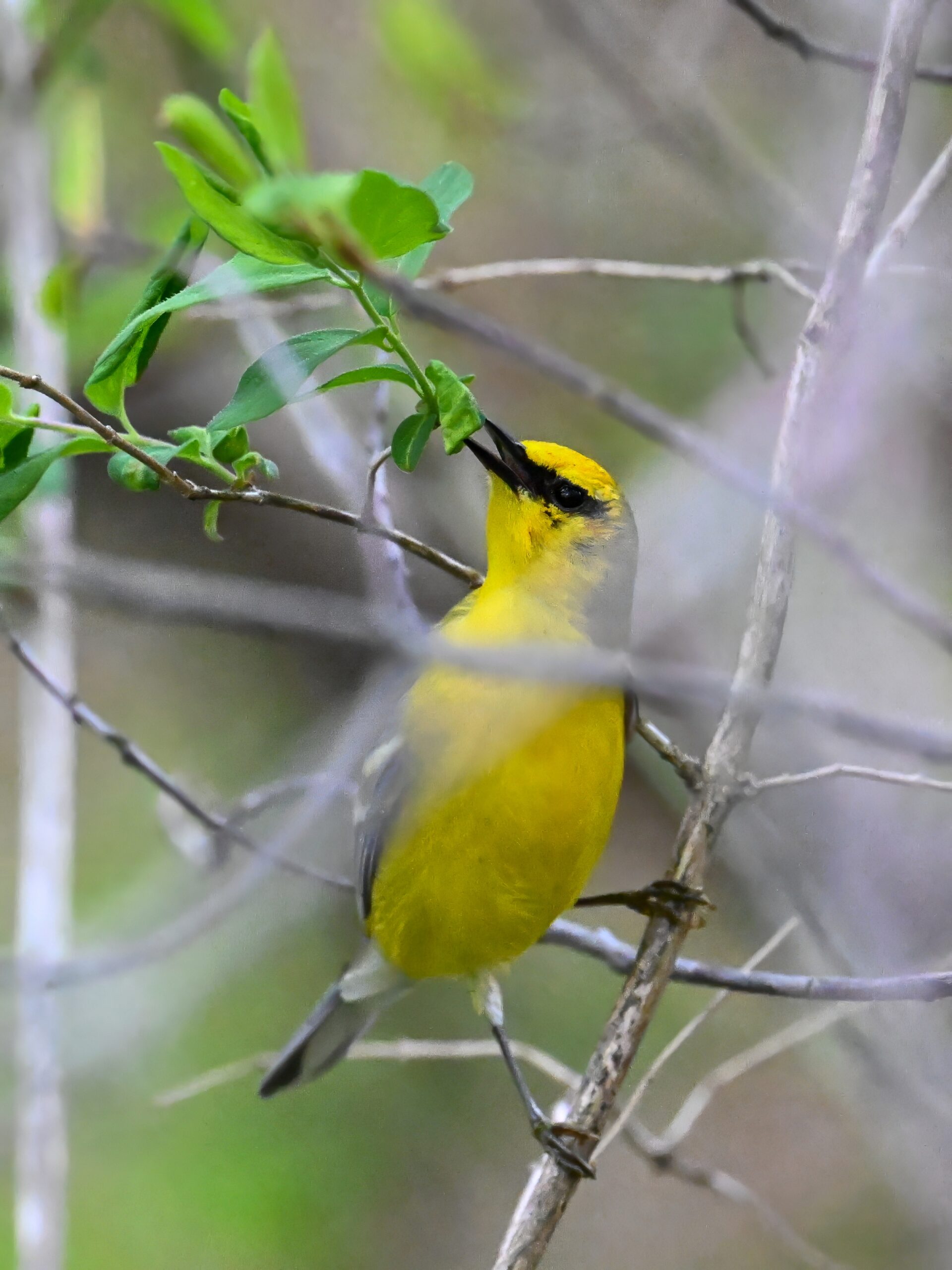
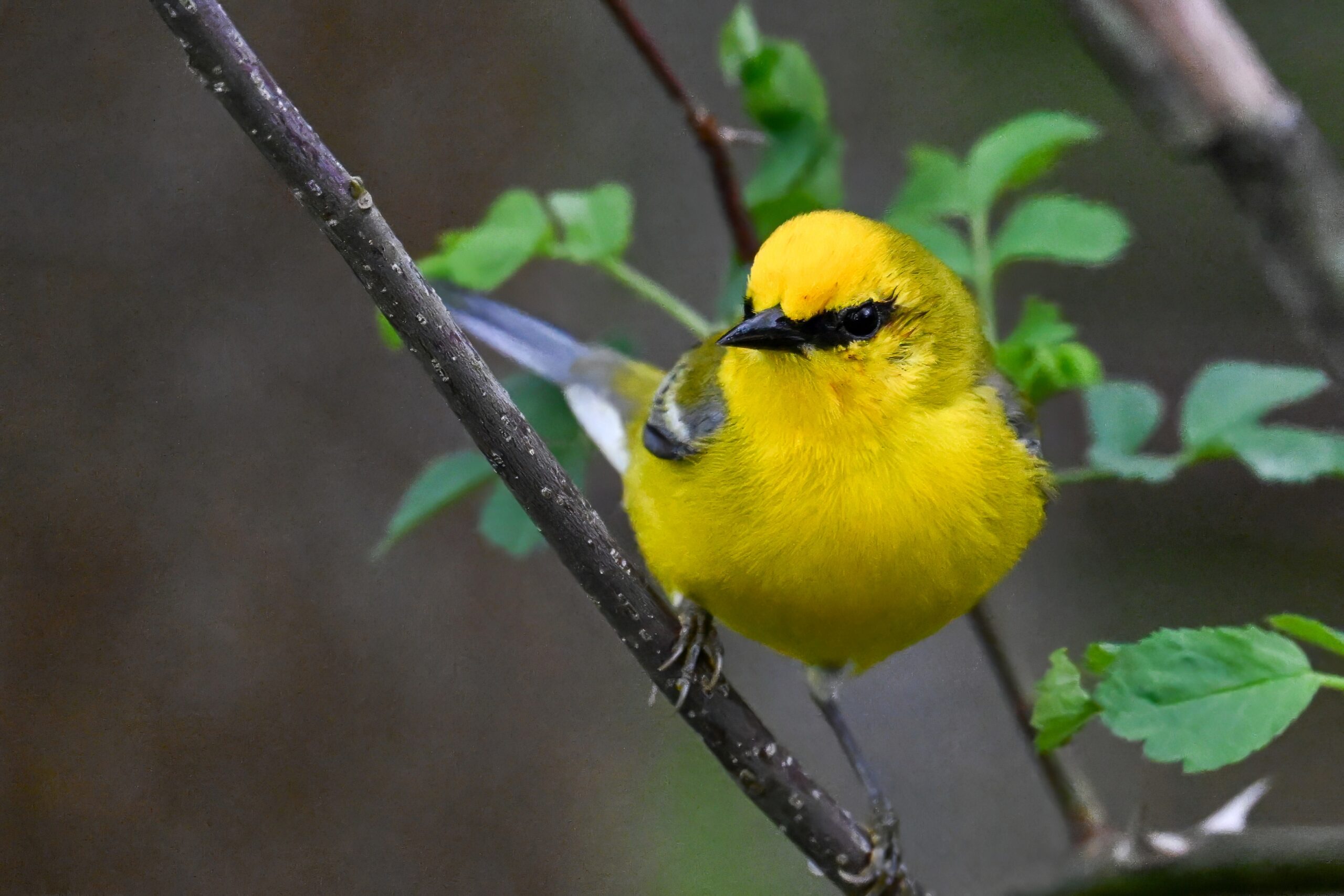
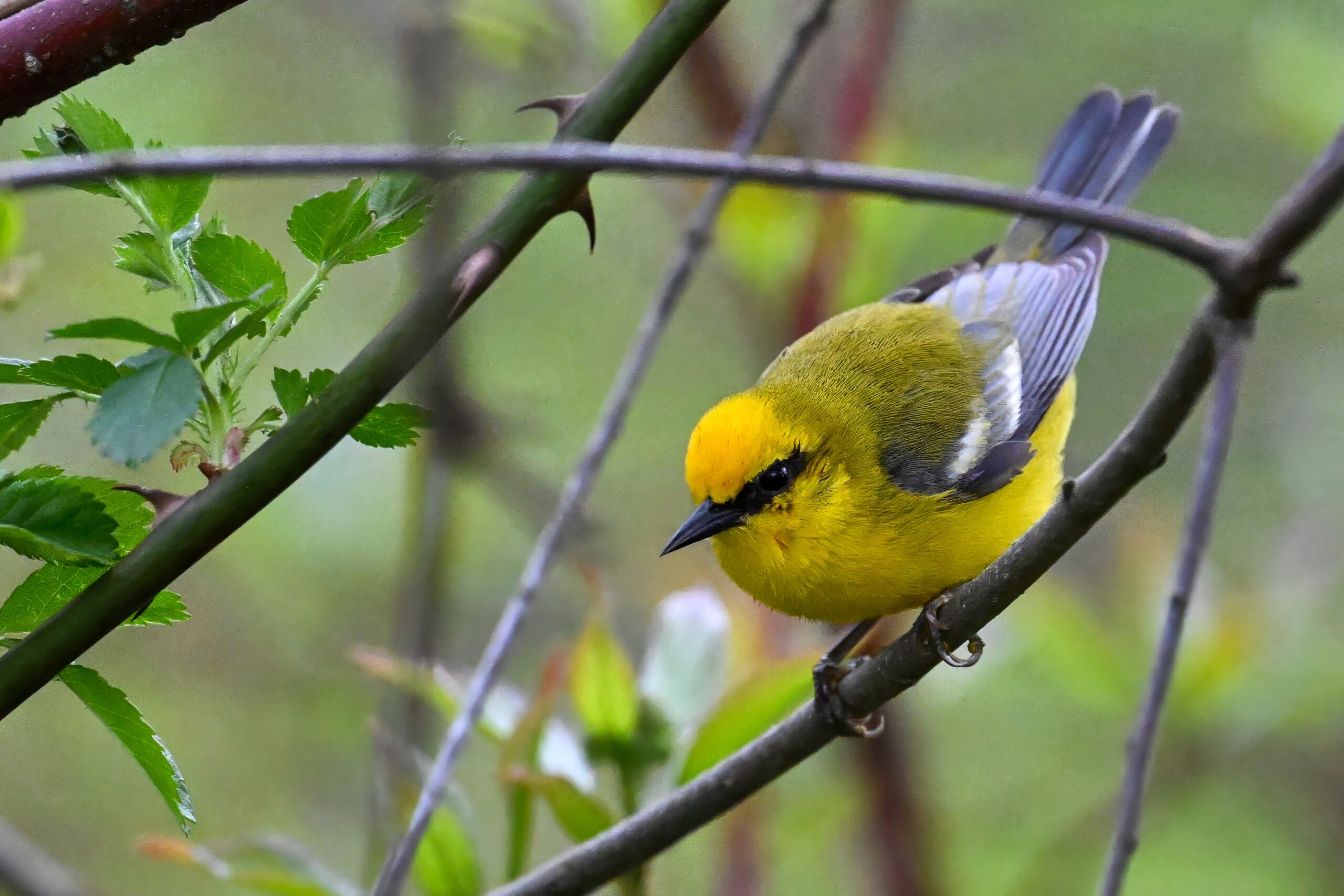
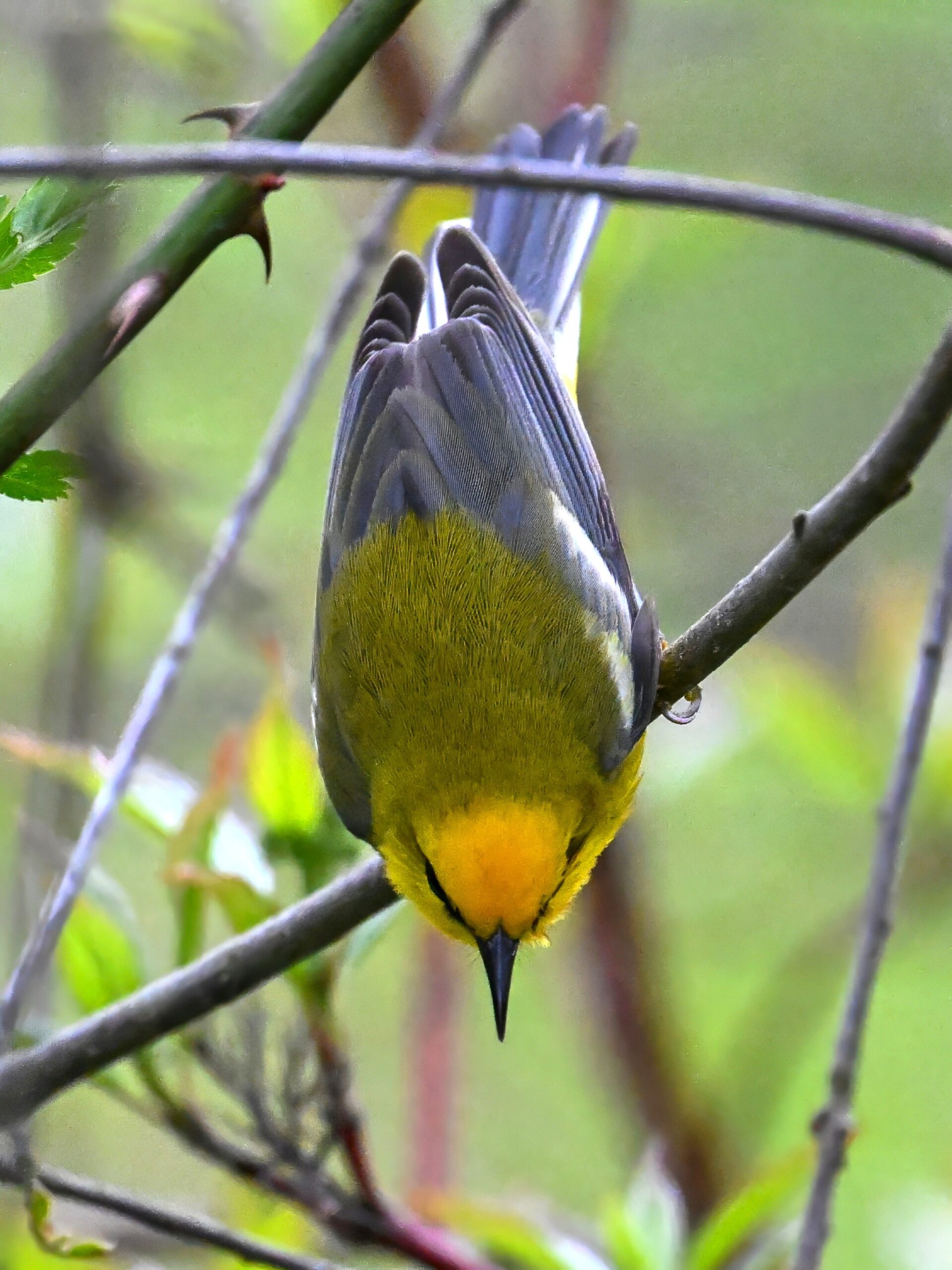
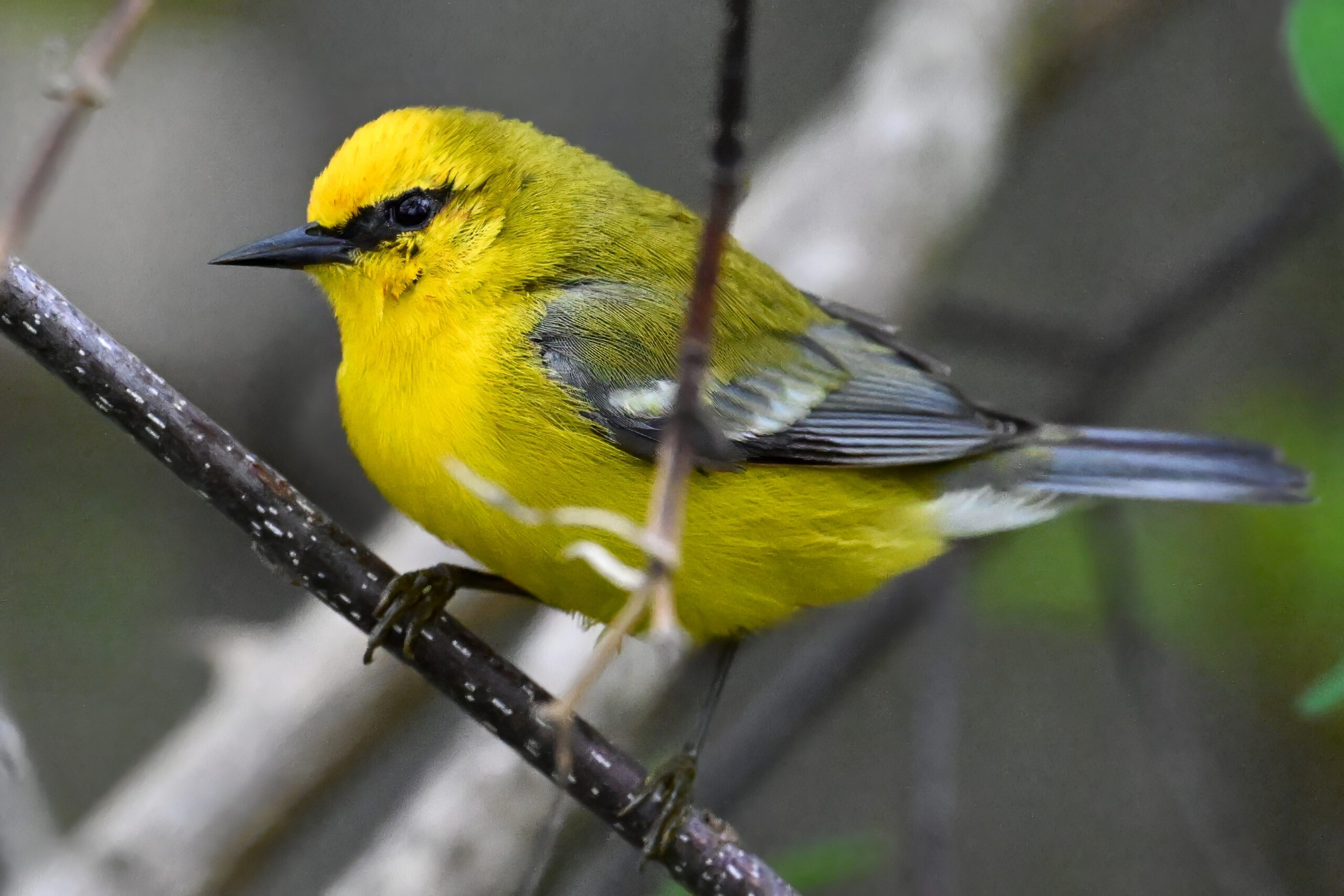
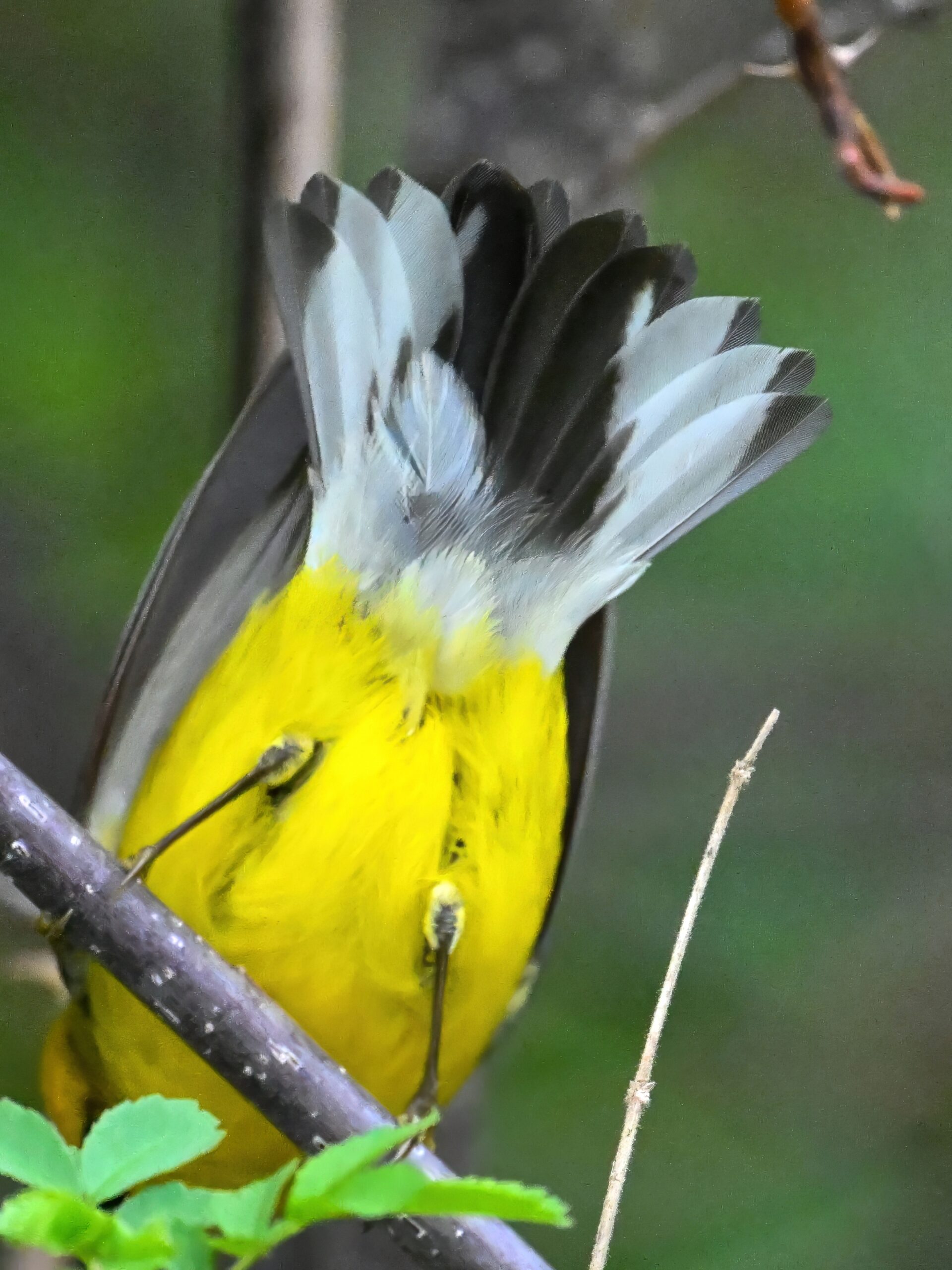
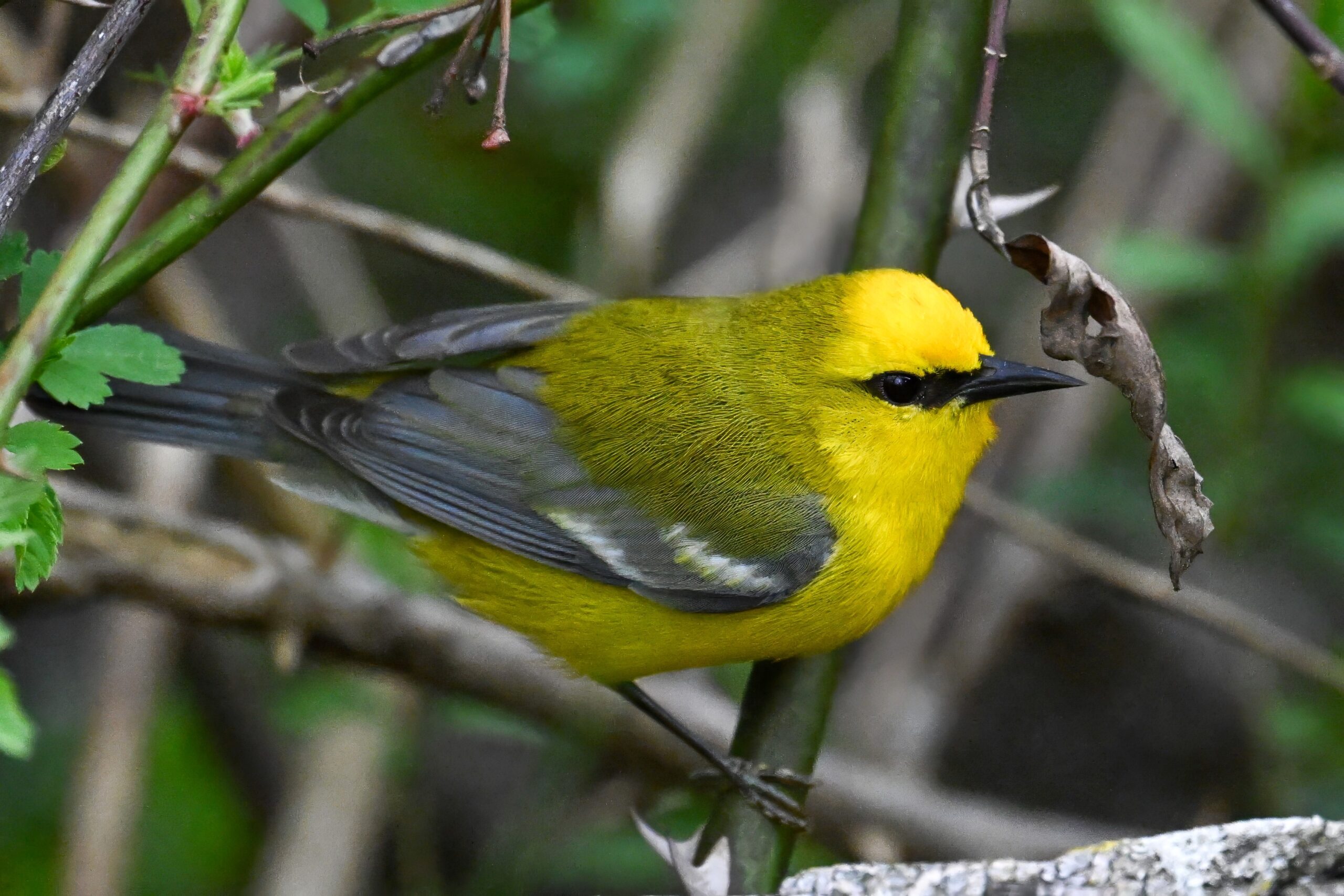
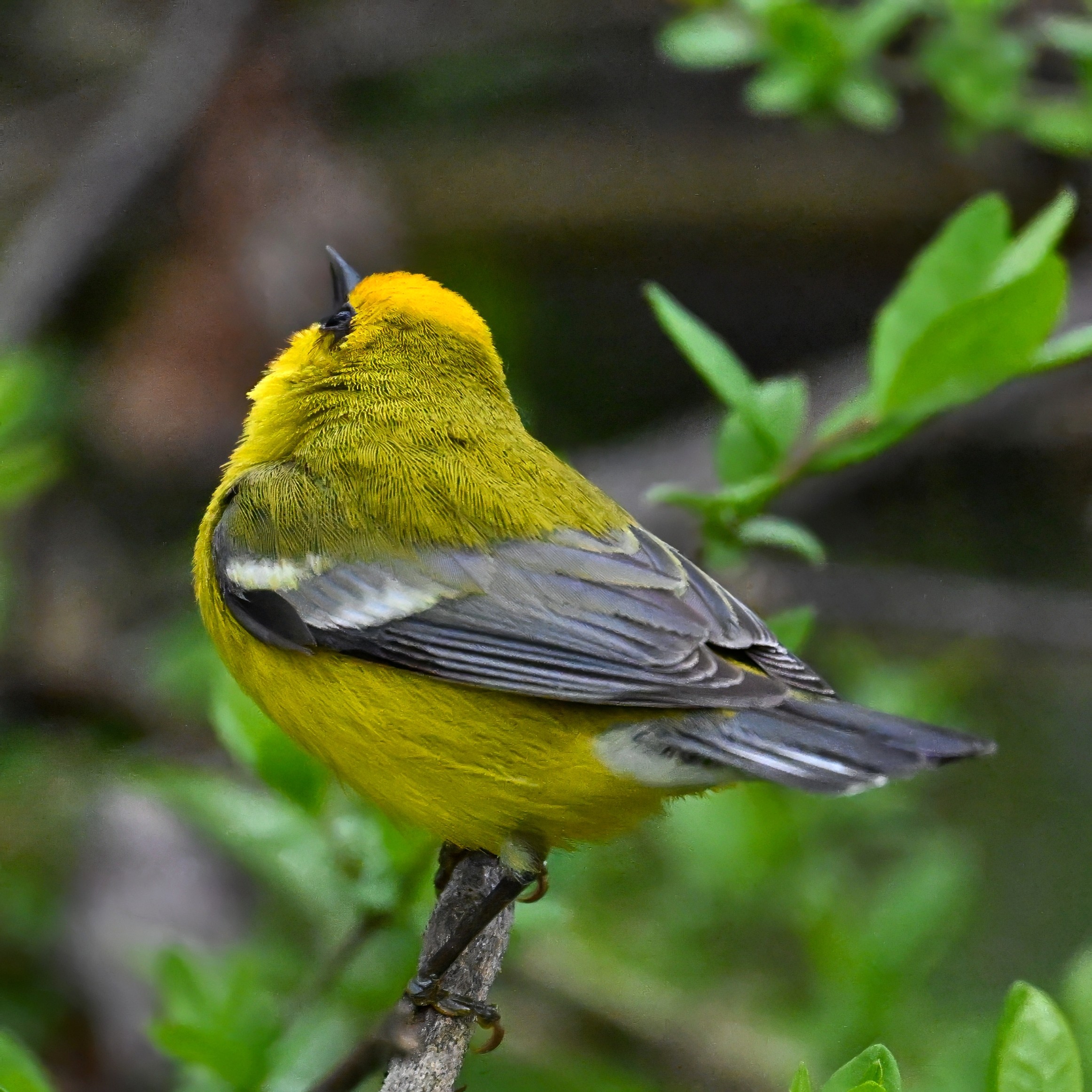
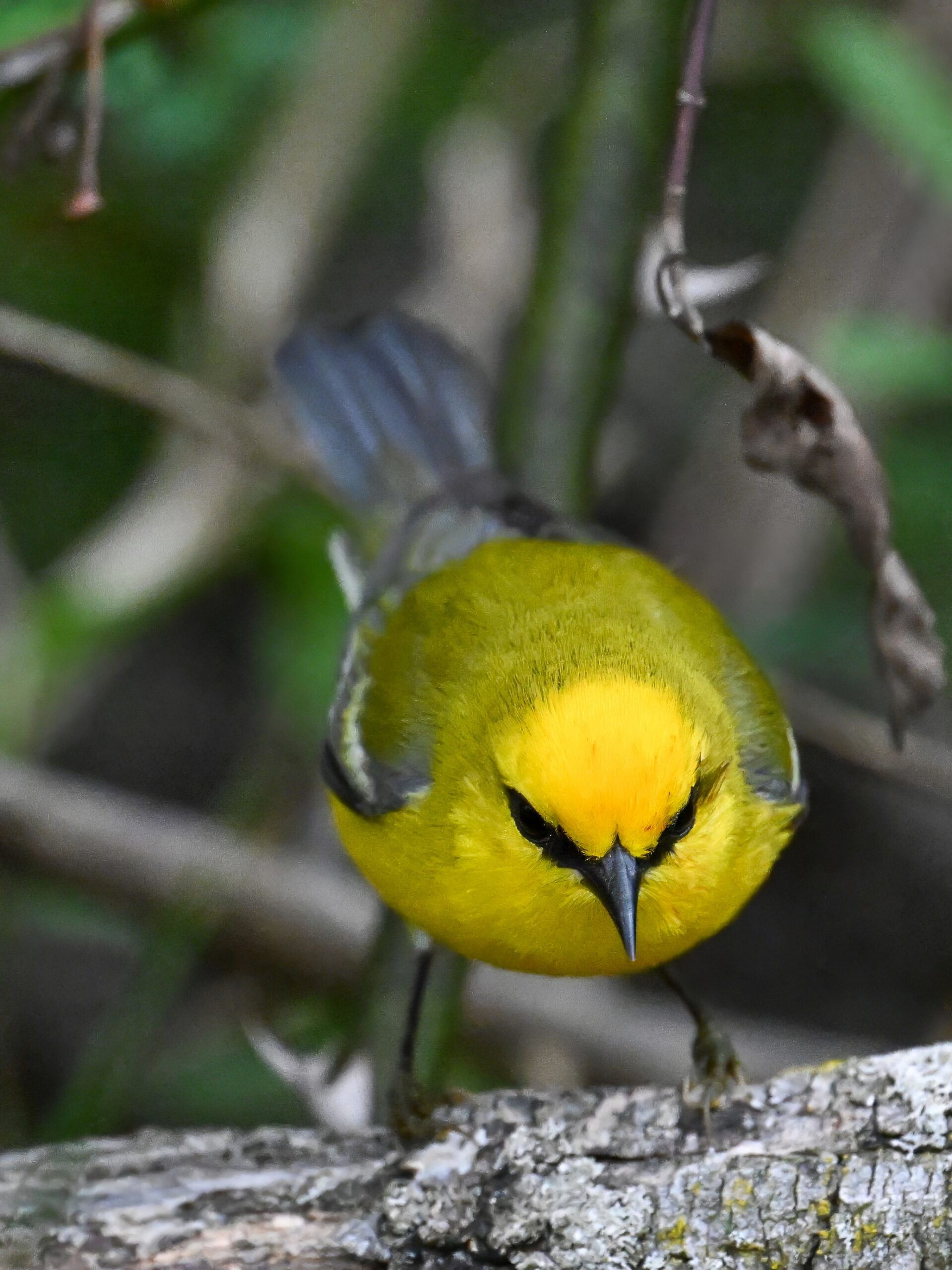
As forecast, really bad weather this Saturday morning here in northwestern Pennsylvania – steady, heavy rain. (Rainy bird photography is possible but annoying – too much umbrella manipulation, and the camera equipment gets wet.) While waiting on things to dry up, once again featuring a single species of spring migration warbler, this time the amazing Blue-winged Warbler (probably a male), recently spotted at Scott Park:
Coming up soon, more warblers including Palm Warbler, Black-and-white Warbler, Chestnut-sided Warbler, American Redstart, & Common Yellowthroat! And if the weather ever improves, maybe even others!
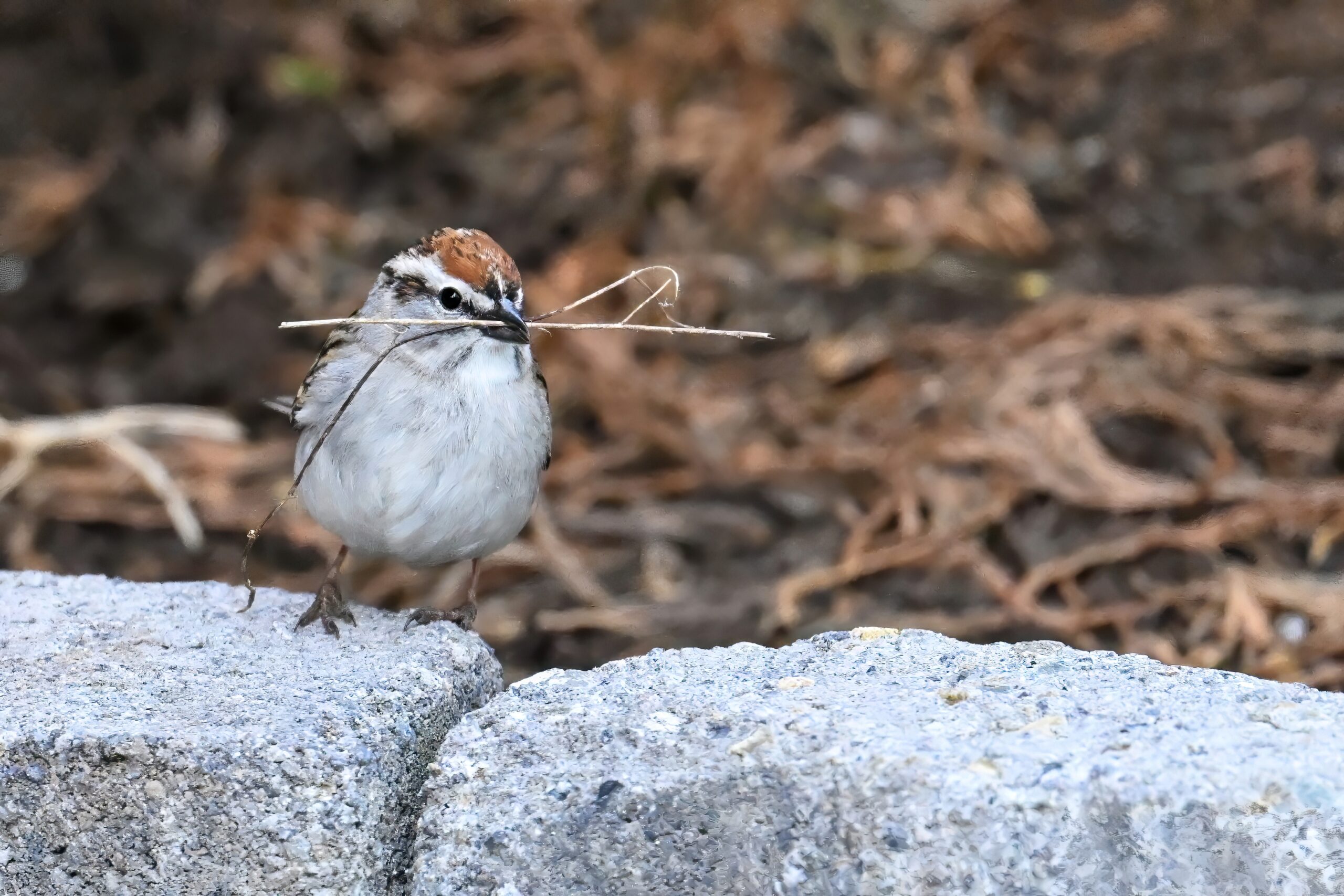
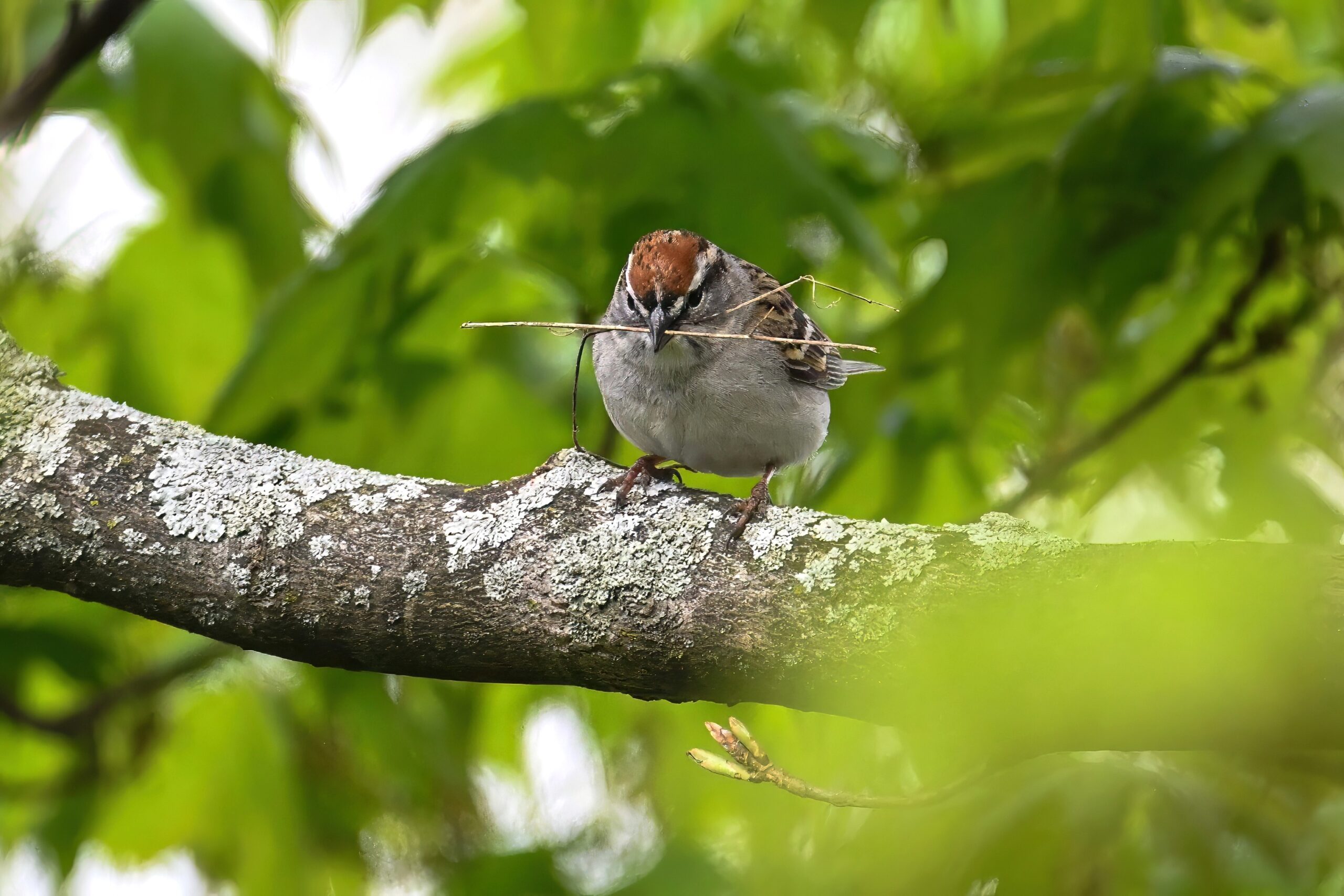
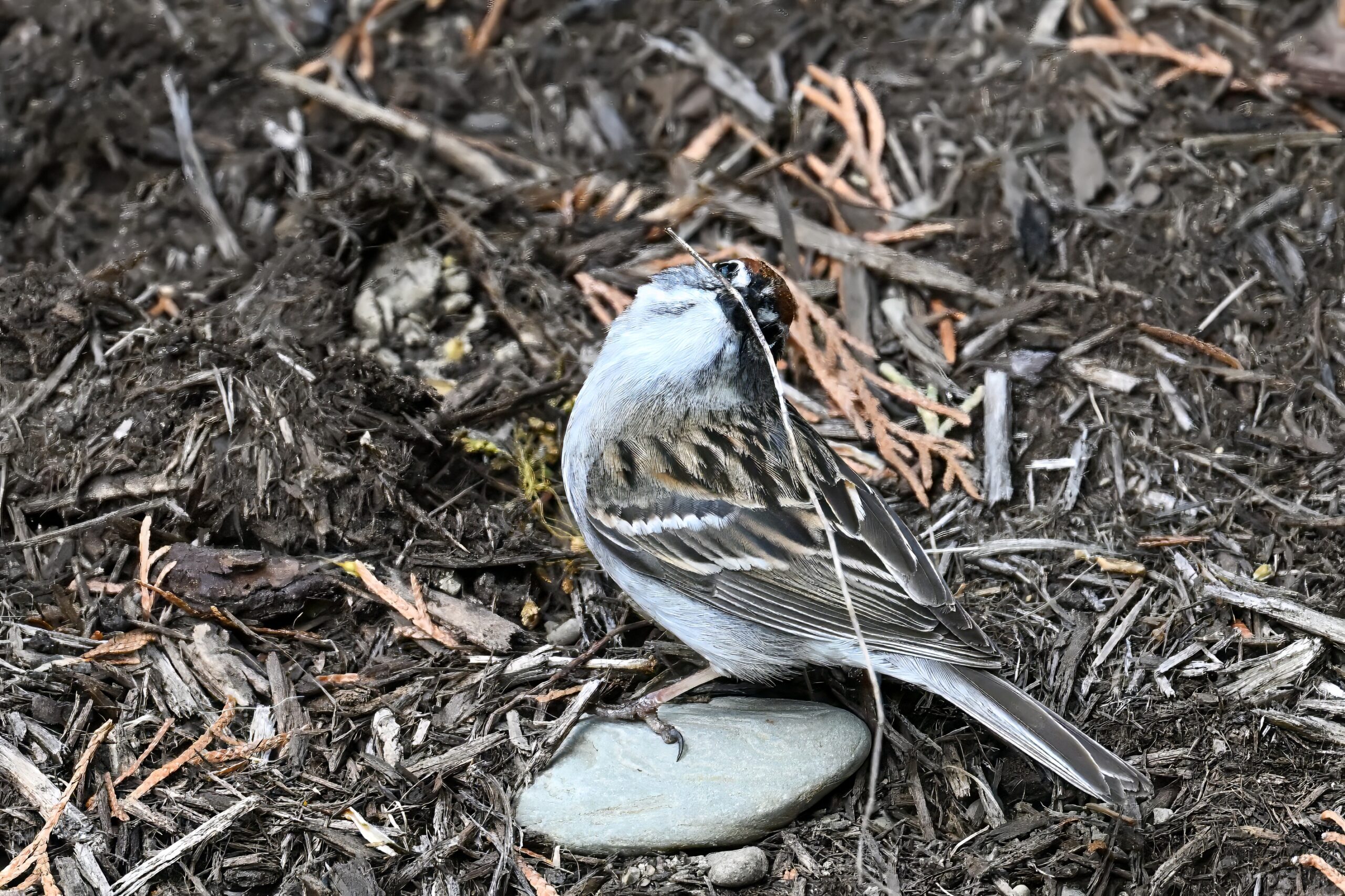
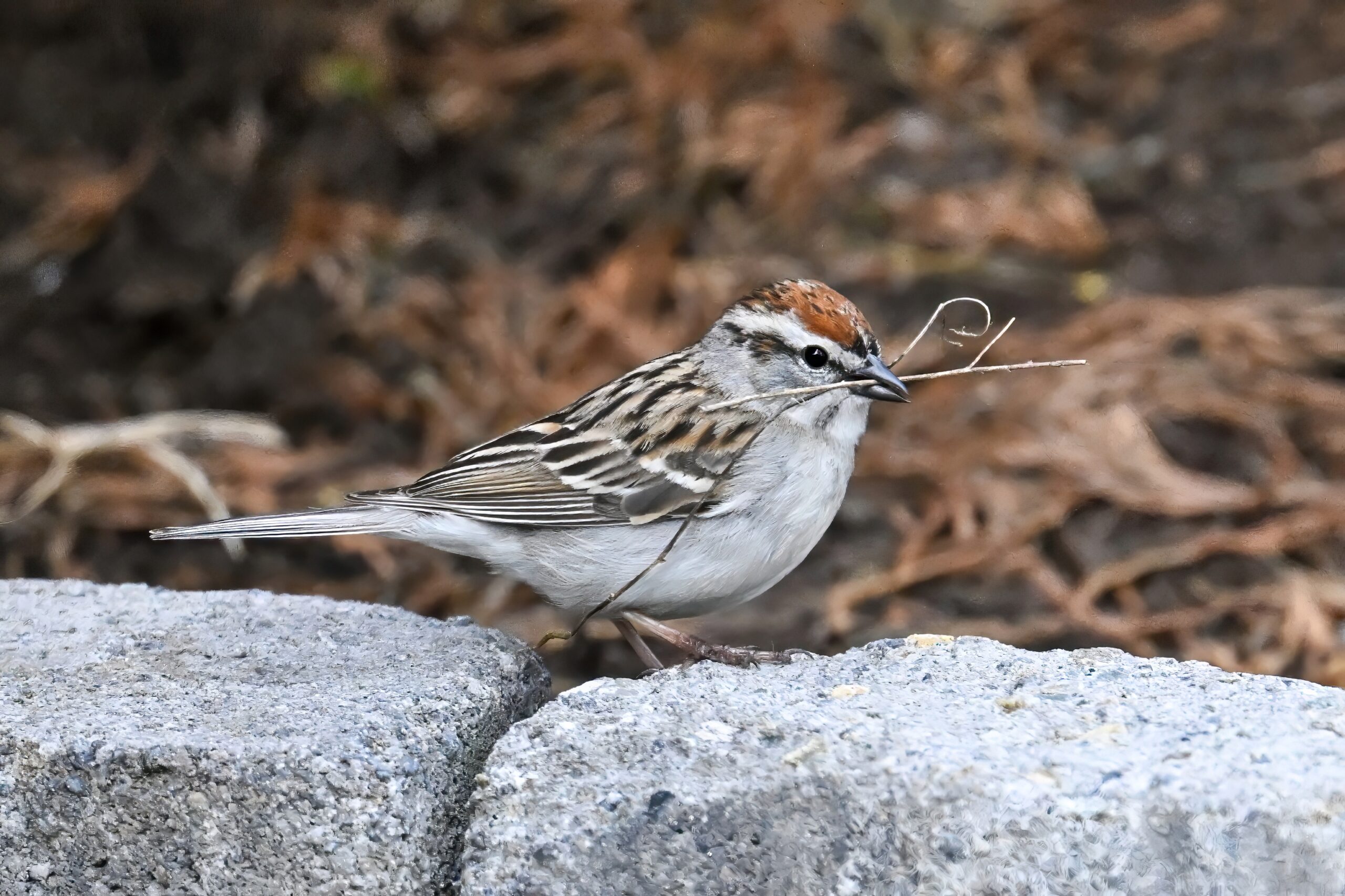
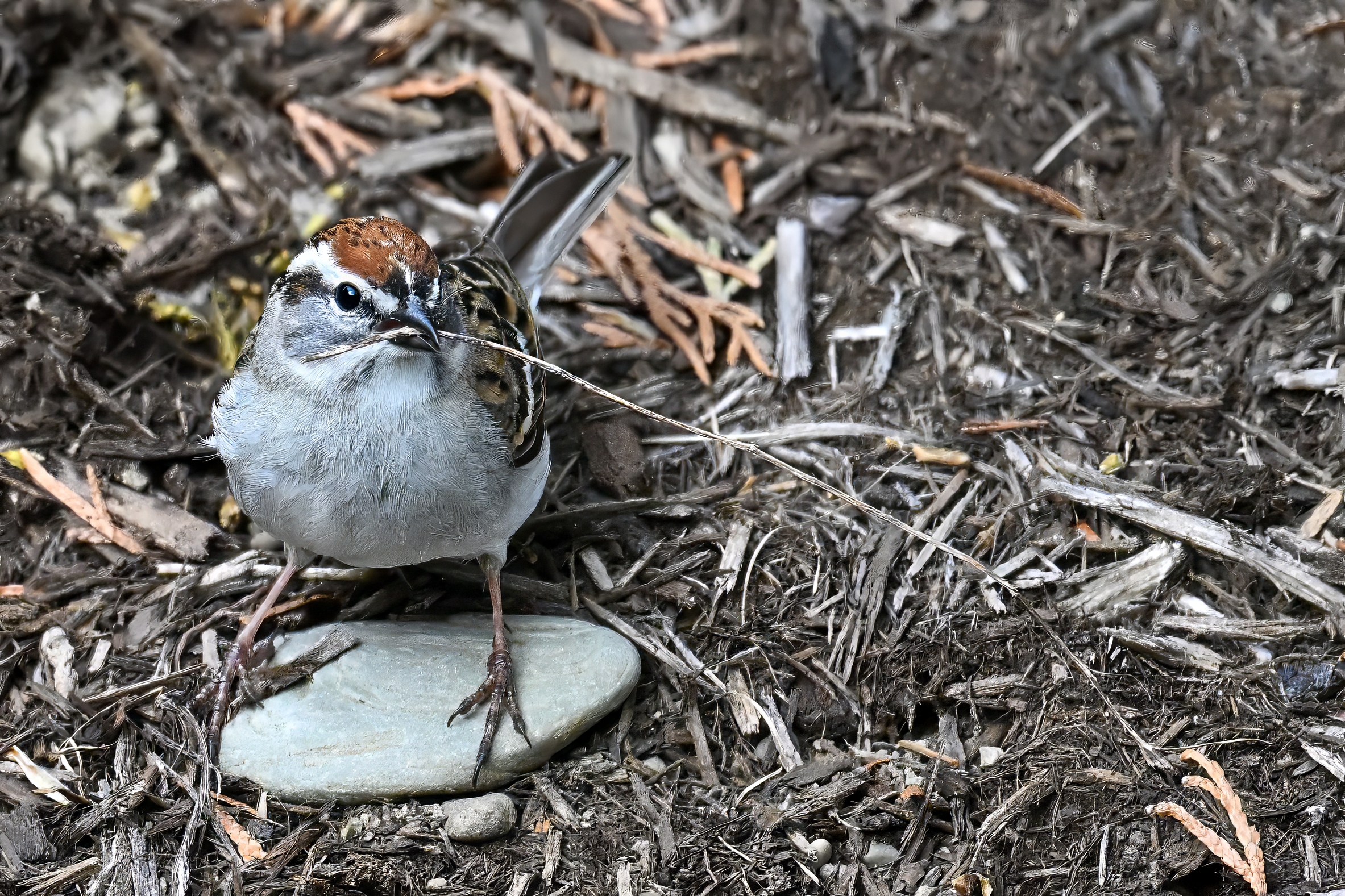
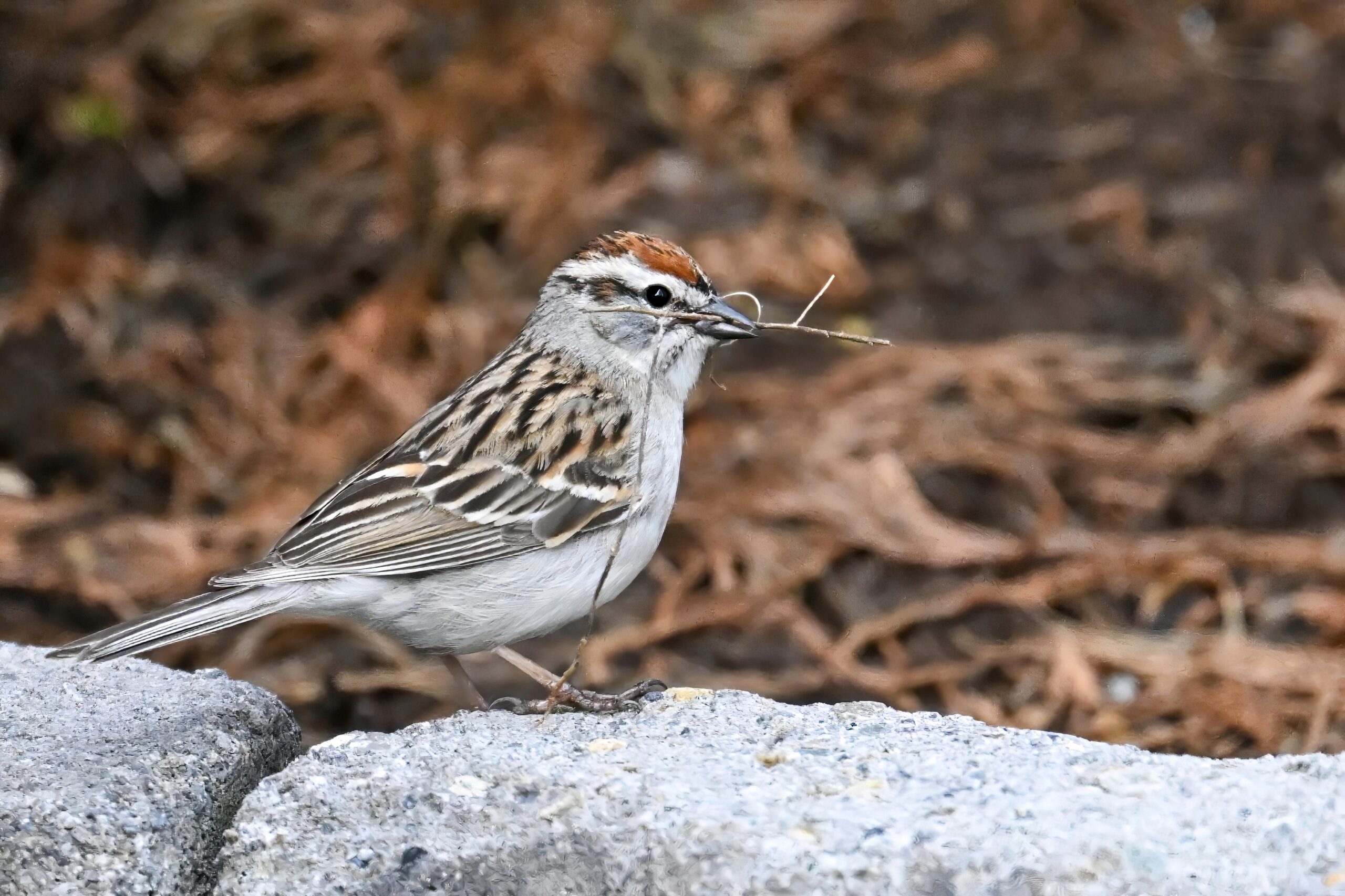
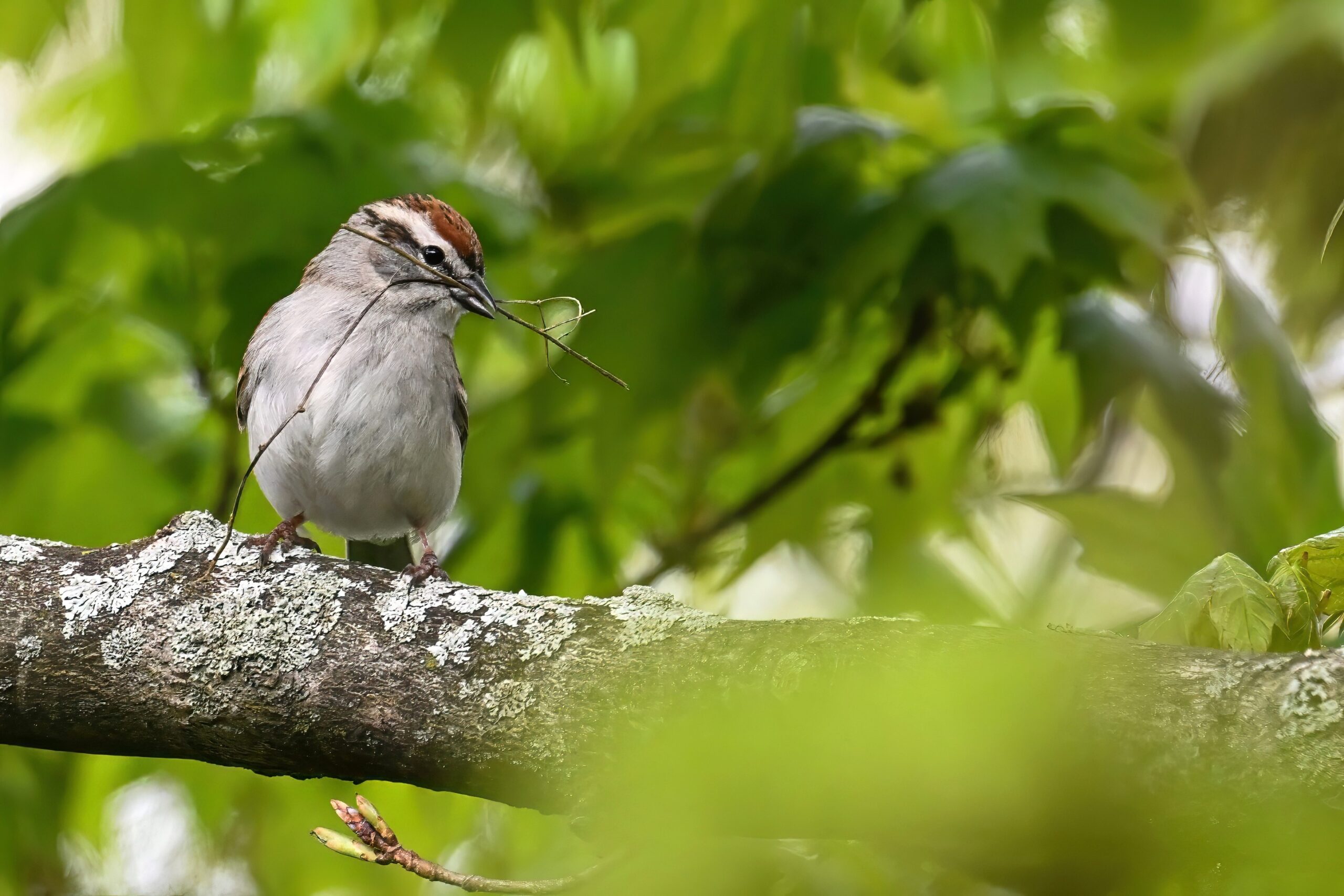
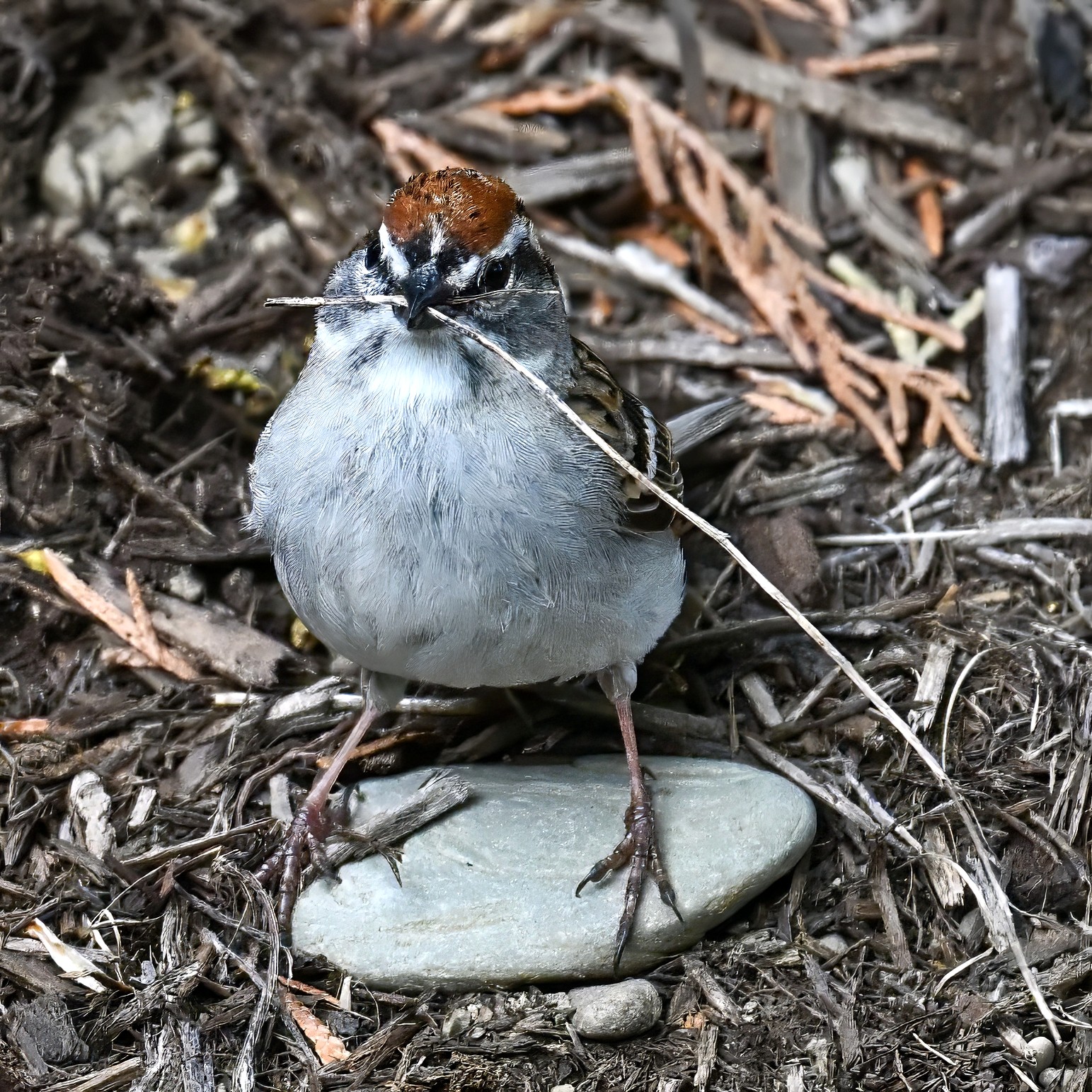
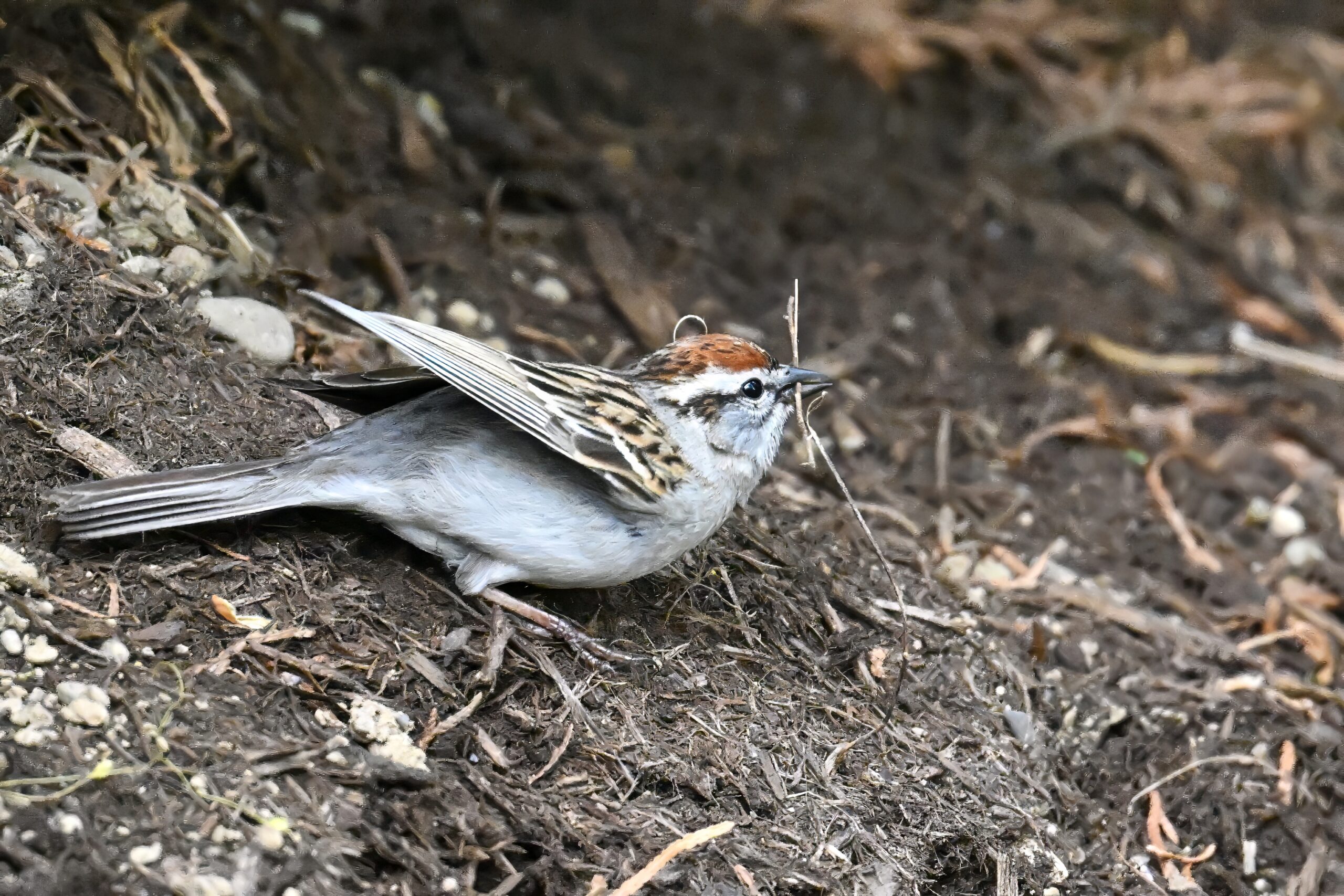
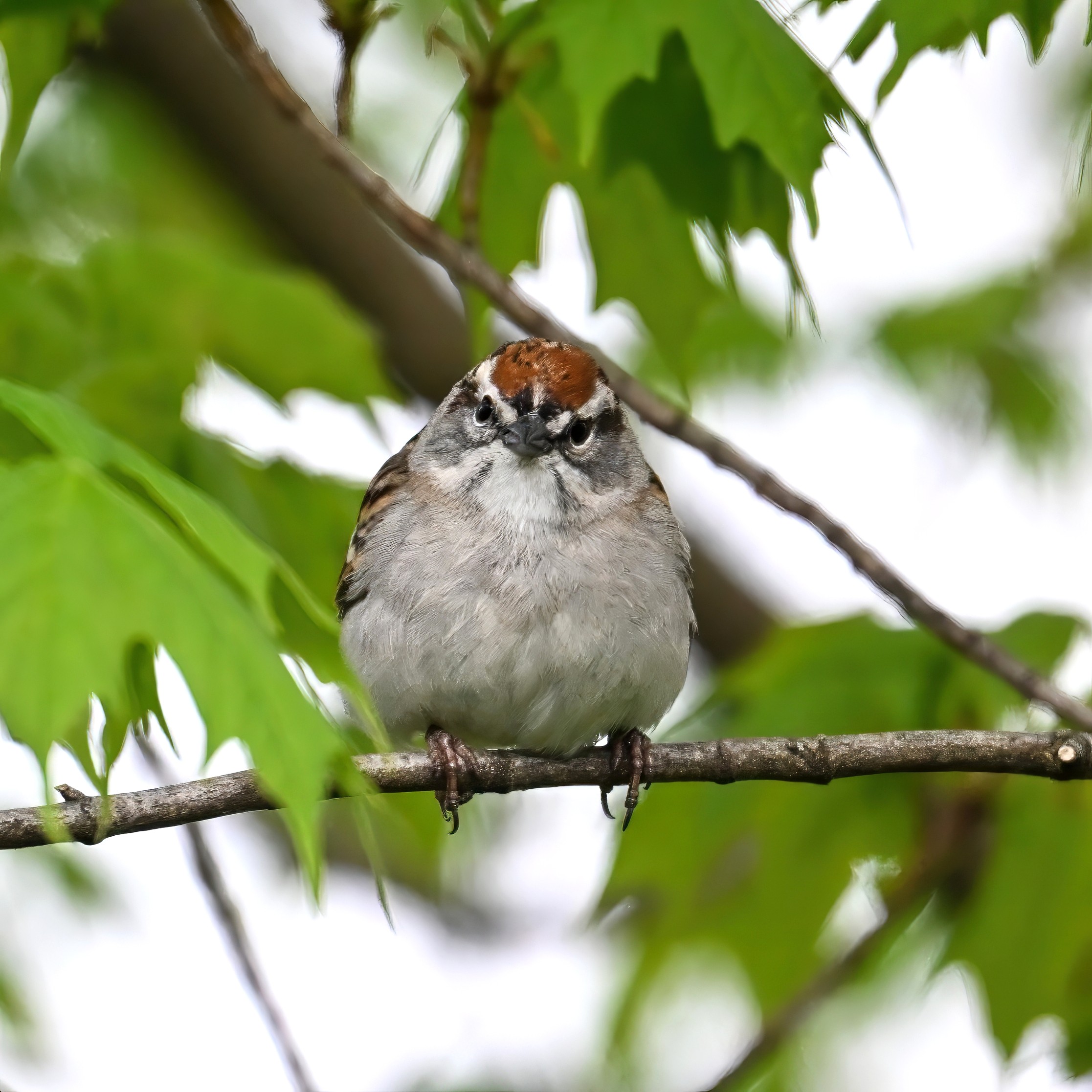
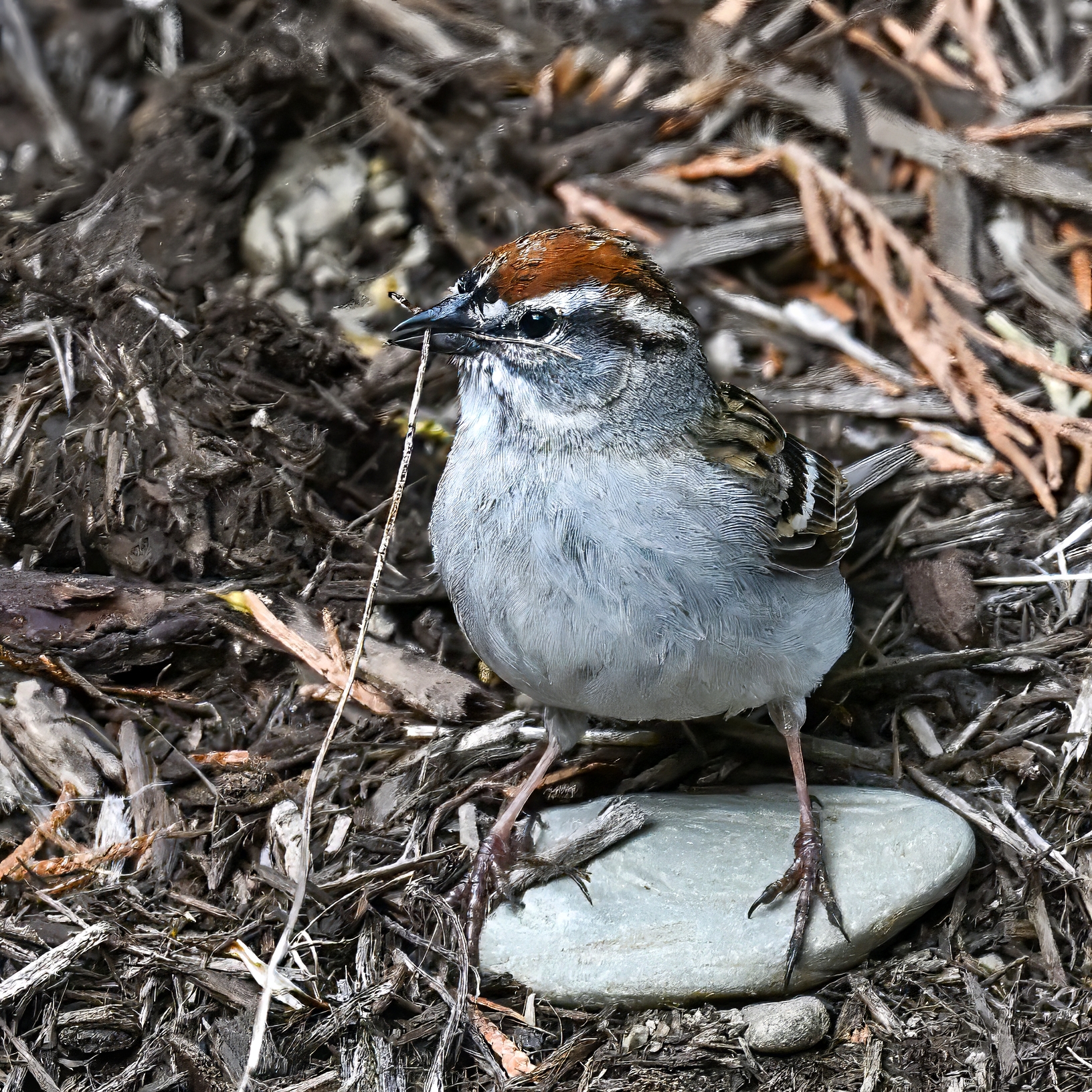
Looks like unsettled (e.g., rainy, cool) weather is forecast for Erie County, Pennsylvania today and through the weekend. Wishing everyone “happy birding!” nevertheless. Here’s a quick post of amazingly cute Chipping Sparrow chipping in for nest building, in south Millcreek Twp (“Since 1800”):
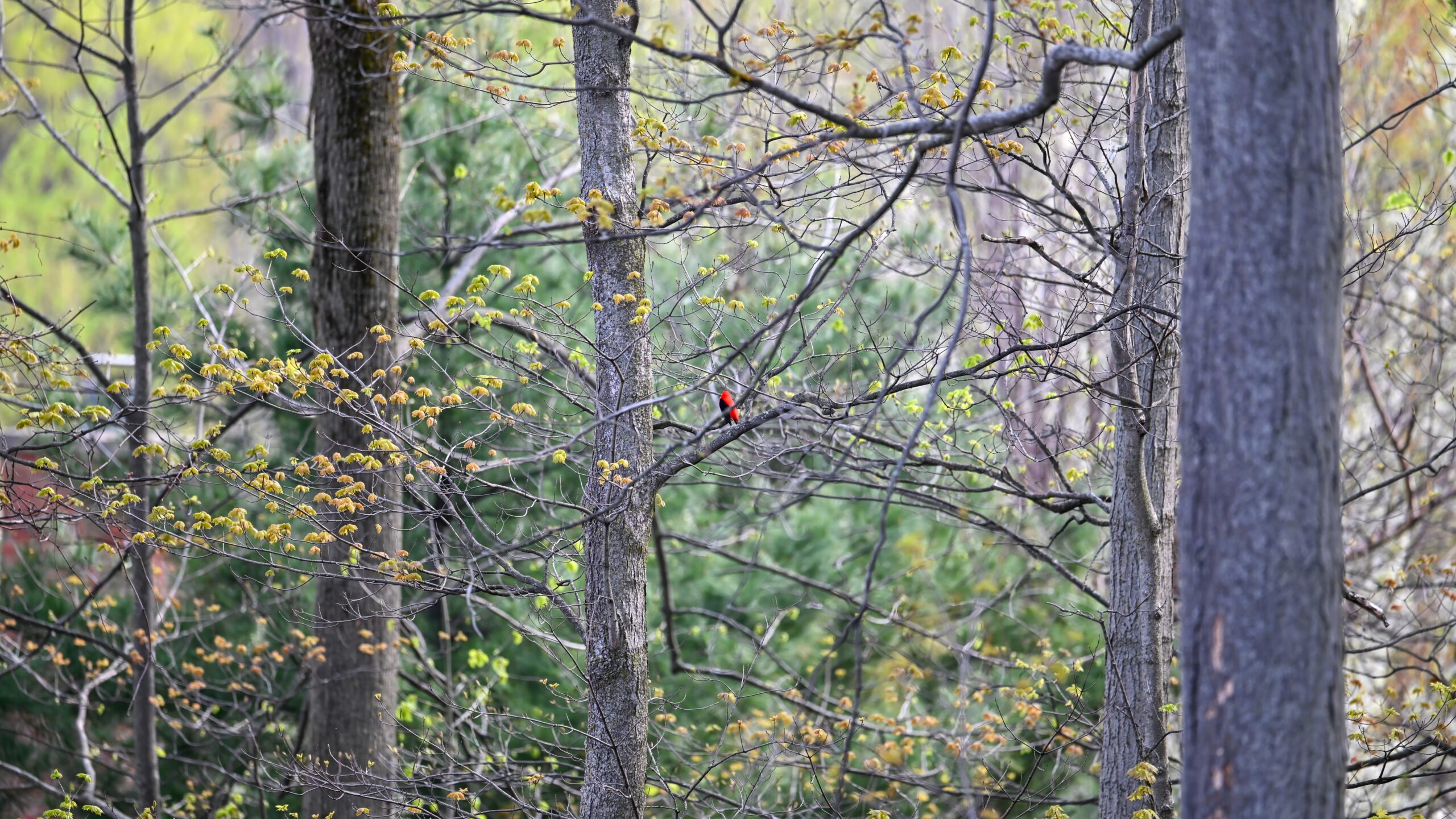
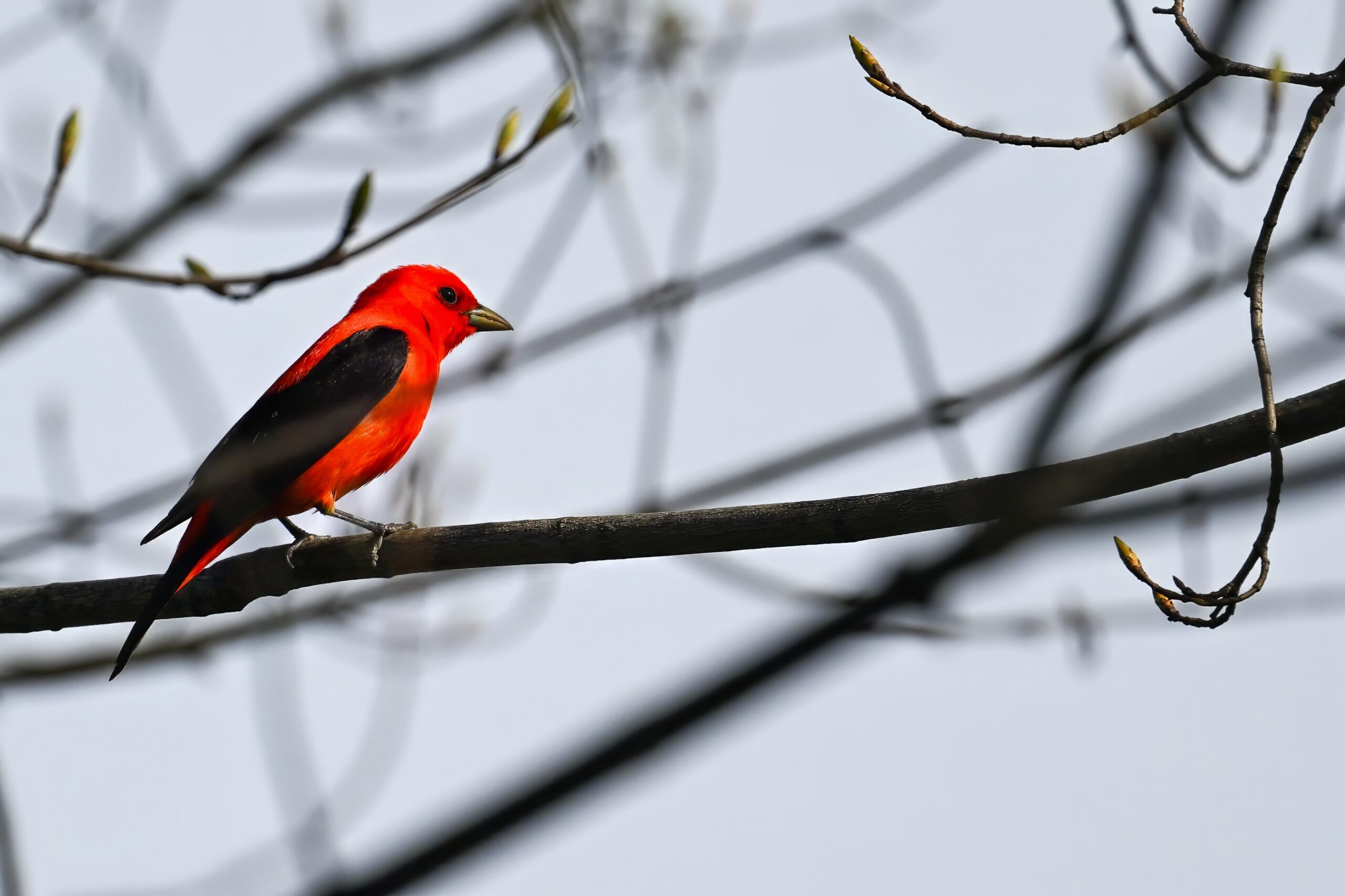
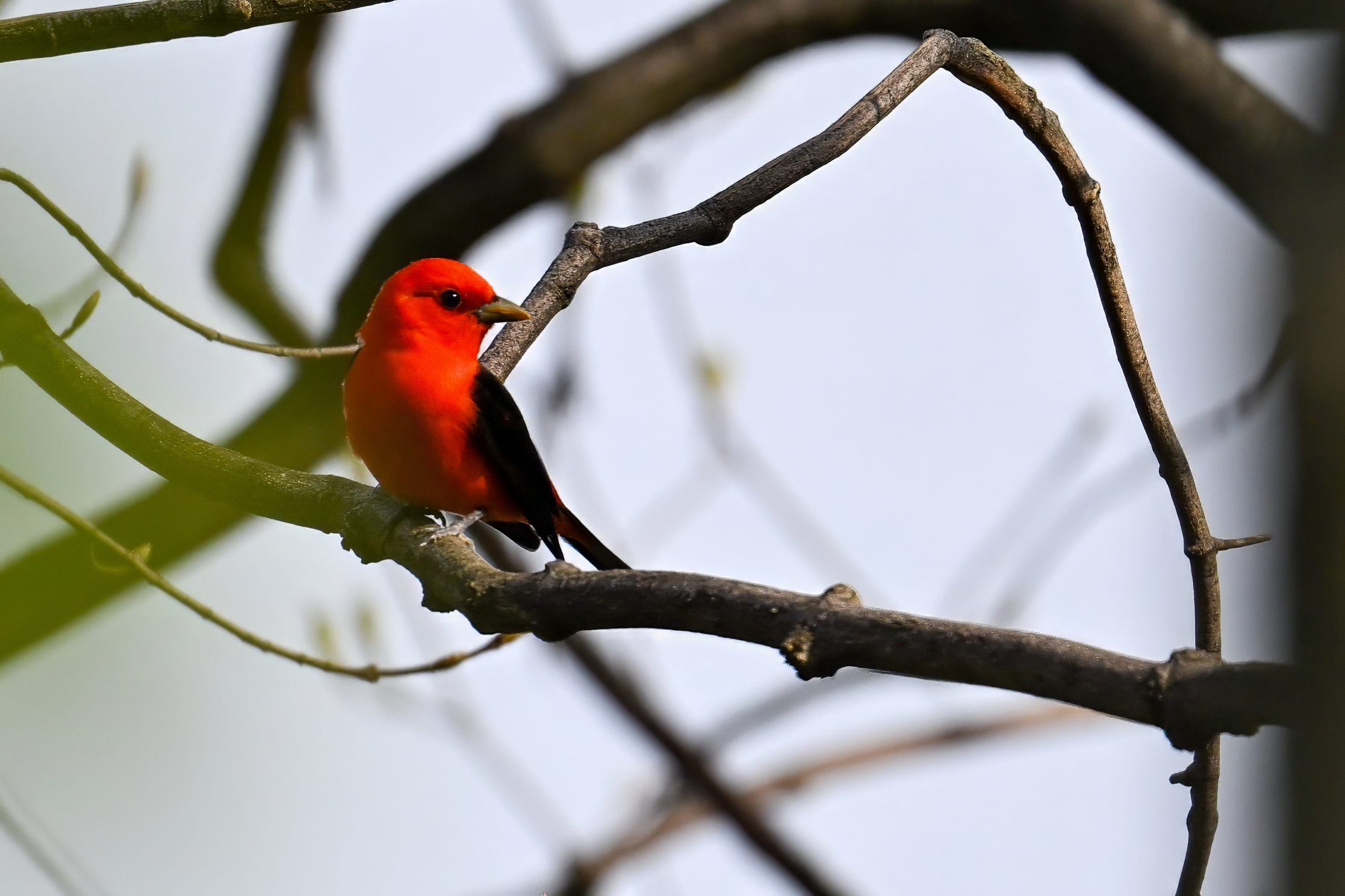
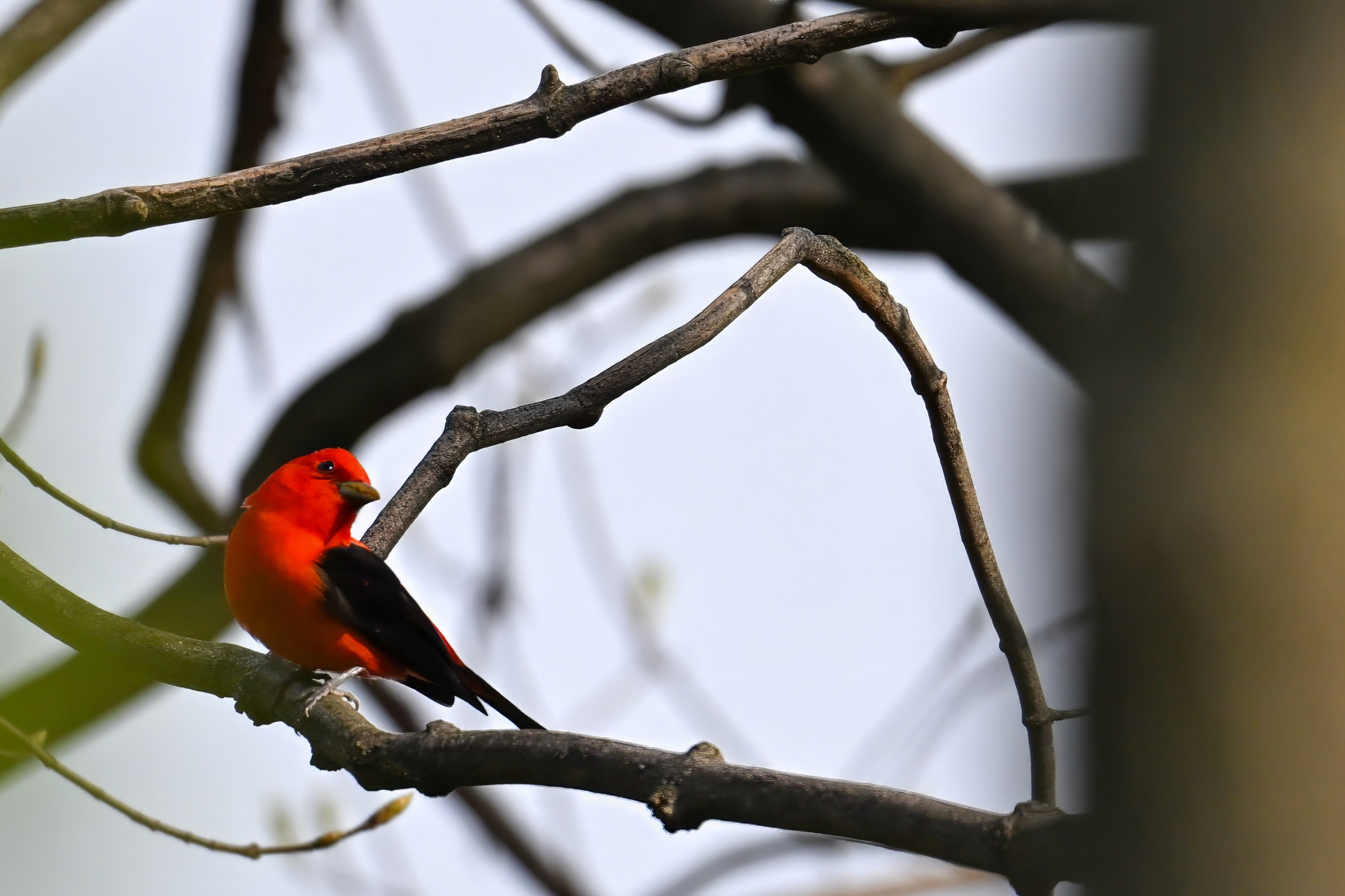
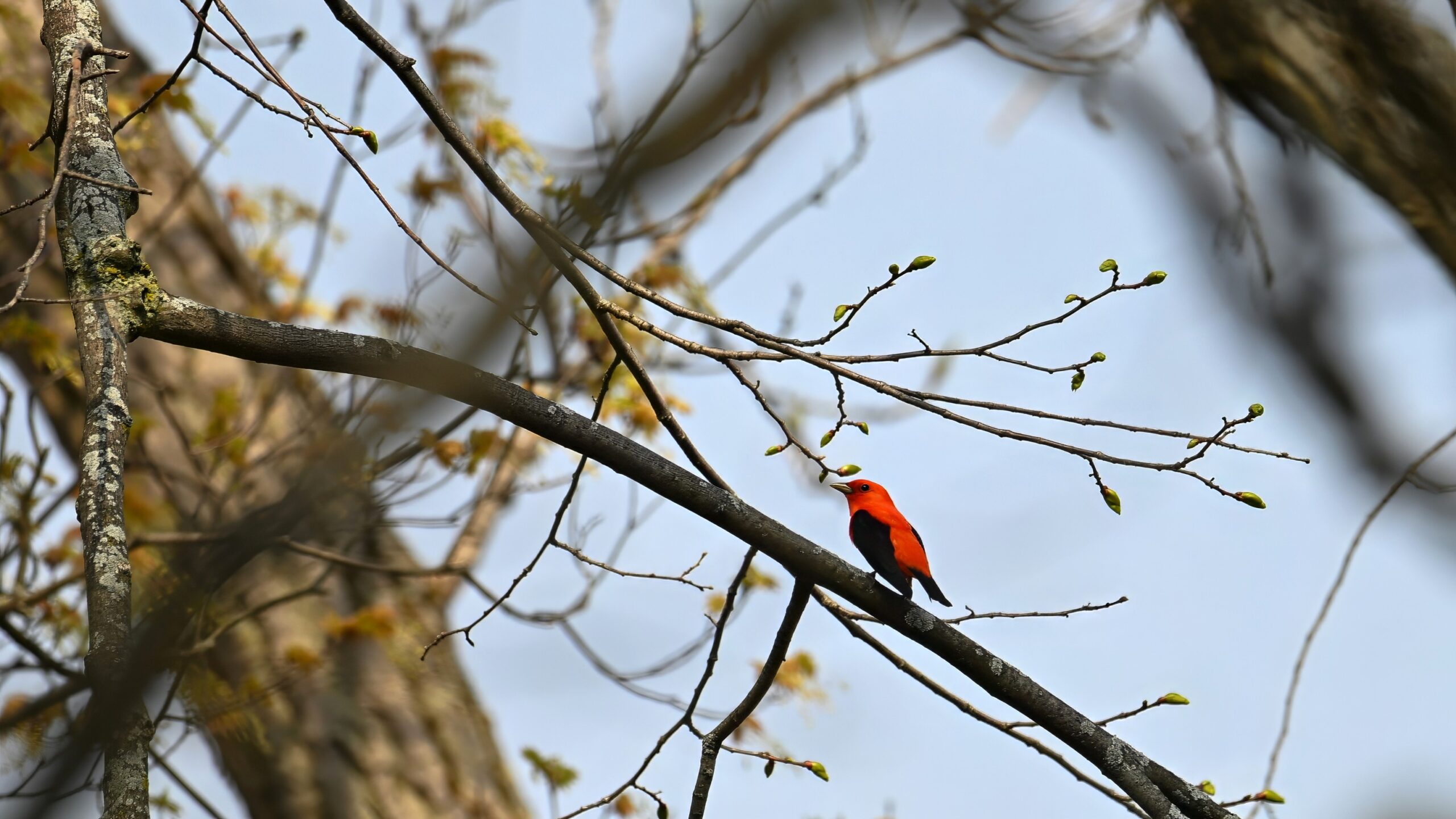
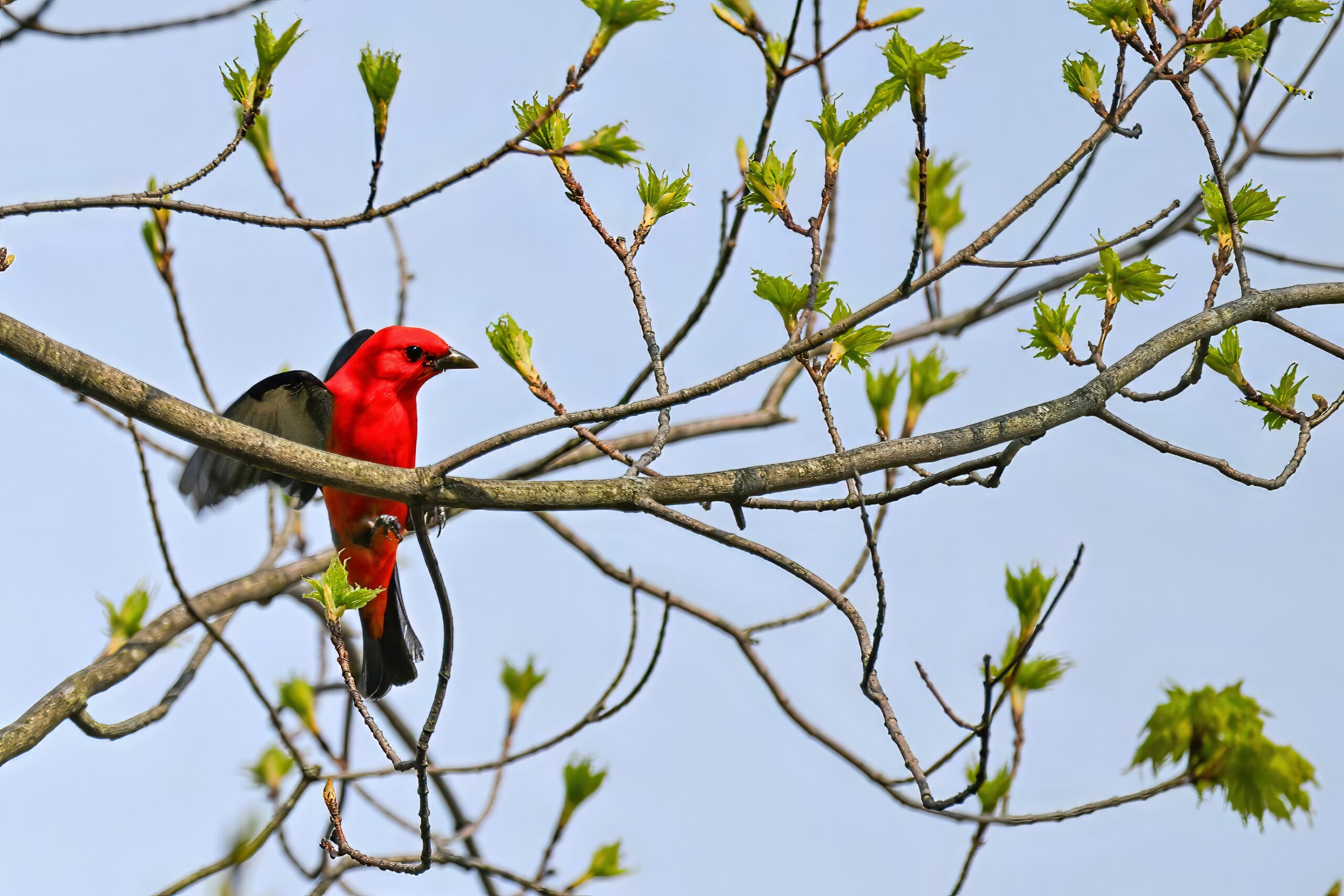
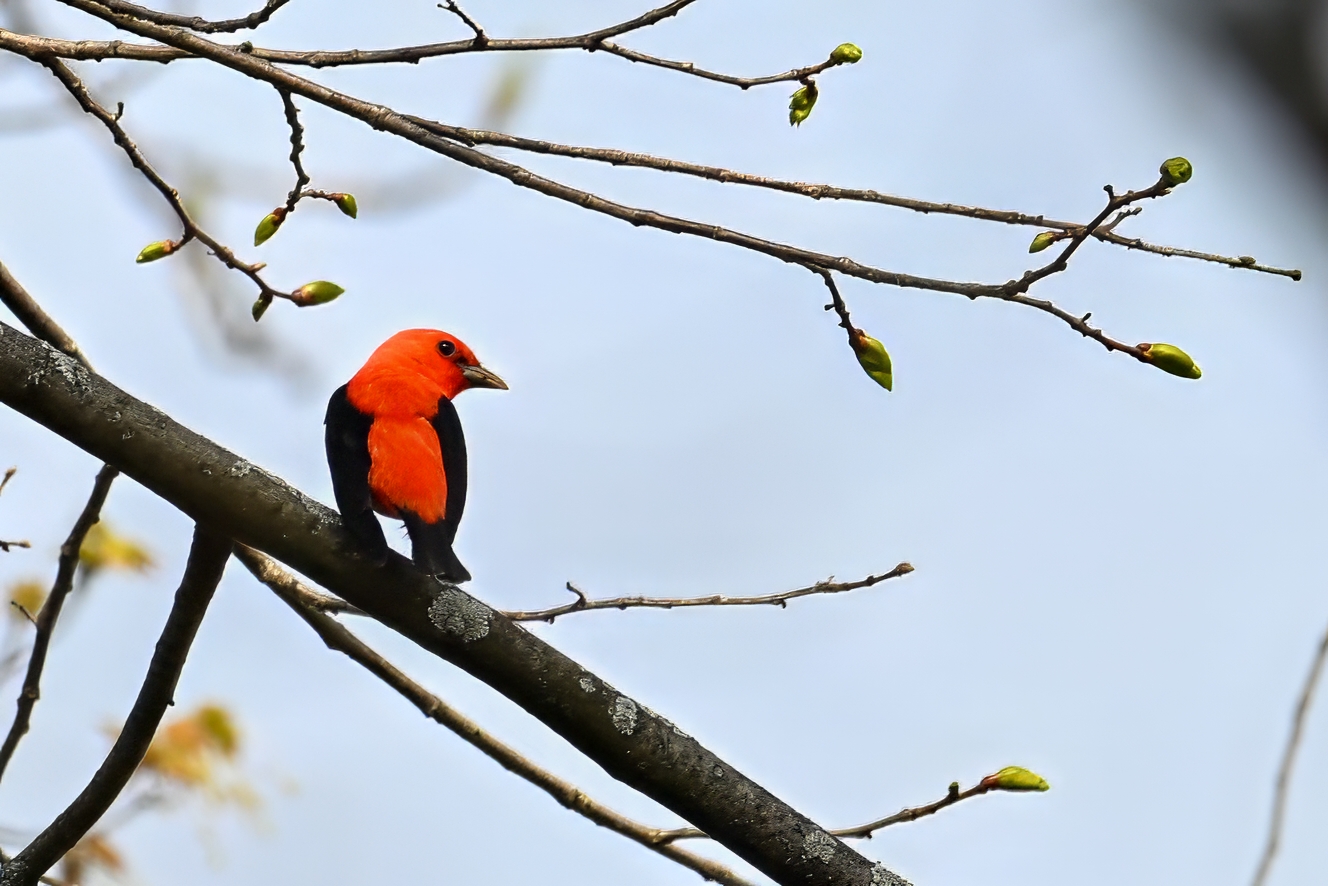
Celebrating May 1st & the return of Scarlet Tanager to Erie County, Pennsylvania the other day with photos of, well, male Scarlet Tanager. Somehow, it’s always a surprise to see this beautiful bird – they’re really, really red!
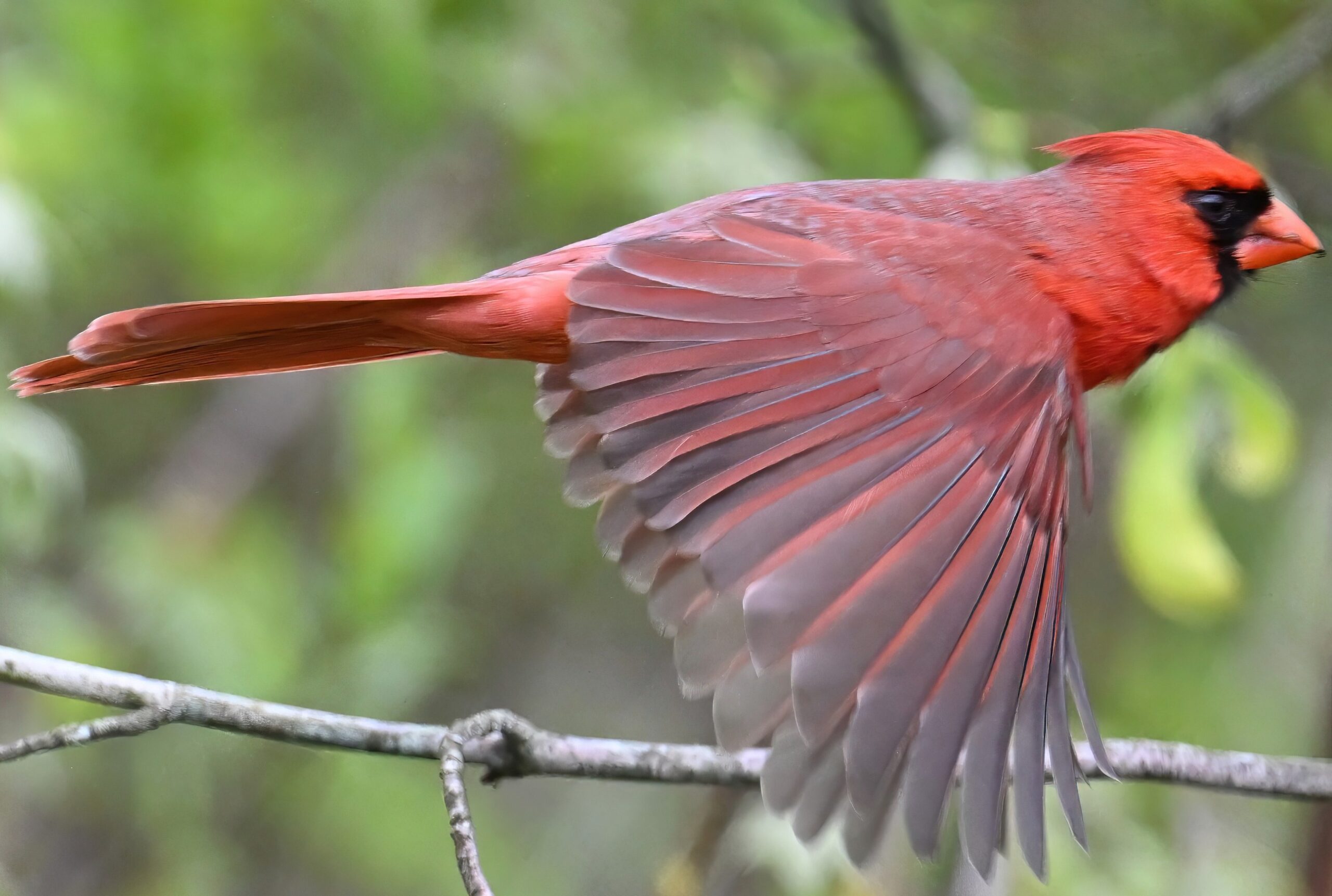
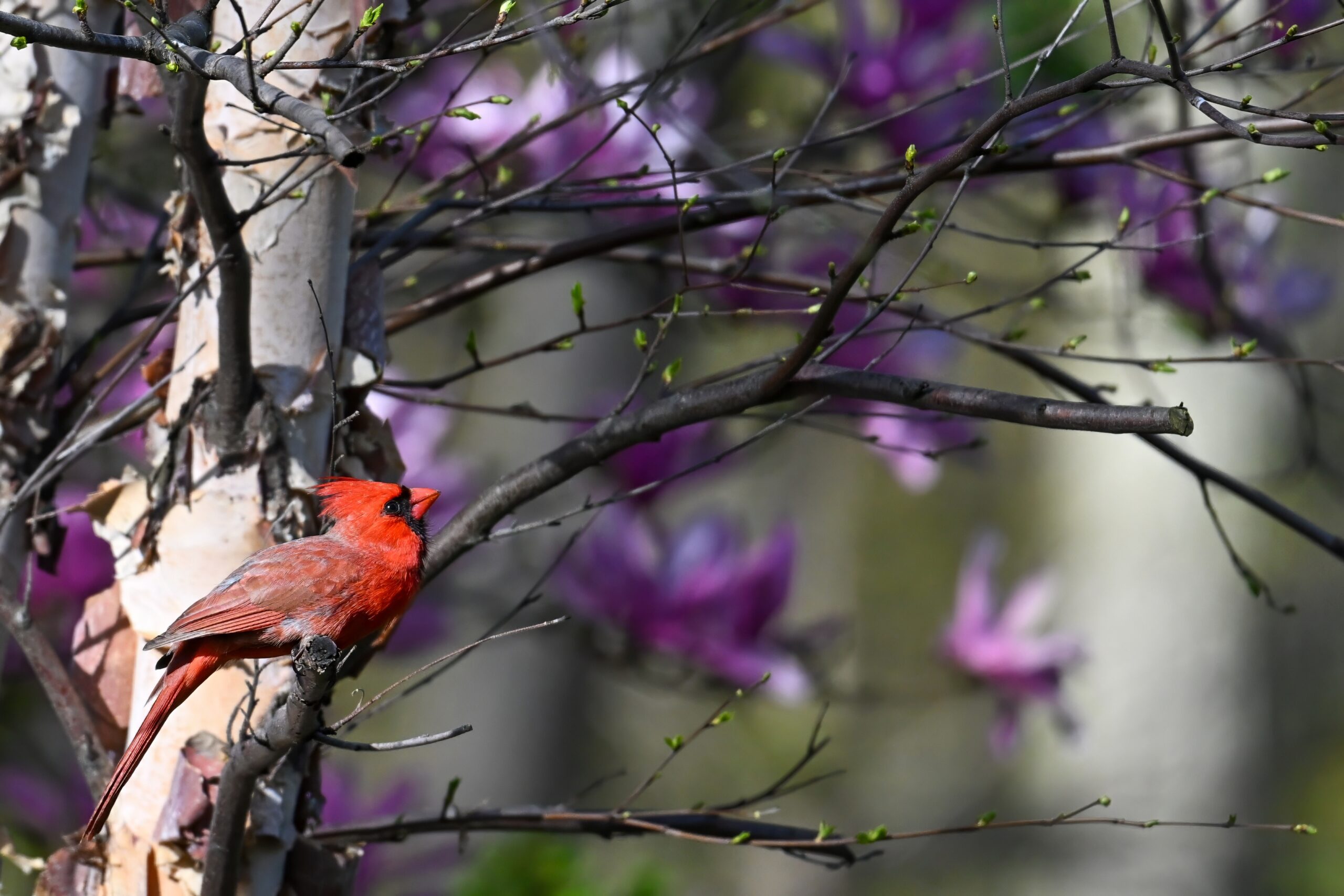
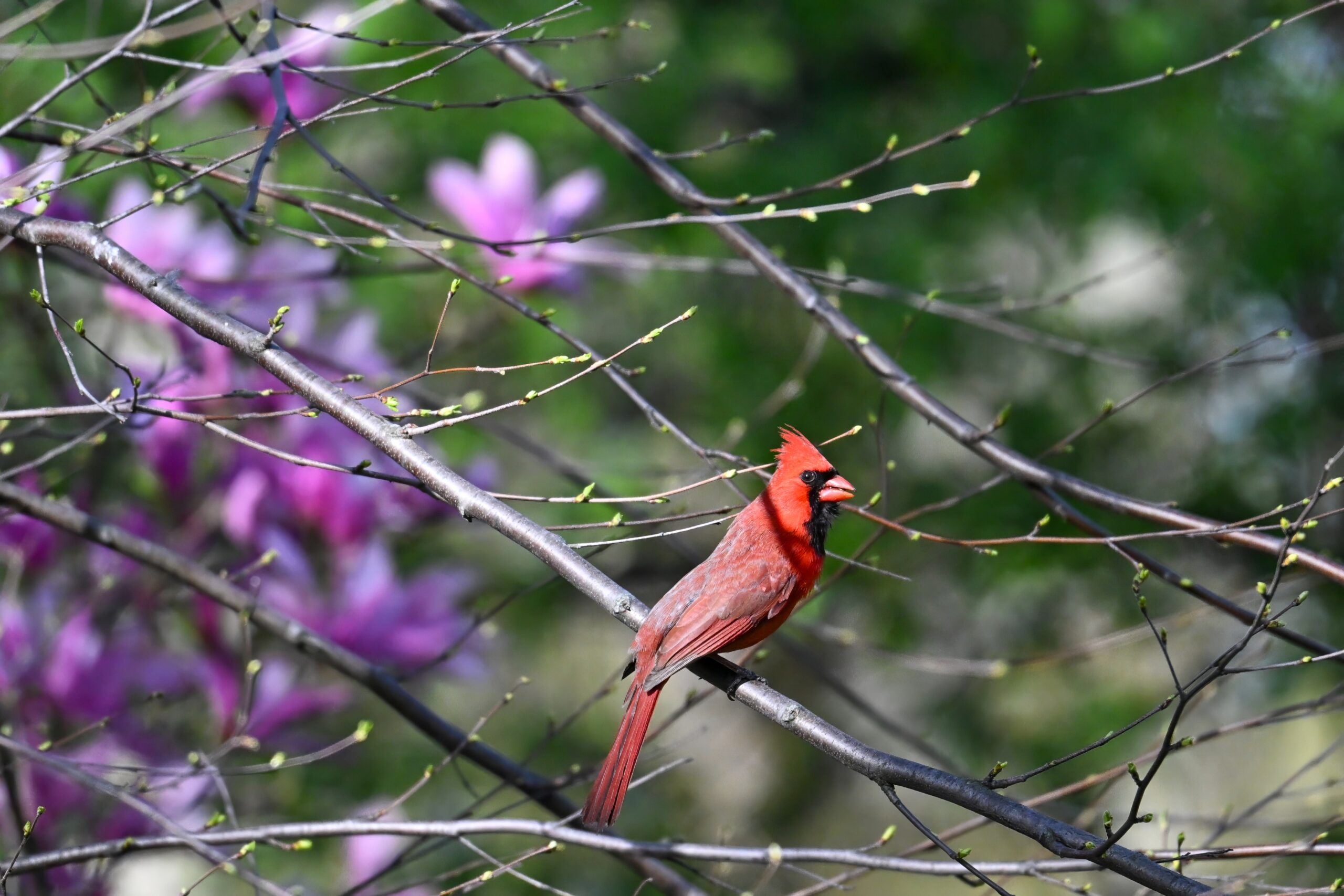
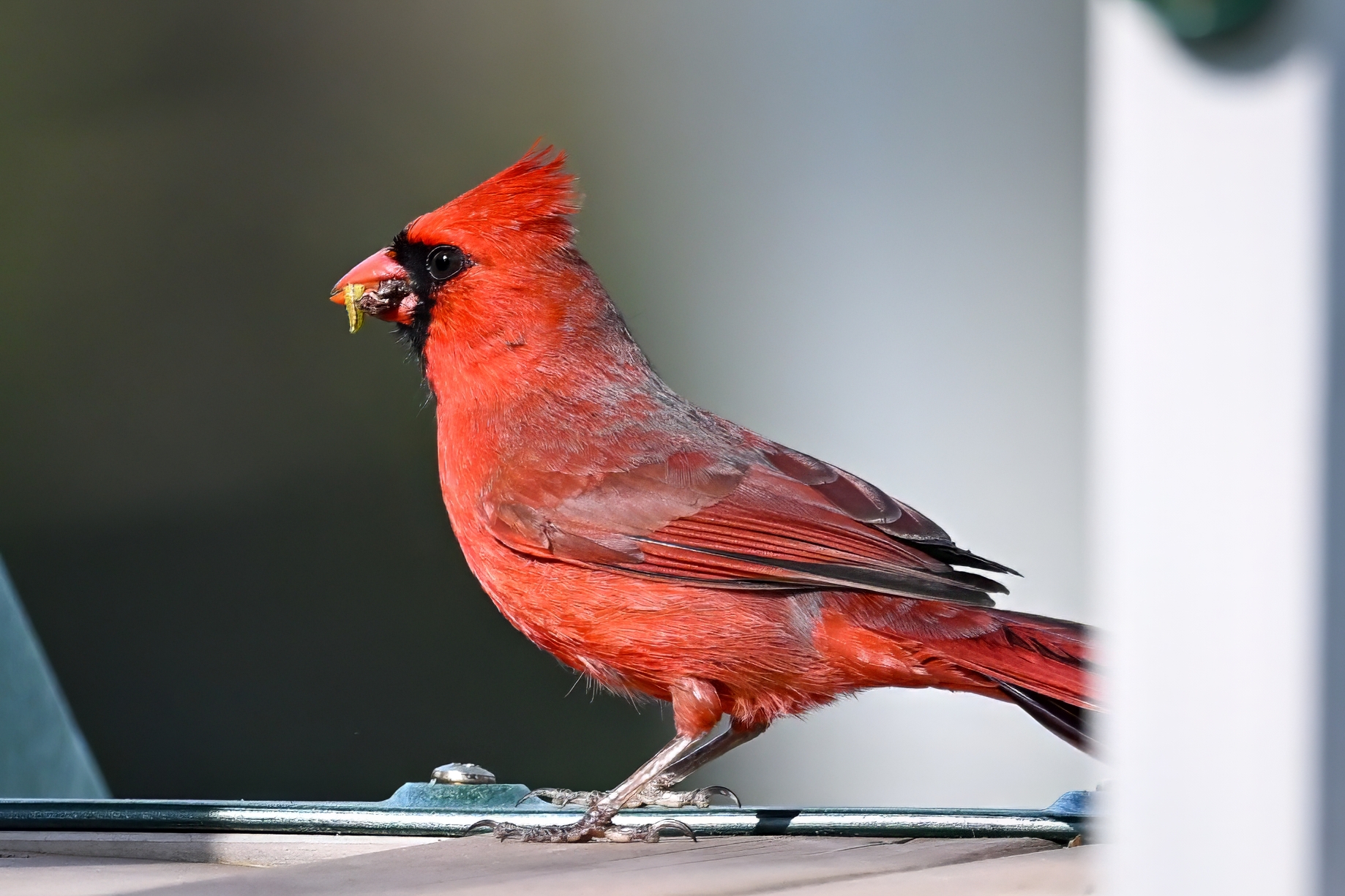
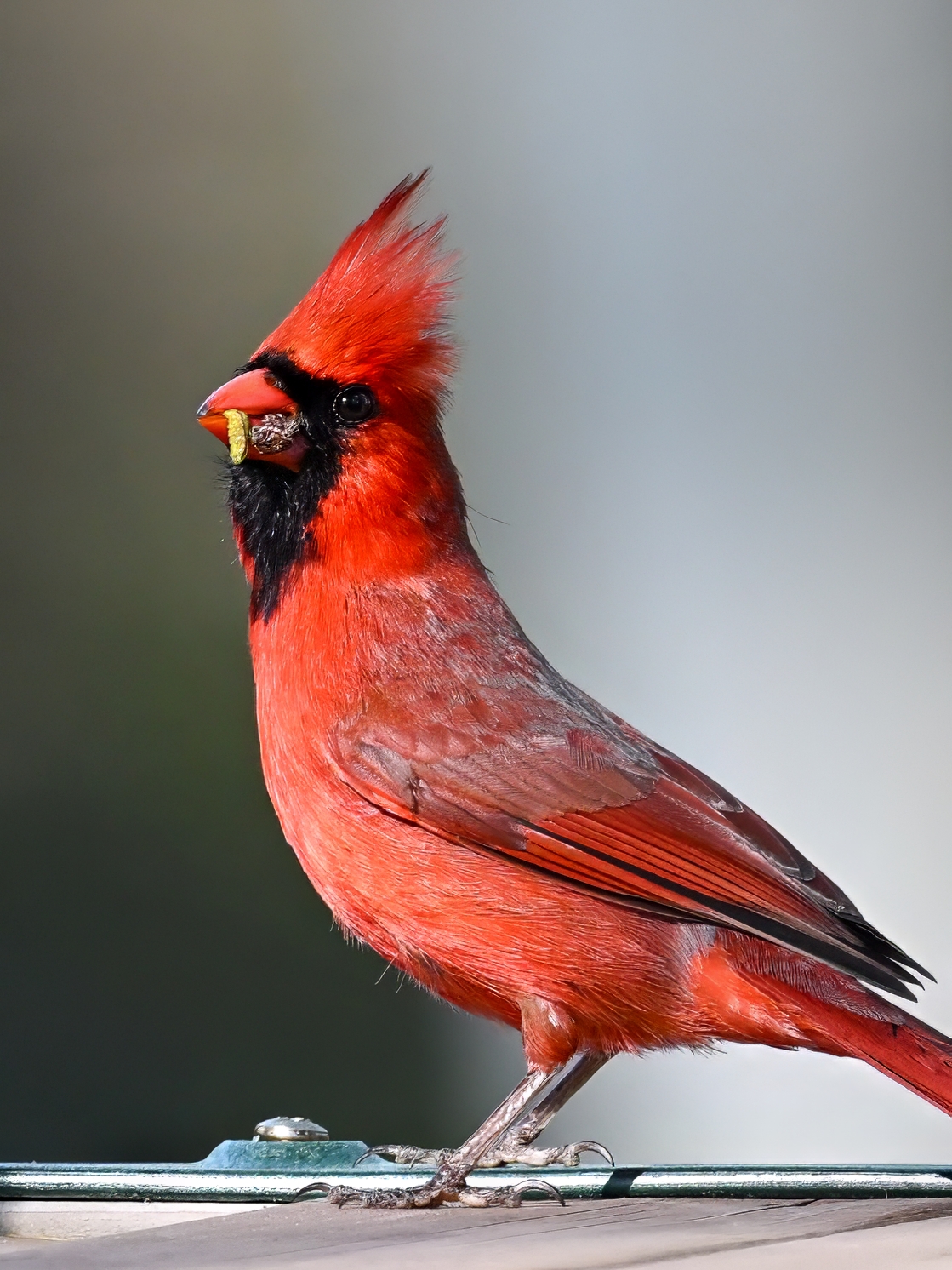
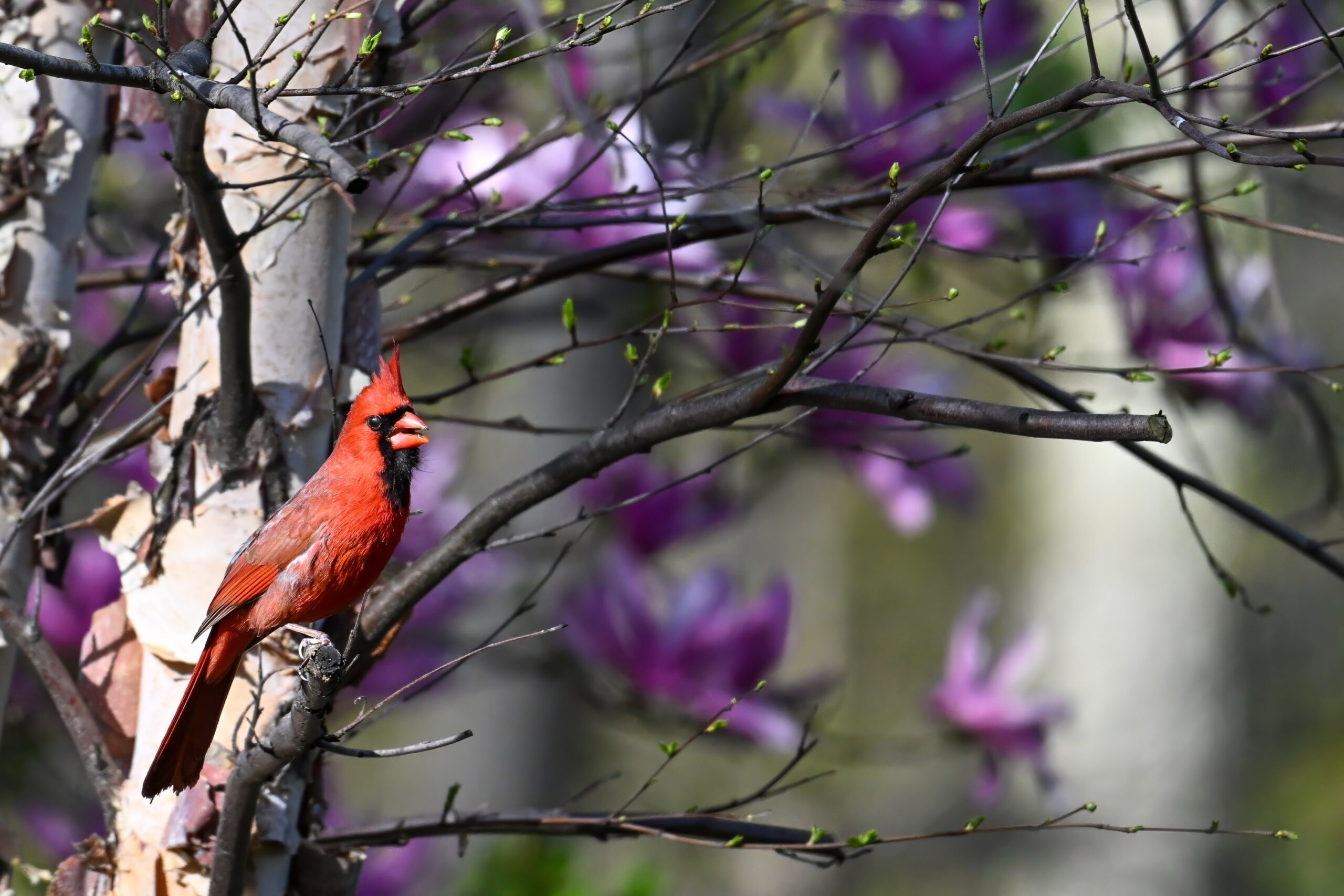
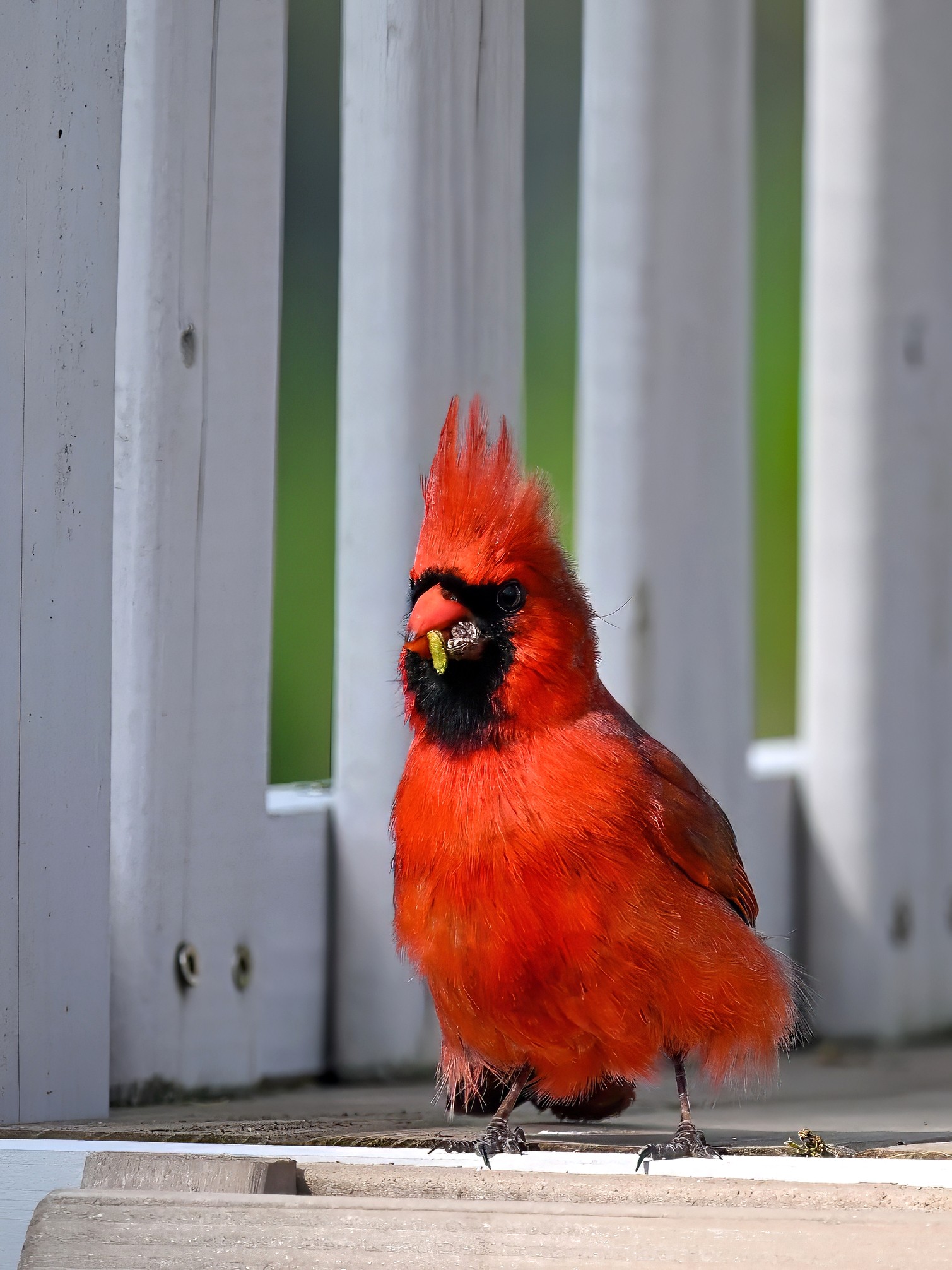
And another, more common ‘really red’ bird, the male Northern Cardinal: