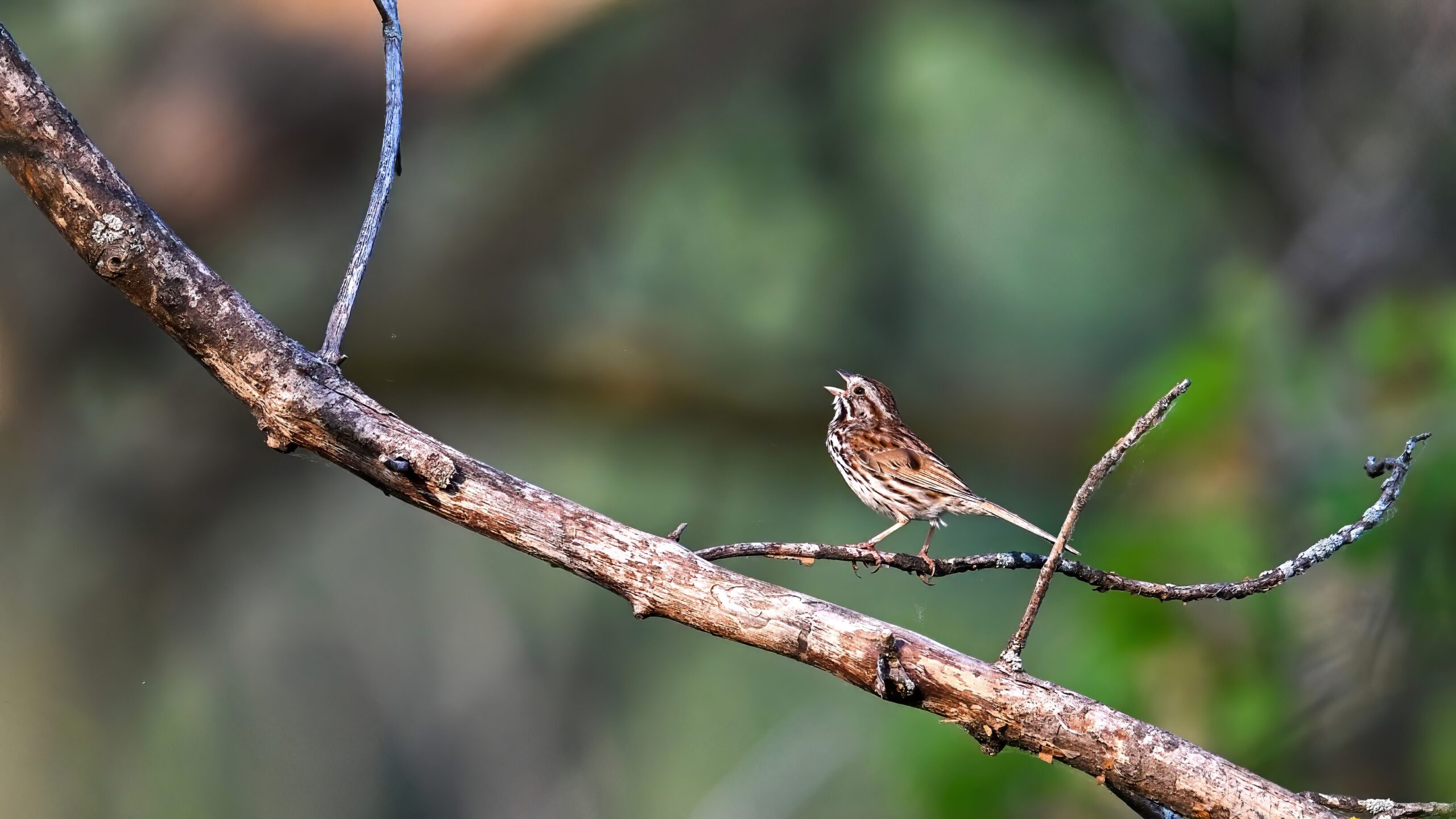
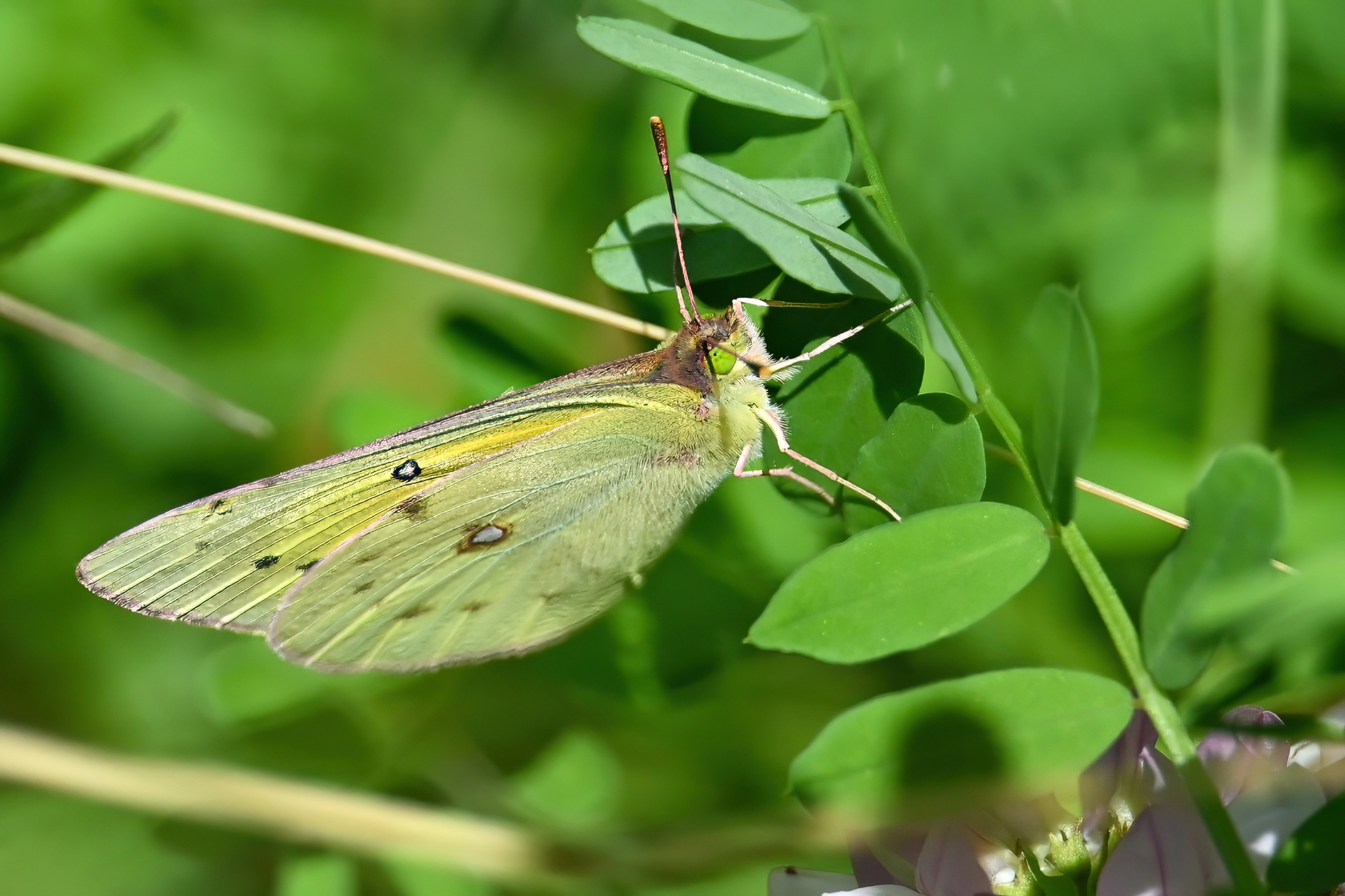
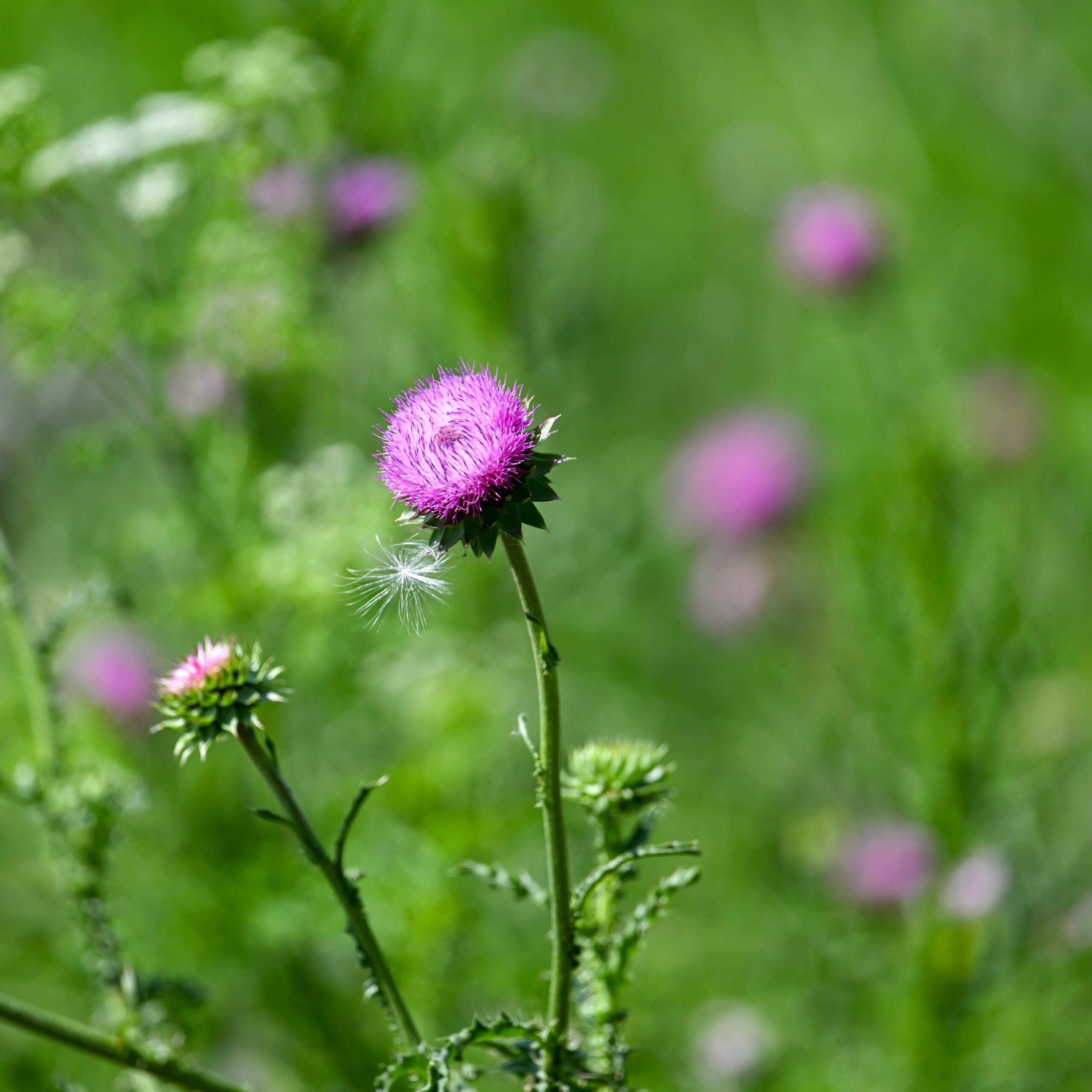
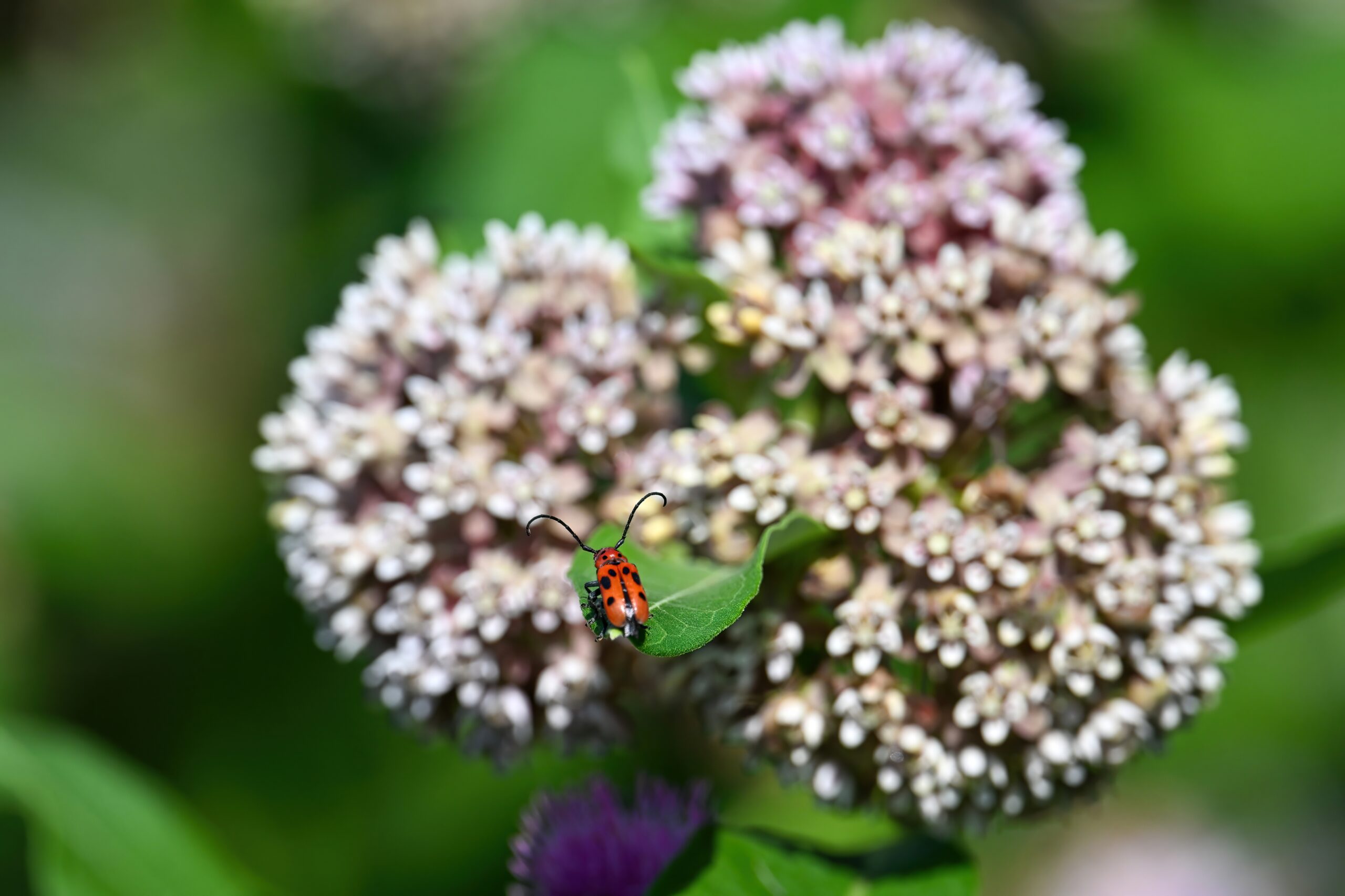
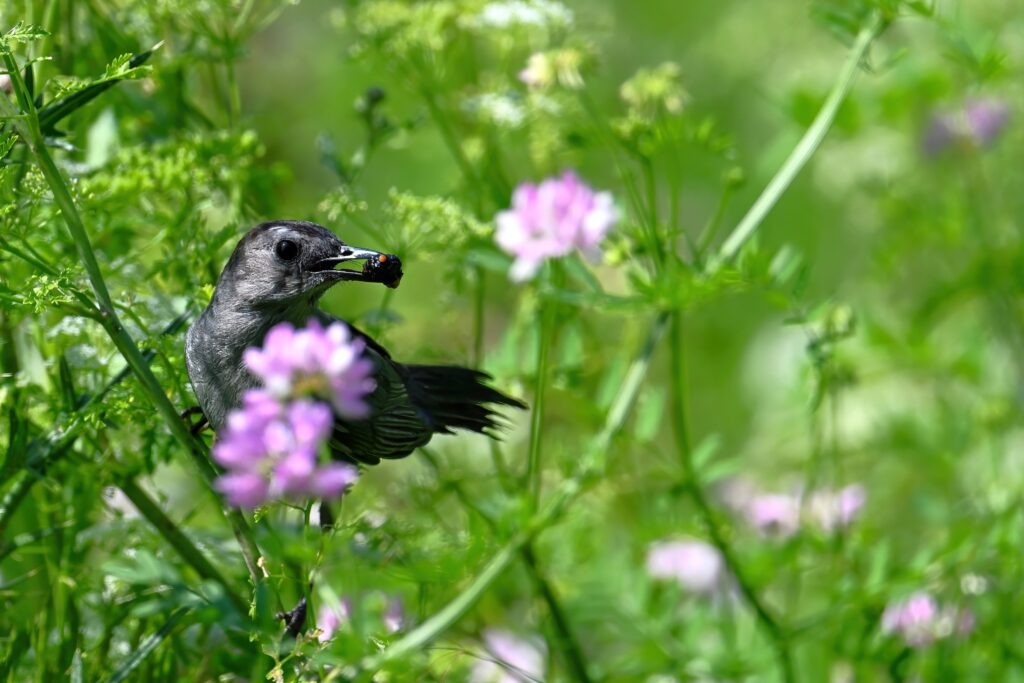
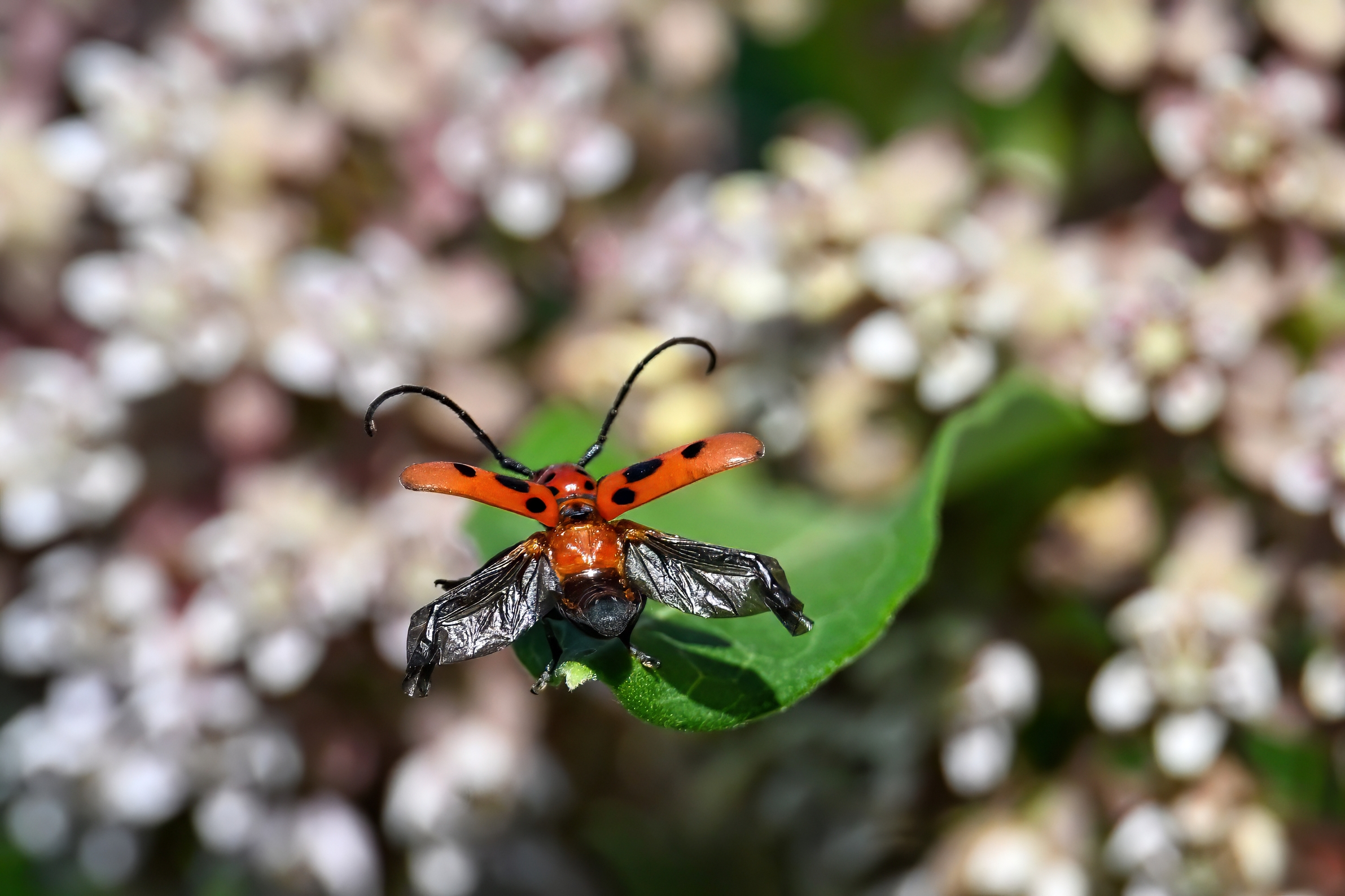
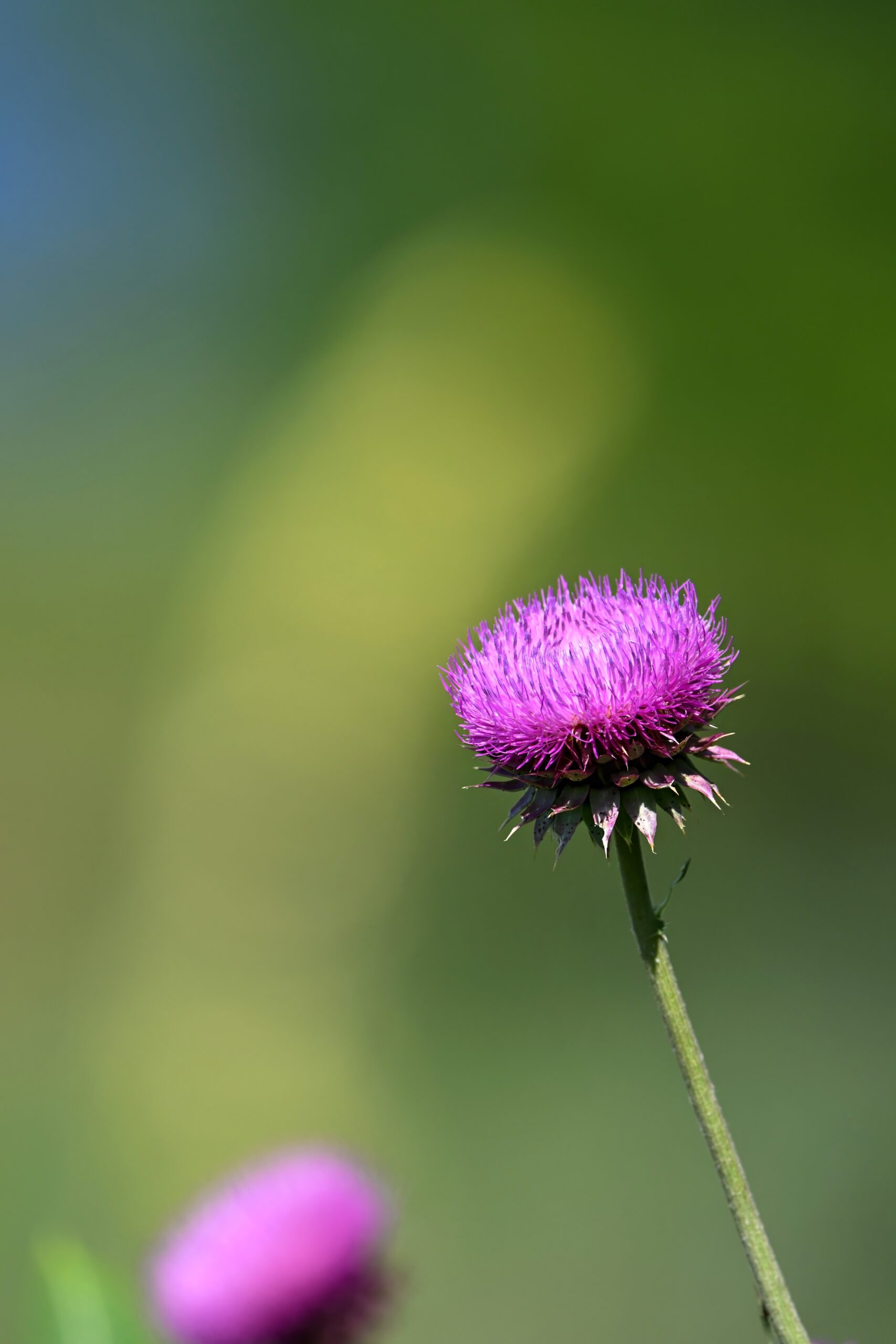
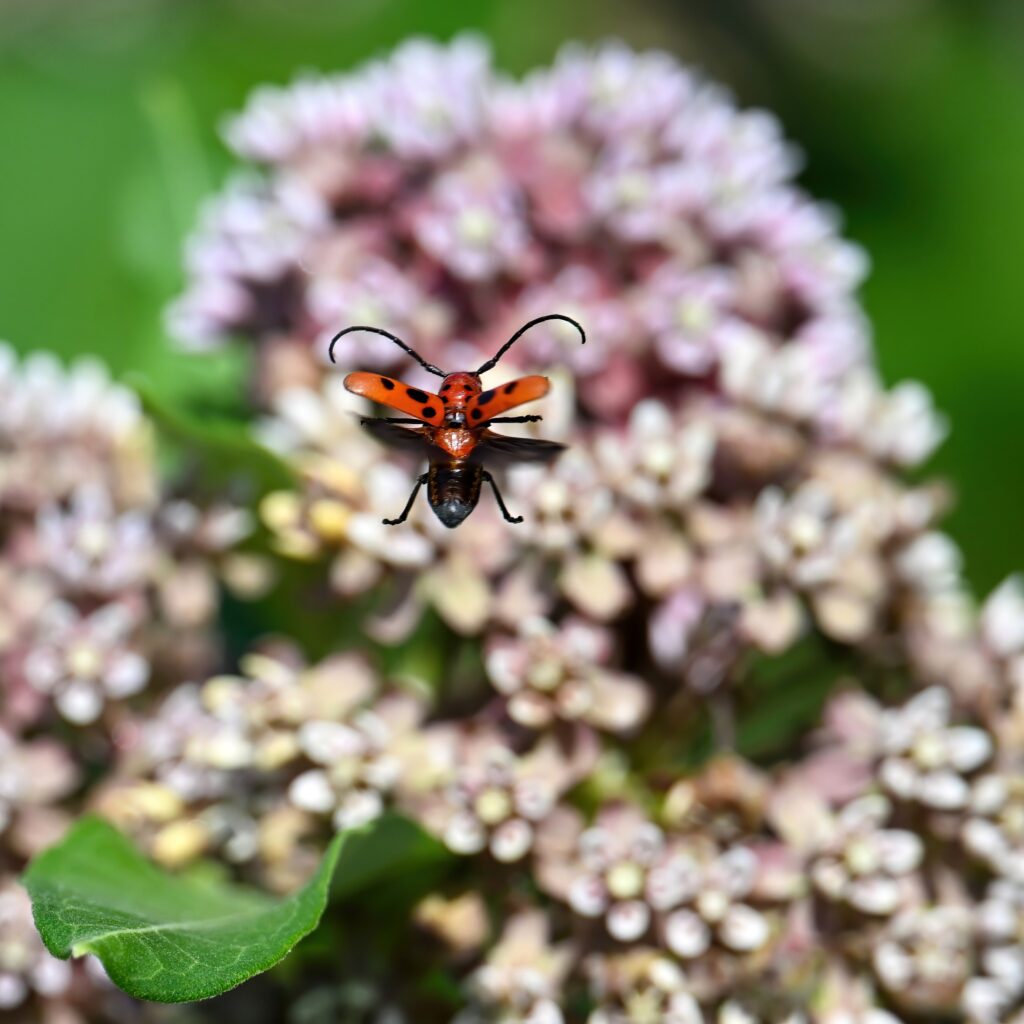
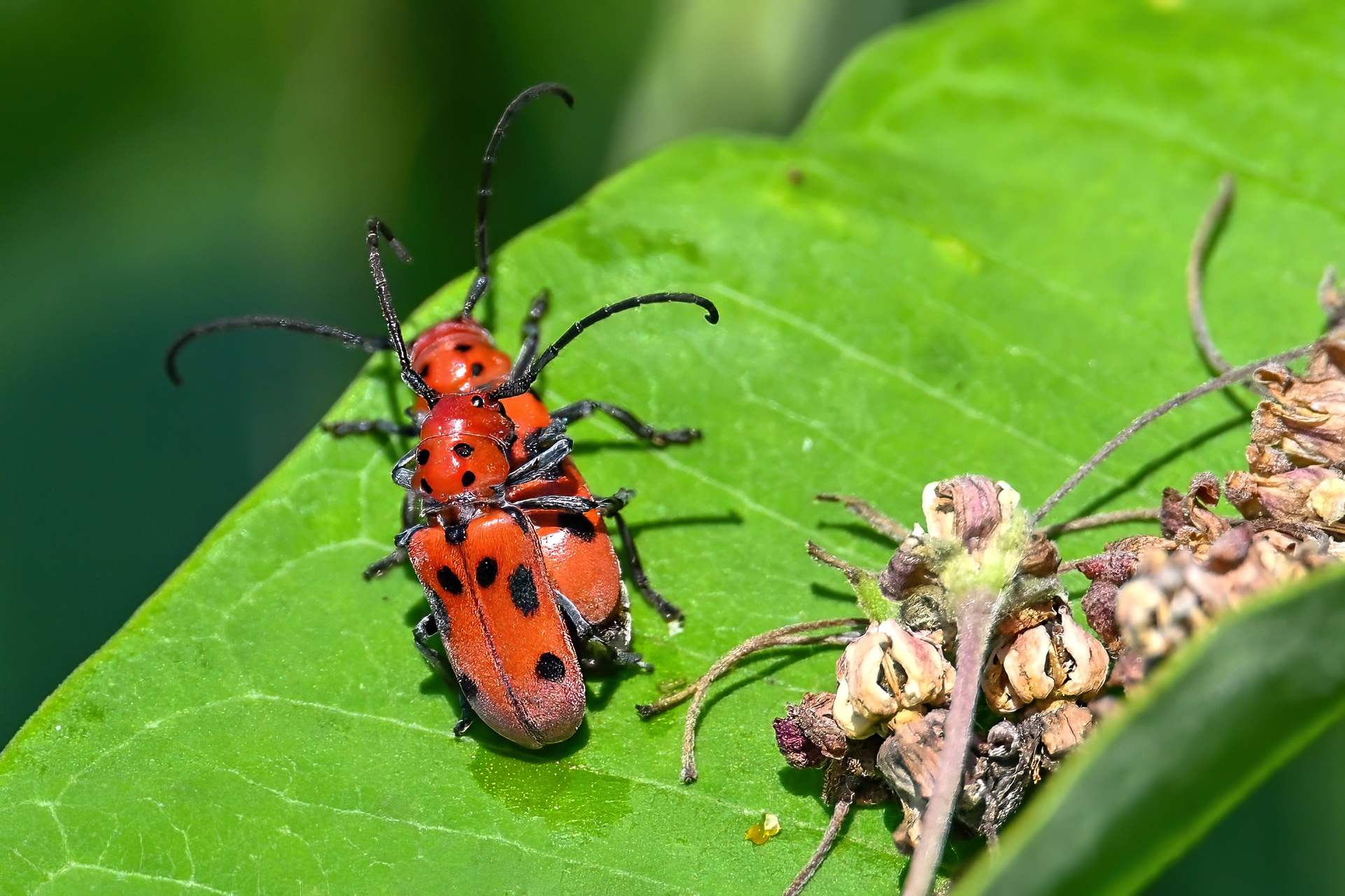
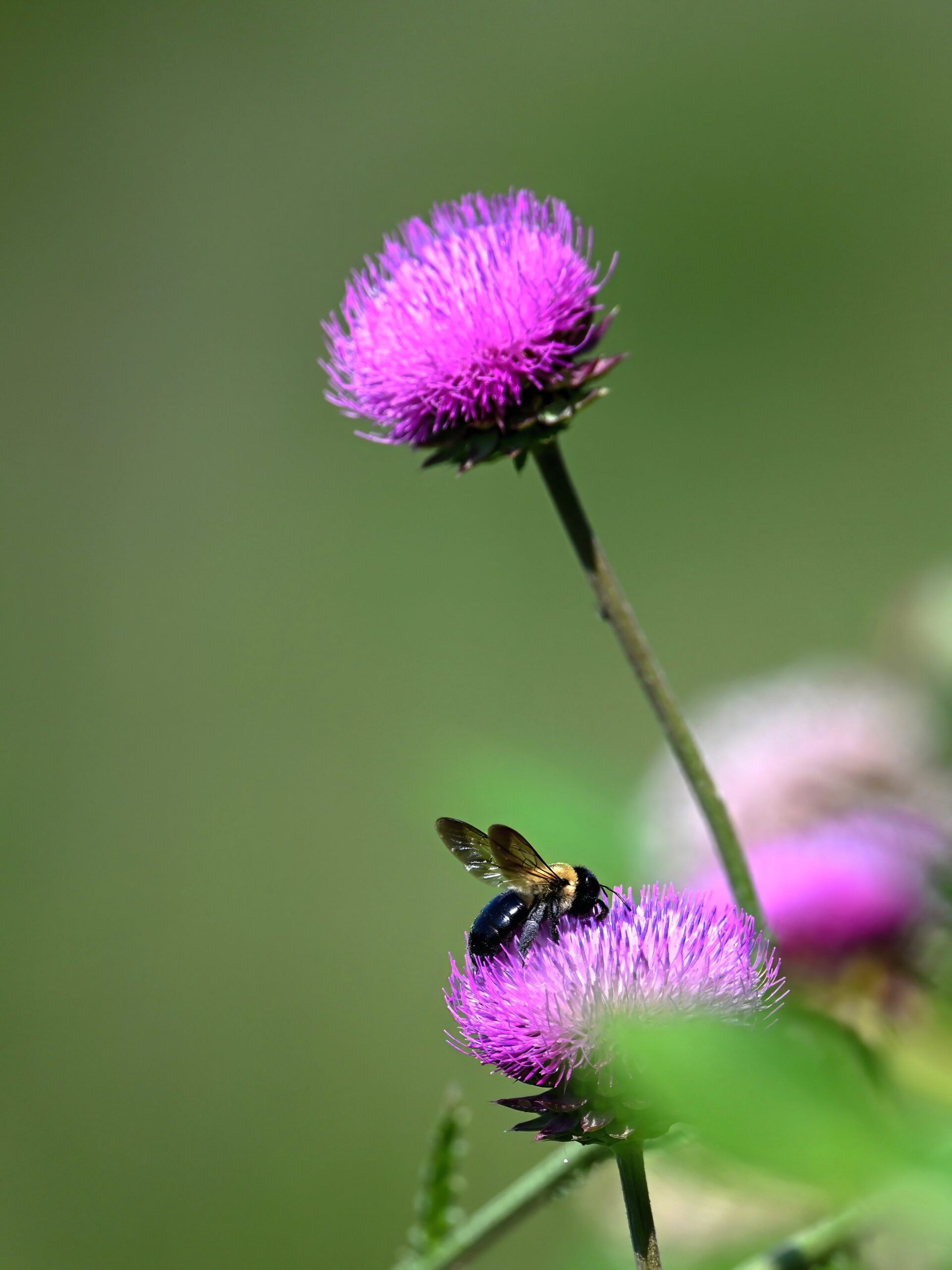
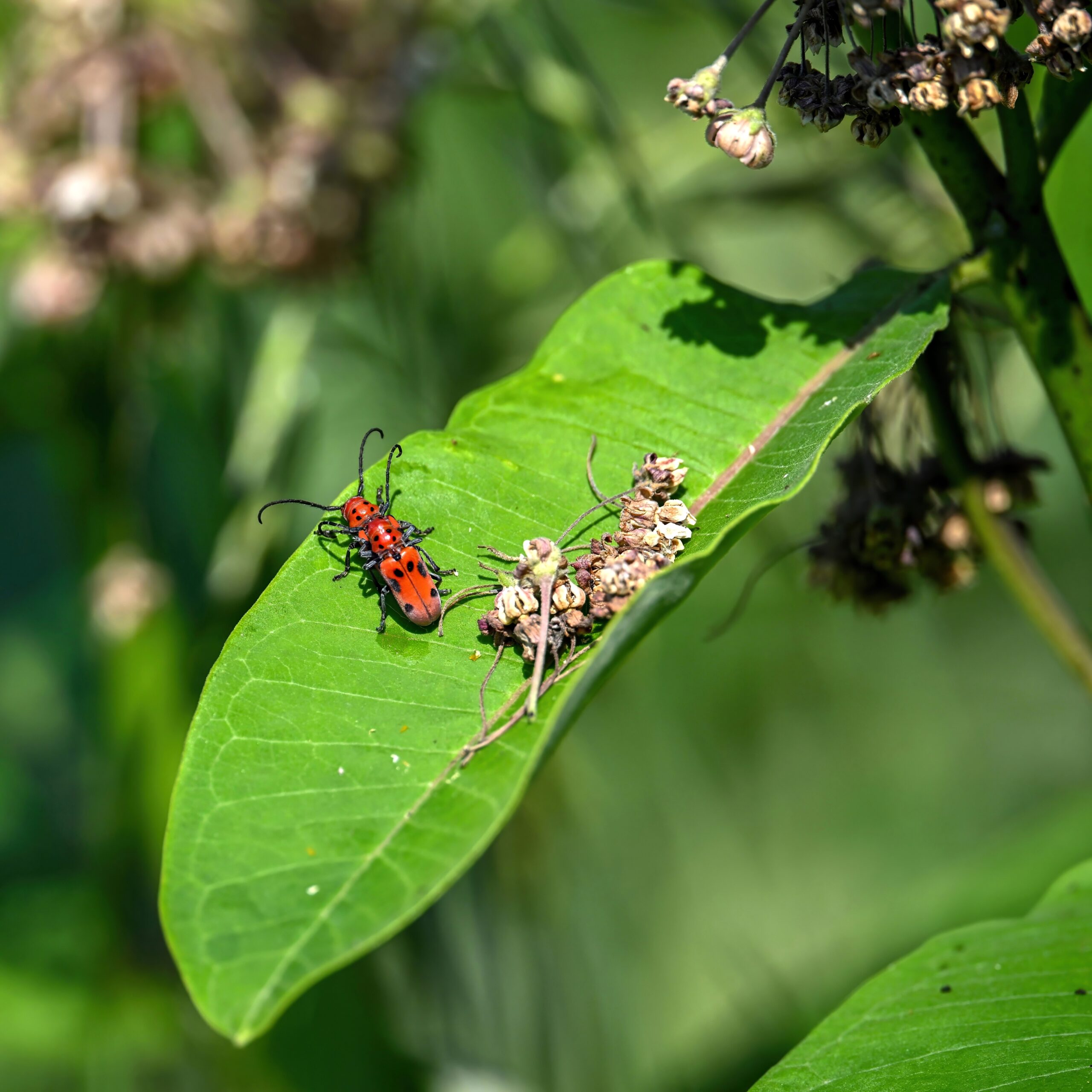
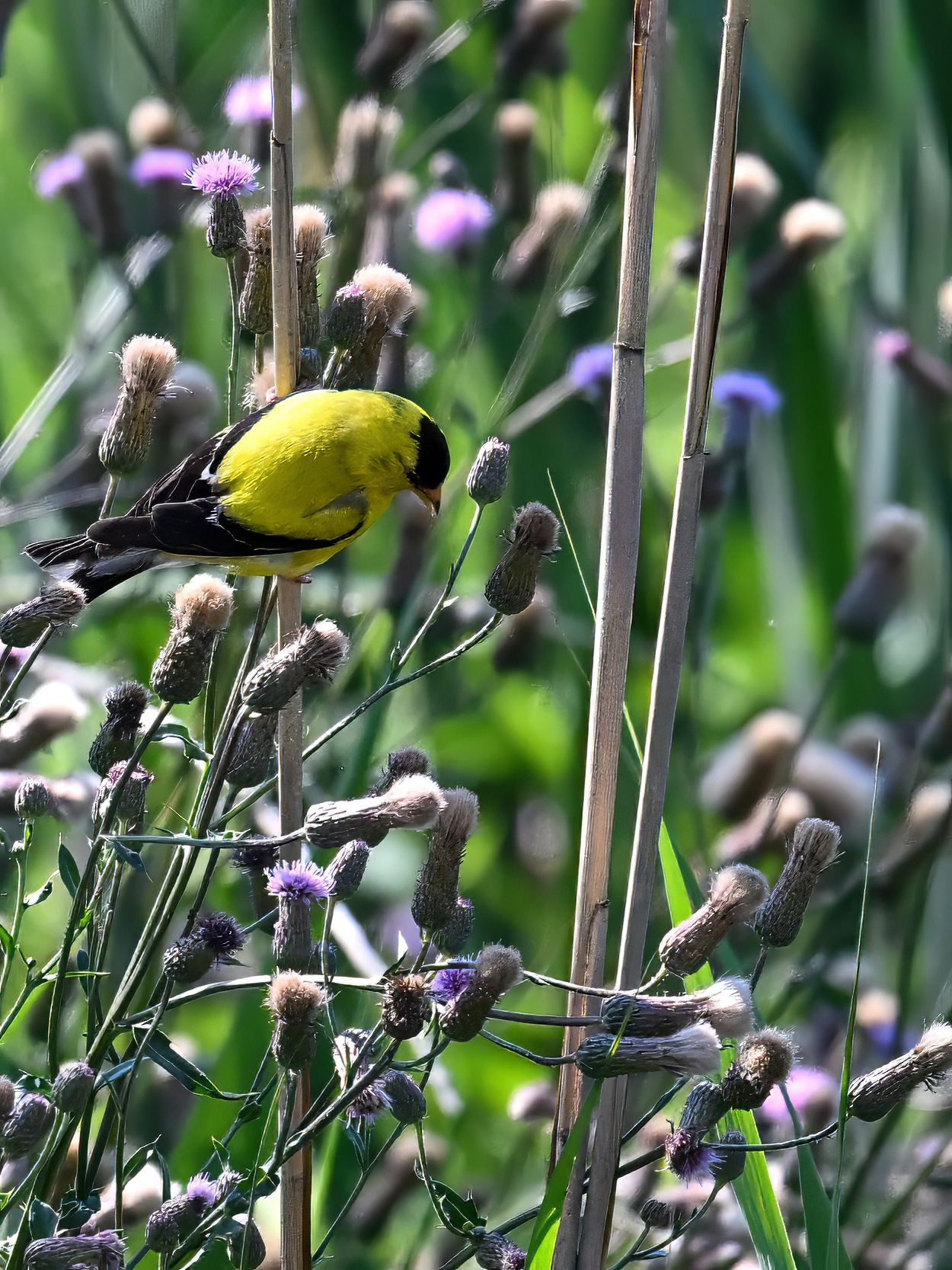
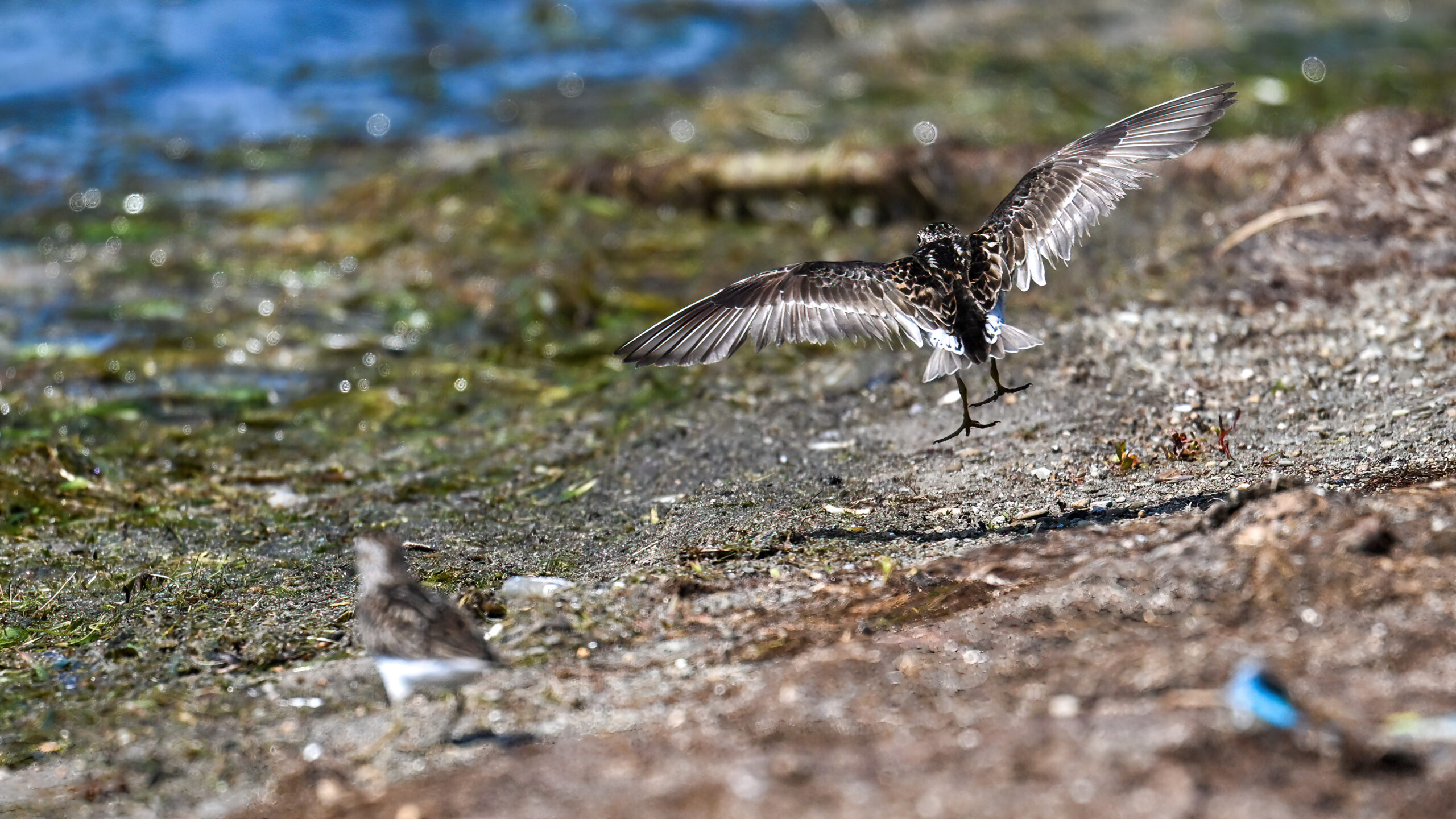
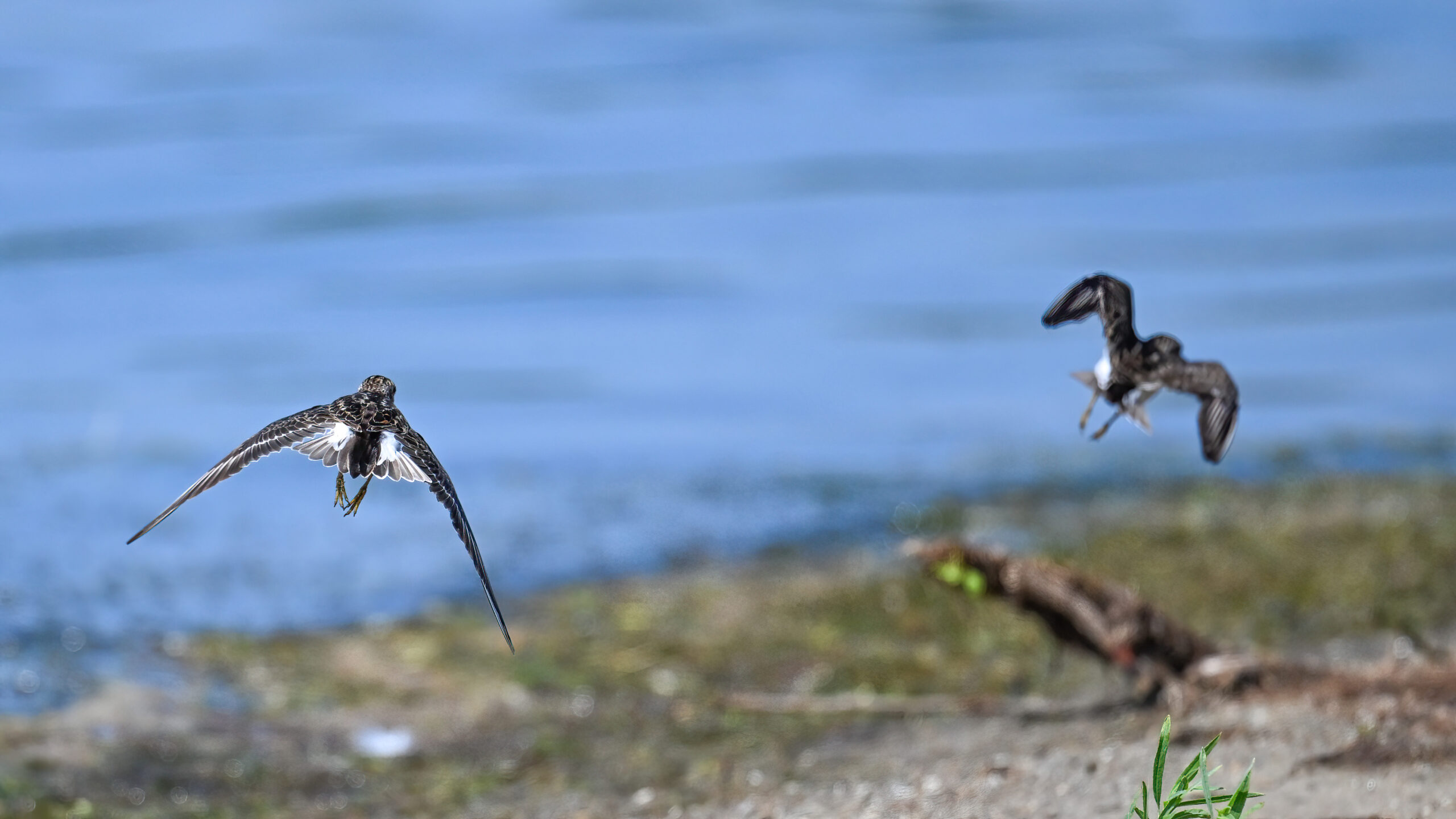
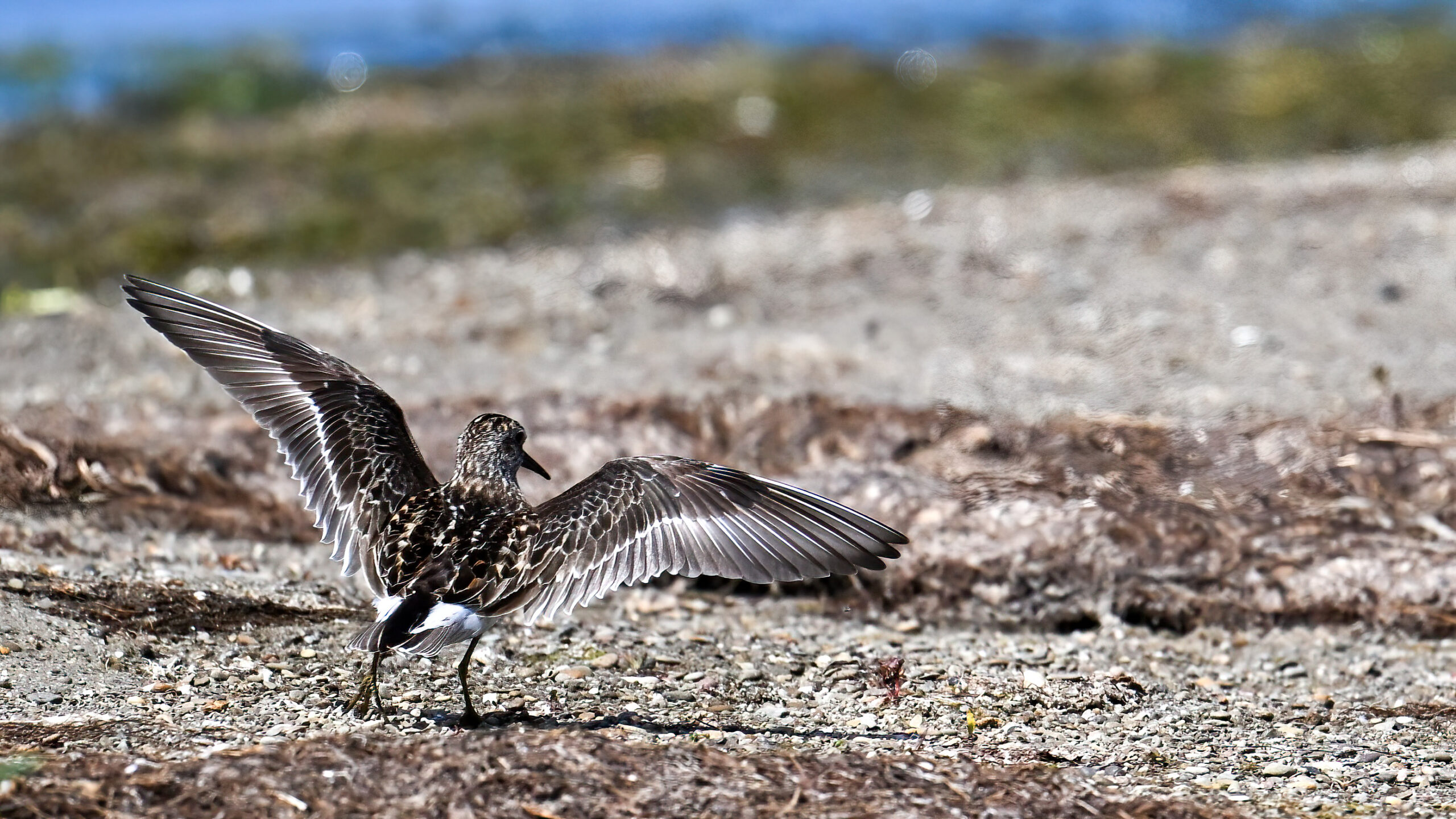
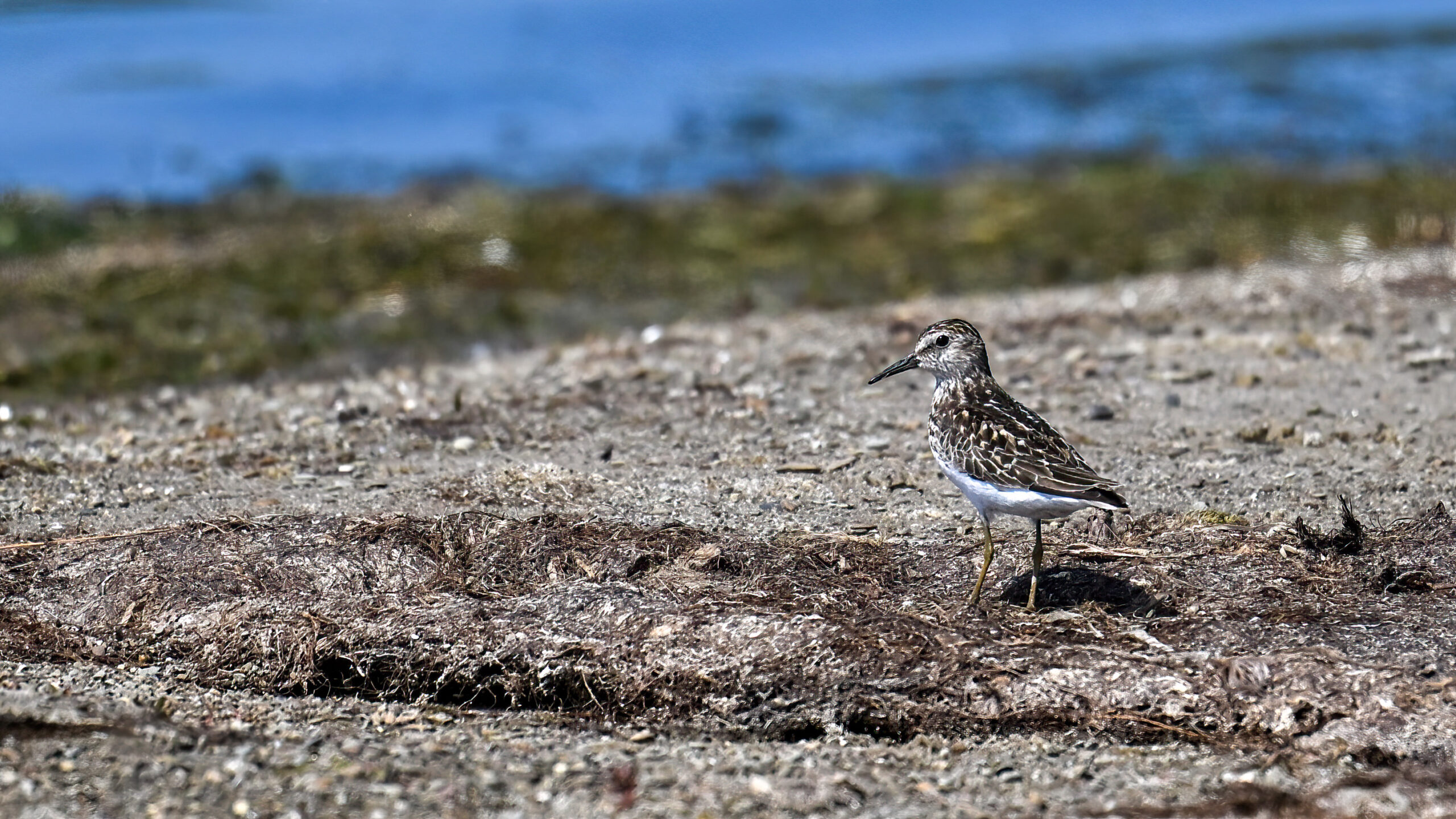
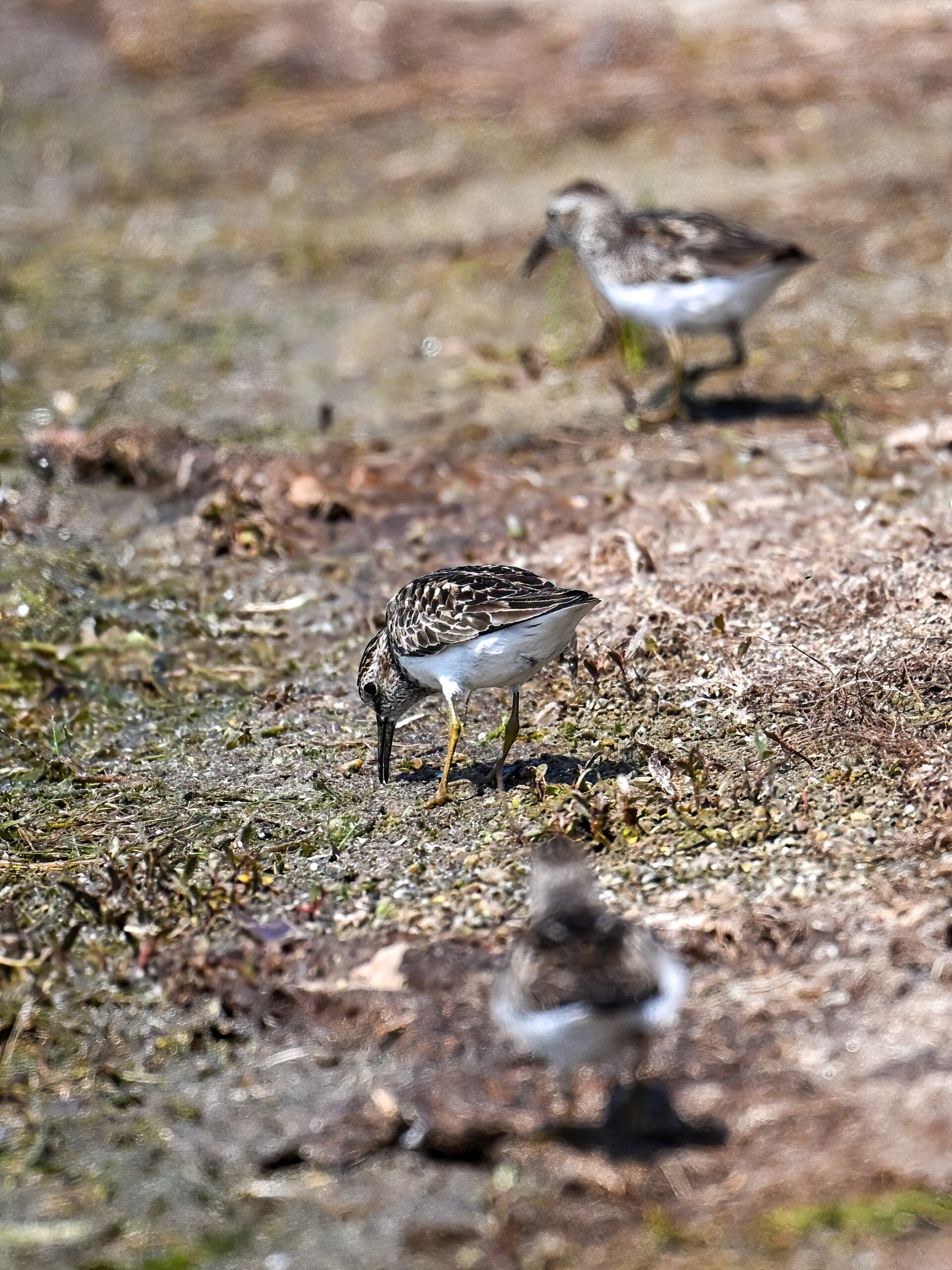
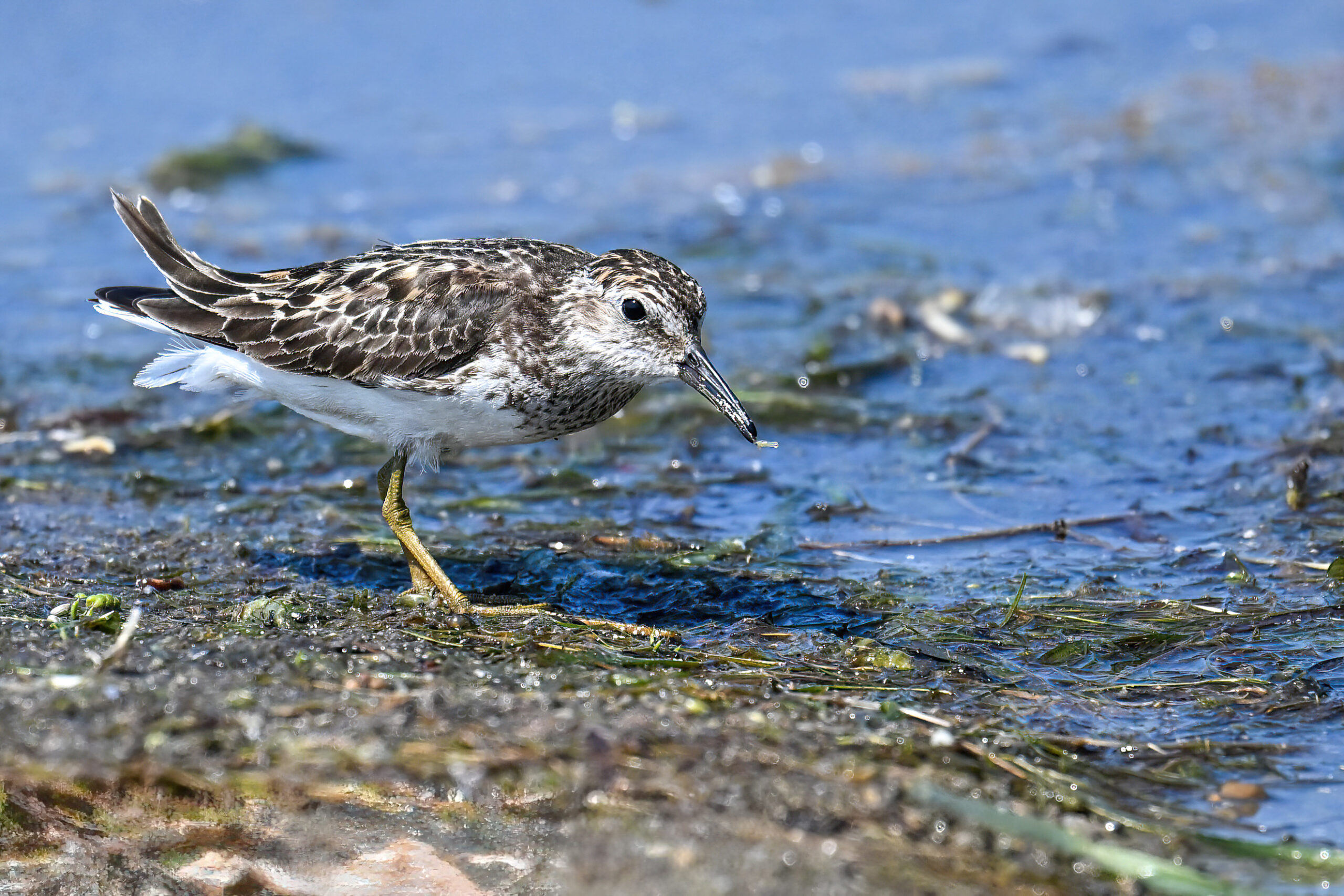
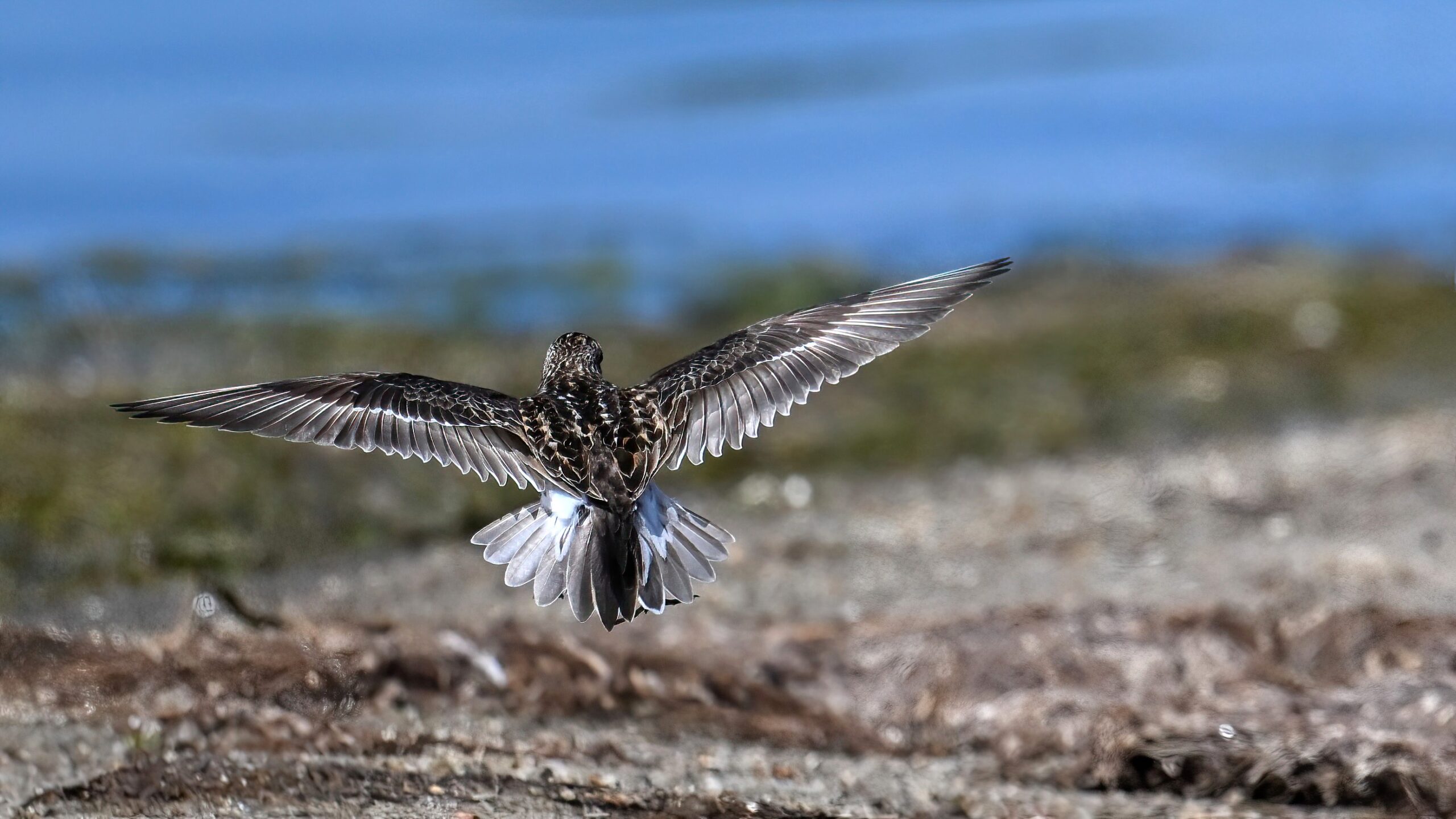
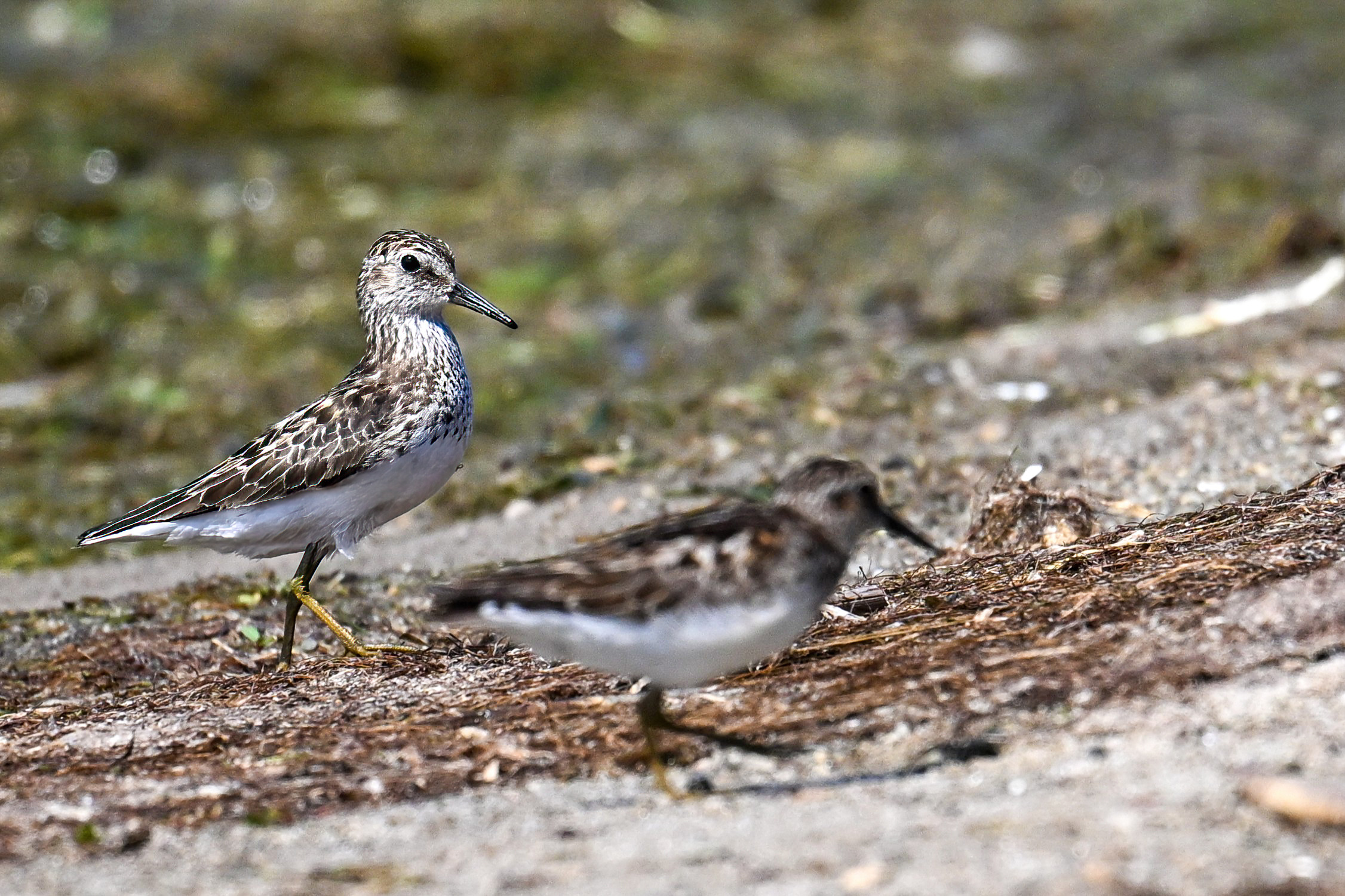
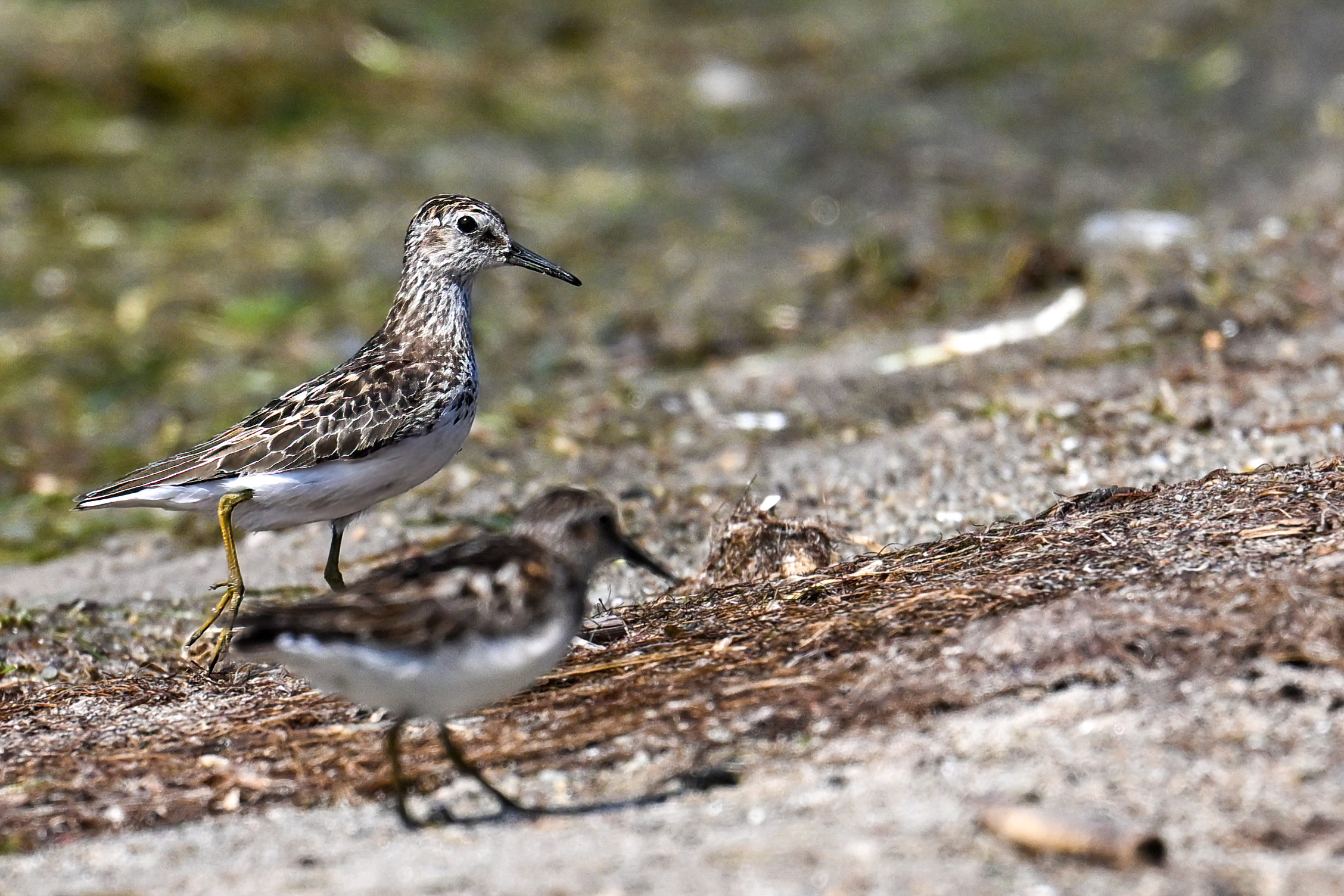
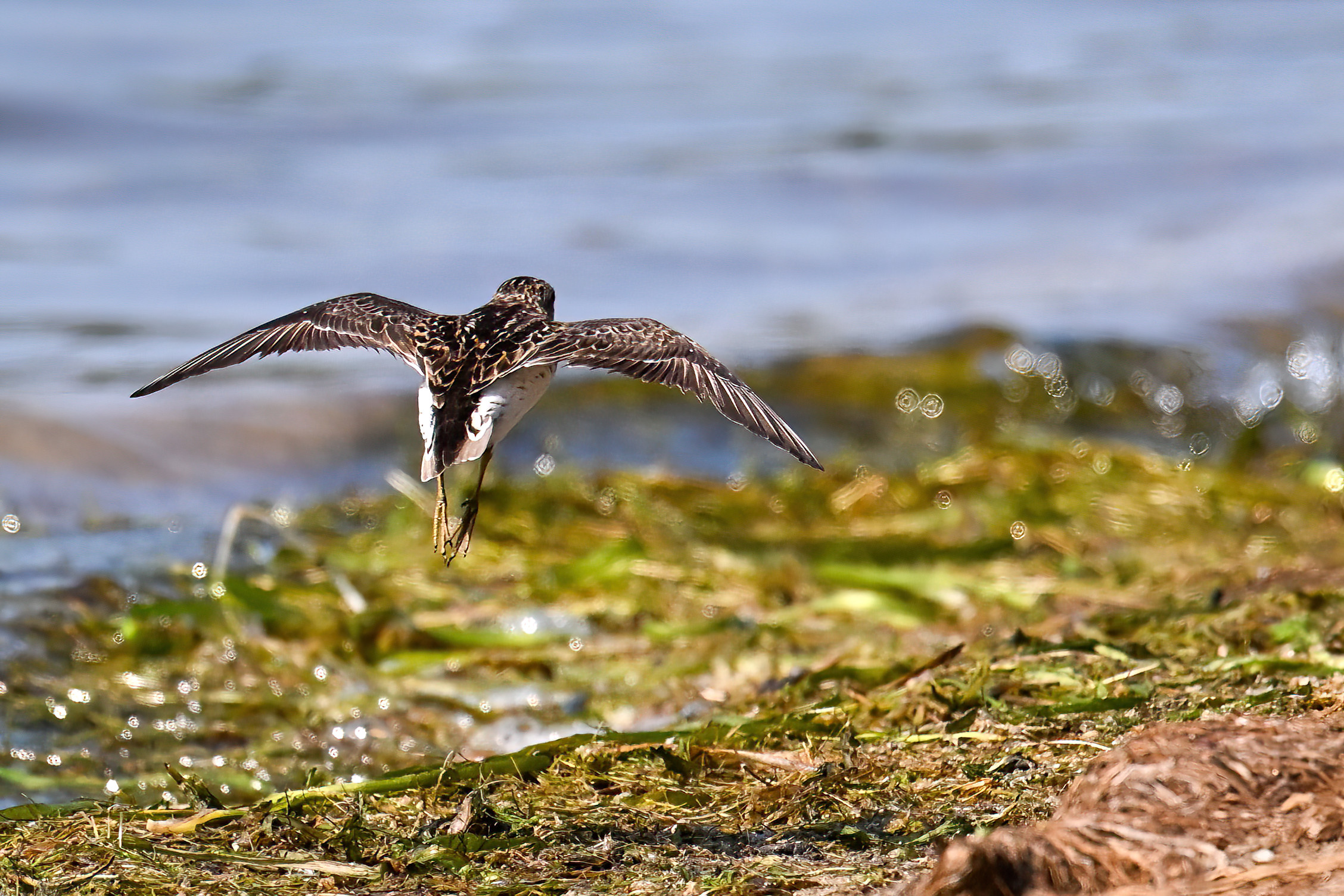
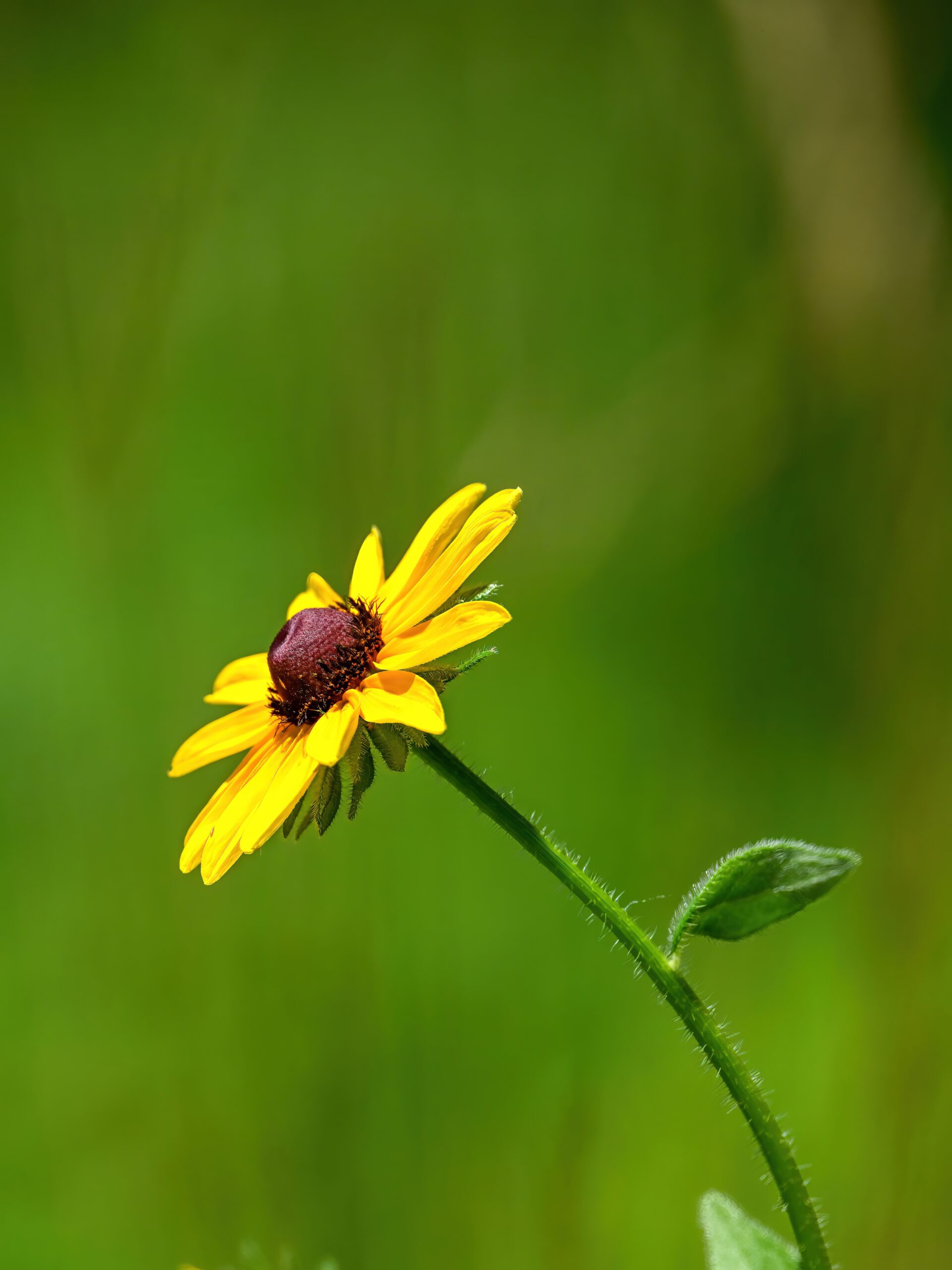
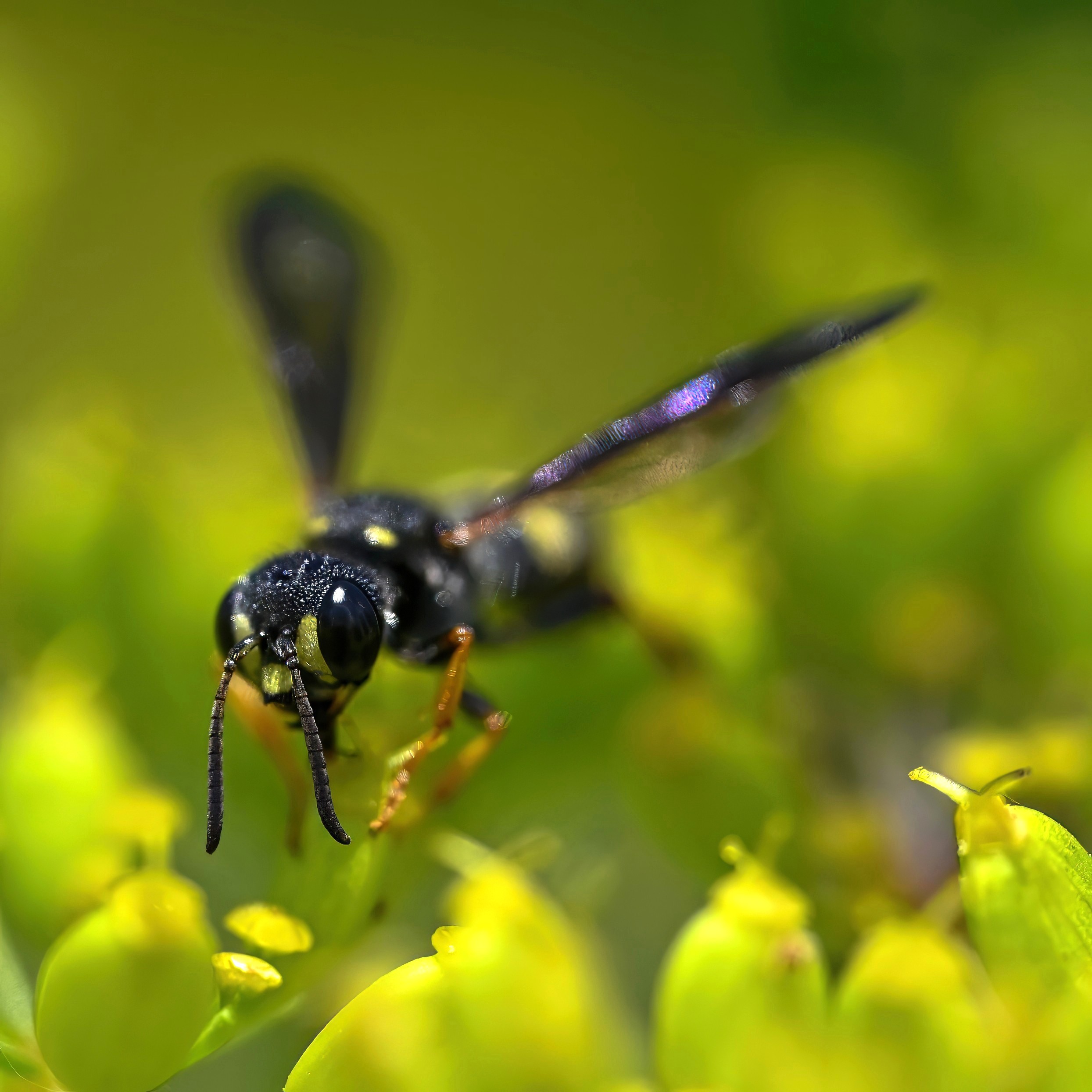
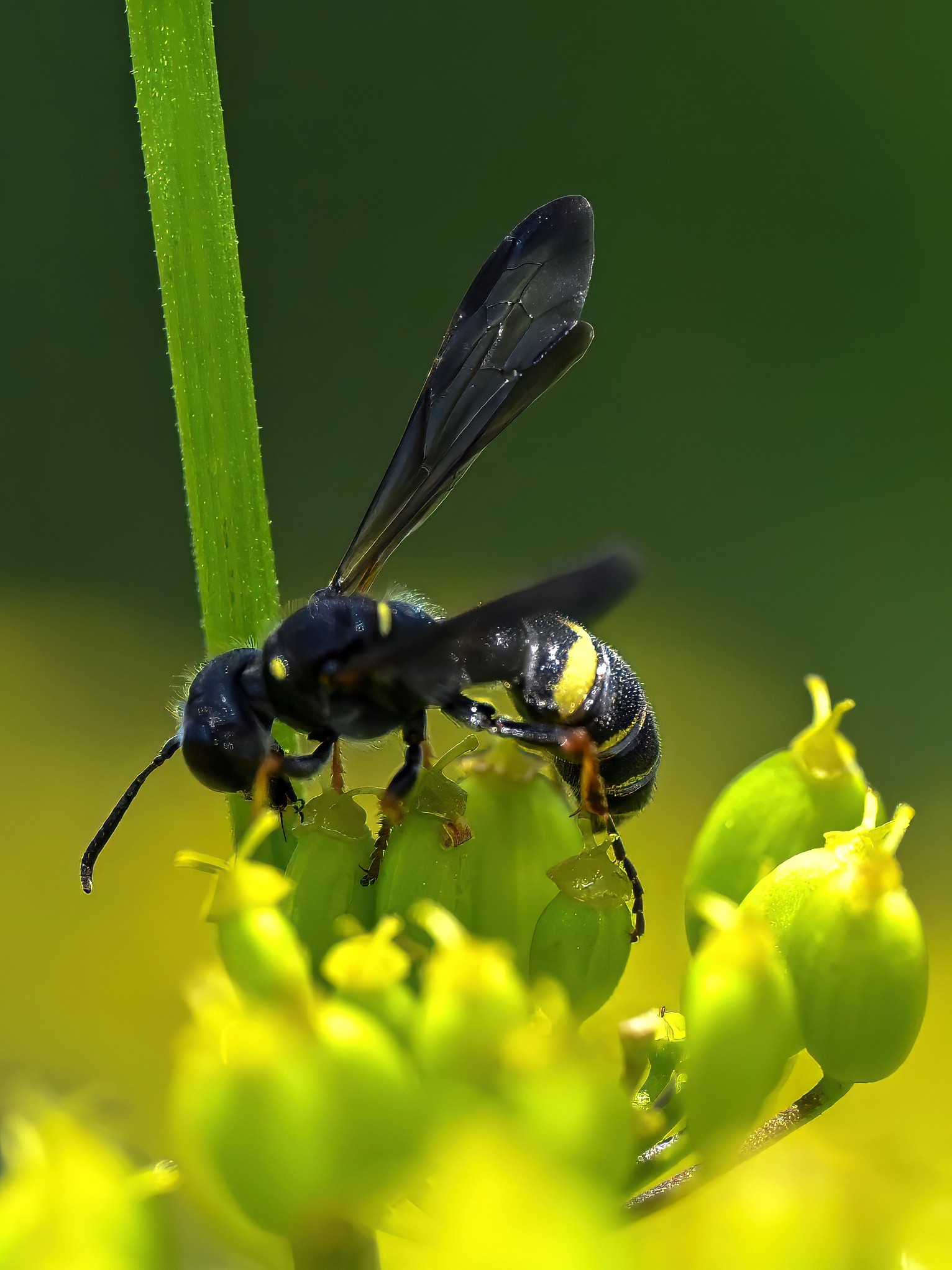
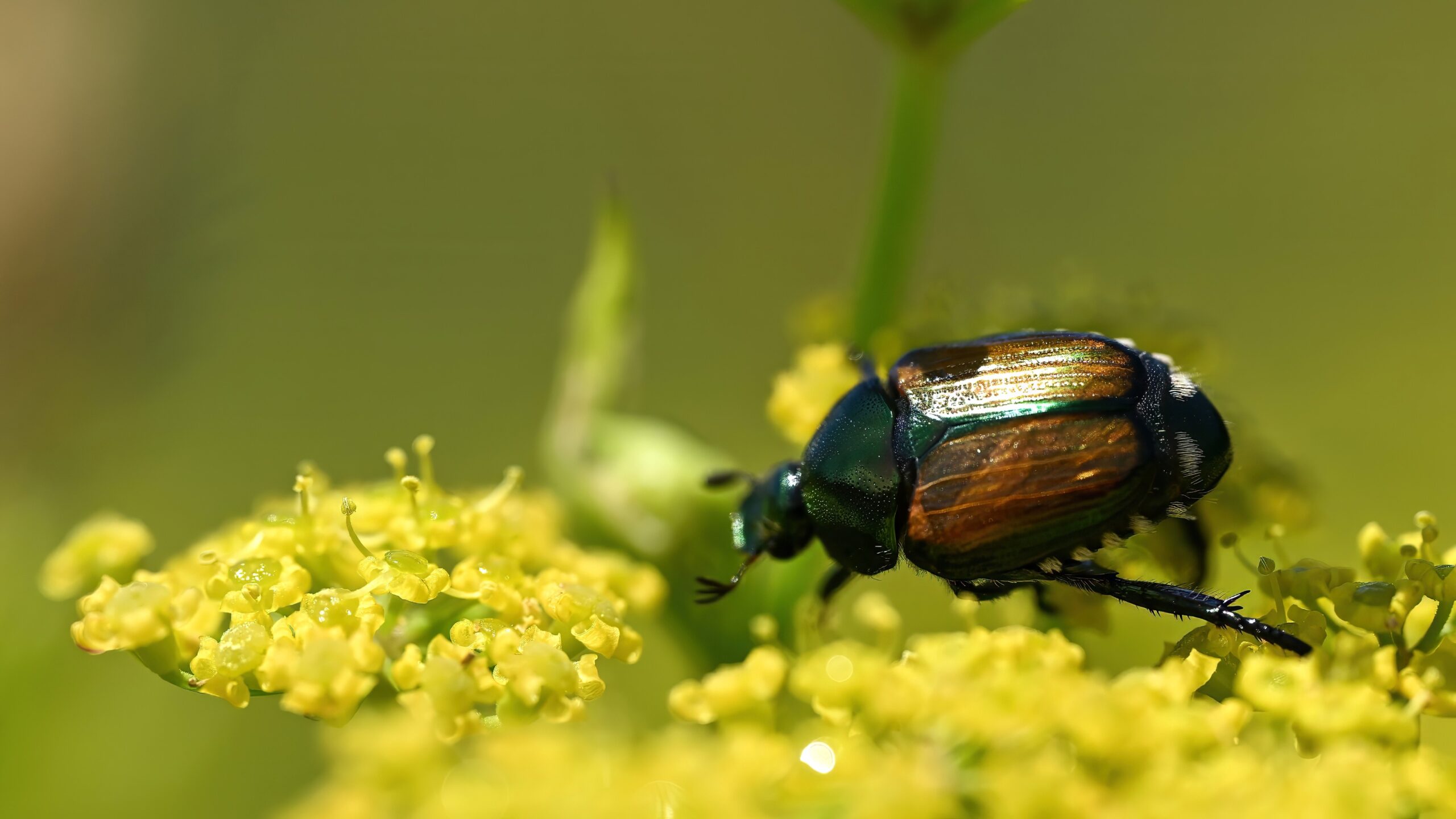
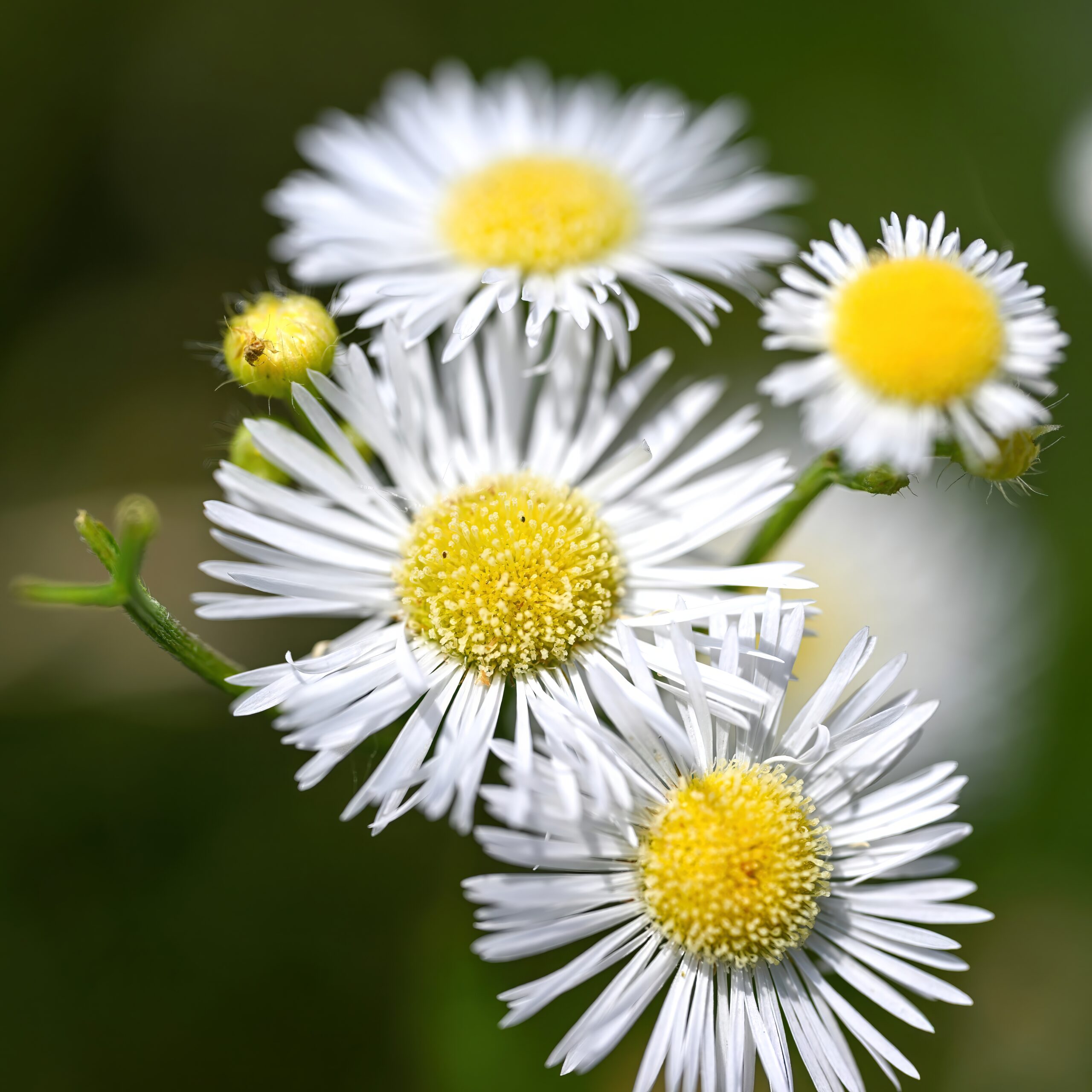
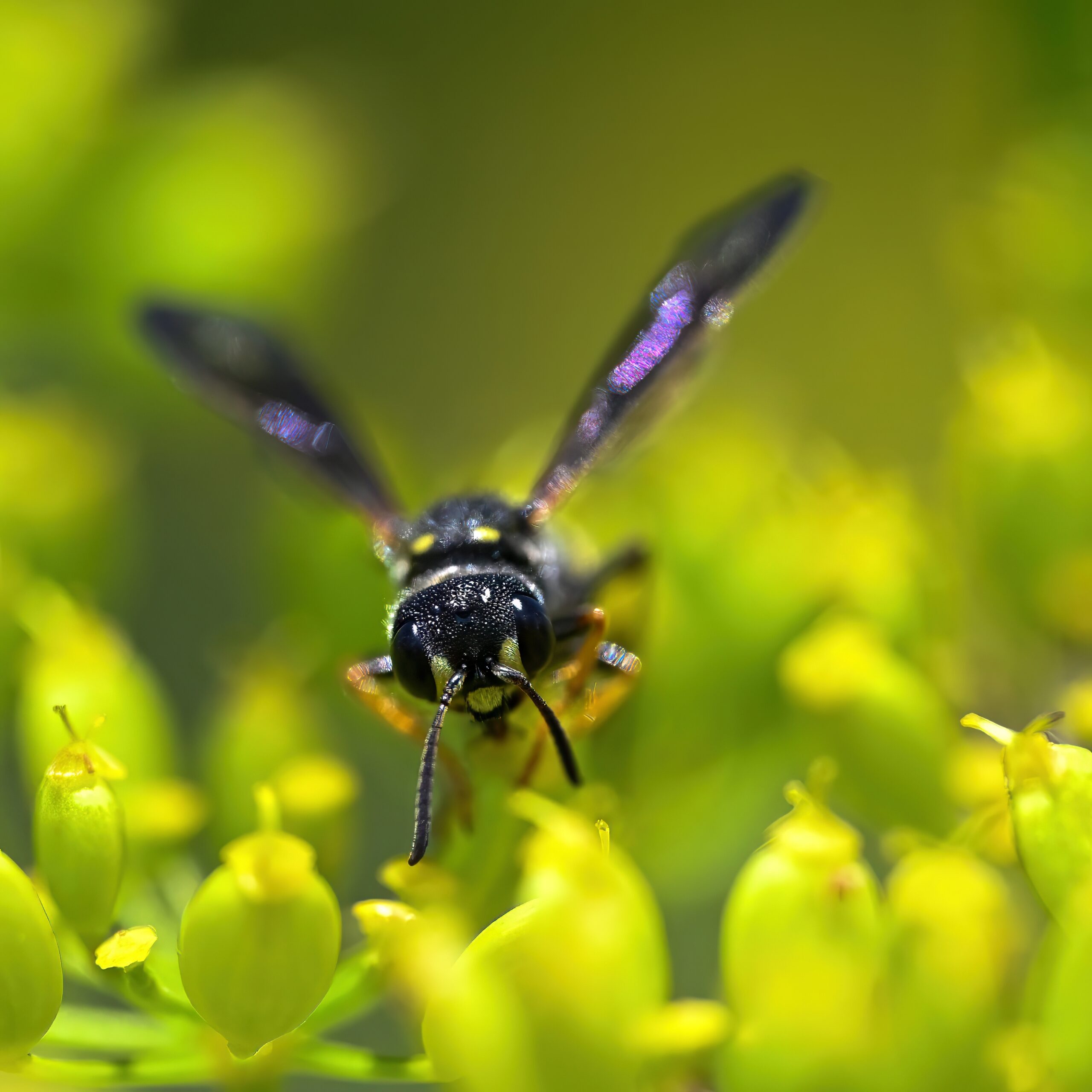
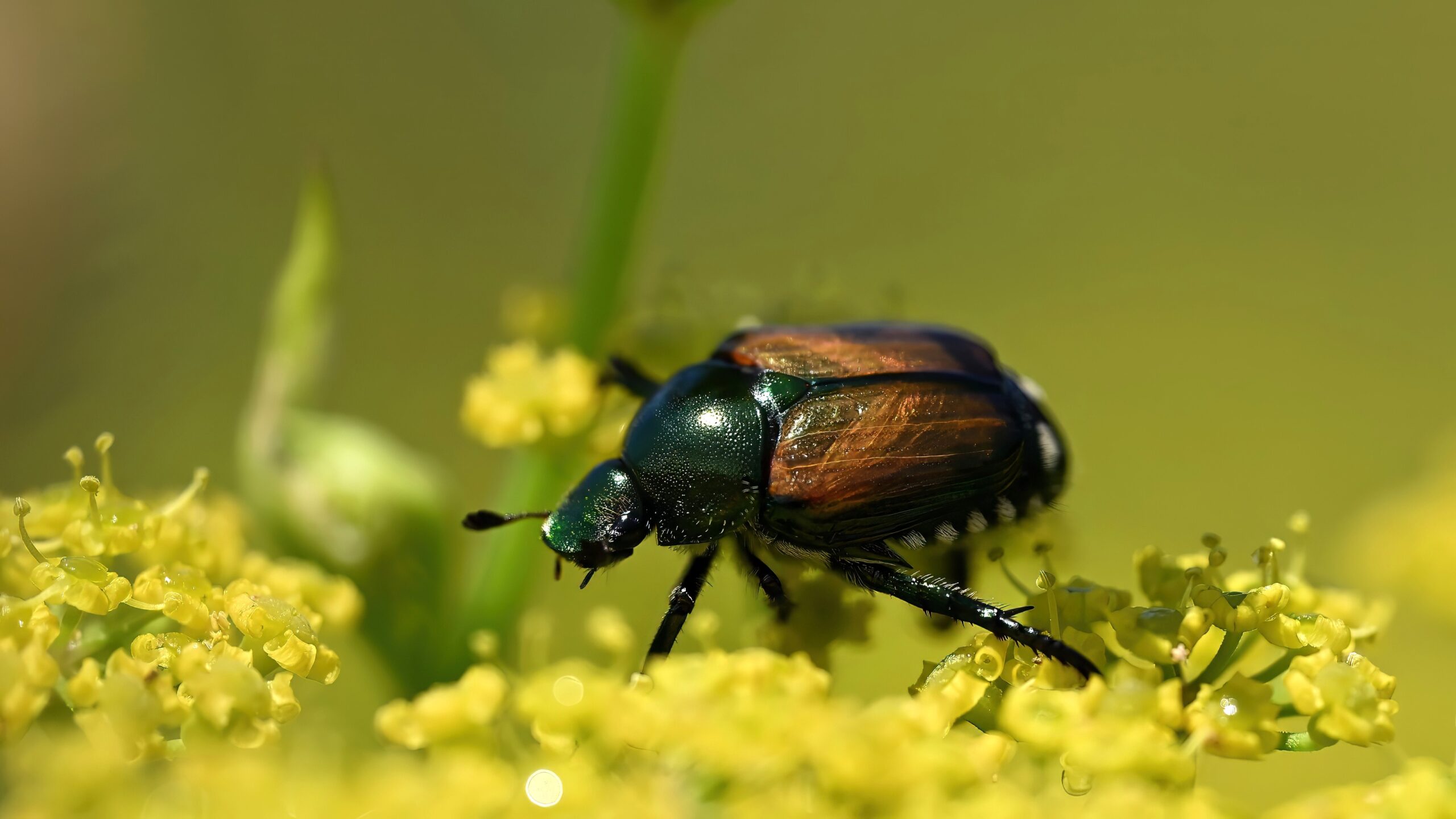
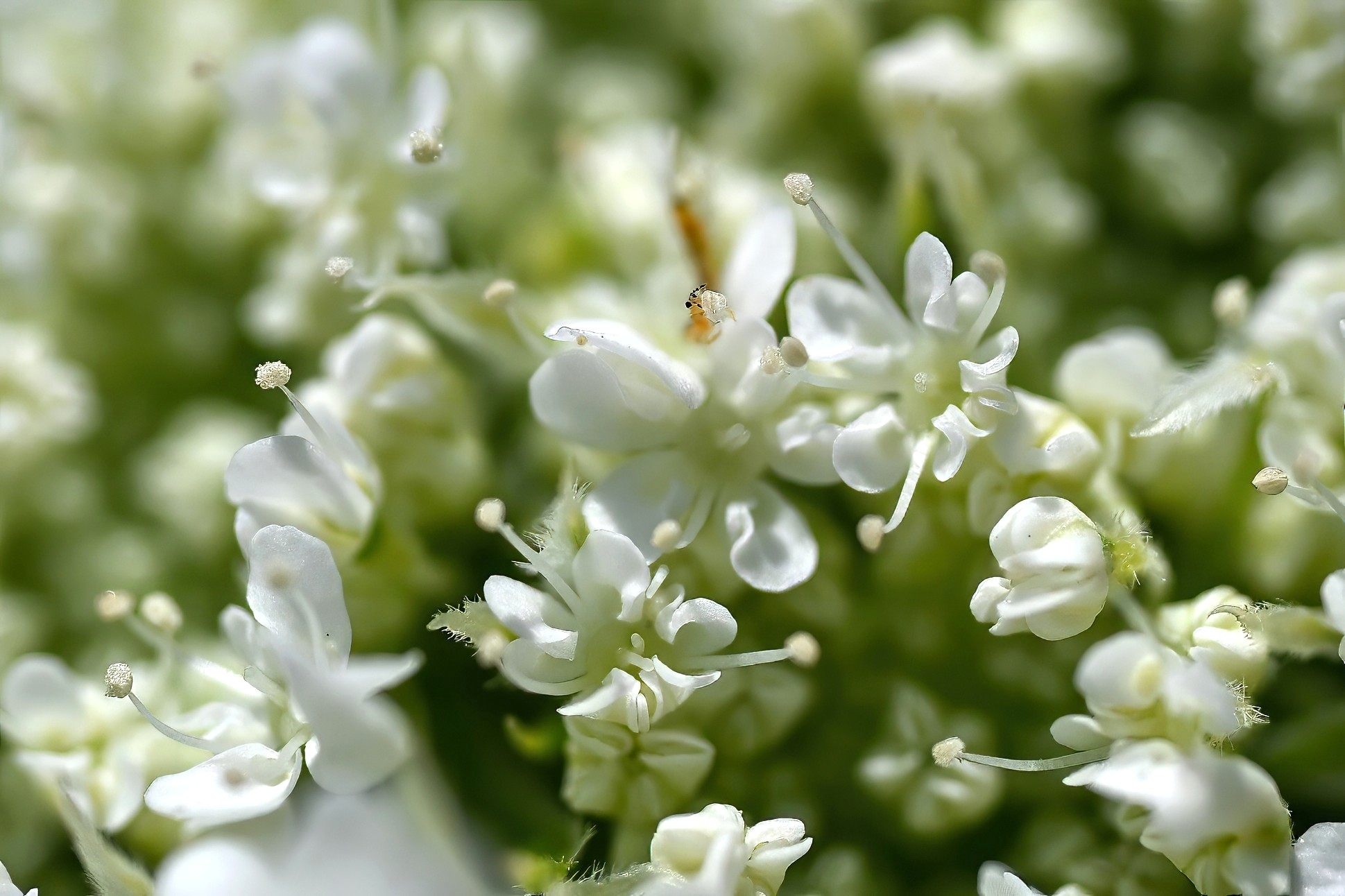
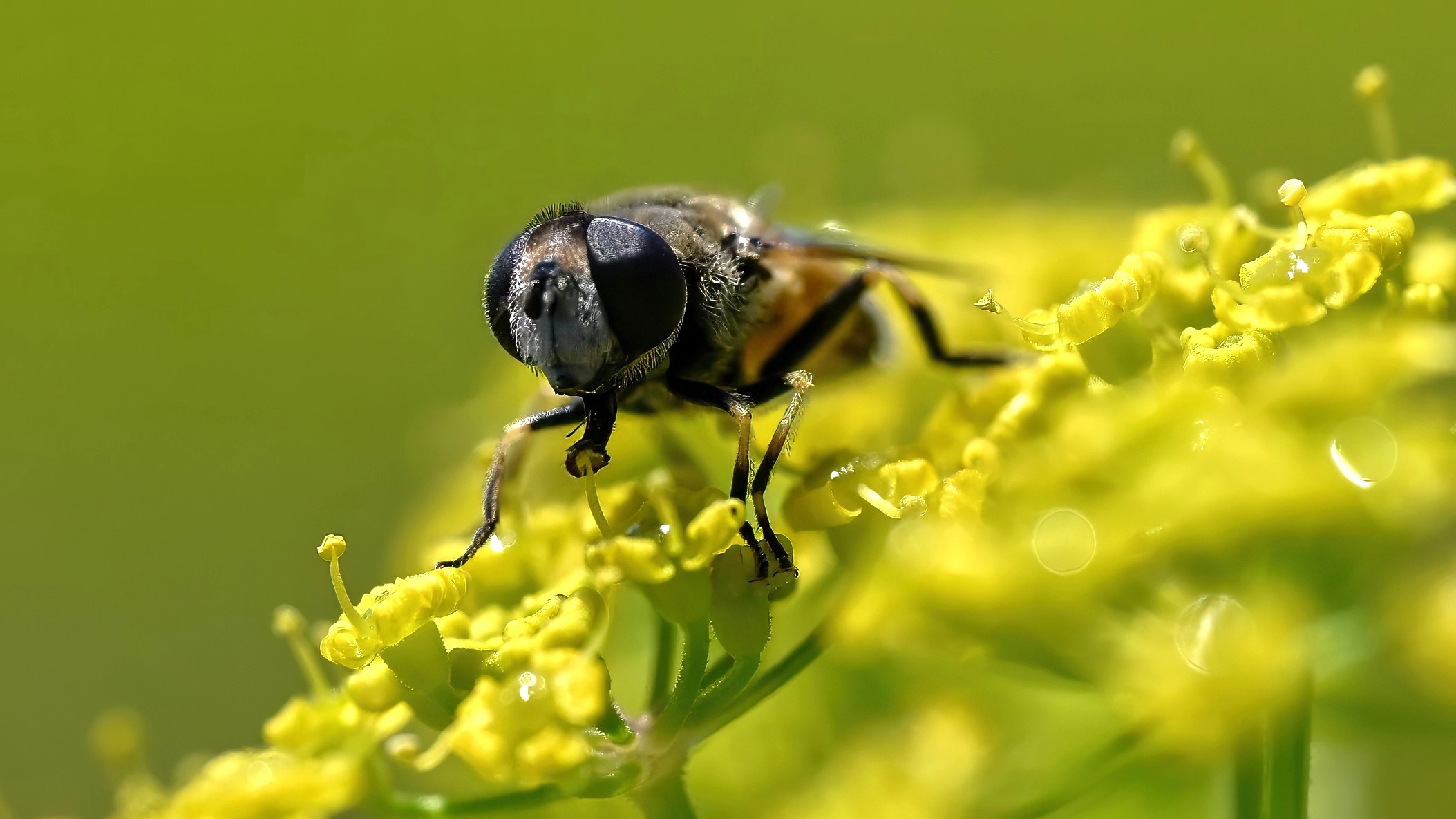
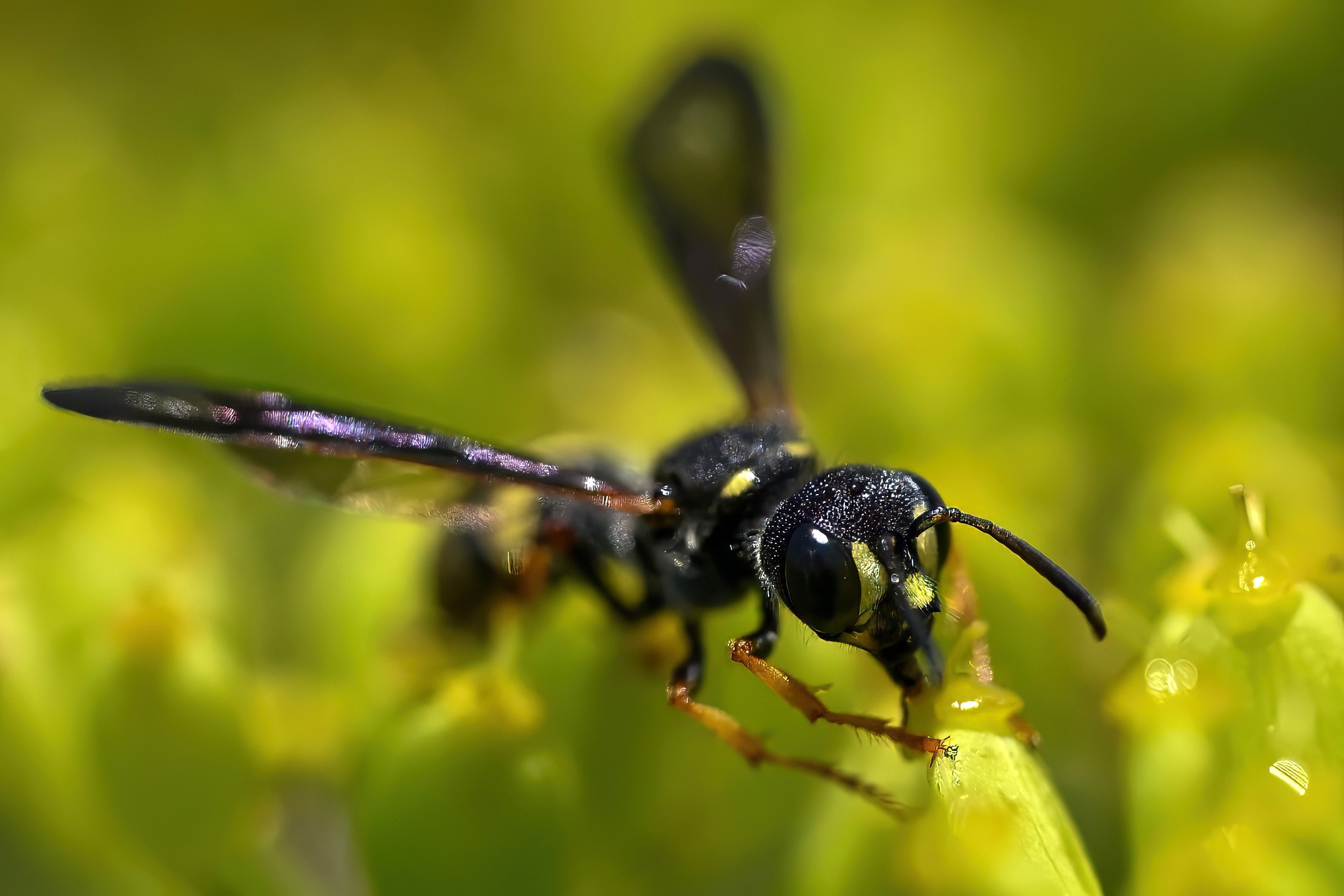
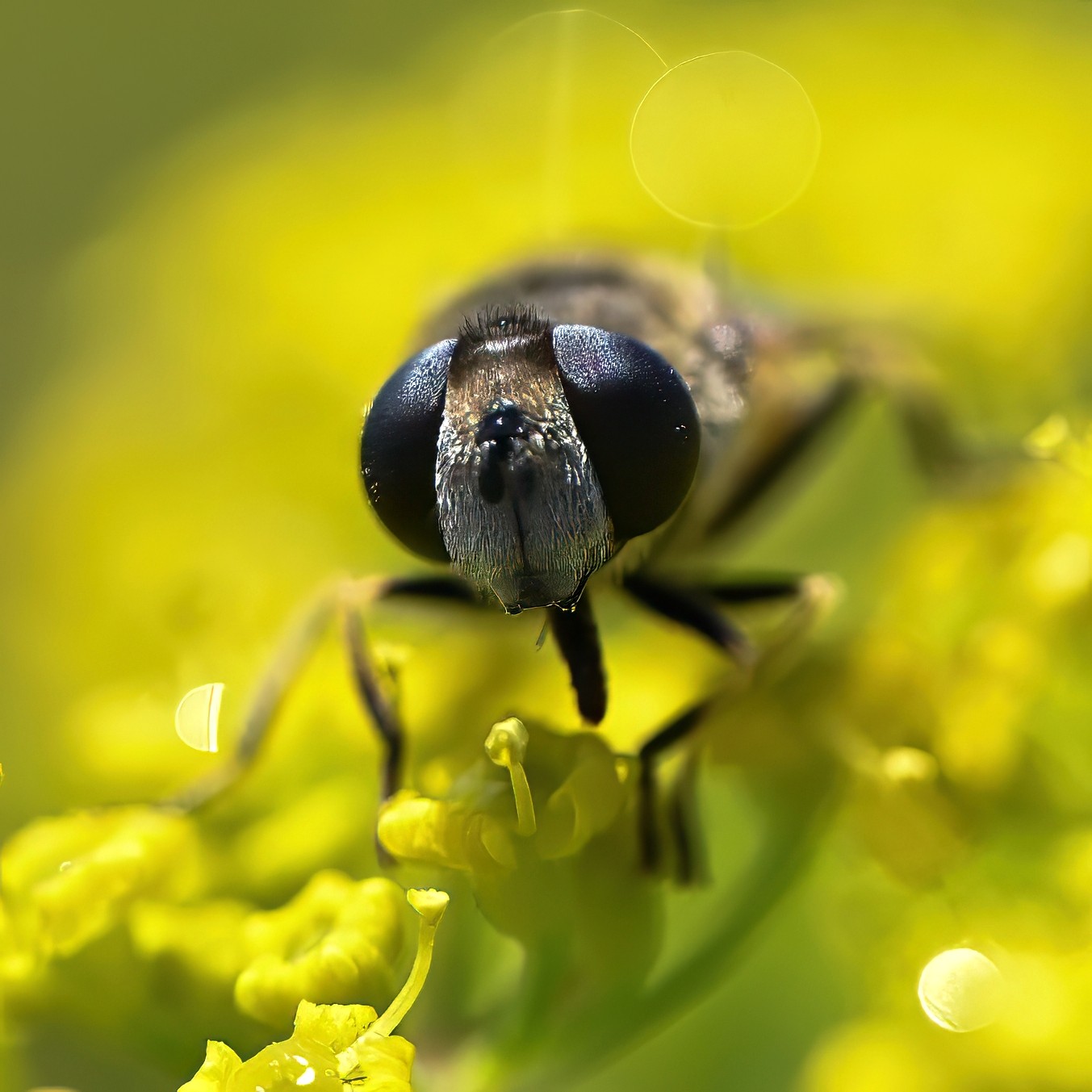
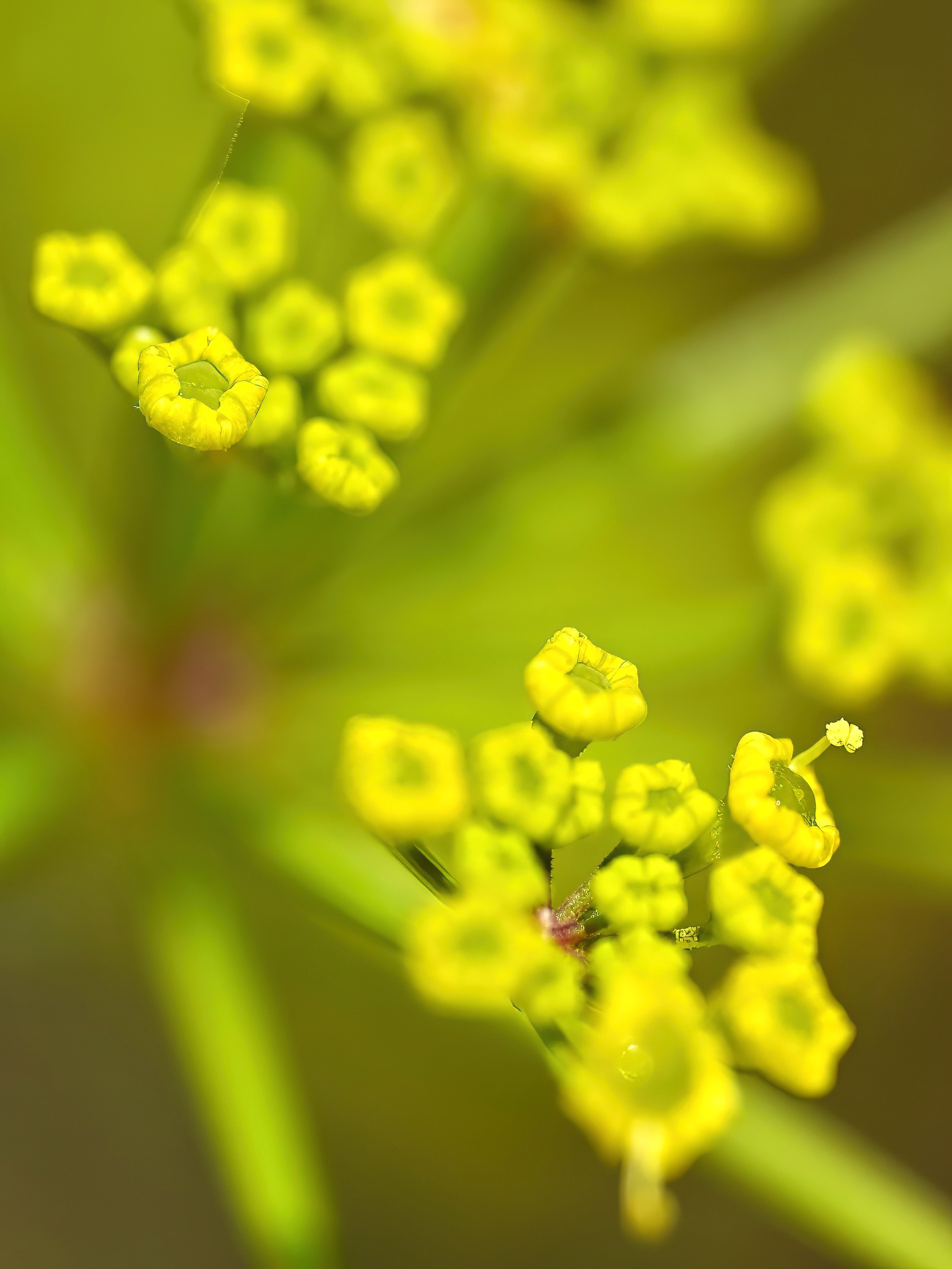
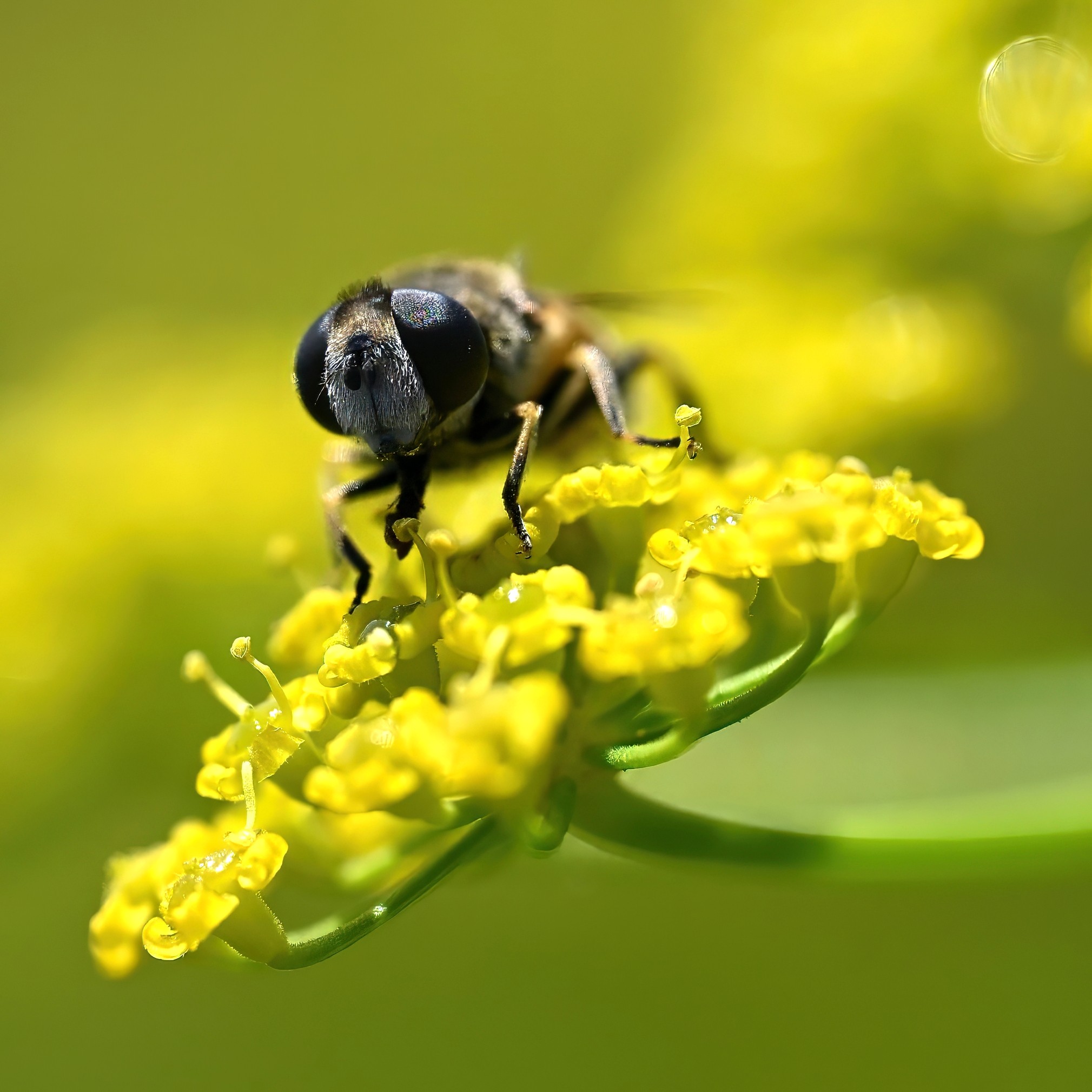
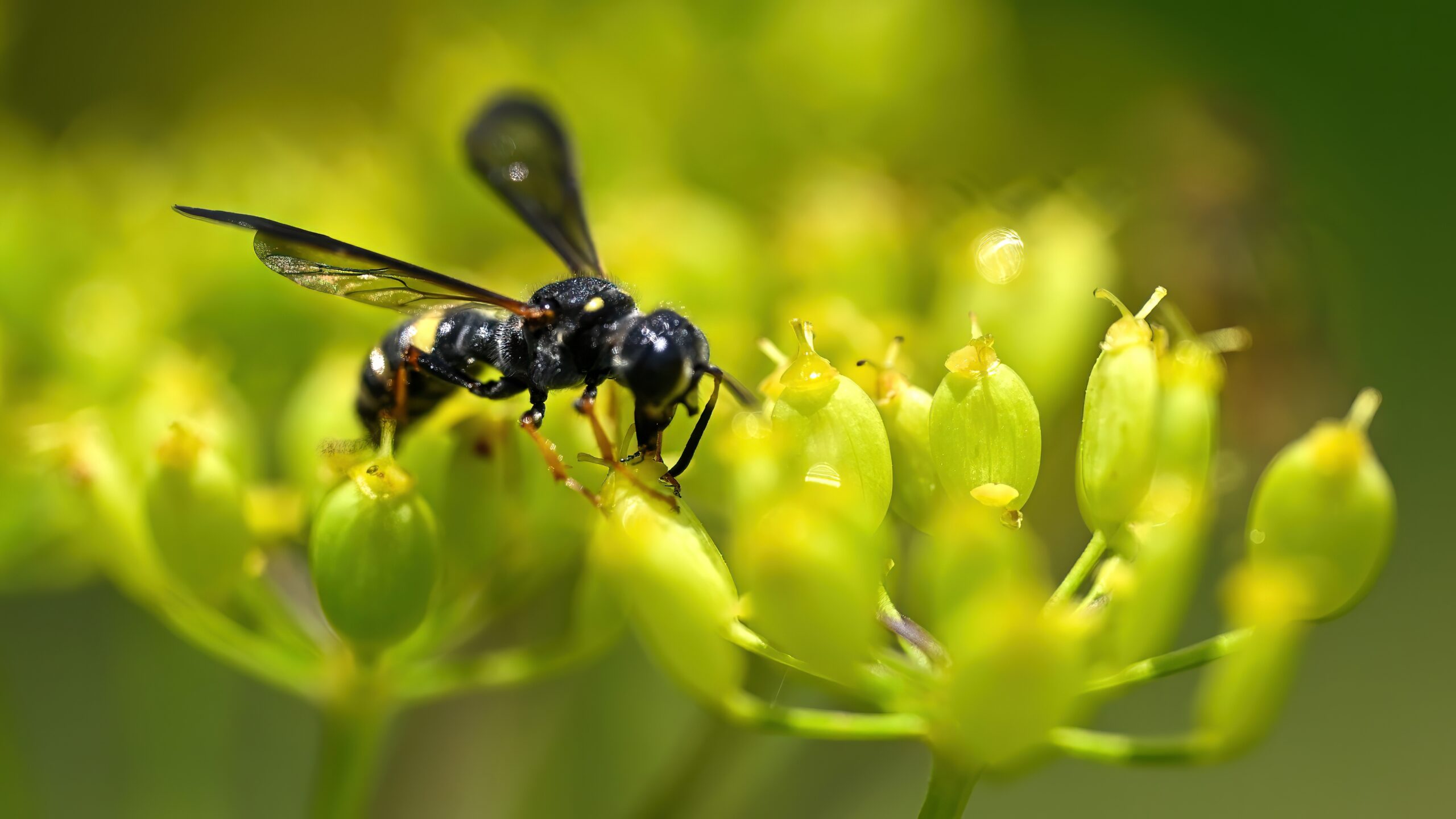
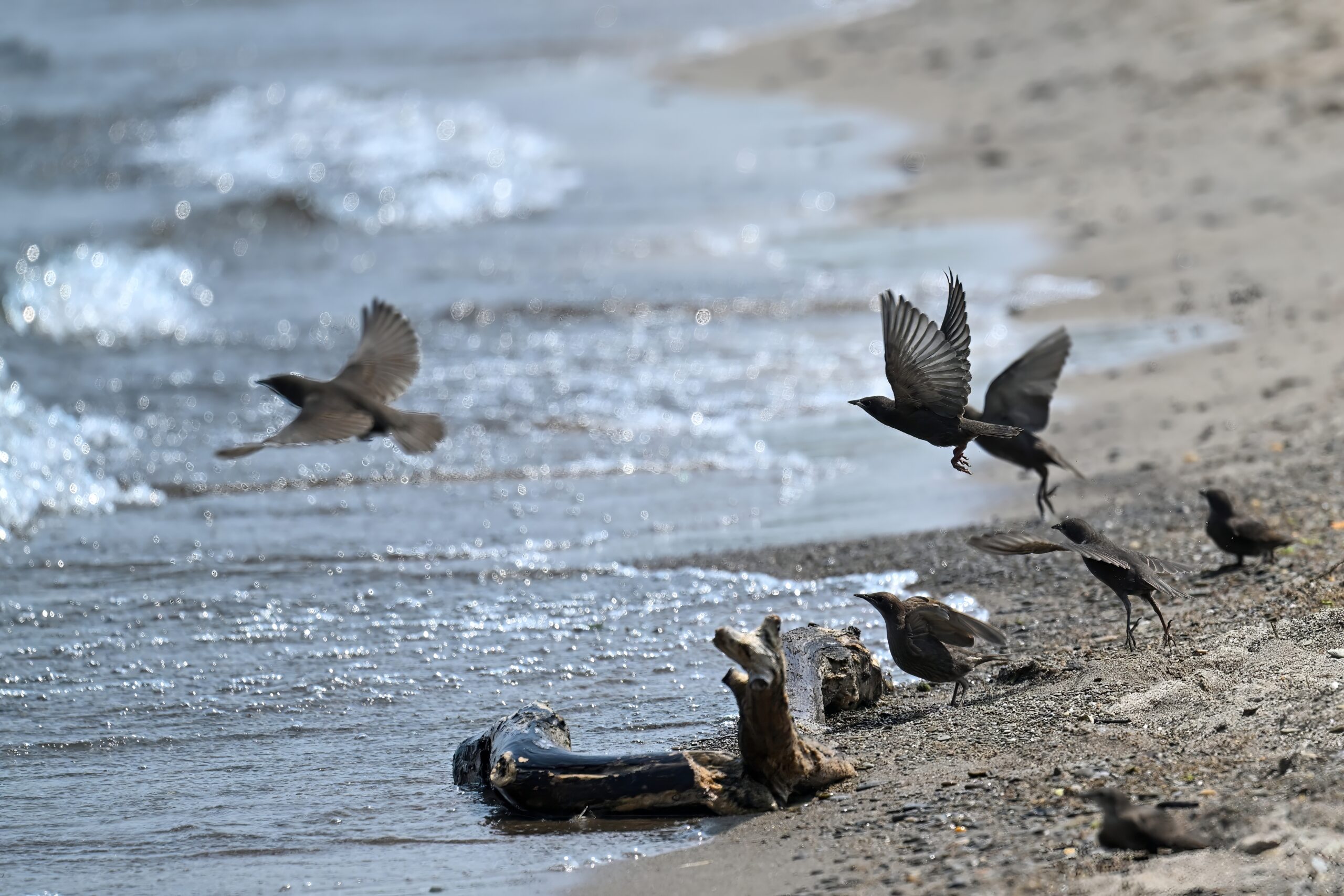
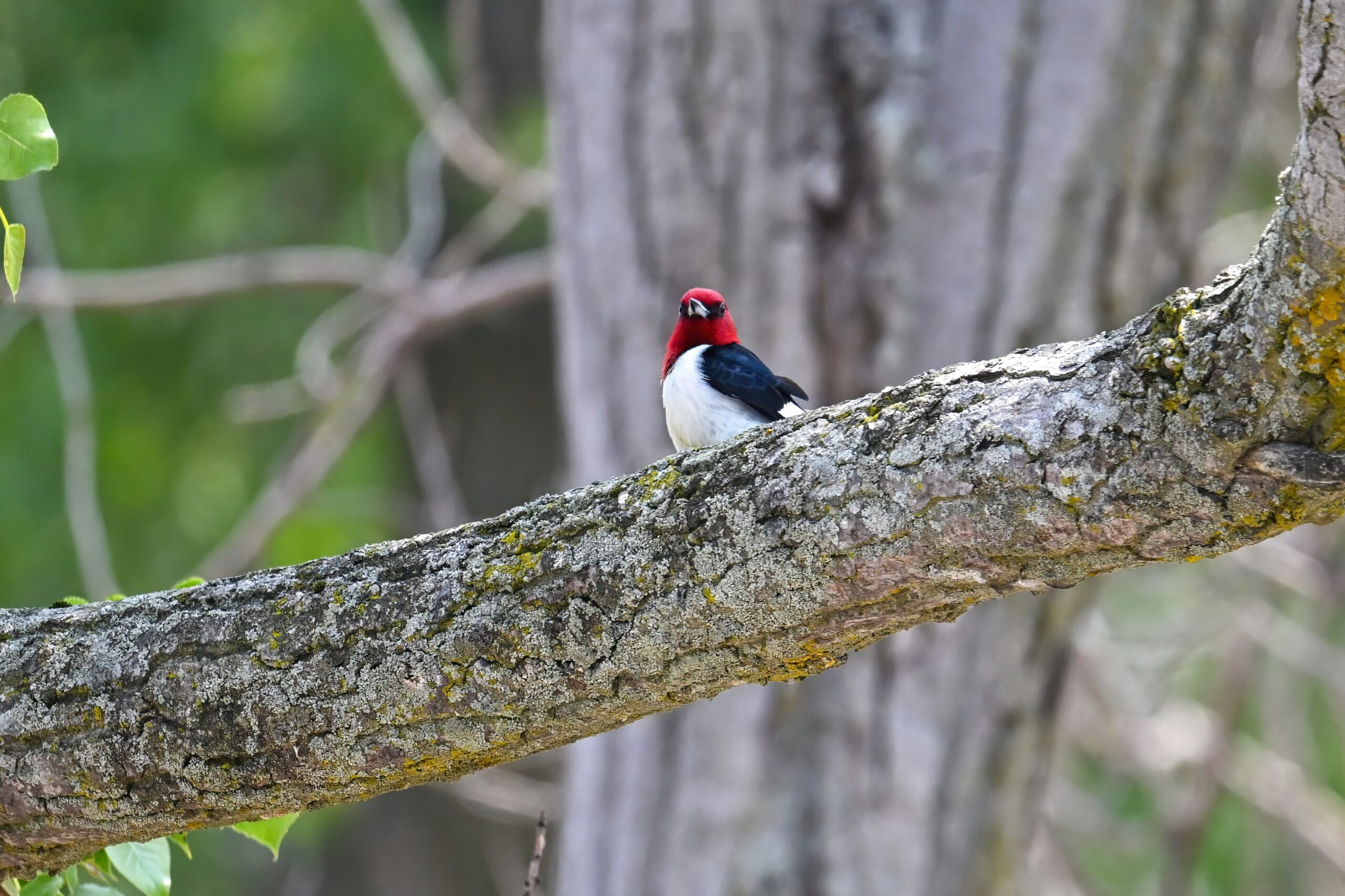
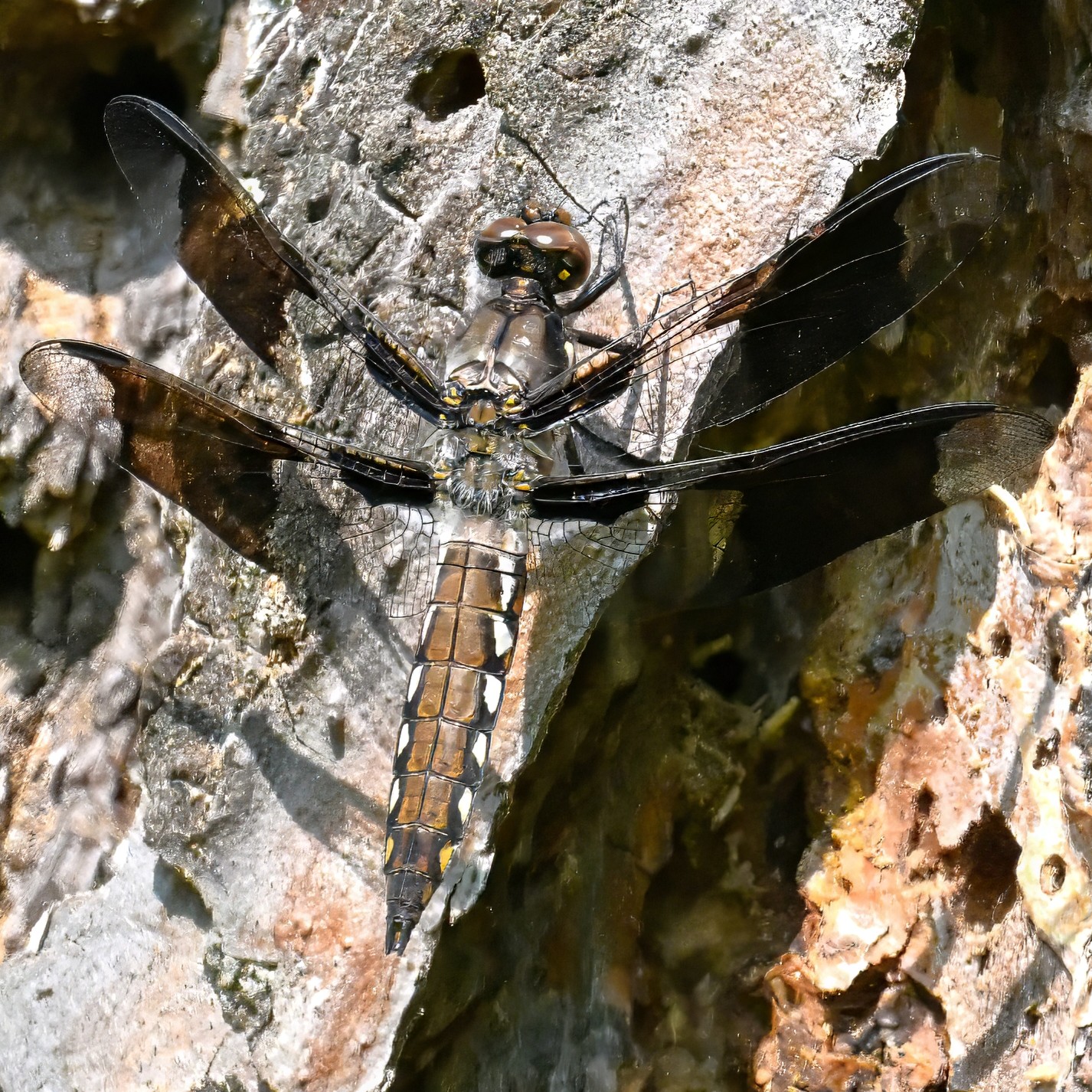
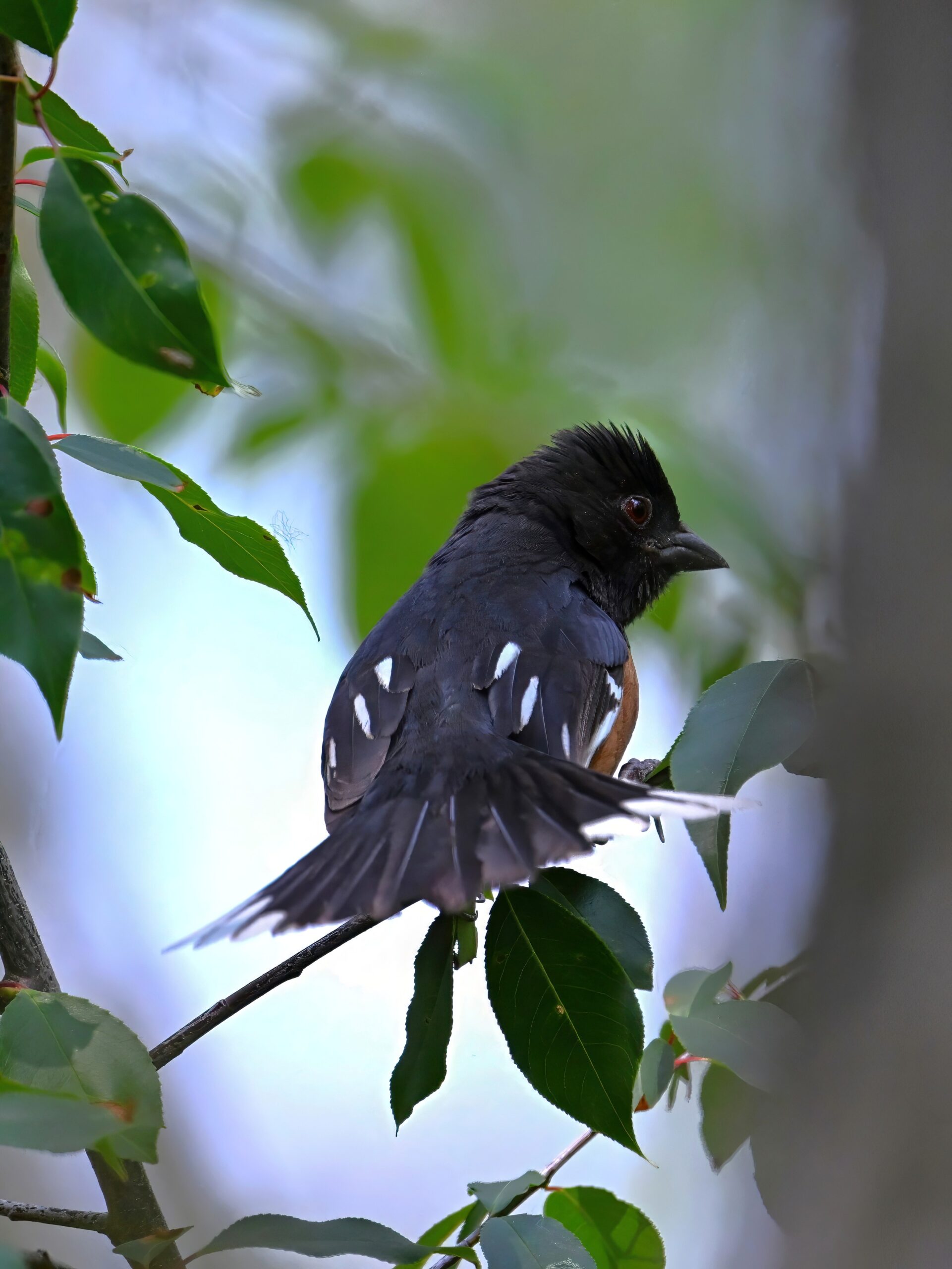
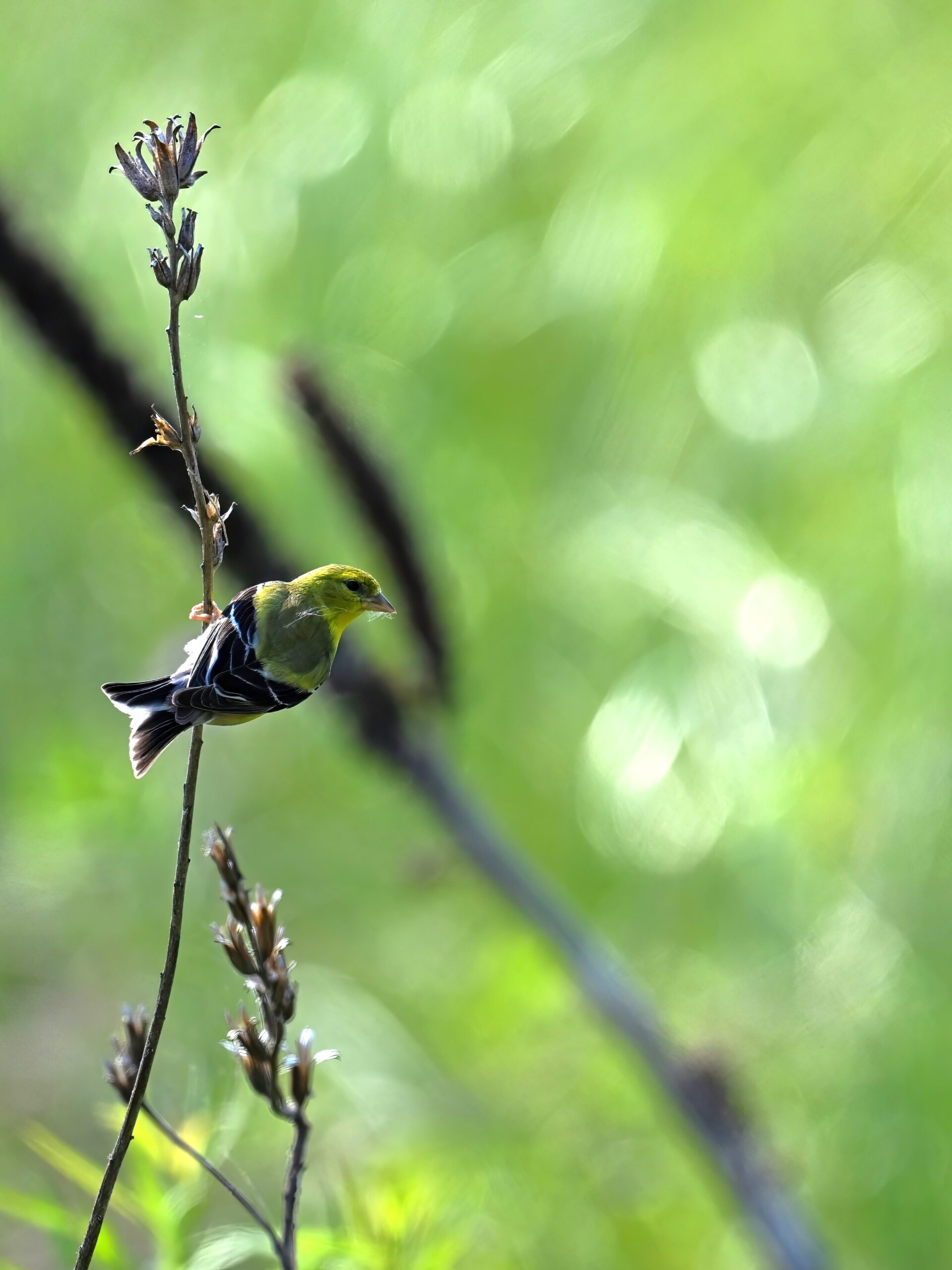
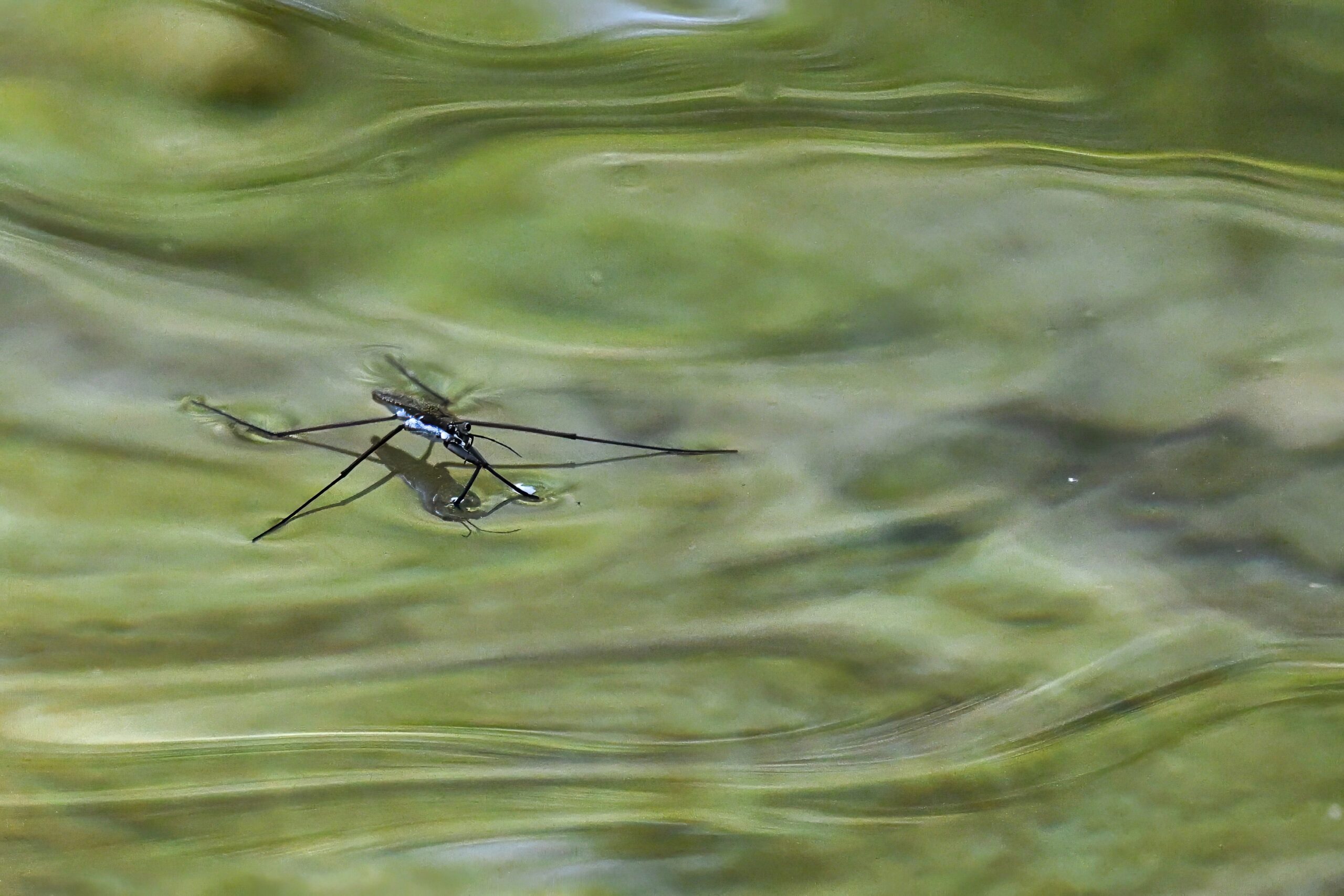
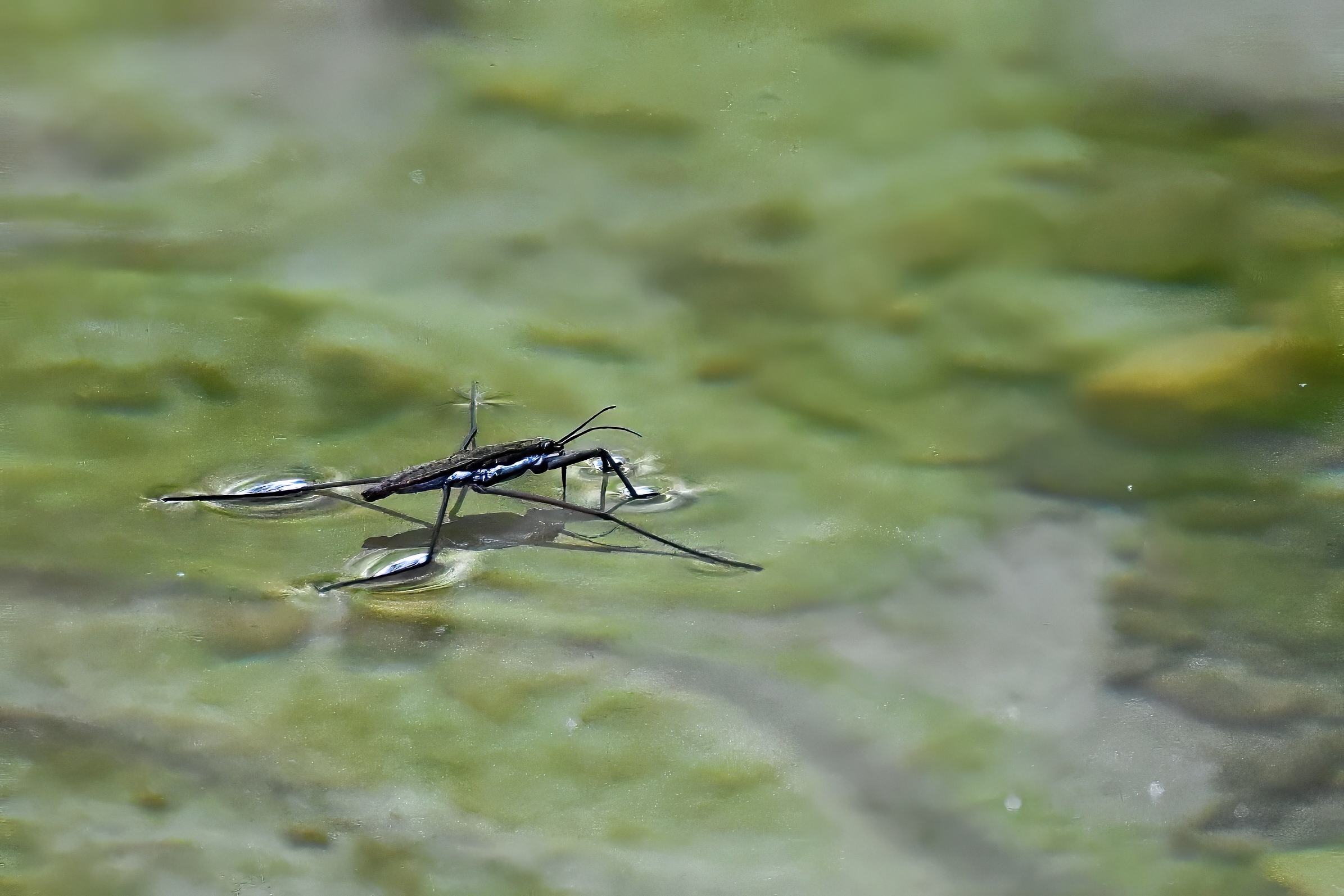
Before finishing up on the Sidewalk Trail, it’s back to ‘summer insects’ in Millcreek Twp (“Since 1800”), this time featuring 400mm f/4.5 close-ups at Asbury Woods. The purple thistle = Creeping Thistle (Cirsium arvense).
Western Honey Bee (Apis mellifera)Cabbage White butterfly (Pieris rapae)
The small, orange/brown butterflies in the following shots are probably in the family Hesperiidae (skippers), e.g., Peck’s Skipper (Polites peckius) or Hobomok Skipper (Lon hobomok):
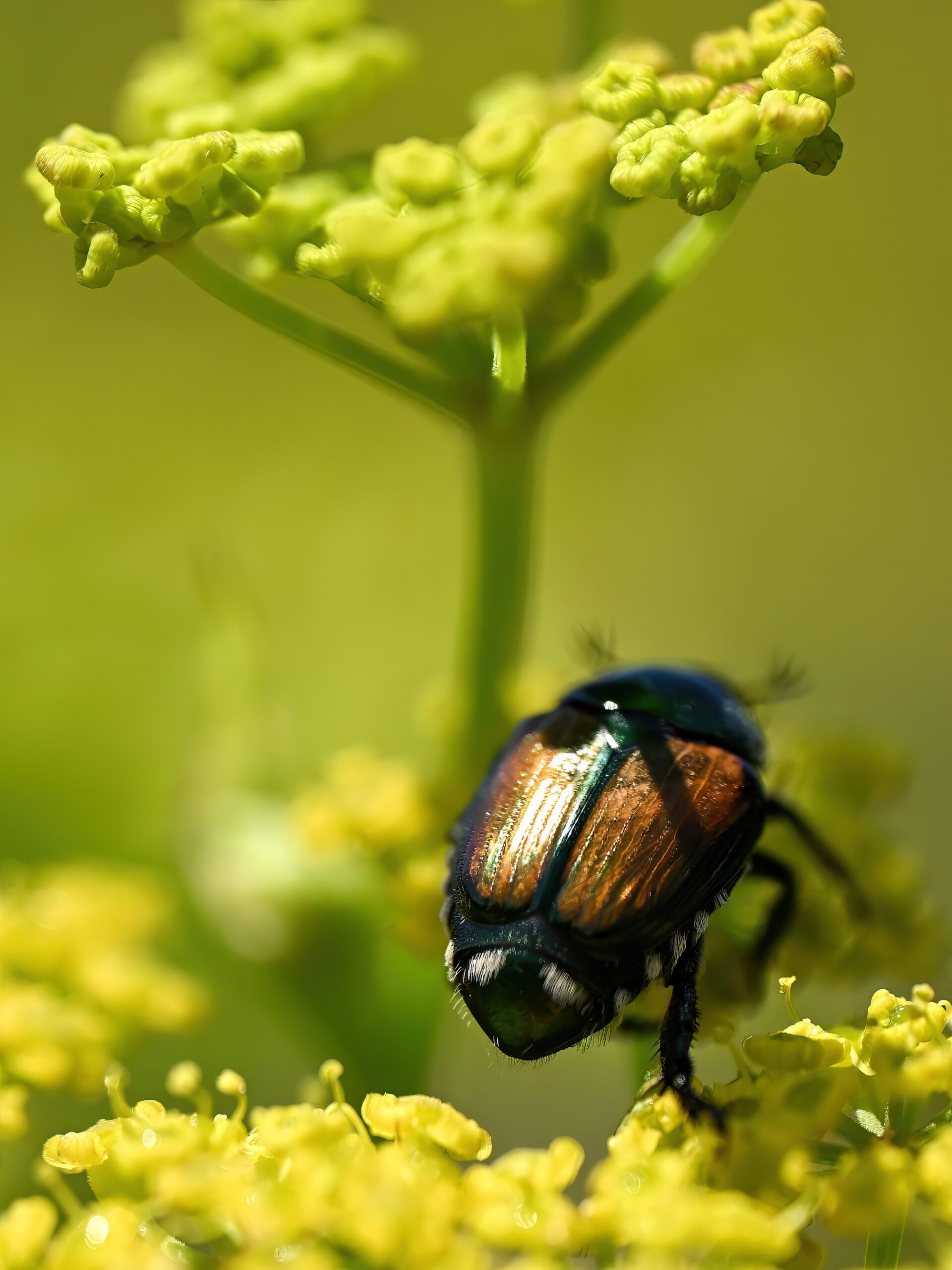
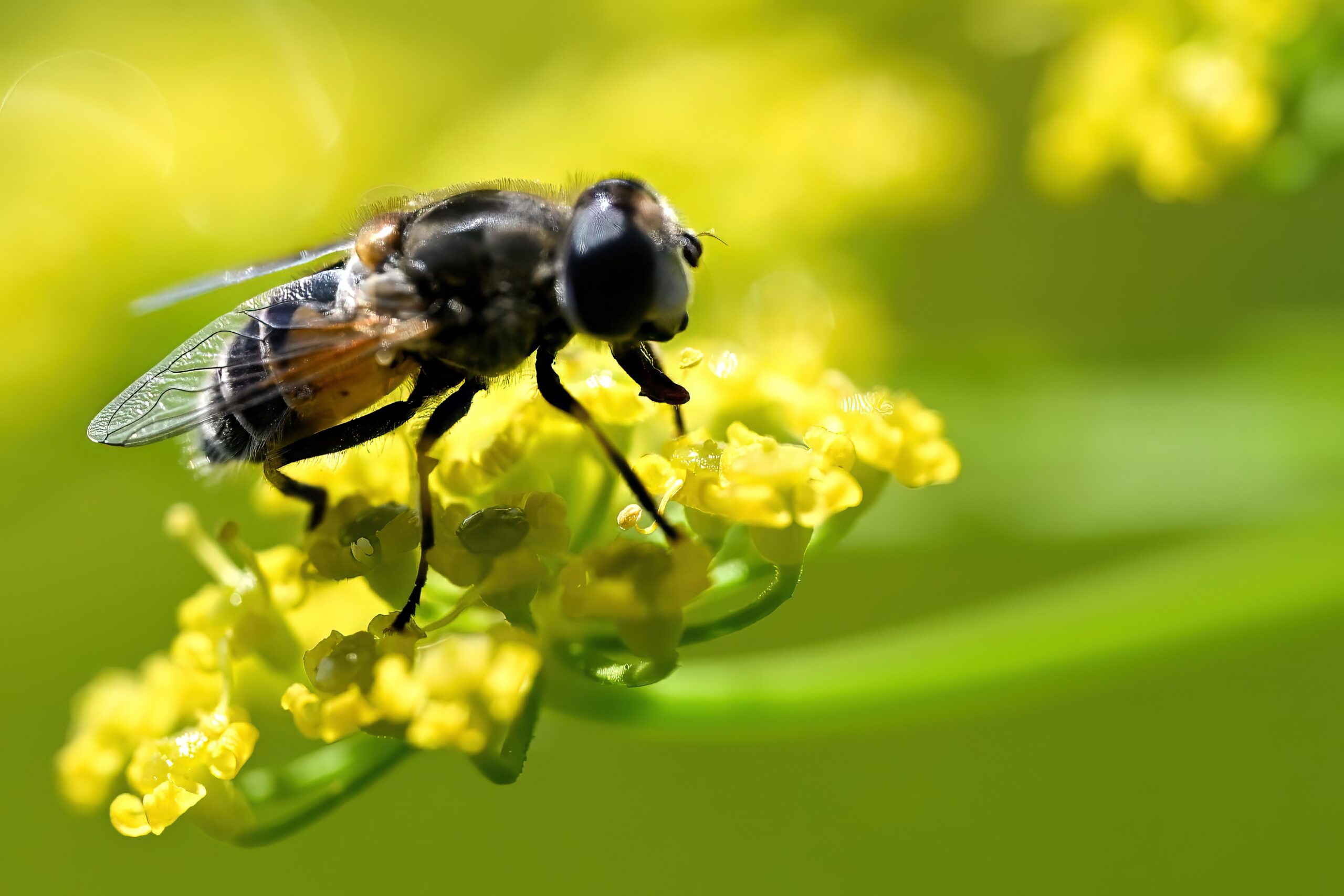
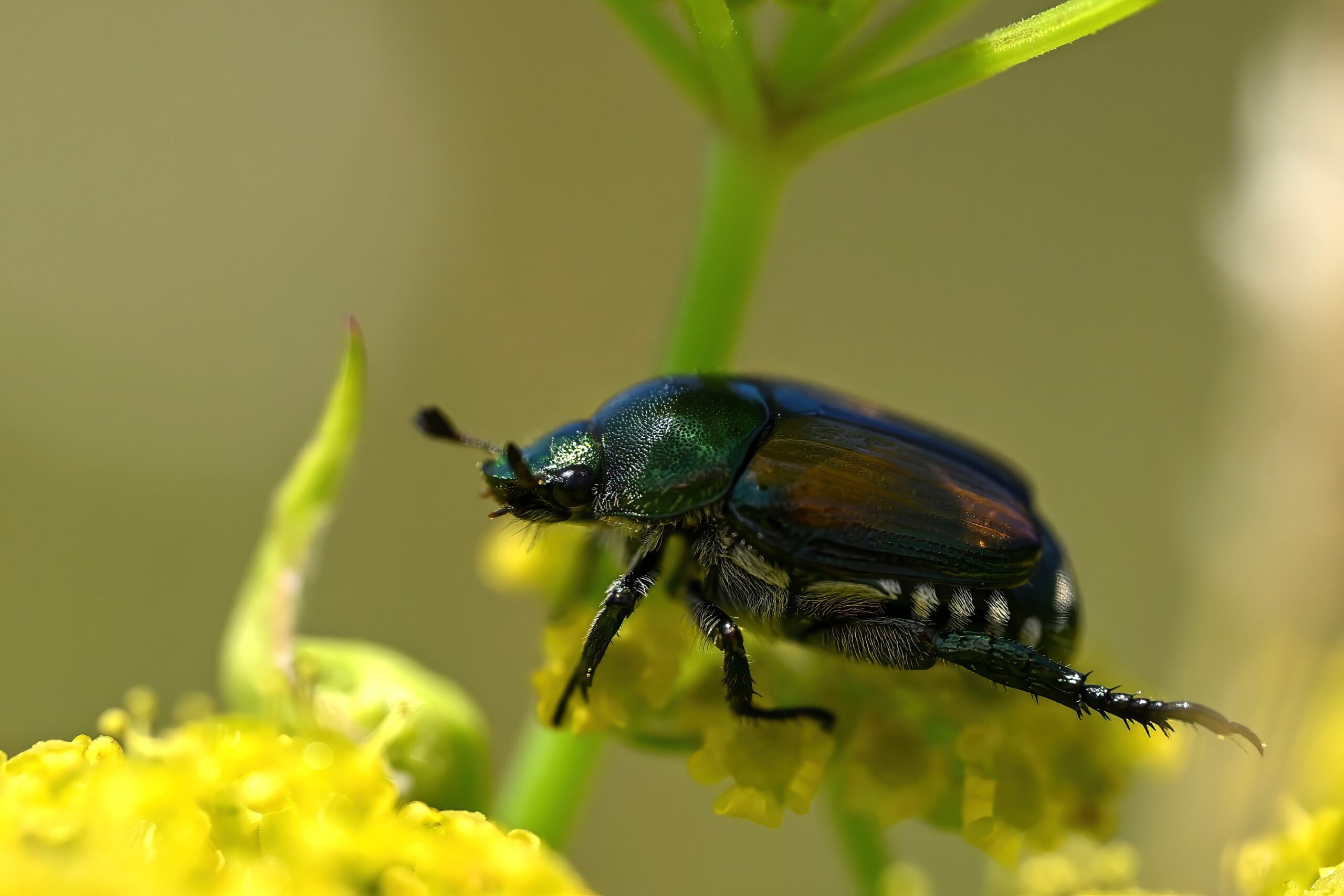
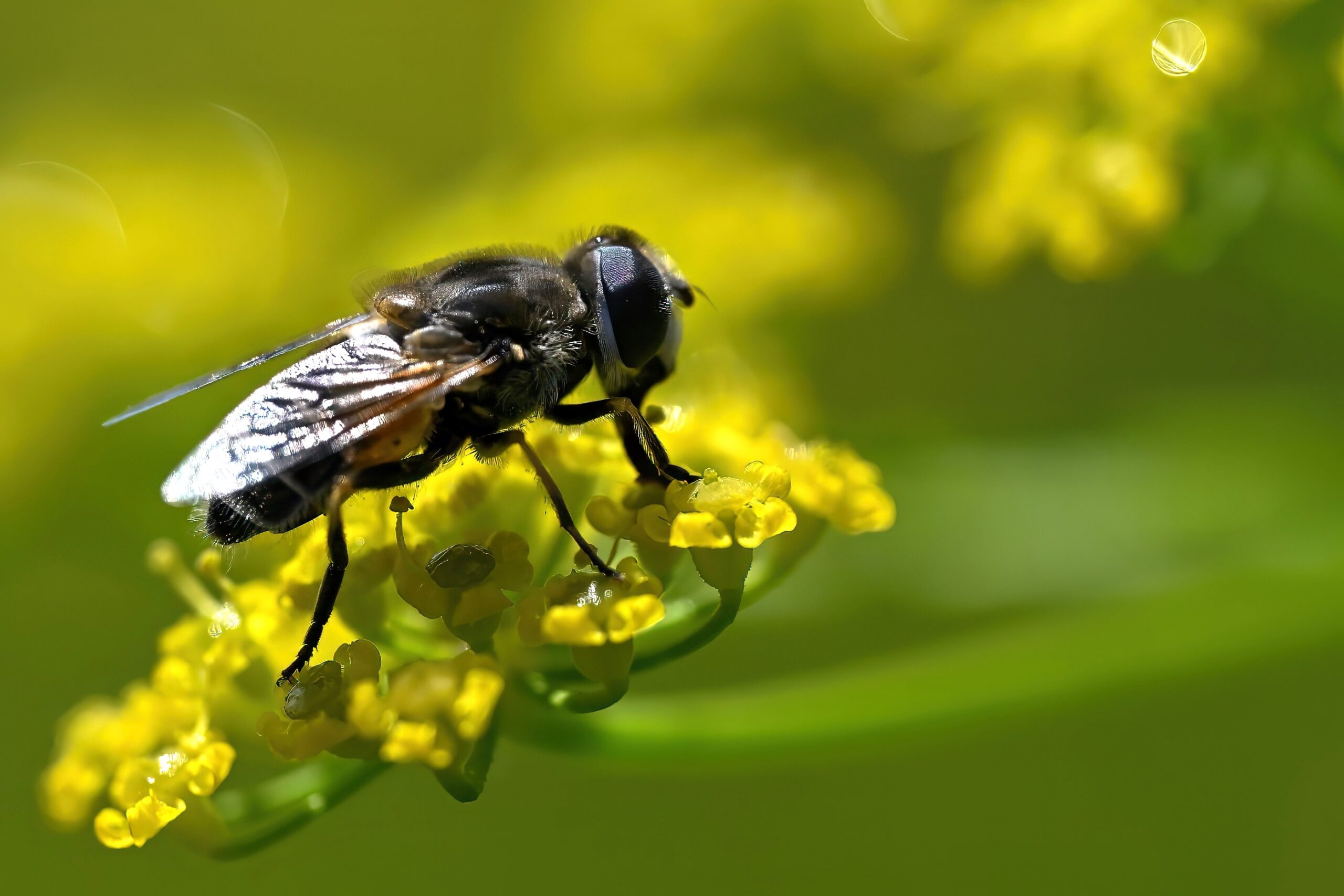
Following is Pennsylvania Leatherwing (Chauliognathus pensylvanicus) a.k.a. Goldenrod Soldier Beetle (left) & Sphaerophoria scripta or some other species of hoverfly on right:
Little Wood Satyr (Megisto cymela)Perhaps a species of flesh fly in family SarcophagidaeHoney Bee and hoverflyPerhaps a small carpenter bee in genus CeratinaBee on lupineProbably Least Skipper butterfly (Ancyloxypha numitor)
Here in Erie County, Pennsylvania, it’s day 2 of the ‘Great June 2025 heat wave,’ with temp indices expected into the low 100’s deg F (38+ degree C). On the other hand, at least it’s not raining!
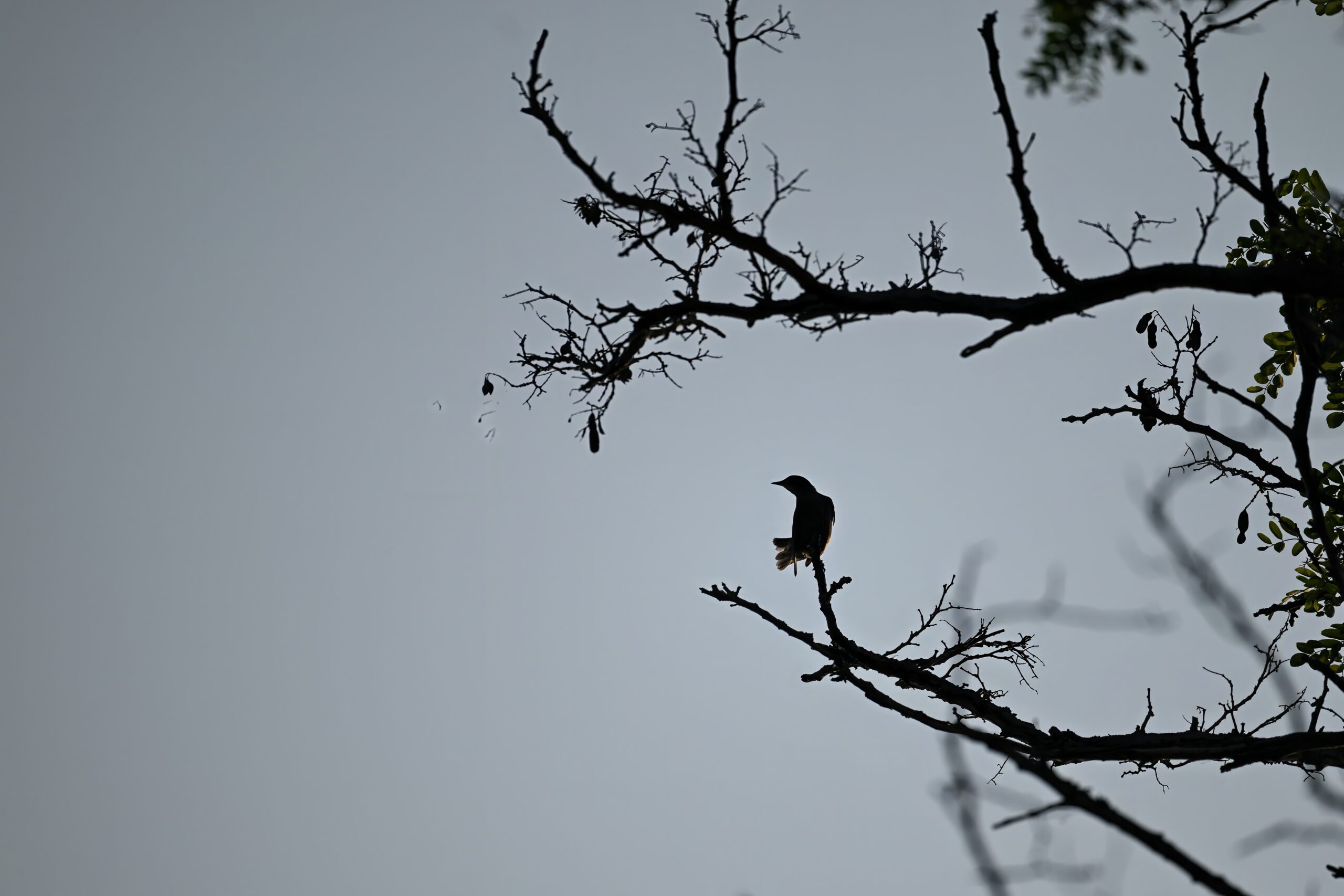
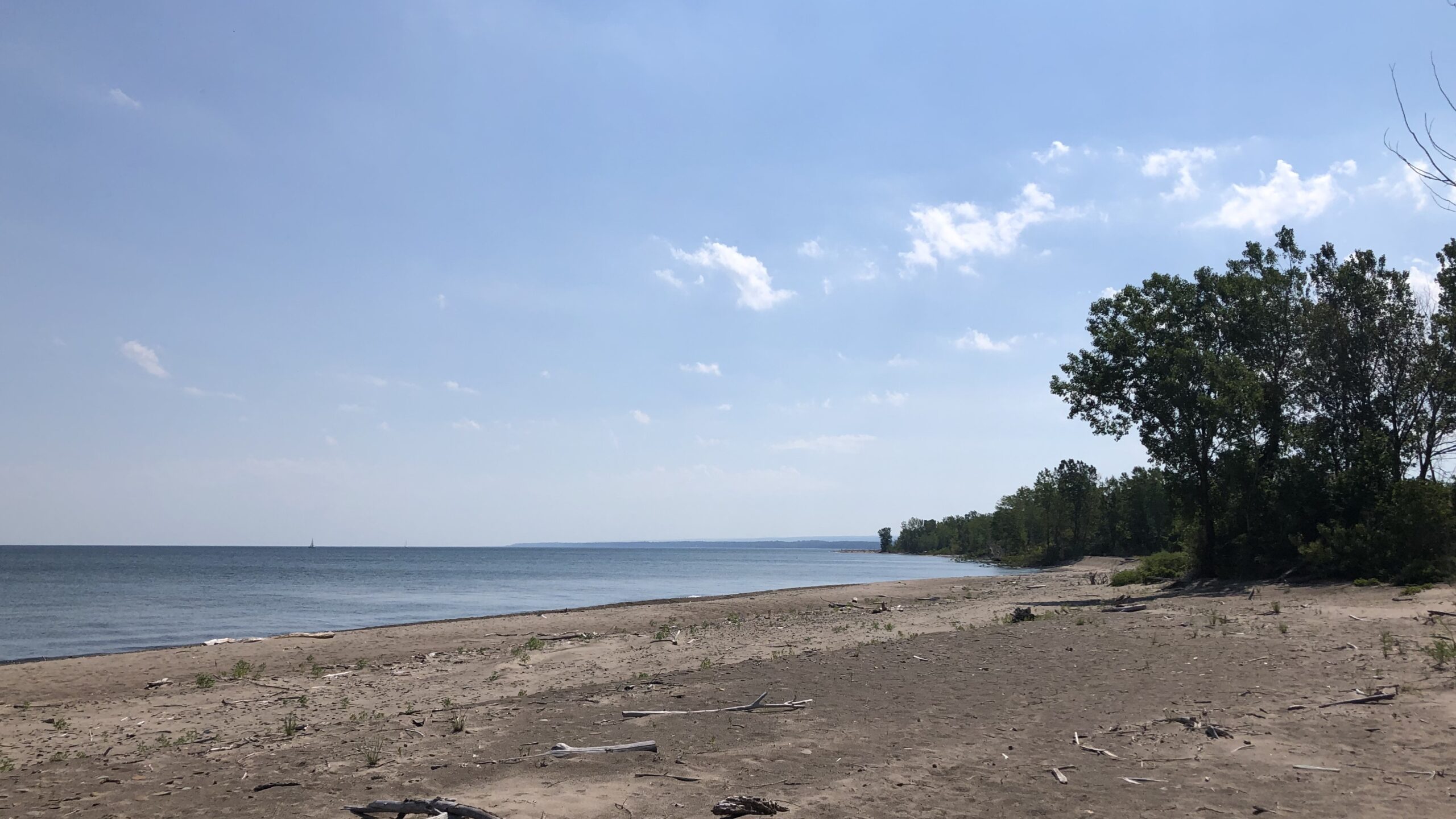
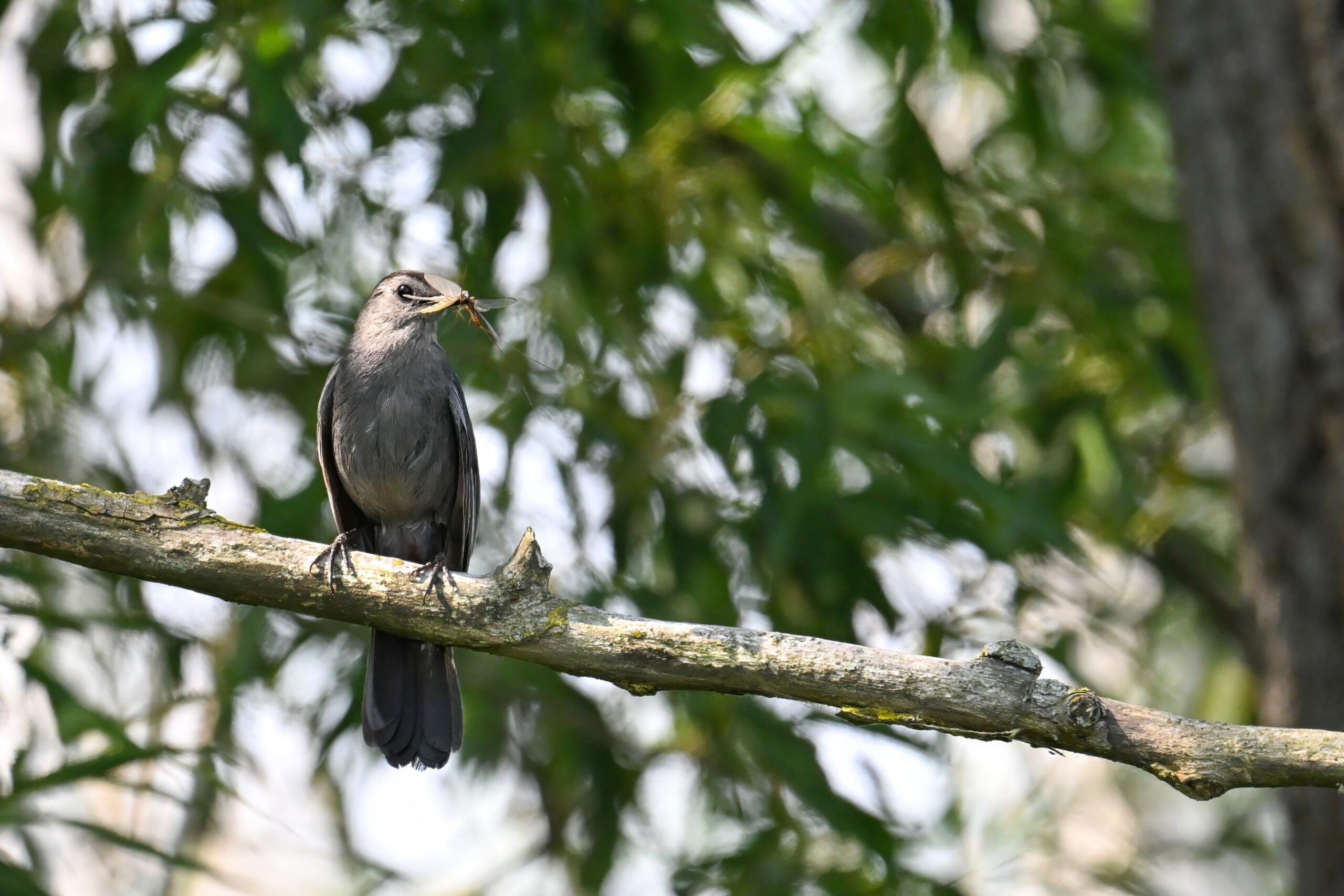
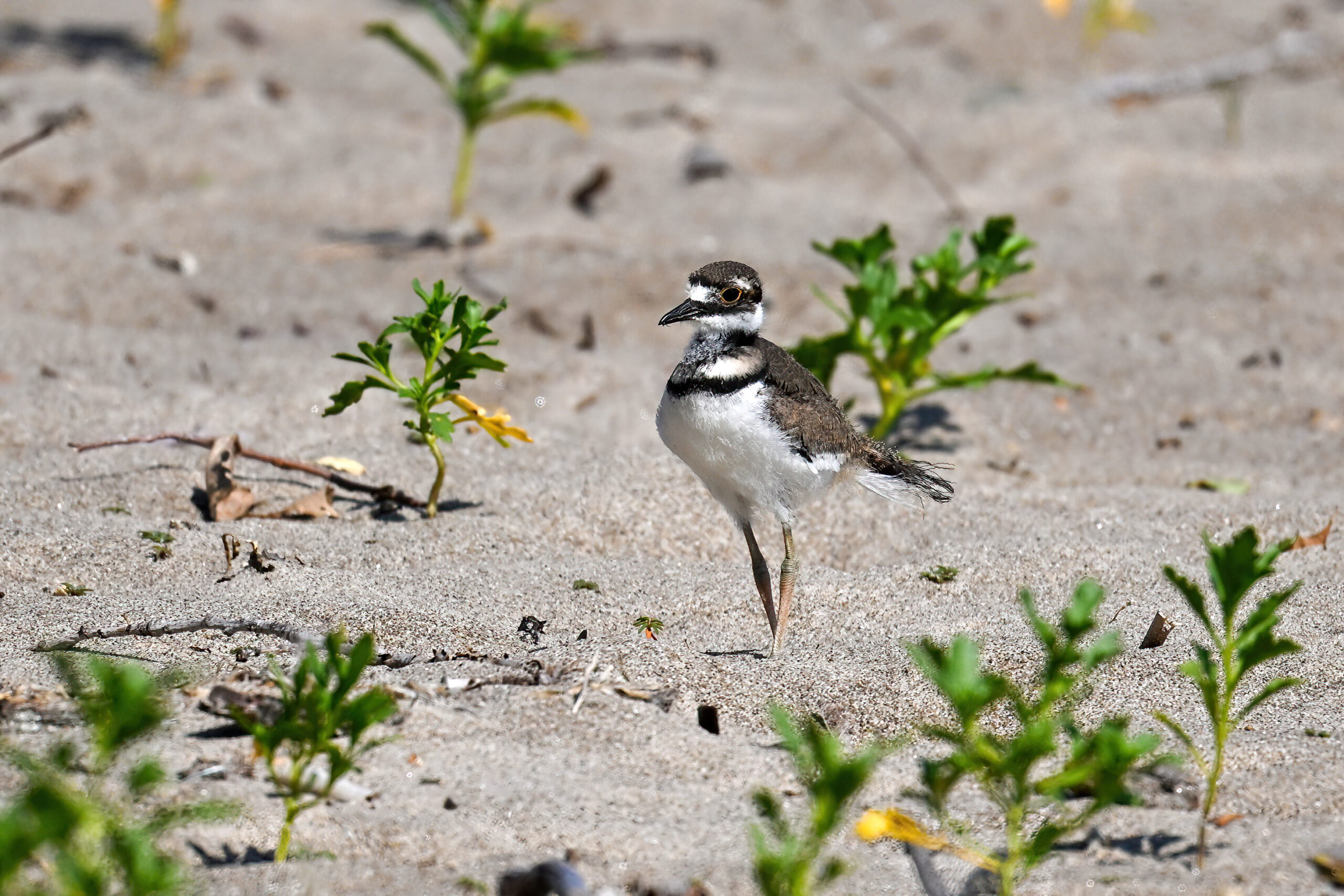
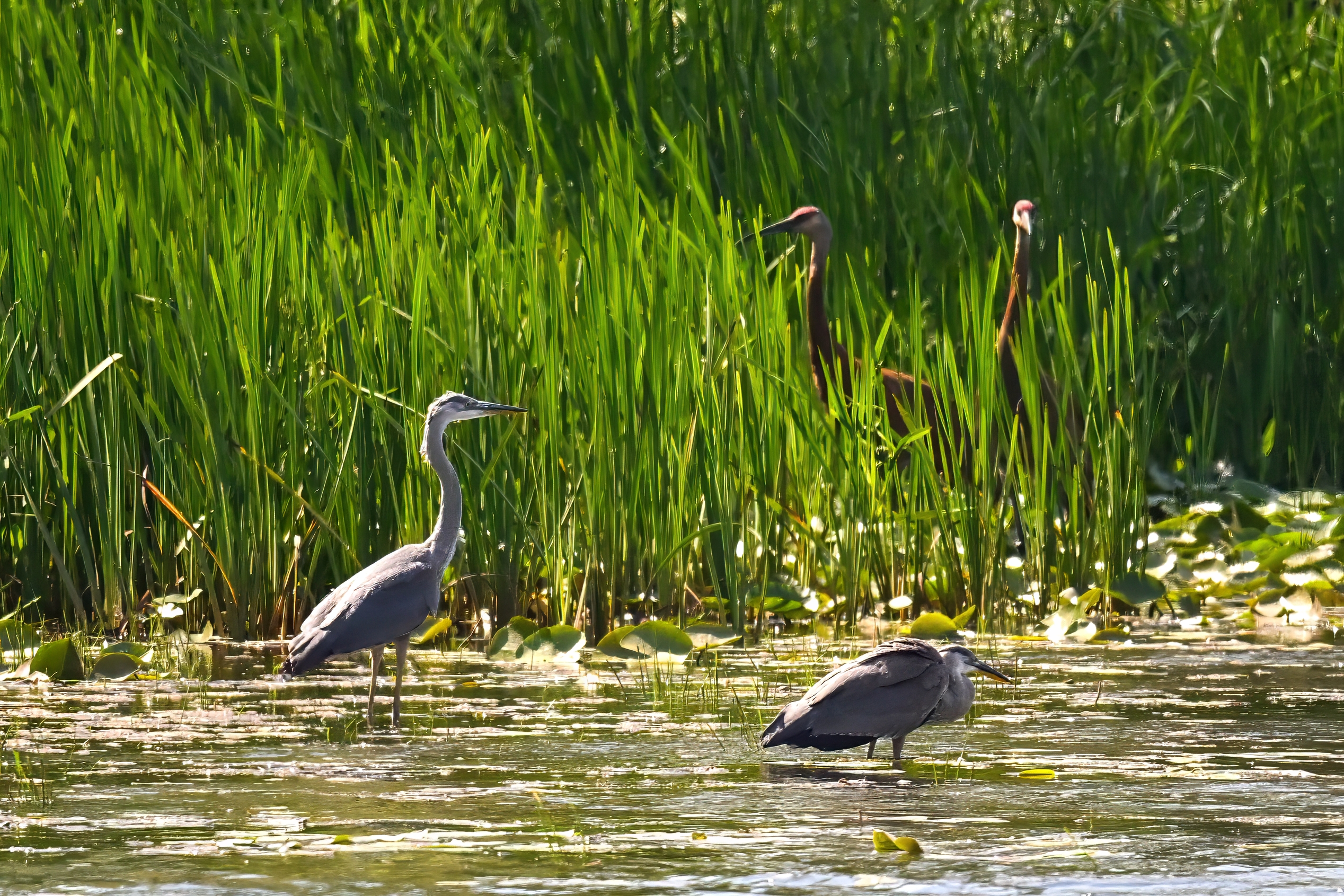
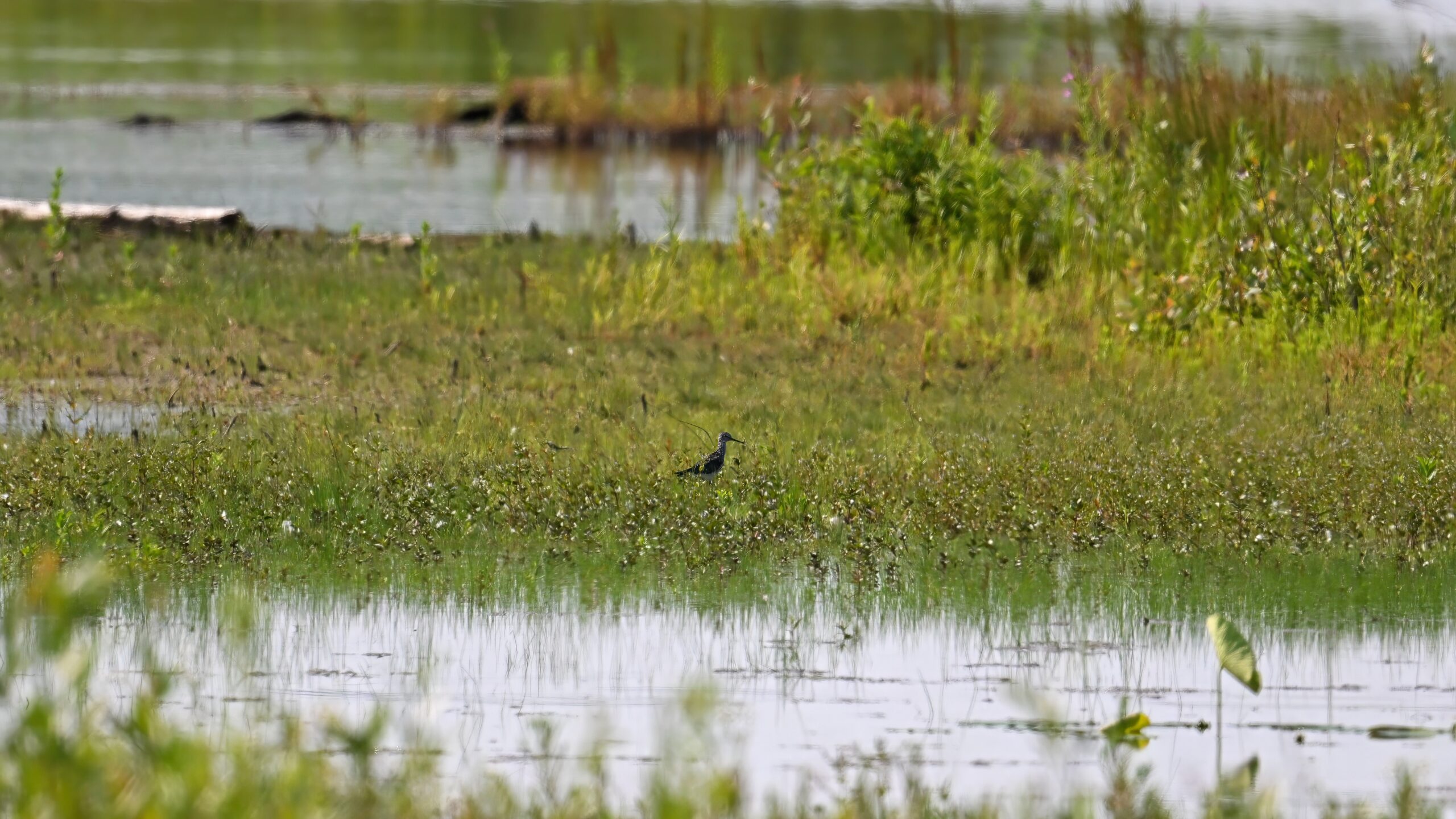
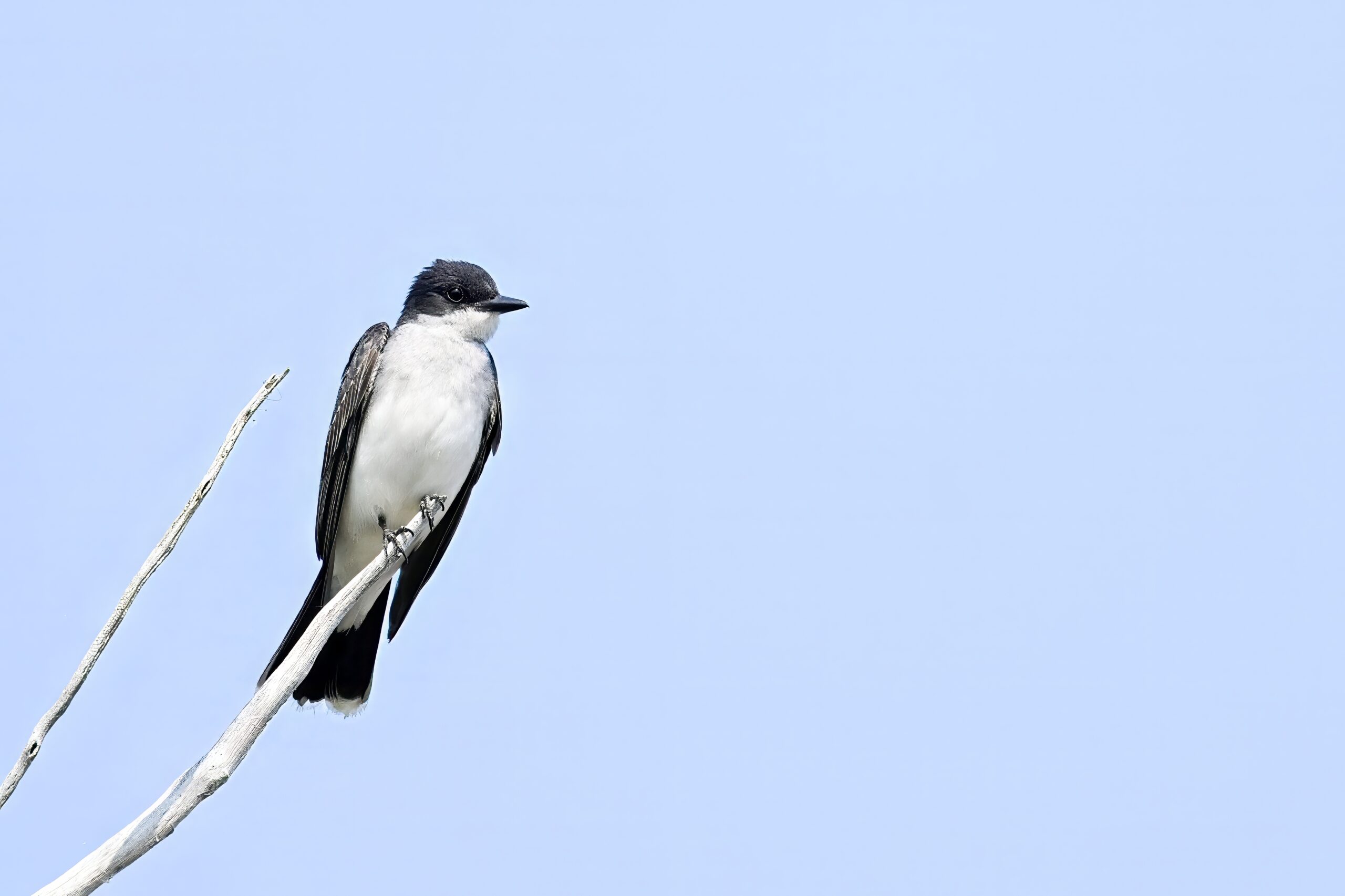
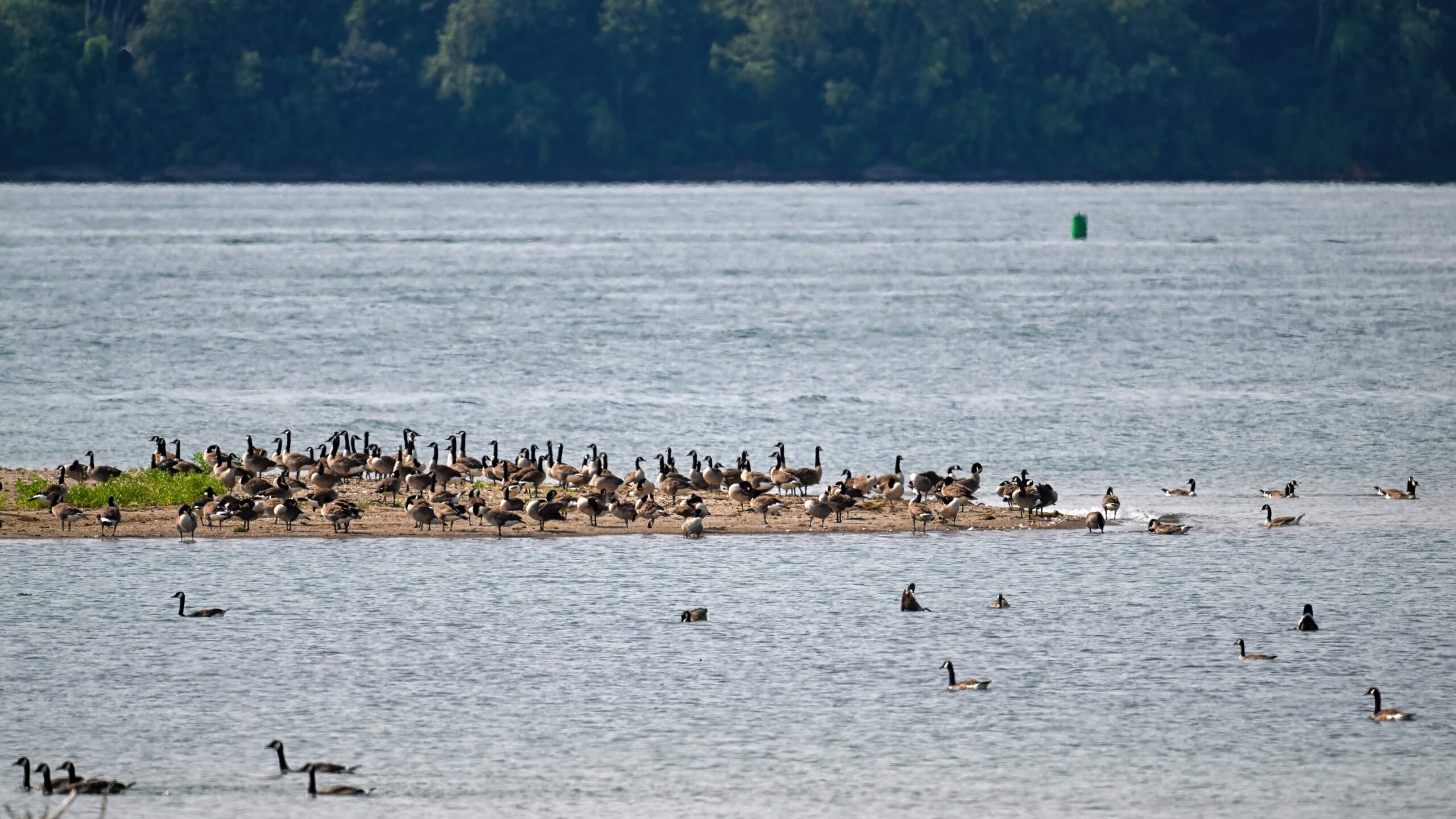
This post goes back a couple weeks at Presque Isle State Park, along the Sidewalk Trail under mild/rainy conditions, featuring a flycatching Eastern Kingbird or two (e.g., above and below), unless otherwise noted.
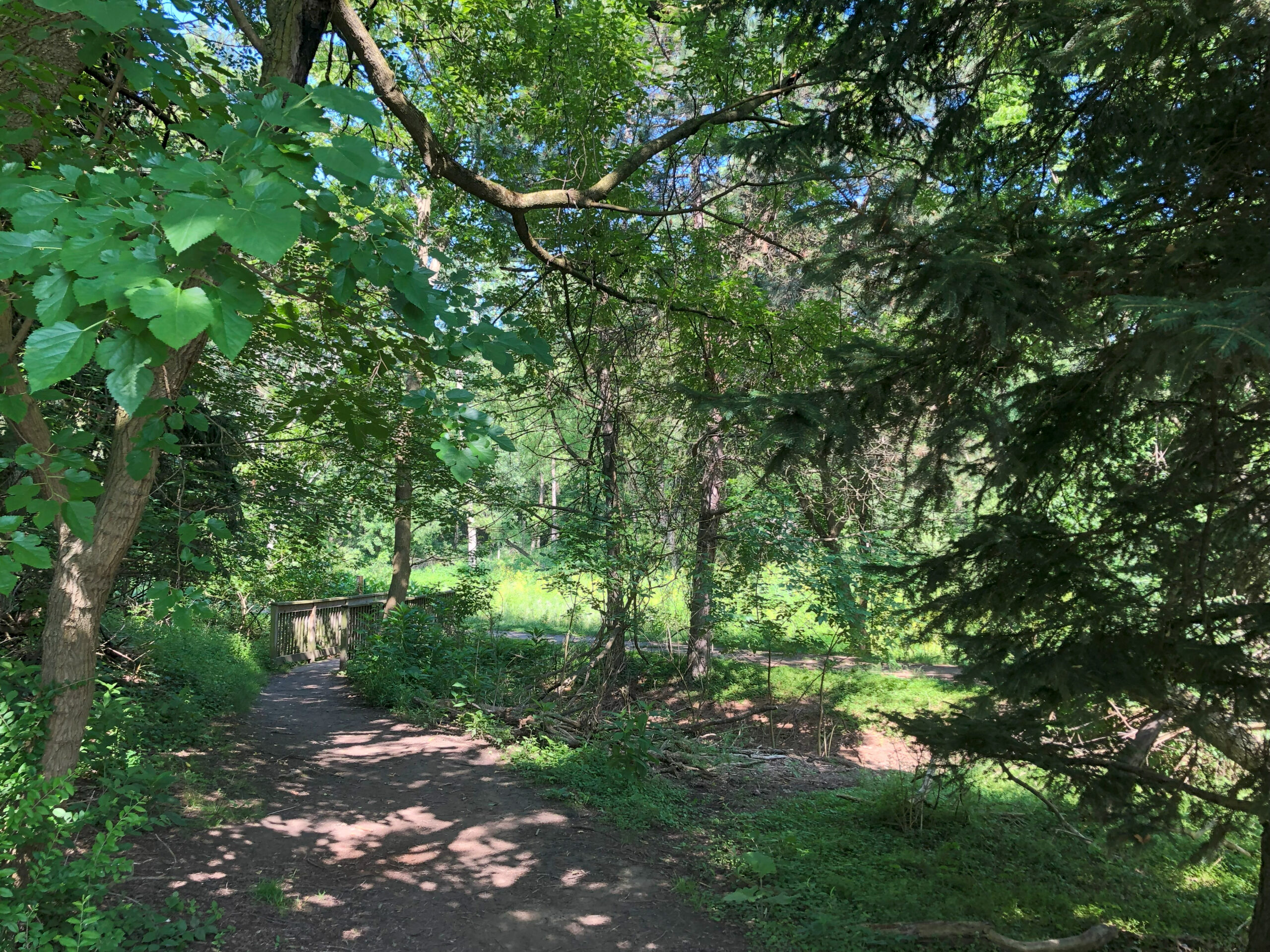
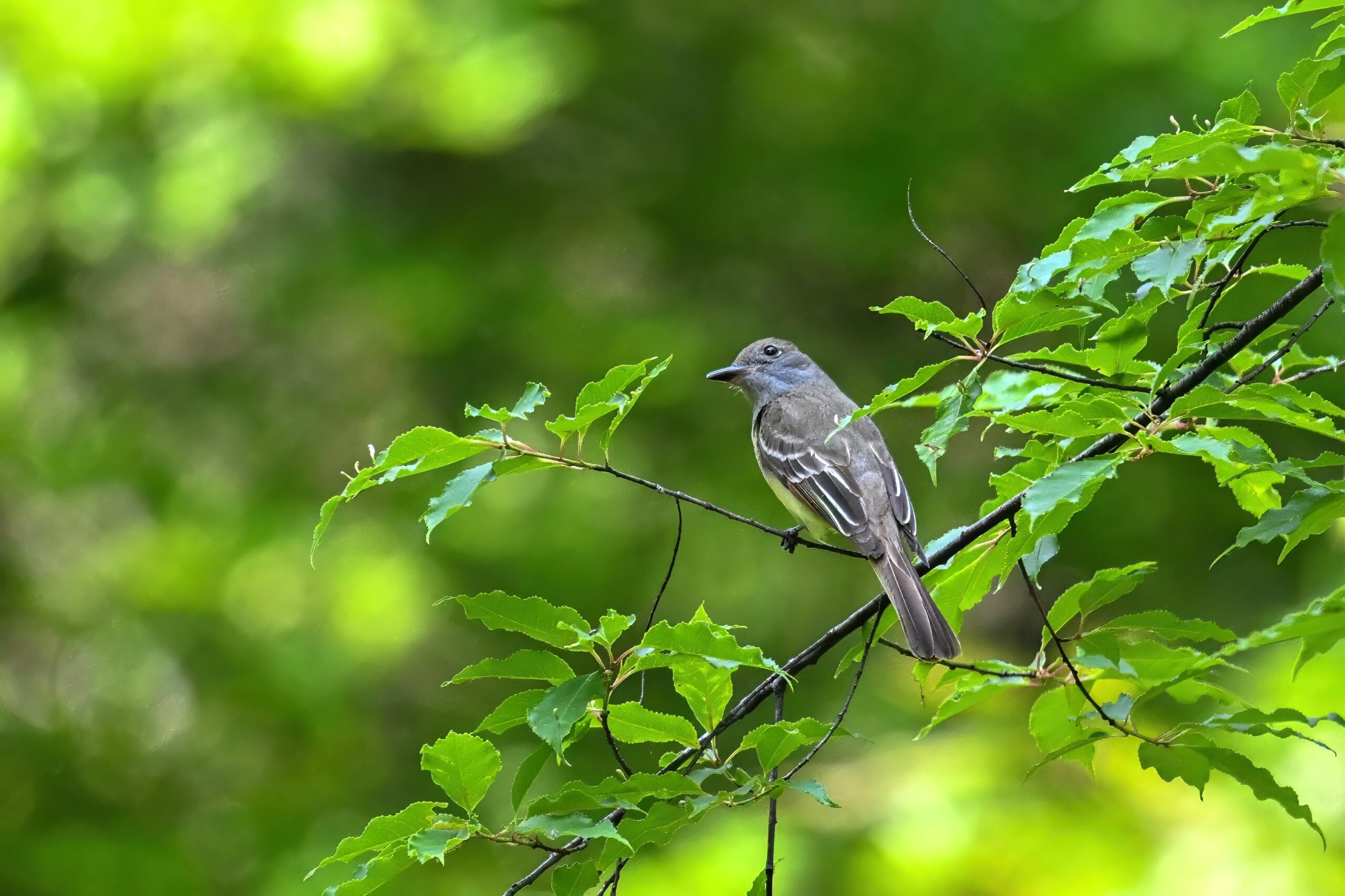
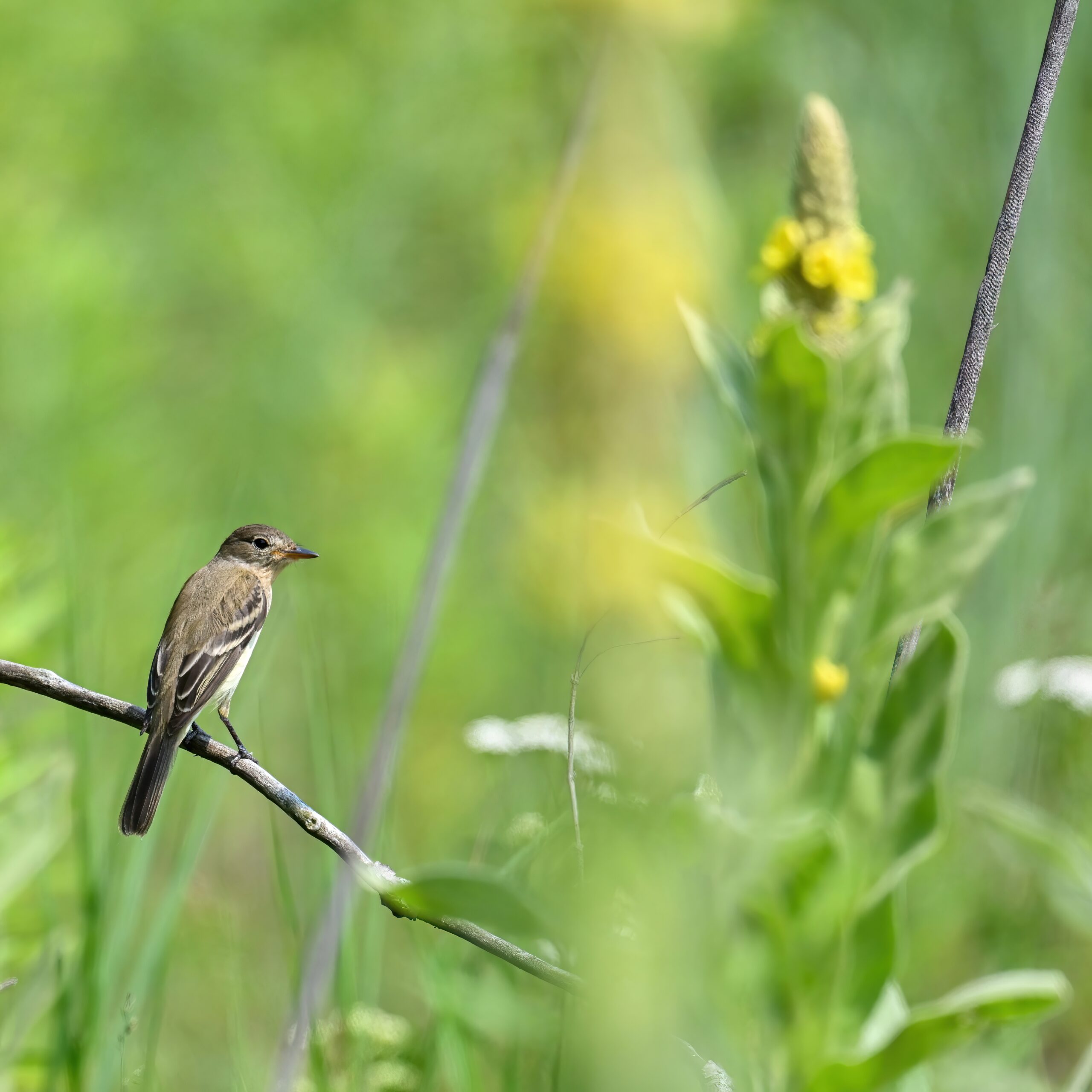
Today, it’s multimedia content from yesterday at Asbury Woods, featuring beautiful Eastern Phoebe x beautiful Mourning Cloak butterfly (Nymphalis antiopa). The connection? Same environment of mature pine/mixed forest, e.g., the bird and butterfly shots were taken within 50 meters or so of one another.
Video clips showing characteristic Eastern Phoebe tail wagging:
Heat advisory in effect today in Erie County, Pennsylvania – it’s gonna’ be a warm one! Stay cool, stay hydrated.
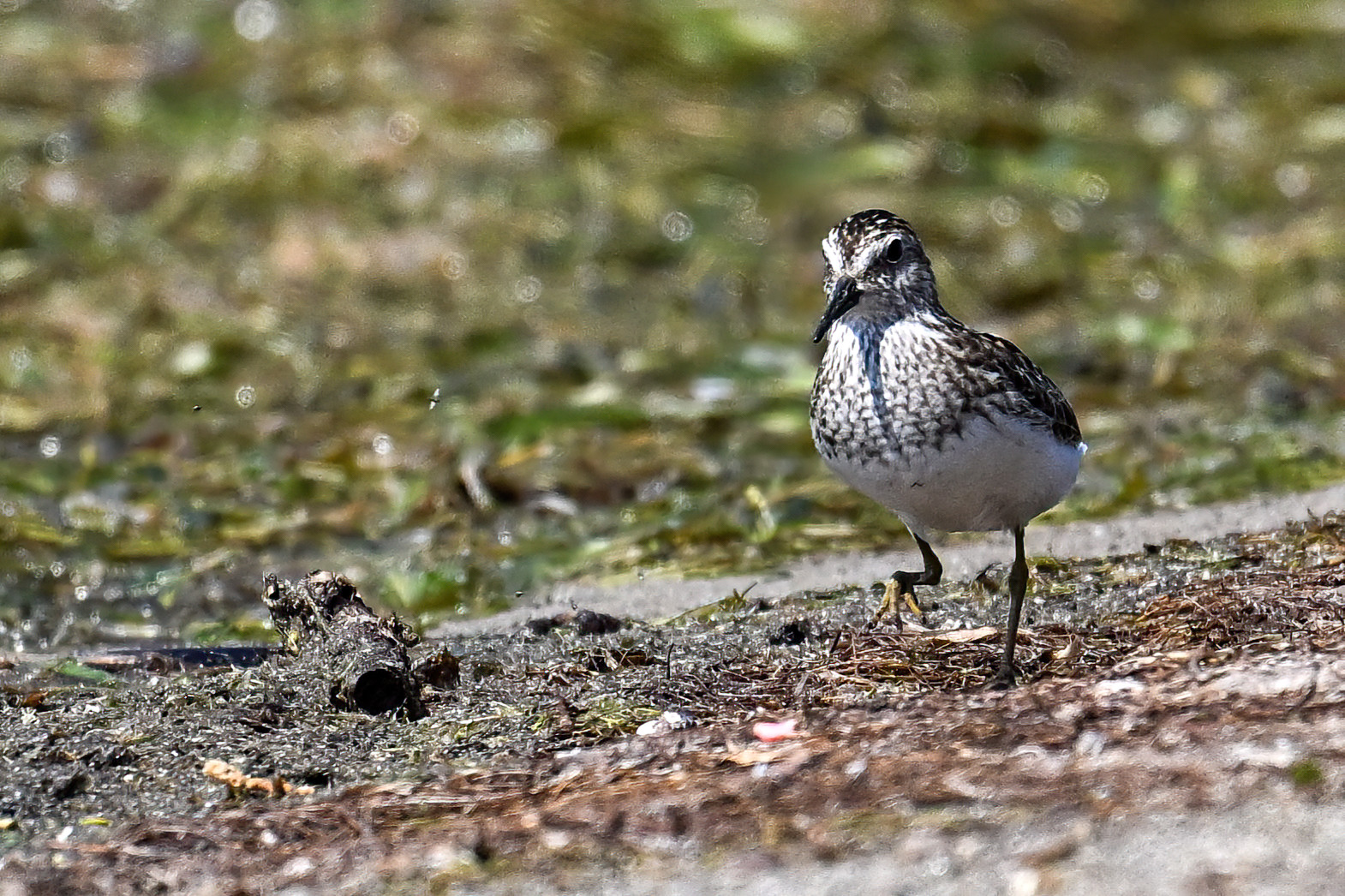
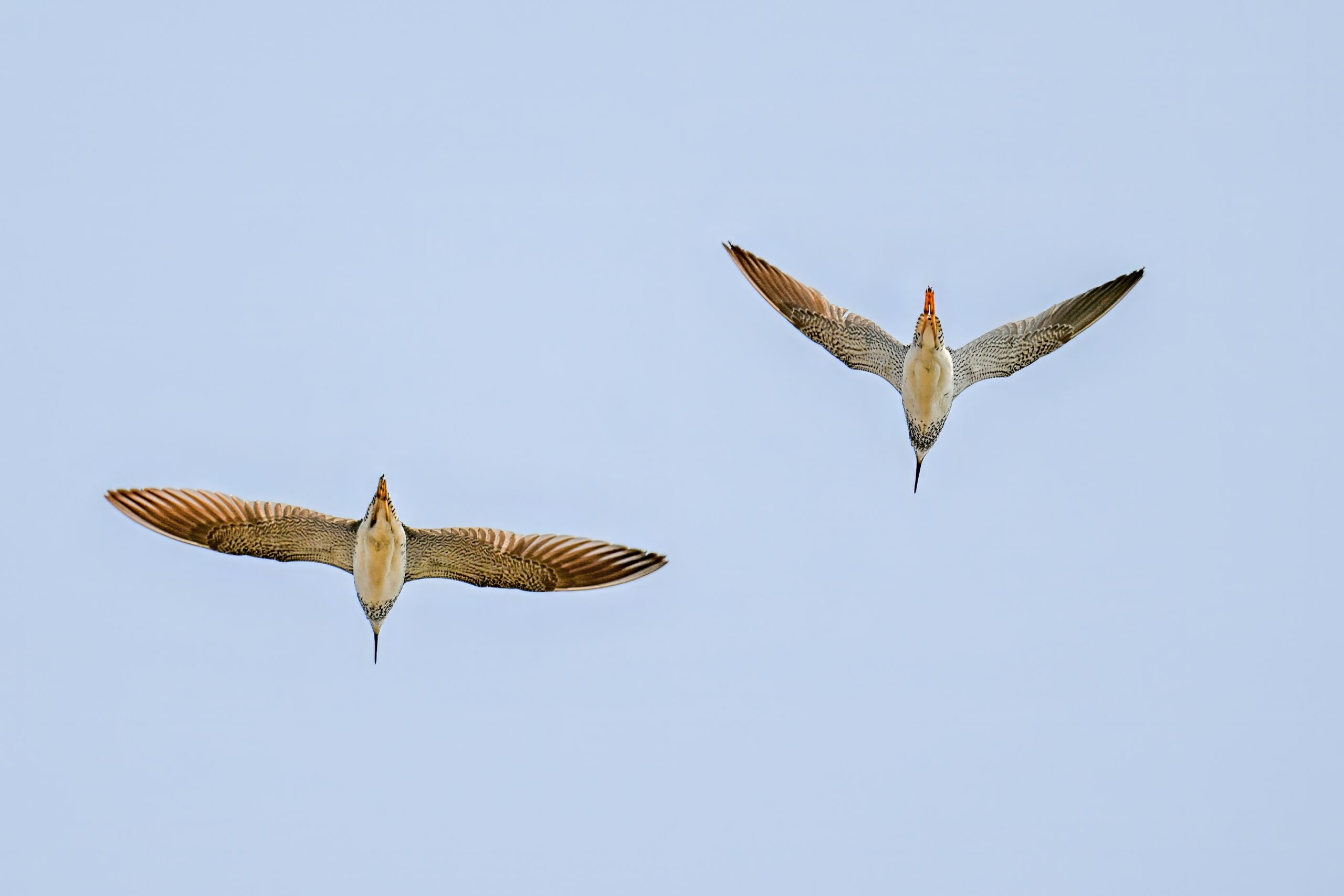
For those in the northern hemisphere (of planet Earth), happy first full day of summer 2025! And what better way to celebrate than birds? (Guess you could celebrate insect bites or heat stroke [heat advisory PSA], but those are difficult to attractively photograph.) Speaking of birds, the big news this week at Presque Isle State Park was multiple confirmed sightings of a rarely-seen-at-Gull Point male Wilson’s Phalarope, e.g., as shown here (breeding plumage) late yesterday afternoon:
In addition to the male, anywhere from 2-4 chicks were also reported (2 are shown below). This might be the first confirmed nesting/hatching at Gull Point (Pennsylvania generally?) ever.
Generally, female Wilson’s Phalaropes depart after laying eggs, leaving the male to care for the chicks. Hence, not unexpected to only see a male in this context.
As shown here, chicks are self-reliant for foraging for insects, etc.:
[Editor’s note: Scientific name for this species is Phalaropus tricolor. Hint to the AOS renaming committee: ‘Tricolored Phalarope.’]
“What do you call a curlew with a long bill?”“Hmmm…”“Wait, I know! … Long-billed Curlew!”“Ha, ha, ha!”
And with the comedic introduction (featuring Western Gulls) out of the way, it’s mostly amazing Long-billed Curlew @ Torrey Pines State Beach (north) on 4 March 2025, north of San Diego, California:
“Yeah, rain birdinginPittsburgh! Just grab an umbrella and an old camera.” Right. Great idea. Obviously the sad result of some combination of nature overenthusiasm and/or too much (or not enough?) black coffee.
Wet birdAllegheny River & Fort Duquesne Bridge (Interstate 279)
Rain. Like water off a duck’s back:
Roberto Clemente Bridge over Allegheny RiverWet bird IIOn left, Point State Park & Fort Pitt Bridge
Goose family’s day along the Allegheny River:
Head of Ohio RiverStill a bird, even wetterAcrisure StadiumLooking for nibletsFort PittI hear a wormFormer site of Fort Duquesne, looking towards head of Ohio RiverFan dancePoint State ParkA discarded orange in perilI know there’s a worm here somewhereHead of Ohio River (l) & Point State Park Fountain (r)Meet me in St. LouisIt cannot escape my powers!Point State Park Fountain (foreground) & Acrisure Stadium (background)On behalf of wet birds everywhere, have a nice day
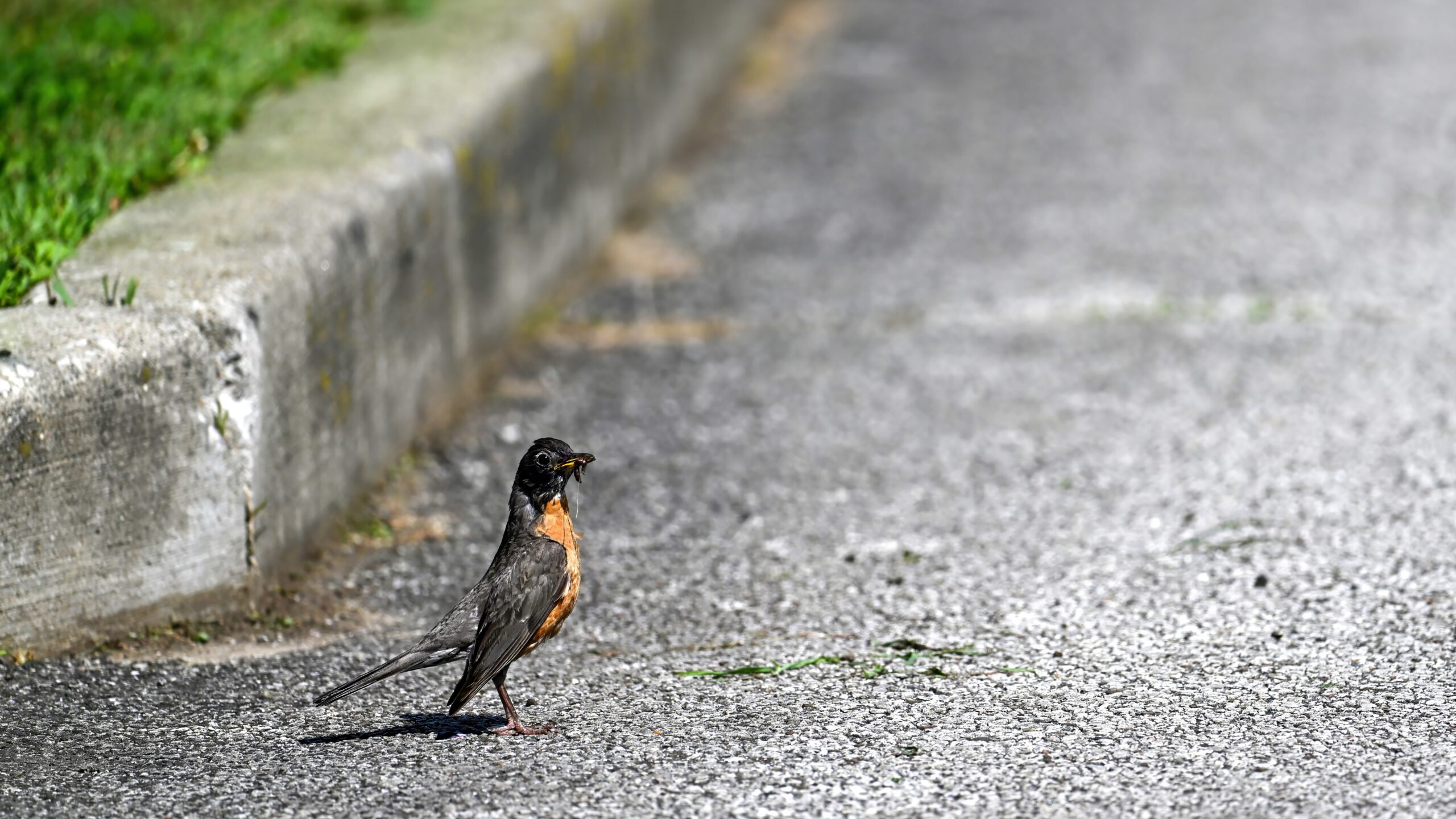
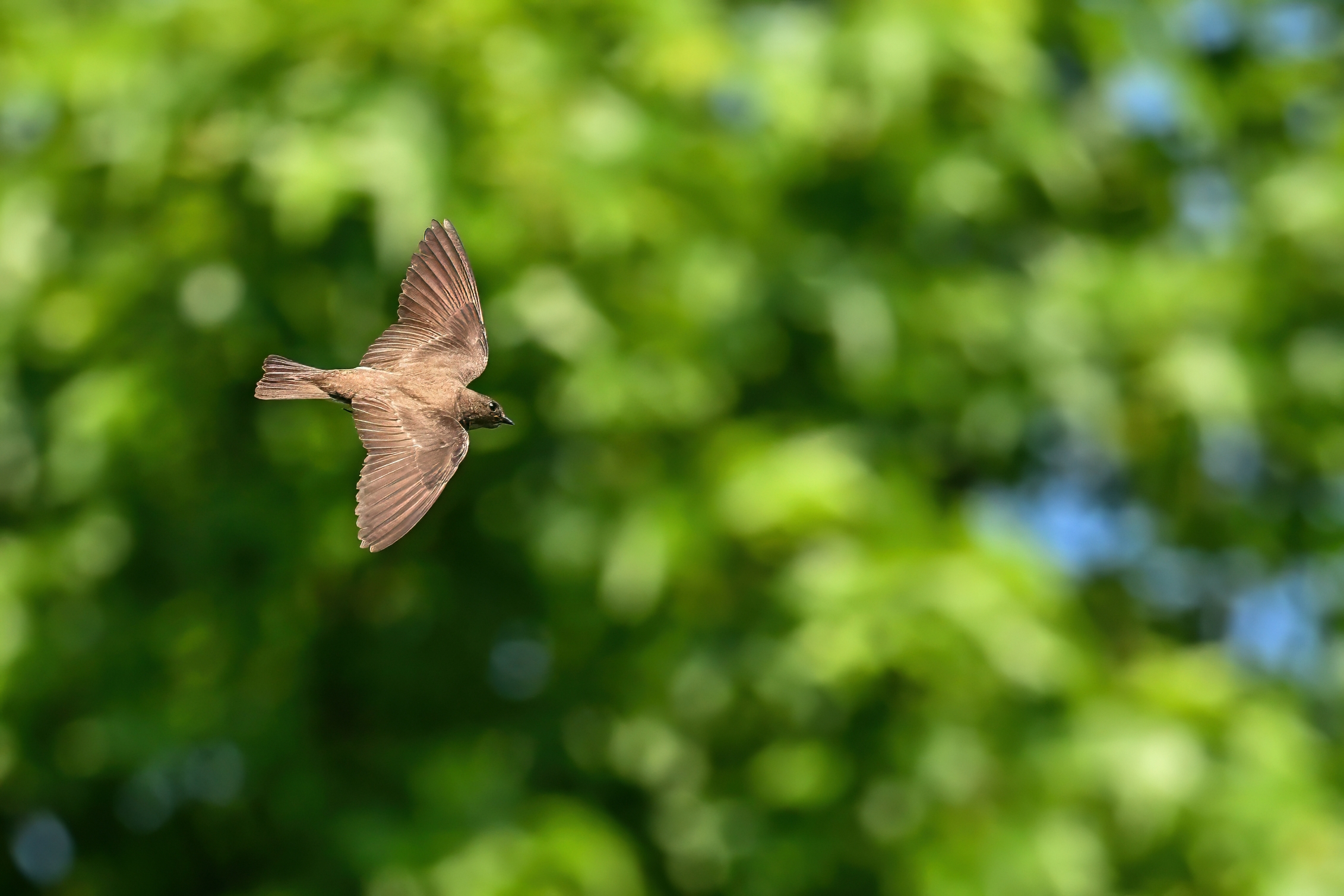
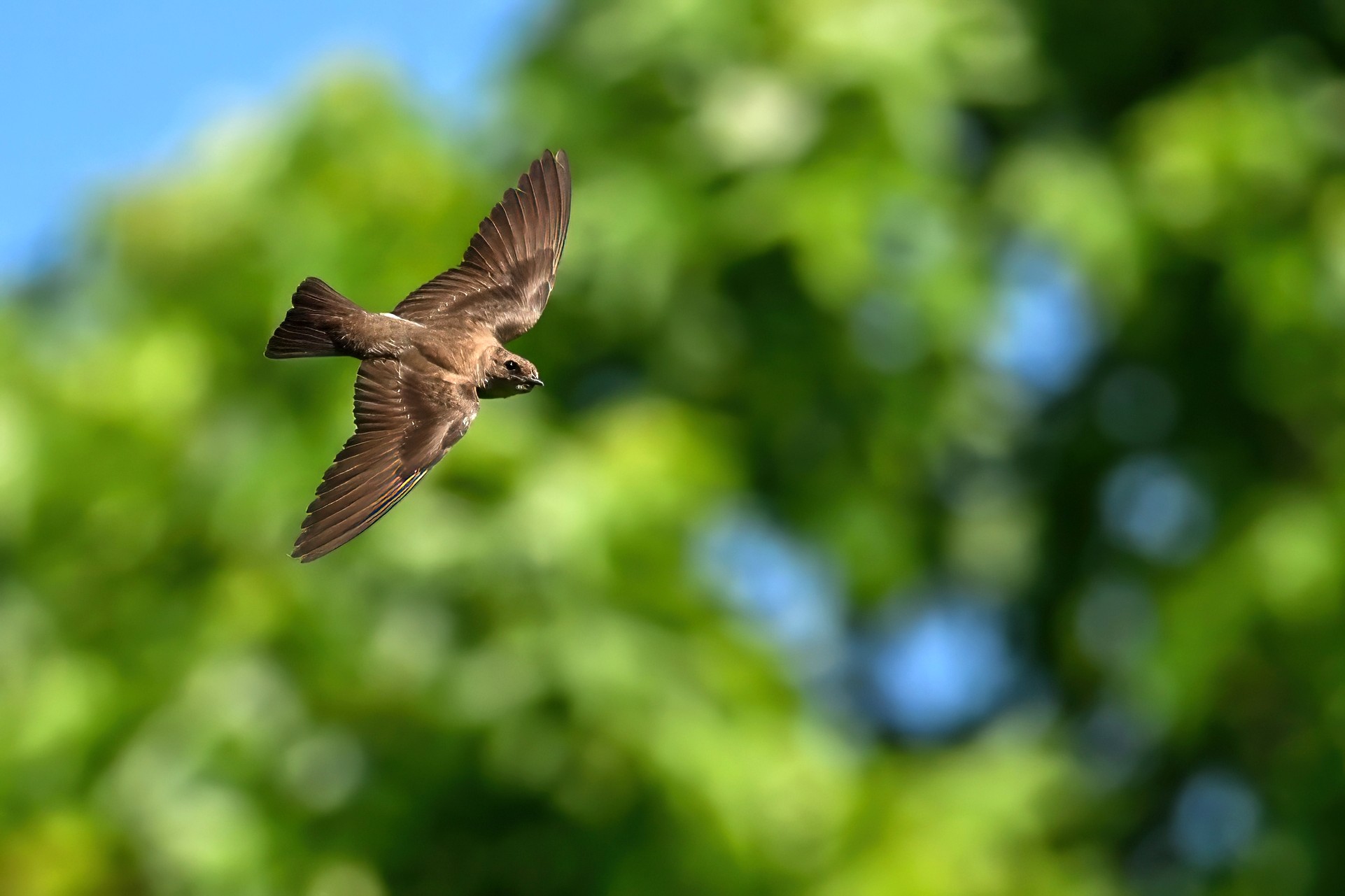
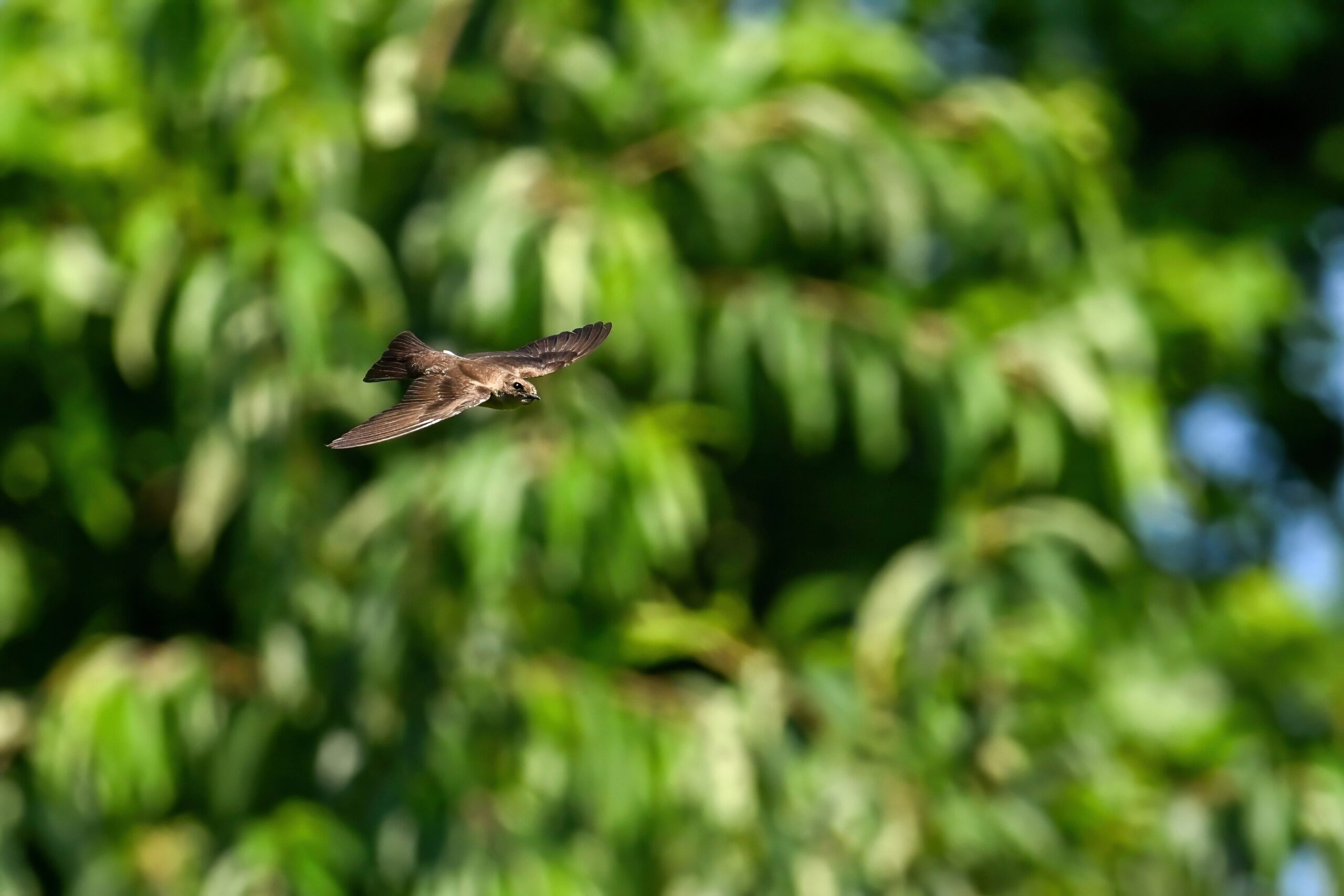
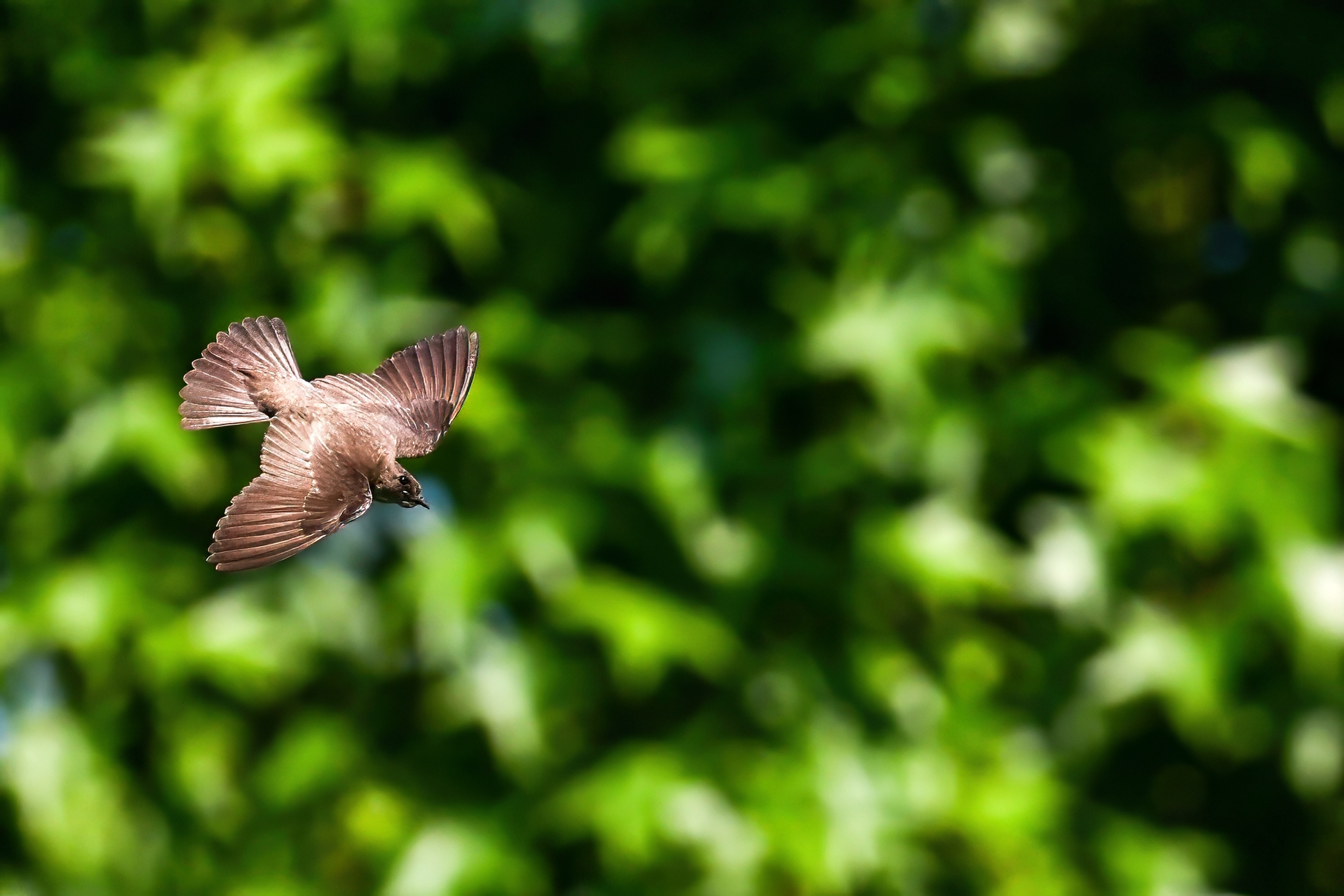
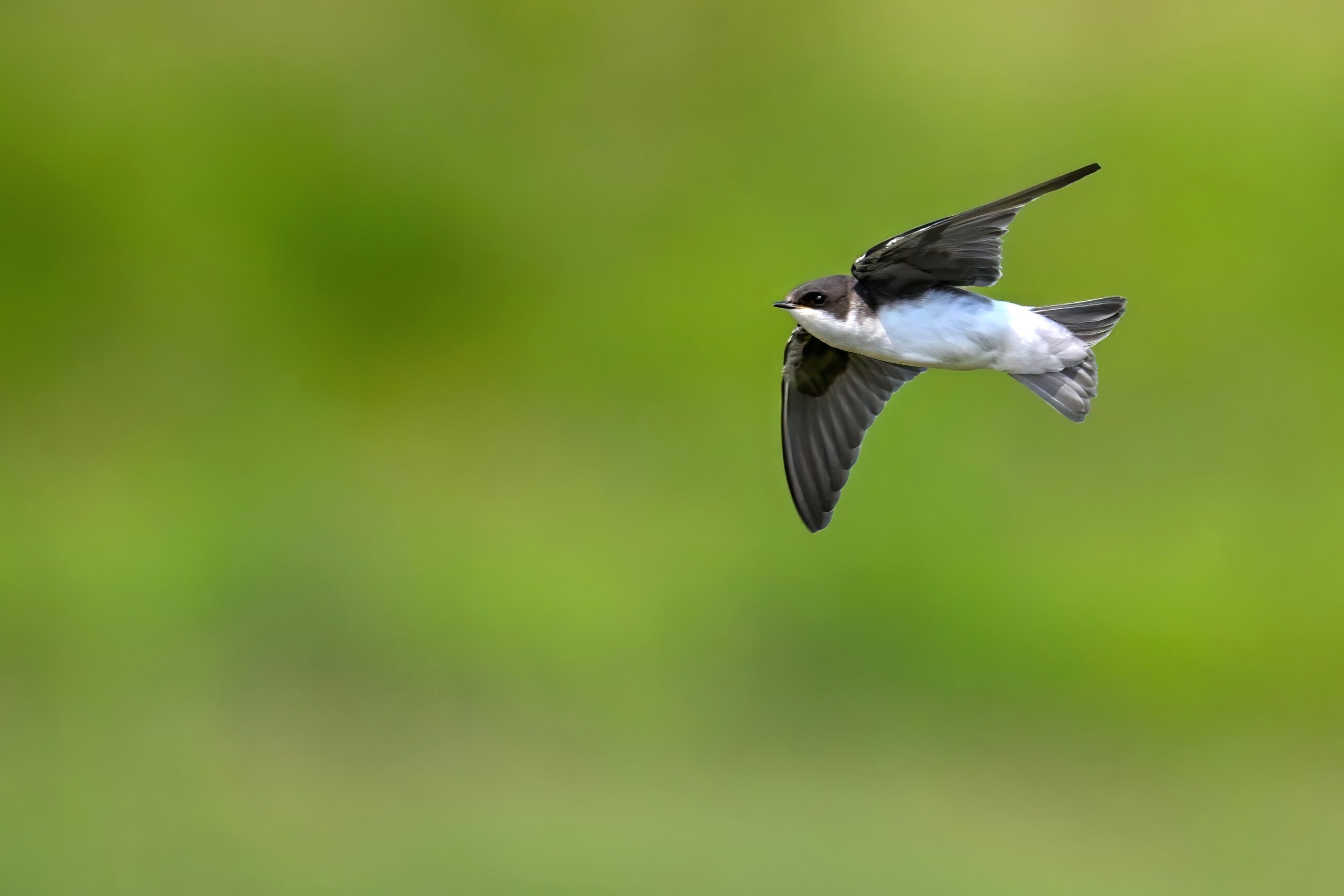
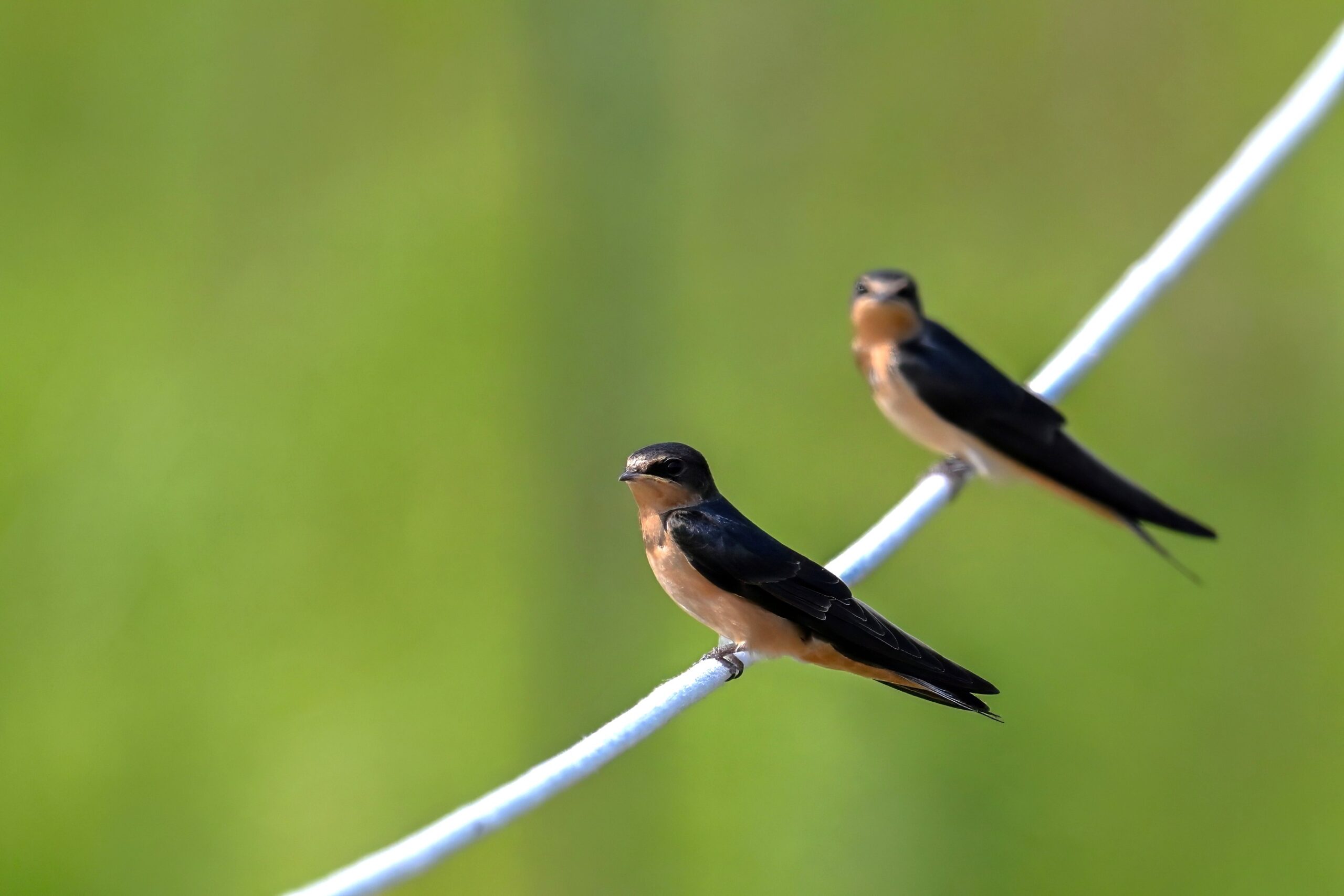
Bird IDs: (1, 8, 13, 21) Northern Rough-winged Swallow; (2-7) Mallard (m) in fountain; (9-12) Canada Geese (adults & juveniles); (14) European Starling; (15, 18, 20) American Robin; (16, 19) Northern Cardinal; (17) House Sparrows (m).
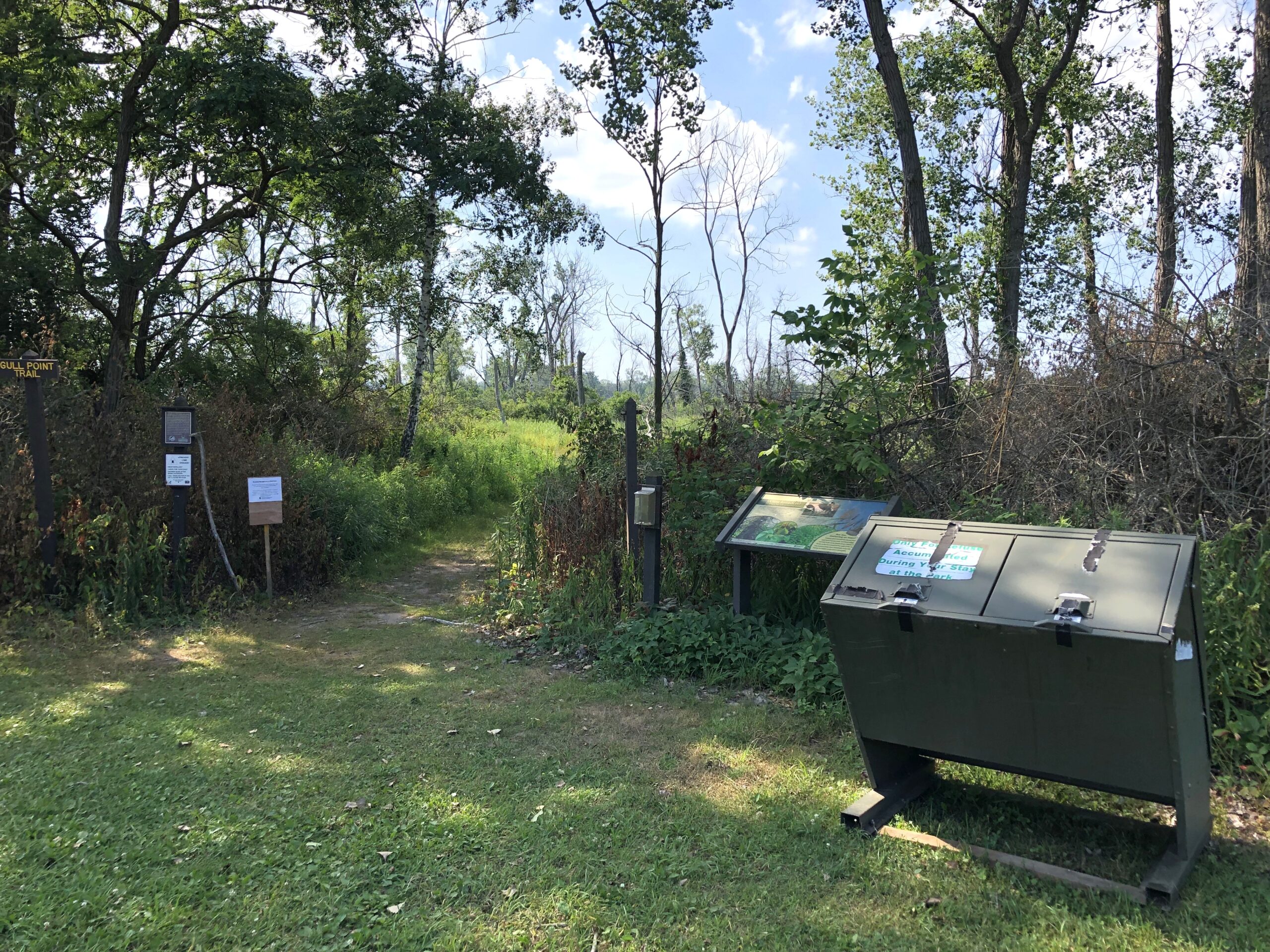
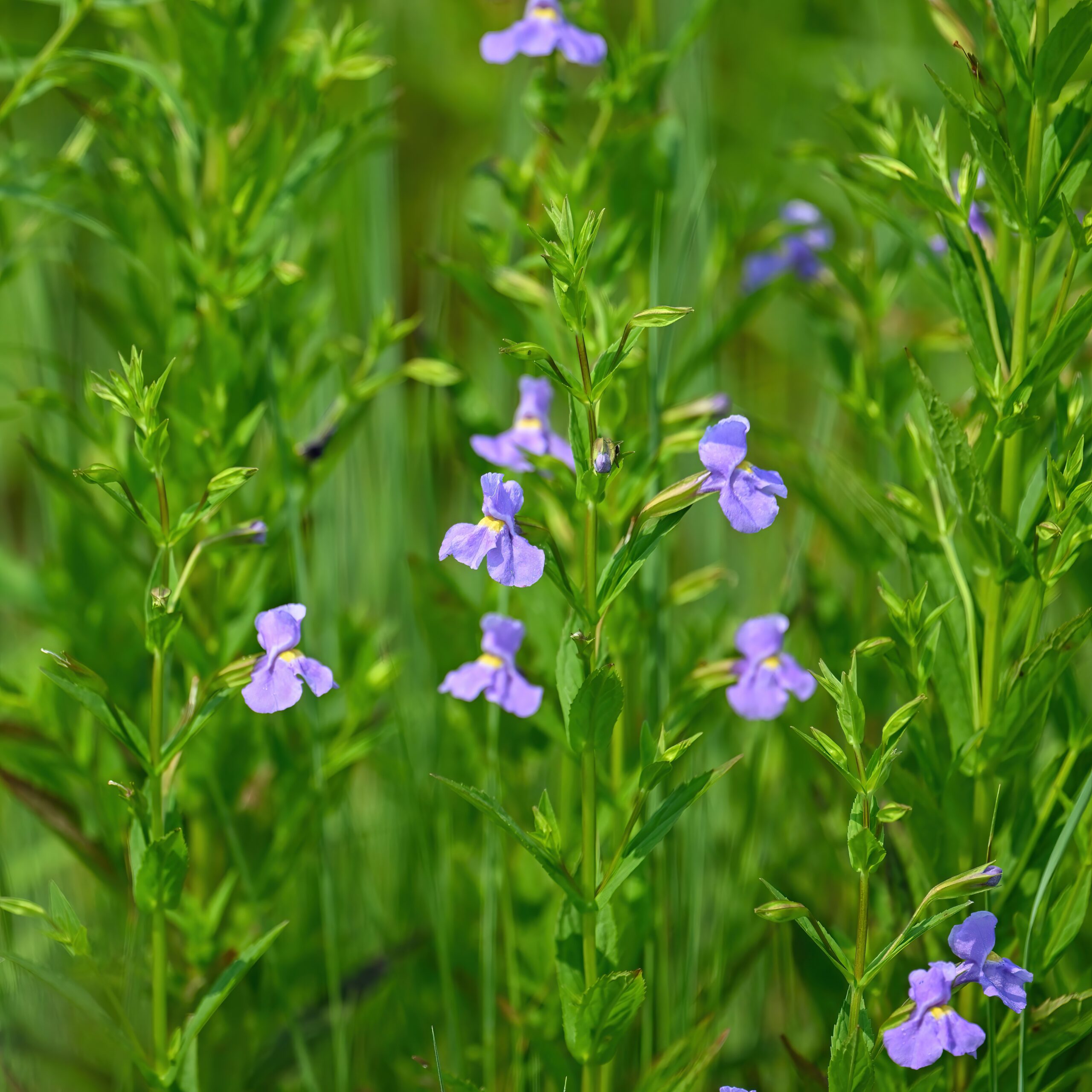
Bird photography rule #17: be opportunistic. Even with the ‘wrong lens’ (600mm prime = too slow, absurdly long min focus distance, etc.), still possible this past Sunday along the Gull Point Trail for some nice flower/insect close-up shots, featuring Yellow Toadflax (Linaria vulgaris).
“Lucky shot, sir.”
Above: Probably Eastern Bumblebee (Bombus impatiens) on Yellow Toadflax, + unknown species of bee in the family Colletidae on left. Below: Yellow Toadflax along Gull Point Trail.
Silver-spotted Skipper (Epargyreus clarus)Desert False Indigo (Amorpha fruticosa) in bloomCabbage White butterfly (Pieris rapae)ย or similar, on Creeping Thistle
Different date/nearby location, wrapping it up with a different wrong lens, this time an old iPhone, with Viceroy Butterfly (Limenitis archippus) on Purple Crown Vetch (Securigera varia):
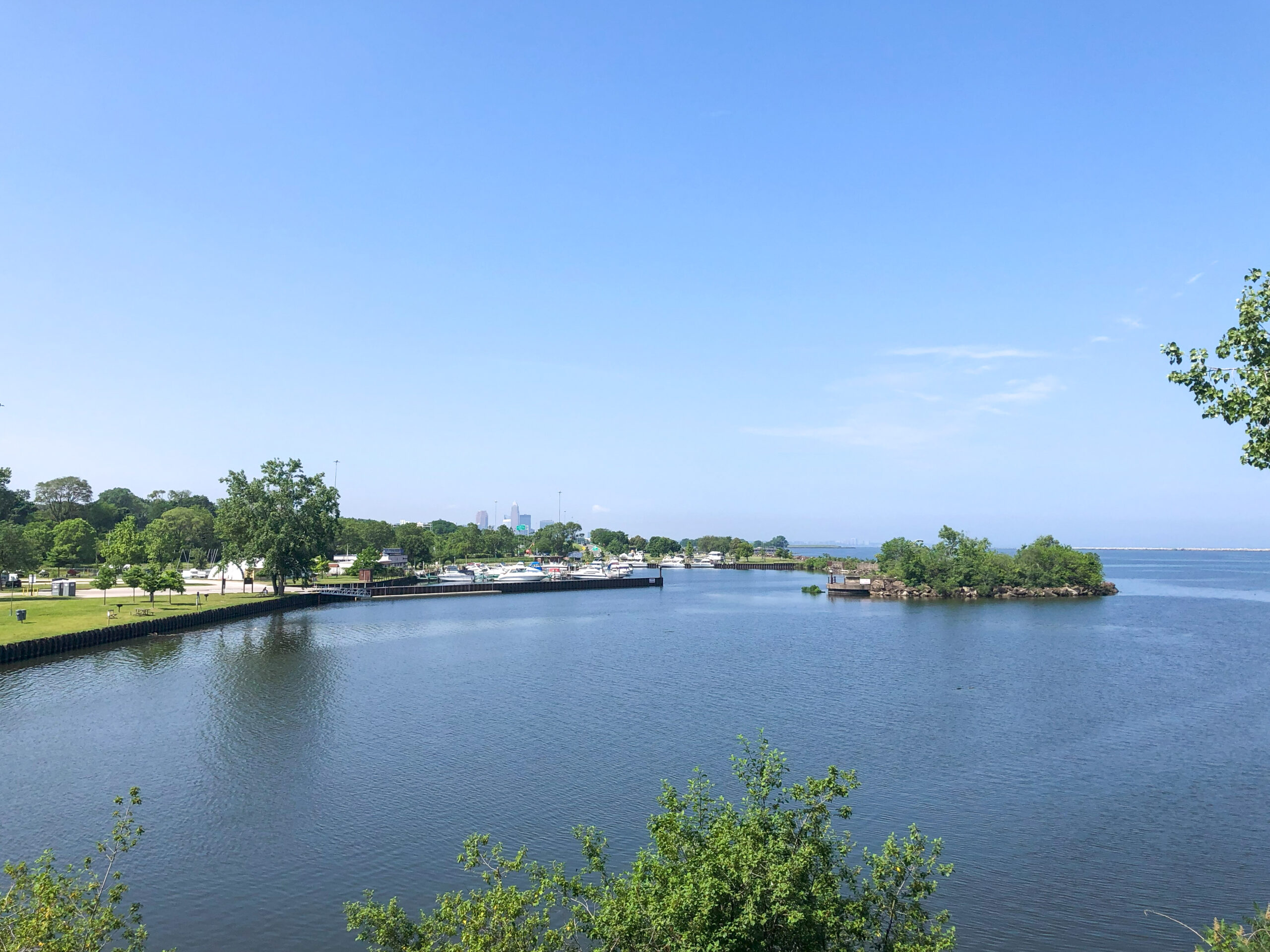
Back to Presque Isle State Park, with what seemed like a fairly slow day (shorebird wise) at Gull Point Sunday afternoon.
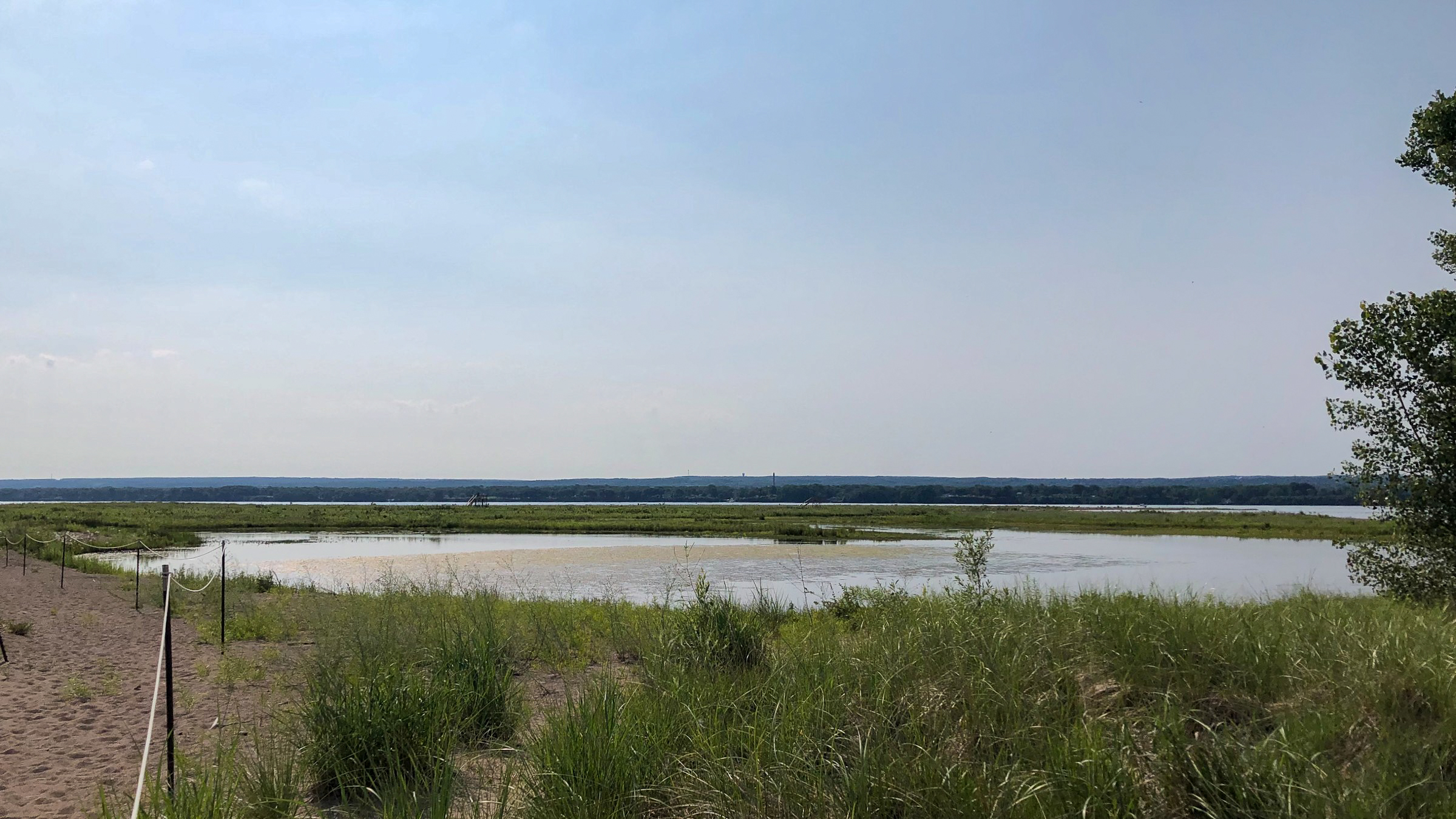
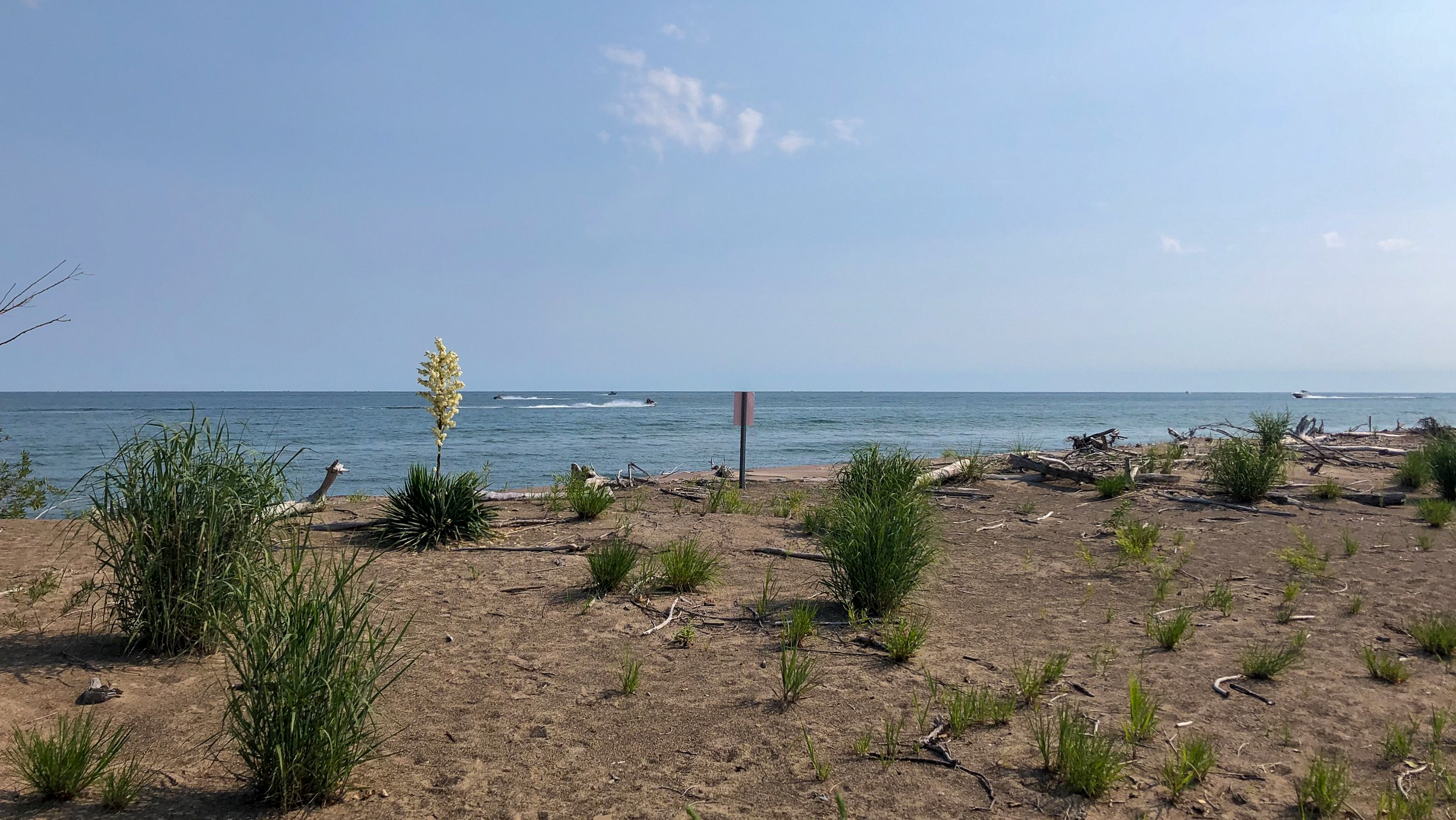
Budny Beach looking towards Gull PointOuter Gull Point
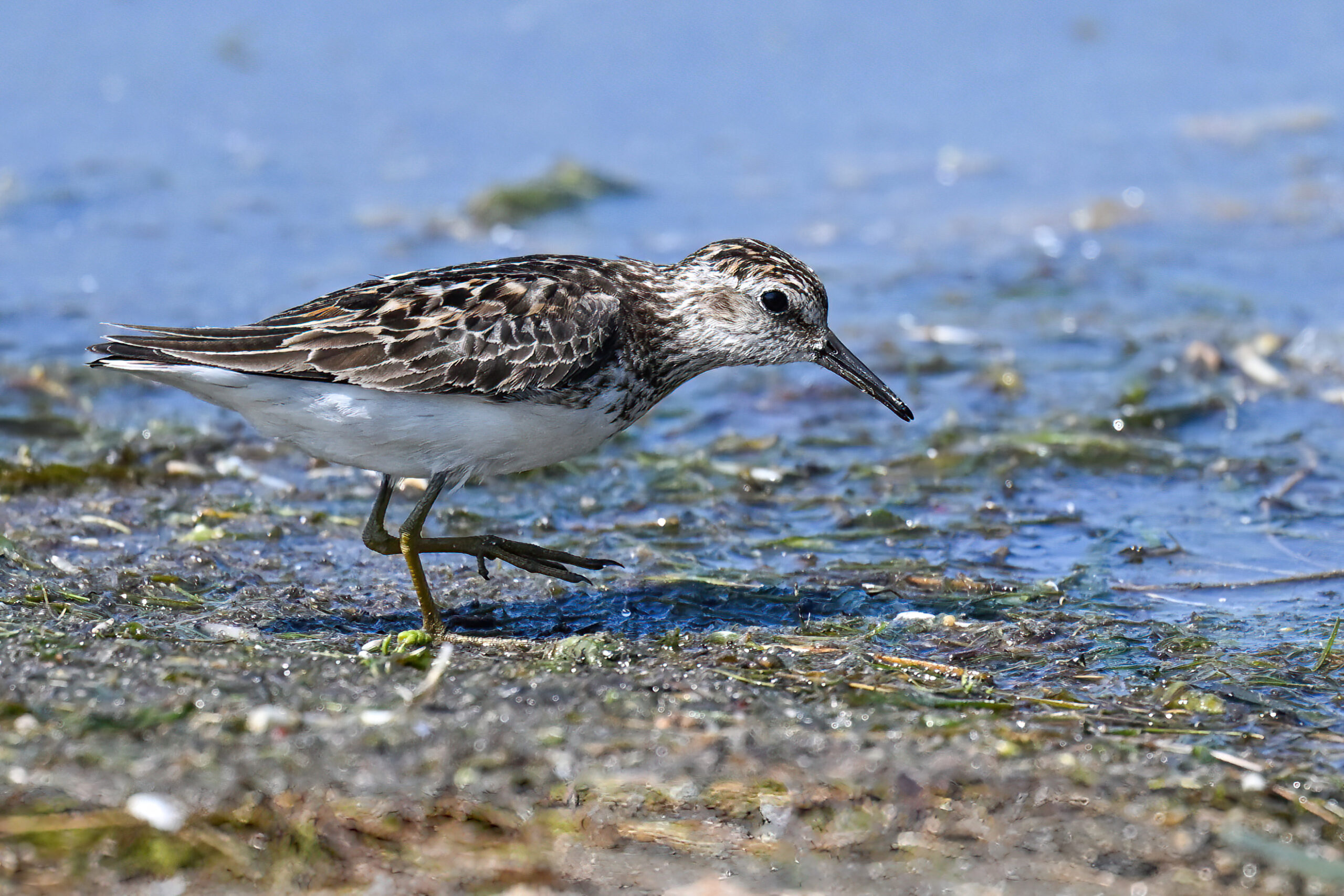
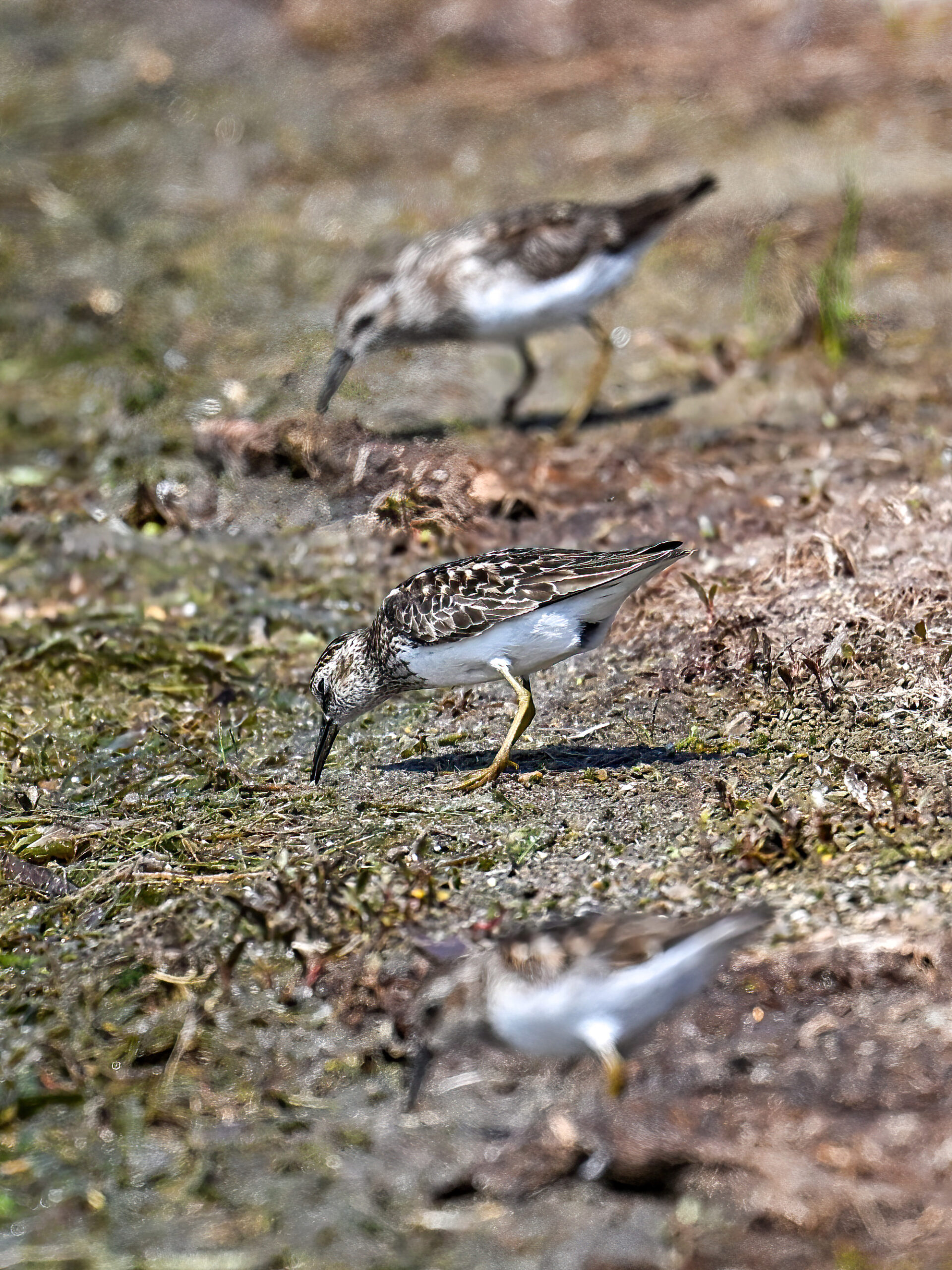
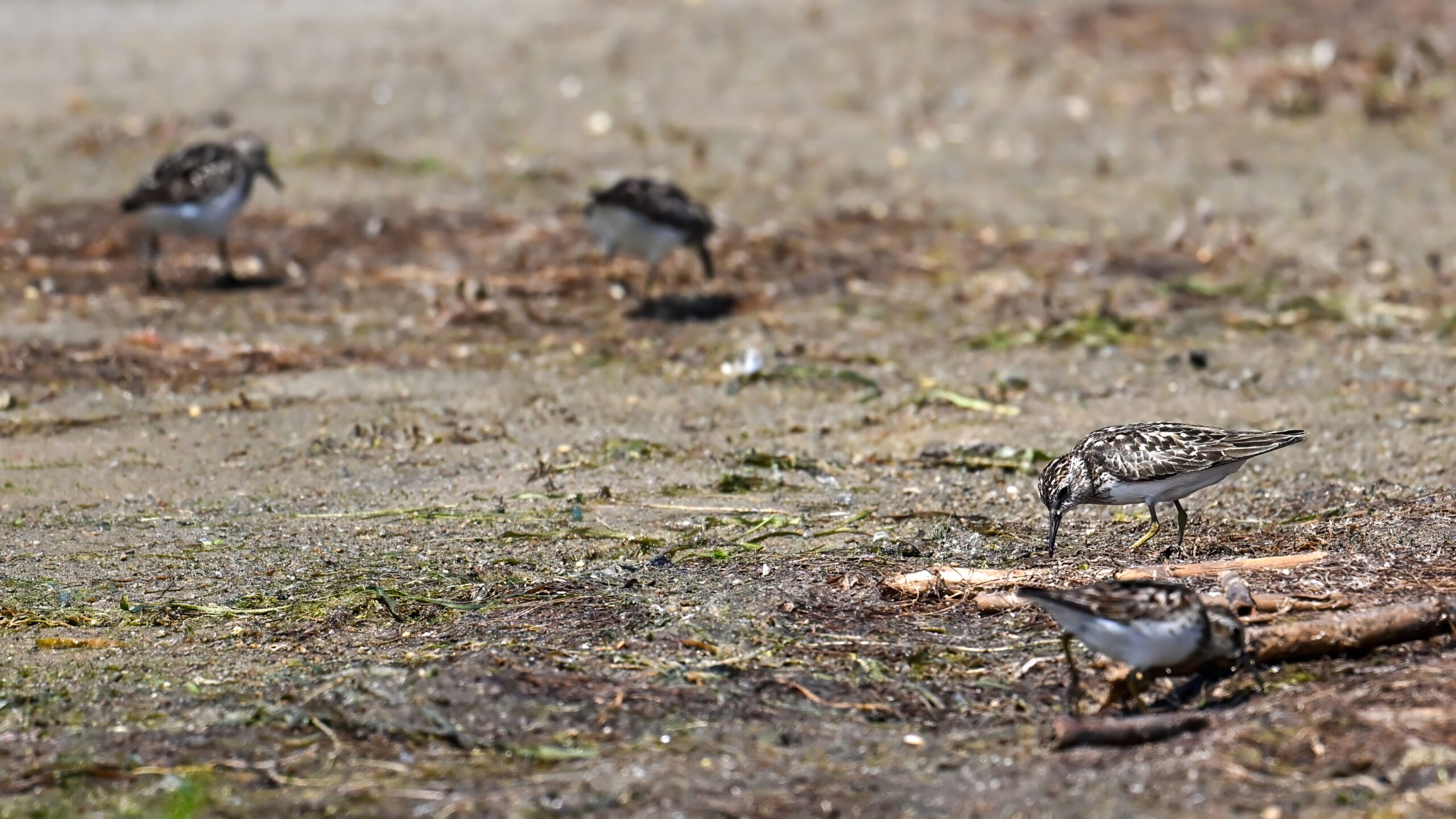
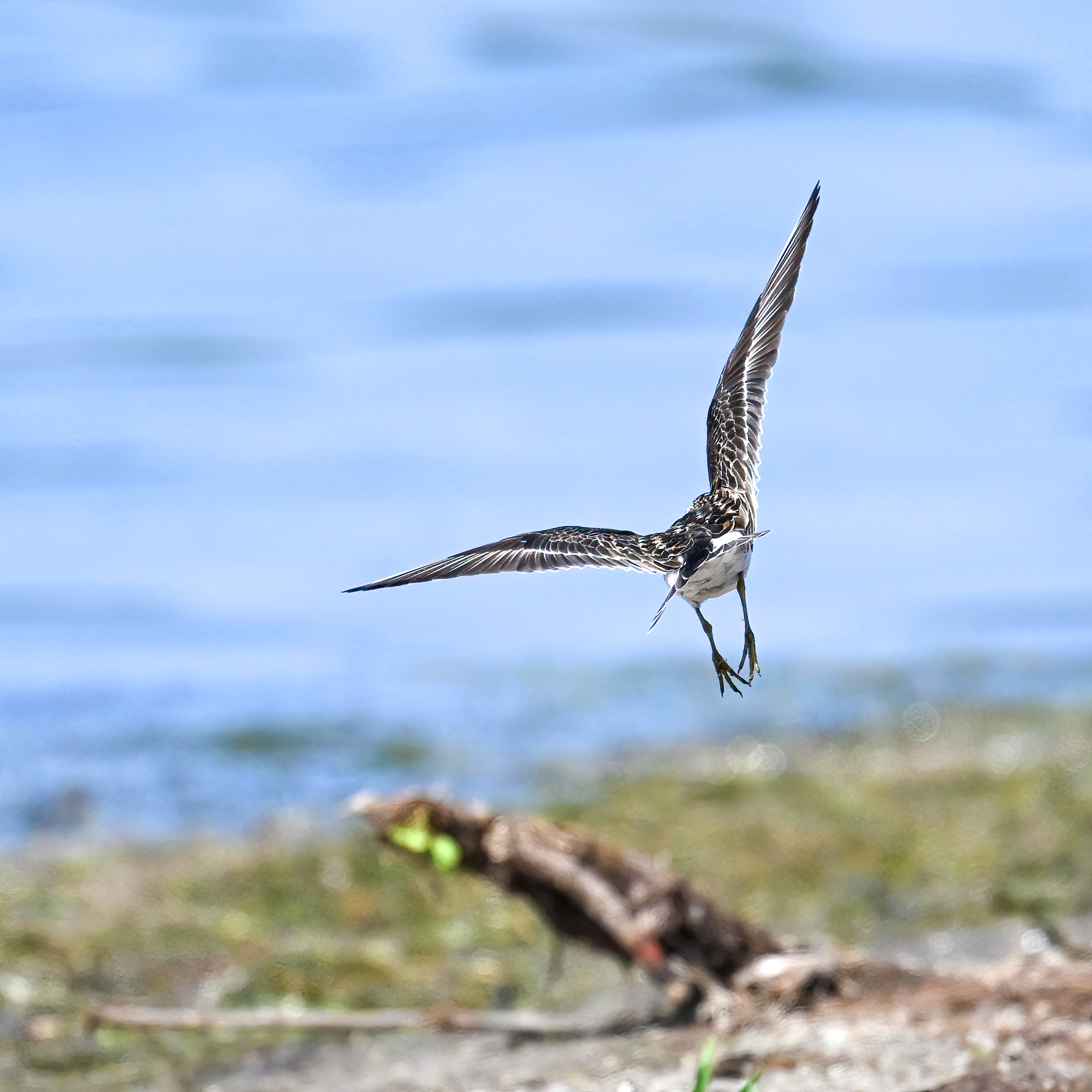
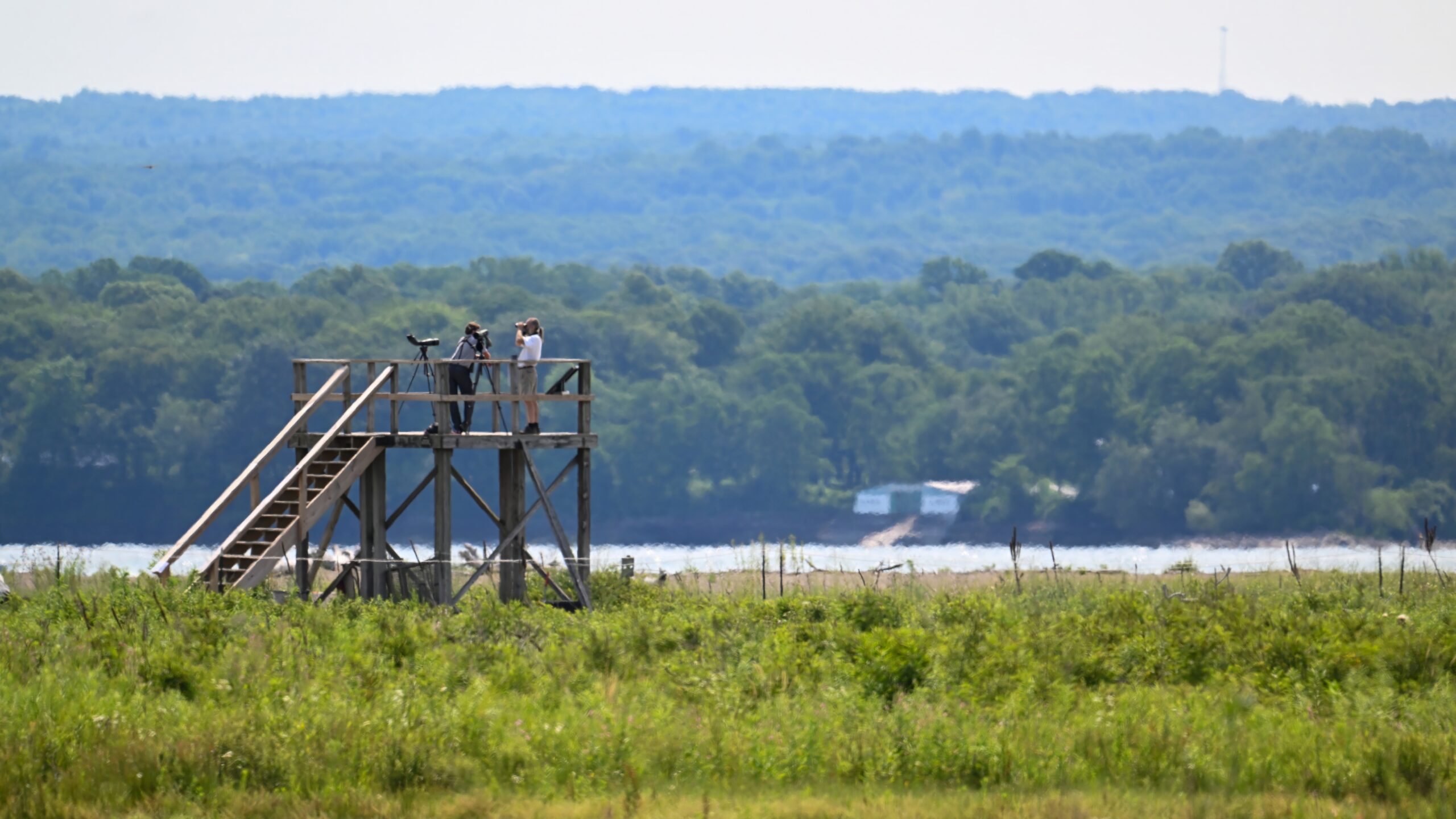
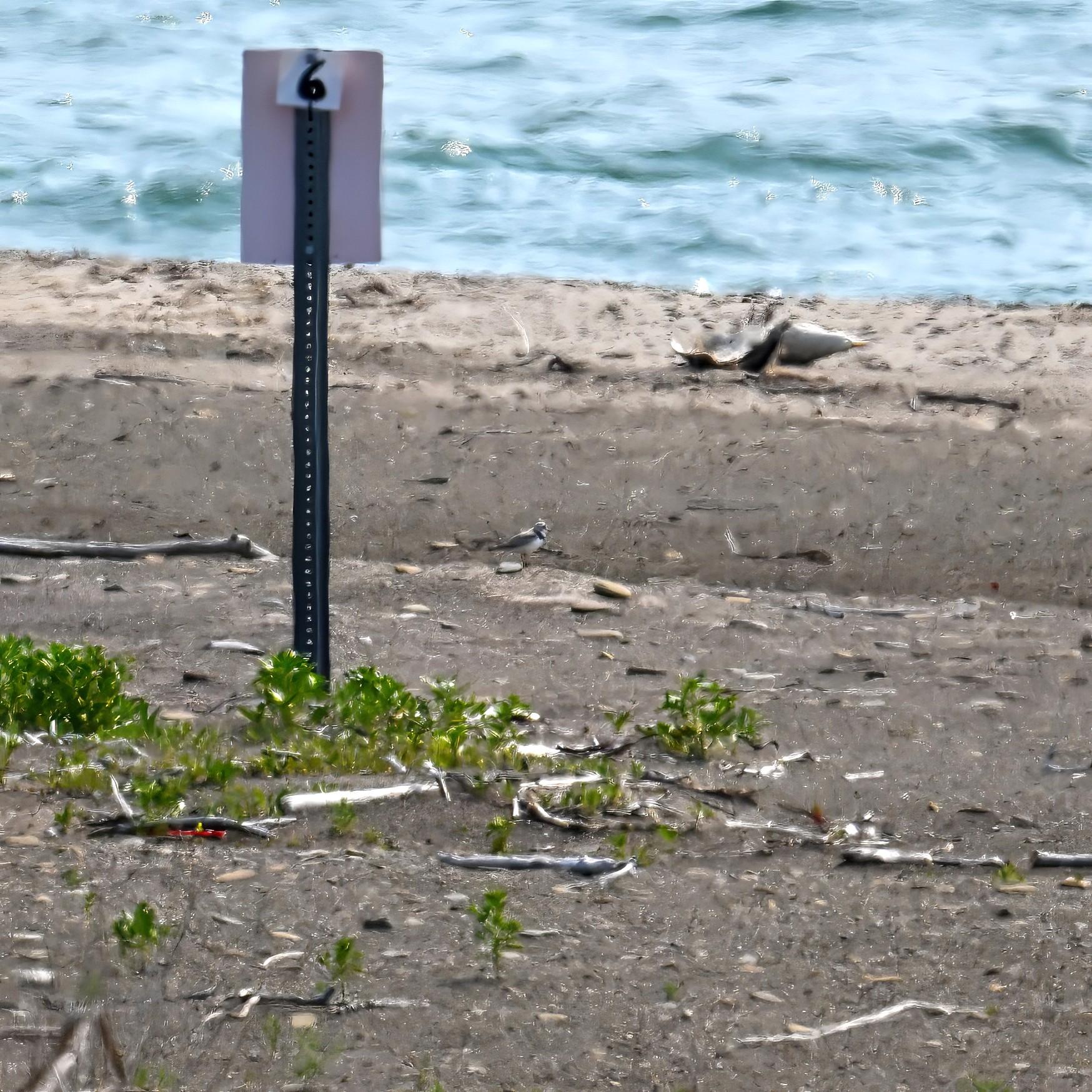
Slow, that is, except for a great sighting of recently hatched Piping Plover chicks, at least three, possibly four. Always a very happy occasion! Following shots at long distance from new observation platform:
Adult – left; chick – right of centerAdult – left; 3 chicks – 2 to left of adult, 1 on far rightUncropped view of above @ 600mm (very small/distant)Another view of adult and 3 chicks
More Piping Plover:
Adult in flight (right of center)Adult landing by lagoon/pond Adult foraging watersideAnother view of adult Piping Plover
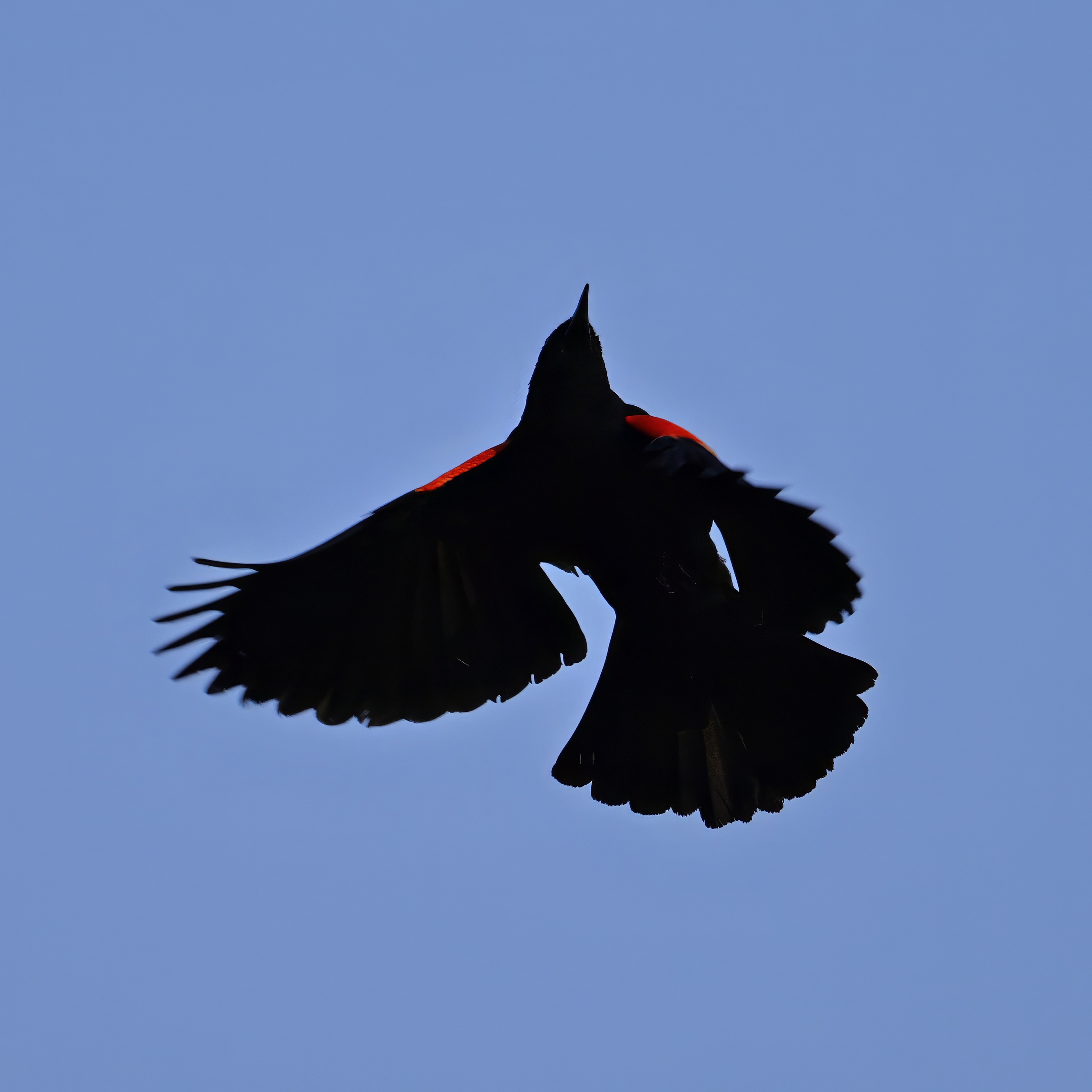
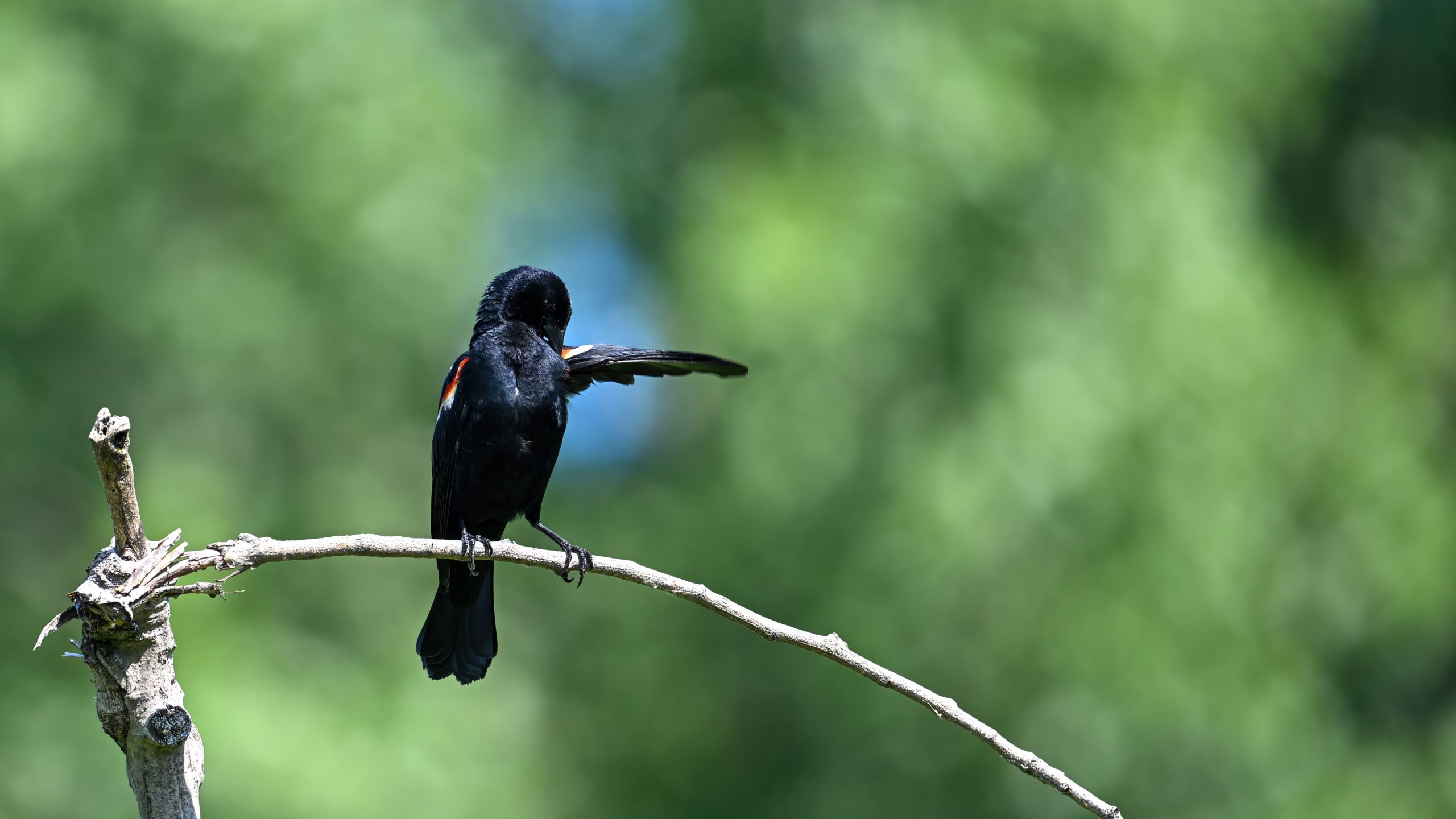
Some sort of brief altercation w/ two adults and a male Red-winged Blackbird:
Piping Plover (left & in flight center right) + Red-winged BlackbirdAdult PP (left center & lower left) w/ Red-winged Blackbird
Following notice was posted on both observation platforms. Unfortunately, despite looking, couldn’t find/see the crow effigies!
Gull Point, view north from new observation platform
More birds @ outer Gull Point:
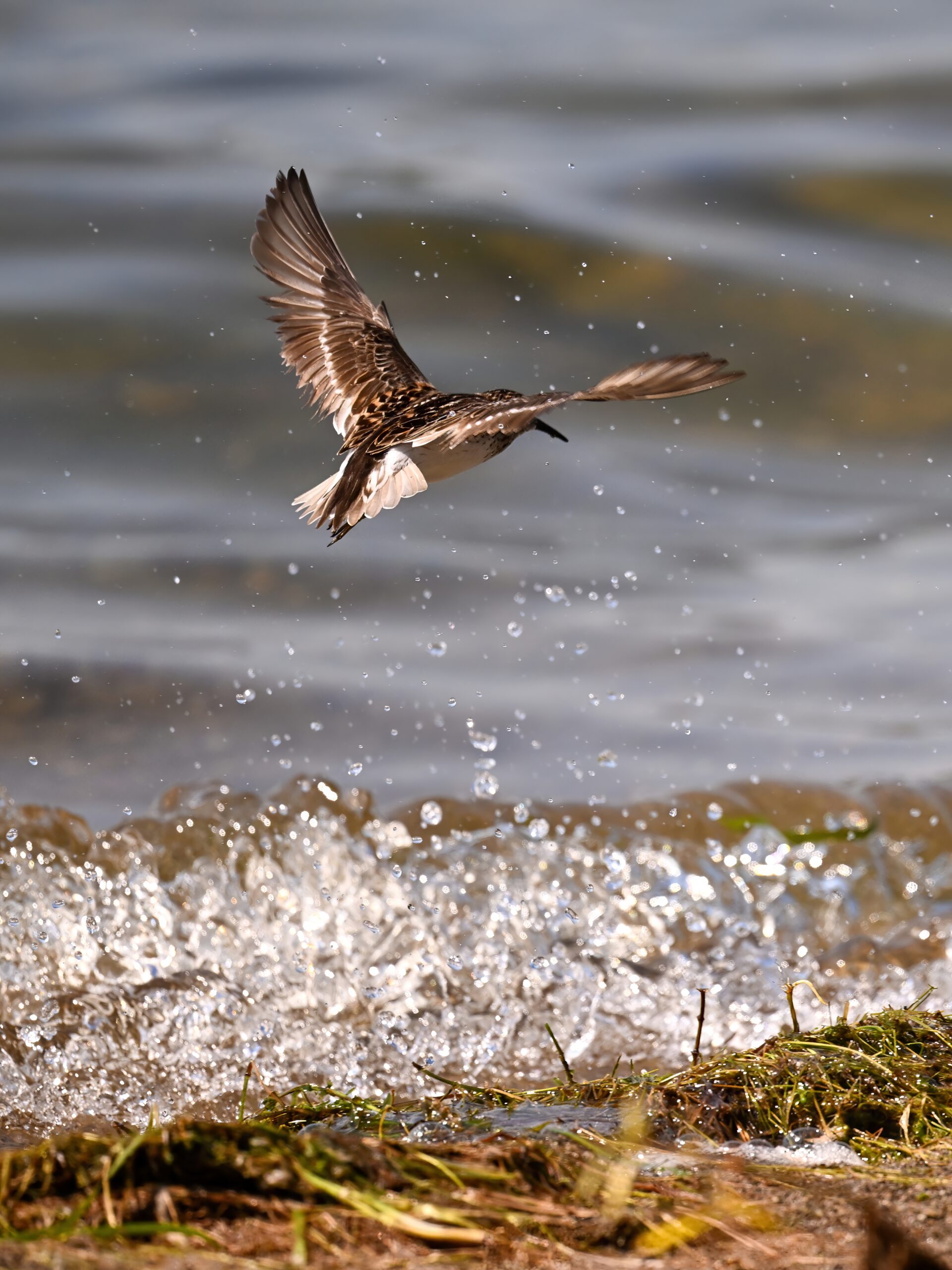
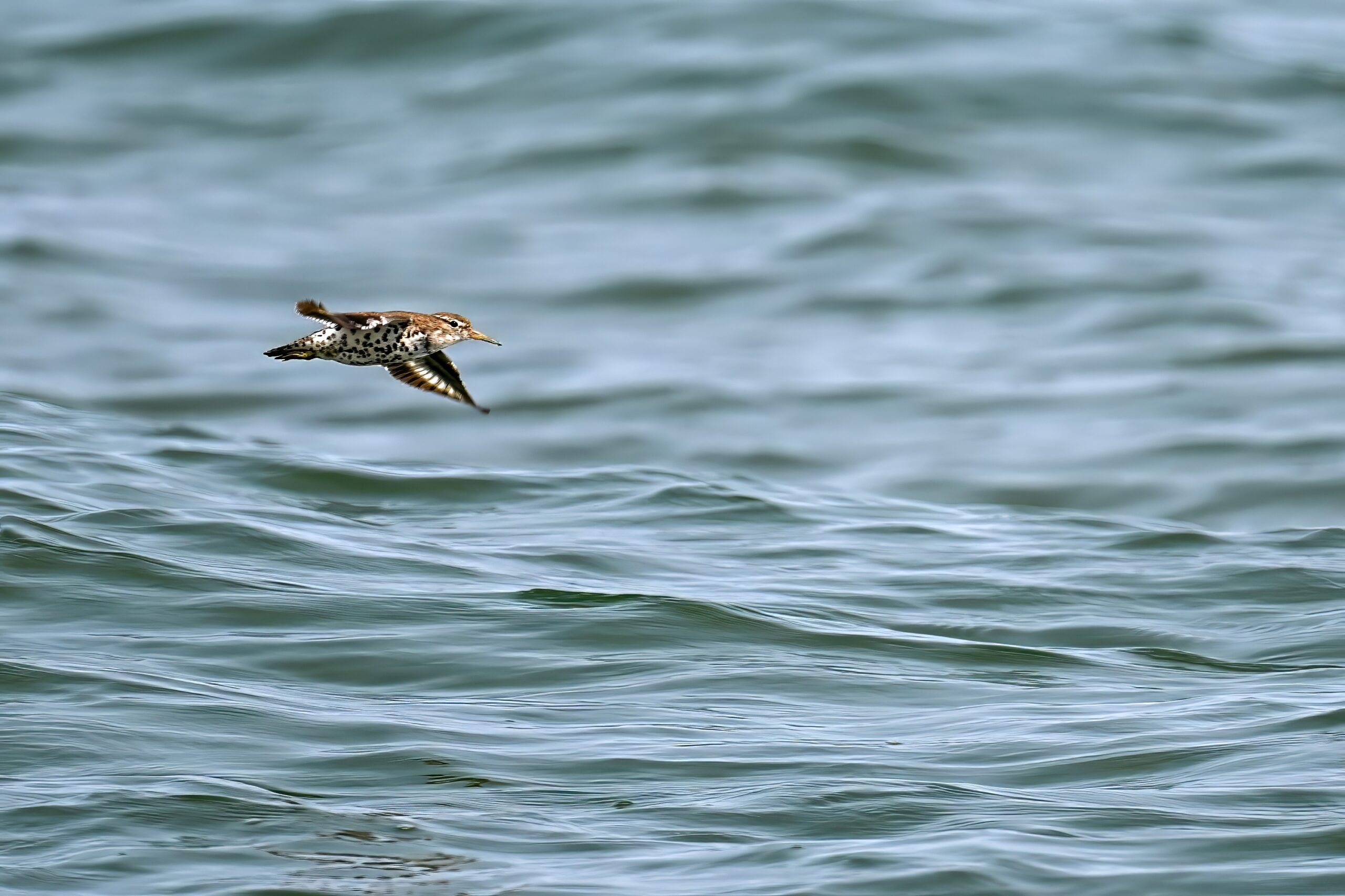
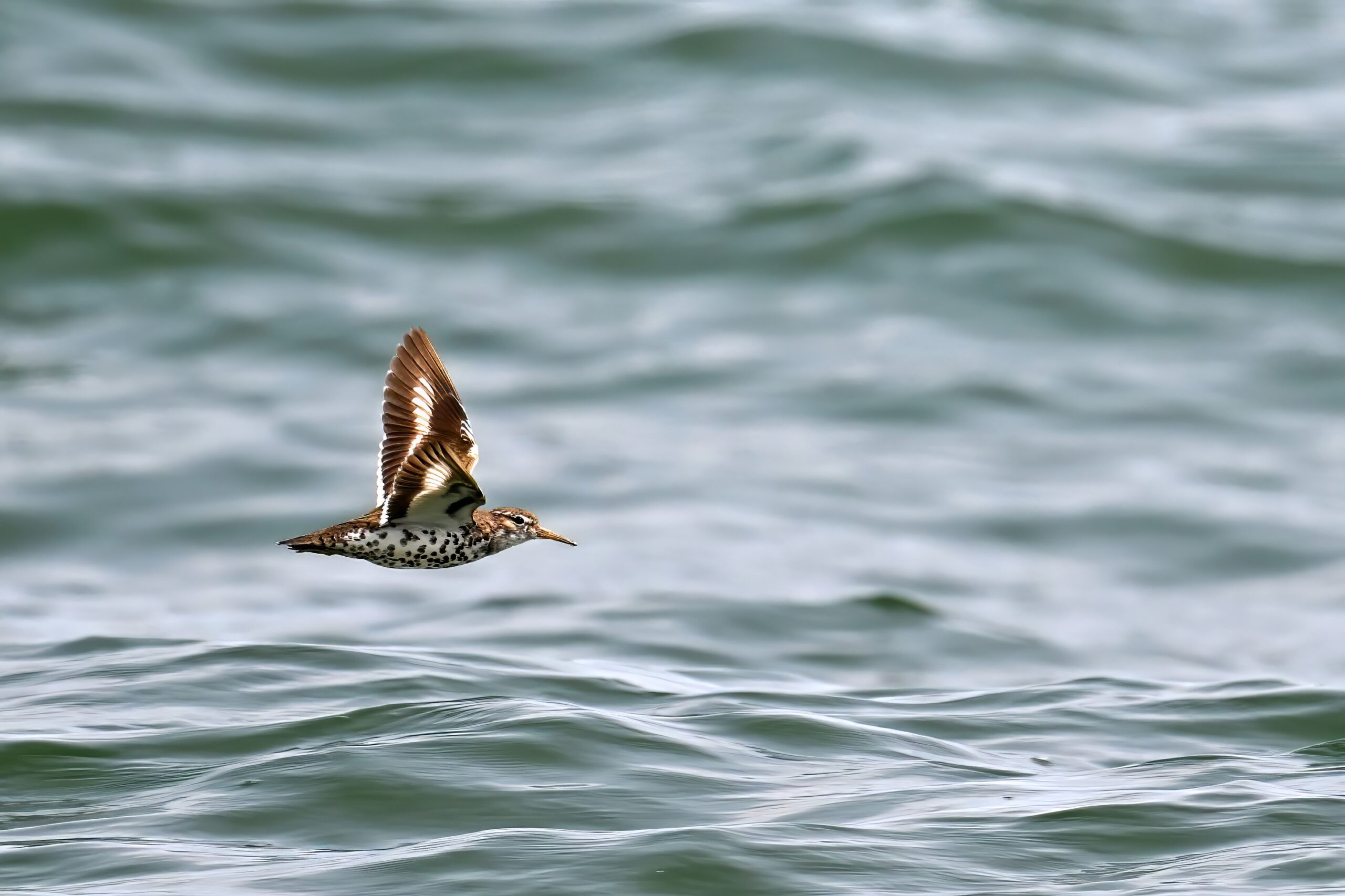
Spotted SandpiperTurkey VulturesRing-billed Gull (?) w/ fishVultures IISpotted Sandpiper flying over Lake Erie
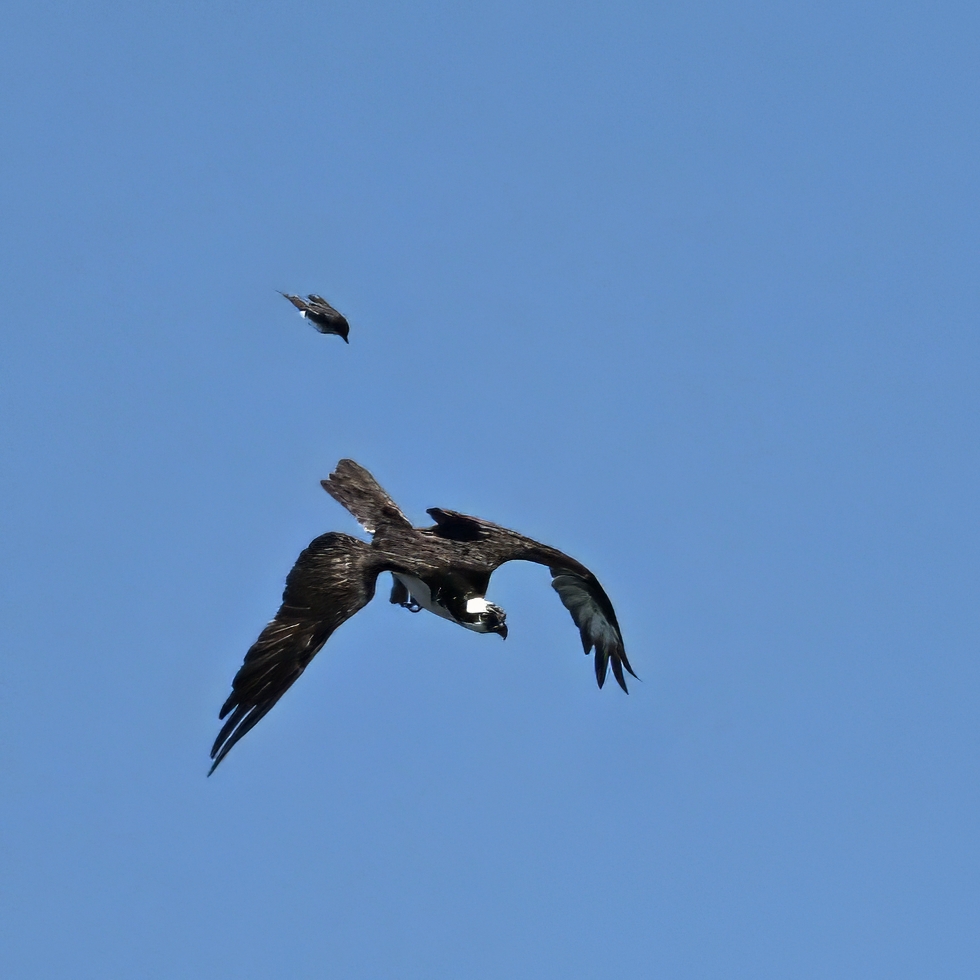
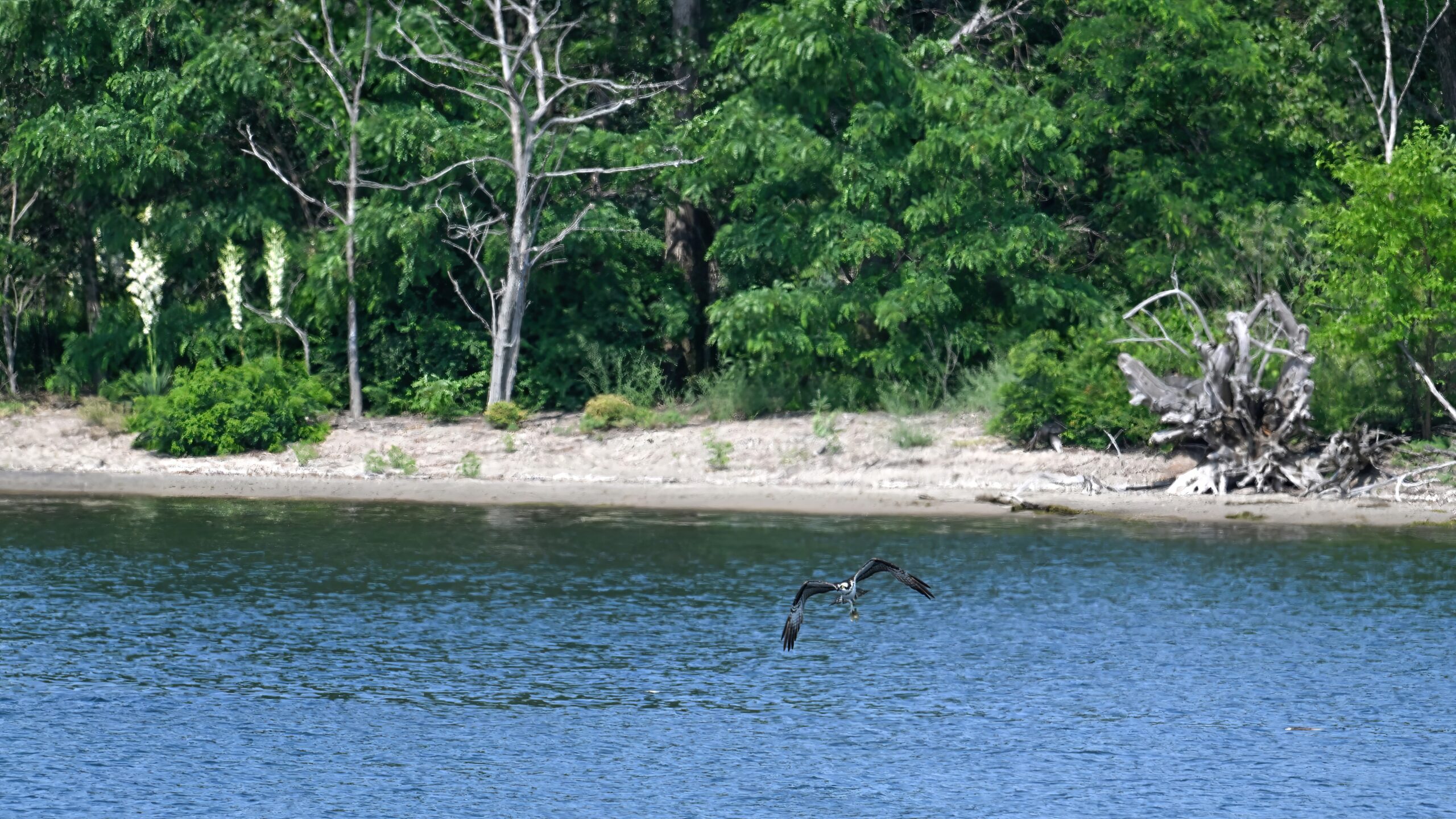
Finally, a nice (if not particularly well lit) sequence of Osprey carrying fish/food:
Osprey carrying foodOsprey harassed by Common TernOsprey harassed by blackbird or grackleOsprey + Common Tern IIOsprey + Common Tern over outer Lake ErieOsprey lands on marker sign at north outer beach
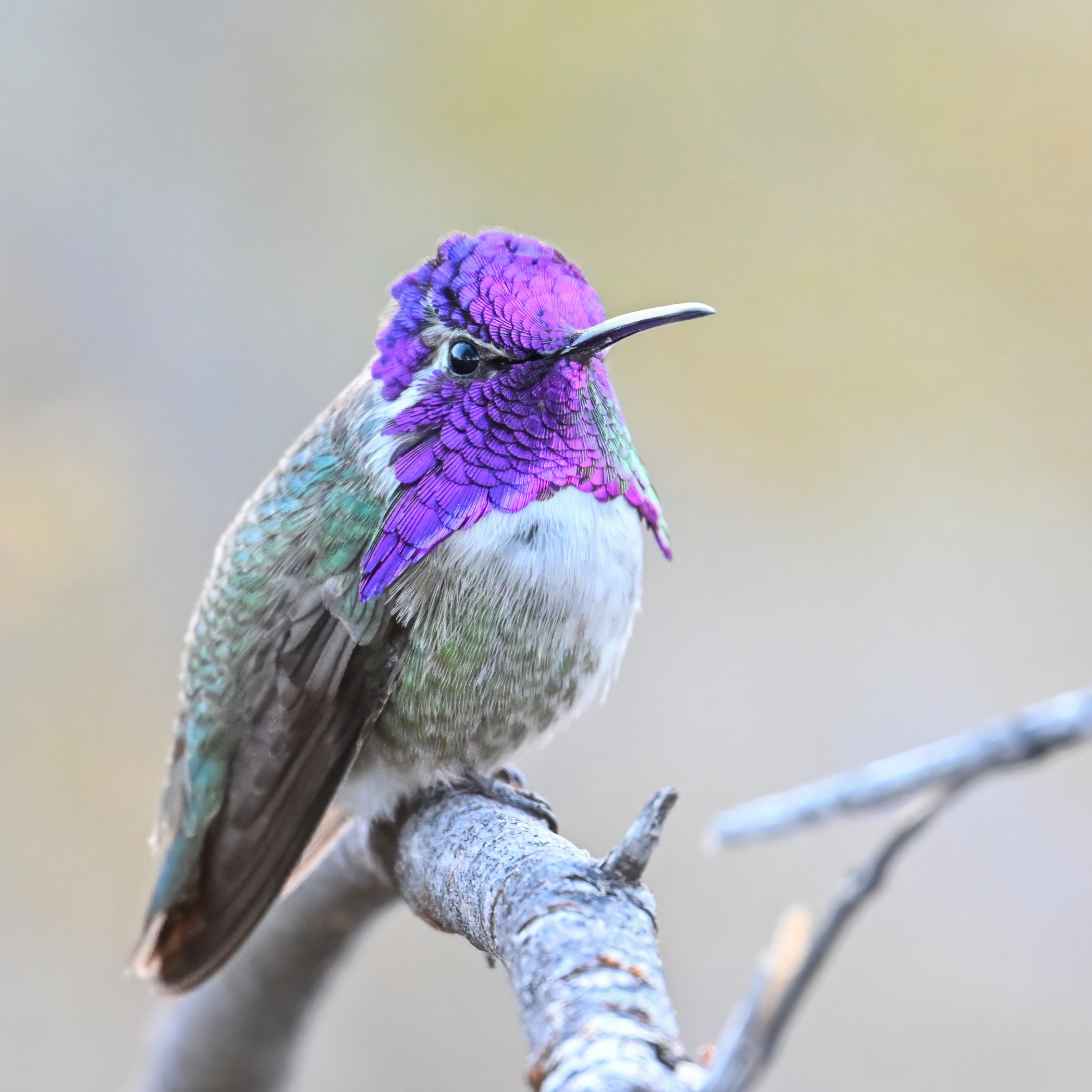
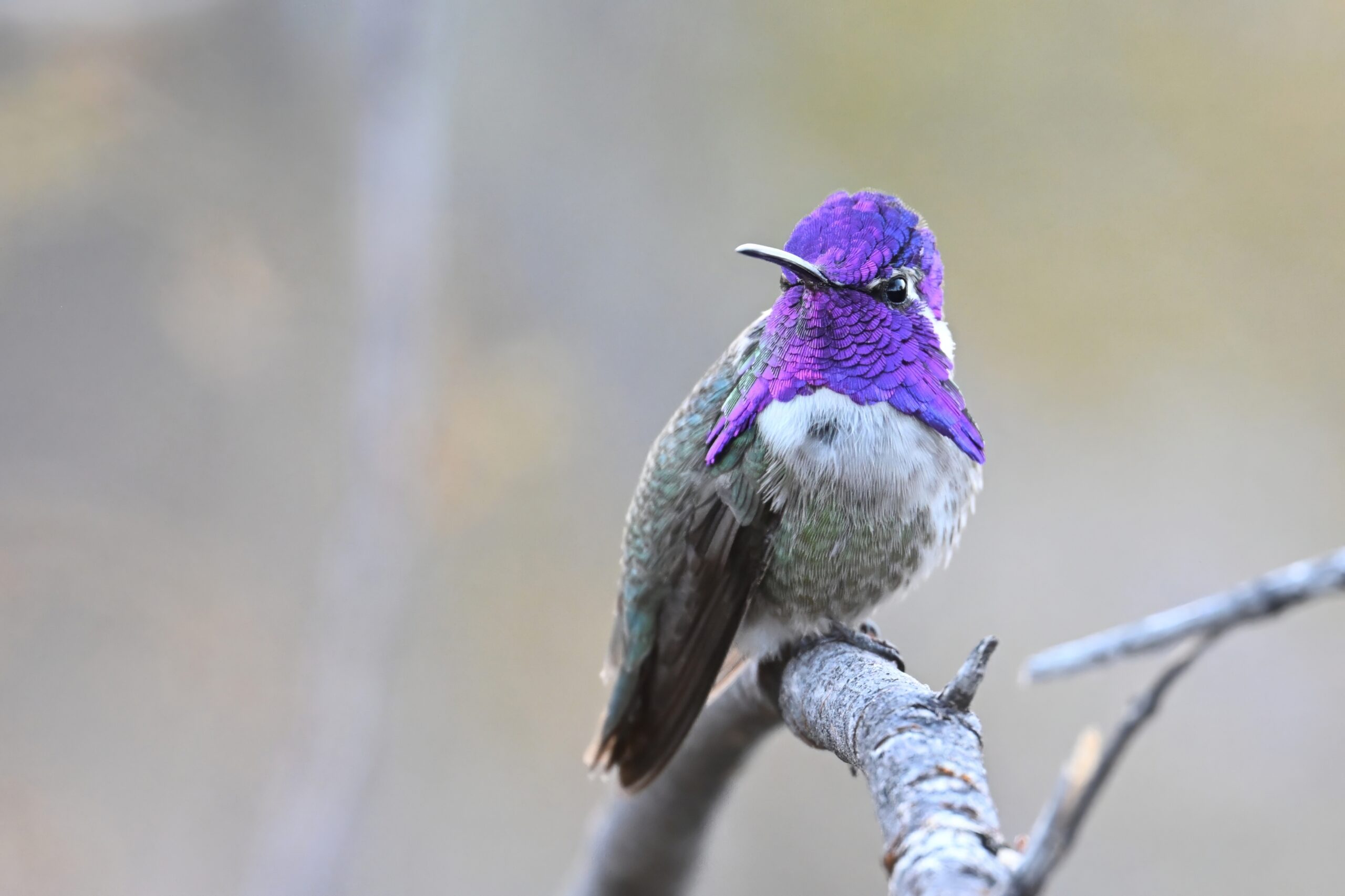
Part 2/2 of San Diego Botanic Gardens back in March, featuring (unless otherwise noted) Allen’s Hummingbird (maybe also Rufous Hummingbird):
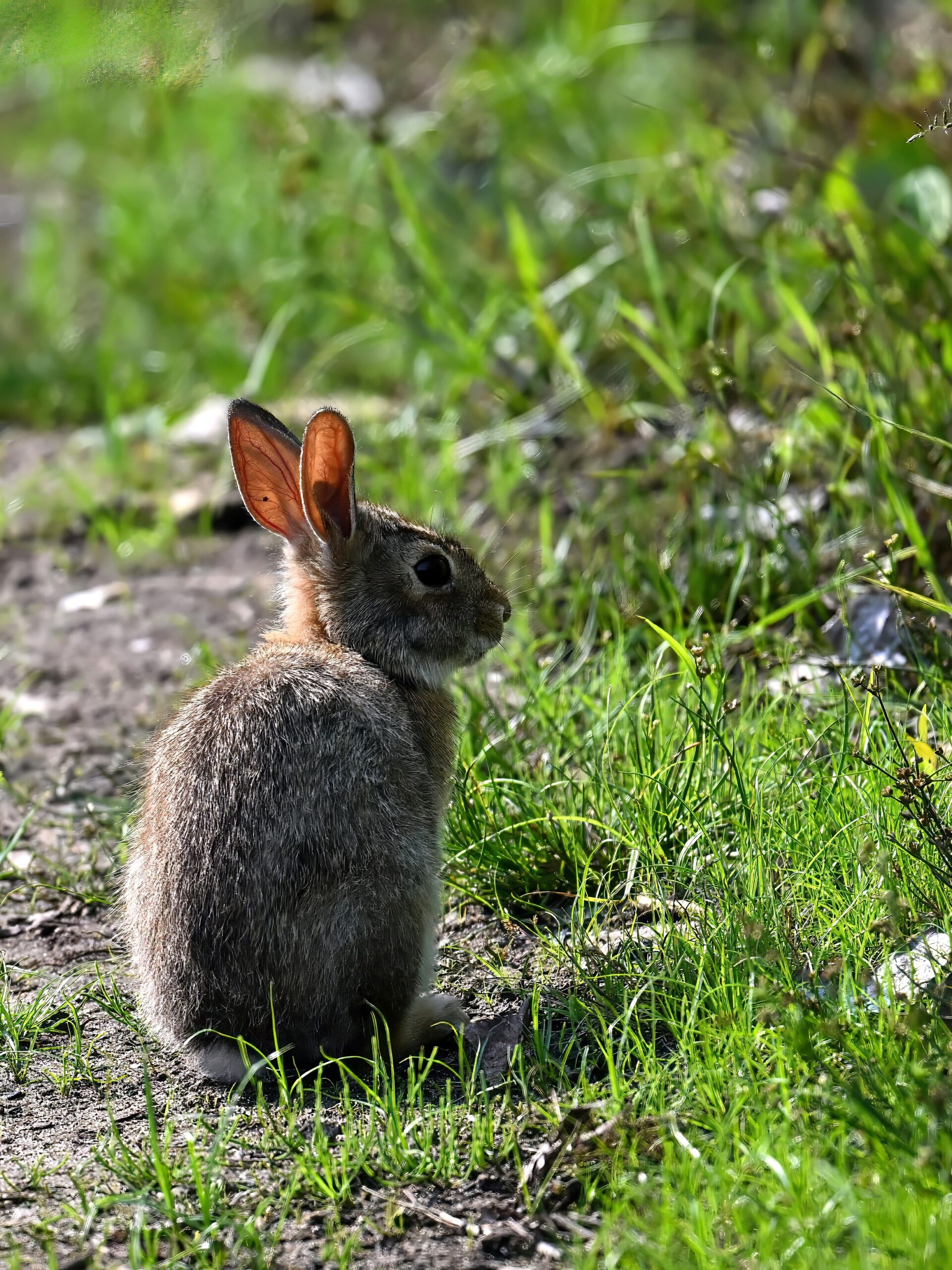
Rufous Hummingbird (f)Lower rainforest gardenPoor Man’s Cycad (Encephalartos villosus) Waterfall @ upper rainforest gardenRainforest gardenLebombo Cycad (Encephalartos lebomboensis) or similarTop of rainforest garden looking downRed-shouldered HawkWalkway to Overlook TowerThe red shoulder of “Red-shouldered”View NE-ish from Overlook TowerRed-shouldered Hawk IIIBlack PhoebeView SE-ish from Overlook TowerA species of Cottontail Rabbit, probably Brush Rabbit (Sylvilagus bachmani)In the distance, the Pacific OceanBamboo forestRabbit in the garden
All in all, agreat visit to SDBG! Highly recommended.
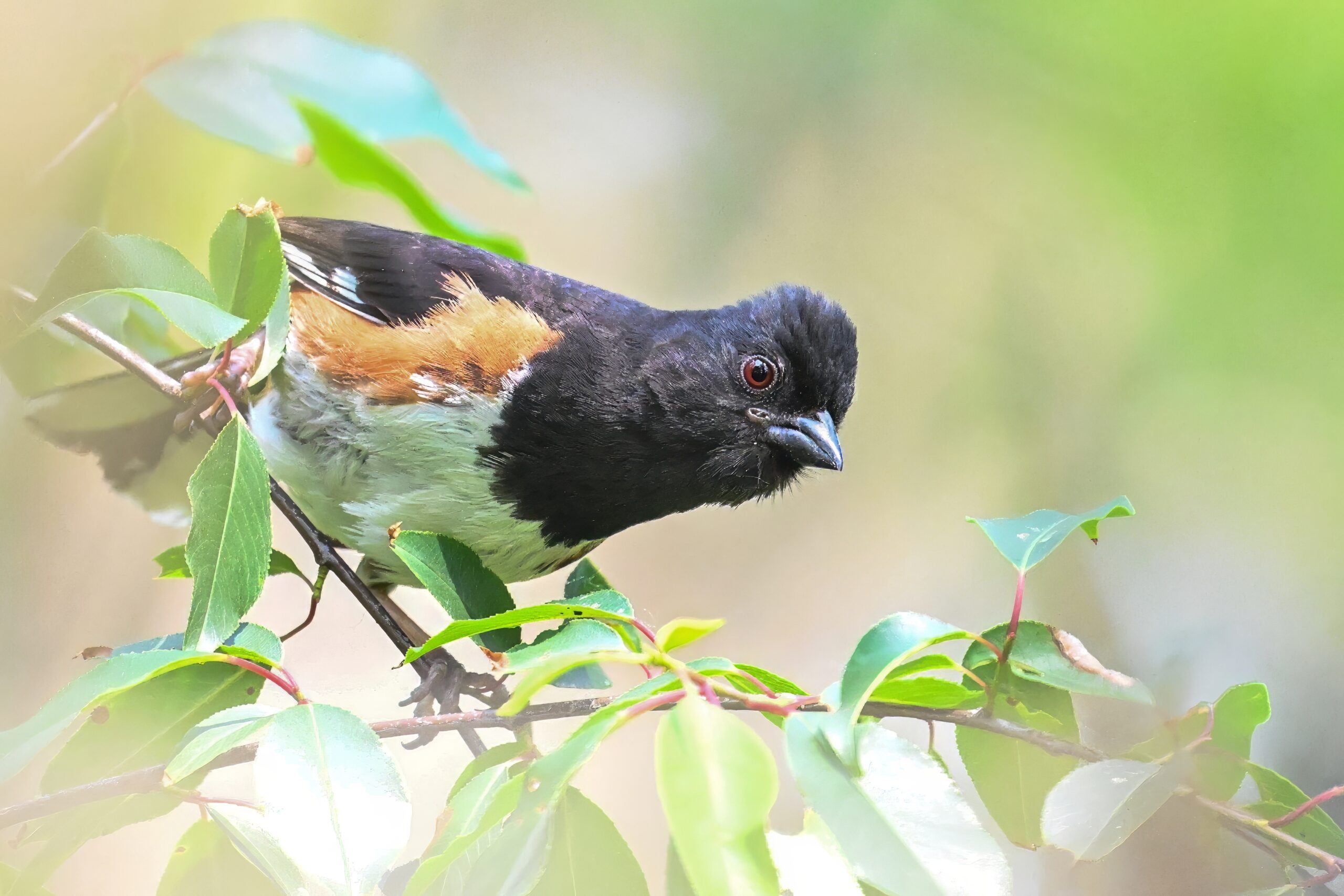
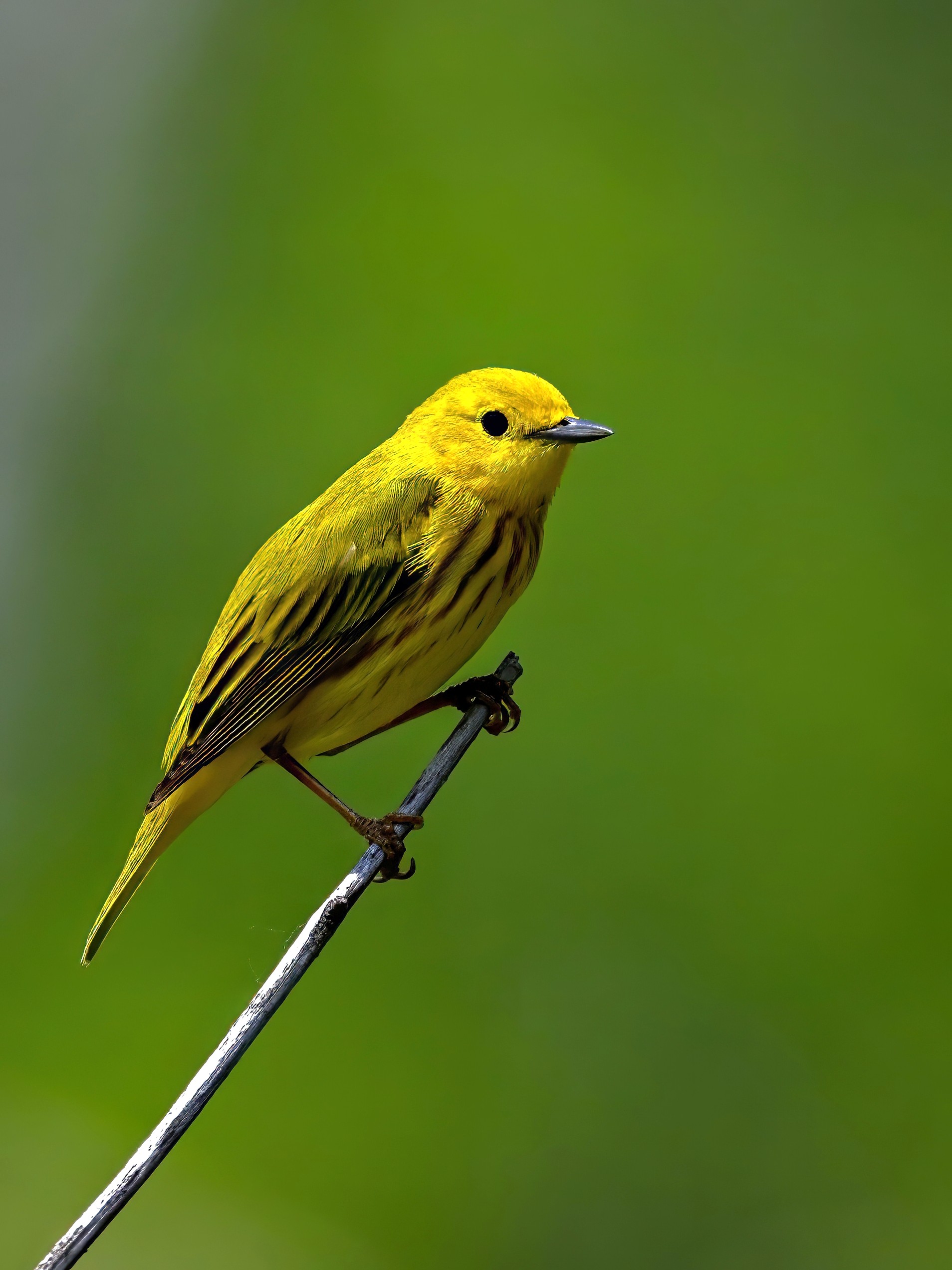
With NE spring warbler migration mostly (entirely?) over, it’s time to head back in time a few months to a great outing in March to the rather amazing San Diego Botanic Garden in Encinitas, California. Lots of plants, & lots of birds enjoying the plants!
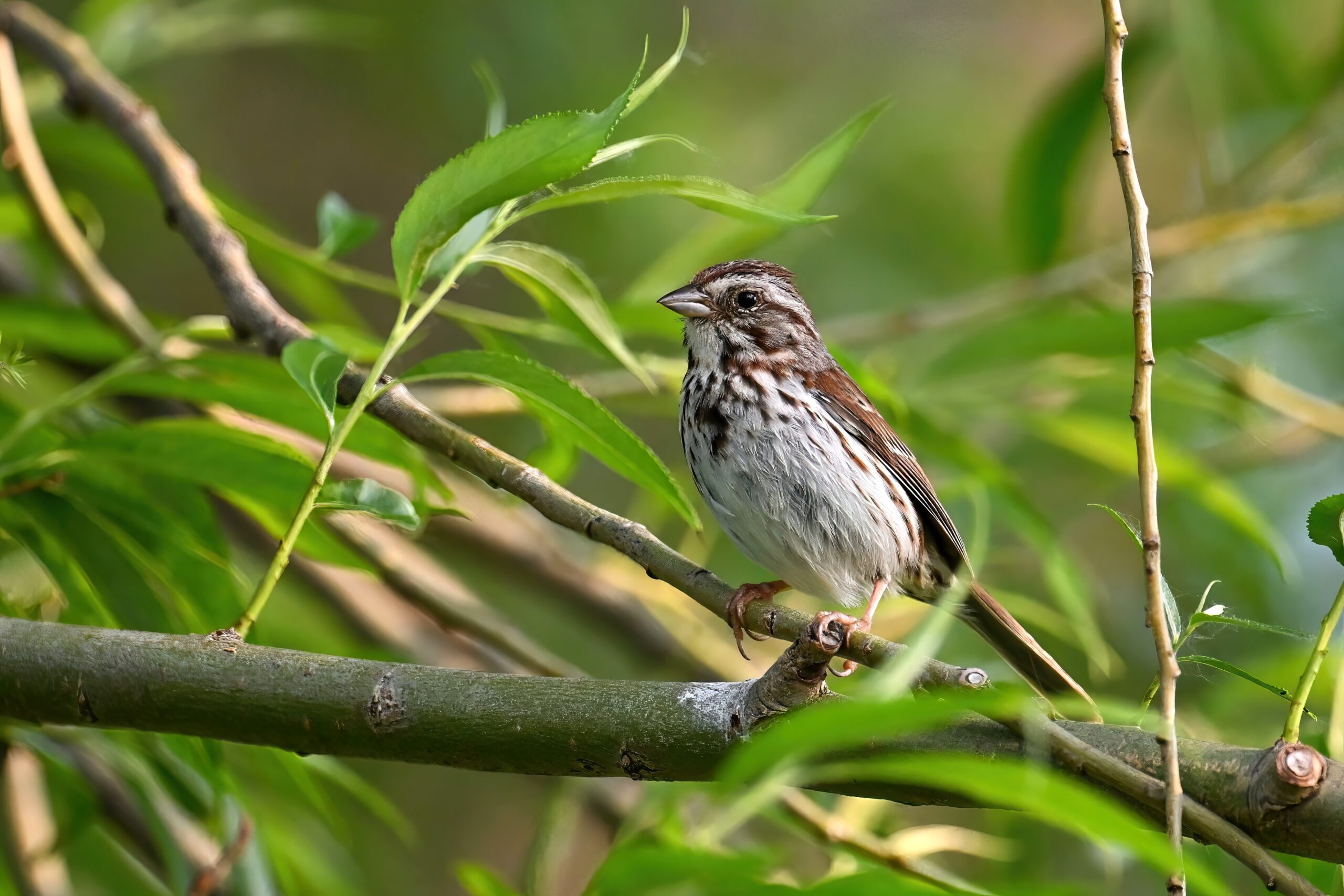
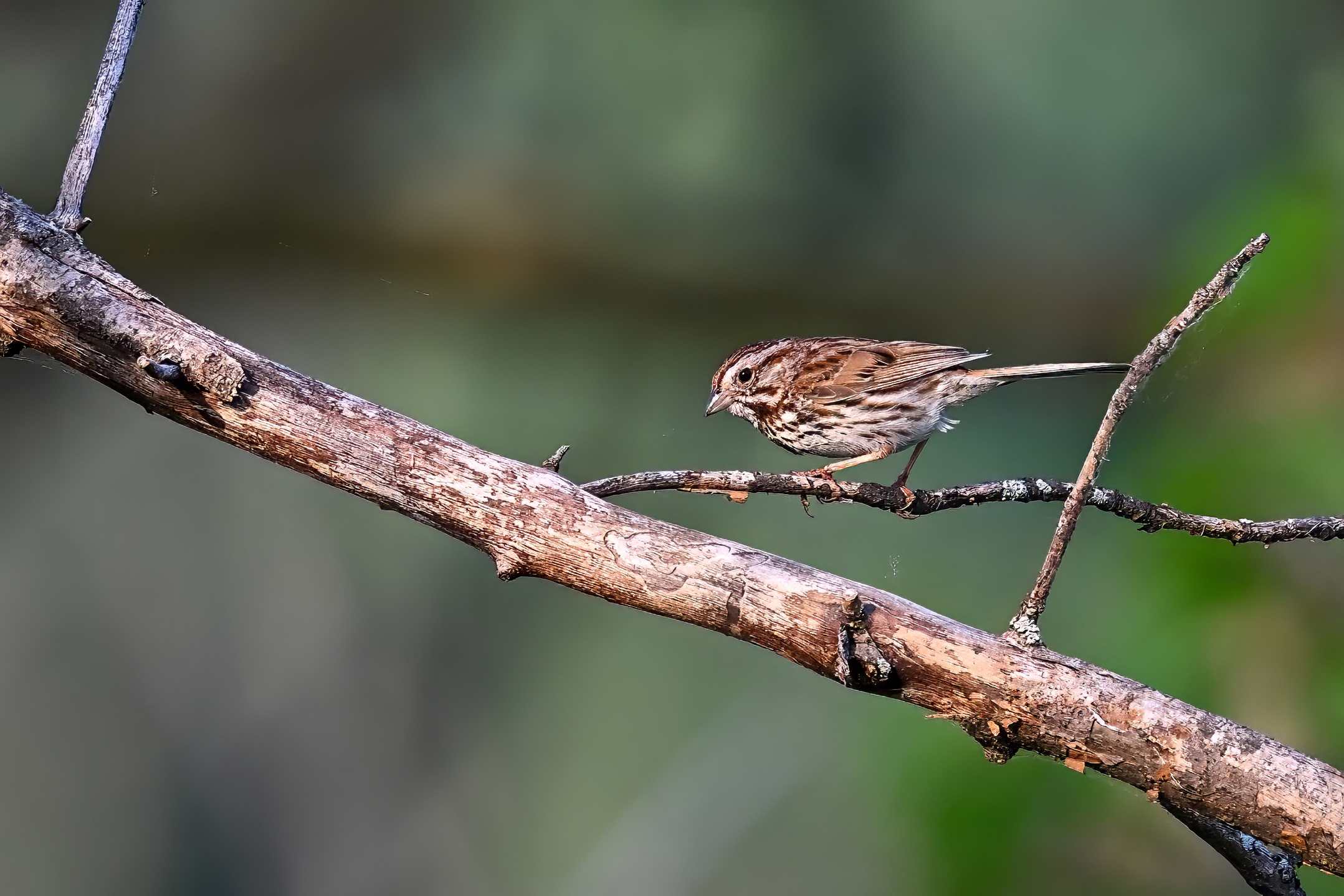
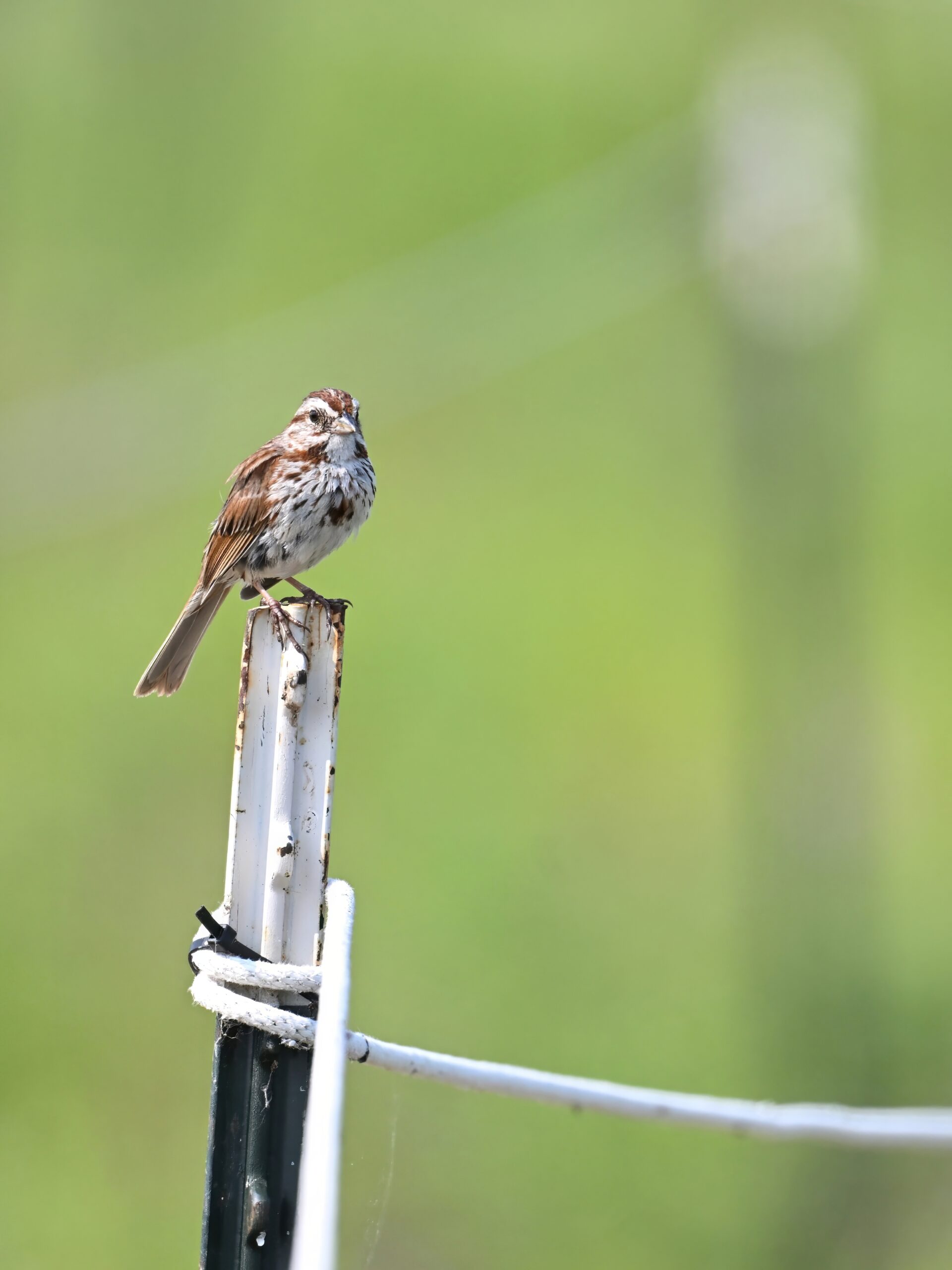
BushtitMap to garden adventuresSong SparrowBushtit IIBottle Tree (Brachychiton rupestris)California Towhee
Bushtit III
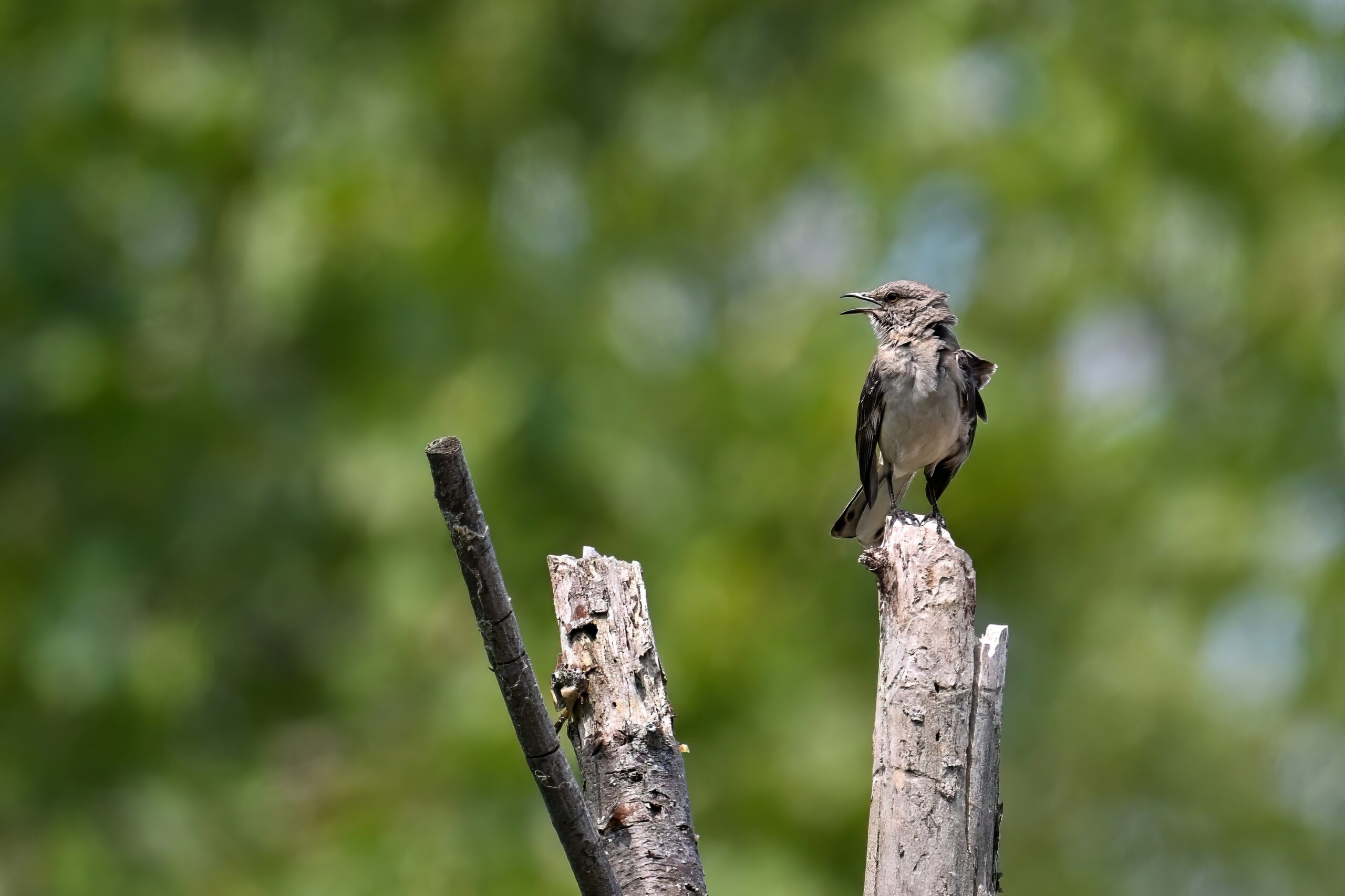
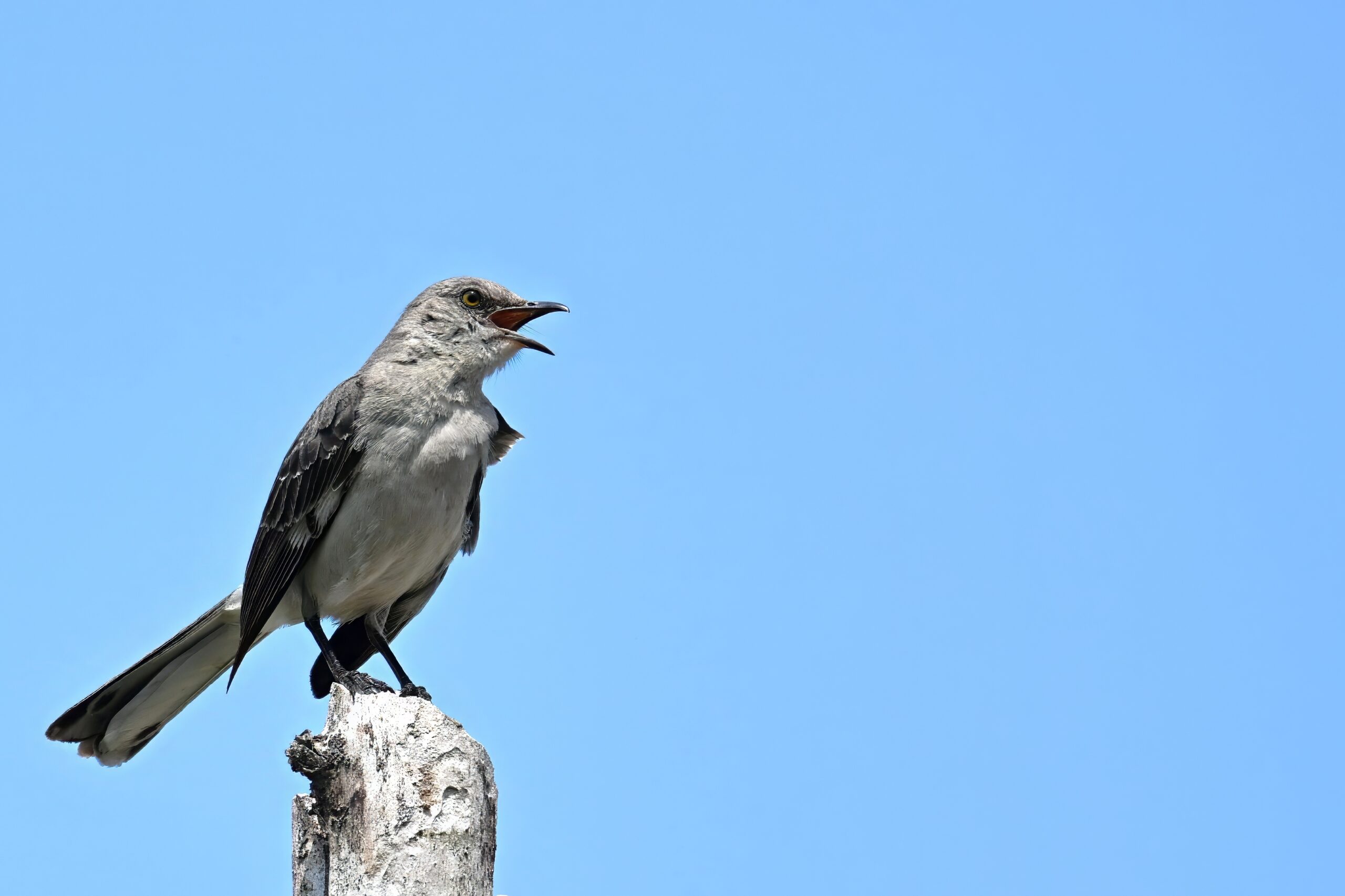
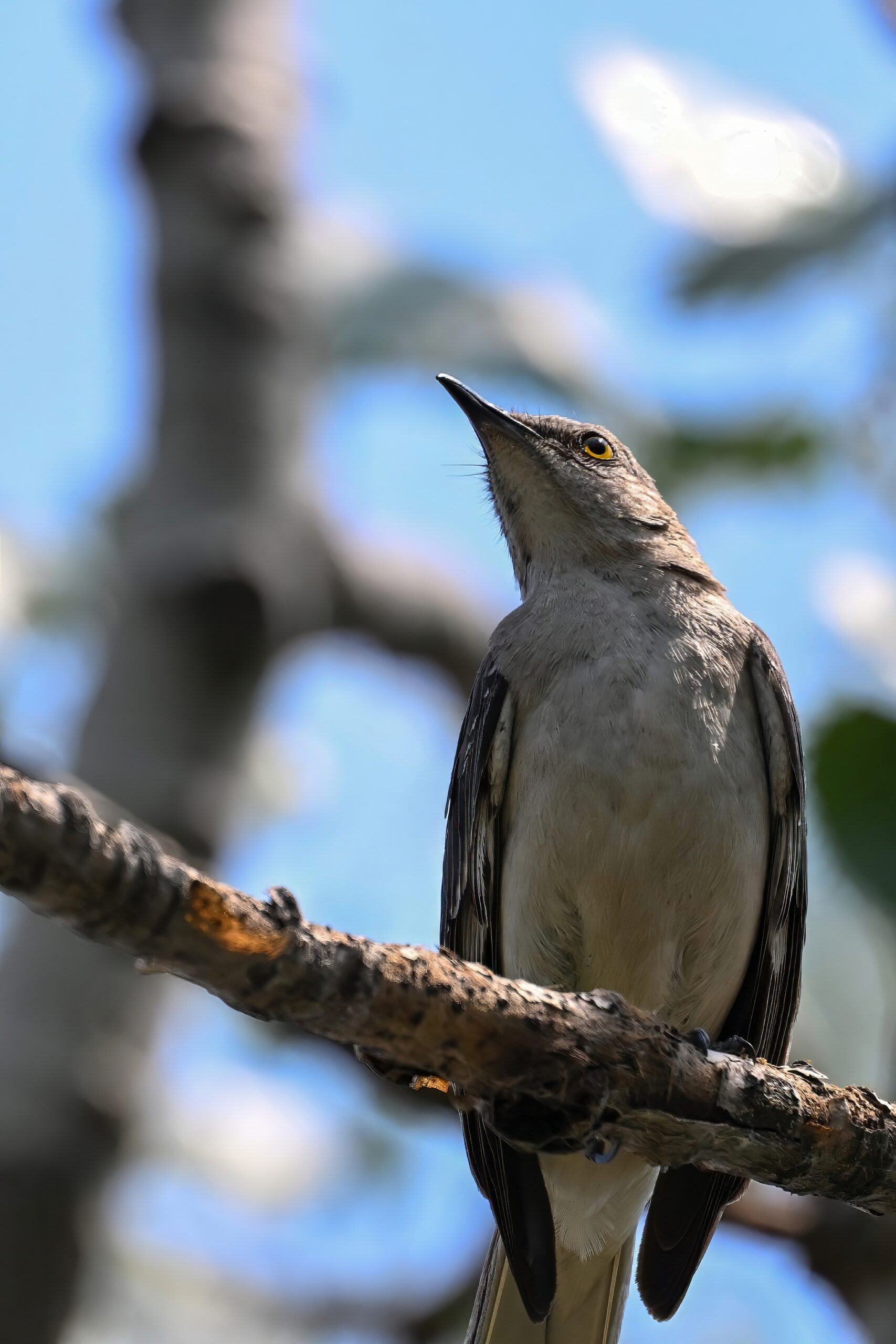
Elevated view of gardens (foreground) and nearby neighborhoods (background)California Towhee IISpotted TowheeElephant Foot Tree (Beaucarnea recurvata)Orange-crowned WarblerCalifornia Towhee IIIToni’s Tree HouseYellow-rumped WarblerMaiden’s Quiver Tree (Aloe ramosissima), foregroundCalifornia Towhee IVNorthern MockingbirdCandelabra Tree (Euphorbia ingens) or similarCommon RavenBushtit IVView of gardensSpotted Towhee IINorthern Mockingbird IIBlooming Elephant Foot TreeOrange-crowned Warbler IIOrange-crowned Warbler IIIHeading into the rainforest
What’s great about San Diego Botanic Garden is the (i) variety/diversity of plants and (ii) it’s been around (first private and then public) for 80+ years = many magnificent mature specimens.
Bonus section (re-post?) of Orange-crowned Warbler at a nearby location in San Diego County, same date, better showing the orange crown:
Coming up next time, more at SDBG, including lots of hummingbirds! (Yay!)